Art Movements Art Styles
307 art movements styles to explore. Open any style to learn its history and defining characteristics, see AI-generated examples, and create your own art in that style.
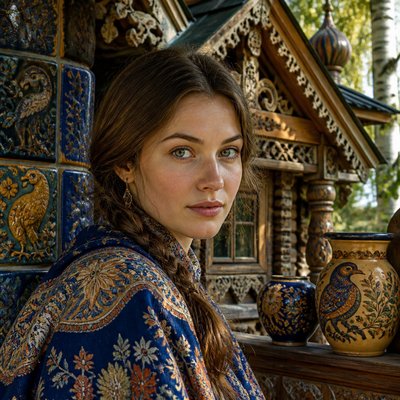
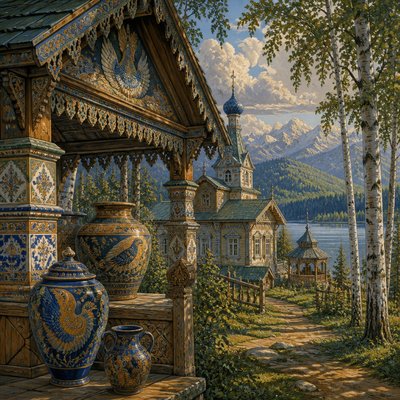
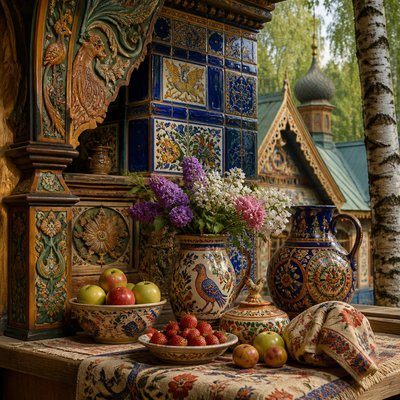
Explore the Abramtsevo art style: Russian Revival timber architecture, folk-tale majolica, carved wood, and birch-forest estate imagery.
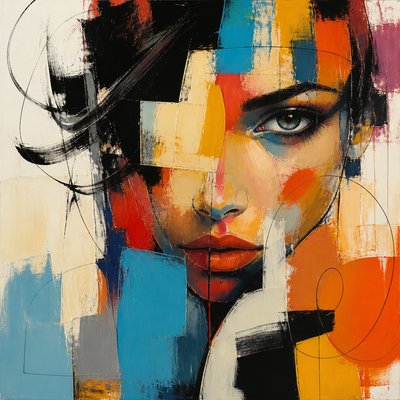
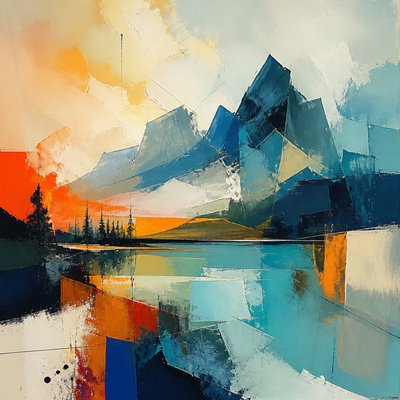
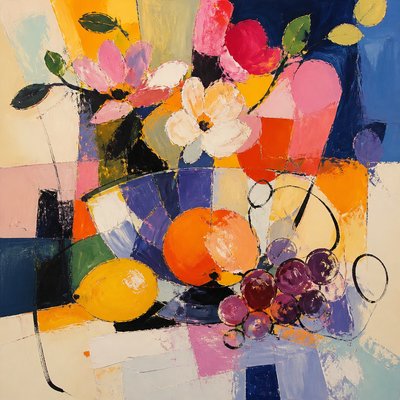
Abstract art uses color, shape, line, and gesture to create emotion and meaning without depicting recognizable reality.
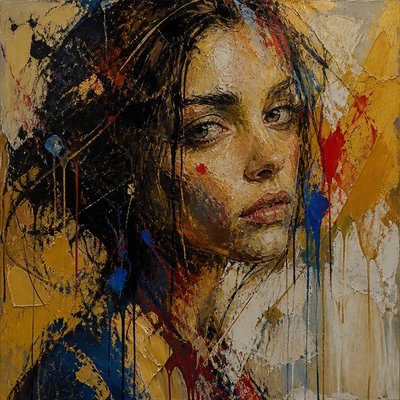
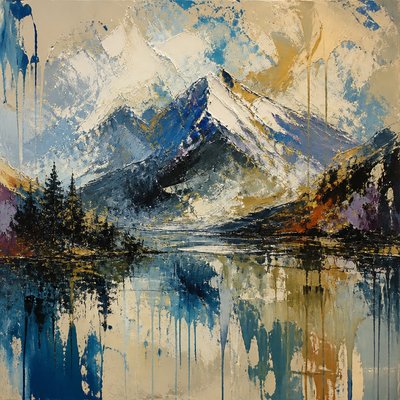
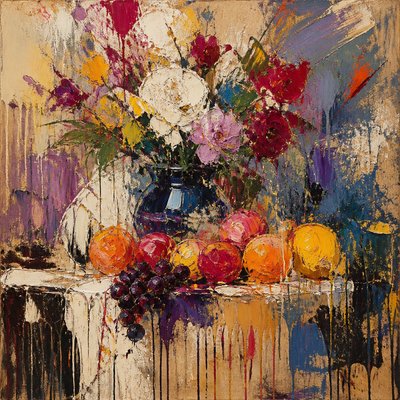
Abstract Expressionism: gestural, large-scale painting with drips, splashes, impasto, and raw emotional mark-making.
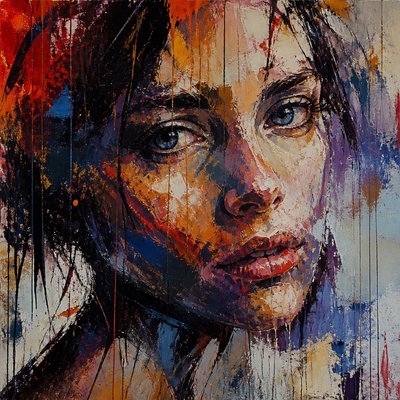
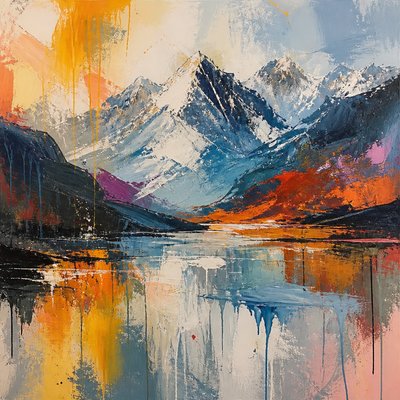
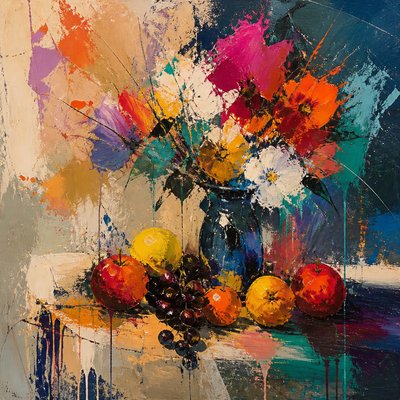
Abstract expressionist modern art: gestural brushwork, drips, layered paint, and emotional abstraction with vivid color and spontaneous energy.
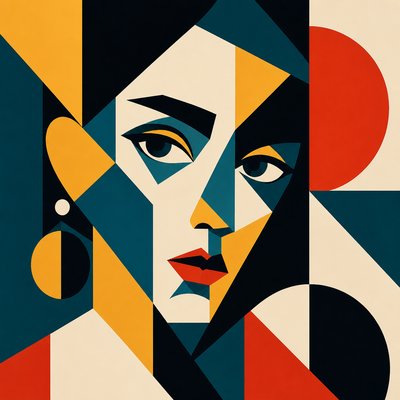
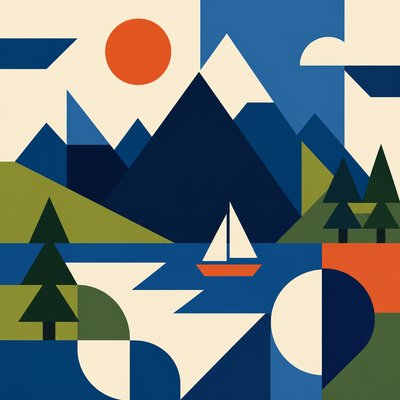
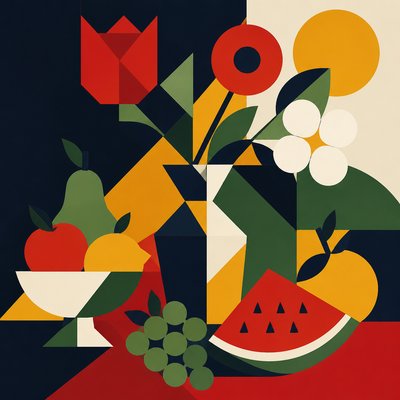
Bold non-representational art built from geometric shapes, flat color planes, and precise composition.
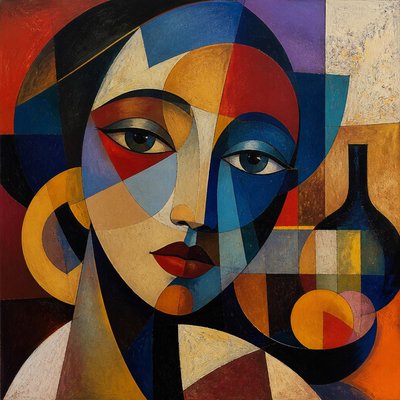
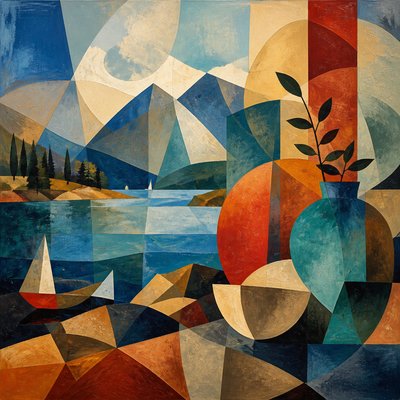
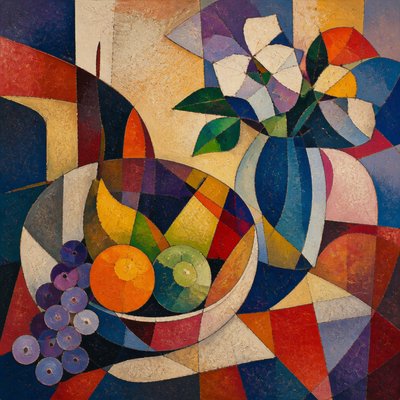
Abstract still life reduces everyday objects to color, shape, and rhythm, turning recognizable subjects into non-representational compositions.
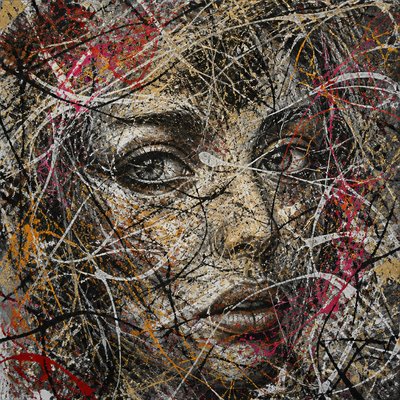
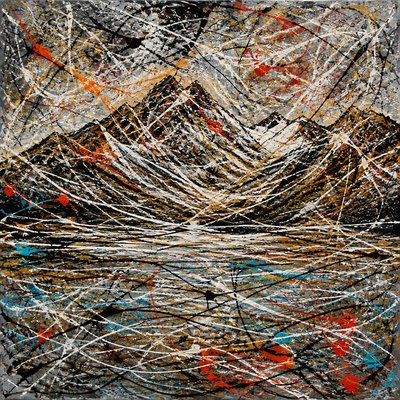
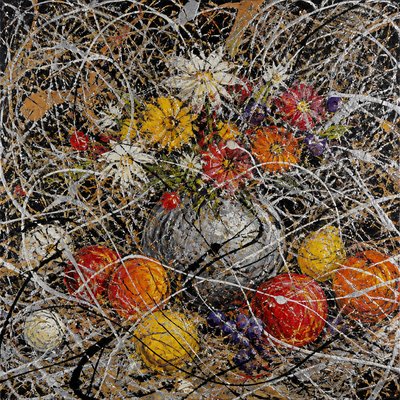
Explore Action Painting: explosive drips, splatters and poured color that turn gesture, movement and material into an all-over abstract image.


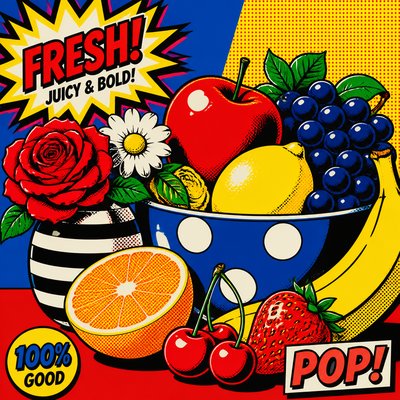
Bold pop-art advertising visuals with Ben-Day dots, loud colors, product-shot polish, and consumer-culture critique.
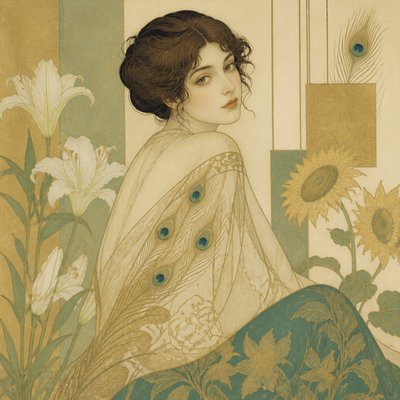
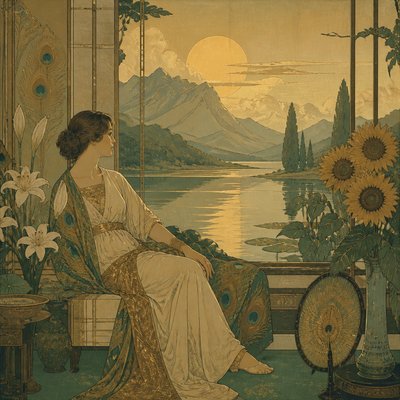
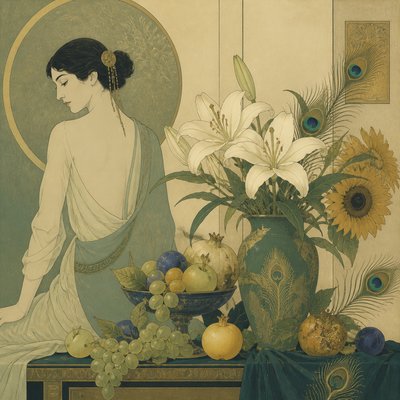
Explore Aesthetic Movement art: art for art's sake, Japanese-inspired composition, peacock hues, languid figures and refined tonal harmony.
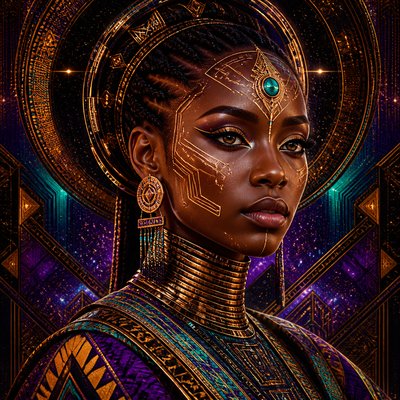
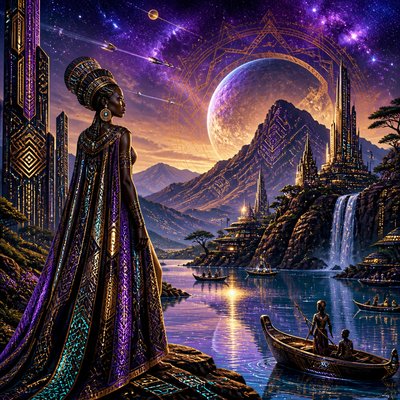
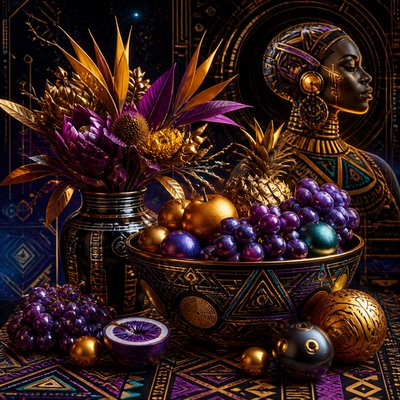
Afrofuturism blends African diaspora culture, science fiction, technology, and cosmic imagery to imagine Black futures.
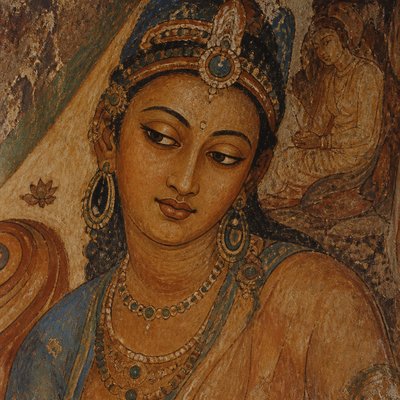
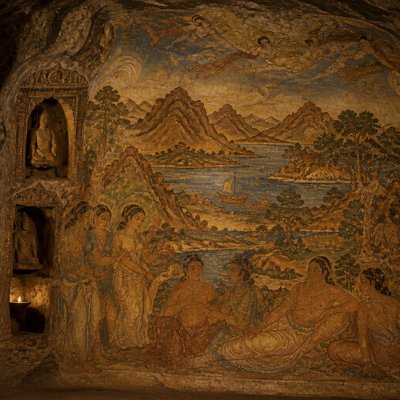
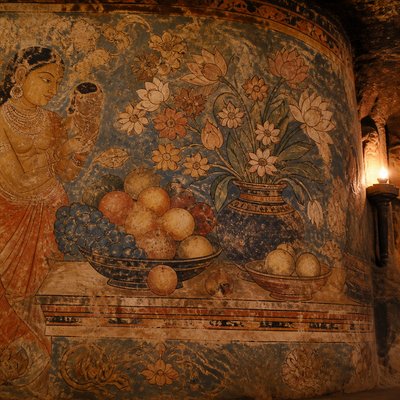
Explore Ajanta art: Buddhist cave murals in mineral pigments, flowing figures, ochre palettes, sculptural niches, and weathered rock-cut surfaces.

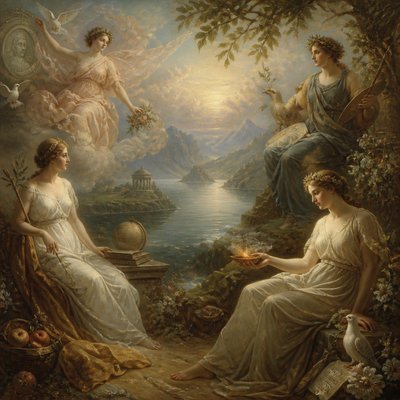
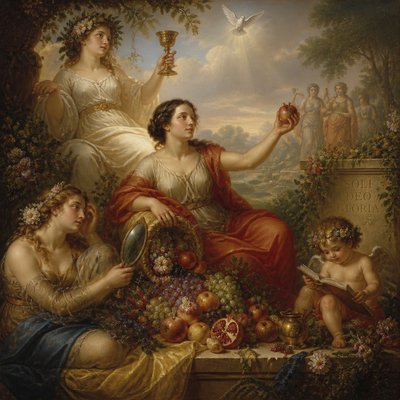
Explore Allegorical Painting: symbolic figures, classical drapery, and dreamlike scenes that turn virtues, seasons, and ideas into visual stories.
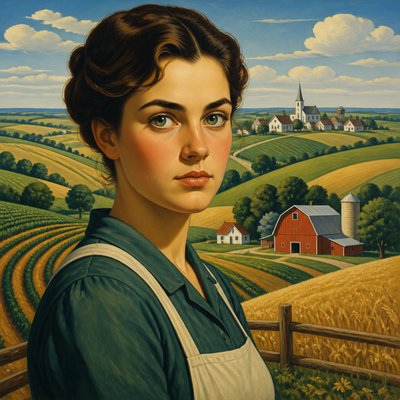
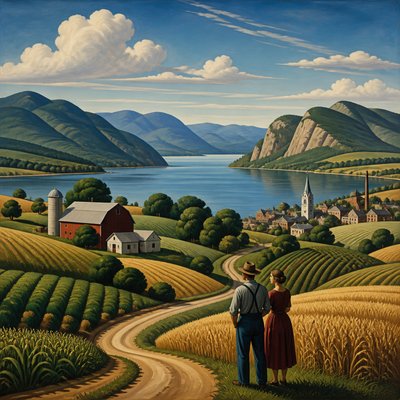
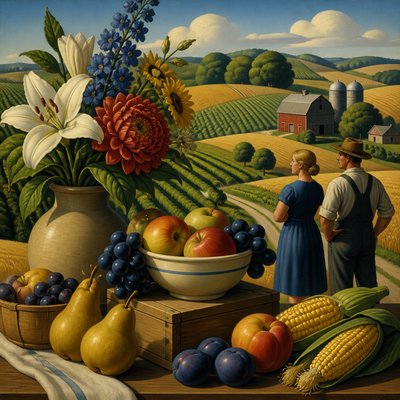
Explore American Regionalism: crisp rural scenes, patterned fields, sturdy figures, and quiet monumental imagery rooted in Depression-era America.
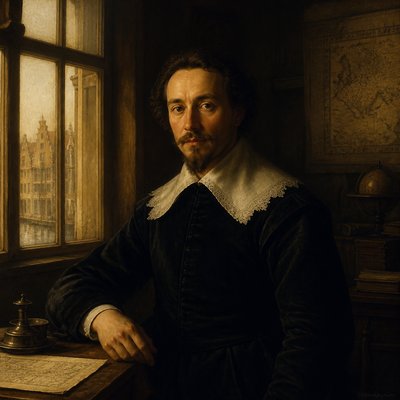
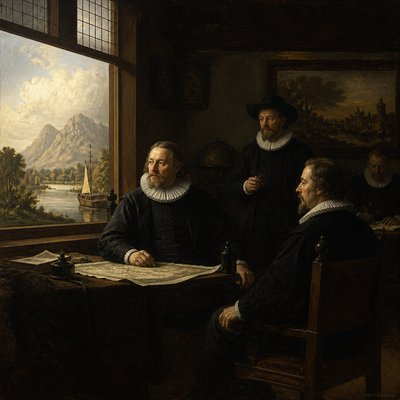
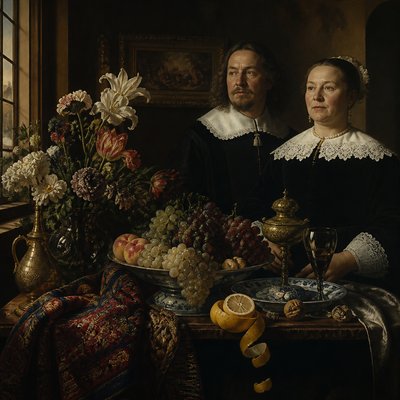
Explore Amsterdam Golden Age art: merchant-city interiors, warm window light, dark costumes, white collars, and quiet civic dignity.
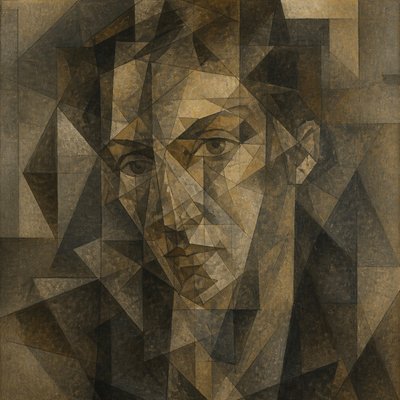
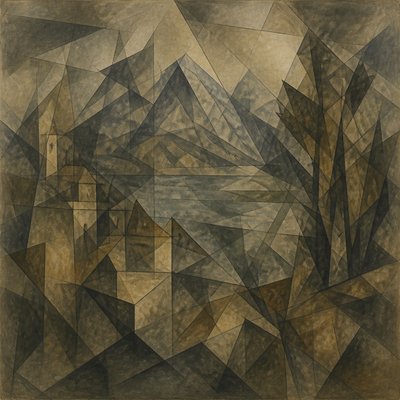
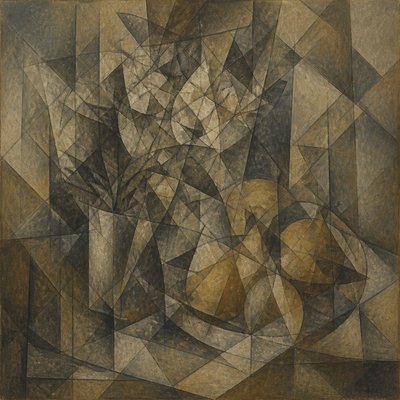
Analytical Cubism breaks subjects into faceted planes, muted tones, and multiple viewpoints for a fragmented, cerebral look.
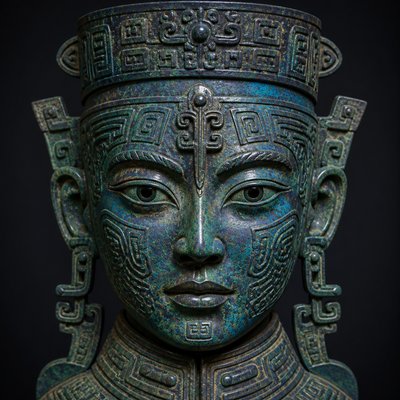
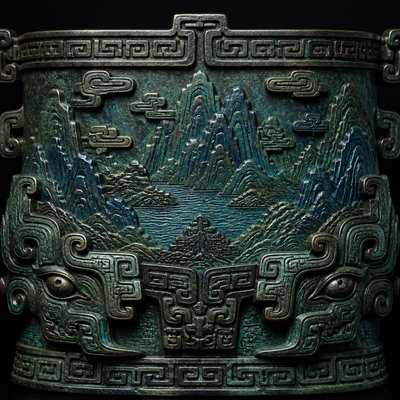
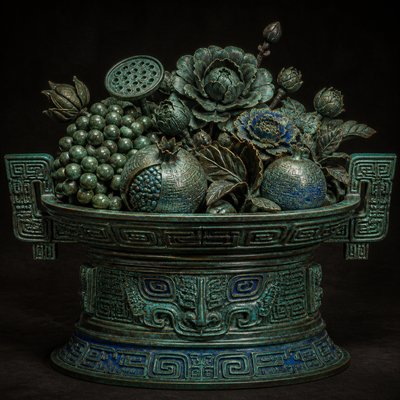
Explore Ancient Chinese bronze art: Shang and Zhou ritual vessels, taotie masks, thunder meanders, cast relief, and mineral-green patina.
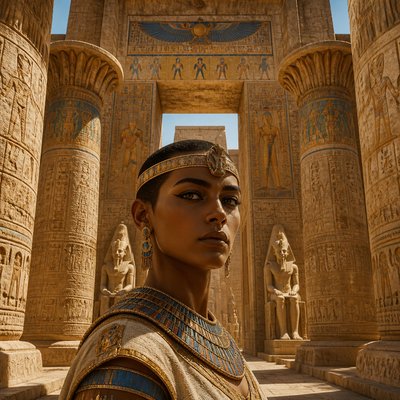
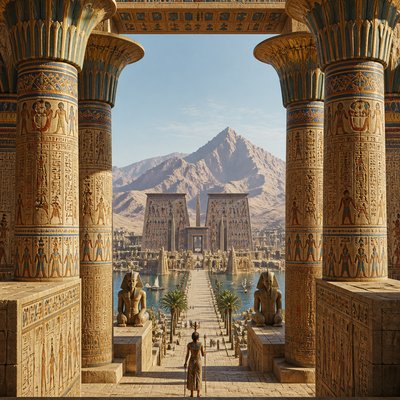
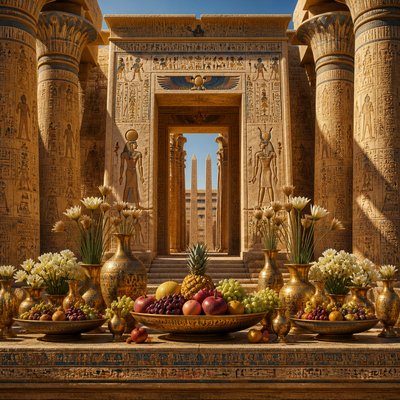
Colossal Egyptian stone architecture with pylons, lotus columns, hieroglyphs, and sunlit monumental symmetry.
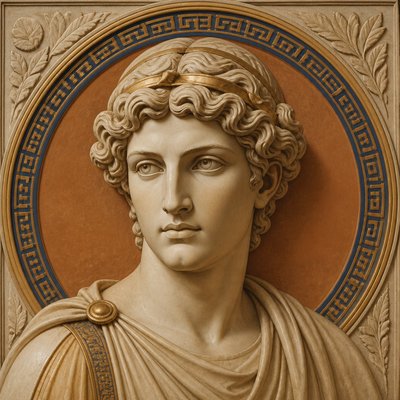
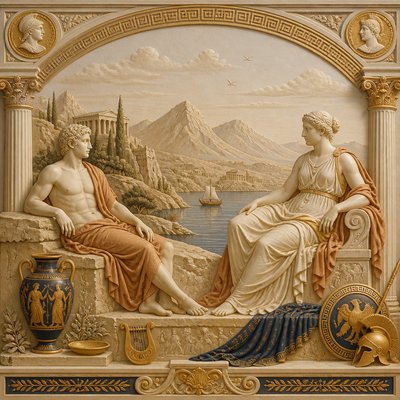
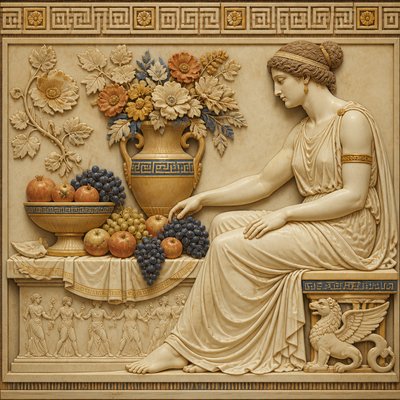
Ancient Greek classical art: idealized proportions, contrapposto poses, draped marble forms, and the balanced beauty of classical antiquity.
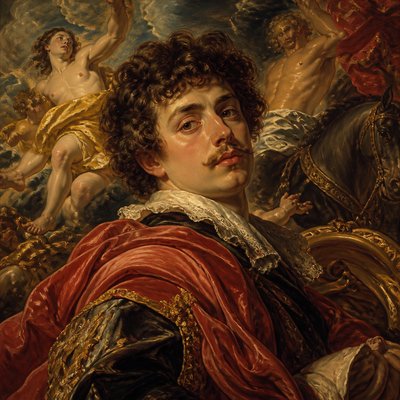
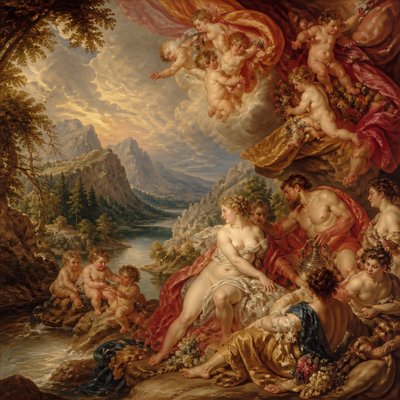
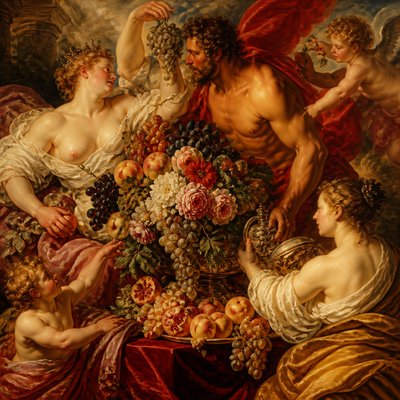
Explore Antwerp Baroque art: dynamic diagonals, luminous oil paint, muscular figures, rich color, dramatic light, and theatrical abundance.



Appropriation art reuses and reframes existing images and objects to create critique, irony, and new meanings.
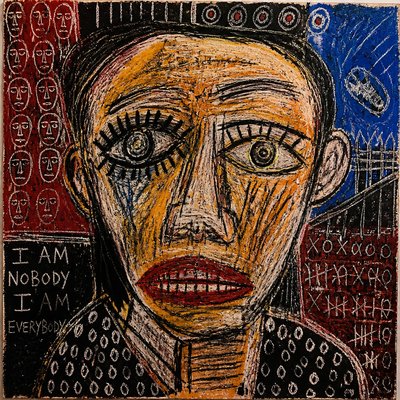
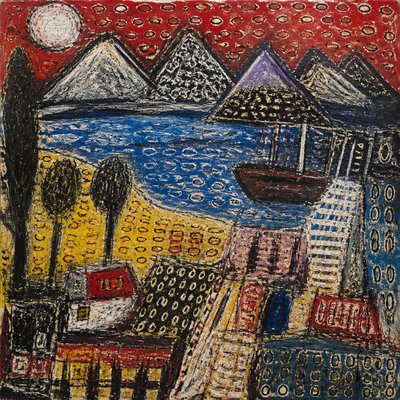
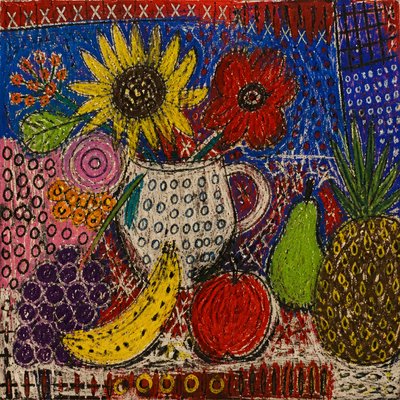
Art Brut: raw outsider art with instinctive marks, obsessive patterns, crude color, and handmade textures outside academic tradition.
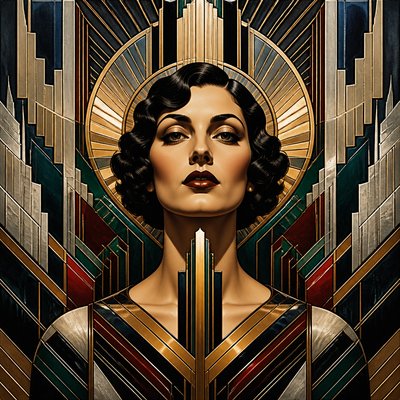
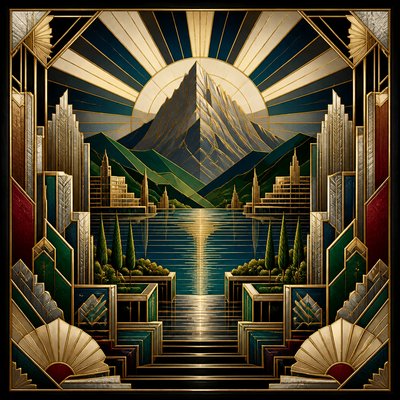
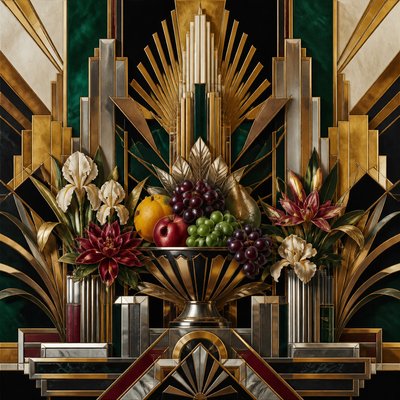
Geometric 1920s–30s architecture with metallic glamour, stepped forms, zigzags, sunbursts, and streamlined luxury.
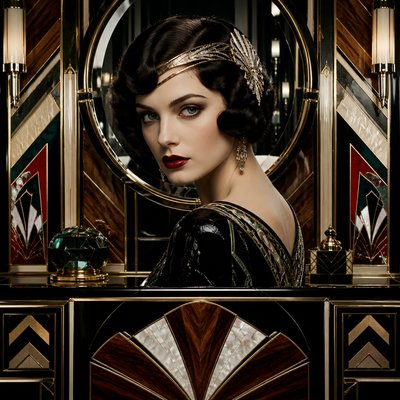
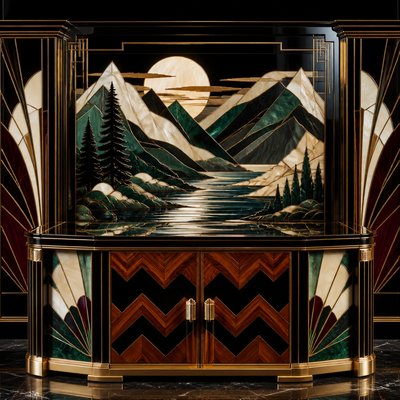
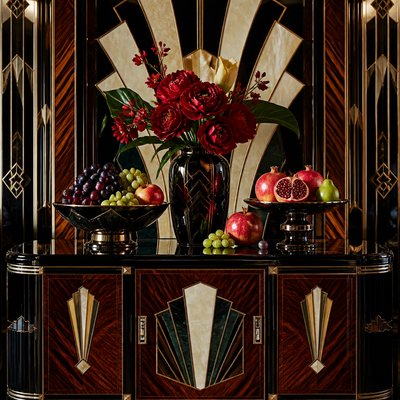
Glamorous 1920s–30s furniture with geometric ornament, lacquer, brass, chrome, and jewel-tone luxury.

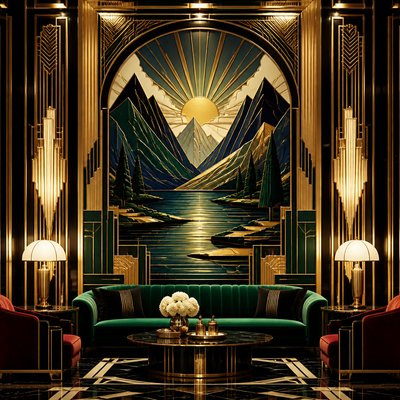
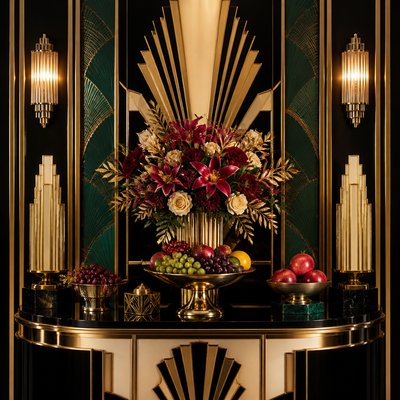
Glamorous 1920s interiors with geometric ornament, lacquered surfaces, metallic accents, symmetry, and jewel-toned luxury.
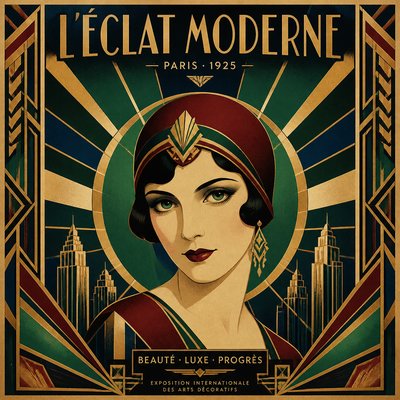
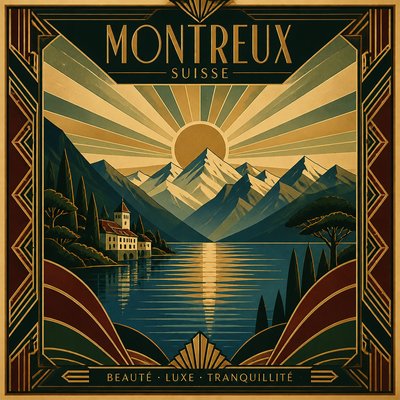
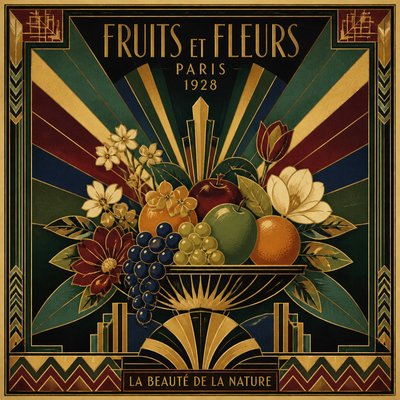
Elegant 1920s–30s posters with geometric forms, metallic accents, sunbursts, and streamlined machine-age glamour.
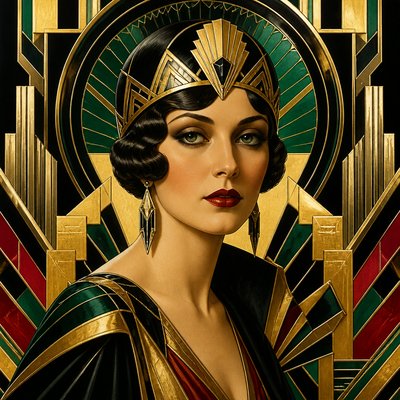
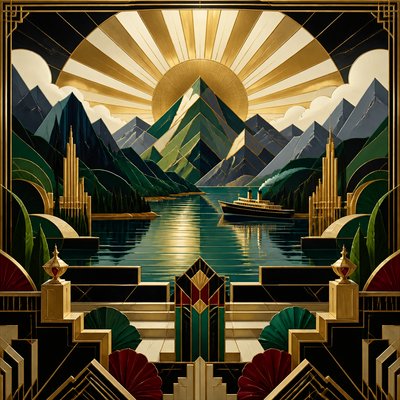
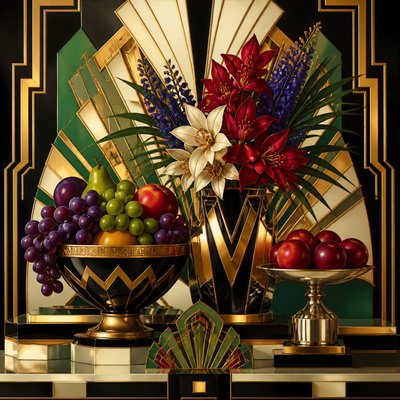
Elegant 1920s–30s design style with geometric forms, metallic finishes, bold symmetry, and glamorous machine-age ornament.
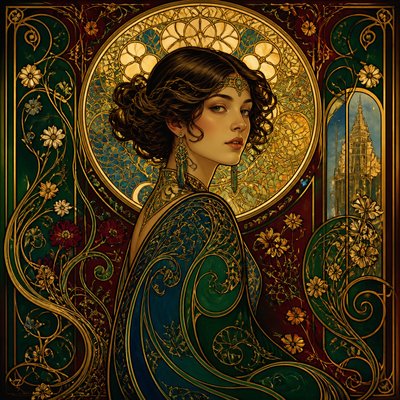
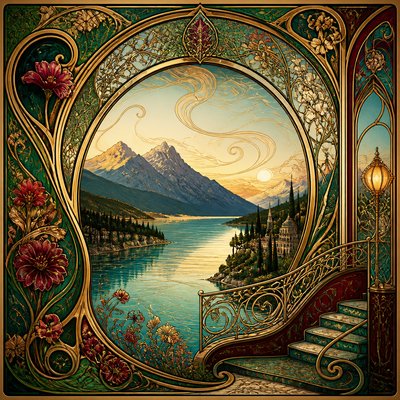
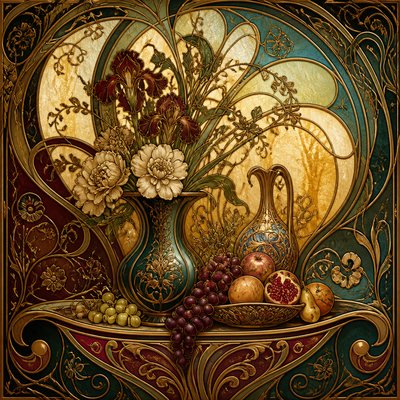
Early 20th-century architecture with organic curves, floral ornament, flowing lines, and handcrafted elegance.
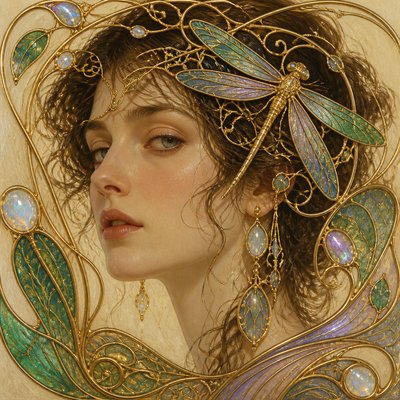
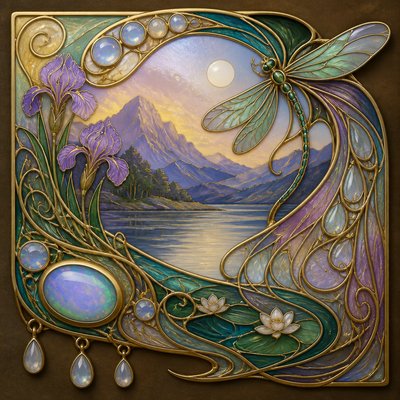
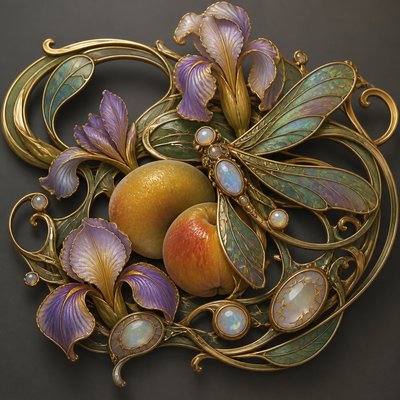
Whiplash gold lines, enamel glow, and opal fire define Art Nouveau jewelry design—organic, asymmetric ornament from c.1890–1910.
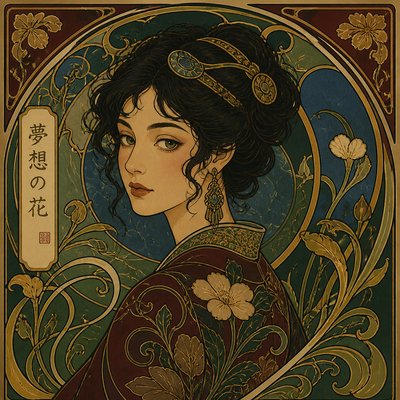
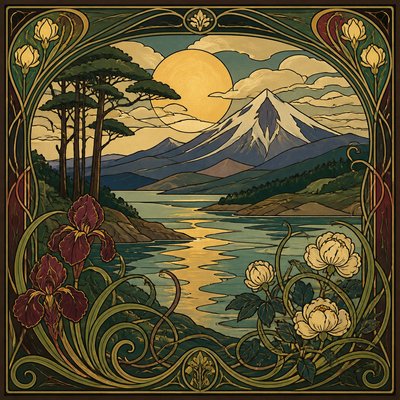
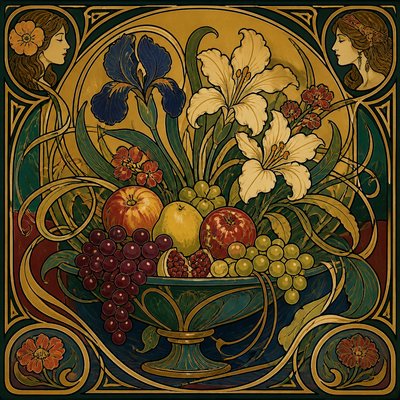
Decorative early-1900s style of flowing organic lines, floral motifs, whiplash curves, and elegant flat color design.
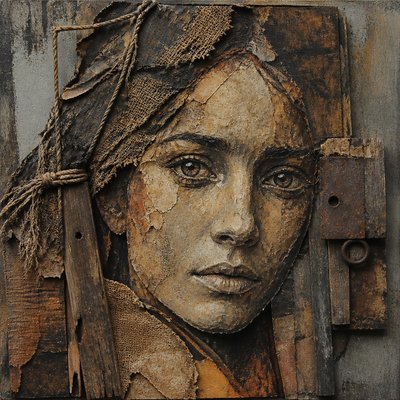
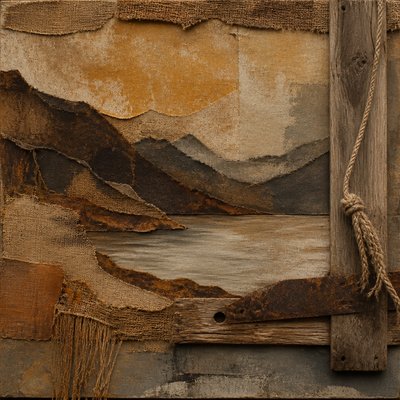
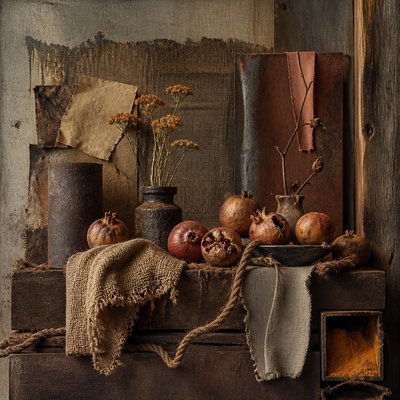
Arte Povera: an Italian art movement using humble materials, rough textures, and raw assemblage to challenge art-market values.
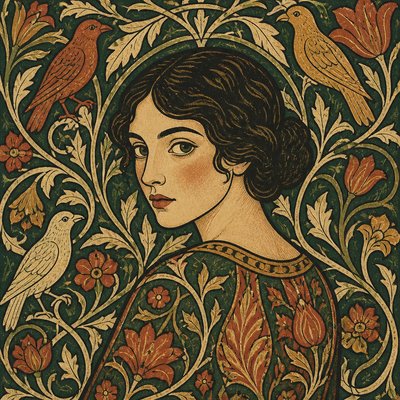
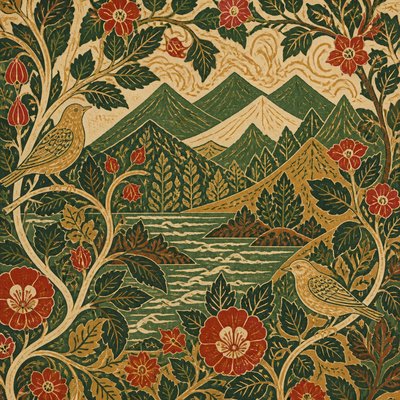
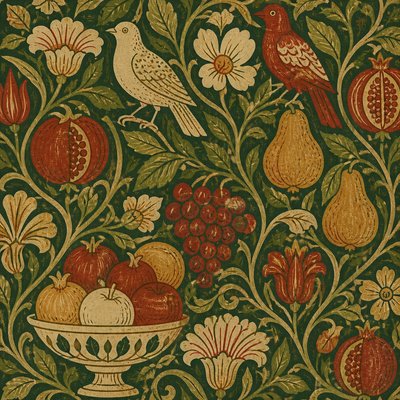
Explore Arts and Crafts style: handcrafted botanical patterns, natural materials, medieval ornament, and deep earthy colors shaped by honest workmanship.
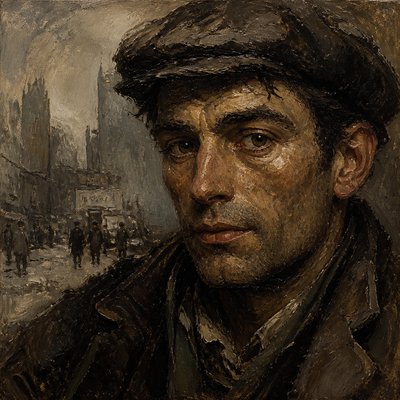
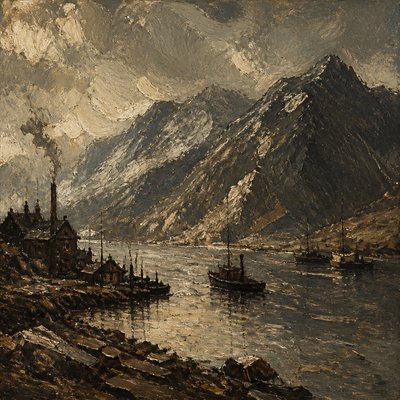
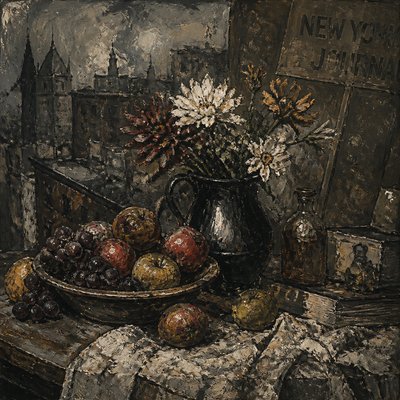
Ashcan School art: gritty urban realism of working-class life, city streets, and everyday scenes painted with loose, vigorous brushwork.
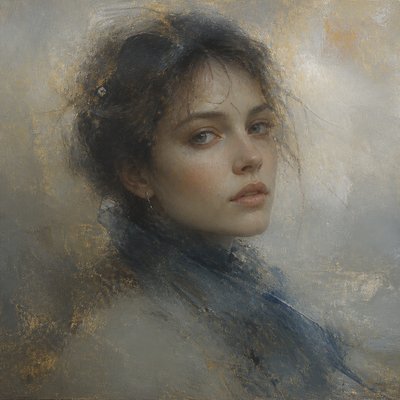
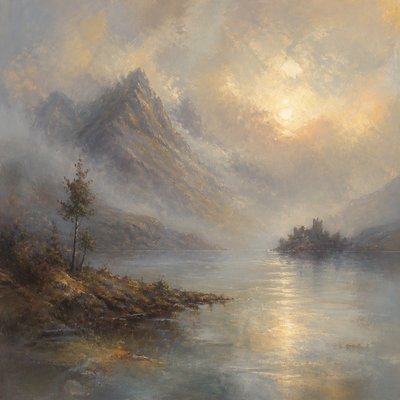
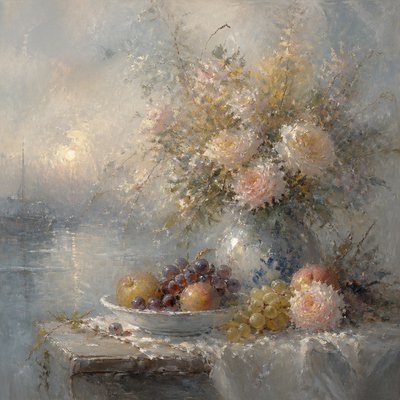
Soft, mist-filled painting style with blurred edges, veiled color, and weather-washed light.

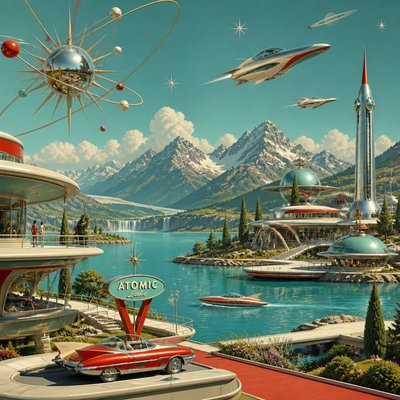
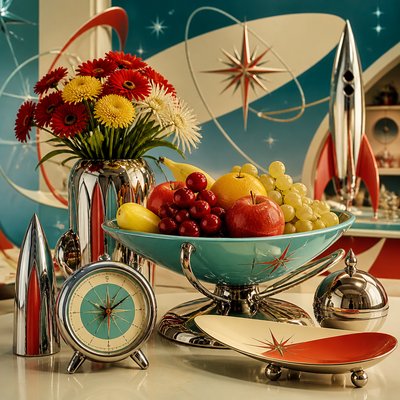
1950s retro-future design with chrome, starbursts, boomerang curves, atomic pastels, and upbeat space-age optimism.


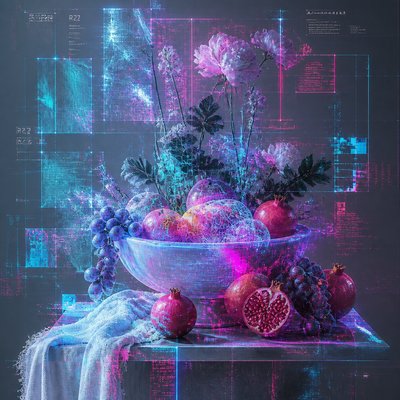
Augmented reality contemporary art blends physical and digital layers, with holographic overlays, glitches, and interactive mixed-reality effects.
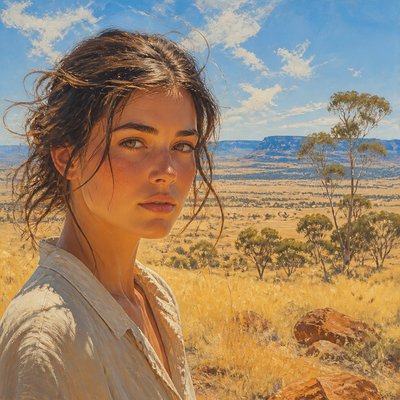
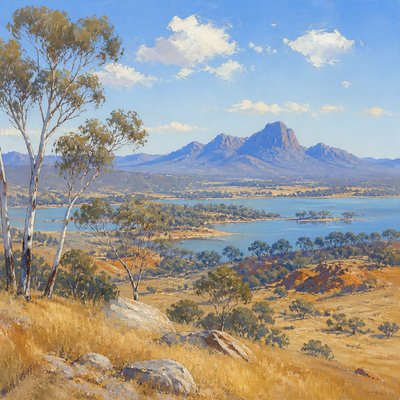
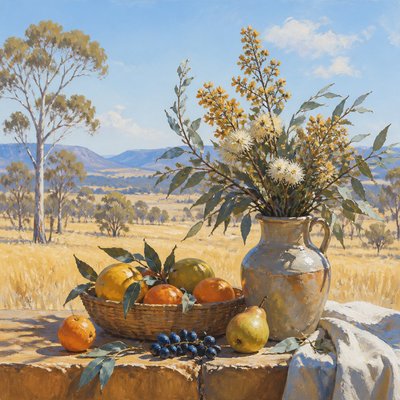
Explore Australian Art Style: sunlit eucalyptus landscapes, golden grass, ochre and cobalt color, and airy plein-air impressionist brushwork.
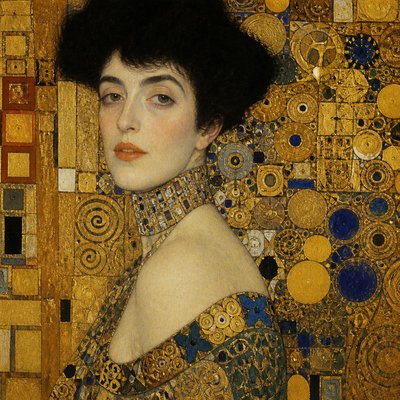
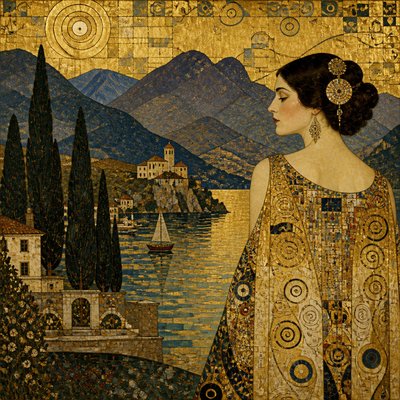
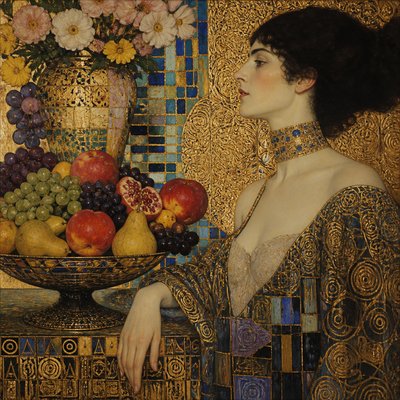
Explore Austrian art style: Viennese gilded ornament, mosaic pattern, secessionist curves, jewel tones, and elegant fin-de-siècle melancholy.
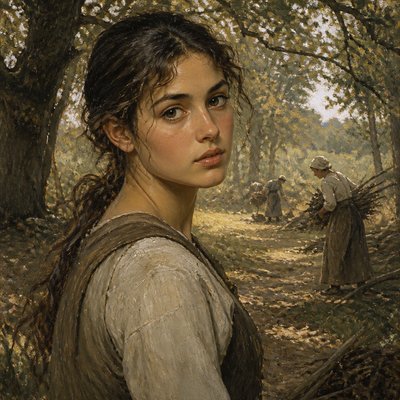
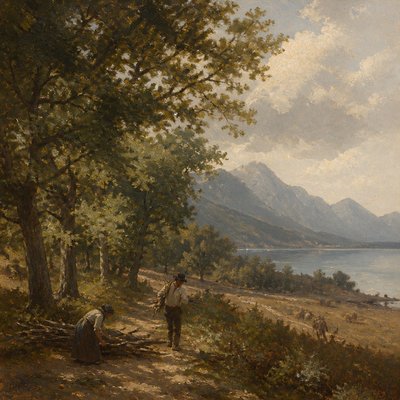
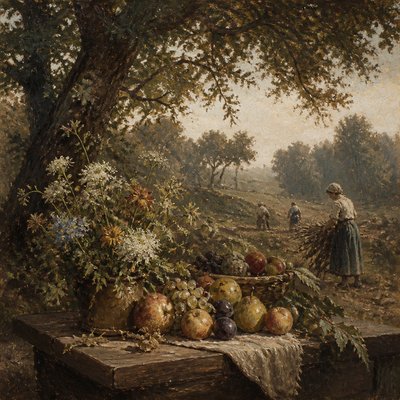
Explore Barbizon art: atmospheric French realism, forest light, earthy color, rural labor, and plein-air oil painting techniques.
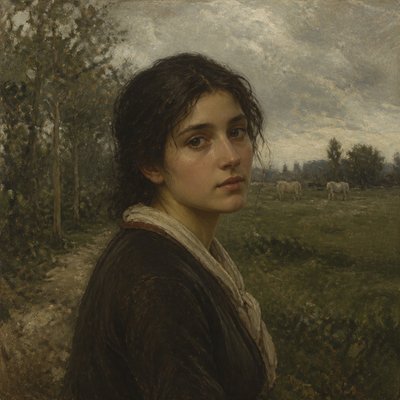
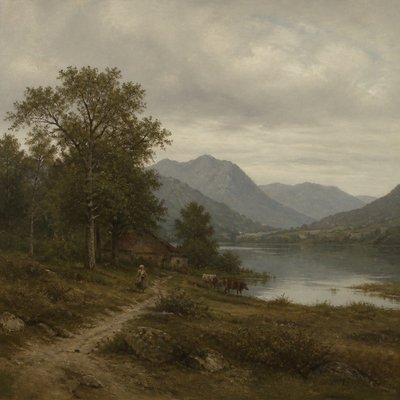
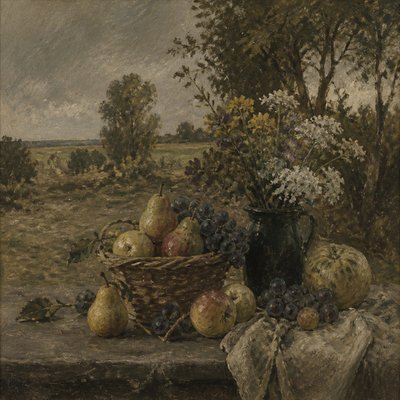
Explore Barbizon School art: moody plein-air forests, rural fields, earthy tonal palettes, and atmospheric realism rooted in 19th-century France.
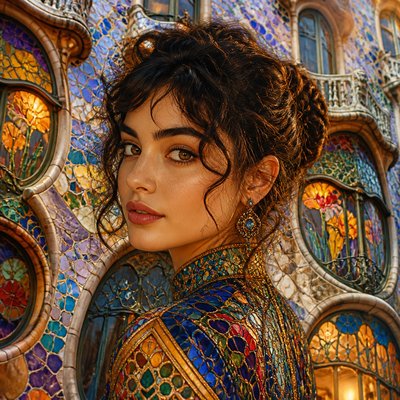
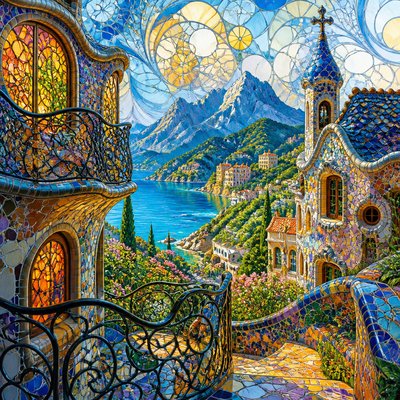
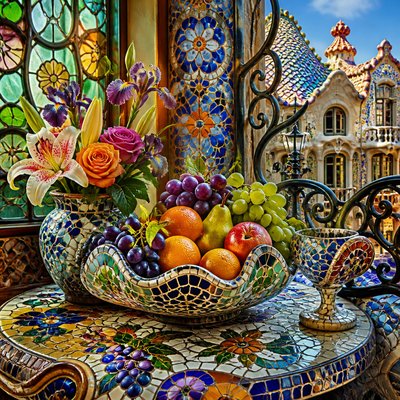
Explore Barcelona Modernisme: organic architecture, trencadís mosaics, stained glass, wrought iron, and vivid Catalan decorative design.
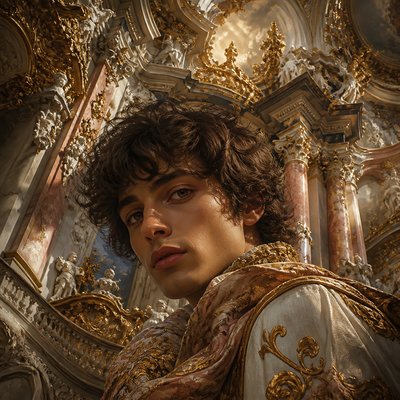
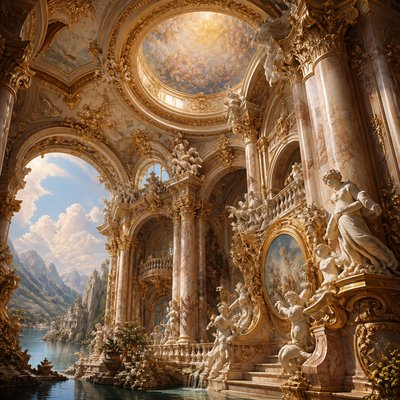
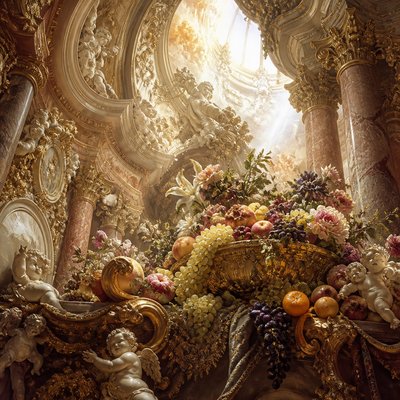
Baroque architecture: gilded facades, colossal columns, broken pediments, and theatrical light from 17th-century Europe.
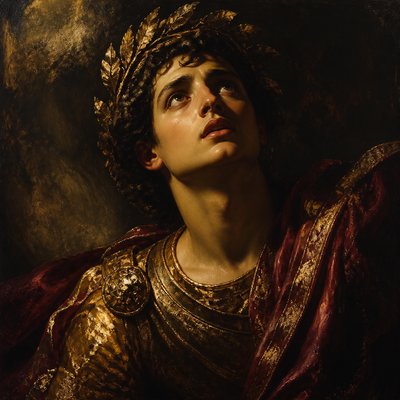
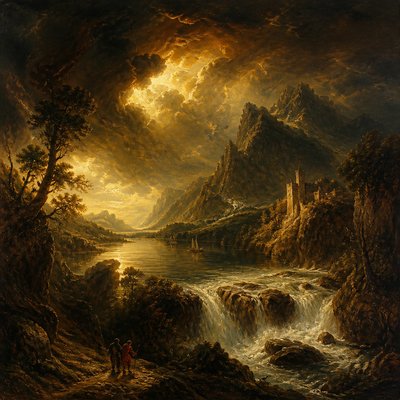
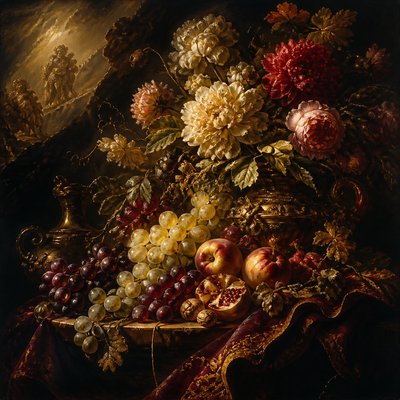
Dramatic 17th-century painting style with chiaroscuro, diagonal movement, rich color, and theatrical emotion.
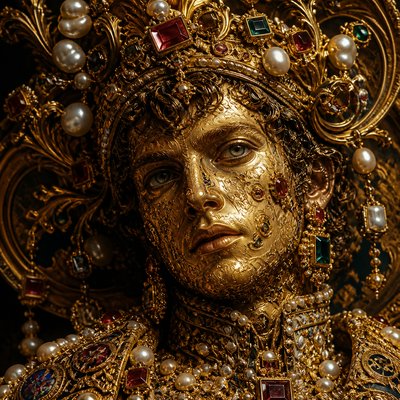
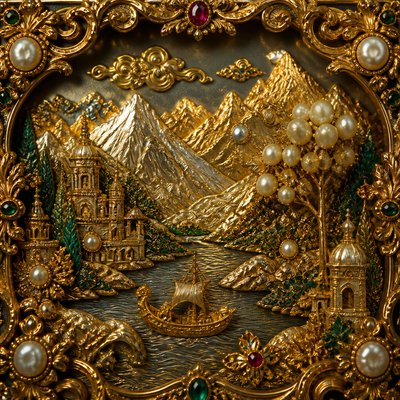
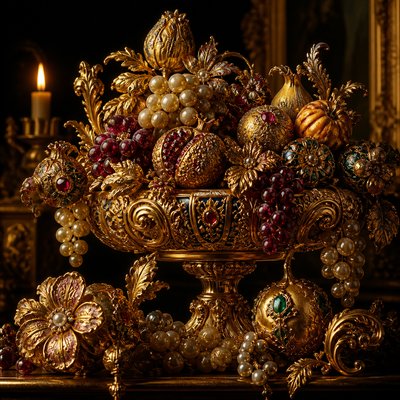
Extravagant 17th-century goldwork with baroque pearls, table-cut gems, and dramatic candlelit opulence.
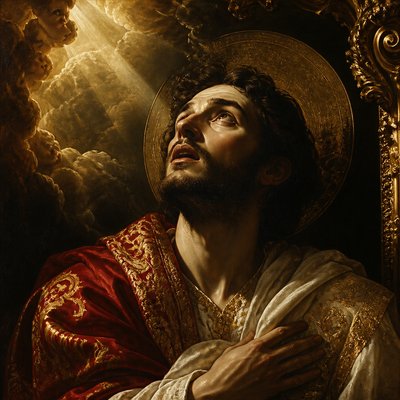
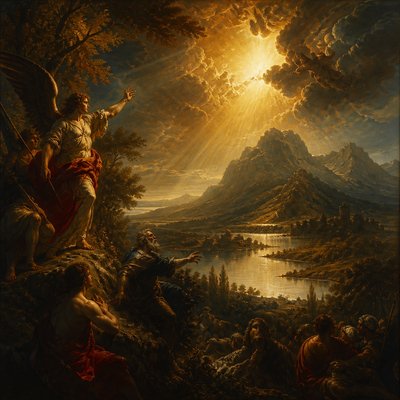
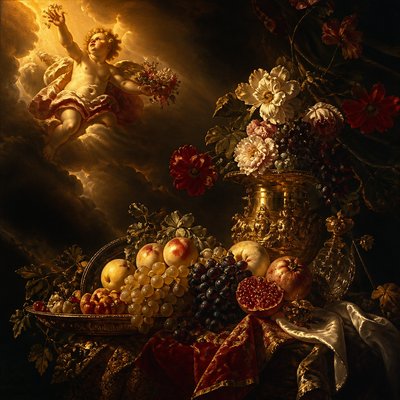
Dramatic Catholic painting with chiaroscuro, emotional intensity, movement, and gilded theatrical lighting inspired by 17th-century altarpieces.
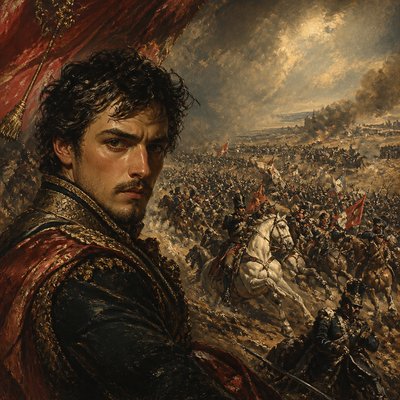
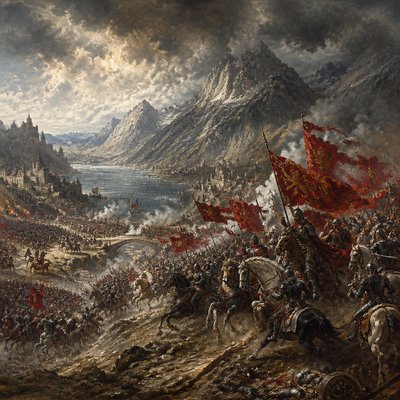
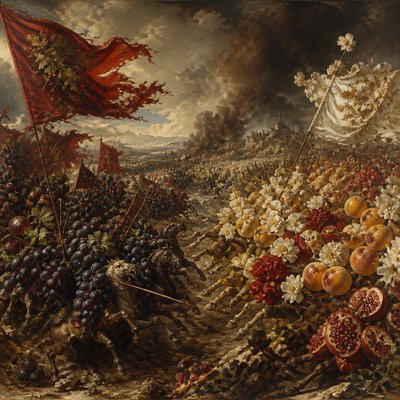
Explore Battle Scene Painting Style: panoramic cavalry, banners, smoke, and Romantic drama shaped by history painting and military art.
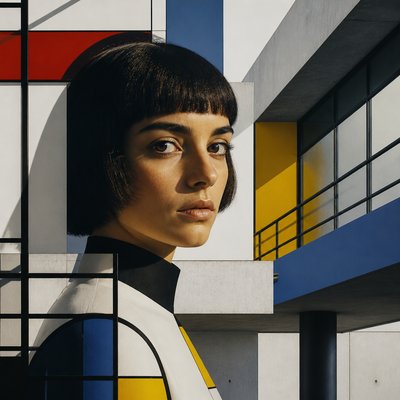
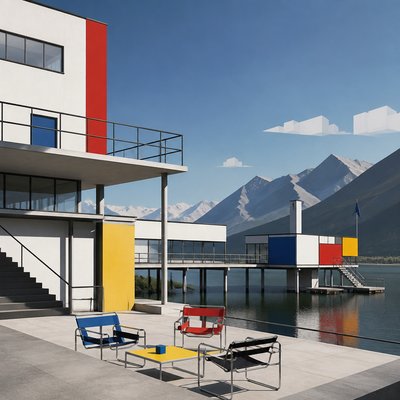
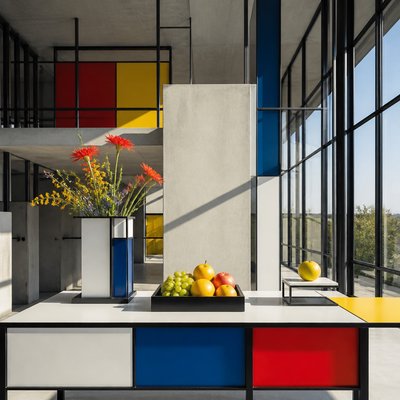
Bauhaus architecture: white planes, ribbon windows, primary accents, and functional modernism shaped by clarity, light, and structure.
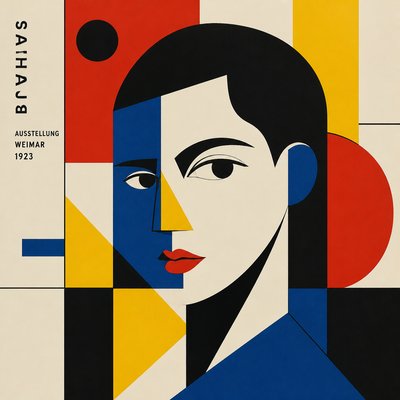
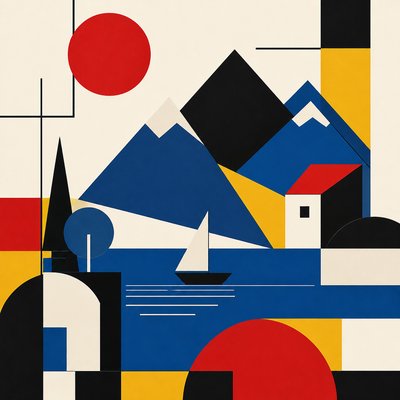
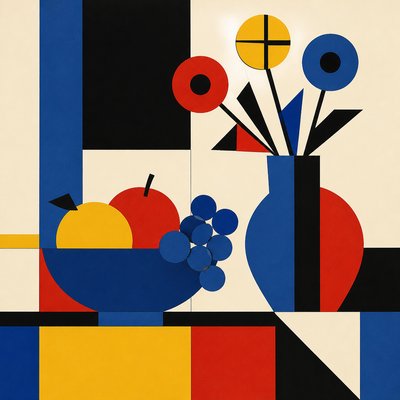
Bauhaus art style: geometric abstraction, primary colors, clean lines, and functional design inspired by 1920s modernism.
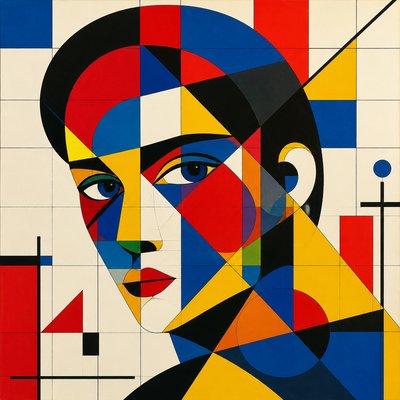
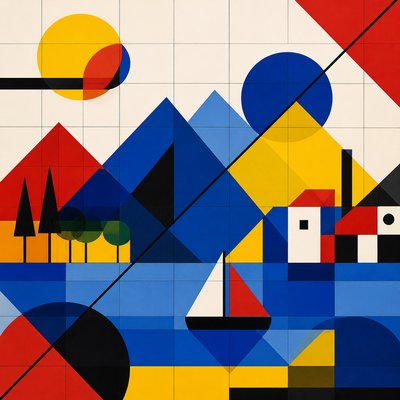
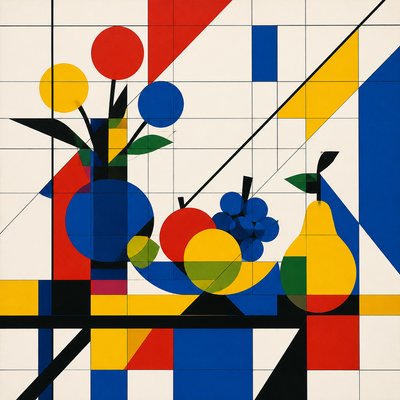
Bauhaus-inspired geometric art with primary colors, simple shapes, bold lines, and functional modernist design principles.
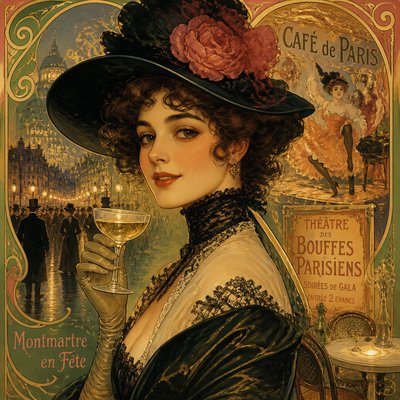
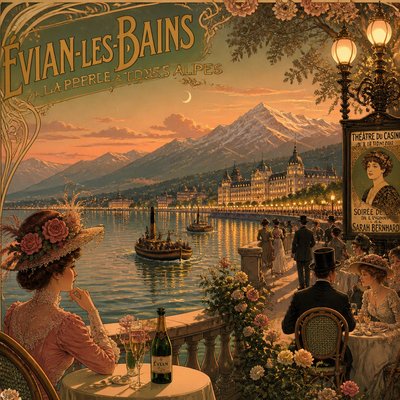
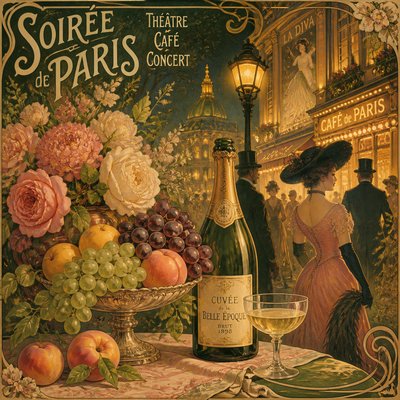
Explore Belle Époque style: Parisian café glamour, Art Nouveau lines, lithographic posters, champagne gold, gaslight and elegant theatrical scenes.
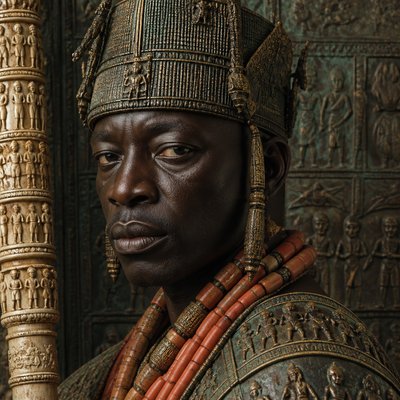
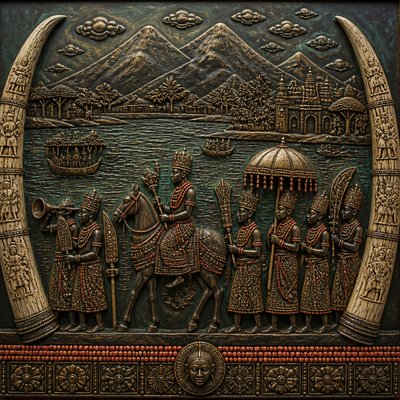
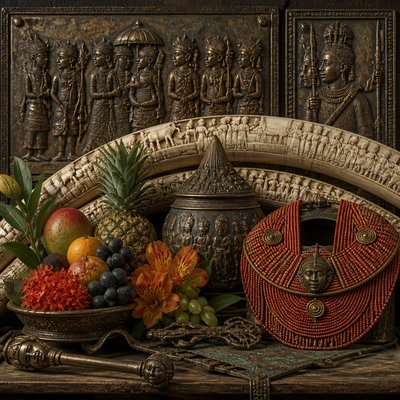
Explore Benin City art: Edo court bronzes, ivory carving, coral regalia, relief figures, and richly patinated ceremonial surfaces.
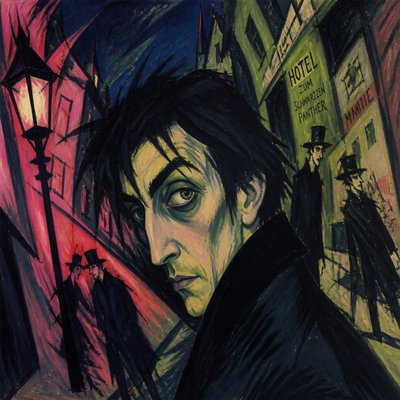
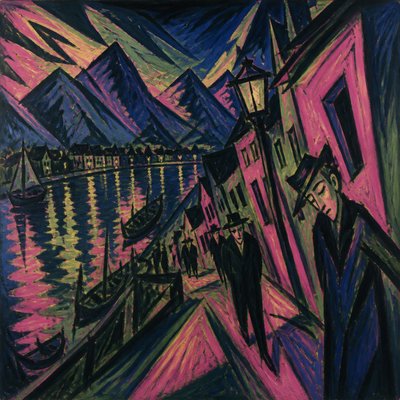
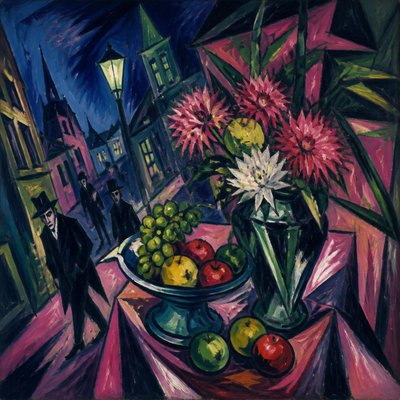
Explore Berlin Expressionism: jagged night streets, acid color, tilted perspectives, and nervous urban energy shaped by expressionist visual traditions.
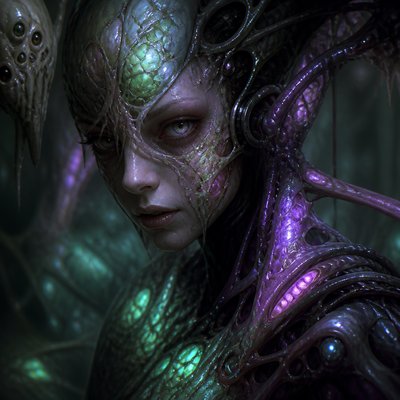
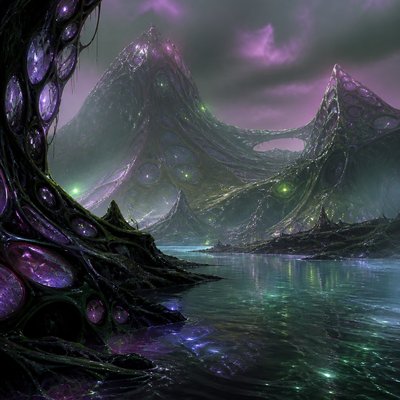
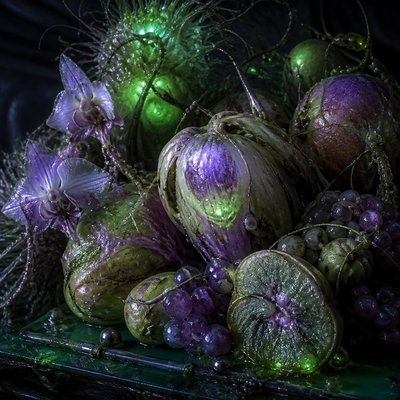
Organic tech, genetic mutation, and flesh-machine hybrids in a dark sci-fi aesthetic of bioluminescent, living forms.
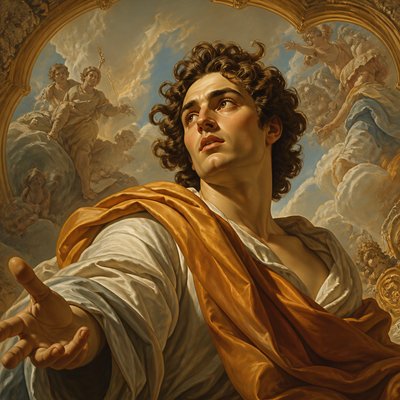
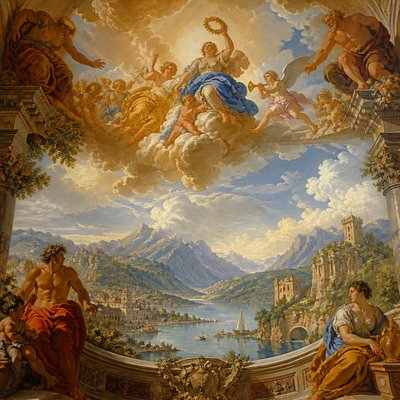
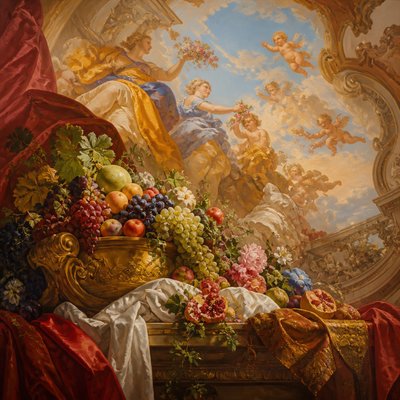
Explore Bologna Art Style: grand Baroque frescoes, academic figure drawing, theatrical gestures, illusionistic skies, rich color, and golden light.
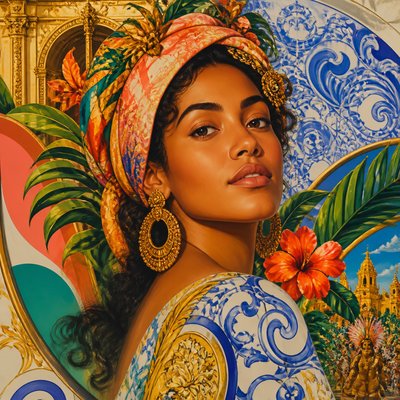
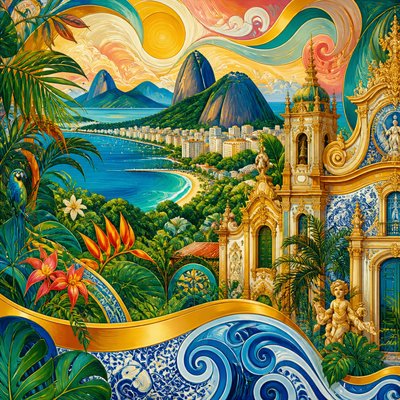
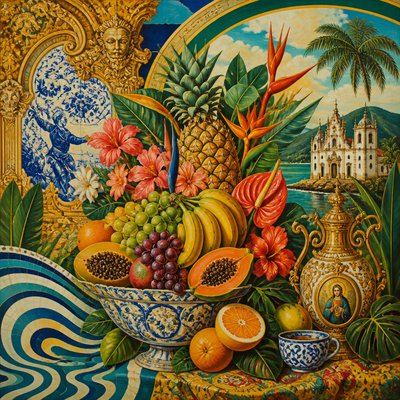
Explore Brazilian Art Style: a vivid fusion of Baroque ornament, tropical modernism, azulejo patterns, lush nature, and carnival color.
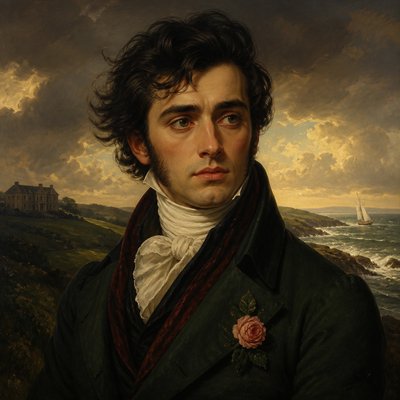
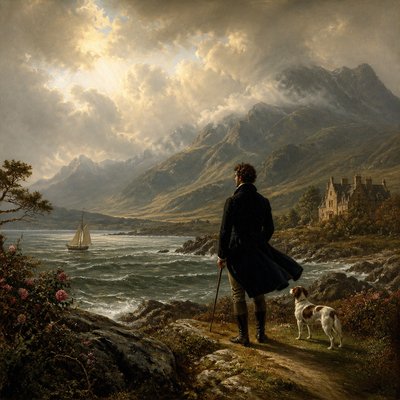
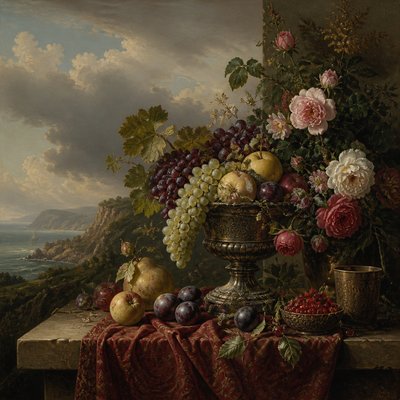
Explore British art style: storm-lit landscapes, green countryside, maritime atmosphere and dignified portraiture in a restrained painterly palette.
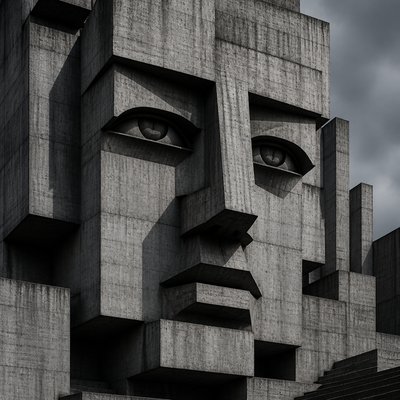
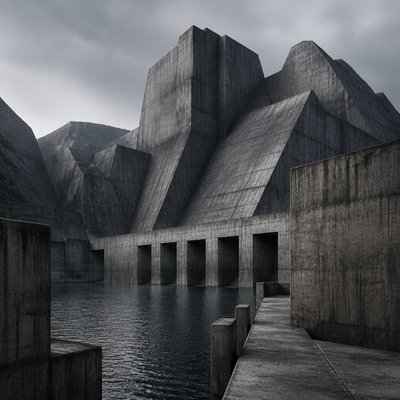
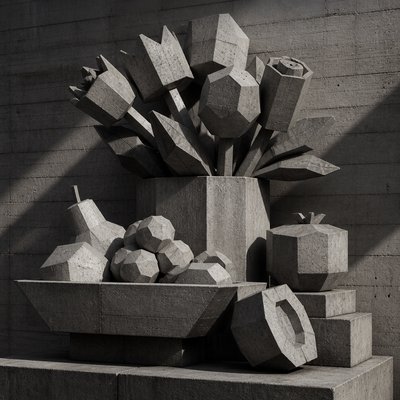
Raw concrete, blocky massing, and fortress-like geometry define this austere architectural style.
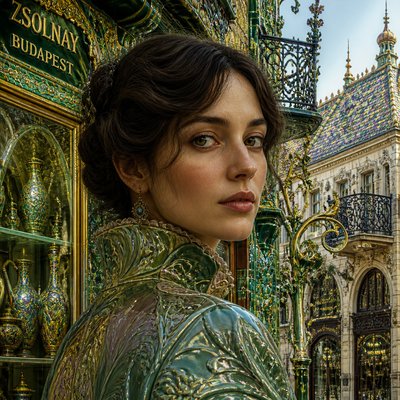
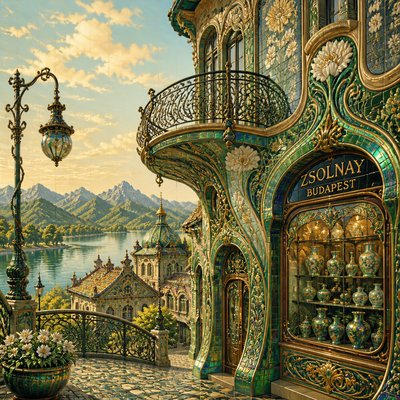
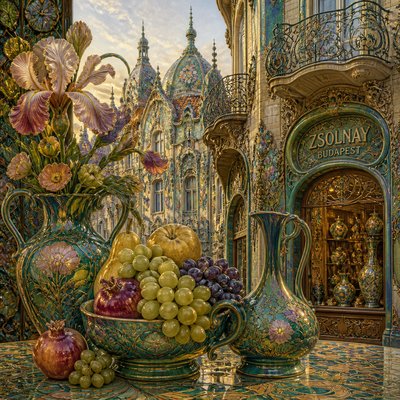
Explore Budapest Art Style: iridescent Hungarian ceramics, flowing Art Nouveau architecture, folk ornament, and gilded decorative interiors.
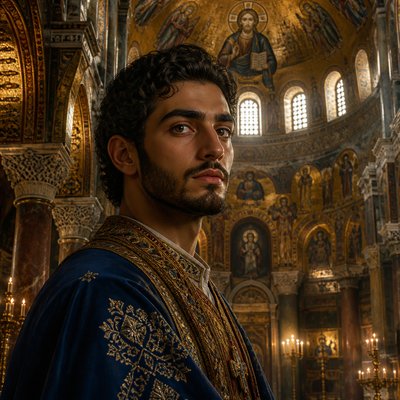
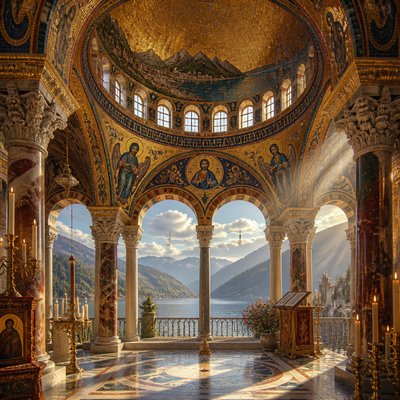
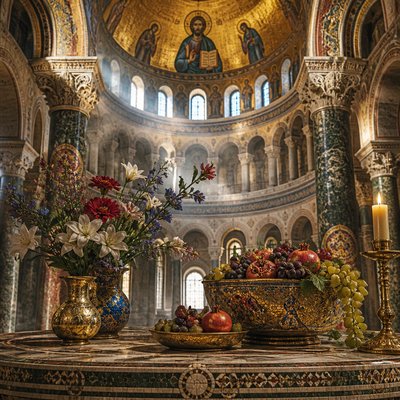
Byzantine architecture: gold mosaics, shallow domes, marble columns, and sacred ceremonial spaces shaped by empire and liturgy.
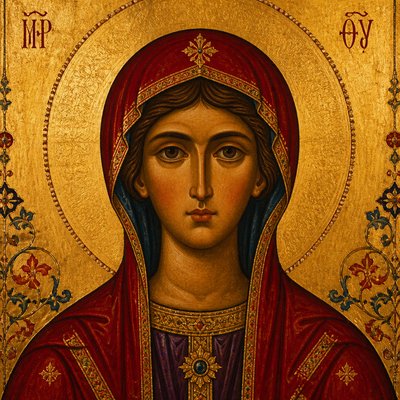
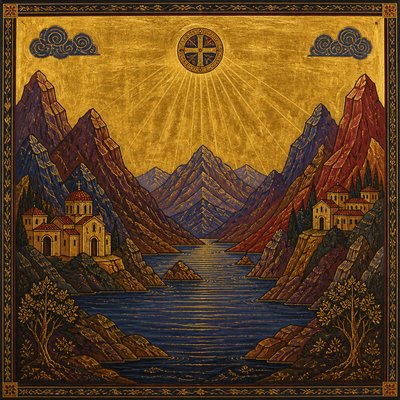
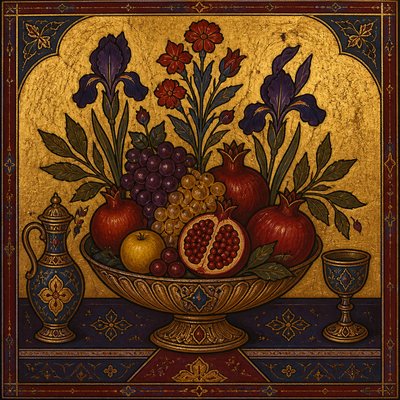
Byzantine art: gold backgrounds, frontal icons, stylized figures, and spiritual symbolism from the Eastern Orthodox tradition.
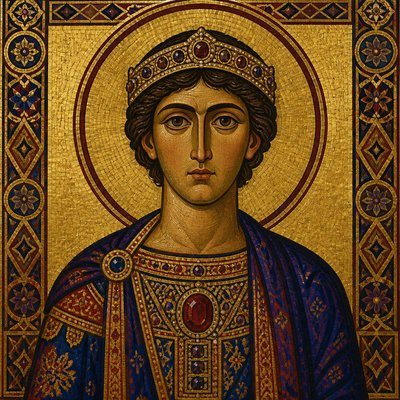
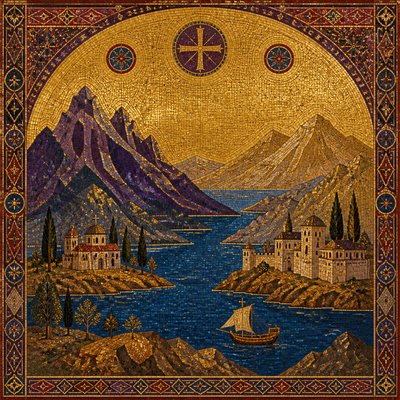
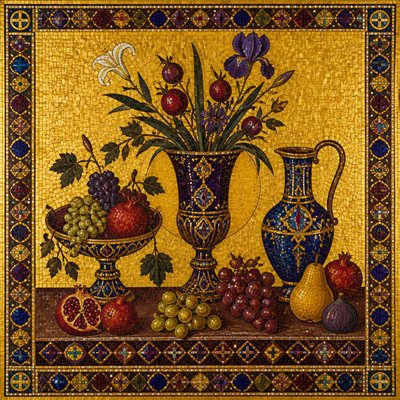
Iconic Byzantine-style art with gold grounds, frontal figures, flattened space, and spiritual symbolism rooted in sacred image traditions.
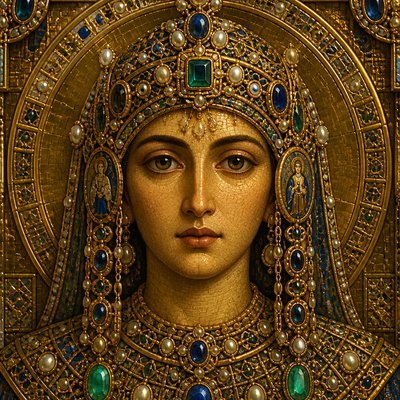
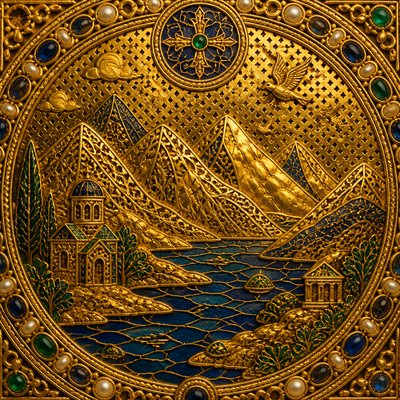
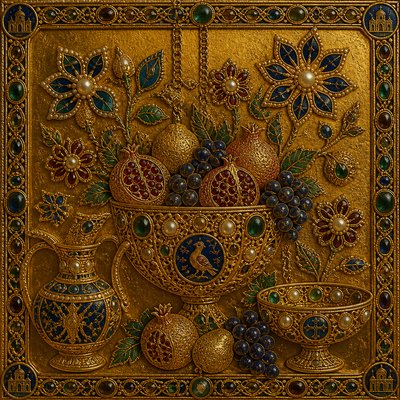
Imperial gold, cabochon gems, and cloisonné icons: the solemn, mosaic-like splendor of Byzantine jewelry design.
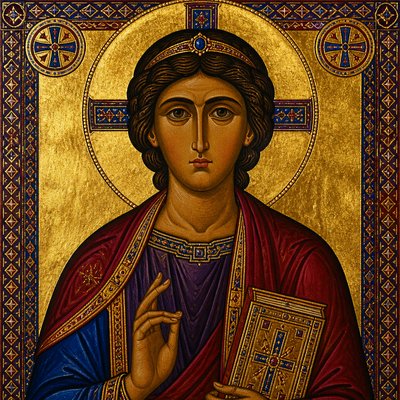
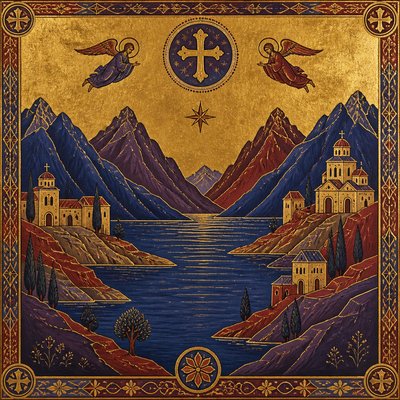
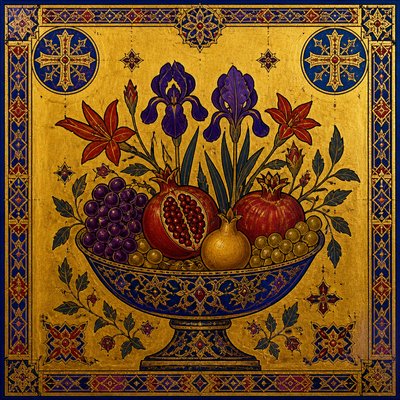
Eastern Orthodox devotional style with gold grounds, frontal figures, flattened space, and luminous spiritual symbolism.
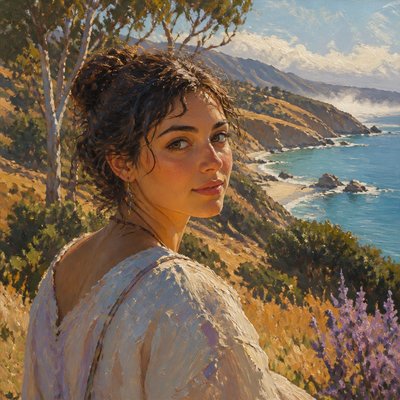
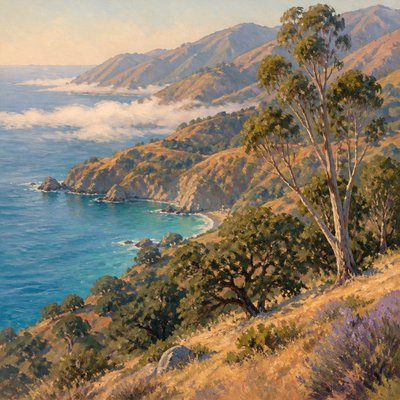
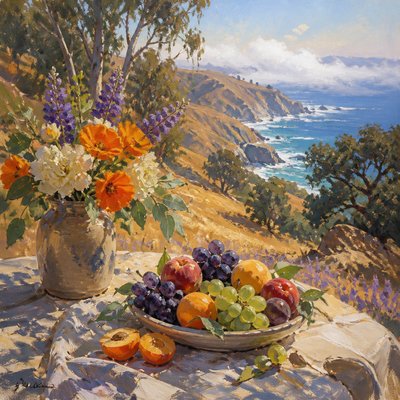
Explore California plein air art: eucalyptus gold, Pacific haze, turquoise coves, and broken impressionist color in luminous outdoor landscapes.
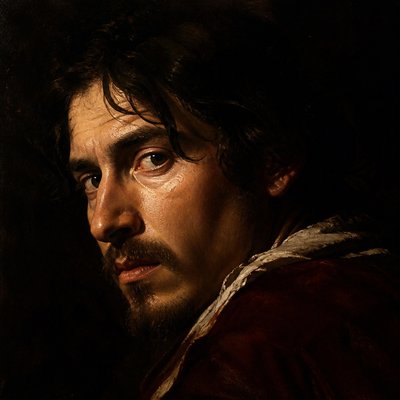
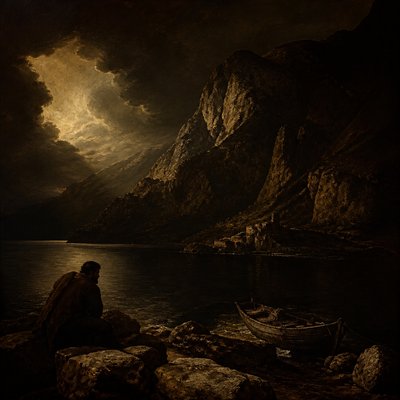
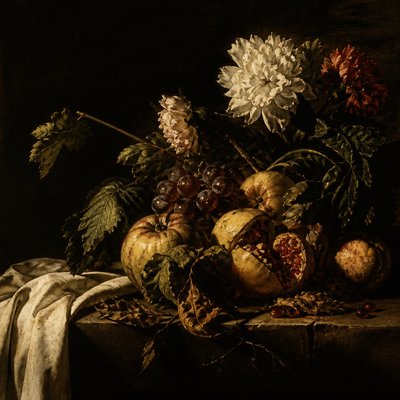
Caravaggesque Baroque realism with dramatic chiaroscuro, gritty naturalism, and sacred scenes grounded in street-level humanity.
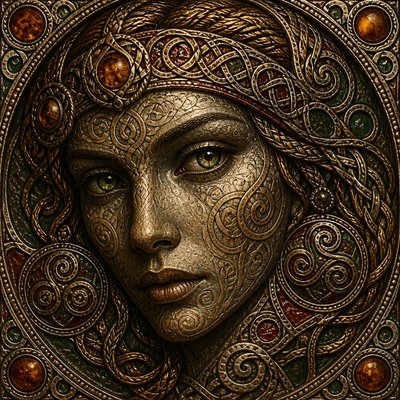
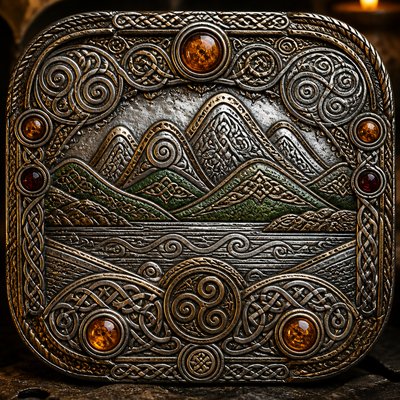
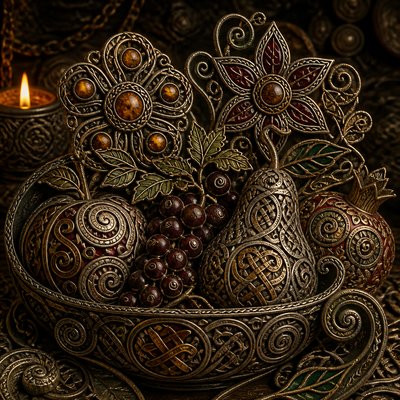
Celtic jewelry design features interlaced knotwork, spirals, bronze, silver, enamel, and cabochons in a mythic ancient-metalwork look.
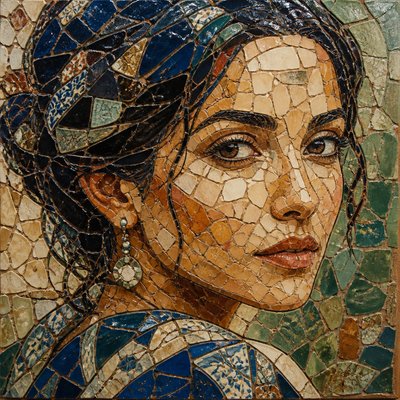
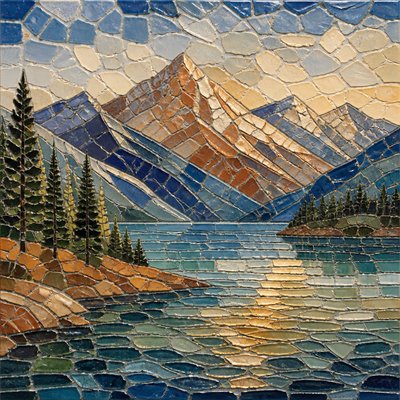
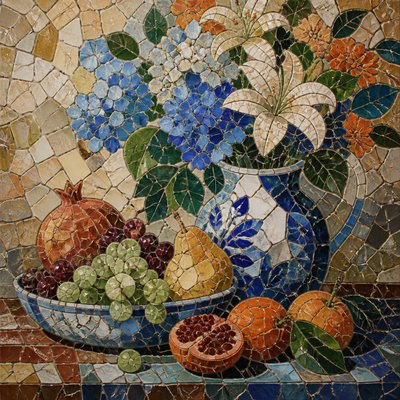
Ceramic mosaic art uses broken glazed fragments and grout lines to build textured, patterned images with rich color and light.
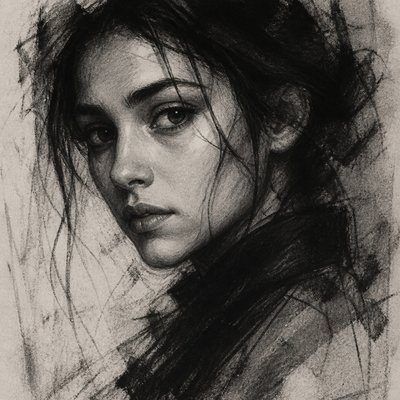
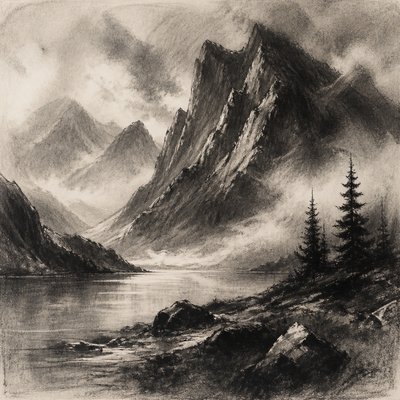
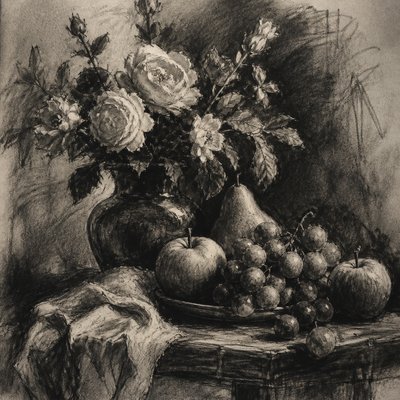
Dramatic monochrome portrait style using charcoal blacks, soft greys, and expressive mark-making to model emotion, form, and light.
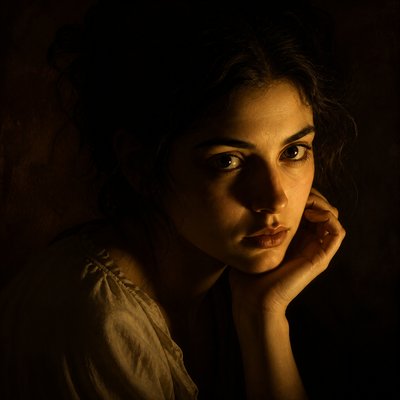
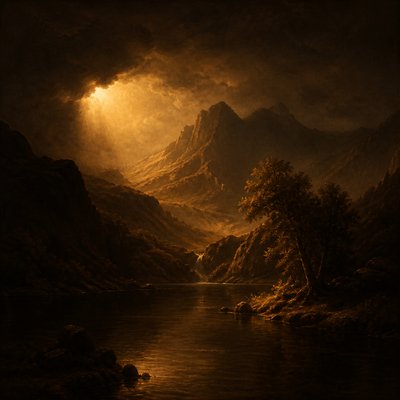
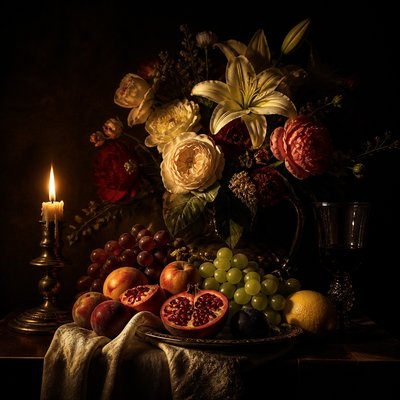
Explore chiaroscuro painting: dramatic single-source light, deep shadow, warm tonal modeling, and theatrical three-dimensional form.
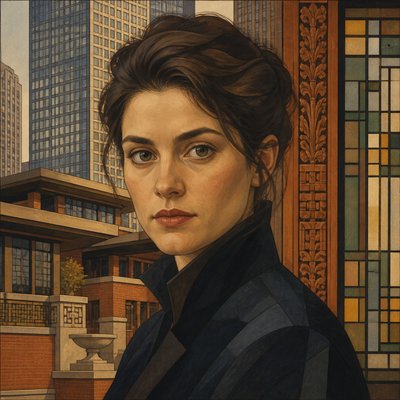
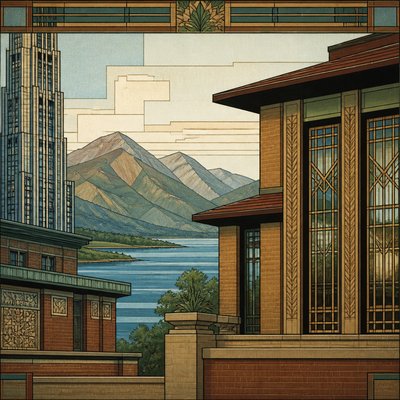
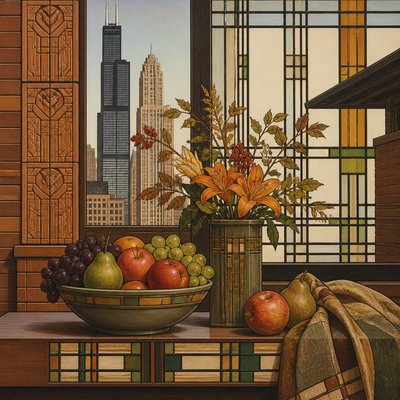
Explore Chicago Art Style: steel-frame skyscrapers, Prairie lines, terra-cotta ornament, brick masonry, and geometric stained glass.
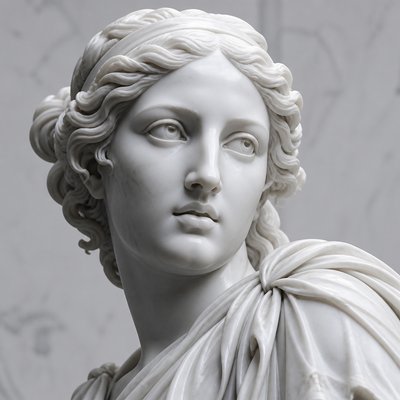
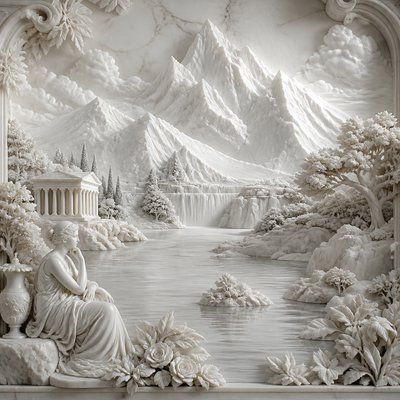
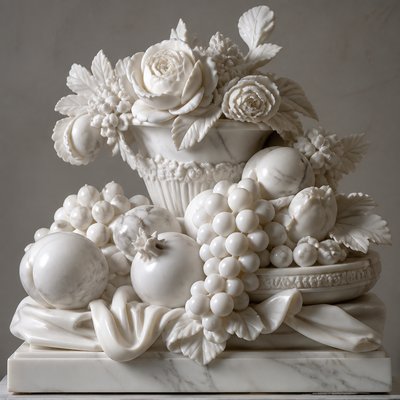
Timeless white-stone sculpture with idealized forms, polished marble surfaces, and classical drapery inspired by Greco-Roman and Renaissance art.
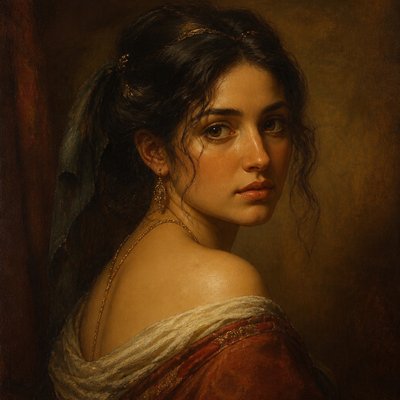
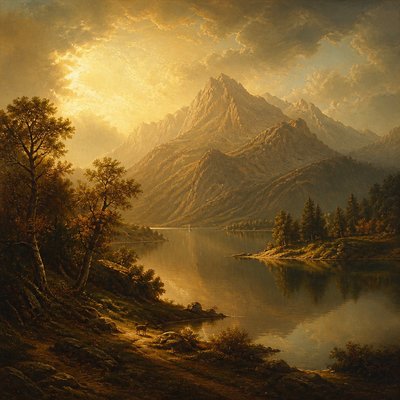
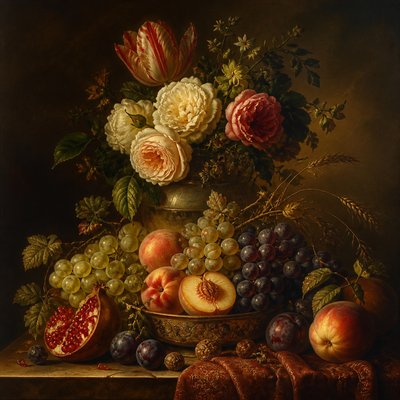
Classical realism uses Old Master techniques for luminous, idealized paintings with balanced composition, chiaroscuro, and refined detail.
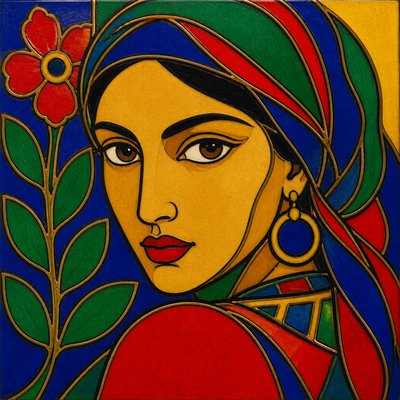
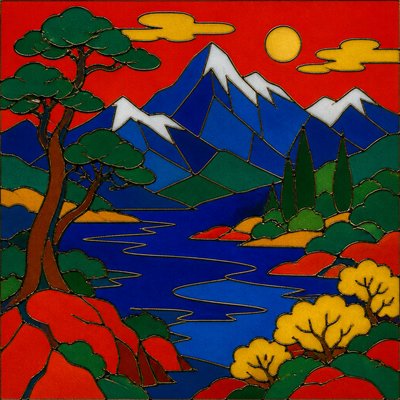
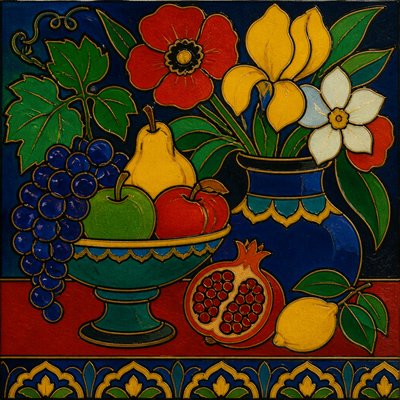
Explore Cloisonnism: saturated flat colors, bold dark outlines, and simplified forms inspired by stained glass, enamel, and Japanese prints.
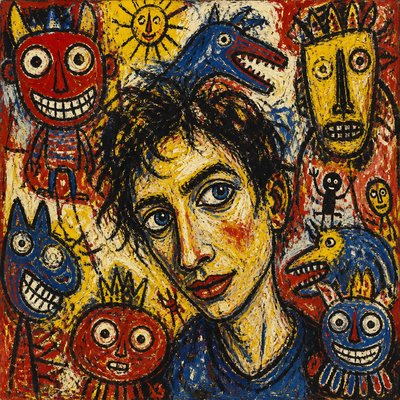
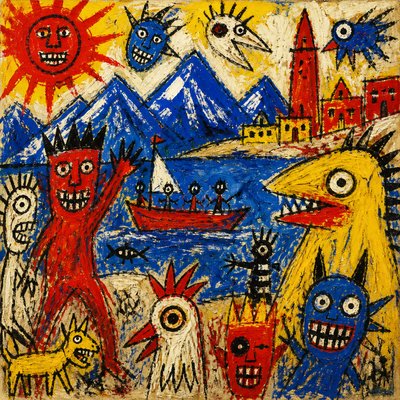
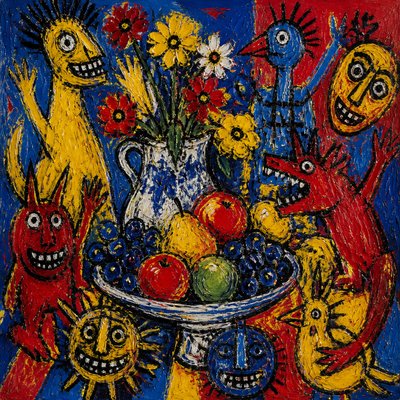
Explore CoBrA art: spontaneous mythical figures, thick impasto, ferocious primary colors, and unruly childlike expressionism.

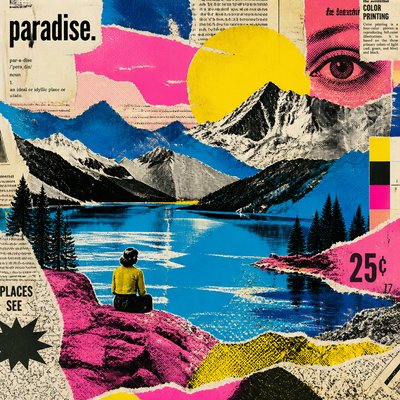
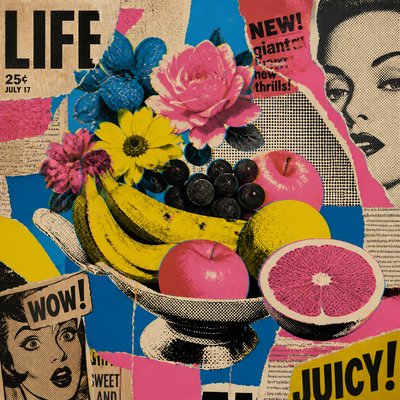
Layered cut-paper pop art with halftones, torn print fragments, bold CMYK color, and the visual noise of mass media.
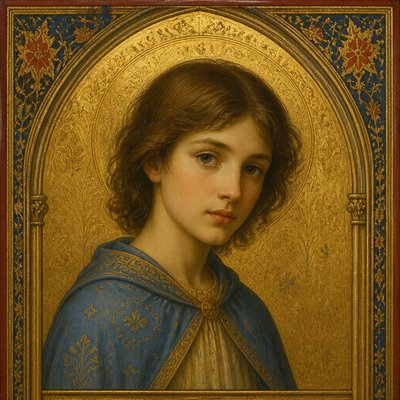
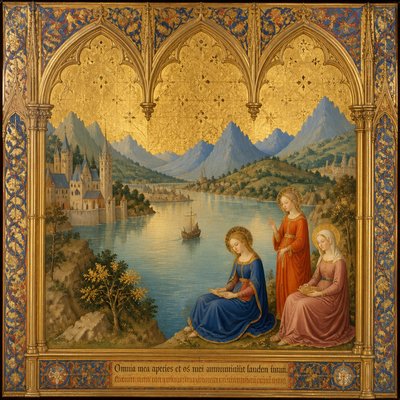
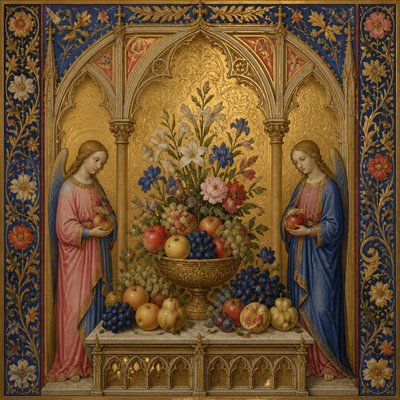
Explore Cologne Art Style: luminous Gothic gold grounds, tender figures, flowing robes, devotional calm, and richly detailed tempera ornament.
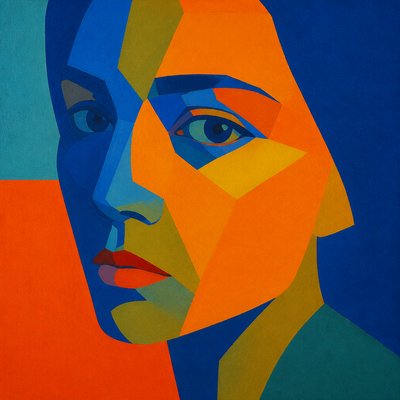
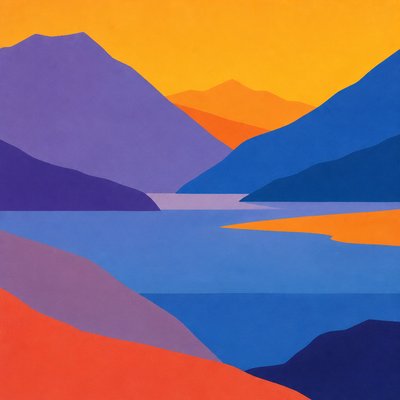
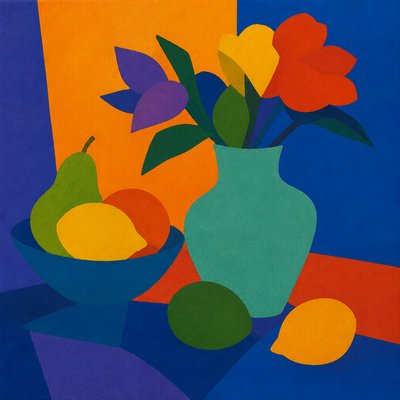
Abstract art of large flat color fields, meditative depth, and emotional impact through pure chromatic relationships.
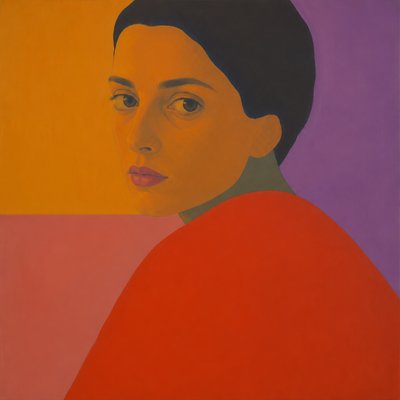
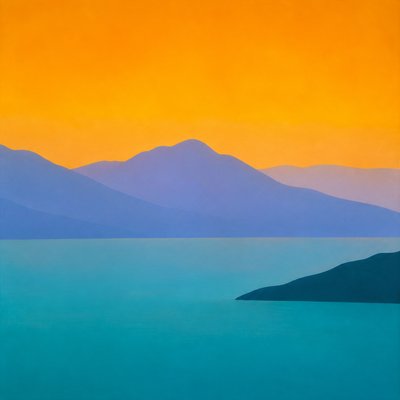
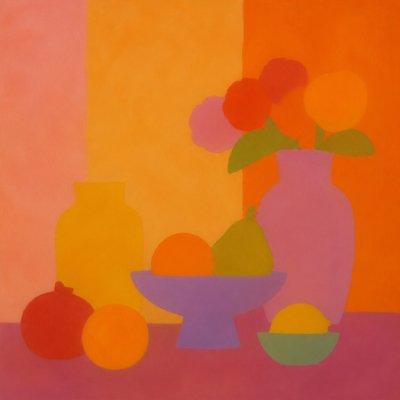
Large, meditative fields of flat color with soft edges and immersive depth, rooted in postwar abstraction.
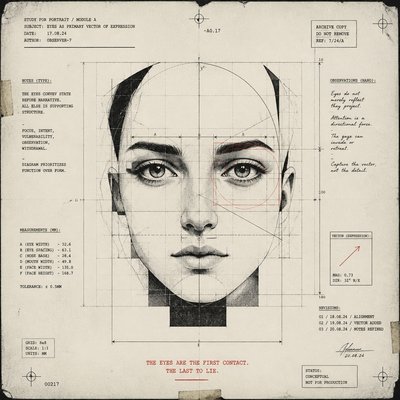
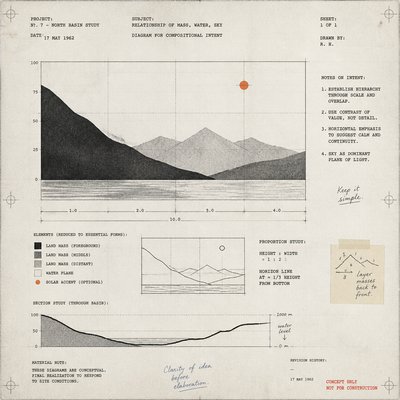
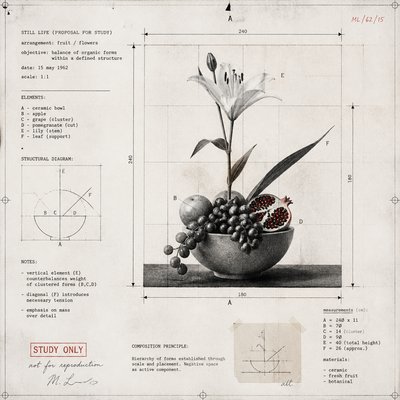
Conceptual art emphasizes ideas over form, using text, diagrams, documentation, and minimal visuals to make meaning the subject.
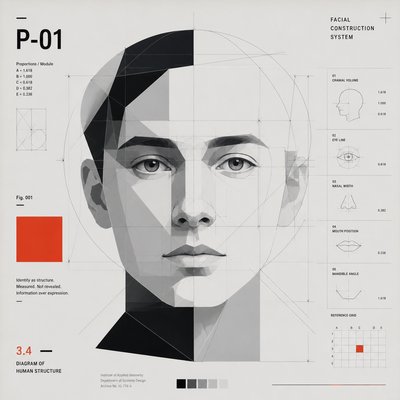
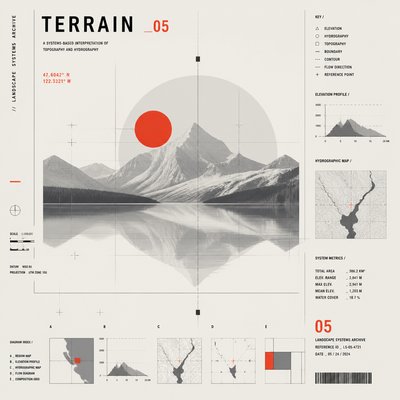
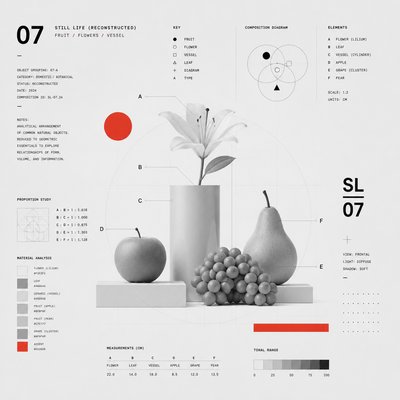
Minimal, idea-driven art with text, diagrams, and restrained forms that turn the concept itself into the artwork.
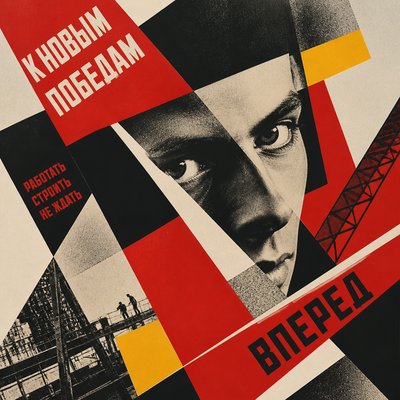
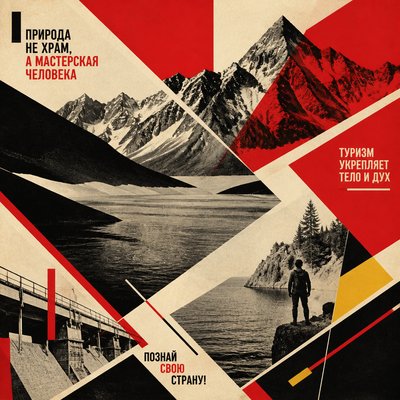
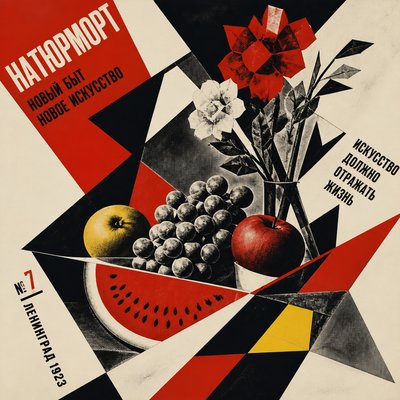
Geometric revolutionary design with red, black, and off-white diagonals, bold propaganda energy, and functional industrial clarity.

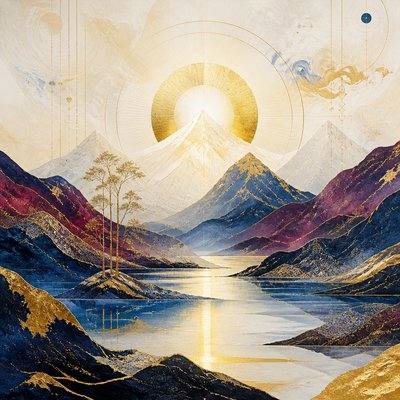
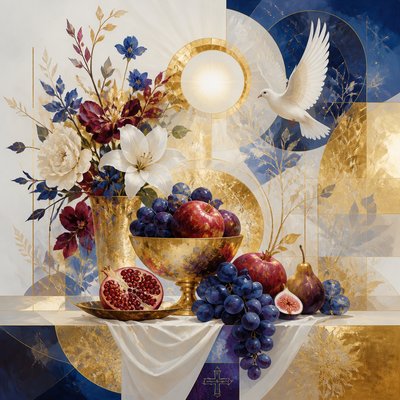
Modern sacred imagery using luminous light, jewel tones, gold accents, and reverent composition for contemporary spiritual art.
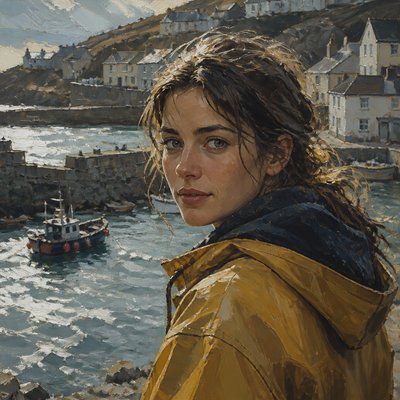
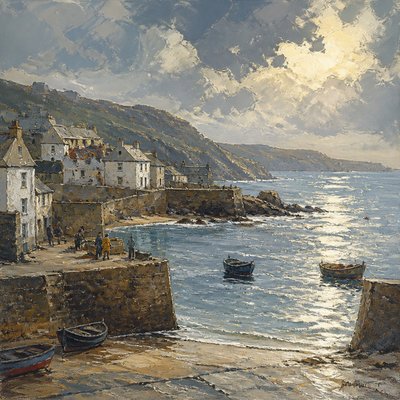
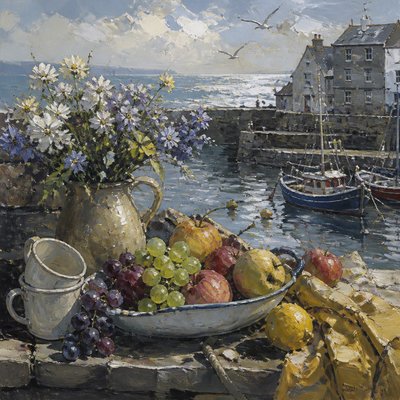
Explore Cornwall plein air art: quick square-brush paintings of fishing harbors, granite quays, slate seas, and sudden coastal light.
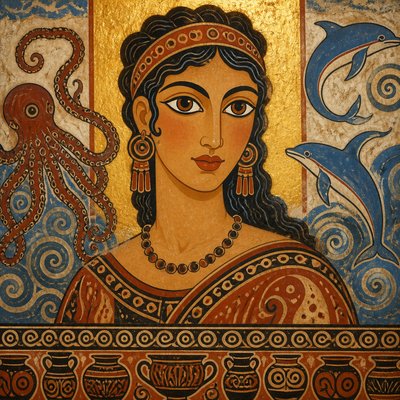
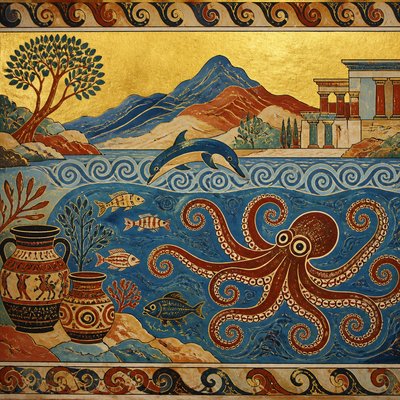
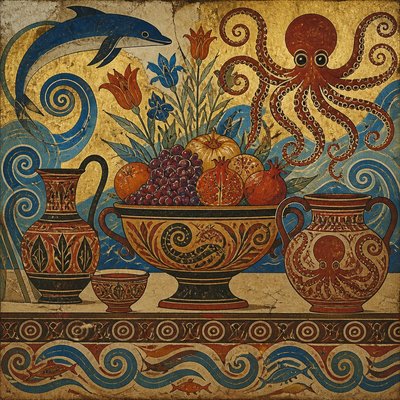
Explore Crete Art Style: Minoan fresco colors, marine spirals, patterned pottery, and bold Bronze Age Aegean figural design.
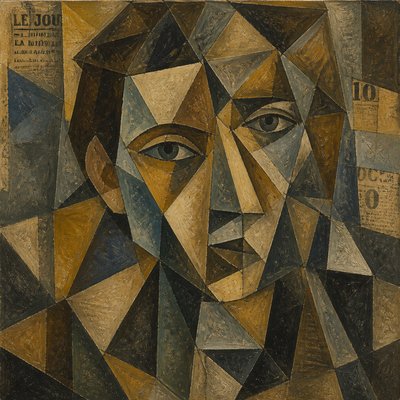
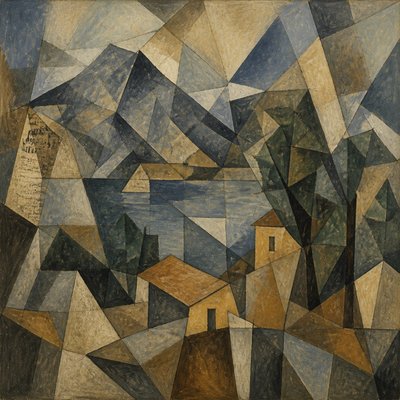
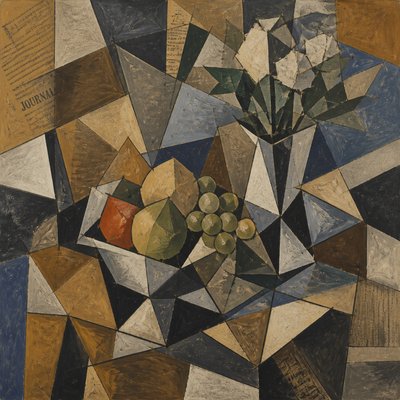
Cubism fractures subjects into geometric facets and multiple viewpoints, creating abstracted compositions with muted color and rhythmic planes.
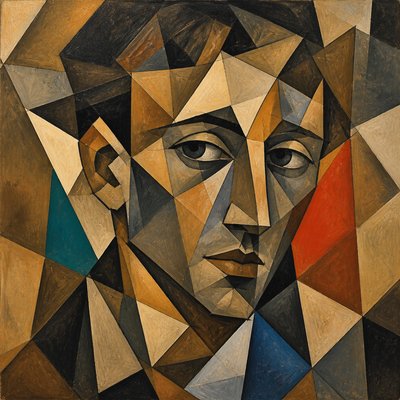
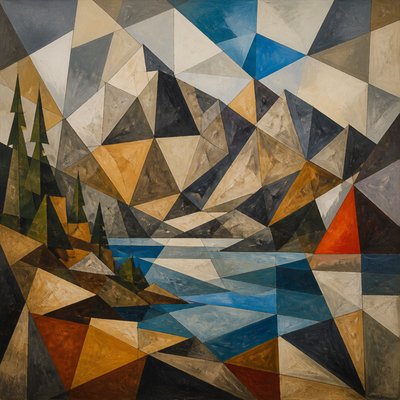
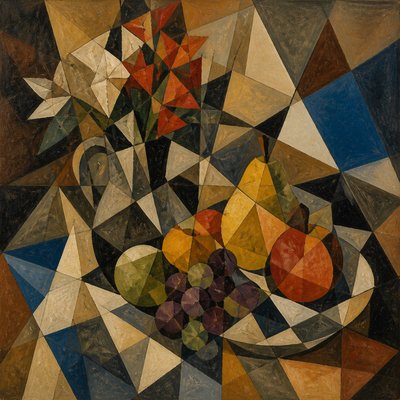
Cubist Modern Art fractures forms into geometric planes, multiple viewpoints, and earthy tonal blocks for a structured, modernist look.
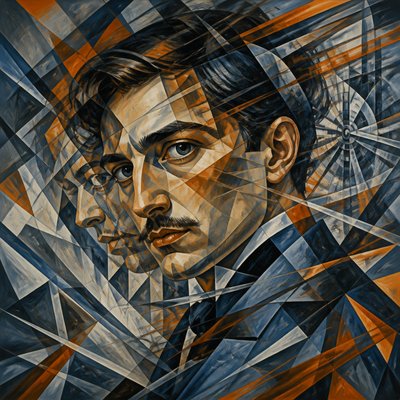
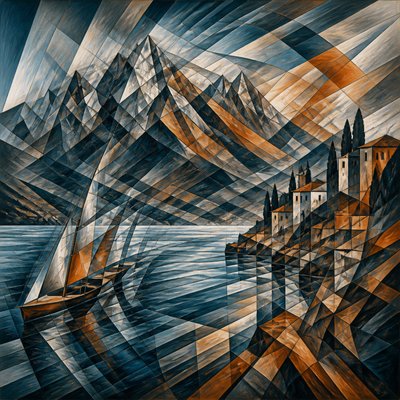
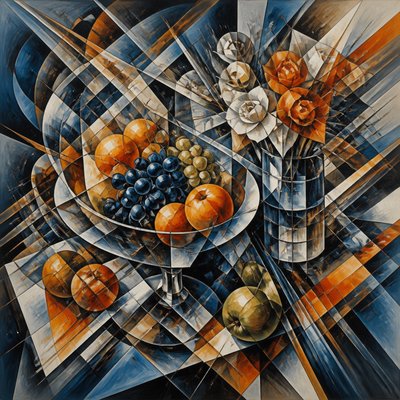
Cubo-Futurism blends Cubist fragmentation with Futurist motion for dynamic, machine-age images of speed, energy, and industrial forms.
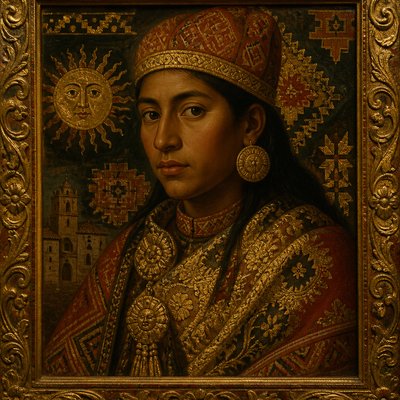
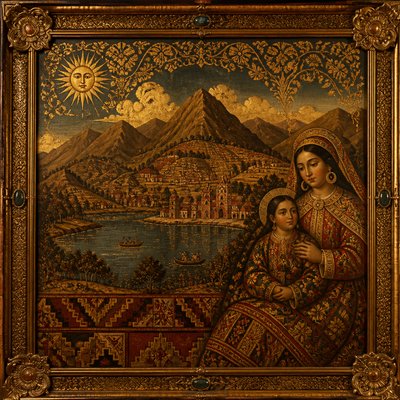
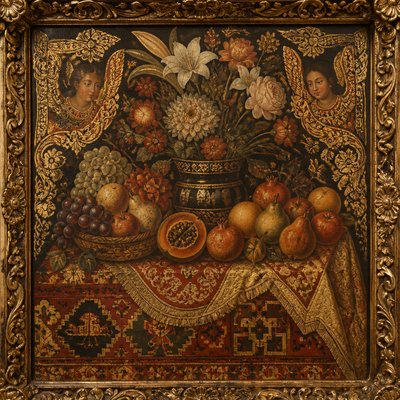
Explore Cusco art: Andean Baroque, radiant gold leaf, earth pigments, sacred iconography, brocade textures, and flattened textile patterns.

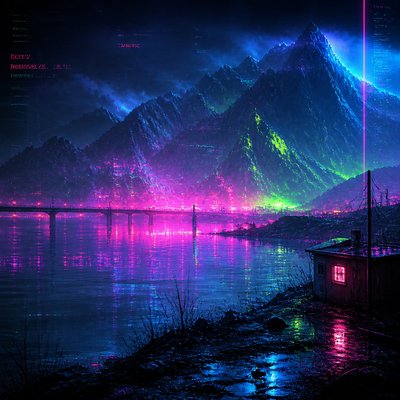
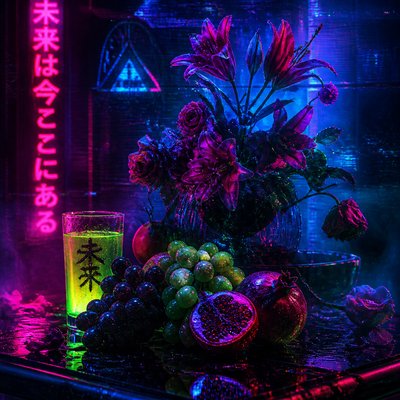
A neon-lit dystopian aesthetic of rain, chrome, cybernetics, and high-tech urban decay.

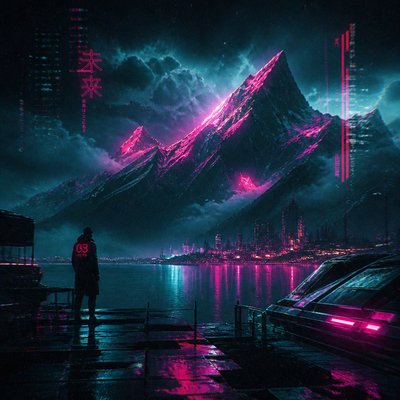

Neon-lit dystopian cityscapes, hackers, chrome, rain, and corporate futures: the defining look of cyberpunk sci-fi art.
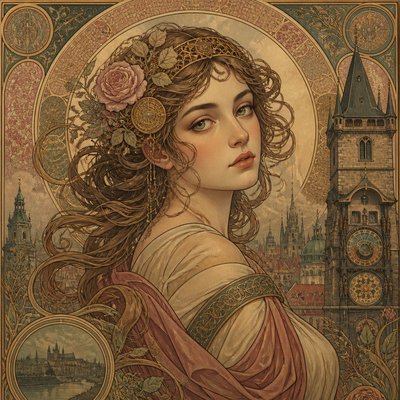
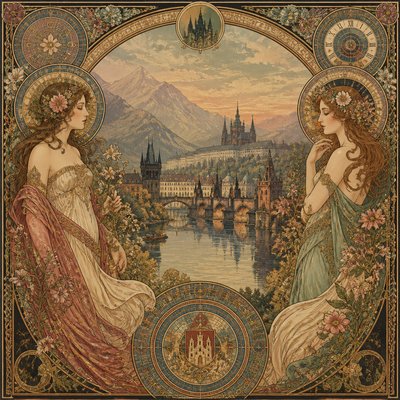
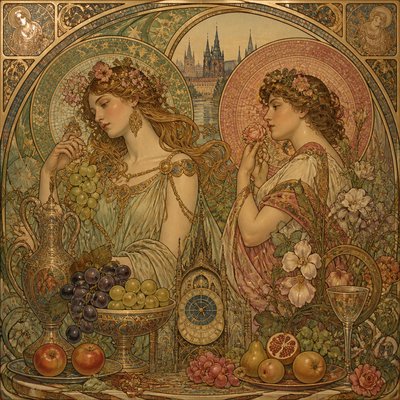
Discover Czech Art Style: Prague-inspired Art Nouveau halos, mystical symbolism, mosaic borders, muted color, and alchemical elegance.
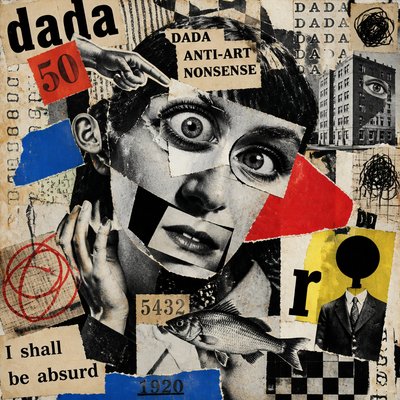
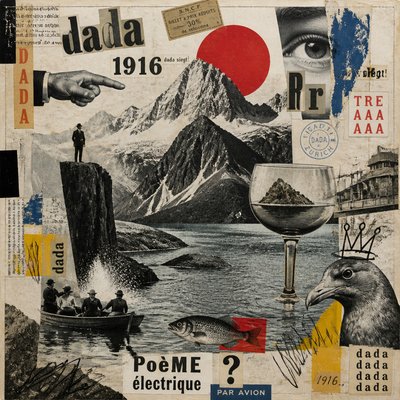
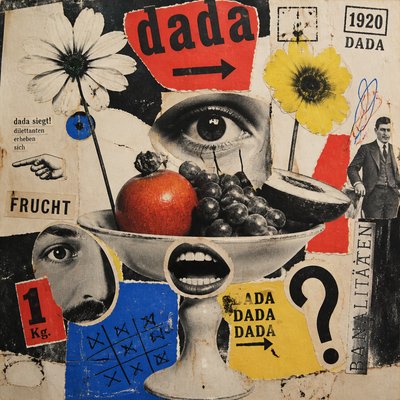
Dada art: absurd photomontage, found objects, torn paper, and anti-art tactics that challenge logic, taste, and convention.
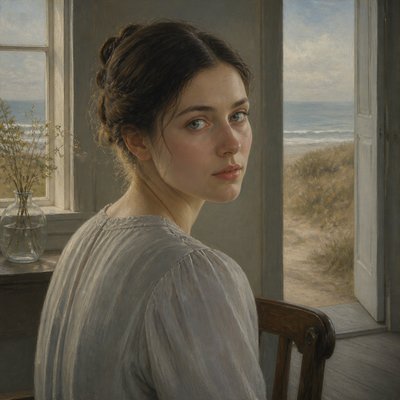
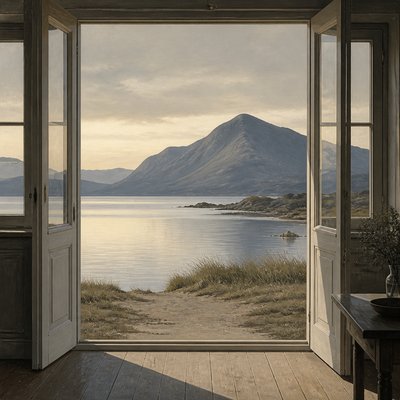
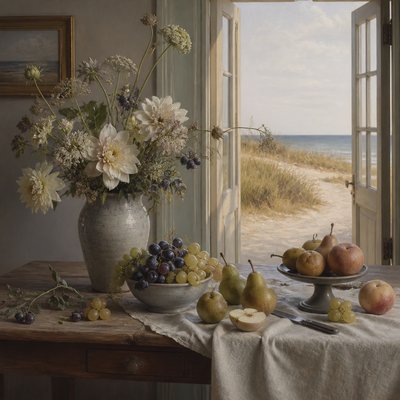
Explore Danish art style: pearly Nordic light, quiet realism, restrained color, hushed interiors, dunes, windows, and northern seas.

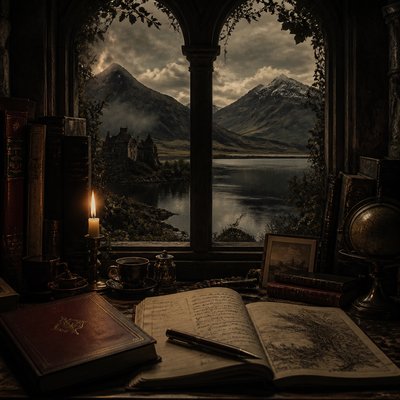
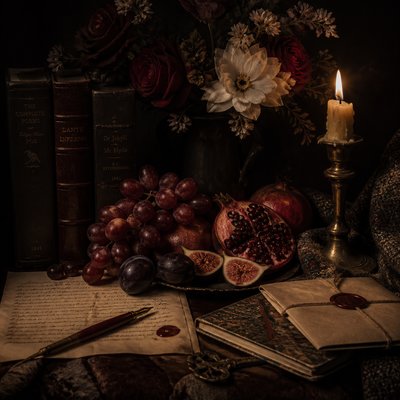
Moody scholarly romance in oxblood, candlelight, old books, ivy, tweed, and gothic library shadows.

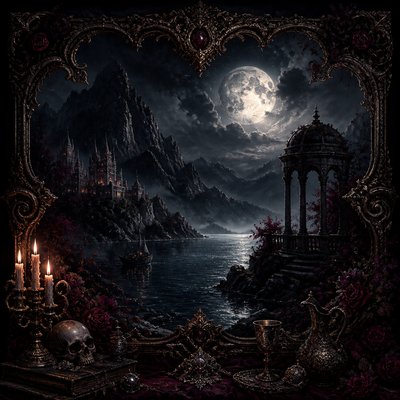
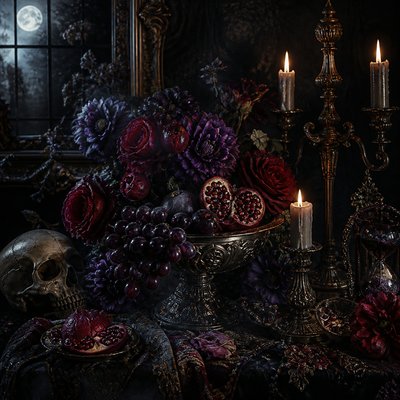
A shadow-rich gothic aesthetic of crimson, black, moonlit blue, and ornate decay, blending romance, mystery, and macabre beauty.
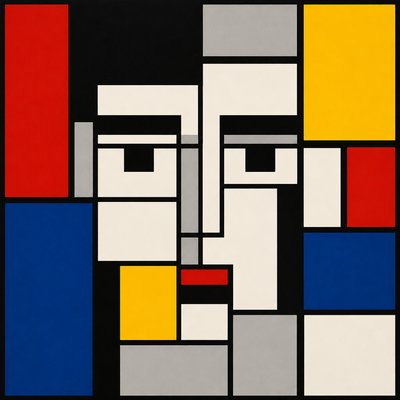
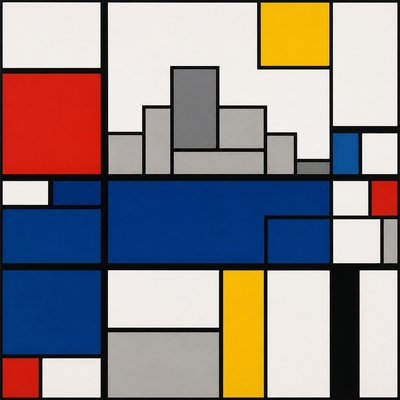
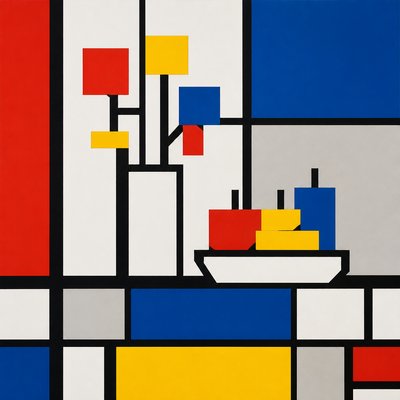
Pure abstraction of vertical and horizontal geometry, primary colors, and black lines inspired by De Stijl principles.
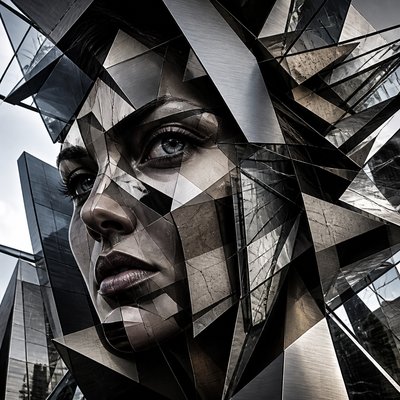
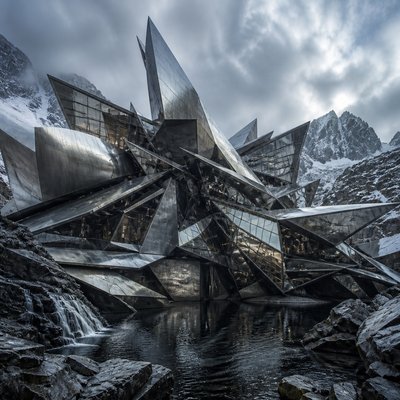
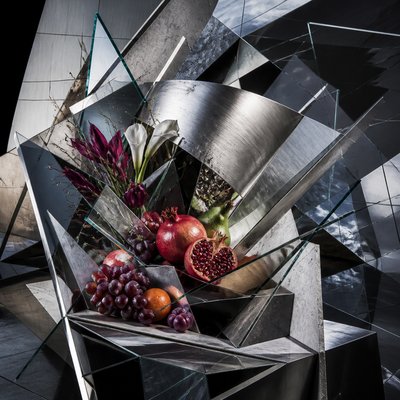
Fractured, angular architecture with colliding planes, skewed grids, and dramatic tension inspired by deconstructivist design.
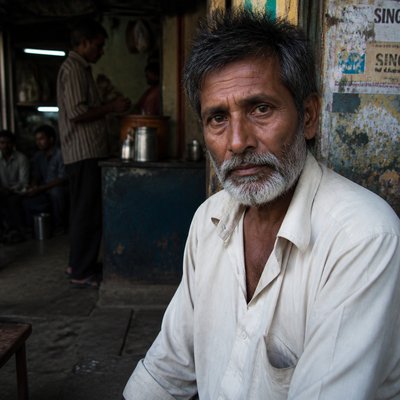
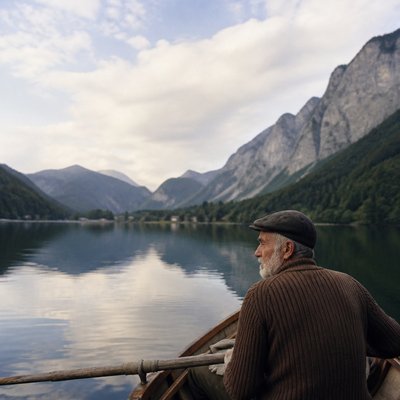
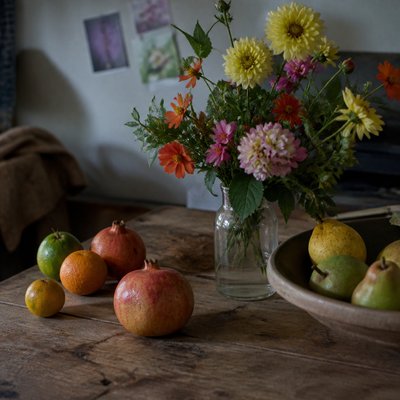
Candid photojournalistic images with natural light, honest detail, and narrative depth—built to look truthful, immediate, and observed.
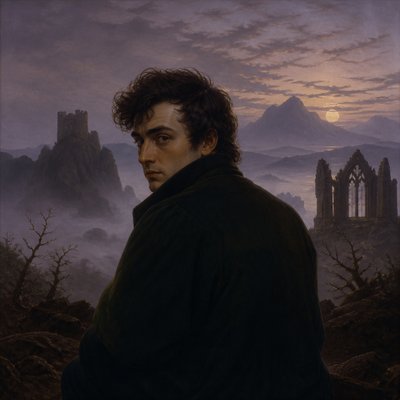
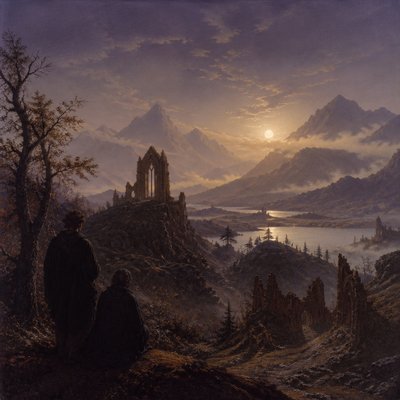
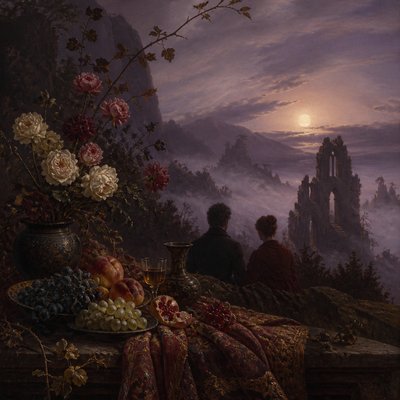
Explore Dresden Romantic Art: misty moonlit landscapes, solitary figures, Gothic ruins, and the spiritual grandeur of the northern sublime.
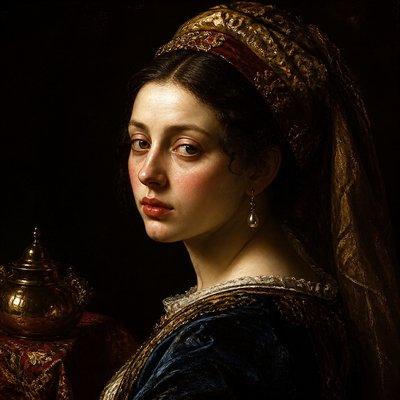
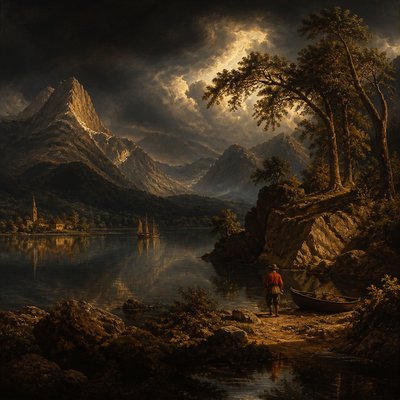
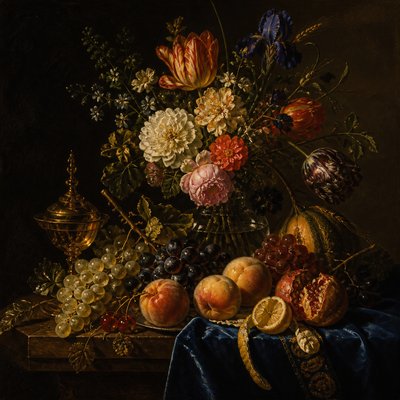
Dramatic 17th-century Dutch still life painting with chiaroscuro, symbolic objects, and richly detailed textures.

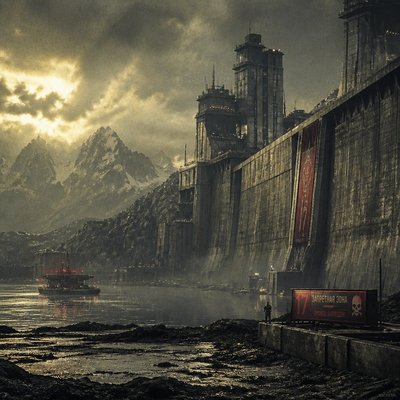
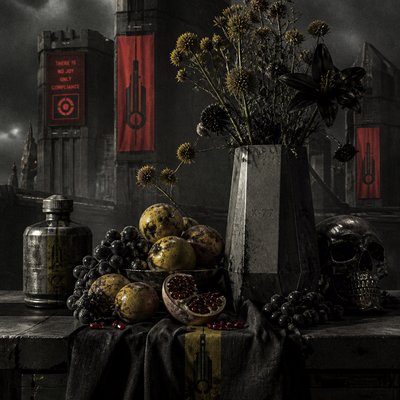
Bleak future worlds of authoritarian control, ruined cities, and harsh industrial design, rendered in desaturated, cinematic detail.
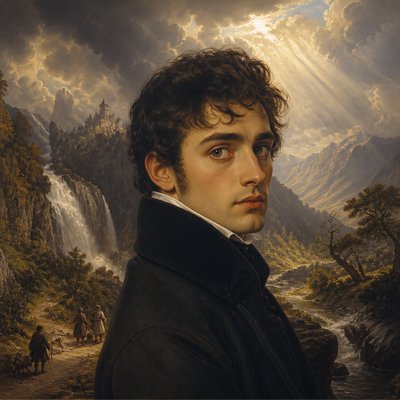
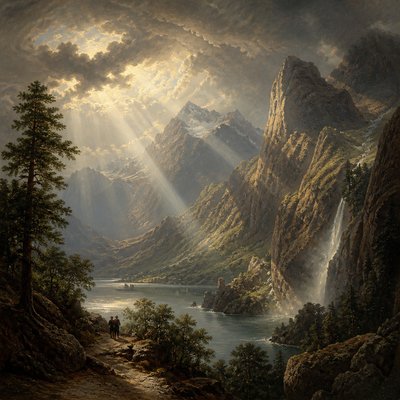
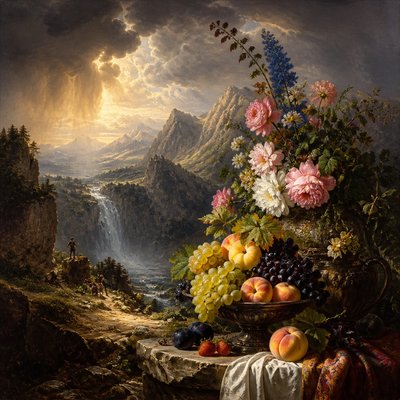
Explore the Düsseldorf School: grand 19th-century landscapes shaped by theatrical light, polished detail, stormy skies, and sublime drama.
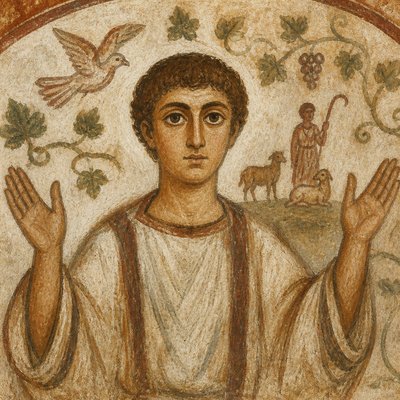
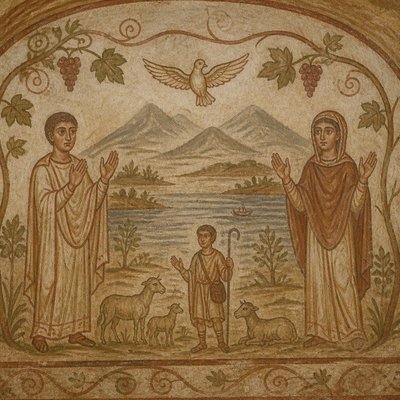
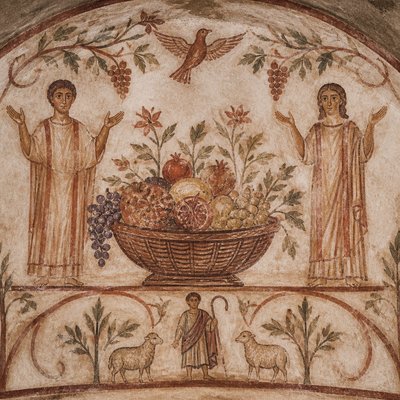
Explore Early Christian Art: catacomb frescoes, sacred symbols, calm figures, and earthy late-antique visual language shaped by faith and ritual.
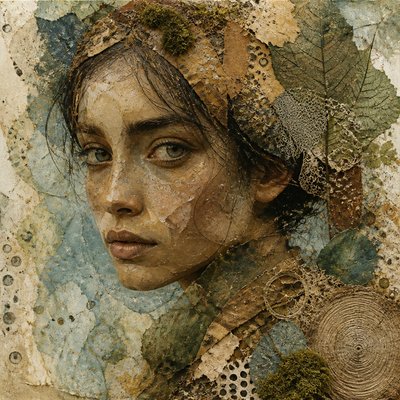
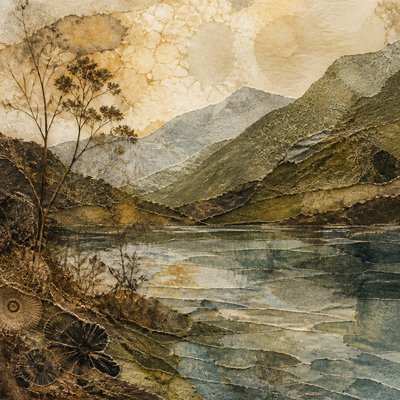
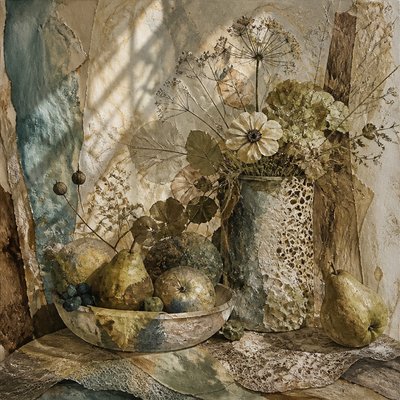
Eco art uses natural materials, reclaimed surfaces, and ecological themes to make art about sustainability, decay, renewal, and planetary care.

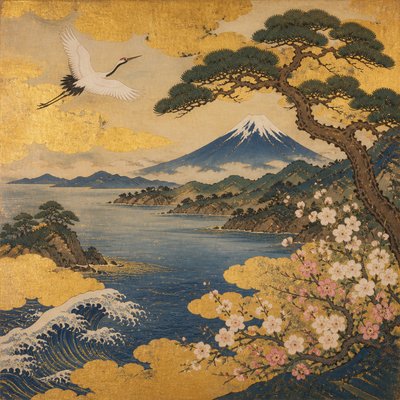
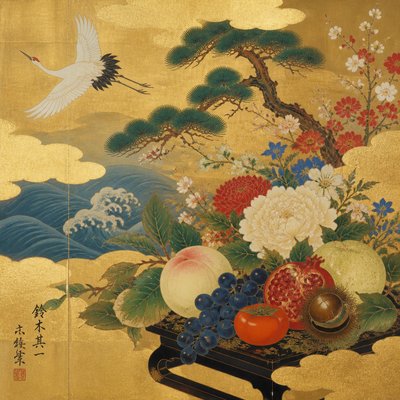
Explore Edo-period Japanese art: gold-leaf screens, mineral pigments, bold nature motifs, asymmetry, and floating-world elegance.
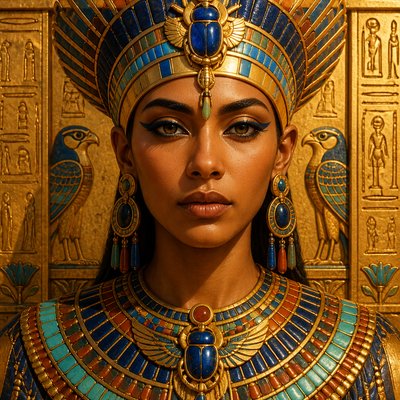
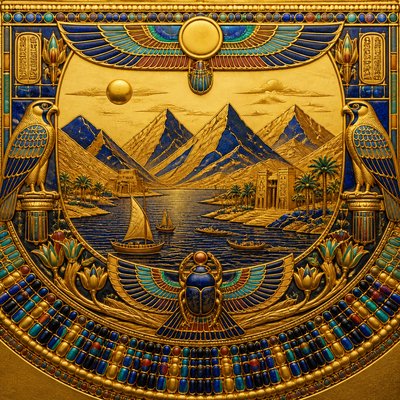
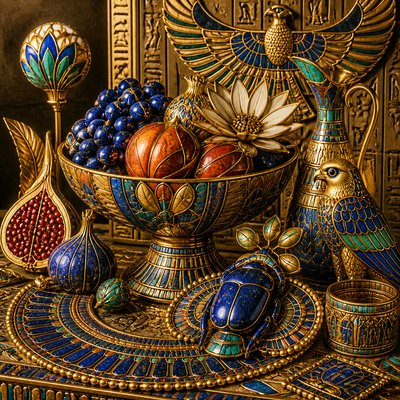
Pharaonic gold jewelry with lapis, turquoise, carnelian, scarabs, lotus motifs, and tomb-treasure opulence.
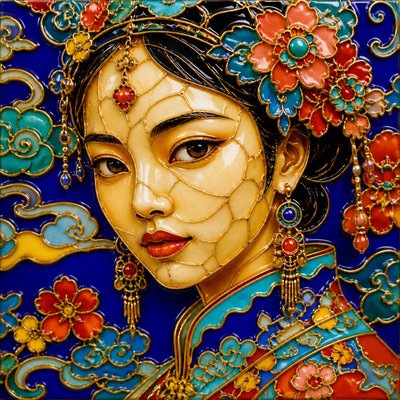
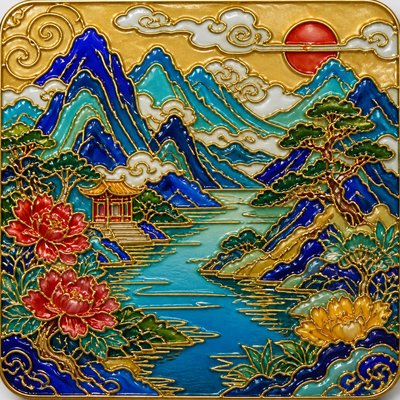
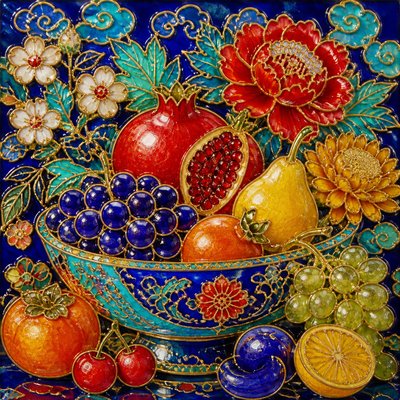
Jewel-bright enamel set in fine metal cells, with luminous color, glossy sheen, and ornamental miniature stained-glass detail.
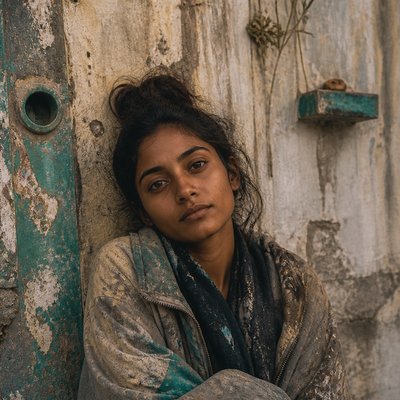
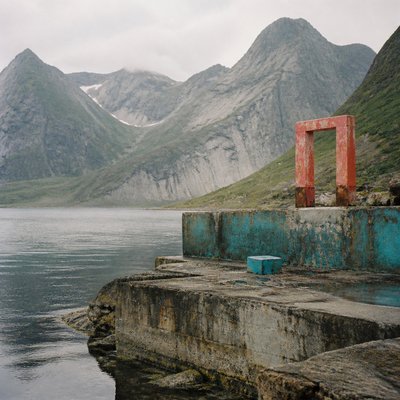
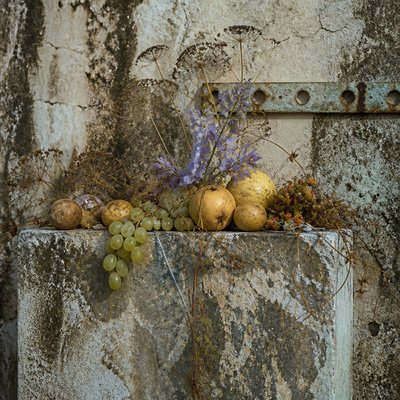
Site-specific art that blends with landscapes and cities through weathered materials, natural decay, and temporary interventions.
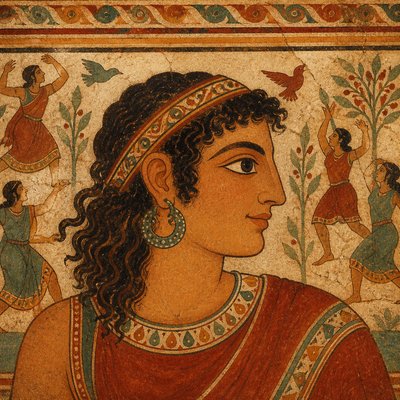
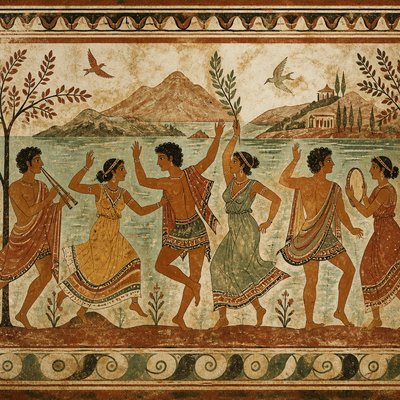
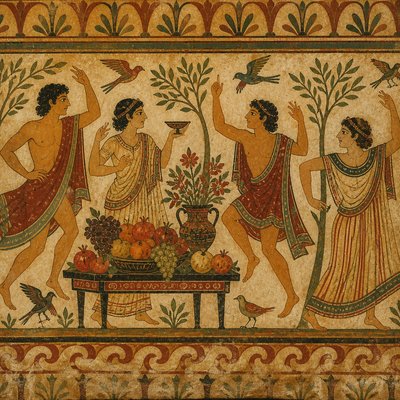
Explore Etruscan art: lively tomb frescoes, dancing profiles, terracotta warmth, patterned borders, and the festive visual culture of pre-Roman Italy.
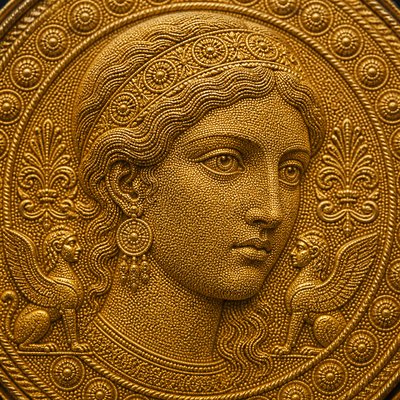
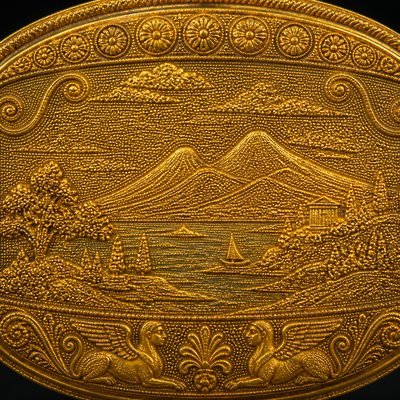
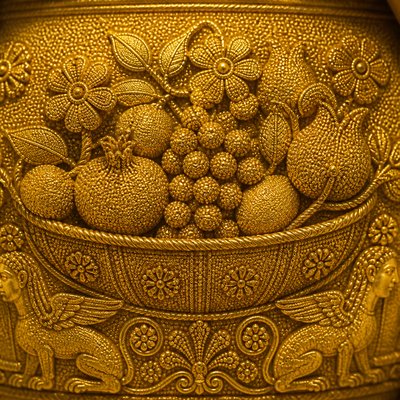
Ancient gold jewelry with microscopic granulation, rope filigree, rosettes, and repoussé motifs from the Etruscan tradition.
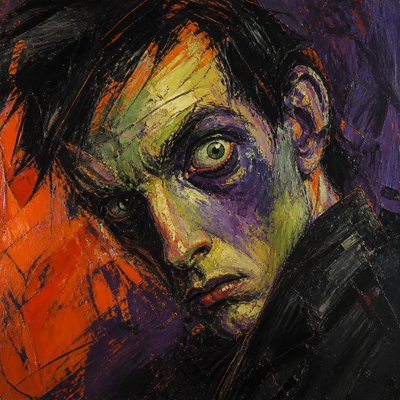
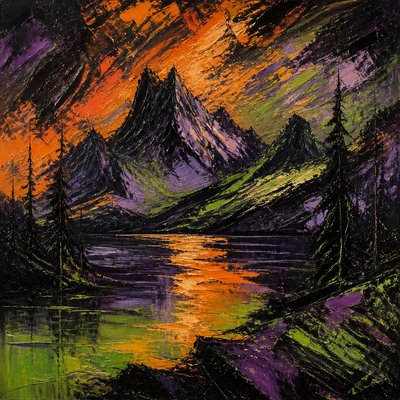
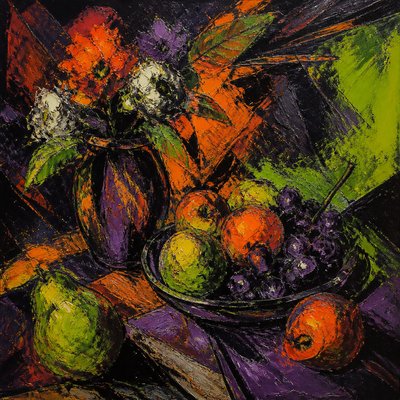
Expressionism uses bold color, distortion, and vigorous brushwork to convey emotion, anxiety, and psychological intensity.
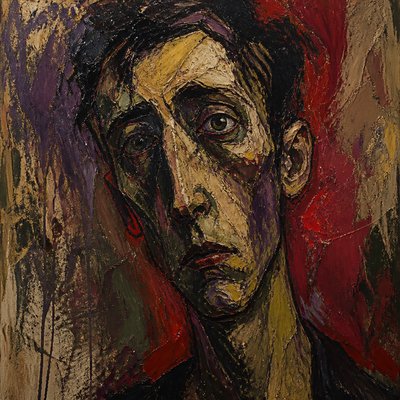
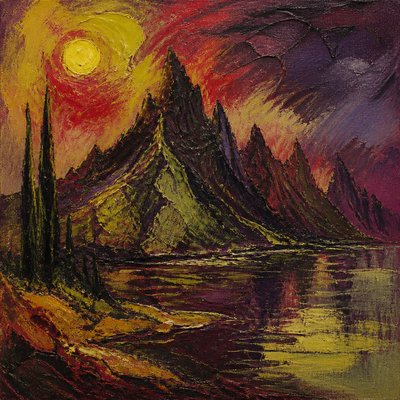
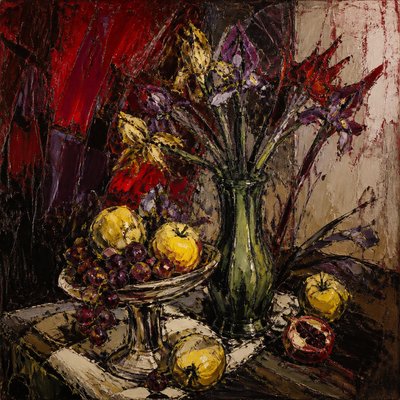
Expressionist portraiture distorts features and uses violent brushwork, clashing color, and emotional symbolism to reveal inner states.
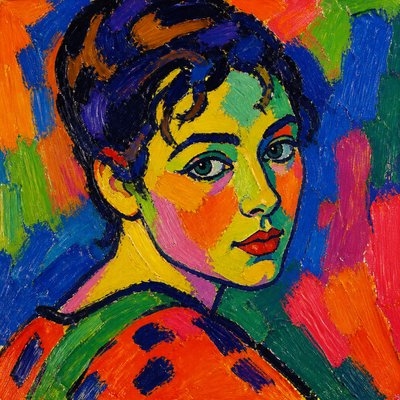
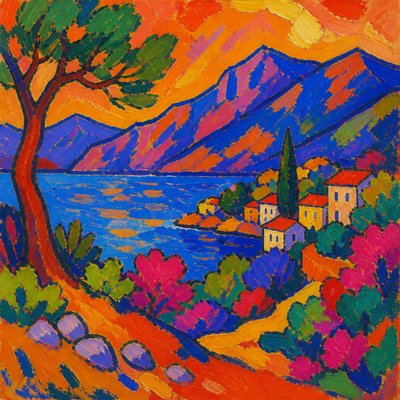
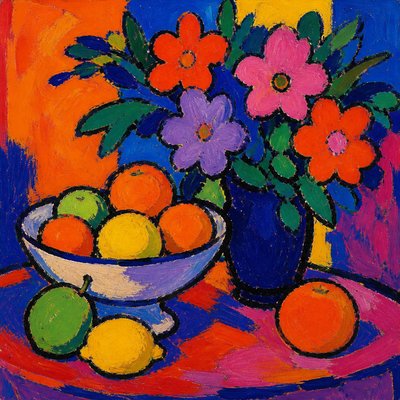
Fauvism: a modern art style of pure color, bold brushwork, and expressive, non-naturalistic palettes.
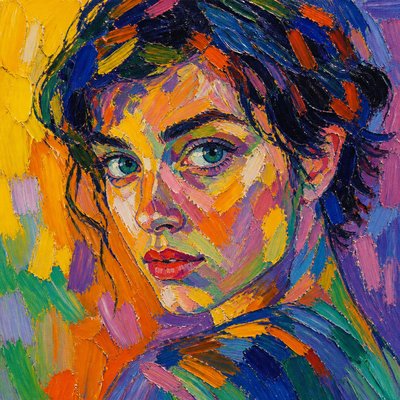
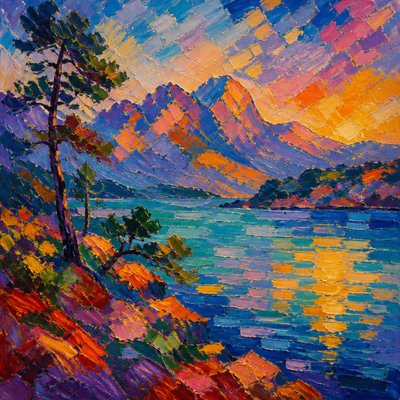
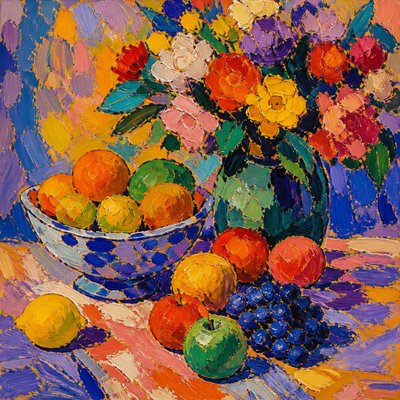
Bold, emotional painting with unmixed color, broken brushwork, and vivid contrast inspired by Impressionism and Fauvism.
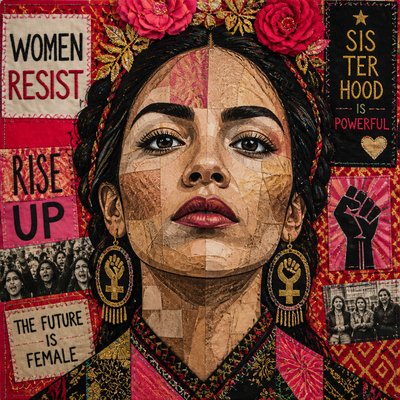
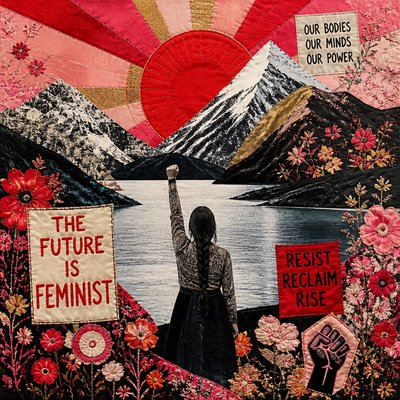
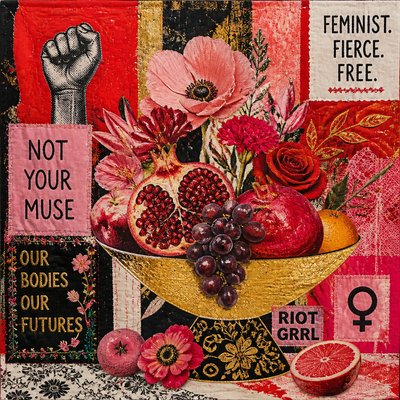
Explore Feminist Art Style: bold protest collage, quilted patterns, embroidery, fearless color, and handmade textures rooted in feminist visual culture.
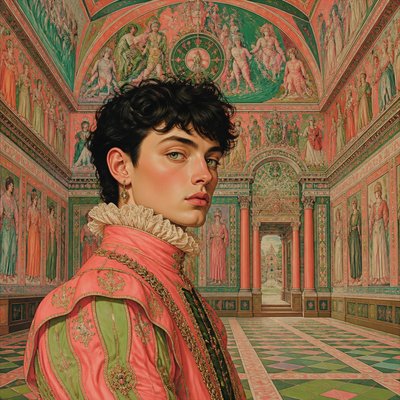
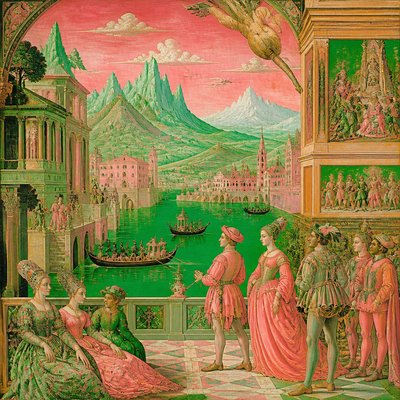
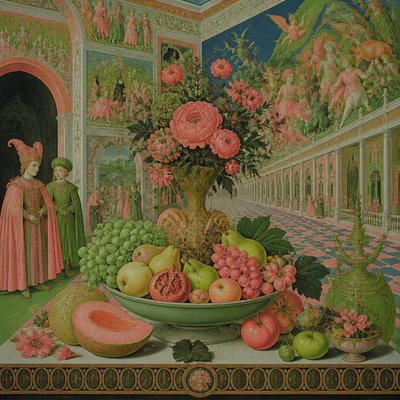
Explore Ferrara Art Style: crystalline Renaissance line, vivid coral and acid-green color, courtly fantasy, allegory, and ornate palace settings.
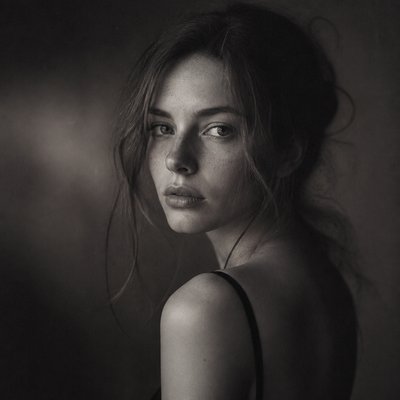
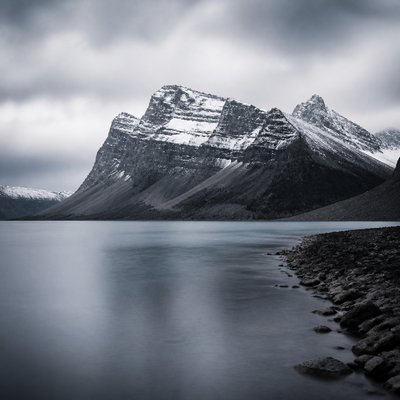
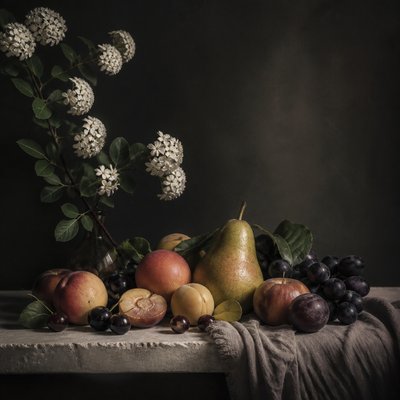
Fine art photography: concept-driven, gallery-worthy images with intentional composition, tonal depth, and a personal artistic vision.
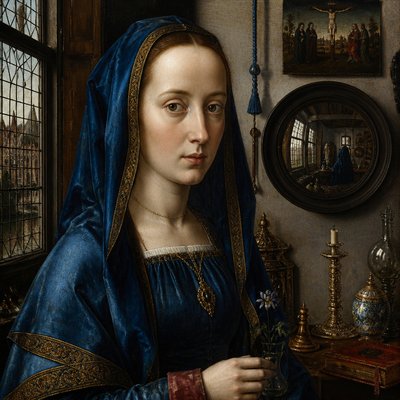
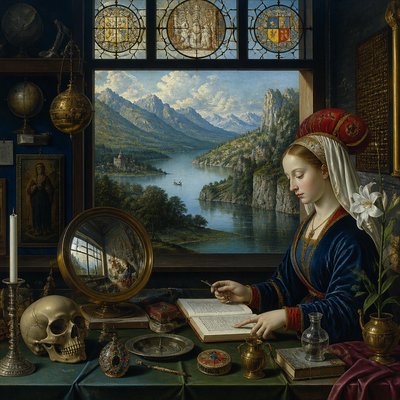
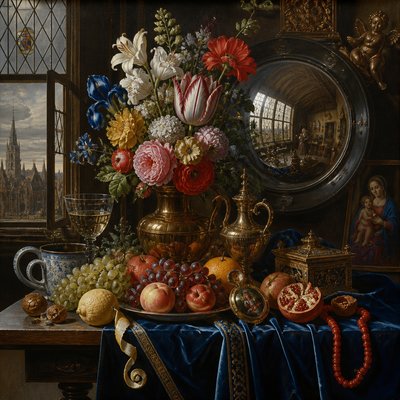
Explore Flemish Primitives: jewel-like oil detail, luminous glazing, symbolic interiors, and quiet devotional realism from fifteenth-century Flanders.
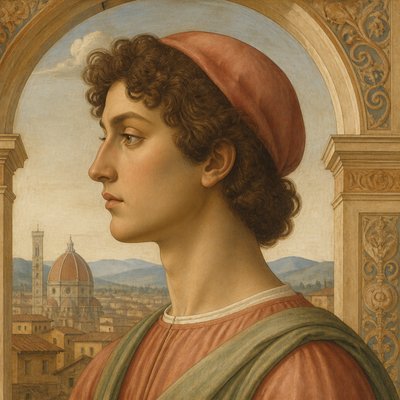
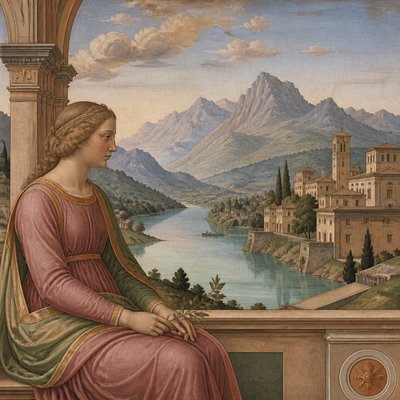
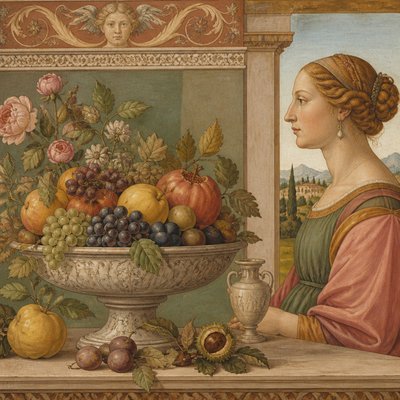
Explore Florentine Renaissance art: crisp contours, measured perspective, sculptural figures, fresco colors, and disciplined Tuscan idealism.

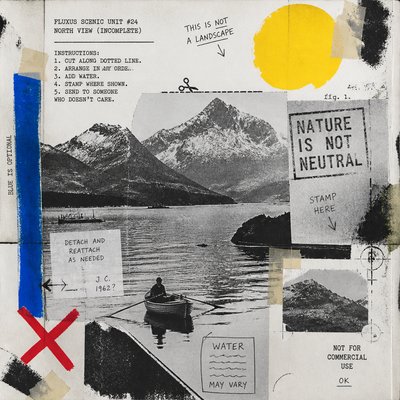
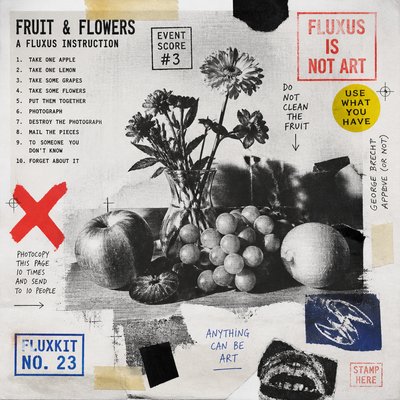
Fluxus art: anti-art collages, instructions, text, humor, audience participation, and raw Xerox-like process over polish.
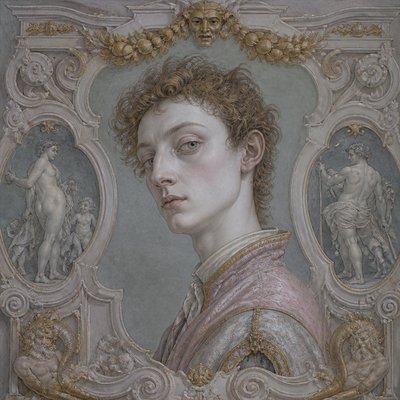
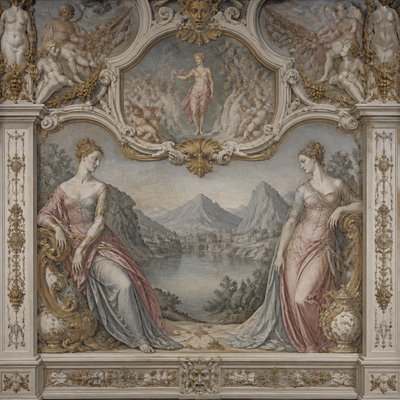
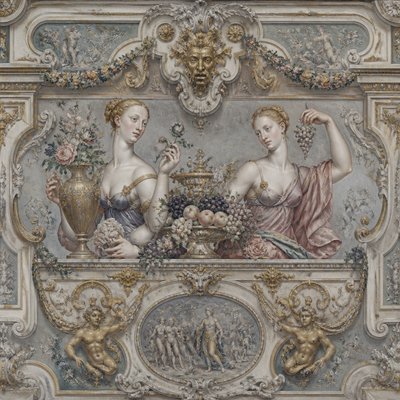
Explore Fontainebleau art: French court Mannerism with elongated figures, gilded stucco strapwork, mythological scenes, and refined ornament.
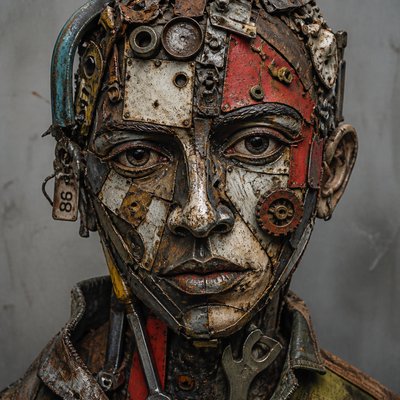
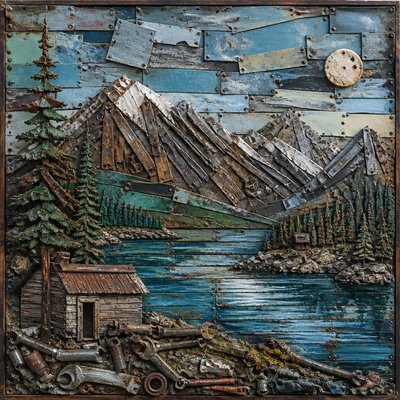
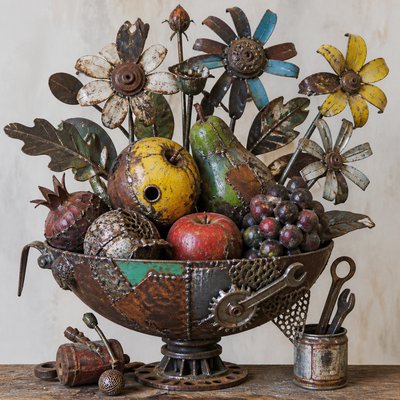
Explore found object art: assemblage sculptures that transform discarded materials, visible repairs, rust, and everyday debris into expressive form.

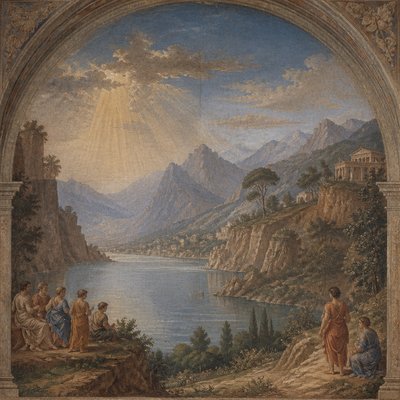
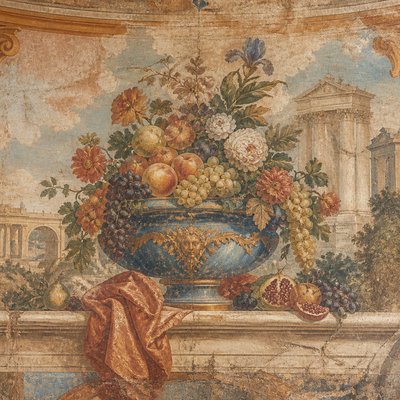
Monumental wall-painting style with fresco textures, biblical drama, classical perspective, and aged chapel-wall patina.
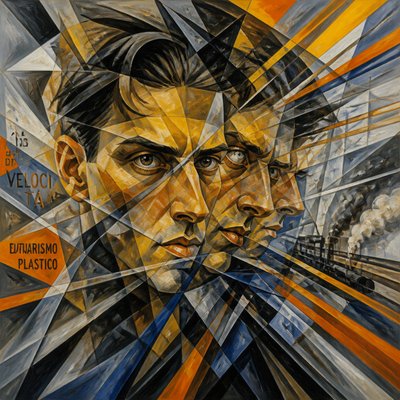
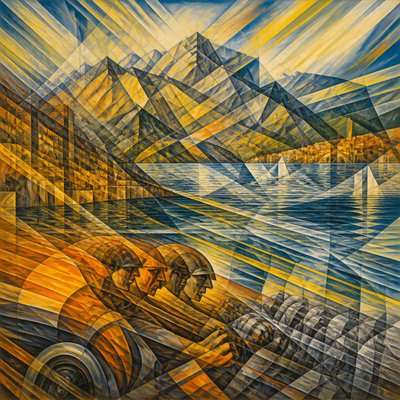
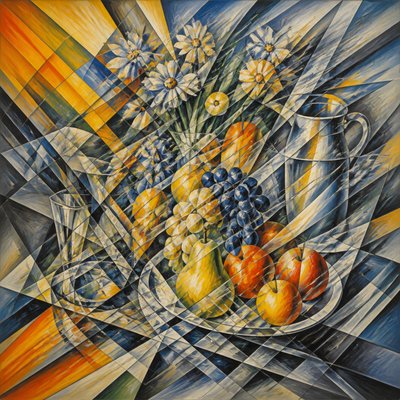
Italian Futurism: art of speed, machinery, fragmented motion, and energetic diagonal composition.
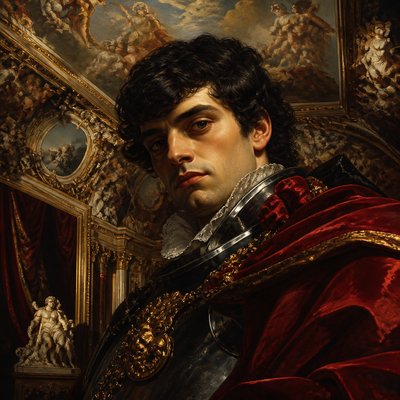
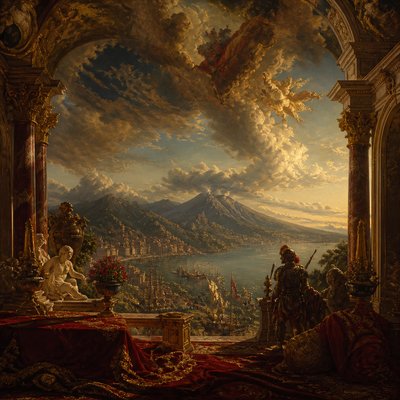
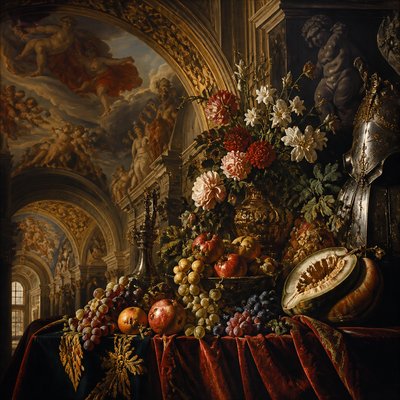
Explore Genoa Art Style: Baroque palazzo interiors, illusionistic frescoes, crimson-and-gold oil tones, marble ornament, and dramatic chiaroscuro.
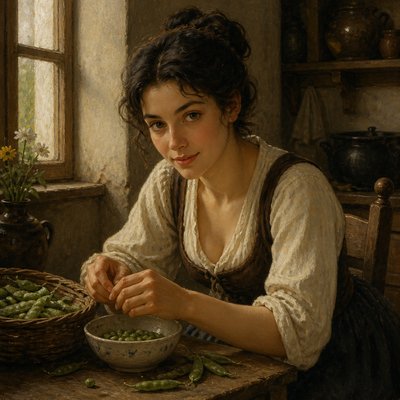
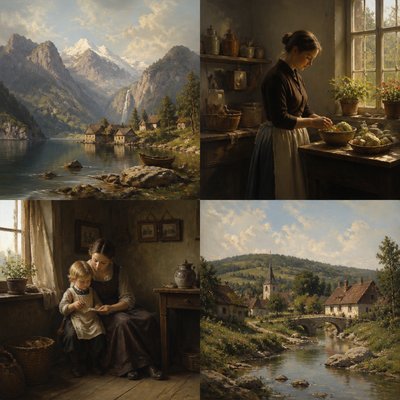
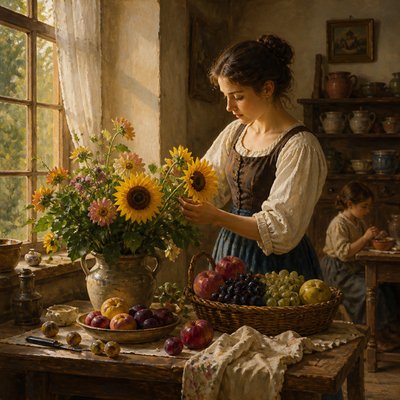
Explore genre painting: luminous scenes of kitchens, taverns, markets, and domestic life shaped by intimate storytelling and old-master light.
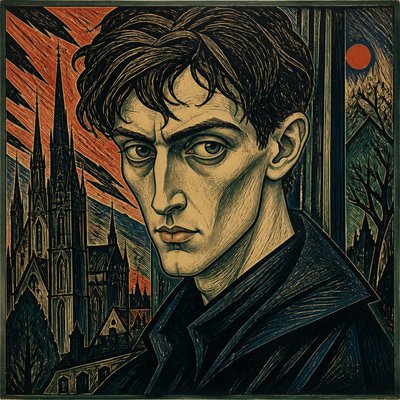
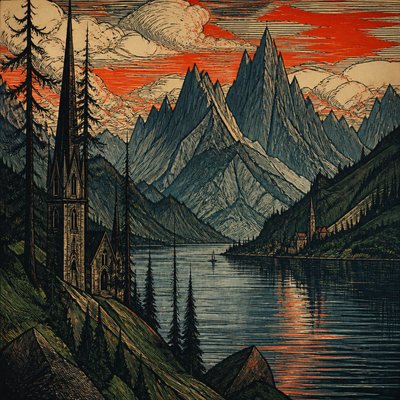
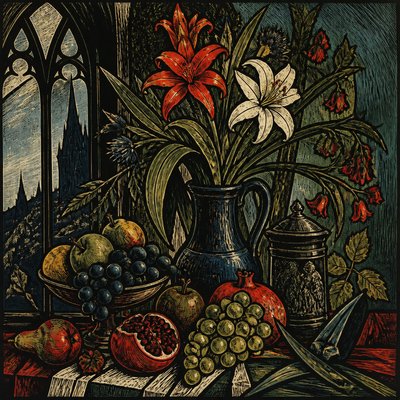
Explore German Art Style: precise northern draftsmanship, woodcut lines, gothic forms, and expressionist color in a grave, intense visual language.
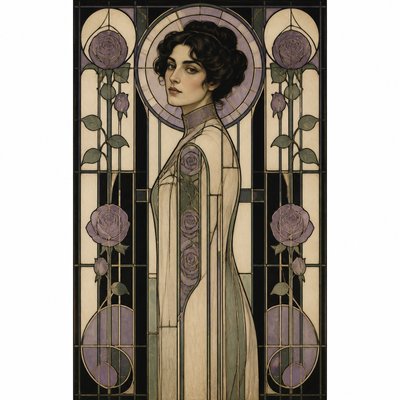
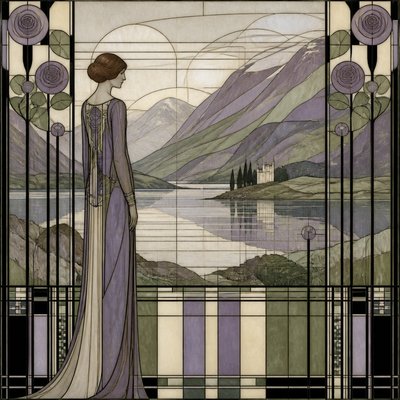
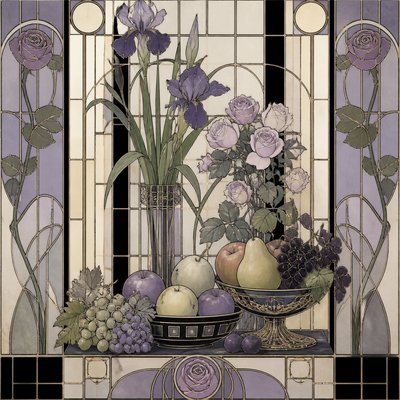
Explore Glasgow Style Art Nouveau: elongated lines, stylized roses, stained-glass geometry, and austere romantic elegance.
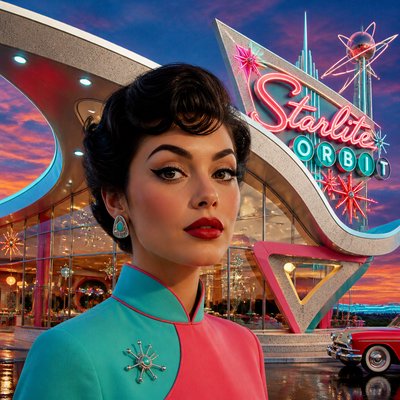
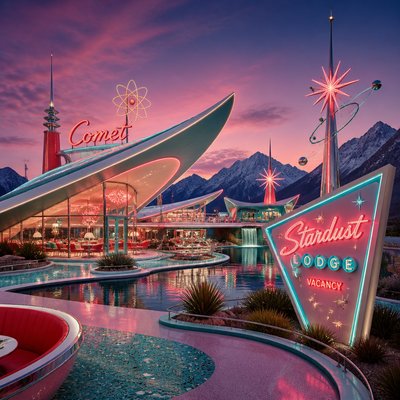
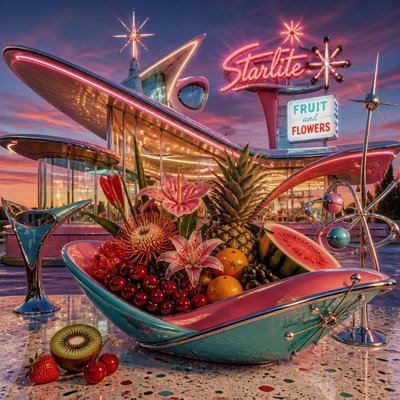
Googie architecture: atomic-age roadside buildings with boomerang roofs, neon signs, starbursts, chrome trim, and futuristic optimism.
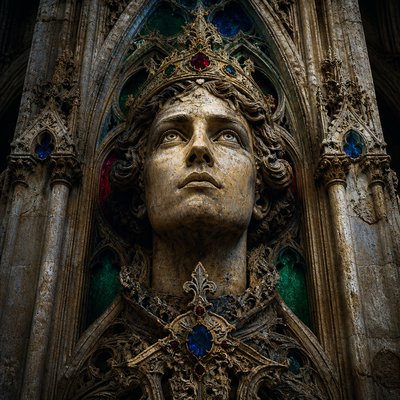
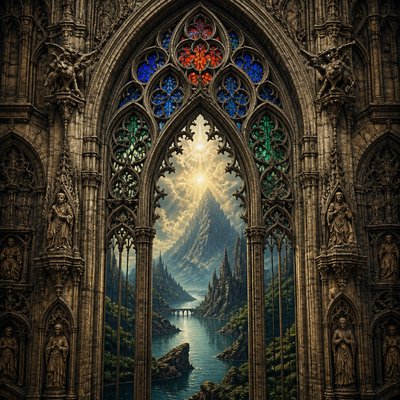
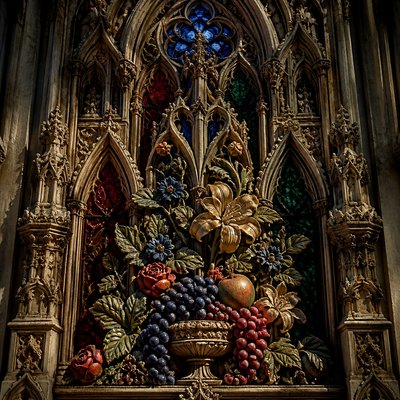
Medieval European architecture with pointed arches, flying buttresses, spires, and ornate stonework, shaped by verticality and light.
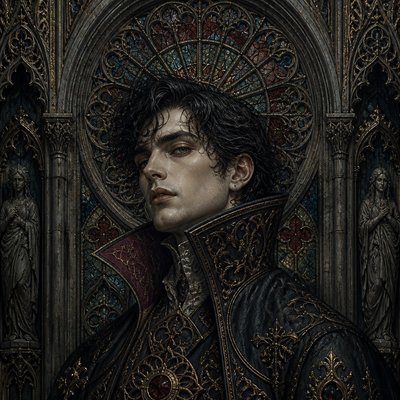
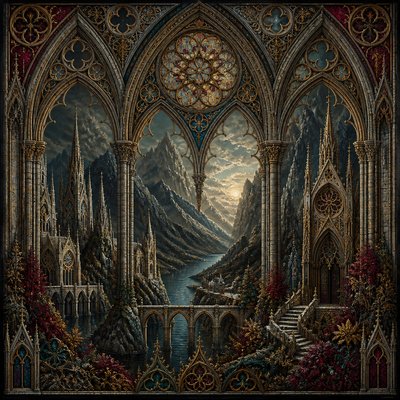
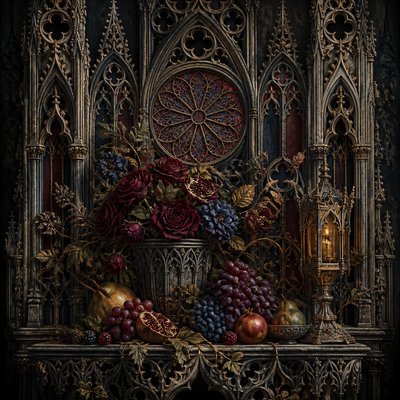
Gothic architecture art features soaring spires, rose windows, flying buttresses, and ornate stonework in dramatic, vertical compositions.
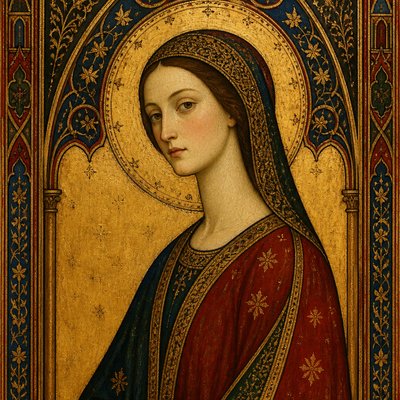
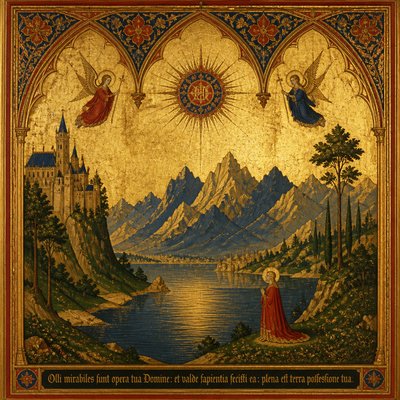
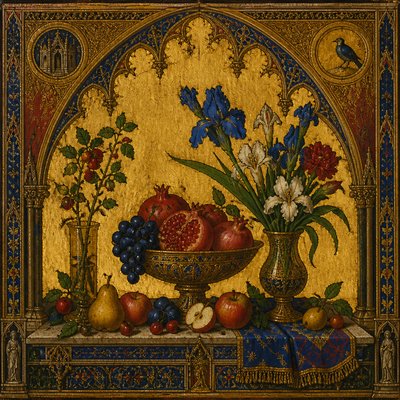
Medieval sacred painting with gold backgrounds, elongated figures, symbolic detail, and a transcendent, devotional mood.
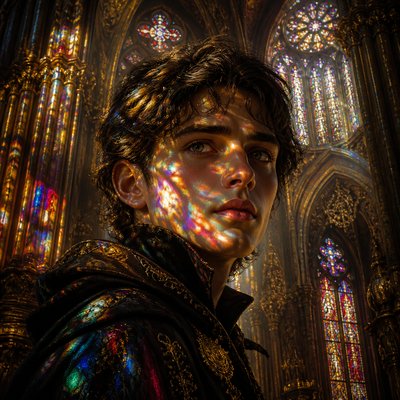
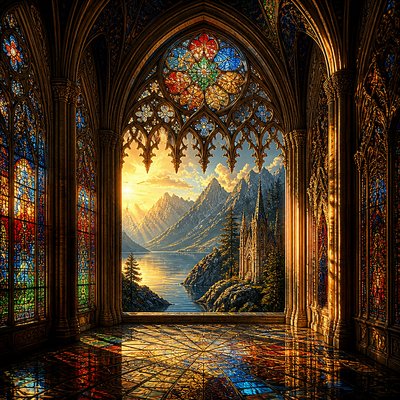
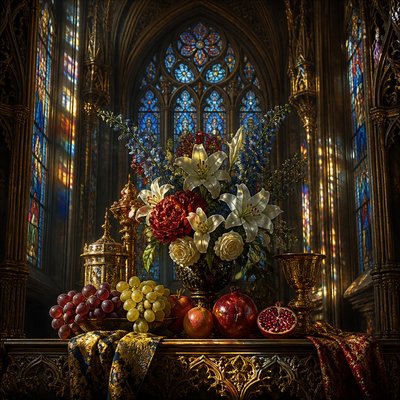
Sacred Gothic art inspired by cathedrals, stained glass, carved stone, and divine light with a reverent, monumental atmosphere.
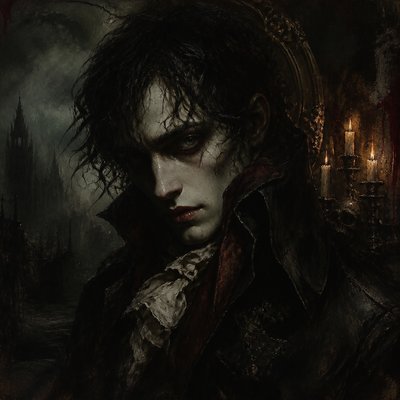
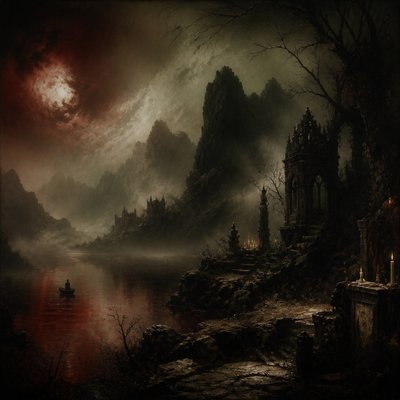
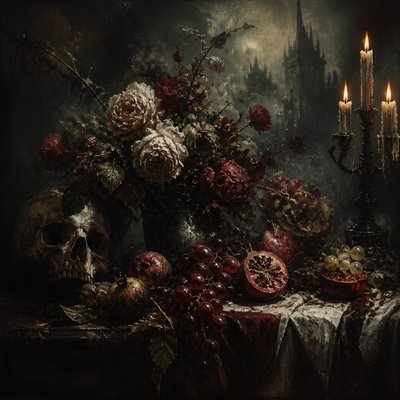
Dark romantic horror imagery with haunted settings, monsters, candlelight, fog, and ominous chiaroscuro.
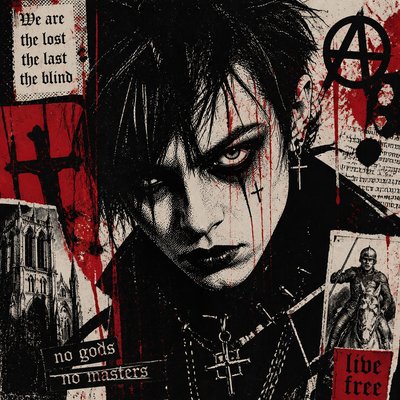
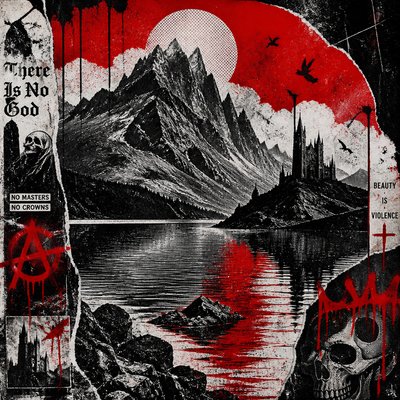
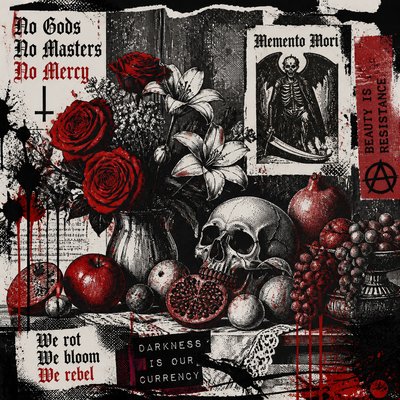
Gothic Punk Art blends medieval darkness, anarchic rebellion, monochrome ink, crimson accents, zine texture, and distressed collage.
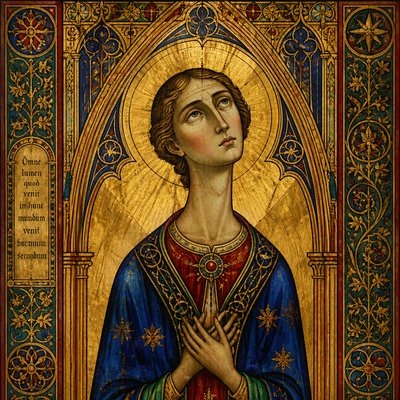
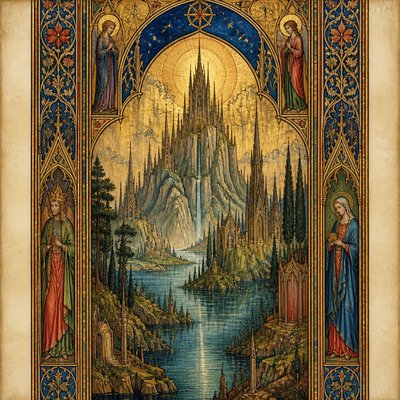
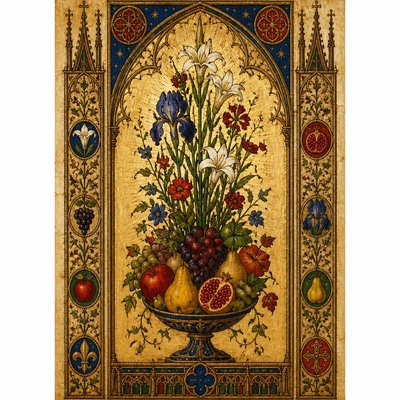
Medieval Christian art with elongated figures, gold leaf, stained-glass color, and vertical, devotional compositions.
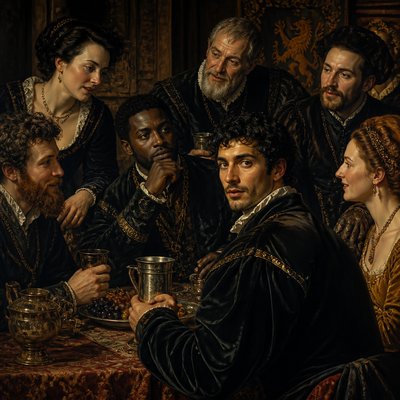
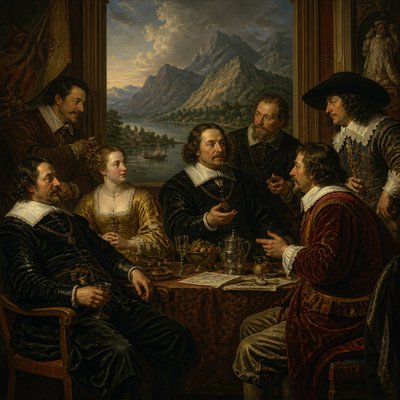
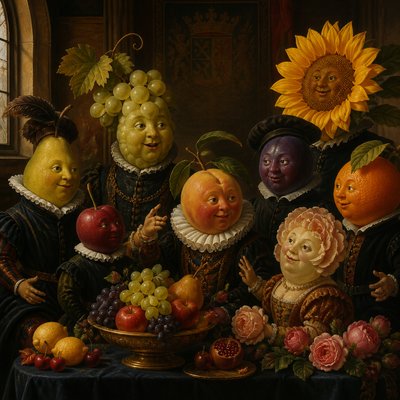
Explore group portrait painting: lively civic compositions, individualized faces, dark costumes, warm interiors, and collective social presence.
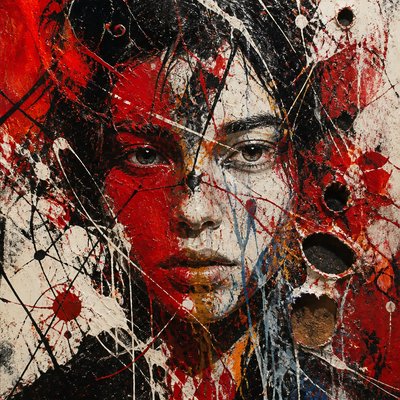
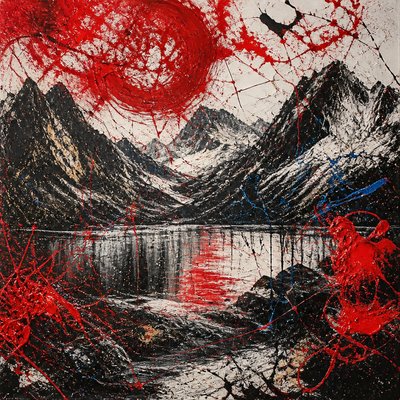
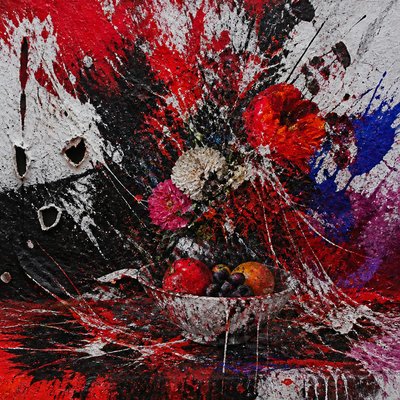
Explore Gutai art: postwar Japanese action painting defined by explosive gestures, raw materials, performance, and physical traces.
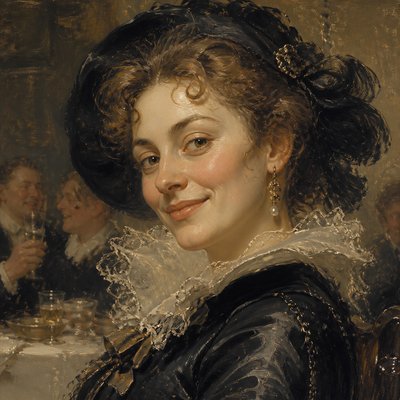
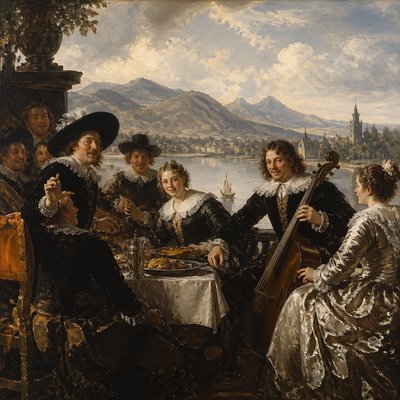
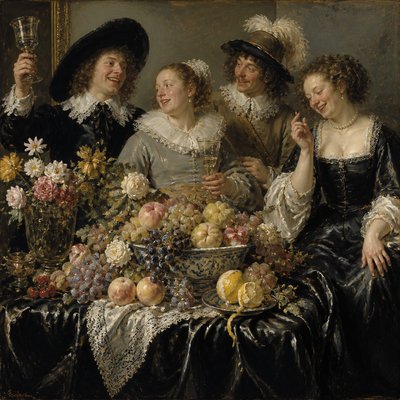
Explore Haarlem Golden Age art: lively 17th-century Dutch scenes with laughing faces, silvery light, black satin, lace, and sparkling brushwork.
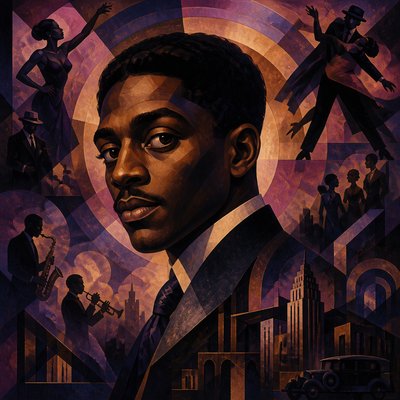
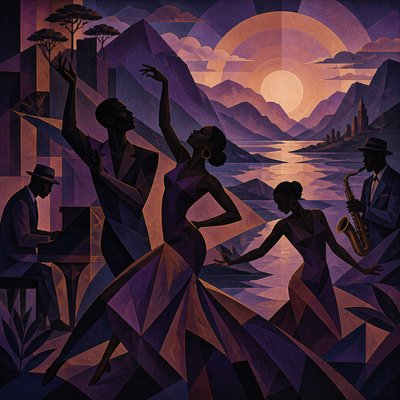
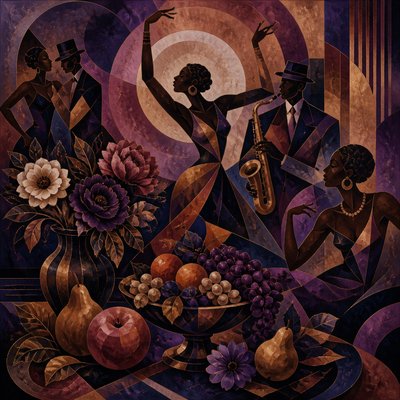
Explore Harlem Renaissance art: jazz-inspired rhythm, Art Deco geometry, expressive silhouettes, rich color, and African American cultural modernism.
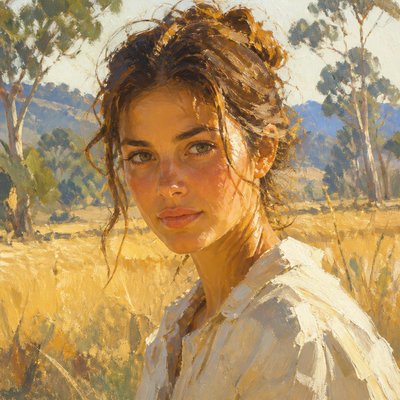
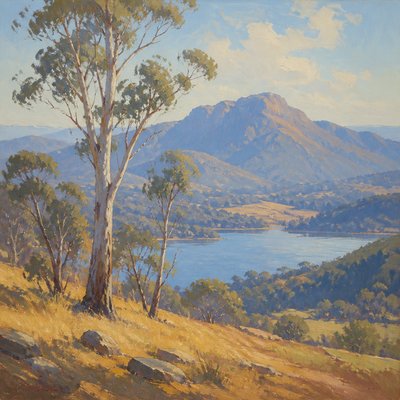
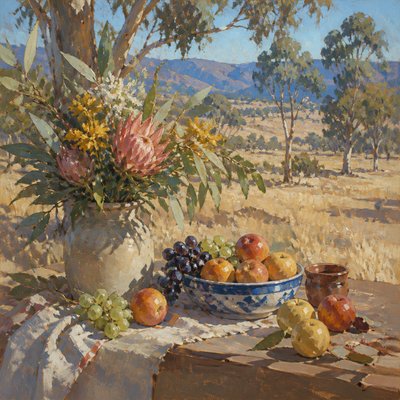
Explore Heidelberg School art: sunlit Australian landscapes, eucalyptus haze, golden grass and loose plein-air brushwork in a distinctive Impressionist style.



Explore Helsinki Art Style: Nordic national-romantic landscapes, granite Art Nouveau architecture, folklore, and cool muted colors shaped by myth.
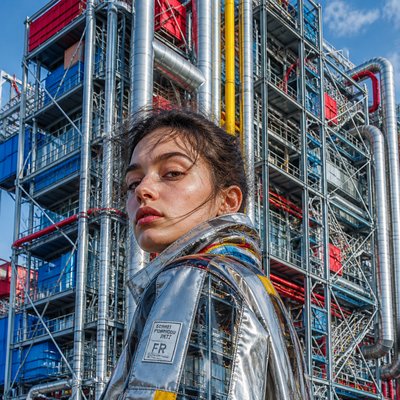

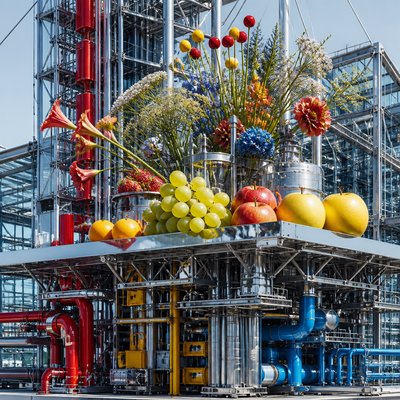
Exposed steel, glass curtain walls, and color-coded services define this inside-out architectural style of the high-tech era.
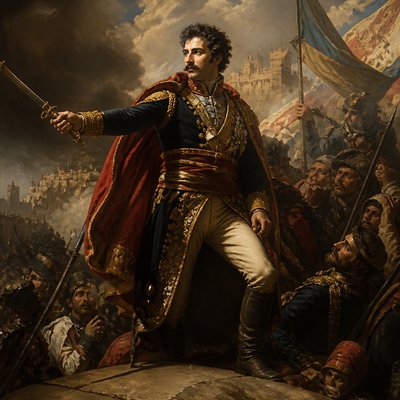
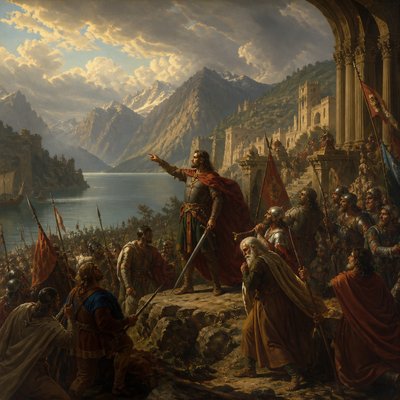
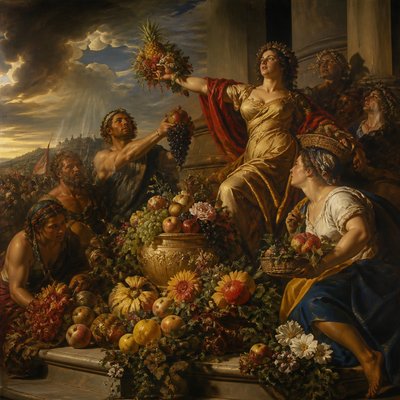
Explore history painting: monumental narratives, heroic gestures, theatrical light, and academic grandeur rendered with dramatic oil-painting depth.
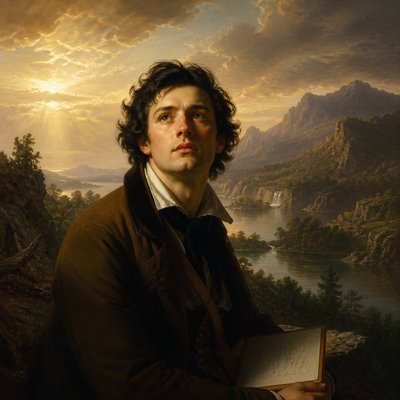
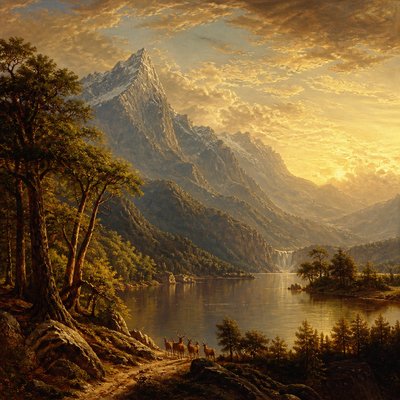
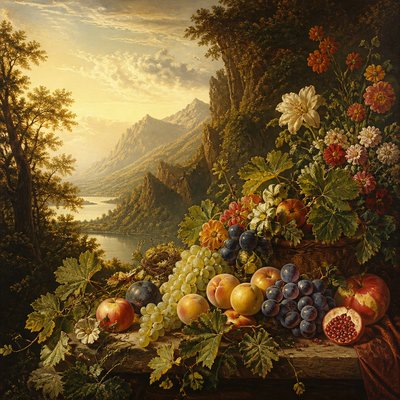
American landscape tradition with sublime wilderness, luminous detail, and dramatic light. Learn Hudson River School origins, traits, and prompts.
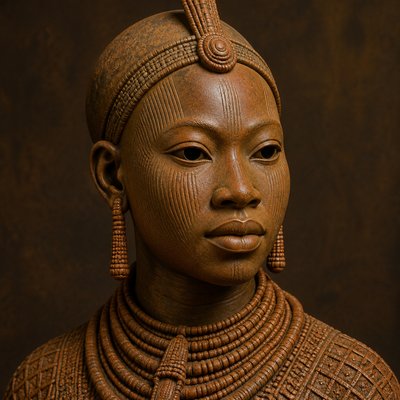
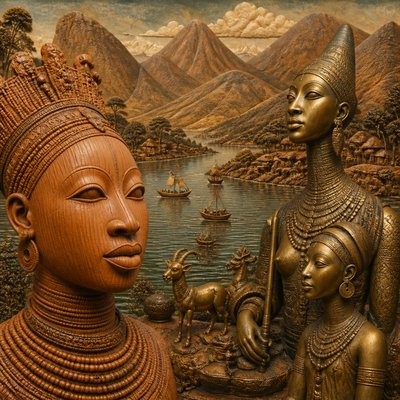
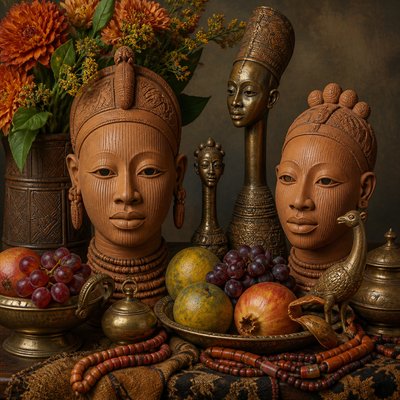
Explore Ife art: Yoruba terracotta and bronze sculpture known for idealized naturalism, refined facial detail, regalia, and burnished earth tones.
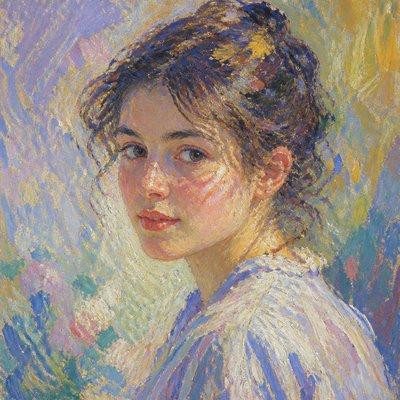
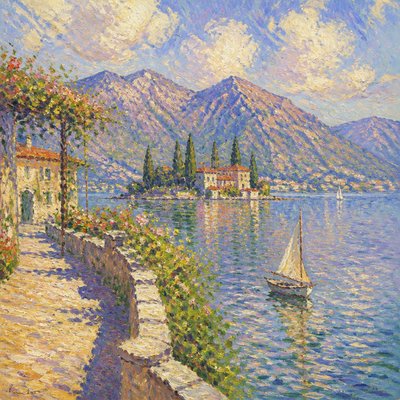
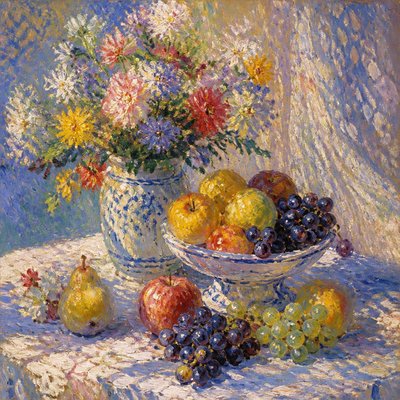
Impressionism: a light-filled painting style with visible brushstrokes, broken color, and fleeting outdoor scenes.
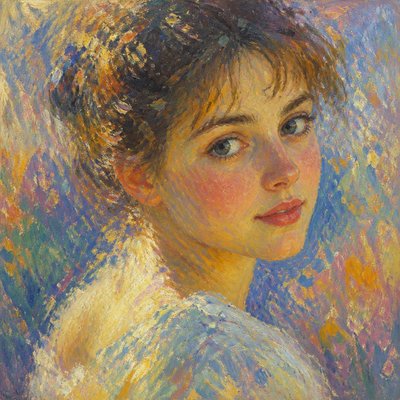
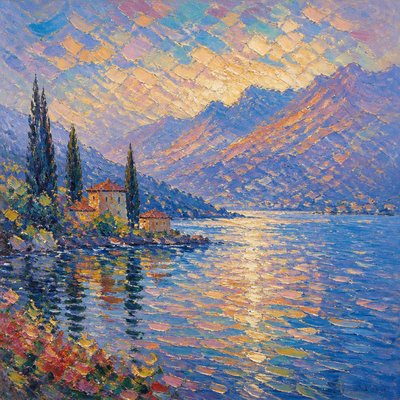
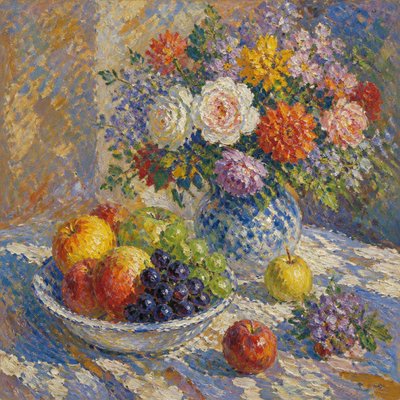
Impressionist landscape painting with broken brushstrokes, vibrant color, and shimmering light; learn its origins, traits, and how to create it.
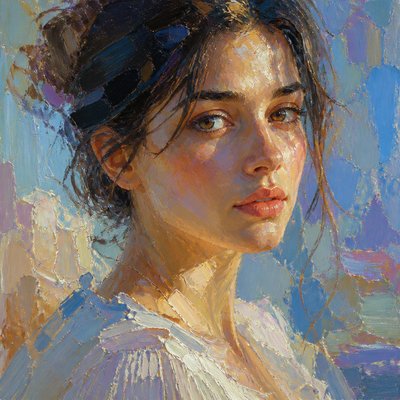
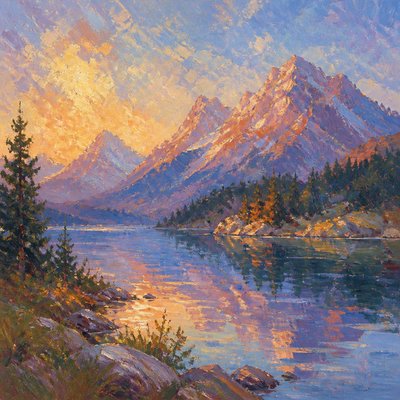
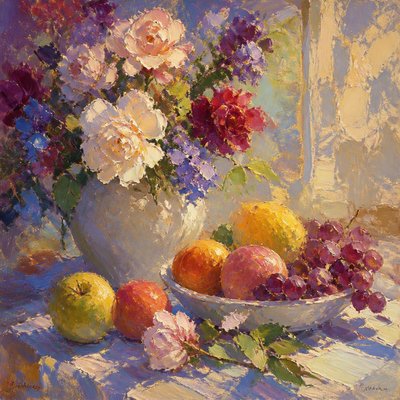
Loose, light-filled painting of nature with broken color, soft edges, and atmospheric brushwork inspired by Impressionist landscape traditions.
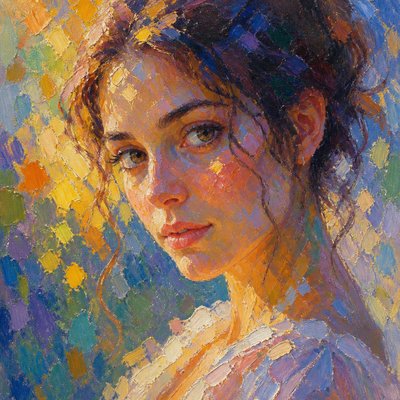
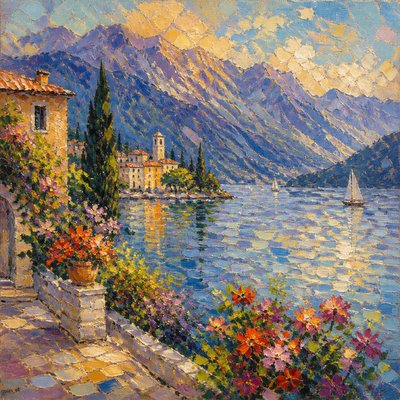
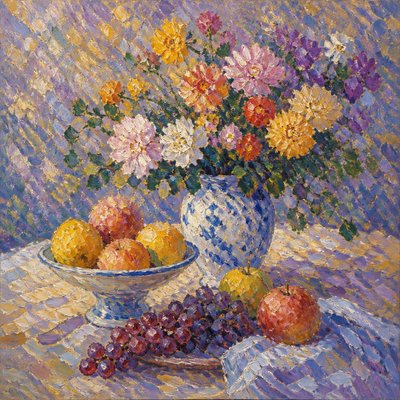
Painterly still lifes with broken brushstrokes, luminous color, and atmospheric light inspired by Impressionist painting.
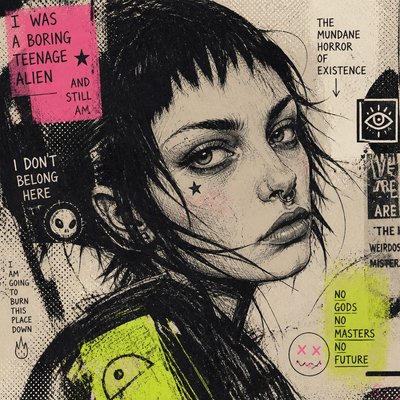
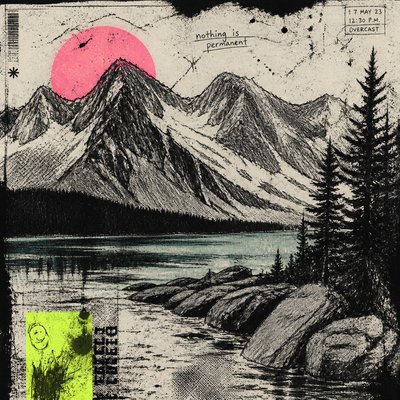
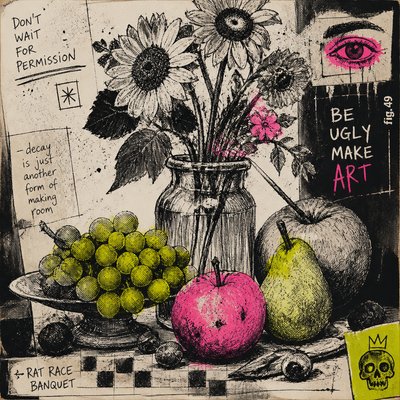
Raw, expressive comics with rough linework, zine textures, halftones, and an underground handmade feel.
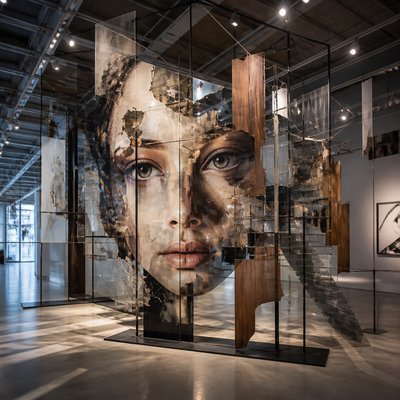
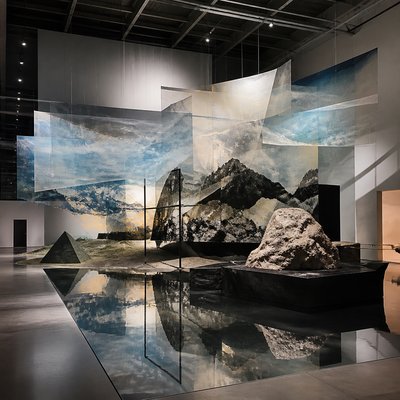
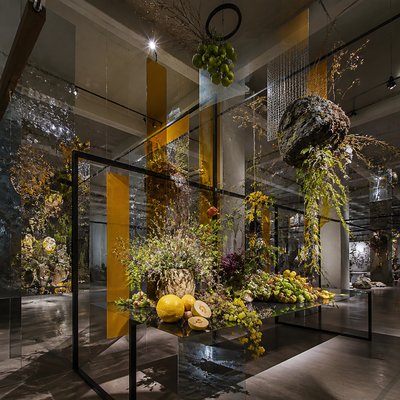
Immersive three-dimensional artworks that transform spaces with mixed media, site-specific elements, light, shadow, and spatial composition.
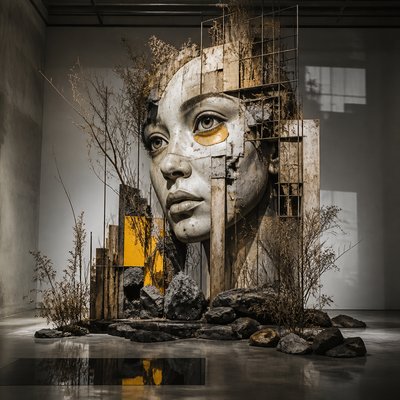
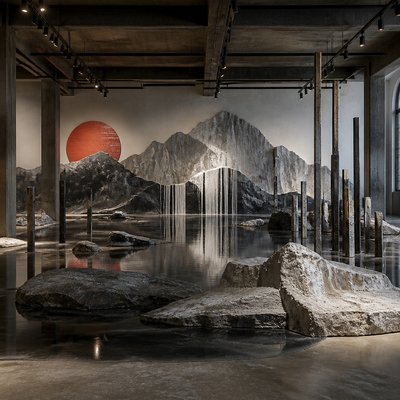
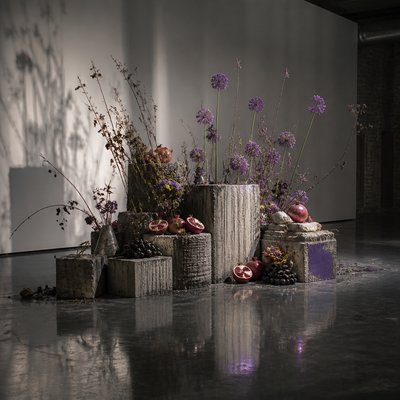
Immersive conceptual installations using found objects, spatial design, and environmental light to turn viewers into active participants.
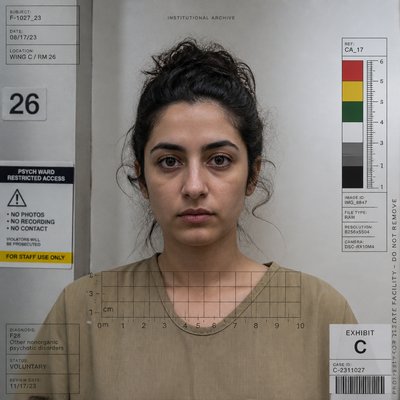
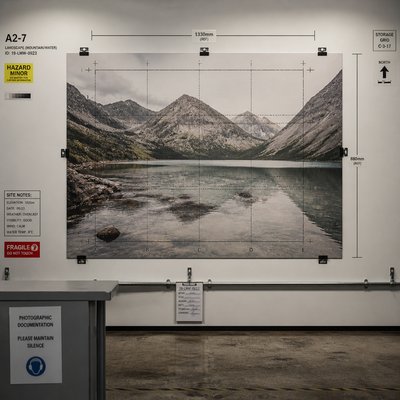
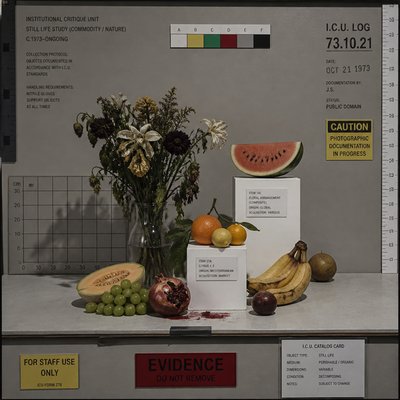
Conceptual art that exposes institutions through stark documentation, labels, grids, fluorescent light, and bureaucratic visual systems.
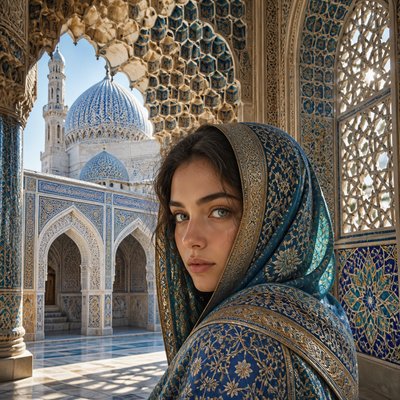
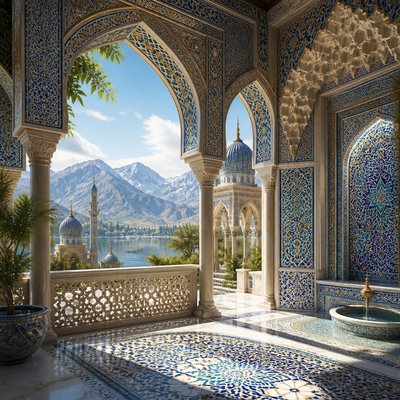
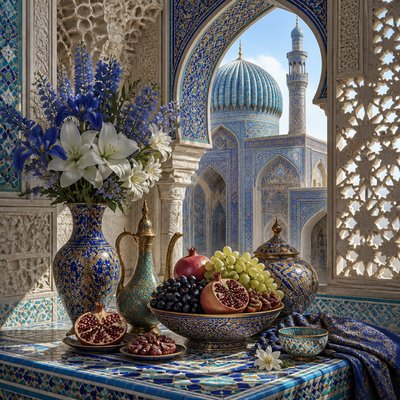
Ornate arches, cobalt tilework, and muqarnas vaults define the contemplative geometry of Islamic architecture.
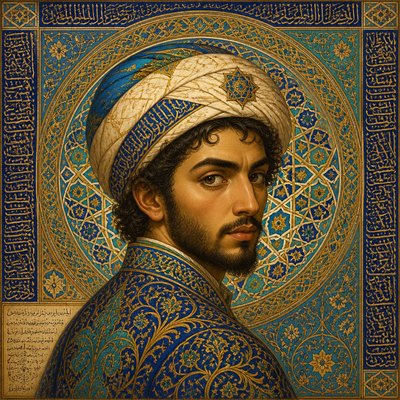
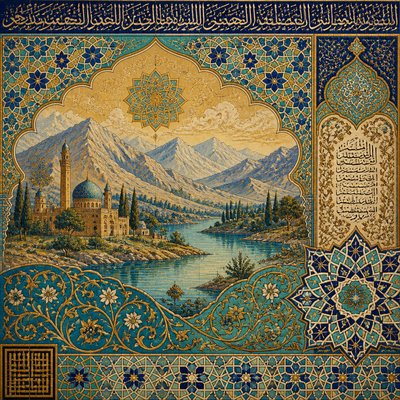
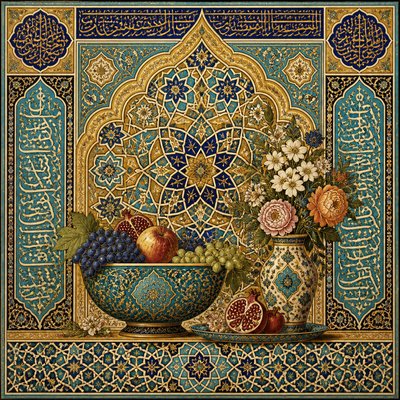
Explore Islamic Golden Age art: geometric ornament, arabesque vines, calligraphy, glazed tiles, illuminated manuscripts, turquoise, cobalt and gold.
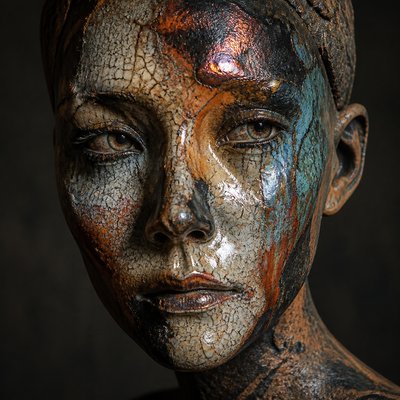
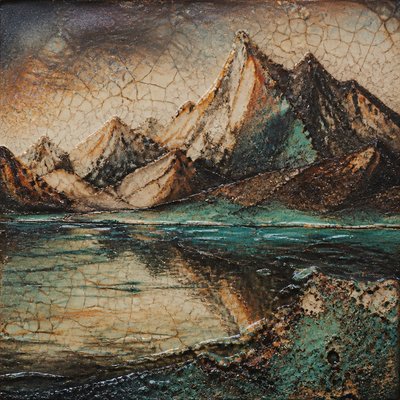
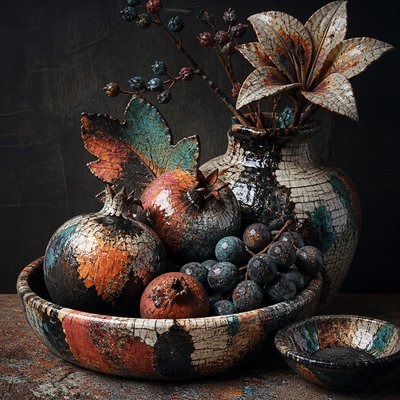
Japanese Raku ceramic art: crackled glazes, smoky black surfaces, metallic luster, and wabi-sabi imperfection shaped by rapid firing.
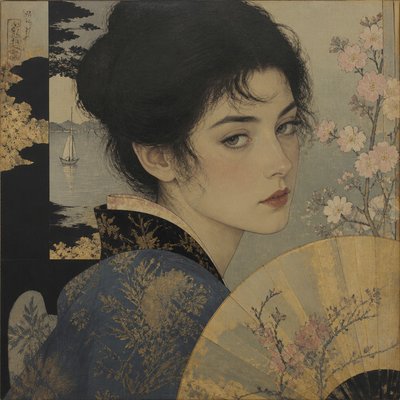
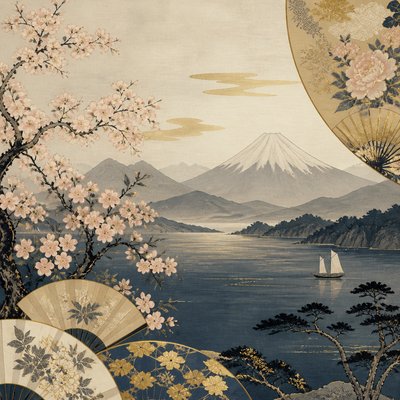
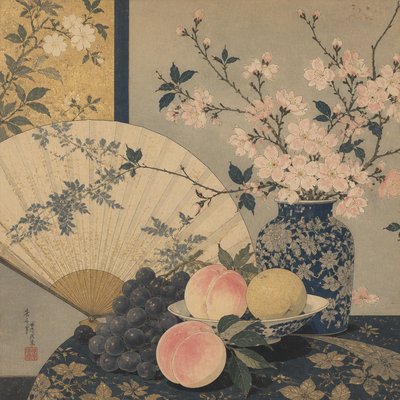
Explore Japonisme: Western art reshaped by Japanese prints, with flat pattern, cropped viewpoints, asymmetry, delicate line, and muted color.
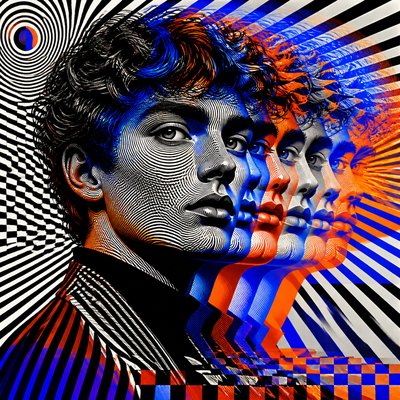
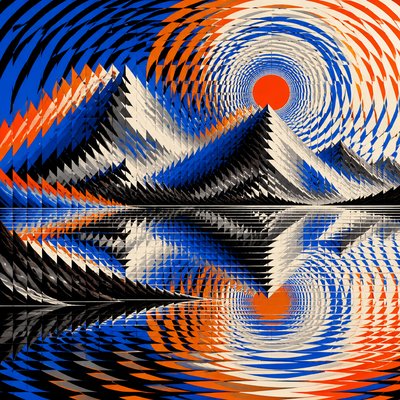
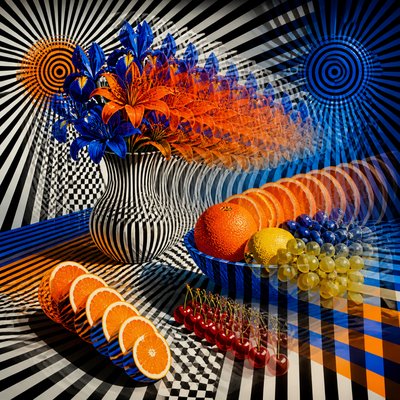
Dynamic art using motion, repetition, and optical vibration to suggest movement through time, space, and viewer interaction.
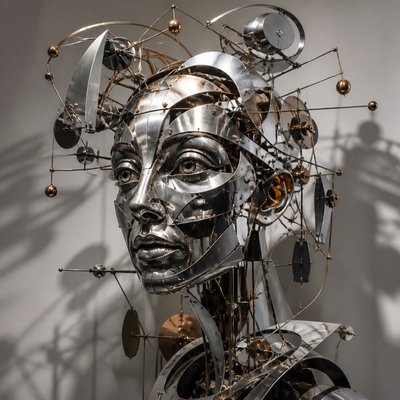
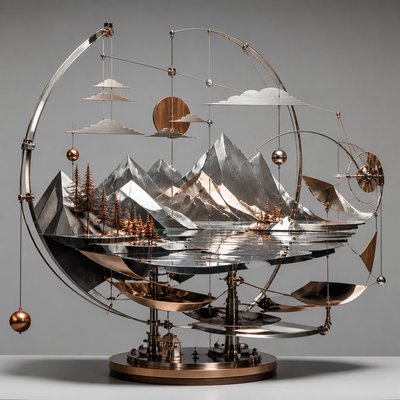
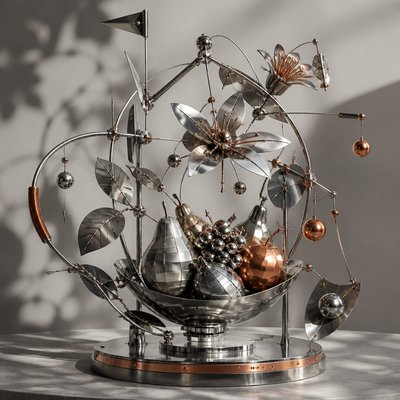
Movement-based sculpture with balanced metal forms, rotating elements, wire armatures, and changing shadows.
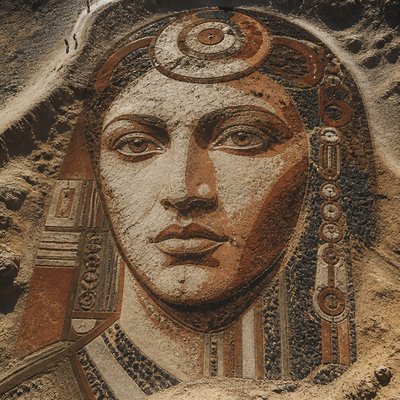
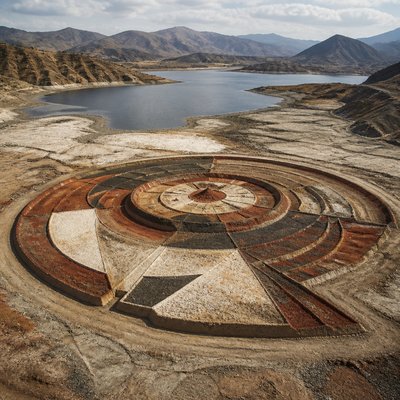
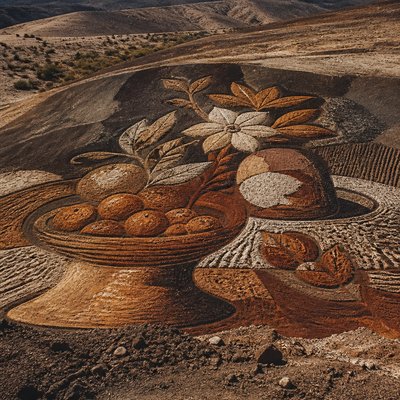
Monumental land-based art using earth, stone, and water to shape landscapes into temporary or permanent visual interventions.
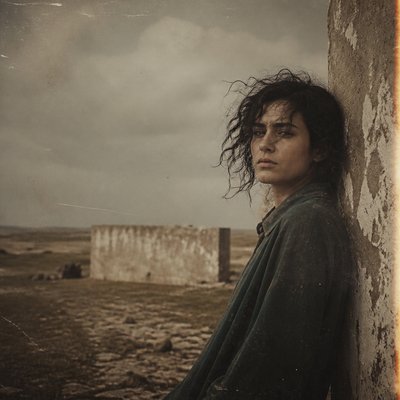
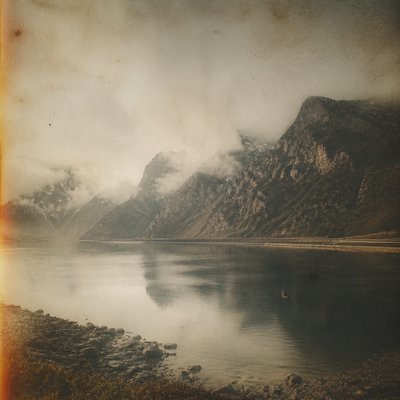
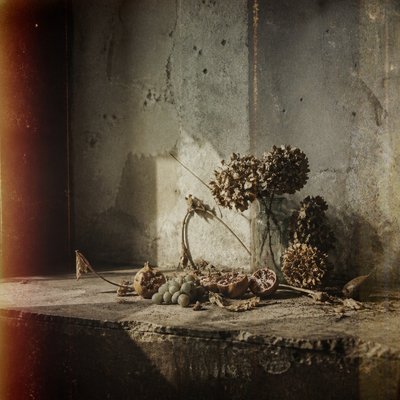
Earth-as-canvas conceptual works documented through grainy archival imagery, decay, remote actions, and ecological reflection.
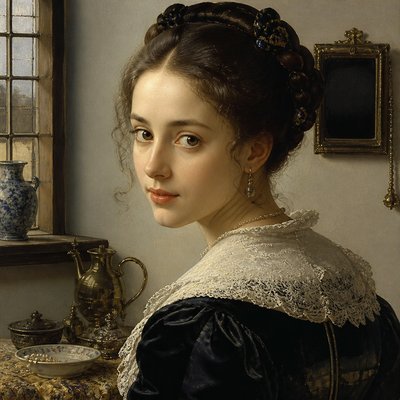
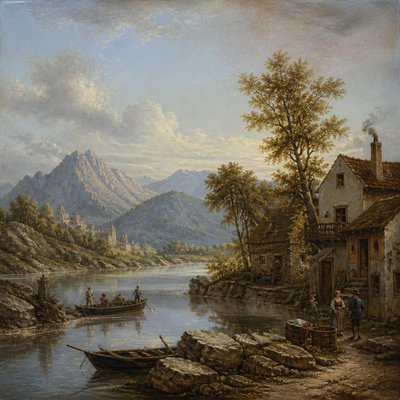
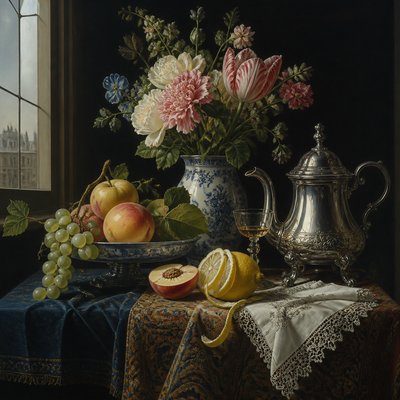
Explore Leiden Art Style: precise Dutch genre interiors, fine brushwork, diffused light, lace, metal, and jewel-like domestic detail.
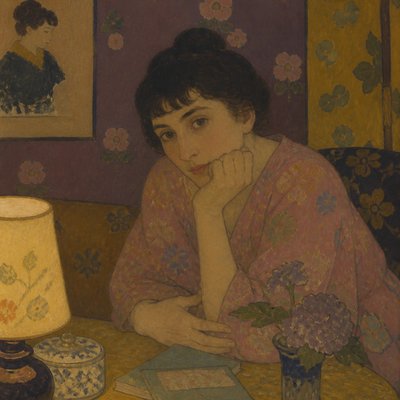
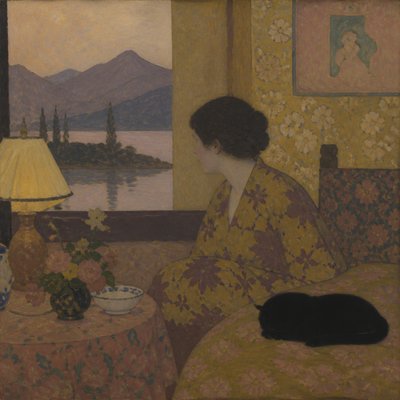
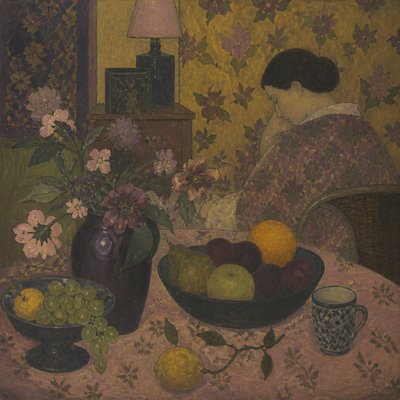
Explore Les Nabis: intimate interiors, flattened patterns, muffled color, lamplight, and decorative painting rooted in late-19th-century France.
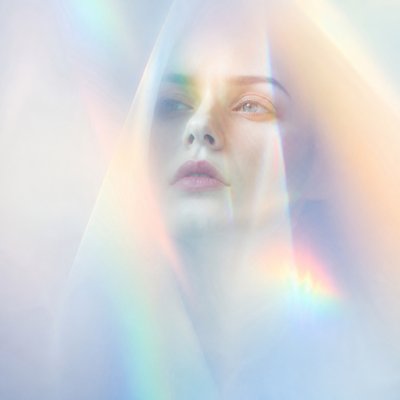
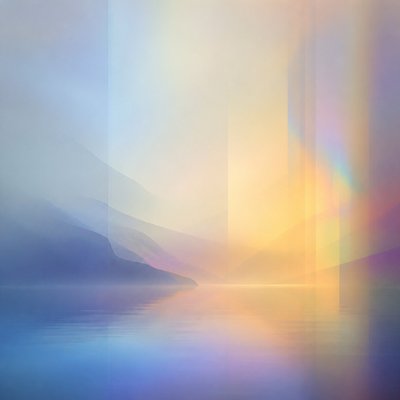
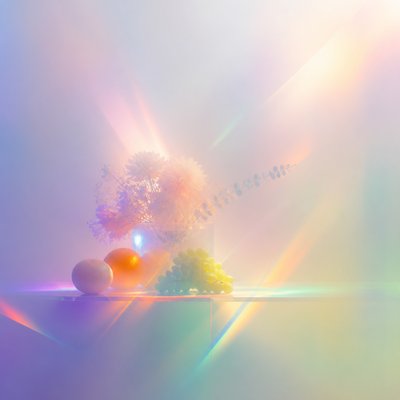
Perceptual art of light, space, and atmosphere, using luminous fields, minimal forms, and viewer movement to alter perception.

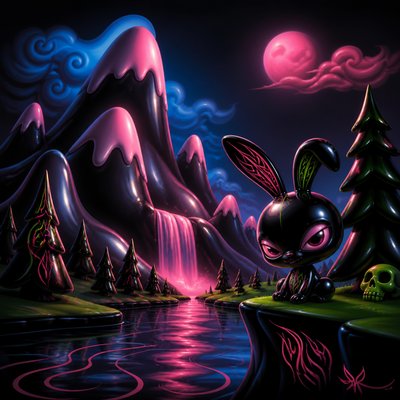
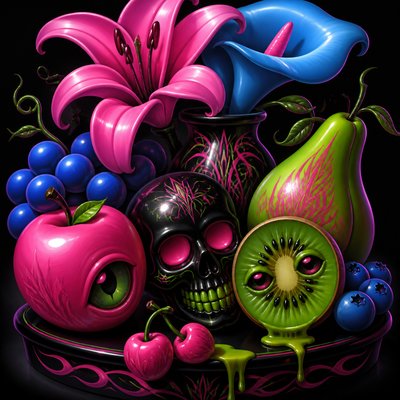
Underground pop surrealism with cartoon energy, hot rod flair, neon color, glossy surfaces, and subversive humor.
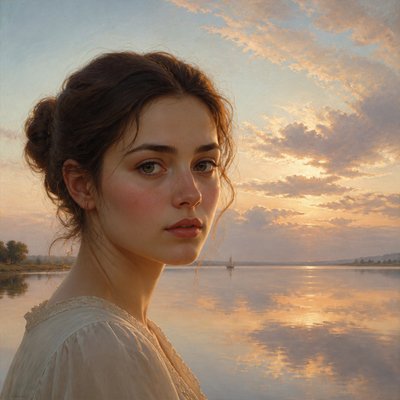
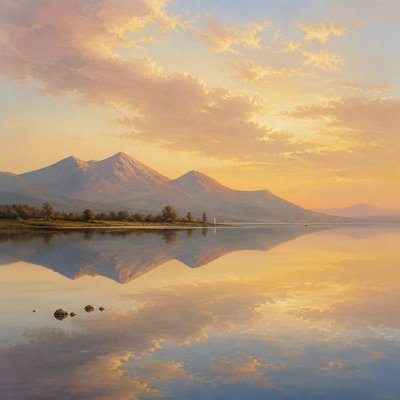
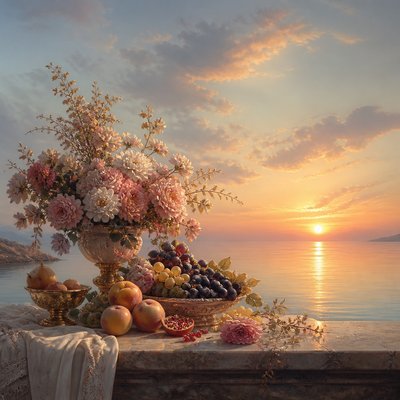
Explore Luminism: serene American landscapes with glassy water, low horizons, radiant light, and finely controlled atmospheric detail.
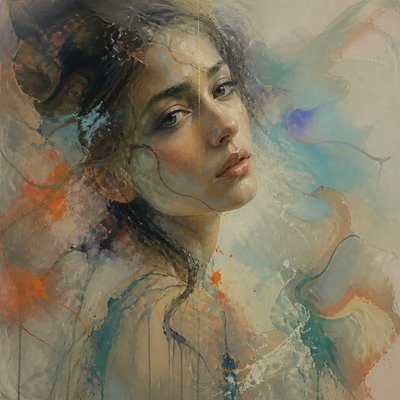
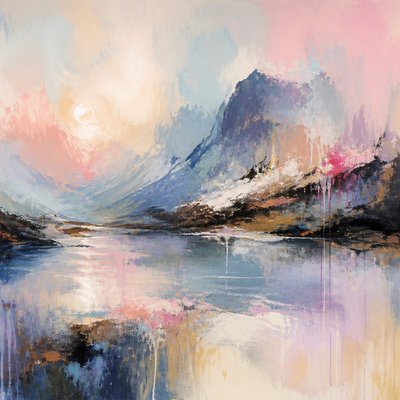
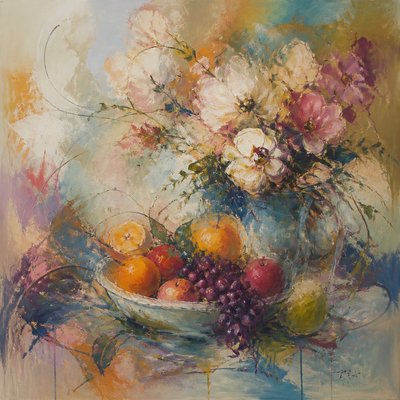
Emotive abstract painting with flowing forms, soft color, and poetic brushwork rooted in lyrical, gestural expression.
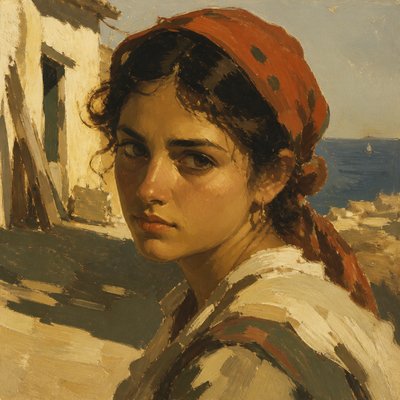
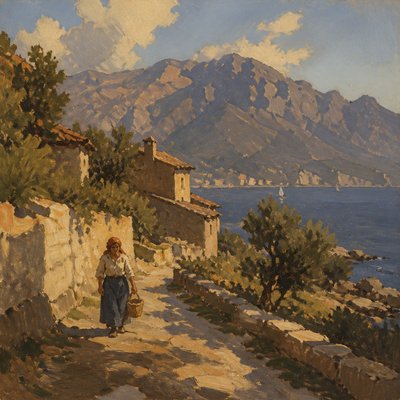
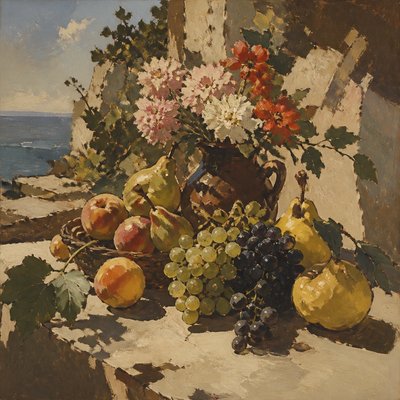
Discover Macchiaioli art: 19th-century Italian plein-air painting defined by bold light-dark patches, earthy color, and everyday Mediterranean scenes.
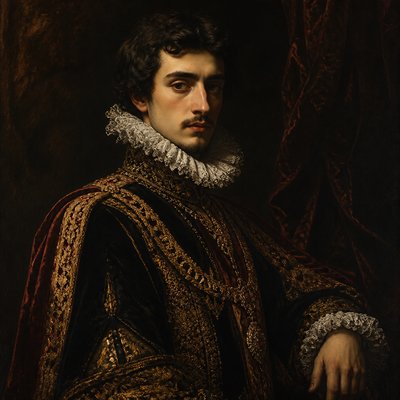
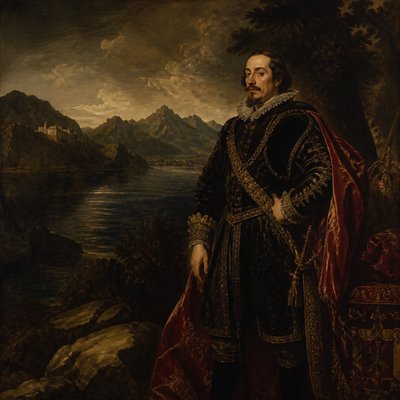
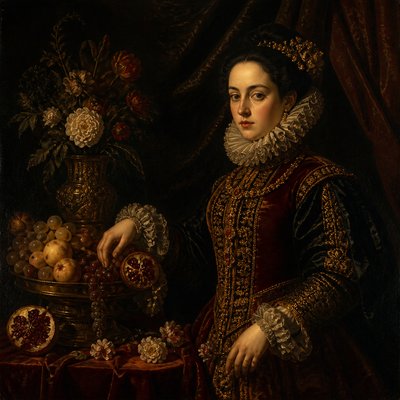
Explore Madrid Art Style: Spanish Golden Age court grandeur, tenebrist shadows, velvet costumes, gold trim, and solemn royal portraiture.
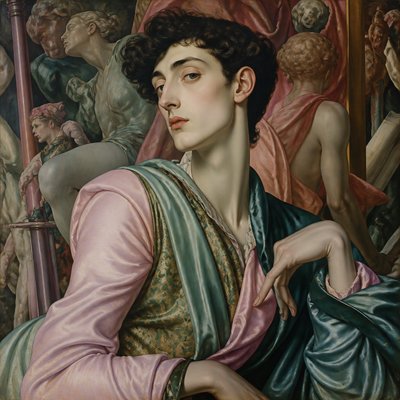
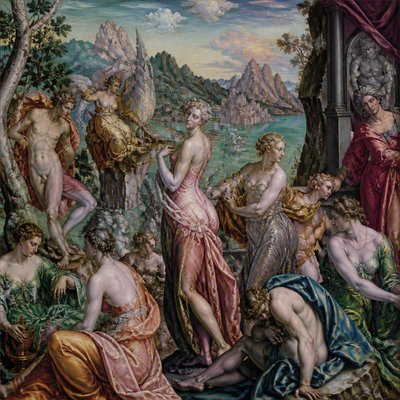
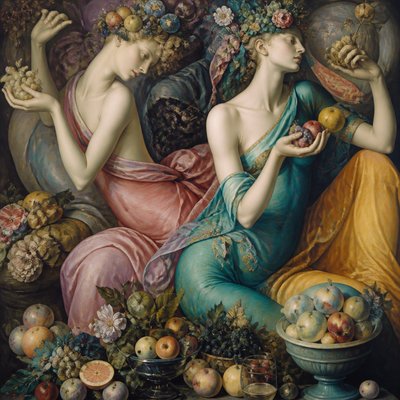
Explore Mannerism: elongated figures, serpentine poses, acid colors, compressed space, and refined artificiality in late-Renaissance art.
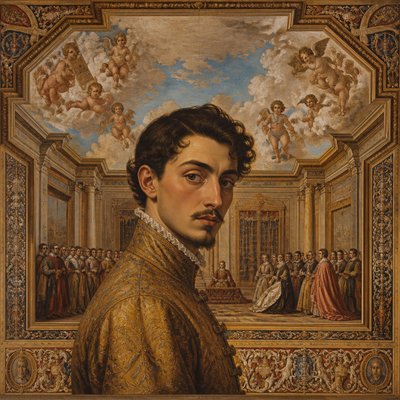
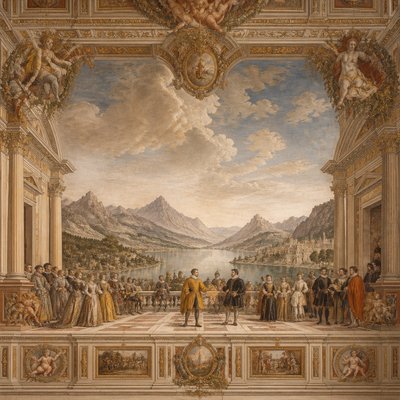
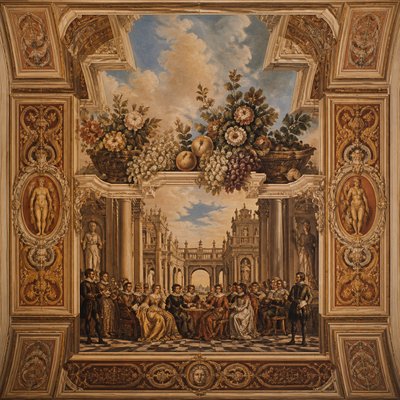
Explore Mantua art style: illusionistic Renaissance court frescoes, painted skies, trompe-l'oeil architecture, and richly detailed Gonzaga interiors.
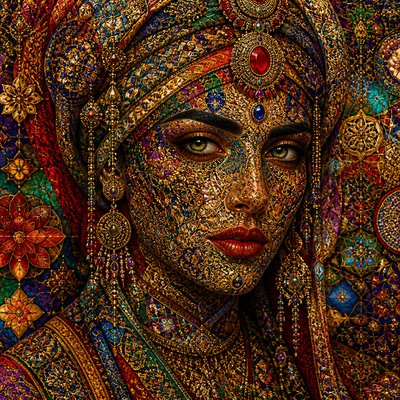
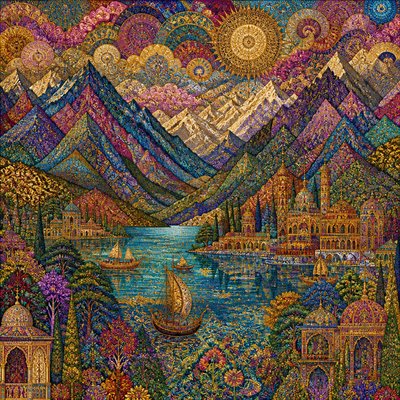
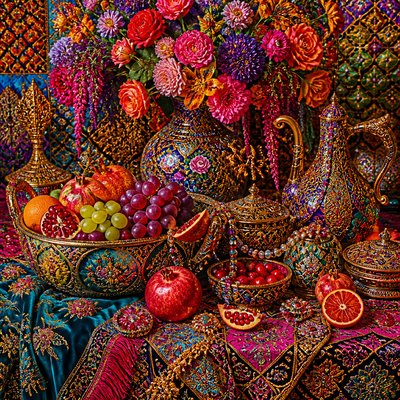
Maximalism is a dense, layered aesthetic of pattern, color, ornament, and visual abundance that rejects minimal restraint.
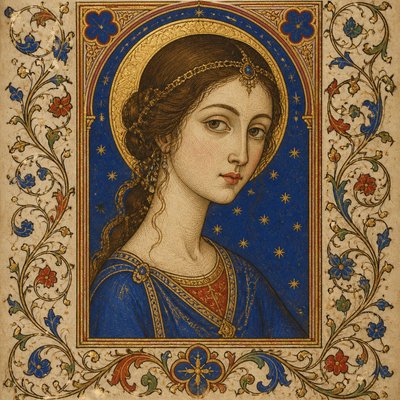
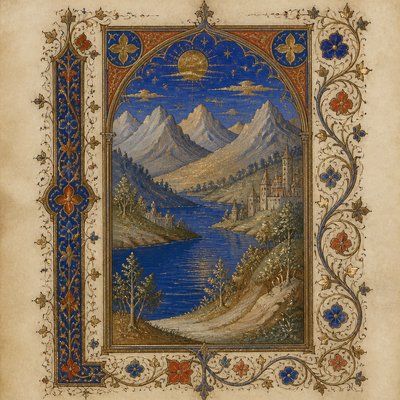
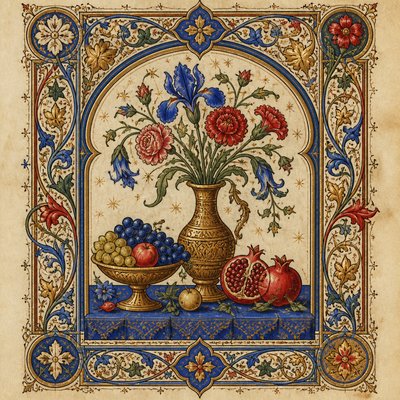
Medieval Gothic art: 12th–15th century European religious imagery with elongated figures, gold leaf, and ornate cathedral manuscript detail.

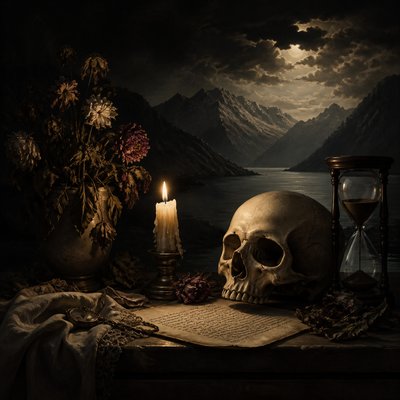
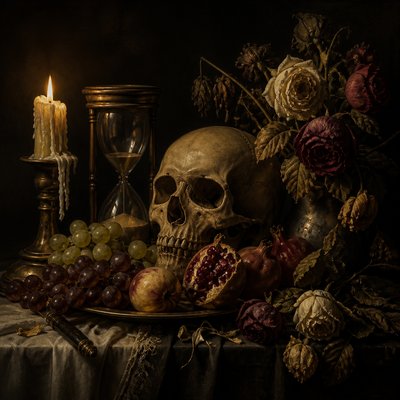
Explore memento mori art: skulls, extinguished candles, hourglasses and fading flowers arranged in solemn, dramatic vanitas compositions.

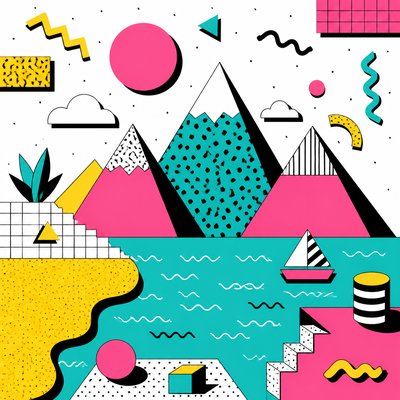
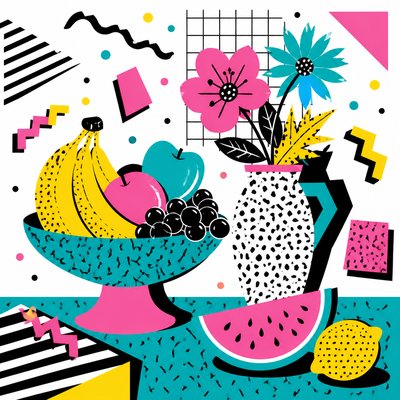
Memphis Design: bold 1980s postmodern geometry, squiggles, grids, and bright clashing colors on crisp white backgrounds.
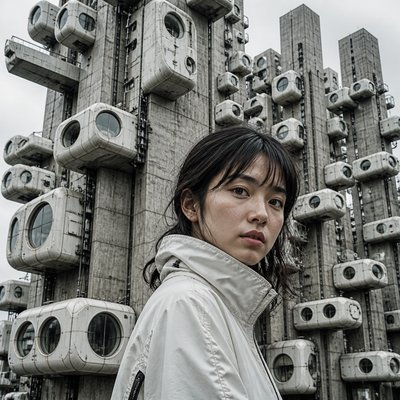
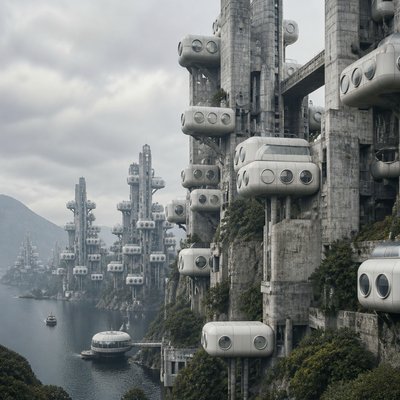
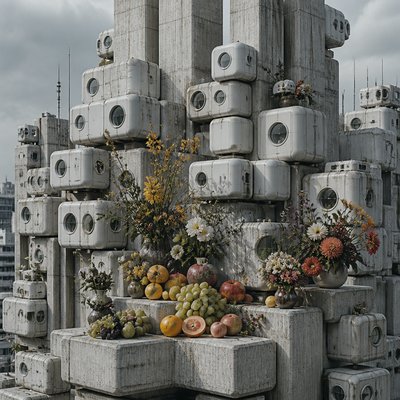
Megastructural retro-future architecture with capsule pods, concrete cores, and modular plug-in density.
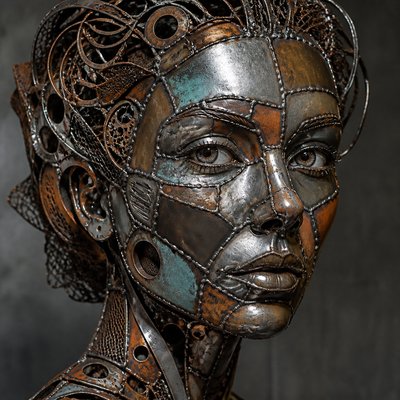
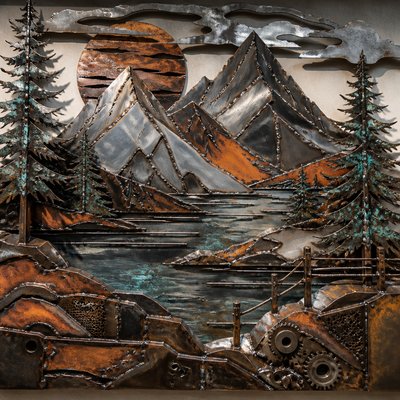
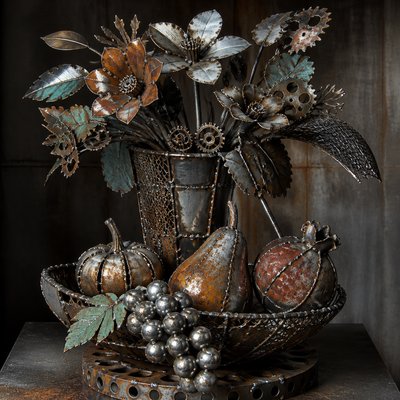
Found-metal sculpture style with welded seams, rust patina, gears, bolts, and industrial texture in dramatic sculptural forms.
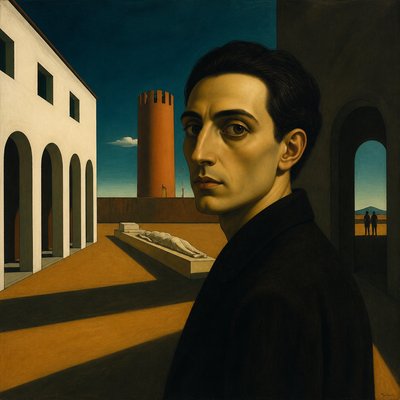
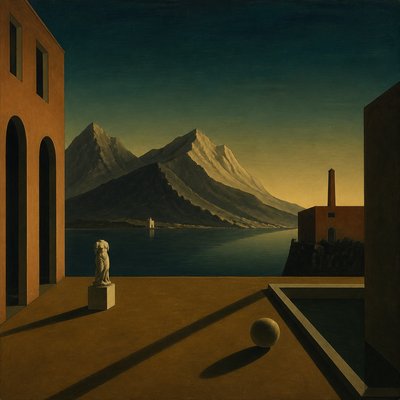
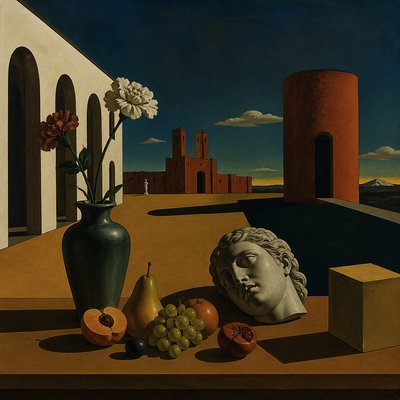
Dreamlike piazzas, long shadows, classical architecture, and eerie stillness inspired by leading metaphysical painters' work.
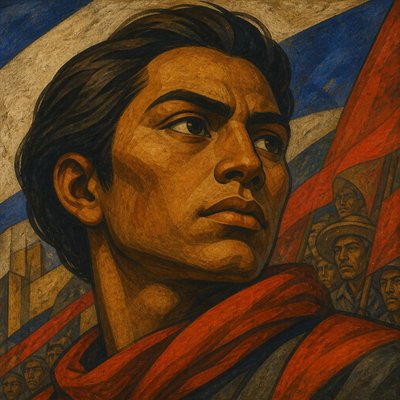
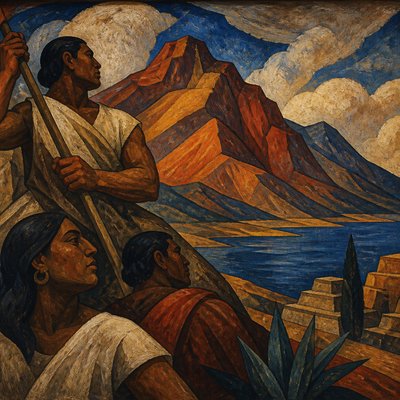
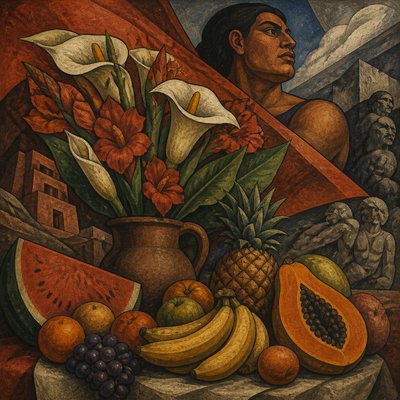
Mexican muralism: monumental public art with bold earth tones, indigenous imagery, and revolutionary themes in fresco-like form.


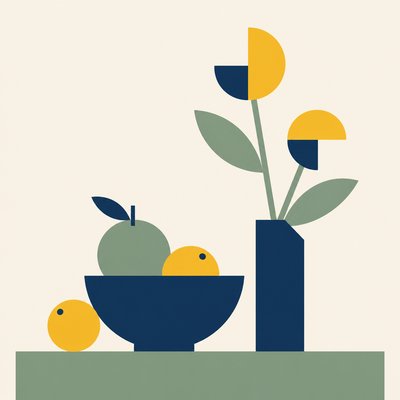
Minimalism art style uses pared-down geometric forms, limited color, and generous negative space to reduce images to essentials.
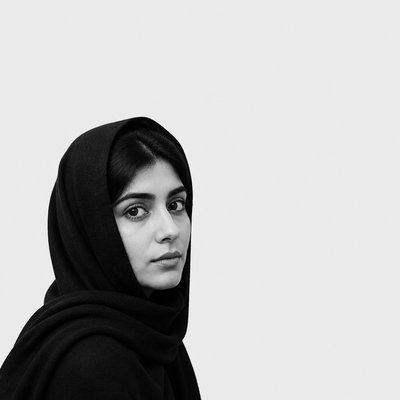
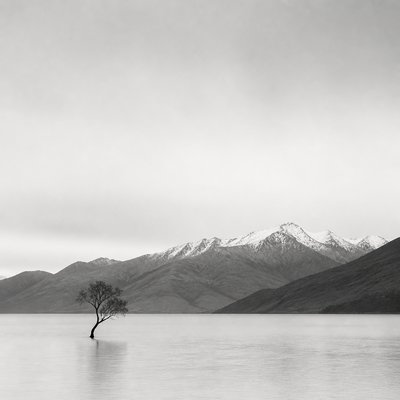
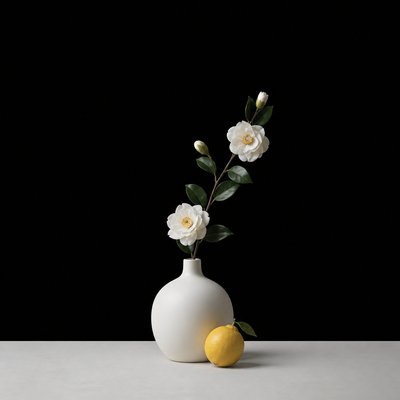
Minimalist photography uses negative space, simple geometry, and restrained color for calm, striking images.
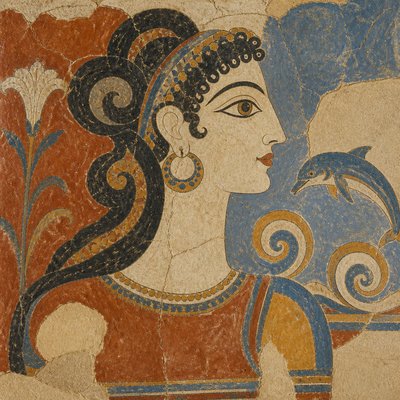
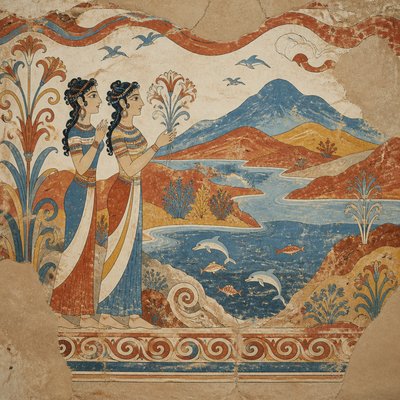
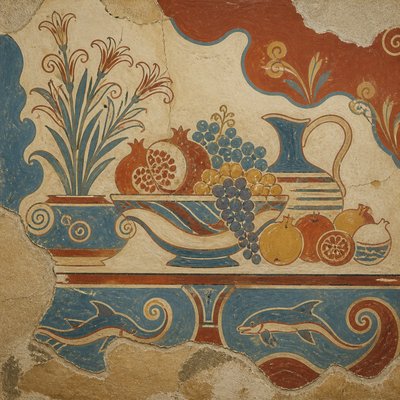
Explore Minoan fresco art: Bronze Age Aegean murals defined by marine life, spirals, fluid figures, mineral color and weathered plaster.
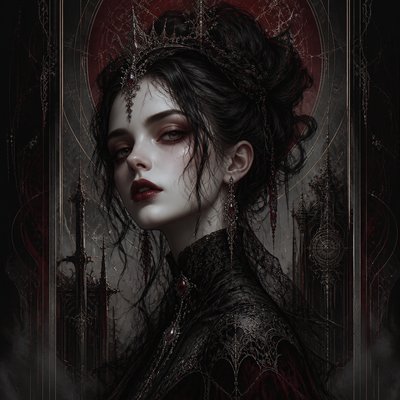
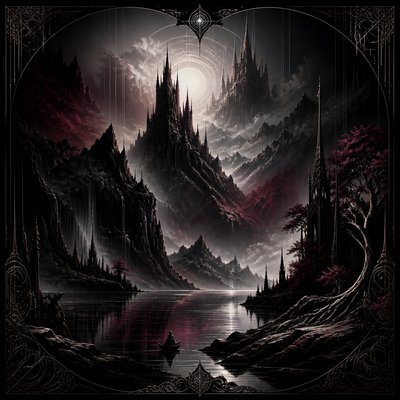
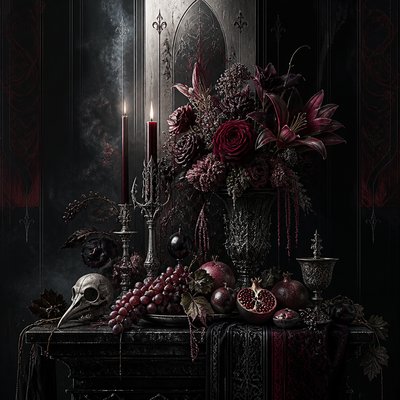
Dark romantic contemporary style with chiaroscuro, gothic detail, silver accents, and melancholic beauty.
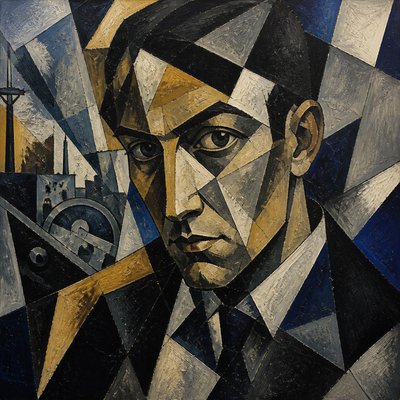
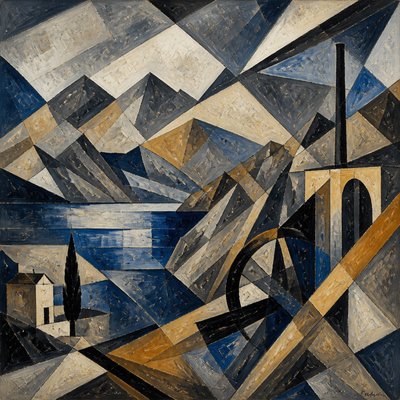
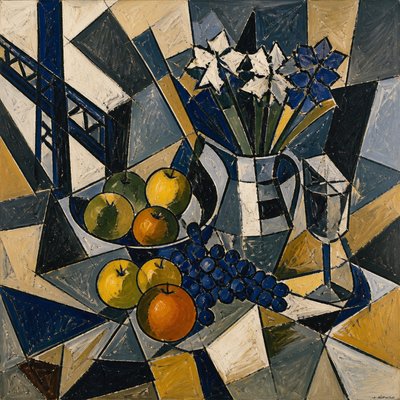
Early 20th-century movement favoring abstraction, fractured forms, bold geometry, and the energy of modern urban life.
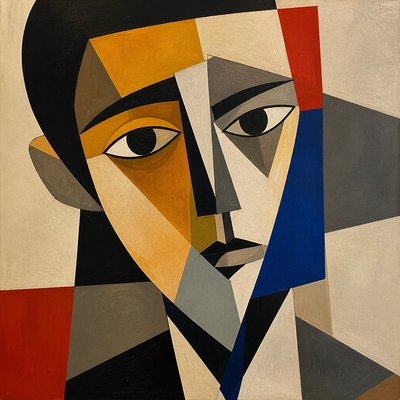
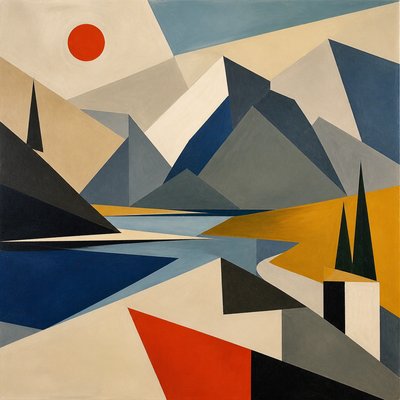
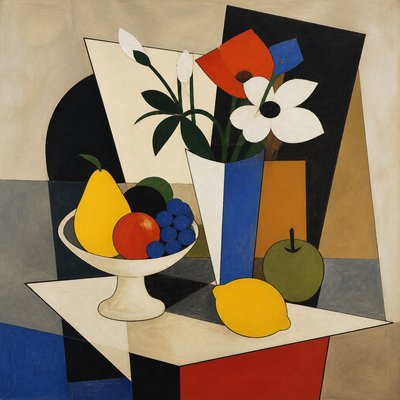
Explore Modernist art: bold flat color, geometric structure, fractured perspective, and experimental compositions shaped by the shock of modern life.
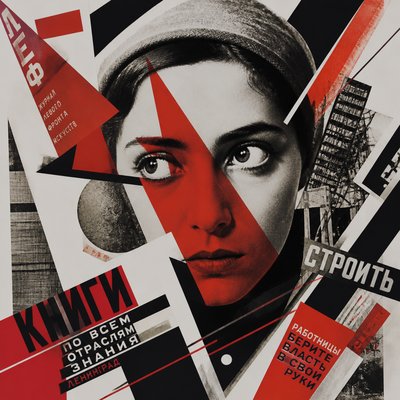
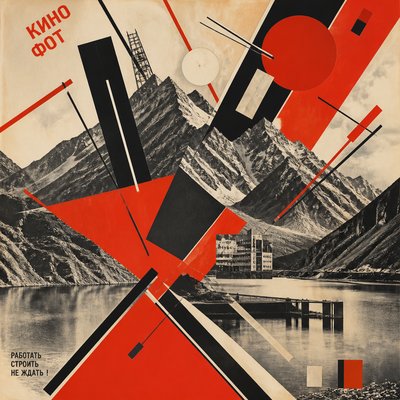
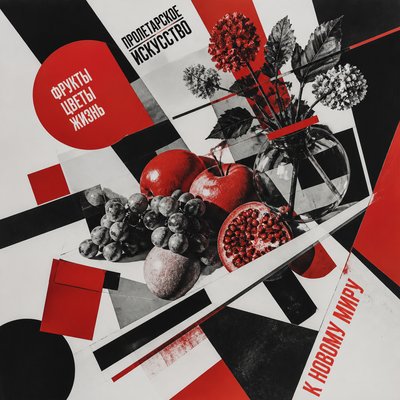
Explore Moscow avant-garde art: revolutionary red, geometric abstraction, photomontage, and dynamic Constructivist visual energy.
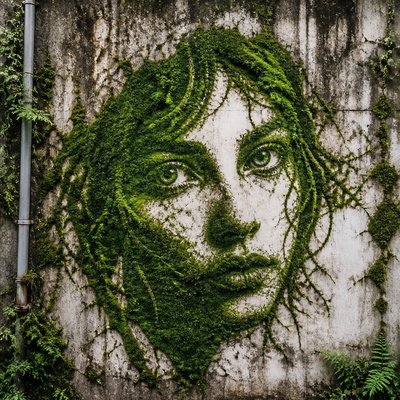
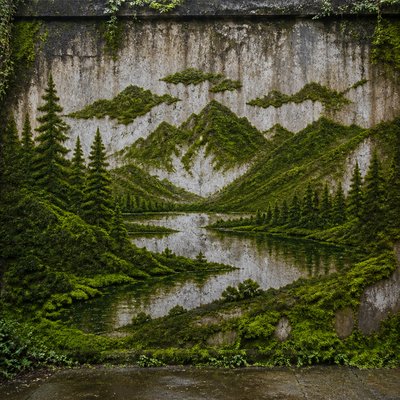
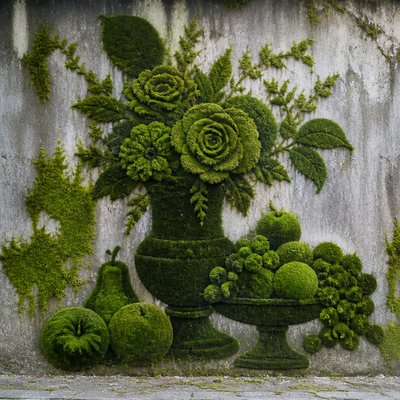
Living moss street art on walls: eco-graffiti imagery with velvety green textures, urban decay, and organic overgrowth.
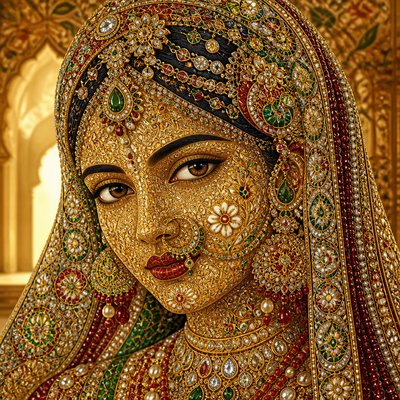
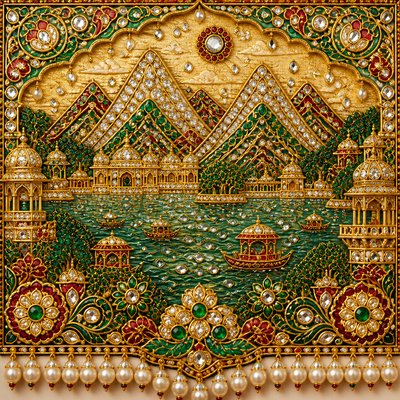
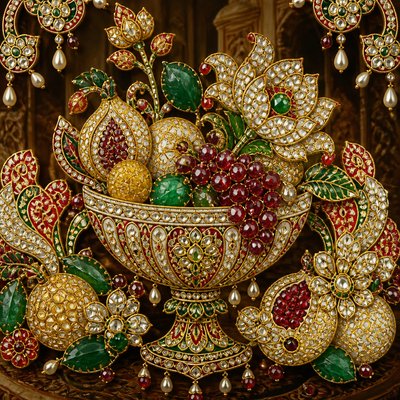
Kundan, polki, emeralds and meenakari enamel in regal Indian court jewelry with floral symmetry and dense gem mosaics.
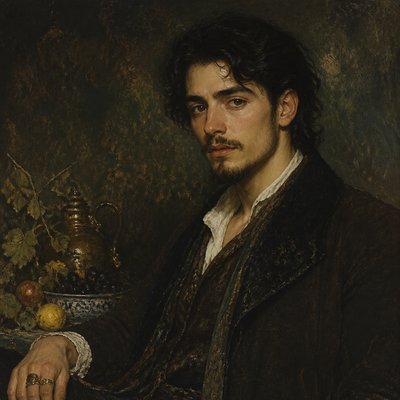
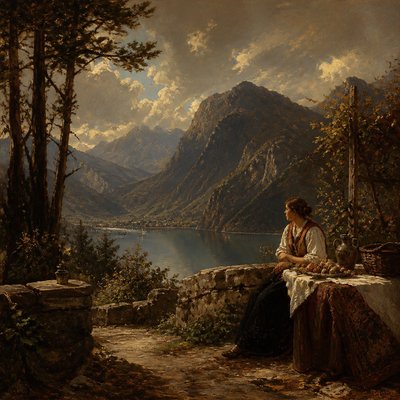
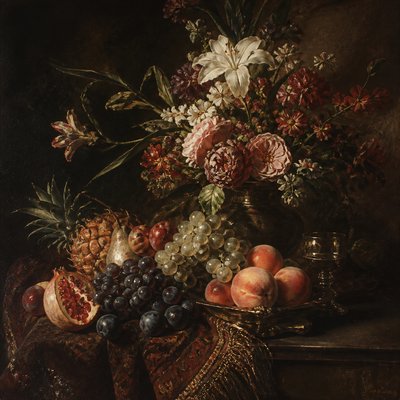
Explore Munich School art: dark academic realism, dramatic studio light, rich brushwork, restrained color, and historically grounded painterly detail.
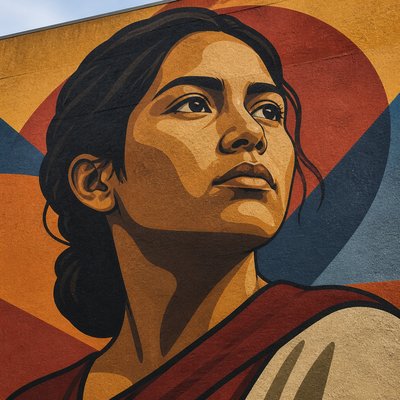
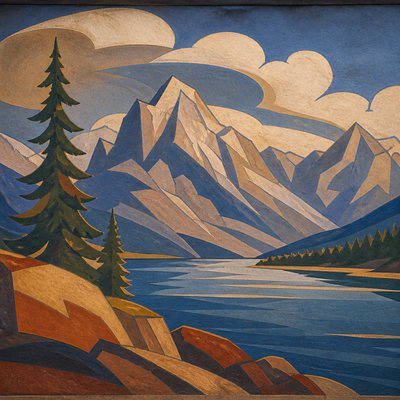
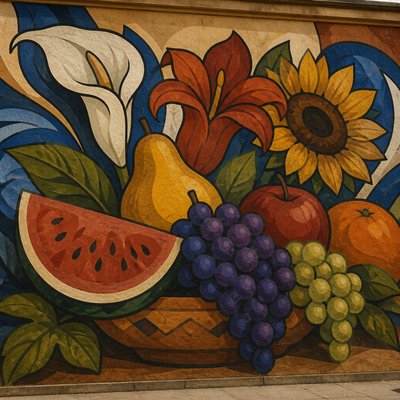
Explore mural painting: monumental figures, bold outlines, flat color, plaster texture, and public storytelling designed to read across a wall.
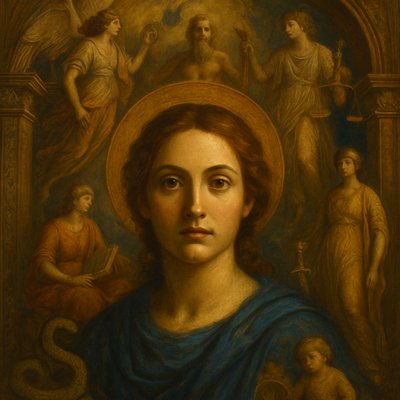
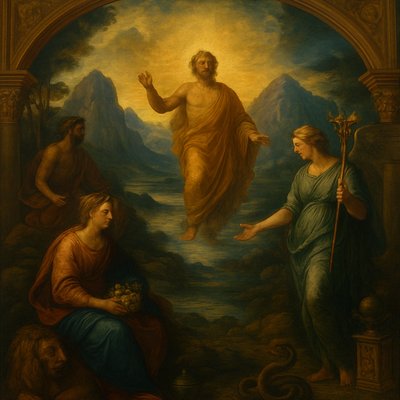
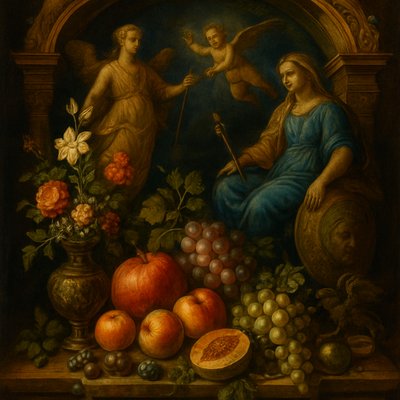
Explore Mythological Allegory Renaissance art: classical gods, symbolic narratives, luminous oil glazes, chiaroscuro, and layered philosophical meaning.
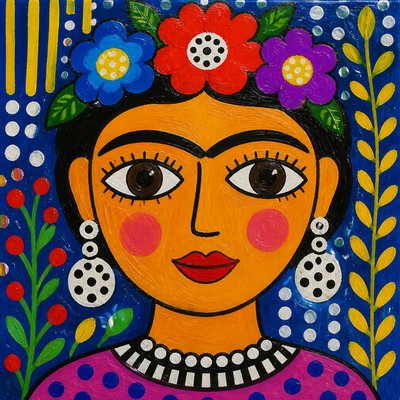
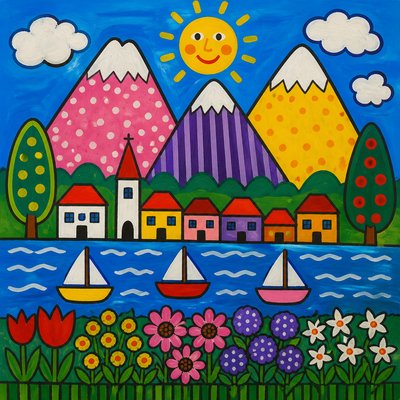
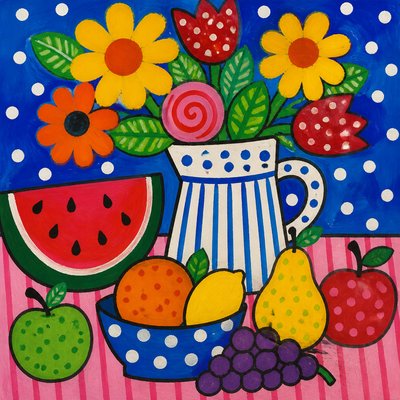
Childlike, bright, flattened painting with simple shapes, wonky proportions, and folk-art honesty rooted in outsider and vernacular traditions.
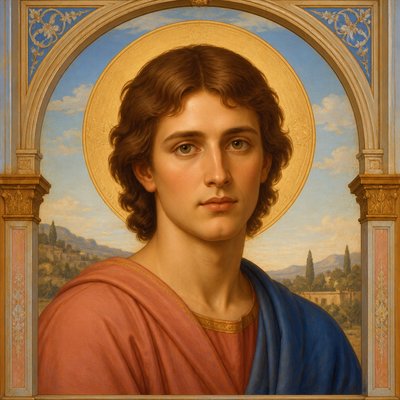
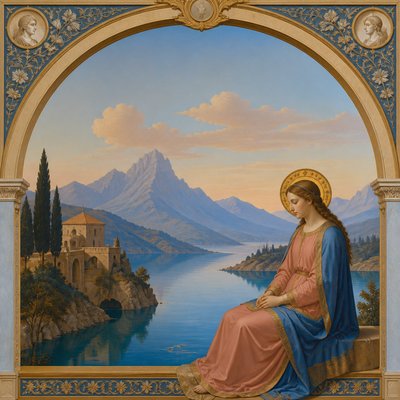
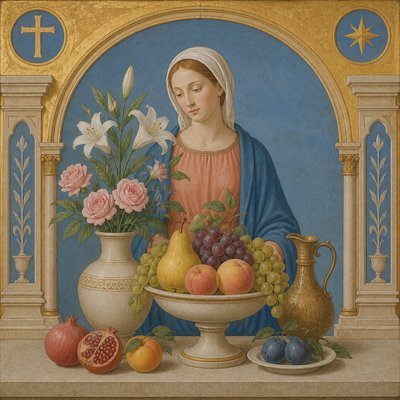
Explore Nazarene art: a devout nineteenth-century revival of medieval and early Renaissance painting defined by clear contours, fresco colors, and quiet piety.
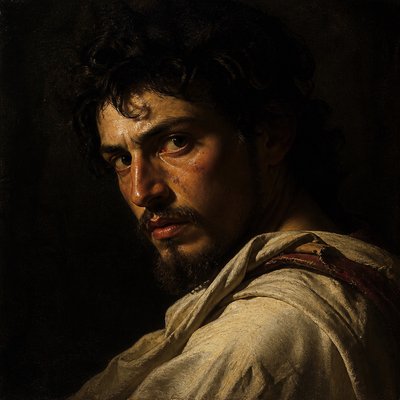
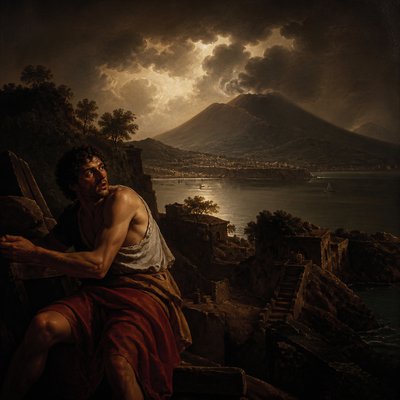
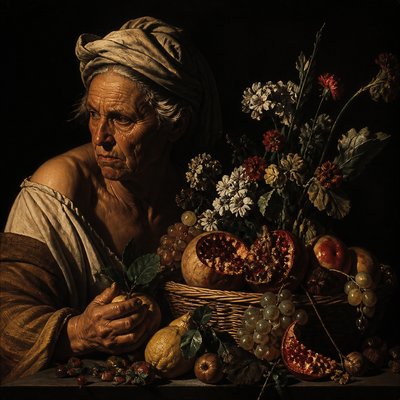
Explore Neapolitan Baroque: fierce tenebrism, earthy realism, sacred drama, and violent southern light shaped by 17th-century Naples.
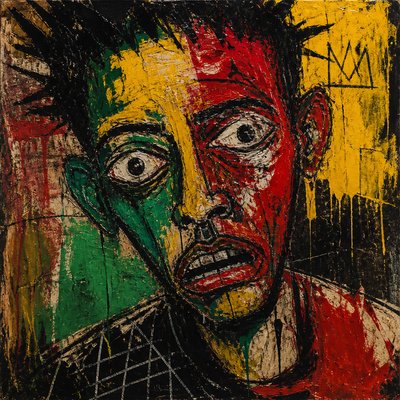
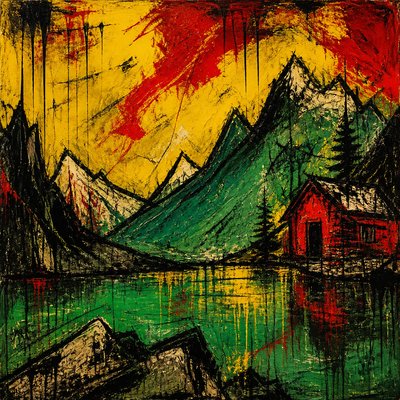
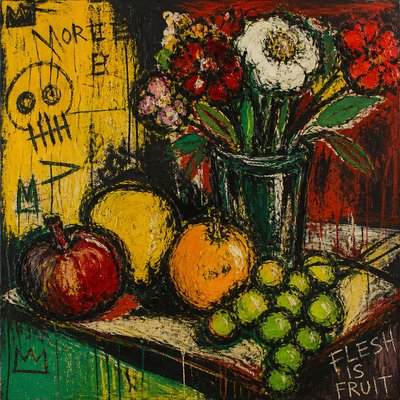
Neo-Expressionism: raw, gestural painting with distorted forms, thick impasto, vivid color clashes, and intense psychological energy.
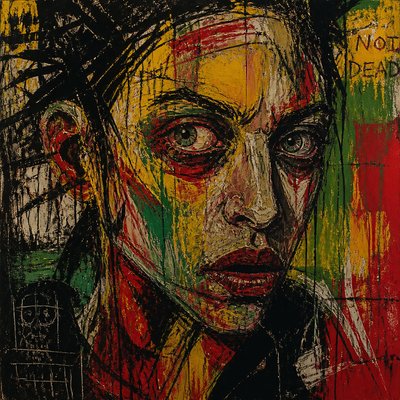
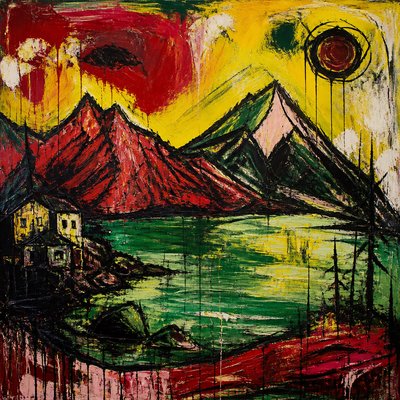
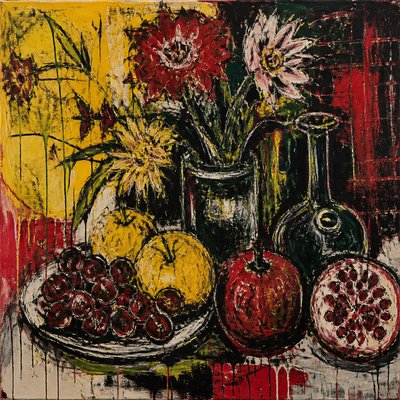
Aggressive figurative painting with raw brushwork, clashing color, and distorted forms expressing modern anxiety.
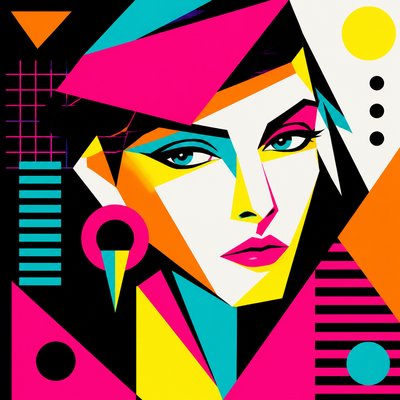
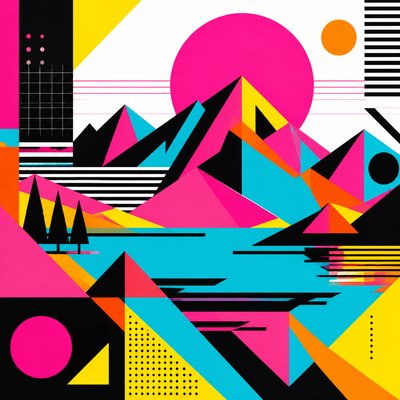
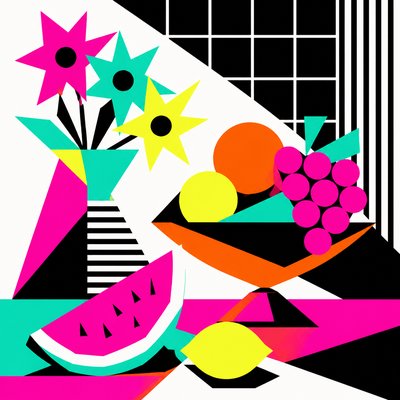
Neo-Geo art style: 1980s geometric abstraction with day-glo colors, hard edges, glossy surfaces, and ironic modernist forms.
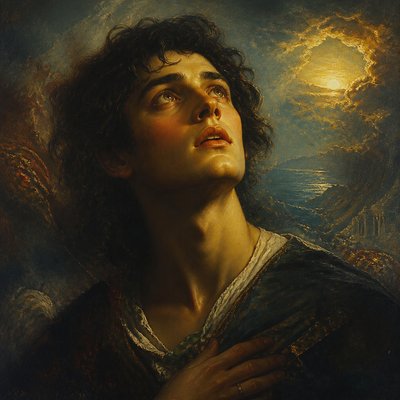
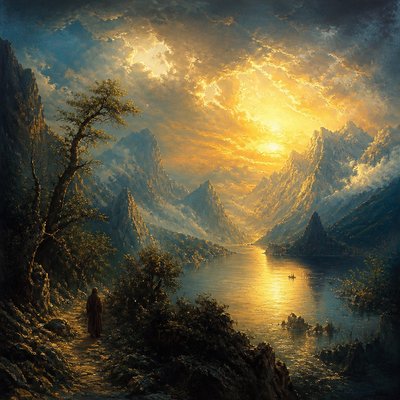
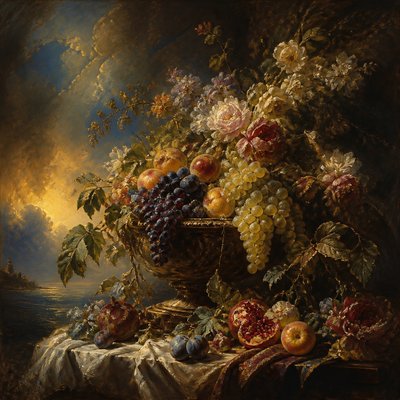
Contemporary Romantic revival with sublime nature, emotional intensity, luminous shadows, and spiritual atmosphere in painting and digital art.

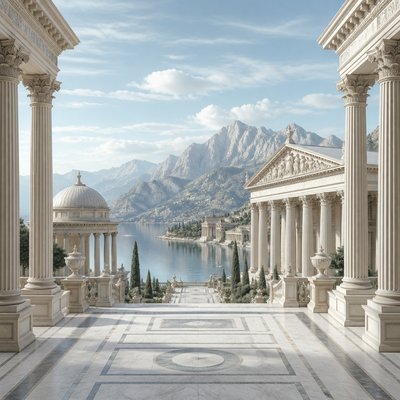
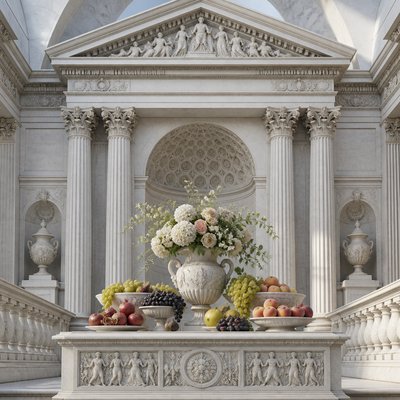
Neoclassical architecture: symmetrical facades, columns, pediments, marble surfaces, and calm civic grandeur in cool light.



Neoclassical art revives Greco-Roman ideals with clean lines, symmetry, and moral seriousness rooted in Enlightenment taste.
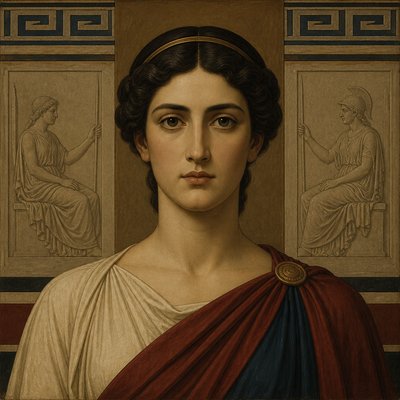
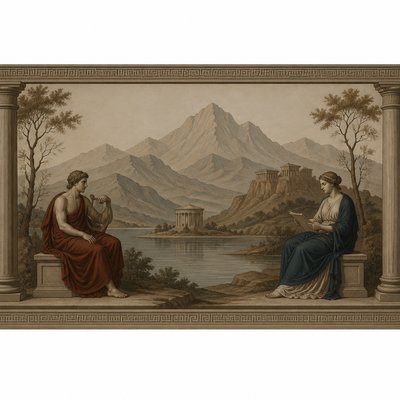
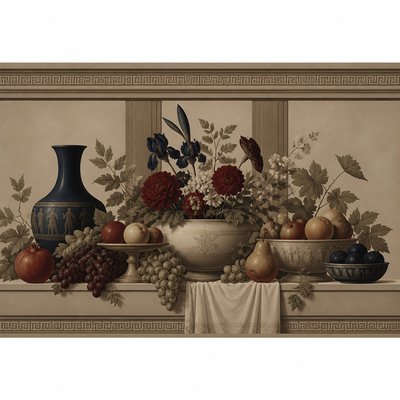
Austere classical art with noble restraint, balanced composition, muted tones, and archaeological precision inspired by ancient Greece and Rome.

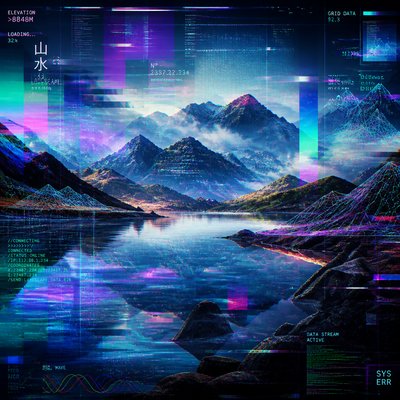
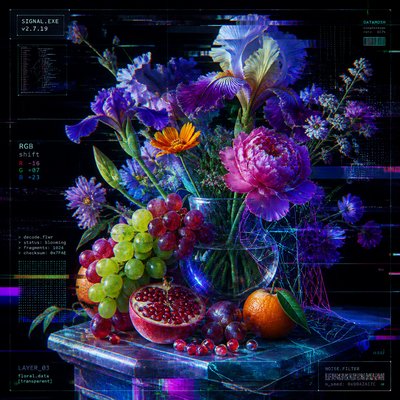
Digital, internet-influenced art with glitch, code, interfaces, neon, and interactive aesthetics shaped by new media culture.
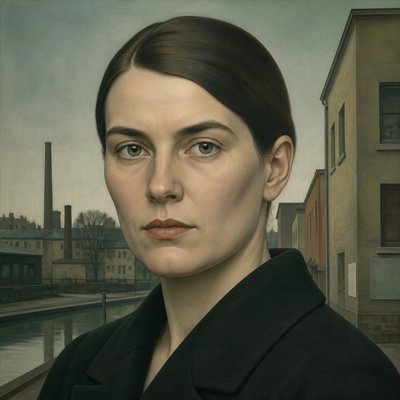
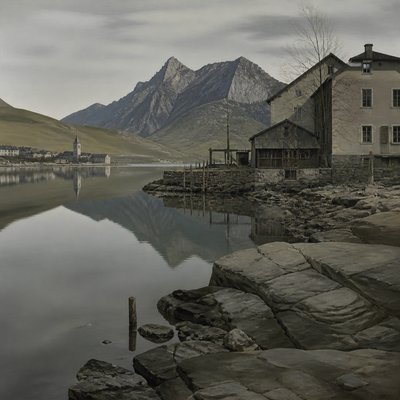
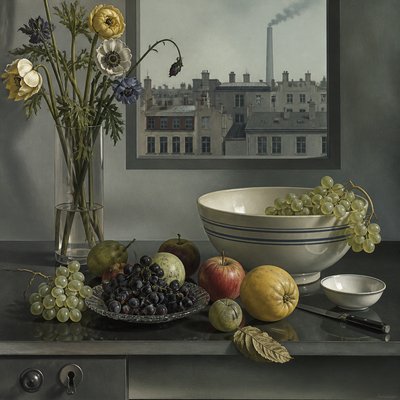
Explore New Objectivity: cool, precise Weimar-era realism defined by sharp focus, sober light, frank portraits, and unsentimental urban detail.
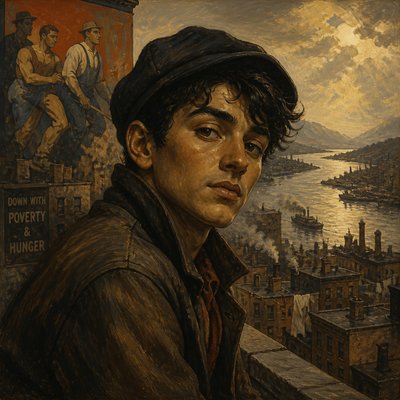
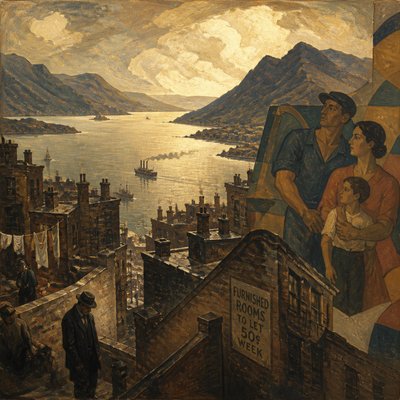
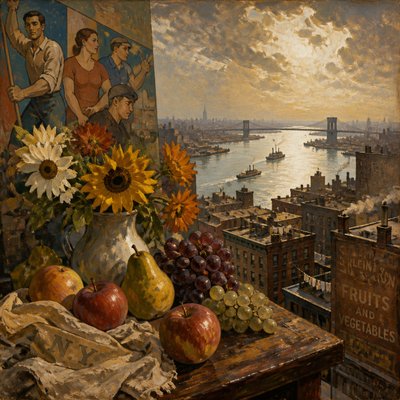
Explore New York Art Style: gritty Ashcan urban realism, luminous Hudson River light, WPA mural color, and dynamic tenement compositions.
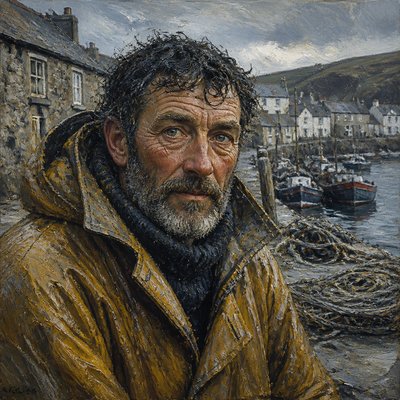
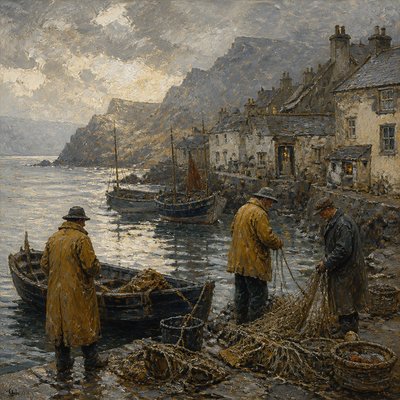
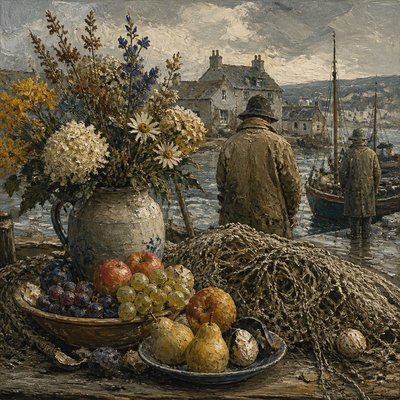
Explore Newlyn art: Cornish plein-air realism defined by fisherfolk, harbor life, muted color, and silvery coastal light.
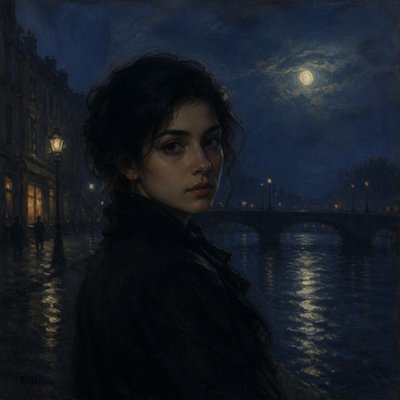
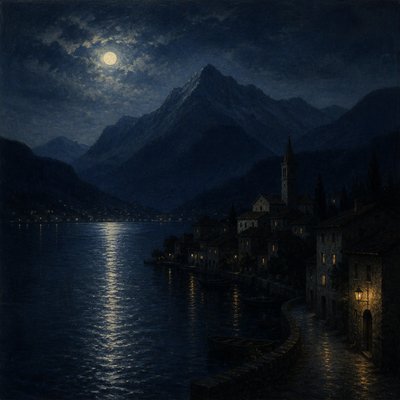
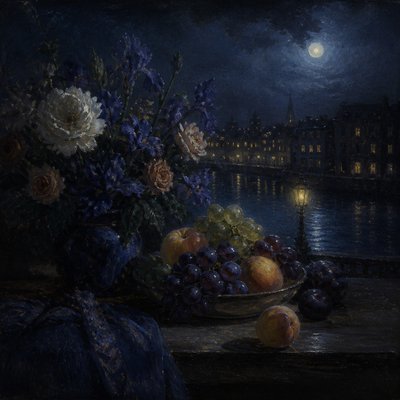
Explore nocturne painting: moonlit landscapes, blue-black tonal harmonies, glowing windows, mist, and the quiet mystery of night.
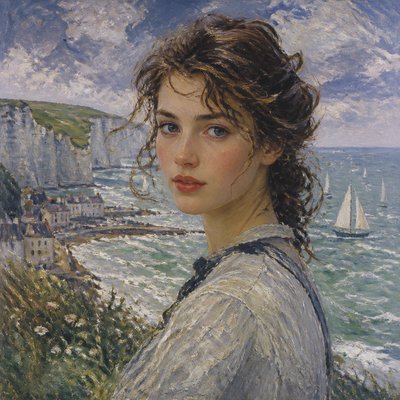
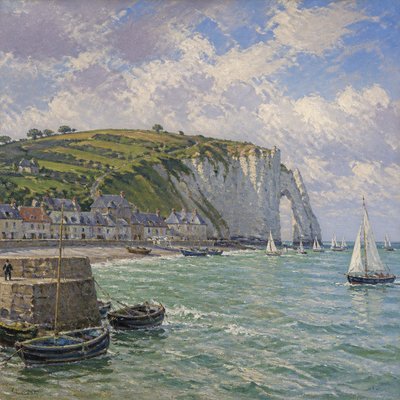
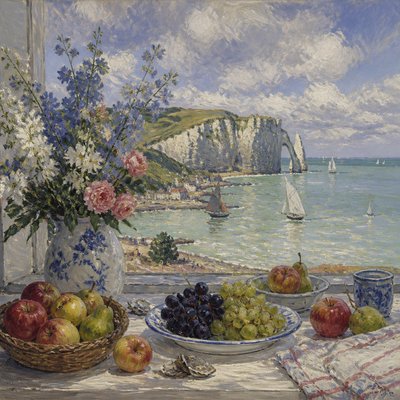
Discover Normandy Coast art: chalk cliffs, shifting estuary skies, silver-lilac clouds, and luminous broken brushwork shaped by maritime weather.
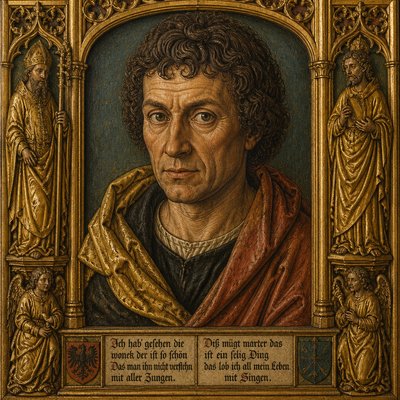
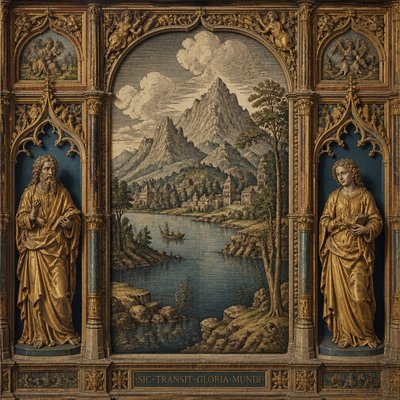
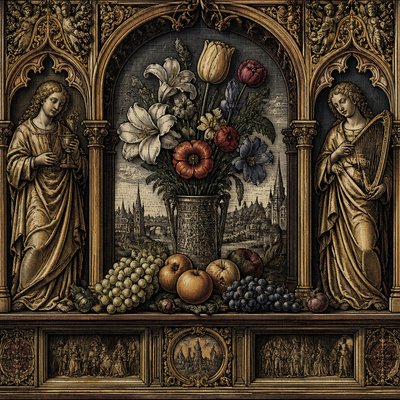
Explore the Nuremberg art style: Northern Renaissance woodcut linework, gilded limewood carving, earthy colors, jewel accents, and ornate altarpiece detail.
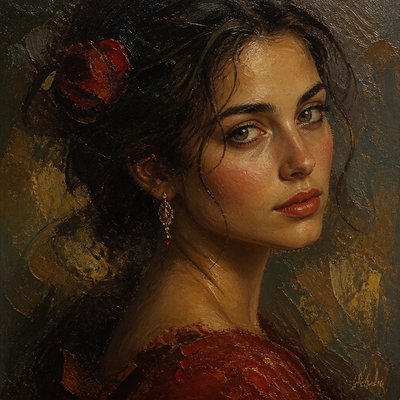
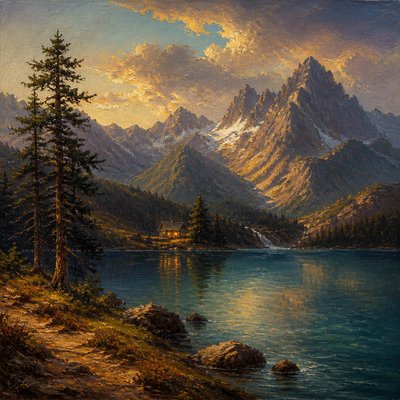
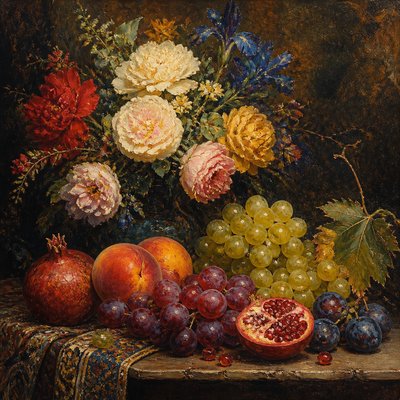
Rich, layered oil painting with luminous color, visible brushwork, and timeless depth for portraits, landscapes, and more.
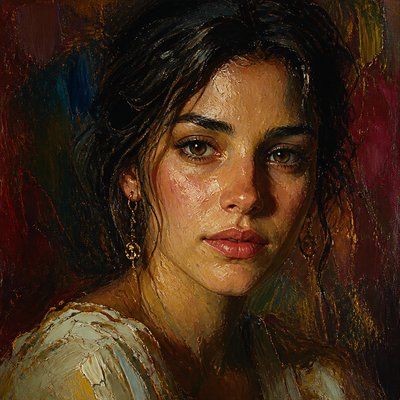
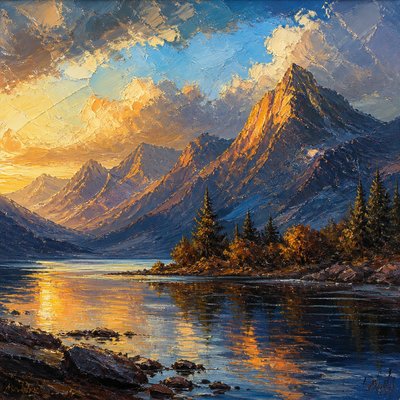
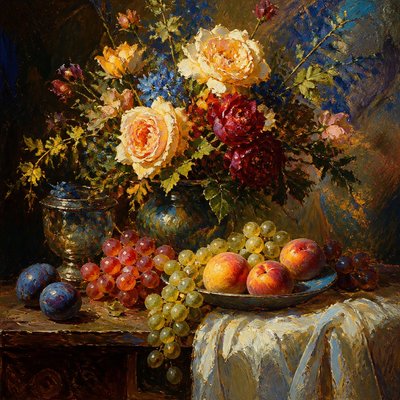
Layered oil portraits with impasto highlights, glazed shadows, and luminous brushwork for rich, dimensional painted faces.
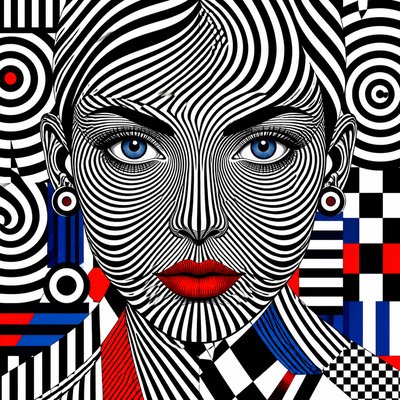
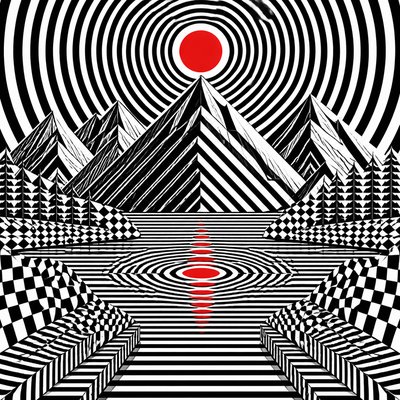
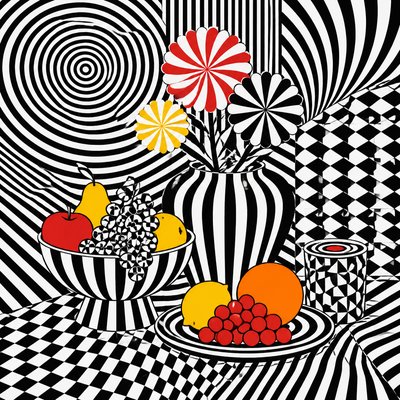
Op art uses precise geometry, contrast, and repetition to create vibration, movement, and optical illusion on a flat surface.
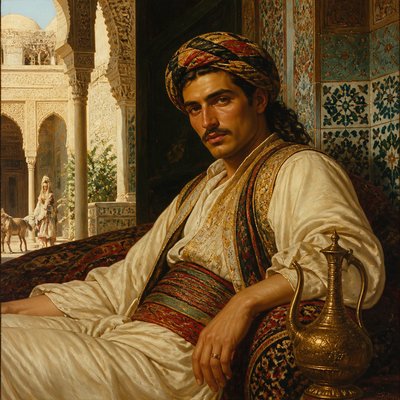
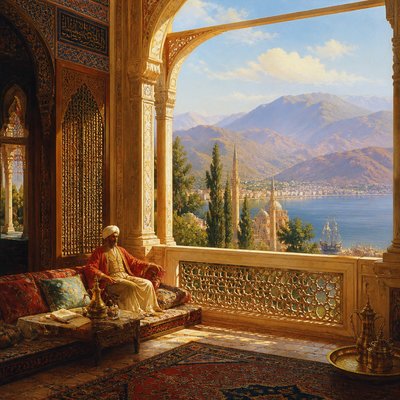
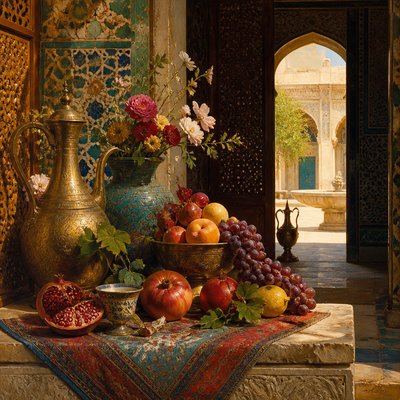
Explore Orientalist painting: nineteenth-century academic realism defined by dazzling light, ornate architecture, textiles, and complex colonial context.
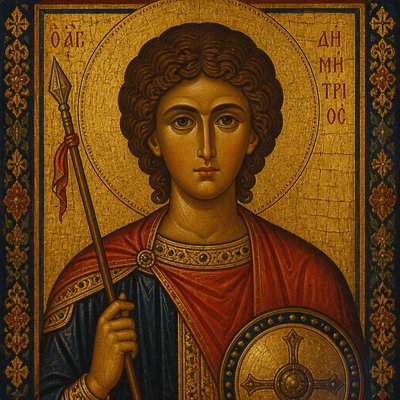
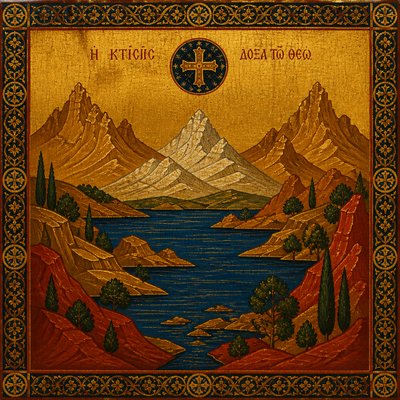
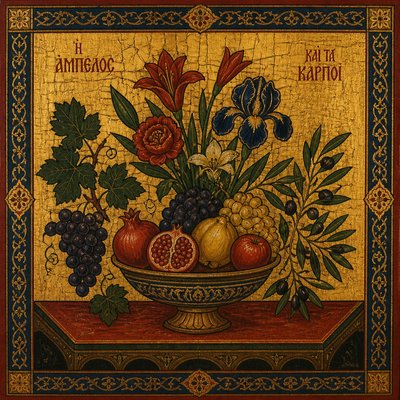
Traditional Eastern Orthodox icons with gold grounds, frontal figures, inverse perspective, and luminous symbolic color.
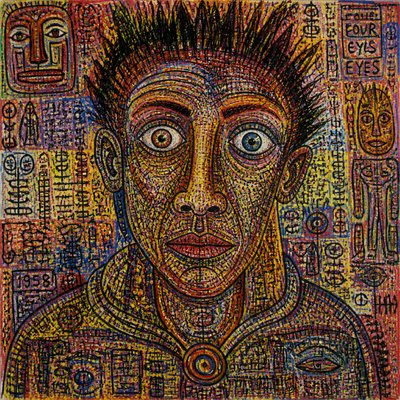
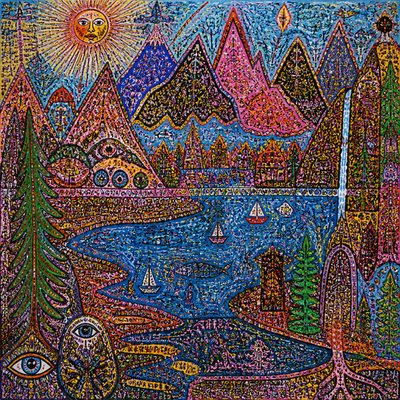
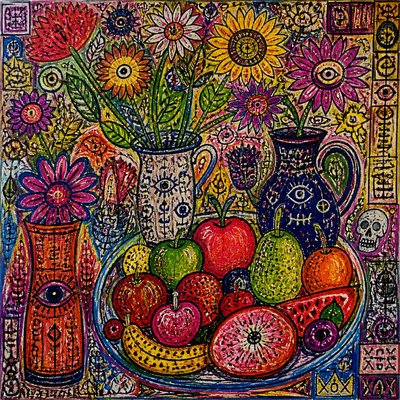
Outsider art: self-taught, visionary works with dense patterning, private symbols, naive perspective, and obsessive handmade detail.
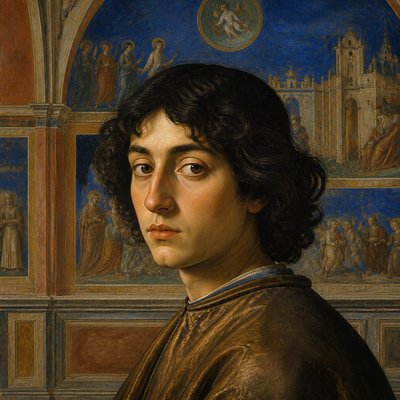
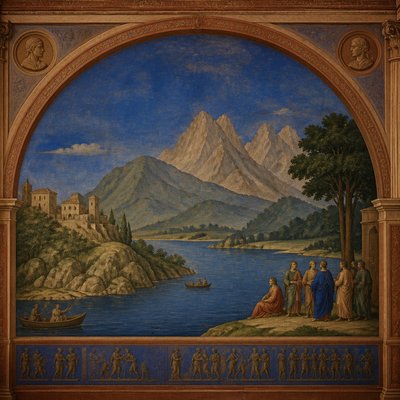
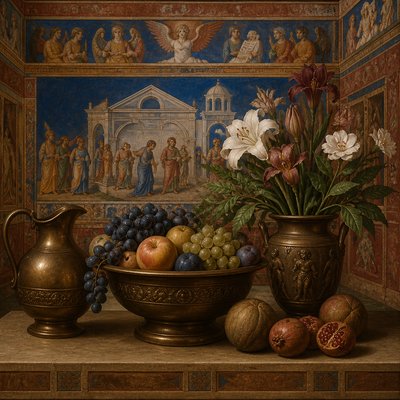
Explore Padua Art Style: weighty early Renaissance figures, ultramarine fresco fields, geometric perspective, and warm bronze-like modeling.
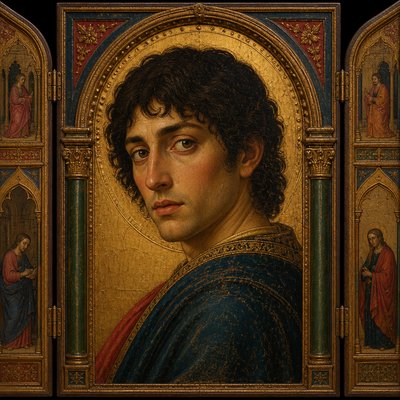
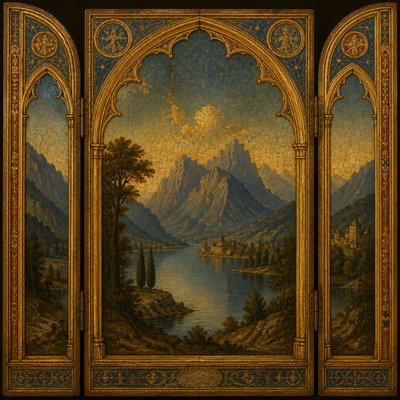
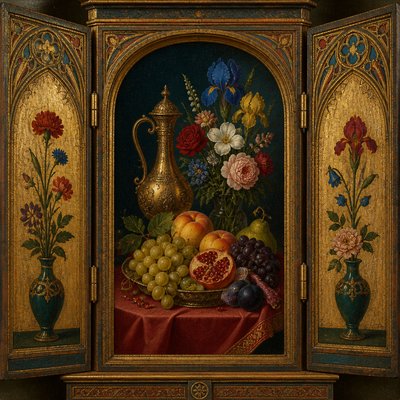
Explore panel painting style: egg tempera, gilded gesso, jewel-toned pigments, devotional symmetry, and aged craquelure on wood.
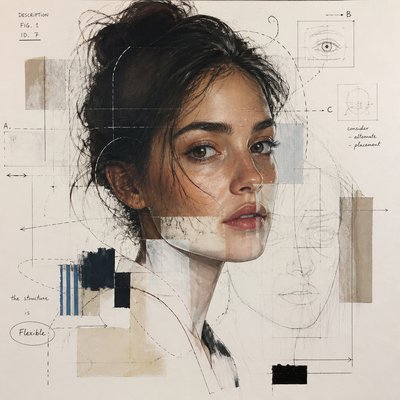
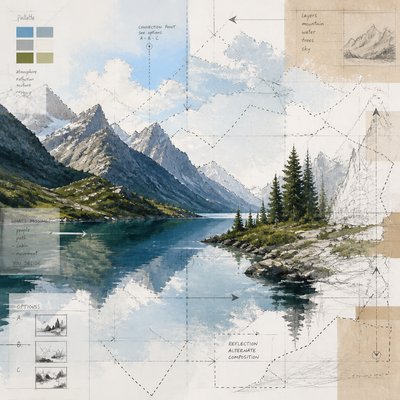
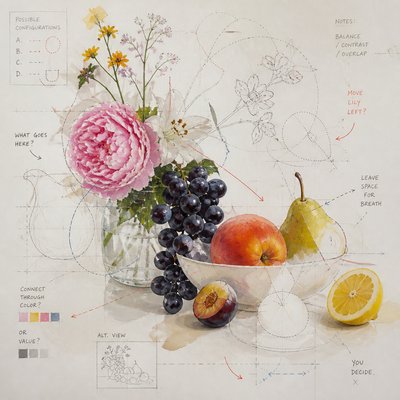
Interactive art with open-ended forms, visible process marks, and viewer participation that completes the work.
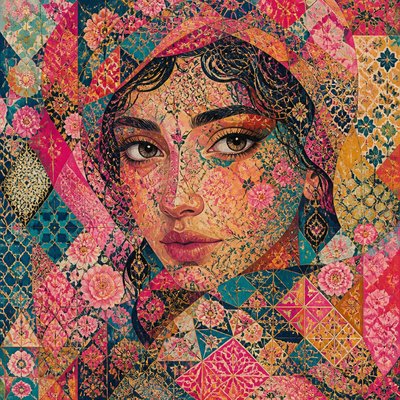
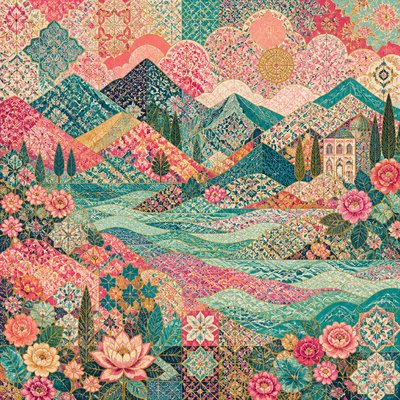
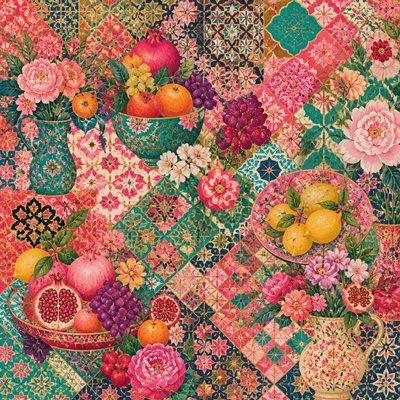
Explore Pattern and Decoration art: exuberant florals, quilts, arabesques and tile geometry arranged in joyful, edge-to-edge maximalism.
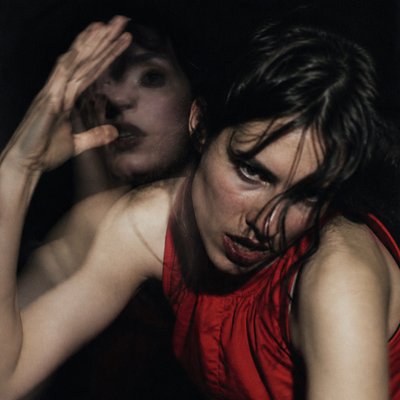
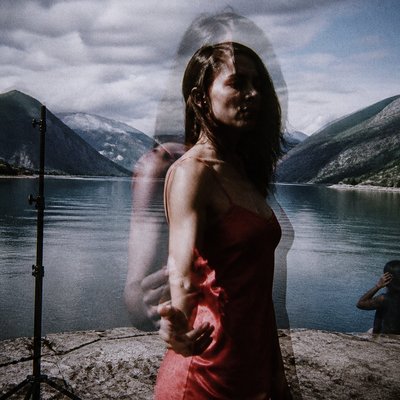
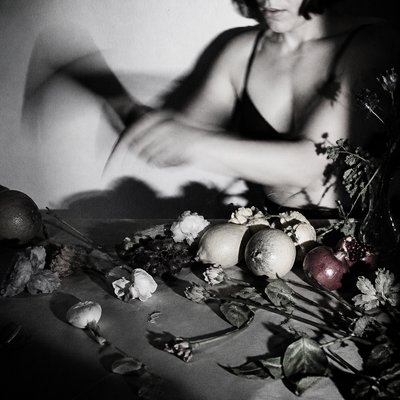
Live action documented as art: grainy, confrontational images of bodies, time, movement, and audience interaction.
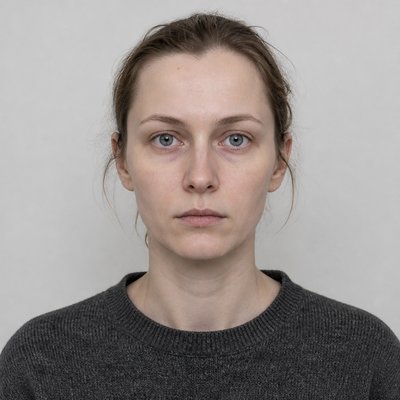
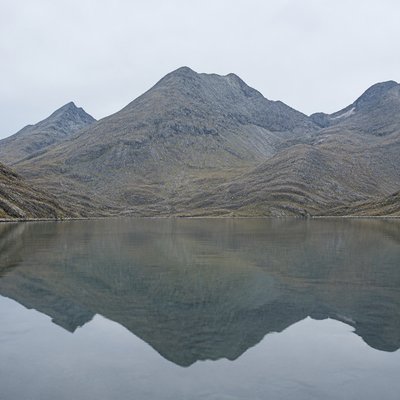
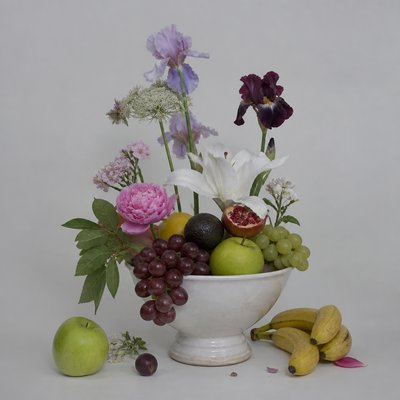
Photography used as concept and evidence: deadpan, serial, objective-looking images with neutral light and clinical composition.
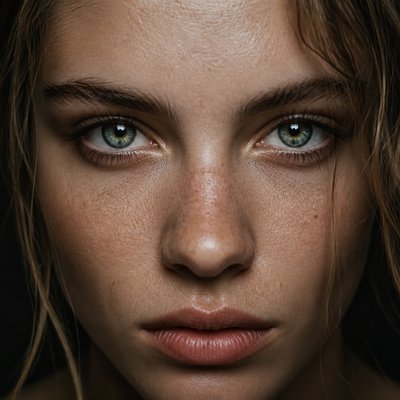
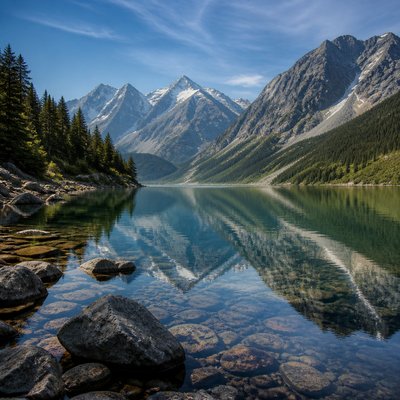
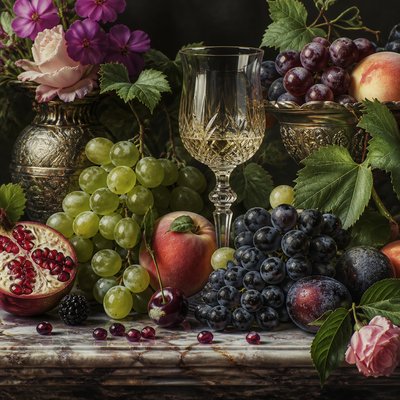
Photorealism: hyperreal art with photographic precision, crisp detail, reflective surfaces, and meticulous material accuracy.
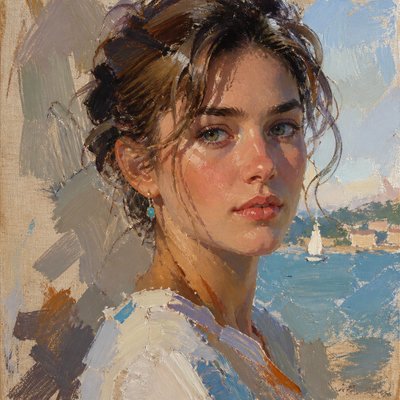
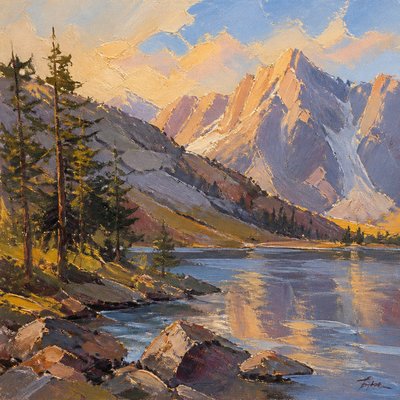
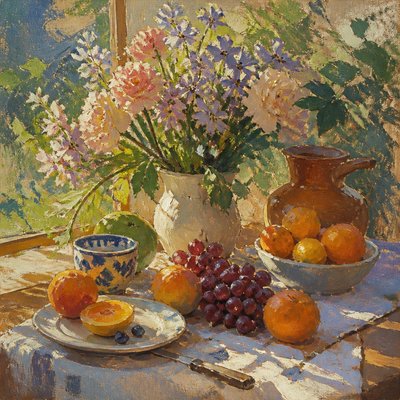
Fresh outdoor landscape painting with lively brushwork, broken color, and natural light captured on location.
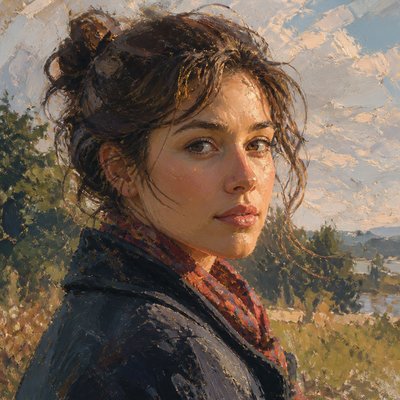
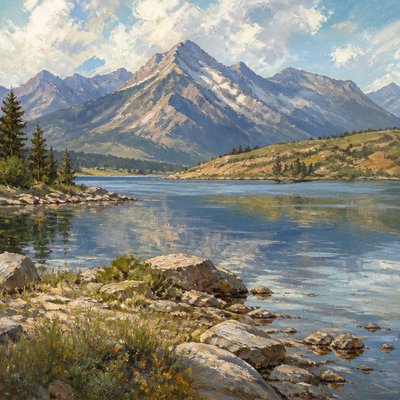
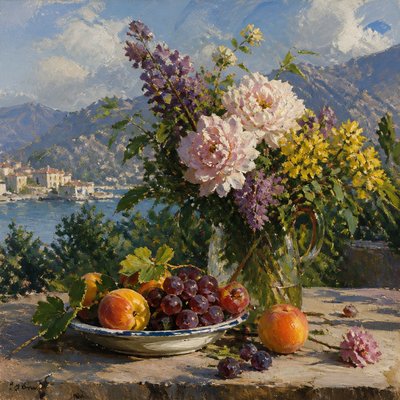
Plein air realism uses direct outdoor observation, quick brushwork, and natural light to create fresh, immediate paintings.
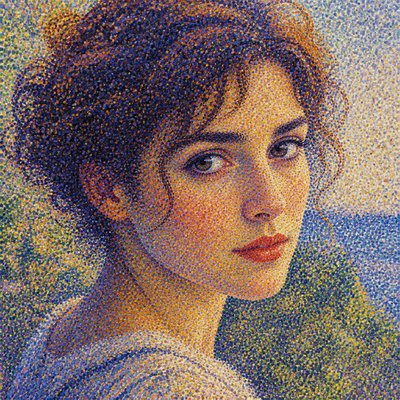
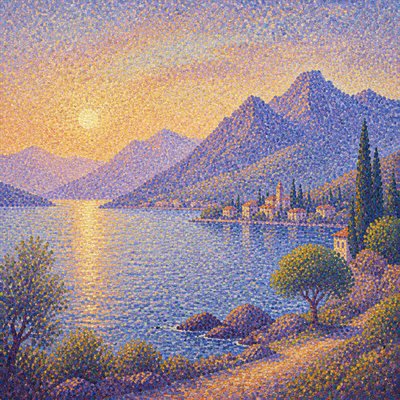
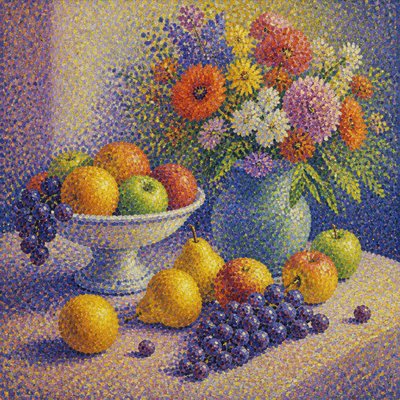
Pointillist Impressionism uses pure dots of color to create luminous, vibrating images through optical mixing and Neo-Impressionist theory.
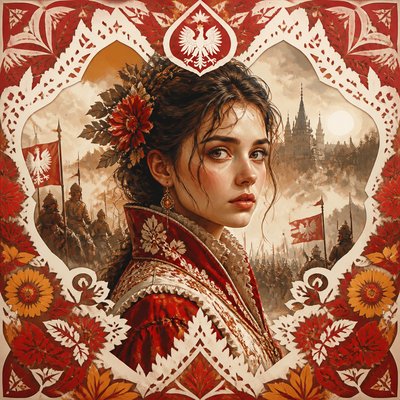
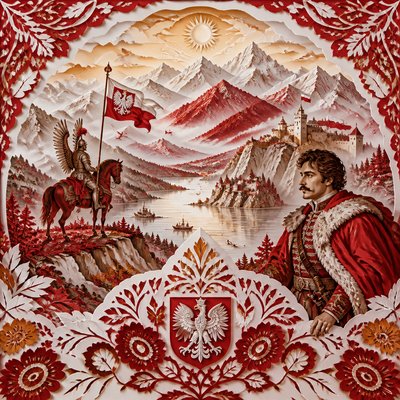
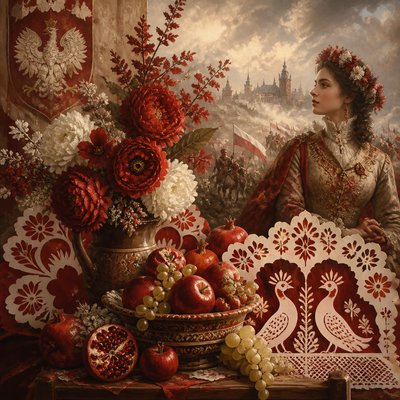
Explore Polish Art Style: romantic history painting, misty heroic scenes, crimson-white palettes, and layered Polish folk paper-cut ornament.
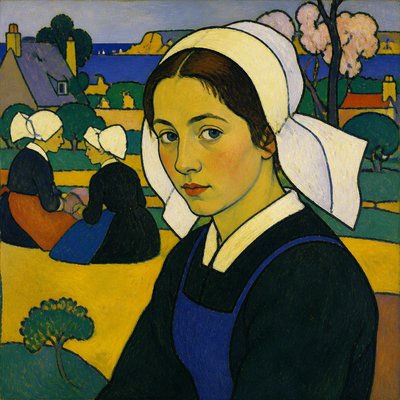
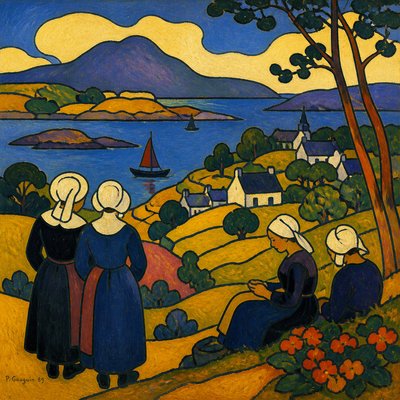
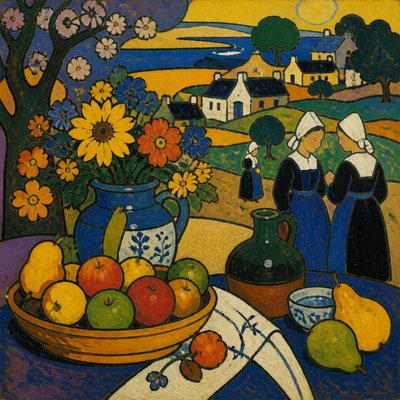
Explore the Pont-Aven art style: bold Synthetist color fields, dark contours, Breton subjects, and flattened decorative composition.
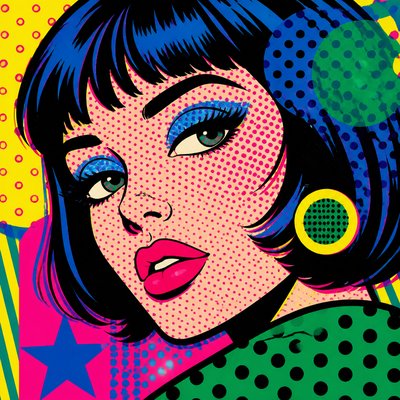
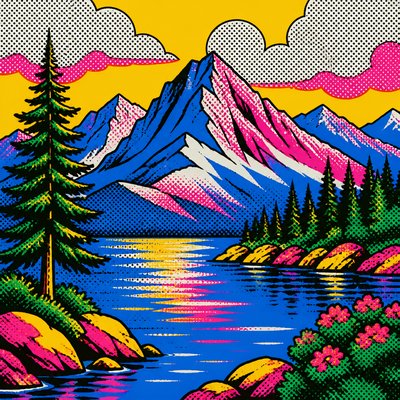
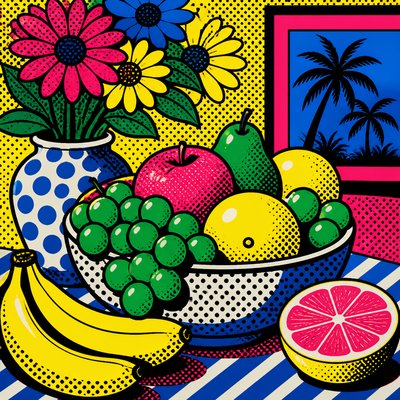
Bold still life imagery with pop colors, halftones, repetition, and graphic simplification inspired by commercial print culture.

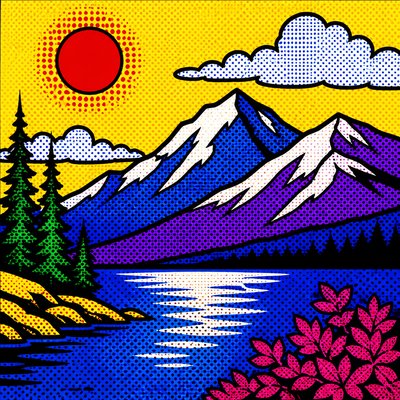
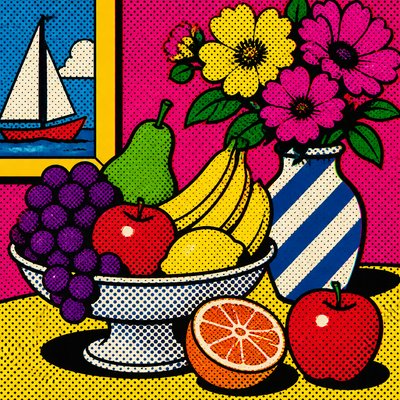
Bold commercial imagery with flat color, halftone dots, thick outlines, and mass-media energy.
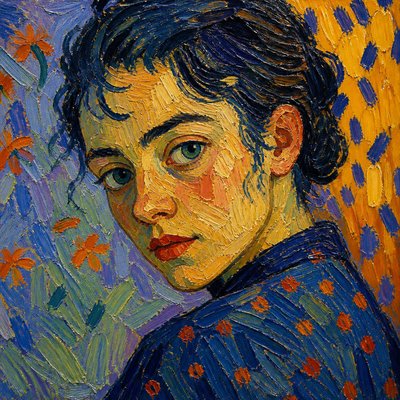
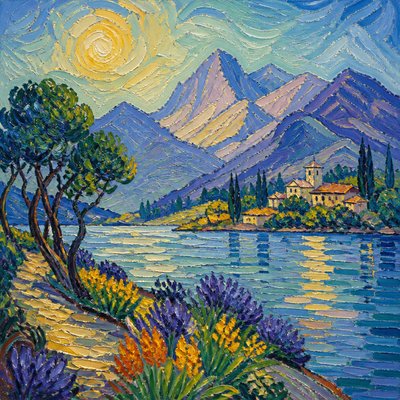
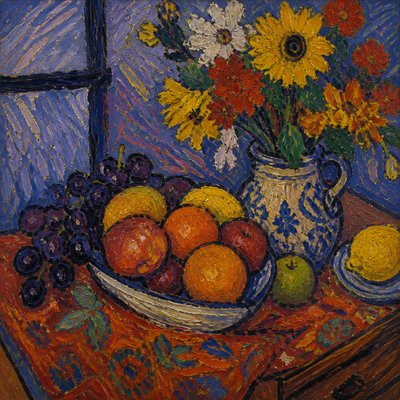
Expressive art movement with vivid color, visible brushwork, and symbolic form—learn its history, traits, and how to create it.

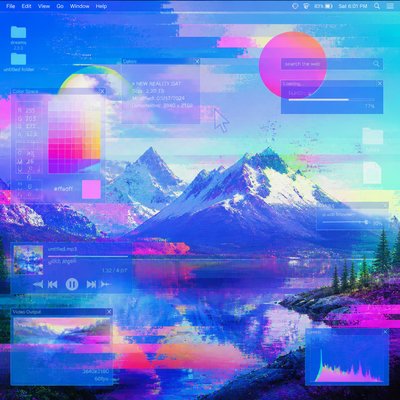
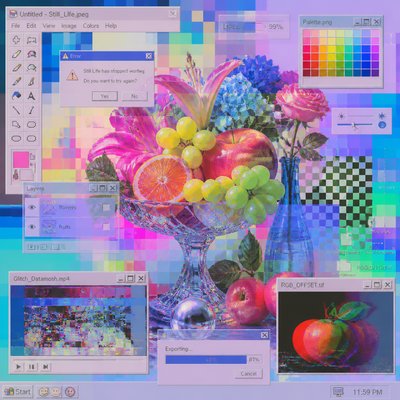
Glitchy digital aesthetics, compressed textures, and layered screens that show how internet culture reshapes perception and reality.

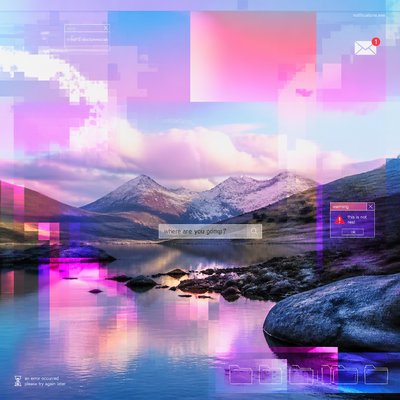
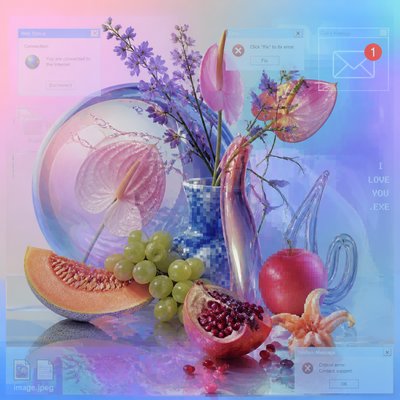
A style shaped by internet culture: glossy digital surfaces, glitch textures, vaporwave tones, and the uneasy blend of online and offline life.
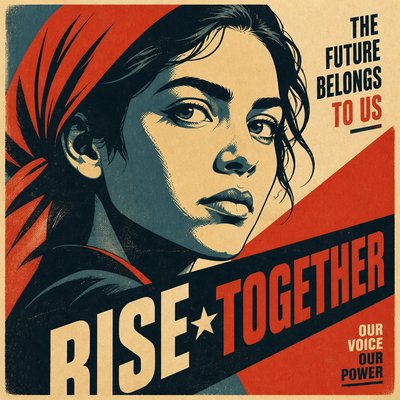

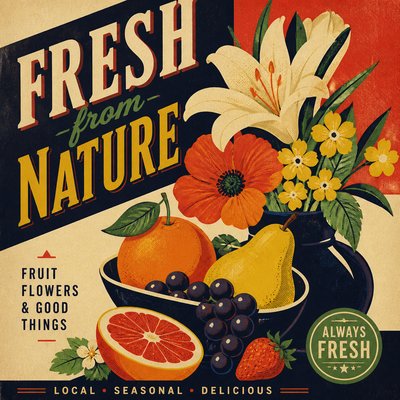
Explore Poster Art Style: bold color blocks, crisp shapes, vintage print texture, integrated lettering, and compositions made for instant impact.
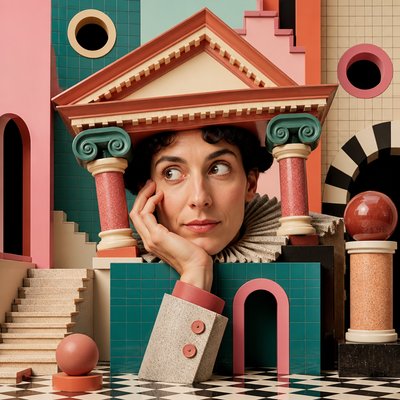
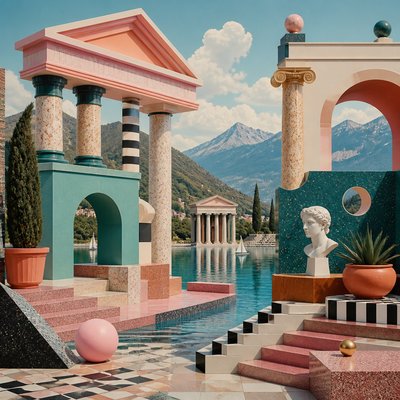
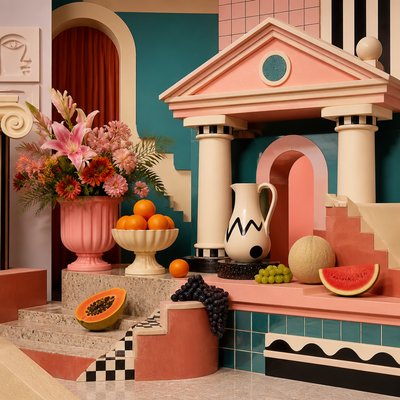
Postmodern architecture blends pastel classical motifs, playful asymmetry, and ironic ornament into witty anti-modern buildings.
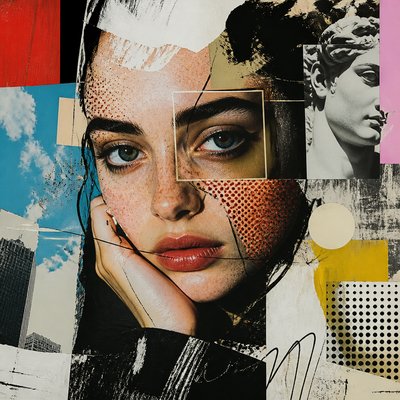
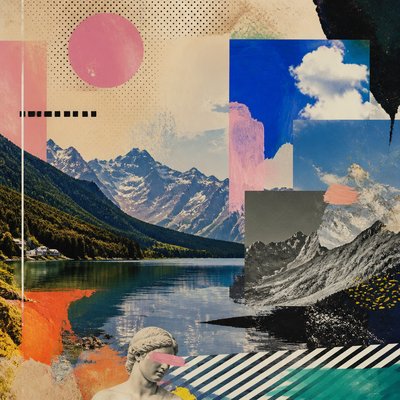
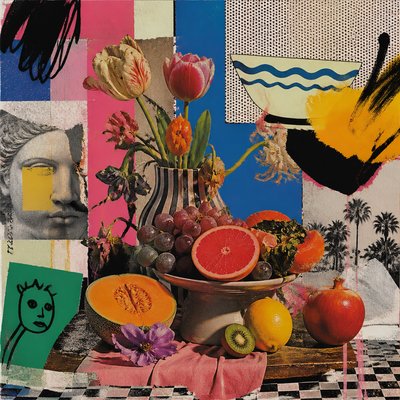
Postmodernism art style blends irony, appropriation, and mixed media to create fragmented, high-low culture images with layered meanings.
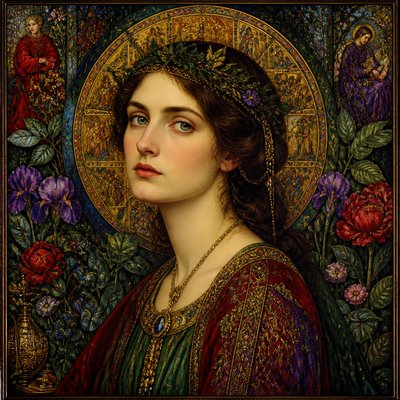
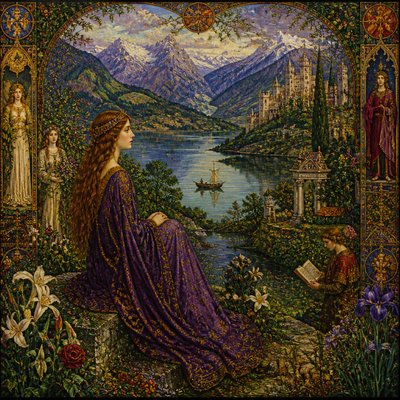
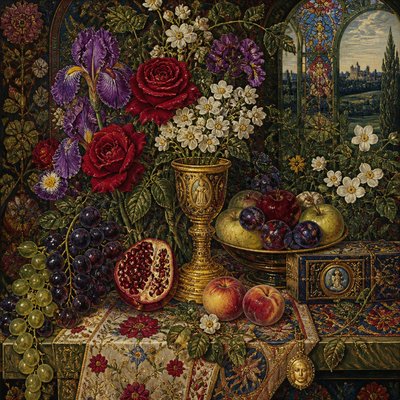
Pre-Raphaelite art: jewel-like colors, medieval romance, botanical detail, literary subjects, and moral symbolism from the 19th century.
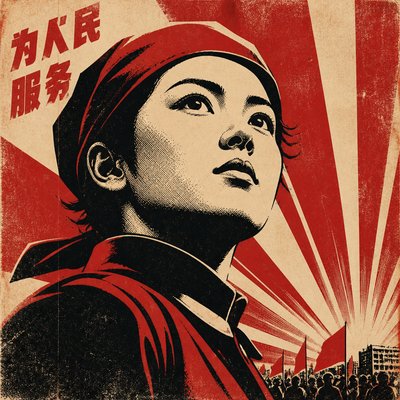
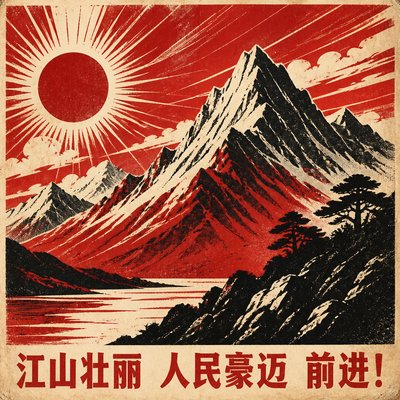
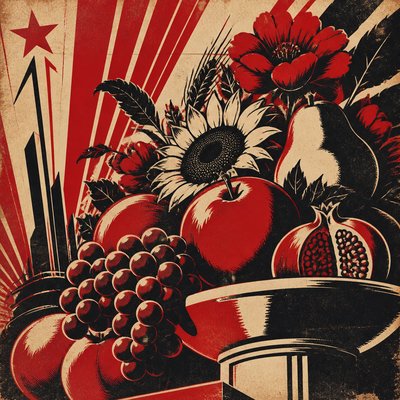
Bold political posters with limited colors, heroic silhouettes, and gritty print texture inspired by historic propaganda graphics.
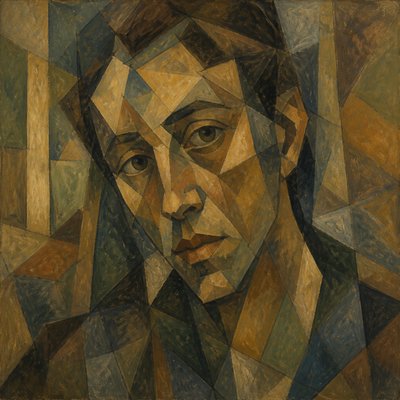
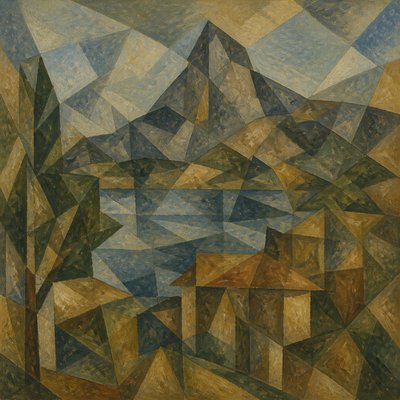
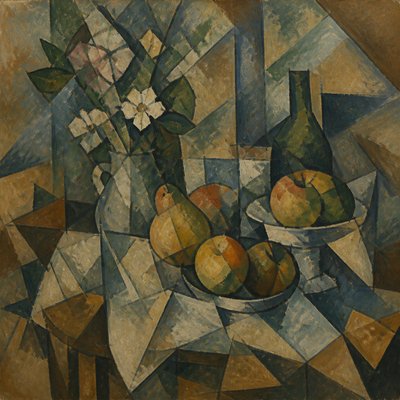
Proto-Cubism bridges Post-Impressionism and Cubism with faceted forms, multiple viewpoints, and a structural influence drawn from late Post-Impressionist painting.
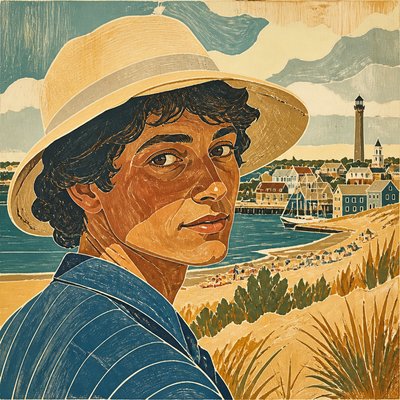
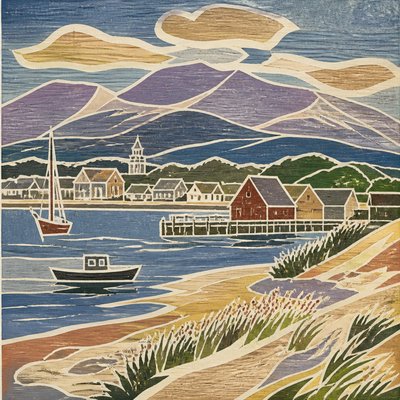
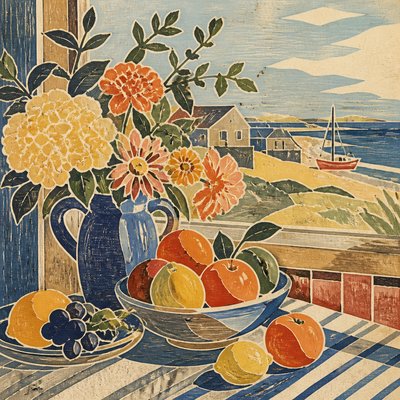
Explore Provincetown’s white-line woodcut tradition: bold coastal color blocks, carved contours, woodgrain texture, and sunlit New England scenes.
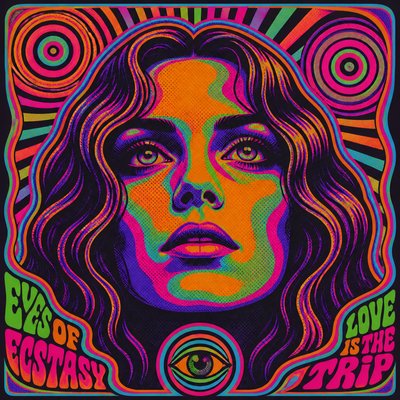

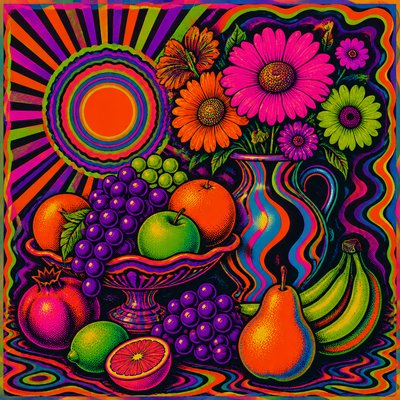
1960s-inspired poster art with warped lettering, neon colors, halftones, and trippy optical illusions.


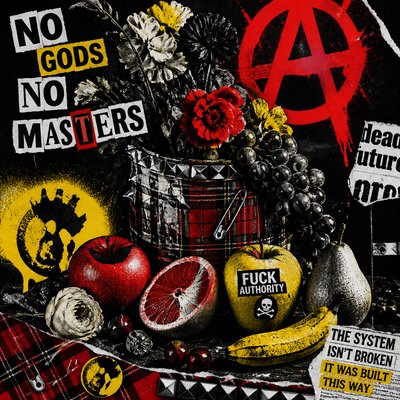
Raw collage, safety pins, xerox grain, and stencil marks define punk aesthetic: a defiant DIY visual language.
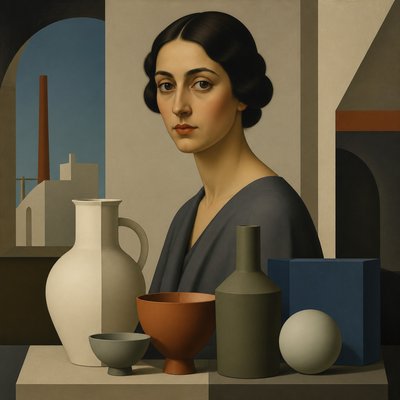
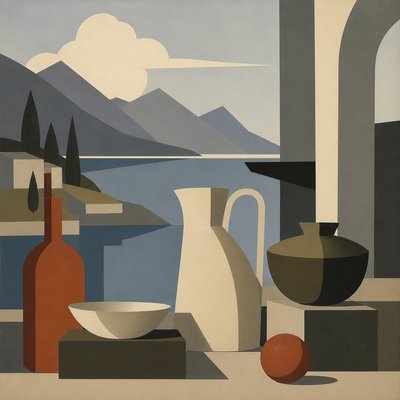
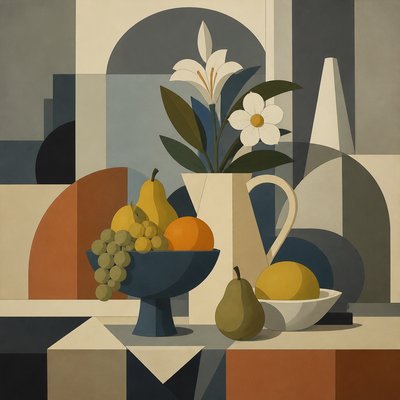
Explore Purism: serene machine-age still lifes built from geometric silhouettes, architectural space, muted color, and precise visual order.
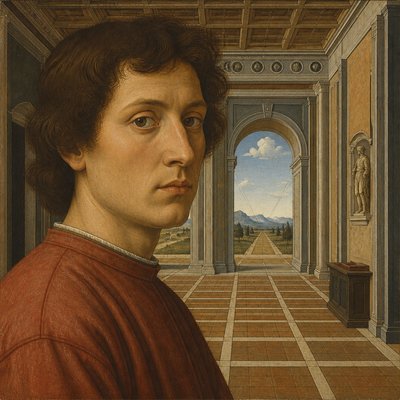
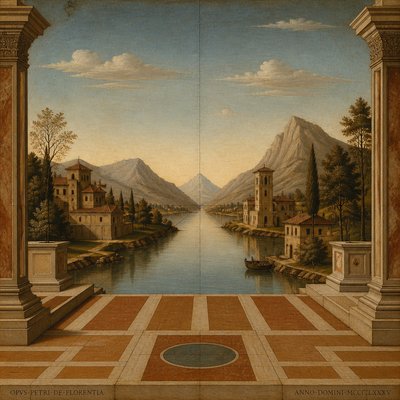
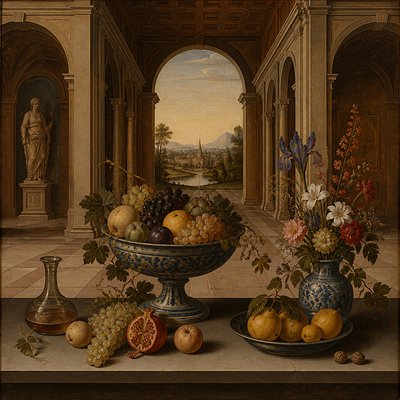
Precise Renaissance art with single-point perspective, architectural order, warm earth tones, and calm spatial clarity.
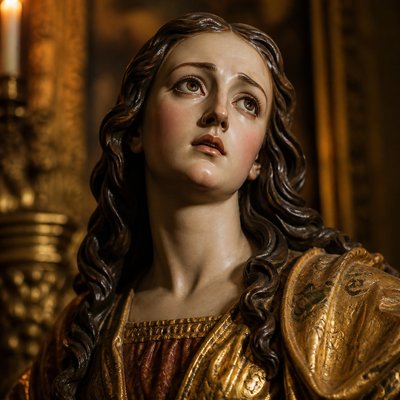
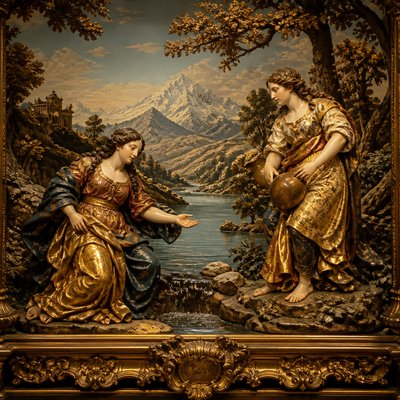
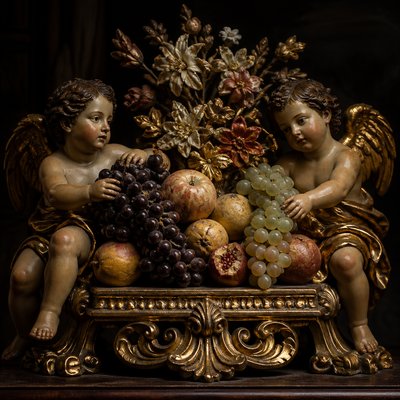
Explore Quito Art Style: lifelike colonial polychrome wood sculpture with glass eyes, estofado gilding, carved drapery, and candlelit devotional drama.
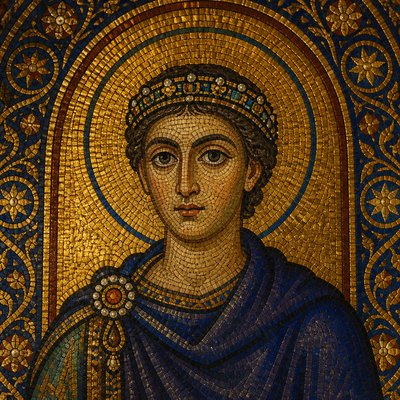
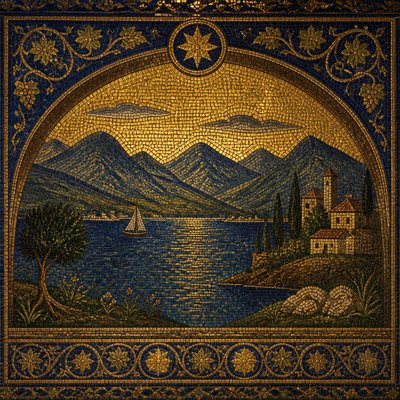
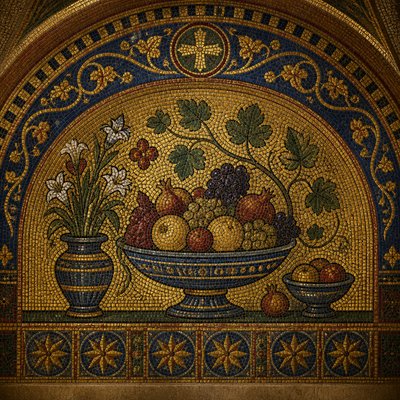
Explore Ravenna art: luminous early Christian mosaics with gold tesserae, lapis blue, solemn figures, sacred architecture, and glittering light.
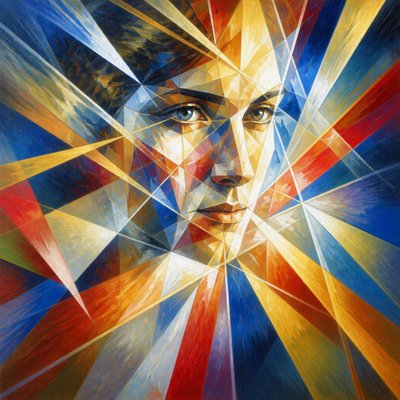
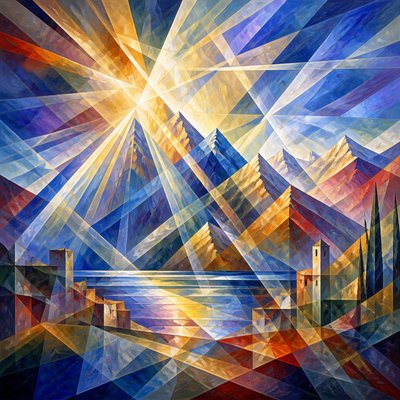
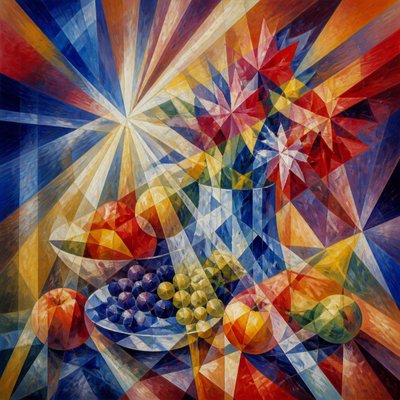
Explore Rayonism: an early Russian avant-garde style of intersecting light rays, fractured color, and dynamic abstract energy.
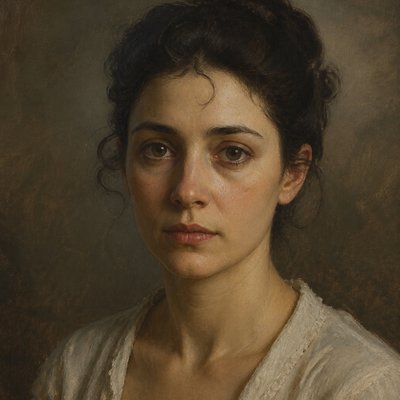
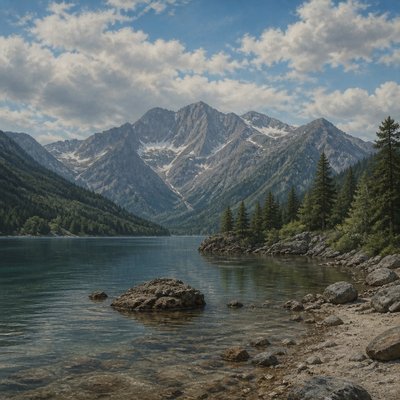
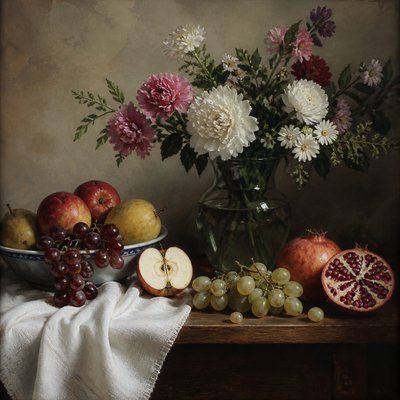
Realism focuses on accurate, unidealized depiction of life with exact proportions, natural light, and convincing detail.
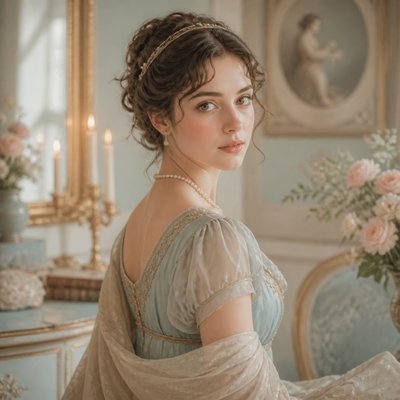
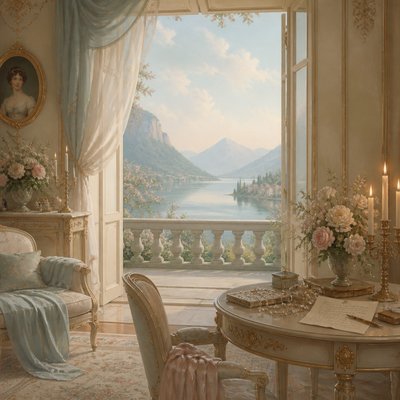
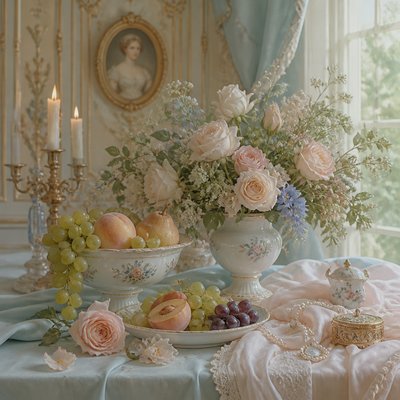
Powdery pastels, muslin, pearls and candlelit romance inspired by early-1800s Regency elegance.
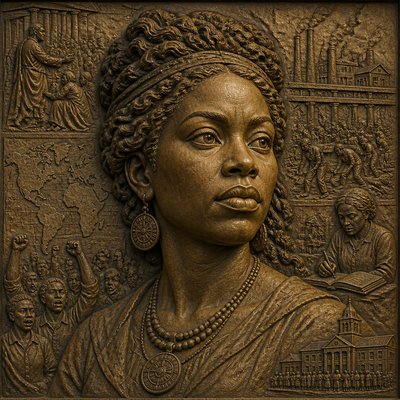
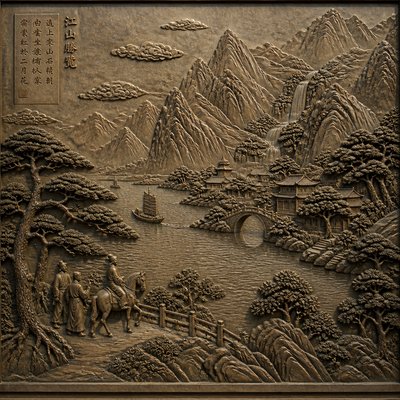
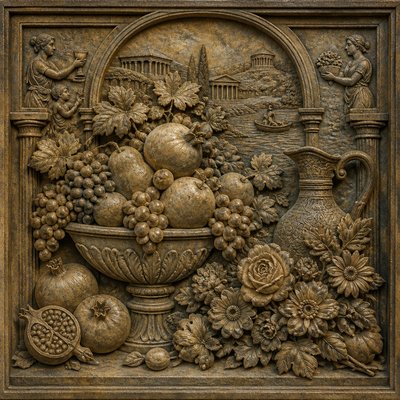
Explore relief carving sculpture: raised narrative forms, shallow-to-deep planes, undercut shadows, and warm stone or aged bronze surfaces.
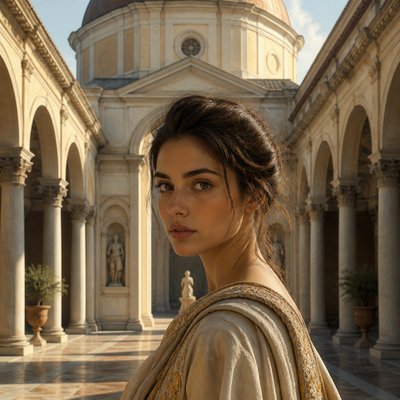
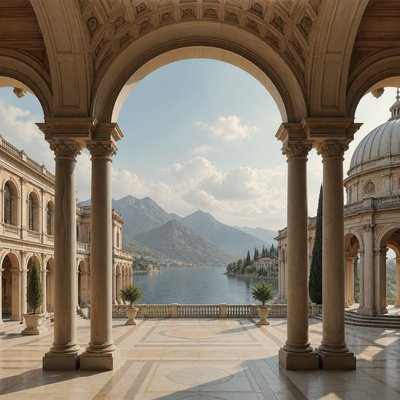
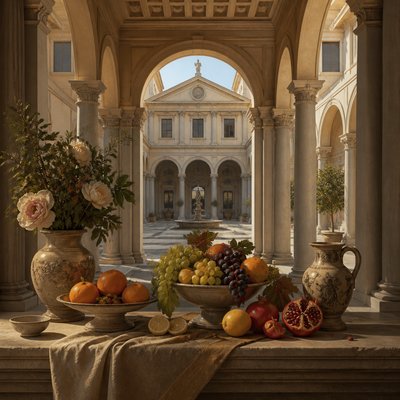
Renaissance architecture: symmetry, classical orders, coffered domes, rounded arches, and golden Italian light in serene humanist harmony.
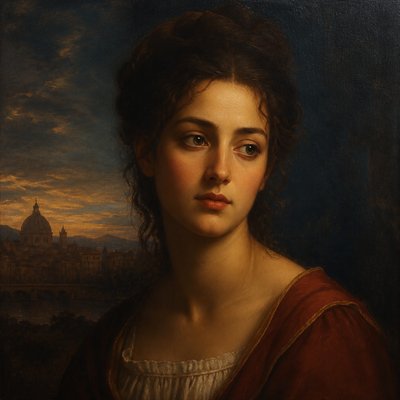
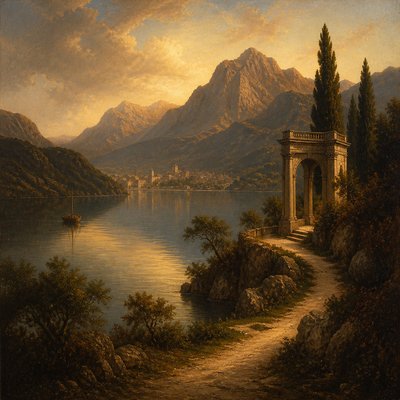
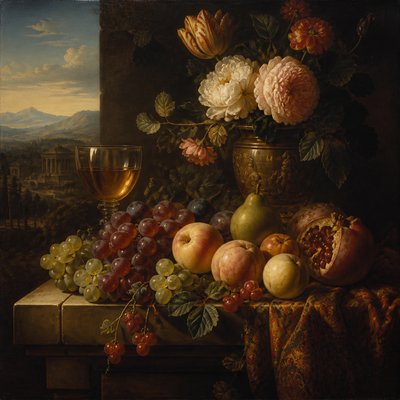
Classical revival art with idealized figures, linear perspective, sfumato, chiaroscuro, and balanced proportions.
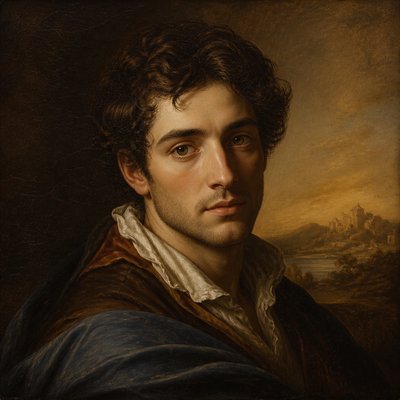
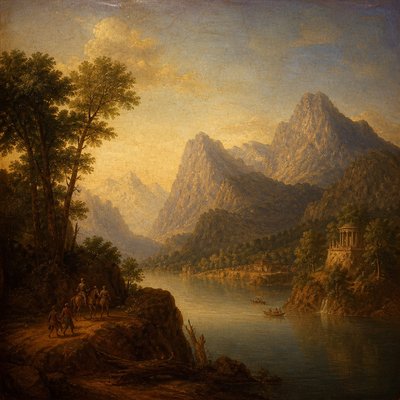
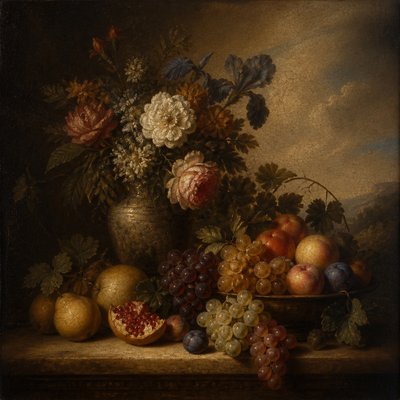
Classical Renaissance painting with sfumato, perspective, balanced compositions, and idealized figures shaped by leading Renaissance masters.
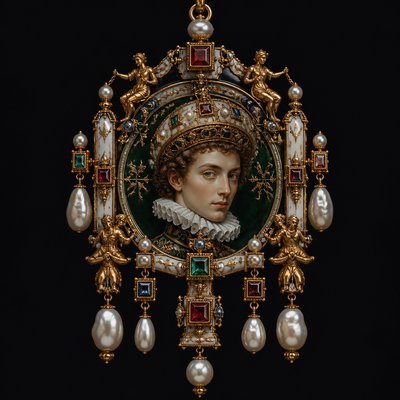
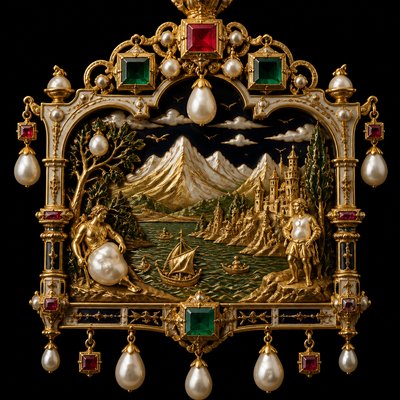
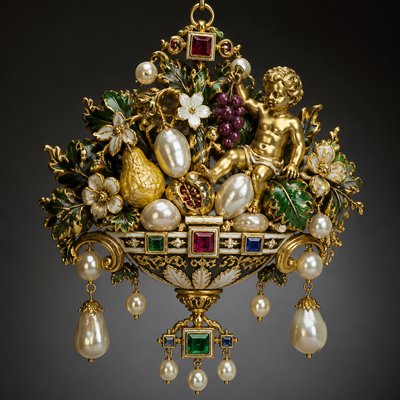
16th-century court jewelry in gold, enamel, pearls, and table-cut gems: princely Renaissance ornament with sculptural detail.
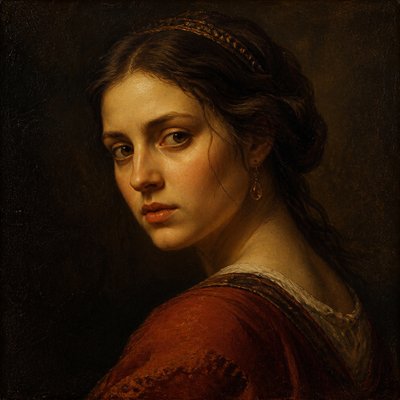
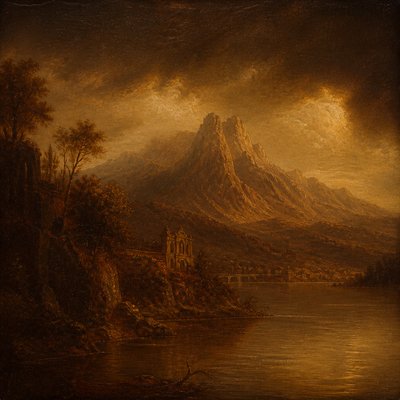
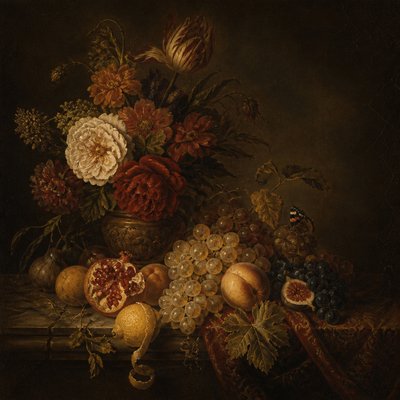
Classical oil portraits with sfumato, chiaroscuro, three-quarter poses, and symbolic detail inspired by Renaissance painting.

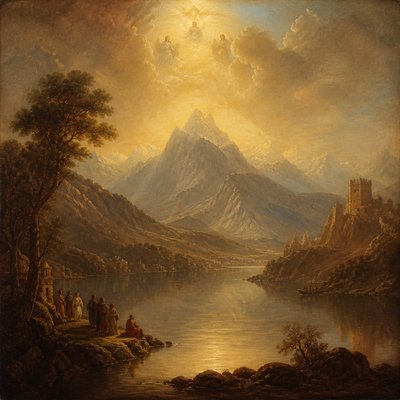
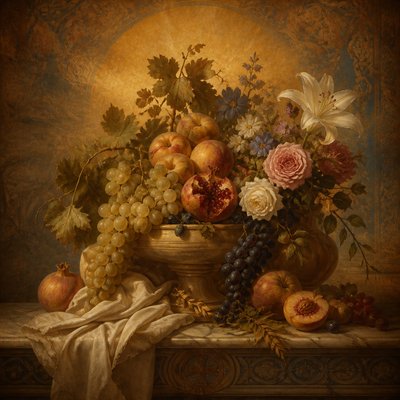
Classical religious painting with idealized figures, perspective, chiaroscuro, halos, and luminous devotional color inspired by the Renaissance.
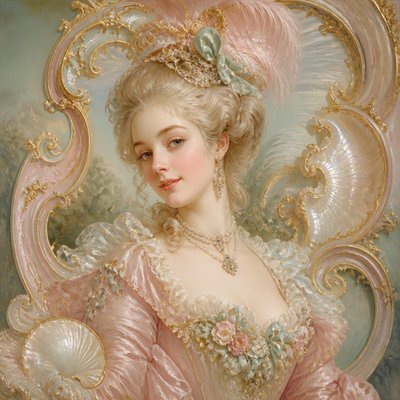
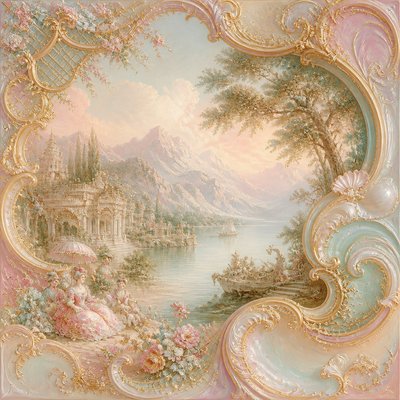
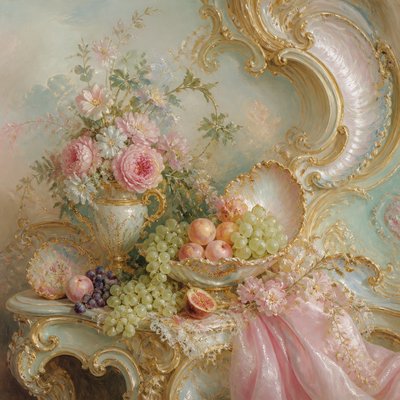
Delicate 18th-century style of pastel elegance, gilded ornament, asymmetry, and playful aristocratic scenes.
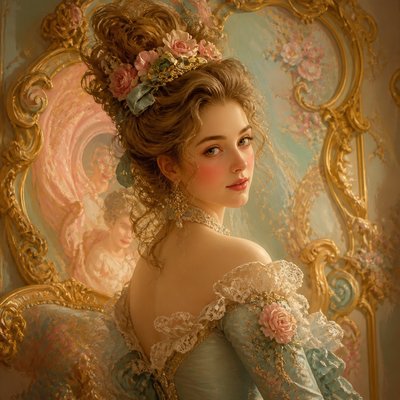
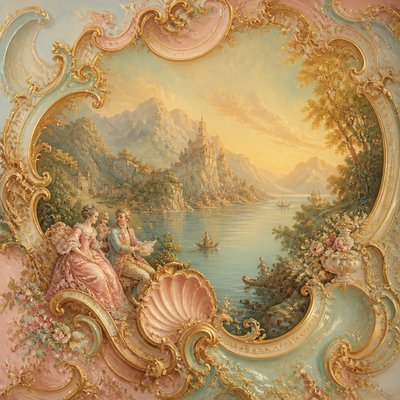
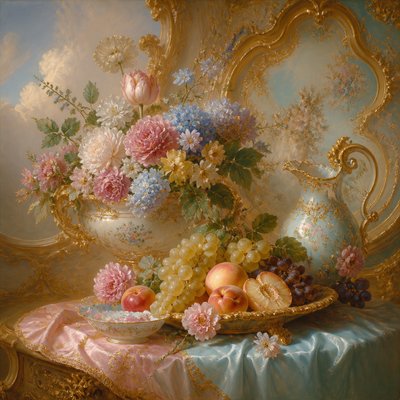
Pastel ornament, gilded curves, and playful mythology define Rococo classical art, a graceful 18th-century decorative style.
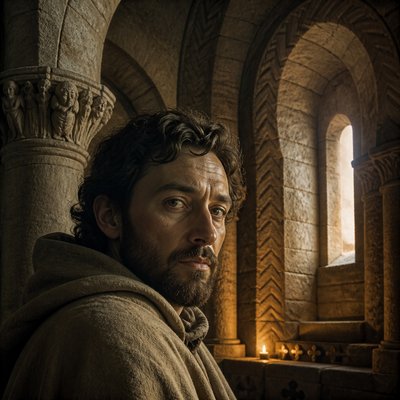
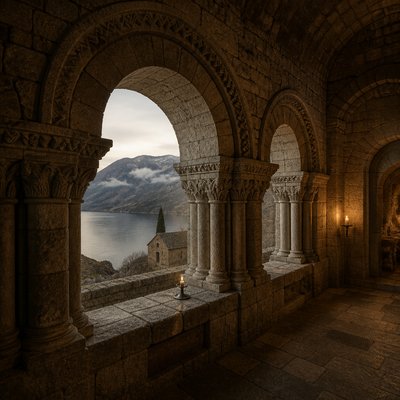
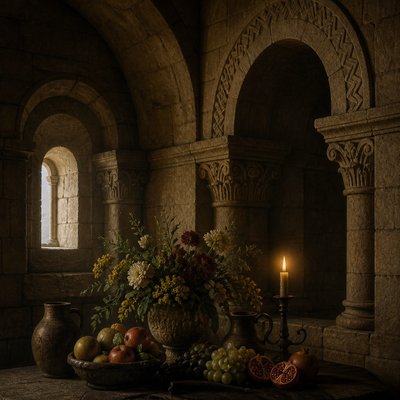
Romanesque architecture: rounded arches, thick stone walls, small windows, and solemn medieval interiors with fortress-like gravity.
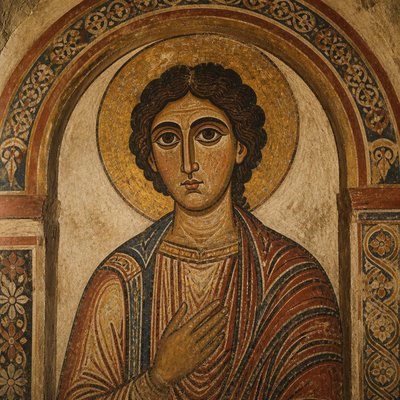
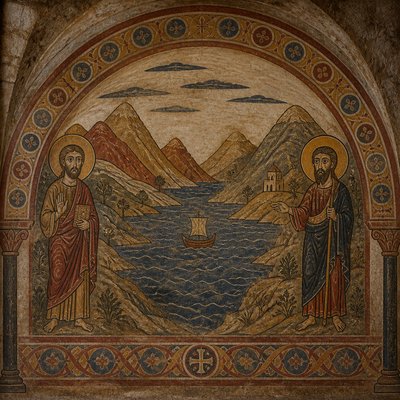
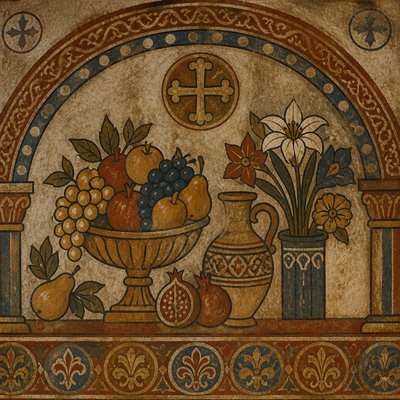
Explore Romanesque art: solemn frescoes, hieratic figures, bold outlines, symbolic color, painted arches, and the visual language of medieval churches.

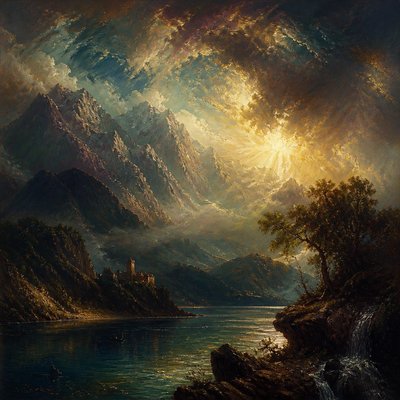
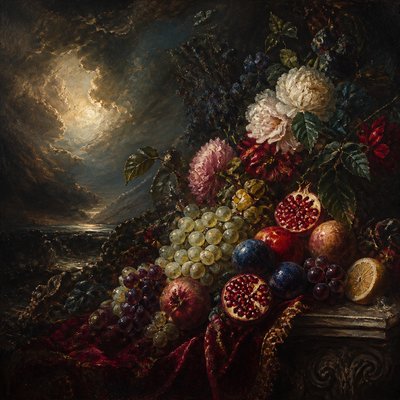
Romantic classical art: dramatic skies, sublime landscapes, rich chiaroscuro, and emotionally charged scenes shaped by longing and awe.
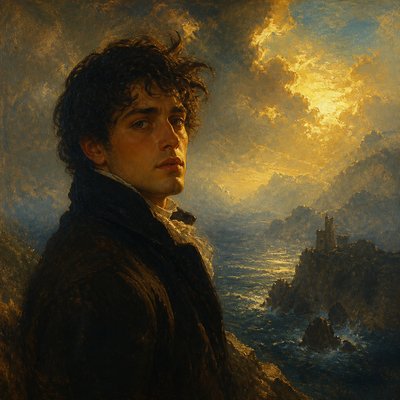
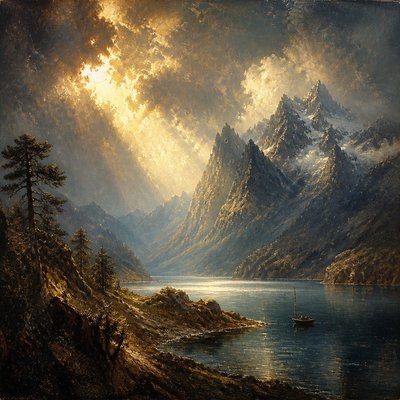
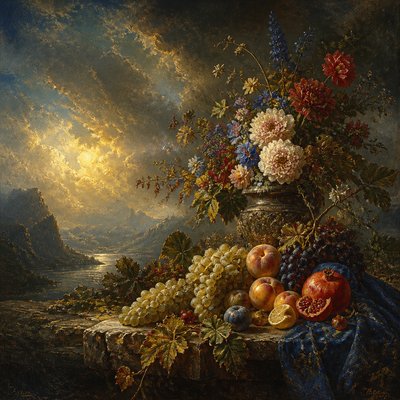
Dramatic landscape art with sublime nature, moody light, ruins, weather, rich color, and emotional atmosphere.
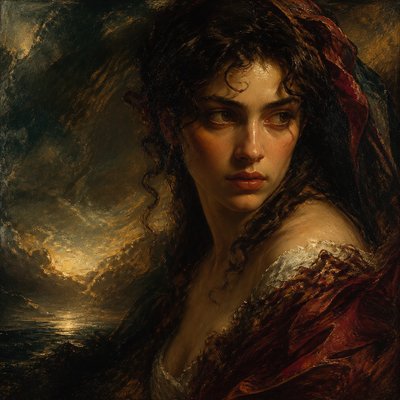
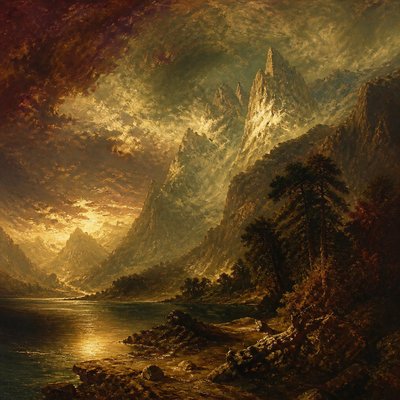
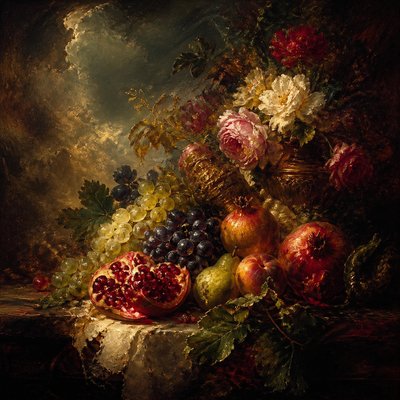
A 19th-century art movement of emotion, sublime nature, drama, and imagination, marked by rich color, movement, and intense feeling.
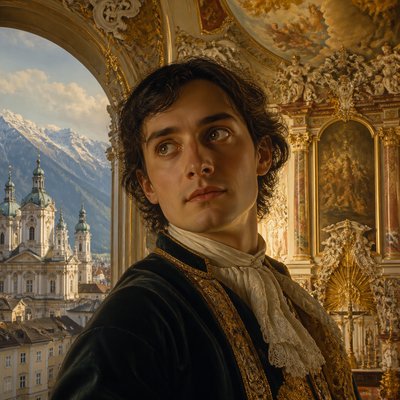
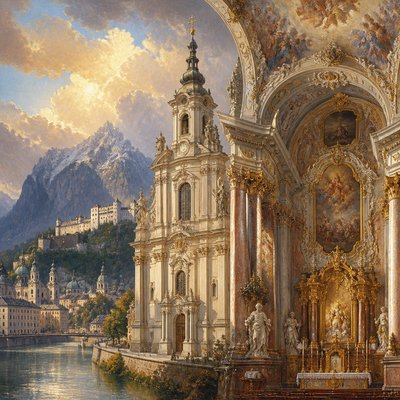
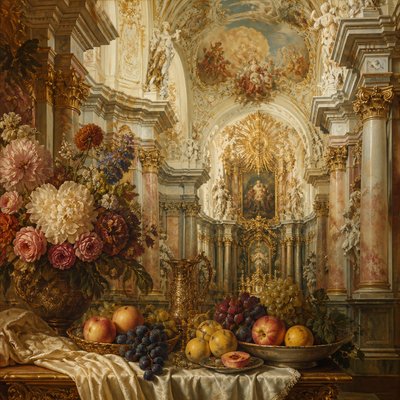
Explore Salzburg Art Style: Alpine Baroque architecture, gilded stucco, frescoed vaults, marble interiors, and dramatic golden light.

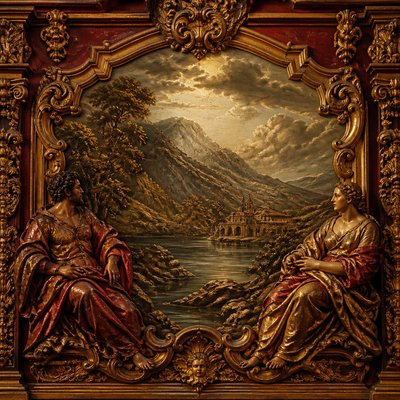
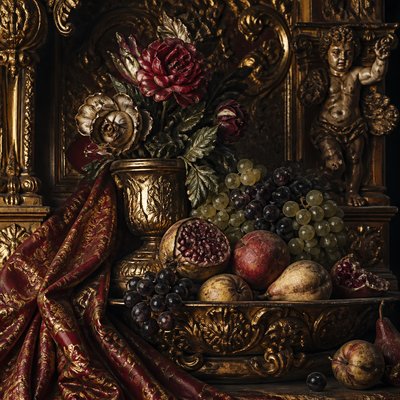
Explore Seville Art Style: Andalusian Baroque drama, gilded wood carving, polychrome sculpture, chiaroscuro, and richly detailed devotional imagery.
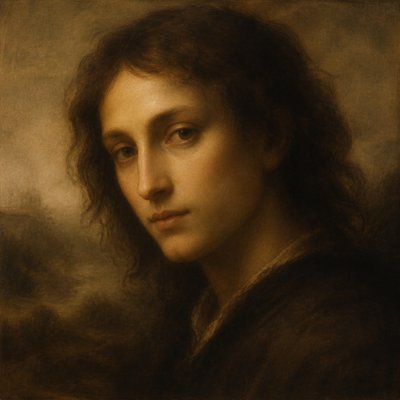
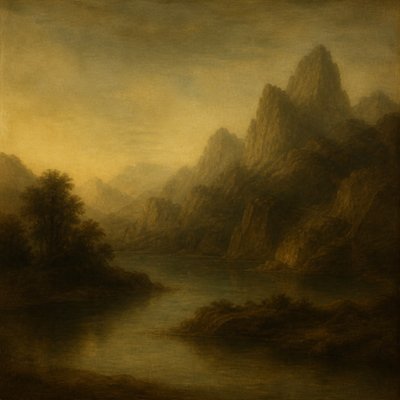
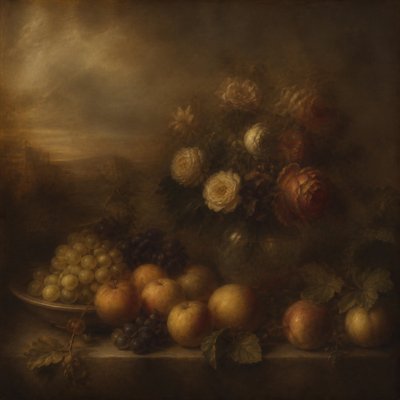
Leonardo-inspired portrait style with soft smoke-like transitions, muted earth tones, and timeless Renaissance atmosphere.
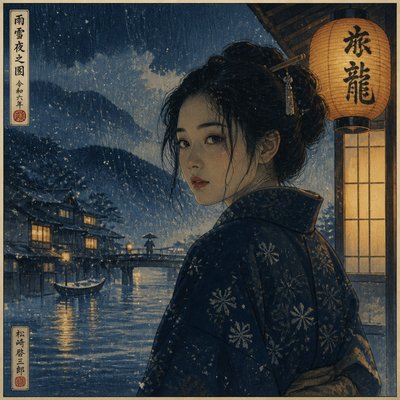
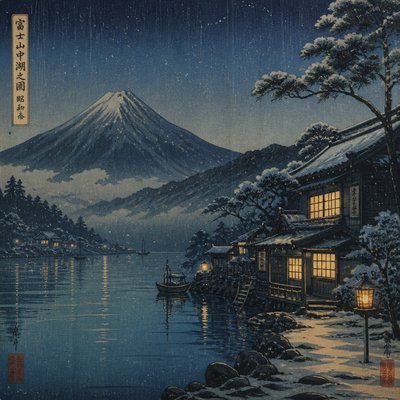
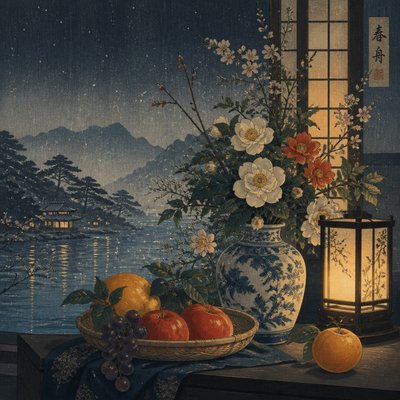
Explore Shin-hanga: luminous Japanese woodblock landscapes shaped by rain, snow, lantern light, layered color and serene naturalism.
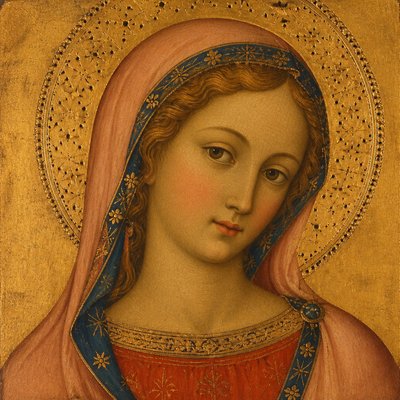
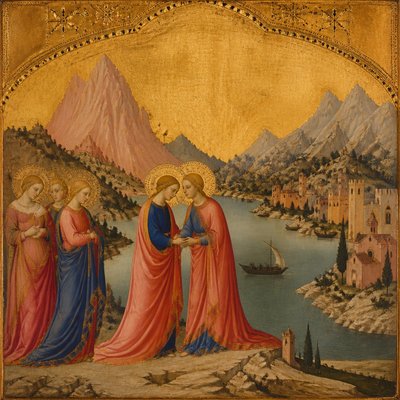
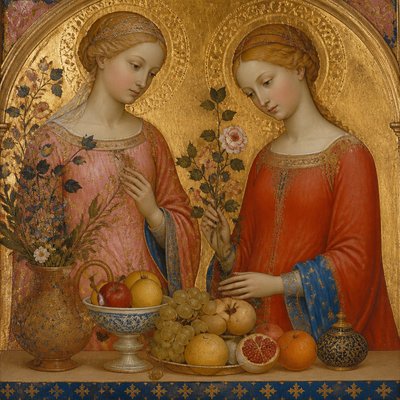
Explore Sienese Gothic art: radiant gold grounds, elegant courtly figures, ornate halos, lyrical line, and devotional medieval refinement.
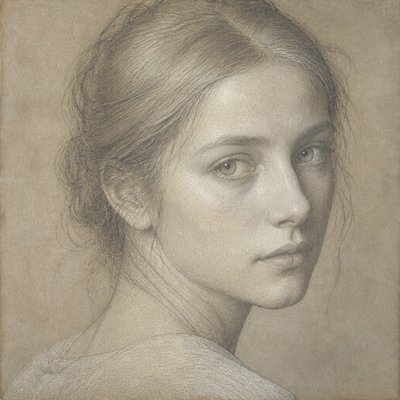
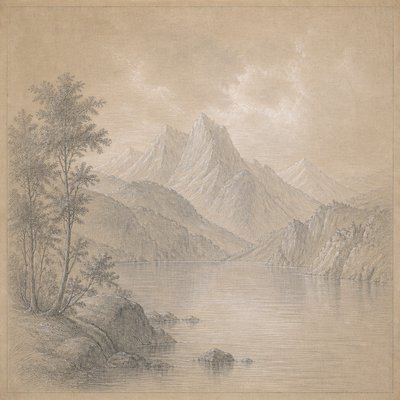
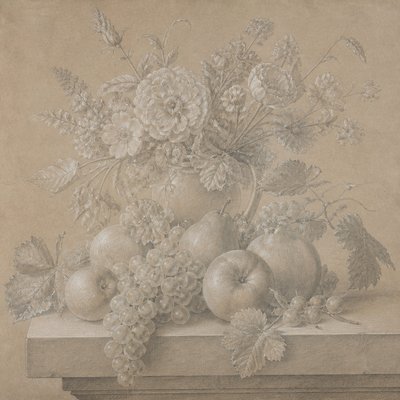
Explore silverpoint drawing: Renaissance-era precision rendered in pale silver-gray lines, delicate hatching, white highlights, and toned ground.
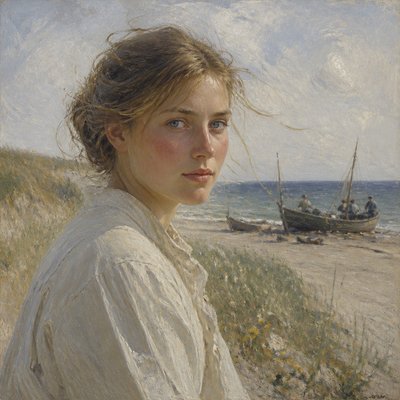
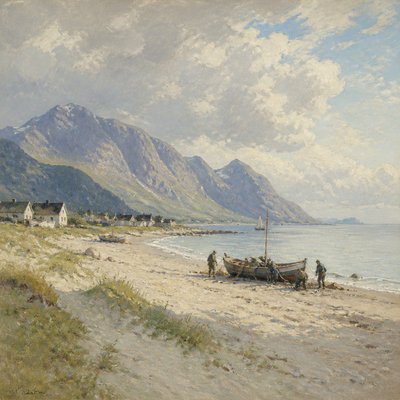
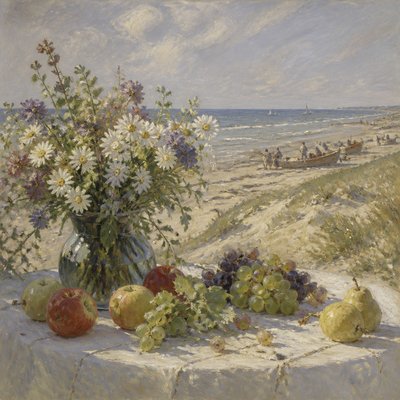
Explore Skagen art: luminous Nordic coastal light, windswept beaches, fishermen, boats, and naturalistic plein-air painting.
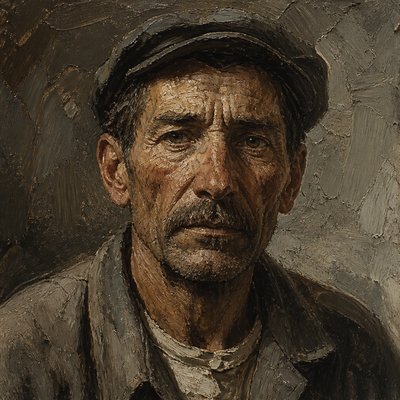
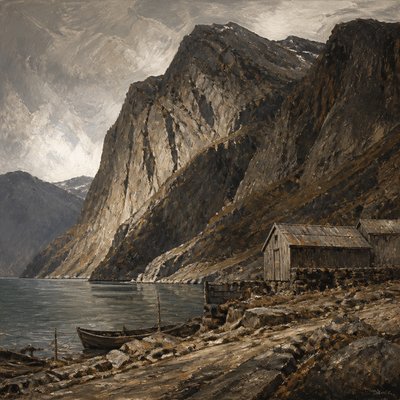
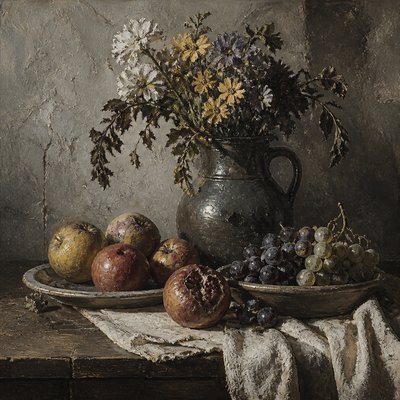
Honest, unsentimental art of everyday life and social struggle, with muted colors, strong light, and dignified realism.
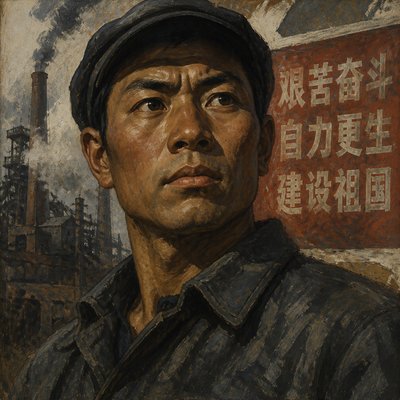
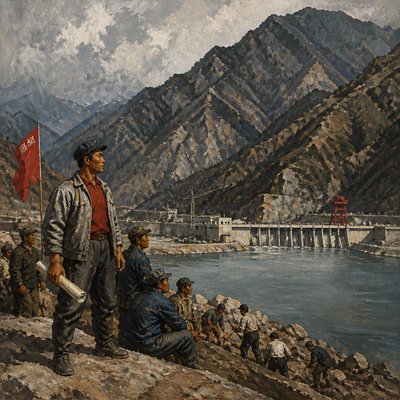
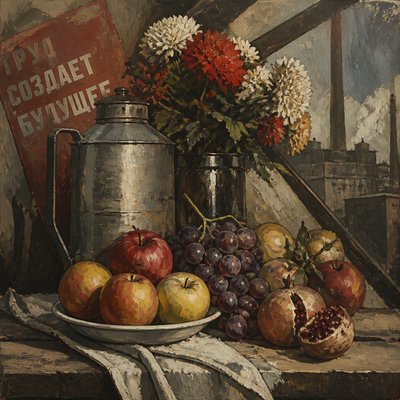
Art of working-class life, labor, and social injustice, using accessible realism, muted colors, and symbolic dignity to urge change.
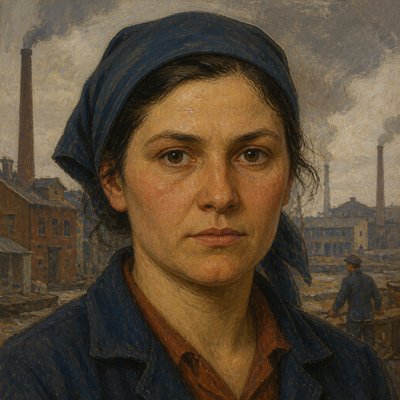
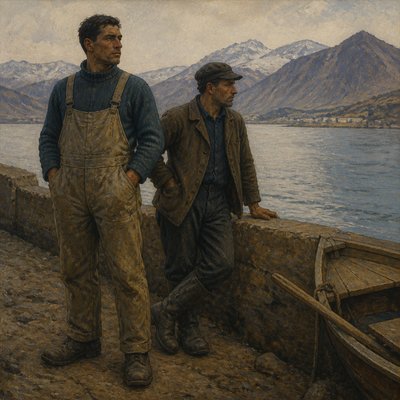
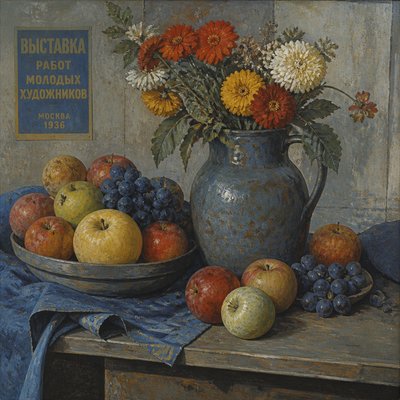
Social realist figurative art shows working people and social conditions with honest detail, dignity, and political awareness.
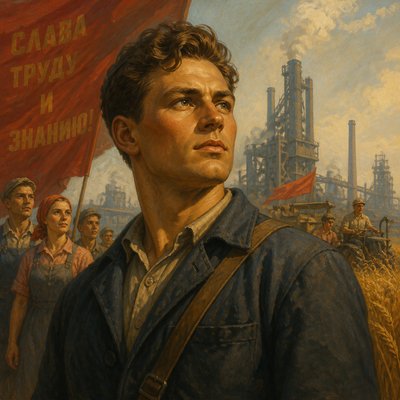
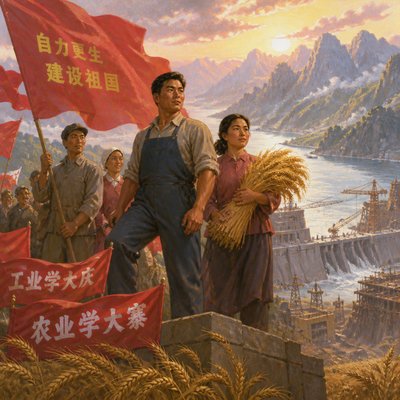
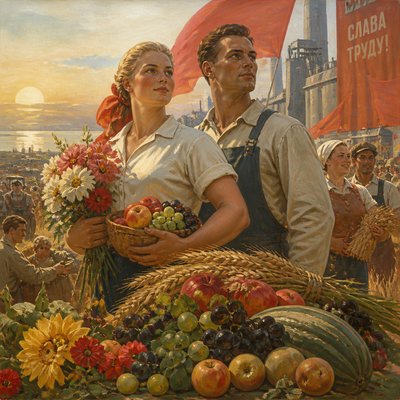
Explore Socialist Realism: monumental workers, harvests, heroic figures, dawn light, and optimistic public imagery rooted in Soviet-era art.

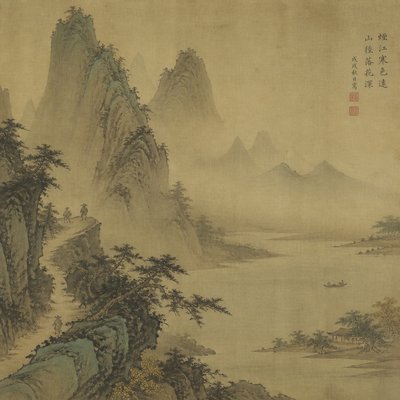
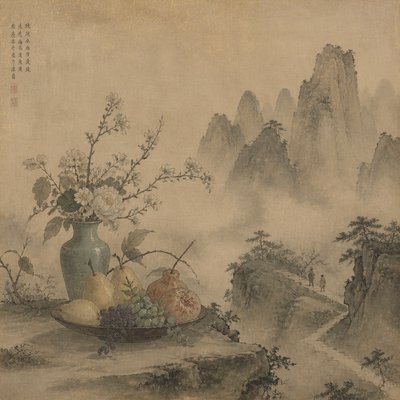
Explore Song Dynasty ink painting: monumental mountains, misty voids, disciplined brushwork, and contemplative Chinese landscape aesthetics.
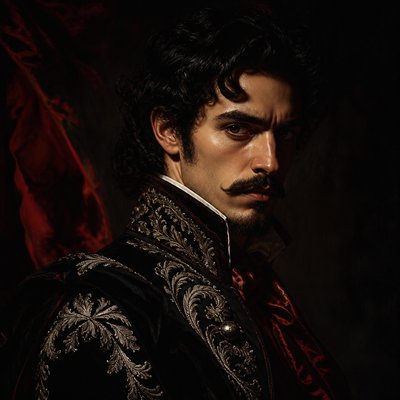
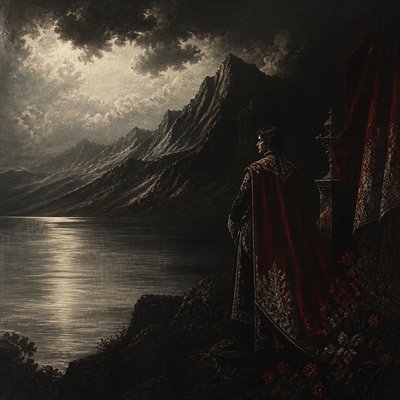
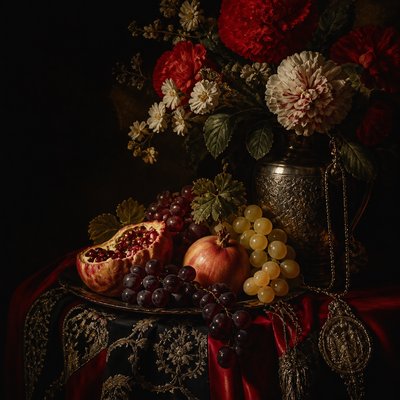
Explore Spanish Art Style: velvet darkness, fierce directional light, austere color, solemn figures, and the dramatic legacy of Spanish Baroque.
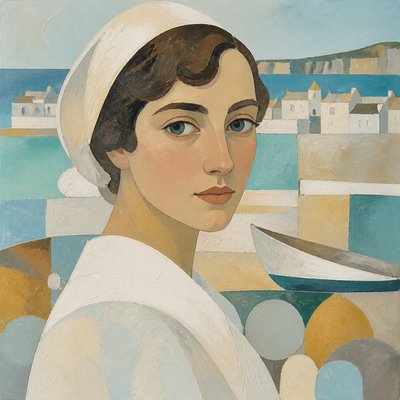
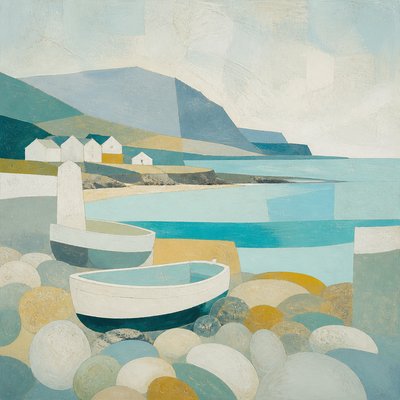
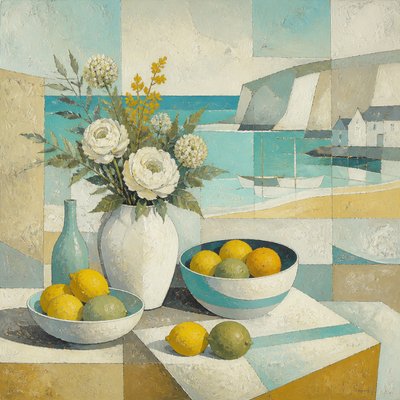
Explore the St Ives art style: luminous Cornish coastal abstraction shaped by sea light, simplified forms, chalky color and tactile modernist surfaces.
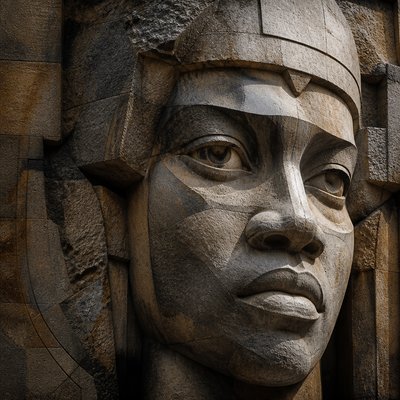
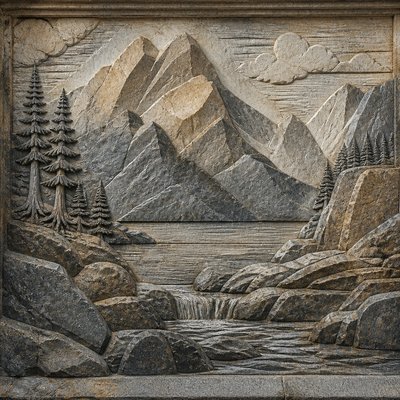
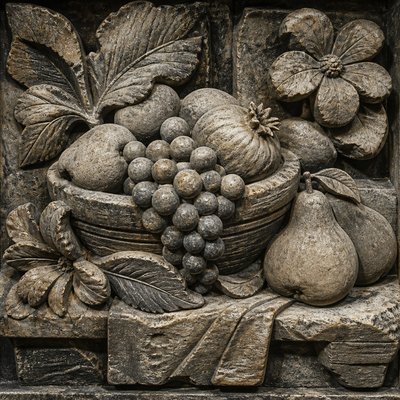
Monumental carved-stone sculpture with chisel marks, polished and rough surfaces, natural grain, and ancient, enduring forms.

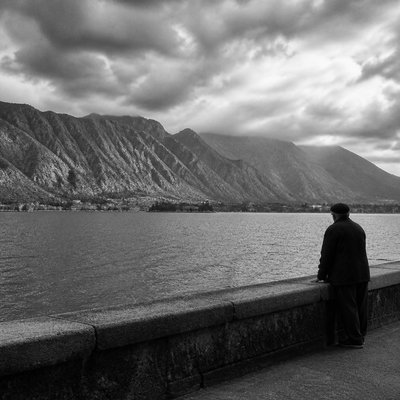
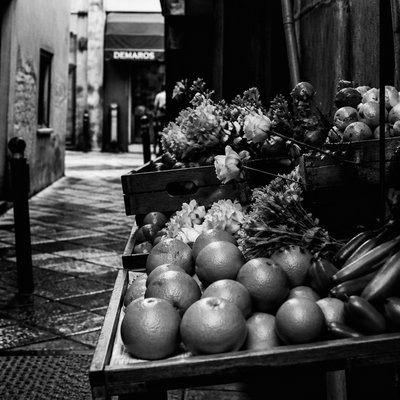
Candid urban photography with decisive moments, dramatic light, geometric composition, and documentary realism.
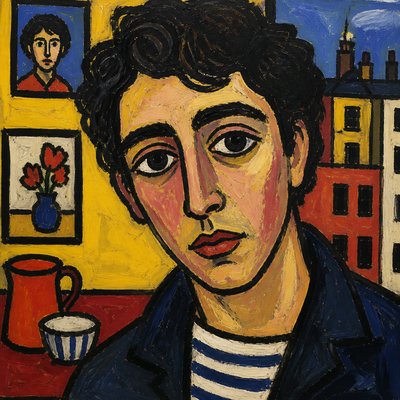
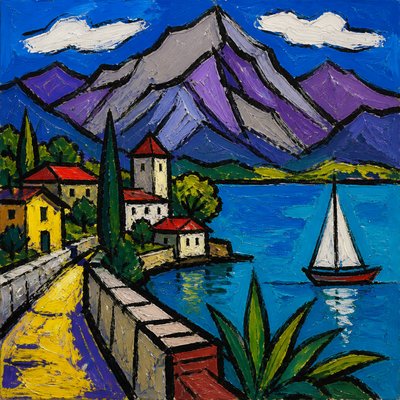
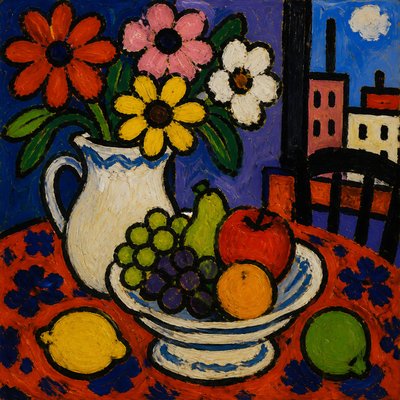
Explore Stuckism: a confrontational figurative painting style defined by bold outlines, loud color, raw brushwork, and everyday subjects.

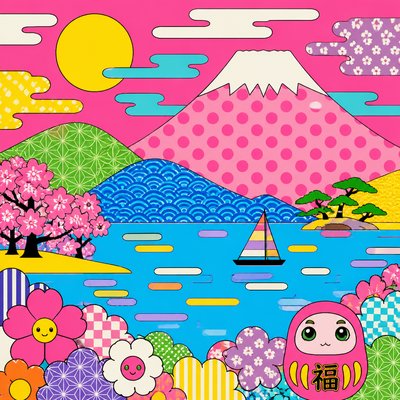
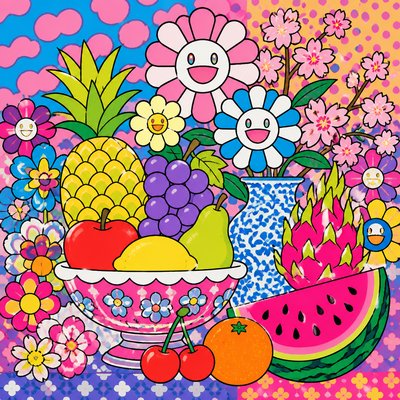
Japanese pop art with flat color, anime influence, commercial graphics, and a critique of consumer culture.
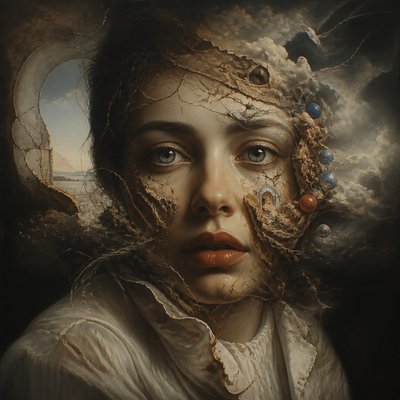
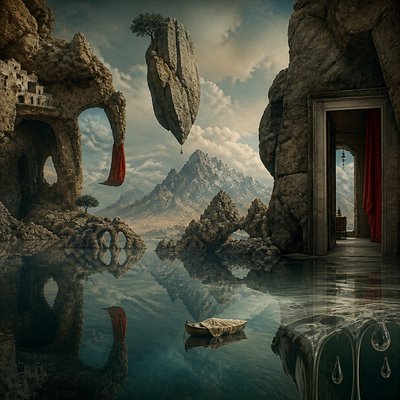
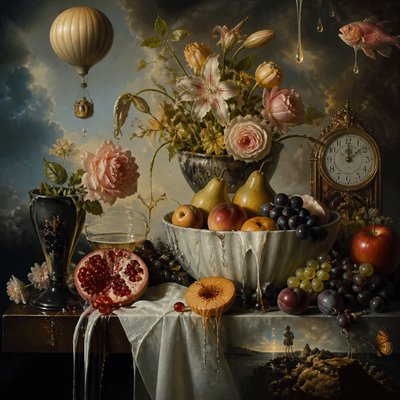
Dreamlike art of impossible juxtapositions, unconscious imagery, and crisp, uncanny scenes with photoreal detail.
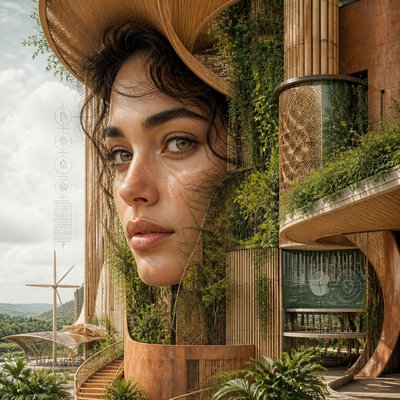
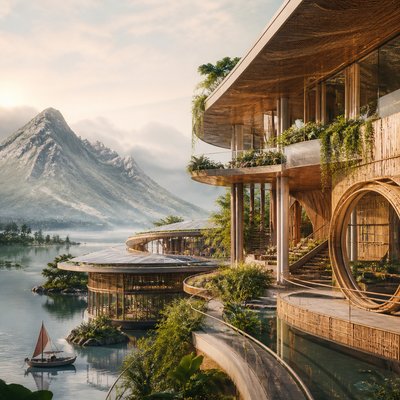
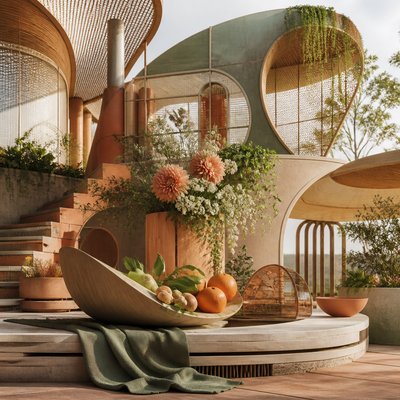
Eco-conscious architecture with green roofs, passive solar forms, renewable materials, and nature-integrated design.
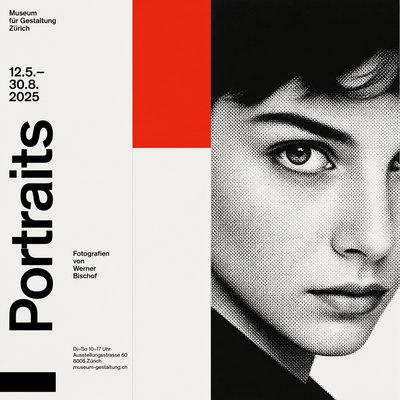
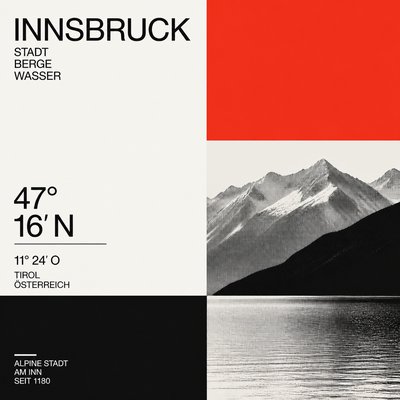
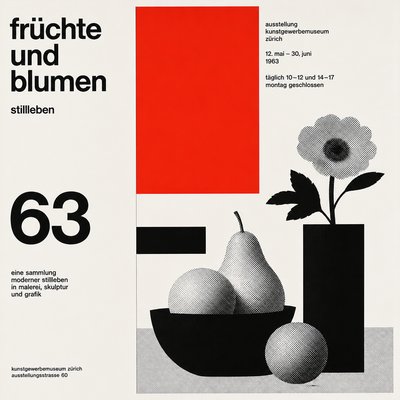
Grid-based poster design with bold typography, asymmetric balance, and strict Swiss International Typographic Style clarity.
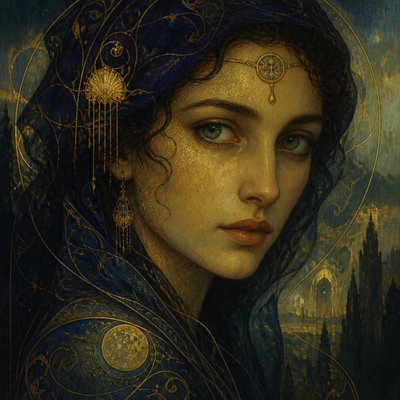
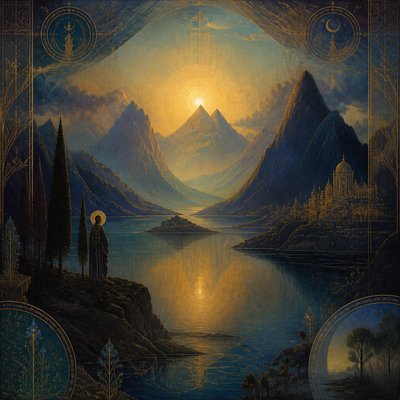
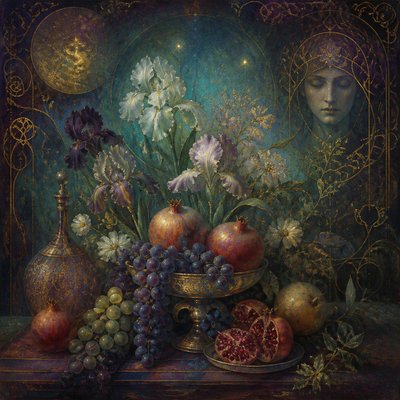
Symbolist art uses dreams, myth, and symbols to evoke hidden emotion through luminous color, atmosphere, and metaphysical imagery.
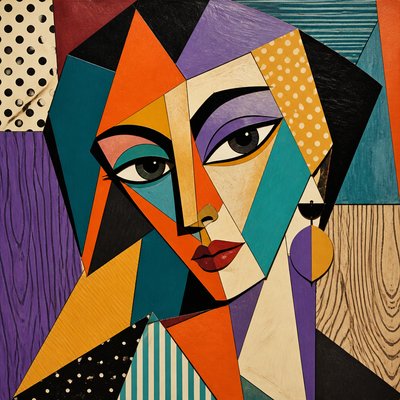
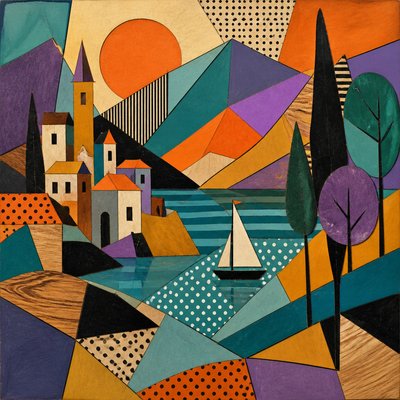
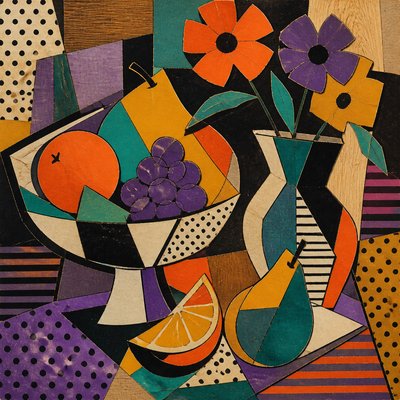
Synthetic cubism uses collage-like shapes, bold color, and mixed textures to rebuild subjects into flat, layered compositions.
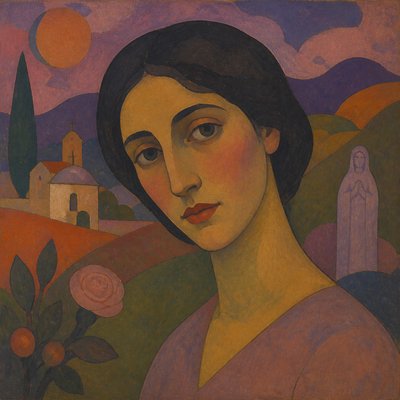
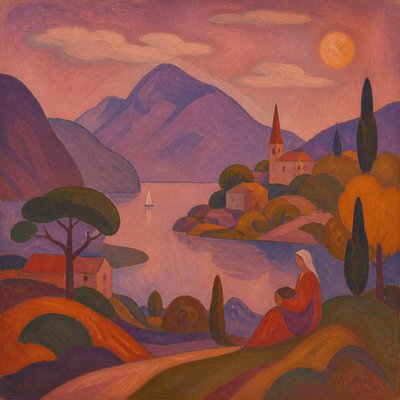
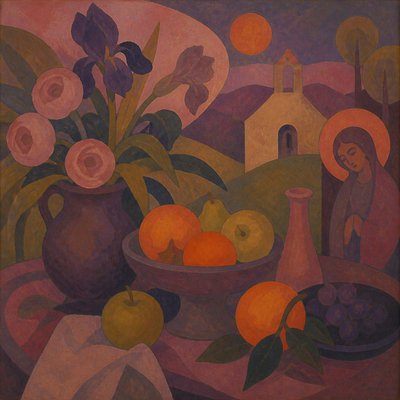
Explore Synthetism: a Post-Impressionist style of simplified forms, symbolic color, rhythmic contours, and memory-driven expression.
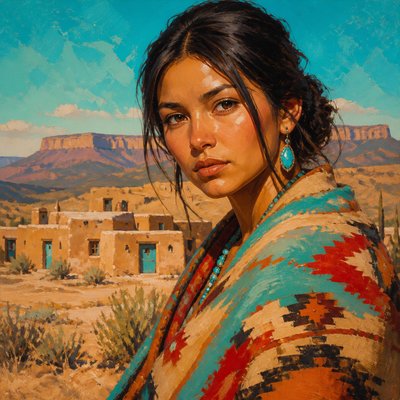
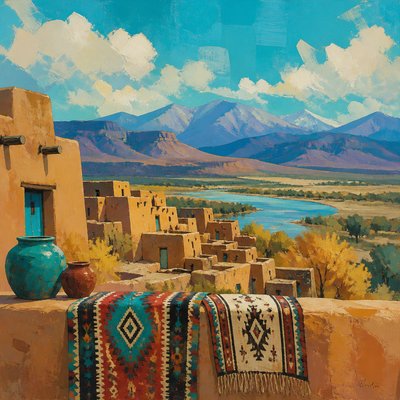
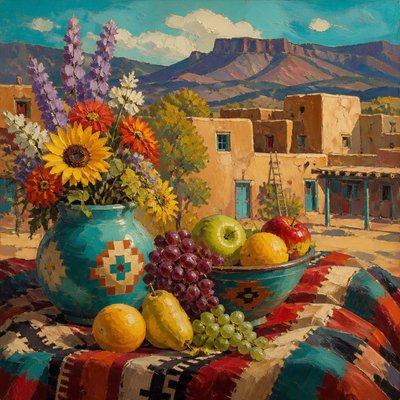
Explore the Taos art style: luminous Southwestern landscapes, adobe villages, turquoise skies, woven patterns, and expressive regionalist brushwork.
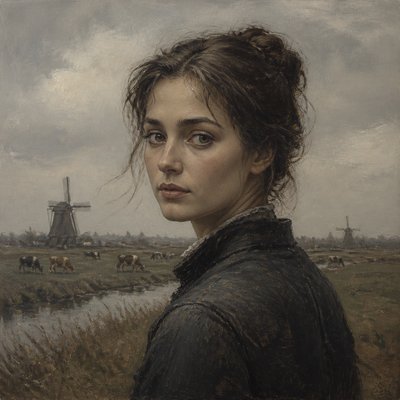
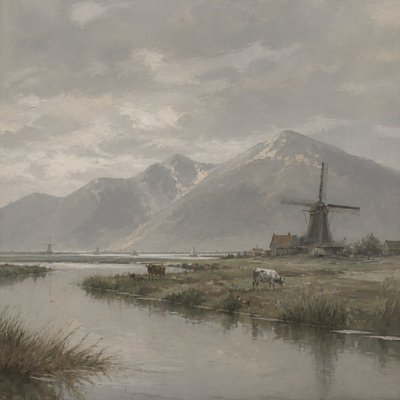
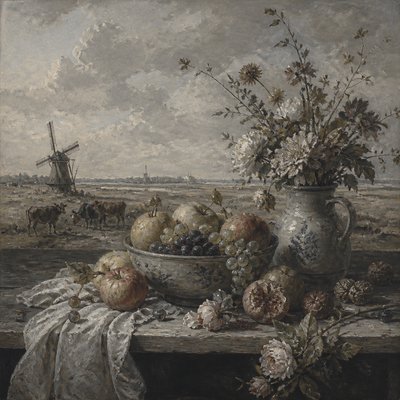
Explore The Hague Art Style: silvery Dutch skies, tonal realism, misty polder landscapes, coastal light, windmills, and expressive brushwork.
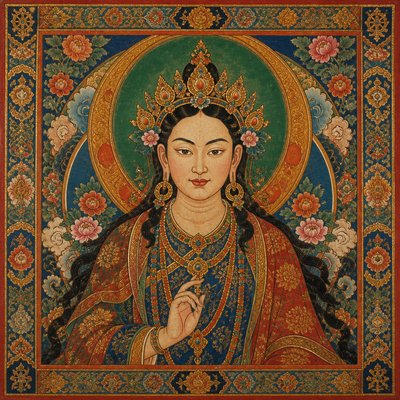
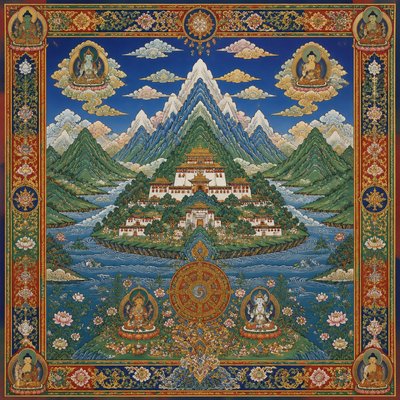
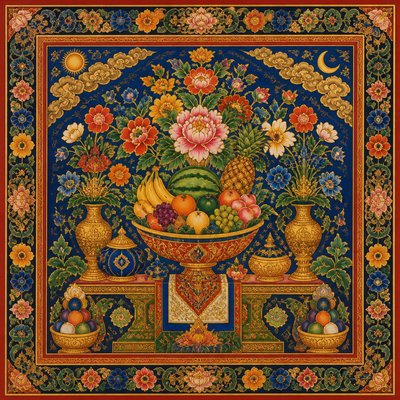
Sacred Tibetan Buddhist painting with thangkas, mandalas, luminous mineral colors, gold accents, and highly symbolic devotional imagery.
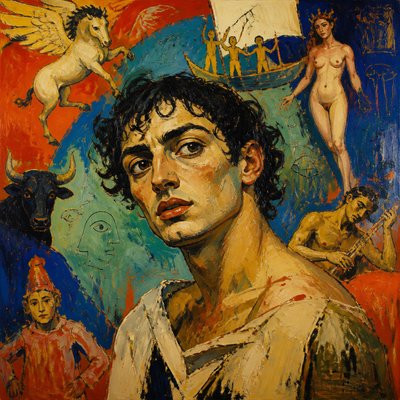
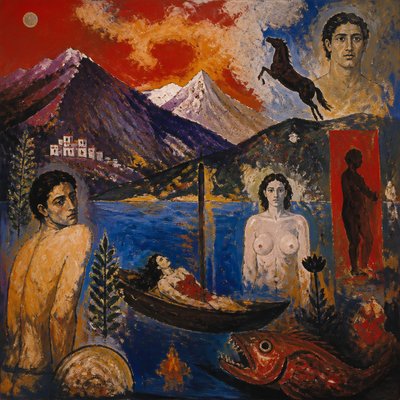
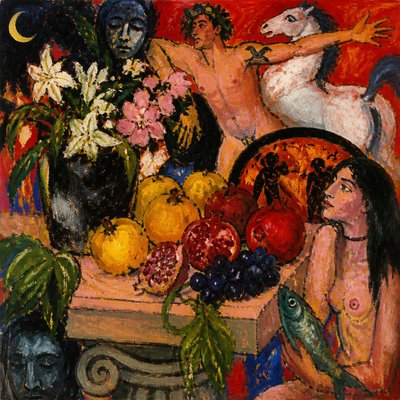
Explore Transavanguardia: late-20th-century Italian painting defined by mythic imagery, hot color, gestural brushwork, and a return to expressive figuration.
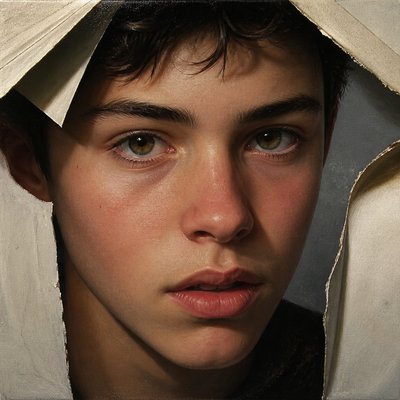
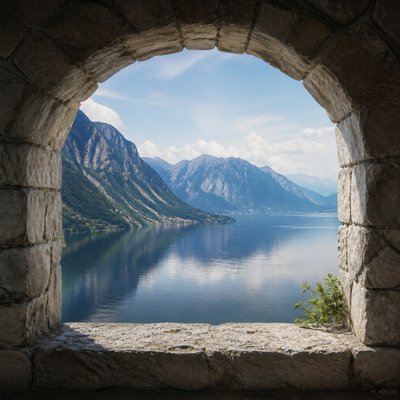
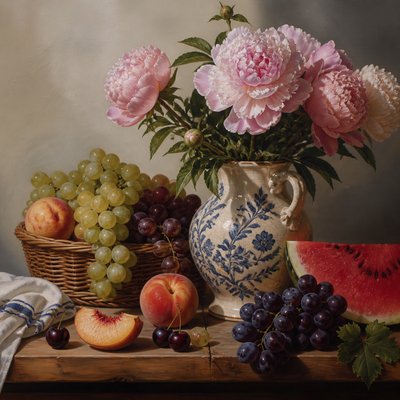
Trompe l'oeil realism uses shadow, perspective, and scale to make flat images look three-dimensional and physically present.
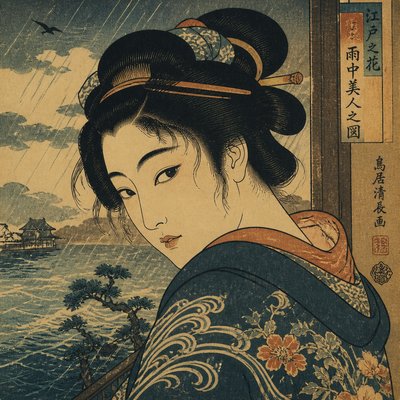
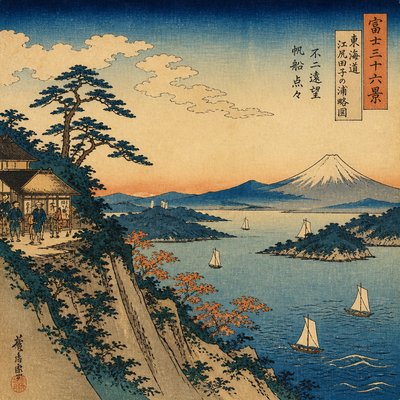
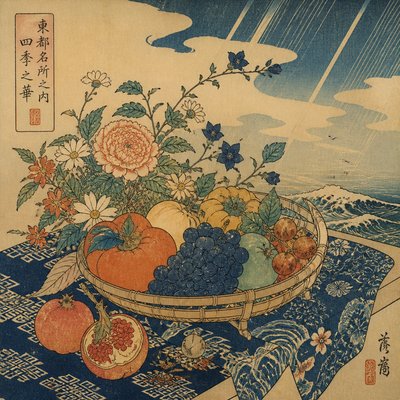
Explore ukiyo-e: Japanese woodblock prints defined by flat color, bold outlines, patterned surfaces, asymmetry, and the poetry of everyday life.
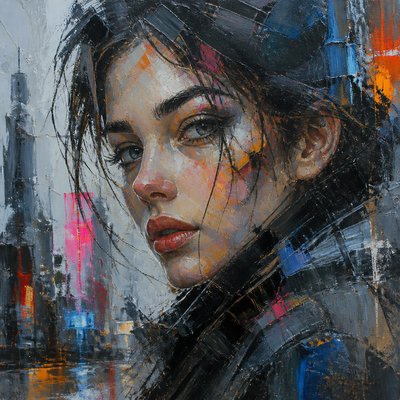
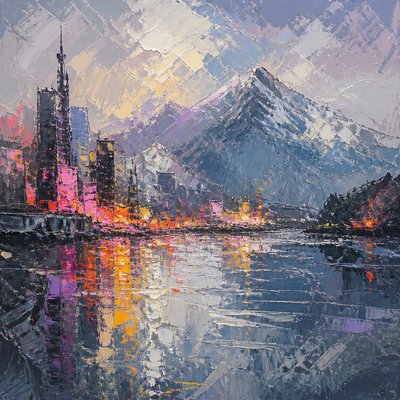
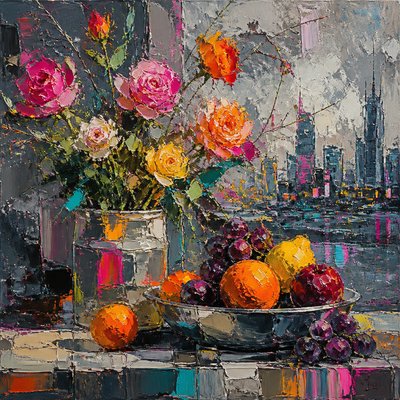
Urban Impressionism turns city scenes into vibrating color and motion with rapid brushwork, impasto texture, and neon-lit atmosphere.
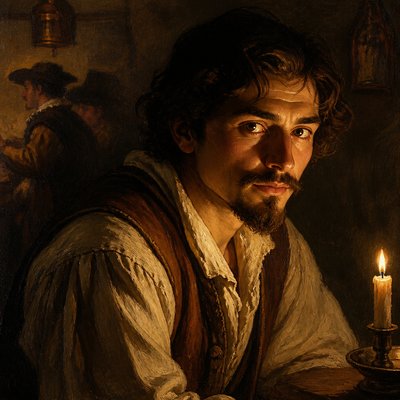
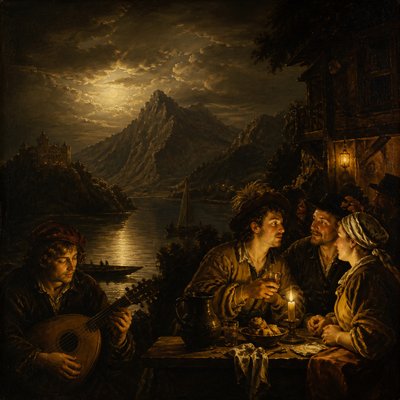
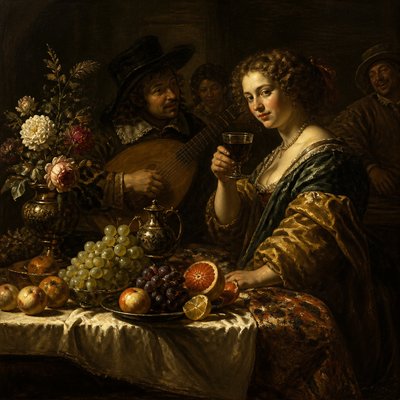
Explore Utrecht Art Style: candlelit Caravaggist drama, warm Dutch tavern scenes, theatrical realism, and sculptural chiaroscuro.
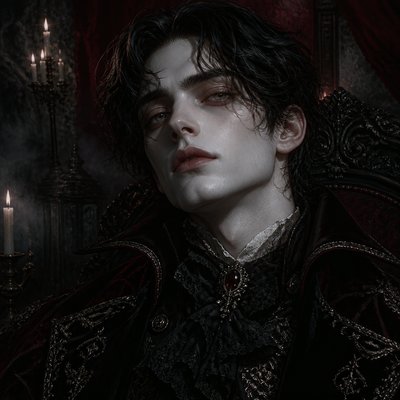
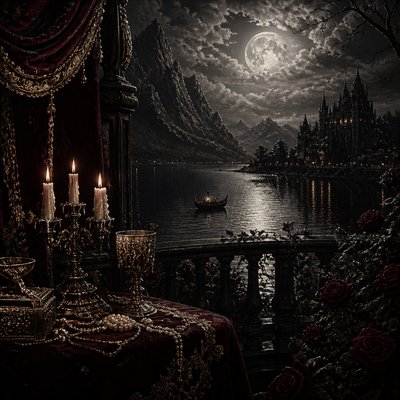
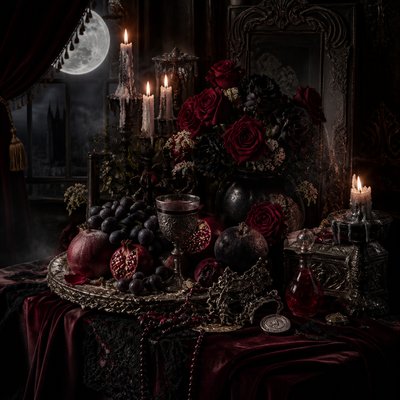
Crimson gothic romance with velvet, candle wax, moonlight, and aristocratic nocturne atmosphere.
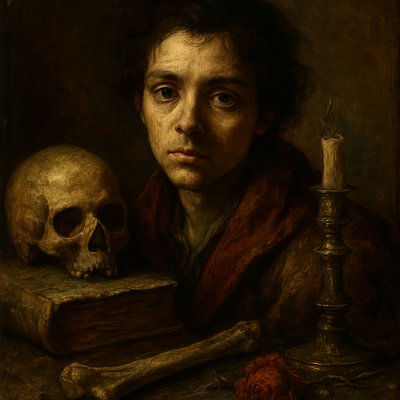
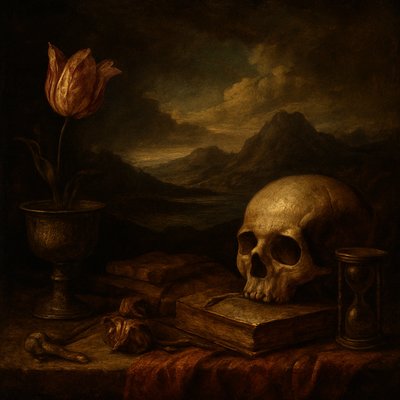
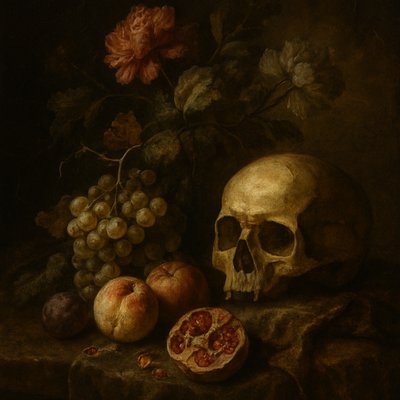
Explore vanitas still life: symbolic skulls, clocks, fading flowers, and lavish objects arranged in dramatic chiaroscuro to reflect mortality.
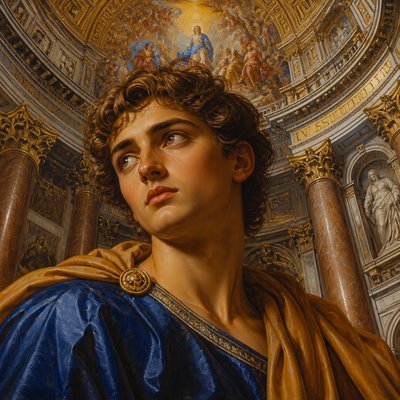
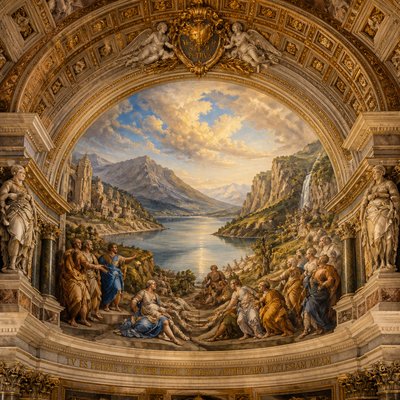
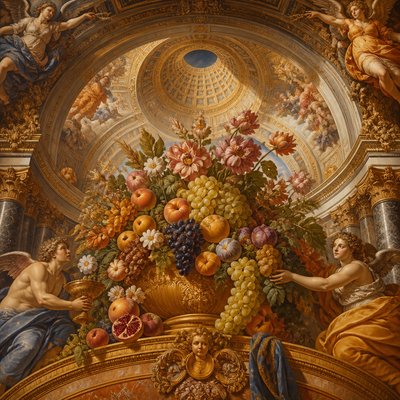
Explore Vatican Art Style: Renaissance fresco luminosity, Baroque architecture, marble grandeur, gilded ornament, and sacred monumental drama.
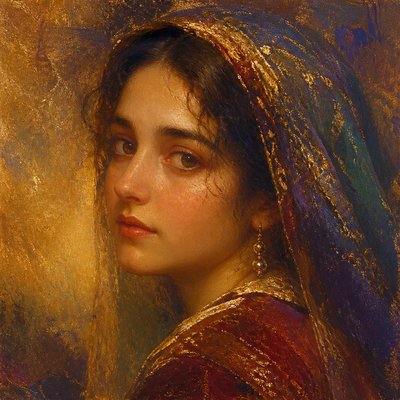
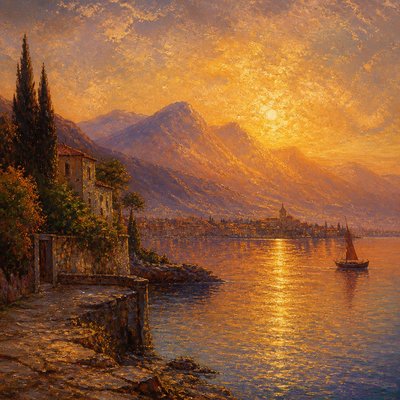
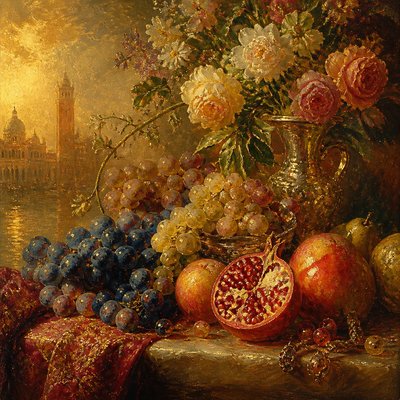
Rich Venetian Renaissance painting with luminous color, glazed oil layers, and golden light modeled after leading Venetian Renaissance painters and major Venetian colorists.
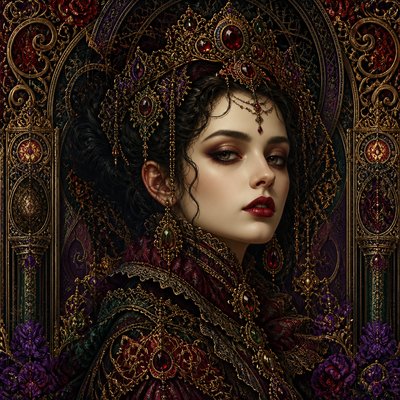
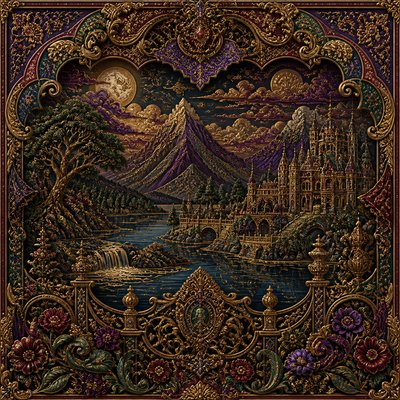
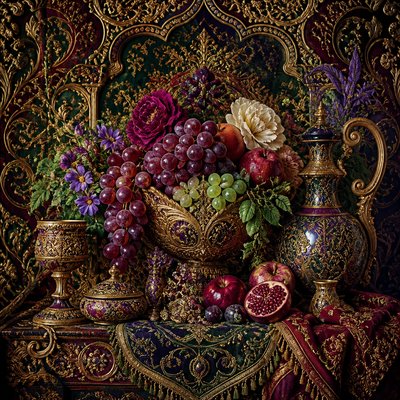
Ornate 19th-century houses with turrets, bay windows, decorative trim, and vivid painted details from the Victorian era.

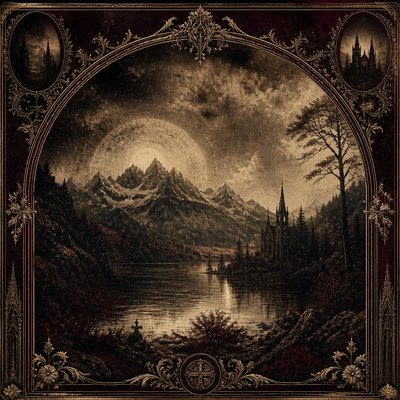
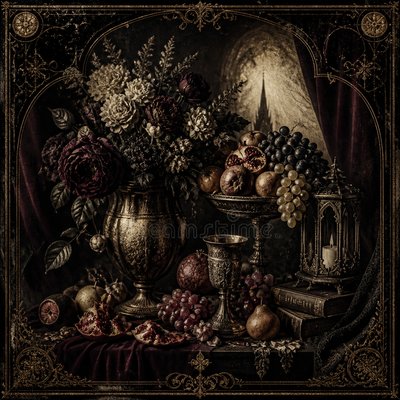
19th-century Gothic Revival mood with mourning symbolism, spiritualist haze, ornate filigree, and romantic darkness.
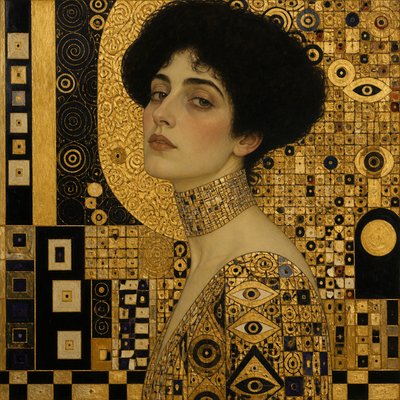
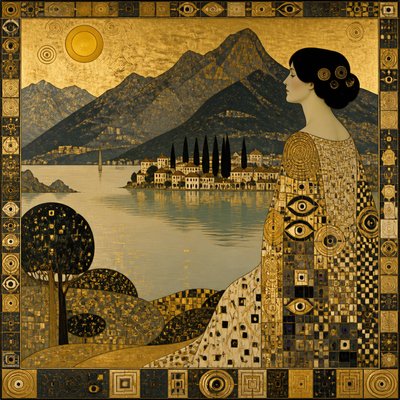
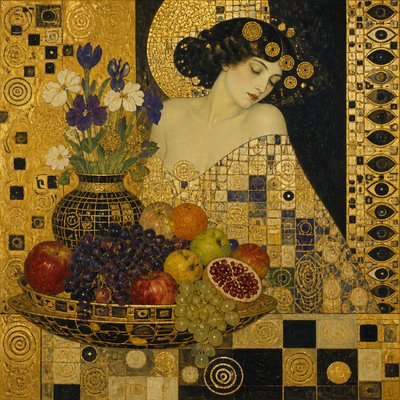
Explore Vienna Secession art: gilded ornament, mosaic geometry, symbolic figures, and elegant decorative design from turn-of-the-century Vienna.
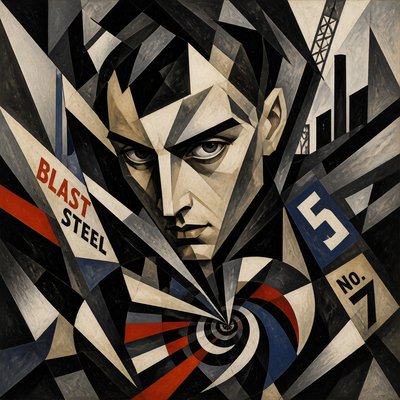
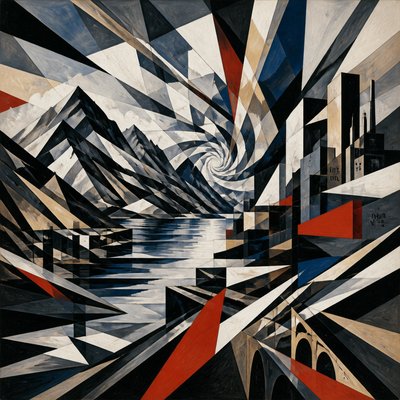
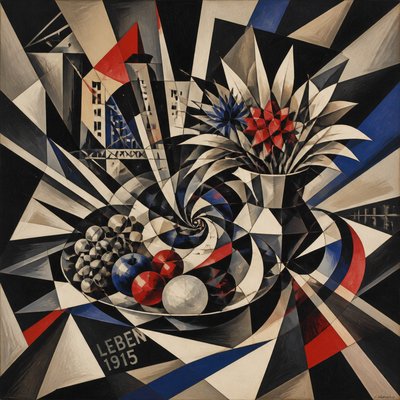
Explore Vorticism: a British machine-age style of sharp geometry, spiraling force, steel tones, and abstract urban energy.
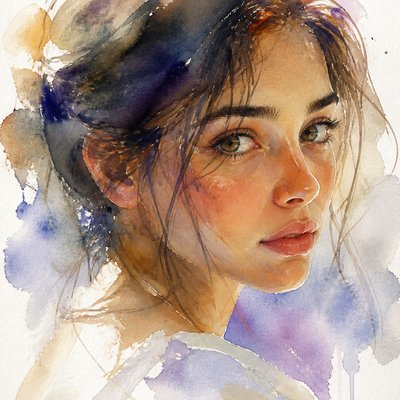
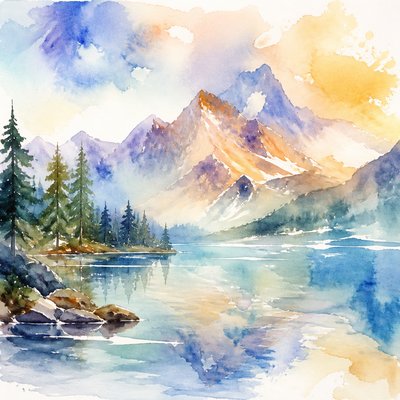
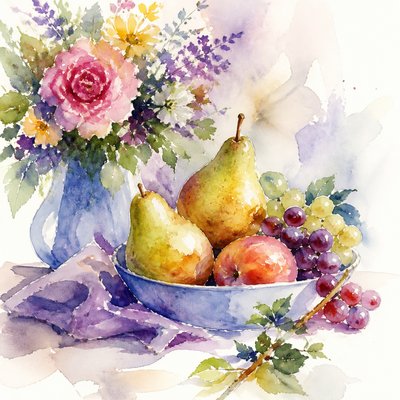
Fresh, luminous portraits with transparent washes, wet-into-wet edges, and airy white space rooted in watercolor painting.
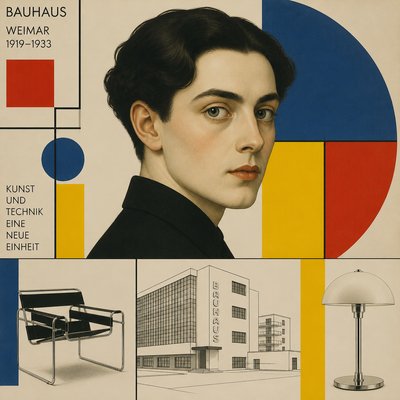
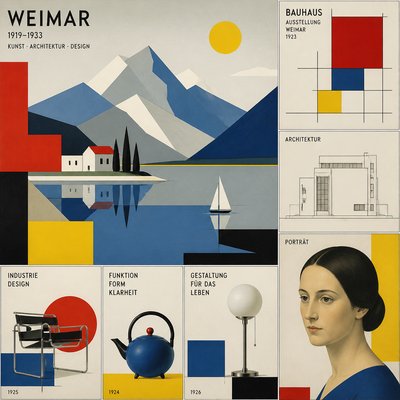
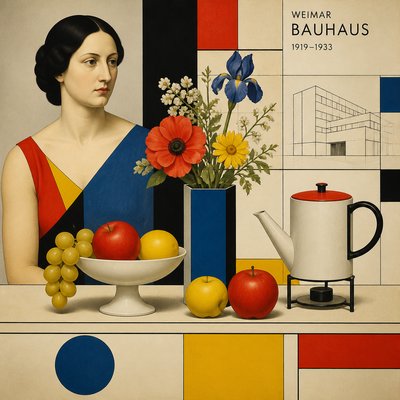
Explore Weimar Art Style: Bauhaus geometry, restrained Classicist elegance, primary colors, architectural lines, and precise functional design.
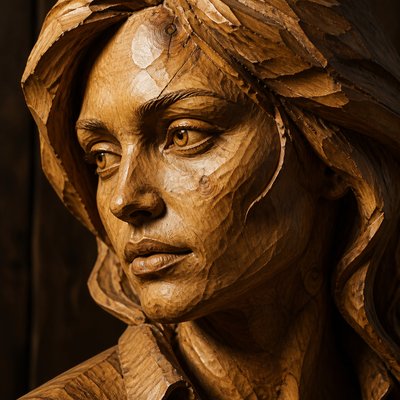
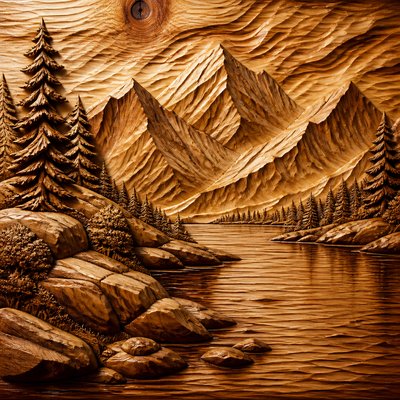
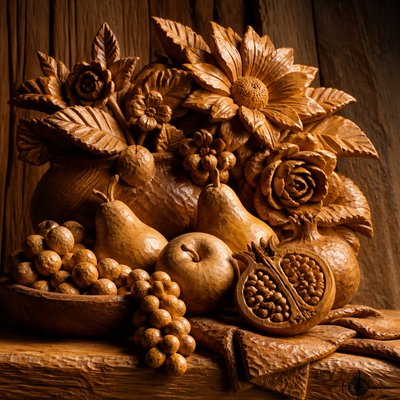
Warm carved wood sculptures with visible grain, chisel marks, and natural knots; learn the style, history, traits, and how to create it.
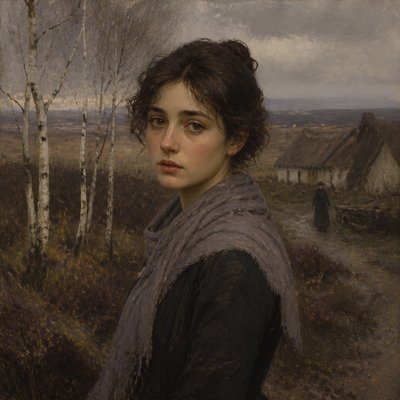
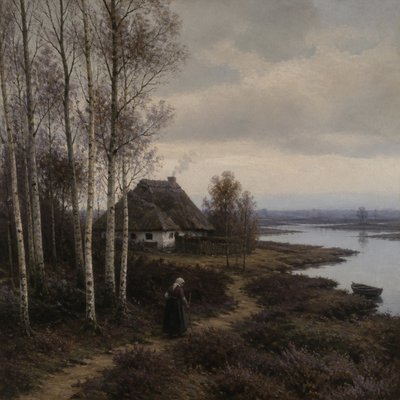
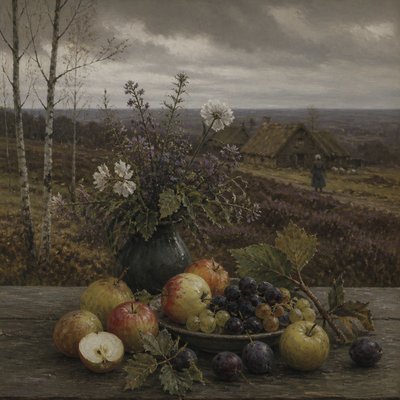
Explore the Worpswede art style: moody German moorland landscapes, birch groves, muted color, rural figures, mist, and atmospheric brushwork.
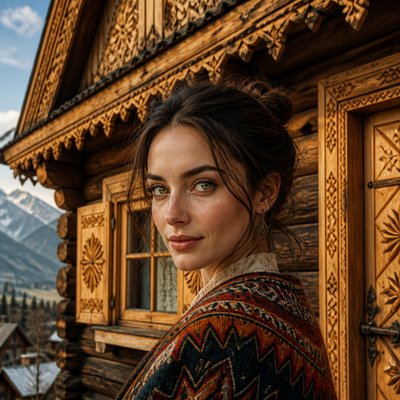
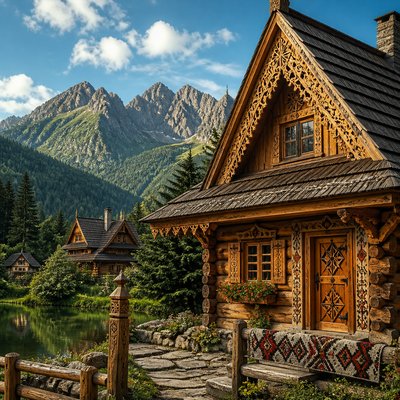
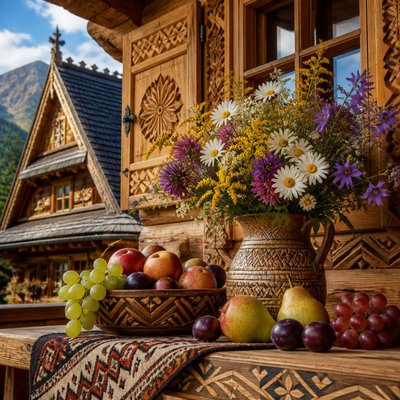
Explore Zakopane Art Style: steep alpine chalets, carved pine ornament, highlander motifs, timber construction, and Podhale folk design.
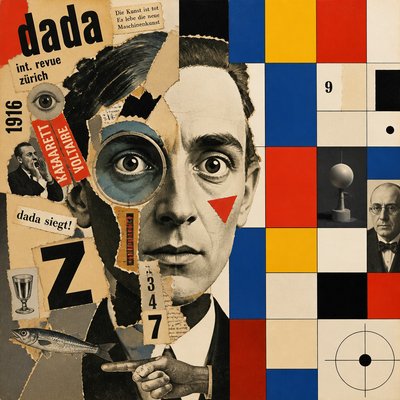
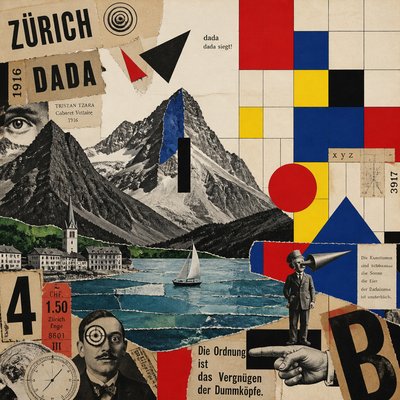
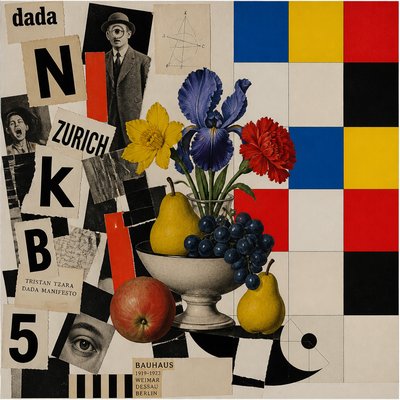
Explore Zurich Art Style: Dada collage disruption fused with precise Concrete geometry, primary colors, torn typography, and structured abstraction.