Amsterdam Golden Age Art Style
Explore Amsterdam Golden Age art: merchant-city interiors, warm window light, dark costumes, white collars, and quiet civic dignity.
Instantly rendered in Amsterdam Golden Age — or transform a photo
Amsterdam Golden Age Gallery
Tap any artwork to explore it
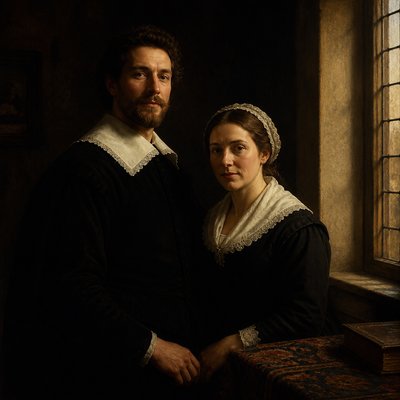
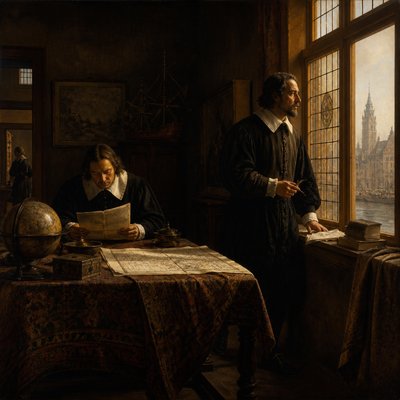
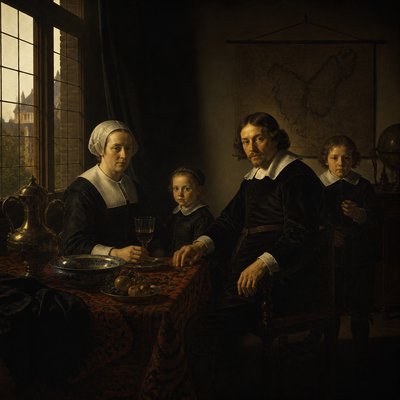
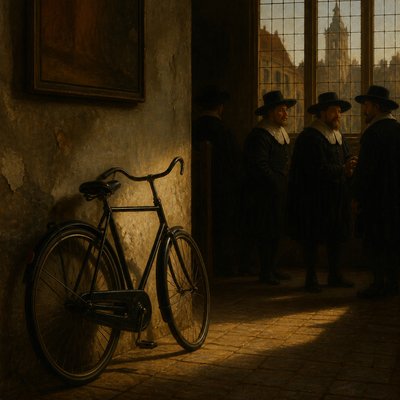
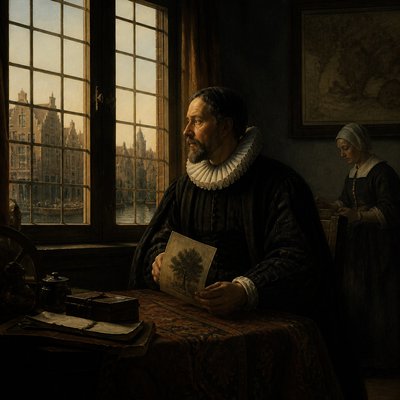
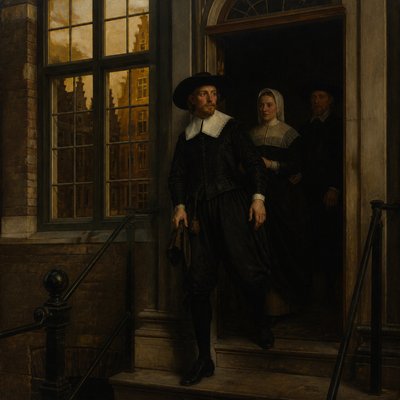

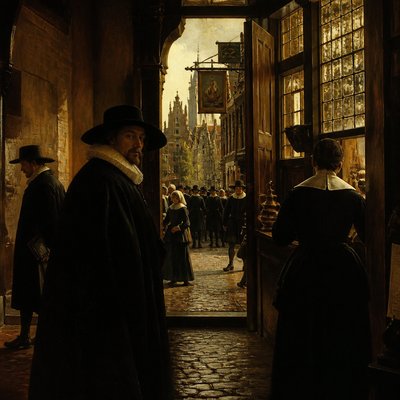
What is Amsterdam Golden Age Art Style?
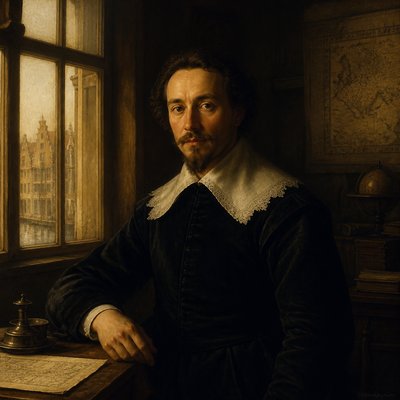
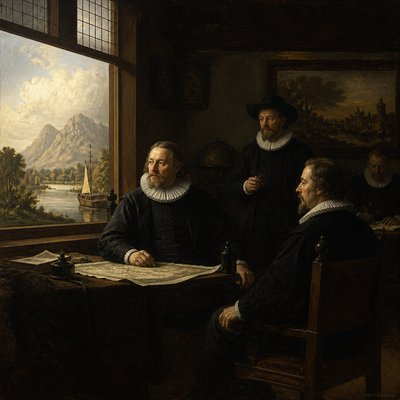
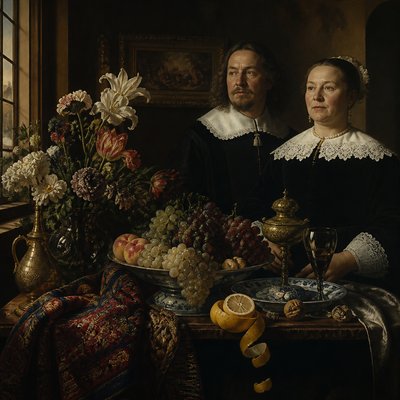
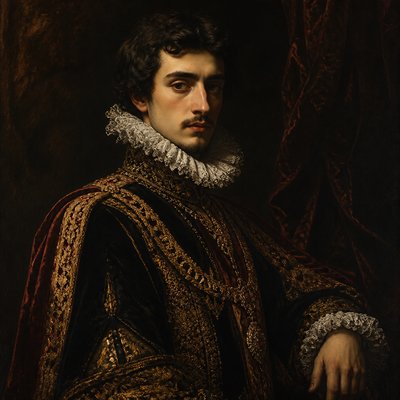
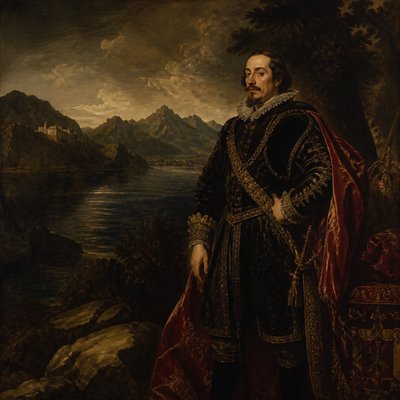
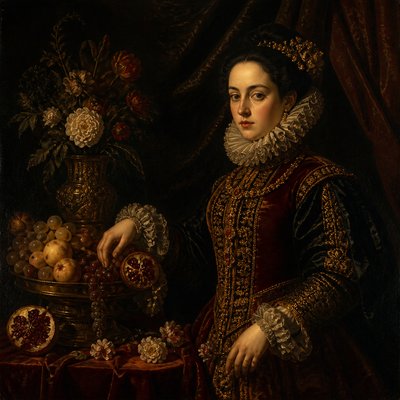
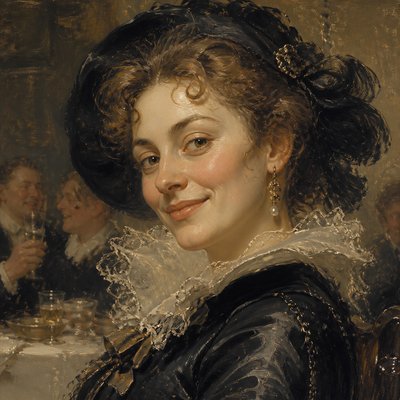
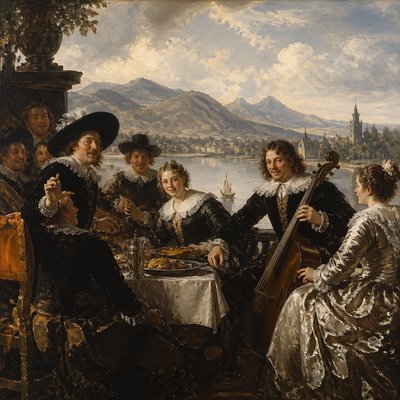
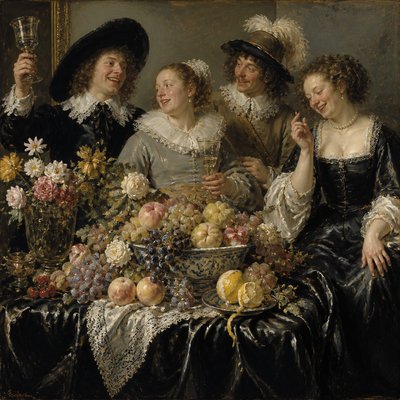
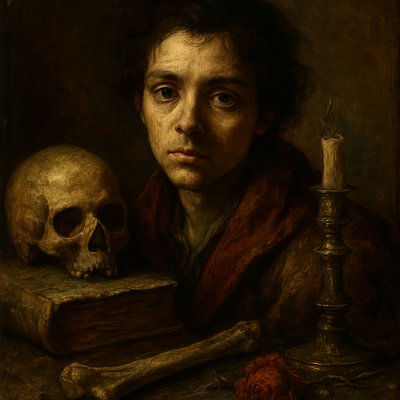
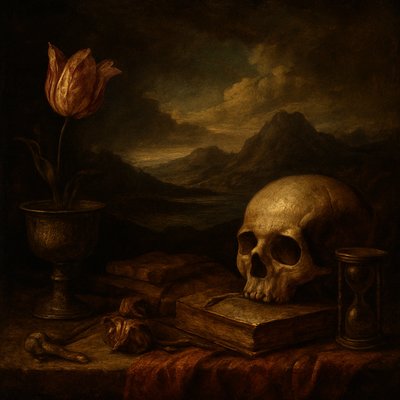
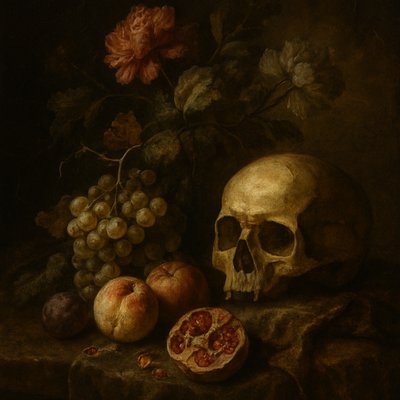
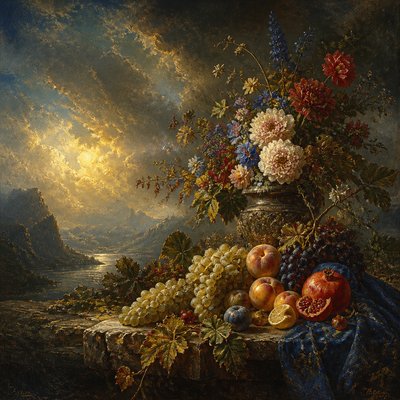
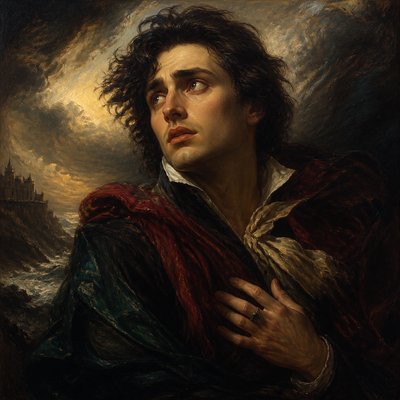
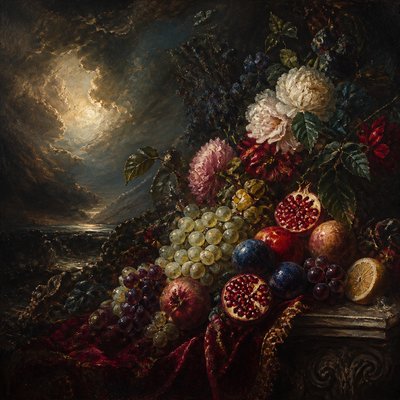
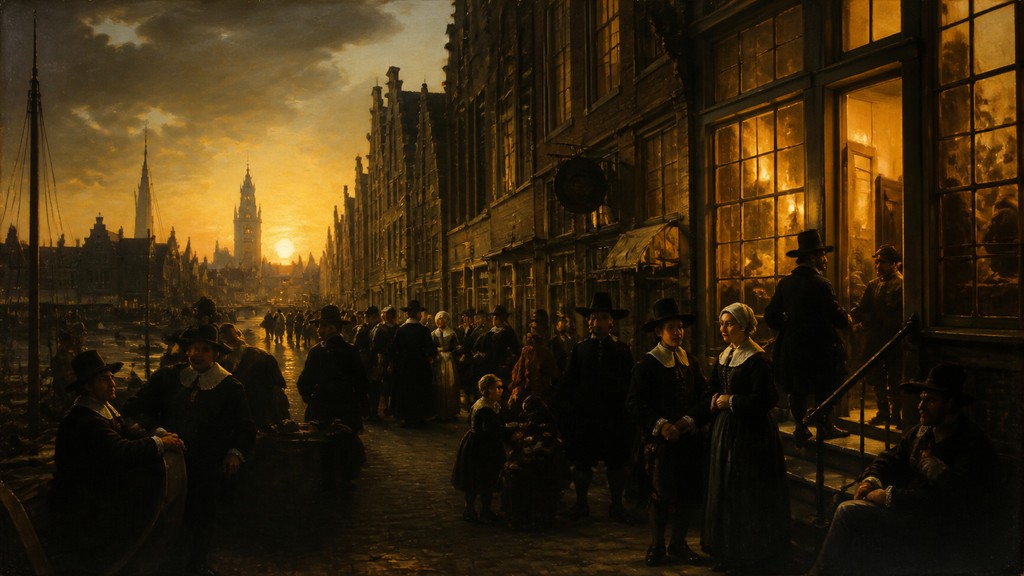
Amsterdam Golden Age art style is a contemporary descriptive label for imagery inspired by seventeenth-century Dutch painting, particularly the visual culture of Amsterdam during the Dutch Republic’s commercial and civic expansion. It places ordinary people, merchants, civic groups, domestic interiors, and urban life within a restrained palette of umber, ochre, black, cream, and muted red.
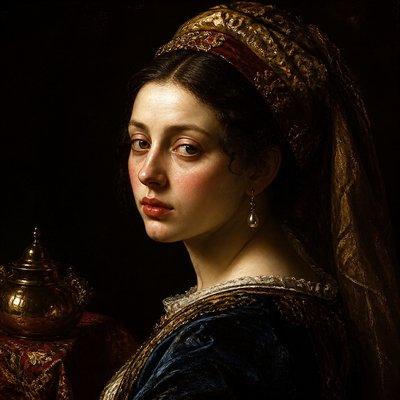
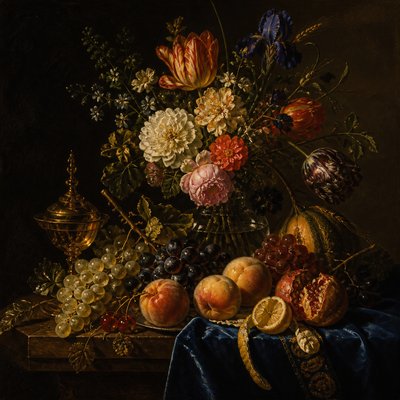
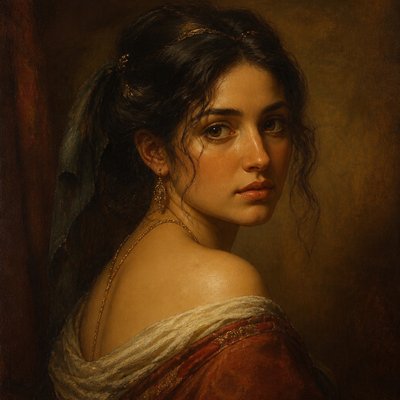
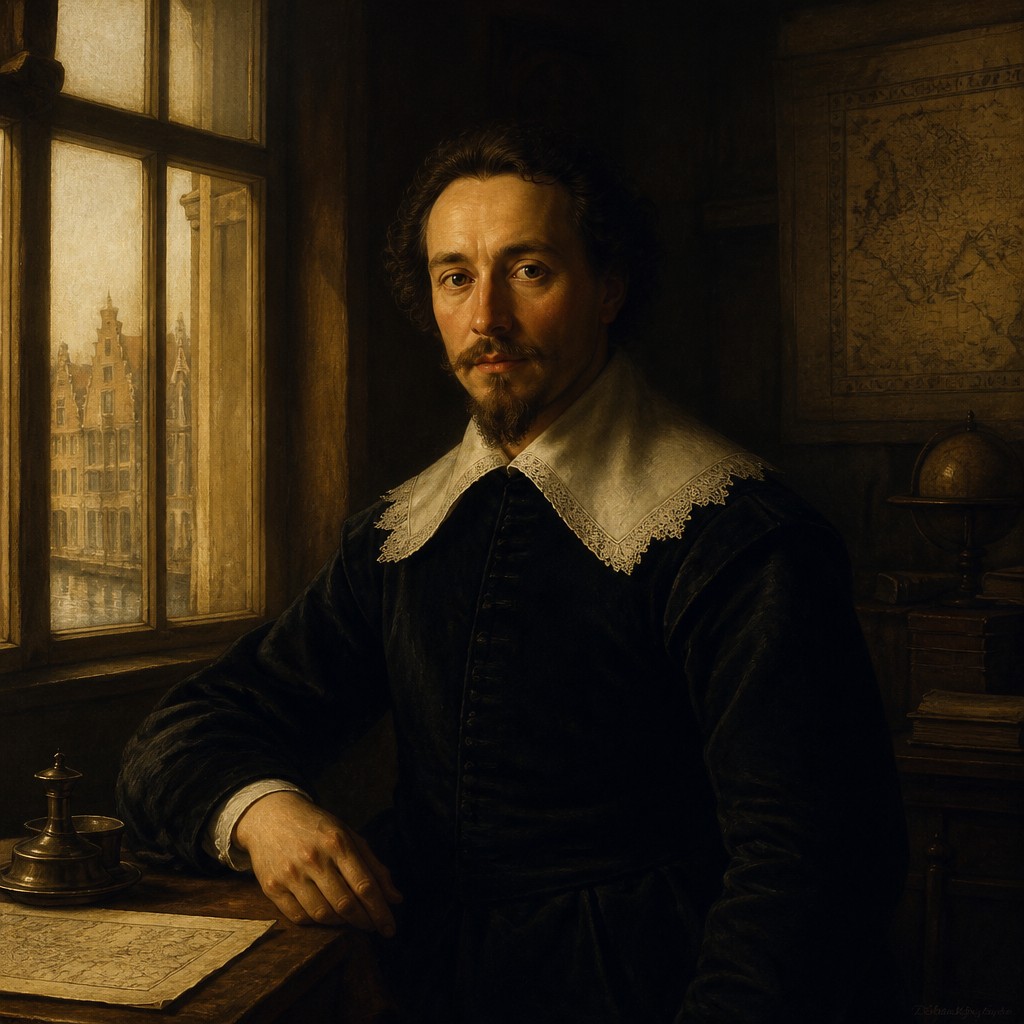
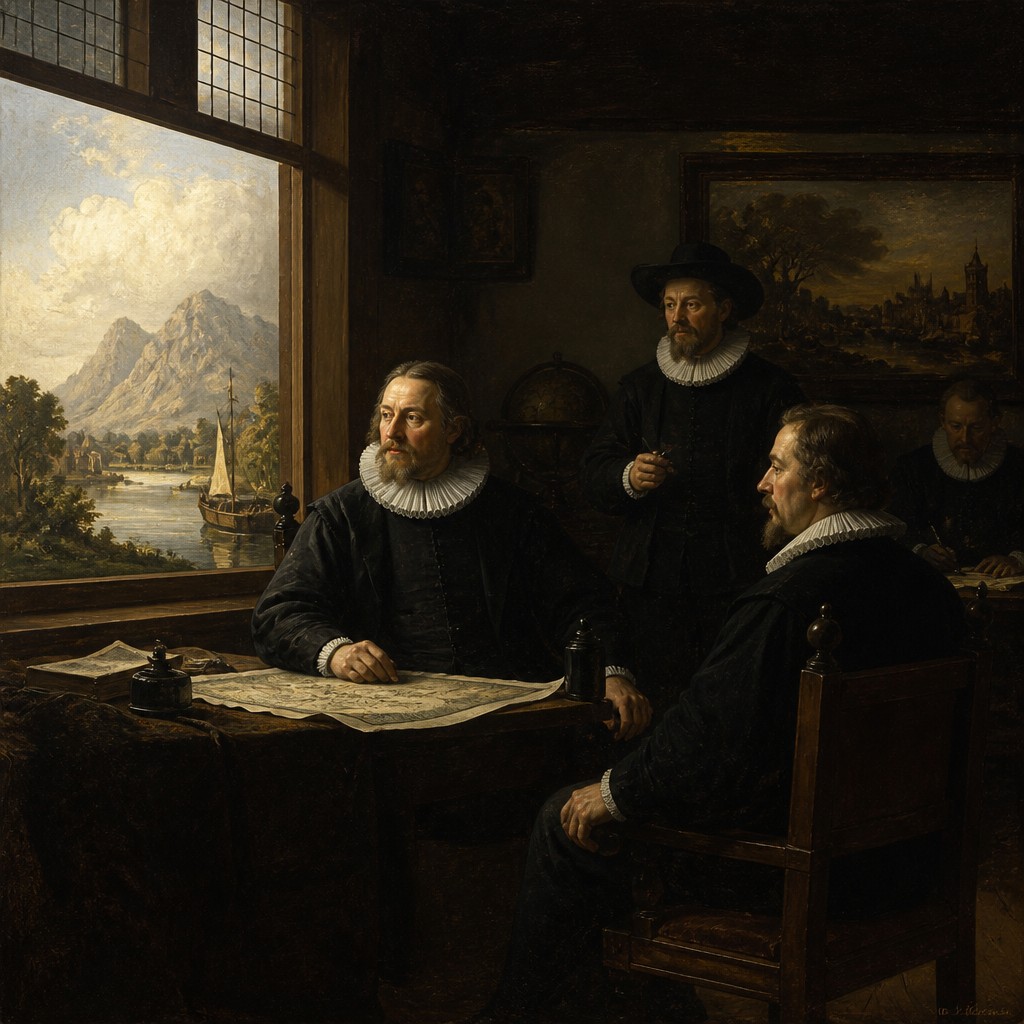
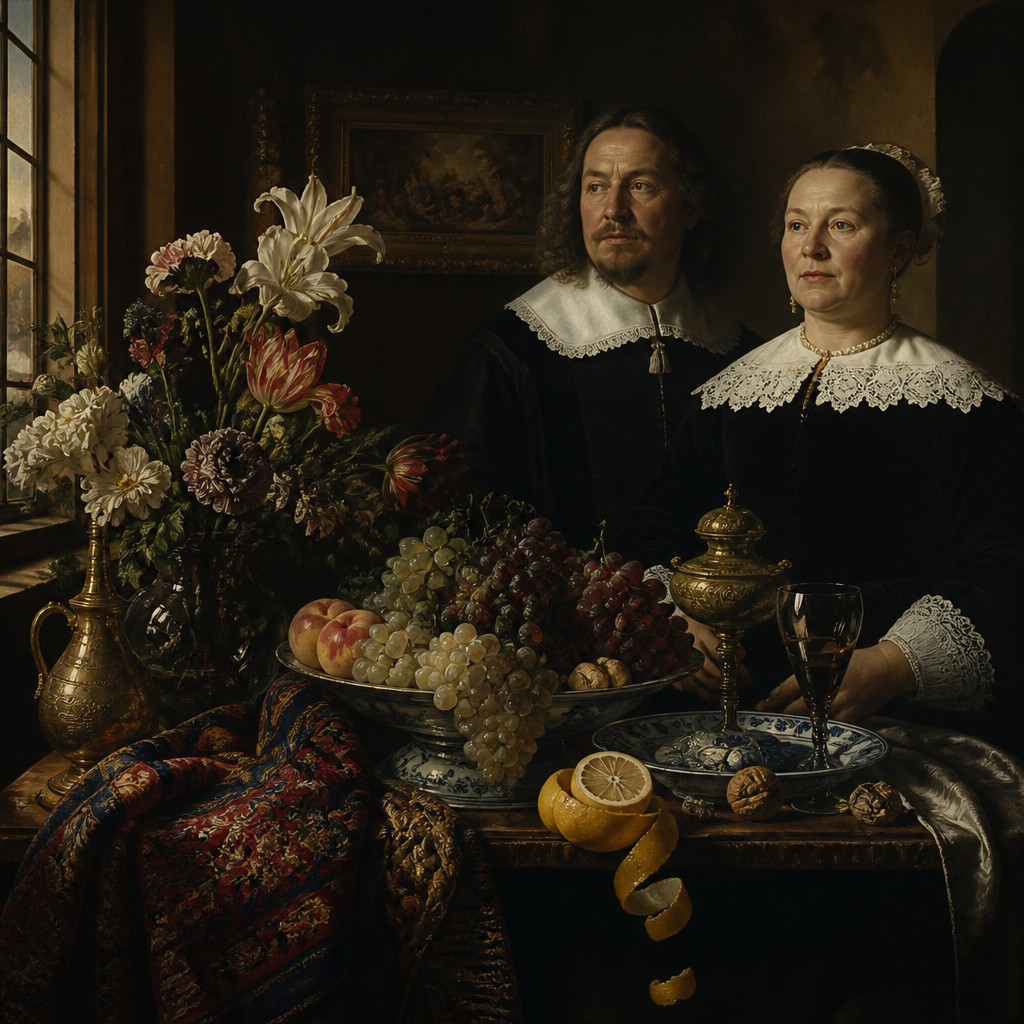
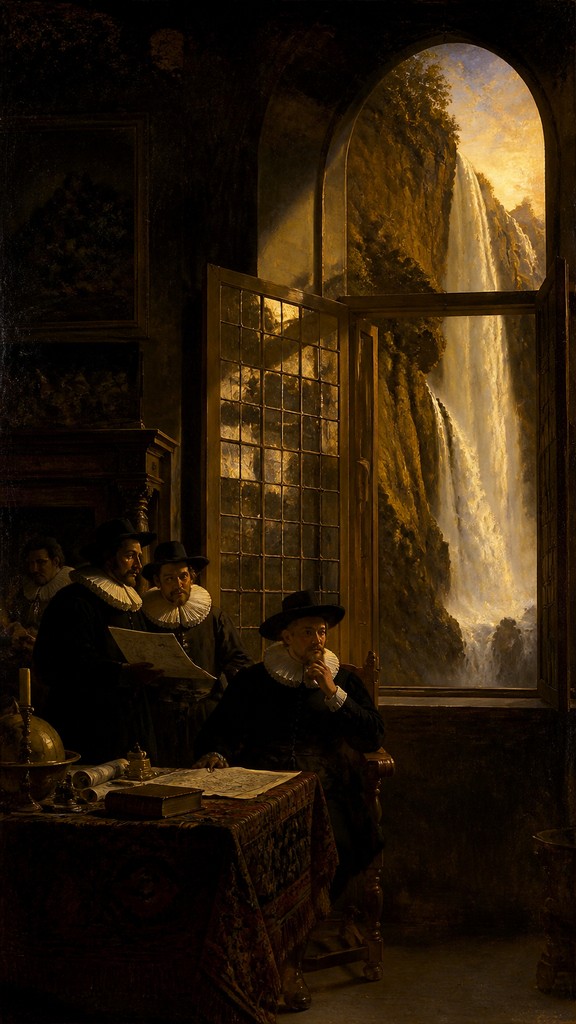
Its defining effect is the emergence of faces, hands, collars, documents, and polished objects from warm brown shadow into concentrated golden light. The style combines strong chiaroscuro with close observation, textured surfaces, modest gestures, and an atmosphere of civic seriousness rather than theatrical grandeur. It works especially well for portraits, merchant interiors, council rooms, family scenes, still lifes, and historical interpretations of city life.
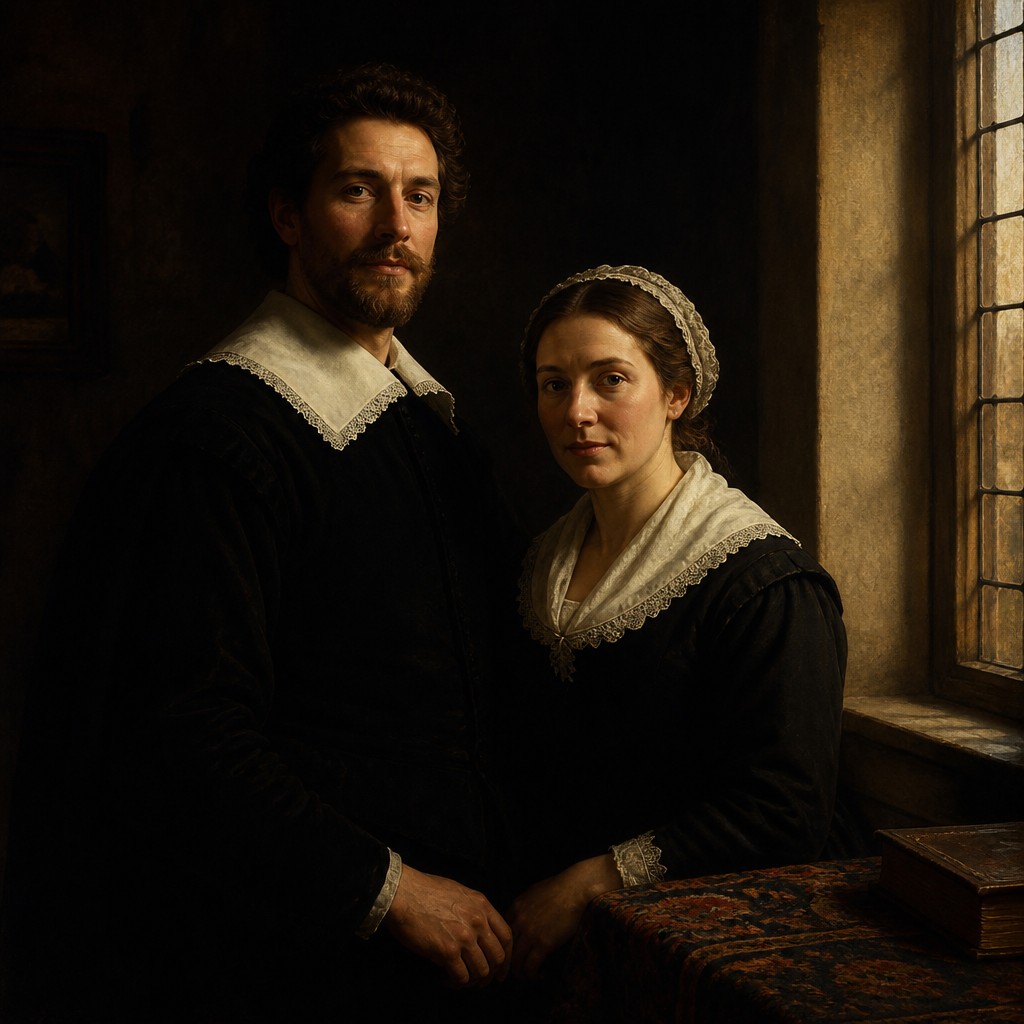
Try It On Your Photos
Upload any photo and convert it into Amsterdam Golden Age Art Style — drag the sliders to compare before and after.
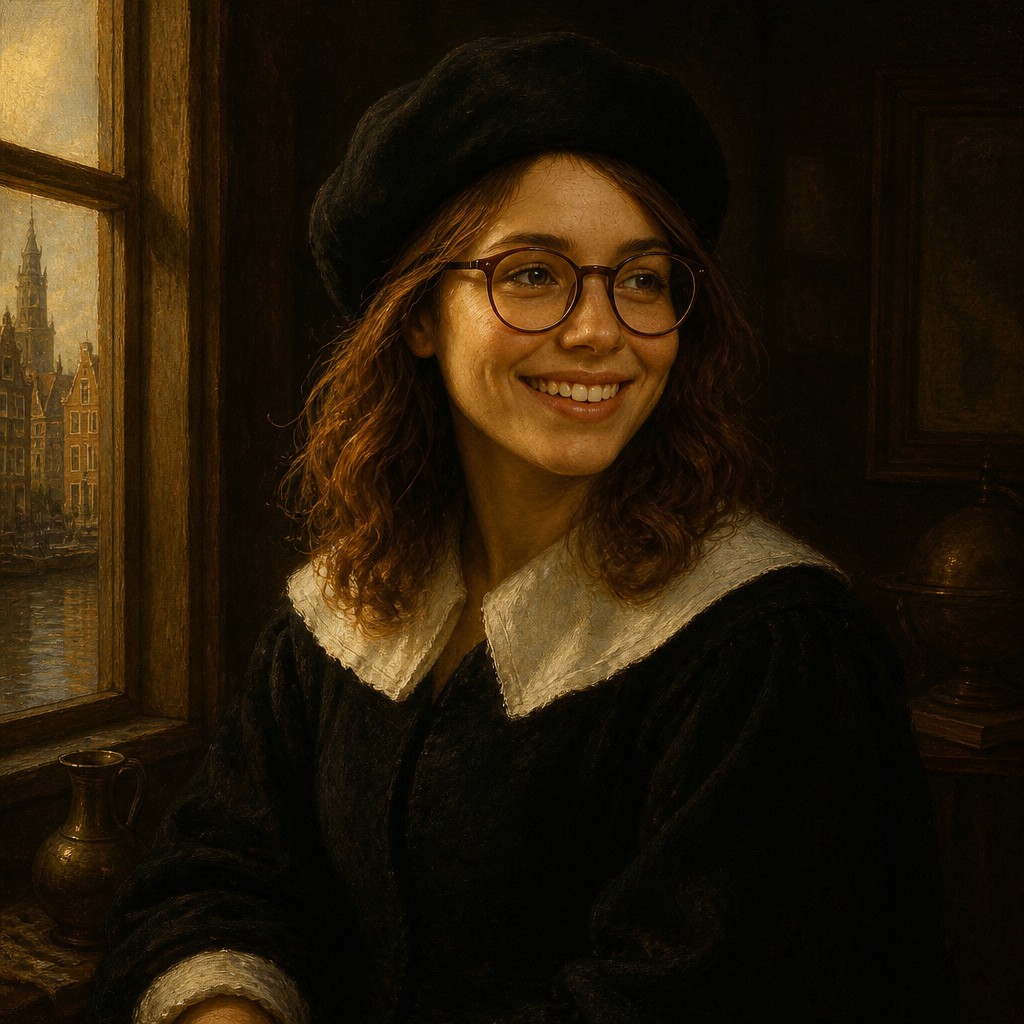

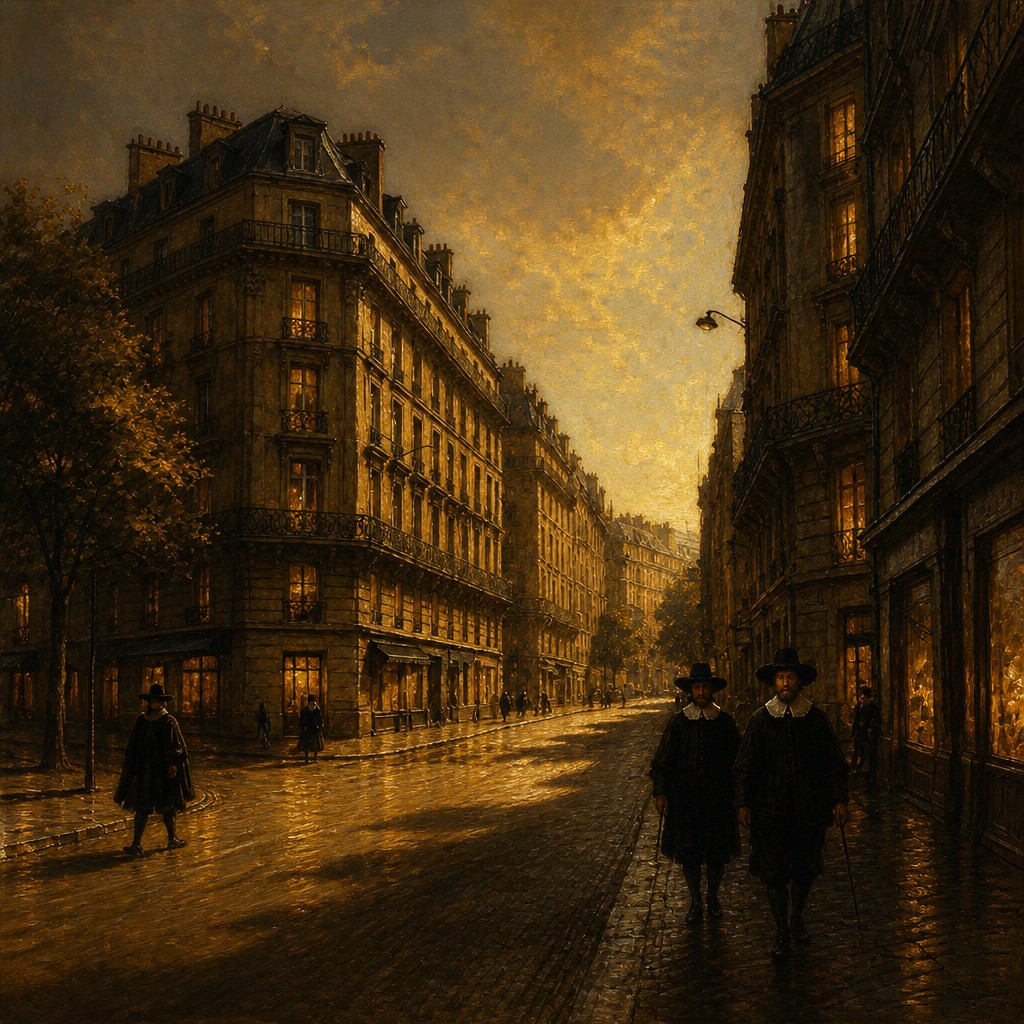

What Defines Amsterdam Golden Age Art Style
The signature details, up close
Warm chiaroscuro
Figures and important objects emerge from deep umber or near-black surroundings into focused amber light. The illumination is directional and quiet, often suggesting a tall window just outside the frame.
Black costume and white linen
Dark jackets, bodices, hats, and cloaks are balanced by crisp collars, cuffs, caps, and aprons. These high-value contrasts define silhouettes while conveying period formality.
Observed human faces
Faces retain pores, wrinkles, asymmetry, and individual expression rather than idealized beauty. Subtle age, fatigue, attentiveness, and social reserve give portraits their psychological weight.
Civic and domestic subjects
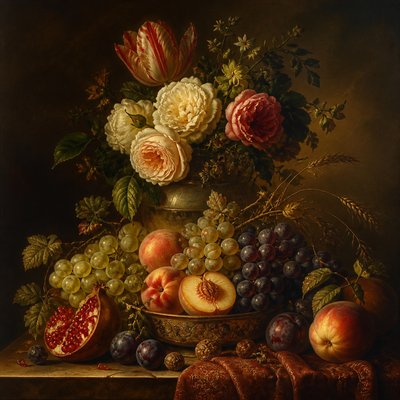
Common themes include merchants at work, guild or council gatherings, family interiors, charitable activity, studies of trades, and still lifes of books, maps, vessels, food, and textiles.
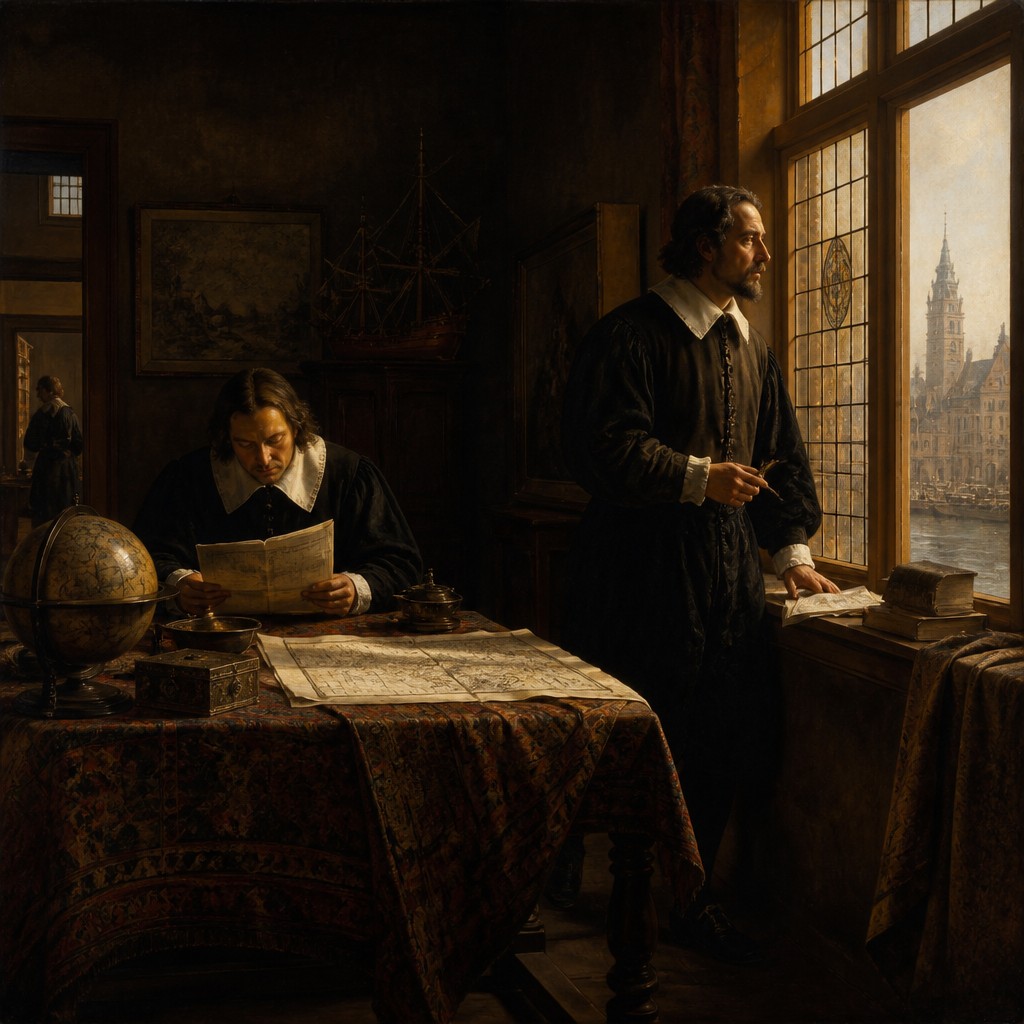
Tactile oil-paint surfaces
Layered glazing, soft scumbling, controlled impasto, and visible brush texture suggest wood, wool, linen, skin, brass, leather, and paper. Surfaces are descriptive without becoming excessively glossy.
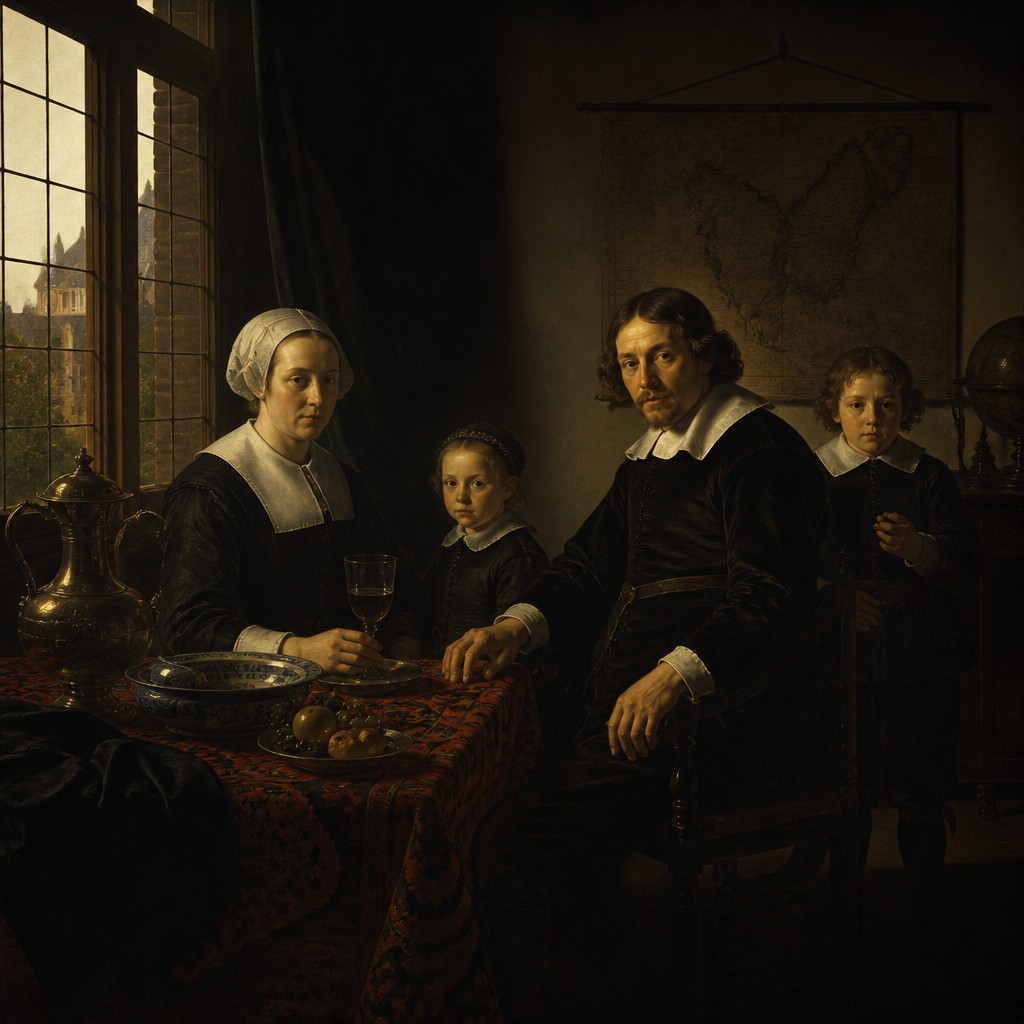
Restrained composition
Subjects are arranged with stable geometry, measured gestures, and substantial negative space. The image feels observed and socially grounded rather than dynamically theatrical.
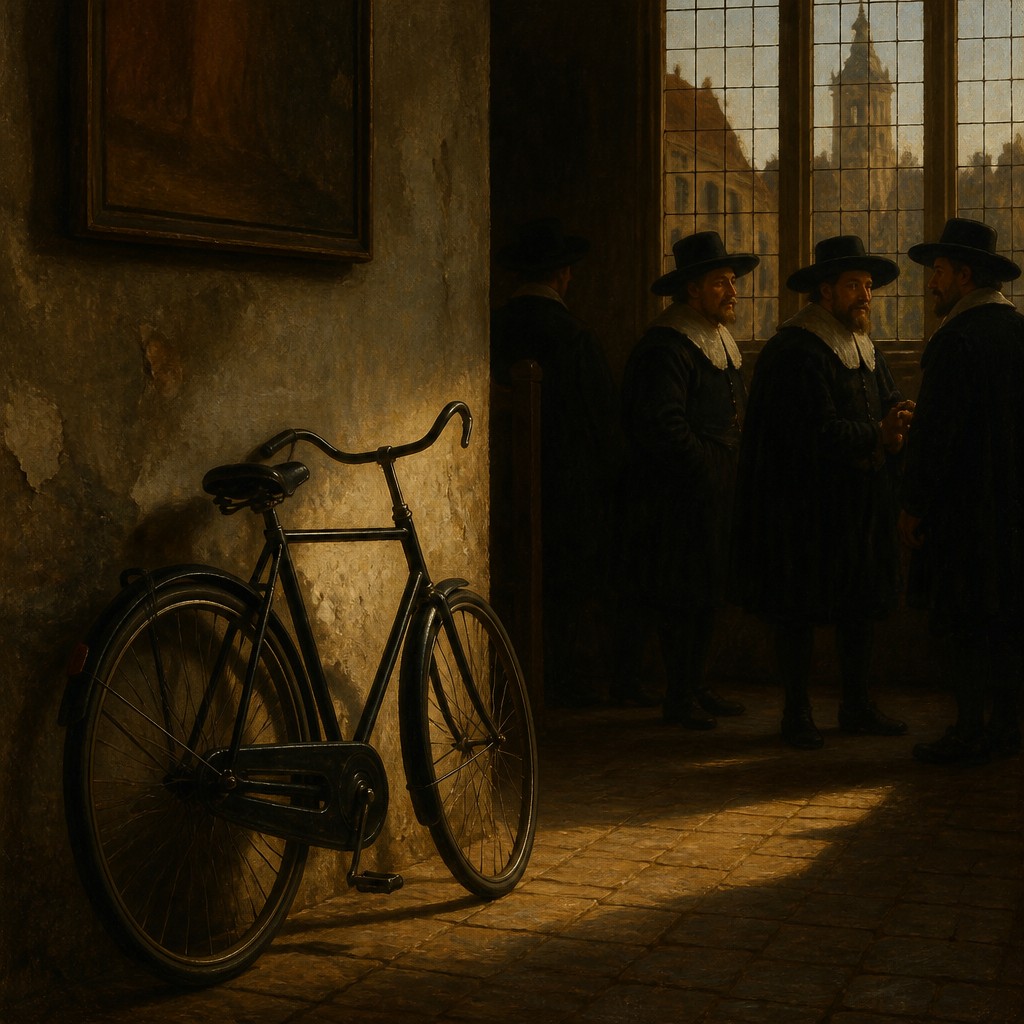
Earth-toned palette
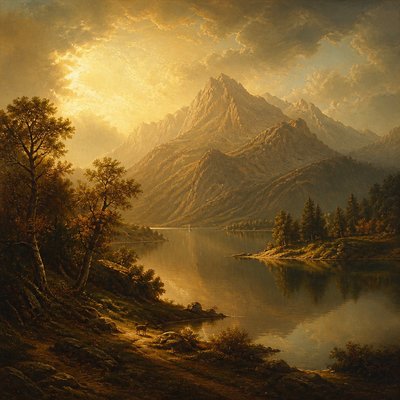
Brown-black shadows, ochre light, muted vermilion, olive, cream, and subdued blue dominate the image. Saturated color is used sparingly as an accent in fabric, fruit, ceramics, or painted surfaces.
Try It
Create Videos in Amsterdam Golden Age Art Style
Styles aren't just for stills — describe a scene or animate an image and get a short video rendered in Amsterdam Golden Age. Press play to see this pond come to life.
Make a VideoAmsterdam Golden Age Prompt Ideas
Start from an idea — each one opens the generator with the style ready to go. See all 40 Amsterdam Golden Age prompts →
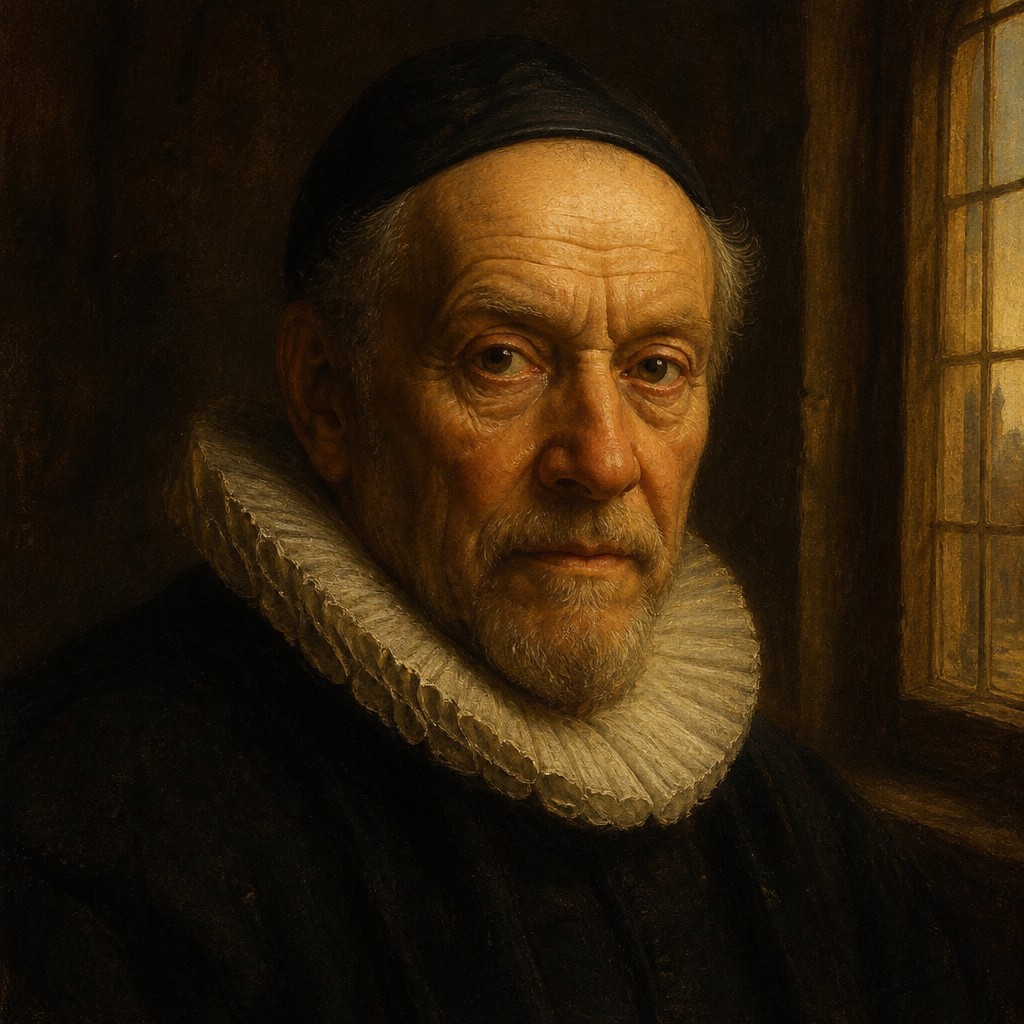
“close-up portrait of an elderly person with expressive weathered features”
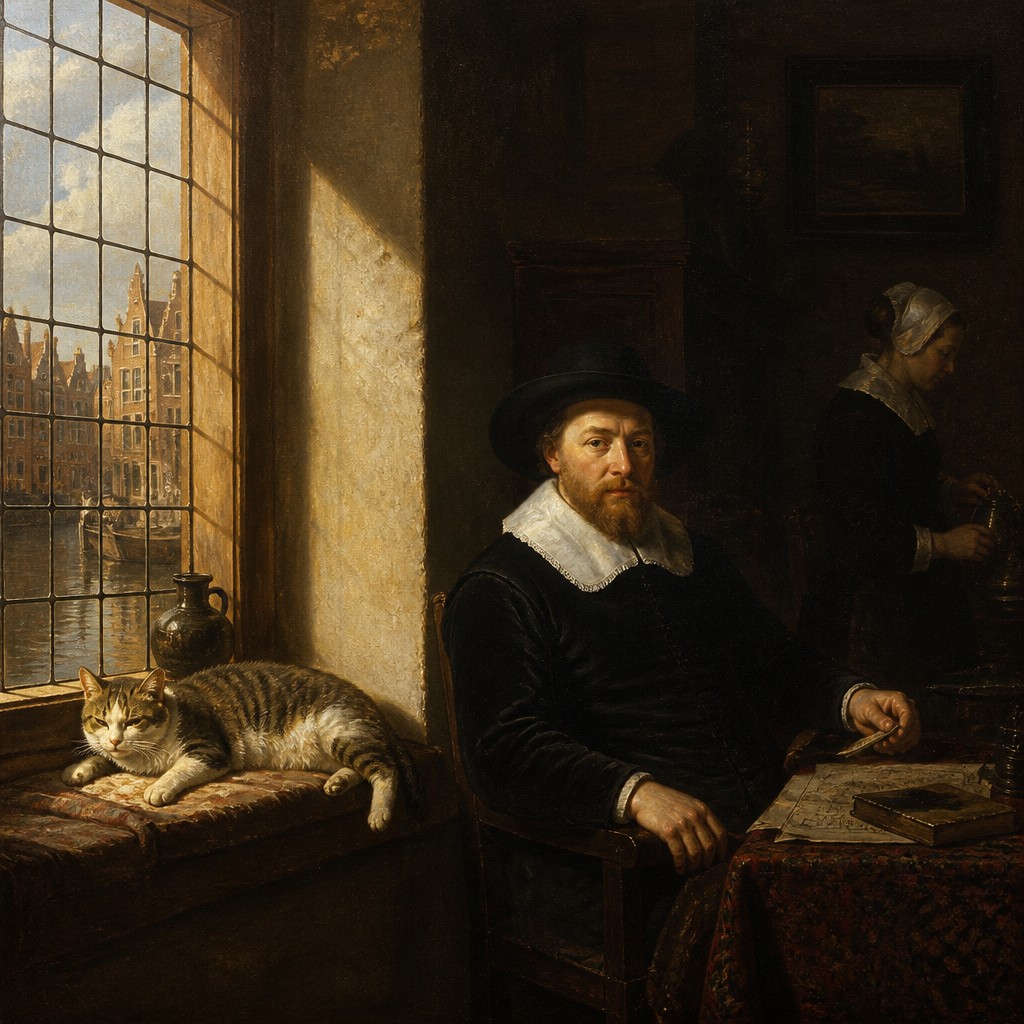
“a cat lounging in a sunlit window”
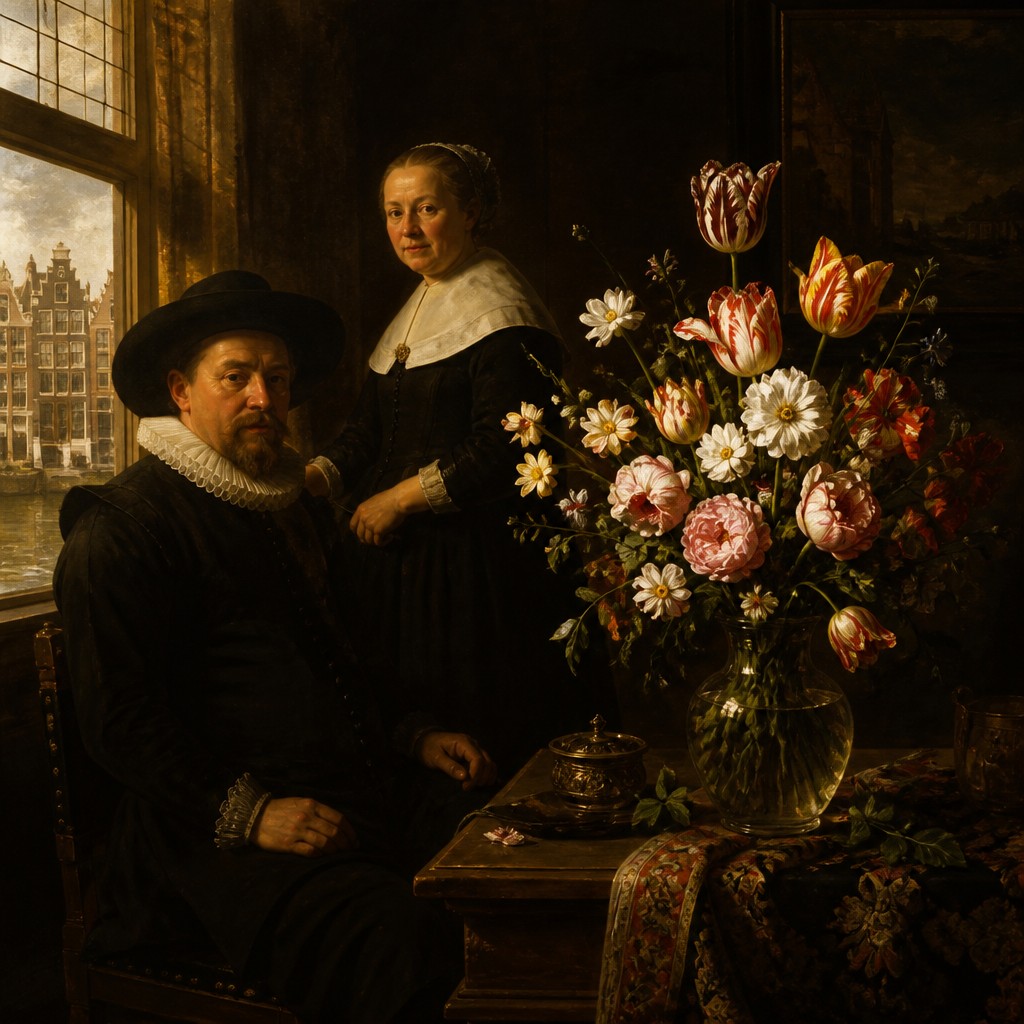
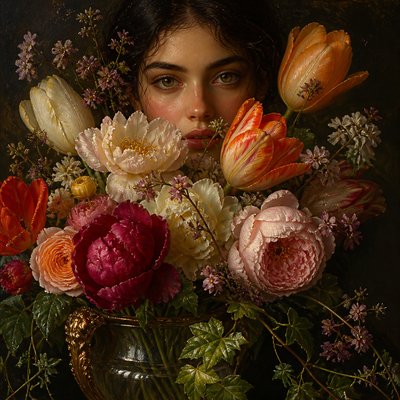
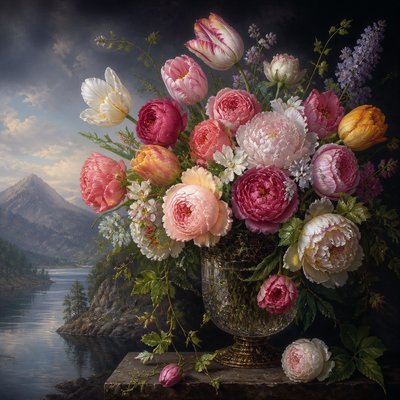
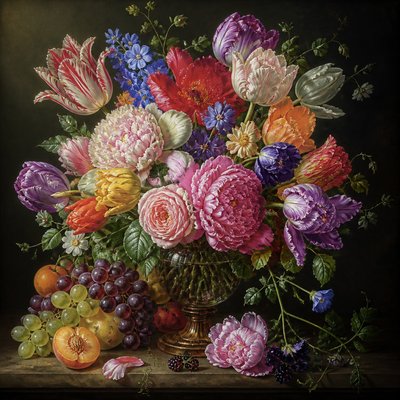
“bouquet of flowers in a glass vase”
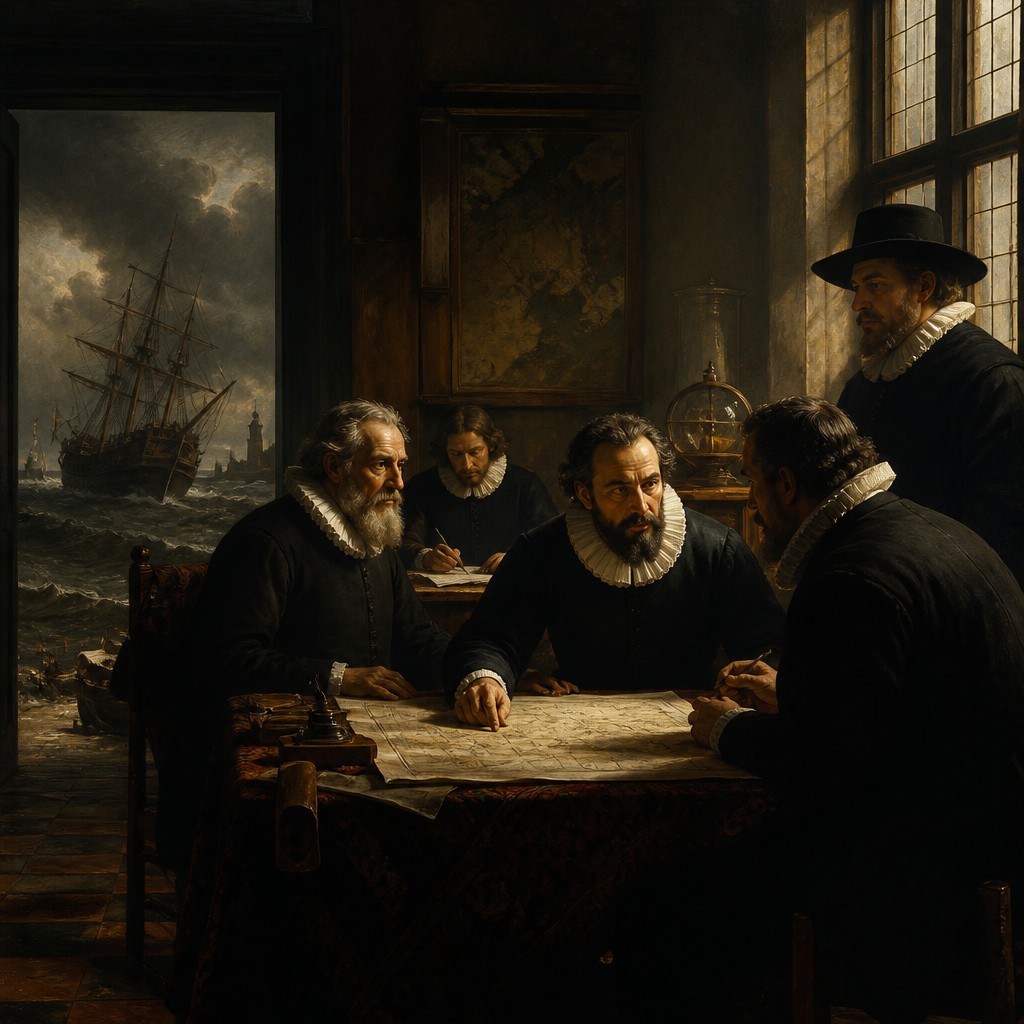
“sailing ship on a stormy sea”
How to Create Amsterdam Golden Age Art
Master the craft step by step — or skip straight to creating. Read the full guide →
- 1
Establish one strong light source
Place a tall window or unseen side light to illuminate faces, hands, collars, and key objects while allowing the room to recede into warm shadow. Avoid evenly lighting every surface.
- 2
Build from dark masses
In traditional painting, begin with a brown imprimatura or tonal underpainting, then model forms gradually through translucent layers and selective opaque highlights. Digitally, block in a dark warm value structure before refining details.
- 3
Prioritize material observation
Differentiate linen, wool, wood, brass, leather, paper, and skin through edge quality, brush texture, and reflected light. Keep highlights controlled so the image remains sober and atmospheric.
- 4
Use restrained gestures
Pose figures with composed hands, slight turns of the head, and practical interactions with documents, tools, books, or tableware. Small expressions and posture changes should carry the emotional narrative.
- 5
Compose with historical cues
Add plausible merchant interiors, dark wood, leaded windows, maps, ledgers, ceramics, and period-inspired clothing without overcrowding the frame. A few specific objects are more convincing than a collection of generic antique props.
- 6
Write precise generation prompts
Specify subject, setting, directional window light, dark tonal architecture, black clothing with white linen, textured faces, oil-paint handling, and a restrained palette. For image-to-image work, preserve the original pose while applying warm chiaroscuro, period materials, and painterly surface texture.

The Story
History & Origins of Amsterdam Golden Age
The style draws primarily on the Dutch Golden Age, a period generally associated with the seventeenth-century Dutch Republic. This era saw exceptional growth in portraiture, group portraiture, genre painting, still life, marine painting, and scenes of domestic and civic life. In Amsterdam, wealthy merchants, professional associations, charitable institutions, and civic organizations became important patrons, creating demand for images that conveyed prosperity, responsibility, social position, and communal identity.
Rather than reproducing one historical workshop or a single painter’s manner, the Amsterdam Golden Age label synthesizes several period traditions: sober black clothing with bright white linen, directional window illumination, carefully observed faces, dark interior settings, and tactile oil-paint surfaces. Its modern form may heighten the contrast and simplify the historical context, but its visual lineage remains rooted in Dutch Baroque realism and the merchant culture of the seventeenth century.
Influences: The style is closely related to Dutch Golden Age painting, Dutch Baroque realism, Northern European portraiture, genre painting, still life, and the chiaroscuro traditions of European oil painting. It also draws on the visual culture of merchant houses, civic corporations, guild portraiture, maritime commerce, domestic interiors, and seventeenth-century material studies. Its emphasis on quiet observation distinguishes it from more flamboyant courtly Baroque and from later, brighter naturalist approaches.
Frequently Asked Questions
What defines the Amsterdam Golden Age art style?
It is defined by warm window light, deep brown or black interiors, black clothing with white collars, closely observed faces, and a restrained atmosphere of merchant or civic life. The style emphasizes material texture and social dignity over spectacle.
Is this the same as Dutch Golden Age painting?
It is an inspired contemporary category rather than a separate historical movement. It concentrates specifically on Amsterdam’s merchant-city identity and combines features from several seventeenth-century Dutch traditions, including portraiture, genre scenes, civic group imagery, and still life.
How does it differ from general Baroque art?
General Baroque art often favors dramatic movement, theatrical compositions, intense contrasts, and religious or courtly grandeur. This style uses chiaroscuro too, but applies it to quieter interiors, practical activities, restrained gestures, and the social world of merchants and civic institutions.
What subjects work best in this style?
Portraits, merchant offices, family rooms, guild meetings, civic gatherings, mapmakers, artisans, canal-house interiors, still lifes, and maritime commerce are particularly effective. Objects such as ledgers, maps, letters, brassware, books, linen, and dark wood reinforce the visual language.
How can I make an image look convincingly like this style?
Use a single directional light source, a dark warm tonal foundation, subdued earth colors, and carefully described materials. Include composed poses, realistic faces, black garments, white linen, and a small number of historically plausible interior objects.
Can this style be applied to a modern subject?
Yes, although the historical cues are strongest when clothing, architecture, and objects support the period setting. A modern office, family, or civic meeting can retain the style through brown shadow, golden side light, sober composition, realistic faces, and tactile painterly handling.
Create your first Amsterdam Golden Age artwork
Describe anything — or upload a photo — and see it in Amsterdam Golden Age Art Style in seconds.
Related Styles
Discover similar art styles