Bruneian Art Style
Explore Bruneian art style: gold songket, repoussé metalwork, Islamic geometry, and Kampong Ayer's stilt-village elegance.
Instantly rendered in Bruneian — or transform a photo
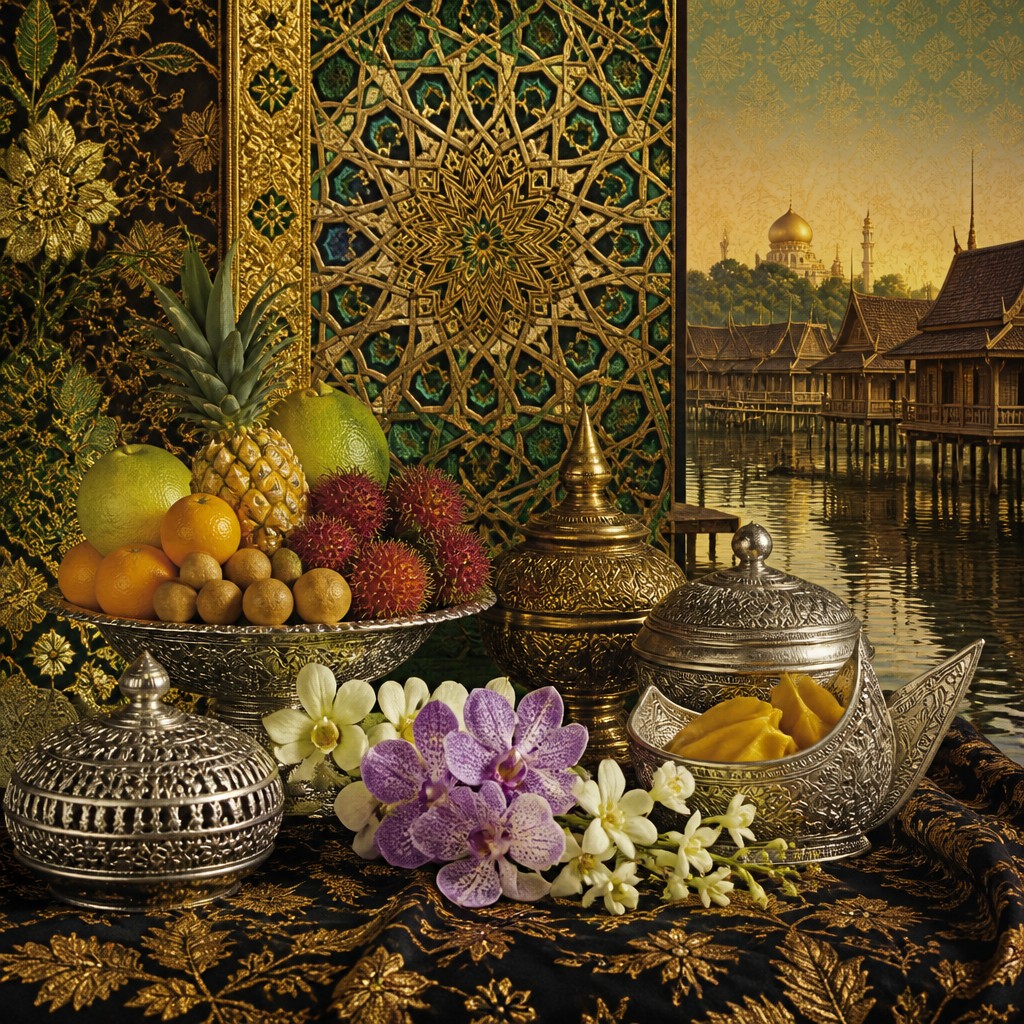
Bruneian Gallery
Tap any artwork to explore it
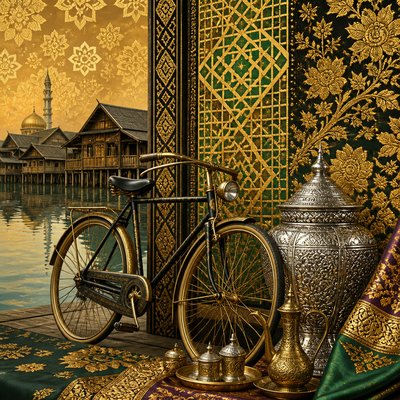
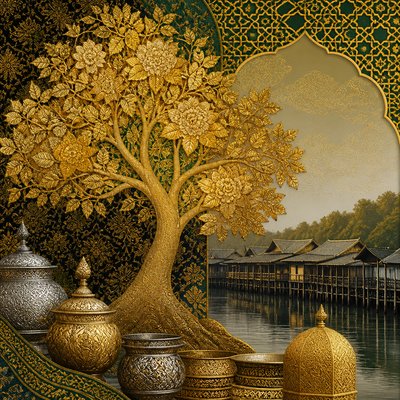
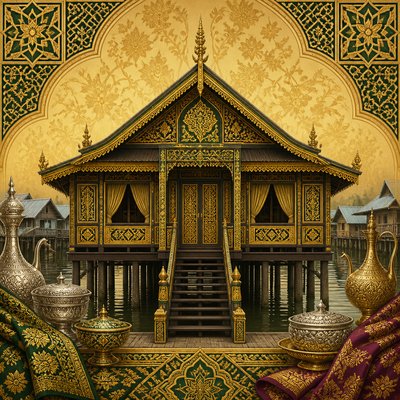
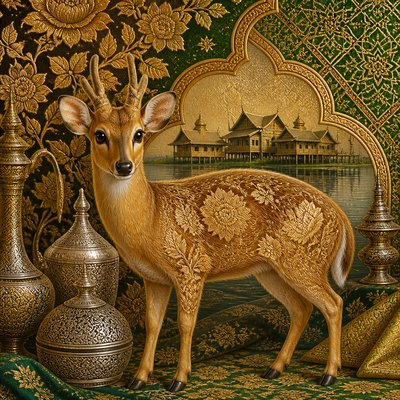
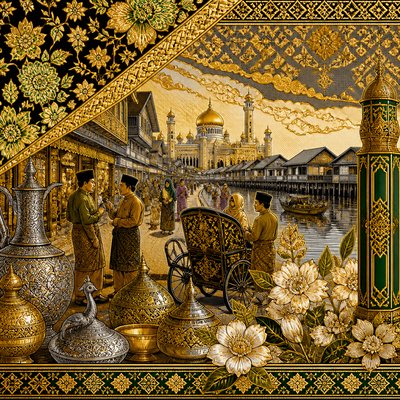
What is Bruneian Art Style?
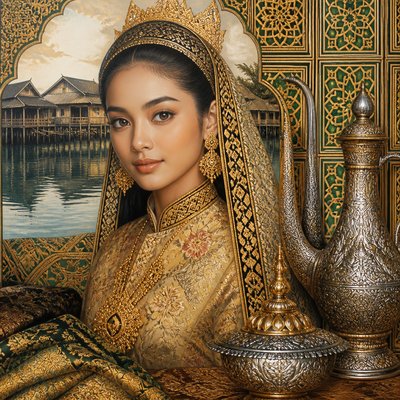
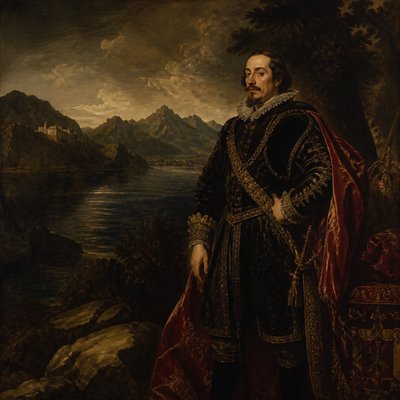
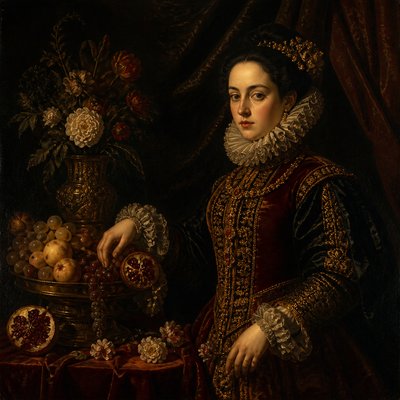
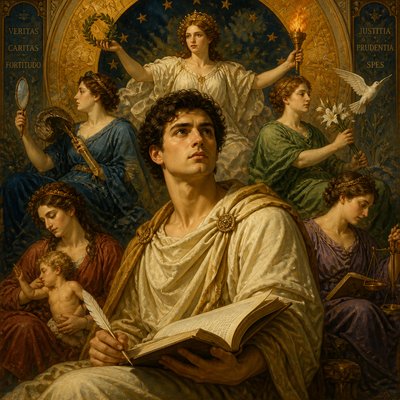
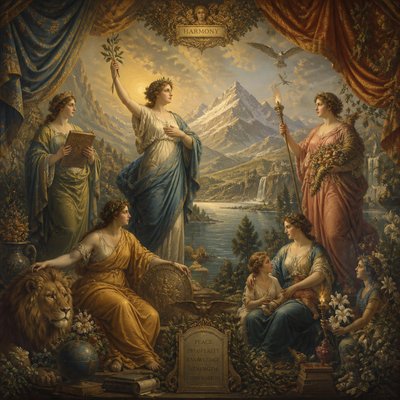
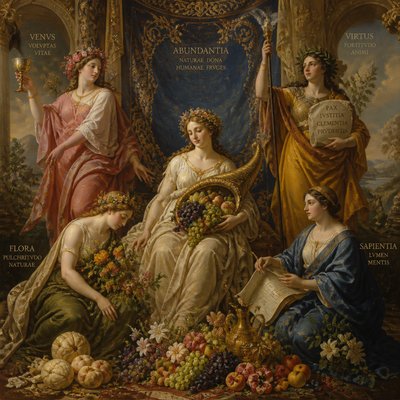
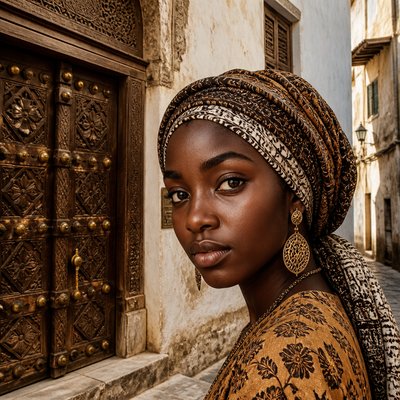
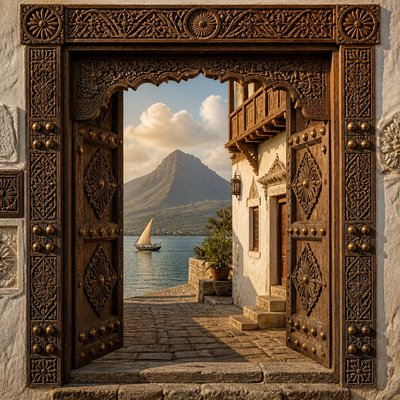
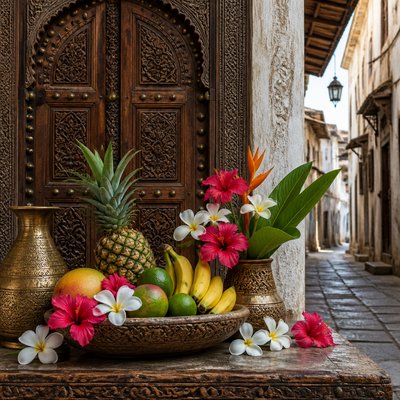
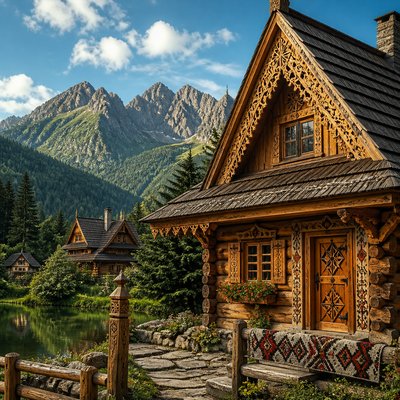
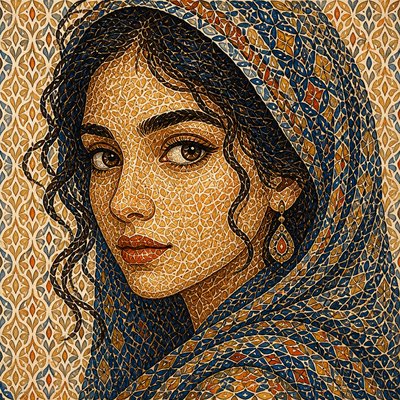
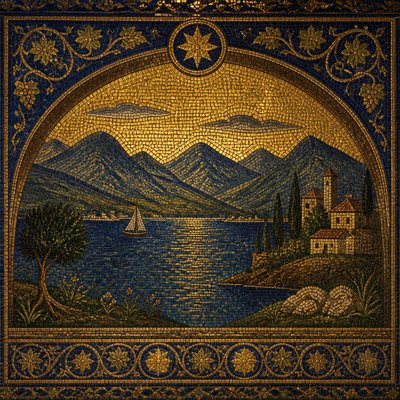
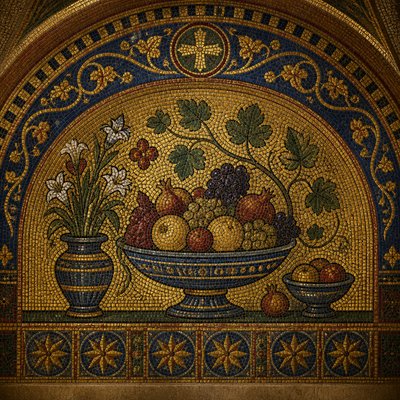
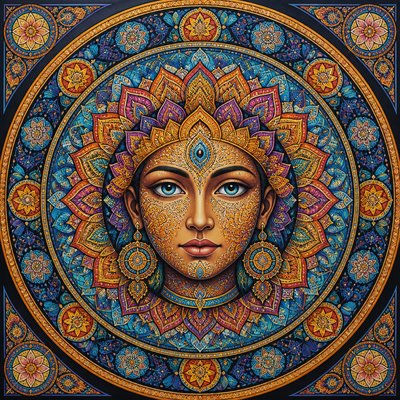
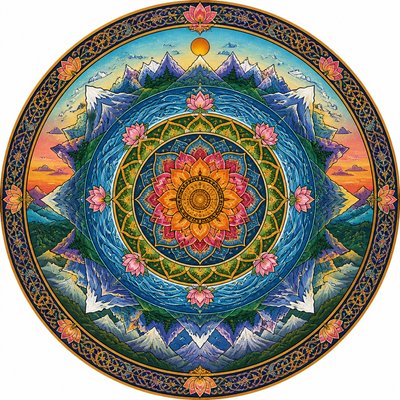
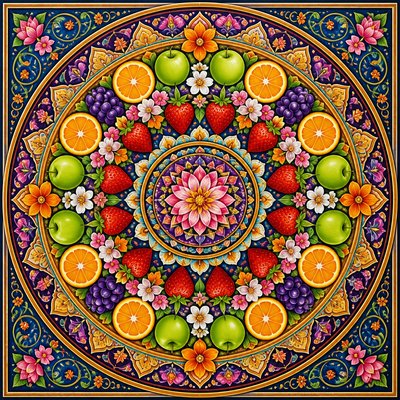
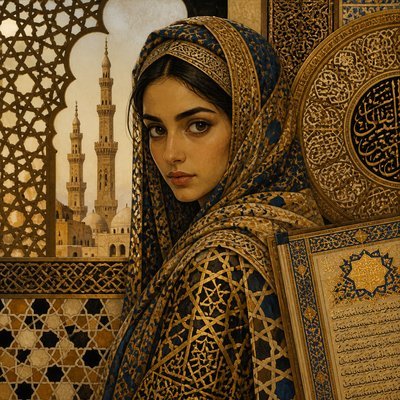
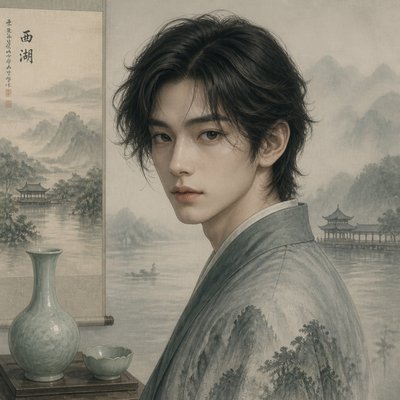
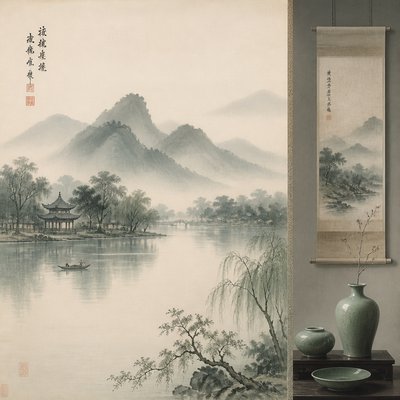
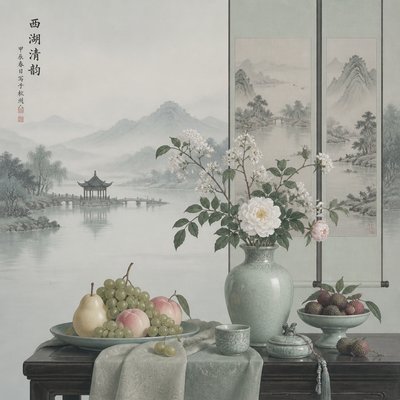
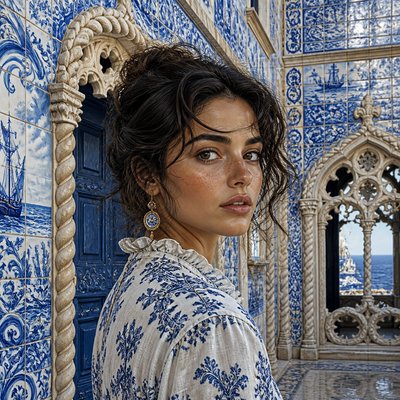
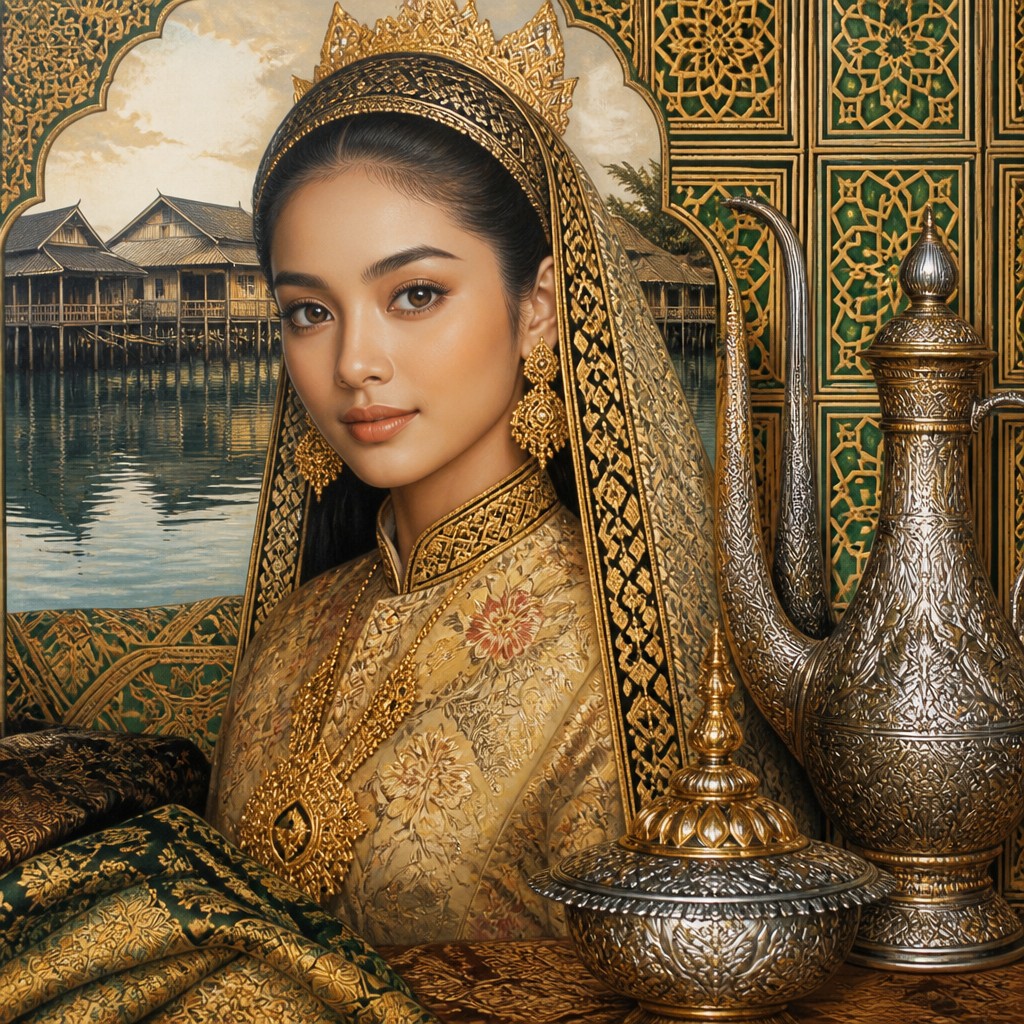
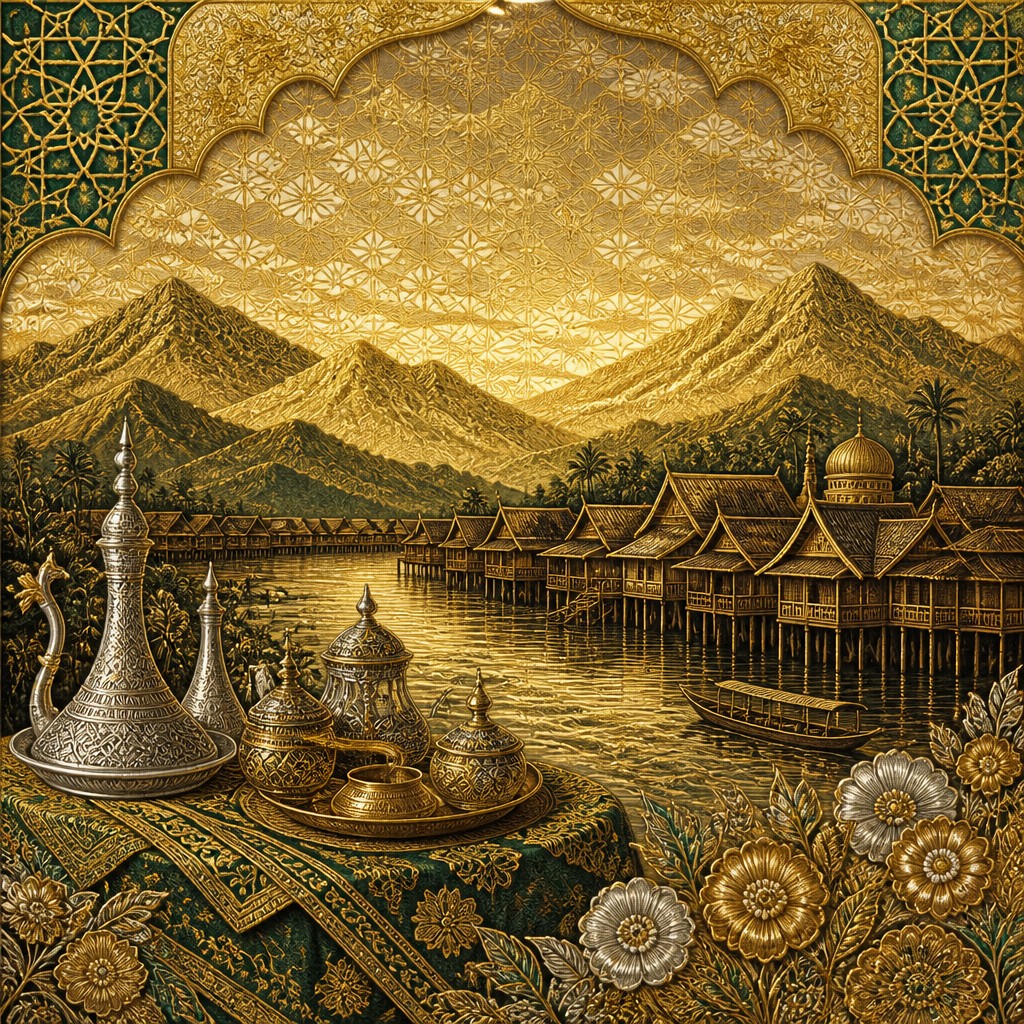
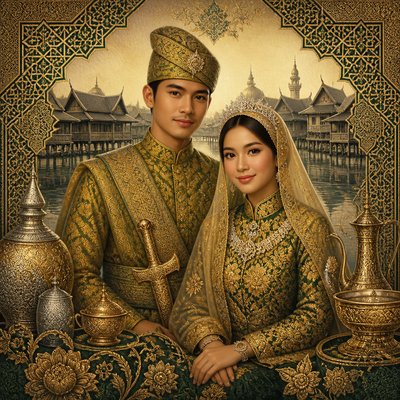
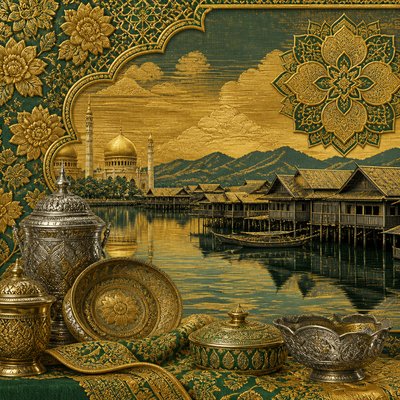
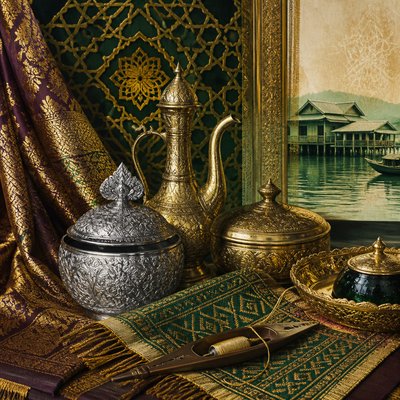
Bruneian art style is a contemporary aesthetic synthesis inspired by Brunei's royal Malay visual culture, gold-thread songket textiles, engraved ceremonial metalwork, Islamic ornament, and the stilt-house architecture of Kampong Ayer. Its palette typically combines warm gold, polished silver, brass, emerald, deep red, ivory, and still-water blues, creating an atmosphere of formal richness without visual disorder.
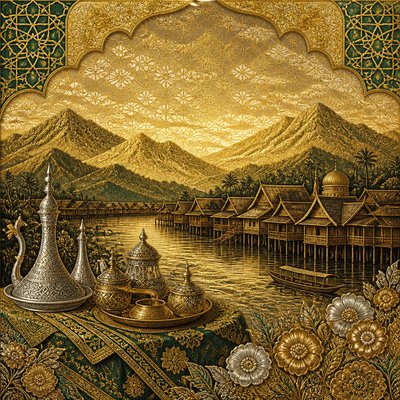
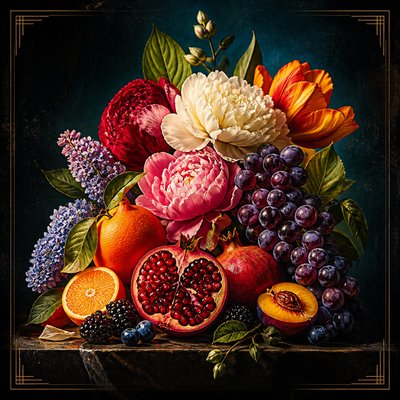
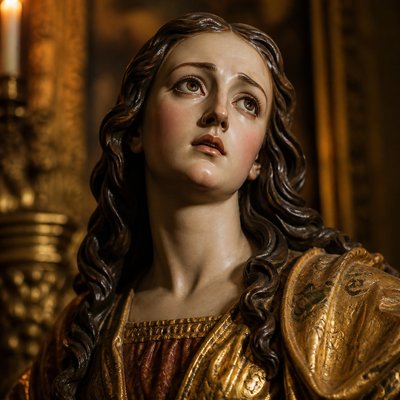
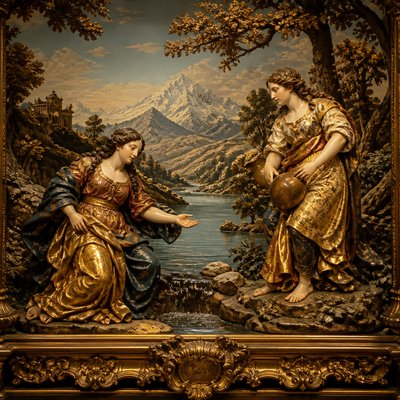
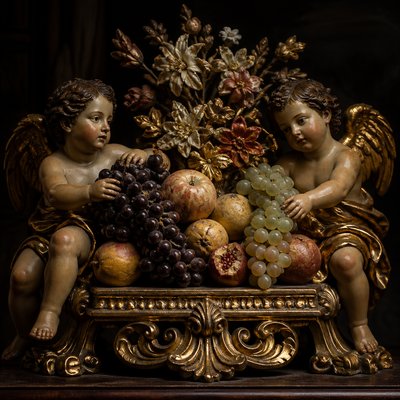
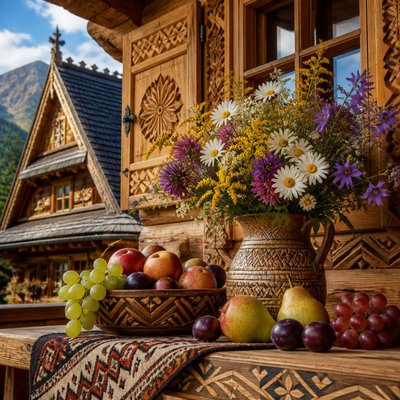
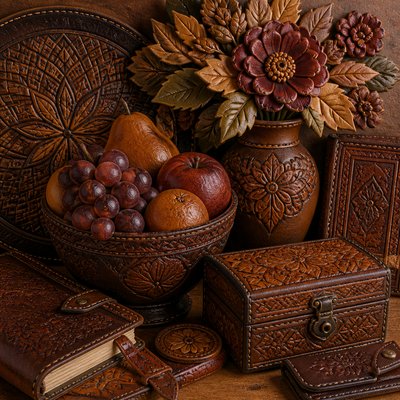
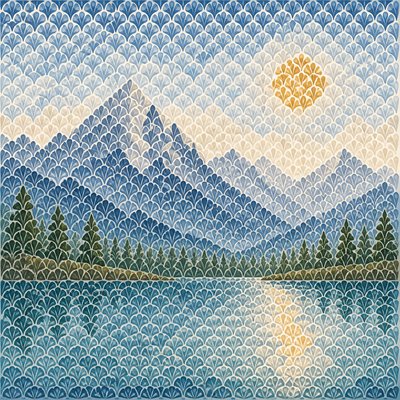
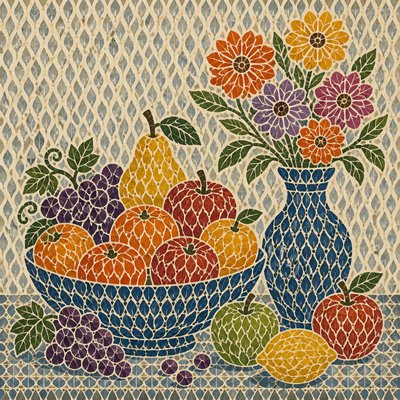
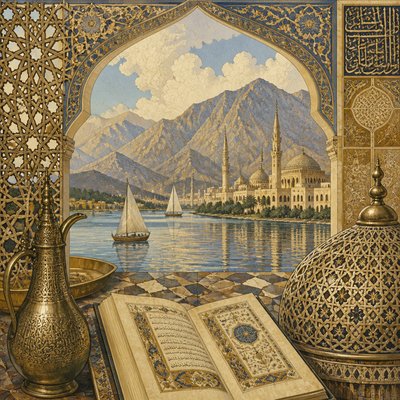
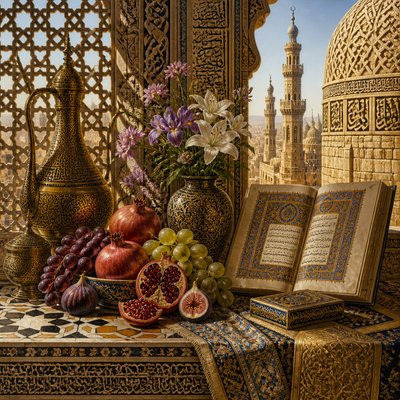
The style looks luxurious because its surfaces are treated as crafted objects: textiles appear densely brocaded, vessels carry repoussé relief and engraved borders, and architecture is framed with rhythmic geometric pattern. Compositions often balance ceremonial details in the foreground with quiet river horizons, wooden structures, and reflective water, joining courtly refinement with the lived environment of Brunei's water villages.
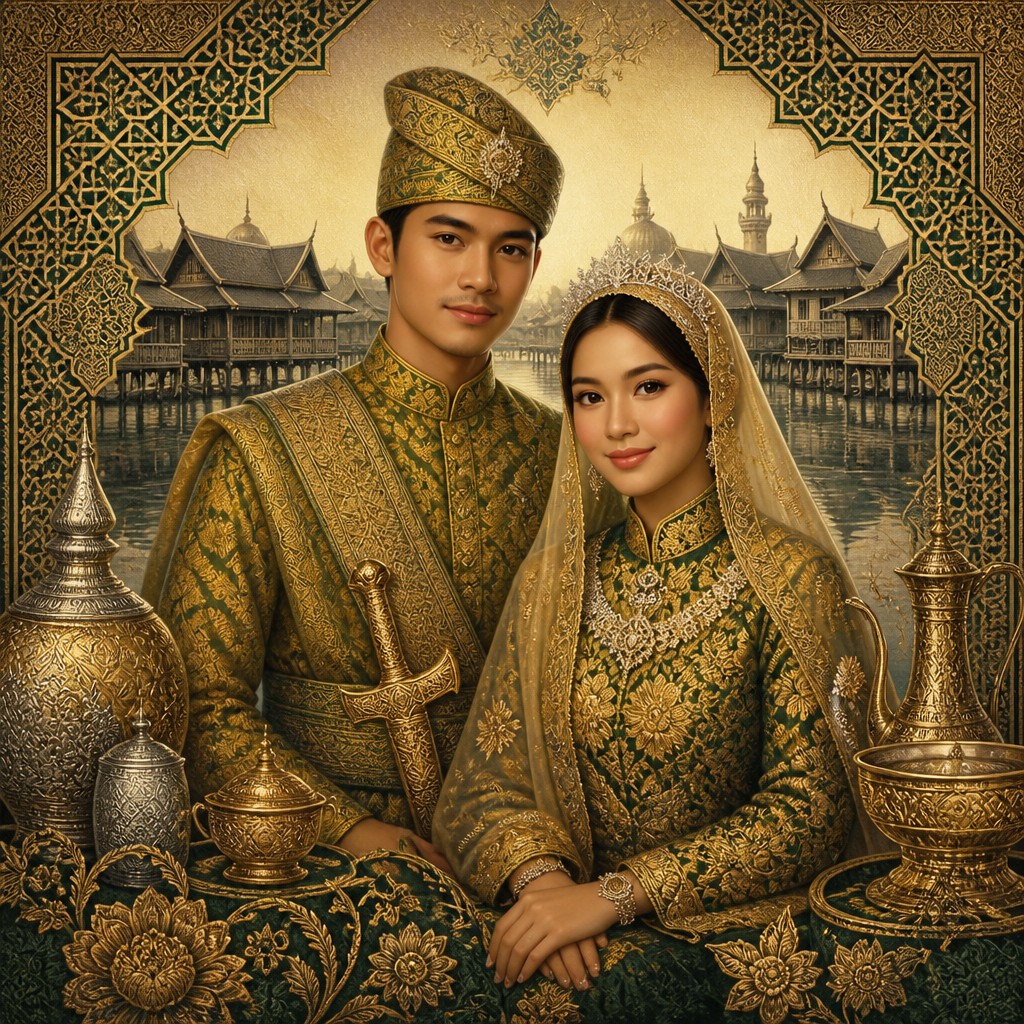
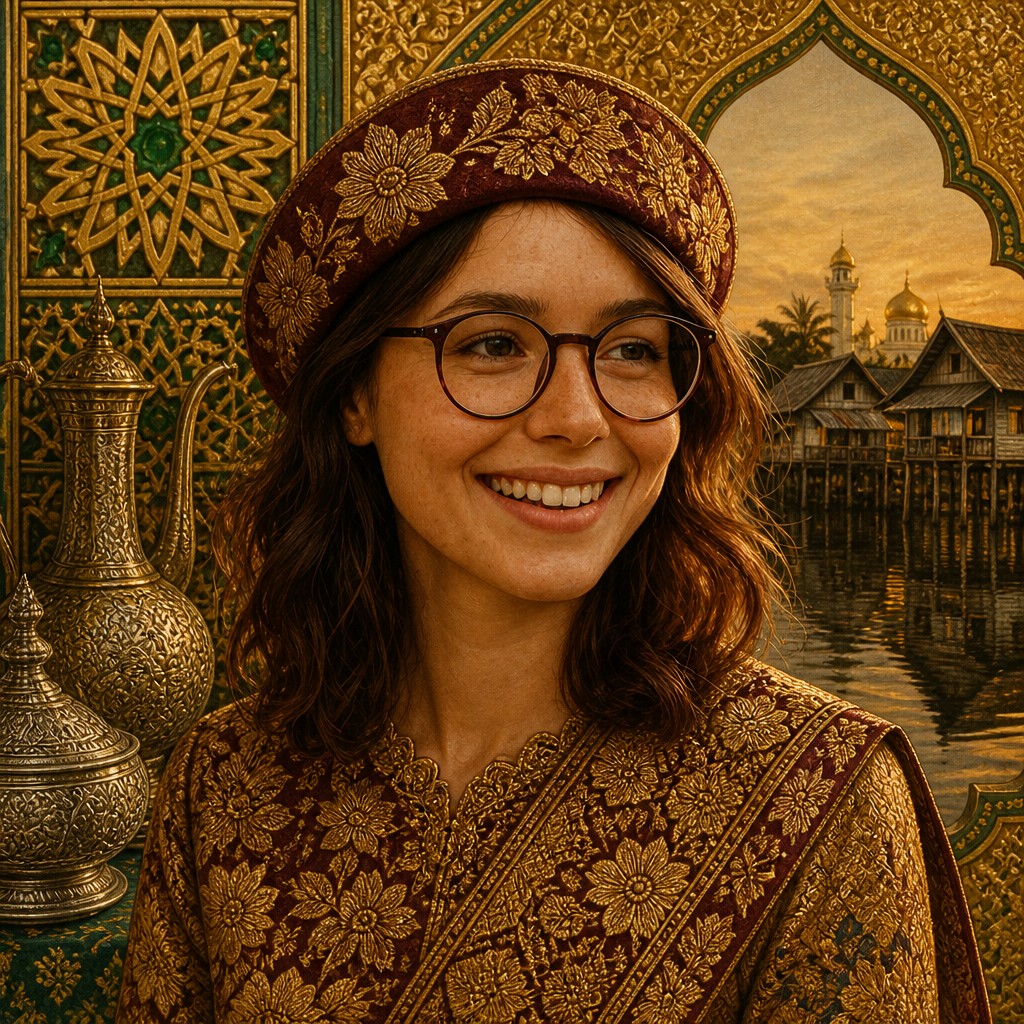
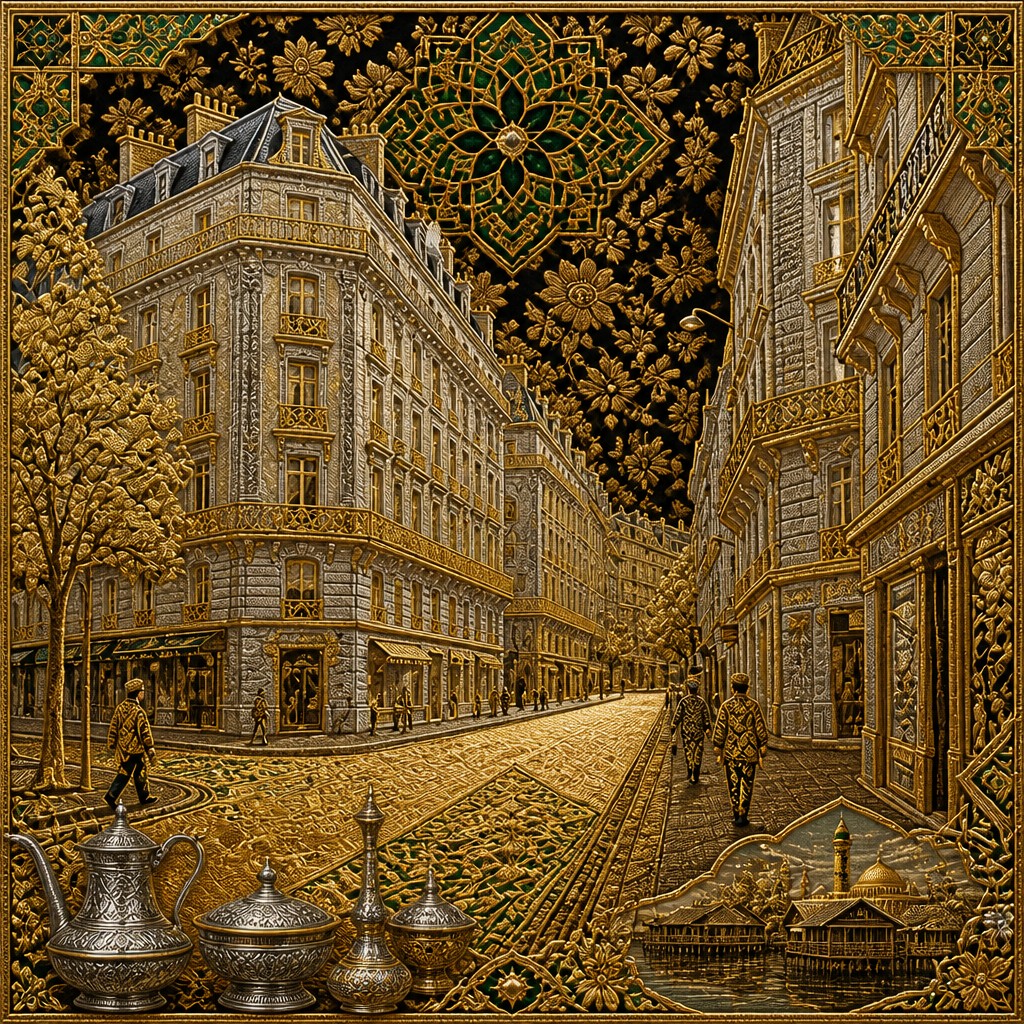
Try It On Your Photos
Upload any photo and convert it into Bruneian Art Style — drag the sliders to compare before and after.


What Defines Bruneian Art Style
The signature details, up close
Gold-thread songket surfaces
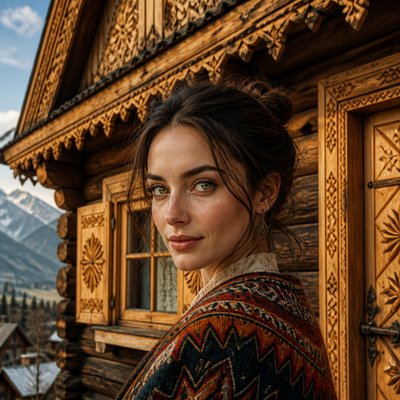
Brocaded textiles use dense gold or metallic thread, repeated floral motifs, and carefully aligned borders. The effect should suggest woven structure rather than flat yellow decoration.
Repoussé silver and brass
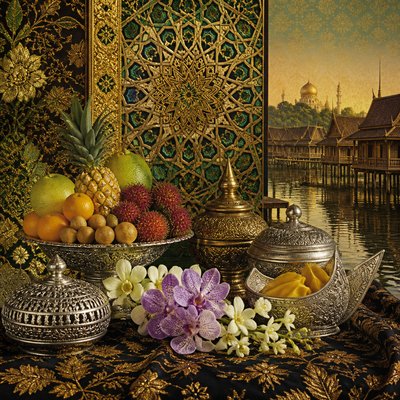
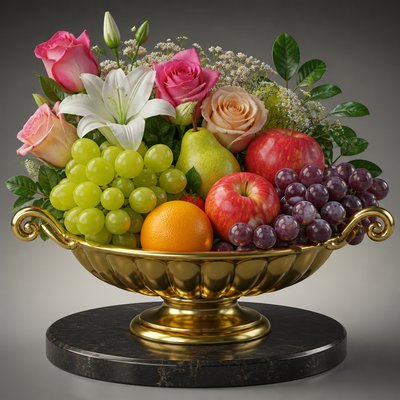
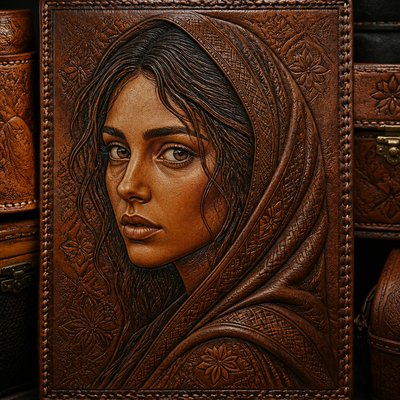
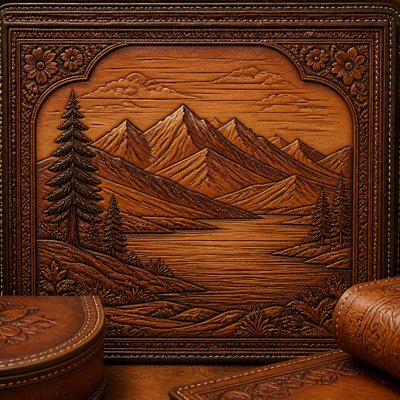
Ceremonial vessels, trays, urns, and ornaments feature raised relief, chased lines, engraved rims, and controlled highlights. Metallic surfaces are intricate but remain legible and finely composed.
Islamic geometric ornament
Stars, interlacing polygons, arabesques, latticework, and symmetrical borders organize the image. Gold and emerald accents often emphasize the geometry against darker grounds.
Kampong Ayer architecture
Stilt houses, timber walkways, pitched roofs, bridges, and boats appear as elegant silhouettes or layered riverfront structures. The architecture is presented as a connected water settlement rather than isolated tropical huts.
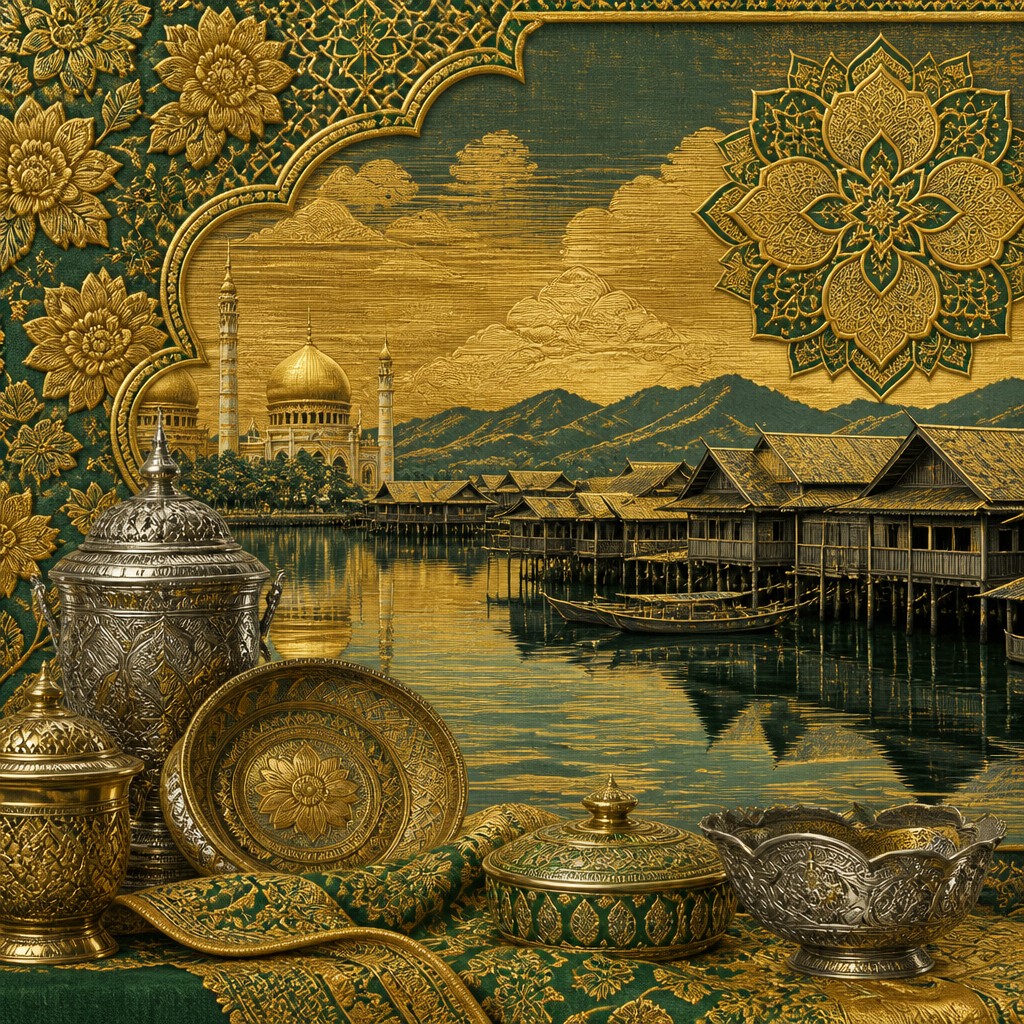
Royal Malay palette
Deep green, antique gold, silver, brass, burgundy, black, ivory, and muted blue create a ceremonial palette. Contrast comes from reflective materials and dark recesses rather than from excessive neon color.
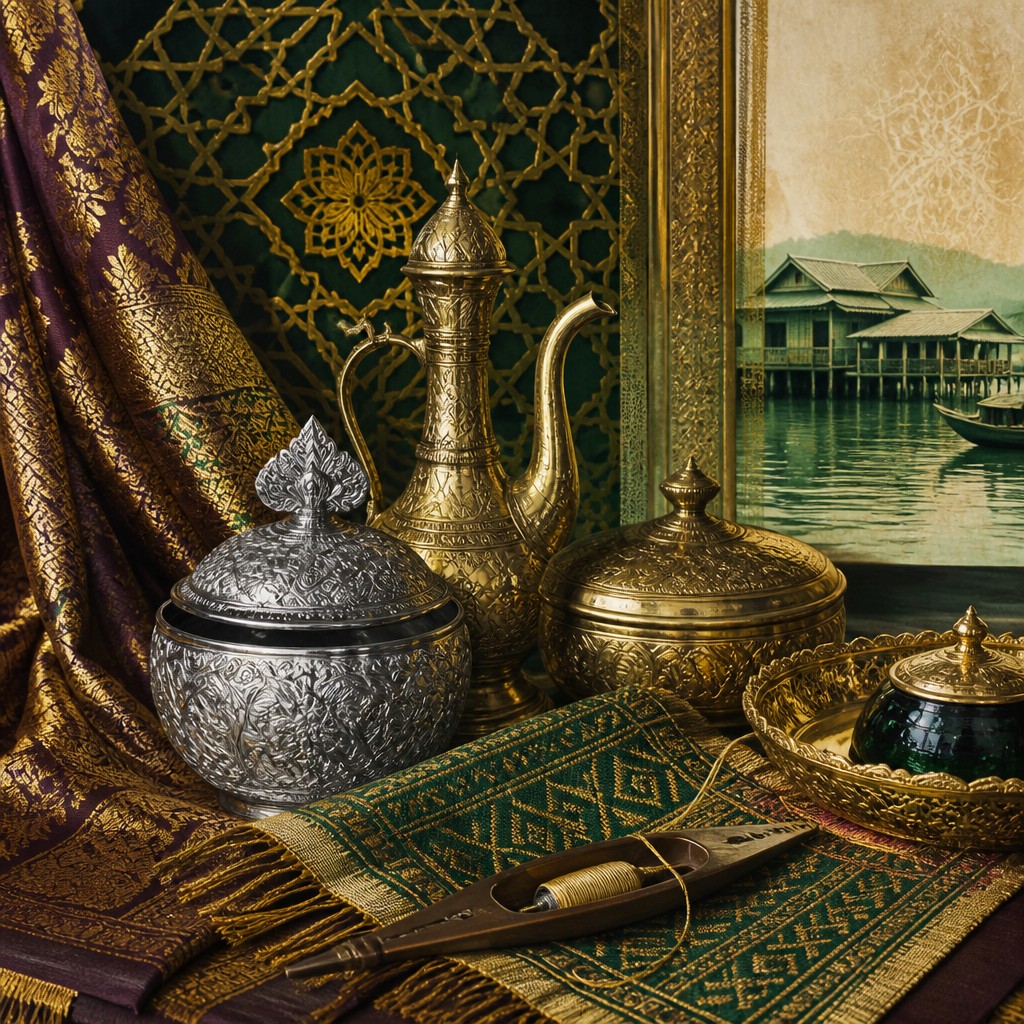
Quiet reflective atmosphere
Still river water, balanced symmetry, soft haze, and measured spacing give the style a composed, contemplative mood. Even elaborate subjects benefit from calm negative space and a clear visual hierarchy.
Bruneian Prompt Ideas
Start from an idea — each one opens the generator with the style ready to go. See all 40 Bruneian prompts →
How to Create Bruneian Art
Master the craft step by step — or skip straight to creating. Read the full guide →
- 1
Build a layered material study
Start with broad architectural or figurative shapes, then add separate layers for textile pattern, metal relief, wood grain, water reflections, and ornamental borders. Keep each material distinct through its highlight behavior and surface texture.
- 2
Design with repeat and symmetry
Construct songket borders and Islamic ornament from repeat units, mirrored geometry, and controlled spacing. Avoid random pattern clutter; ceremonial richness depends on order and alignment.
- 3
Model metallic relief
For traditional drawing or painting, use a dark underpainting, raised-looking contour lines, and small sharp highlights to imply repoussé. Digitally, combine embossed masks, engraved linework, and restrained specular highlights rather than using a uniformly glossy filter.
- 4
Use a disciplined composition
Place a principal vessel, textile, building, or figure against a quieter river or architectural background. A low horizon, centered symmetry, or formal tripartite arrangement can reinforce the courtly character.
- 5
Prompt for material and setting together
In a text prompt, specify the subject, gold-thread brocade, engraved silver or brass, geometric ornament, Kampong Ayer silhouettes, reflective water, and a restrained royal palette. Add terms such as finely woven, repoussé, symmetrical, archival detail, or soft river haze to control finish.
The Story
History & Origins of Bruneian
Bruneian art style is not a formally documented historical movement or a single traditional school. It is an interpretive, image-making style that draws on established Bruneian and wider Malay traditions, particularly songket weaving, royal ceremonial objects, Islamic decorative design, and the architecture of Kampong Ayer.
Its aesthetic lineage reaches through the textile and court cultures of the Malay world, where metallic supplementary threads, floral patterning, and structured ornament signaled refinement and status. It also reflects Brunei's long relationship with riverine settlement, especially the timber stilt houses and waterways associated with Kampong Ayer. Contemporary illustrations and digital artworks combine these sources into a unified visual language rather than reproducing one period or craft process literally.
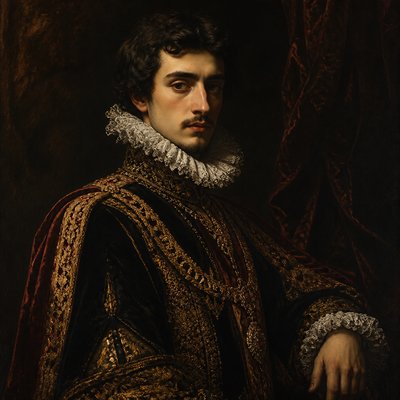
Influences: The style relates to Malay songket and court textile traditions, Bruneian metal and ceremonial craft, Islamic geometric and arabesque ornament, Southeast Asian vernacular architecture, and the reflective compositions of decorative arts. It also shares qualities with Arts and Crafts pattern design, miniature-like surface organization, ornamental illustration, and contemporary heritage-focused digital art, while remaining distinct through its specific combination of royal materials and water-settlement imagery.
Frequently Asked Questions
What defines the Bruneian art style?
It is defined by the combination of gold-thread songket, engraved silver or brass, Islamic geometry, royal Malay elegance, and Kampong Ayer's stilt-village landscape. The style depends as much on ordered pattern and material detail as on its subject matter.
Is Bruneian art style a historical art movement?
No. The term describes a contemporary aesthetic synthesis rather than a named historical movement with a fixed period or official school. It draws from real Bruneian cultural traditions and related Malay, Islamic, and Southeast Asian craft practices.
How is it different from general Malay or Southeast Asian art?
Its emphasis is narrower and more specifically associated with Brunei's royal visual language, riverine settlements, and Kampong Ayer imagery. Songket and Islamic ornament may be shared across the region, but the recurring pairing with stilt-house silhouettes, still water, and silver ceremonial objects gives this style a distinct focus.
What colors work best for this style?
Antique gold, emerald, deep green, silver, brass, burgundy, ivory, black, and subdued river blues are especially effective. Use metallic colors selectively so that the image retains hierarchy instead of becoming uniformly bright.
Can this style be made with traditional media?
Yes. It can be interpreted through gouache, watercolor, colored pencil, ink, textile collage, metal repoussé, or hand-painted pattern studies. Repeated borders, metallic pigments, embossed textures, and careful symmetry help communicate the aesthetic even without actual woven gold or metal.
Where is this style most suitable?
It works well for heritage illustration, editorial art, ceremonial still lifes, textile-inspired design, architectural scenes, book covers, cultural posters, jewelry concepts, and atmospheric landscape compositions. It is most convincing when the decorative detail supports a recognizable material, object, or setting.
Create your first Bruneian artwork
Describe anything — or upload a photo — and see it in Bruneian Art Style in seconds.
Related Styles
Discover similar art styles