Montreal Art Style
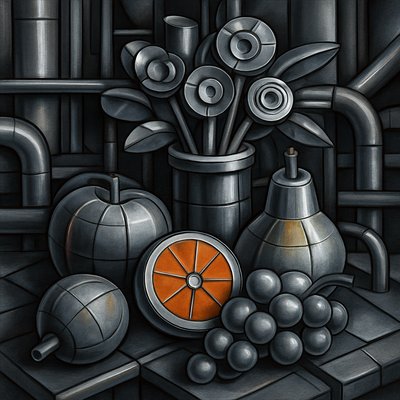
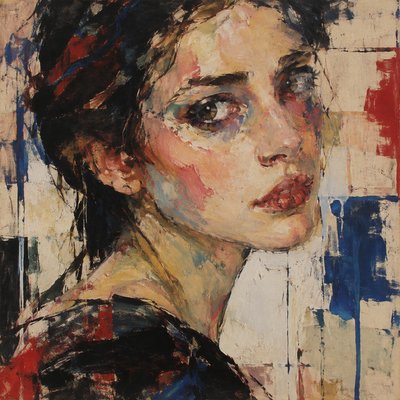
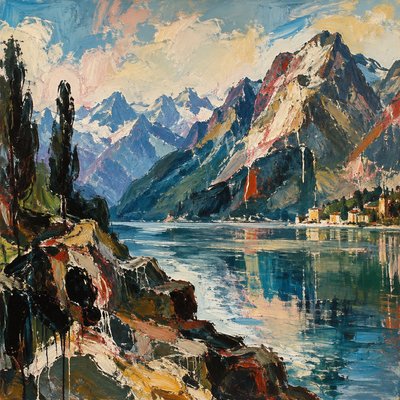
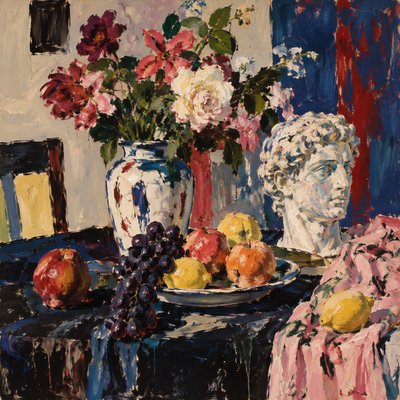
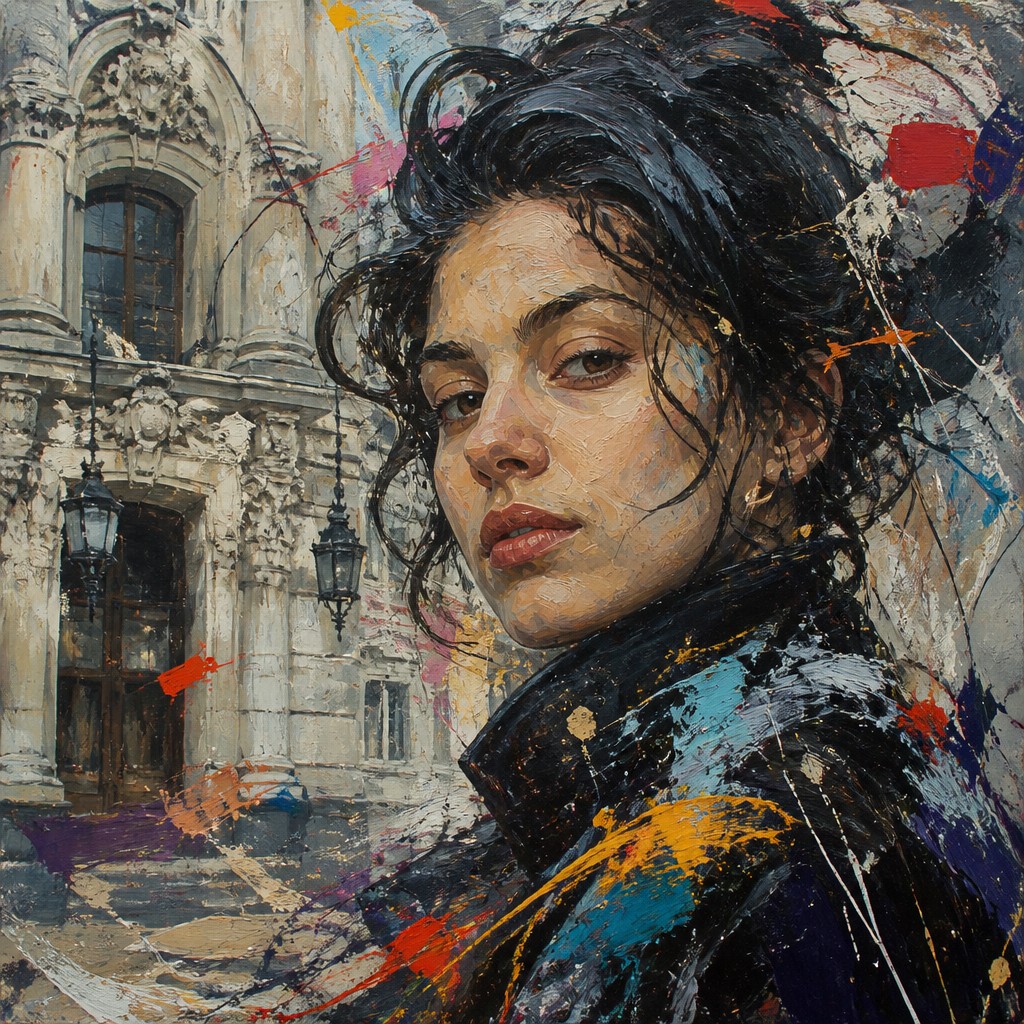
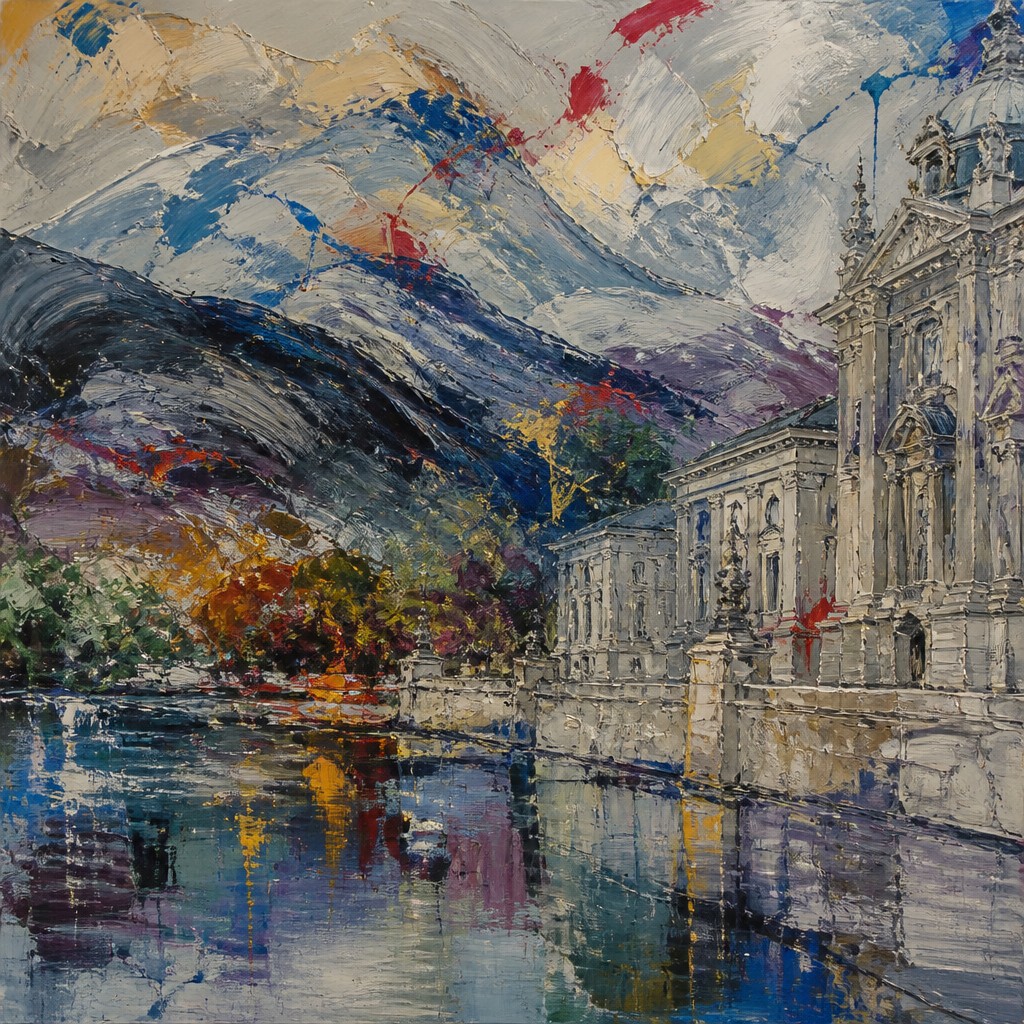
Explore Montreal Art Style: gestural Automatist abstraction fused with grand Beaux-Arts stone architecture, cool light, impasto, and vivid color.
Instantly rendered in Montreal — or transform a photo
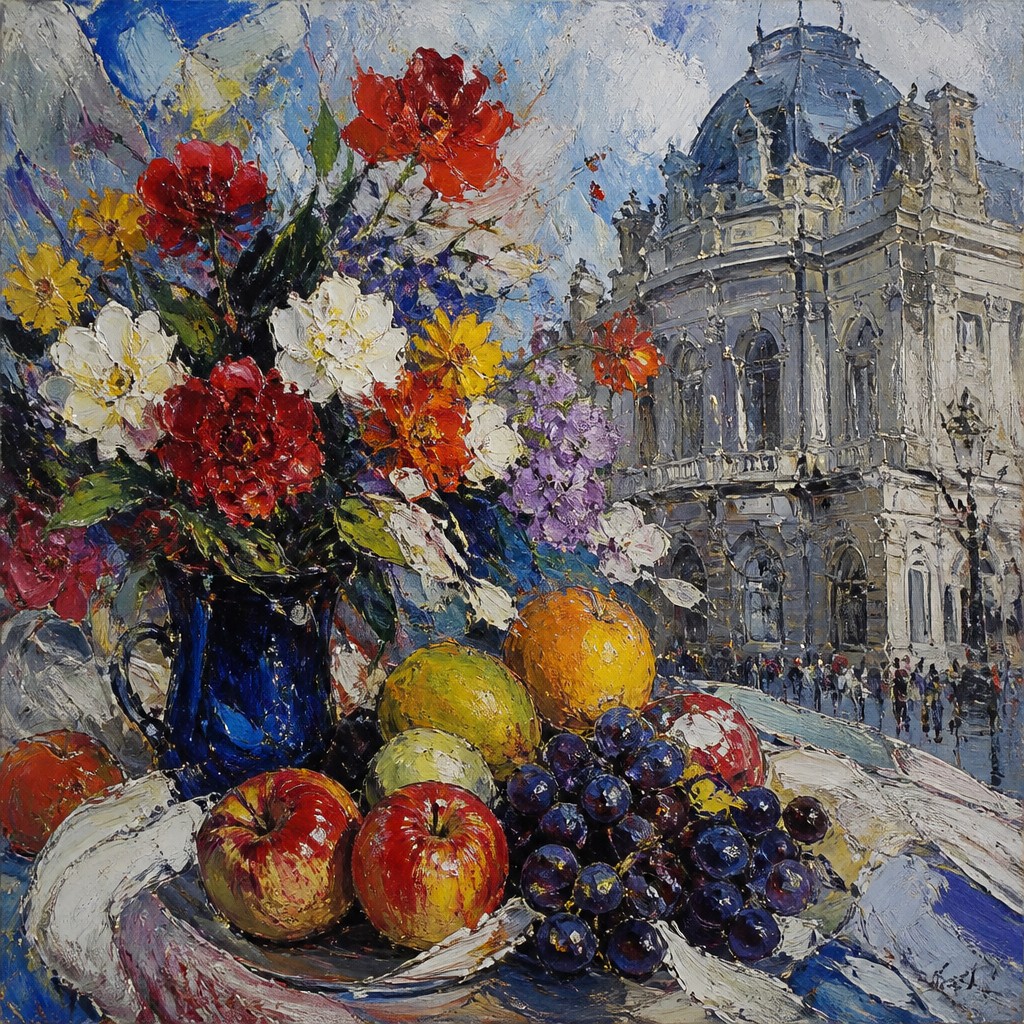
Montreal Gallery
Tap any artwork to explore it
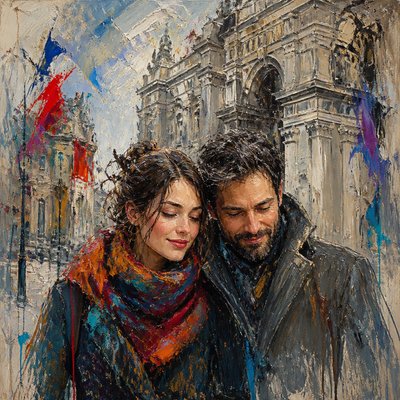
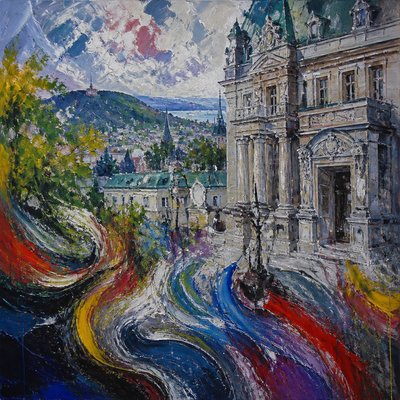
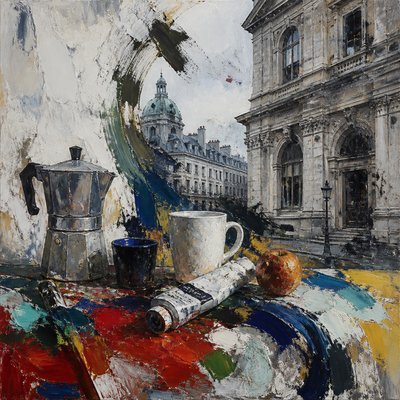
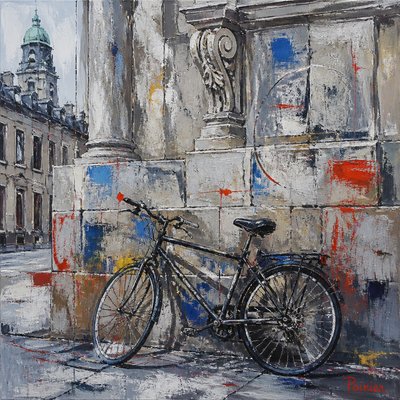
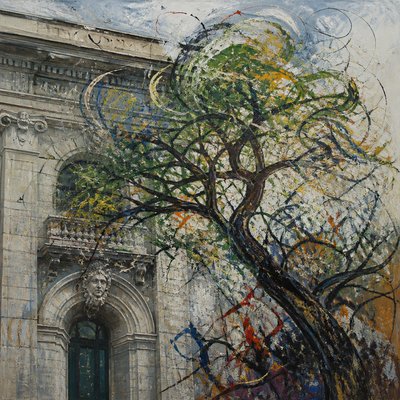
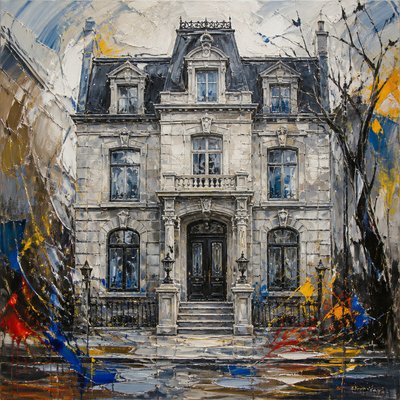
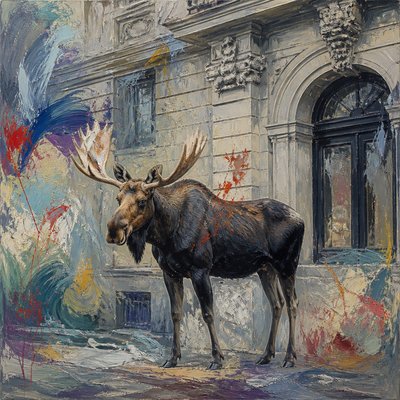
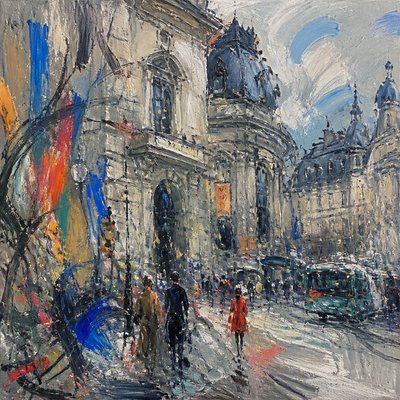
What is Montreal Art Style?
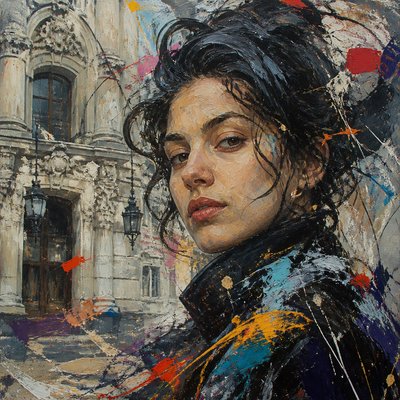
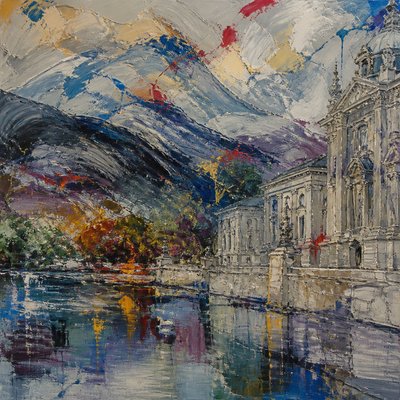
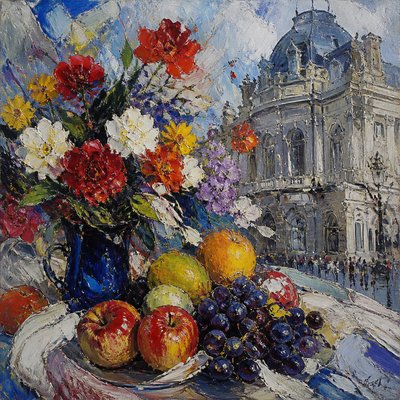
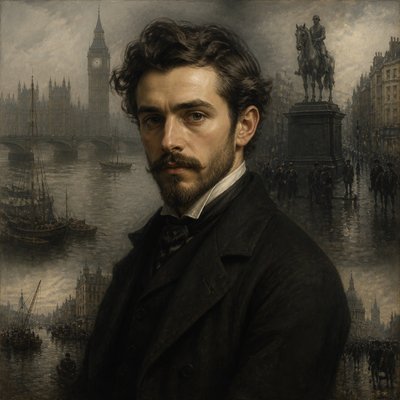
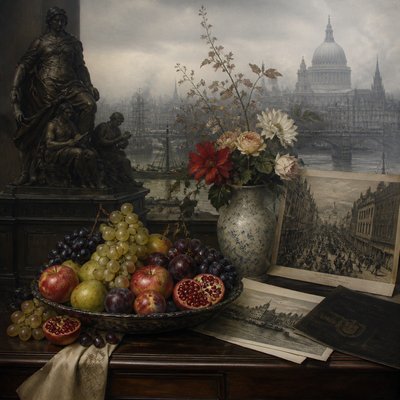
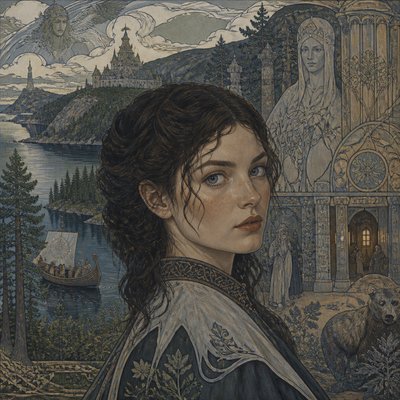
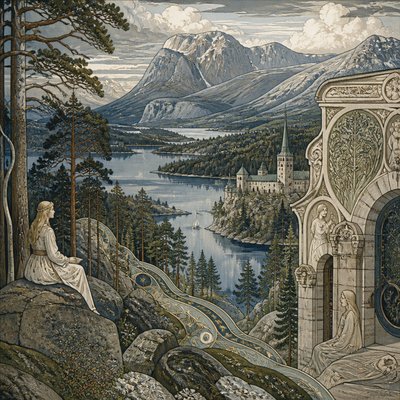
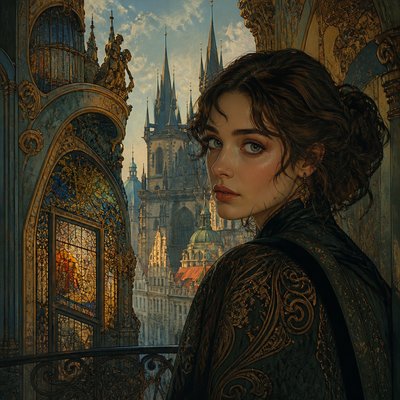
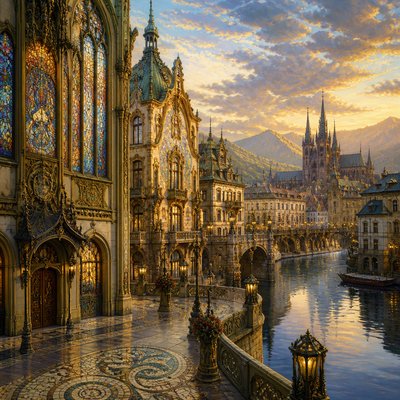
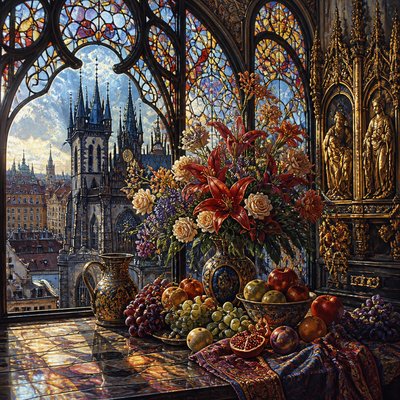
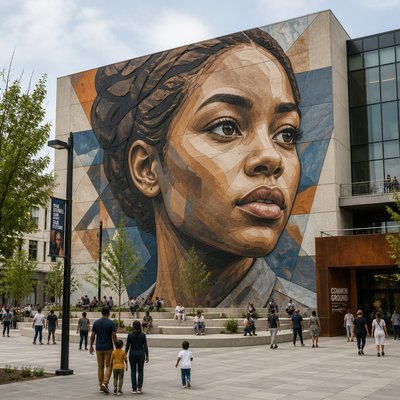
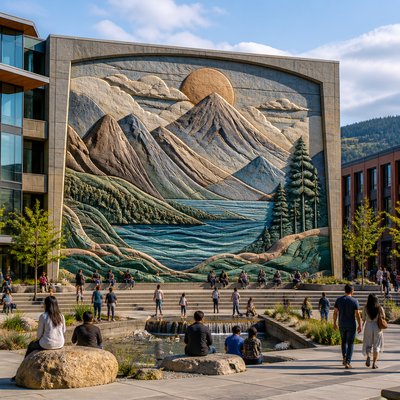
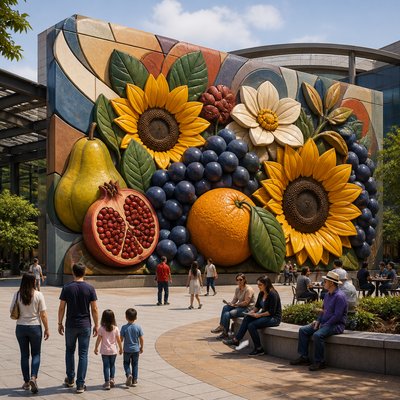
Montreal Art Style is a contemporary hybrid aesthetic that combines the spontaneous energy of Quebec Automatist abstraction with the monumental order of Montreal’s Beaux-Arts civic architecture. Its compositions may place gray limestone facades, carved classical details, arched entrances, and grand institutional proportions beside swirling brushwork, fractured forms, and unexpected bursts of color.
The style depends on contrast: disciplined architecture is set against intuitive, unruly mark-making. Cool northern light, muted stone, deep shadows, and weathered surfaces establish a restrained urban atmosphere, while thick impasto, scraped pigment, and unplanned chromatic splashes introduce movement and emotional immediacy. The result can resemble an architectural memory dissolving into an abstract painting.
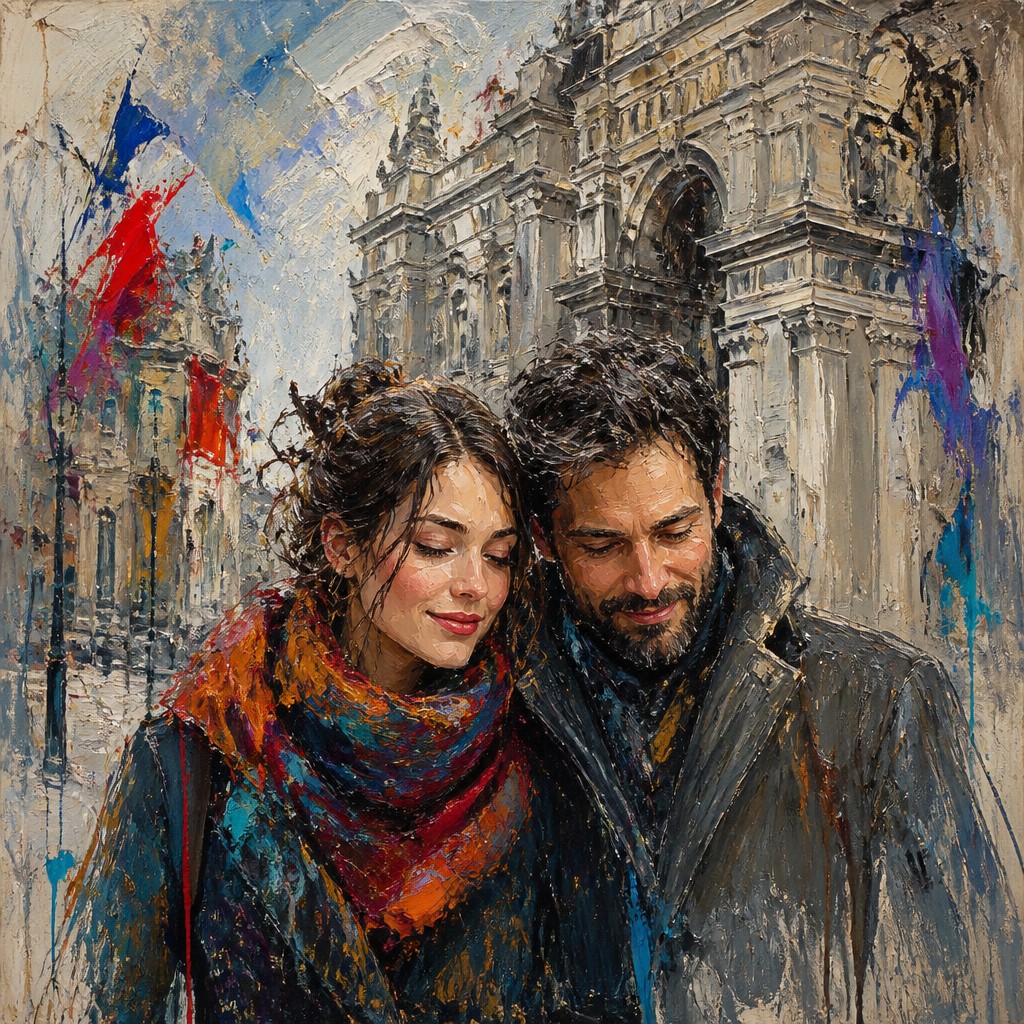
Try It On Your Photos
Upload any photo and convert it into Montreal Art Style — drag the sliders to compare before and after.
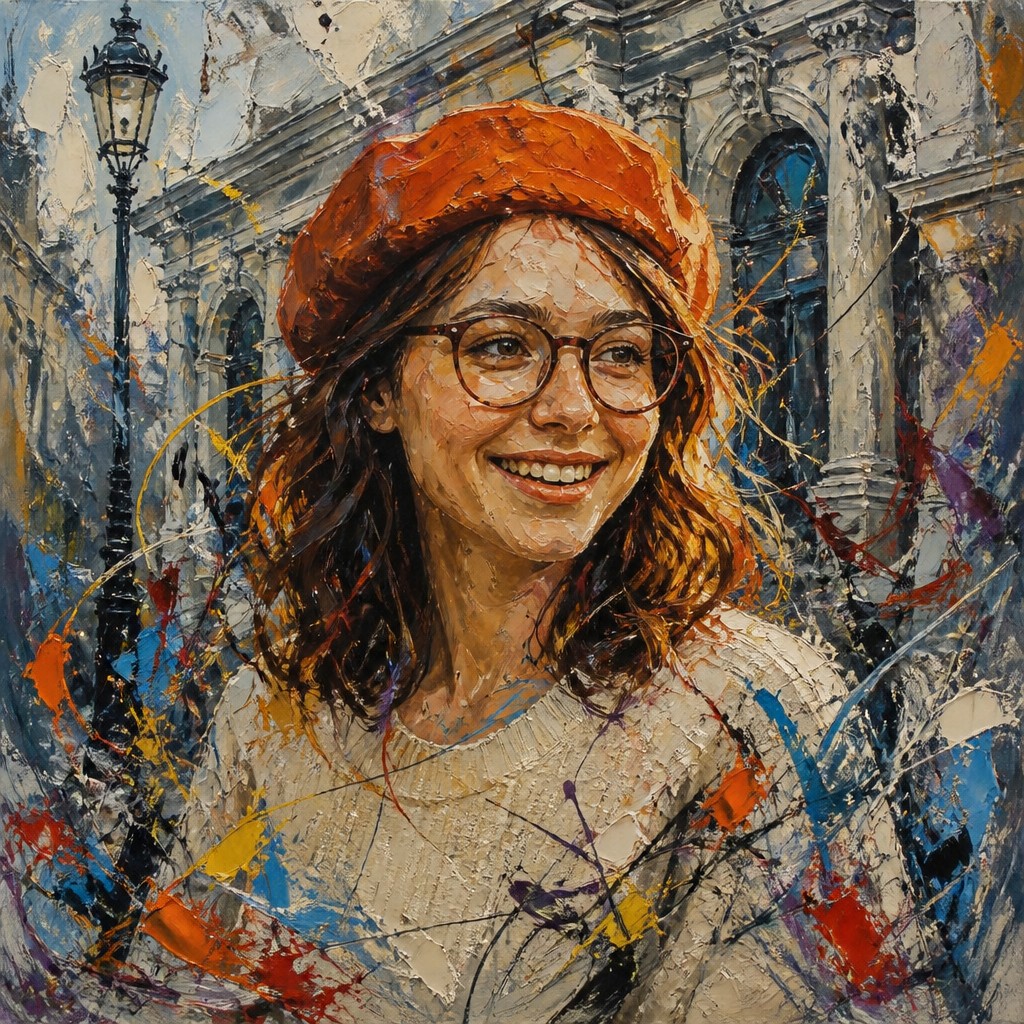

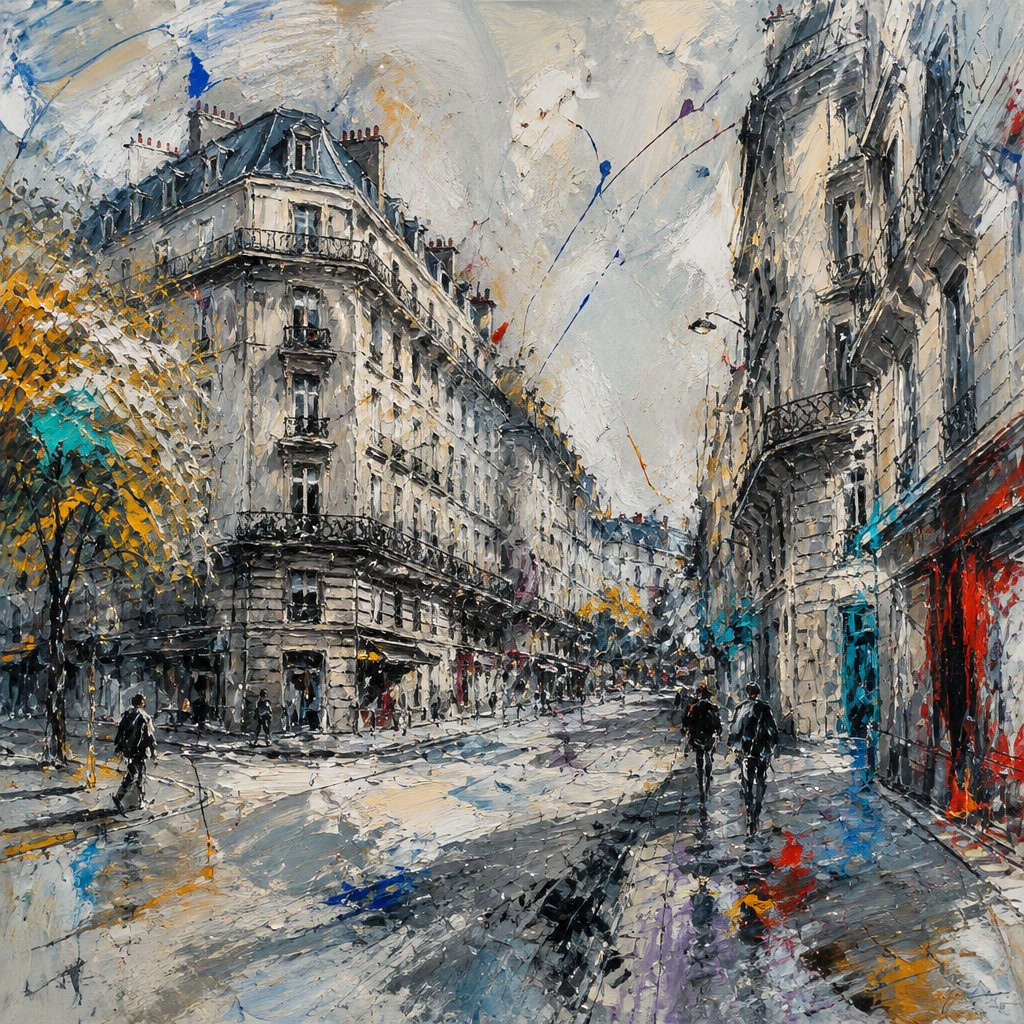

What Defines Montreal Art Style
The signature details, up close
Gestural Automatist mark-making
Loose, spontaneous strokes curve, collide, and overlap without following a rigid grid. The marks suggest movement and intuition rather than carefully modeled representation.
Grand civic architecture
Monumental limestone buildings, civic halls, libraries, stations, and institutional facades provide a recognizable architectural vocabulary. Classical symmetry and imposing scale often remain visible beneath the abstraction.
Classical carved ornament
Columns, cornices, pediments, arches, balustrades, reliefs, and sculptural stone details appear as fragments or partially obscured motifs. Ornament may be rendered precisely in one area and dissolved into gestural paint in another.
Cool northern atmosphere
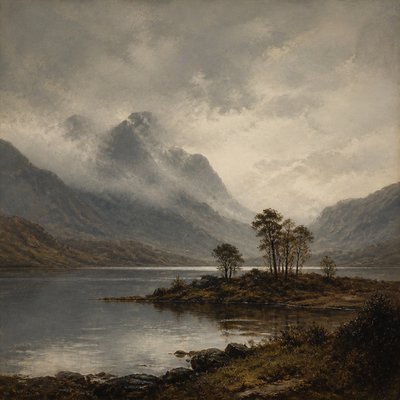
Blue-gray daylight, overcast skies, pale winter highlights, and subdued limestone tones create a distinctly northern mood. Cool illumination helps unify the architecture and the abstract surface.
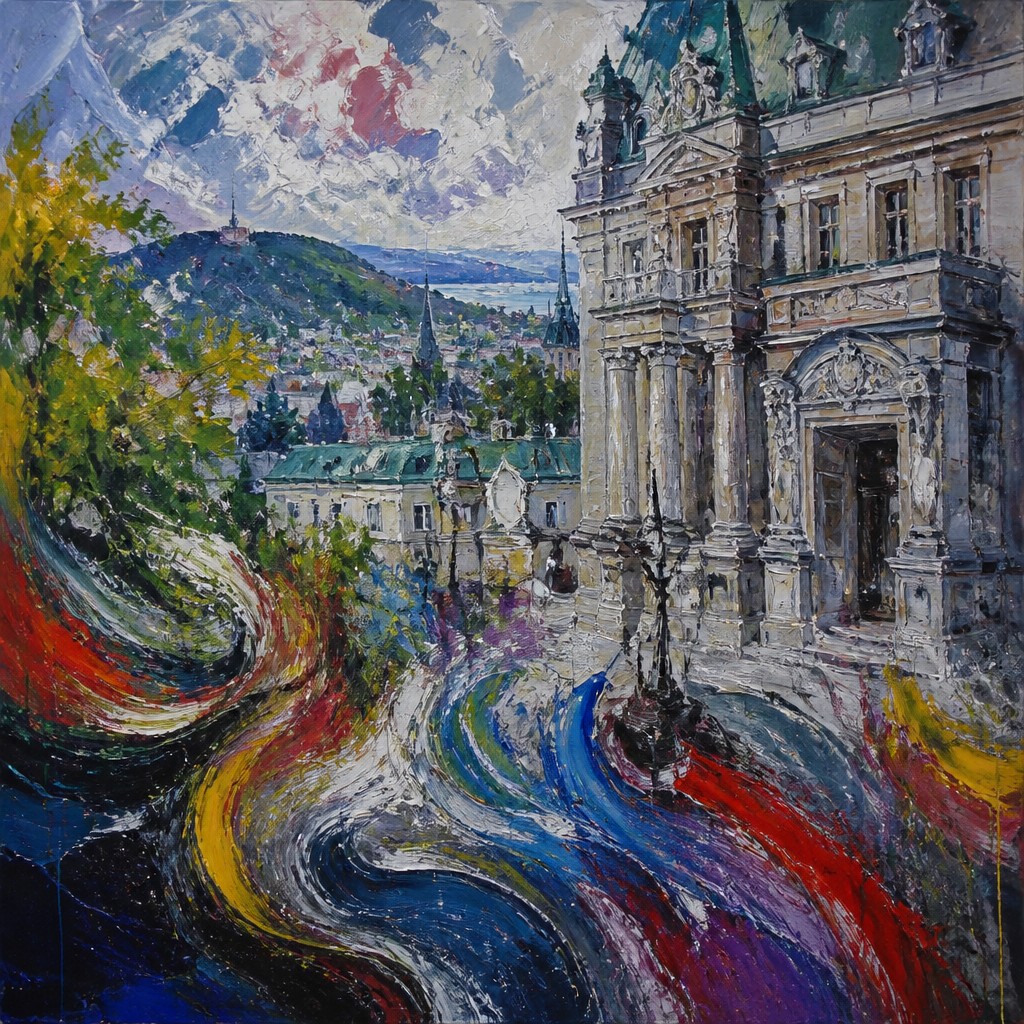
Rich impasto and abrasion
Thick pigment, dry-brush passages, scraping, scumbling, and visible layering give the image a tactile surface. Areas of roughness can evoke aged masonry, peeling paint, or accumulated urban memory.
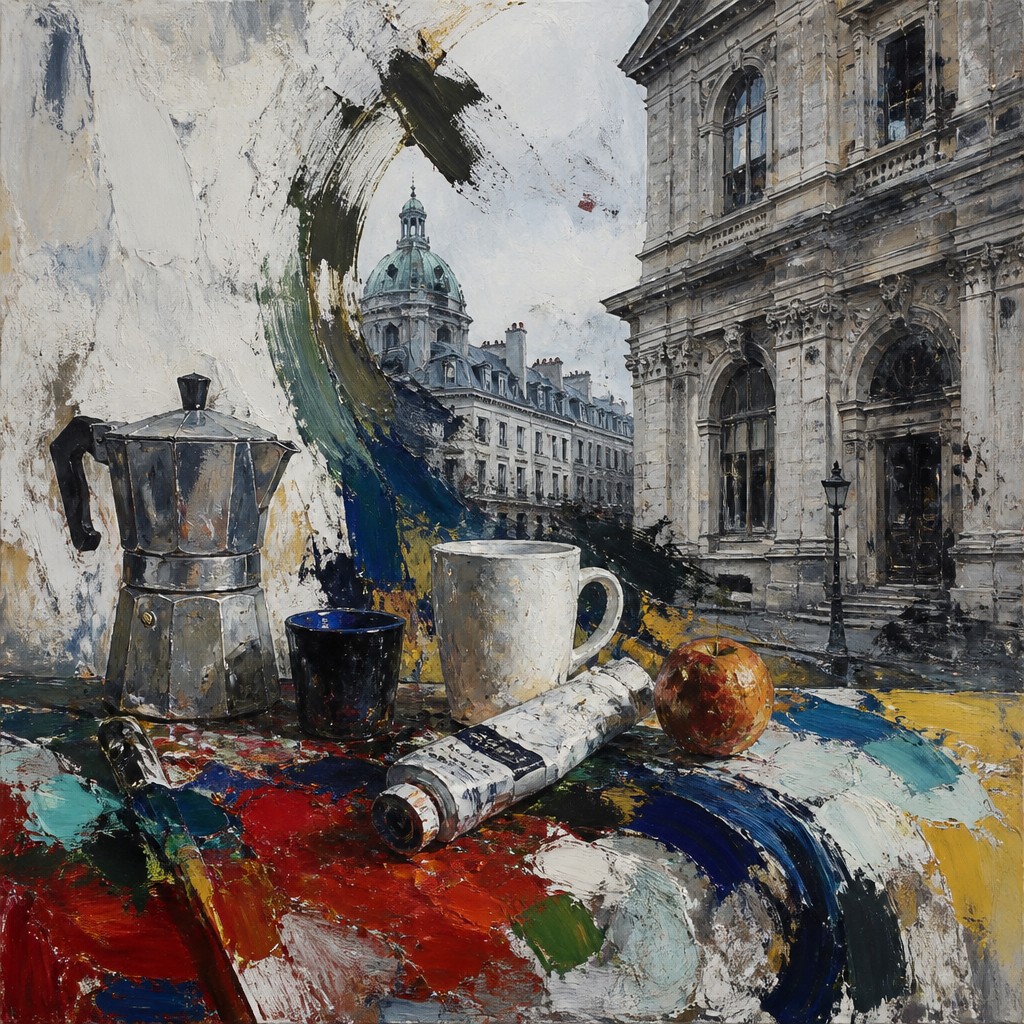
Vivid accidental color
Intense reds, yellows, cobalt blues, turquoise, or magenta appear as irregular splashes against gray, cream, charcoal, and muted earth tones. These colors should feel discovered or impulsive rather than evenly distributed.
Montreal Prompt Ideas
Start from an idea — each one opens the generator with the style ready to go. See all 40 Montreal prompts →
How to Create Montreal Art
Master the craft step by step — or skip straight to creating. Read the full guide →
- 1
Establish an architectural anchor
Begin with a strong silhouette of a Beaux-Arts facade, civic square, entrance hall, or limestone streetscape. Keep enough symmetry and structural proportion to contrast clearly with the later abstraction.
- 2
Build the surface in layers
Use a toned ground, broad underpainting, thick opaque passages, and scraped-back areas. In digital work, combine textured brushes, displacement, masking, and opacity variation to imitate impasto and abrasion.
- 3
Work intuitively over the structure
Add sweeping marks, looping strokes, broken contours, and partially erased shapes without outlining every architectural detail. Let some gestures obscure the building while preserving selected windows, columns, or carved ornaments.
- 4
Control the palette through contrast
Start with cool grays, blue limestone, off-white, charcoal, and muted brown, then introduce a limited number of forceful color accents. Concentrating vivid colors in irregular areas prevents the image from becoming uniformly decorative.
- 5
Use prompt-based generation deliberately
Describe the subject first, then specify spontaneous gestural abstraction, thick impasto, cool northern light, gray limestone, classical ornament, and accidental color splashes. For image-to-image work, preserve the source composition while requesting layered paint, partial architectural dissolution, and tactile surface variation.
The Story
History & Origins of Montreal
Montreal Art Style is best understood as an invented or niche contemporary synthesis rather than a formally established historical movement. Its aesthetic lineage draws on the Automatist movement that developed in Quebec during the 1940s, particularly its emphasis on nonrepresentational forms, spontaneous gesture, and liberation from academic composition.
Its architectural component comes from the Beaux-Arts tradition and from Montreal’s civic, institutional, and religious buildings constructed primarily during the late nineteenth and early twentieth centuries. The style reinterprets these sources through a contemporary lens, treating stone facades as structured visual anchors while allowing painterly abstraction to interrupt, obscure, or reimagine them.
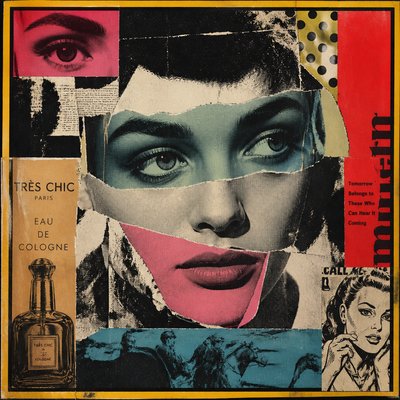
Influences: The style draws most directly from Quebec Automatism and postwar gestural abstraction, especially their reliance on spontaneous mark-making, intuitive composition, and nonrepresentational energy. It also incorporates the symmetry, hierarchy, ornament, and monumental scale of Beaux-Arts architecture, along with the material character of Canadian limestone civic buildings, winter light, urban weathering, and modern architectural photography. Related visual traditions include abstract expressionist painting, textured contemporary mixed media, architectural painting, urban impressionism, and painterly collage.
Frequently Asked Questions
Is Montreal Art Style a recognized historical art movement?
No. It is best treated as a contemporary hybrid or AI-native style description rather than a formally established historical movement. Its visual language combines documented traditions, especially Quebec Automatism, gestural abstraction, Beaux-Arts architecture, and Montreal’s limestone civic landscape.
What defines Montreal Art Style?
Its defining feature is the tension between monumental architectural order and spontaneous abstraction. Cool gray stone, classical ornament, northern light, thick surface texture, and irregular vivid color accents are central to the look.
How is it different from ordinary architectural painting?
Architectural painting generally prioritizes recognizable buildings, perspective, and descriptive detail. Montreal Art Style allows the architecture to fragment, smear, or disappear into gestural marks, making the painted surface and emotional movement as important as the building itself.
How is it related to Automatism?
It borrows Automatism’s emphasis on spontaneous, intuitive gestures and freedom from strict academic composition. However, it adds a strong architectural framework and a specifically Montreal-oriented atmosphere rather than remaining purely abstract.
Can this style be created with traditional materials?
Yes. Acrylic or oil paint, palette knives, stiff brushes, dry-brushing, scraping tools, and collage can produce its layered, weathered surface. A useful process is to paint a structured facade first, then interrupt it with improvised marks and selectively restore architectural details.
What subjects work well with this visual language?
Civic halls, libraries, railway stations, churches, museums, stone apartment blocks, winter streets, and public squares are especially effective. Interior spaces can also work when they include monumental columns, arches, staircases, or other strong structural forms.
Create your first Montreal artwork
Describe anything — or upload a photo — and see it in Montreal Art Style in seconds.
Related Styles
Discover similar art styles