Anime Art Style
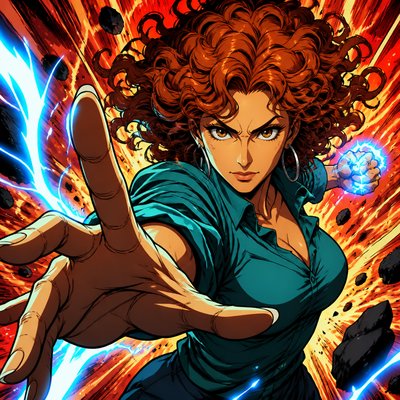
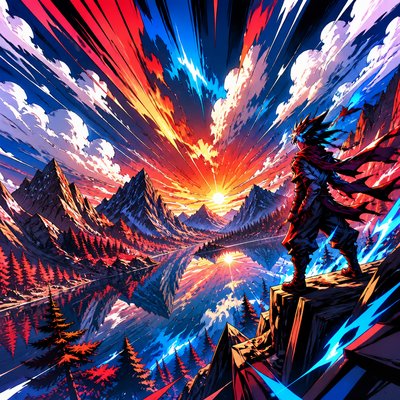
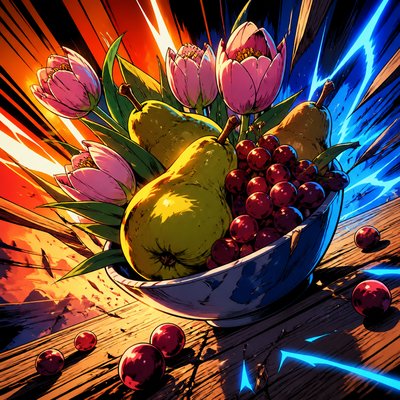
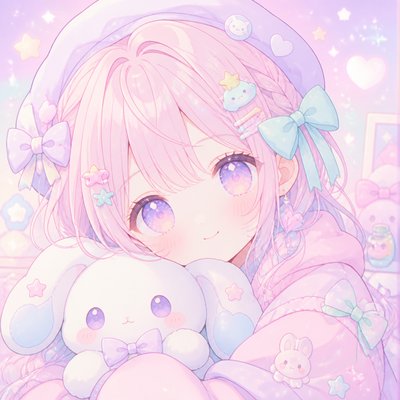
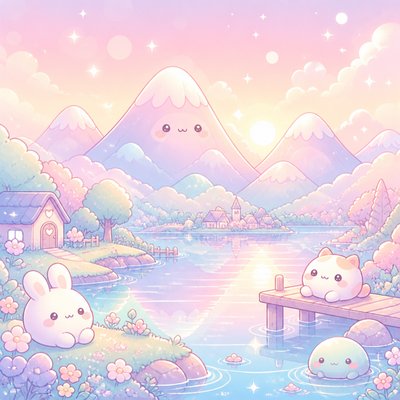
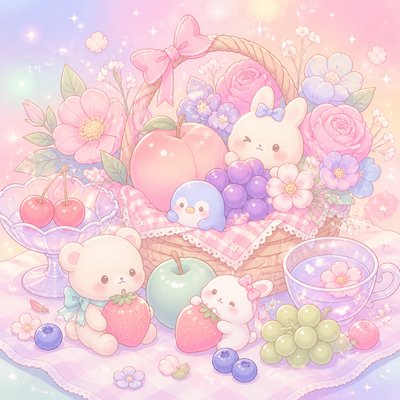
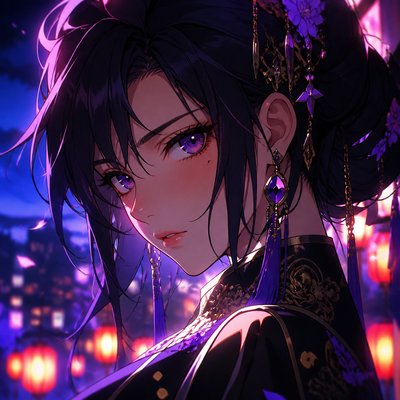
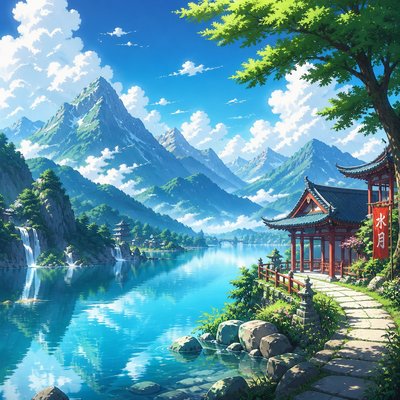
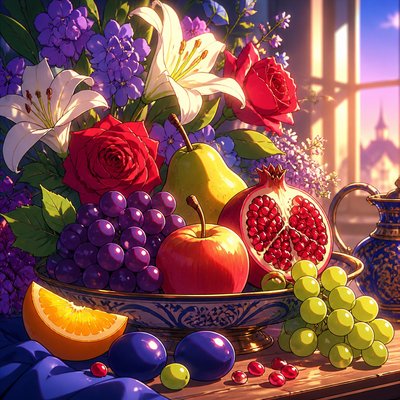
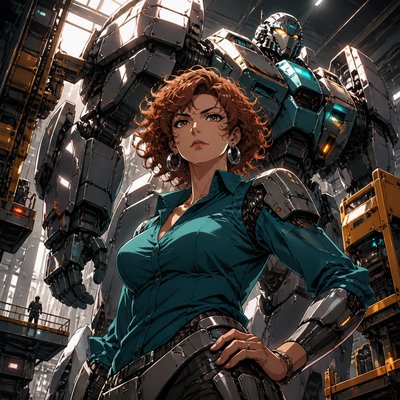
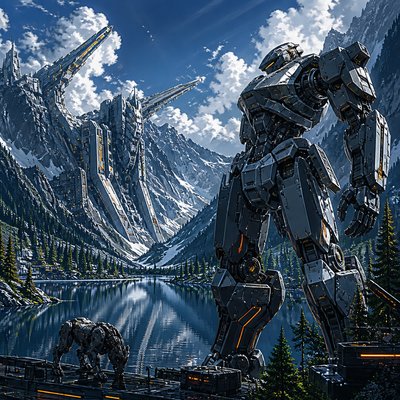
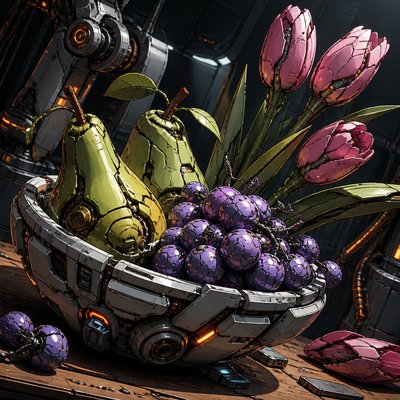
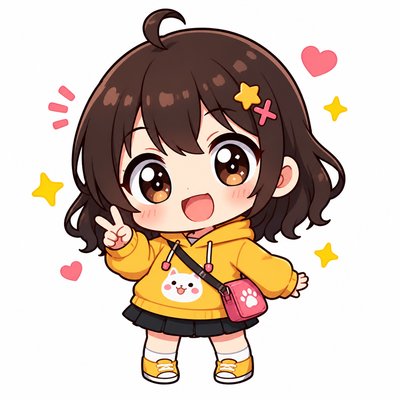
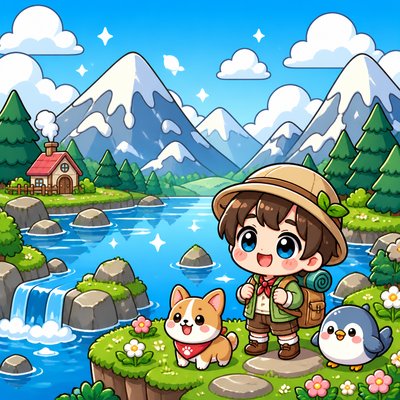
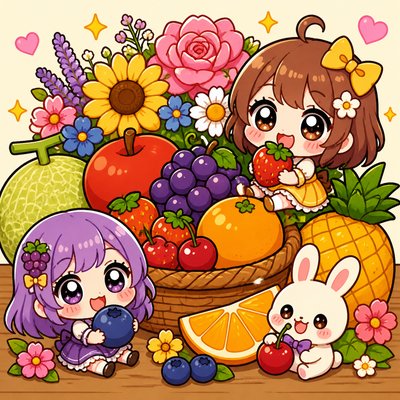
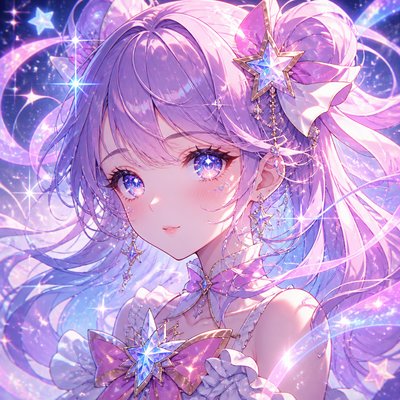
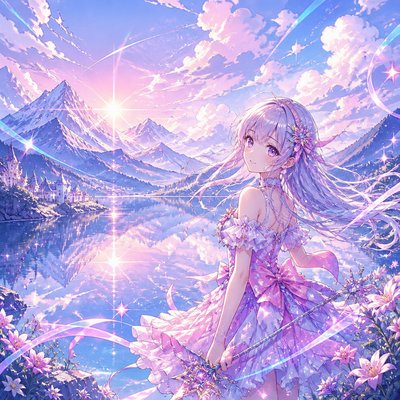
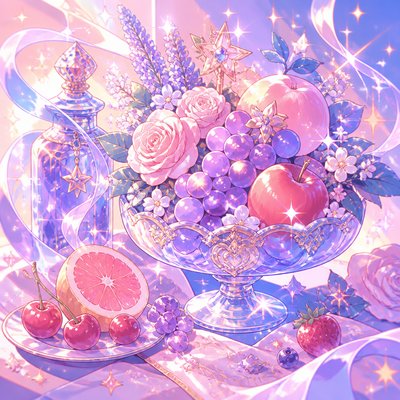
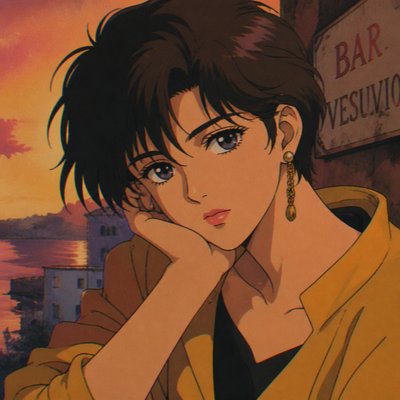
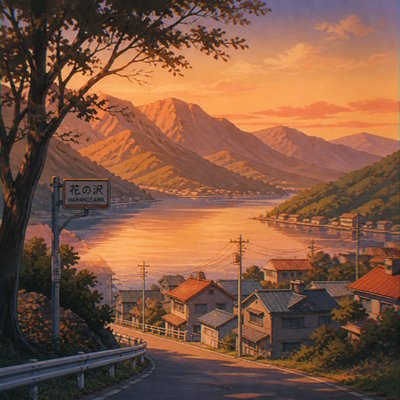
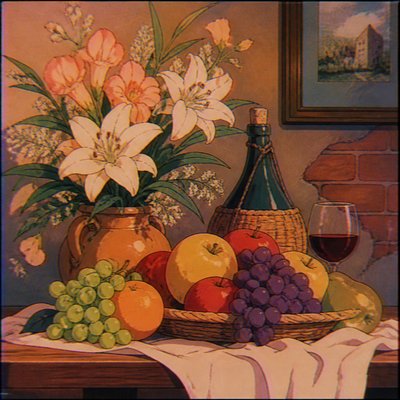
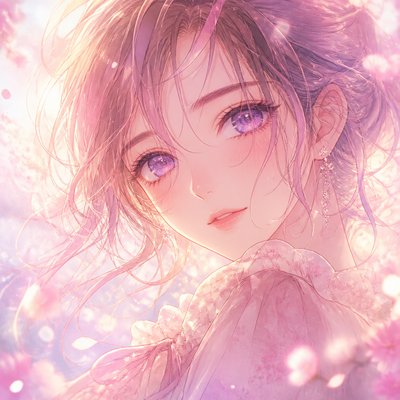
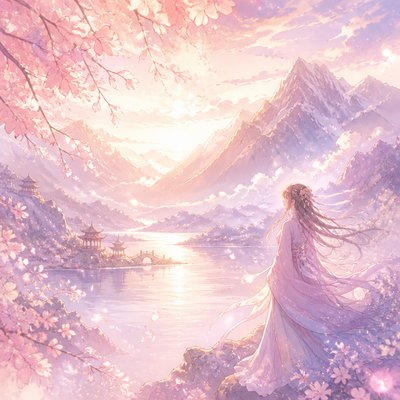
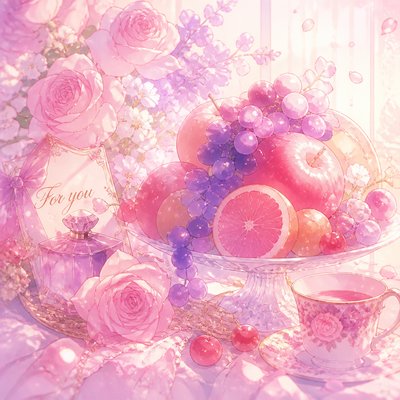
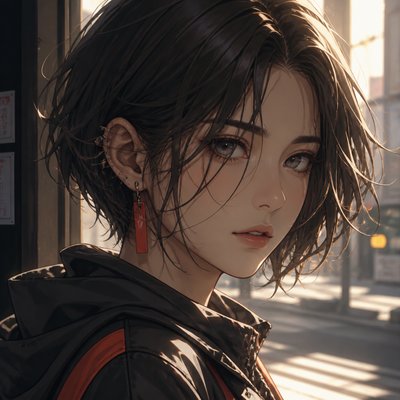
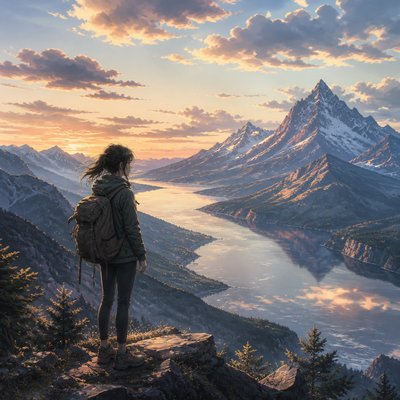
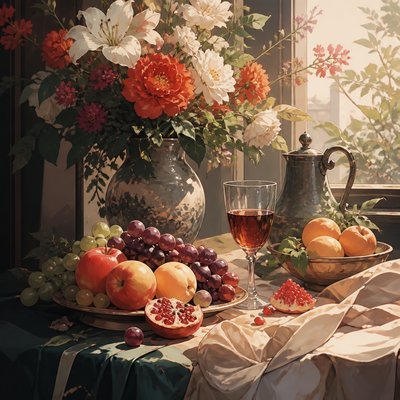
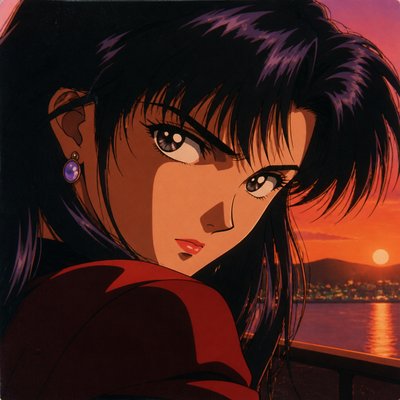
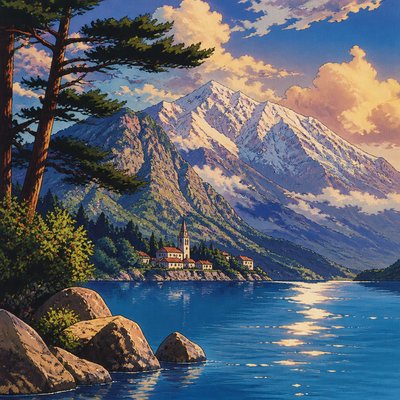
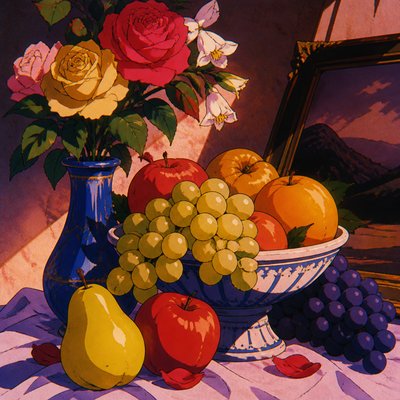
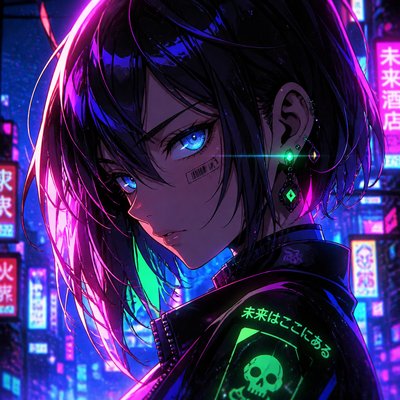
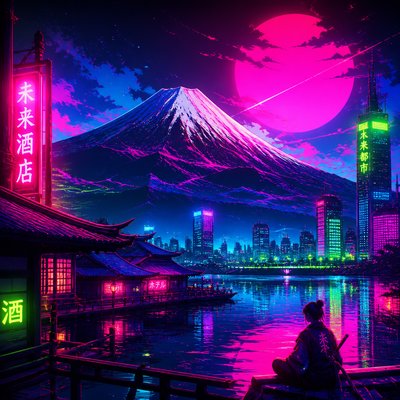
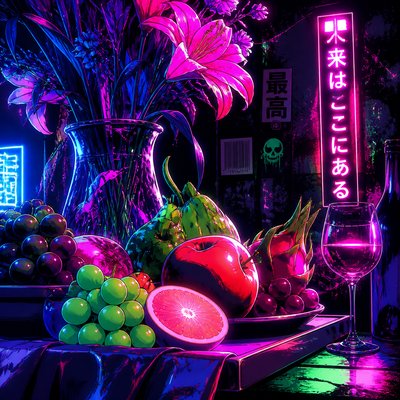
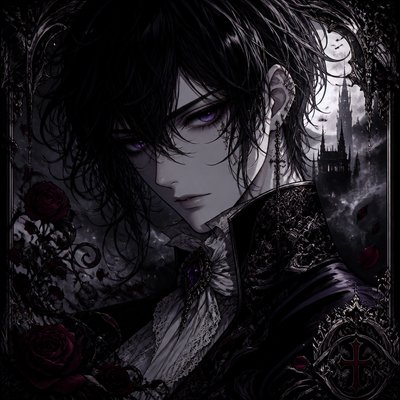
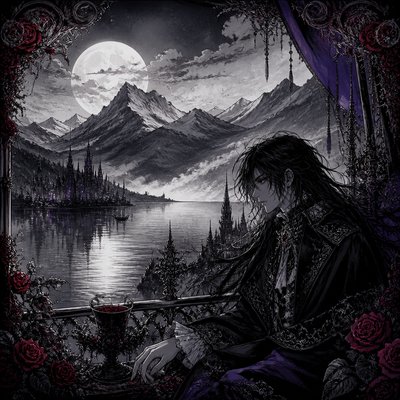
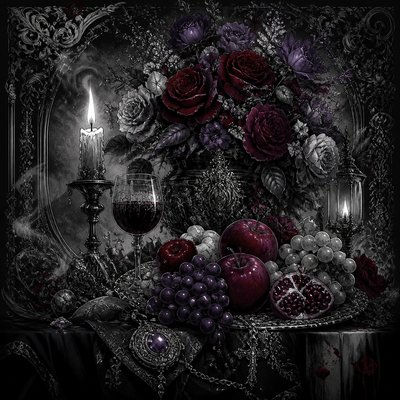
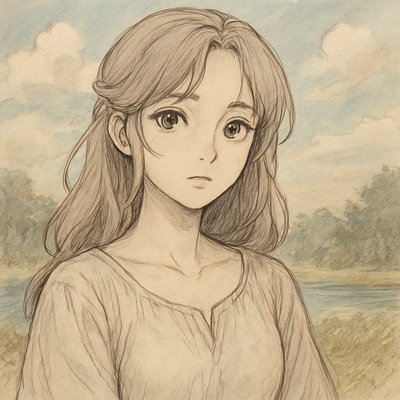
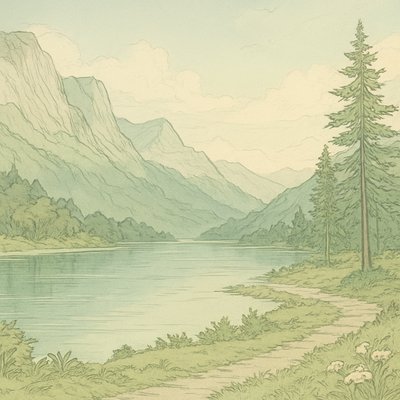
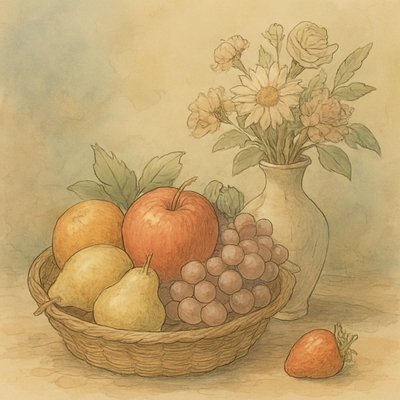
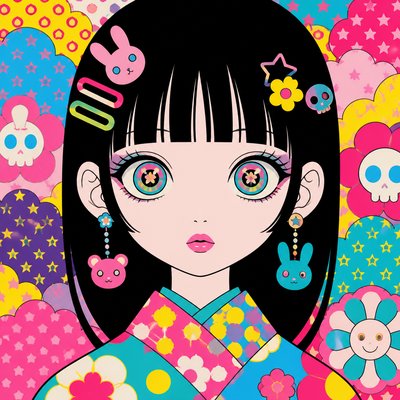
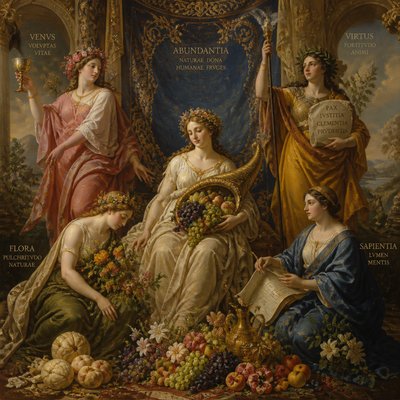
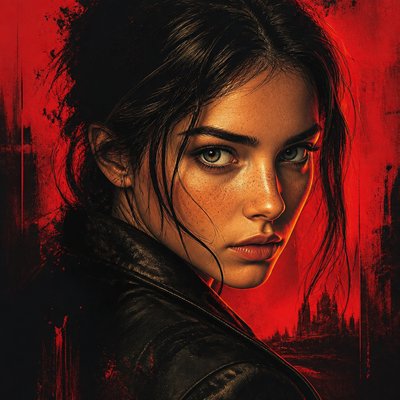
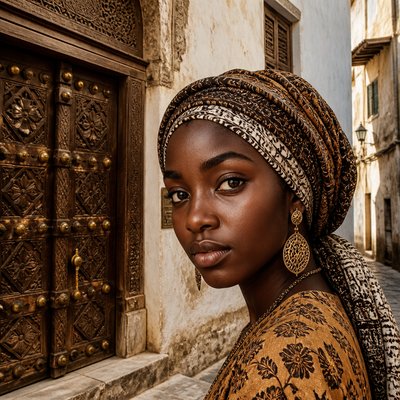
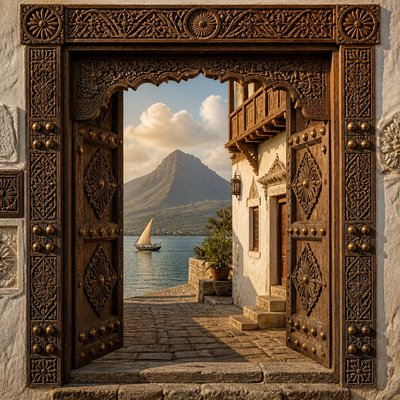
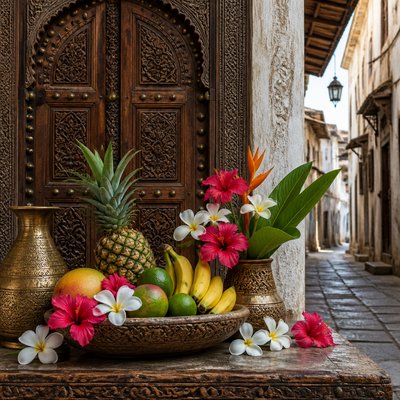
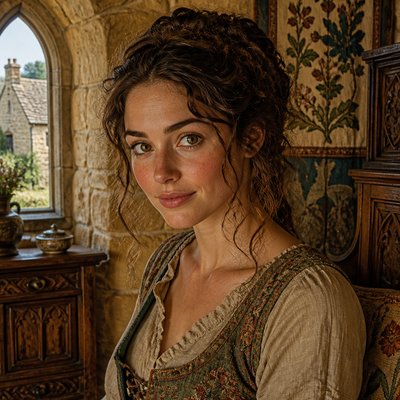
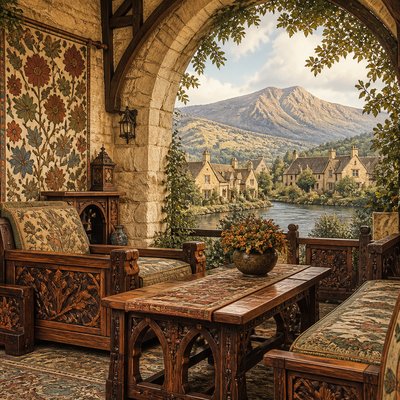
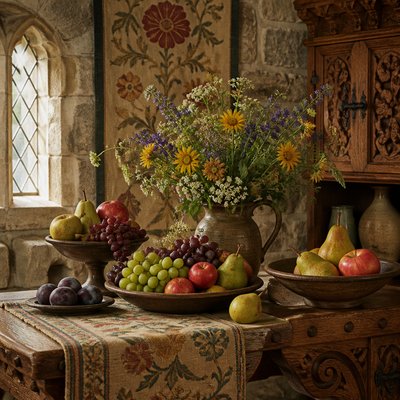
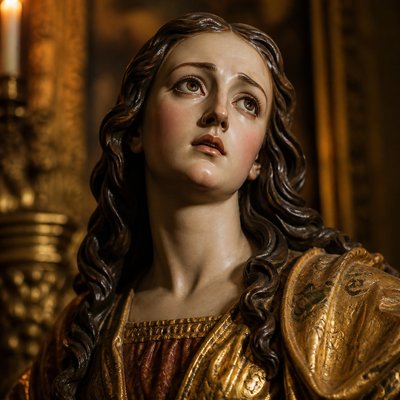
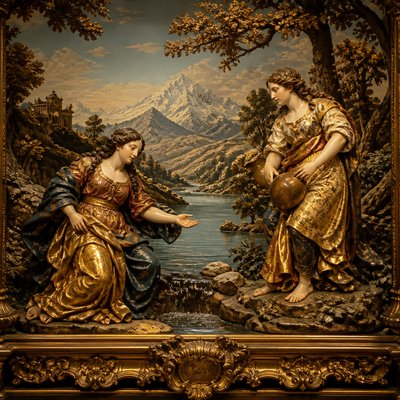
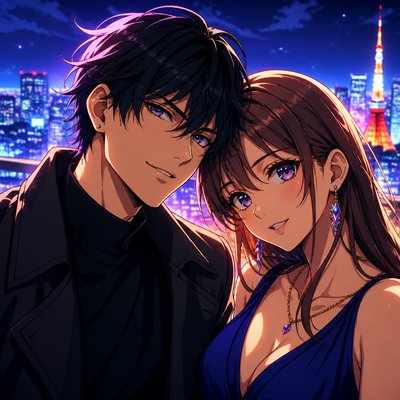
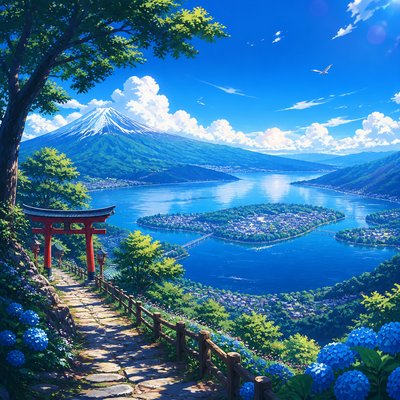
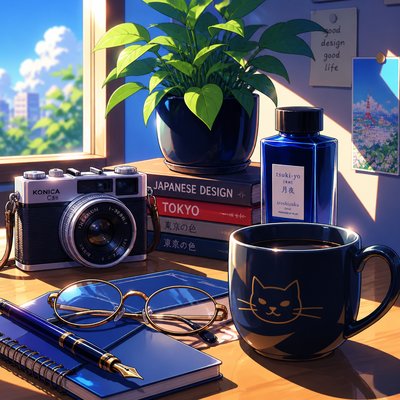
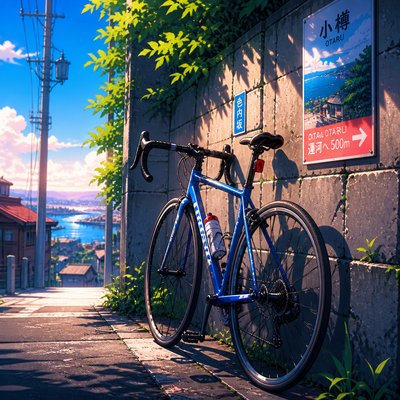
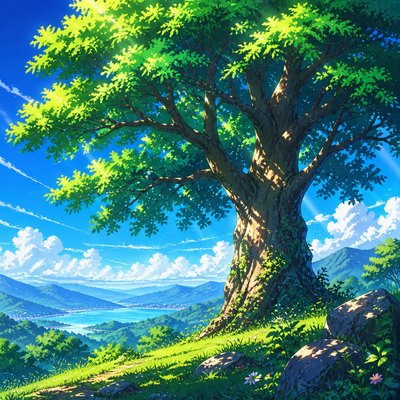
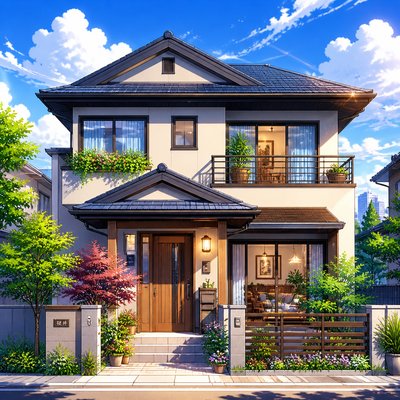
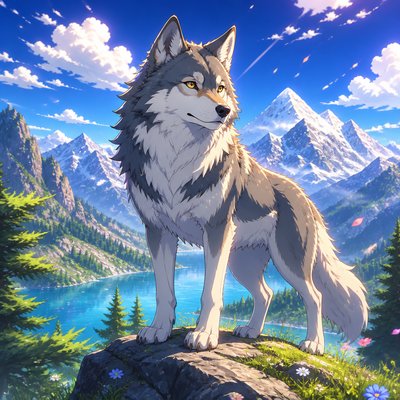
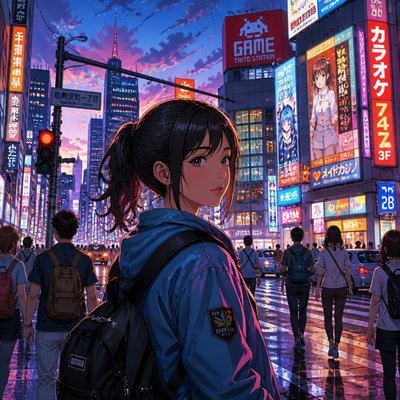
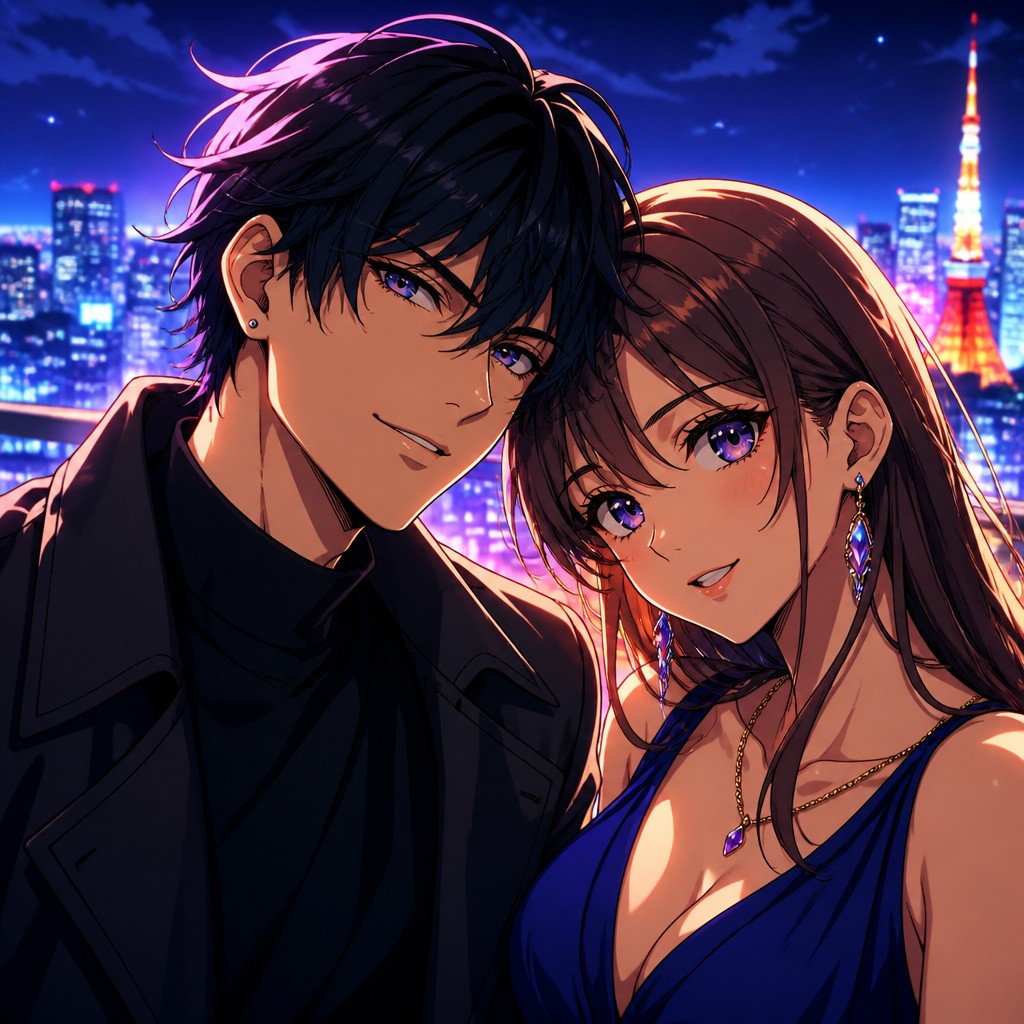
Japanese animation style with clean linework, cel shading, vivid color, stylized faces, and polished cinematic lighting.
Instantly rendered in Anime — or transform a photo
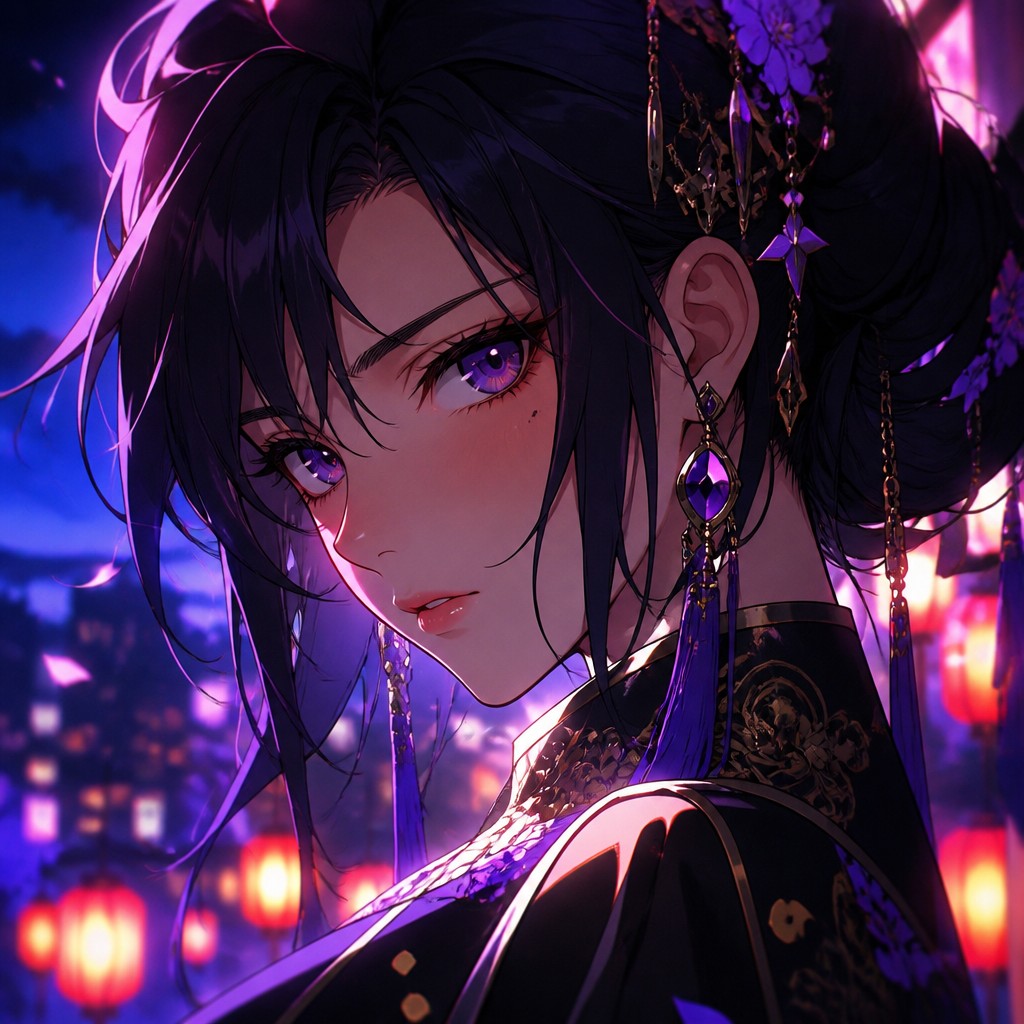
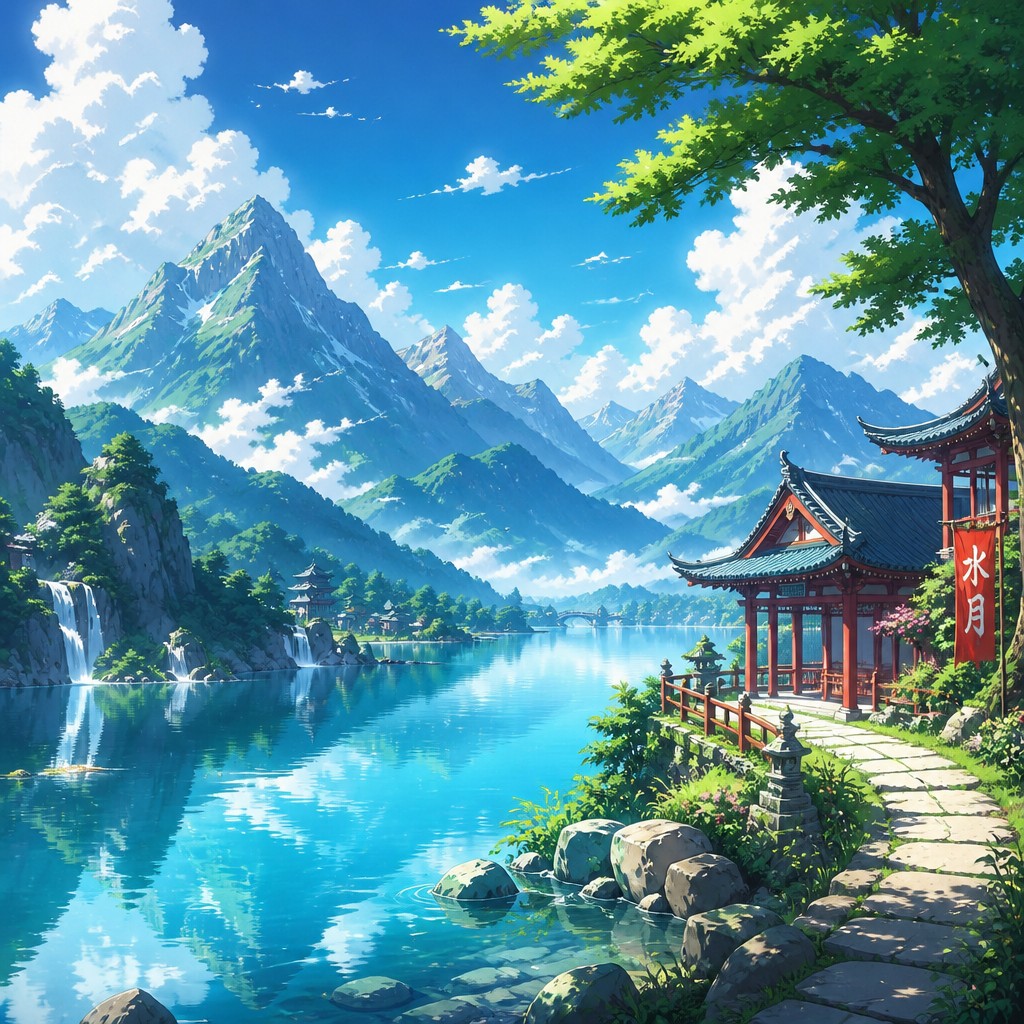
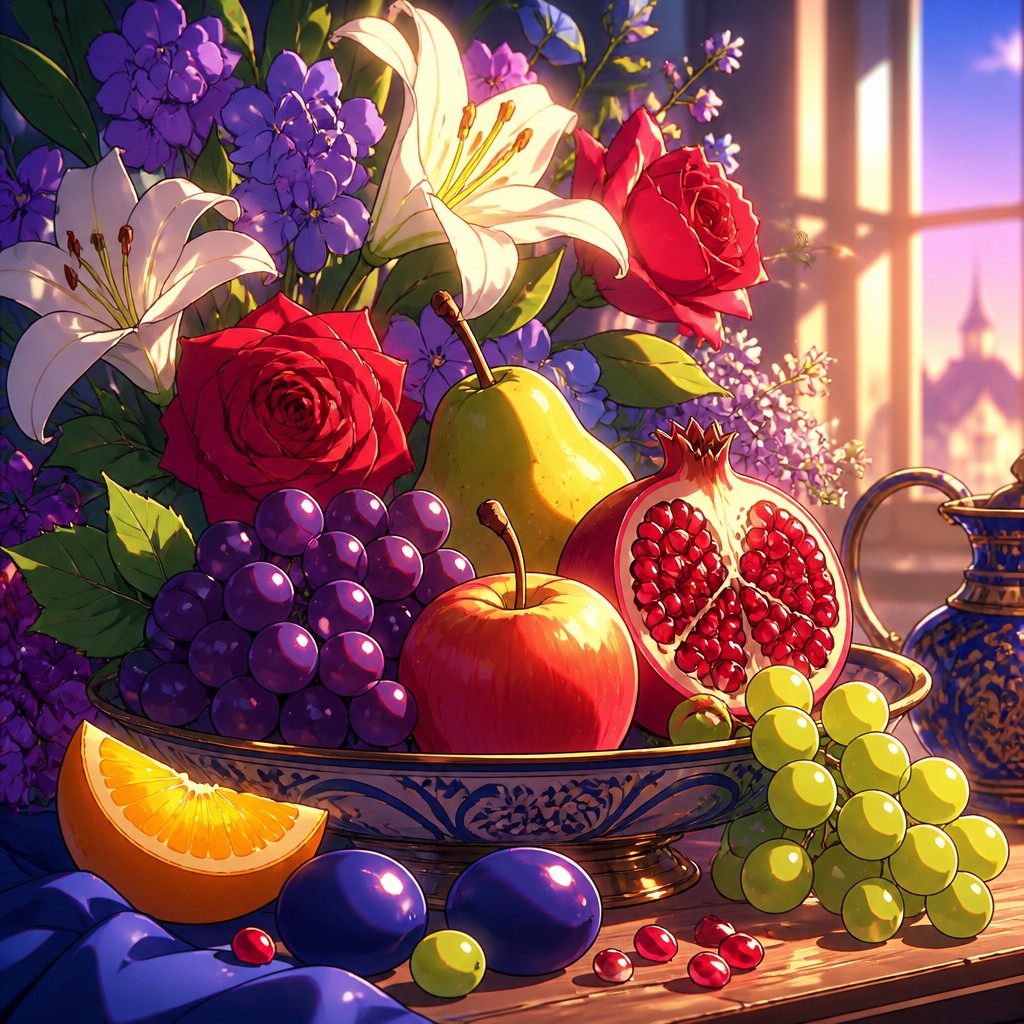
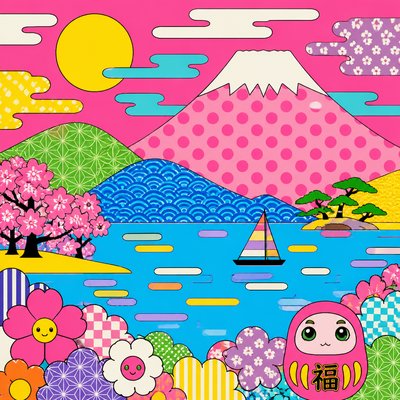
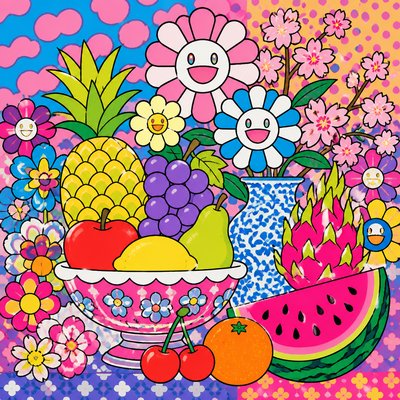
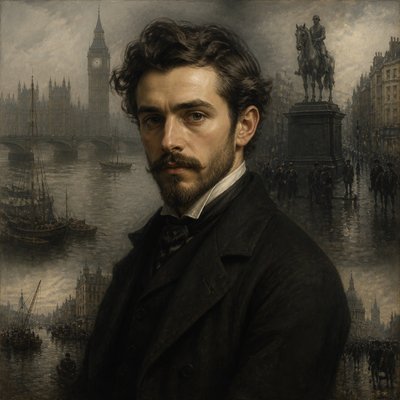
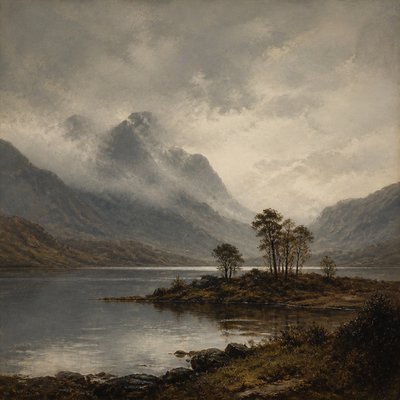
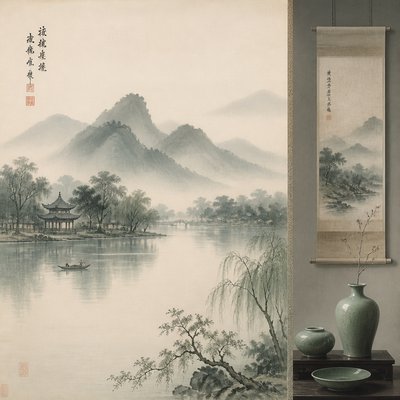
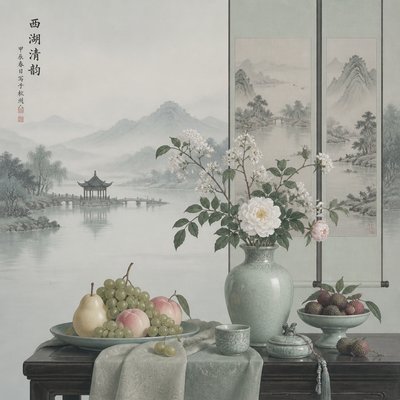
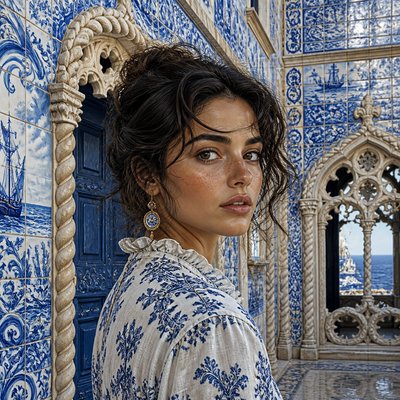
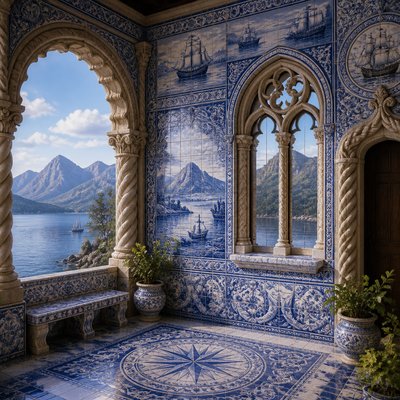
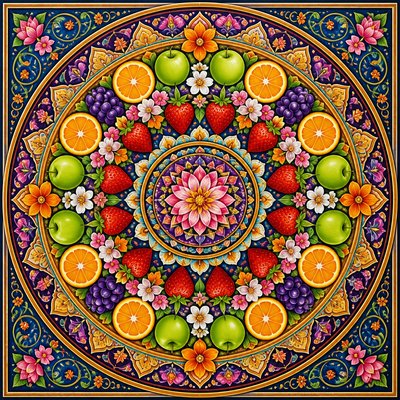
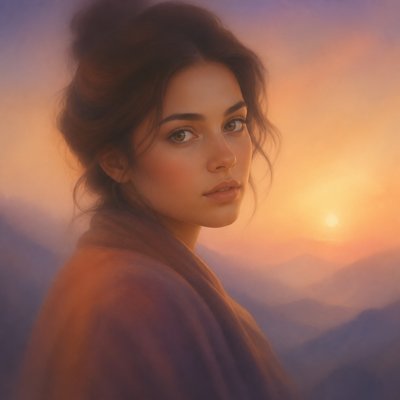
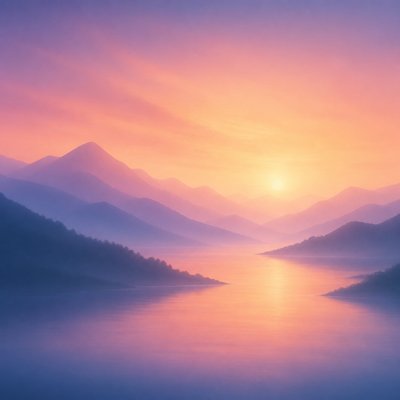
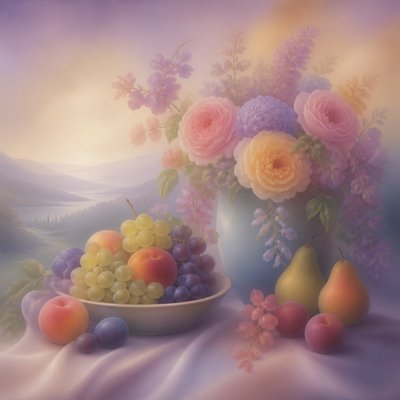
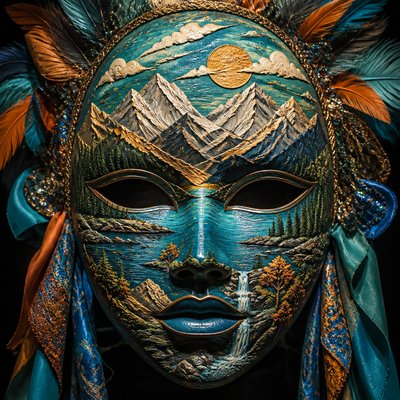
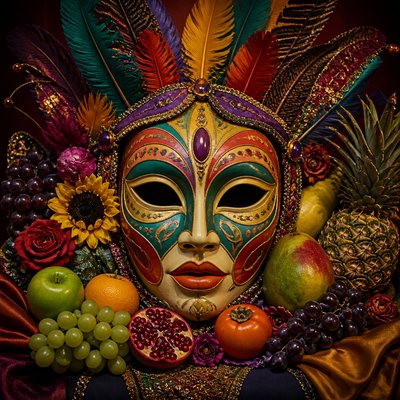
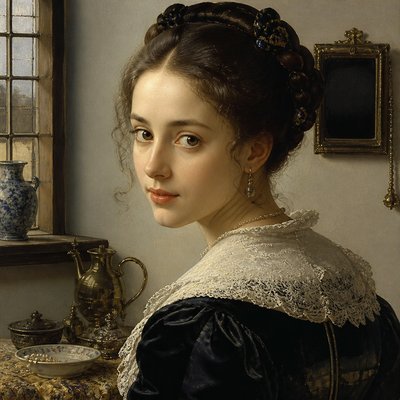
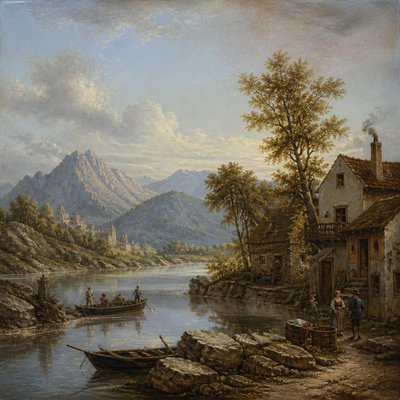
Anime Gallery
Tap any artwork to explore it
What is Anime Art Style?
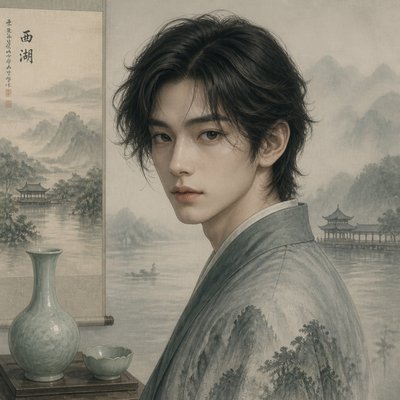
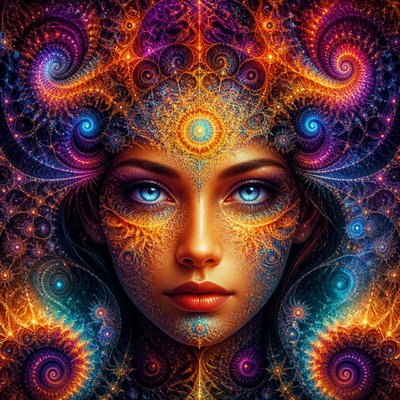
Anime art style is the visual language of Japanese animation as it is commonly recognized today: clean linework, expressive faces, controlled exaggeration, and a balance between graphic simplification and selective realism. It typically features large readable silhouettes, bright or saturated color, crisp edges, and lighting effects that make characters feel vivid and emotionally immediate.
What gives anime its identity is not one single look, but a family of design choices that prioritize clarity, motion, and emotional legibility. Backgrounds may be painterly or highly detailed, while figures are often simplified into bold shapes with cel shading, glossy highlights, and carefully placed shadows. The result is an aesthetic that can feel both highly stylized and surprisingly lifelike, especially in contemporary animation where cinematic lighting, atmospheric depth, and refined rendering are common.
Try It On Your Photos
Upload any photo and convert it into Anime Art Style — drag the sliders to compare before and after.


What Defines Anime Art Style
The signature details, up close
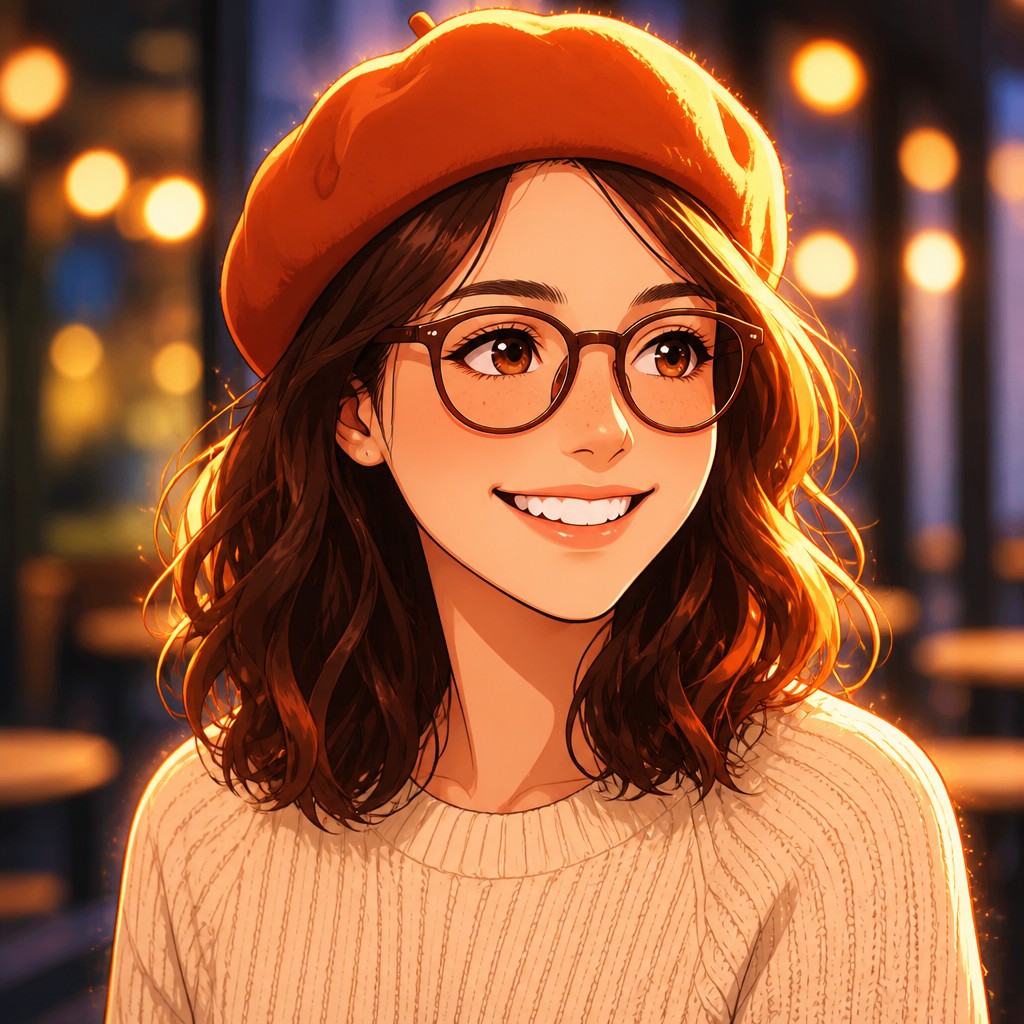
Clean, decisive linework
Outlines are typically smooth and controlled, with varying line weight to emphasize form and depth. The drawing reads clearly at a glance, even in complex scenes.
Cel shading and flat shadow shapes
Shadows are often simplified into crisp, separate shapes rather than softly blended gradients. This gives characters a graphic, animated clarity.
Expressive stylization of anatomy
Faces, eyes, hair, and proportions are often exaggerated for emotional readability. Bodies can be realistic or idealized, but they remain visually simplified compared with live-action realism.
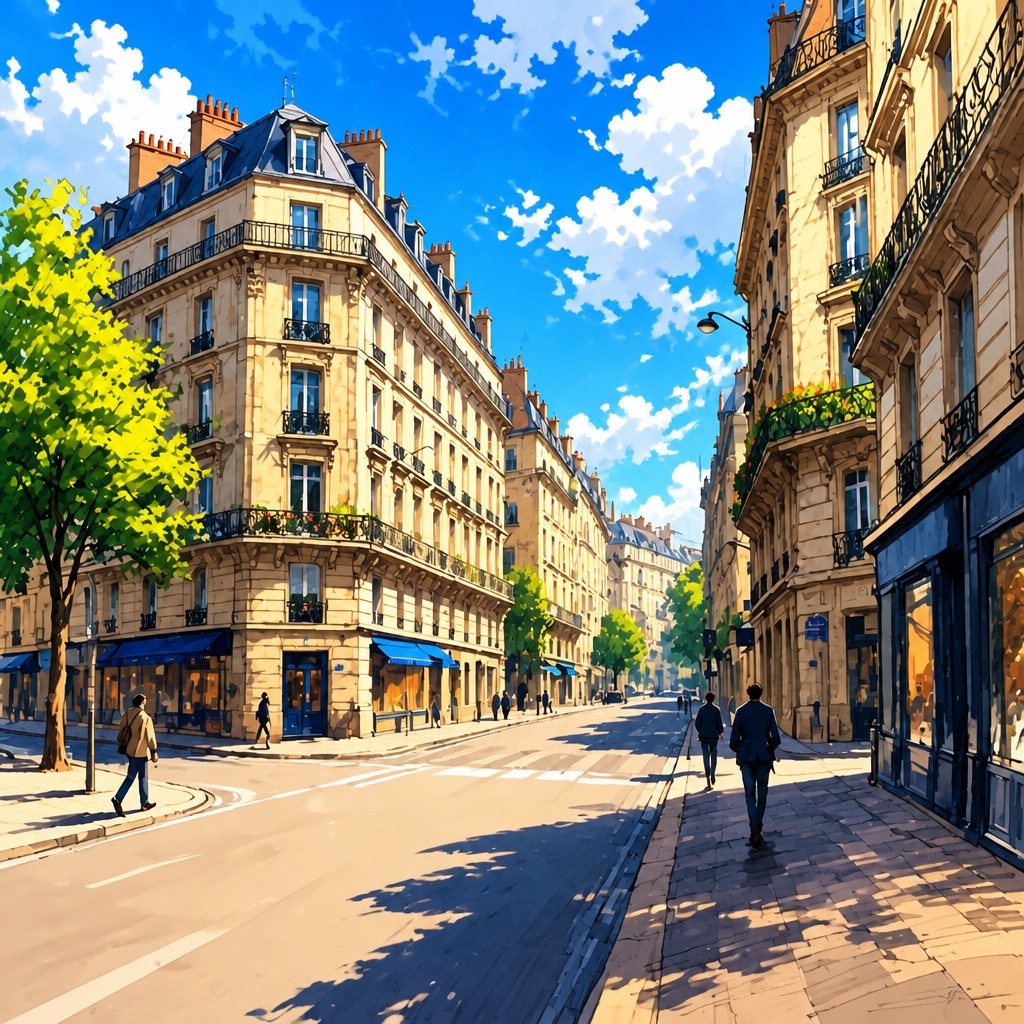
Vivid, saturated color palettes
Anime frequently uses luminous jewel tones, bright accents, and carefully chosen complementary colors. Even muted scenes usually retain strong color design.
Polished lighting effects
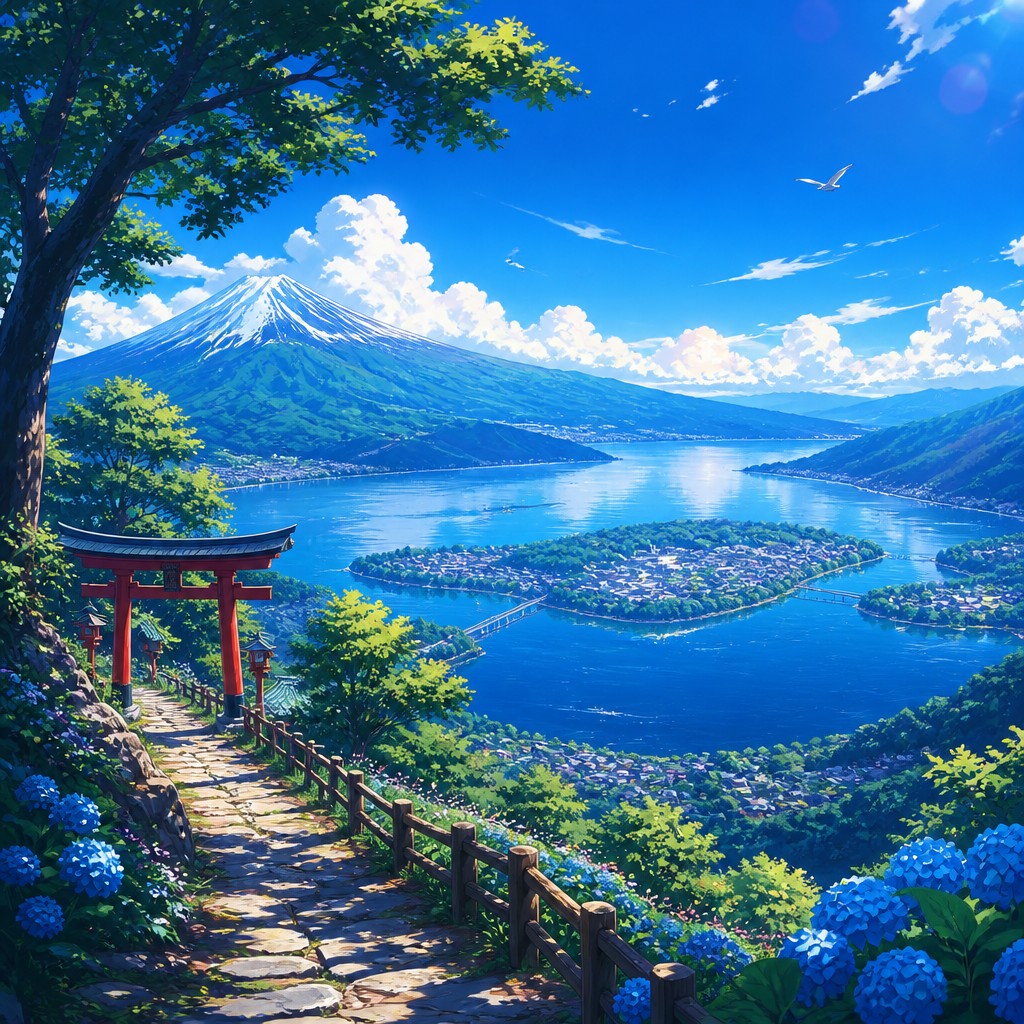
Rim light, glossy highlights, bloom, and atmospheric glow are commonly used to make subjects pop from the background. These effects add cinematic impact without losing the clean illustration style.
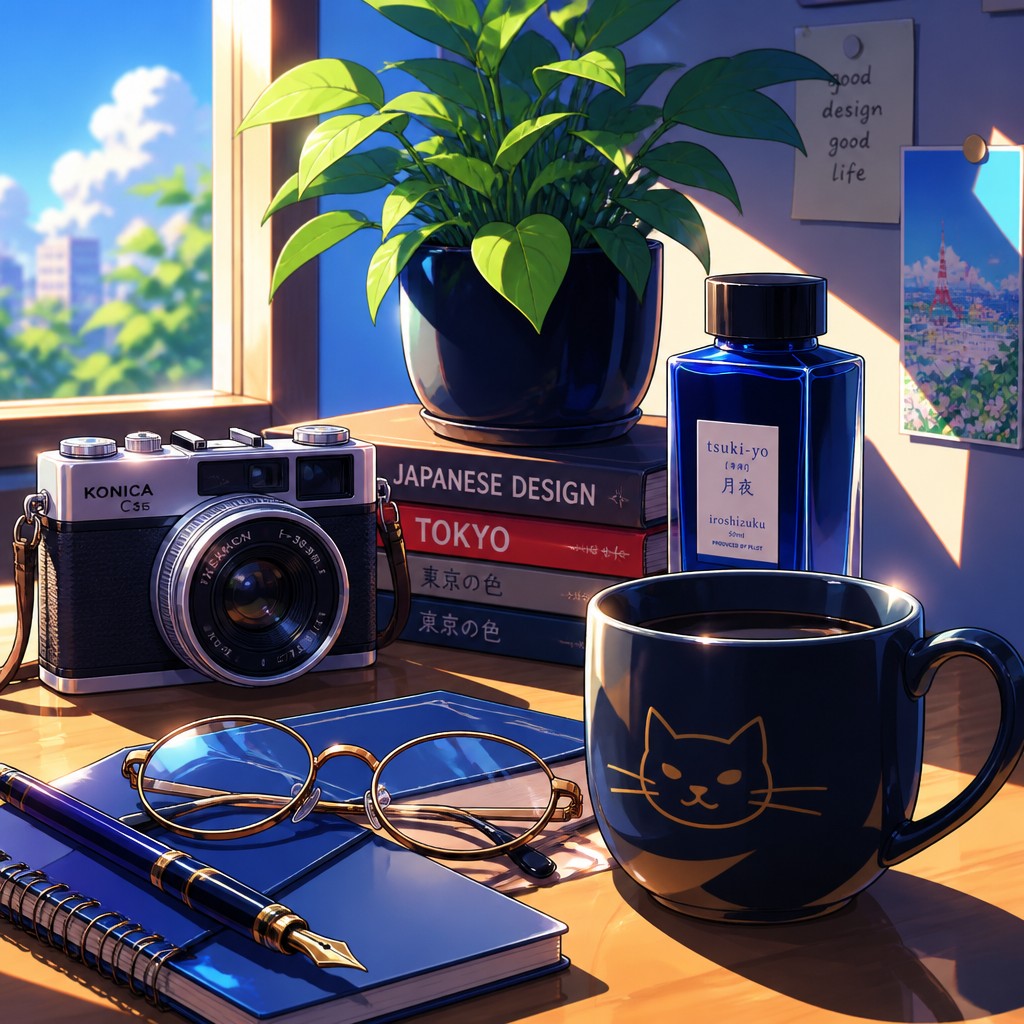
Strong figure-ground separation
Characters are usually the sharpest and most detailed elements in the composition. Backgrounds may be softened with gradients, haze, or simplified detail to keep attention on the subject.
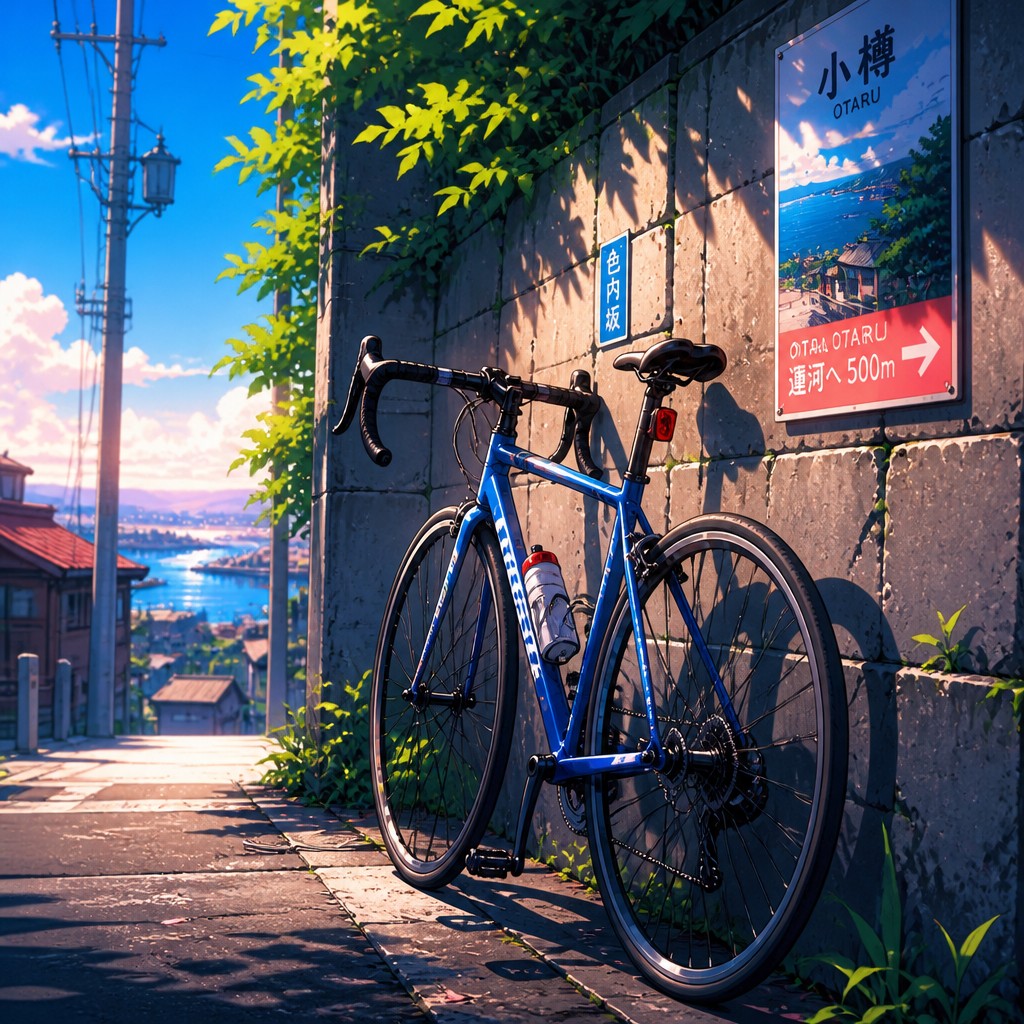
Motion-aware posing
Even static images often imply movement through hair, clothing, posture, and dynamic framing. The style is designed to feel animated rather than frozen.
Try It
Create Videos in Anime Art Style
Styles aren't just for stills — describe a scene or animate an image and get a short video rendered in Anime. Press play to see this pond come to life.
Make a VideoAnime Prompt Ideas
Start from an idea — each one opens the generator with the style ready to go. See all 40 Anime prompts →
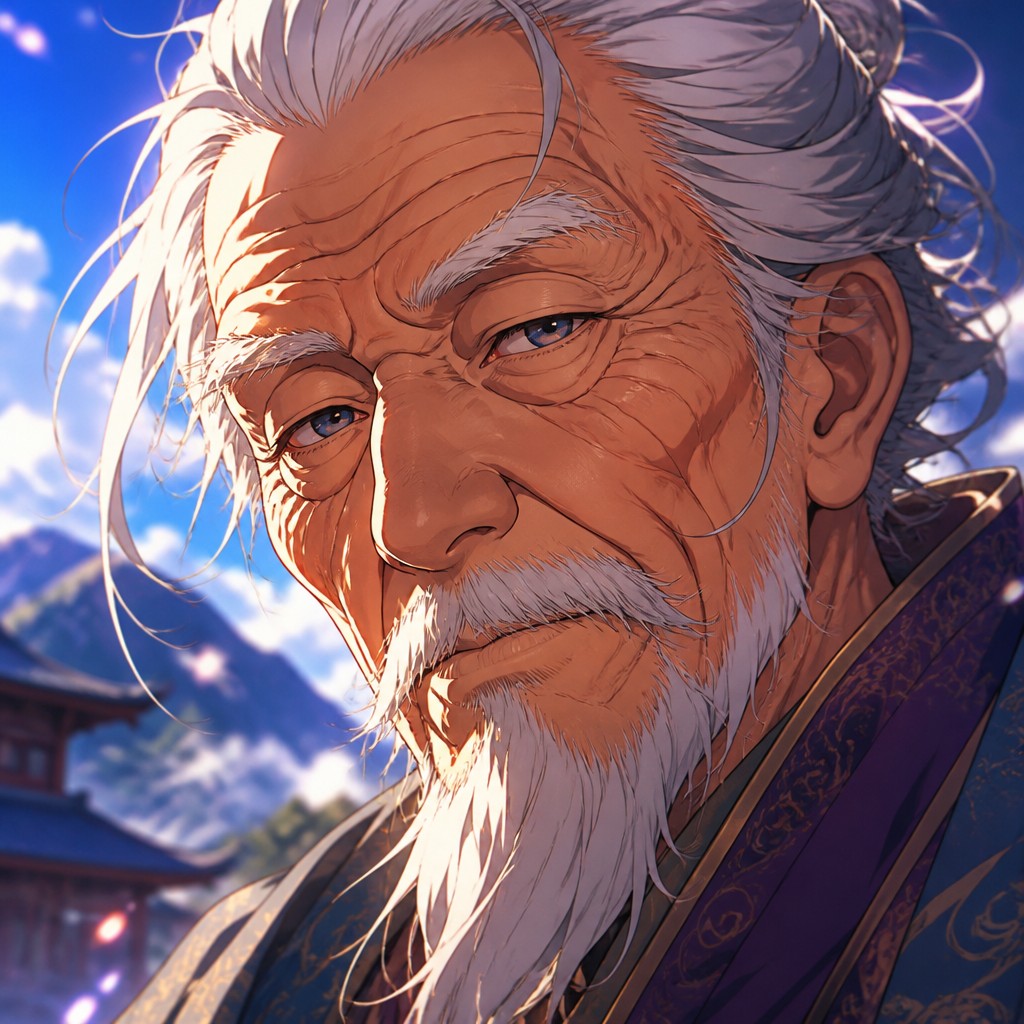
“close-up portrait of an elderly person with expressive weathered features”
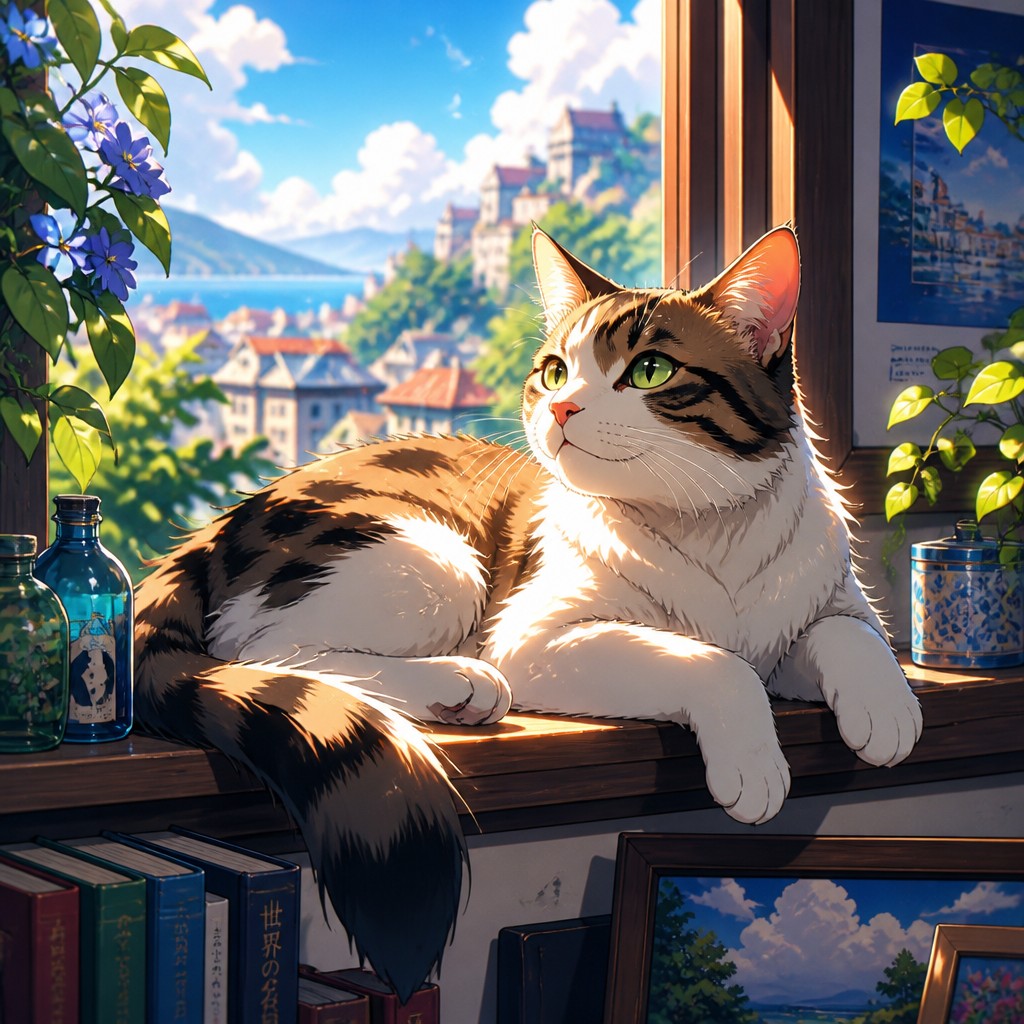
“a cat lounging in a sunlit window”
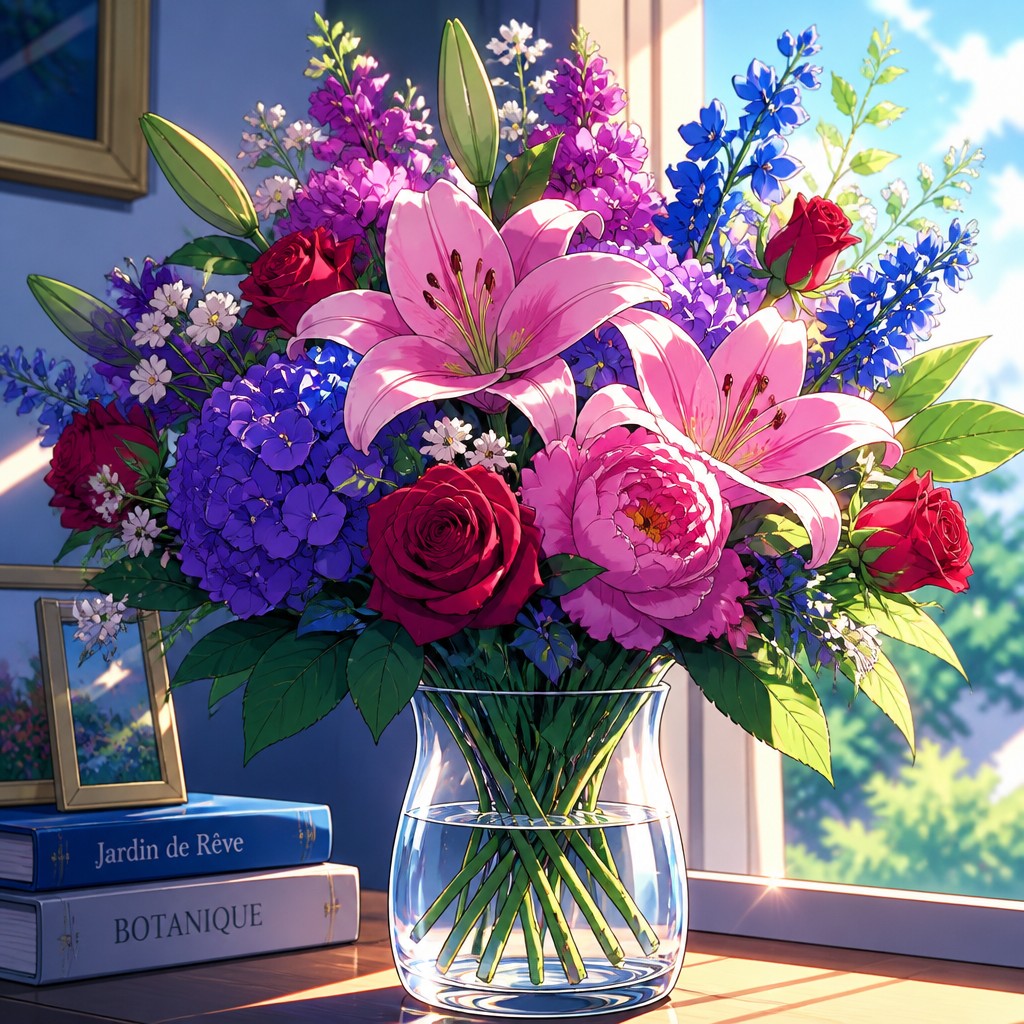
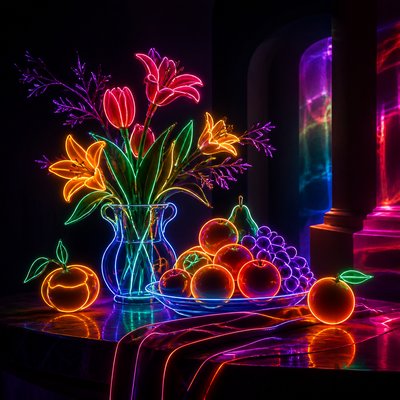
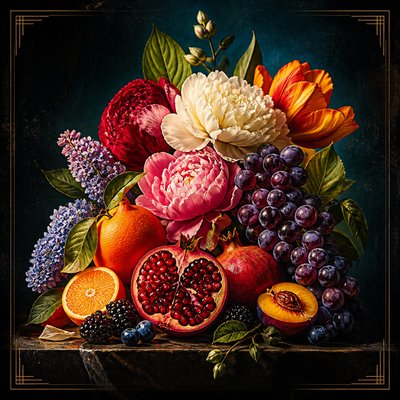
“bouquet of flowers in a glass vase”
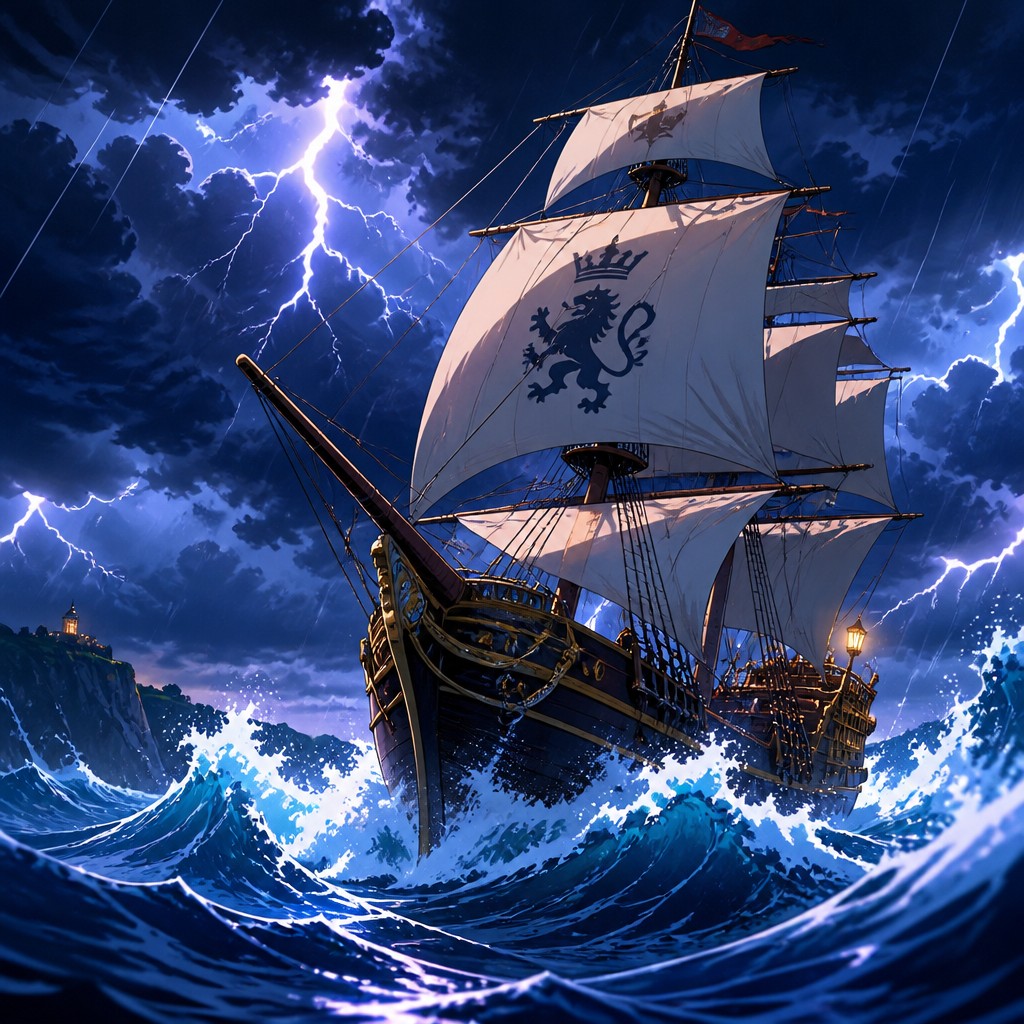
“sailing ship on a stormy sea”
How to Create Anime Art
Master the craft step by step — or skip straight to creating. Read the full guide →
- 1
Start with a readable silhouette
Design the pose and proportions first, making sure the character or subject can be recognized instantly from shape alone. In traditional work, this means strong thumbnail sketches; in digital or prompt-based creation, ask for clear pose design and distinct form.
- 2
Use line variation deliberately
Keep outlines clean, but vary thickness to define overlap, depth, and emphasis. Avoid scratchy rendering; anime linework usually looks confident and intentional.
- 3
Separate light and shadow into clear zones
Build the image with cel-shaded shadow shapes before adding highlights or atmosphere. If working digitally, use flat shadow layers; if using a prompt, specify distinct shadow shapes, glossy highlights, and crisp edges.
- 4
Choose a color script early
Limit the palette to a few dominant hues and one or two accent colors so the image feels designed rather than noisy. Contemporary anime often uses saturated colors, but they are usually harmonized carefully.
- 5
Balance detail with simplification
Keep the face, hands, and key costume elements clear while simplifying secondary areas such as backgrounds or distant objects. This reflects the medium's emphasis on readability and emotional focus.
- 6
When generating, specify the rendering language
Useful prompt terms include clean linework, cel shading, stylized proportions, vivid jewel-tone palette, rim lighting, soft gradient atmosphere, and polished Japanese animation look. For photo-to-style transformation, ask to preserve the original pose or composition while converting textures into anime-like line and color treatment.
The Story
History & Origins of Anime
Anime art style developed from Japanese animation practices in the 20th century, especially after World War II, as studios adapted and expanded visual ideas from manga, film animation, and international animation. Early influential animators and studios helped establish the vocabulary of expressive faces, economical motion, and dramatic staging that later became associated with anime, while the growth of television animation encouraged clear, reusable character designs that could be recognized instantly.
Its aesthetic lineage includes Japanese manga, prewar and postwar illustration, theatrical poster design, and the wider history of animated film. As the medium matured, anime absorbed influences from cinematic lighting, science fiction illustration, fantasy art, and digital compositing, producing the polished contemporary look seen in many series and films today. Modern anime style is therefore both a tradition and an evolving design system, shaped by production constraints as well as artistic ambition.
Influences: Anime art style draws from Japanese manga, 20th-century animation, and illustration traditions that value clear silhouettes and expressive faces. It also overlaps with cinematic composition, science fiction and fantasy illustration, and the visual language of modern character design. Within Japanese visual culture, it is closely related to manga aesthetics and the broader evolution of animation studios rather than to a single canonical painterly school.

Frequently Asked Questions
What defines anime art style?
Anime art style is defined by clean linework, stylized anatomy, cel-shaded color, and emotionally readable expressions. It usually combines simplified forms with selective detail so the image feels both graphic and cinematic. The look is strongly associated with Japanese animation, but it spans many substyles.
How is anime different from manga style?
Manga style refers to comic art on the page, while anime is the animated visual language used in films and television. They share many character-design conventions, but anime often adds color, lighting, motion design, and background rendering. A manga image may be more line-driven, while anime tends to feel more polished and cinematic.
What are the most important visual elements to include?
The most important elements are clear outlines, expressive eyes and faces, simplified shadow shapes, and a strong color palette. Lighting matters too: rim light, glow, and atmospheric gradients are common in modern anime-inspired images. The goal is clarity first, then emotional impact.
Can anime art style be realistic?
Yes, but only within stylized limits. Many anime works use realistic perspective, anatomy, and lighting while still keeping exaggerated facial features, clean edges, and simplified shadows. The style usually sits between realism and graphic abstraction rather than fully committing to either.
Where is anime art style commonly used?
It is used in television animation, feature films, character design, game art, posters, comics, fan art, and illustration. It is also common in visual novels, mobile games, and promotional key art because it communicates personality and mood efficiently.
How can I make a photo look like anime?
Focus on flattening the lighting into clear shadow shapes, simplifying skin and fabric textures, and sharpening the outlines of the main forms. Keep the composition and pose from the original photo if desired, but replace realistic rendering with stylized color blocks, luminous highlights, and a cleaner facial design.
Create your first Anime artwork
Describe anything — or upload a photo — and see it in Anime Art Style in seconds.
Make Something with Anime
Related Styles
Discover similar art styles