Surrealism Art Style
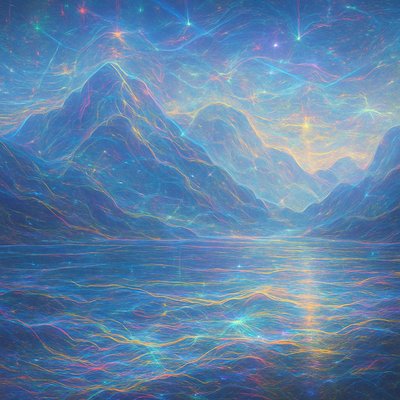
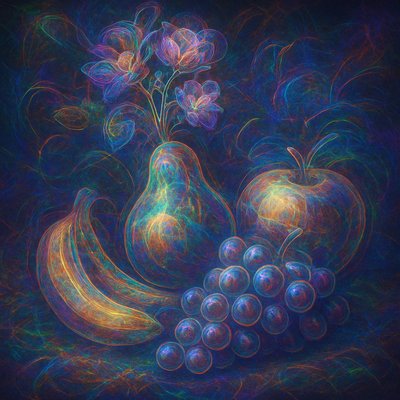
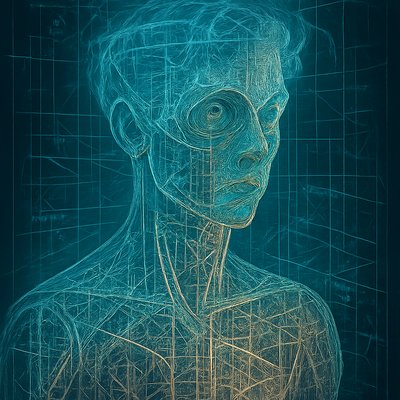
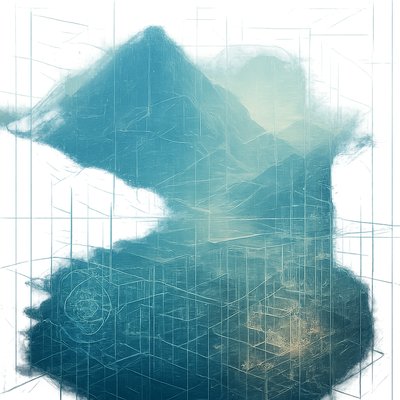
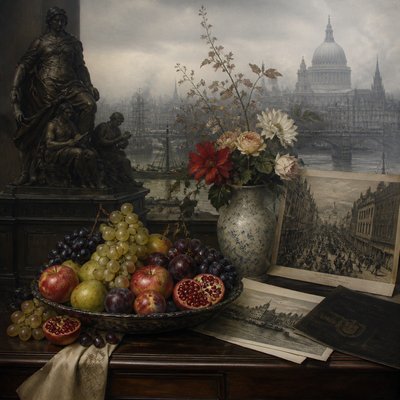
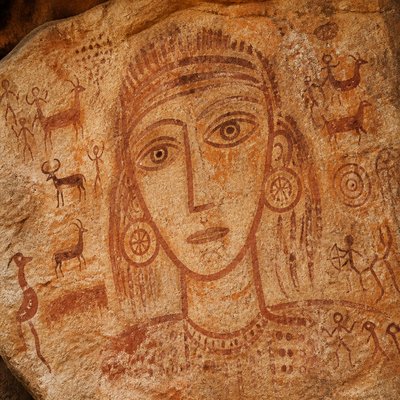
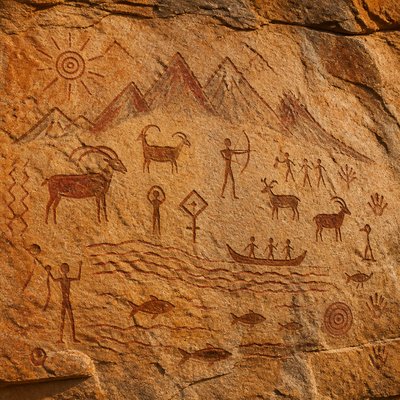
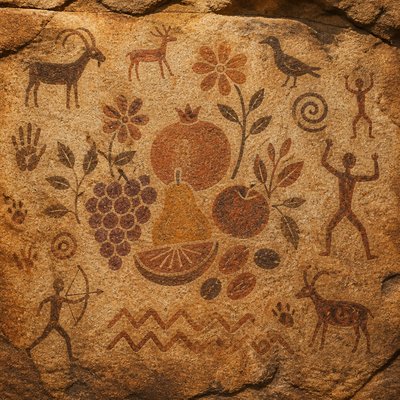
Dreamlike art of impossible juxtapositions, unconscious imagery, and crisp, uncanny scenes with photoreal detail.
Instantly rendered in Surrealism — or transform a photo
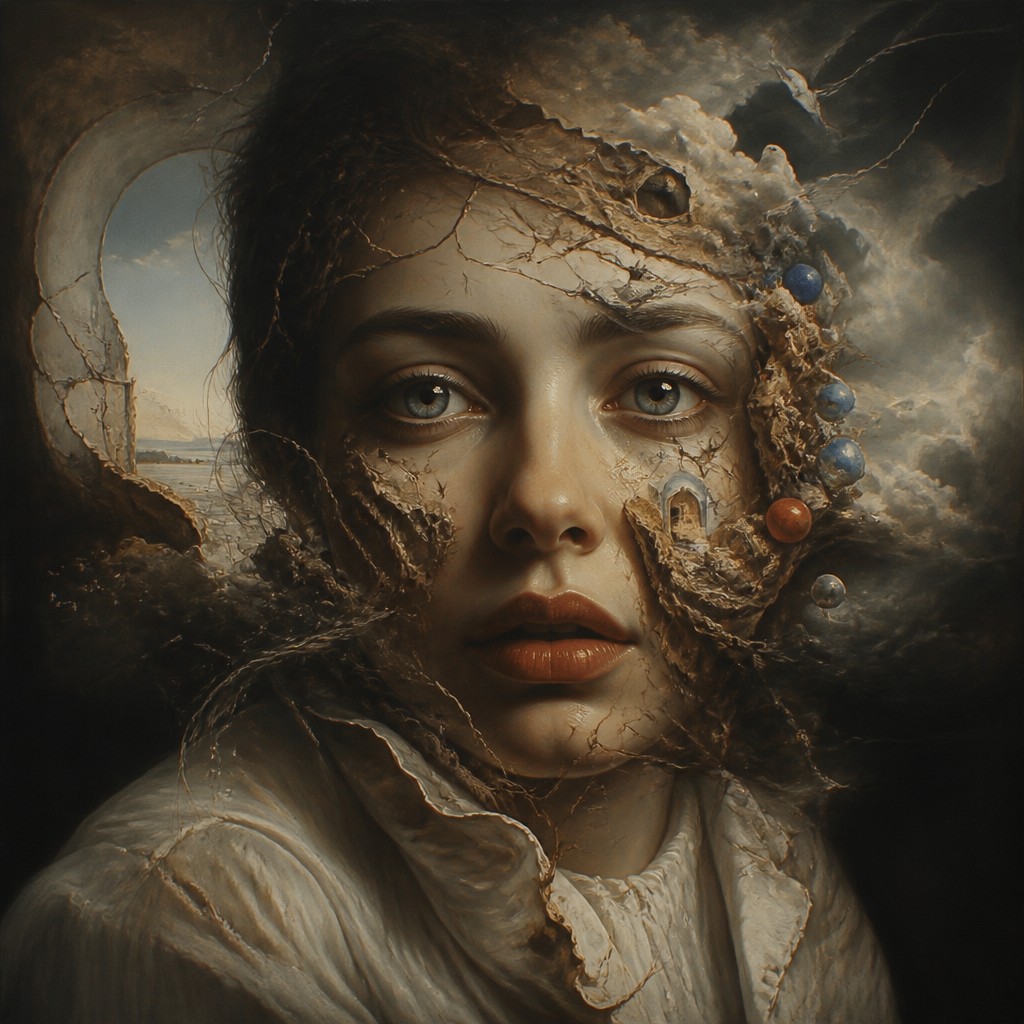
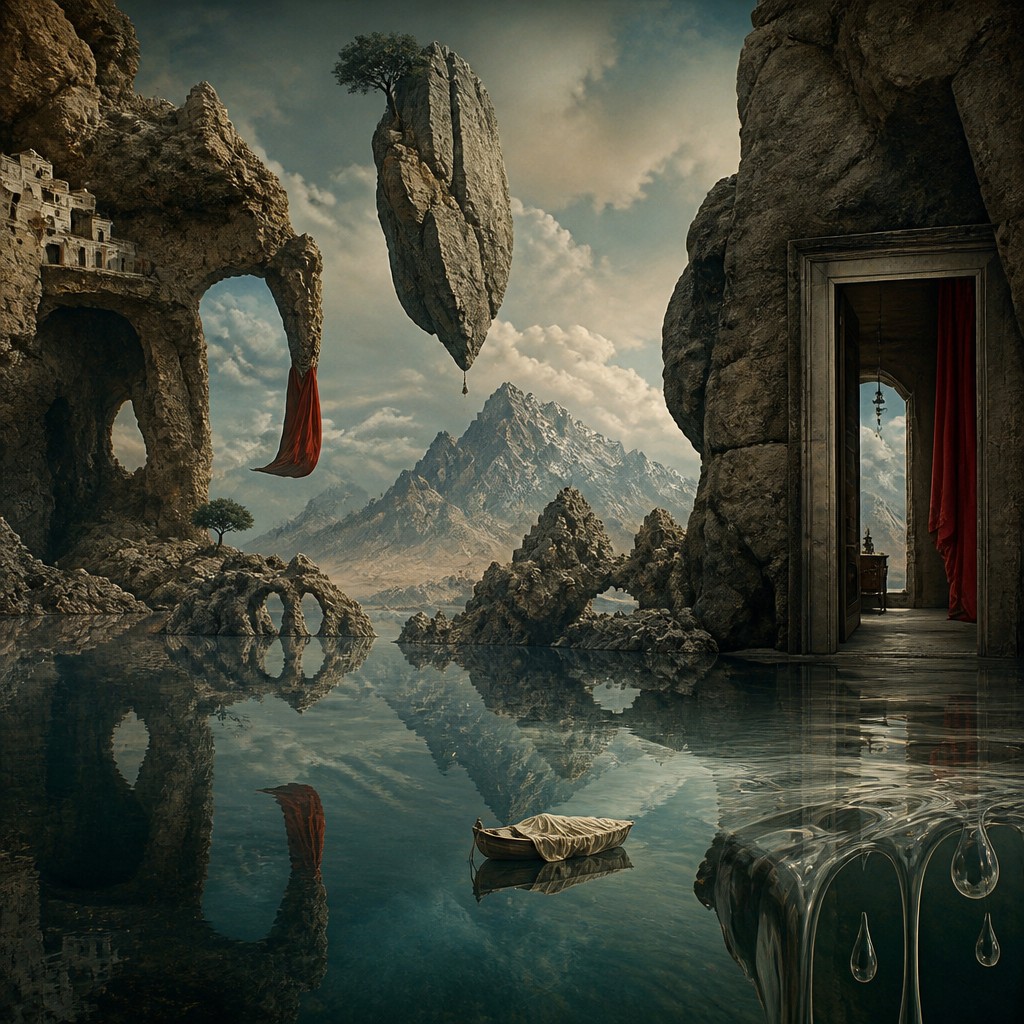
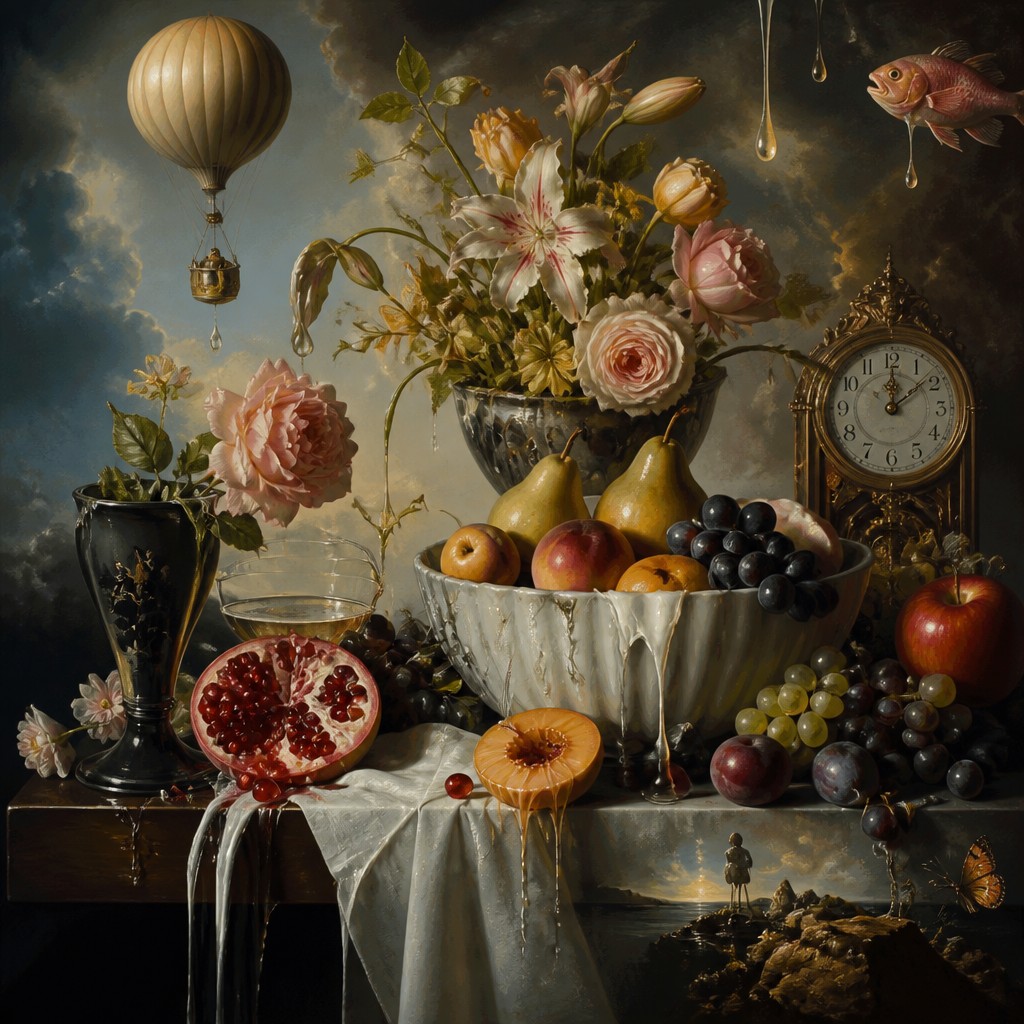
Surrealism Gallery
Tap any artwork to explore it
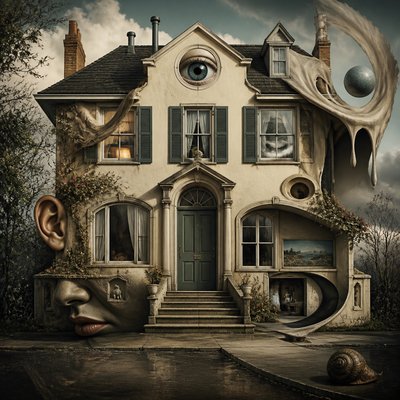
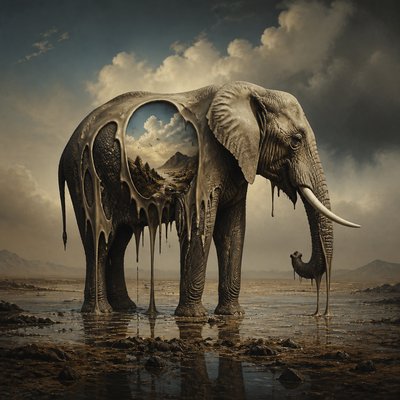
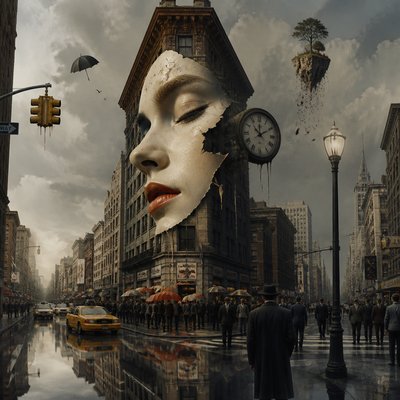
What is Surrealism Art Style?
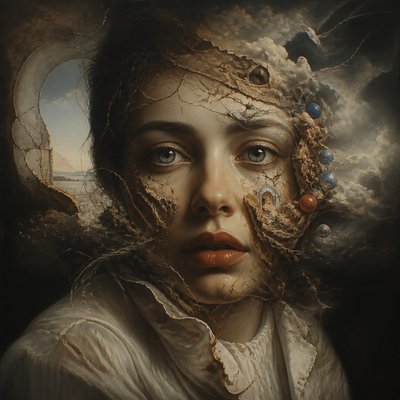
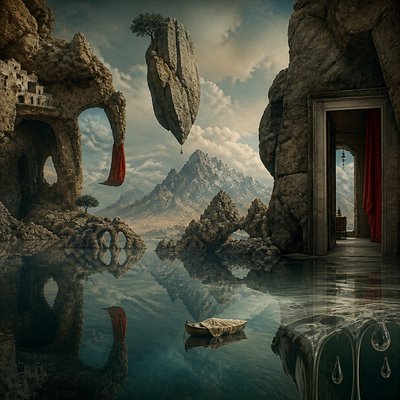
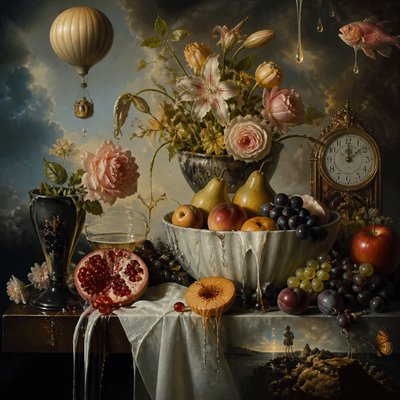
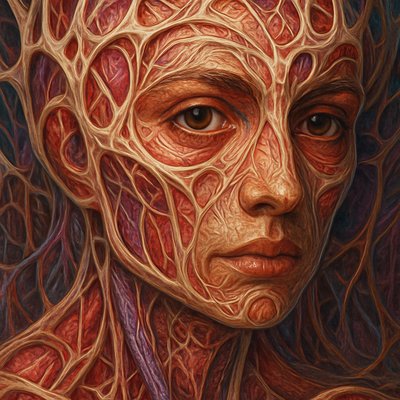
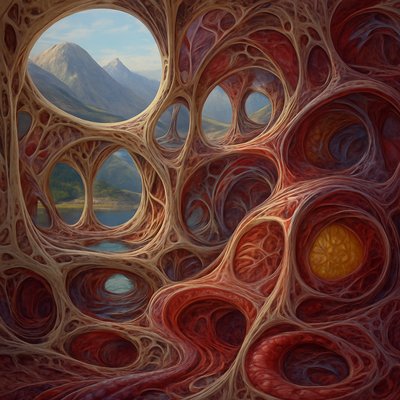
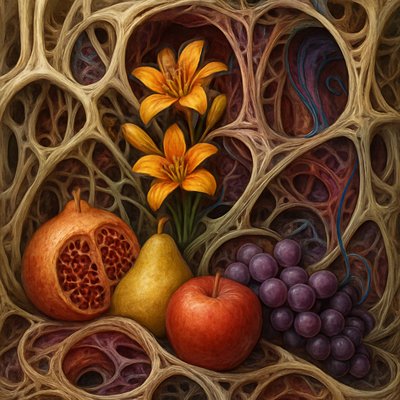
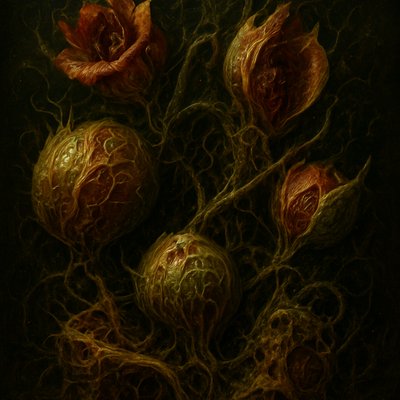
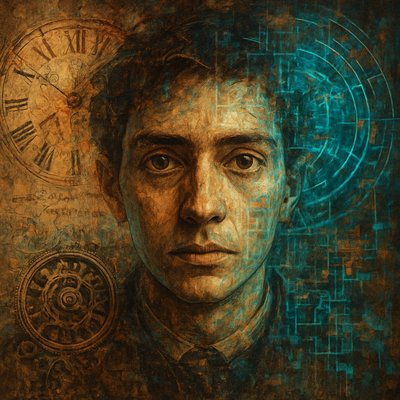
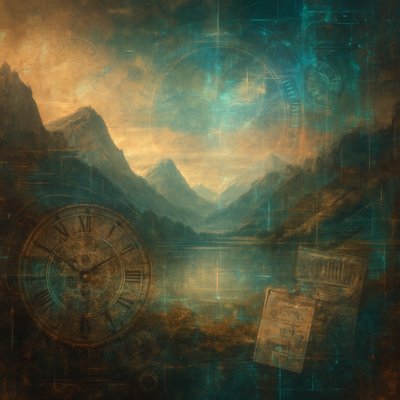
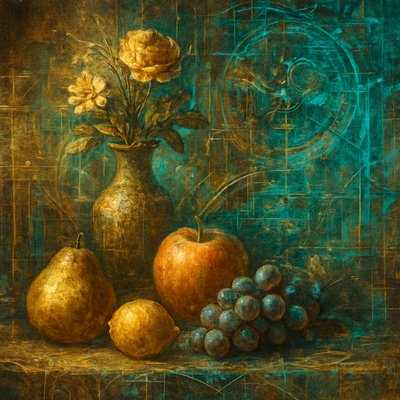
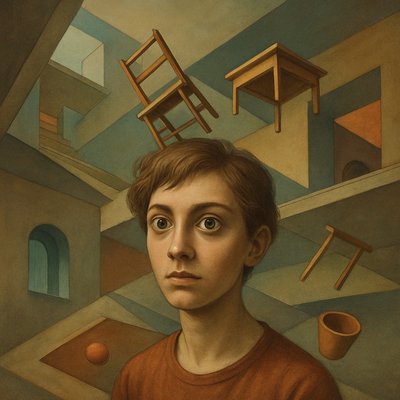
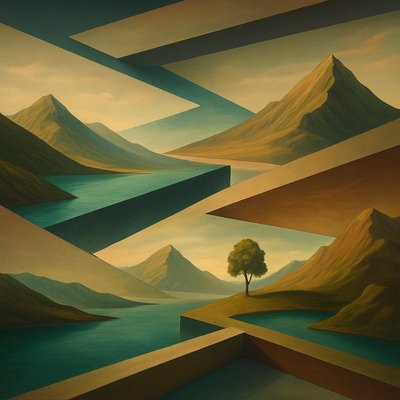
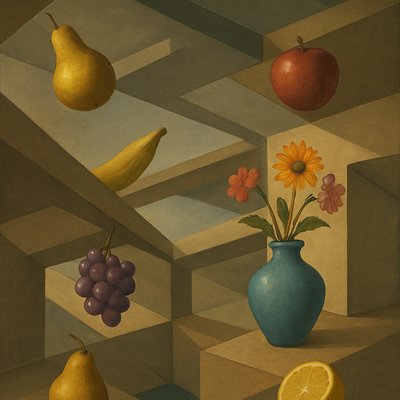
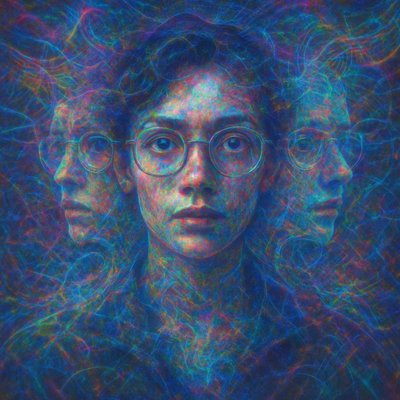
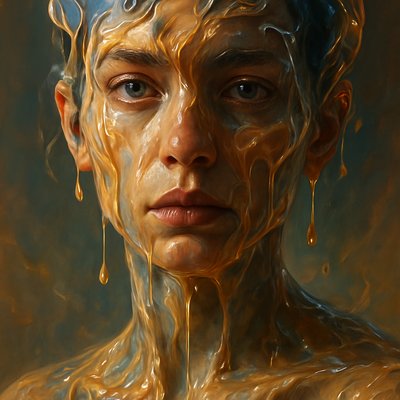
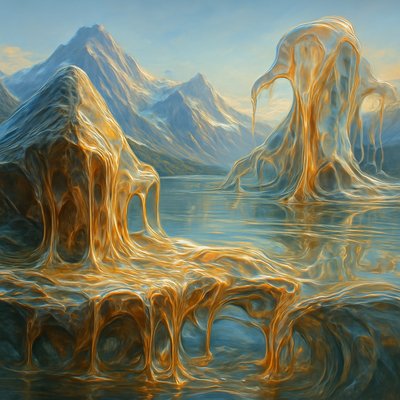
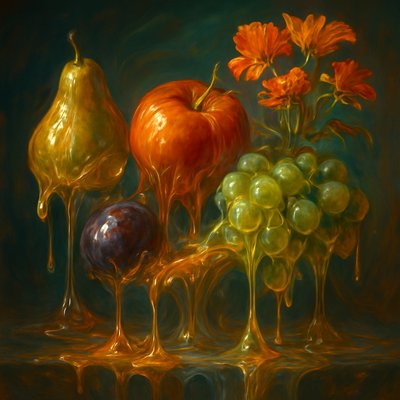
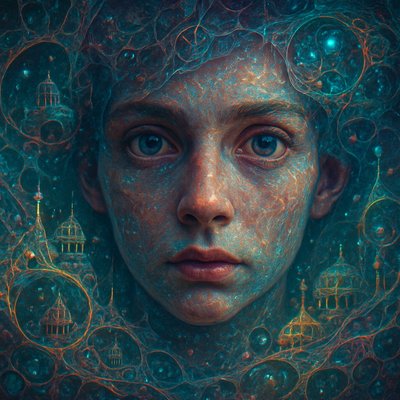
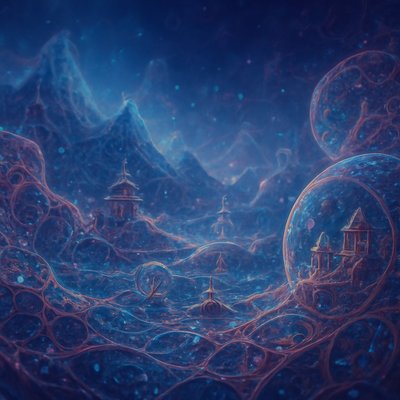
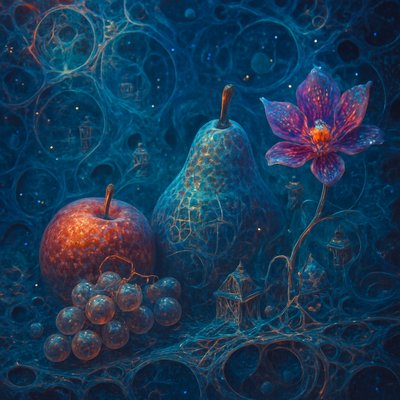
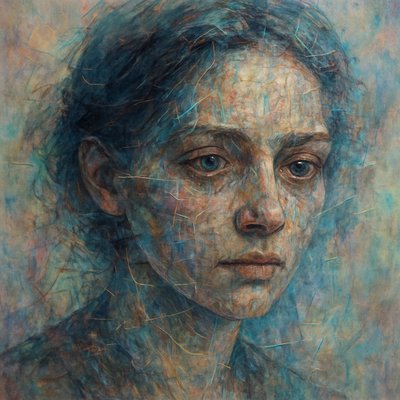
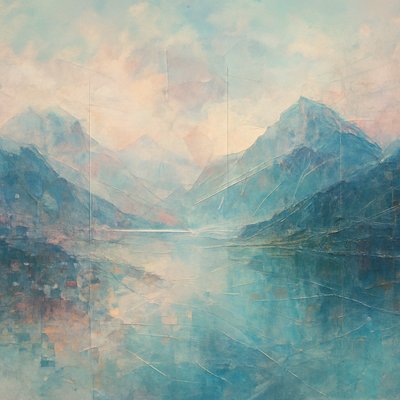
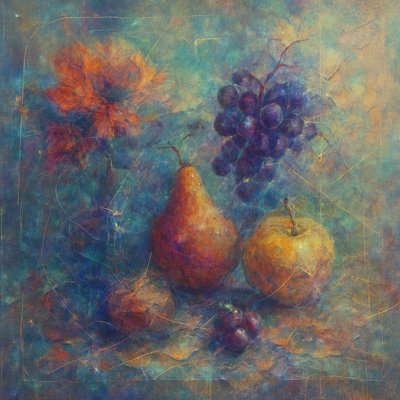
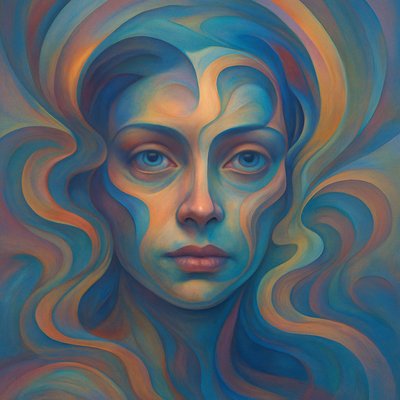
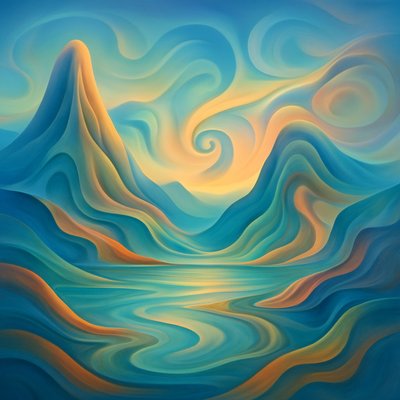
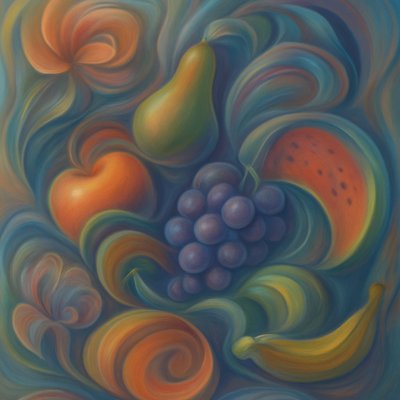
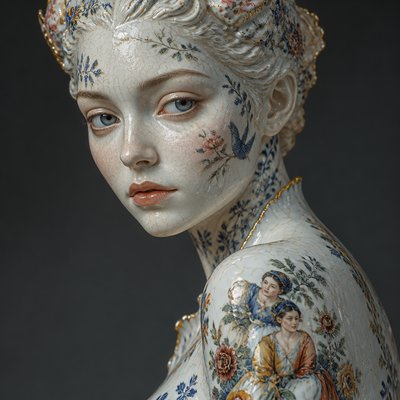
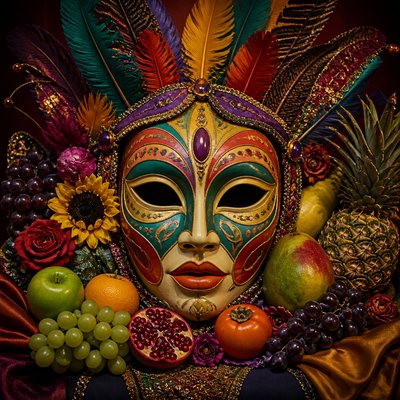
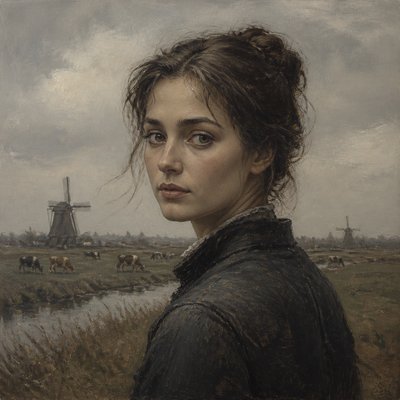
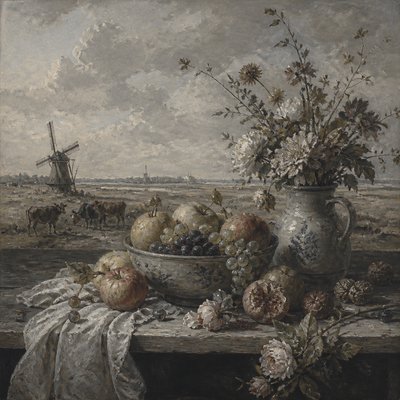
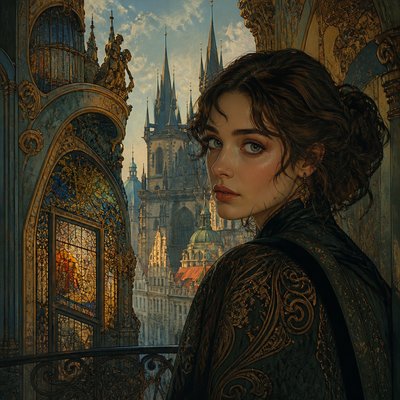
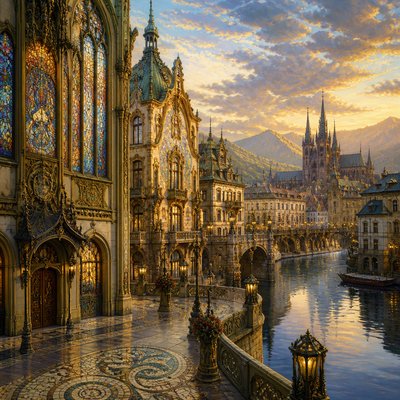
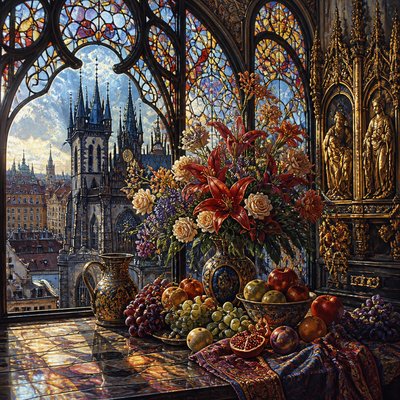
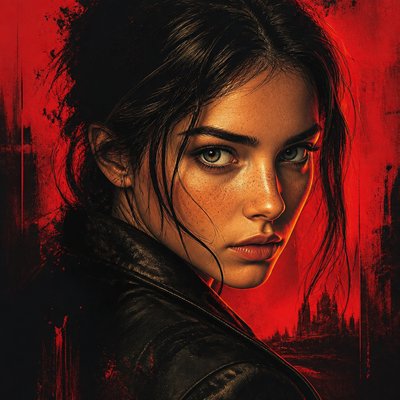
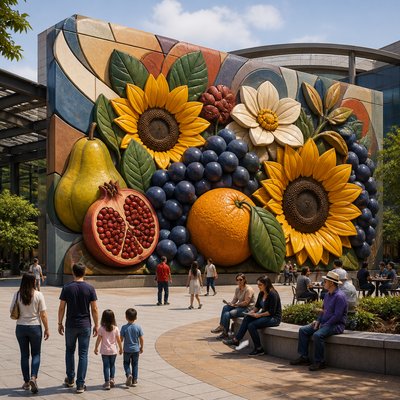
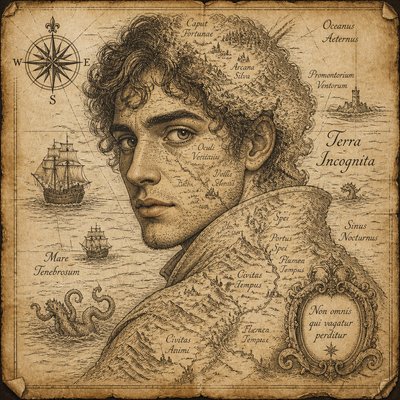
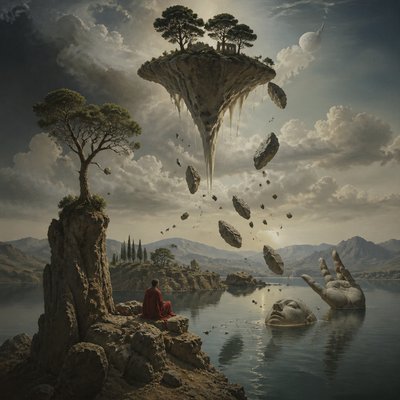
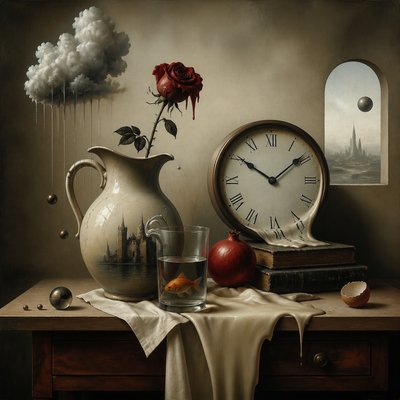
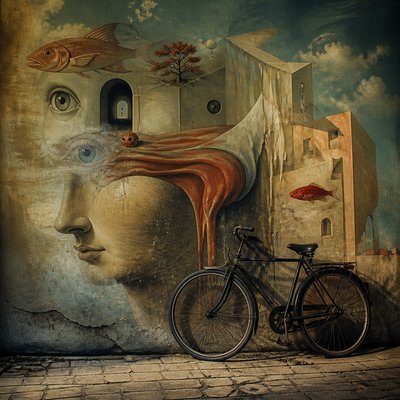
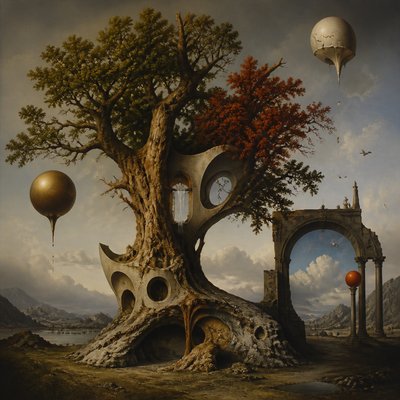
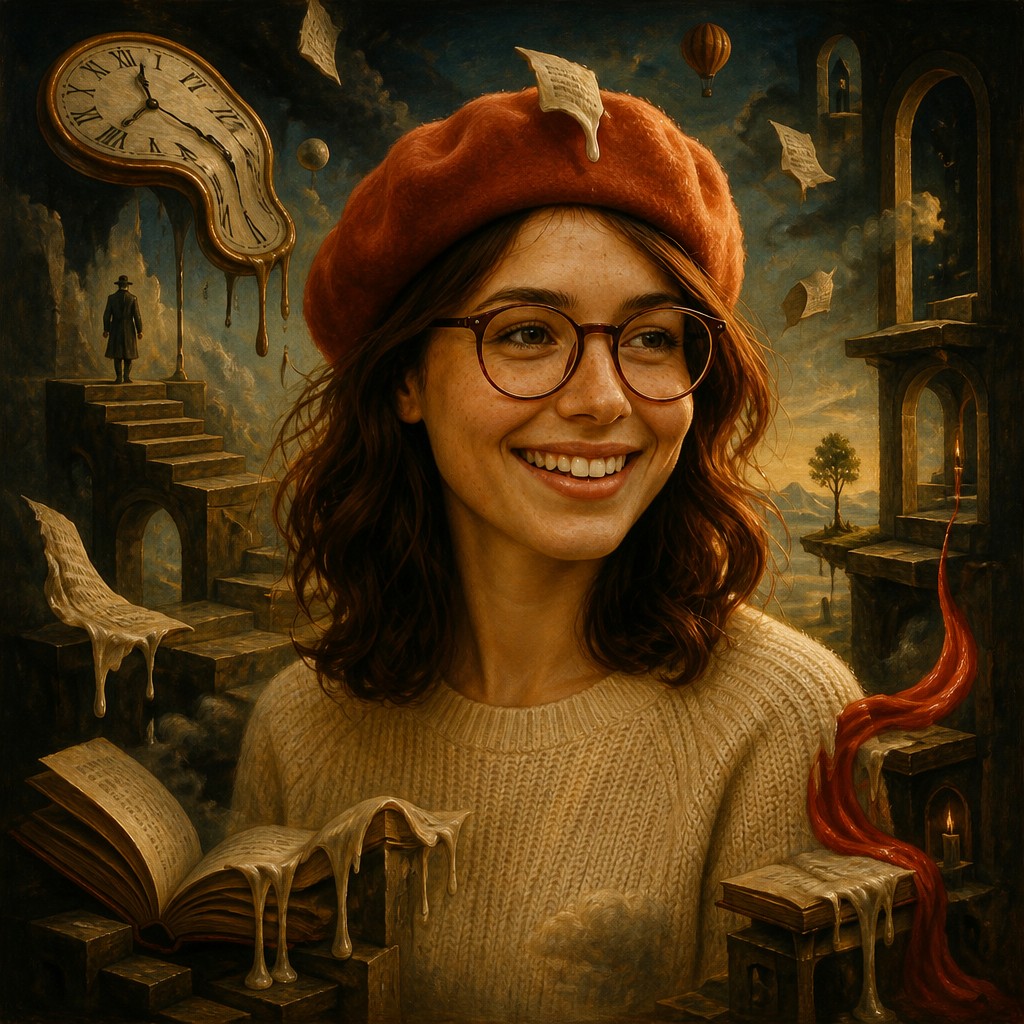
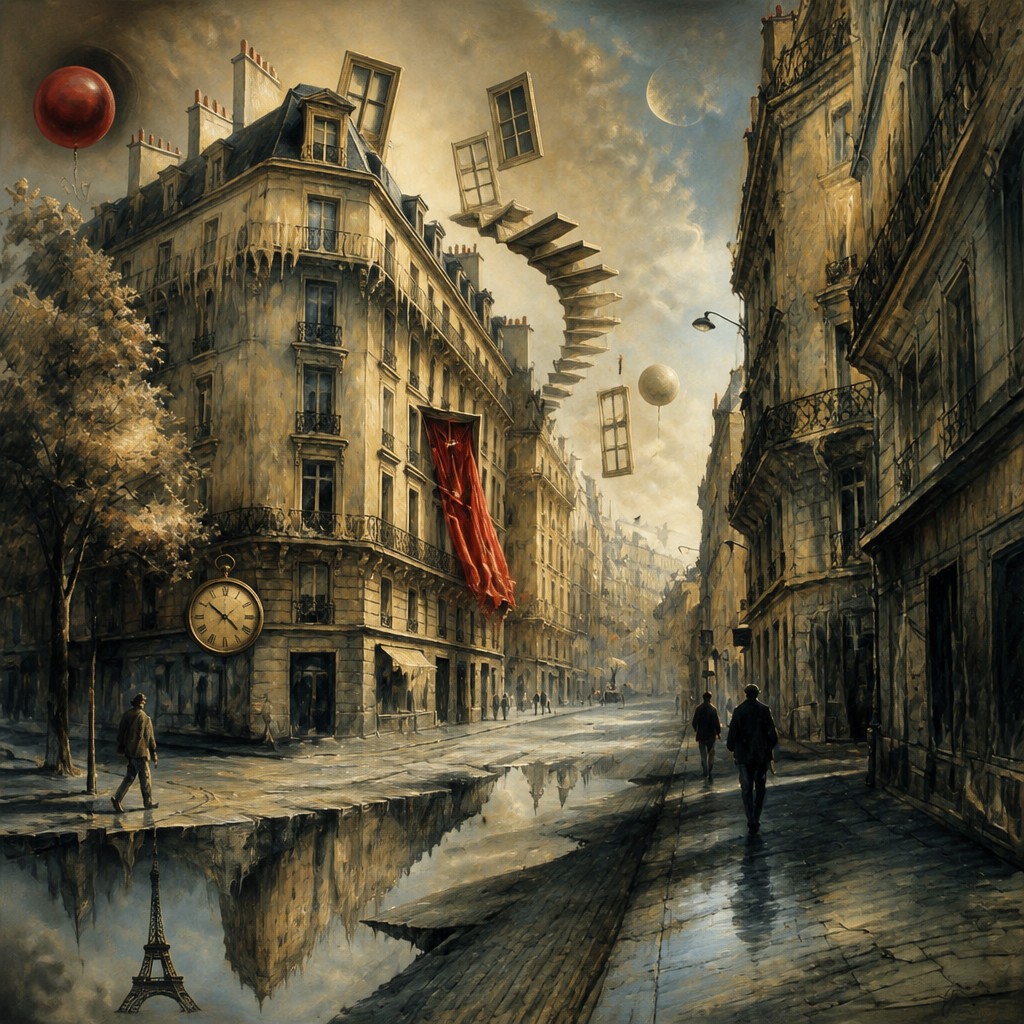
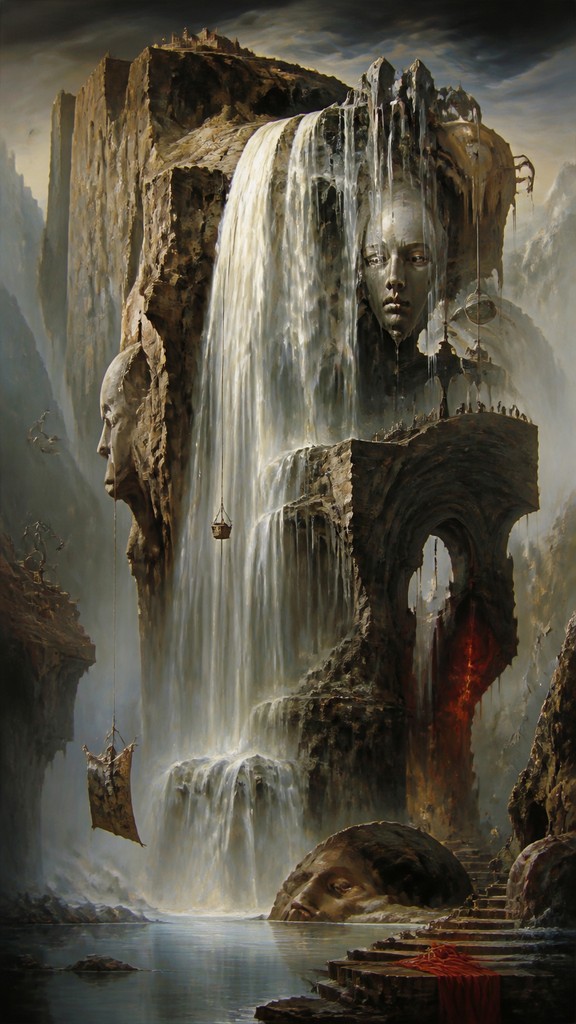
Surrealism is a 20th-century art movement that presents dream logic as visual reality. Its images combine ordinary objects, bodies, and landscapes in impossible ways: clocks soften, rooms open into deserts, figures levitate or merge with architecture, and familiar things appear in unfamiliar scale or context. The result is not fantasy for its own sake, but a deliberate unsettling of everyday perception, often with a calm, precise surface that makes the impossibility feel more convincing.
What gives Surrealism its distinctive look is the tension between exactness and contradiction. Many Surrealist works are rendered with the clarity of illusionistic painting or meticulous drawing, yet the scene itself obeys unconscious association rather than physical law. That contrast—high detail, ambiguous meaning, and an atmosphere of quiet unease—creates the style’s signature effect: the viewer recognizes the objects, but not the world they inhabit.
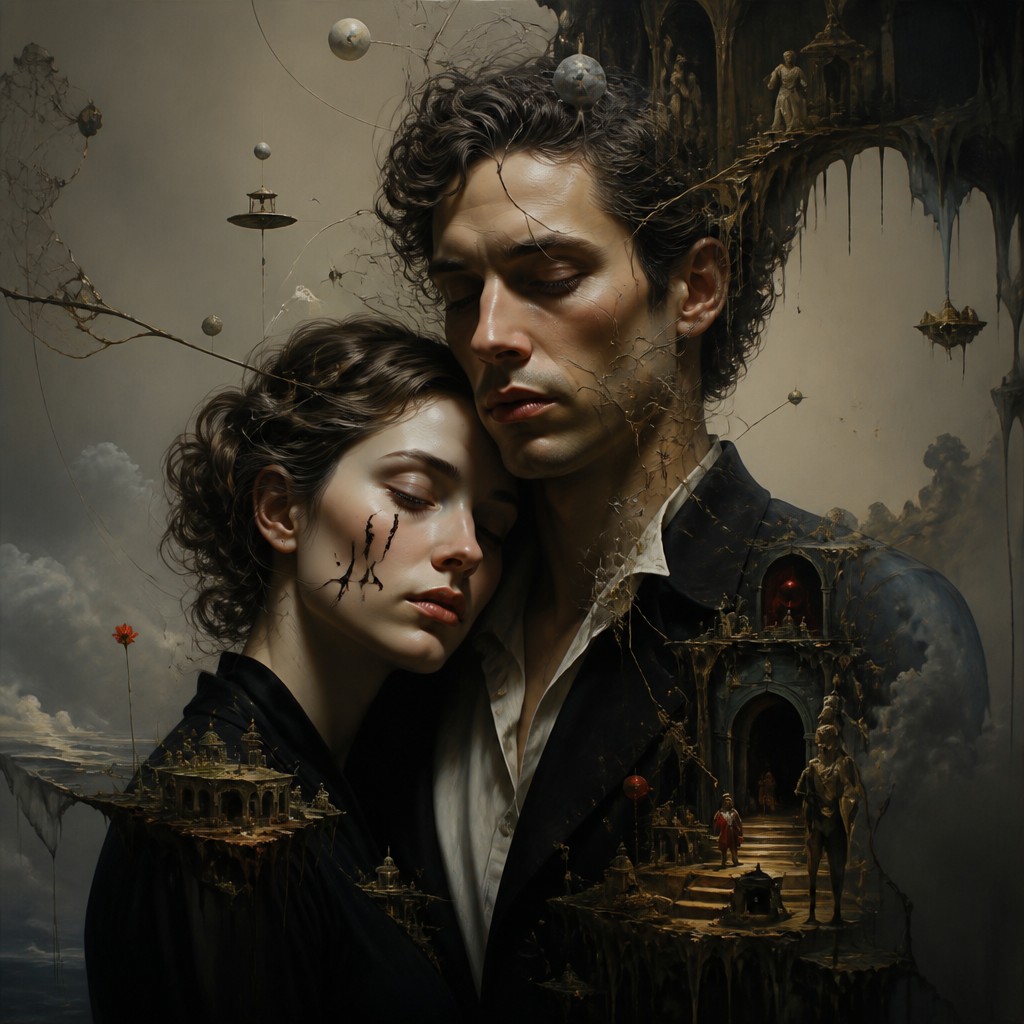
Try It On Your Photos
Upload any photo and convert it into Surrealism Art Style — drag the sliders to compare before and after.


What Defines Surrealism Art Style
The signature details, up close
Impossible juxtapositions
Unrelated objects, settings, or body parts are combined in ways that feel dreamlike or irrational. The logic comes from association rather than narrative causality.
Photorealistic or illusionistic rendering
Many Surrealist images are painted with painstaking realism, which makes the impossible elements feel unnervingly plausible. This realism often heightens the emotional and psychological impact.
Dream logic and ambiguity
Scenes often resist a single interpretation, behaving like remembered dreams rather than rational compositions. Symbols may be suggestive without becoming fully explained.
Metamorphosis and instability
Forms may melt, float, duplicate, distort, or transform into something else. Bodies and objects can appear to exist between states, as though reality is mid-change.
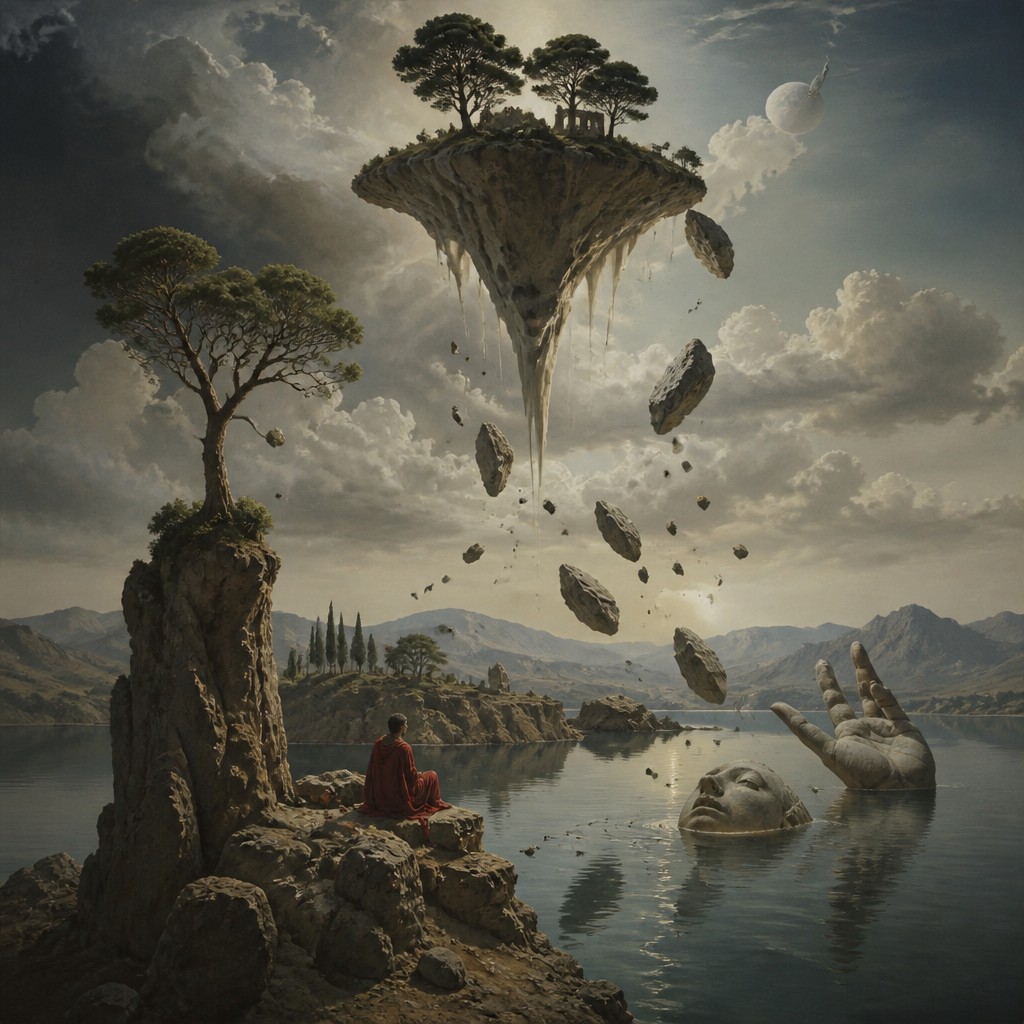
Contradictory space and scale
Depth, perspective, and proportion are often deliberately confused. Tiny objects may feel monumental, while vast spaces can appear compressed or theatrical.
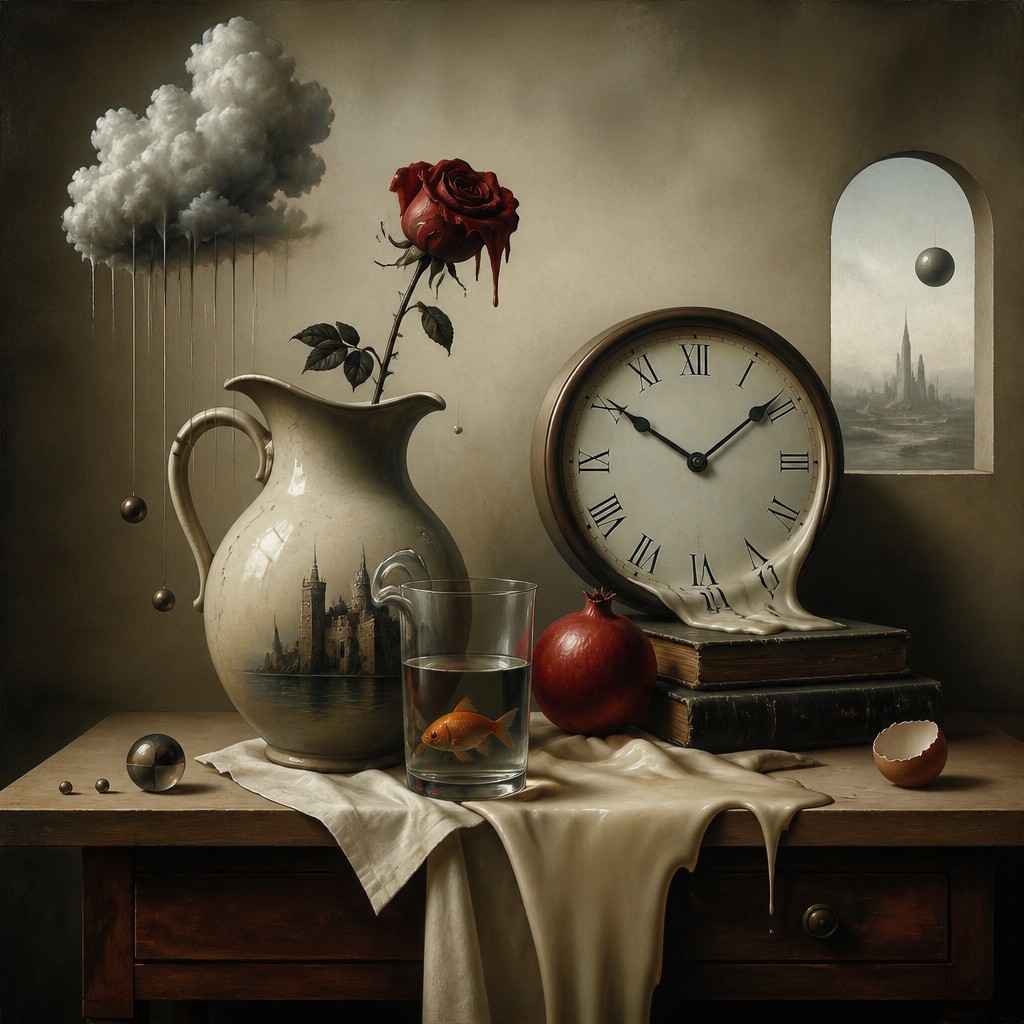
Atmospheric realism with uncanny lighting
The surfaces may be crisply detailed, but the mood is often heightened by dramatic shadows, luminous highlights, fog, or twilight effects. This creates a believable world that still feels psychologically unstable.
Try It
Create Videos in Surrealism Art Style
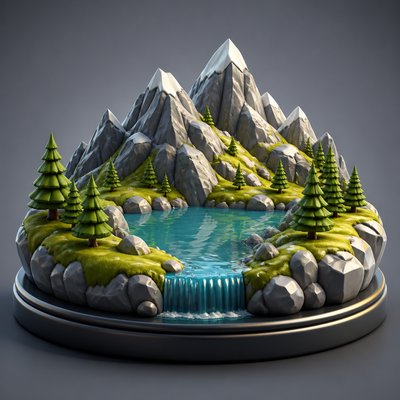
Styles aren't just for stills — describe a scene or animate an image and get a short video rendered in Surrealism. Press play to see this pond come to life.
Make a VideoSurrealism Prompt Ideas
Start from an idea — each one opens the generator with the style ready to go. See all 40 Surrealism prompts →
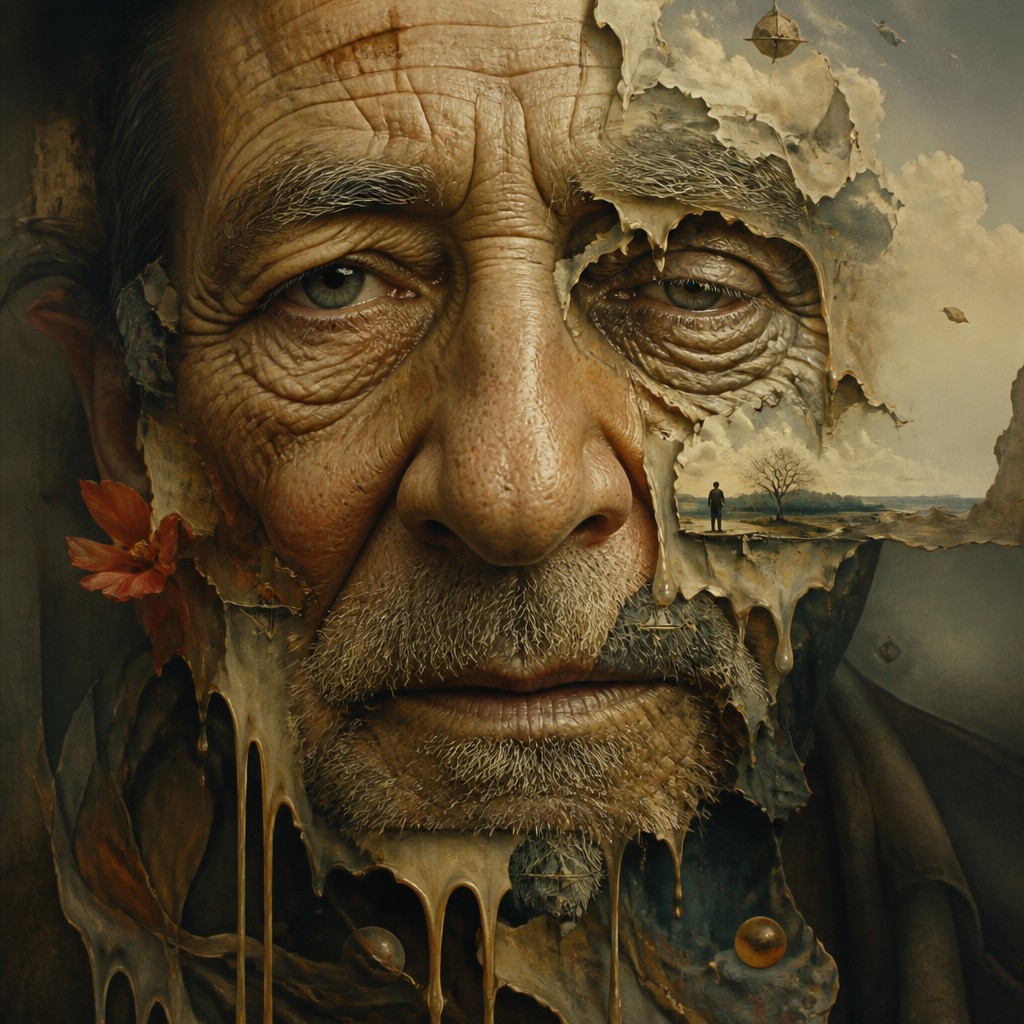
“close-up portrait of an elderly person with expressive weathered features”
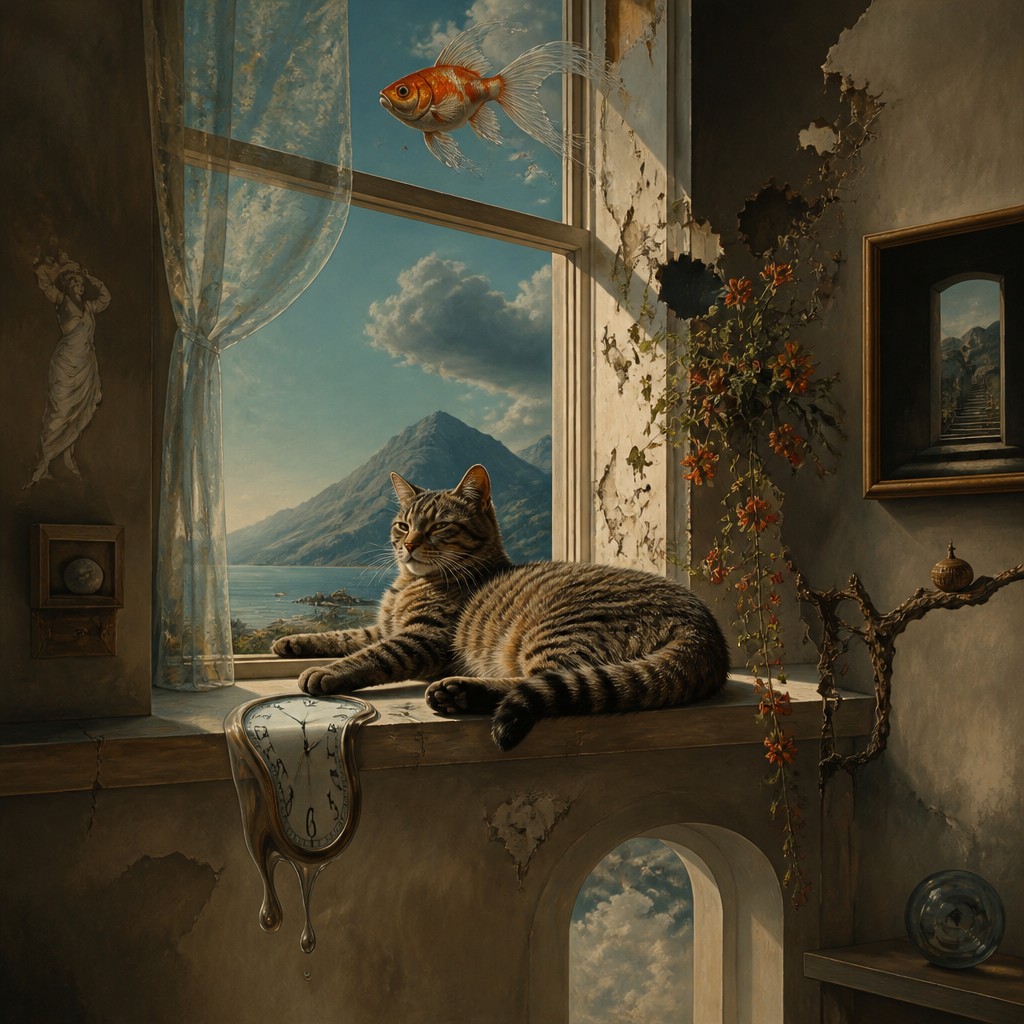
“a cat lounging in a sunlit window”
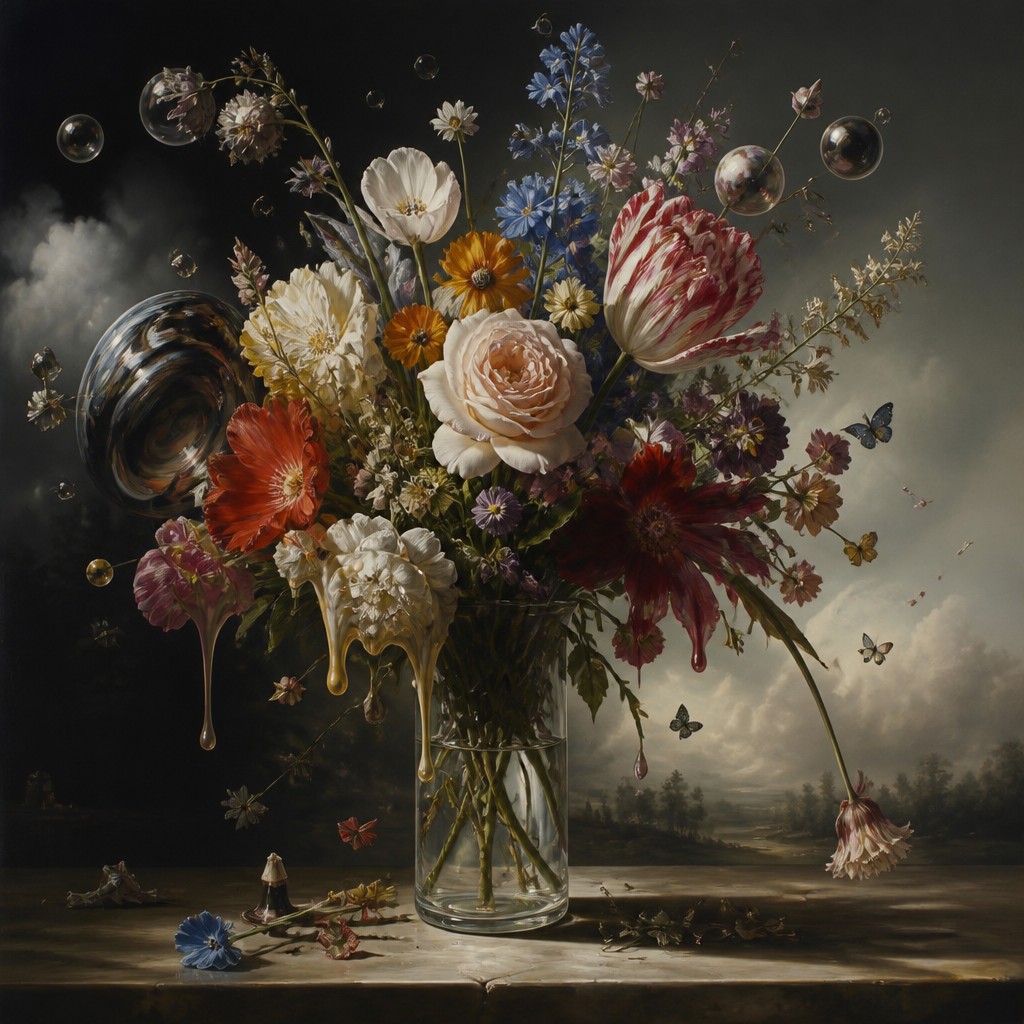
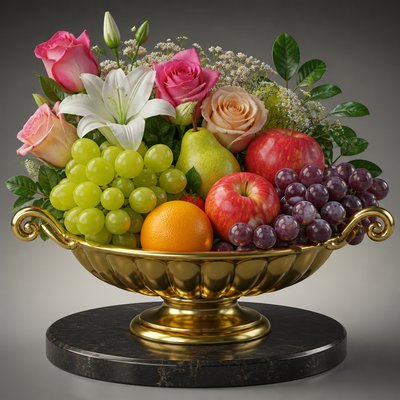
“bouquet of flowers in a glass vase”
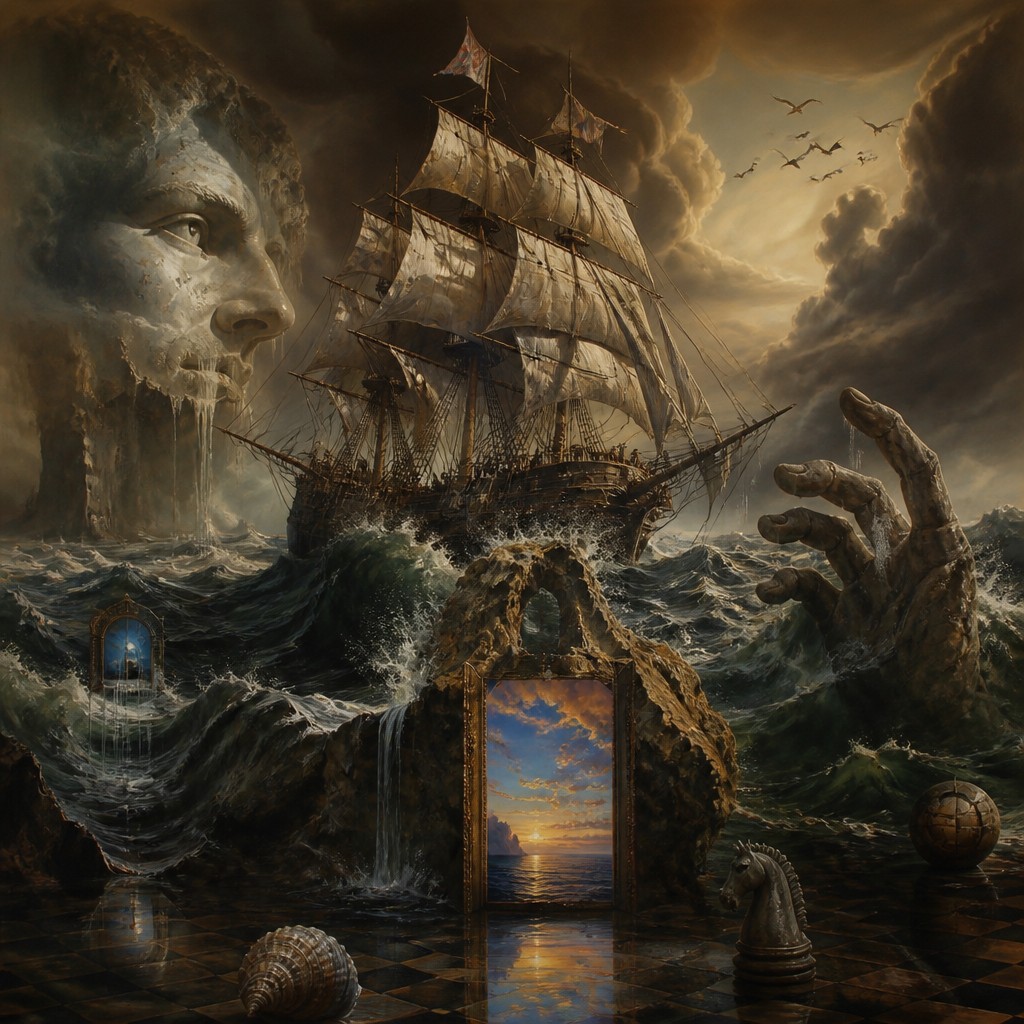
“sailing ship on a stormy sea”
How to Create Surrealism Art
Master the craft step by step — or skip straight to creating. Read the full guide →
- 1
Build the image around an ordinary anchor
Start with a recognizable subject such as a room, portrait, landscape, or still life, then introduce one or two impossible transformations. In a traditional painting, keep the drawing precise; in digital work, preserve realistic lighting so the disruption feels integrated.
- 2
Use contradiction instead of chaos
Choose a clear visual rule to break: scale, gravity, perspective, material behavior, or anatomy. Strong Surrealist images usually have a calm compositional order, even when the content is irrational.
- 3
Render surreal elements with believable materiality
Treat impossible forms as if they were physically real: model shadows, reflections, edges, and surface texture carefully. This illusionistic finish is a major reason Surrealist imagery feels uncanny rather than cartoonish.
- 4
Introduce symbolic objects sparingly
A few recurring motifs—clocks, mirrors, windows, hands, birds, masks, ladders, doors, insects, or clouds—can suggest dream association without overcrowding the image. Leave room for ambiguity so the viewer can read multiple meanings.
- 5
Control color and atmosphere
Muted earth tones, smoky neutrals, or nocturnal palettes often suit the style, with selective bright accents for emphasis. For prompt-based generation, ask for crisp detail, impossible dream logic, contradictory perspective, dramatic chiaroscuro, and a hazy edge atmosphere.
- 6
Let the prompt define the collision
For text-to-image or image transformation, specify the subject first, then the surreal intervention, then the rendering approach. Phrases like ‘photorealistic dream scene,’ ‘metamorphosing forms,’ ‘floating architecture,’ and ‘uncanny trompe-l’oeil’ help steer the result toward Surrealist effects.

The Story
History & Origins of Surrealism
Surrealism emerged in the 1920s in Paris, officially shaped by a leading French Surrealist theorist’s 1924 Surrealist Manifesto. It grew out of Dada’s anti-rationalism, the trauma of World War I, and the influence of psychoanalysis, especially the ideas about dreams, desire, and the unconscious developed by a foundational Austrian neurologist and psychiatrist. Early Surrealists sought methods that bypassed conscious control, including automatism, dream transcription, and unexpected combinations of unrelated images.
The movement developed through two major tendencies: the biomorphic, automatist work associated with artists such as a key Catalan Surrealist painter and sculptor and an influential French automatist painter and draughtsman, and the more meticulously rendered, illusionistic Surrealism seen in a major Spanish Surrealist painter, a prominent Belgian Surrealist painter, and later a major Czech-French Surrealist painter. Although the historical movement was strongest between the 1920s and 1940s, its visual language has remained highly influential in contemporary painting, illustration, photography, film, and digital image-making.
Influences: Surrealism draws on Dada’s anti-rational spirit, Symbolism’s psychological imagery, and the illusionistic traditions of Renaissance and Baroque painting, which gave many Surrealists a convincing visual vehicle for impossible scenes. Canonical Surrealist artists include leading Spanish and Belgian Surrealist painters, a major German Surrealist painter and printmaker, a key Catalan Surrealist painter and sculptor, an influential French automatist painter and draughtsman, a major Czech-French Surrealist painter, and an important female Surrealist-associated painter whose work is often discussed as adjacent to the movement rather than fully within it.
Frequently Asked Questions
What defines Surrealism in art?
Surrealism is defined by dreamlike imagery, irrational combinations, and a focus on the unconscious mind. It often uses realistic or precise rendering to make impossible scenes feel visually convincing. The style is less about pretty fantasy and more about unsettling the viewer’s normal sense of reality.
How is Surrealism different from fantasy art?
Fantasy art usually builds coherent imagined worlds, species, or mythic narratives, even when they are fantastical. Surrealism tends to disrupt coherence on purpose, using dream logic, symbolic ambiguity, and contradictory space. It aims to feel psychologically revealing rather than world-building.
Is Surrealism always weird or disturbing?
Not always. Surrealist images can be eerie, humorous, poetic, sensual, or quietly contemplative. The key trait is the disruption of ordinary logic, not a single emotional tone.
What subjects work best in this style?
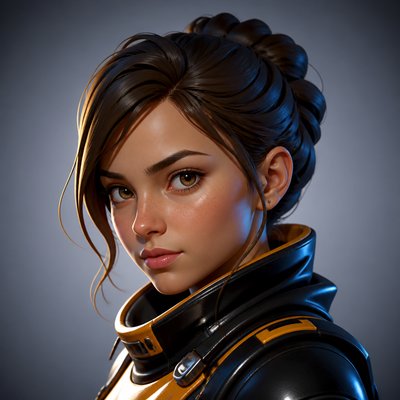
Portraits, interiors, landscapes, still lifes, and body studies all work well because Surrealism often transforms familiar subjects rather than inventing entirely new ones. Everyday objects are especially effective when combined in impossible ways, since the contrast creates the uncanny effect.
How do I make an image look more Surrealist?
Keep the rendering believable while making the content impossible. Use a realistic light source, careful shadows, and clean edges, then introduce one disruptive idea such as melting forms, impossible scale, or a scene that behaves like a dream. A restrained palette with selective accents often strengthens the effect.
Where is Surrealism used today?
Surrealist aesthetics appear in contemporary painting, editorial illustration, advertising, album art, photography, film, and digital compositing. The style remains popular because it can be used to express subconscious states, social unease, humor, and symbolism in a single image.

Create your first Surrealism artwork
Describe anything — or upload a photo — and see it in Surrealism Art Style in seconds.
Make Something with Surrealism
Compare Surrealism
Related Styles
Discover similar art styles