Symbolism vs Surrealism: What's the Difference?
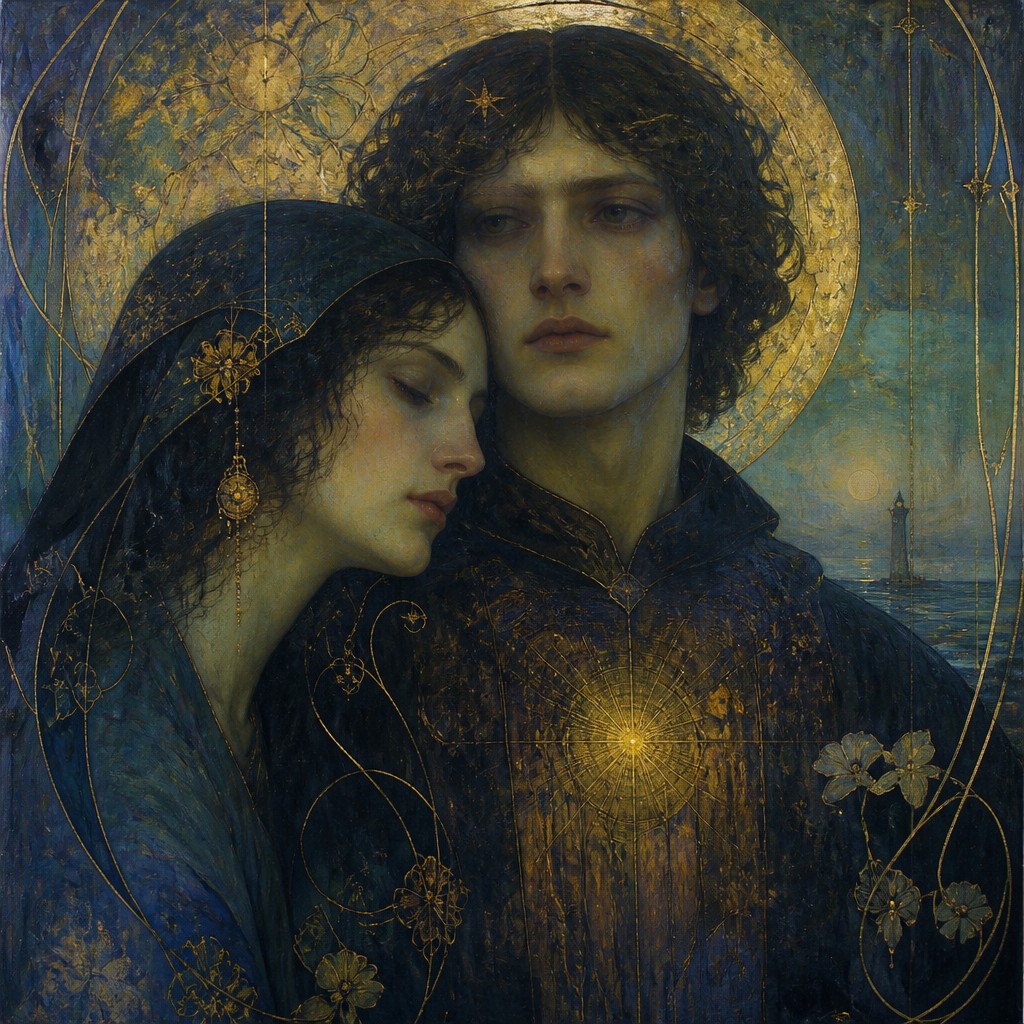
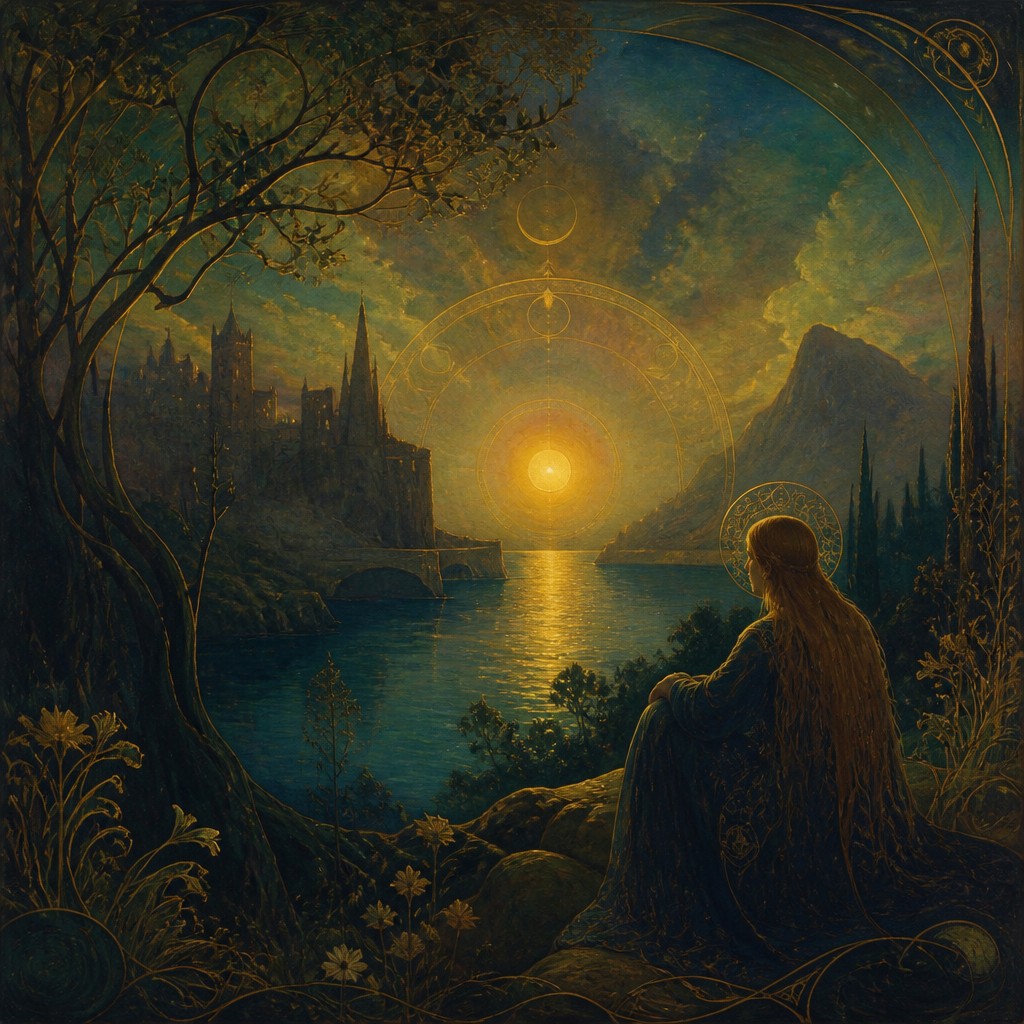
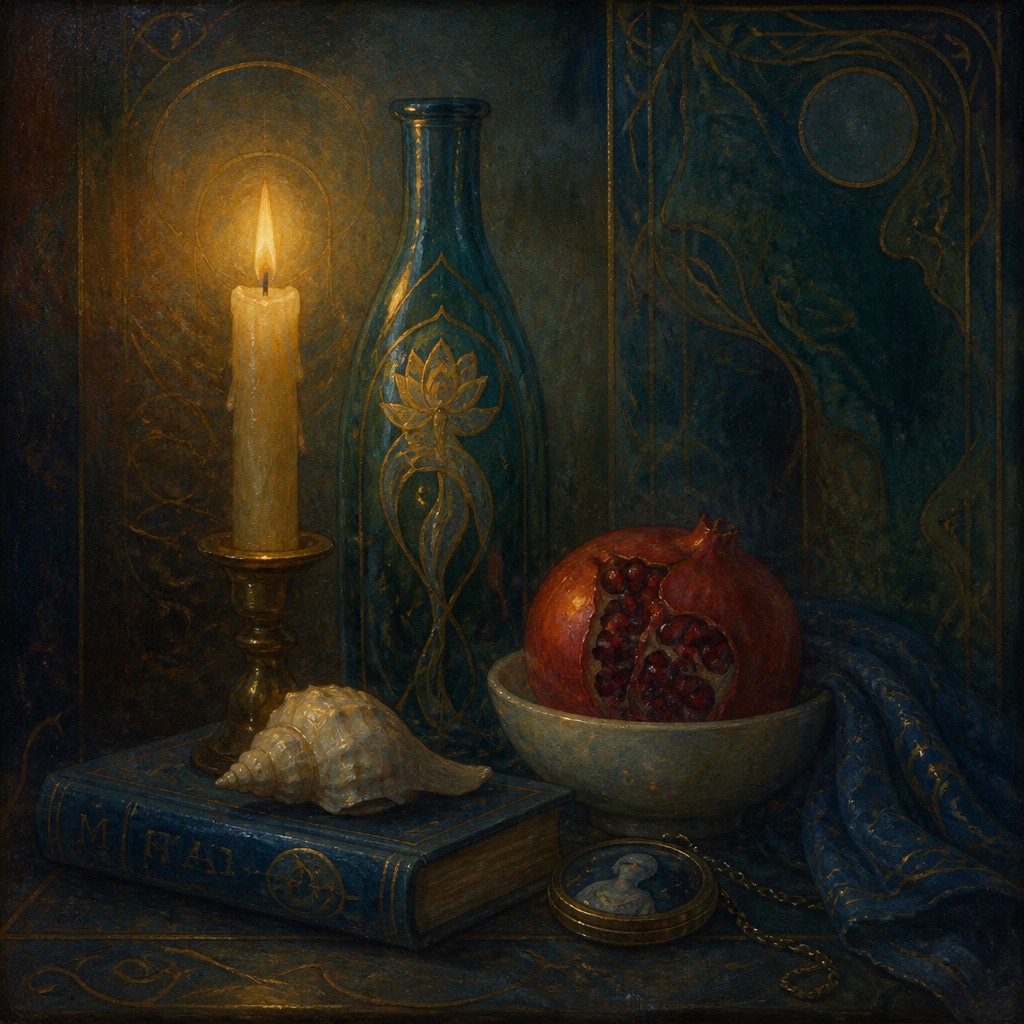
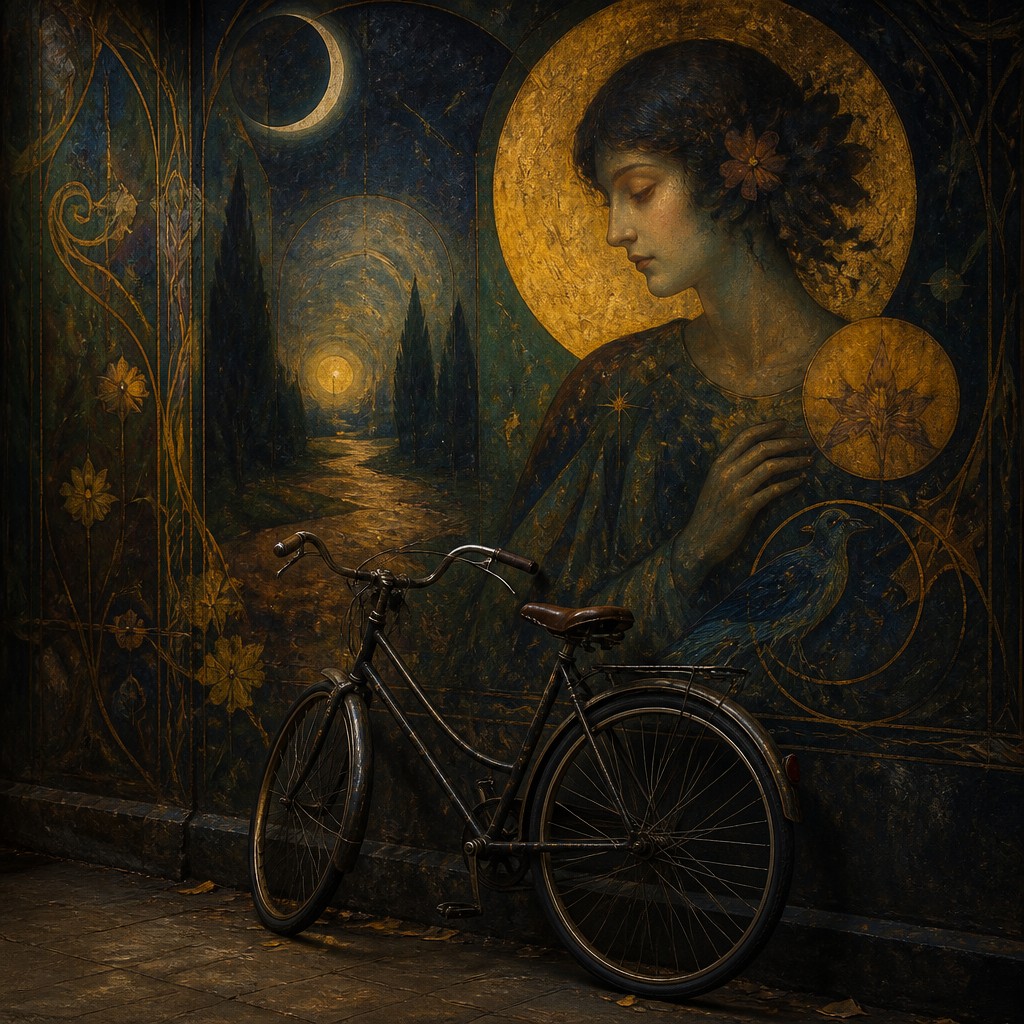
Symbolism art uses dreamlike imagery, myth, allegory, and recurring symbols to suggest feelings and ideas that cannot be stated directly. It often favors atmosphere, luminous color, and a sense of mystery, inviting viewers to read meaning beneath the surface.
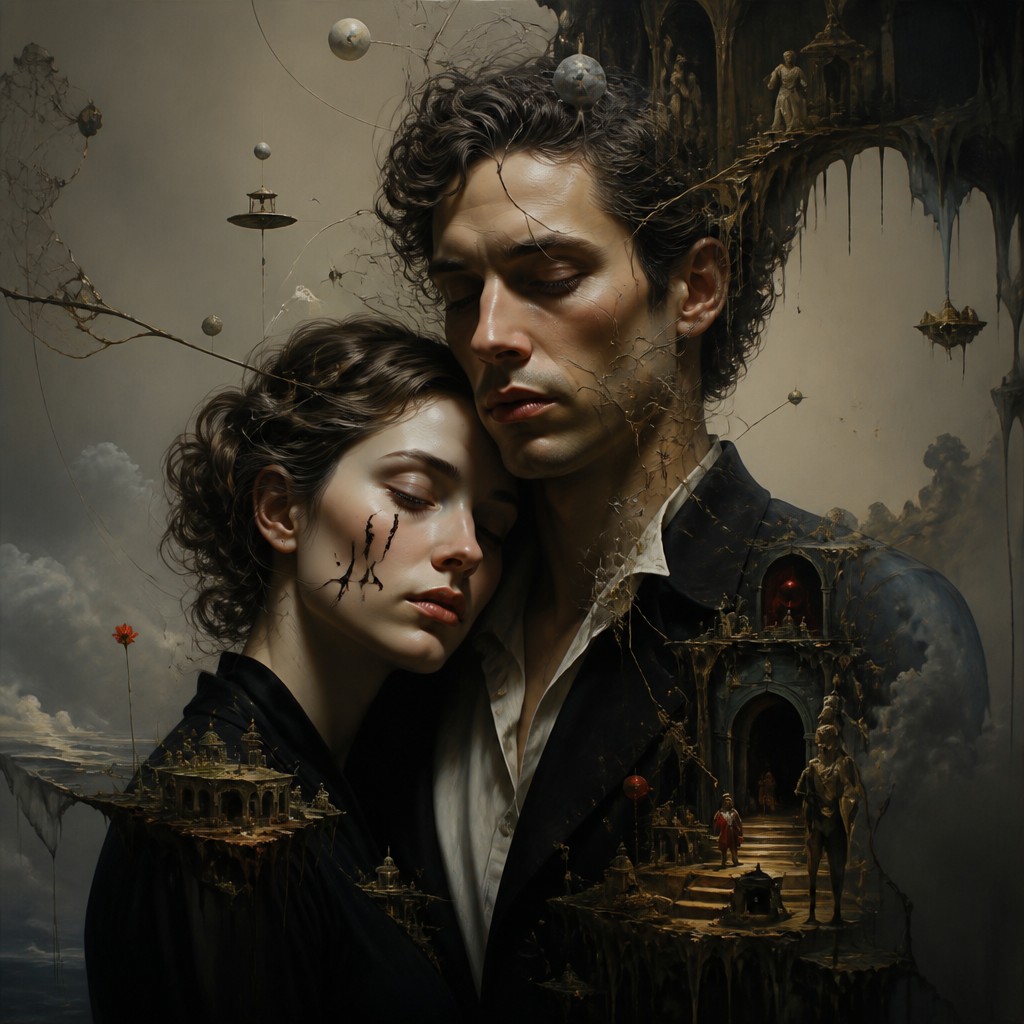
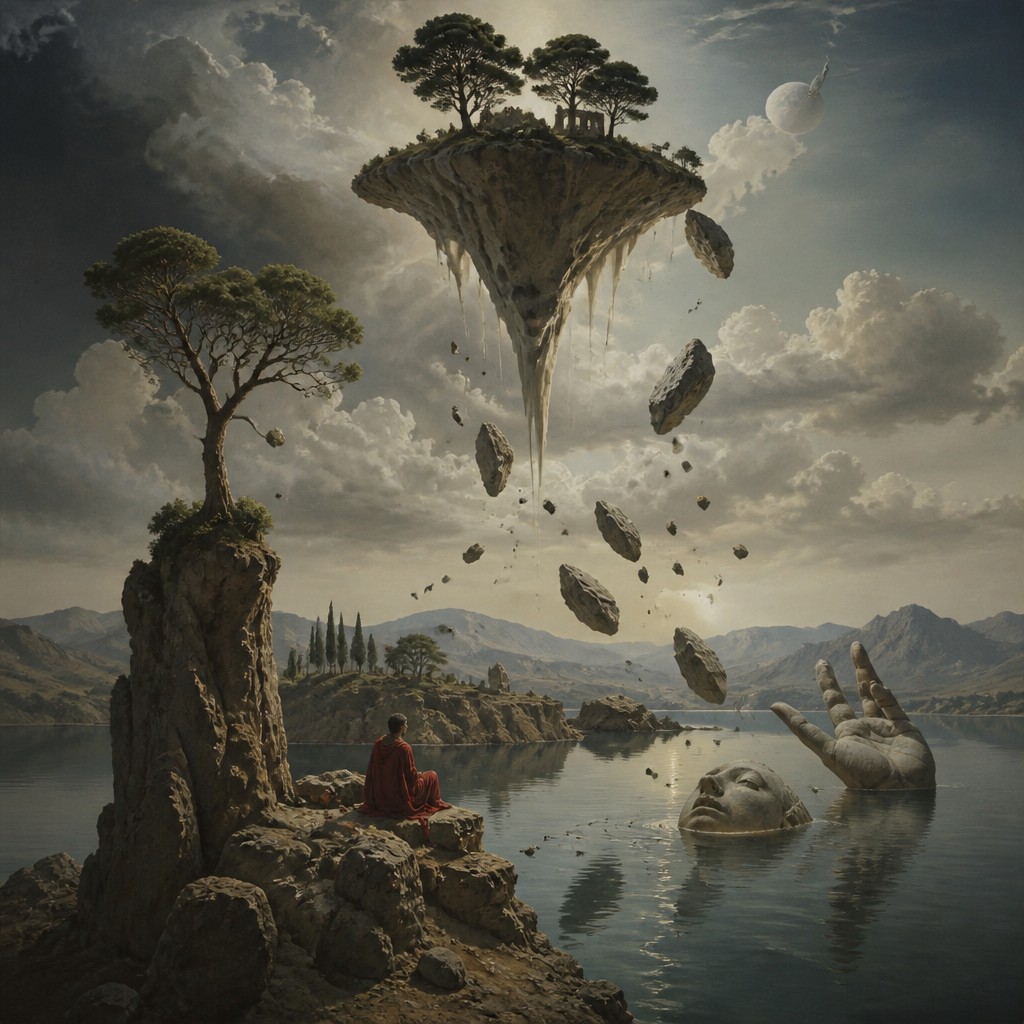
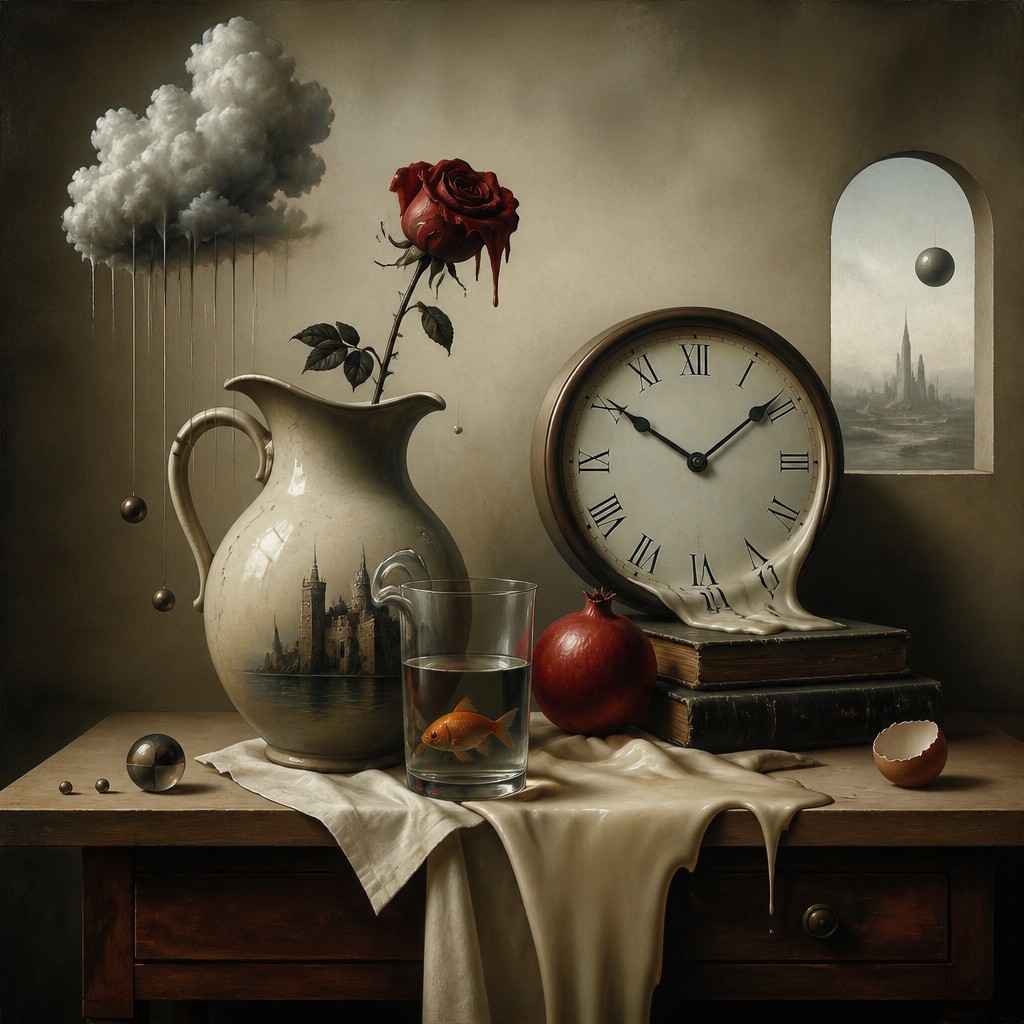
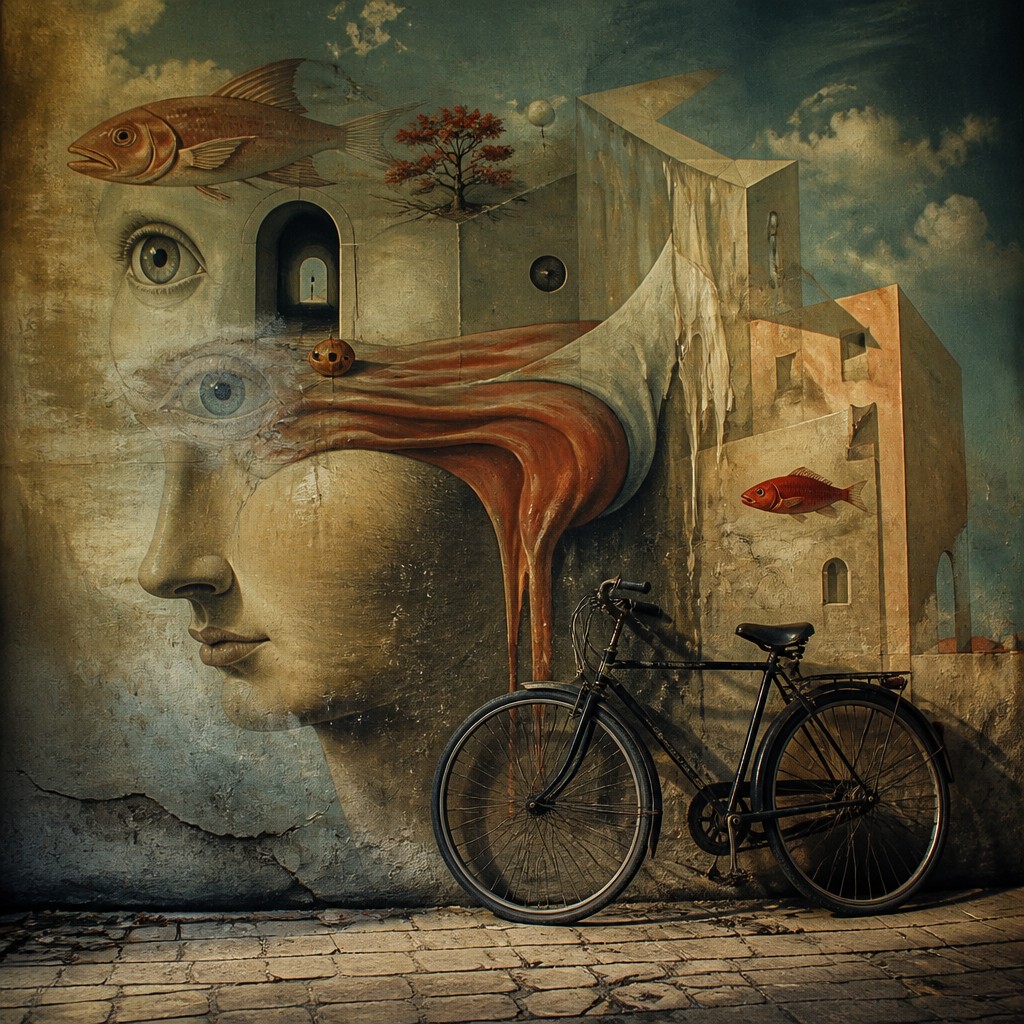
Surrealism is also rooted in dreams and the unconscious, but it pushes further into impossible combinations, unexpected juxtapositions, and uncanny realism. People compare the two because both move away from ordinary reality and use symbolic or dream logic, yet they differ in mood, method, and how literally they render the unreal.
Same Prompt, Both Styles
Each pair below was generated from the identical prompt — only the style changed.
“portrait of two people together”
“wide landscape with natural scenery”
“still life with everyday objects”
“bicyle resting against a wall”
Key Differences
| Symbolism | Surrealism | |
|---|---|---|
| Main purpose | Reveal hidden emotion and spiritual or poetic meaning. | Disrupt logic and expose unconscious associations. |
| Imagery | Uses myths, allegories, symbols, and evocative figures. | Uses strange combinations, impossible scenes, and dream fragments. |
| Mood | Often mysterious, lyrical, reverent, or contemplative. | Often uncanny, unsettling, playful, or disorienting. |
| Surface realism | Can be stylized, softened, or atmospheric. | Often highly detailed and photoreal, making the impossible feel real. |
| Color and light | Frequent use of luminous, evocative, emotionally charged color. | May use sharp contrast and realistic lighting for uncanny effect. |
| Relationship to meaning | Symbols usually point toward hidden themes or states of being. | Meaning can be ambiguous, playful, or intentionally unresolved. |
| Mood | mystical, haunting, contemplative, dreamlike, spiritual | dreamlike, uncanny, enigmatic, subconscious, disorienting |
| Energy | calm | balanced |
| Detail level | detailed | detailed |
| Color | muted, luminous, earthy, twilight-toned | naturalistic tones with eerie contrasts |
| Texture | soft, painterly, velvety surfaces | smooth realism with paradoxical surfaces |
| Origin | late 19th-century Europe | 1920s Europe, especially Paris |
| Best for | album covers, book covers, poetry illustrations, poster art, symbolic concept art | album covers, editorial art, poster design, book covers, concept art |
| Difficulty | advanced | advanced |
Which Should You Choose?
Pick Symbolism if you want an image that feels poetic, spiritual, or allegorical, with symbols that invite reflection and interpretation. Pick Surrealism if you want a more startling, dream-logic scene where impossible combinations and uncanny realism create surprise, tension, or psychological unease.
Frequently Asked Questions
Are Symbolism and Surrealism the same because both use dreams?
No. Symbolism uses dreamlike imagery to suggest deeper meaning through symbols and mood, while Surrealism emphasizes the unconscious, irrational combinations, and visual shocks. They overlap in atmosphere, but their goals are different.
Which style is more realistic?
Surrealism is often more realistic in rendering, even when the scene itself is impossible. Symbolism is more likely to be stylized, atmospheric, or softened to support mood and metaphor.
Which style is better for spiritual or mythic themes?
Symbolism is usually the stronger fit for spiritual, mythic, and allegorical themes. Its visual language is built to suggest hidden truths, inner states, and layered meaning.
Can a work belong to both styles?
Yes, some works combine symbolic imagery with surreal, dream-logic scenes. In that case, the balance usually depends on whether the image leans more toward poetic metaphor or toward uncanny, impossible juxtaposition.