Art Movements Timeline
113 art movements in chronological order — explore each one's history, defining traits, and create art in it with AI.
4th century–15th century
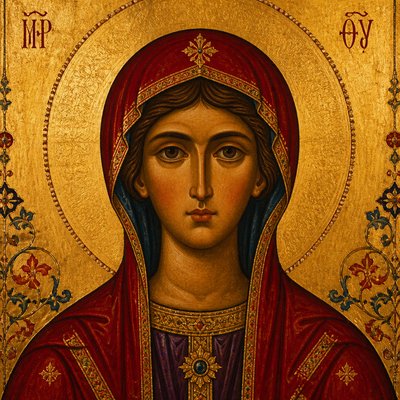
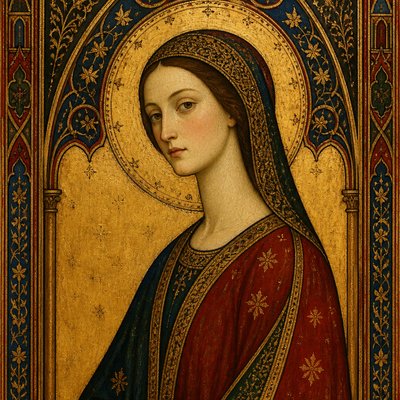
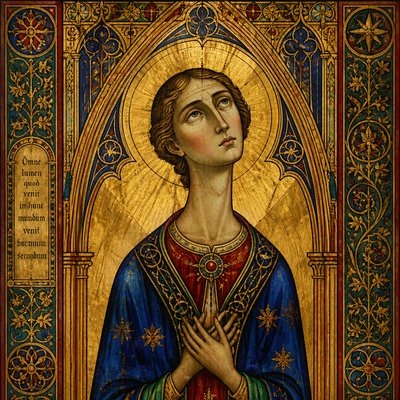
Byzantine Art Style
Eastern Roman Christian art marked by mosaics, icons, flattened forms, and spiritual symbolism.
4th century–15th century
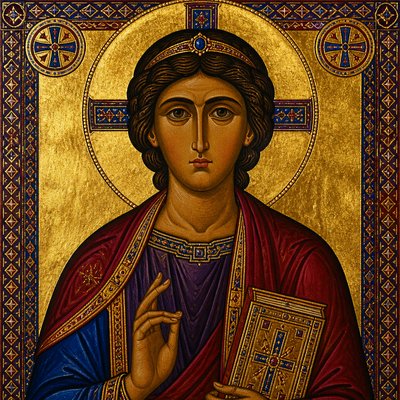
Byzantine Religious Art
Devotional Eastern Christian imagery centered on icons, mosaics, and liturgical function.
c. 4th century–present
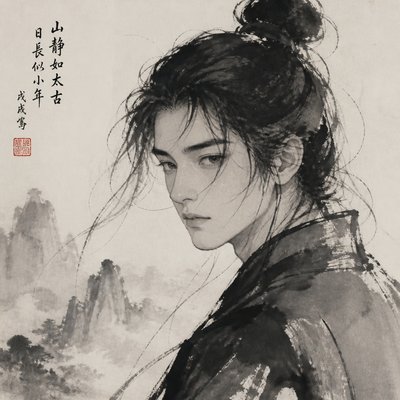
Traditional Chinese Landscape Art Style
Ink landscape tradition treating mountains and rivers as spiritual and philosophical subjects.
6th–15th century
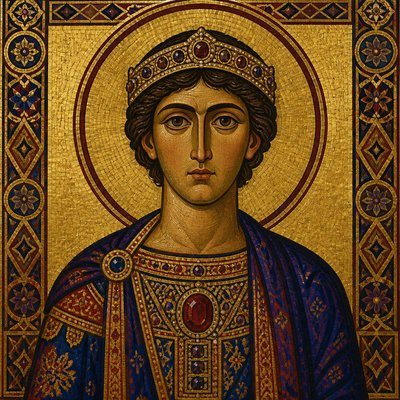
Byzantine Classical Art Style
Byzantine art retaining classical motifs while favoring sacred hieratic form.
ancient–present
Japanese Architecture Art
Long architectural tradition balancing timber construction, modular space, and aesthetic restraint.
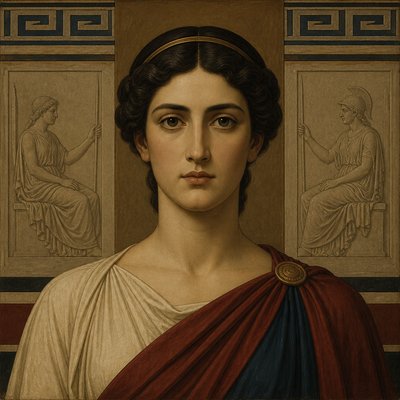
c. 800 BCE–323 BCE
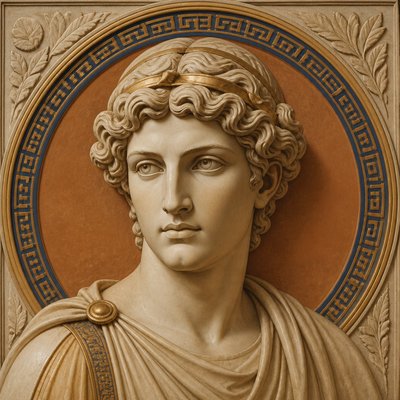
Ancient Greek Classical Art Style
Foundational Western art of idealized human form, proportion, and temple sculpture in the ancient Greek world.
12th century–16th century
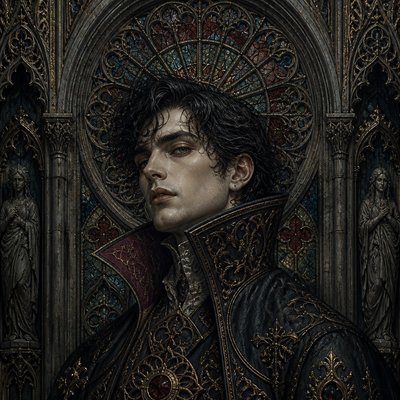
Gothic Art Style
Medieval European style known for soaring verticality, stained glass, and increasingly naturalistic religious imagery.
12th century–16th century
Gothic Architecture Art
Medieval architecture characterized by pointed arches, vaults, and vertical emphasis.
12th century–16th century
Gothic Art Style
Medieval European style known for soaring verticality, stained glass, and increasingly naturalistic religious imagery.
12th century–16th century
Gothic Religious Art
Devotional medieval art shaped by cathedral culture and Christian narrative.
14th century–16th century
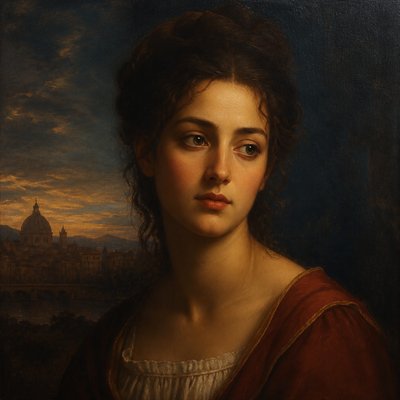
Renaissance Art Style
European revival of classical learning, linear perspective, and human-centered naturalism.
14th century–16th century
Renaissance Art Style
European revival of classical learning, linear perspective, and human-centered naturalism.
15th century–16th century
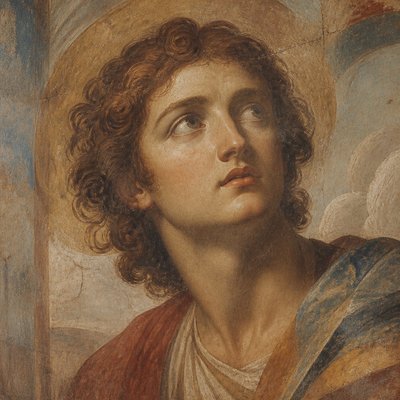
Fresco Narrative Renaissance Art Style
Renaissance wall painting tradition using fresco for large narrative cycles.
15th century–19th century
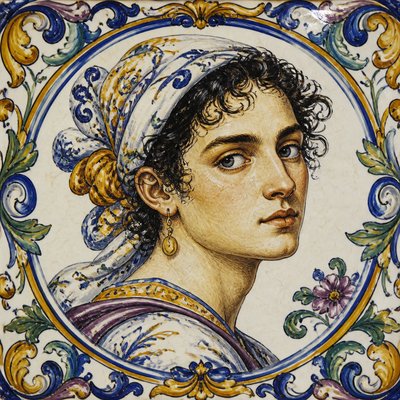
Majolica Ceramic Art Style
Tin-glazed earthenware known for bright painted surfaces and decorative richness.
15th century
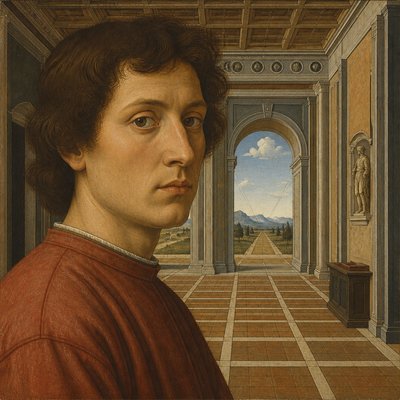
Quattrocento Perspective Renaissance Art Style
Early Renaissance art defined by linear perspective and revived classical principles.
15th century–16th century
Venetian Colorism Renaissance Art Style
Renaissance painting tradition celebrated for rich color, atmosphere, and luminous paint handling.
16th century–present
Japanese Raku Ceramic Art Style
Japanese ceramic tradition prized for hand-formed simplicity and tea-ceremony aesthetics.
17th century
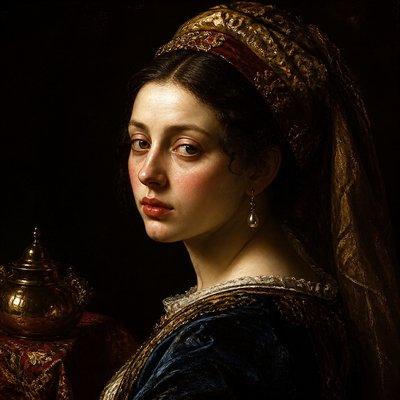
Baroque Art Style
Dramatic, movement-filled art of strong contrasts, emotional intensity, and theatrical grandeur.
17th century
Baroque Religious Art
Counter-Reformation visual culture using drama and emotion to intensify devotion.
c. 1600–1625
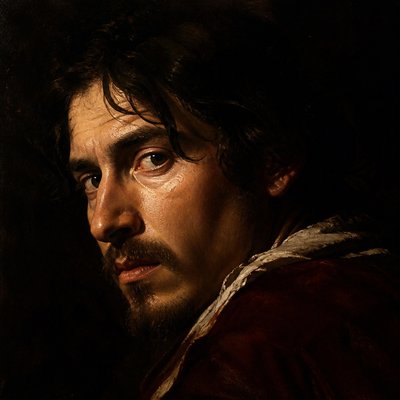
Caravaggio Realism Baroque Art Style
Baroque realism known for stark chiaroscuro and uncompromisingly direct sacred scenes.
17th century
Dutch Golden Age Still Life Art Style
Highly detailed still lifes reflecting prosperity, symbolism, and technical virtuosity.
17th century–present
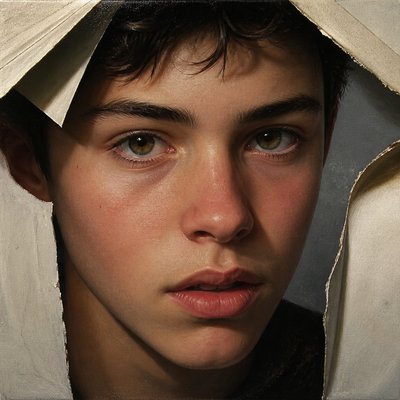
Trompe L'oeil Realism Art Style
Illusionistic painting that tricks the eye with simulated depth and objects.
17th century–19th century
Ukiyo-e Anime Fusion Portrait
Woodblock print tradition of urban pleasure worlds, later influential on modern visual culture.
17th century–present
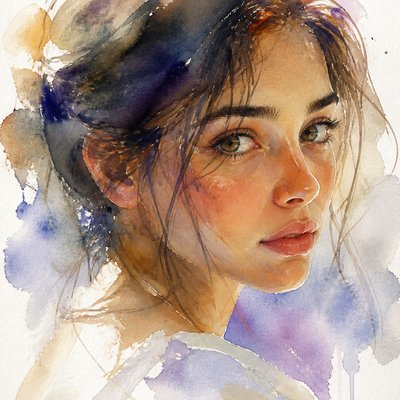
Watercolor Portrait Art Style
Portrait tradition using transparent washes for immediacy, softness, and portability.
c. 1720s–1780s
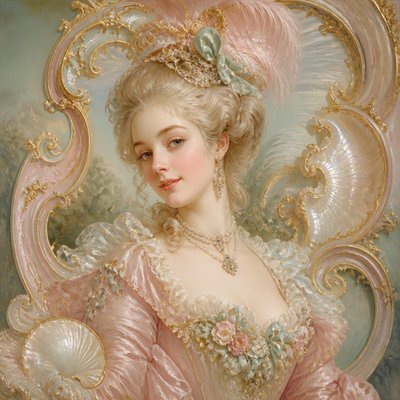
Rococo Art Style
Elegant, playful court style with pastel colors, ornament, and intimate decorative scenes.
c. 1720s–1780s
Rococo Art Style
Elegant, playful court style with pastel colors, ornament, and intimate decorative scenes.
c. 1760s–1830s
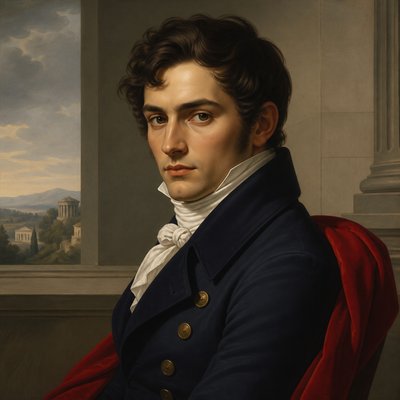
Neoclassical Art Style
A revival of Greco-Roman clarity, order, and moral seriousness in reaction to Rococo excess.
c. 1760s–1830s
Neoclassical Art Style
A revival of Greco-Roman clarity, order, and moral seriousness in reaction to Rococo excess.
c. 1760s–1830s
Neoclassicism Art Style
Classically inspired movement promoting virtue, restraint, and archaeological accuracy.
c. 1760s–1830s
Neoclassical Art Style
A revival of Greco-Roman clarity, order, and moral seriousness in reaction to Rococo excess.
c. 1800–1850
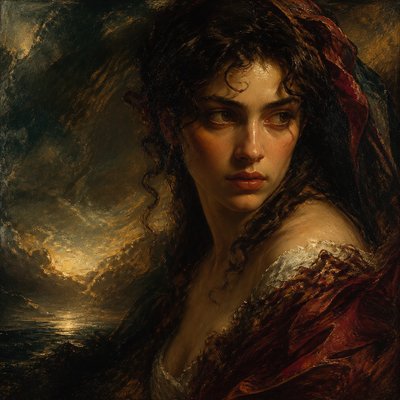
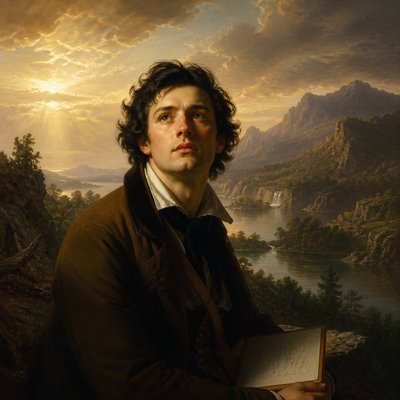
Romanticism Art Style
Emphasized imagination, emotion, the sublime, and individual experience over academic restraint.
c. 1800–1850
Romanticism Art Style
Emphasized imagination, emotion, the sublime, and individual experience over academic restraint.
c. 1825–1870
Hudson River School Art Style
American landscape painting glorifying wilderness, light, and national identity.
mid-19th century
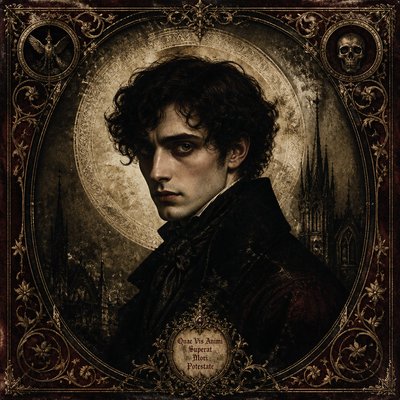
Victorian Gothic Art
Revivalist Gothic taste in the Victorian era, especially in architecture, ornament, and design.
c. 1840s–1880s
Realism Art Style
Depicted ordinary life and contemporary subjects with unsentimental accuracy.
c. 1840s–1880s
Realism Art Style
Depicted ordinary life and contemporary subjects with unsentimental accuracy.
1848–1890s
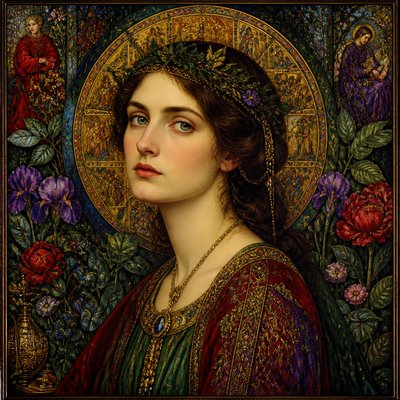
Pre-Raphaelite Art Style
Revisited medieval and early Renaissance detail, symbolism, and brilliant color.
c. 1860s–1970s
Modernism Art Style
Broad movement of formal experimentation that broke with academic tradition across the modern era.
c. 1860s–1970s
Modernism Art Style
Broad movement of formal experimentation that broke with academic tradition across the modern era.
c. 1870s–1880s
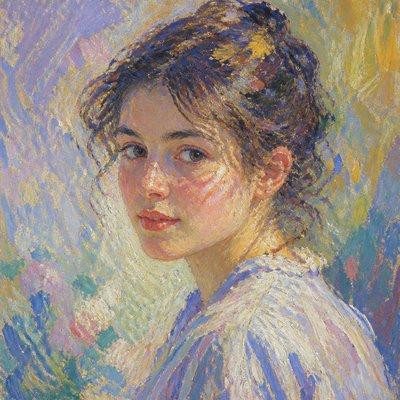
Impressionism Art Style
Captured fleeting light, color, and modern outdoor scenes with broken brushwork.
late 19th century
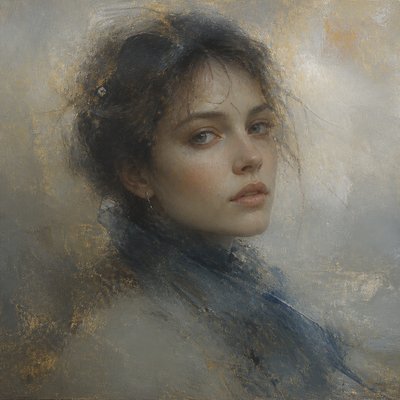
Atmospheric Impressionism Art Style
Impressionist approach emphasizing haze, light, and transient atmosphere in outdoor scenes.
late 19th century–present
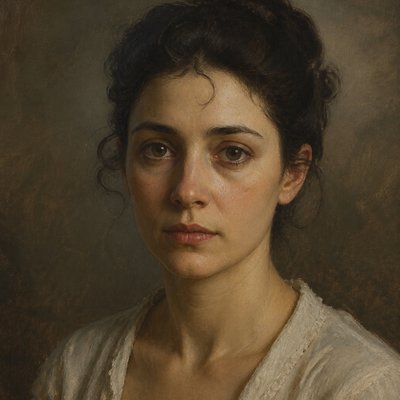
Classical Realism Art Style
Academic revival of naturalistic drawing, proportion, and classical ideals.
c. 1870s–1880s
Impressionism Art Style
Captured fleeting light, color, and modern outdoor scenes with broken brushwork.
c. 1880s–1910s
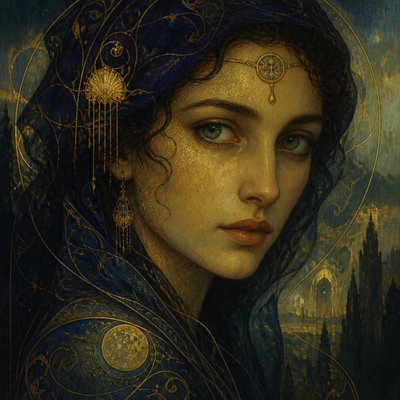
Symbolism Art Style
Turned from visible reality toward dreams, myth, and inner meaning.
late 19th century–present
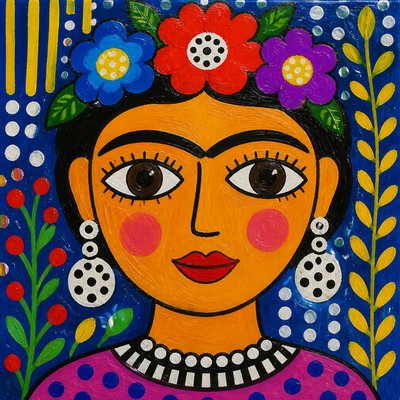
Naive Art Style
Self-taught-looking art marked by simplified perspective, directness, and decorative clarity.
c. 1880s–1910s
Symbolism Art Style
Turned from visible reality toward dreams, myth, and inner meaning.
c. 1886–1905
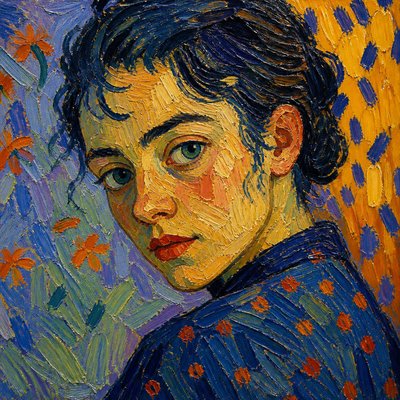
Post-Impressionism Art Style
Expanded Impressionism through structure, symbolism, and expressive use of color and form.
c. 1886–1900
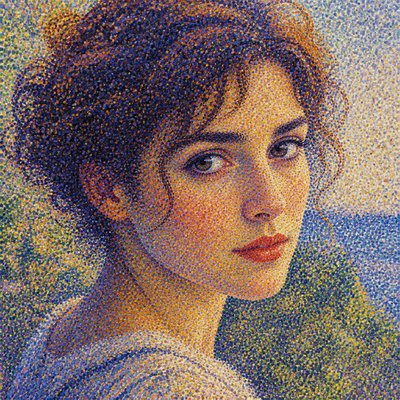
Pointillist Impressionism Art Style
Painted with dots or small marks to study color and optical mixing.
c. 1886–1905
Post-Impressionism Art Style
Expanded Impressionism through structure, symbolism, and expressive use of color and form.
c. 1890–1914
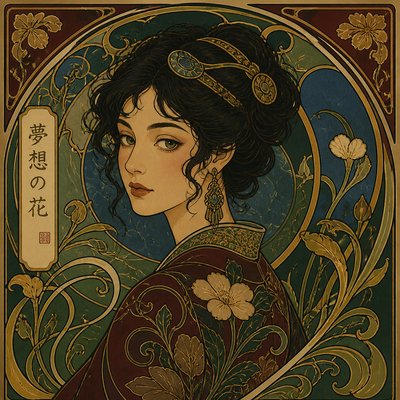
Art Nouveau Style
Decorative style of flowing lines, organic motifs, and integrated design across media.
1900s–1910s
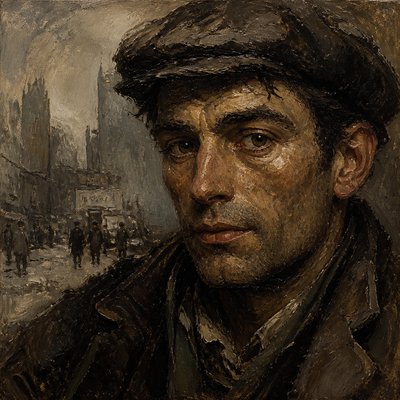
Ashcan School Art Style
American realism portraying urban working-class life with gritty immediacy.
early 20th century–late 20th century
Modern Architecture Art
International architectural movement emphasizing function, abstraction, and modern materials.
20th century–present
Outsider Art Style
Art made outside formal academic training or mainstream cultural institutions.
c. 1905–1908
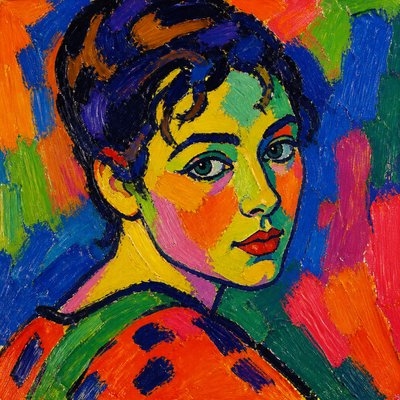
Fauvism Art Style
Short-lived movement defined by bold, nonnaturalistic color and painterly freedom.
c. 1905–1920s
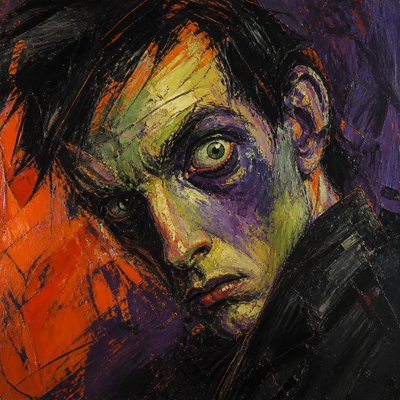
Expressionism Art Style
Prioritized emotional distortion and subjective intensity over faithful appearance.
c. 1905–1920s
Expressionism Art Style
Prioritized emotional distortion and subjective intensity over faithful appearance.
c. 1905–1908
Fauvism Art Style
Short-lived movement defined by bold, nonnaturalistic color and painterly freedom.
c. 1906–1909
Proto-Cubism Art Style
Early exploratory phase leading toward Cubism's fragmentation of form.
c. 1907–1914
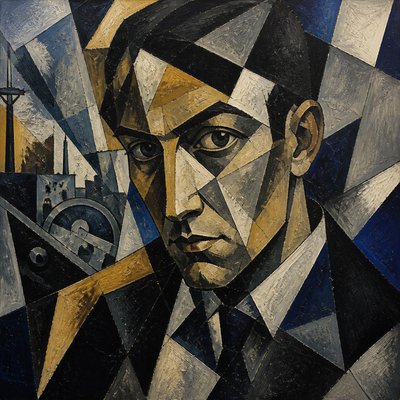
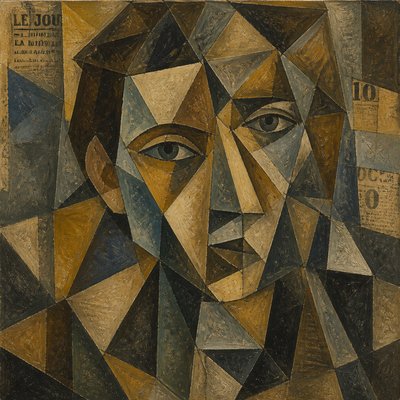
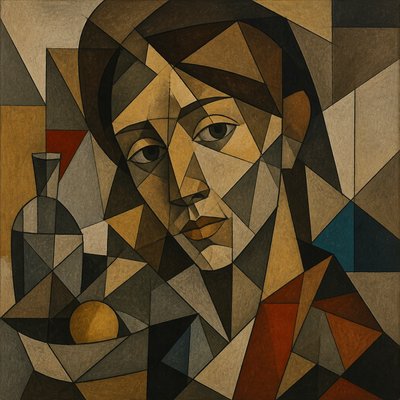
Cubism Art Style
Revolutionized representation by fragmenting forms into multiple viewpoints and geometric planes.
c. 1908–1914
Cubist Still Life Art Style
Still lifes fragmented into faceted planes and shifting viewpoints.
c. 1909–1916
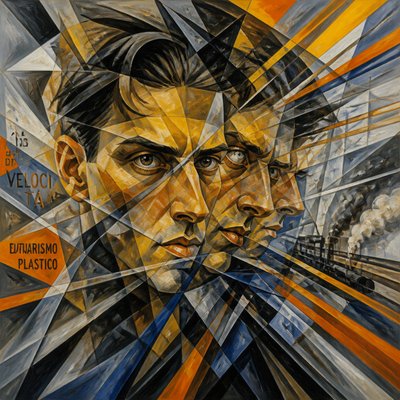
Futurism Art Style
Celebrated speed, technology, and modern dynamism through energetic fractured forms.
1909–1912
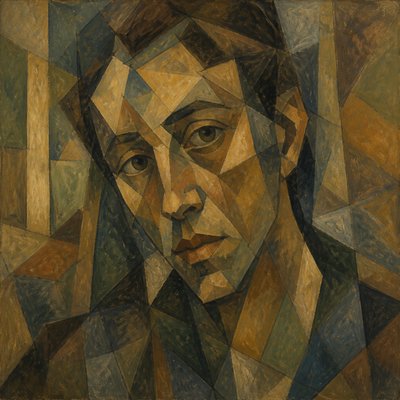
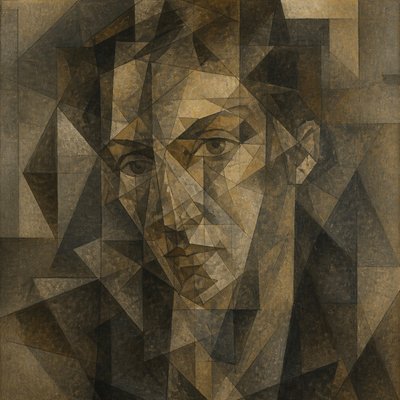
Analytical Cubism Art Style
Early Cubism phase dissecting objects into muted, interlocking facets.
early 20th century–present
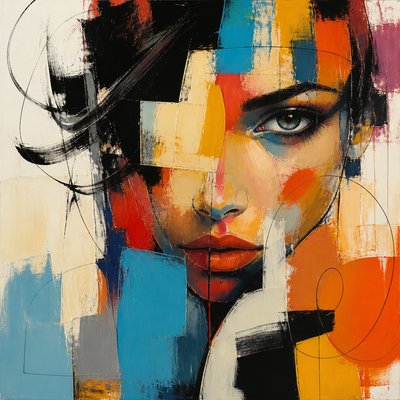
Abstract Art Style
Non-representational art that rejects literal depiction in favor of form, color, and composition.
20th century
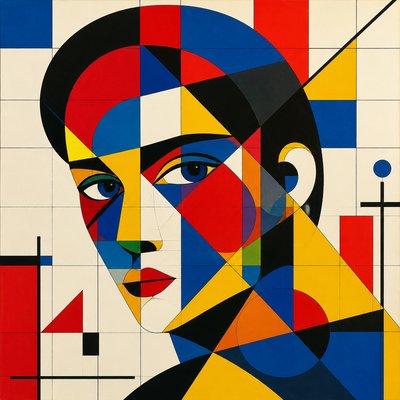
Geometric Abstract Art Style
Abstraction organized through precise shapes, grids, and formal order.
c. 1910s–1920s
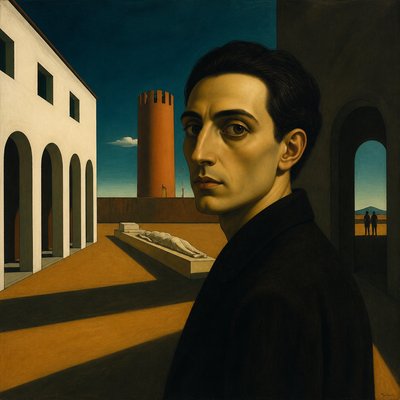
Metaphysical Painting Art Style
Eerily still, enigmatic imagery that influenced Surrealism and modern figuration.
c. 1912–1915
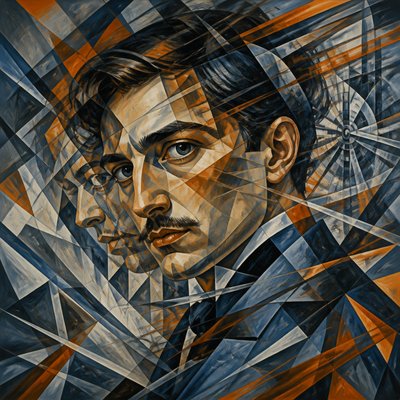
Cubo-Futurism Art Style
Blend of Cubist structure and Futurist motion in early modernist painting.
c. 1915–1930s
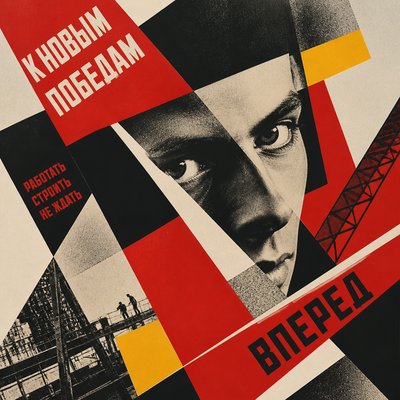
Constructivism Art Style
Russian avant-garde art aligned with modern industry, design, and revolutionary ideals.
c. 1915–1930s
Constructivism Art Style
Russian avant-garde art aligned with modern industry, design, and revolutionary ideals.
c. 1916–1924
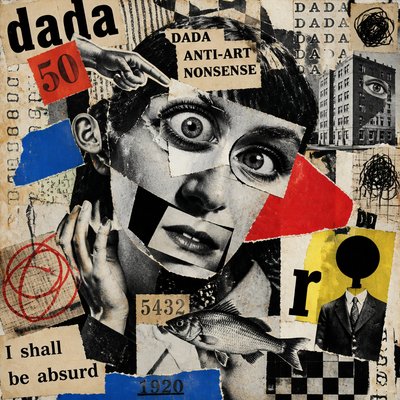
Dada Art Style
Anti-war, anti-art movement using absurdity, collage, and provocation to challenge cultural norms.
c. 1917–1931
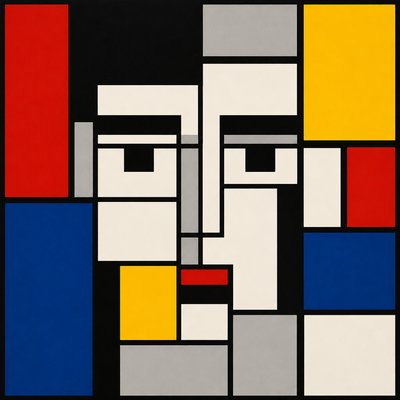
De Stijl Art Style
Reduced art to vertical-horizontal geometry, primary colors, and universal order.
1919–1933
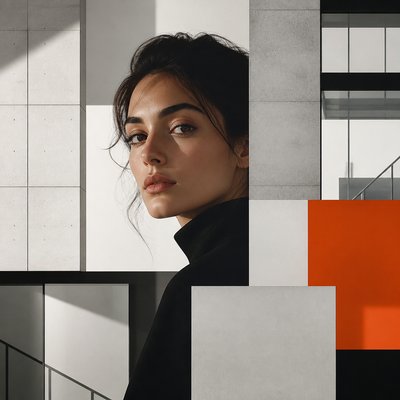
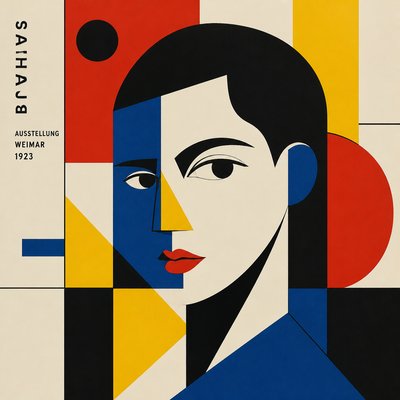
Bauhaus Art Style
Integrated art, craft, and industry into functional modern design and simplified form.
1919–1933
Bauhaus Geometric Art
Geometric visual language linked to Bauhaus design, clarity, and functional modernism.
c. 1920s–1930s
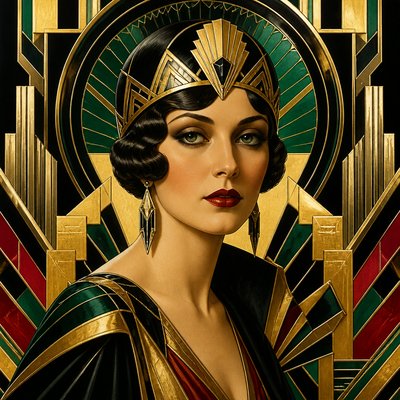
Art Deco Style
Stylized modern luxury combining geometry, ornament, and machine-age glamour.
1920s–1950s
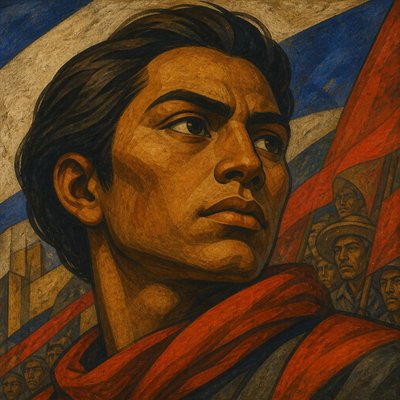
Mexican Muralism Art Style
Public mural movement using monumental narratives to address history, politics, and identity.
c. 1924–1940s
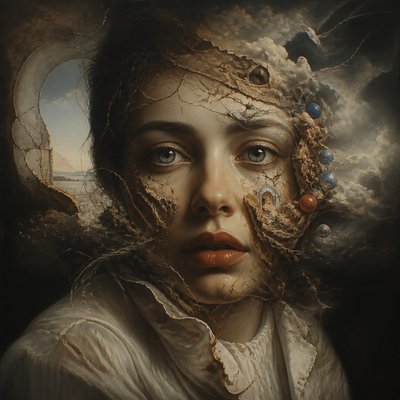
Surrealism Art Style
Explored dreams, automatism, and irrational imagery from the unconscious mind.
c. 1924–1940s
Surrealism Art Style
Explored dreams, automatism, and irrational imagery from the unconscious mind.
1930s–1950s
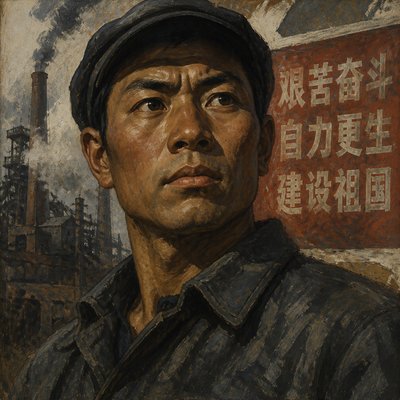
Social Realism Art Style
Art focused on working-class life, inequality, and social critique.
1940s–1950s
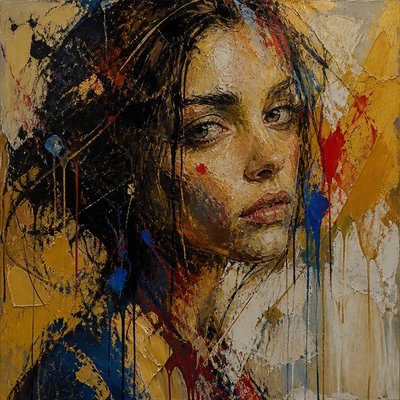
Abstract Expressionism Art Style
Postwar movement of large-scale abstraction emphasizing gesture, spontaneity, and paint handling.
1940s–1950s
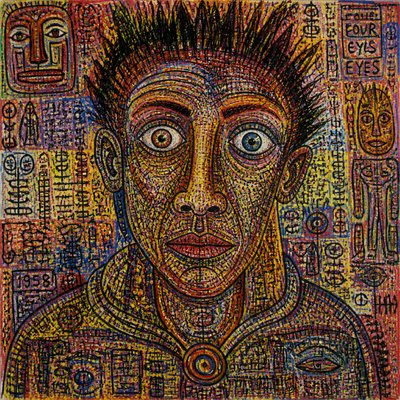
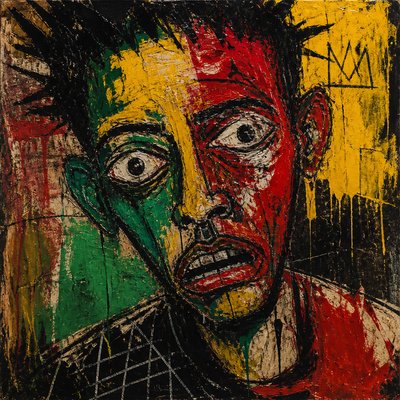
Art Brut Style
Raw, outsider-inflected art valuing spontaneity, directness, and non-academic expression.
1940s–present
Lyrical Abstraction Art Style
Fluid, expressive abstraction emphasizing gesture, color, and painterly lyricism.
1950s–1960s
Color Field Painting Style
Large expanses of color used to create contemplative, non-figurative painting.
1950s–1960s
Hard-edge Painting Style
Precise, sharply bounded abstract painting with flat color areas.
1950s–1960s
Pop Art Style
Elevated mass media, advertising, and consumer imagery into fine art.
1950s–1960s
Pop Art Style
Elevated mass media, advertising, and consumer imagery into fine art.
1960s–1970s
Minimalism Art Style
Reduced art to essential forms, serial structures, and industrial materials.
1960s
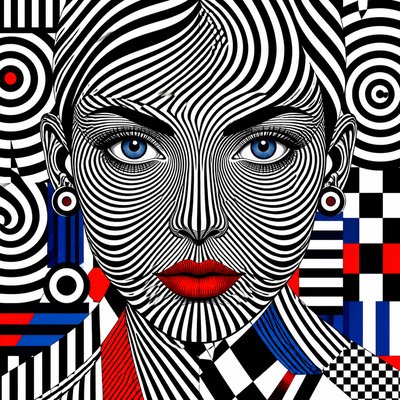
Op Art Style
Used optical effects, repetition, and contrast to create visual vibration and movement.
1960s–present
Performance Art Style
Live, time-based art using the artist's body, actions, and audience encounter.
1960s–present
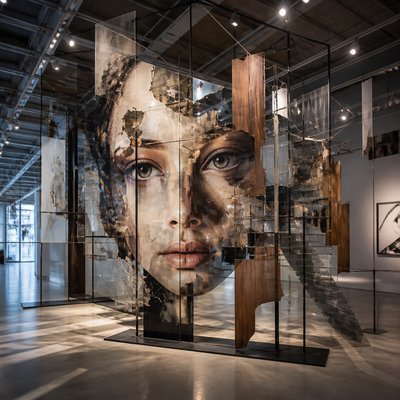
Installation Art Style
Art composed for a specific space, often immersive and environment-shaped.
1960s–1970s
Minimalism Art Style
Reduced art to essential forms, serial structures, and industrial materials.
1960s
Op Art Style
Used optical effects, repetition, and contrast to create visual vibration and movement.
1960s–present
Performance Art Style
Live, time-based art using the artist's body, actions, and audience encounter.
1960s–1970s
Fluxus Art Style
International network of experimental artists blending music, happenings, and anti-commercial practices.
1960s–1970s
Conceptual Art Style
Privileged ideas and instructions over the physical art object.
1960s–1970s
Light and Space Art Style
West Coast movement exploring perception through light, transparency, and environmental effect.
1960s–1970s
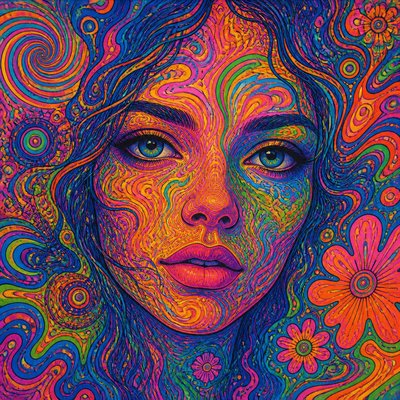
Psychedelic Art Style
Expanded color, distortion, and pattern associated with counterculture and altered perception.
late 1960s–1970s
Arte Povera Art Style
Italian movement using humble materials to oppose industrial culture and artistic polish.
late 1960s–1970s
Land Art Style
Shifted art into natural landscapes, often using earth, site, and environmental scale.
late 1960s–present
Hyperrealism Art Style
Paintings and sculpture that emulate photographic detail and heightened realism.
1960s–present
Institutional Critique Conceptual Art Style
Conceptual practice examining museums, markets, and the social structures of art.
late 1960s–present
Photographic Realism Art Style
Painting that meticulously reproduces the look of photographs.
late 1960s–present
Photorealism Art Style
Highly detailed art movement based on the exacting imitation of photographic images.
1970s–1990s
Postmodernism Art Style
Reaction against modernist purity, embracing quotation, irony, plurality, and hybridity.
late 20th century–present
New Media Art Style
Art made with emerging technologies, digital systems, interactivity, and networked media.
late 20th century–present
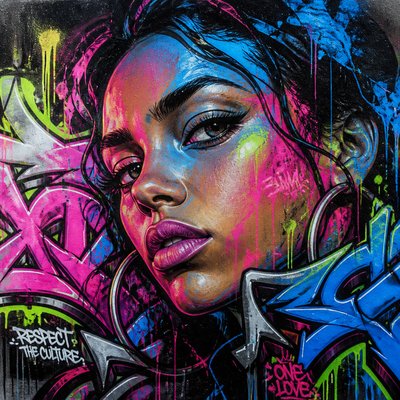
Graffiti Art Style
Public writing-and-image practice born from urban street culture and contemporary visual expression.
1970s–1990s
Postmodernism Art Style
Reaction against modernist purity, embracing quotation, irony, plurality, and hybridity.
late 20th century–present
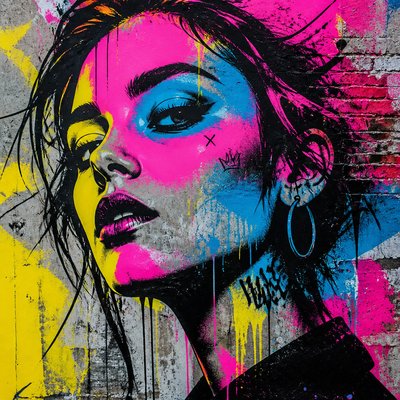
Street Art Style
Public visual practice developing from graffiti, muralism, and urban intervention.
late 1970s–1980s
Neo-Expressionism Art Style
Revived gestural painting and emotional figuration after conceptual and minimalist trends.
late 1970s–1980s
Neo-Expressionism Art Style
Revived gestural painting and emotional figuration after conceptual and minimalist trends.
1980s–1990s
Neo-Pop Art Style
Postmodern revival of pop imagery, consumer culture, and mass-media reference.
late 20th century–present
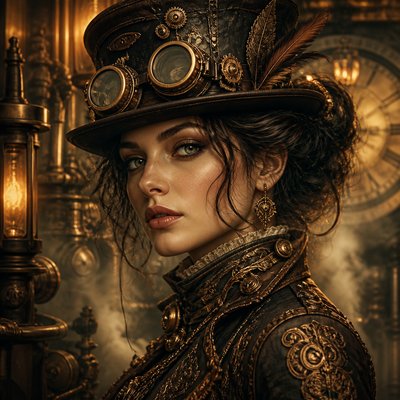
Steampunk Art Style
Retro-futurist aesthetic imagining Victorian technology and industrial fantasy.
late 1990s–2000s
Superflat Art Style
Japanese postmodern style flattening high and low culture into glossy, stylized surfaces.
ancient–present
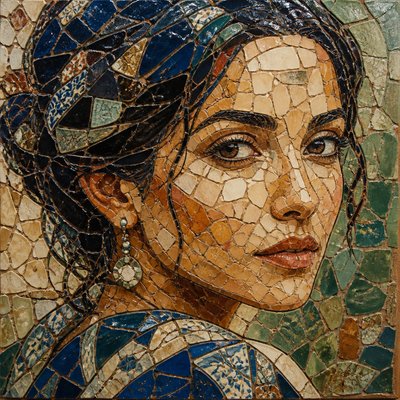
Ceramic Mosaic Art Style
Decorative tradition assembling small ceramic pieces into patterned or pictorial surfaces.
ancient–present
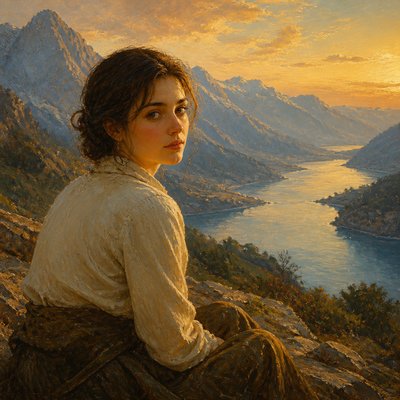
Landscape Nature Art
Landscape tradition centered on the depiction and meaning of natural scenery.