Minimalist & Modern Art Styles
110 minimalist & modern styles to explore. Open any style to learn its history and defining characteristics, see AI-generated examples, and create your own art in that style.

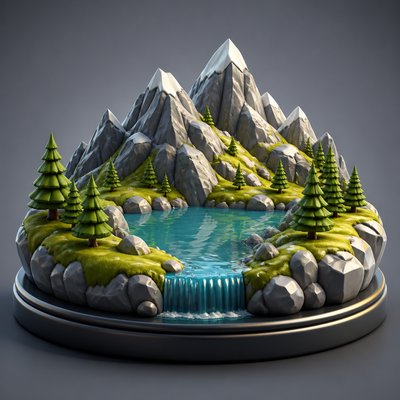

Explore 3D Art Style: glossy sculpted geometry, ray-traced reflections, soft global illumination, and polished studio-rendered forms.

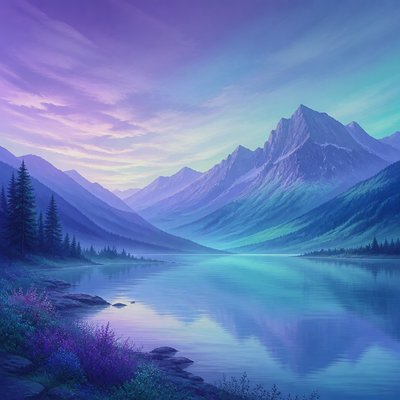
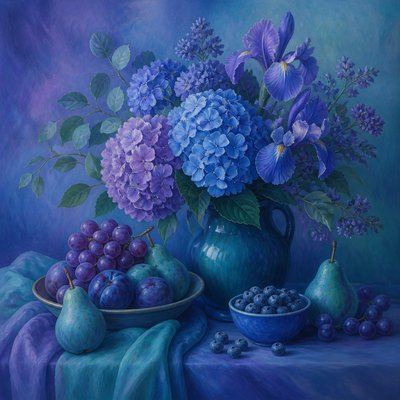
Explore analogous colors art: harmonious neighboring hues, soft transitions, unified palettes, and practical techniques for creating calm, cohesive images.

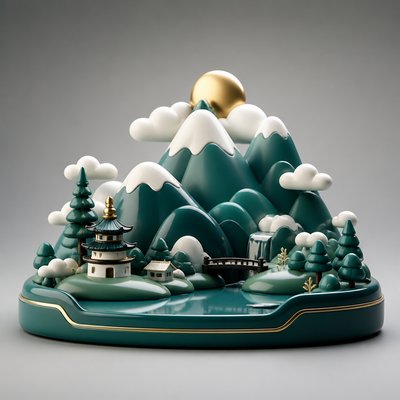
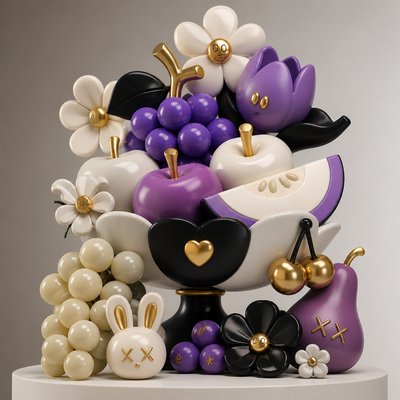
Designer toy aesthetic with smooth vinyl forms, bold proportions, matte-gloss finishes, and gallery-ready sculptural polish.

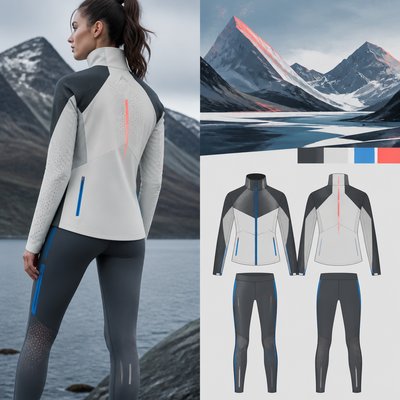
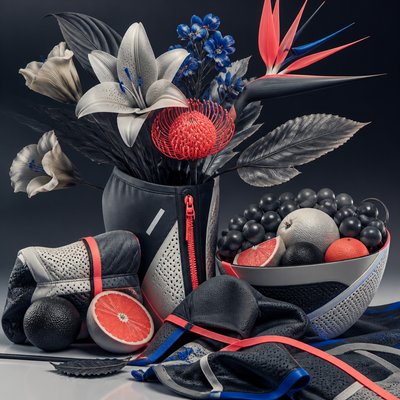
Athleisure fashion design blends athletic function with clean, modern style: technical fabrics, mesh, reflective accents, and sport-luxury silhouettes.
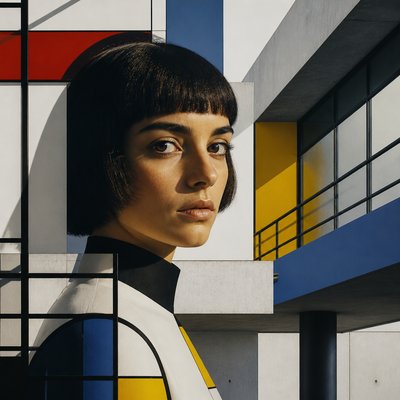
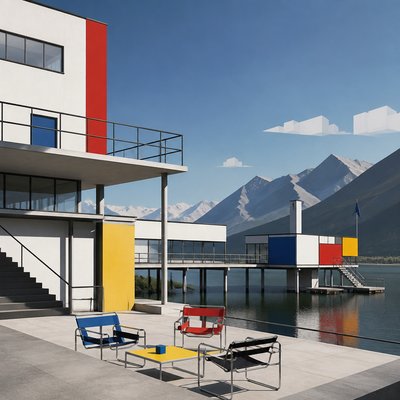
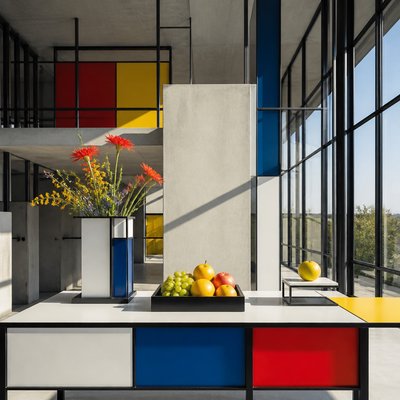
Bauhaus architecture: white planes, ribbon windows, primary accents, and functional modernism shaped by clarity, light, and structure.
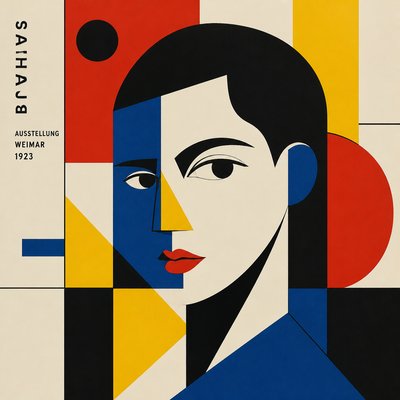
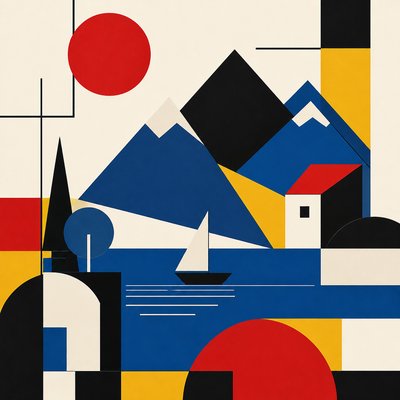
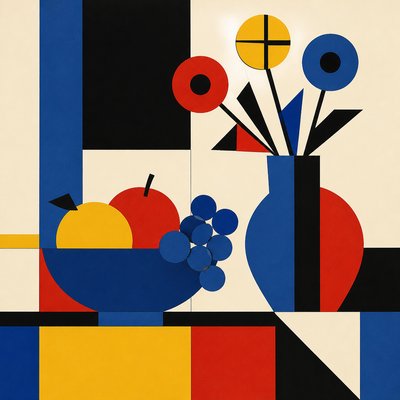
Bauhaus art style: geometric abstraction, primary colors, clean lines, and functional design inspired by 1920s modernism.

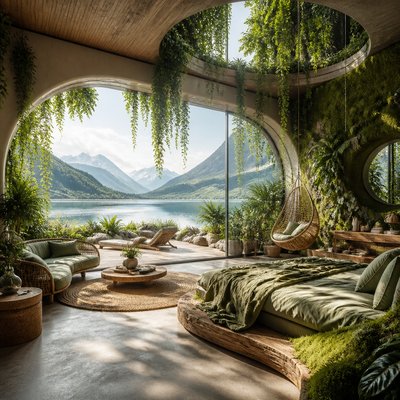
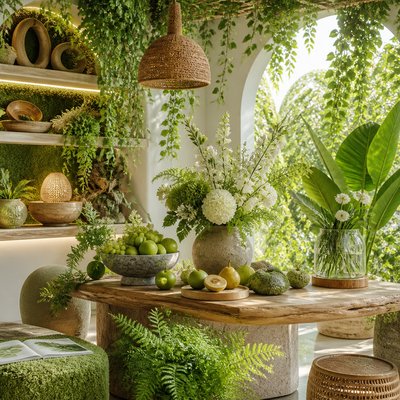
Nature-infused interiors with greenery, raw wood, stone, daylight, and calm organic textures for homes and spaces.
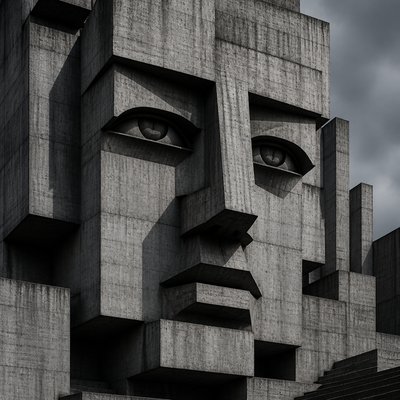
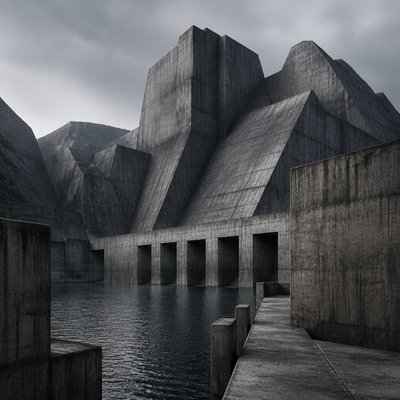
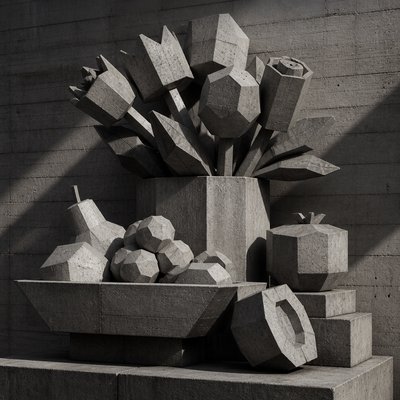
Raw concrete, blocky massing, and fortress-like geometry define this austere architectural style.
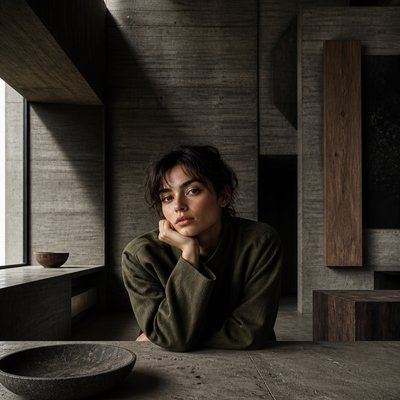
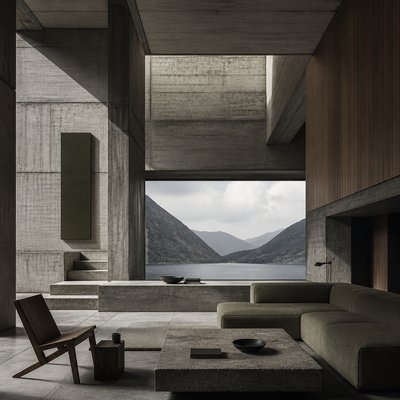
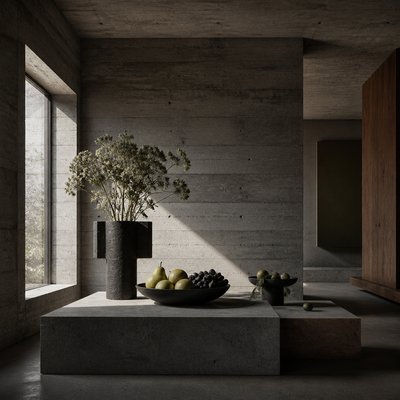
Raw concrete, heavy massing, and sculpted light define this austere interior style of monumental calm.

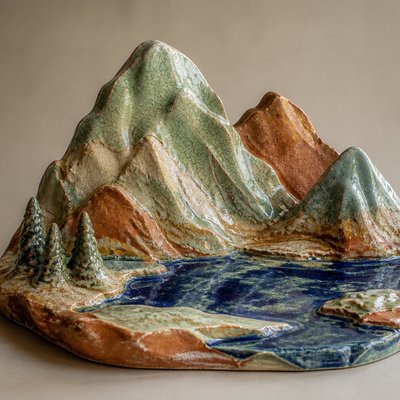
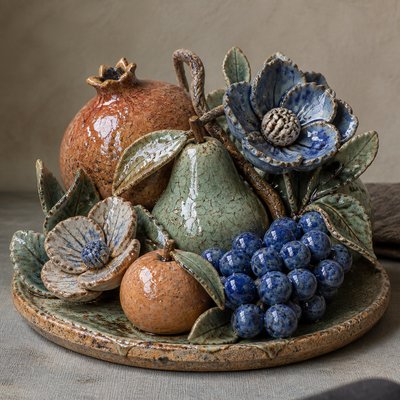
Clay forms with glazes, hand-built texture, crackle finishes, and earthy kiln-fired color variation in ceramic sculpture.
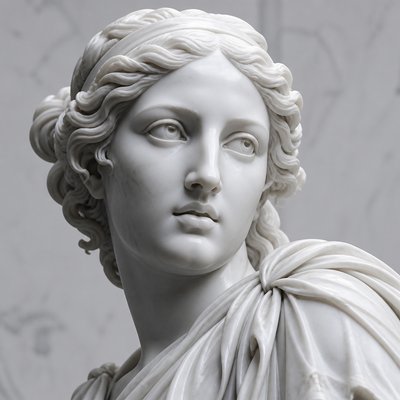
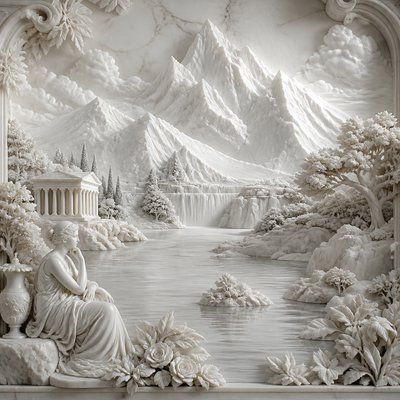
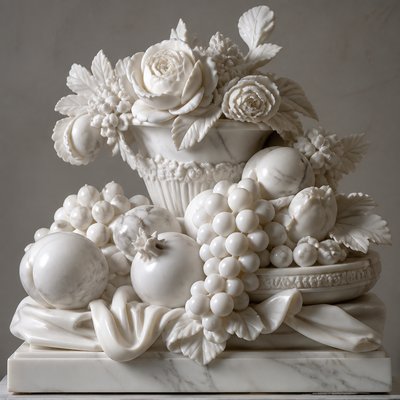
Timeless white-stone sculpture with idealized forms, polished marble surfaces, and classical drapery inspired by Greco-Roman and Renaissance art.

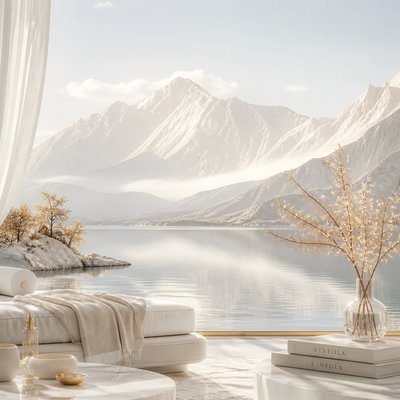
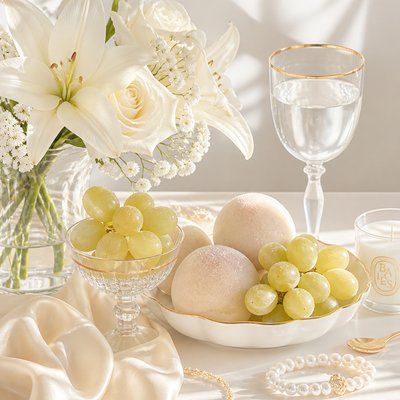
Bright, dewy minimalism with cream neutrals, glossy polish, and an effortless, spa-like calm.

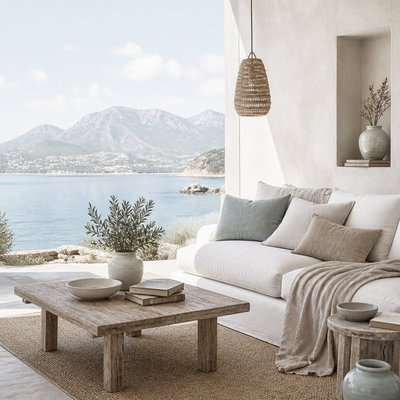
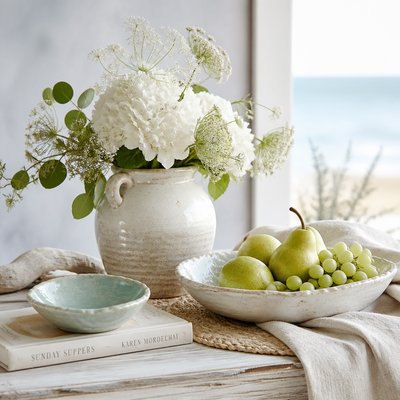
Light, airy seaside interiors with natural textures, weathered neutrals, and relaxed nautical details.


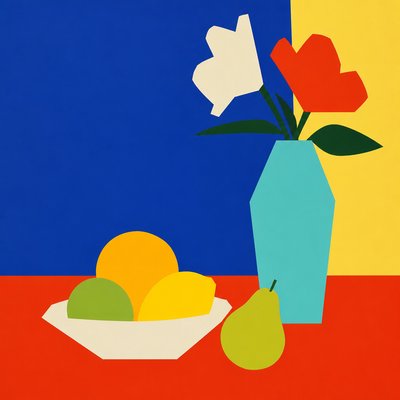
Hard-edge color fields, flat matte planes, and pure hue relationships define this austere abstract style.
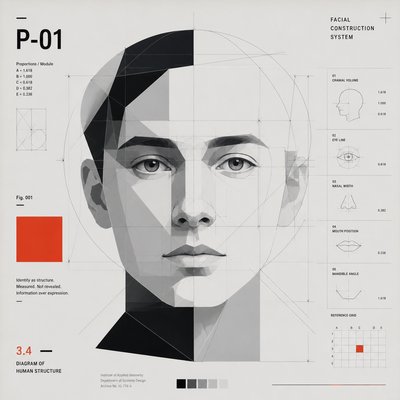
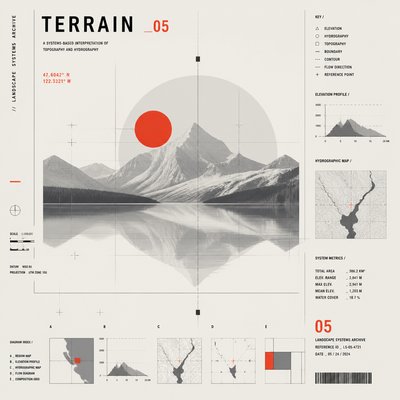
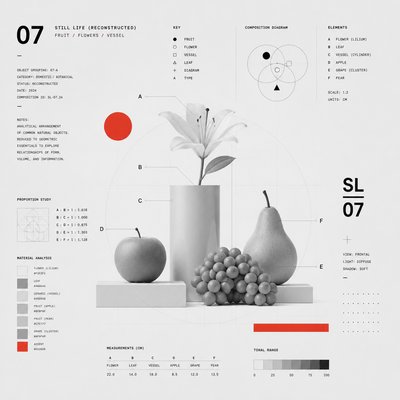
Minimal, idea-driven art with text, diagrams, and restrained forms that turn the concept itself into the artwork.

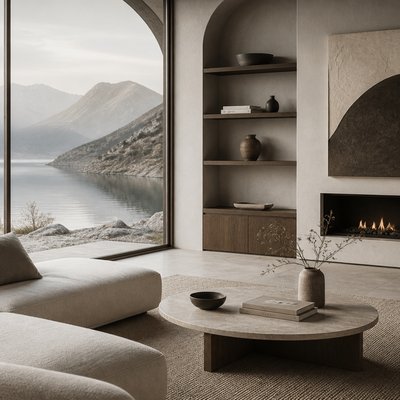
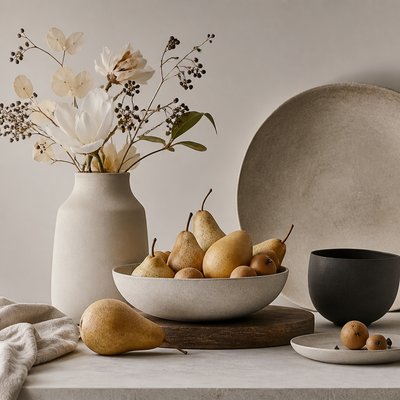
Neutral palettes, mixed textures, and elegant comfort define contemporary interior design in today’s homes and visual references.
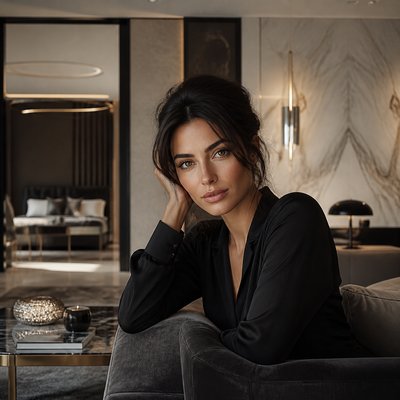
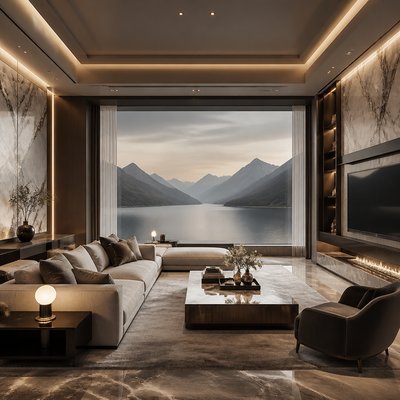
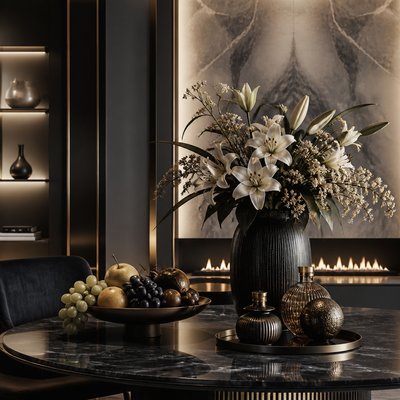
Polished modern luxury interiors with marble, champagne tones, velvet textures, and quiet hotel-suite lighting.
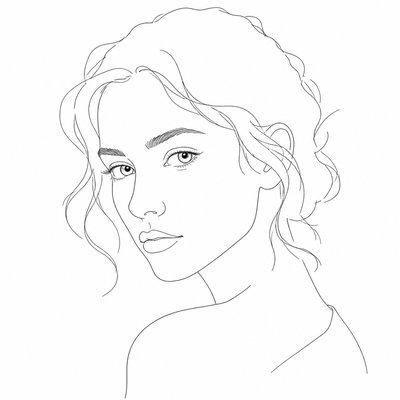
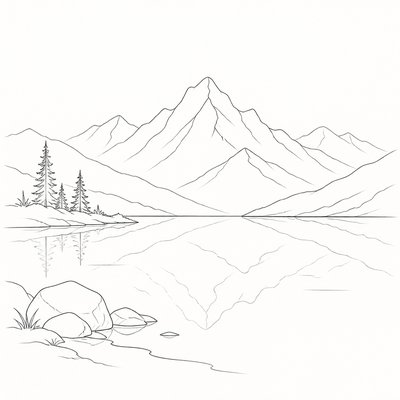
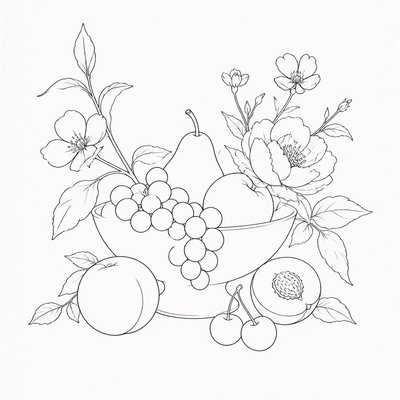
Explore contour line drawing: elegant single-line outlines, minimal interior detail, generous white space, and precise expressive form.

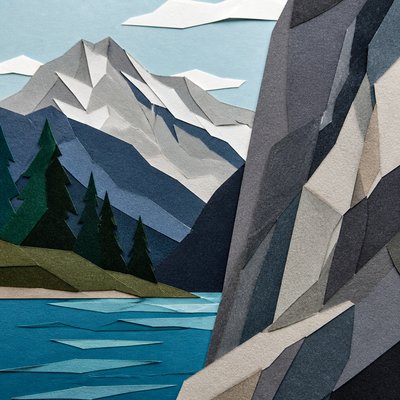
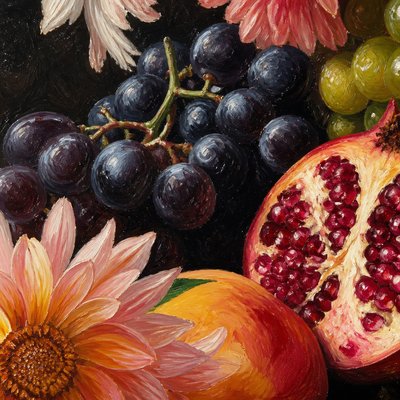
Explore Cropping Art Style: tight, asymmetrical framing, abrupt edge cuts, and kinetic compositions that heighten intimacy and immediacy.
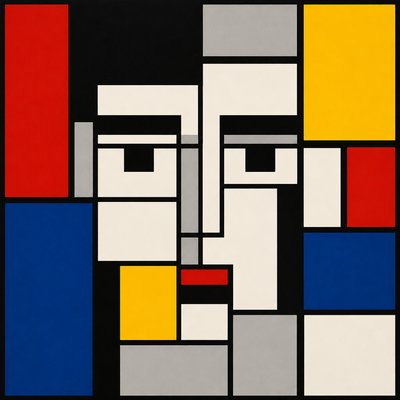
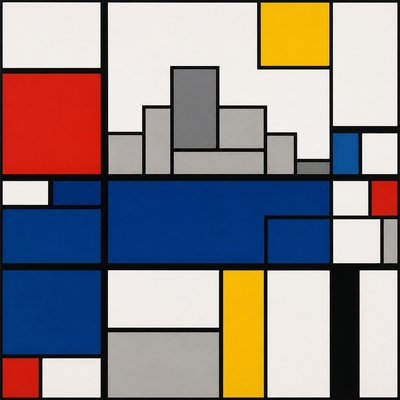
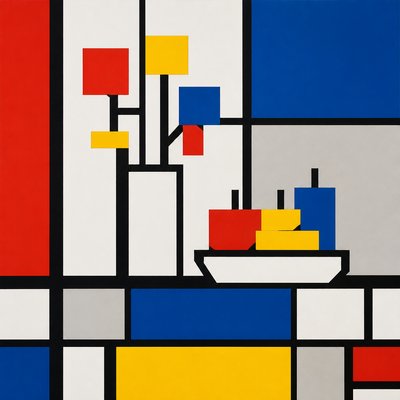
Pure abstraction of vertical and horizontal geometry, primary colors, and black lines inspired by De Stijl principles.

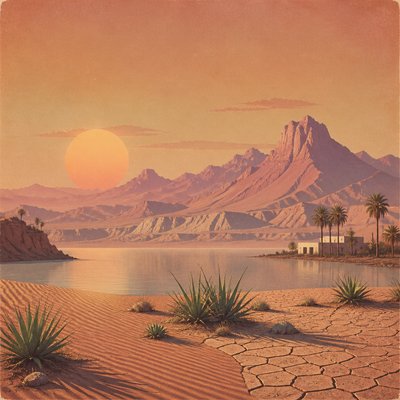
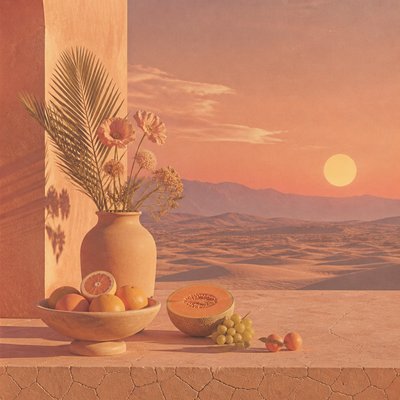
Desertwave aesthetic blends terracotta, dusty rose, heat haze, and long violet shadows into serene, sun-bleached desert imagery.



Minimalist icons built from exactly two contrasting colors, designed for clarity, brand consistency, and instant recognition.

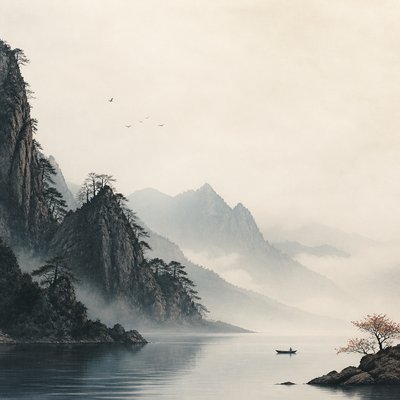
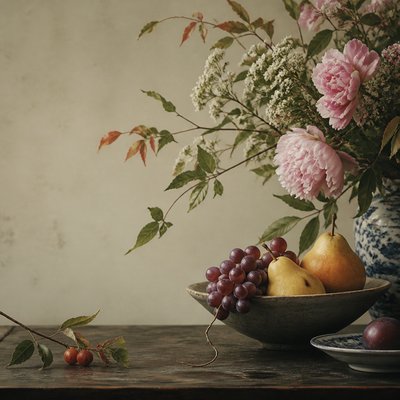
Explore Elegant Asymmetry: a serene visual language of off-center balance, diagonal movement, cropped space, and refined spatial tension.


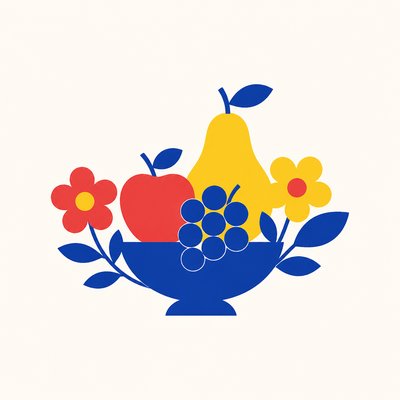
Minimal flat icons with bold colors, simple shapes, and no shadows—ideal for modern UI, logos, and clean visual communication.


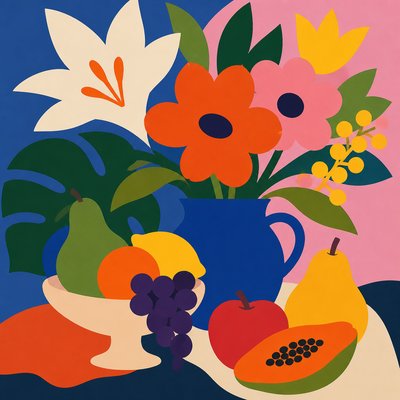
Explore Flat Shape Art: crisp silhouettes, bold color blocks, and clean geometric forms for posters, illustrations, icons, and digital images.

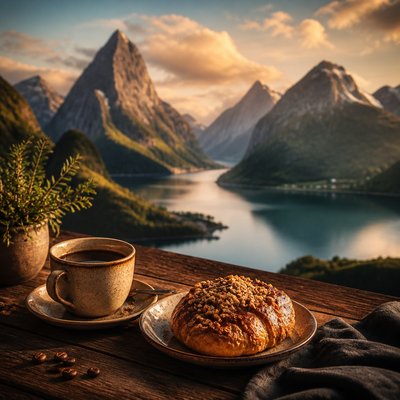

Appetizing food still life with polished lighting, rich texture, glossy highlights, and editorial composition.

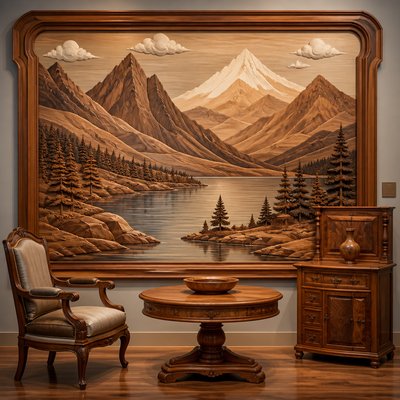
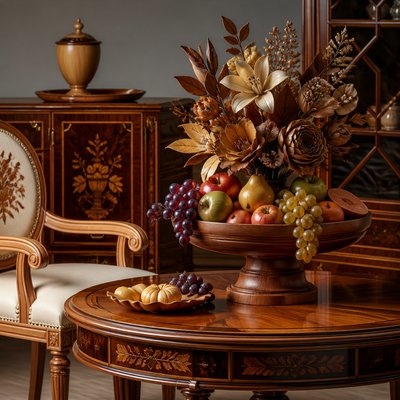
Explore Furniture Design Style: crafted wooden forms, visible joinery, carved details, polished grain, refined hardware, and functional elegance.



Bold black silhouette icons with no internal detail, designed for instant recognition, small sizes, and clean universal visual communication.

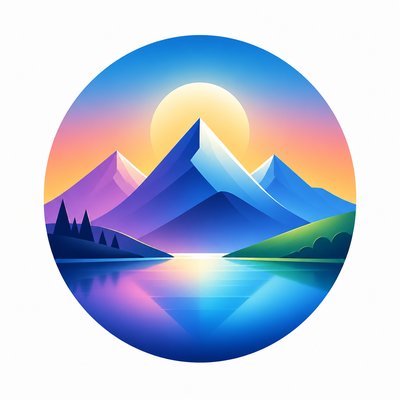

Modern icon style with smooth gradients, glossy depth, clean vector shapes, and polished app-ready clarity.
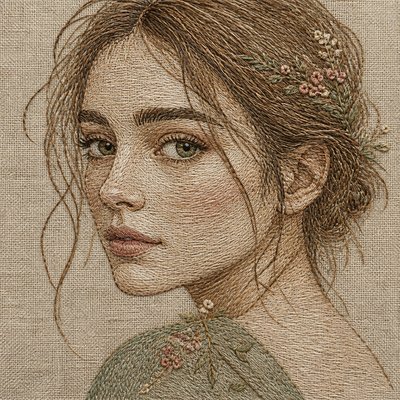
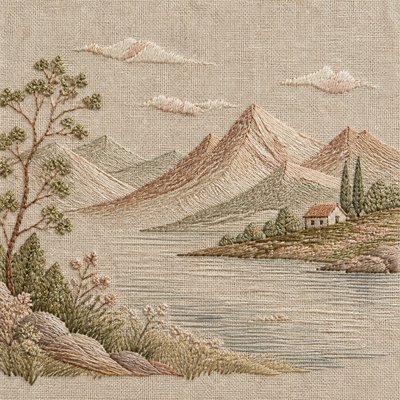
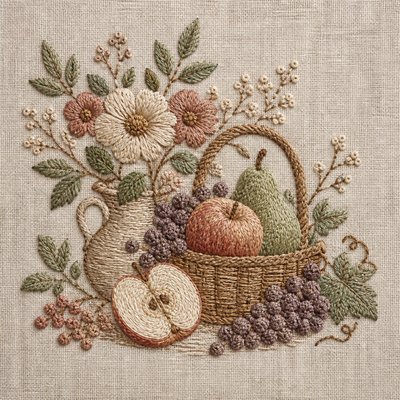
Delicate linen embroidery art with visible stitches, earthy tones, and peaceful countryside motifs inspired by hand-sewn textile illustration.

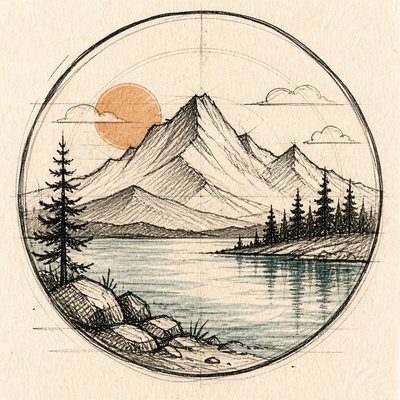

Organic, sketch-like icons with imperfect linework, paper grain, and hand-made charm for brand systems and illustrations.
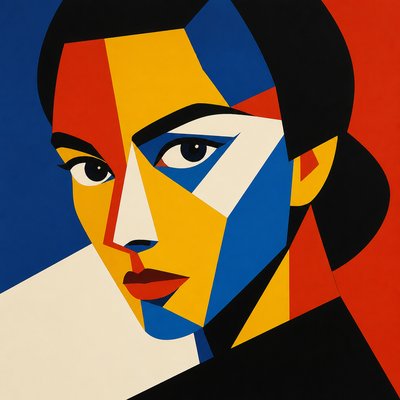
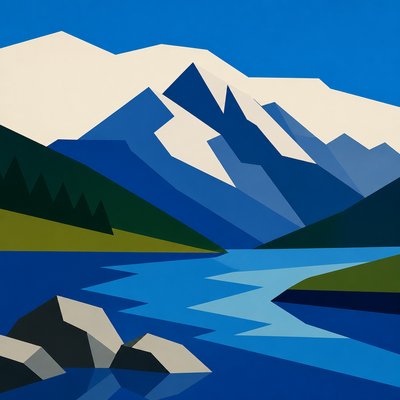
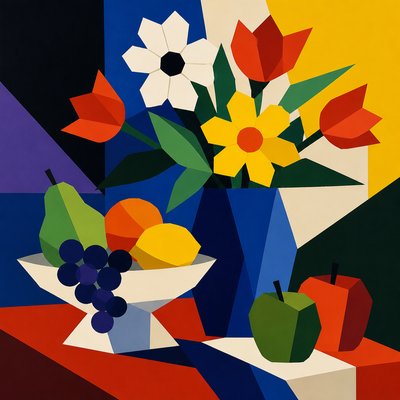
Precise geometric abstraction with flat color, sharp edges, and no blending—learn the history, traits, and techniques of hard-edge painting.
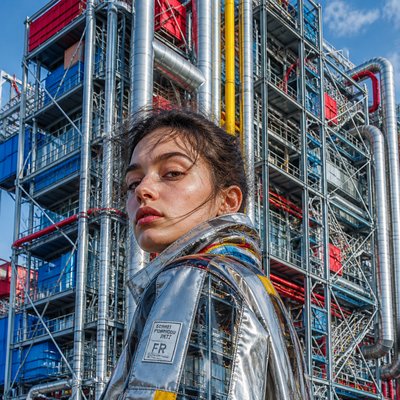

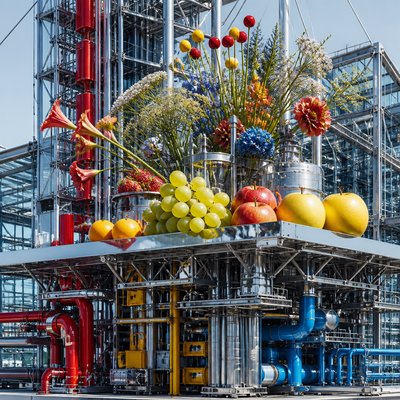
Exposed steel, glass curtain walls, and color-coded services define this inside-out architectural style of the high-tech era.

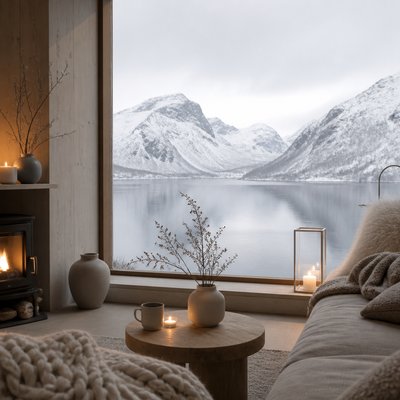
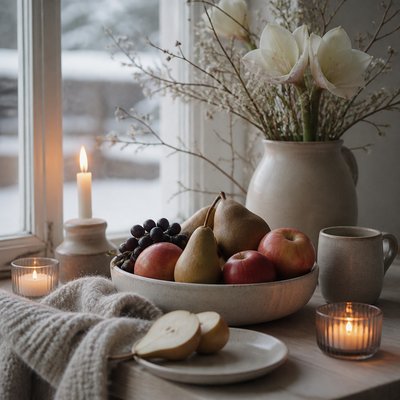
Soft candlelit Danish interiors with wool, birch, and muted winter light—an intimate aesthetic of calm, warmth, and simplicity.

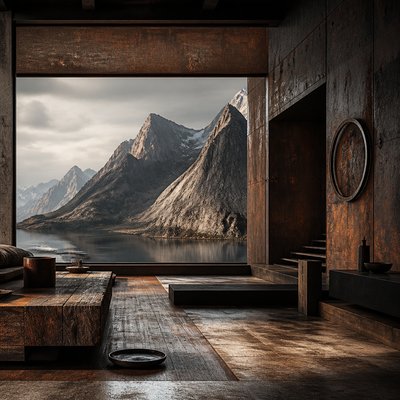
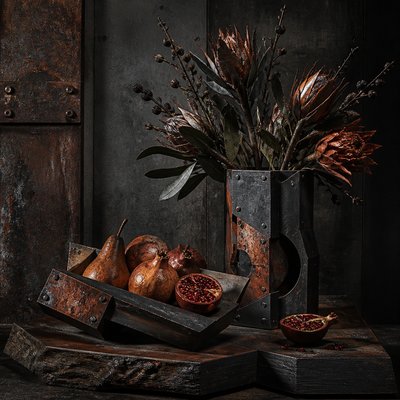
Raw metal-and-wood design with exposed hardware, warehouse mood, and utilitarian forms shaped by industrial loft aesthetics.

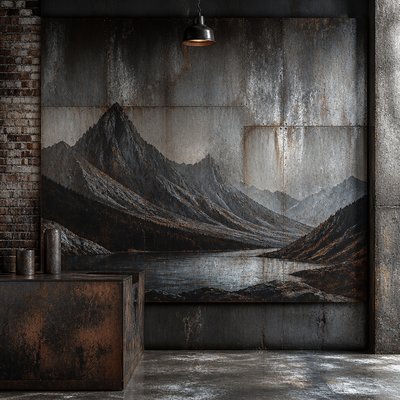
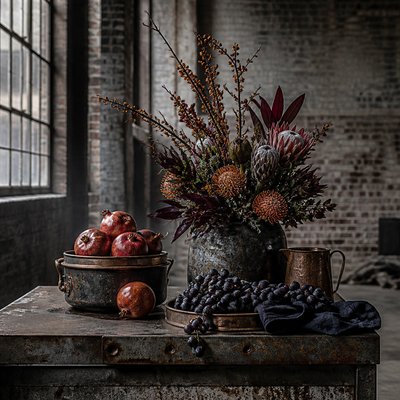
Raw warehouse-inspired interiors with exposed brick, steel, concrete, and utilitarian details; a moody urban look rooted in honest materials.
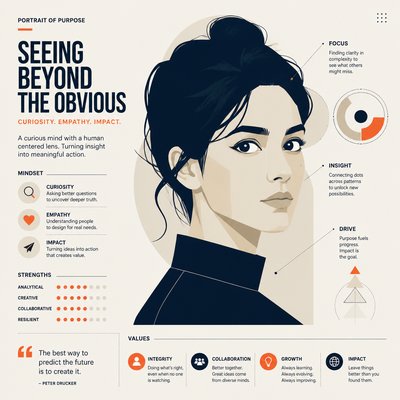
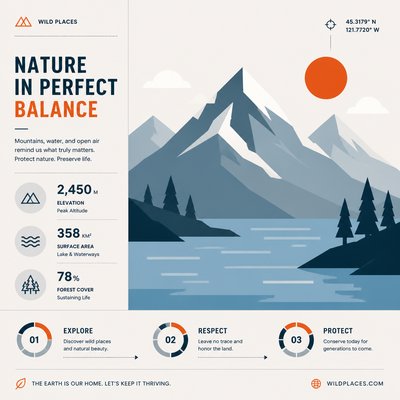
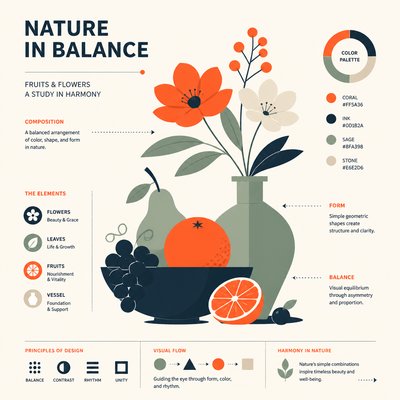
Clean, data-rich posters using grids, icons, charts, and bold typography to explain complex information with clarity.
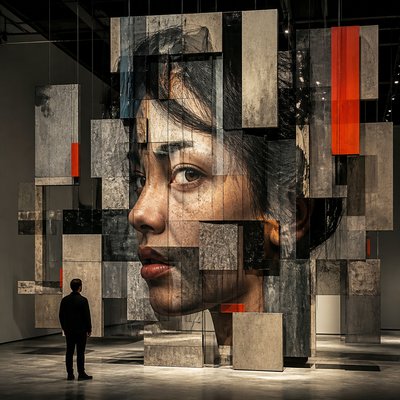
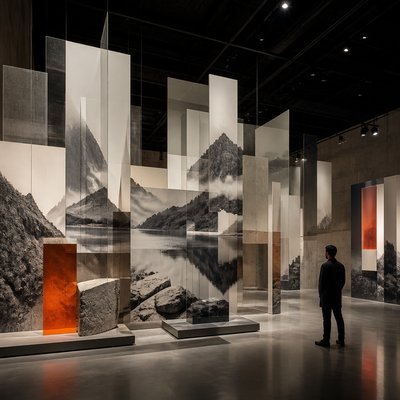
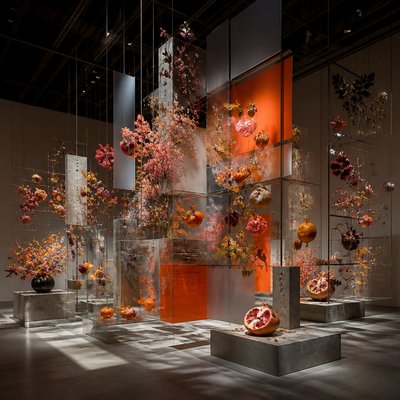
Immersive space-based art using modular forms, mixed materials, dramatic lighting, and site-specific installation design.
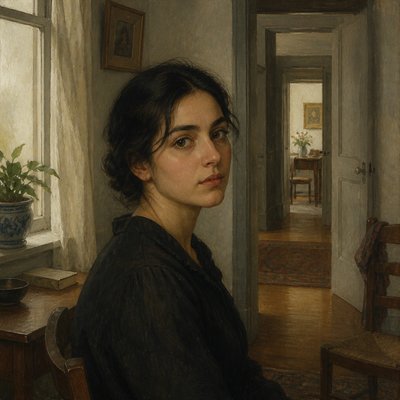
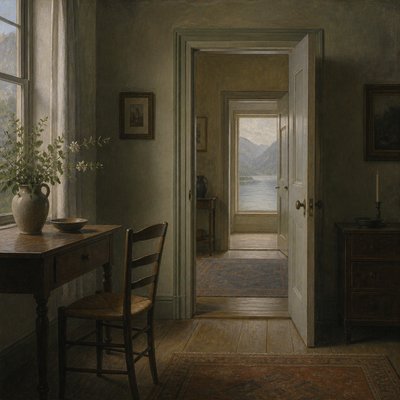
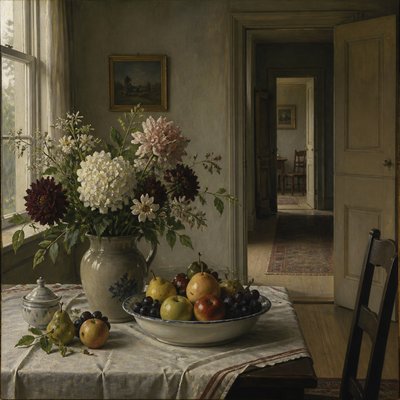
Explore Interior Scene Painting Style: sunlit rooms, open doorways, muted color, and contemplative stillness shaped by domestic painting traditions.



Clean 3D icons in true isometric projection with flat shading, crisp edges, and vibrant colors for apps, infographics, and UI.

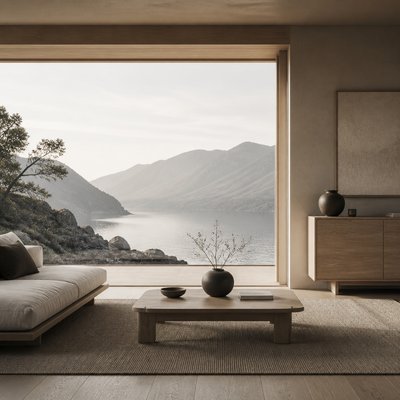
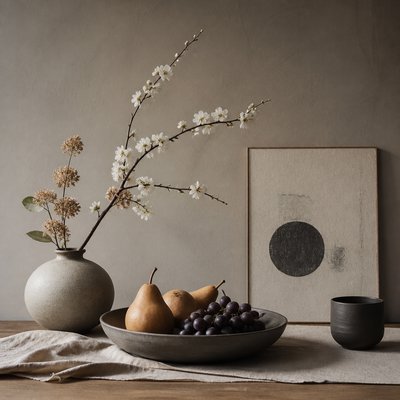
Japandi aesthetic blends Japanese calm with Scandinavian warmth through light oak, greige tones, clean lines, and serene negative space.
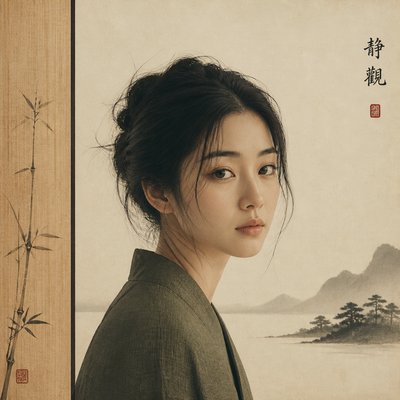
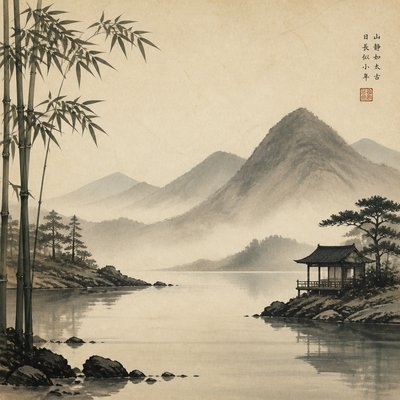
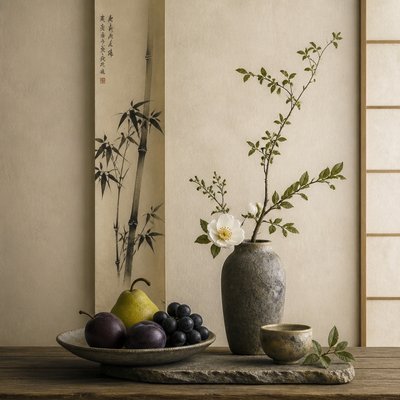
Zen-inspired Japanese buildings with natural wood, sliding screens, gardens, and calm minimal interiors rooted in traditional design.

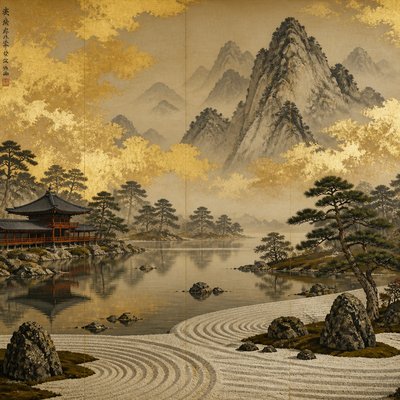
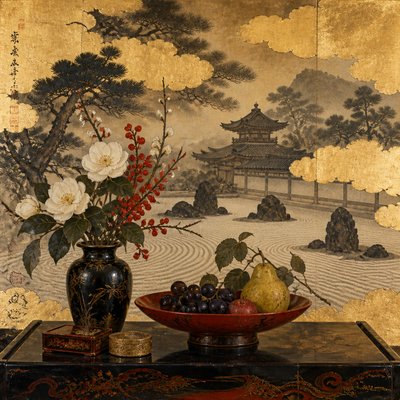
Explore Kyoto Zen Art Style: gold-leaf clouds, ink-wash pines, raked gravel, and quiet temple elegance rooted in Japanese visual traditions.
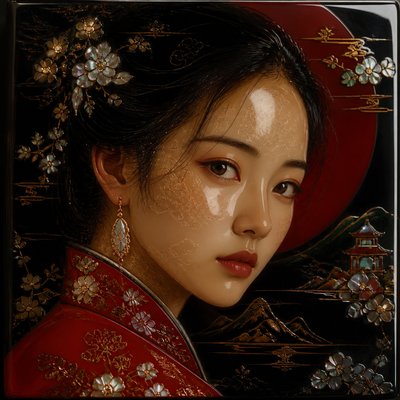
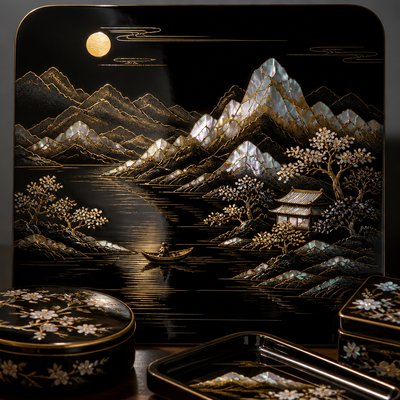
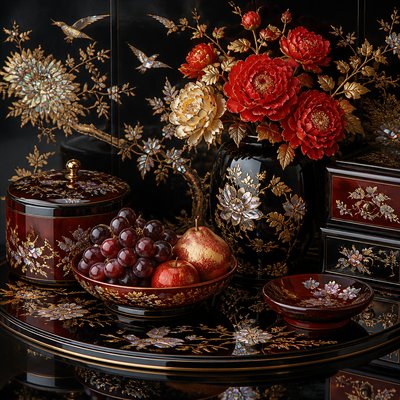
Explore lacquer art: glossy layered surfaces, gold leaf, mother-of-pearl inlay, and refined decorative techniques across Asian traditions.

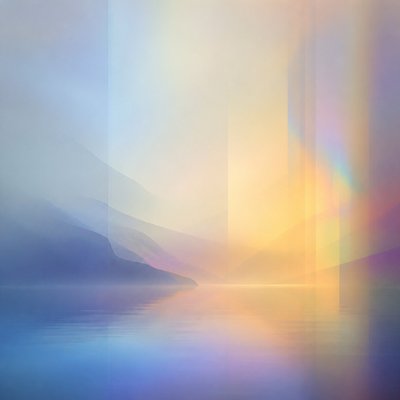
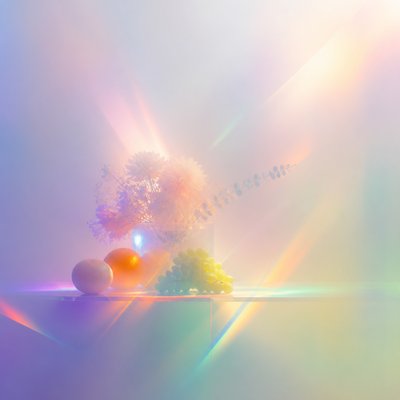
Perceptual art of light, space, and atmosphere, using luminous fields, minimal forms, and viewer movement to alter perception.

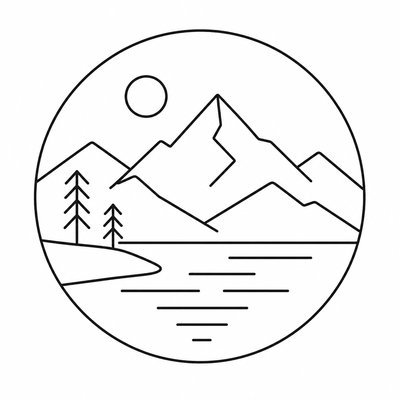
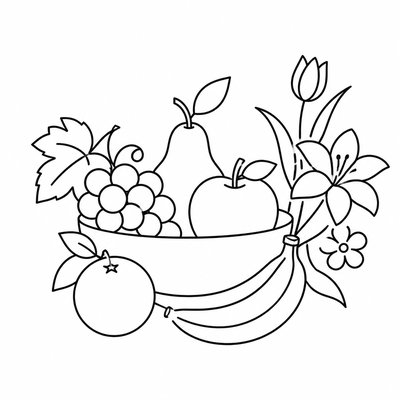
Clean single-line icons with clear silhouettes, uniform strokes, and minimal geometry for scalable, readable visual design.
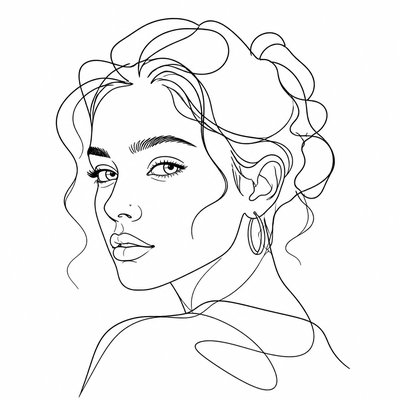
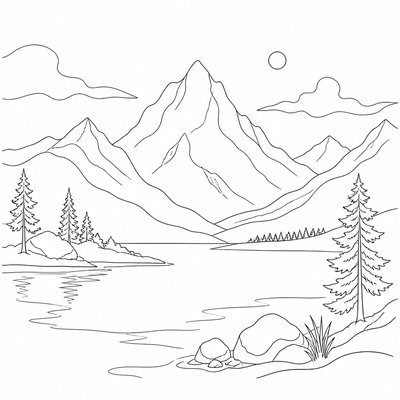
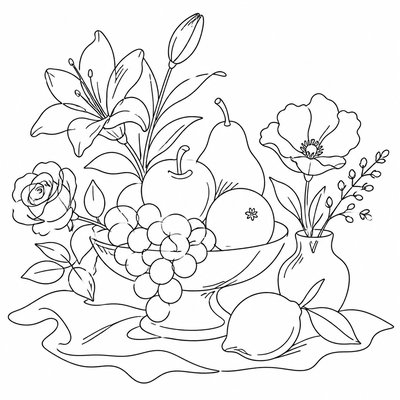
Explore Line Art Style: precise monochrome contours, purposeful negative space, and minimal detail creating clear, expressive imagery.



Explore low poly art: crisp flat-shaded facets, geometric landscapes, and crystalline 3D forms shaped by digital modeling and minimalist design.
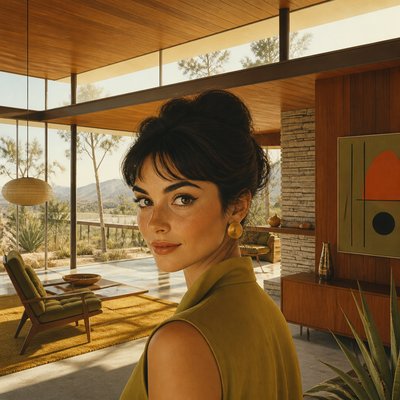
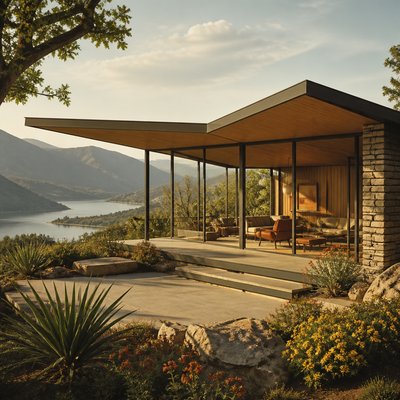
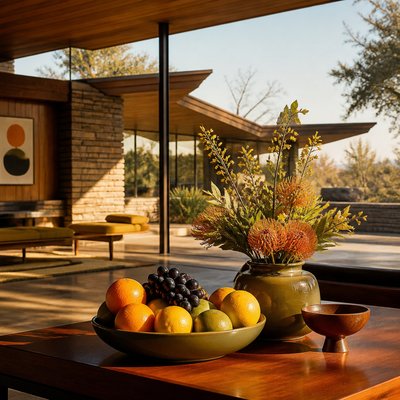
Low-slung glass houses, butterfly roofs, and warm wood tones define this breezy post-war architectural style.
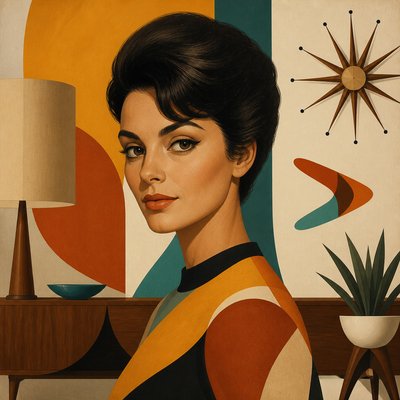
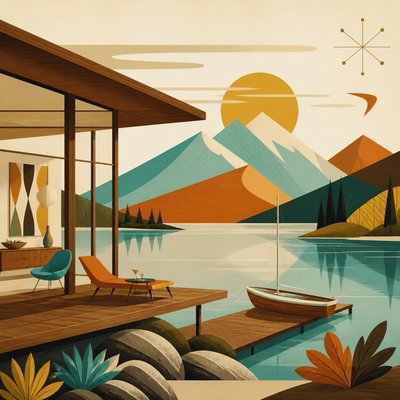
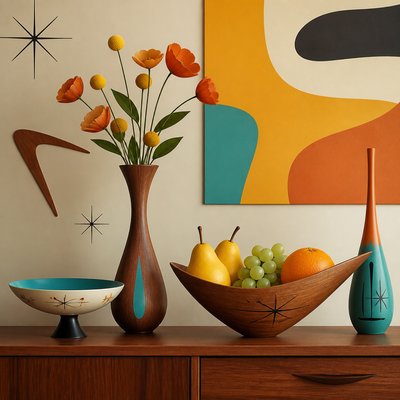
Clean lines, walnut wood, tapered legs, and atomic-age accents define this enduring 1950s–60s furniture design aesthetic.
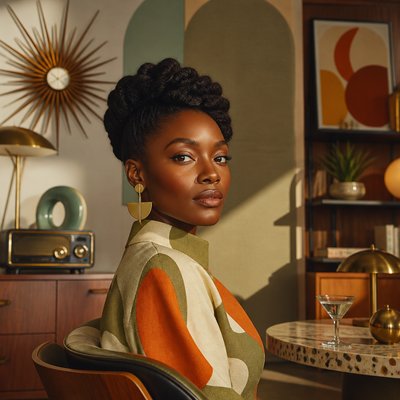
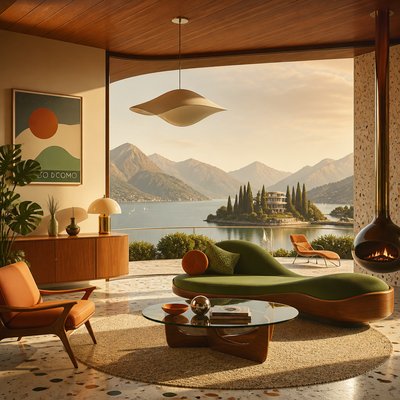
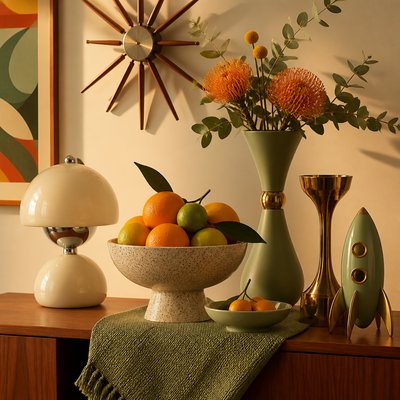
1950s-60s interiors with walnut, teak, bold accents, clean lines, and retro-futuristic warmth.


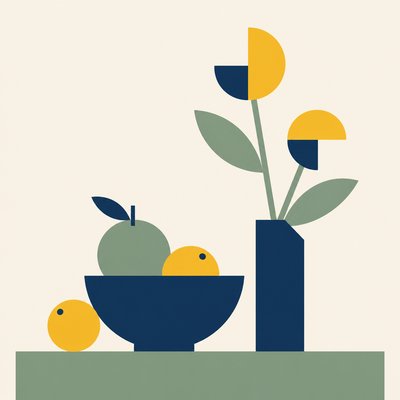
Minimalism art style uses pared-down geometric forms, limited color, and generous negative space to reduce images to essentials.

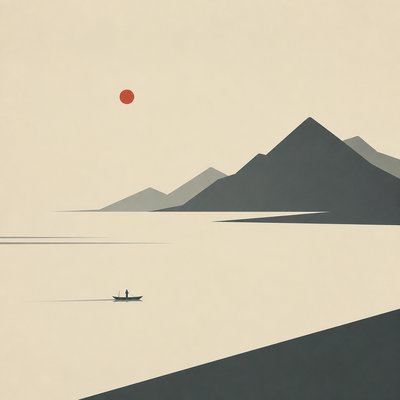
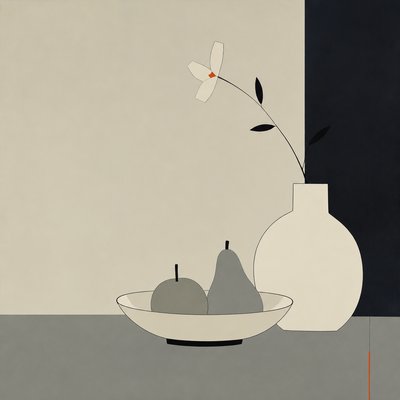
Extreme simplicity, limited color, and vast negative space define this austere abstract style of quiet, balanced visual power.

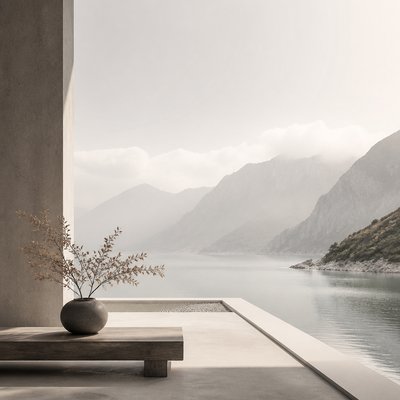
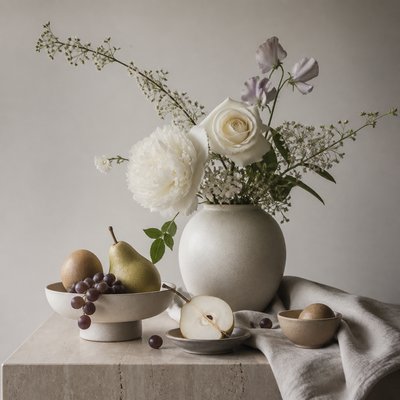
Clean, neutral clothing with precise silhouettes, quality fabrics, and understated elegance rooted in timeless modern design.

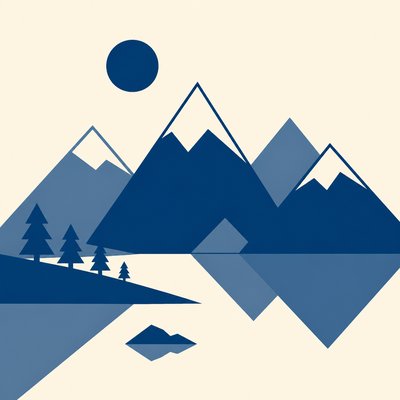
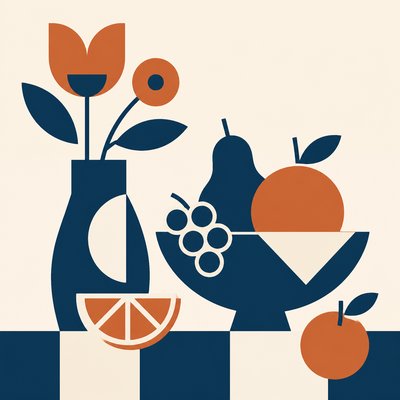
Clean geometric art with flat color, bold negative space, and reduced forms inspired by modernist design and abstraction.
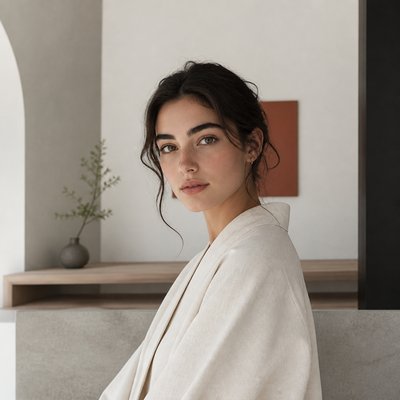
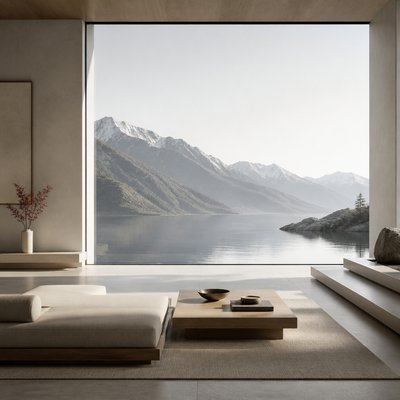
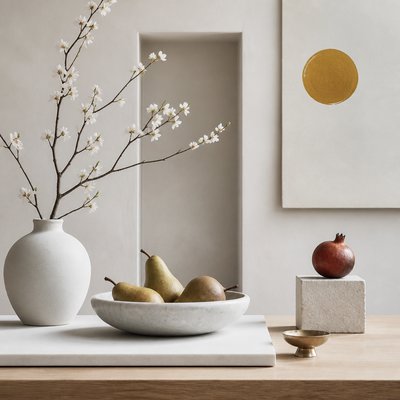
Clutter-free interiors with clean lines, neutral tones, and natural light—an essential guide to minimalist interior design.
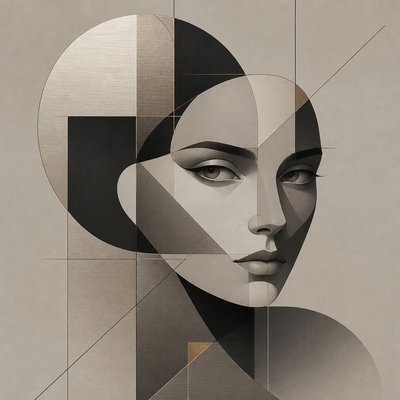
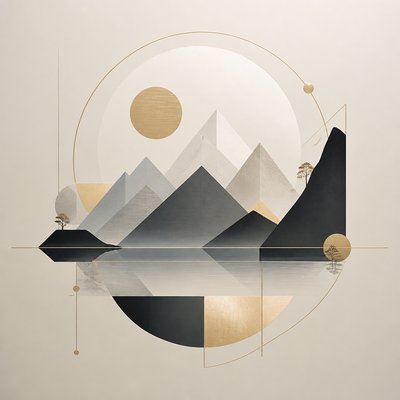
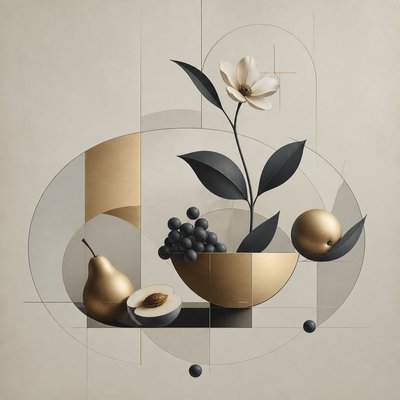
Elegant jewelry defined by clean geometry, restrained materials, and precise craftsmanship—modern simplicity with quiet luxury.

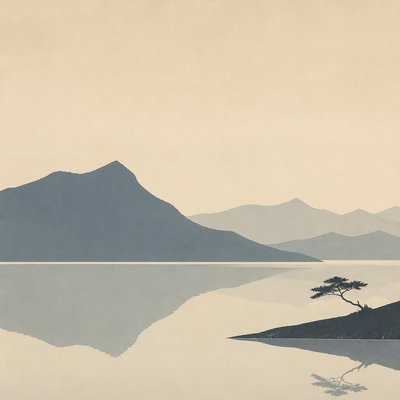
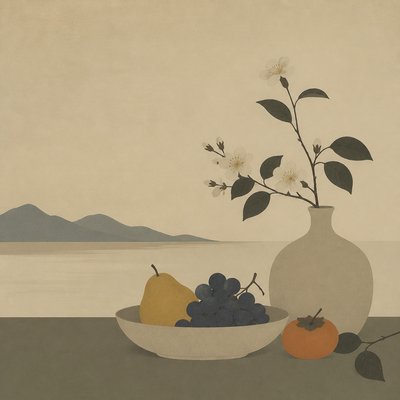
Sparse landscapes with simple horizons, muted palettes, and vast negative space for a calm, meditative visual mood.
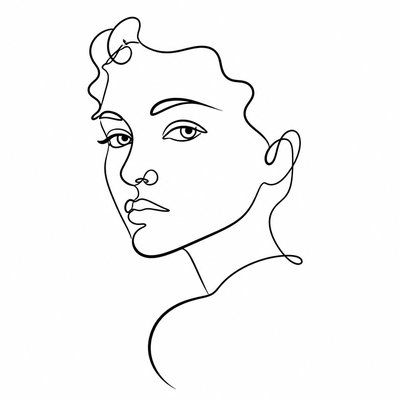
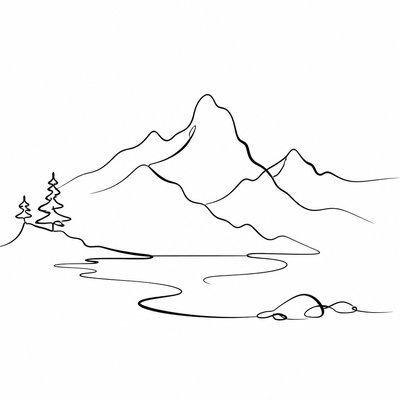
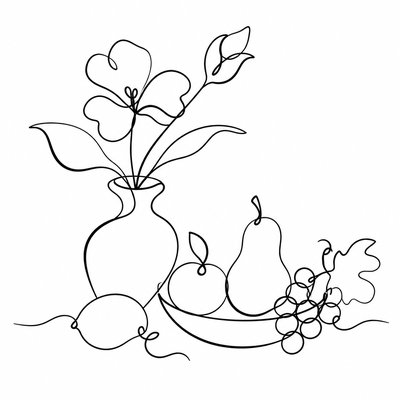
Minimalist line portrait style: elegant single-line portraits with sparse marks, strong contour, and expressive economy.
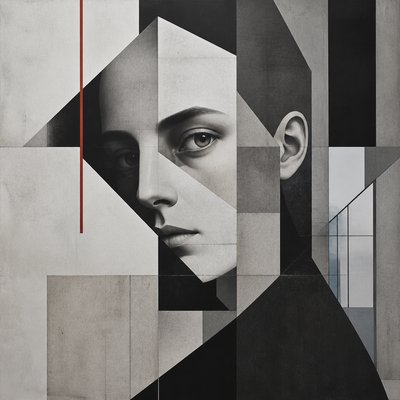
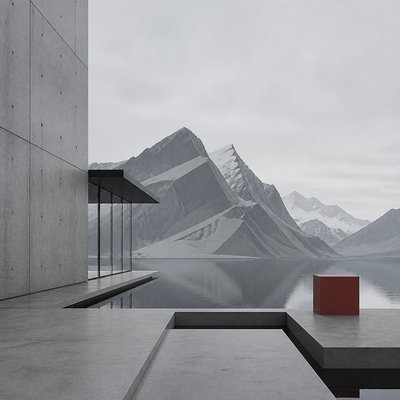
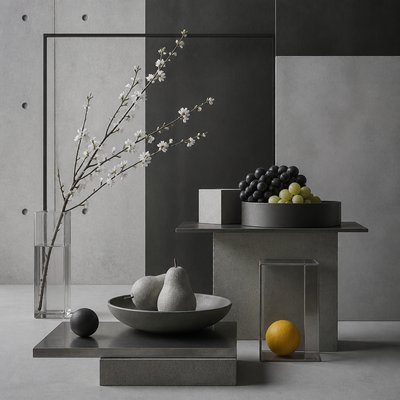
Minimalist modern art: geometric forms, industrial materials, neutral colors, and quiet compositions reduced to essentials.
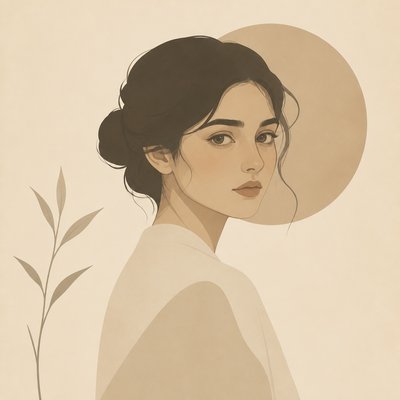
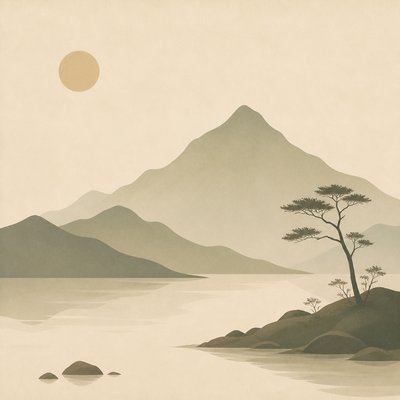
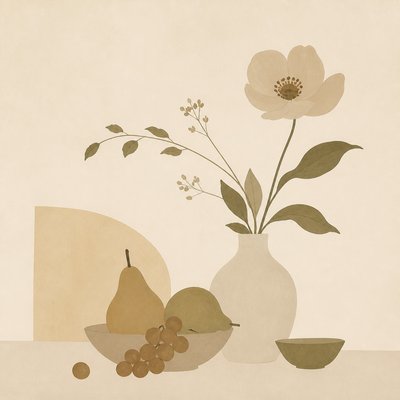
Simplified natural forms, muted earth tones, and generous negative space define this calm, essence-driven nature aesthetic.
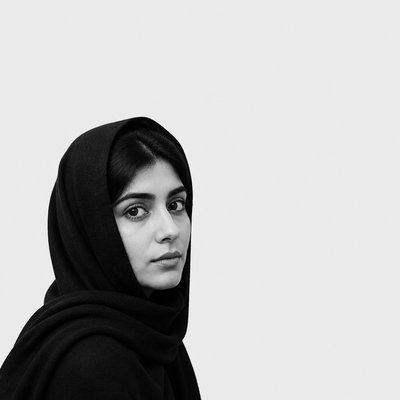
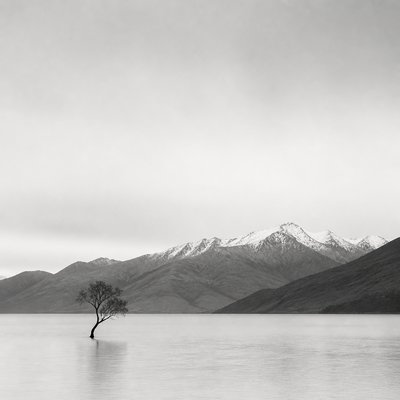
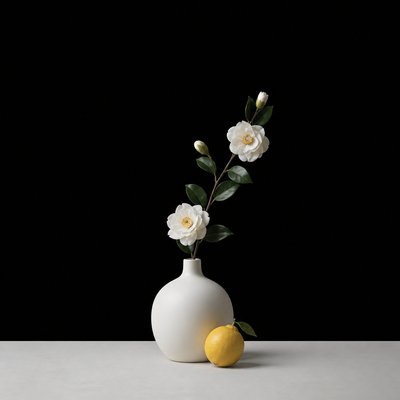
Minimalist photography uses negative space, simple geometry, and restrained color for calm, striking images.


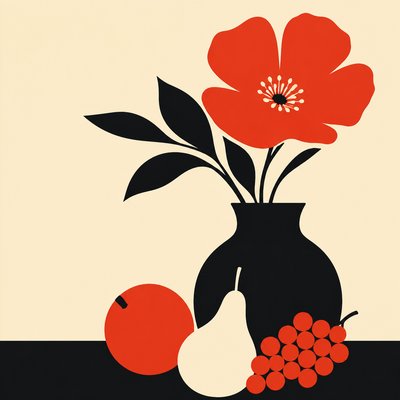
Clean, high-impact posters built from negative space, limited colors, and essential shapes for clear visual communication.



Clean die-cut stickers with bold outlines, flat colors, and simple shapes for modern, readable graphic design.
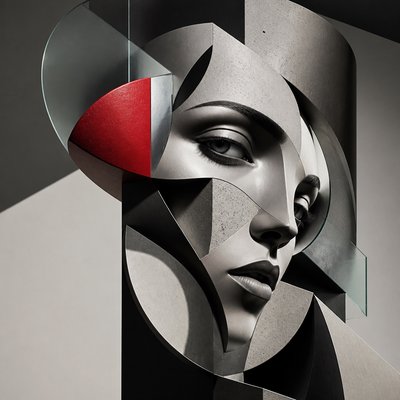
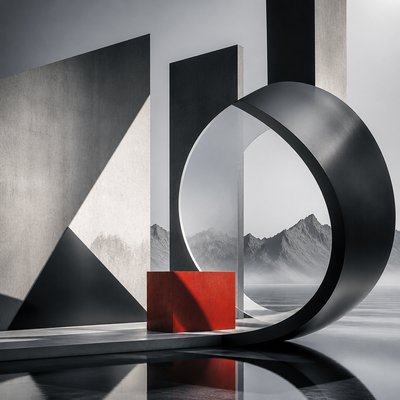
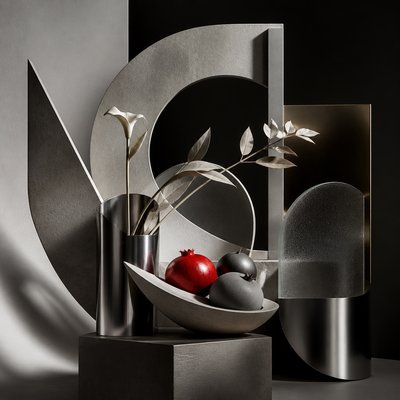
Modern abstract sculpture: geometric form, negative space, and bold materials in a clean, gallery-ready sculptural style.
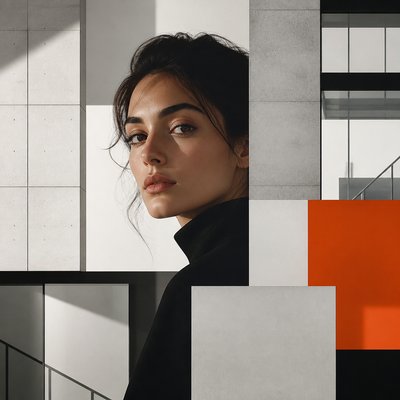
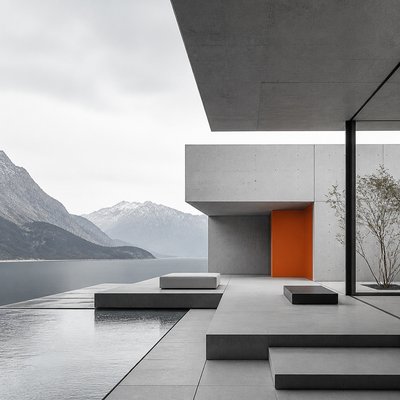
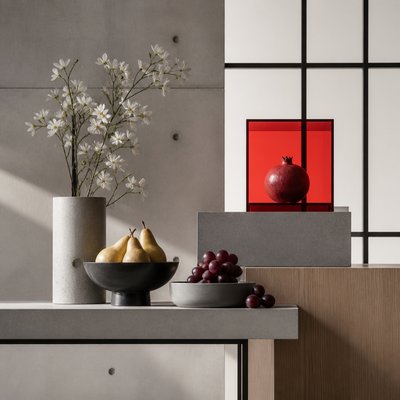
Clean-lined contemporary architecture with glass, concrete, open space, and nature-integrated minimal design.

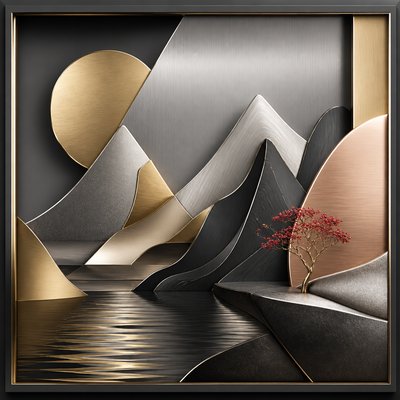
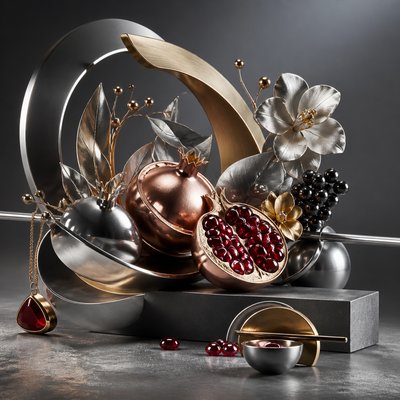
Modern contemporary jewelry design: asymmetrical luxury, mixed metals, sculptural forms, and refined contrast in current jewelry aesthetics.

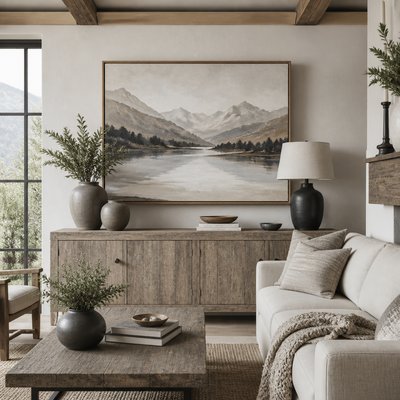
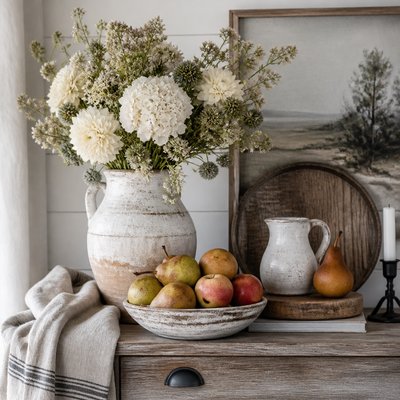
Warm neutral interiors with shiplap, barn doors, rustic wood, black accents, and clean contemporary lines.
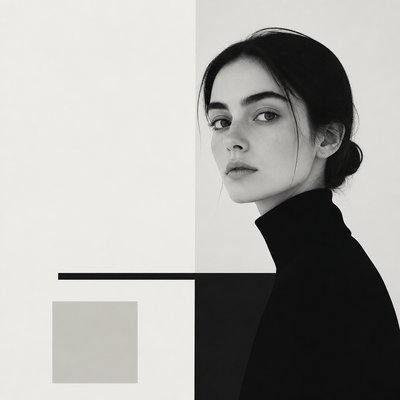
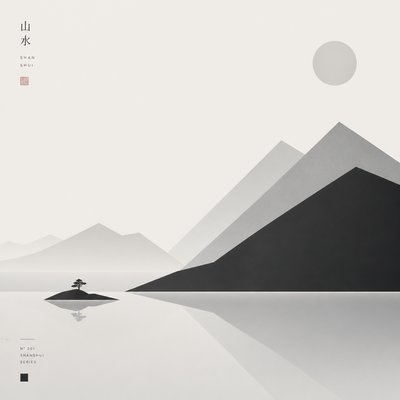
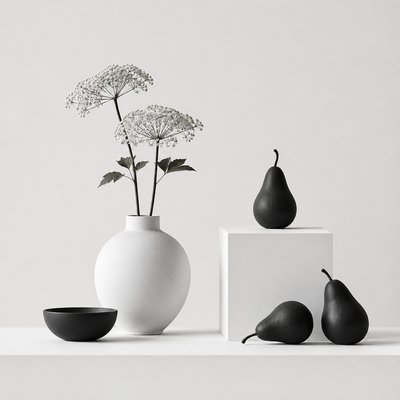
Ultra-clean contemporary furniture design with monochrome palettes, geometric precision, negative space, and calm gallery-like restraint.
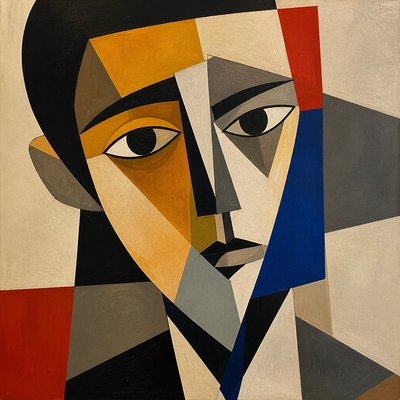
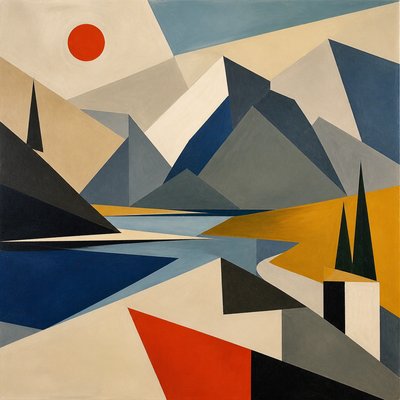
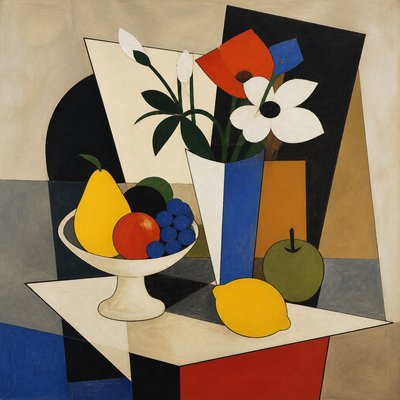
Explore Modernist art: bold flat color, geometric structure, fractured perspective, and experimental compositions shaped by the shock of modern life.

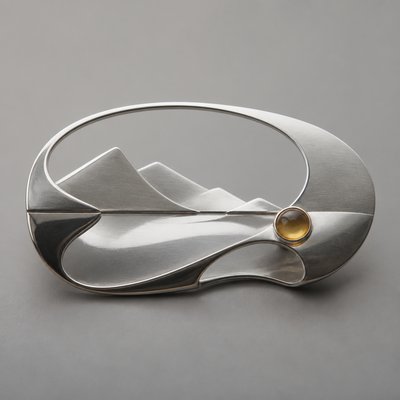
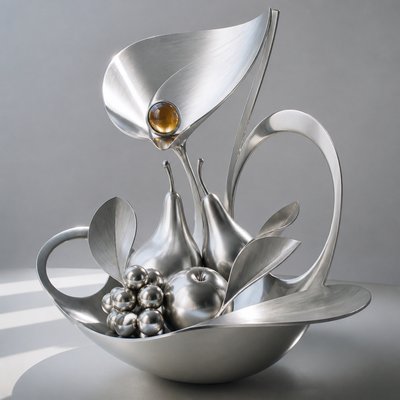
Sleek mid-century sterling jewelry with sculptural loops, satin planes, mirror polish, and Scandinavian calm in silver.

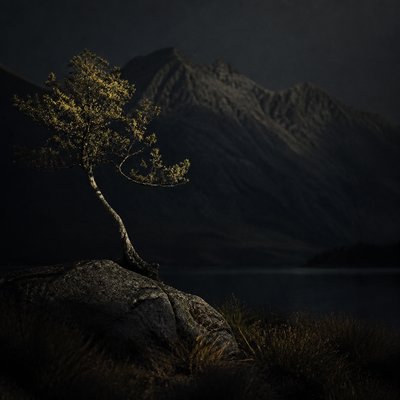

Low-key portrait photography with deep shadows, selective focus, muted color, and cinematic emotional intensity.


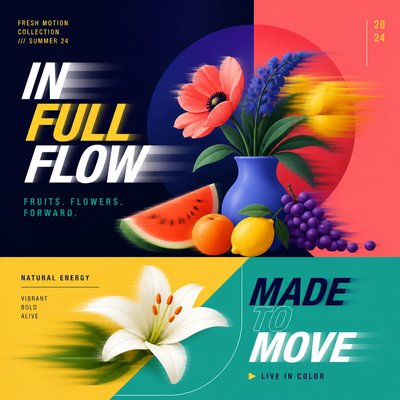
Explore Motion Graphics Style: kinetic typography, bold geometric forms, saturated color blocks, motion trails, and polished broadcast-design energy.

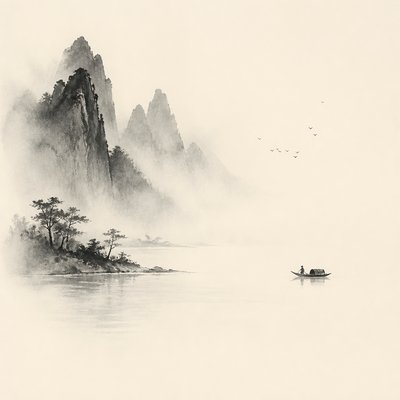
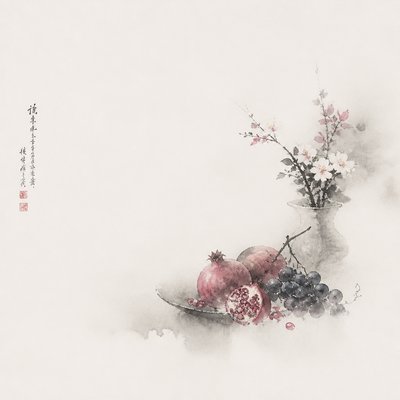
Explore Negative Space Art: minimalist compositions where emptiness, mist, and dissolving forms create quiet visual power.
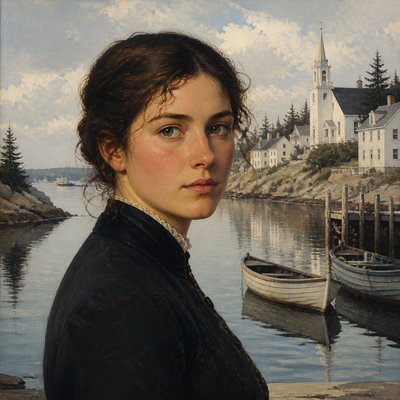
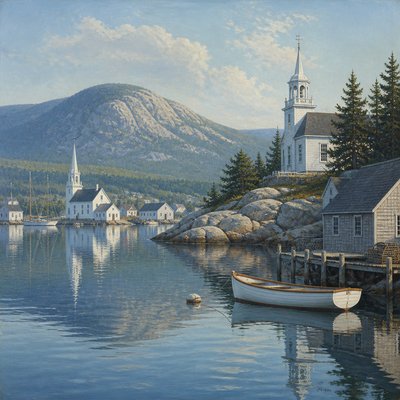
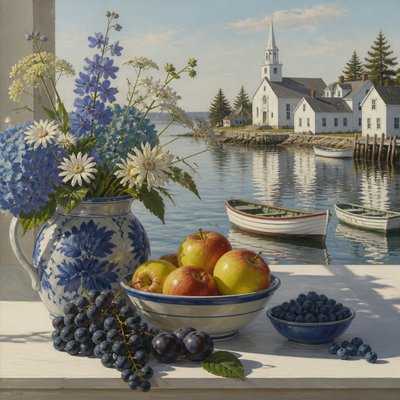
Explore New England Maritime art: crystalline Atlantic light, white churches, dories, granite shores, spruce points, and luminist calm.



Explore origami art: crisp geometric folds, matte paper surfaces, and sculptural forms created from a single uncut sheet.


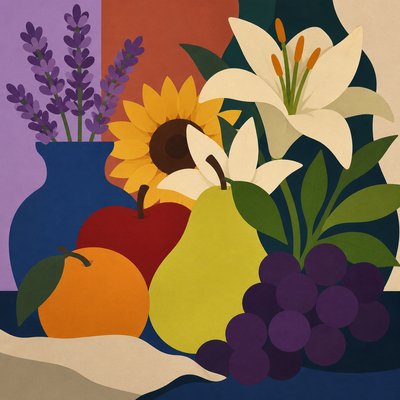
Explore Overlapping Art Style: layered silhouettes, flattened planes, and depth created through crisp occlusion instead of perspective.
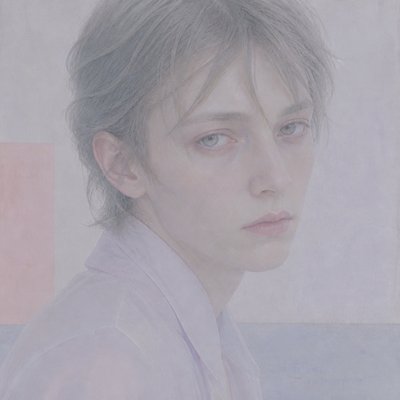
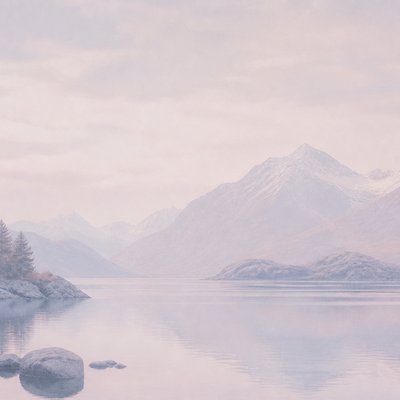
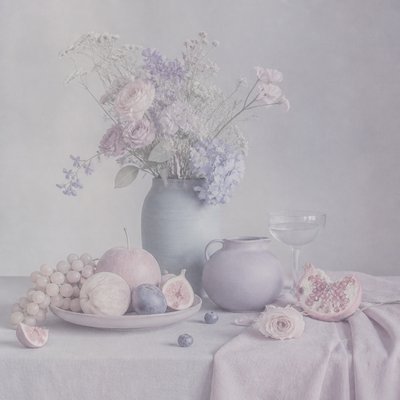
Muted pastels, flat light, and hushed minimal calm define this faded, dreamlike aesthetic of pale pinks, blues, and gray-whites.
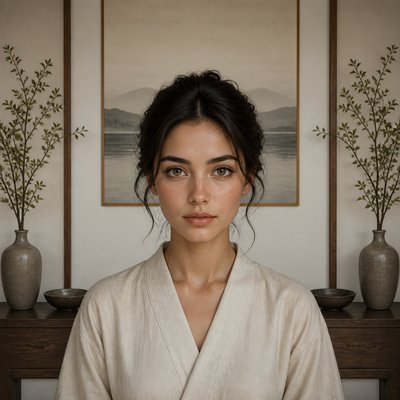
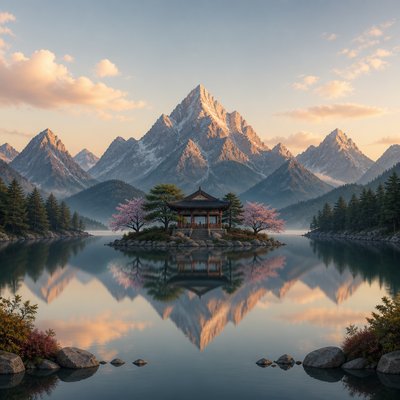
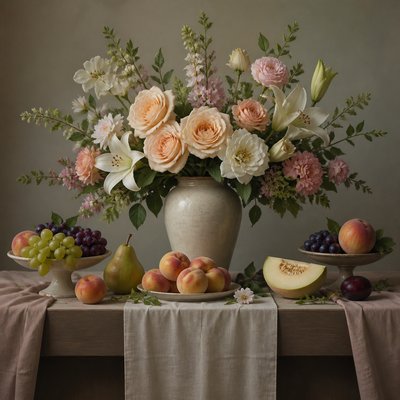
Explore Perfect Balance, an art style of stillness, equal visual weight, calm structure, and meditative compositional harmony.



Explore Positive Space Art: bold saturated forms, crisp silhouettes, and empty backgrounds that make a single subject command the frame.
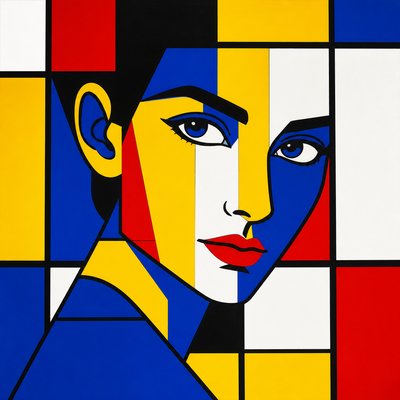
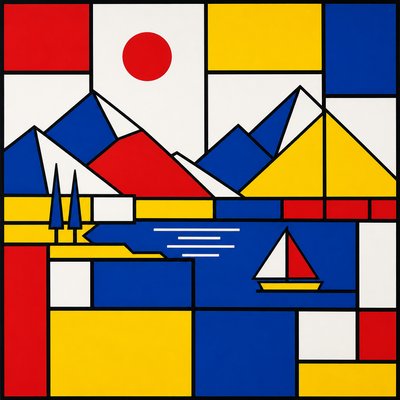
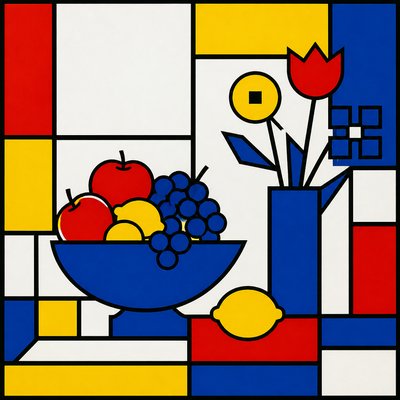
Explore Primary Colors Art Style: crisp geometric grids, bold red, yellow and blue blocks, thick black lines, and balanced white space.
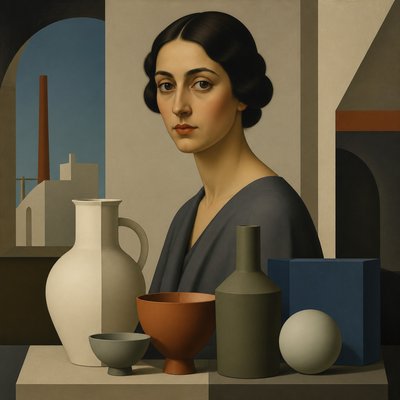
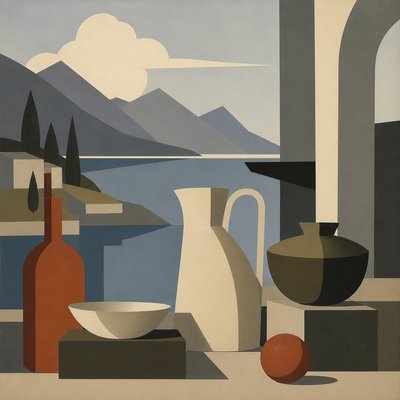
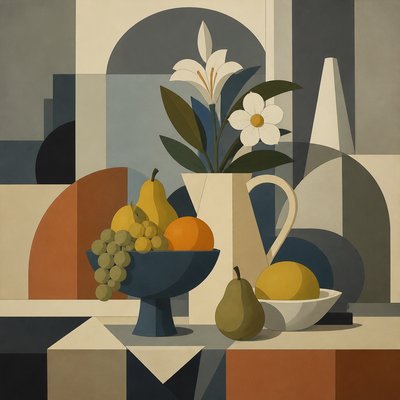
Explore Purism: serene machine-age still lifes built from geometric silhouettes, architectural space, muted color, and precise visual order.
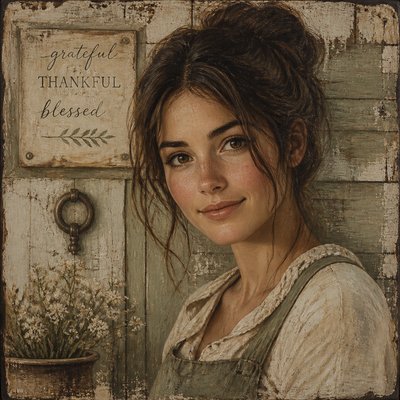
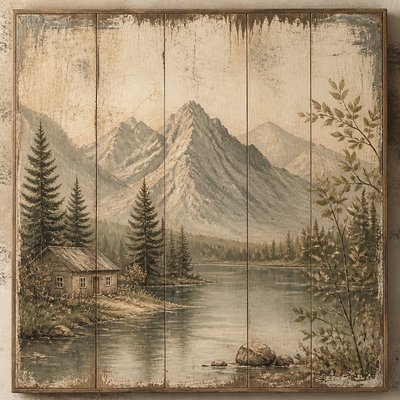
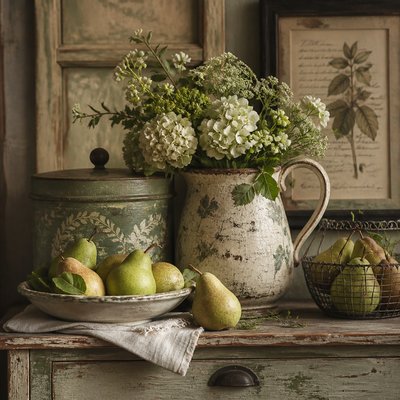
Rustic farmhouse furniture with distressed wood, muted earth tones, vintage hardware, and cozy lived-in charm.
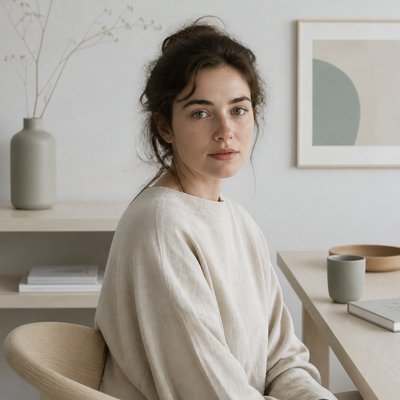
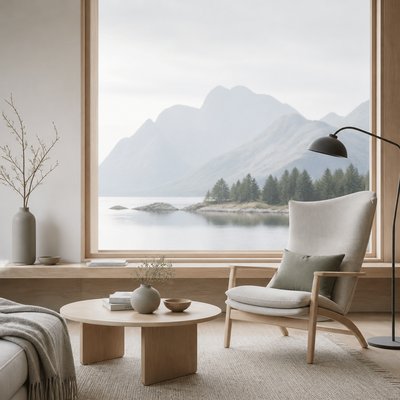
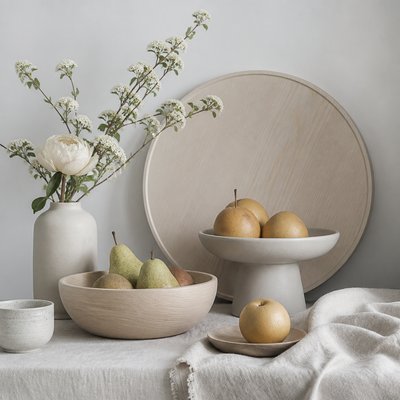
Minimalist Nordic design with light woods, clean lines, soft neutrals, and hygge comfort in furniture and interiors.

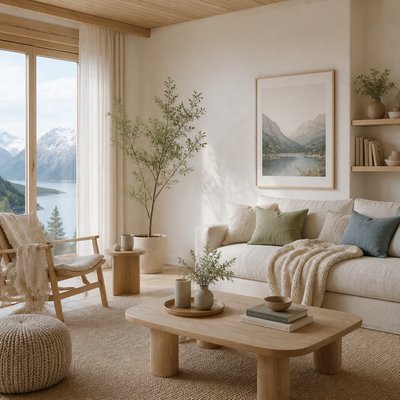
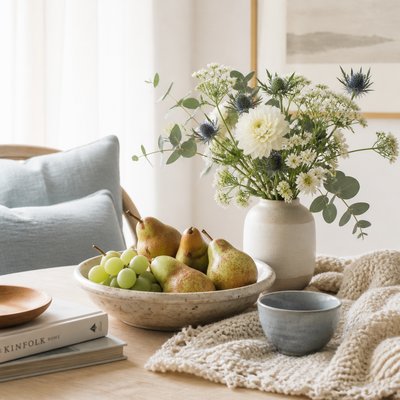
Nordic interior style with hygge comfort, light wood, soft neutrals, natural light, and clean functional forms.

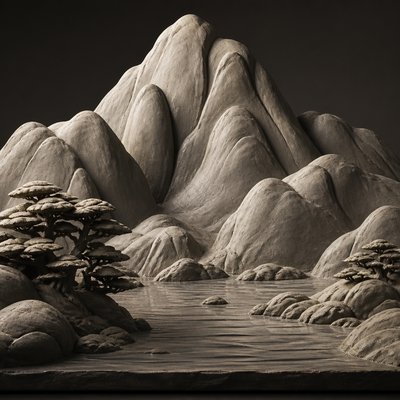
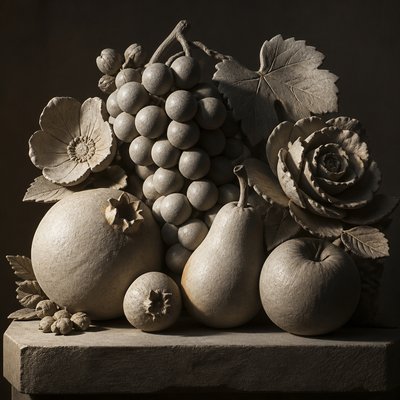
Explore Sculptural Form Art: monumental rounded volumes, matte stone and clay surfaces, and dramatic raking light that makes images feel physically tangible.

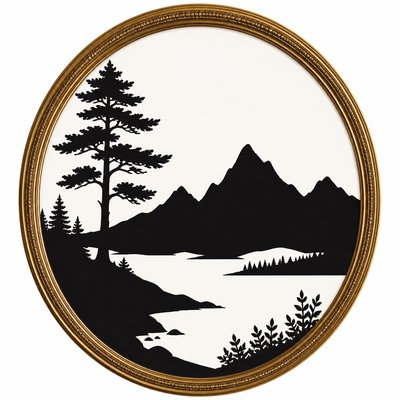
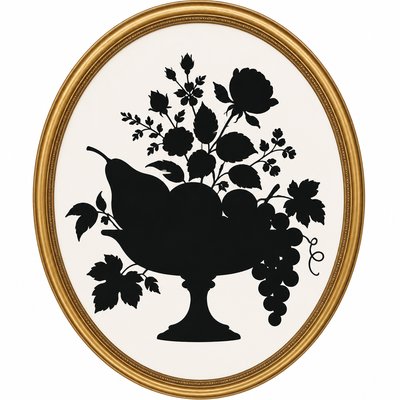
Explore silhouette art: crisp black profile portraits and cut-paper forms defined by stark contrast, elegant contours, and expressive negative space.



Explore Simplicity Art: a quiet visual style built from one essential shape, sparse color, and expansive negative space.
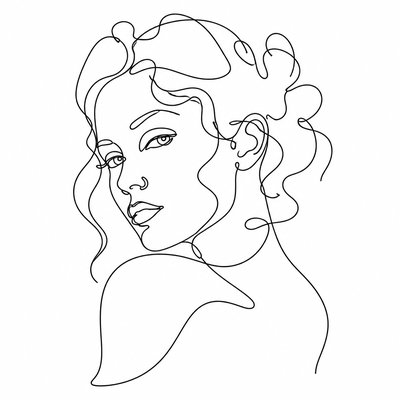
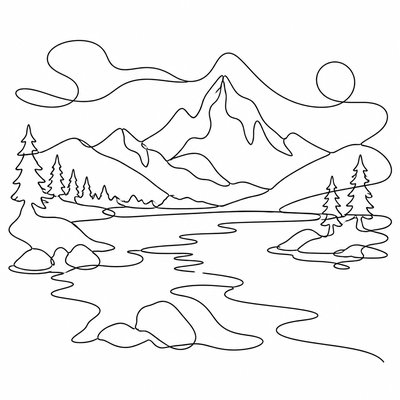
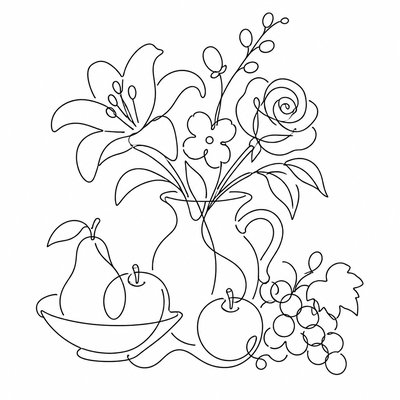
Single-line minimalism uses one continuous unbroken line to build elegant, expressive drawings with maximum economy and negative space.


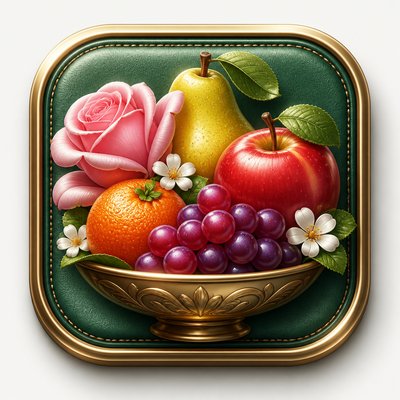
Realistic, polished icons with glossy highlights, shadows, and tactile textures inspired by early digital interface design.

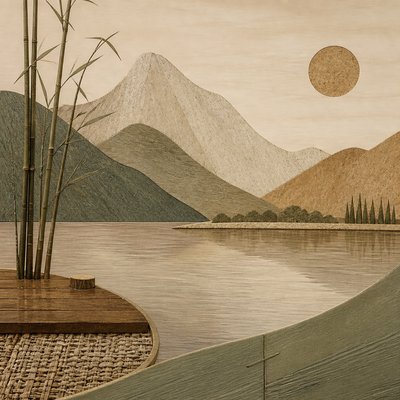
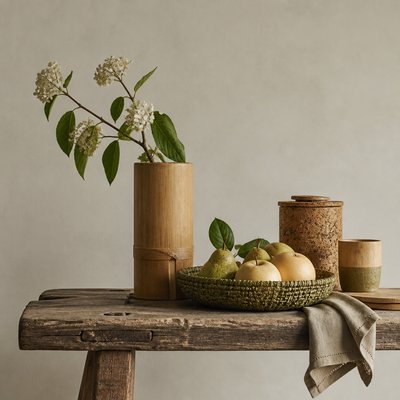
Eco-conscious furniture design with bamboo, reclaimed wood, natural textures, and handcrafted minimalism.
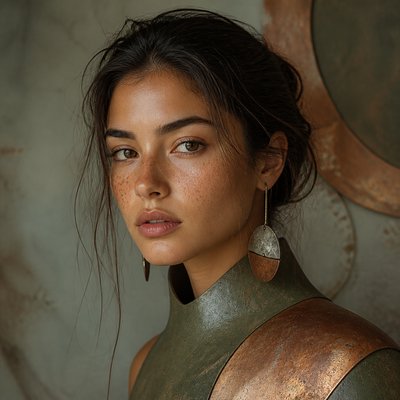
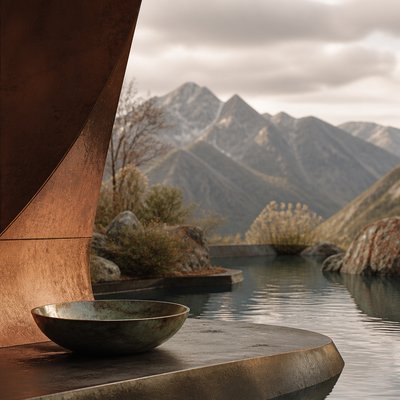
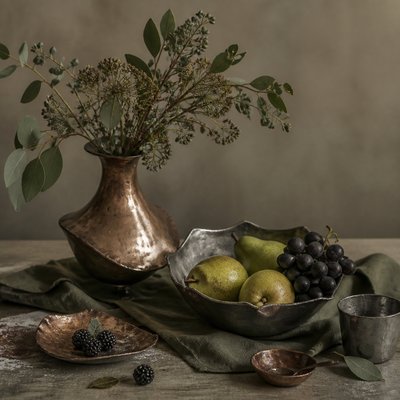
Eco-luxury jewelry with recycled metals, ethical stones, organic forms, and handcrafted textures rooted in sustainable design.
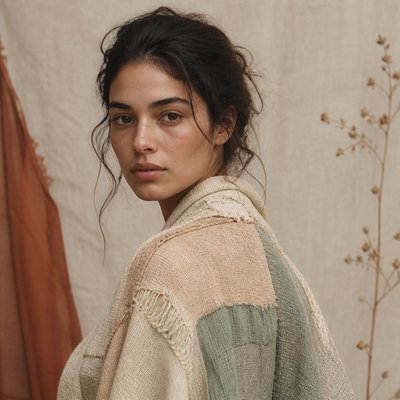
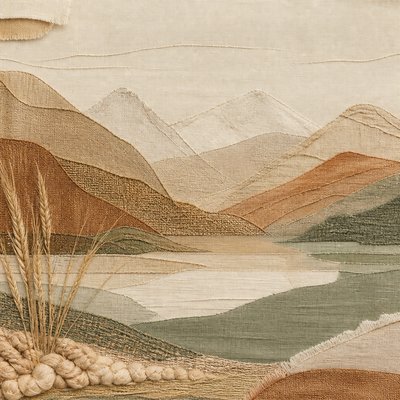
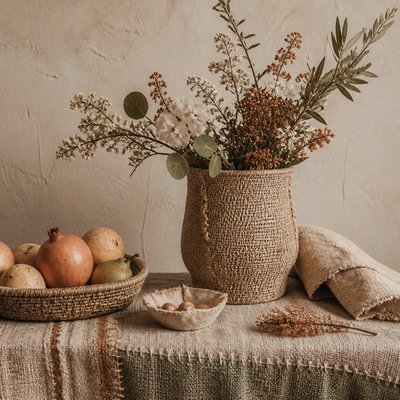
Eco-conscious clothing design with organic fibers, zero-waste cuts, earthy tones, and handcrafted details.
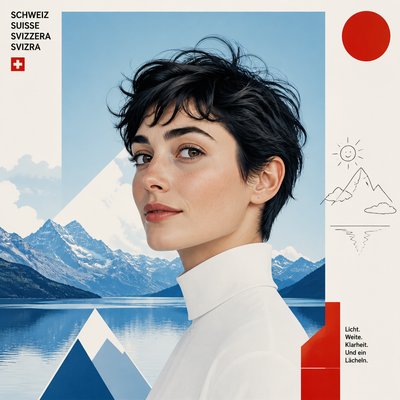
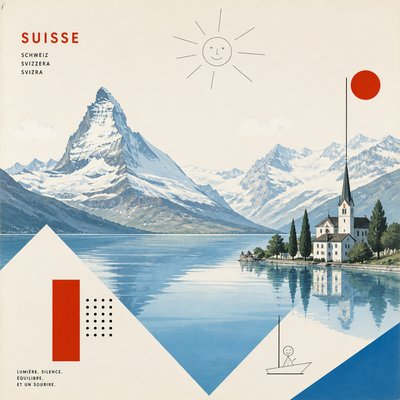
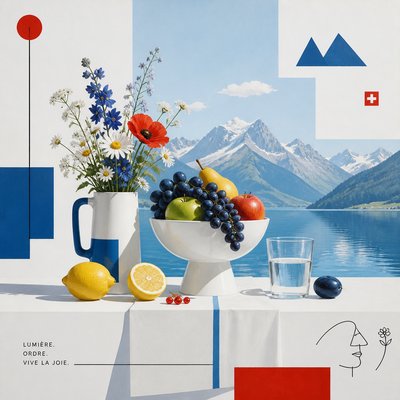
Explore Swiss Art Style: alpine light, crisp geometry, glacier blues, precise red accents, and playful modernist linework.
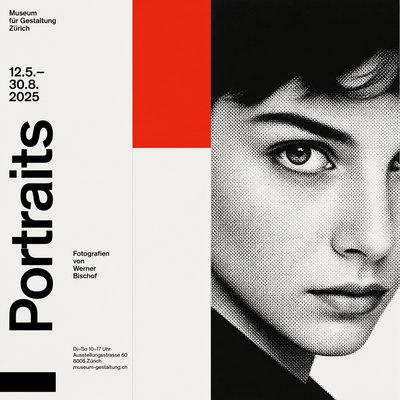
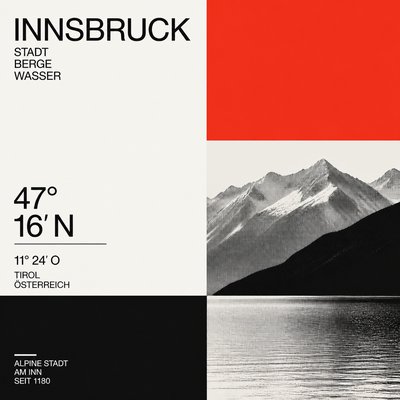
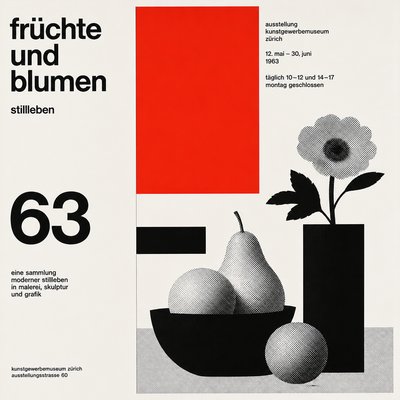
Grid-based poster design with bold typography, asymmetric balance, and strict Swiss International Typographic Style clarity.
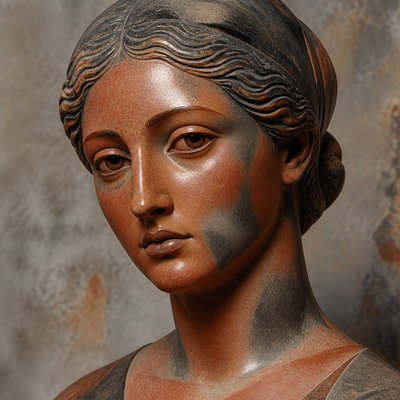
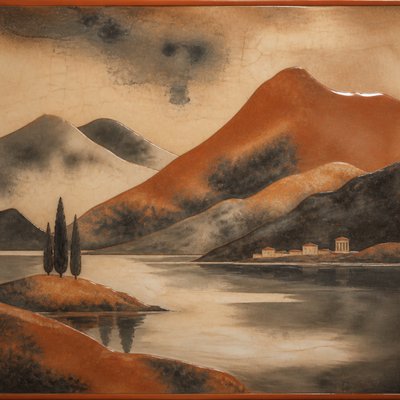
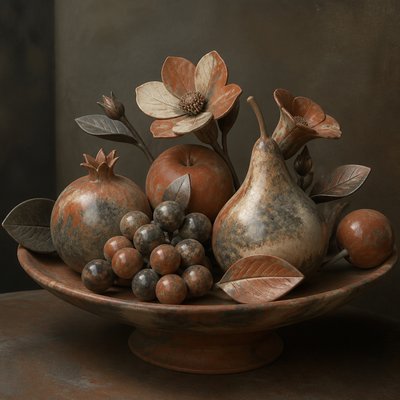
Terra sigillata ceramic art: burnished Roman-inspired surfaces, smoke-fired mottling, refined earth tones, and elegant minimal forms.
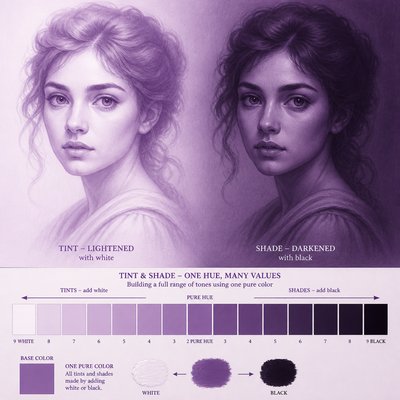
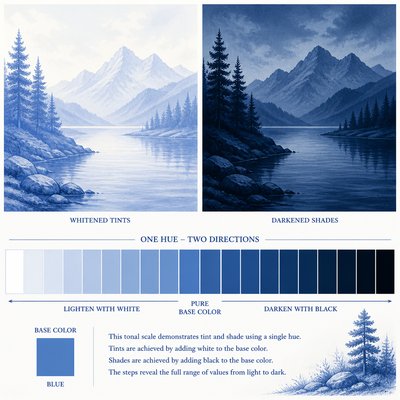
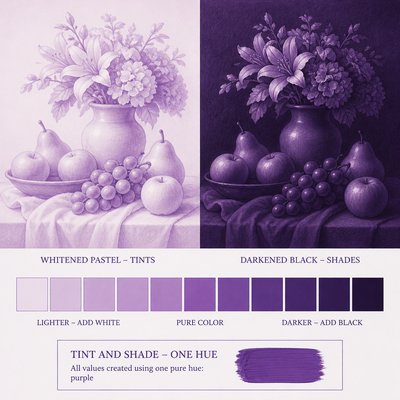
Explore Tint and Shade Art: a single-hue visual language of pale tints, deep shades, smooth gradients, and precise tonal structure.


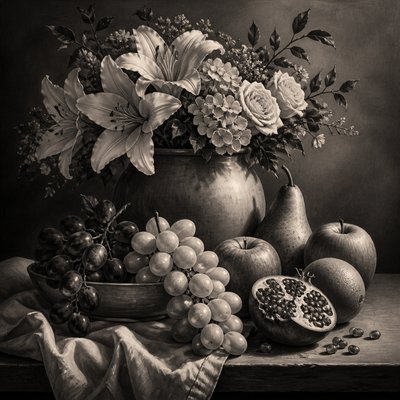
Explore Tone Art Style: monochrome images shaped by a complete value range, crisp edges, smooth midtones, deep shadows, and luminous highlights.

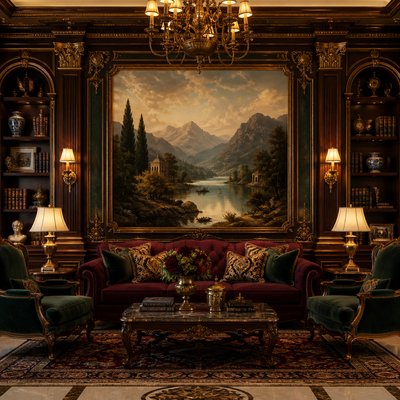
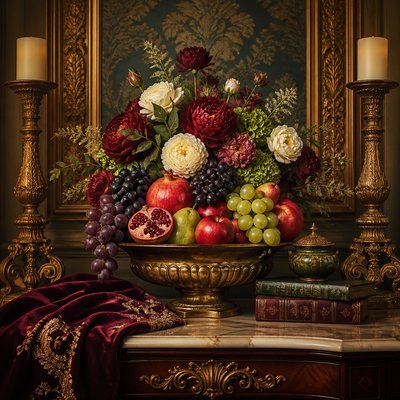
Classic interiors with rich woods, formal symmetry, elegant furnishings, and European-inspired detailing.
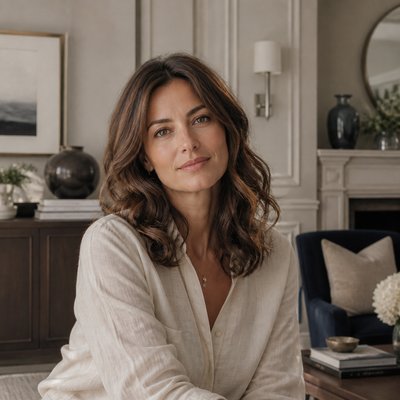
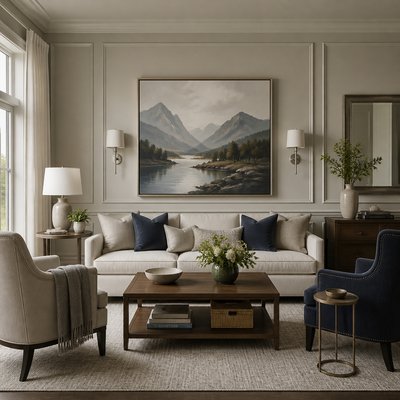
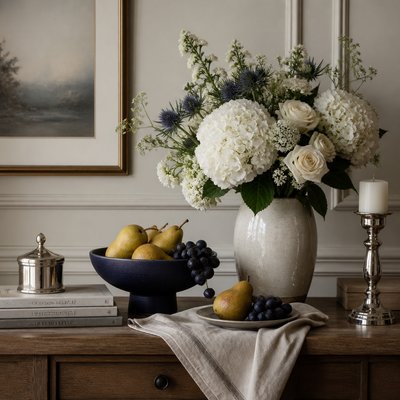
Transitional interior design blends classic mouldings, greige neutrals, clean lines and calm, timeless comfort.

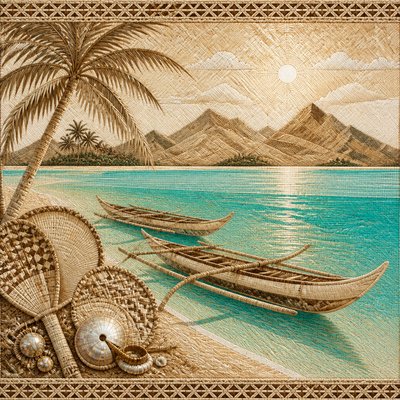

Explore Tuvaluan-inspired visual art through pandanus weaving, outrigger canoes, shell ornament, turquoise lagoons, and precise atoll craftsmanship.
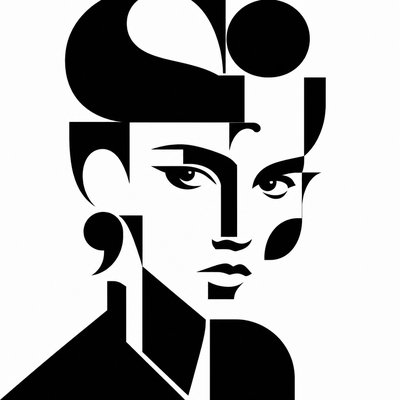
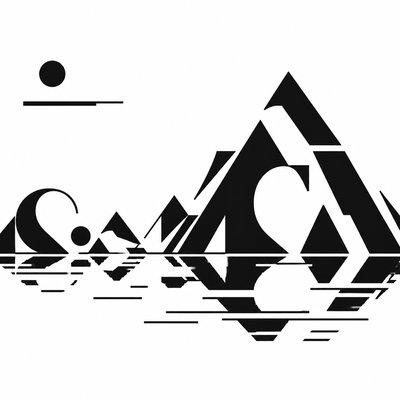
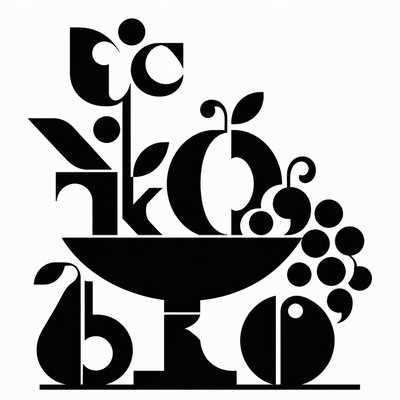
Typography reduced to pure form: stark black-and-white compositions built from letters, glyphs, and punctuation.

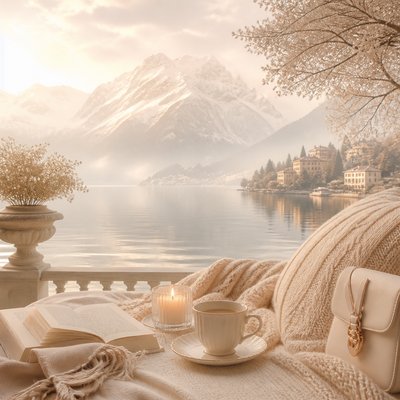
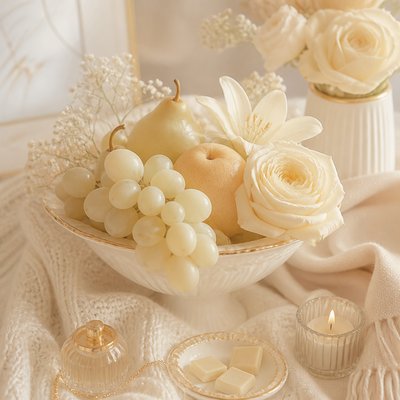
Creamy ivory-and-oat aesthetic with soft light, cozy knits, and calm minimalist warmth.

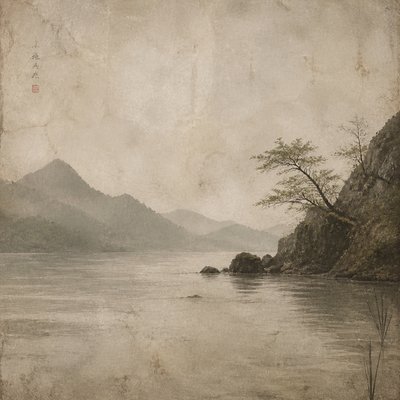
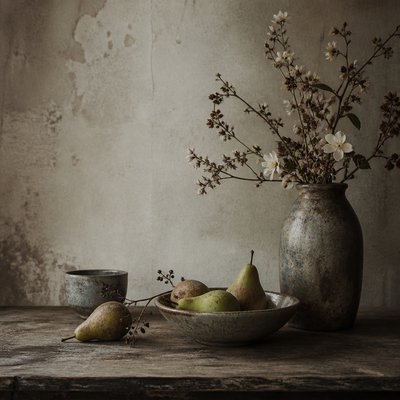
Japanese aesthetic of imperfection, impermanence, and quiet simplicity, defined by weathered textures, muted tones, and contemplative space.
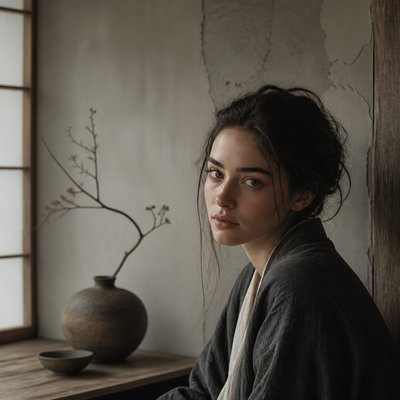
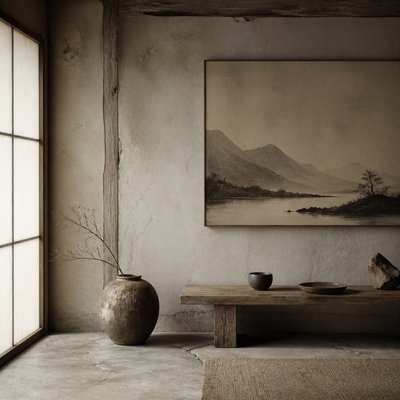
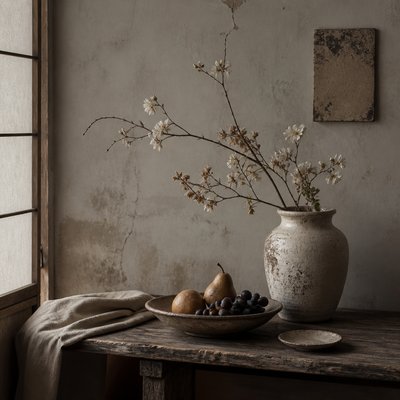
Wabi-sabi interior design celebrates imperfect, natural materials, muted earth tones, soft light, and quiet, asymmetrical serenity.
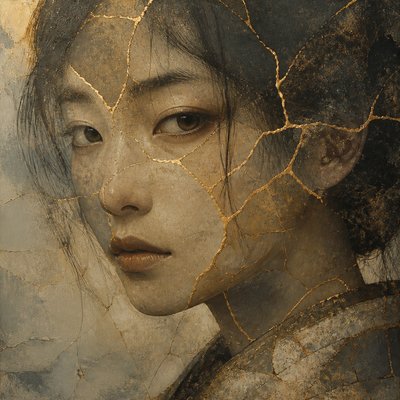
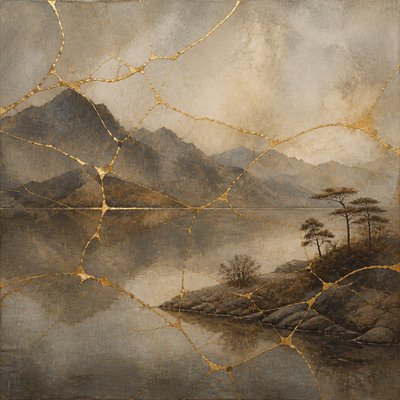
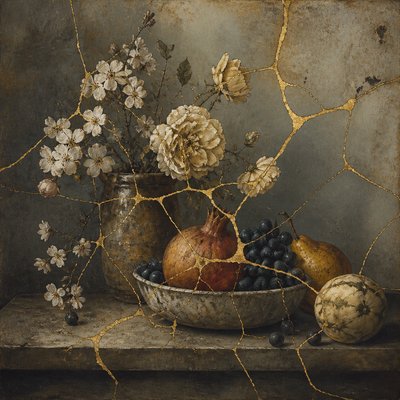
Muted, weathered surfaces repaired with gold seams: a calm aesthetic of imperfection, repair, and time-worn beauty.



Explore Weimar Art Style: Bauhaus geometry, restrained Classicist elegance, primary colors, architectural lines, and precise functional design.

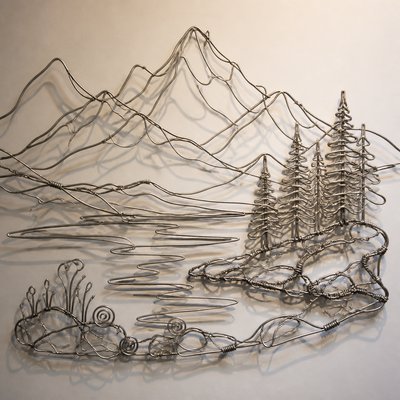
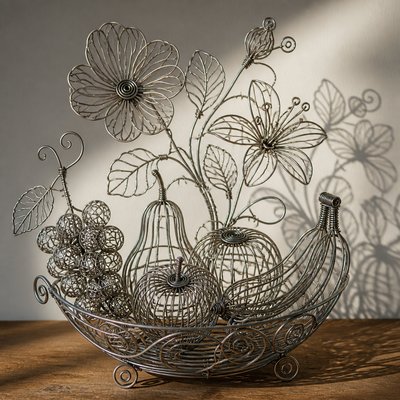
Explore Wire Art Style: airy sculptures and images formed from looping metallic lines, open space, twisted joints, and expressive shadows.

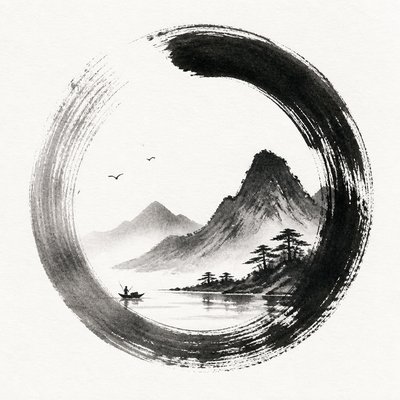
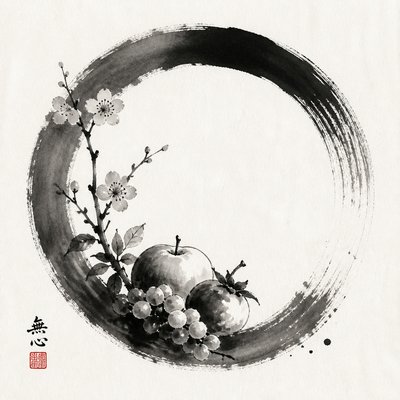
Minimal Zen ensō circle art with ink, white space, dry brush texture, and meditative asymmetry inspired by Japanese calligraphy.
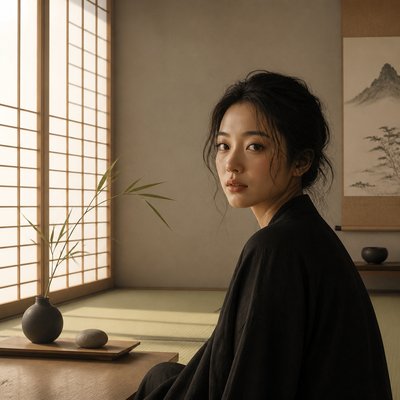
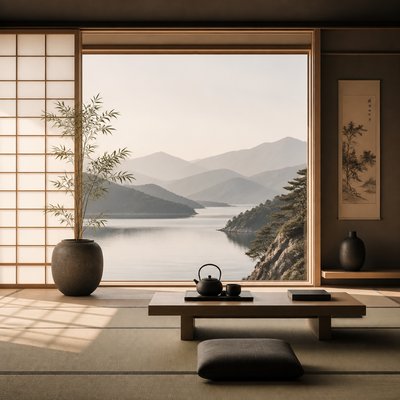
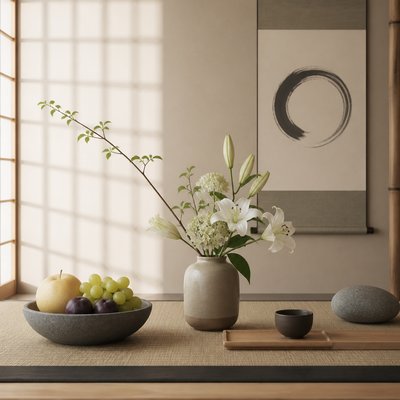
Zen interior design uses bamboo, stone, shoji light and open space to create calm, minimalist rooms with meditative balance.