Negative Space Art Style
Explore Negative Space Art: minimalist compositions where emptiness, mist, and dissolving forms create quiet visual power.
Instantly rendered in Negative Space — or transform a photo
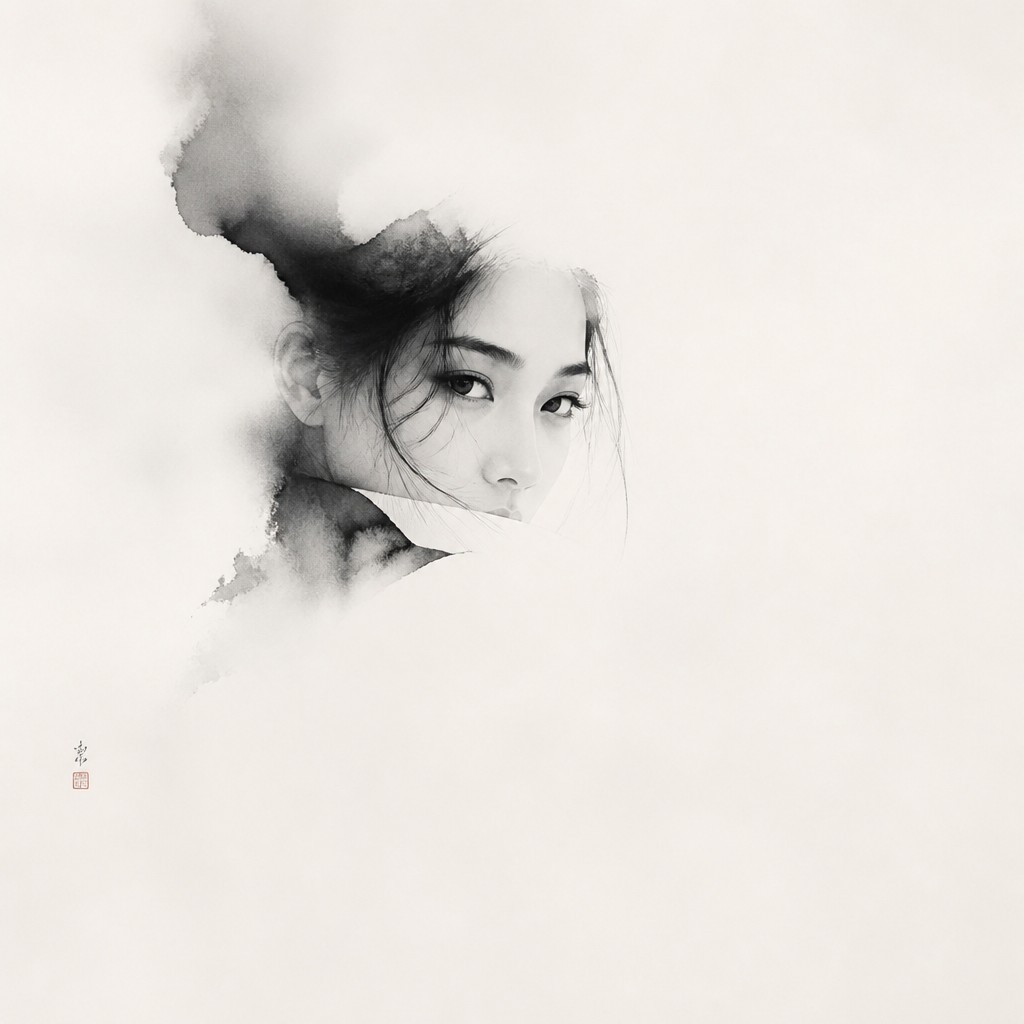
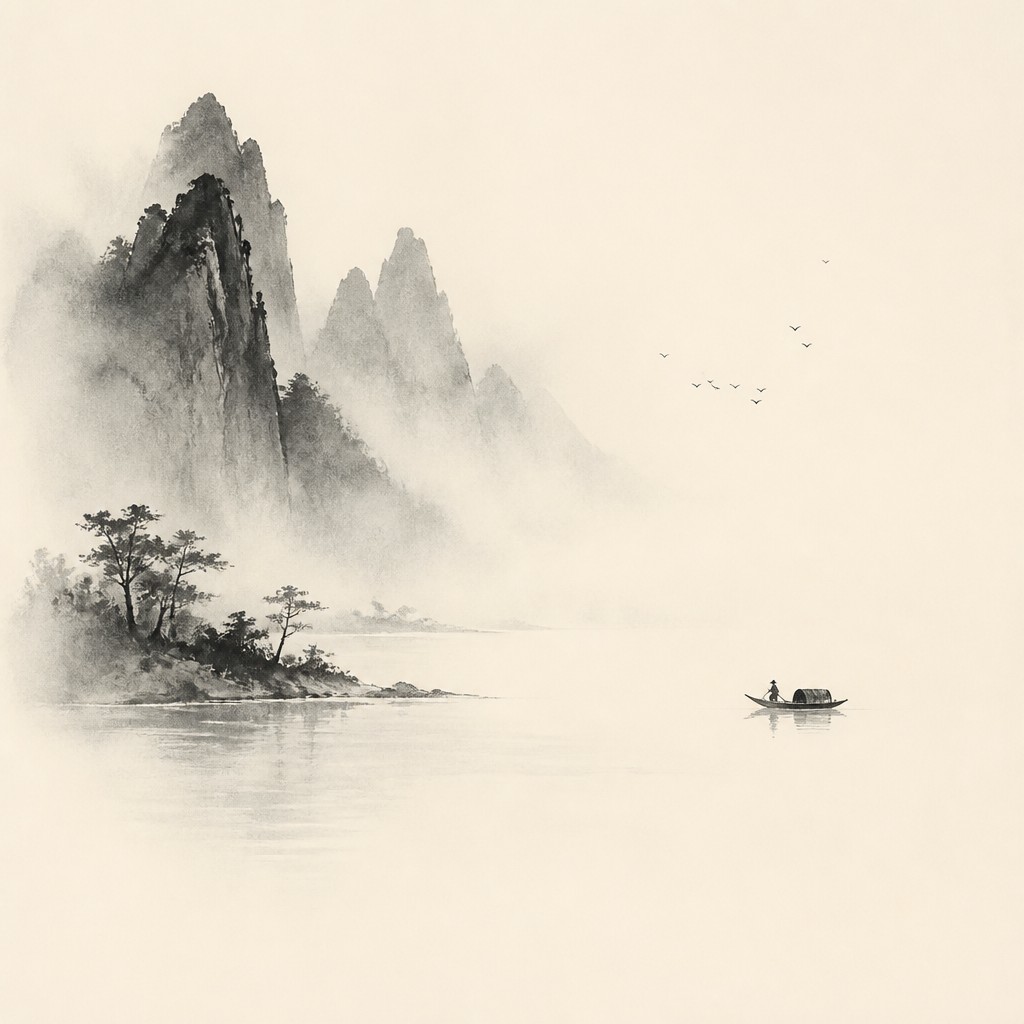
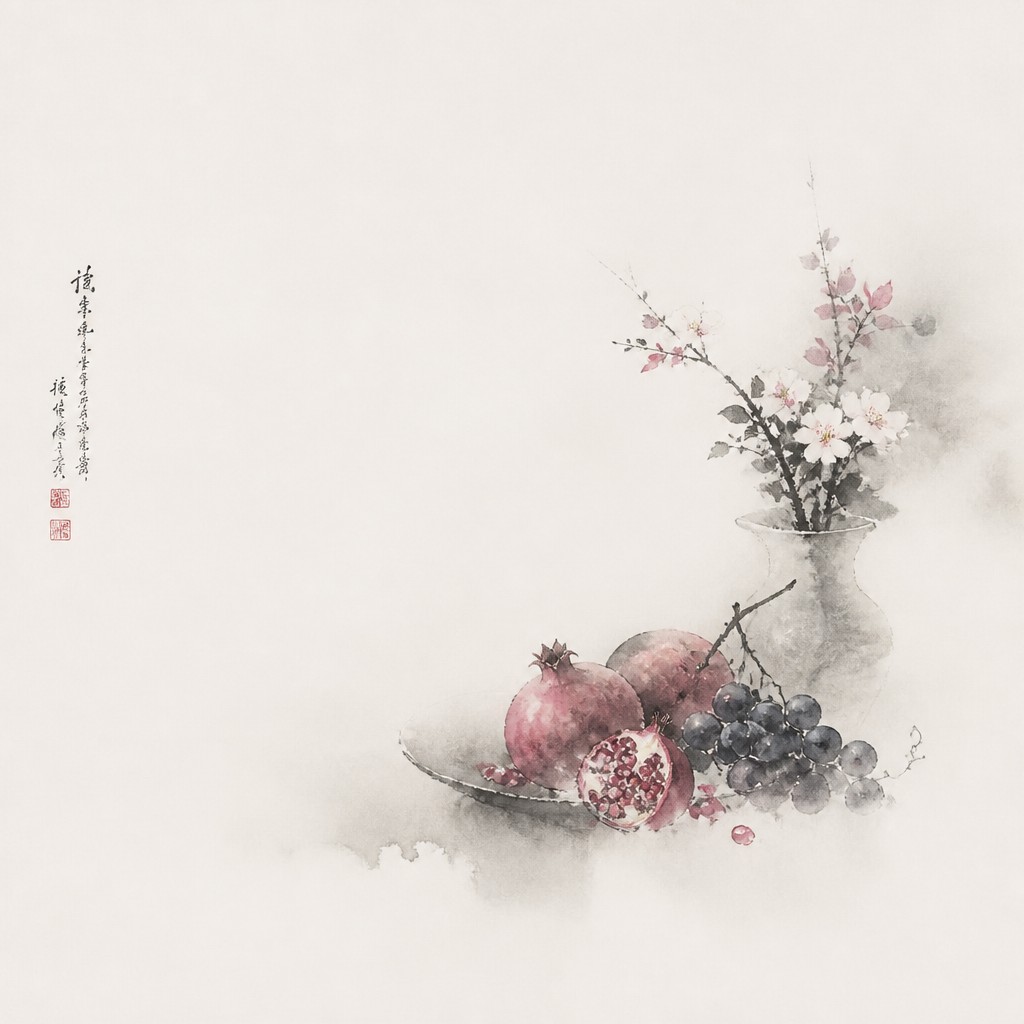
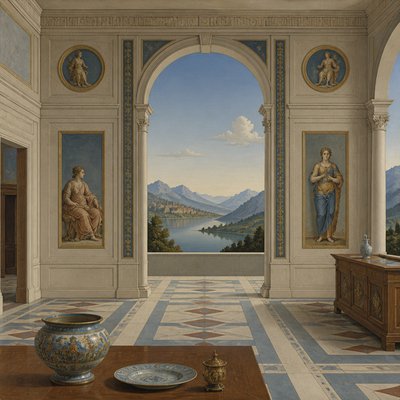
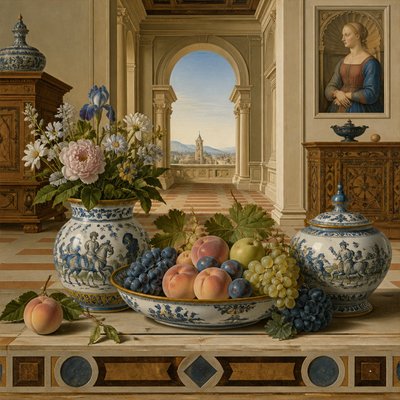
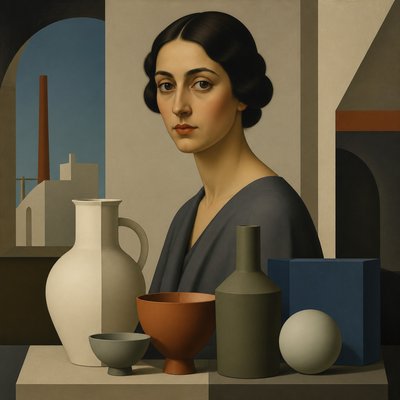
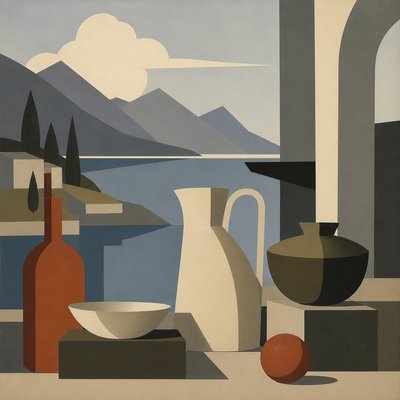
Negative Space Gallery
Tap any artwork to explore it
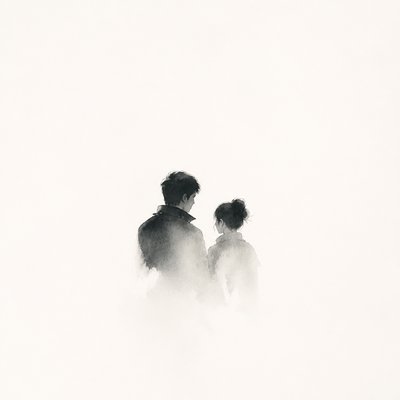
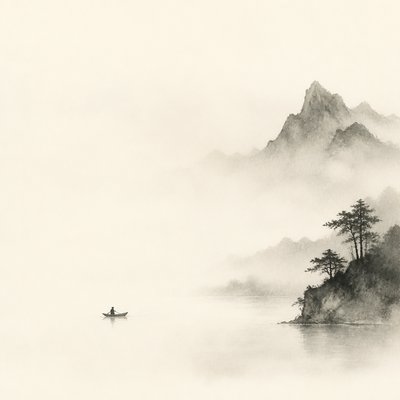
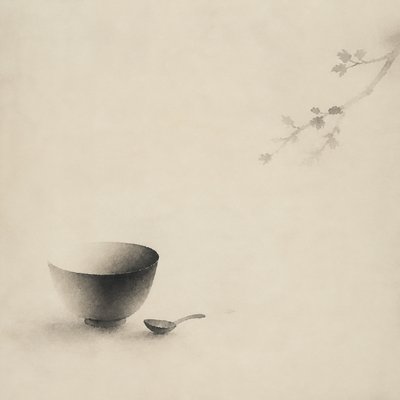
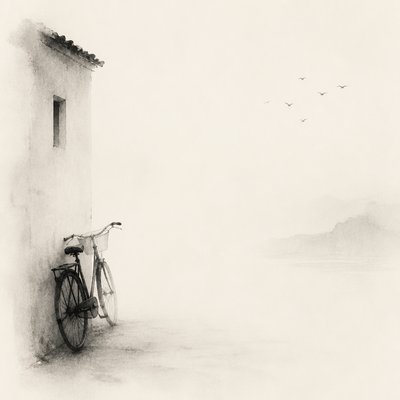
What is Negative Space Art Style?
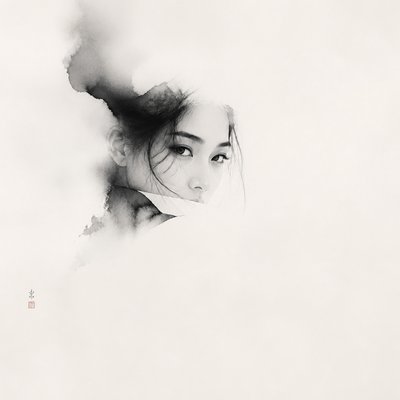
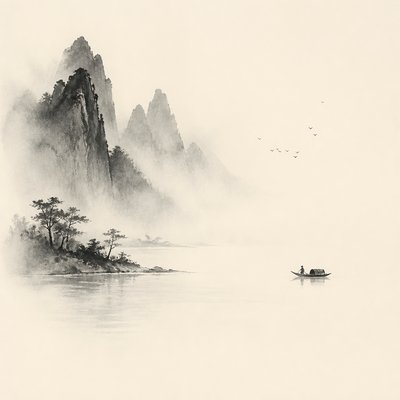
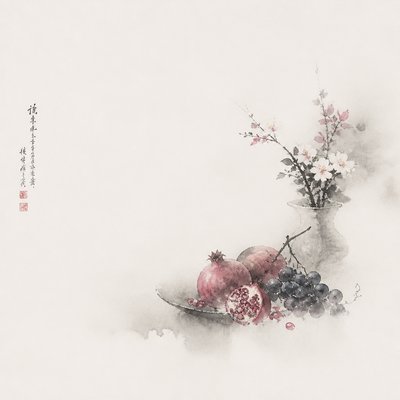
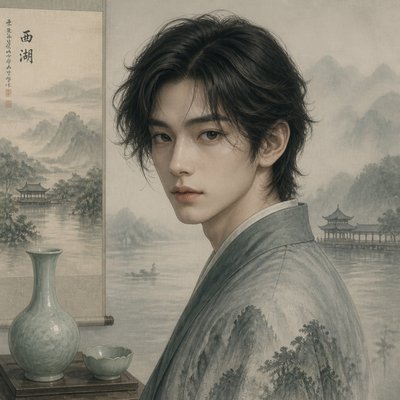
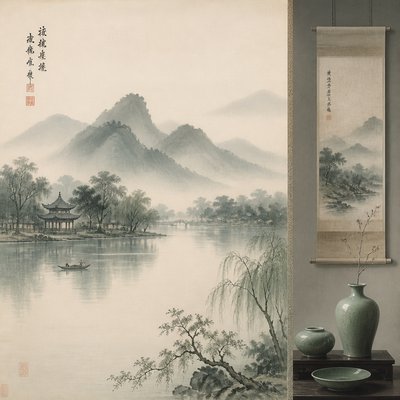
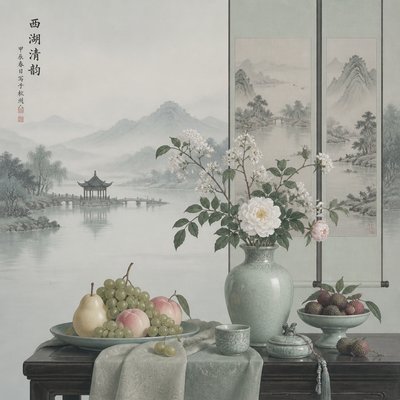
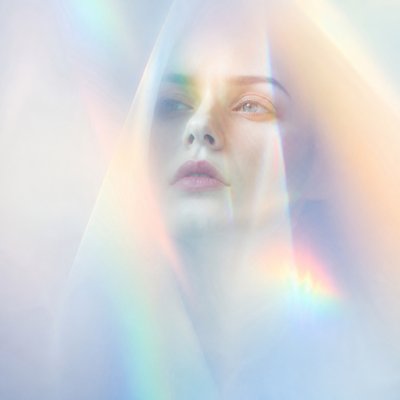
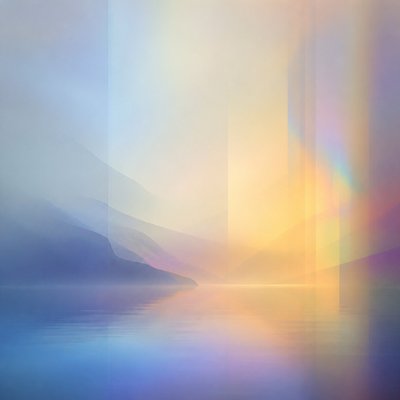
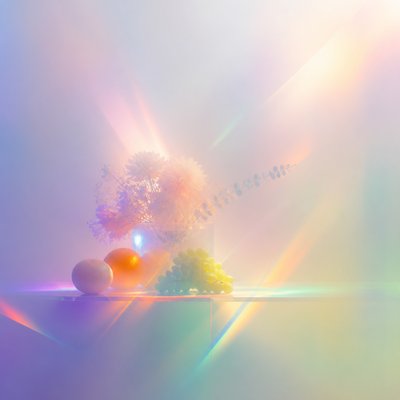
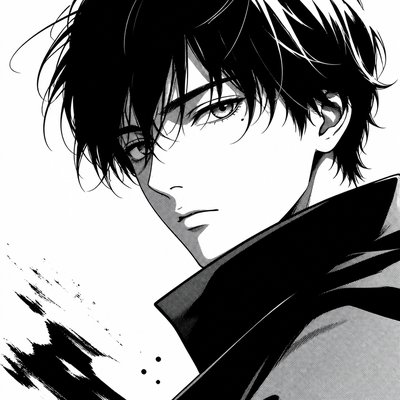
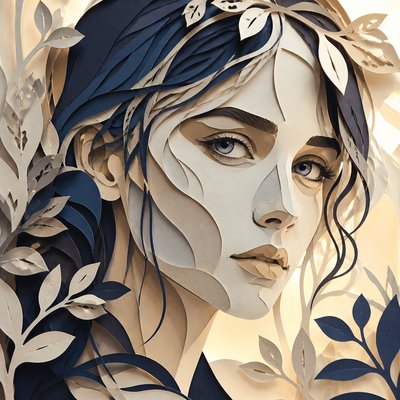
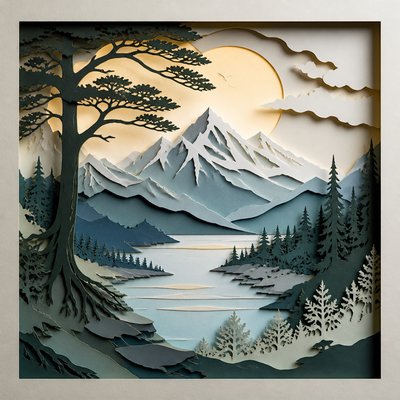
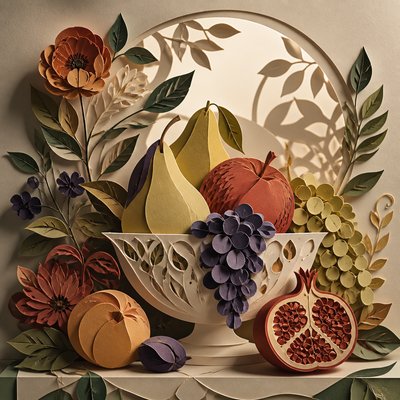
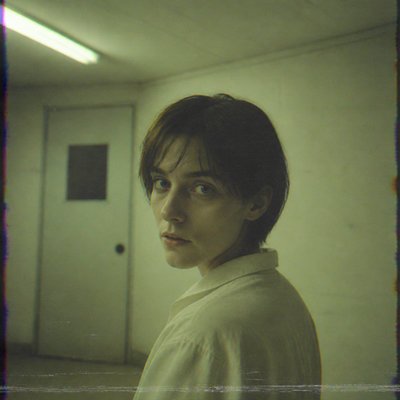
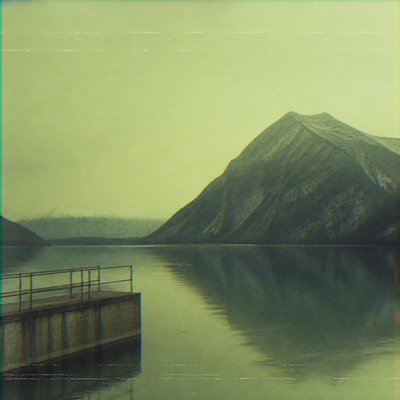
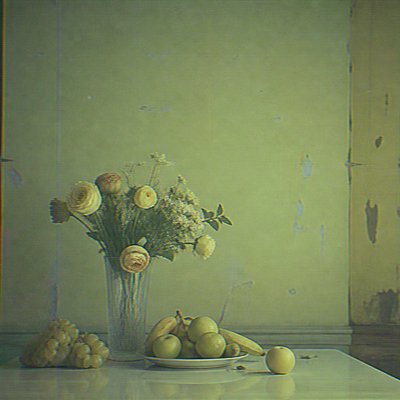
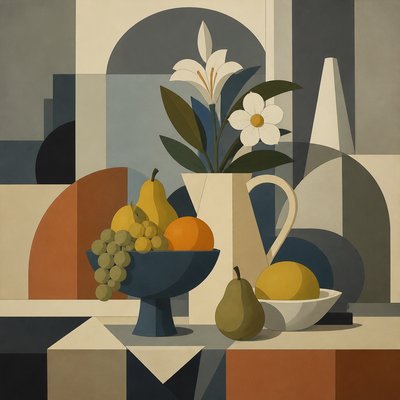
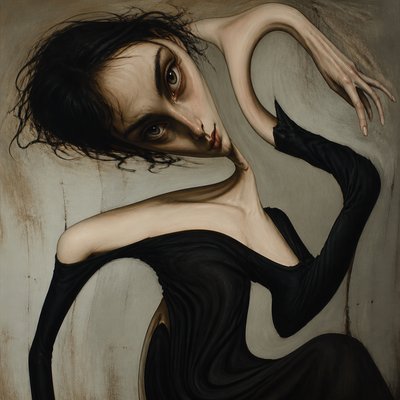
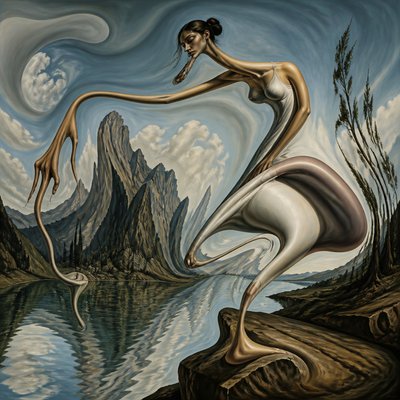
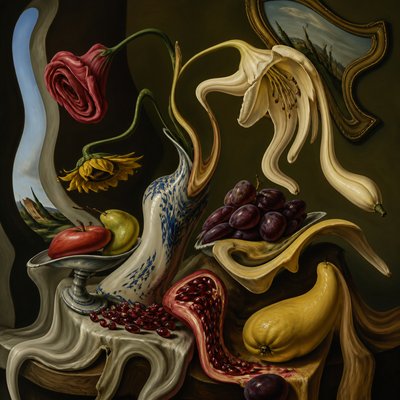
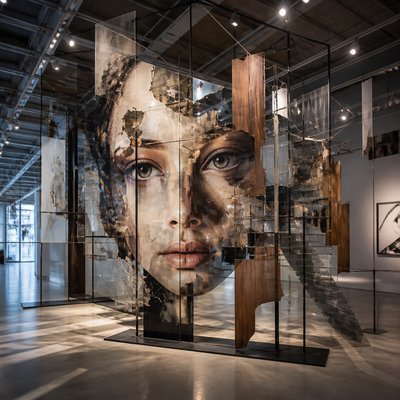
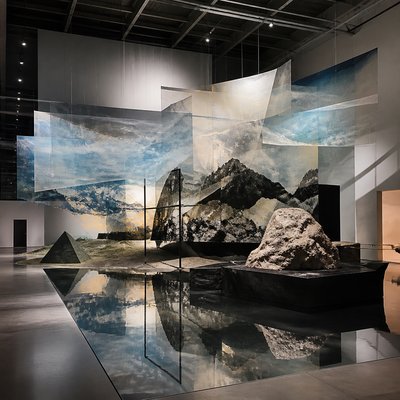
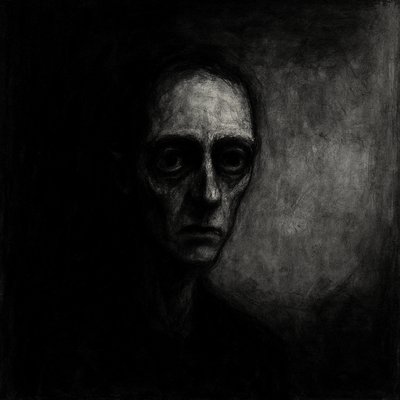
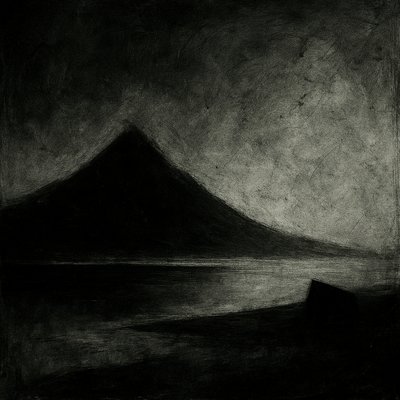
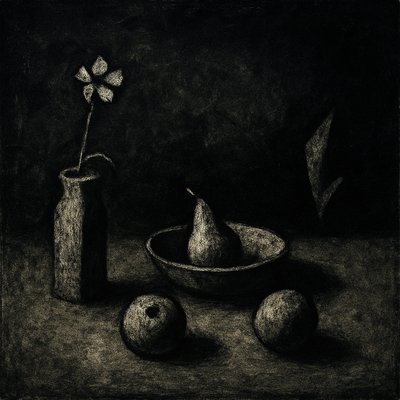
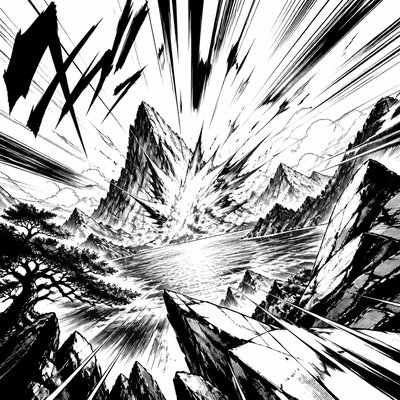
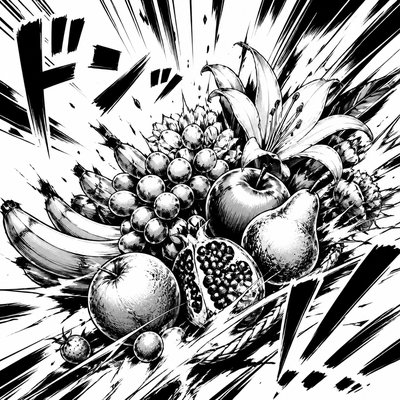
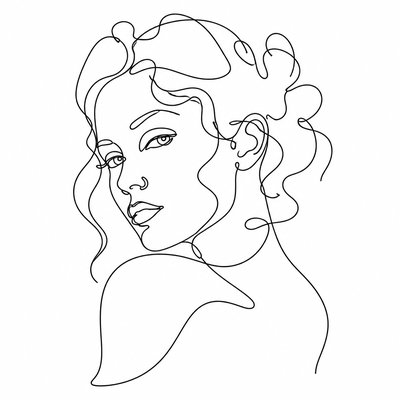
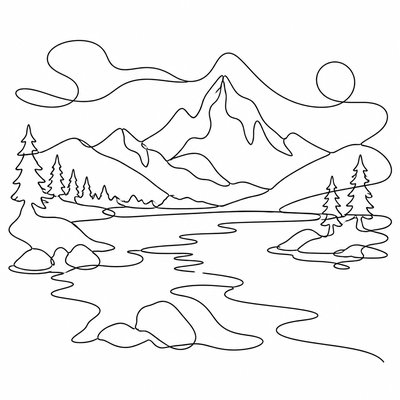
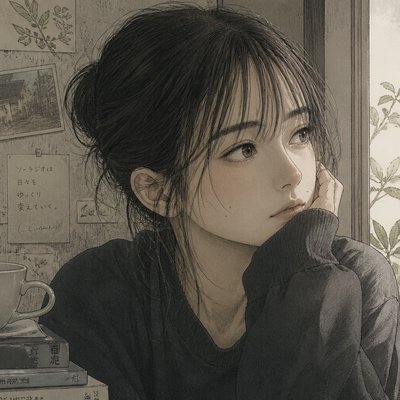
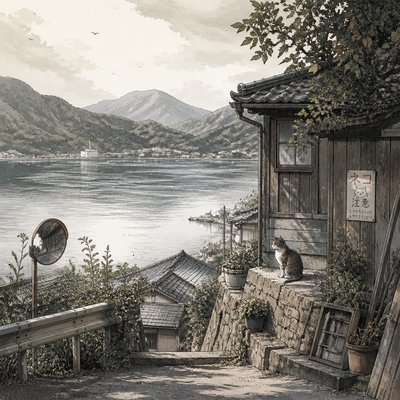
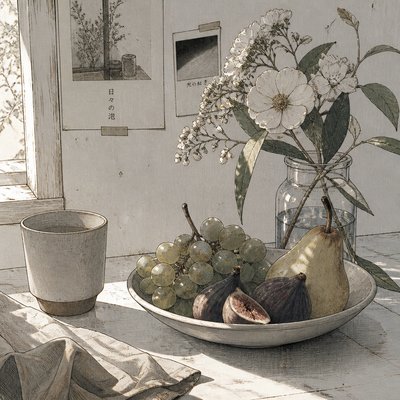
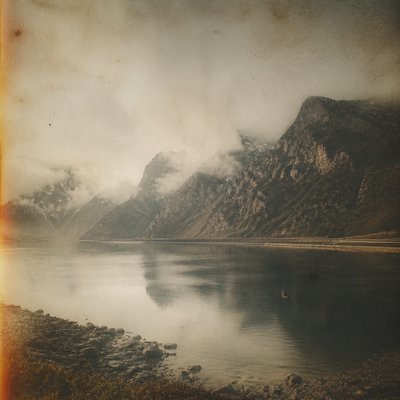
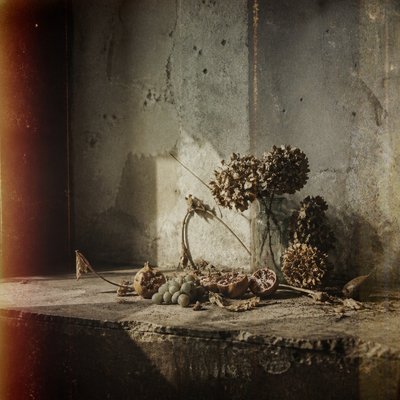
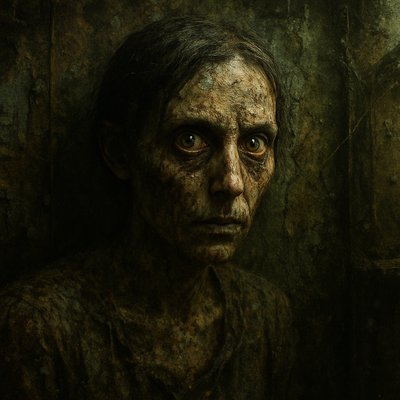
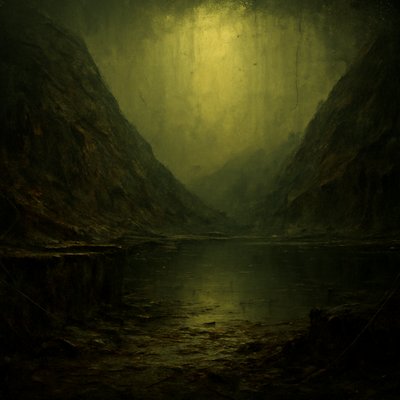
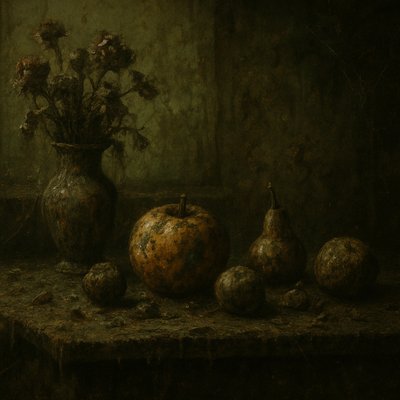
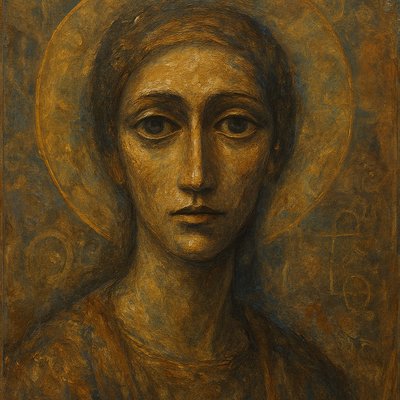
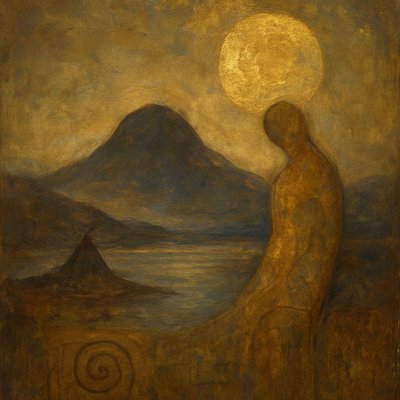
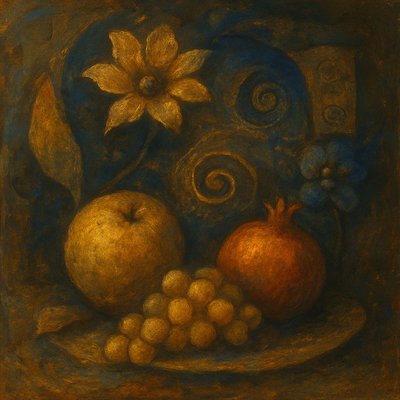
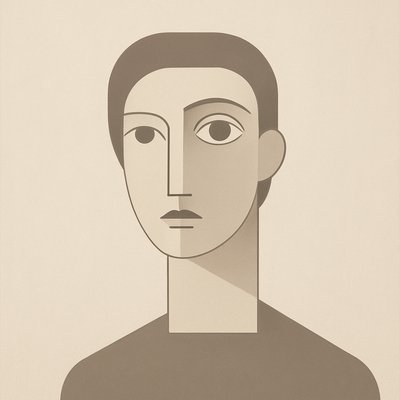
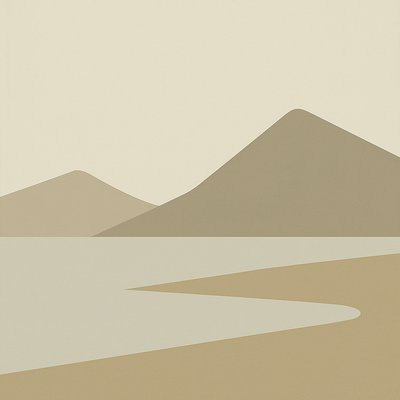
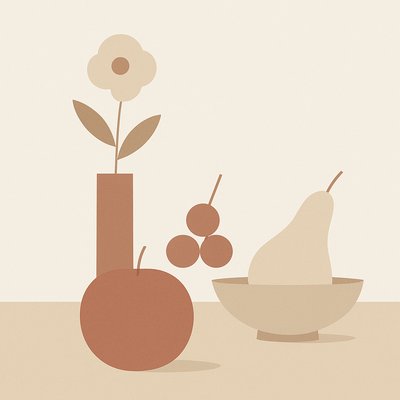
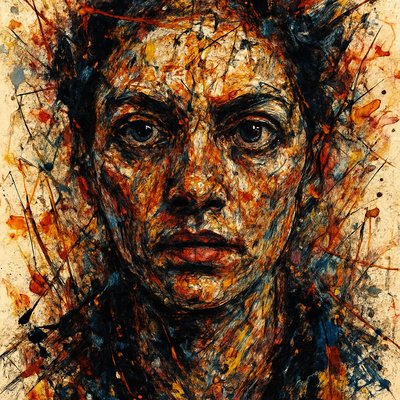
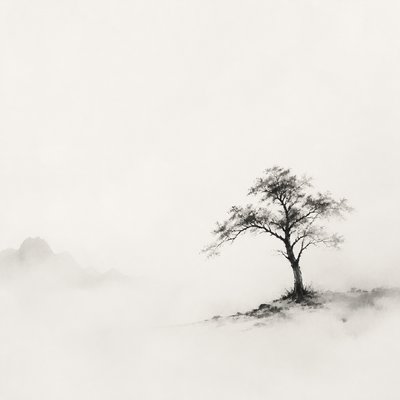
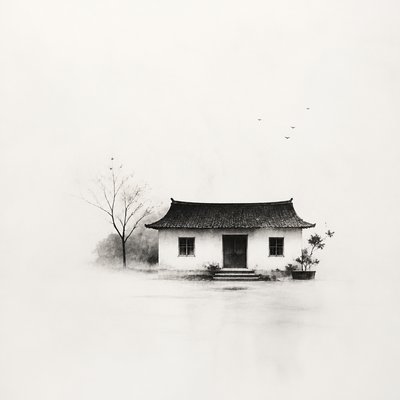
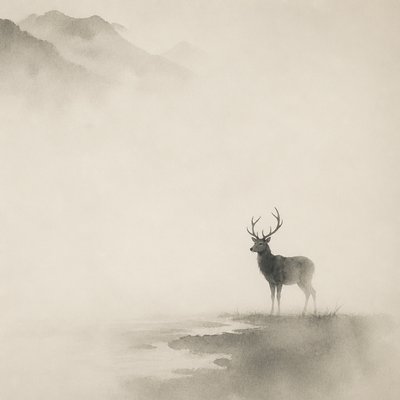
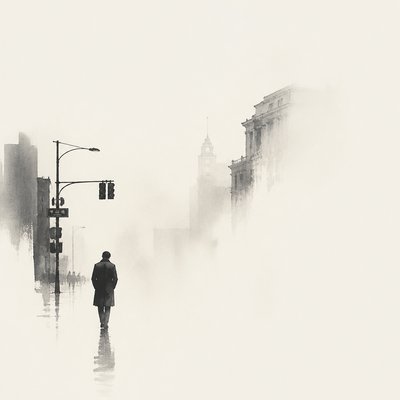
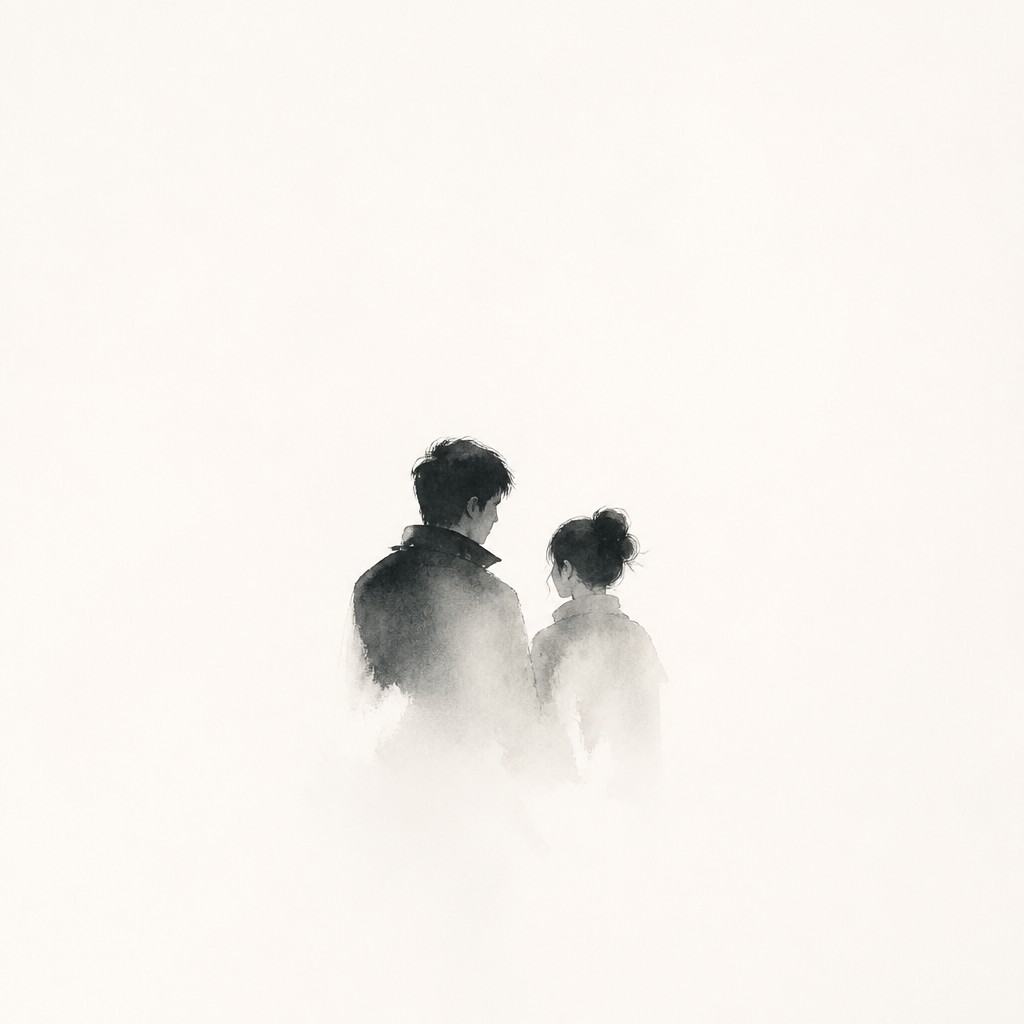
Negative Space Art is a contemporary aesthetic built around the deliberate use of emptiness as an active compositional element. Rather than filling the frame with detail, it isolates a small number of subjects within expansive fields of blankness, haze, pale tone, or undisturbed surface. The surrounding void is not merely background; it establishes scale, rhythm, mood, and meaning.
Try It On Your Photos
Upload any photo and convert it into Negative Space Art Style — drag the sliders to compare before and after.



What Defines Negative Space Art Style
The signature details, up close
Vast intentional emptiness
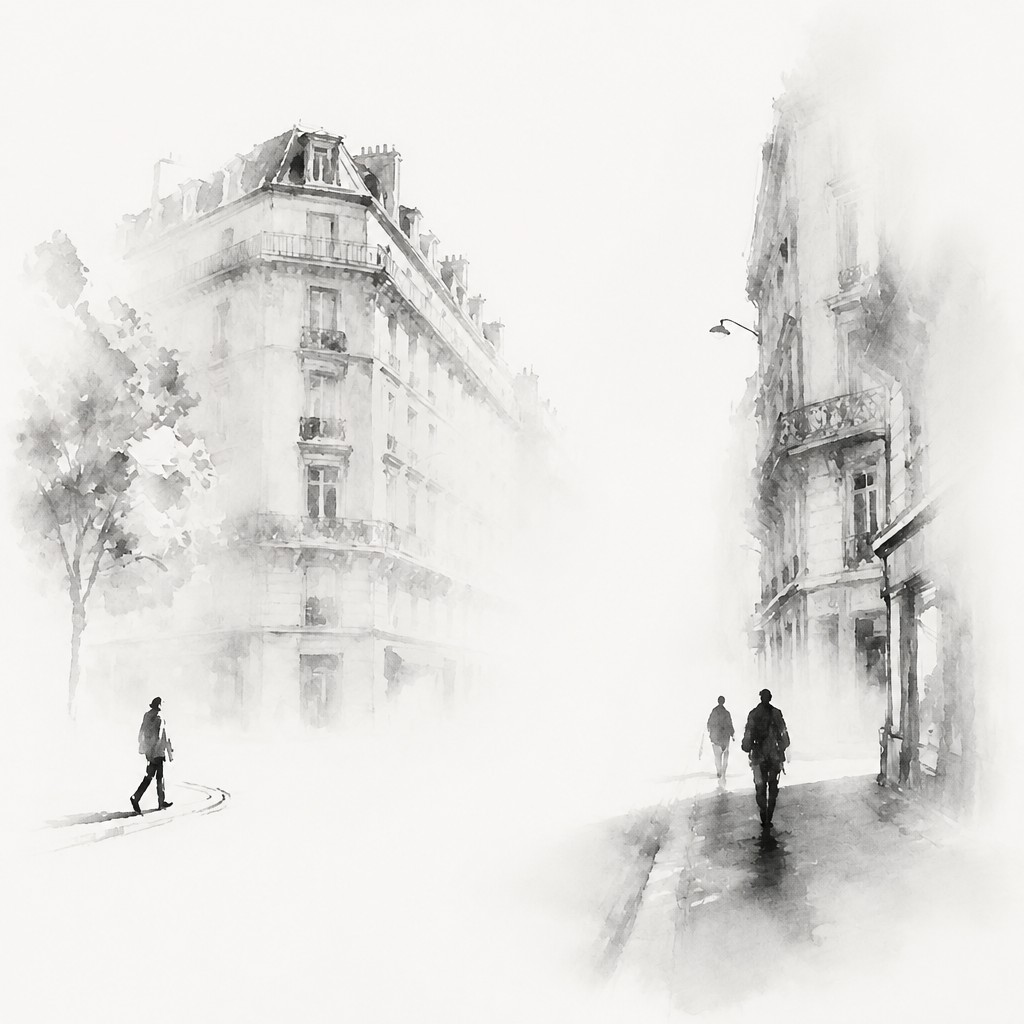
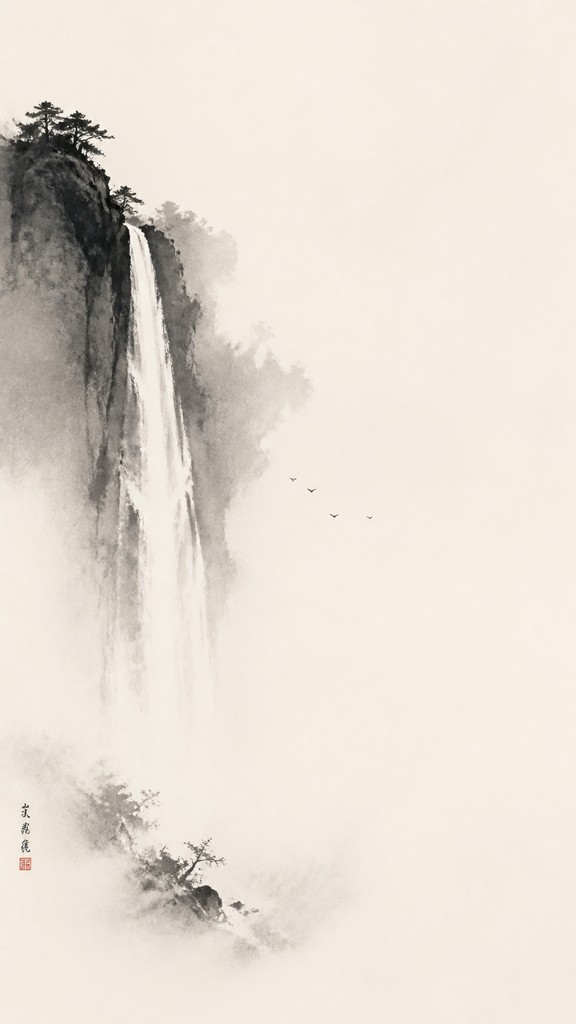
Large areas of open space dominate the composition and give the subject room to appear small, fragile, or contemplative. Empty regions are carefully balanced rather than left unresolved.
Minimal subject matter
The image often contains one object, figure, structure, or small grouping instead of a crowded scene. Each remaining element carries substantial visual and emotional weight.
Mist-toned atmosphere
Whites, pale grays, muted blues, diluted earth tones, and soft gradients create a veil-like environment. Atmospheric transitions can make the background feel infinite or barely material.
Dissolving edges
Subjects frequently fade into surrounding blankness through soft contours, broken marks, translucent overlays, or disappearing details. This treatment creates ambiguity between object and environment.
Ink-wash restraint
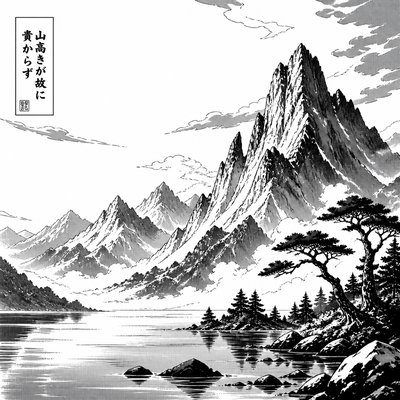
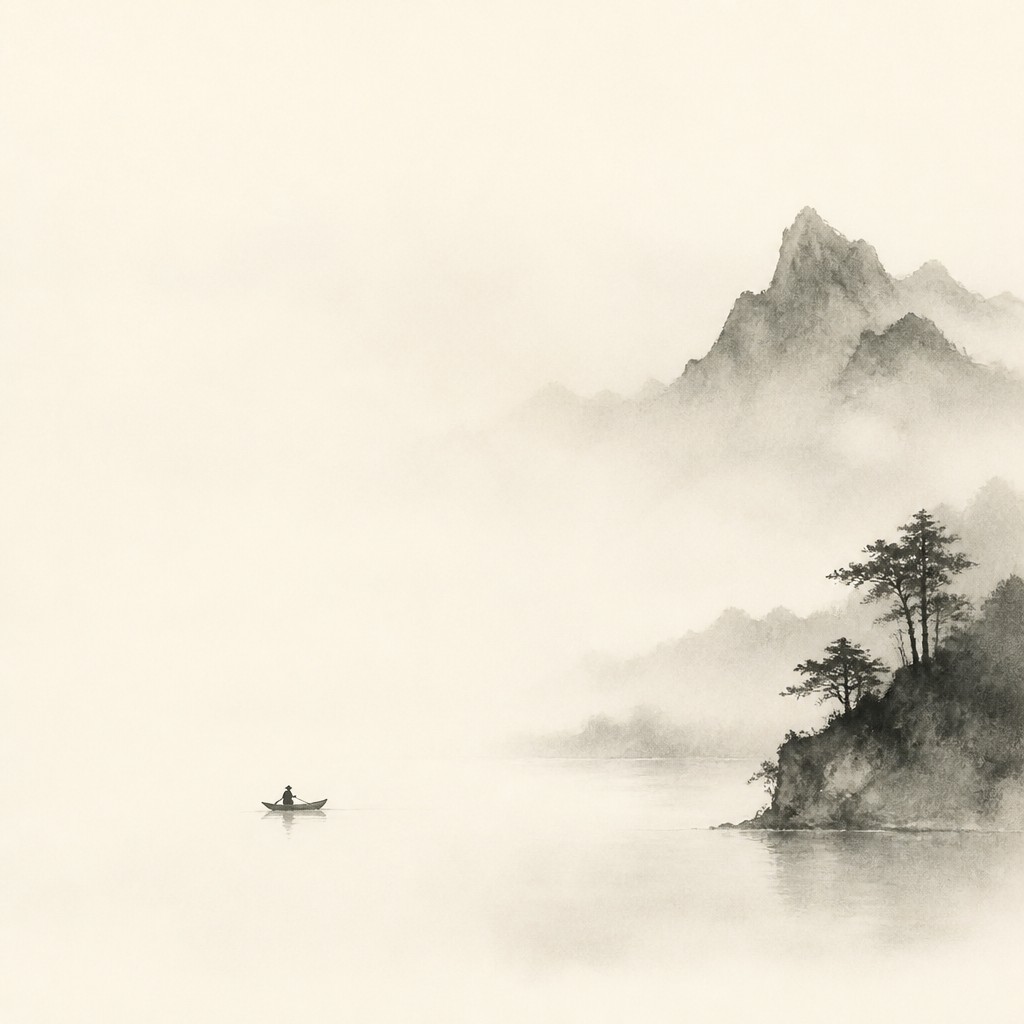
Economical brushwork, variable opacity, and the expressive potential of a single mark connect the style to ink-wash painting. Detail is suggested through tone and gesture rather than fully described.
Quiet asymmetry
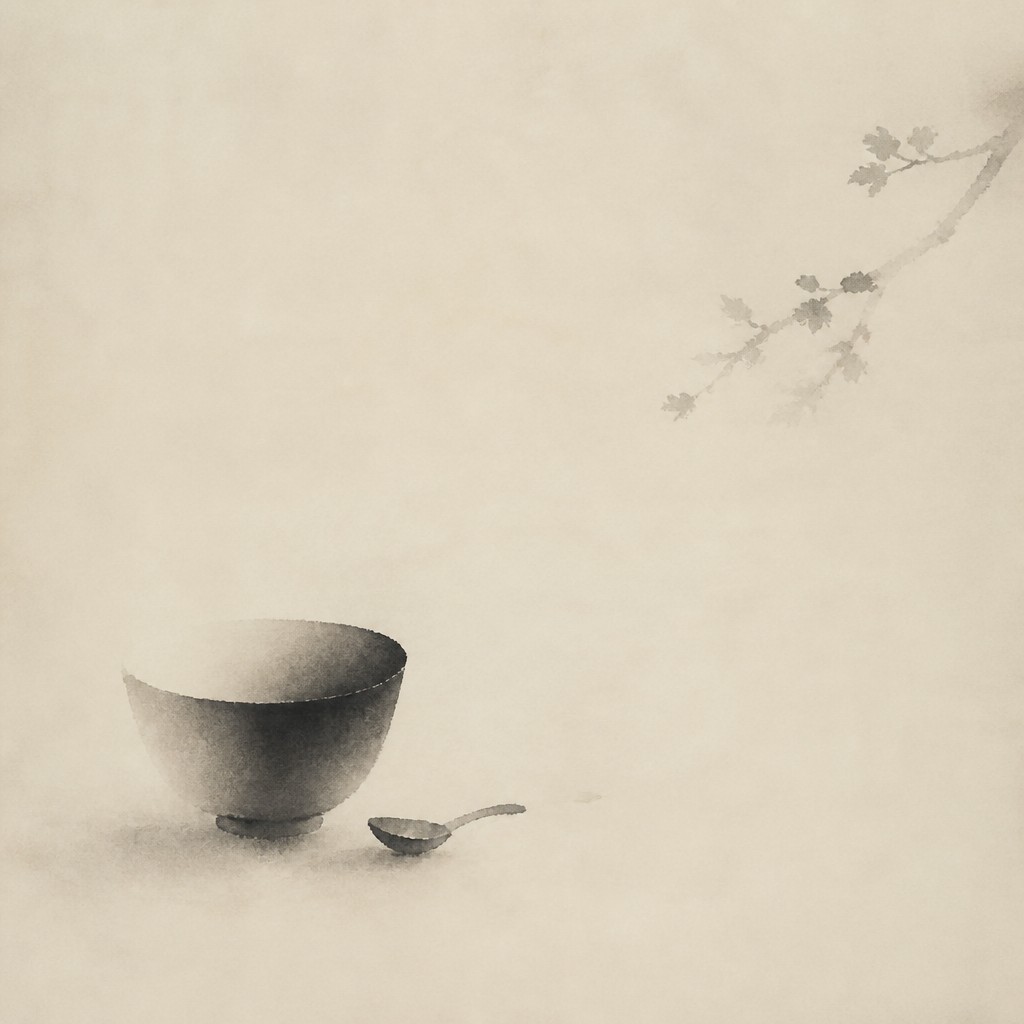
Subjects are often positioned off-center, near an edge, or low within the frame. Uneven placement generates tension while preserving a calm, breathable structure.
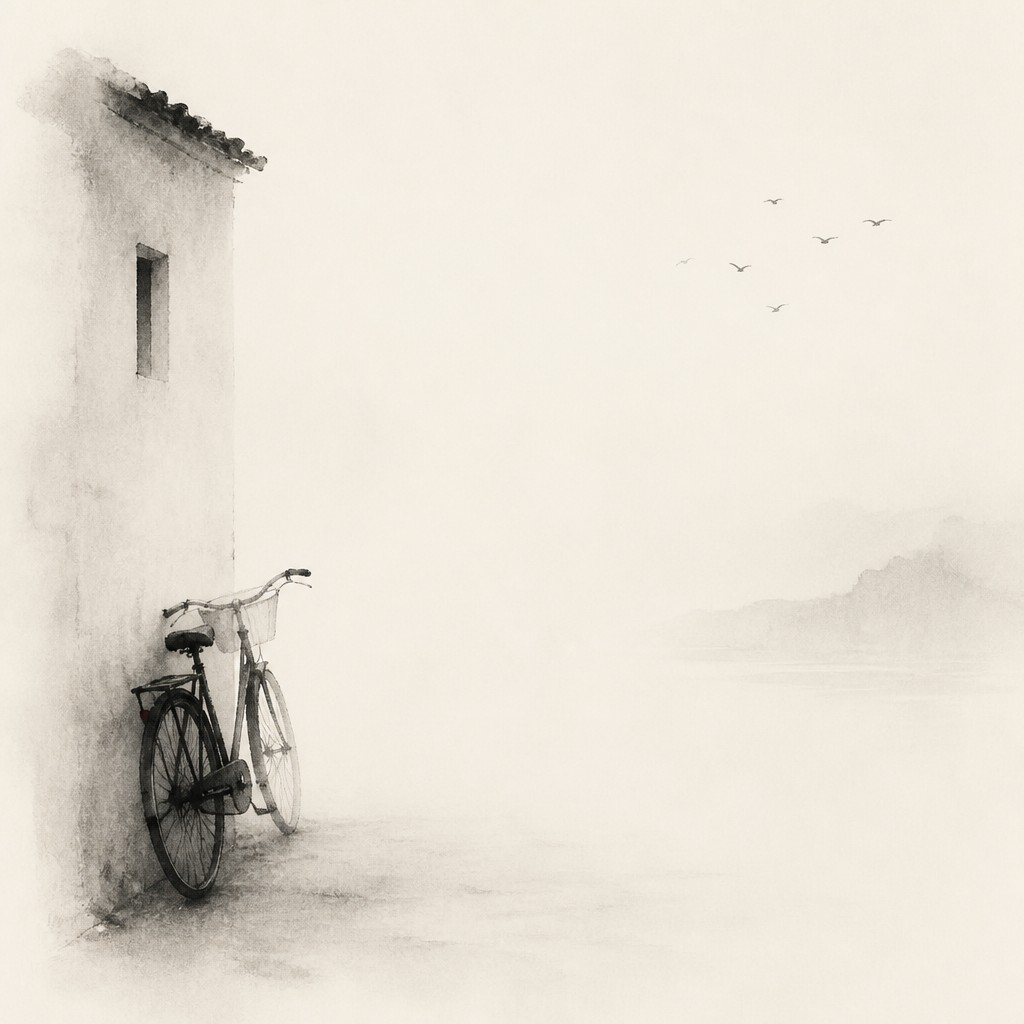
Contemplative mood
The reduced visual vocabulary supports feelings of solitude, pause, distance, transience, and reflection. Meaning emerges through the relationship between what is shown and what remains unseen.
Try It
Create Videos in Negative Space Art Style
Styles aren't just for stills — describe a scene or animate an image and get a short video rendered in Negative Space. Press play to see this pond come to life.
Make a VideoNegative Space Prompt Ideas
Start from an idea — each one opens the generator with the style ready to go. See all 40 Negative Space prompts →
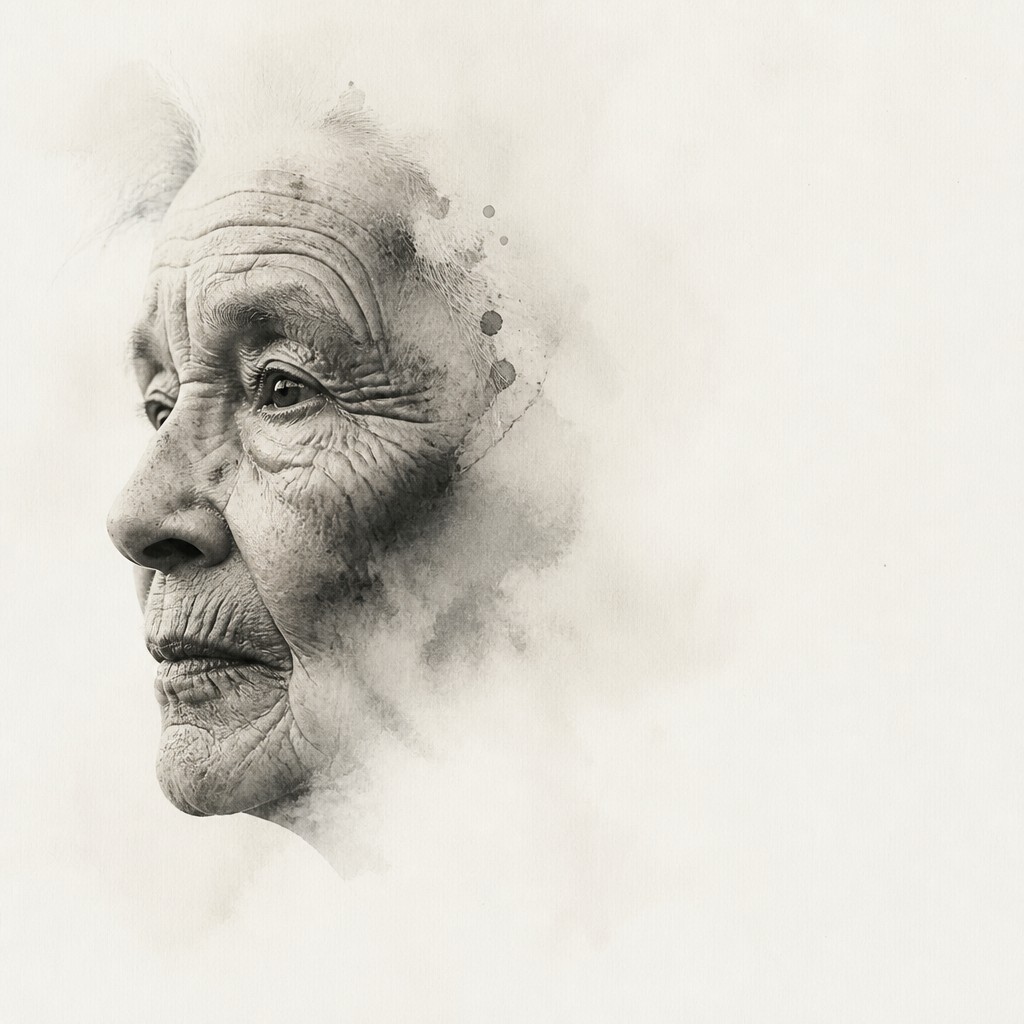
“close-up portrait of an elderly person with expressive weathered features”
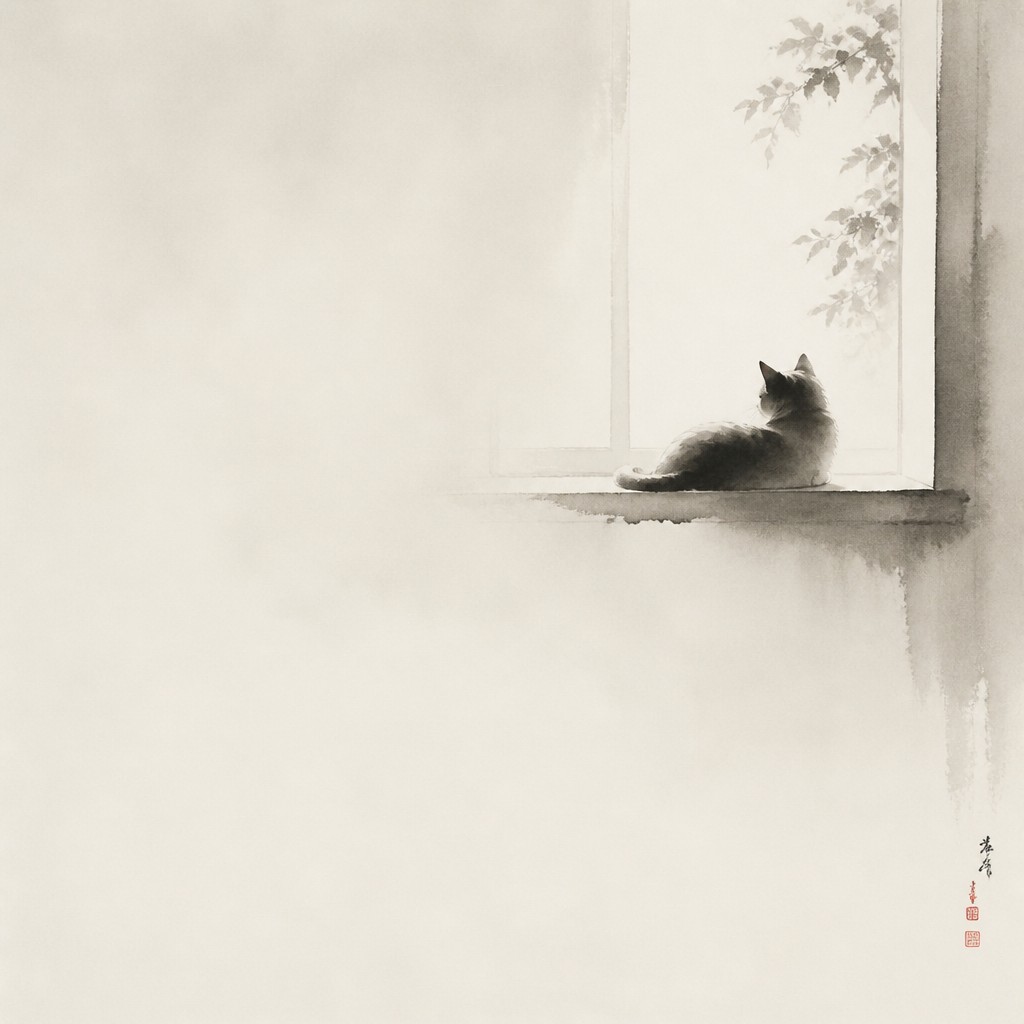
“a cat lounging in a sunlit window”
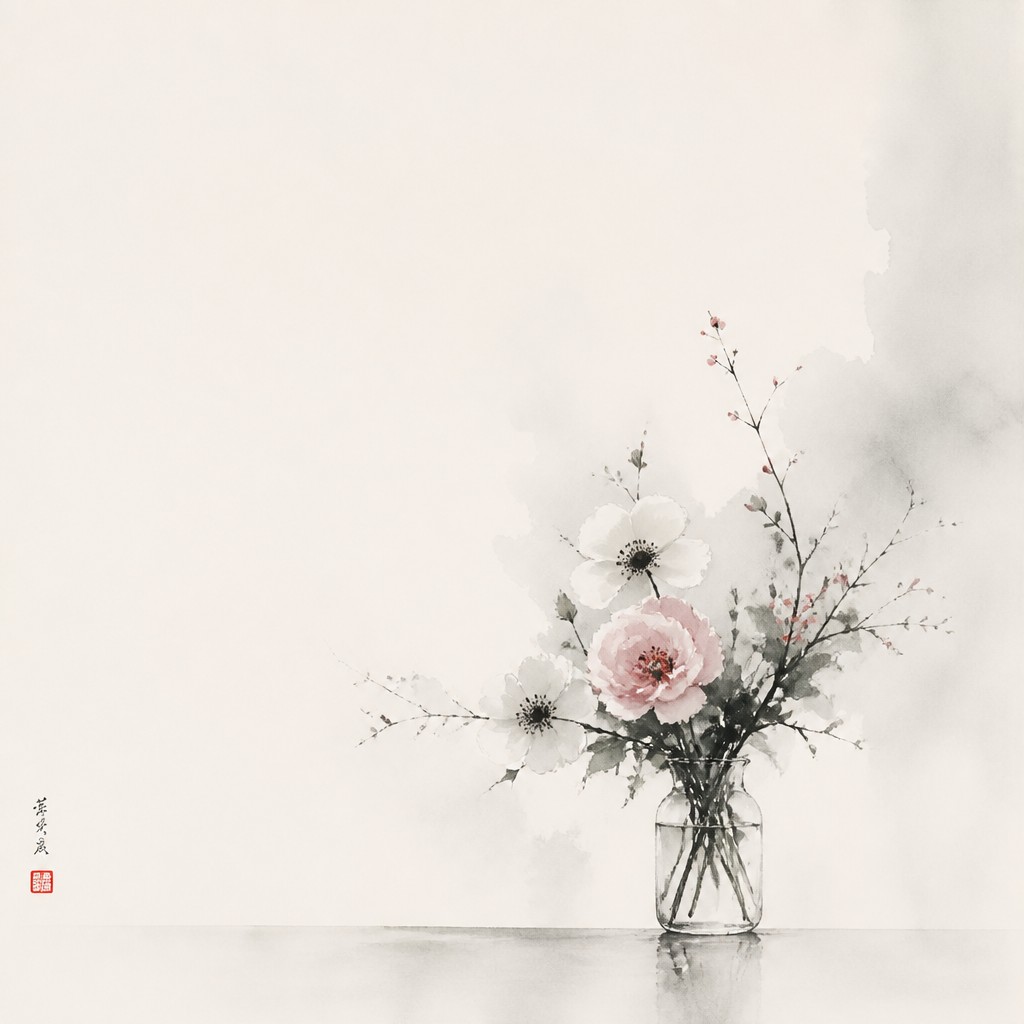
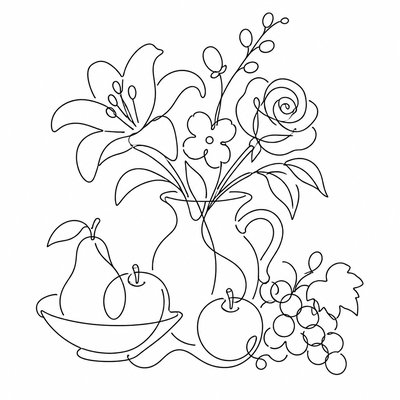
“bouquet of flowers in a glass vase”
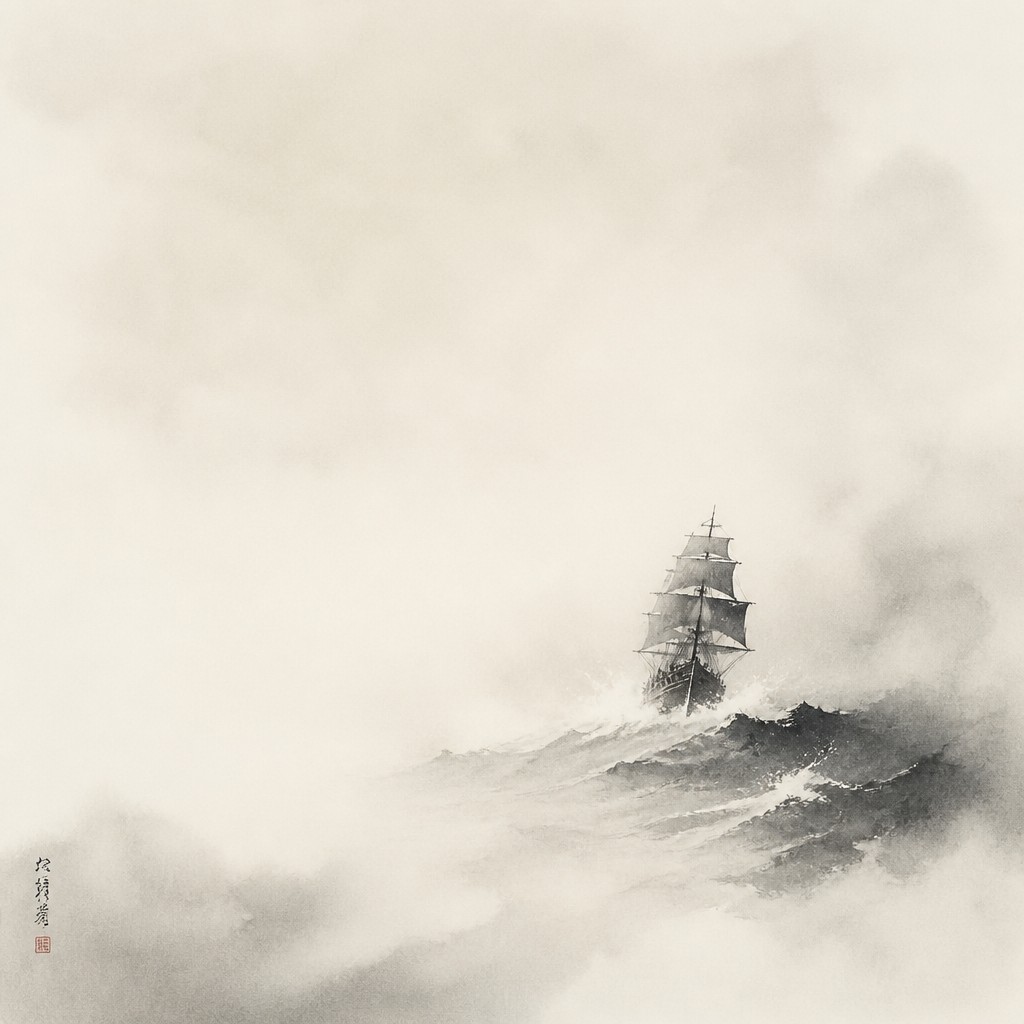
“sailing ship on a stormy sea”
How to Create Negative Space Art
Master the craft step by step — or skip straight to creating. Read the full guide →
- 1
Start with one dominant subject
Choose a simple focal element and remove secondary objects that compete with it. Let scale and placement provide interest instead of relying on narrative complexity.
- 2
Plan the negative space
Reserve most of the canvas for calm, uninterrupted areas and test several off-center arrangements. Use the empty field to guide the eye toward the subject.
- 3
Use restrained marks and tonal range
In traditional media, work with diluted ink, watercolor, charcoal, or thin layers of paint, allowing the paper or ground to remain visible. In digital work, use low-opacity brushes, soft masks, and subtle gradients rather than hard outlines.
- 4
Let edges disappear selectively
Soften or erase portions of the subject so it merges with the surrounding atmosphere, while keeping a few structural details sharp enough to anchor recognition. Avoid fading every edge equally.
- 5
Control contrast deliberately
Place the strongest dark or most saturated value near the focal point and keep the surrounding field quiet. A small contrast accent can carry the entire composition.
- 6
Write prompts around space and restraint
For prompt-based generation, specify a single subject, extensive uncluttered negative space, muted mist tones, asymmetrical placement, dissolving edges, and sparse ink-wash marks. Add exclusions such as crowded background, excessive detail, text, and harsh outlines when the tool supports them.

The Story
History & Origins of Negative Space
Negative Space Art is best understood as a cross-disciplinary aesthetic rather than a single historical movement with a fixed period or founding school. Its lineage includes the unpainted intervals and asymmetrical compositions of East Asian ink-wash traditions, the reduction and spatial clarity of modernist minimalism, the atmospheric restraint of monochromatic painting, and photographic practices that emphasize isolation and silence.
Influences: The aesthetic draws from East Asian ink-wash painting, especially its use of unpainted paper, atmospheric distance, and economical brushwork; modernist minimalism, with its emphasis on reduction and spatial order; monochromatic and tonal painting; sparse photographic composition; and Japanese concepts associated with ma, or meaningful interval and space. It also overlaps with meditative landscape traditions, atmospheric abstraction, and contemporary editorial design that uses silence and margin as expressive tools.
Frequently Asked Questions
What defines Negative Space Art?
It is defined by the deliberate use of emptiness as a compositional force. A small, simplified subject is surrounded by expansive open space, often with muted tones, atmospheric haze, and edges that gradually dissolve.
Is Negative Space Art a historical art movement?
No. The term is most useful as a contemporary descriptive aesthetic rather than the name of a formally established historical movement. It combines principles found in ink-wash traditions, modernist minimalism, tonal painting, and sparse photography.
How is it different from minimalist art?
Minimalism broadly reduces form, color, and material complexity, while Negative Space Art places special emphasis on the expressive role of the surrounding void. It can be more atmospheric, poetic, and figurative than strict geometric or object-based minimalism.
How can I make an image look more like this style?
Use one clear subject, an off-center composition, a limited tonal palette, and a large uninterrupted background. Reduce visual clutter, soften selected edges, and preserve enough contrast to keep the subject legible.
What media work well for this aesthetic?
Diluted ink, watercolor, charcoal, gouache, and monochromatic painting are especially suitable because they allow gradual transitions and visible ground. Digital painting, photography, collage, and prompt-based image creation can achieve similar results through masking, desaturation, atmospheric overlays, and careful cropping.
Where is Negative Space Art commonly used?
It appears in fine art, book and album covers, editorial illustration, posters, meditation and wellness imagery, gallery photography, and atmospheric concept work. Its uncluttered compositions also make it effective when a design needs a strong focal point or room for typography.
Create your first Negative Space artwork
Describe anything — or upload a photo — and see it in Negative Space Art Style in seconds.
Related Styles
Discover similar art styles