Florentine Renaissance Art Style
Explore Florentine Renaissance art: crisp contours, measured perspective, sculptural figures, fresco colors, and disciplined Tuscan idealism.
Instantly rendered in Florentine Renaissance — or transform a photo
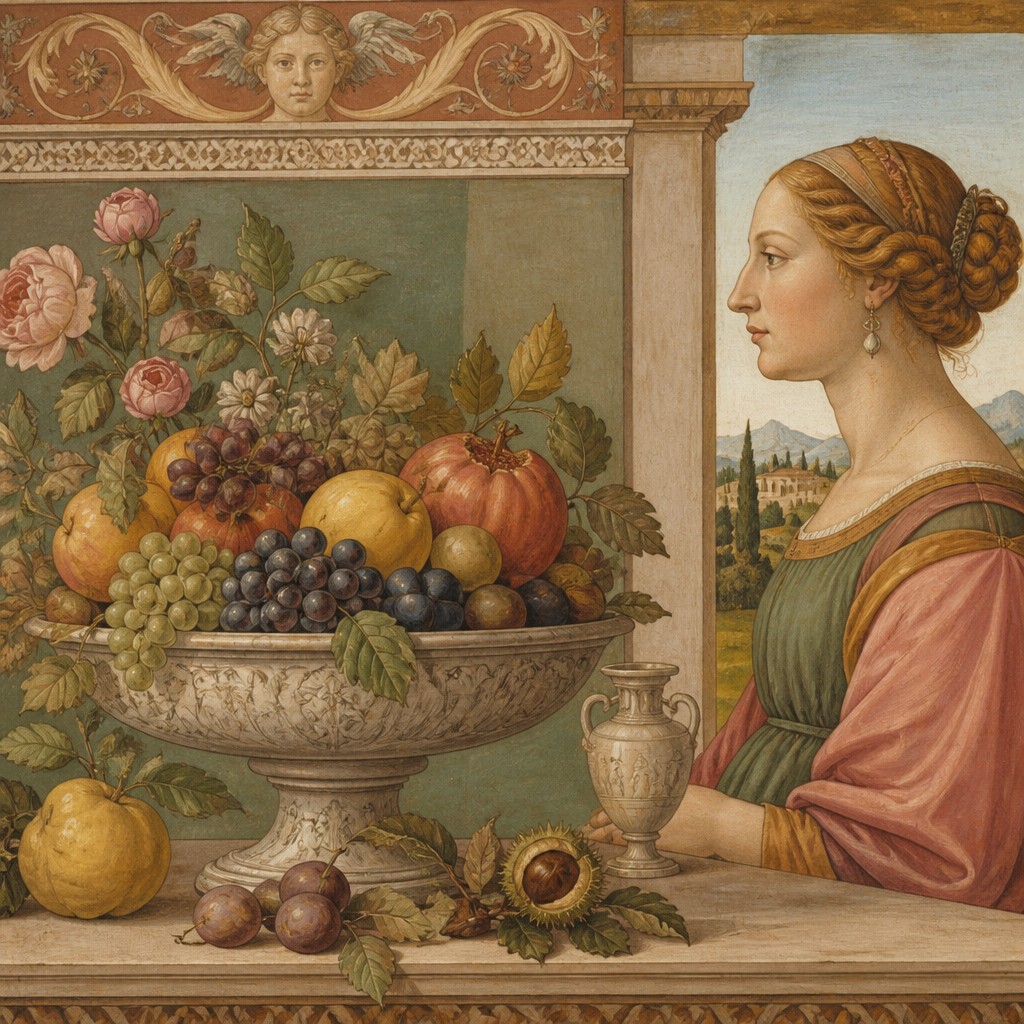
Florentine Renaissance Gallery
Tap any artwork to explore it
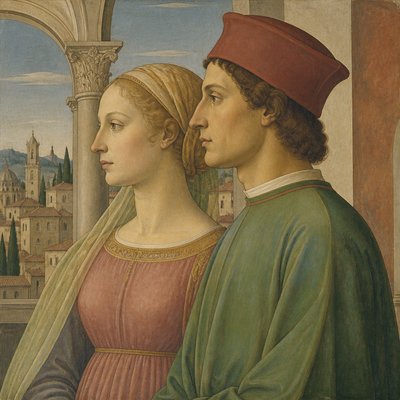
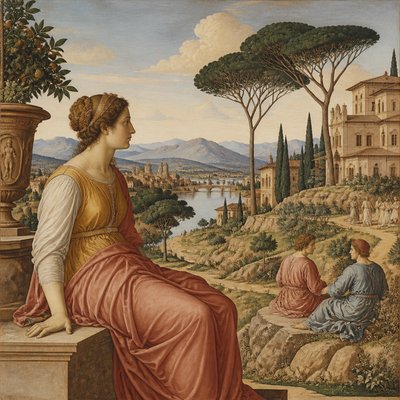
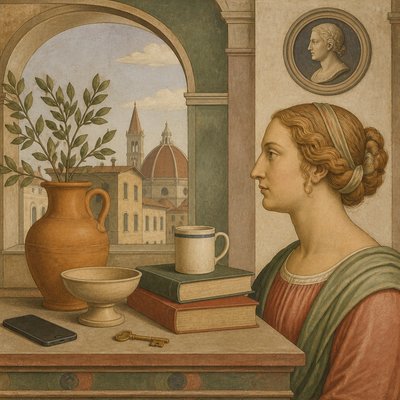
What is Florentine Renaissance Art Style?
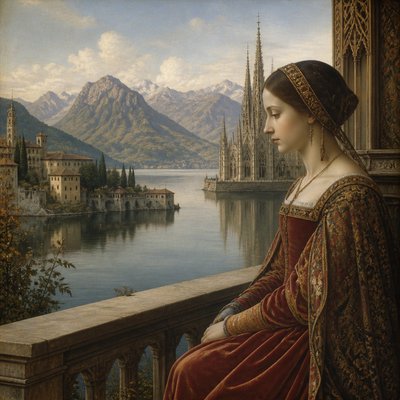
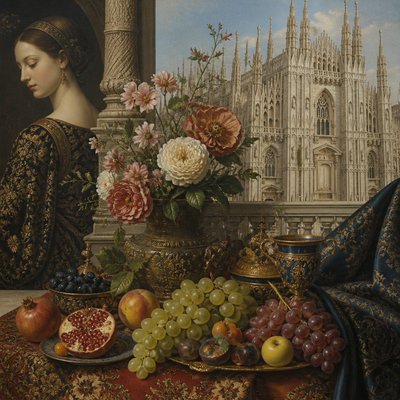
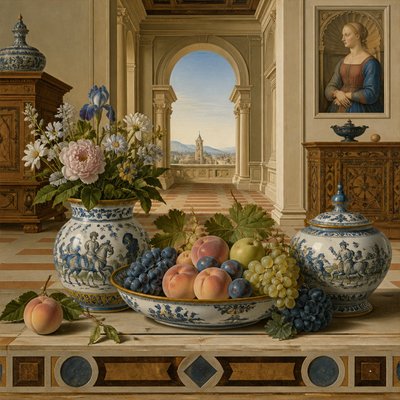
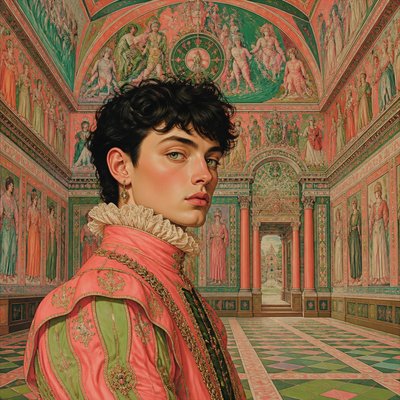
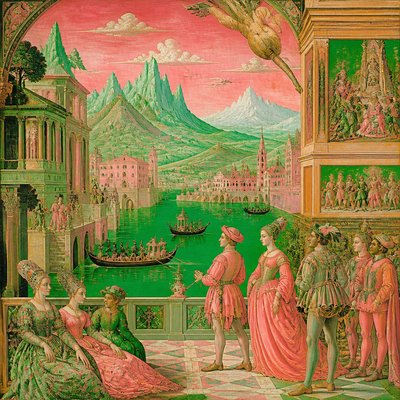
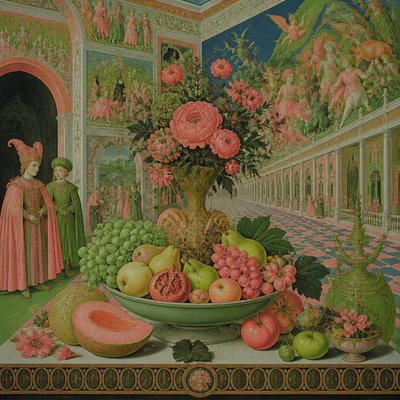
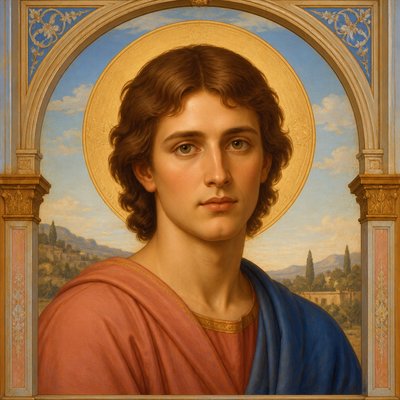
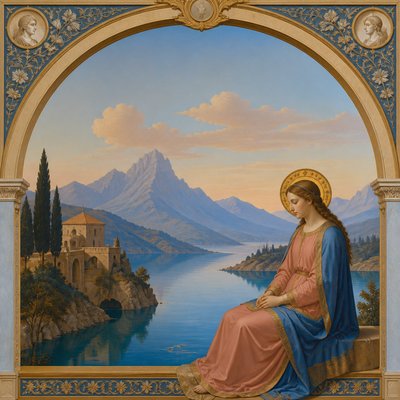
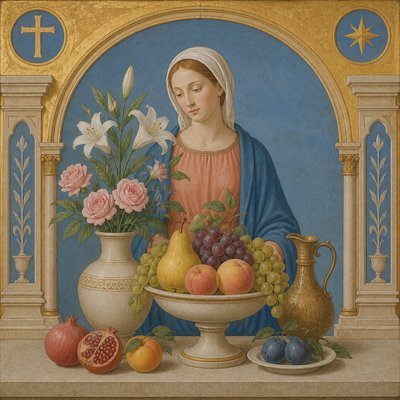
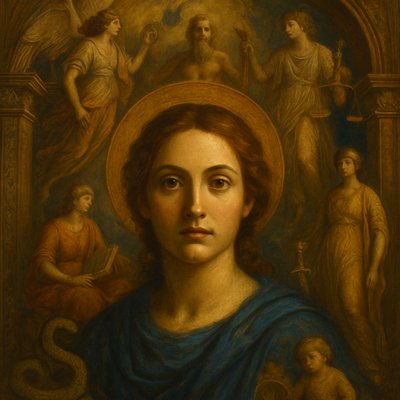
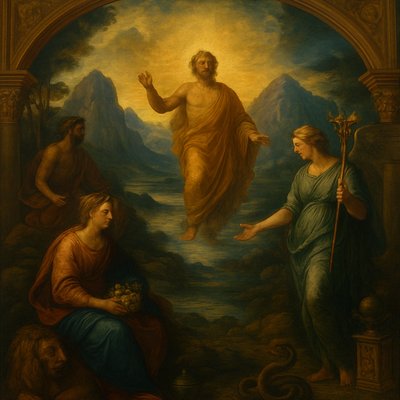
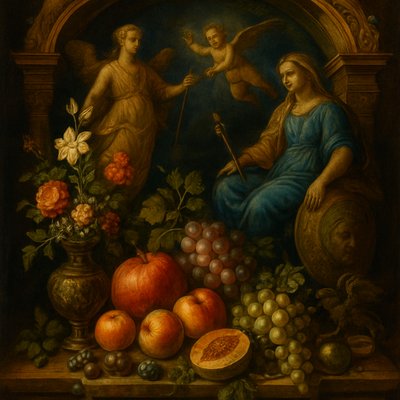
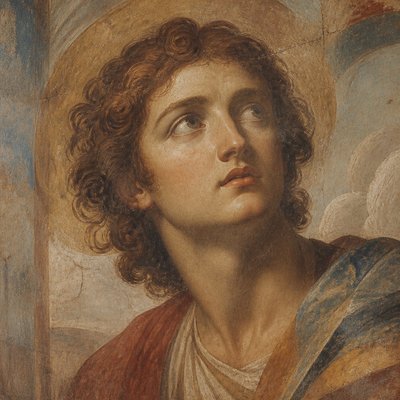
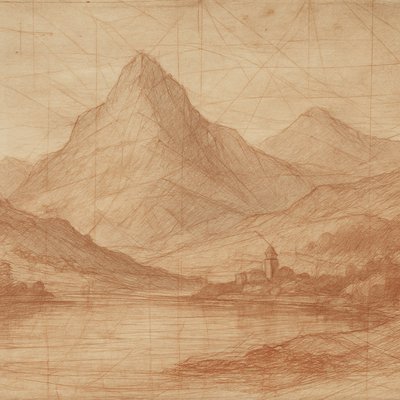
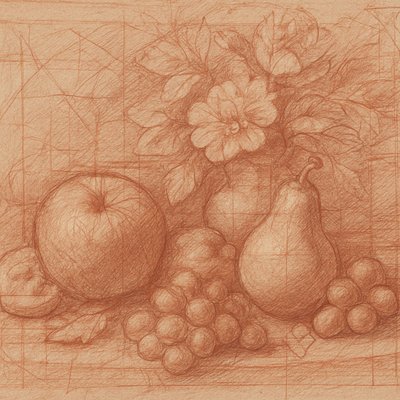
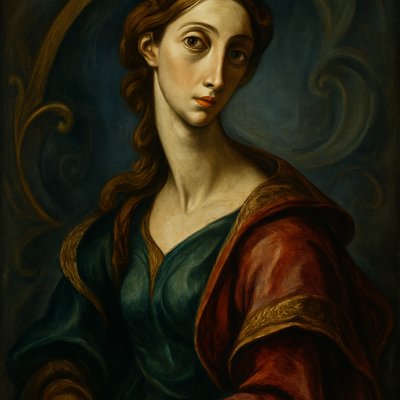
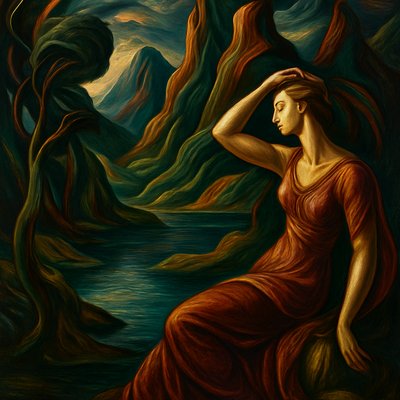
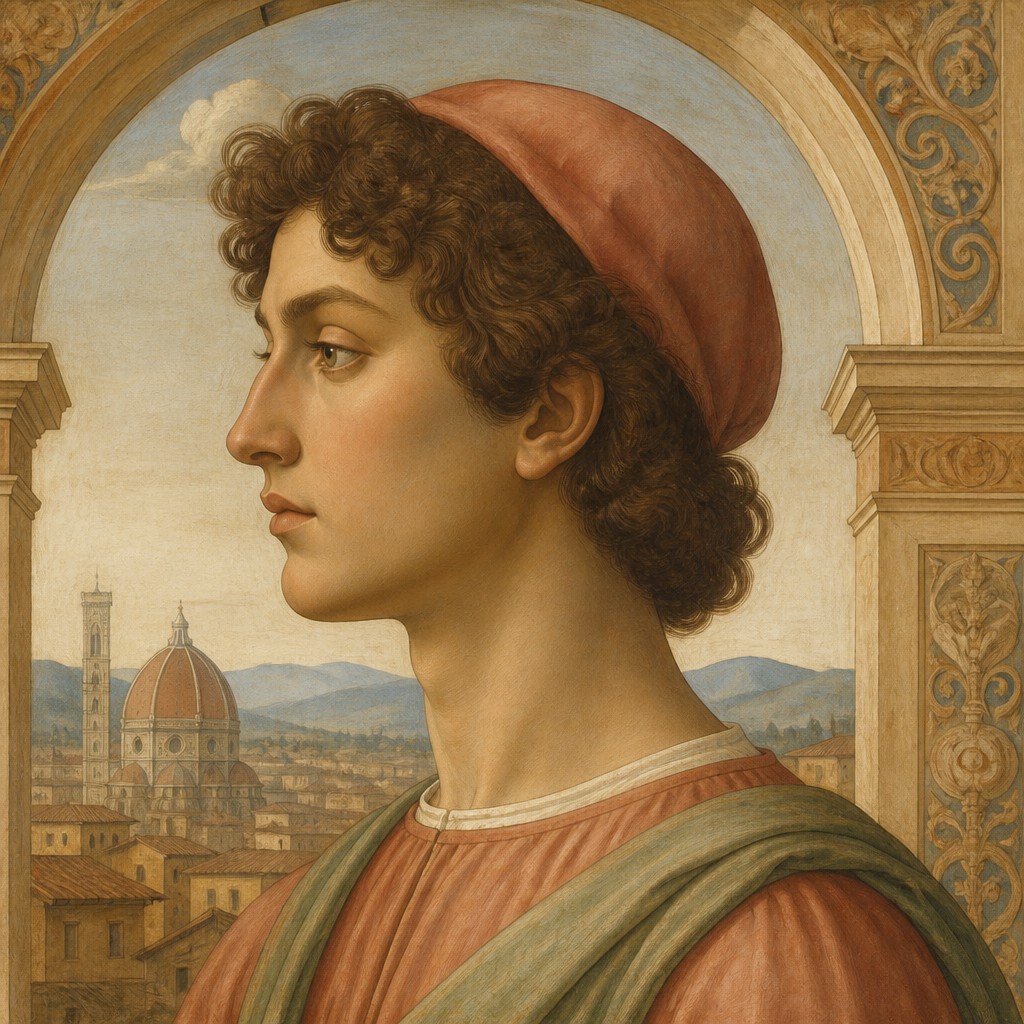
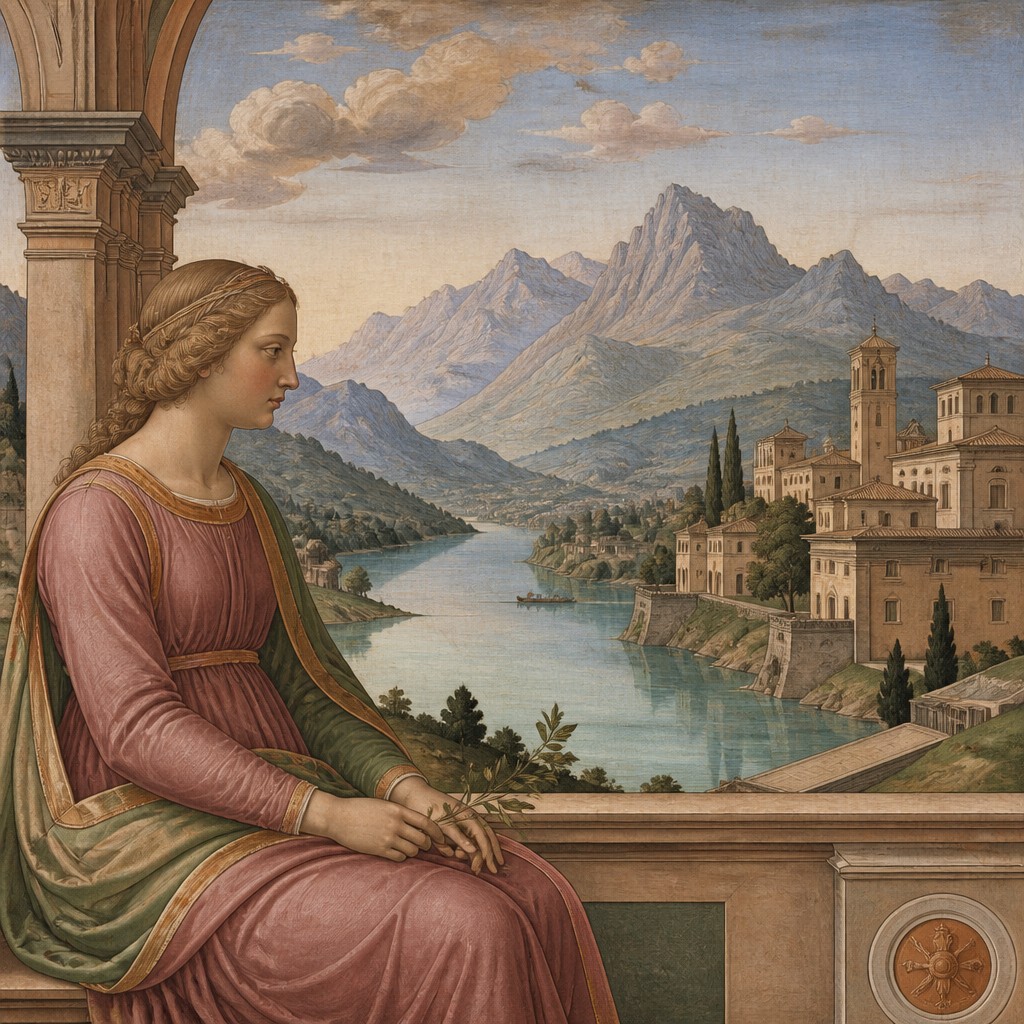
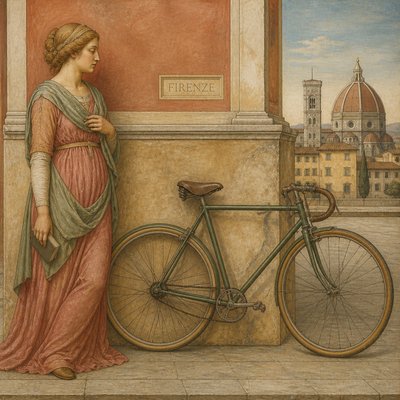
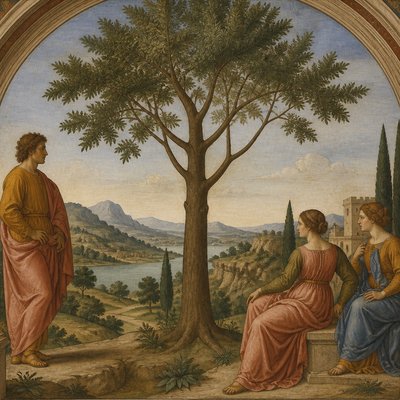
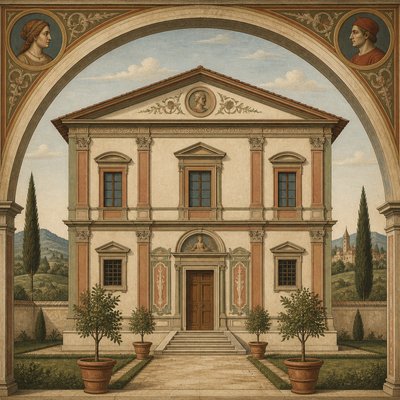
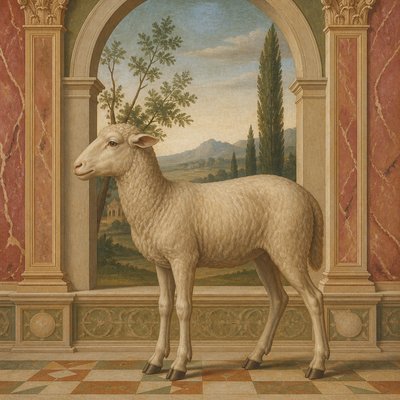
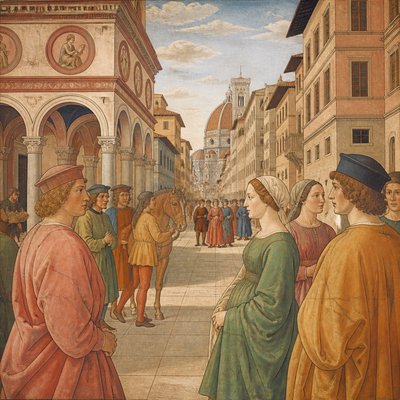
Florentine Renaissance art is a tradition of disciplined drawing, balanced composition, and human-centered idealism that developed in Florence from the early fifteenth century through the sixteenth century. Its visual identity depends on clear contours, carefully constructed space, sculptural figures, restrained gesture, and an ordered relationship between architecture, landscape, and the human body.
The style is often associated with the Tuscan concept of disegno, in which drawing functions as both a preparatory method and the intellectual foundation of art. Figures are defined through firm outlines and controlled modeling rather than atmospheric effects, while fresco and tempera techniques encourage luminous, mineral colors such as rose, sage, terracotta, cream, and ochre. The result is lucid, stable, and harmonious, with emotion expressed through posture, glance, and measured gesture.
Try It On Your Photos
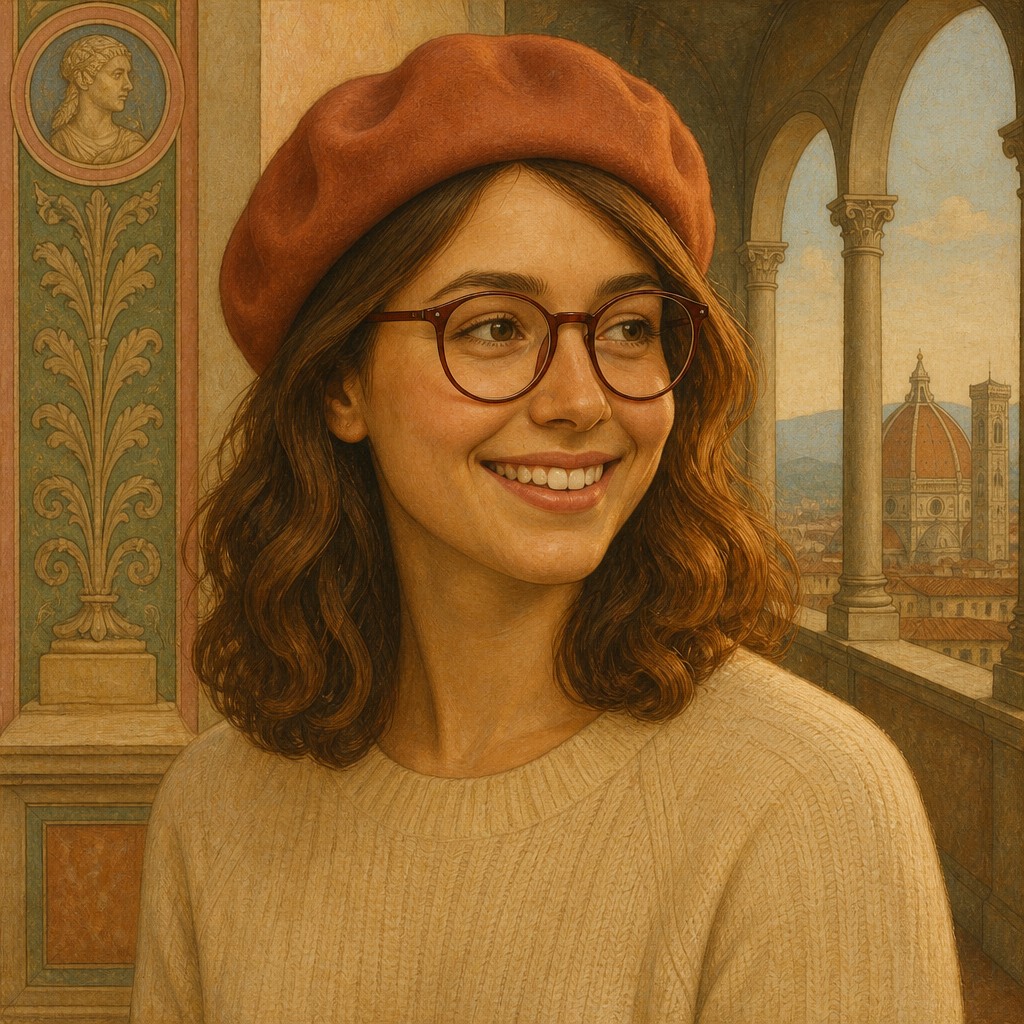
Upload any photo and convert it into Florentine Renaissance Art Style — drag the sliders to compare before and after.


What Defines Florentine Renaissance Art Style
The signature details, up close
Crisp contour drawing
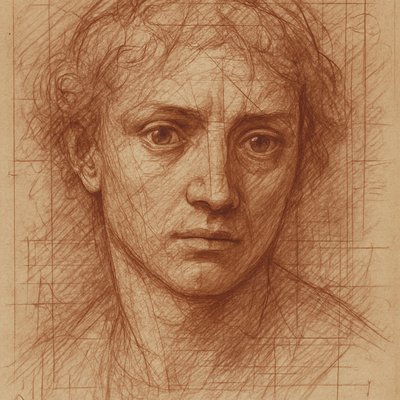
Figures, garments, architecture, and objects are organized by clean, deliberate outlines. Contour gives the image clarity and makes form legible even when color and shading remain restrained.
Measured perspective
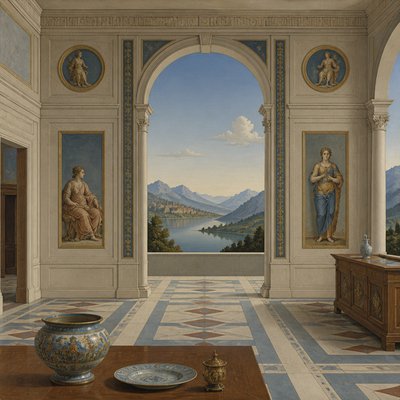
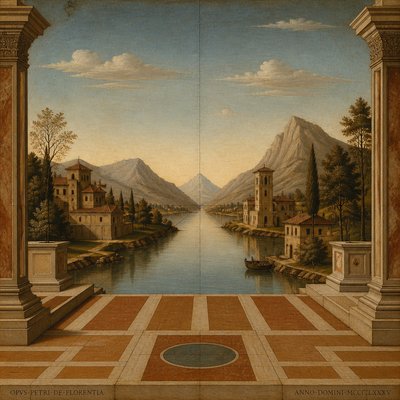
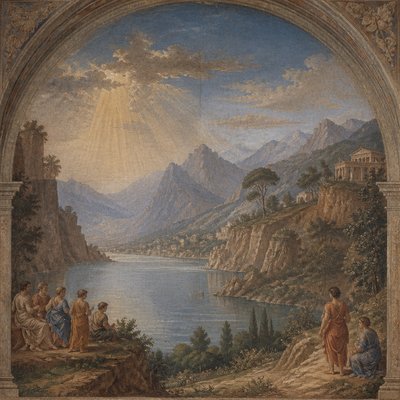
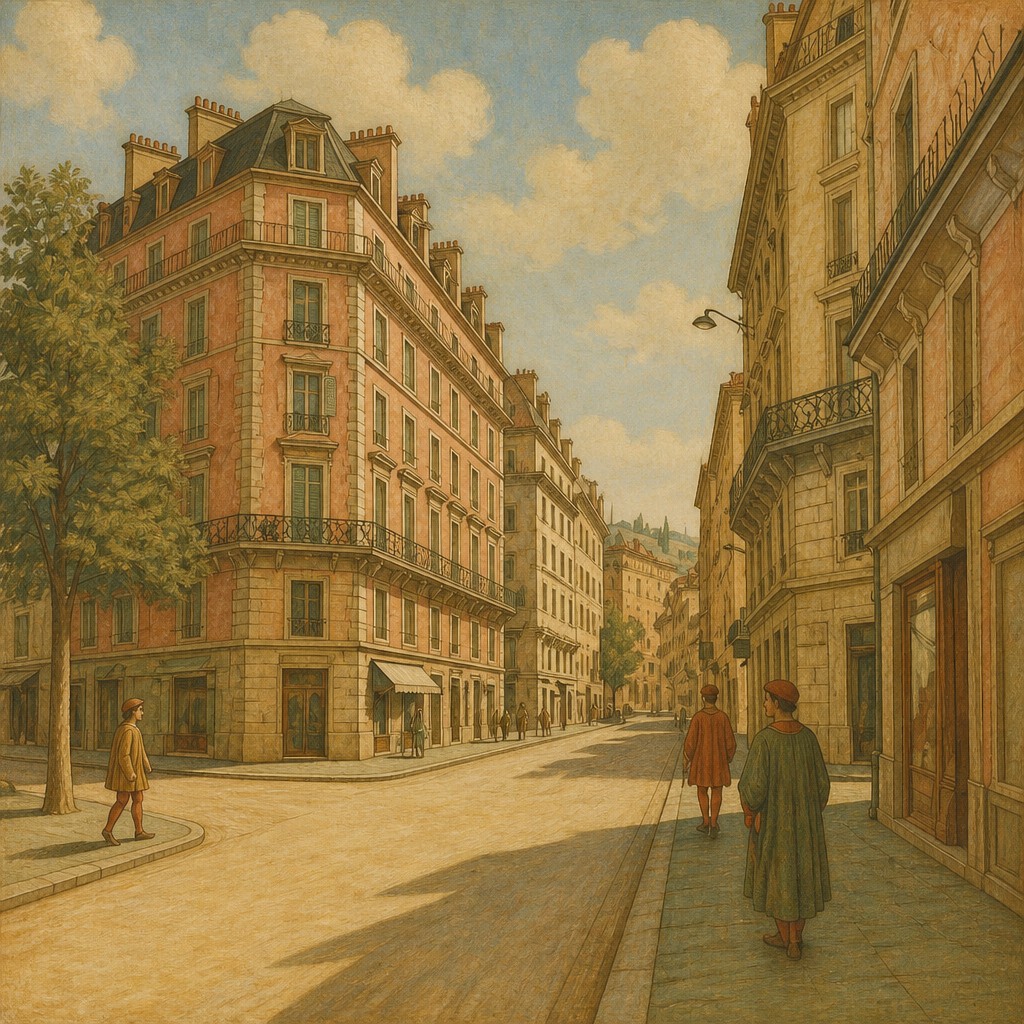
Rooms, streets, tiled floors, and architectural frames are arranged through linear perspective and carefully calibrated proportions. Space feels stable, intelligible, and designed rather than accidental.
Sculptural human form
Bodies are built from clearly understood volumes, with solid torsos, articulated limbs, and controlled anatomical structure. Light describes form gradually, avoiding excessive softness or atmospheric blur.
Harmonious idealism
Faces and bodies are often refined toward balance, proportion, and composure. Even when subjects are sacred, dramatic, or mournful, their expressions and gestures tend to remain restrained.
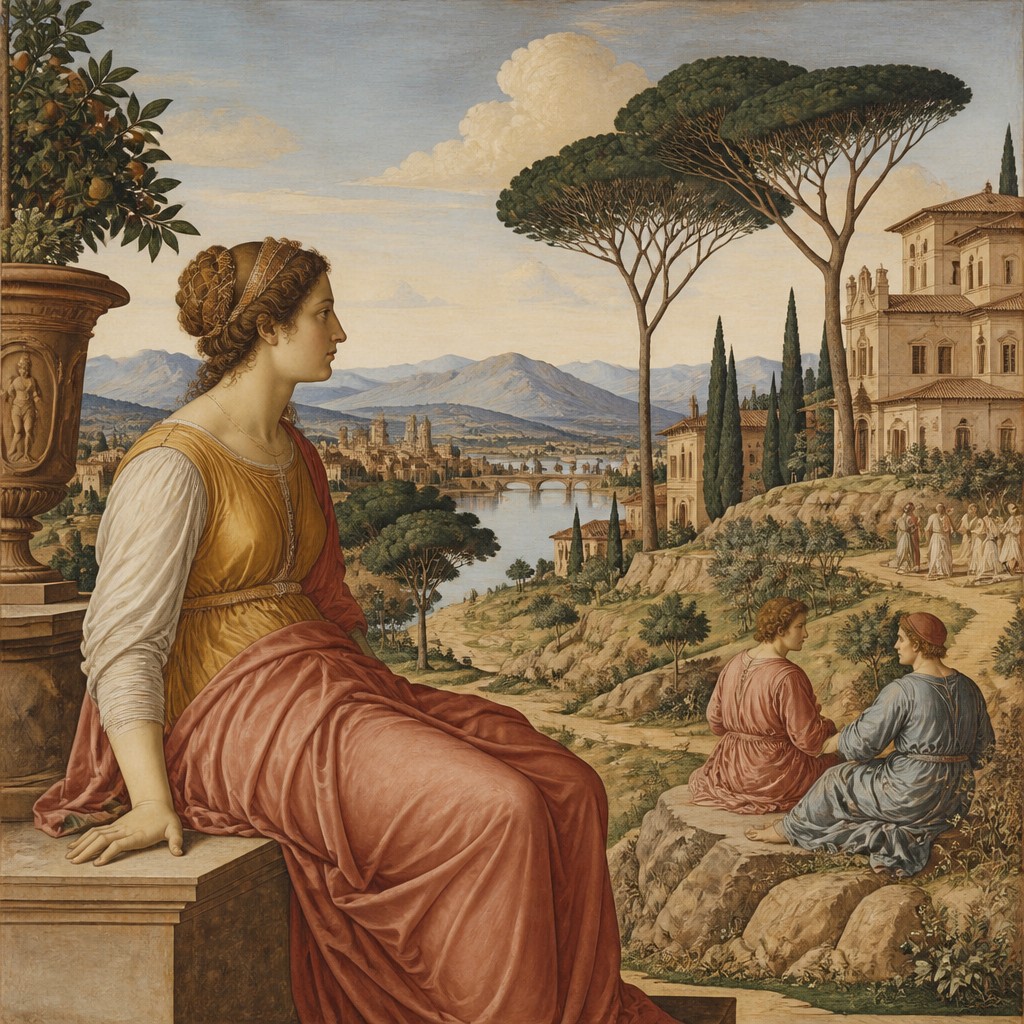
Tuscan fresco palette
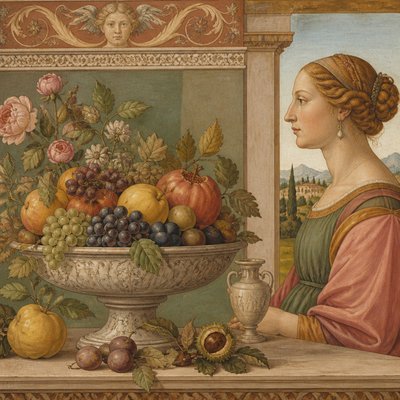
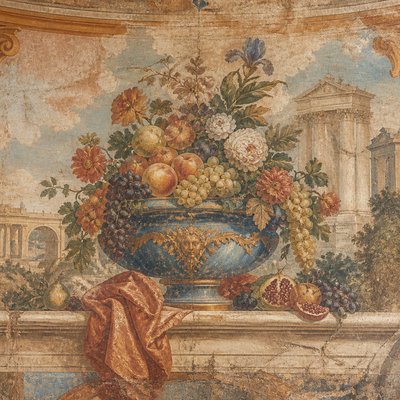
Typical colors include muted rose, sage green, ochre, terracotta, warm cream, umber, and subdued blue. The palette suggests mineral pigments and the slightly matte, unified surface of fresco.
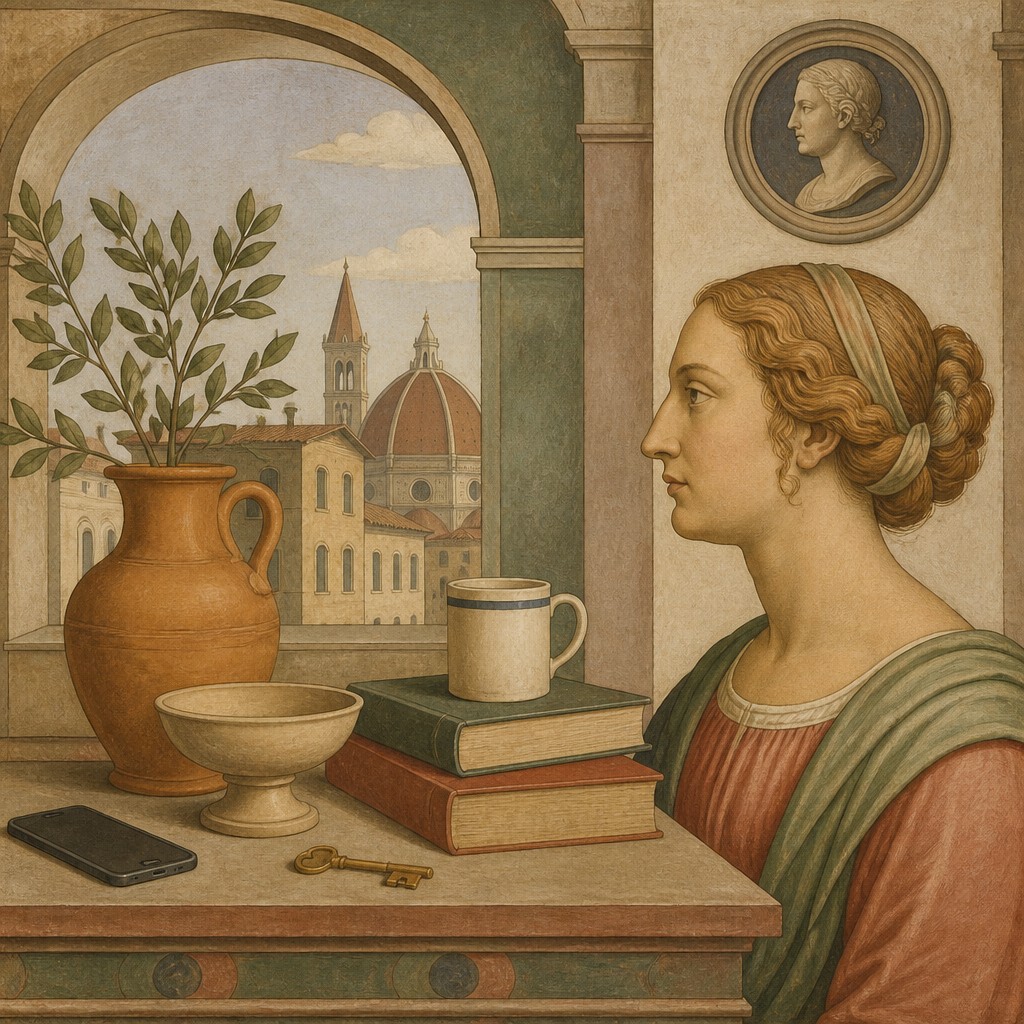
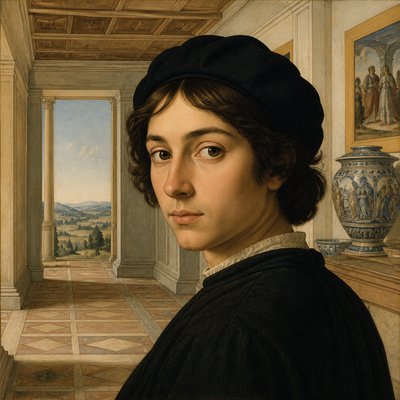
Profile portraiture
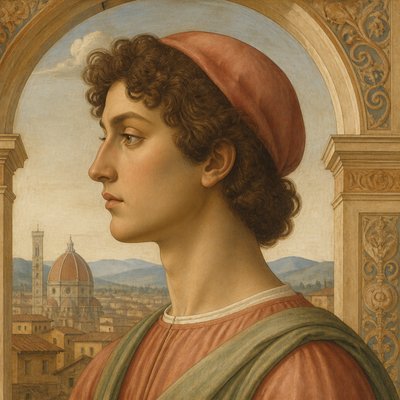
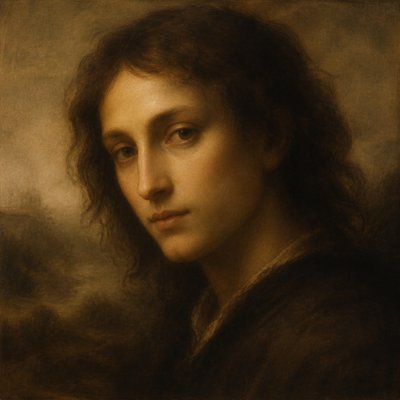
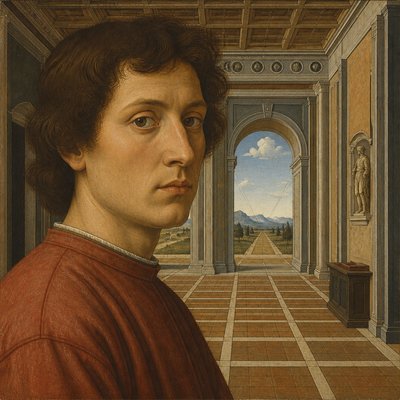
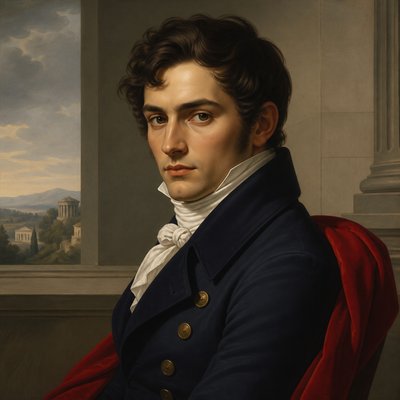
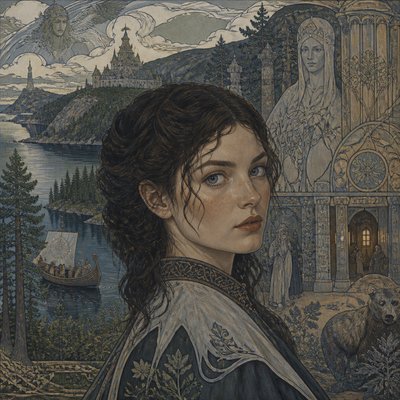
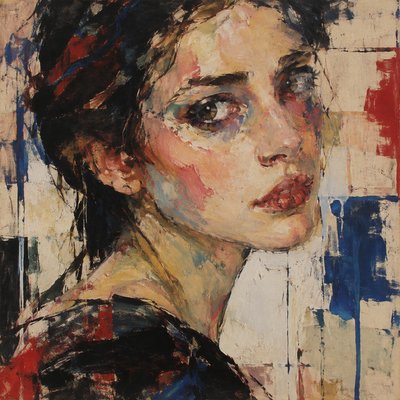
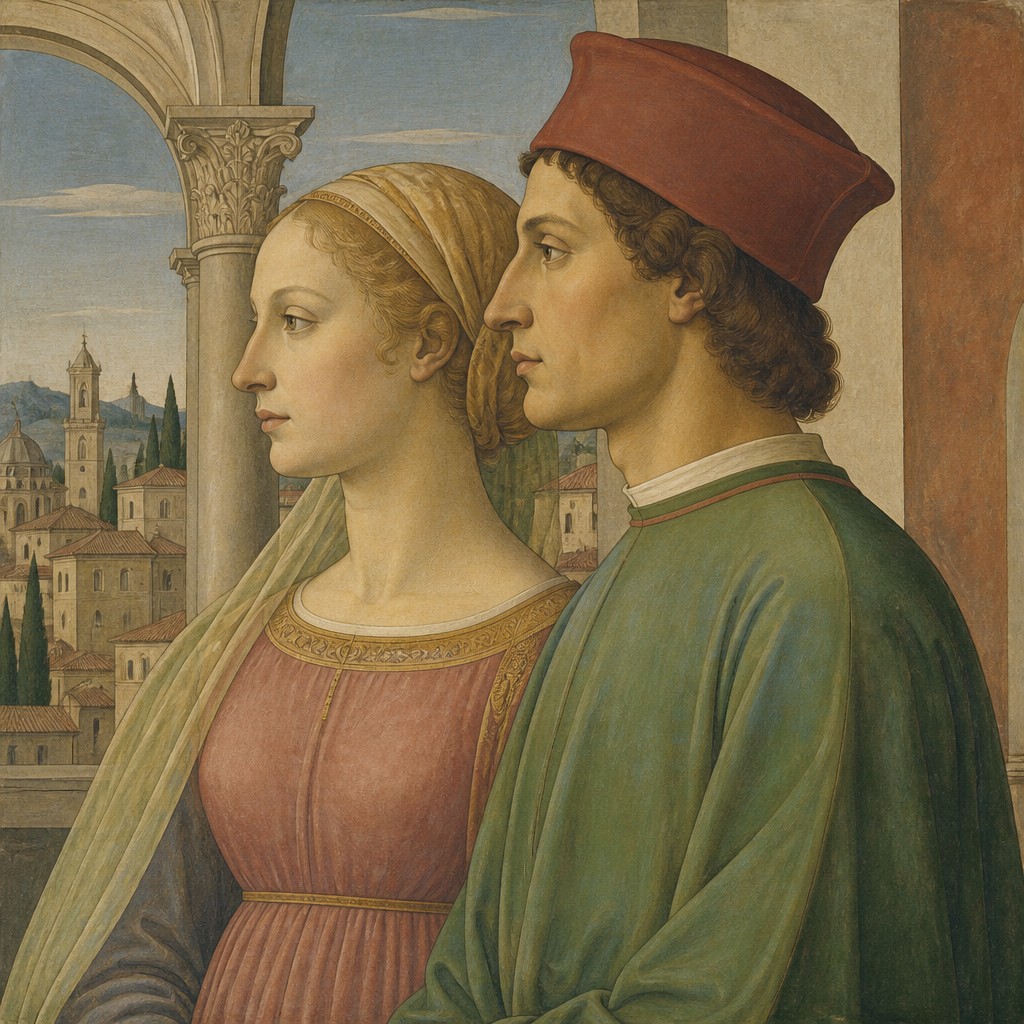
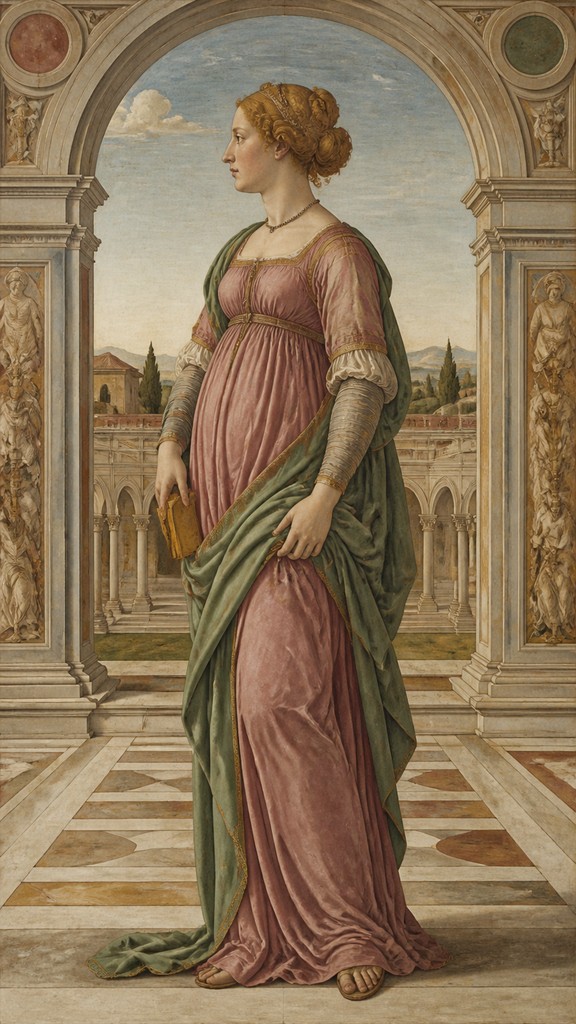
Portraits may use a composed side view with a clear silhouette, carefully described hair, costume, jewelry, and facial contour. The pose conveys status and likeness through stillness rather than theatrical expression.
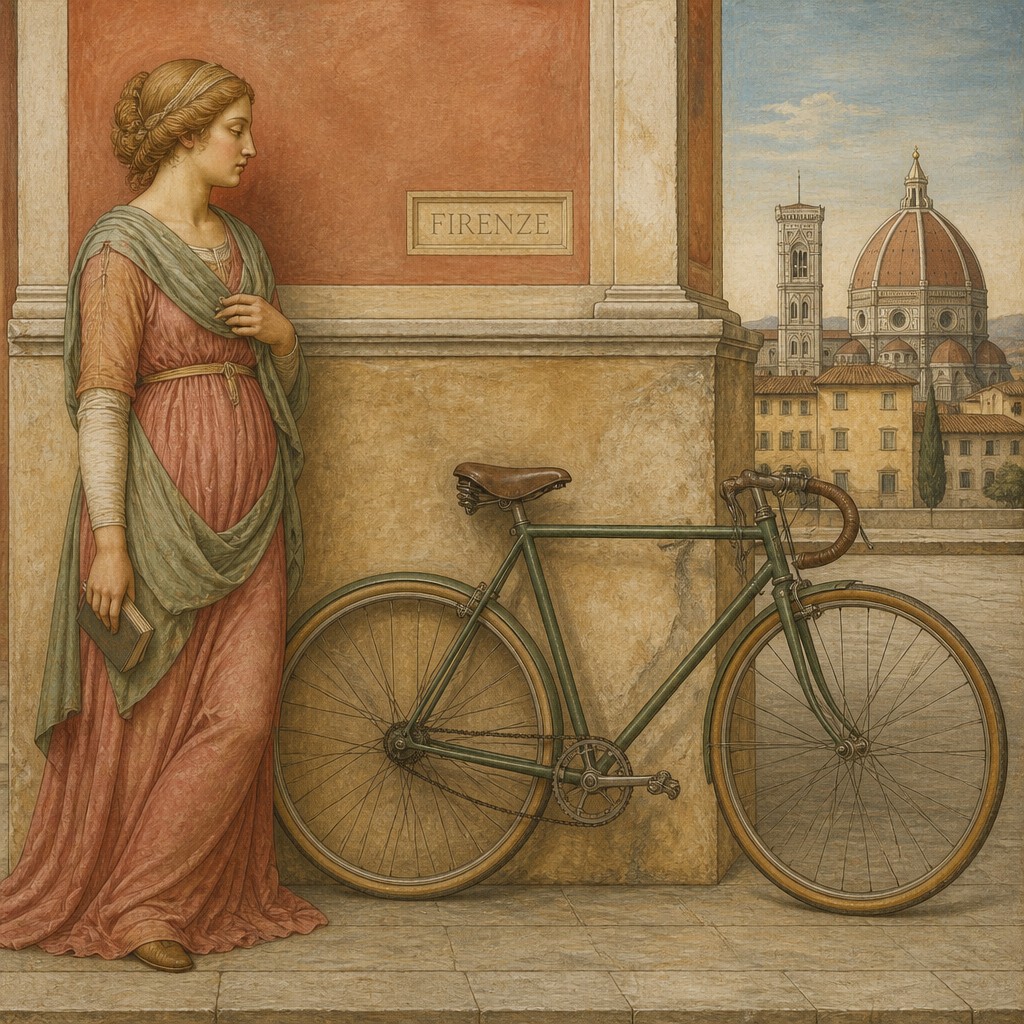
Architectural and symbolic order
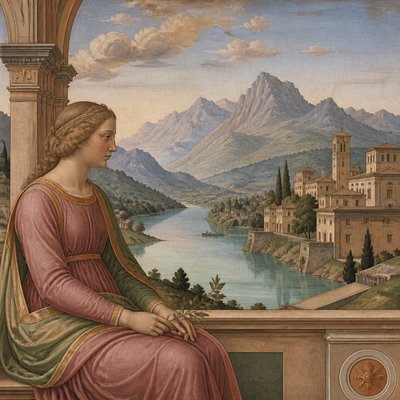
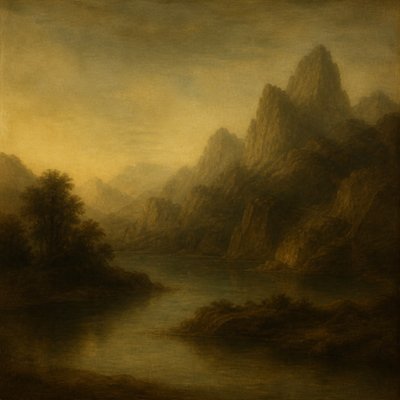
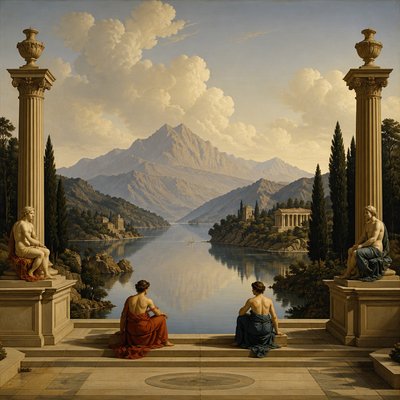
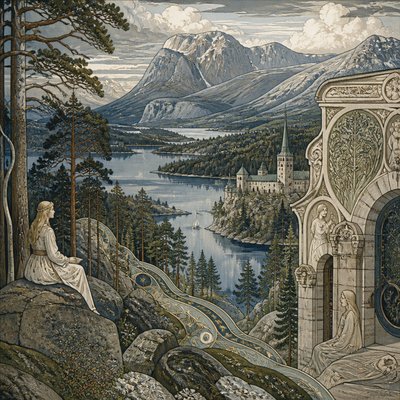
Columns, arches, tiled floors, hills, and distant buildings provide a rational setting for the subject. Objects and gestures often carry symbolic meaning while remaining integrated into a balanced composition.
Try It
Create Videos in Florentine Renaissance Art Style
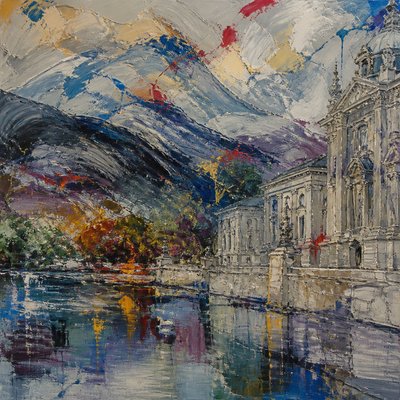
Styles aren't just for stills — describe a scene or animate an image and get a short video rendered in Florentine Renaissance. Press play to see this pond come to life.
Make a VideoFlorentine Renaissance Prompt Ideas
Start from an idea — each one opens the generator with the style ready to go. See all 40 Florentine Renaissance prompts →
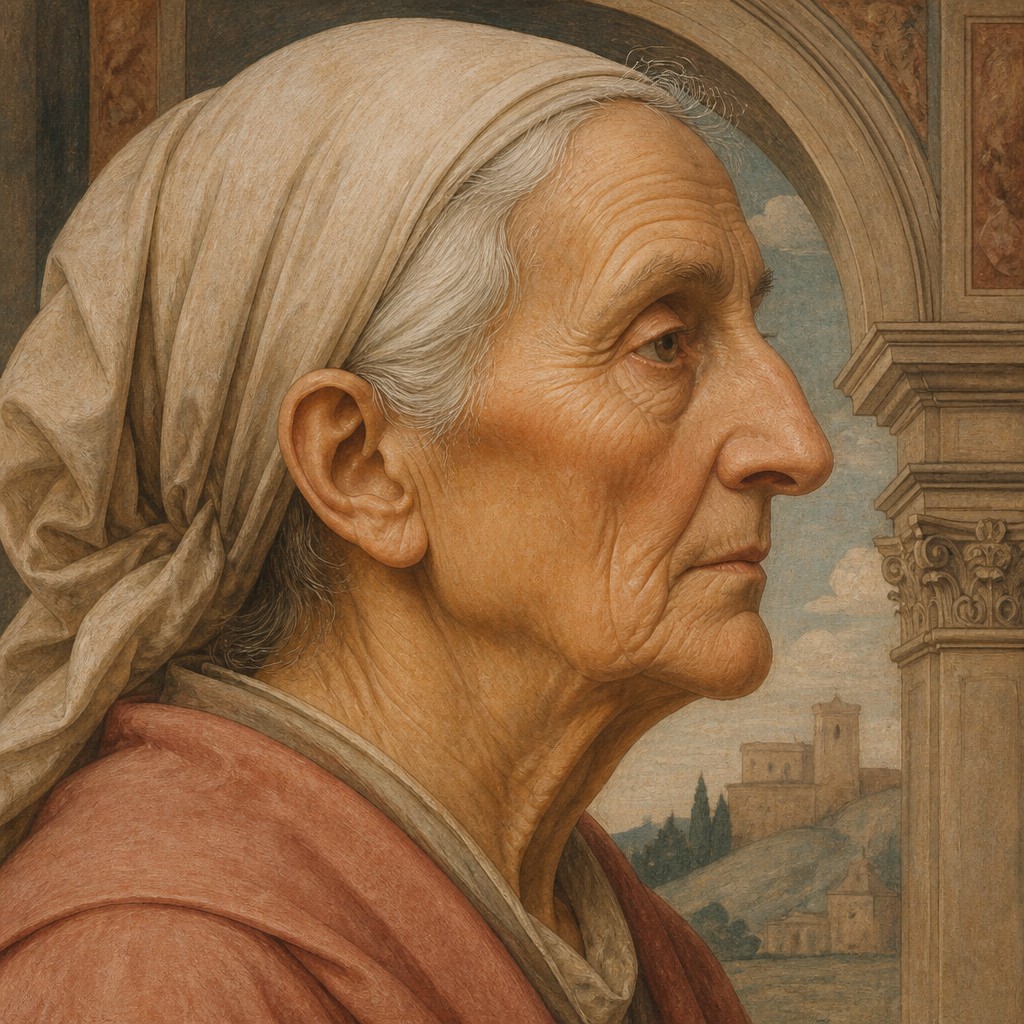
“close-up portrait of an elderly person with expressive weathered features”
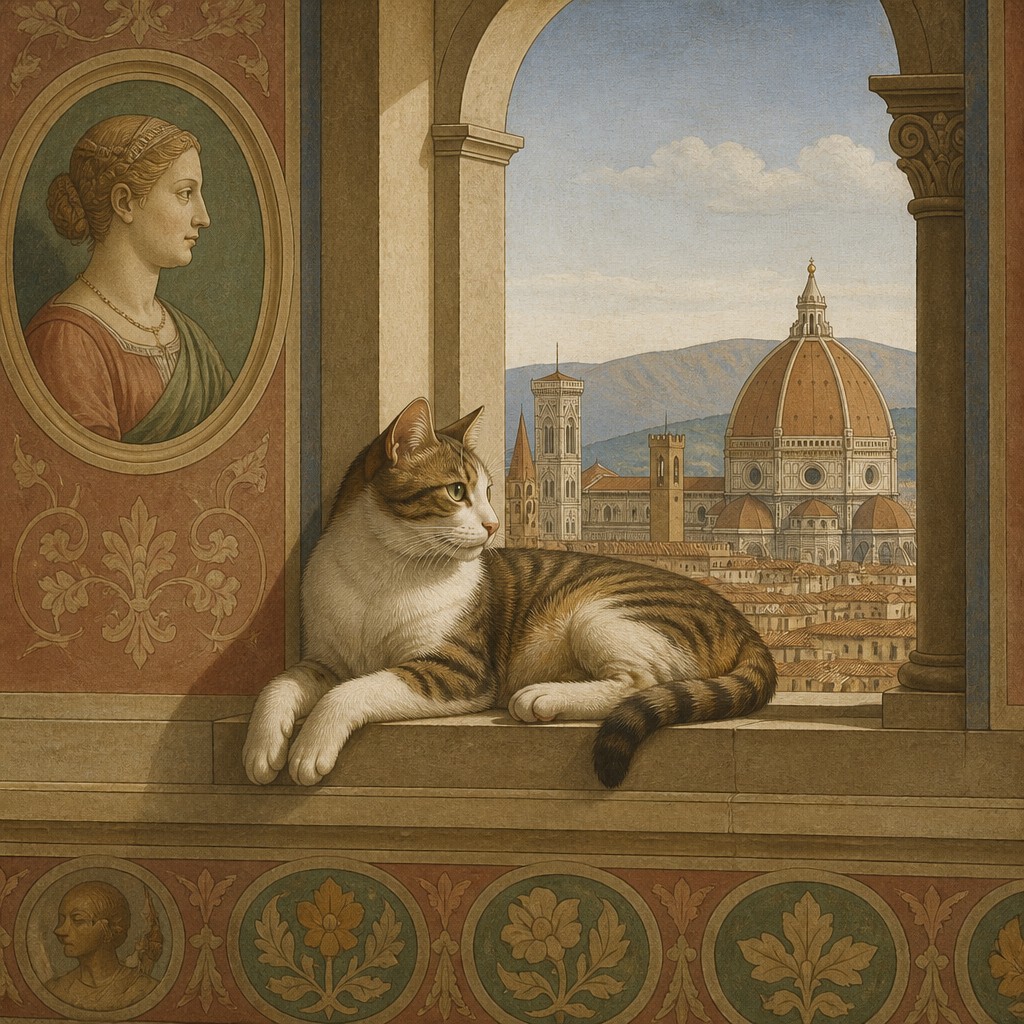
“a cat lounging in a sunlit window”
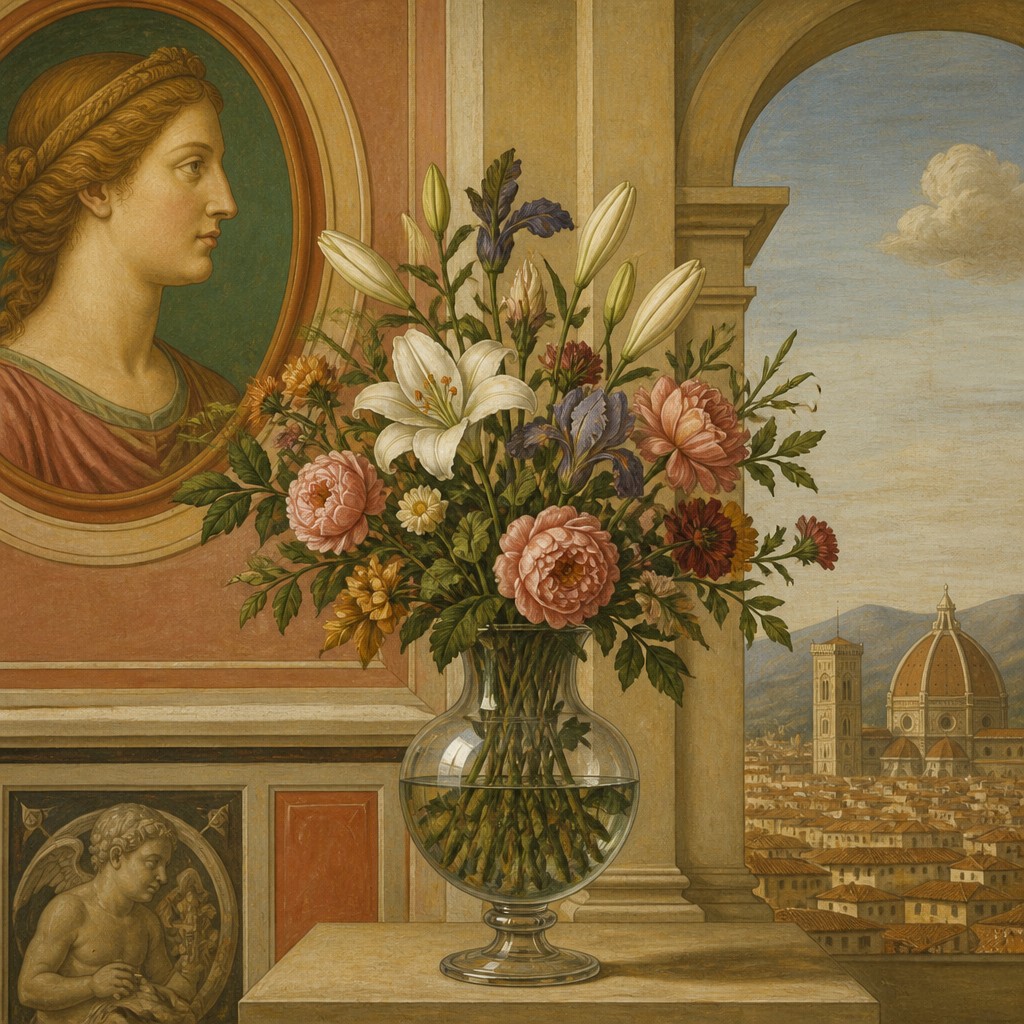
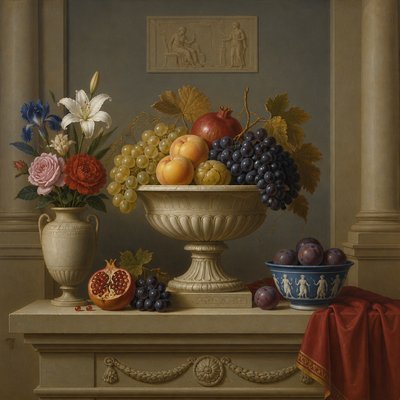
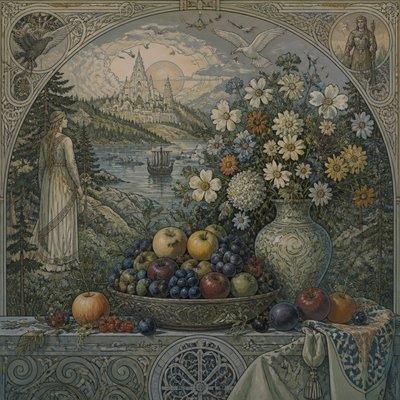
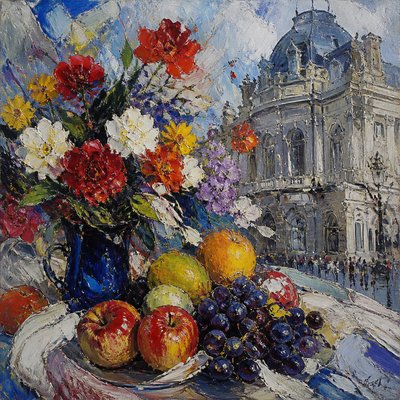
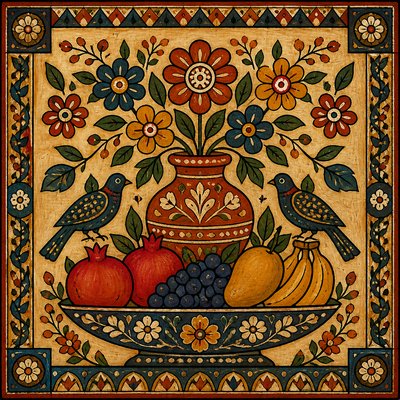
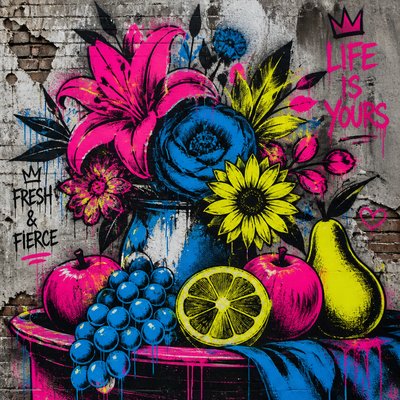
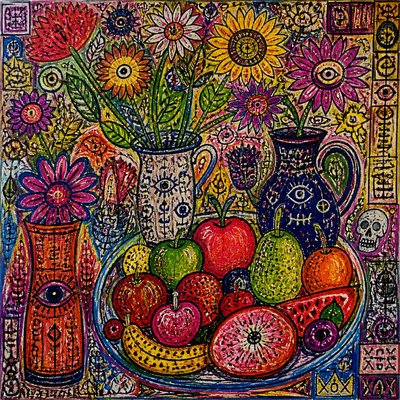
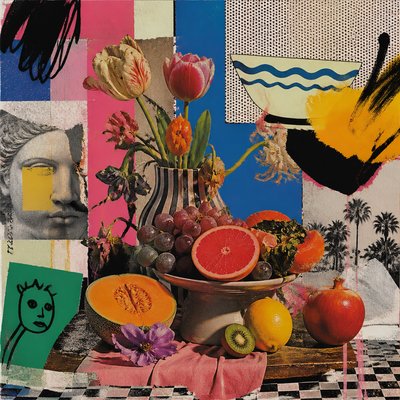
“bouquet of flowers in a glass vase”
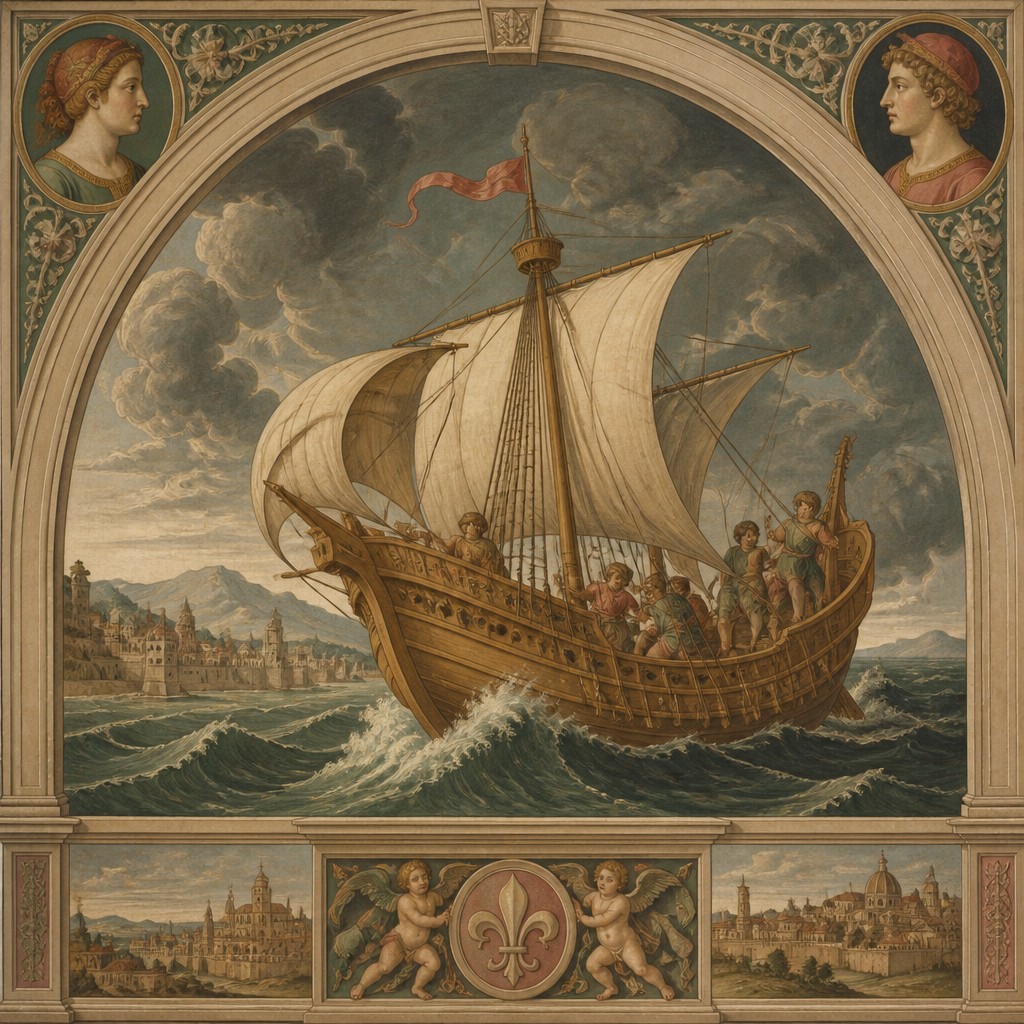
“sailing ship on a stormy sea”
How to Create Florentine Renaissance Art
Master the craft step by step — or skip straight to creating. Read the full guide →
- 1
Begin with structural drawing
Block the composition in graphite, charcoal, or a digital pencil using simple geometric volumes and a clear contour. Establish the horizon line, major axes, and figure proportions before adding surface detail.
- 2
Construct the space
Use one- or two-point linear perspective for interiors, streets, loggias, and architectural backgrounds. Keep repeated elements such as floor tiles, columns, and windows proportionally consistent.
- 3
Model form with restrained light
Use a single broad light source and gradual tonal transitions to make figures feel solid. Avoid heavy rim lighting, dramatic chiaroscuro, glossy surfaces, and soft photographic blur.
- 4
Choose a fresco-like palette
Work with warm earth colors, dusty rose, sage, muted blue, cream, and Tuscan ochre. In traditional media, tempera, fresco, or thin opaque layers can create a matte, mineral surface; digitally, reduce saturation and add subtle pigment texture.
- 5
Use composed gestures and details
Pose figures with calm, readable gestures and give attention to hands, profiles, drapery folds, hair, and symbolic objects. Keep ornament controlled so that it supports the hierarchy of the composition.
- 6
Write precise generation prompts
Specify crisp contour-led figures, sculptural clarity, measured perspective, fresco pigments, graceful profile views, and disciplined idealism alongside the subject. For image transformation, preserve the source likeness or composition while requesting simplified contours, matte mineral color, and Renaissance architectural order.
The Story
History & Origins of Florentine Renaissance
Florentine Renaissance art emerged in the cultural and civic environment of Florence during the early Renaissance, drawing on renewed interest in classical antiquity, humanist learning, and the systematic study of anatomy, geometry, and nature. Fourteenth-century Tuscan fresco traditions provided an important foundation, while fifteenth-century artists developed more coherent linear perspective, volumetric figures, and architectural settings. Religious subjects remained central, but portraiture, civic imagery, mythological themes, and scenes from classical history became increasingly prominent.
During the later fifteenth and early sixteenth centuries, Florentine practice became more refined and varied. Monumental fresco cycles, panel paintings, devotional images, portrait profiles, and preparatory drawings all shared an emphasis on structure and intellectual order. The tradition later influenced academic drawing, European classicism, historical painting, and modern reconstructions of Renaissance visual language.
Influences: The style is rooted in fourteenth- and fifteenth-century Tuscan fresco and panel painting, classical Greco-Roman ideals of proportion, Christian devotional imagery, humanist studies of anatomy and geometry, and the development of linear perspective. It is closely related to early Italian Renaissance art, academic figure drawing, Italian Renaissance portraiture, and later classicist painting, while differing from Venetian colorism and Northern European detail-oriented realism through its stronger emphasis on contour, structure, and ordered space.

Frequently Asked Questions
What defines Florentine Renaissance art?
Its defining qualities are strong drawing, clear contours, rational perspective, solid human figures, balanced compositions, and controlled idealism. A restrained Tuscan palette and an interest in classical proportion often reinforce these qualities.
When did the Florentine Renaissance take place?
Its foundations developed in Florence during the fourteenth century, with major advances during the fifteenth century and continued influence into the sixteenth century. The term usually refers to a broad artistic culture rather than a single brief period.
How does it differ from Venetian Renaissance art?
Florentine practice generally prioritizes disegno, contour, anatomy, and compositional structure. Venetian traditions are more commonly associated with saturated color, atmospheric effects, painterly surfaces, and the expressive use of light.
What materials and techniques are associated with the style?
Fresco, tempera on wood panel, oil painting, charcoal studies, metalpoint, and ink drawing were important media. Artists commonly developed compositions through preparatory studies before transferring them to a wall, panel, or finished painting.
Can contemporary digital art use this style?
Yes. Use a structured drawing process, perspective guides, opaque matte brushes, earth-based colors, and controlled tonal modeling. Prompts should emphasize contour, sculptural form, fresco pigments, classical architecture, and measured composition rather than generic medieval or fantasy language.
Where is Florentine Renaissance style commonly used today?
It appears in historical illustration, museum-inspired portraiture, editorial imagery, book covers, fantasy scenes with classical settings, architectural visualization, and digital artworks seeking an ordered, humanist appearance. It is especially effective for subjects involving ceremony, study, civic life, mythology, or devotional atmosphere.

Create your first Florentine Renaissance artwork
Describe anything — or upload a photo — and see it in Florentine Renaissance Art Style in seconds.
Related Styles
Discover similar art styles