Botswanan Art Style
Explore Botswanan art style: ochre rock-art forms, Ngamiland basket geometry, Kalahari light, and quiet handcrafted desert textures.
Instantly rendered in Botswanan — or transform a photo
Botswanan Gallery
Tap any artwork to explore it
What is Botswanan Art Style?
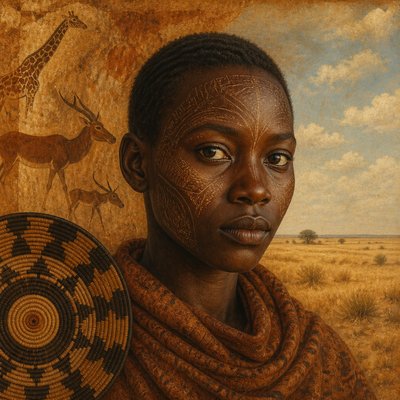
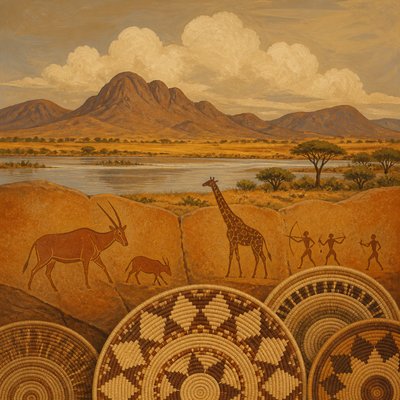
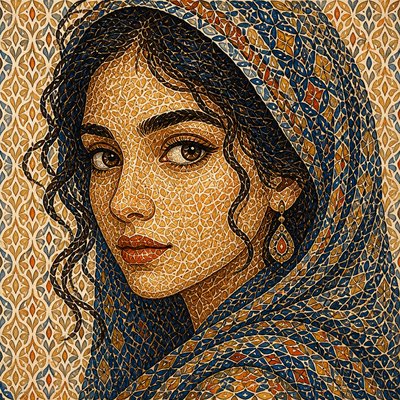
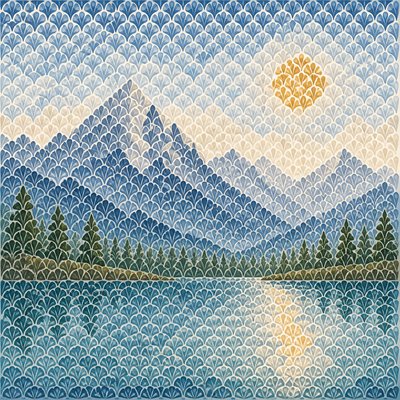
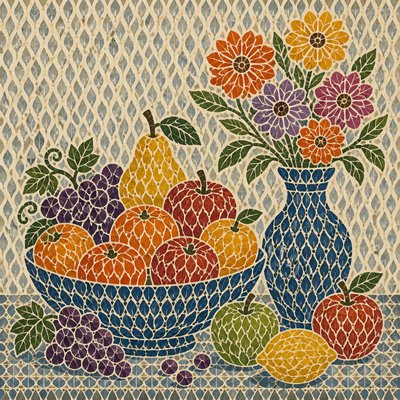
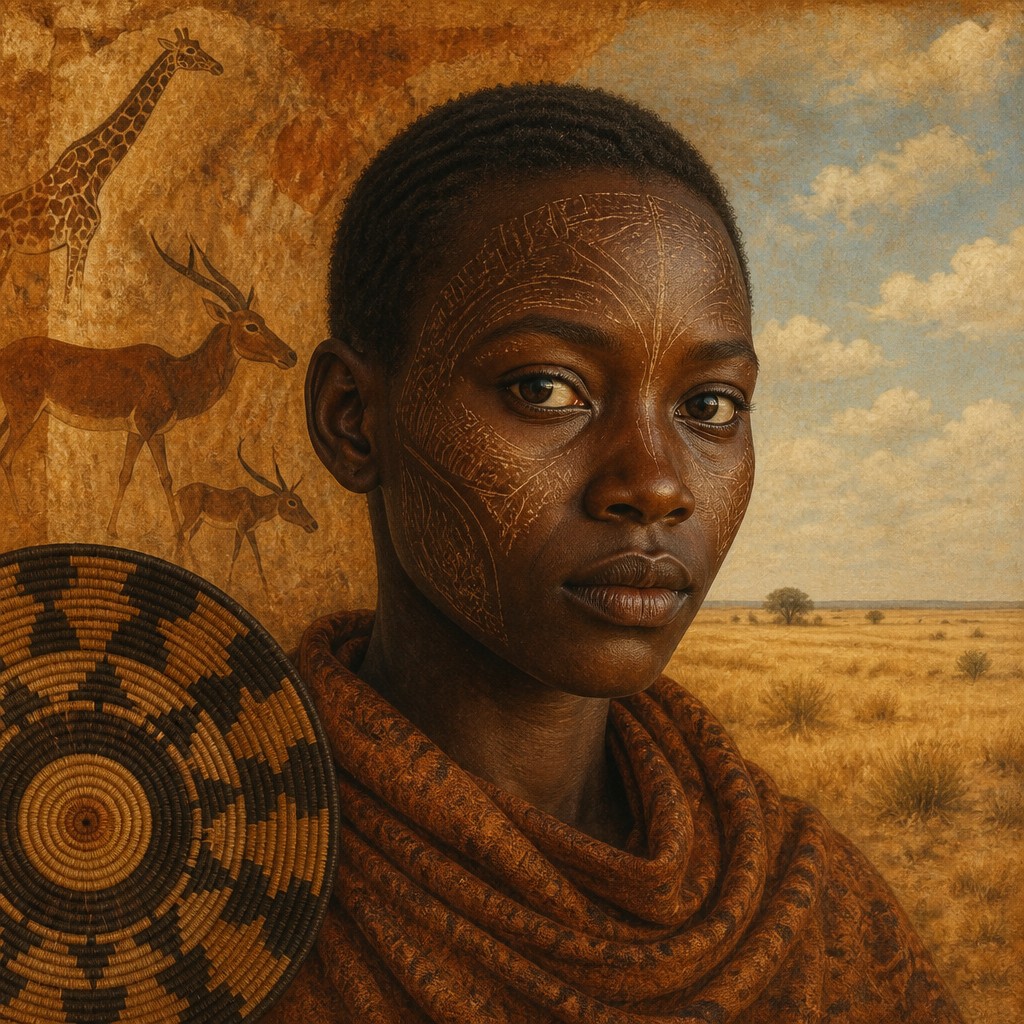
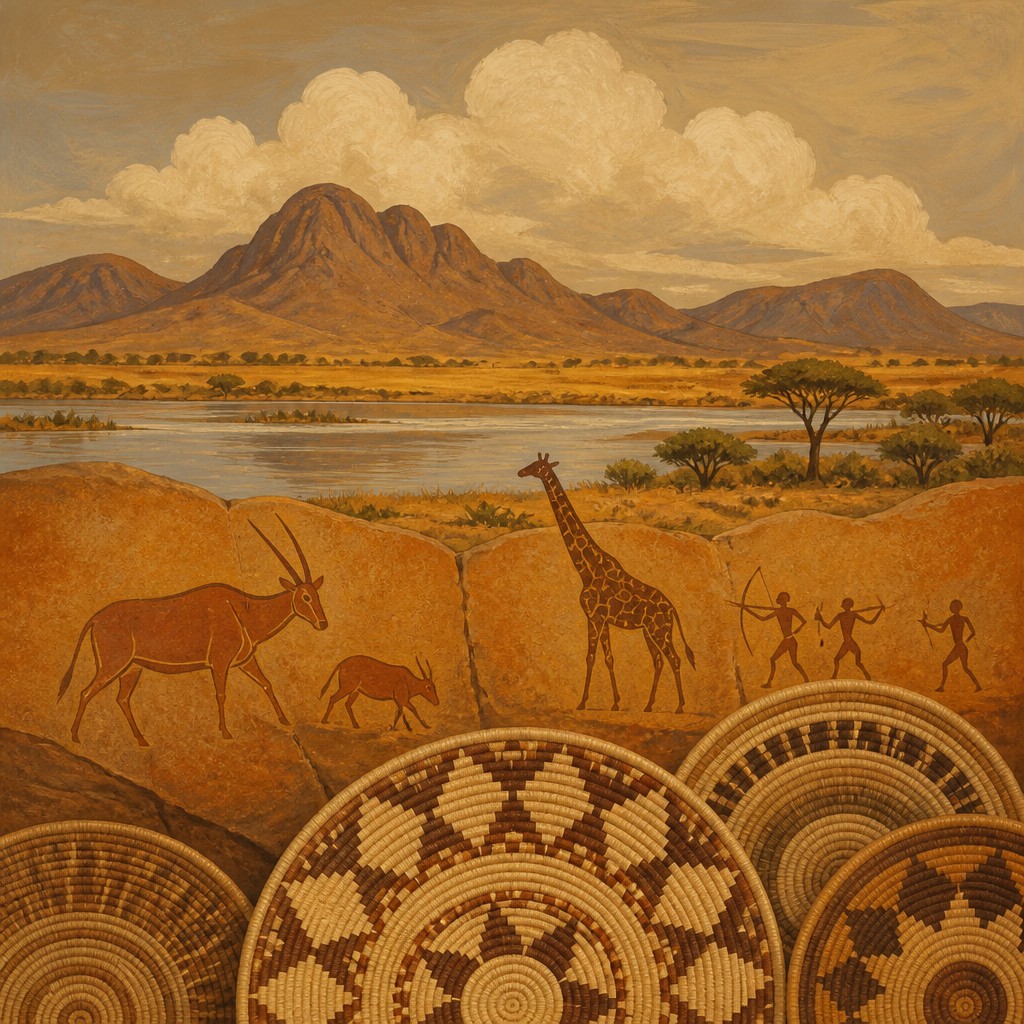
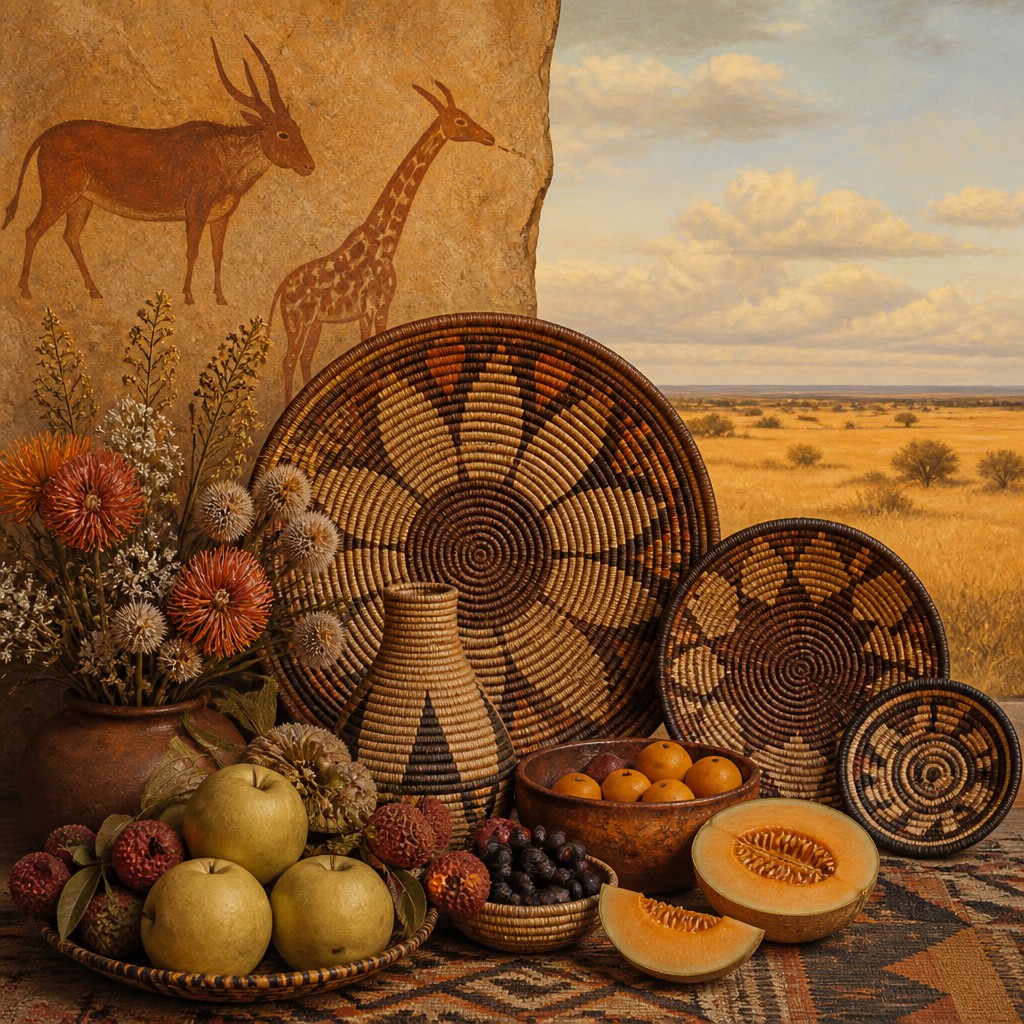
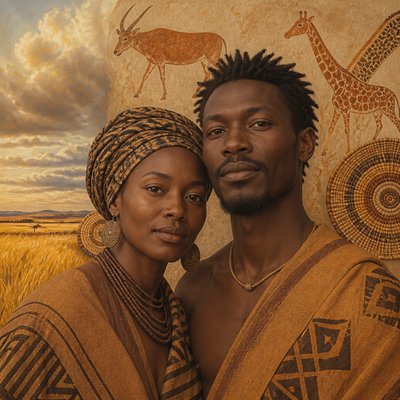
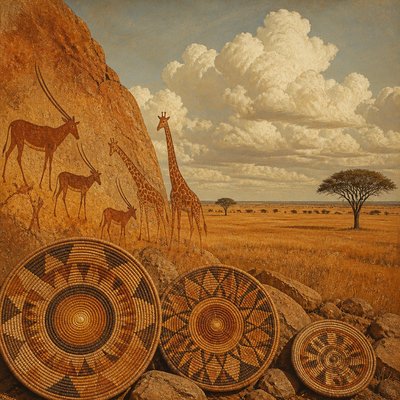
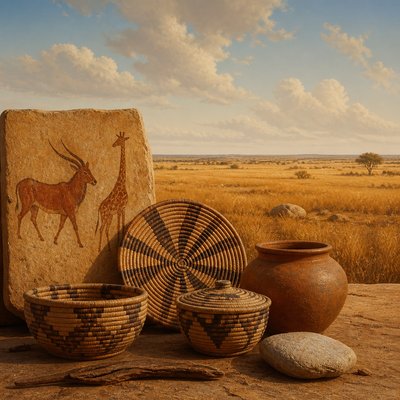
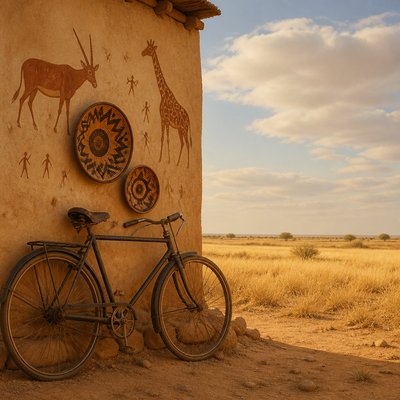
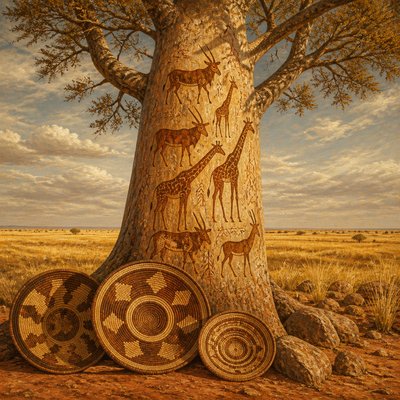
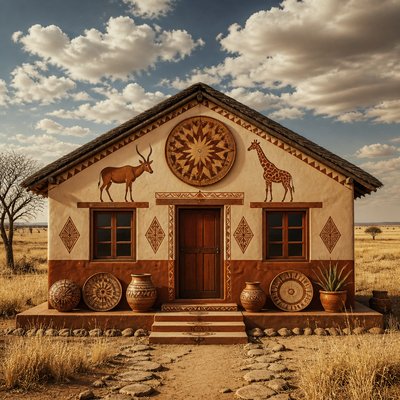
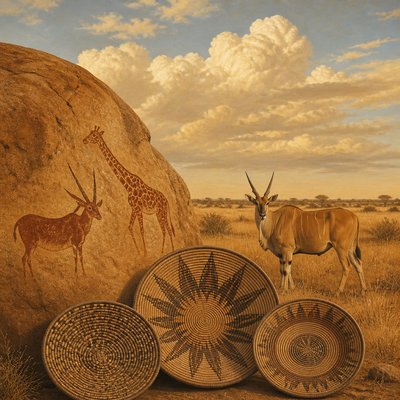
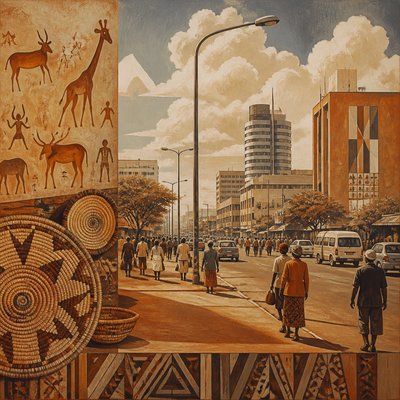
Botswanan Art Style is a contemporary visual synthesis built from two distinctive Botswana-related traditions: the ochre-and-umber imagery of southern African rock art and the tightly coiled, geometric basketry associated especially with Ngamiland. It commonly depicts eland, giraffe, antelope, people, grasses, and desert horizons using simplified figures, limited earth colors, and spacious compositions beneath a broad Kalahari sky.
Its visual identity comes from the contrast between ancient-looking linework and highly ordered woven pattern. Fine pigment marks suggest weathered rock surfaces, while concentric basket coils, radiating geometry, and repeated motifs introduce structure and rhythm. The resulting aesthetic is warm, restrained, tactile, and contemplative, although it should be understood as a modern interpretive style rather than a single historical Botswana art movement.
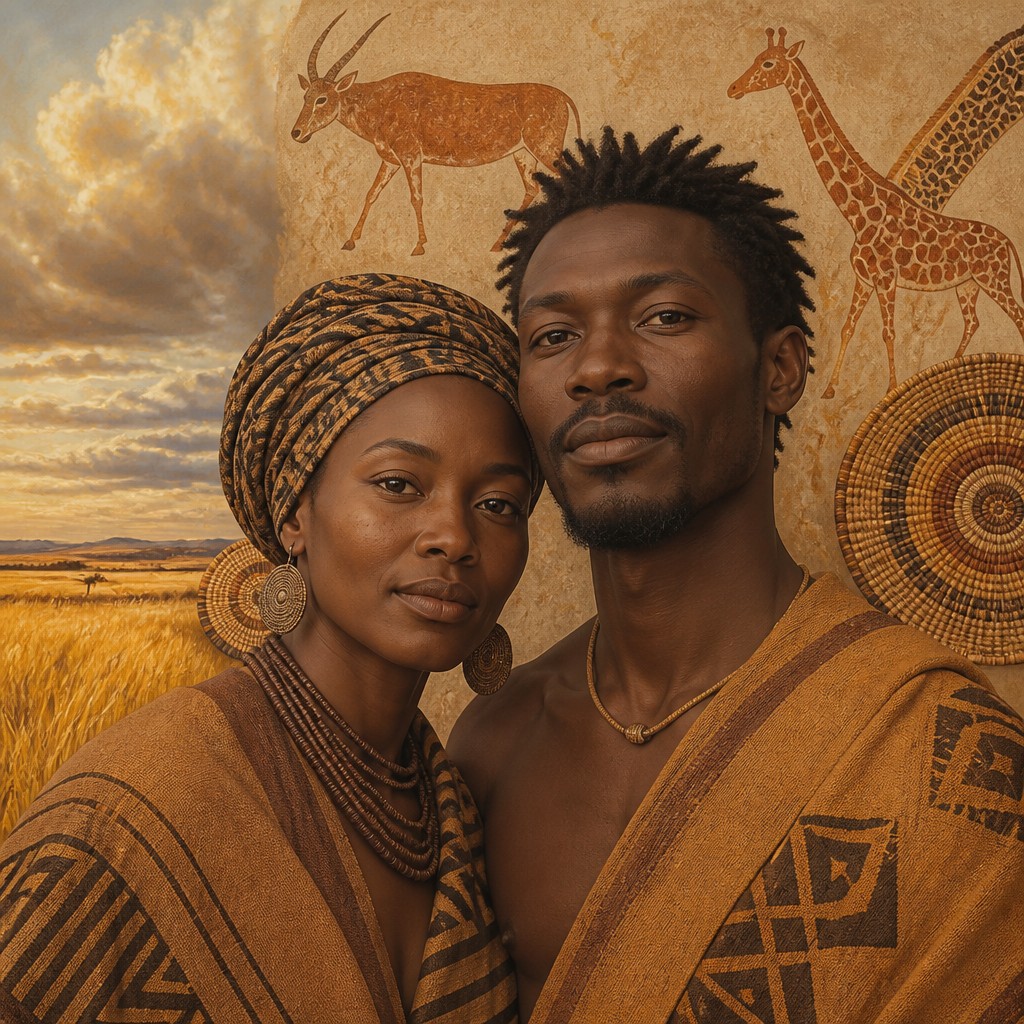
Try It On Your Photos
Upload any photo and convert it into Botswanan Art Style — drag the sliders to compare before and after.
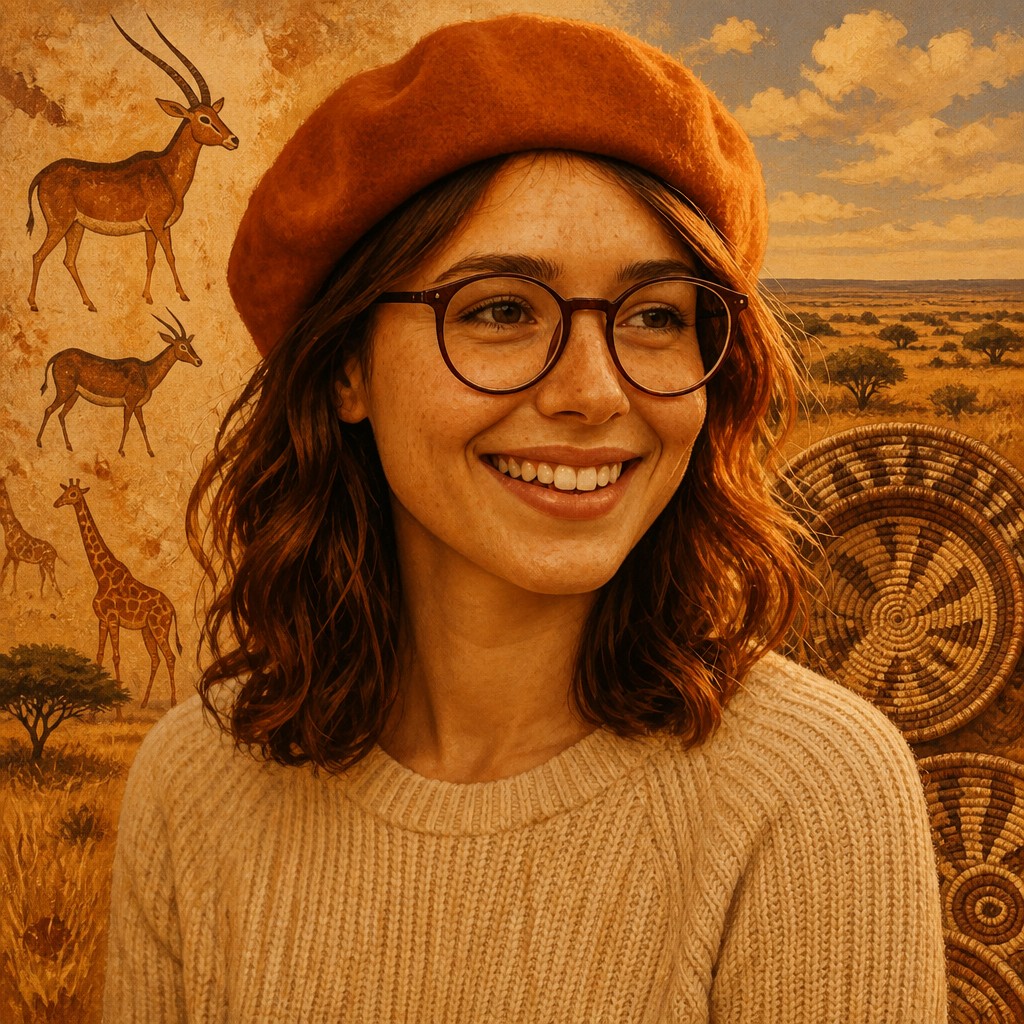

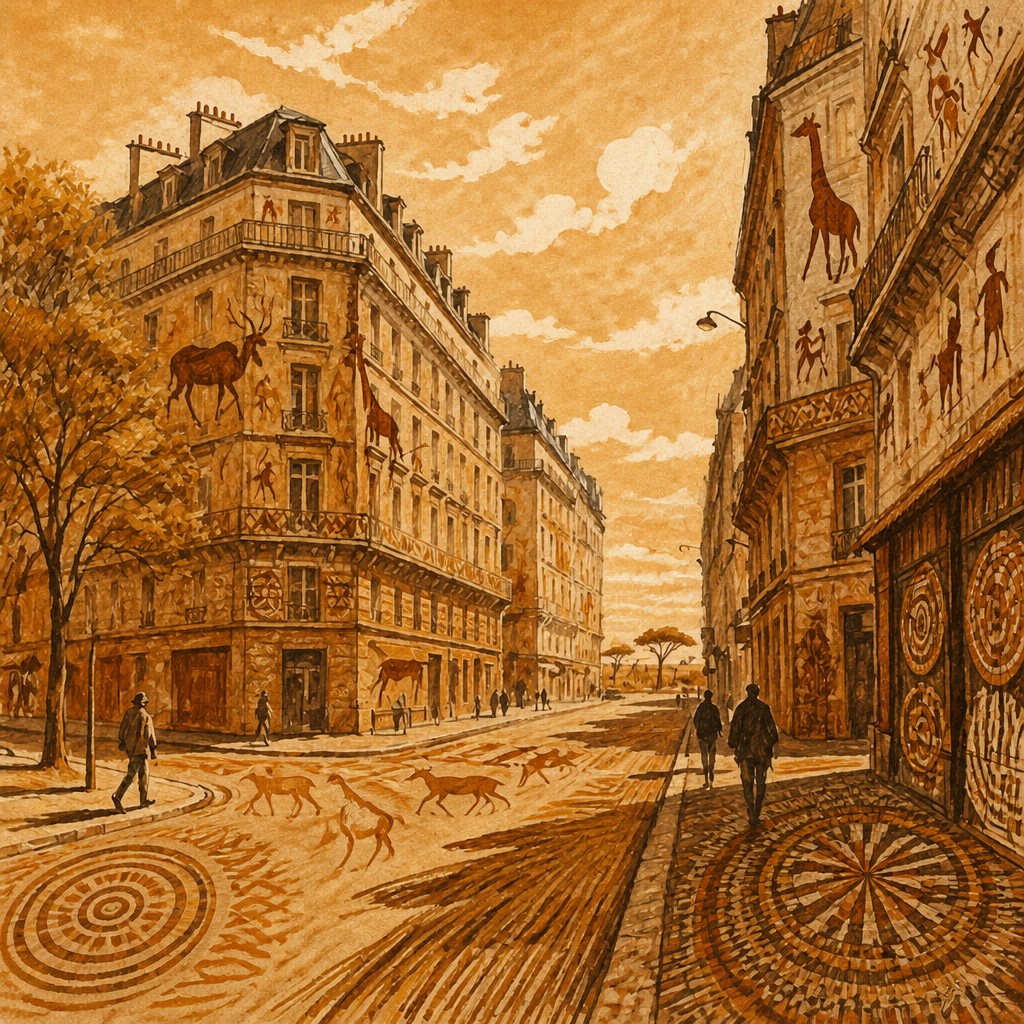

What Defines Botswanan Art Style
The signature details, up close
Ochre and umber pigment
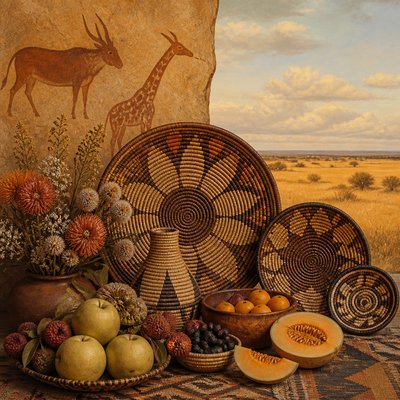
The palette centers on iron-rich red ochre, rust, umber, clay, charcoal, and muted cream. These colors evoke mineral pigments and sun-warmed earth without requiring literal imitation of a particular archaeological surface.
Economical rock-art figures
Animals and people are rendered in spare silhouettes, fine contour lines, profile views, and gesture-rich poses. Eland, giraffe, antelope, and human groups often function as symbolic presences rather than anatomically detailed natural-history studies.
Coiled basket geometry
Concentric coils, radiating bands, diamonds, chevrons, and stepped forms create a woven visual rhythm. These motifs work well as borders, foreground objects, surface patterns, or subtle overlays.
Vast negative space
Low horizons and expansive skies give the composition a spacious, quiet character. A small figure, animal, or basket may be surrounded by broad fields of ochre atmosphere and golden grassland.
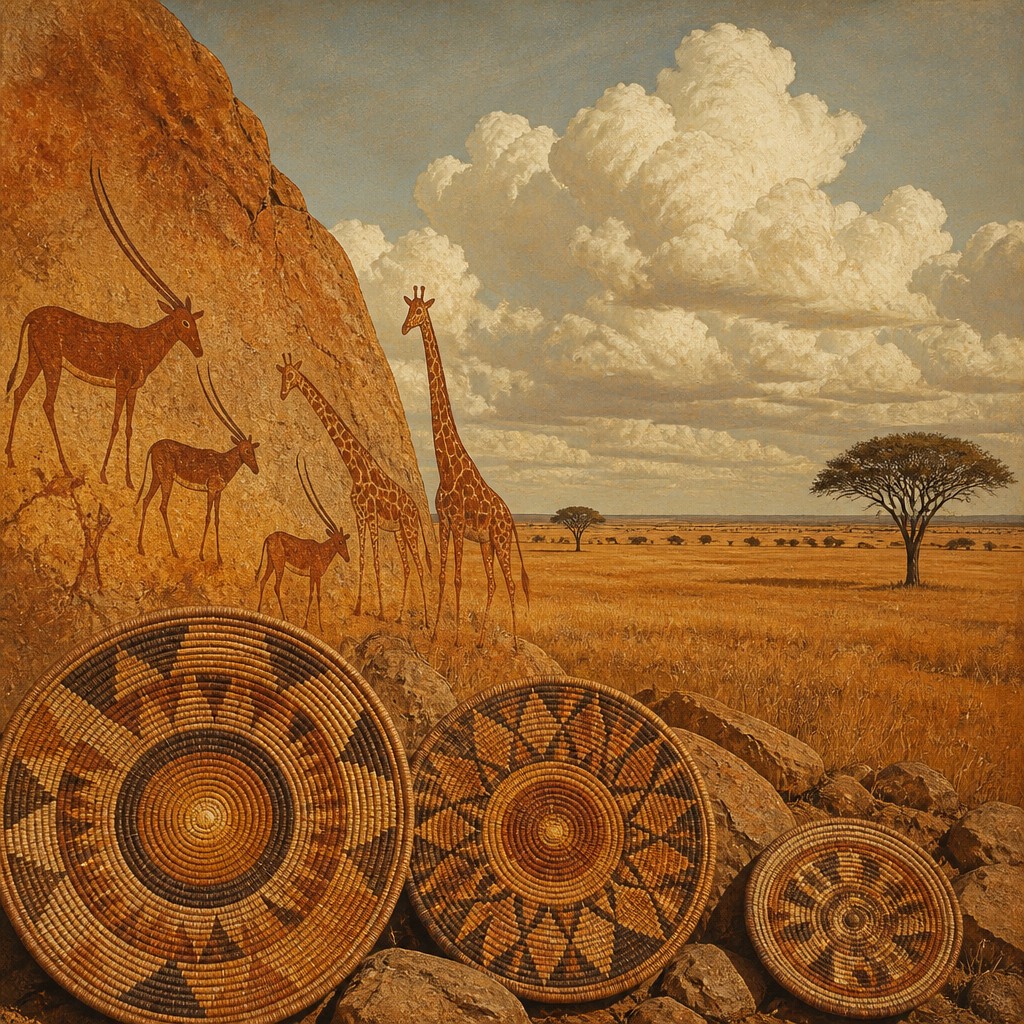
Handcrafted surface
Grain, dry-brush marks, pigment dust, irregular edges, and visible fibers suggest handmade materials. The surface should feel tactile and patiently made rather than glossy or mechanically uniform.
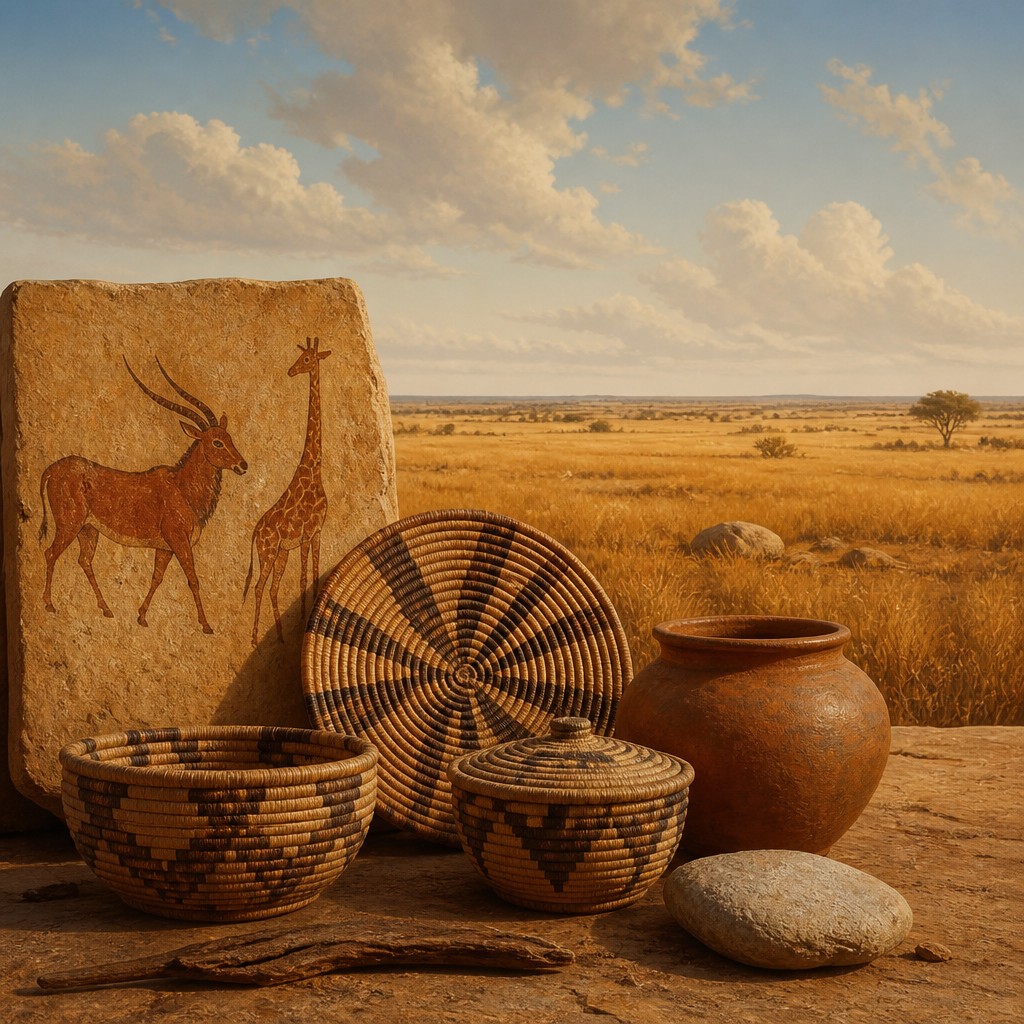
Kalahari light
Warm directional sunlight, long shadows, pale atmospheric distance, and subdued contrast establish the environmental mood. The light is dry and clear, with occasional haze near the horizon.
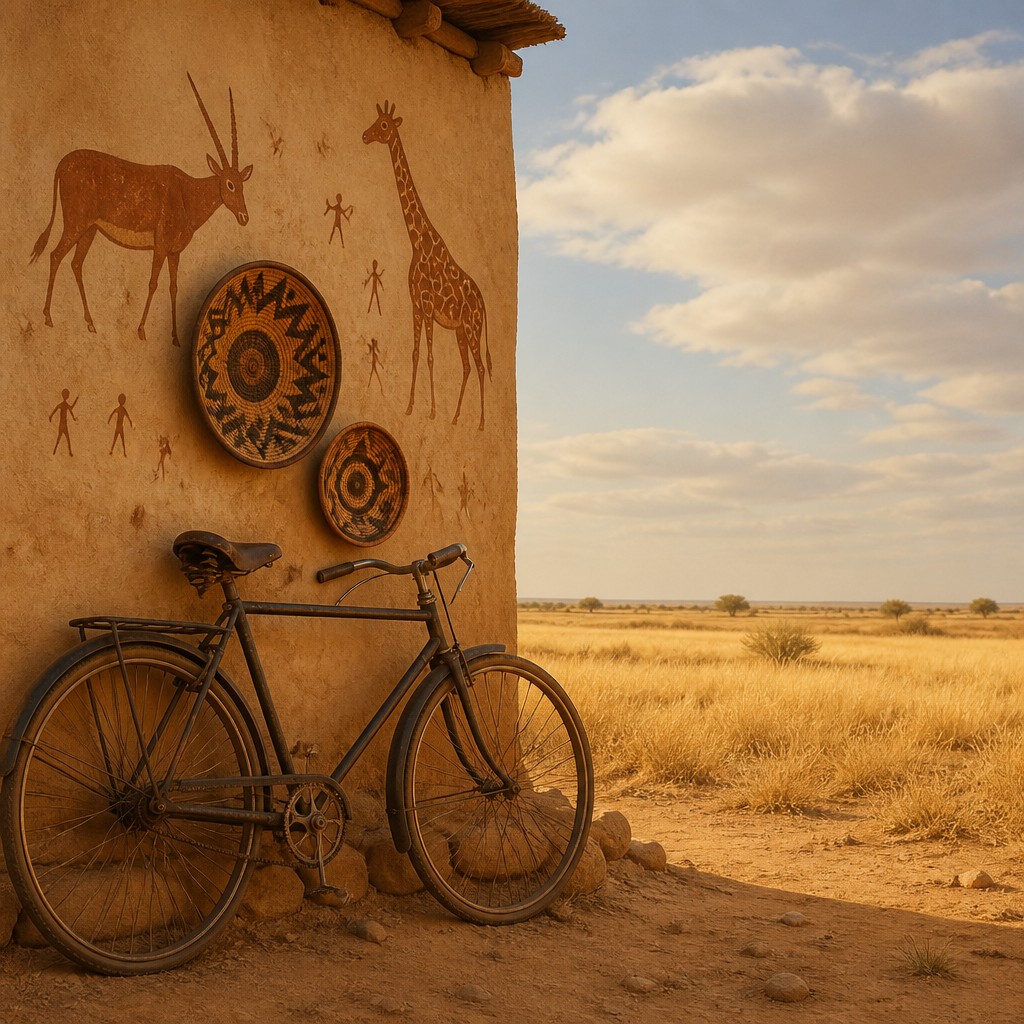
Repetition and stillness
Repeated marks and measured patterns create a contemplative pace. The style favors balance, observation, and visual restraint over crowded narrative detail or dramatic special effects.
Botswanan Prompt Ideas
Start from an idea — each one opens the generator with the style ready to go. See all 40 Botswanan prompts →
How to Create Botswanan Art
Master the craft step by step — or skip straight to creating. Read the full guide →
- 1
Build a mineral palette
Start with red ochre, burnt sienna, umber, charcoal, sand, and faded cream, adding only restrained accents of dark green or blue if necessary. Keep saturation low and let tonal variation come from layering and texture.
- 2
Separate the visual sources
Use rock-art-inspired animal or human forms as one layer of the composition and basket-derived geometric pattern as another. Avoid presenting sacred or archaeological imagery as a literal pattern library, and identify the references clearly when making cultural work.
- 3
Work with tactile marks
In physical media, try diluted earth pigments, dry brush, chalk, charcoal, rough paper, or textured gesso; for basket forms, draw the coil as a continuous line before adding color blocks. Digitally, use grain, opaque brushes, broken edges, and subtle fiber overlays rather than polished gradients.
- 4
Compose for spaciousness
Place the horizon low, leave generous areas of sky, and use one or two clear focal subjects. Repeated grass strokes, distant silhouettes, and a restrained border can provide rhythm without filling every part of the frame.
- 5
Guide a text prompt precisely
Specify the subject, mineral palette, simplified ochre figures, coiled basket geometry, Kalahari setting, handmade pigment texture, and broad negative space. Add exclusions such as glossy 3D rendering, neon color, photorealistic skin, excessive detail, or crowded composition when needed.
- 6
Transform an existing image thoughtfully
A portrait, animal photograph, or landscape can be simplified into contour figures, flattened into earth tones, and given a woven geometric border. Preserve the subject's identity or anatomy where appropriate, and avoid implying that a digitally altered image is an authentic archaeological or Indigenous artifact.
The Story
History & Origins of Botswanan
The style draws primarily on the long rock-art heritage of Botswana and neighboring parts of southern Africa, including painted and engraved imagery associated with San hunter-gatherer traditions. Sites such as the Tsodilo Hills preserve extensive rock art made over many periods, with animals, human figures, movement, and ritual or symbolic imagery appearing in mineral pigments and engraved lines. The meanings of individual images are context-dependent and cannot be reduced to a single decorative vocabulary.
It also draws on basket-making traditions of northern Botswana, particularly Ngamiland, where mokolwane palm and other plant materials are prepared, dyed, and coiled or woven into vessels with strong geometric designs. The modern Botswanan Art Style combines these separate visual lineages with landscape painting, illustration, and digital image-making. It is therefore best treated as an aesthetic lineage and respectful contemporary interpretation, not as a claim that rock painting and basketry originated as one unified school.
Influences: Its closest influences are southern African rock painting and engraving, San-associated visual traditions, Botswana landscape imagery, and the coiled and patterned basketry of northern Botswana, especially Ngamiland. It also relates to earth-pigment painting, archaeological modernism, vernacular craft design, minimal landscape illustration, and contemporary mixed-media practices that combine diagrammatic figures with textile or fiber patterns. These relationships are interpretive rather than evidence of a single historical movement.
Frequently Asked Questions
What defines the Botswanan Art Style?
It is defined by a warm mineral palette, simplified rock-art-inspired figures, expansive Kalahari space, and tightly organized basket-coil geometry. Its mood is tactile, restrained, and contemplative, with repeated marks taking the place of dense realism.
Is Botswanan Art Style a historical art movement?
No. The label describes a contemporary synthesis rather than a documented historical school. It draws from distinct Botswana traditions, including rock art and Ngamiland basketry, and should not be presented as an ancient unified style.
How is it different from African tribal art or generic primitive art?
Those broad labels can flatten many unrelated cultures and histories into a vague category. This style is more specific about its references to Botswana's landscapes, rock-art heritage, and basket-making traditions, while recognizing that these sources have different contexts and meanings.
What materials work best for making it traditionally?
Rough paper, clay-colored paint, charcoal, chalk, dry brushes, natural-fiber collage, and handmade pigments can produce the desired surface. Layering translucent earth colors and leaving irregular edges is more effective than trying to create a perfectly clean imitation of rock.
Can photographs be transformed into this style?
Yes. Landscapes, animals, objects, and portraits can be reduced to strong silhouettes, limited earth tones, and visible pigment texture. Keep culturally specific motifs contextualized, and do not claim that the transformed image is an authentic historical or Indigenous artwork.
Where is this style commonly used?
It suits editorial illustration, landscape studies, poster art, textile and surface design, educational images about southern African environments, and atmospheric digital compositions. It is less appropriate when a project requires precise archaeological reconstruction or faithful documentation of a specific community's ceremonial imagery.
Create your first Botswanan artwork
Describe anything — or upload a photo — and see it in Botswanan Art Style in seconds.
Related Styles
Discover similar art styles