Quito Art Style
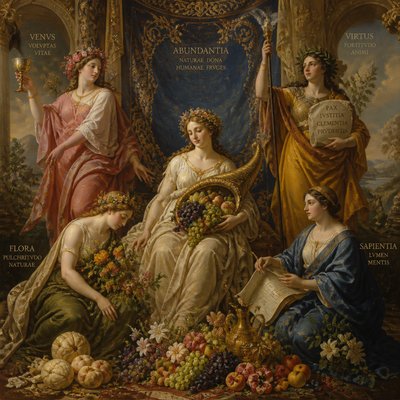
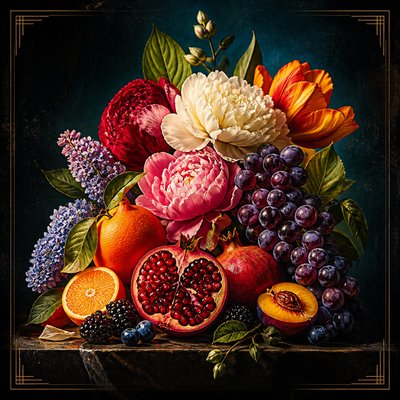
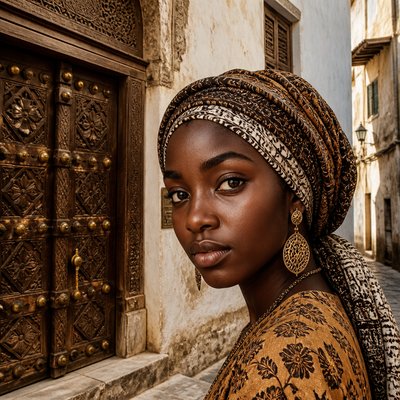
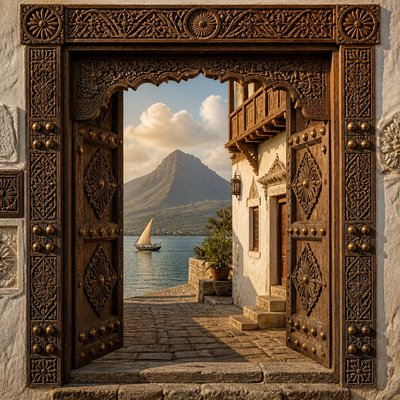
Explore Quito Art Style: lifelike colonial polychrome wood sculpture with glass eyes, estofado gilding, carved drapery, and candlelit devotional drama.
Instantly rendered in Quito — or transform a photo
Quito Gallery
Tap any artwork to explore it
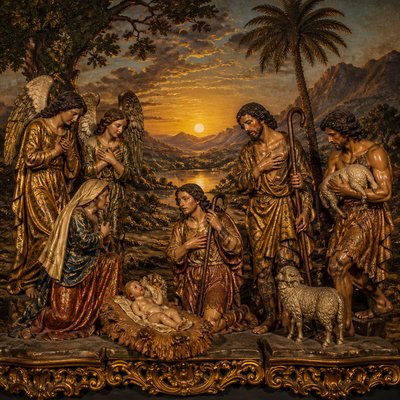
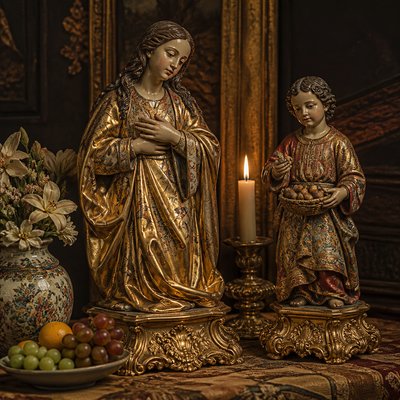
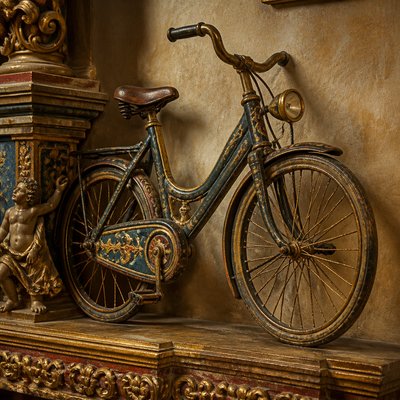
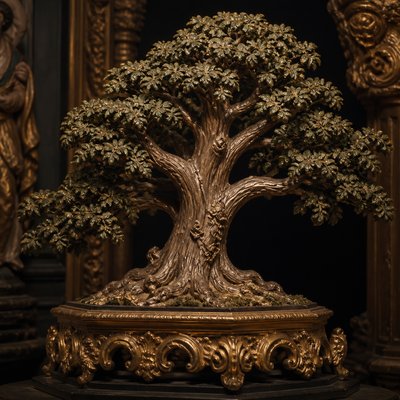
What is Quito Art Style?
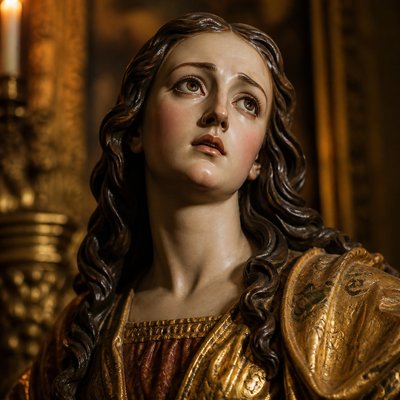
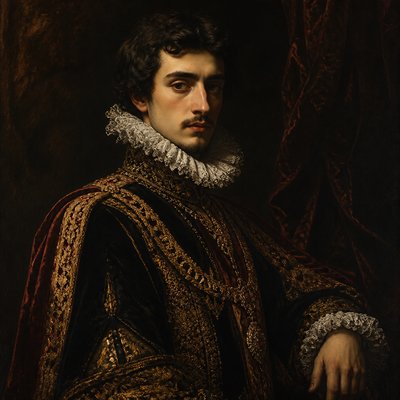
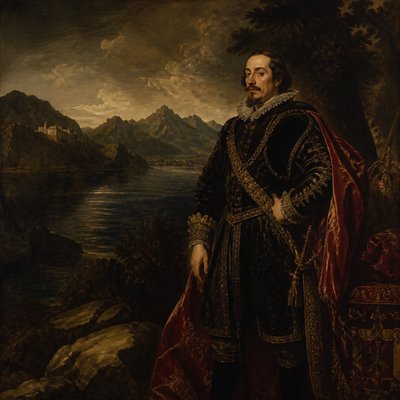
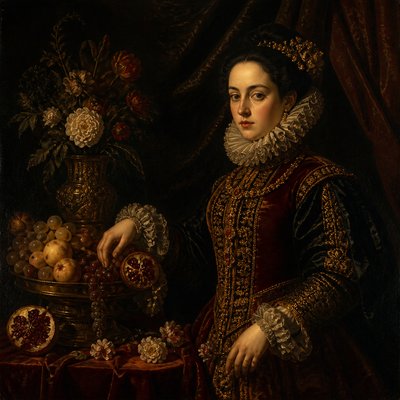
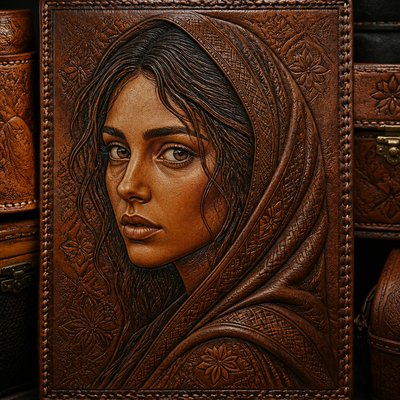
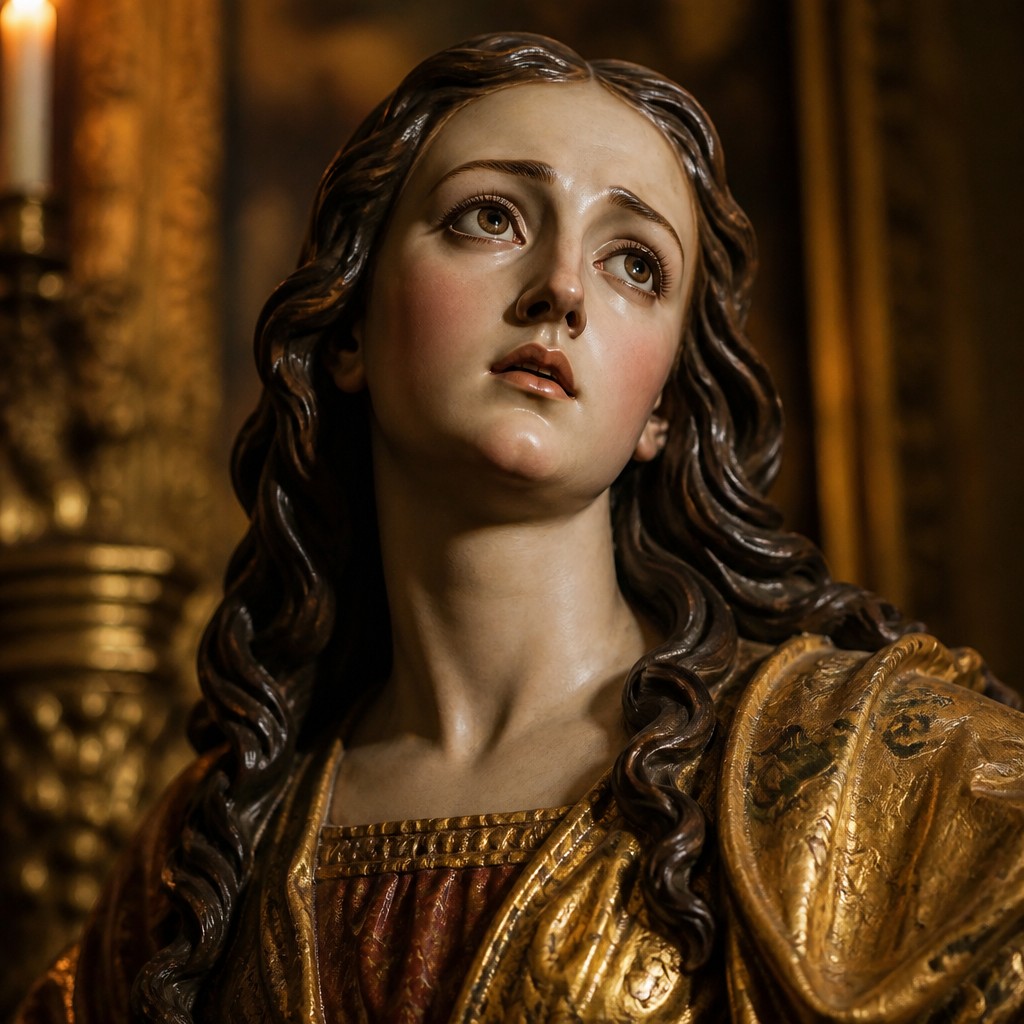
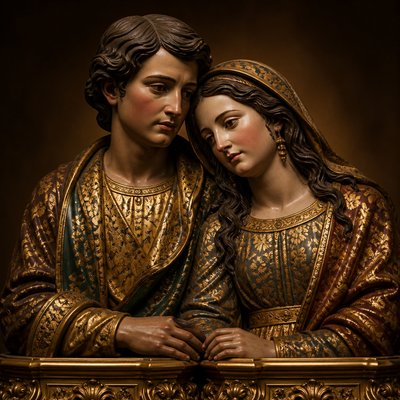
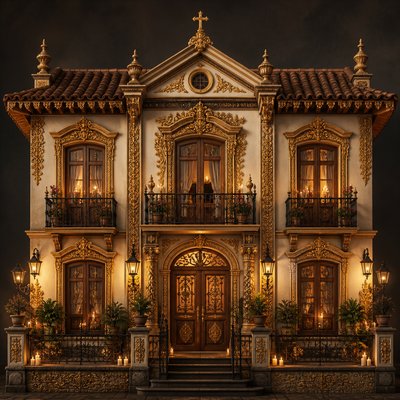
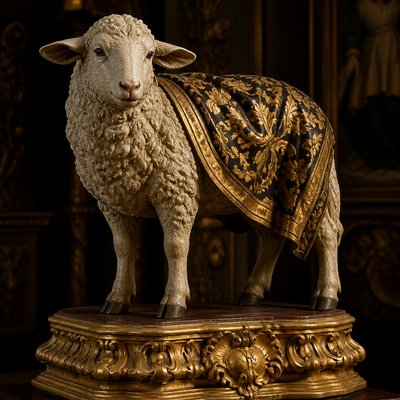
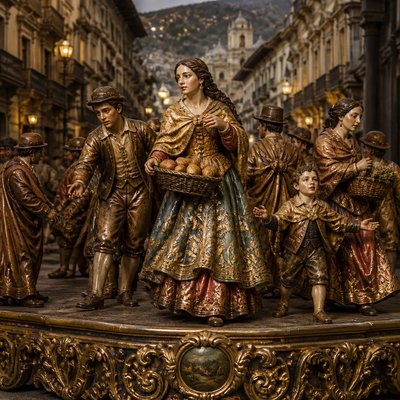
Quito Art Style refers to the richly polychromed, highly naturalistic devotional sculpture associated with the colonial artistic tradition of Quito, Ecuador. Its visual language combines carved wooden bodies, lifelike glass eyes, delicately painted complexions, flowing hair, gilded garments, and carefully modeled gestures to create figures that appear physically present and emotionally accessible.
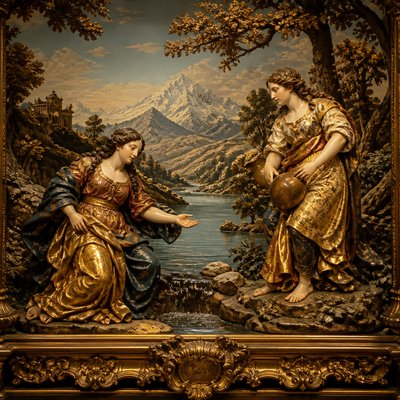
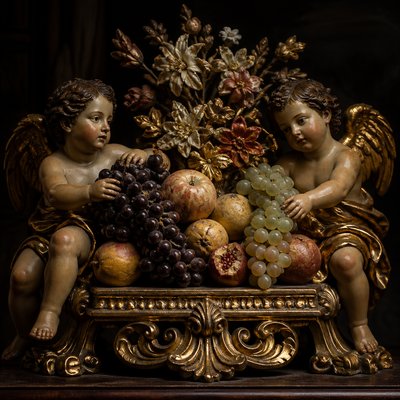
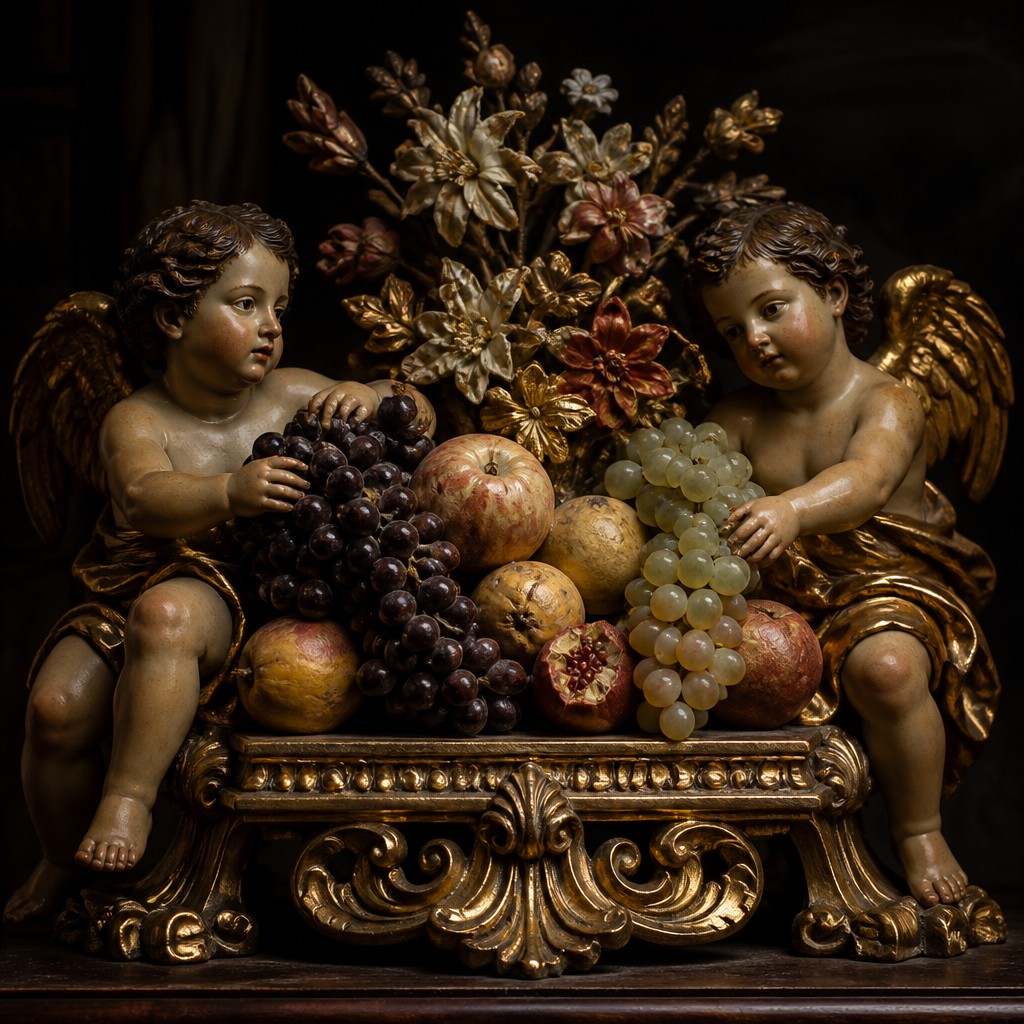
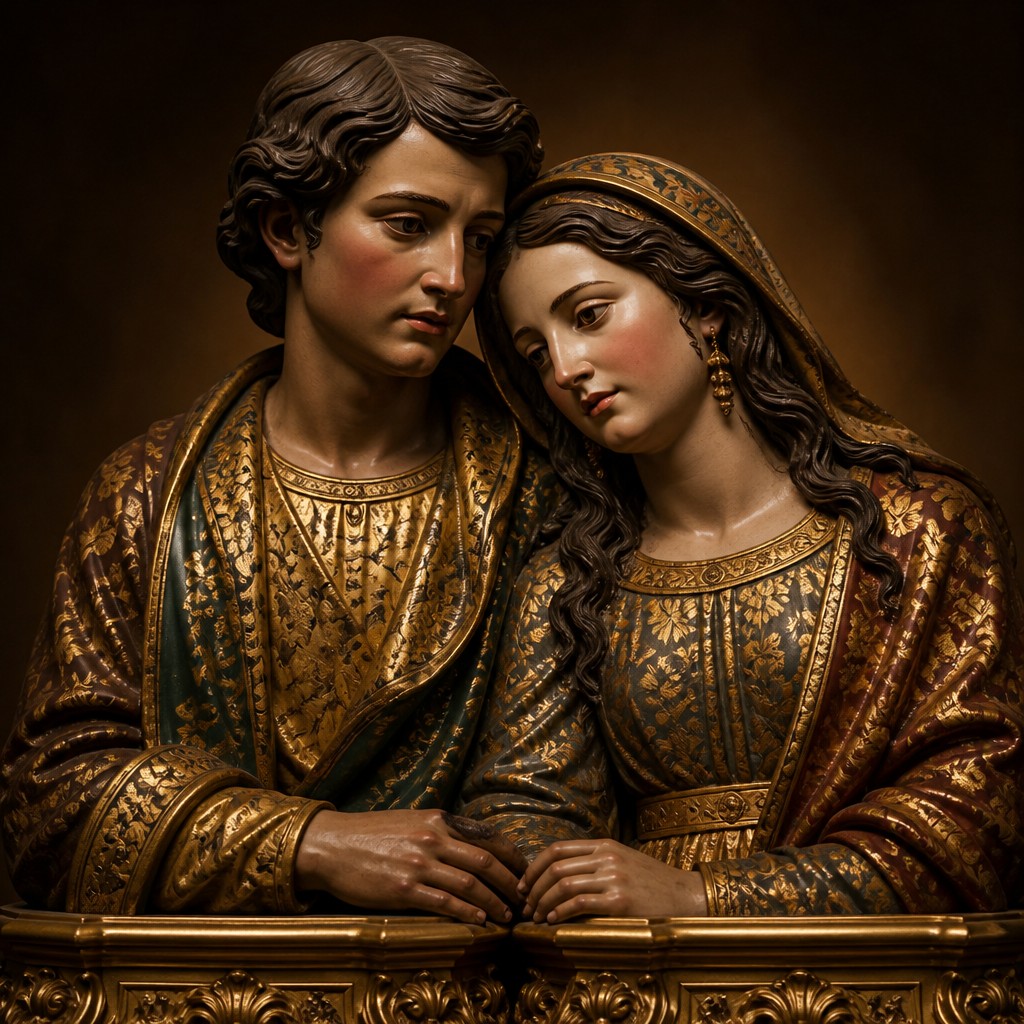
The style is recognized for its tension between realism and splendor. Skin is painted in nuanced flesh tones, while drapery may be covered with gold leaf and decorated through estofado, a technique in which painted layers are scratched or incised to reveal ornamental gold patterns. Warm chiaroscuro, reflective surfaces, and ornate bases reinforce the sense of a sacred figure illuminated by candlelight.
Try It On Your Photos
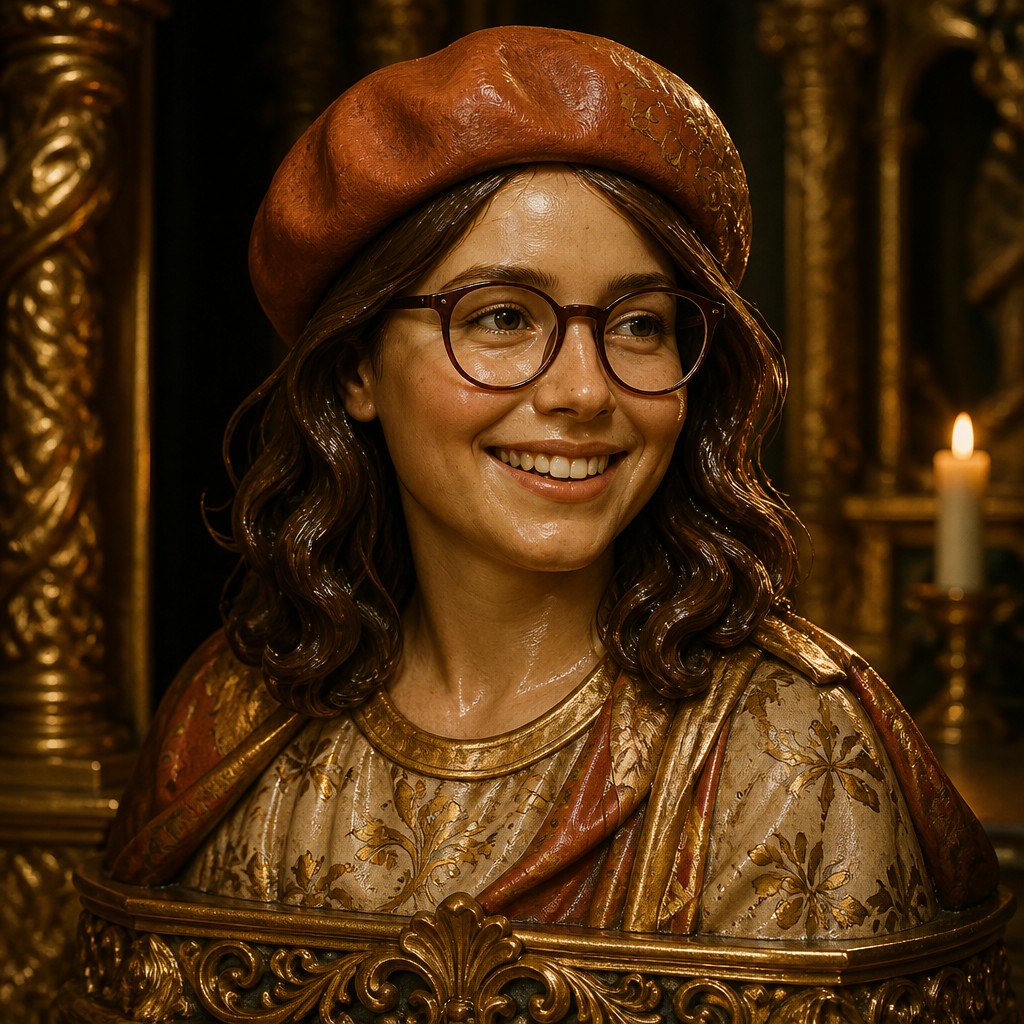
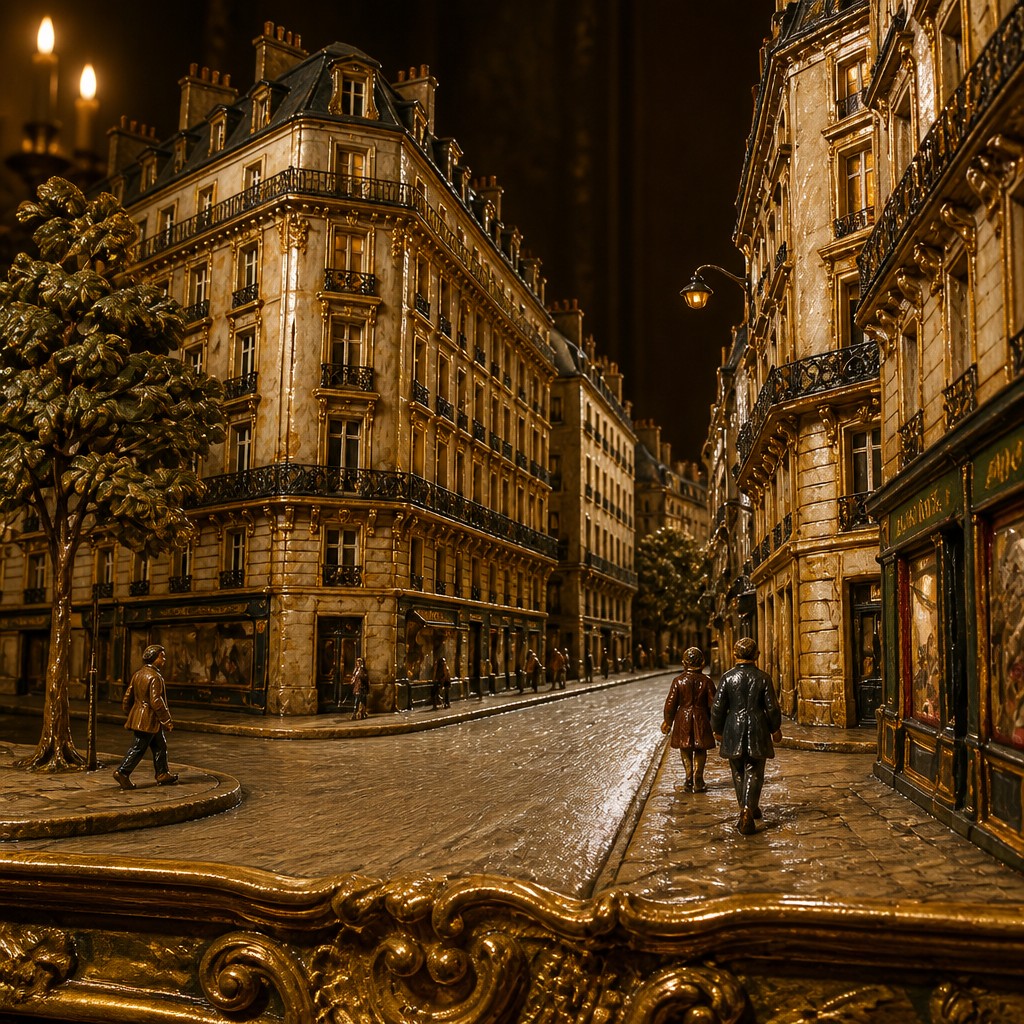
Upload any photo and convert it into Quito Art Style — drag the sliders to compare before and after.


What Defines Quito Art Style
The signature details, up close
Lifelike facial features
Faces are modeled and painted with subtle flesh tones, expressive mouths, carefully shaped brows, and glass eyes that create an unusually direct, human presence.
Polychromed carved wood
Figures begin as carved wooden forms covered with a prepared ground, then receive layered paint, shading, and surface detail. The finish can range from restrained naturalism to intensely saturated devotional color.
Estofado gilding
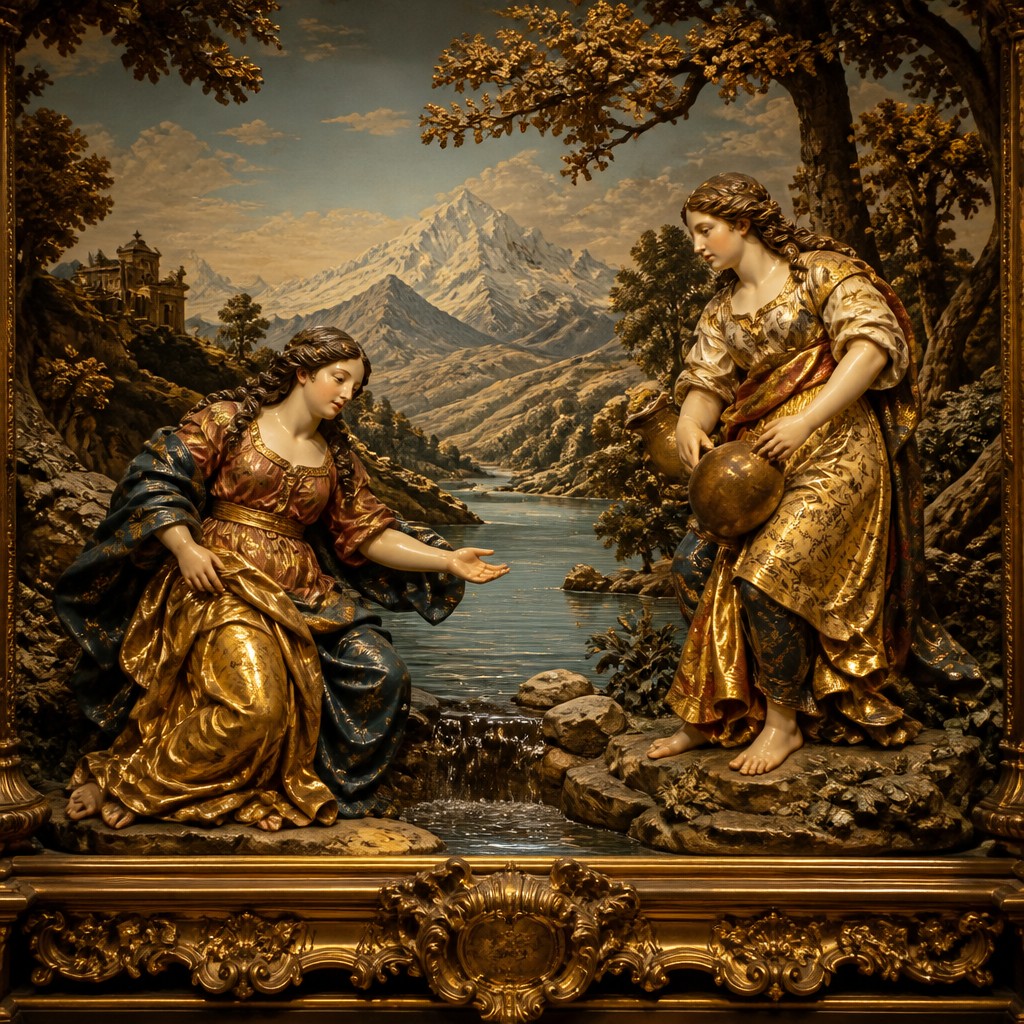
Gold leaf is applied beneath colored paint and selectively revealed by incising or scraping the upper layer. The resulting patterns imitate luxurious woven textiles and articulate the folds of robes.
Naturalistic drapery
Garments are carved with flowing, weight-bearing folds and then enhanced with painted highlights, shadows, borders, and gold ornament. The treatment makes rigid wood suggest supple fabric.
Expressive devotional gestures
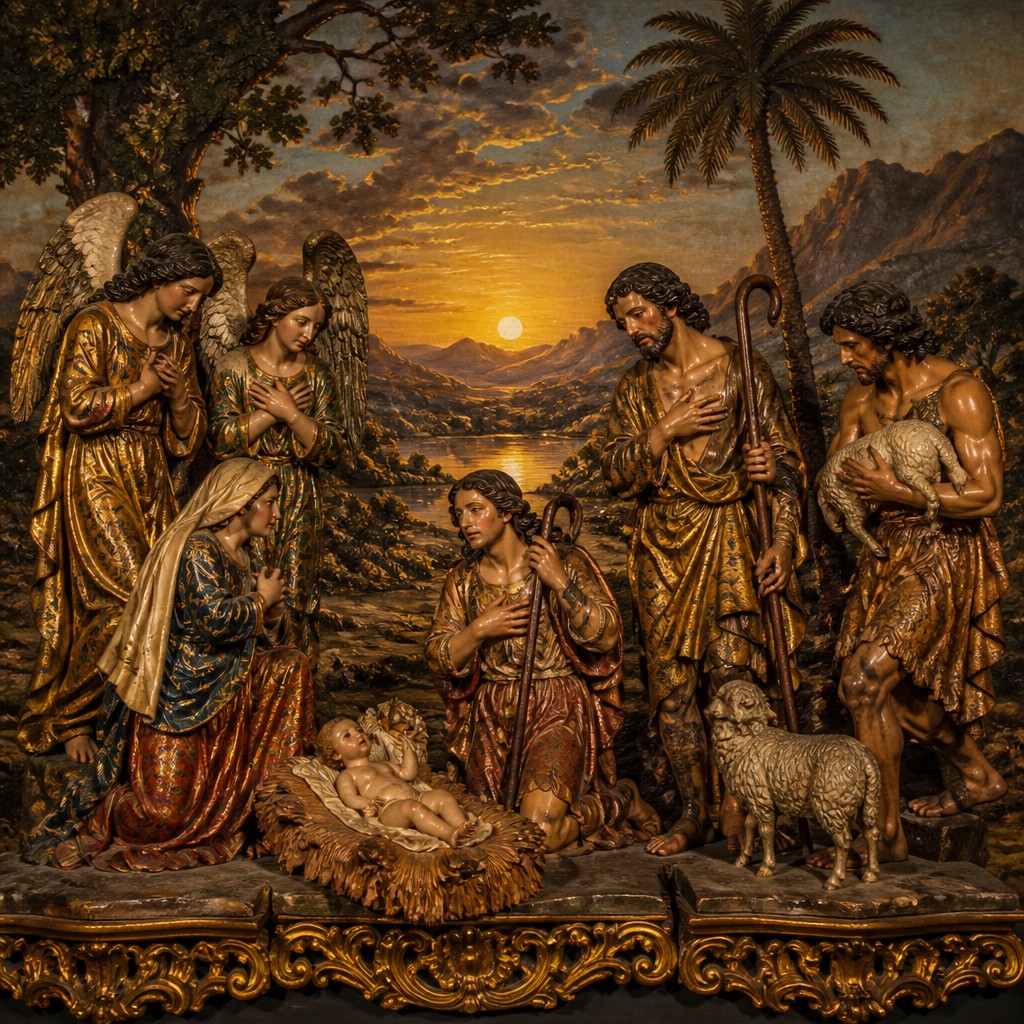
Open hands, inclined heads, upward gazes, and composed contrapposto communicate prayer, grief, compassion, or revelation. The pose is generally theatrical but remains centered on emotional clarity.
Hair and tactile detail
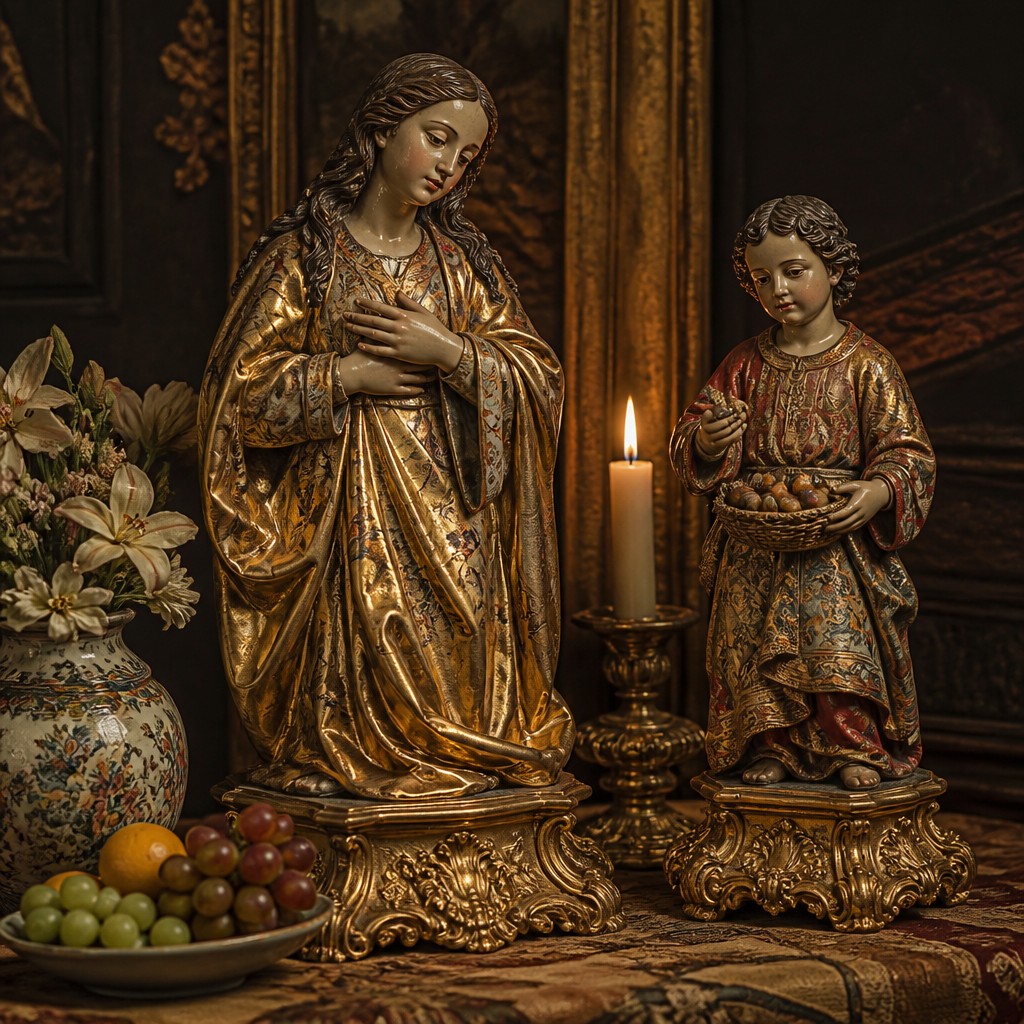
Carved or applied hair is rendered in flowing strands, curls, or locks, often combined with realistic eyelashes, teeth, tears, wounds, or finely painted accessories.
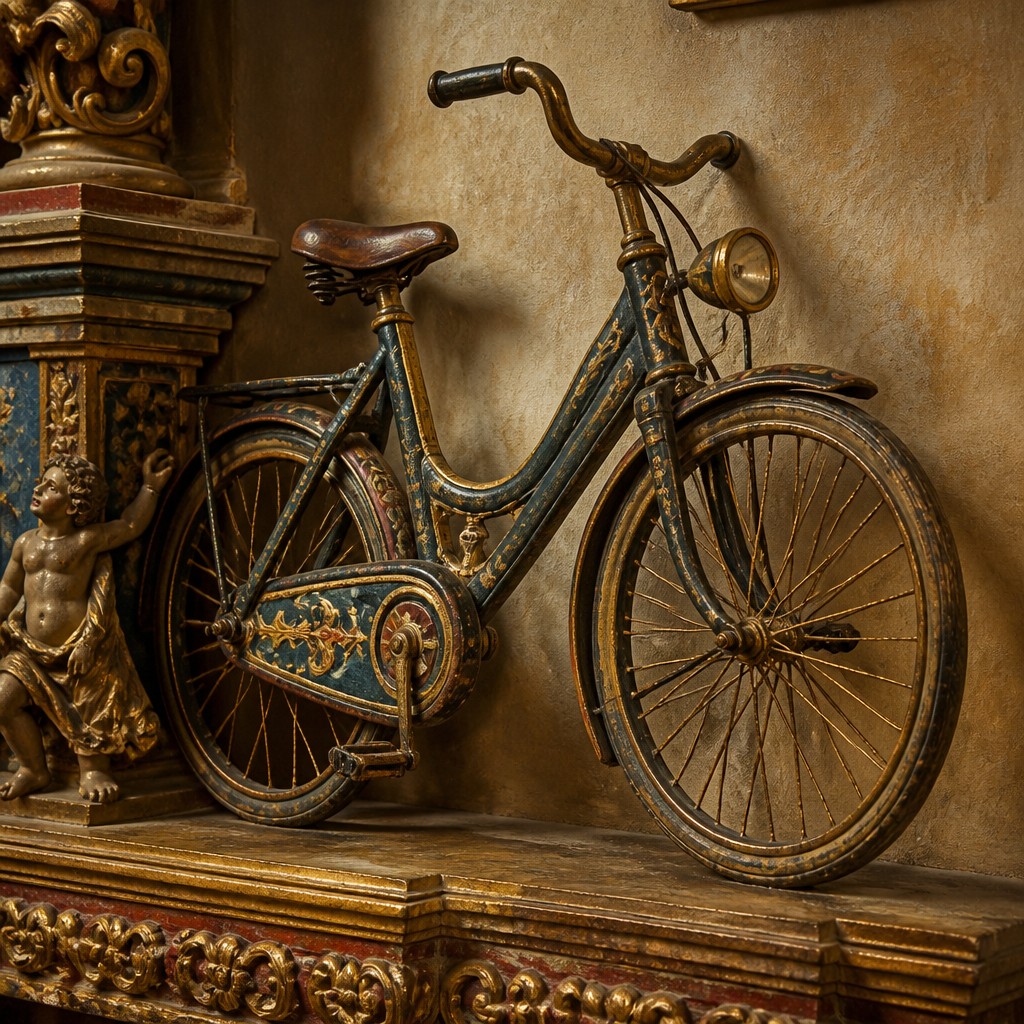
Candlelit theatricality
Deep shadows, warm highlights, glossy eyes, and reflective gilding produce a concentrated chiaroscuro effect reminiscent of a chapel lit by candles.
Quito Prompt Ideas
Start from an idea — each one opens the generator with the style ready to go. See all 40 Quito prompts →
How to Create Quito Art
Master the craft step by step — or skip straight to creating. Read the full guide →
- 1
Build the figure in wood or a digital equivalent
For a traditional work, carve a stable wooden form, seal it, and apply a smooth ground before painting. Digitally, preserve visible evidence of carved planes, joins, and shallow tool shaping rather than making the figure look like seamless plastic.
- 2
Layer the surface
Use a ground layer, opaque polychrome paint, transparent shadows, and selectively brighter highlights to create dimensional skin and fabric. Keep the complexion varied with subtle reds, ochres, cool shadows, and restrained gloss.
- 3
Use gold as structure and ornament
Apply gold leaf or a convincing digital approximation beneath colored garment layers, then reveal patterned lines through estofado-like incisions. Place gilding on raised folds, hems, halos, and borders so it supports the form instead of flattening it.
- 4
Make the eyes and pose intentional
Install glass eyes in physical sculpture or specify translucent, reflective eyes with a clear focal direction in digital work. Use an elegant, emotionally legible pose and avoid random anatomical exaggeration.
- 5
Light like a devotional object
Illuminate the figure with one or two warm candlelike sources, allowing strong highlights on the eyes, cheekbones, gold, and raised folds while retaining deep surrounding shadows. An ornate pedestal or chapel-like setting can reinforce the presentation.
- 6
Write a precise generation prompt
For text-to-image or image-to-image work, specify carved gessoed wood, glass eyes, nuanced polychrome skin, estofado gold drapery, naturalistic hair, candlelit chiaroscuro, and an ornate gilded base. Also state the subject, pose, camera distance, and desired level of museum-quality surface detail.
The Story
History & Origins of Quito
The tradition developed in the late sixteenth century and flourished through the seventeenth and eighteenth centuries in the colonial Audiencia of Quito, within workshops serving churches, religious communities, and private devotional practice. It grew from European Catholic sculpture and Baroque artistic models, adapted to local materials, labor, imagery, and workshop customs by Indigenous, mestizo, and European-trained makers.
Quito's colonial sculpture often emphasized the emotional immediacy of saints, Madonnas, angels, and Passion figures. Its production involved specialized stages including wood carving, ground preparation, gilding, polychrome painting, facial detailing, installation of glass eyes, and the addition of hair, textiles, or metal accessories. The style's influence remains visible in Ecuadorian religious art, museum collections, conservation practice, and contemporary reinterpretations of colonial sculpture.
Influences: Quito Art Style is closely related to Spanish colonial Baroque sculpture, Catholic devotional imagery, Iberian polychrome wood carving, and the broader visual culture of the Escuela Quiteña. It also reflects European naturalism in facial expression and drapery, local workshop knowledge, Indigenous and mestizo craftsmanship, Andean materials and devotional contexts, and the theatrical lighting associated with Baroque religious art. Related traditions include colonial sculpture from other Latin American centers, estofado ornament, and later museum-oriented revivals of sacred polychrome carving.
Frequently Asked Questions
What defines Quito Art Style?
Its defining features are lifelike polychrome wooden figures, glass eyes, naturalistic faces and hands, richly gilded drapery, and expressive devotional poses. Estofado ornament and warm candlelit chiaroscuro are especially characteristic.
Is Quito Art Style a historical movement or a modern label?
It refers to a genuine colonial Ecuadorian artistic tradition commonly associated with the Escuela Quiteña, which developed from the late sixteenth through the eighteenth centuries. The exact label can also be used today for digital or contemporary works that draw on that tradition.
What is estofado?
Estofado is a decorative gilding technique used in polychrome sculpture. Gold leaf is covered with paint, and the upper layer is scratched or incised to expose the gold in patterns that resemble brocade, embroidery, or woven ornament.
How does it differ from ordinary Baroque sculpture?
Quito Art Style shares Baroque drama, movement, and religious subject matter, but it is particularly identified with Ecuadorian colonial workshop practices and highly finished polychrome wood. Glass eyes, painted flesh, applied hair, and elaborate estofado garments give it a distinctive tactile realism.
Can this style be made without carving wood?
Yes. A physical artist can adapt the approach to clay, resin, plaster, or mixed media, while a digital artist can reproduce carved planes, gesso, painted flesh, gold leaf, and glass reflections through careful modeling and texturing. The surface logic and lighting are more important than the material alone.
Where is Quito Art Style commonly seen?
Its historical examples are found in Ecuadorian churches, convents, museums, and collections of colonial religious art. Contemporary versions appear in sculpture, illustration, digital concept work, historical visualization, and devotional or heritage-focused image making.
Create your first Quito artwork
Describe anything — or upload a photo — and see it in Quito Art Style in seconds.
Related Styles
Discover similar art styles