Zakopane Art Style
Explore Zakopane Art Style: steep alpine chalets, carved pine ornament, highlander motifs, timber construction, and Podhale folk design.
Instantly rendered in Zakopane — or transform a photo
Zakopane Gallery
Tap any artwork to explore it
What is Zakopane Art Style?
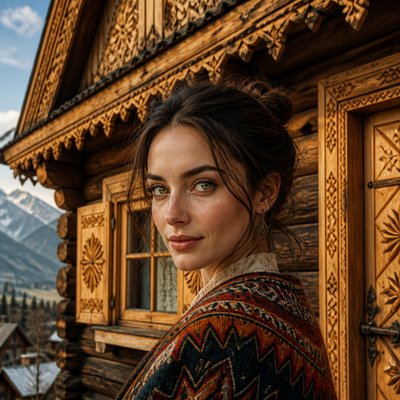
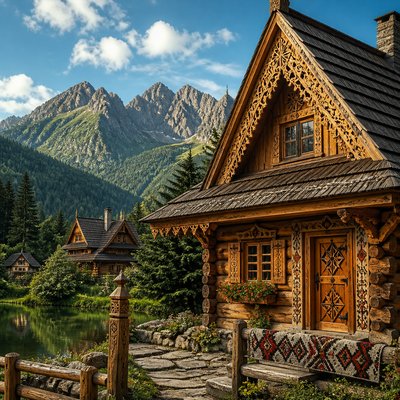
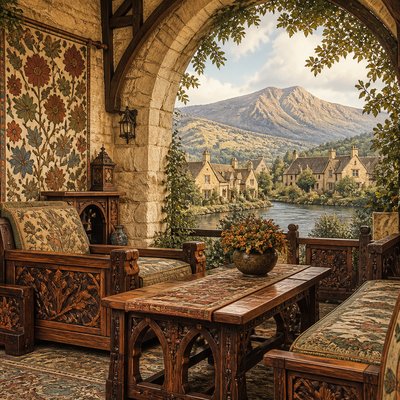
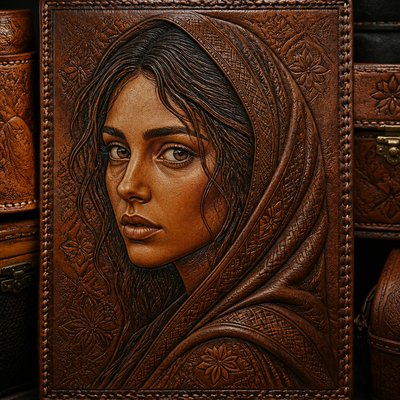
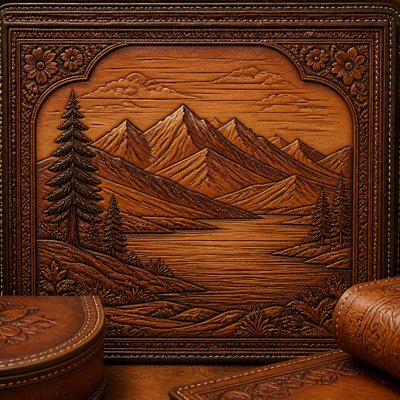
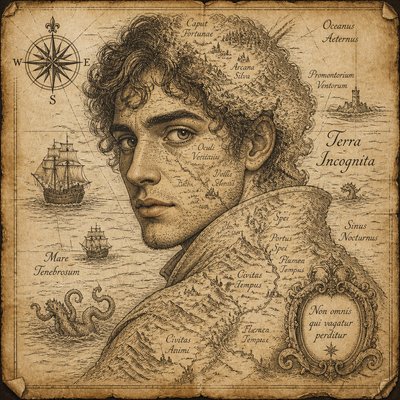
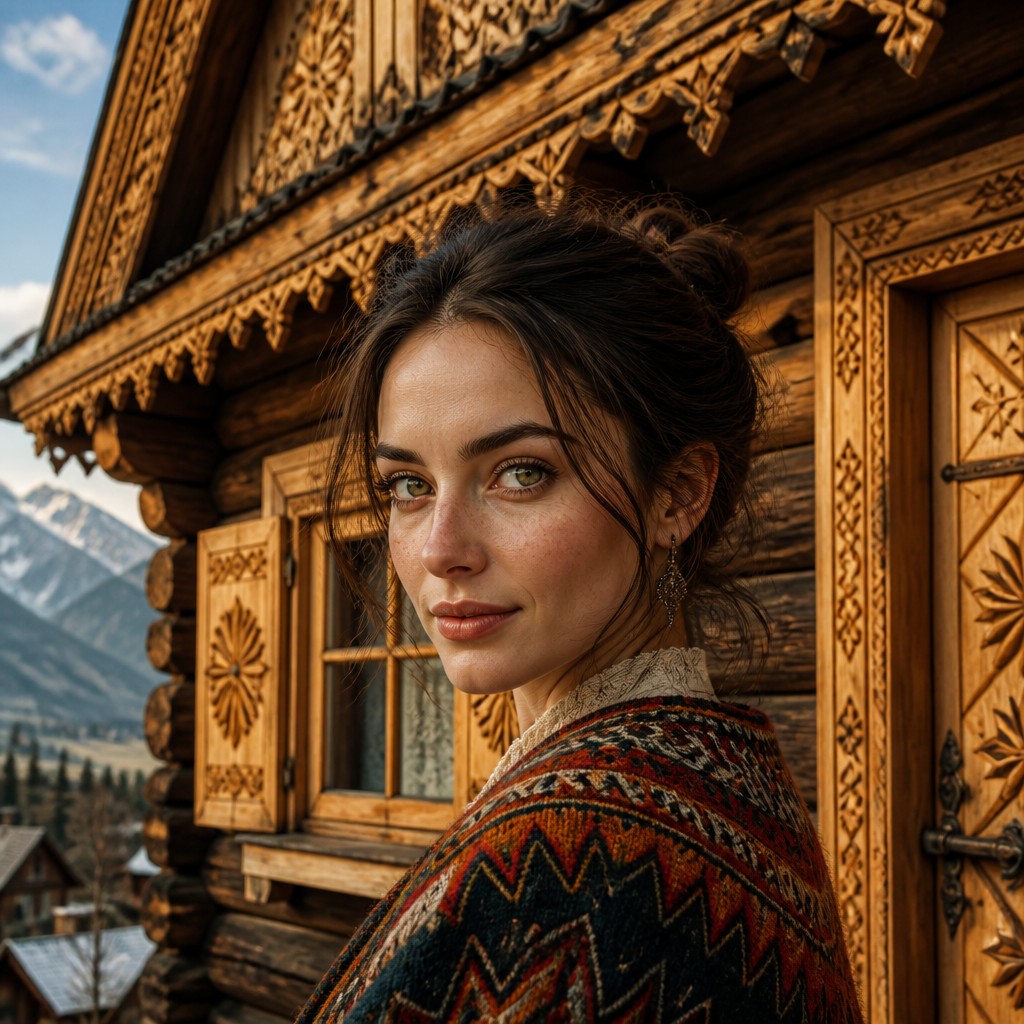
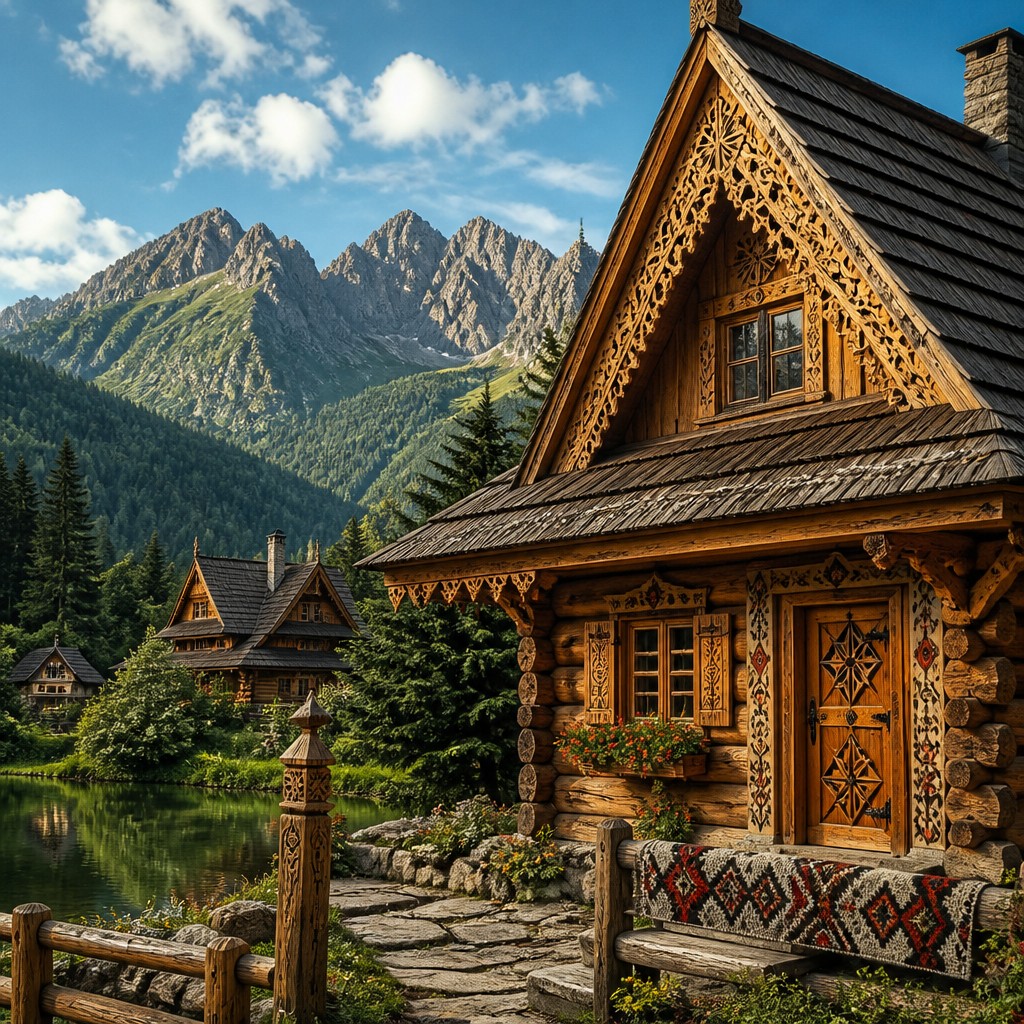
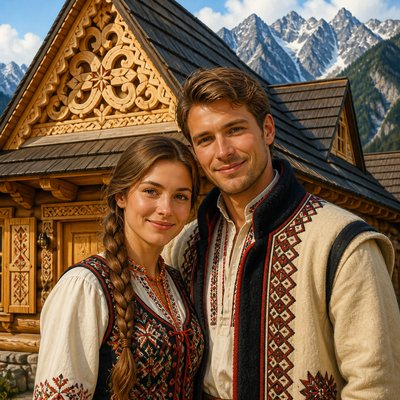
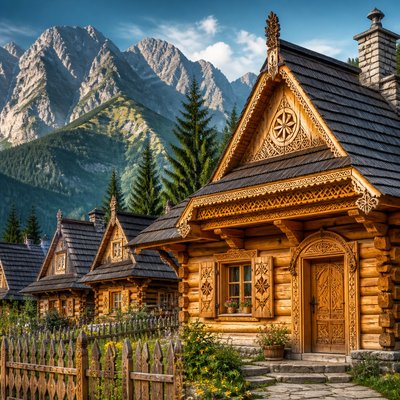
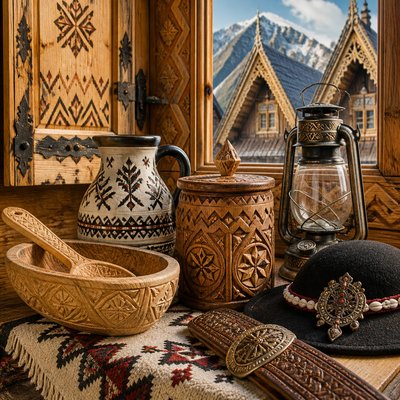
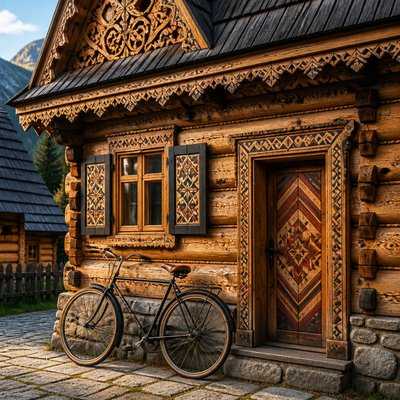
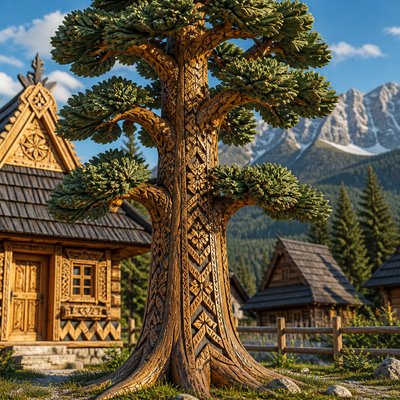
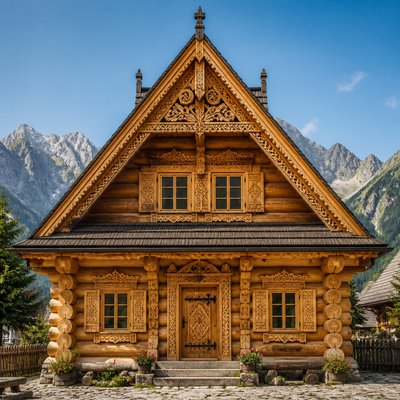
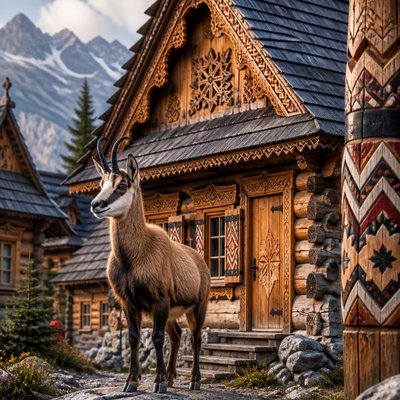
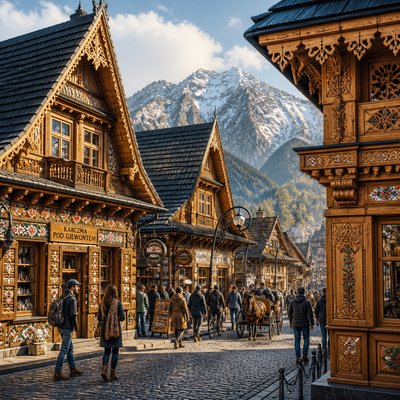
Zakopane Art Style is a regional architectural and decorative tradition from the Podhale highlands of southern Poland. Its visual identity combines steep, shingled roofs and rough-hewn timber construction with the carved ornament, geometric patterns, and practical forms of the local highlander culture. Chalets, villas, interiors, furniture, doors, shutters, and smaller wooden objects may all display its characteristic vocabulary.
The style looks strongly tied to place because its materials and forms respond to the Tatra mountain environment. Pine and other local woods provide visible grain, warmth, and structural mass, while sharply pitched roofs shed snow and emphasize the vertical silhouette of mountain buildings. Carved gables, eaves, brackets, window frames, and notched log corners turn construction details into ornament without separating decoration from utility.
Try It On Your Photos
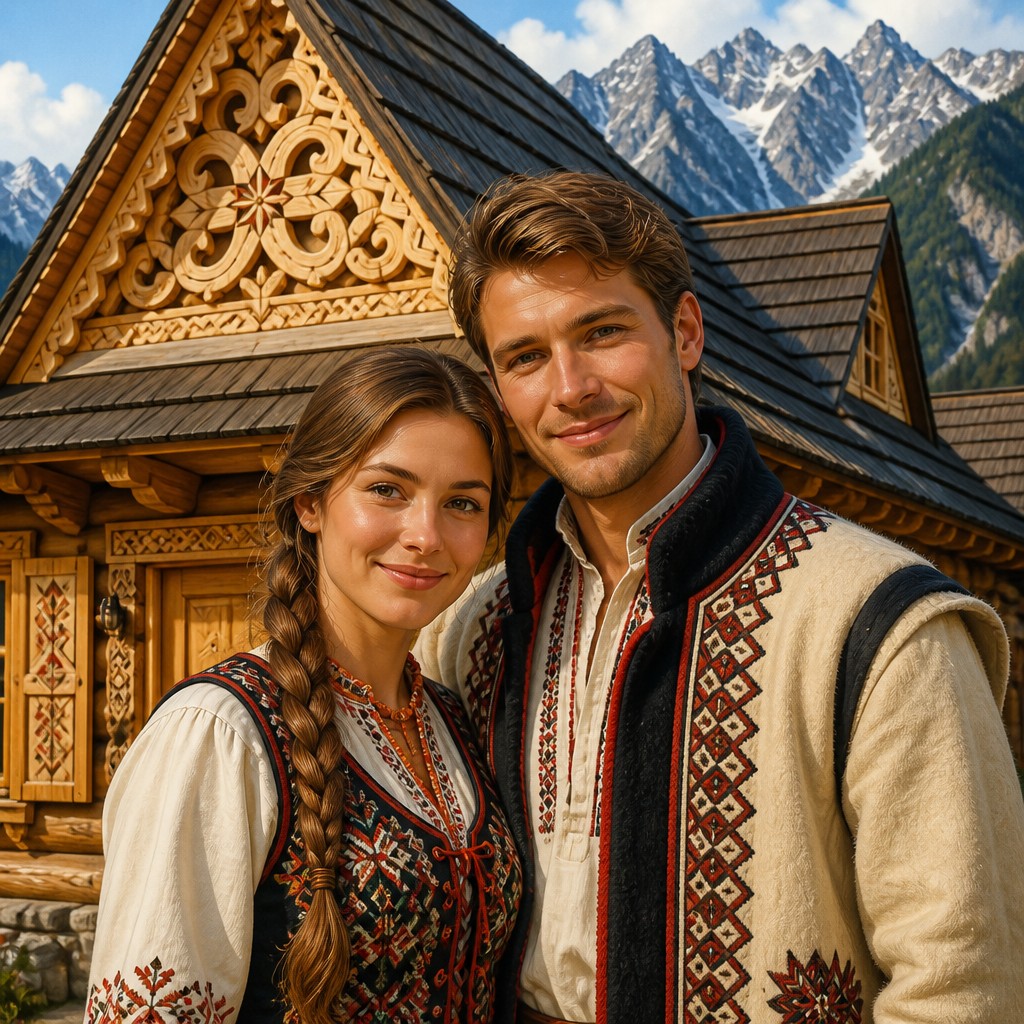
Upload any photo and convert it into Zakopane Art Style — drag the sliders to compare before and after.

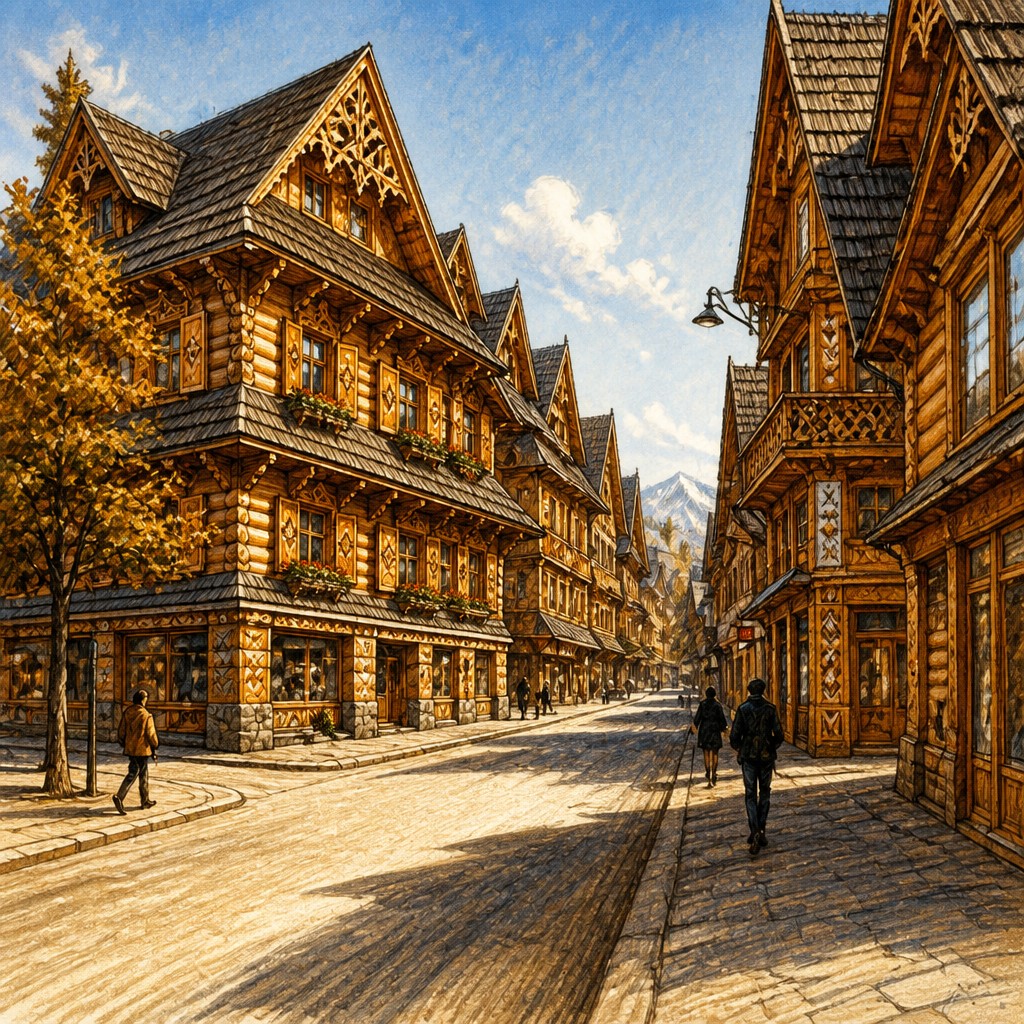

What Defines Zakopane Art Style
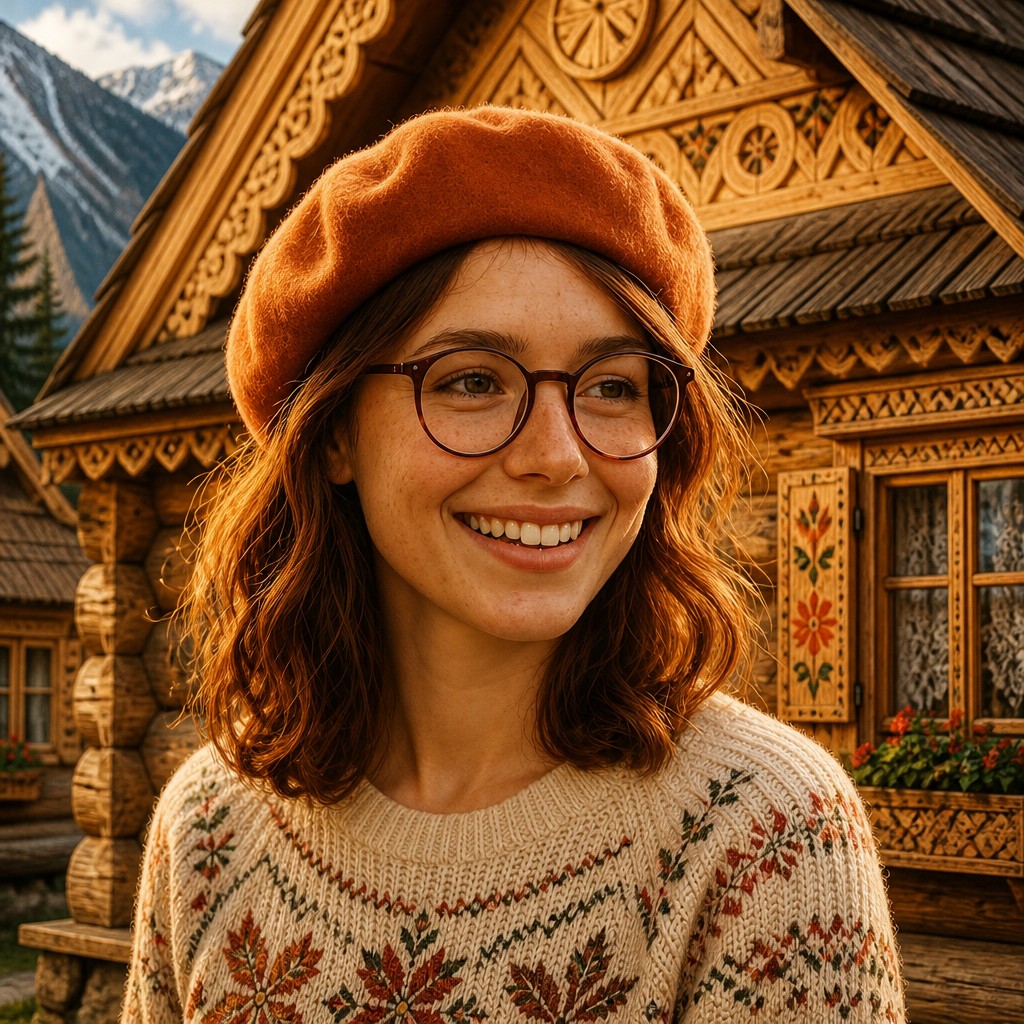
The signature details, up close
Steep shingled roofs
High, sharply pitched roofs are designed for alpine weather and often carry broad, sculptural gables. Wooden shingles create a layered surface that contrasts with the heavier log walls.
Carved pine ornament
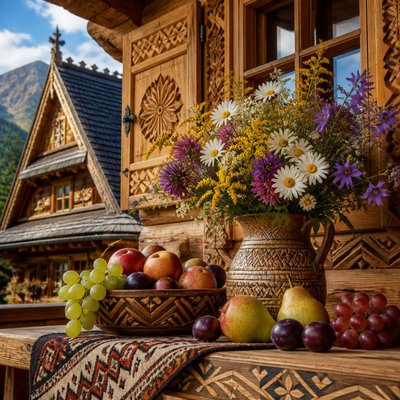
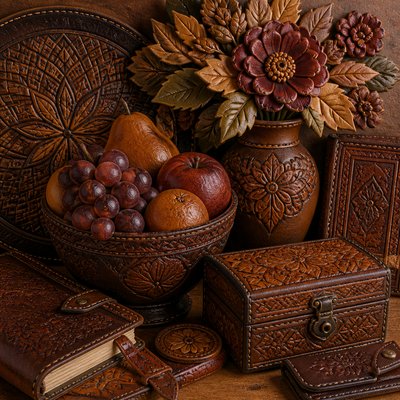
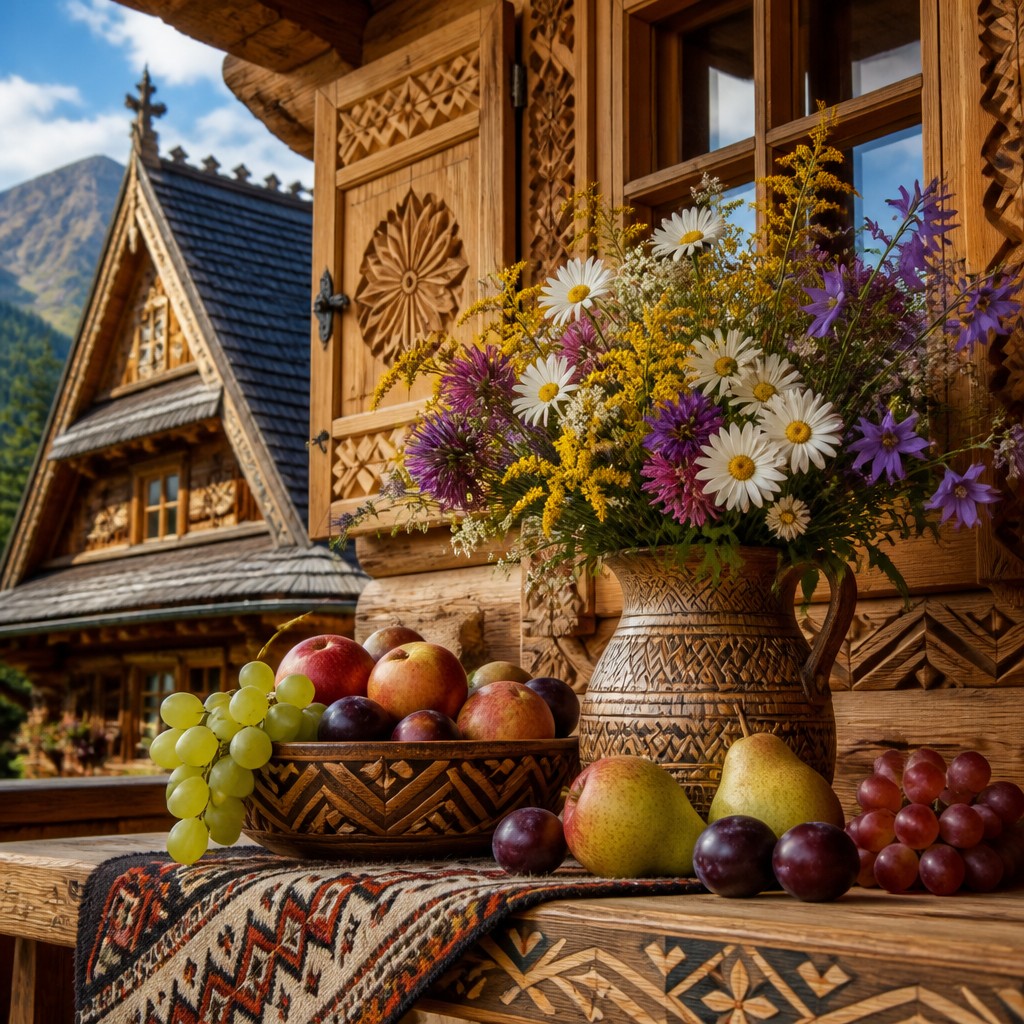
Pine and related softwoods are shaped into brackets, finials, panels, door surrounds, and gable details. The carving is typically bold and legible, allowing the natural grain and tool marks to remain part of the appearance.
Highlander geometric motifs
Repeated zigzags, chevrons, stepped forms, rosettes, and angular bands echo patterns found in Podhale textiles and folk carving. These motifs may appear on eaves, shutters, railings, furniture, and painted woodwork.
Rough-hewn log construction
Exposed timber logs form substantial walls, commonly joined at visible notched corners. The construction emphasizes handcraft, structural clarity, and the tactile irregularity of mountain building.
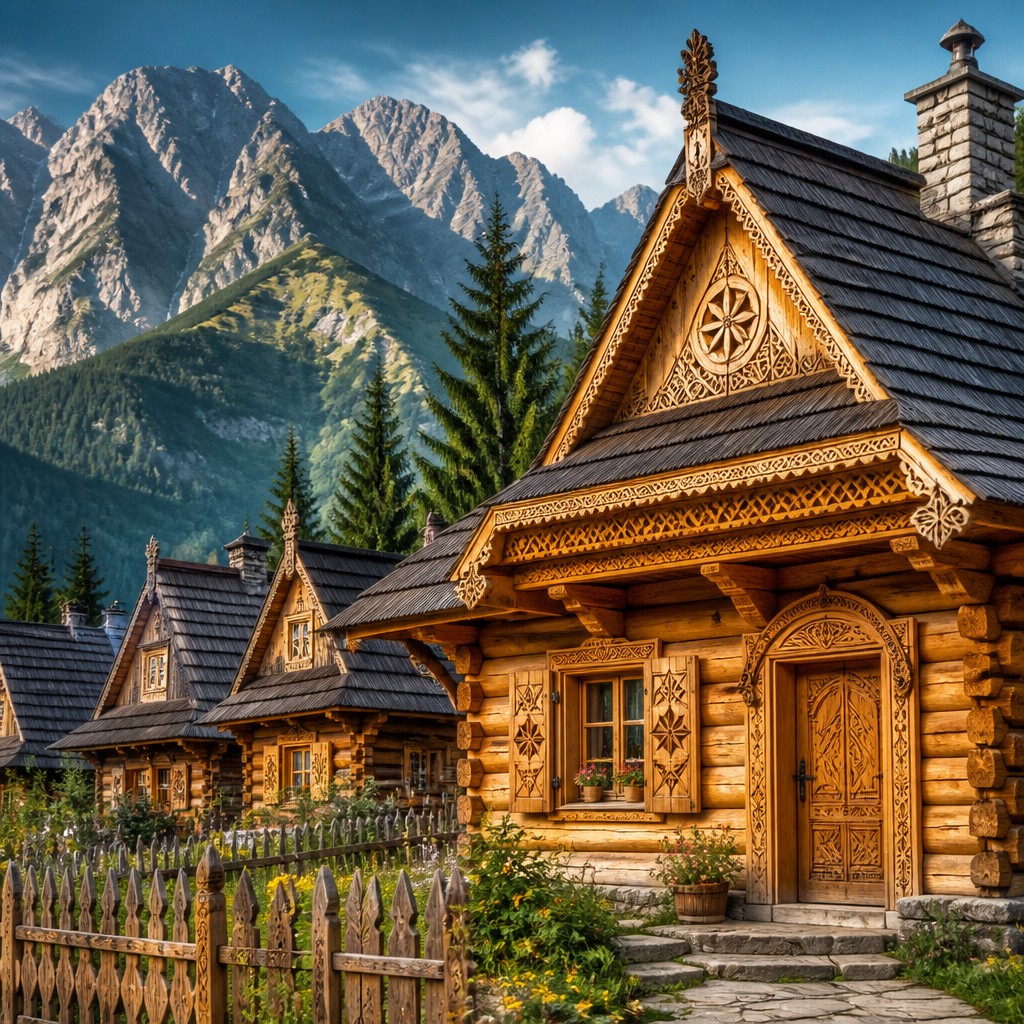
Elaborate gable silhouettes
Gables often become the main decorative focus, combining layered boards, carved infill, crossed members, and rhythmic vertical elements. Their strong triangular outlines make buildings recognizable from a distance.
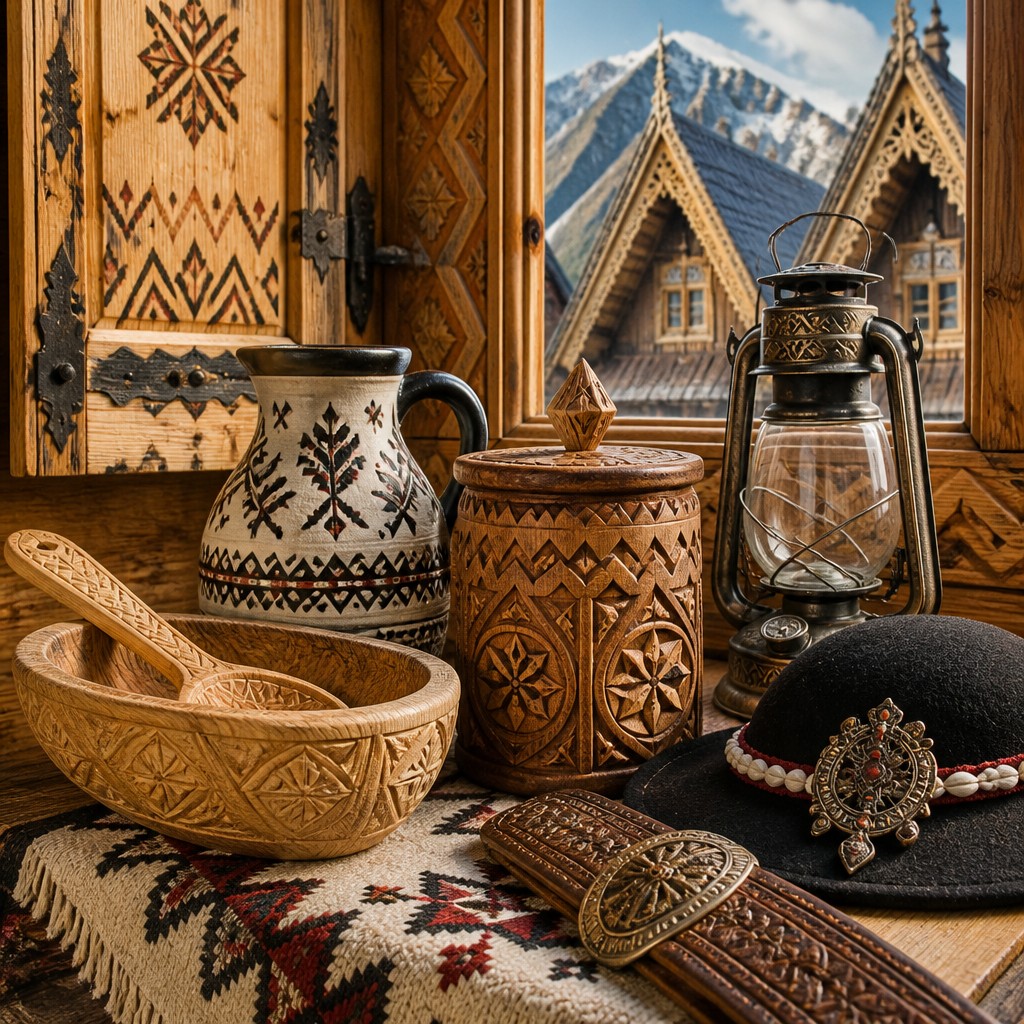
Warm natural wood palette
Honey, amber, russet, and dark brown wood tones dominate, sometimes complemented by restrained red, blue, black, or cream painted details. Finishes generally preserve the visual presence of the timber rather than hiding it beneath opaque color.
Zakopane Prompt Ideas
Start from an idea — each one opens the generator with the style ready to go. See all 40 Zakopane prompts →
How to Create Zakopane Art
Master the craft step by step — or skip straight to creating. Read the full guide →
- 1
Start with mountain structure
Build the composition around a steep roof, strong gable, deep eaves, and a compact timber mass. For a traditional model, use pine or another workable wood and keep joints, grain, and hand-cut irregularities visible.
- 2
Design ornament as construction
Place carving where architecture naturally gathers detail: gable boards, brackets, doorframes, shutters, railings, and eaves. Use repeated angular motifs rather than unrelated decorative flourishes.
- 3
Use a tactile surface treatment
In painting or digital work, show knots, cuts, seams, weathering, and uneven stain absorption. Avoid smooth synthetic surfaces unless the goal is a contemporary reinterpretation.
- 4
Control the palette and light
Favor warm wood hues with small accents of textile-inspired color, then use crisp alpine daylight to reveal relief carving and roof geometry. Snow, mountain haze, and cool sky tones can provide useful contrast.
- 5
Compose for recognizable silhouette
Give the chalet or wooden object a clear triangular roofline and layered profile before adding small details. In image editing, preserve the subject's major forms while replacing surfaces and trim with carved timber structures.
- 6
Write precise generation prompts
Specify steep-shingled pine chalets, exposed notched logs, carved gables, geometric highlander ornament, visible wood grain, and crisp alpine light. Add the subject, camera view, material condition, and desired level of historical or contemporary interpretation.
The Story
History & Origins of Zakopane
Zakopane Art Style developed in the late nineteenth and early twentieth centuries in and around Zakopane, in the Podhale region of Poland. It emerged from the study and reinterpretation of local highlander building traditions at a time when Zakopane was becoming an important mountain resort and cultural center. Architects and craftspeople combined vernacular timber construction with selected elements of historic architectural design, creating a regional style suited to villas, guesthouses, public buildings, interiors, and furnishings.
Its development belongs to the broader nineteenth-century European interest in national, regional, and folk traditions. The style was not simply a preserved village vernacular: it formalized and adapted Podhale forms for new buildings and urban or resort settings. Its influence remains visible in contemporary mountain architecture, heritage restoration, woodcarving, textile design, and decorative imagery associated with the Tatra region.
Influences: Zakopane Art Style is closely related to Podhale highlander vernacular architecture, Polish folk carving, regional textile patterning, and the wider nineteenth-century revival of national and regional traditions. It also shares concerns with the Arts and Crafts movement, particularly the respect for local materials, visible workmanship, and the integration of architecture with furniture and ornament. Its steep roofs and timber expression connect it visually to Alpine chalet traditions, but its specific carved geometry and construction language remain rooted in the Tatra highlands.
Frequently Asked Questions
What defines Zakopane Art Style?
It is defined by the combination of Podhale highlander building traditions with a formalized regional architectural vocabulary. Key features include steep shingled roofs, exposed log construction, carved pine gables, geometric ornament, and warm natural wood.
Where did Zakopane Art Style originate?
It originated in Zakopane and the surrounding Podhale region of southern Poland. The style developed mainly in the late nineteenth and early twentieth centuries as local mountain traditions were adapted for villas, resorts, public buildings, and interiors.
Is Zakopane Art Style the same as a general Alpine chalet style?
No. Both may use steep roofs and timber construction, but Zakopane Art Style is specifically connected to Podhale highlander culture. Its notched logs, carved gables, angular motifs, and textile-derived ornament distinguish it from broader Alpine chalet design.
What materials are traditionally used?
Wood, especially pine and other locally available timber, is the dominant material. Shingles, logs, carved boards, wooden shutters, and hand-finished joinery are central, with limited painted accents used to emphasize folk patterns.
How can I make an image in this style?
Begin with a strong mountain building or wooden object, then describe the steep roof, exposed log joints, carved gable ornament, geometric highlander motifs, and warm wood grain. For physical work, emphasize hand tools, visible joints, and relief carving; for digital work, specify material texture, alpine lighting, and the desired degree of weathering.
Where is this style commonly used today?
It remains visible in regional architecture, mountain guesthouses, heritage buildings, interior woodwork, furniture, souvenirs, and cultural imagery associated with Zakopane and the Tatra region. Contemporary designers may reinterpret its carved geometry and timber forms without reproducing a fully traditional building.
Create your first Zakopane artwork
Describe anything — or upload a photo — and see it in Zakopane Art Style in seconds.
Related Styles
Discover similar art styles