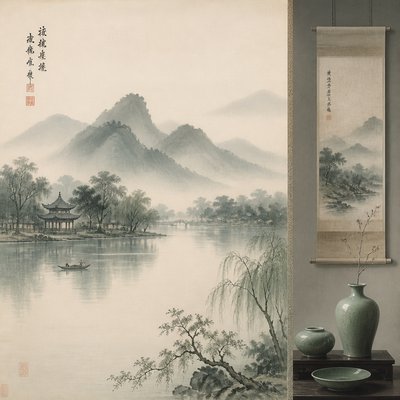
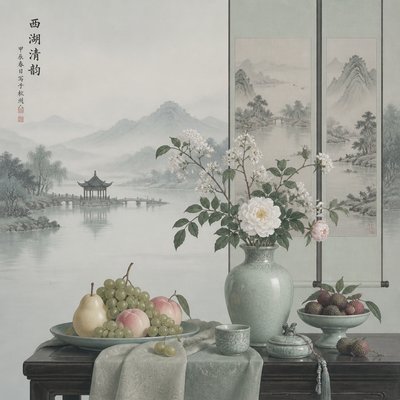
Cyberpunk Art Style
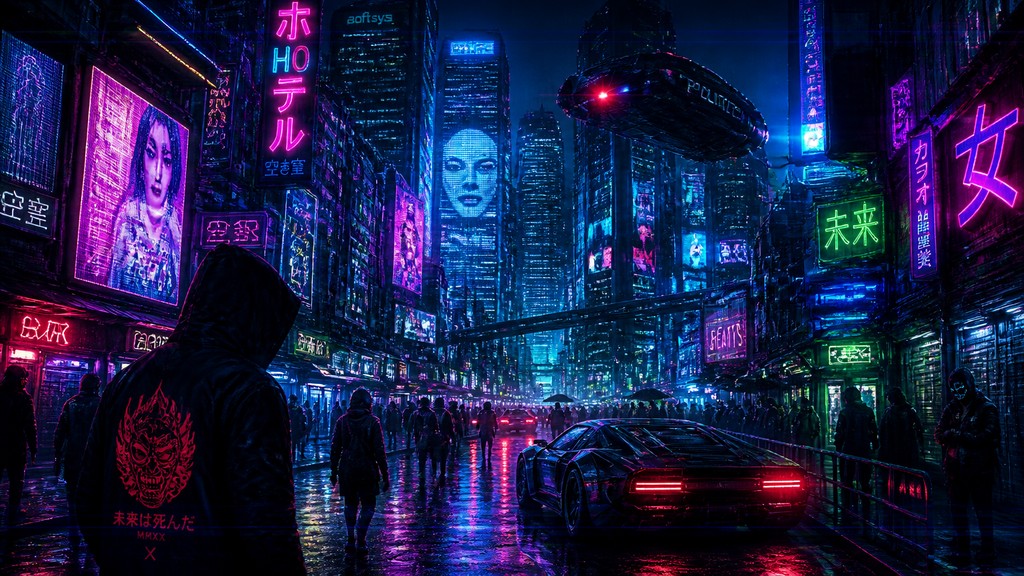
A neon-lit dystopian aesthetic of rain, chrome, cybernetics, and high-tech urban decay.
Instantly rendered in Cyberpunk — or transform a photo
Cyberpunk Gallery
Tap any artwork to explore it
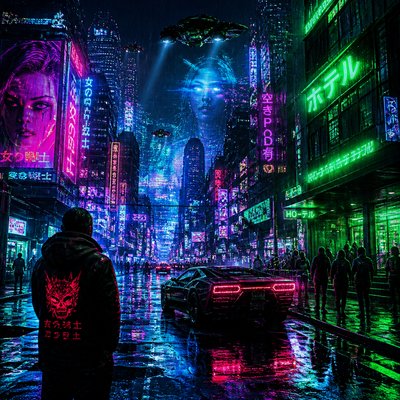
What is Cyberpunk Art Style?
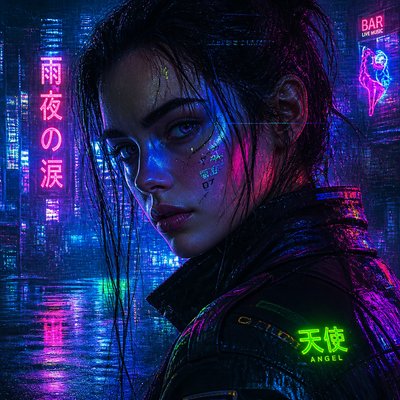
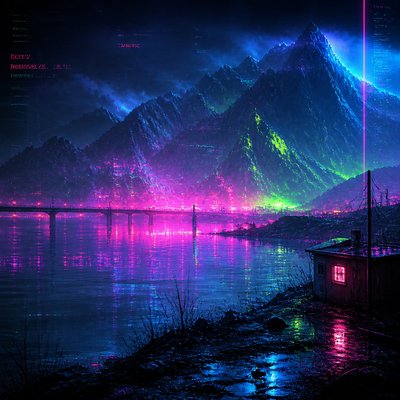
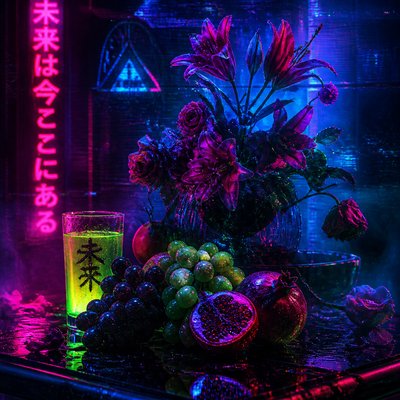
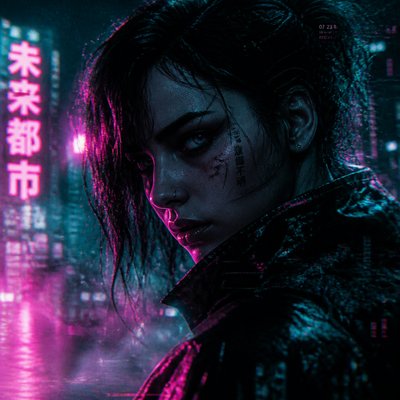
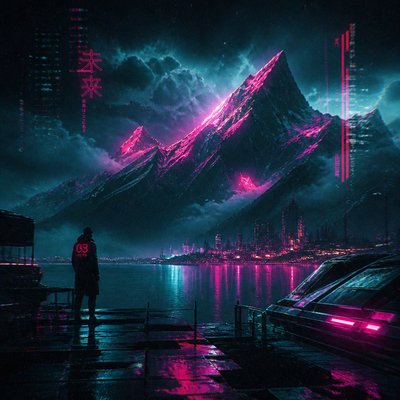
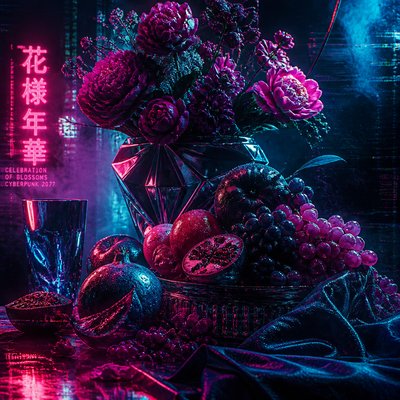
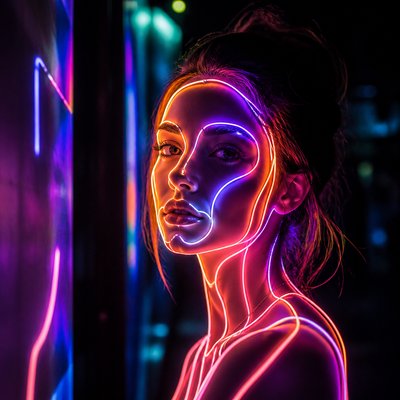
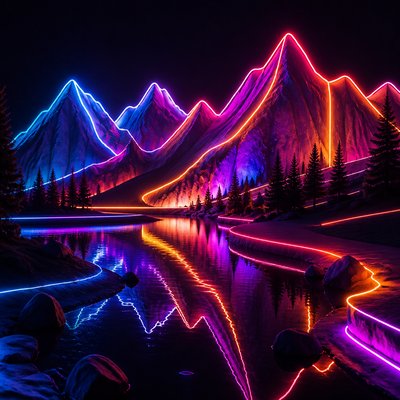
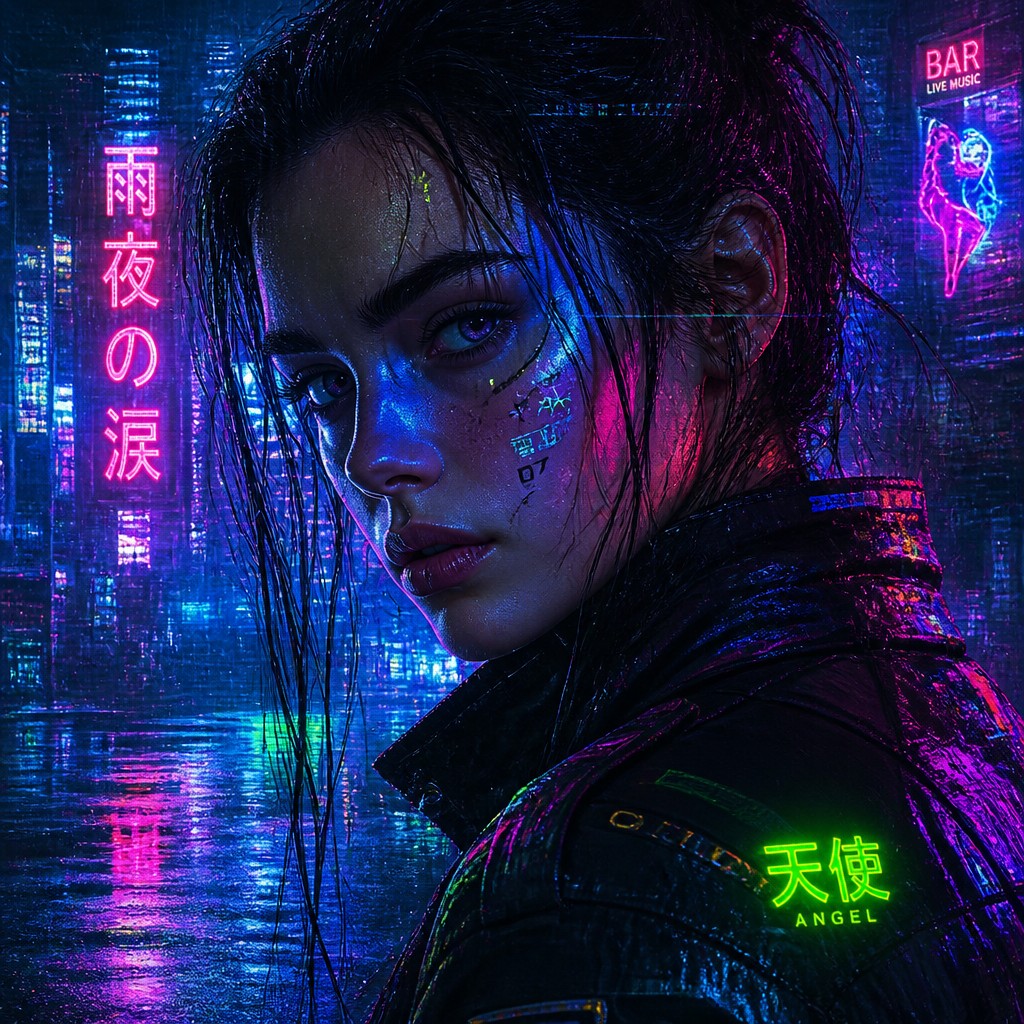
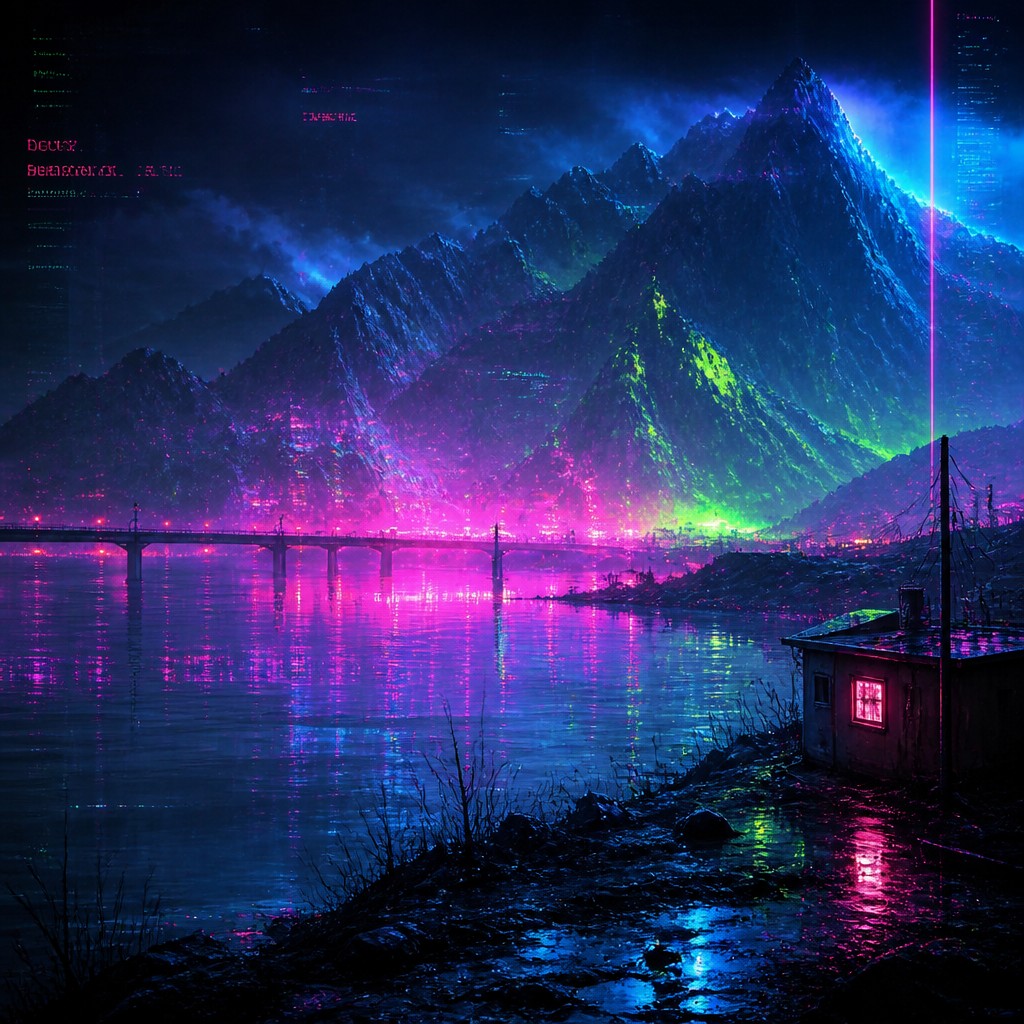
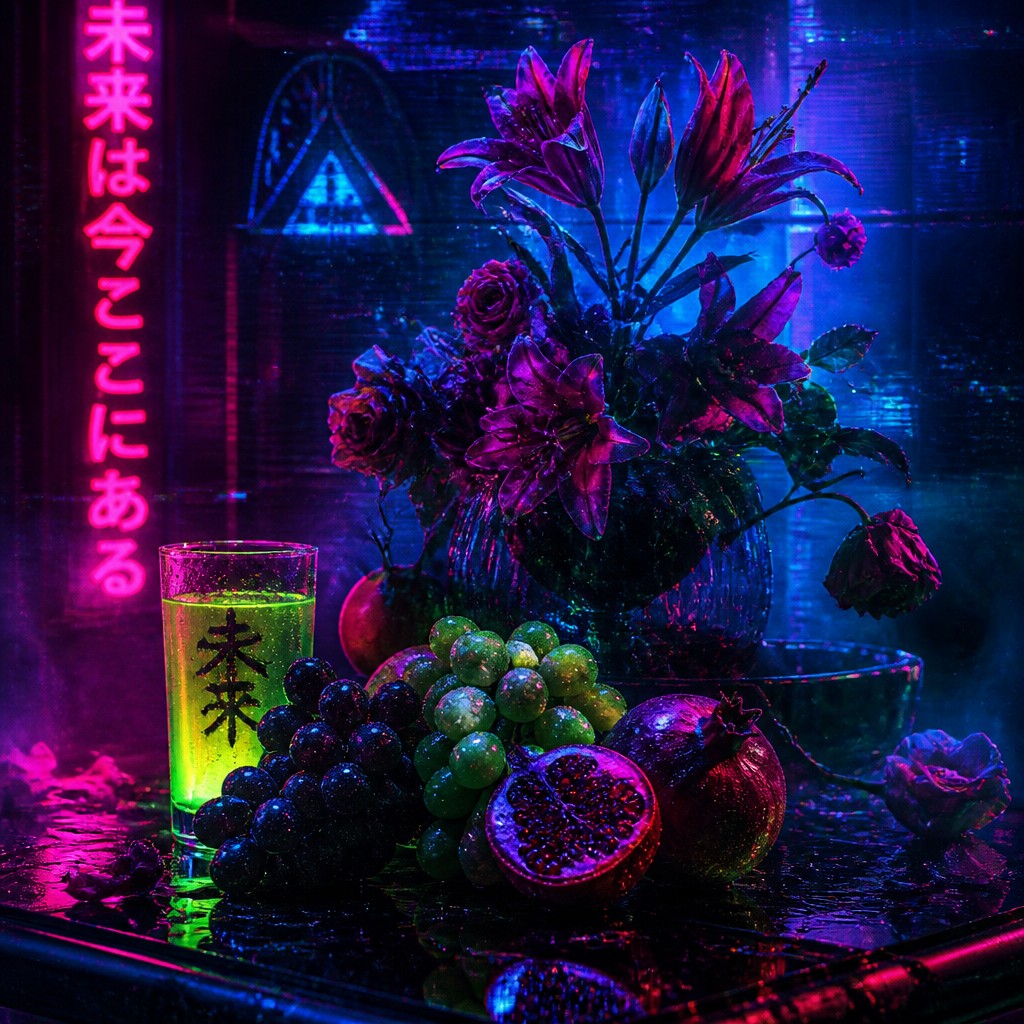
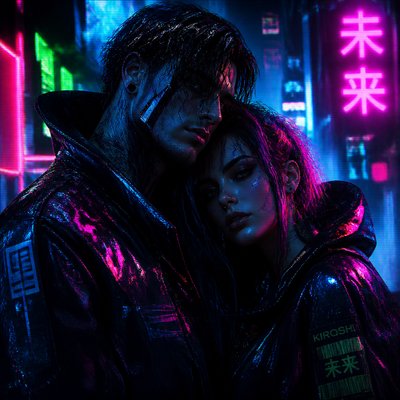
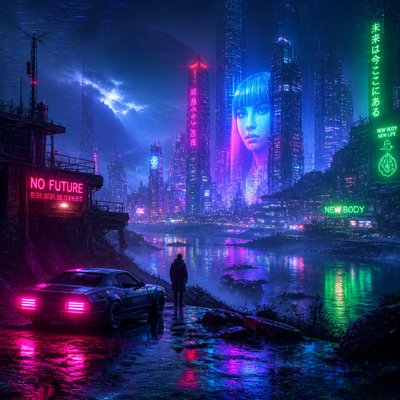
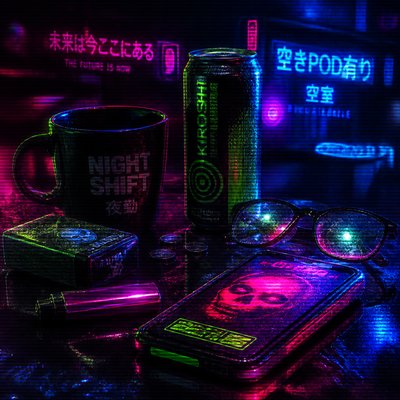
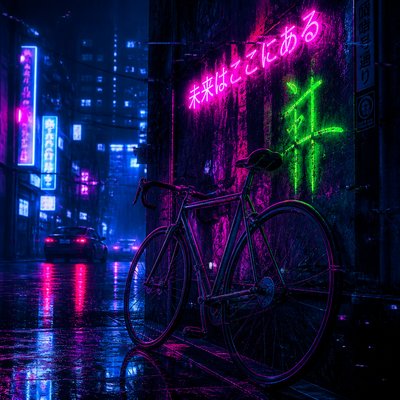
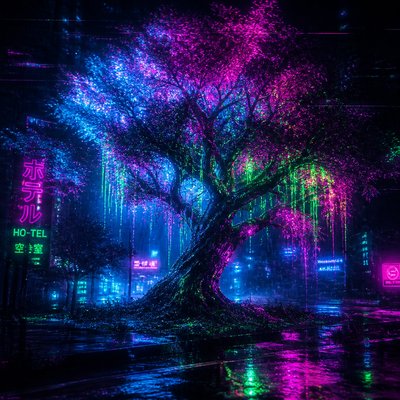
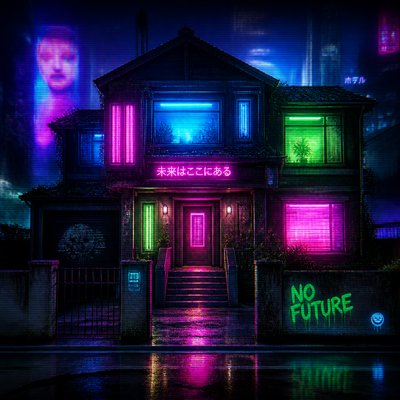
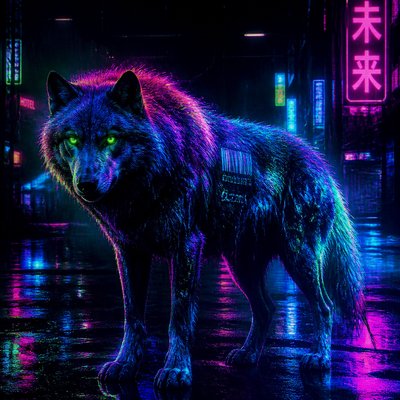
Cyberpunk art depicts a near-future or alternate-future world where advanced technology coexists with social decay, corporate power, surveillance, and urban density. Its visual identity is built from neon signage, holographic interfaces, cybernetic bodies, crowded streets, reflective rain-slick surfaces, and a palette dominated by electric blues, magentas, violets, and acid greens against deep shadow.
The style looks the way it does because it translates anxieties about technological acceleration into image form. It combines the hard surfaces and machine logic of modern industry with the atmosphere of noir cinema, Japanese city pop and anime cityscapes, late-20th-century science fiction illustration, and the grime of lived-in street environments. The result is a world that feels both technologically saturated and materially worn down, where light becomes a dramatic, almost tactile element in the composition.
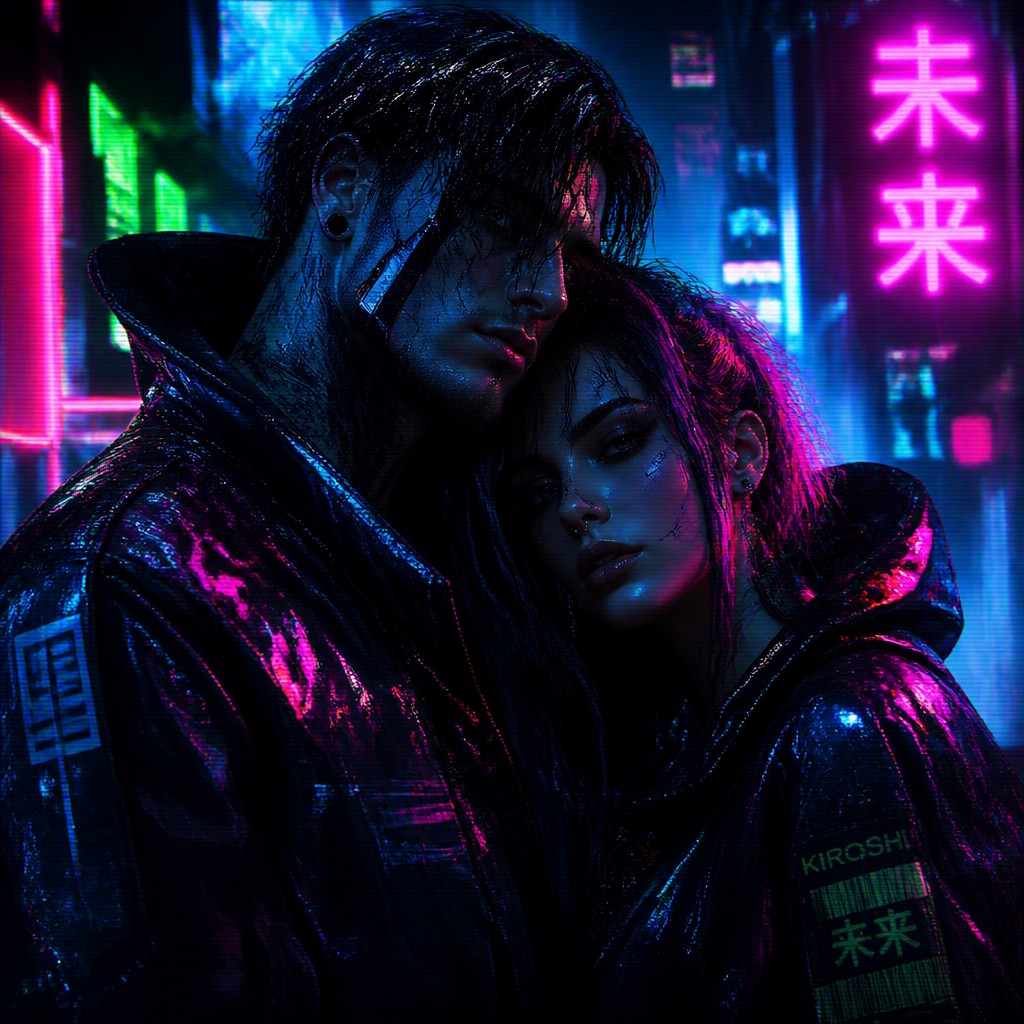
Try It On Your Photos
Upload any photo and convert it into Cyberpunk Art Style — drag the sliders to compare before and after.
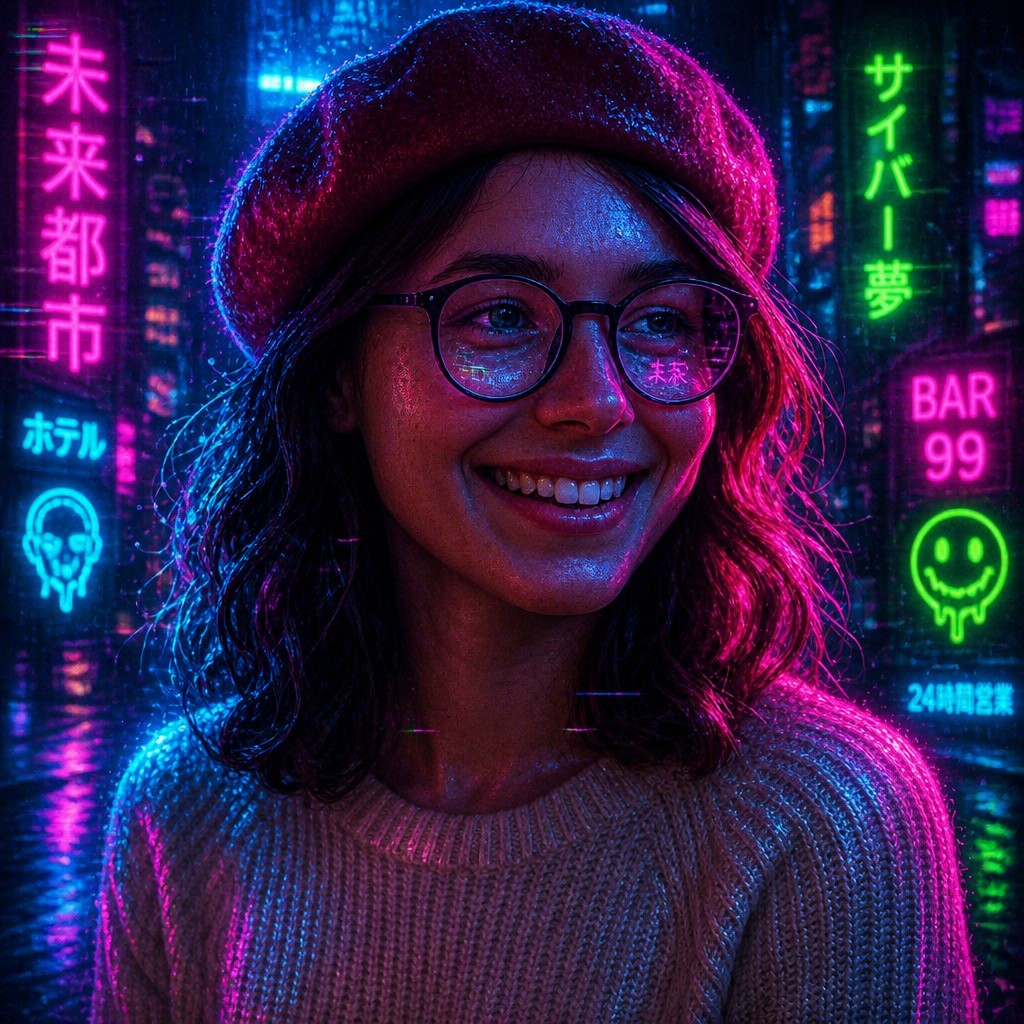

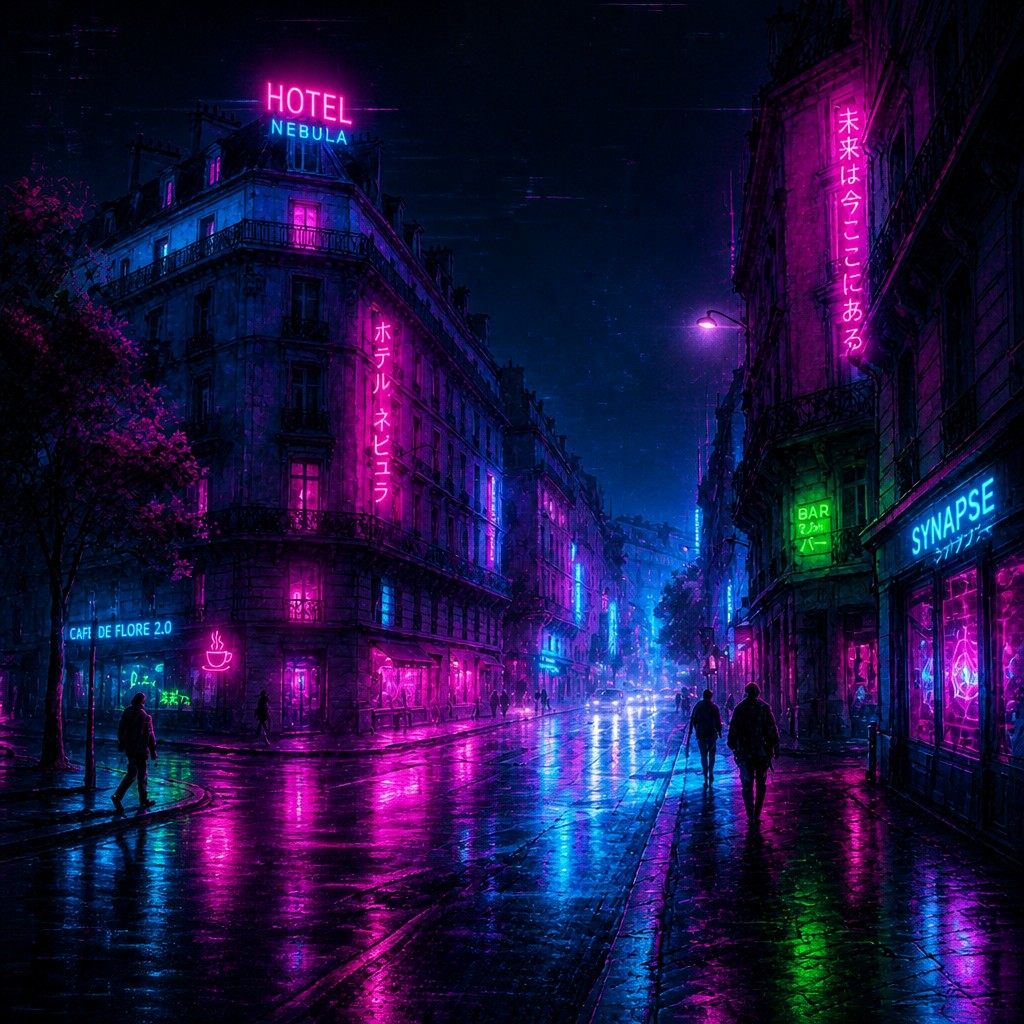

What Defines Cyberpunk Art Style
The signature details, up close
Neon-drenched color
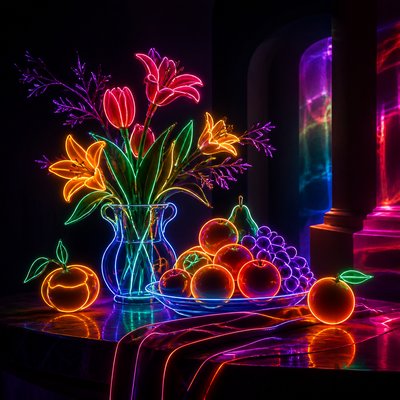
Electric blues, pinks, purples, and toxic greens are used as luminous accents against dark backgrounds. The palette creates a constant tension between artificial light and surrounding darkness.
Rain, mist, and reflective surfaces
Wet streets, puddles, chrome, and glass are common because they multiply the glow of signs and screens. Atmospheric haze softens distant details and makes light appear volumetric.
High-tech urban density
Packed cityscapes, layered architecture, cables, antennas, ads, and screens suggest overdevelopment and surveillance. The environment often feels crowded, vertical, and infrastructural.
Human-machine fusion
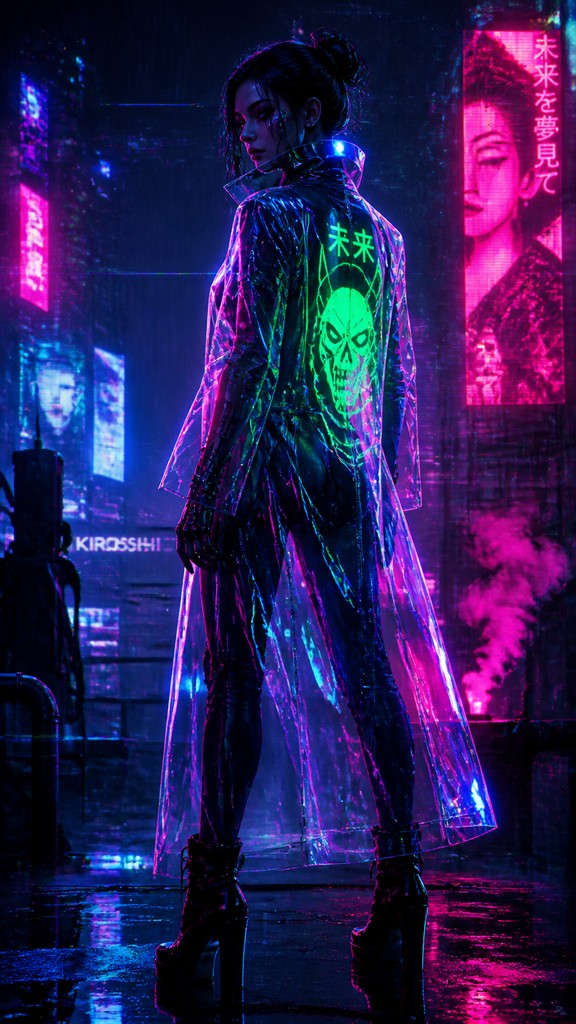
Cybernetic implants, prosthetics, augmented eyes, and visible circuitry are frequent motifs. Bodies are presented as modifiable, commercial, and vulnerable rather than idealized.
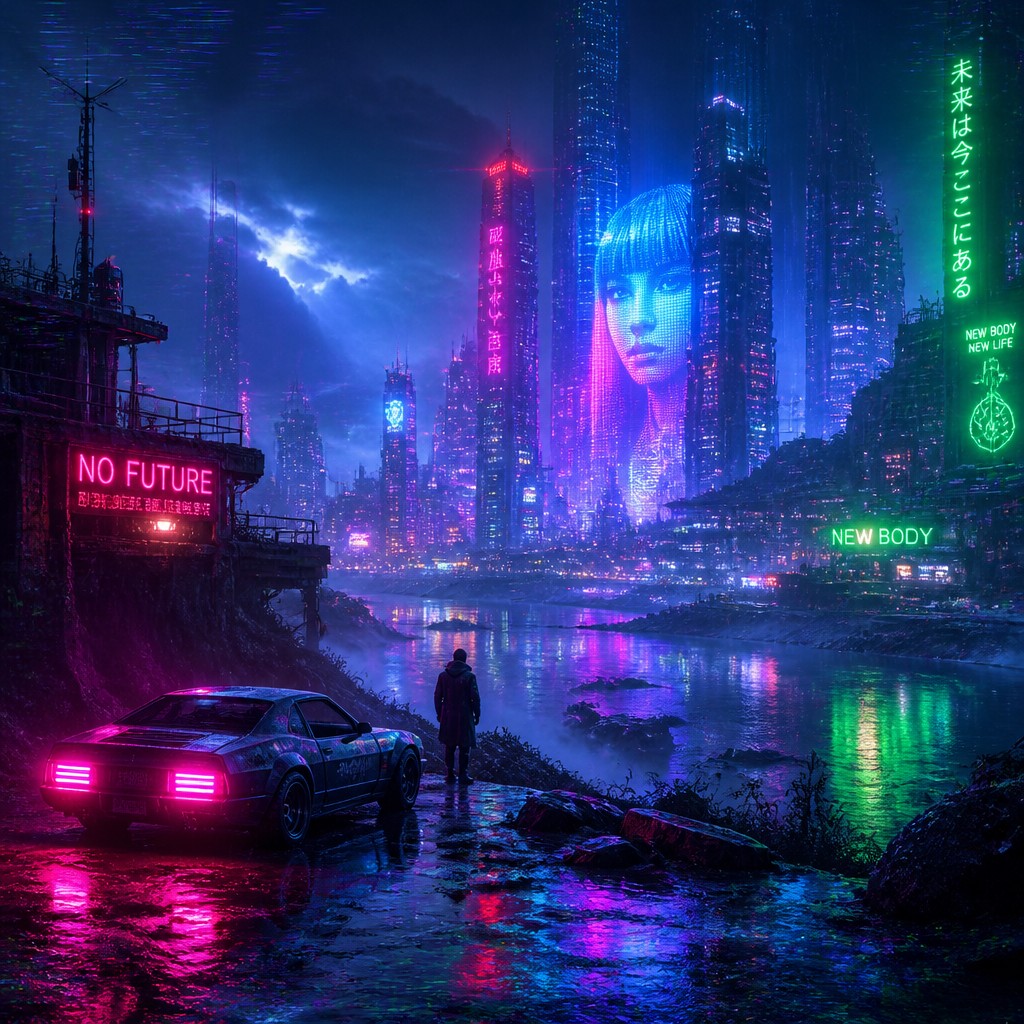
Noir contrast and cinematic lighting
Deep shadows, hard rim light, and selective highlights create dramatic visual separation. The mood borrows from detective fiction and film noir, but with synthetic illumination instead of streetlamps and cigarette smoke.
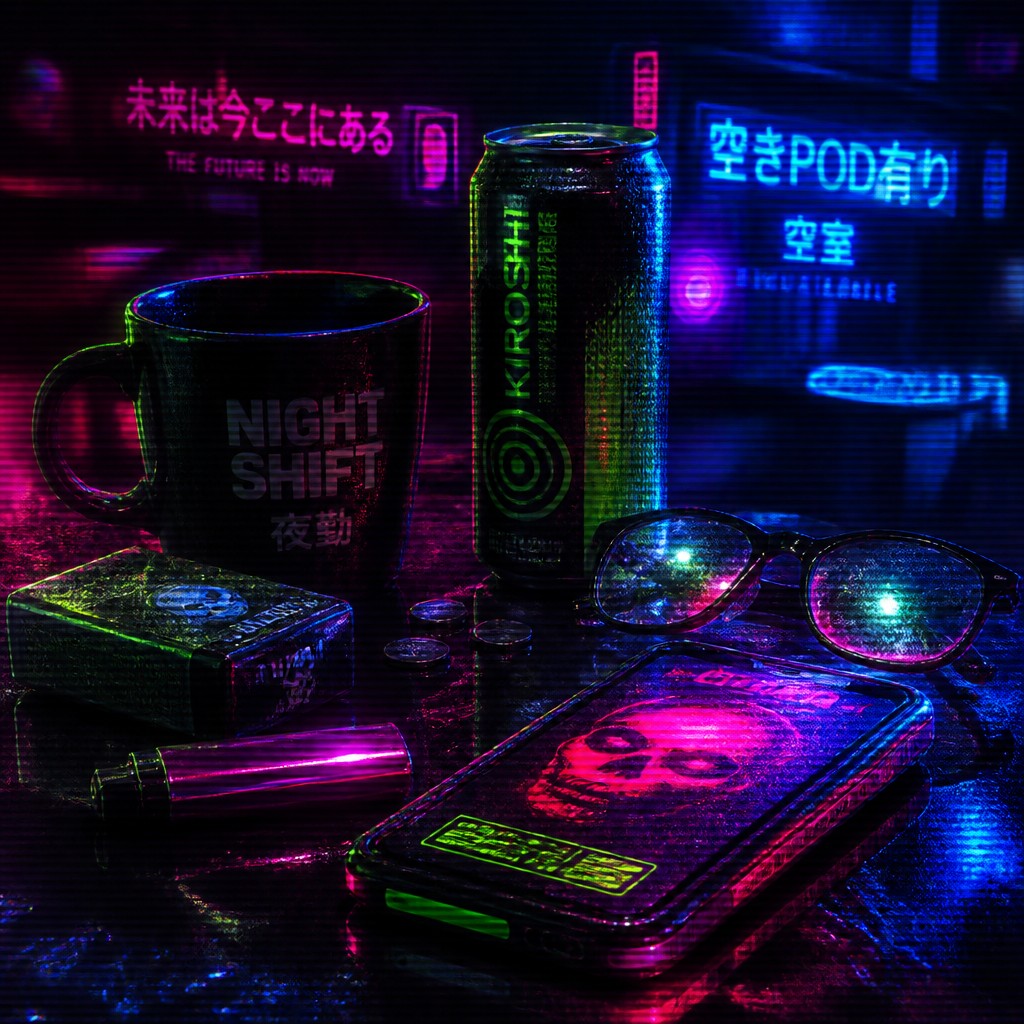
Glitch and interface language
Scan lines, digital artifacts, HUD elements, code overlays, and screen distortion reinforce the presence of networked media. These details make the image feel mediated and technologically unstable.
Try It
Create Videos in Cyberpunk Art Style
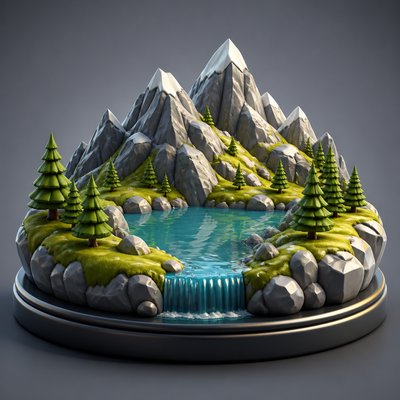
Styles aren't just for stills — describe a scene or animate an image and get a short video rendered in Cyberpunk. Press play to see this pond come to life.
Make a VideoCyberpunk Prompt Ideas
Start from an idea — each one opens the generator with the style ready to go. See all 40 Cyberpunk prompts →
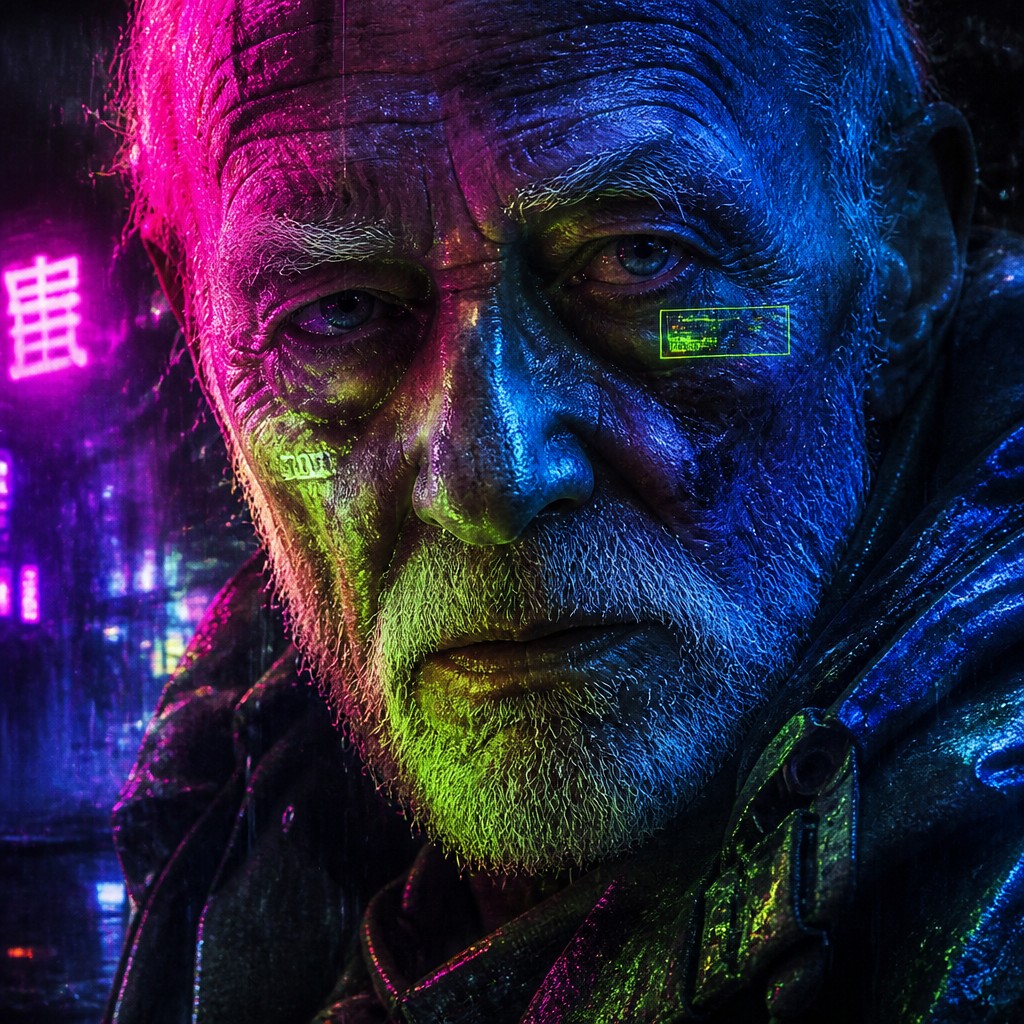
“close-up portrait of an elderly person with expressive weathered features”
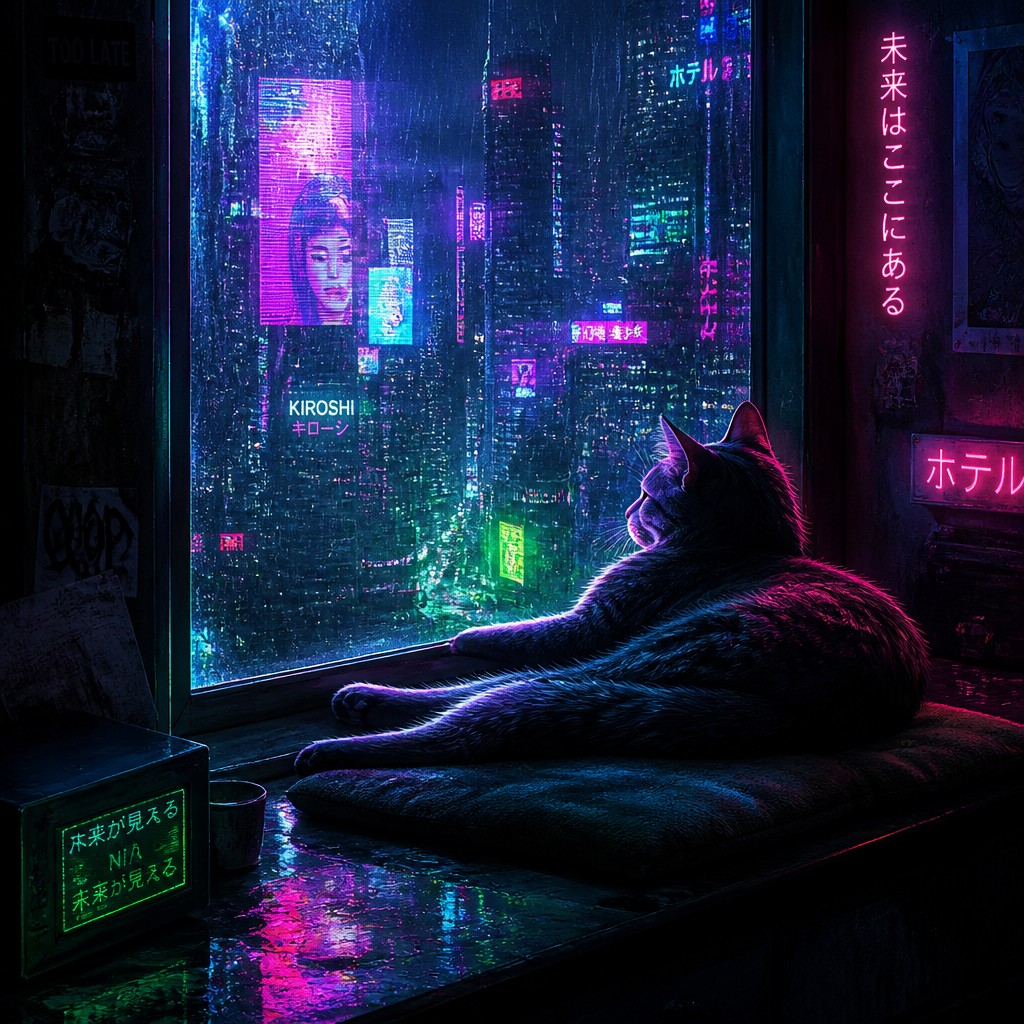
“a cat lounging in a sunlit window”
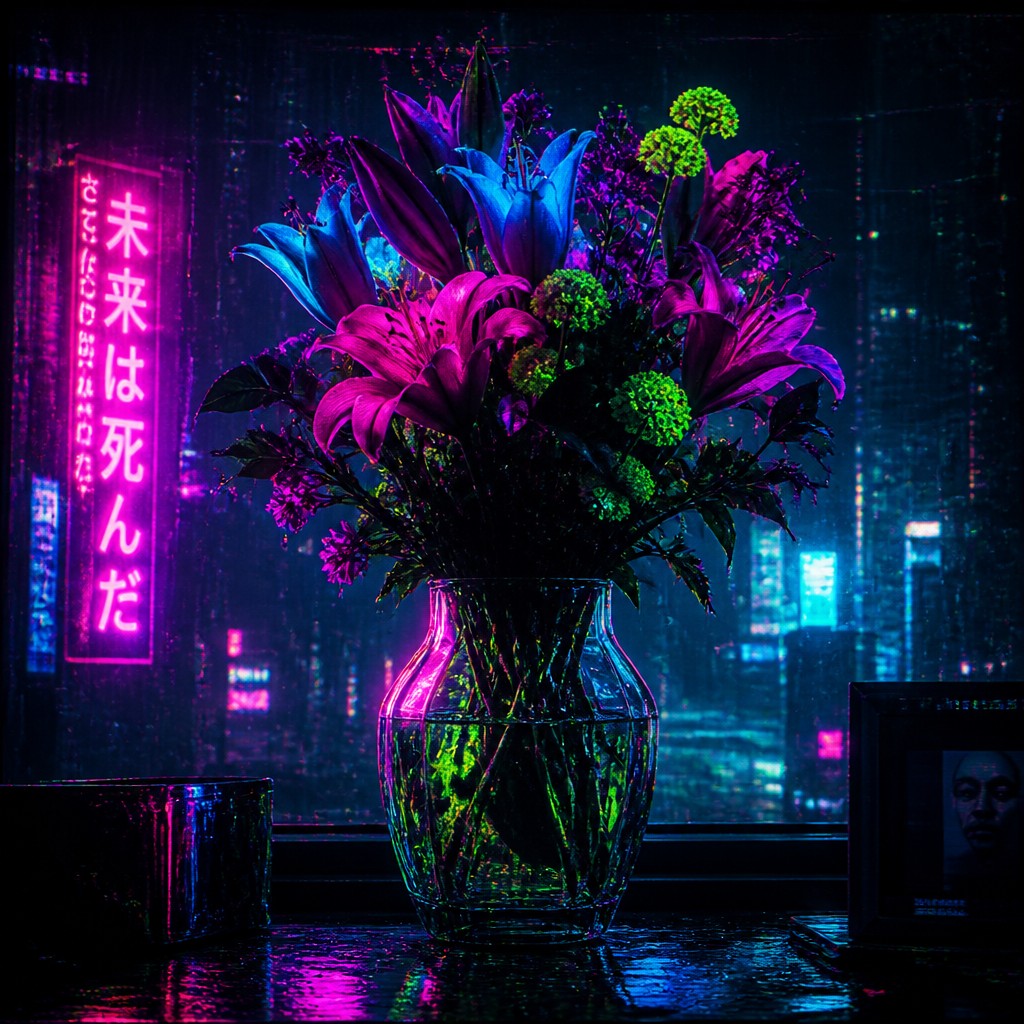
“bouquet of flowers in a glass vase”
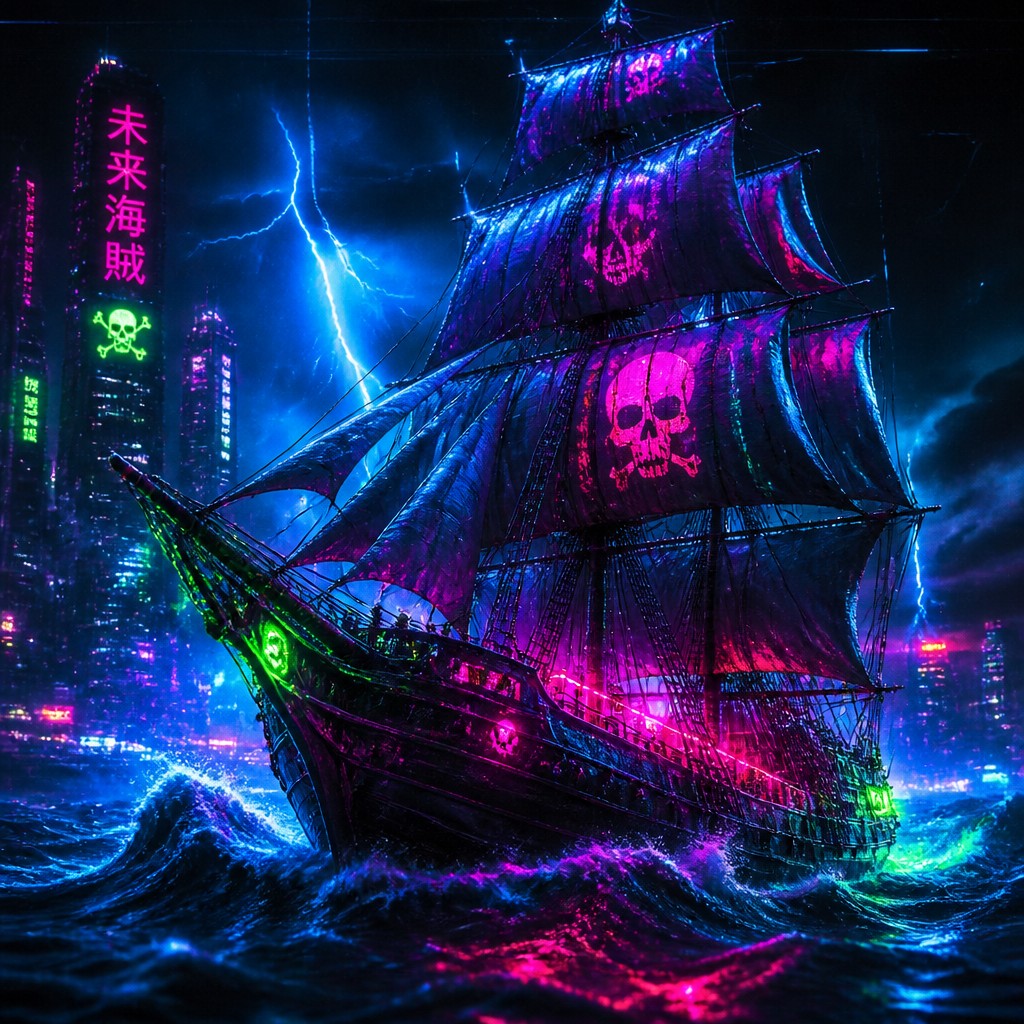
“sailing ship on a stormy sea”
How to Create Cyberpunk Art
Master the craft step by step — or skip straight to creating. Read the full guide →
- 1
Build the scene around light sources
Start with a dark urban base and place neon signs, holograms, windows, and vehicle lights as the main compositional anchors. In traditional media, layer translucent color over dark underpainting; in digital work, use additive glow and controlled bloom.
- 2
Use reflective materials and wet textures
Surfaces should catch and redistribute color, especially on asphalt, metal, glass, and plastic. To achieve this, emphasize specular highlights, puddle reflections, and sharp edges where colored light can break across form.
- 3
Mix grit with precision
Cyberpunk is strongest when sleek technology is embedded in visibly worn environments. Combine clean interfaces, machinery, and signage with grime, peeling paint, steam vents, and cluttered street detail.
- 4
Design for silhouette and layered depth
Use strong foreground shapes, midground activity, and atmospheric distance so the city feels deep and inhabited. Tall buildings, cables, elevated walkways, and stacked signage help produce the vertical compression typical of the style.
- 5
Introduce media distortion deliberately
Add scan lines, chromatic aberration, compression artifacts, or slight pixel breakup to suggest screens and surveillance systems. Keep these effects selective so they enhance realism rather than flatten the image.
- 6
When generating with prompts, specify mood and material
Mention rain, neon reflections, haze, cybernetic details, noir contrast, and dense city architecture to steer the result toward the style's core traits. Subject matter can be anything, but the environment, lighting, and texture should clearly signal the aesthetic.
The Story
History & Origins of Cyberpunk
Cyberpunk emerged as a science-fiction sensibility in the late 1970s and 1980s, especially through literature by authors associated with the genre's foundational novels and earlier visionary dystopias. Its visual language was shaped by film and illustration that emphasized urban alienation, corporate control, digital mediation, and the fusion of flesh and machine. A landmark science-fiction thriller from a major filmmaker became one of the most influential reference points for the style's neon-noir cityscape.
As a visual aesthetic, cyberpunk drew from noir lighting, Japanese urban imagery, industrial design, underground comics, and the glossy futurism of advertising and technology graphics. Later games, anime, concept art, and digital matte painting expanded the look into a recognizable shorthand for high-tech low-life worlds. Today it functions less as a single historical art movement than as a cross-media aesthetic lineage spanning illustration, cinema, game art, and digital worldbuilding.
Influences: Cyberpunk is closely related to film noir, dystopian science fiction, industrial design, and late-20th-century concept art. Its visual vocabulary also overlaps with Japanese anime and manga cityscapes, especially in works by influential Japanese manga creators and filmmakers whose urban futures helped define the genre's look. In Western cinema, a landmark science-fiction thriller from a major filmmaker remains a foundational reference, while the broader aesthetic also absorbs punk graphics, advertising imagery, and the machine-fetish forms of techno-futurism.
Frequently Asked Questions
What defines cyberpunk art?
Cyberpunk art is defined by a fusion of advanced technology and urban decay. Common signs include neon lighting, rainy streets, cybernetic bodies, crowded megacities, and a sense of corporate or technological domination. The mood is usually tense, alienated, and cinematic.
How is cyberpunk different from general sci-fi art?
General sci-fi can be clean, utopian, exploratory, or fantastical, while cyberpunk usually emphasizes the consequences of technology in a degraded social landscape. It is more likely to show grime, surveillance, black-market tech, and a low-life street perspective. The setting is typically intimate and urban rather than expansive and heroic.
What colors are most associated with this style?
Electric blue, hot pink, purple, and acid green are the most recognizable cyberpunk colors. These are usually set against black, charcoal, or deep blue shadows so the light feels artificial and intense. Warm amber or red can appear, but mostly as secondary accents.
What subjects work best in cyberpunk imagery?
Rainy city streets, hackers, mercenaries, androids, detectives, street vendors, and flying vehicles are all common. The style also works well for portraits when the figure has implants, luminous accessories, or a strong technological environment. Any subject can fit if it is placed in a dense, neon-lit, high-tech setting.
How do I make a drawing look cyberpunk?
Focus on strong contrast, reflective surfaces, and layered urban detail. Add neon light sources, haze, cables, signage, and small interface elements, then push shadows darker than you might in a naturalistic scene. A limited palette with bright accents usually works better than a full-spectrum approach.
Where is cyberpunk art commonly used?
It appears frequently in book covers, movie posters, game art, album art, concept art, and editorial illustration. It is also popular in character design and environment design because it quickly communicates mood, technology, and conflict. The style is widely used whenever a future city needs to feel atmospheric and morally uneasy.
Create your first Cyberpunk artwork
Describe anything — or upload a photo — and see it in Cyberpunk Art Style in seconds.
Make Something with Cyberpunk
Compare Cyberpunk
Related Styles
Discover similar art styles