Paper Cut Art Style
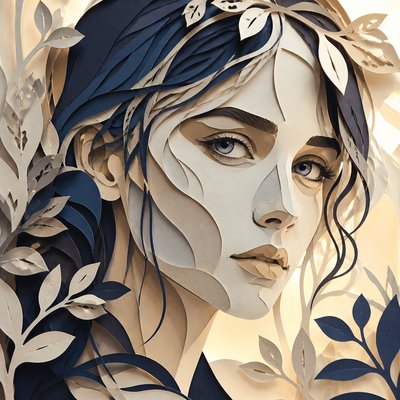
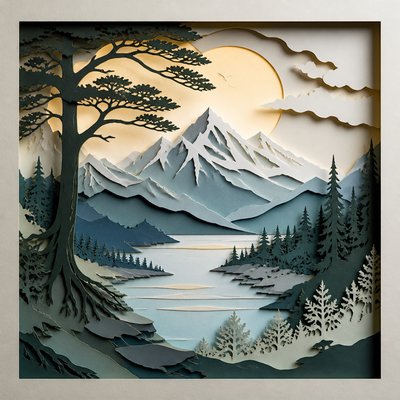
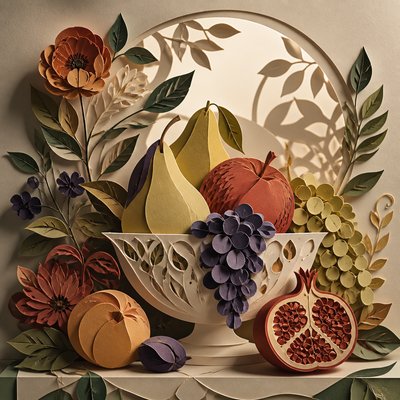
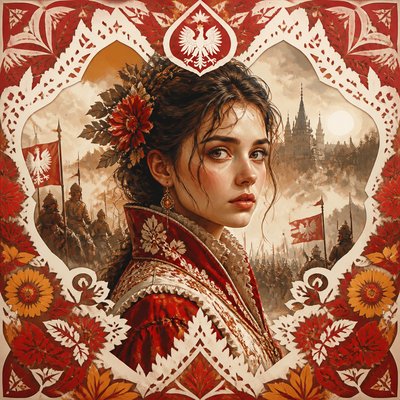
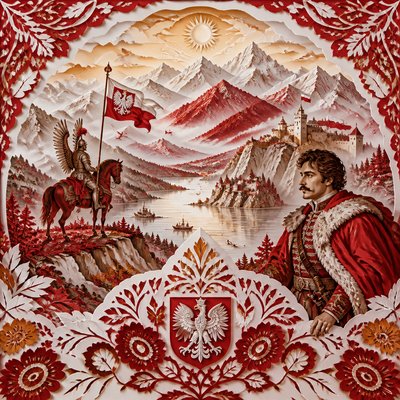
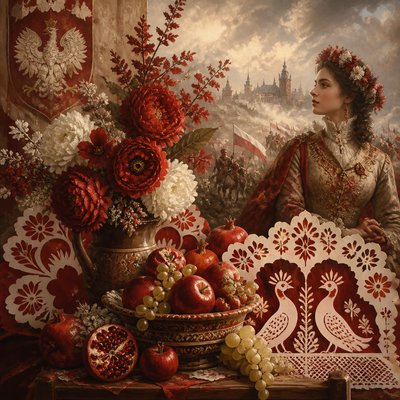
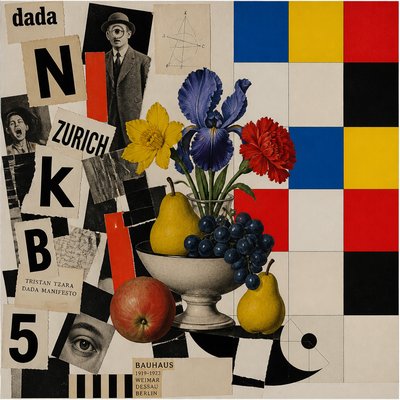
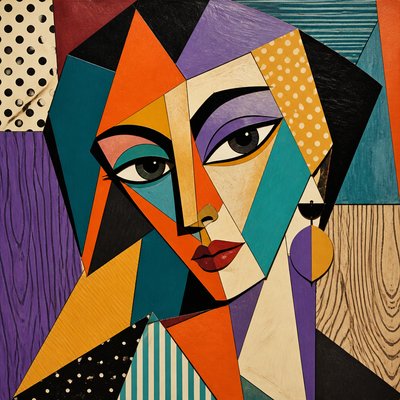
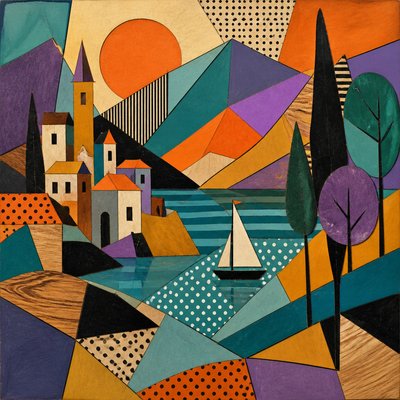
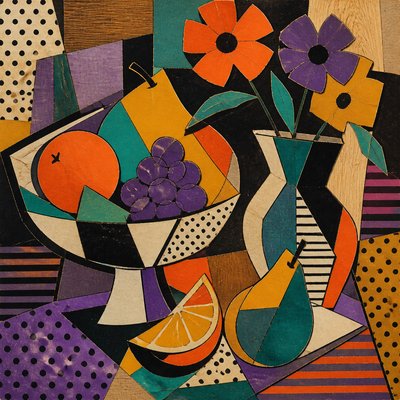
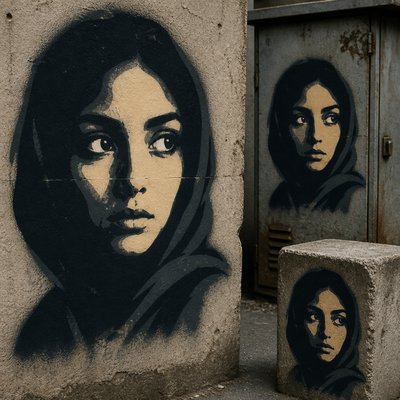
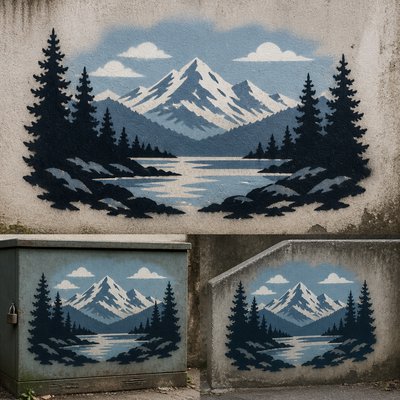
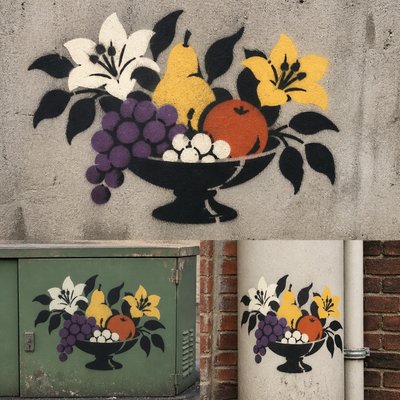
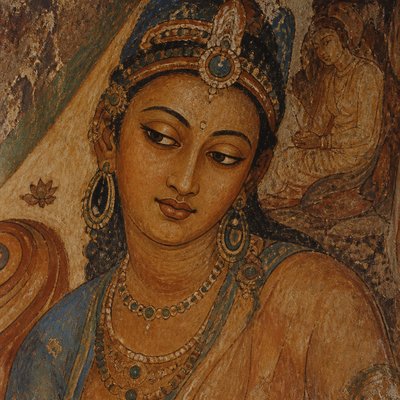
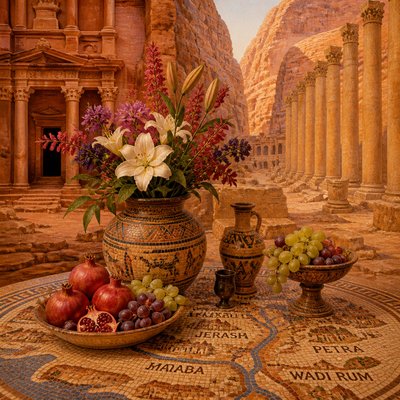
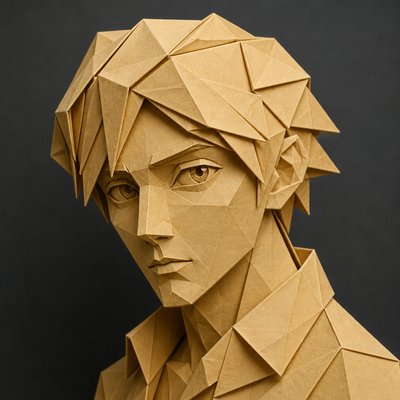
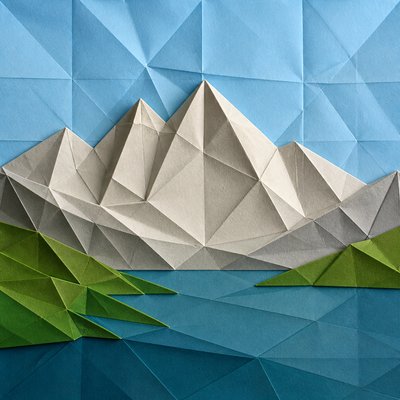
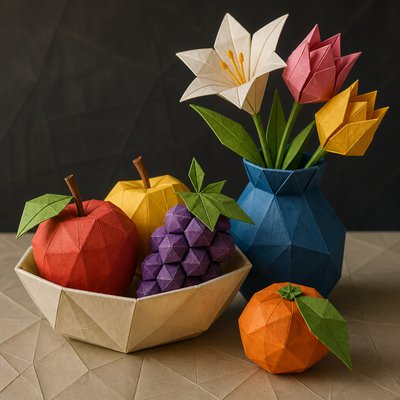
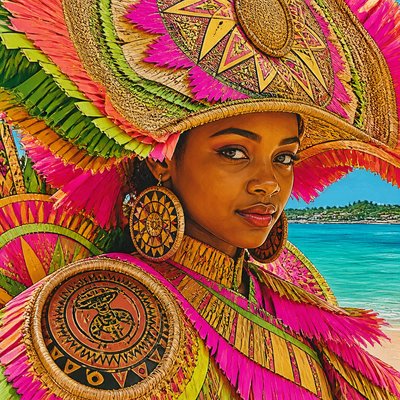
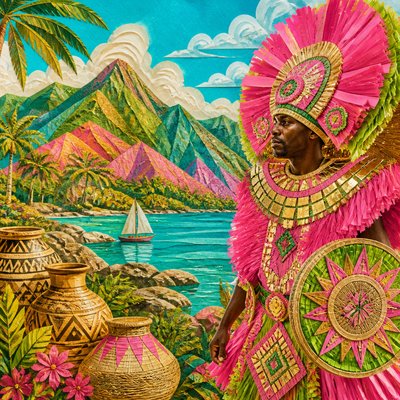
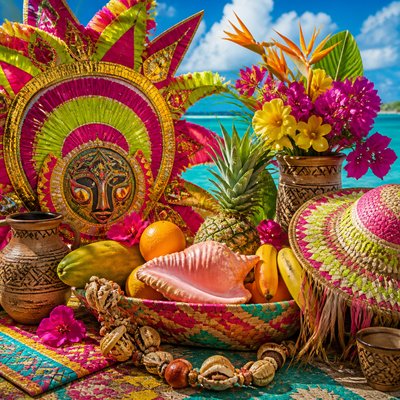
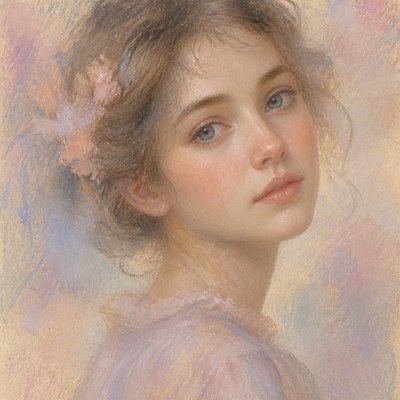
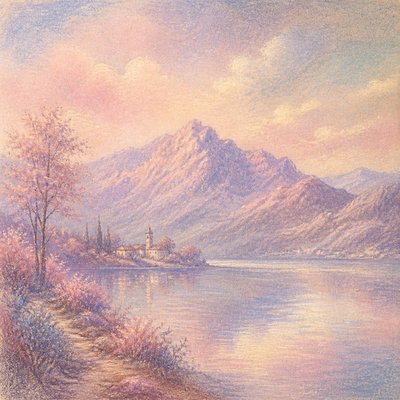
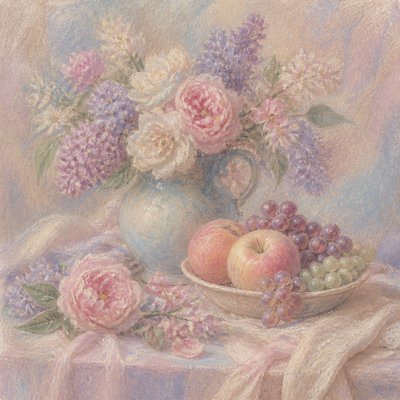
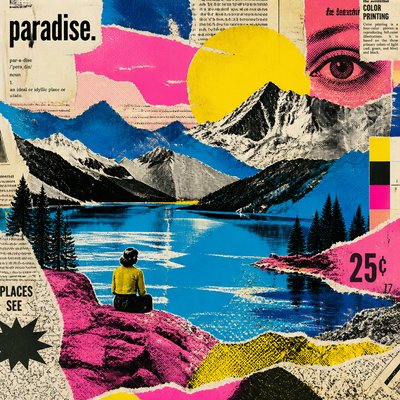
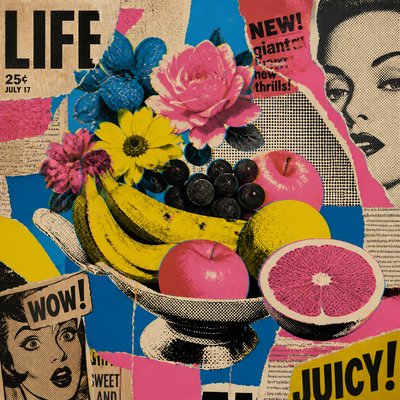
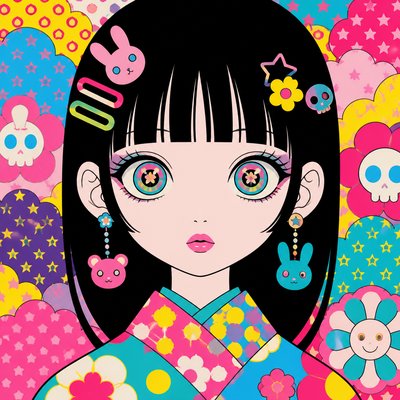
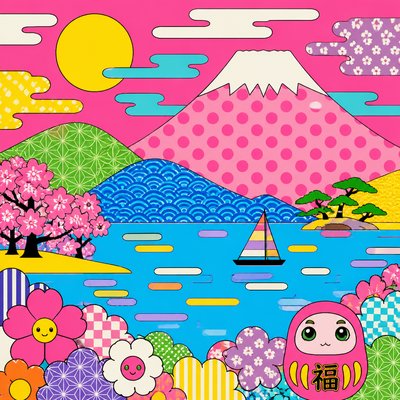
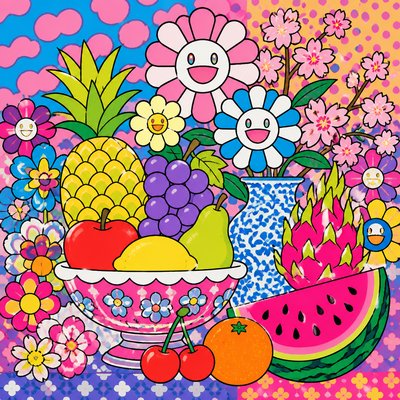
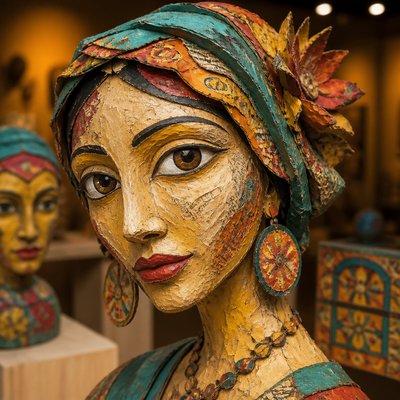
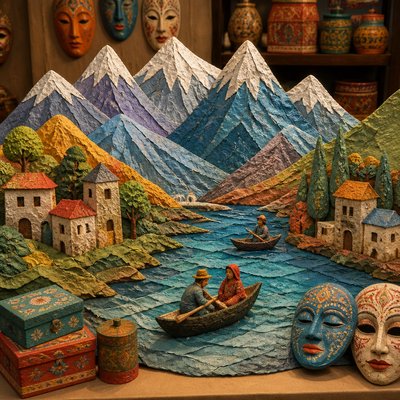
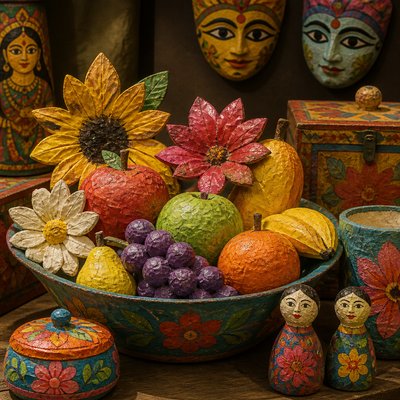
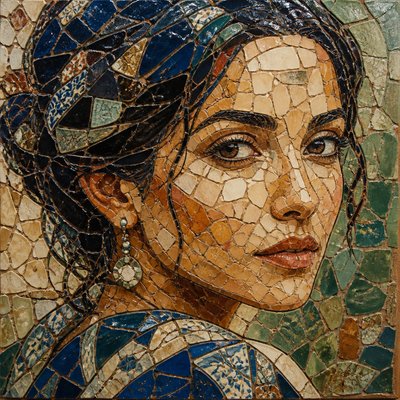
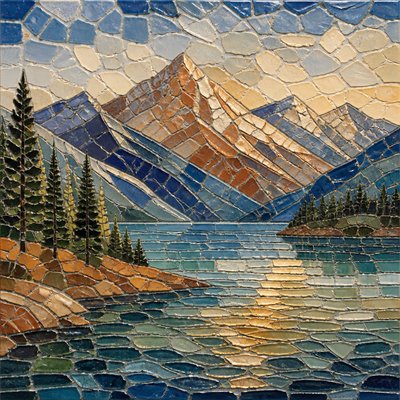
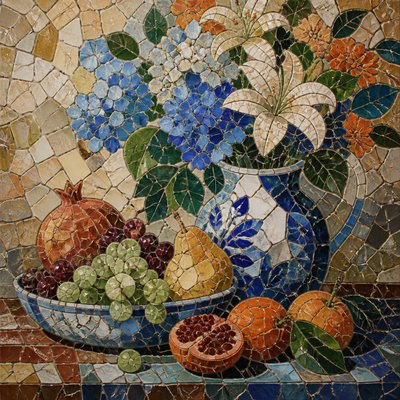
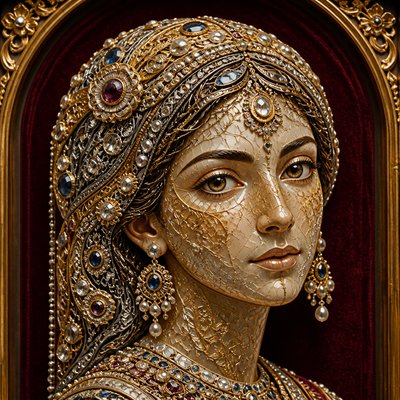
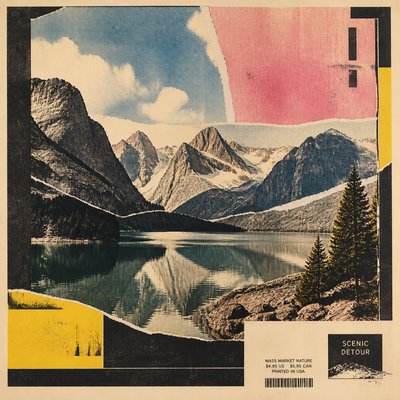
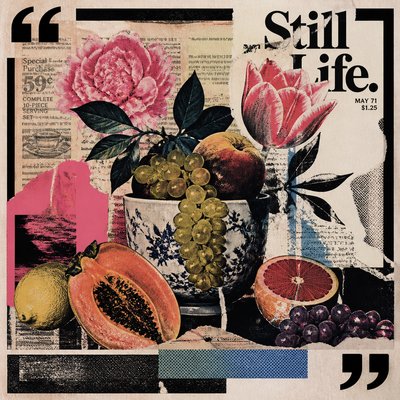
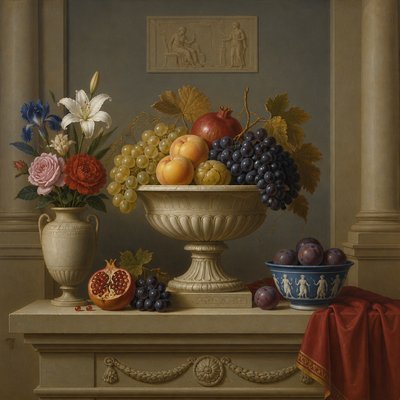
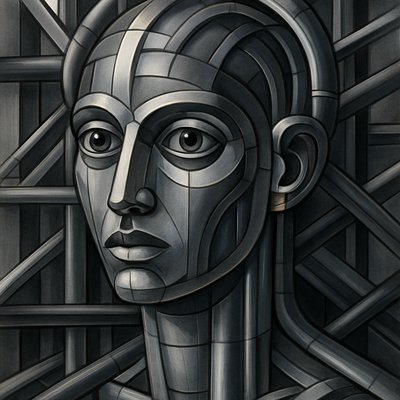
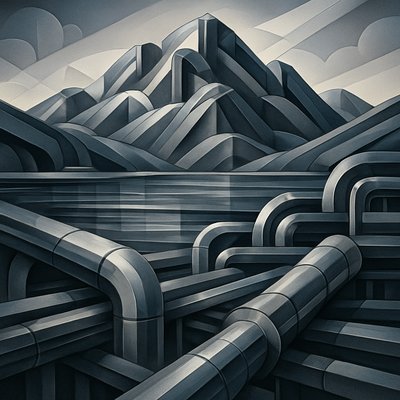
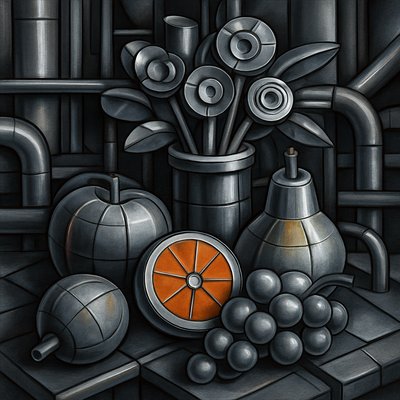
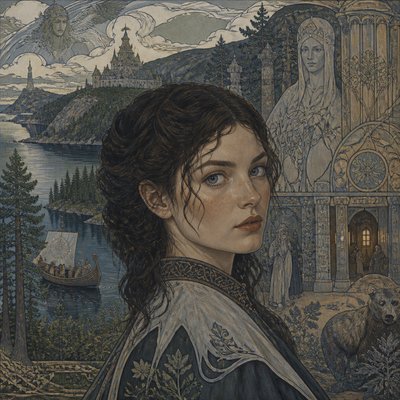
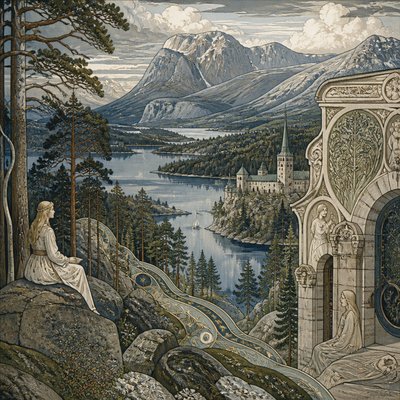
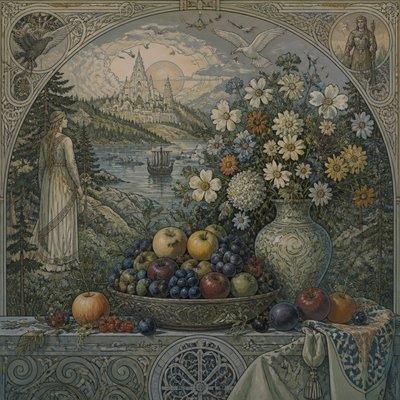
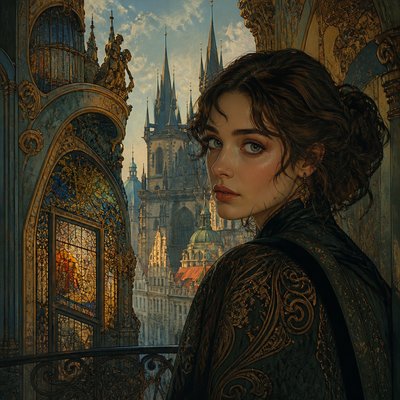
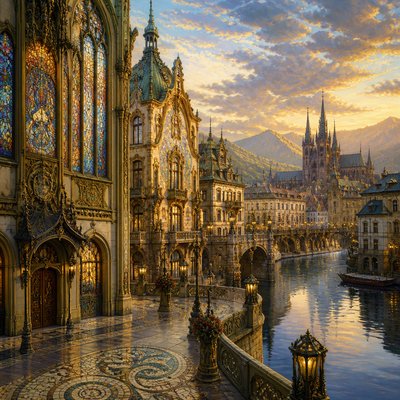
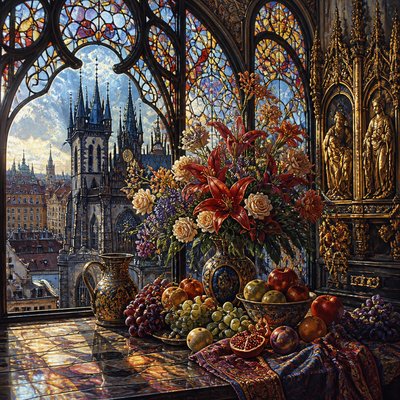
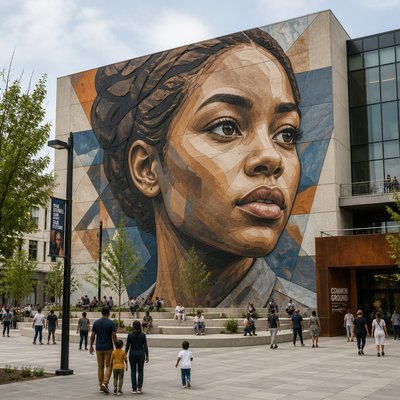
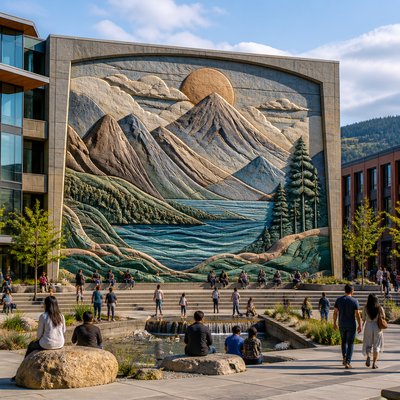
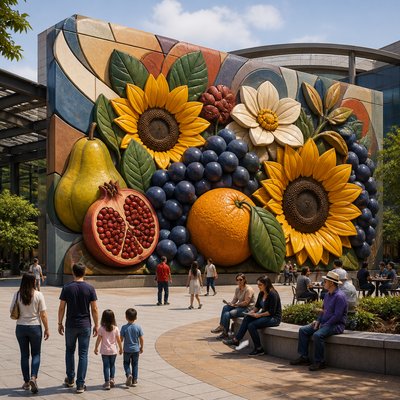
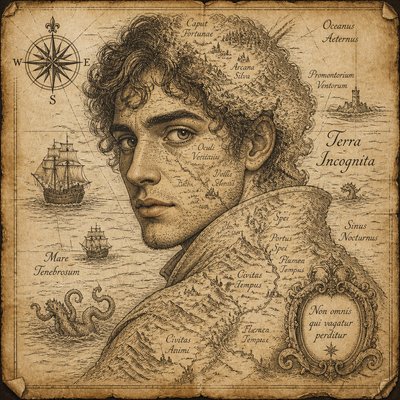
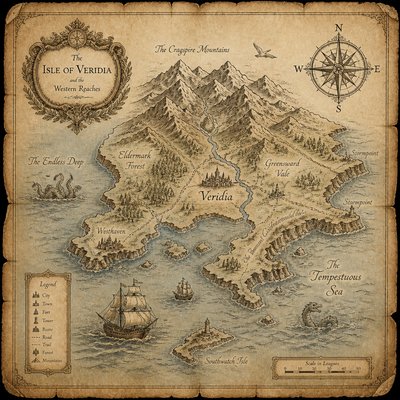
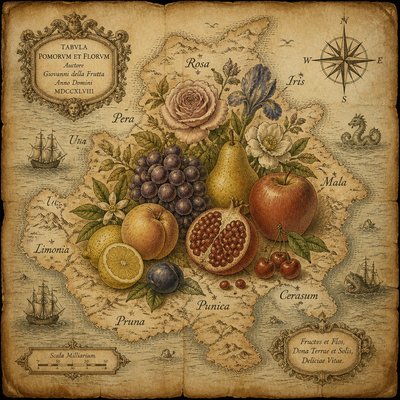
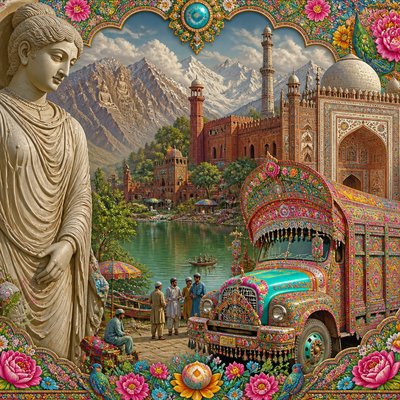
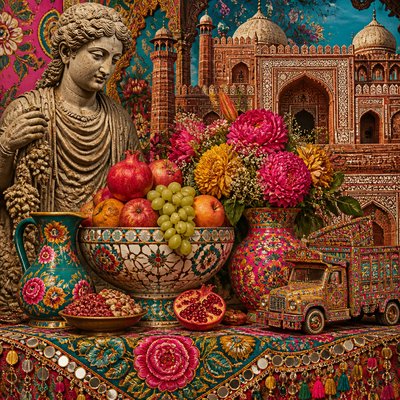
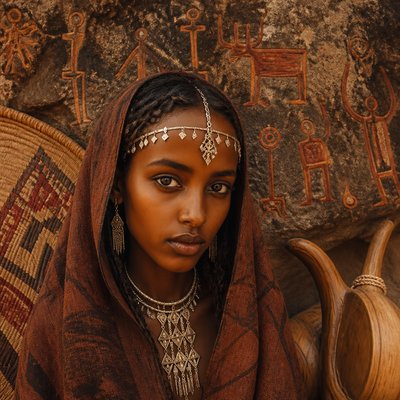
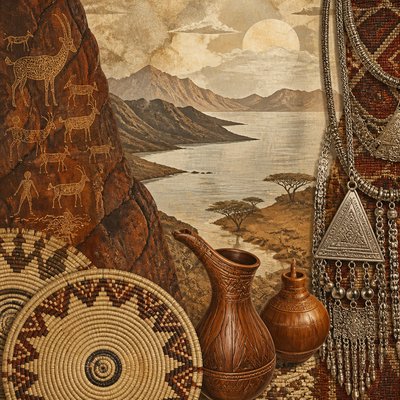
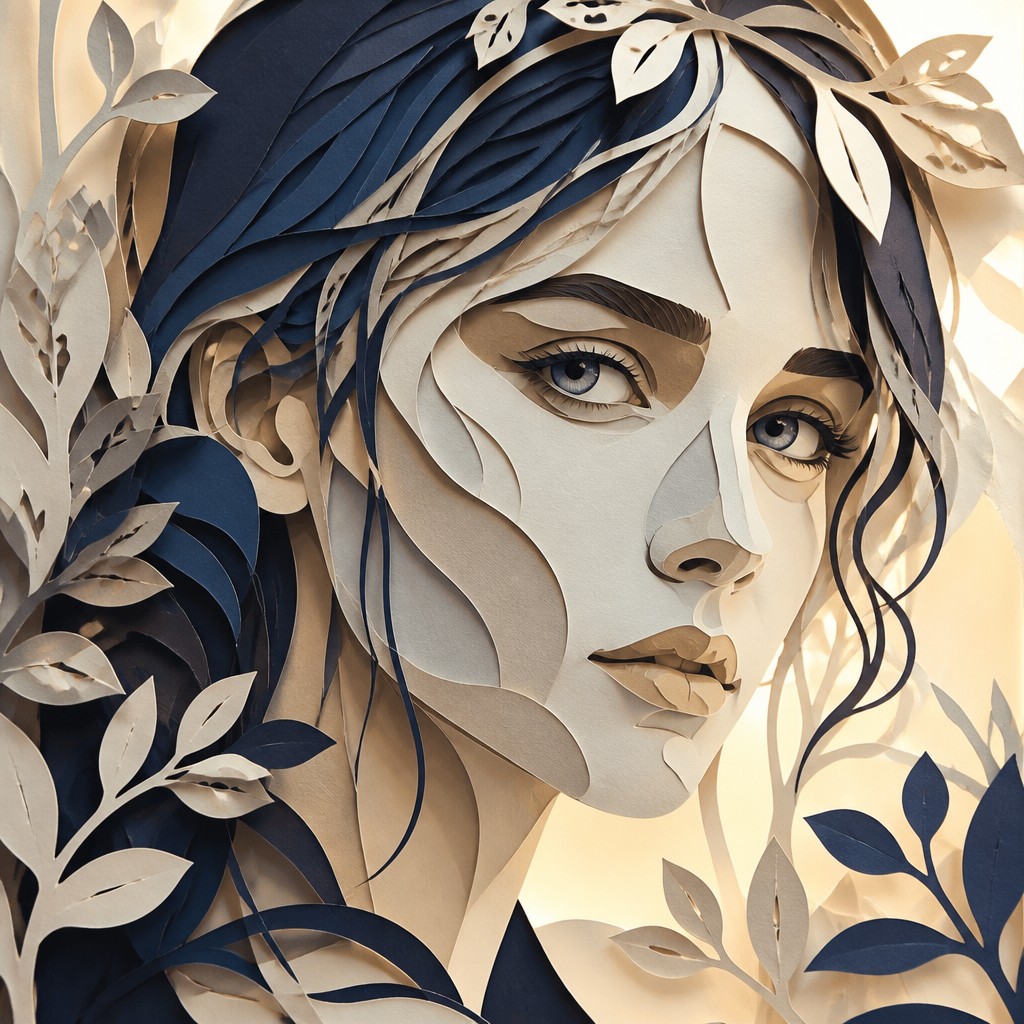
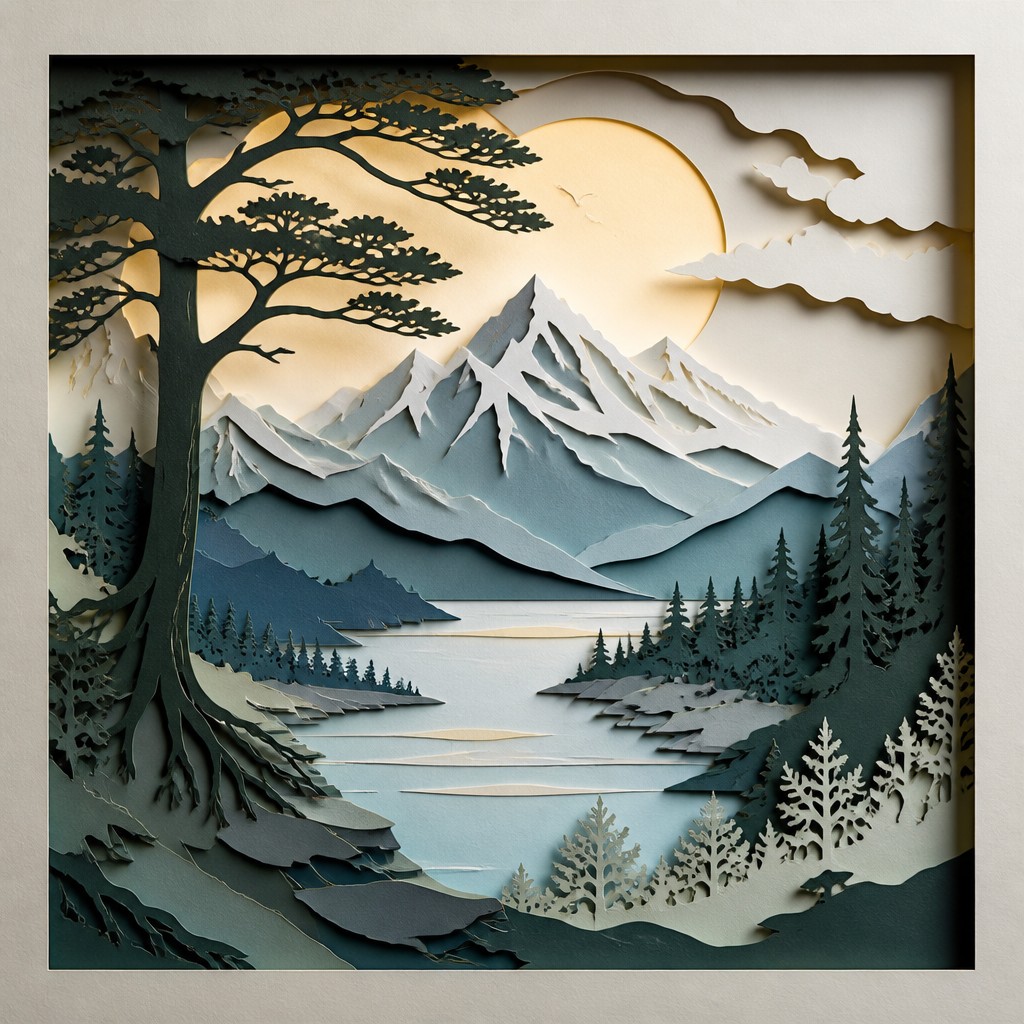
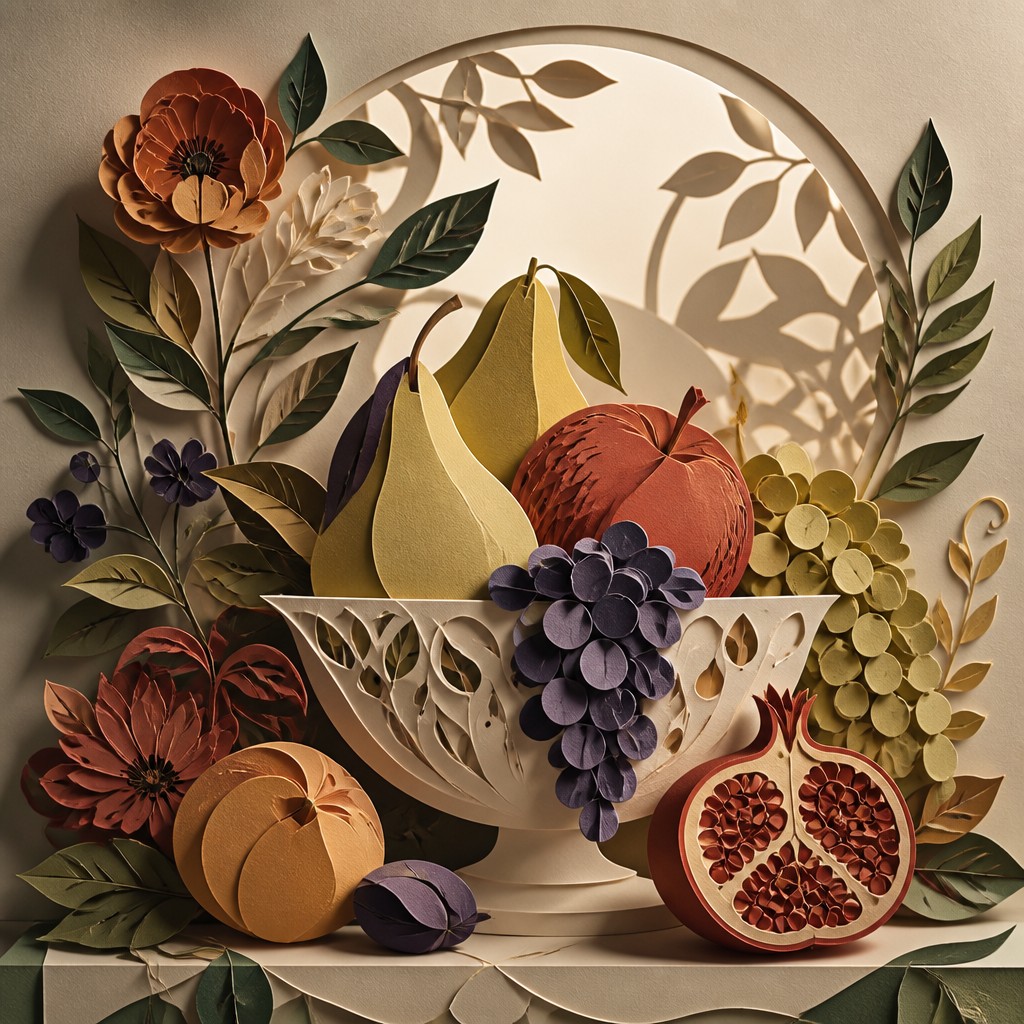
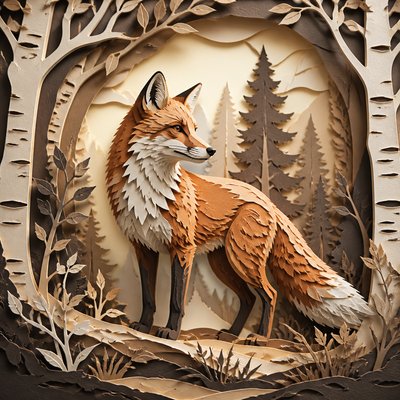
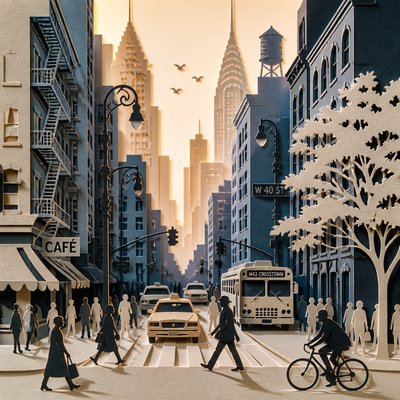
Layered cut-paper artwork with stacked silhouettes, soft shadows, crisp edges, and a handcrafted sense of depth.
Instantly rendered in Paper Cut — or transform a photo
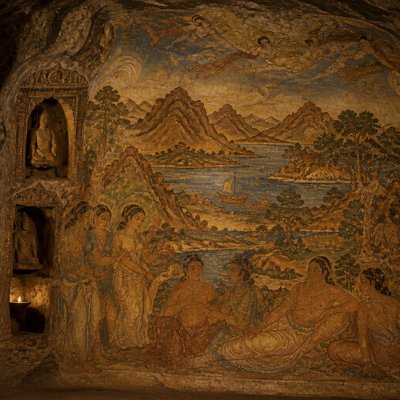
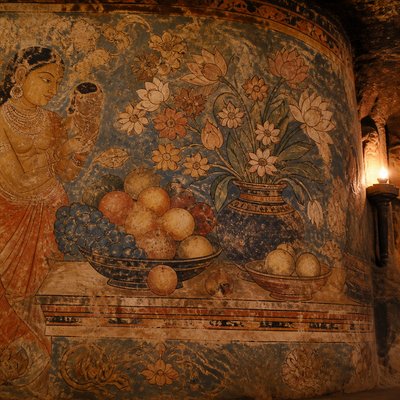
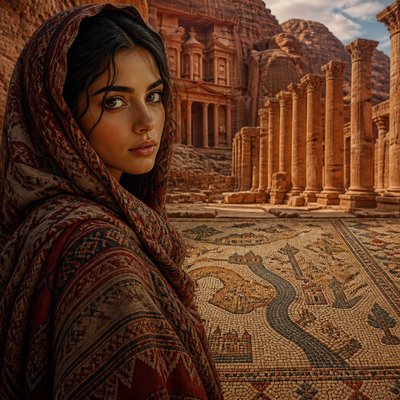
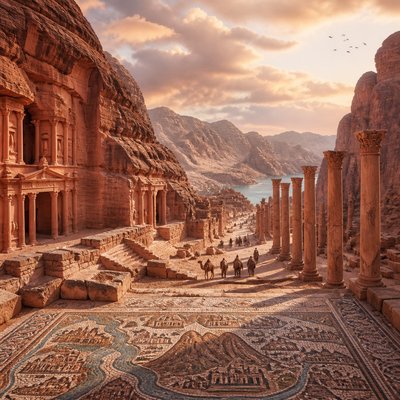
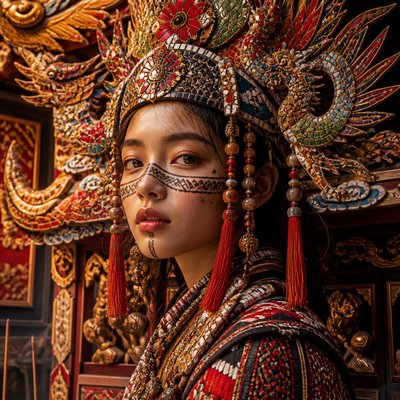
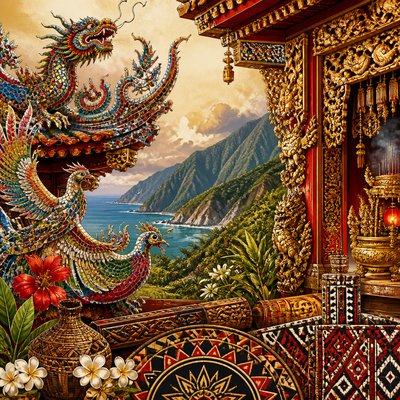
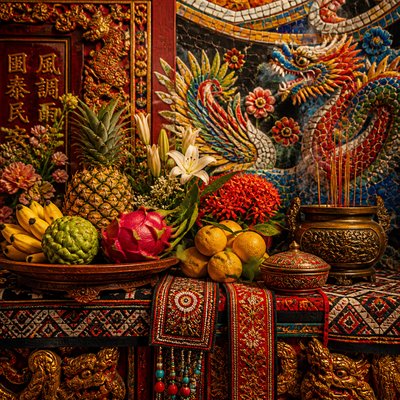
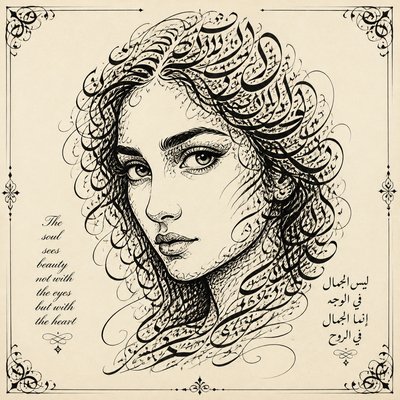
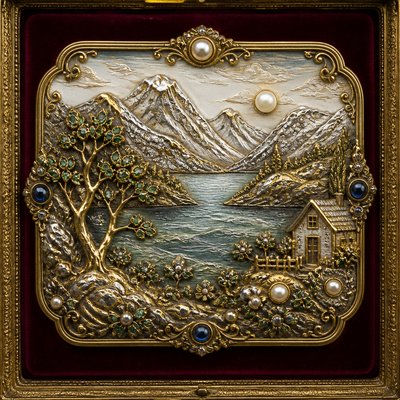
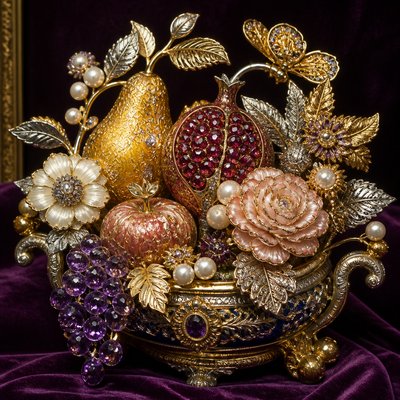
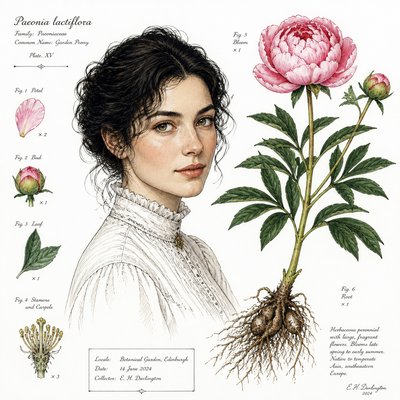
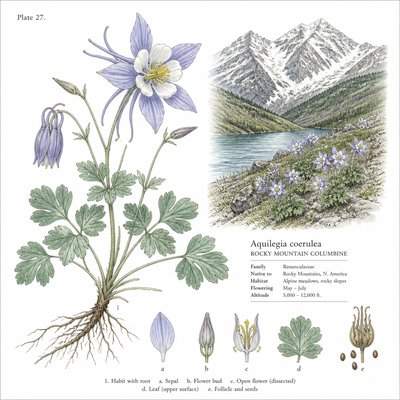
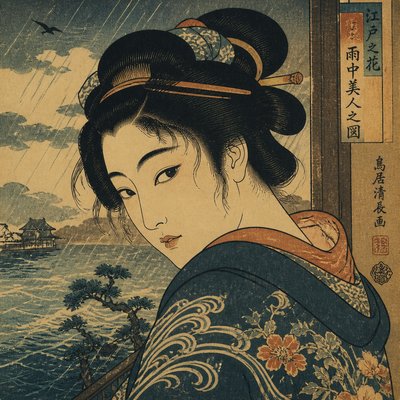
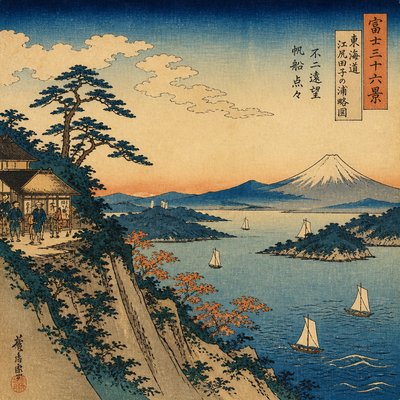
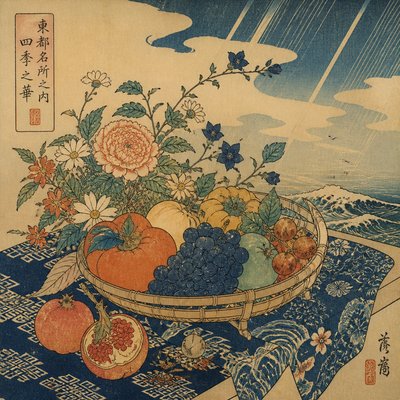
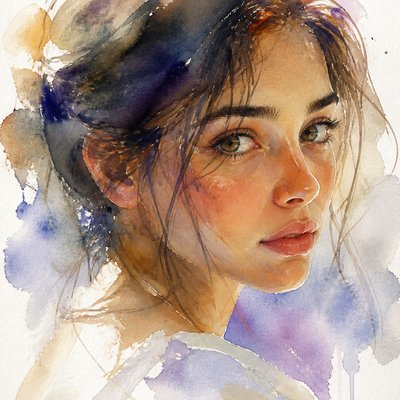
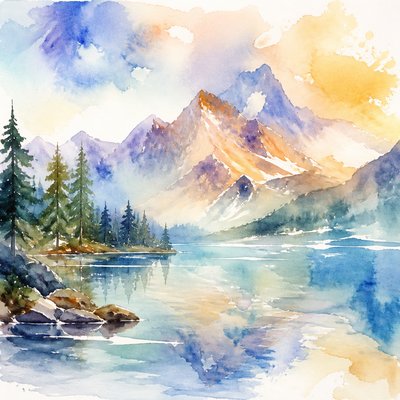
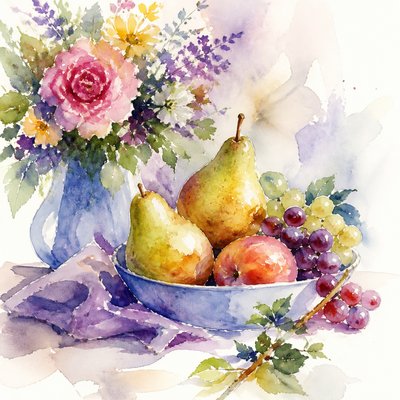
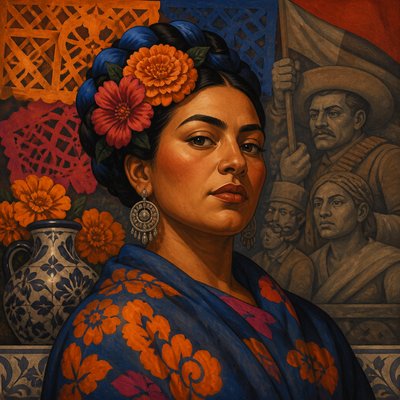
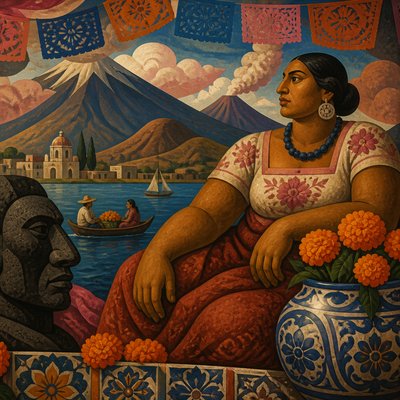
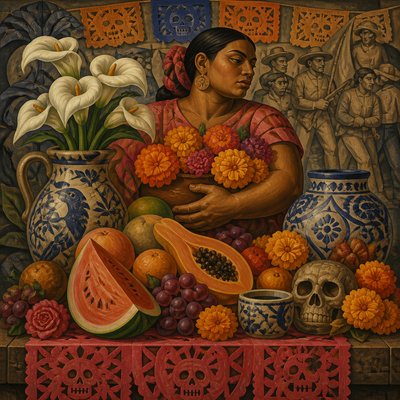
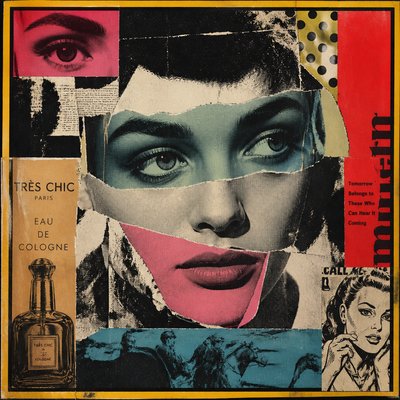
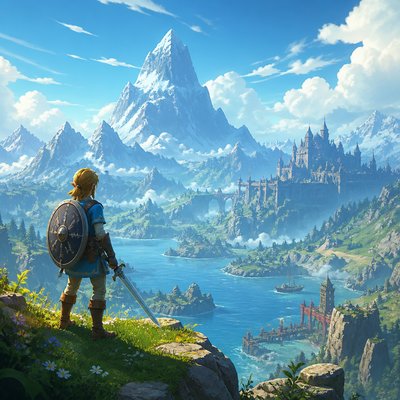
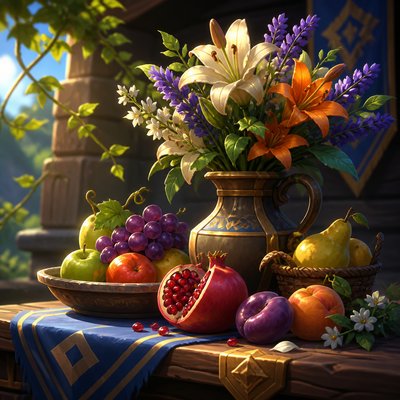
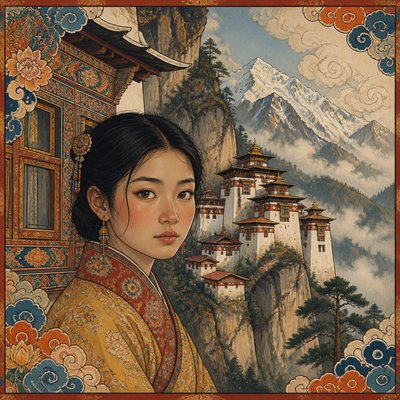
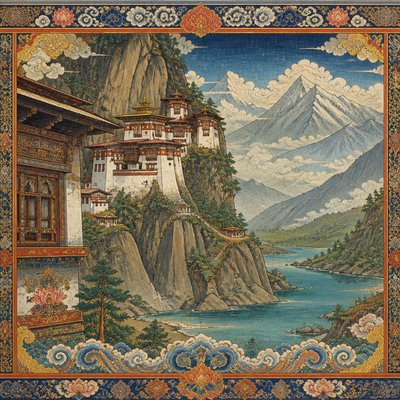
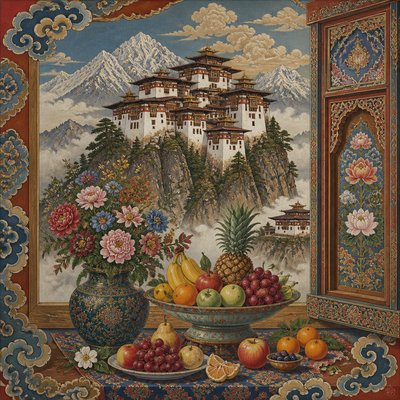
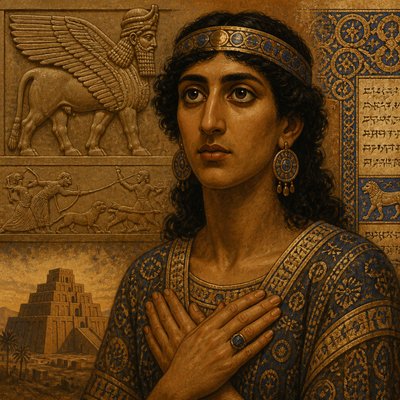
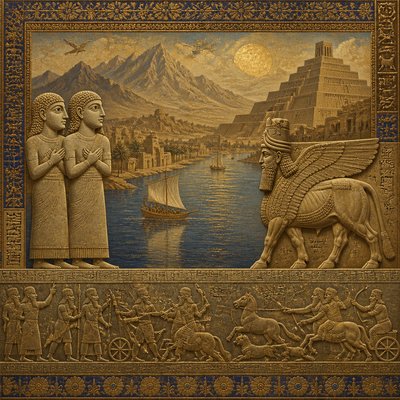
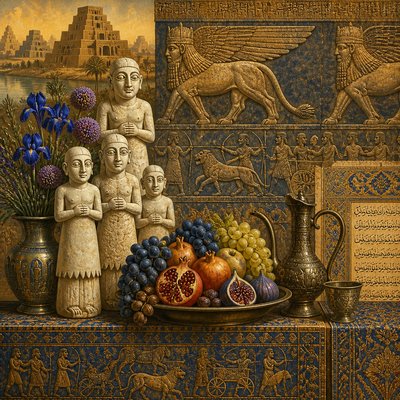
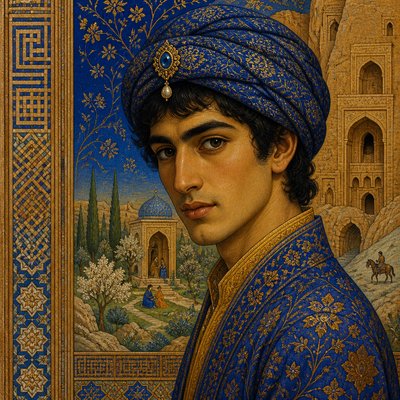
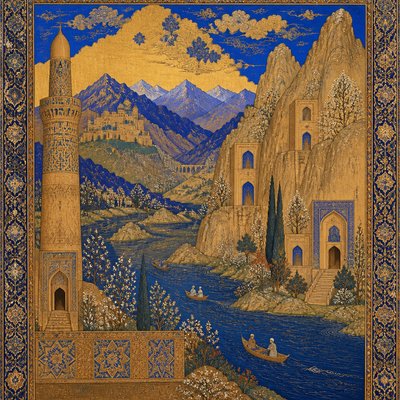
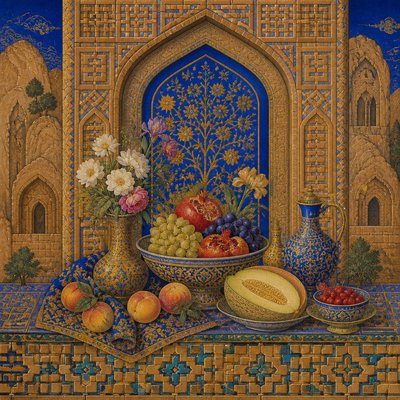
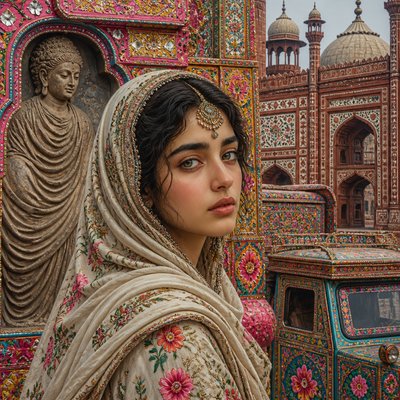
Paper Cut Gallery
Tap any artwork to explore it
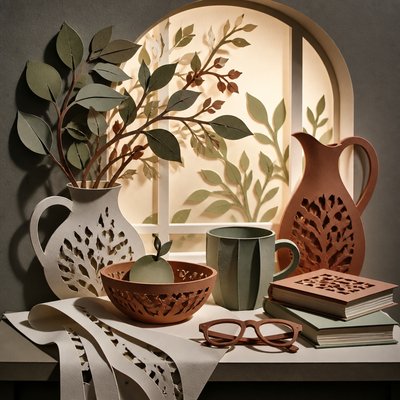
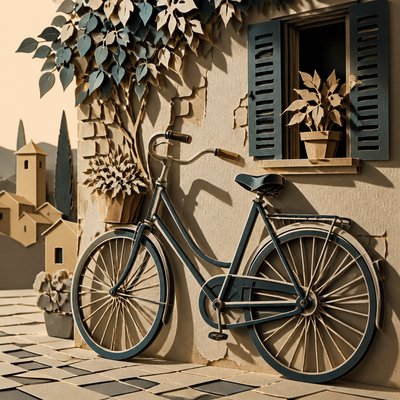
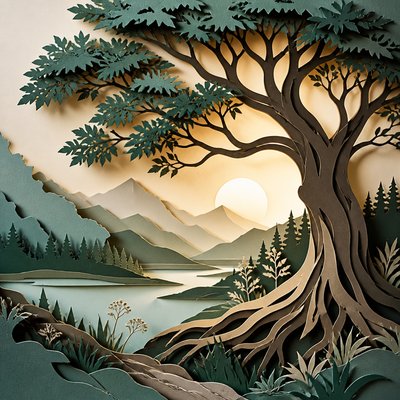
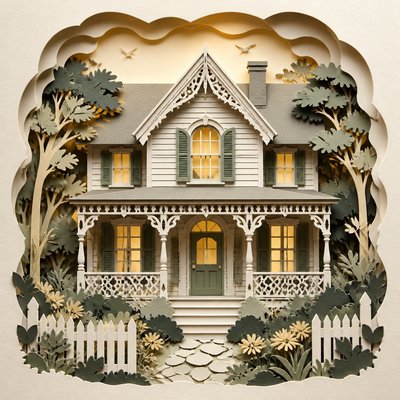
What is Paper Cut Art Style?
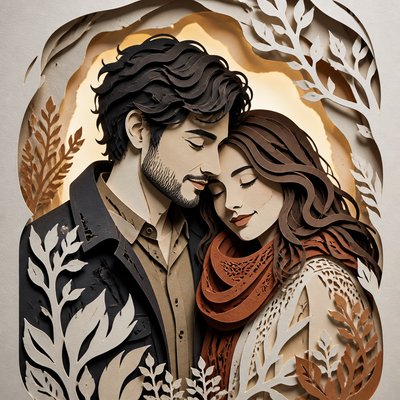
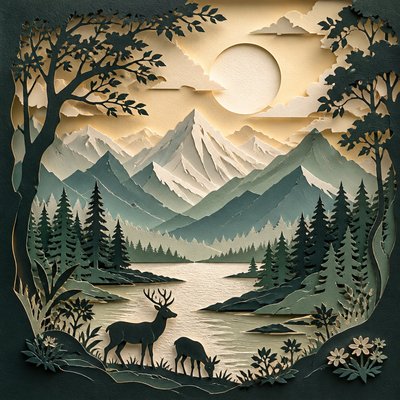
Paper Cut Art Style is an image-making approach that simulates or uses stacked sheets of paper arranged into layered silhouettes. Its defining look comes from crisp knife-cut edges, nested planes, and shadows that separate each layer, making the image feel both graphic and sculptural.
The style reads clearly at a distance because it relies on bold shape design, strong positive and negative space, and a limited palette. At closer range, it often reveals fine paper grain, slight edge curls, and pierced details that emphasize handcraft and material depth, even when the work is digitally composed.
Try It On Your Photos
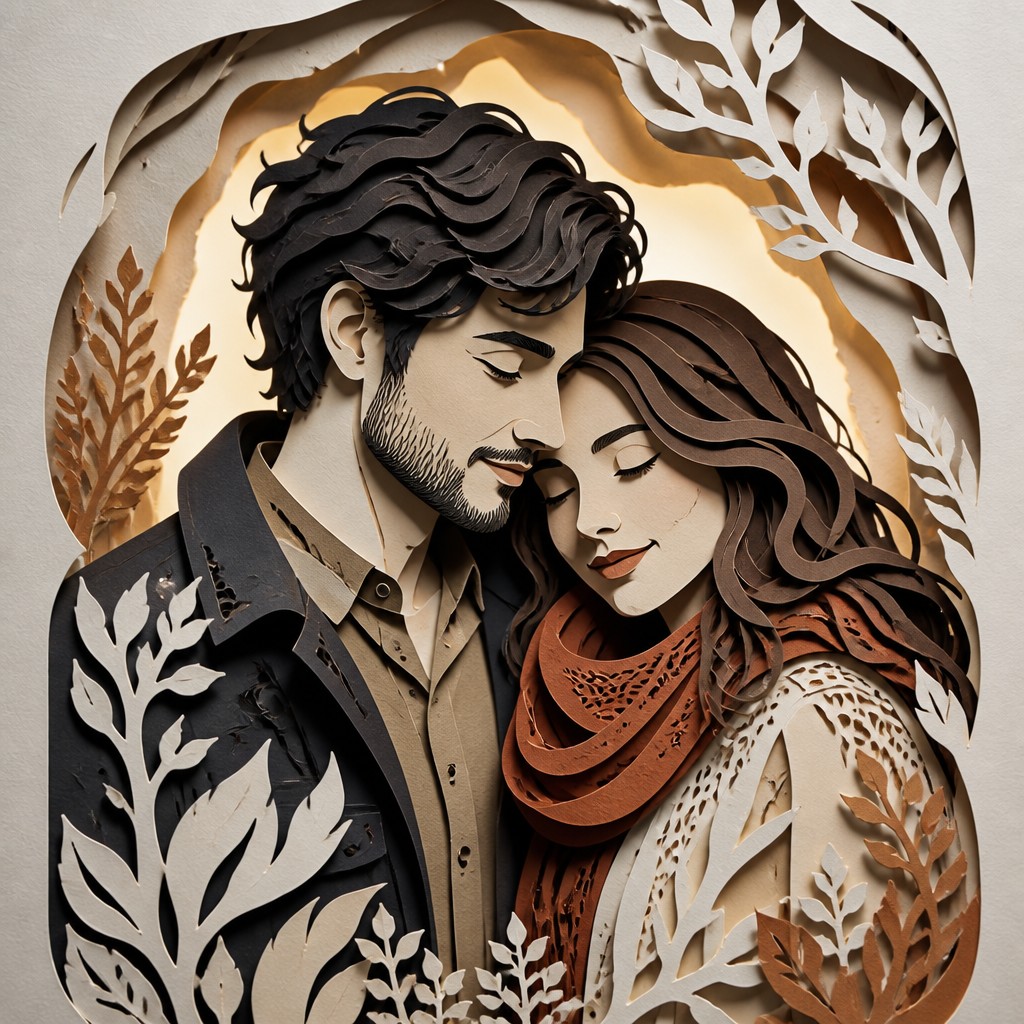
Upload any photo and convert it into Paper Cut Art Style — drag the sliders to compare before and after.



What Defines Paper Cut Art Style
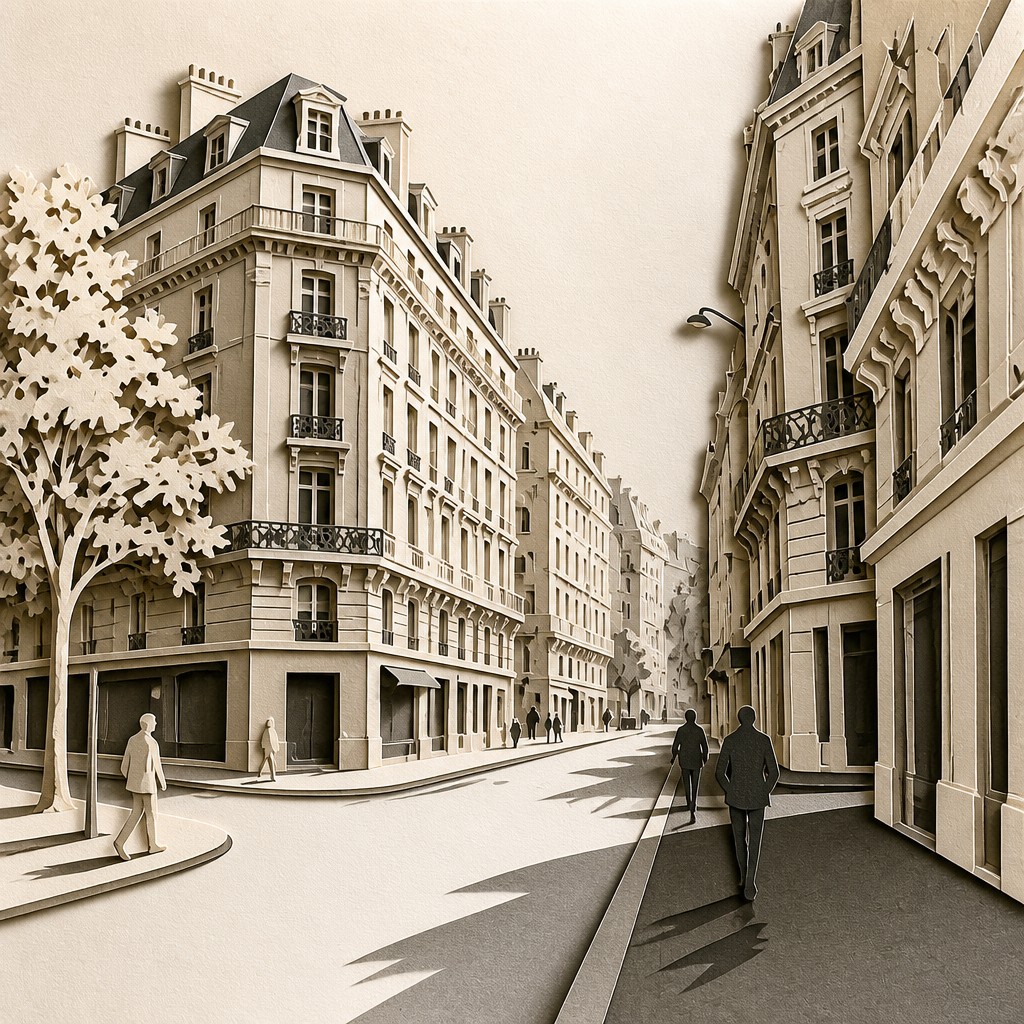
The signature details, up close
Layered silhouette construction
Forms are built from multiple stacked shapes, each representing a different spatial plane. This layering creates immediate depth without relying on painterly modeling.
Distinct cast shadows
Soft, separated shadows fall between layers and around edges, visually lifting each piece from the one behind it. The shadows are essential because they make the paper structure legible.
Clean cut edges
The style depends on precise outlines and sharp contours, as if each form were cut with a knife or scissors. Even complex scenes usually preserve this clarity.
Positive and negative space
Open areas, cutouts, and voids are as important as the paper forms themselves. The composition often uses absence to describe detail, pattern, or light.
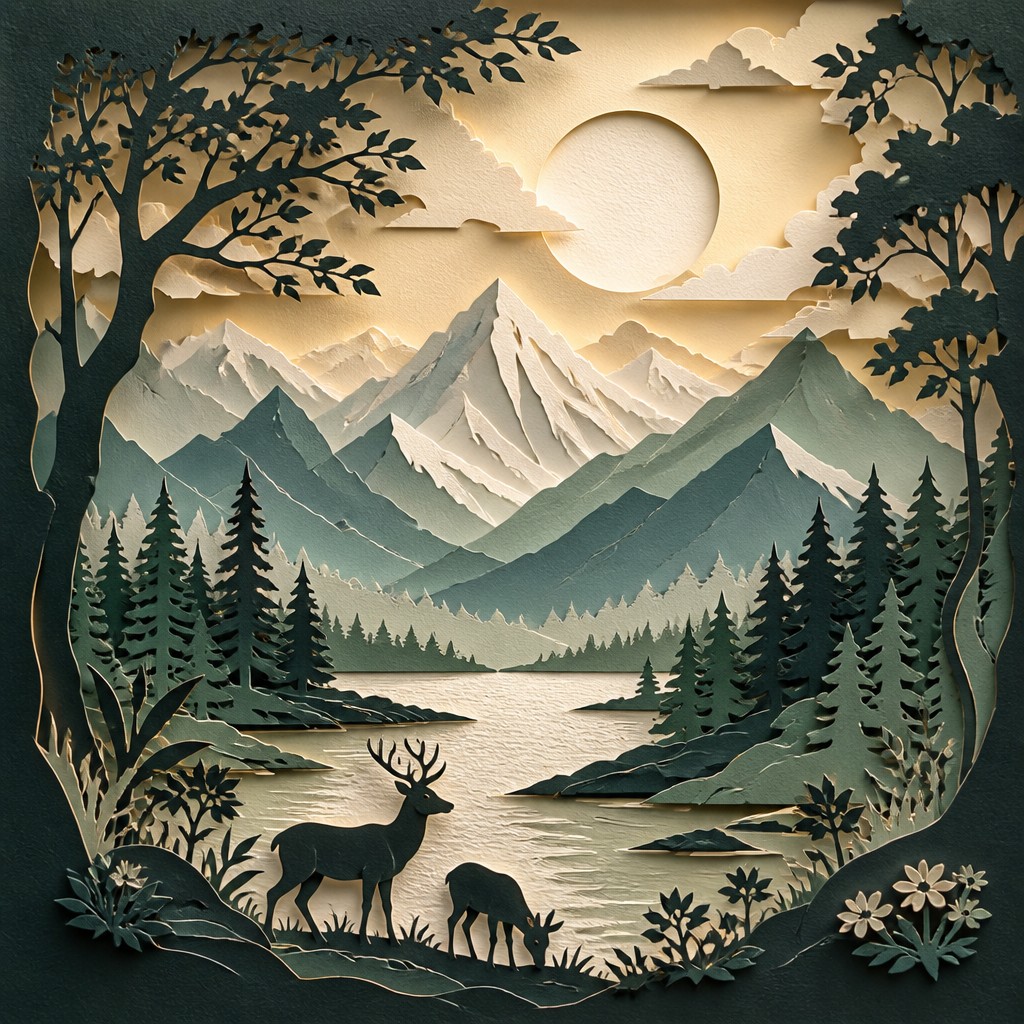
Limited harmonious palette
Color is typically restrained, with gentle tonal steps across layers rather than broad chromatic variation. This helps the image feel cohesive and emphasizes depth over realism.
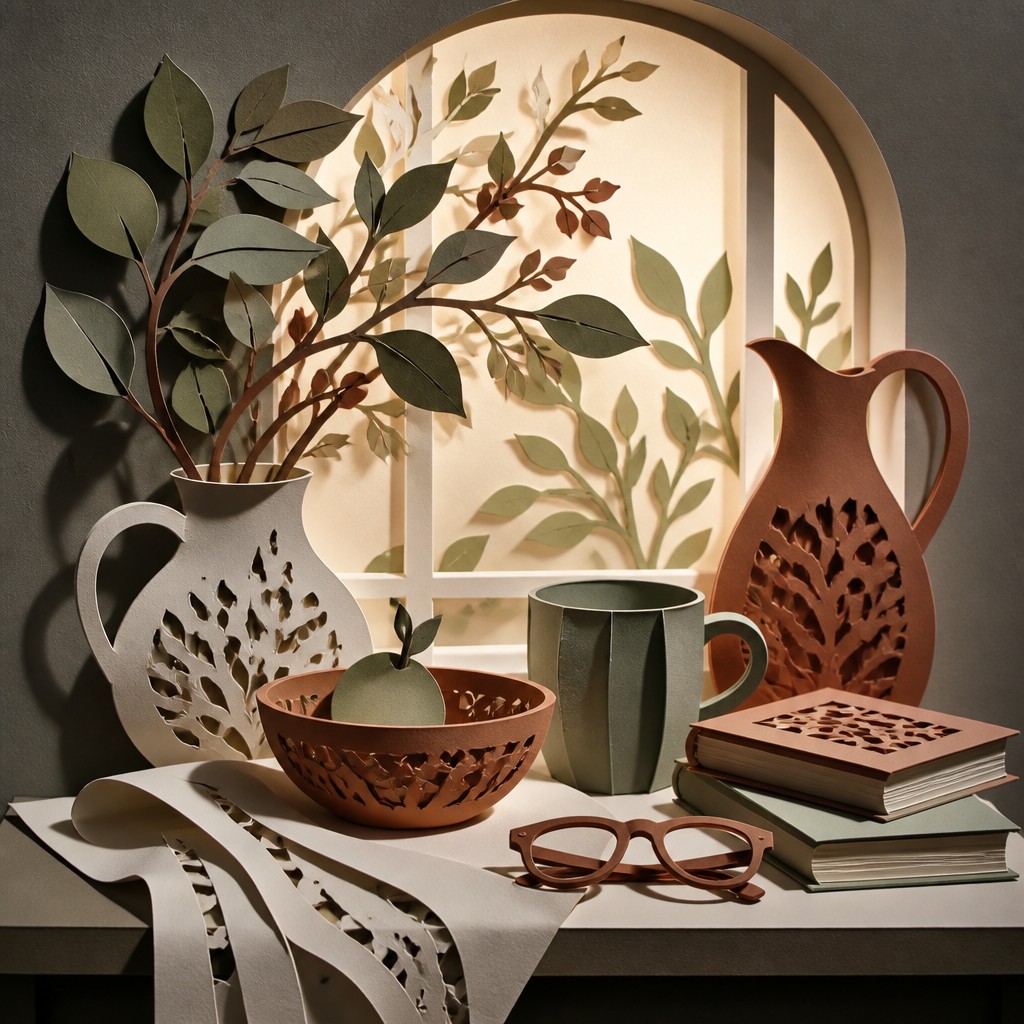
Paper texture and edge curl
Subtle grain, fiber, or slight curling at the edges reinforces the material illusion. These small imperfections keep the image from feeling purely digital or flat.
Try It
Create Videos in Paper Cut Art Style
Styles aren't just for stills — describe a scene or animate an image and get a short video rendered in Paper Cut. Press play to see this pond come to life.
Make a VideoPaper Cut Prompt Ideas
Start from an idea — each one opens the generator with the style ready to go. See all 40 Paper Cut prompts →
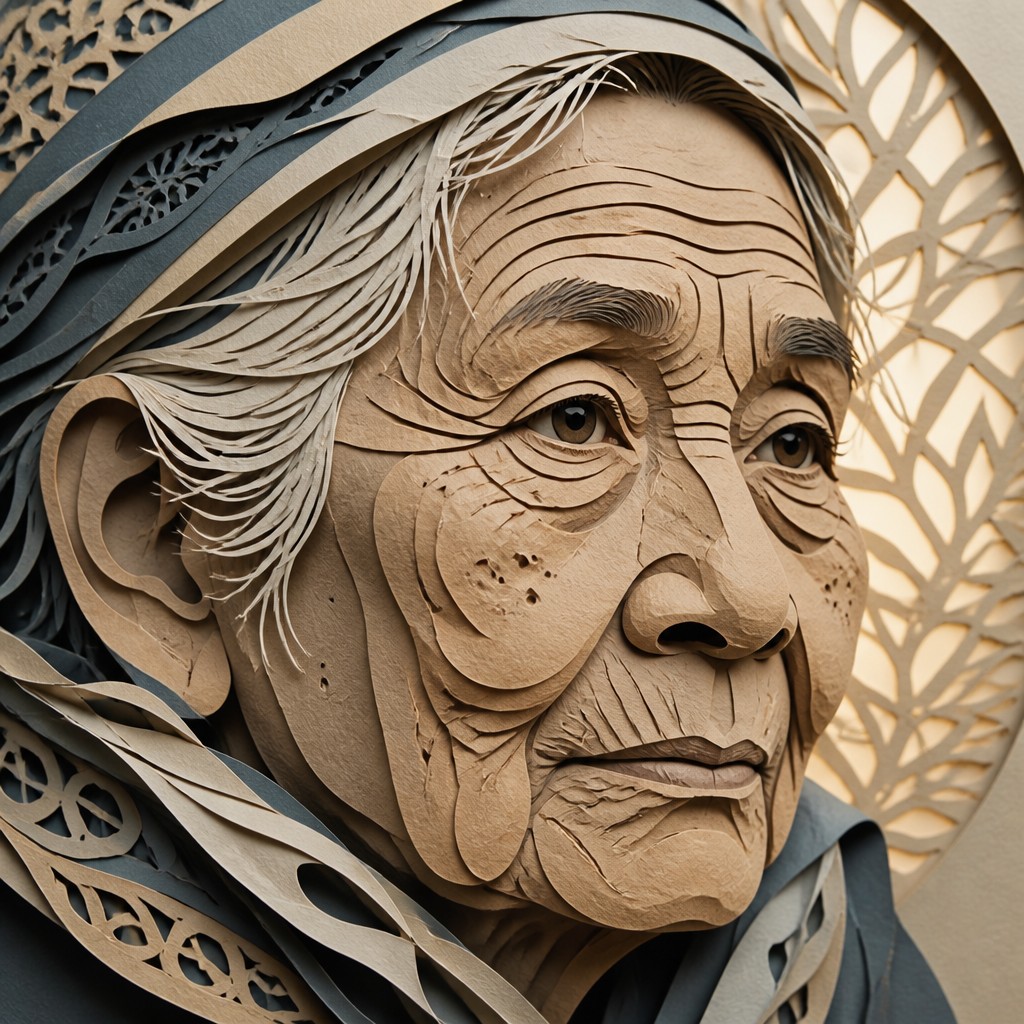
“close-up portrait of an elderly person with expressive weathered features”
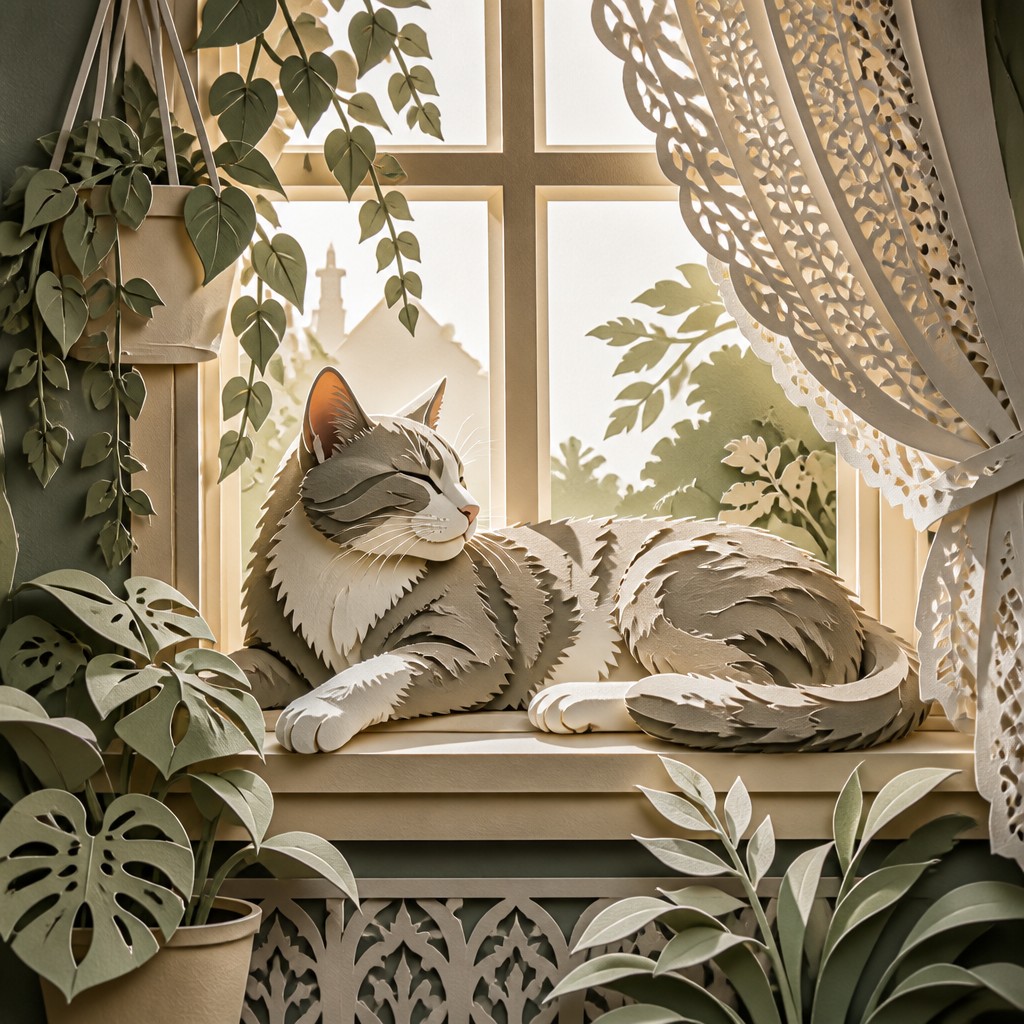
“a cat lounging in a sunlit window”
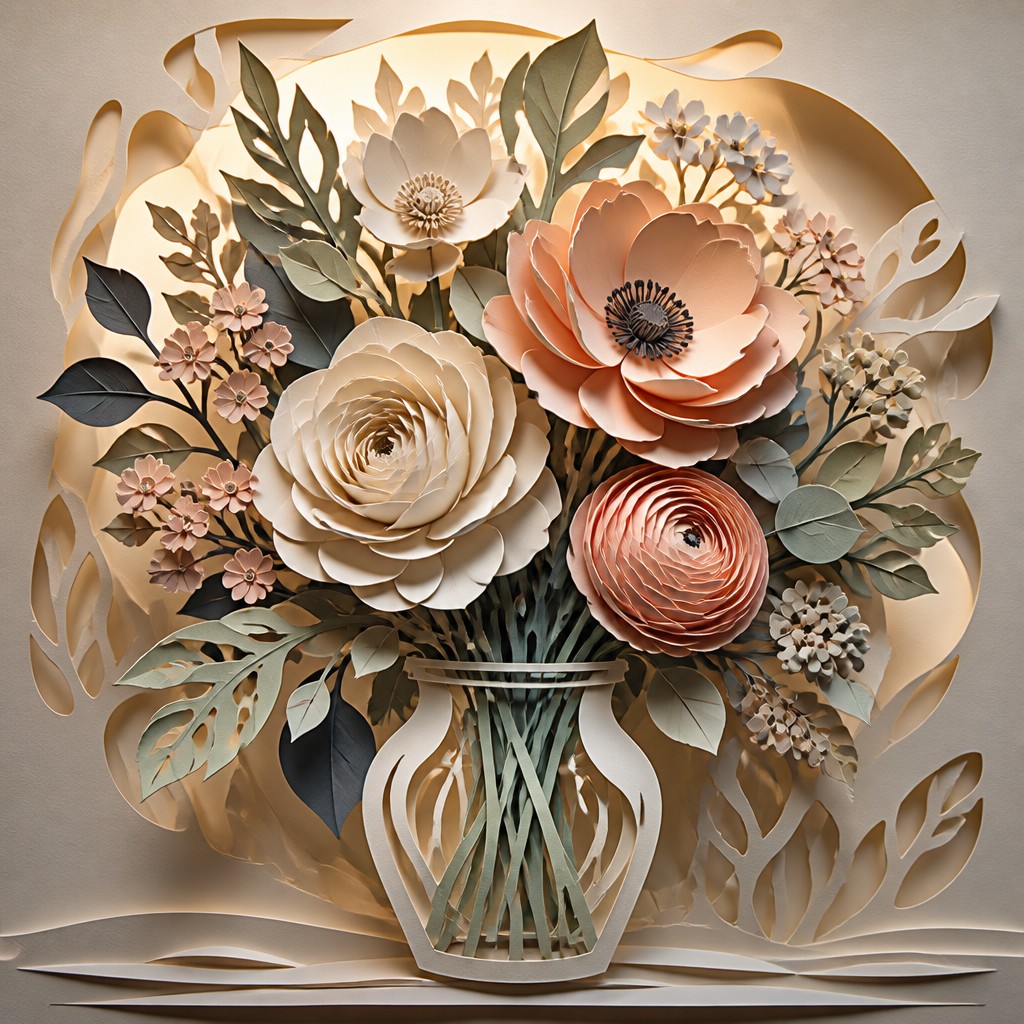
“bouquet of flowers in a glass vase”
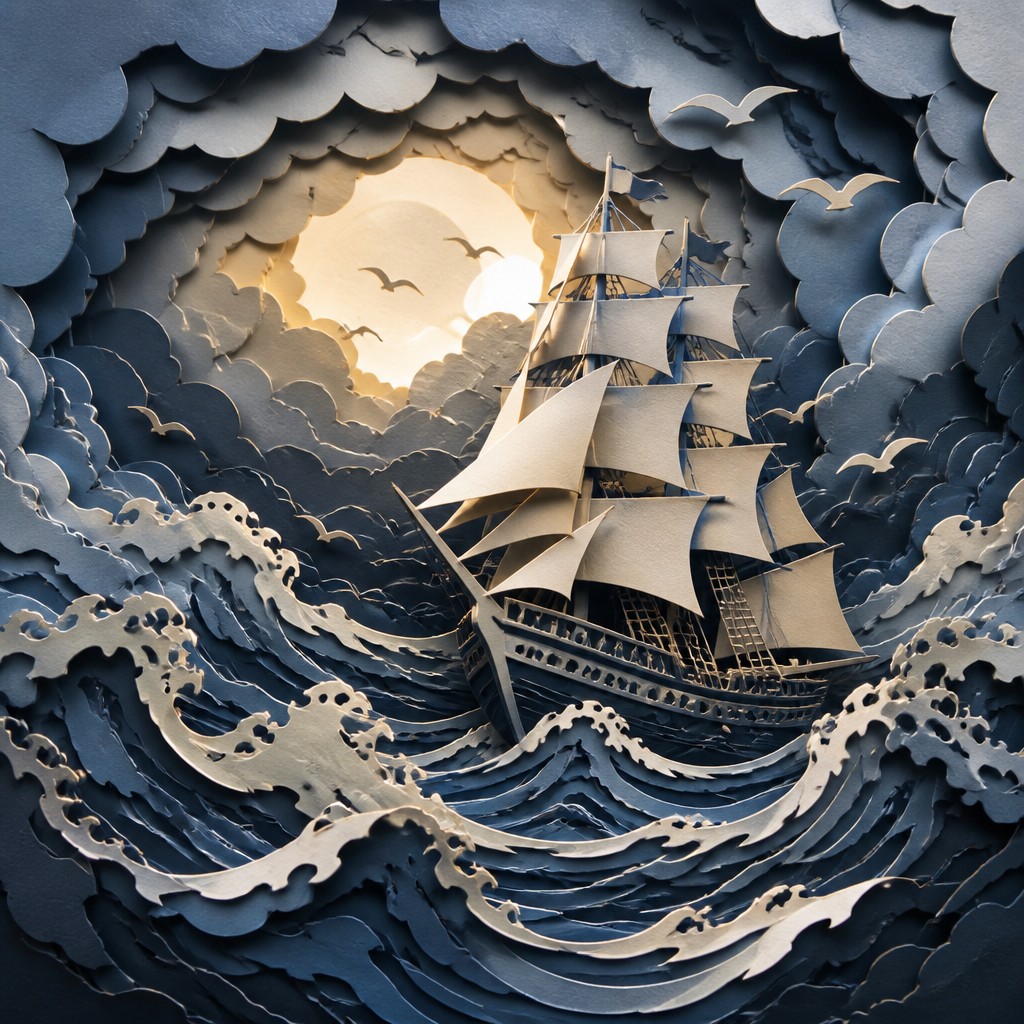
“sailing ship on a stormy sea”
How to Create Paper Cut Art
Master the craft step by step — or skip straight to creating. Read the full guide →
- 1
Design the image as stacked planes
Start by separating the subject into foreground, midground, and background shapes, then simplify each layer into clean silhouettes. Keep major forms readable when viewed individually, since every plane must function as a cut piece.
- 2
Use shadows to define depth
Offset each layer slightly and add soft, directional shadows between them to simulate physical separation. Avoid muddy shadows; distinct but gentle shadow edges keep the paper illusion crisp.
- 3
Simplify details into cut motifs
Convert hair, foliage, architecture, or fabric into repeating cut patterns, pierced holes, and contour cuts. Fine detail should feel engineered from paper, not painted onto it.
- 4
Choose a restrained palette
Limit the colors to a small set of related tones, often with one accent color and gradual tonal variation across layers. Harmonized color makes the stacked structure easier to read.
- 5
Preserve handcrafted material cues
If working traditionally, use cardstock, scalpel knives, adhesives, and spacers to physically separate layers. In digital work or prompt-based generation, ask for paper grain, slight curled edges, and backlighting so the result retains a tactile relief quality.
The Story
History & Origins of Paper Cut
Paper cutting has deep roots in folk art traditions across multiple cultures, including Chinese jianzhi, Swiss and German silhouette cutting, and decorative papercraft in Europe and East Asia. The modern layered version draws from those hand-cut traditions but adds the logic of stage design, relief sculpture, and collage: separate planes are stacked to create a sense of spatial depth rather than a flat cutout image.
In contemporary illustration, editorial design, animation, and children’s publishing, paper-cut aesthetics became especially visible as artists used cut shapes, shadow boxes, and digital compositing to evoke handmade craft. The style’s current form is less a single historical movement than a cross-disciplinary visual language shaped by folk papercutting, modernist graphic simplification, and stop-motion and pop-up book aesthetics.
Influences: Paper Cut Art Style is related to traditional papercutting, silhouette art, collage, and pop-up book construction, as well as the visual logic of shadow boxes and relief sculpture. In modern illustration and graphic design it overlaps with the simplified shape language of artists such as Henri Matisse in his late paper cut-outs, though this style is usually more materially descriptive and layered than Matisse’s flat compositions.

Frequently Asked Questions
What defines paper cut art style?
It is defined by stacked paper-like layers, sharp cut edges, and shadows that create a sense of depth. The image usually feels handcrafted because the forms are simplified into silhouettes and cutout shapes rather than painted with continuous brushwork.
How is it different from collage?
Collage can mix many materials, textures, and printed fragments, while paper cut art is usually more unified and orderly. In this style, the illusion or use of cut paper is the main structure of the image, and the layering is intentionally visible.
How is it different from flat papercut silhouettes?
Flat papercut silhouettes stay mostly on one plane, while this style uses multiple depth layers. The shadows and spacing between layers are what make it feel sculptural rather than purely graphic.
What kinds of subjects work best in this style?
Scenes with clear shapes and natural depth translate well, such as landscapes, animals, architecture, folklore scenes, and decorative flora. Subjects with strong outlines are especially effective because they can be broken into readable layers.
Can this style be made digitally?
Yes. Digital workflows often use separate shape layers, shadow effects, and texture overlays to imitate cut paper, and the style is also well suited to prompt-based generation when terms like layered silhouettes, paper grain, and soft backlighting are included.
Where is paper cut art commonly used?
It appears in editorial illustration, book covers, posters, packaging, motion graphics, greeting cards, and children’s media. Its clear forms and tactile look make it useful when a design needs to feel handmade but still highly legible.
Create your first Paper Cut artwork
Describe anything — or upload a photo — and see it in Paper Cut Art Style in seconds.
Make Something with Paper Cut
Related Styles
Discover similar art styles