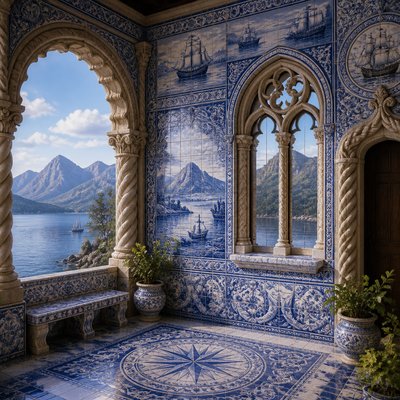
Photorealism Art Style
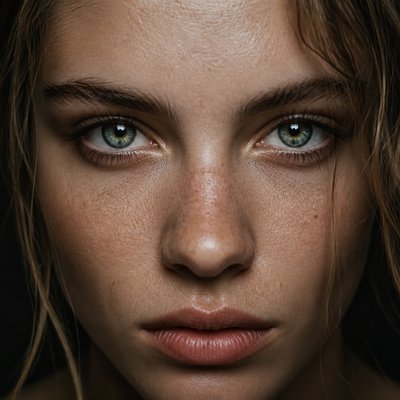
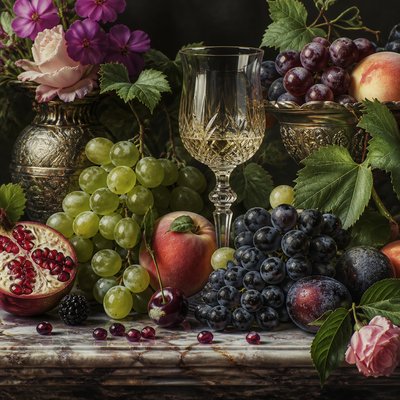
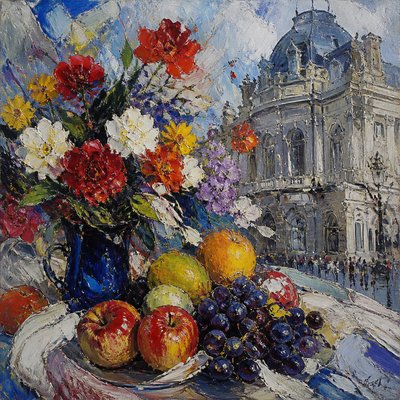
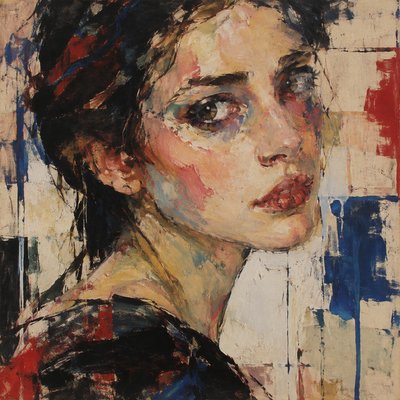
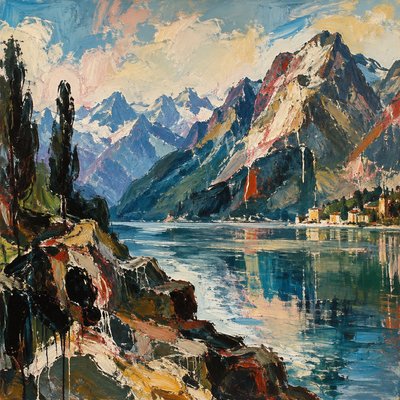
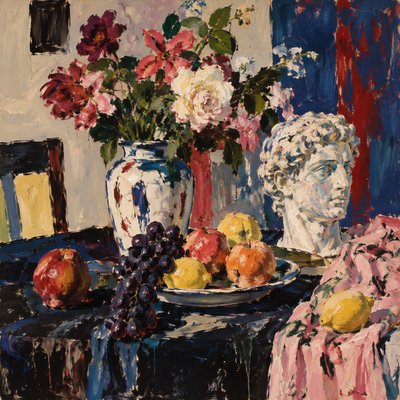
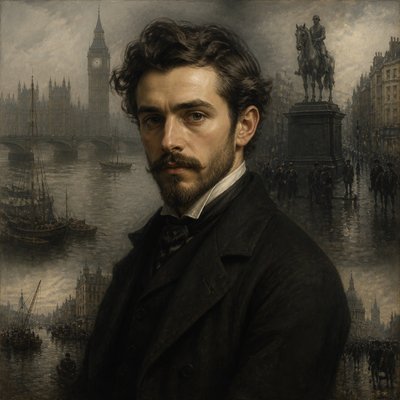
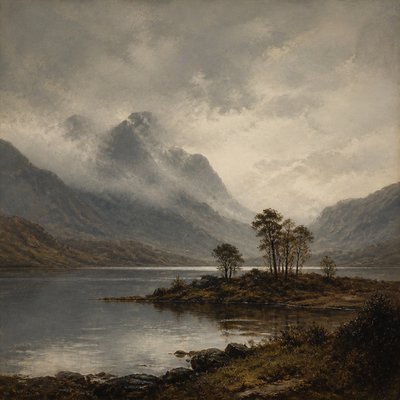
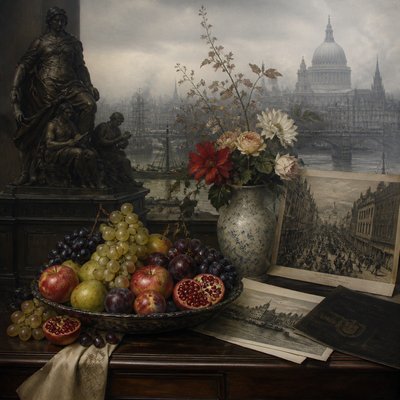
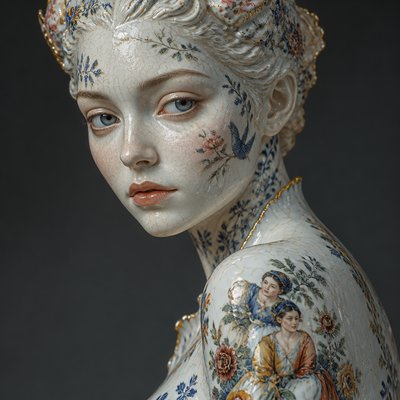
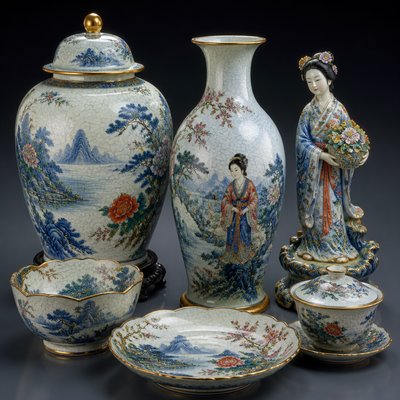
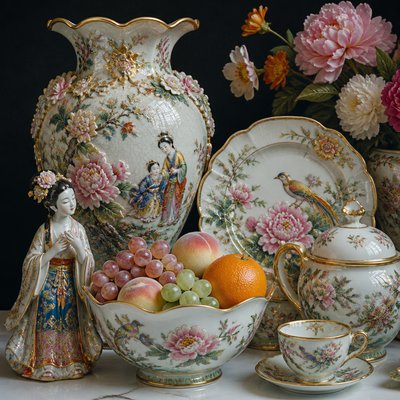
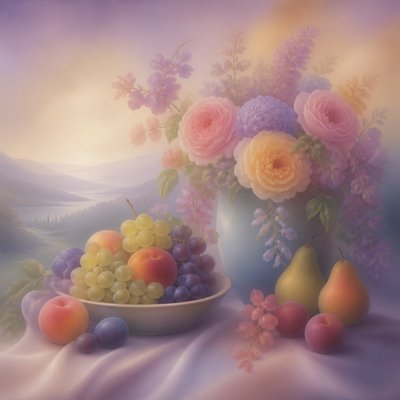
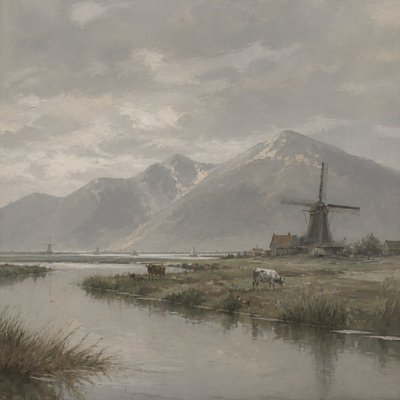
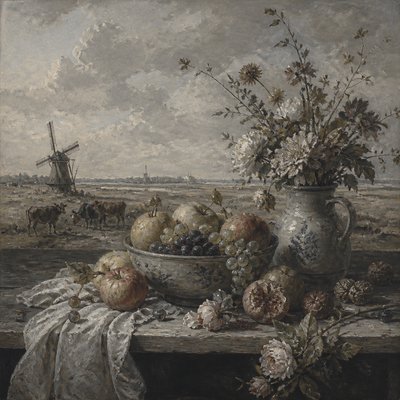
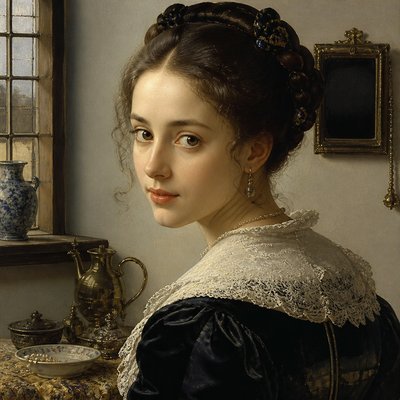
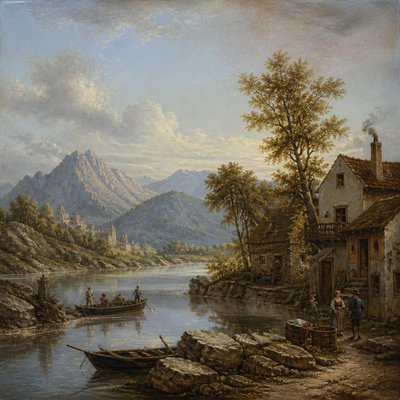
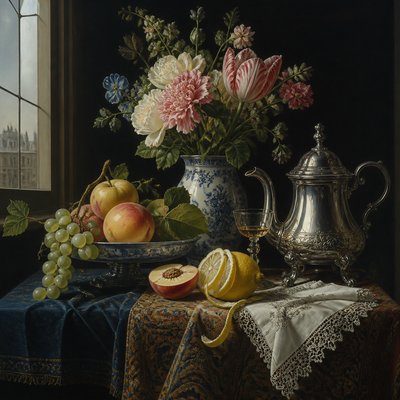
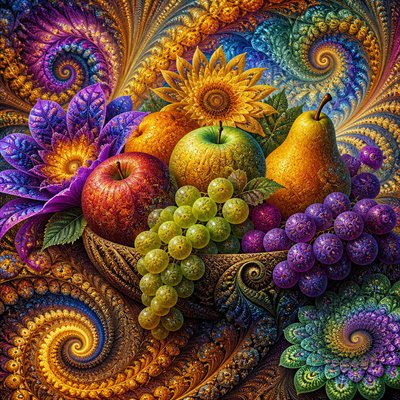
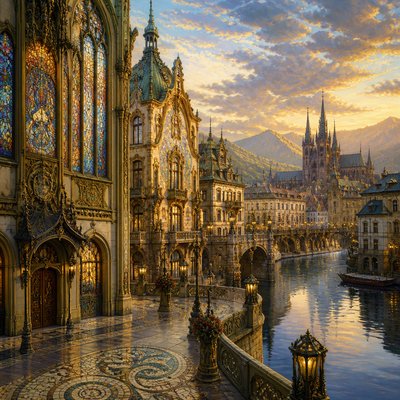
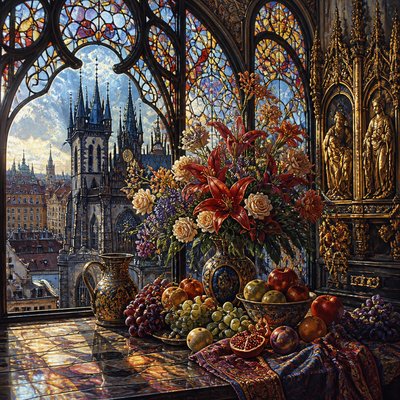
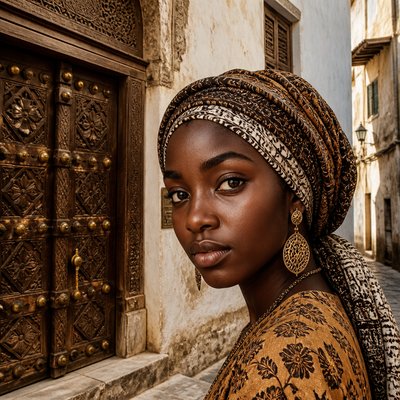
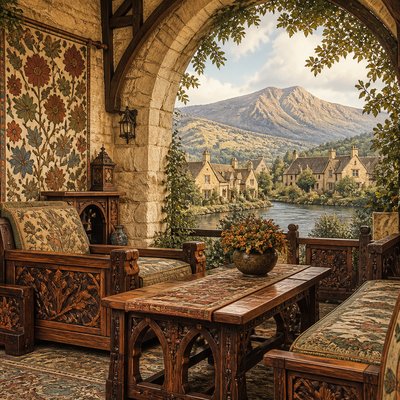
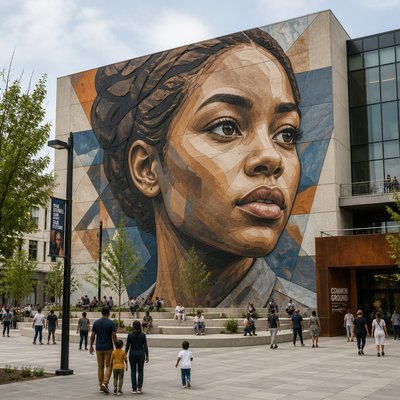
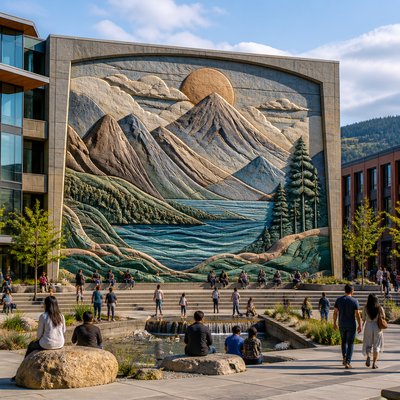
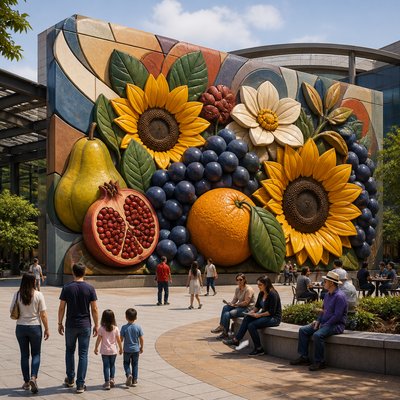
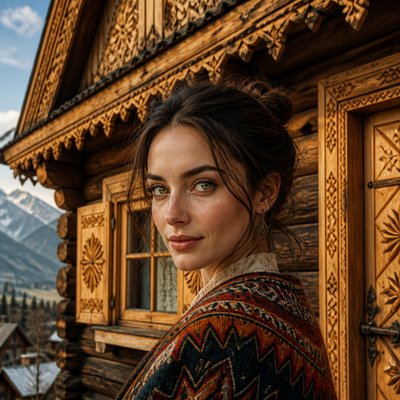
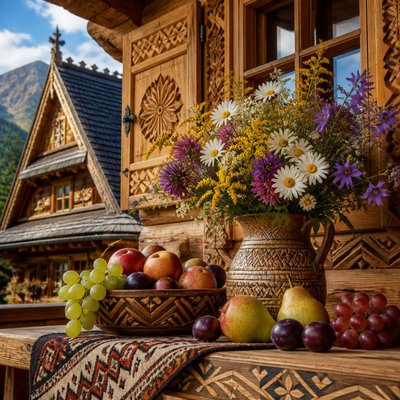
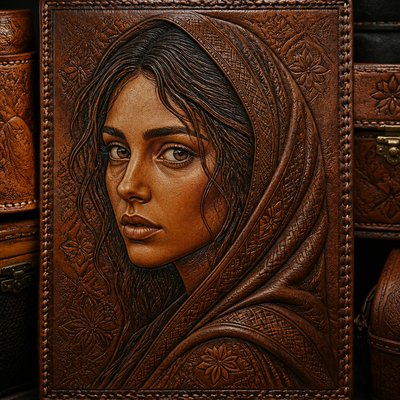
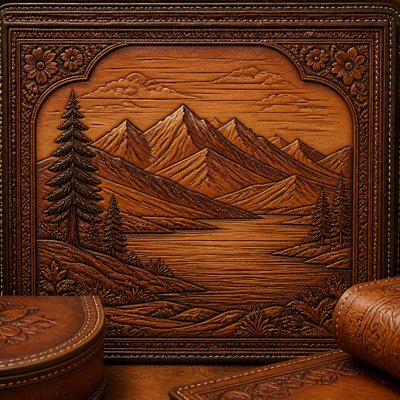
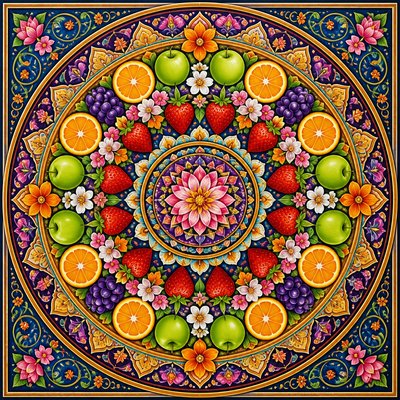
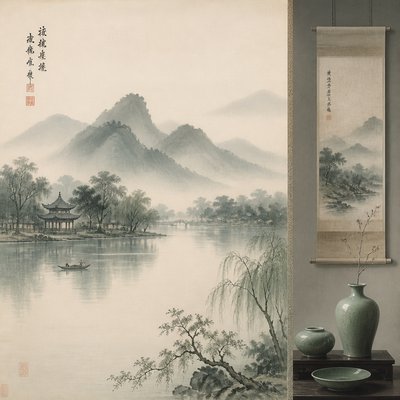
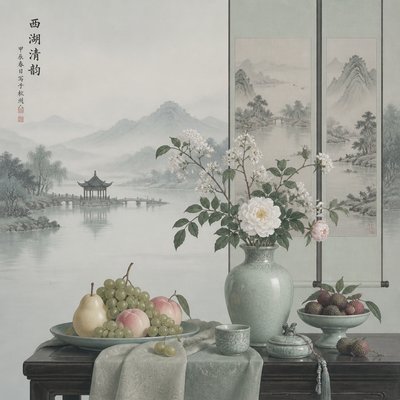
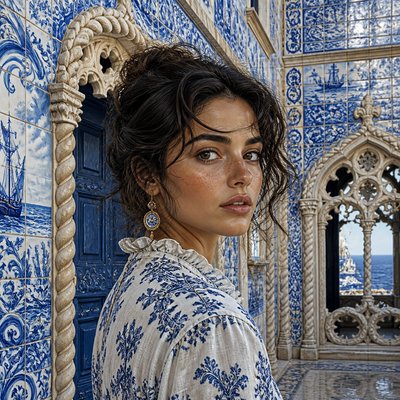
Photorealism: hyperreal art with photographic precision, crisp detail, reflective surfaces, and meticulous material accuracy.
Instantly rendered in Photorealism — or transform a photo
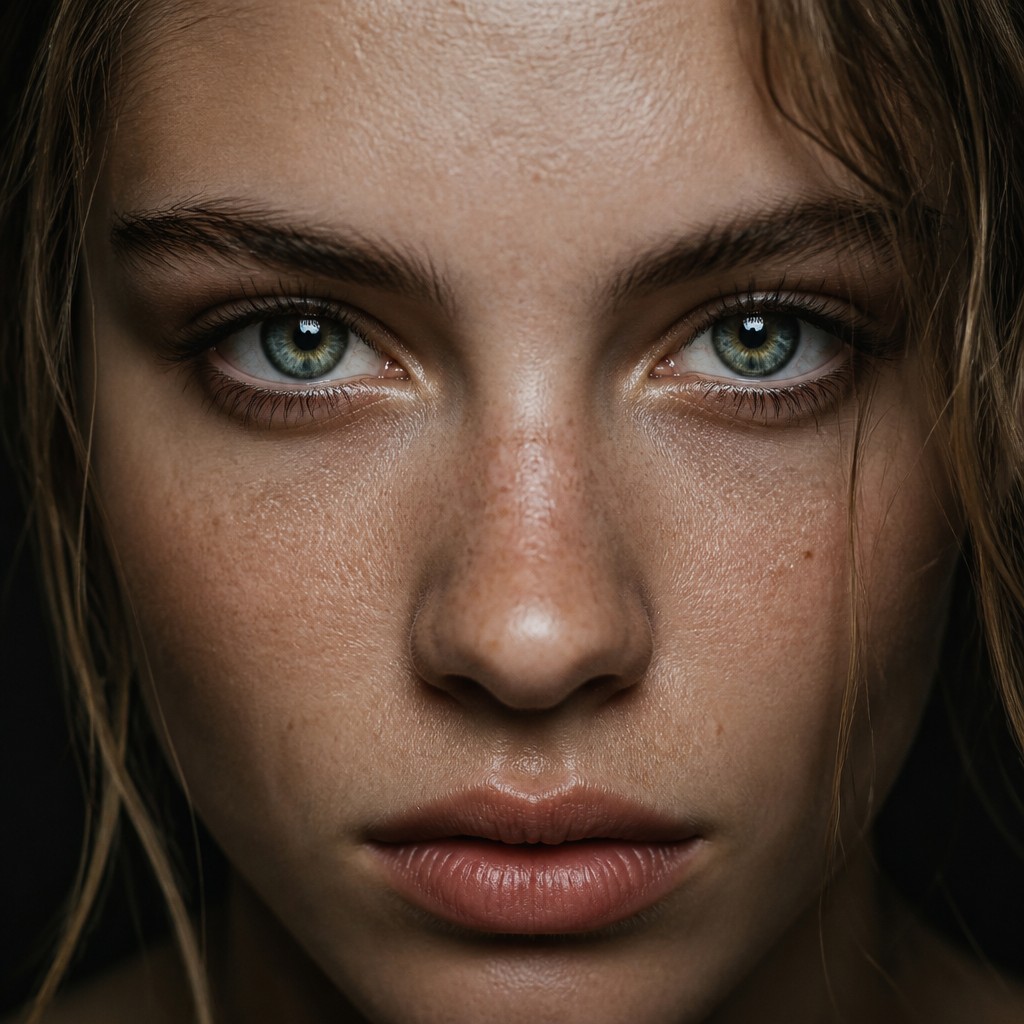

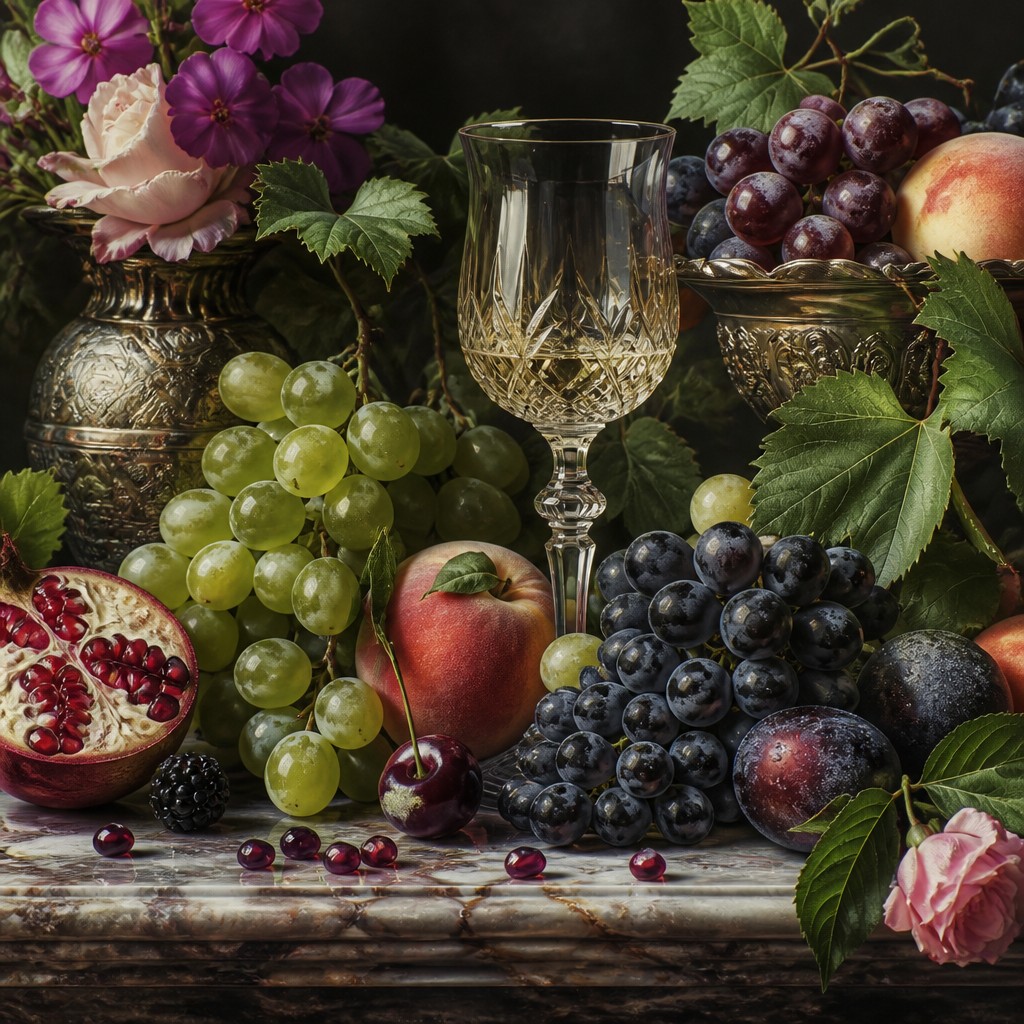
Photorealism Gallery
Tap any artwork to explore it

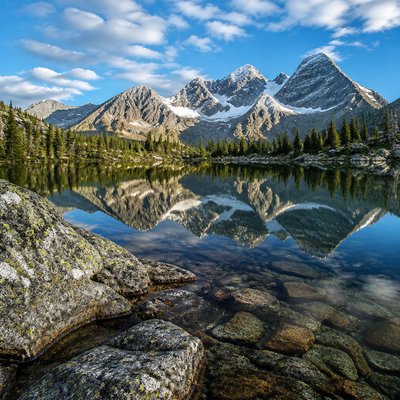

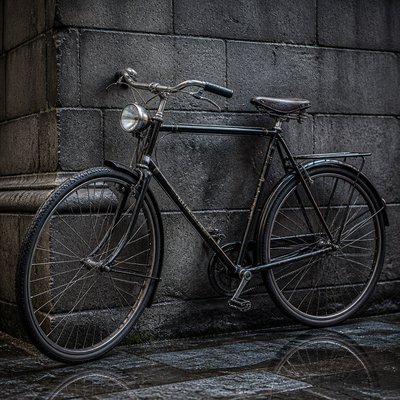


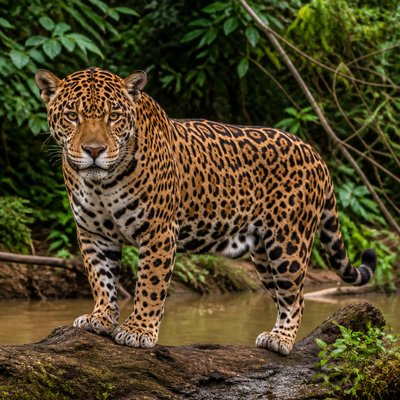
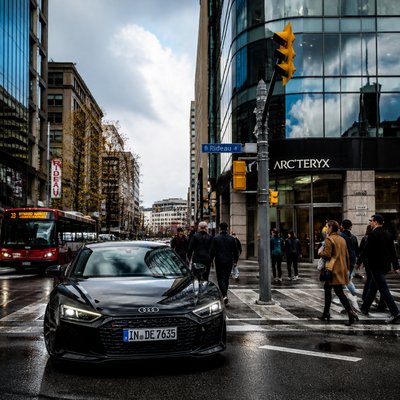
What is Photorealism Art Style?
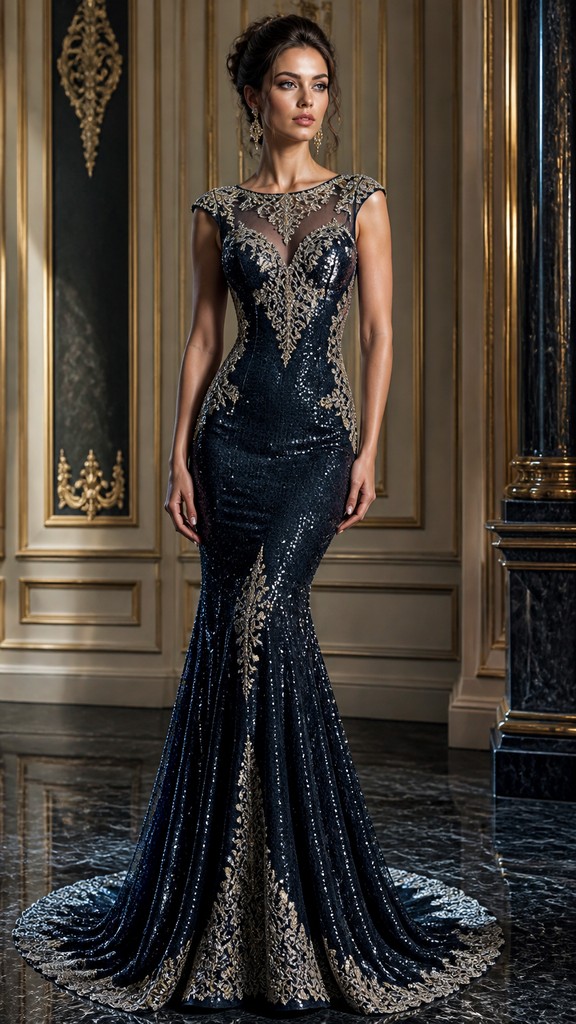
Photorealism is an art style that aims to reproduce visual reality with an exactitude that can rival, and sometimes seem to exceed, photography. It is defined by high-resolution detail, precise edges, convincing depth, and careful handling of light, reflections, and surface textures. Subjects often include urban architecture, cars, chrome, shop windows, food, consumer goods, and portraits—motifs that allow artists to demonstrate control over reflective, transparent, or highly textured materials.
The style can feel almost mechanically objective, but its effects are the result of painstaking artistic decisions: composition, focus, tonal mapping, and selective emphasis. Photorealist images often look sharper and more deliberate than photographs because the artist removes camera limitations such as lens distortion, motion blur, and sensor noise while intensifying clarity, contrast, and material specificity. The result is a highly controlled illusion of reality, where ordinary objects become visually precise and strangely heightened.

Try It On Your Photos
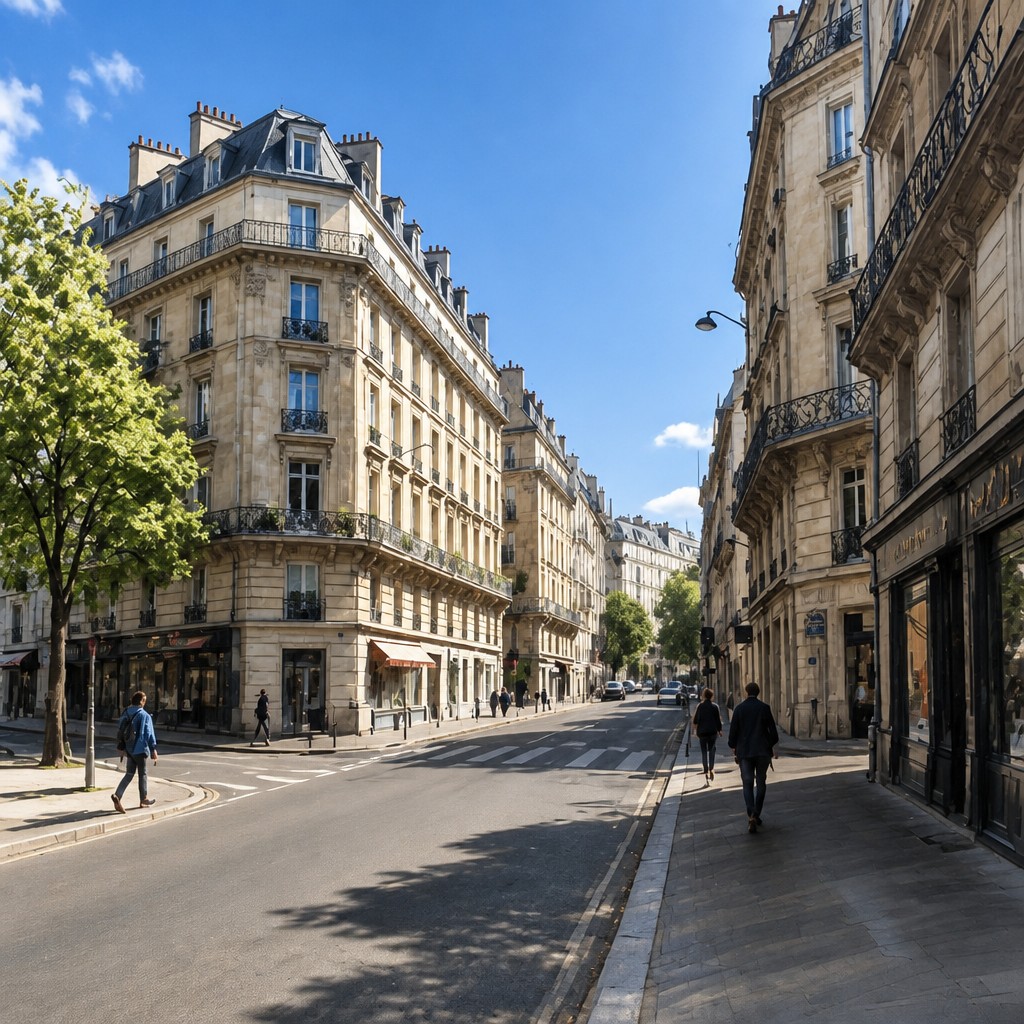
Upload any photo and convert it into Photorealism Art Style — drag the sliders to compare before and after.



What Defines Photorealism Art Style
The signature details, up close
Photographic precision
Forms, edges, and textures are rendered with a level of detail associated with high-resolution photography. The image often appears clinically sharp, with little visible trace of the hand or brush.
Reflective and transparent surfaces
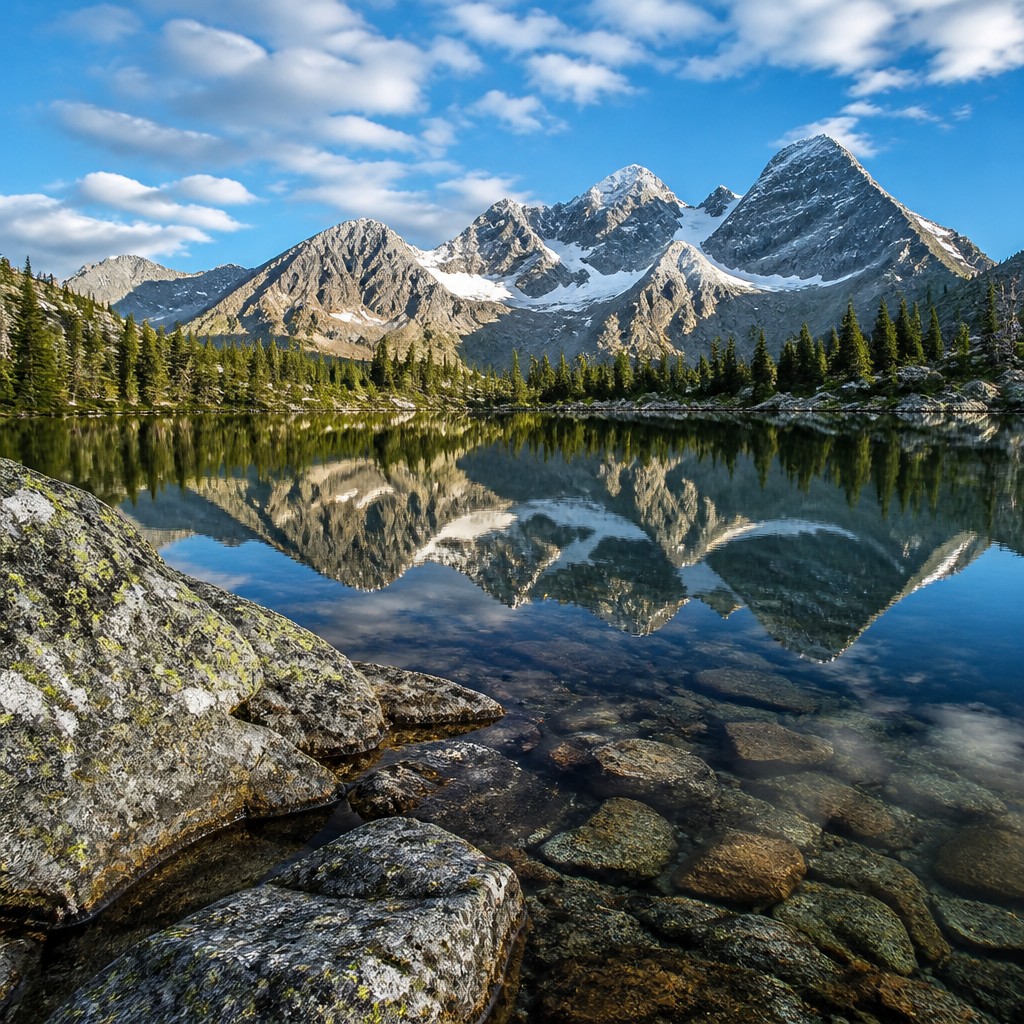
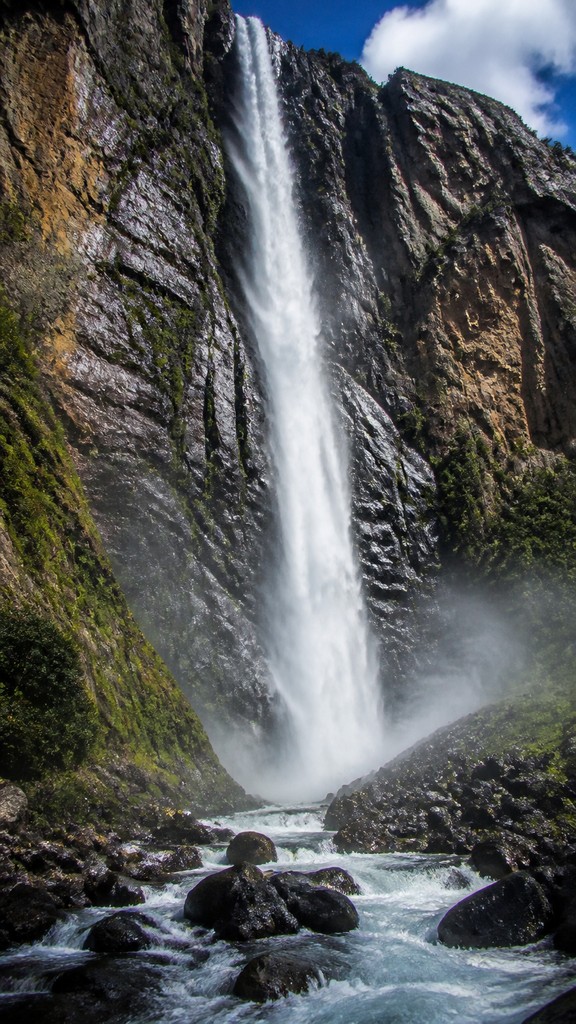
Glass, chrome, polished paint, water, and storefront windows are central motifs because they reveal the artist's control over reflections, refractions, and layered light. These surfaces often become the main subject rather than a secondary effect.
Controlled lighting and tonal range
Light is carefully modeled to preserve highlight structure, shadow depth, and subtle midtone transitions. The result is a calm, precise surface that can feel more legible than a camera's raw capture.
Urban and consumer imagery
Street scenes, cars, diners, signage, packaged goods, and domestic objects recur frequently. These subjects suit the style's interest in manufactured surfaces, repetition, and the look of contemporary life.
Material specificity
Different materials are distinguished with exacting attention to gloss, matte finish, transparency, and texture. A painted image may convincingly separate plastic, metal, skin, fabric, and glass within the same composition.

Illusionistic finish
The overall effect is a seamless visual illusion with minimal evidence of gestural brushwork or expressive distortion. Even when the subject is mundane, the finish can make it feel unnervingly exact.
Try It
Create Videos in Photorealism Art Style
Styles aren't just for stills — describe a scene or animate an image and get a short video rendered in Photorealism. Press play to see this pond come to life.
Make a VideoPhotorealism Prompt Ideas
Start from an idea — each one opens the generator with the style ready to go. See all 40 Photorealism prompts →
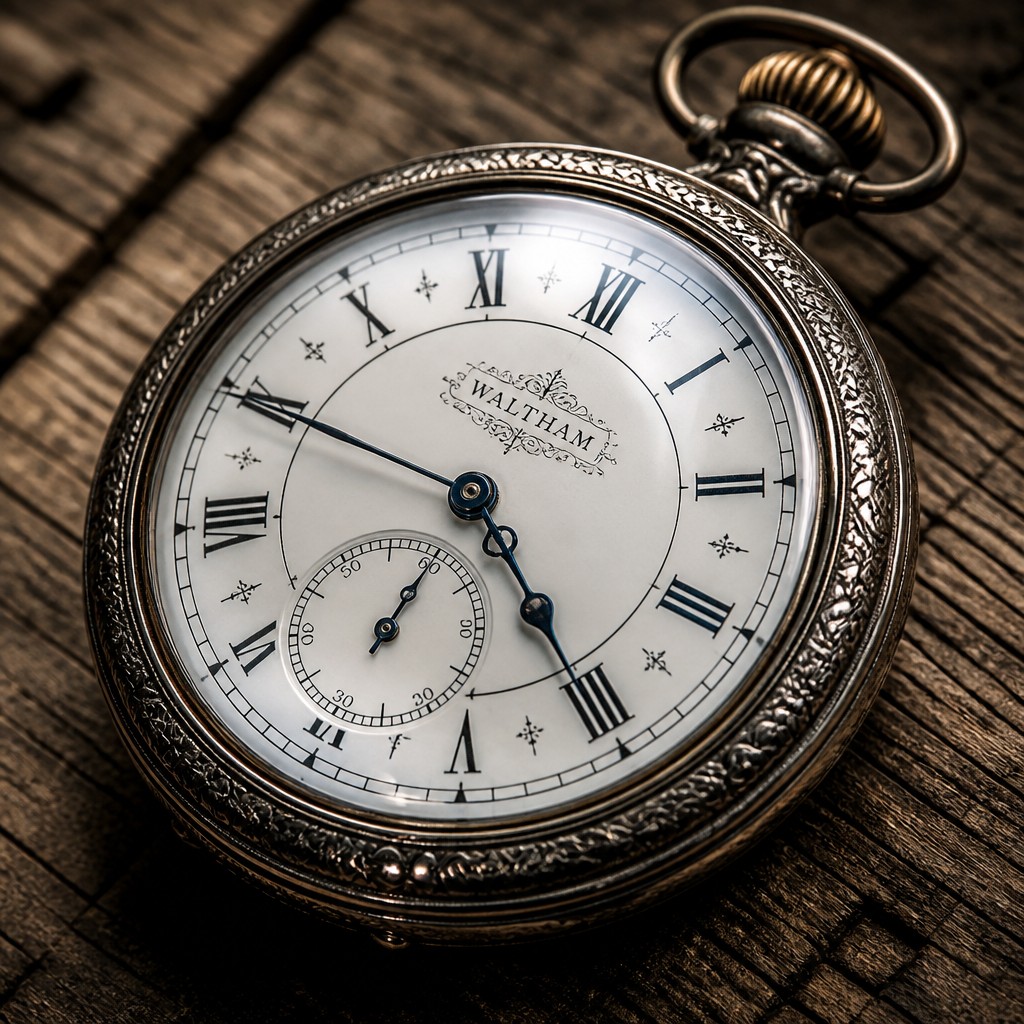
“close-up of an antique pocket watch on weathered wood”
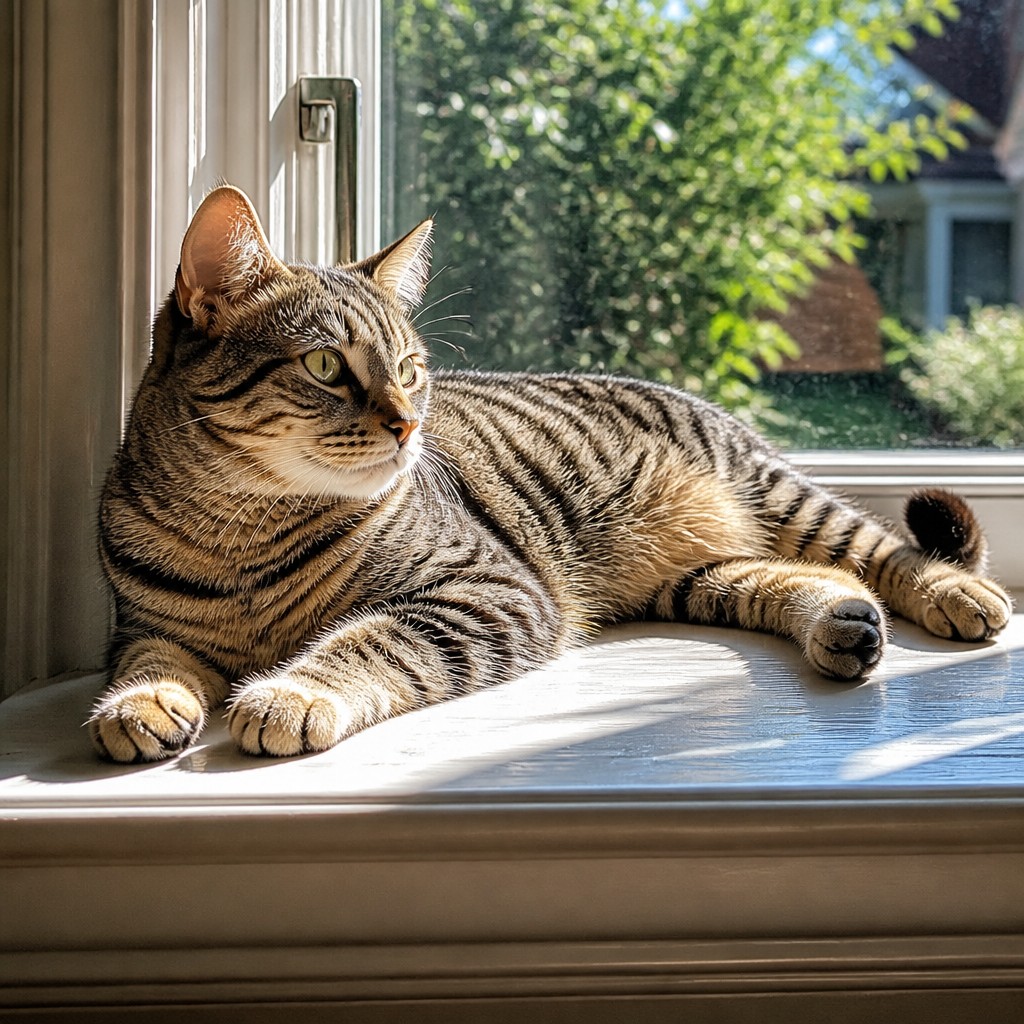
“a cat lounging in a sunlit window”

“bouquet of flowers in a glass vase”
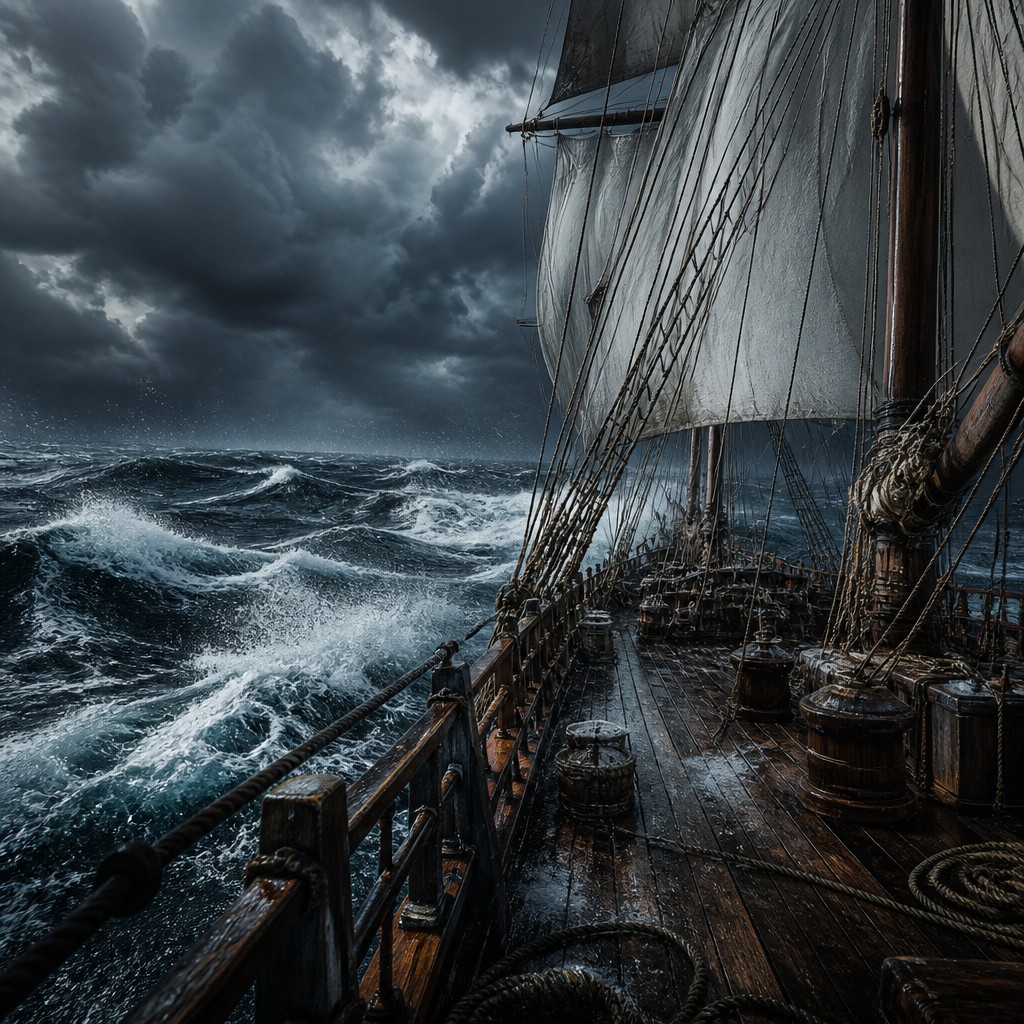
“sailing ship on a stormy sea”
How to Create Photorealism Art
Master the craft step by step — or skip straight to creating. Read the full guide →
- 1
Work from high-quality reference material
Use sharp photographs with clear lighting, strong perspective, and visible surface detail. In traditional work, grid transfer, projection, or careful block-in methods help preserve proportion and accuracy; in digital work, zoom deeply and build detail in passes.
- 2
Prioritize value accuracy before detail
Map the major light and dark relationships first, because photorealism depends on convincing tonal structure more than on decorative rendering. Once the value architecture is stable, refine edges, reflections, and textures selectively.
- 3
Differentiate surfaces precisely
Assign each material its own logic: crisp specular highlights for metal, softened transitions for skin, diffuse scattering for matte paint, and distorted reflections for glass. Small errors in surface behavior are often what break the illusion.
- 4
Control edges and focus
Not every contour should be equally sharp; real visual perception has a hierarchy of focus. Use the sharpest edges where the viewer's attention should land and soften peripheral forms to maintain depth and realism.
- 5
Use layered rendering and cleanup
Build the image in thin layers or incremental digital passes, constantly correcting shapes, reflections, and color temperature. For prompt-based generation, specify material accuracy, crisp reflections, deep shadows, and microscopic surface detail while avoiding painterly abstraction or stylization.
The Story
History & Origins of Photorealism
Photorealism emerged in the United States in the late 1960s and 1970s, especially in painting and sculpture, as part of a broader shift toward image-based art after Abstract Expressionism and Minimalism. It is closely associated with major postwar photorealist painters and sculptors who worked from urban photographs, storefront scenes, diners, chrome surfaces, and consumer objects. Many photorealists worked from photographs rather than direct observation, using projected or gridded source images to transfer compositions with exceptional fidelity.
Its lineage includes Pop Art, with its attention to everyday consumer culture and media imagery, as well as older traditions of trompe-l'oeil, still life, and academic draftsmanship. Rather than simply copying a photograph, photorealism often asks how reality is mediated by cameras, surfaces, and urban visual culture. In later decades, the style expanded into digital painting, hyperrealist drawing, and 3D-informed rendering methods, while retaining its core commitment to precise optical illusion.
Influences: Photorealism is related to trompe-l'oeil painting, Dutch still life, and the technical precision of academic realism, but its direct modern context includes Pop Art, Conceptual art, and the commercial image culture of the 20th century. Among canonical real-world precedents, major postwar photorealist painters and sculptors known for urban scenes, storefront reflections, consumer objects, and meticulously observed surfaces are central to the movement's identity.
Frequently Asked Questions
What defines photorealism?
Photorealism is defined by an image so meticulously rendered that it closely resembles a photograph, often with even greater clarity and control over surfaces, reflections, and tonal transitions. The style emphasizes exactitude rather than visible brushwork or expressive distortion. It is especially associated with contemporary urban scenes and manufactured objects.
How is photorealism different from realism?
Realism broadly depicts subjects truthfully and without idealization, but it does not require photographic-level precision. Photorealism is a narrower, more technical mode that often begins with photographs and aims to replicate their visual information with extreme fidelity. It usually places more emphasis on optical exactness, polished surfaces, and camera-like detail.
How is photorealism different from hyperrealism?
The terms overlap, but photorealism usually refers to work that closely imitates photography, while hyperrealism often pushes beyond a photographic source by intensifying detail, contrast, or emotional presence. Hyperrealist images may look more heightened or theatrical, whereas photorealism tends to preserve a cooler, more literal relationship to the source image.
What subjects work best in photorealism?
Subjects with reflective, glossy, transparent, or highly textured surfaces work especially well because they allow the artist to demonstrate precision. Urban streets, cars, windows, machinery, packaged goods, food, and portraits are common choices. These subjects also provide strong light patterns and layered reflections.
What techniques do artists use to make photorealistic art?
Traditional artists often use grid methods, projections, or careful measurements to transfer photographic references accurately, then build detail through layered painting or drawing. Digital artists typically work from a detailed reference, zoom in for refinement, and paint in passes to maintain proportion, edge control, and material accuracy. In both cases, disciplined observation of light and texture is essential.
Where is photorealism used today?
Photorealism appears in gallery painting, illustration, advertising, concept art, digital painting, and image editing workflows that require convincing realism. It is also widely used in cinematic matte painting, product visualization, and still-life imagery. The style remains popular because it creates immediate visual credibility and a strong sense of material presence.

Create your first Photorealism artwork
Describe anything — or upload a photo — and see it in Photorealism Art Style in seconds.
Make Something with Photorealism
Compare Photorealism
Related Styles
Discover similar art styles