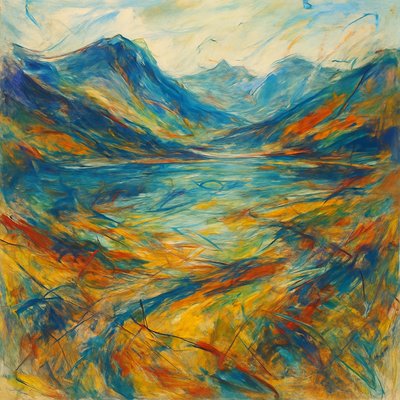
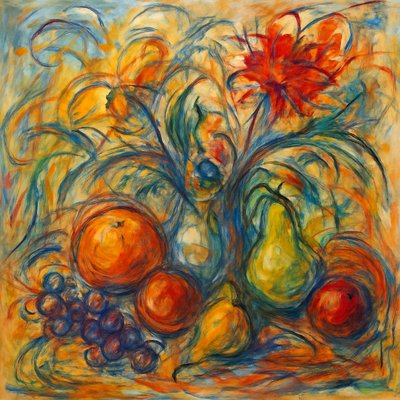
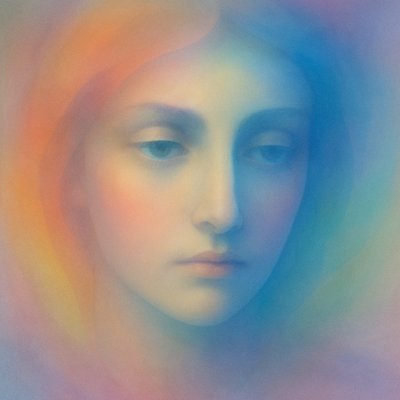
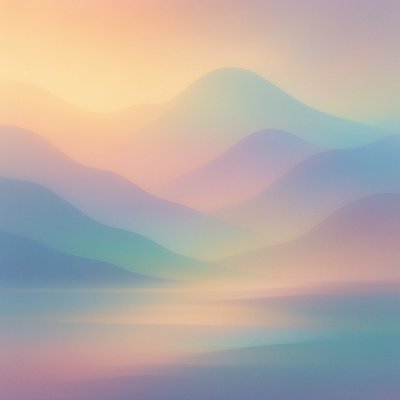
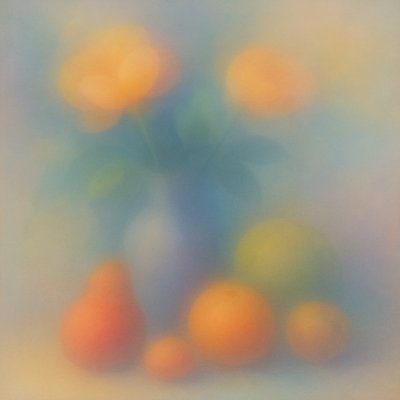
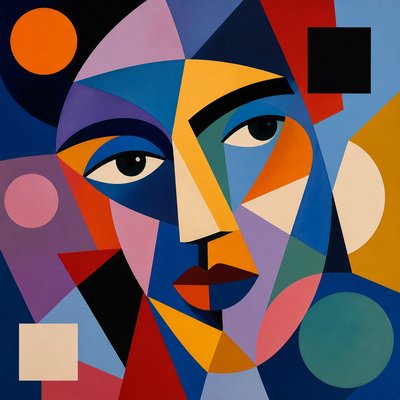
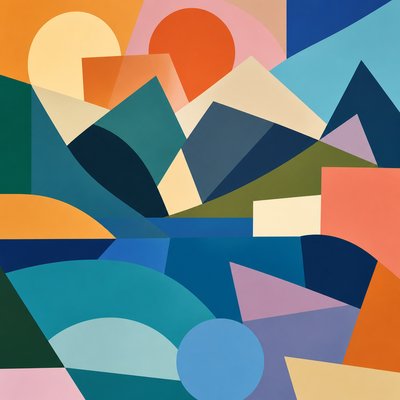
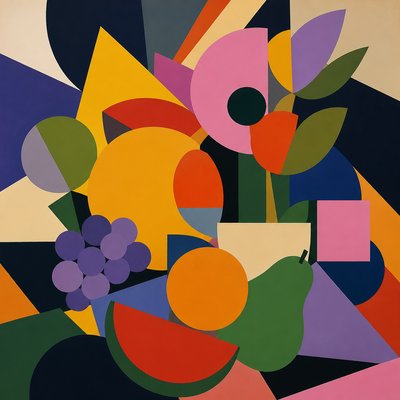
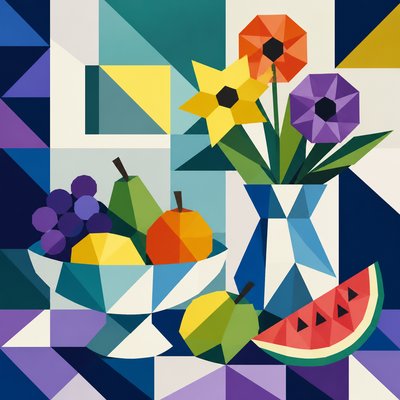
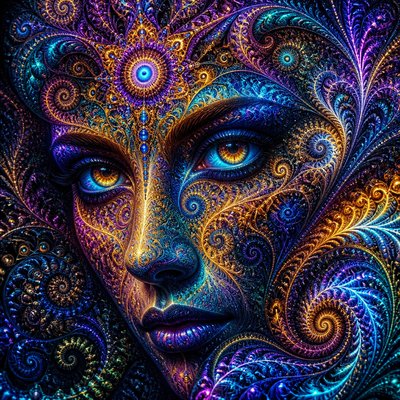
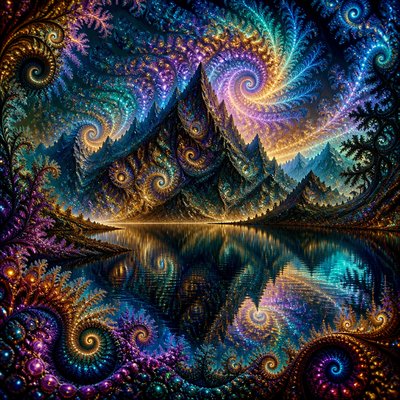
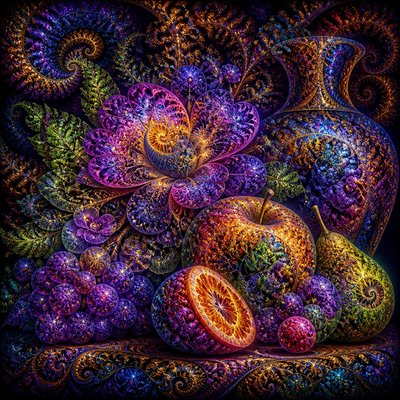
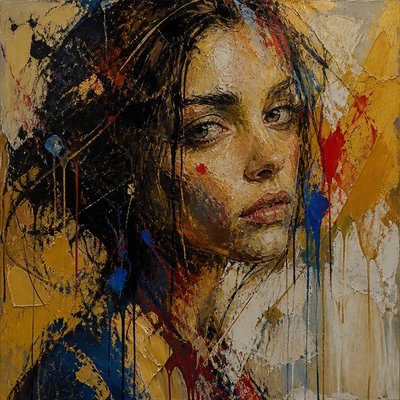
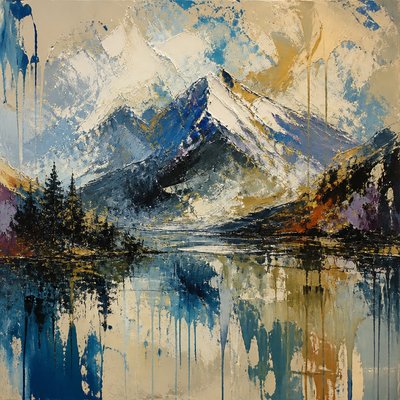
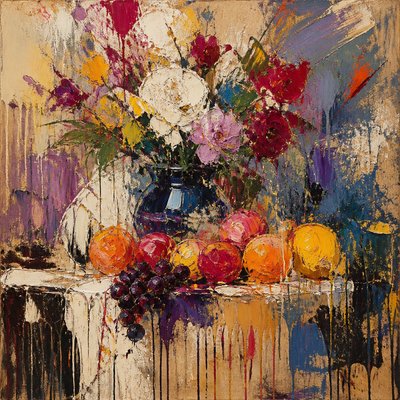
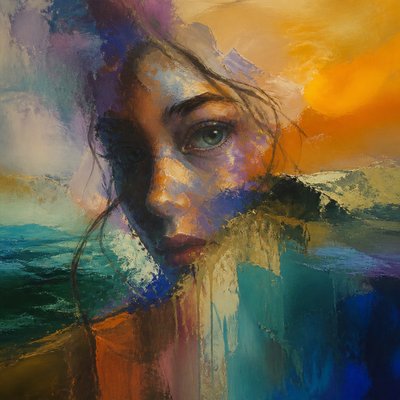
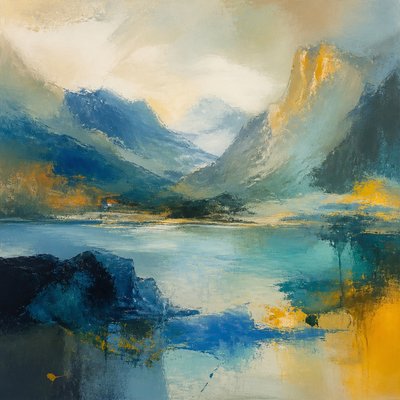
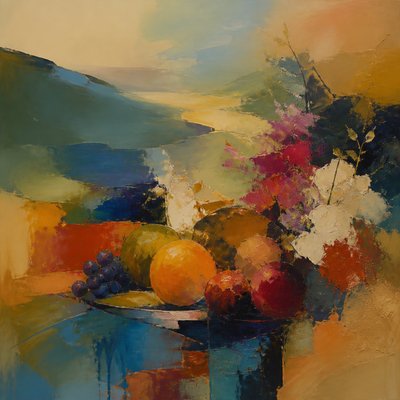
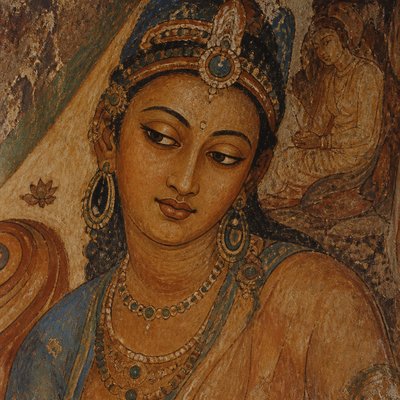
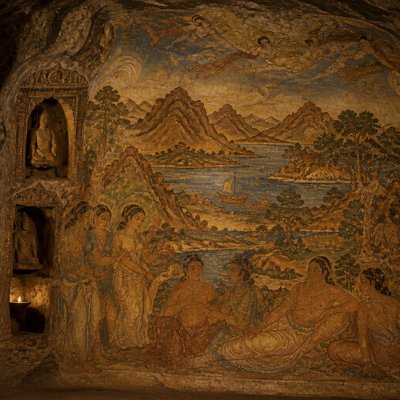
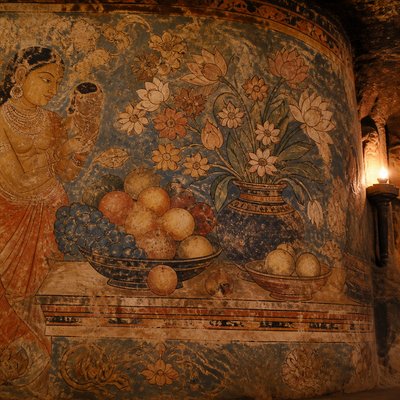
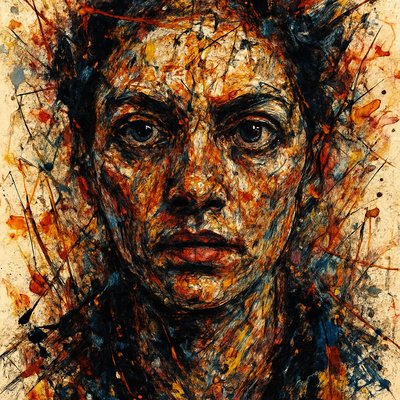
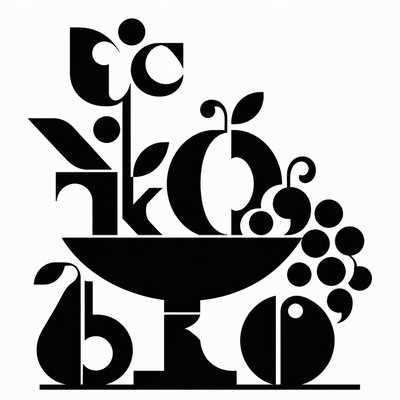
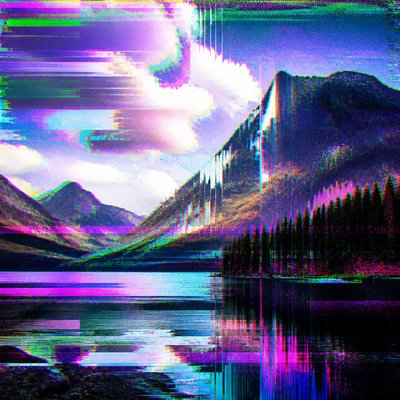
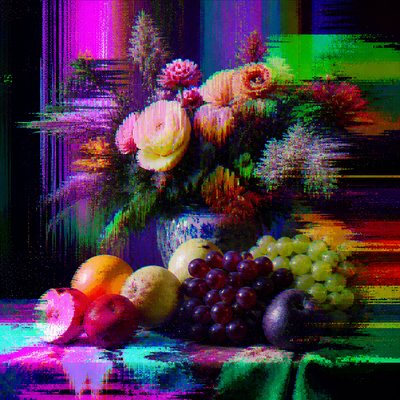
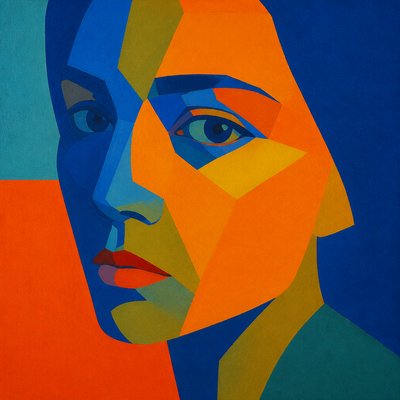
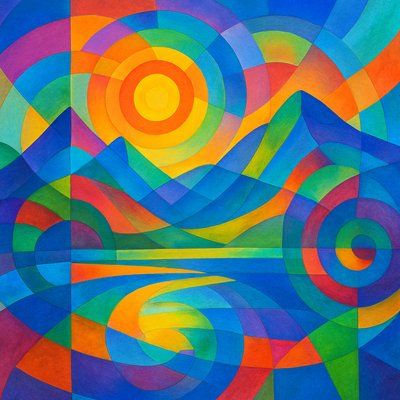
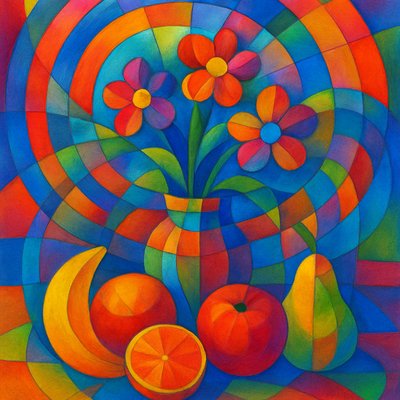
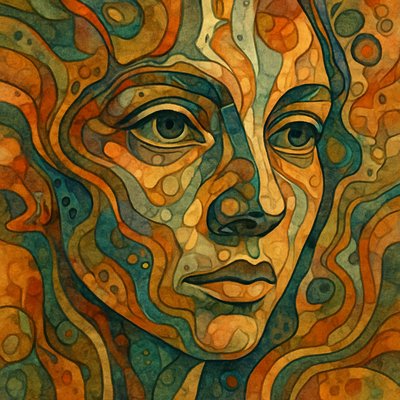
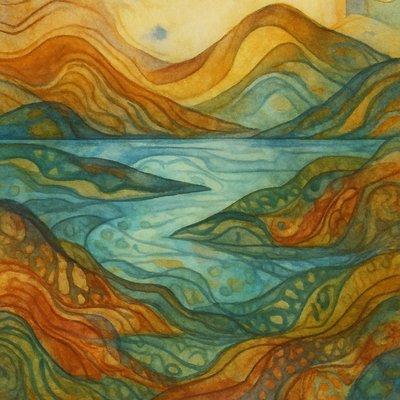
Fluid Abstract Art Style
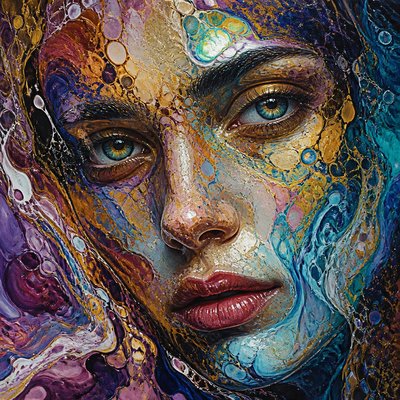
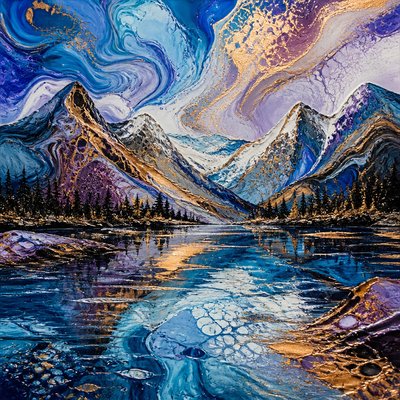
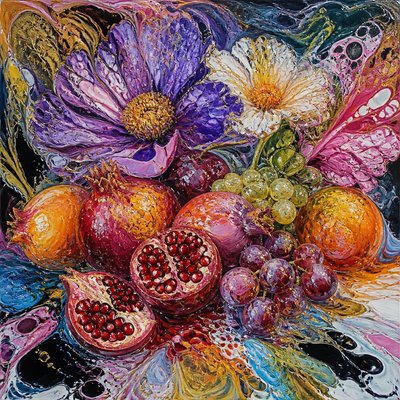
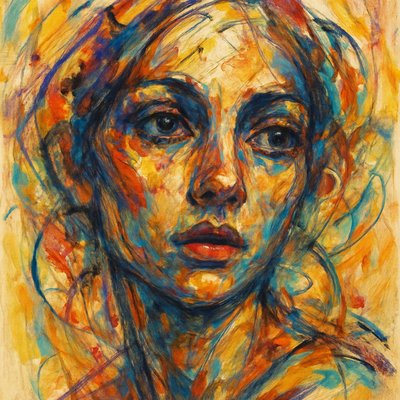
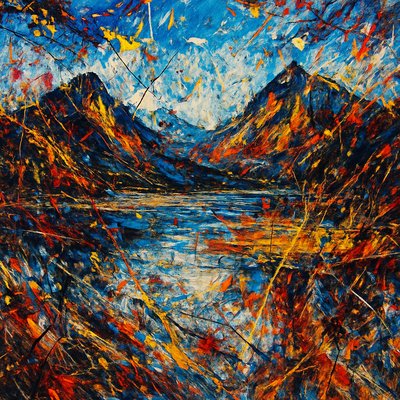
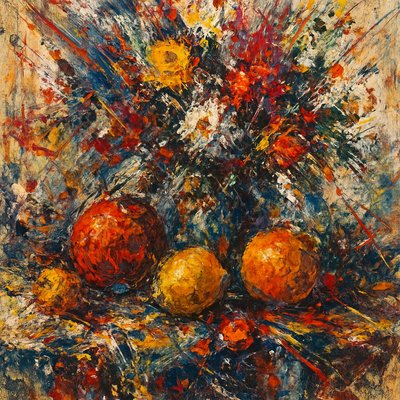
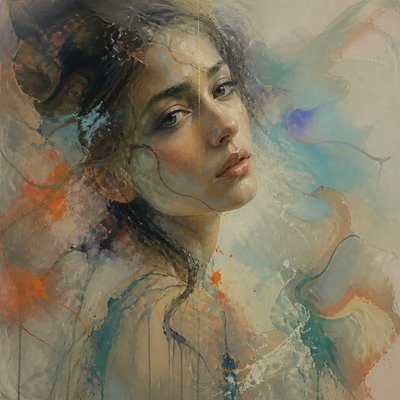
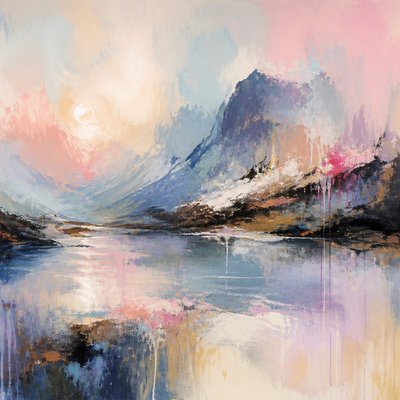
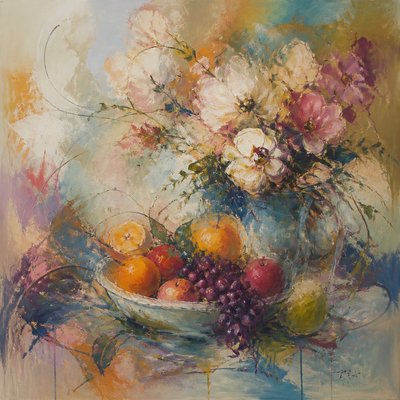
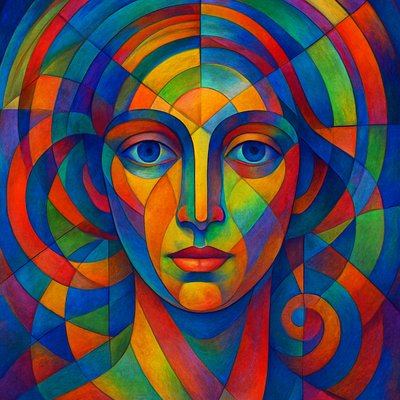
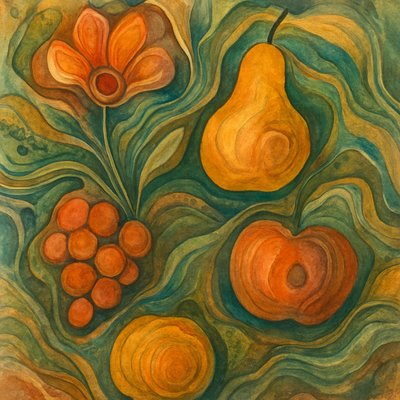
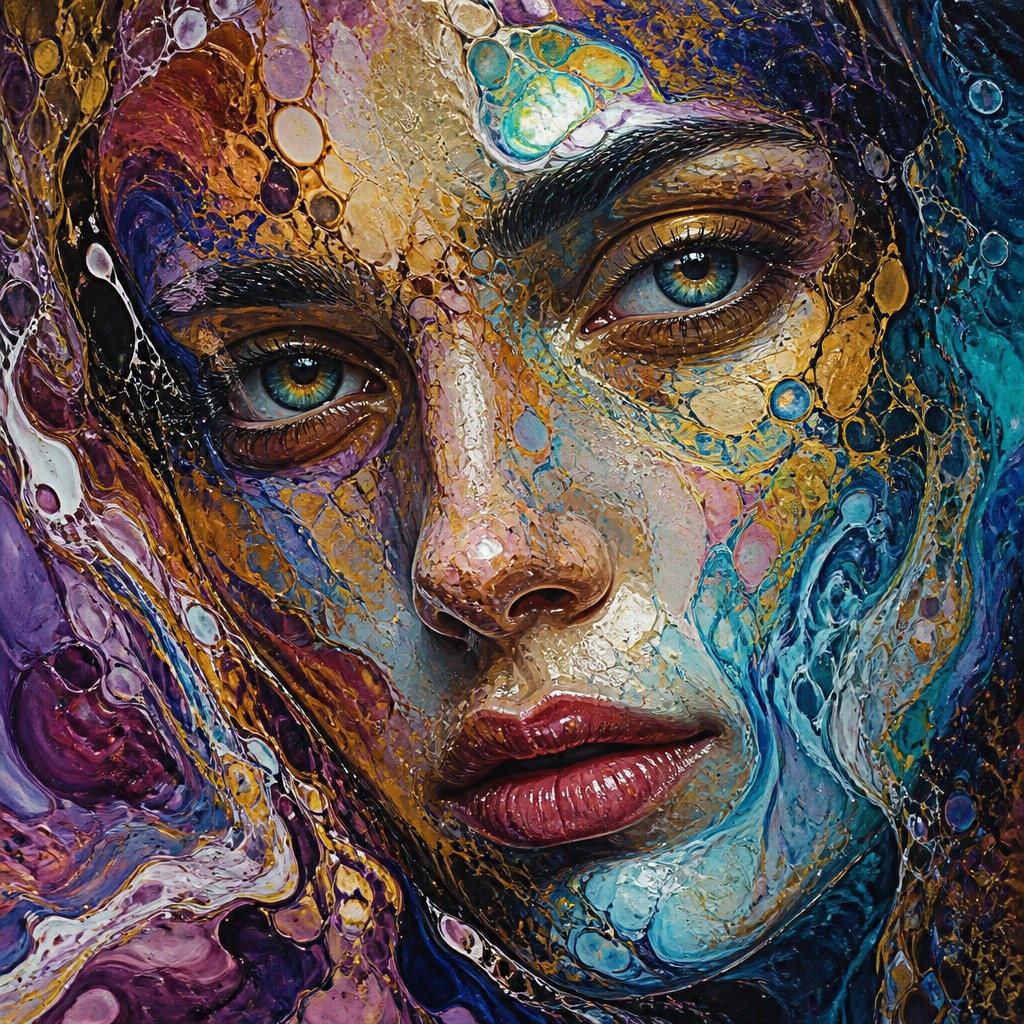
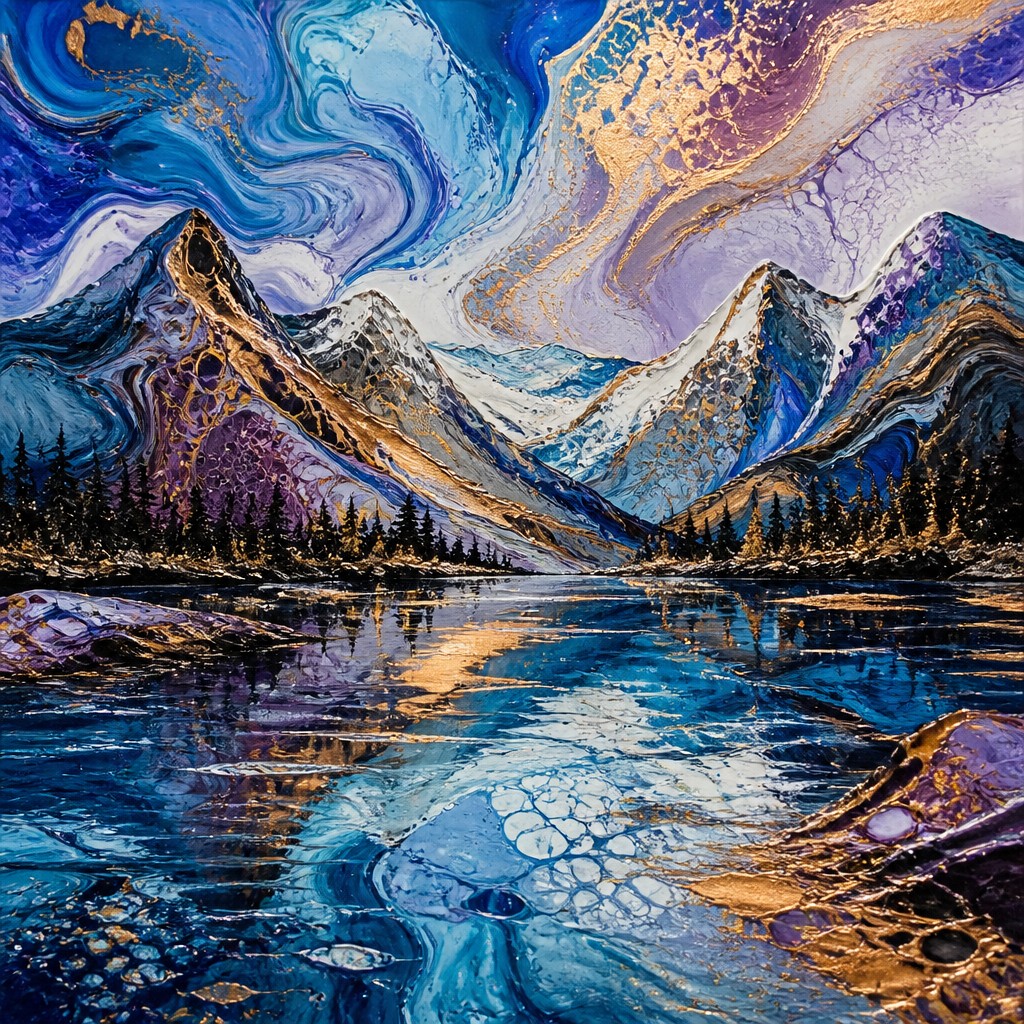
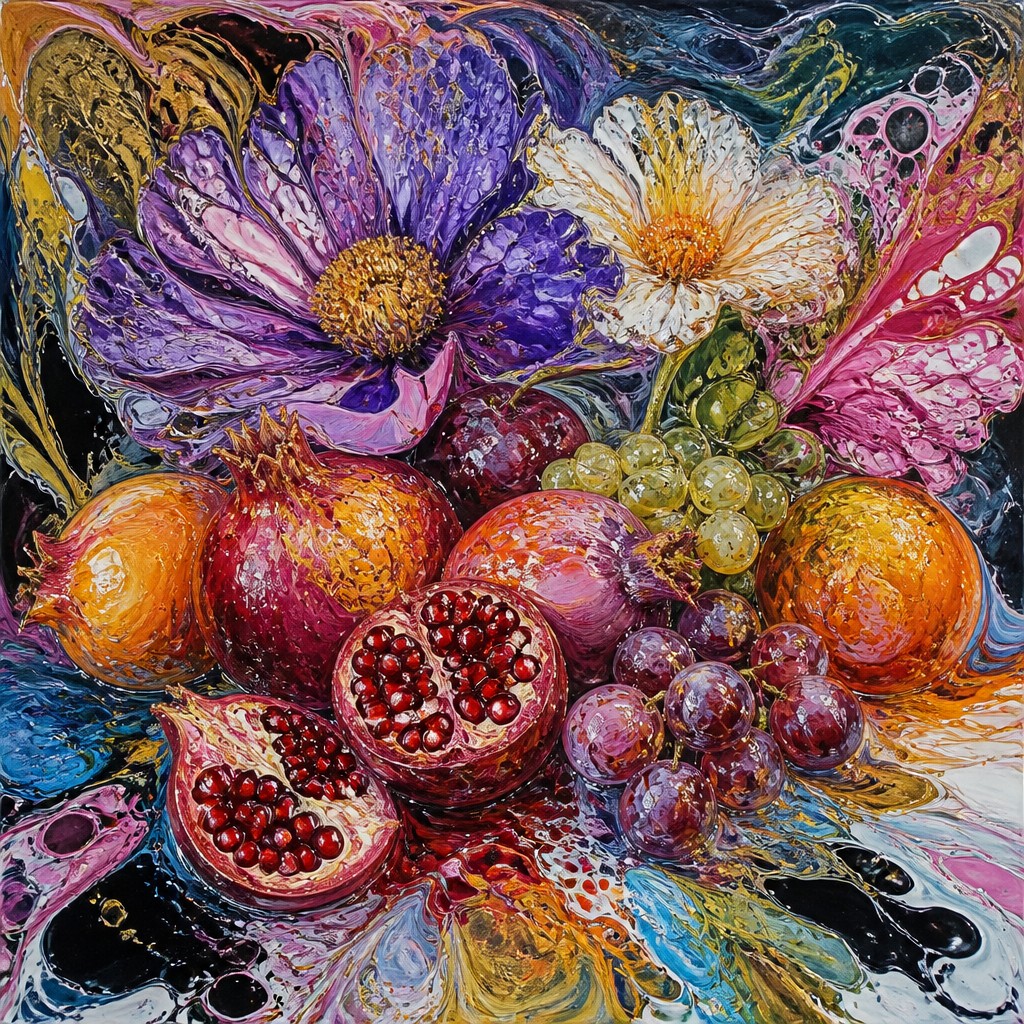
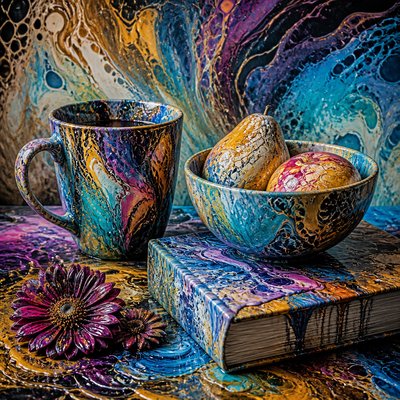
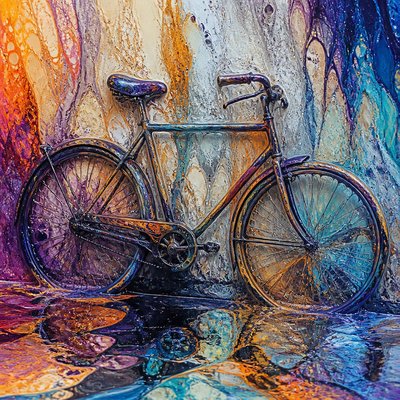
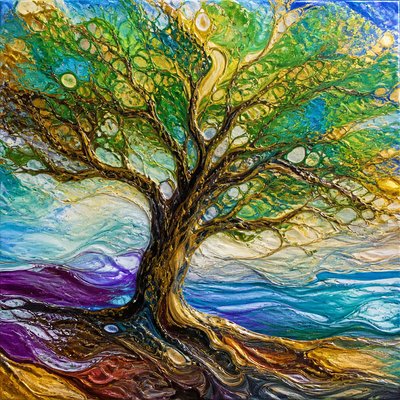
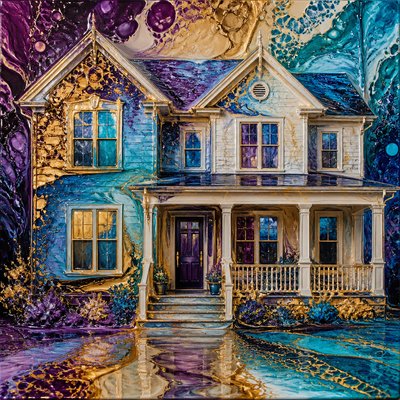
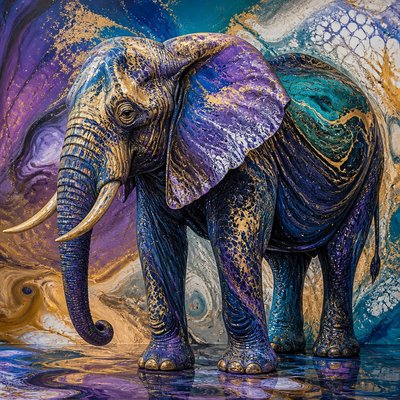
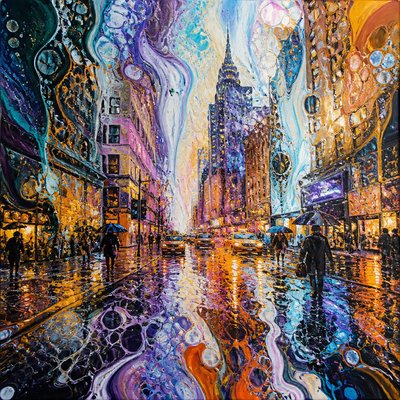
Fluid abstract art with acrylic pours, cellular textures, marbled ribbons, glossy finishes, and organic color flow.
Instantly rendered in Fluid Abstract — or transform a photo
Fluid Abstract Gallery
Tap any artwork to explore it
What is Fluid Abstract Art Style?
Fluid Abstract Art Style centers on the visual effects of liquid paint in motion: marbling, blooms, cells, ribbons, and layered color fields that seem to drift, pool, and separate on their own. Rather than depicting recognizable objects, it emphasizes the behavior of pigment, resin, and flow, creating compositions that feel both spontaneous and carefully balanced.
Its visual identity comes from the physical properties of poured acrylics and related mixed-media processes. Paint of different viscosities, additives, and finishes interacts unpredictably as it spreads across a surface, producing lacing, crater-like cells, translucent veils, and high-contrast currents. The result is an image language rooted in material movement, where gravity, surface tension, and chance become central design forces.
Try It On Your Photos
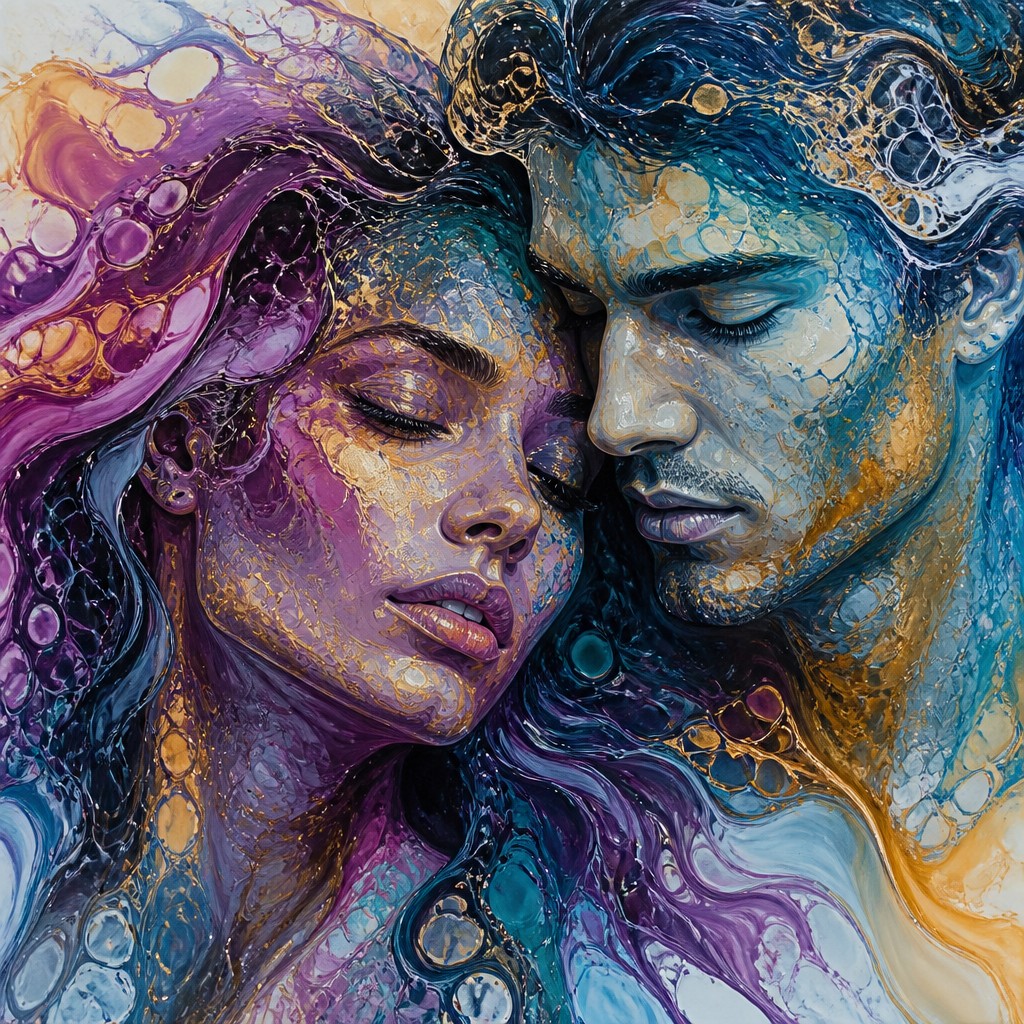
Upload any photo and convert it into Fluid Abstract Art Style — drag the sliders to compare before and after.

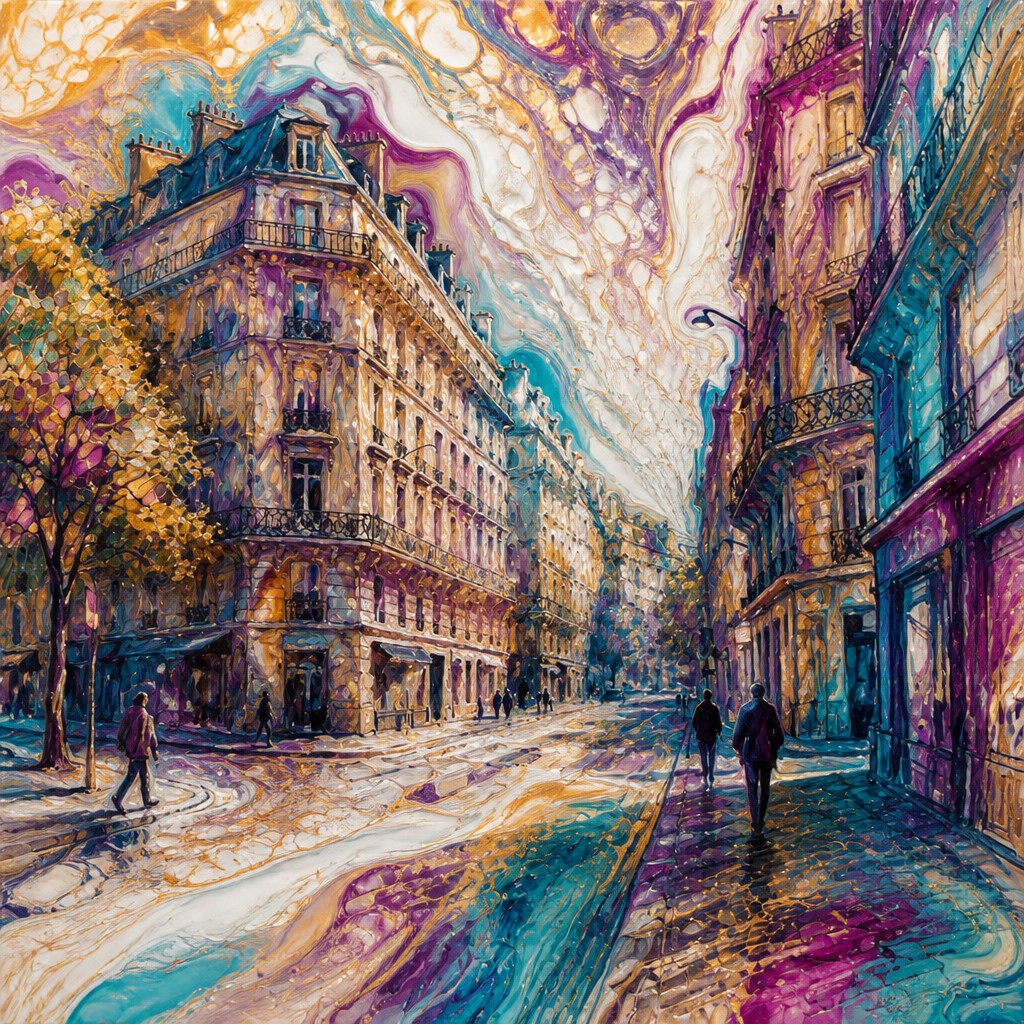

What Defines Fluid Abstract Art Style
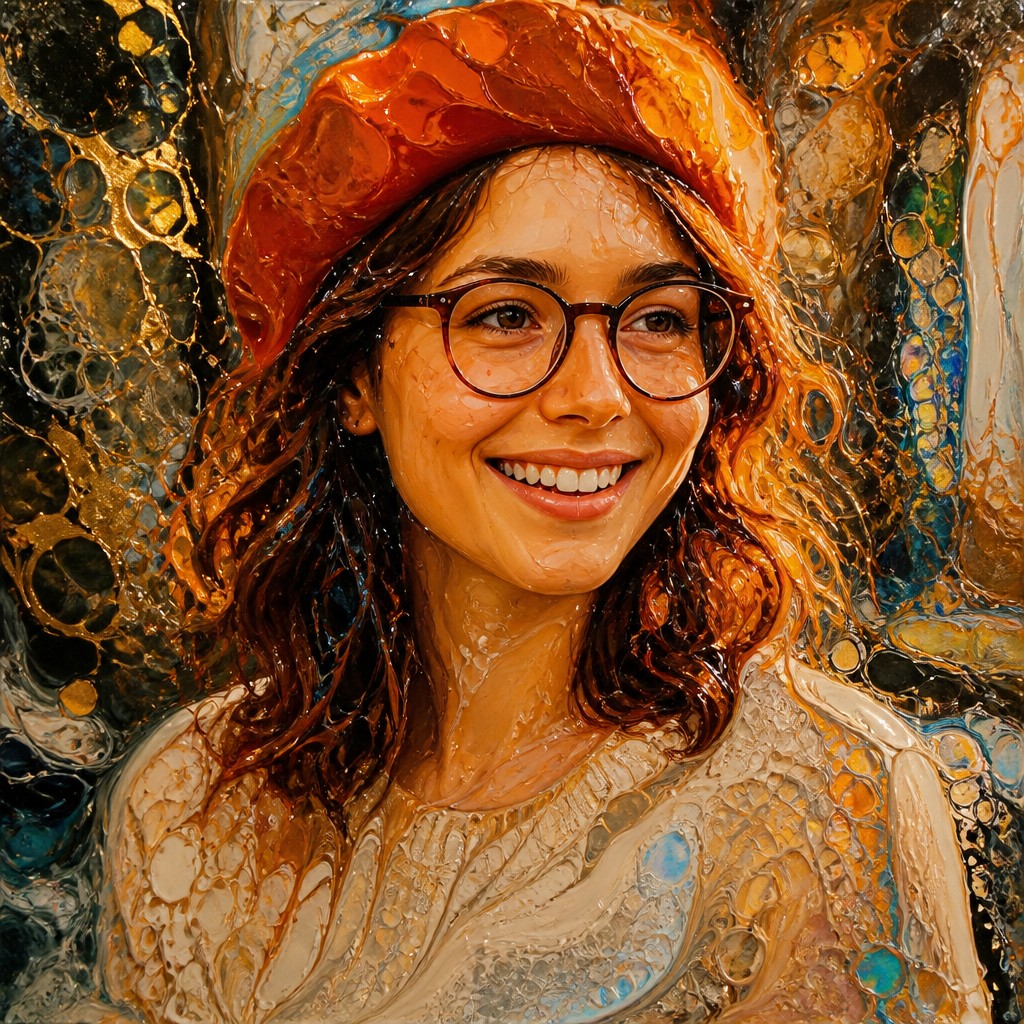
The signature details, up close
Marbled liquid movement
Forms appear to drift and fold like dye suspended in liquid, with no hard outlines. This gives the image a sense of continuous motion frozen at a precise moment.
Cells and lacing
One of the signature effects is cellular breakup, where small circular or organic pockets form within the paint. Delicate lace-like networks often appear around them, creating a fine, intricate texture.
Swirling ribbons
Broad bands of color curve through the composition in ribbon-like arcs. These sweeps help organize the chaos of the pour and create visual rhythm.
Translucent layering
Glazes overlap opaque passages, allowing underlayers to remain partially visible. This creates depth and a sense of suspended color rather than flat surface decoration.
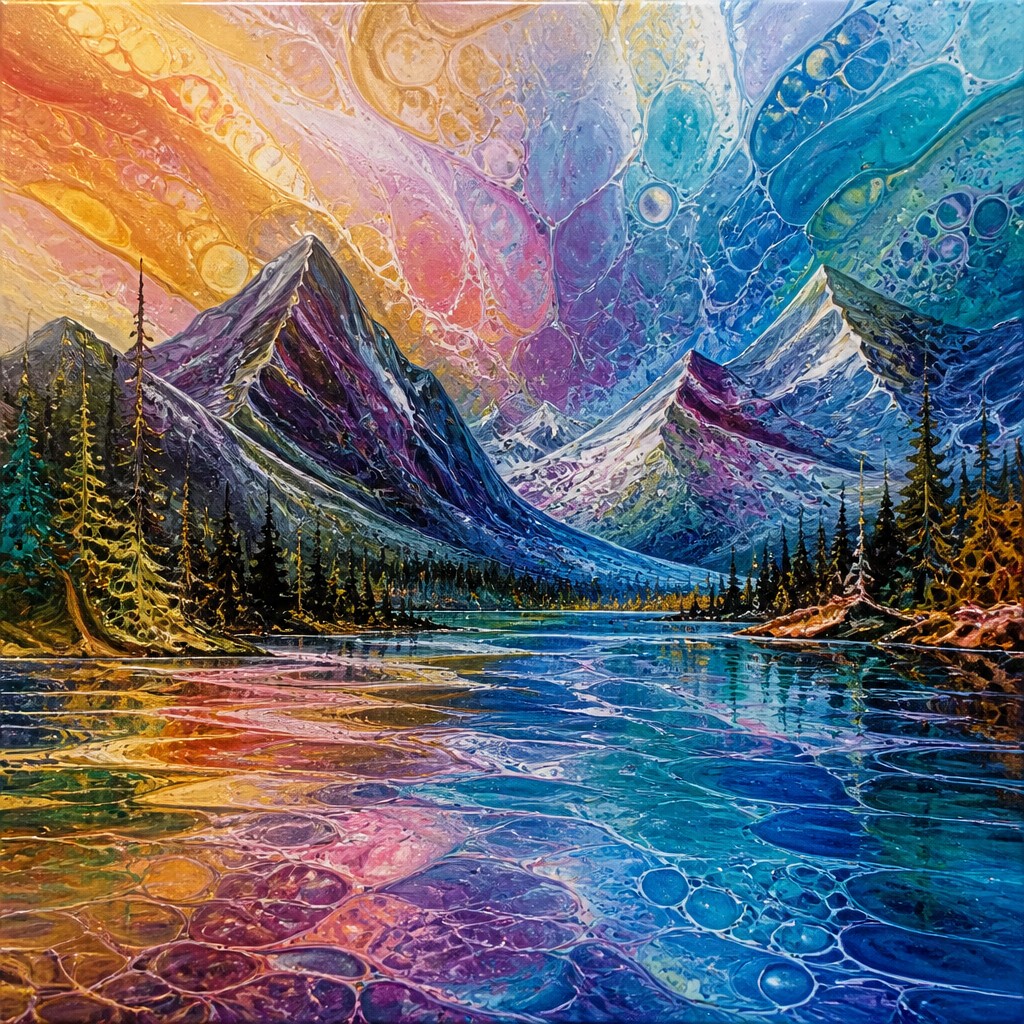
Glossy wet finish
The surface often looks resin-coated or freshly poured, with strong specular highlights. That sheen reinforces the tactile impression of a liquid medium.
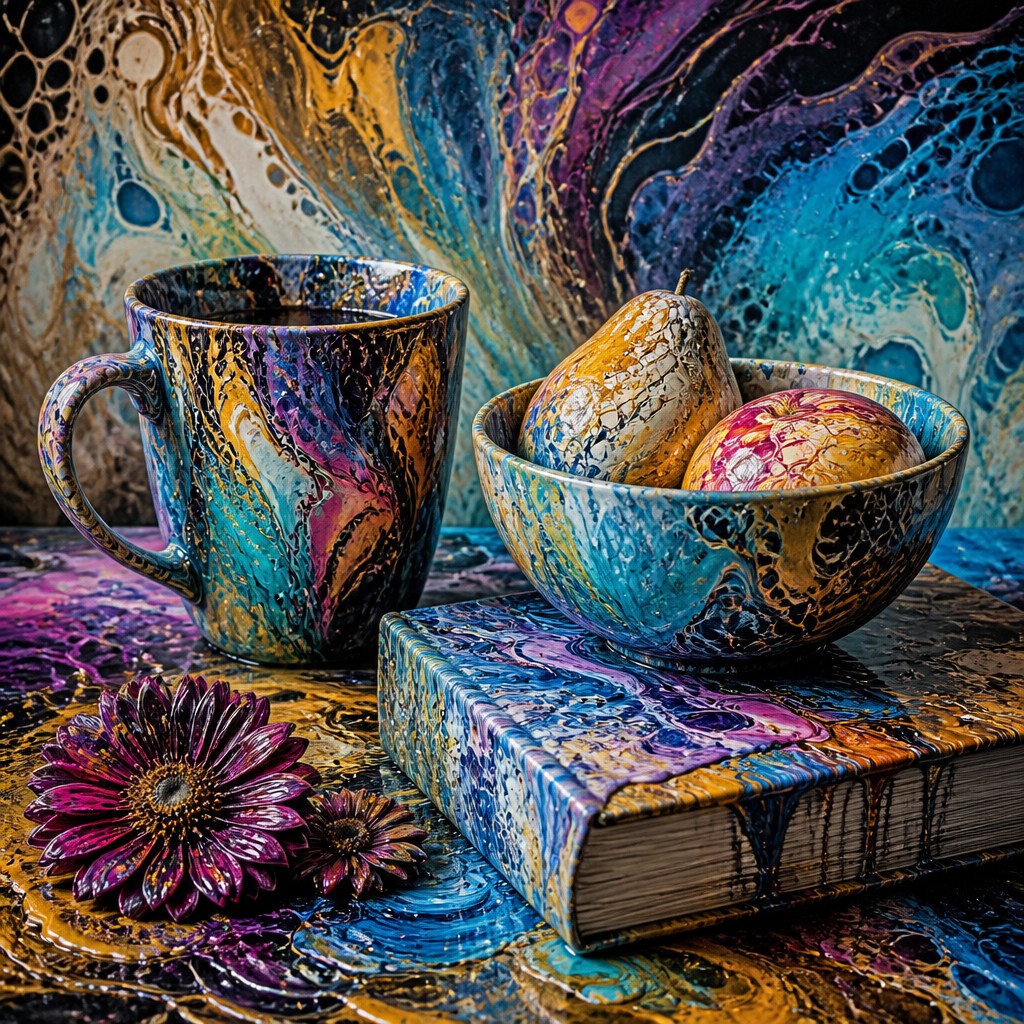
Organic color separation
Pigments blend at the edges but also resist each other in places, producing feathered boundaries and crisp separations. The tension between mixing and splitting is central to the style.
Try It
Create Videos in Fluid Abstract Art Style
Styles aren't just for stills — describe a scene or animate an image and get a short video rendered in Fluid Abstract. Press play to see this pond come to life.
Make a VideoFluid Abstract Prompt Ideas
Start from an idea — each one opens the generator with the style ready to go. See all 40 Fluid Abstract prompts →
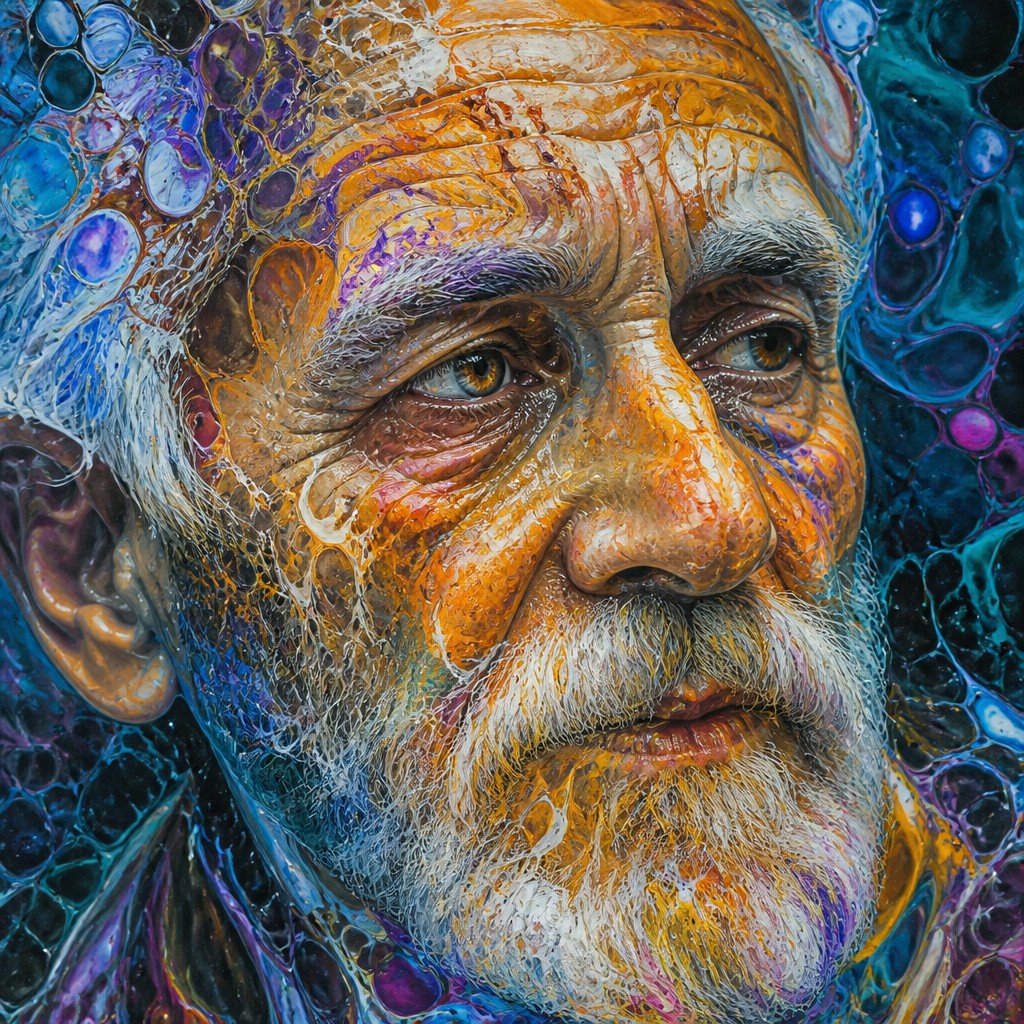
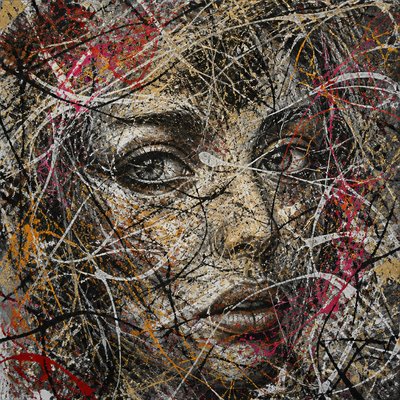
“close-up portrait of an elderly person with expressive weathered features”
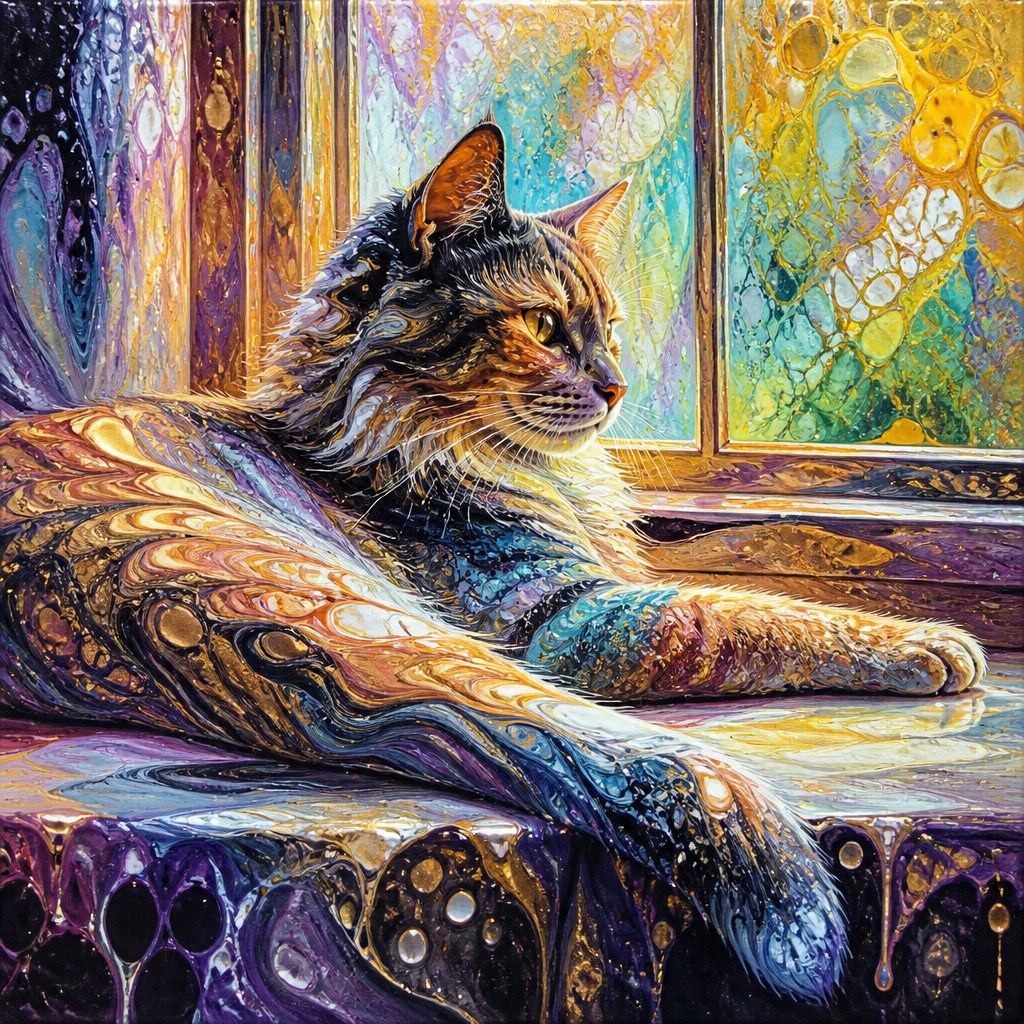
“a cat lounging in a sunlit window”
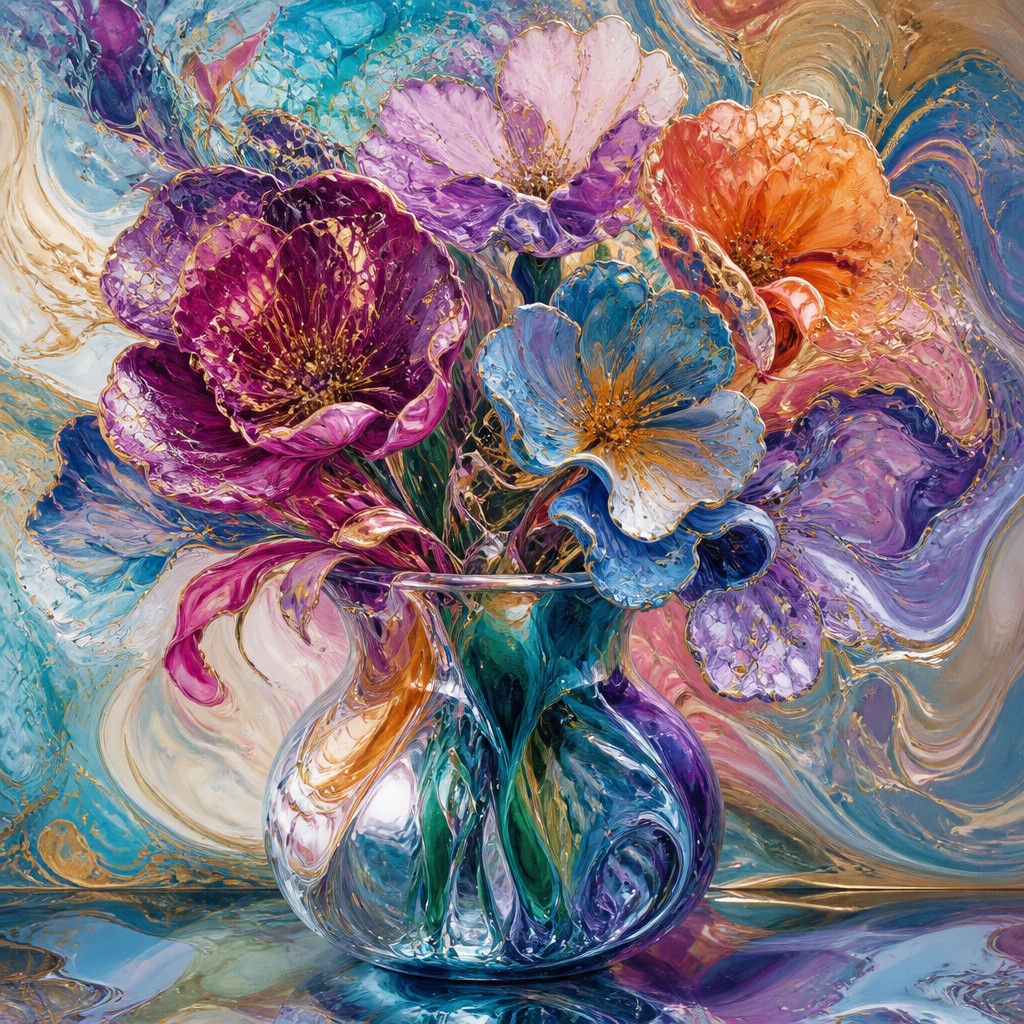
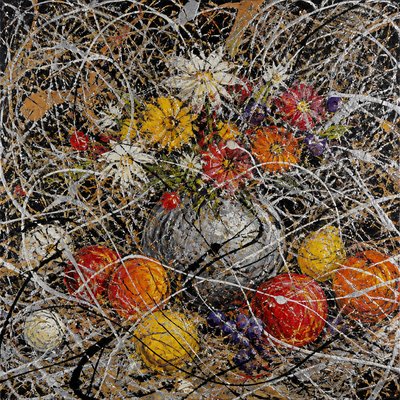
“bouquet of flowers in a glass vase”
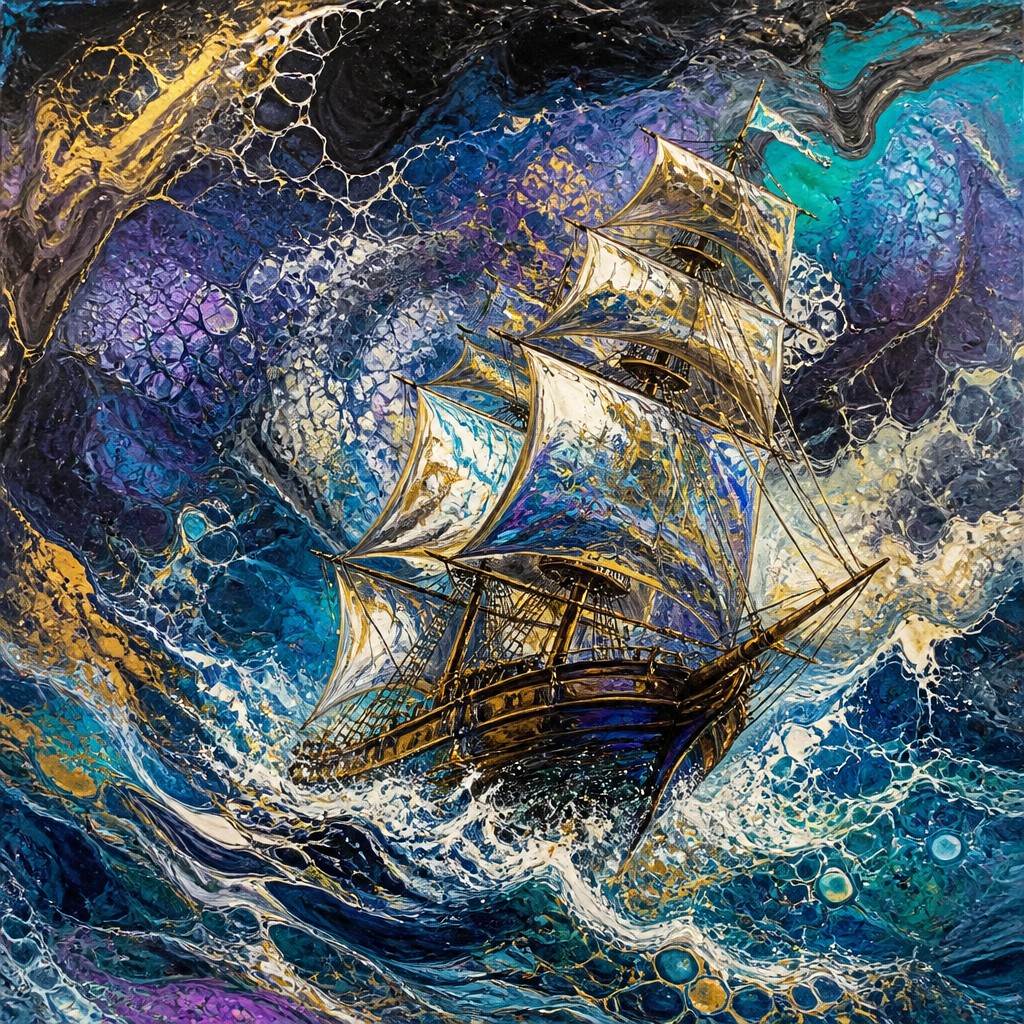
“sailing ship on a stormy sea”
How to Create Fluid Abstract Art
Master the craft step by step — or skip straight to creating. Read the full guide →
- 1
Build from liquid-compatible materials
Traditionally, use acrylic paint mixed with pouring medium to adjust viscosity and flow. Vary thickness across colors so some pigments sink, some spread, and some rise into cells and layered veils.
- 2
Control flow with movement and surface angle
Tilt the canvas, let gravity pull the paint, and guide the motion with slow rotations or directional pours. Small changes in angle can produce dramatically different ribbon structures and negative spaces.
- 3
Encourage cells and texture deliberately
Additives such as silicone or other cell-forming agents can create cellular breakup, while heat can help release trapped bubbles and expand surface patterns. Use these effects sparingly so the image keeps a coherent visual rhythm.
- 4
Layer for depth rather than detail
Instead of drawing contours or objects, stack transparent and opaque pours to create depth through overlap. Let some forms partially dissolve into the layers beneath, preserving the style’s soft, fluid character.
- 5
Use digital simulations of fluid materials
In digital work, emulate poured resin with glossy highlights, soft edge diffusion, and layered translucency. Brush behavior, displacement, and particle-flow effects can approximate the organic unpredictability of liquid paint.
- 6
Write prompts around material behavior
For image generation, describe motion, finish, and pigment interaction rather than fixed shapes. Terms like marbled pigment, cellular lacing, translucent glazes, and glossy resin finish help steer the result toward authentic-looking fluid abstraction.

The Story
History & Origins of Fluid Abstract
Fluid abstract art has its lineage in postwar abstraction, especially action painting, color field painting, and later mixed-media practices that foregrounded process over depiction. It also draws from earlier interests in marbling, stains, poured surfaces, and experimental abstraction, but its contemporary form is most closely associated with acrylic pouring techniques that became widely popular in the late 20th and 21st centuries.
As a visual style, it developed through studio experimentation rather than a single formal movement. Artists and makers explored how pouring mediums, silicone, heat, tilt, and layered pigments could generate cells, ribbons, and organic separation. In digital and AI-native contexts, the style adapts these material effects into generated compositions that imitate the look of poured resin, wet gloss, and chromatic flow without relying on a literal physical pour.
Influences: Fluid Abstract Art Style is closely related to postwar abstraction, especially the process emphasis of a leading action painter’s work and the chromatic depth of pioneering color field painters, though it is not identical to their methods. It also connects to marbling traditions, color field painting, resin art, and contemporary acrylic pouring, where material behavior, chance, and controlled gesture shape the final image.
Frequently Asked Questions
What defines Fluid Abstract Art Style?
It is defined by the appearance of liquid paint in motion: flowing color bands, cellular textures, lacing, and glossy surfaces. The style avoids literal depiction and instead focuses on the visual behavior of pigments, resin, and flow.
Is this the same as acrylic pouring?
Acrylic pouring is one of the main techniques associated with the style, but the style is broader than the technique itself. Fluid abstract imagery can also be made digitally, with resin-like effects, or through other stain and flow-based methods.
How is it different from color field painting?
Color field painting usually emphasizes large, relatively stable areas of color with minimal visible texture. Fluid abstract art is more active and materially specific, with pouring effects, marbling, cells, and visible movement.
What subjects work best in this style?
Subjects that can be translated into atmosphere, energy, or elemental motion work especially well, such as oceans, galaxies, fire, flowers, or purely geometric compositions. The subject is often suggested rather than literally drawn.
Can this style be made digitally?
Yes. Digital versions often rely on layered translucency, smooth flow gradients, glossy highlights, and simulated pigment separation. The key is to preserve the impression of physical liquid behavior rather than turning it into flat graphic abstraction.
Where is this style commonly used?
It is widely used in decorative wall art, album covers, posters, product imagery, and contemporary abstract printmaking. Its strong color movement also makes it popular for backgrounds and statement pieces.

Create your first Fluid Abstract artwork
Describe anything — or upload a photo — and see it in Fluid Abstract Art Style in seconds.
Make Something with Fluid Abstract
Related Styles
Discover similar art styles