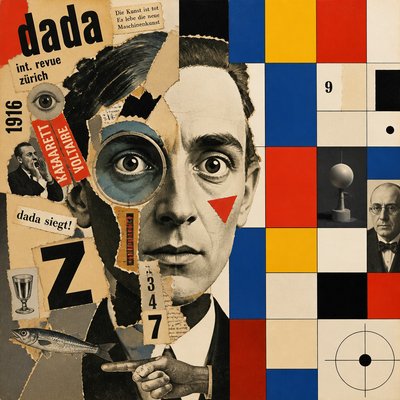
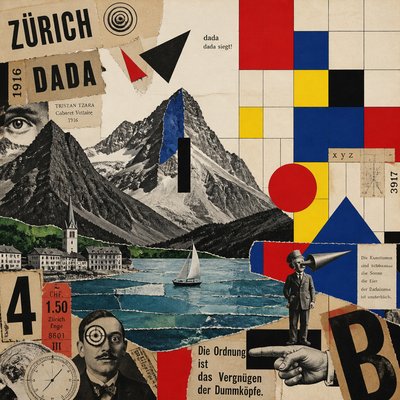
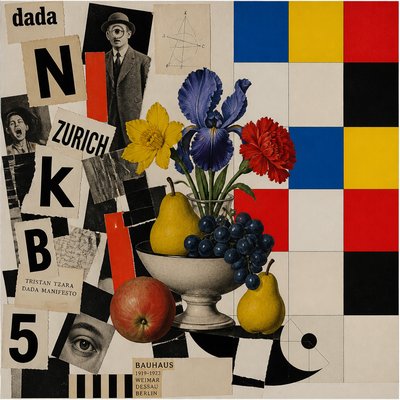
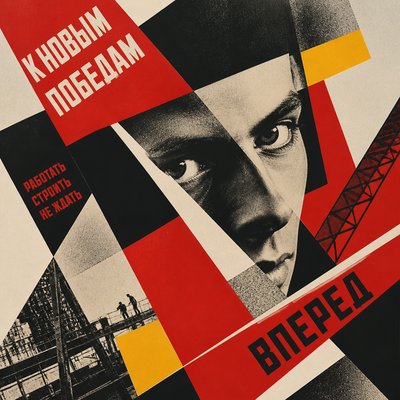
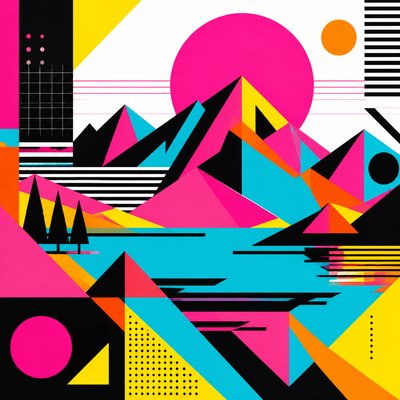
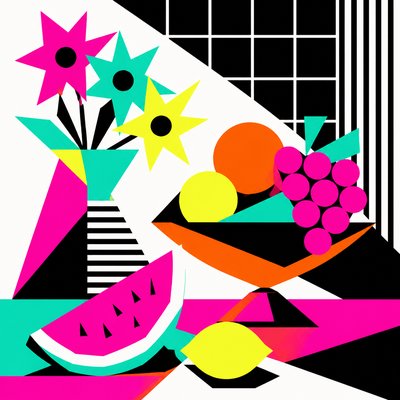
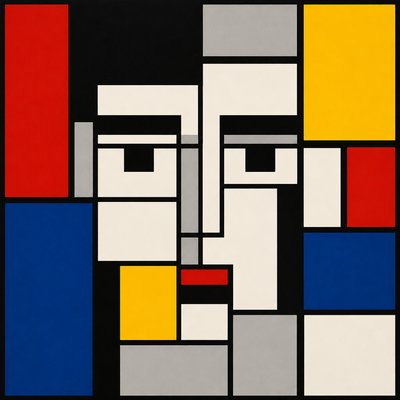
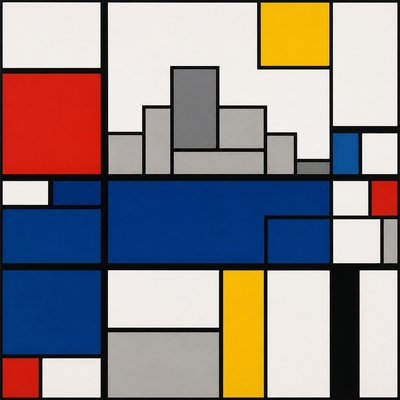
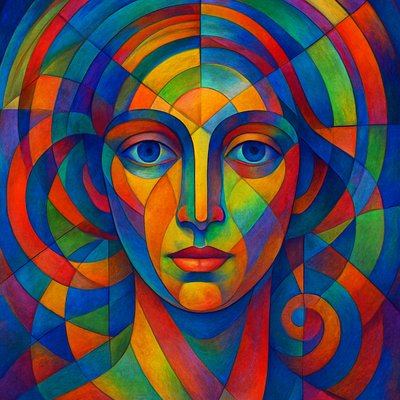
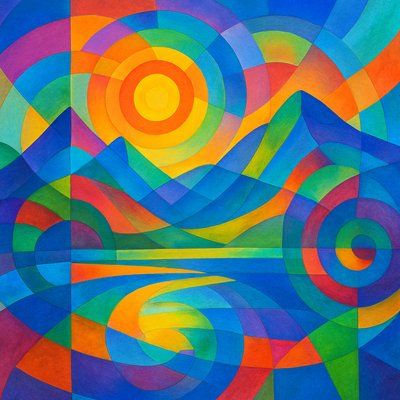
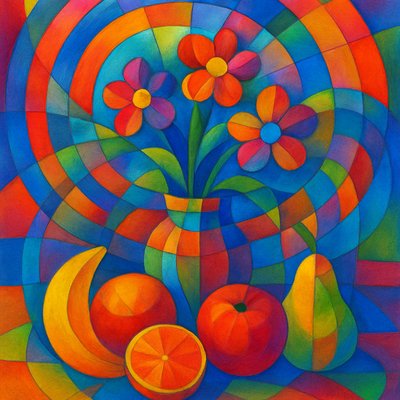
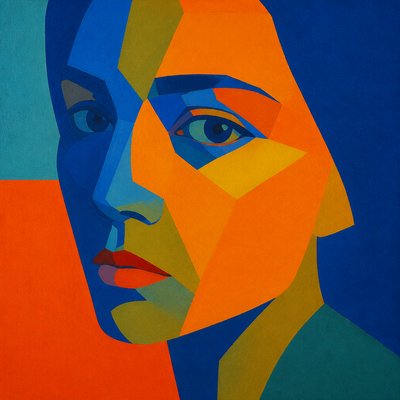
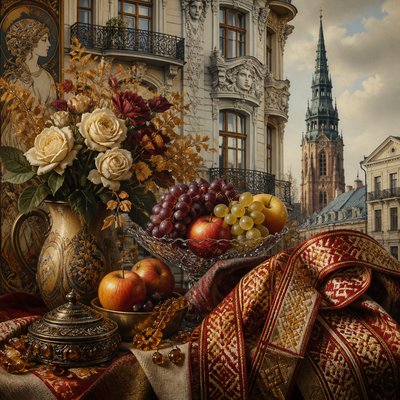
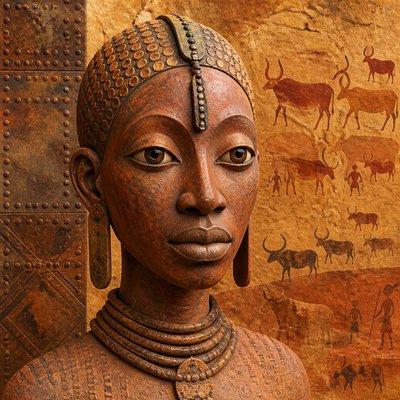
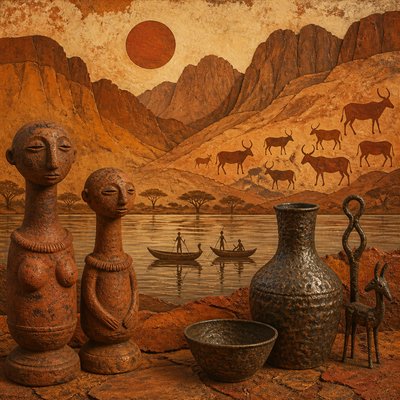
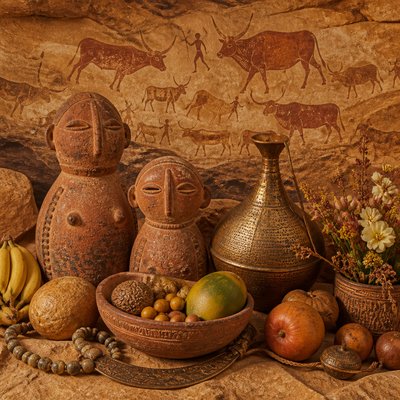
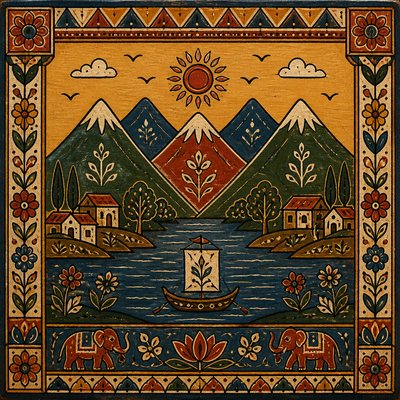
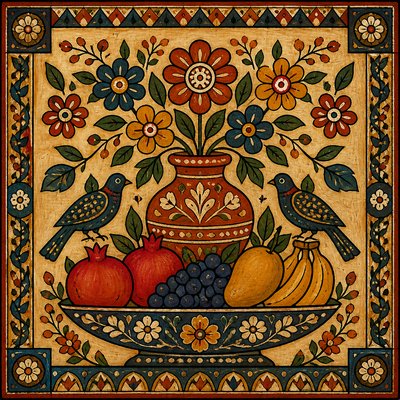
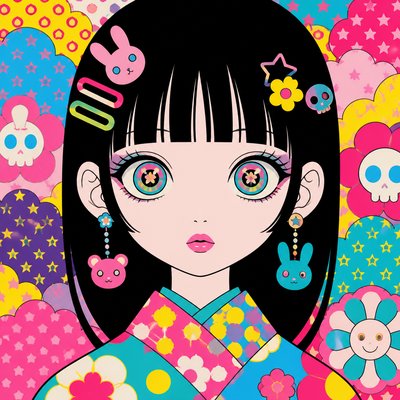
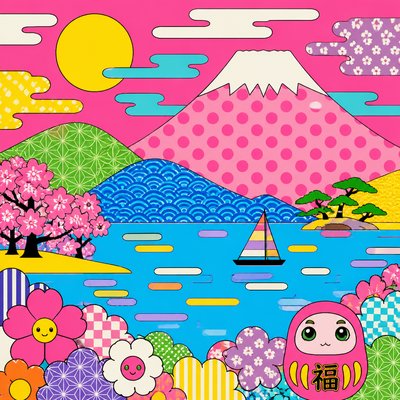
Lyrical Abstraction Art Style
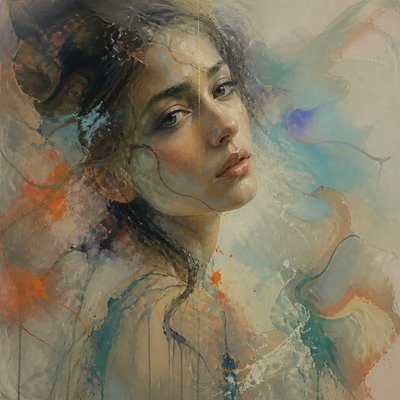
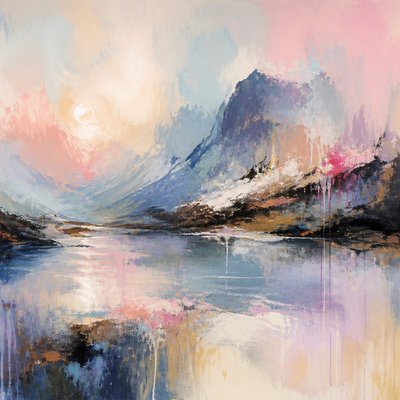
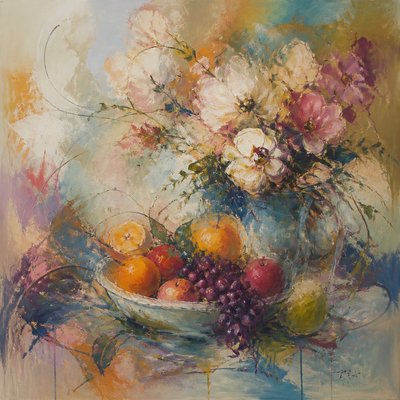
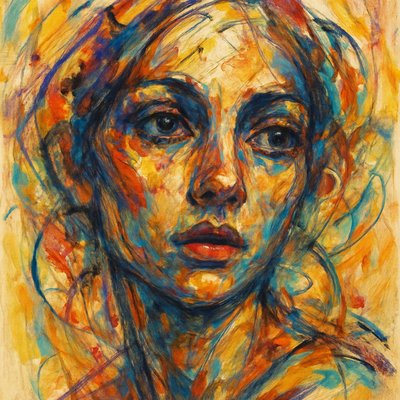
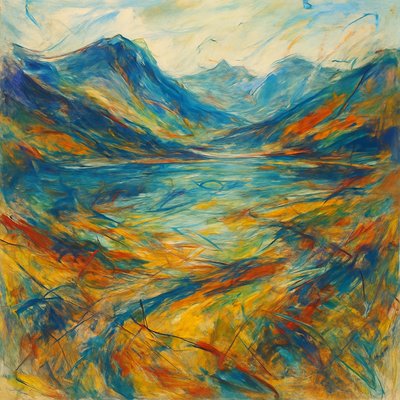
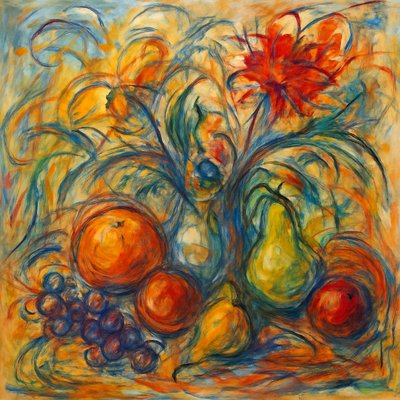
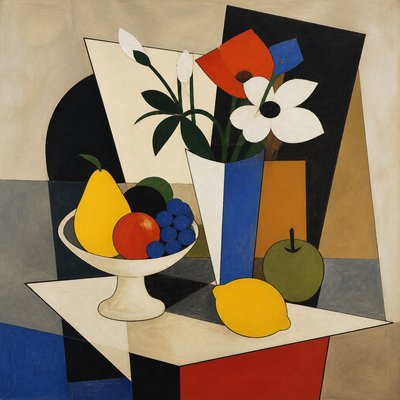
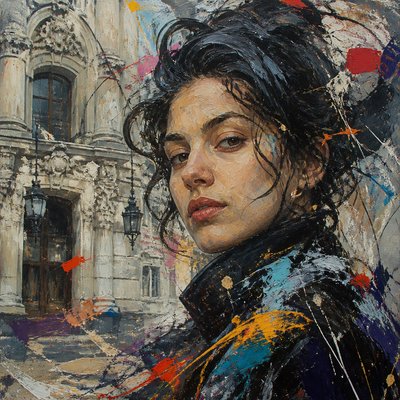
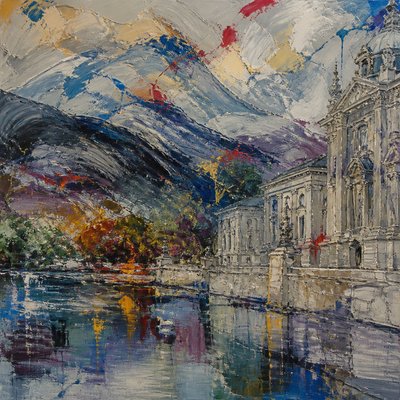
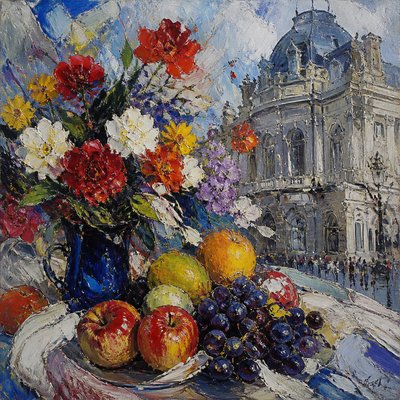
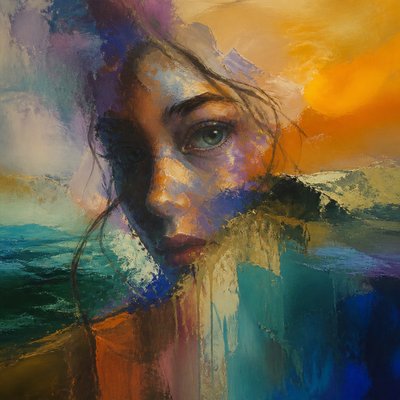
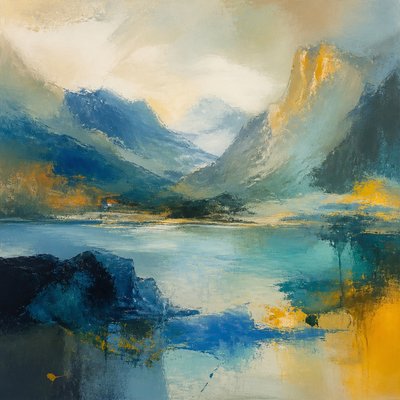
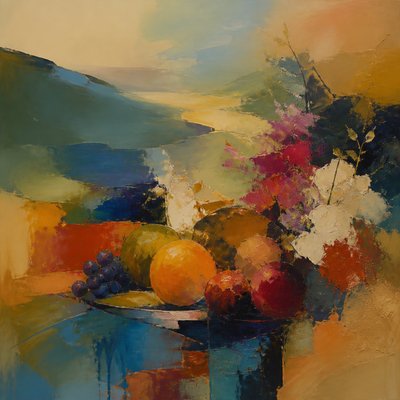
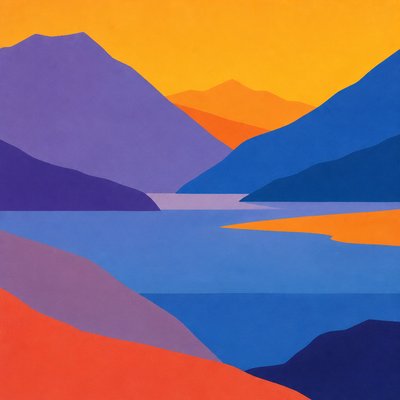
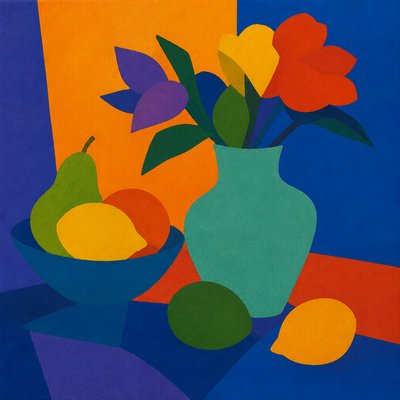
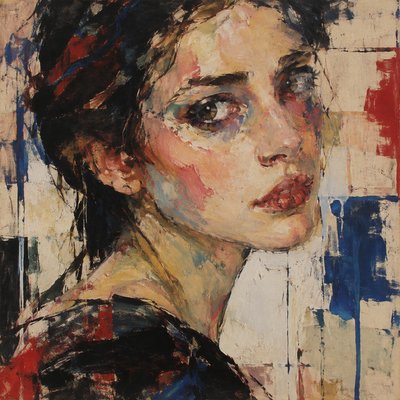
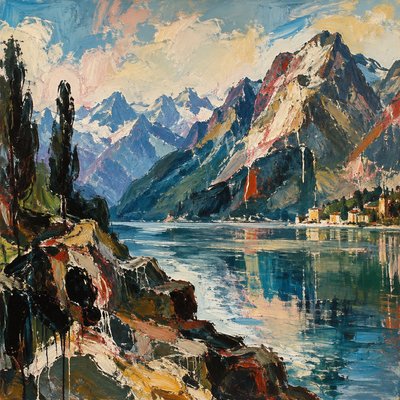
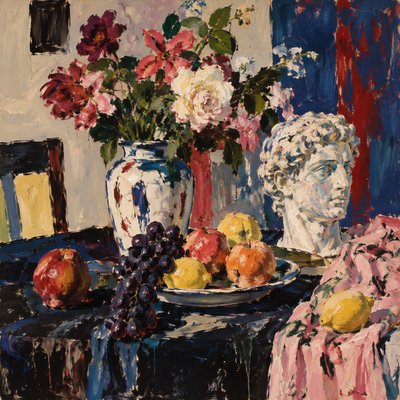
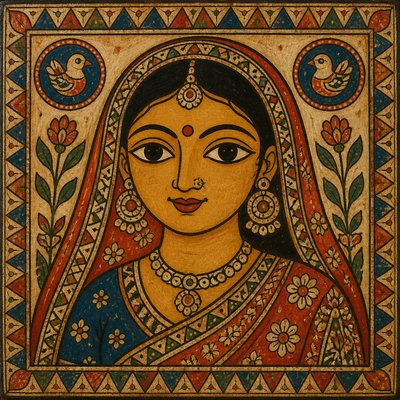
Emotive abstract painting with flowing forms, soft color, and poetic brushwork rooted in lyrical, gestural expression.
Instantly rendered in Lyrical Abstraction — or transform a photo
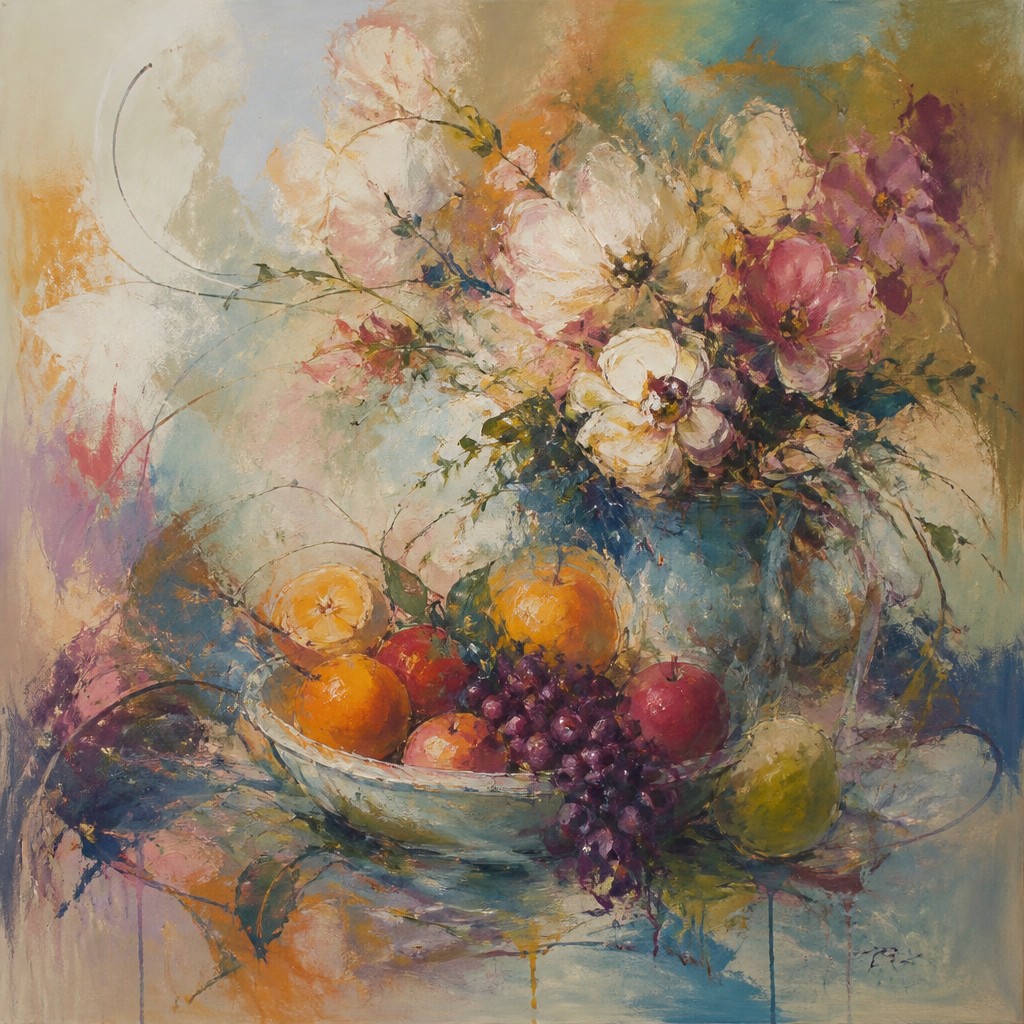
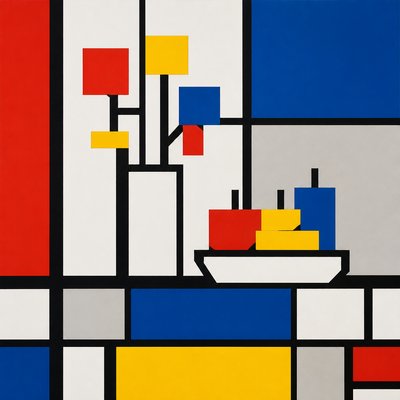
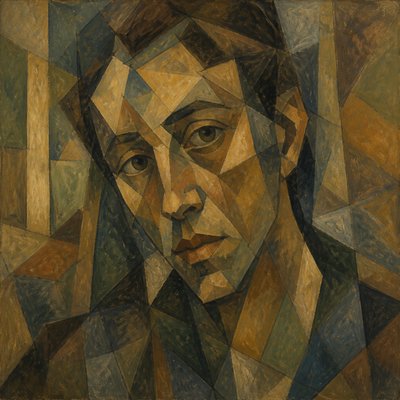
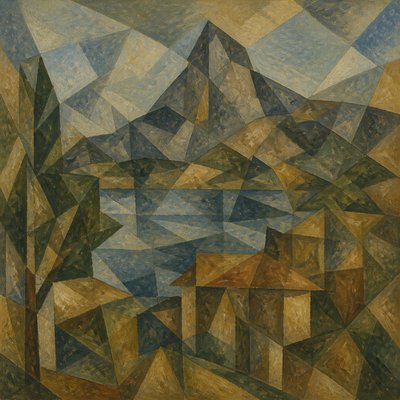
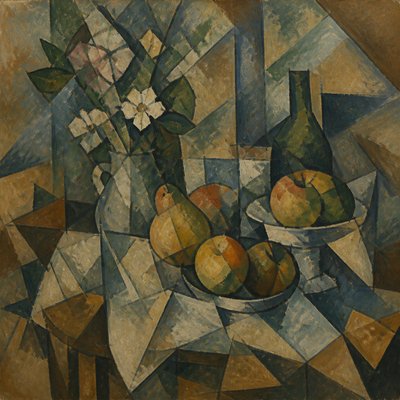
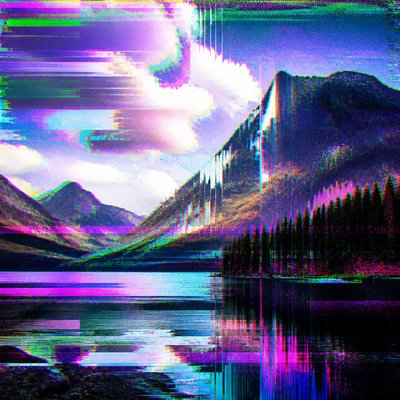
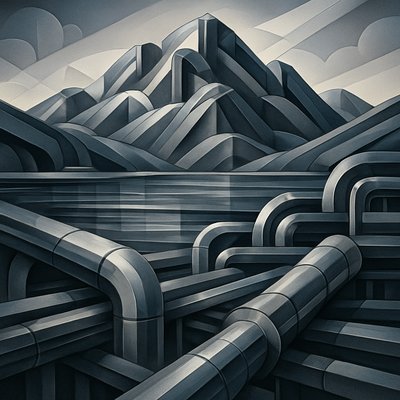
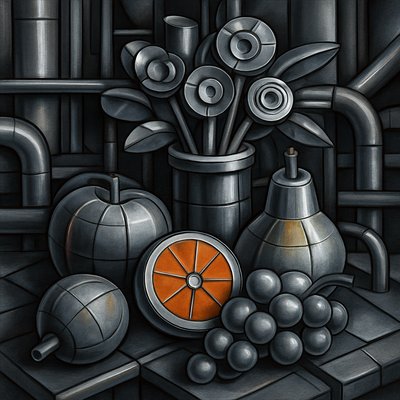
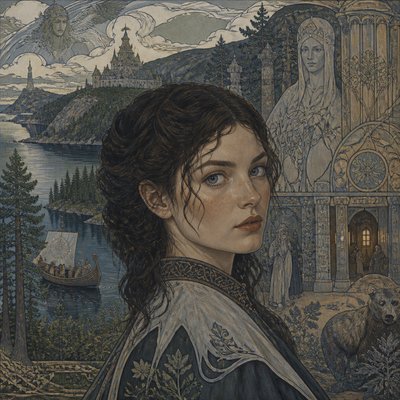
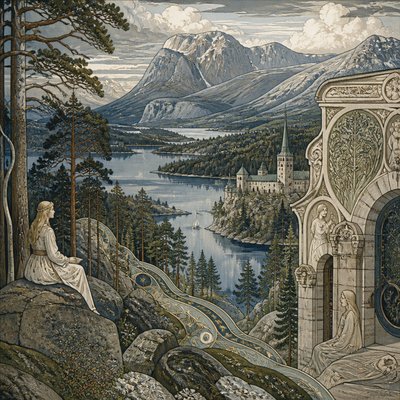
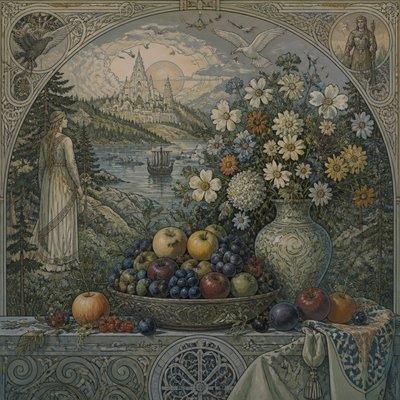
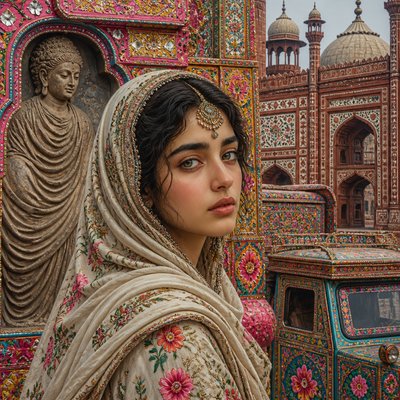
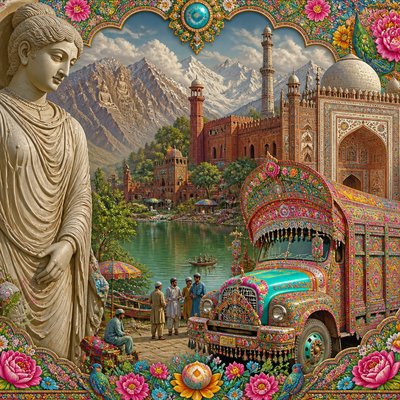
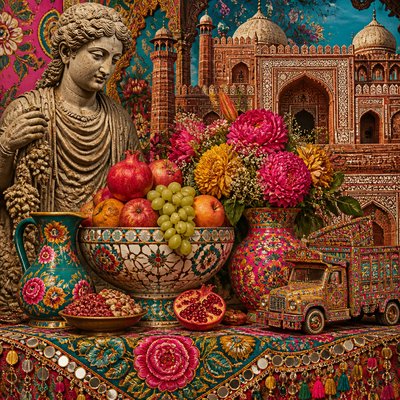
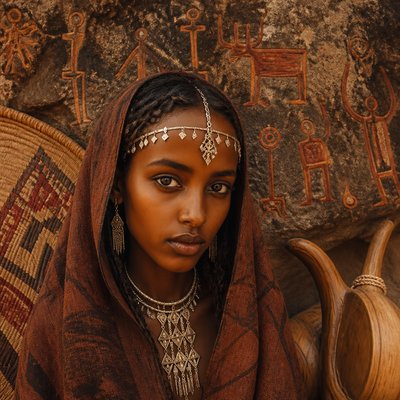
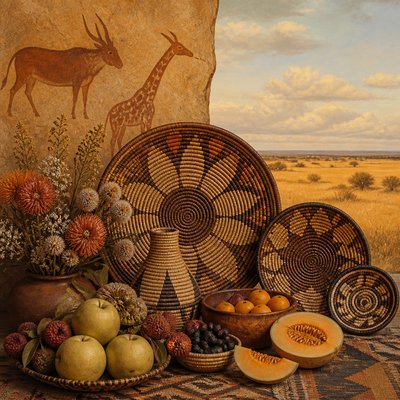
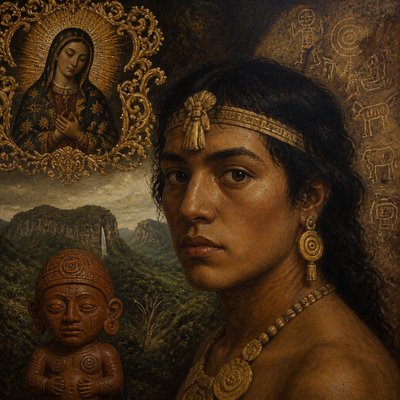
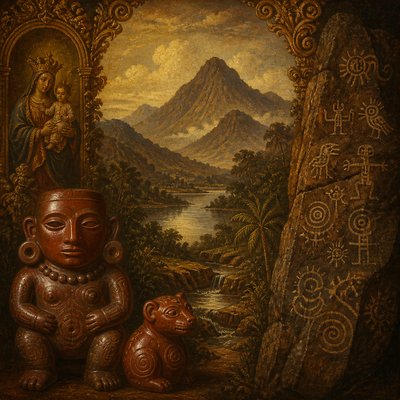
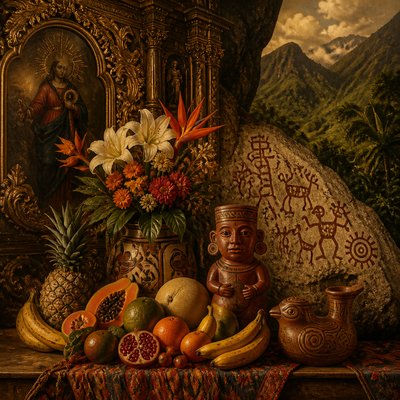
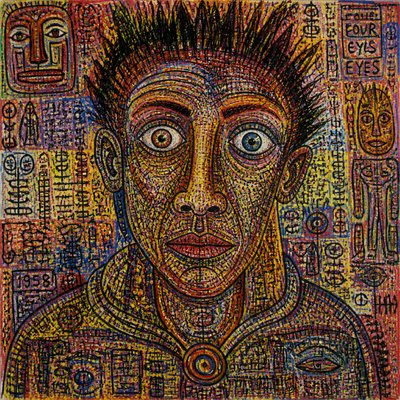
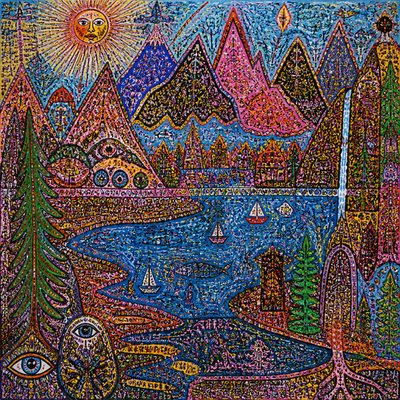
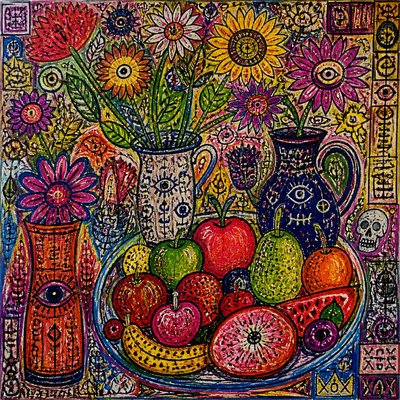
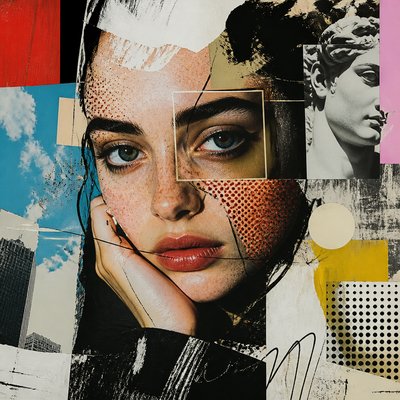
Lyrical Abstraction Gallery
Tap any artwork to explore it
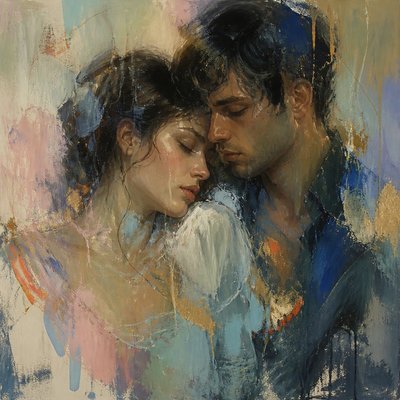
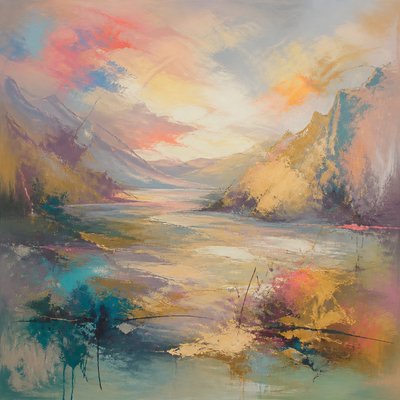
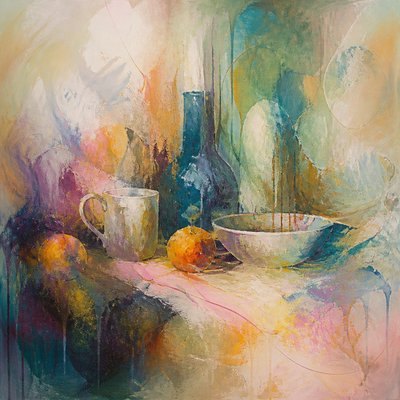
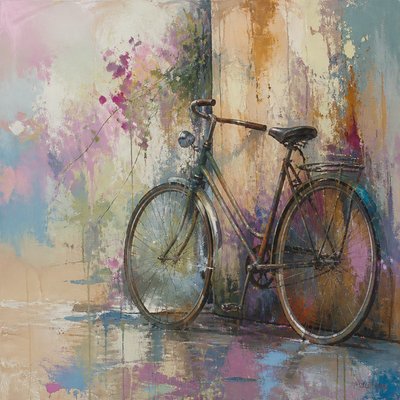
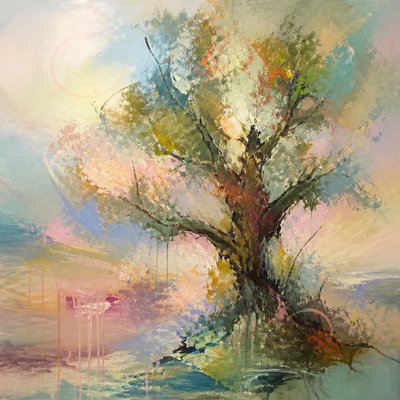
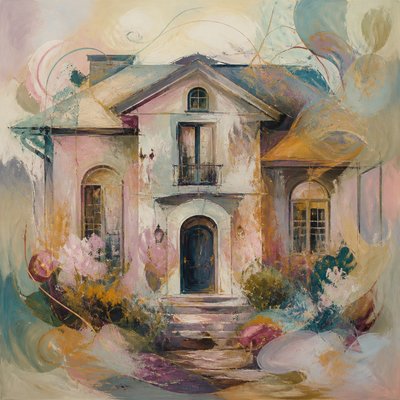
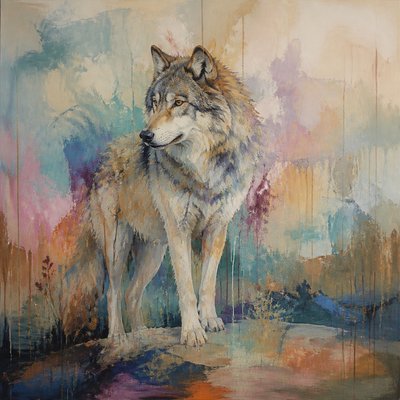
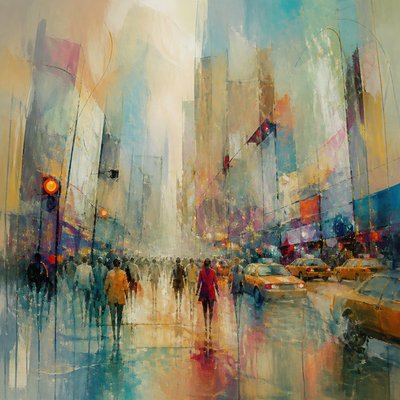
What is Lyrical Abstraction Art Style?
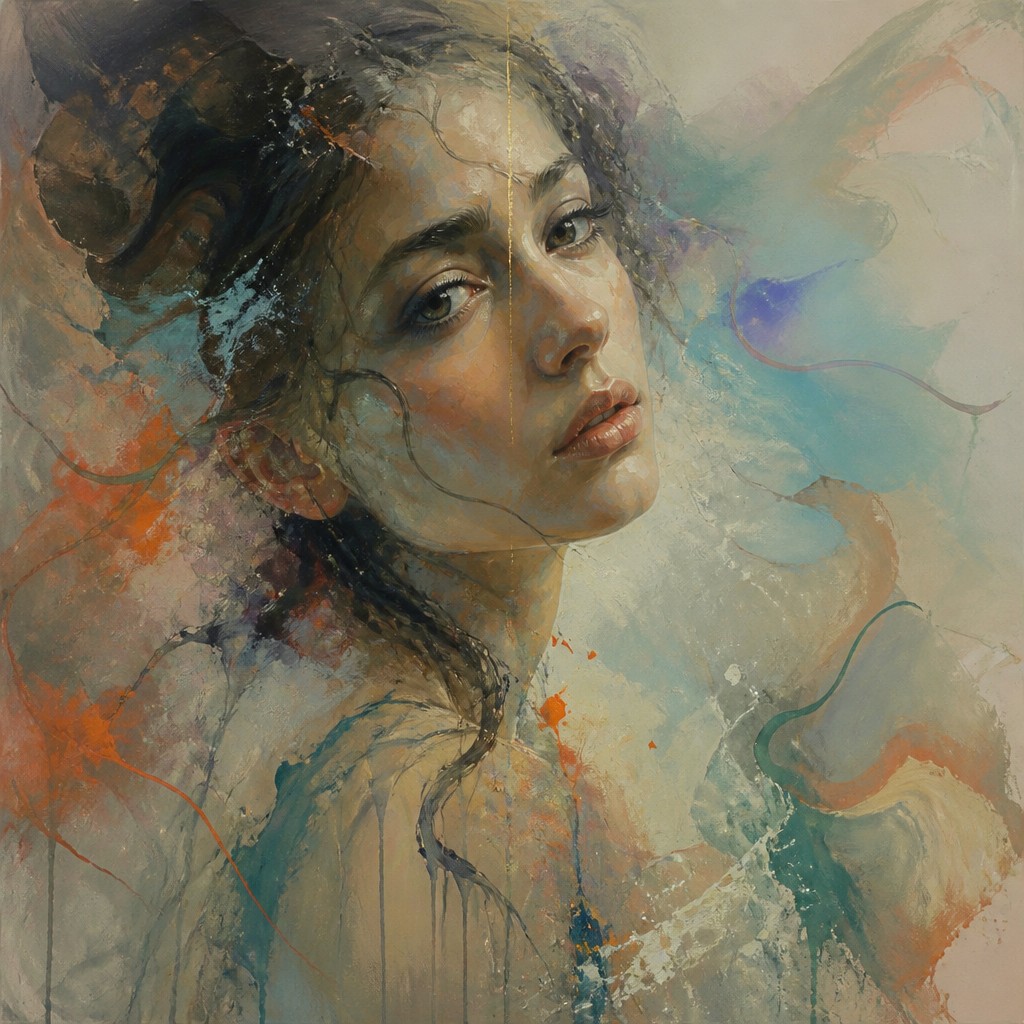
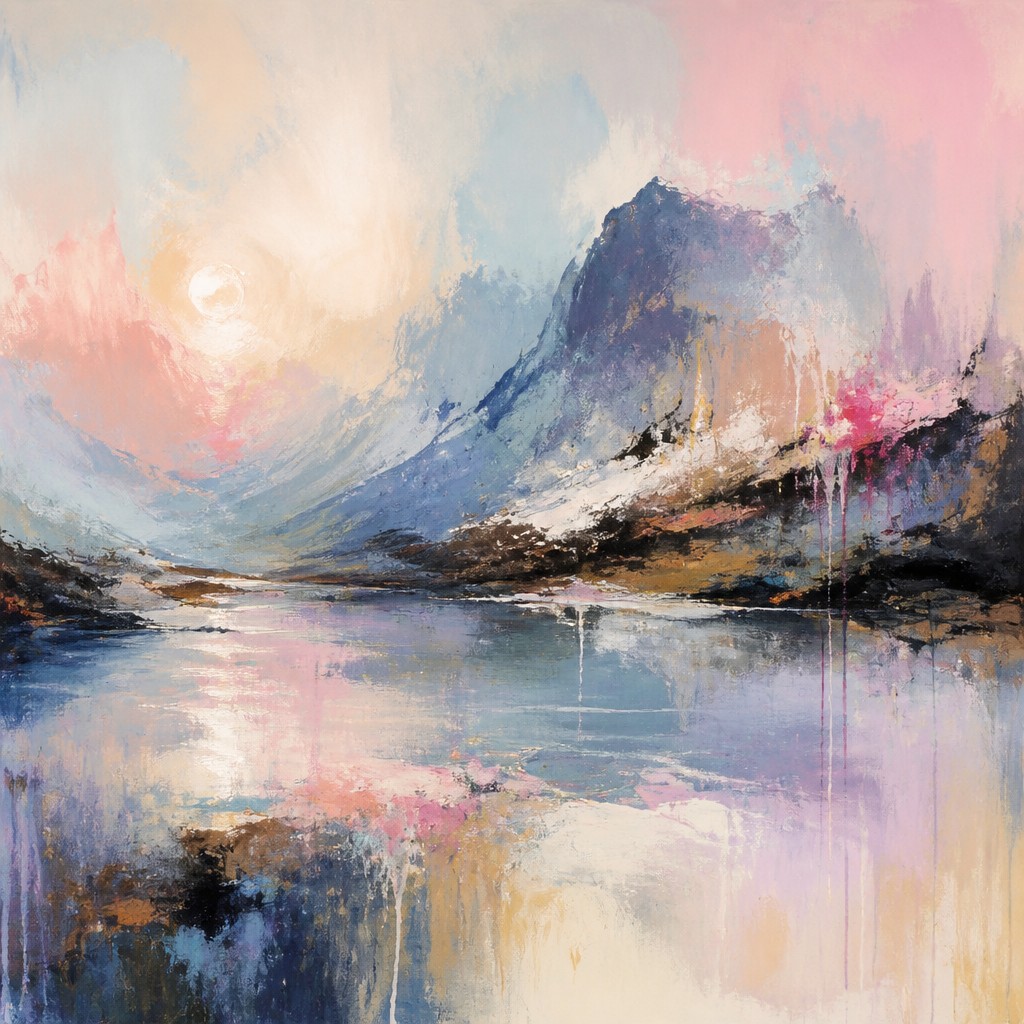
Lyrical Abstraction is an approach to abstract painting defined by emotion, movement, and atmosphere rather than geometry or literal representation. It favors flowing organic forms, soft transitions of color, and a sense of improvisation that can feel musical or poetic. The image surface often appears to breathe: shapes dissolve, edges blur, and color seems to drift, stain, or pulse across the canvas.
The style looks this way because it prioritizes gesture, spontaneity, and personal expression. Instead of hard-edged structure, it uses rhythmic brushwork, translucent layers, and chromatic bleeding to create ambiguity and depth. The result is abstract art that can feel intimate and expressive while still remaining open-ended, inviting viewers to read mood, movement, and visual rhythm rather than objects or narratives.
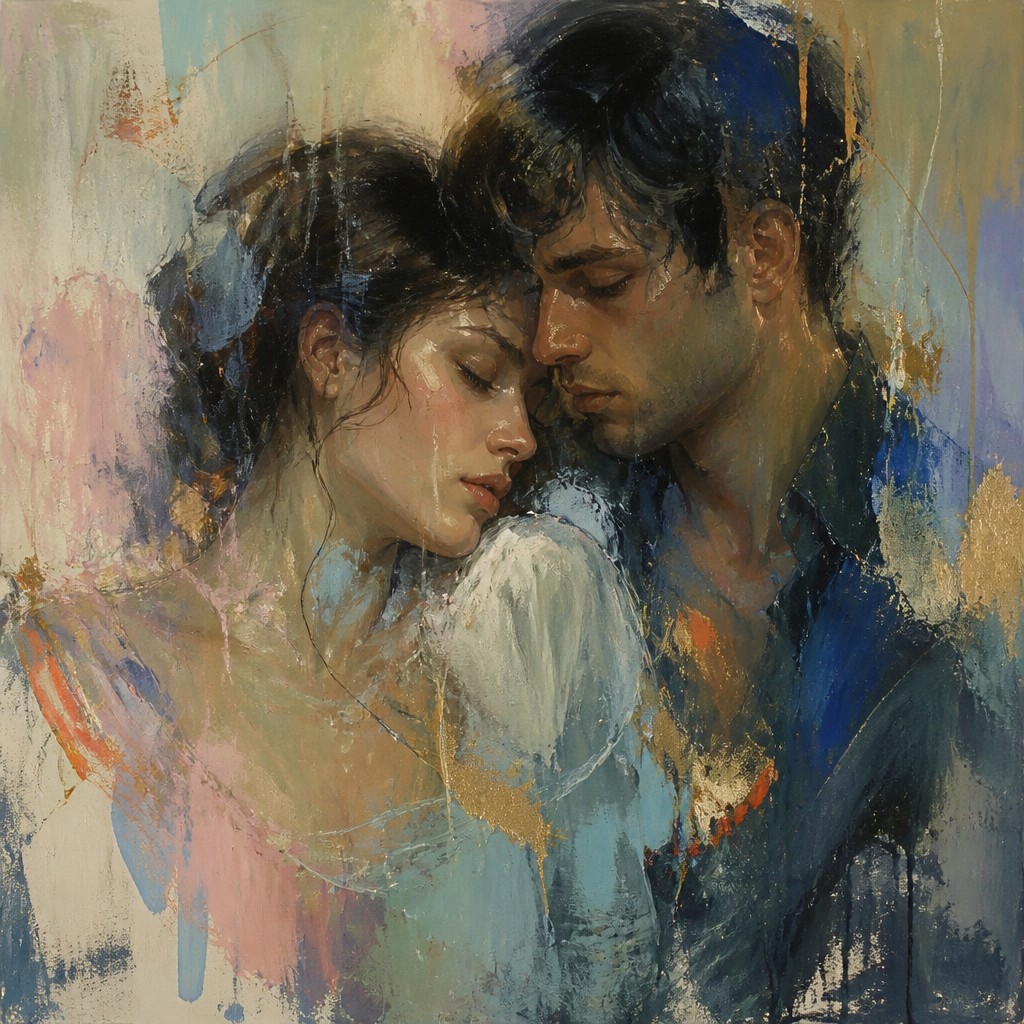
Try It On Your Photos
Upload any photo and convert it into Lyrical Abstraction Art Style — drag the sliders to compare before and after.
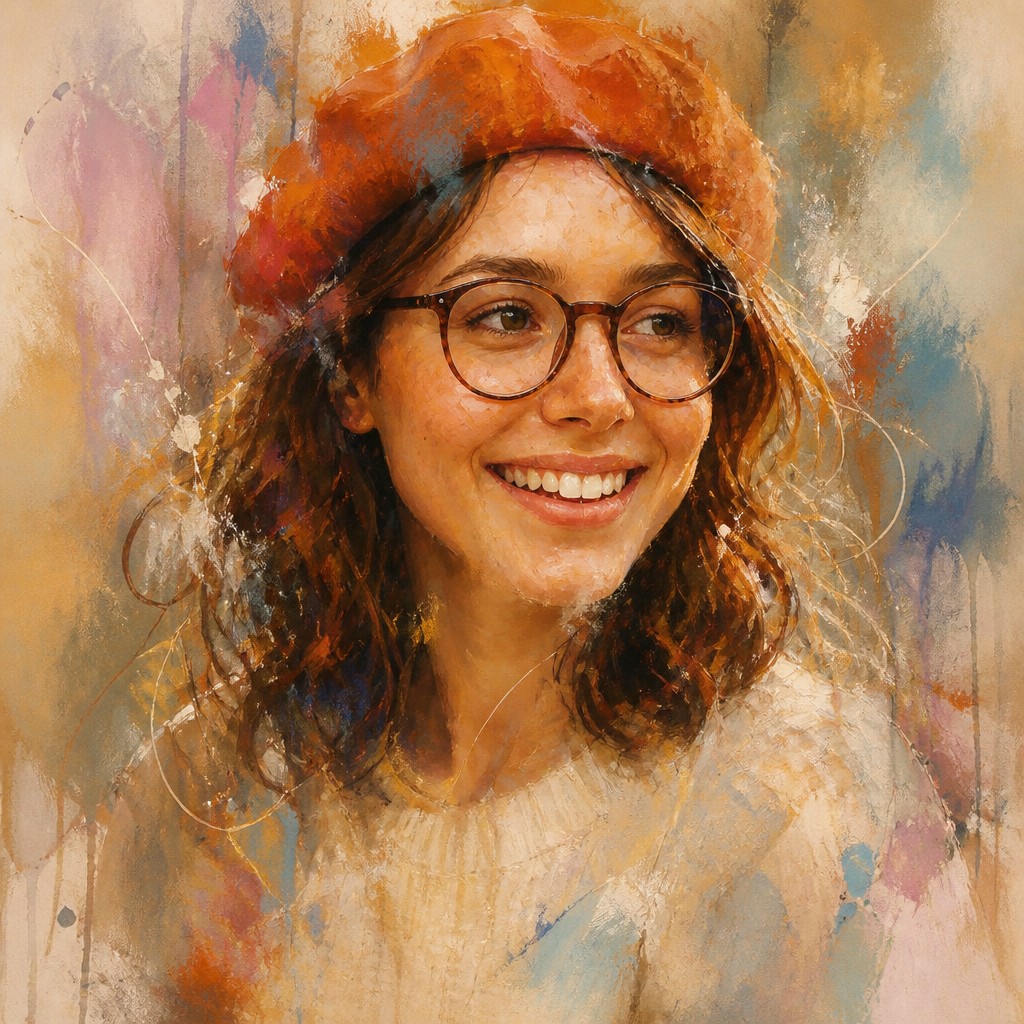

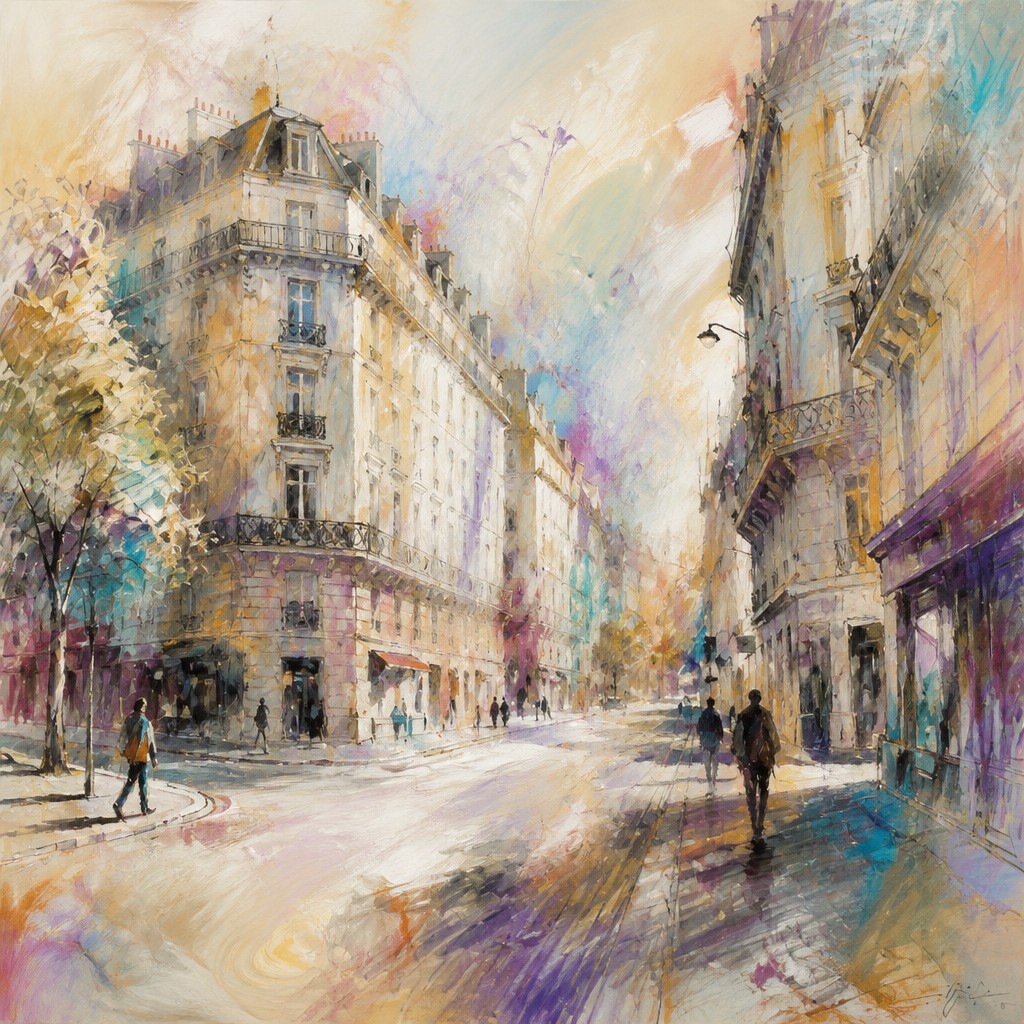

What Defines Lyrical Abstraction Art Style
The signature details, up close
Flowing, organic forms
Shapes are often amorphous, curved, and unstable, seeming to emerge and disappear rather than settle into fixed outlines. This gives the composition a sense of motion and psychological openness.
Soft, luminous color
Palette choices often include pastels, muted earth tones, misty grays, and occasional bright accents. Color is usually blended in a way that suggests light passing through pigment rather than sitting flat on the surface.
Gesture-driven brushwork
Marks tend to record the artist’s movement: sweeping arcs, quick accents, dragged strokes, and layered sweeps. The paint handling helps convey emotional energy and rhythm.
Translucent layering
Multiple veils of color may overlap, creating depth without clear perspective. Thin washes, glazes, and transparent passages are common, especially where forms seem to hover in atmospheric space.
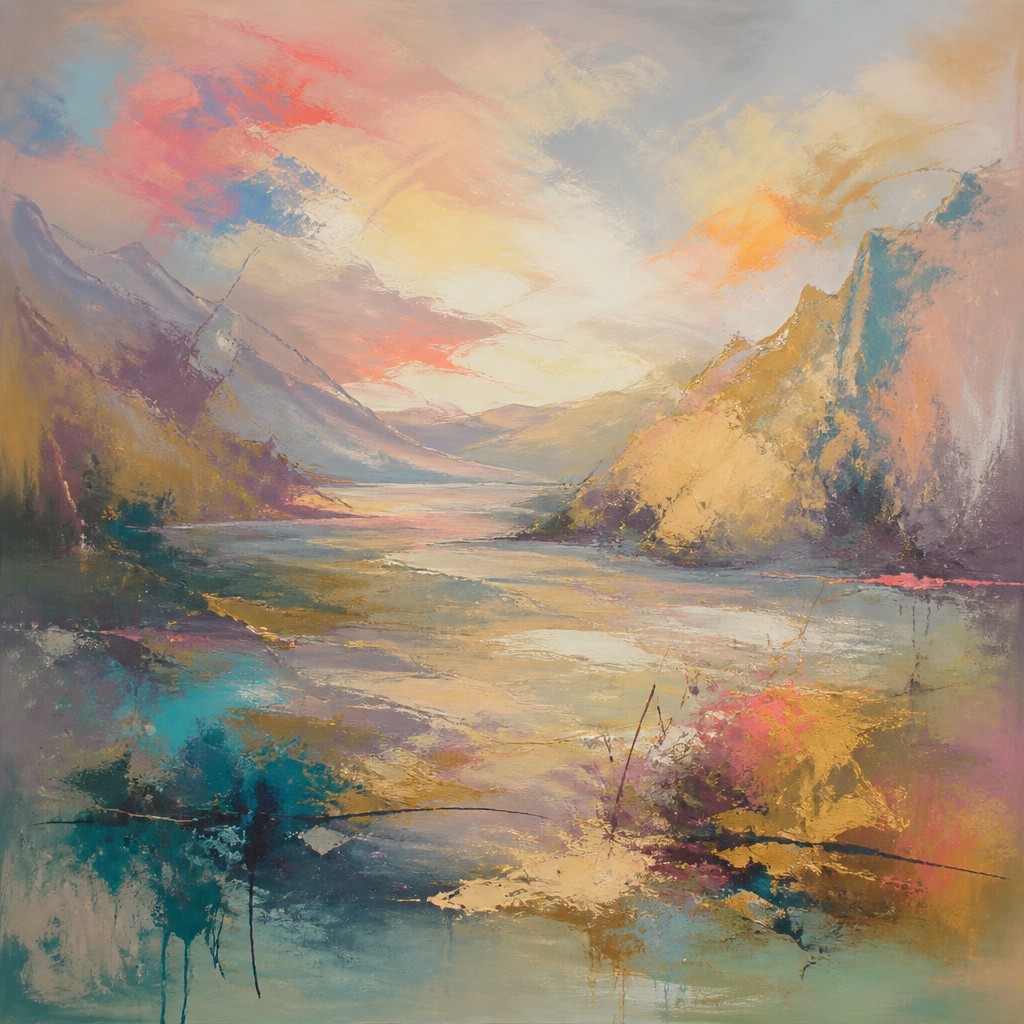
Ambiguous spatial depth
The picture often avoids a stable foreground and background. Instead, forms float, sink, or recede in an indeterminate field, making the surface feel expansive and dreamlike.
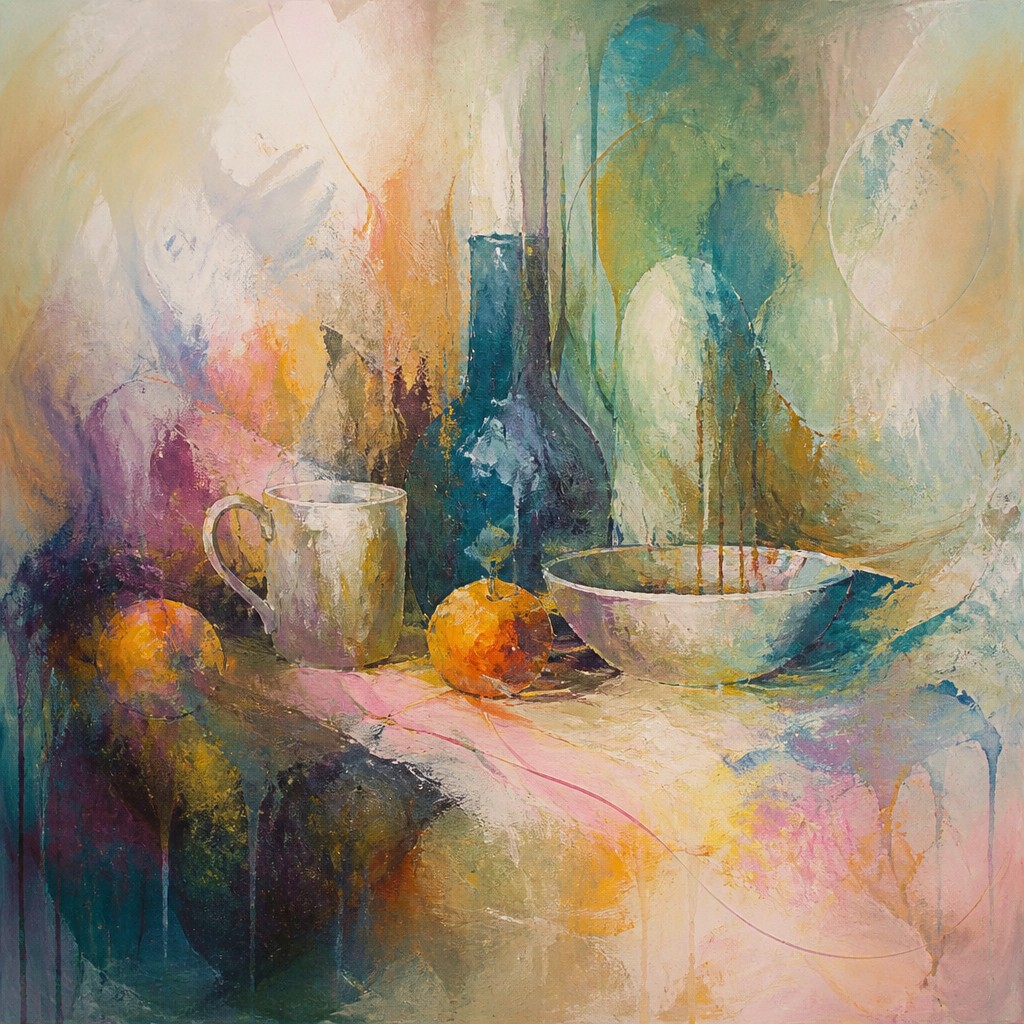
Poetic and musical mood
The overall effect is often associated with lyricism, stillness, or improvised rhythm rather than dramatic conflict. Viewers may experience it as visual music or as an emotional field rather than a scene.
Try It
Create Videos in Lyrical Abstraction Art Style
Styles aren't just for stills — describe a scene or animate an image and get a short video rendered in Lyrical Abstraction. Press play to see this pond come to life.
Make a VideoLyrical Abstraction Prompt Ideas
Start from an idea — each one opens the generator with the style ready to go. See all 40 Lyrical Abstraction prompts →
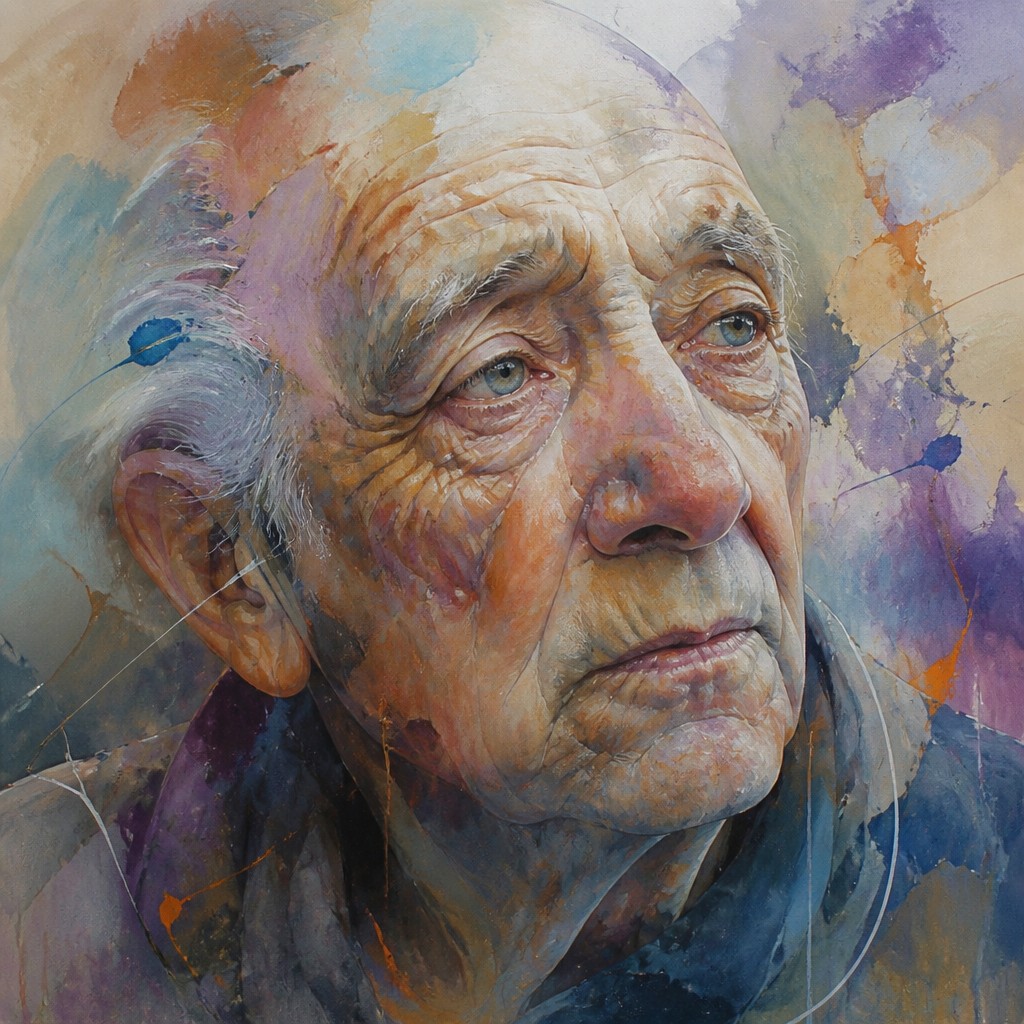
“close-up portrait of an elderly person with expressive weathered features”
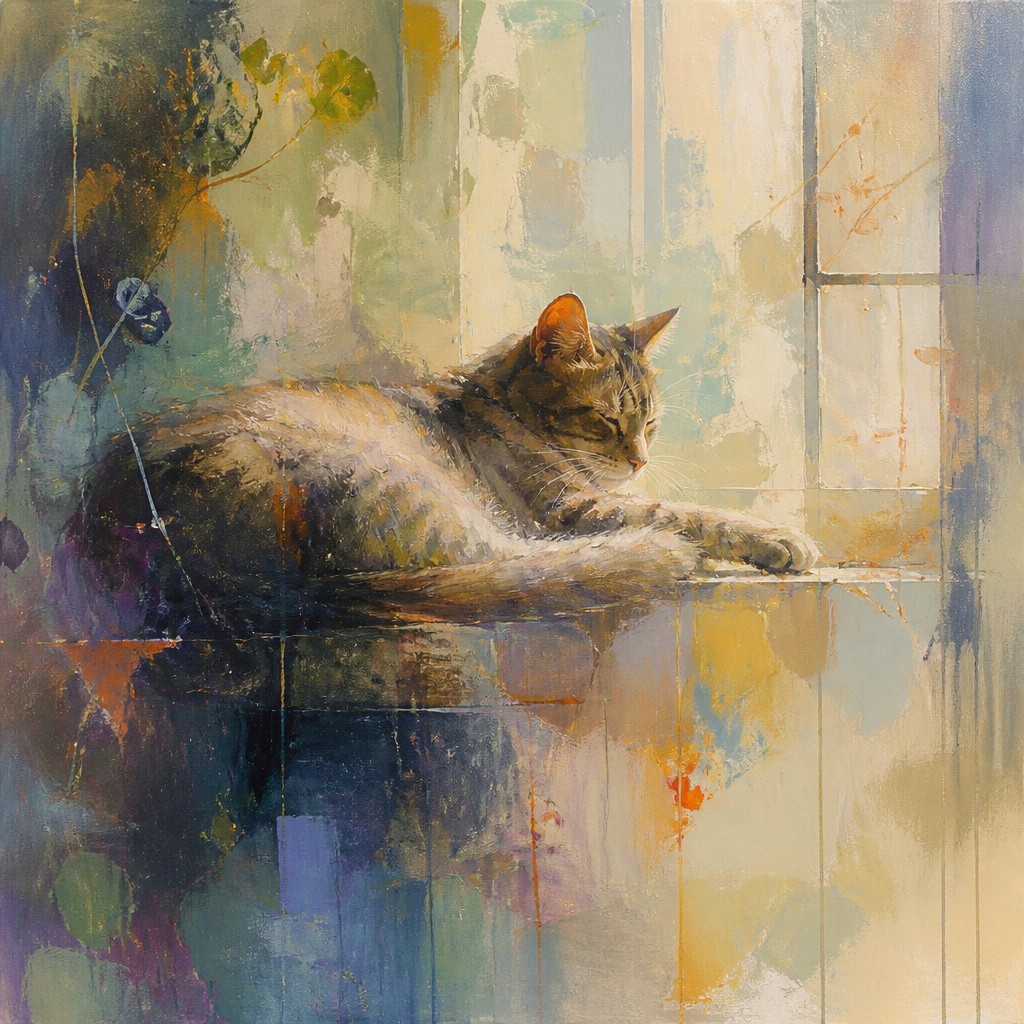
“a cat lounging in a sunlit window”
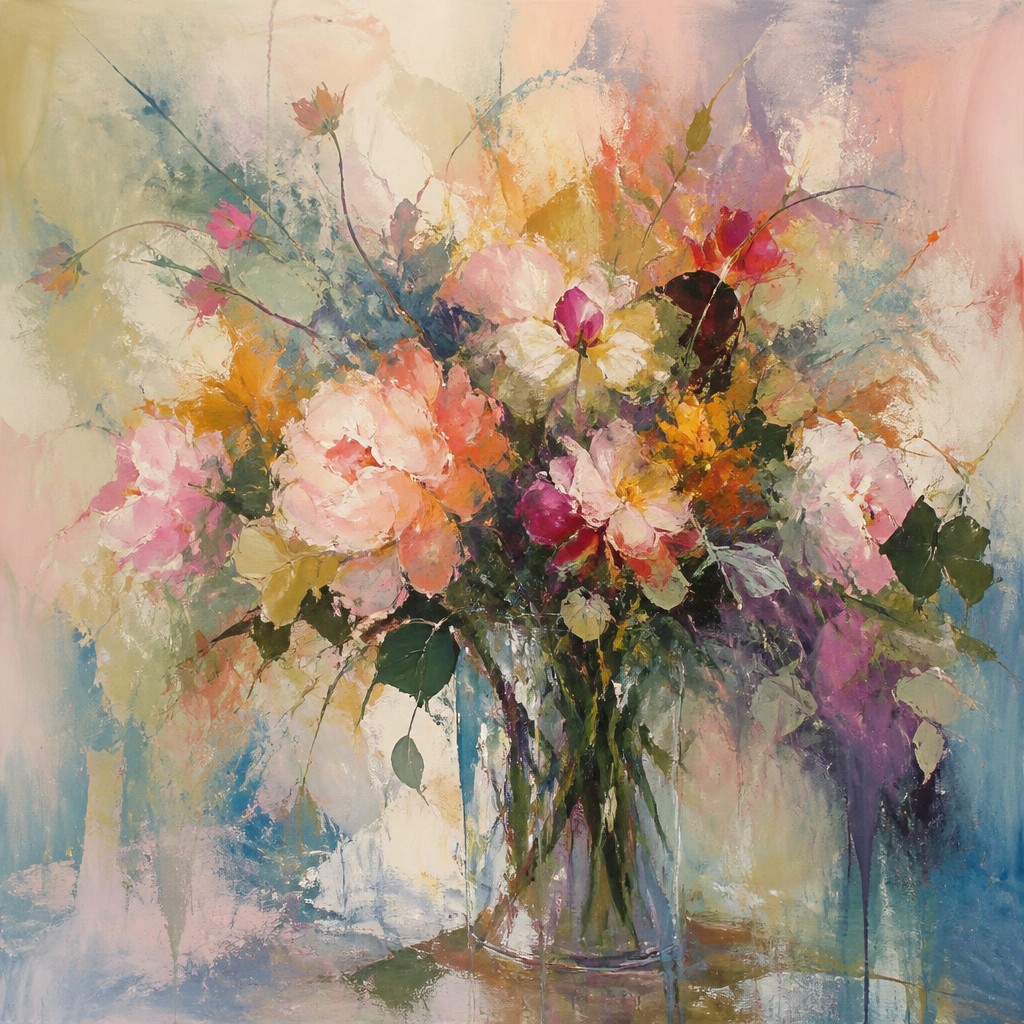
“bouquet of flowers in a glass vase”
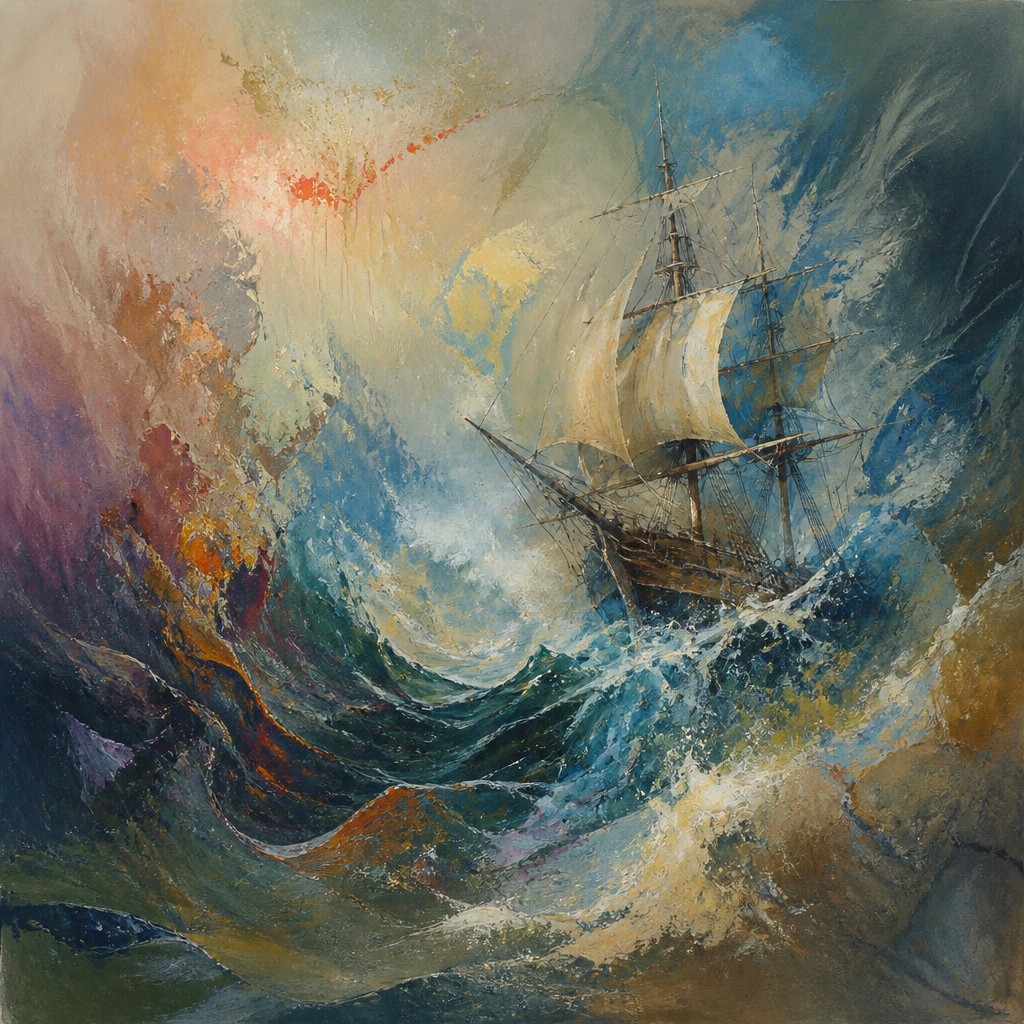
“sailing ship on a stormy sea”
How to Create Lyrical Abstraction Art
Master the craft step by step — or skip straight to creating. Read the full guide →
- 1
Build the composition from gesture
Start with broad, sweeping marks or fluid digital strokes before adding detail. Let the movement of the hand or brush suggest direction, rhythm, and emotional tone instead of planning a strict structure.
- 2
Layer transparent color
Use thinned paint, glazes, watercolor-like washes, or low-opacity digital layers to create depth and soft transitions. Overlapping translucent passages help achieve the characteristic atmospheric glow.
- 3
Balance softness with accents
Keep most areas diffuse or muted, then introduce a few sharper pigment notes or more saturated marks to anchor the composition. Those accents work best when they feel discovered rather than overdesigned.
- 4
Vary texture across the surface
Mix smooth blended areas with rougher impasto, dry-brush edges, or granular texture so the painting feels alive. In digital work, combine soft gradients with visible brush textures, noise, or scan-like surface detail.
- 5
Use prompt language that favors mood and materiality
For text-to-image generation, describe motion, color behavior, transparency, and emotional tone rather than concrete objects. Phrases such as “flowing organic forms,” “translucent layered paint,” and “poetic atmospheric space” help steer the image toward the style.
The Story
History & Origins of Lyrical Abstraction
The term “Lyrical Abstraction” is used most often for postwar abstract painting that emphasized expressive brushwork, color, and poetic feeling over strict geometry. In Europe and the United States, it developed alongside gestural abstraction, tachisme, Art Informel, and related post-1945 movements that reacted against rigid formalism and emphasized direct, intuitive making. Artists associated with this tendency include an important early abstract pioneer as a precursor, along with later figures such as an early European abstractionist, a major postwar gestural abstraction painter, a prominent French lyrical-gesture painter, a leading American color-field and stained-canvas painter, and a major postwar American painter of gesture and color, who each approached abstraction through different degrees of improvisation, staining, and painterly movement.
As an aesthetic lineage, it draws from earlier abstract and expressive traditions rather than from a single manifesto. It inherits from expressionism, calligraphic painting, and color-driven modernism, while also anticipating later atmospheric abstraction and contemporary digital workflows that favor layered translucency and fluid form. In current visual culture, the style remains relevant because it translates well to both traditional paint handling and digital image-making, where diffusion, blending, and layered texture can recreate its soft, floating quality.
Influences: Lyrical Abstraction is closely related to abstract expressionism, art informel, tachisme, and color field painting, while also drawing on expressionism and postwar European gestural abstraction. Its vocabulary of movement and feeling recalls the work of an important early abstract pioneer, while the handling of stain and translucent color is often associated with a leading postwar color-stain painter; the energetic brushwork of a major expressive postwar painter and the spontaneous, calligraphic energy of a prominent French gestural painter are also relevant points of comparison. It differs from hard-edge abstraction and geometric abstraction by favoring intuition, atmosphere, and painterly flow over precise structure.
Frequently Asked Questions
What defines Lyrical Abstraction?
It is defined by expressive, fluid abstraction that emphasizes mood, gesture, and color over recognizable subject matter. The style usually feels soft, atmospheric, and emotionally charged, with forms that seem to drift or dissolve.
How is it different from Abstract Expressionism?
The two overlap, but Lyrical Abstraction is usually more serene, fluid, and color-centered. Abstract Expressionism can include more aggressive, dramatic, or high-contrast mark-making, while lyrical work often feels more poetic and atmospheric.
Is Lyrical Abstraction always non-representational?
Not necessarily. Some works remain fully non-objective, while others suggest landscapes, figures, or botanical forms without describing them clearly. The key is that representation is secondary to feeling, movement, and paint handling.
What colors are typical in this style?
Soft pastels, muted earth tones, grays, and diluted blues or pinks are common, often accented with brighter notes. The palette usually avoids harsh contrast unless a sharp accent is needed for emphasis.
How do I make a painting in this style?
Use layered washes, loose brushwork, and a limited but nuanced palette. Focus on rhythm, transparency, and the interaction of soft forms rather than on drawing exact shapes.
Where is this style used today?
It appears in contemporary fine art, interior-friendly decorative painting, album art, book covers, and conceptual visuals that need an emotional or atmospheric abstract language. It also adapts well to digital painting and image generation because its effects are built from blending, layering, and texture.

Create your first Lyrical Abstraction artwork
Describe anything — or upload a photo — and see it in Lyrical Abstraction Art Style in seconds.
Make Something with Lyrical Abstraction
Related Styles
Discover similar art styles