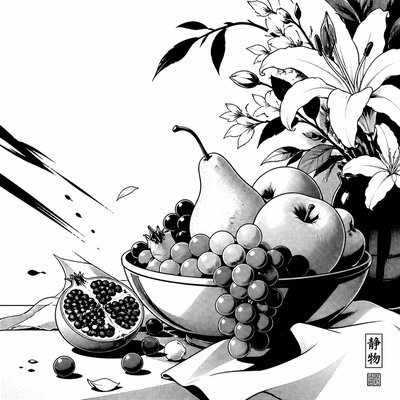
Proto-Cubism Art Style
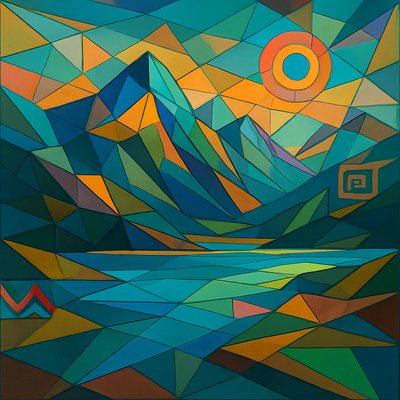
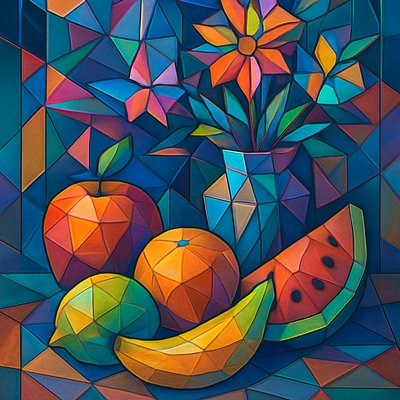
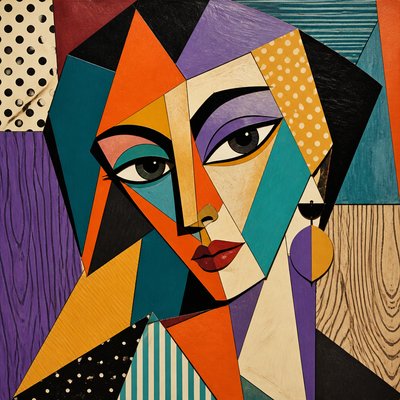
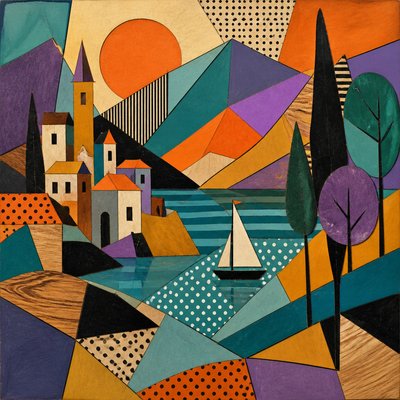
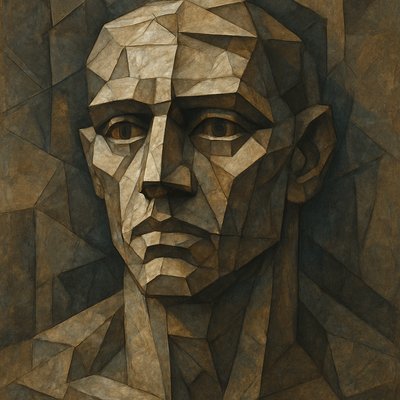
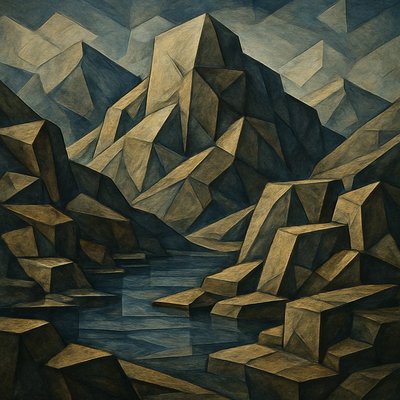
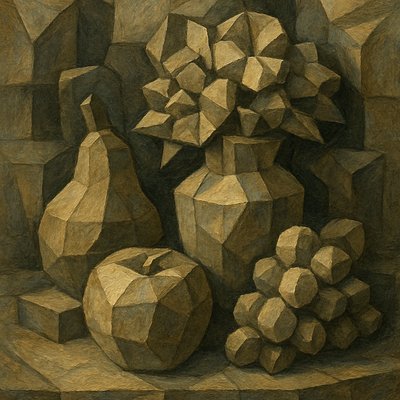
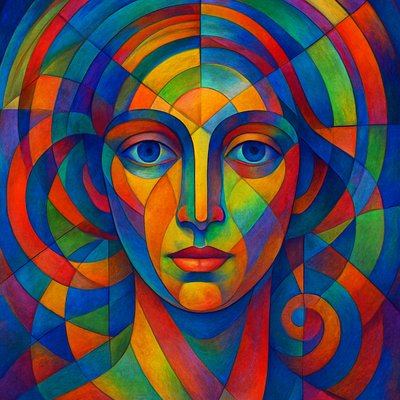
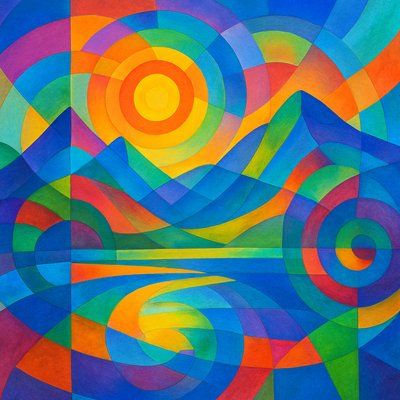
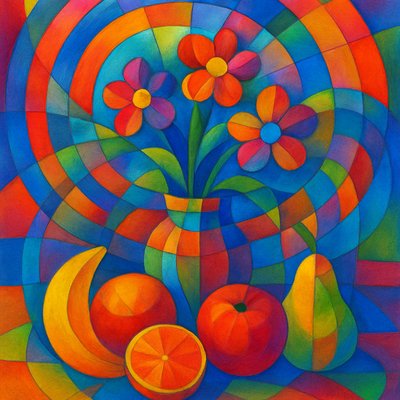
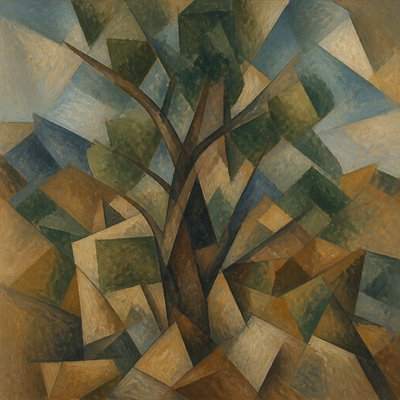
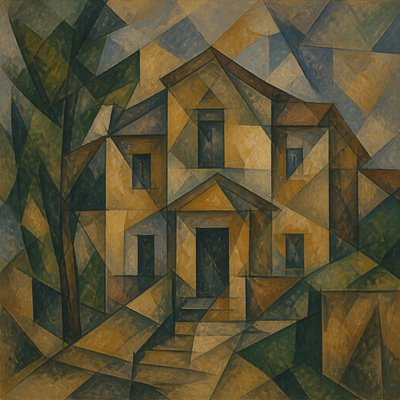
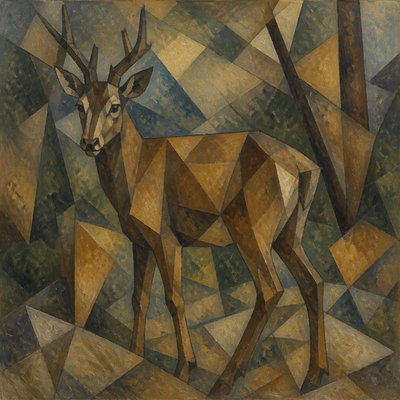
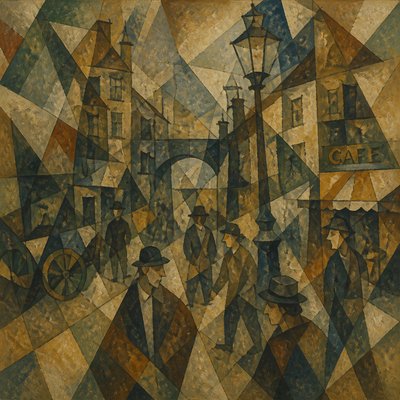
Proto-Cubism bridges Post-Impressionism and Cubism with faceted forms, multiple viewpoints, and a structural influence drawn from late Post-Impressionist painting.
Instantly rendered in Proto-Cubism — or transform a photo
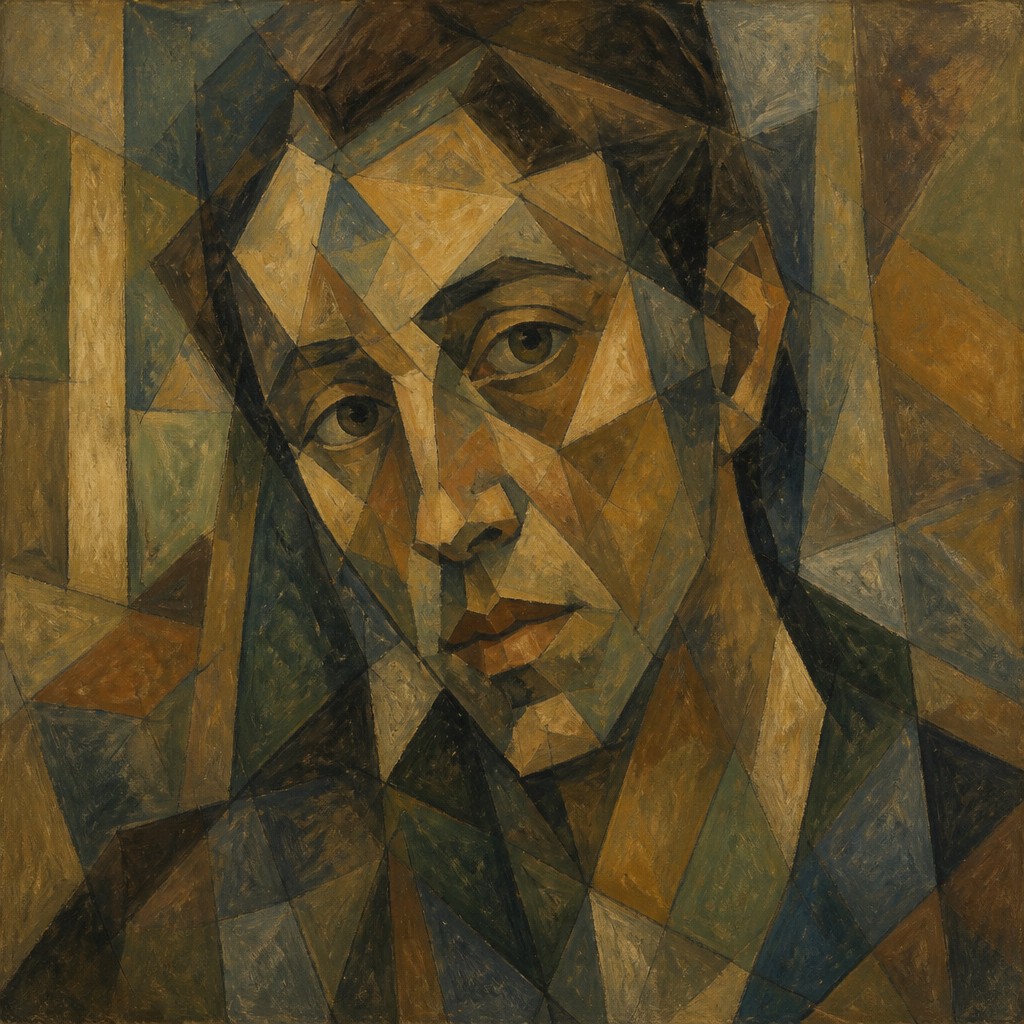
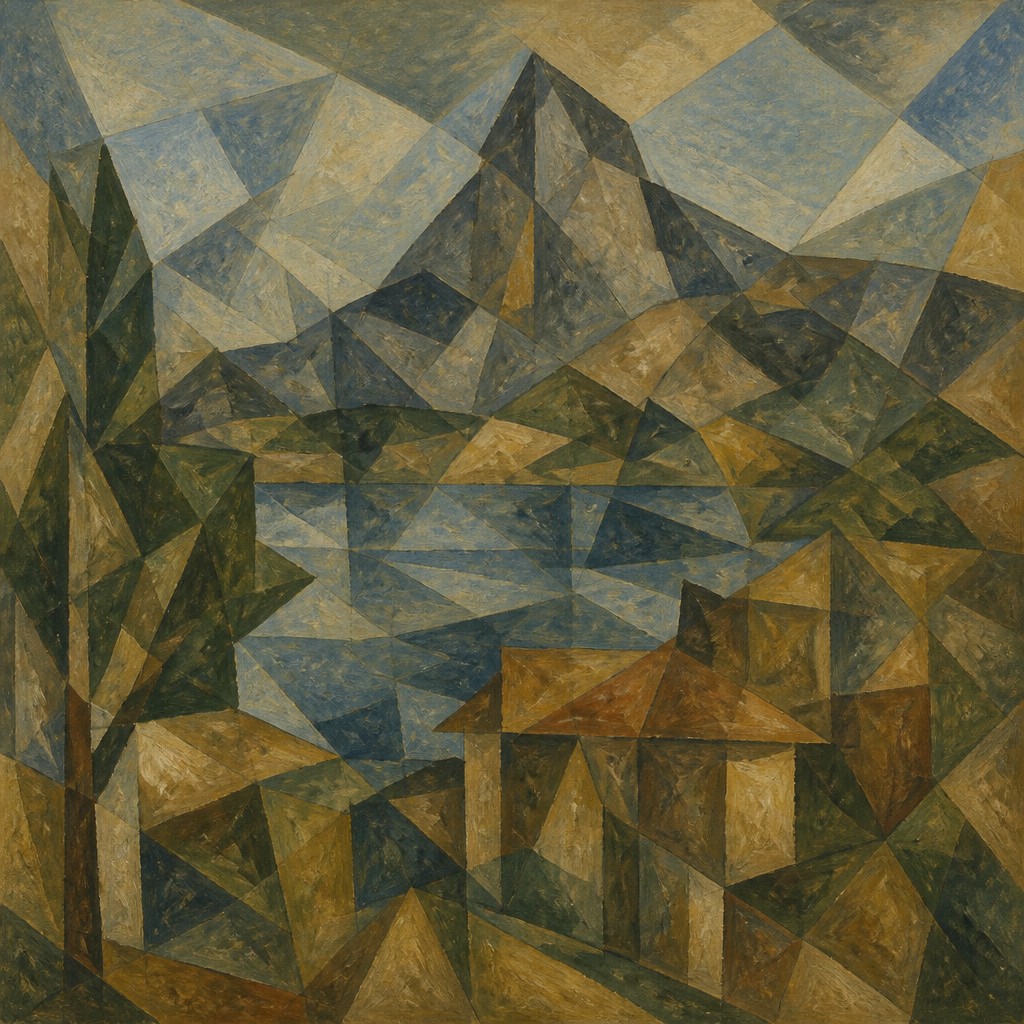
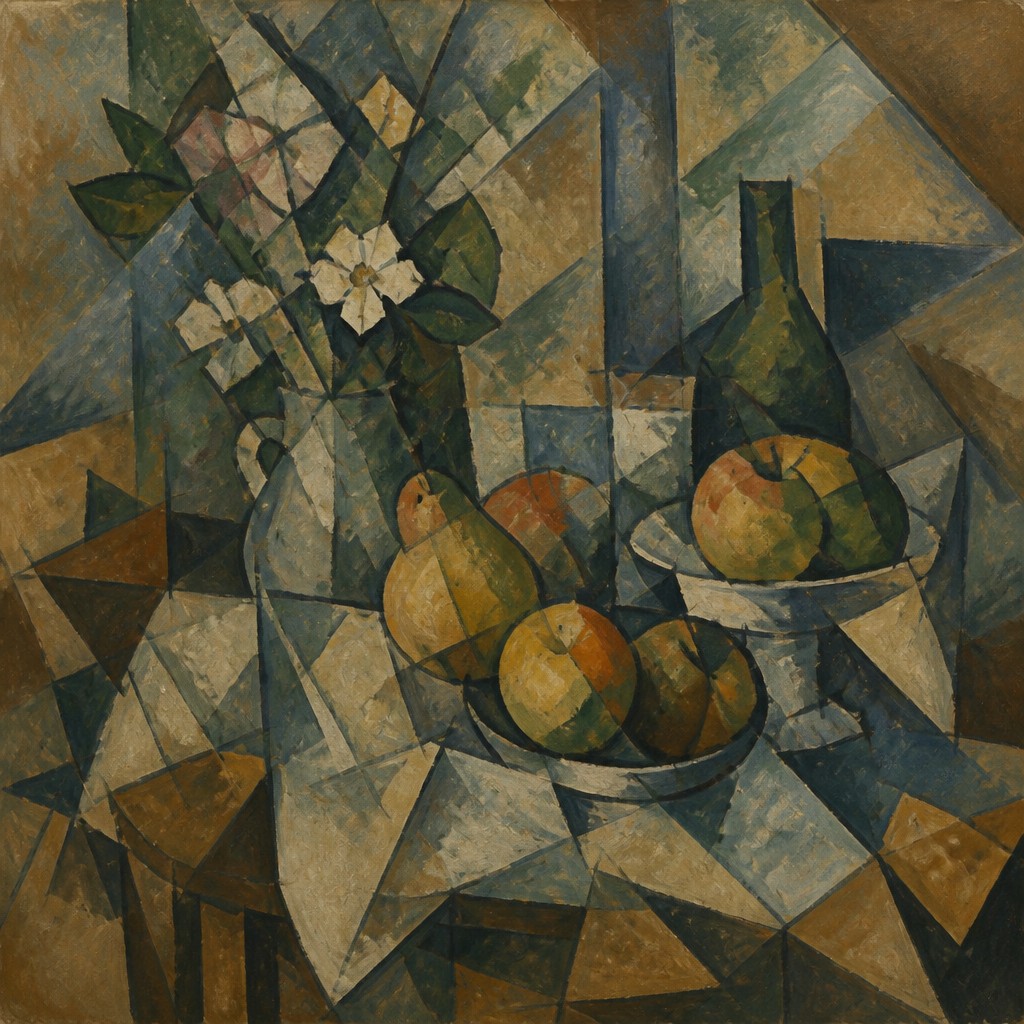
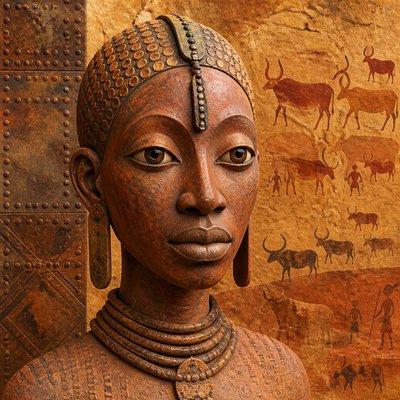
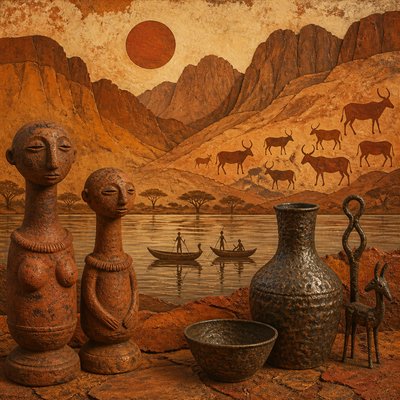
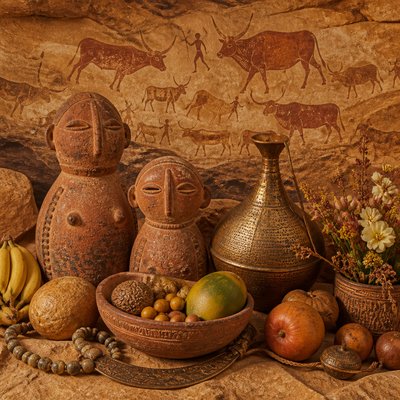
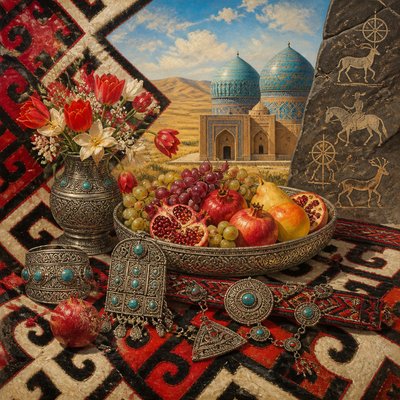
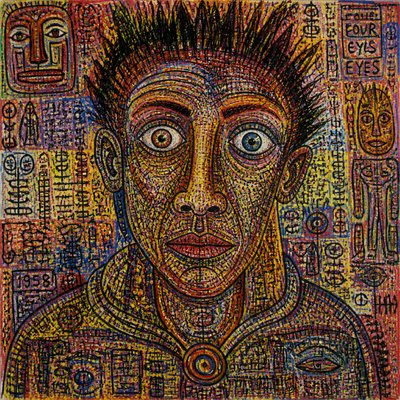
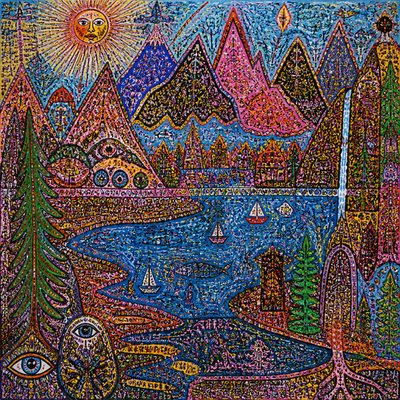
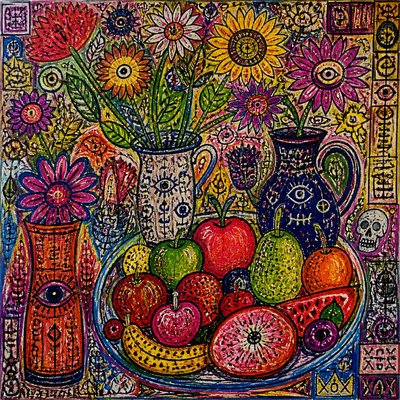
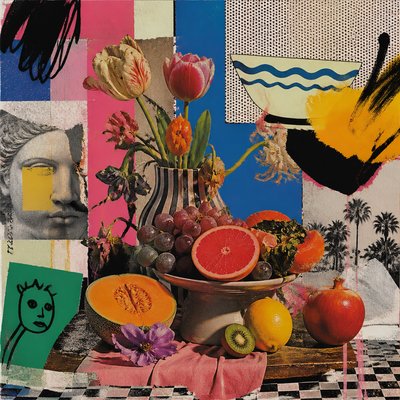
Proto-Cubism Gallery
Tap any artwork to explore it
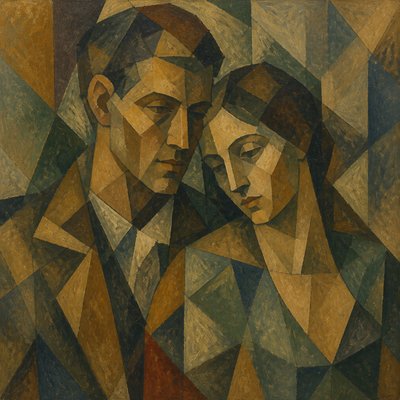
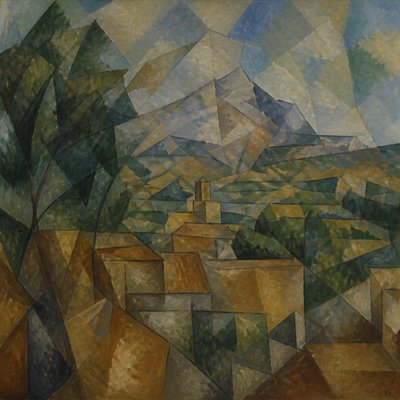
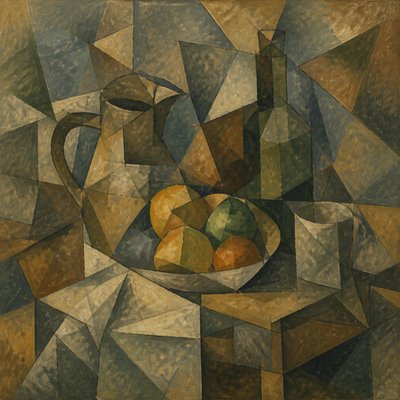
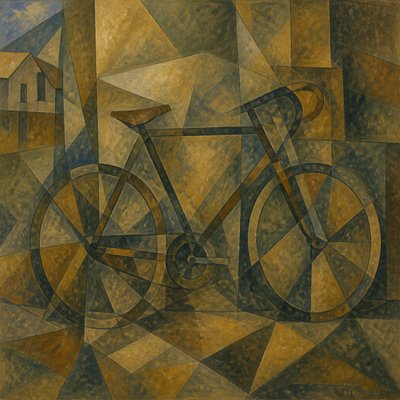
What is Proto-Cubism Art Style?
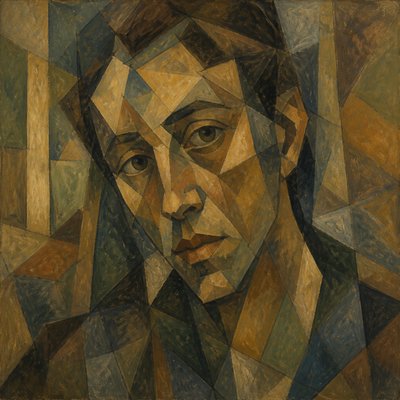
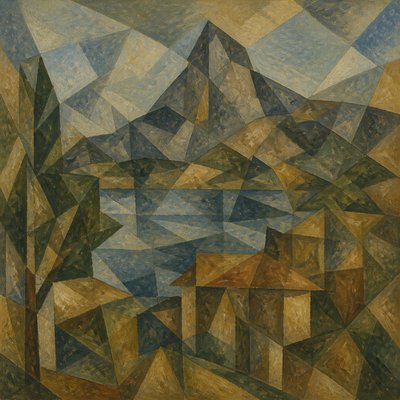
Proto-Cubism refers to the transitional visual language that led from late Post-Impressionism into Cubism in the years before 1911. It is not a single tightly bounded movement so much as a cluster of experiments in which artists began simplifying forms into geometric masses, loosening traditional single-point perspective, and emphasizing structure over descriptive finish.
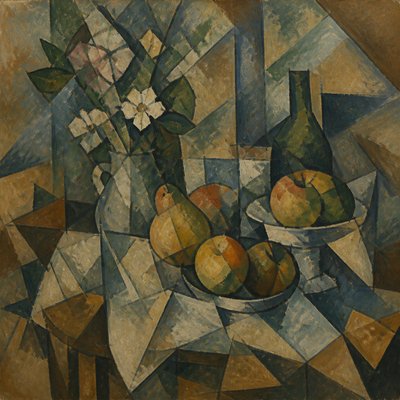
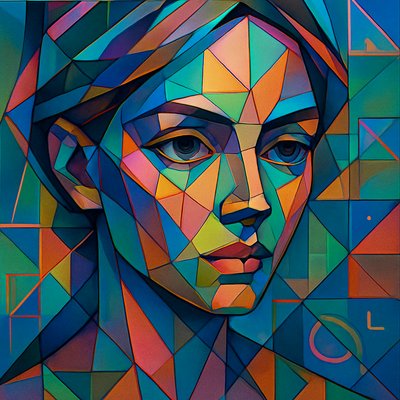
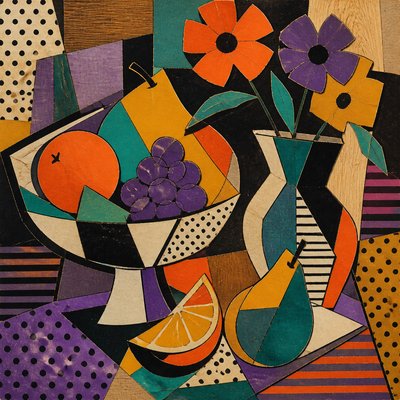
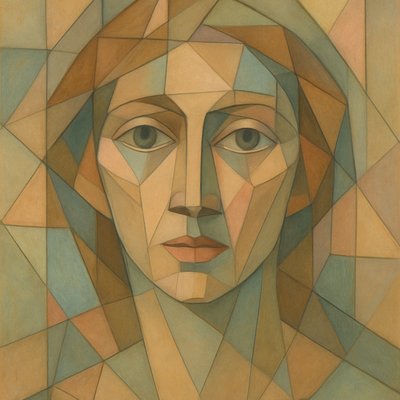
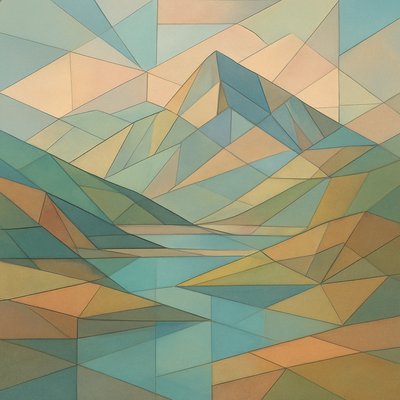
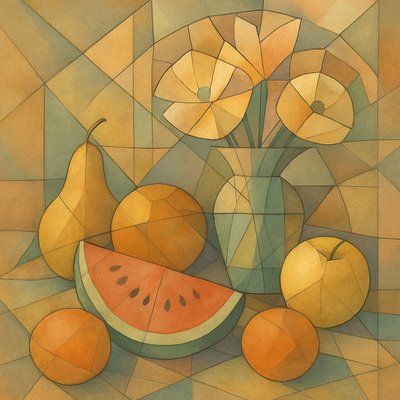
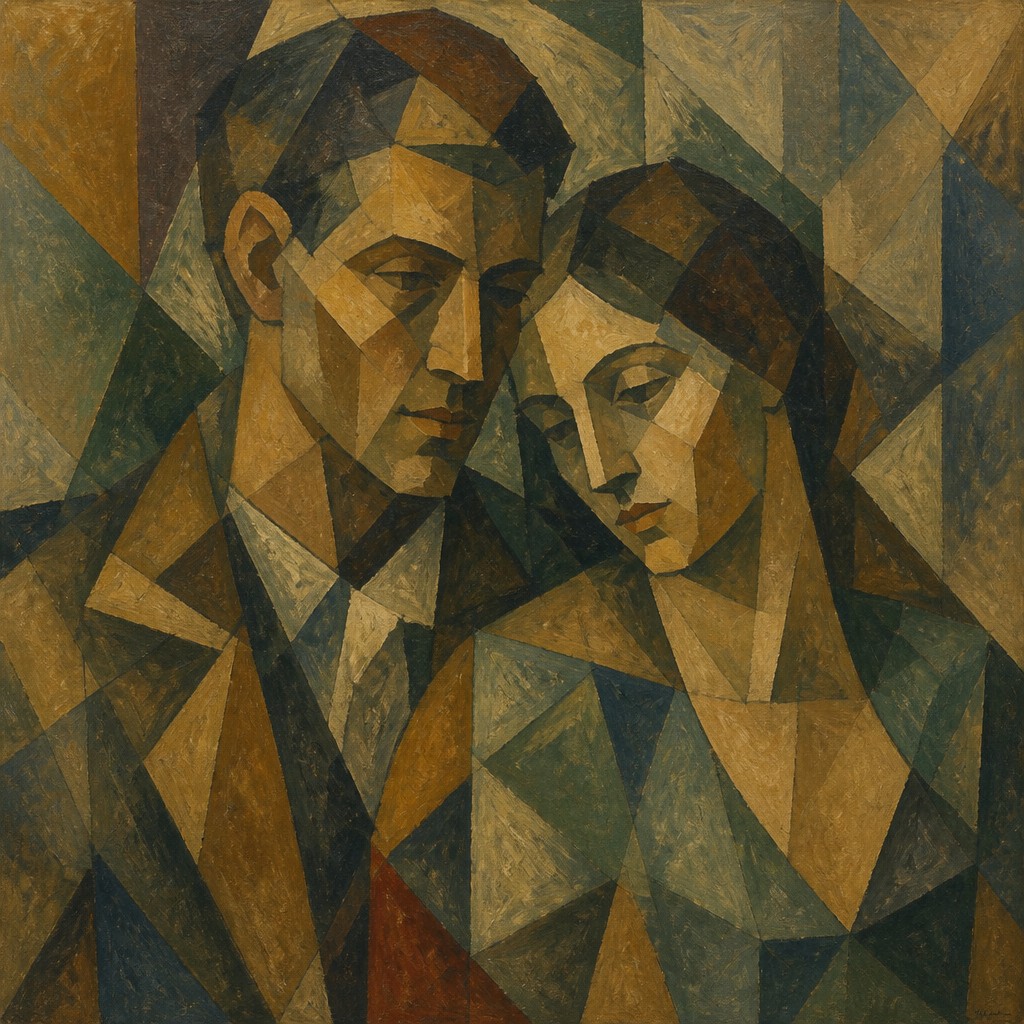
Its look is defined by faceted planes, compressed space, and a sense that an object is being seen from more than one angle at once. The style often retains recognizable subjects—figures, still lifes, landscapes, or studio scenes—but presents them through constructive brushwork, subdued earth colors, and a deliberate reorganization of shape that makes the image feel intellectually built rather than optically recorded.
Try It On Your Photos
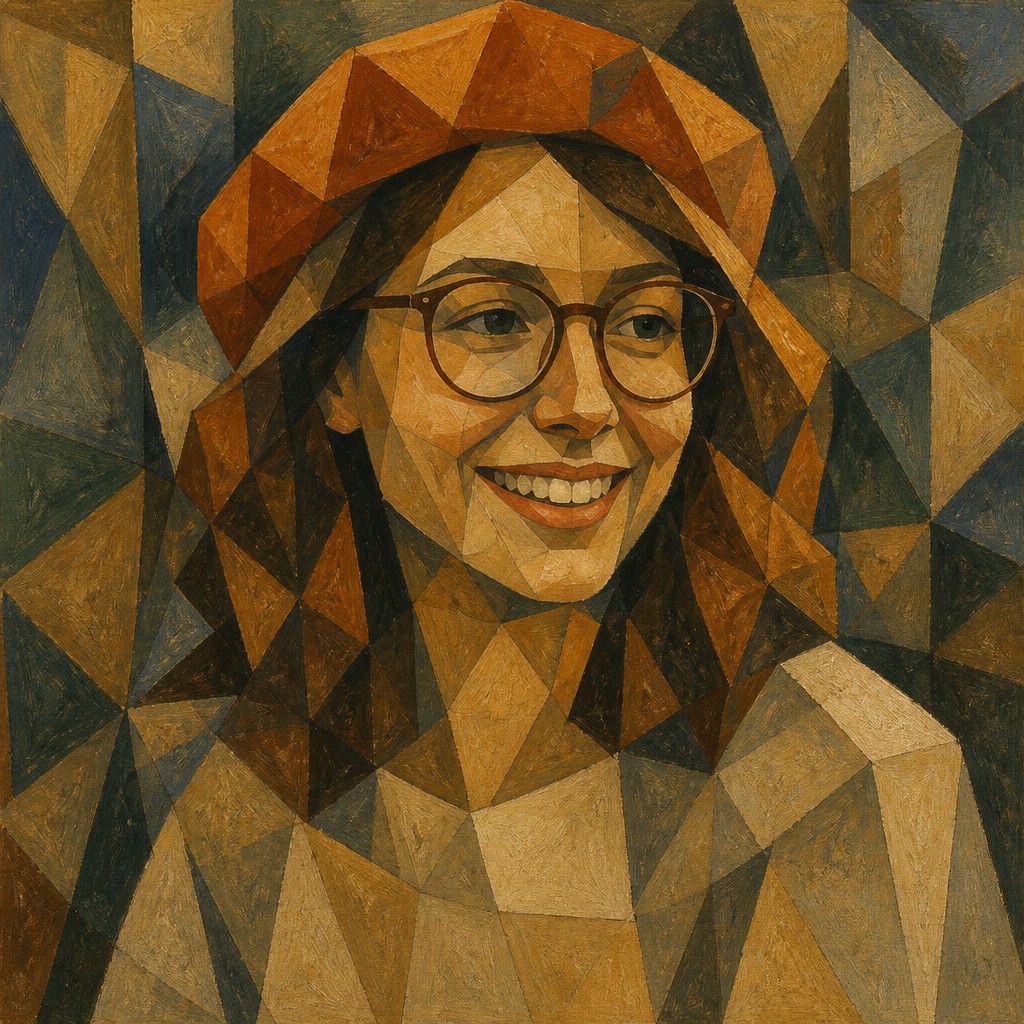
Upload any photo and convert it into Proto-Cubism Art Style — drag the sliders to compare before and after.


What Defines Proto-Cubism Art Style
The signature details, up close
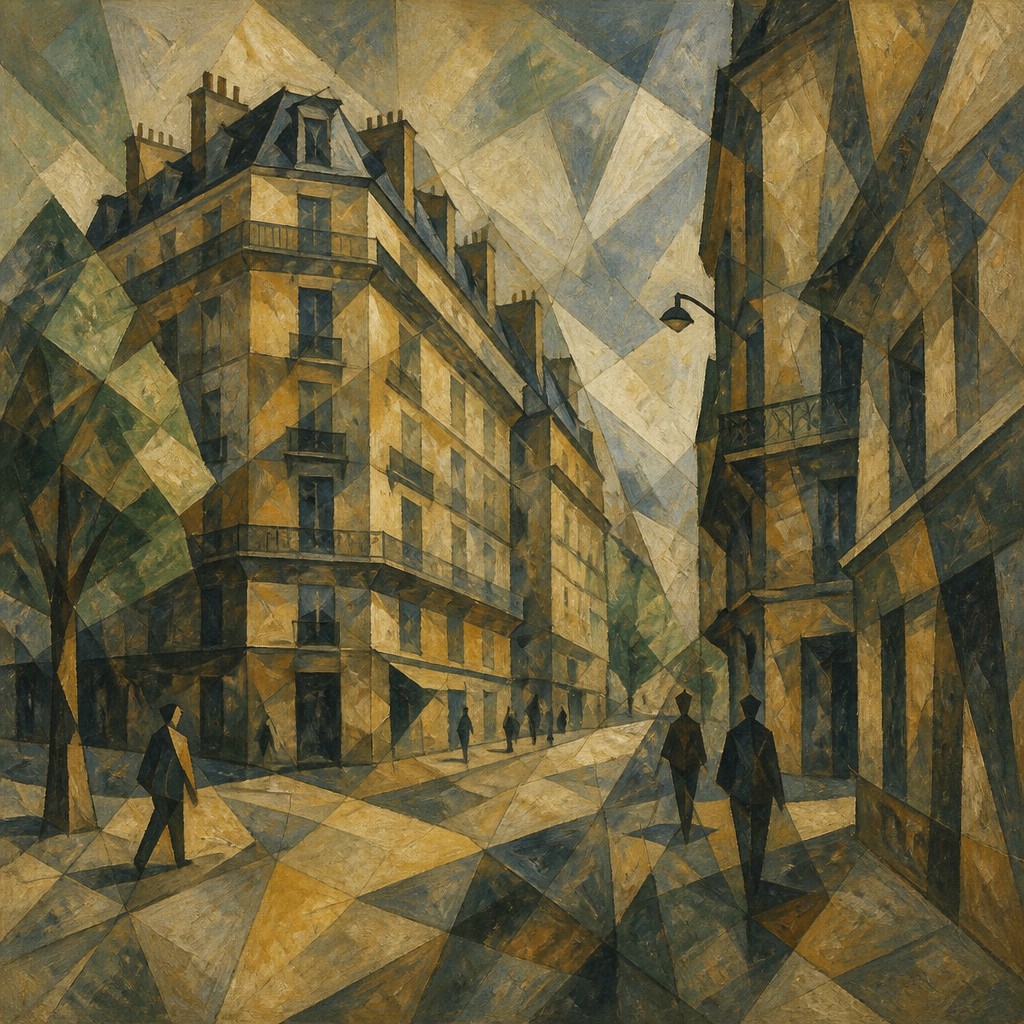
Geometric simplification
Forms are reduced to cylinders, cones, cubes, wedges, and interlocking planes rather than rendered with naturalistic contour. The subject remains legible, but its structure is emphasized over its surface description.
Multiple viewpoints
A single object or figure may appear subtly rotated in space, as if seen from different angles within one composition. This creates a constructive, slightly unstable sense of perception.
Structural passage
Adjacent color patches overlap and merge, allowing one form to transition into another without hard separation. This produces a built image that feels continuously assembled rather than crisply outlined.
Earth-toned palette
Ochres, siennas, muted greens, grays, and dusty blues are common, lending the work a restrained, studio-like atmosphere. Bright chromatic contrast is usually secondary to tonal organization.
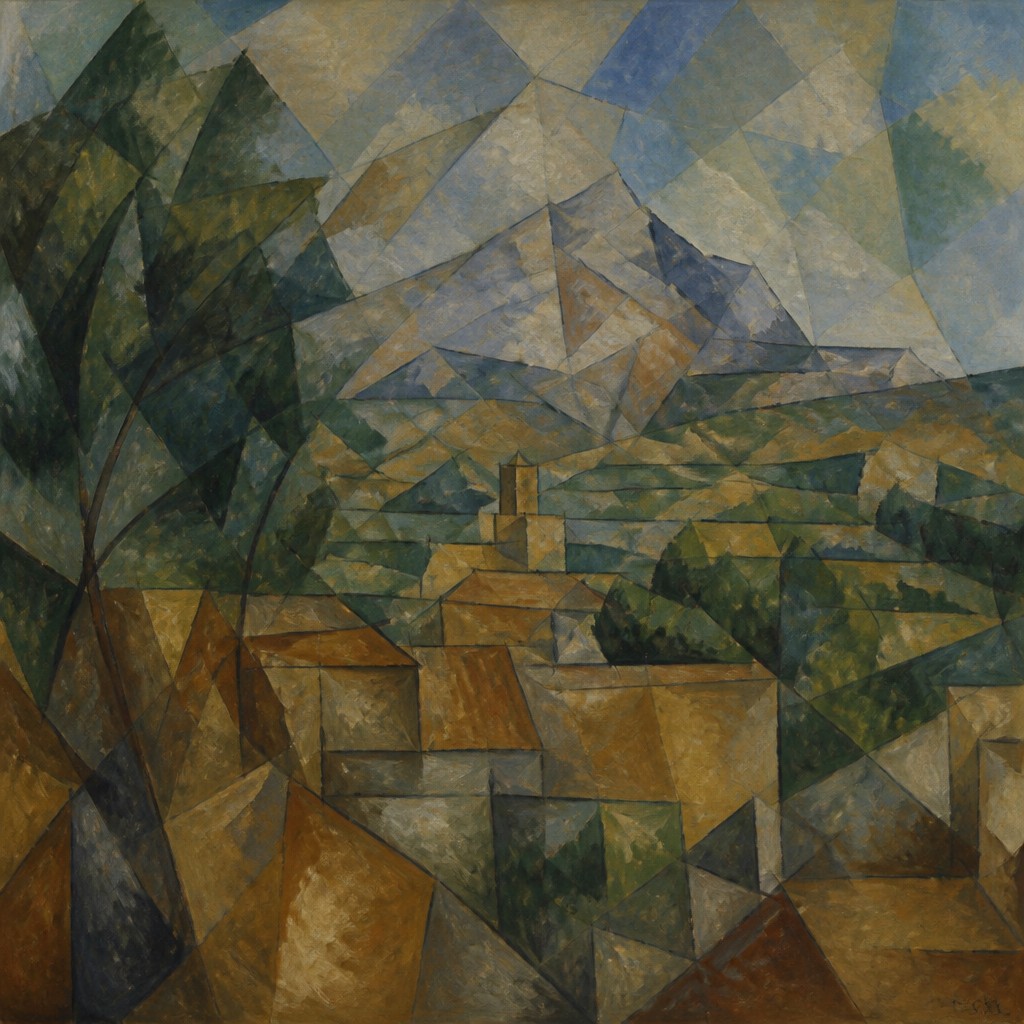
Constructive brushwork
Brushstrokes often follow the direction of form, helping define planes and volumes. The paint surface typically reads as matte and worked, with an emphasis on the act of construction.
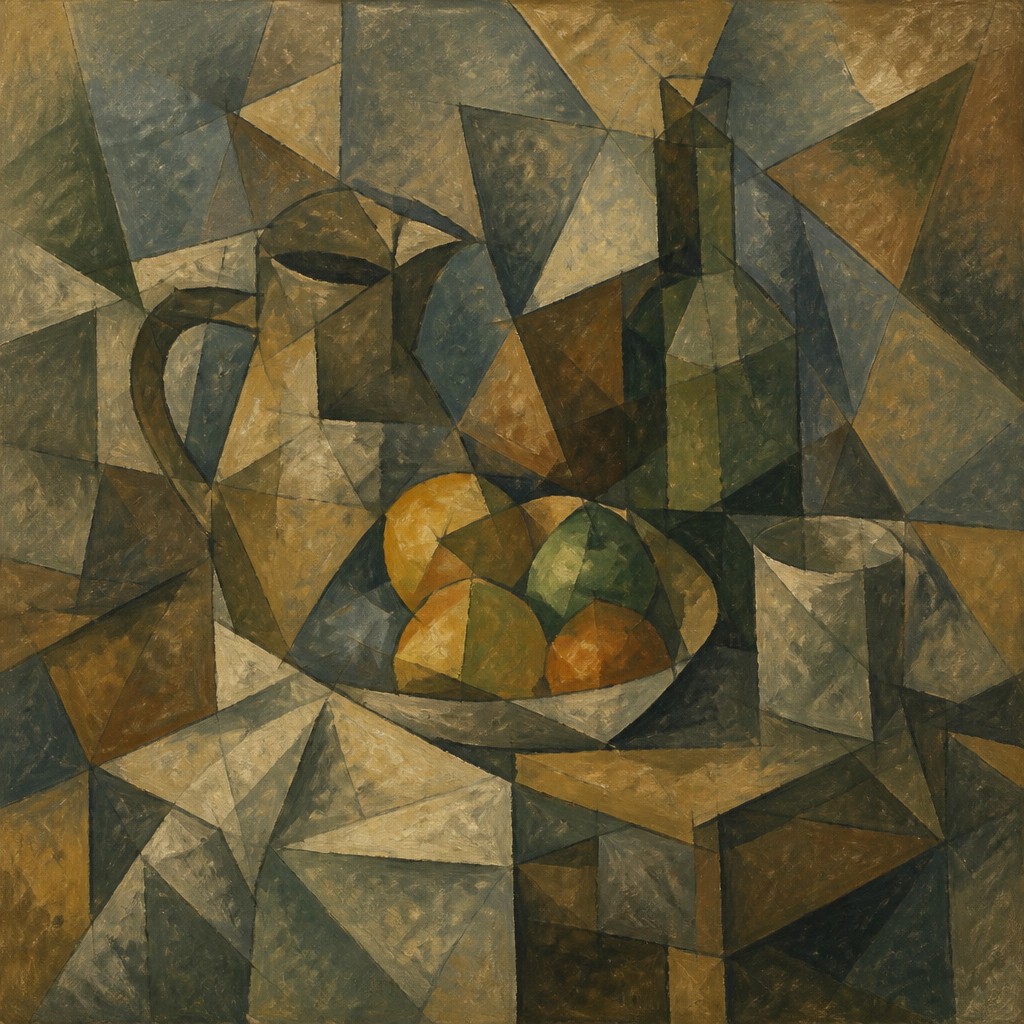
Spatial ambiguity
Foreground and background may interlock or flatten against one another, weakening conventional depth cues. The result is a space that feels both solid and diagrammatic.
Try It
Create Videos in Proto-Cubism Art Style
Styles aren't just for stills — describe a scene or animate an image and get a short video rendered in Proto-Cubism. Press play to see this pond come to life.
Make a VideoProto-Cubism Prompt Ideas
Start from an idea — each one opens the generator with the style ready to go. See all 40 Proto-Cubism prompts →
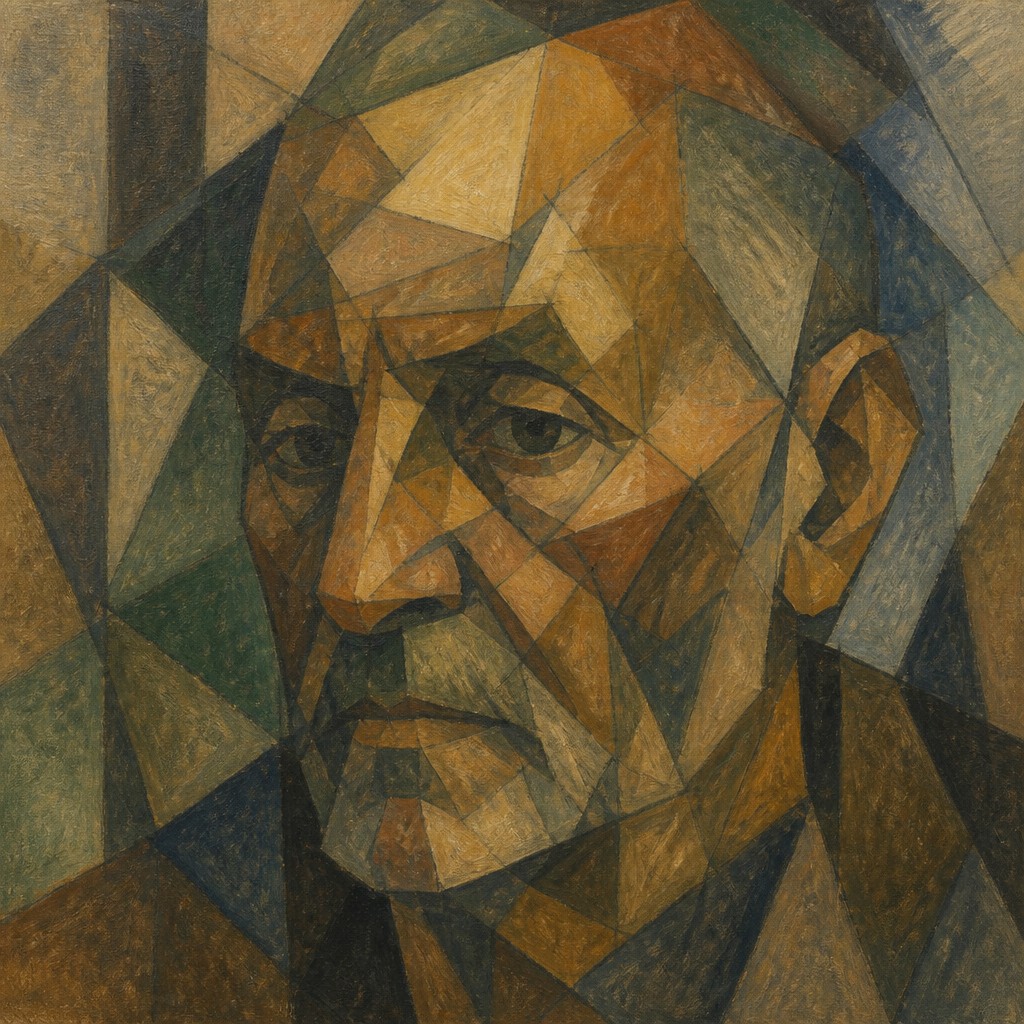
“close-up portrait of an elderly person with expressive weathered features”
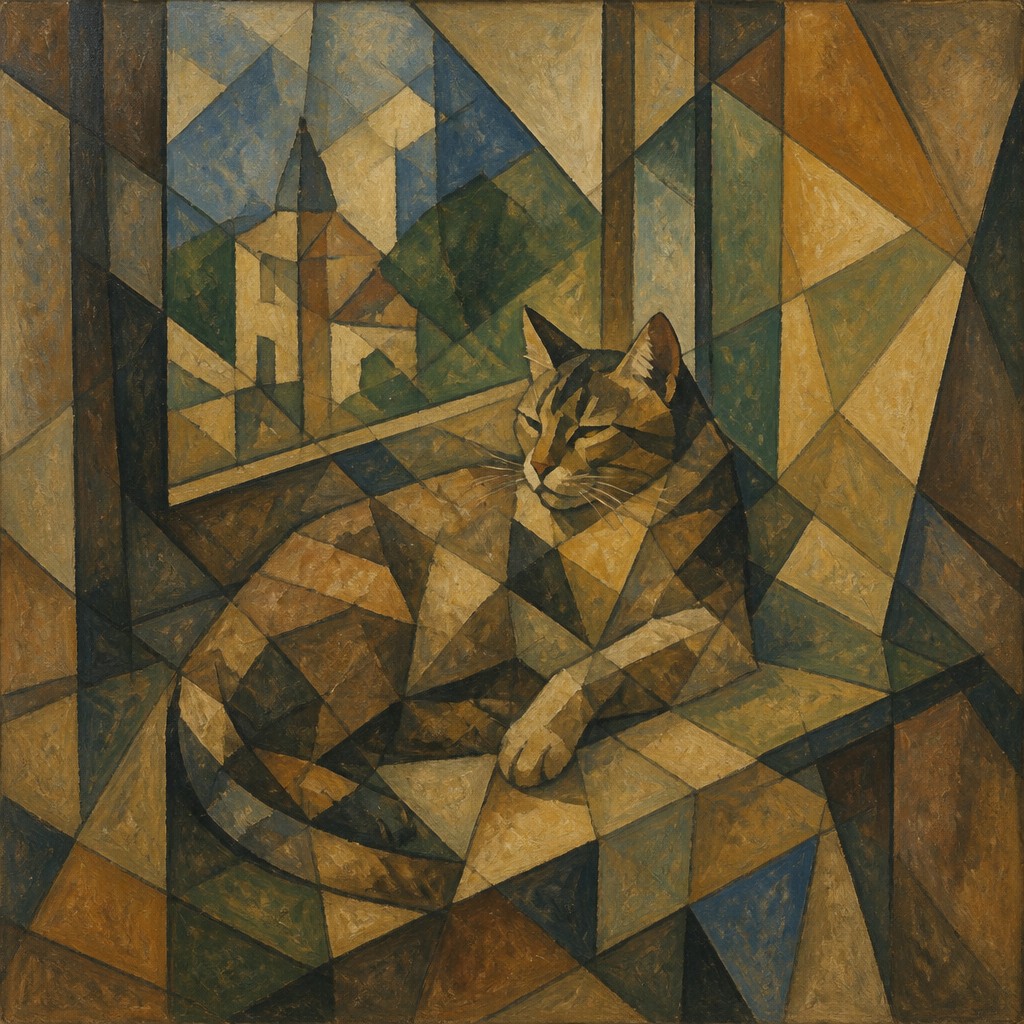
“a cat lounging in a sunlit window”
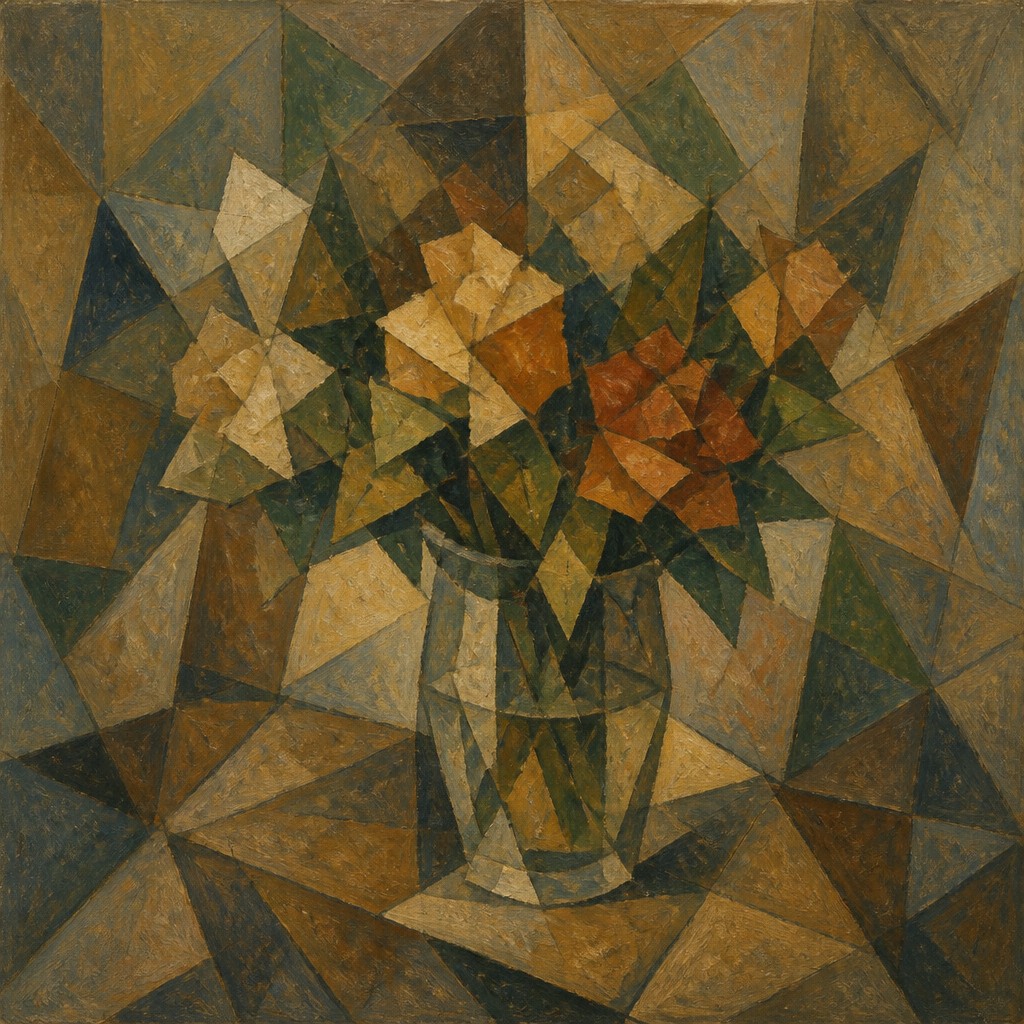
“bouquet of flowers in a glass vase”
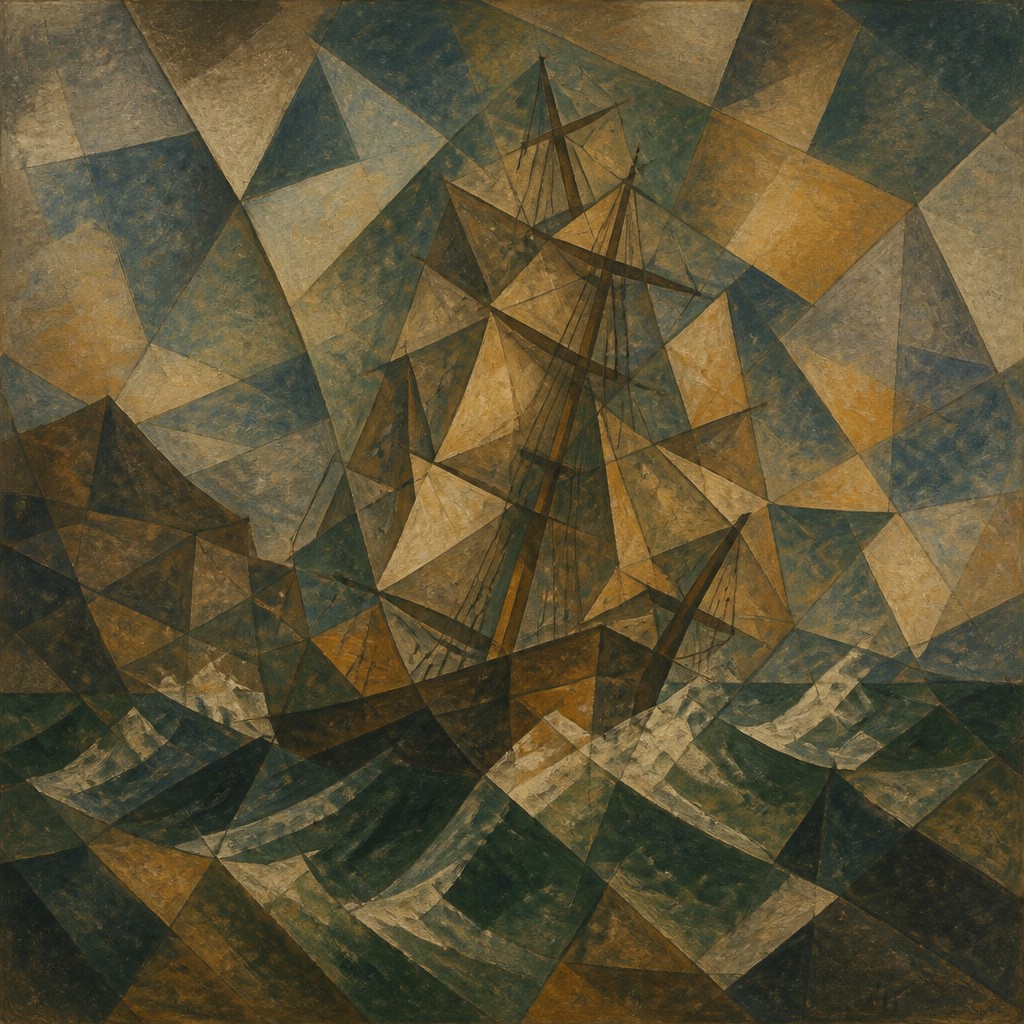
“sailing ship on a stormy sea”
How to Create Proto-Cubism Art
Master the craft step by step — or skip straight to creating. Read the full guide →
- 1
Build from simple volumes
Start with a recognizable subject and reduce it to basic geometric masses before adding detail. In painting or drawing, think in planes and intersections rather than outlines and surface texture.
- 2
Layer shifting viewpoints
Slightly rotate the head, torso, tabletop, or architectural elements so the composition suggests more than one vantage point. Keep the shifts subtle if you want a proto-Cubist rather than fully fragmented result.
- 3
Use passage and overlapping planes
Let neighboring patches of color merge across edges instead of hard-contouring every form. This technique helps the image feel structurally connected and historically faithful to the influence of late Post-Impressionist construction.
- 4
Restrict the palette
Choose muted earth colors and keep highlights controlled. Tonal harmony is more important than vivid local color, so reduce saturation and use color to model planes.
- 5
Preserve recognizability
The key transitional quality is tension between abstraction and depiction, so avoid flattening the subject into pure geometry. In prompt-based generation, specify an identifiable scene while asking for faceted construction, multiple viewpoints, and a subdued palette.
The Story
History & Origins of Proto-Cubism
Proto-Cubism emerged in the first decade of the 20th century as artists rethought the lessons of Post-Impressionism, especially the structural approach of a leading late Post-Impressionist painter. That painter’s late still lifes and landscapes, with their shifting perspectives and passage technique, suggested that solid form could be rebuilt through color planes rather than modeled conventionally.
The style developed most clearly in Paris among artists who were moving toward Cubism, including leading early Cubist painters, and it also appears in related works by other major Cubist innovators. The term “proto-Cubism” is a retrospective label used by art historians to describe this transitional phase before the more radical fragmentation and overt abstraction of Analytic Cubism.
Influences: Proto-Cubism grows directly out of late Post-Impressionism, especially the structural example of a leading late Post-Impressionist painter, while also anticipating the analytic breakup of form in early Cubism by leading early Cubist painters. Related experiments by other major Paris-based Cubist innovators helped articulate the move toward a more systematic rethinking of perspective, volume, and pictorial space.

Frequently Asked Questions
What defines proto-Cubism?
Proto-Cubism is defined by the transition from Post-Impressionist structure to early Cubist geometry. It keeps subjects partially recognizable while simplifying them into faceted planes, compressing space, and hinting at multiple viewpoints.
How is proto-Cubism different from Cubism?
Cubism, especially Analytic Cubism, pushes fragmentation further and often makes the subject much harder to identify. Proto-Cubism is more transitional: it still preserves more of the original object, figure, or landscape while introducing the geometric logic that Cubism will intensify.
Is proto-Cubism the same as the structural late Post-Impressionist painter?
No. The structural late Post-Impressionist painter is a major influence on proto-Cubism, but proto-Cubism refers to the artists who developed those ideas into a more explicitly geometric and multi-viewpoint approach. That earlier work is a foundation; proto-Cubism is a later historical development.
What subjects work best in this style?
Still lifes, portraits, studio interiors, landscapes, and musical scenes are especially effective because their forms can be reorganized into planes while staying readable. Subjects with clear volume and overlapping structure tend to showcase the style best.
How do I make an image look more proto-Cubist?
Use simplified forms, subdued earth tones, and visible brushwork, then tilt or reframe parts of the subject so it reads from more than one angle. The goal is not full abstraction, but a convincing tension between depiction and structural analysis.
Where is proto-Cubism used today?
It appears in fine-art painting, art education, illustration, editorial imagery, and modern reinterpretations of early 20th-century modernism. It is also a useful visual reference for designs that need an intellectual, constructed, and historical modernist feel.
Create your first Proto-Cubism artwork
Describe anything — or upload a photo — and see it in Proto-Cubism Art Style in seconds.
Make Something with Proto-Cubism
Related Styles
Discover similar art styles