Op Art Style
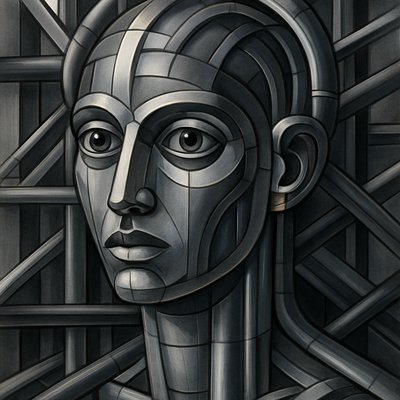
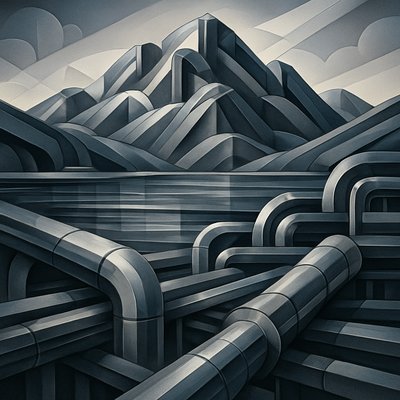
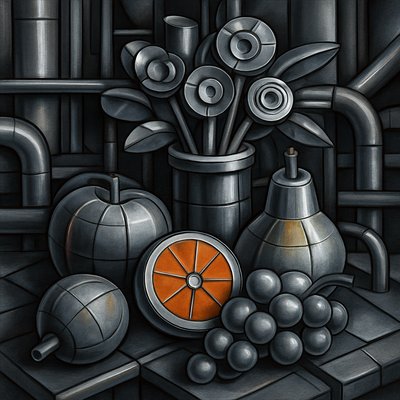
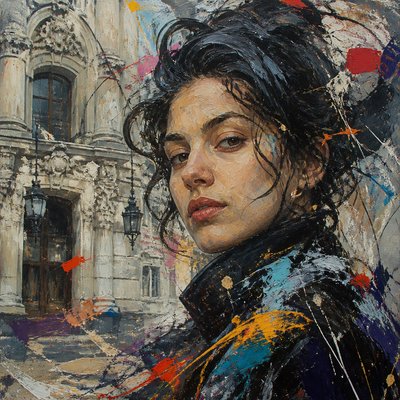
Op art uses precise geometry, contrast, and repetition to create vibration, movement, and optical illusion on a flat surface.
Instantly rendered in Op — or transform a photo
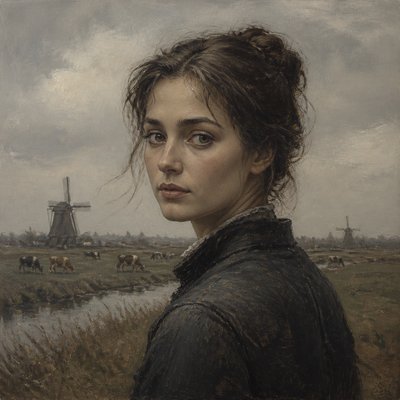
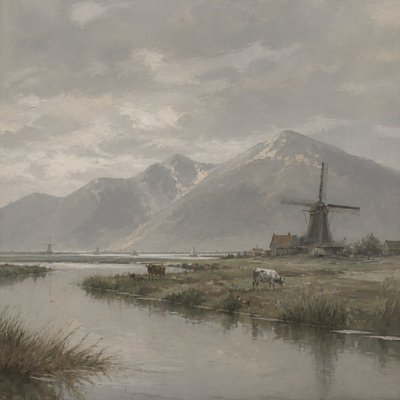
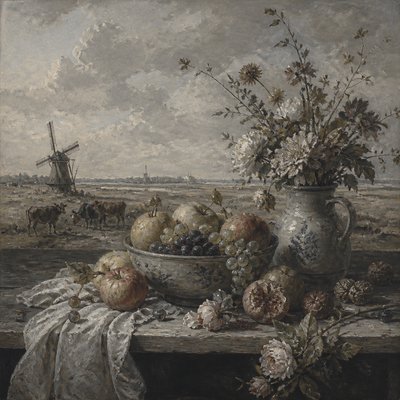
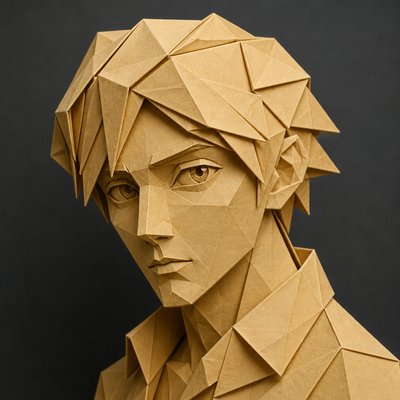
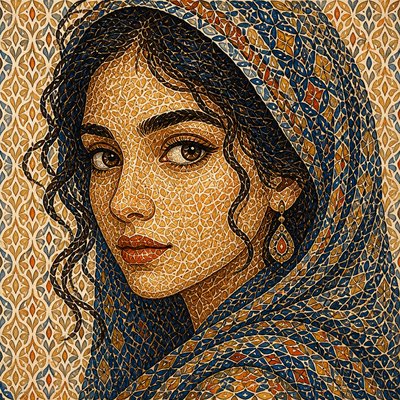
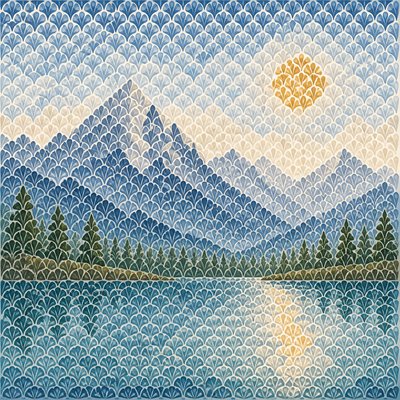
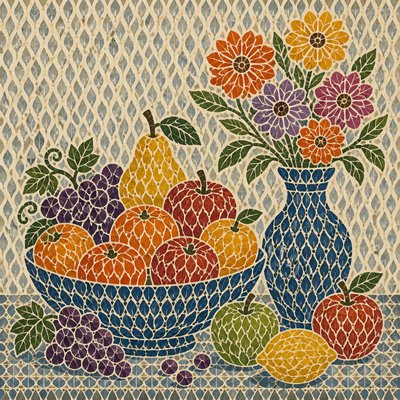
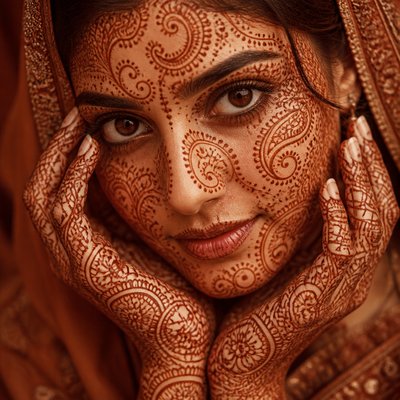
Op Gallery
Tap any artwork to explore it
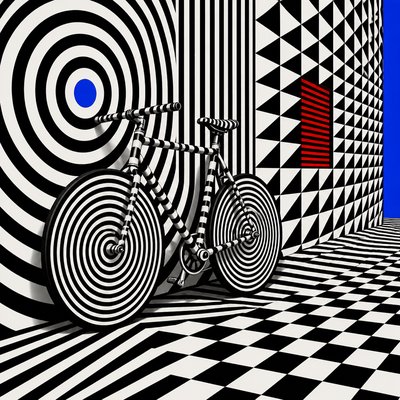
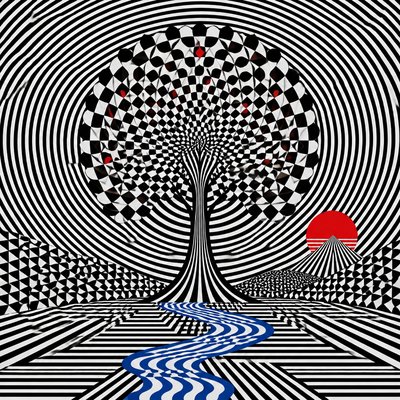
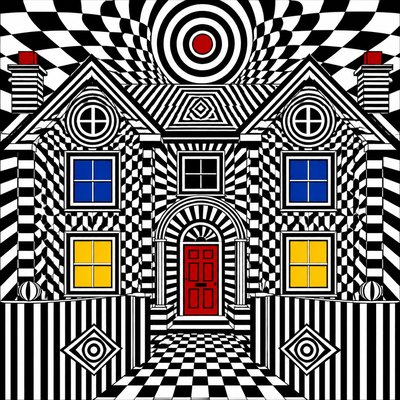
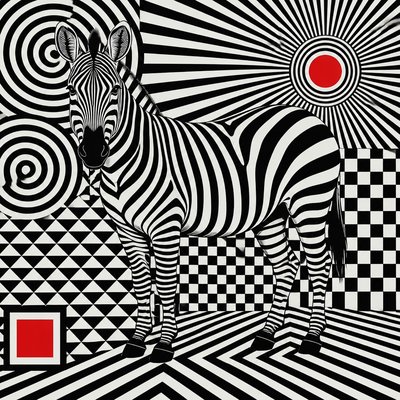
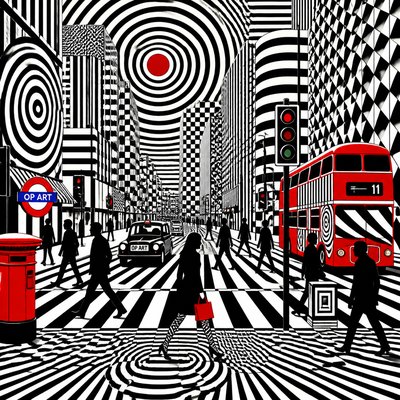
What is Op Art Style?
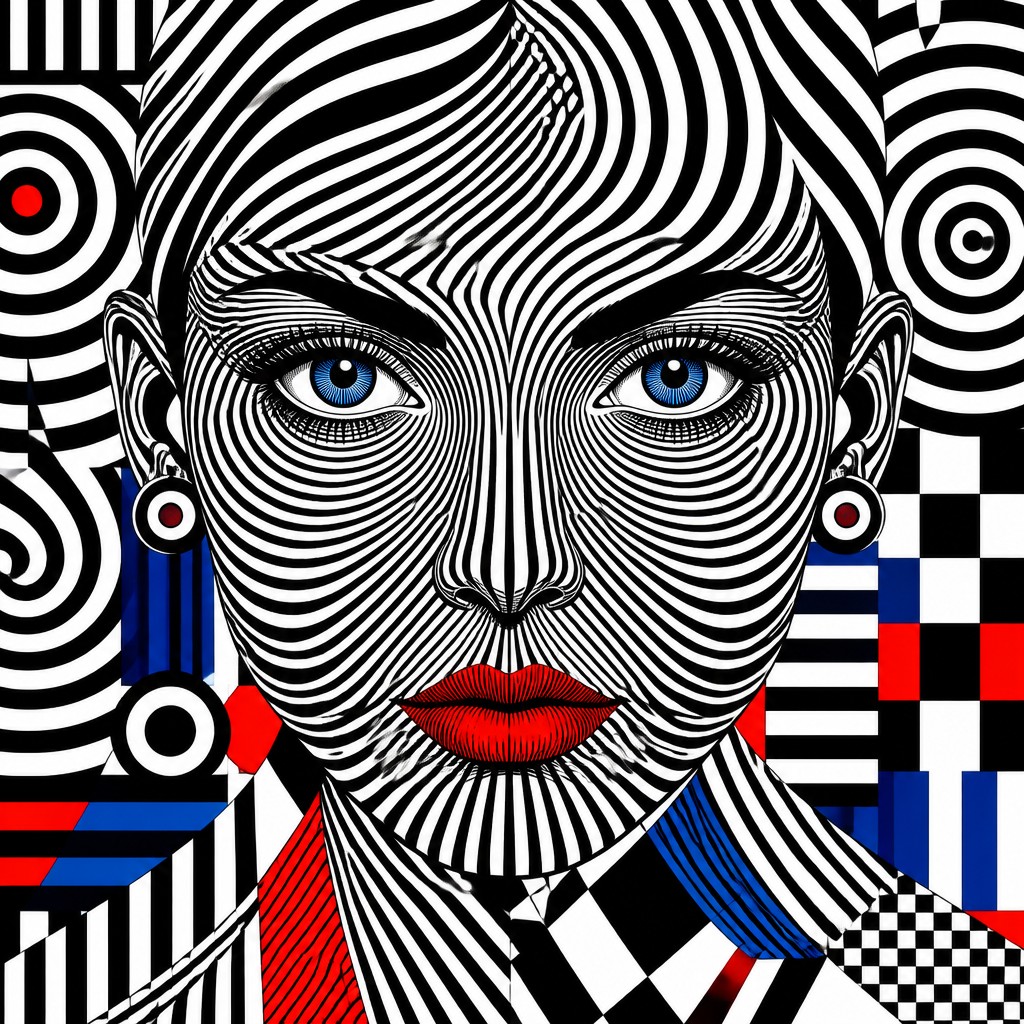
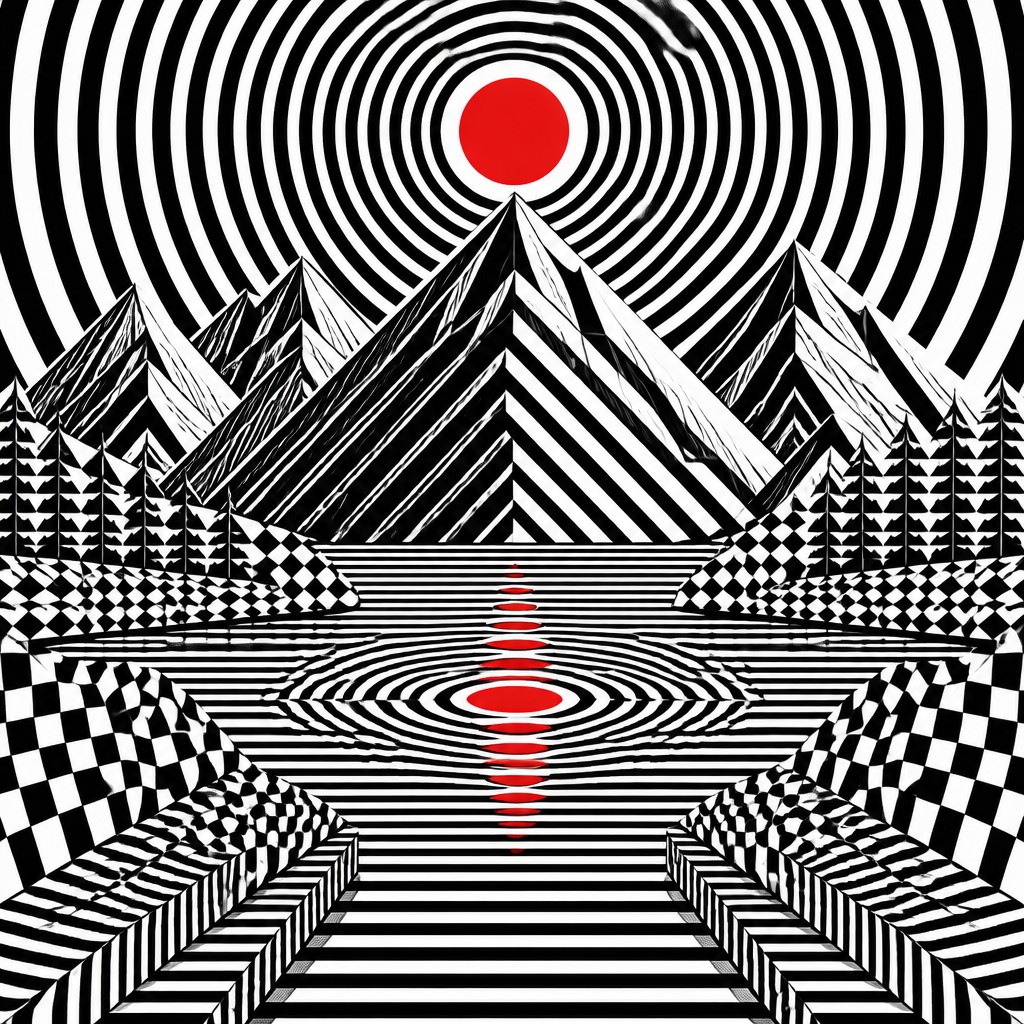
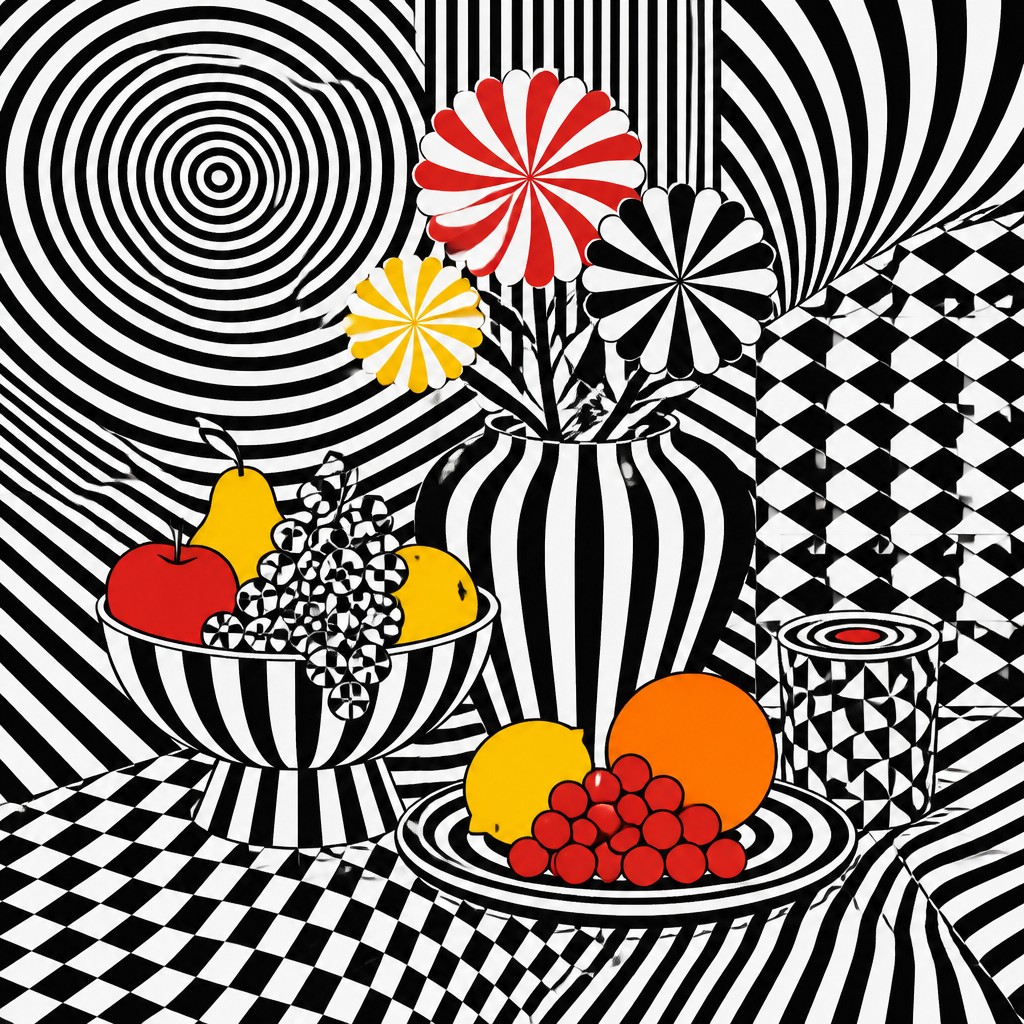
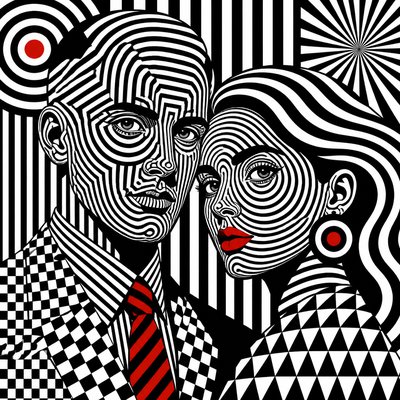
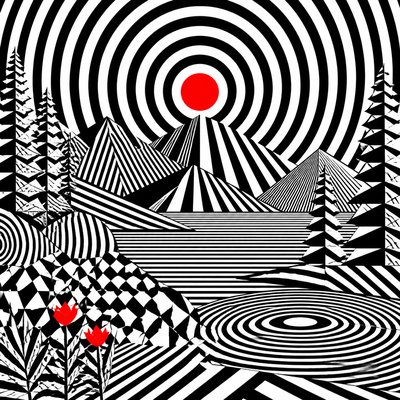
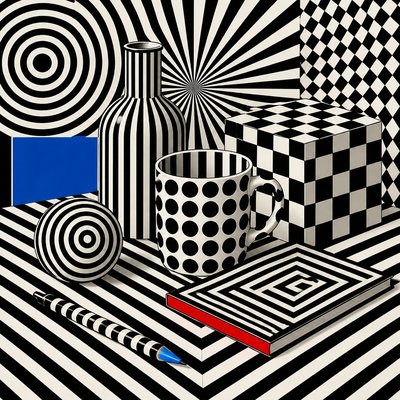
Op art, short for optical art, is a modern visual style built to produce the sensation of movement, vibration, depth, or instability on a flat surface. It relies on precise geometry, strong contrast, and repetitive patterning to engage the eye in active perception rather than passive viewing. The image often seems to flicker, swell, recede, or ripple as the viewer looks at it, even though the surface remains physically still.
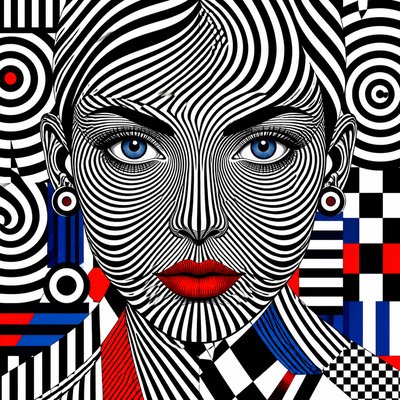
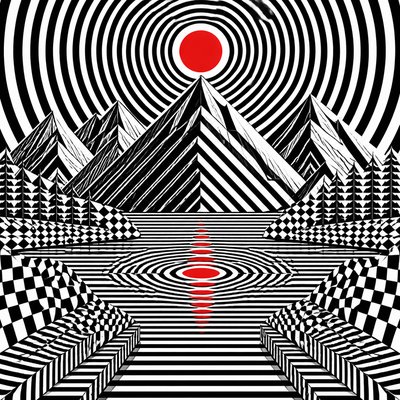
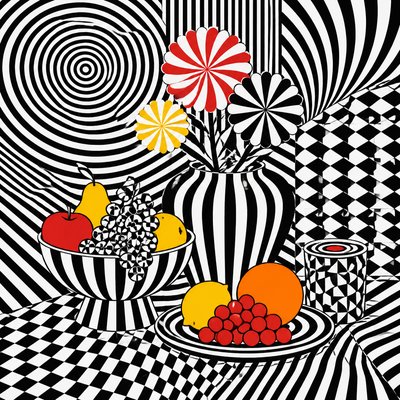
Its visual identity is usually hard-edged and highly controlled: black-and-white stripes, concentric circles, grids, zigzags, and tessellated forms are common, with occasional small accents of saturated color. The effect comes from the interaction of figure and ground, the repetition of near-identical forms, and deliberate distortions of scale, spacing, or curvature. Because these works depend on optical physics and perceptual psychology, op art looks the way it does by design: every line, interval, and angle is engineered to confuse or intensify visual processing.
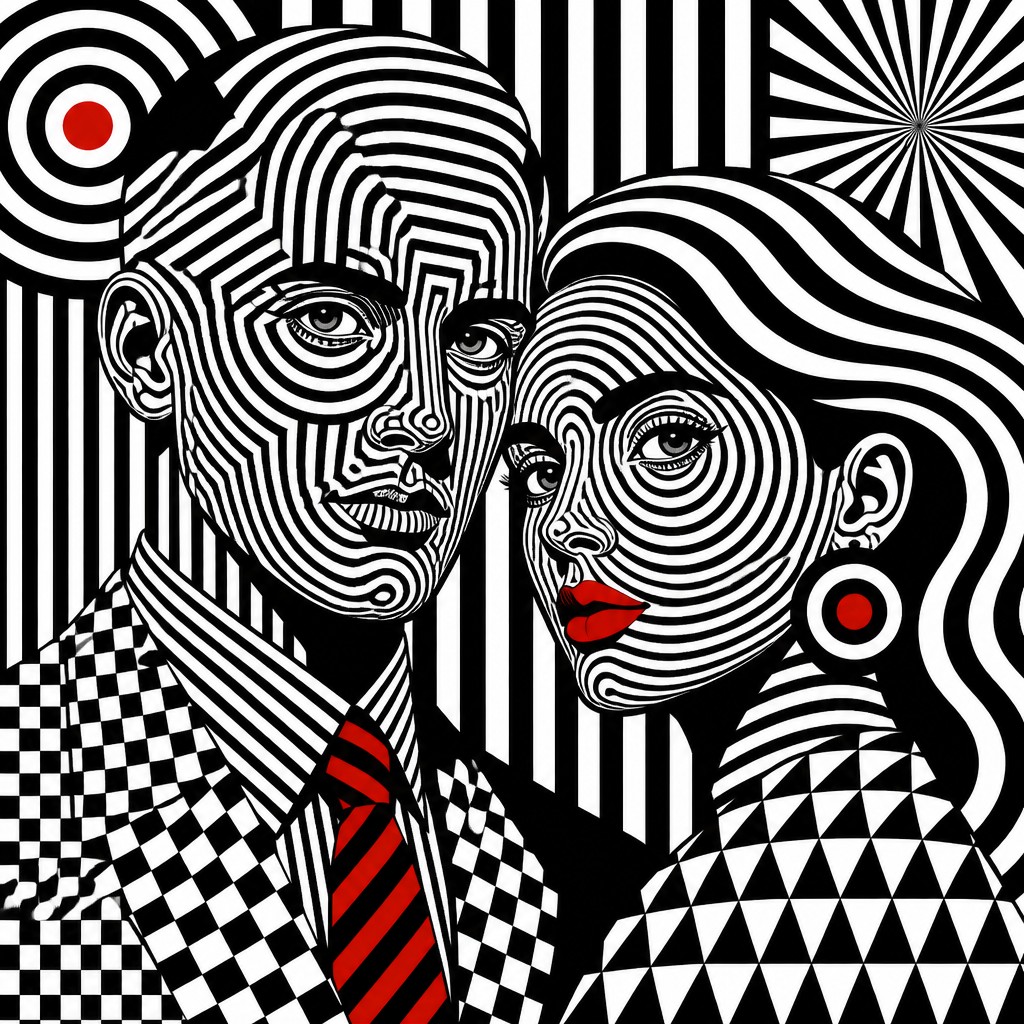
Try It On Your Photos
Upload any photo and convert it into Op Art Style — drag the sliders to compare before and after.
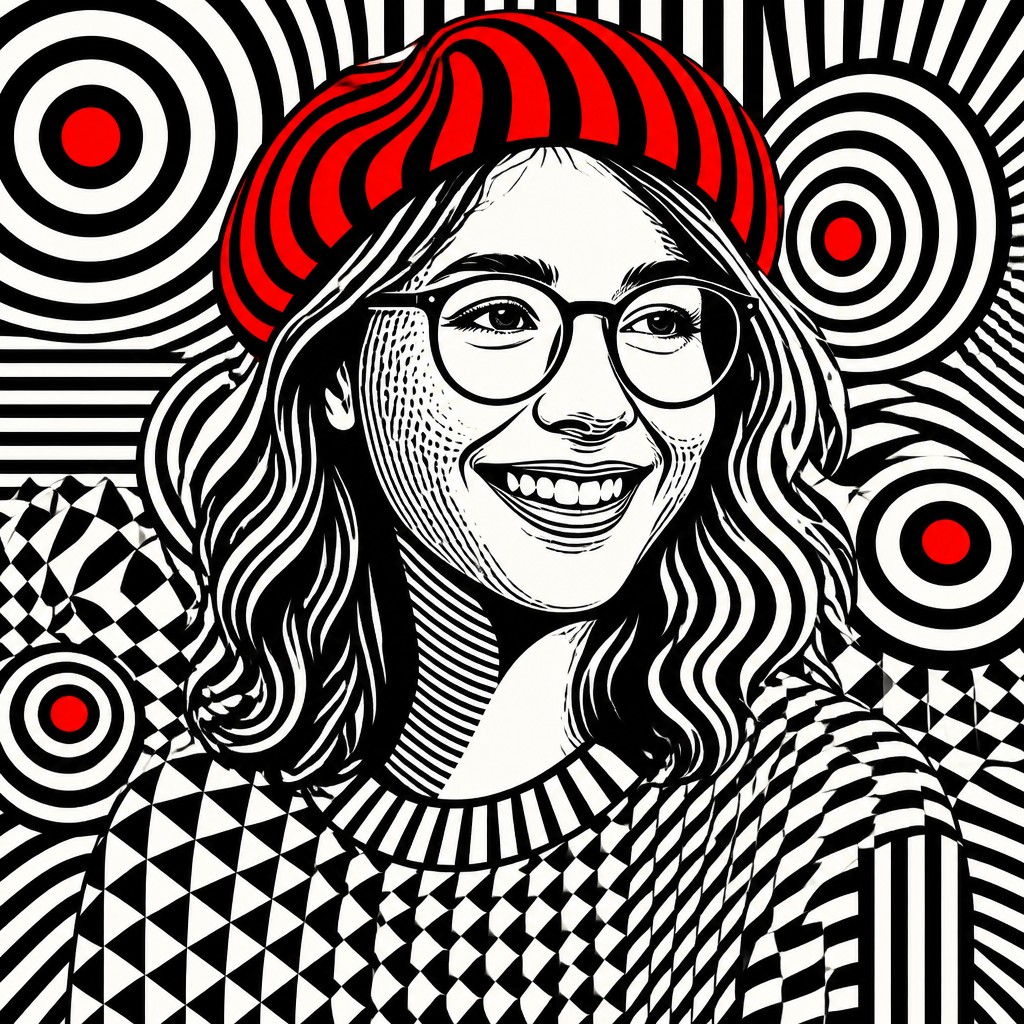

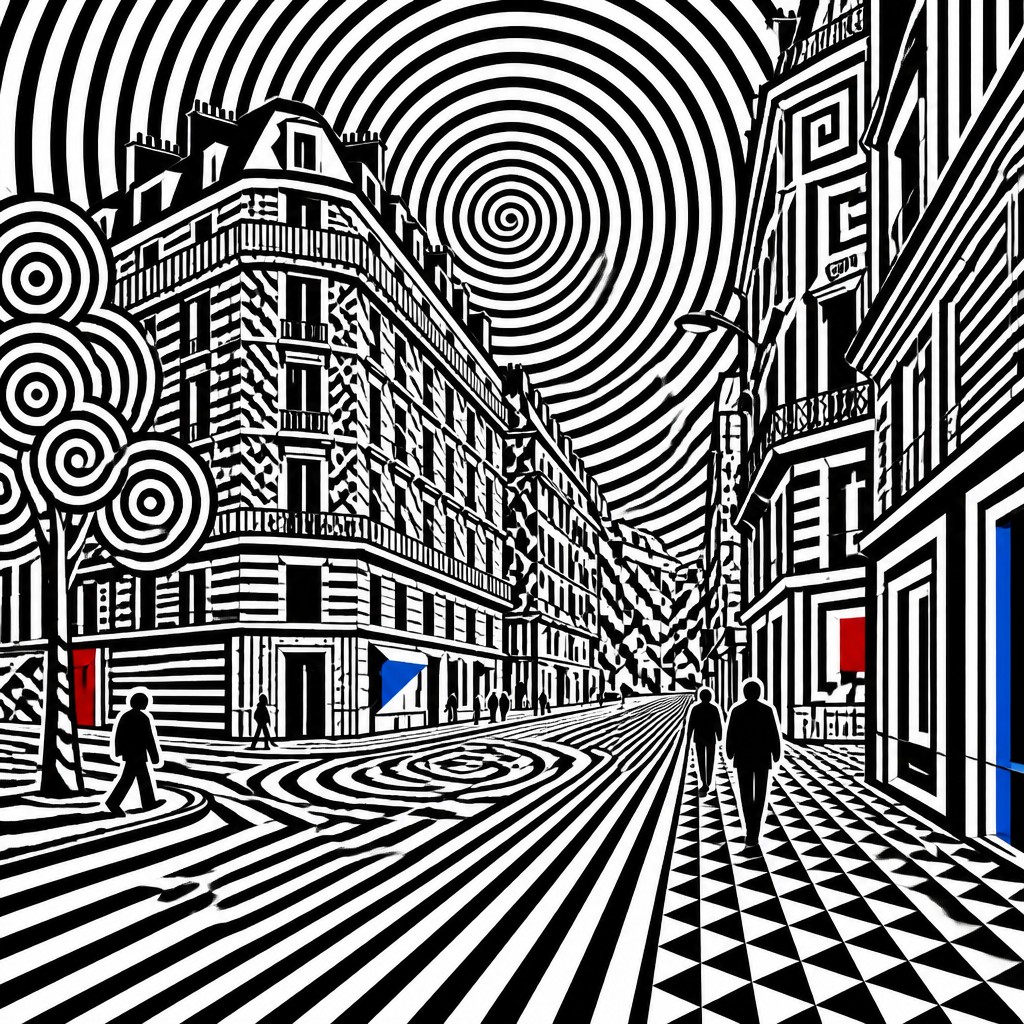

Or use the free Op photo filter
What Defines Op Art Style
The signature details, up close
High-contrast surfaces
Black and white is the classic op art palette because it maximizes edge clarity and visual tension. Color, when used, is usually limited to a few highly saturated accents that intensify the optical effect.
Precision and hard edges
Forms are crisp, clean, and mathematically controlled, with no painterly blur or soft shading. The exactness of the edges is essential because the illusion depends on the eye reading every boundary clearly.
Repetition and rhythm
Repeated stripes, grids, dots, circles, or modules generate a pulsing visual cadence. Small variations within the repetition can create the sensation of vibration or motion.
Optical distortion
Curved lines, warped grids, and graduated shifts in spacing can make a flat image appear to bulge, tunnel, or ripple. The distortion is often systematic and geometric rather than loose or gestural.
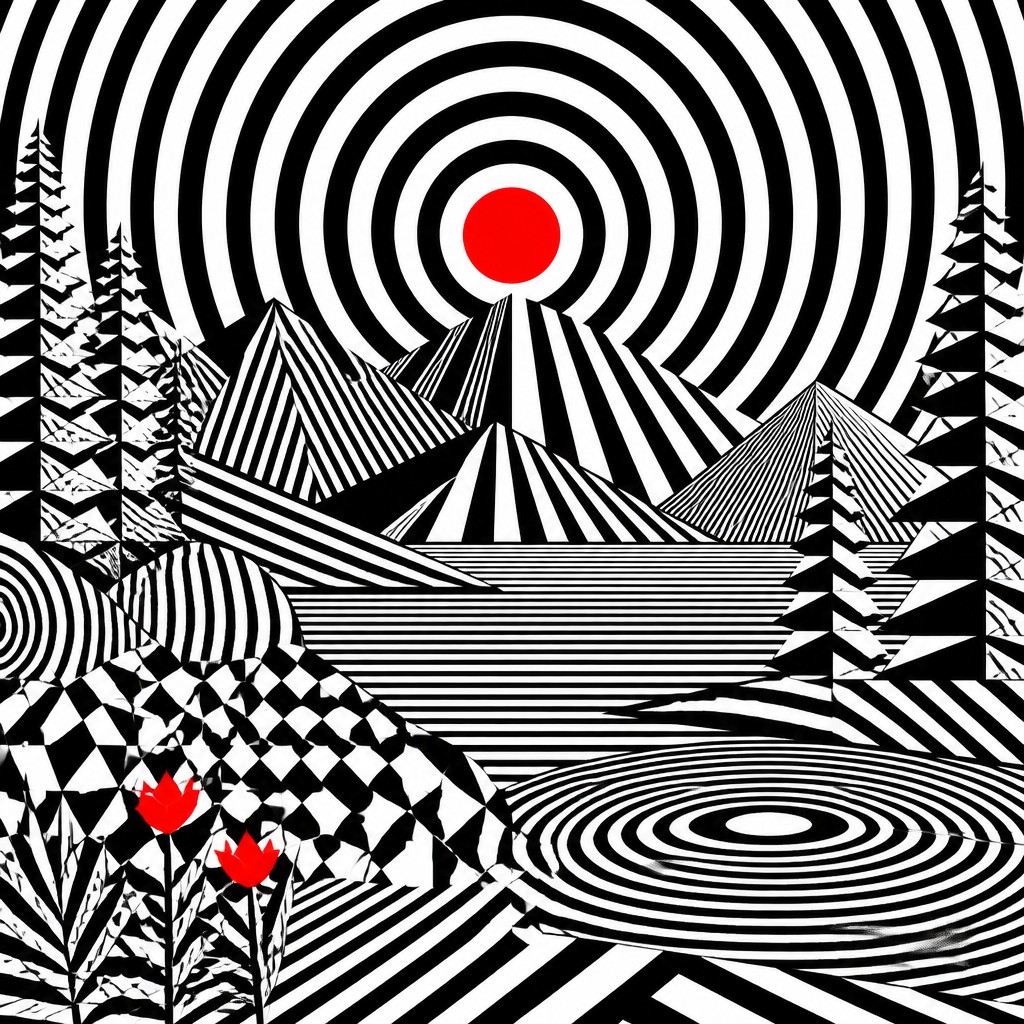
Figure-ground reversals
Positive and negative space may switch roles, making the eye uncertain what is shape and what is background. This ambiguity helps produce the style’s characteristic instability.
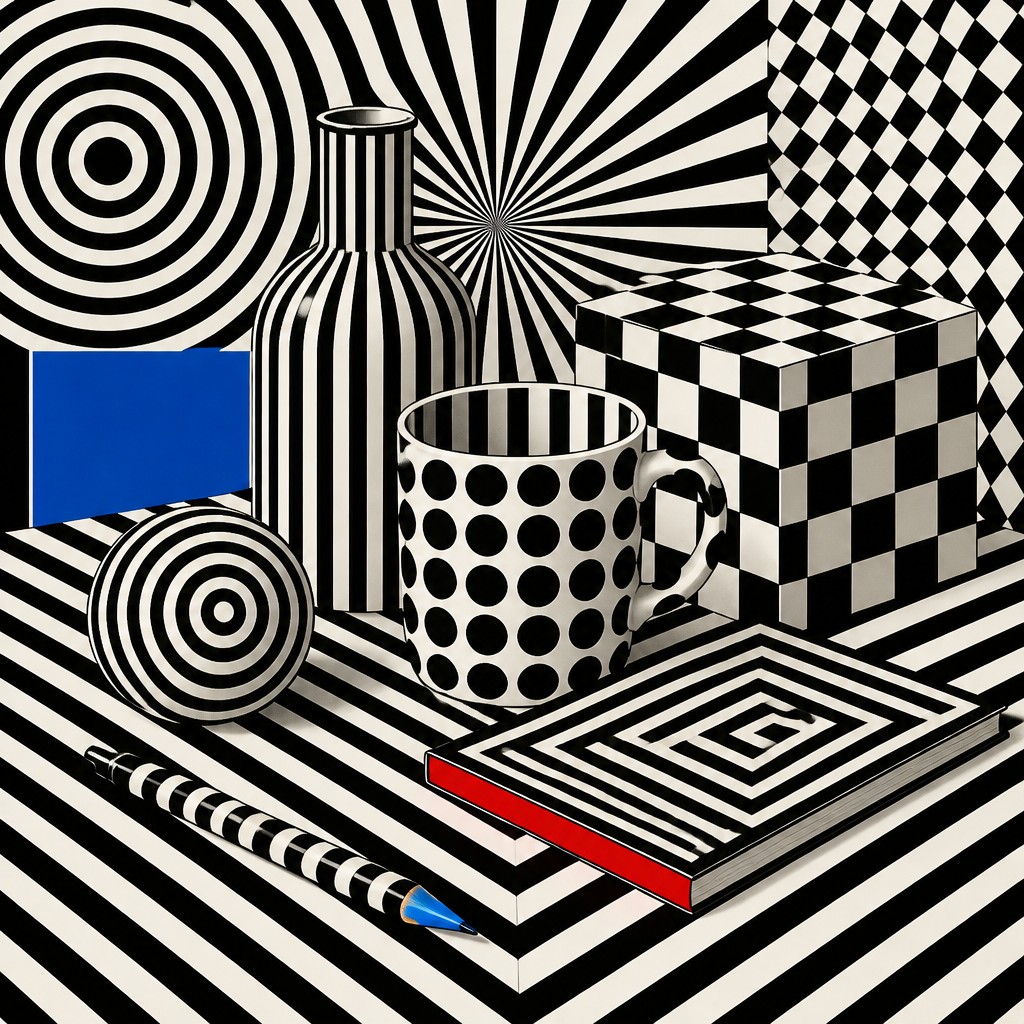
Moire and interference effects
Closely spaced lines or overlapping pattern systems can create shimmering or vibrating visual phenomena. These effects exploit the way the eye perceives repeated structures.
Try It
Create Videos in Op Art Style
Styles aren't just for stills — describe a scene or animate an image and get a short video rendered in Op. Press play to see this pond come to life.
Make a VideoOp Prompt Ideas
Start from an idea — each one opens the generator with the style ready to go. See all 40 Op prompts →
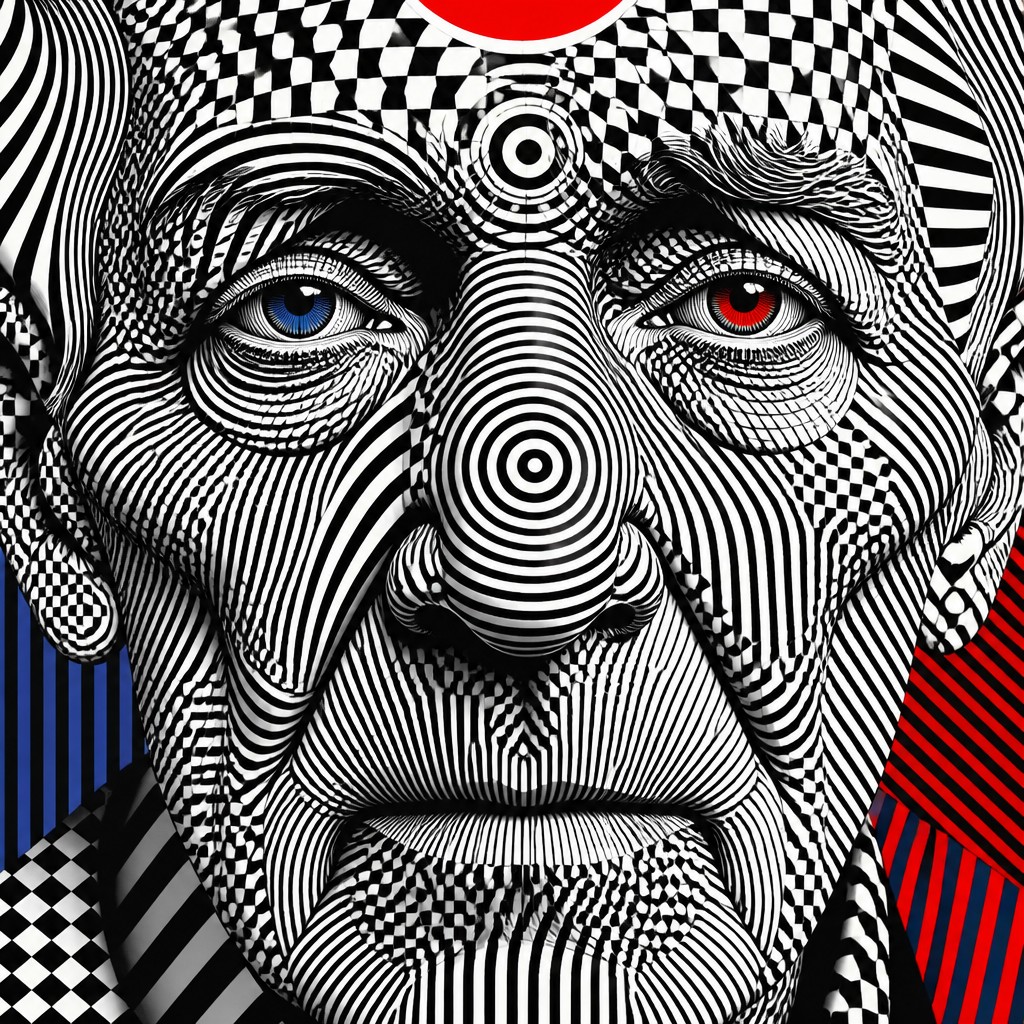
“close-up portrait of an elderly person with expressive weathered features”
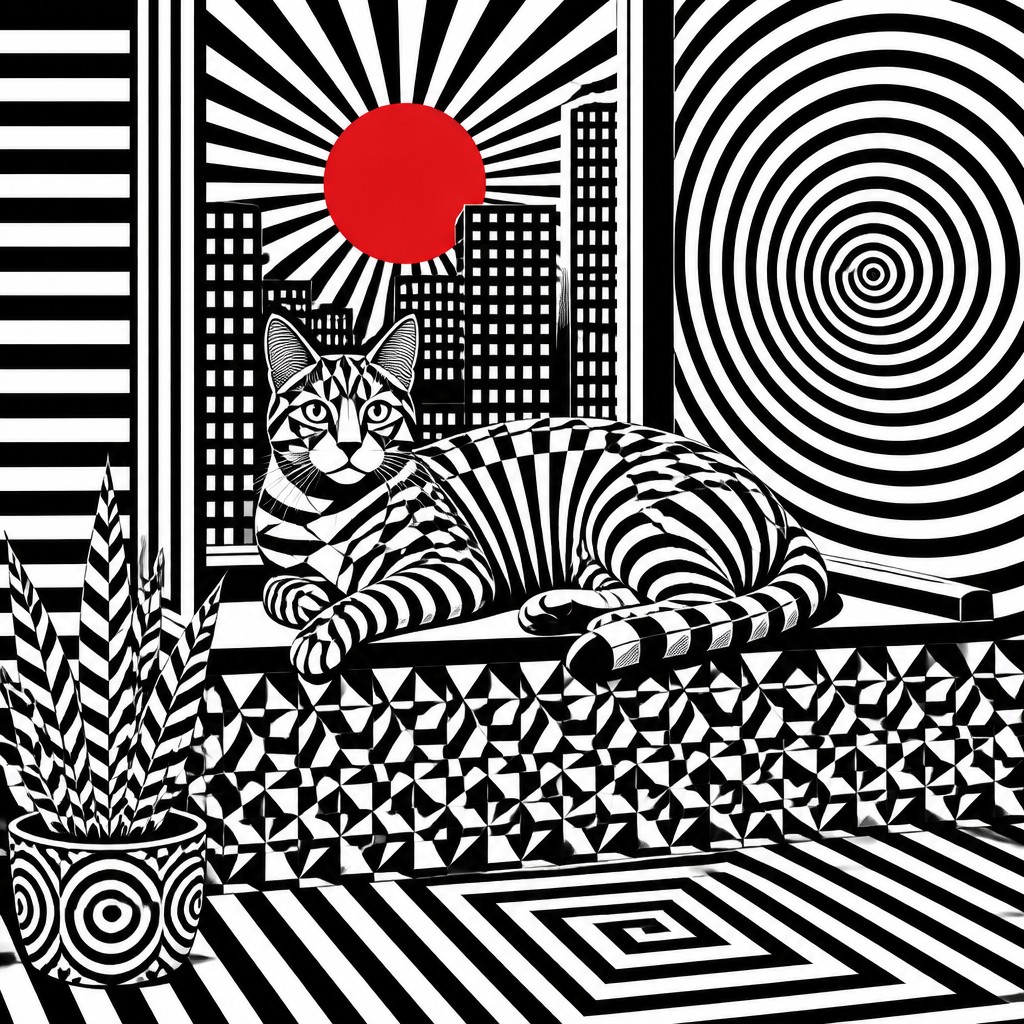
“a cat lounging in a sunlit window”
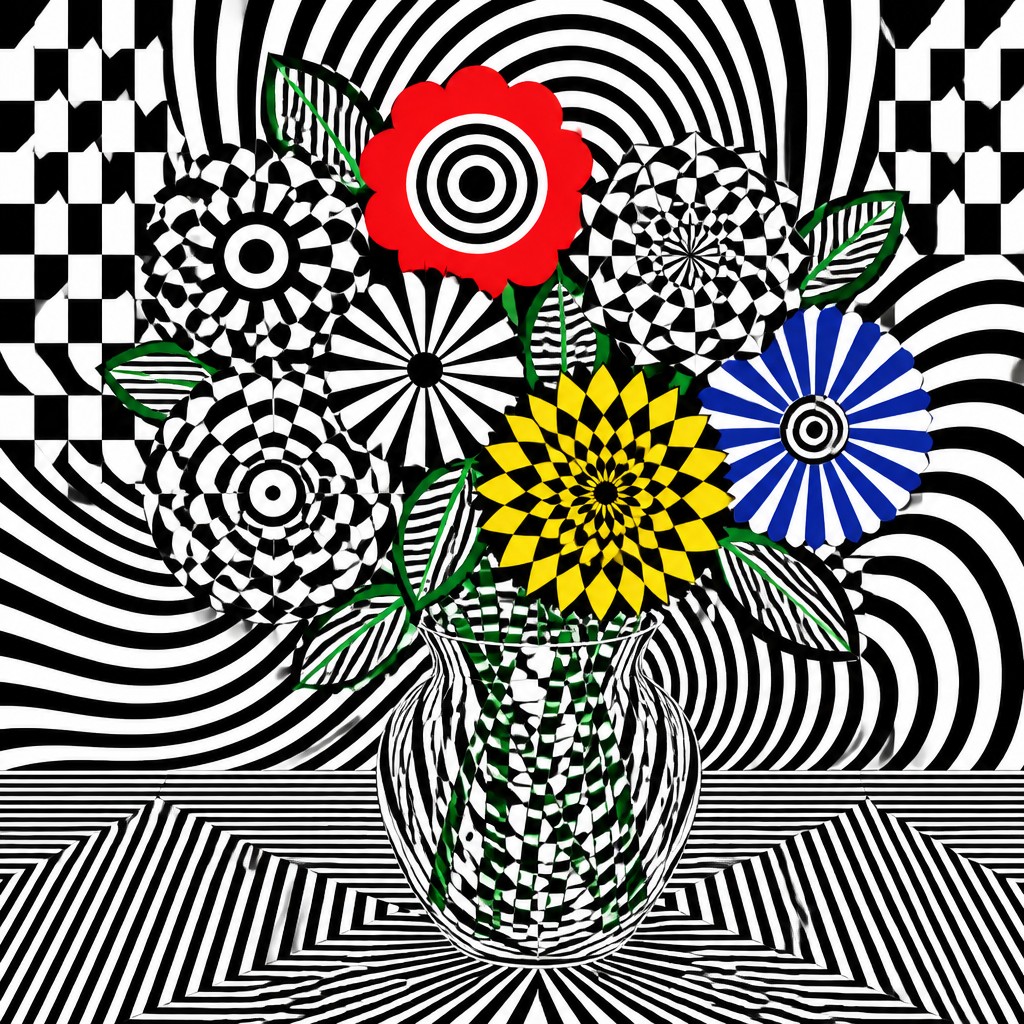
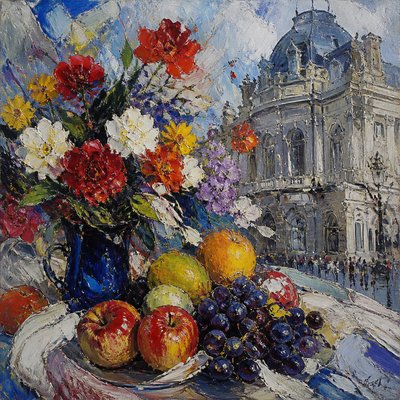
“bouquet of flowers in a glass vase”
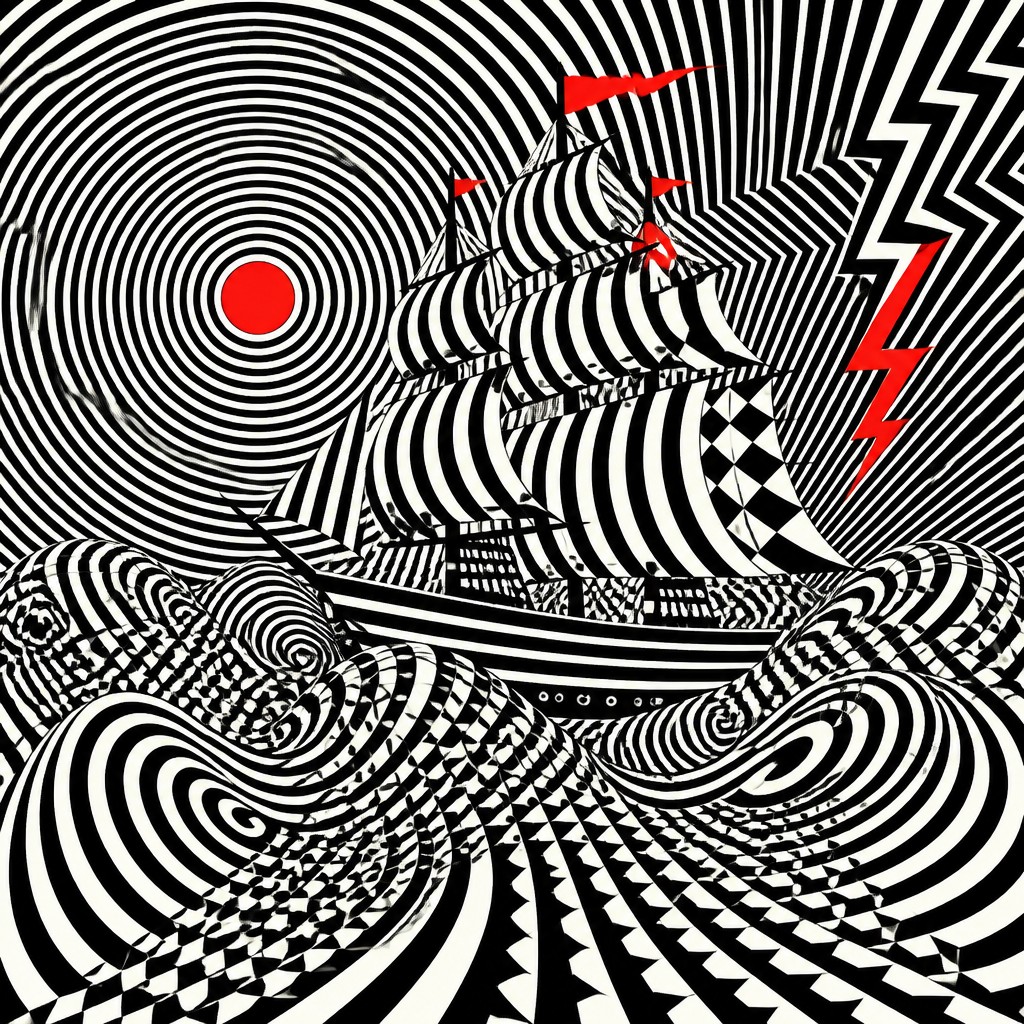
“sailing ship on a stormy sea”
How to Create Op Art
Master the craft step by step — or skip straight to creating. Read the full guide →
- 1
Build with exact geometry
Start with grids, concentric guides, rulers, or vector paths rather than freehand marks. Whether working by hand or digitally, the illusion weakens if the structure is uneven.
- 2
Use extreme contrast first
Begin in black and white to establish the core optical rhythm before adding any color. If you add color, keep it limited and highly saturated so it does not soften the pattern.
- 3
Repeat, then disturb
Create a regular system of lines, circles, or tessellations, then introduce controlled changes in spacing, thickness, curvature, or scale. The perceptual effect comes from predictable repetition being subtly disrupted.
- 4
Avoid gradients and texture
Flat fills, crisp edges, and uniform shapes are more effective than shading or painterly texture. In traditional media, masking tape and careful drafting help; in digital tools, use vectors, shape layers, and precise alignment.
- 5
Design for viewing distance
Test the image at both close range and from afar, since op art often changes with distance and motion. For prompt-based generation, specify hard-edged geometry, high contrast, repetition, and no blur or gradients.
The Story
History & Origins of Op
Op art emerged in the mid-20th century, especially in the 1950s and 1960s, as artists began exploring perception, visual instability, and the mechanics of seeing. It developed in dialogue with geometric abstraction, Constructivism, Bauhaus ideas about form and design, and Kinetic art. The term became widely known in the 1960s, especially after major museum and magazine attention brought the style into public view.
Canonical artists associated with the movement include a leading geometric abstraction innovator, a major British op art artist, a Venezuelan kinetic artist, and a prominent American op art artist. Their work helped define op art as a disciplined, research-like approach to visual effect rather than expressionistic gesture. Later design, poster art, album covers, fashion textiles, and digital graphics absorbed its vocabulary, and the style remains influential wherever designers want to create high-impact optical patterning.
Influences: Op art draws from geometric abstraction, Constructivism, Bauhaus design theory, and the visual experiments of Kinetic art, while also borrowing from scientific studies of perception and visual psychology. Among canonical figures, leading geometric abstraction innovators helped establish the movement’s geometric vocabulary, a major British op art artist refined its perceptual intensity, a Venezuelan kinetic artist extended it into kinetic experience, and a prominent American op art artist explored its structured color contrasts.

Frequently Asked Questions
What defines op art?
Op art is defined by optical illusion created through precise geometry, repetition, and contrast. Instead of depicting a scene or subject realistically, it manipulates perception so the image appears to move, ripple, or pulse.
Is op art abstract or geometric?
It is both, but it is usually classified as abstract art with a strong geometric foundation. Some works are purely non-representational, while others use the same optical logic to distort faces, objects, or architectural forms.
How is op art different from psychedelic art?
Op art is typically more controlled, crisp, and mathematically structured, while psychedelic art is often looser, more colorful, and associated with organic or surreal imagery. Both can be visually intense, but op art is more focused on optical mechanics than on dreamlike atmosphere.
What tools work best for making op art?
Rulers, compasses, templates, masking tape, and vector-based software are especially useful because the style depends on precision. Even small irregularities can weaken the illusion, so clean alignment matters more than brushwork.
Where is op art commonly used?
It appears in posters, album covers, textiles, editorial graphics, packaging, murals, and contemporary digital design. Its strong visual impact makes it useful whenever a design needs energy, motion, or a memorable pattern.
Can op art include color?
Yes, but color is usually used sparingly. Classic works rely on black and white, while color versions often use saturated hues with clear boundaries to preserve the style’s optical sharpness.
Create your first Op artwork
Describe anything — or upload a photo — and see it in Op Art Style in seconds.
Make Something with Op
Compare Op
Related Styles
Discover similar art styles