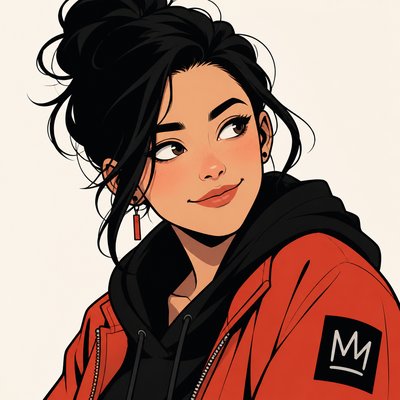
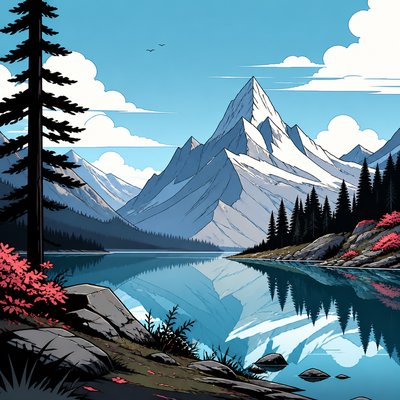
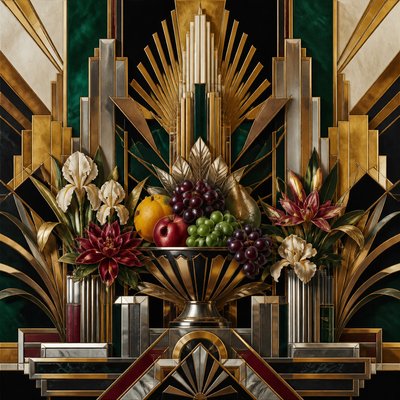
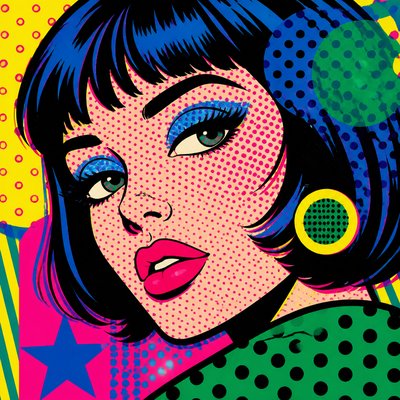
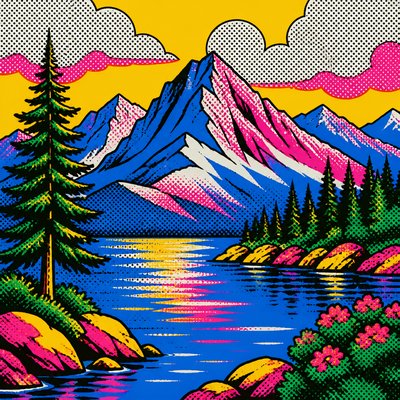
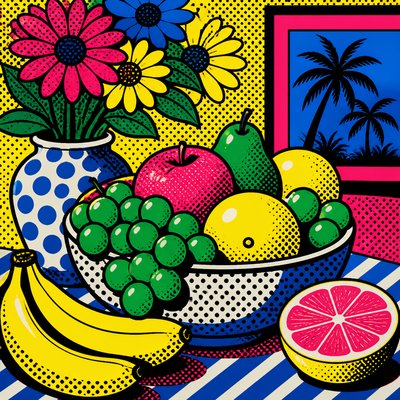
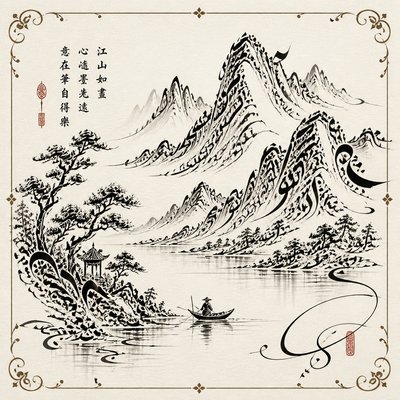
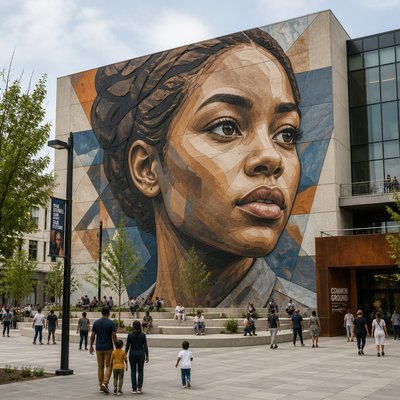
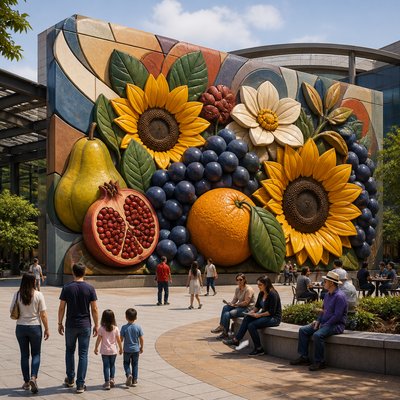
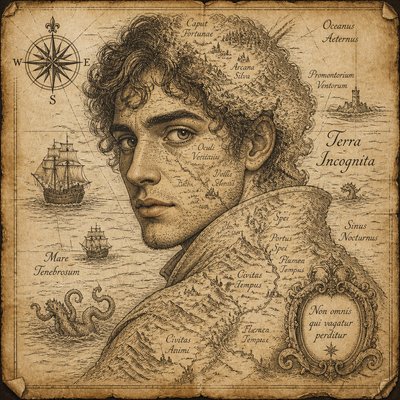
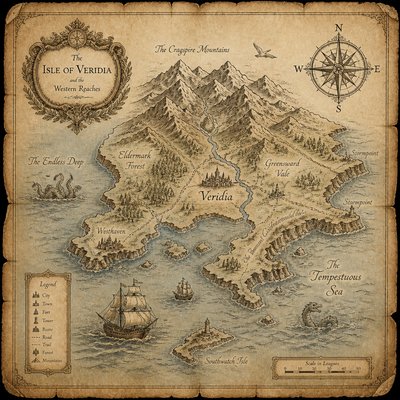
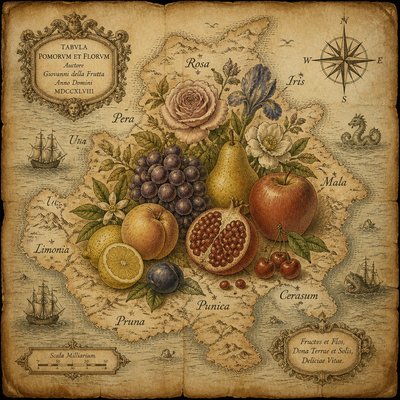
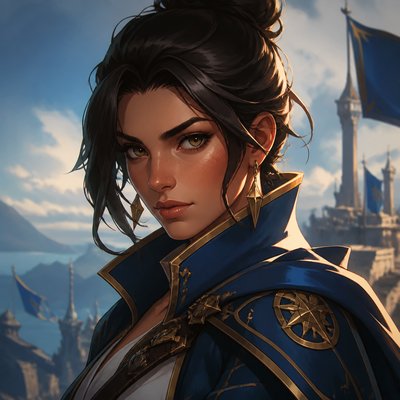
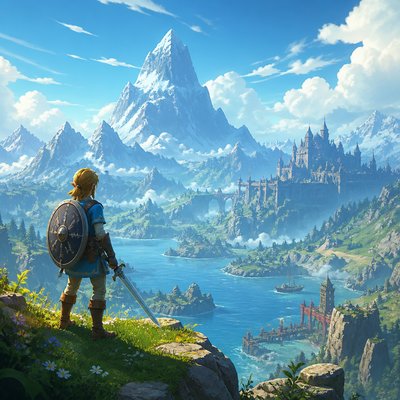
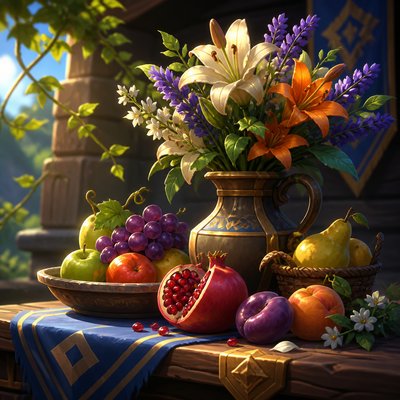
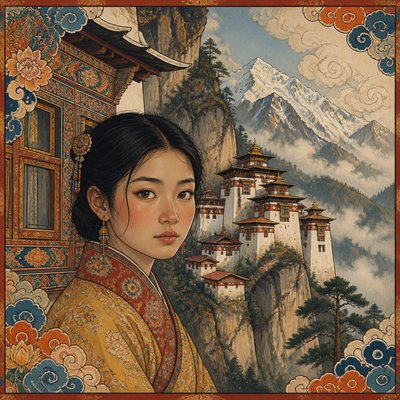
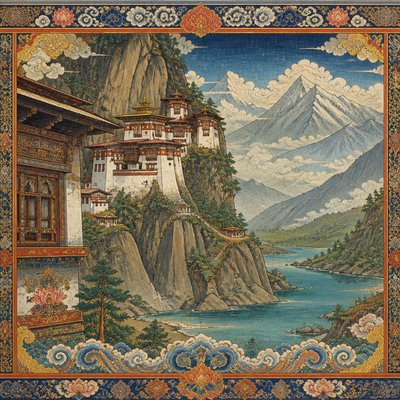
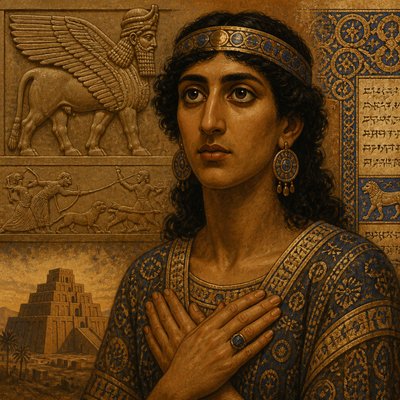
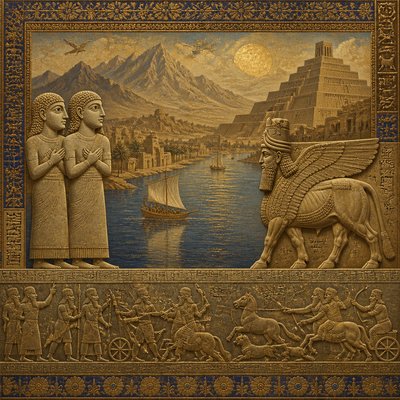
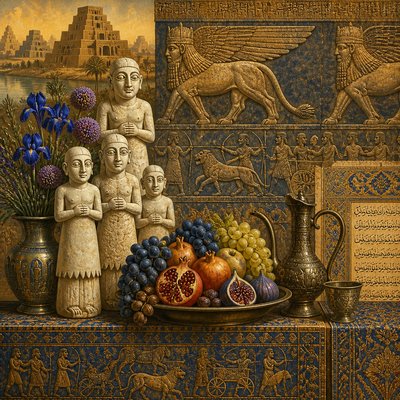
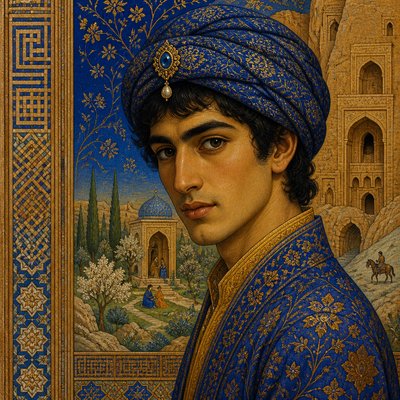
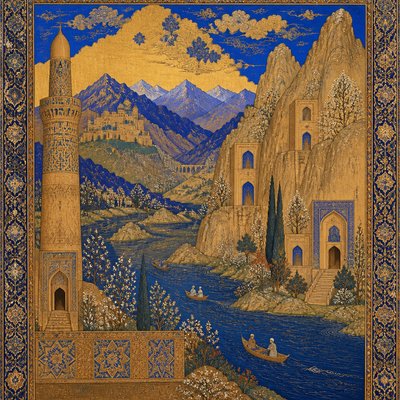
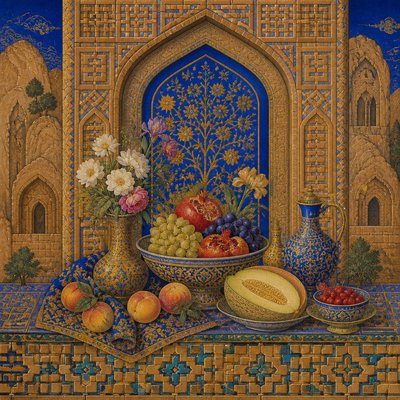
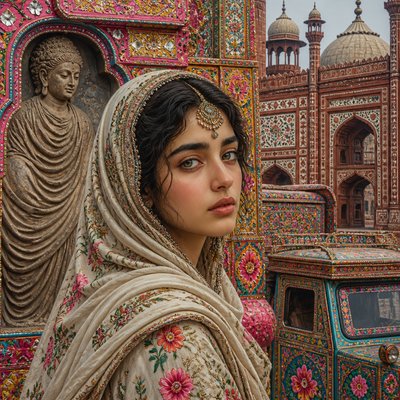
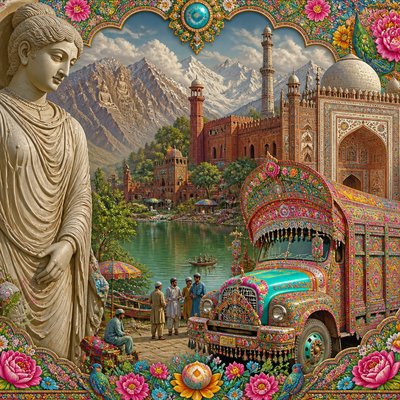
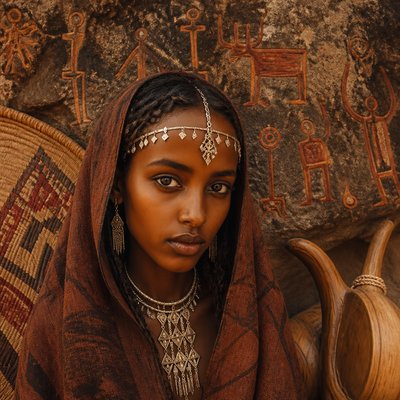
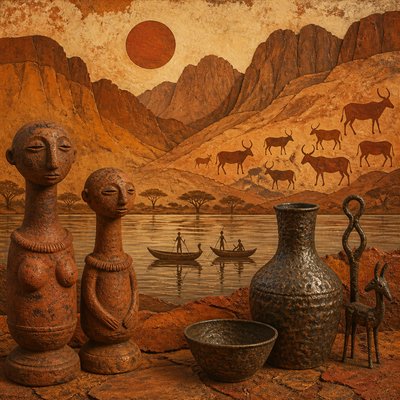
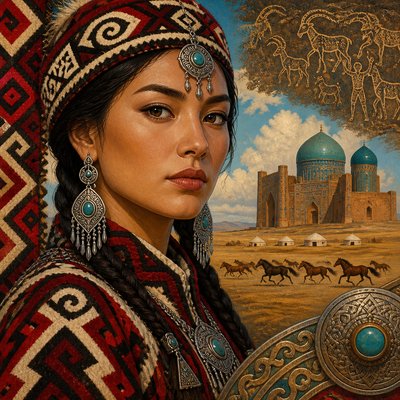
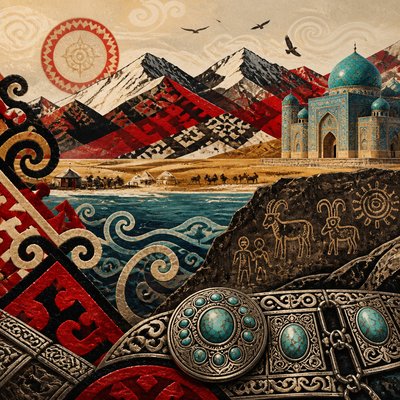
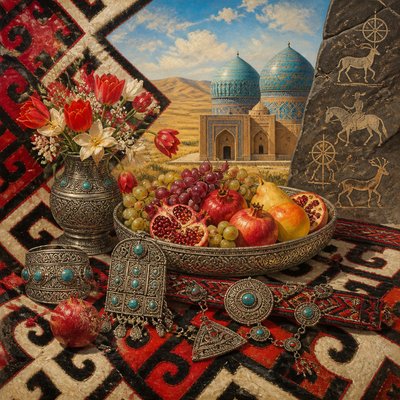
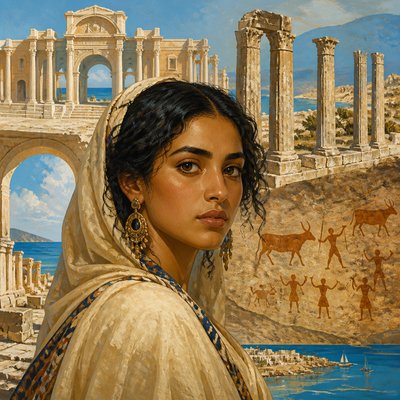
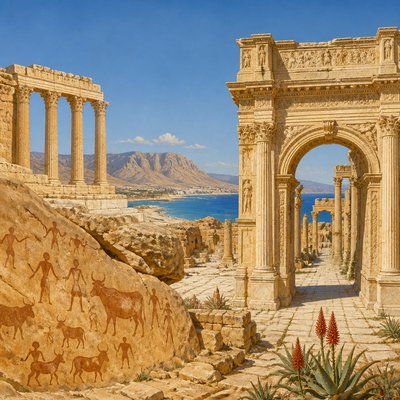
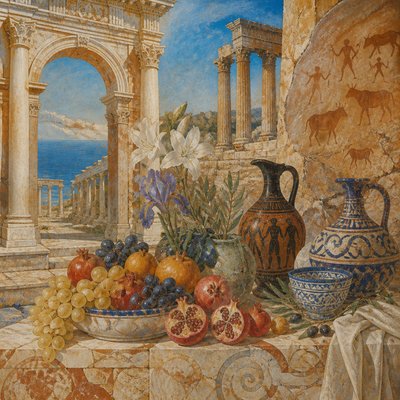
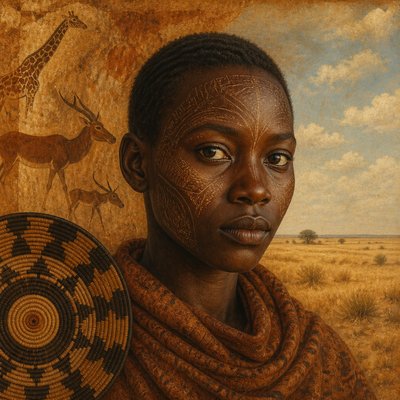
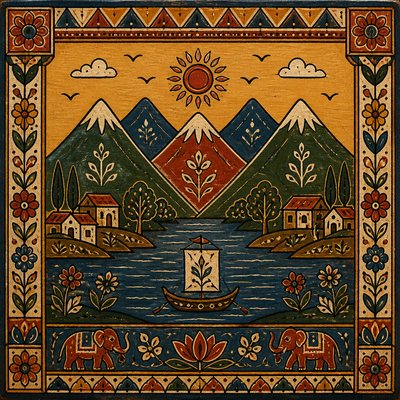
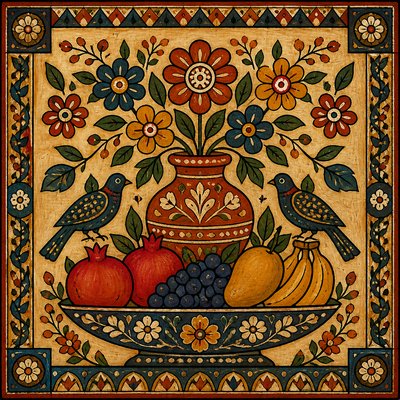
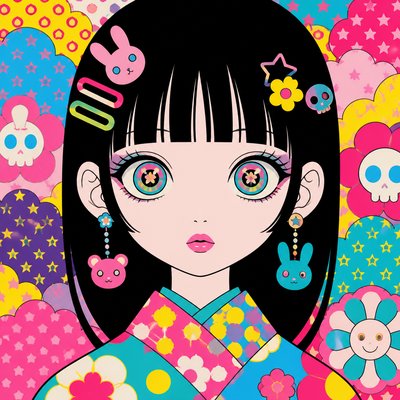
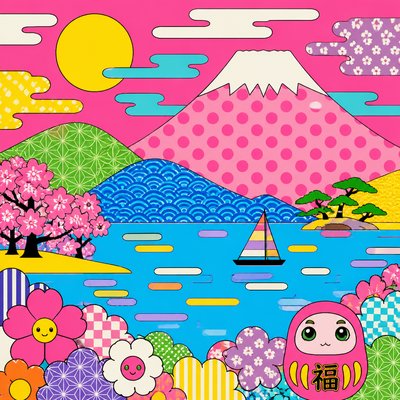
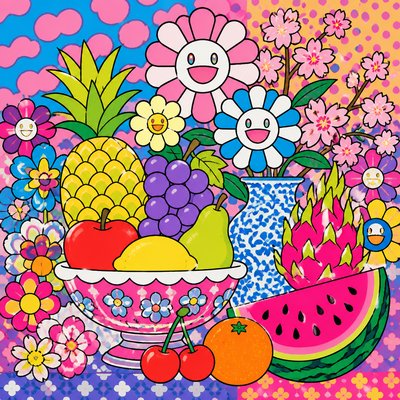
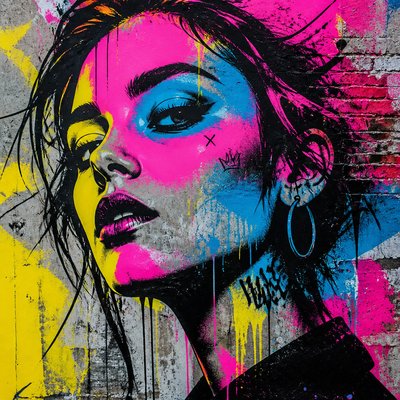
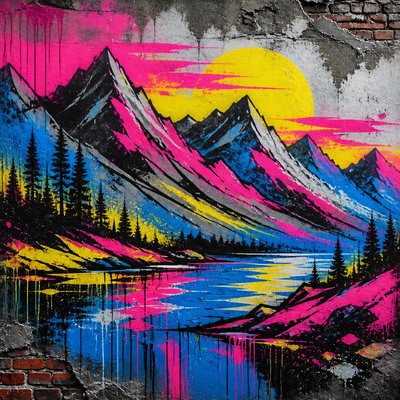
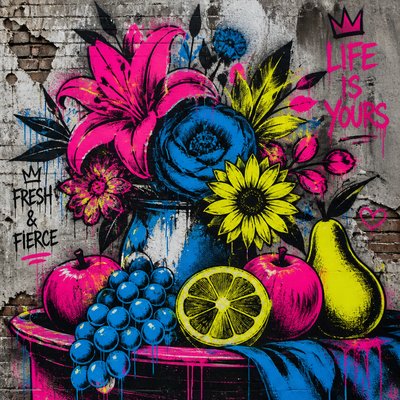
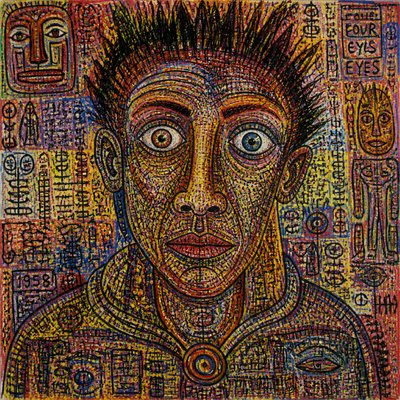
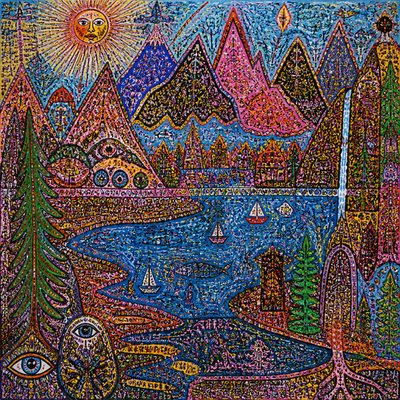
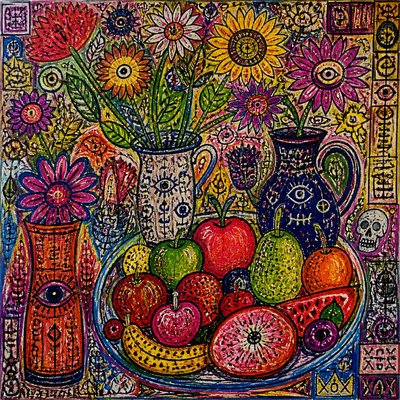
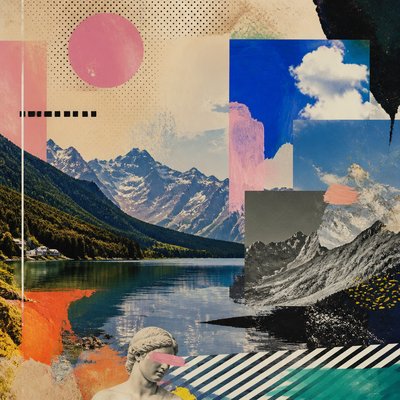
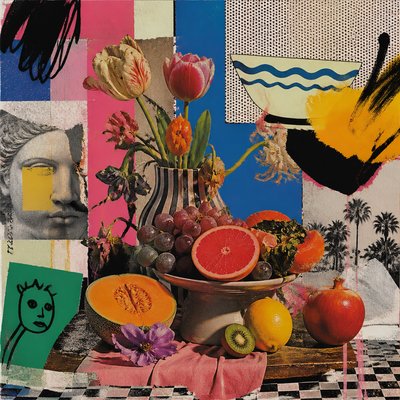
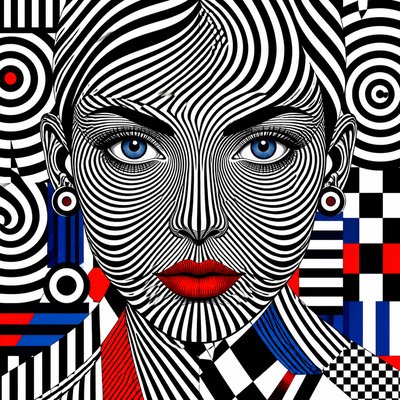
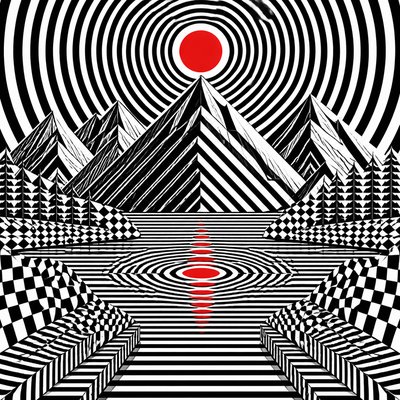
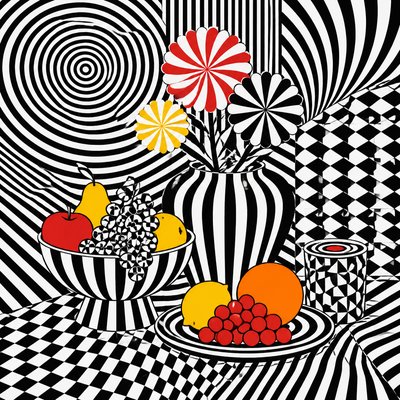
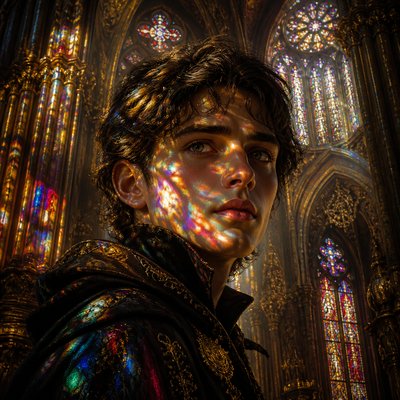
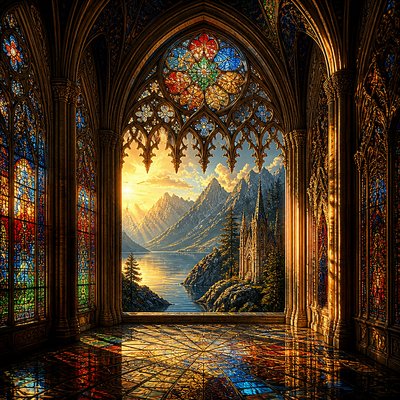
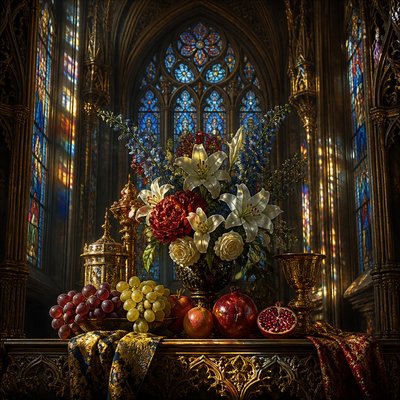
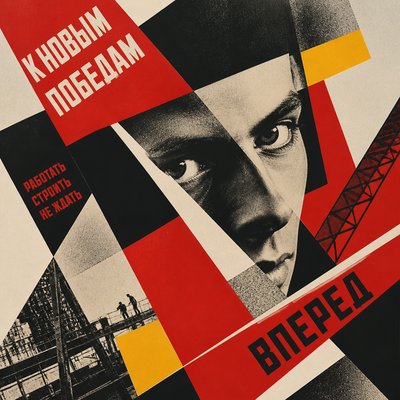
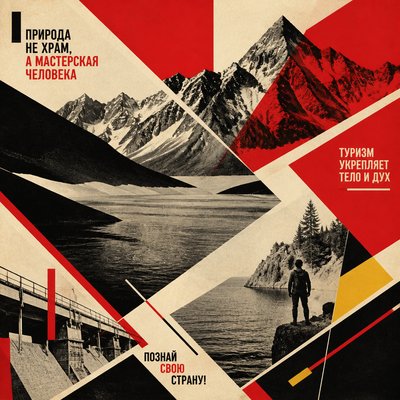
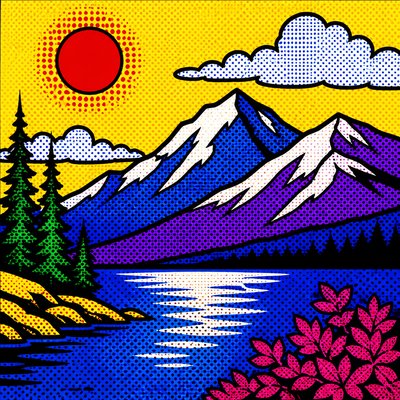
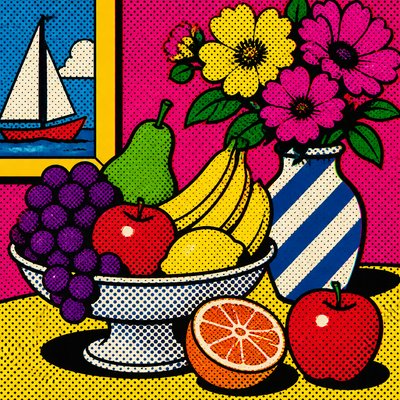
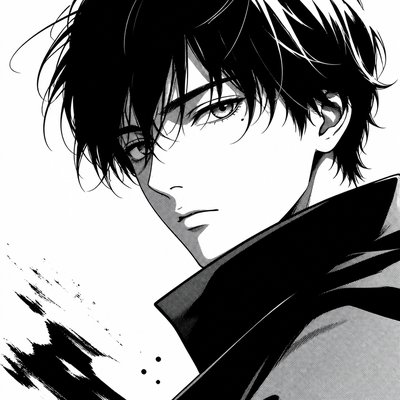
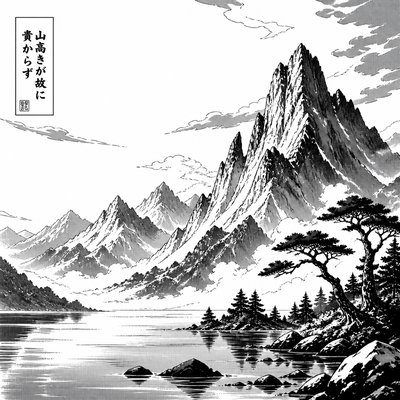
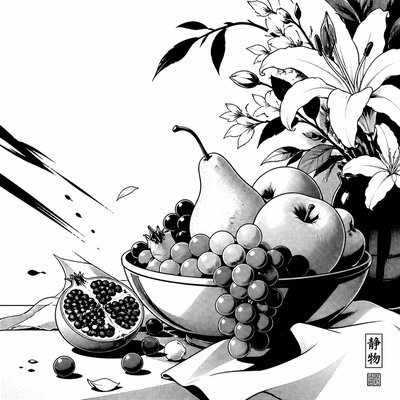
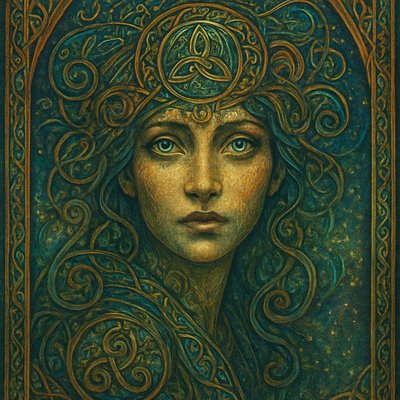
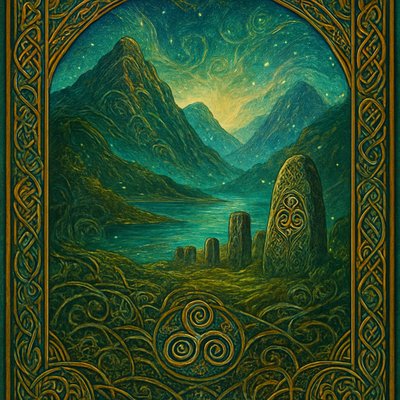
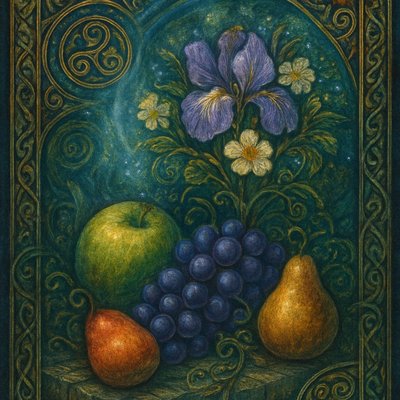
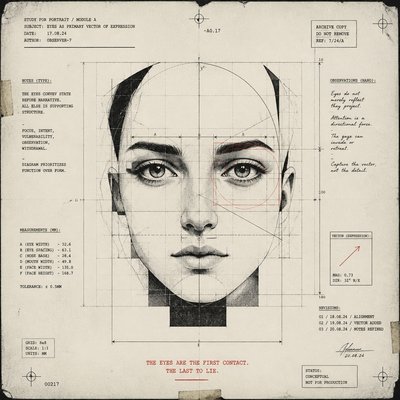
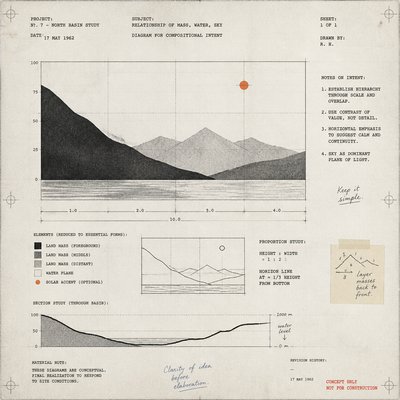
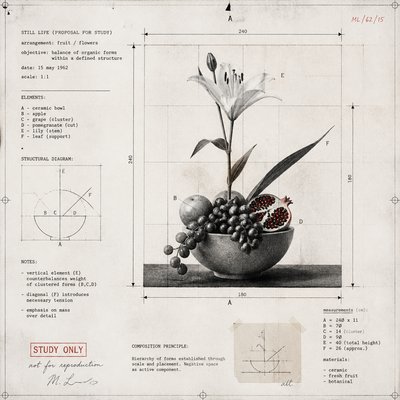
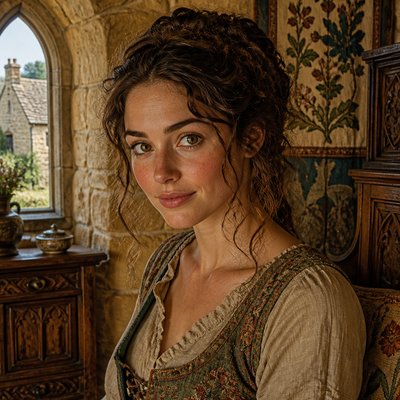
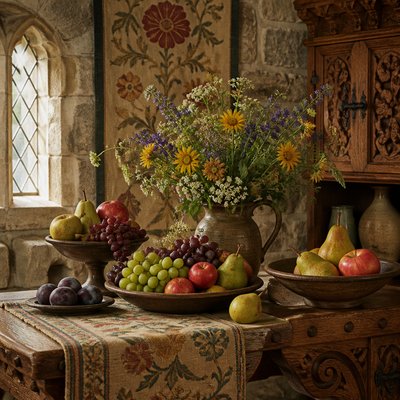
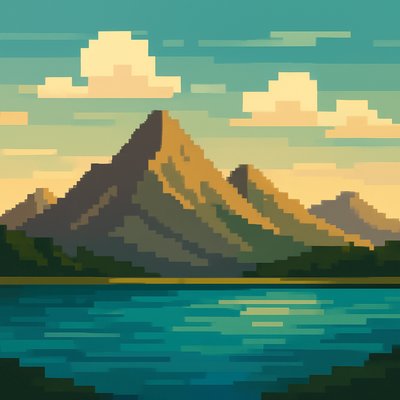
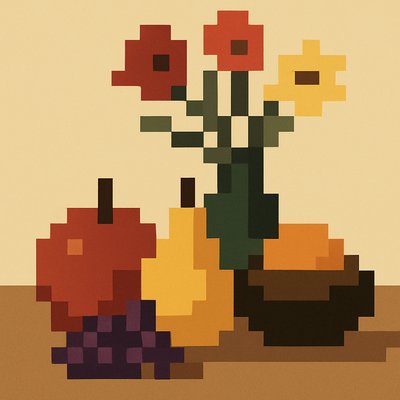
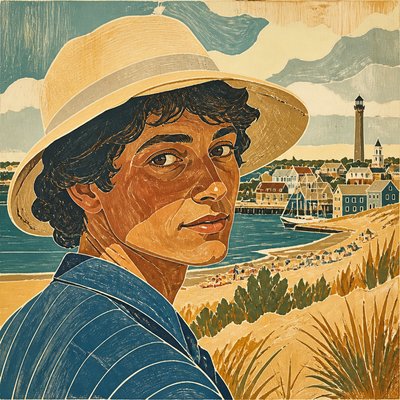
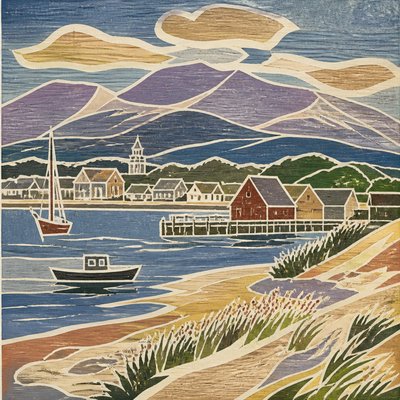
Digital comic style with bold linework, flat colors, vertical pacing, and expressive characters built for fast online reading.
Instantly rendered in Webcomic — or transform a photo

Webcomic Gallery
Tap any artwork to explore it
What is Webcomic Art?
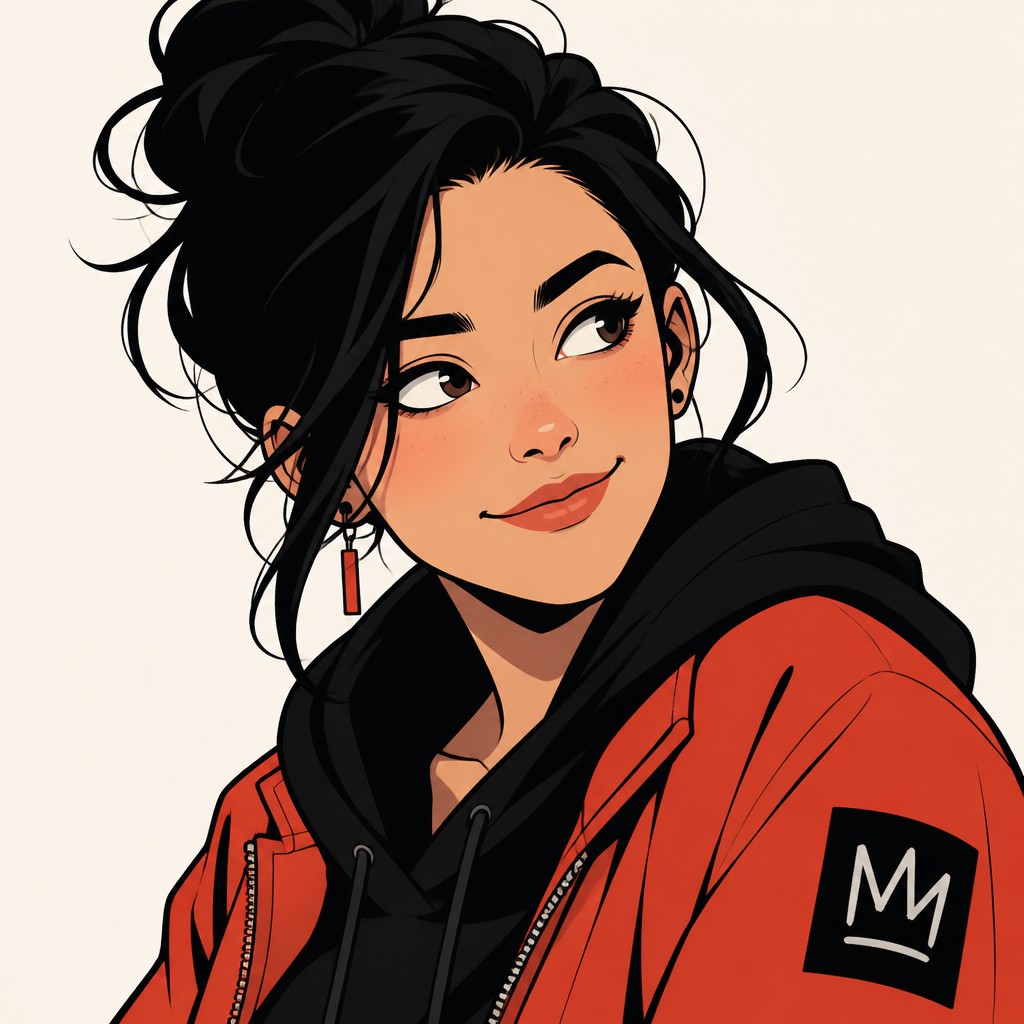
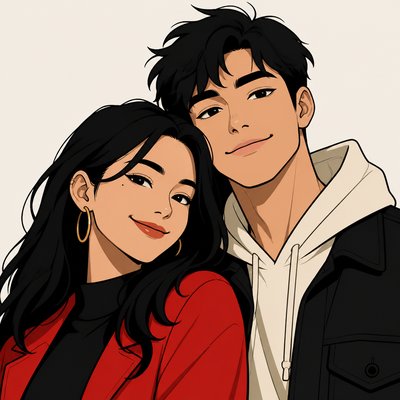
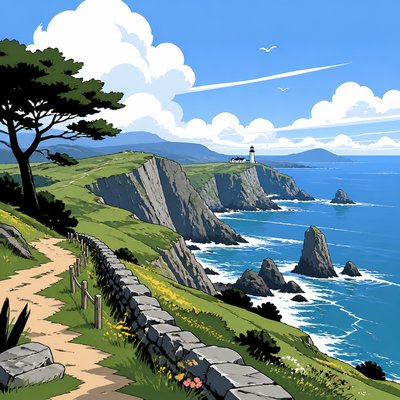
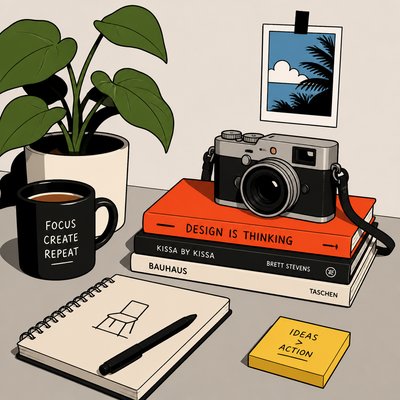
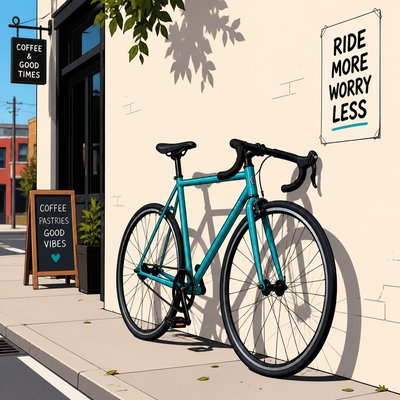
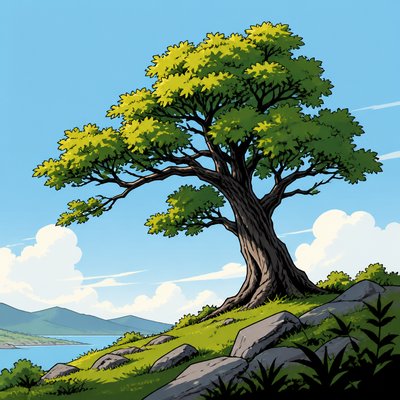
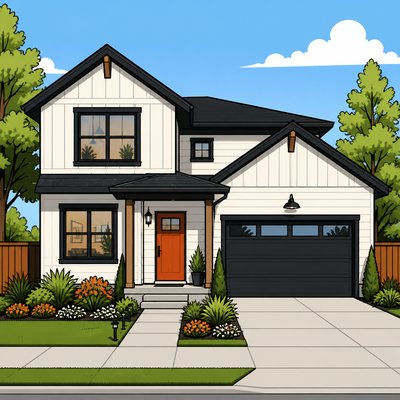
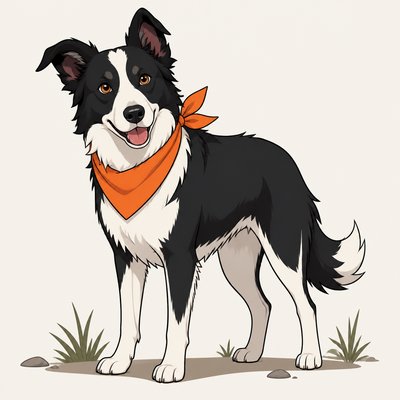
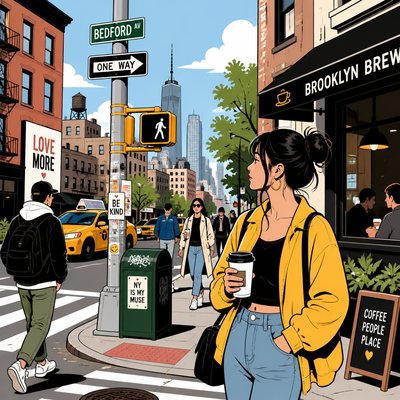
Webcomic art is a digital-first comic style designed for reading on screens, especially in long vertical scroll formats. It prioritizes clarity, quick visual comprehension, and emotional immediacy: characters are simplified, linework is clean and consistent, color is usually flat or lightly shaded, and compositions leave enough space for text, timing, and easy panel-to-panel movement.
Its visual identity comes from the needs of online serialization. Because readers often view it on phones, webcomic art tends to use tall panels, generous gutters or breathing room, large readable expressions, and strong silhouette design. The style often favors relatable everyday drama, comedy, romance, fantasy, or slice-of-life storytelling, where the drawing supports pacing and expression more than painterly realism.
Try It On Your Photos
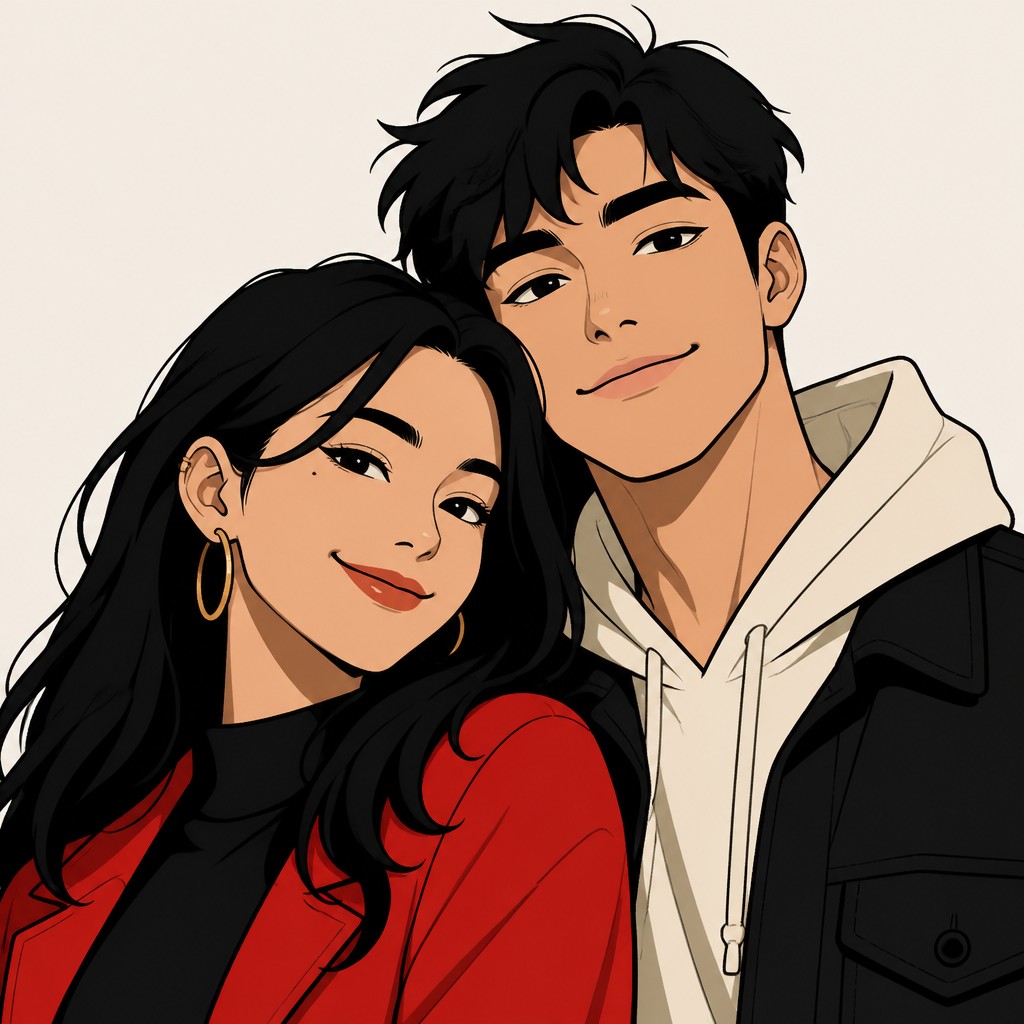
Upload any photo and convert it into Webcomic Art — drag the sliders to compare before and after.


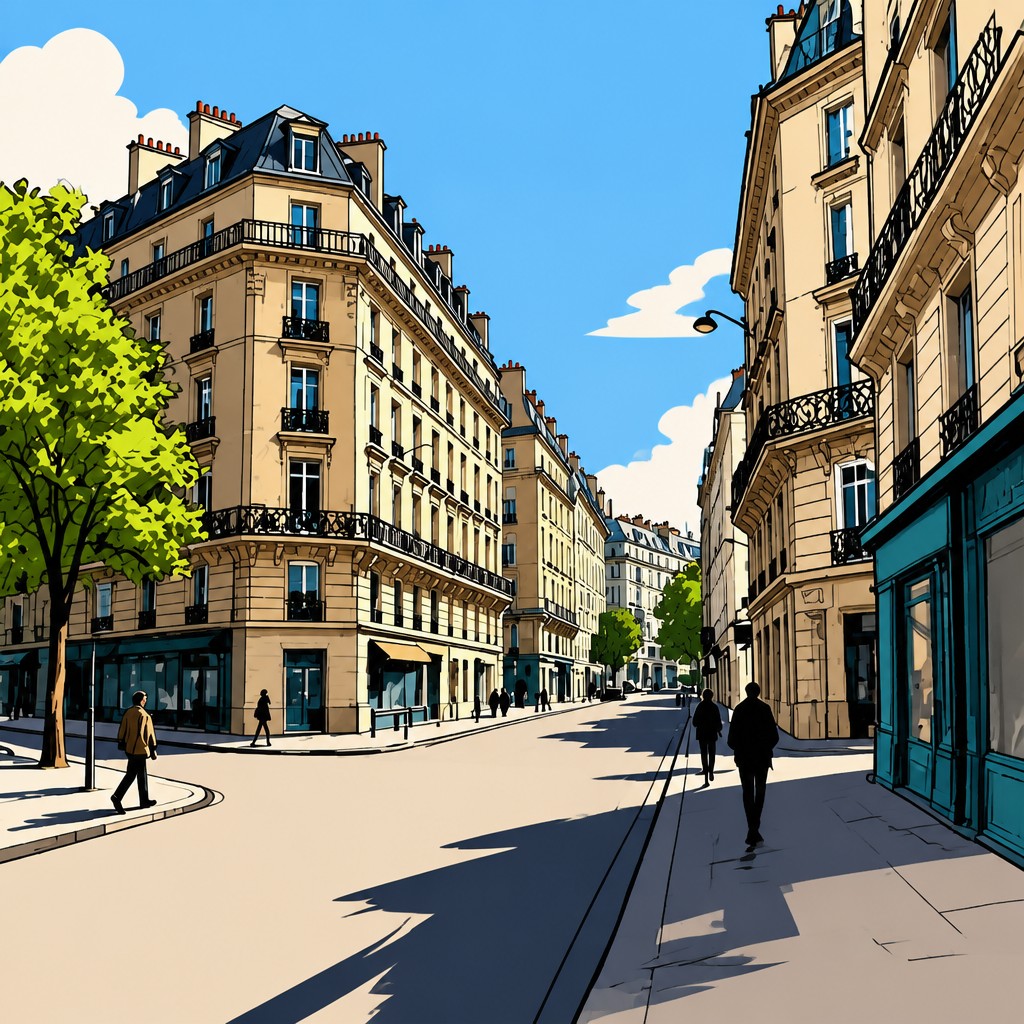

What Defines Webcomic Art
The signature details, up close
Bold, simplified linework
Contours are usually crisp and easy to read, with fairly consistent stroke weight. The drawing emphasizes clear shapes and facial expression over dense rendering.
Flat color and restrained shading
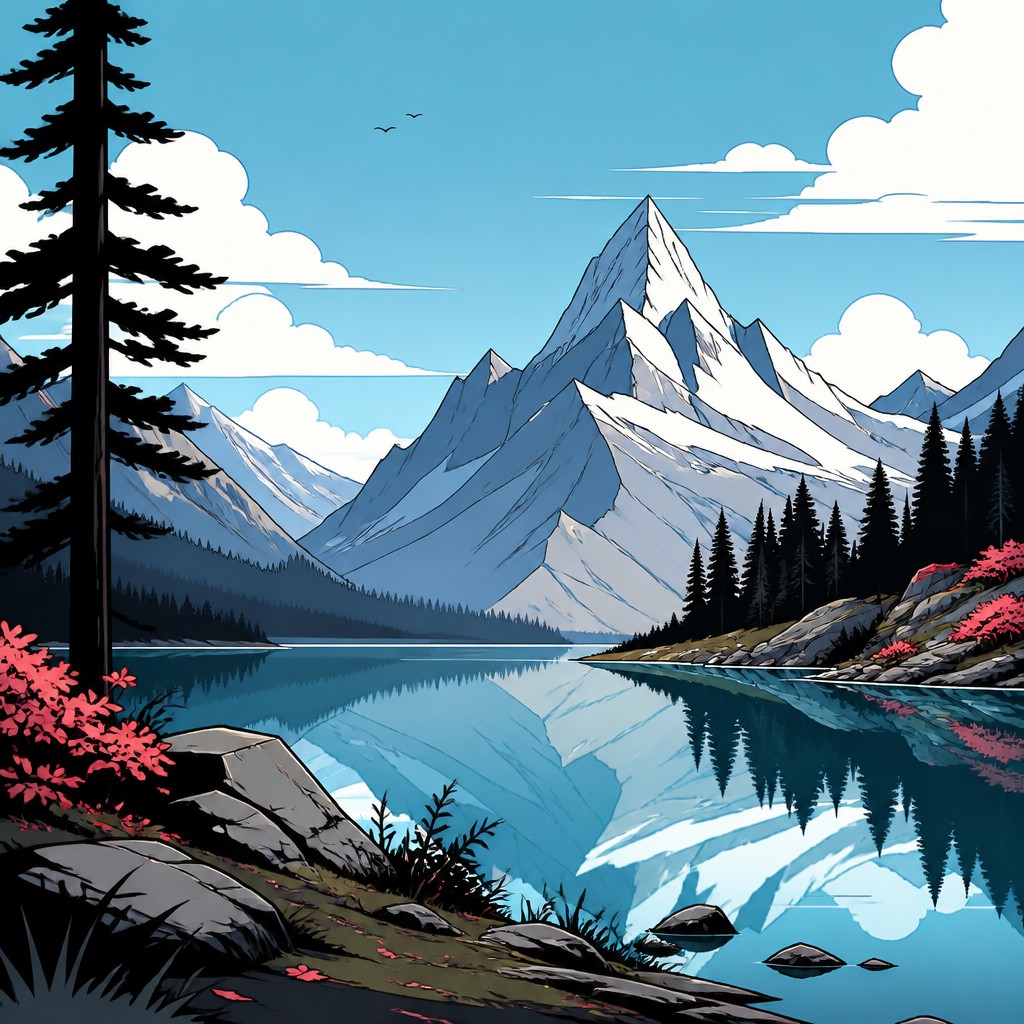
Colors are often applied in clean blocks with minimal cel-style shadows. When shading appears, it is typically sharp-edged and used to clarify form rather than create atmospheric realism.
Screen-friendly composition
Panels are arranged for phones and monitors, often in vertical sequences with generous spacing. Composition tends to guide the eye smoothly and prevent visual clutter.
Expressive simplification
Faces, poses, and props are reduced to their most readable essentials. Exaggerated reactions, symbolic facial marks, and clear body language help communicate emotion quickly.
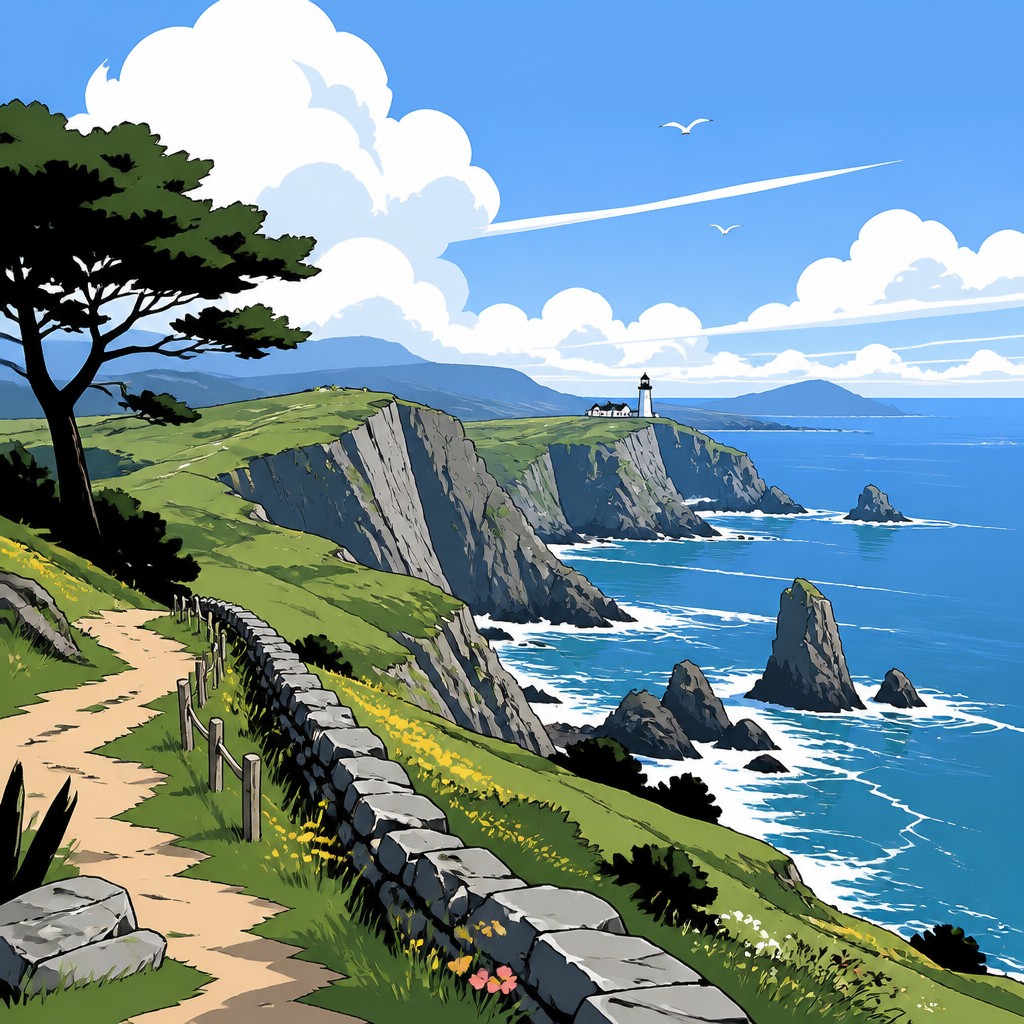
Limited but lively palette
Many works use neutral bases with a few saturated accent colors to focus attention. This keeps pages coherent while preserving visual rhythm across long episodes.
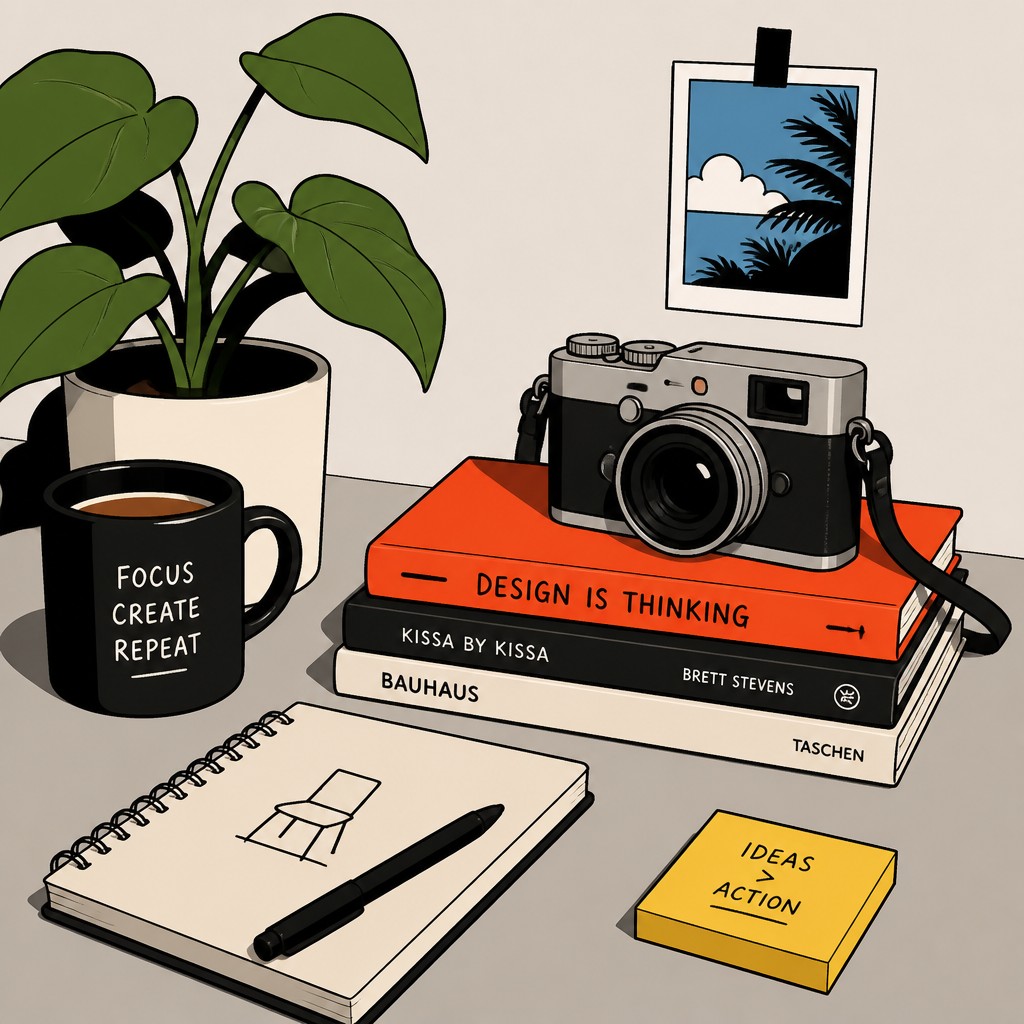
Clean digital finish
The surface usually looks polished and anti-aliased, with little to no paper grain or texture noise. The result feels contemporary and optimized for display rather than print.
Try It
Create Videos in Webcomic Art
Styles aren't just for stills — describe a scene or animate an image and get a short video rendered in Webcomic. Press play to see this pond come to life.
Make a VideoWebcomic Prompt Ideas
Start from an idea — each one opens the generator with the style ready to go. See all 40 Webcomic prompts →

“close-up portrait of an elderly person with expressive weathered features”
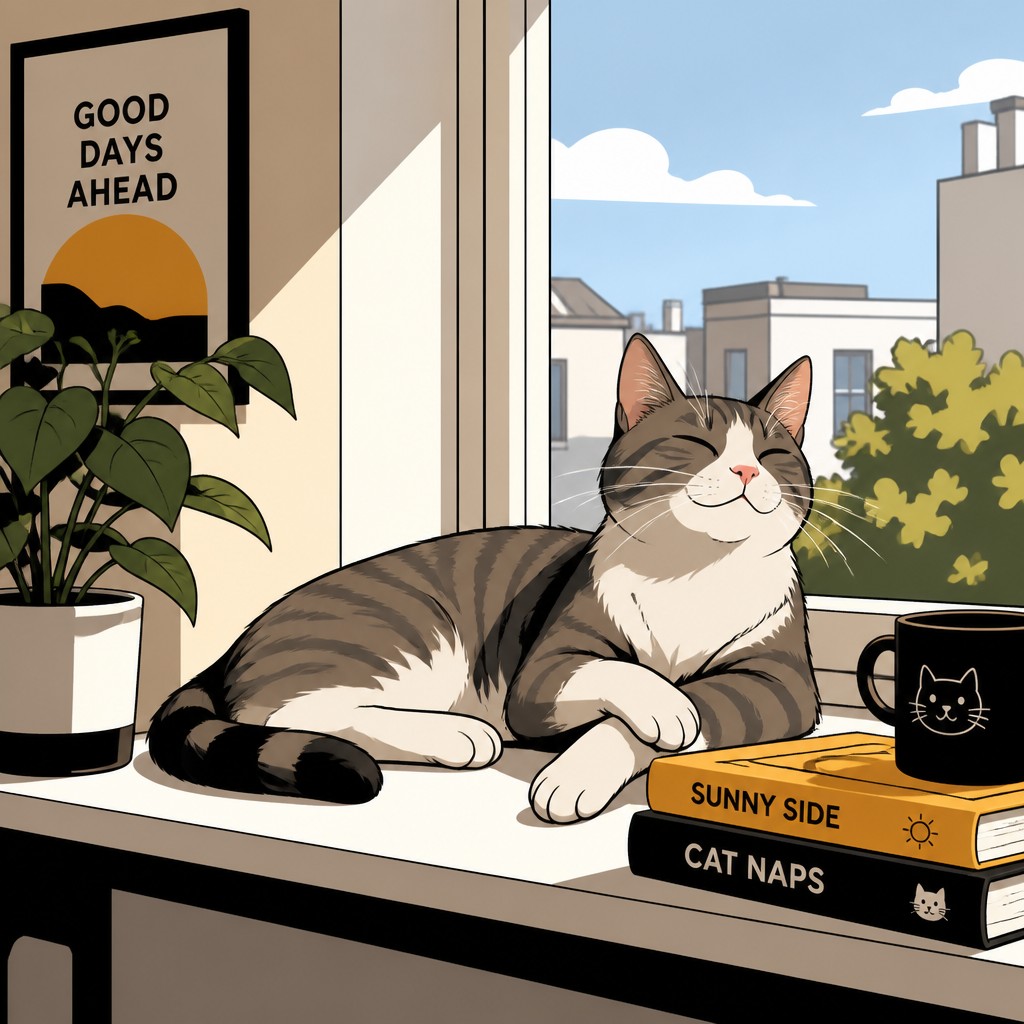
“a cat lounging in a sunlit window”

“bouquet of flowers in a glass vase”
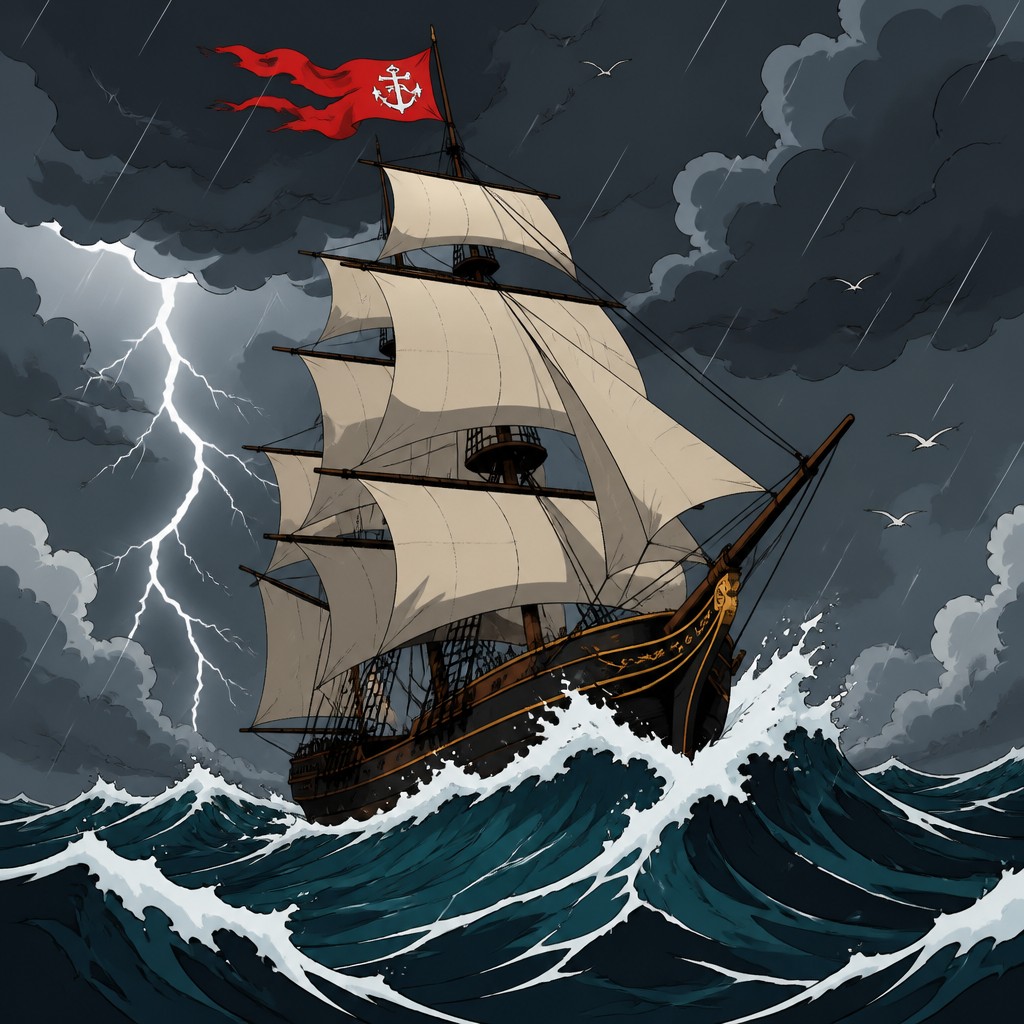
“sailing ship on a stormy sea”
How to Create Webcomic Art
Master the craft step by step — or skip straight to creating. Read the full guide →
- 1
Design for vertical reading
If you are drawing by hand or digitally, plan the page as a sequence of beats that can be read from top to bottom on a phone. Leave room between panels for pauses, reveals, and dialogue so the storytelling stays legible at small sizes.
- 2
Use simple shapes and clear silhouettes
Build characters from easy-to-read forms and keep facial features consistent. A strong silhouette and straightforward pose usually communicate more effectively than complex rendering in this format.
- 3
Limit shading and texture
Use flat fills, cel shading, or only a few shadow shapes to separate forms. Avoid heavy grain, painterly blending, or busy backgrounds unless they are needed for a key scene.
- 4
Control color for emphasis
Choose a restrained palette and reserve bright or highly saturated colors for focal points, emotional beats, or important props. In digital workflows, this helps maintain clarity across long episodes.
- 5
Prioritize expression and timing
Take advantage of close-ups, reaction panels, and paced reveals to carry humor or drama. For prompt-based generation, specify subject, mood, vertical composition, flat colors, clean outlines, and simple readable staging.

The Story
History & Origins of Webcomic
Webcomic art emerged from the broader evolution of digital comics in the late 1990s and 2000s, when creators began publishing directly to the web instead of print. Early webcomics adapted newspaper-strip, manga, and independent comics conventions to screen reading, then developed their own pacing and page design as broadband, smartphones, and scroll-based platforms changed how audiences consumed stories.
Its aesthetic lineage is not a single historical movement but a convergence of influences: manga’s expressive simplification and serial storytelling, newspaper comics’ clarity and economy, the clean vector and digital coloring workflows of contemporary illustration, and the panel pacing of graphic novels. As vertical scrolling became common, webcomic artists further refined the format into long, cinematic sequences with controlled reveals, reaction shots, and chapter-cliffhanger timing.
Influences: Webcomic art draws from manga’s expressive shorthand and serialized pacing, from newspaper comics’ economy of line and immediate readability, and from contemporary digital illustration workflows that favor clean edges and controlled palettes. In its broader visual logic, it also overlaps with graphic novels, animation storyboarding, and internet-native character design, while remaining distinct from more textured or painterly comic traditions.

Frequently Asked Questions
What defines webcomic art?
Webcomic art is defined by screen-first storytelling: clean linework, simple color treatment, expressive characters, and layouts that work especially well in vertical scrolling. It is less about a single look than about an approach to clarity and pacing for online reading.
How is webcomic art different from manga?
Webcomic art often borrows manga-like expression and dramatic timing, but it is usually more digitally polished and formatted for web viewing. Manga is a print and publication tradition with its own conventions, while webcomic art is more tied to digital distribution and phone-friendly composition.
Is webcomic art always black-and-white?
No. Many webcomics use full color, flat color, or selective accents, though some are monochrome. The common factor is clarity and readability, not a specific color mode.
Why do webcomics often use vertical layouts?
Vertical layouts fit scrolling on phones and tablets, making it easier to control pacing and dramatic reveals. The format also allows creators to stretch out moments, build suspense, and separate emotional beats with extra space.
What tools are commonly used to make webcomic art?
Artists often use digital drawing tablets, layer-based illustration software, and vector or raster brushes with clean edges. Traditional sketches can also be scanned and cleaned up digitally, especially when the final result needs flat colors and sharp linework.
Where is webcomic art commonly used?
It is widely used in online comic series, romance and slice-of-life stories, fantasy serials, comedy strips, and social media storytelling. The style also appears in editorial comics, character-driven announcements, and promotional illustration for digital-first narratives.

Create your first Webcomic artwork
Describe anything — or upload a photo — and see it in Webcomic Art in seconds.
Make Something with Webcomic
Compare Webcomic
Related Styles
Discover similar art styles