Gothic Architecture Art
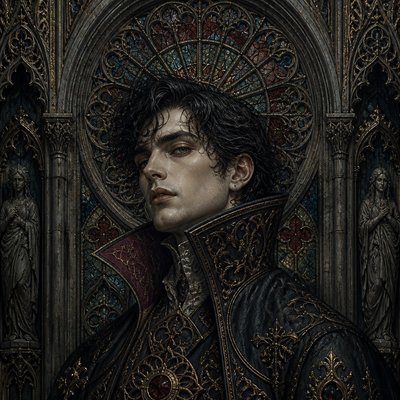
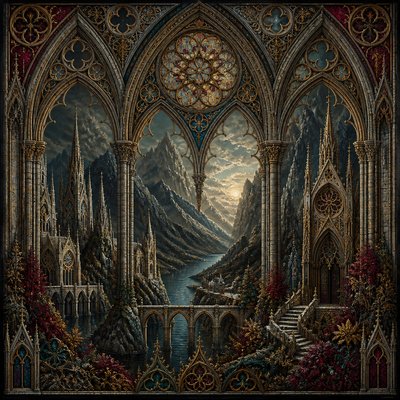
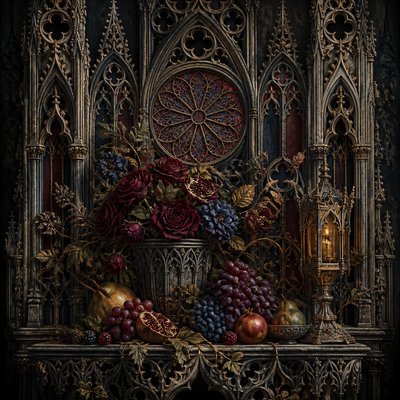
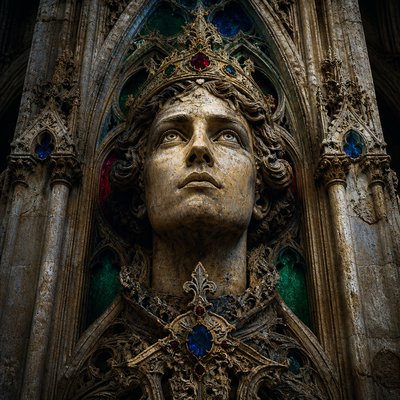
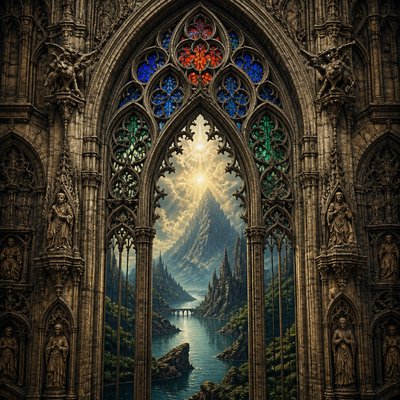
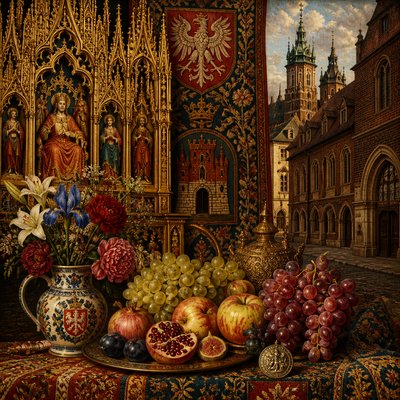
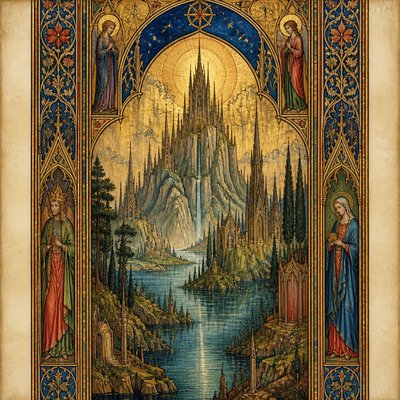
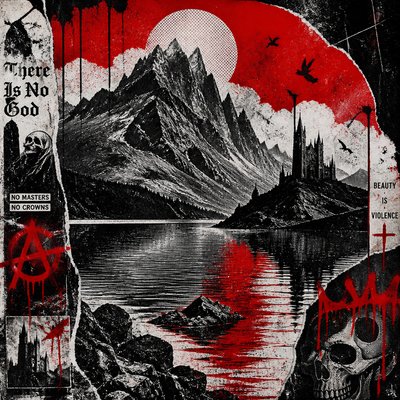
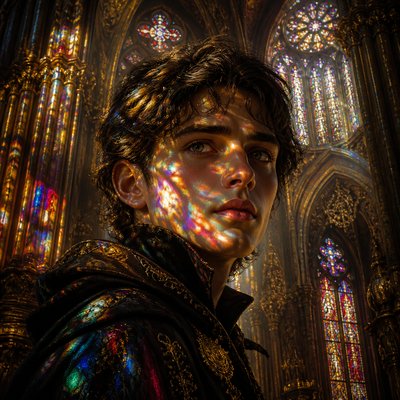
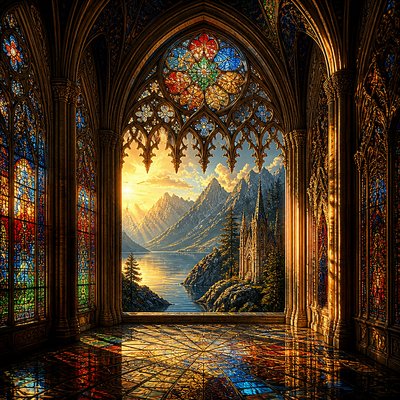
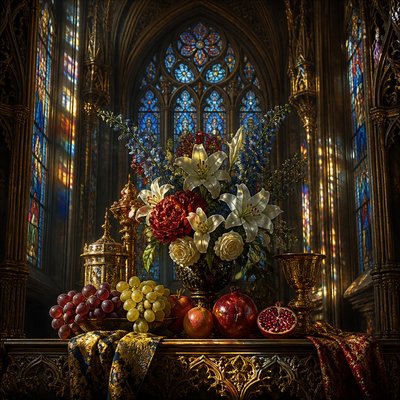
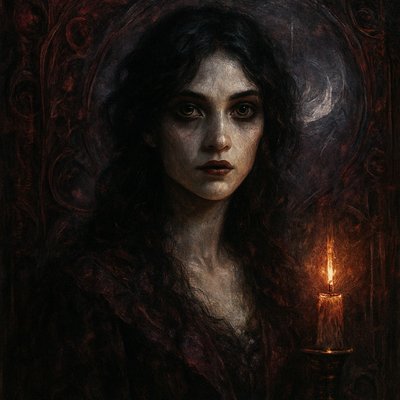
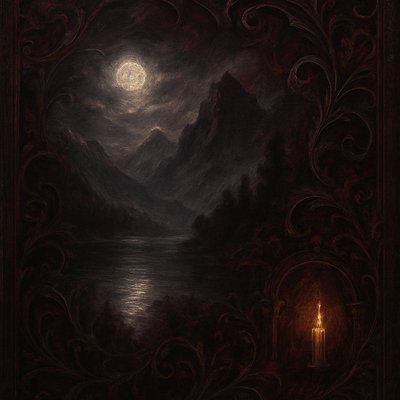
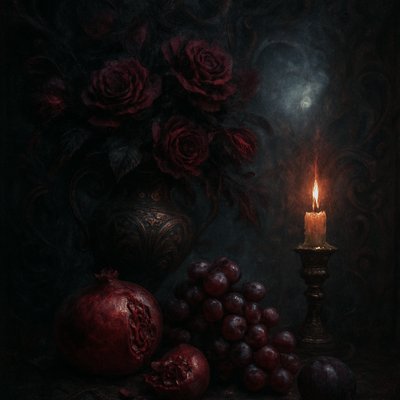
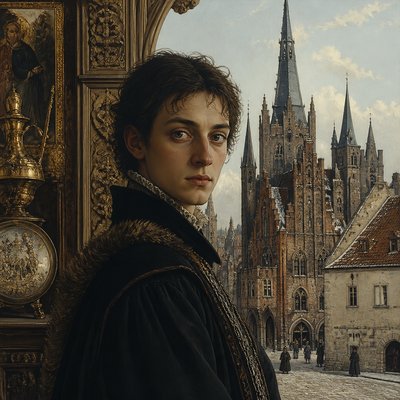
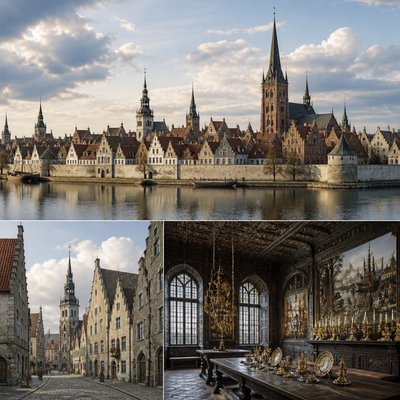
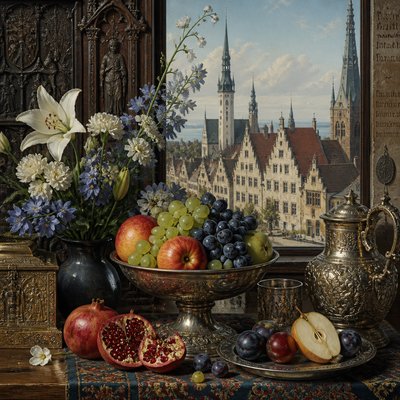
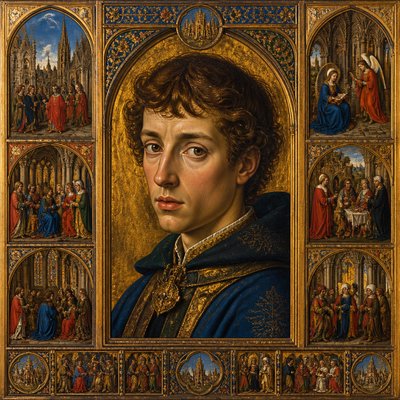
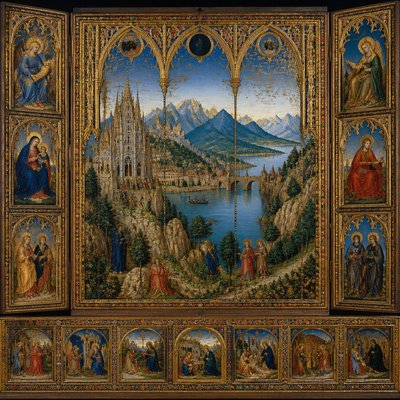
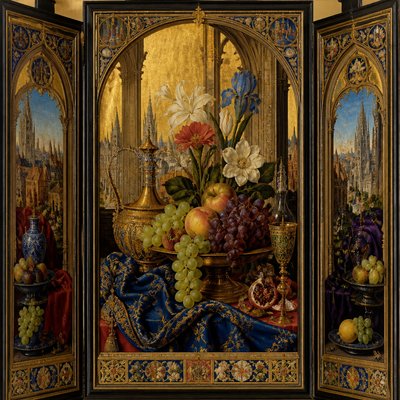
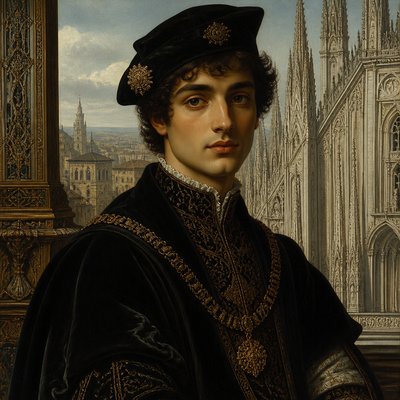
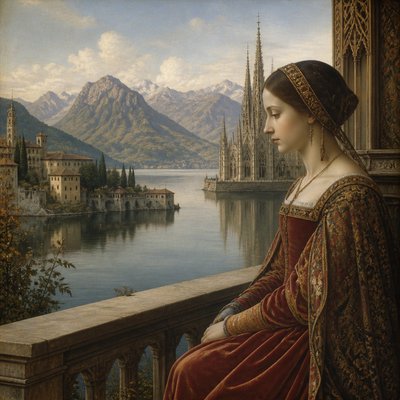
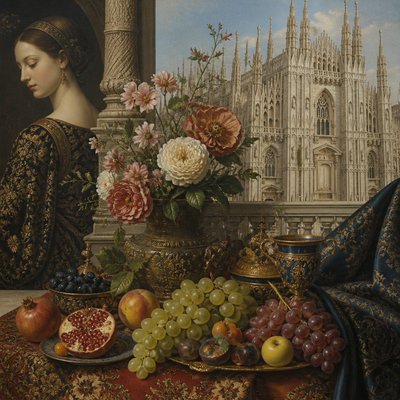
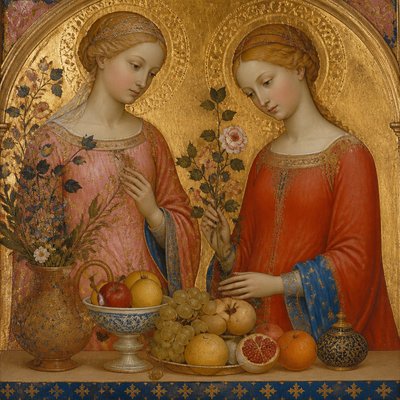
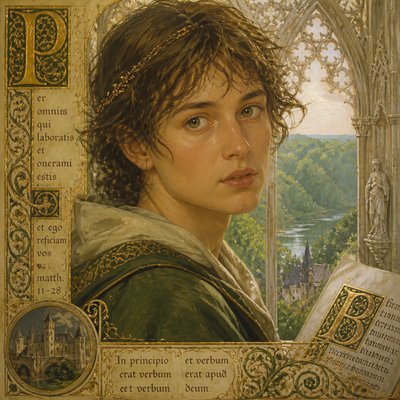
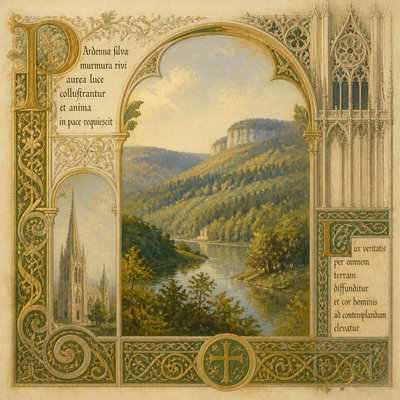
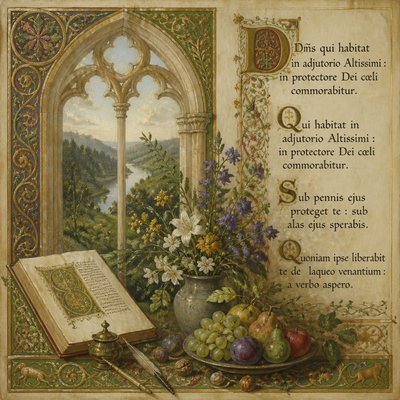
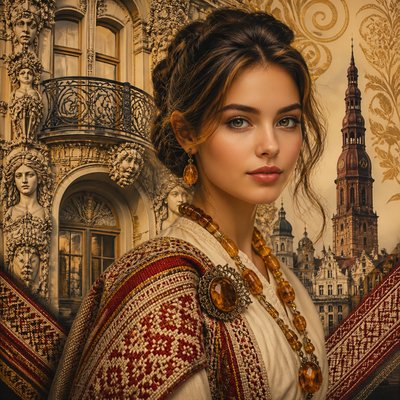
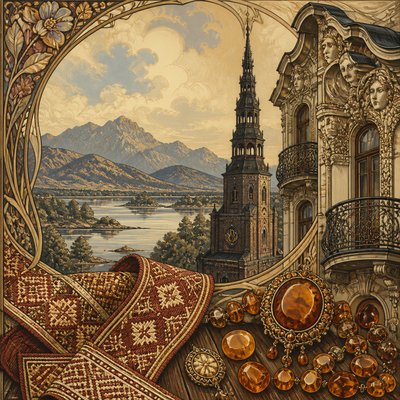
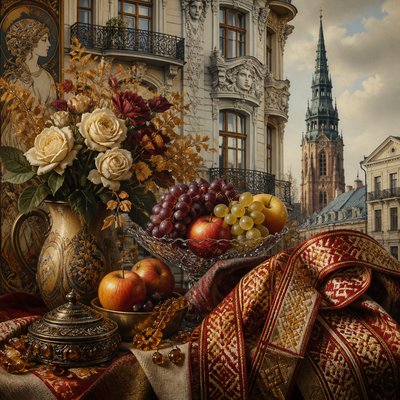
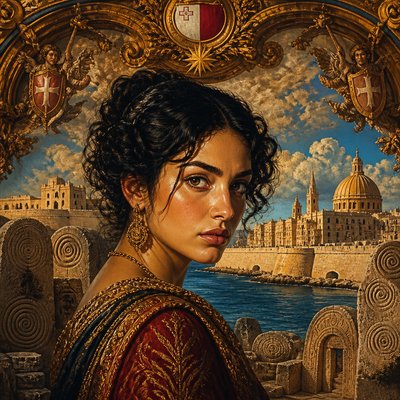
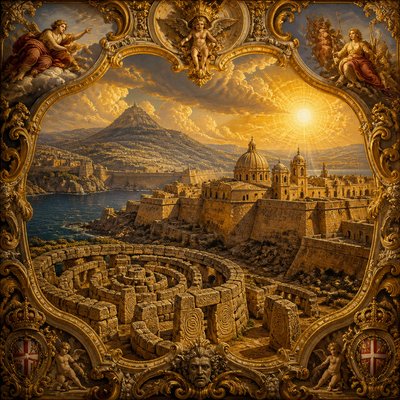
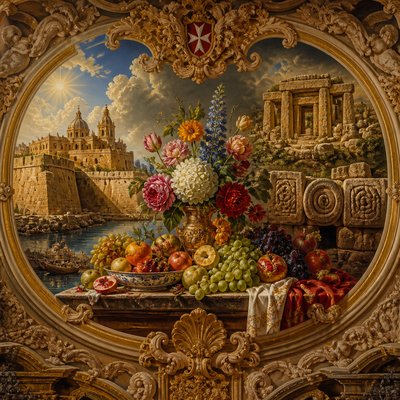
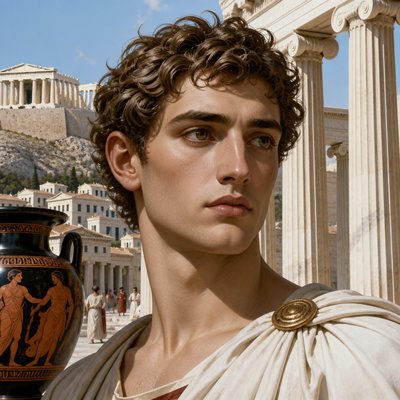
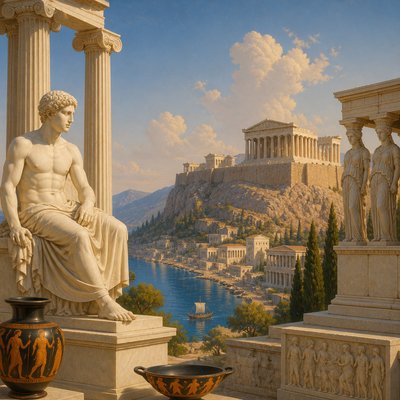
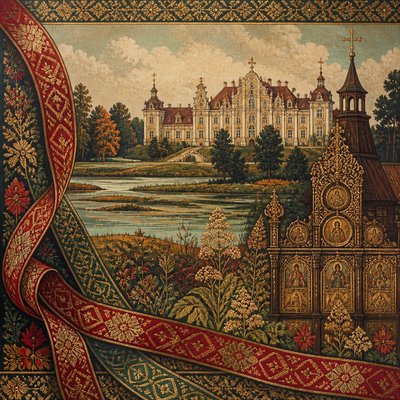
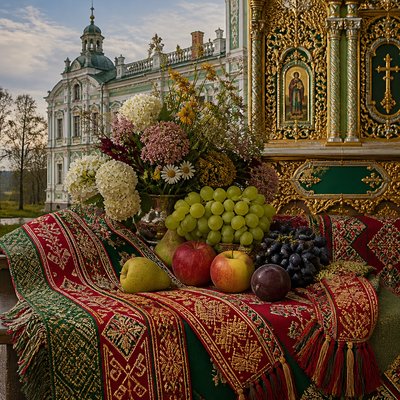
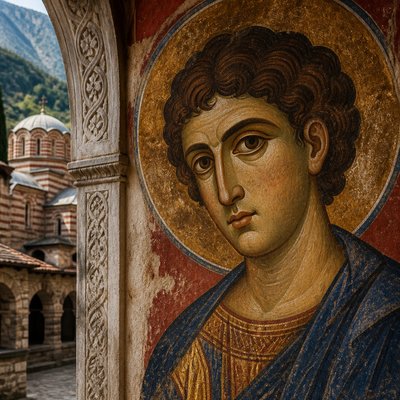
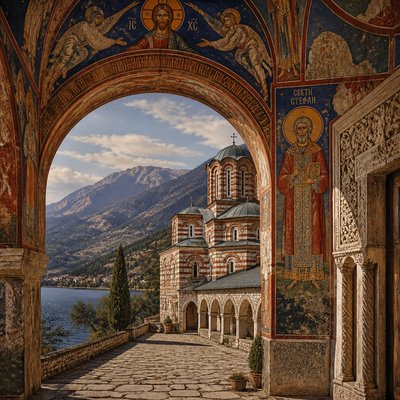
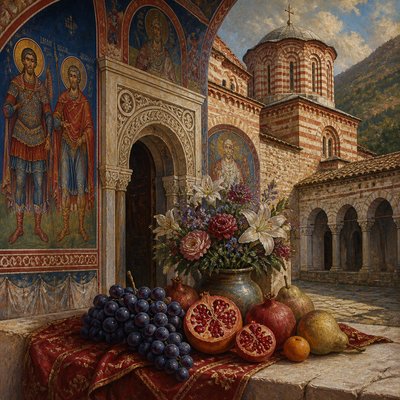
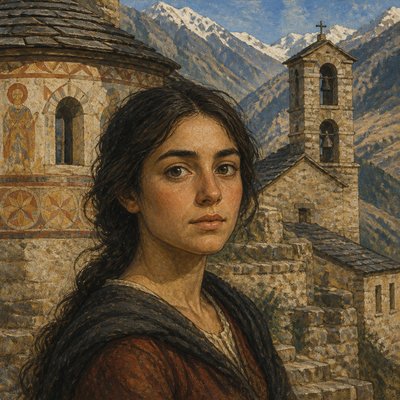
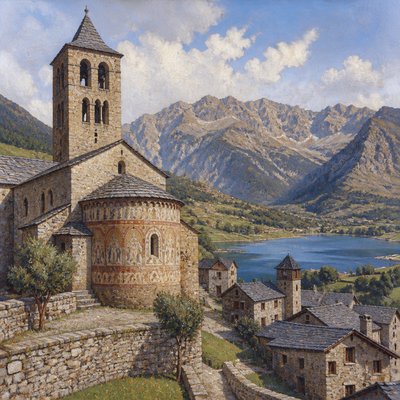
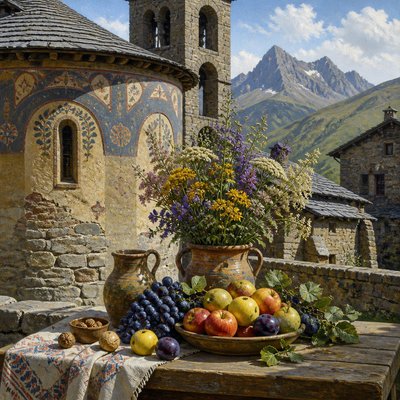
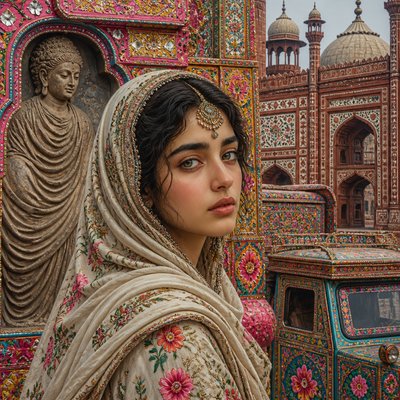
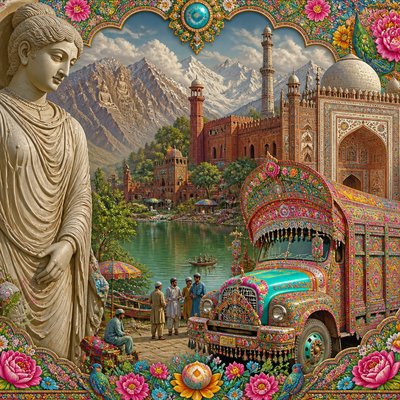
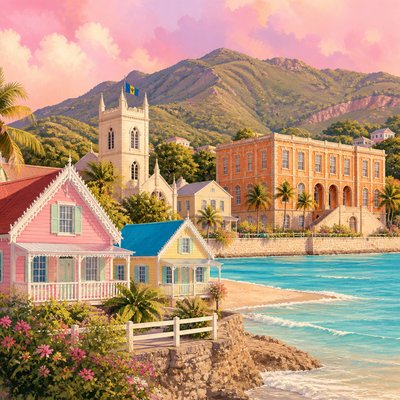
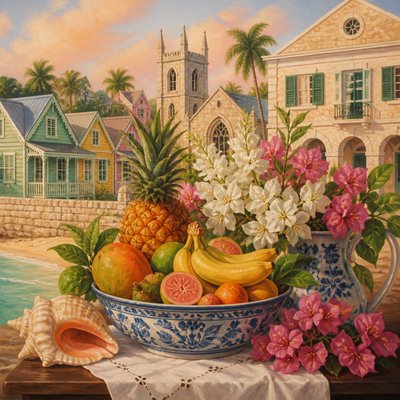
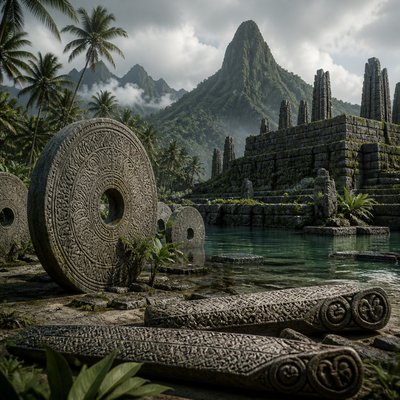
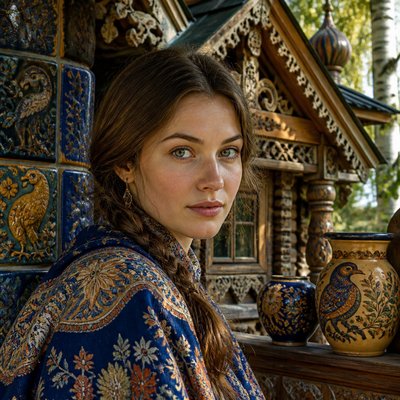
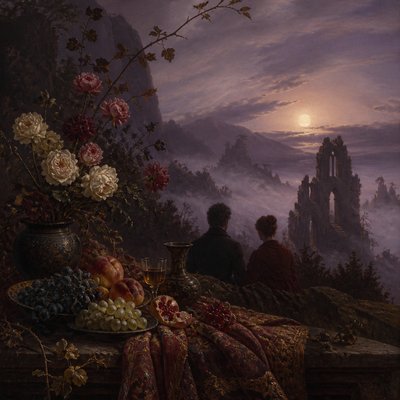
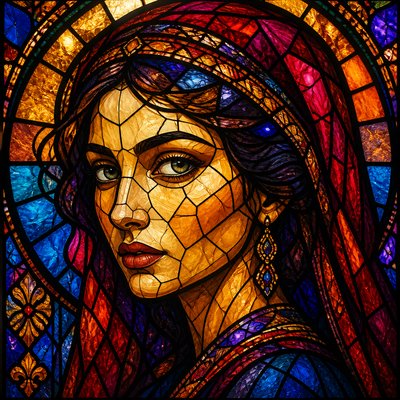
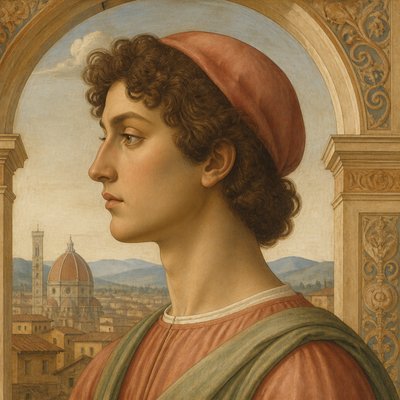
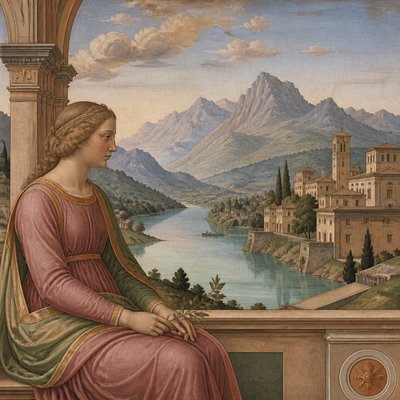
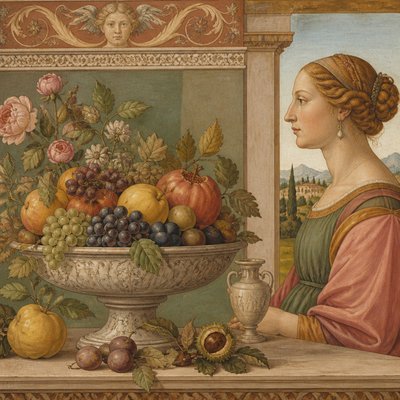
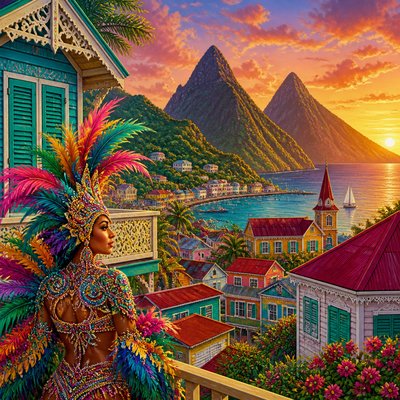
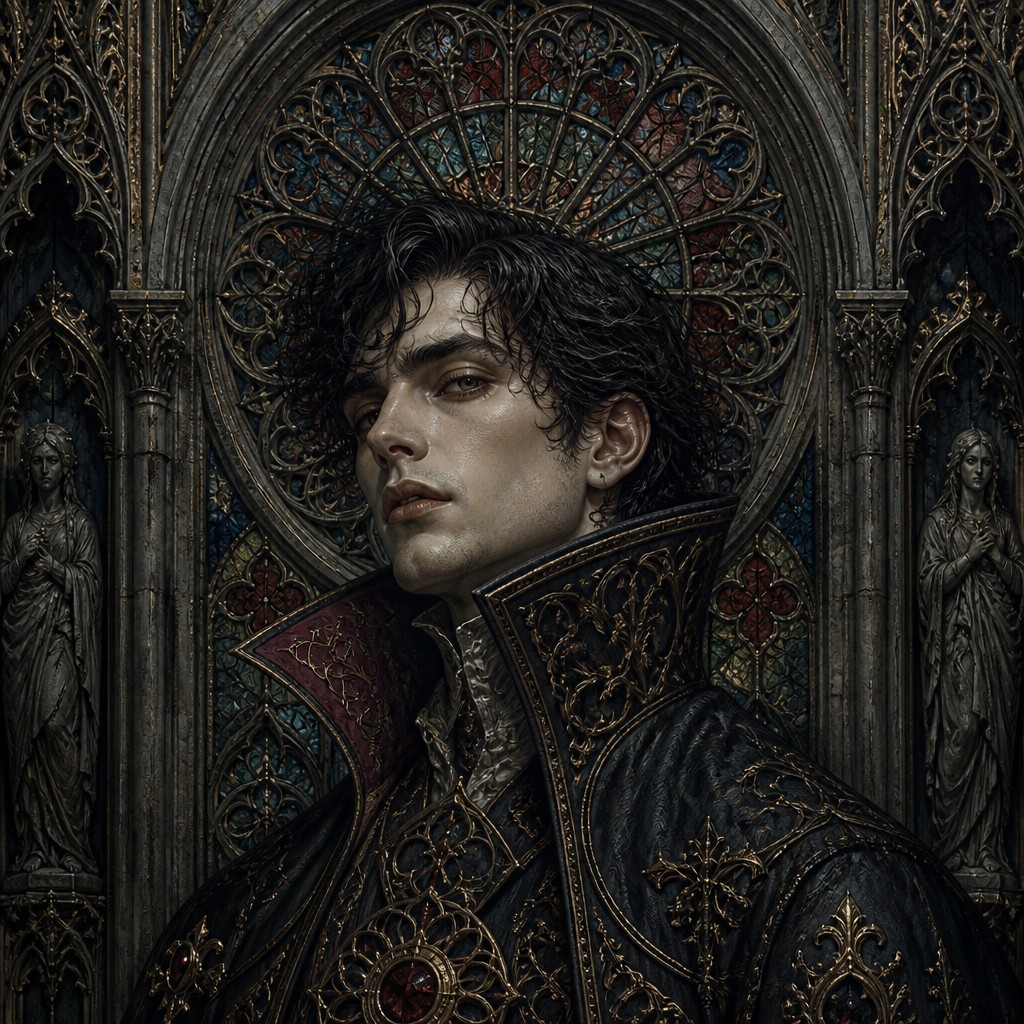
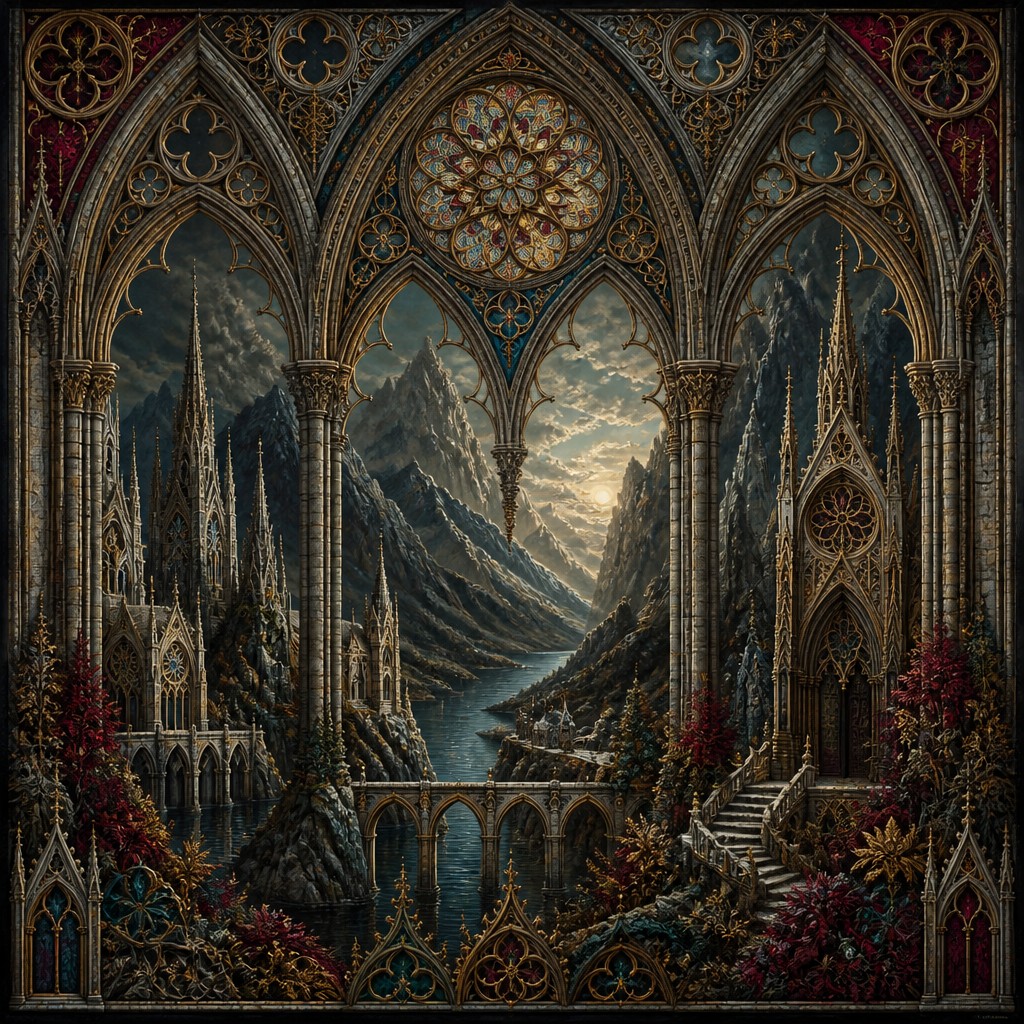
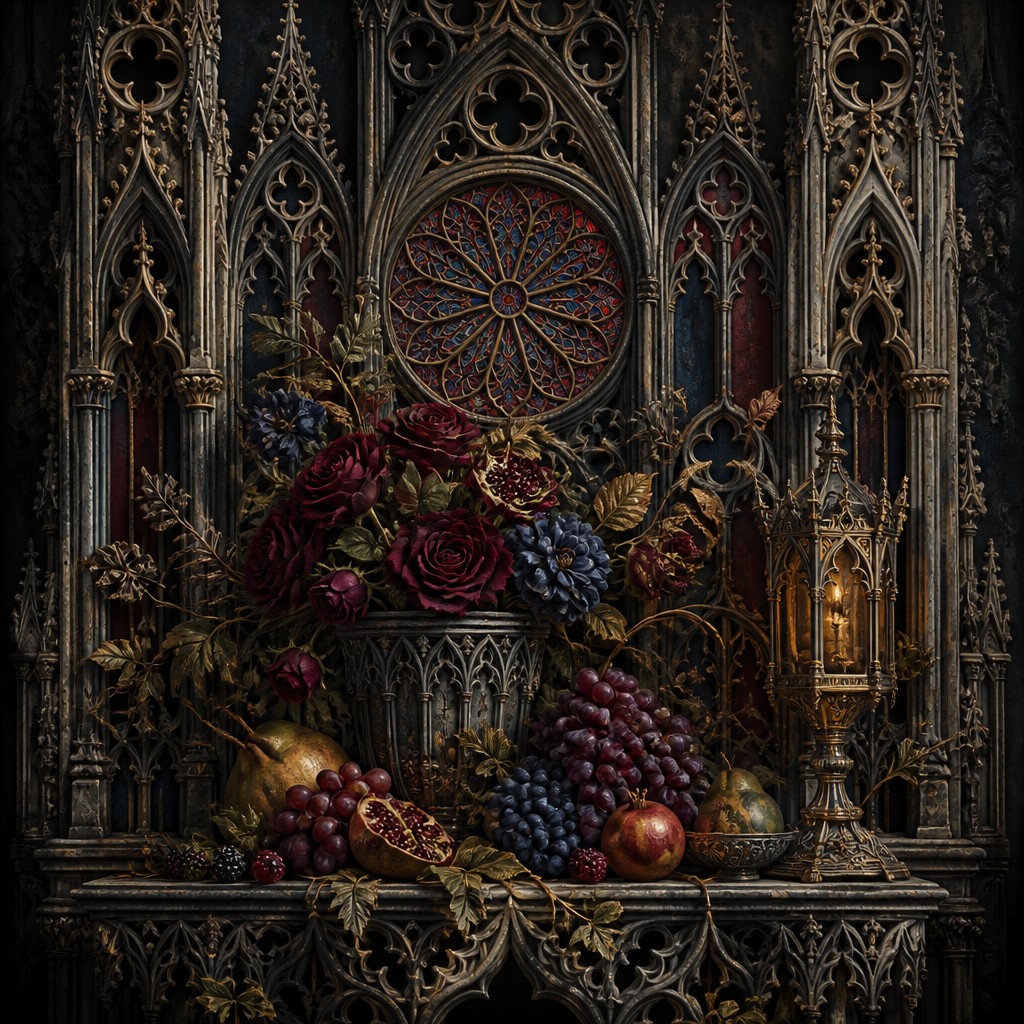
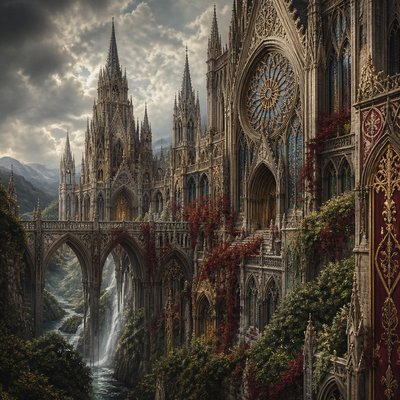
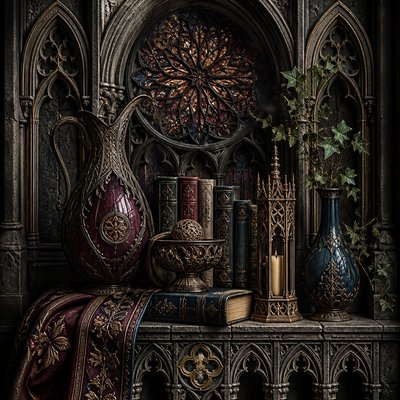
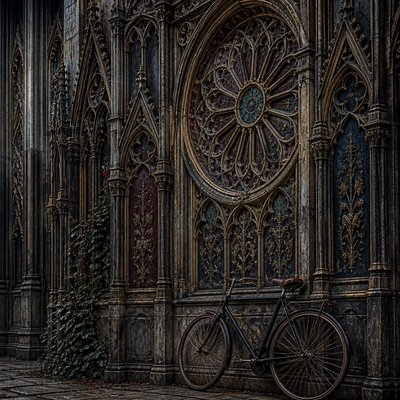
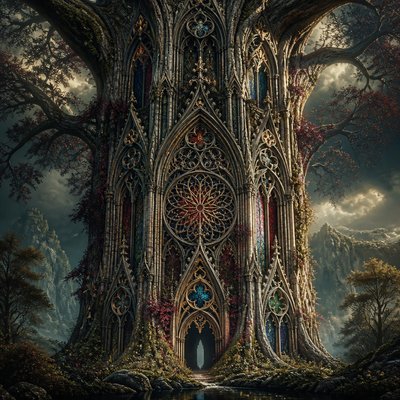
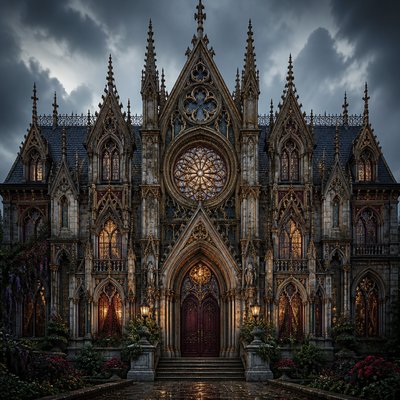
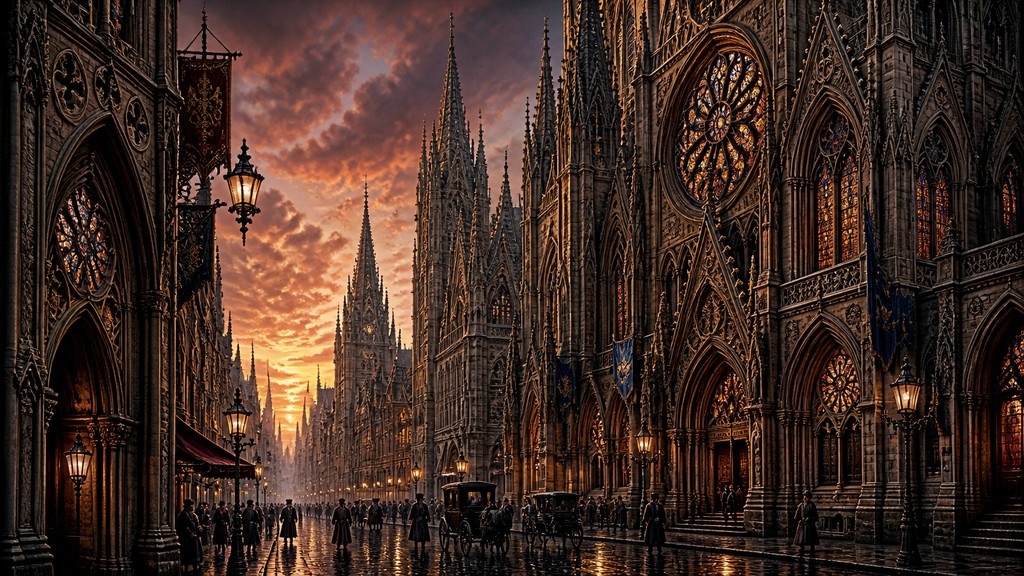
Gothic architecture art features soaring spires, rose windows, flying buttresses, and ornate stonework in dramatic, vertical compositions.
Instantly rendered in Gothic Architecture — or transform a photo
Gothic Architecture Gallery
Tap any artwork to explore it
What is Gothic Architecture Art?
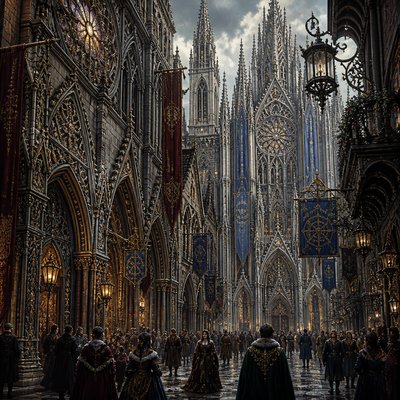
Gothic Architecture Art is the visual representation of medieval European Gothic buildings, especially cathedrals, abbeys, and civic monuments designed to emphasize height, light, and structural complexity. Its core motifs include pointed arches, ribbed vaults, flying buttresses, rose windows, pinnacles, and dense carved ornament, all arranged to guide the eye upward in a sense of aspiration and grandeur.
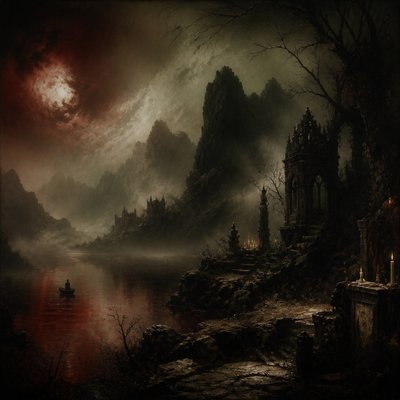
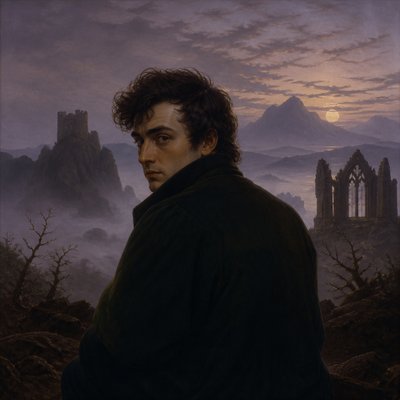
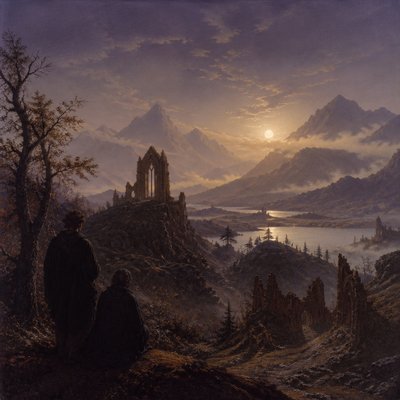
As an art style, it is defined not only by the architecture itself but by the way that architecture is depicted. Artists often heighten the contrast between massive stone surfaces and delicate tracery, using dramatic lighting, atmospheric haze, and richly textured detail to create a solemn, sublime mood. The style looks the way it does because Gothic design was built around both engineering innovation and symbolic expression: structures had to stand tall while also communicating spiritual power, civic prestige, and reverence.
Try It On Your Photos
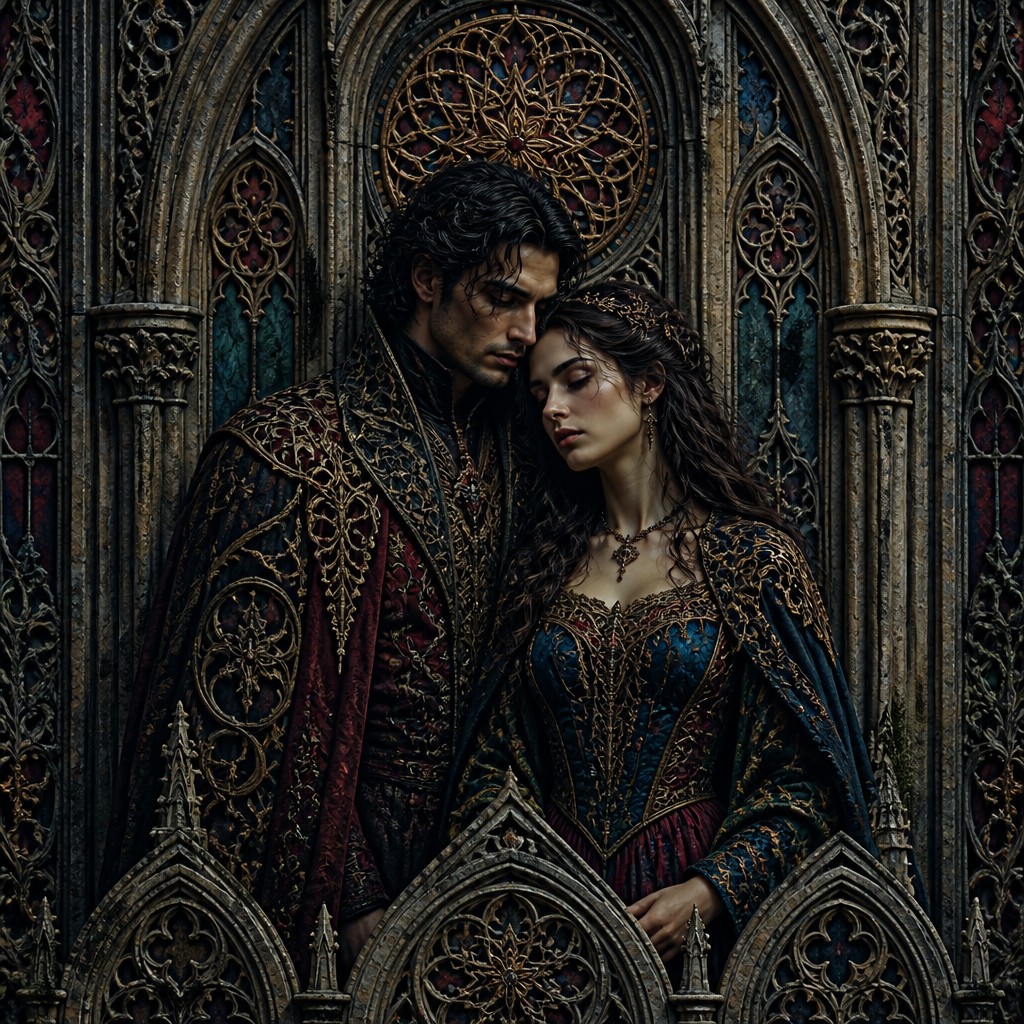
Upload any photo and convert it into Gothic Architecture Art — drag the sliders to compare before and after.
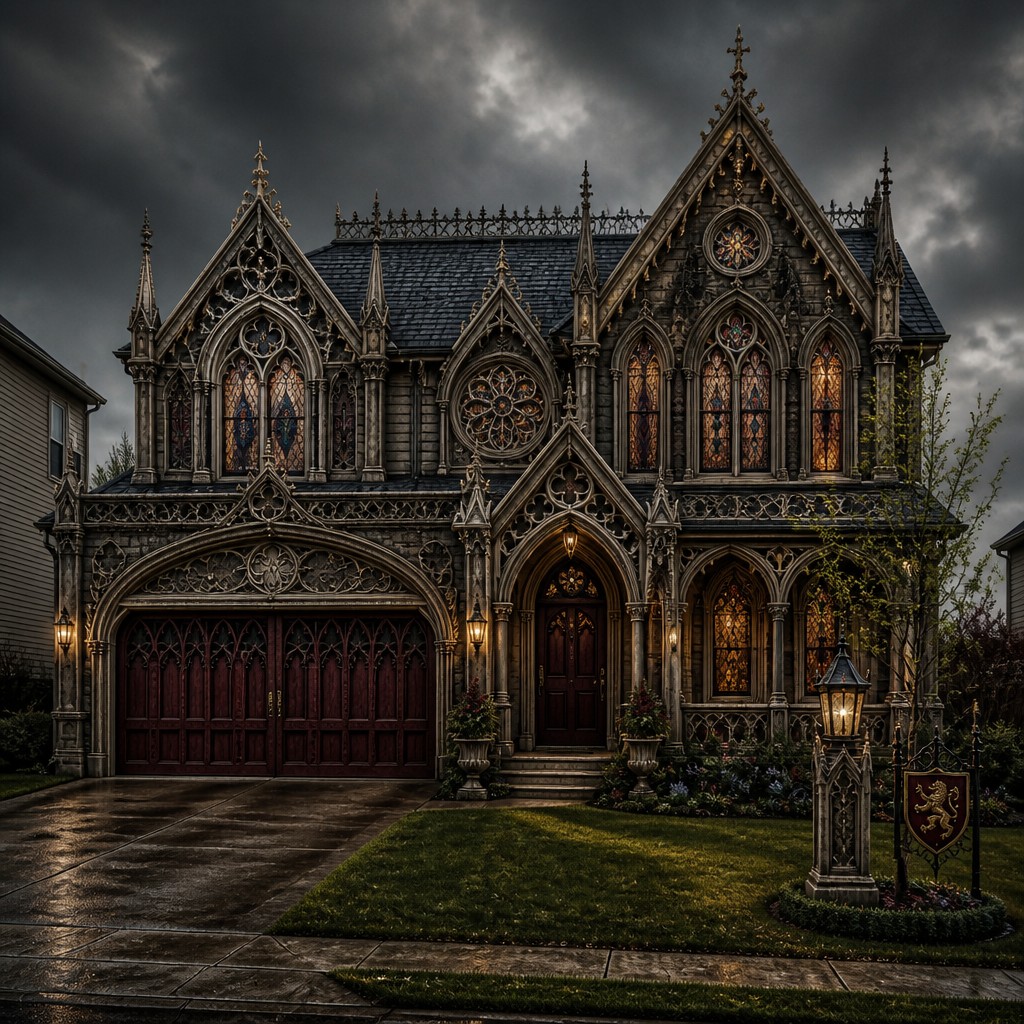
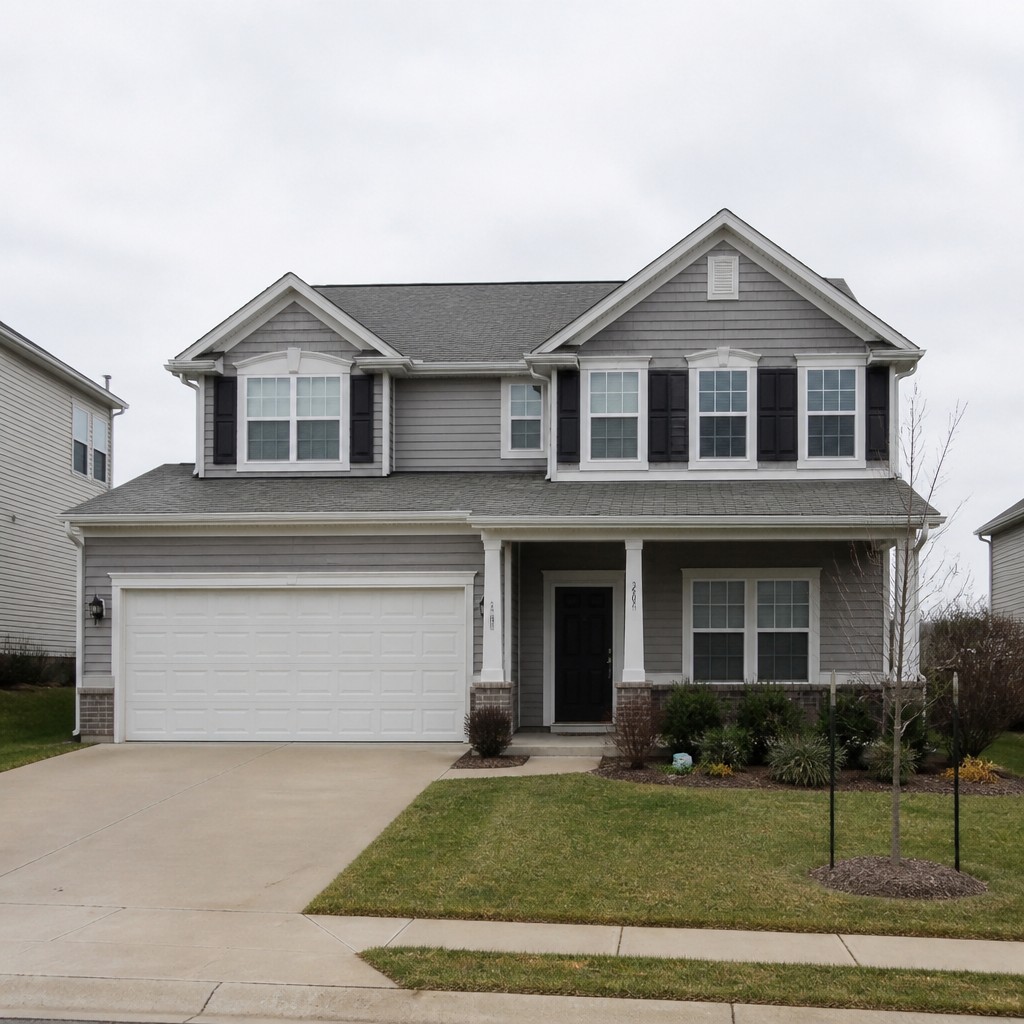
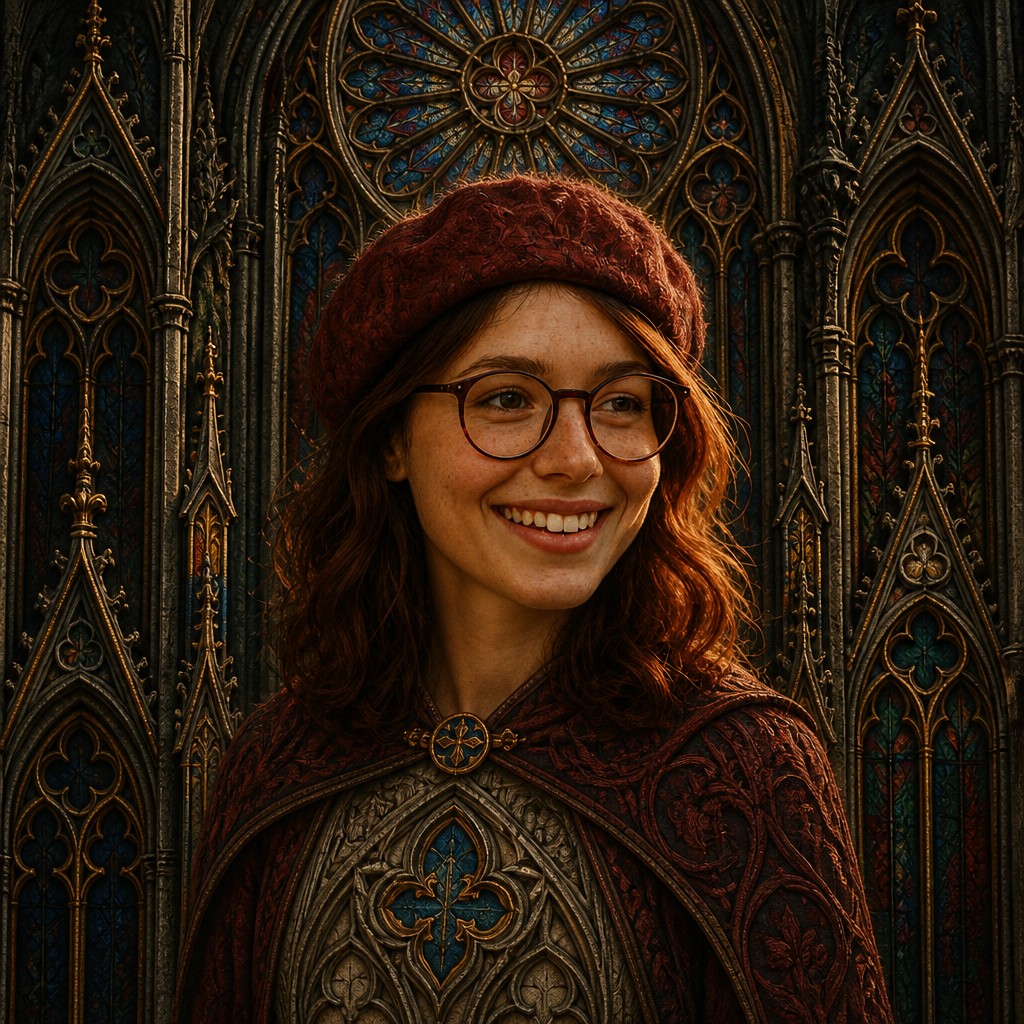

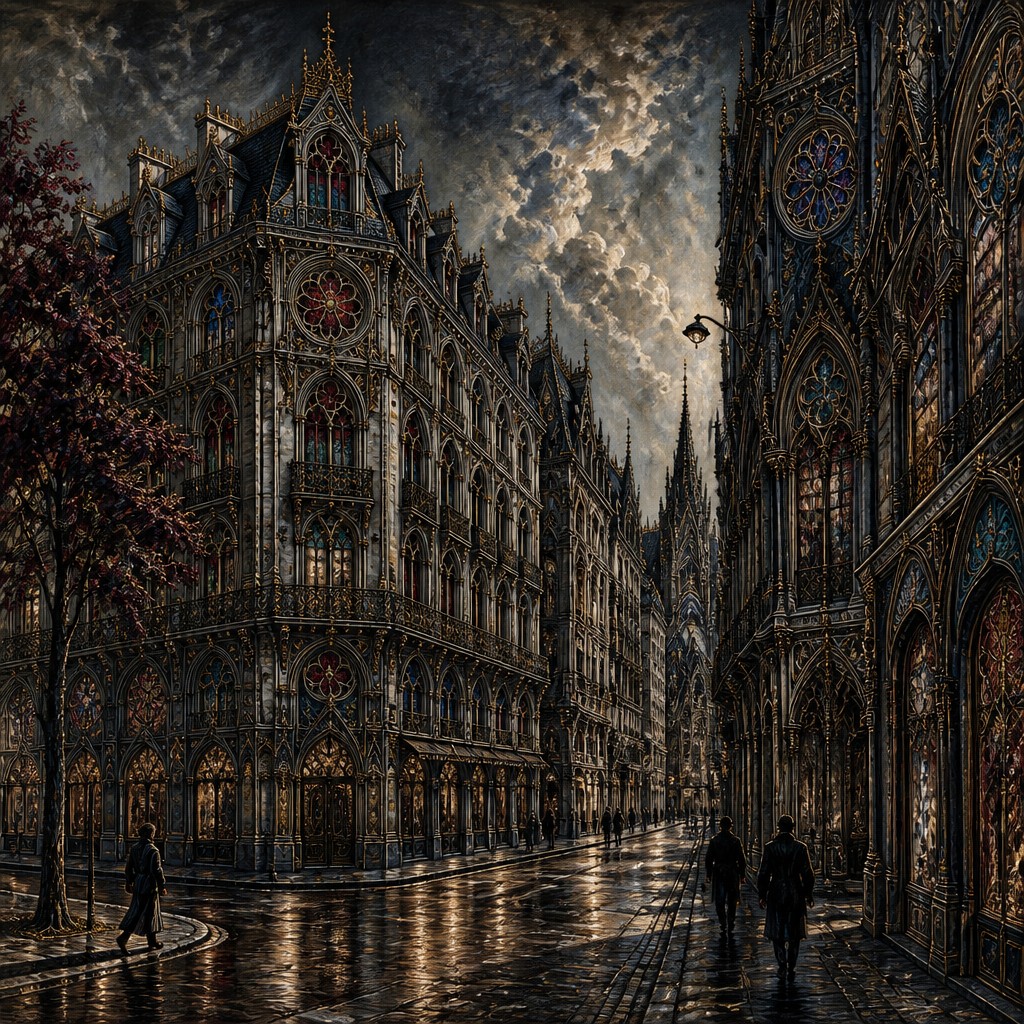

What Defines Gothic Architecture Art
The signature details, up close
Vertical emphasis
Compositions stress height through spires, lancet windows, clustered columns, and upward-thrusting façades. The eye is led from base to pinnacle, reinforcing the sense of aspiration that defines Gothic design.
Pointed arches and ribbing
Pointed arches recur in portals, arcades, windows, and vaults, often paired with ribbed ceilings and layered moldings. These shapes are both structurally plausible and visually rhythmic.
Flying buttresses and structural articulation
Exterior supports are often made prominent rather than hidden, creating a lace-like skeleton of stone. Their presence gives the building a dynamic, engineered silhouette.
Rose windows and tracery
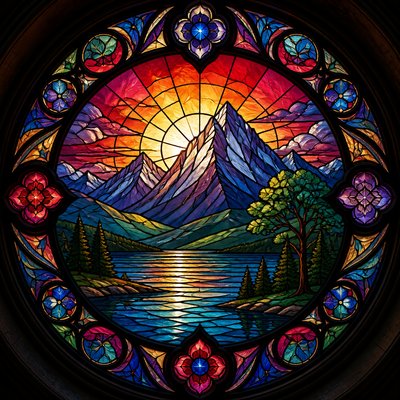
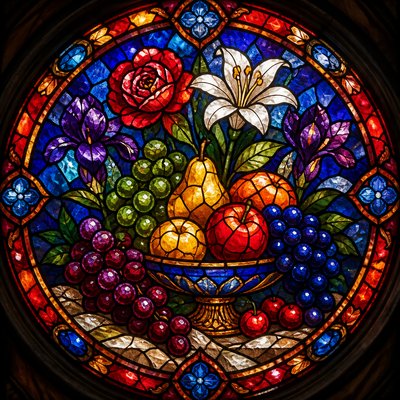
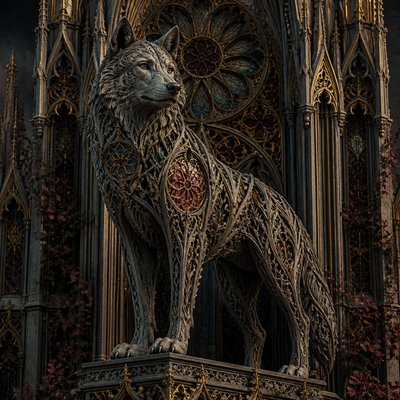
Large circular windows with radiating stone patterns serve as focal points, especially on façades and transepts. Fine tracery, cusps, and mullions create a filigree effect that contrasts with the mass of the walls.
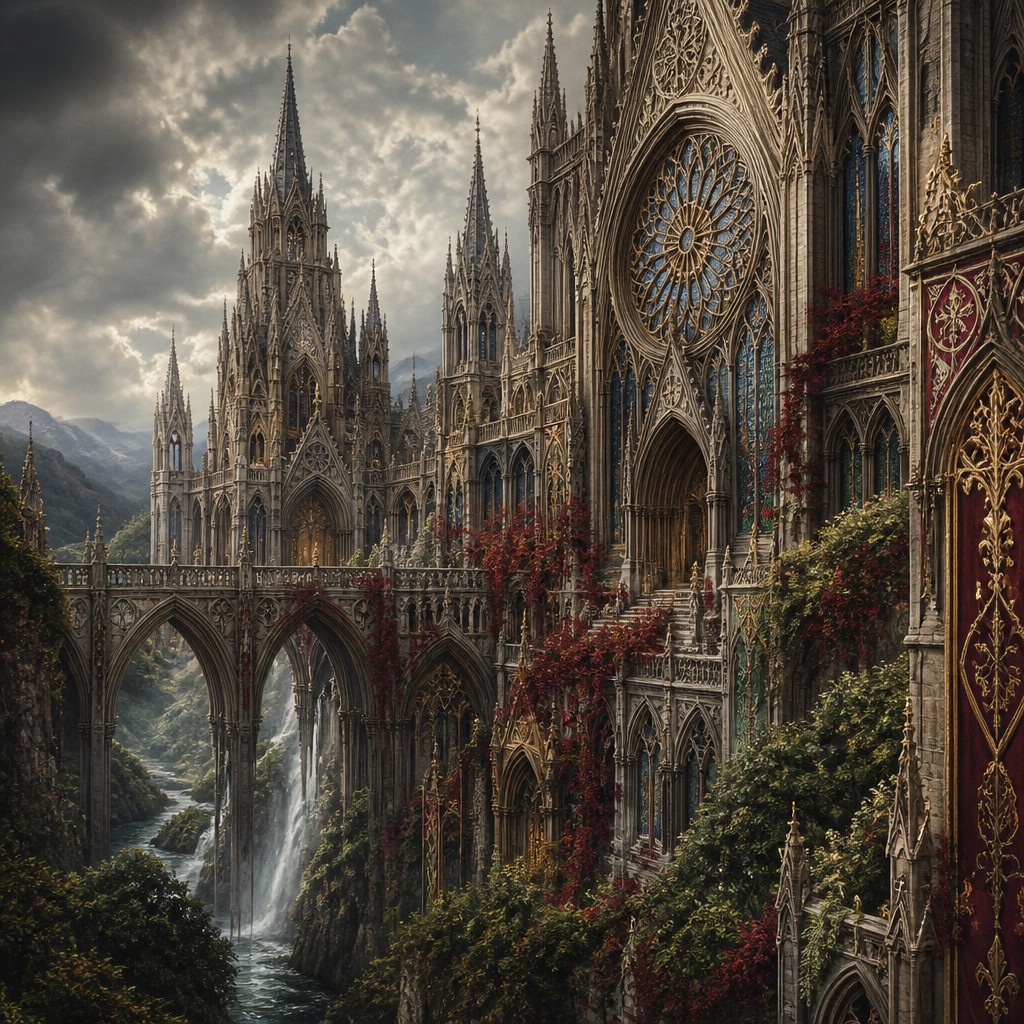
Ornate stone carving
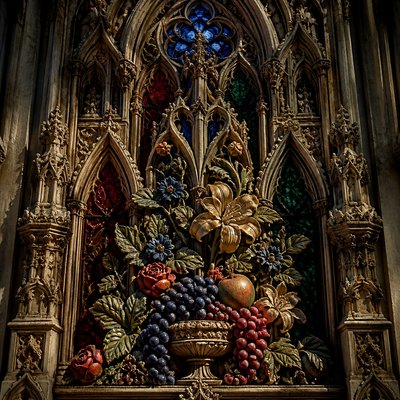
Crockets, finials, quatrefoils, foliate capitals, and relief sculpture enrich the surfaces. The detail often feels handcrafted and dense, as if every edge has been carved with intention.
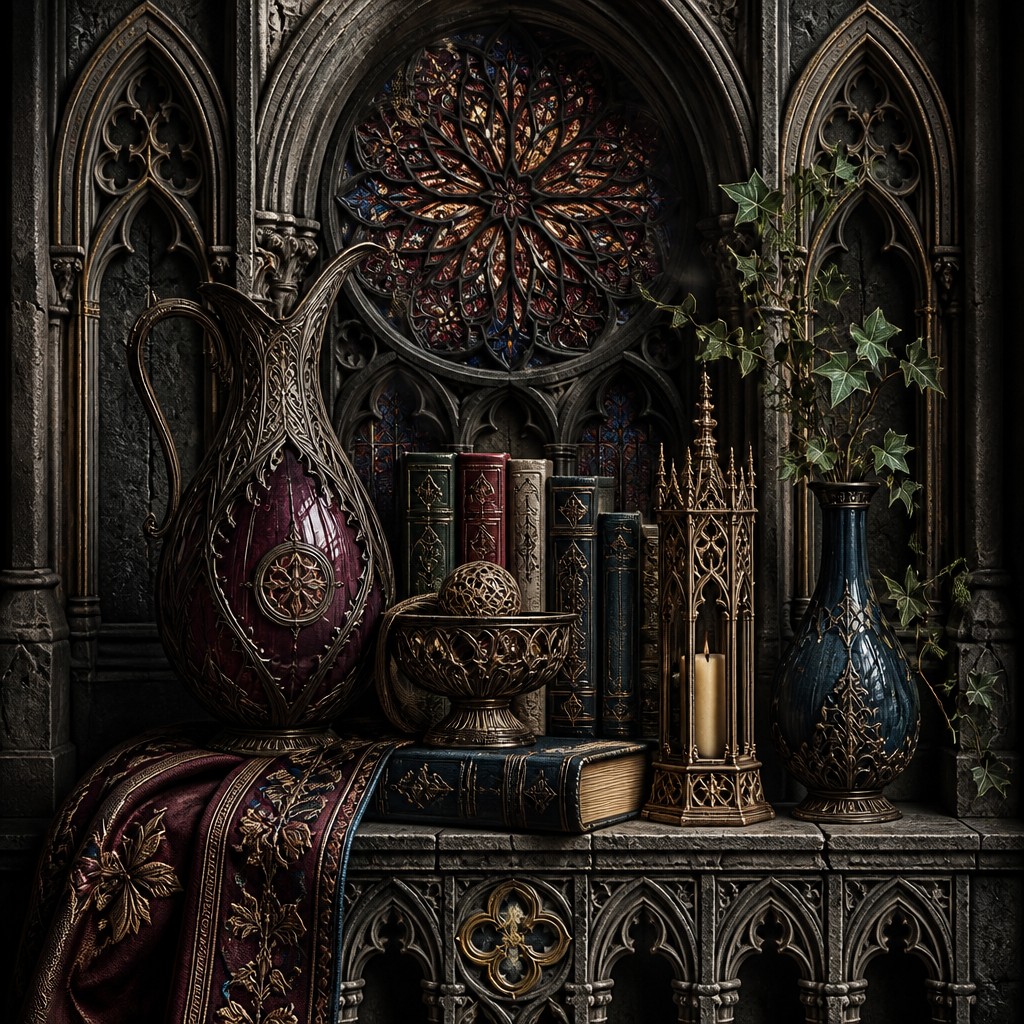
Dramatic atmosphere
Shadows, mist, dusk light, and chiaroscuro are frequently used to amplify solemnity and scale. The mood is often reverent, brooding, or sublime rather than purely decorative.
Try It
Create Videos in Gothic Architecture Art
Styles aren't just for stills — describe a scene or animate an image and get a short video rendered in Gothic Architecture. Press play to see this pond come to life.
Make a VideoGothic Architecture Prompt Ideas
Start from an idea — each one opens the generator with the style ready to go. See all 40 Gothic Architecture prompts →
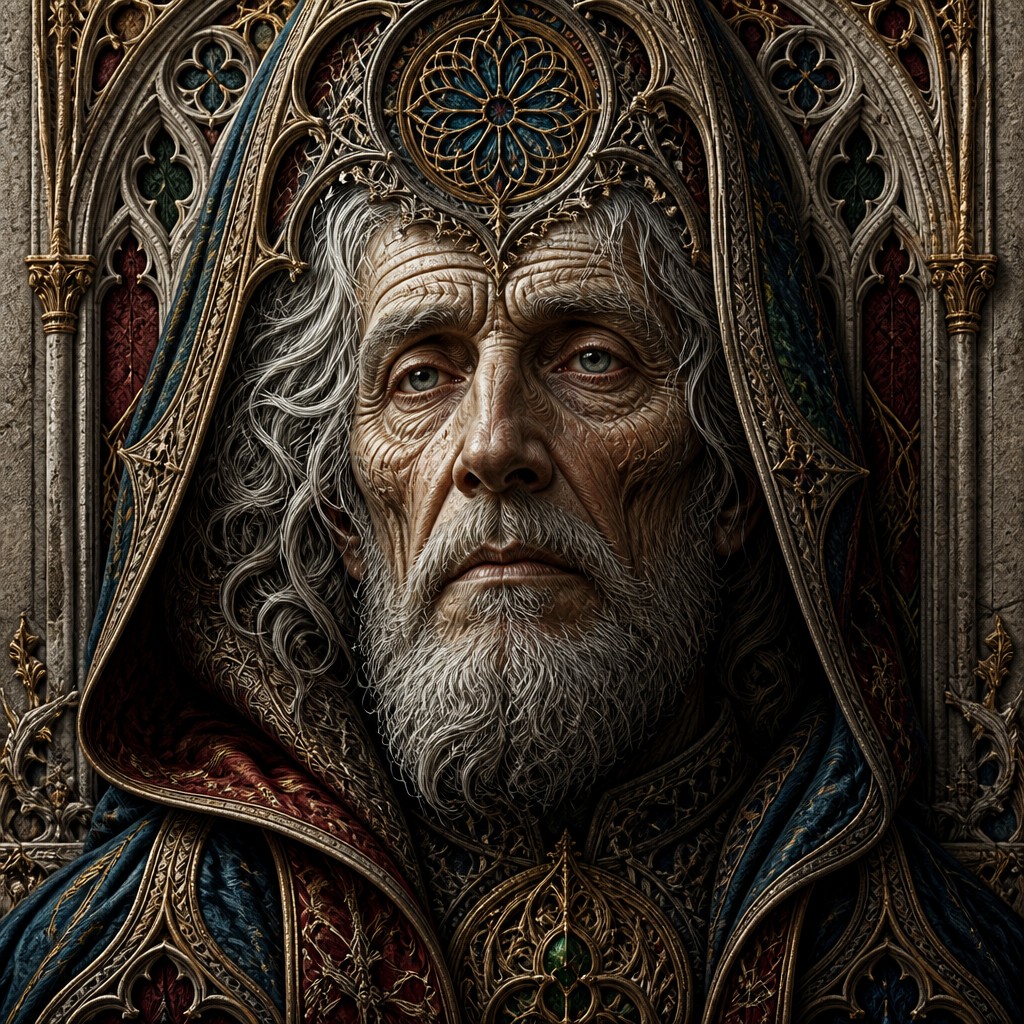
“close-up portrait of an elderly person with expressive weathered features”
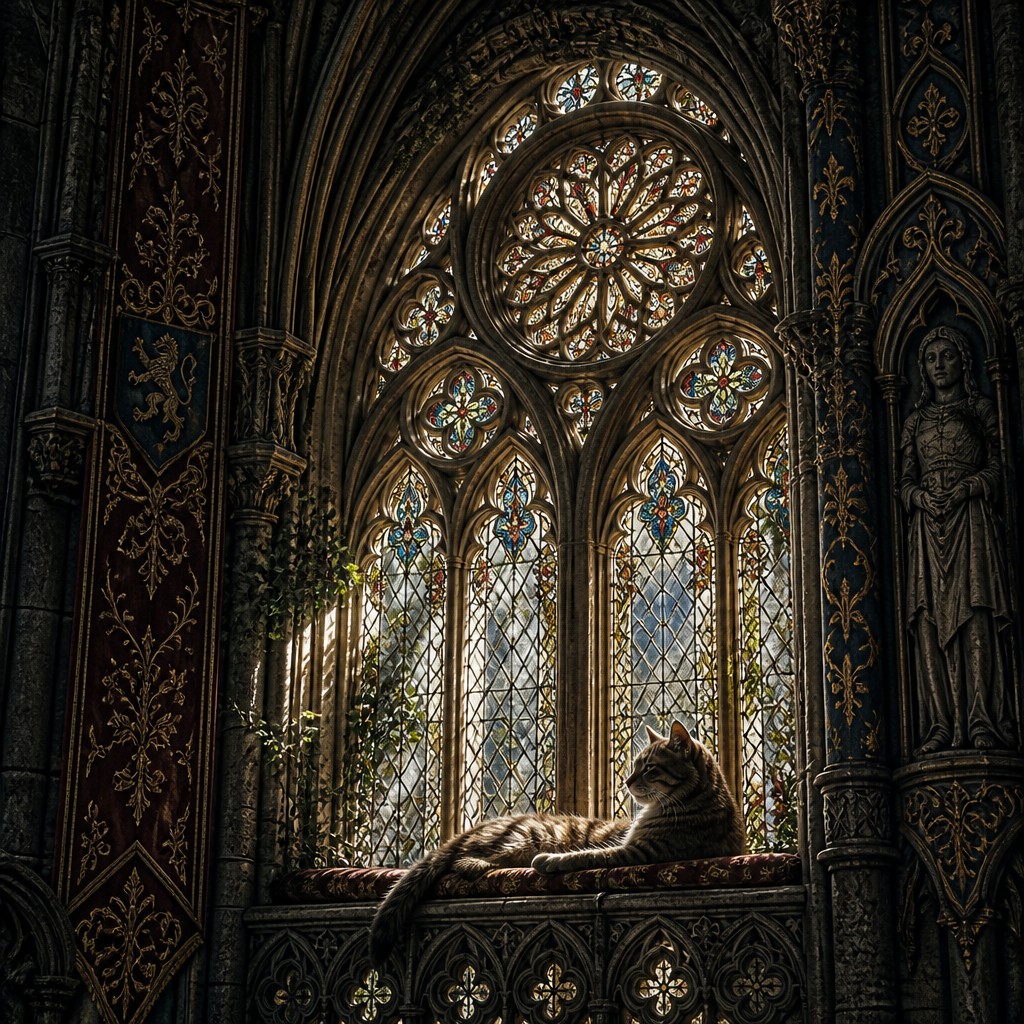
“a cat lounging in a sunlit window”
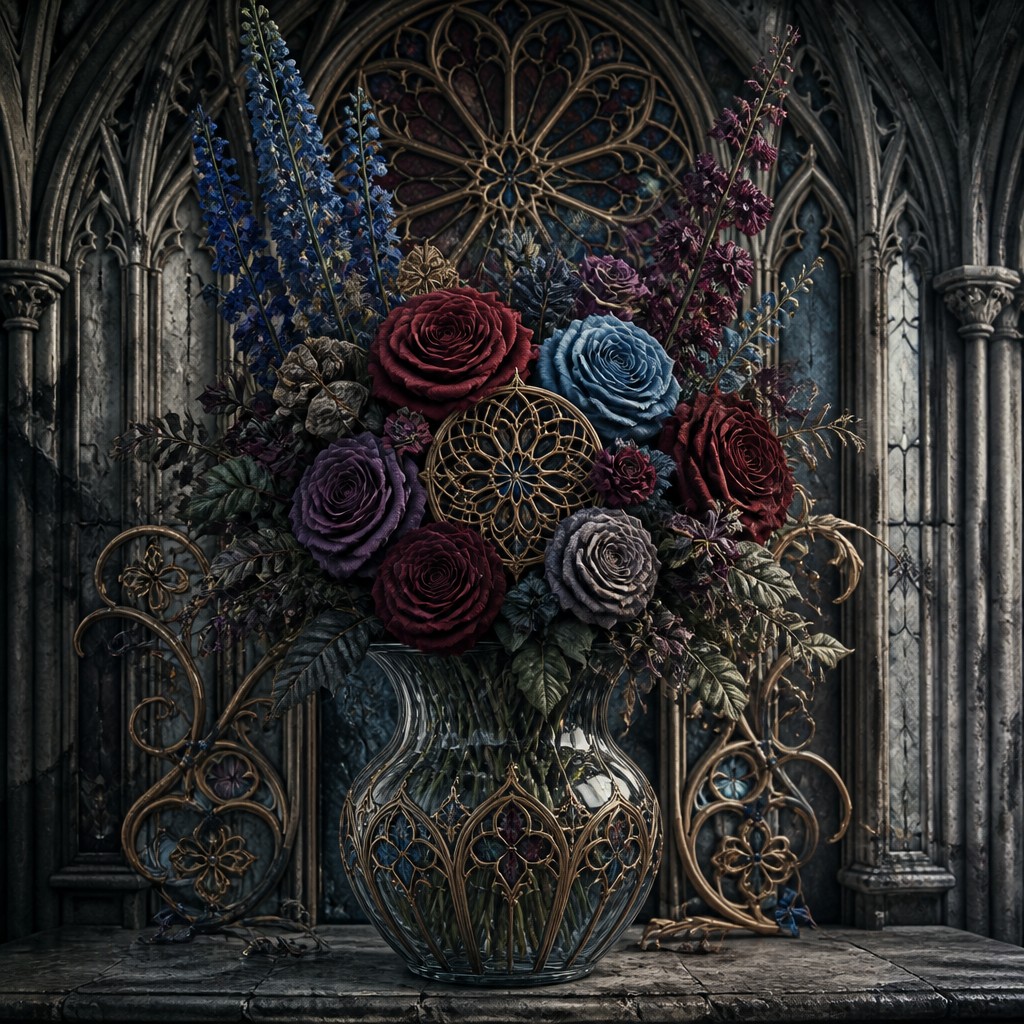
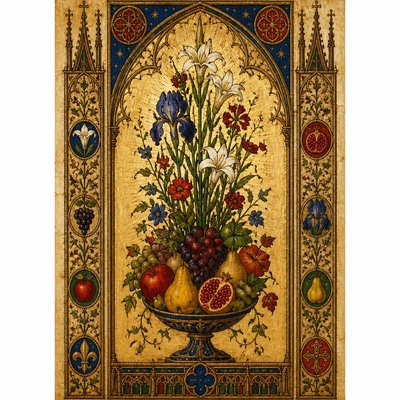
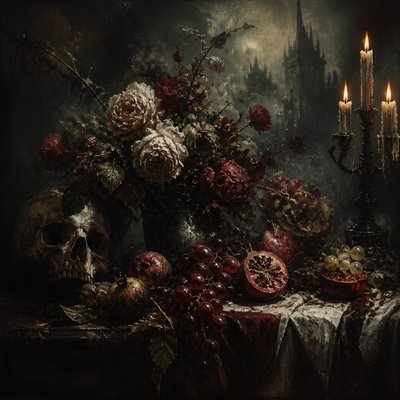
“bouquet of flowers in a glass vase”
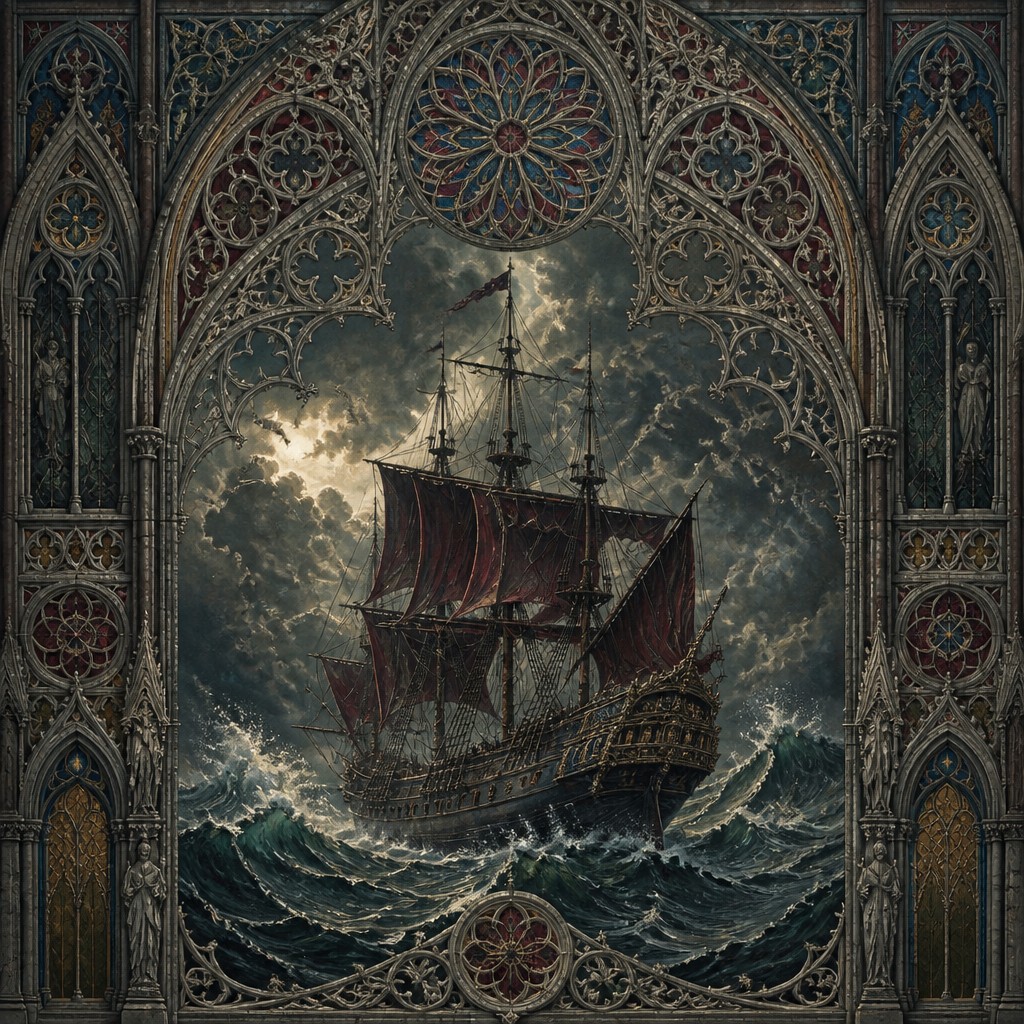
“sailing ship on a stormy sea”
How to Create Gothic Architecture Art
Master the craft step by step — or skip straight to creating. Read the full guide →
- 1
Build the silhouette first
Start with a strong vertical composition: a central tower, twin spires, or a long nave framed by buttresses. In drawing or digital painting, block in the major masses before adding tracery so the structure reads clearly from a distance.
- 2
Use disciplined ornament
Add Gothic details in layers, beginning with the main architectural features and then refining arches, moldings, crockets, and window geometry. Too much random decoration can weaken the design, so keep ornament tied to structural lines.
- 3
Control light and stone texture
Render weathered masonry with subtle value shifts, edge wear, and surface irregularities rather than flat gray. Strong side lighting or backlighting helps reveal carving depth and creates the moody contrast associated with the style.
- 4
Emphasize focal windows
Place a rose window, lancet cluster, or glowing nave opening where the viewer’s eye should rest. Colored glass effects can be suggested with restrained accents of burgundy, blue, green, and gold.
- 5
When prompting, specify architecture and mood
Mention the key forms directly: pointed arches, flying buttresses, spires, ribbed vaults, stone tracery, and rose window. Add atmosphere words such as twilight, mist, chiaroscuro, and monumental scale to steer the image toward a convincing result.
The Story
History & Origins of Gothic Architecture
Gothic architecture originated in 12th-century northern France and spread across Europe through the late medieval period, lasting roughly until the 16th century in many regions. It developed from Romanesque precedents and introduced structural solutions such as the pointed arch, ribbed vault, and flying buttress, which allowed buildings to become taller and to open their walls for large stained-glass windows. Major medieval cathedrals such as those at Chartres, Reims, Amiens, and Notre-Dame de Paris became enduring references for later architectural imagery.
The Gothic visual language returned strongly in the 18th- and 19th-century Gothic Revival, when architects, illustrators, and designers reinterpreted medieval forms for new religious, civic, and domestic projects. This revival helped establish the romantic, atmospheric image of Gothic buildings that persists in modern illustration, fantasy art, and cinematic design. Contemporary Gothic Architecture Art draws from both the historical medieval originals and the revival tradition, combining architectural accuracy with heightened mood and ornament.
Influences: This style is rooted in the medieval Gothic architecture of France, England, Germany, and Spain, and in the later Gothic Revival that reinterpreted medieval forms for new audiences. Its visual language overlaps with Romantic art’s fascination with ruins and the sublime, as well as with architectural drawing traditions that prioritize precision, symmetry, and ornament. In a broader sense, it also informs fantasy illustration and cinematic production design, where its monumental verticality and carved detail are used to suggest history, mystery, and power.
Frequently Asked Questions
What defines Gothic Architecture Art?
It is defined by the visual features of Gothic buildings: pointed arches, flying buttresses, ribbed vaults, spires, and rose windows. The style usually emphasizes verticality, intricate stonework, and a dramatic, atmospheric presentation.
Is Gothic Architecture Art the same as Gothic Revival?
Not exactly. Gothic architecture refers to the medieval original, while Gothic Revival is the later reinterpretation of those forms in the 18th and 19th centuries. Many modern images blend both, especially when they use romantic lighting and highly detailed ornament.
How is this different from Romanesque architecture art?
Romanesque architecture tends to use round arches, thicker walls, and heavier, more compact forms. Gothic design is lighter in appearance, more vertical, and more open to large windows and decorative tracery.
What subjects work best in this style?
Cathedrals, abbeys, cloisters, ruined chapels, and cathedral interiors are the most recognizable subjects. It also works well for castles, civic halls, and fantasy settings that borrow Gothic architectural language.
How do I make Gothic Architecture Art look authentic?
Focus on structural logic as much as decoration. Use accurate architectural elements such as buttresses, vaults, and window tracery, then add stone texture, weathering, and lighting that emphasize scale and depth.
Where is Gothic Architecture Art commonly used?
It appears in architectural illustration, historical painting, fantasy concept art, editorial imagery, and heritage visualization. It is also popular in book covers, game environments, and film designs that need a solemn or majestic atmosphere.
Create your first Gothic Architecture artwork
Describe anything — or upload a photo — and see it in Gothic Architecture Art in seconds.
Make Something with Gothic Architecture
Compare Gothic Architecture
Related Styles
Discover similar art styles