Art Deco Jewelry Design
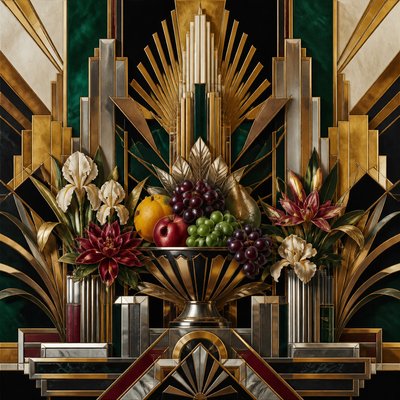
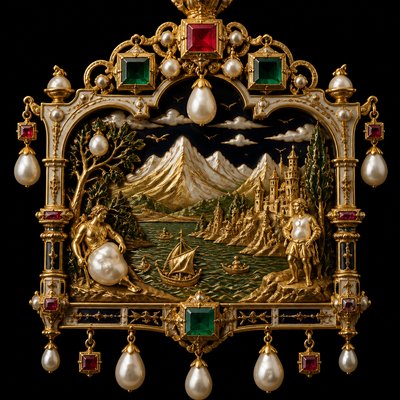
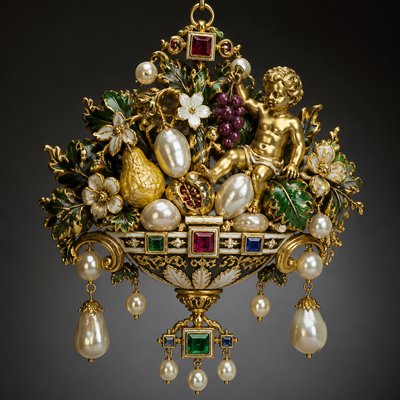
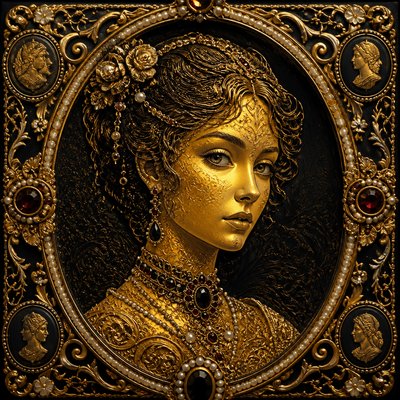
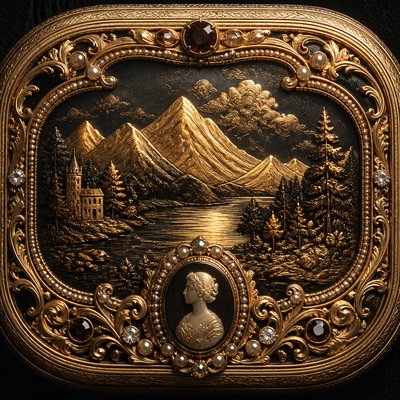
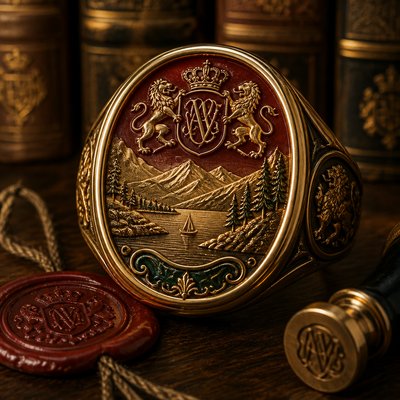
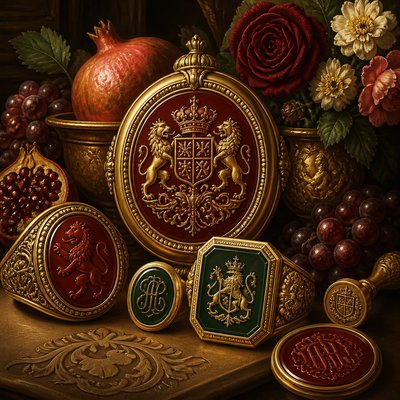
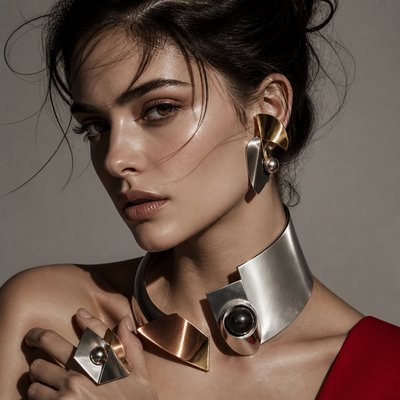
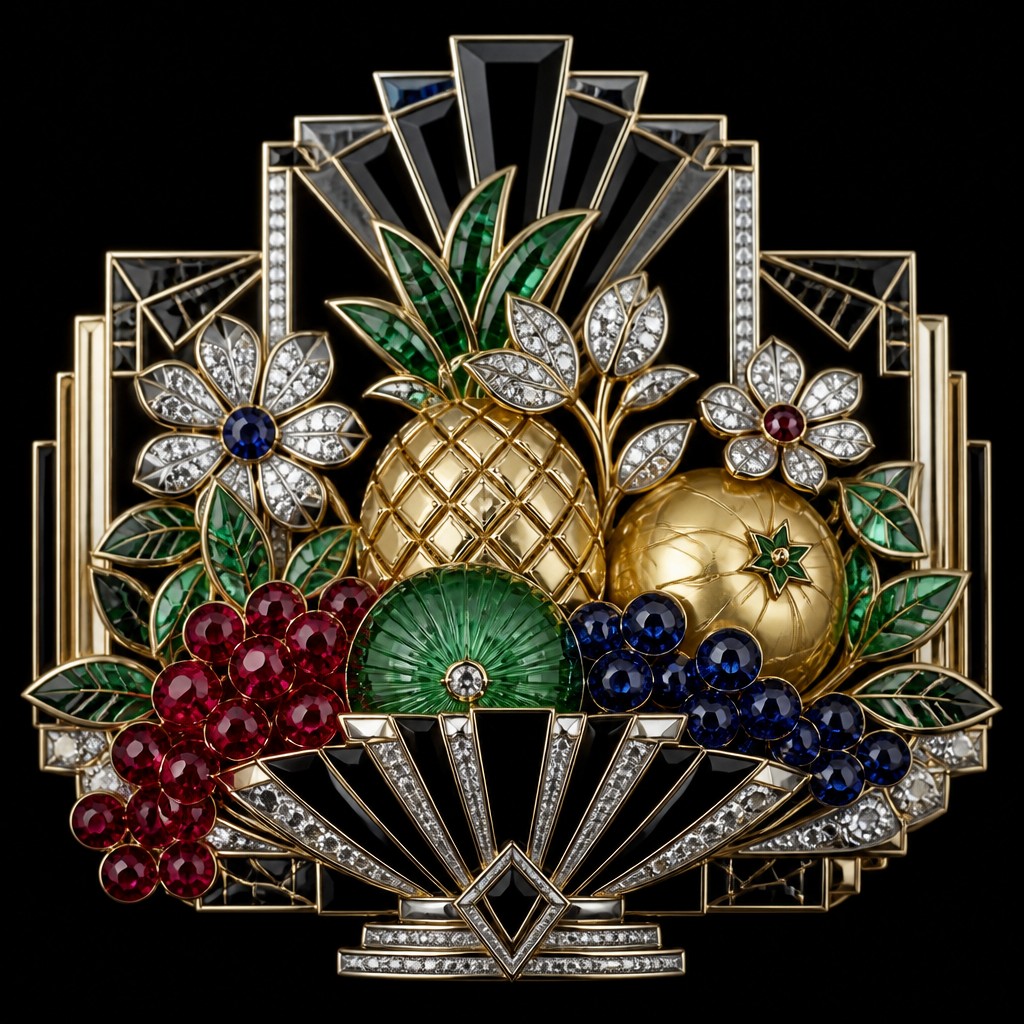
1920s–30s geometric luxury with platinum, gold, onyx, and jewel tones; elegant symmetry, stepped motifs, and architectural precision.
Instantly rendered in Art Deco Jewelry Design — or transform a photo
Art Deco Jewelry Design Gallery
Tap any artwork to explore it
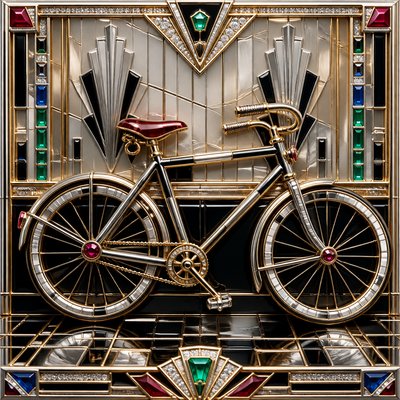
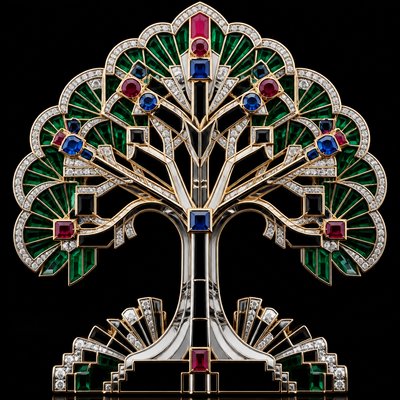
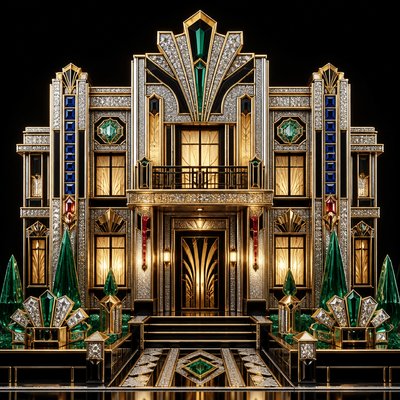
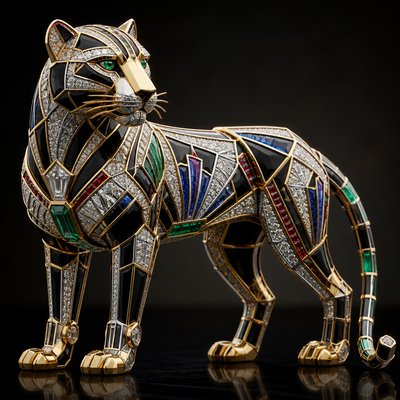
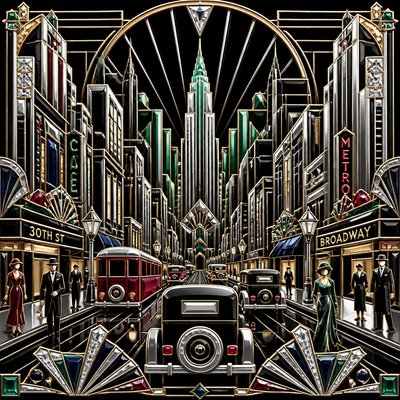
What is Art Deco Jewelry Design?
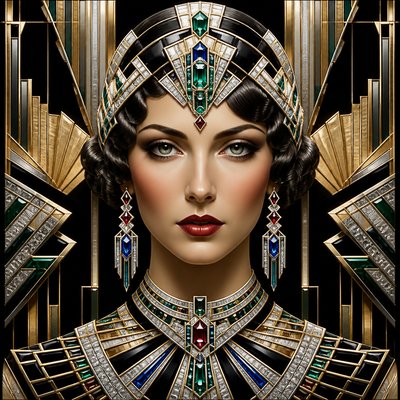
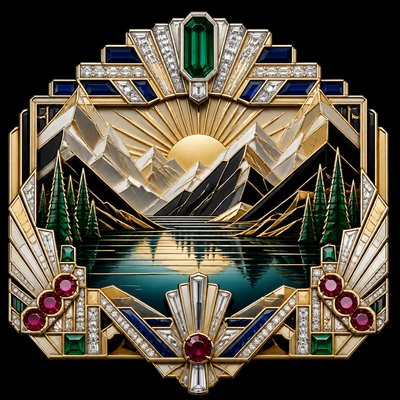
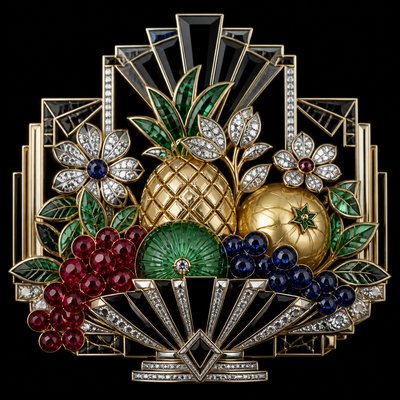
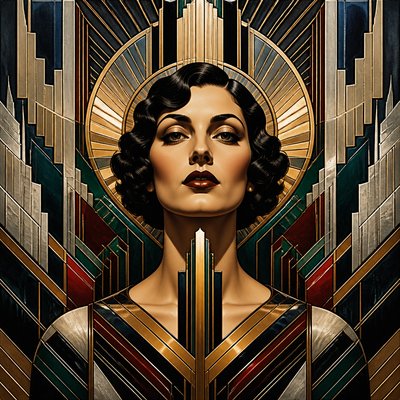
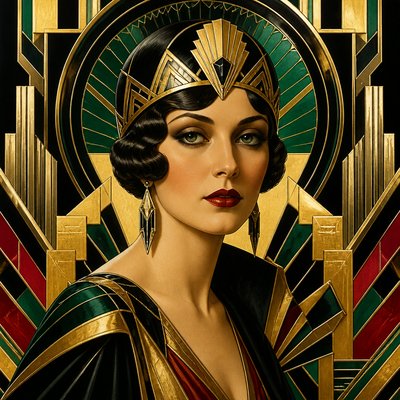
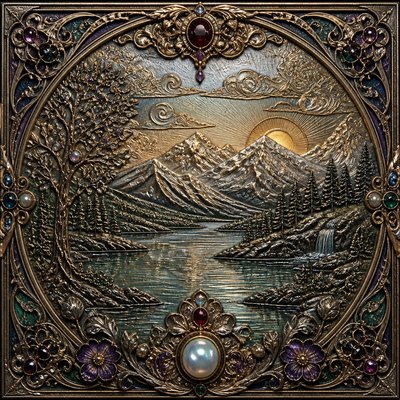
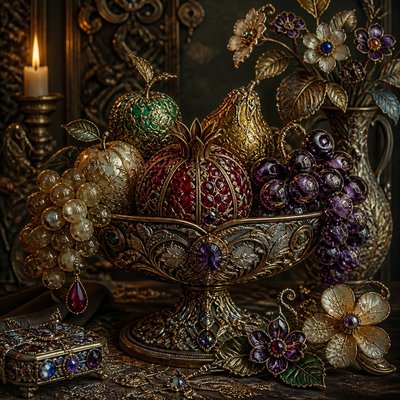
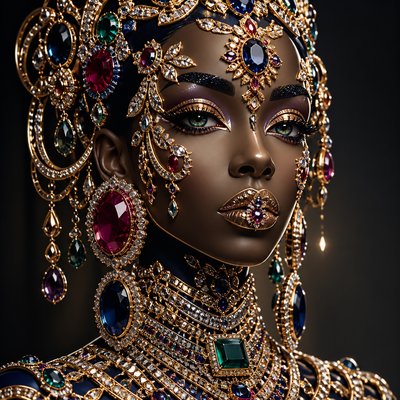
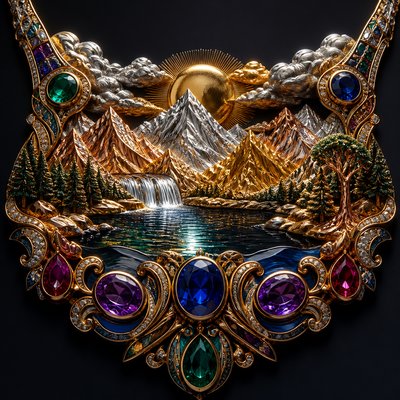
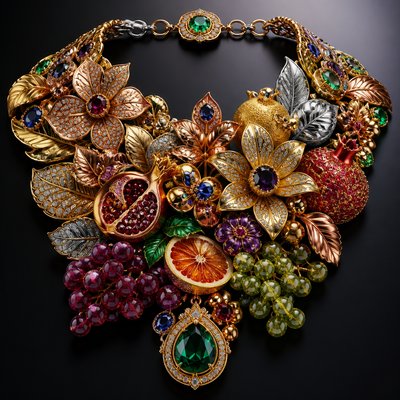
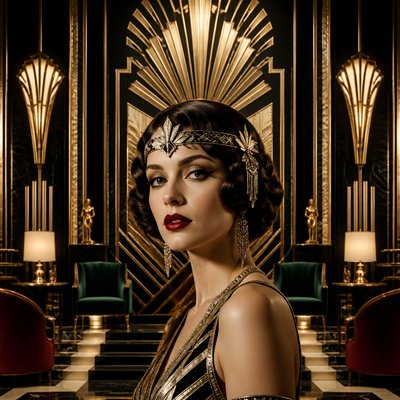
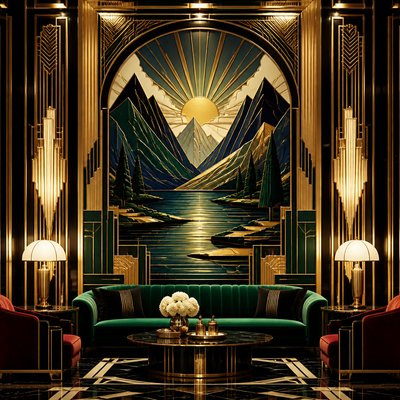
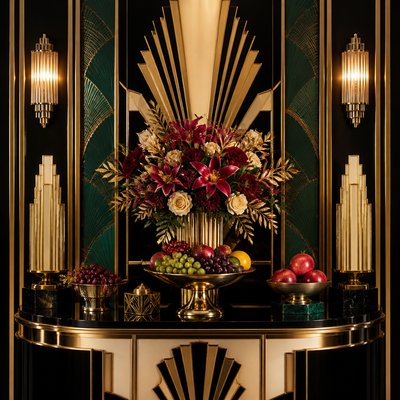
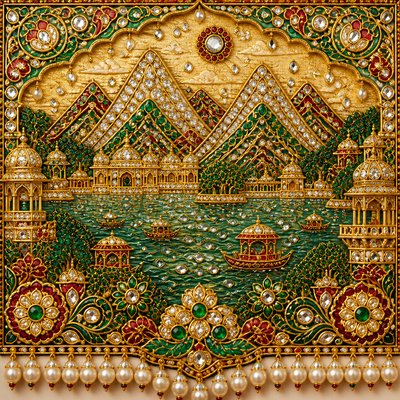
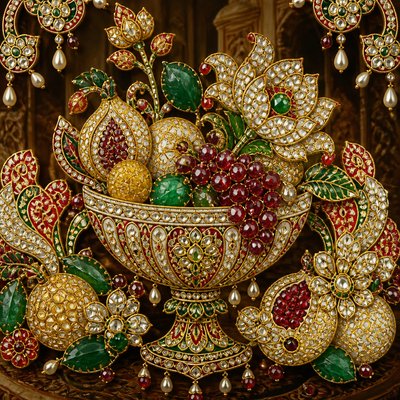
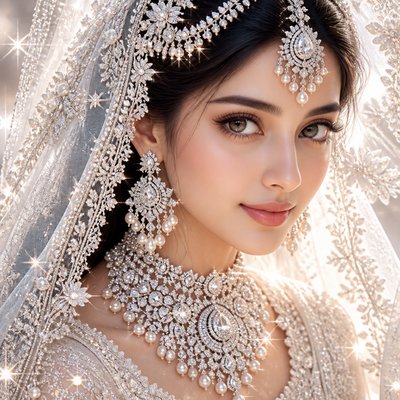
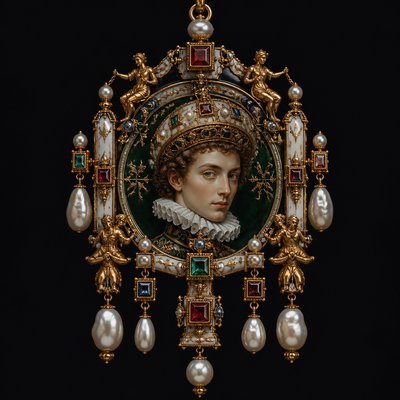
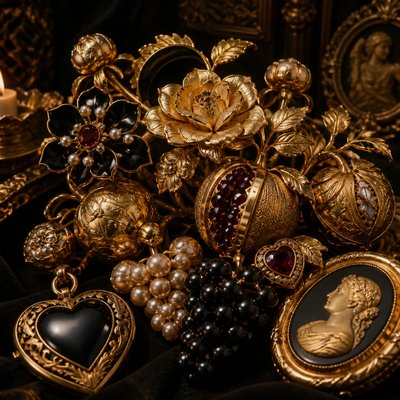
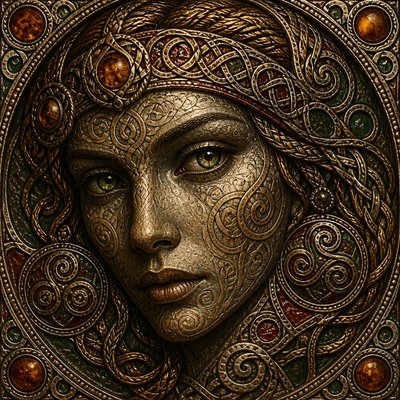
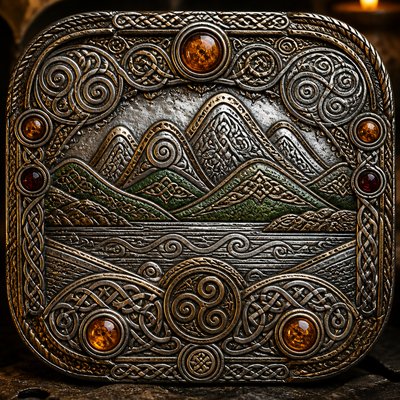
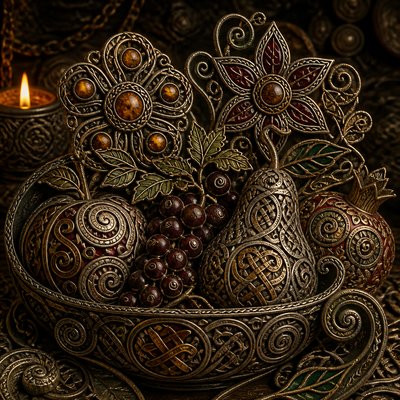
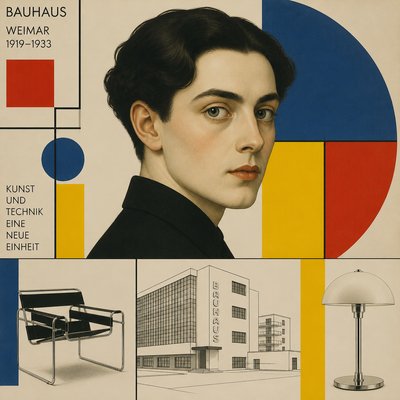
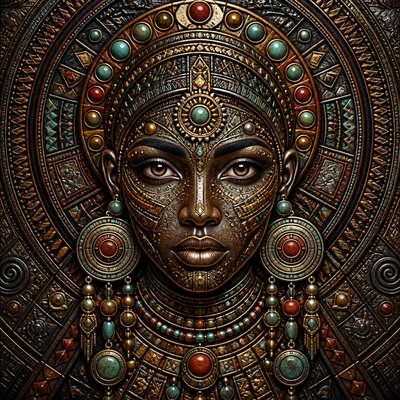
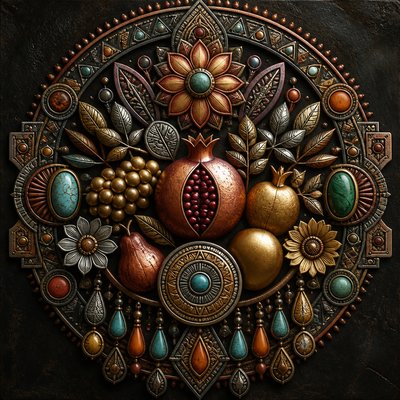
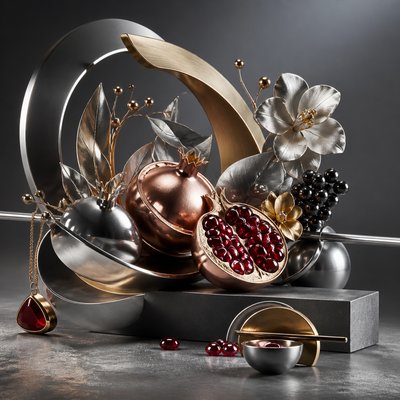
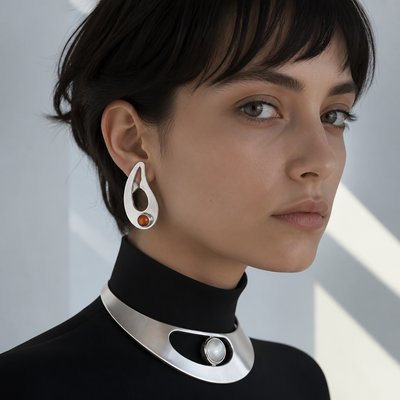
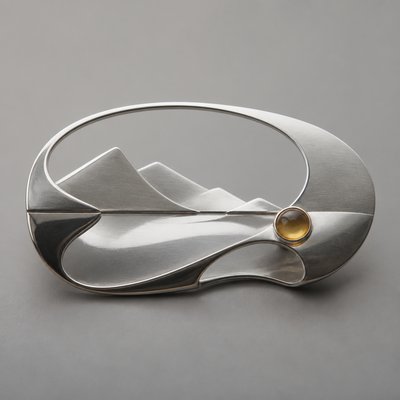
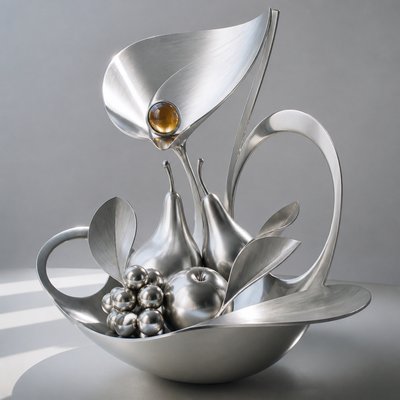
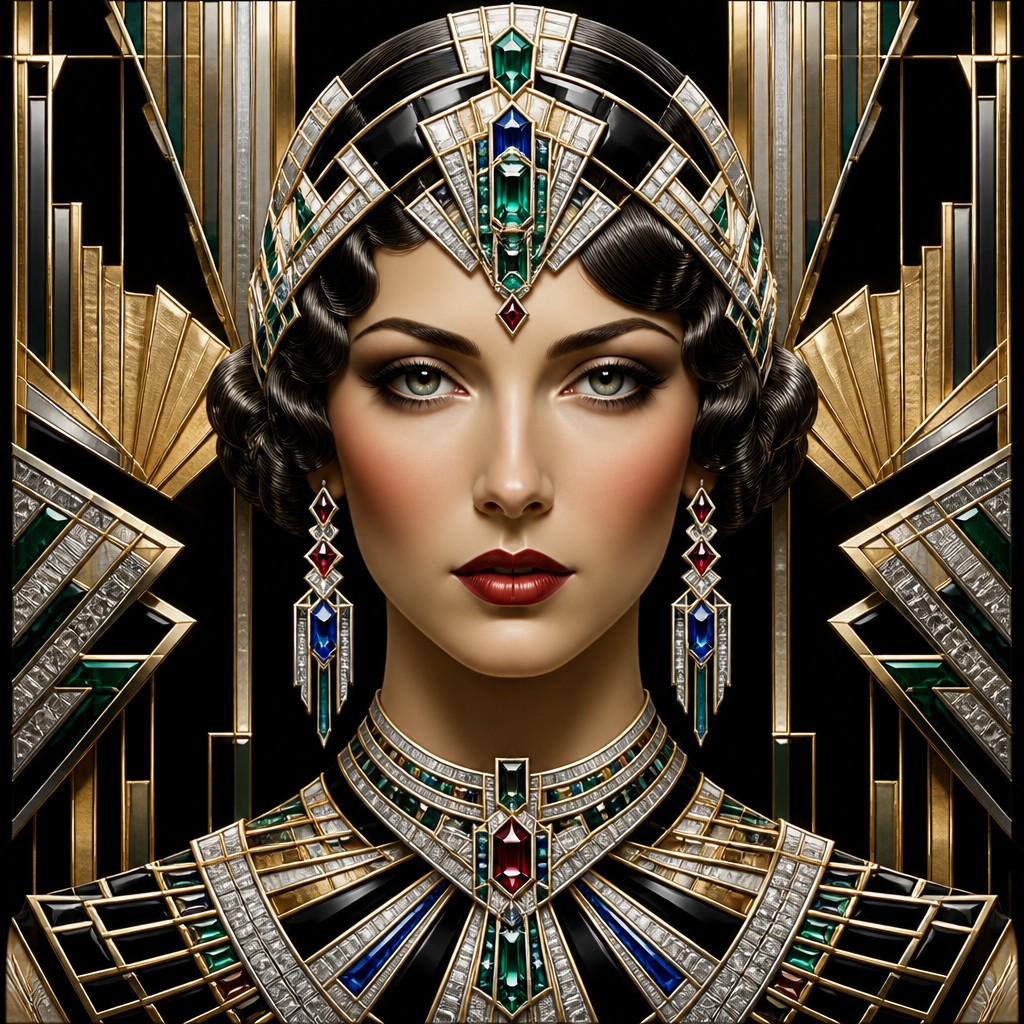
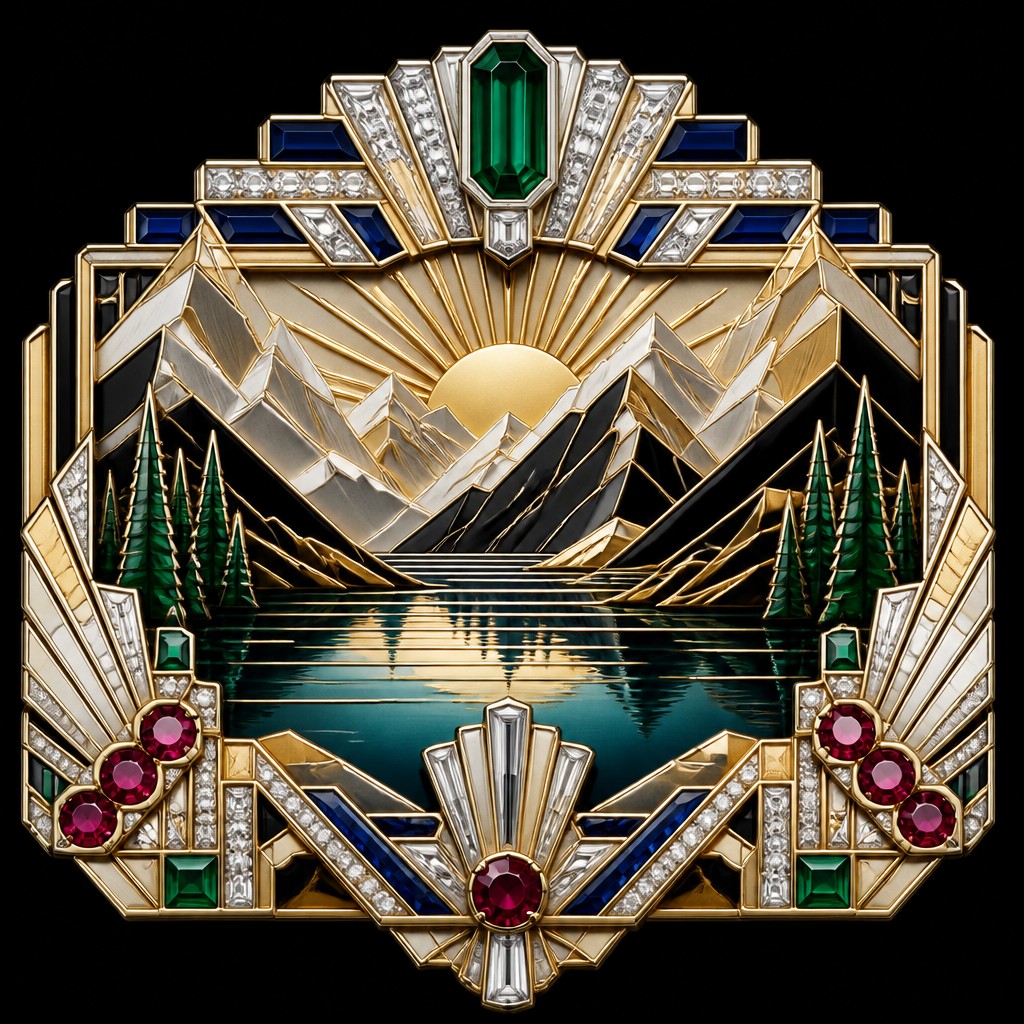
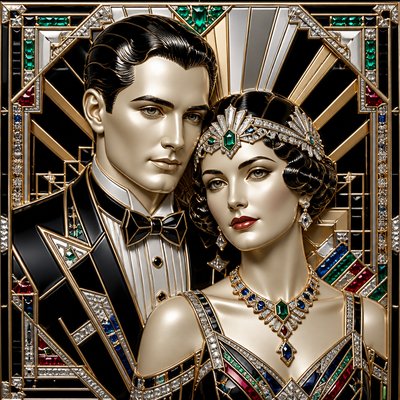
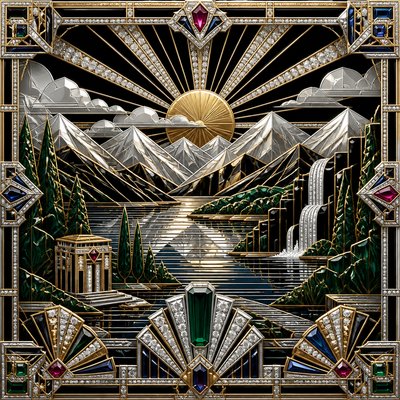
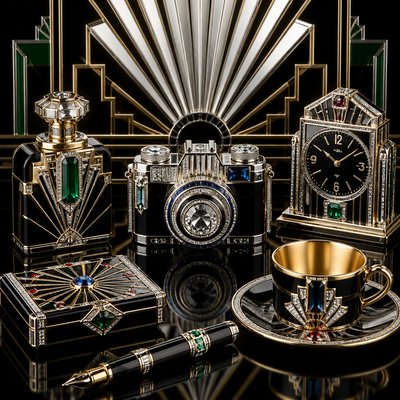
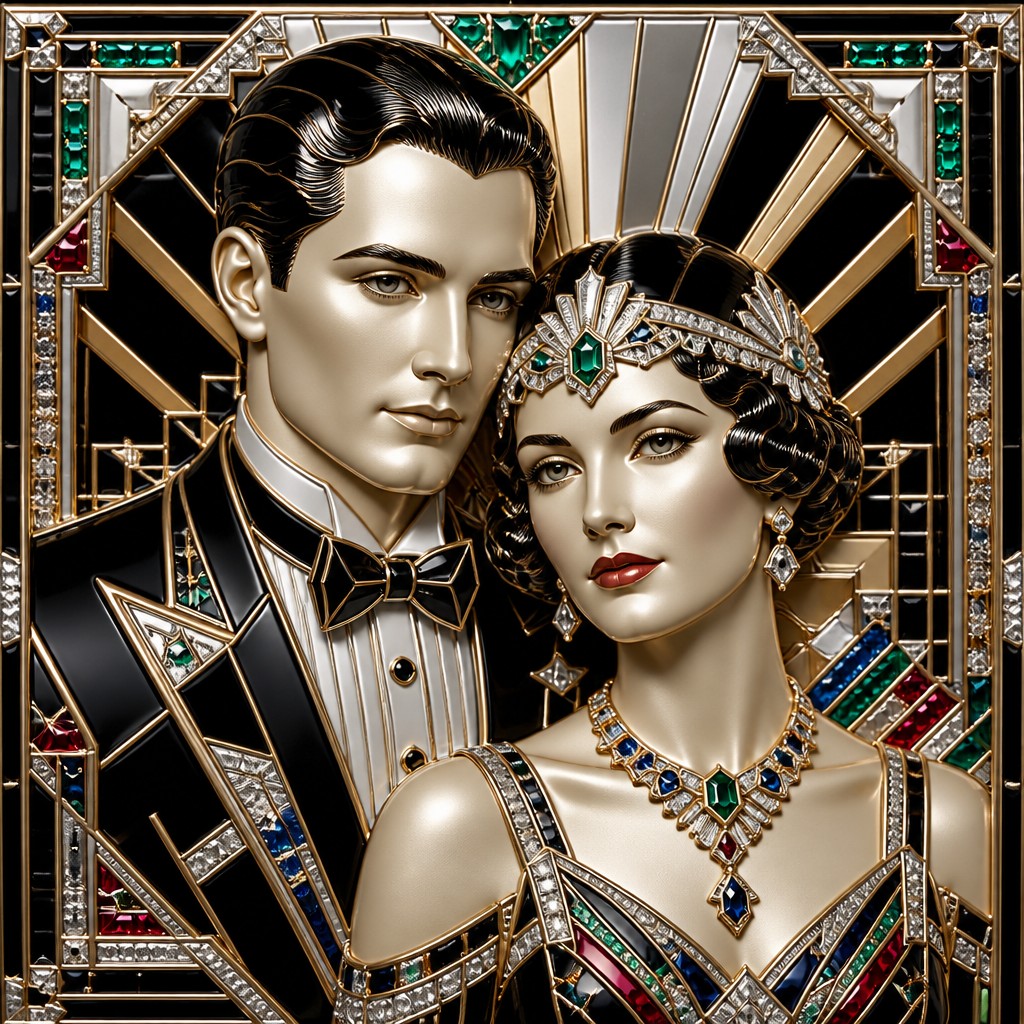
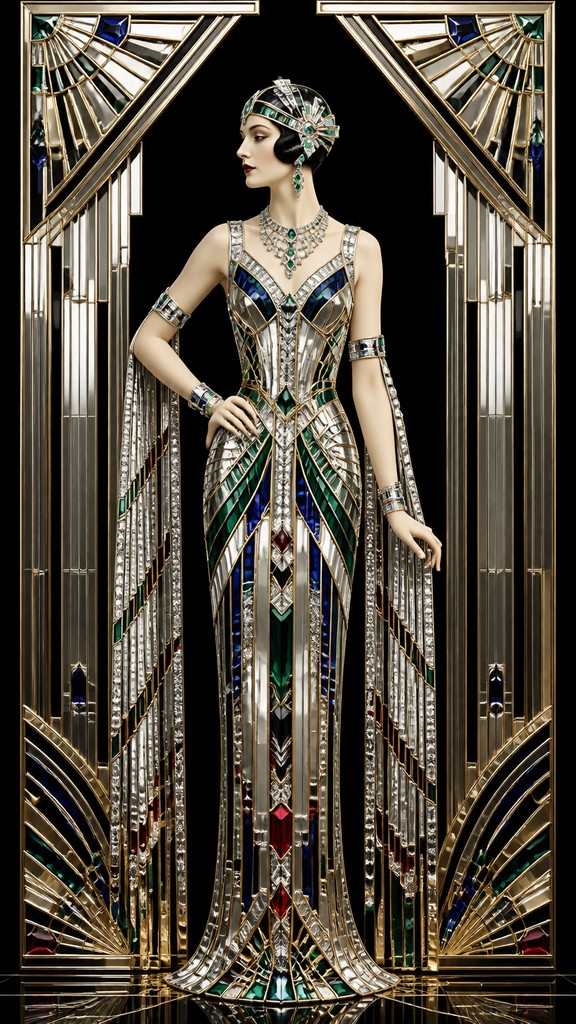
Art Deco jewelry design is a decorative style from the 1920s and 1930s defined by geometric symmetry, polished metalwork, and strong contrasts between dark stones and vivid color accents. It favors crisp outlines, stepped and fan-like motifs, radiating linework, and a sense of engineered elegance rather than soft ornament.
In jewelry, this style developed as luxury craftsmanship met modernity: platinum settings, calibrated gemstones, and precise composition gave rings, brooches, bracelets, and necklaces an architectural quality. The look feels glamorous because it combines the refinement of fine materials with the visual clarity of modern design, producing pieces that are both opulent and structurally disciplined.
Try It On Your Photos
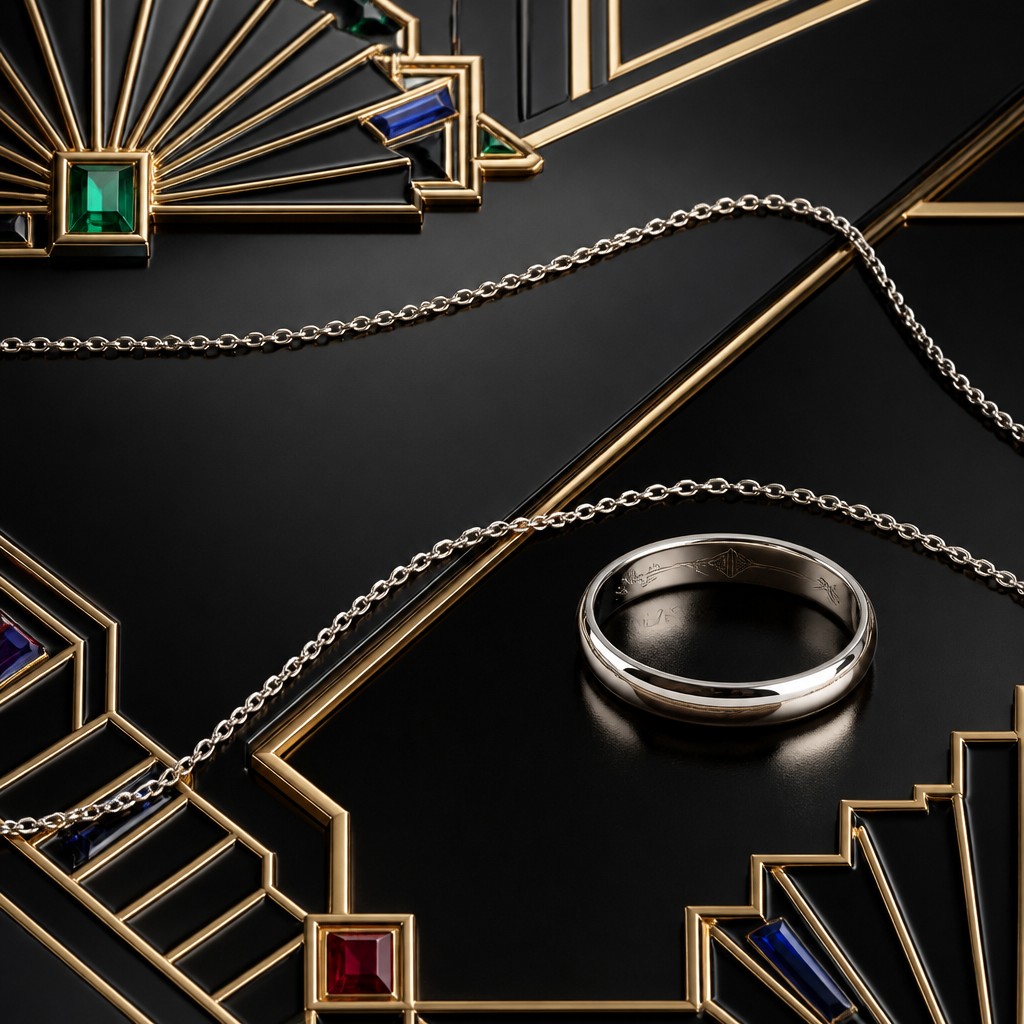
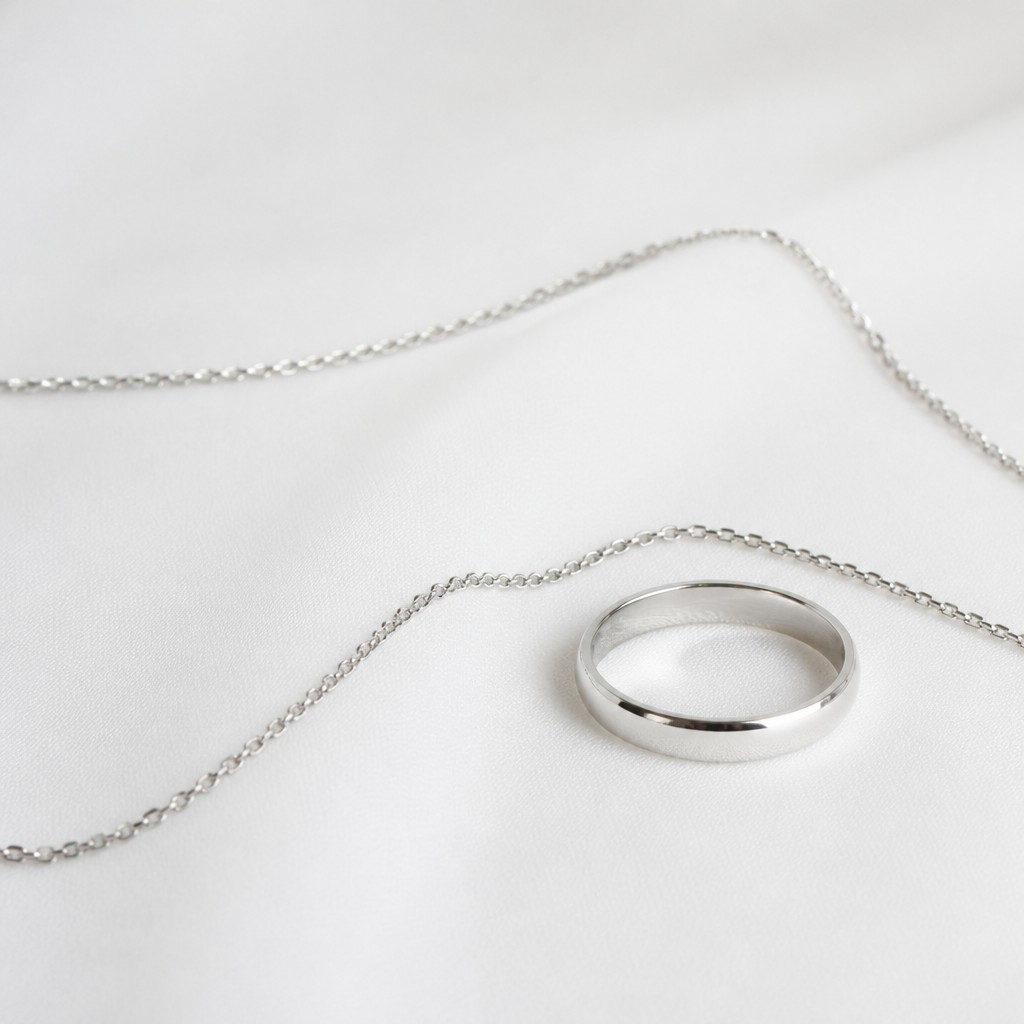
Upload any photo and convert it into Art Deco Jewelry Design — drag the sliders to compare before and after.
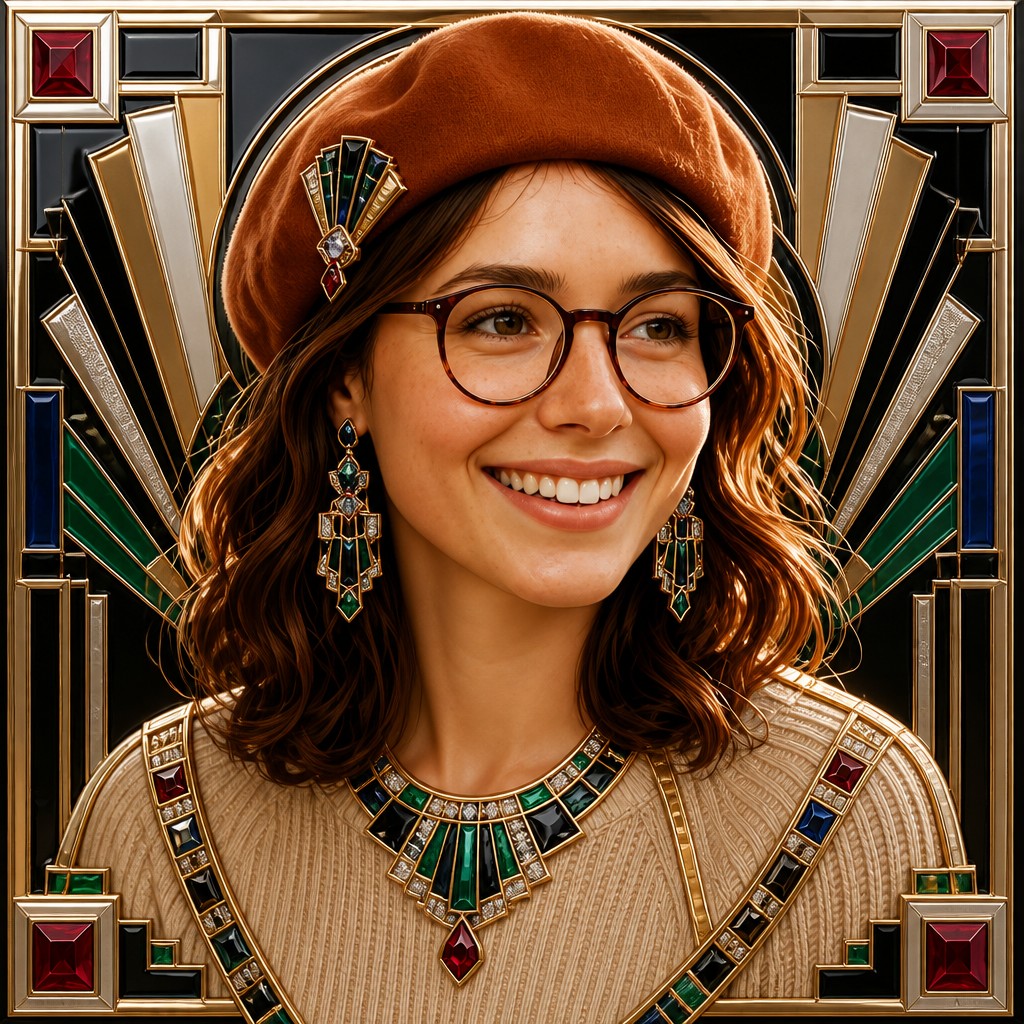

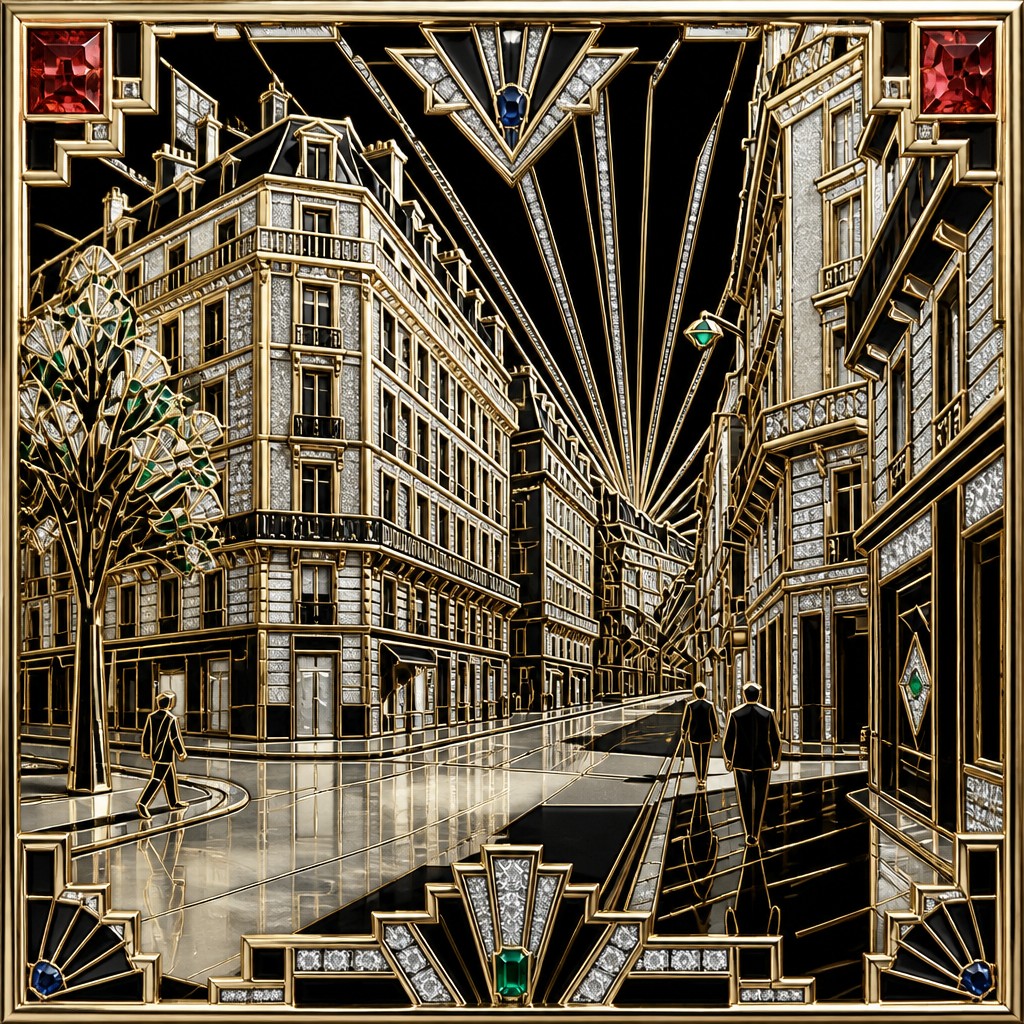

What Defines Art Deco Jewelry Design
The signature details, up close
Geometric symmetry
Designs are organized around balanced, mirror-like arrangements. Shapes such as rectangles, triangles, chevrons, and circles are stacked or repeated with architectural clarity.
Stepped and radiating motifs
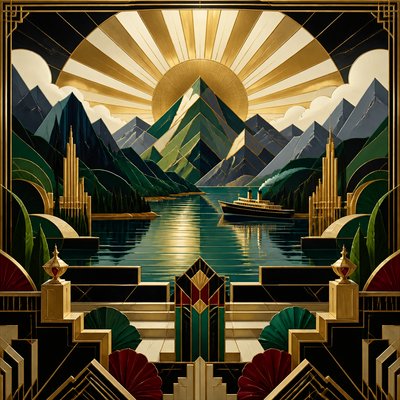
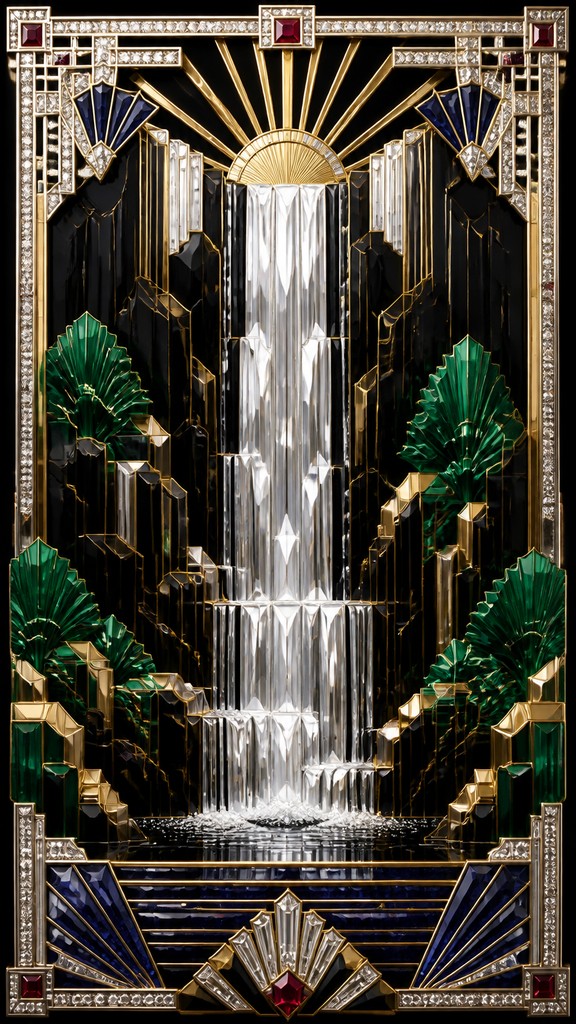
Common forms include stepped profiles, sunbursts, fans, and bursts of linear rays. These motifs create a sense of movement while preserving strict order.
Luxurious material contrast
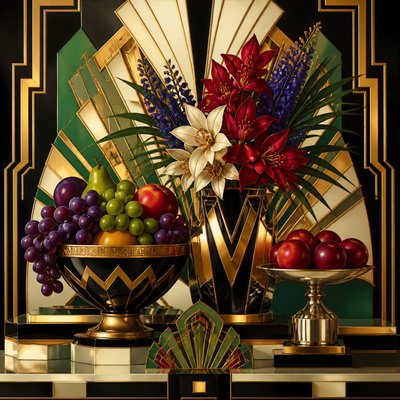
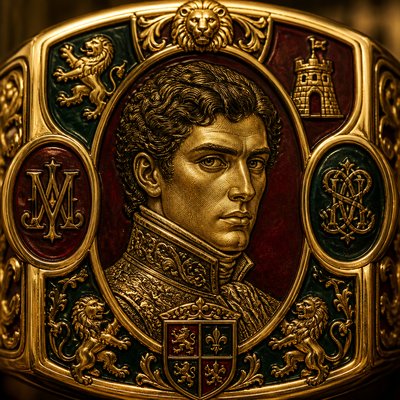
Bright platinum or gold settings are paired with black onyx, enamel, diamonds, and vivid gemstones. The contrast between dark and bright surfaces is central to the look.
Fine calibrated craftsmanship
Stones are often cut and placed with great regularity, producing tight, precise surfaces. Settings emphasize clean edges and exact alignment rather than organic irregularity.
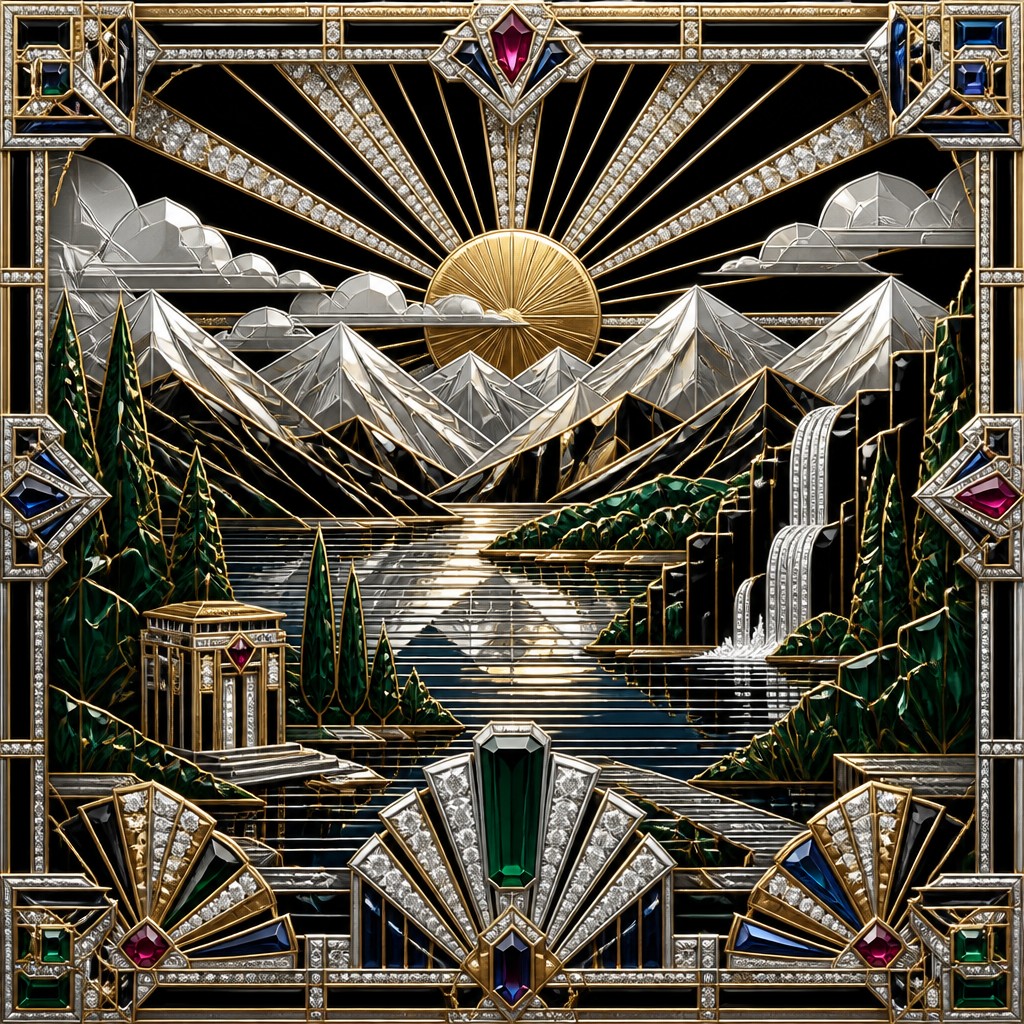
High-polish metallic finish
Metal surfaces are typically rendered with a mirror-bright sheen. This polished finish reinforces the impression of luxury and engineered precision.
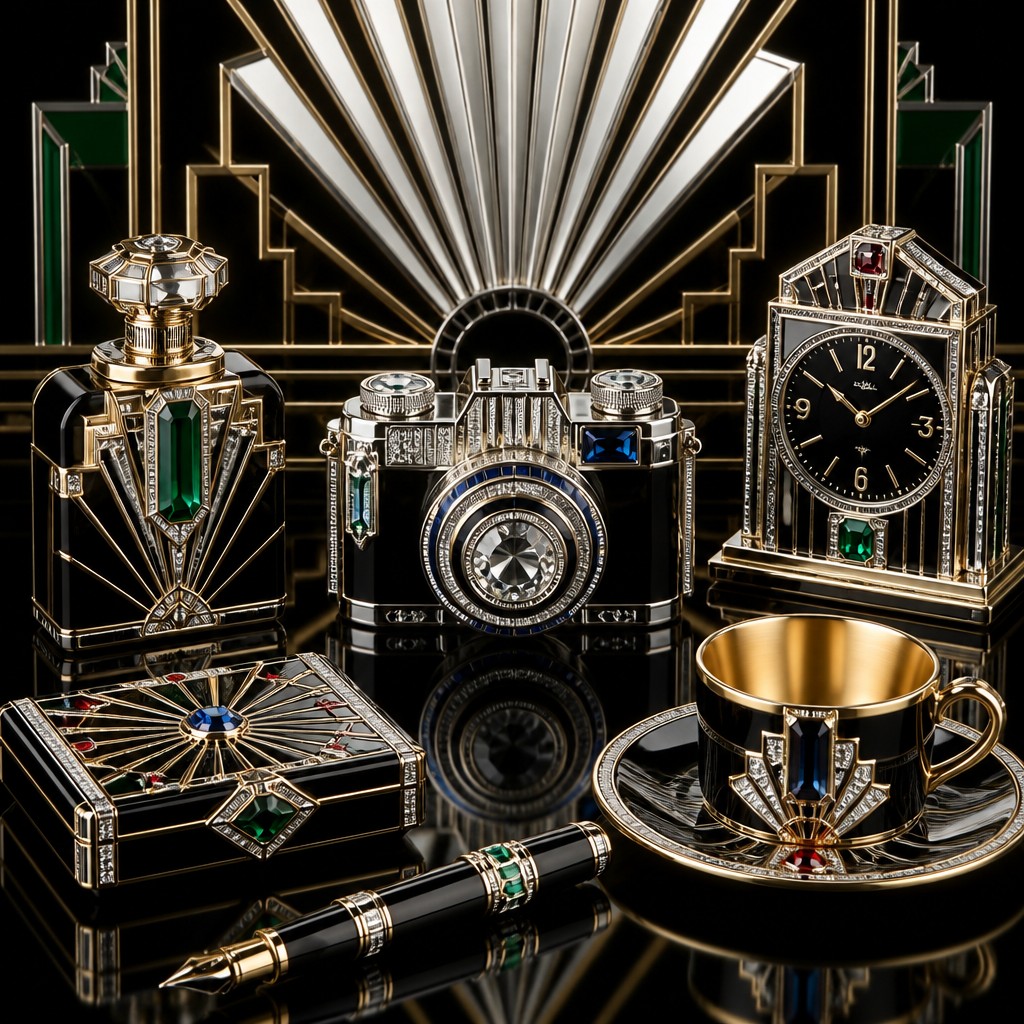
Bold yet compact ornament
Decoration is dense but controlled, filling a piece without visual clutter. Every detail tends to serve a strong overall silhouette.
Try It
Create Videos in Art Deco Jewelry Design
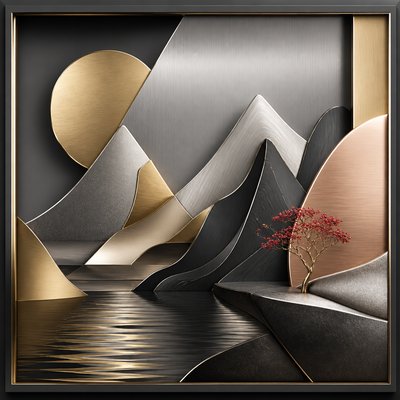
Styles aren't just for stills — describe a scene or animate an image and get a short video rendered in Art Deco Jewelry Design. Press play to see this pond come to life.
Make a VideoArt Deco Jewelry Design Prompt Ideas
Start from an idea — each one opens the generator with the style ready to go. See all 40 Art Deco Jewelry Design prompts →
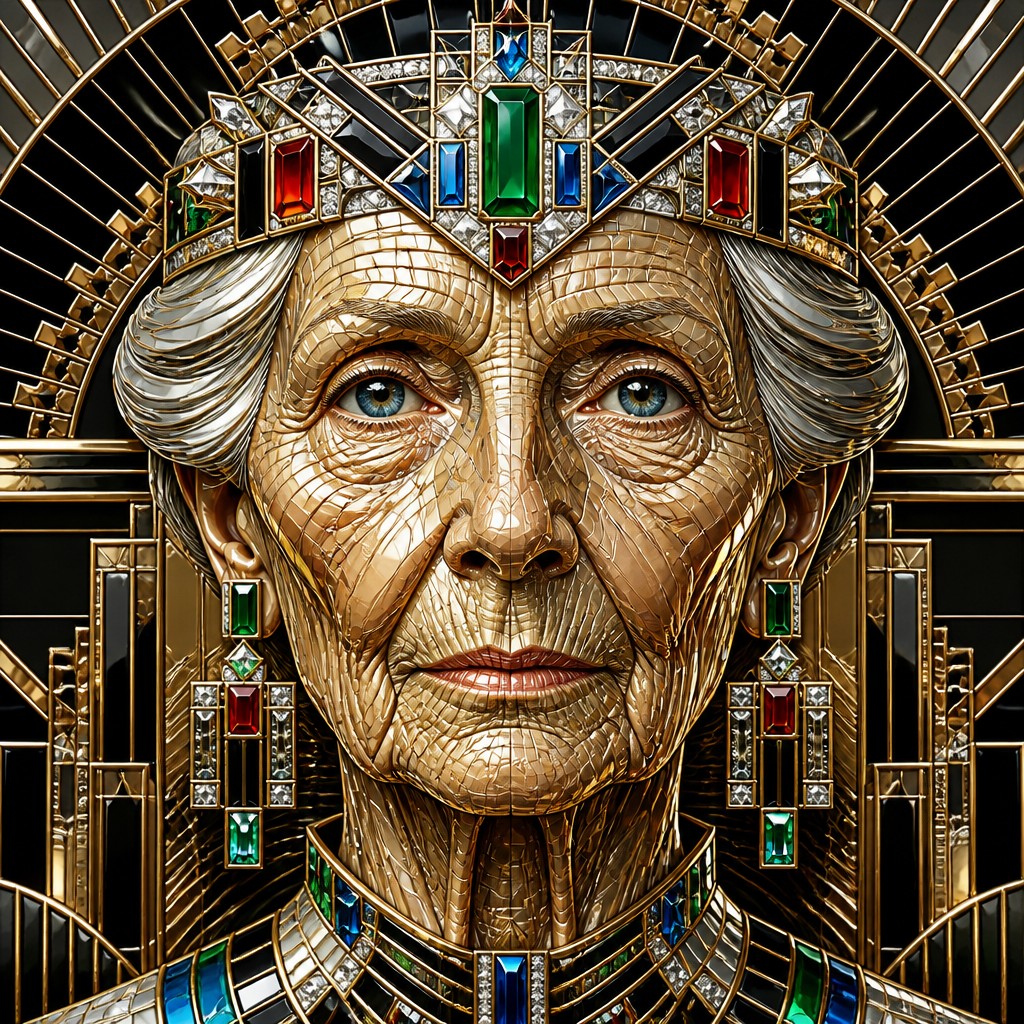
“close-up portrait of an elderly person with expressive weathered features”
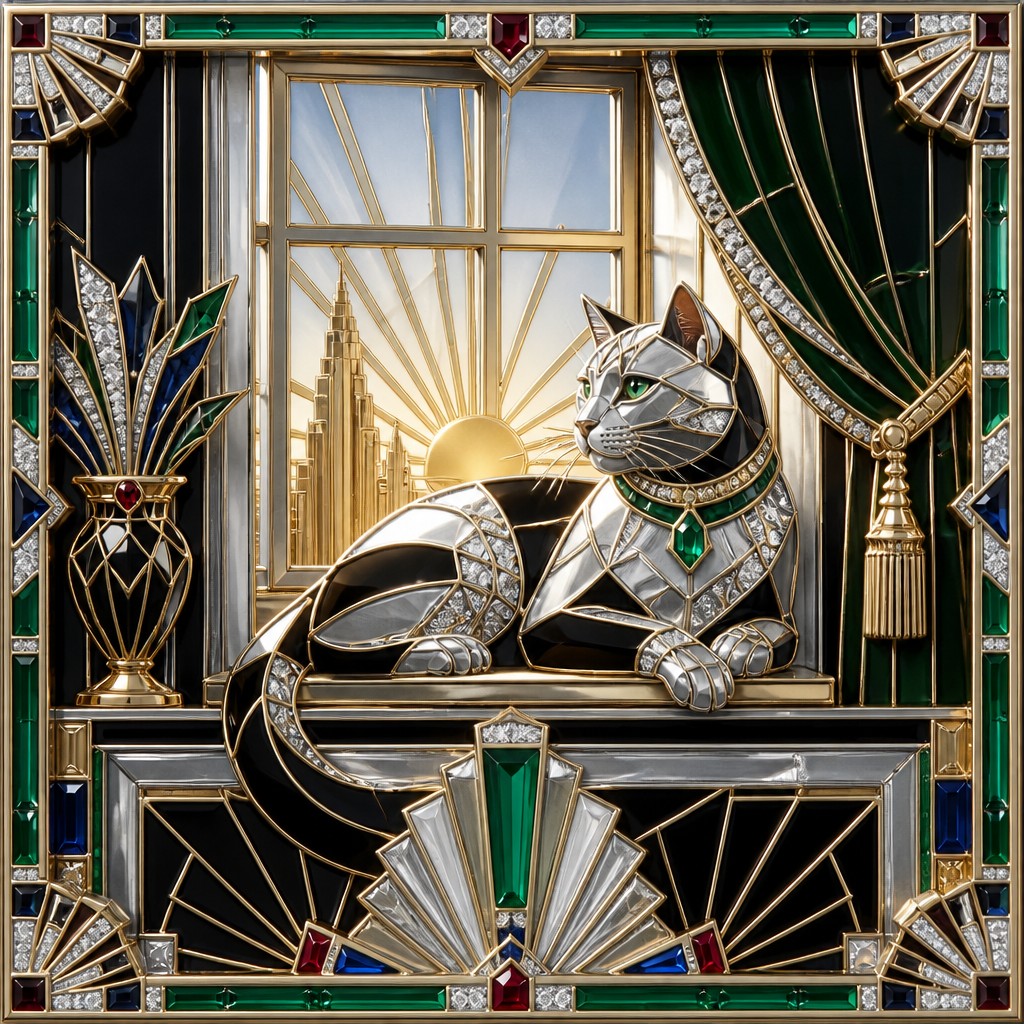
“a cat lounging in a sunlit window”
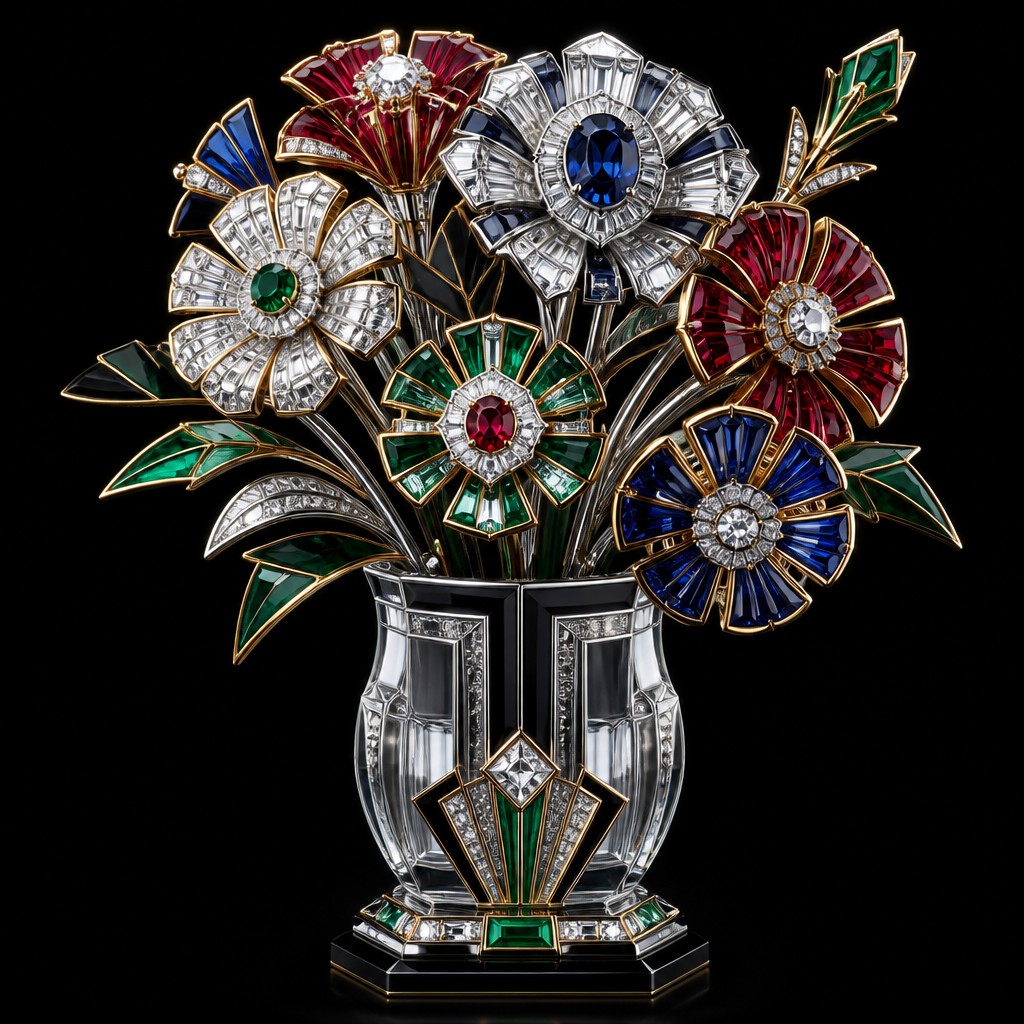
“bouquet of flowers in a glass vase”
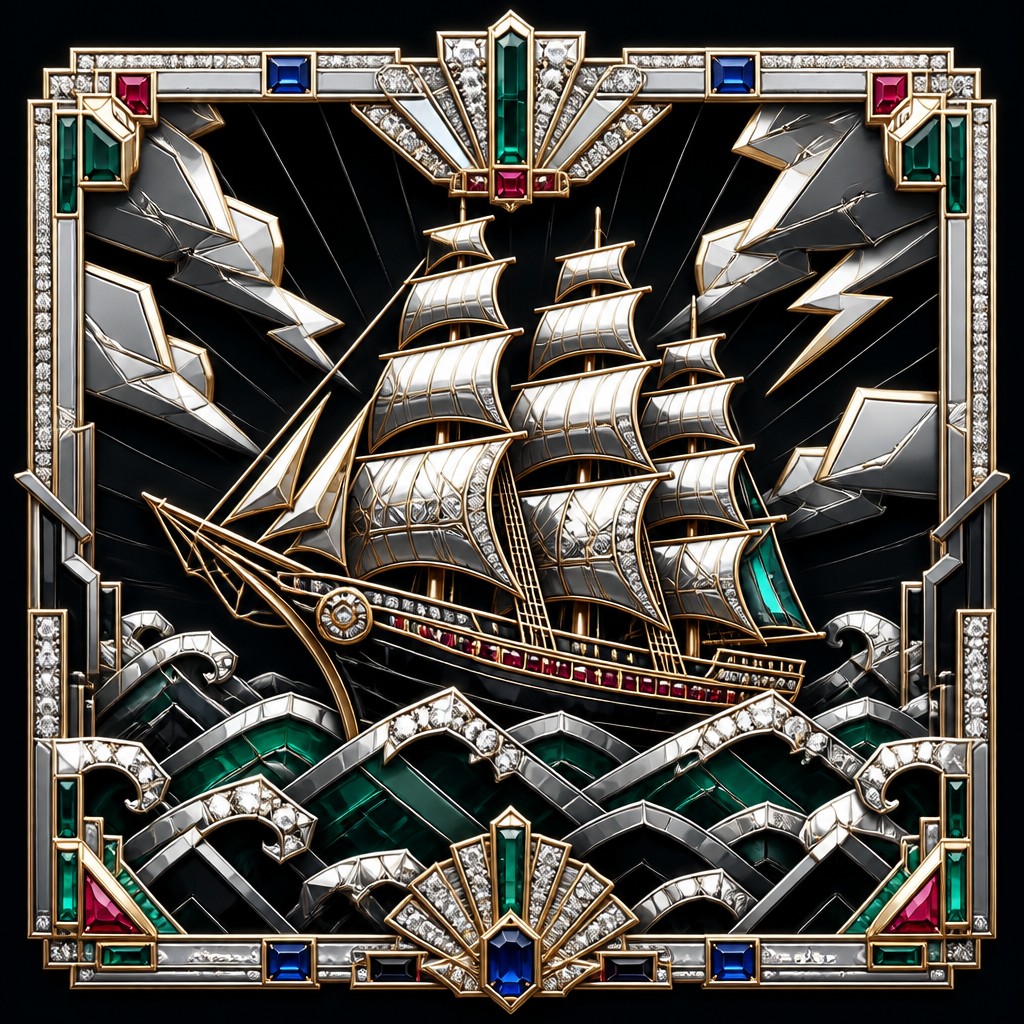
“sailing ship on a stormy sea”
How to Create Art Deco Jewelry Design Art
Master the craft step by step — or skip straight to creating. Read the full guide →
- 1
Build from a strong geometric silhouette
Start with a clear overall shape before adding decoration: a plaque, fan, bracelet arc, or elongated pendant. Keep the composition symmetrical or nearly symmetrical so the design reads as deliberate and architectural.
- 2
Use a restrained luxury palette
Combine platinum, silver, or warm gold with black onyx, emerald green, sapphire blue, ruby red, and diamond sparkle. Limit the palette so the contrast between dark and bright materials remains sharp.
- 3
Add stepped, linear, and sunburst details
Layer chevrons, flares, borders, and radiating lines around a central motif. In drawing or digital painting, use hard edges and crisp highlights rather than soft blending.
- 4
Render reflective materials carefully
Emphasize mirror polish, faceted stones, and sharp specular highlights. In traditional media, this means precise highlight placement; in digital work, use controlled edge contrast and clean metallic shading.
- 5
Keep ornament disciplined, not crowded
Every decorative element should support the overall geometry. When writing a generation prompt, specify symmetry, polished metal, jewel-tone accents, and architectural precision to avoid overly ornate or floral interpretations.
- 6
Phrase prompts like a product or object design brief
For image generation, describe the jewelry type, materials, gemstone colors, and structural motifs clearly. Example: 'platinum brooch with emerald and onyx, stepped fan design, symmetrical, mirror-polished, crisp faceted sparkle, high-contrast studio lighting.'
The Story
History & Origins of Art Deco Jewelry Design
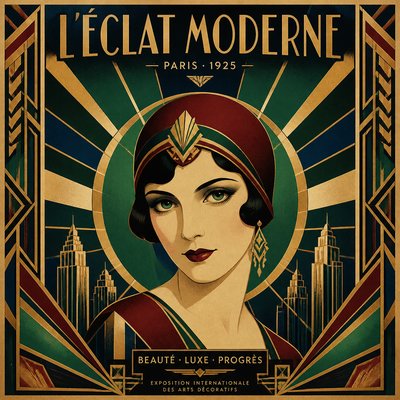
Art Deco emerged in the early 20th century and took its name from the 1925 Exposition Internationale des Arts Décoratifs et Industriels Modernes in Paris. In jewelry, it flourished especially during the 1920s and 1930s, when advances in platinum fabrication, stone cutting, and mass luxury production allowed jewelers to create highly detailed, geometric compositions with exceptional precision.
Its visual language reflects the broader Art Deco movement, which absorbed influences from Cubism, Fauvism, Egyptian revival motifs after the discovery of an ancient royal tomb in 1922, and machine-age design. Jewelry houses and influential independent designers associated with the period helped establish the style’s enduring vocabulary of symmetry, contrast, and streamlined luxury.
Influences: This style draws from the wider Art Deco movement, which was shaped by Cubist geometry, machine-age design, Egyptian revival imagery, and the decorative traditions of luxury craftsmanship. In jewelry, canonical luxury houses and influential independent jewelers are especially associated with its mature vocabulary of symmetry, precision, and bold material contrast.
Frequently Asked Questions
What defines Art Deco jewelry design?
It is defined by geometric symmetry, polished metals, and a strong contrast between dark materials and vivid gemstones. The look is structured, elegant, and architectural, with motifs like chevrons, fans, steps, and sunbursts.
How is it different from Art Nouveau jewelry?
Art Nouveau favors flowing, organic, and nature-inspired curves, while Art Deco emphasizes order, geometry, and modern luxury. Art Deco pieces usually feel sharper, more symmetrical, and more architectural.
Which materials are most associated with this style?
Platinum is especially iconic, along with gold, diamonds, onyx, enamel, emeralds, sapphires, and rubies. The style often depends on the contrast between bright metal and dark or intensely colored stones.
What kinds of objects are typically made in this style?
Rings, brooches, bracelets, necklaces, earrings, and vanity accessories are all common. The style also appears in watches, compacts, cigarette cases, and other luxury objects from the period.
How do you make an image look like this style?
Use strong symmetry, crisp edges, reflective metal, and jewel-toned contrast. Whether working traditionally or digitally, keep the design precise and structured, and avoid soft organic forms or painterly looseness.
Where is this style still used today?
It remains common in fine jewelry, fashion accessories, interior ornament, and graphic design inspired by the 1920s and 1930s. It is also frequently recreated in editorial illustration and decorative product imagery.
Create your first Art Deco Jewelry Design artwork
Describe anything — or upload a photo — and see it in Art Deco Jewelry Design in seconds.
Make Something with Art Deco Jewelry Design
Related Styles
Discover similar art styles