Art Deco Furniture Art
Glamorous 1920s–30s furniture with geometric ornament, lacquer, brass, chrome, and jewel-tone luxury.
Instantly rendered in Art Deco Furniture — or transform a photo
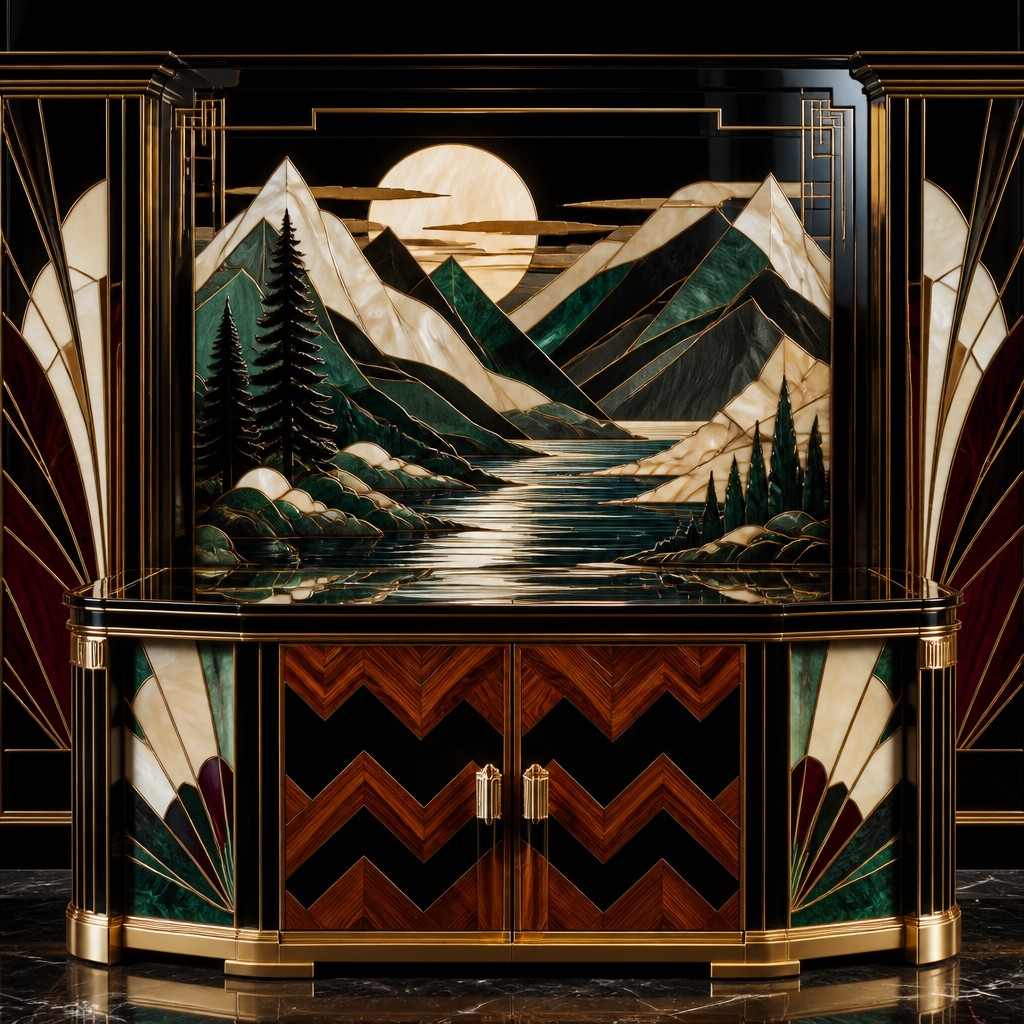
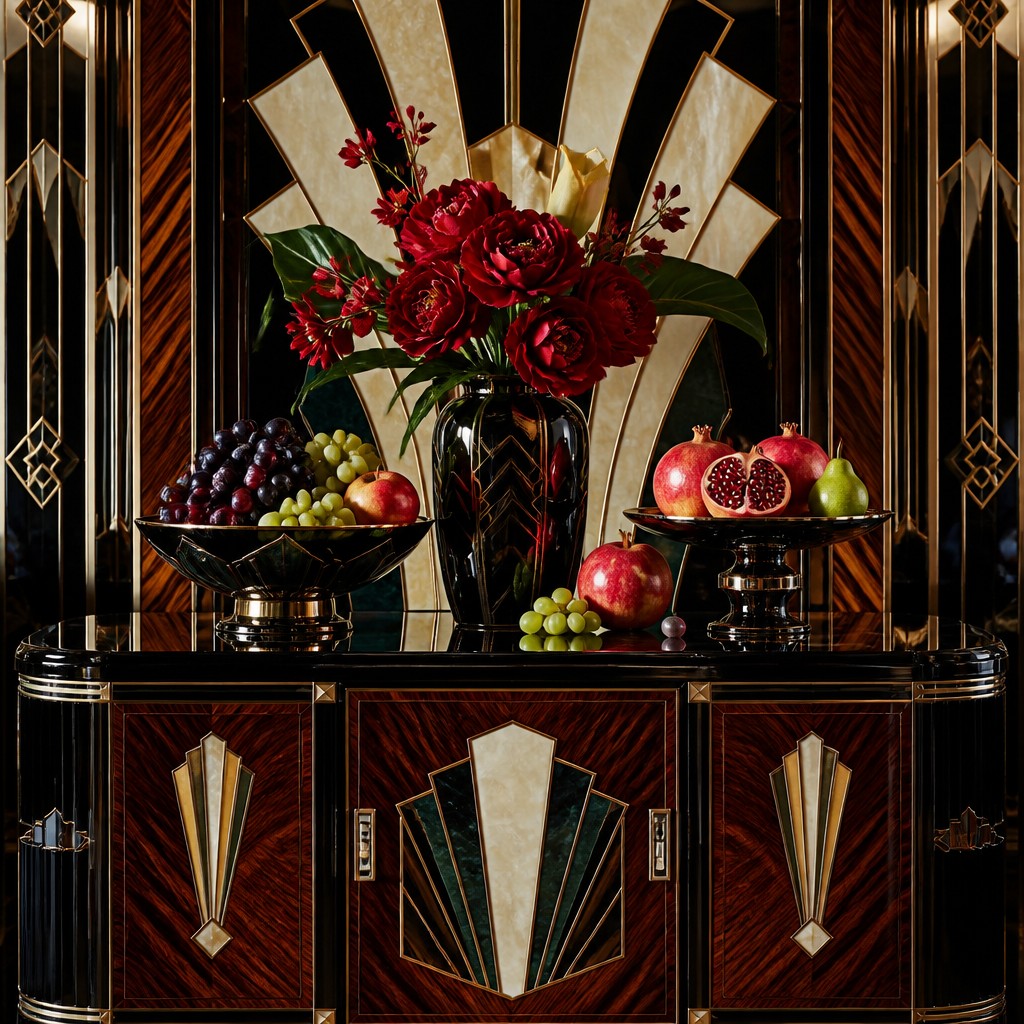
Art Deco Furniture Gallery
Tap any artwork to explore it




What is Art Deco Furniture Art?
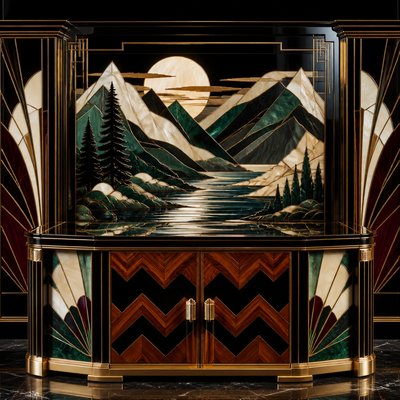
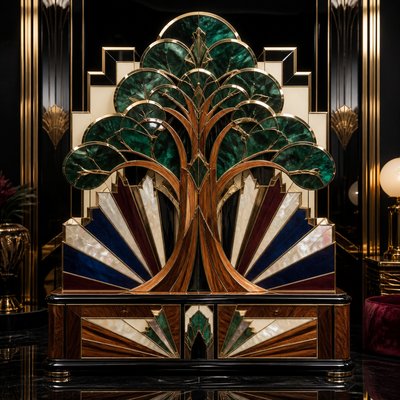
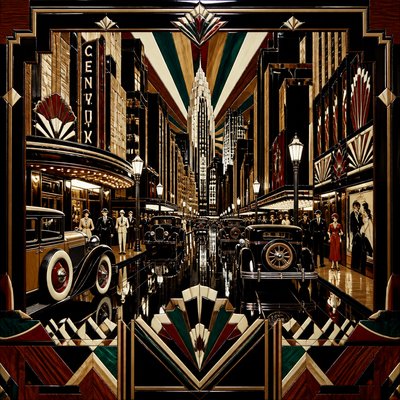
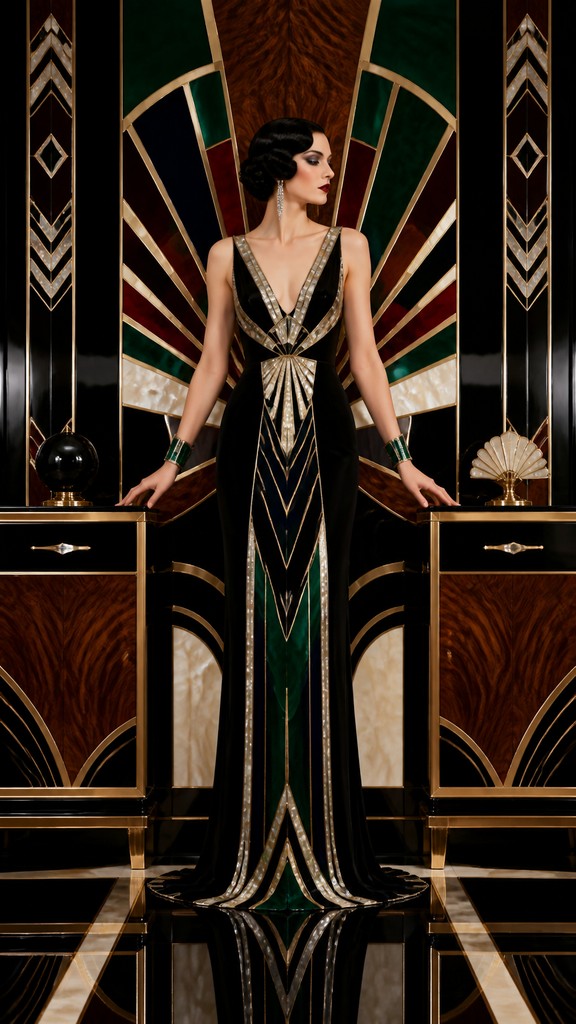
Art Deco Furniture Art is a decorative style associated with the 1920s and 1930s, defined by glamorous surfaces, geometric ornament, and a sense of streamlined luxury. It translates the broader Art Deco taste into furniture design: cabinets, tables, chairs, vanities, and screens often combine polished wood, glossy lacquer, metal trim, and inlaid patterning to create a balanced mix of elegance and modernity.
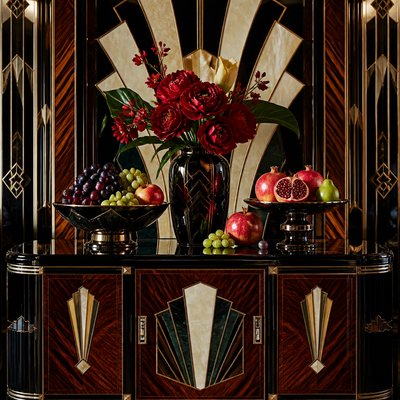
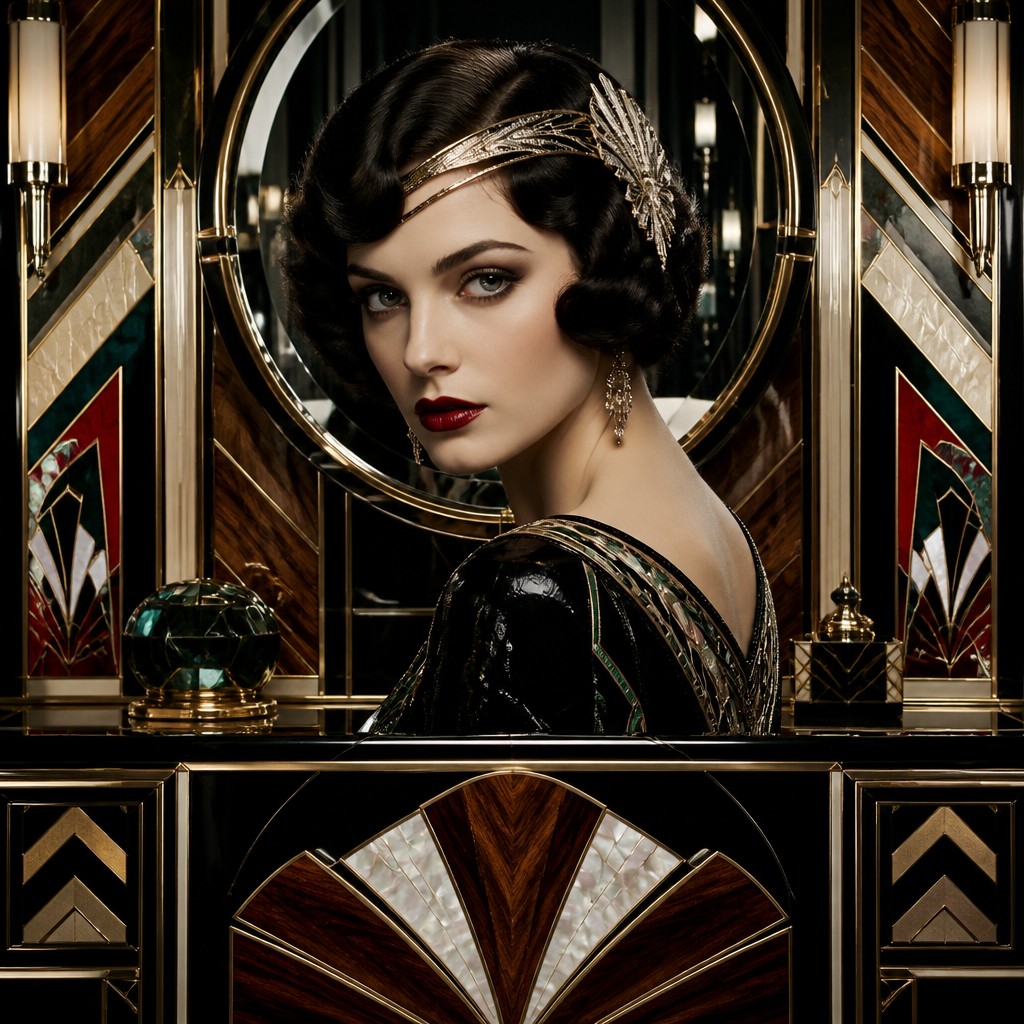
Its visual identity comes from a fusion of craftsmanship and machine-age optimism. Strong symmetry, sharp edges, stepped profiles, fan motifs, chevrons, sunbursts, and rich materials such as ebony, exotic woods, brass, chrome, and mother-of-pearl give the work its distinctive theatrical appearance. The style looks the way it does because Art Deco sought to modernize ornament rather than eliminate it, turning furniture into objects of display as much as use.

Try It On Your Photos
Upload any photo and convert it into Art Deco Furniture Art — drag the sliders to compare before and after.



What Defines Art Deco Furniture Art
The signature details, up close
Geometric ornament
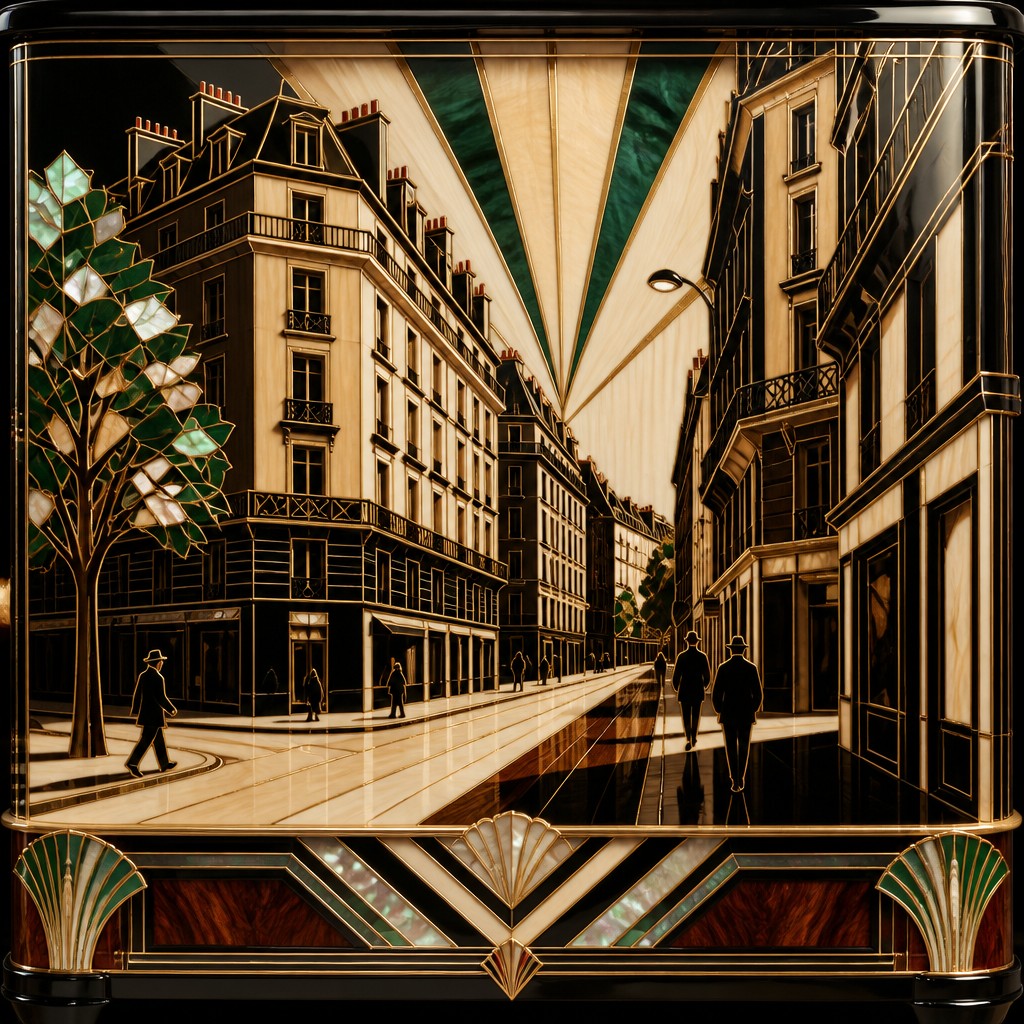
Chevron, zigzag, sunburst, fan, and stepped motifs are central to the style. These patterns are usually arranged with strict symmetry and clear edges.
Luxurious materials
Glossy lacquer, polished woods, brass, chrome, glass, and shell inlay are typical. Surface richness is a defining part of the aesthetic, not an optional embellishment.
Streamlined symmetry
Forms are usually balanced and highly controlled, with mirrored left-right structure. Even when a piece is ornate, the underlying silhouette remains orderly and refined.
High-contrast color
Black, ivory, cream, and ebony often appear alongside jewel tones such as emerald, sapphire, and ruby. The palette is designed to heighten drama and emphasize reflective finishes.
Decorative surface work
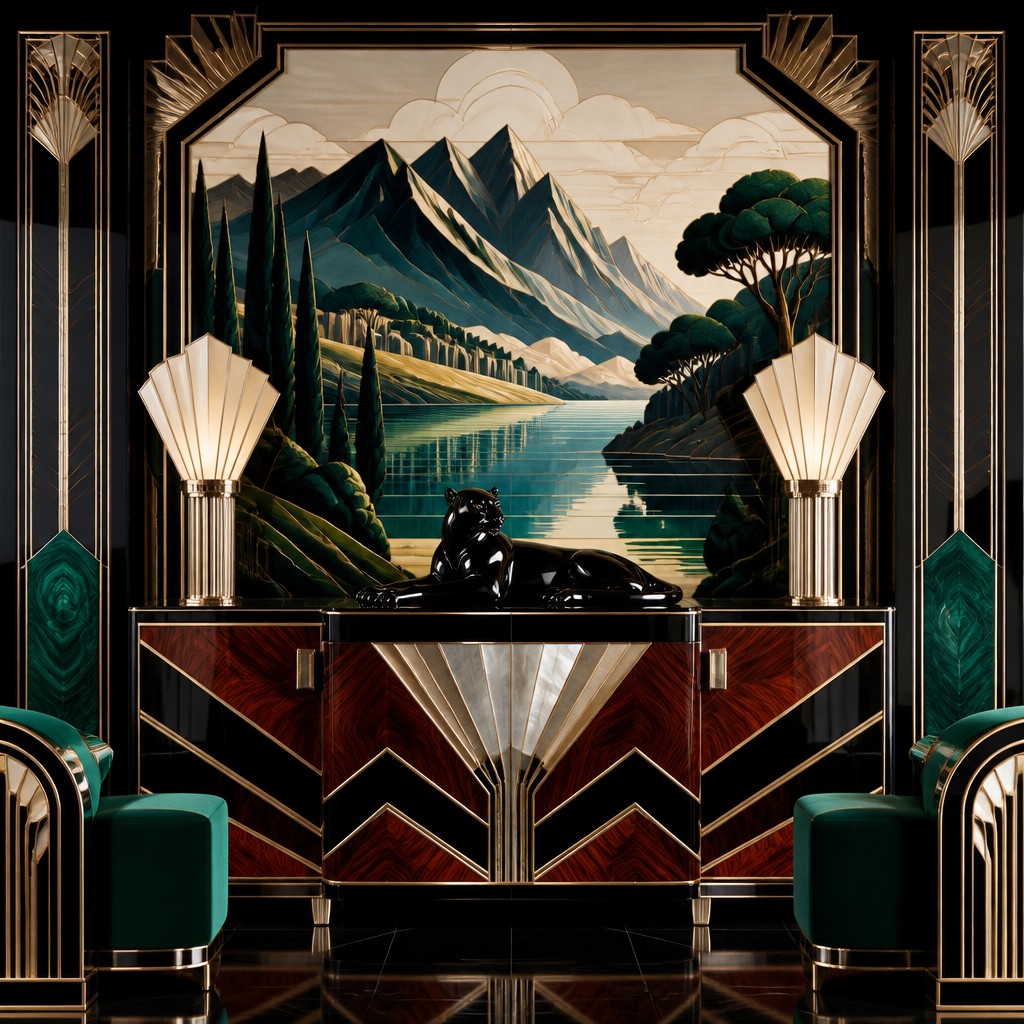
Marquetry, veneering, inlay, and patterned metal detailing are common. Ornament is integrated into the structure of the furniture rather than applied randomly.
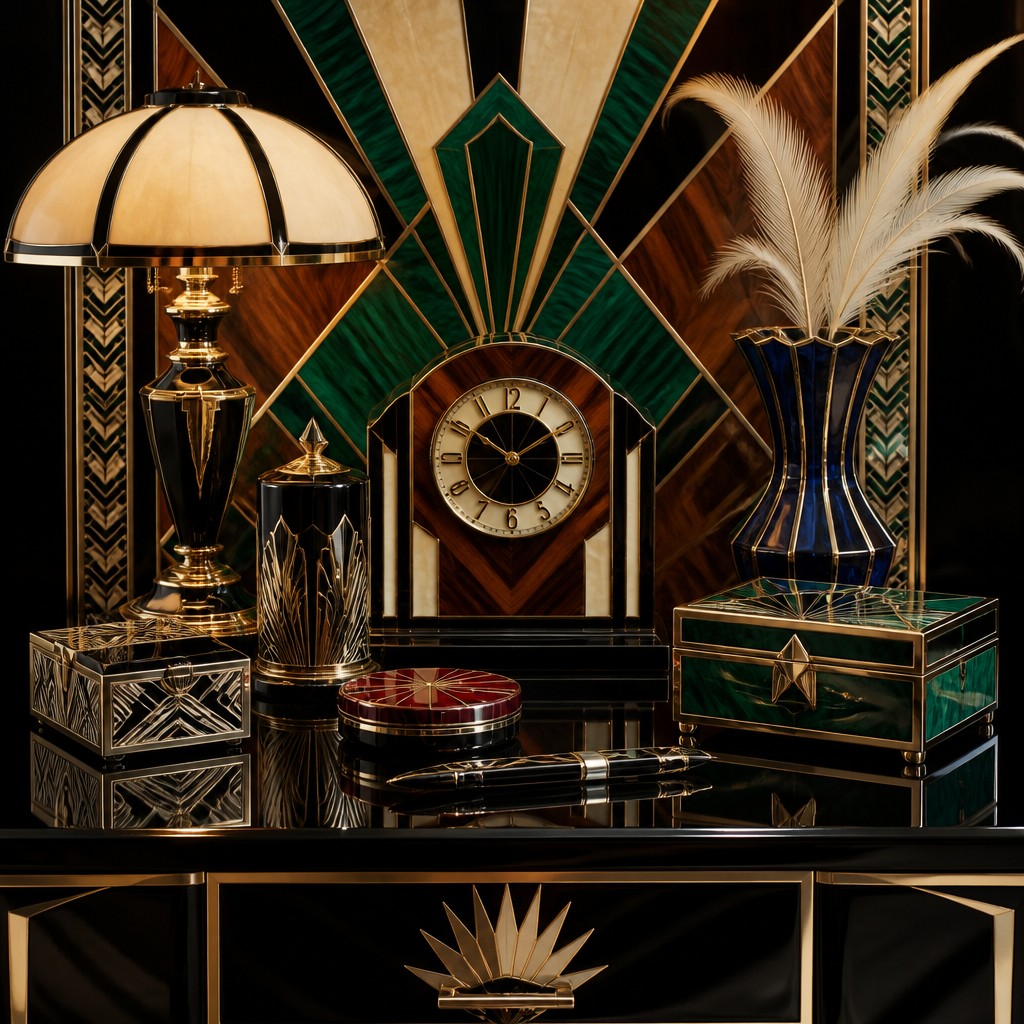
Theatrical finish
The visual effect is polished and reflective, with a showroom or cocktail-lounge sense of glamour. Lighting in depictions often emphasizes shine, contrast, and sculptural silhouette.
Try It
Create Videos in Art Deco Furniture Art
Styles aren't just for stills — describe a scene or animate an image and get a short video rendered in Art Deco Furniture. Press play to see this pond come to life.
Make a VideoArt Deco Furniture Prompt Ideas
Start from an idea — each one opens the generator with the style ready to go. See all 40 Art Deco Furniture prompts →

“close-up portrait of an elderly person with expressive weathered features”
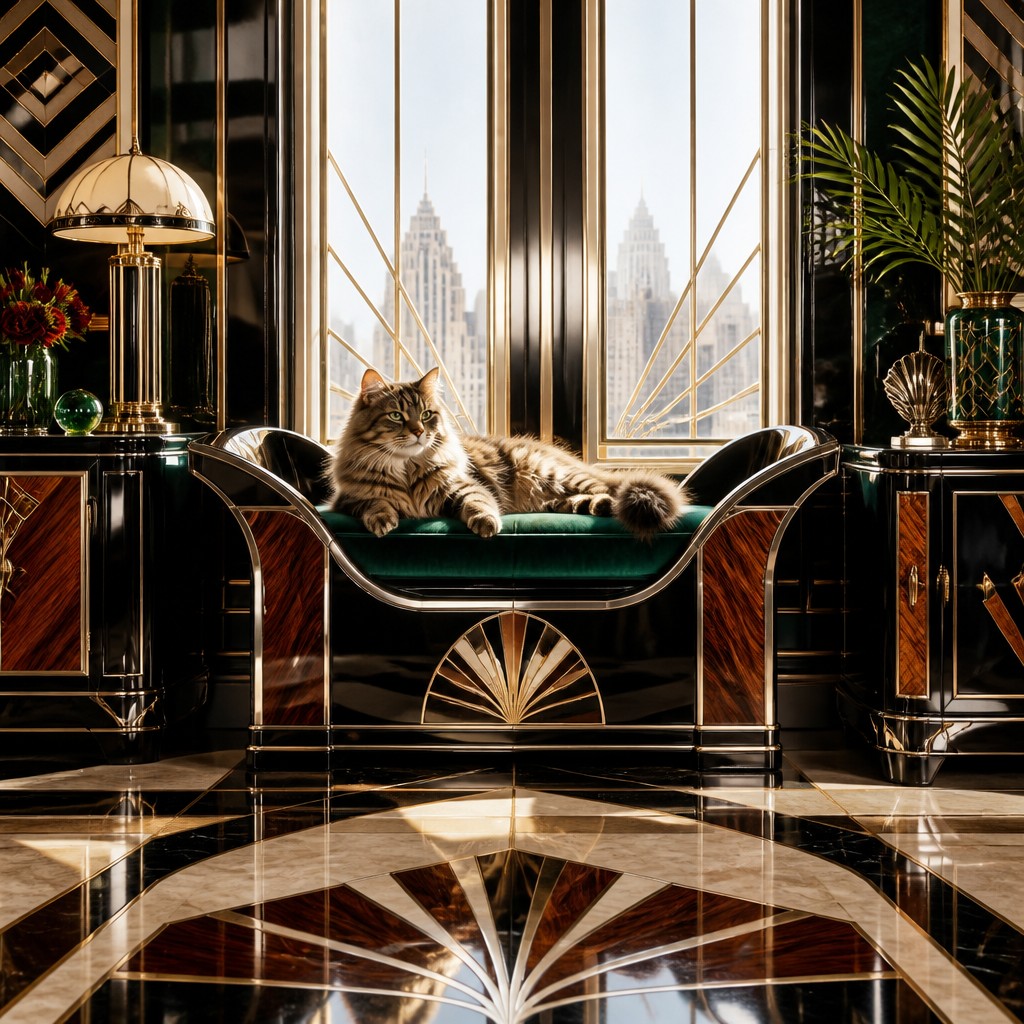
“a cat lounging in a sunlit window”
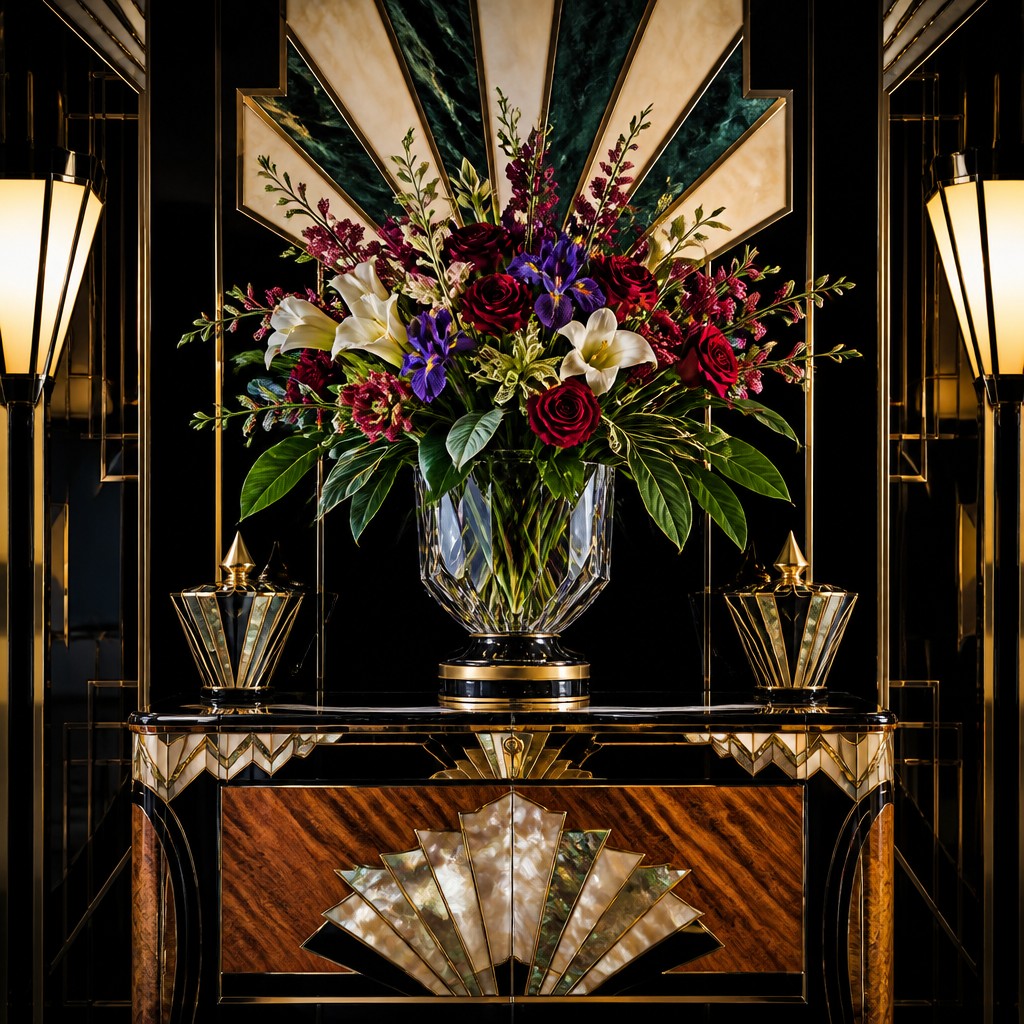
“bouquet of flowers in a glass vase”
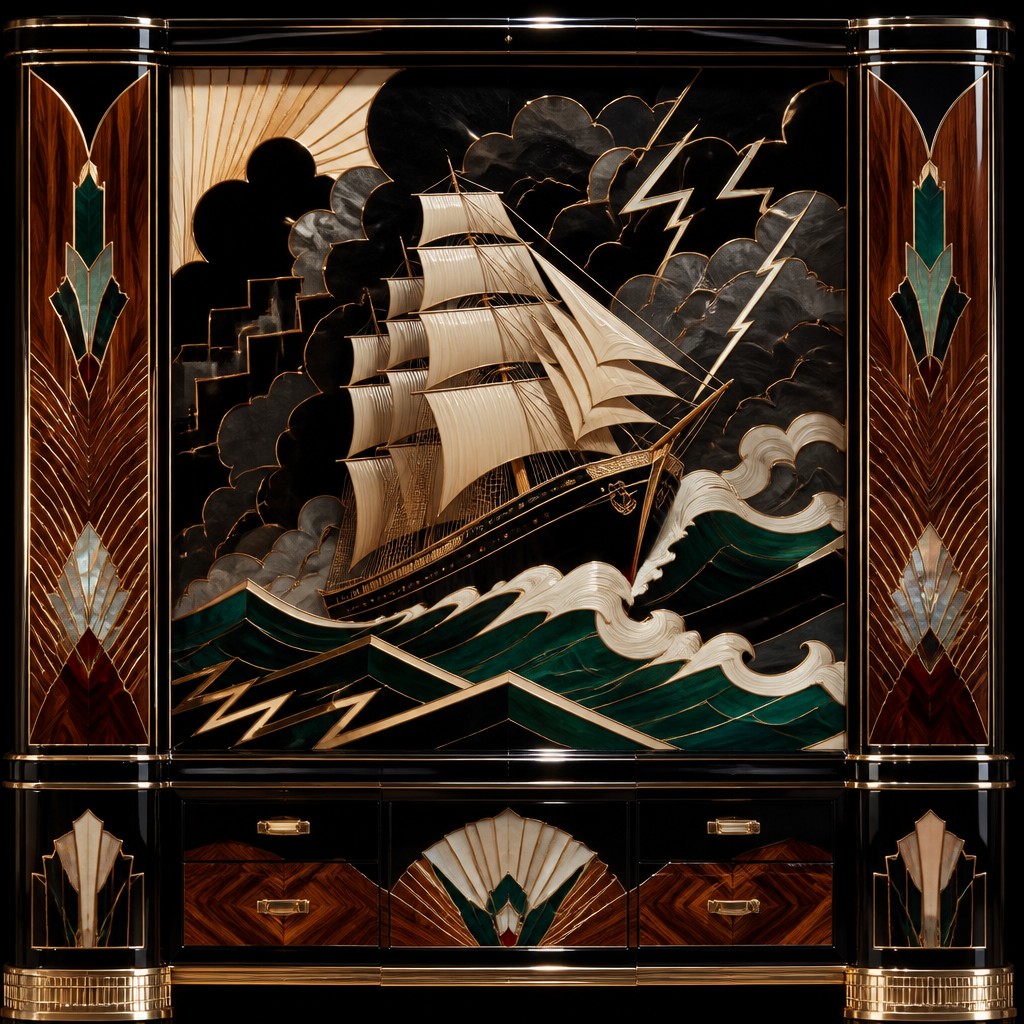
“sailing ship on a stormy sea”
How to Create Art Deco Furniture Art
Master the craft step by step — or skip straight to creating. Read the full guide →
- 1
Build from simple, symmetrical forms
Start with a clear furniture silhouette: a cabinet, vanity, side table, or lounge chair with balanced proportions and a strong geometric profile. Add stepped edges, arches, or fan-shaped accents rather than organic curves.
- 2
Layer luxurious materials intentionally
Use one or two dominant finishes, such as black lacquer with brass trim or walnut veneer with chrome inlay. In digital work, specify glossy reflections and distinct material separation so each surface reads clearly.
- 3
Design ornament as structure
Place chevrons, sunbursts, and marquetry panels where they reinforce the object’s architecture, such as drawer fronts, table aprons, and cabinet doors. Avoid overcrowding; the style depends on controlled decoration rather than dense pattern everywhere.
- 4
Choose a dramatic but limited palette
Combine dark neutrals with one or two jewel tones and metallic highlights. In painting or rendering, strong contrast and crisp highlights help convey the lacquered, mirror-like finish associated with the style.
- 5
Reference historic luxury interiors
For traditional illustration, study 1920s furniture catalogs, Parisian interiors, and period theater design to understand scale and ornament placement. For image generation, describe the object, material, and motif clearly, and include lighting cues such as 'glossy reflections' or 'studio spotlight'.
- 6
Keep the image clean and deliberate
Whether drawing by hand or generating digitally, avoid weathering, distressed wood, or rustic irregularity unless intentionally mixed with the style. The look should feel refined, expensive, and precisely made.
The Story
History & Origins of Art Deco Furniture
Art Deco emerged in the years after World War I and reached its height during the 1920s and 1930s, with major visibility in France, the United States, Britain, and beyond. The term comes from the 1925 Exposition Internationale des Arts Décoratifs et Industriels Modernes in Paris, an exhibition that helped define the movement’s emphasis on luxury, craftsmanship, and modern design. Furniture designers adapted these ideas into domestic interiors, producing pieces that were elegant, disciplined, and often lavishly finished.
The style drew from multiple sources rather than a single origin: Cubist geometry, Neoclassical symmetry, Egyptian and other ancient motifs, Viennese Secession design, machine-age aesthetics, and high-end cabinetmaking traditions. In furniture, it evolved through both bespoke luxury pieces and more streamlined commercial production, later influencing mid-century interiors and repeated revivals in interior design, cinema, and decorative arts.
Influences: This furniture style belongs to the wider Art Deco movement and overlaps with design languages from Cubism, the Viennese Secession, modernist streamlining, and luxury cabinetmaking. It also shares visual traits with ancient Egyptian-inspired revival ornament, the machine-age aesthetics of the interwar period, and the polished decorative sensibility seen in high-end decorative arts of the early 20th century. Unlike the pared-down functionalism of Bauhaus design, it preserves ornament, sheen, and theatrical display as essential features.

Frequently Asked Questions
What defines Art Deco furniture art?
It is defined by geometric ornament, symmetry, luxurious materials, and polished finishes. Common features include lacquer, brass, chrome, inlay, chevrons, sunbursts, and stepped forms.
How is it different from Art Nouveau furniture?
Art Nouveau favors flowing, plant-like curves and organic whiplash lines, while Art Deco is sharper, more symmetrical, and more geometric. Art Deco also tends to use bolder contrast and more machine-age materials like chrome and lacquer.
What materials are most associated with this style?
Typical materials include ebony, walnut, exotic veneers, black lacquer, brass, chrome, glass, marble, and shell or mother-of-pearl inlay. These materials create the glossy, high-contrast look that makes the style recognizable.
Can this style work in modern interiors?
Yes, especially as an accent style for statement pieces such as cabinets, side tables, mirrors, and consoles. It is often used to add formality and glamour without needing an entire room to be period-authentic.
How do I make furniture look authentic to the period?
Focus on symmetry, crisp geometry, and carefully placed ornament rather than random decoration. Use period-appropriate materials and finishes, and keep the silhouette elegant and structured.
Where is this style commonly used today?
It appears in interior design, film sets, hospitality spaces, fashion editorials, and luxury branding. It is also popular in illustration and digital art because its reflective surfaces and geometric motifs translate well visually.
Create your first Art Deco Furniture artwork
Describe anything — or upload a photo — and see it in Art Deco Furniture Art in seconds.
Make Something with Art Deco Furniture
Related Styles
Discover similar art styles