Digital Geometric Art
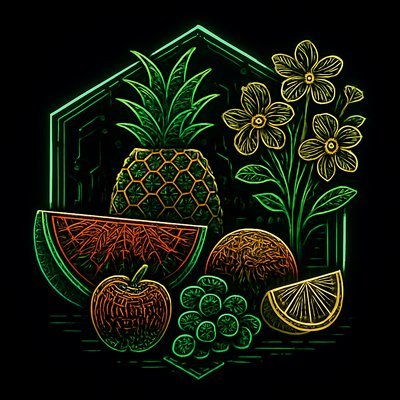
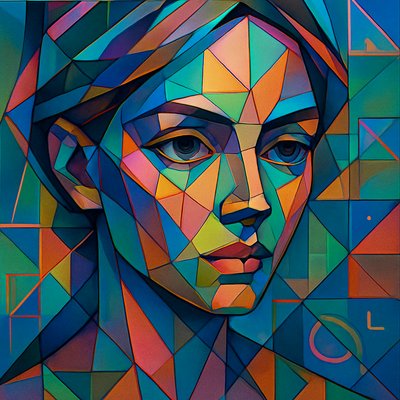
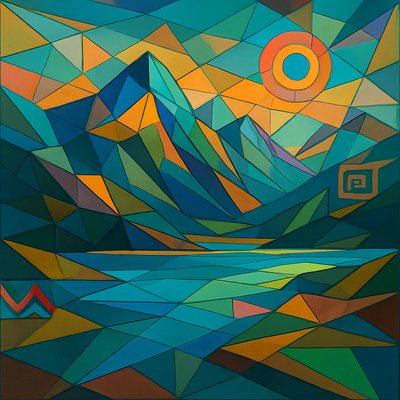
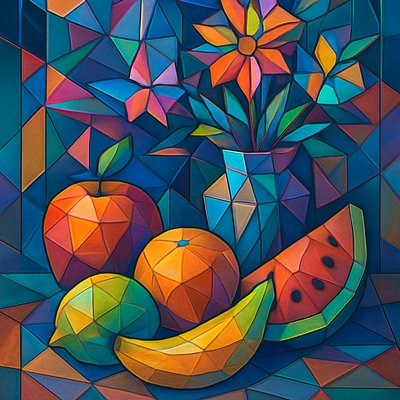
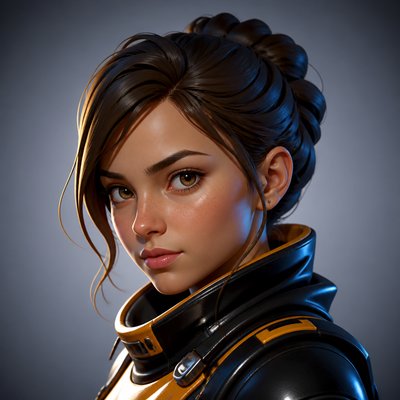
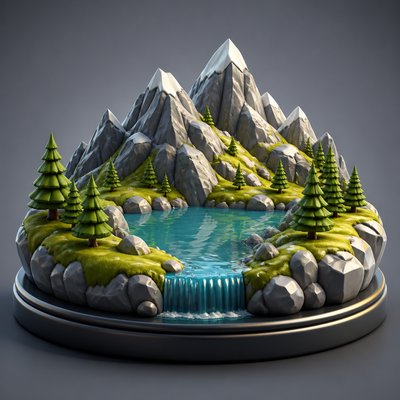
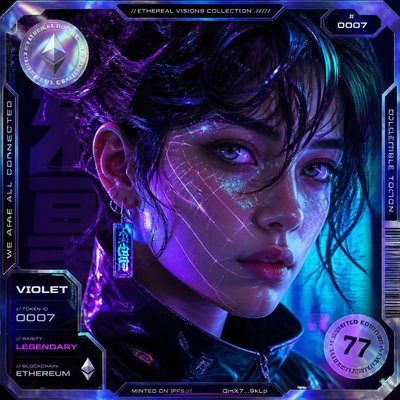
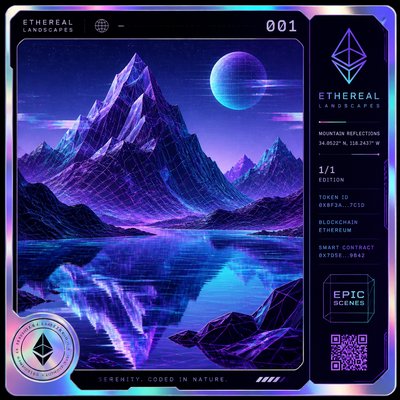
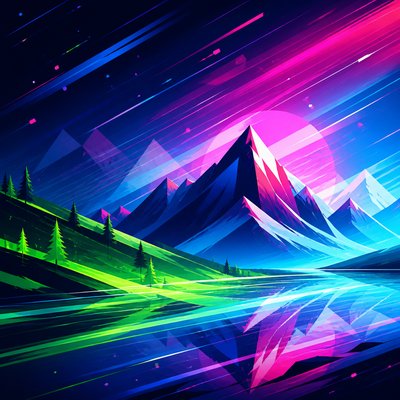
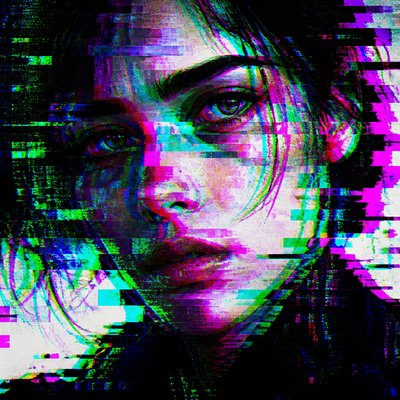
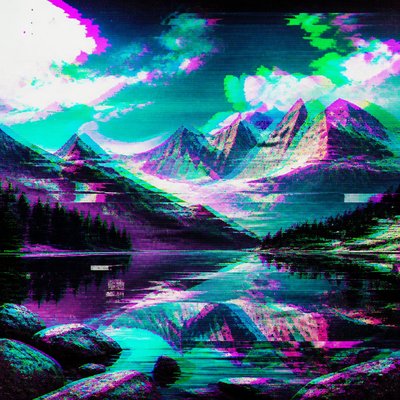
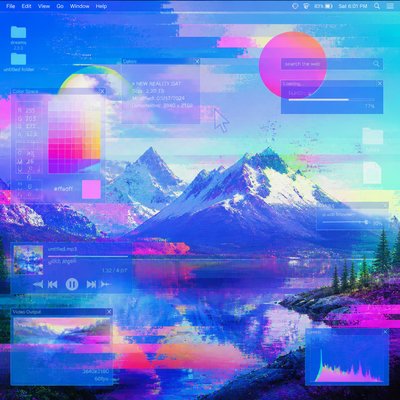
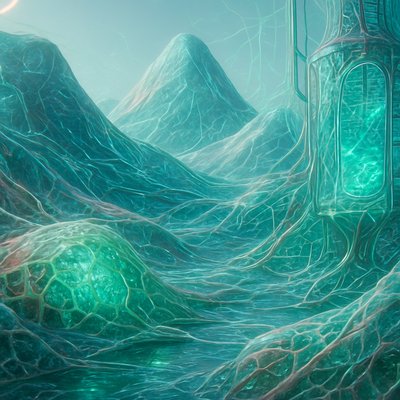
Computer-made geometric art with crisp facets, gradient meshes, neon color, wireframes, and polished precision.
Instantly rendered in Digital Geometric — or transform a photo
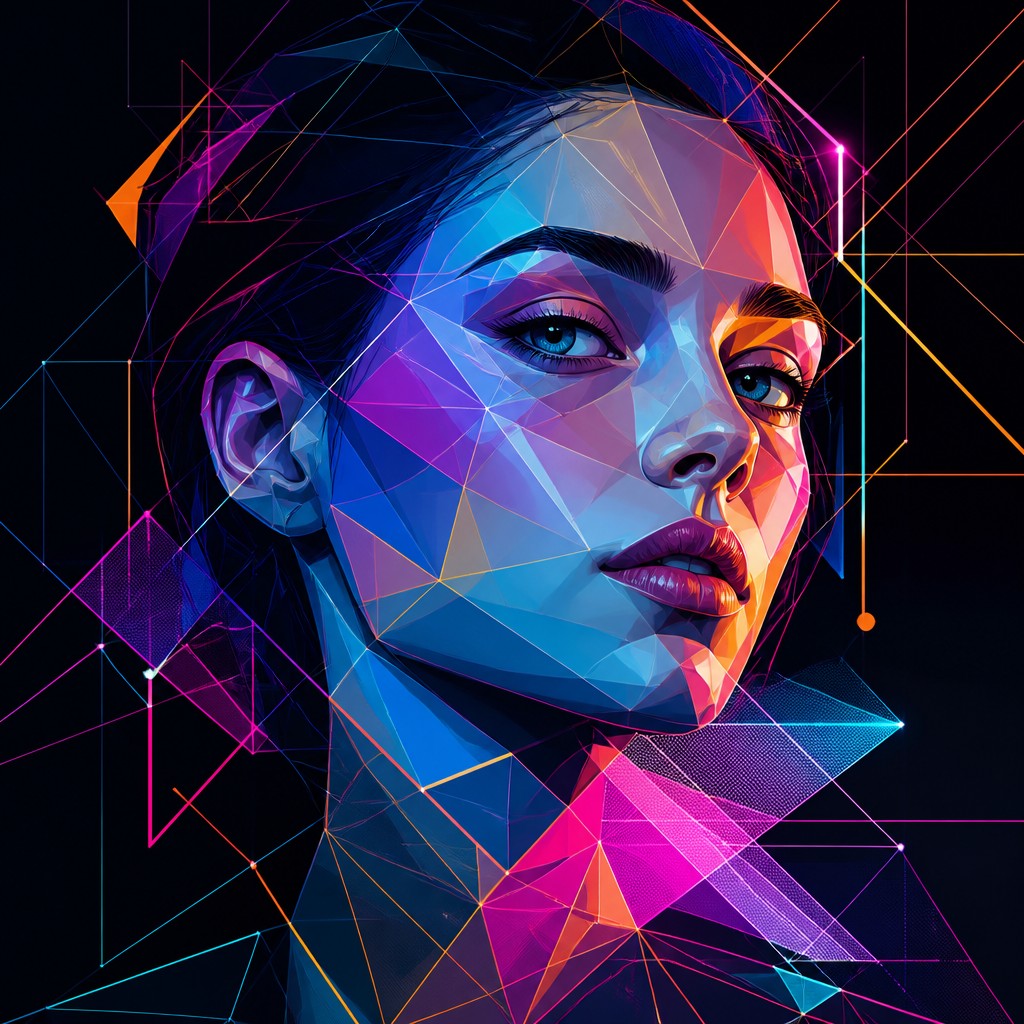
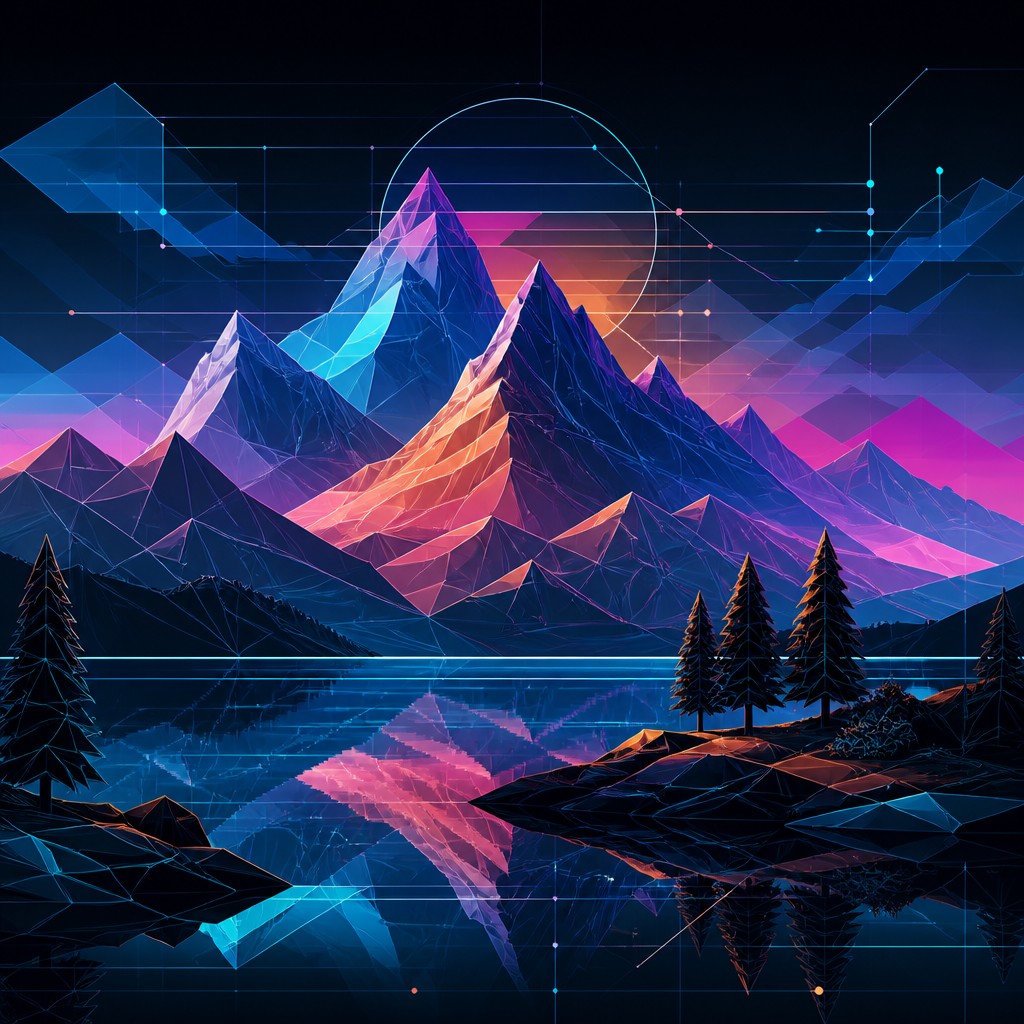
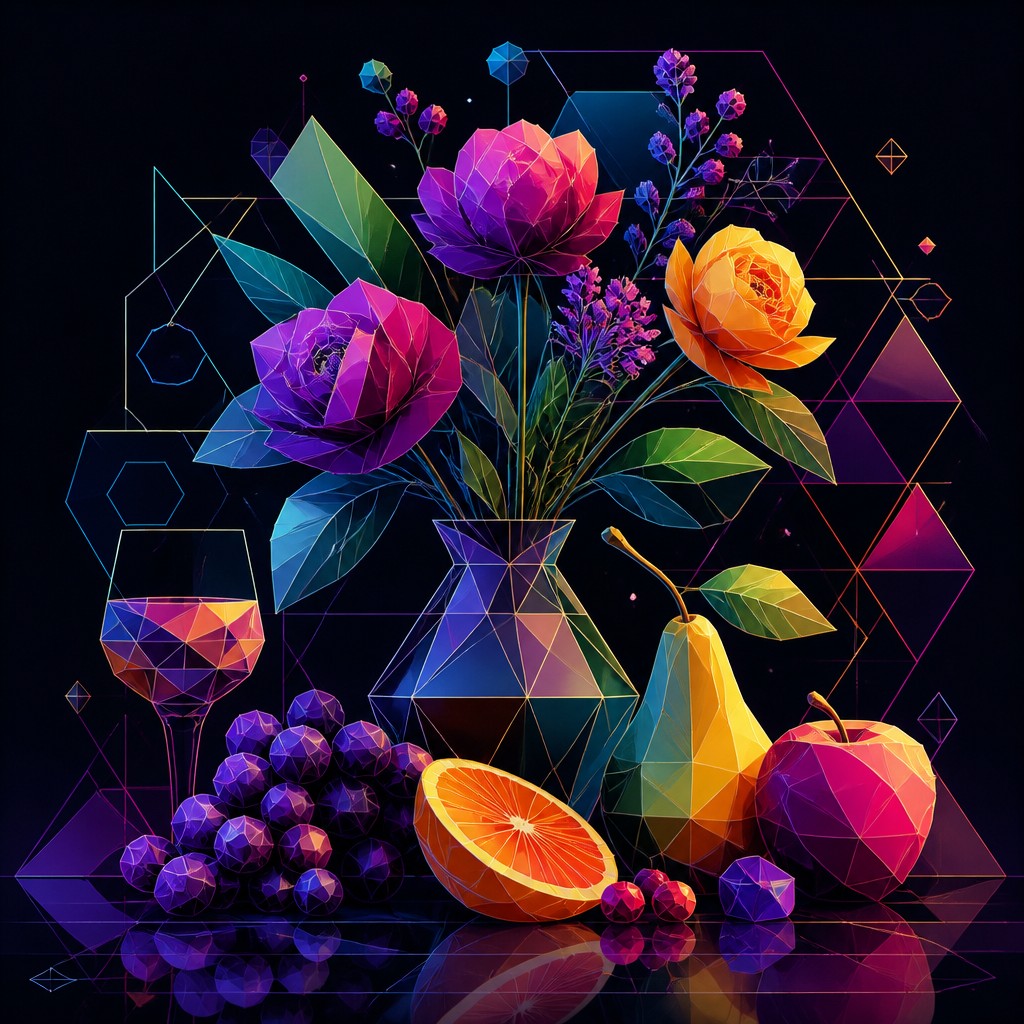
Digital Geometric Gallery
Tap any artwork to explore it

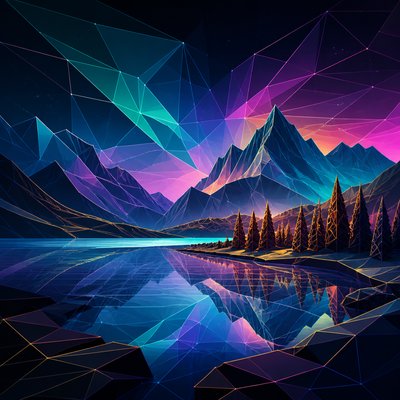

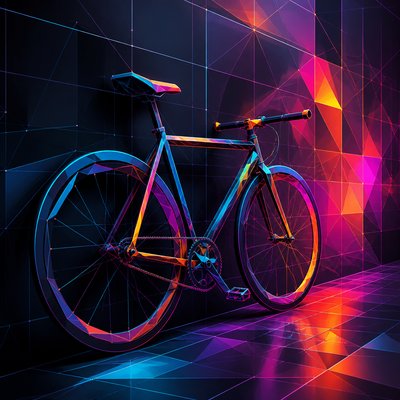
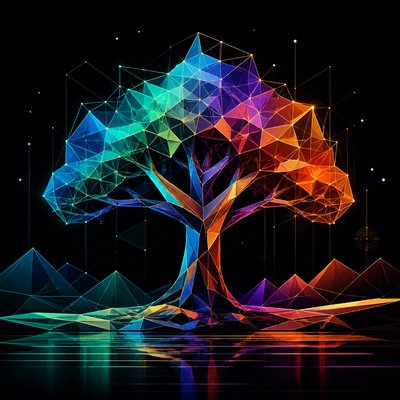
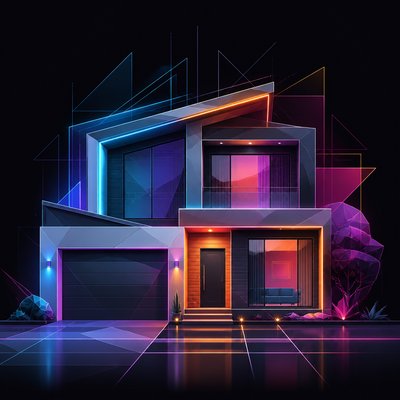
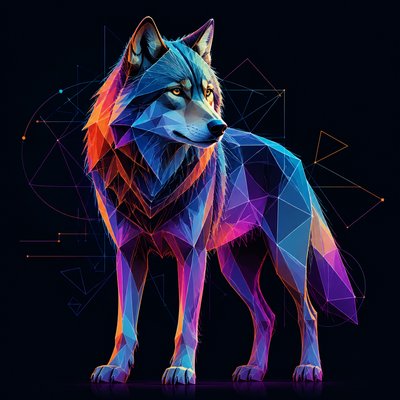
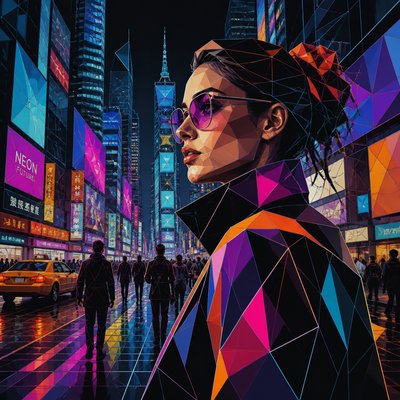
What is Digital Geometric Art?
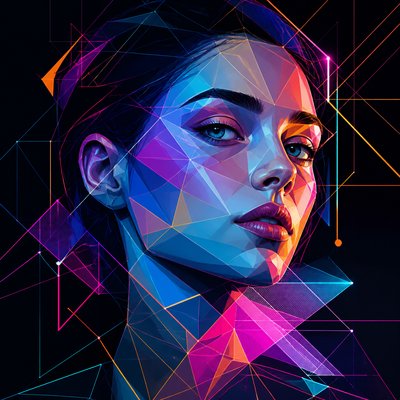
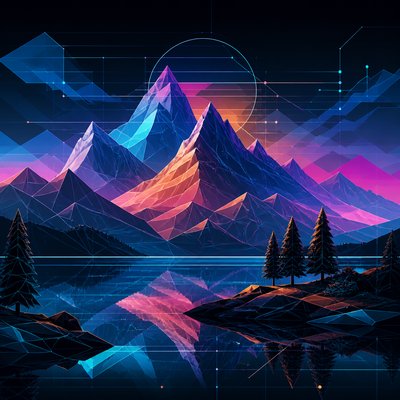
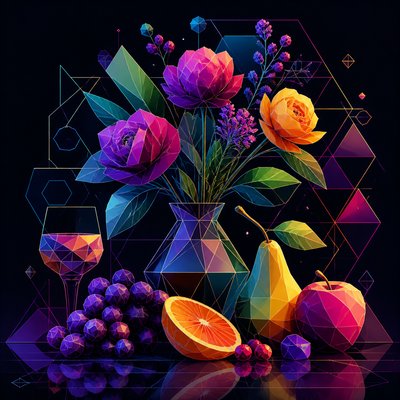
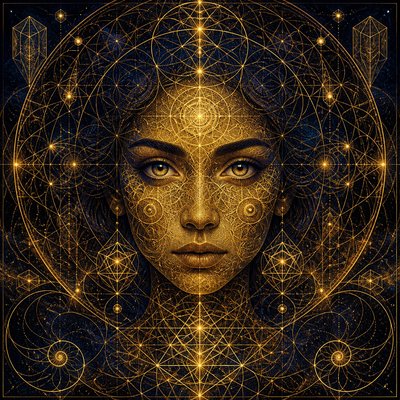
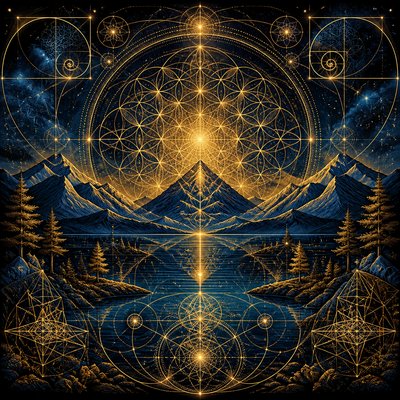
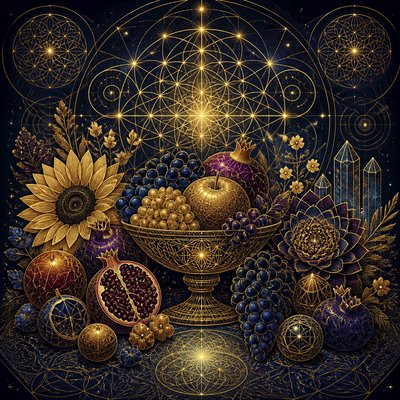
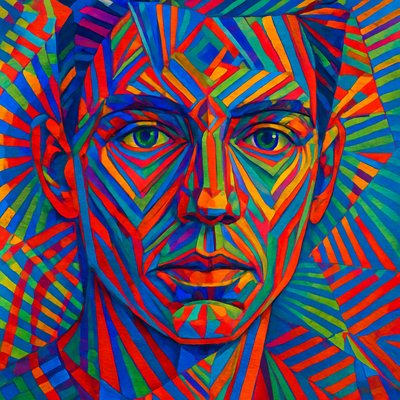
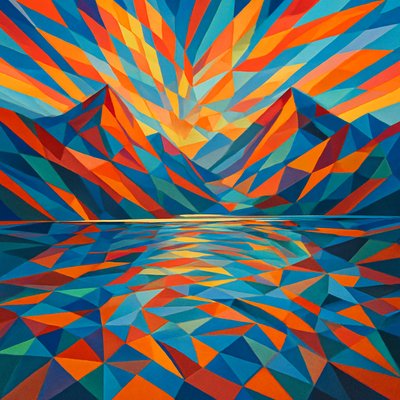
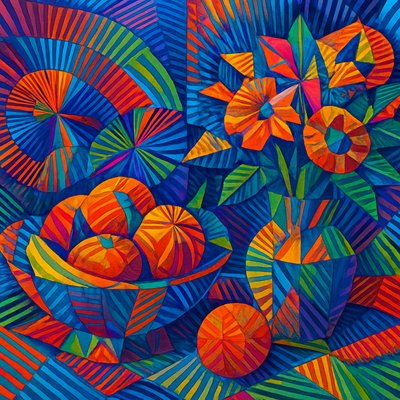
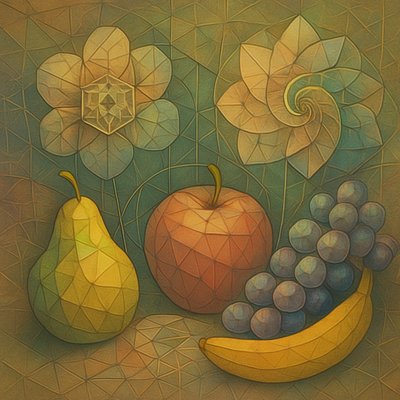
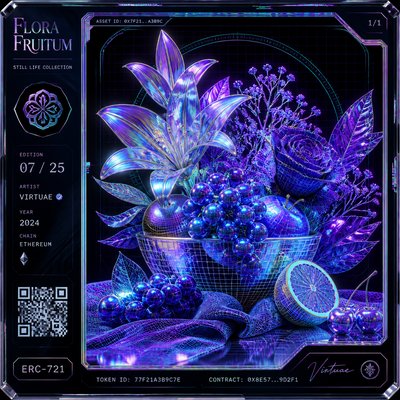
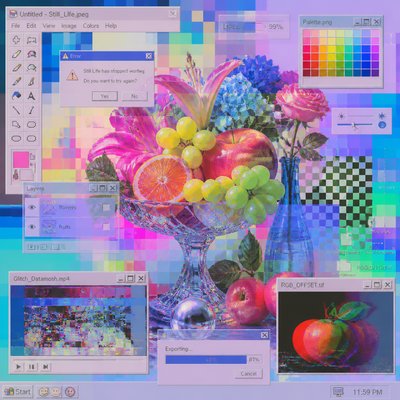
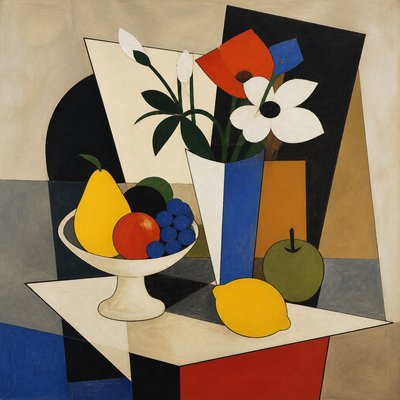
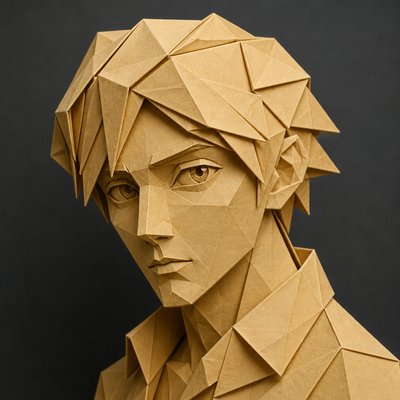
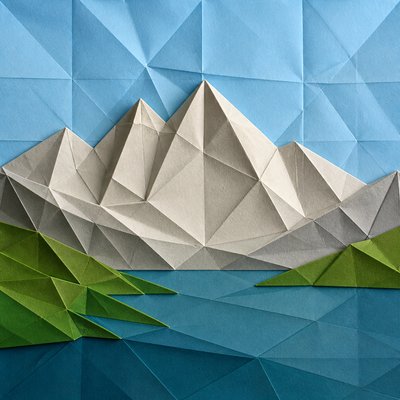
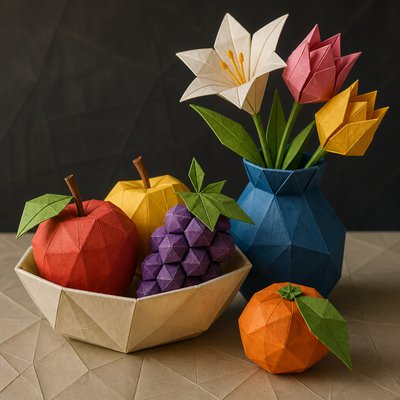
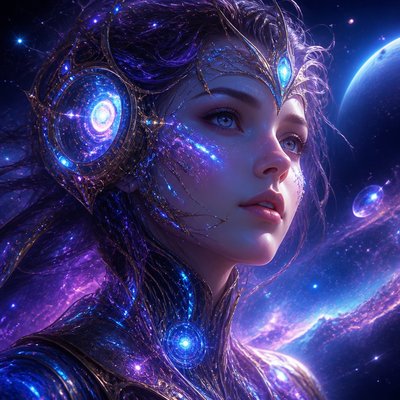
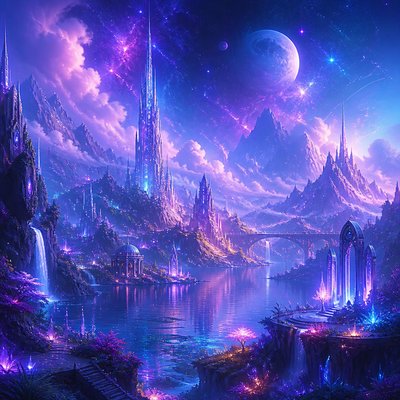
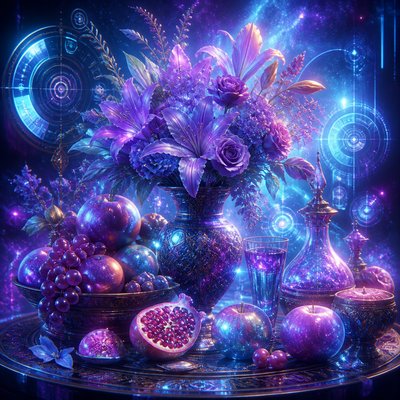
Digital geometric art is a computer-native visual style built from precise polygons, tessellations, vector edges, gradient meshes, and layered planar forms. It emphasizes mathematical cleanliness and controlled color transitions rather than brush texture or expressive hand marks, producing images that feel engineered rather than painted.
Its visual identity comes from the meeting of geometry and light: faceted structures, luminous outlines, translucent overlays, and calculated shadows often arranged against deep negative space. The result can look futuristic, architectural, or abstract, because the style is designed around the capabilities of digital tools—perfect alignment, infinite duplication, smooth gradients, and sharp control over transparency and color.
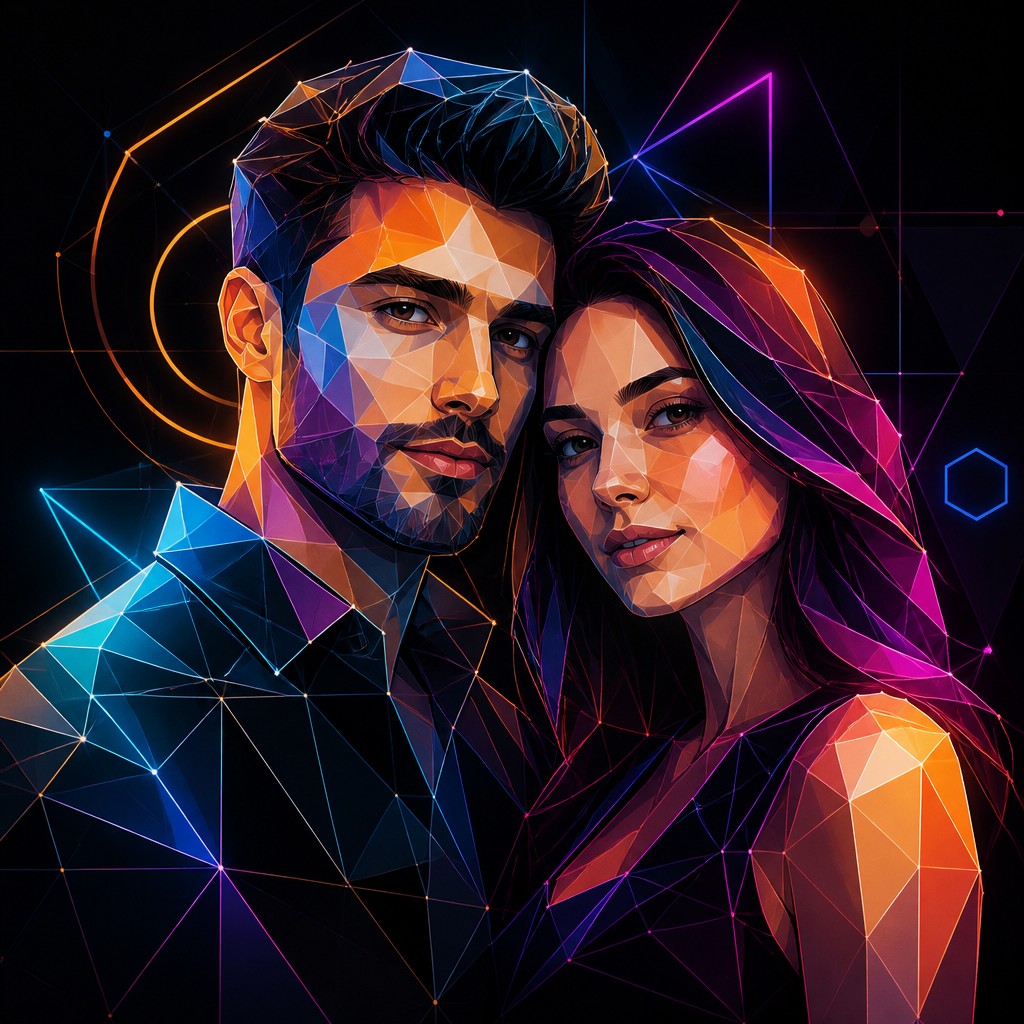
Try It On Your Photos
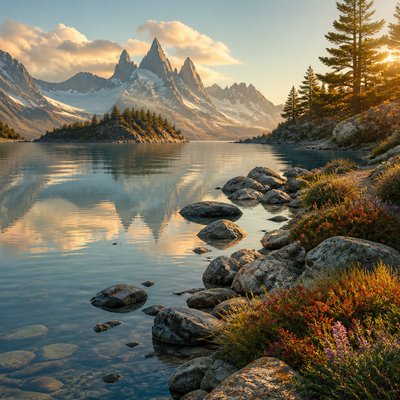
Upload any photo and convert it into Digital Geometric Art — drag the sliders to compare before and after.


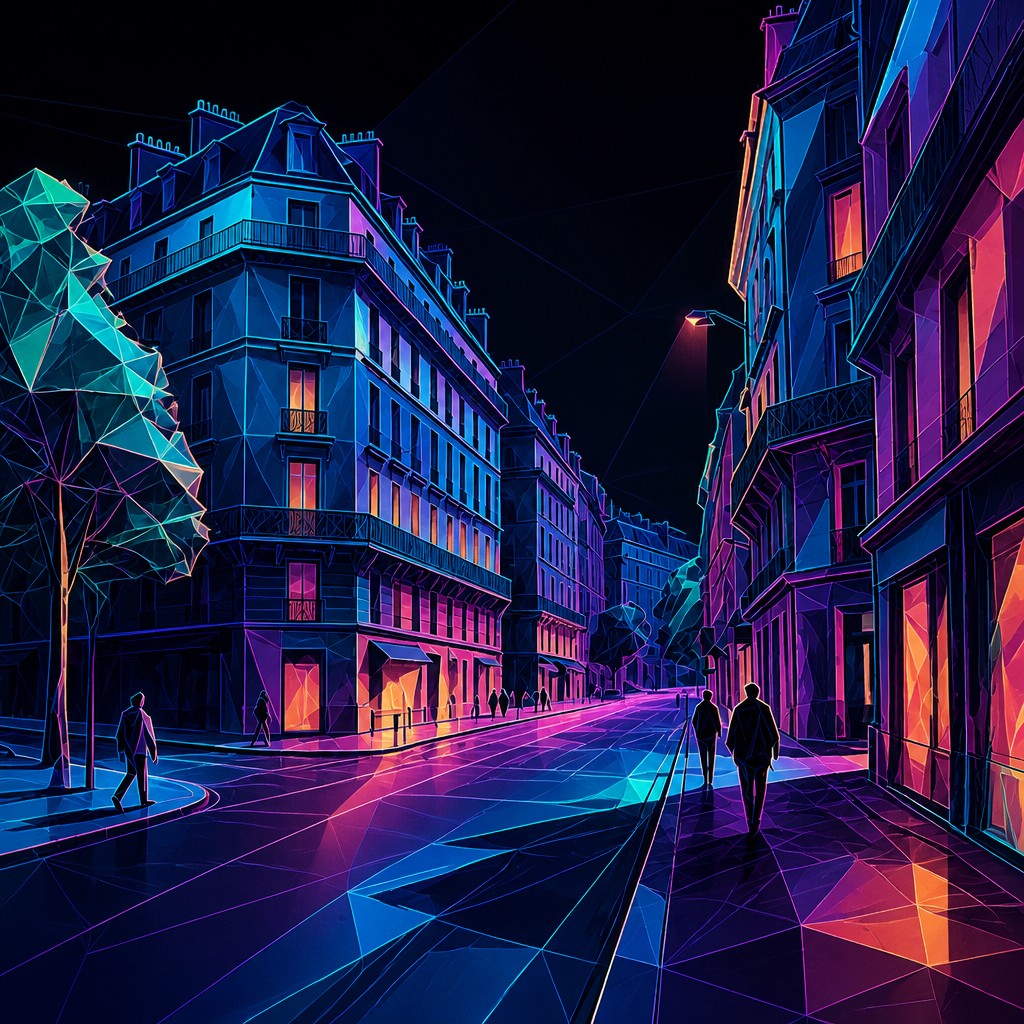

What Defines Digital Geometric Art
The signature details, up close
Mathematically precise geometry
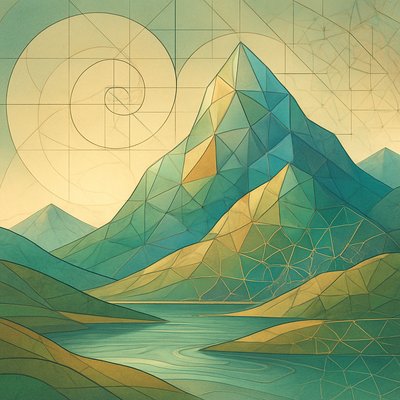
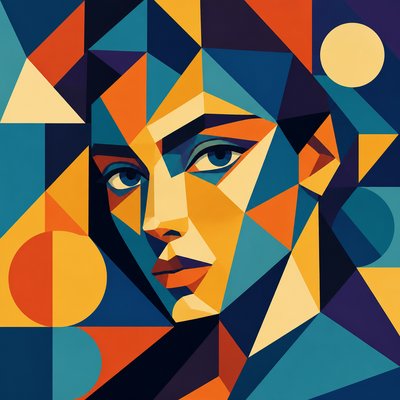
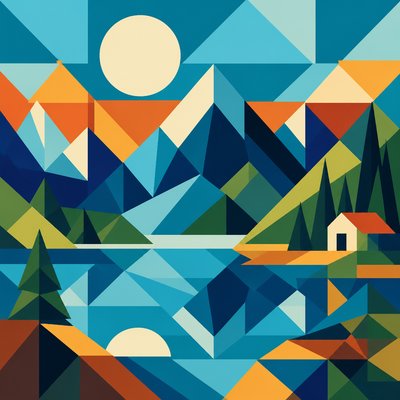
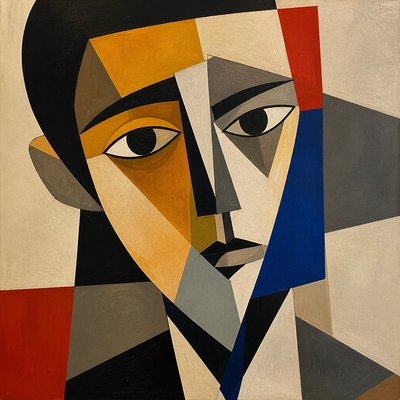
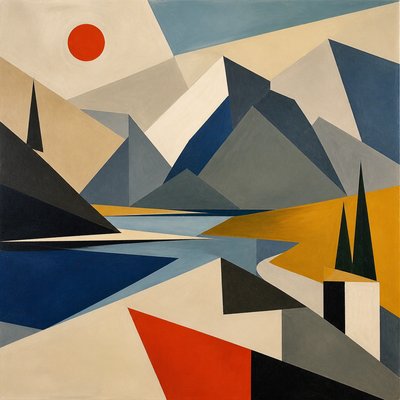
Forms are constructed from polygons, facets, grids, and tessellations with exact edges and symmetrical or deliberately engineered relationships. Even when the composition is complex, it usually feels measured and controlled.
Gradient mesh color transitions
Color often shifts smoothly across surfaces, creating depth without visible brushwork. Electric neon hues, cool spectral blends, and metallic tones are common because they intensify the synthetic, digital feeling.
Wireframes and layered planes
Lines, node-like structures, and translucent overlays reveal the image’s underlying structure. These elements suggest 3D construction, computational modeling, or an object seen through multiple digital layers.
Crisp vector-like edges
Edges are clean, sharp, and free of painterly irregularity. This clarity distinguishes the style from hand-drawn geometric abstraction and gives it a polished graphic-design quality.
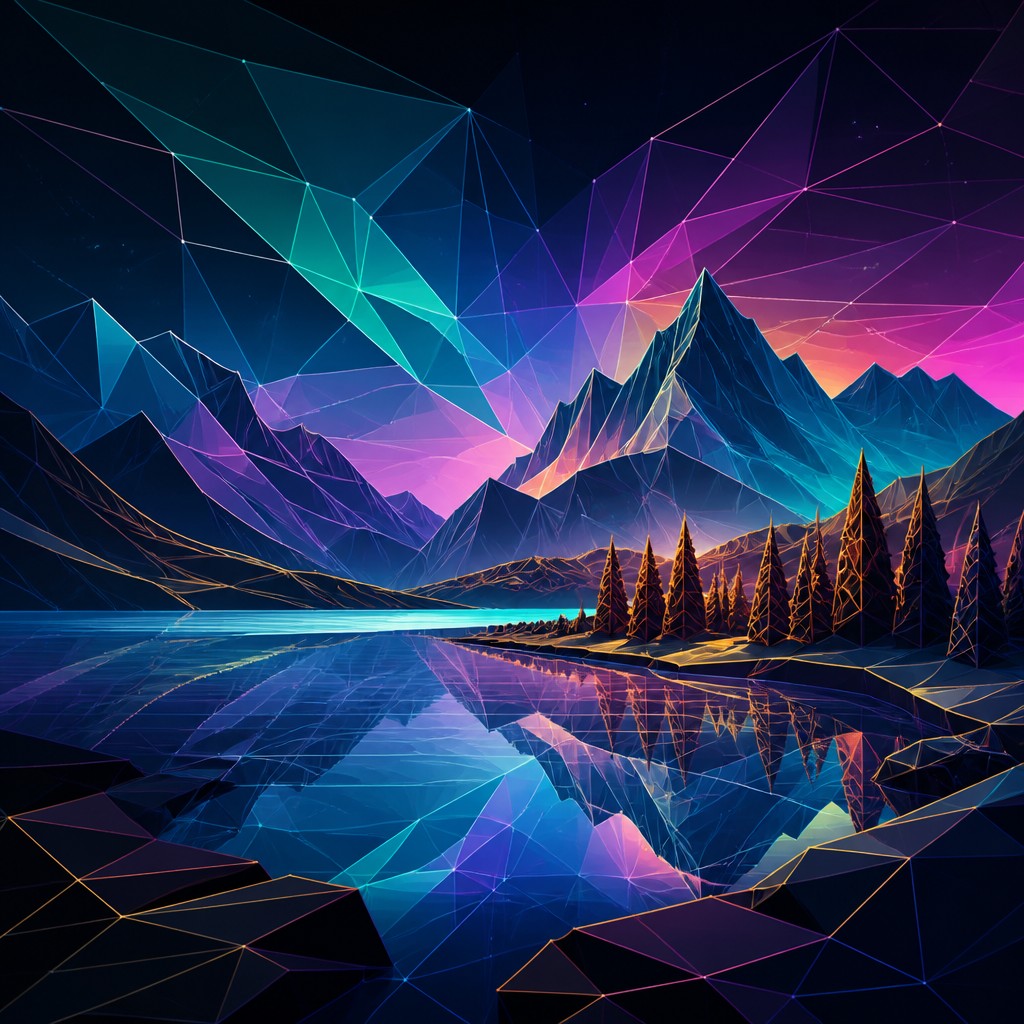
Synthetic light and shadow
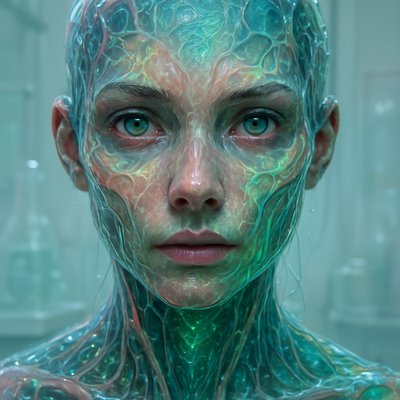
Shadows and highlights are carefully calculated, often with glowing accents, reflections, and high contrast against dark space. The lighting tends to feel artificial, precise, and technologically generated.
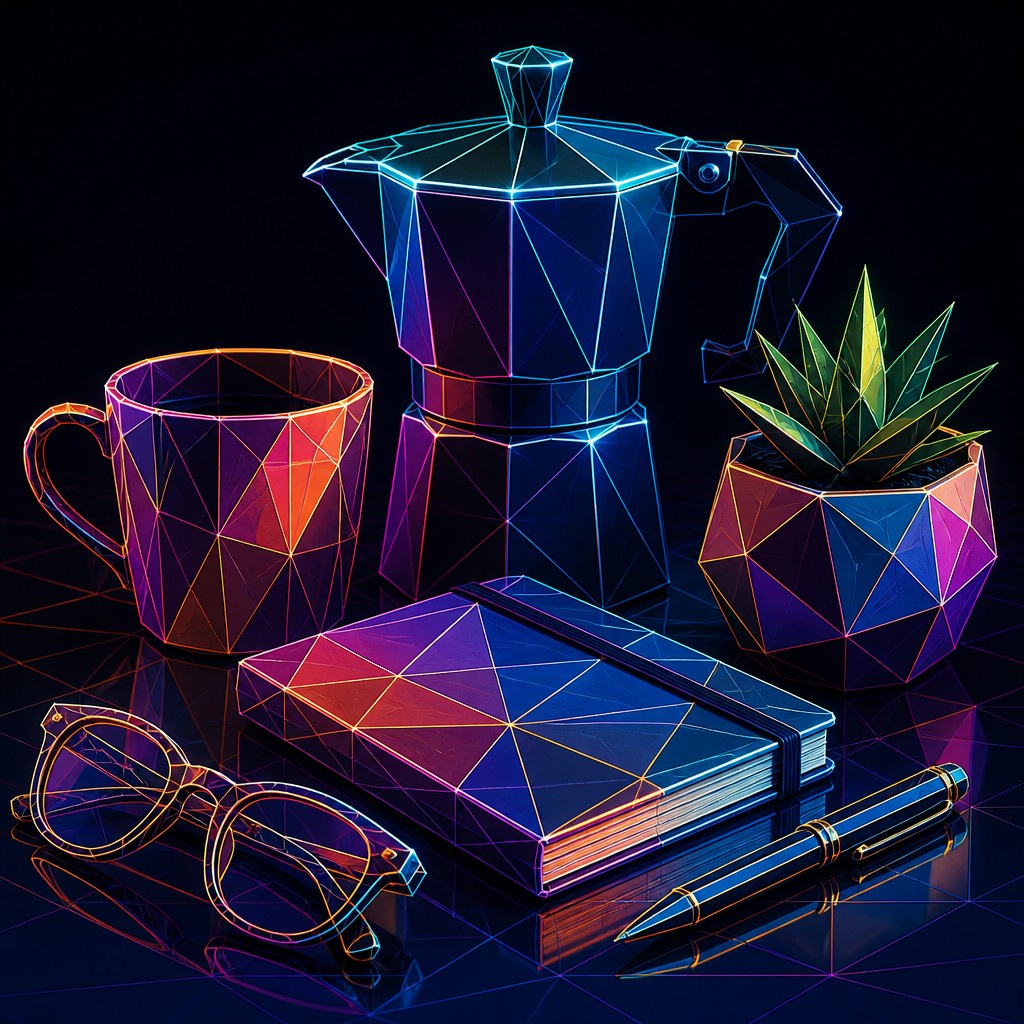
Abstracted or reconstructed subjects
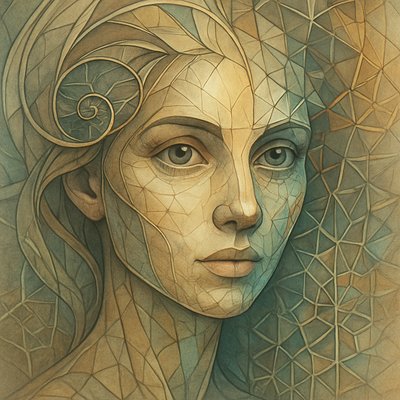
Real-world subjects may be broken into facets or rebuilt from geometric components, making them look as though they were modeled, scanned, or algorithmically assembled. The image often balances recognizability with abstraction.
Try It
Create Videos in Digital Geometric Art
Styles aren't just for stills — describe a scene or animate an image and get a short video rendered in Digital Geometric. Press play to see this pond come to life.
Make a VideoDigital Geometric Prompt Ideas
Start from an idea — each one opens the generator with the style ready to go. See all 40 Digital Geometric prompts →
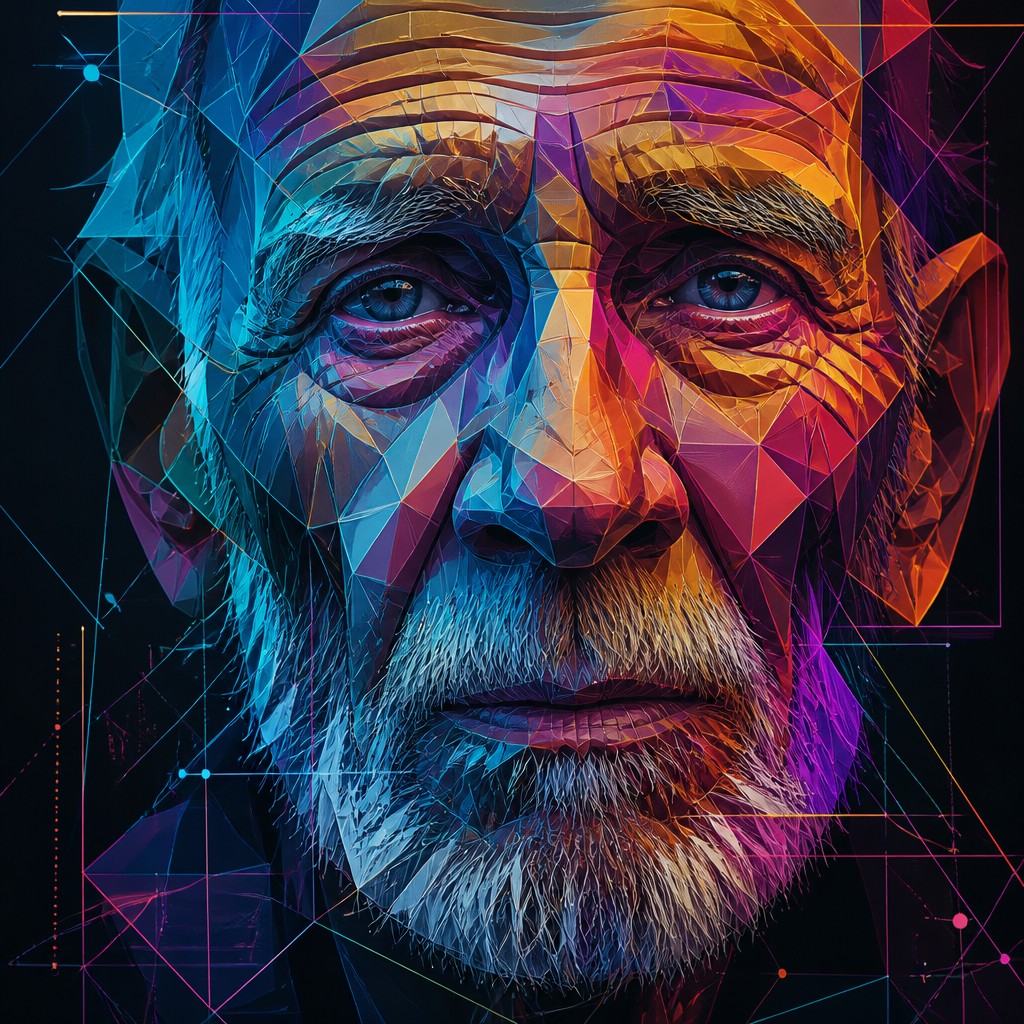
“close-up portrait of an elderly person with expressive weathered features”
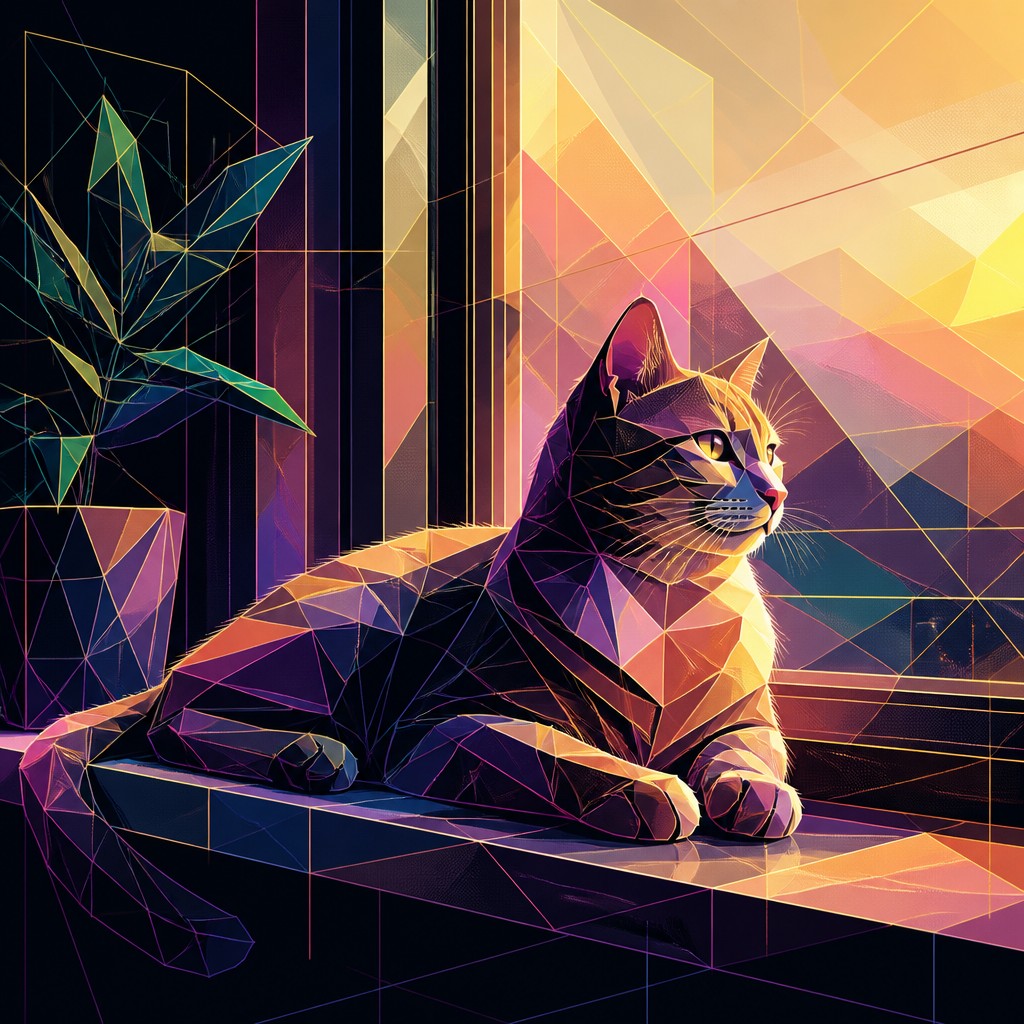
“a cat lounging in a sunlit window”
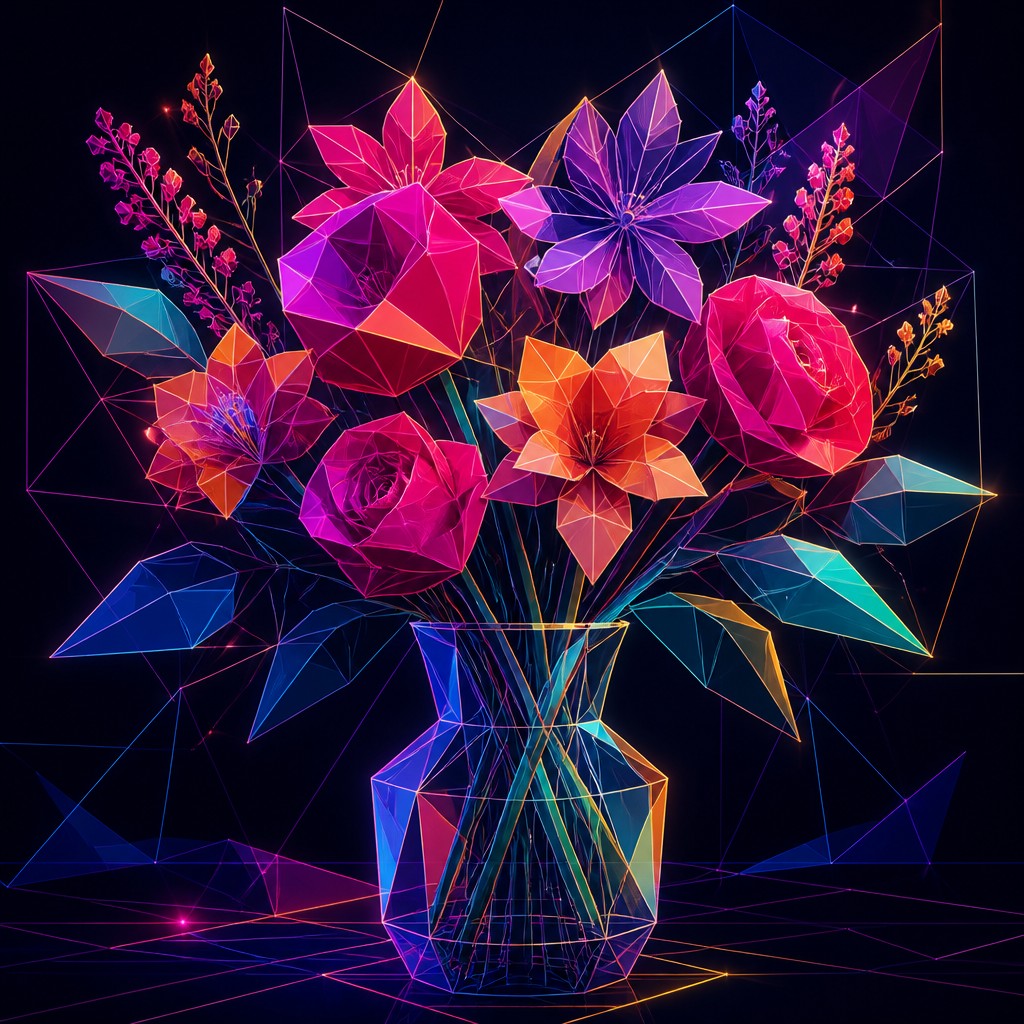
“bouquet of flowers in a glass vase”
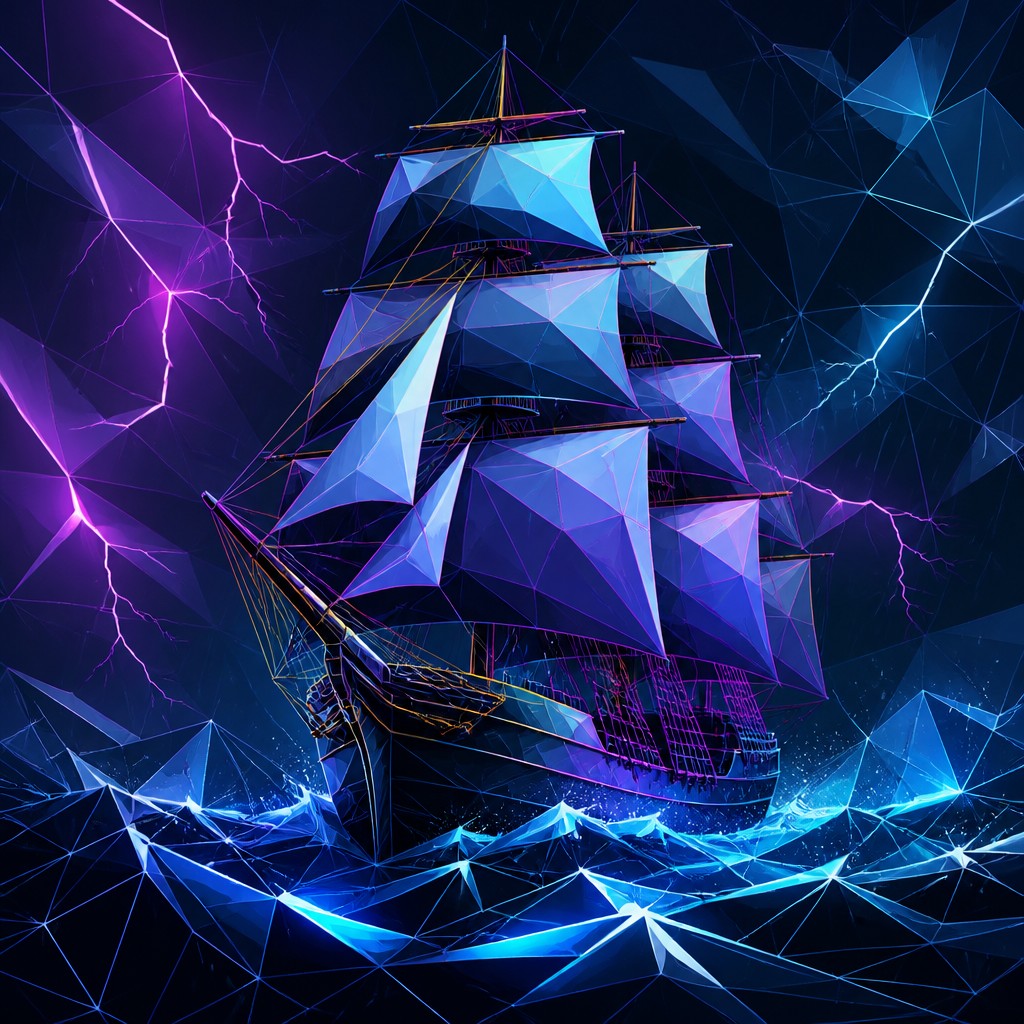
“sailing ship on a stormy sea”
How to Create Digital Geometric Art
Master the craft step by step — or skip straight to creating. Read the full guide →
- 1
Build the composition from simple geometry
Start with polygons, grids, circles, and intersecting planes before refining into a complex structure. In traditional work, use rulers, compasses, masking, and layered transparencies; in digital work, rely on vector paths, shape builders, and modular construction.
- 2
Use controlled gradients and transparency
Replace painterly blending with smooth mesh-like transitions, opacity changes, and layered color fields. Keep transitions deliberate so the image reads as engineered rather than softly atmospheric.
- 3
Prioritize clean edges and alignment
Every boundary should feel intentional, with no accidental wobble or texture. Align elements to a visual system, such as symmetry, radial structure, or a fixed perspective grid, to maintain the computational aesthetic.
- 4
Introduce light as an electronic effect
Use neon glows, luminous outlines, reflective metallic highlights, and high-contrast shadows to make the geometry feel energized. These effects should accent the structure instead of obscuring it.
- 5
Reconstruct the subject into facets
If the subject is figurative or representational, break it into angular planes and overlapping translucent parts. When using prompt-based generation, specify precision, polygons, wireframes, gradient meshes, and dark negative space to steer the image toward a digital geometric look.
The Story
History & Origins of Digital Geometric
Digital geometric art does not belong to a single historical movement; it is an aesthetic lineage that grows out of several 20th- and 21st-century traditions. Its geometric clarity reflects Constructivism, Bauhaus, Op Art, and Minimalism, while its layered polygons, gradient meshes, and luminous effects are made possible by vector illustration, 3D modeling, and modern digital compositing. In that sense, it is a contemporary synthesis of modernist geometry and computer graphics.
The style developed alongside design software and screen-based visual culture, especially from the late 20th century onward, when artists and designers gained tools for exact alignment, perfect curves, mesh gradients, and transparent stacking. It is especially common in branding, motion graphics, album art, interface visuals, sci-fi imagery, and abstract digital illustration, where precision and synthetic polish are part of the intended look.
Influences: Digital geometric art draws from modernist abstraction and design traditions including Constructivism, Bauhaus, Op Art, and Minimalism, as well as computer graphics, vector illustration, and 3D visualization. Its emphasis on precision also relates to architectural rendering and information design, while its glowing synthetic surfaces often echo contemporary sci-fi concept art and motion graphics rather than a single historical school.

Frequently Asked Questions
What defines digital geometric art?
It is defined by precision-built shapes, clean edges, and digitally possible effects such as gradient meshes, transparency layers, wireframes, and synthetic lighting. The style usually looks engineered rather than hand-painted, even when the subject is organic or figurative.
How is it different from abstract geometric art?
Abstract geometric art can be made with many media and may include visible brushwork, print texture, or handmade irregularity. Digital geometric art usually has a sharper, more polished finish, with smoother gradients, perfect alignment, and effects associated with computer-based creation.
Is this the same as low-poly art?
Not exactly. Low-poly art usually emphasizes faceted 3D forms with visibly simplified polygon counts, while digital geometric art is broader and may include vector shapes, wireframes, meshes, translucent overlays, and more elaborate color treatments. Low-poly can be one expression within the style, but it does not define it.
What kinds of subjects work well in this style?
Portraits, animals, architecture, landscapes, logos, and sci-fi objects all work well because they can be broken into structured planes. Subjects with strong silhouettes or clear contours tend to translate especially effectively into geometric reconstruction.
Where is digital geometric art commonly used?
It appears frequently in branding, editorial graphics, album art, motion graphics, game visuals, and futuristic concept imagery. The style is popular whenever a clean, modern, technologically advanced look is desired.
Can this style be made traditionally, or only digitally?
It can be approximated traditionally with precision tools, masking, collage, cut paper, rulers, and careful layering. However, its smooth meshes, perfect vector edges, and luminous computational effects are most fully realized with digital methods.
Create your first Digital Geometric artwork
Describe anything — or upload a photo — and see it in Digital Geometric Art in seconds.
Make Something with Digital Geometric
Compare Digital Geometric
Related Styles
Discover similar art styles