Manga Art Style
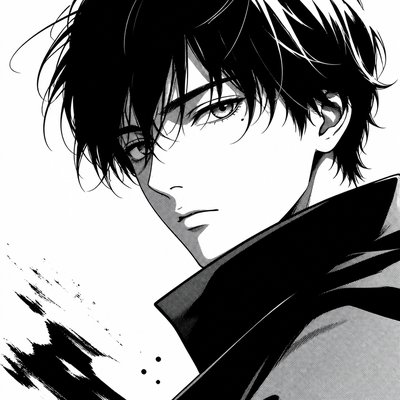
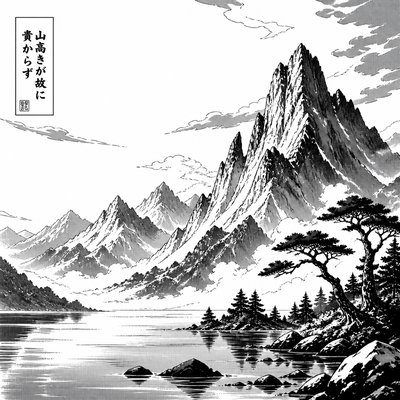
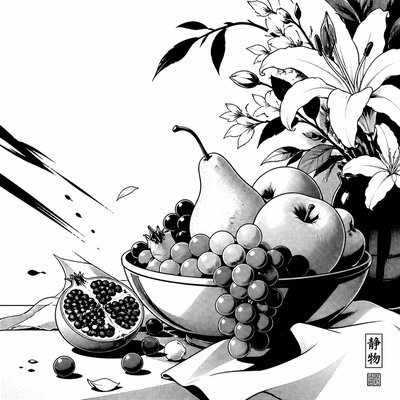
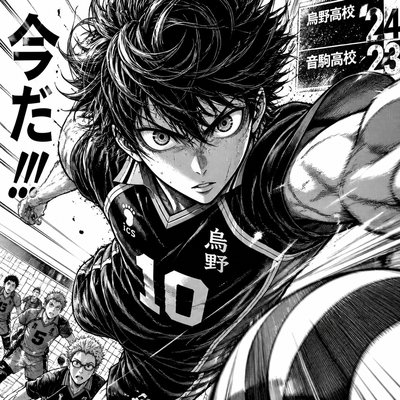
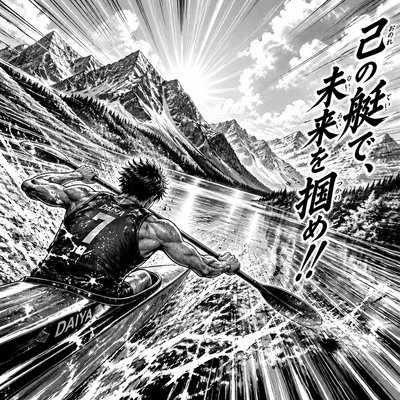
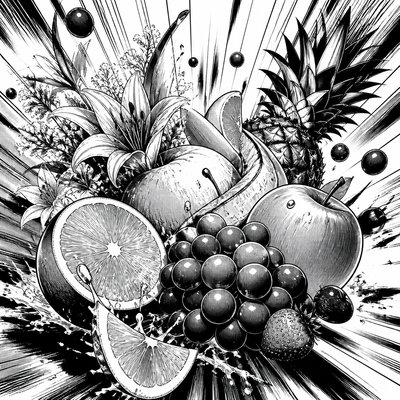
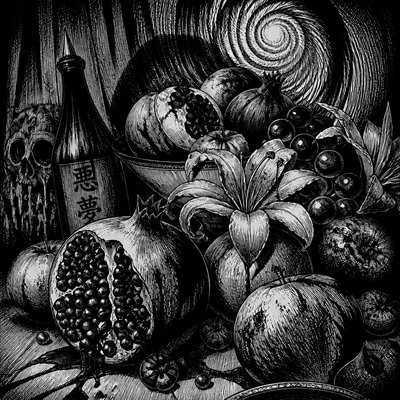
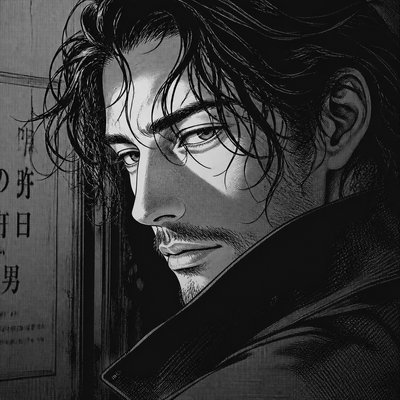
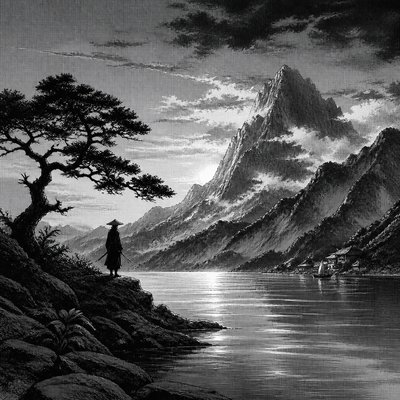
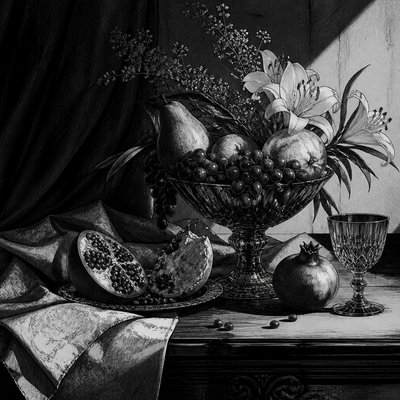
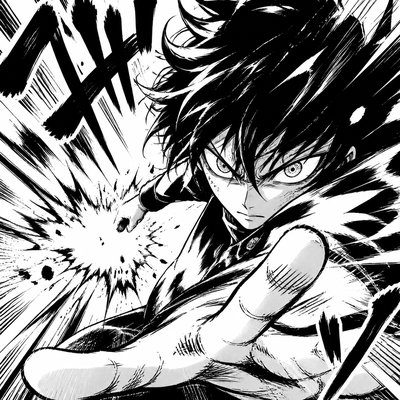
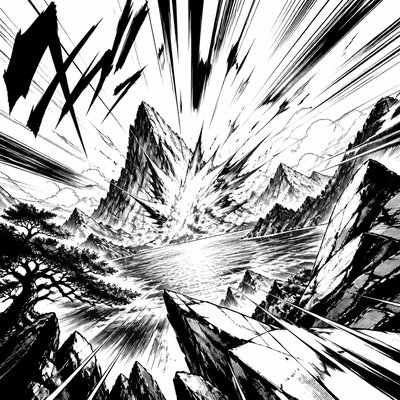
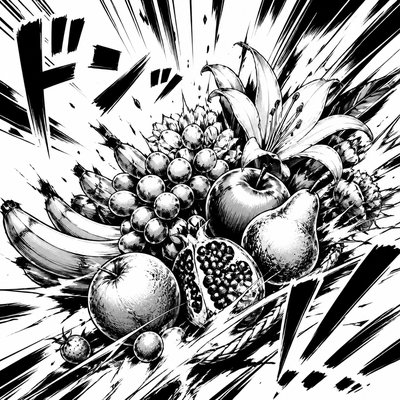
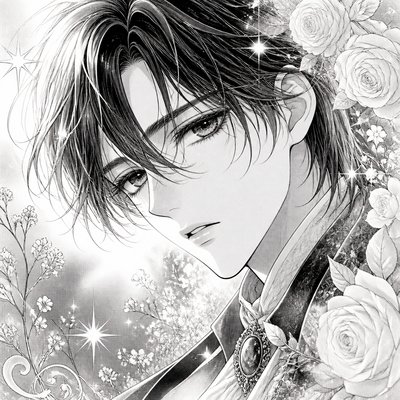
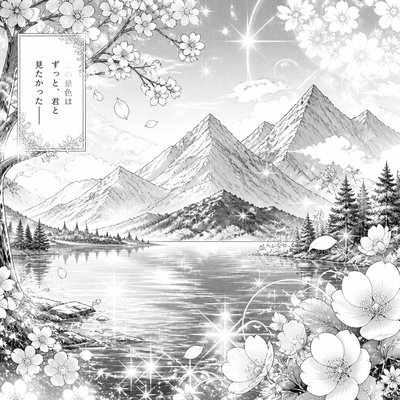
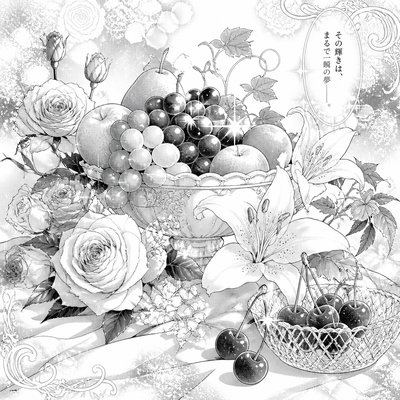
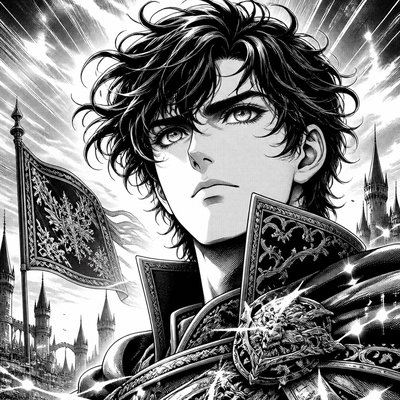
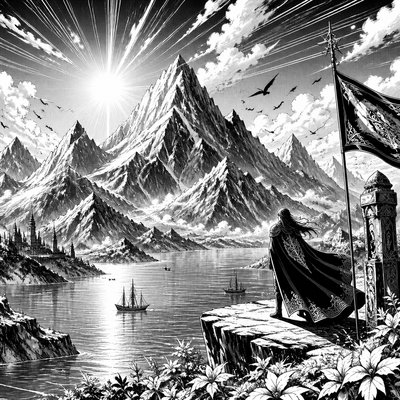
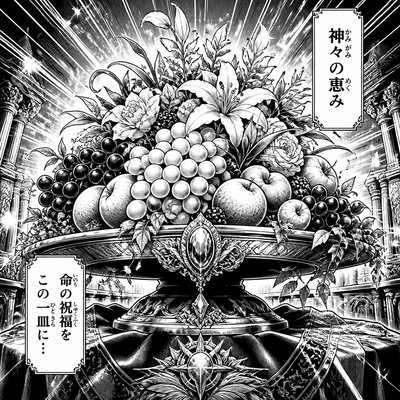
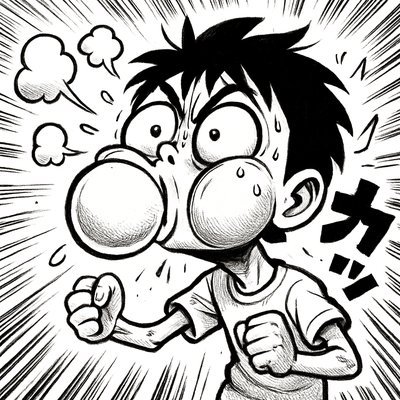
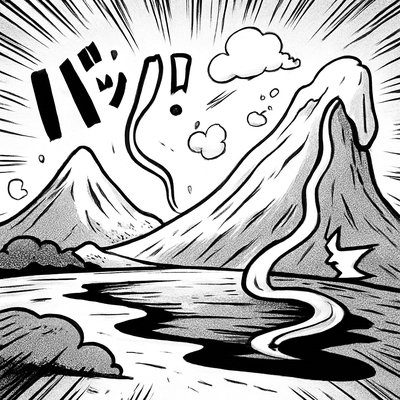
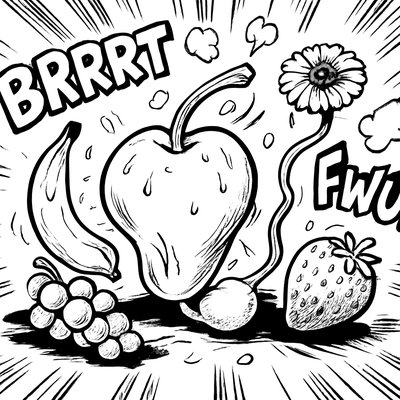
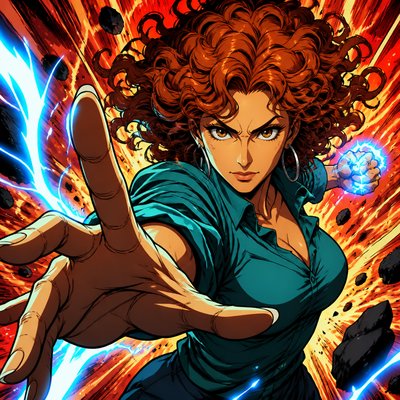
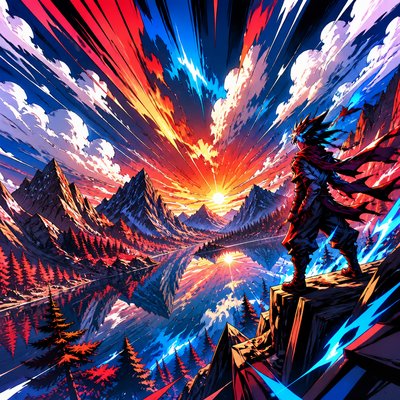
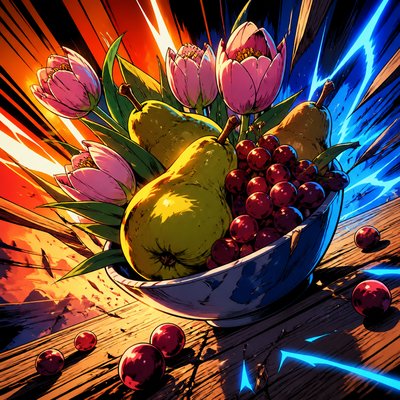
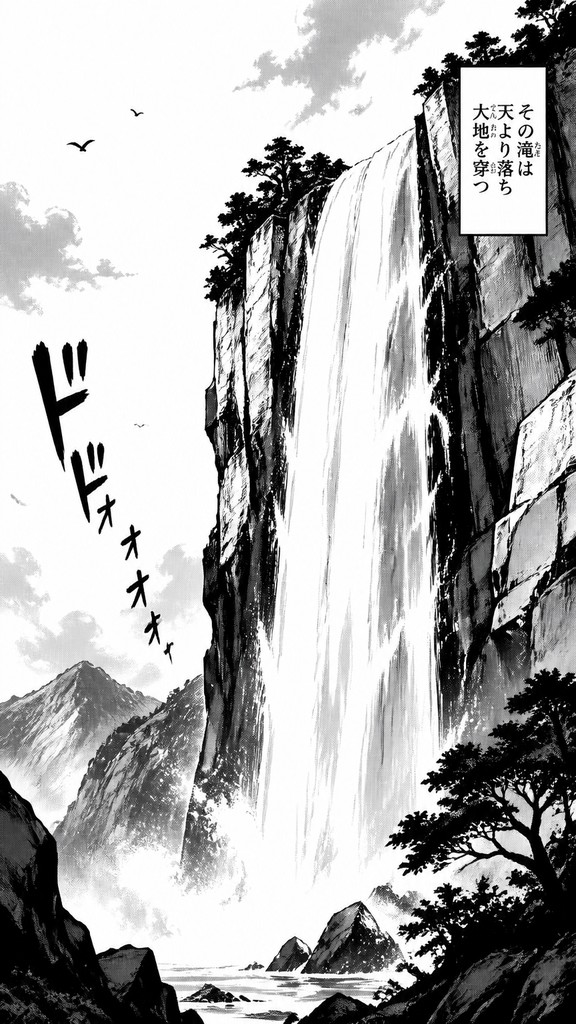
Japanese comic art with bold inks, screentones, expressive faces, dynamic framing, and strong black-and-white storytelling.
Instantly rendered in Manga — or transform a photo
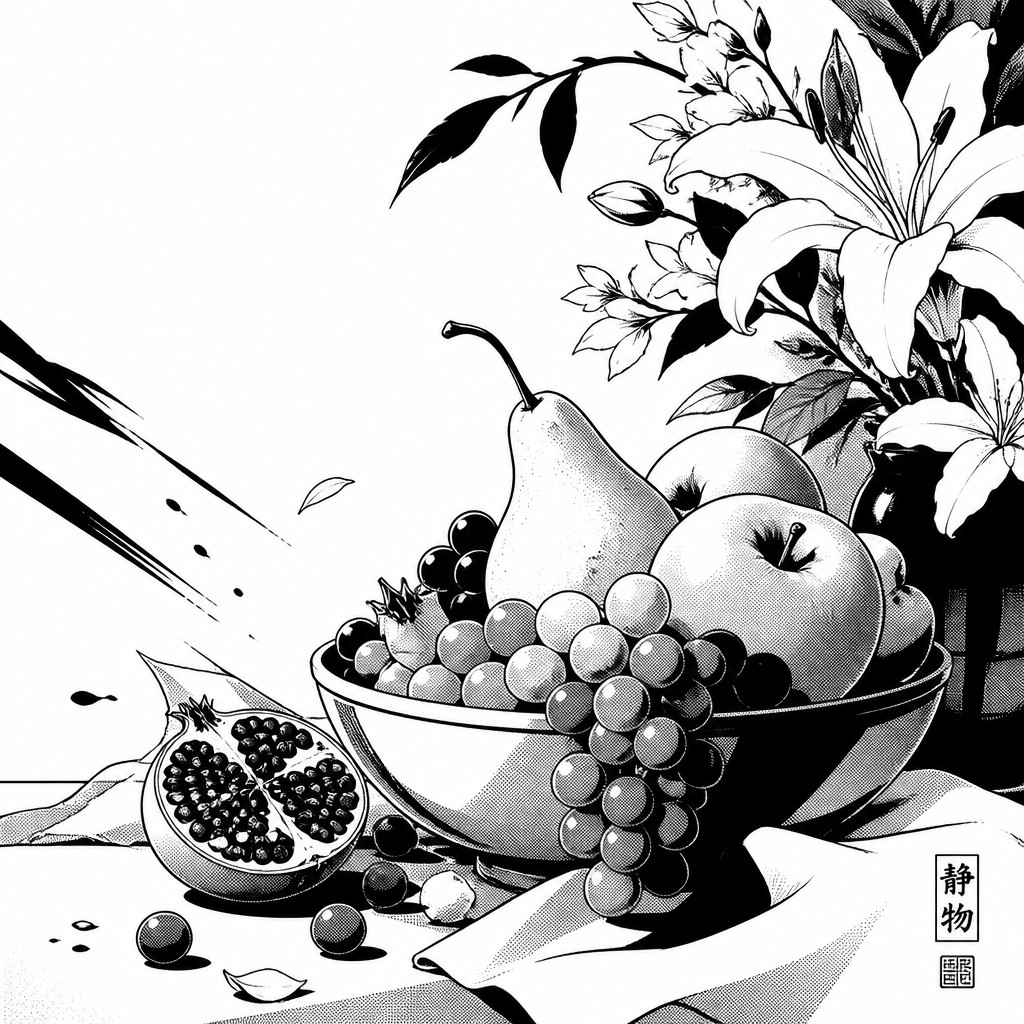
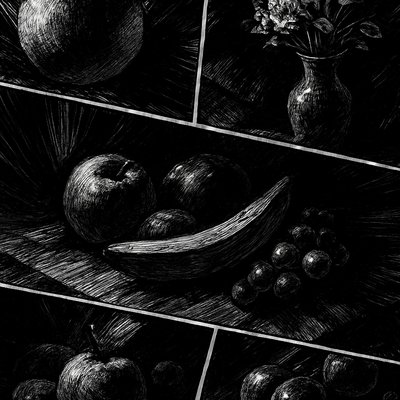
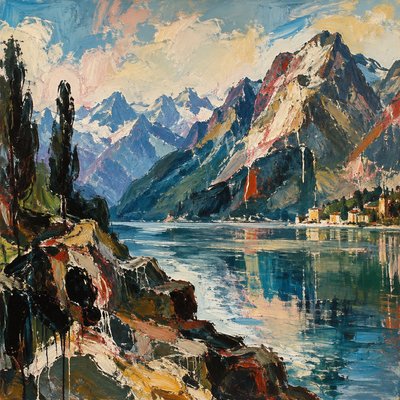
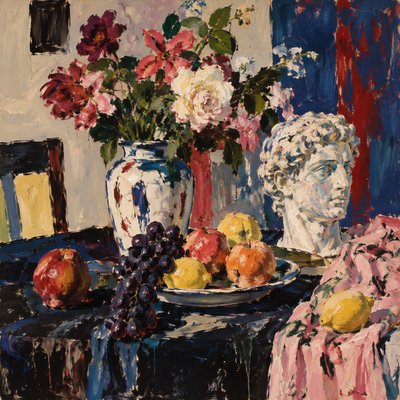
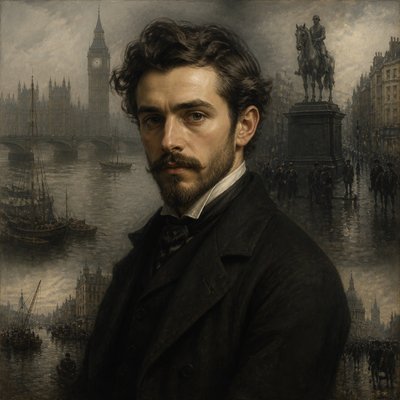
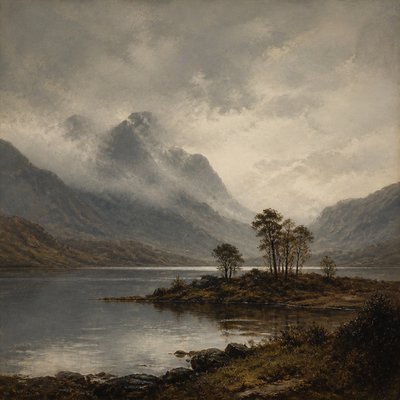
Manga Gallery
Tap any artwork to explore it
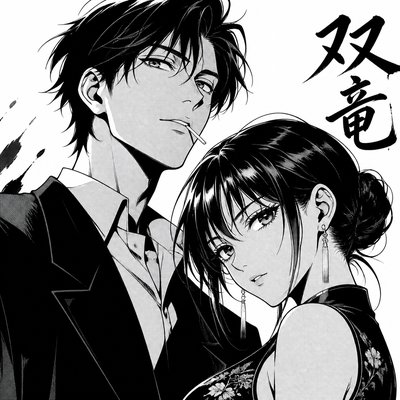
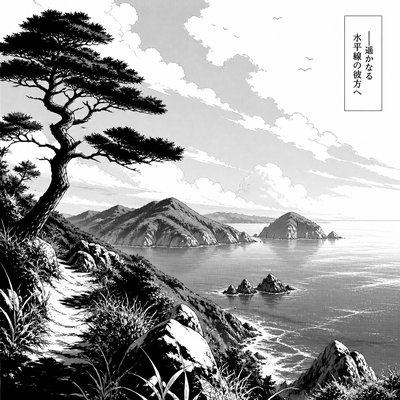
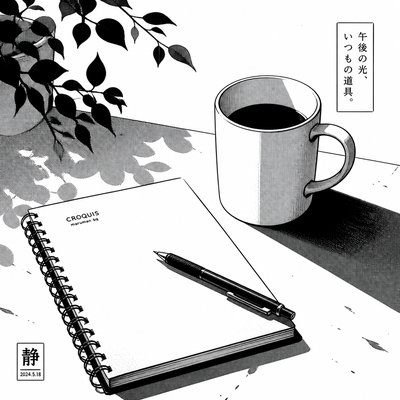
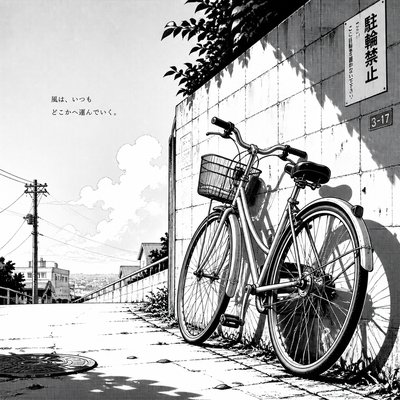
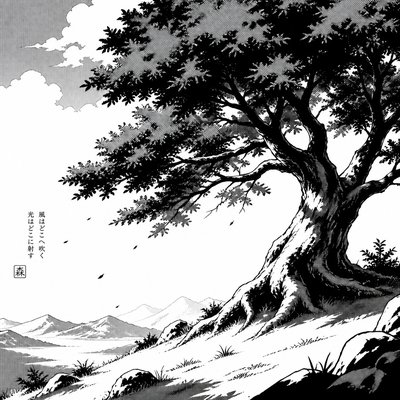
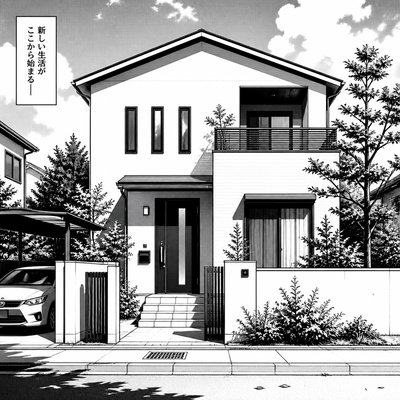
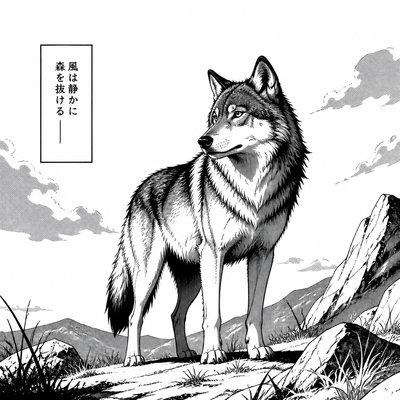
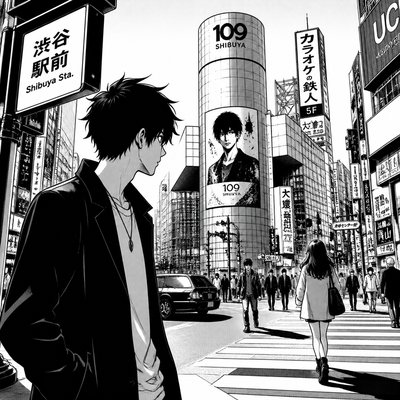
What is Manga Art Style?
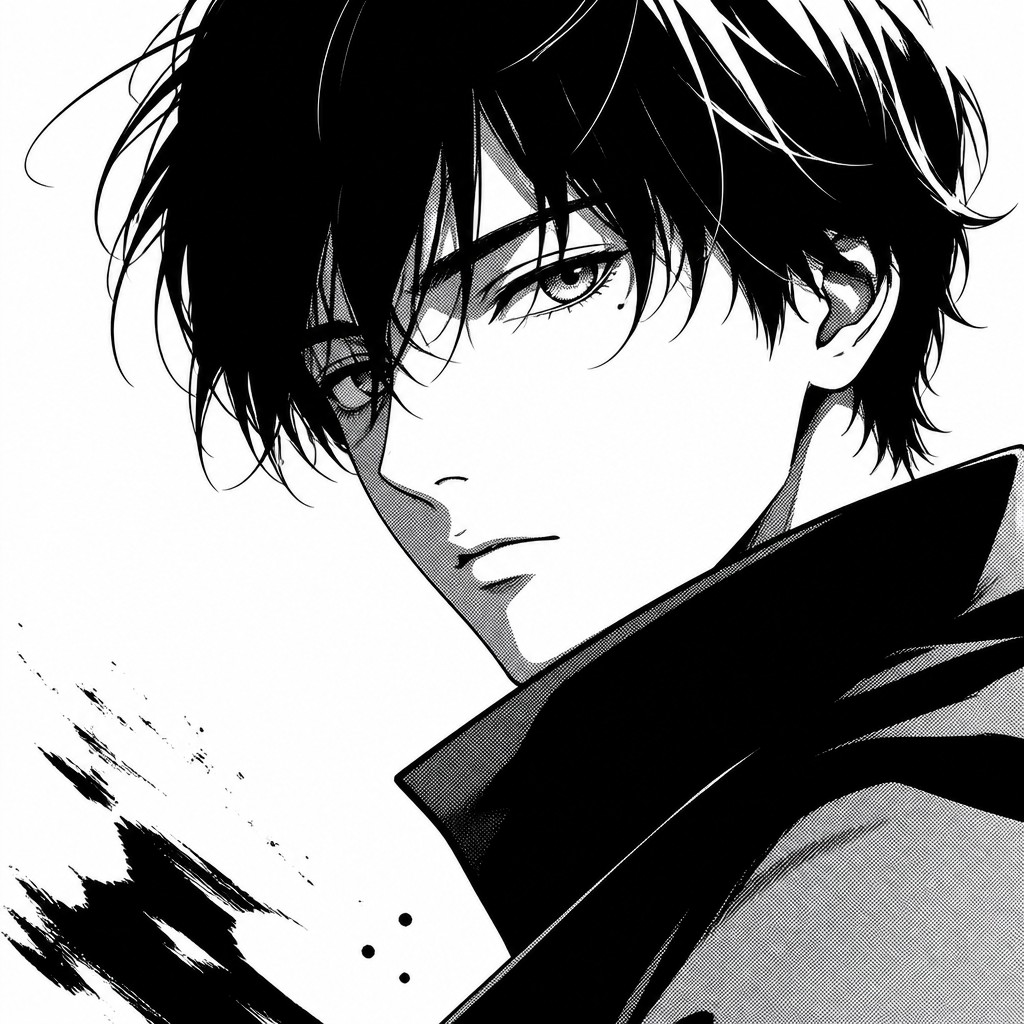
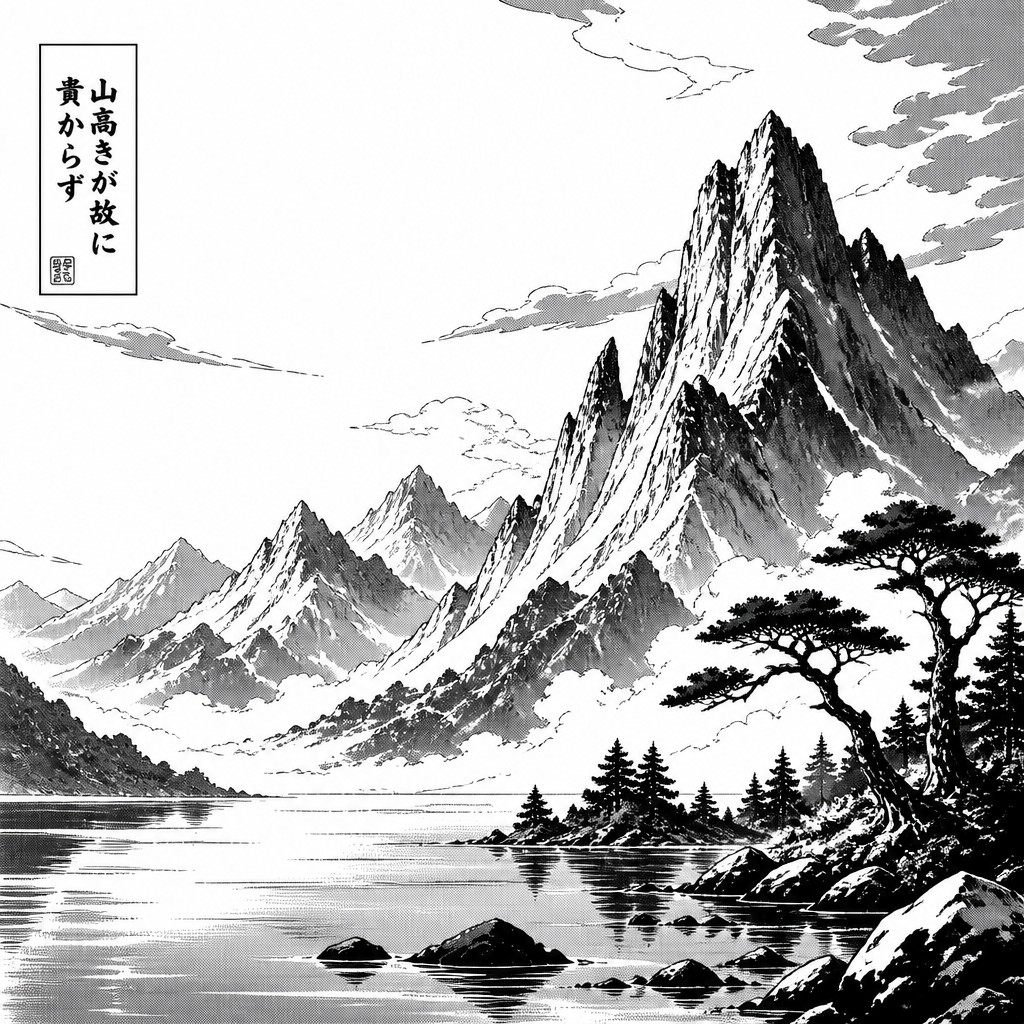
Manga art style is the visual language of Japanese comics: a black-and-white illustration style built for sequential storytelling, emotional clarity, and fast visual readability. It is defined by strong contour lines, clean shapes, dramatic contrasts, and a carefully organized page rhythm that guides the eye from panel to panel.
Its look comes from the practical needs of printed comic production as well as a long graphic tradition. Artists use varied line weight, pure blacks, screentone textures, and expressive stylization to communicate action, mood, and character instantly. Faces may be simplified, but gestures, framing, and composition are highly deliberate, giving manga its distinctive balance of economy and intensity.
Try It On Your Photos
Upload any photo and convert it into Manga Art Style — drag the sliders to compare before and after.


What Defines Manga Art Style
The signature details, up close
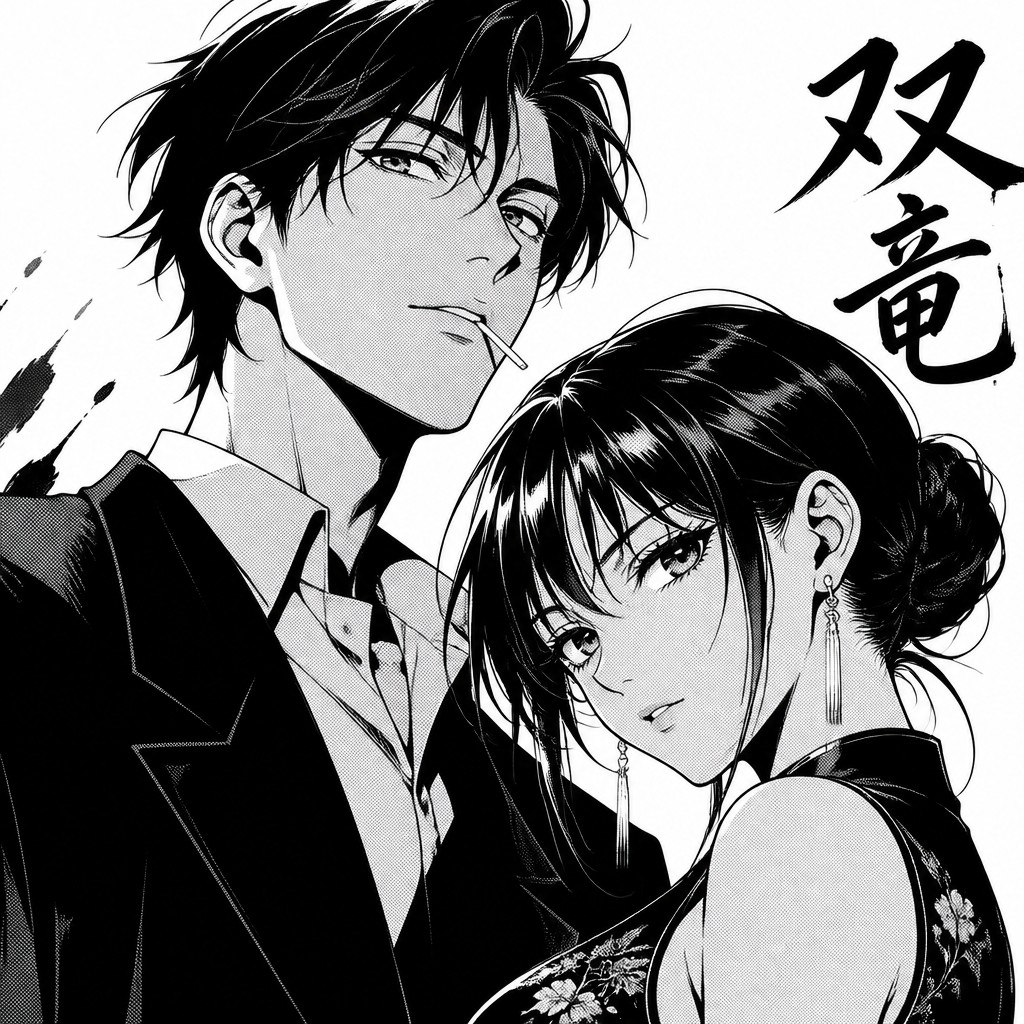
Bold black-and-white contrast
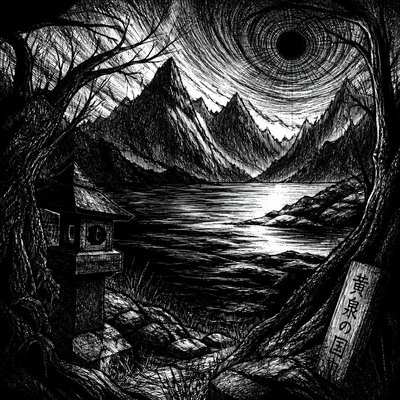
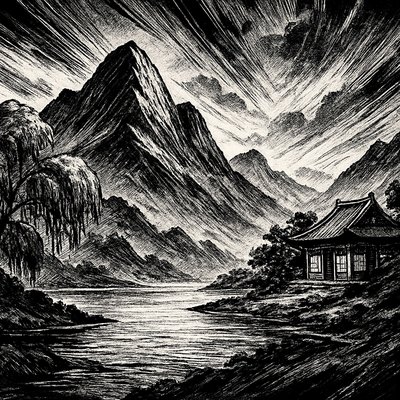
Manga typically relies on strong blacks against clean white paper, with limited or no color. This high-contrast approach keeps pages legible and emphasizes mood, pacing, and silhouette.
Variable line weight
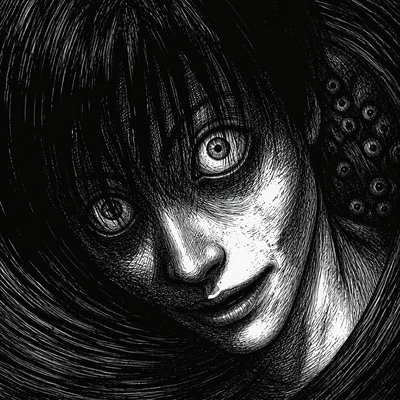
Artists shift from thin, delicate lines to thick contour strokes and heavy spot blacks. Line variation helps describe depth, motion, and emphasis without relying on color.
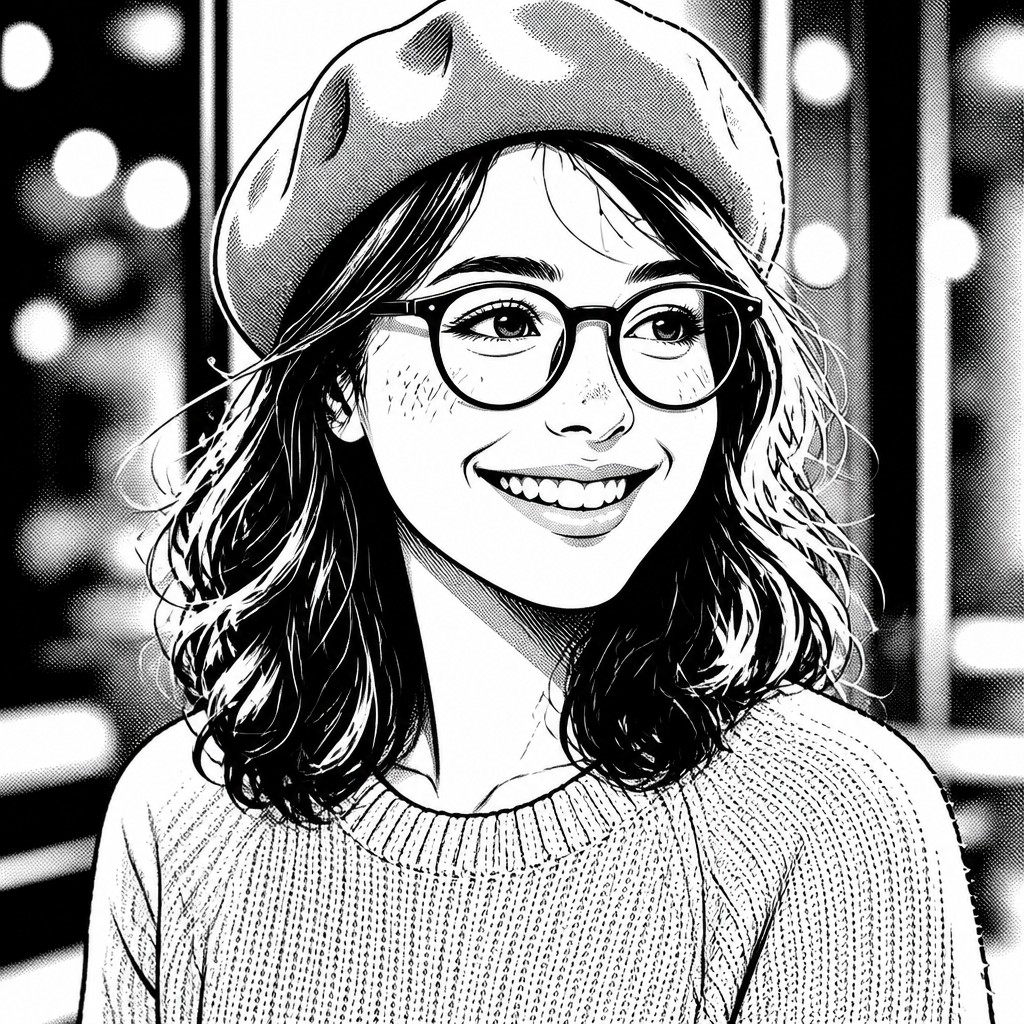
Screentones and halftone shading
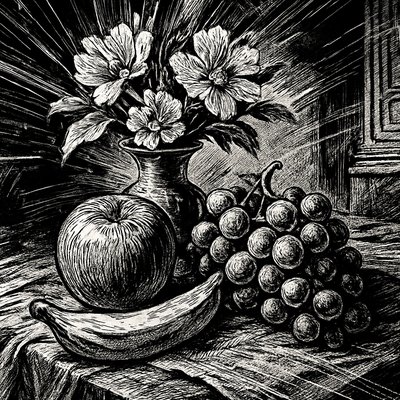
Mid-tones are often created with mechanical tones, dots, or textured patterns rather than smooth gradients. These surfaces add atmosphere, fabric texture, hair shading, and visual rhythm.
Expressive character design
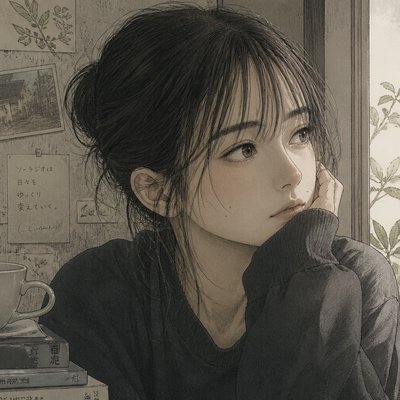
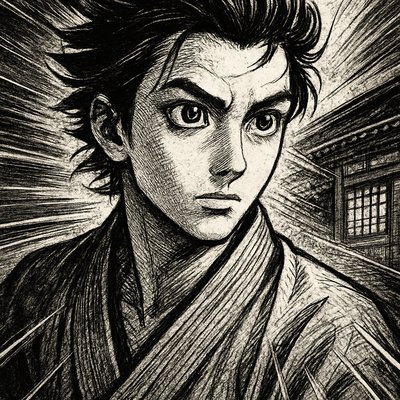
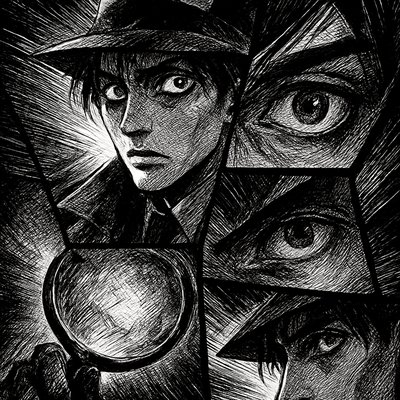
Characters are often stylized for instant emotional readability: large or carefully drawn eyes, simplified noses and mouths, and exaggerated facial reactions. Even when proportions are realistic, expressions are usually heightened.
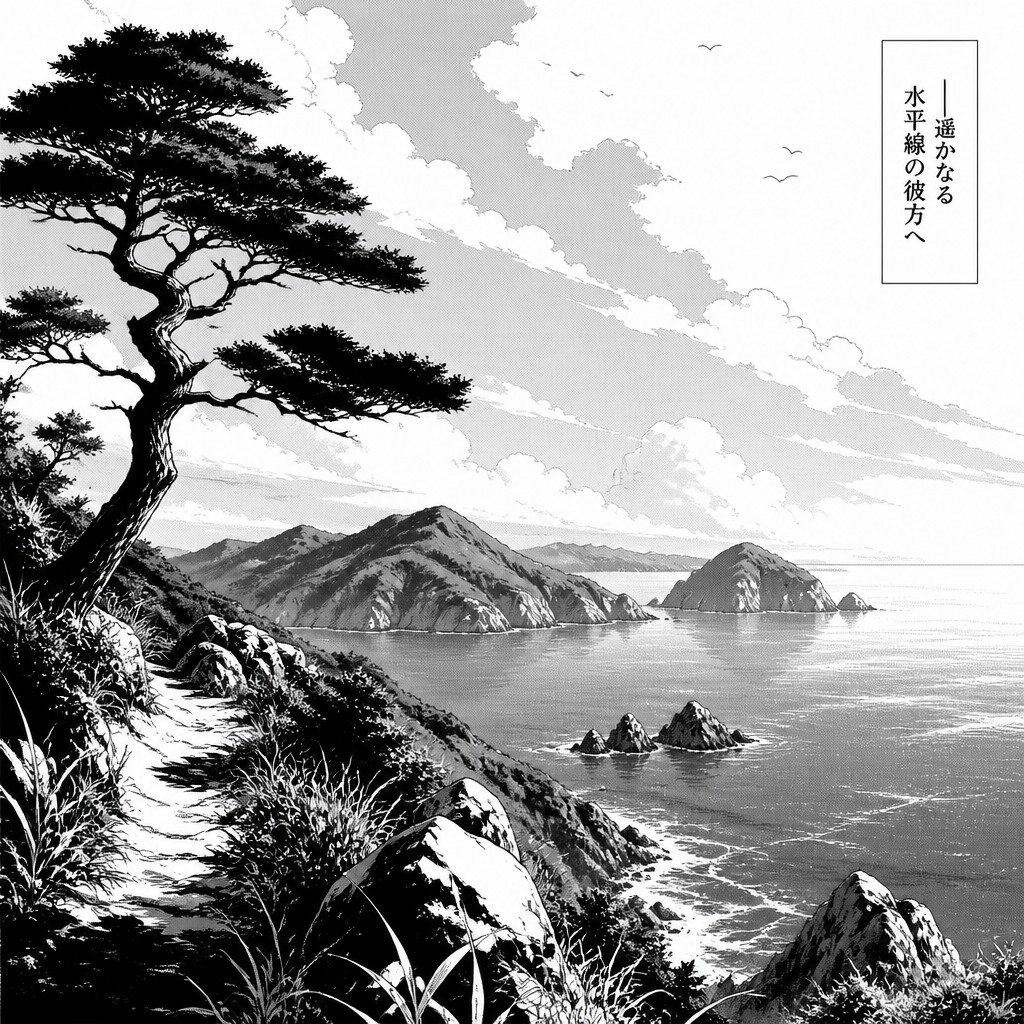
Cinematic composition
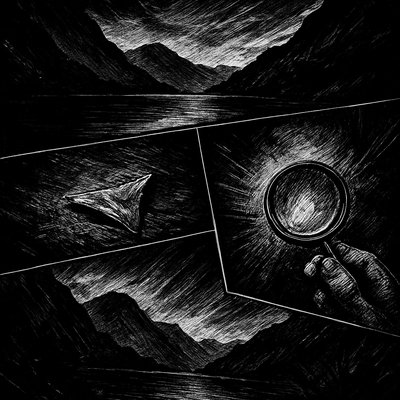
Panels often use close-ups, low angles, motion lines, and dramatic cropping to simulate camera language. The page design is part of the storytelling, not just the image content.
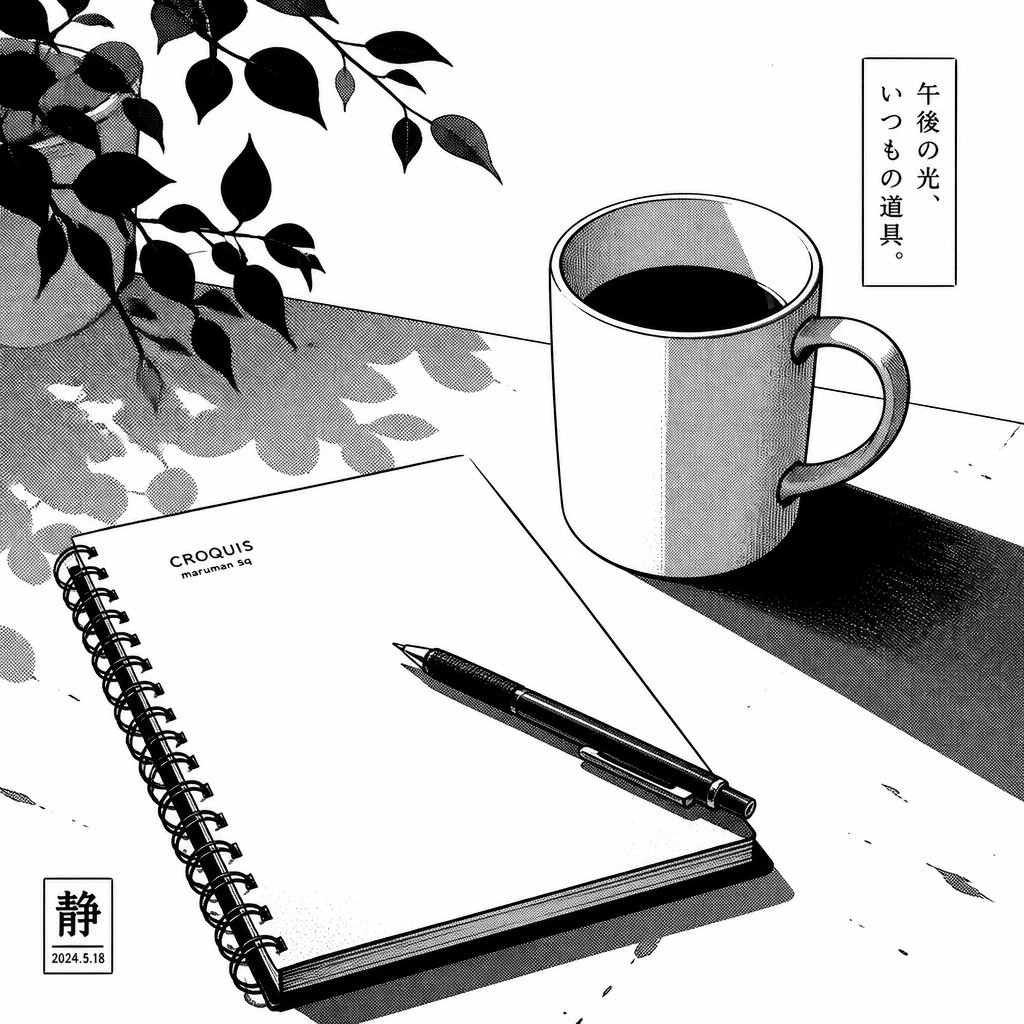
Graphic simplification
Forms are reduced to clear silhouettes and essential details, making action and emotion easy to parse. This simplification is not a lack of detail, but a method for visual efficiency.
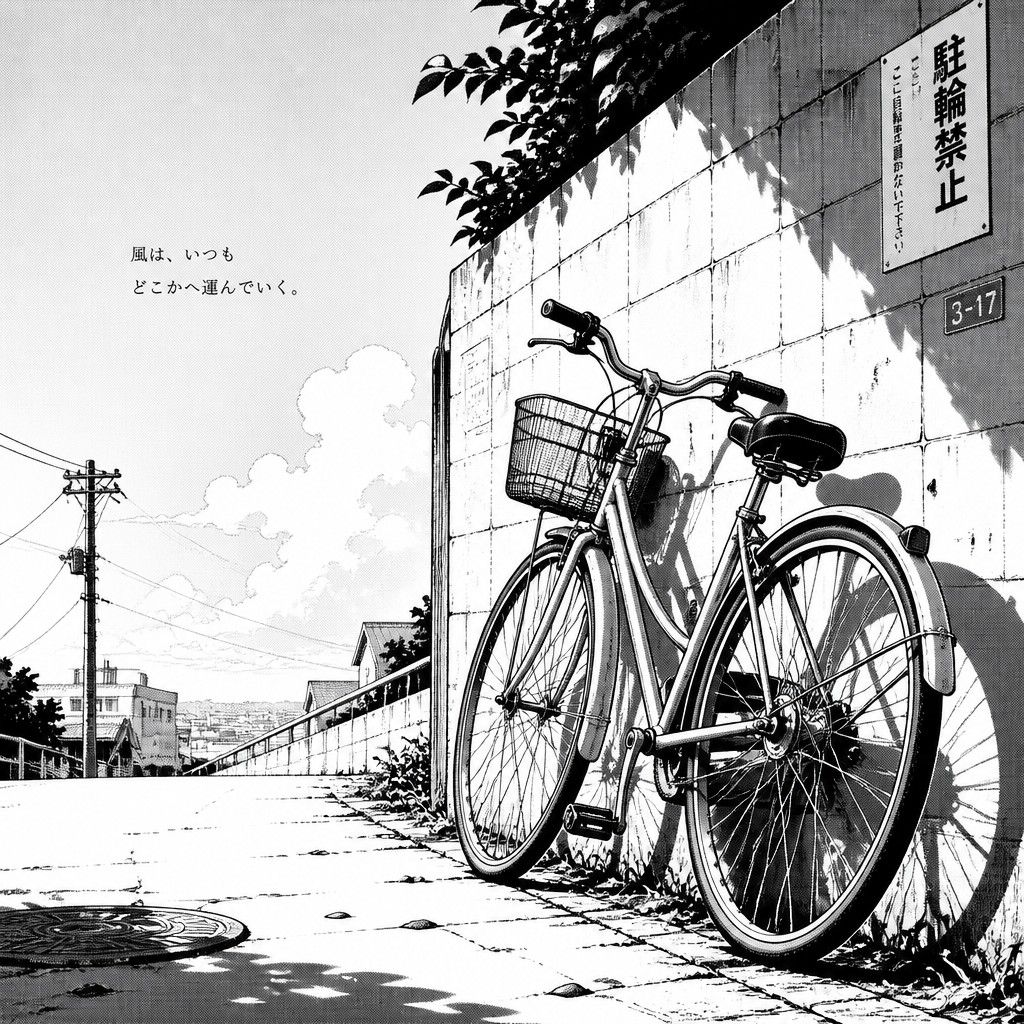
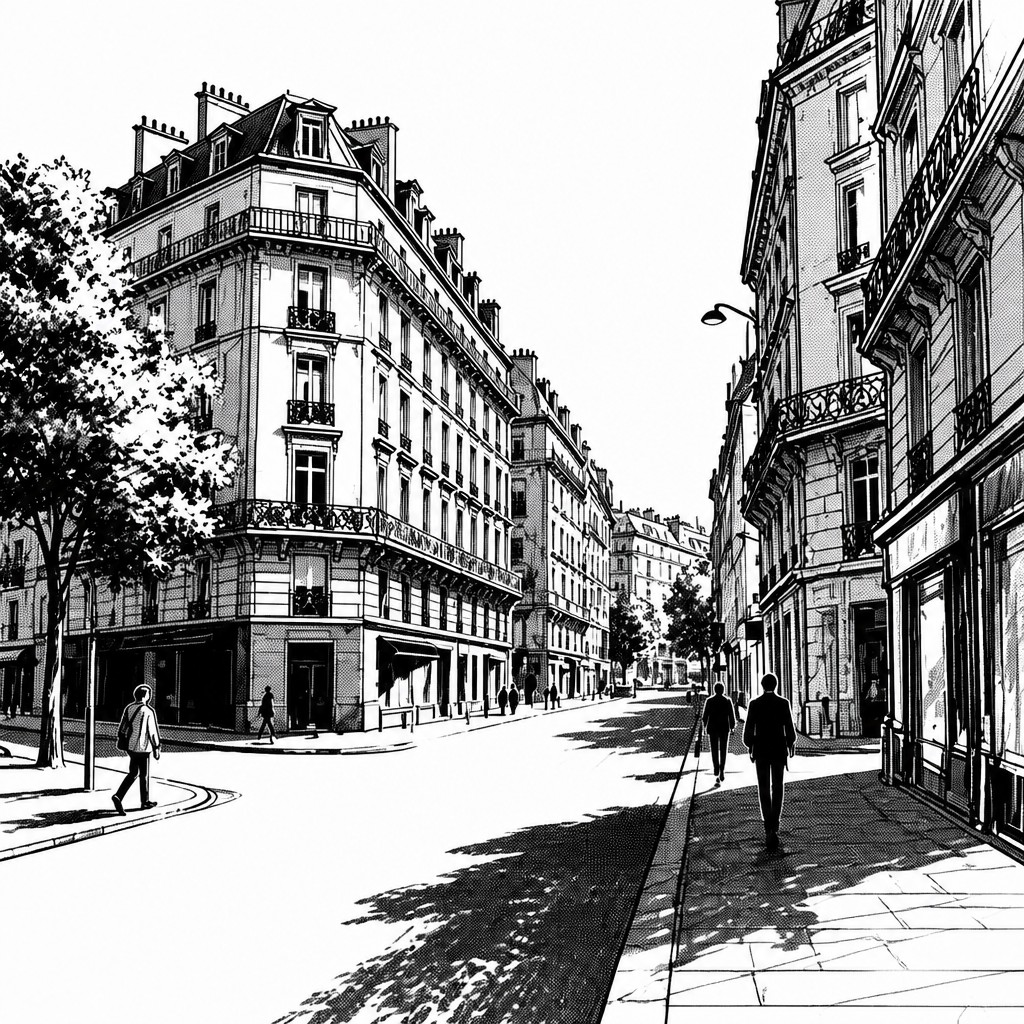
Open negative space
Many manga pages use blank areas strategically to create pacing, contrast, and focus. Empty space can heighten tension or isolate a character emotionally.
Try It
Create Videos in Manga Art Style
Styles aren't just for stills — describe a scene or animate an image and get a short video rendered in Manga. Press play to see this pond come to life.
Make a VideoManga Prompt Ideas
Start from an idea — each one opens the generator with the style ready to go. See all 40 Manga prompts →
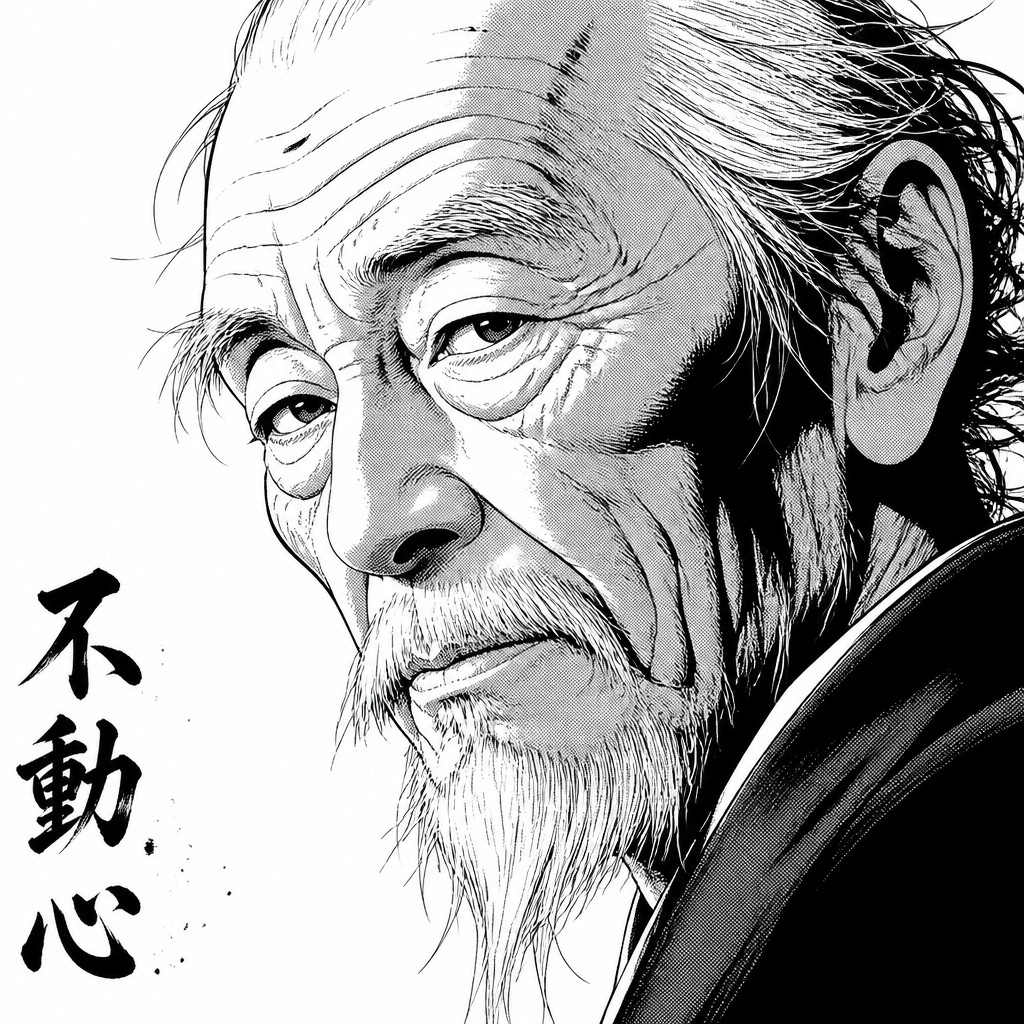
“close-up portrait of an elderly person with expressive weathered features”
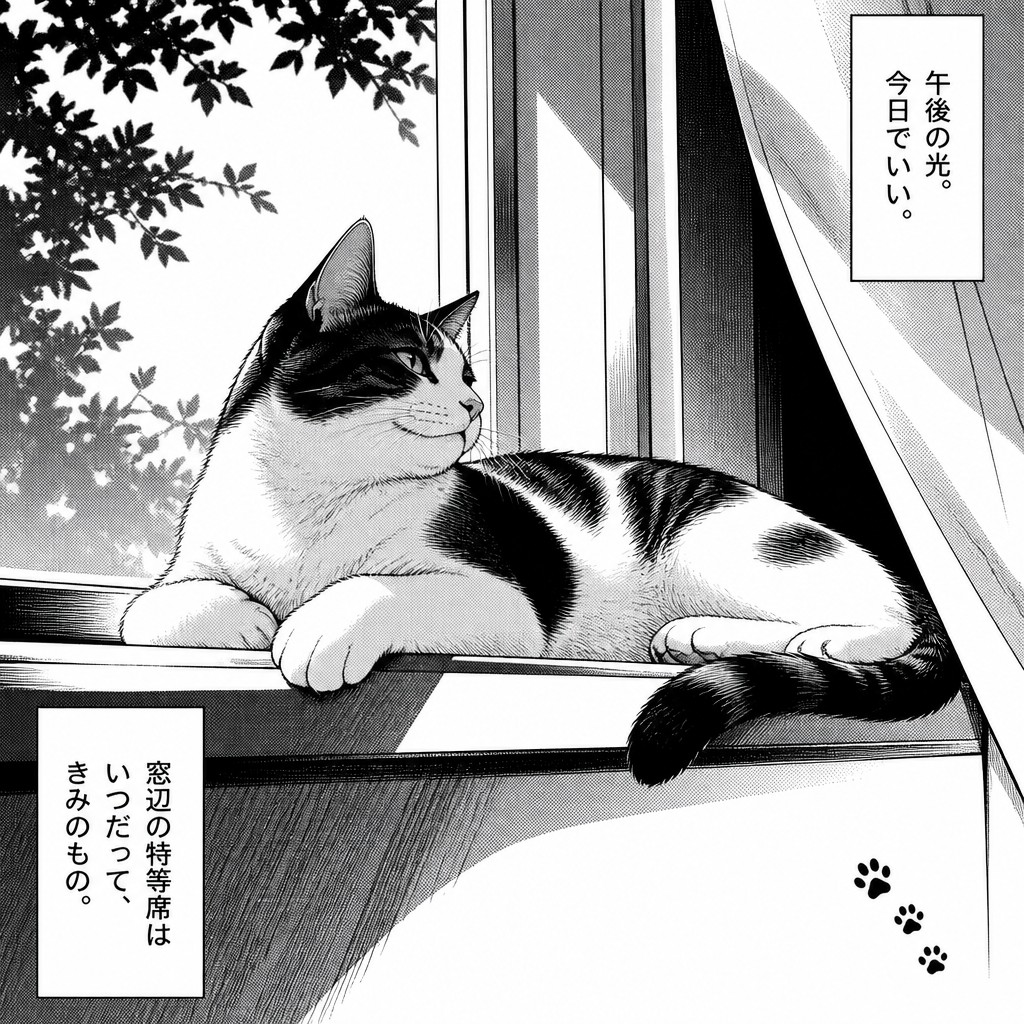
“a cat lounging in a sunlit window”
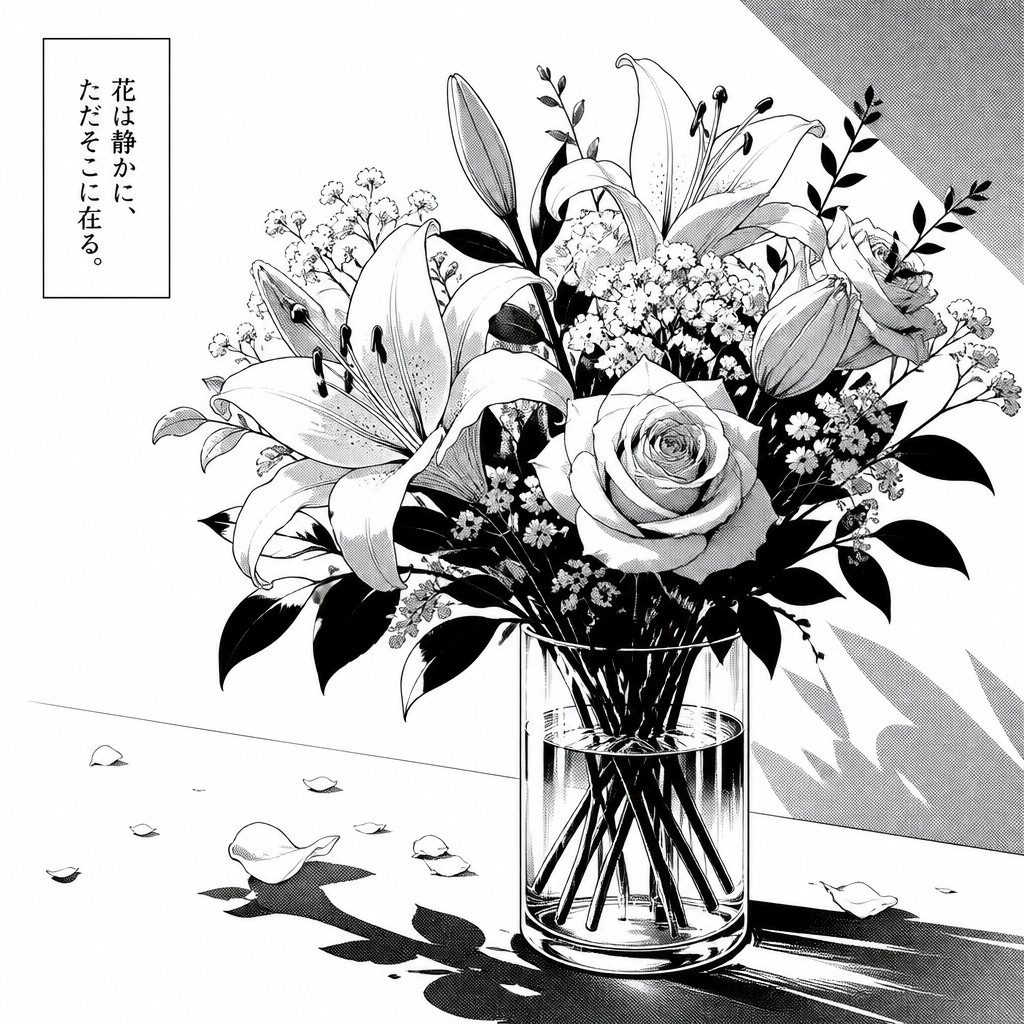
“bouquet of flowers in a glass vase”
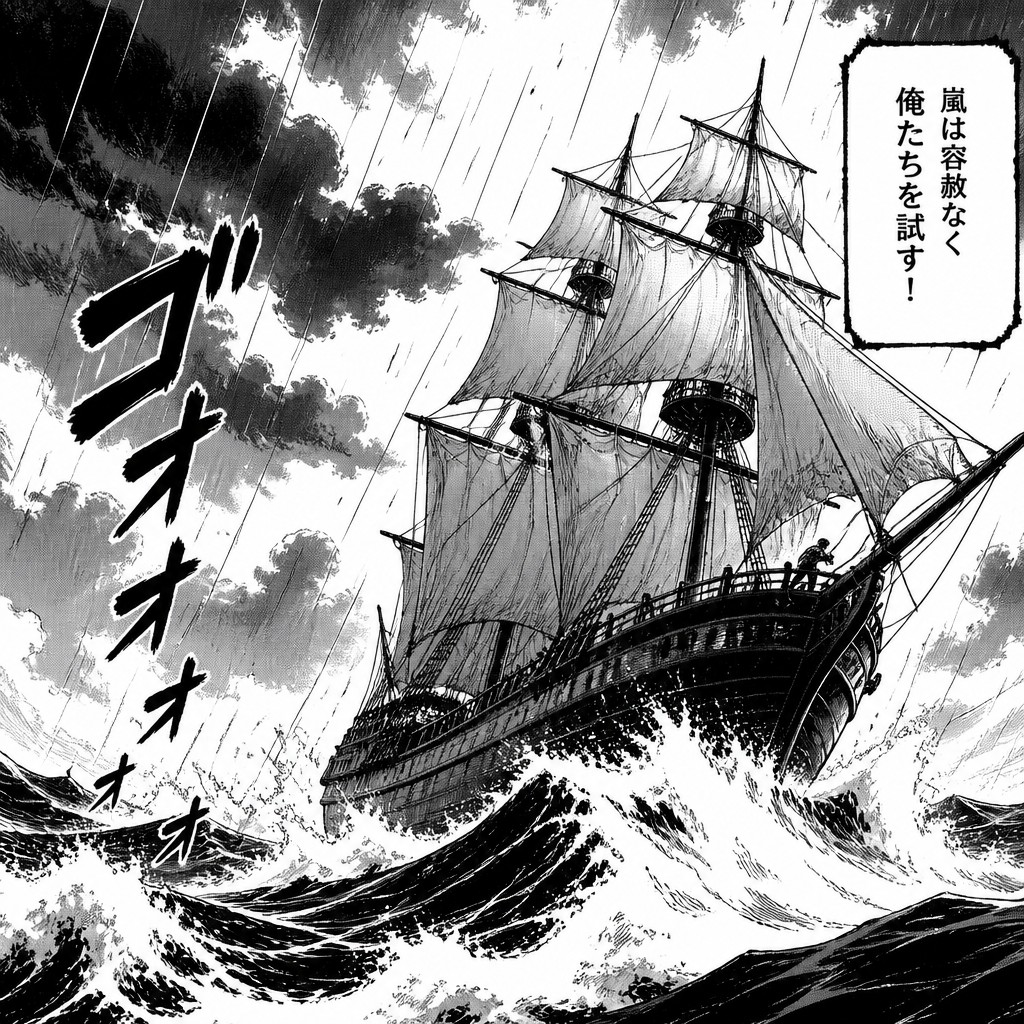
“sailing ship on a stormy sea”
How to Create Manga Art
Master the craft step by step — or skip straight to creating. Read the full guide →
- 1
Build with clear black shapes first
Start by blocking in silhouette, gesture, and major dark areas before adding details. In traditional media, use ink pens or brushes; in digital work, keep the drawing readable even at thumbnail size.
- 2
Use line hierarchy deliberately
Reserve the thickest lines for foreground contours, shadows, and focal points, and use finer lines for interior details. This makes faces, hands, and motion feel crisp and intentional.
- 3
Replace smooth shading with tones
Instead of blending, use screentones, dot patterns, hatching, or crosshatching to suggest value changes. Keep tones organized so the page remains clear and the blacks do not muddy the composition.
- 4
Design expressions and poses for storytelling
Exaggerate posture, eye shape, mouth placement, and gesture to communicate emotion immediately. Manga reads best when the body and face tell the story even before any dialogue is seen.
- 5
Compose like a sequence, not a single illustration
Think in panels, page turns, and visual beats if you are making comics; even for a single image, use dynamic cropping and directional lighting. For text-based generation, specify black ink linework, screentone shading, strong contrast, and expressive panel-like composition.
- 6
Keep the grammar consistent
Match character proportions, line style, and shading method across the image so it feels like part of a printed manga page. Consistency matters more than adding many effects.
The Story
History & Origins of Manga
Modern manga developed in Japan in the 20th century, but its visual ancestry is broader. It draws from Japanese picture narratives such as emaki handscrolls, woodblock print conventions, satirical illustrated books, and early 20th-century newspaper cartoons, then evolved into a mass-circulation comic form after World War II.
Postwar artists helped define the contemporary look of manga by refining cinematic composition, emotional acting, and serial storytelling. A pioneering manga storyteller was especially influential in shaping its modern grammar, while later creators across shōnen, shōjo, gekiga, seinen, and other readerships expanded the style into many sub-forms. Manga is therefore less a single fixed look than a family of related conventions that grew through print culture and genre serialization.
Influences: Manga’s visual language is closely related to Japanese woodblock print composition, especially the flat design and strong contour traditions associated with leading Edo-period ukiyo-e printmakers, though manga is a modern print medium rather than ukiyo-e. It also shares roots with Western newspaper cartoons and comics, and with postwar narrative drawing shaped by a pioneering manga storyteller and later creators in gekiga and shōjo manga traditions.
Frequently Asked Questions
What defines manga art style?
Manga is defined by black-and-white comic storytelling, expressive characters, bold linework, and panel-based composition. Screentones, strong contrast, and cinematic staging are also central to the look. The style is as much about visual grammar and pacing as it is about drawing aesthetics.
How is manga different from anime style?
Manga is the printed comic form, while anime is animated media, though they share many design conventions. Manga usually depends more on line quality, page layout, and tonal textures, whereas anime relies on color, motion, and timing. The two are related, but not identical.
Do all manga pages use only black and white?
Most serialized manga pages are primarily black and white because of printing schedules and cost. Some covers, promotional art, and special editions use color, but the classic manga look is overwhelmingly monochrome. That monochrome format is part of what gives the style its clarity and graphic intensity.
What materials are used to make manga traditionally?
Traditional manga artists use pencil for planning, then ink pens or brushes for linework, along with white correction fluid and screentone sheets. Digital tools now replicate these effects with inking brushes, tone layers, and clip art assets. The goal in either case is crisp, readable contrast.
How do I make an image look like manga?
Focus on bold outlines, strong shadows, simplified shapes, and expressive facial acting. Replace soft gradients with screentones, hatching, or dots, and use dramatic framing or panel-like composition. If generating from text, describe the subject clearly and specify black ink, high contrast, and printed-comic textures.
Where is manga art style used?
It is used in comic books, graphic novels, web manga, character art, fan art, editorial illustration, and genre storytelling such as action, romance, horror, and fantasy. Its clear visual language also makes it popular for concept art and stylized portraiture. Because it is so readable, it adapts well to both narrative pages and standalone illustrations.

Create your first Manga artwork
Describe anything — or upload a photo — and see it in Manga Art Style in seconds.
Make Something with Manga
Related Styles
Discover similar art styles