Manga vs Shonen Battle Manga: What's the Difference?
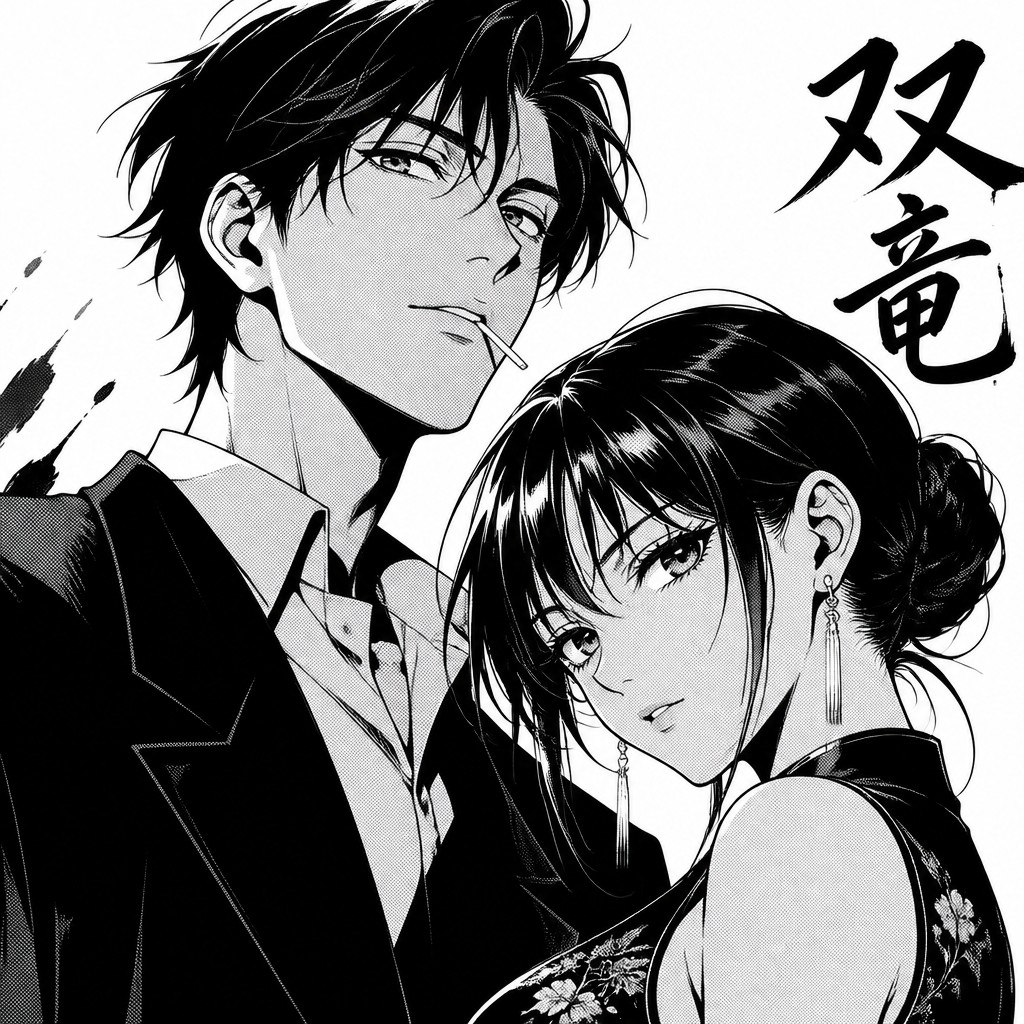
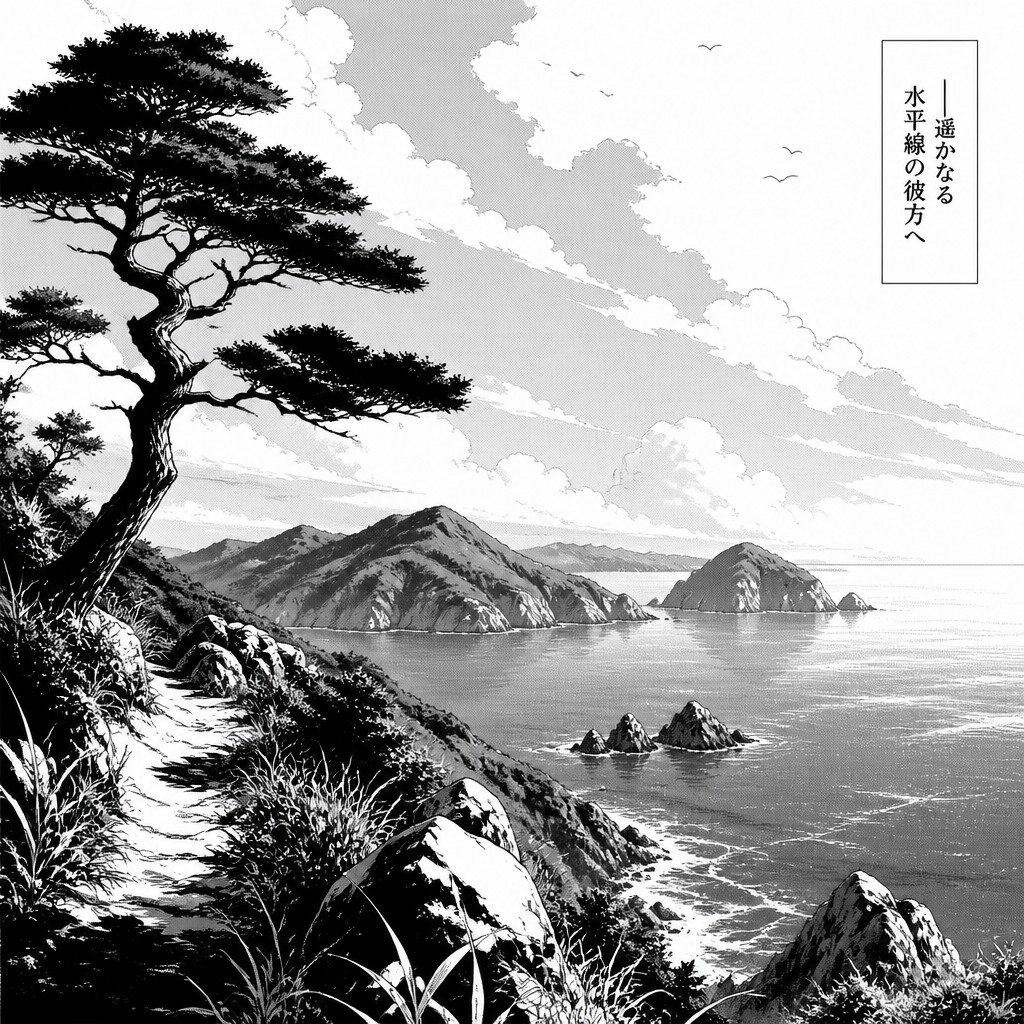
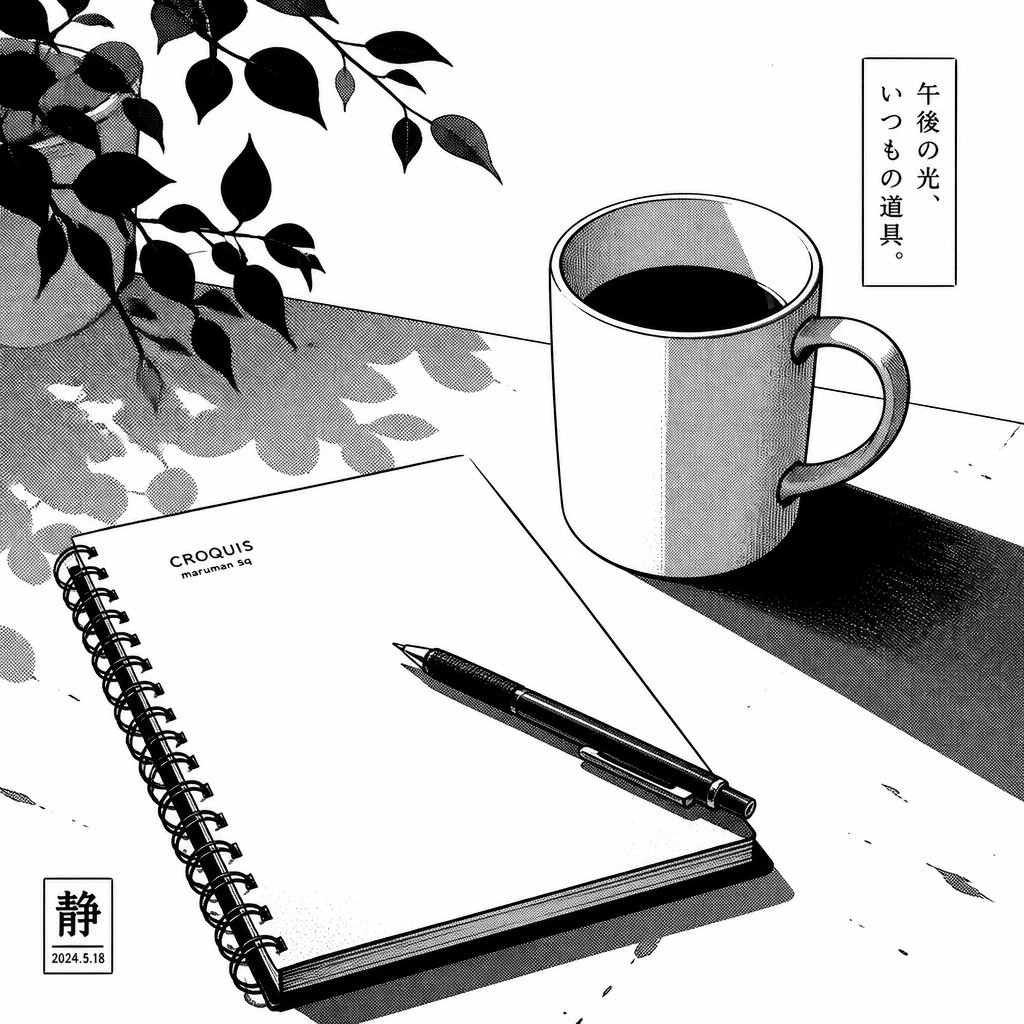
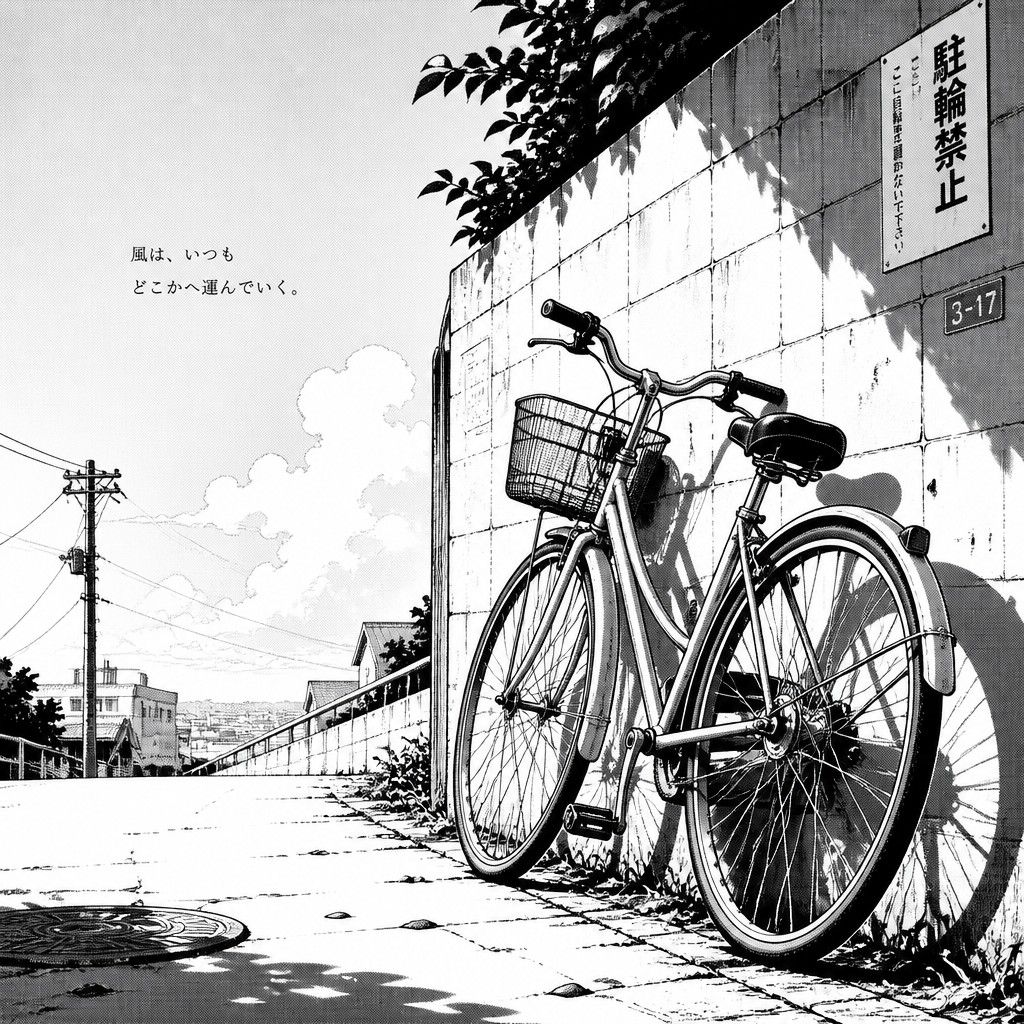
Manga Art Style is the broader Japanese comic-art approach: black-and-white storytelling built from bold inks, screentones, expressive faces, and flexible panel design. It can support many tones, from quiet slice-of-life scenes to suspense, comedy, romance, and action.
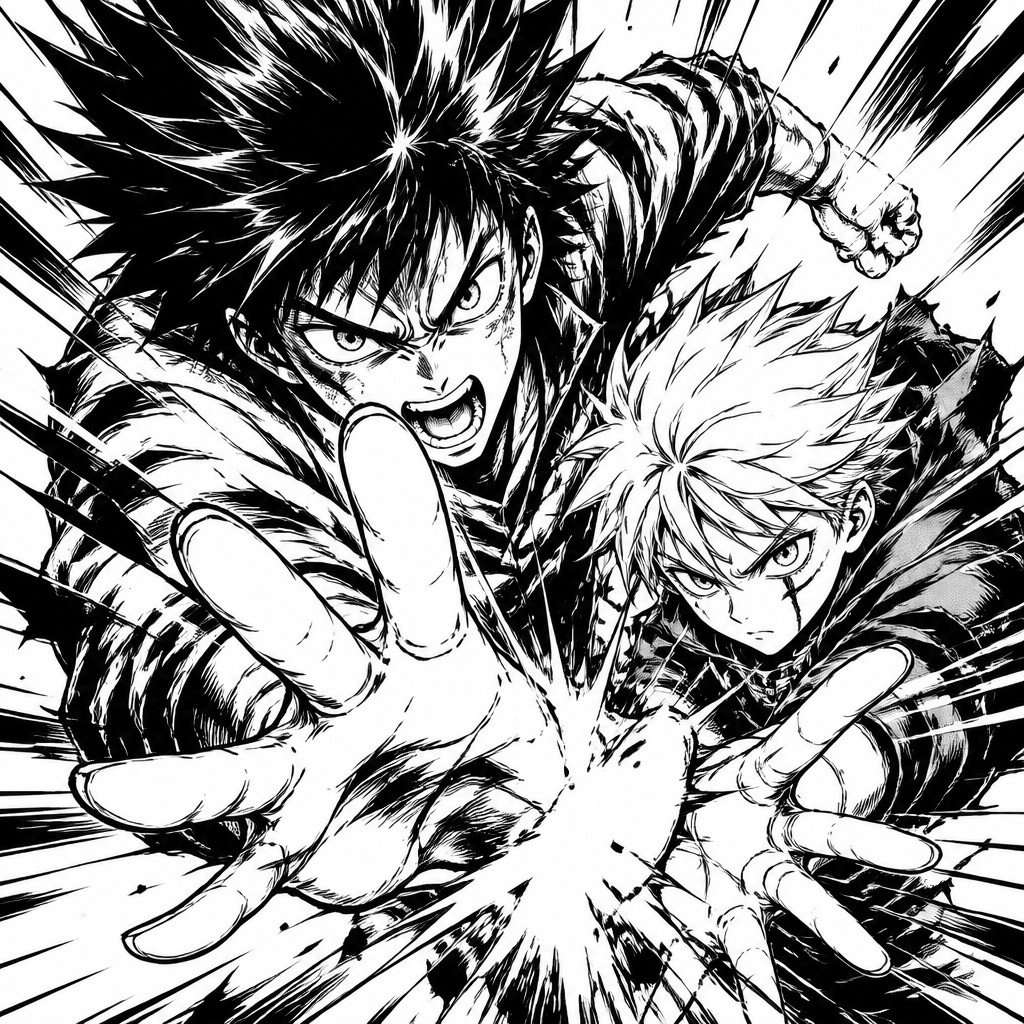
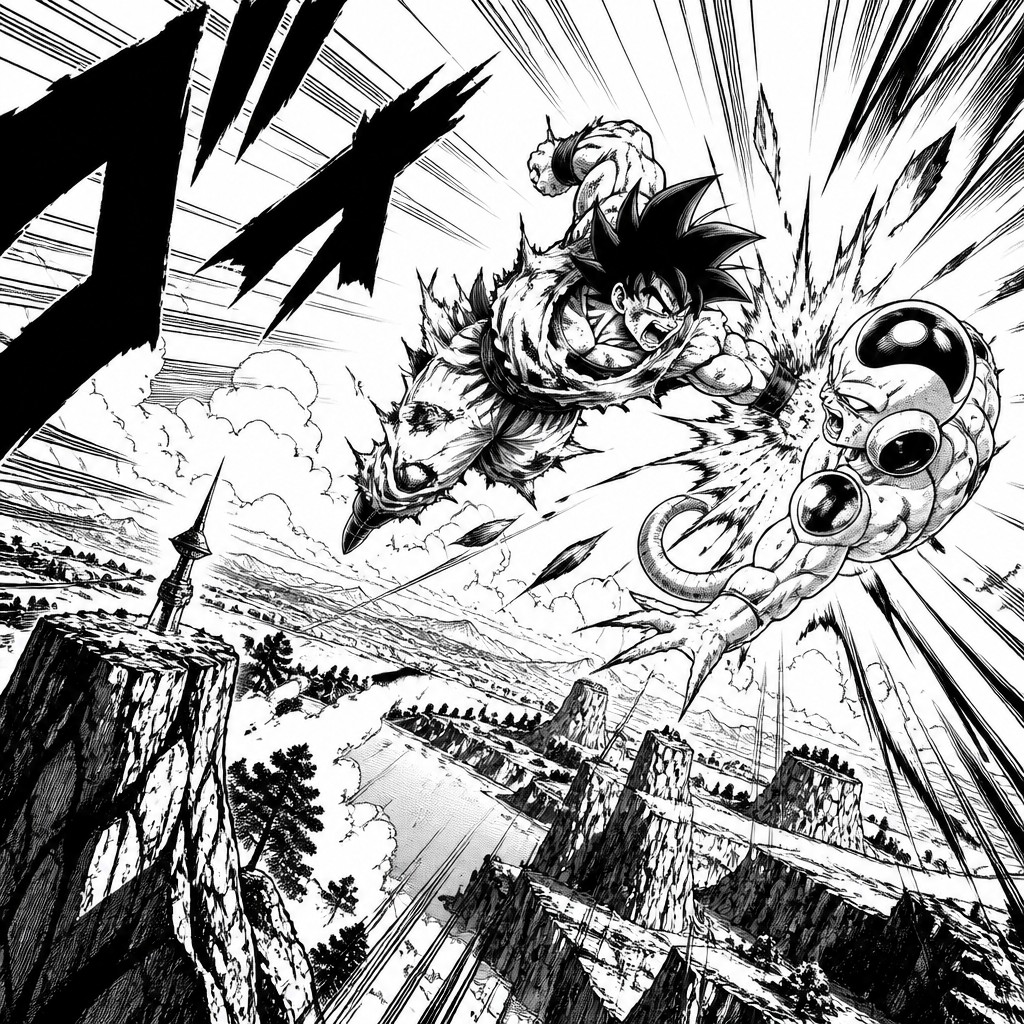
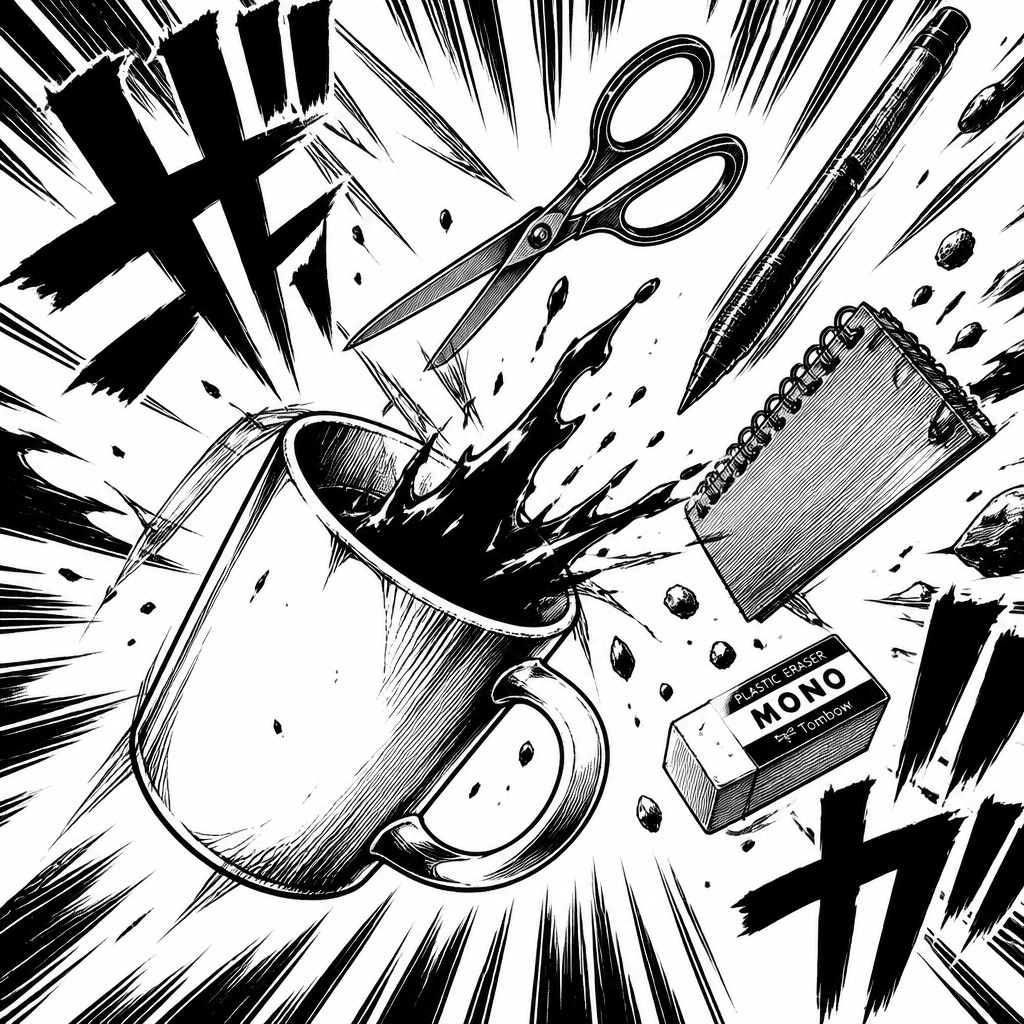
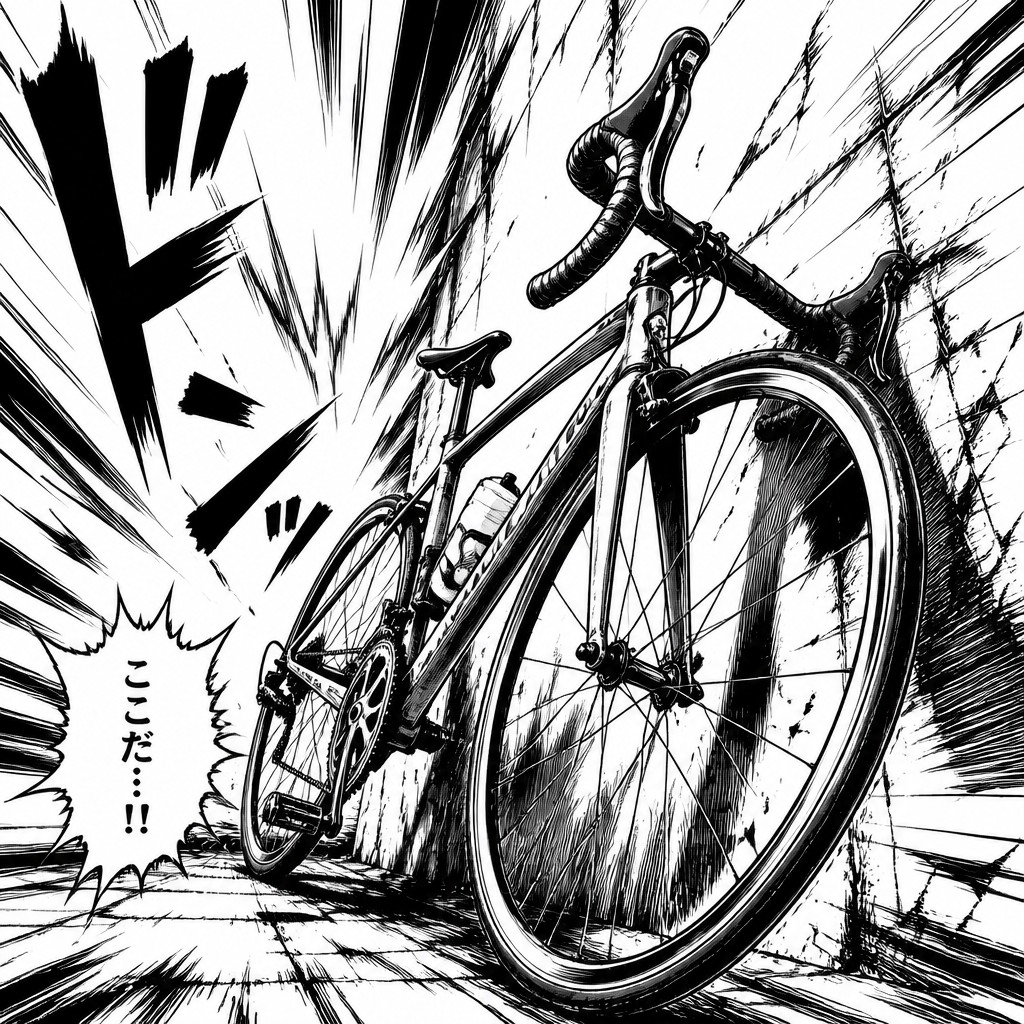
Shonen Battle Manga Art Style is a more specific subset focused on high-energy conflict. It emphasizes speed lines, impact bursts, dramatic angles, and clear combat choreography, so people compare the two because one is the larger visual language while the other is a fast, action-driven branch of it.
Same Prompt, Both Styles
Each pair below was generated from the identical prompt — only the style changed.
“portrait of two people together”
“wide landscape with natural scenery”
“still life with everyday objects”
“bicyle resting against a wall”
Key Differences
| Manga | Shonen Battle Manga | |
|---|---|---|
| Scope | Broad style for many genres and moods. | Action-focused style centered on battles and clashes. |
| Pacing | Can be calm, reflective, comedic, or intense. | Usually rapid, escalating, and momentum-driven. |
| Line & form | Varies from soft to bold depending on scene. | Sharp, forceful lines with strong motion emphasis. |
| Paneling | Flexible layouts for dialogue, atmosphere, and timing. | Dynamic layouts built to heighten impact and movement. |
| Effects | Uses screentones and visual contrast for mood. | Uses speed lines, bursts, and impact effects heavily. |
| Character acting | Expressive faces support emotion and storytelling. | Exaggerated reactions amplify tension and power. |
| Mood | expressive, dramatic, dynamic, emotive | dramatic, aggressive, urgent, heroic, high-stakes |
| Energy | lively | intense |
| Detail level | detailed | detailed |
| Color | black-and-white with selective accent color | high-contrast black and white |
| Texture | clean lines, crisp inked shading | bold inks, gritty motion lines |
| Origin | Japan, postwar comic print culture | late 20th-century Japan comics |
| Best for | comic pages, character portraits, storyboards, action scenes, editorial illustrations | action comics, fight scenes, anime storyboards, game concept art, dynamic posters |
| Difficulty | advanced | advanced |
Which Should You Choose?
Pick Manga Art Style if you want a versatile black-and-white comic look that can handle dialogue, atmosphere, and a wide range of genres. Pick Shonen Battle Manga Art Style if your goal is maximum kinetic energy, with fight scenes, dramatic posing, and clear visual force. If your project includes action but also quieter story moments, the broader manga style gives you more room to balance both.
Frequently Asked Questions
Is Shonen Battle Manga Art Style a separate art style?
It is better understood as a substyle or genre-specific visual language within manga. It shares the same black-and-white foundation but pushes harder toward motion, intensity, and combat storytelling.
Can Manga Art Style include action scenes too?
Yes. Manga as a whole covers action, and many pages use dramatic framing and strong contrast. The difference is that the broader style is not limited to combat and can shift into slower, more atmospheric storytelling.
Do both styles usually use black and white?
Yes, black-and-white presentation is common in both. Screentones, ink contrast, and line quality carry much of the visual expression.
Which style is easier for beginners to imitate?
Manga Art Style is often easier to start with because it is more flexible and forgiving across subjects. Shonen Battle Manga Art Style requires stronger gesture, perspective, and action staging to feel convincing.