Abstract Art Styles
108 abstract styles to explore. Open any style to learn its history and defining characteristics, see AI-generated examples, and create your own art in that style.
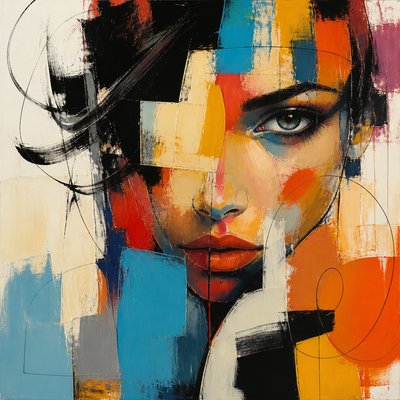
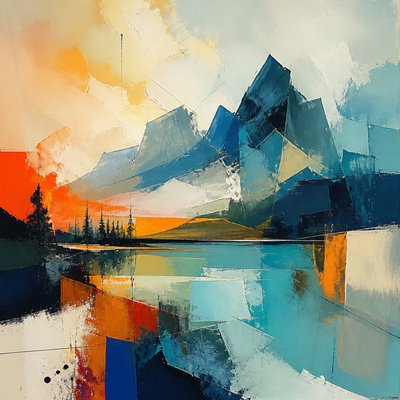
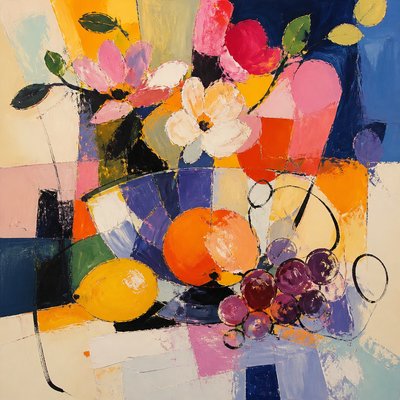
Abstract art uses color, shape, line, and gesture to create emotion and meaning without depicting recognizable reality.
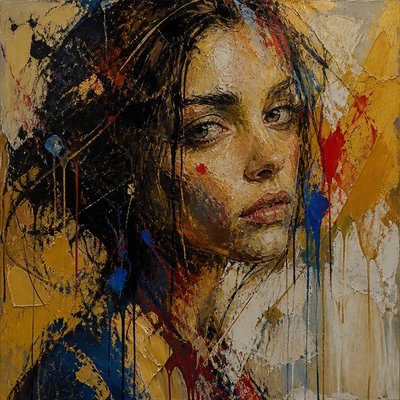
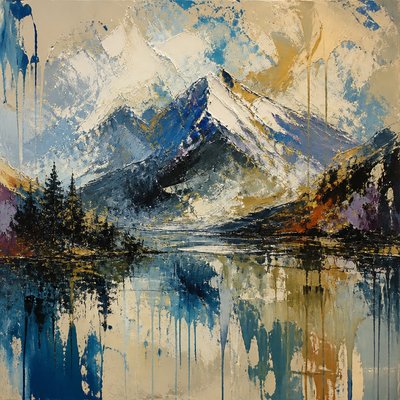
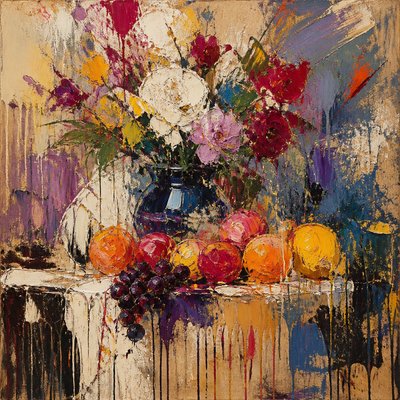
Abstract Expressionism: gestural, large-scale painting with drips, splashes, impasto, and raw emotional mark-making.
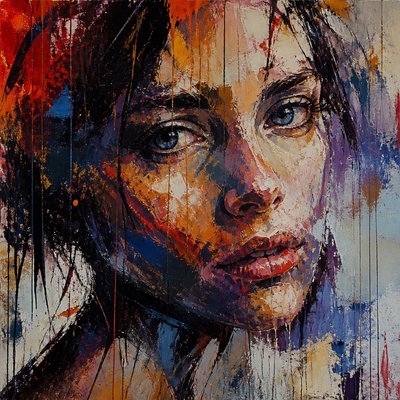
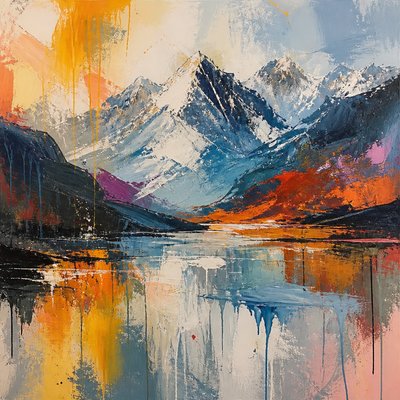
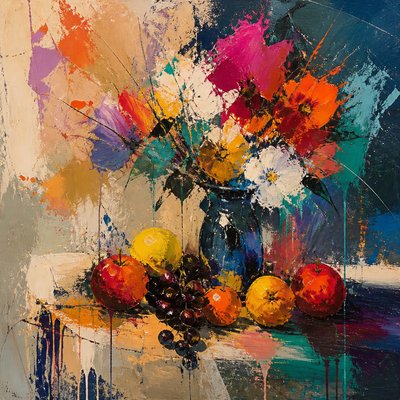
Abstract expressionist modern art: gestural brushwork, drips, layered paint, and emotional abstraction with vivid color and spontaneous energy.
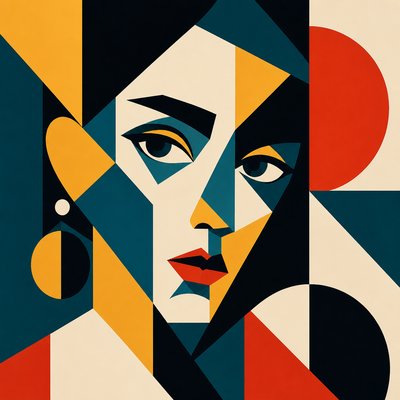
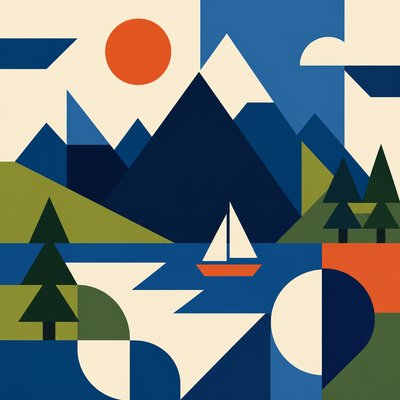
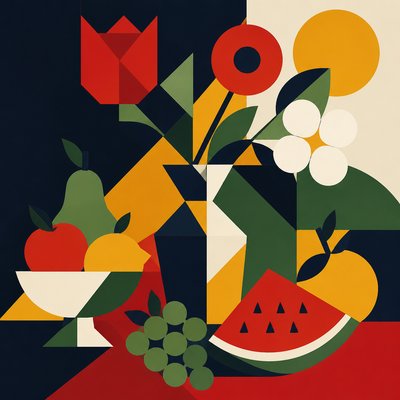
Bold non-representational art built from geometric shapes, flat color planes, and precise composition.
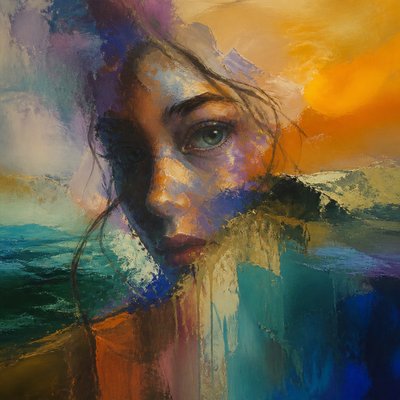
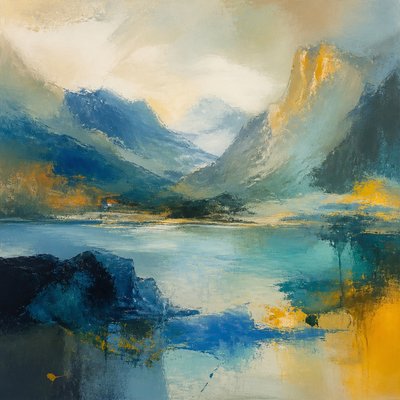
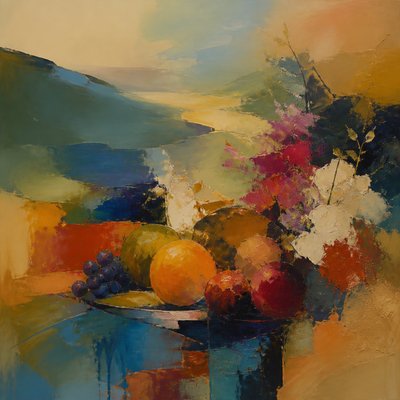
Abstract landscape art uses color, gesture, and shape to evoke nature’s mood without literal depiction.
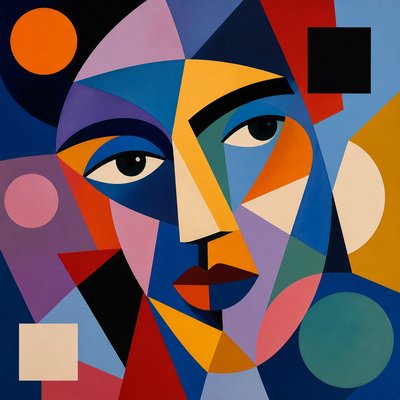
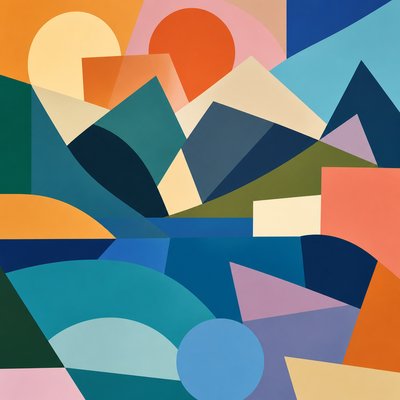
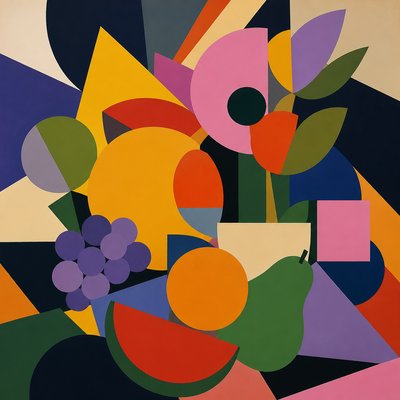
Explore Abstract Shapes Art: floating geometric forms, bold color fields, and pure compositions built from shape, rhythm, and space.
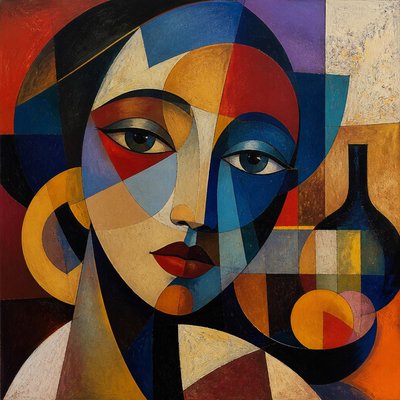
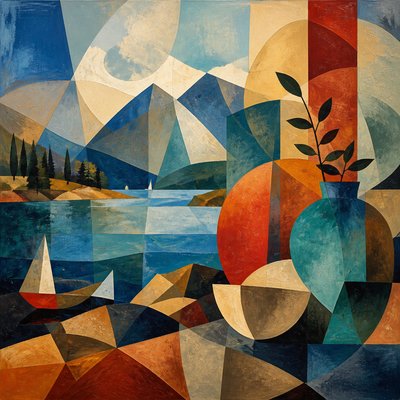
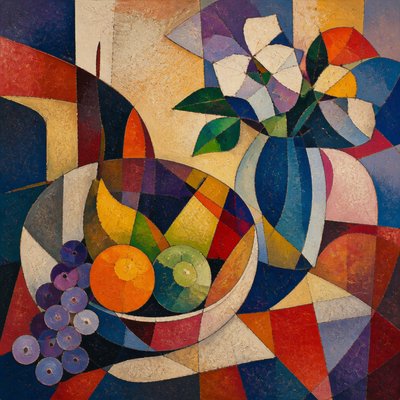
Abstract still life reduces everyday objects to color, shape, and rhythm, turning recognizable subjects into non-representational compositions.
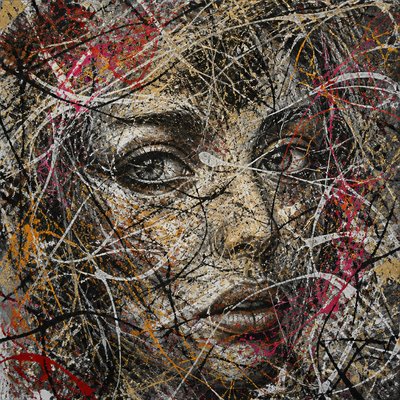
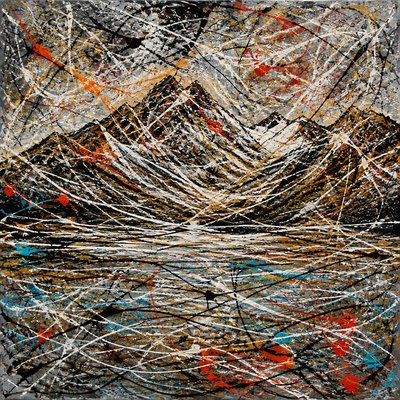
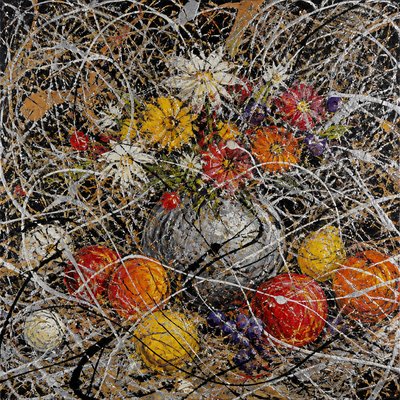
Explore Action Painting: explosive drips, splatters and poured color that turn gesture, movement and material into an all-over abstract image.
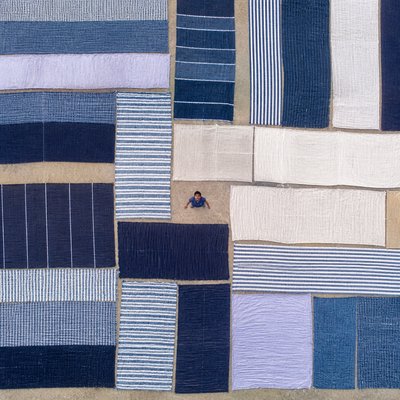
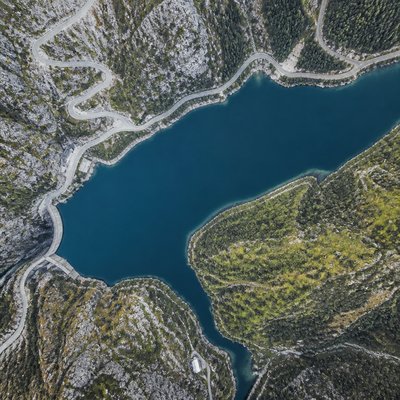
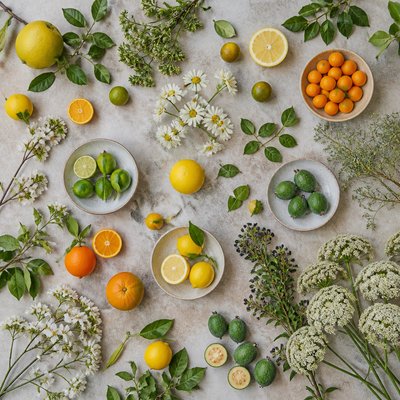
Bird's-eye drone photography with geometric patterns, abstract landscapes, and crisp documentary clarity from high overhead.
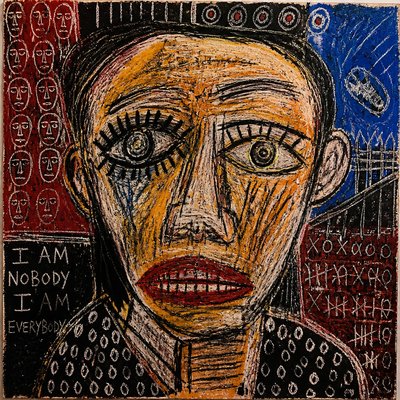
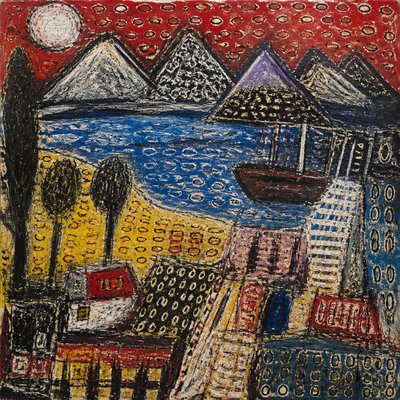
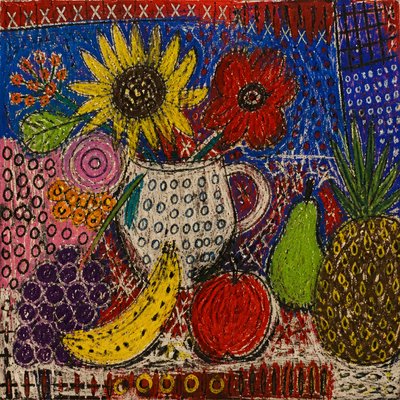
Art Brut: raw outsider art with instinctive marks, obsessive patterns, crude color, and handmade textures outside academic tradition.
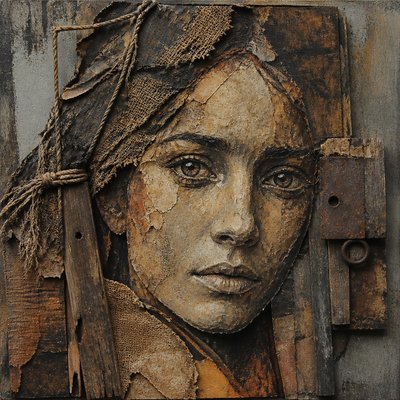
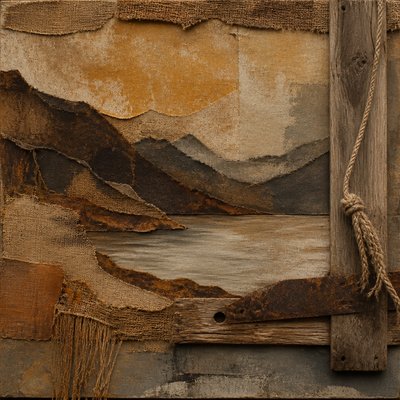
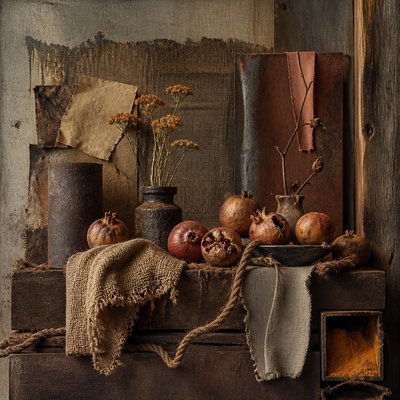
Arte Povera: an Italian art movement using humble materials, rough textures, and raw assemblage to challenge art-market values.
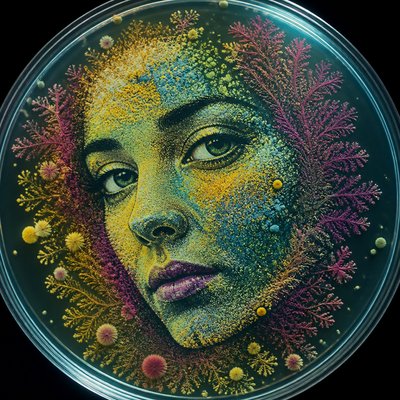
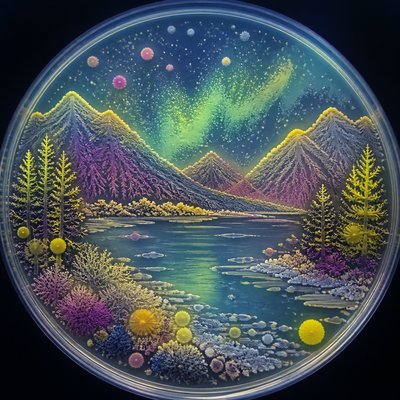
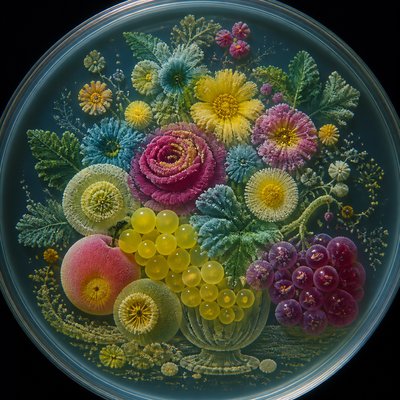
Living petri-dish imagery made from bacterial colonies, with glowing colors, organic growth patterns, and scientific texture.
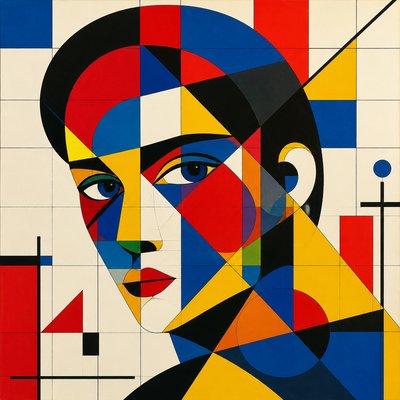
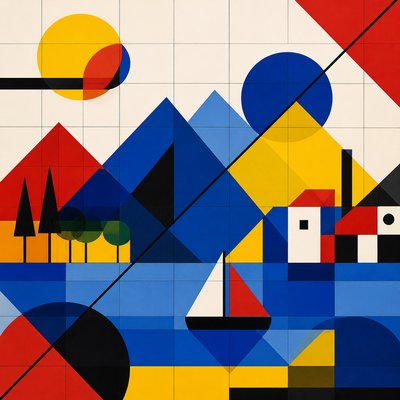
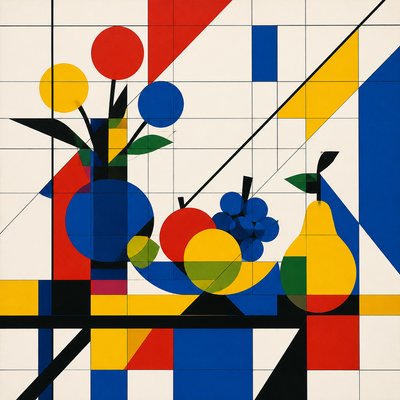
Bauhaus-inspired geometric art with primary colors, simple shapes, bold lines, and functional modernist design principles.
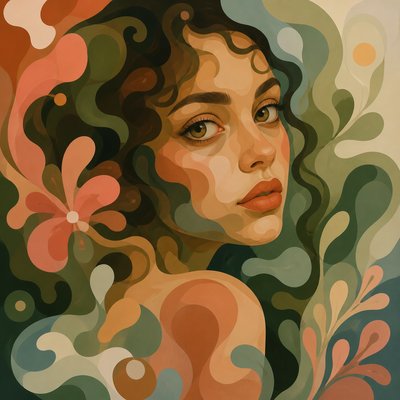
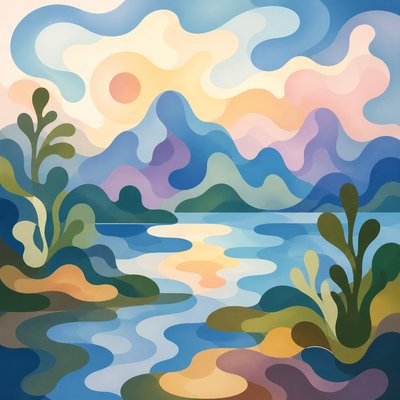
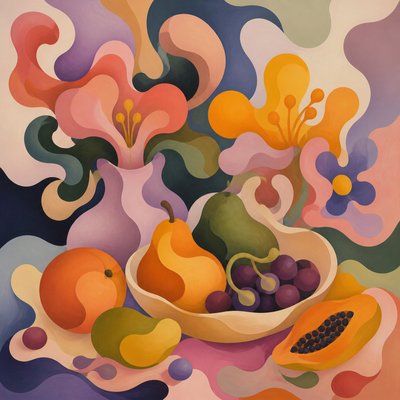
Explore Biomorphic Shapes: soft, cellular blobs and flowing organic contours inspired by nature, surrealism, abstraction, and living forms.
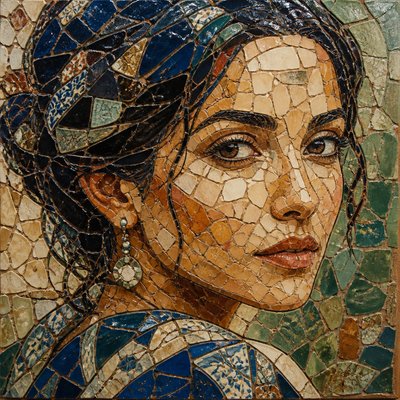
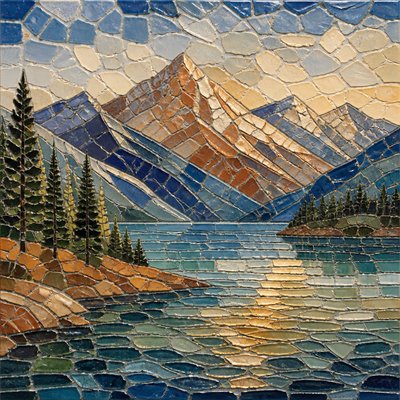
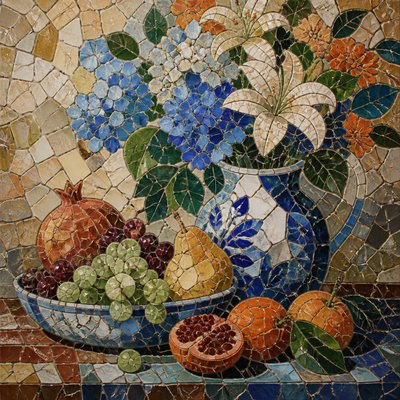
Ceramic mosaic art uses broken glazed fragments and grout lines to build textured, patterned images with rich color and light.
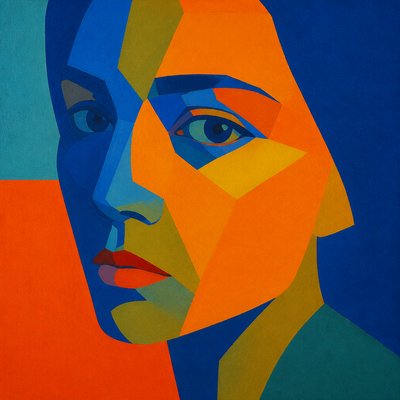
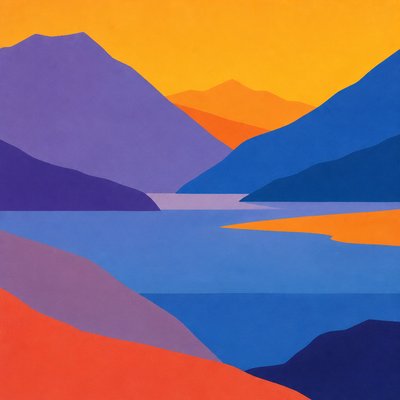
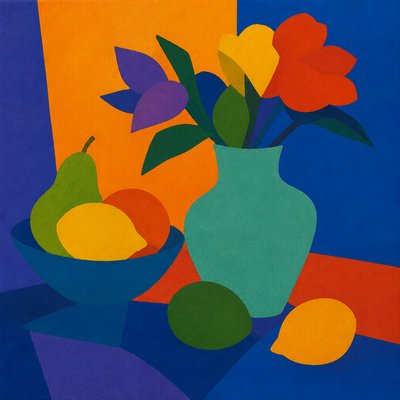
Abstract art of large flat color fields, meditative depth, and emotional impact through pure chromatic relationships.
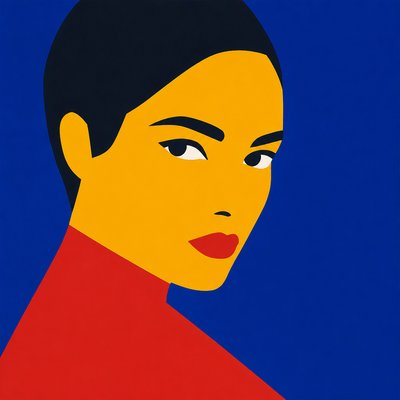
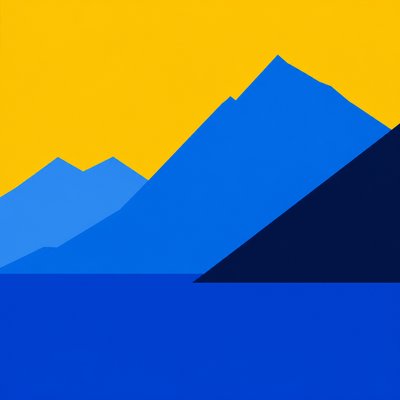
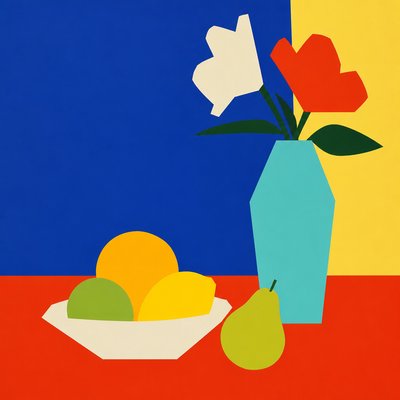
Hard-edge color fields, flat matte planes, and pure hue relationships define this austere abstract style.
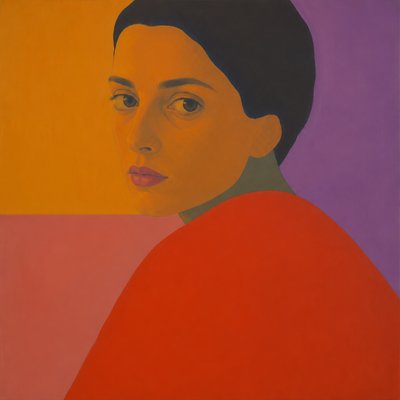
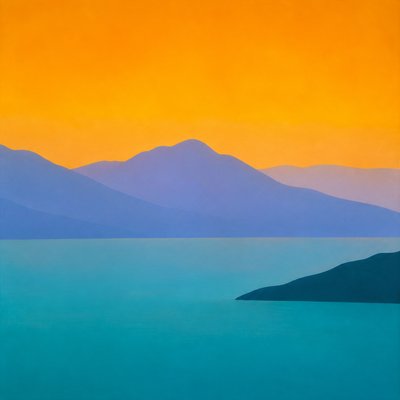
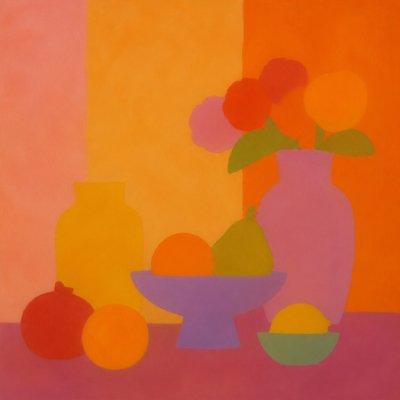
Large, meditative fields of flat color with soft edges and immersive depth, rooted in postwar abstraction.
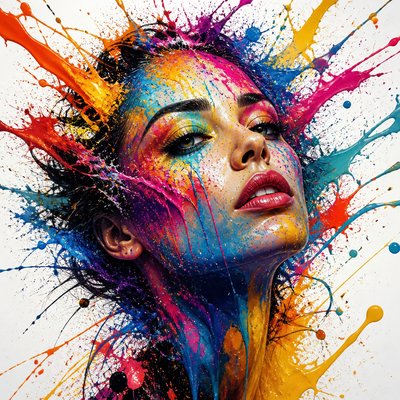
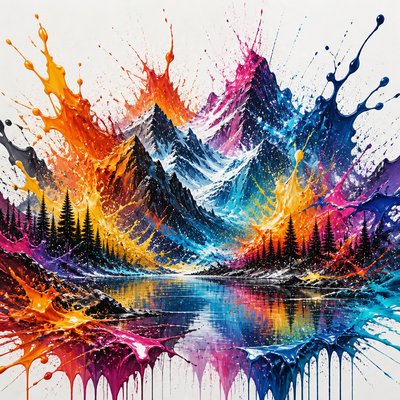
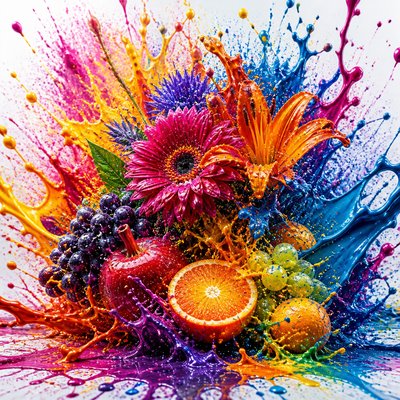
Explosive multicolor paint splashes, drips, and spray collide around a subject for a kinetic, high-impact look.
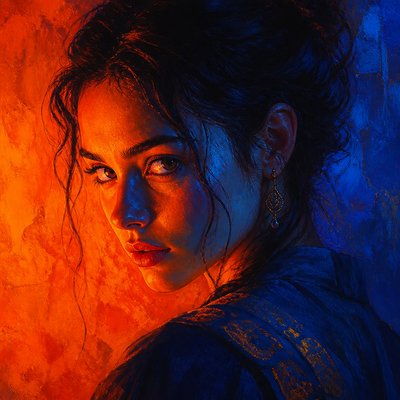
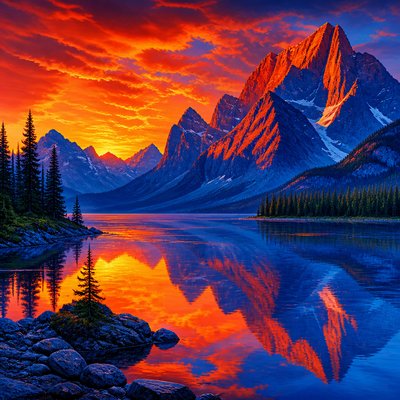
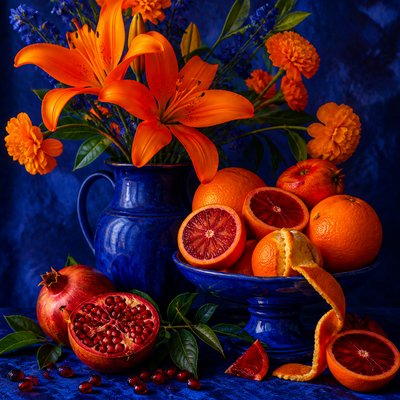
Explore Complementary Color Art: saturated opposites, simultaneous contrast, and vibrating orange-blue or red-green compositions.
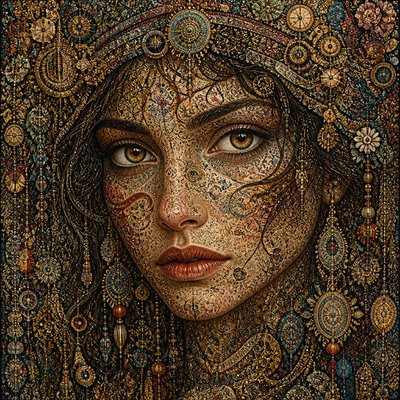
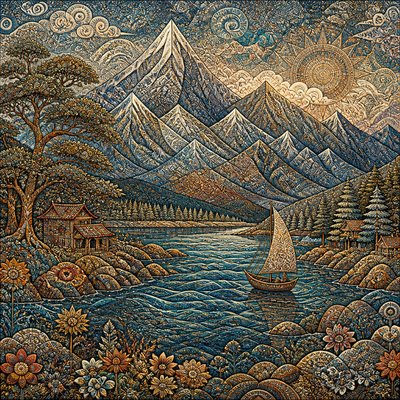
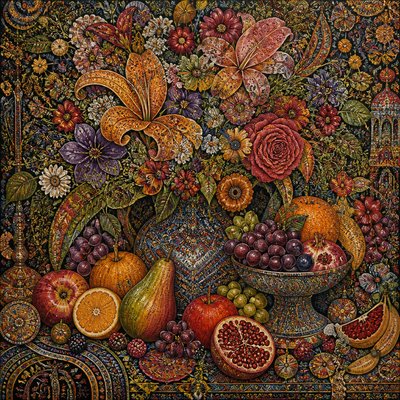
Explore Complexity Art Style: dense interlocking patterns, layered motifs, and richly textured compositions designed for sustained close-up discovery.
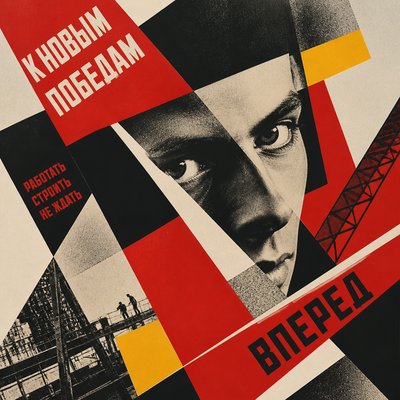
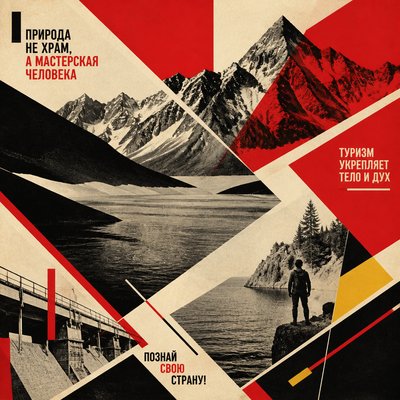
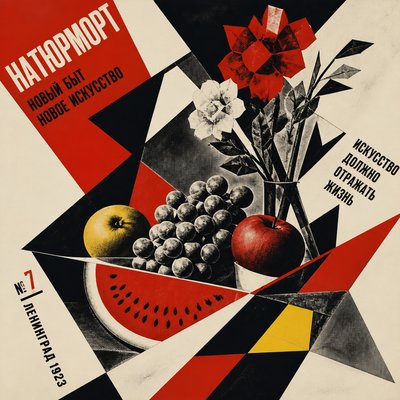
Geometric revolutionary design with red, black, and off-white diagonals, bold propaganda energy, and functional industrial clarity.
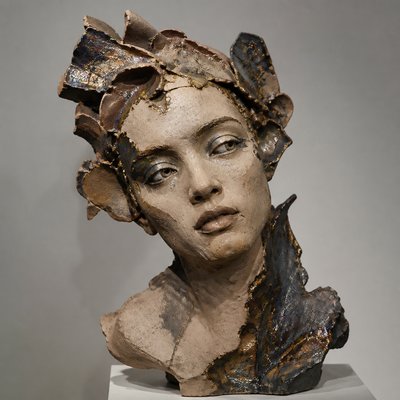
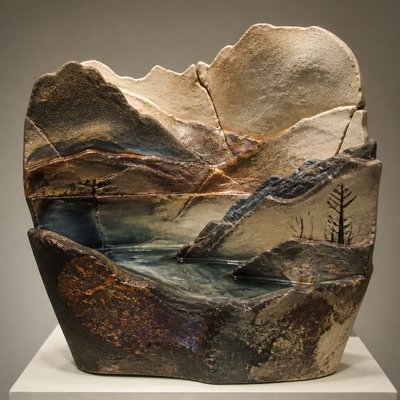
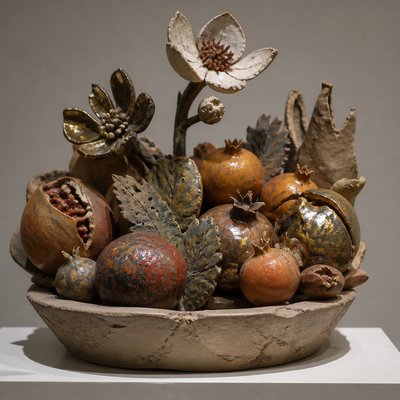
Experimental clay art with hand-built forms, mixed media, matte glaze, and conceptual sculptural surfaces.
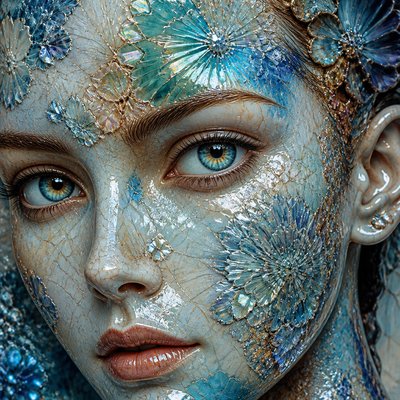
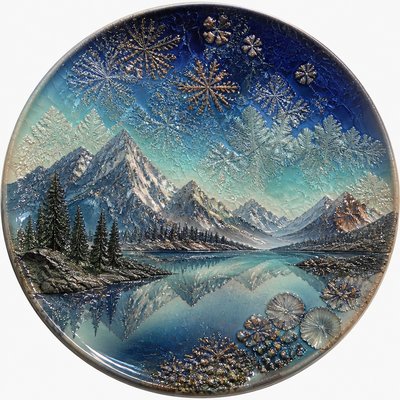
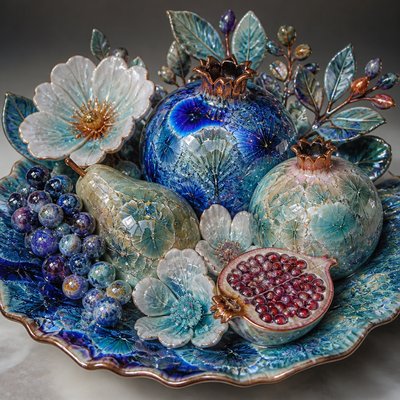
Ceramic surfaces with blooming crystal patterns, iridescent glazes, and one-of-a-kind mineral formations created during firing.
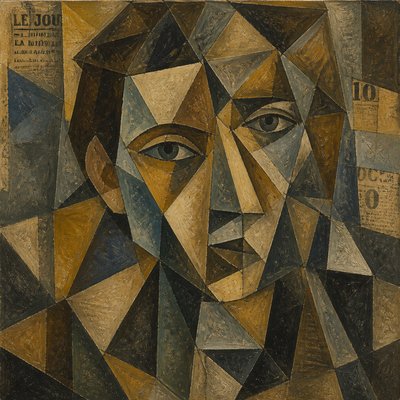
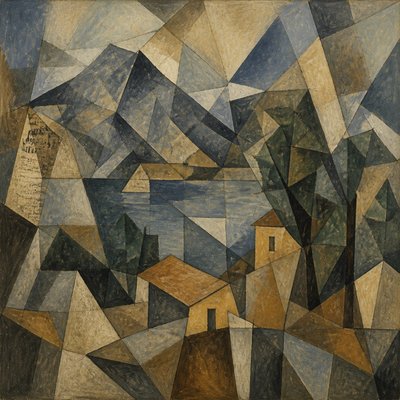
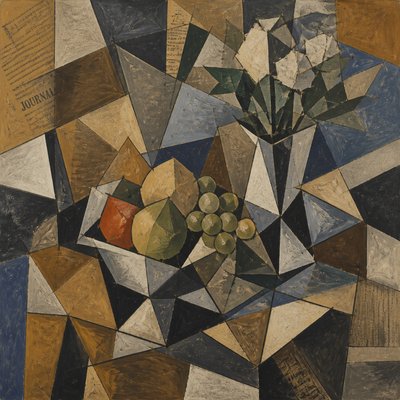
Cubism fractures subjects into geometric facets and multiple viewpoints, creating abstracted compositions with muted color and rhythmic planes.
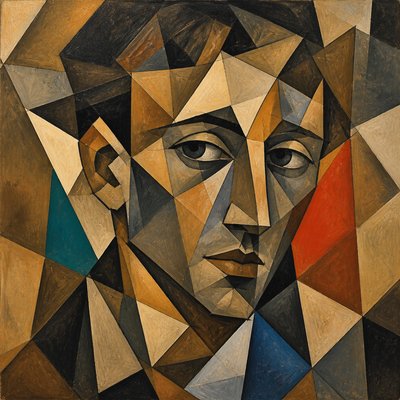
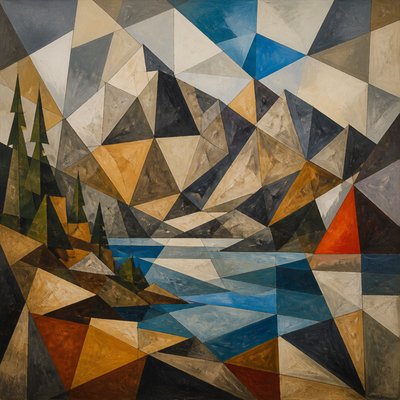
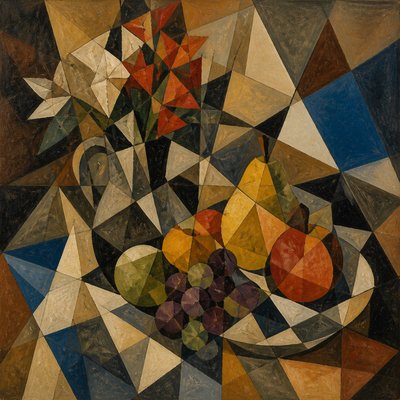
Cubist Modern Art fractures forms into geometric planes, multiple viewpoints, and earthy tonal blocks for a structured, modernist look.
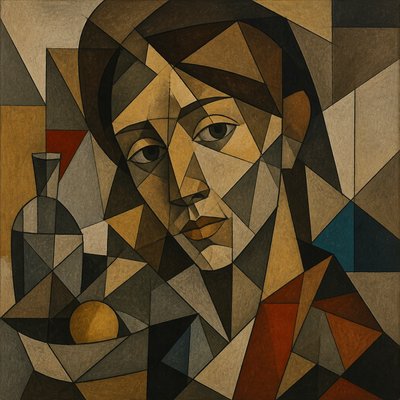
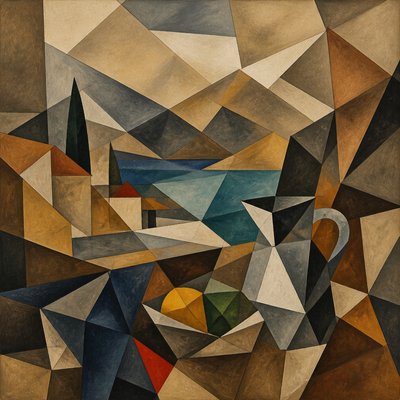
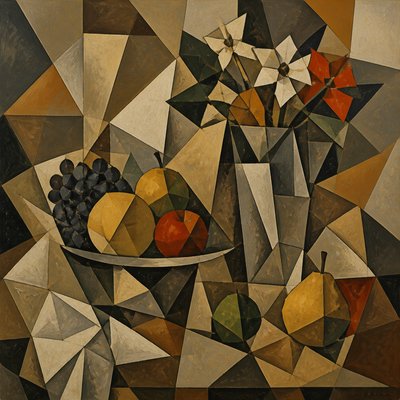
Cubist still life fragments objects into geometric planes, multiple viewpoints, and muted earthy color for a fractured tabletop composition.
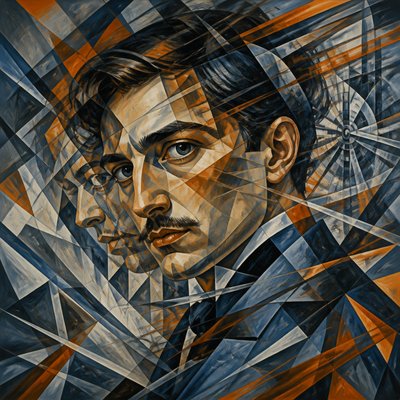
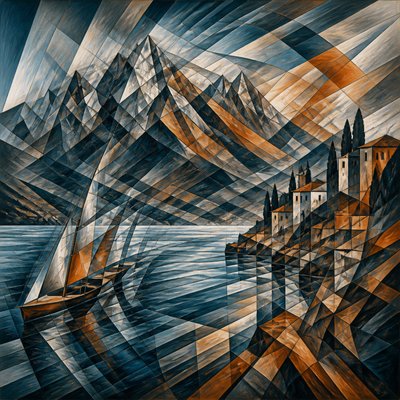
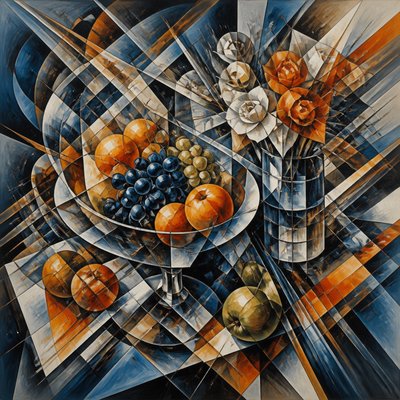
Cubo-Futurism blends Cubist fragmentation with Futurist motion for dynamic, machine-age images of speed, energy, and industrial forms.
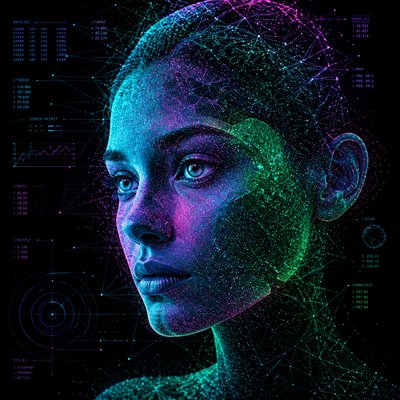
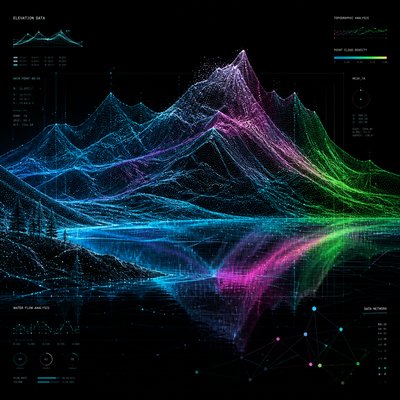
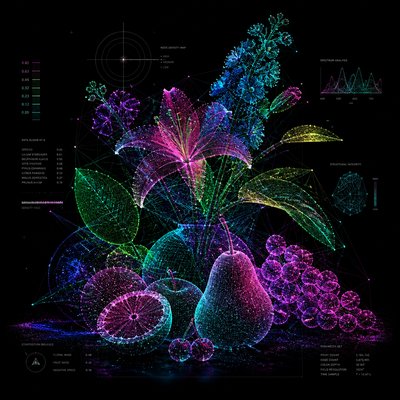
Contemporary data art using grids, particles, heat maps, and network diagrams to turn information into vivid visual form.
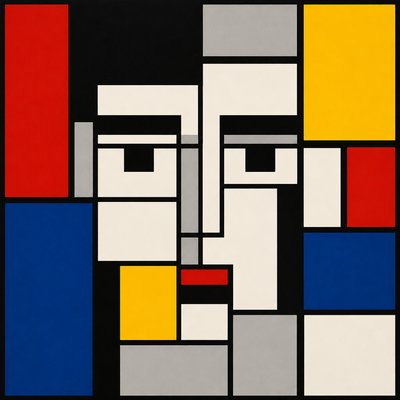
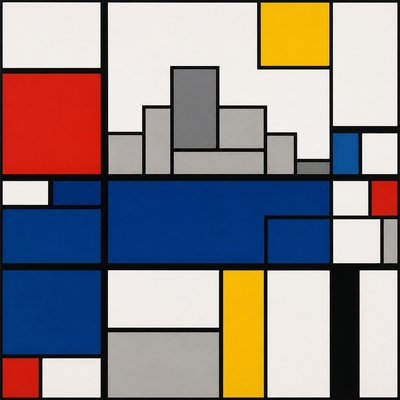
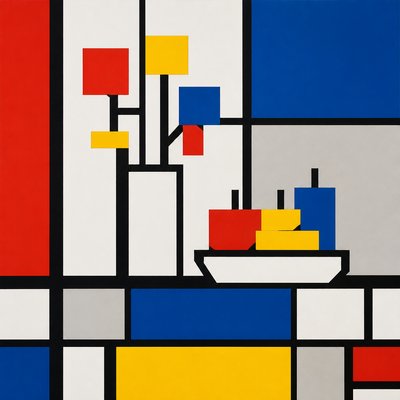
Pure abstraction of vertical and horizontal geometry, primary colors, and black lines inspired by De Stijl principles.
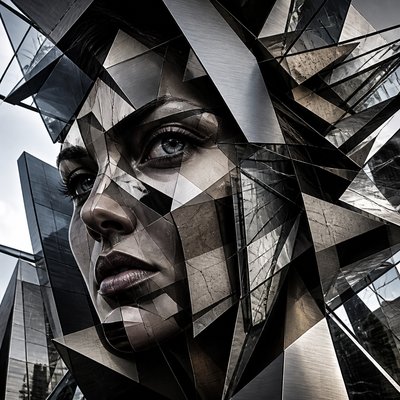
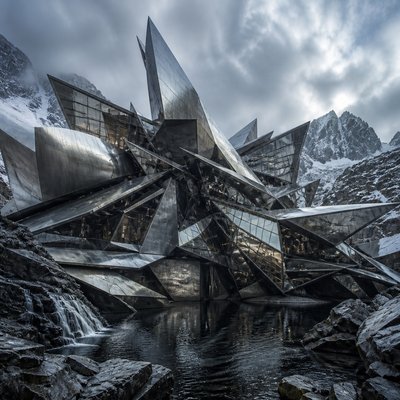
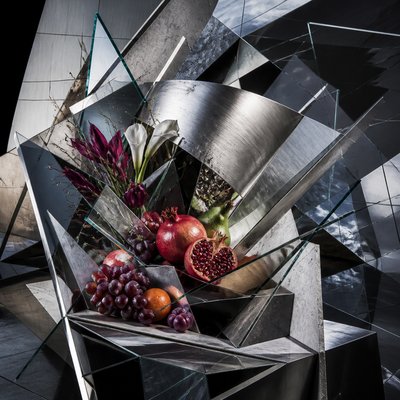
Fractured, angular architecture with colliding planes, skewed grids, and dramatic tension inspired by deconstructivist design.
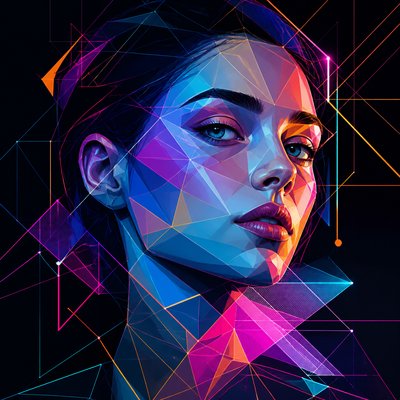
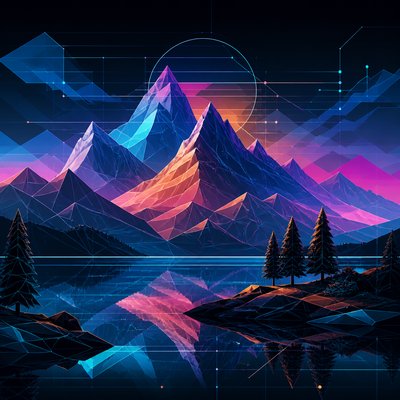
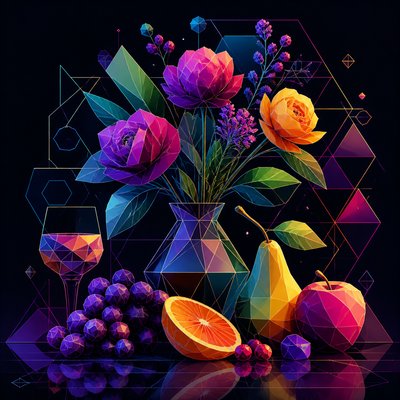
Computer-made geometric art with crisp facets, gradient meshes, neon color, wireframes, and polished precision.
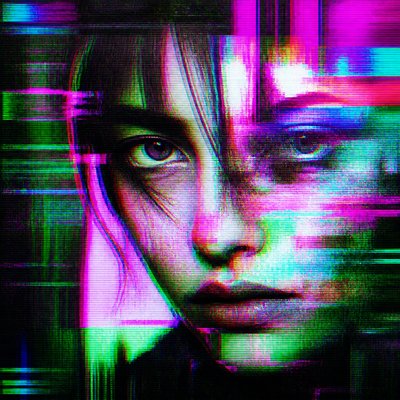
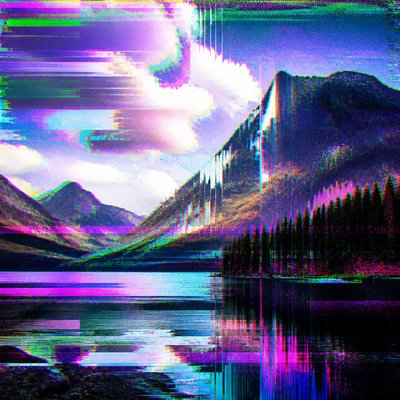
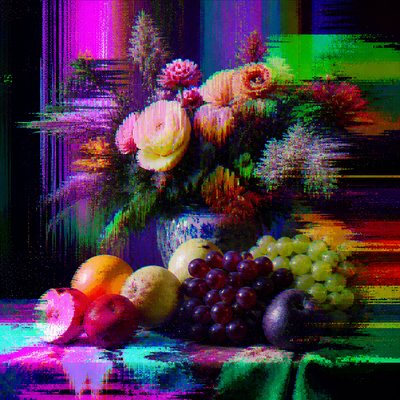
Abstract digital art built from glitch effects, pixel sorting, compression artifacts, RGB shifts, scan lines, and datamoshed color distortion.
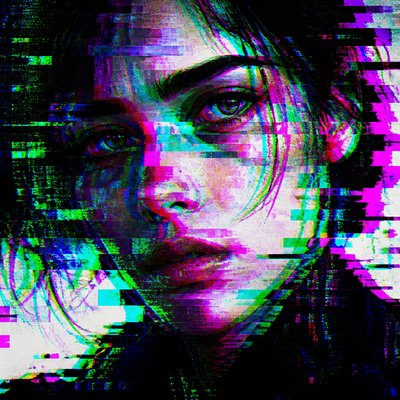
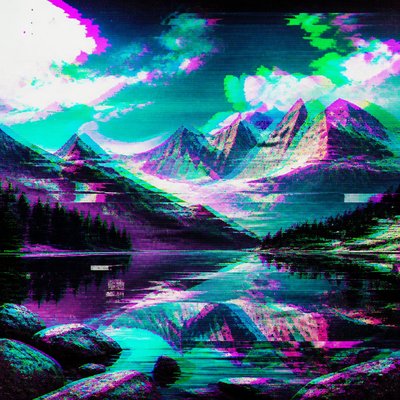
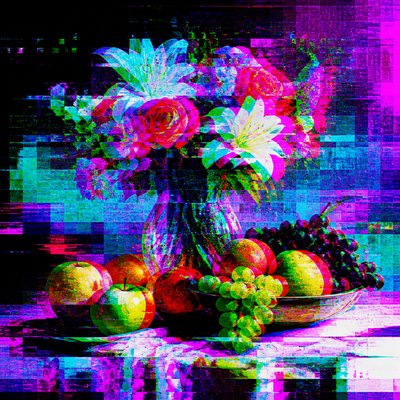
Glitch art aesthetic using pixel corruption, RGB shifts, scan tearing, and compression artifacts to turn digital errors into design.
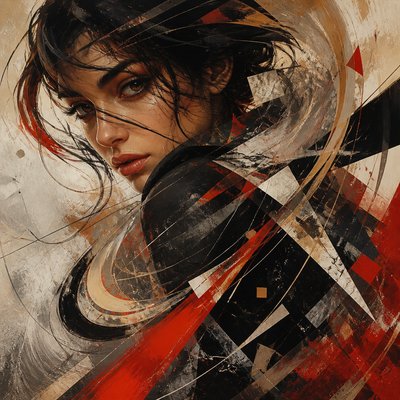
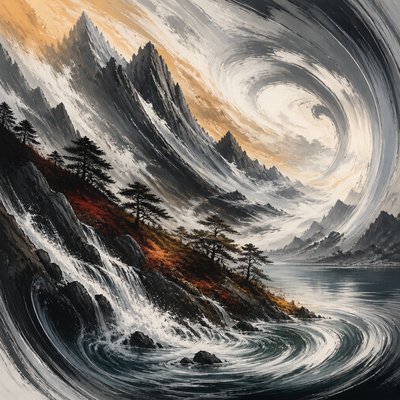
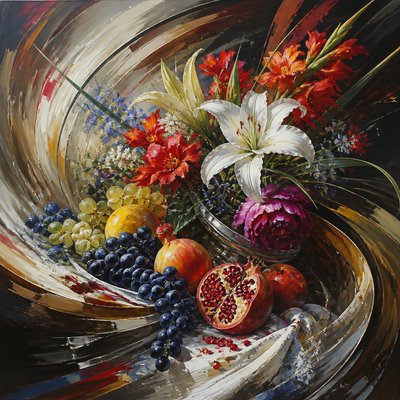
Explore Dynamic Composition Art: swirling diagonals, curved motion, asymmetrical balance, and energetic forms that pull the eye through the frame.
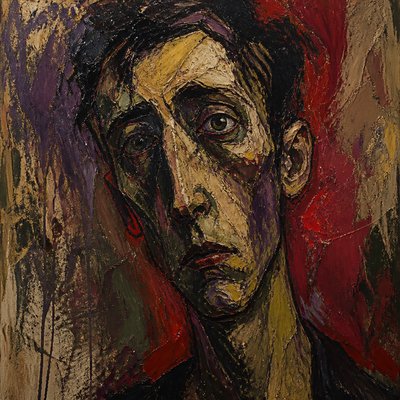
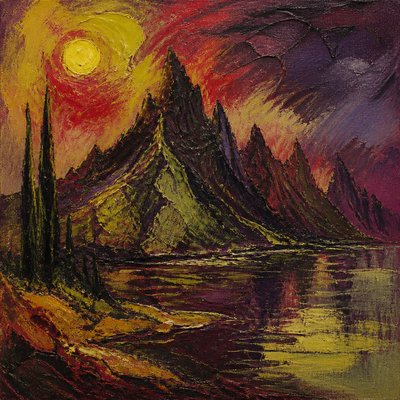
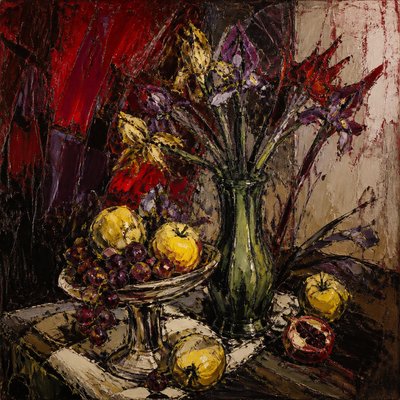
Expressionist portraiture distorts features and uses violent brushwork, clashing color, and emotional symbolism to reveal inner states.
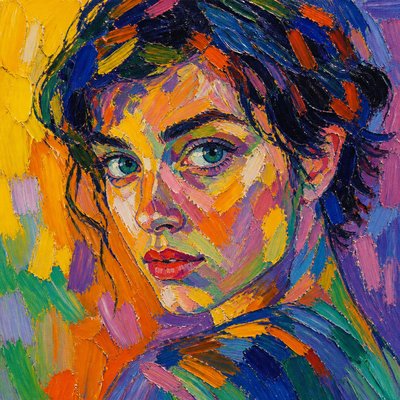
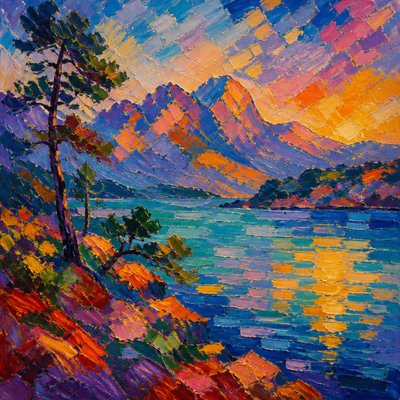
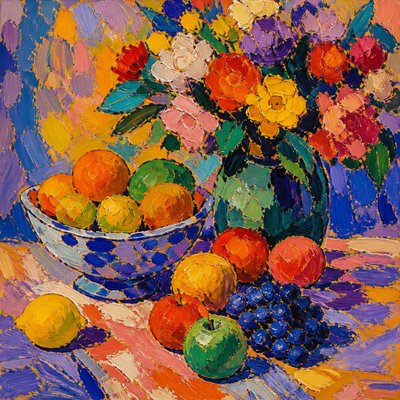
Bold, emotional painting with unmixed color, broken brushwork, and vivid contrast inspired by Impressionism and Fauvism.
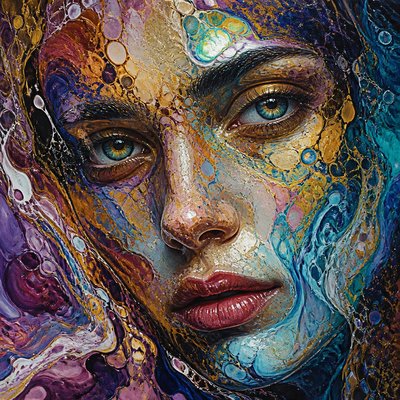
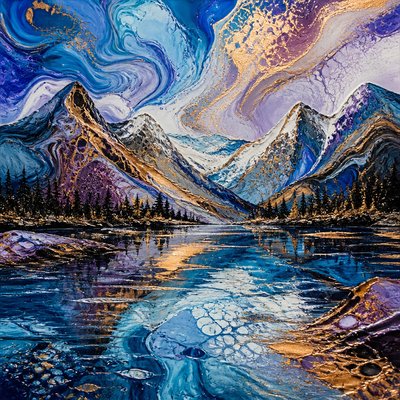
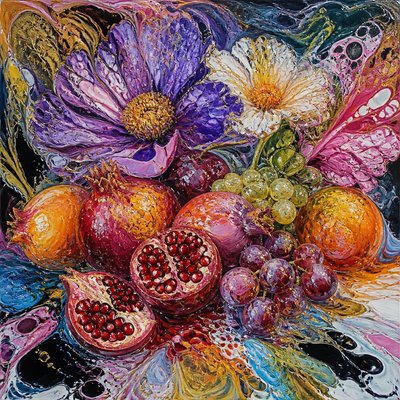
Fluid abstract art with acrylic pours, cellular textures, marbled ribbons, glossy finishes, and organic color flow.
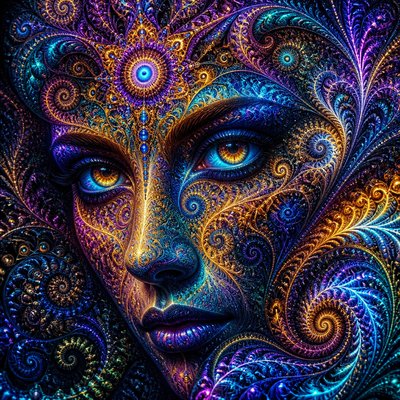
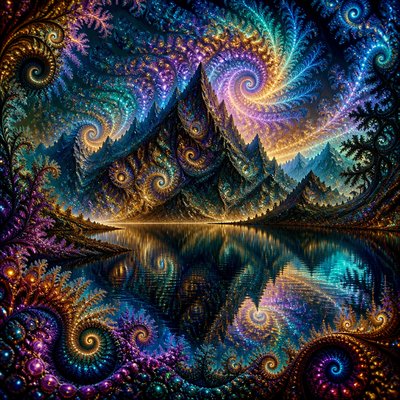
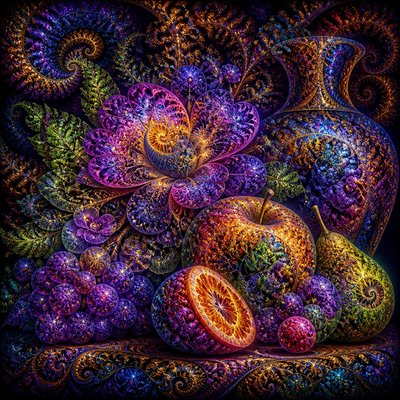
Mathematical abstraction with self-similar patterns, luminous color, and endless recursion—fractal art that feels infinitely detailed.



Explore fractal art: recursive mathematical patterns, vivid digital color, geometric symmetry, and techniques for creating mesmerizing infinite forms.
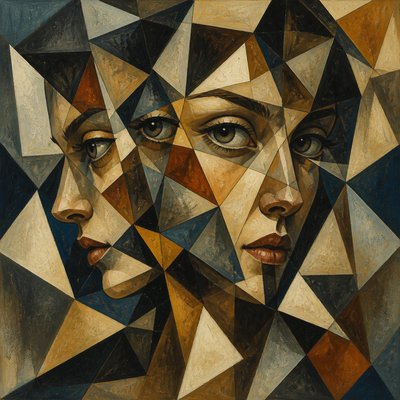
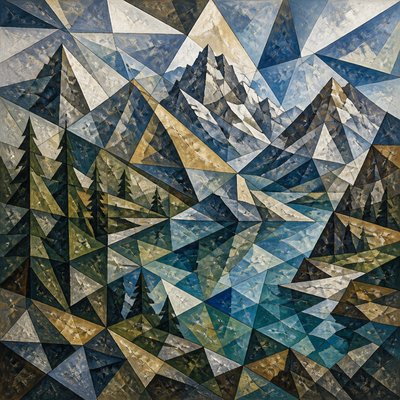
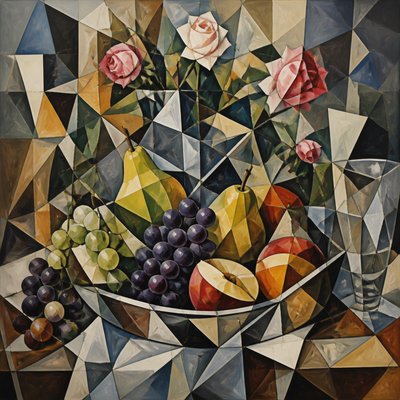
Explore Fragmentation Art: angular facets, shattered viewpoints, and interlocking geometric shards that reconstruct subjects as fractured visual mosaics.
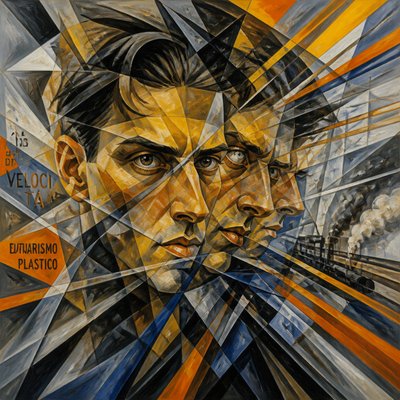
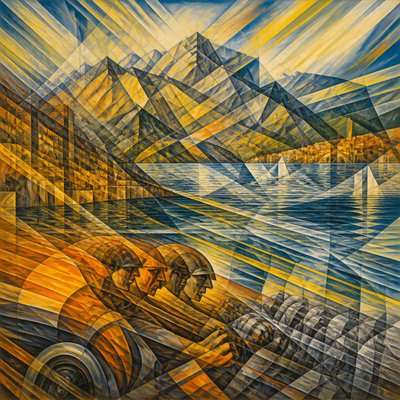
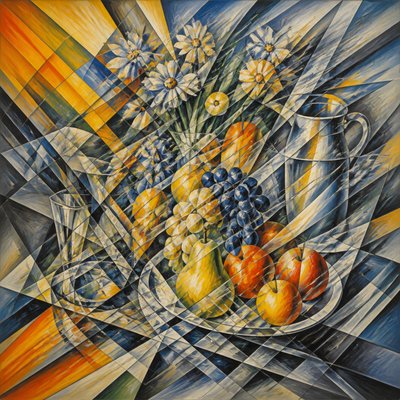
Italian Futurism: art of speed, machinery, fragmented motion, and energetic diagonal composition.
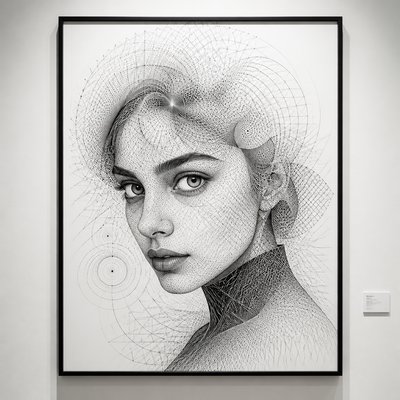
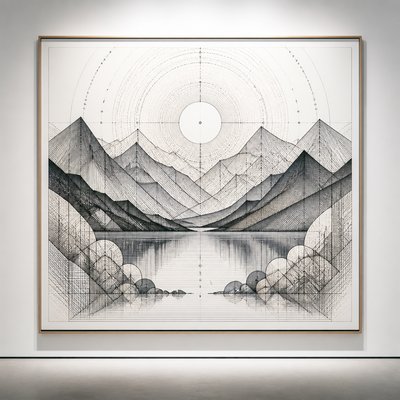
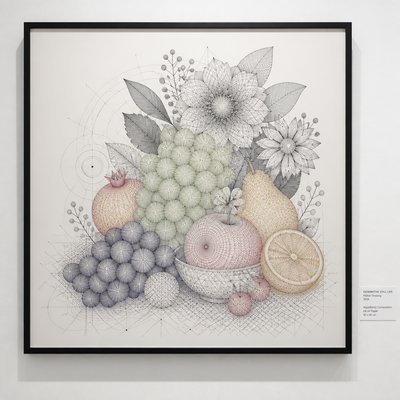
Explore Generative Art Style: algorithmic linework, geometric systems, fractal density, and precise plotter-like compositions.
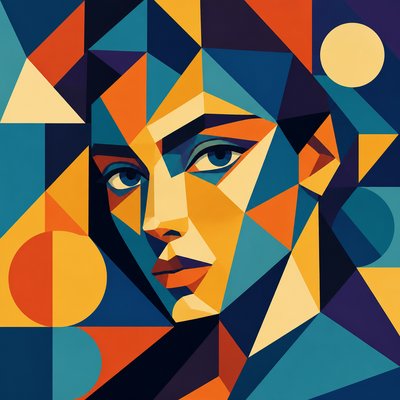
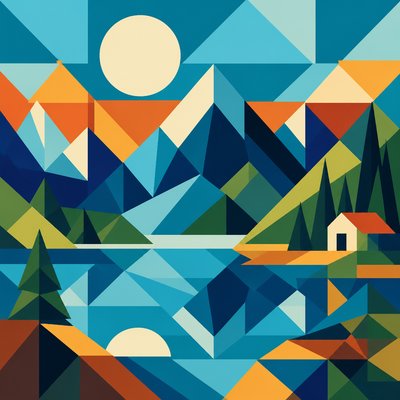
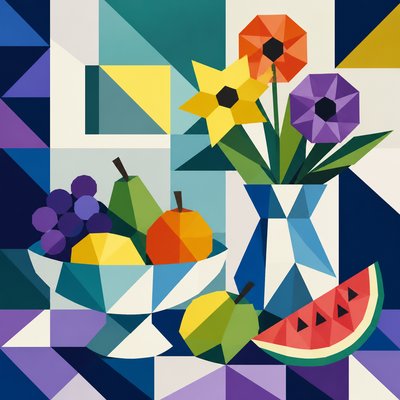
Geometric abstract art turns subjects into polygons, circles, and tessellations with flat color, crisp edges, and mathematical balance.
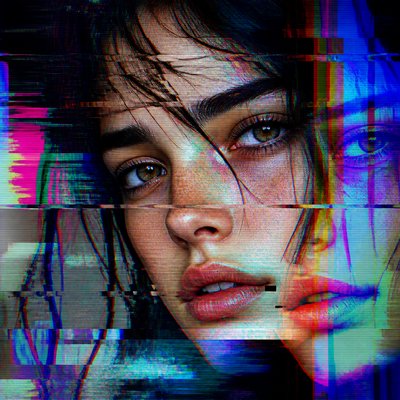
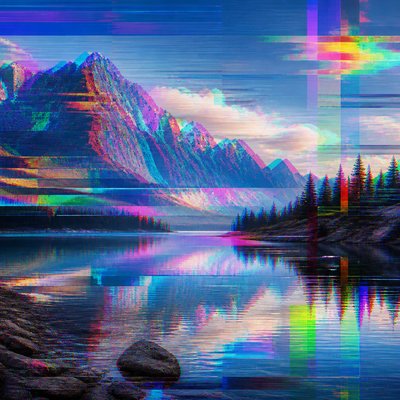
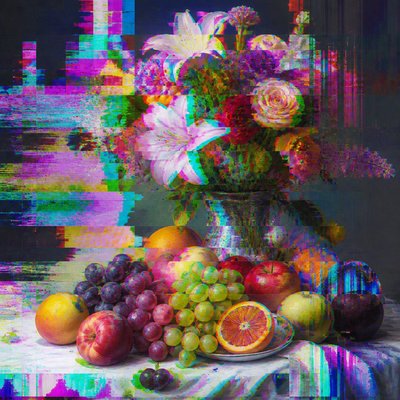
Glitch art uses digital errors, scan lines, pixel corruption, and datamoshing to turn technological failure into a readable aesthetic.
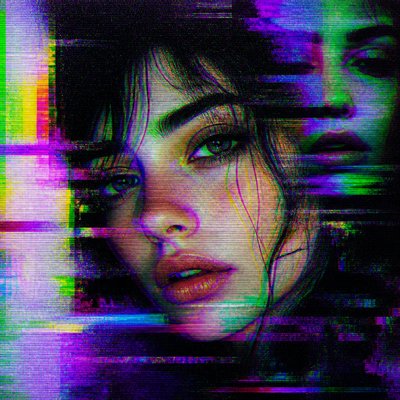
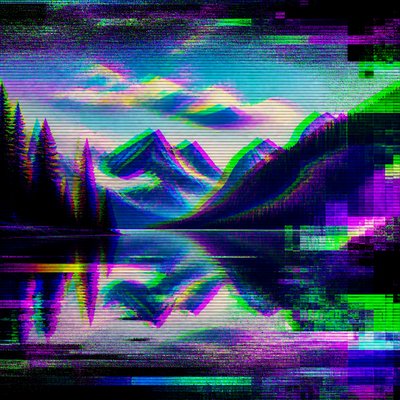
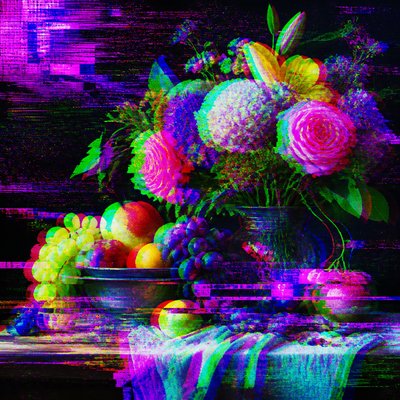
Glitch digital art uses corruption, pixel sorting, and scan-line noise to turn digital errors into a recognizably broken aesthetic.



Explore Gradation Art: seamless color, light, and atmospheric transitions create soft, depth-rich images without hard edges.
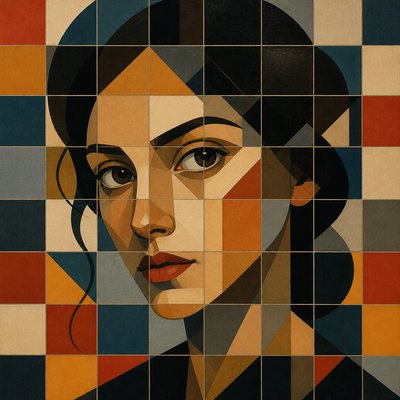
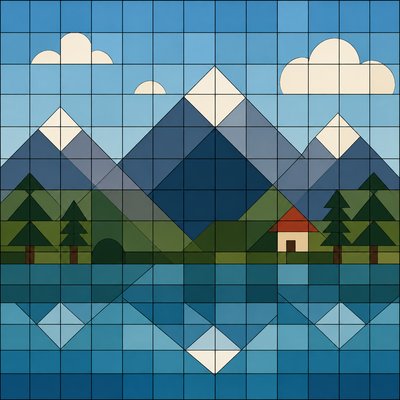
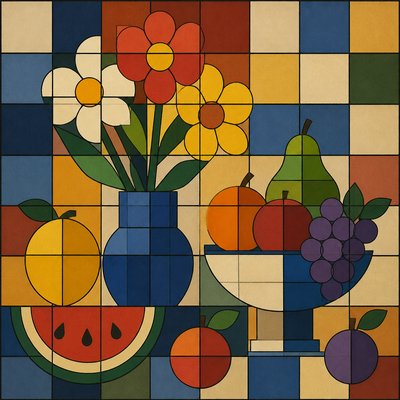
Explore Grid Composition art: modular cells, crisp lines, flat color, and mathematical order applied to paintings, graphics, photos, and digital images.
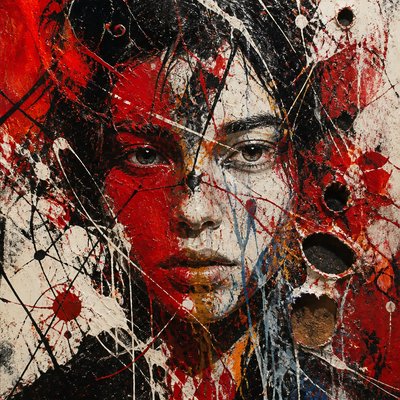
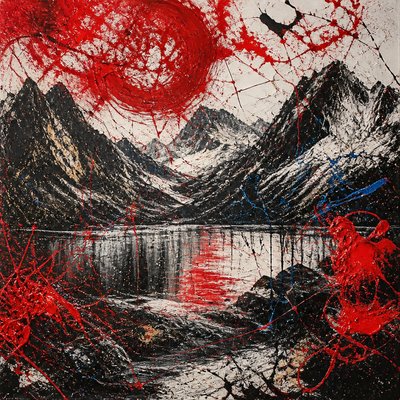
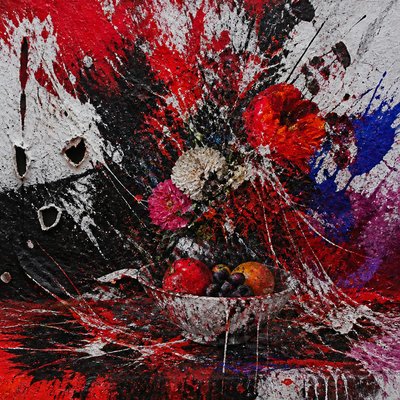
Explore Gutai art: postwar Japanese action painting defined by explosive gestures, raw materials, performance, and physical traces.
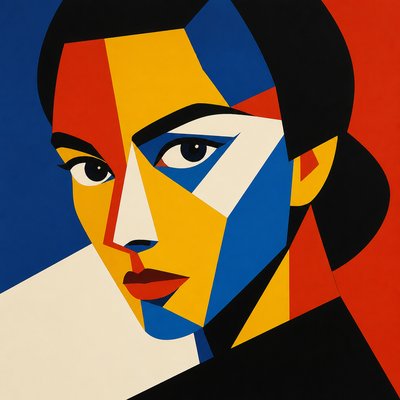
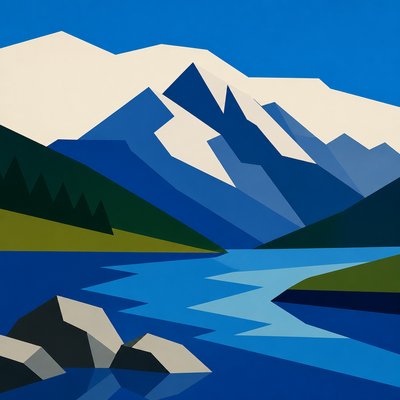
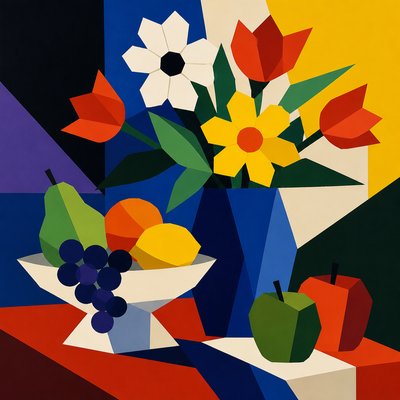
Precise geometric abstraction with flat color, sharp edges, and no blending—learn the history, traits, and techniques of hard-edge painting.
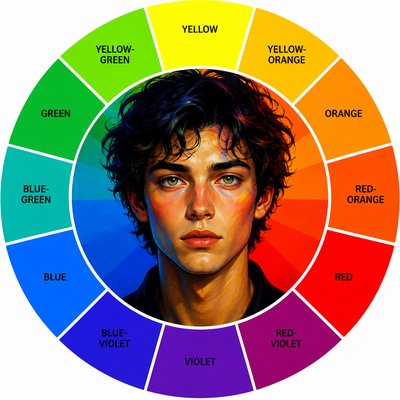
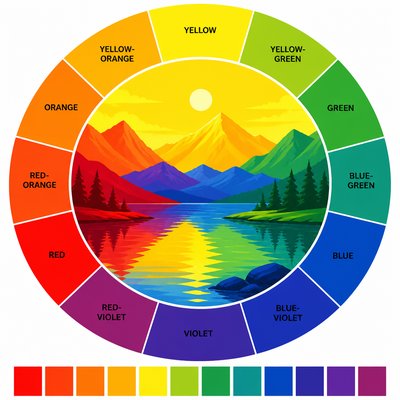
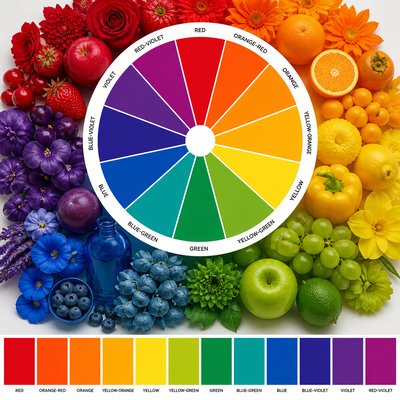
Learn about Hue Art Style: a crisp, diagrammatic aesthetic built from pure spectral colors arranged in a clean radiating wheel.
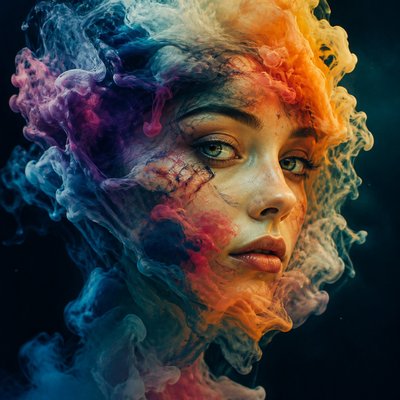
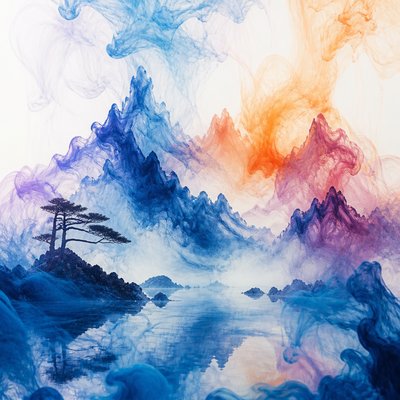
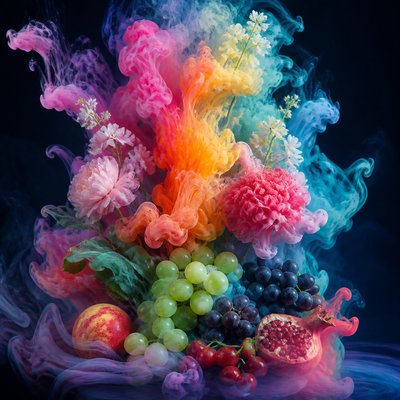
Fluid color clouds diffusing in water-like space, with soft blooming edges, luminous swirls, and dreamlike translucent movement.
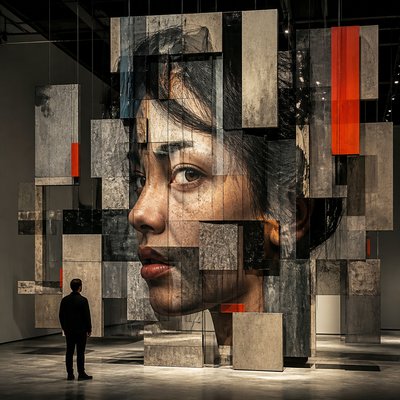
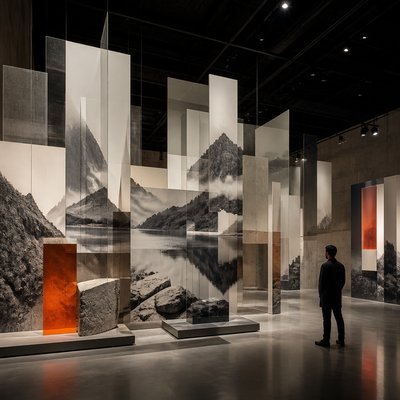
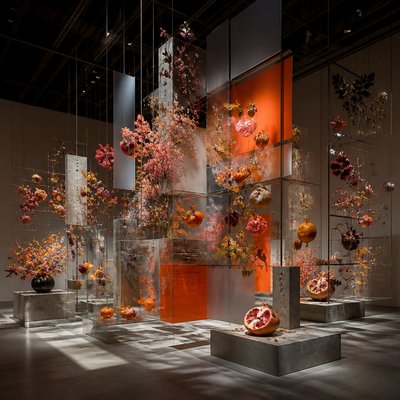
Immersive space-based art using modular forms, mixed materials, dramatic lighting, and site-specific installation design.
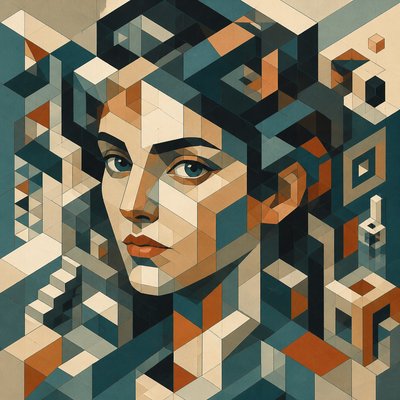
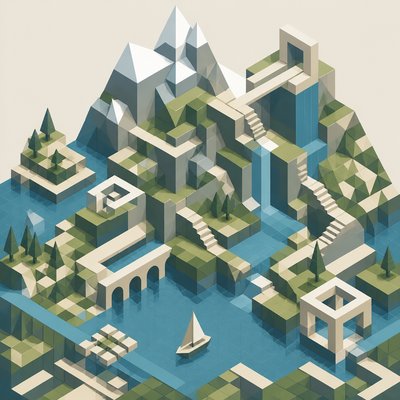
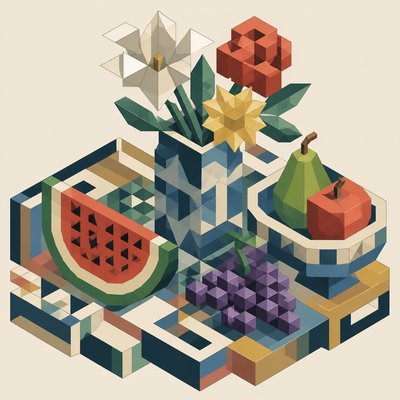
Isometric geometric art uses parallel-axis 3D forms, crisp edges, flat color planes, and impossible spatial illusions.
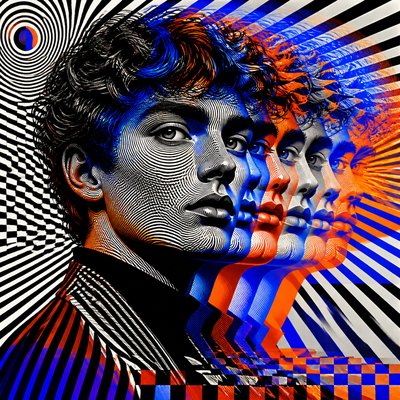
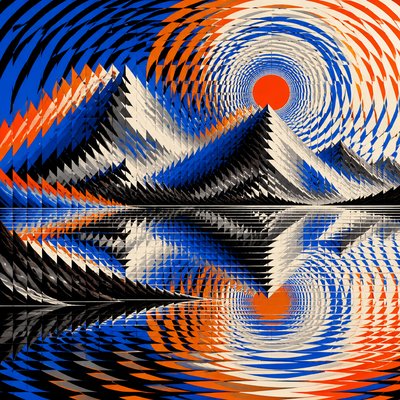
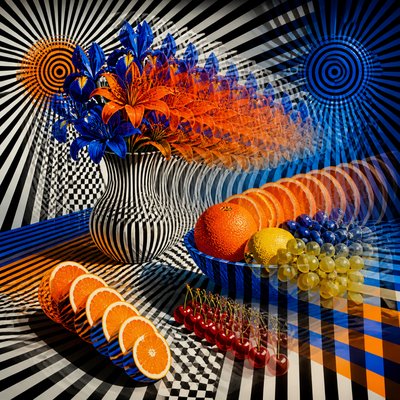
Dynamic art using motion, repetition, and optical vibration to suggest movement through time, space, and viewer interaction.
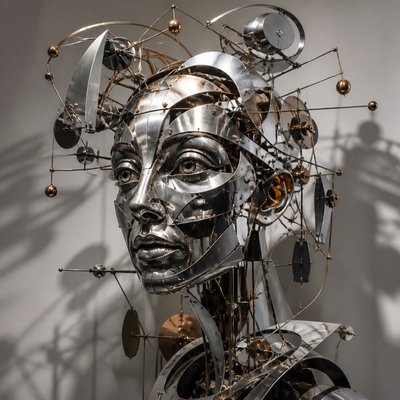
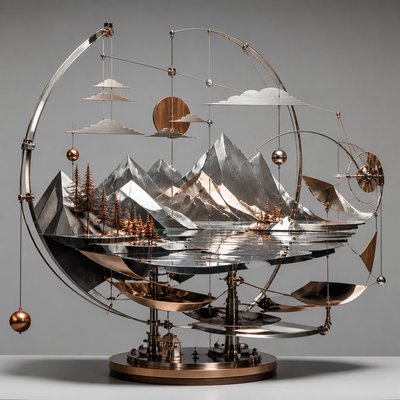
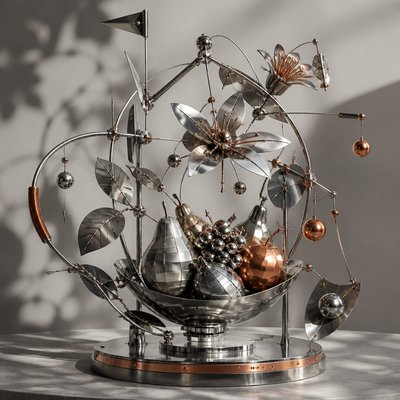
Movement-based sculpture with balanced metal forms, rotating elements, wire armatures, and changing shadows.
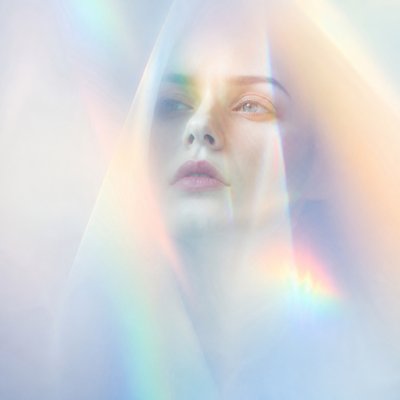
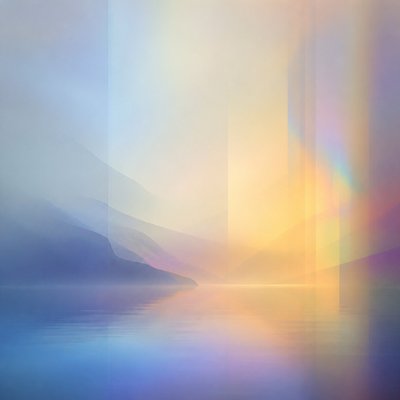
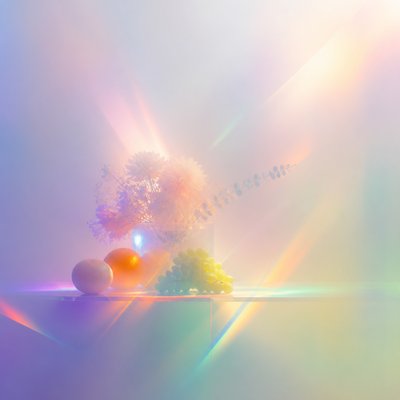
Perceptual art of light, space, and atmosphere, using luminous fields, minimal forms, and viewer movement to alter perception.
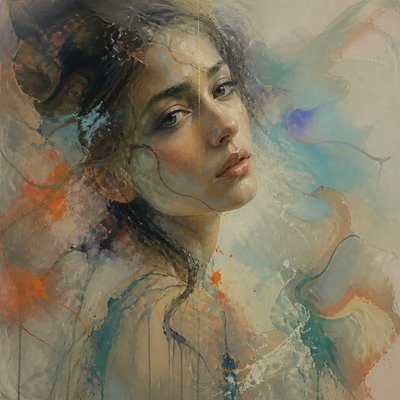
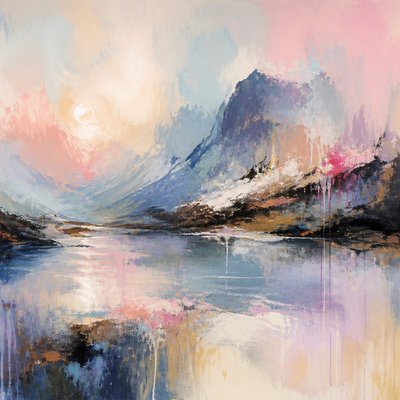
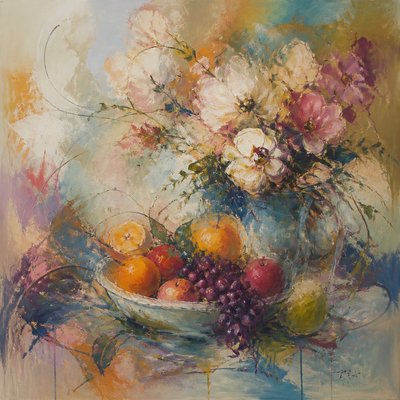
Emotive abstract painting with flowing forms, soft color, and poetic brushwork rooted in lyrical, gestural expression.
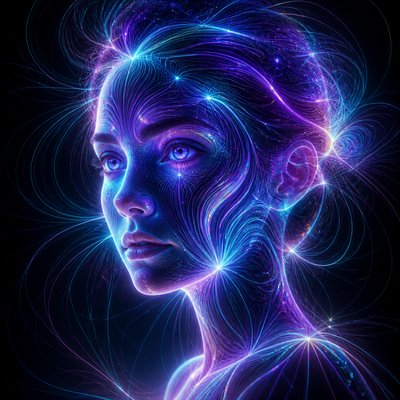
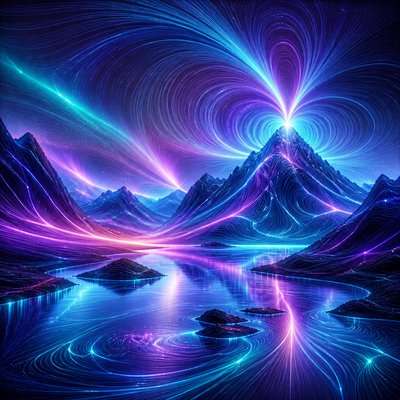
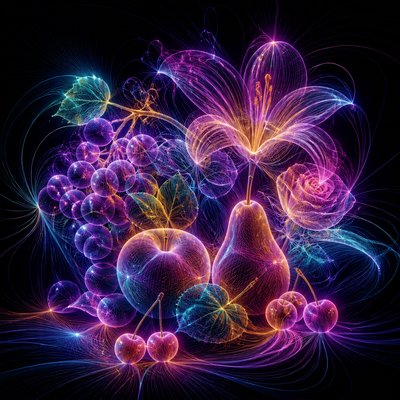
Luminous field lines, glowing ribbons, and electric color turn invisible magnetism into visible energy patterns.
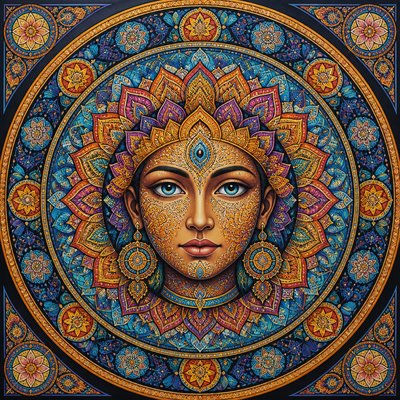
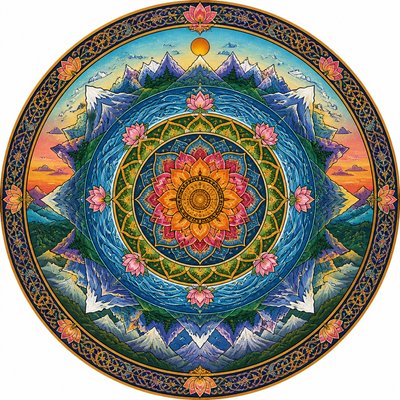
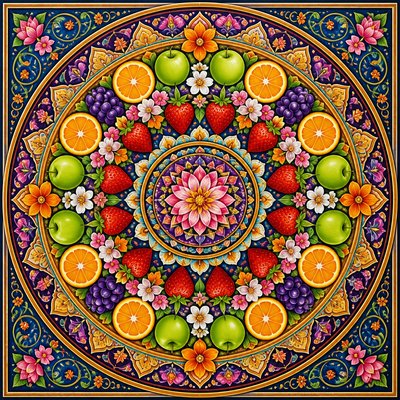
Explore mandala art: radial symmetry, sacred geometry, concentric patterns, vivid color, and meditative precision across traditional and contemporary practice.

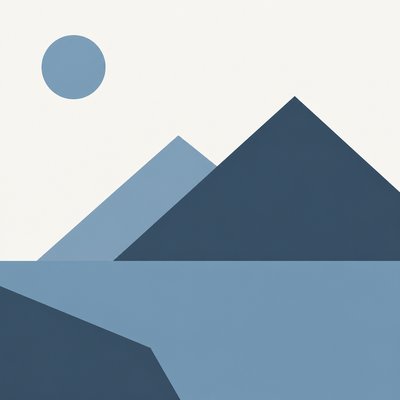
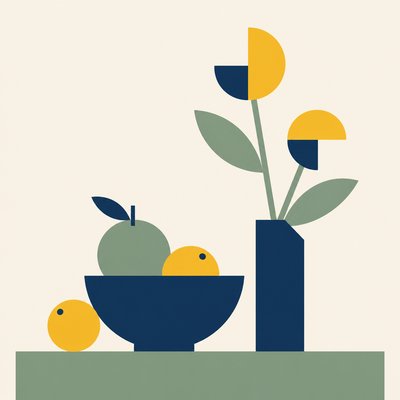
Minimalism art style uses pared-down geometric forms, limited color, and generous negative space to reduce images to essentials.
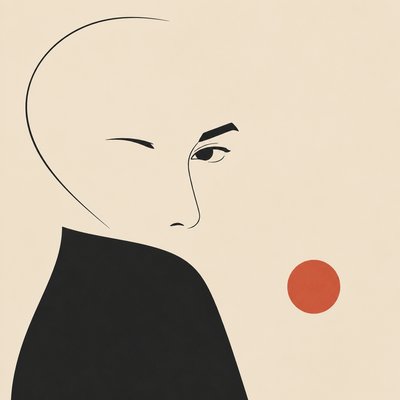
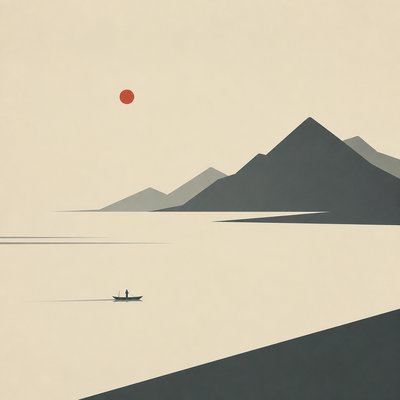
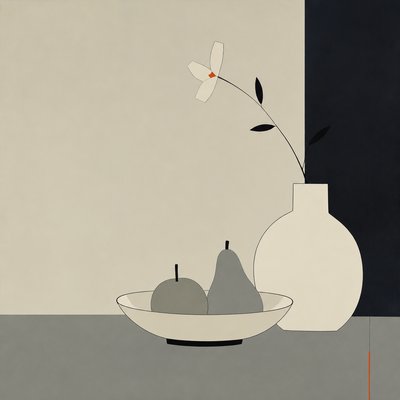
Extreme simplicity, limited color, and vast negative space define this austere abstract style of quiet, balanced visual power.
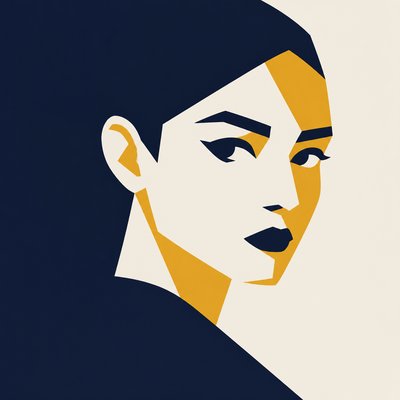
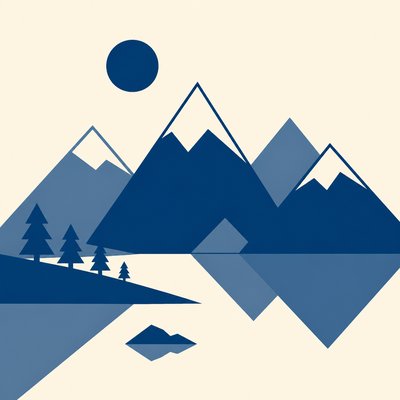
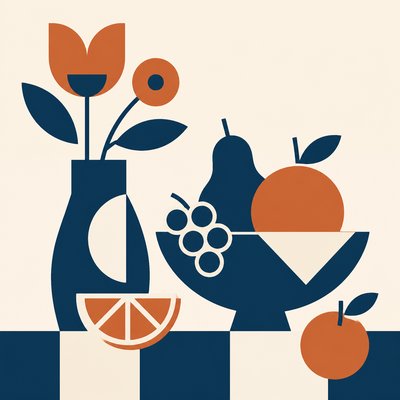
Clean geometric art with flat color, bold negative space, and reduced forms inspired by modernist design and abstraction.
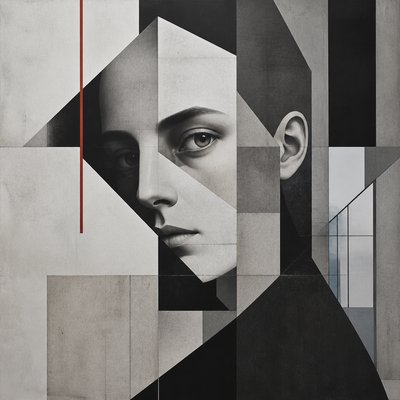
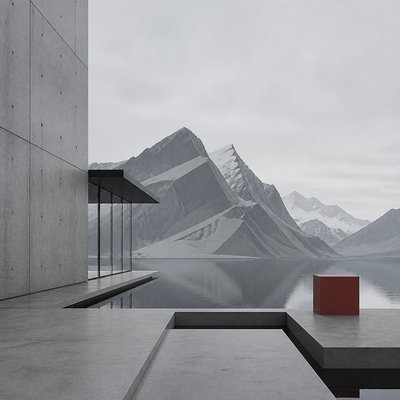
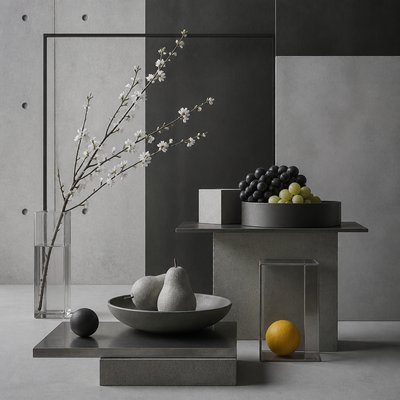
Minimalist modern art: geometric forms, industrial materials, neutral colors, and quiet compositions reduced to essentials.
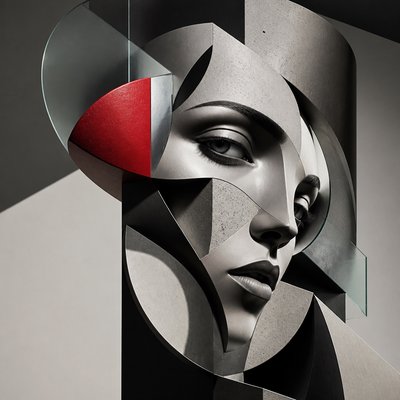
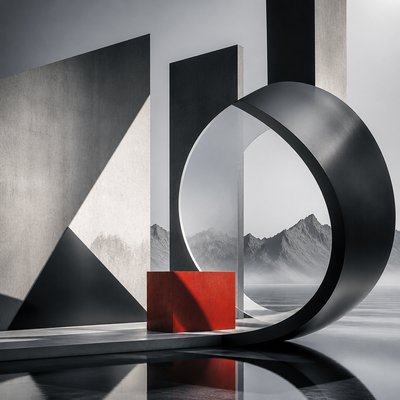
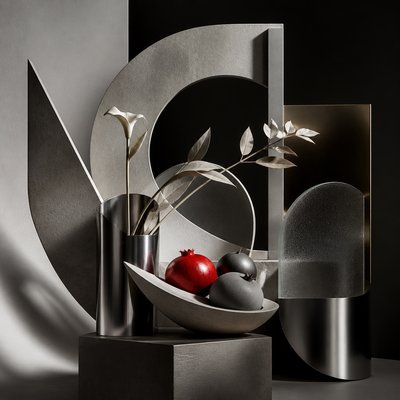
Modern abstract sculpture: geometric form, negative space, and bold materials in a clean, gallery-ready sculptural style.
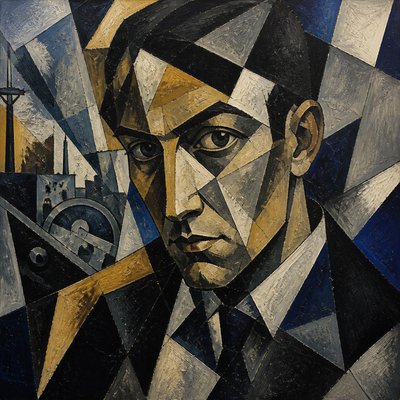
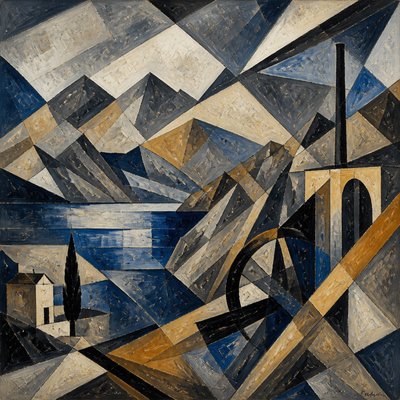
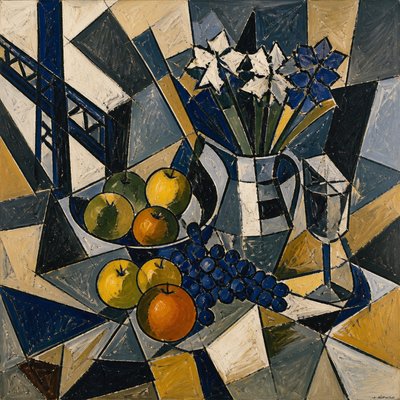
Early 20th-century movement favoring abstraction, fractured forms, bold geometry, and the energy of modern urban life.
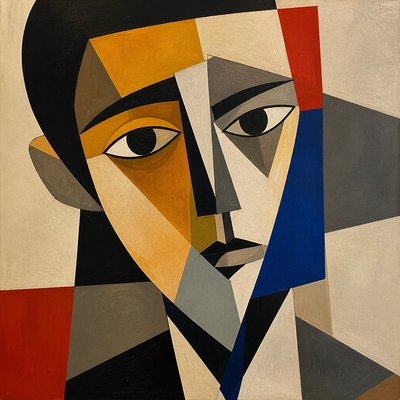
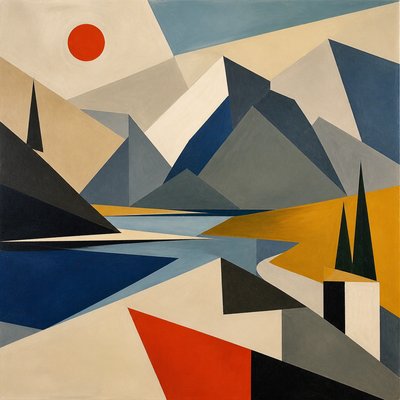
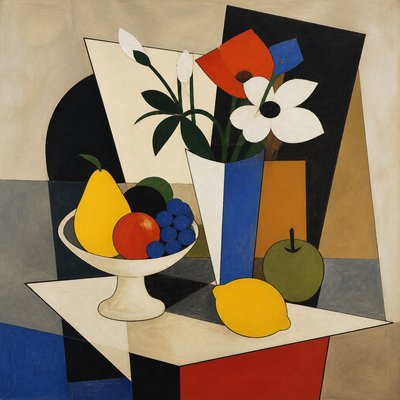
Explore Modernist art: bold flat color, geometric structure, fractured perspective, and experimental compositions shaped by the shock of modern life.



Explore Montreal Art Style: gestural Automatist abstraction fused with grand Beaux-Arts stone architecture, cool light, impasto, and vivid color.
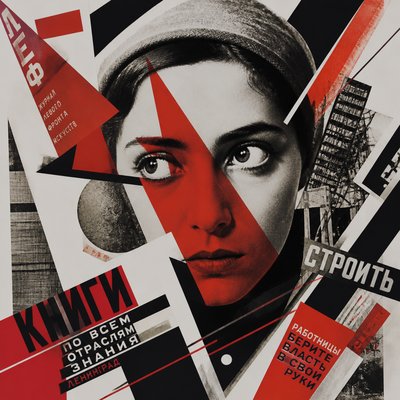
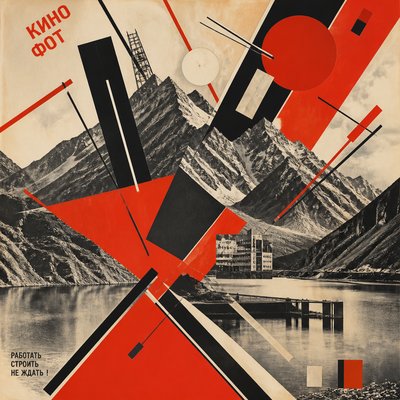
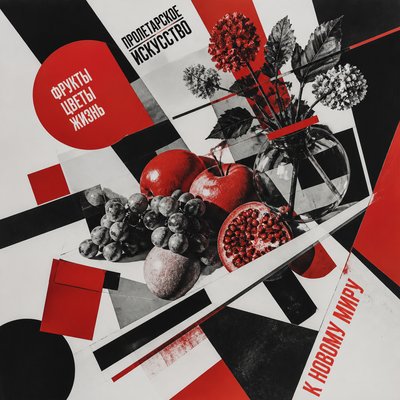
Explore Moscow avant-garde art: revolutionary red, geometric abstraction, photomontage, and dynamic Constructivist visual energy.
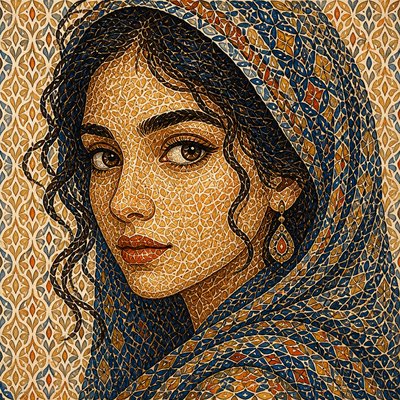
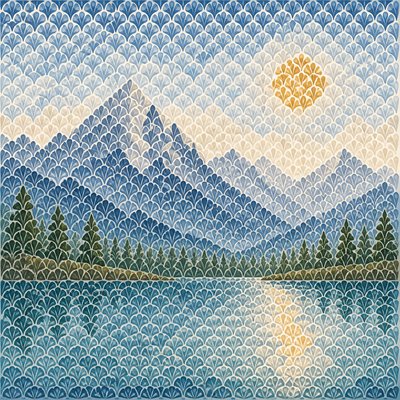
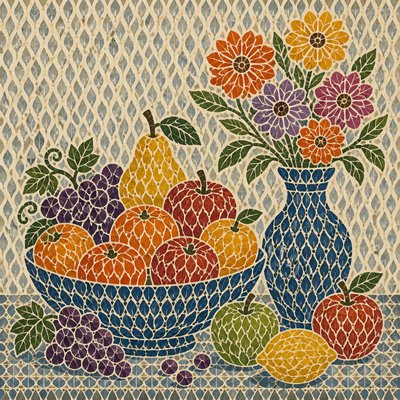
Explore Motif Art Style: rhythmic repetition, recurring symbols, and subtle variation create unified compositions across painting, design, and digital art.
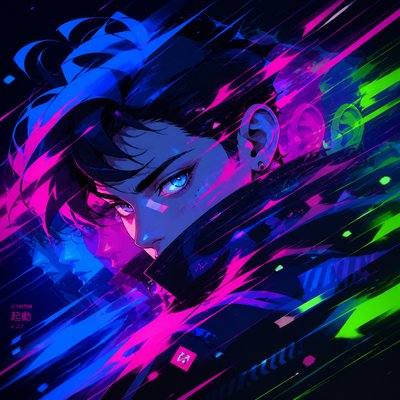
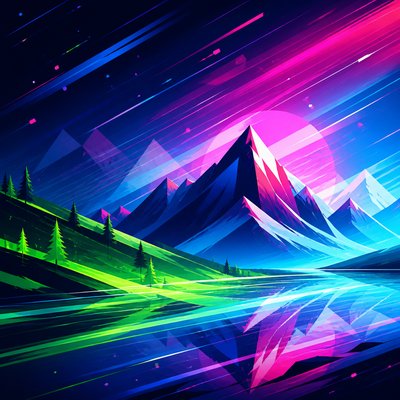
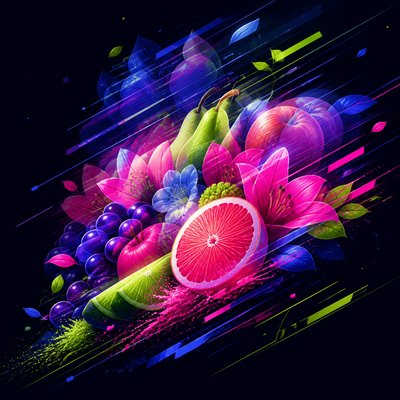
Dynamic still-frame graphics with motion blur, kinetic typography, glowing gradients, and bold vector forms.
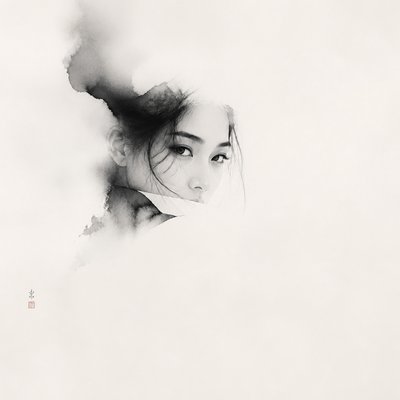
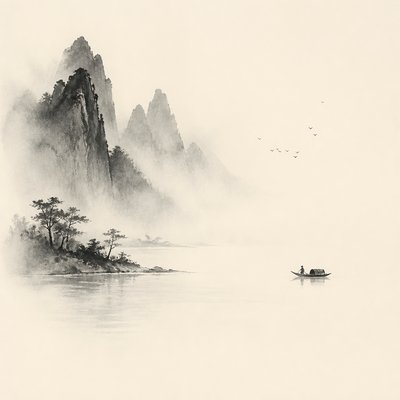
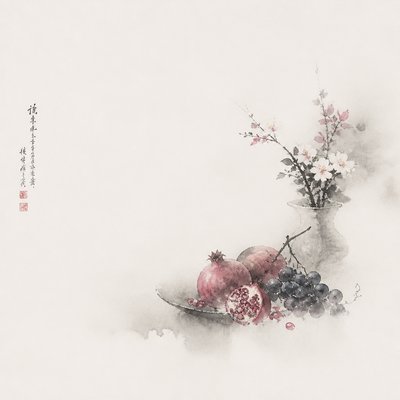
Explore Negative Space Art: minimalist compositions where emptiness, mist, and dissolving forms create quiet visual power.
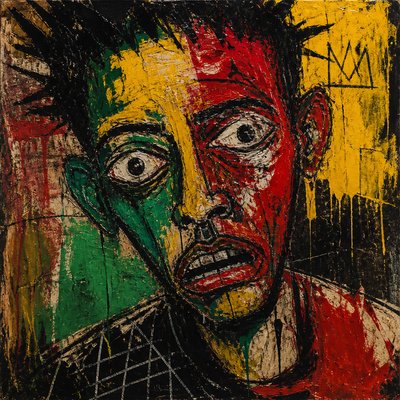
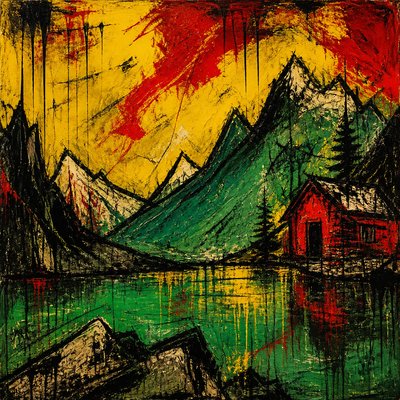
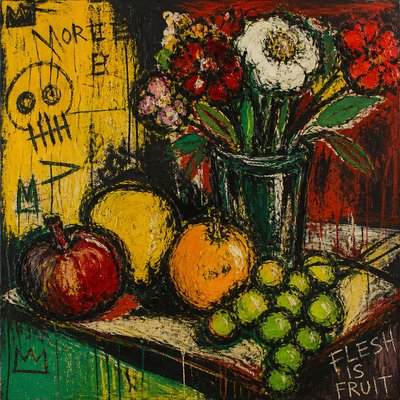
Neo-Expressionism: raw, gestural painting with distorted forms, thick impasto, vivid color clashes, and intense psychological energy.
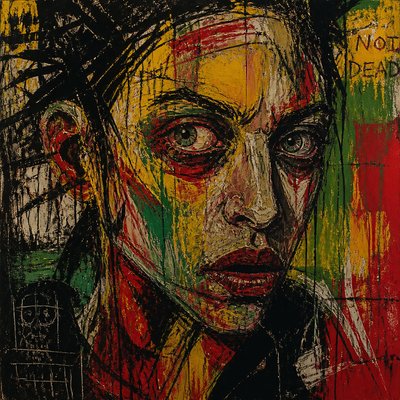
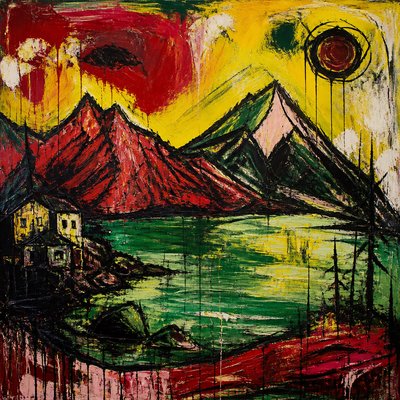
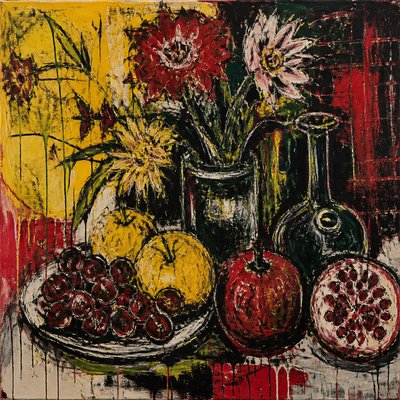
Aggressive figurative painting with raw brushwork, clashing color, and distorted forms expressing modern anxiety.
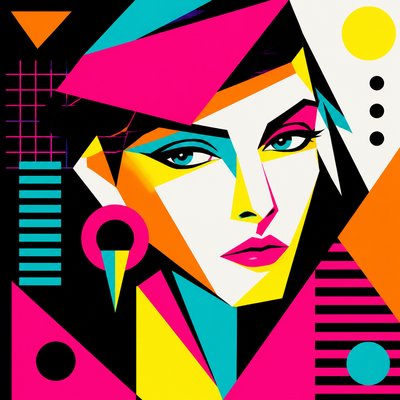
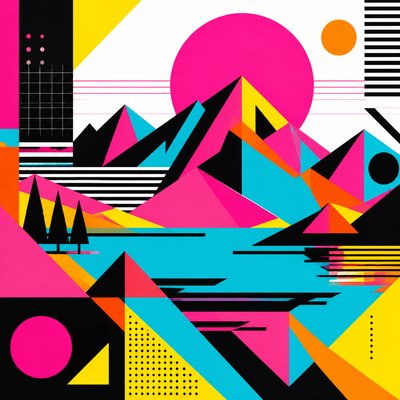
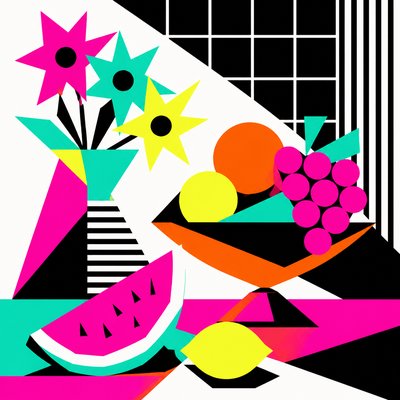
Neo-Geo art style: 1980s geometric abstraction with day-glo colors, hard edges, glossy surfaces, and ironic modernist forms.
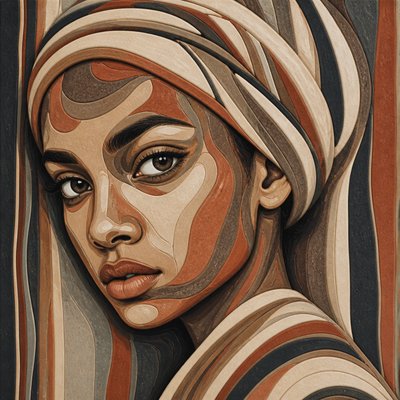
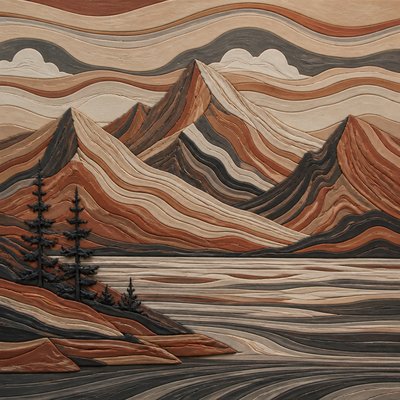
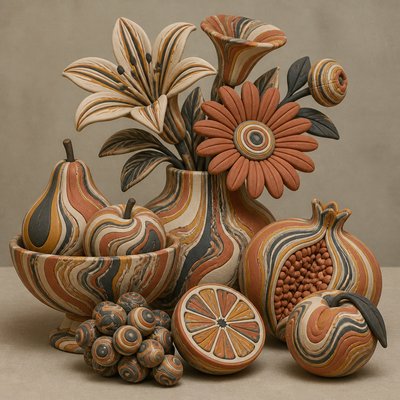
Nerikomi ceramic art uses colored clay layers to create integrated marbled patterns with crisp seams, matte surfaces, and handmade precision.
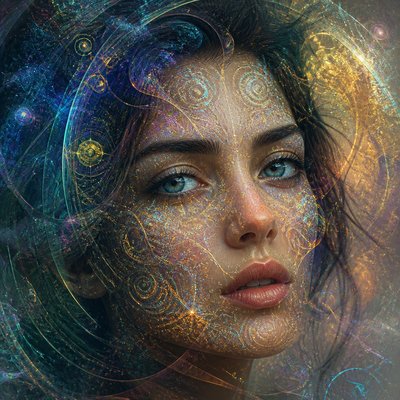
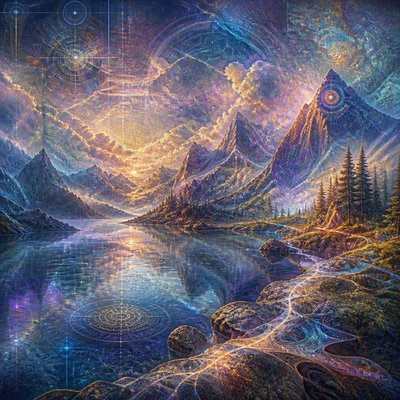
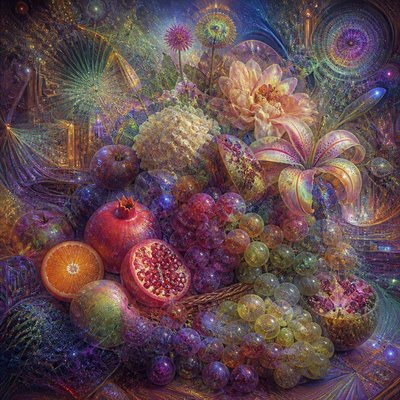
Dreamlike AI-inspired digital art with recursive patterns, luminous gradients, translucent layers, and a balance of realism and abstraction.
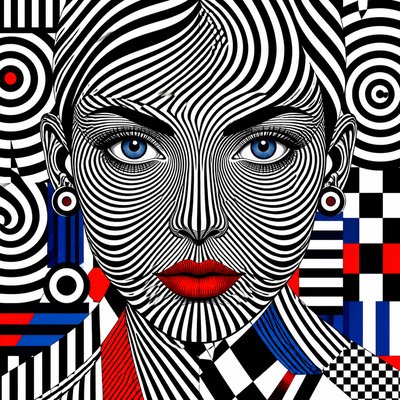
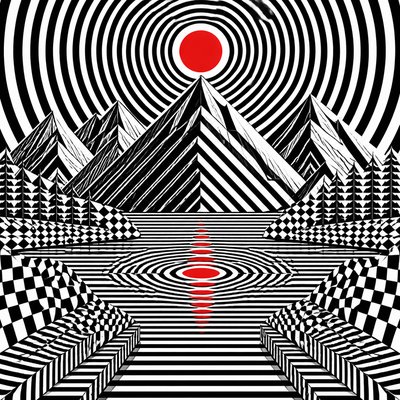
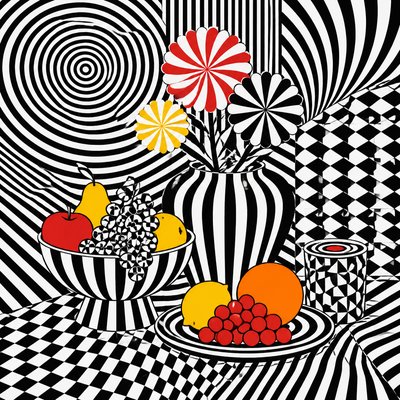
Op art uses precise geometry, contrast, and repetition to create vibration, movement, and optical illusion on a flat surface.
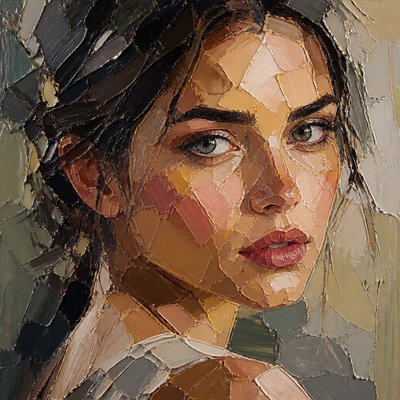
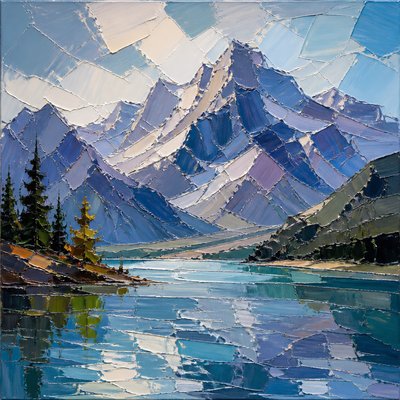
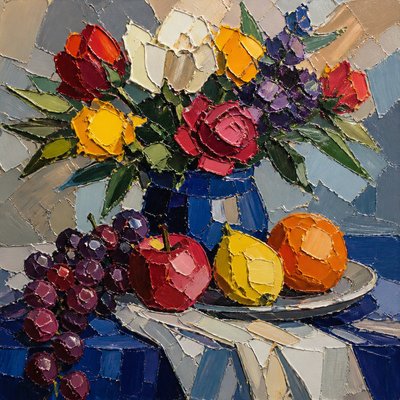
Explore palette knife painting: bold slabs, ridged impasto, faceted color planes, and sculptural texture shaped with a painting knife.
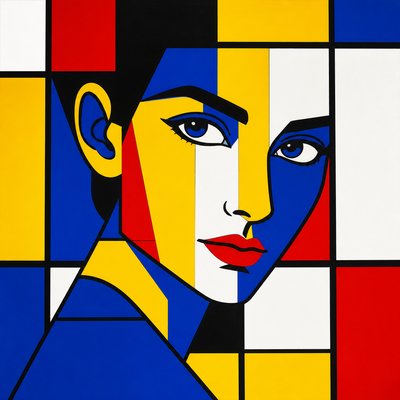
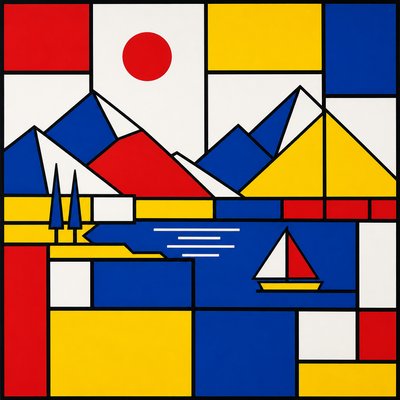
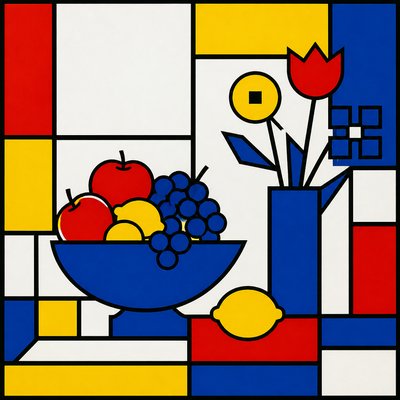
Explore Primary Colors Art Style: crisp geometric grids, bold red, yellow and blue blocks, thick black lines, and balanced white space.
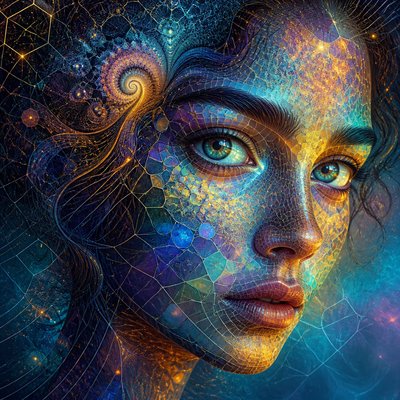
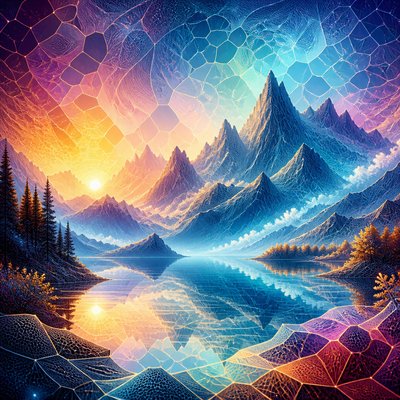
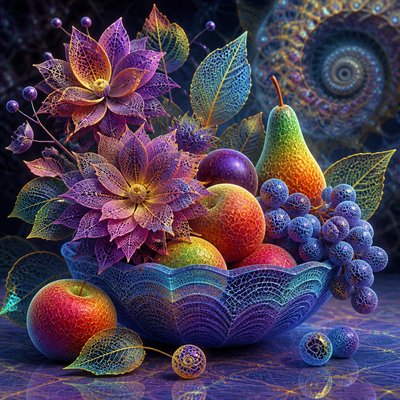
Algorithm-driven digital art built from fractals, grids, noise fields, and procedural geometry with luminous synthetic depth.
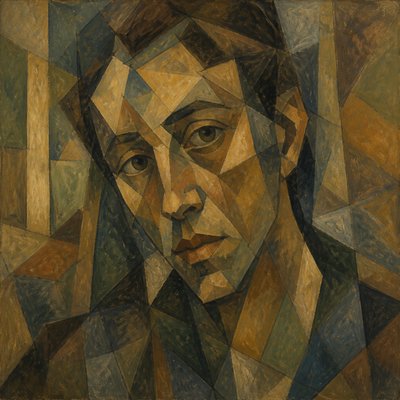
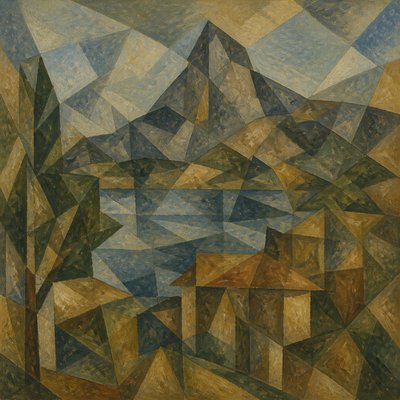
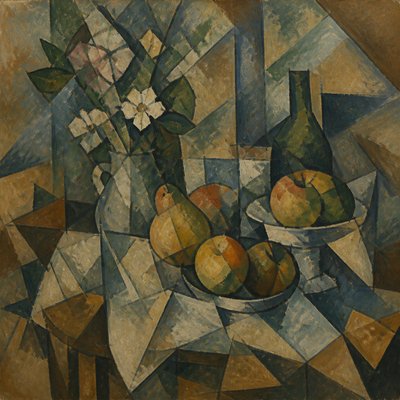
Proto-Cubism bridges Post-Impressionism and Cubism with faceted forms, multiple viewpoints, and a structural influence drawn from late Post-Impressionist painting.
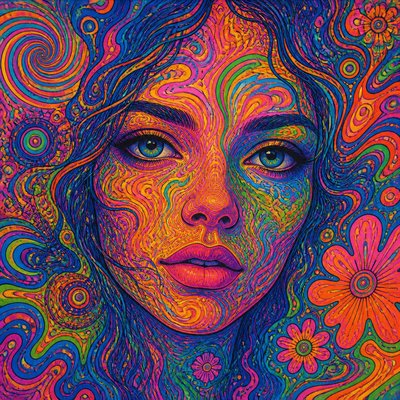
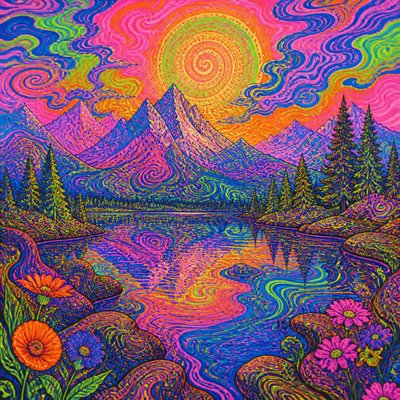
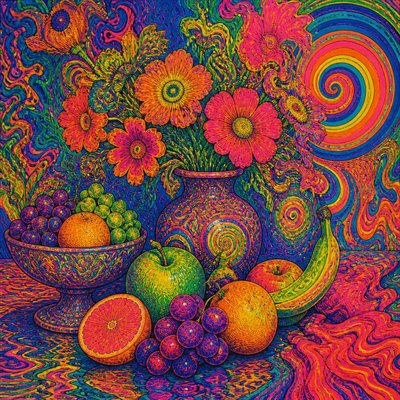
Swirling, neon-bright art with liquid forms, optical pulses, and 1960s counterculture energy.
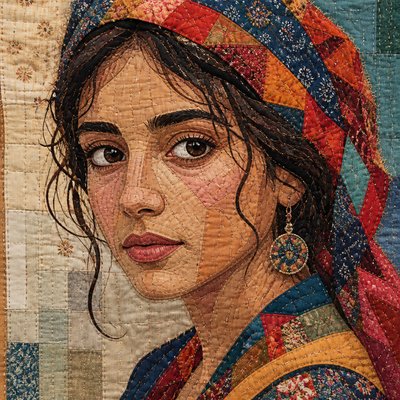
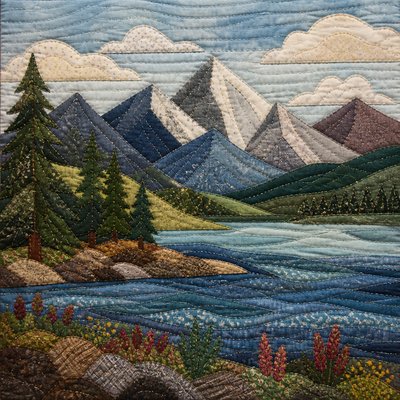
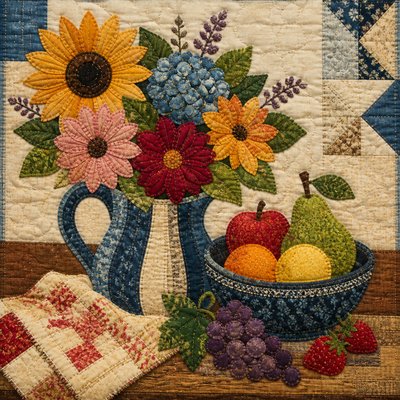
Explore Quilt Art Style: vivid patchwork geometry, hand-stitched textures, cotton prints, frayed edges, and softly padded fabric dimension.
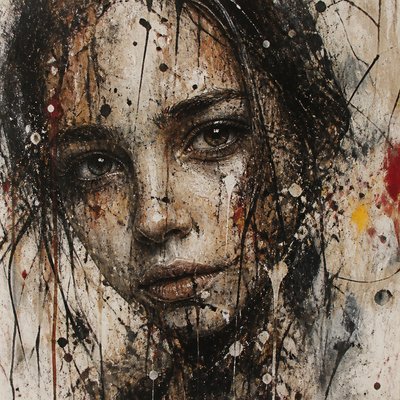
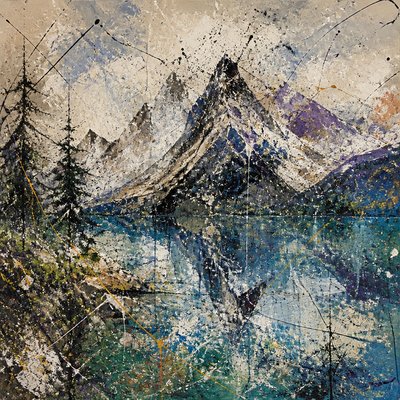
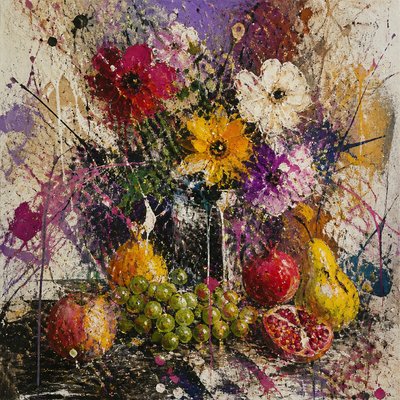
Explore Randomness Art Style: spontaneous splatters, accidental drips, and chance-driven marks arranged in raw, energetic abstract compositions.
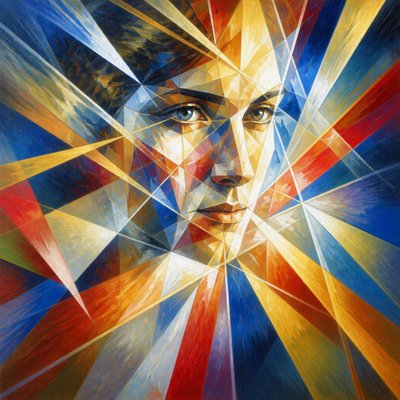
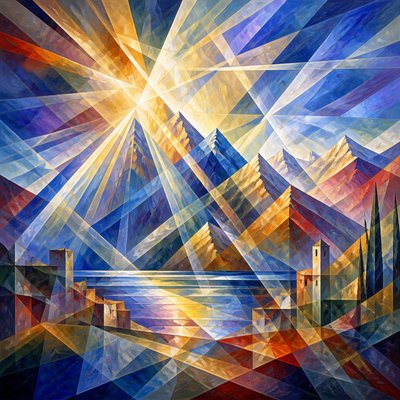
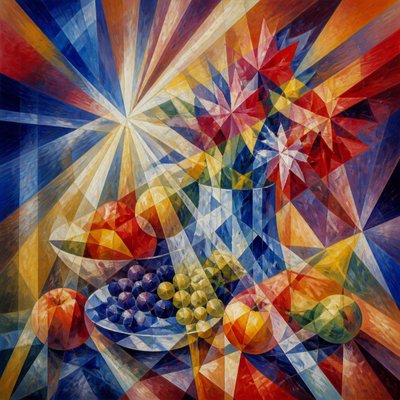
Explore Rayonism: an early Russian avant-garde style of intersecting light rays, fractured color, and dynamic abstract energy.
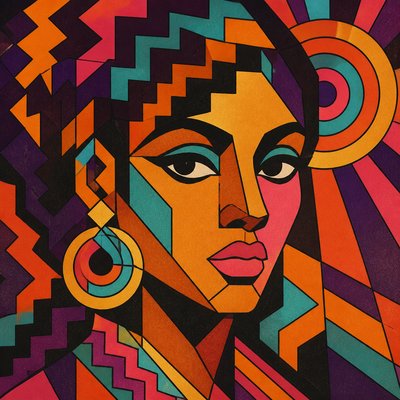
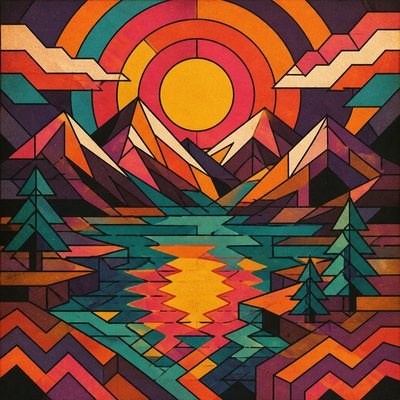
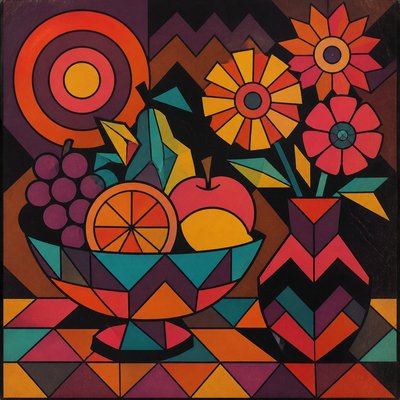
Vintage geometric design with bold polygons, psychedelic colors, black outlines, and nostalgic 1960s–80s graphic energy.
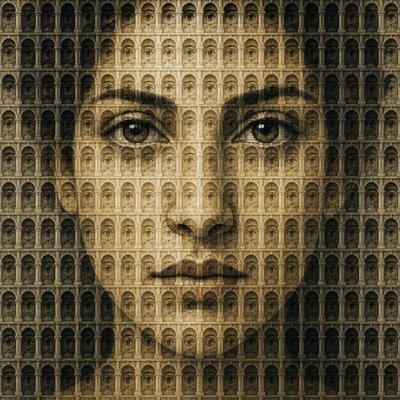
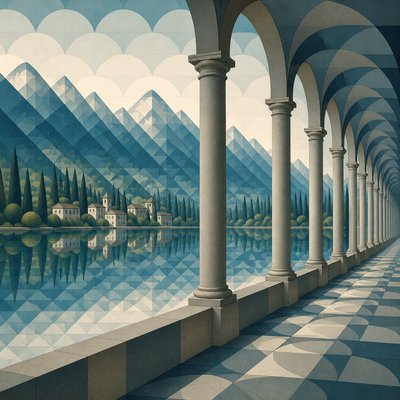
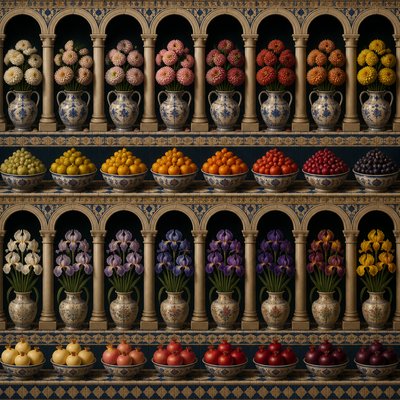
Explore Rhythmic Repetition, a hypnotic visual style built from measured motifs, tonal variation, ranks, files, and architectural cadence.
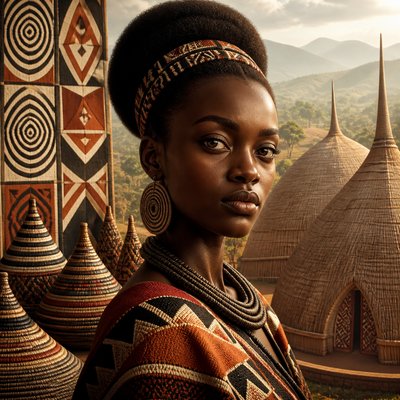
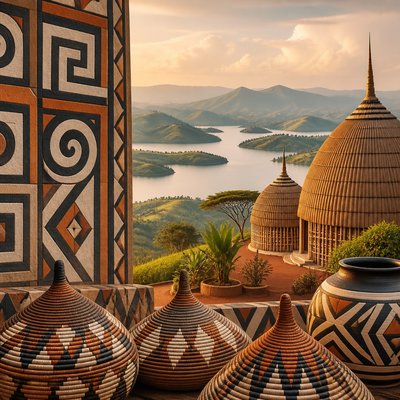
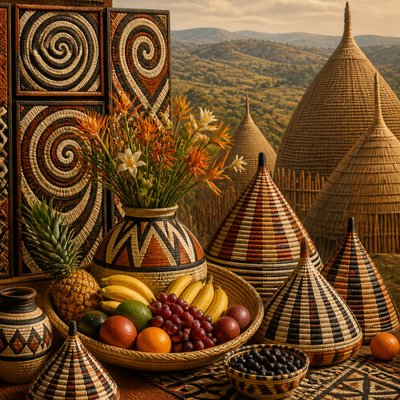
Explore Rwandan art style: imigongo geometry, agaseke basket patterns, royal architecture, and warm highland colors rooted in Rwanda's craft traditions.
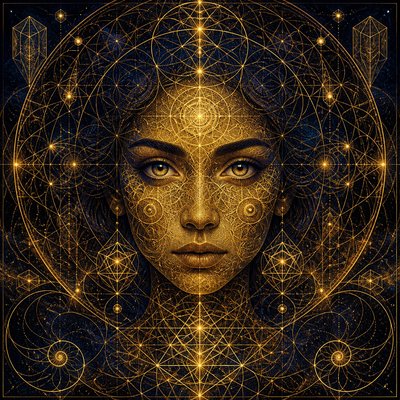
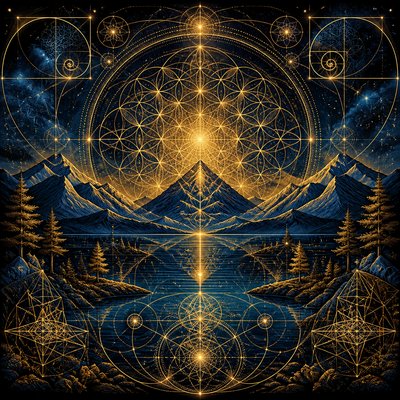
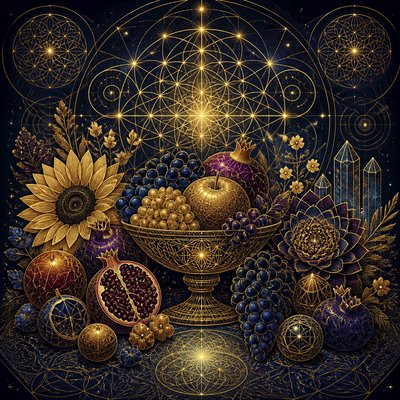
Sacred geometric art uses mandalas, Flower of Life patterns, golden ratio spirals, and radiant symmetry to create meditative cosmic imagery.
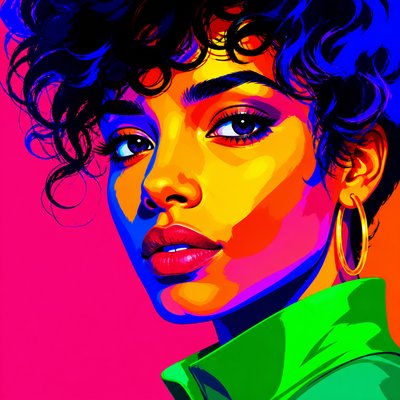
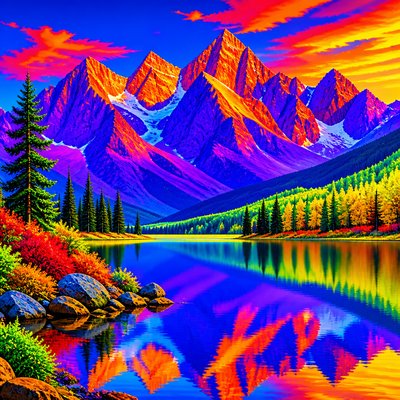
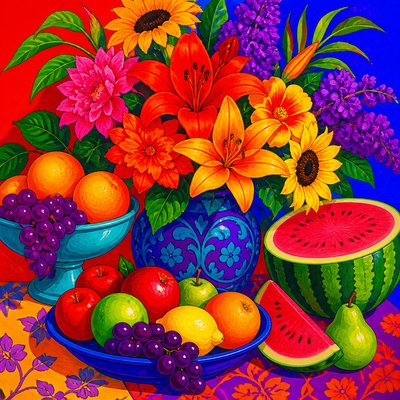
Explore Saturation Art Style: electric pure hues, high-chroma color fields, and bold undiluted contrasts for vivid visual impact.
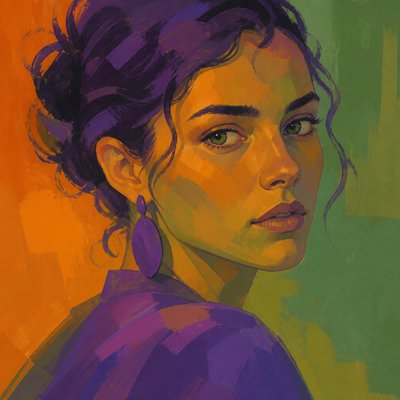
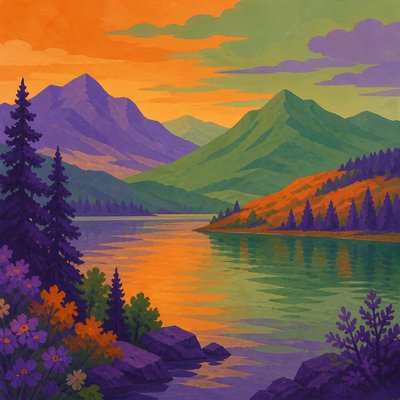
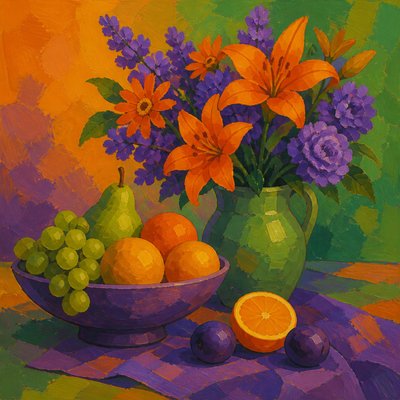
Explore Secondary Colors Art: vivid orange, green, and purple fields shaped by color theory, flat composition, and mixed-hue contrast.
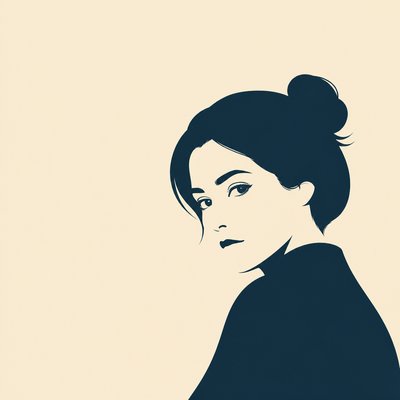
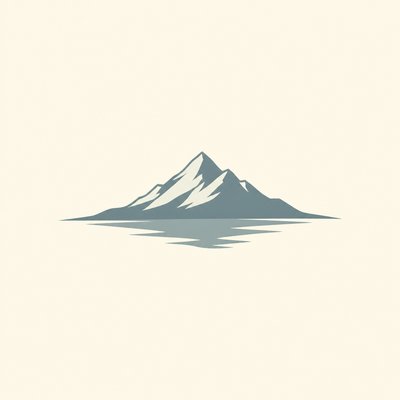
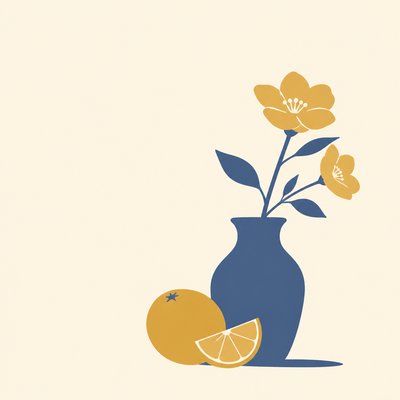
Explore Simplicity Art: a quiet visual style built from one essential shape, sparse color, and expansive negative space.
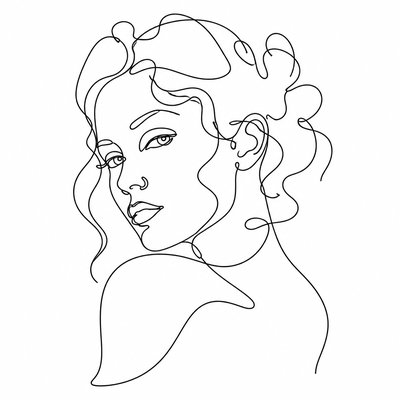
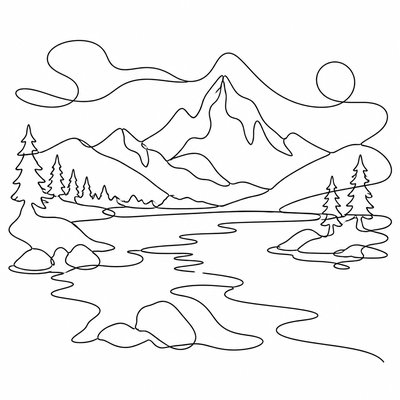
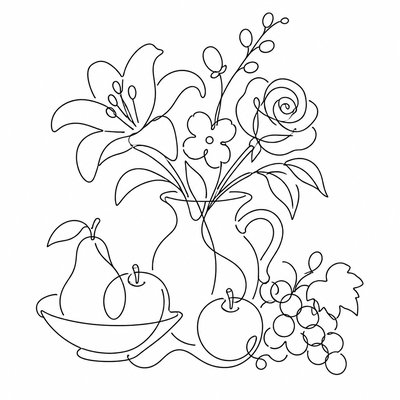
Single-line minimalism uses one continuous unbroken line to build elegant, expressive drawings with maximum economy and negative space.
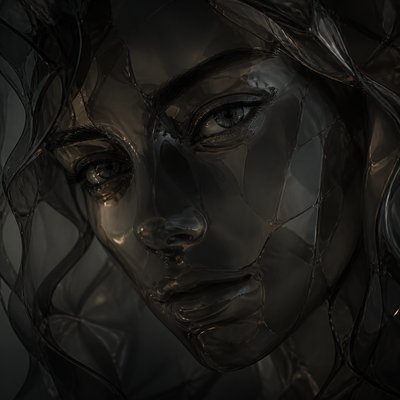
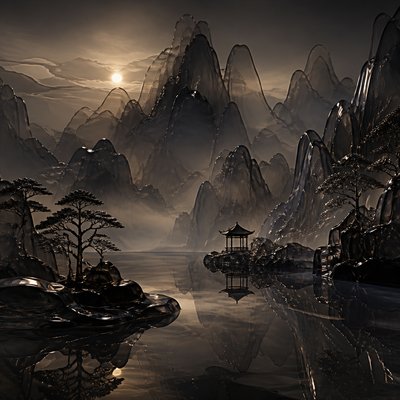
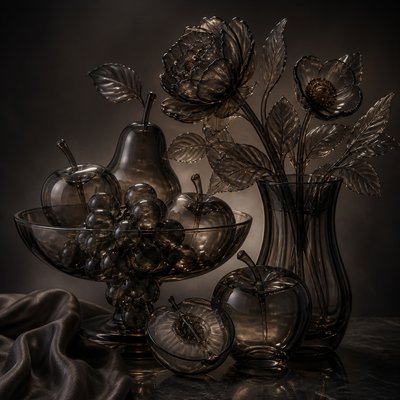
Dark translucent forms with smoky depth, glossy reflections, and muted light filtering through layered glass-like surfaces.
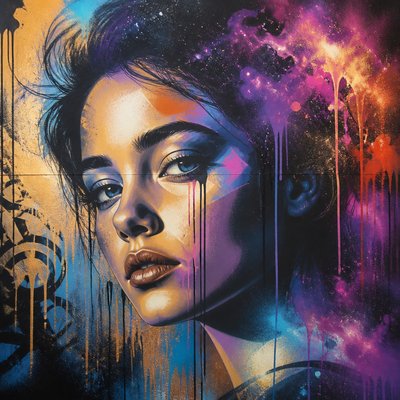
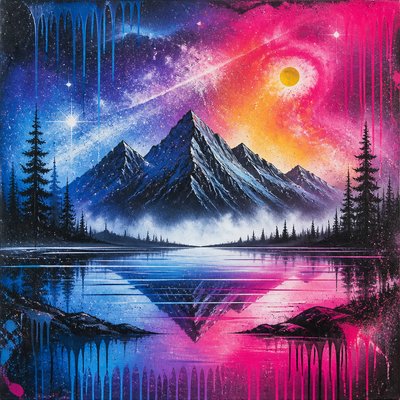
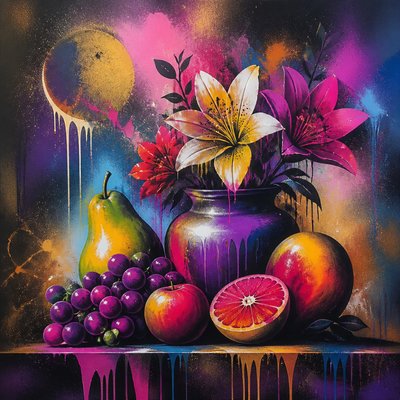
Explore Spray Paint Art: glossy aerosol layers, neon gradients, drips, stencils, mist, and fast expressive color-field techniques.
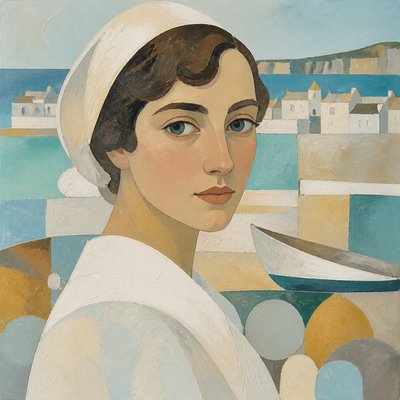
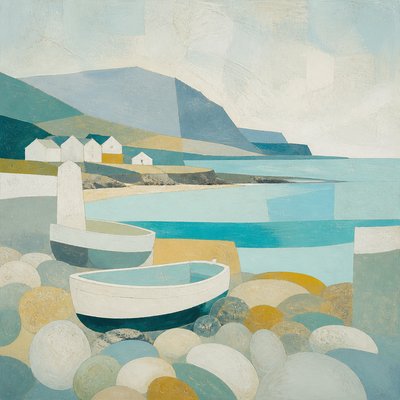
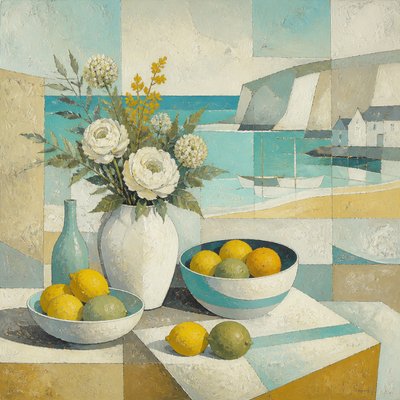
Explore the St Ives art style: luminous Cornish coastal abstraction shaped by sea light, simplified forms, chalky color and tactile modernist surfaces.
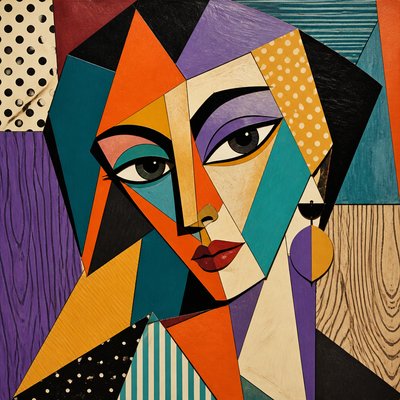
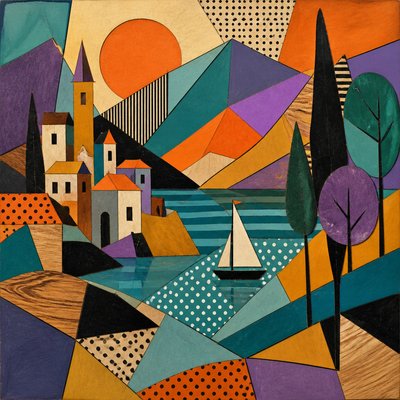
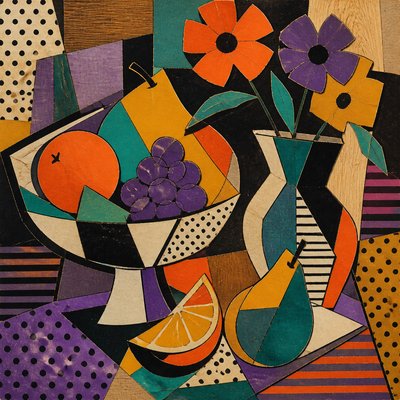
Synthetic cubism uses collage-like shapes, bold color, and mixed textures to rebuild subjects into flat, layered compositions.
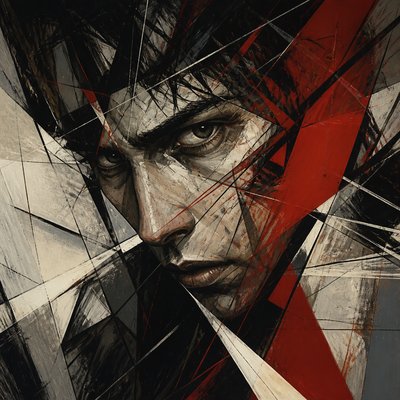
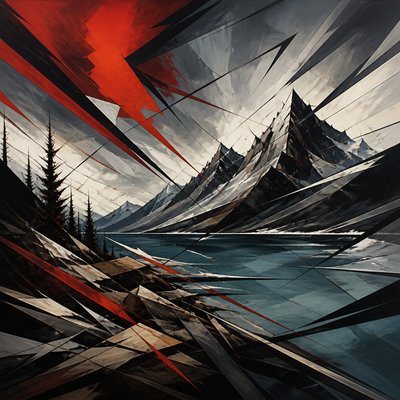
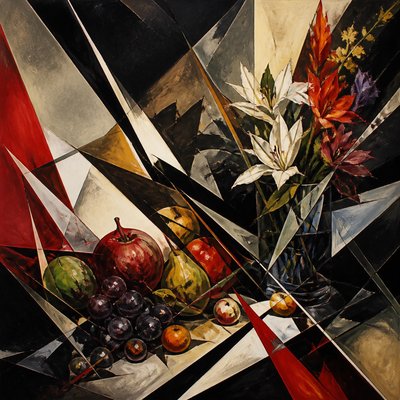
Explore Tension Art: a charged visual style of sharp diagonals, opposing forces, unstable balance, and unresolved compositional energy.
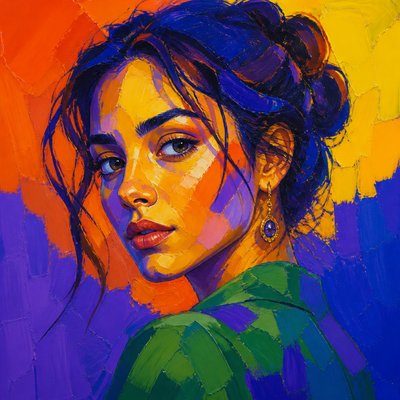
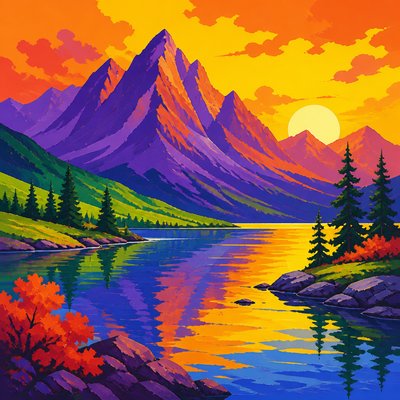
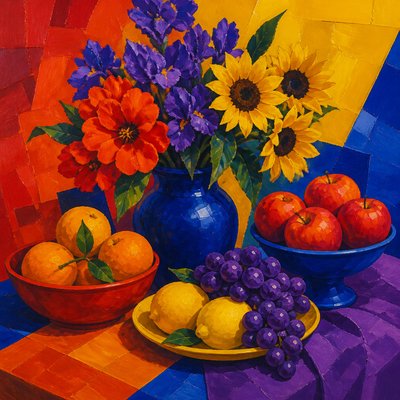
Explore Triadic Colors art: vivid three-hue palettes, bold color blocks, and balanced contrast for energetic paintings and digital images.
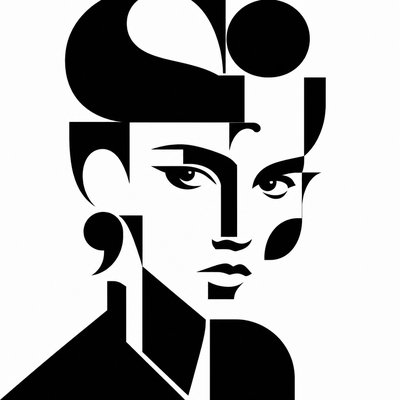
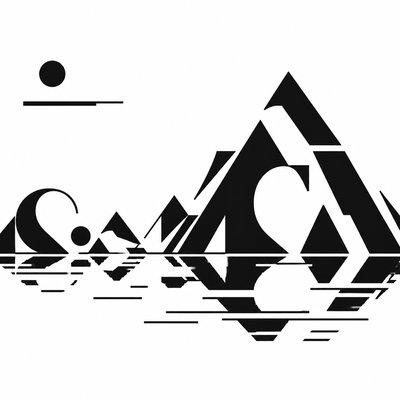
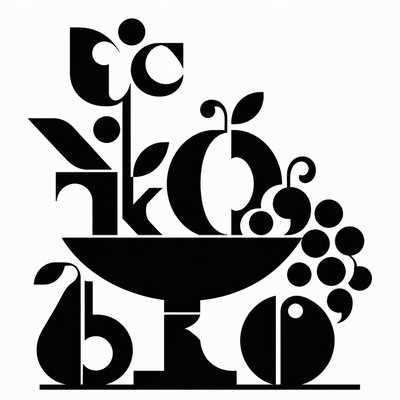
Typography reduced to pure form: stark black-and-white compositions built from letters, glyphs, and punctuation.
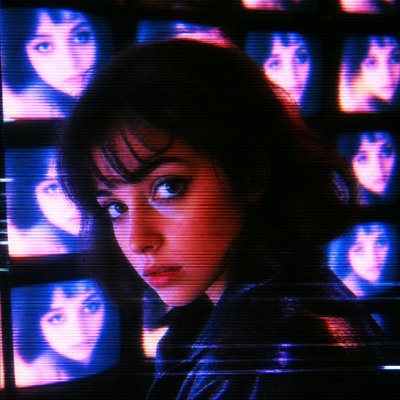
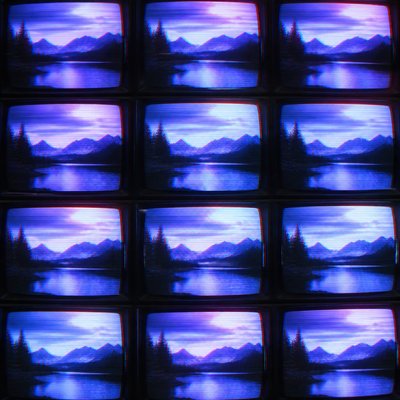
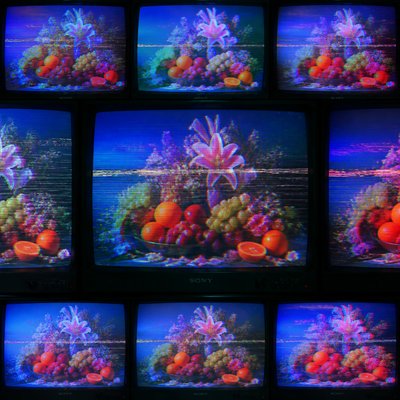
Explore Video Art Style: CRT scanlines, phosphor glow, analog ghosting, signal distortion, and luminous monitor-wall compositions.
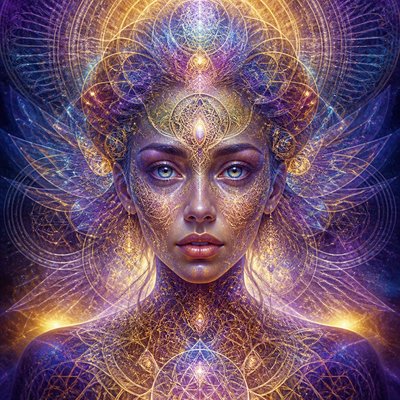
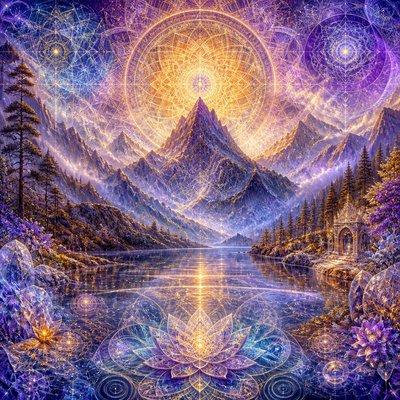
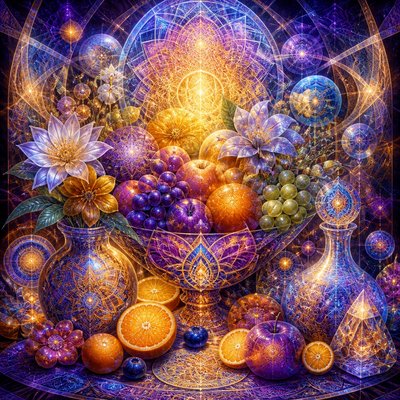
Mystical, luminous art of cosmic visions, sacred geometry, fractal detail, and transcendent light.
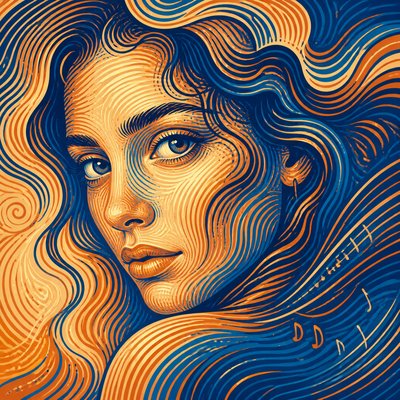
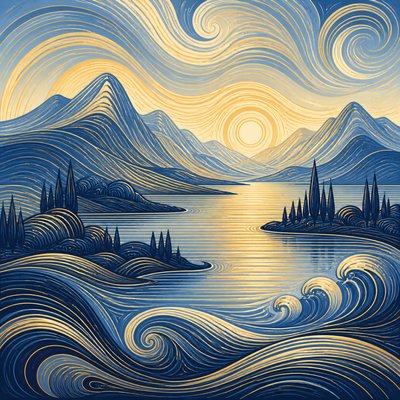
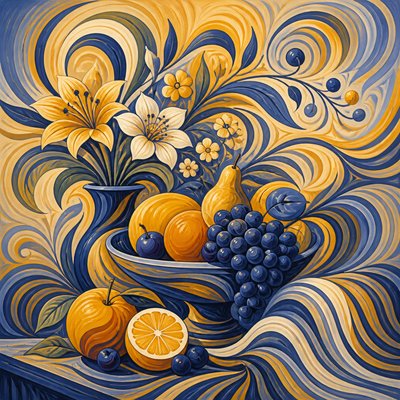
Explore Visual Rhythm Art: an abstract style of repeating waves, arches and strokes that creates tempo, movement and pulsing color.
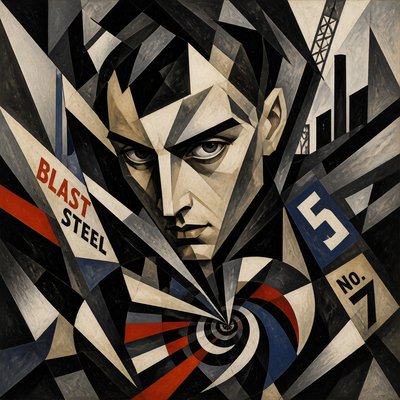
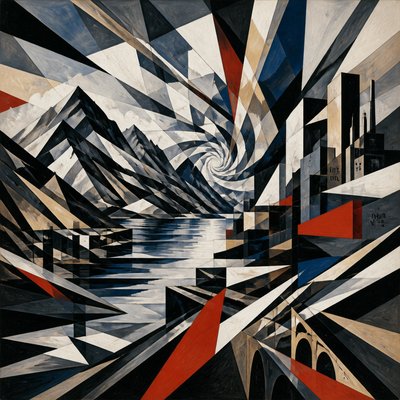
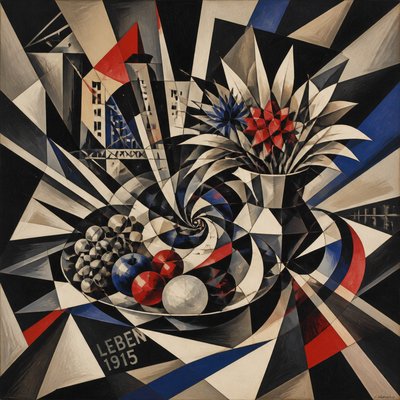
Explore Vorticism: a British machine-age style of sharp geometry, spiraling force, steel tones, and abstract urban energy.
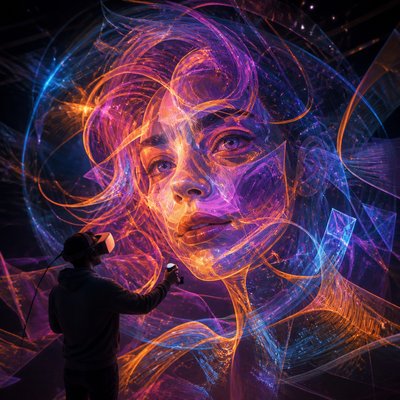
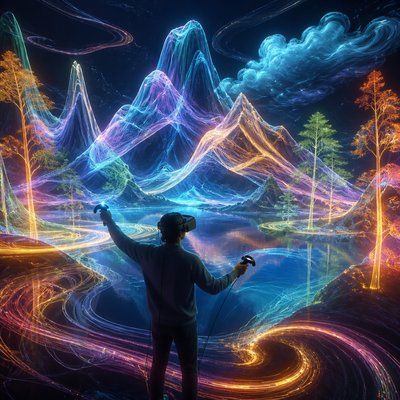
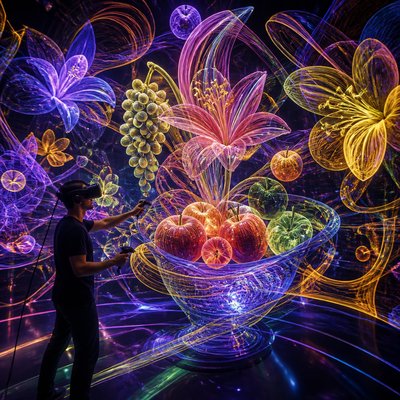
Explore VR Art Style: immersive painted-light sculptures, luminous ribbons, translucent geometry, and stereoscopic space designed for 360-degree viewing.
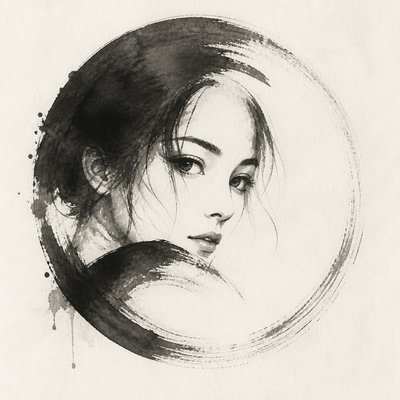
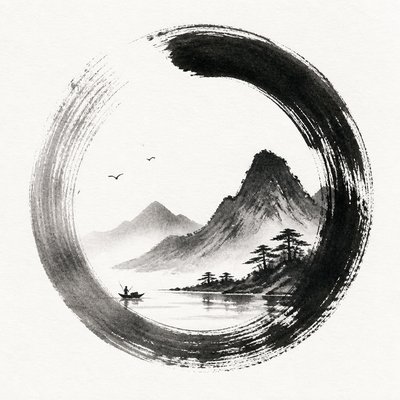
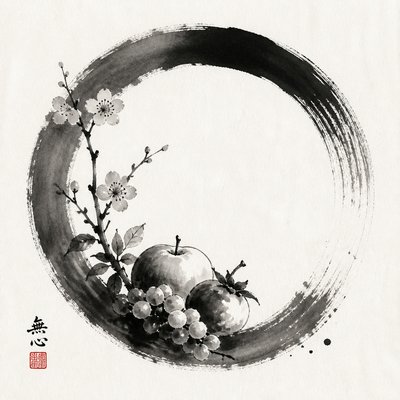
Minimal Zen ensō circle art with ink, white space, dry brush texture, and meditative asymmetry inspired by Japanese calligraphy.
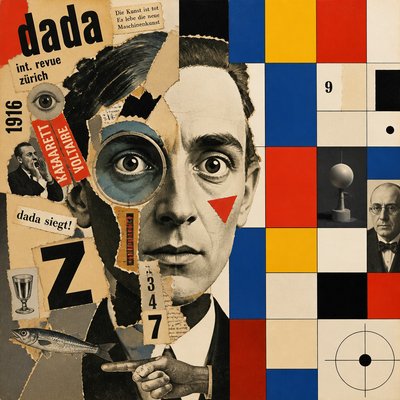
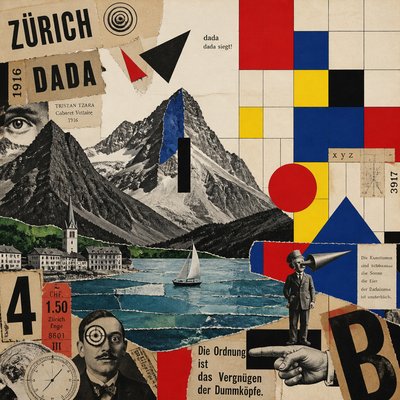
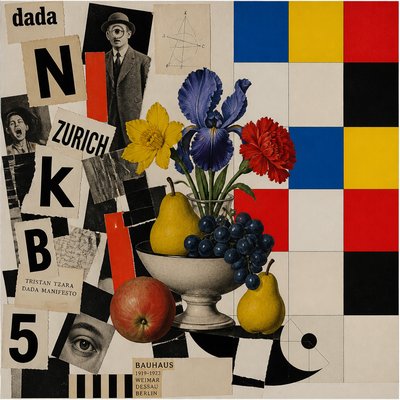
Explore Zurich Art Style: Dada collage disruption fused with precise Concrete geometry, primary colors, torn typography, and structured abstraction.