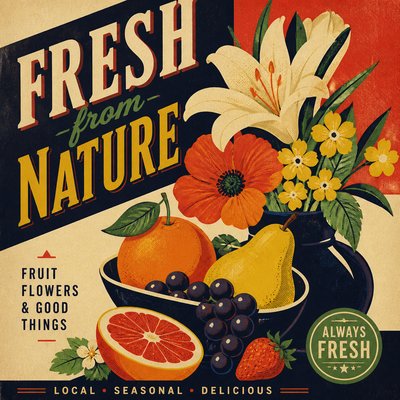
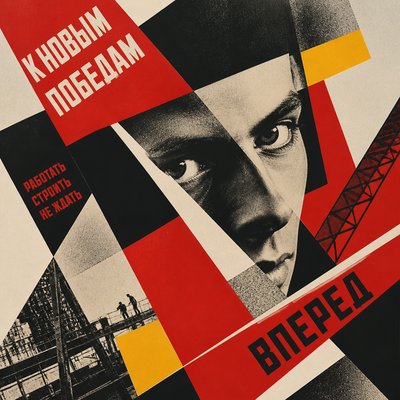
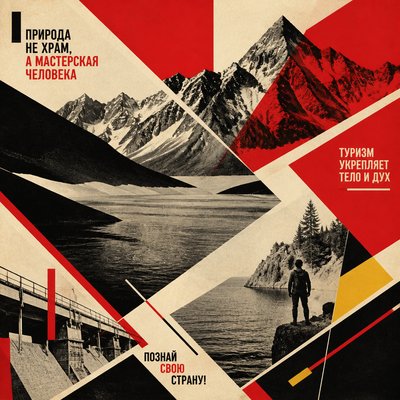
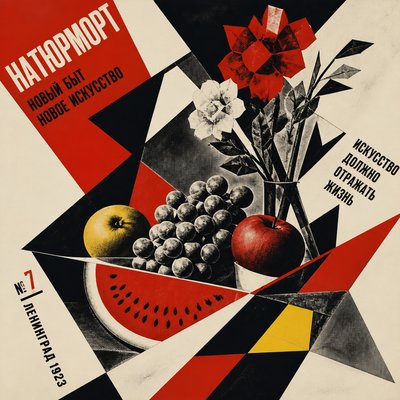
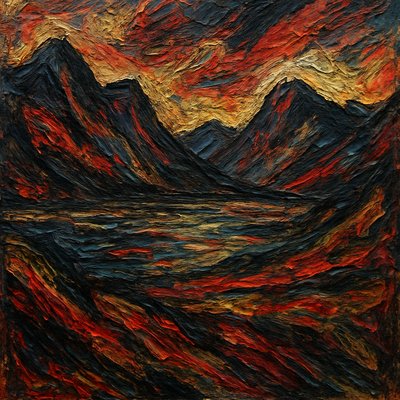
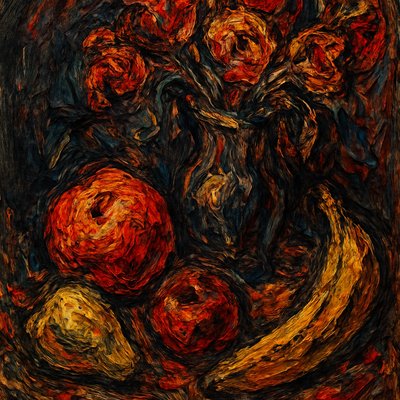
Dynamic Composition Art Style
Explore Dynamic Composition Art: swirling diagonals, curved motion, asymmetrical balance, and energetic forms that pull the eye through the frame.
Instantly rendered in Dynamic Composition — or transform a photo
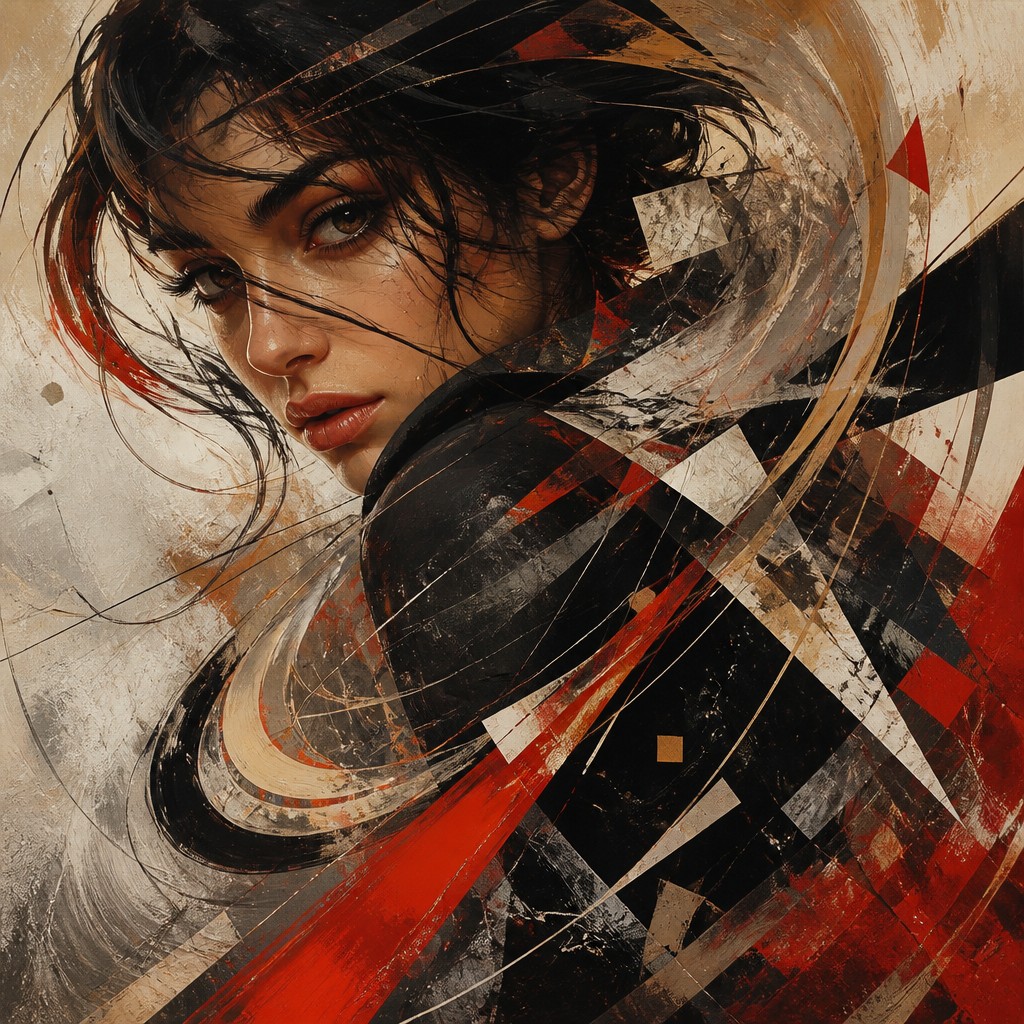
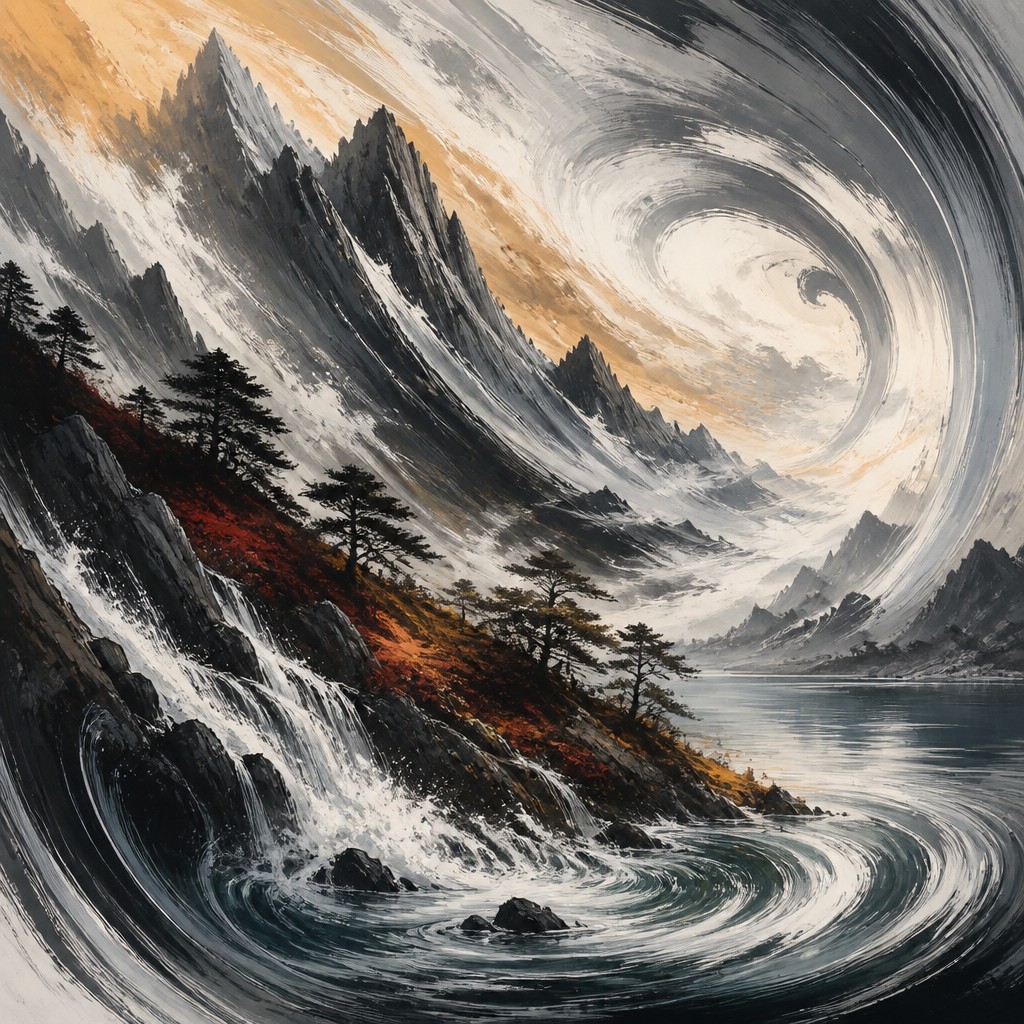
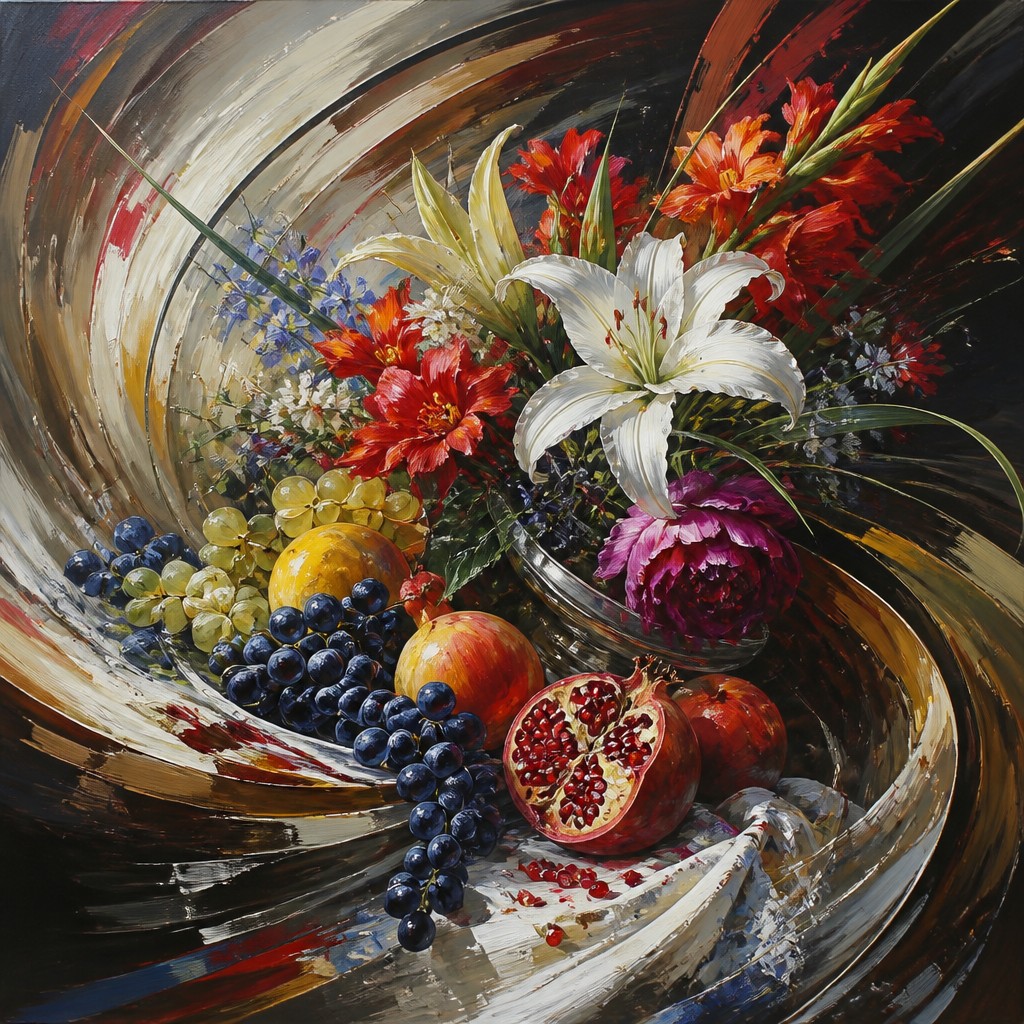
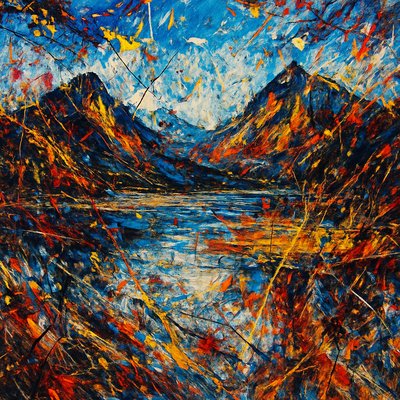
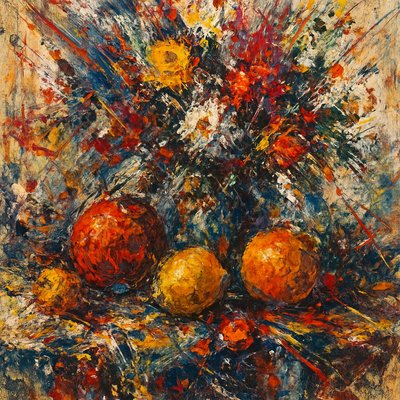
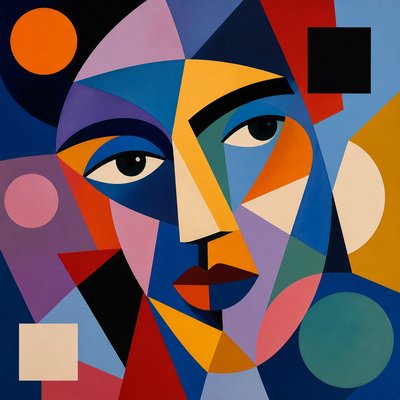
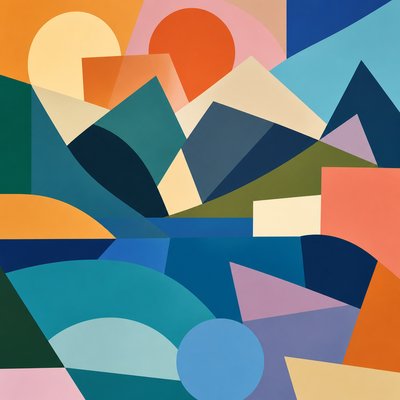
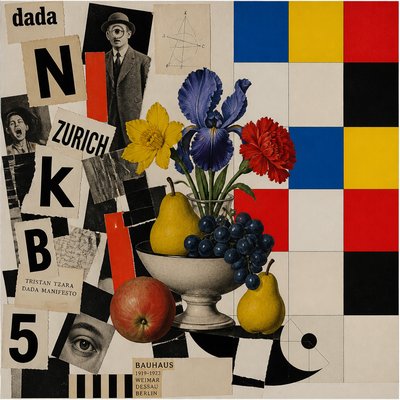
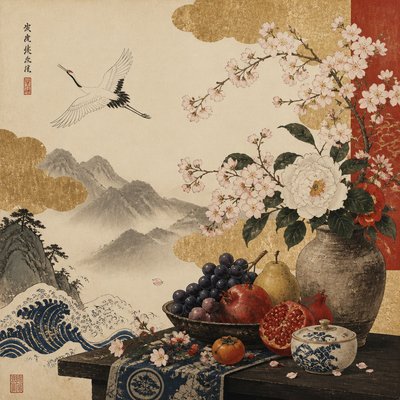
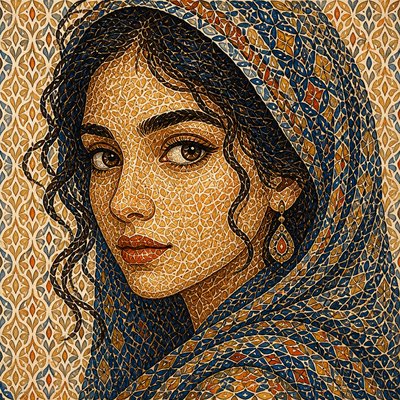
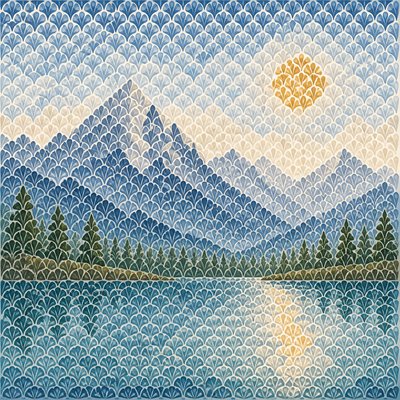
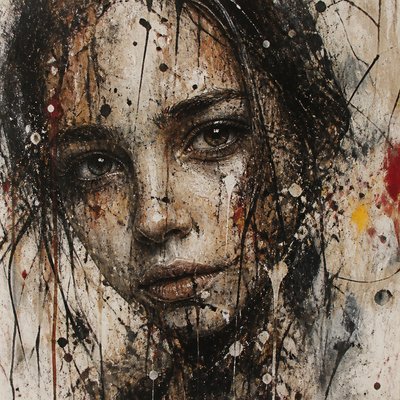
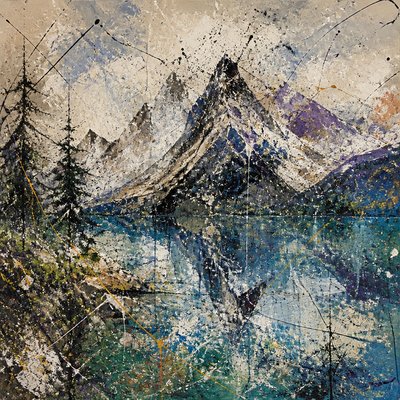
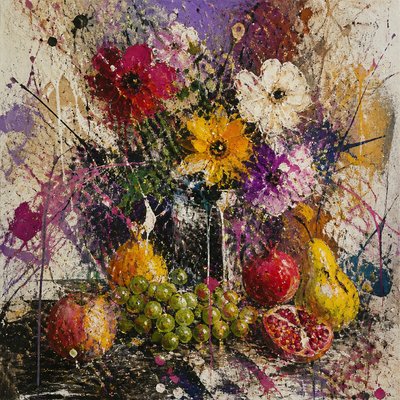
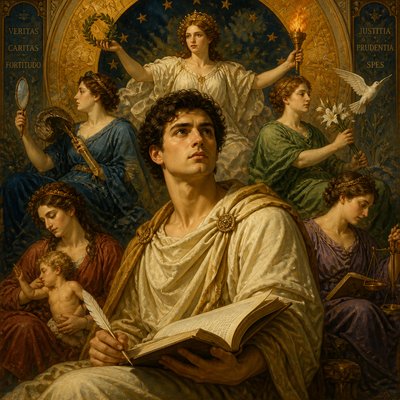
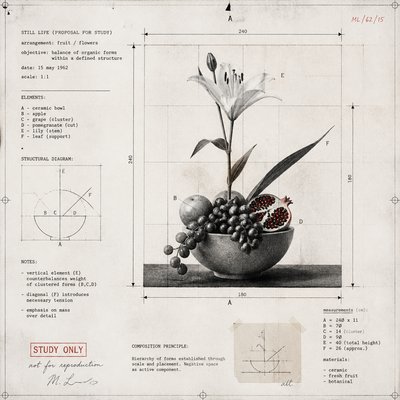
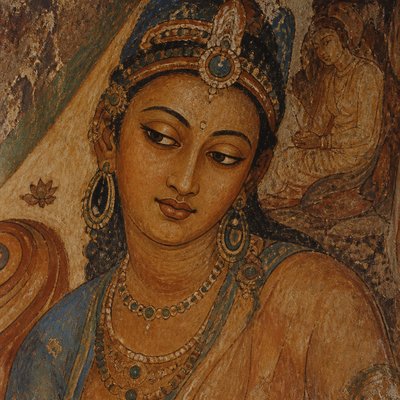
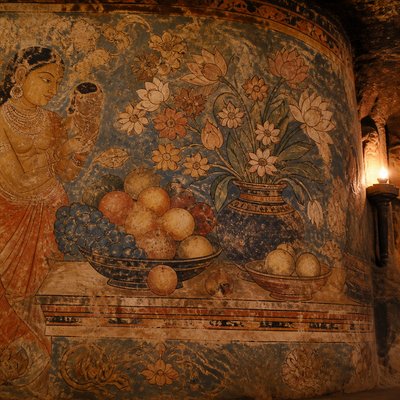
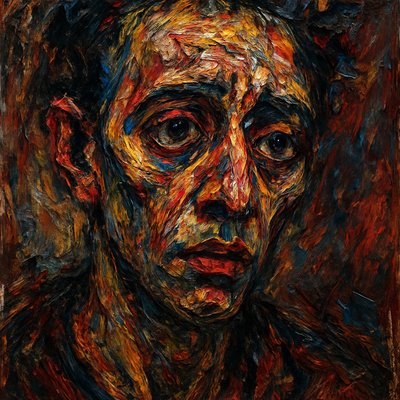
Dynamic Composition Gallery
Tap any artwork to explore it
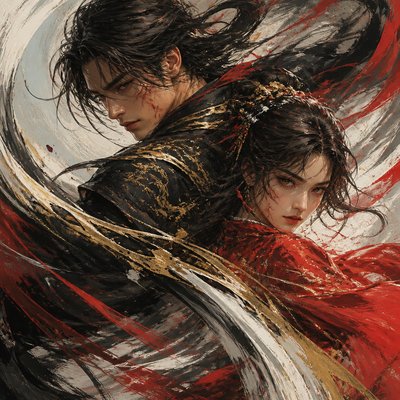
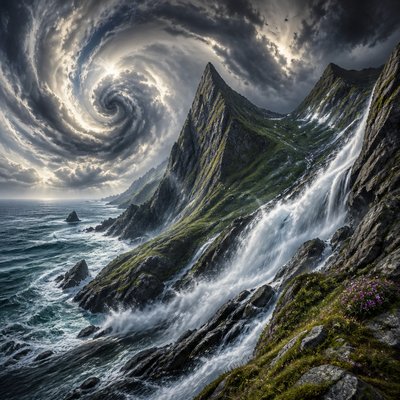
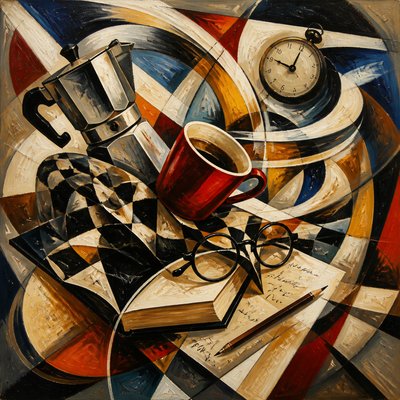
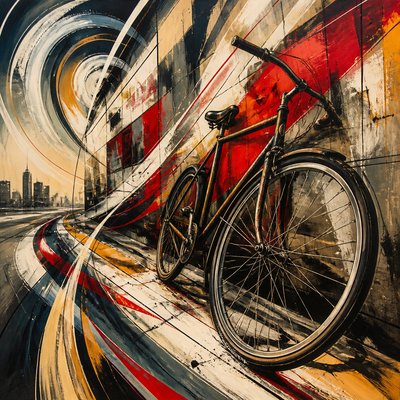
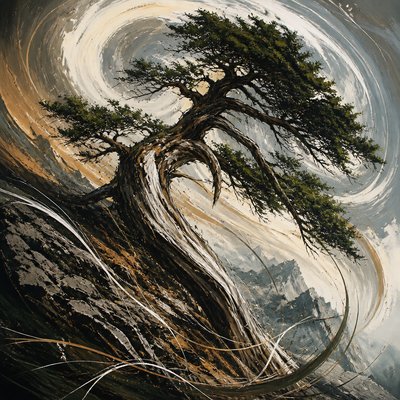
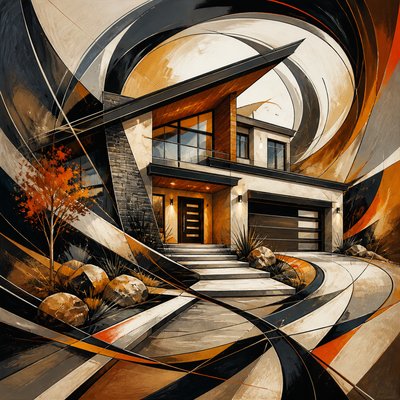
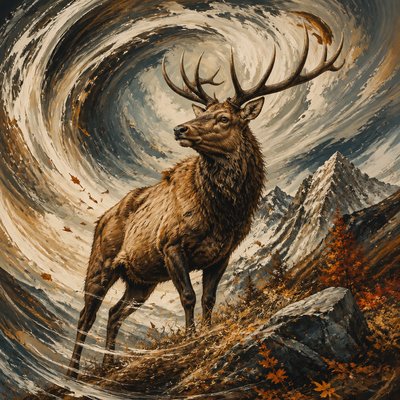
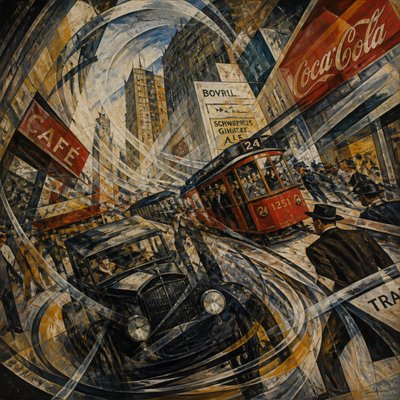
What is Dynamic Composition Art Style?
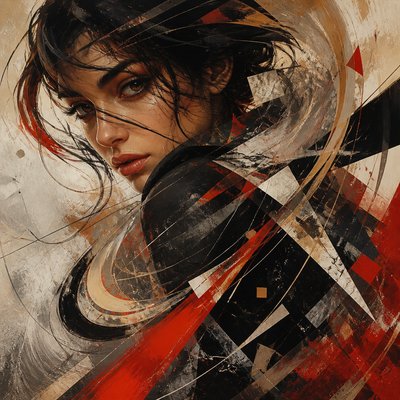
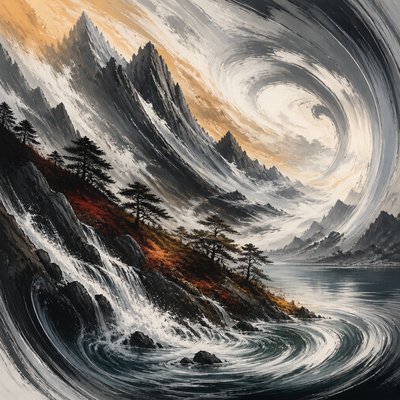
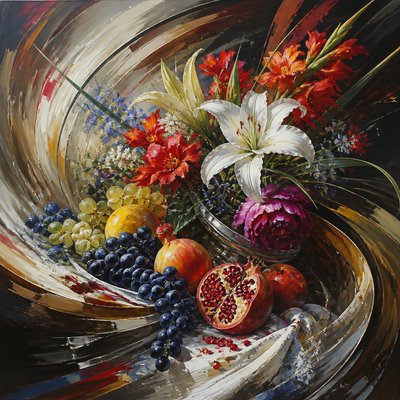
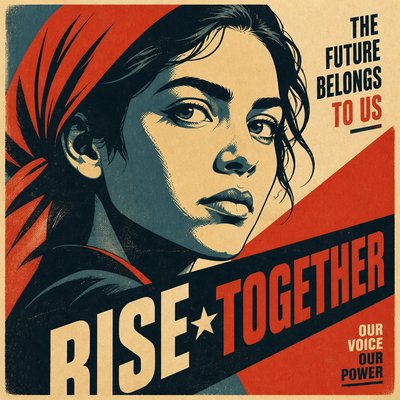
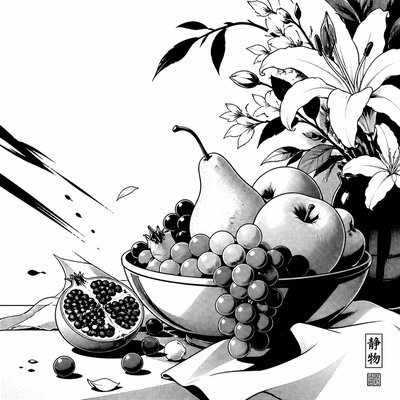
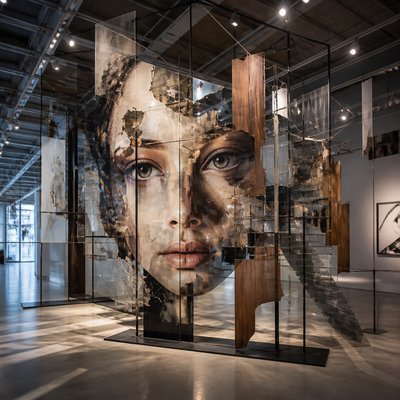
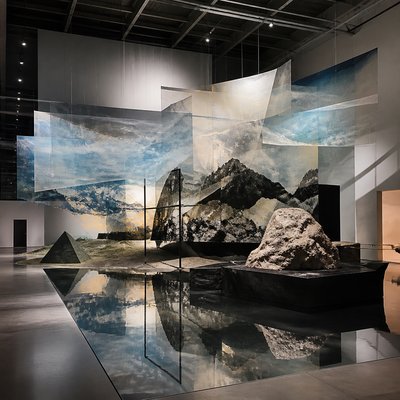
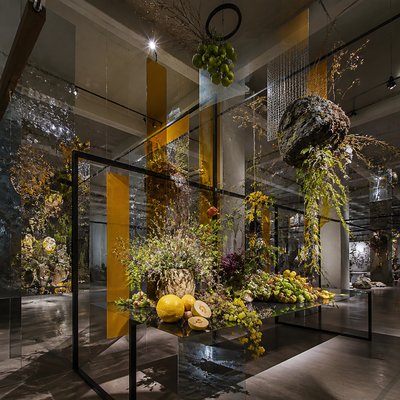
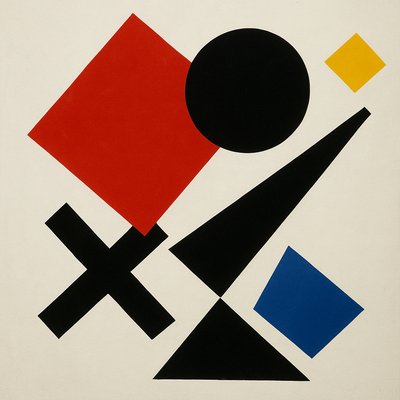
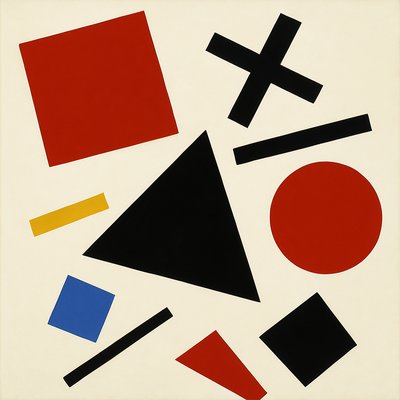
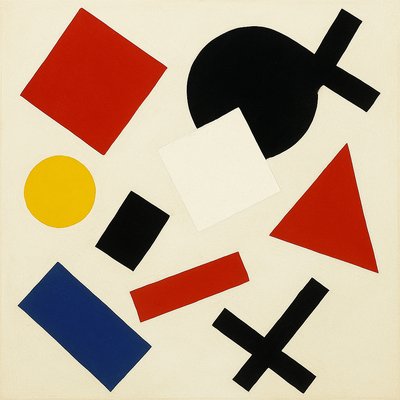
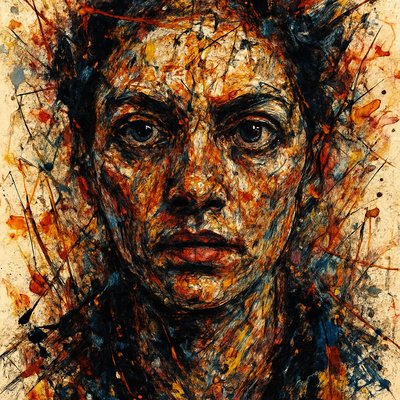
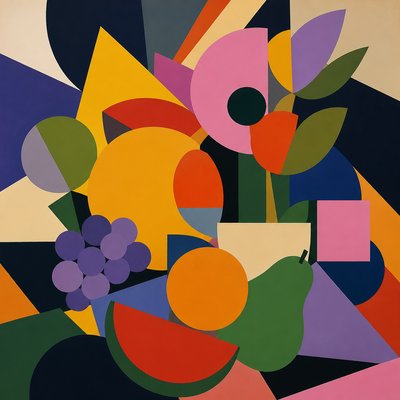
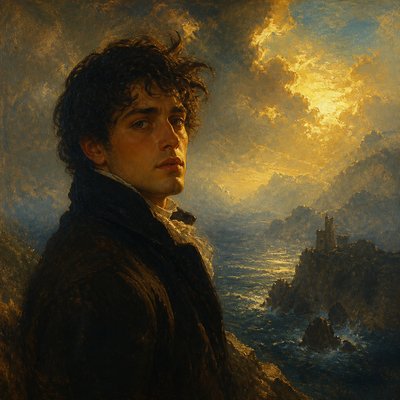
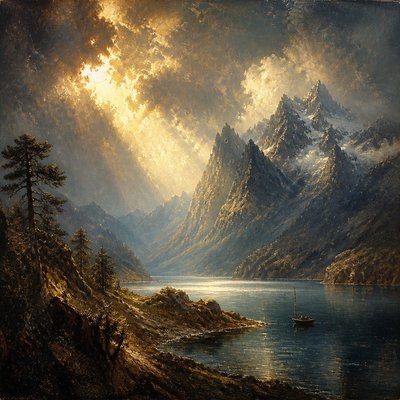
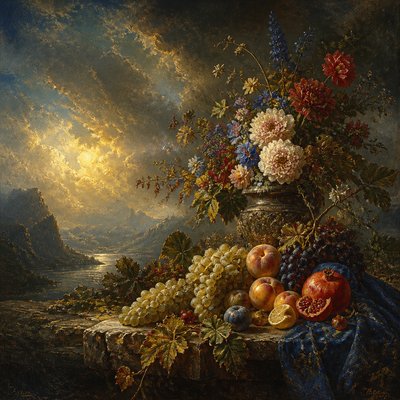
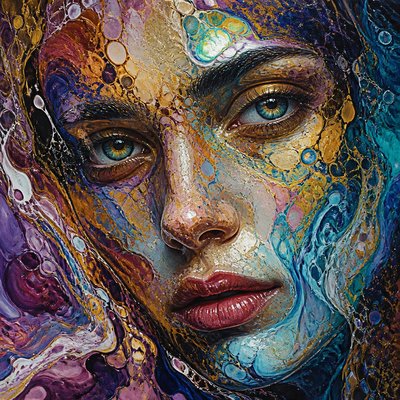
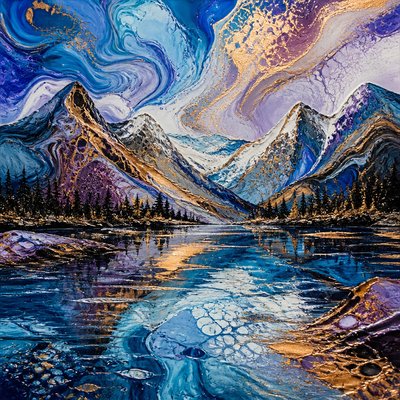
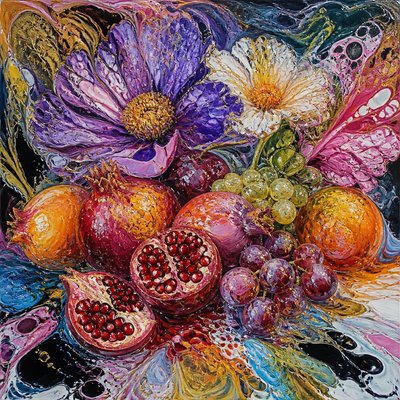
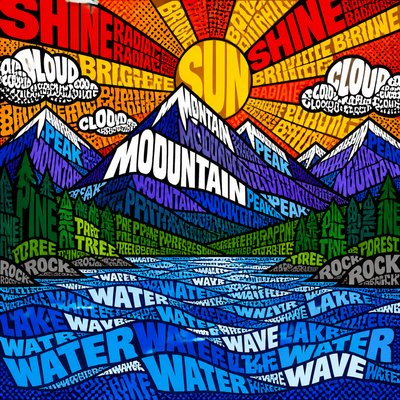
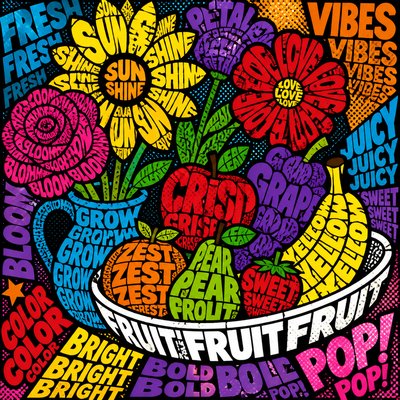
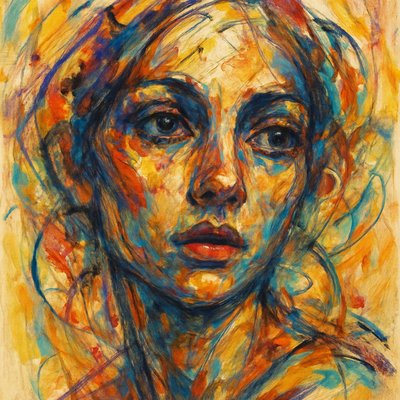
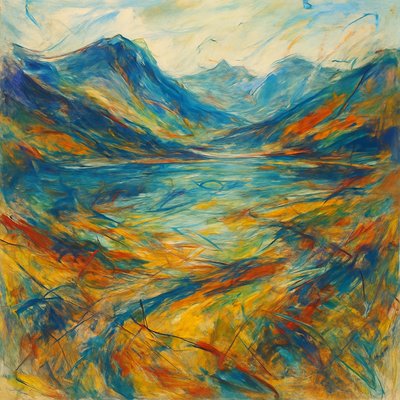
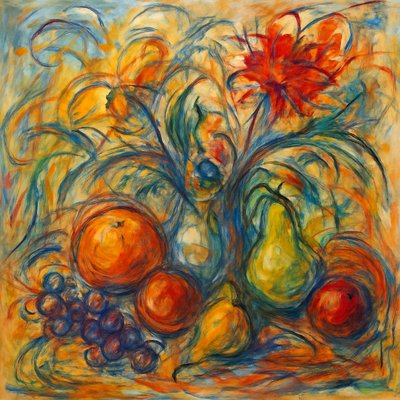
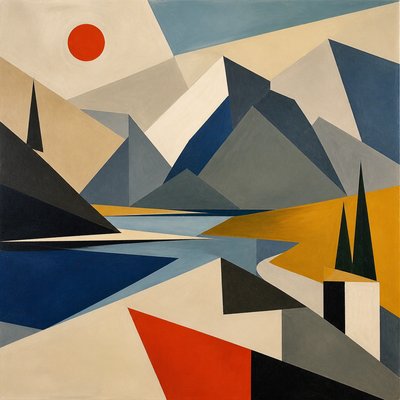
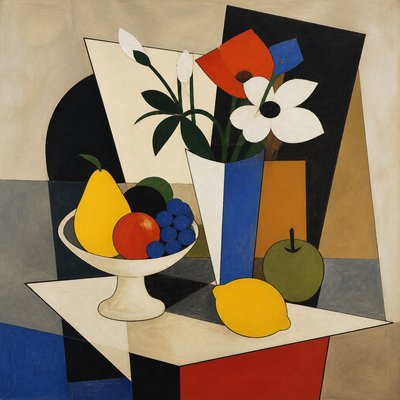
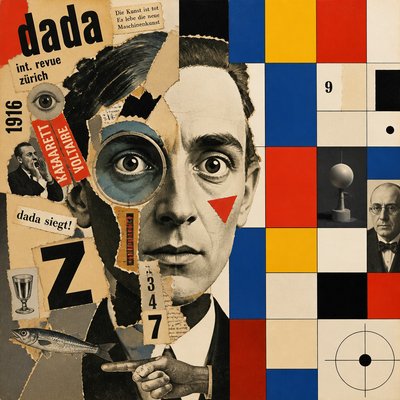
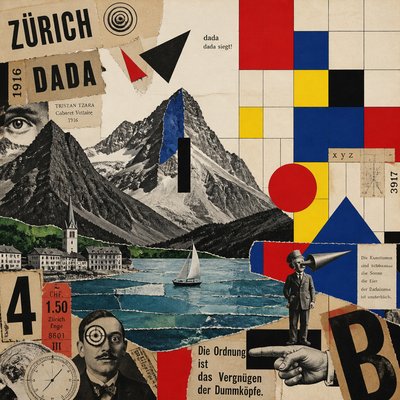
Dynamic Composition Art is a contemporary, cross-media visual style organized around movement rather than stillness. Strong diagonals sweep across the image, curved lines spiral through overlapping forms, and asymmetrical arrangements create the impression that the scene is actively shifting or surging beyond the frame.
The style can be representational, abstract, or partly surreal, but its central concern is always directional energy. Visual weight is distributed unevenly, shapes collide or interlock, and repeated arcs guide the eye along a restless path. The result is an image that feels kinetic even when it depicts a quiet subject, because composition, contour, and contrast imply continuous motion.
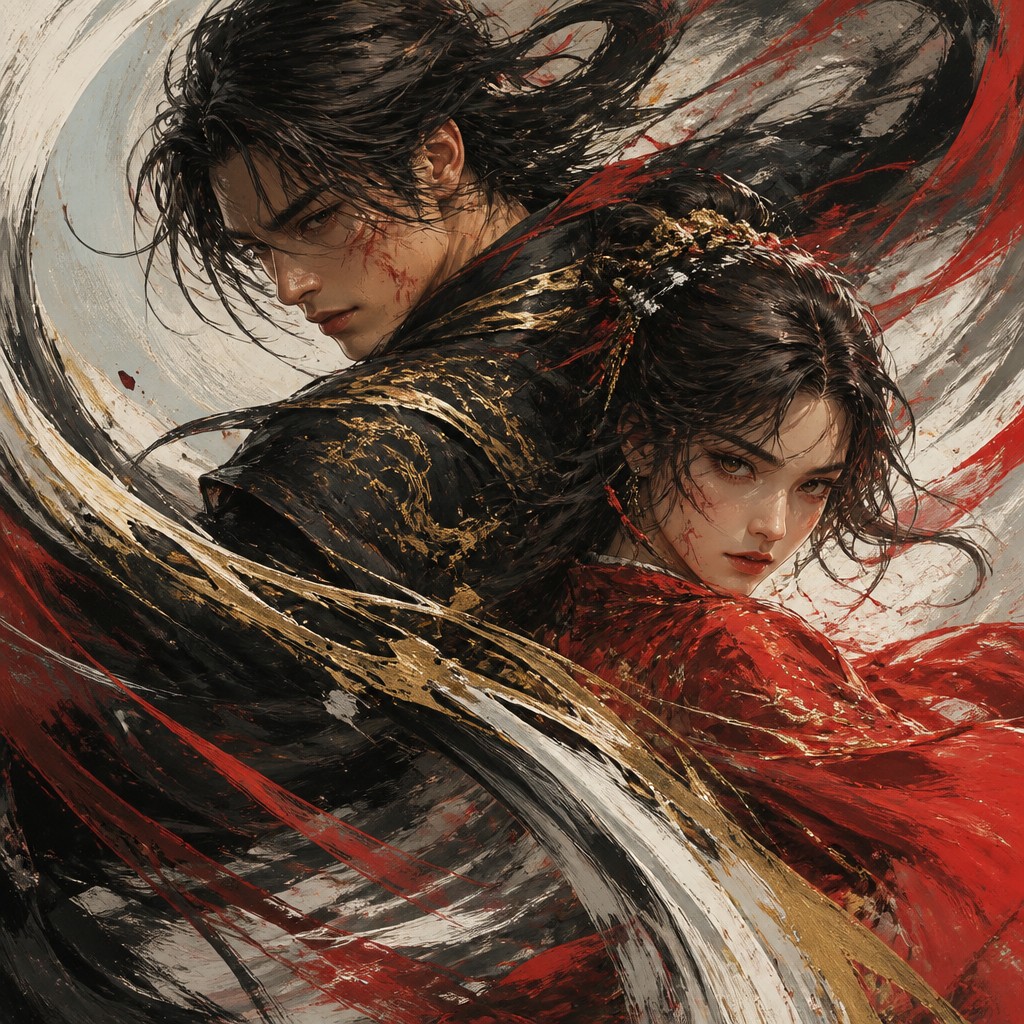
Try It On Your Photos
Upload any photo and convert it into Dynamic Composition Art Style — drag the sliders to compare before and after.
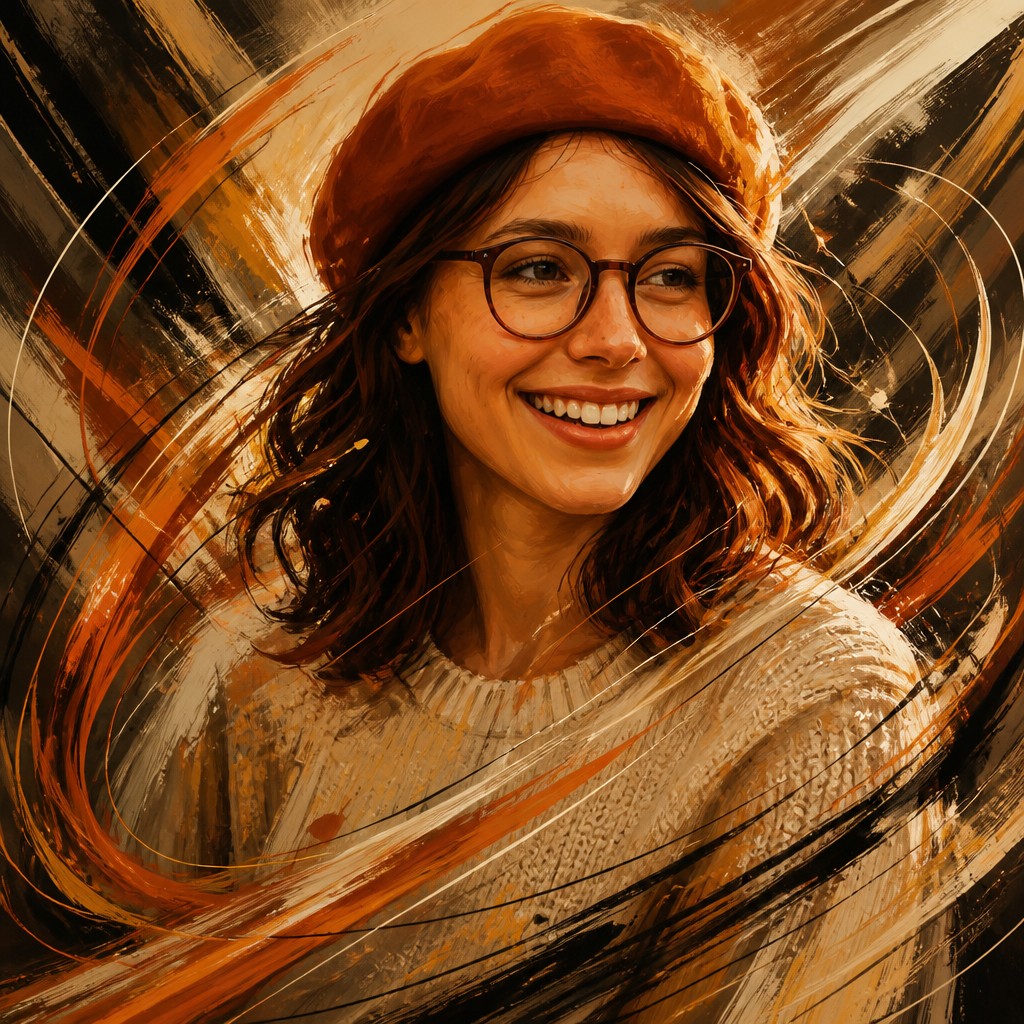

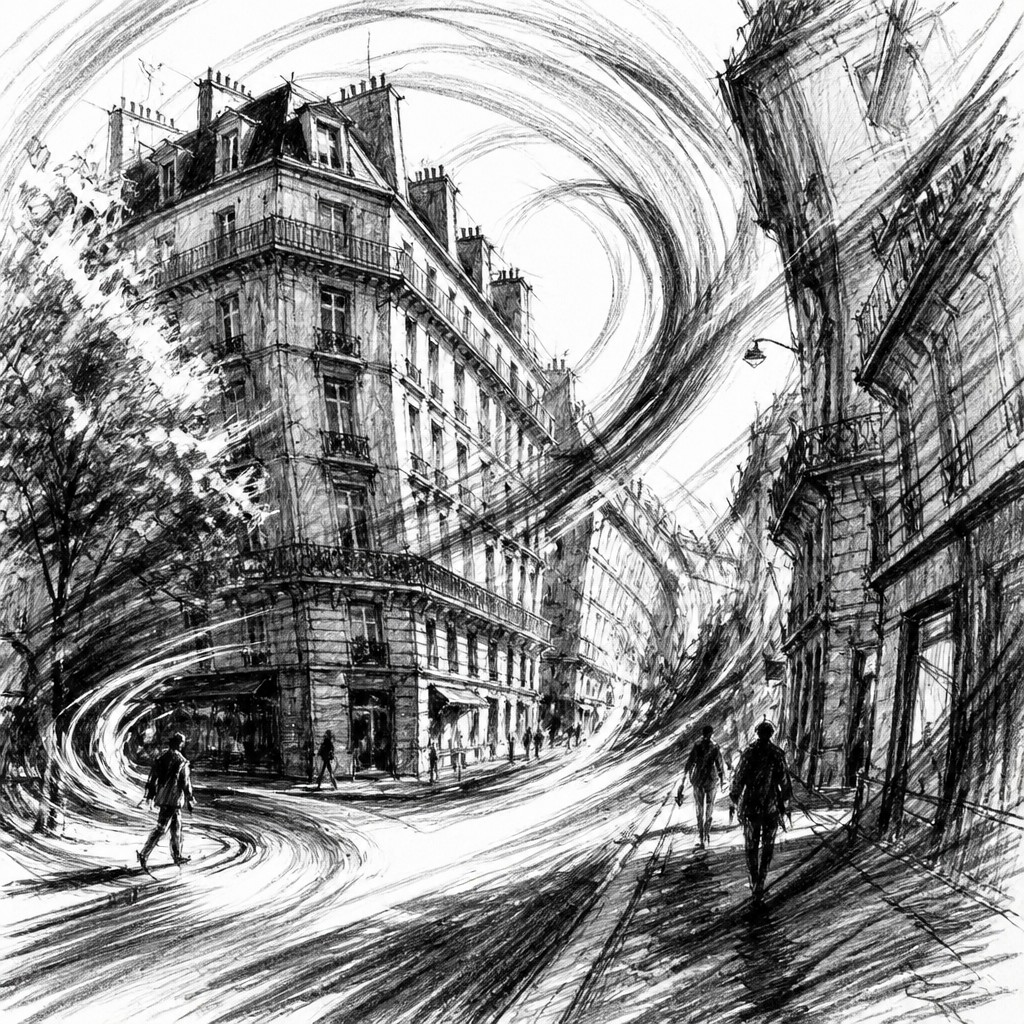

What Defines Dynamic Composition Art Style
The signature details, up close
Forceful diagonal thrusts
Major lines, objects, and bands of color travel diagonally through the frame rather than resting on horizontal or vertical axes. These directions establish momentum and make the composition feel as though it is accelerating.
Swirling curved movement
Arcs, coils, ribbons, and repeated contours create a spiraling route for the eye. Curved motion often counterbalances the harder diagonals, producing a sense of continuous circulation.
Asymmetrical balance
Visual weight is intentionally uneven, with larger or darker forms offset by smaller accents, open space, or opposing gestures. This imbalance creates tension without making the image feel accidental.
Overlapping forms
Shapes, figures, textures, and planes intersect or pass in front of one another. Overlap compresses space and suggests simultaneous action, collision, or rapid movement.
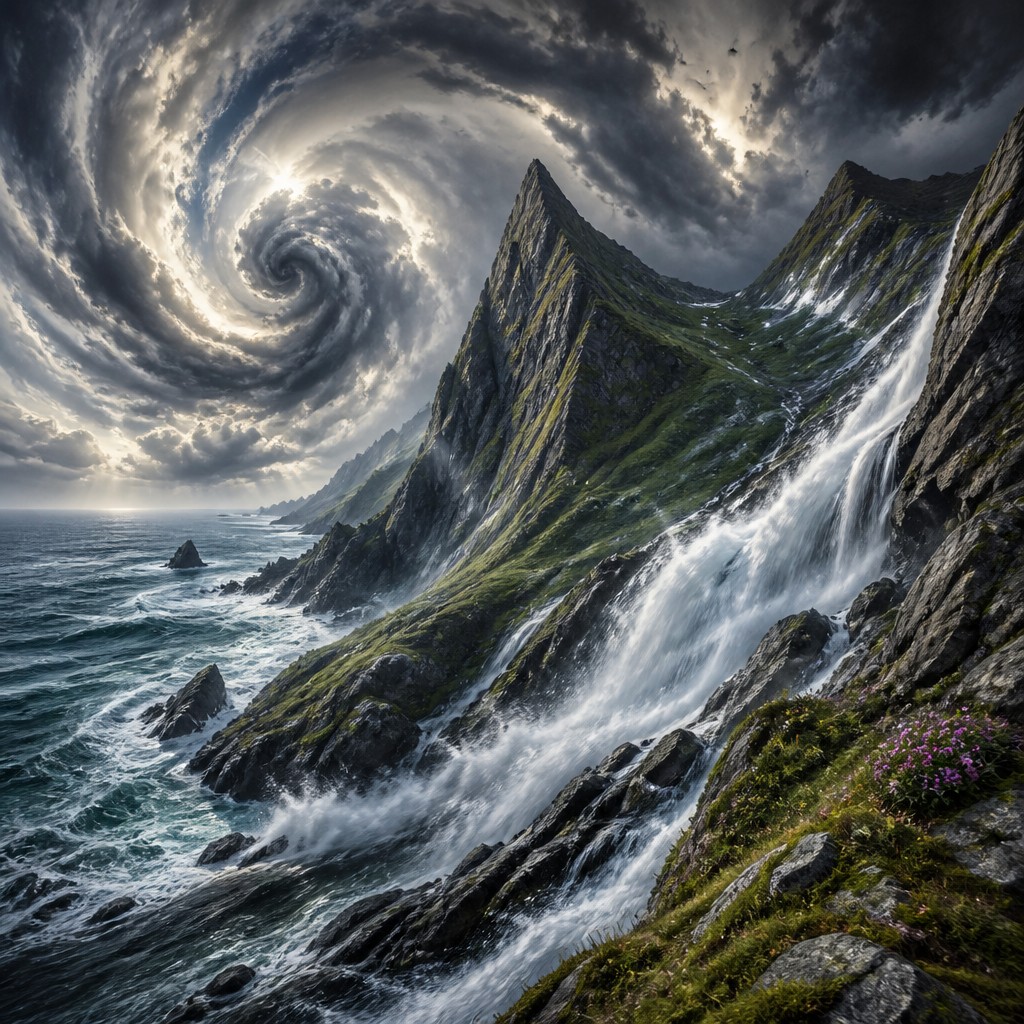
Rhythmic repetition
Recurring curves, shards, strokes, or color intervals establish a beat across the image. Repetition links separate elements into a unified visual flow.
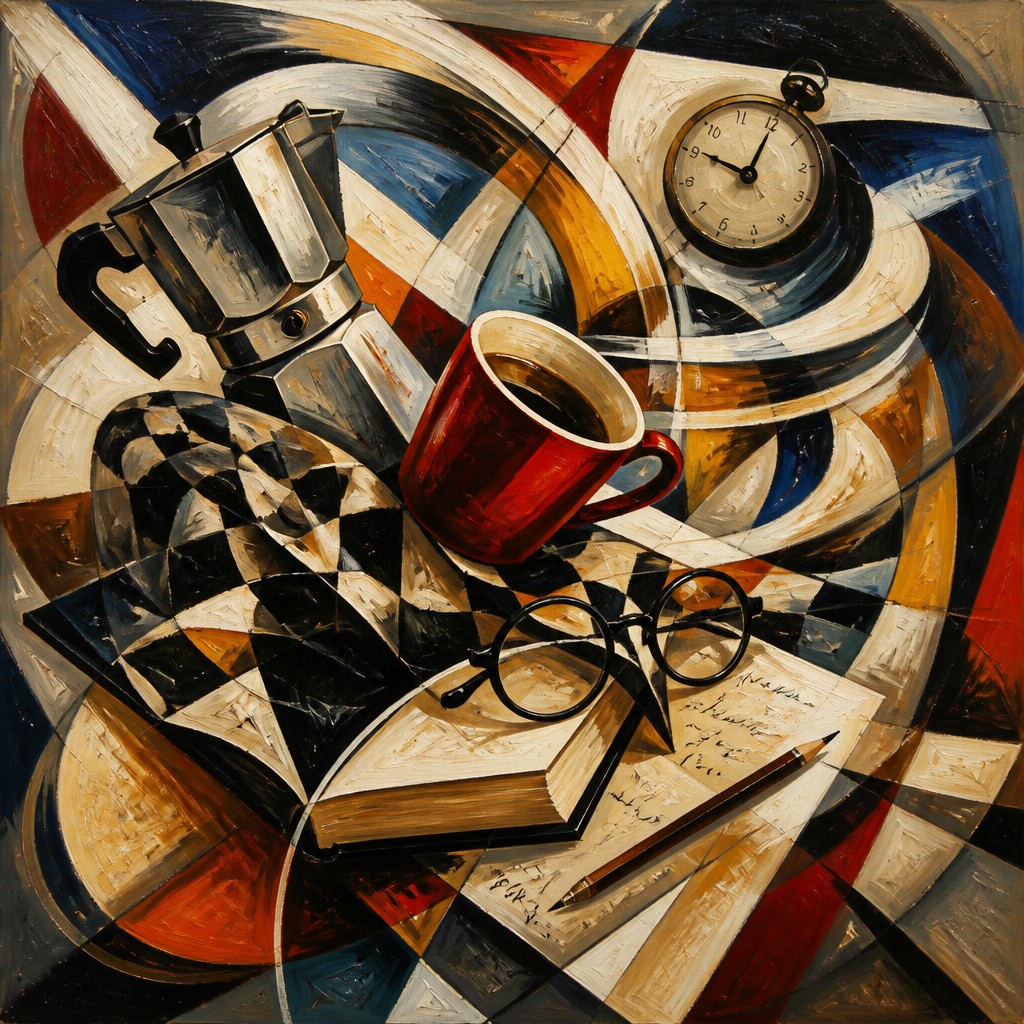
High directional contrast
Contrasting light and dark values, saturated and muted colors, or smooth and rough textures emphasize the path of movement. Accents are typically concentrated where the eye should change direction or encounter impact.
Dynamic Composition Prompt Ideas
Start from an idea — each one opens the generator with the style ready to go. See all 40 Dynamic Composition prompts →
How to Create Dynamic Composition Art
Master the craft step by step — or skip straight to creating. Read the full guide →
- 1
Build a directional skeleton
Begin with one dominant diagonal and a secondary curve that either reinforces or challenges it. Place the largest shapes along these paths before adding detail, so the composition remains readable at a distance.
- 2
Layer and overlap forms
Use transparent washes, collage fragments, repeated contours, or digital layers to create depth through intersection. Vary scale and sharpness so some forms appear close and others recede into the motion.
- 3
Control the focal route
Repeat a color, edge, or shape at several points to lead the eye through the image. Reserve the strongest contrast and most precise detail for one or two turning points rather than distributing emphasis evenly.
- 4
Use expressive mark-making
In traditional media, try sweeping brushwork, dry-brush abrasion, ink curves, or cut-paper angles. Digitally, combine vector paths, warped layers, motion blur, masking, and textured brushes while preserving visible directional gestures.
- 5
Prompt for composition, not just subject
For text-to-image creation, describe the subject together with a dominant diagonal, spiraling lines, asymmetrical balance, overlapping forms, and a clear eye-leading path. Specify the desired medium, contrast, palette, and degree of abstraction to prevent generic action imagery.
The Story
History & Origins of Dynamic Composition
Dynamic Composition Art is best understood as an invented contemporary style rather than a formally established historical movement. Its aesthetic lineage draws on the diagonal structures of Baroque composition, the forceful motion studies of Futurism, the fractured planes of Cubism, and the expressive gestural marks of modern and contemporary abstraction.
It also reflects traditions from editorial illustration, action-oriented comics, motion graphics, photographic blur, and digital compositing. In current practice, artists combine these sources with layered software workflows and generative image-making, treating directional flow and visual rhythm as the style's primary organizing principles.
Influences: The style relates most closely to Baroque diagonal composition, Futurist interest in speed and simultaneity, Cubist fragmentation, and the gestural freedom of Abstract Expressionism. It also borrows from Vorticist geometry, kinetic art, action-focused comics, editorial illustration, motion-blurred photography, collage, and contemporary digital compositing. These influences are unified less by a shared period than by their use of directional force, visual rhythm, and unstable spatial relationships.
Frequently Asked Questions
What defines Dynamic Composition Art?
Its defining feature is the organization of an image around perceived motion. Diagonal thrusts, spiraling curves, asymmetrical balance, overlapping forms, and rhythmic repetition work together to pull the eye through the frame.
Is Dynamic Composition Art an official historical movement?
No. It is a contemporary descriptive style rather than a canonical movement with a fixed founding date or membership. Its vocabulary combines established ideas from Baroque, Futurism, Cubism, abstraction, illustration, photography, and digital art.
How does it differ from ordinary abstract art?
Abstract art can be organized around many principles, including color, geometry, texture, or reduction. Dynamic Composition Art is more specifically defined by directional flow and kinetic tension, whether or not the subject remains recognizable.
Can recognizable subjects be used in this style?
Yes. Figures, animals, landscapes, vehicles, and architecture can all be rendered with this approach. The subject is typically tilted, fragmented, repeated, or surrounded by directional marks so that its movement becomes part of the composition.
What media work well for this style?
Painting, ink, charcoal, collage, photography, illustration, 3D rendering, and digital compositing are all suitable. The essential requirement is not a particular material but the ability to establish clear directional relationships and layered visual rhythm.
How can I keep a dynamic image from becoming chaotic?
Choose one dominant movement axis and limit the palette or texture range. Create a hierarchy by reserving the sharpest edges, brightest accents, and greatest detail for the focal route, while allowing secondary forms to support rather than compete with it.
Create your first Dynamic Composition artwork
Describe anything — or upload a photo — and see it in Dynamic Composition Art Style in seconds.
Related Styles
Discover similar art styles