Sports Manga Art Style
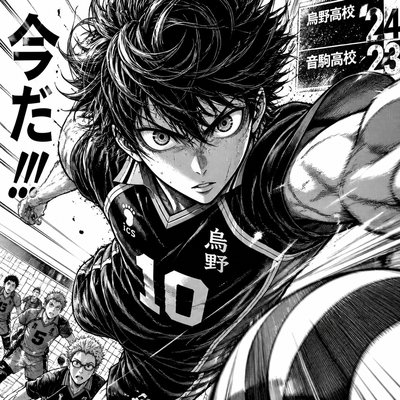
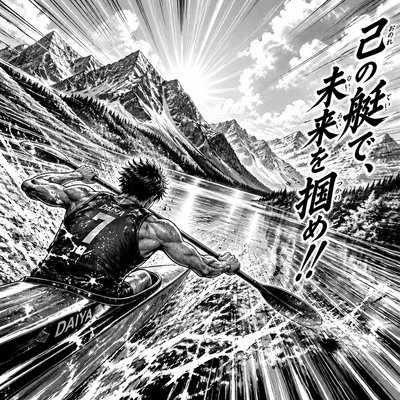
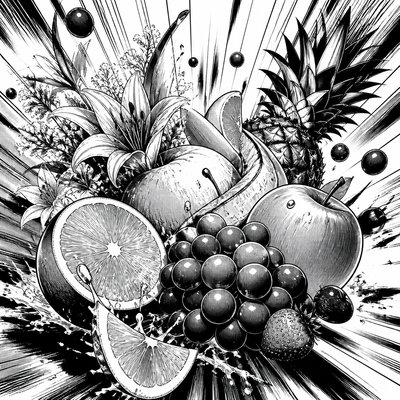
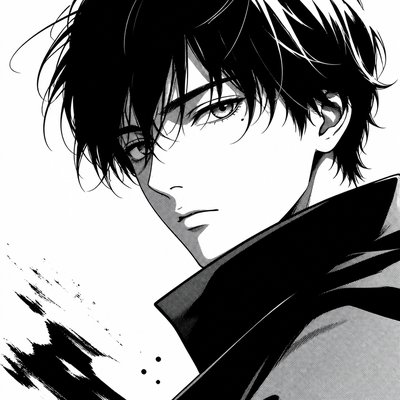
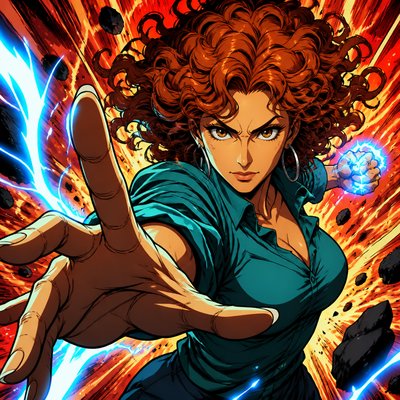
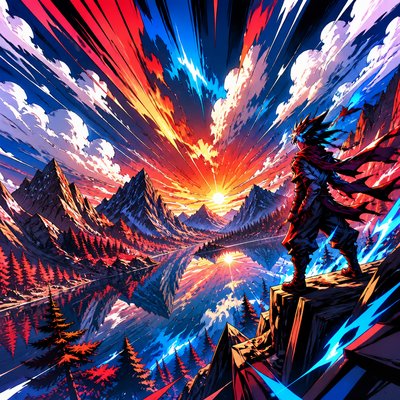
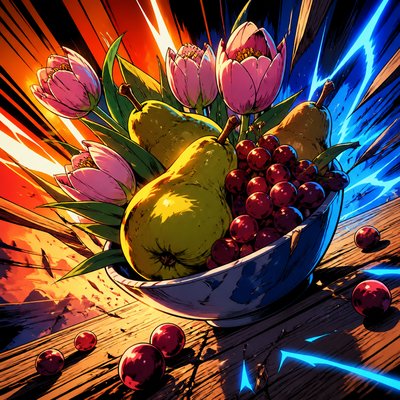
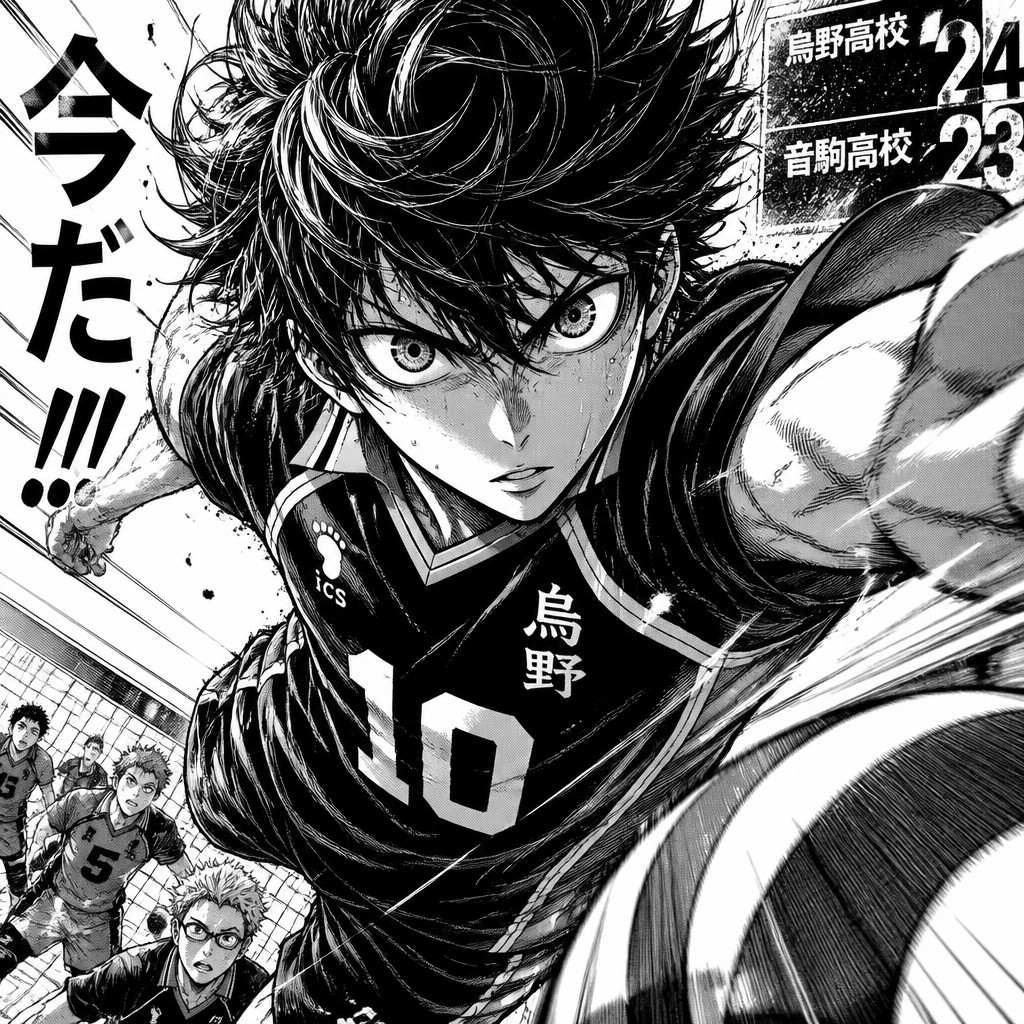
Dynamic manga style for sports scenes: speed lines, bold foreshortening, sweat, screentones, and intense competitive motion.
Instantly rendered in Sports Manga — or transform a photo
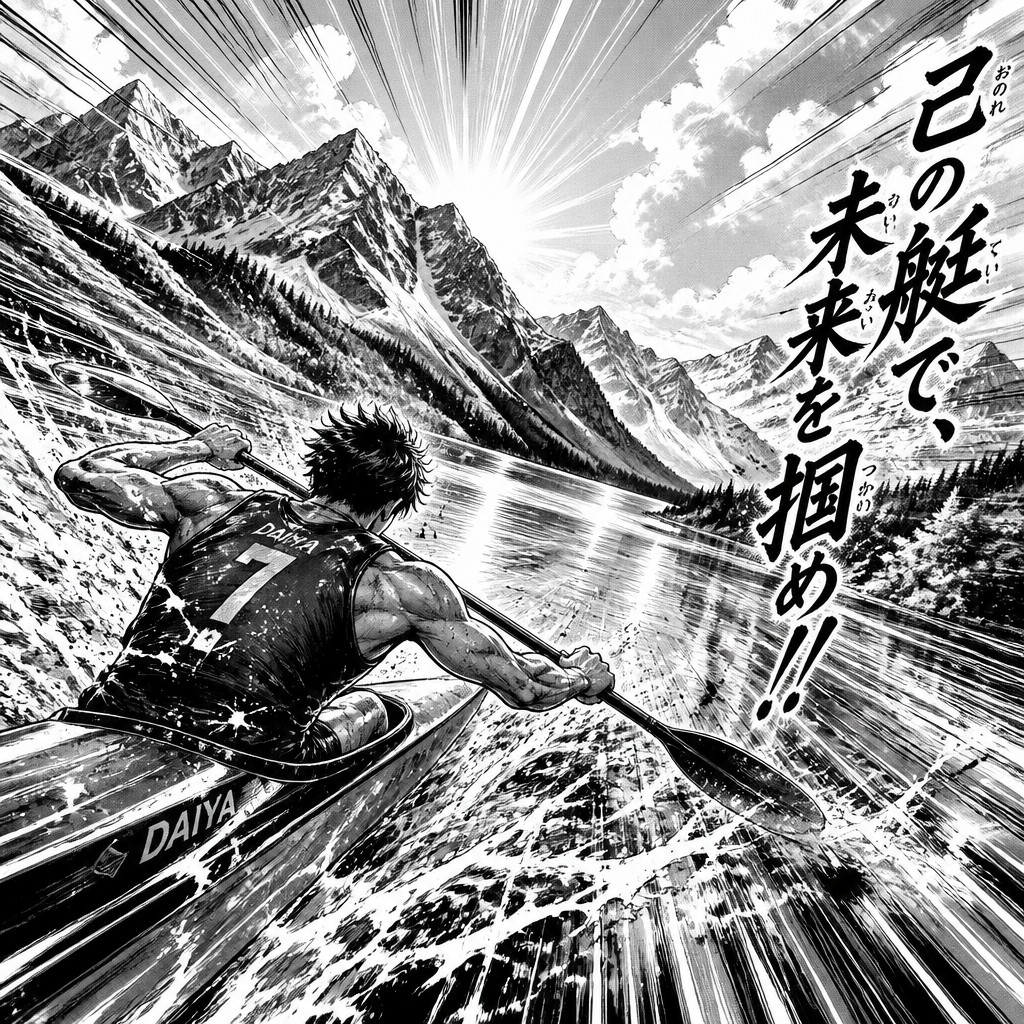
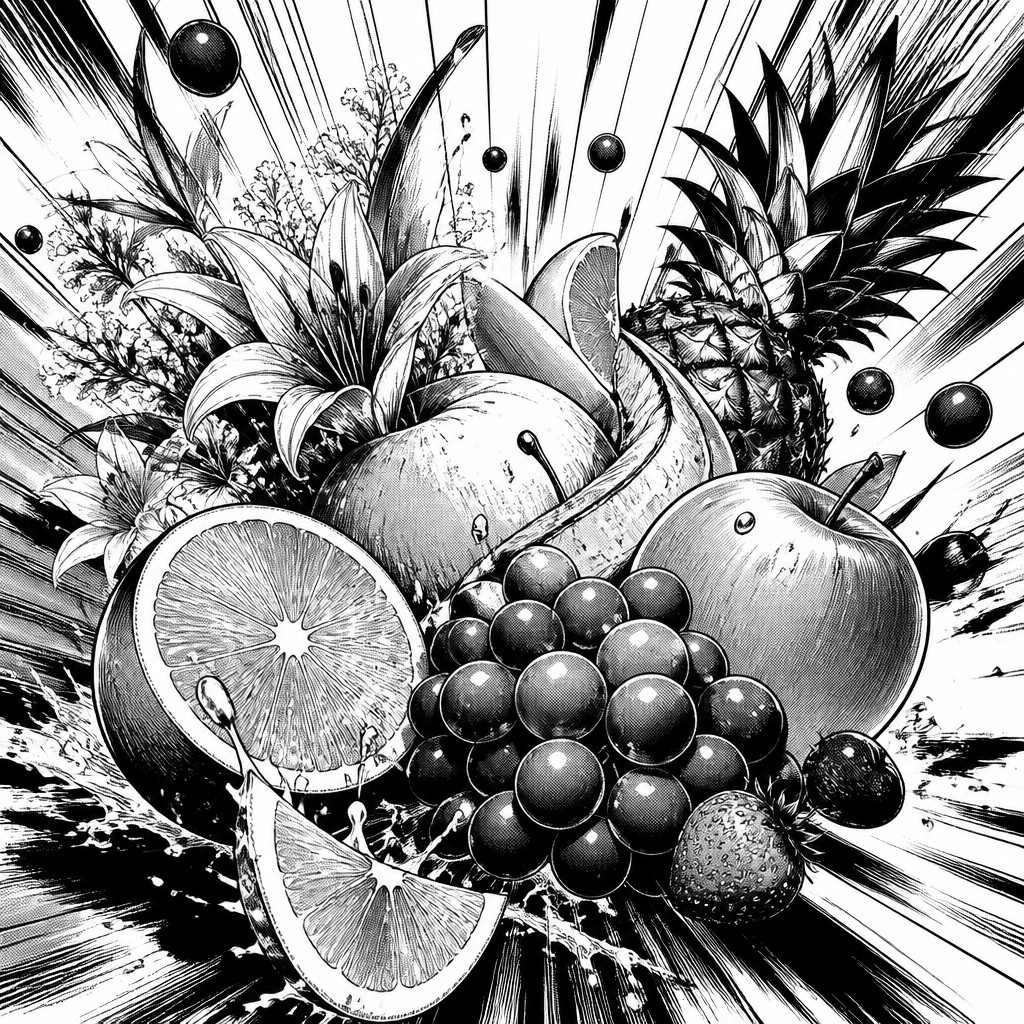
Sports Manga Gallery
Tap any artwork to explore it
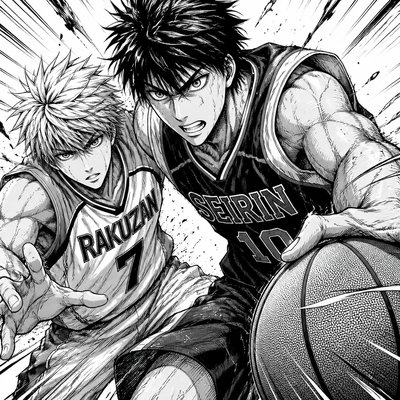
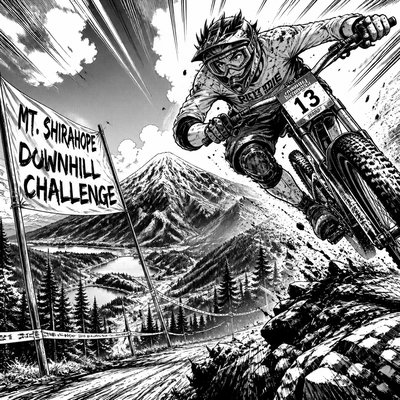

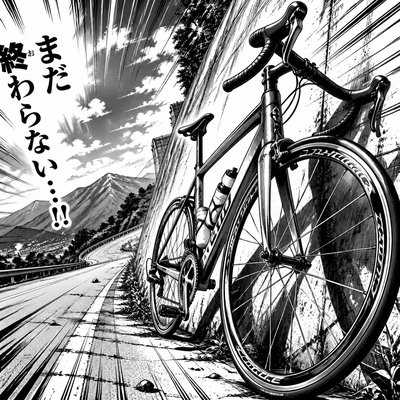
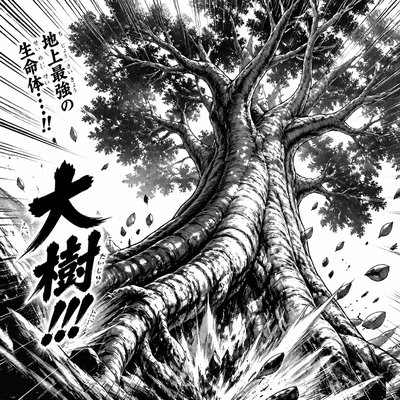
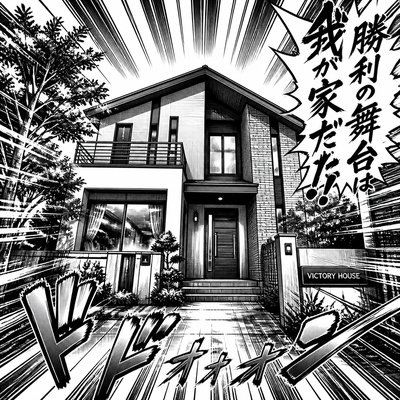
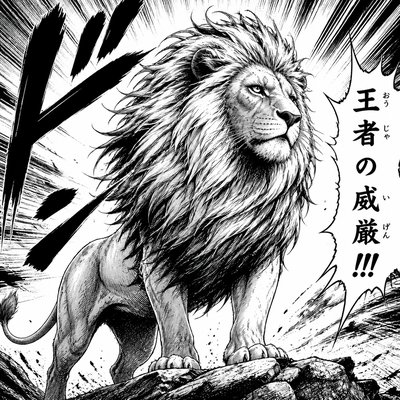
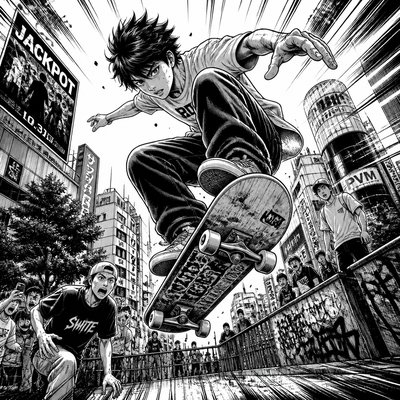
What is Sports Manga Art Style?
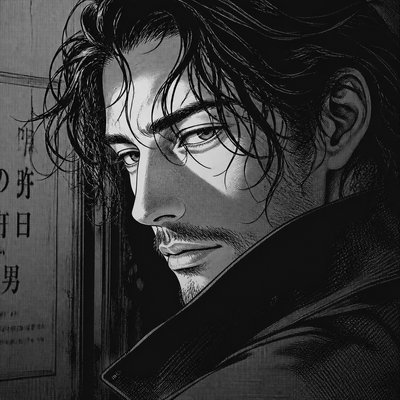
Sports manga art style is a manga-based visual language built to make athletic action feel immediate, forceful, and emotionally charged. It typically uses sharp ink linework, dramatic camera angles, exaggerated perspective, and dense motion effects to turn a jump, sprint, throw, or tackle into a climactic moment.
Its visual identity comes from the needs of serialized comics: the page must communicate movement, impact, and strategy at a glance. Artists emphasize the body under strain, the direction of force, and the split-second timing of competition through speed lines, sweat, screentone, and bold panel composition. The result is not simply realistic sports illustration, but a heightened narrative style that makes physical effort and mental focus visible.
Try It On Your Photos
Upload any photo and convert it into Sports Manga Art Style — drag the sliders to compare before and after.
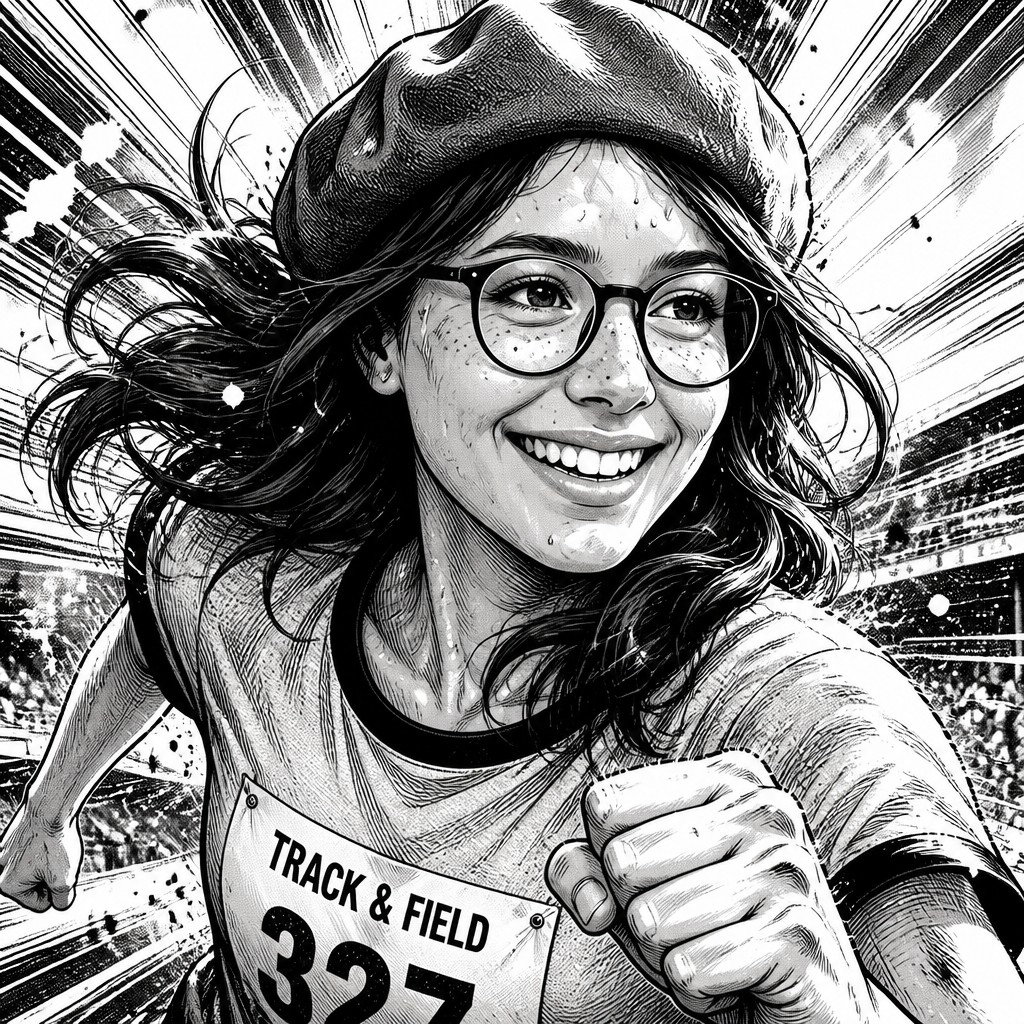

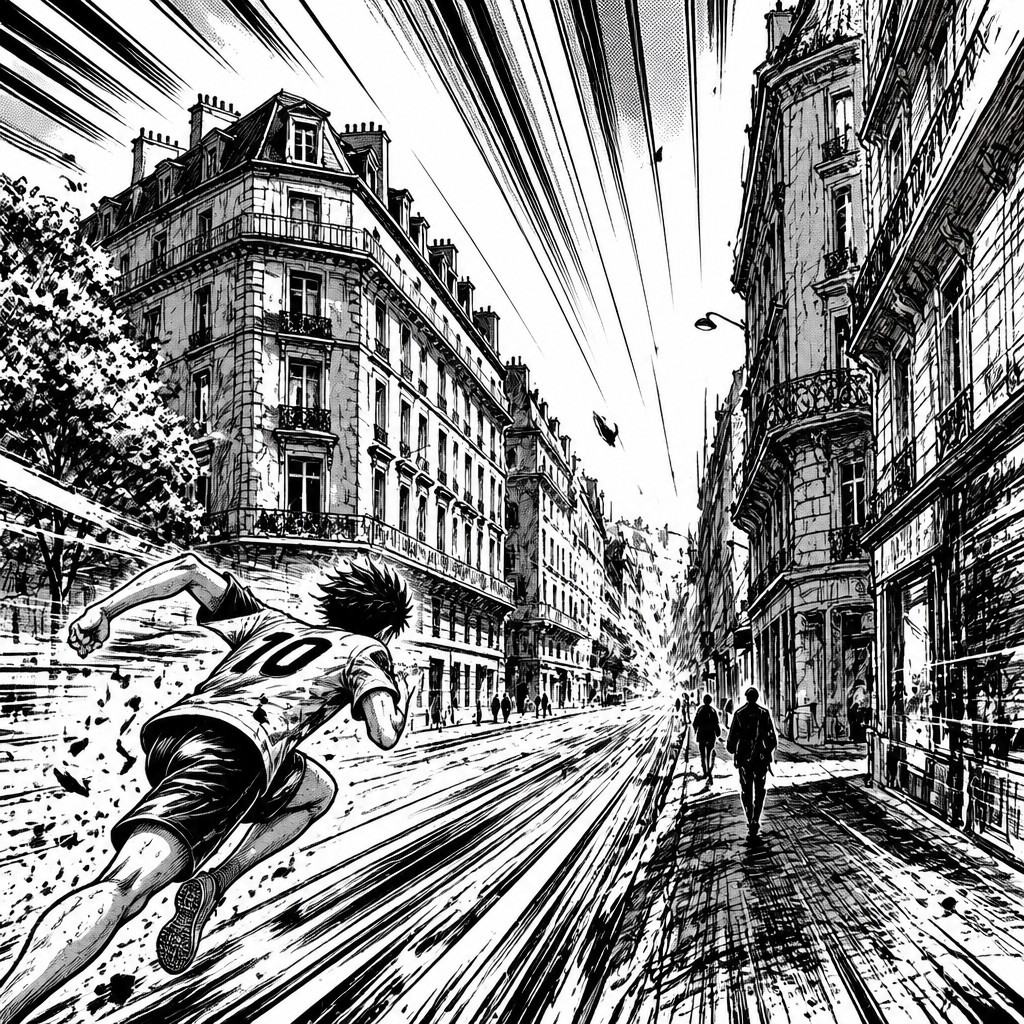

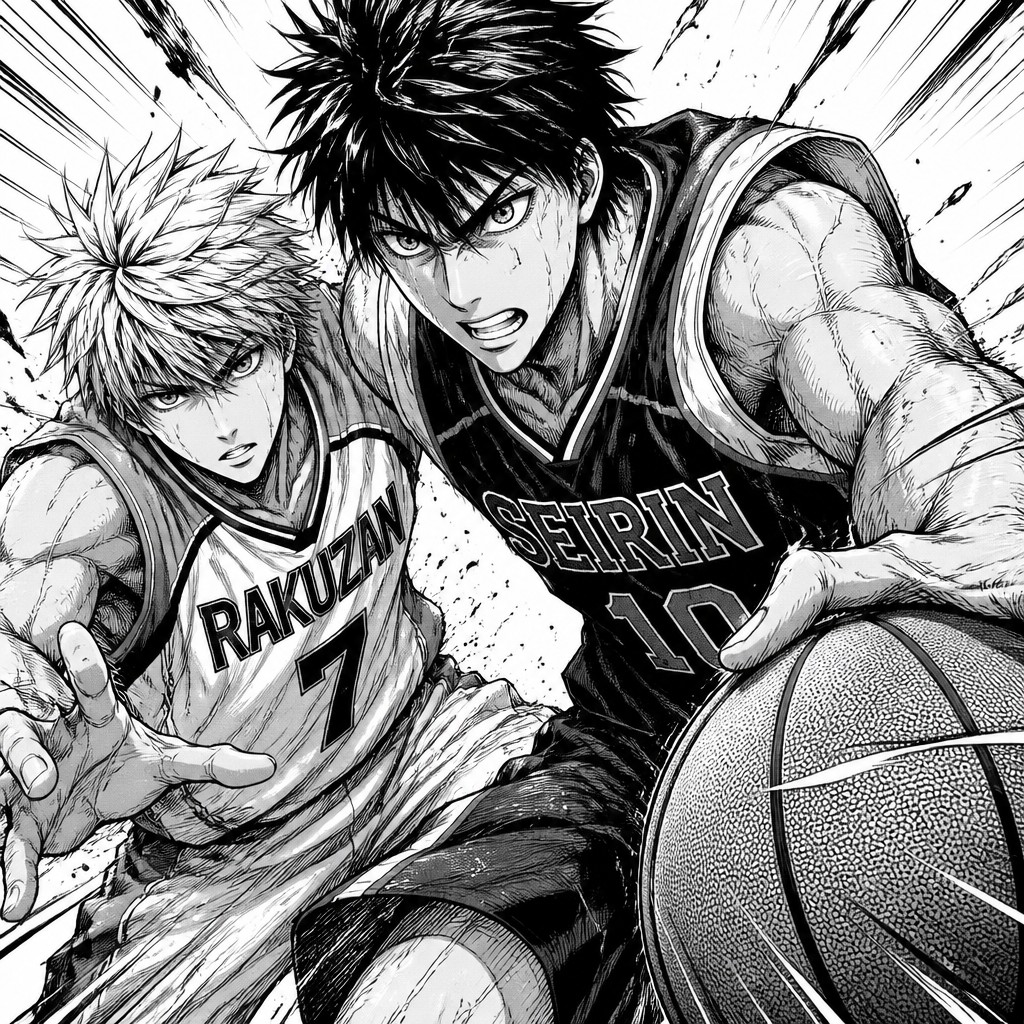
What Defines Sports Manga Art Style
The signature details, up close
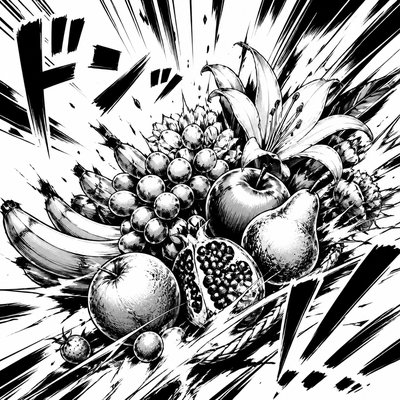
Explosive motion lines
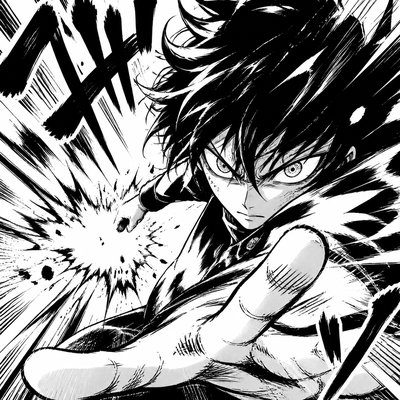
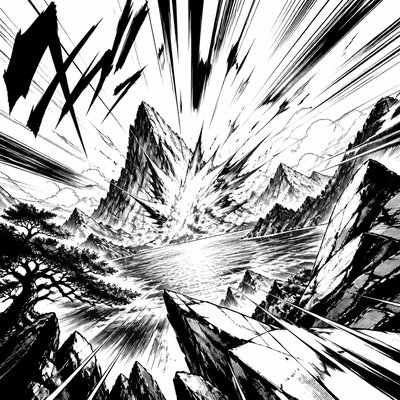
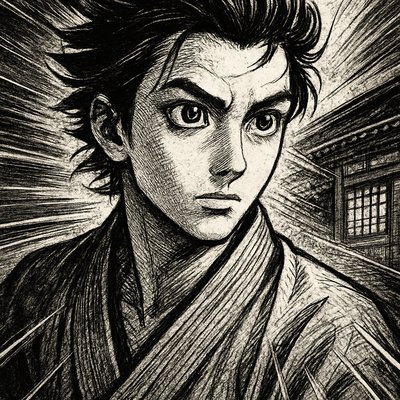
Long directional lines, burst trails, and impact strokes guide the eye through the action and amplify speed. They often radiate from the athlete or the point of contact.
Dramatic foreshortening
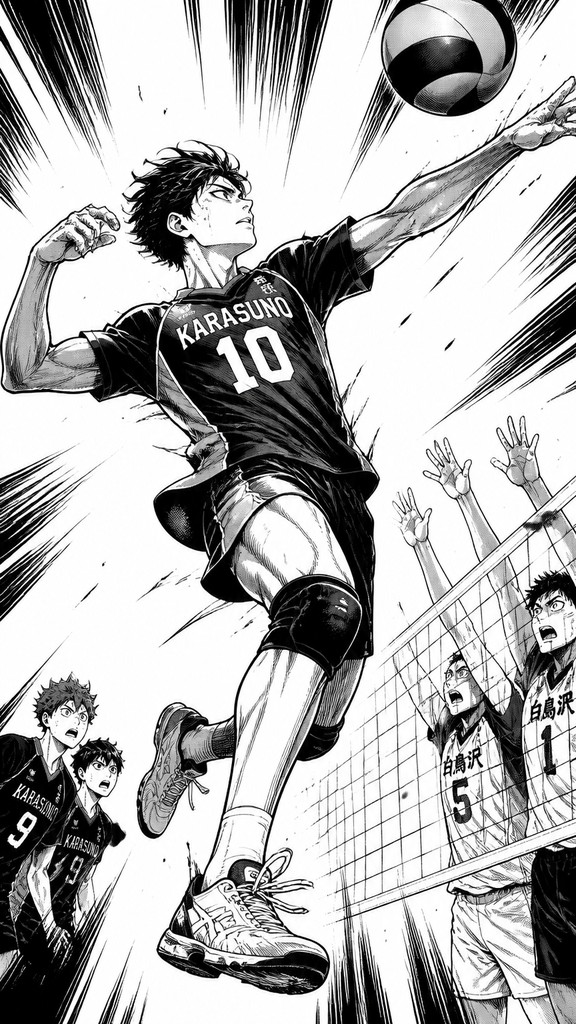
Limbs, bats, balls, and bodies are pushed into the foreground with exaggerated perspective. This makes actions like a punch, serve, swing, or leap feel physically immediate.
High-contrast inking
Heavy black fills, varied line weights, and crisp silhouettes give the scene force and clarity. The contrast helps separate the subject from the background during fast motion.
Sweat and exertion cues
Sweat beads, strained expressions, taut muscles, and clenched jaws communicate effort. These details translate physical stamina and psychological pressure into readable visual signals.
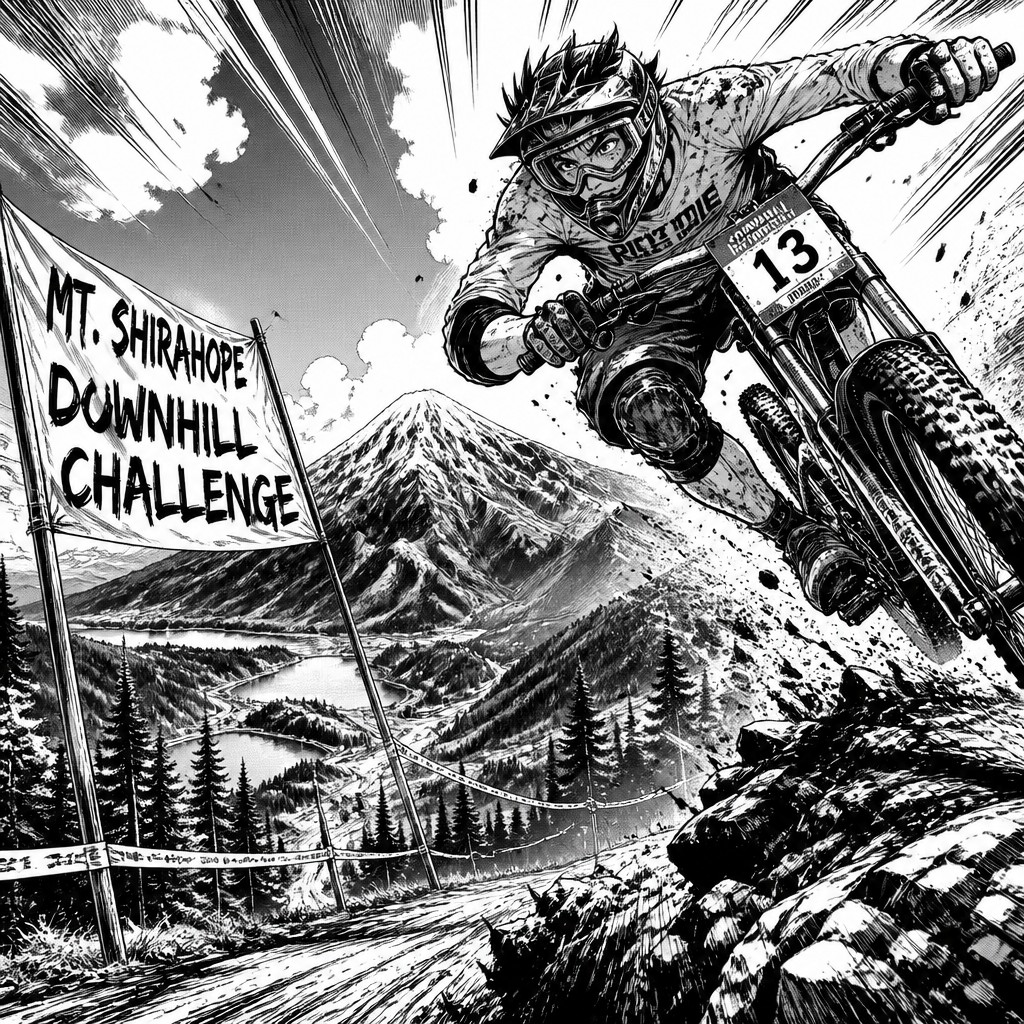
Screentone and cross-hatching depth
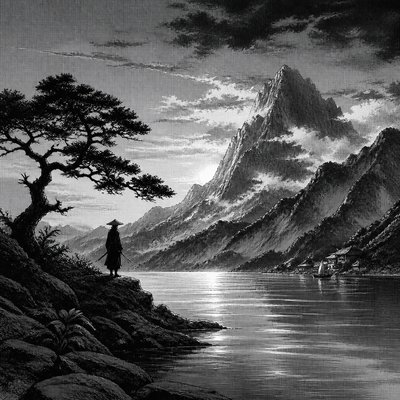
Shading is often built with screentone textures, cross-hatching, and selective blacks rather than painterly gradients. This keeps the image graphic while preserving volume and atmosphere.
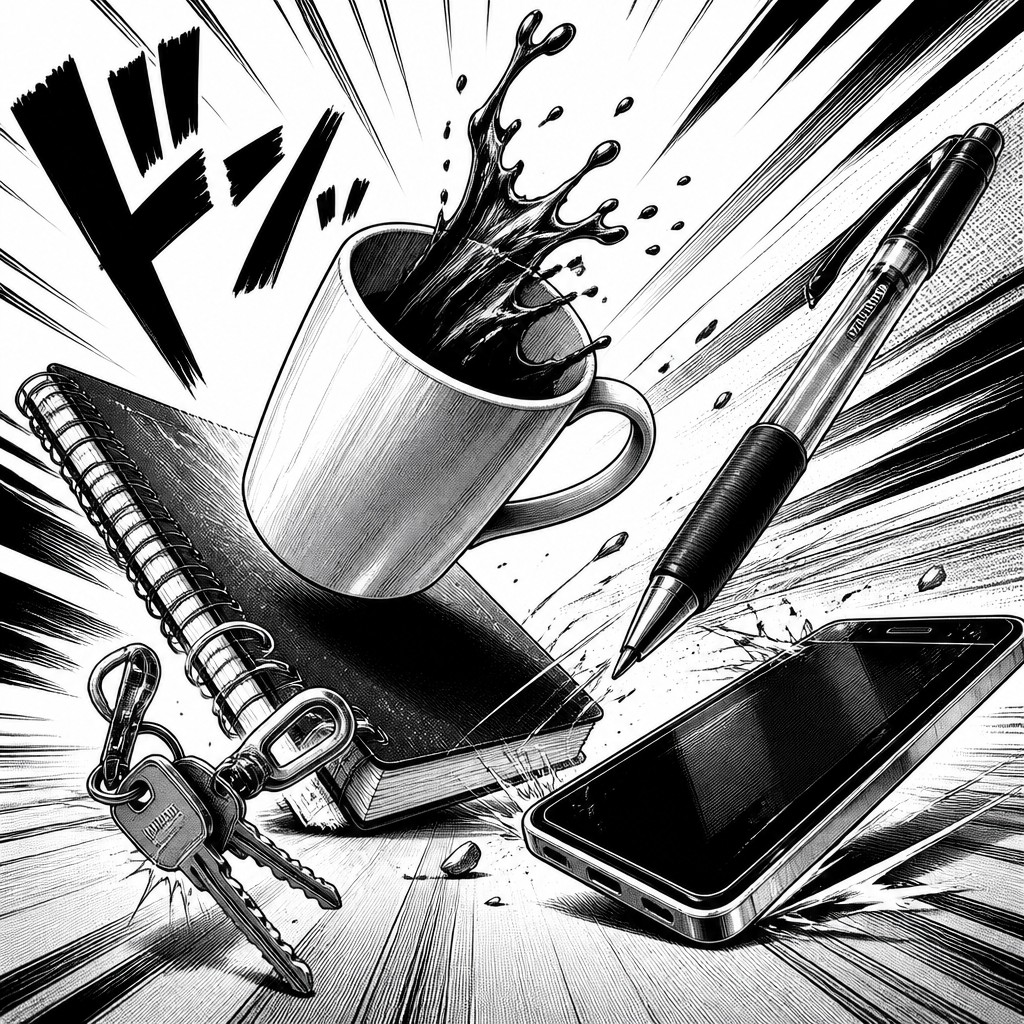
Dynamic panel thinking
Even in a single image, the composition often feels like a comic panel cut from a larger sequence. Diagonals, cropping, and implied before-and-after moments create narrative momentum.
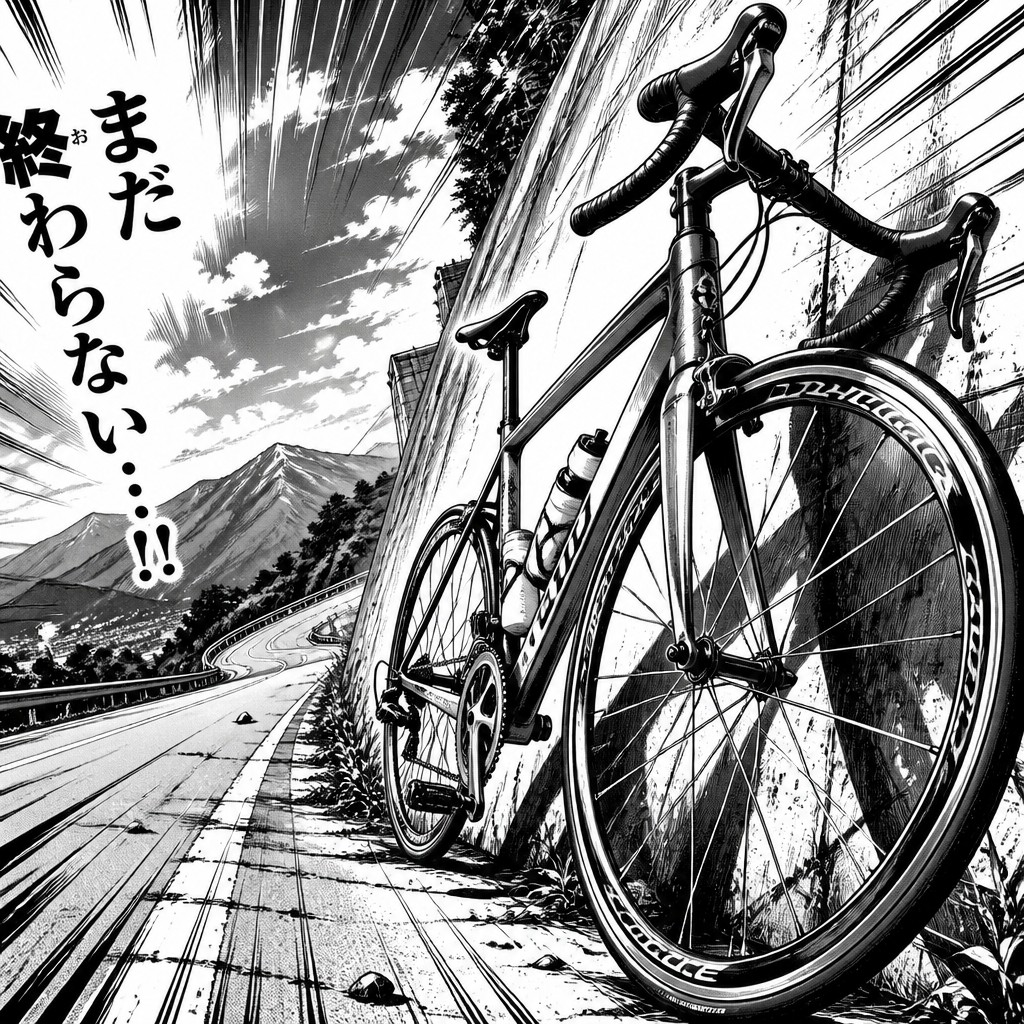
Competitive intensity
Eye contact, focused gazes, and sharp facial expressions heighten the sense of rivalry. The art frequently balances technical athletic form with the emotional drama of winning and losing.
Try It
Create Videos in Sports Manga Art Style
Styles aren't just for stills — describe a scene or animate an image and get a short video rendered in Sports Manga. Press play to see this pond come to life.
Make a VideoSports Manga Prompt Ideas
Start from an idea — each one opens the generator with the style ready to go. See all 40 Sports Manga prompts →
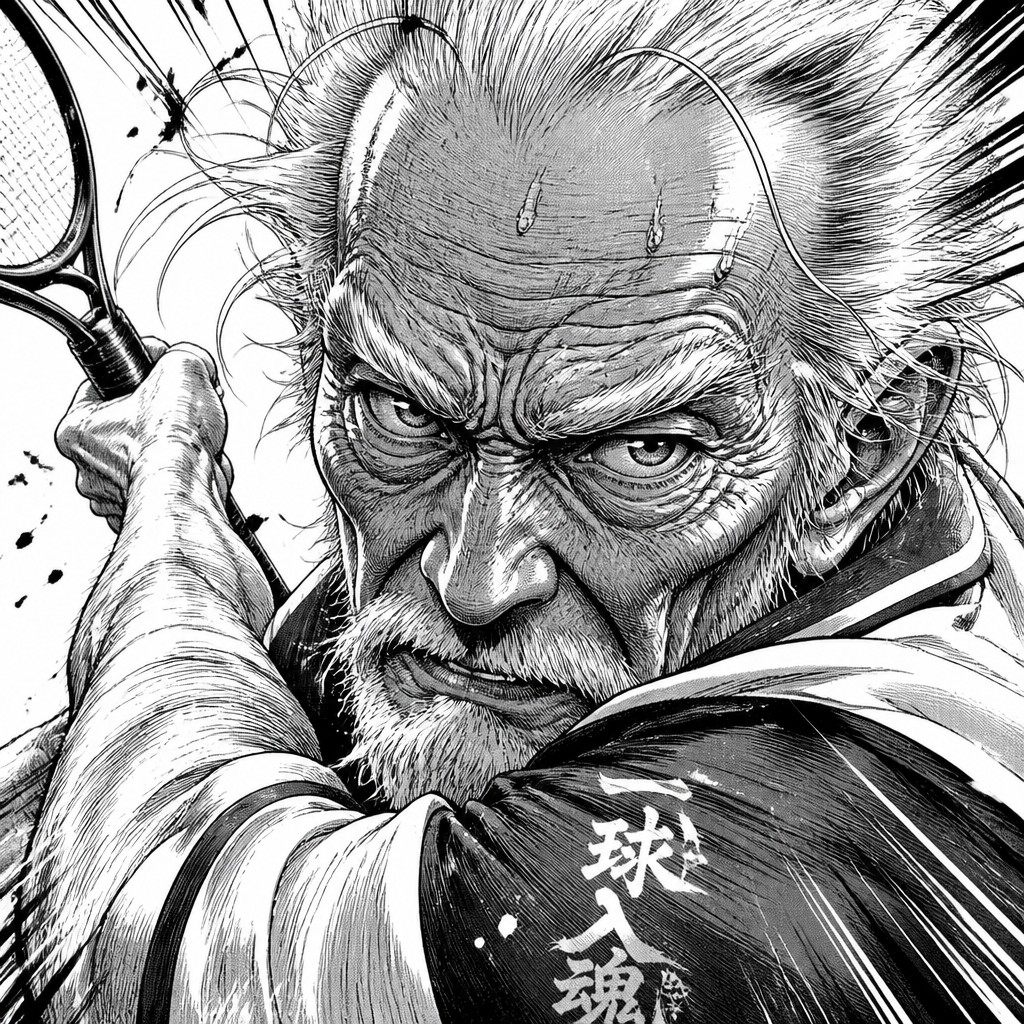
“close-up portrait of an elderly person with expressive weathered features”
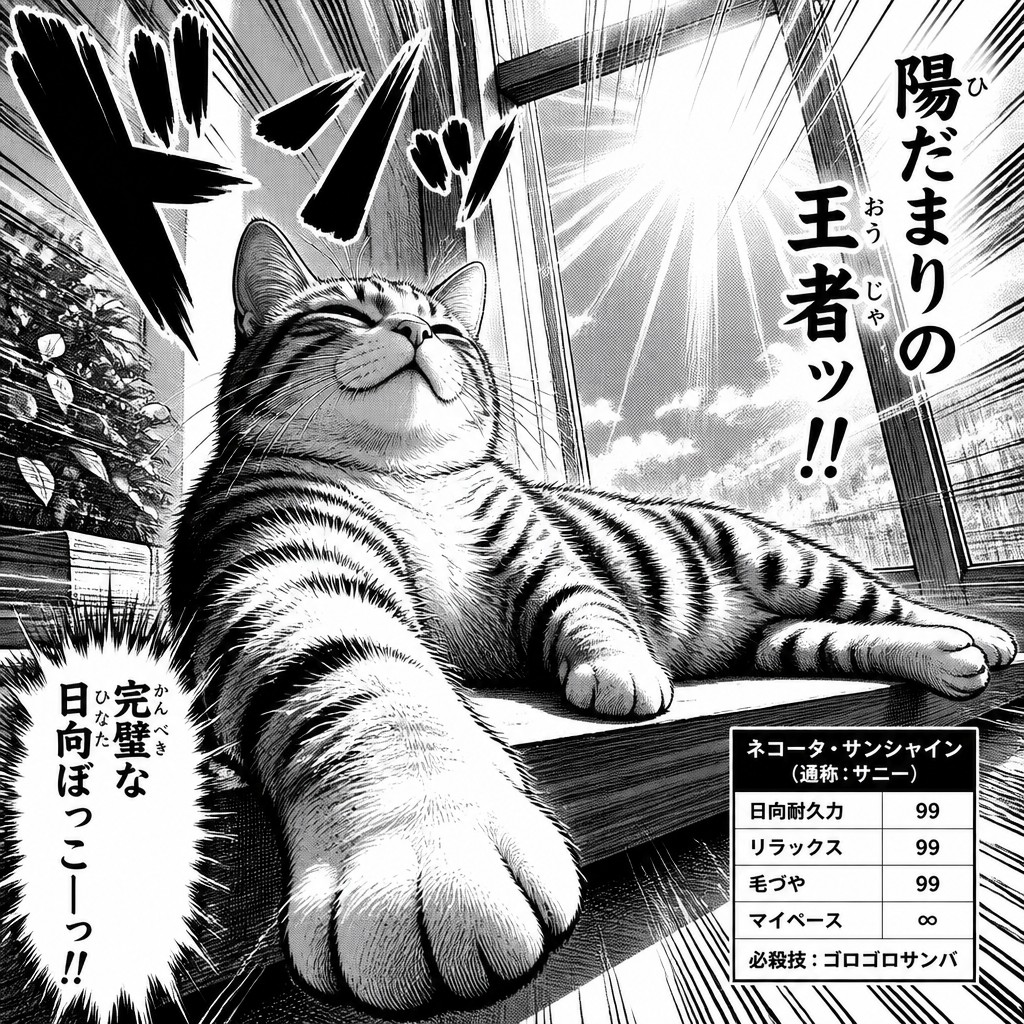
“a cat lounging in a sunlit window”
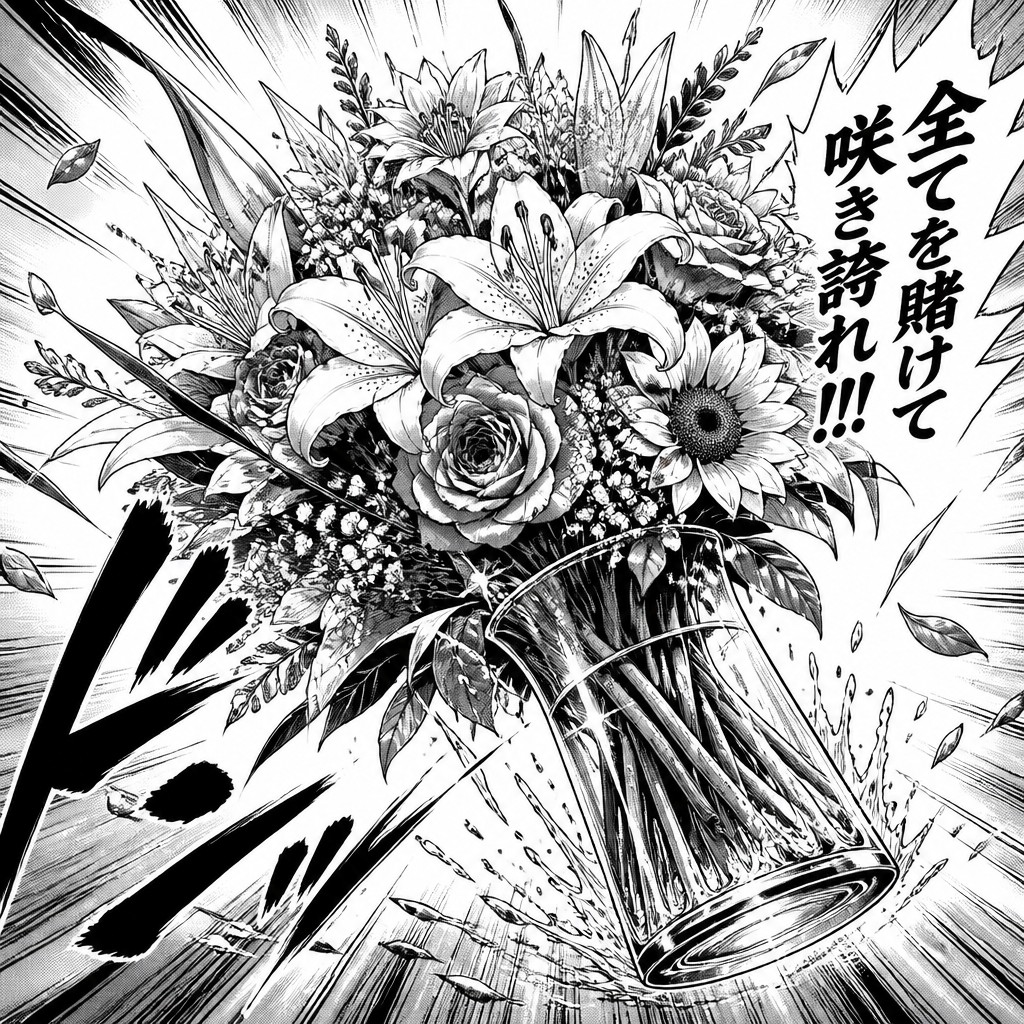
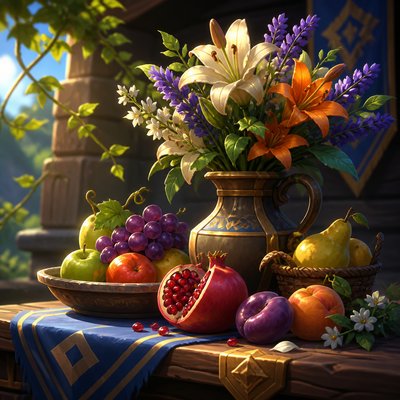
“bouquet of flowers in a glass vase”
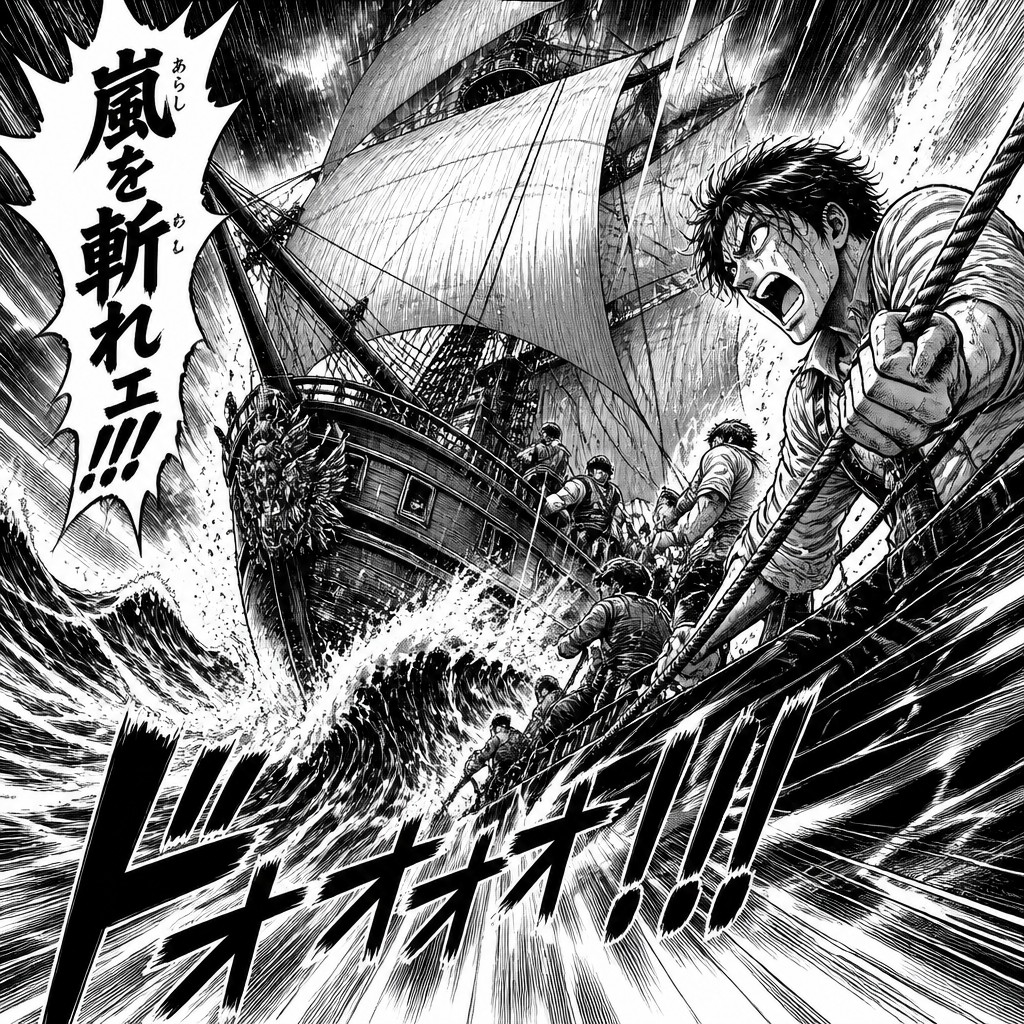
“sailing ship on a stormy sea”
How to Create Sports Manga Art
Master the craft step by step — or skip straight to creating. Read the full guide →
- 1
Build the pose around force and timing
Start with the instant of peak action: the leap, swing, release, tackle, or dive. Exaggerate the body’s line of action and use a low or tilted viewpoint to make the movement feel powerful.
- 2
Use line weight to separate motion from structure
Draw the figure with strong contour lines and reinforce key edges with thicker ink. Add thinner internal lines for anatomy and texture so the subject reads clearly at speed.
- 3
Layer motion effects selectively
Place speed lines, impact bursts, and small debris or sweat marks where the energy is highest rather than everywhere. Too many effects can flatten the scene; clear hierarchy keeps the action readable.
- 4
Design the page or frame like a sports sequence
In traditional comics, alternate wide establishing shots with close-ups of eyes, hands, or equipment to create rhythm. In digital work or prompt-based generation, ask for a bold diagonal composition, dramatic foreshortening, and a frozen peak instant of athletic motion.
- 5
Use black-and-white contrast aggressively
Rely on solid blacks, screentone-like texture, and strong negative space to shape the image. This approach preserves the manga feel even when the subject is complex or crowded.
The Story
History & Origins of Sports Manga
Sports manga emerged within the broader history of Japanese manga in the postwar era, when comics increasingly specialized into genre storytelling. By the 1960s and 1970s, school and professional sports series helped define a distinct visual approach to action, one shaped by the serialized page, the desire to build suspense, and the need to dramatize technique, training, and rivalries.
Its aesthetic lineage draws from mainstream manga draftsmanship, cinematic storyboarding, and graphic conventions such as speed lines, impact effects, and decompressed timing. It also overlaps with shonen action manga, where athletic contest is treated with the same visual intensity as battle scenes. Over time, sports manga developed recognizable conventions for showing exertion, tactics, and emotional stakes: close-ups of eyes and hands, extreme foreshortening, sweat highlights, layered motion, and panel sequences that stretch a single play across multiple beats.
Influences: Sports manga draws from Japanese manga and anime draftsmanship, especially shonen action storytelling, but it also borrows from cinematic framing, graphic novel pacing, and print-era effects such as screentone and bold inking. Its emphasis on movement and spectacle relates to action artists and illustrators in the manga tradition, while its visual priorities echo the clear staging found in sequential art more broadly, including the dynamic page design associated with major pioneering manga creators, influential blockbuster-action manga filmmakers, and internationally admired sports-manga storytellers in different ways.
Frequently Asked Questions
What defines sports manga art style?
It is defined by dramatic athletic poses, strong motion cues, and comic-style rendering that makes action feel immediate. Common features include speed lines, foreshortening, sweat effects, intense facial expressions, and high-contrast black-and-white linework.
How is it different from regular anime or manga art?
Regular anime or manga can be quiet, romantic, comedic, or highly stylized in many directions. Sports manga is specifically focused on physical competition, so the composition and effects are optimized to show speed, strain, tactics, and impact.
Can this style be used for non-sports subjects?
Yes. The same visual language works for any moment of extreme action, tension, or momentum, such as a chase, stunt, martial arts exchange, or dramatic performance. The key is to stage the image like a decisive instant with strong directional energy.
What techniques help make sports manga art look authentic?
Use bold outlines, high-contrast blacks, screentone textures, and clear anatomy under strain. Add motion lines, cropped framing, and asymmetrical compositions so the image feels like a panel from an energetic sequence rather than a static illustration.
Where is sports manga style commonly used?
It is common in comics, manga covers, character art, editorial illustrations, posters, and promotional images for athletic or action-themed stories. Its vocabulary is also used in fan art and illustration for games, teams, and competition scenes.
Is color part of sports manga style?
Traditionally, the style is most strongly associated with black-and-white manga pages, where linework and tone carry the image. Color versions can still work if they preserve the same dynamic composition, sharp contrast, and sense of motion.
Create your first Sports Manga artwork
Describe anything — or upload a photo — and see it in Sports Manga Art Style in seconds.
Make Something with Sports Manga
Related Styles
Discover similar art styles