London Art Style
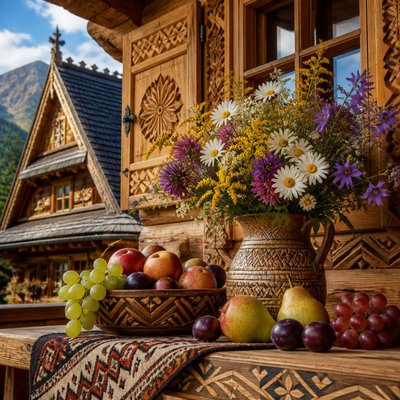
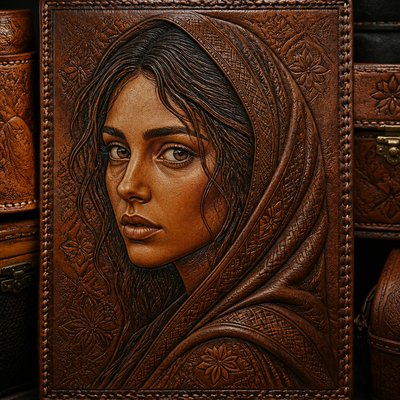
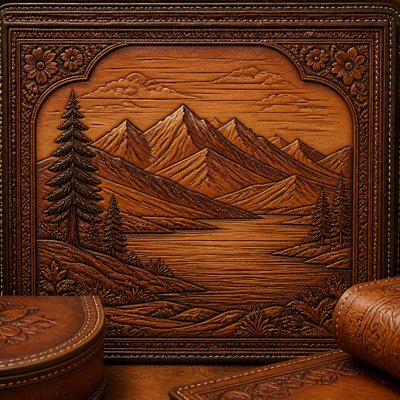
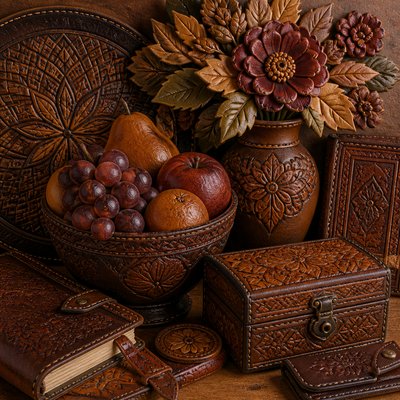
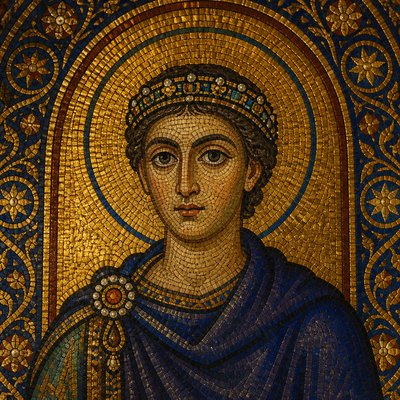
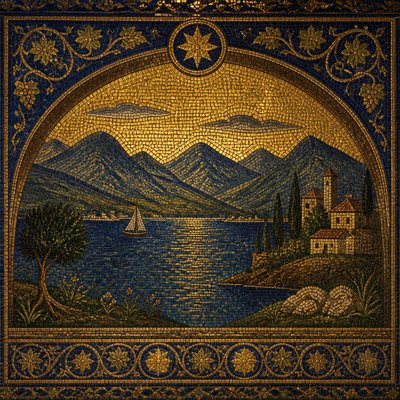
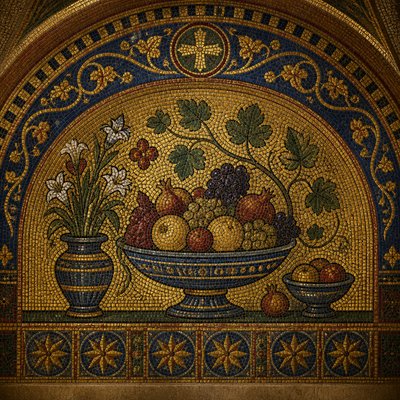
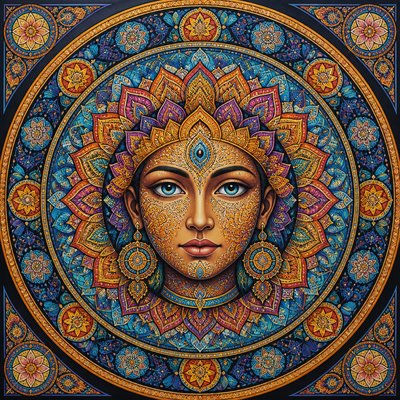
Explore London Art Style: fog-lit urban realism, formal British portraiture, engraved streets, and weathered civic bronze in muted tones.
Instantly rendered in London — or transform a photo
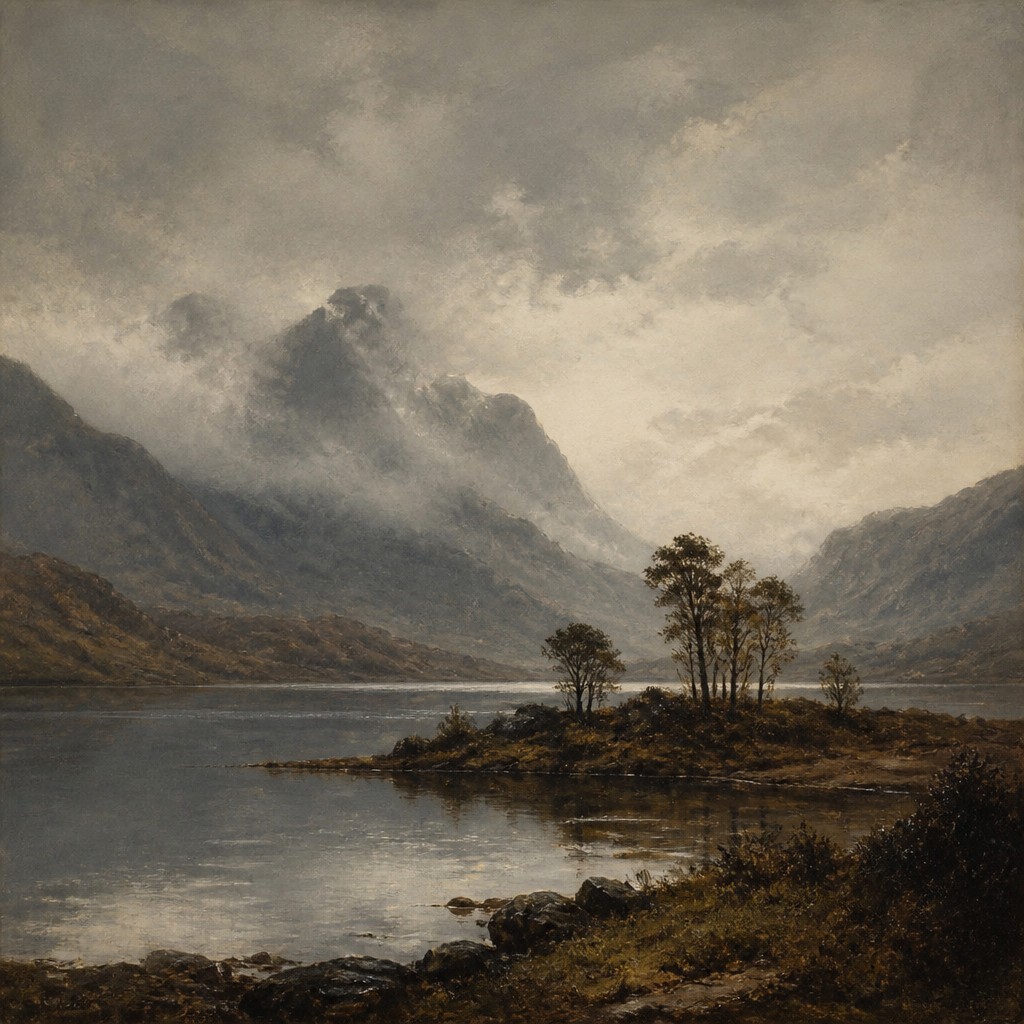
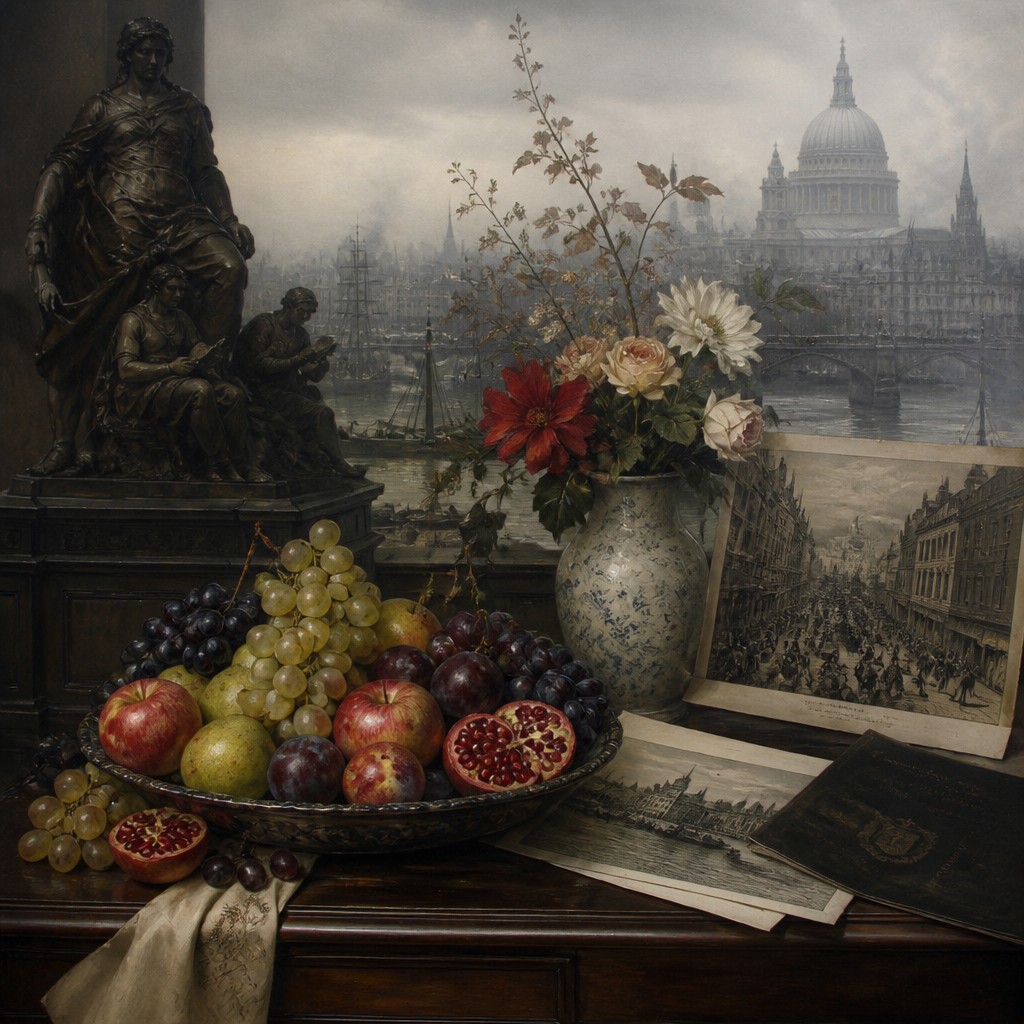
London Gallery
Tap any artwork to explore it
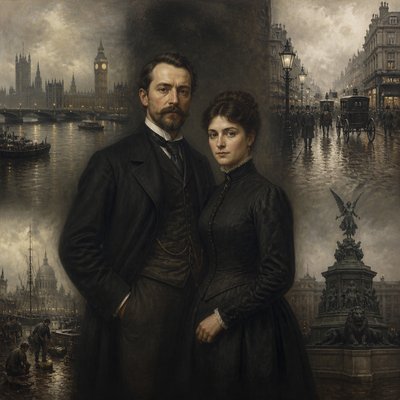
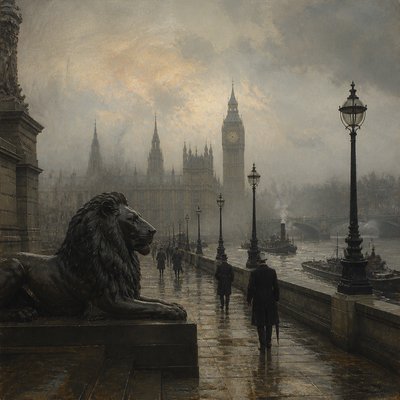
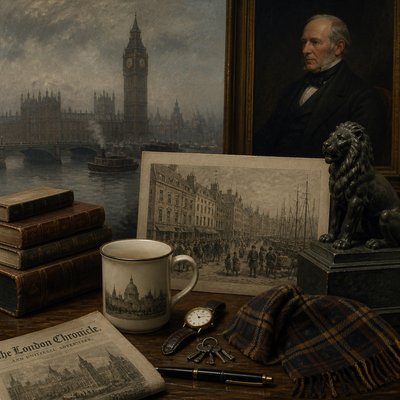
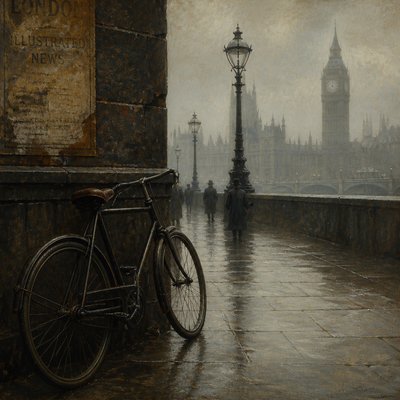
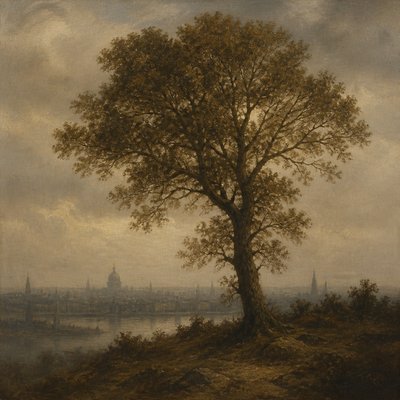
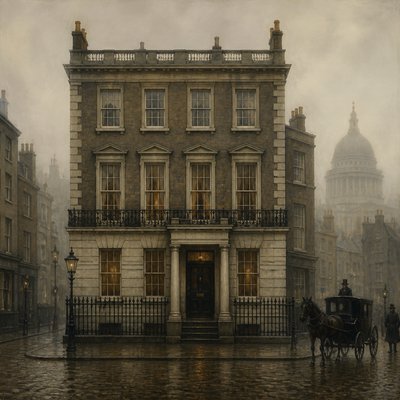
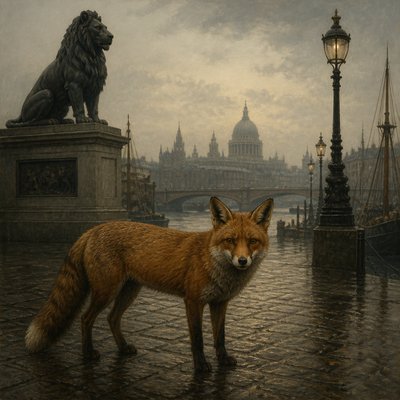
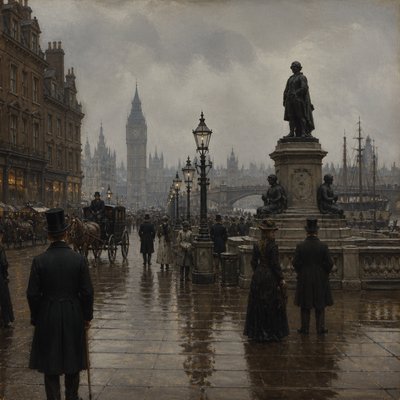
What is London Art Style?
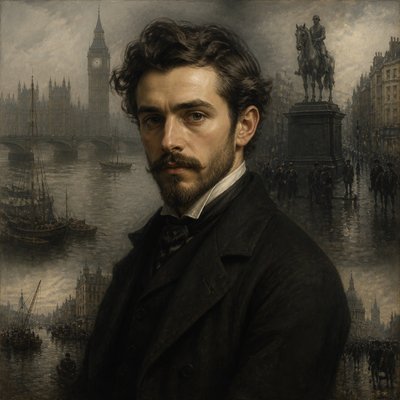
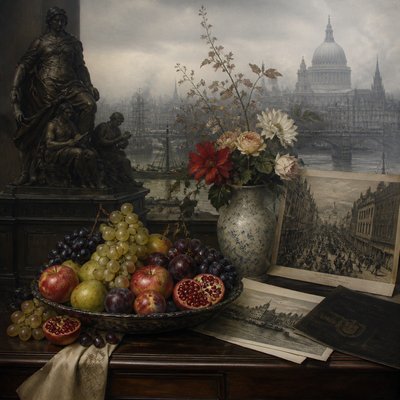
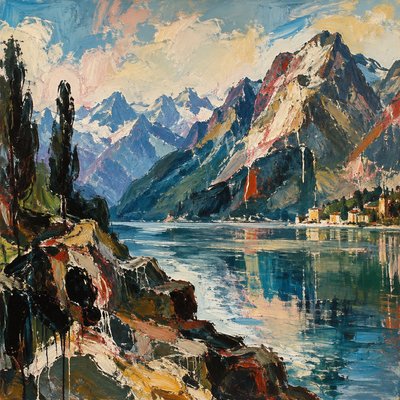
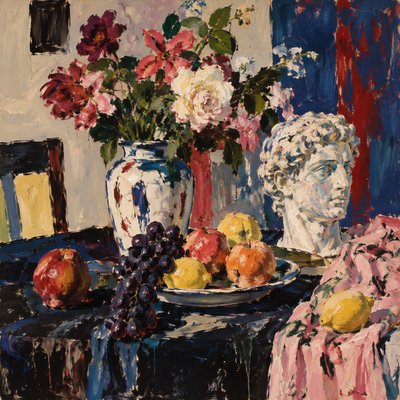
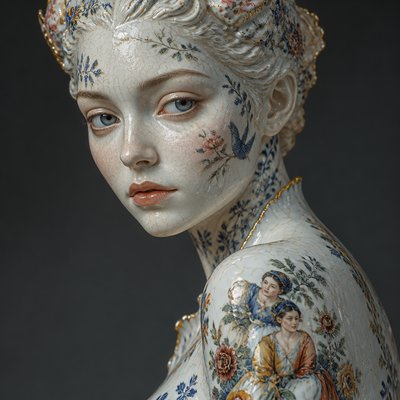
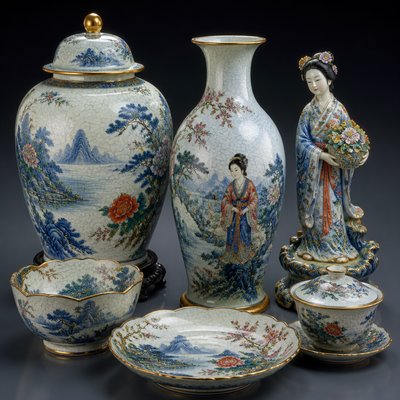
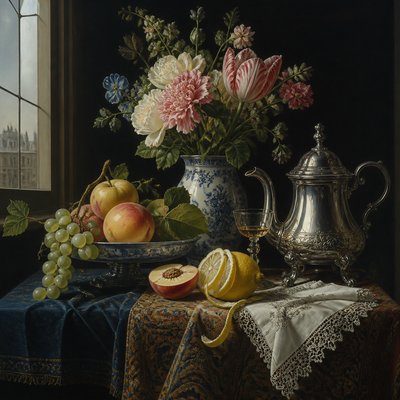
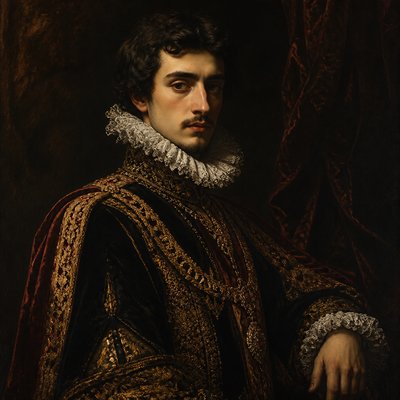
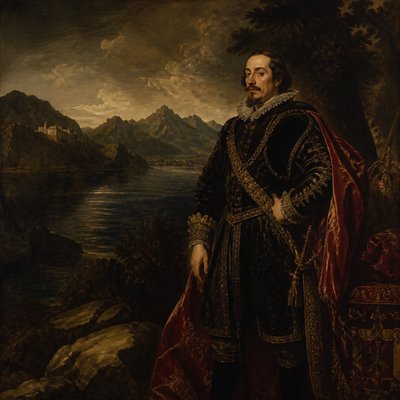
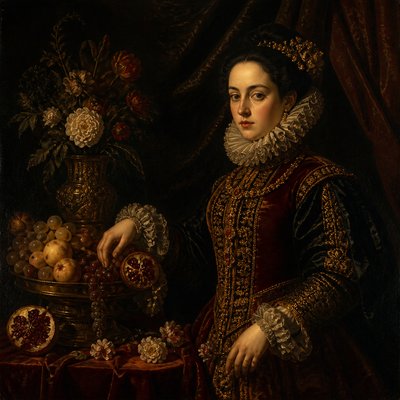
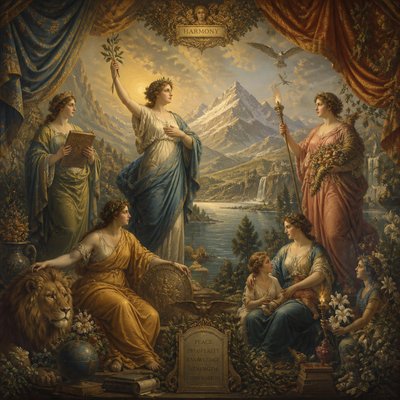
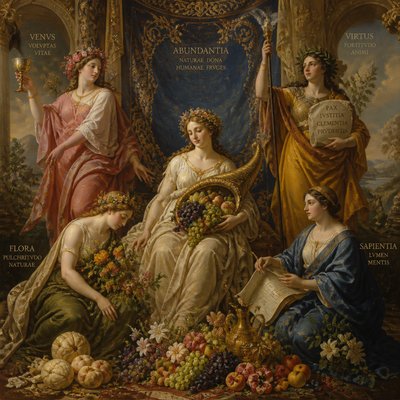
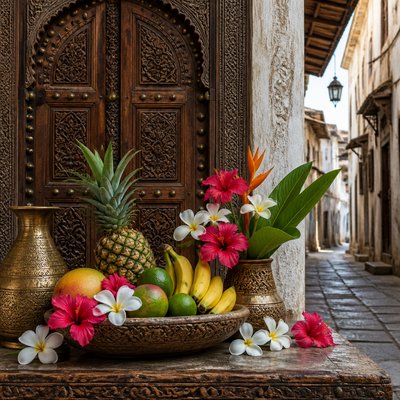
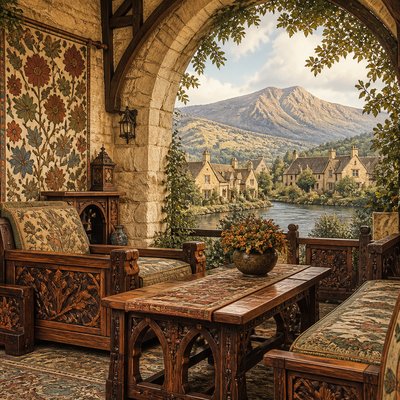
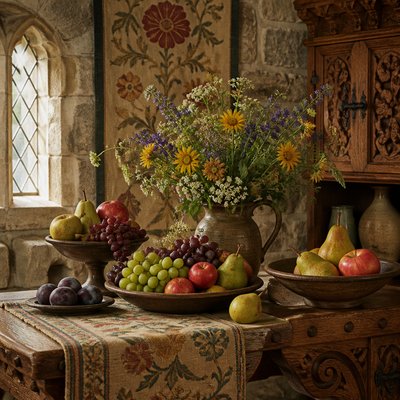
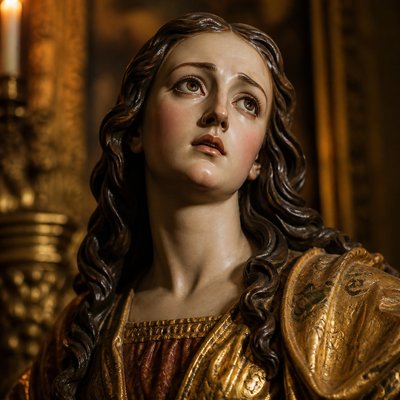
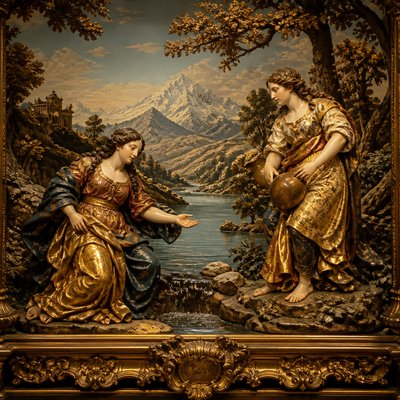
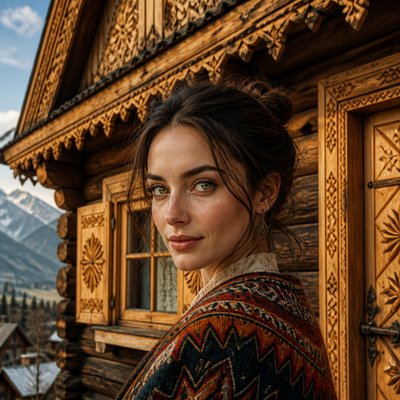
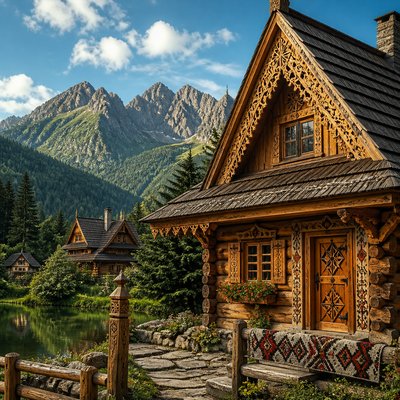
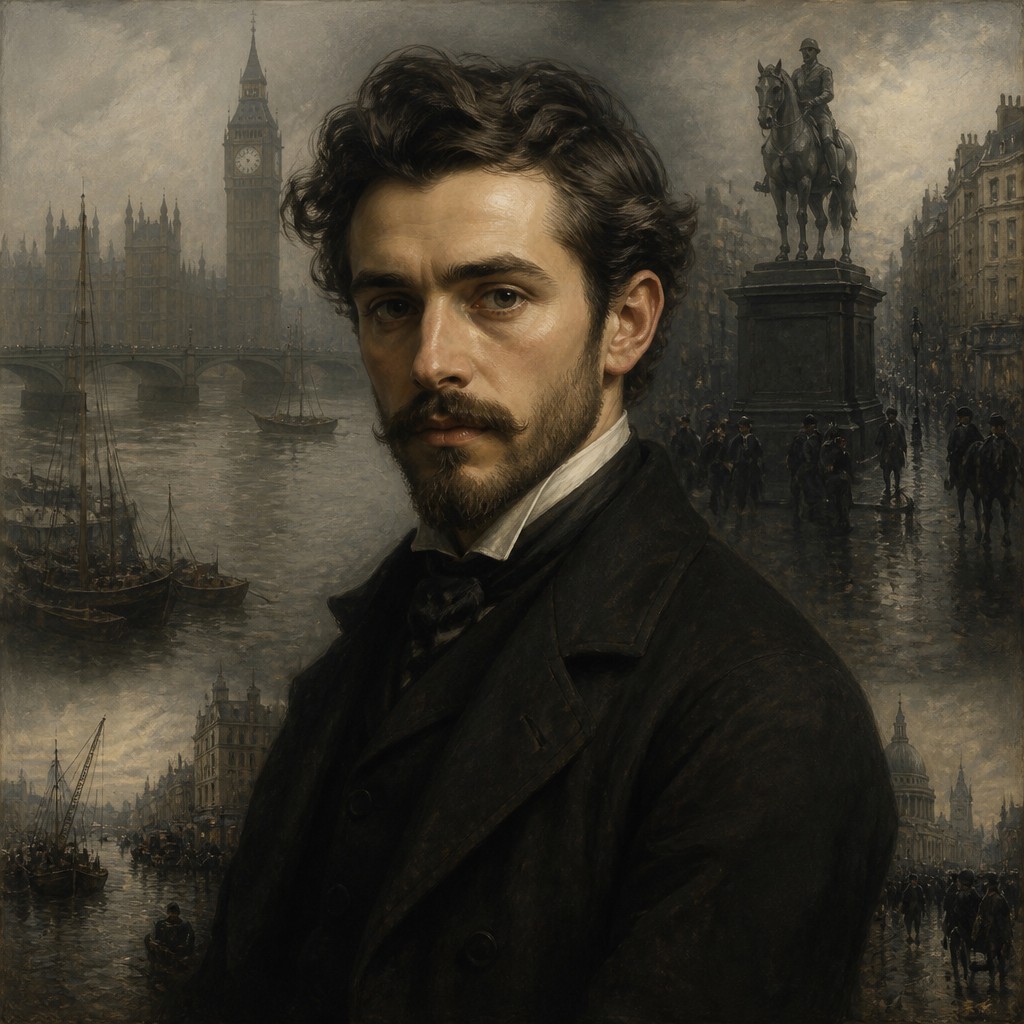
London Art Style is a contemporary descriptive aesthetic built around the visual character of historic London and its civic imagery. It combines fog-veiled streets, damp stone, Thames wharves, formal portraiture, engraved urban detail, and weathered public sculpture into a restrained, realistic language. Its palette favors smoke grey, umber, ochre, muted green, tarnished bronze, and subdued cream rather than bright or highly saturated color.
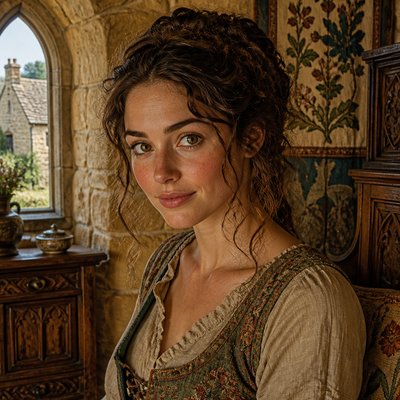
The style looks distinctive because it treats atmosphere and social formality as equally important. Diffused northern light softens architectural edges, while dark backgrounds, dignified poses, orderly compositions, and carefully observed surfaces give portraits and civic scenes a sense of institutional gravity. The result can feel simultaneously documentary, historical, and quietly theatrical.
Try It On Your Photos
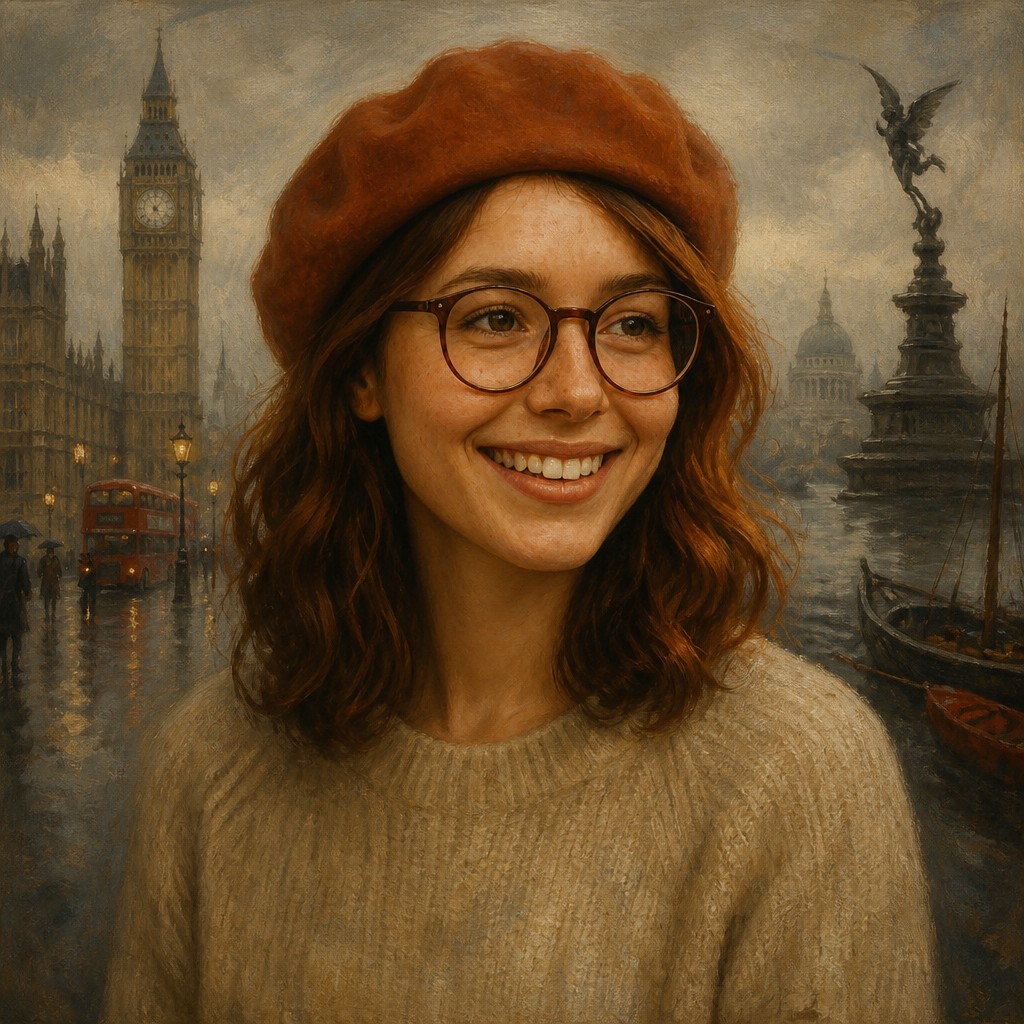
Upload any photo and convert it into London Art Style — drag the sliders to compare before and after.


What Defines London Art Style
The signature details, up close
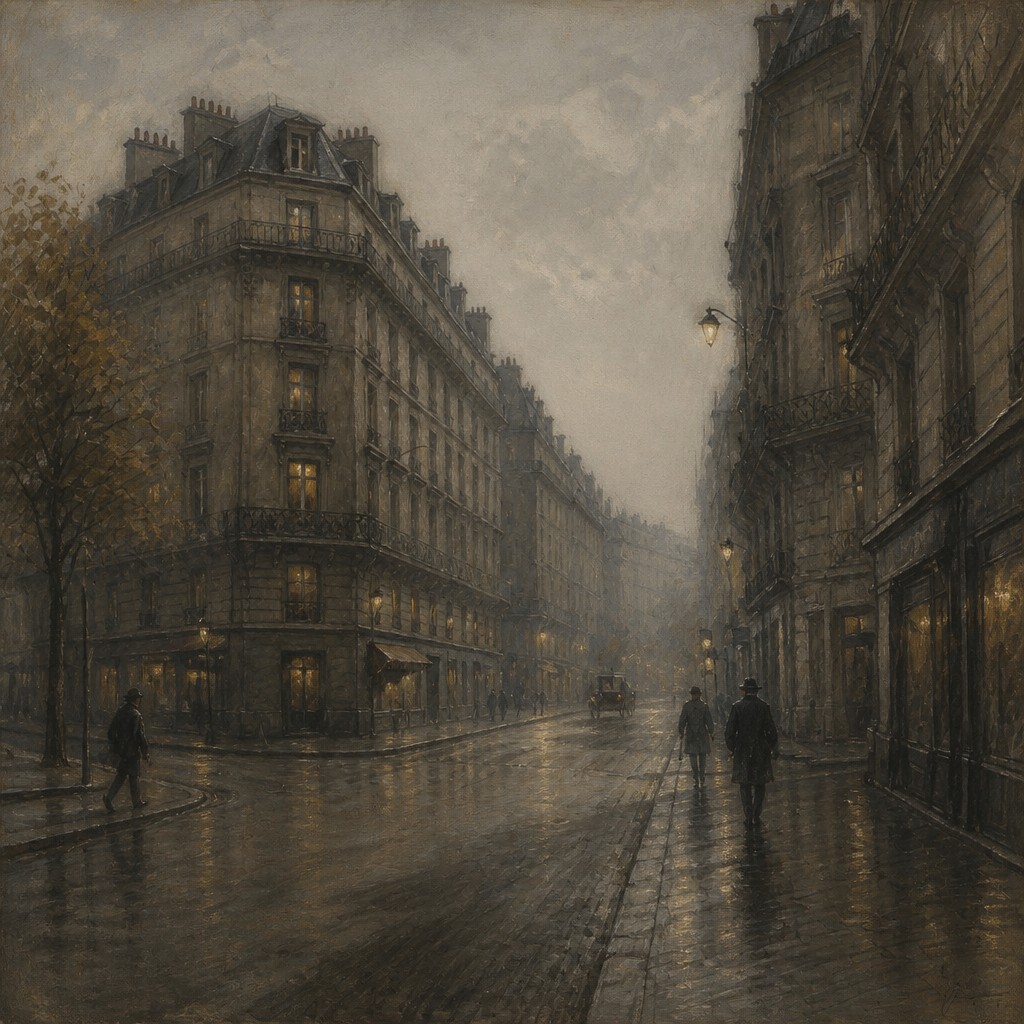
Fog-softened urban atmosphere
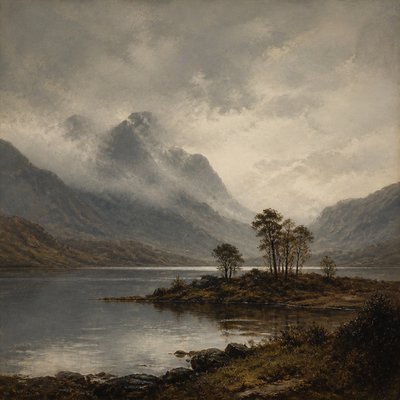
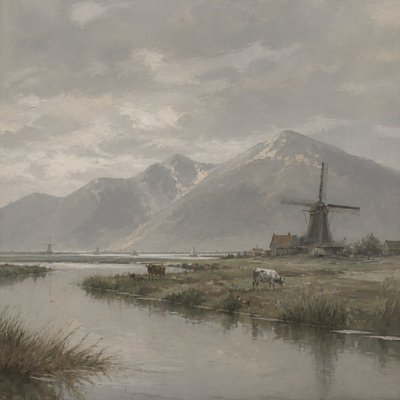
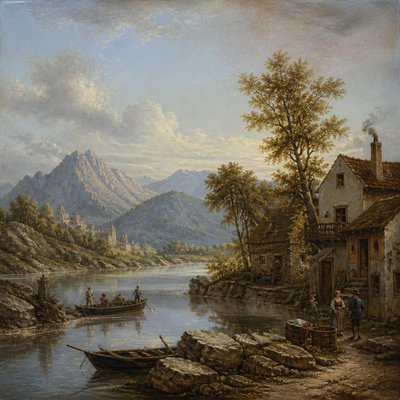
Streets, bridges, rooftops, and riverfronts recede through mist, rain, smoke, or damp air. Distance is conveyed with reduced contrast and cooler, greyer values.
Muted British palette
Smoke grey, slate, umber, ochre, sepia, tarnished green, and dark brown dominate the color scheme. Small accents of warm lamplight or red brick provide contrast without breaking the restrained mood.
Formal civic portraiture
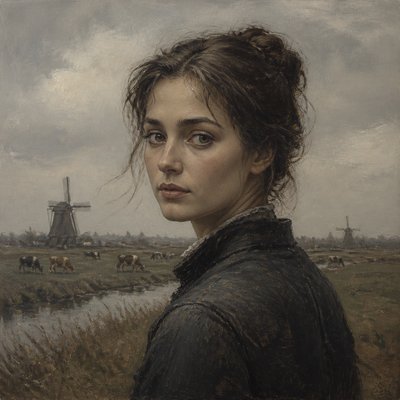
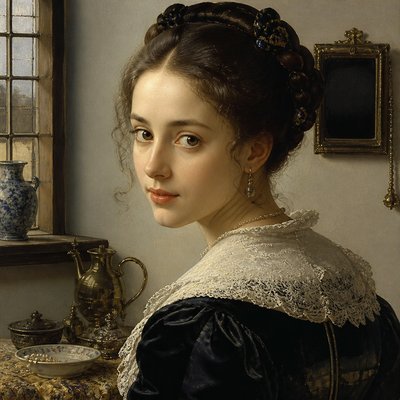
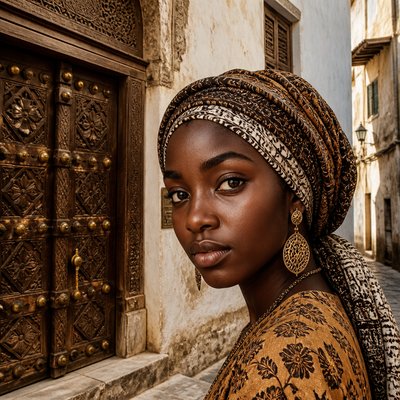
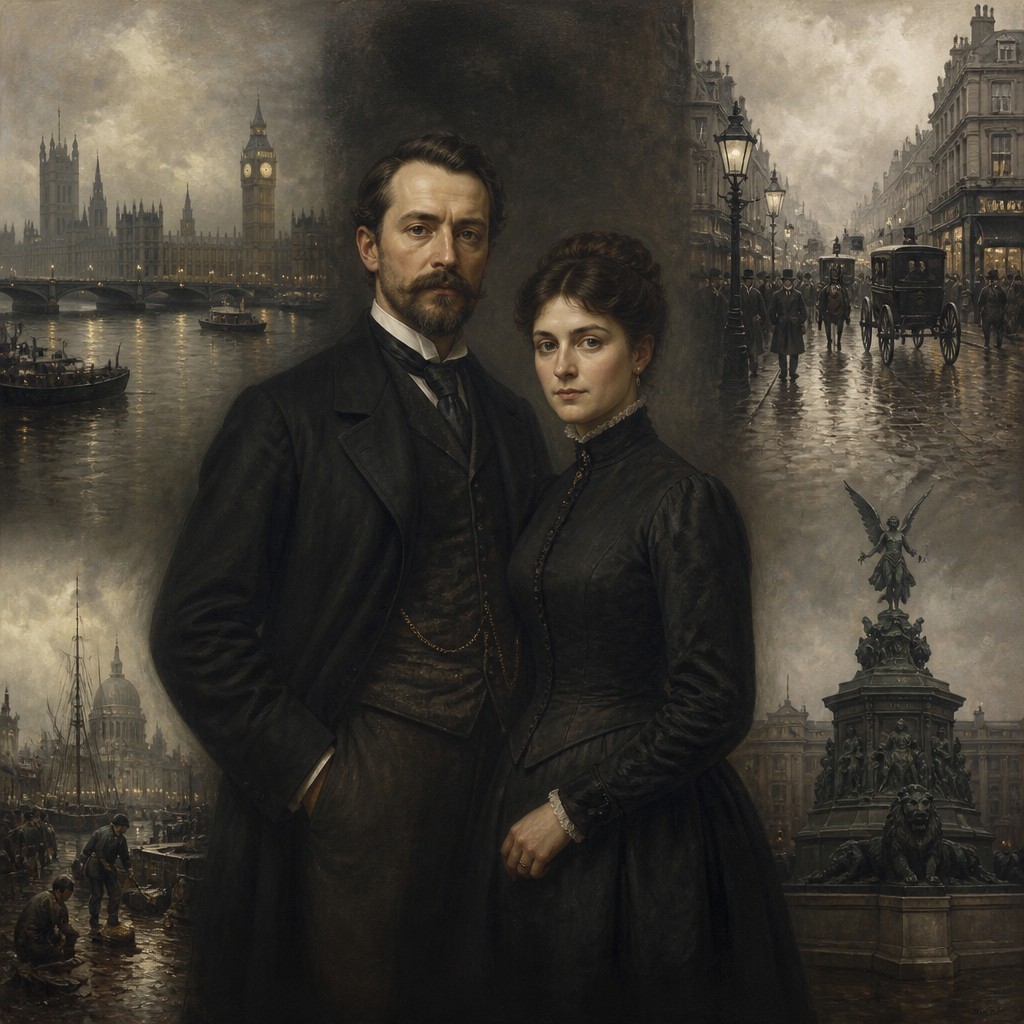
Figures are presented in dignified, often frontal or three-quarter poses with controlled gestures and sober clothing. Richly shaded backgrounds isolate the sitter and suggest office, institution, or public responsibility.
Engraved architectural detail
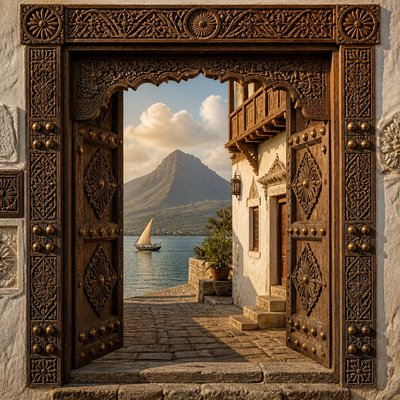
Cobbled streets, iron railings, masonry, market stalls, warehouses, and wharves are described with fine linear texture. The emphasis is on accumulated observation rather than decorative simplification.
Damp northern light
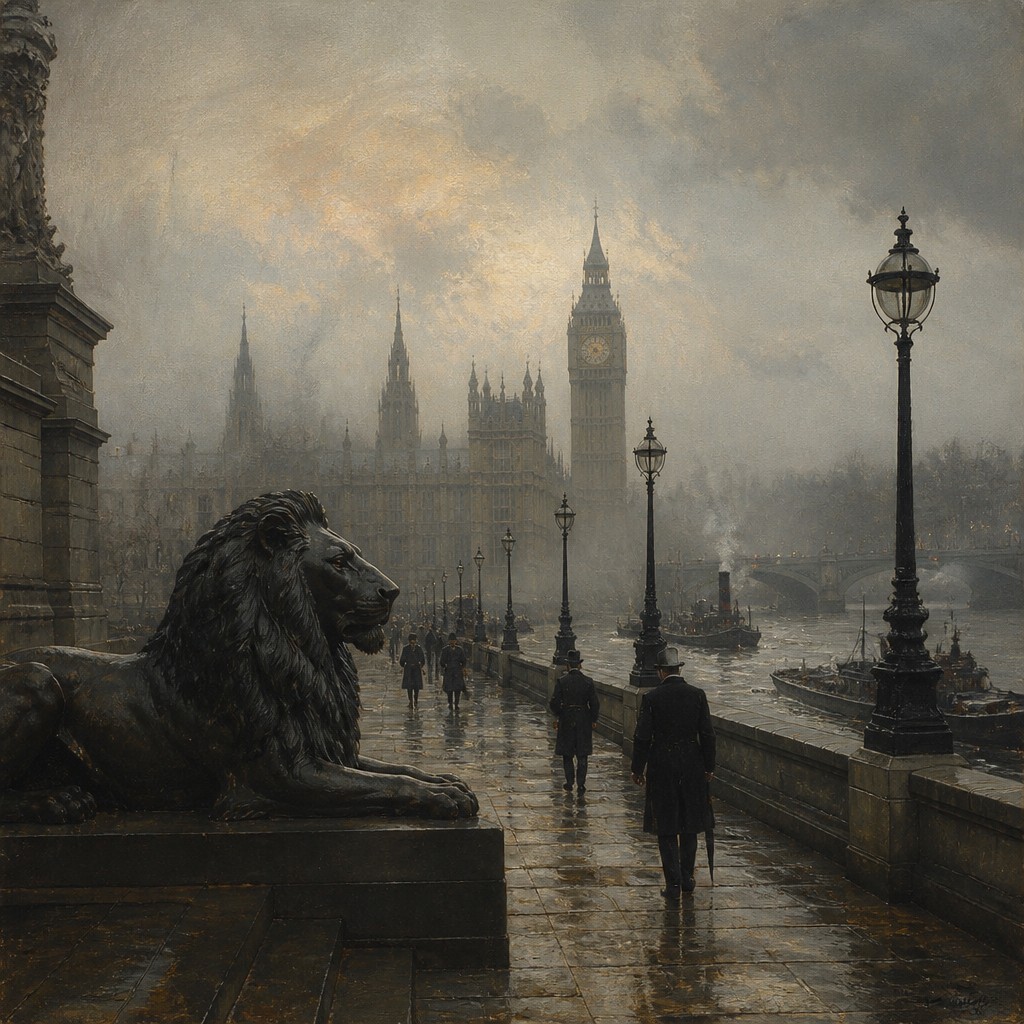
Lighting is broad, cool, and diffused, with highlights appearing softened by moisture or haze. Reflections on pavement and water help unify the composition.
Weathered civic monumentality
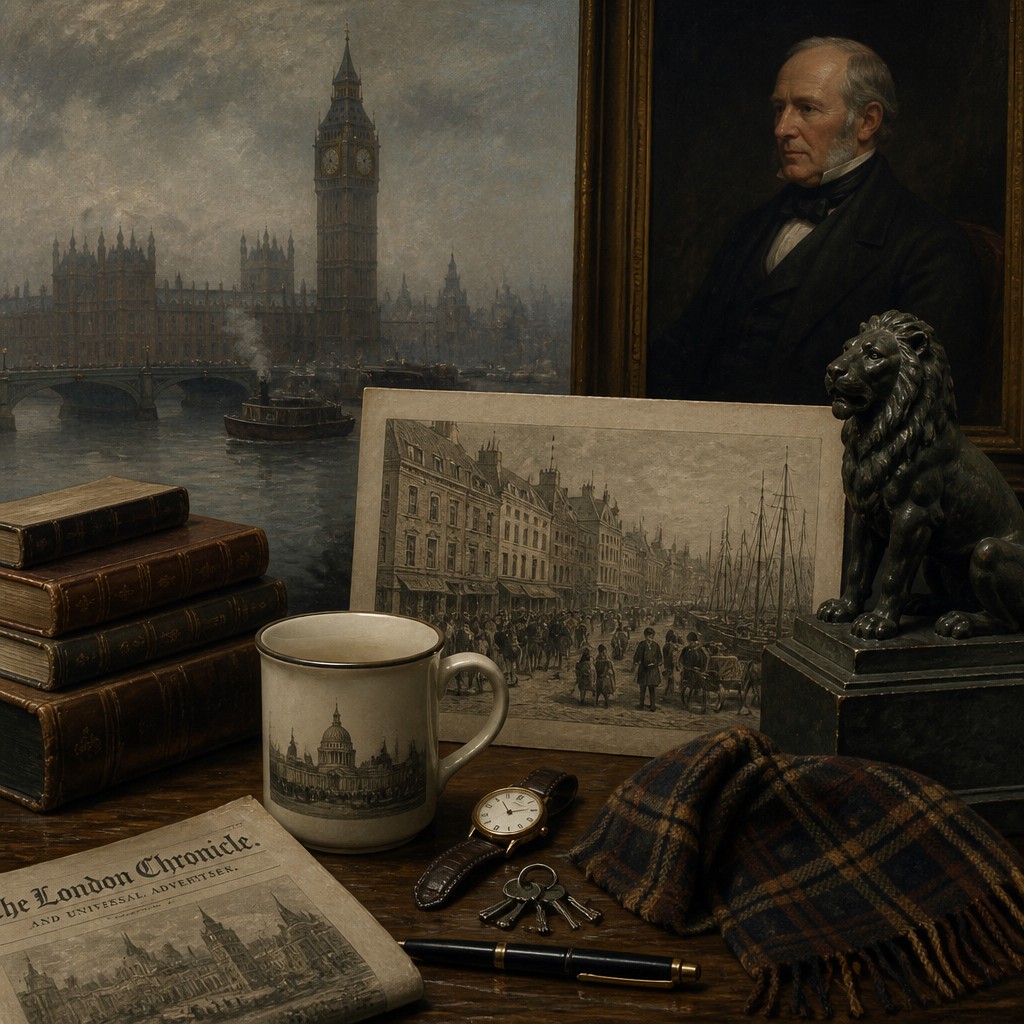
Bronze statues, stone façades, memorials, bridges, and institutional interiors convey endurance and public memory. Patina, soot, erosion, and surface wear are treated as meaningful visual details.
London Prompt Ideas
Start from an idea — each one opens the generator with the style ready to go. See all 40 London prompts →
How to Create London Art
Master the craft step by step — or skip straight to creating. Read the full guide →
- 1
Build a restrained value structure
Begin with a limited palette and establish large zones of dark, middle, and light before adding detail. Keep the darkest values in portrait backgrounds, doorways, undercrofts, and wet architectural recesses.
- 2
Use atmosphere to organize depth
Reduce edge sharpness, saturation, and tonal contrast as forms recede into fog. In a digital workflow, layered translucent grey, cool blue, or sepia washes can simulate damp air without obscuring the main subject.
- 3
Combine painterly and linear description
Use controlled oil-like modeling for faces, cloth, masonry, and bronze, then add fine engraved or etched marks to cobbles, railings, signs, and industrial textures. Avoid making every surface equally sharp.
- 4
Pose figures with civic formality
Choose composed three-quarter poses, reserved expressions, sober clothing, and uncluttered dark settings for portraits. Props such as ledgers, architectural plans, medals, or ceremonial objects can imply institutional status.
- 5
Write prompts with material and light cues
For prompt-based creation, specify the subject, period atmosphere, muted grey-and-ochre palette, damp northern light, realistic oil or engraving textures, and the desired level of civic solemnity. For image transformation, preserve the source subject while requesting softened fog, darker backgrounds, restrained brushwork, and weathered surfaces.
The Story
History & Origins of London
London Art Style is not a formally recognized historical movement, but an invented or contemporary style label describing a synthesis of several British visual traditions. Its aesthetic lineage includes nineteenth-century urban realism, Victorian and Edwardian topographical illustration, academic oil portraiture, documentary engraving, Thames and industrial landscape imagery, and public monuments in cast or weathered bronze.
The style draws especially on the period when London expanded into a dense modern metropolis and artists recorded its streets, bridges, markets, docks, institutions, and social hierarchy. Fog, soot, rain, and gaslight were not merely atmospheric effects: they reflected the environmental conditions of an industrial city and encouraged artists to work with softened contours, tonal compression, and strong contrasts between public stonework and shadowed interiors.
Influences: The style is related to British academic realism, Victorian and Edwardian portraiture, nineteenth-century topographical engraving, urban documentary illustration, industrial landscape painting, and civic monumental sculpture. It also shares atmospheric concerns with tonalism and certain forms of social realism, while differing from Impressionism through its firmer architectural description and more sober, institutional mood. Its visual vocabulary incorporates the material evidence of London streets: soot-darkened masonry, wet cobbles, ironwork, river haze, bronze patina, and subdued daylight.
Frequently Asked Questions
What defines London Art Style?
It is defined by atmospheric urban realism, muted grey-and-ochre color, formal portraiture, engraved architectural detail, and weathered civic materials. Fog and damp light are central compositional elements rather than incidental effects.
Is London Art Style a historical art movement?
No. The term is best understood as a contemporary descriptive or AI-oriented style label, not a formally established movement with a fixed membership or manifesto. It synthesizes recognizable elements from several British and urban visual traditions.
How does it differ from Victorian art?
Victorian art covers many subjects and approaches, including narrative painting, design reform, portraiture, illustration, and sculpture. London Art Style selectively borrows its civic seriousness, urban observation, dark interiors, and period atmosphere while presenting them as one unified visual identity.
How can I make a portrait in this style?
Use a restrained three-quarter or frontal pose, sober clothing, a dark background, and soft side lighting. Model the face and fabric carefully, keep expressions composed, and add subtle references to civic office or historic interiors rather than theatrical decoration.
What subjects work best with this aesthetic?
Foggy streets, bridges, markets, river wharves, public buildings, monuments, libraries, civic interiors, and formal sitters are especially effective. Contemporary subjects can also work if they retain the palette, atmosphere, and sense of public or architectural history.
Can London Art Style be used for photography or digital art?
Yes. Photographs can be transformed through lowered saturation, softened contrast, selective haze, warm shadow tones, and added engraving-like texture. Digital paintings can combine layered atmospheric washes with precise architectural lines and realistic material rendering.
Create your first London artwork
Describe anything — or upload a photo — and see it in London Art Style in seconds.
Related Styles
Discover similar art styles