The Cotswolds Art Style
Explore the Cotswolds Art Style: honey limestone, carved oak, medieval craft, botanical textiles, and Arts and Crafts warmth.
Instantly rendered in The Cotswolds — or transform a photo
The Cotswolds Gallery
Tap any artwork to explore it

What is The Cotswolds Art Style?
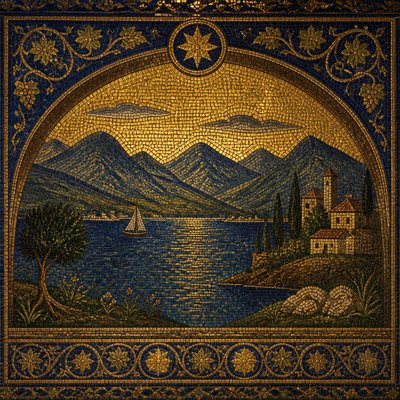
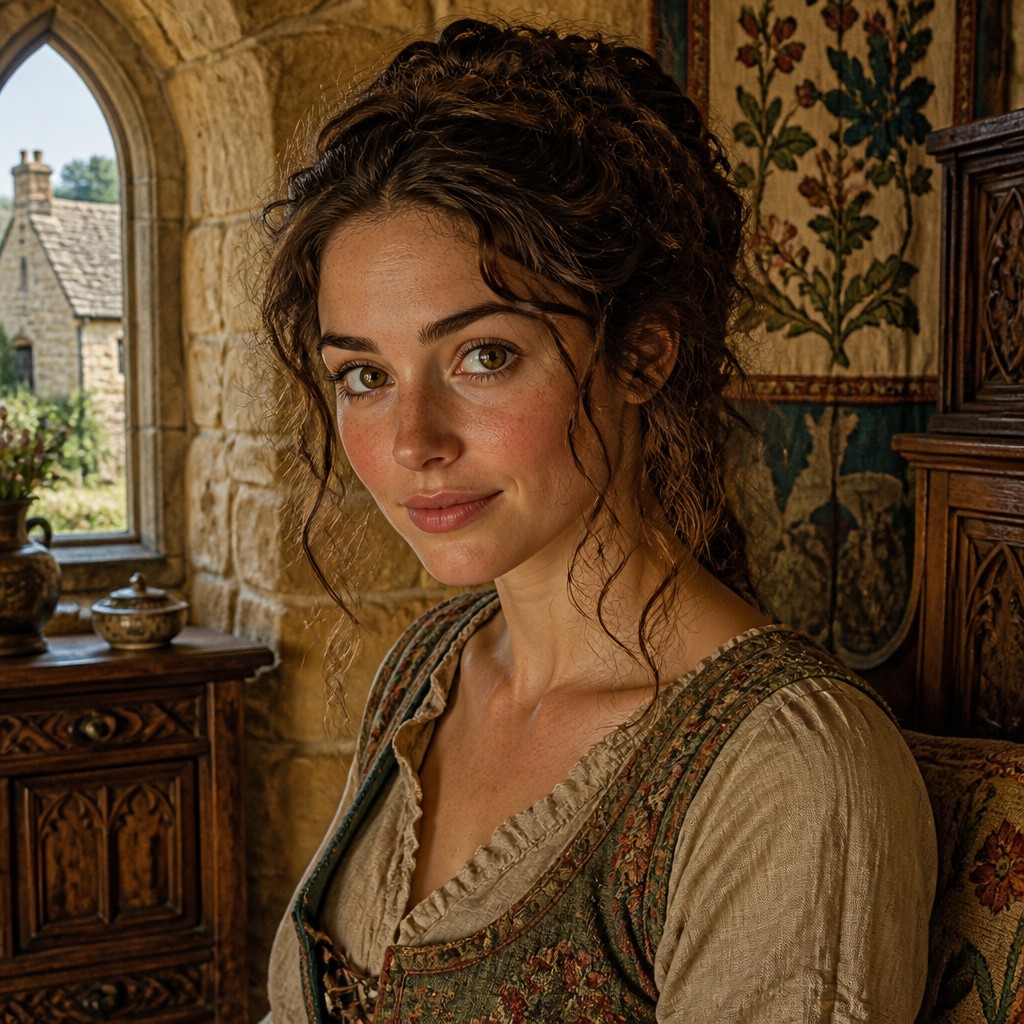
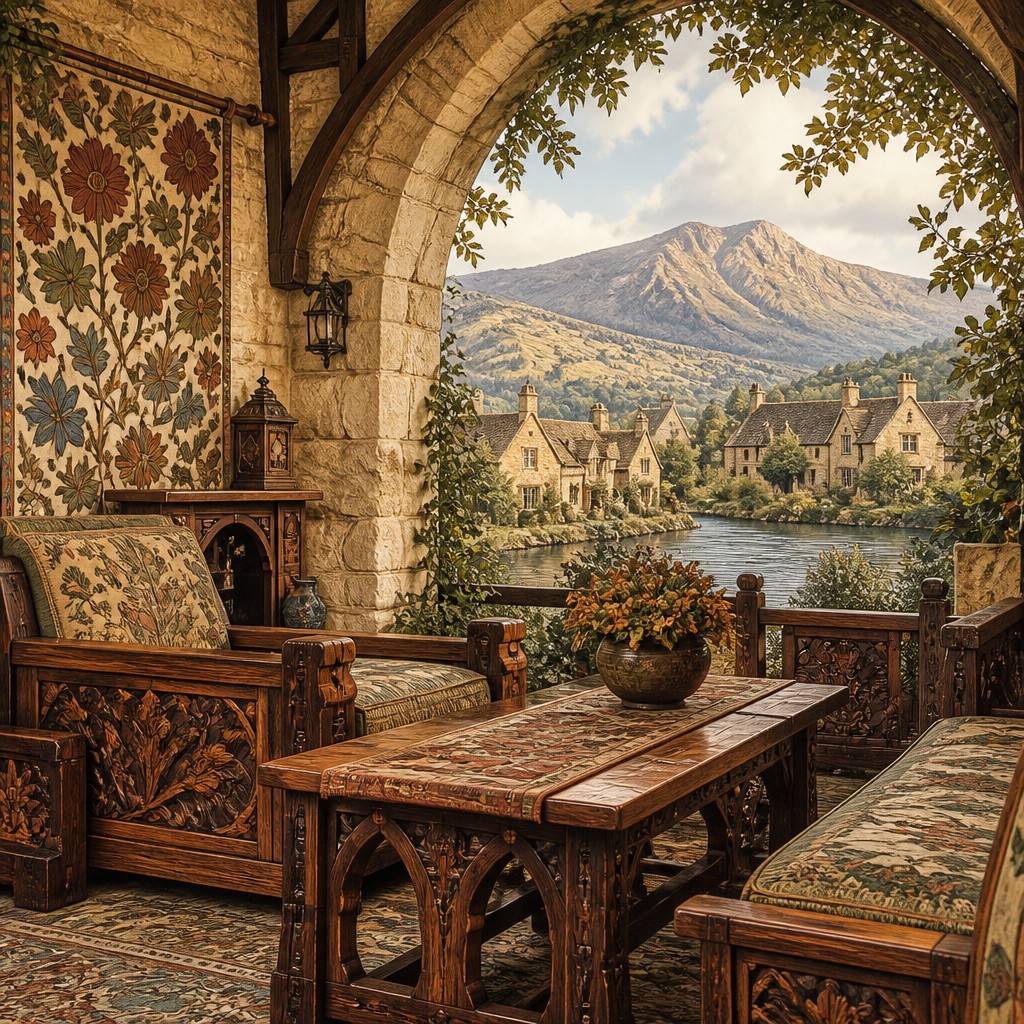
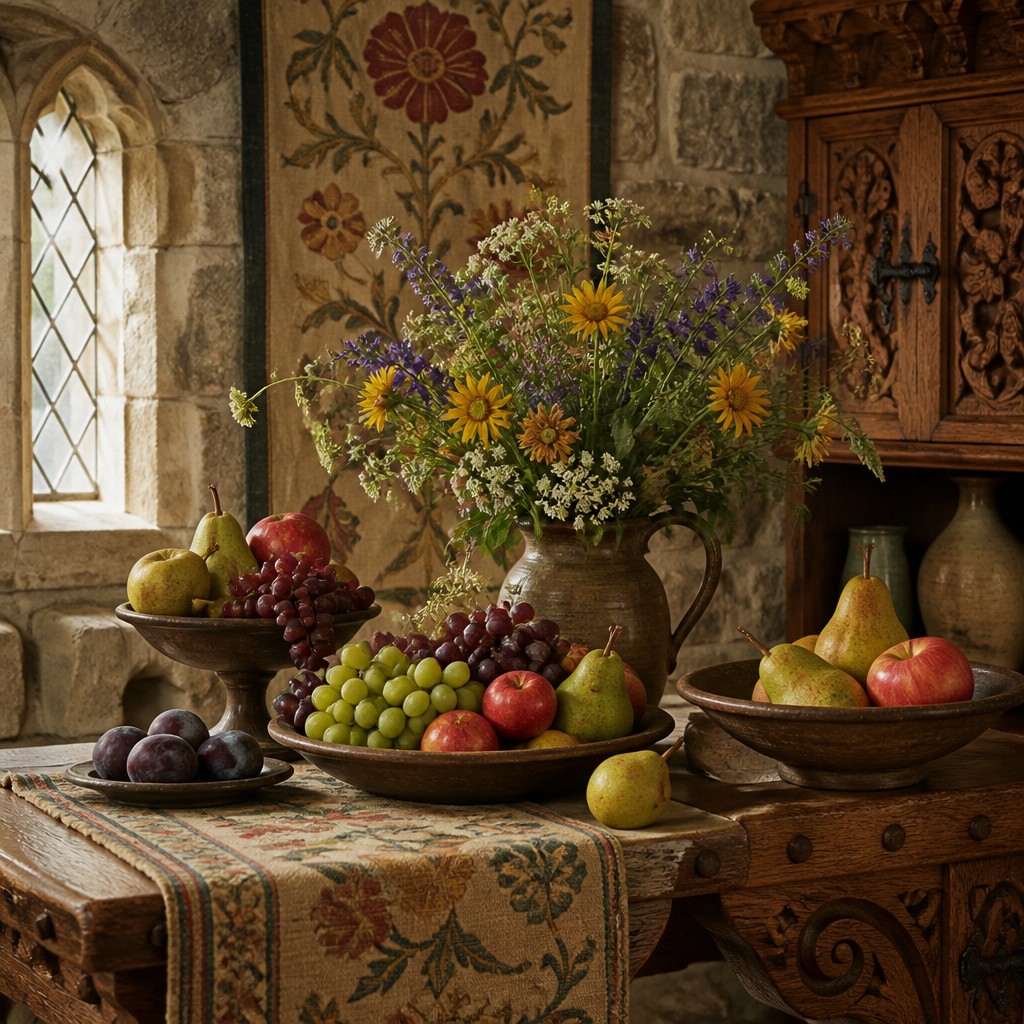
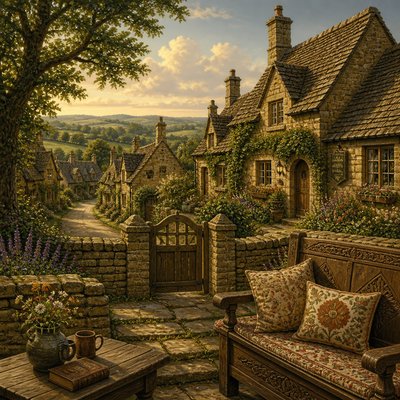
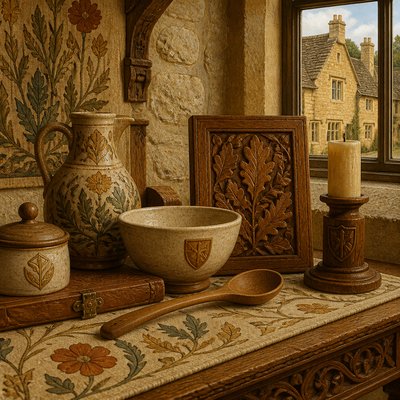
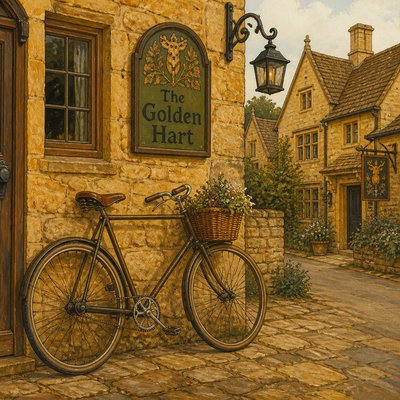
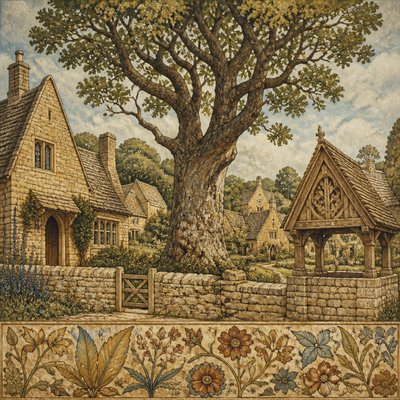
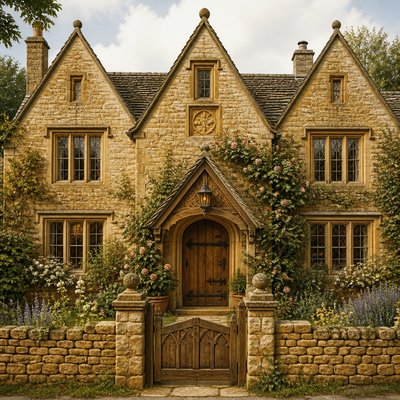
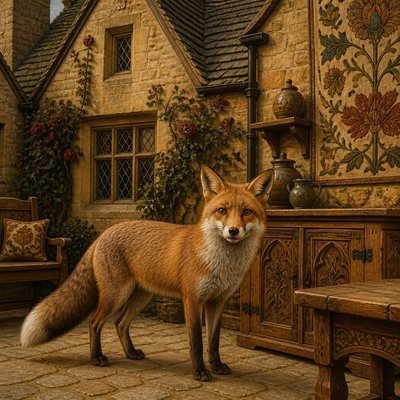
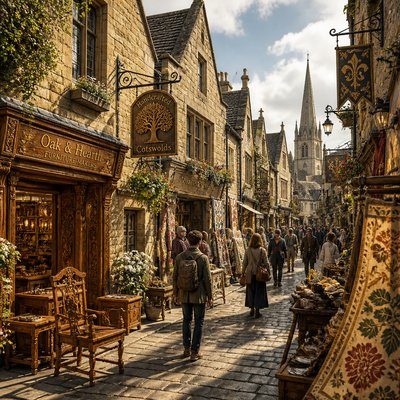
Its visual identity depends on restrained natural color, visible construction, and richly handled surfaces rather than dramatic spectacle. Warm stone, dark-to-golden timber, hand-carved joints, botanical textiles, and irregular textures create a sense of continuity between building, furniture, landscape, and decorative craft. The style looks cohesive because every element appears shaped by local materials, traditional workmanship, and a preference for functional beauty.

Try It On Your Photos
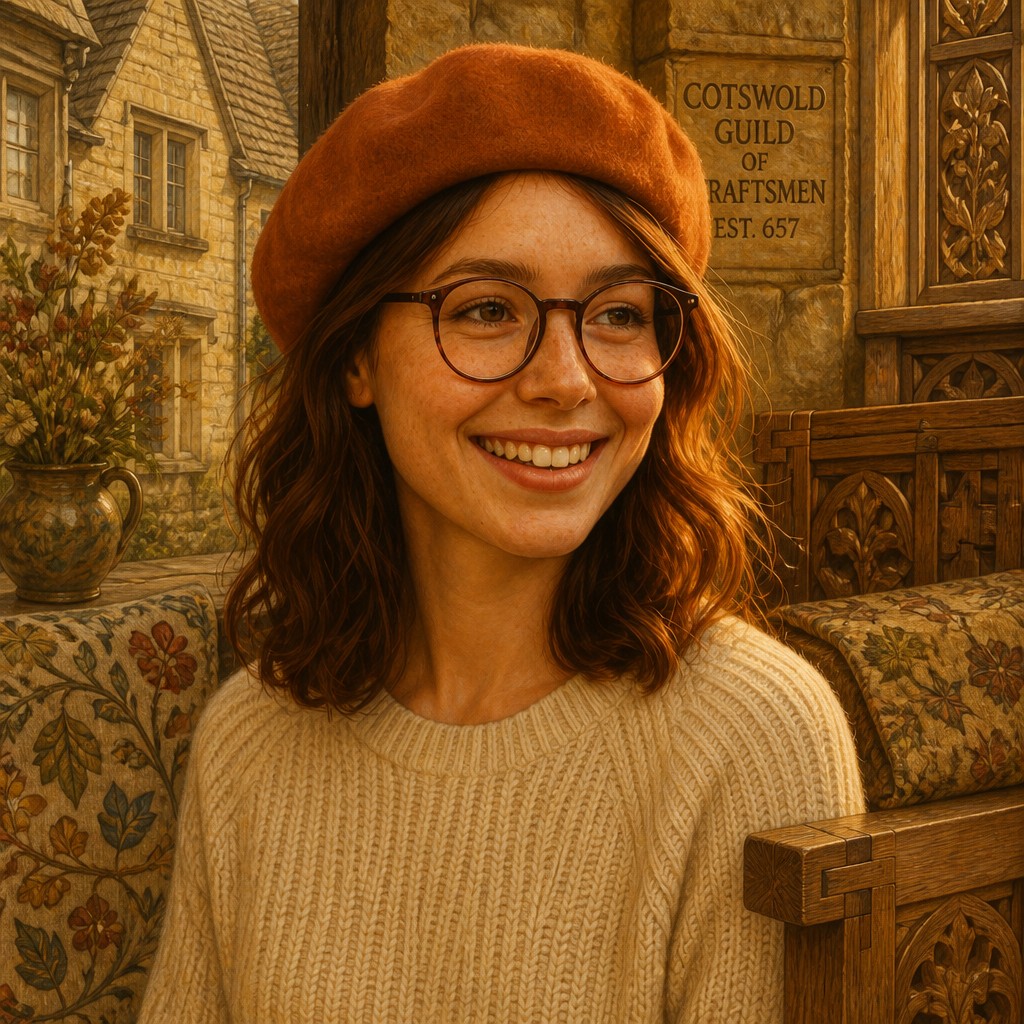
Upload any photo and convert it into The Cotswolds Art Style — drag the sliders to compare before and after.


What Defines The Cotswolds Art Style
The signature details, up close
Honey-toned limestone
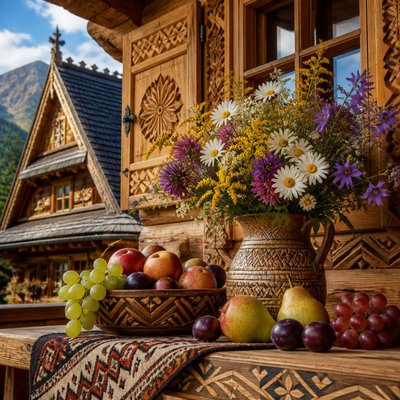
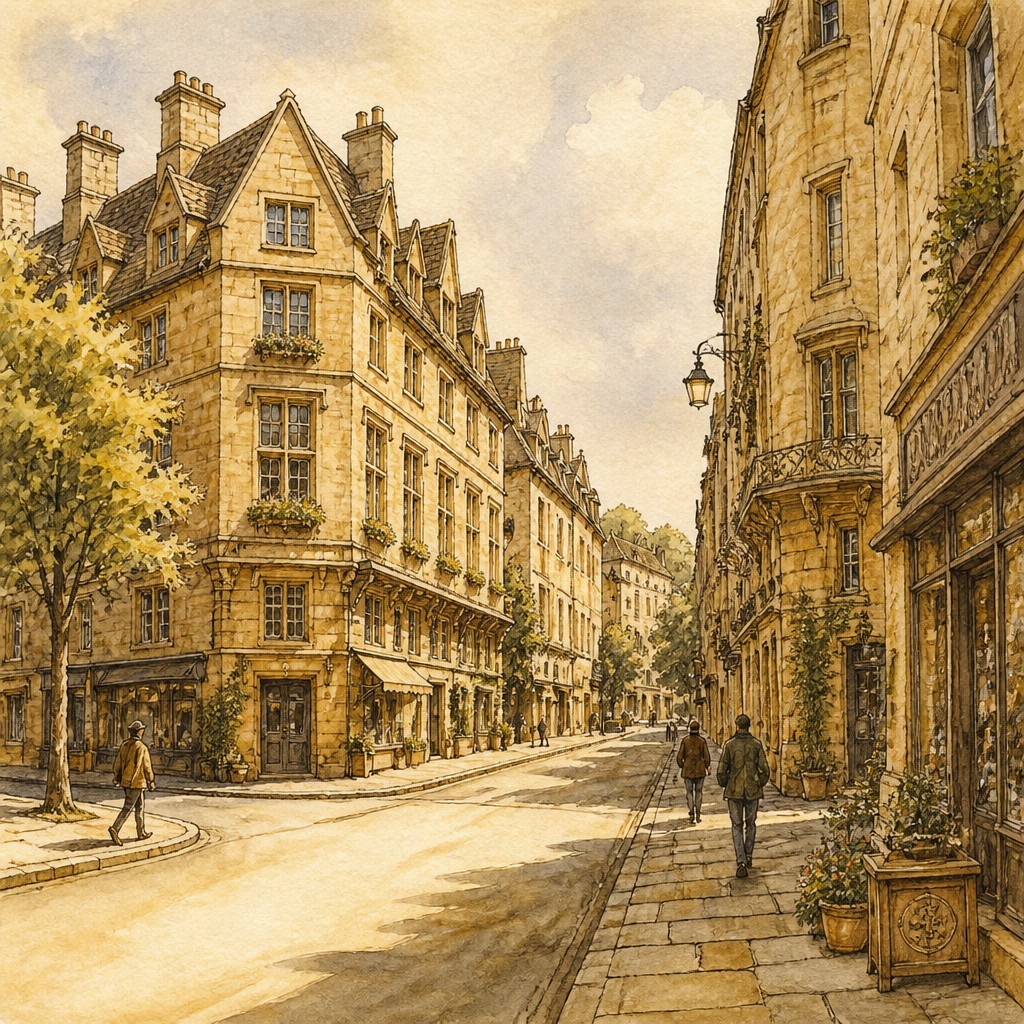
Facades, walls, fireplaces, and garden structures use warm cream, ochre, and golden stone with irregular courses and visibly rough-hewn surfaces. The masonry should feel geological and handmade rather than smooth or industrial.
Steep gabled architecture
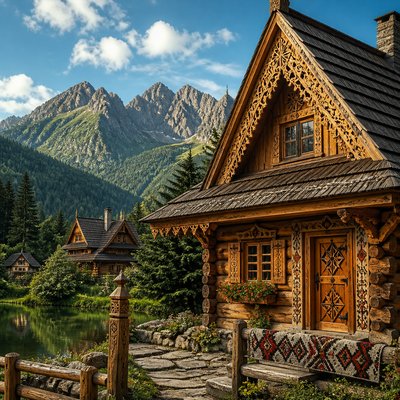
Rooflines, dormers, mullioned windows, stone chimneys, and compact village forms establish a distinctly rural English silhouette. Gables are often asymmetrical or varied enough to suggest gradual historical development.
Carved oak craftsmanship
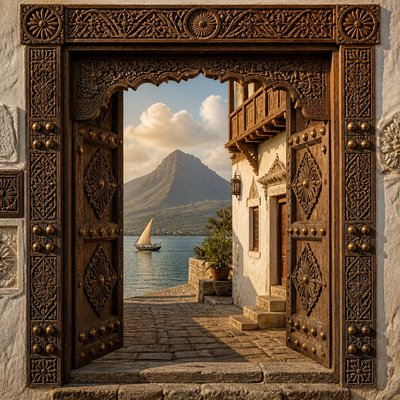
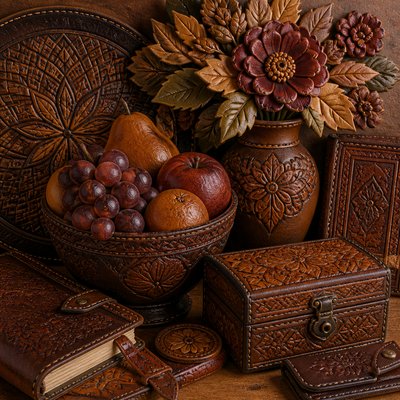
Furniture, beams, doors, and joinery emphasize solid oak, exposed construction, pegged connections, chamfered edges, and hand-carved details. Surfaces may be polished to a warm sheen while retaining tool marks and natural grain.
Medieval-revival ornament
Guild-inspired carving, quatrefoils, tracery-like motifs, heraldic geometry, and restrained foliate details lend historical depth. Ornament is integrated into useful objects and architectural elements rather than applied as excessive decoration.
Botanical textiles
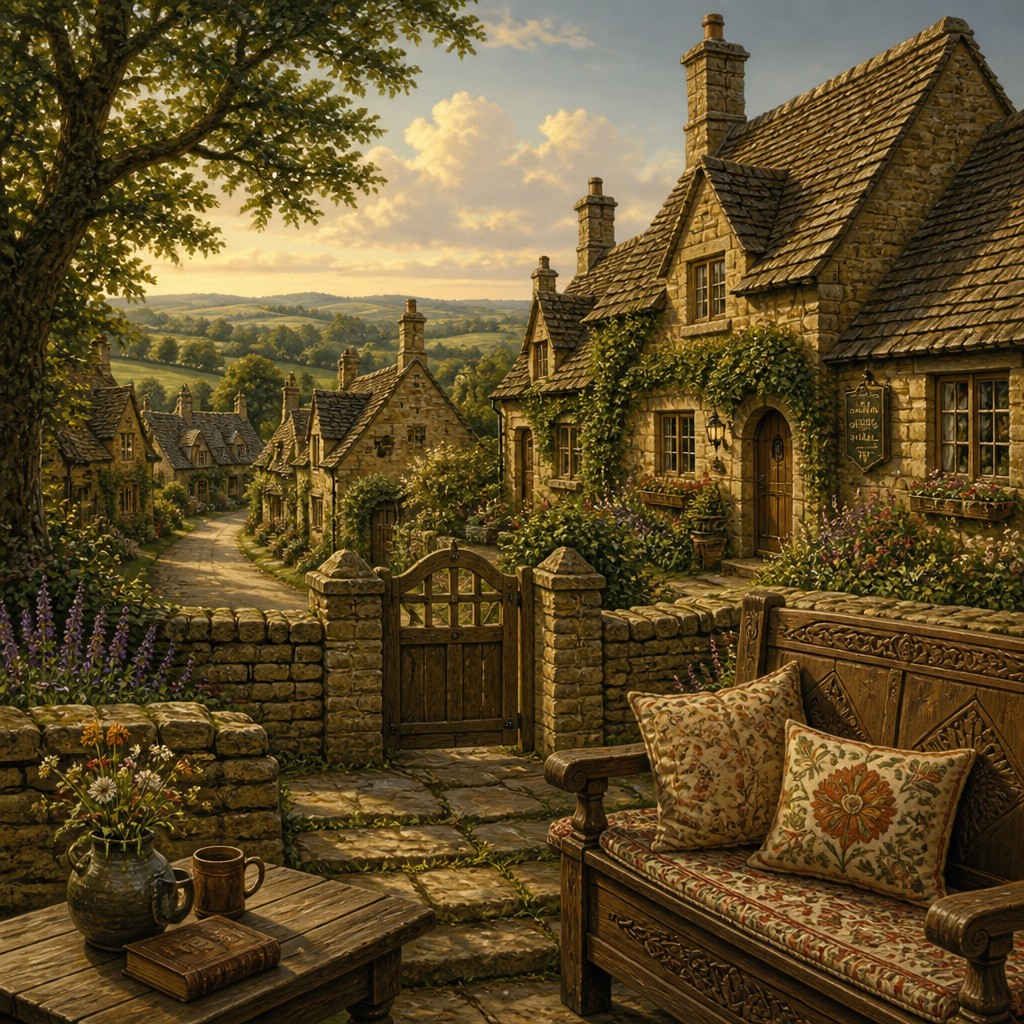
Stylized leaves, vines, flowers, and seed forms appear in woven, printed, or embroidered fabrics. Natural-looking pigments favor muted moss, russet, ochre, cream, faded blue, and clay red.
Tactile natural surfaces
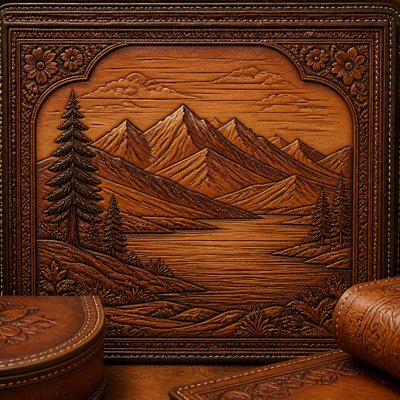
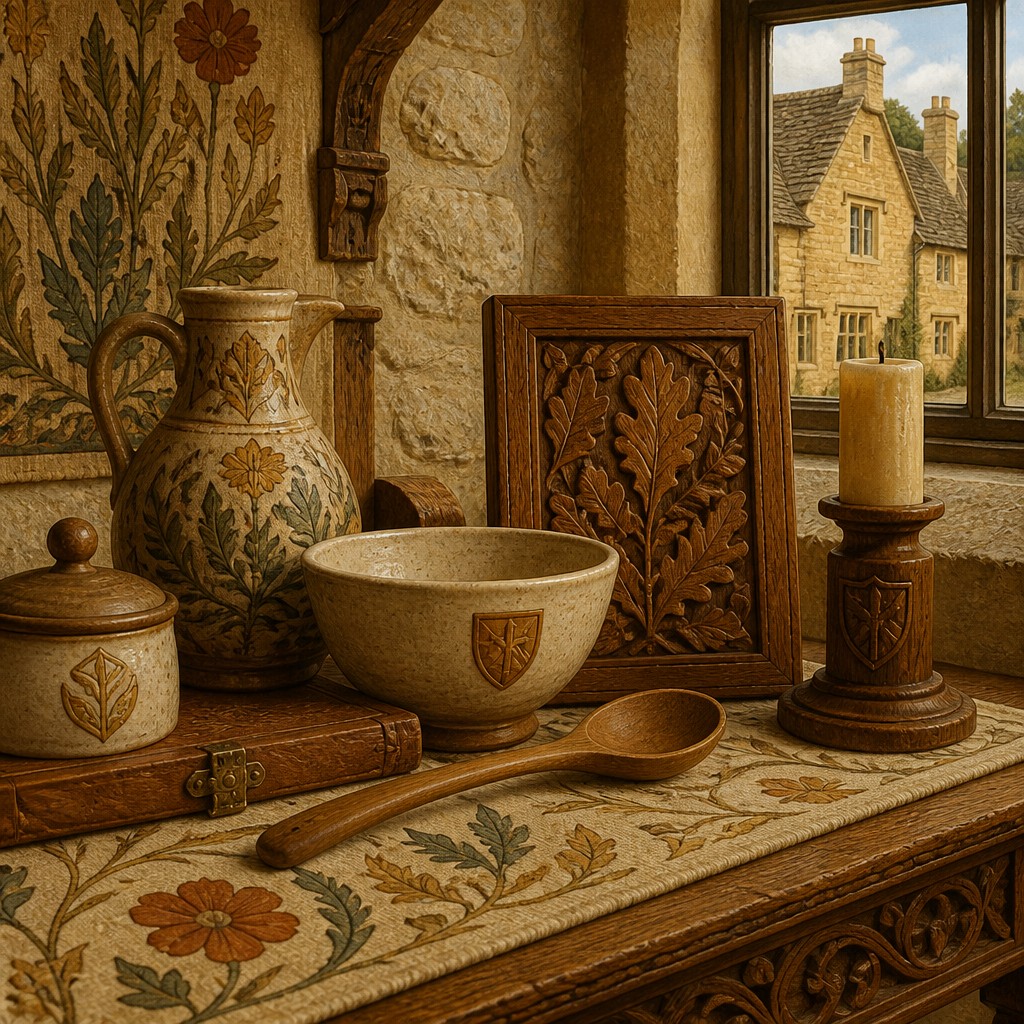
Stone, timber, wool, linen, plaster, clay, and aged metal are rendered with distinct physical textures. Slight irregularity, patina, and evidence of handwork are essential to the style's sense of warmth.
The Cotswolds Prompt Ideas
Start from an idea — each one opens the generator with the style ready to go. See all 40 The Cotswolds prompts →
How to Create The Cotswolds Art
Master the craft step by step — or skip straight to creating. Read the full guide →
- 1
Build a material palette
Start with honey limestone, warm oak, cream plaster, wool, linen, and aged iron, then add a small range of muted botanical pigments. Keep saturation moderate so texture and form remain more important than bright color.
- 2
Establish vernacular structure
Use steep gables, compact proportions, deep window reveals, stone chimneys, exposed beams, and irregular masonry to create a convincing architectural foundation. Avoid sleek glass planes and mechanically perfect symmetry.
- 3
Show the hand of the maker
In traditional media, use dry-brush, visible carving marks, woven or stippled pattern, and layered glazing to preserve tactile evidence. In digital work, combine rough stone, wood-grain, textile, and plaster textures with controlled edge variation.
- 4
Unify architecture and decoration
Repeat a few motifs—such as oak leaves, climbing vines, geometric medieval forms, or local flowers—across furniture, textiles, windows, and garden details. This creates the integrated interior-and-building design associated with Arts and Crafts principles.
- 5
Compose with quiet natural light
Use overcast daylight, warm window light, or low afternoon illumination to reveal masonry and joinery without producing theatrical contrast. Framing should favor intimate courtyards, village lanes, fireplaces, workrooms, and cultivated gardens.
- 6
Write material-specific generation prompts
For prompt-based creation, specify the subject first, then the limestone architecture, carved oak, medieval craft details, botanical textiles, natural pigments, and rough tactile surfaces. Add terms such as 'handmade,' 'irregular masonry,' and 'soft overcast light' to prevent glossy or generic results.
The Story
History & Origins of The Cotswolds
Its strongest historical references come from the late nineteenth- and early twentieth-century Arts and Crafts revival, which valued handwork, honest materials, medieval guild traditions, and the integration of architecture with interior decoration. It also draws on English medieval-revival design, traditional textile patterning, folk ornament, and contemporary image-making that heightens tactile material detail.
Influences: The style relates to the English Arts and Crafts movement, medieval-revival architecture, Cotswold vernacular building, traditional British folk craft, botanical textile design, rural romanticism, and heritage interiors. It also shares the material sensitivity of vernacular architecture and the decorative integration of architecture, furniture, and textiles found in historic craft traditions, while using contemporary image-making to intensify texture and atmosphere.
Frequently Asked Questions
What defines the Cotswolds Art Style?
It is defined by honey-colored limestone, steep gabled rural architecture, carved oak, medieval-revival details, botanical textiles, and visible handmade texture. Its mood is warm, quiet, rustic, and carefully crafted rather than polished or industrial.
Is the Cotswolds Art Style a historical art movement?
No. The term describes an invented contemporary aesthetic rather than a formally documented movement. It draws on real Cotswold vernacular architecture, English Arts and Crafts ideals, medieval-revival design, and folk craft traditions.
How does it differ from generic cottagecore?
Cottagecore often emphasizes pastoral fantasy, domestic nostalgia, and informal rural living. This style is more materially and architecturally specific, with recurring limestone masonry, oak joinery, medieval craft references, and integrated Arts and Crafts decoration.
What colors work best for this style?
Use limestone cream, honey, ochre, warm brown, moss green, russet, faded blue, clay red, and natural linen. Small accents of darker iron, charcoal, or deep forest green can provide definition without breaking the subdued palette.
Can this style be used for interiors as well as architecture?
Yes. It translates naturally into kitchens, libraries, bedrooms, studios, cottages, inns, gardens, furniture studies, and decorative objects. The key is to connect structural materials with textiles, lighting, joinery, and ornament rather than treating them as separate themes.
How can I make an image convincingly fit this style?
Name a clear subject and include specific material cues such as honey limestone, rough masonry, carved oak joints, botanical linen, natural pigments, and soft rural light. Avoid broad labels alone; detailed surface and construction language produces a more coherent result.
Create your first The Cotswolds artwork
Describe anything — or upload a photo — and see it in The Cotswolds Art Style in seconds.
Related Styles
Discover similar art styles