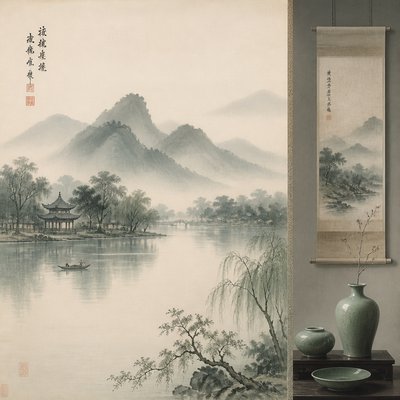
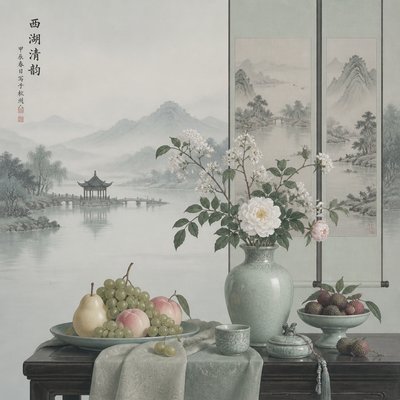
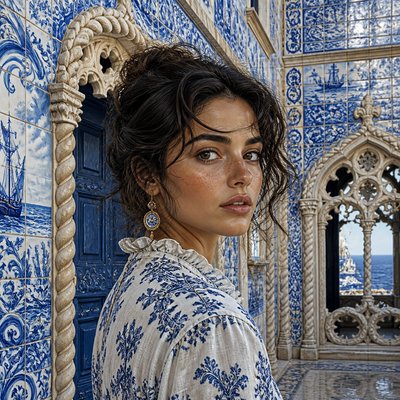
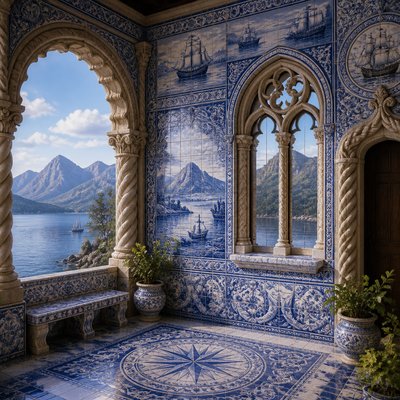
Madrid Art Style
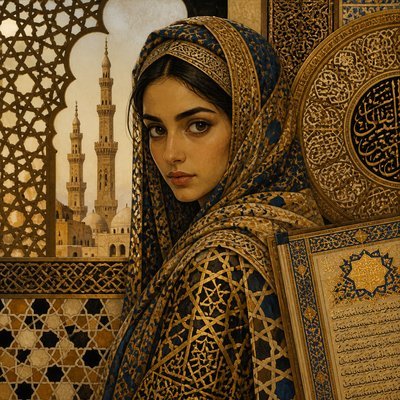
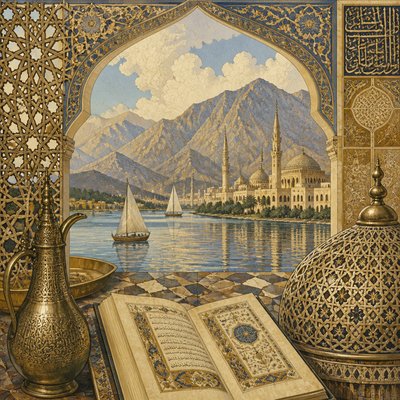
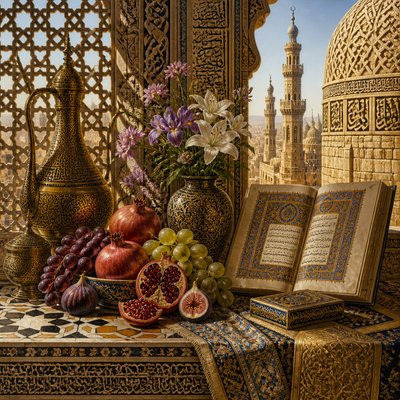
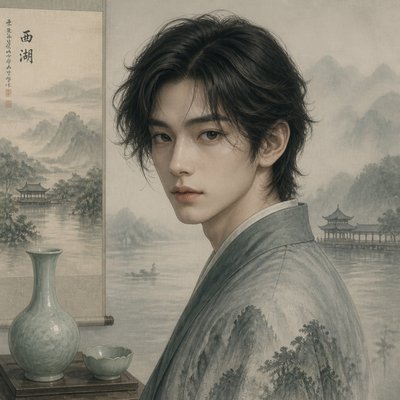
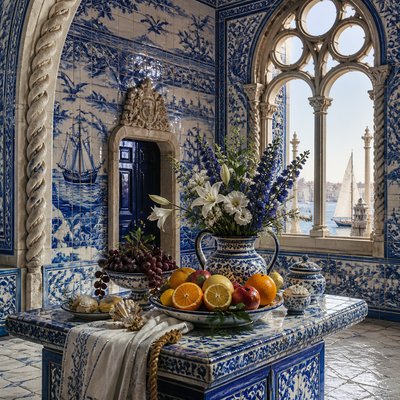
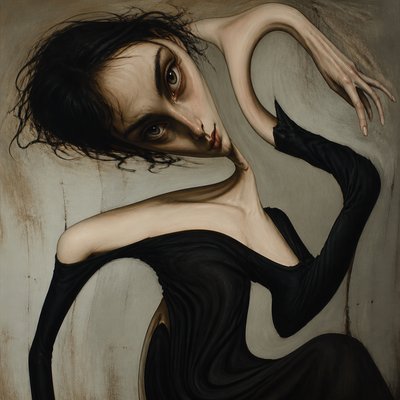
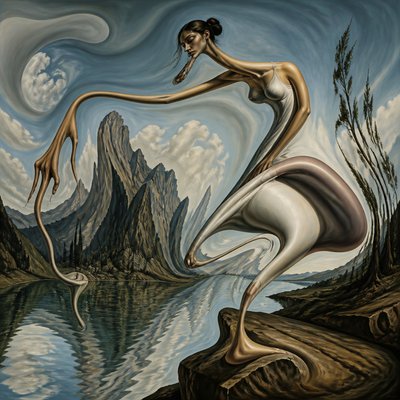
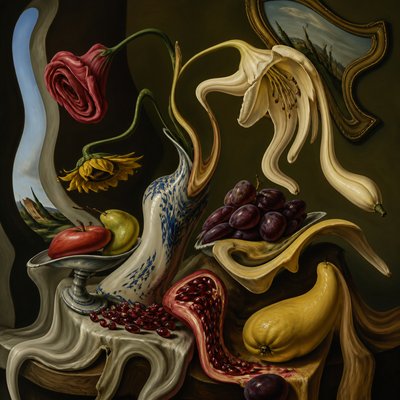
Explore Madrid Art Style: Spanish Golden Age court grandeur, tenebrist shadows, velvet costumes, gold trim, and solemn royal portraiture.
Instantly rendered in Madrid — or transform a photo
Madrid Gallery
Tap any artwork to explore it
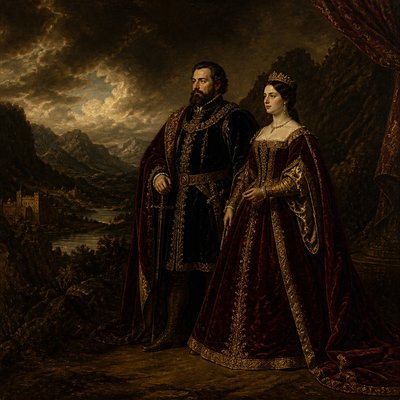
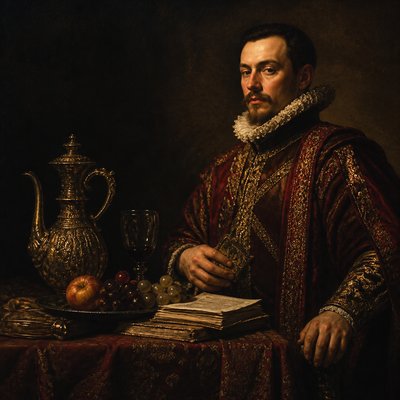
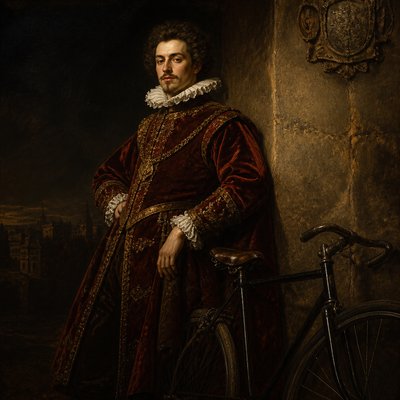
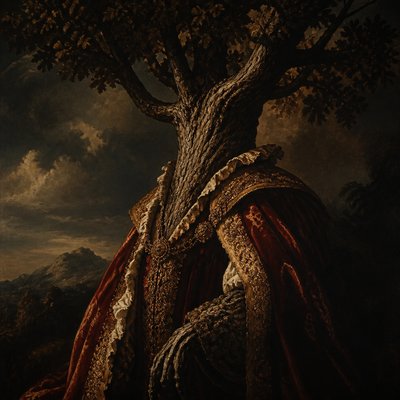
What is Madrid Art Style?
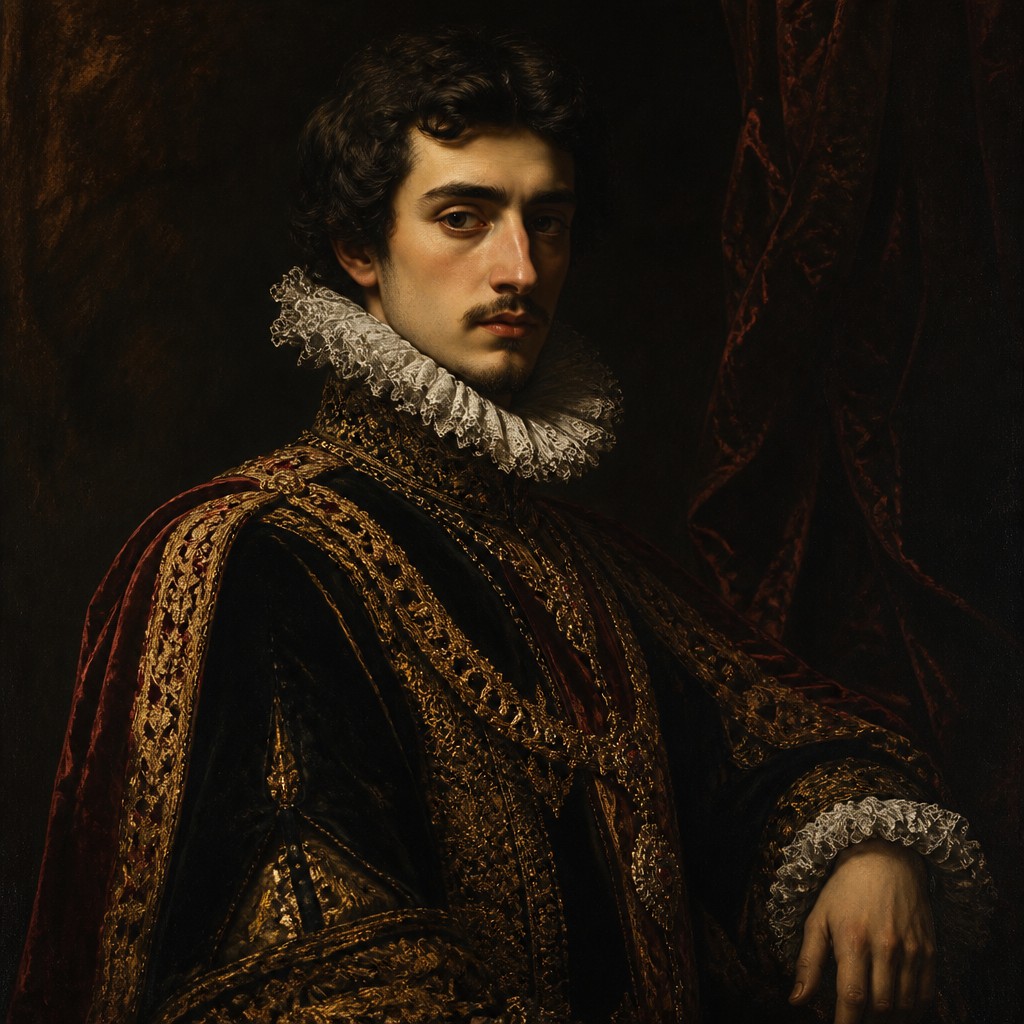
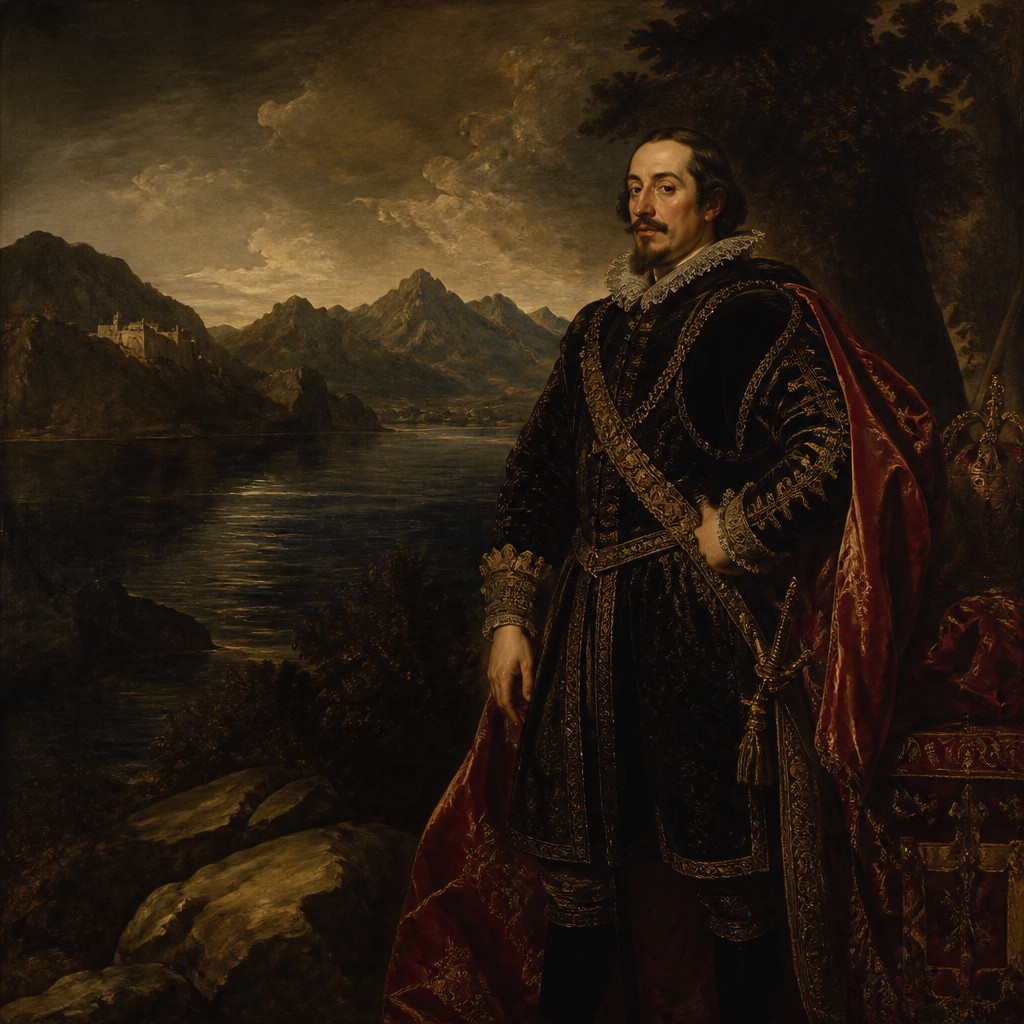
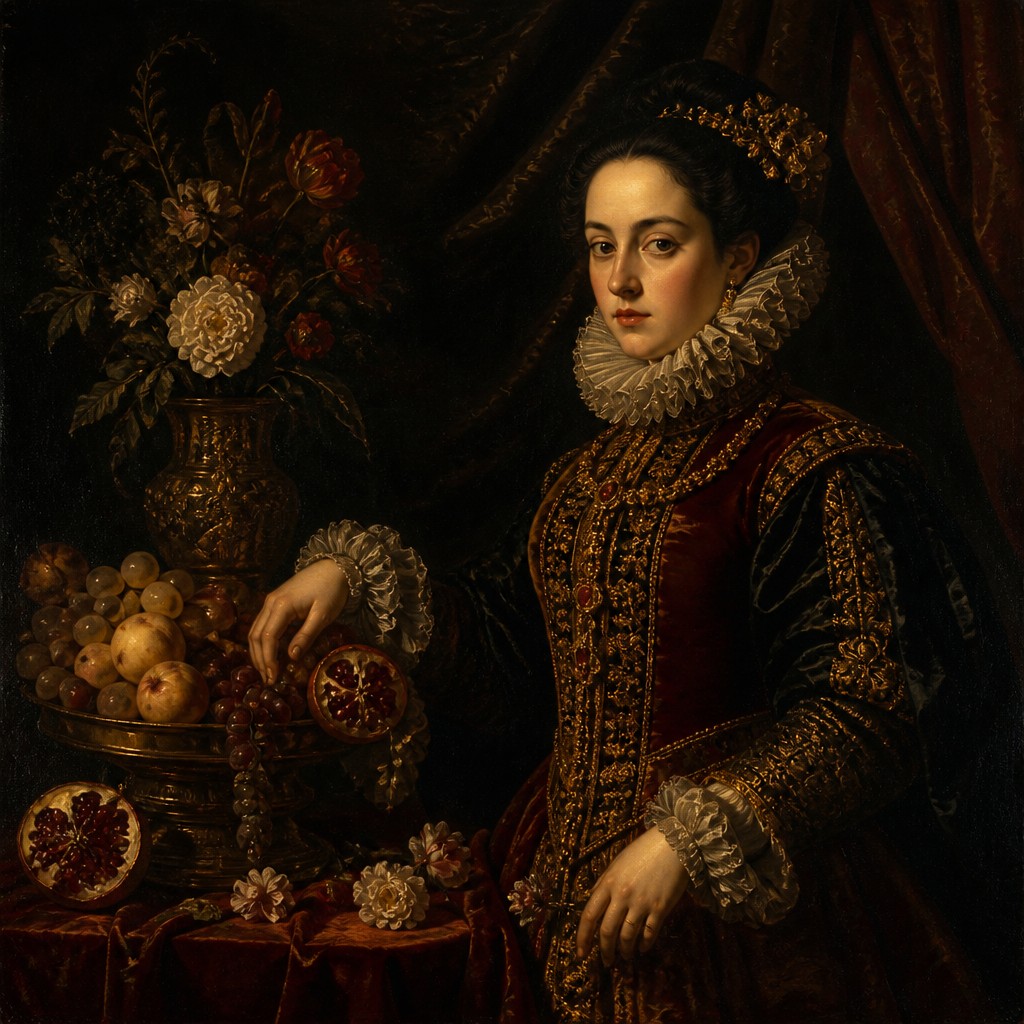
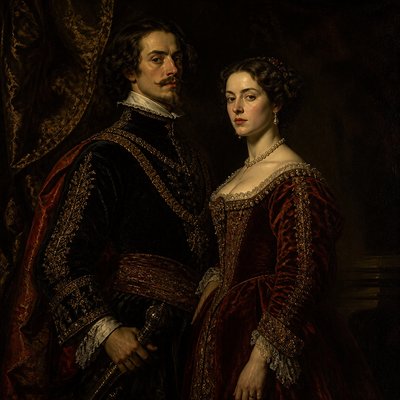
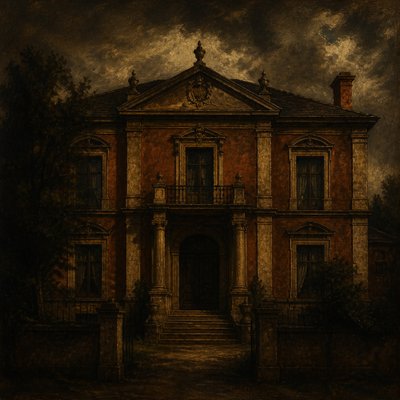
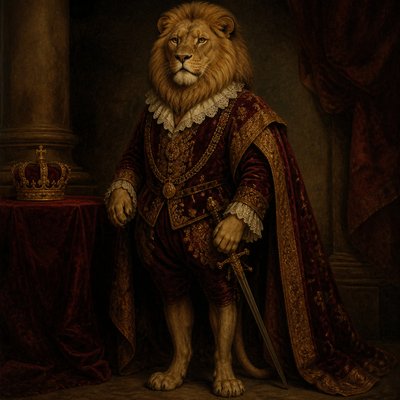
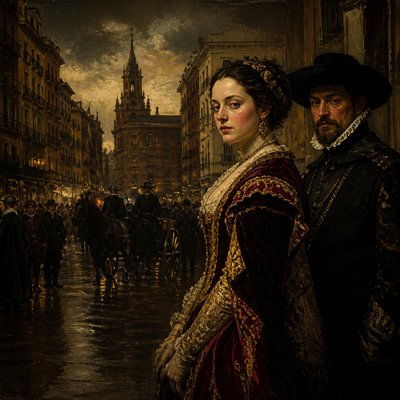
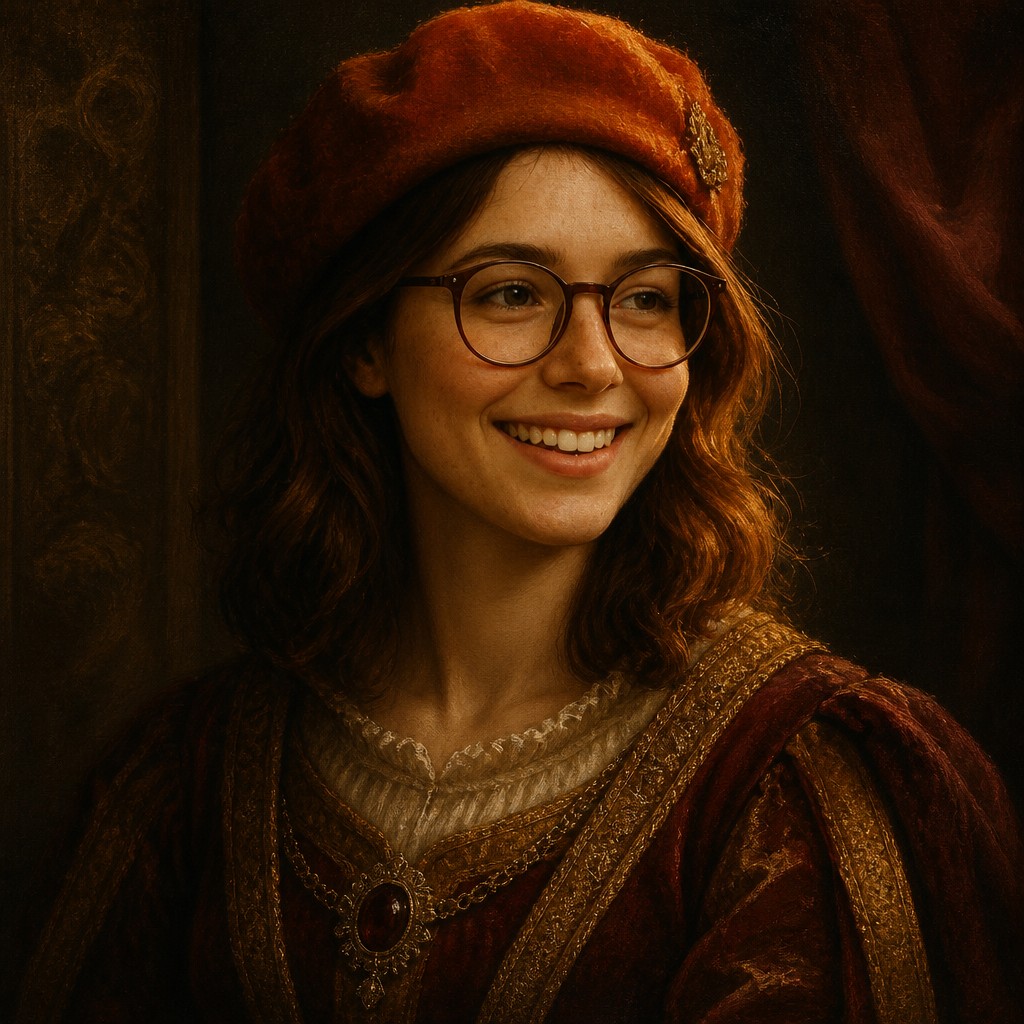
Madrid Art Style is a contemporary descriptive label for imagery inspired by the courtly painting traditions of seventeenth-century Madrid and the Spanish Baroque. It combines dramatic tenebrism, restrained royal portraiture, richly textured velvet and brocade, and a palette dominated by umber, black, deep red, muted gold, and warm flesh tones.
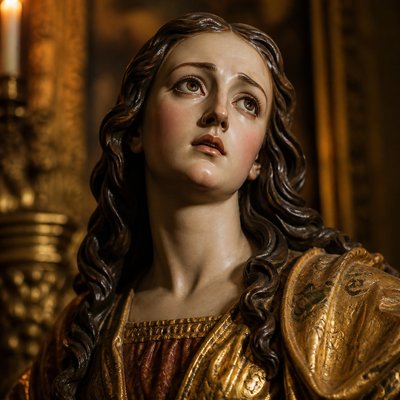
The style looks formal, theatrical, and psychologically serious. Figures are typically presented in frontal or three-quarter poses with controlled gestures, while concentrated light isolates faces, hands, and symbolic objects from deep shadow. Thick oil-like glazing, subdued backgrounds, and carefully rendered textiles create an atmosphere of inherited power, ceremony, and solemn dignity.
Try It On Your Photos
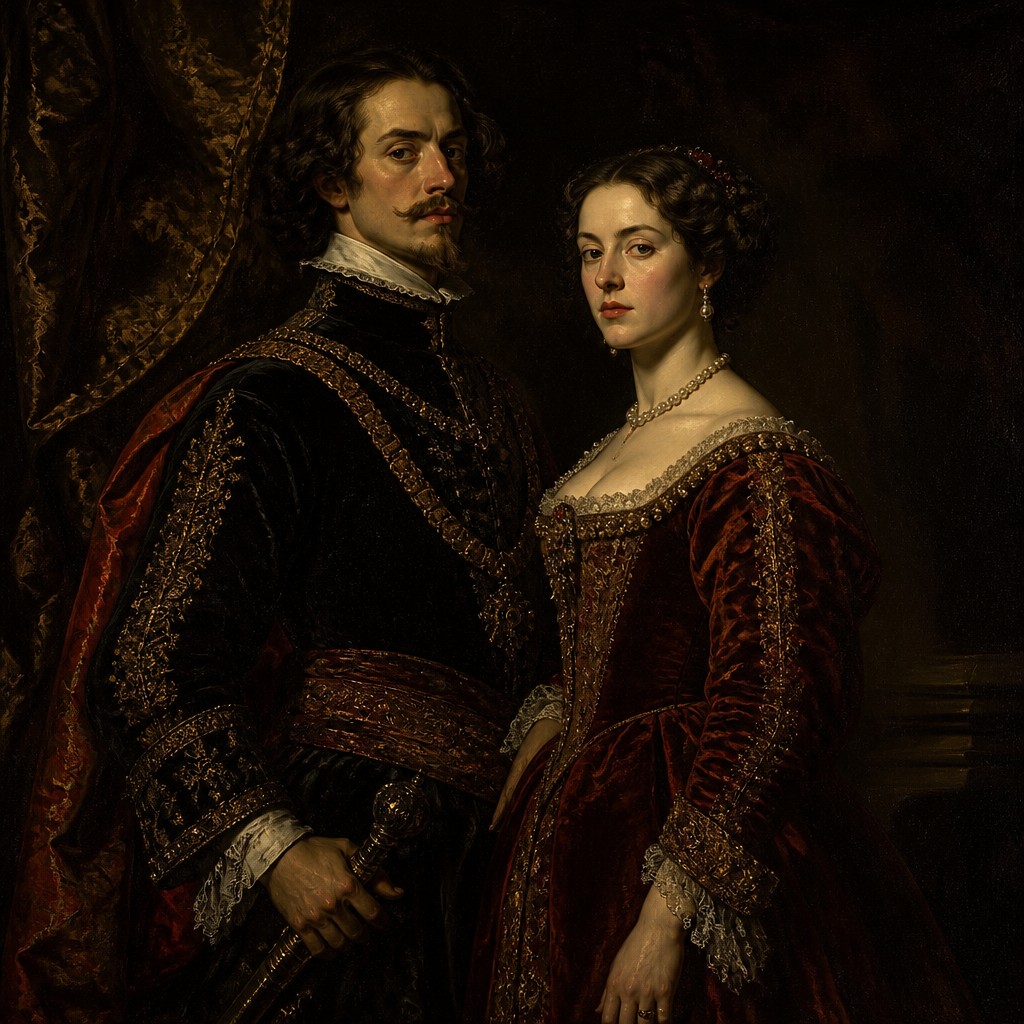
Upload any photo and convert it into Madrid Art Style — drag the sliders to compare before and after.


What Defines Madrid Art Style
The signature details, up close
Tenebrist lighting
A concentrated light source illuminates the face, hands, and key costume details while the surrounding space falls into dense brown-black shadow. The strong light-dark structure creates drama and directs attention.
Courtly composition
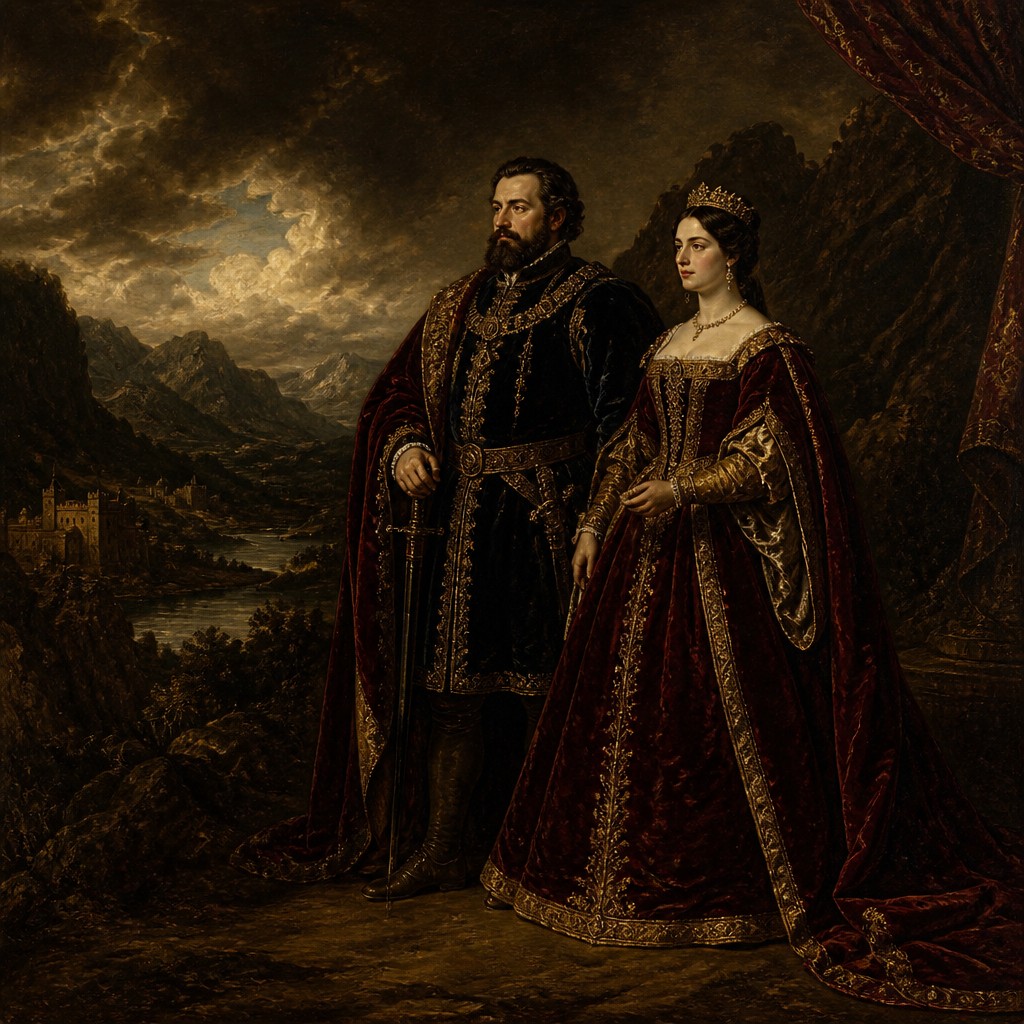
Subjects are arranged in formal frontal or three-quarter poses, often standing or seated with measured gestures. The composition conveys rank, restraint, ceremony, and self-command rather than casual movement.
Velvet and brocade
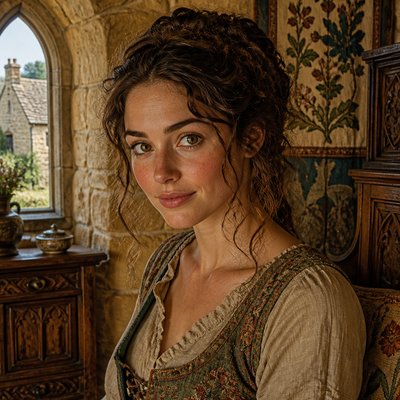
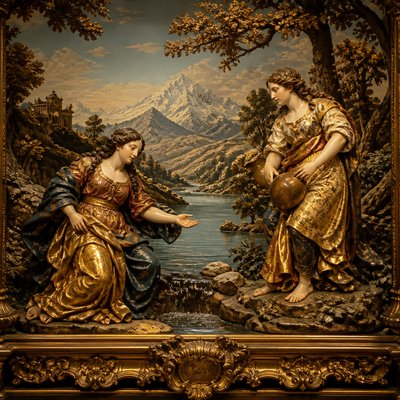
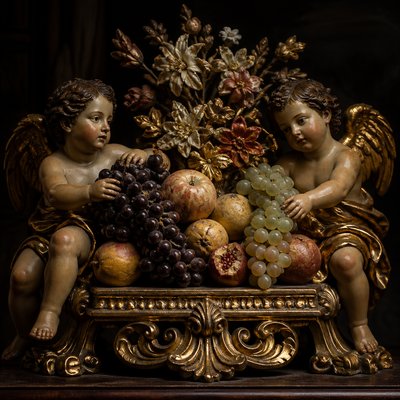
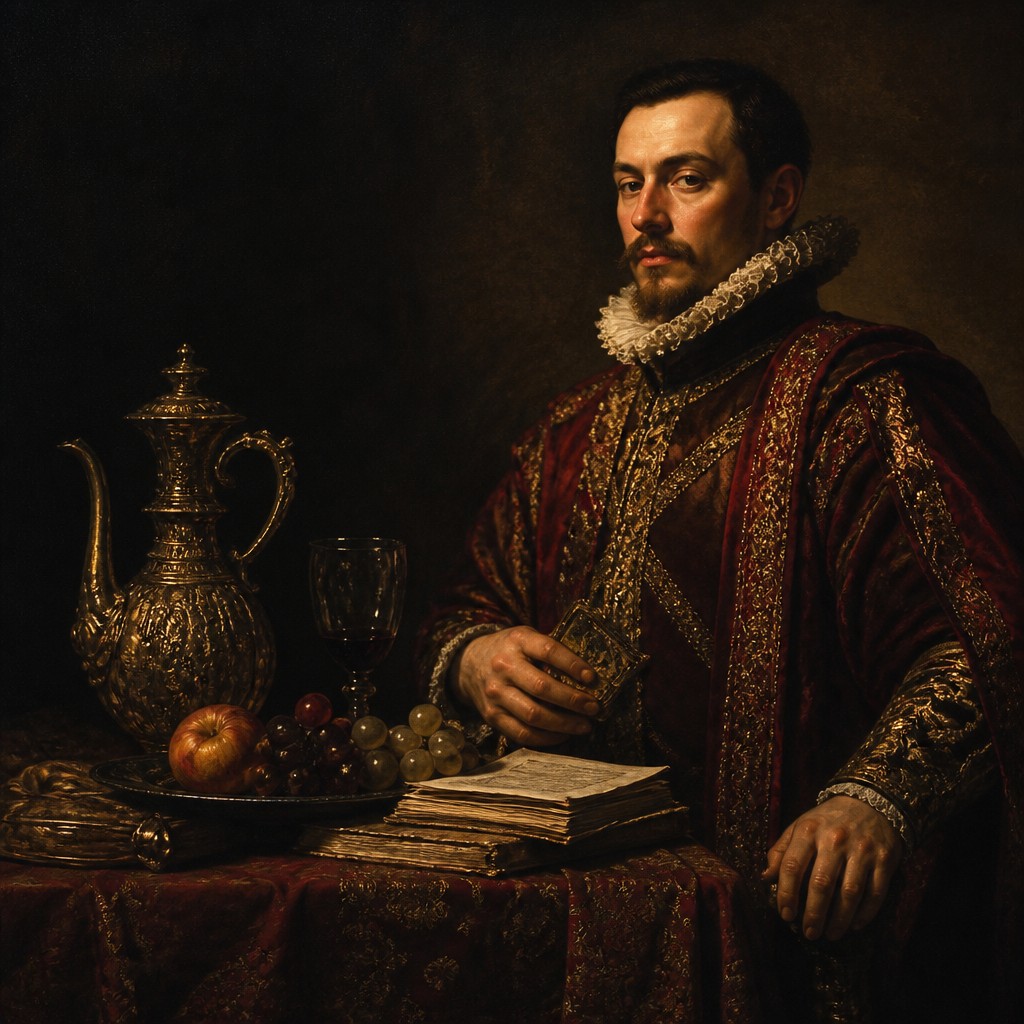
Heavy fabrics, embroidered patterns, lace, metallic thread, and gold trim are central visual features. Their surfaces are described through layered highlights, deep folds, and contrasting matte and reflective textures.
Somber earthy palette
Umber, oxblood, charcoal, muted cream, and antique gold establish a subdued chromatic foundation. Luminous skin tones provide the principal contrast against the dark environment.
Solemn expression
Faces tend to be composed, introspective, and dignified, with limited smiles or exaggerated emotion. The emotional force comes from stillness, gaze, posture, and the tension between visibility and shadow.
Oil-glaze richness
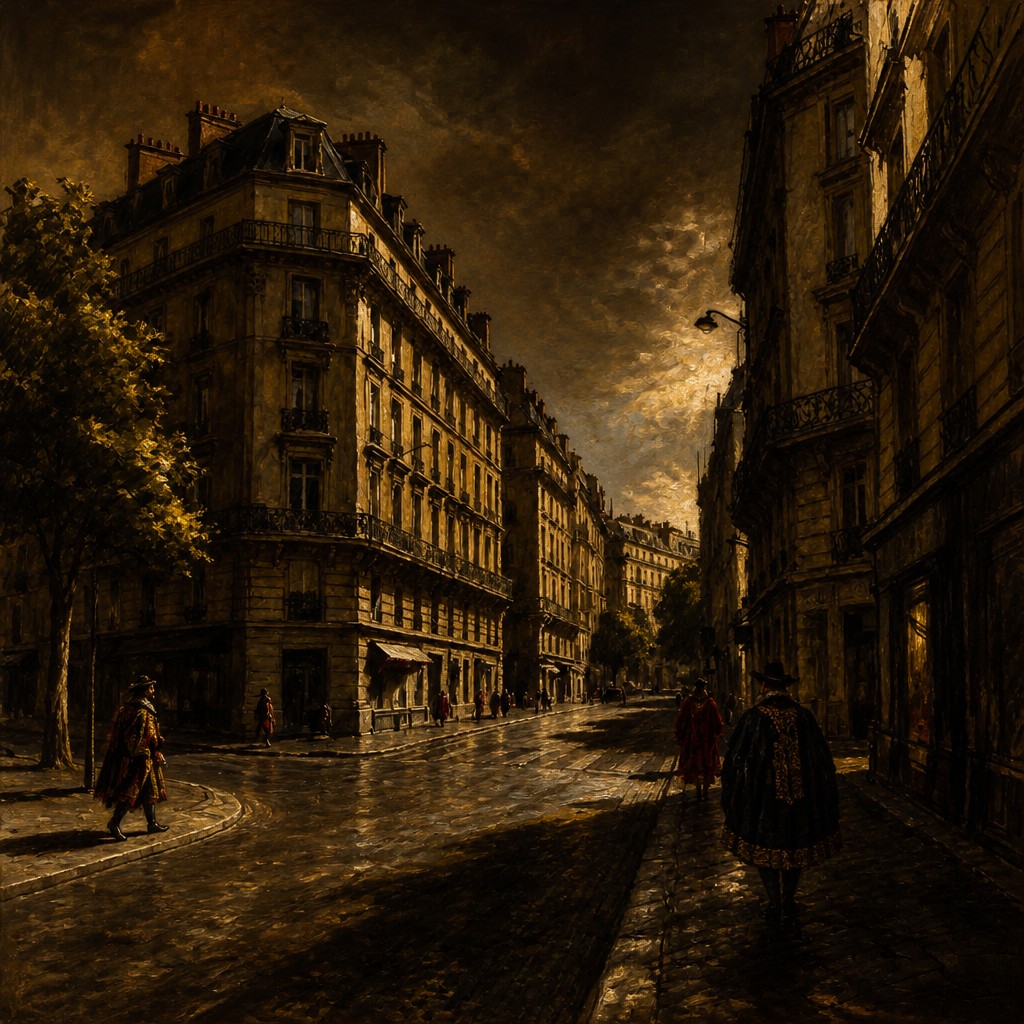
The look suggests translucent layers of oil color built over a warm ground, with softened transitions in flesh and dense passages in fabric. Thick impasto or carefully simulated brushwork may heighten the tactile quality.
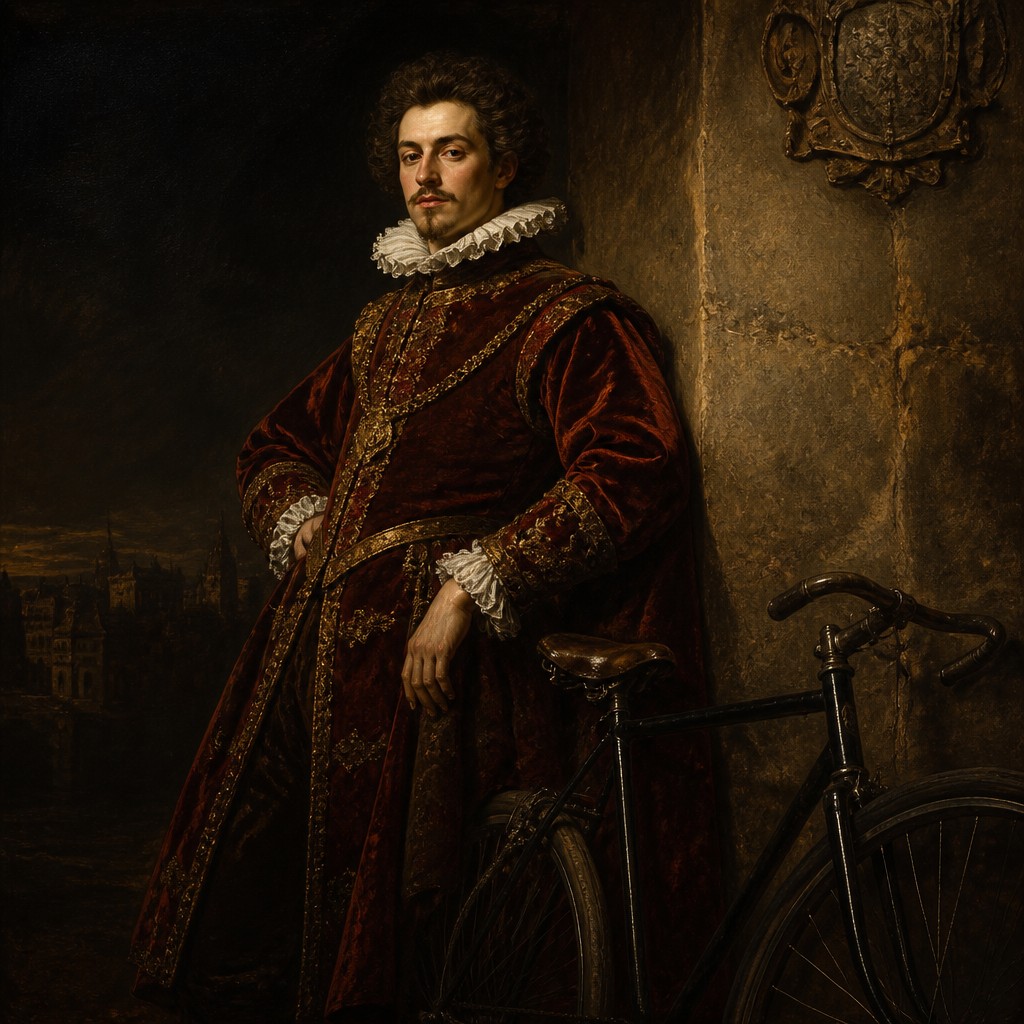
Sparse ceremonial settings
Backgrounds are often dark, minimally furnished, and architecturally understated. A column, curtain, table, emblem, or subdued landscape may suggest status without competing with the sitter.
Madrid Prompt Ideas
Start from an idea — each one opens the generator with the style ready to go. See all 40 Madrid prompts →
How to Create Madrid Art
Master the craft step by step — or skip straight to creating. Read the full guide →
- 1
Build a warm dark foundation
Begin traditionally with a toned ground in raw umber, burnt umber, or another warm neutral, then establish the major shadow masses before adding detail. Digitally, use a brown-black base layer and reserve the brightest values for the face, hands, and metalwork.
- 2
Control the key light
Place one directional light above or to the side of the subject, keeping the background several stops darker. Avoid evenly lit scenes; the characteristic effect depends on selective illumination and substantial negative space.
- 3
Render materials separately
Use soft transitions for skin, crisp broken highlights for gold, and broad, irregular folds for velvet. In digital painting, separate fabric, jewelry, skin, and background into layers so their edge sharpness and texture can be adjusted independently.
- 4
Pose with ceremonial restraint
Choose a stable seated or standing pose, relaxed hands, a direct or slightly distant gaze, and minimal environmental action. For prompt-based creation, specify the subject's rank, posture, costume materials, lighting direction, and emotional restraint.
- 5
Use layered glazing or tonal passes
Traditional painters can build color through transparent glazes over a monochrome underpainting, while digital artists can imitate the process with low-opacity layers and color adjustments. Preserve visible depth in the shadows rather than crushing every dark area to flat black.
- 6
Write focused generation prompts
Describe a single subject, a formal pose, rich court textiles, a dark sparse setting, and luminous flesh tones. Add constraints such as subdued colors, oil-canvas texture, controlled expression, and strong side lighting to keep the image coherent.
The Story
History & Origins of Madrid
Madrid Art Style is not a formally defined historical movement under that name. It is an invented or contemporary style label that draws primarily from the court portraiture and religious painting of seventeenth-century Madrid, during the Spanish Golden Age and the broader Baroque period.
Its aesthetic lineage includes European tenebrism, Spanish court portraiture, Catholic Baroque drama, and the material richness of oil painting on canvas. Contemporary artists and digital image-makers may use the label to combine these historical qualities with modern subjects, cinematic composition, or fantastical scenes without claiming that the resulting work belongs to the original historical period.
Influences: The style is closely related to Spanish Baroque painting, European tenebrism, Golden Age court portraiture, Catholic devotional art, and the broader tradition of oil portraiture on canvas. It also shares traits with historical costume painting, dramatic chiaroscuro in theater and cinema, and contemporary dark-academic imagery. Its emphasis on textiles, rank, and stillness distinguishes it from more exuberant Italian Baroque spectacle and from the brighter, airier handling associated with later portrait traditions.
Frequently Asked Questions
What defines Madrid Art Style?
It is defined by tenebrist lighting, formal courtly poses, richly rendered velvet and brocade, luminous flesh tones, and a dark earthy palette. The overall mood is solemn, restrained, and ceremonially dignified.
Is Madrid Art Style a recognized historical art movement?
No. The name is best understood as a contemporary descriptive label rather than a documented movement with a fixed membership or manifesto. It refers to an aesthetic synthesis inspired by seventeenth-century Madrid court painting and related Spanish Baroque traditions.
How is it different from general Baroque art?
Baroque art includes many regional approaches, from energetic diagonals and theatrical motion to elaborate decoration and intense religious imagery. Madrid Art Style narrows that broad inheritance toward restrained court portraiture, dark tonal backgrounds, textile richness, and controlled emotional expression.
Can modern or fictional subjects be depicted in this style?
Yes. The style is especially effective for historical figures, fantasy rulers, scholars, musicians, diplomats, and modern people presented as formal sitters. The subject can change while the lighting, pose, costume richness, and solemn atmosphere remain consistent.
How can I make a convincing image in this style?
Start with one dominant light source, a dark uncluttered background, and a formal pose. Specify velvet, brocade, lace, gold trim, warm flesh tones, restrained expression, and layered oil texture; avoid bright palettes, casual gestures, and evenly distributed lighting.
Where is this aesthetic commonly used?
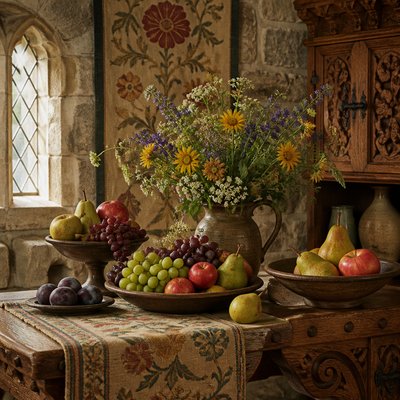
It suits character portraits, historical fiction, fantasy worldbuilding, editorial portraiture, book covers, ceremonial illustrations, and dramatic photographic treatments. It can also be adapted for interiors or still lifes when the same shadow structure and material richness are retained.
Create your first Madrid artwork
Describe anything — or upload a photo — and see it in Madrid Art Style in seconds.
Related Styles
Discover similar art styles