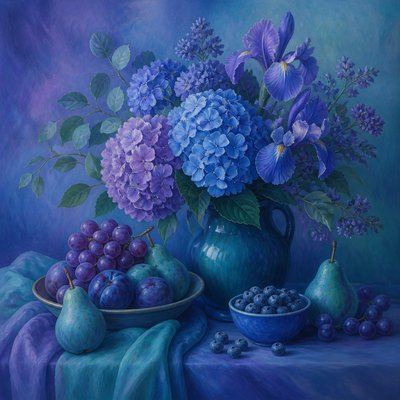
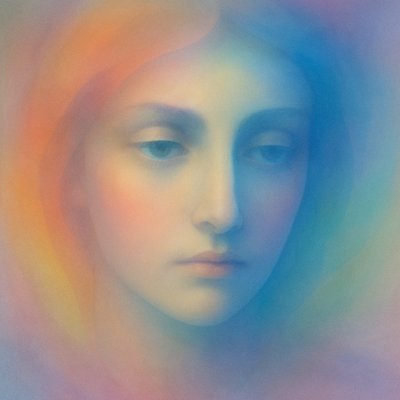
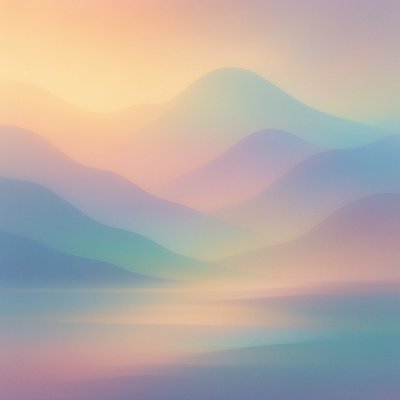
Hue Art Style
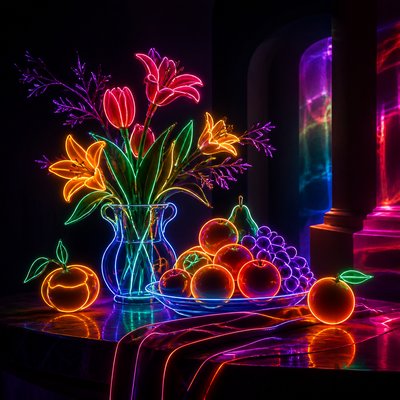
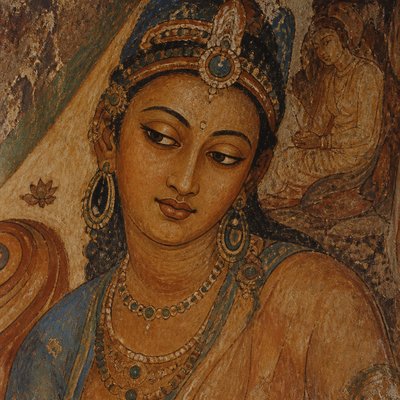
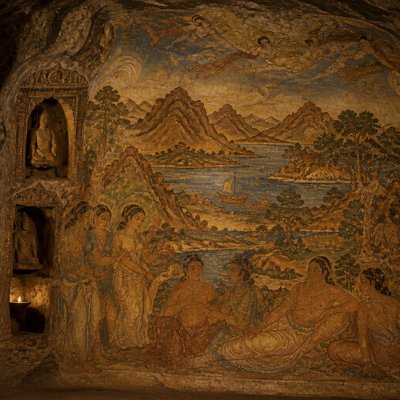
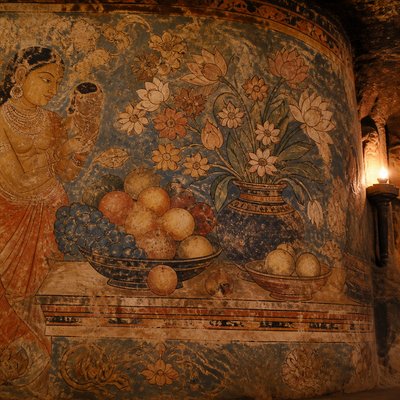
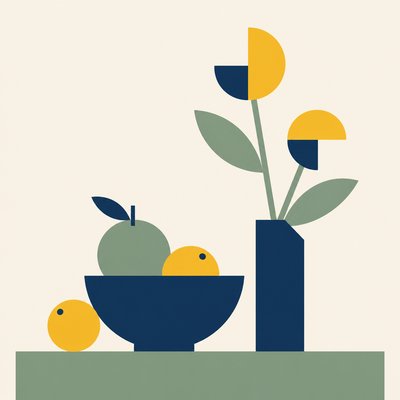
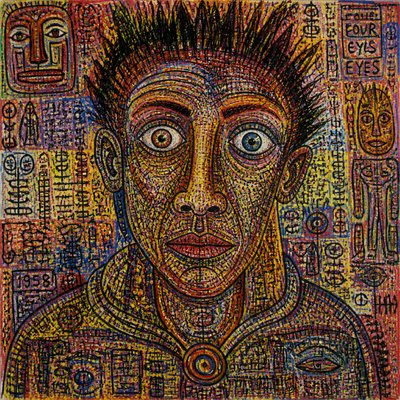
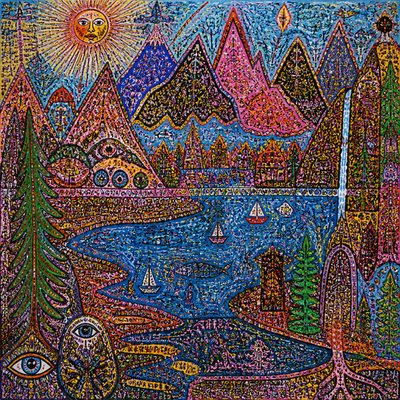
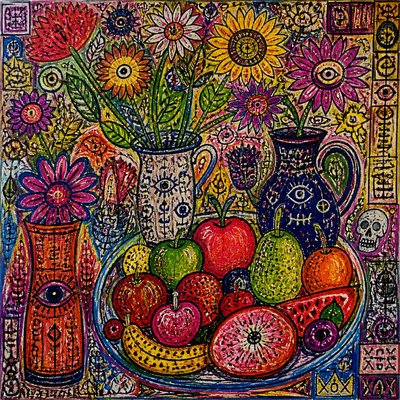
Learn about Hue Art Style: a crisp, diagrammatic aesthetic built from pure spectral colors arranged in a clean radiating wheel.
Instantly rendered in Hue — or transform a photo
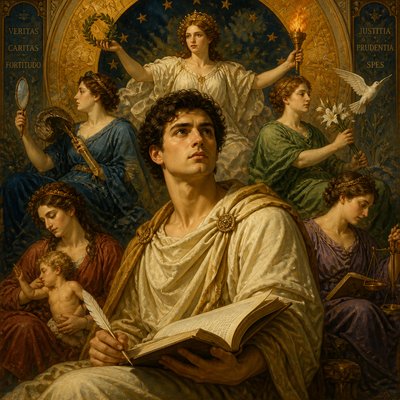
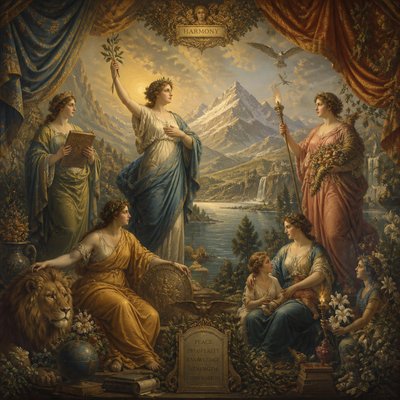
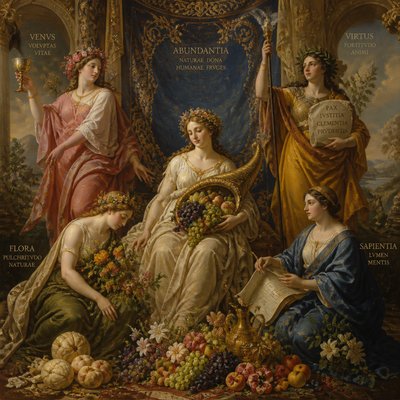
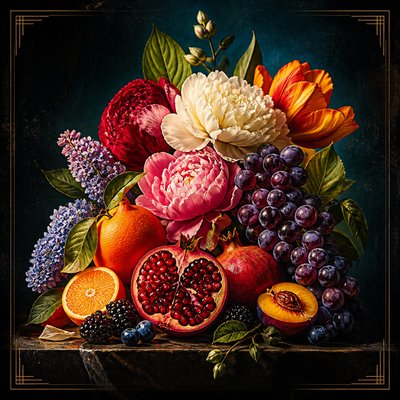
Hue Gallery
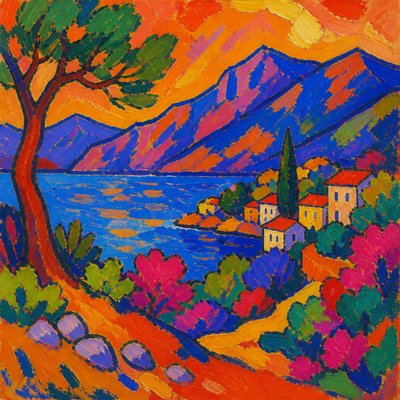
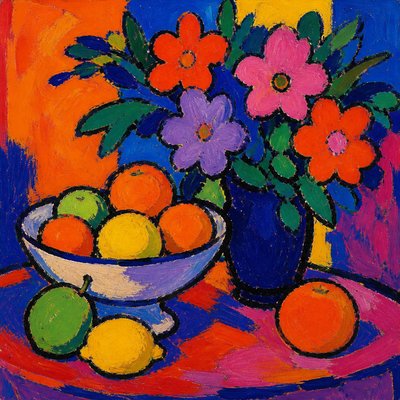
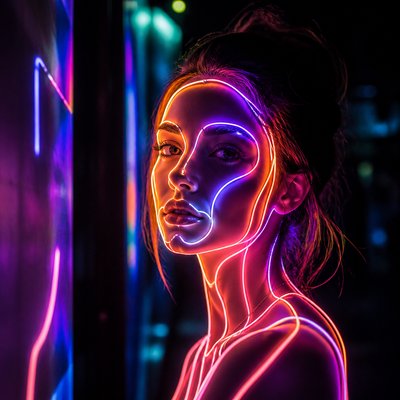
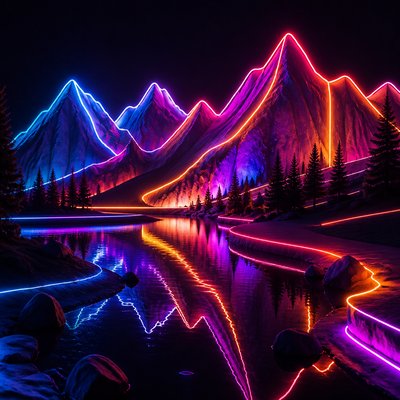
Tap any artwork to explore it
What is Hue Art Style?
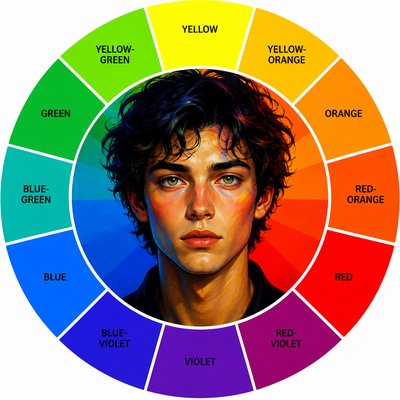
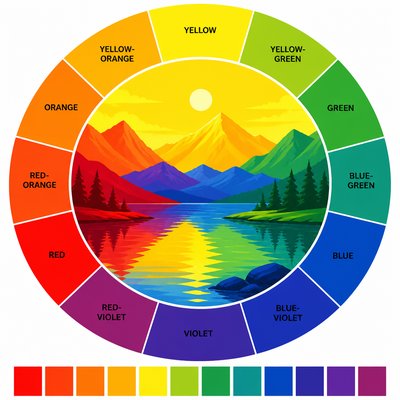
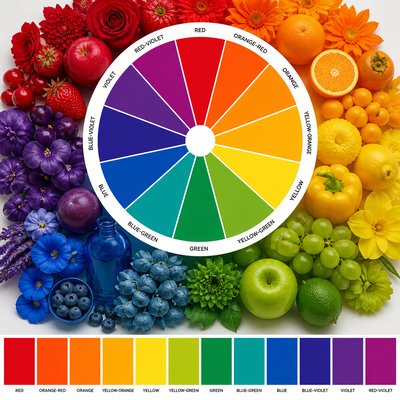
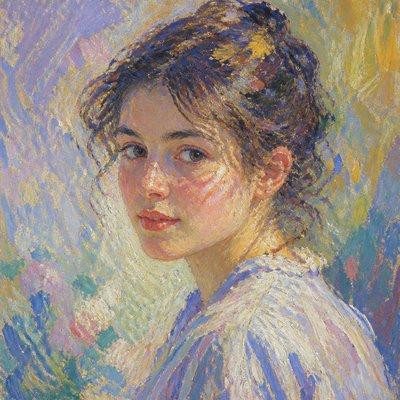
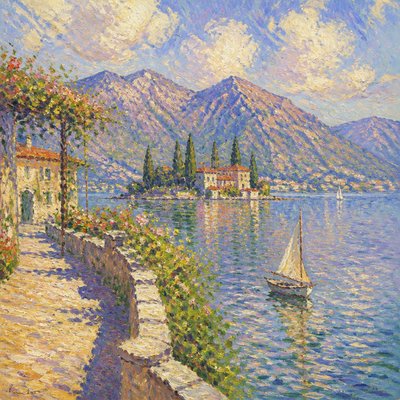
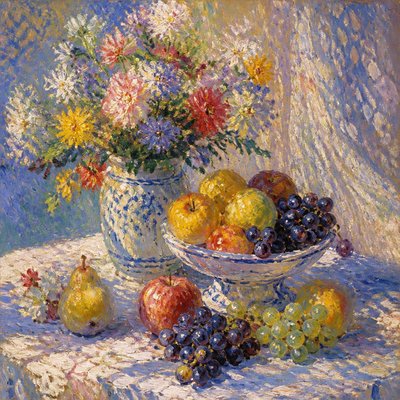
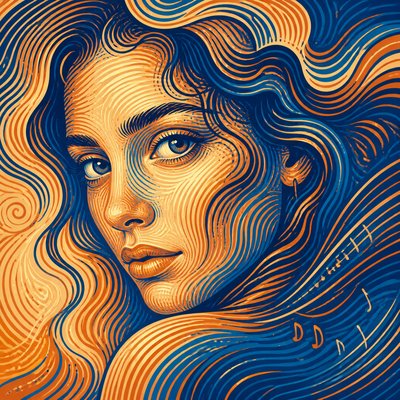
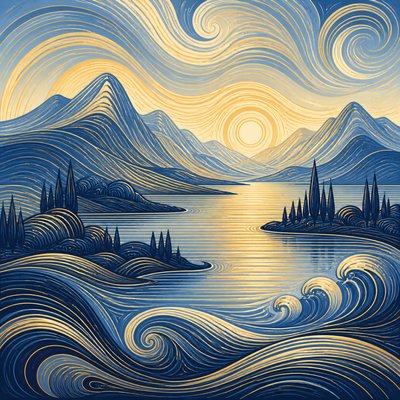
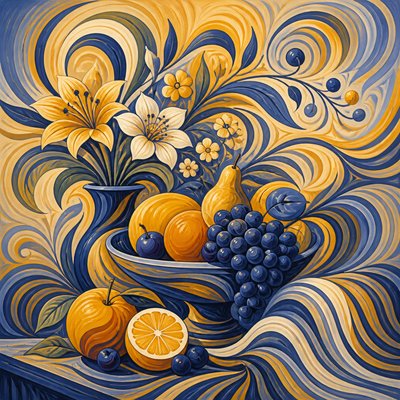
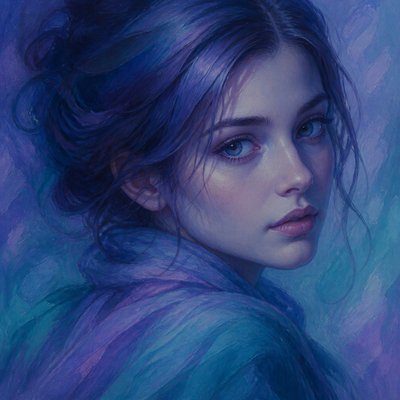
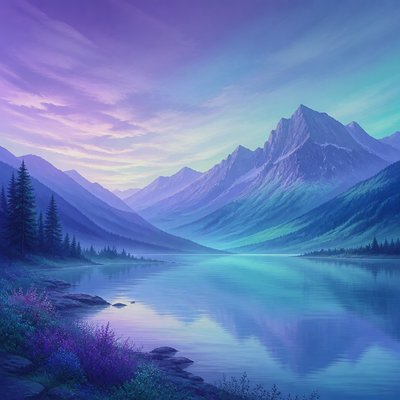
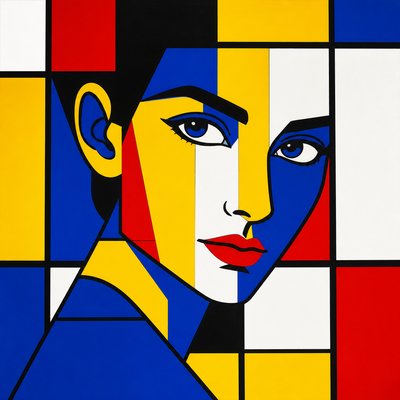
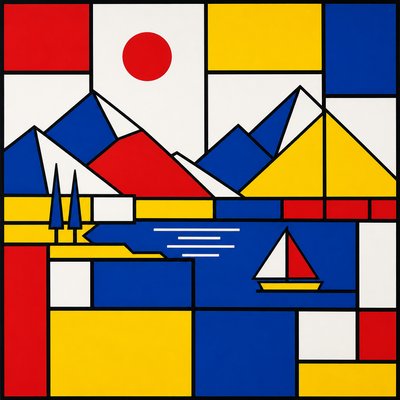
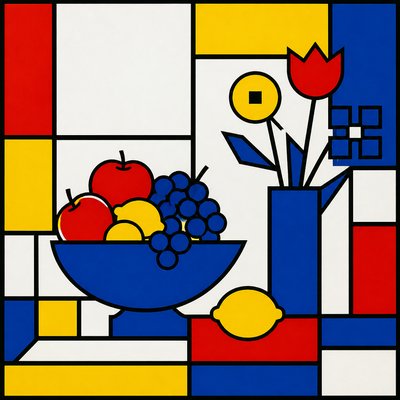
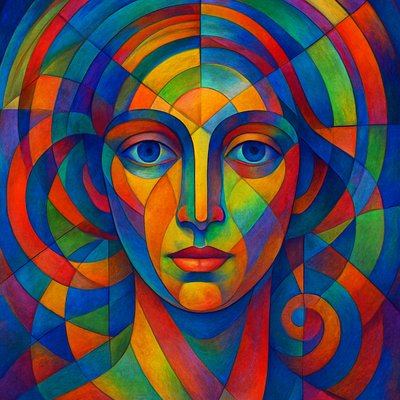
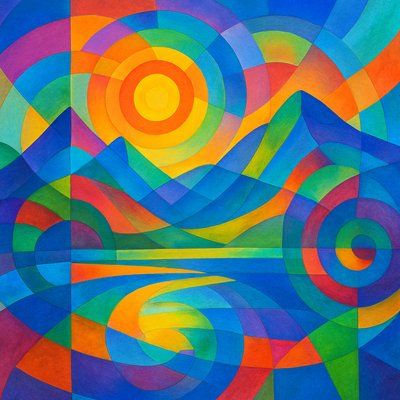
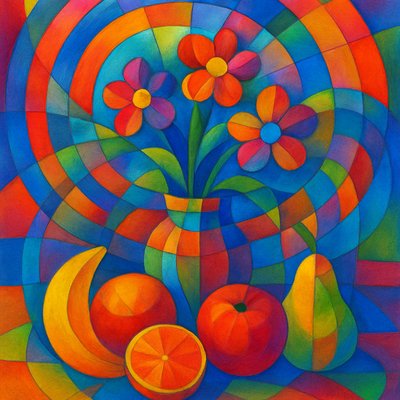
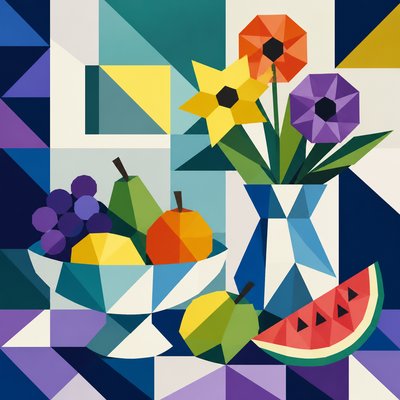
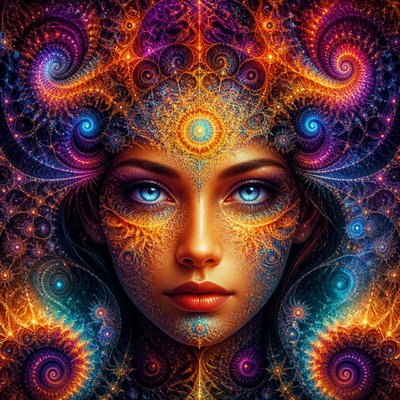
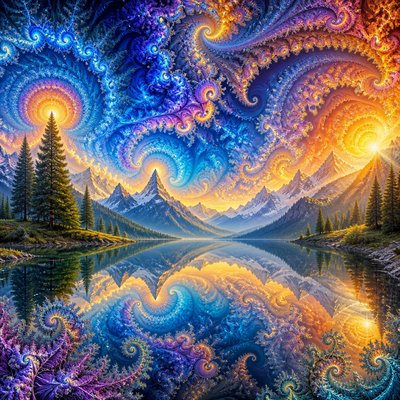
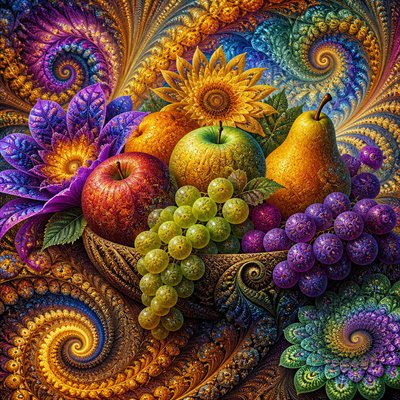
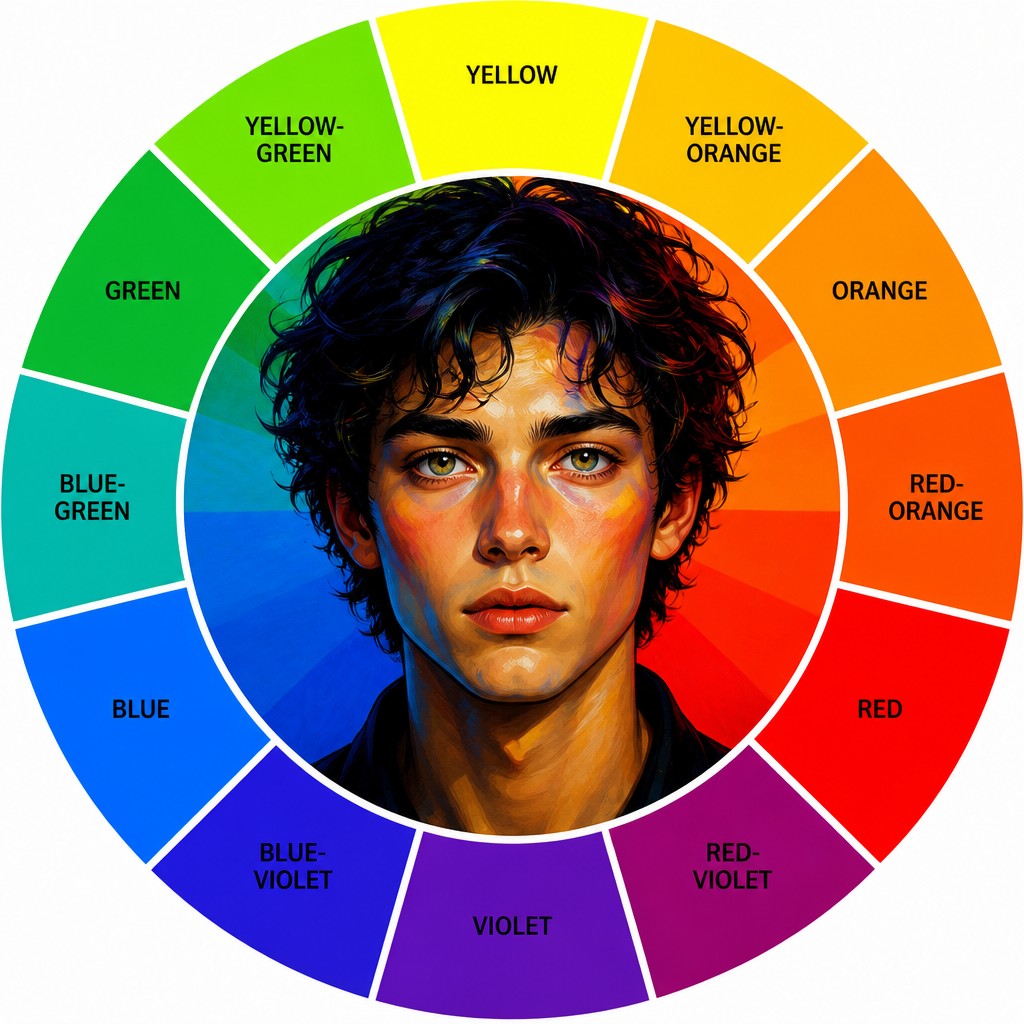
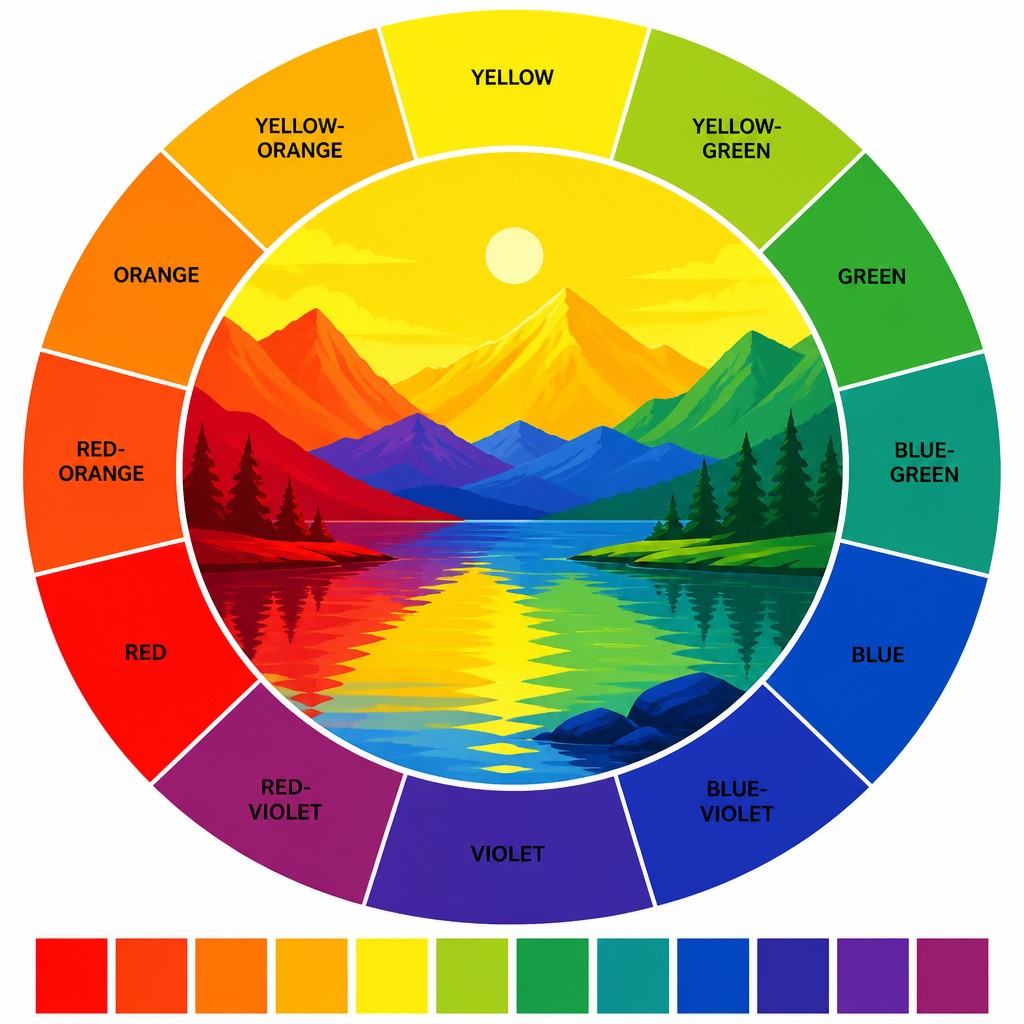
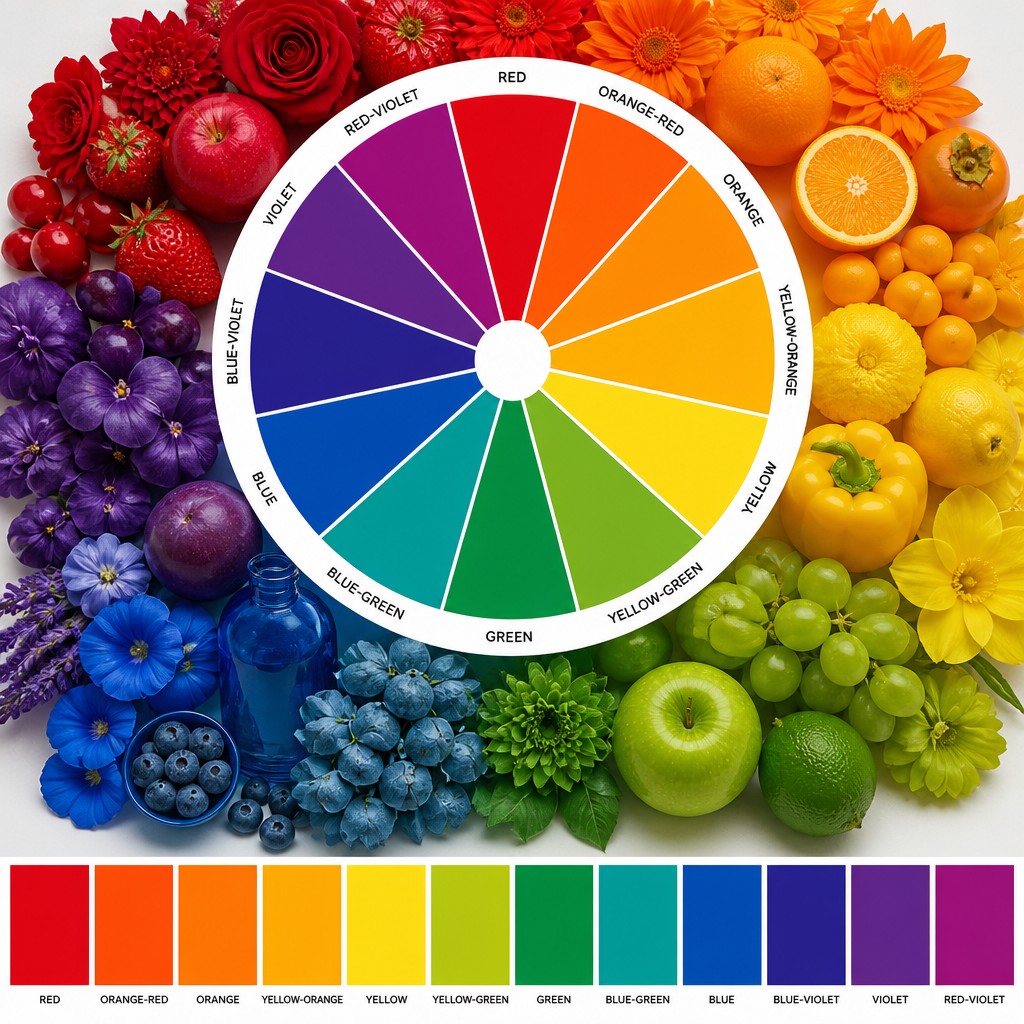
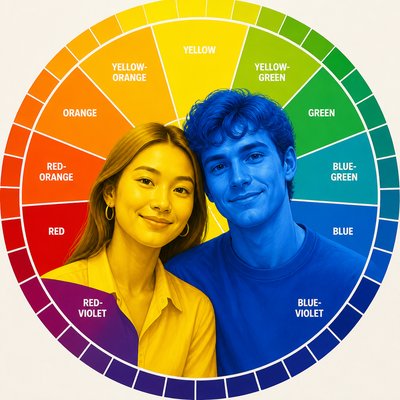
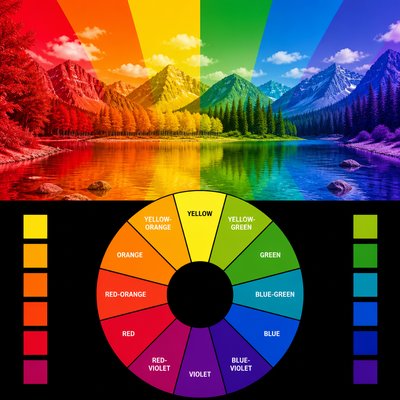
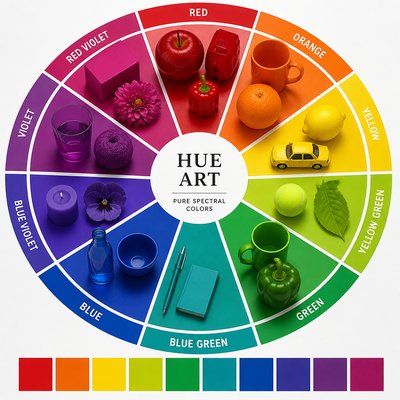
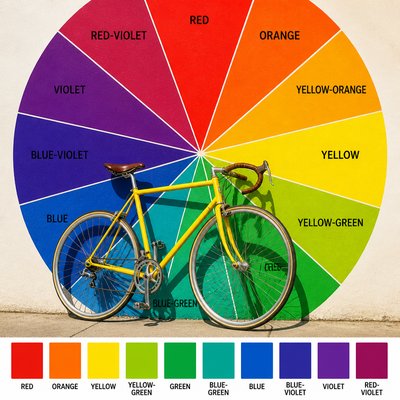
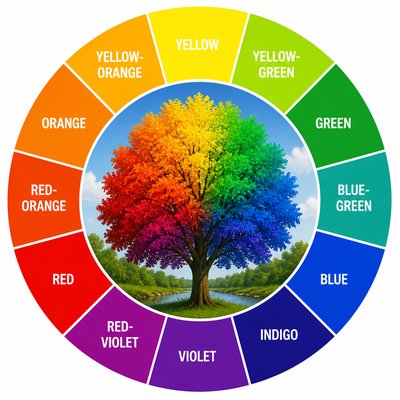
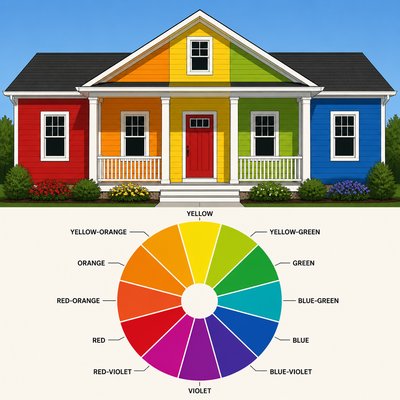
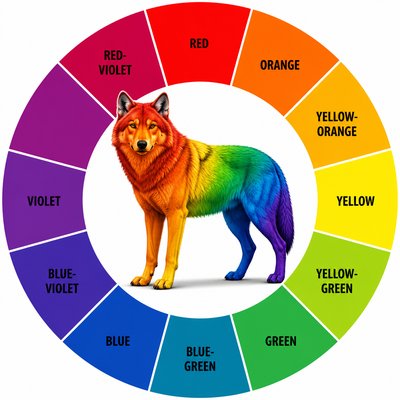
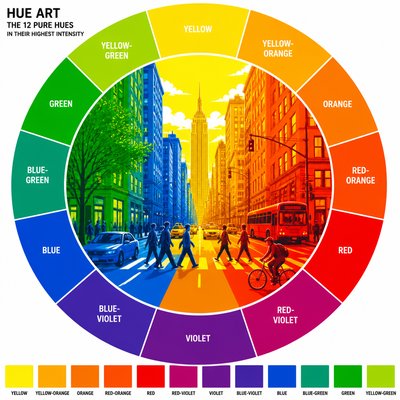
Hue Art Style is a constructed visual aesthetic centered on pure, highly saturated colors organized as a circular or radiating system. Reds, yellows, greens, blues, and related spectral hues appear as distinct neighboring segments rather than blended passages, creating an image that resembles a color chart, educational diagram, or carefully designed palette study.
Its visual identity comes from separation and clarity. Forms are simplified, outlines and boundaries are crisp, and the palette avoids white tints, black shades, muddy mixtures, and gray. Labels, radial divisions, concentric rings, and balanced symmetry often reinforce the sense that the image is both an artwork and a visual explanation of color.
Try It On Your Photos
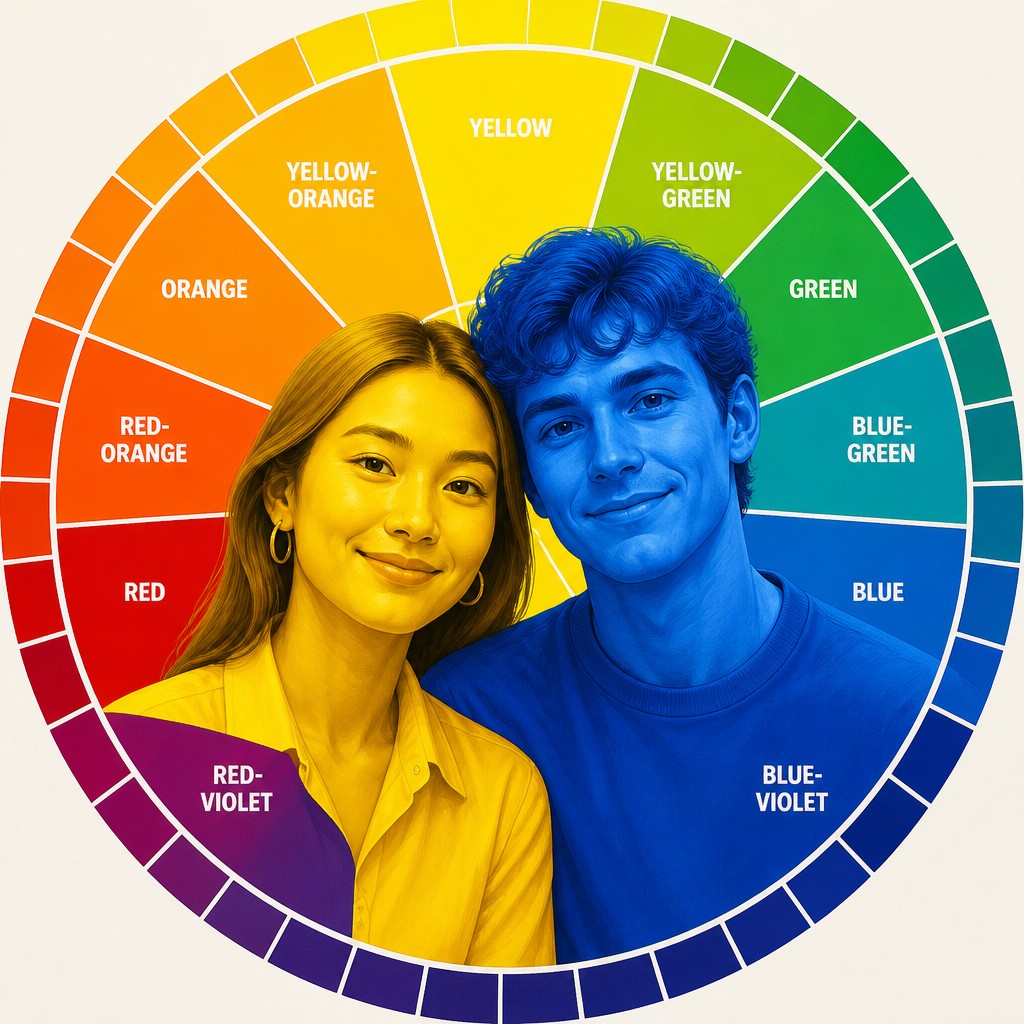
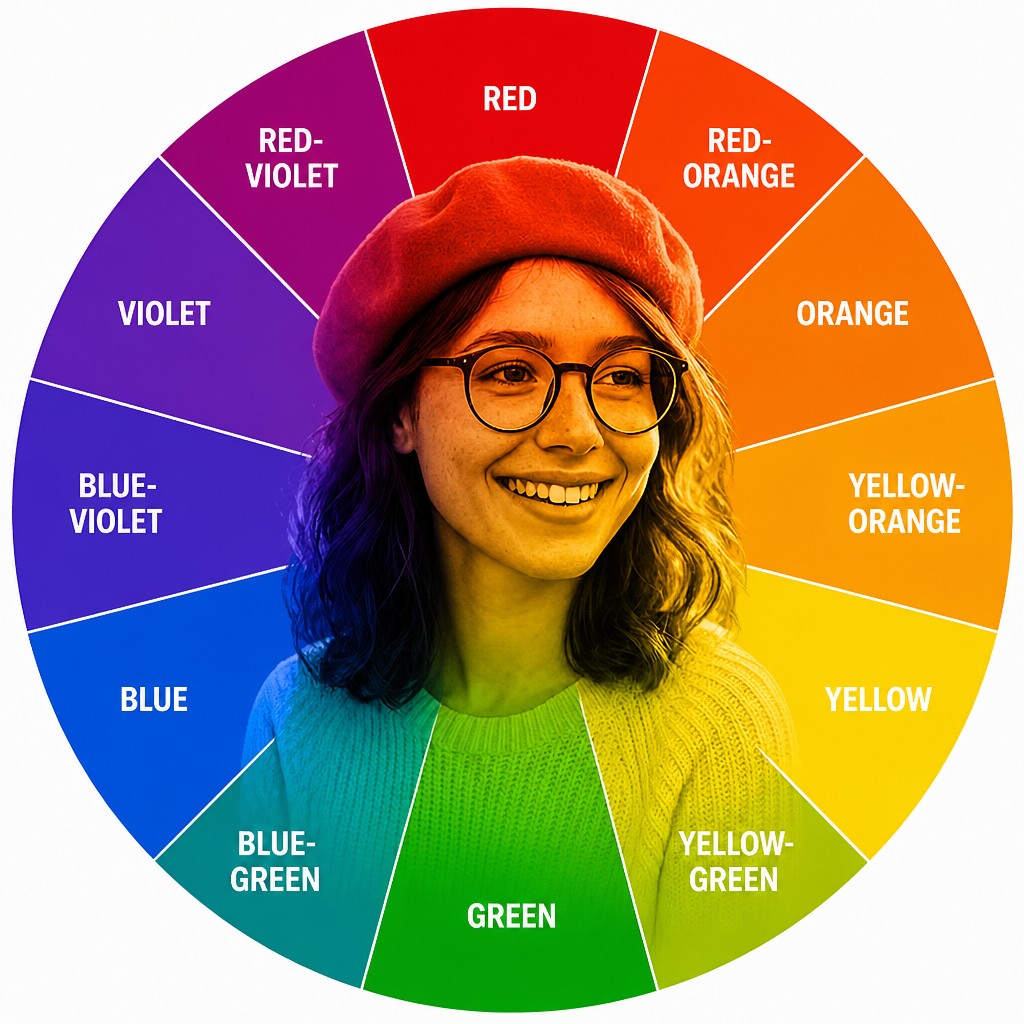
Upload any photo and convert it into Hue Art Style — drag the sliders to compare before and after.

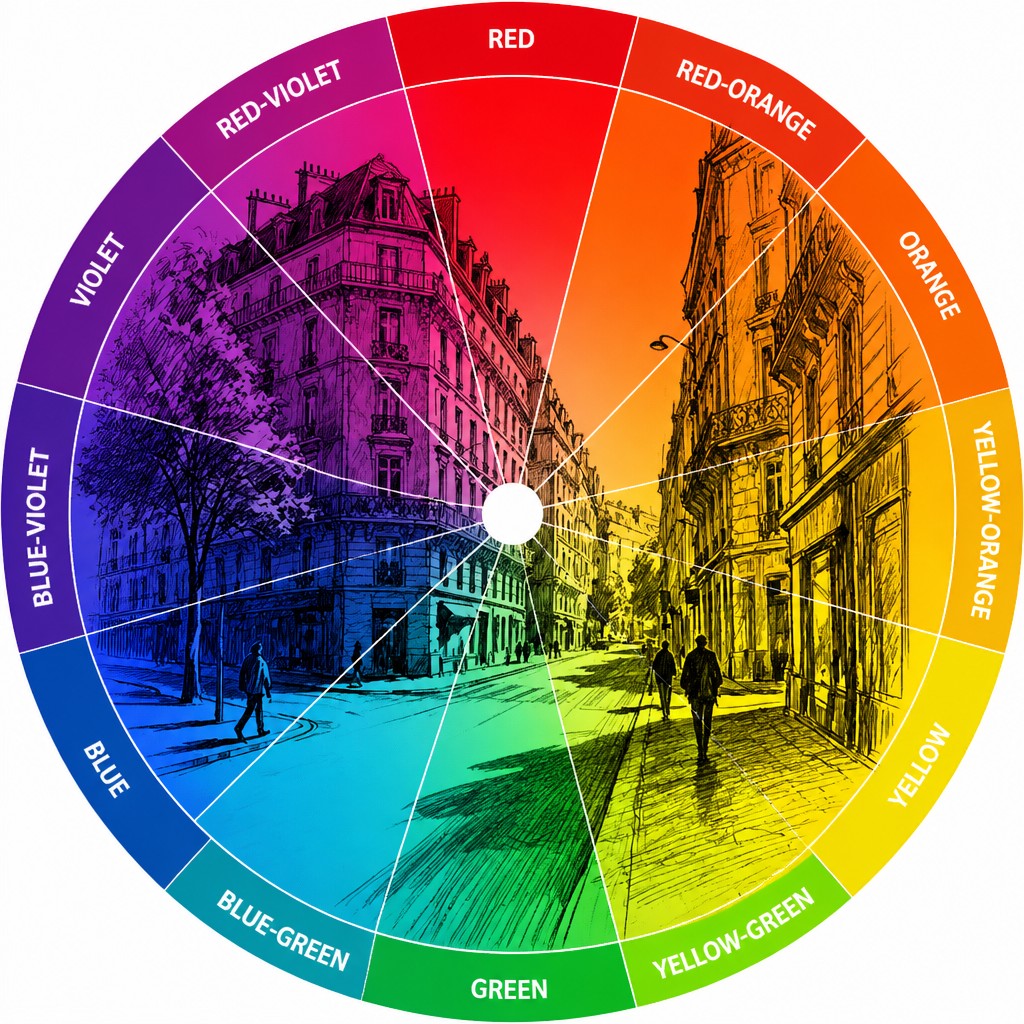

Or use the free Hue photo filter
What Defines Hue Art Style
The signature details, up close
Pure spectral hues
The palette uses intense, single-hue colors such as red, orange, yellow, green, cyan, blue, and violet. Colors remain bright and optically distinct rather than being softened with white, darkened with black, or neutralized with gray.
Radiating circular structure
Color fields are commonly arranged around a central point in wedges, rings, spokes, or concentric bands. This geometry gives the image a balanced, wheel-like rhythm.
Crisp boundaries
Adjacent hues meet along clean, sharply defined edges. The style favors flat fills, precise divisions, and minimal brush texture over gradual blending or atmospheric transitions.
Diagrammatic labeling
Color names or short technical labels may be placed across segments, as in an educational chart or reference plate. Typography is usually clear, orderly, and subordinate to the color structure.
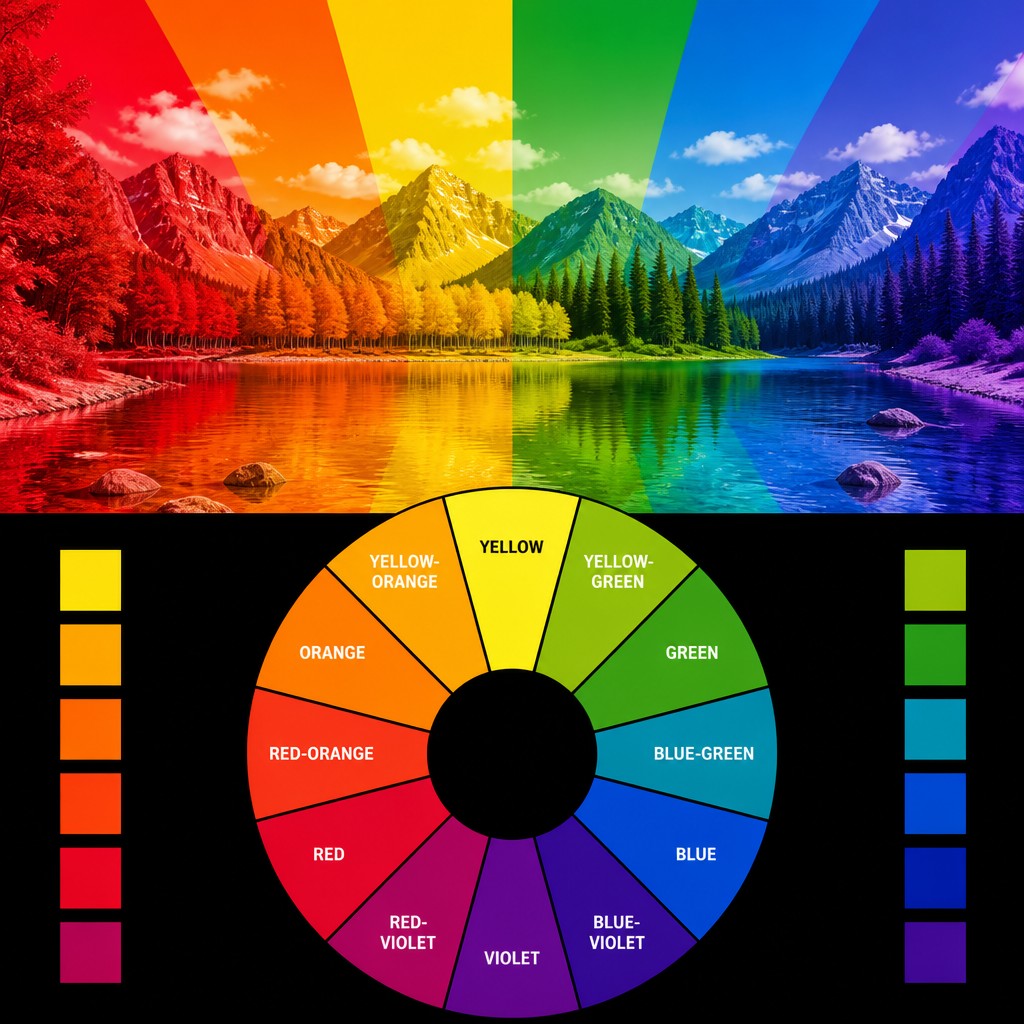
Flat single-pigment swatches
Each area reads as an isolated color sample with consistent saturation. Repeated blocks, wedges, and bands demonstrate the character of individual hues rather than modeling volume through tonal variation.
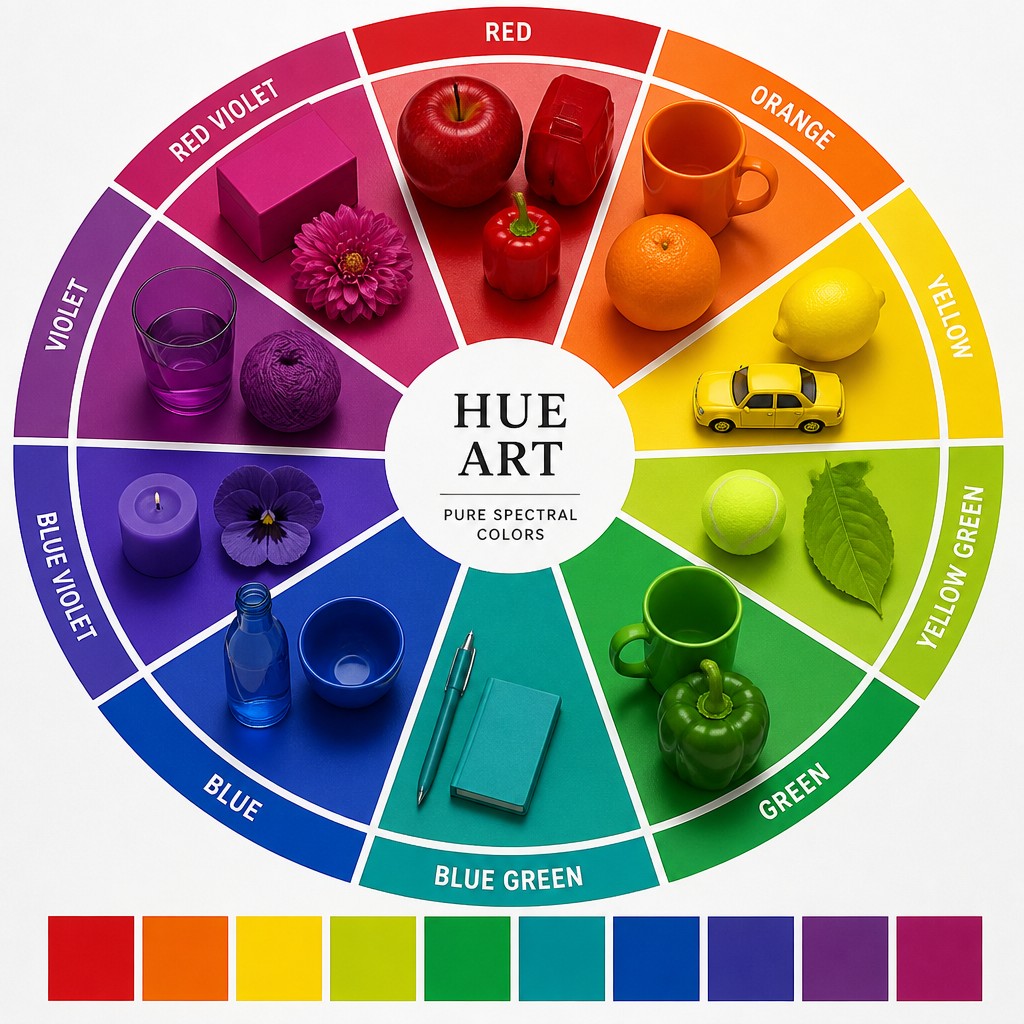
Geometric simplification
Subjects are reduced to bold silhouettes, planar shapes, and organized fields when they appear alongside the color system. Fine texture, painterly gesture, and incidental detail are deliberately minimized.
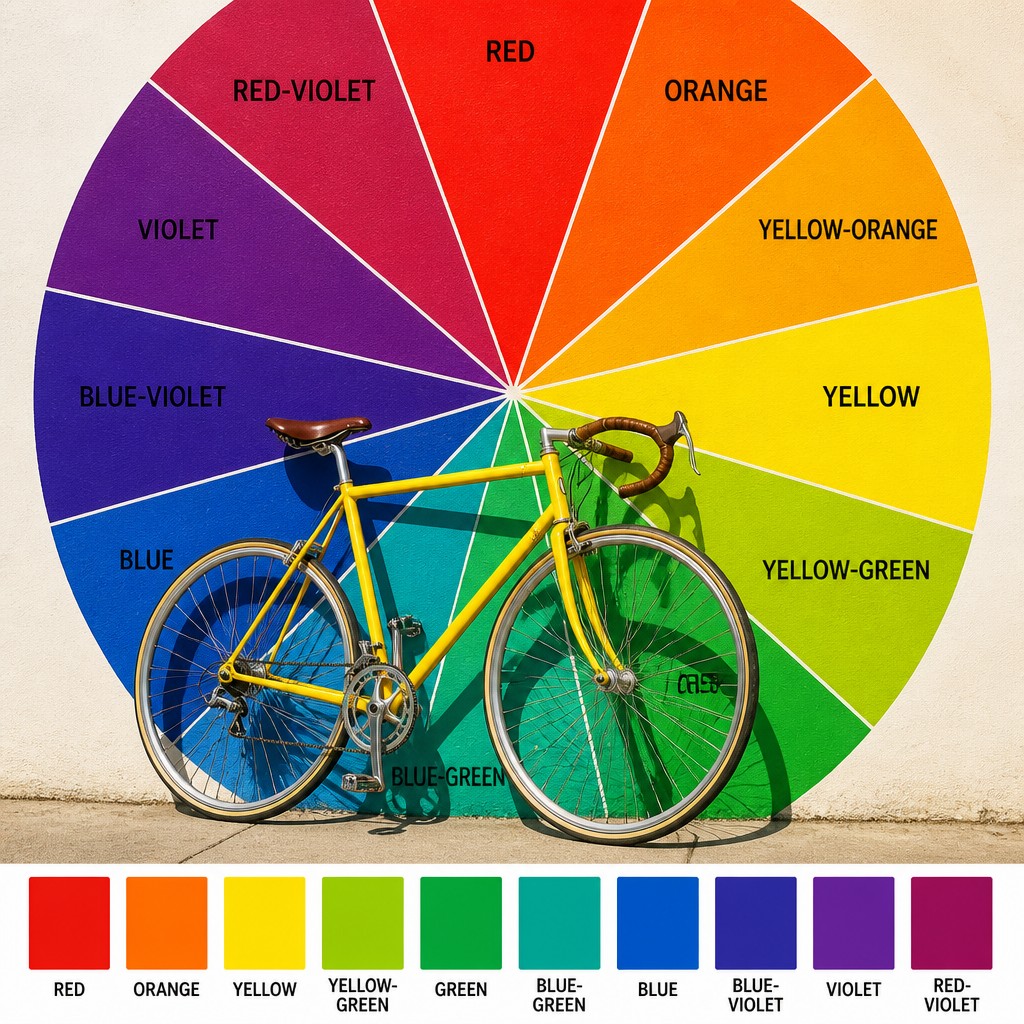
High visual order
Symmetry, repetition, measured spacing, and a limited set of chromatic rules create a controlled, instructional appearance. Even complex subjects are usually subordinated to the logic of the palette.
Hue Prompt Ideas
Start from an idea — each one opens the generator with the style ready to go. See all 40 Hue prompts →
How to Create Hue Art
Master the craft step by step — or skip straight to creating. Read the full guide →
- 1
Build a controlled hue palette
Choose a sequence of saturated hues around the spectrum and keep each color at a consistent level of intensity. Avoid adding white, black, gray, or complementary mixtures unless a deliberate contrast is essential.
- 2
Construct the radial framework
Begin with a center point, circular guide, and evenly spaced divisions, then place wedges or concentric rings around them. In traditional media, use a compass, ruler, masking tape, and opaque paint; digitally, use vector paths and snapping tools.
- 3
Preserve hard-edged separation
Apply flat, opaque fills and maintain clean borders between neighboring colors. Layer masks, selection tools, and vector shapes are useful for digital work, while stencils and carefully controlled brushes provide a comparable result by hand.
- 4
Use typography as information
Add concise labels such as hue names or spectrum positions in a consistent typeface and alignment. Keep text legible without allowing it to overpower the circular color structure.
- 5
Simplify the subject
When depicting an object, landscape, or figure, reduce it to clear silhouettes and planar sections that can support the same chromatic logic. Remove incidental shading and texture so the palette remains the dominant subject.
- 6
Write precise generation prompts
Specify a circular or radial composition, pure saturated neighboring hues, crisp unmixed segments, flat vector-like fills, and the absence of tints, shades, gradients, and gray. Name the subject and request chart-like labeling when an instructional appearance is desired.
The Story
History & Origins of Hue
Hue Art Style is an invented, contemporary style rather than a documented historical art movement. Its aesthetic lineage combines the scientific color wheel, chromatic diagrams used in art education, modernist geometric abstraction, flat graphic design, and digital color-palette visualization.
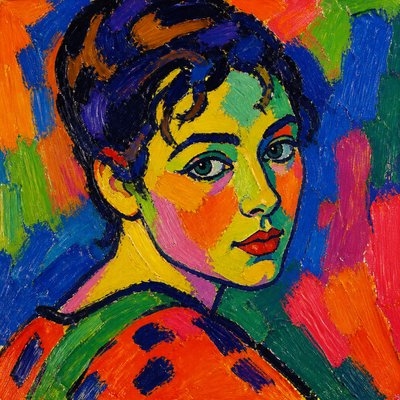
The style also reflects the precision of vector illustration and screen-based color systems, where discrete hue values can be selected, separated, and reproduced consistently. Its emphasis on unmixed spectral color recalls colorist experiments in modern painting, but its circular organization and labeled segments make it more diagrammatic than painterly.
Influences: The style draws on traditional color wheels, pigment and optical color theory, art-school teaching diagrams, geometric abstraction, Constructivist and Bauhaus-related design principles, modern infographics, Swiss-style graphic order, and contemporary vector illustration. It also shares the flat chromatic clarity of screen graphics and the systematic structure of data visualization, while remaining more decorative and color-centered than a functional chart.
Frequently Asked Questions
What defines Hue Art Style?
Hue Art Style is defined by pure, saturated colors arranged in a circular or radiating system. Its boundaries are crisp, its forms are simplified, and it generally avoids gradients, gray, tints, shades, and muddy mixtures.
Is Hue Art Style a historical art movement?
No. It is a contemporary, descriptive style label rather than a documented historical movement. Its visual language draws from color theory diagrams, geometric abstraction, modern graphic design, and digital palette systems.
How is it different from a traditional color wheel?
A traditional color wheel is primarily a tool for explaining relationships among hues. Hue Art Style uses that circular logic as a complete aesthetic, applying it to diagrams, objects, landscapes, and other subjects while emphasizing polished composition and visual impact.
Can I create this style with physical materials?
Yes. Opaque gouache, acrylic, screen printing, colored paper, and cut-paper collage are well suited to its flat, saturated fields. Use measured guides, masking, stencils, and separate layers to keep neighboring colors clean.
How should I describe the style in an image prompt?
Mention a radial color wheel or circular chart, pure spectral hues, distinct unmixed segments, flat vector-like shapes, crisp boundaries, and clean labels. Also specify exclusions such as no gradients, no gray, no painterly texture, and no tonal shading.
Where is this style useful?
It works well for posters, educational illustrations, infographics, color studies, editorial graphics, album or book covers, interface concepts, and abstract wall art. Its strong organization also makes it effective when an image needs to communicate color relationships immediately.
Create your first Hue artwork
Describe anything — or upload a photo — and see it in Hue Art Style in seconds.
Related Styles
Discover similar art styles