Leiden Art Style
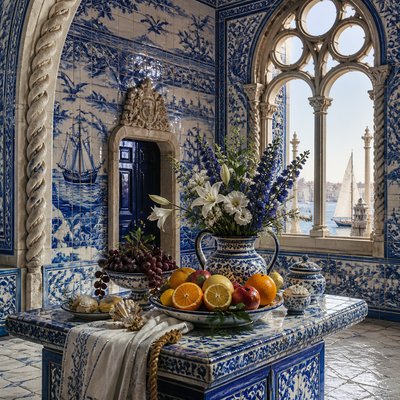
Explore Leiden Art Style: precise Dutch genre interiors, fine brushwork, diffused light, lace, metal, and jewel-like domestic detail.
Instantly rendered in Leiden — or transform a photo
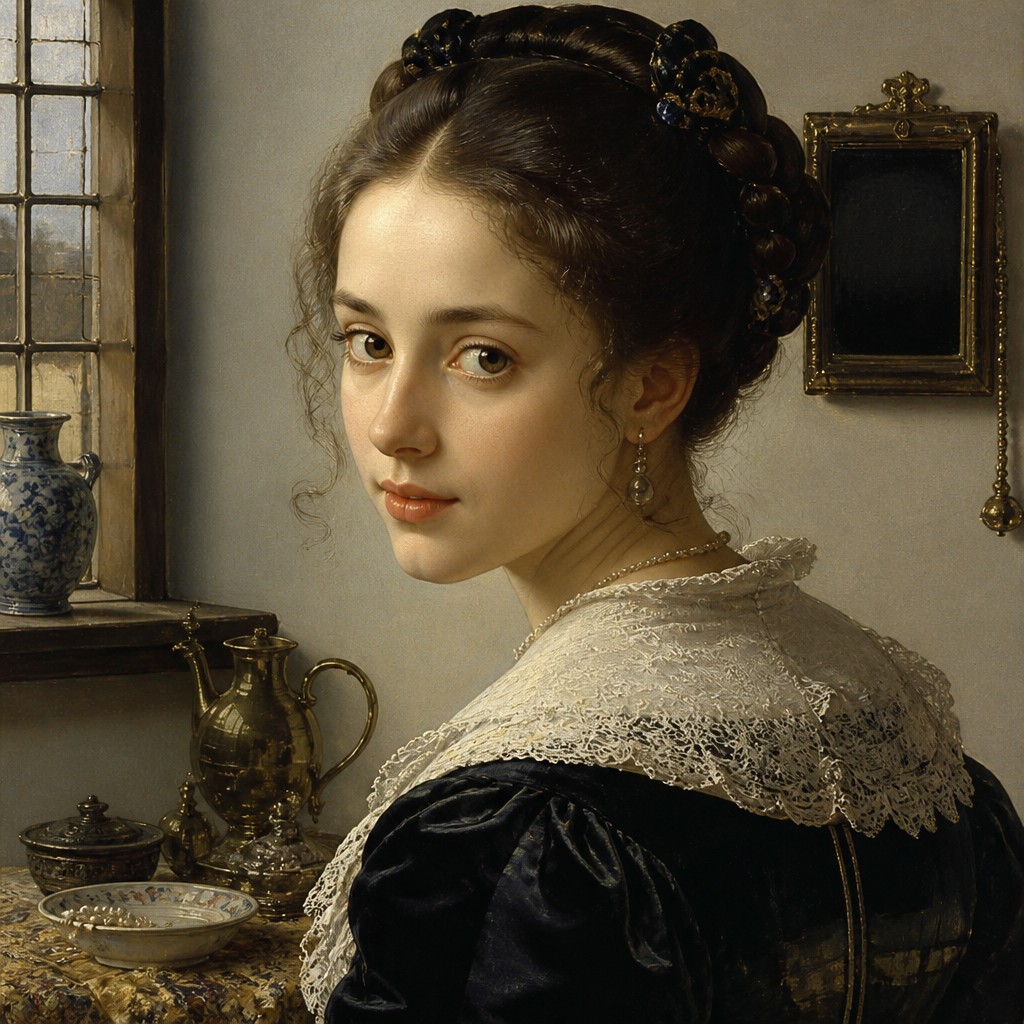
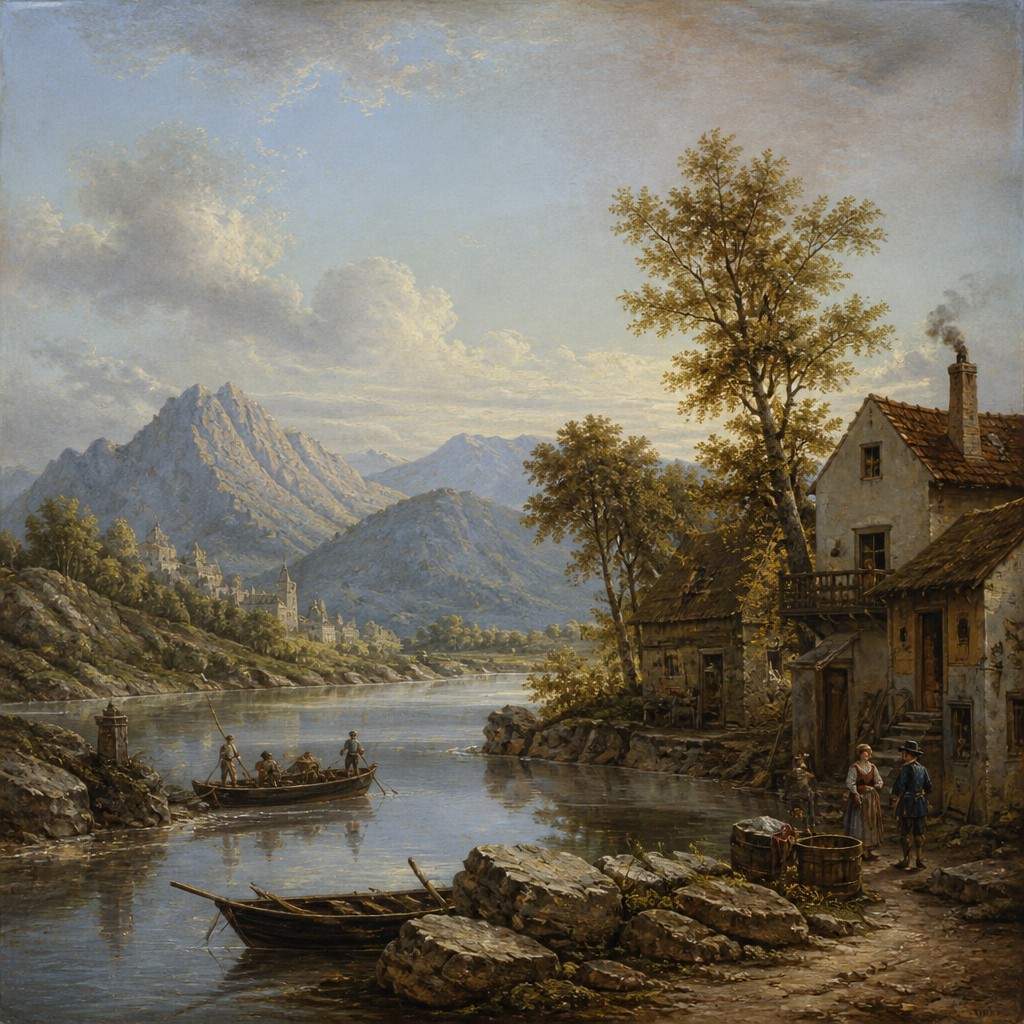
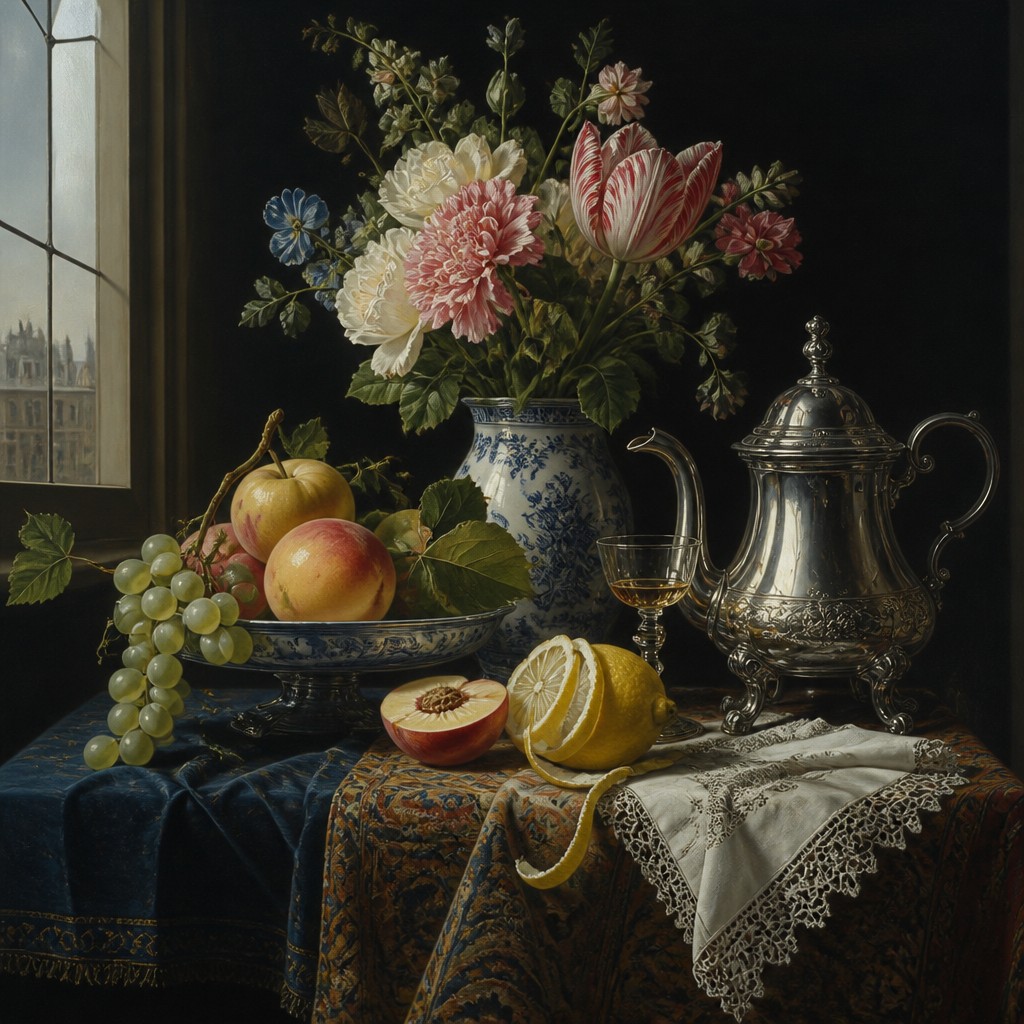
Leiden Gallery
Tap any artwork to explore it
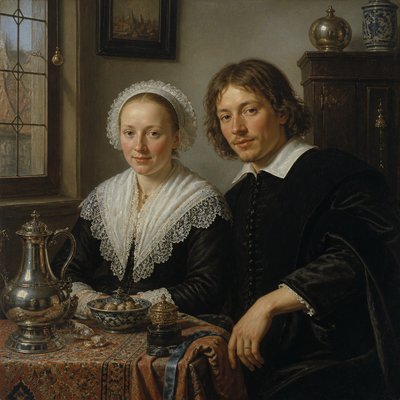
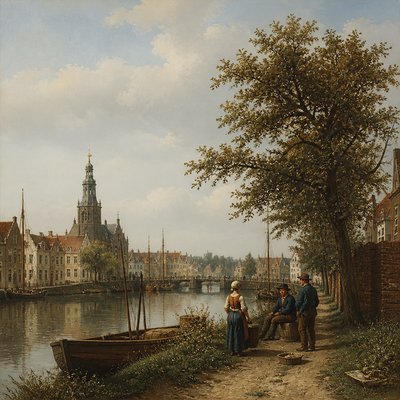
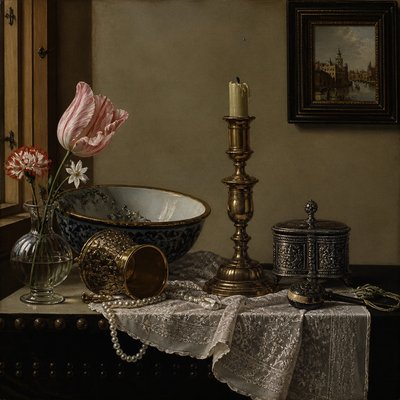
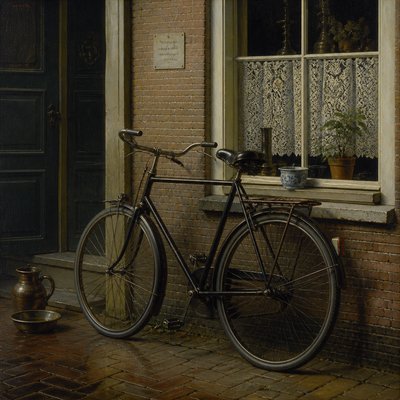
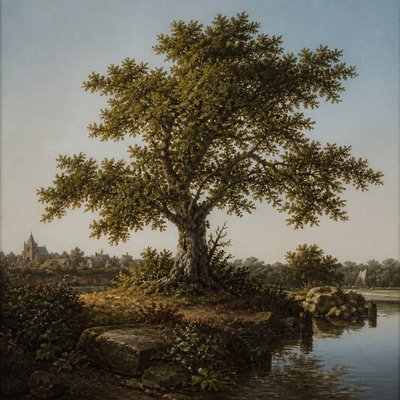
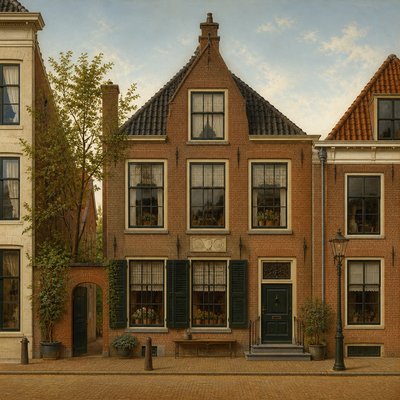
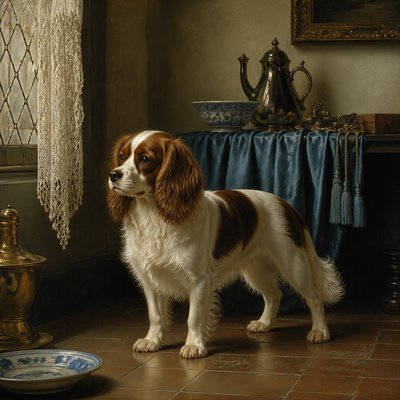
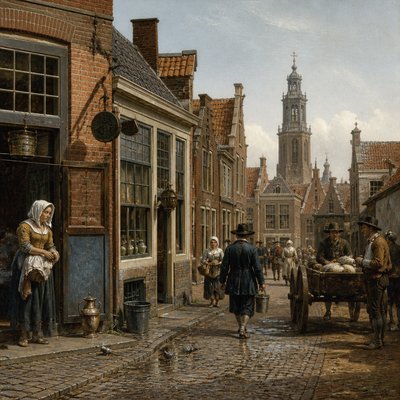
What is Leiden Art Style?
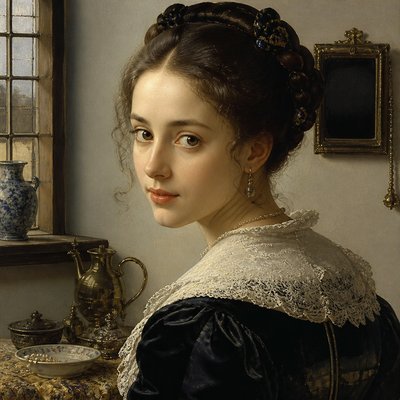
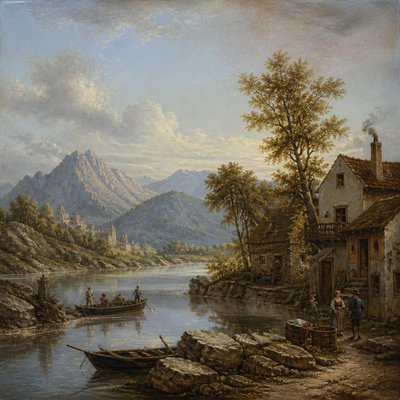
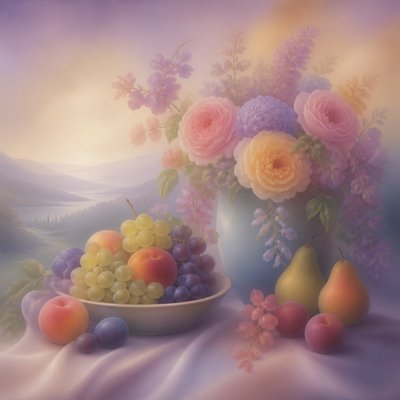
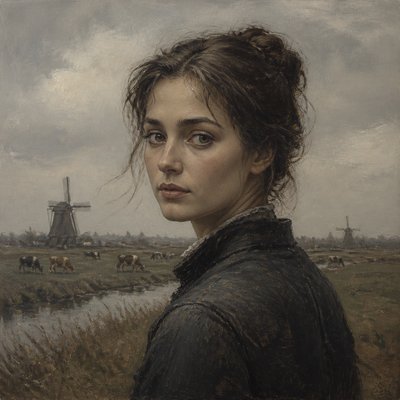
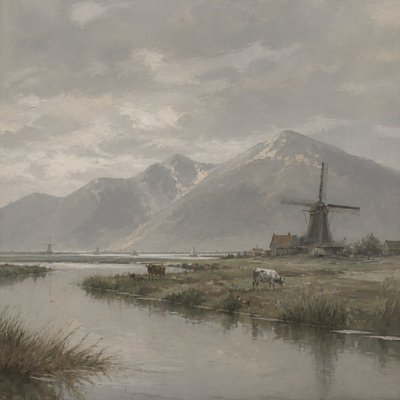
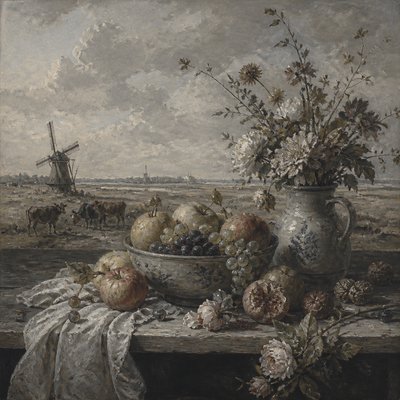
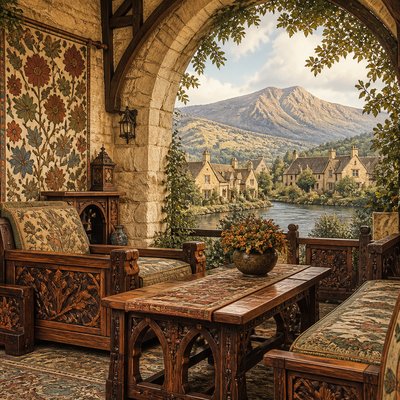
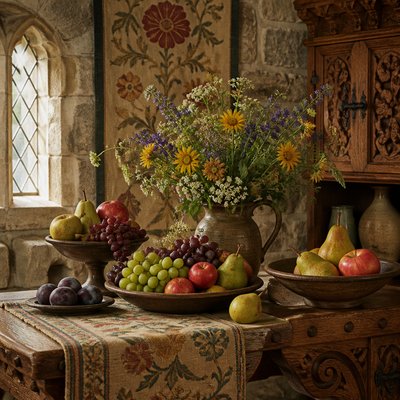
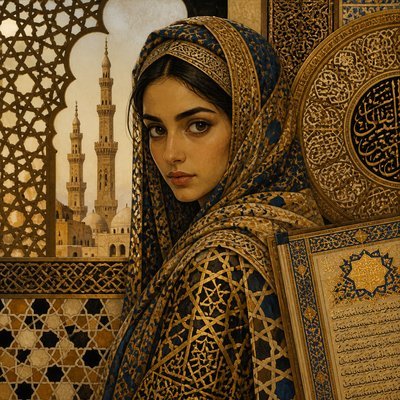
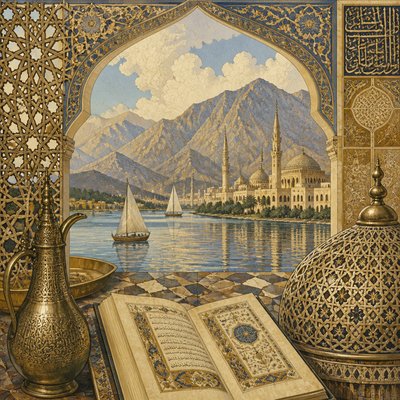
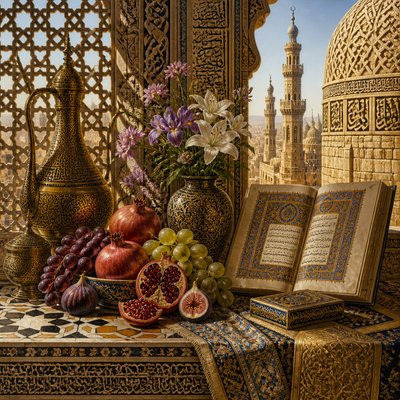
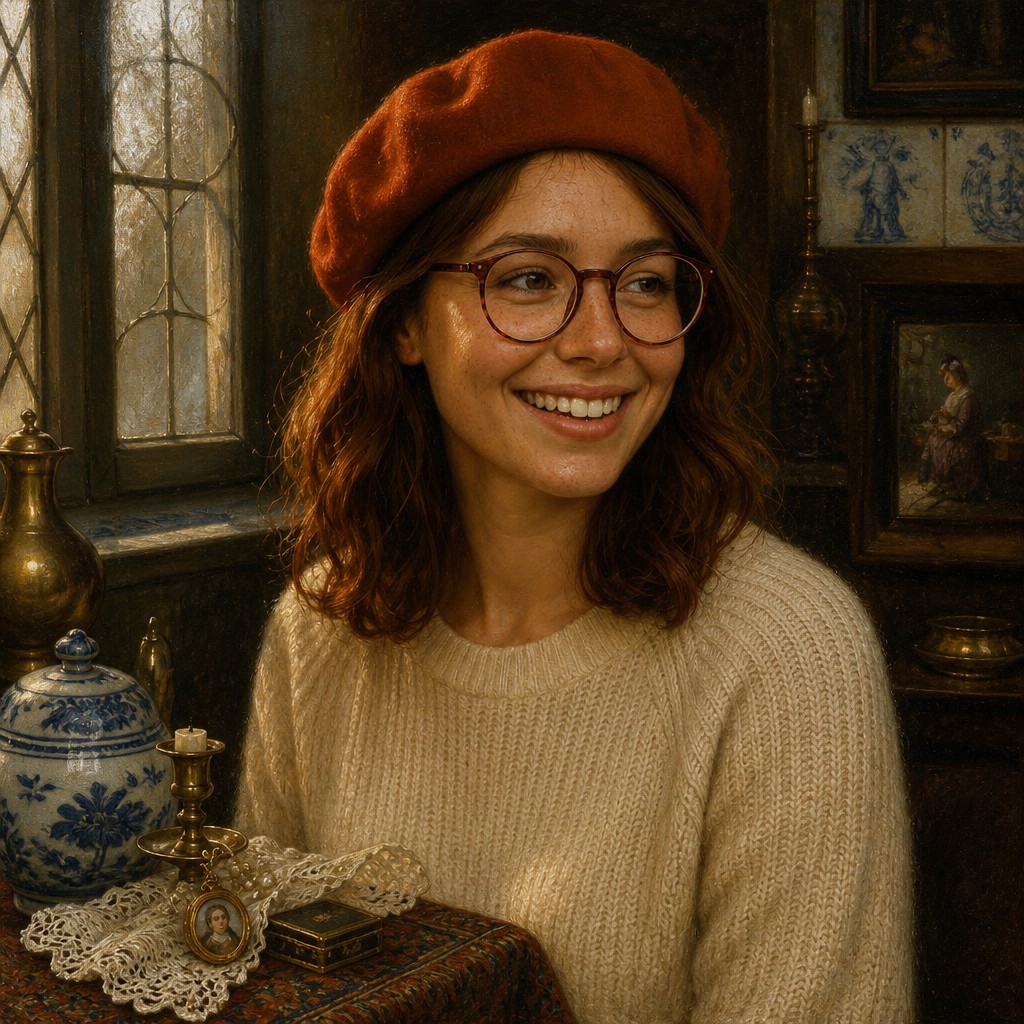
Leiden Art Style is a contemporary style label for small-scale Dutch genre painting characterized by exceptionally fine brushwork, quiet domestic subjects, and meticulously observed objects. Its compositions often focus on an interior, tabletop, study, kitchen, or household ritual, rendered with controlled perspective and an unusually high level of surface detail.
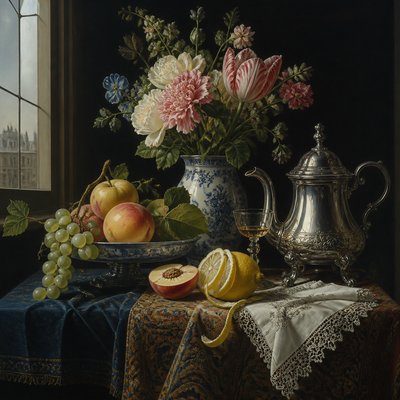
The style’s visual identity comes from the contrast between modest subject matter and exacting execution. Diffused window light gently describes lace, polished metal, glass, wood, paper, and woven textiles, while glossy, enamel-like surfaces and restrained arrangements give the image a jewel-box quality. The overall effect is intimate, orderly, still, and contemplative rather than theatrical.
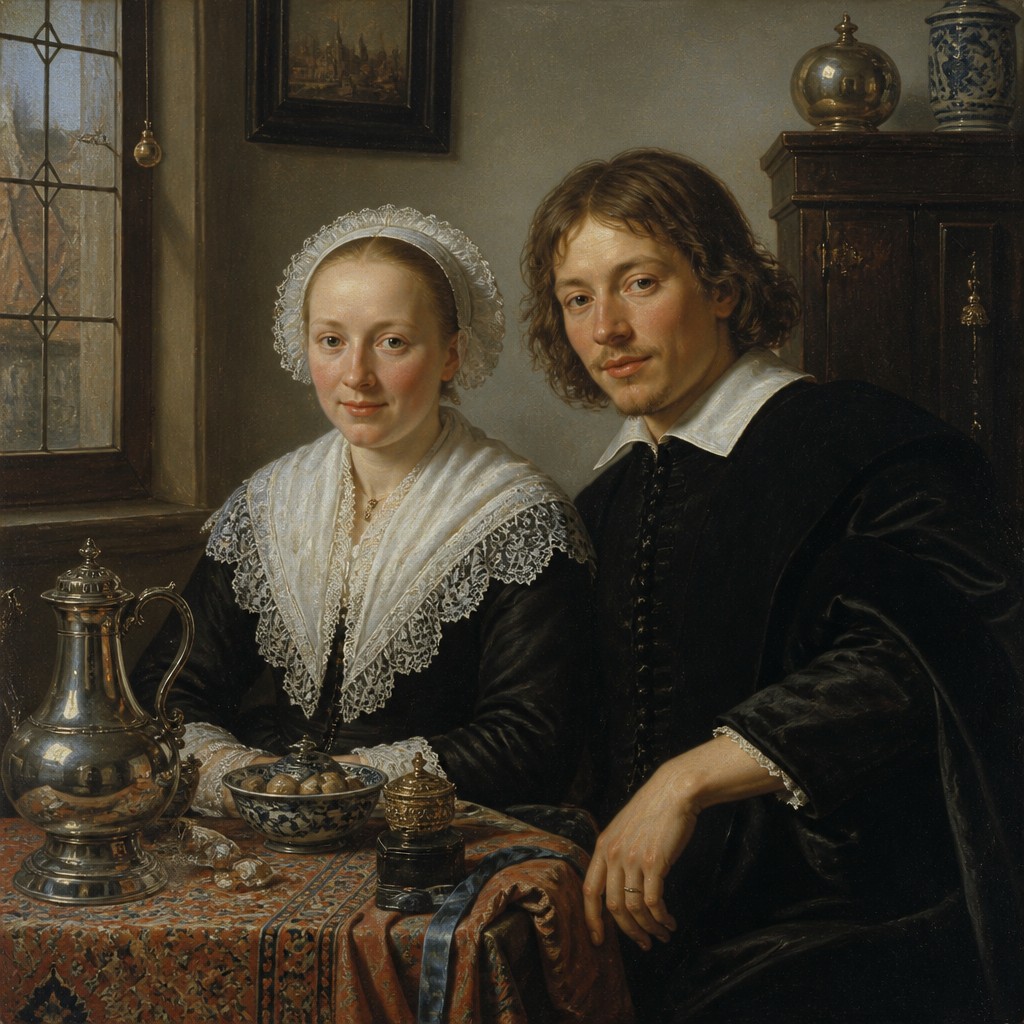
Try It On Your Photos
Upload any photo and convert it into Leiden Art Style — drag the sliders to compare before and after.


What Defines Leiden Art Style
The signature details, up close
Exquisitely fine brushwork
Edges, textures, and small objects are described with controlled, delicate strokes rather than broad expressive marks. Detail is concentrated where the eye is meant to linger.
Small-scale genre composition
Scenes are typically intimate and contained, showing a quiet interior, a person engaged in an everyday task, or a carefully arranged table. The limited scale encourages close observation.
Domestic material detail
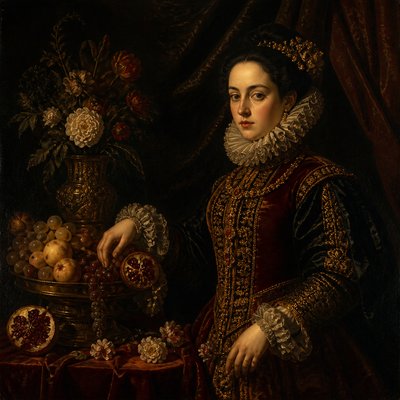
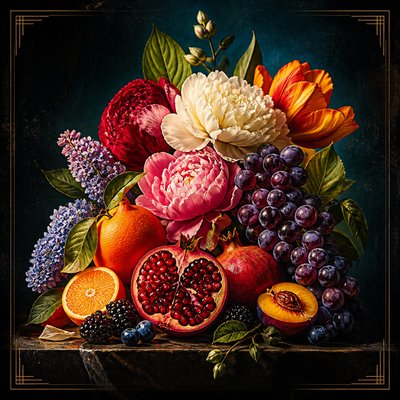
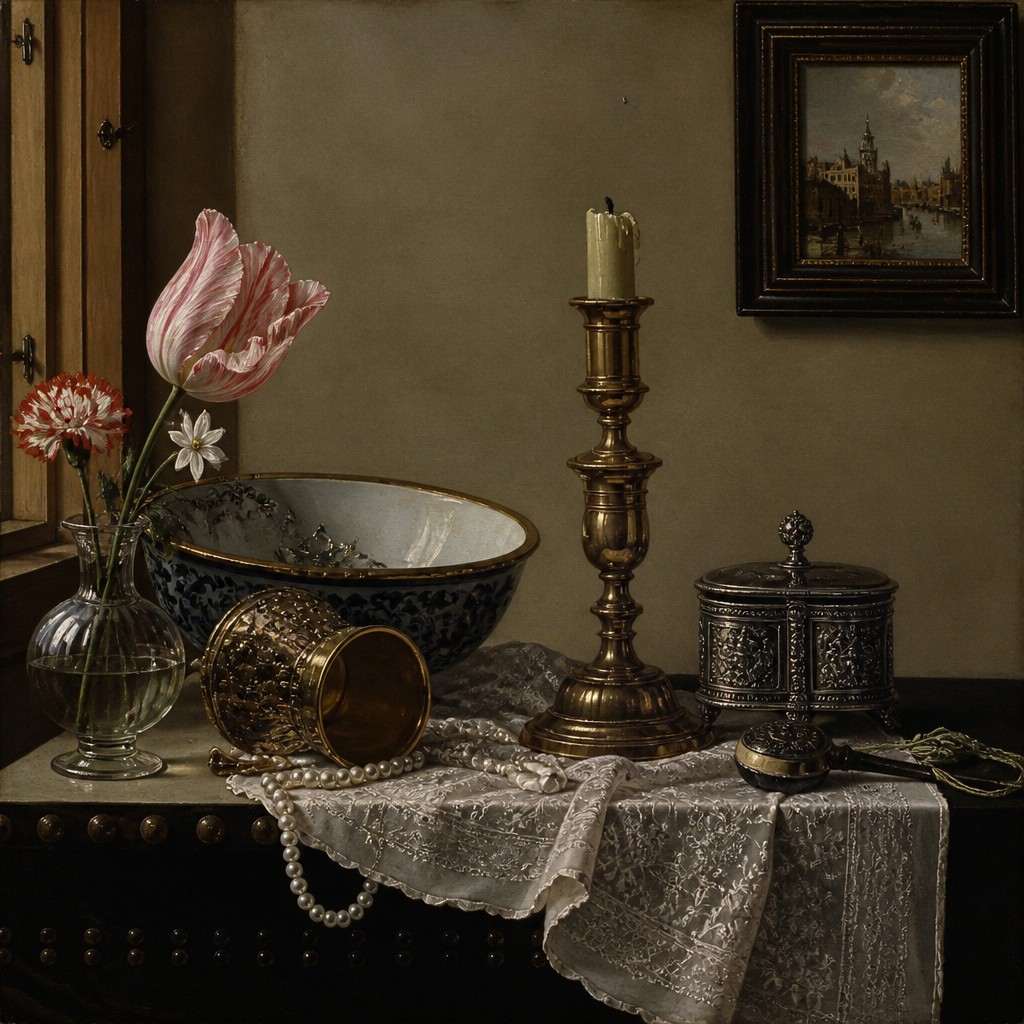
Lace, pewter, brass, glass, porcelain, leather, wood, paper, and woven cloth are given distinct tactile identities. Reflections and textures are precise but never excessively dramatic.
Soft window illumination
Diffused side light models forms gradually and creates gentle transitions between illumination and shadow. The lighting reveals surfaces while preserving a calm, private atmosphere.
Glossy, polished finish
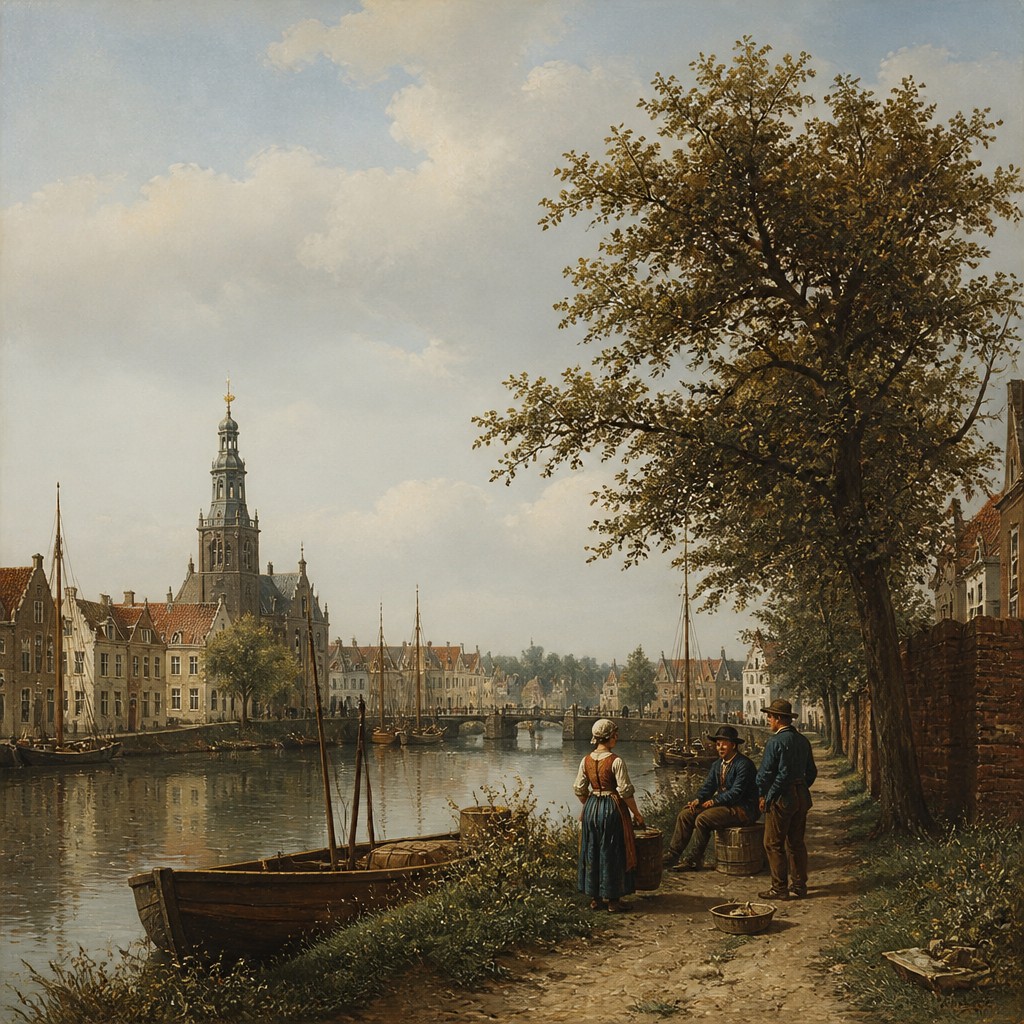
Painted surfaces appear smooth and enamel-like, with subtle highlights and carefully blended tonal passages. Visible brushwork is minimized in favor of a refined, jewel-like finish.
Restrained visual order
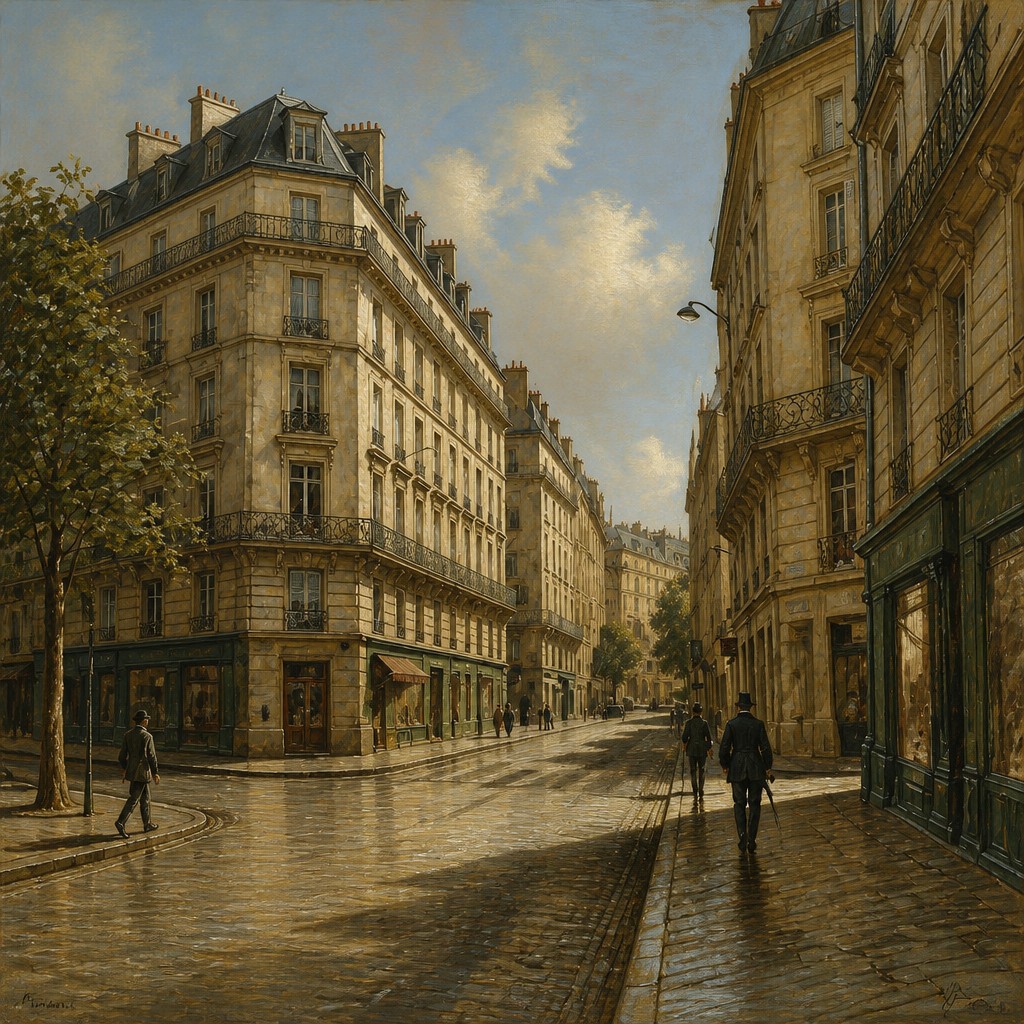
Objects are arranged with deliberate balance, often leaving quiet areas around the main subject. Symmetry may be implied, but the compositions generally avoid rigid geometric design.
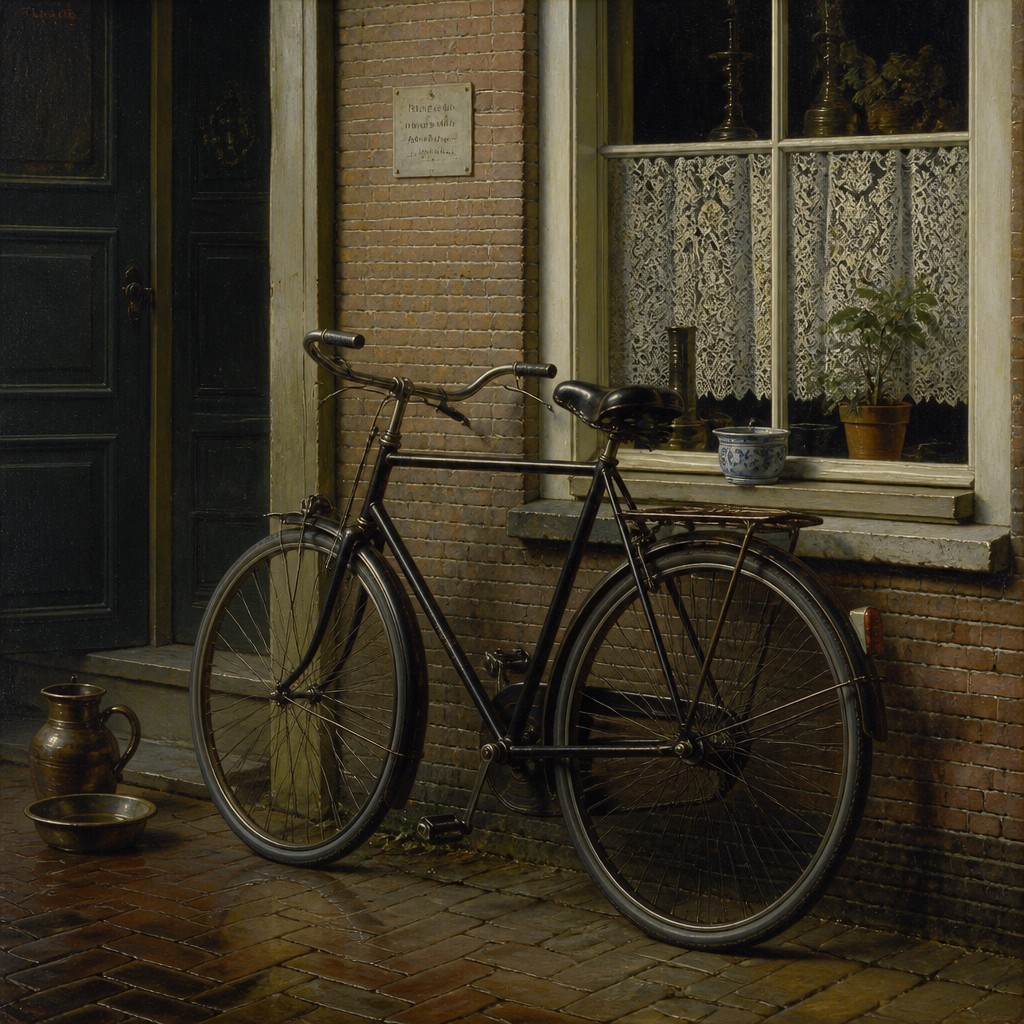
Muted, warm palette
Earth reds, ochres, umbers, cream, charcoal, muted blue, and subdued green create a grounded tonal range. Accents of polished metal, white cloth, or saturated fabric provide controlled contrast.
Leiden Prompt Ideas
Start from an idea — each one opens the generator with the style ready to go. See all 40 Leiden prompts →
How to Create Leiden Art
Master the craft step by step — or skip straight to creating. Read the full guide →
- 1
Begin with a compact interior
Choose one domestic setting and limit the composition to a few meaningful objects. A table, window, chair, cabinet, or work surface can provide enough structure without making the scene visually crowded.
- 2
Build surfaces in transparent layers
In traditional painting, establish a careful underdrawing, then develop forms through thin opaque and translucent layers. Digitally, use separate low-opacity layers, soft blending, and localized texture brushes rather than a uniformly sharp treatment.
- 3
Control the light direction
Place a single broad window source to one side and keep shadows soft, cool, and coherent. Describe reflective objects with small, accurate highlights instead of strong cinematic glare.
- 4
Reserve detail for focal areas
Render lace, metal edges, paper, and small still-life objects most precisely near the visual center. Reduce contrast and texture toward the margins to preserve intimacy and hierarchy.
- 5
Use a deliberate generation prompt
Specify a small domestic interior, fine brushwork, diffused window light, polished surfaces, tactile materials, restrained arrangement, and a muted warm palette. Add exclusions such as dramatic lighting, loose impasto, clutter, and exaggerated saturation when the result becomes too contemporary or theatrical.
- 6
Refine image-to-image transformations carefully
Preserve the source image’s main silhouette or room structure while lowering visual noise and simplifying the arrangement. Request smooth tonal modeling, precise material rendering, and historically grounded household details rather than merely adding a generic old-master filter.
The Story
History & Origins of Leiden
This label draws primarily on the seventeenth-century fijnschilder tradition associated with Leiden in the Dutch Republic. That tradition developed within the broader Dutch Golden Age culture of genre painting, where artists examined household interiors, letters, musical instruments, food, craft, and everyday behavior with close attention to material appearance. Leiden painters became particularly associated with smooth surfaces, small formats, refined finish, and painstaking detail.
Leiden Art Style is not a single historical movement with a fixed period or manifesto. It is a modern synthesis that adapts the technical ideals of Dutch fijnschilder painting into a reusable visual language, emphasizing miniature scale, polished surfaces, soft natural illumination, and carefully edited domestic narratives.
Influences: The style is closely related to the Leiden fijnschilder tradition and the wider Dutch Golden Age culture of genre painting and still life. It also draws from Northern European naturalism, seventeenth-century interior painting, miniature and cabinet-picture formats, and the observational discipline of still-life study. Its polished finish can additionally suggest enamel painting, archival object photography, and contemporary digital rendering, provided these influences remain subordinate to the quiet domestic composition.
Frequently Asked Questions
What defines Leiden Art Style?
It is defined by minute domestic detail, small-scale compositions, exceptionally smooth brushwork, and soft window light. The style gives equal importance to everyday subject matter and the precise depiction of materials such as lace, metal, glass, wood, and paper.
Is Leiden Art Style a historical art movement?
The name is best understood as a contemporary style label rather than a formally defined historical movement. It references the seventeenth-century Leiden fijnschilder tradition and reorganizes its visual qualities into a modern, portable aesthetic.
How does it differ from general Dutch Golden Age painting?
Dutch Golden Age painting includes many approaches, from broad history painting to energetic portraiture and dramatic religious scenes. This style narrows the focus to intimate interiors, small formats, polished surfaces, controlled lighting, and unusually concentrated material detail.
What subjects work best in this style?
Quiet interiors, reading, sewing, writing, household chores, intimate studies, and carefully arranged still lifes are especially suitable. Objects with distinctive surfaces—lace, silver, porcelain, glass, leather, and folded cloth—give the style opportunities for close observation.
How can I paint or illustrate it traditionally?
Start with a precise drawing and a limited palette, then build forms gradually through thin layers and controlled blending. Use one broad light source, keep the composition uncluttered, and reserve the sharpest detail and brightest accents for the focal objects.
How can I request this look in a text-to-image prompt?
Describe the subject first, then specify a small Dutch interior, fine brushwork, diffused window light, smooth polished surfaces, restrained arrangement, and tactile materials. If needed, exclude loose impasto, harsh studio lighting, excessive saturation, clutter, and modern glossy effects.
Create your first Leiden artwork
Describe anything — or upload a photo — and see it in Leiden Art Style in seconds.
Related Styles
Discover similar art styles