Public Art Style
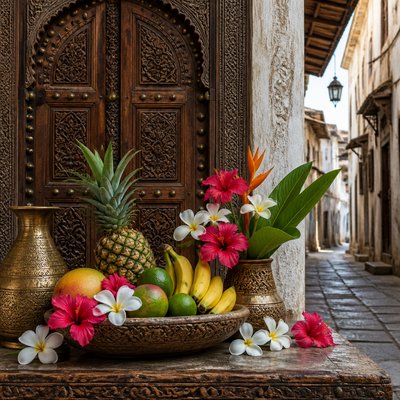
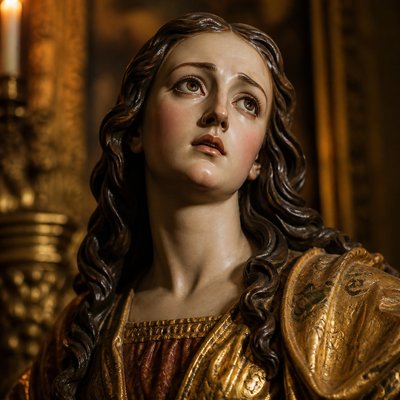
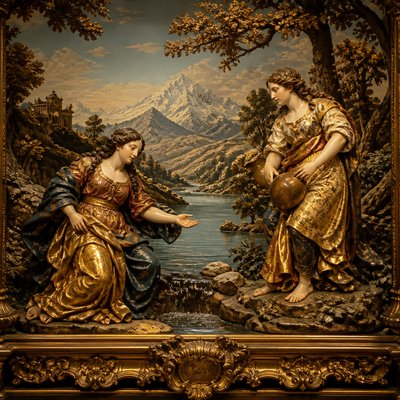
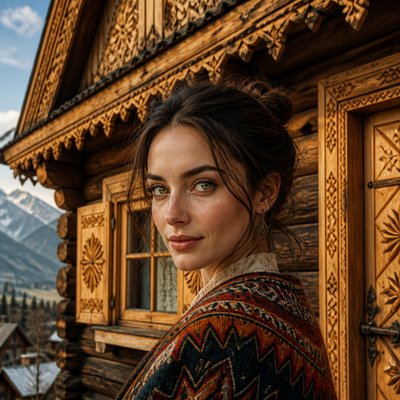
Explore Public Art Style: monumental, weatherproof sculpture and murals that shape civic plazas, guide movement, and invite communal gathering.
Instantly rendered in Public — or transform a photo
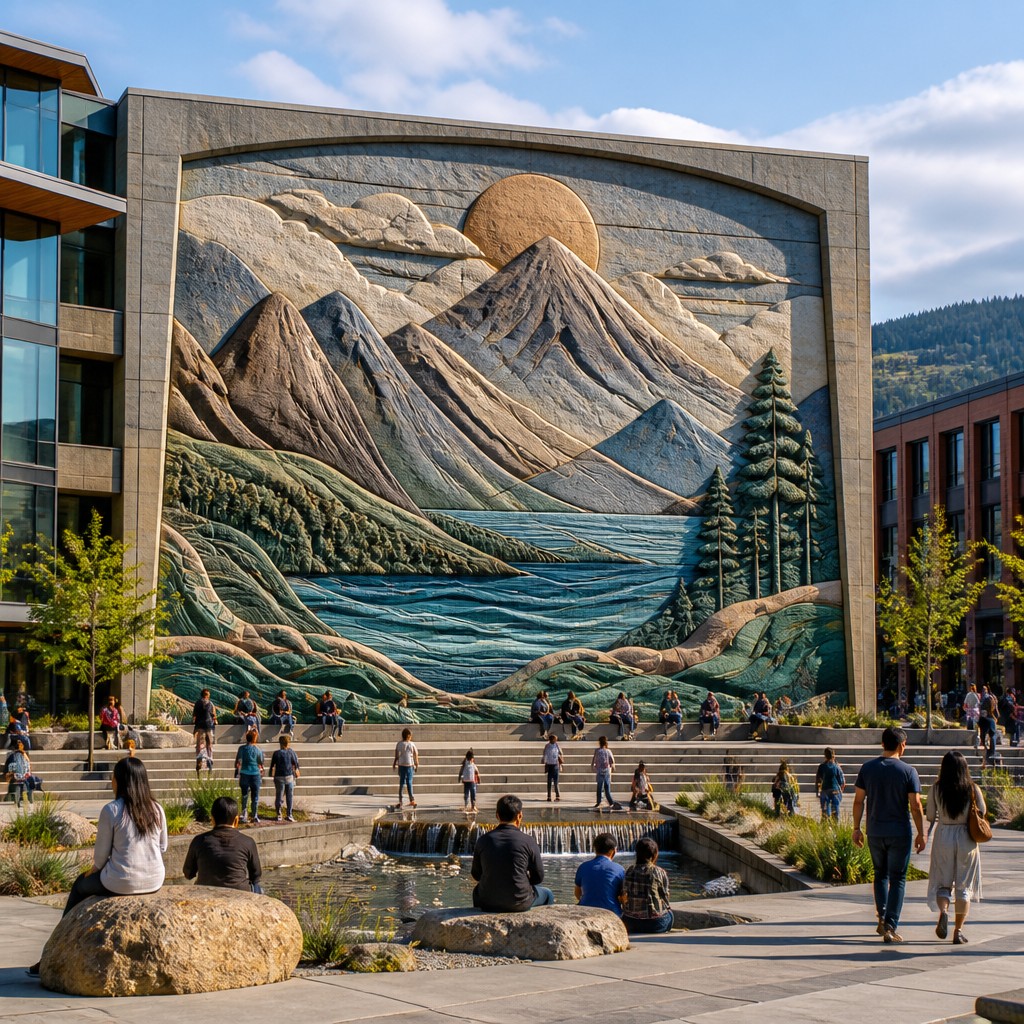
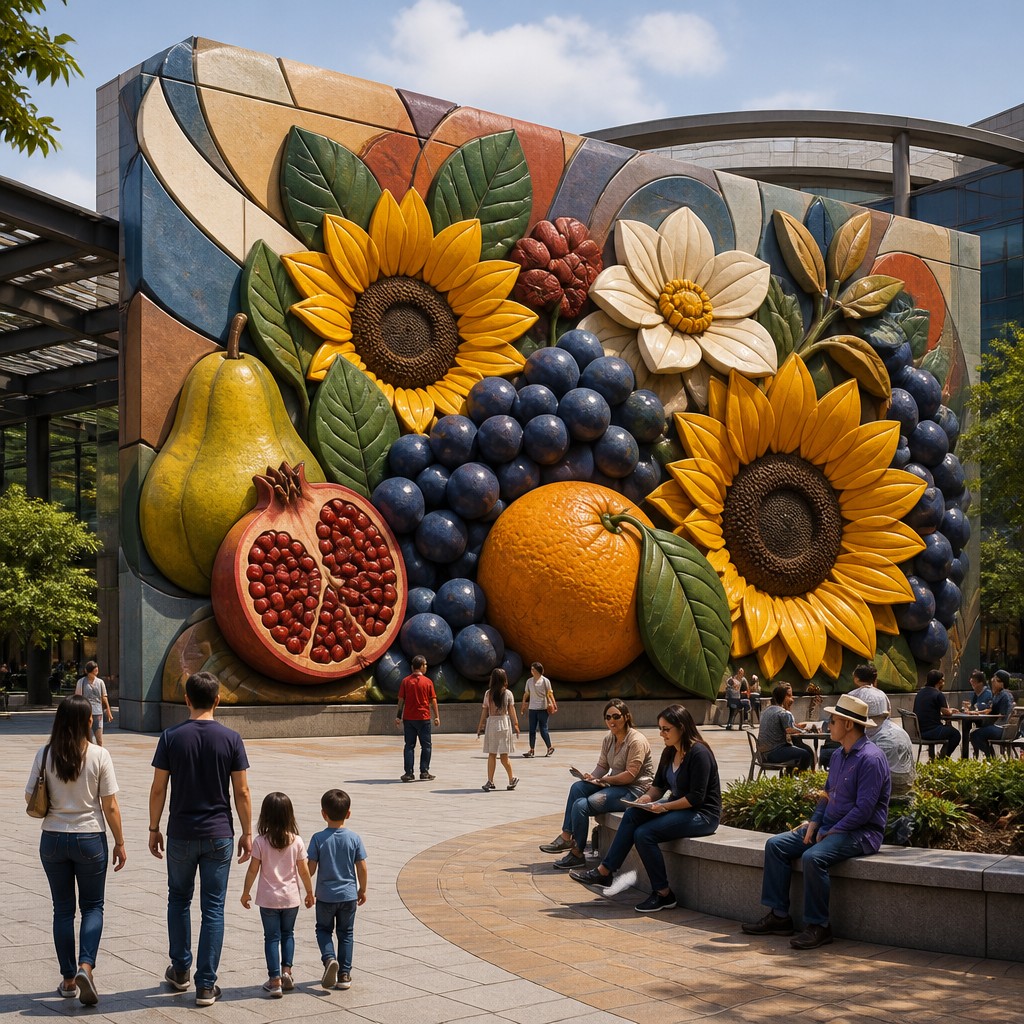
Public Gallery
Tap any artwork to explore it
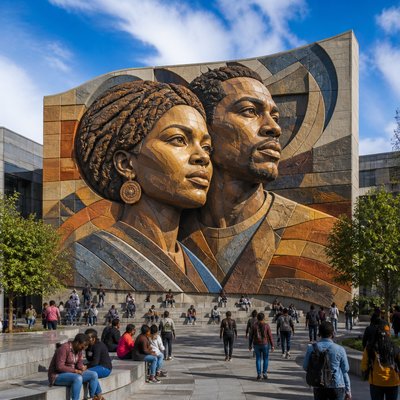
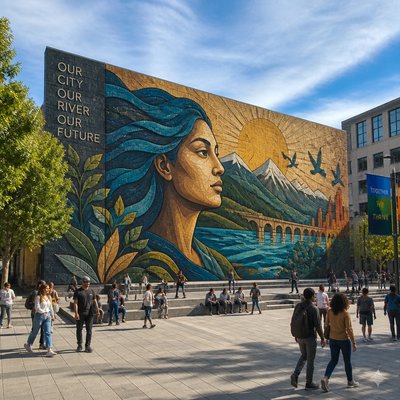
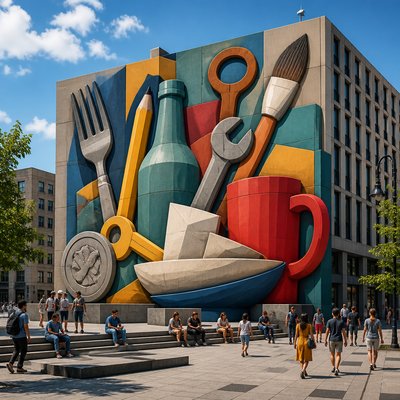
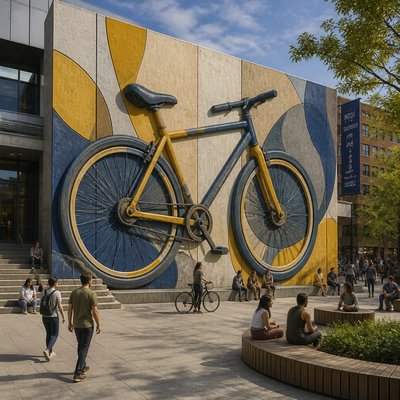
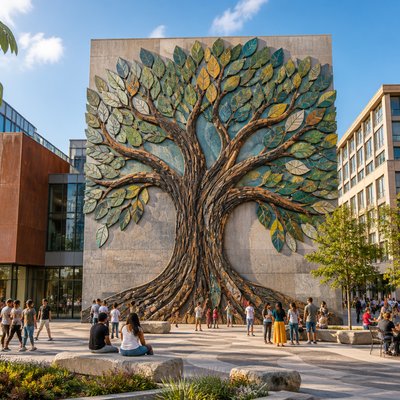
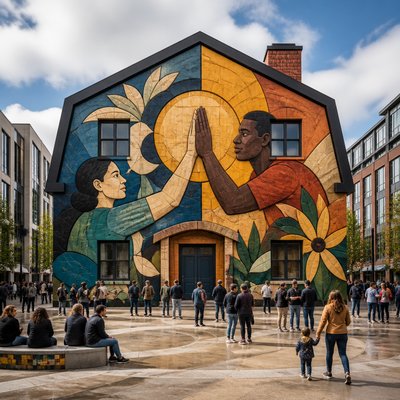
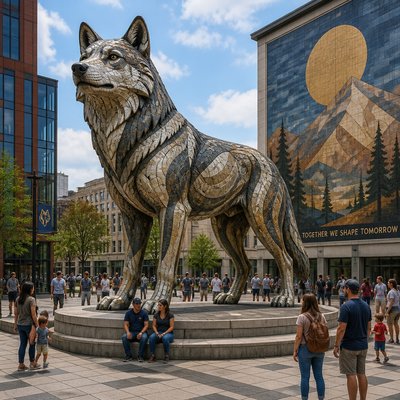
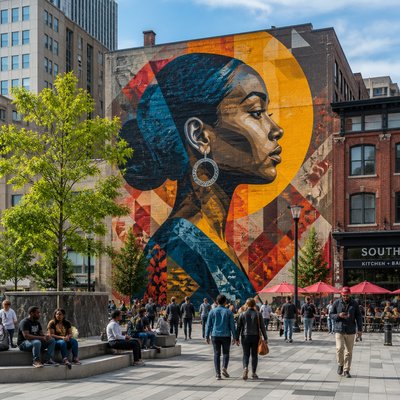
What is Public Art Style?
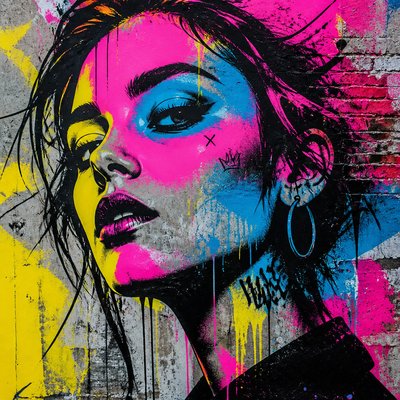
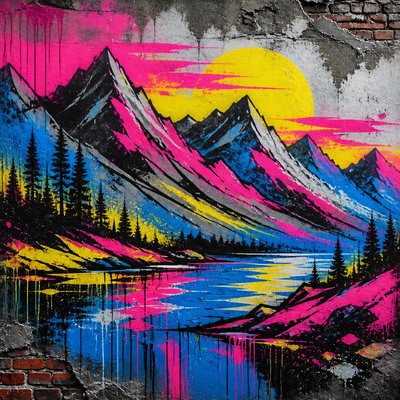
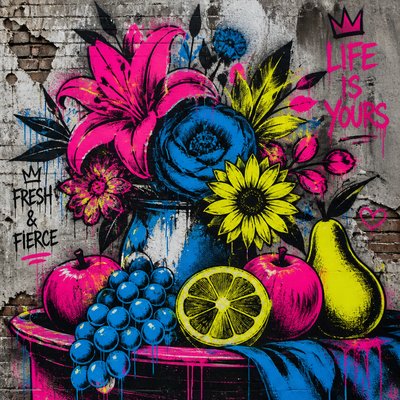
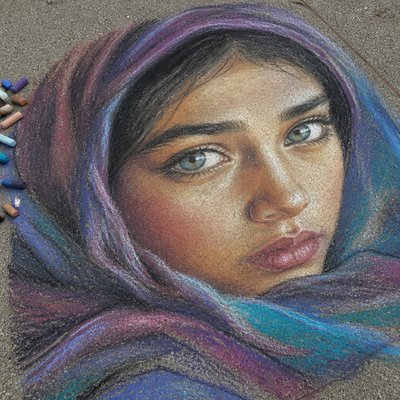
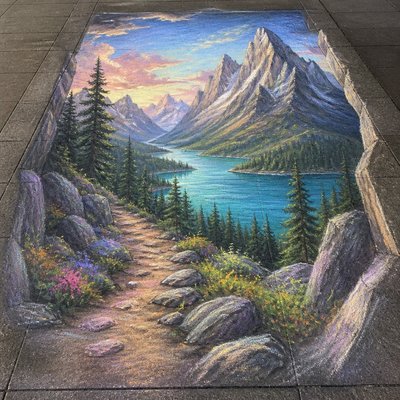
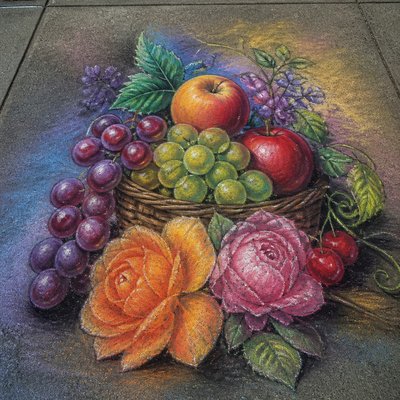
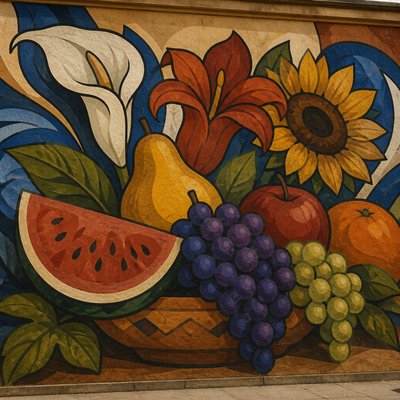
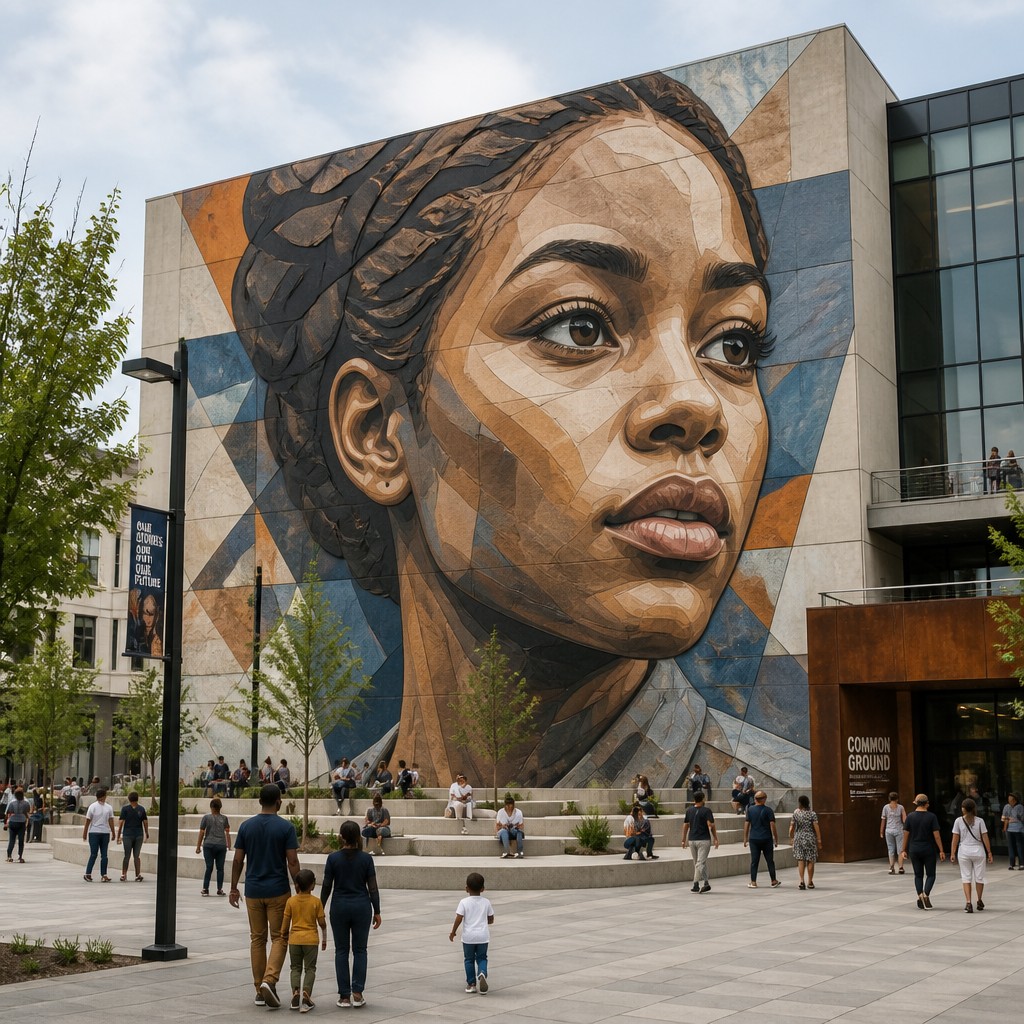
Public Art Style describes art conceived for shared civic space rather than for a private interior or gallery. Its subjects may take the form of monumental sculpture, architectural intervention, tilework, mosaic, relief, or mural imagery, positioned to anchor a plaza, transit area, waterfront, park, or streetscape. Scale, durability, visibility, and the movement of pedestrians are as important as the image itself.
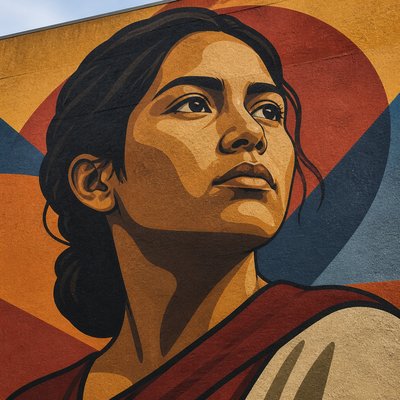
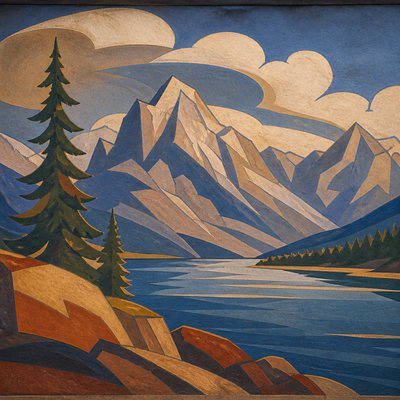
The visual identity is bold and legible: simplified forms, strong silhouettes, durable surfaces, and compositions that remain readable from a distance. Materials such as cast metal, stone, concrete, ceramic, glass, treated wood, and weather-resistant paint connect the work to seasons, crowds, and surrounding architecture. The result is art that functions as a landmark and a gathering point, giving a community a shared visual reference.
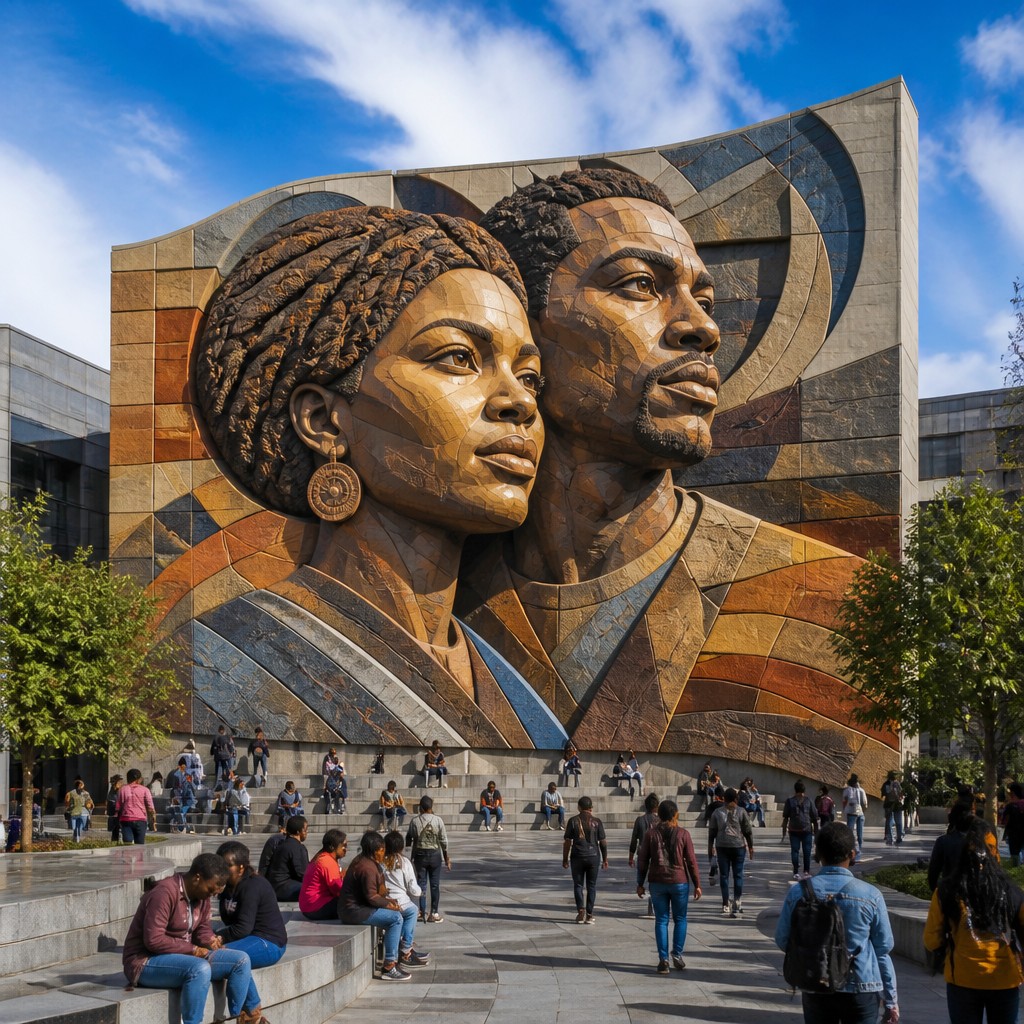
Try It On Your Photos
Upload any photo and convert it into Public Art Style — drag the sliders to compare before and after.
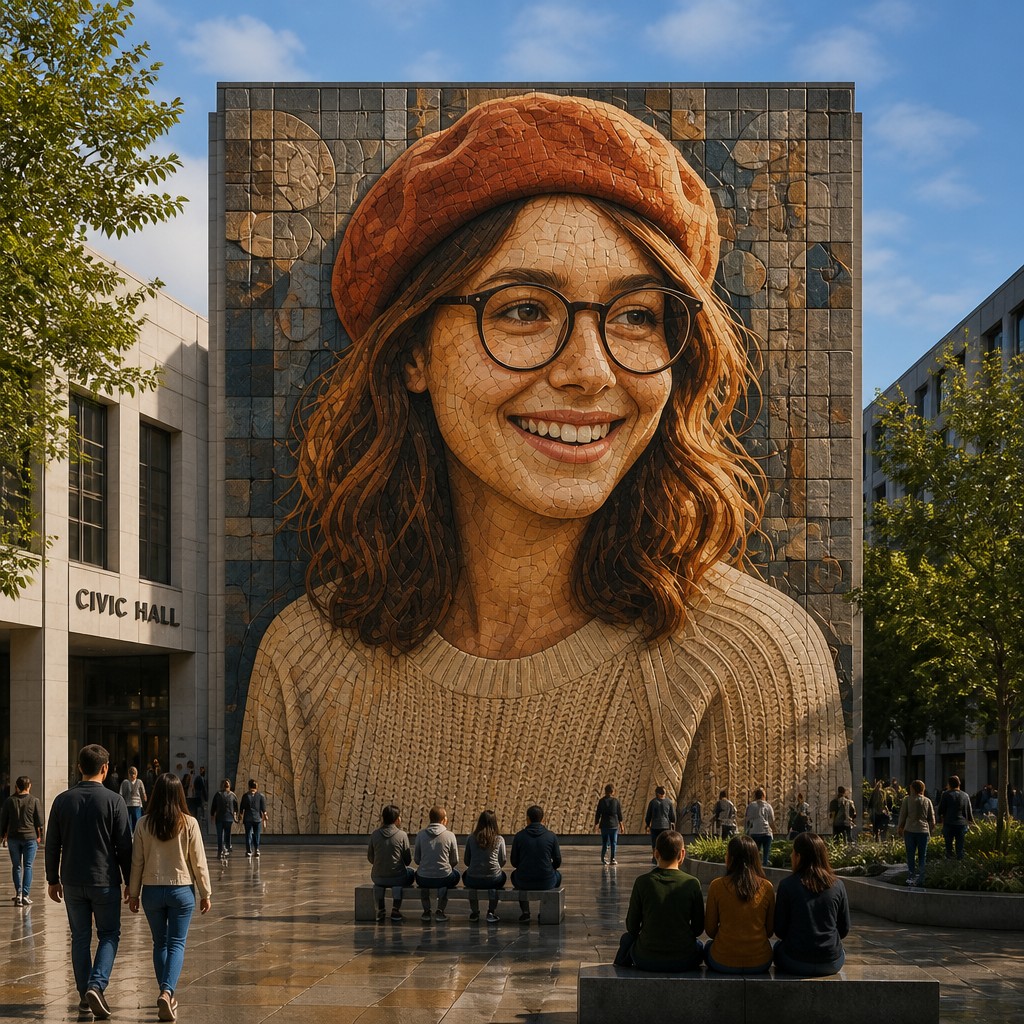

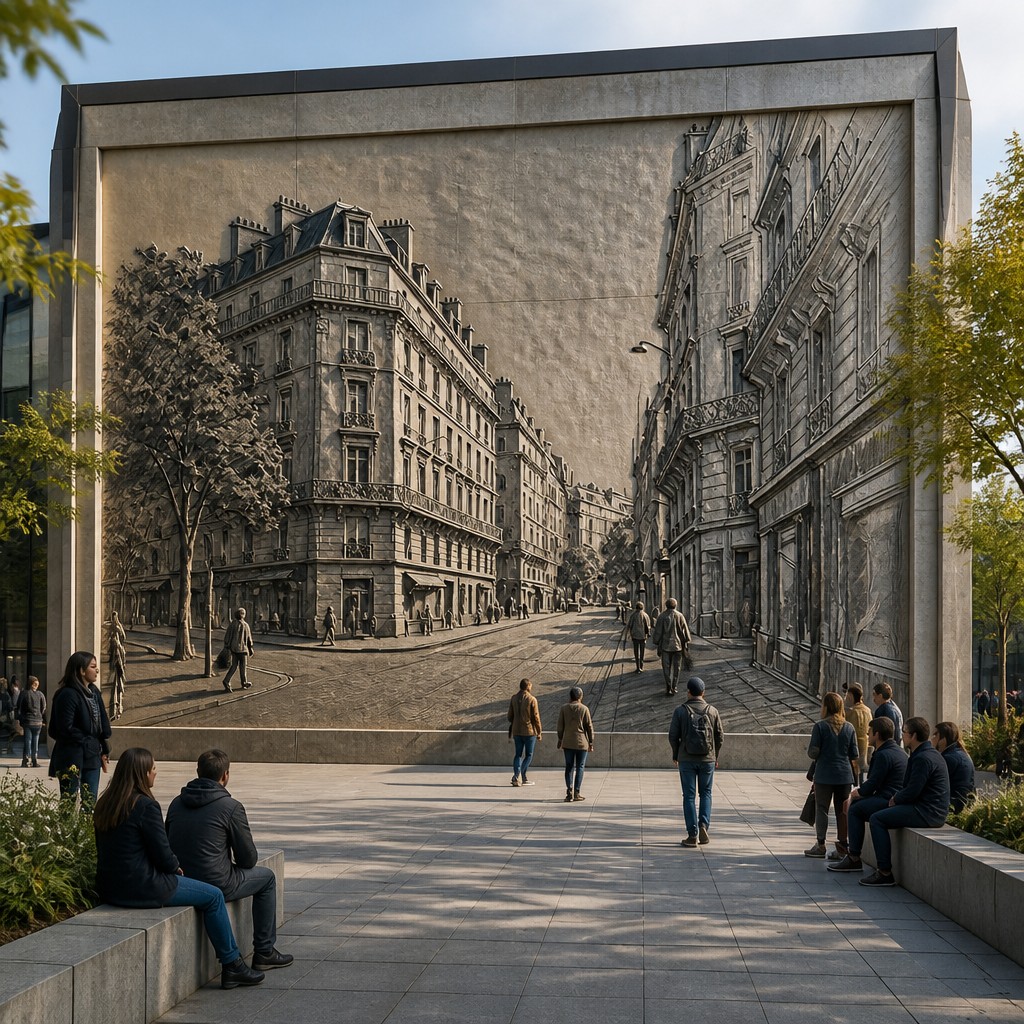

What Defines Public Art Style
The signature details, up close
Monumental scale
Forms are enlarged to compete visually with buildings, streets, trees, and crowds. Proportions are often designed for recognition from several viewpoints and considerable distances.
Civic placement
The artwork is integrated into a plaza, park, transit corridor, waterfront, campus, or streetscape. Its position creates an anchor, threshold, destination, or orientation point within public space.
Weatherproof materials
Stone, bronze, steel, concrete, ceramic, glass, mosaic, and exterior-grade coatings suggest permanence and resistance to sun, rain, wind, and repeated contact. Surface aging may be treated as part of the work's character.
Distance-readable imagery
Large silhouettes, simplified anatomy, broad color fields, strong contours, and limited visual clutter preserve clarity for viewers who are walking, driving, or seeing the work from across a plaza.
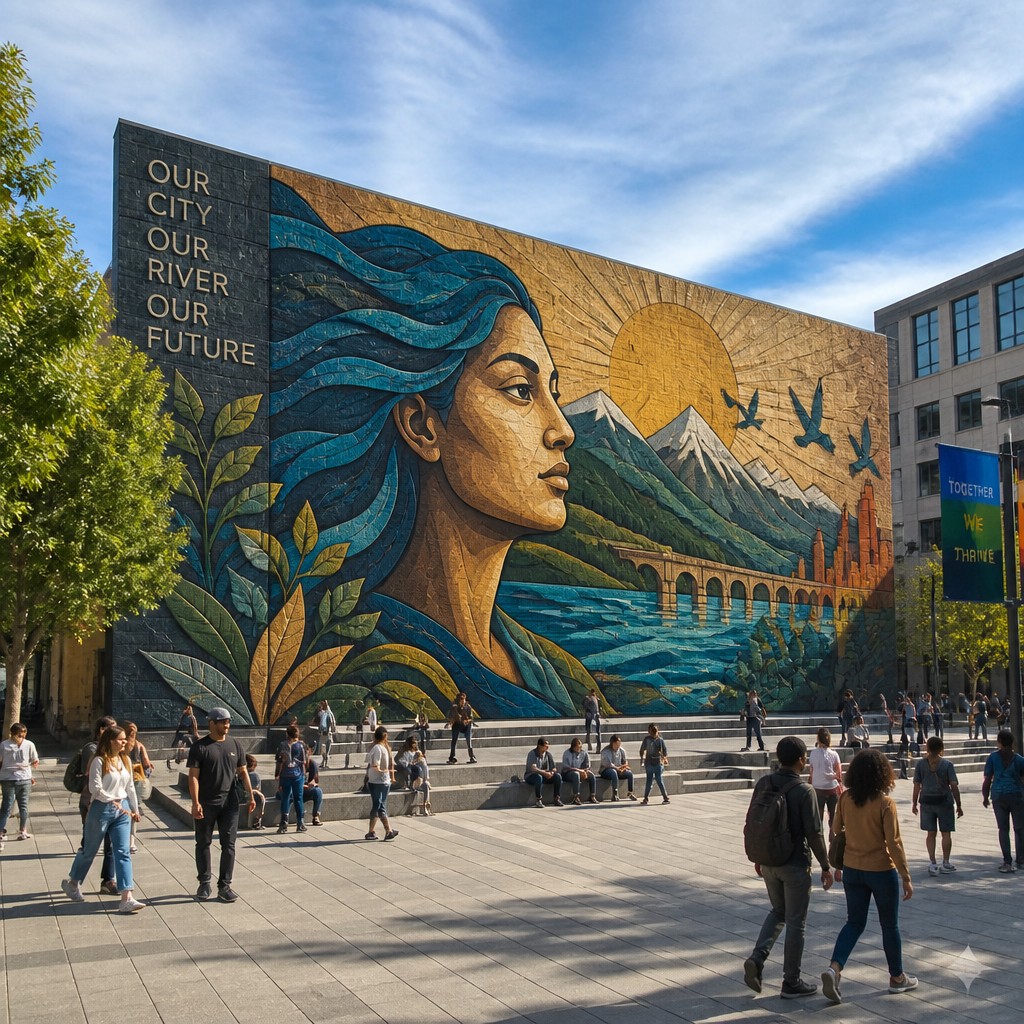
Architectural integration
The work responds to sightlines, building façades, paving patterns, landscaping, lighting, and circulation routes. It may frame an entrance, extend a wall, or create a visual dialogue with nearby structures.
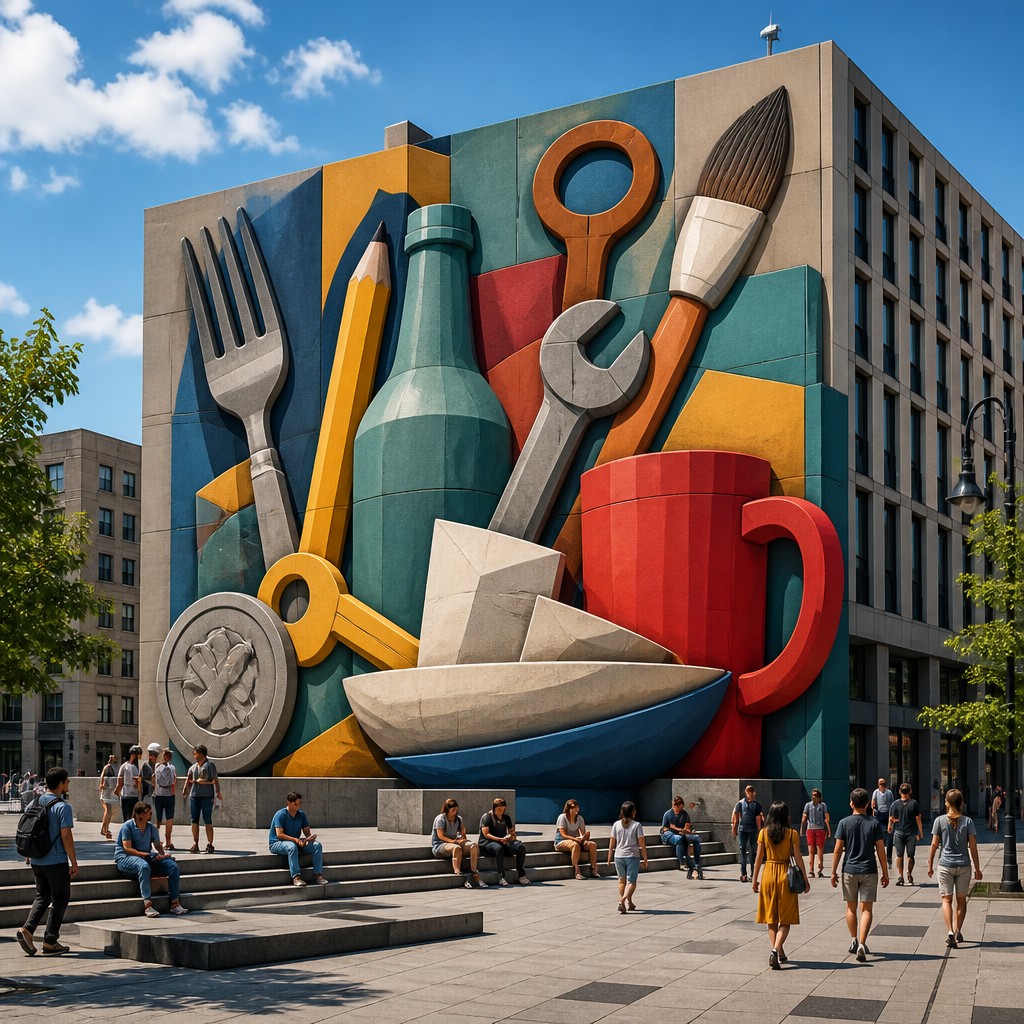
Collective symbolism
Themes often include local history, ecology, labor, migration, celebration, memory, or shared civic values. Meaning is presented as a public encounter rather than a private studio statement.
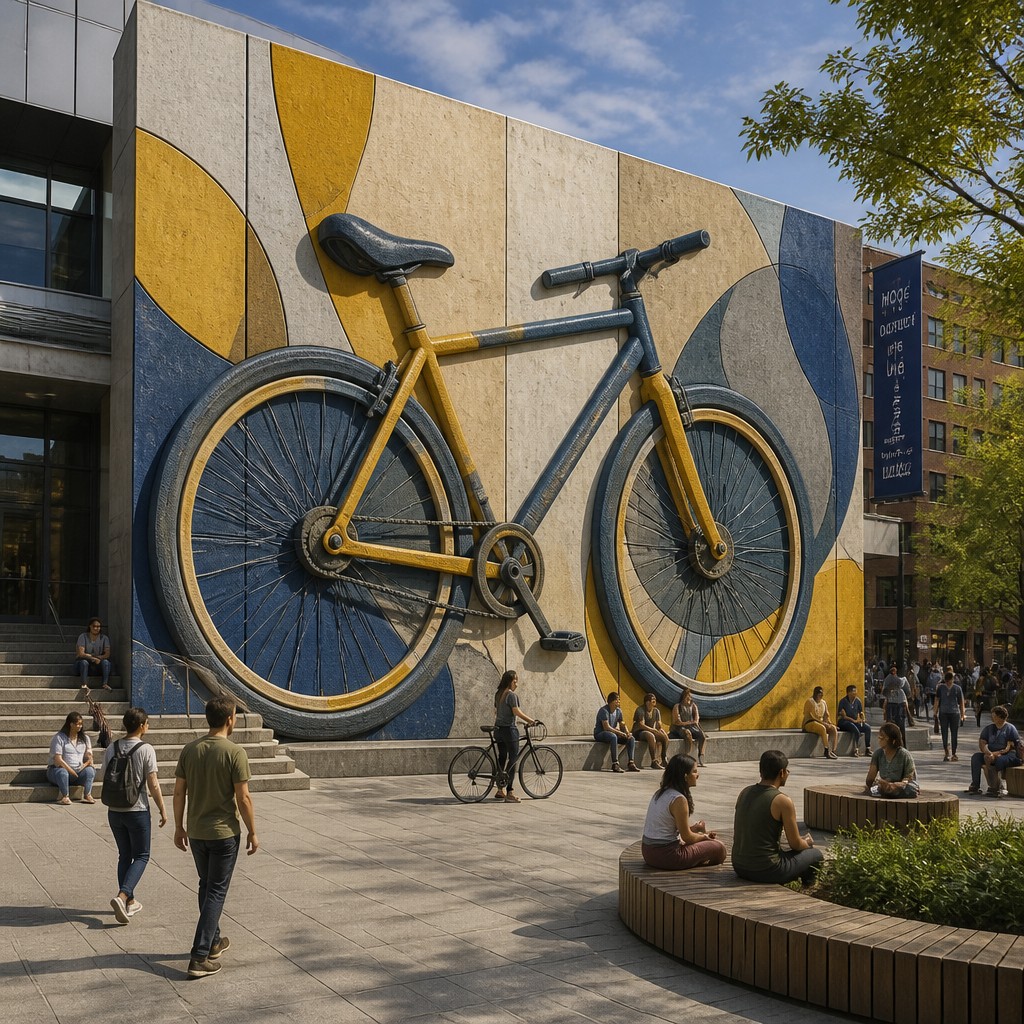
Gathering and movement
Seating, open space, shade, pathways, and viewing angles can be incorporated into the composition. The artwork is experienced while people pass through, pause, meet, and use the surrounding place.
Public Prompt Ideas
Start from an idea — each one opens the generator with the style ready to go. See all 40 Public prompts →
How to Create Public Art
Master the craft step by step — or skip straight to creating. Read the full guide →
- 1
Design for the site
Begin with the plaza, façade, park, or transit setting and identify sightlines, scale, circulation, access, and nearby architectural forms. Sketch the work from pedestrian and distant viewpoints before refining details.
- 2
Choose durable visual language
Use broad planes, robust contours, relief, modular forms, and materials suited to outdoor exposure. In traditional practice, consider sealed paint, fired ceramic, treated wood, cast metal, stone, or engineered composites.
- 3
Build a strong silhouette
Reduce the subject to a clear shape that reads in changing light and at multiple distances. Test monochrome thumbnails and shadow views to ensure that the composition remains recognizable without fine detail.
- 4
Unify art and architecture
Echo nearby angles, colors, textures, or structural rhythms without simply disguising the artwork as a building. Reserve negative space for pedestrians and make the focal point visible along the main approach.
- 5
Plan the digital model or composite
For 3D work, block out massing first, then add material roughness, seams, patina, lighting, and realistic weathering. For a mural or photo composite, match perspective, scale, shadows, surface texture, and ambient color.
- 6
Write a spatially specific prompt
Name the subject, material, scale, civic setting, viewing distance, pedestrian relationship, and weather conditions. For example, request a monumental ceramic relief beside a busy transit plaza, with broad readable forms, integrated paving, and soft late-afternoon shadows.
The Story
History & Origins of Public
Public Art Style is not a single historical movement with a fixed date of origin. It is an aesthetic lineage drawn from civic monuments, commemorative sculpture, architectural ornament, public murals, land art, site-specific installation, and community-based art practices. Its modern development accelerated during the twentieth century as municipalities, cultural institutions, and public agencies commissioned permanent artworks for plazas, government buildings, schools, parks, transportation networks, and redevelopment projects.
Later public art increasingly moved beyond traditional monuments toward abstract sculpture, participatory projects, large-scale painting, environmental works, and interventions designed around accessibility and local identity. Contemporary examples often balance civic symbolism with practical concerns such as pedestrian circulation, maintenance, safety, environmental exposure, and the inclusion of multiple cultural perspectives.
Influences: Its visual lineage includes ancient and modern civic monuments, architectural sculpture, commemorative memorials, public murals, Mexican and other community mural traditions, Constructivist and geometric abstraction, site-specific installation, land art, environmental design, and socially engaged art. It also borrows the durable surfaces and simplified forms of industrial design, the spatial awareness of architecture, and the direct visual communication of graphic design.
Frequently Asked Questions
What defines Public Art Style?
It is defined by art made to operate in shared outdoor space. Monumental scale, durable materials, distant readability, architectural integration, and attention to pedestrian movement distinguish it from work designed only for a gallery or home.
Is Public Art Style a historical art movement?
No. It is a broad contemporary style category rather than a single movement with a formal manifesto or fixed period. It synthesizes several traditions, including civic sculpture, murals, site-specific installation, and environmental art.
How does it differ from street art?
Street art often emphasizes spontaneous, unauthorized, or highly graphic interventions on urban surfaces. Public Art Style can include murals and urban interventions, but it more strongly emphasizes commissioned placement, permanence, public infrastructure, material durability, and planned integration with a site.
What materials are commonly associated with it?
Common choices include bronze, steel, stone, concrete, ceramic, mosaic, glass, treated wood, and exterior-grade paint. The appropriate material depends on climate, maintenance requirements, safety, scale, and the surrounding architecture.
How can I make an image in this style?
Specify a clear civic location, monumental subject, durable material, readable silhouette, architectural relationship, and human scale. Whether working traditionally, digitally, or with a prompt-based image tool, include weathering, pedestrian flow, sightlines, and realistic integration with the ground and surrounding structures.
Where is this style used?
It is used in plazas, parks, waterfronts, transit stations, campuses, libraries, hospitals, government districts, commercial developments, and neighborhood streets. Works may serve as landmarks, memorials, orientation devices, cultural statements, or inviting places to pause.
Create your first Public artwork
Describe anything — or upload a photo — and see it in Public Art Style in seconds.
Related Styles
Discover similar art styles