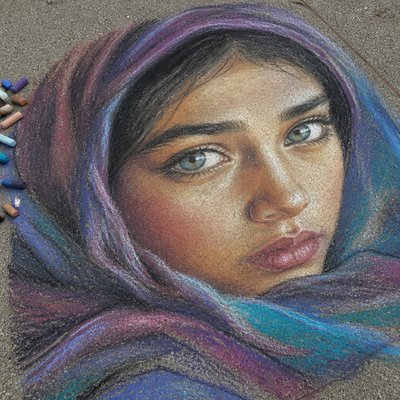
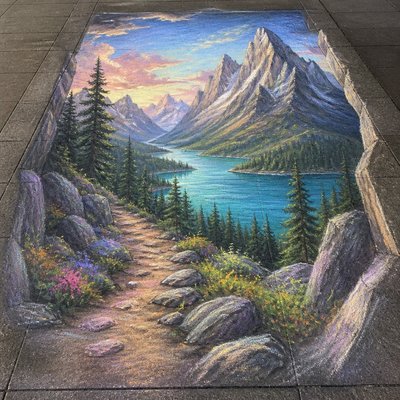
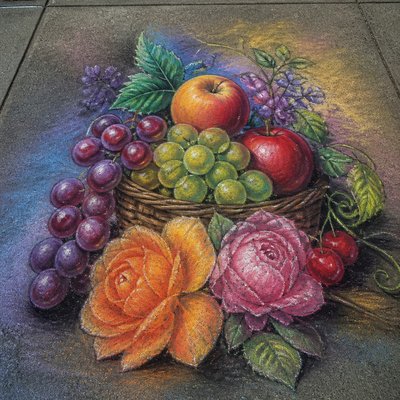
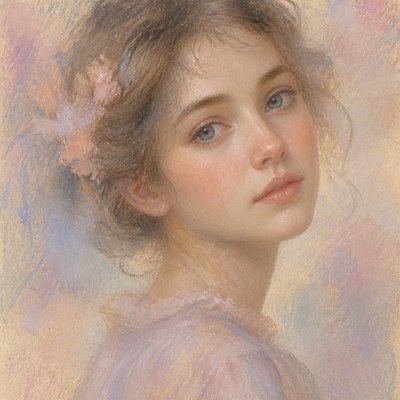
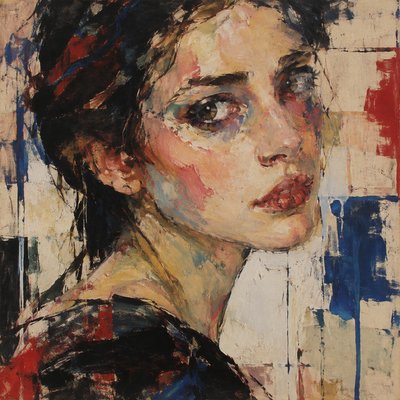
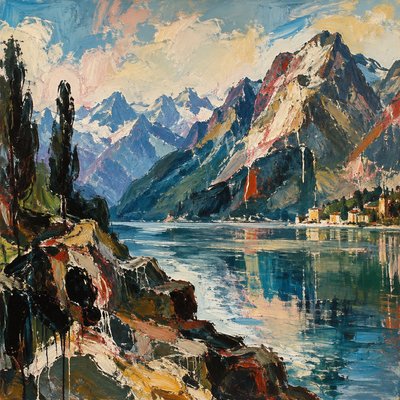
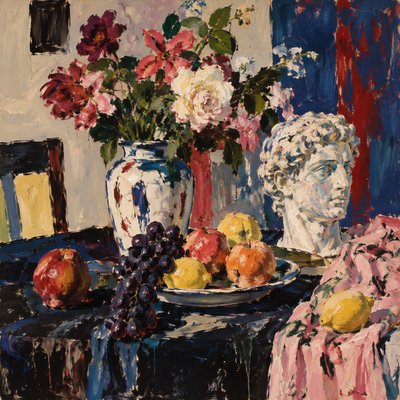
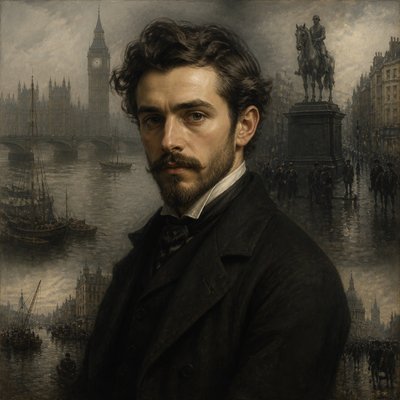
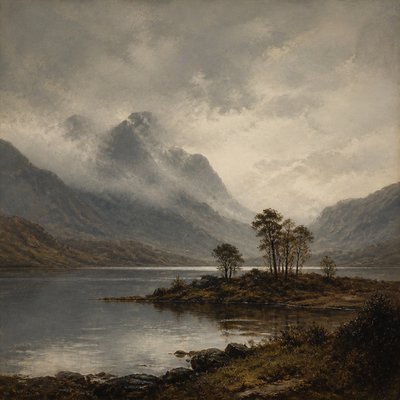
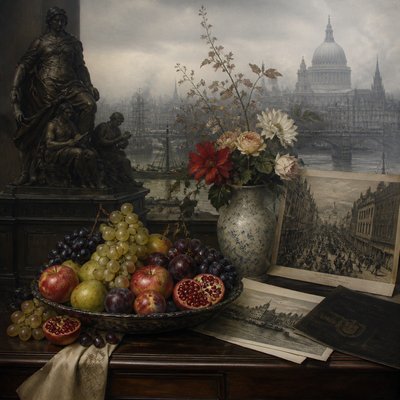
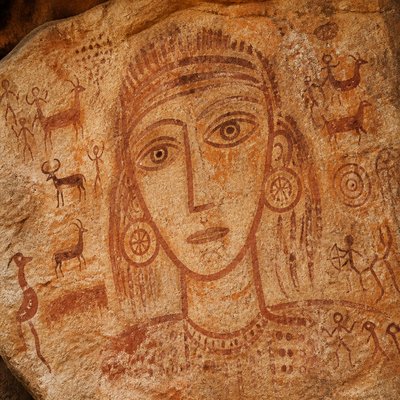
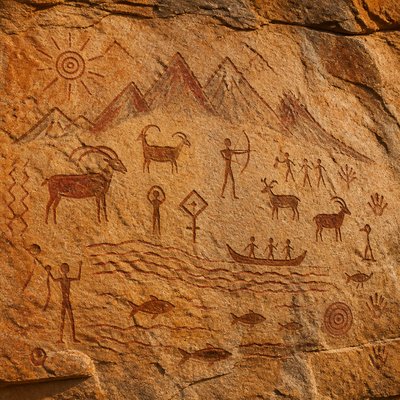
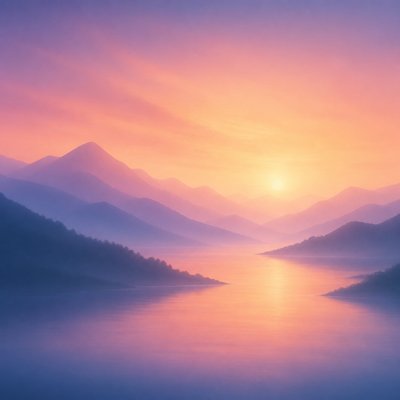
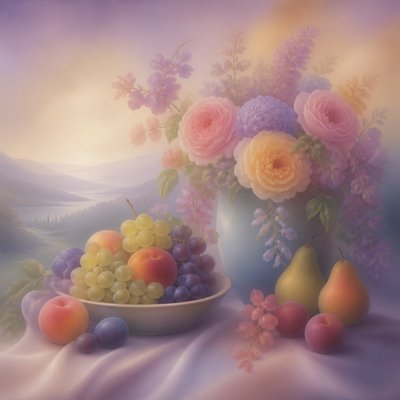
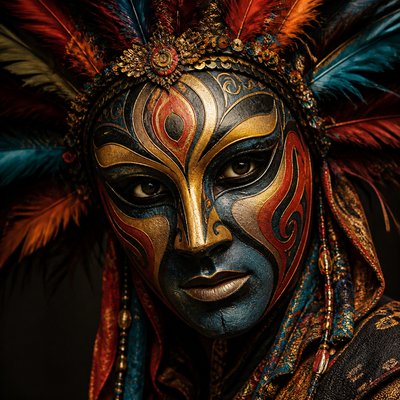
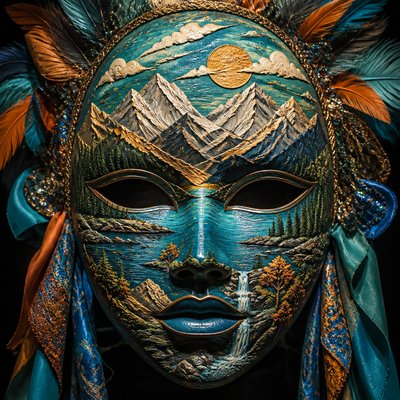
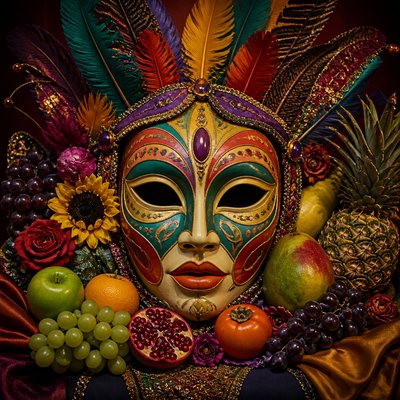
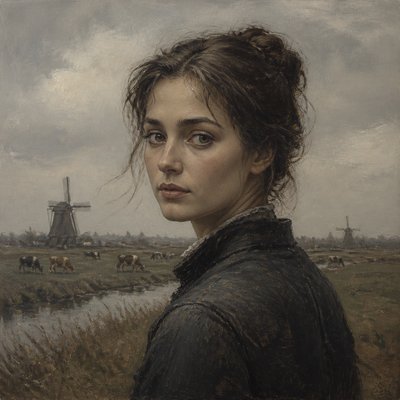
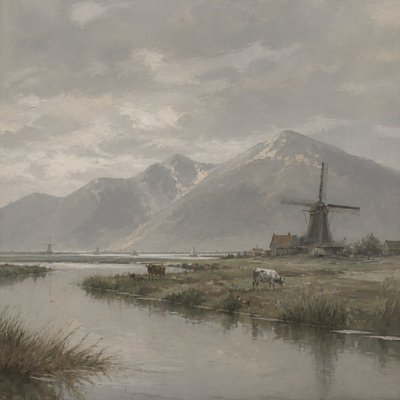
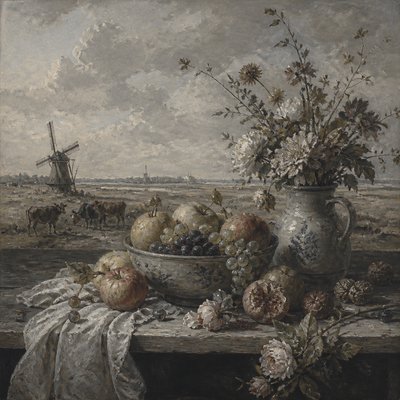
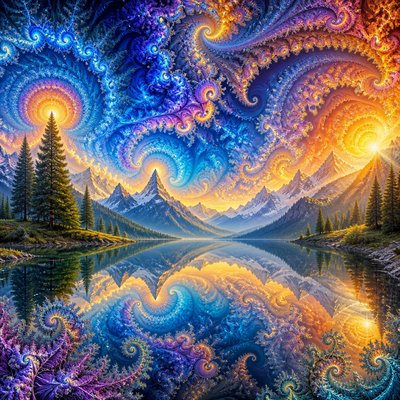
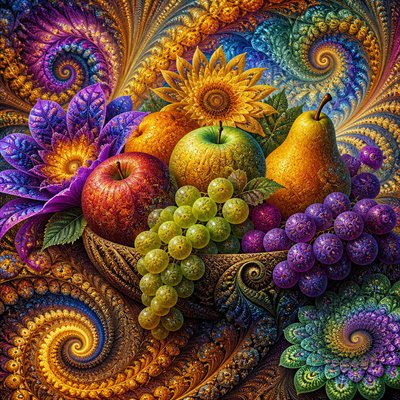
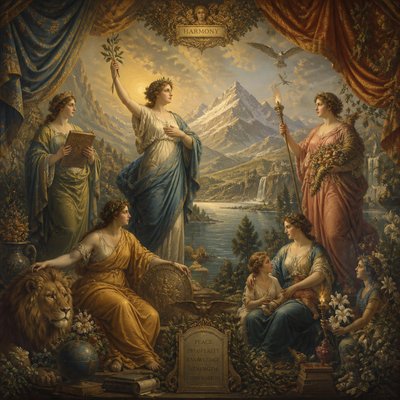
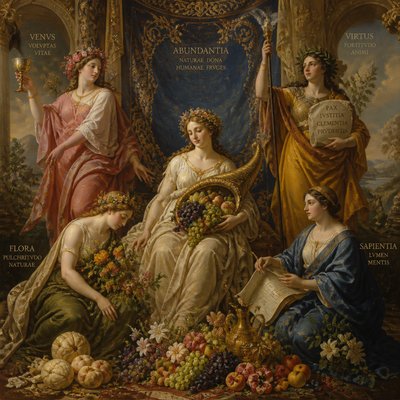
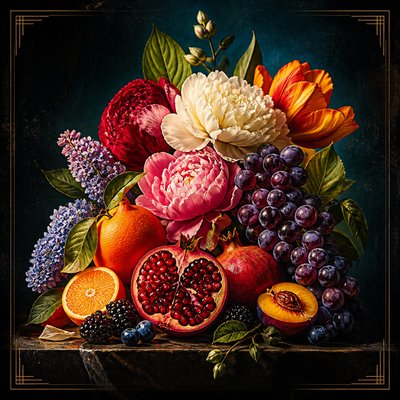
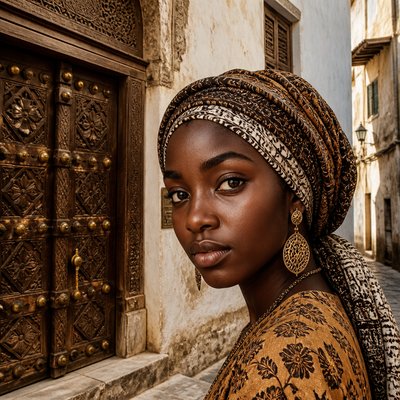
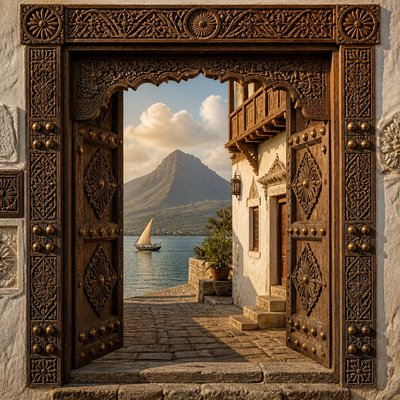
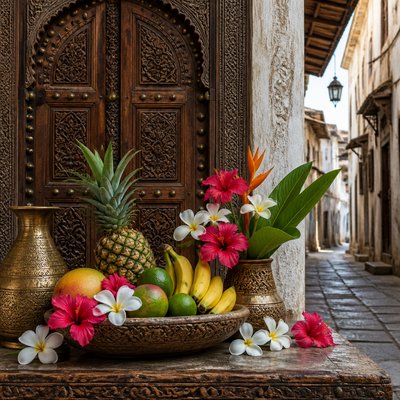
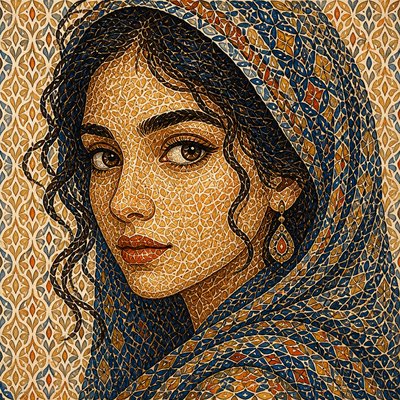
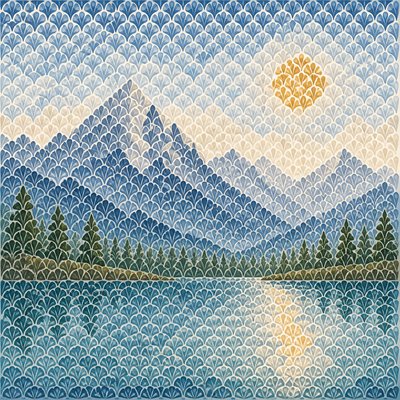
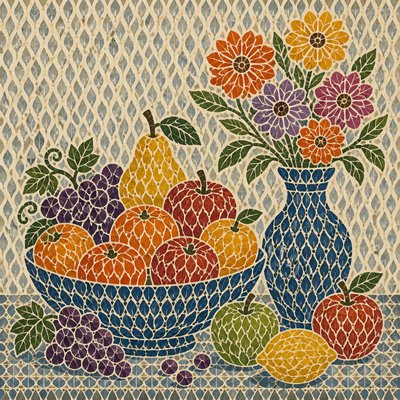
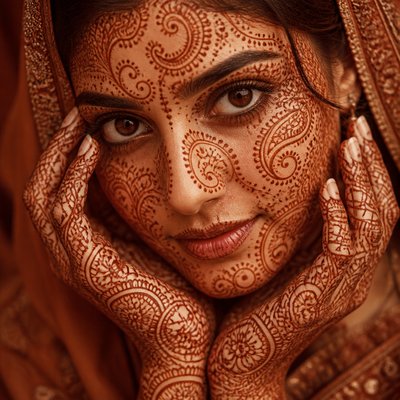
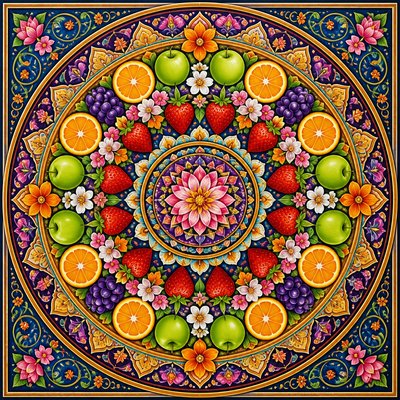
Explore Chalk Art Style: powdery sidewalk pigments, pastel blending, visible dust, and striking trompe-l'oeil pavement illusions.
Instantly rendered in Chalk — or transform a photo
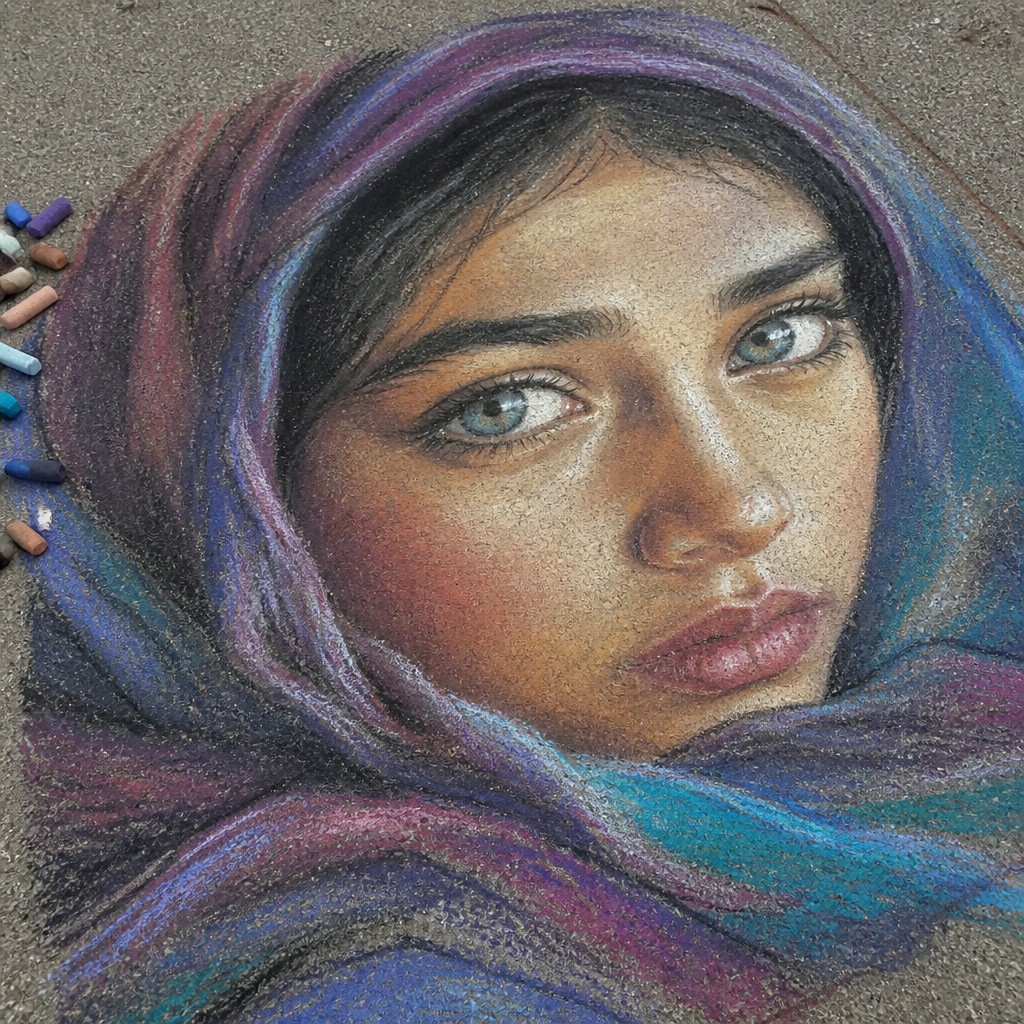
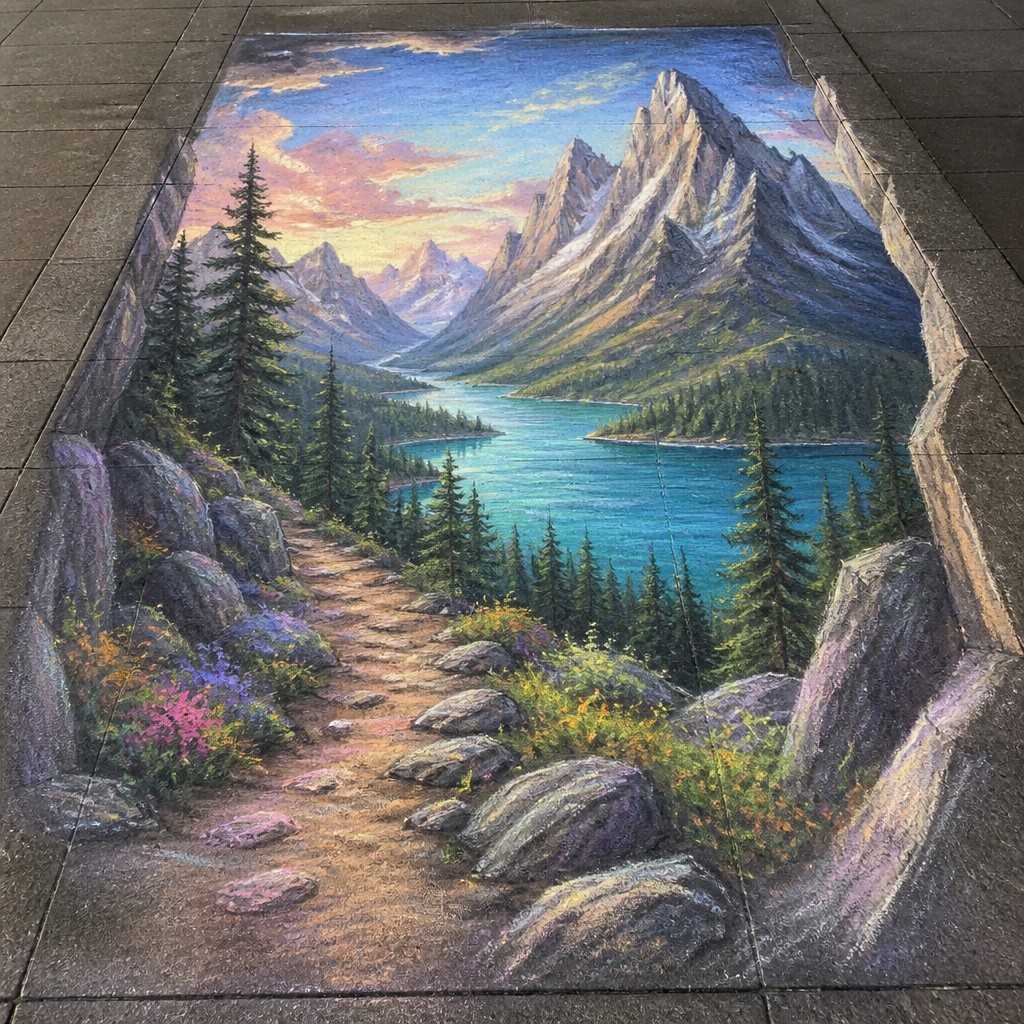
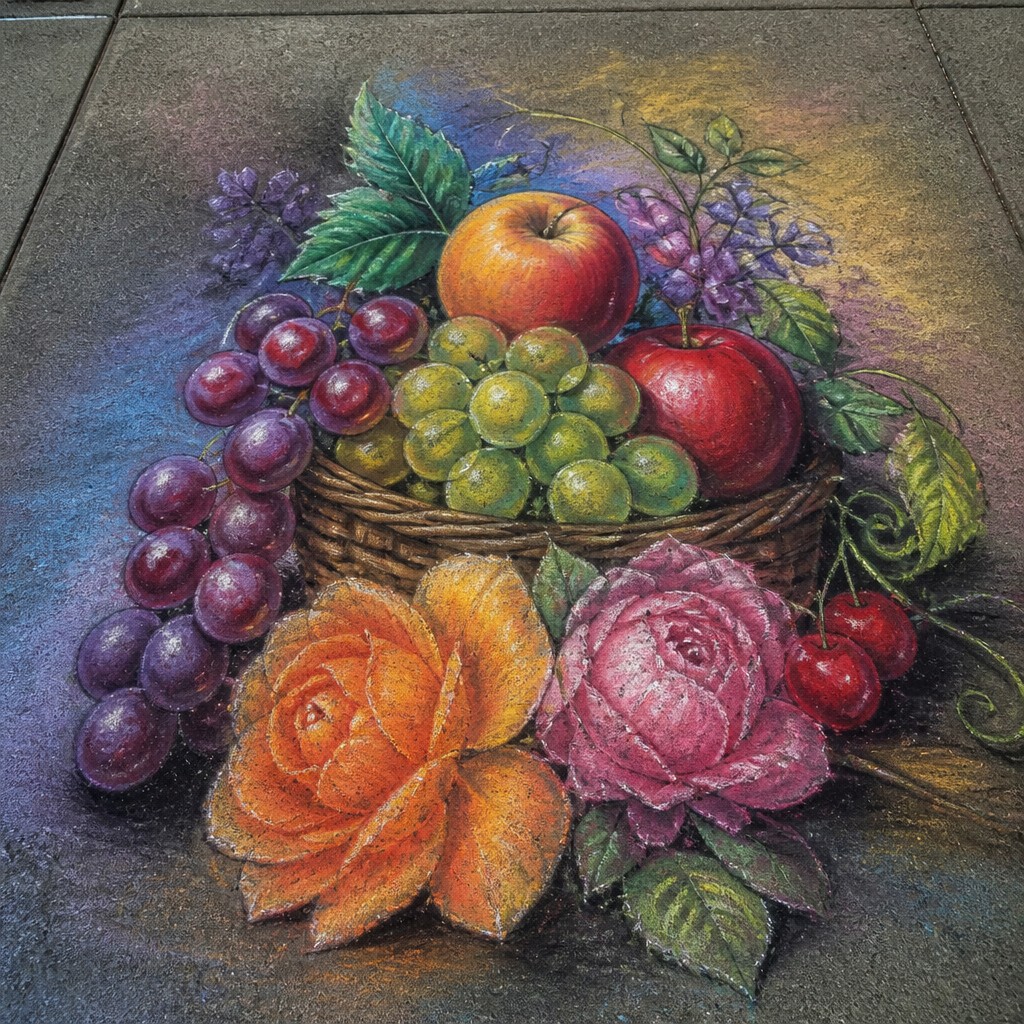
Chalk Gallery
Tap any artwork to explore it
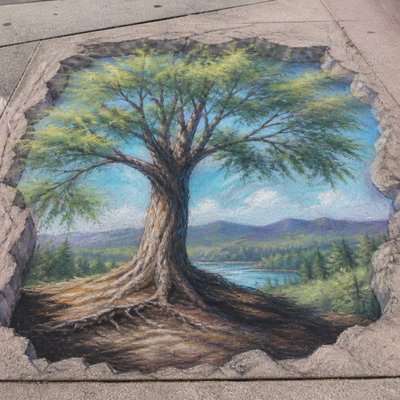
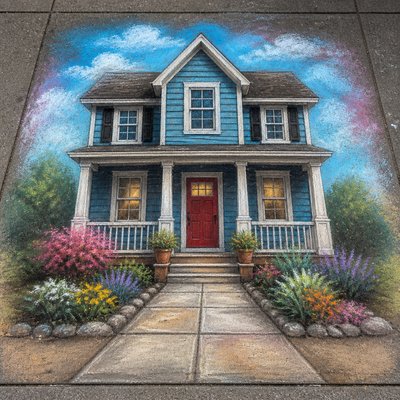
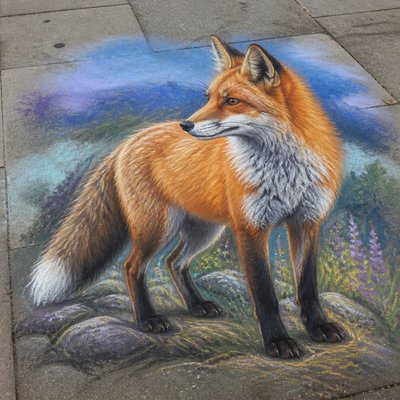
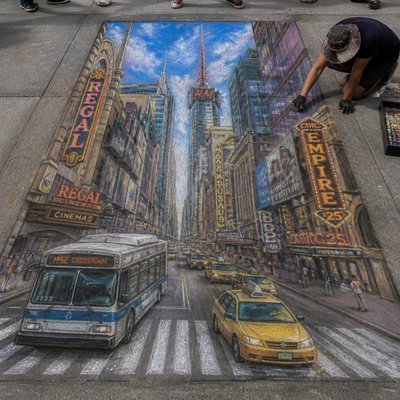
What is Chalk Art Style?
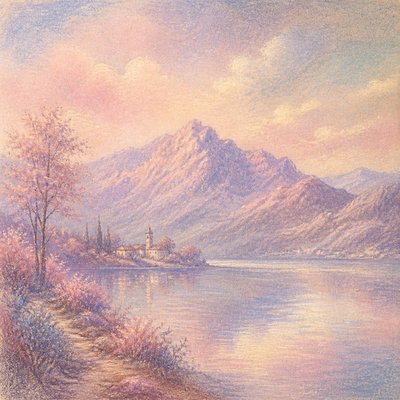
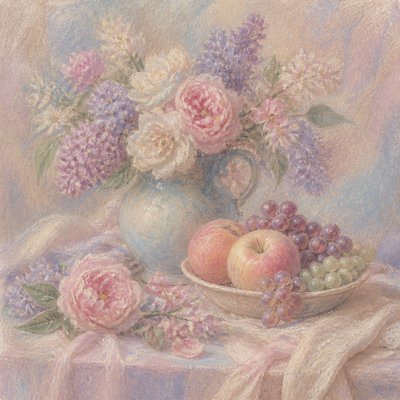
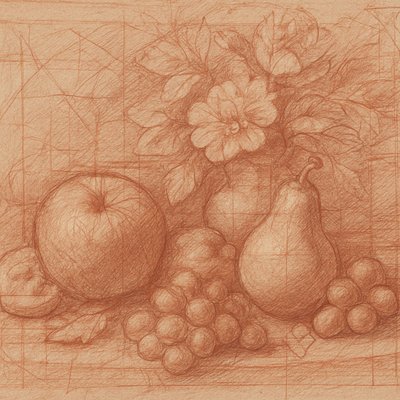
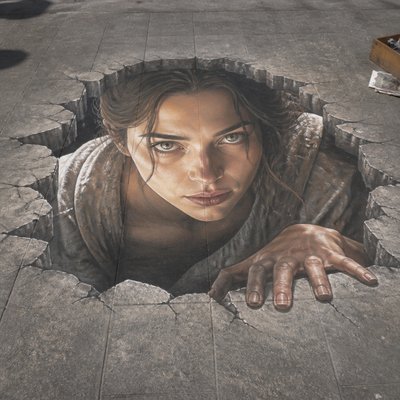
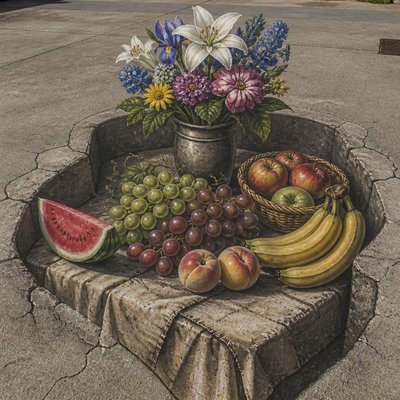
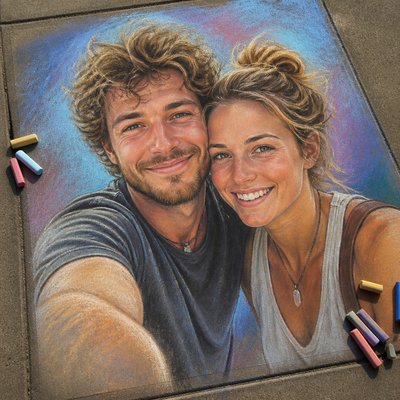
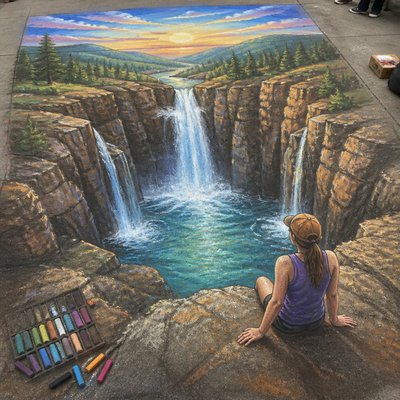
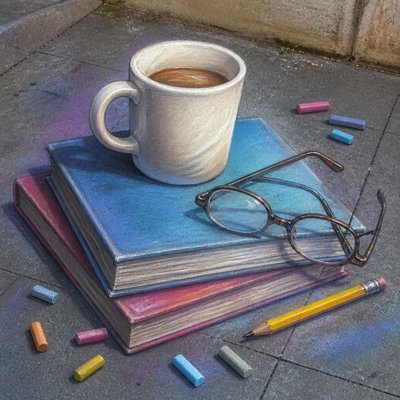
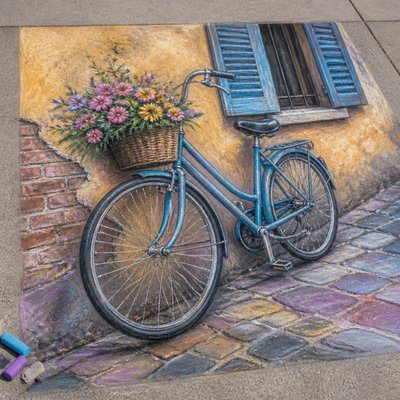
Chalk Art Style depicts imagery as though it has been drawn directly onto rough pavement with soft, compressed chalk or pastel. Its visual identity comes from powdery pigment, matte surfaces, dusty edges, rubbed transitions, and visible marks left by fingers, cloth, or repeated blending. Subjects may be ordinary scenes, fanciful environments, lettering, animals, or monumental illusions that appear to open beneath the viewer's feet.
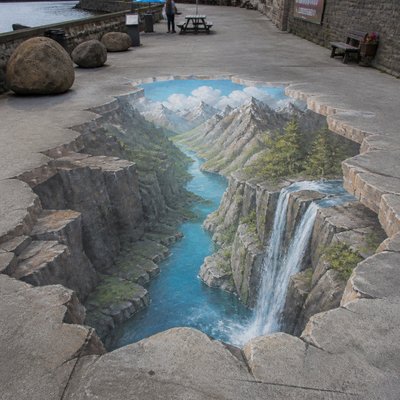
The style looks temporary and tactile because its color is treated as a deposit on stone or concrete rather than as liquid paint on a sealed canvas. Uneven pavement grain breaks up contours, while layered pastel hues create luminous but softened gradients. Strong perspective distortion and carefully placed shadows produce trompe-l'oeil effects, making a flat sidewalk image resemble a hole, staircase, floating object, or architectural space.
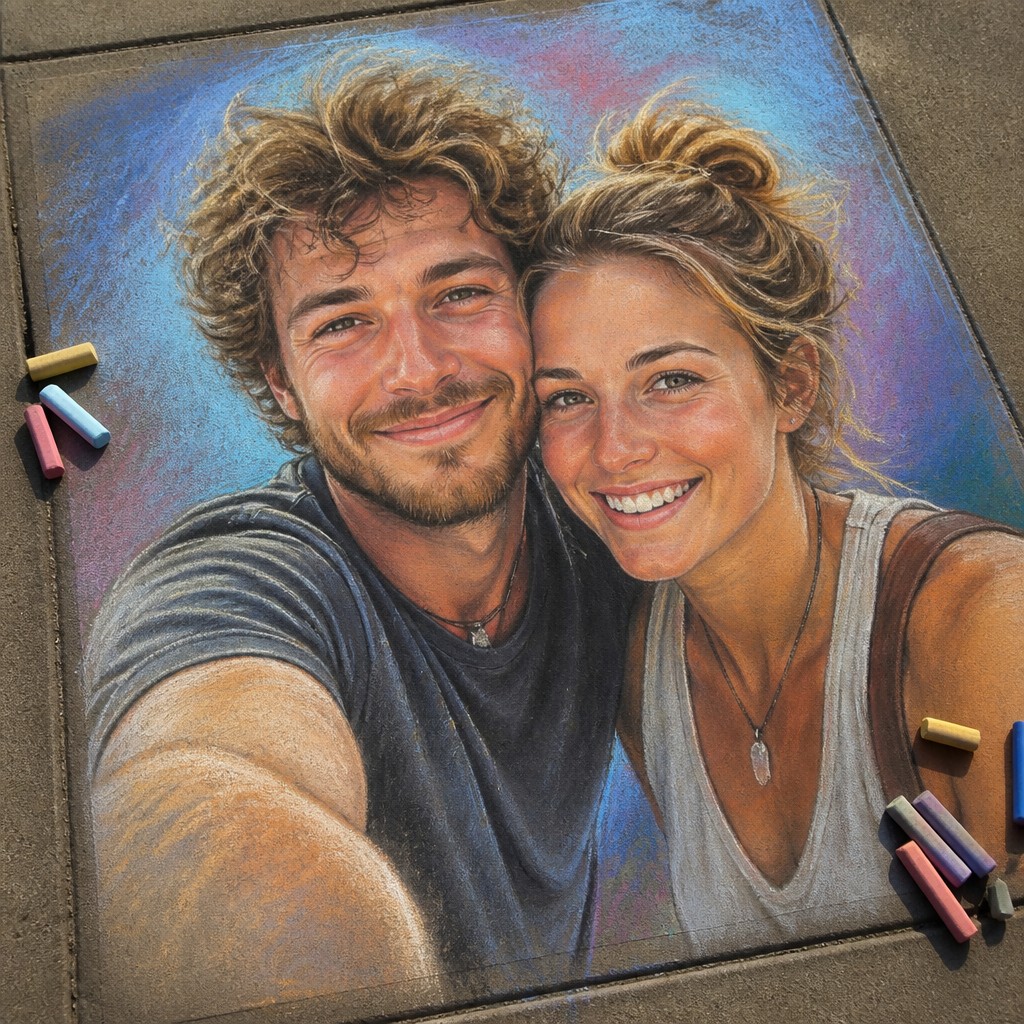
Try It On Your Photos
Upload any photo and convert it into Chalk Art Style — drag the sliders to compare before and after.
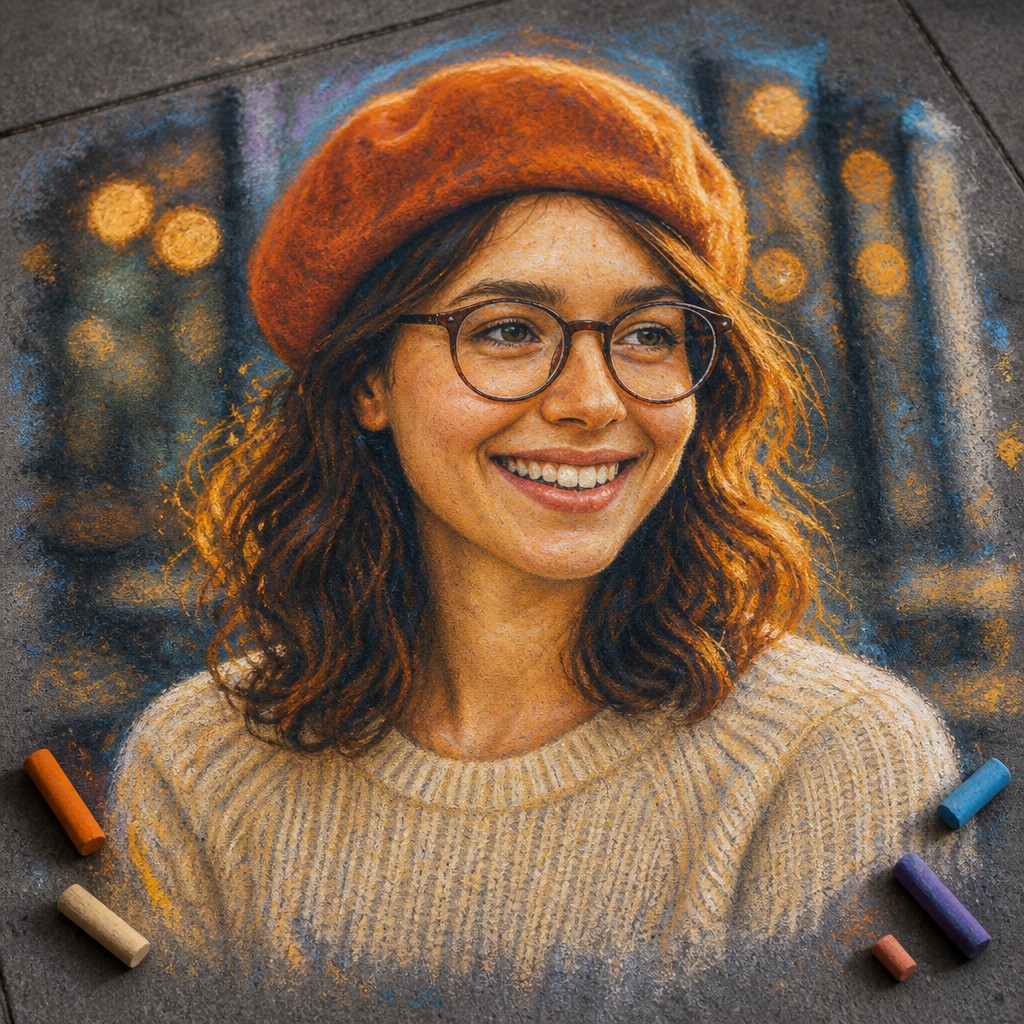

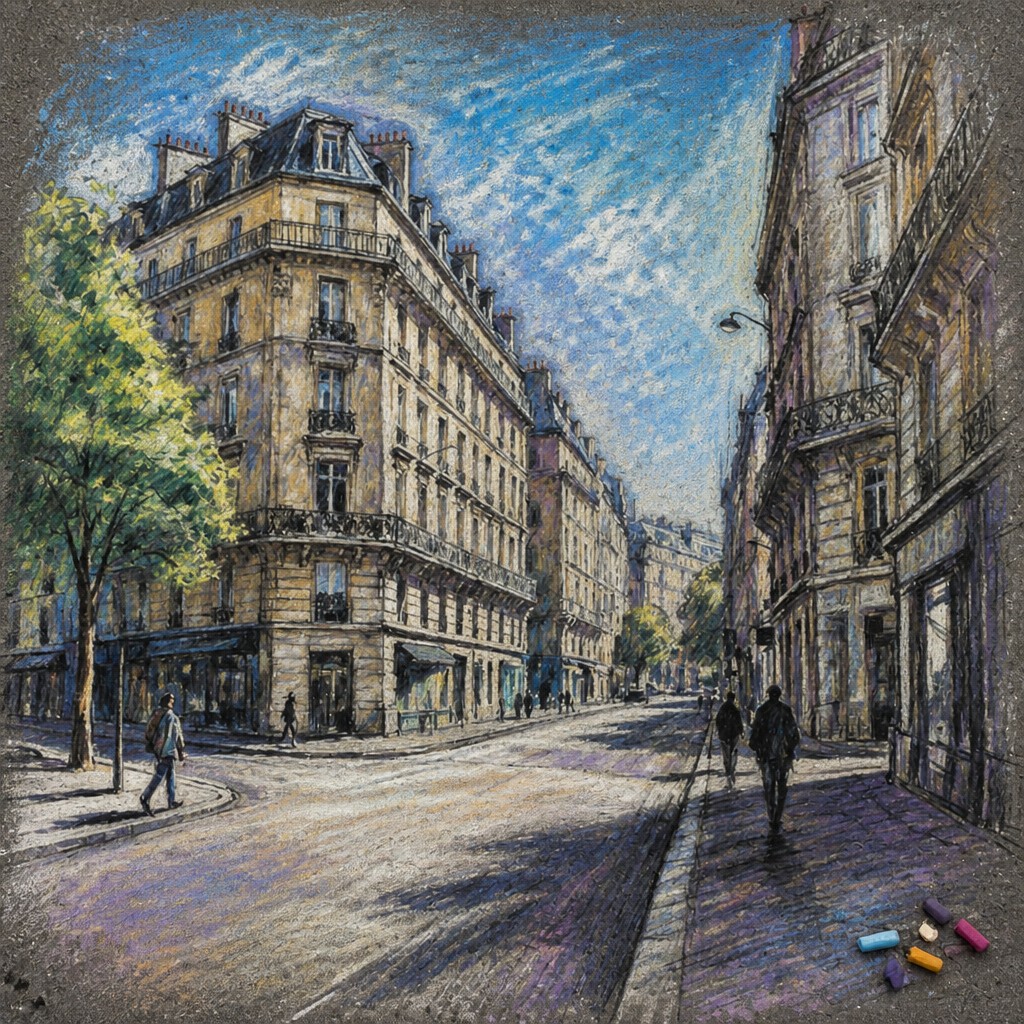

What Defines Chalk Art Style
The signature details, up close
Powdery pigment
Colors appear as soft deposits of chalk or pastel, with loose particles, dusty halos, and muted opacity rather than a glossy painted film.
Rough pavement texture
Concrete, stone, or asphalt grain remains visible through the image, interrupting smooth contours and giving the surface a convincingly outdoor, tactile character.
Pastel blending
Adjacent colors merge through rubbing and layering, producing gentle gradients, softened highlights, and transitions that retain traces of the underlying marks.
Trompe-l'oeil perspective
Extreme foreshortening, vanishing-point control, cast shadows, and forced perspective make flat pavement appear to contain depth, openings, objects, or miniature worlds.
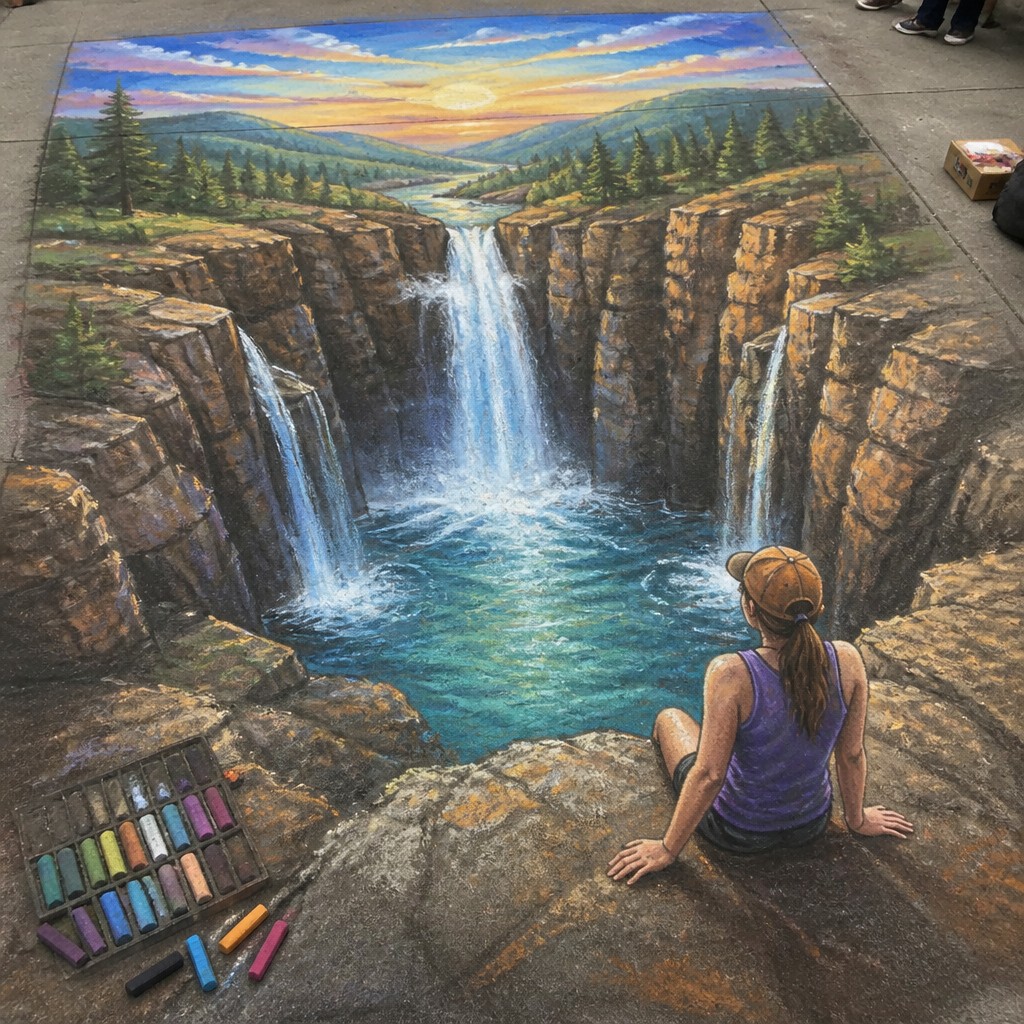
Smudged handwork
Fingertip blending, wiped edges, drag marks, and irregular pressure give the imagery a handmade surface and prevent it from looking mechanically airbrushed.
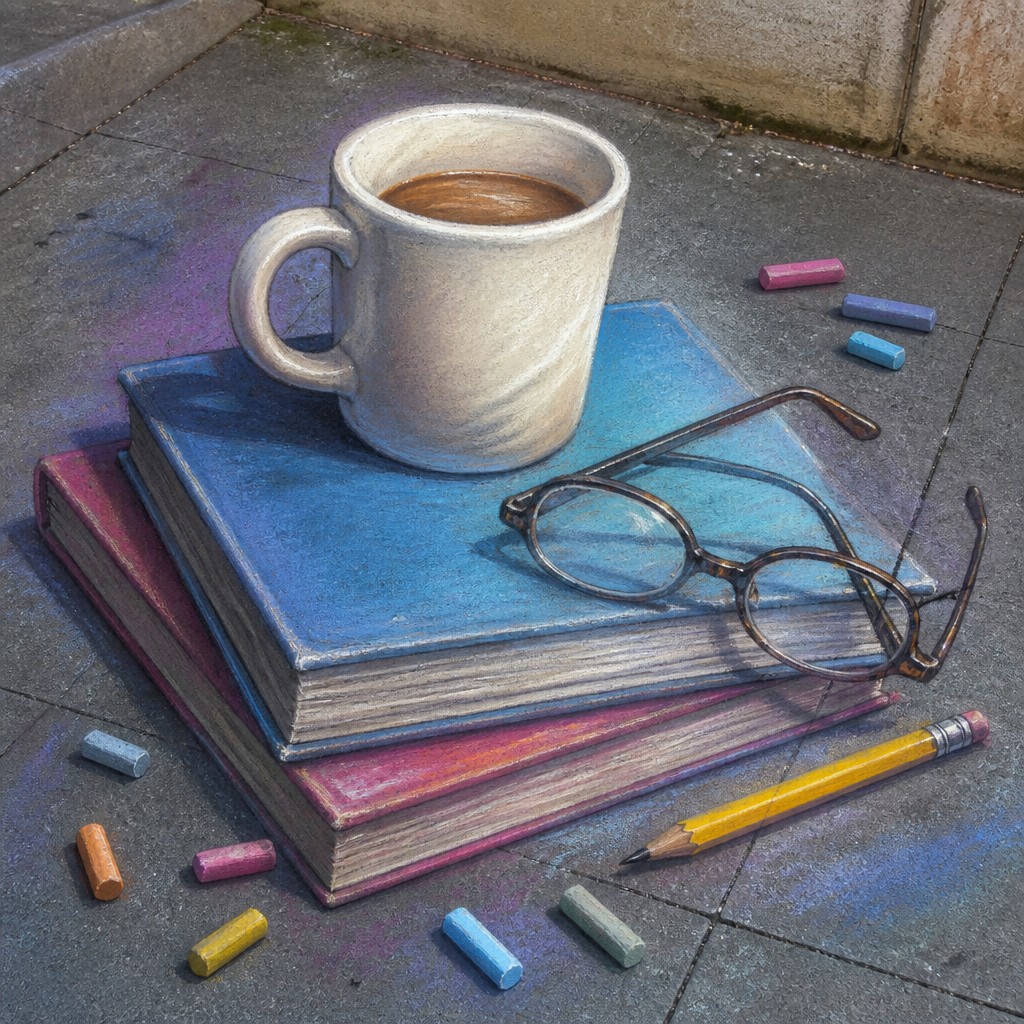
Chalky matte finish
The overall image is dry, nonreflective, and softly granular, with highlights that look rubbed into the surface instead of sitting above it.
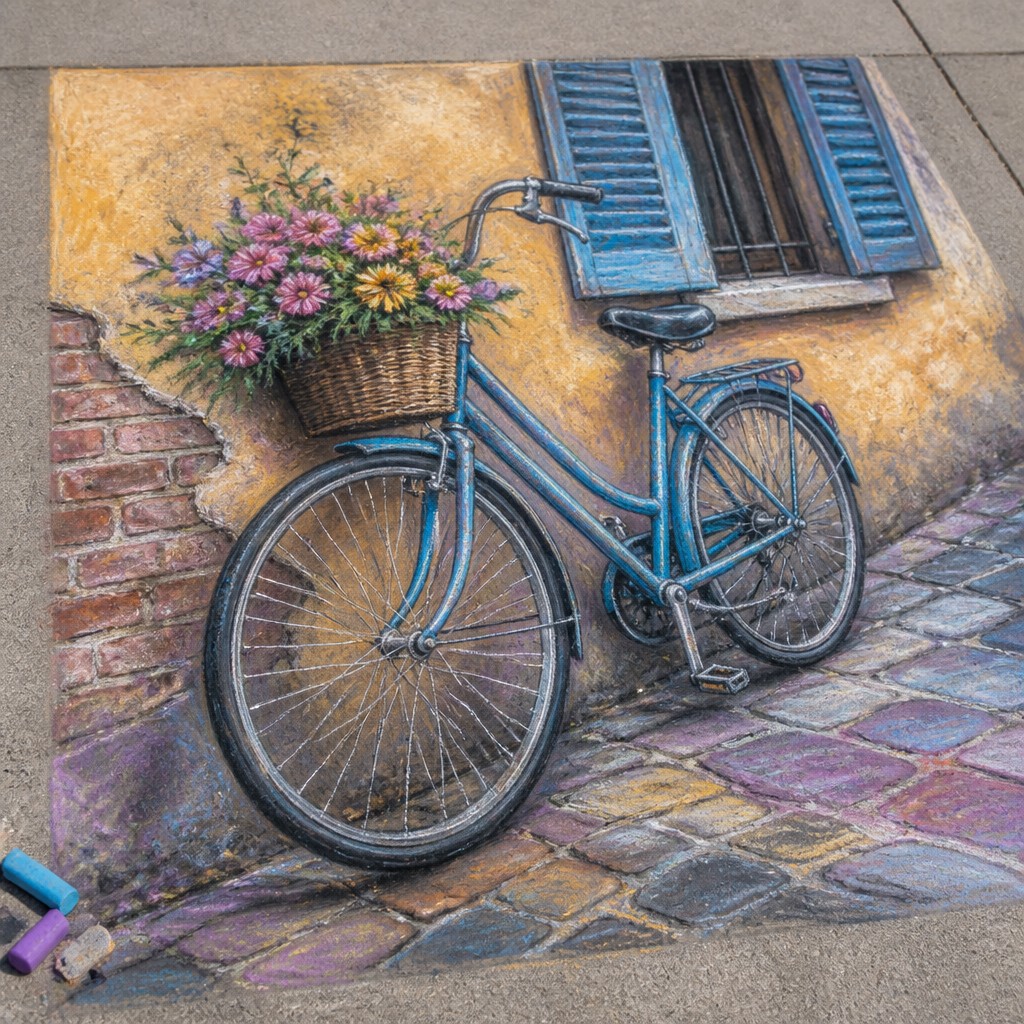
Temporary public setting
Sidewalks, plazas, courtyards, and festival pavements are integral to the style, reinforcing its ephemeral nature and relationship to passing viewers.
Chalk Prompt Ideas
Start from an idea — each one opens the generator with the style ready to go. See all 40 Chalk prompts →
How to Create Chalk Art
Master the craft step by step — or skip straight to creating. Read the full guide →
- 1
Prepare the surface
For traditional work, clean a section of concrete and lightly map the composition with charcoal or a pale chalk. Let the pavement texture remain active rather than covering it with an opaque ground.
- 2
Build color in layers
Apply broad blocks of compressed chalk or soft pastel first, then layer lighter and darker tones. Blend selectively with fingertips, cloth, or blending tools so some granular marks remain visible.
- 3
Design the illusion
Choose a viewing position and establish a horizon and vanishing points before drawing a 3D subject. Place contact shadows and occlusion carefully; they are often more important to the illusion than fine detail.
- 4
Use a restrained palette
Combine vivid accent colors with dusty midtones and pale atmospheric hues. Slightly softened complementary contrasts help the image feel luminous without losing its matte, powder-based character.
- 5
Photograph for the intended viewpoint
A pavement illusion may look distorted from most angles, so test the composition from the final camera position. Low or oblique viewpoints can strengthen depth, while overhead views reveal the drawing's physical surface.
- 6
Guide digital or prompt-based creation
Specify rough concrete, powdery pigment, visible chalk dust, fingertip smudges, pastel gradients, matte finish, outdoor plaza lighting, and a clear trompe-l'oeil viewpoint. Name the subject and desired illusion, and avoid overly polished surfaces if a tactile result is wanted.
The Story
History & Origins of Chalk
Chalk Art Style is not a single formal historical movement with a fixed founding date. It belongs to the broader tradition of pavement drawing and public street painting, including European madonnari practices in which itinerant artists created temporary religious and figurative images on streets and plazas using chalk or related dry pigments. Contemporary chalk festivals and public art events expanded this tradition into large-scale compositions, elaborate lettering, and optical illusions.
Its modern visual language also developed through the combination of pastel drawing, mural-scale planning, theatrical perspective, and photographic documentation. Digital image-making has further popularized the look by emphasizing powdered surfaces, exaggerated depth, and the contrast between a fragile physical artwork and a highly convincing illusion.
Influences: The style draws from pavement drawing and the madonnari street-painting tradition, dry pastel and charcoal techniques, public mural practice, theatrical set painting, and trompe-l'oeil illusion. It also relates to surreal and conceptual street art, where a familiar civic surface is temporarily transformed into an unexpected scene. Contemporary digital rendering contributes heightened perspective, cinematic lighting, and highly legible surface texture while retaining the visual idea of impermanence.
Frequently Asked Questions
What defines Chalk Art Style?
It is defined by powdery dry pigment, rough pavement texture, pastel blending, visible dust, and a matte handmade surface. Strong forced perspective or trompe-l'oeil effects are common, though simple figurative and decorative sidewalk drawings also belong to the tradition.
Is Chalk Art Style a formal historical art movement?
No. It is best understood as a contemporary style and medium-based visual language rather than a movement with a unified manifesto or founding period. Its lineage includes pavement drawing, street painting, pastel techniques, public art, and optical illusion.
How is it different from ordinary sidewalk chalk drawing?
Ordinary sidewalk chalk drawing may be casual, linear, or diagrammatic. This style emphasizes layered pigment, tactile dust, blended color, intentional composition, and often a carefully engineered illusion of depth.
Can Chalk Art Style be made digitally?
Yes. Digital tools can reproduce its surface by combining granular texture, softly opaque brushes, irregular edges, smudged blending, and pavement overlays. A convincing result should preserve evidence of the rough ground rather than making the image look like smooth digital painting.
What subjects work well in this style?
Subjects with clear silhouettes and strong spatial relationships work especially well, including animals, architectural openings, stairways, water, fantasy environments, lettering, and oversized everyday objects. High-contrast shadows help flat forms read as three-dimensional.
Where is chalk art commonly used?
It appears on sidewalks, plazas, courtyards, festival grounds, school surfaces, public-art sites, and temporary event installations. Because weather, foot traffic, and cleaning can remove it, photography and video are often important parts of its presentation.
Create your first Chalk artwork
Describe anything — or upload a photo — and see it in Chalk Art Style in seconds.
Related Styles
Discover similar art styles