3D Illusion Street Art Style
Anamorphic street art that turns flat pavement into convincing 3D portal illusions using forced perspective, chalk, and trompe-l'oeil shading.
Instantly rendered in 3D Illusion Street — or transform a photo
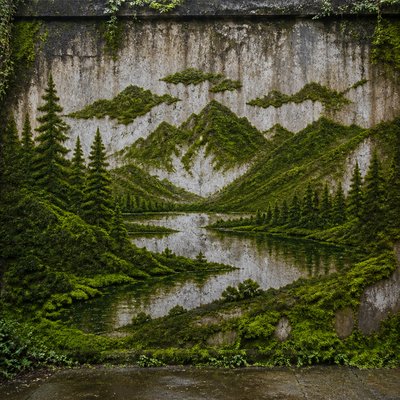
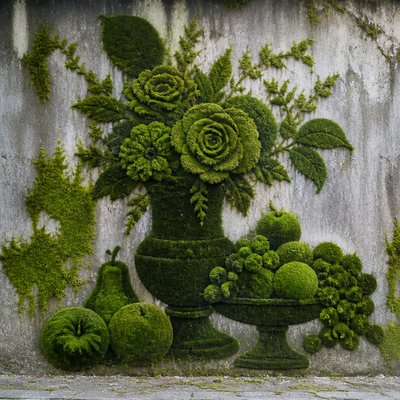
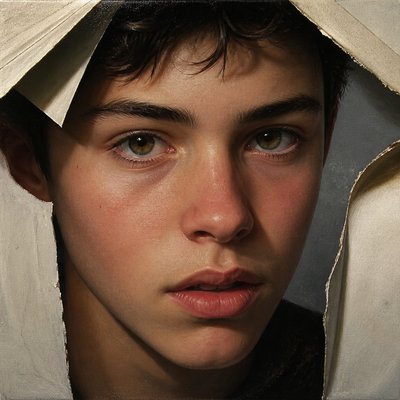
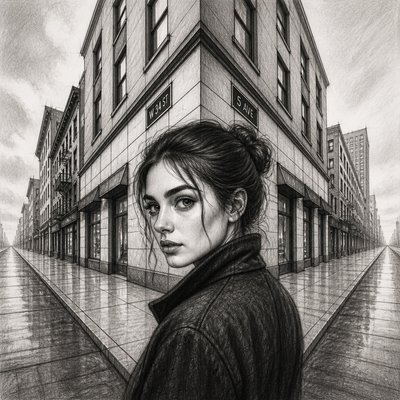
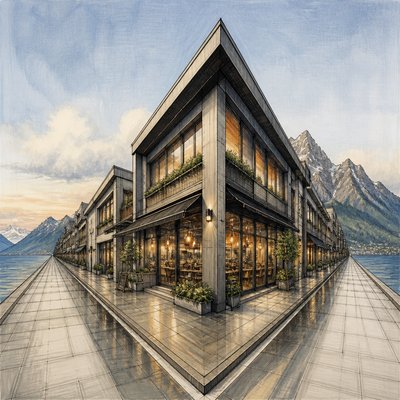
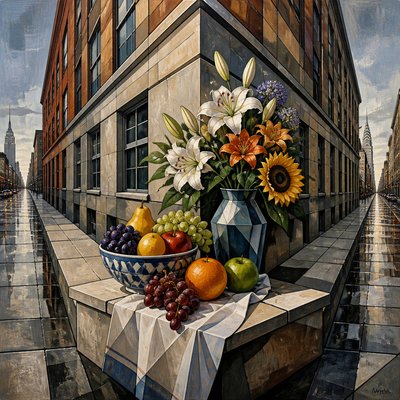
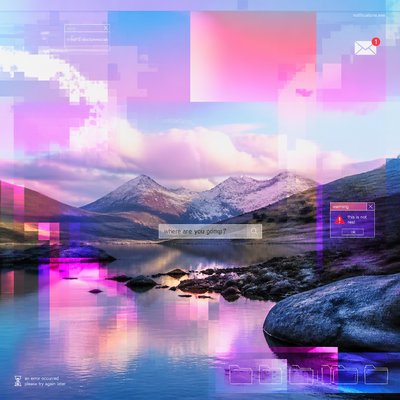
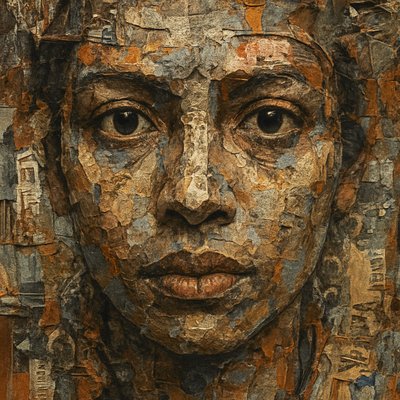
3D Illusion Street Gallery
Tap any artwork to explore it
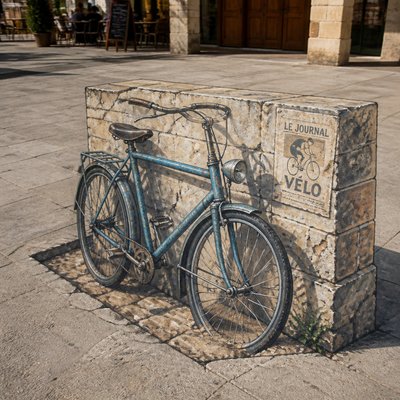
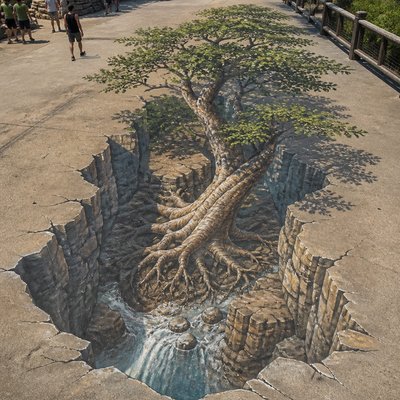
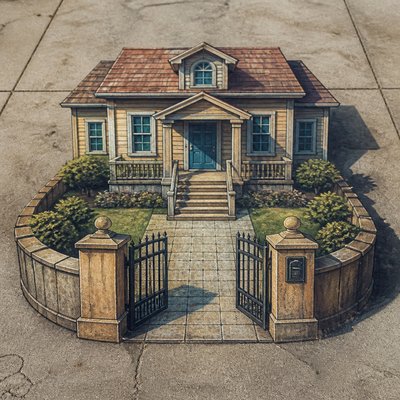
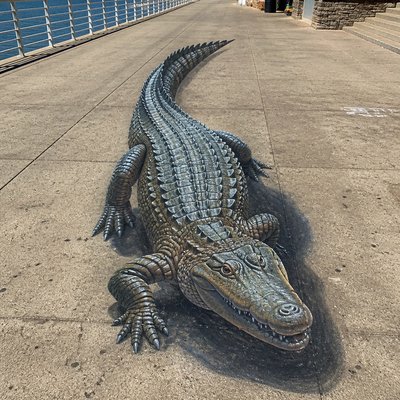
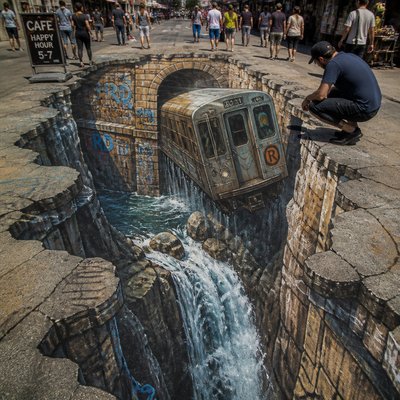
What is 3D Illusion Street Art Style?
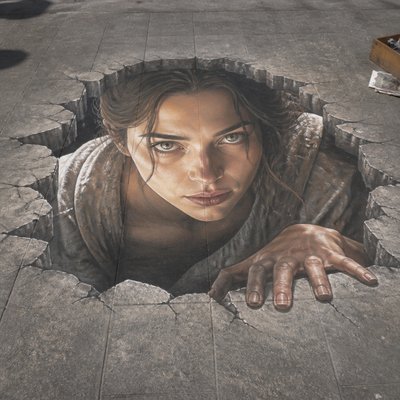
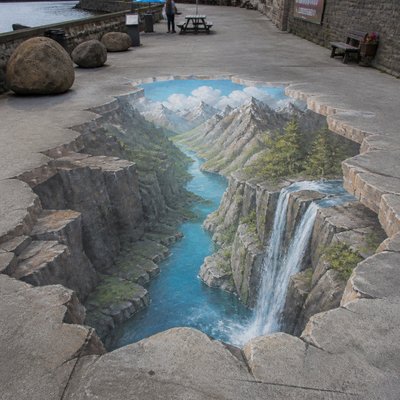
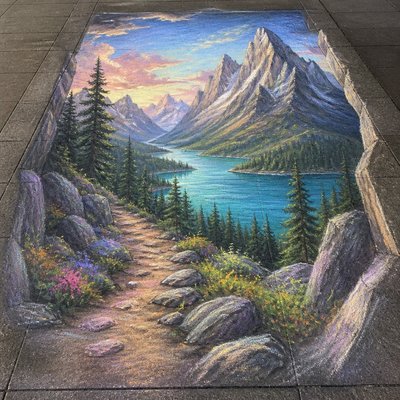
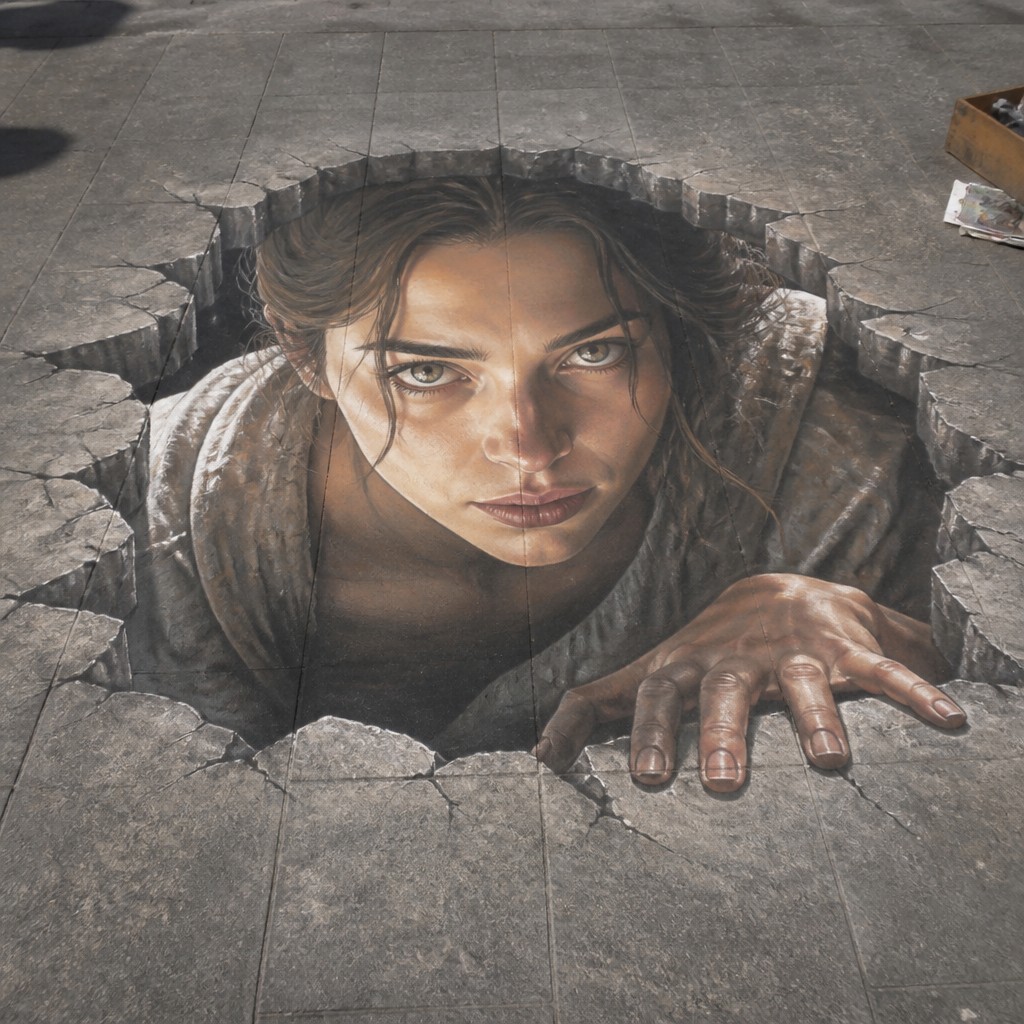
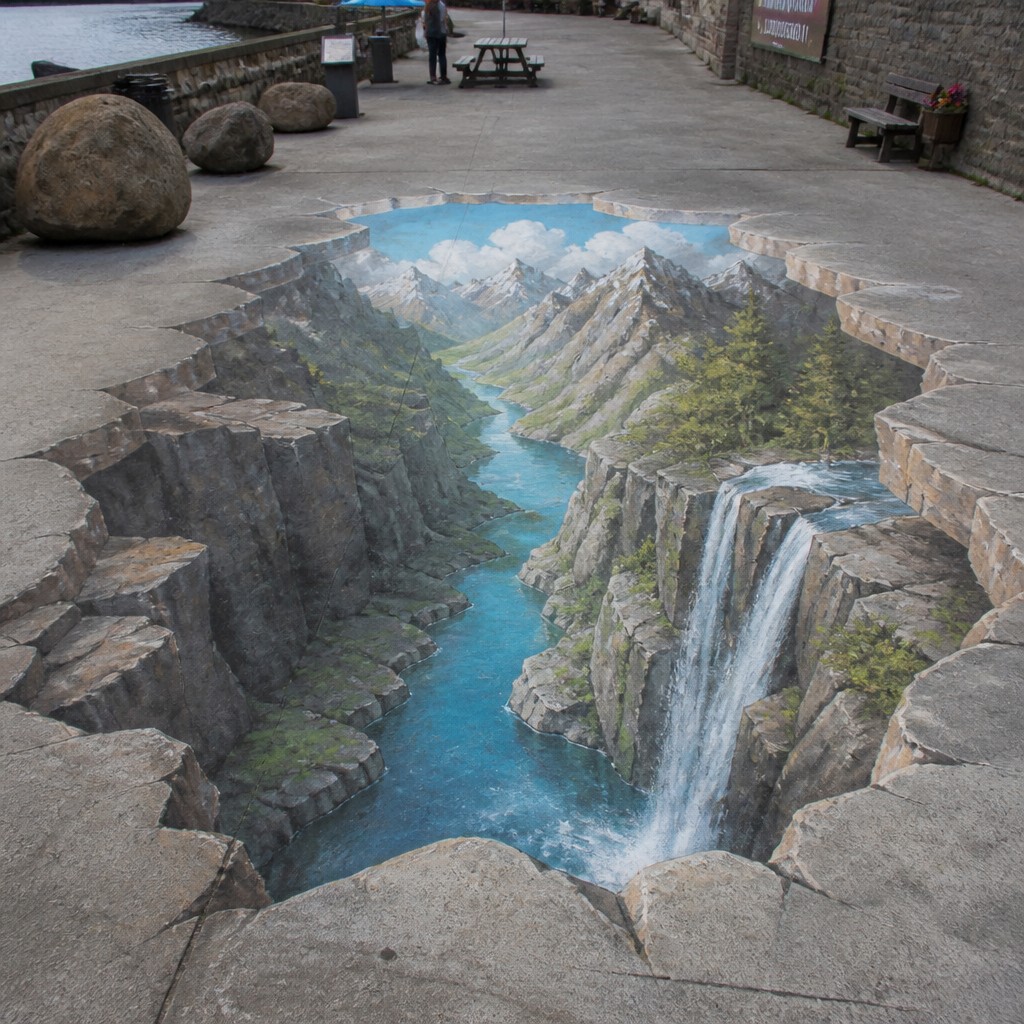
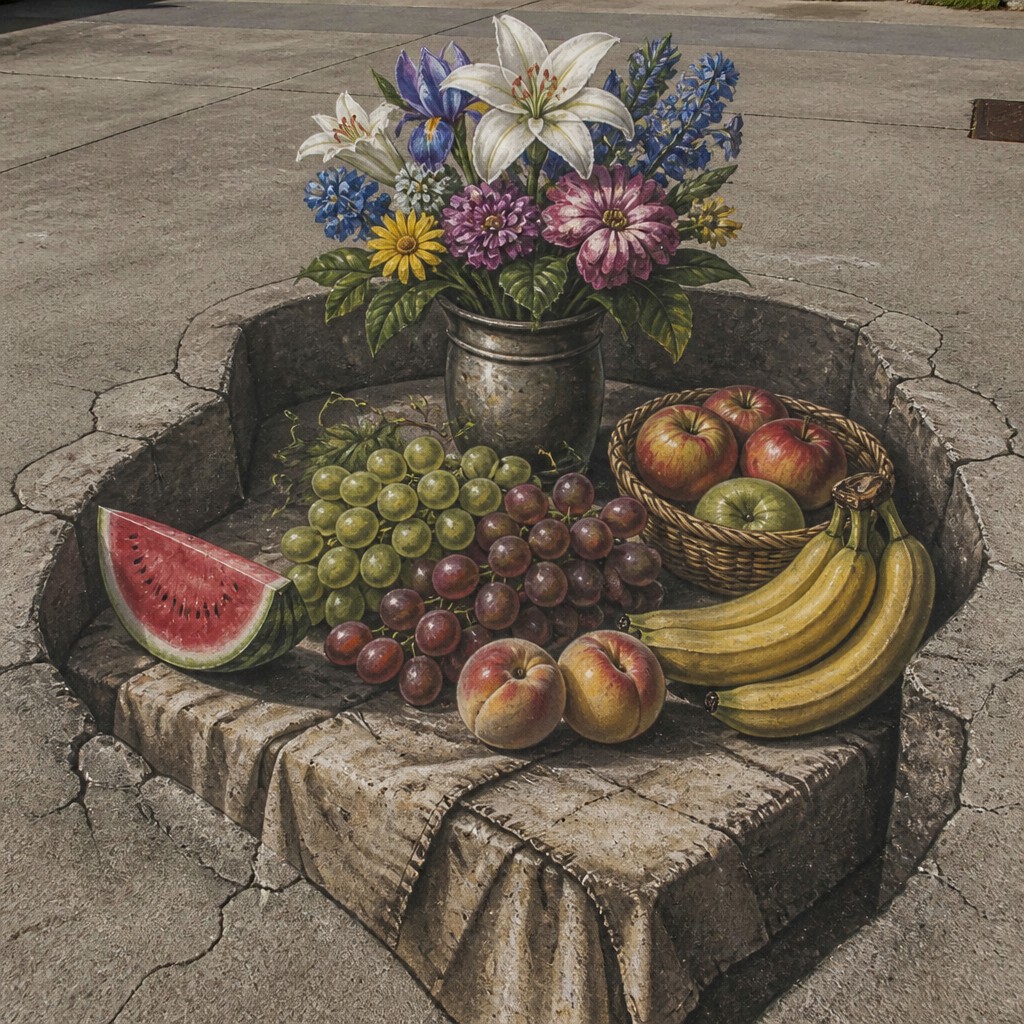
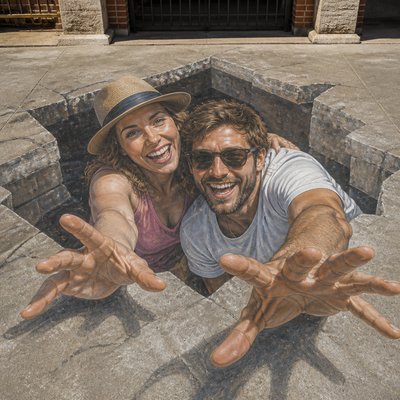
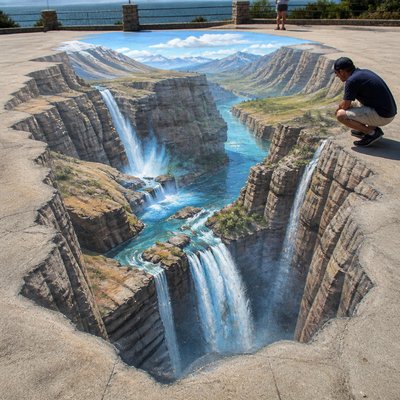
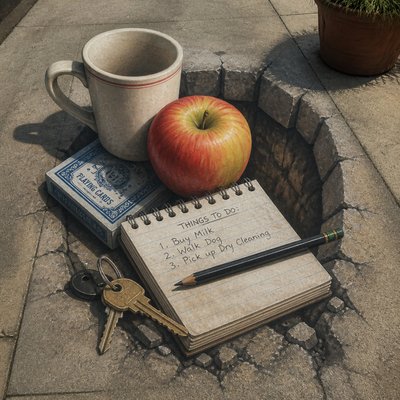
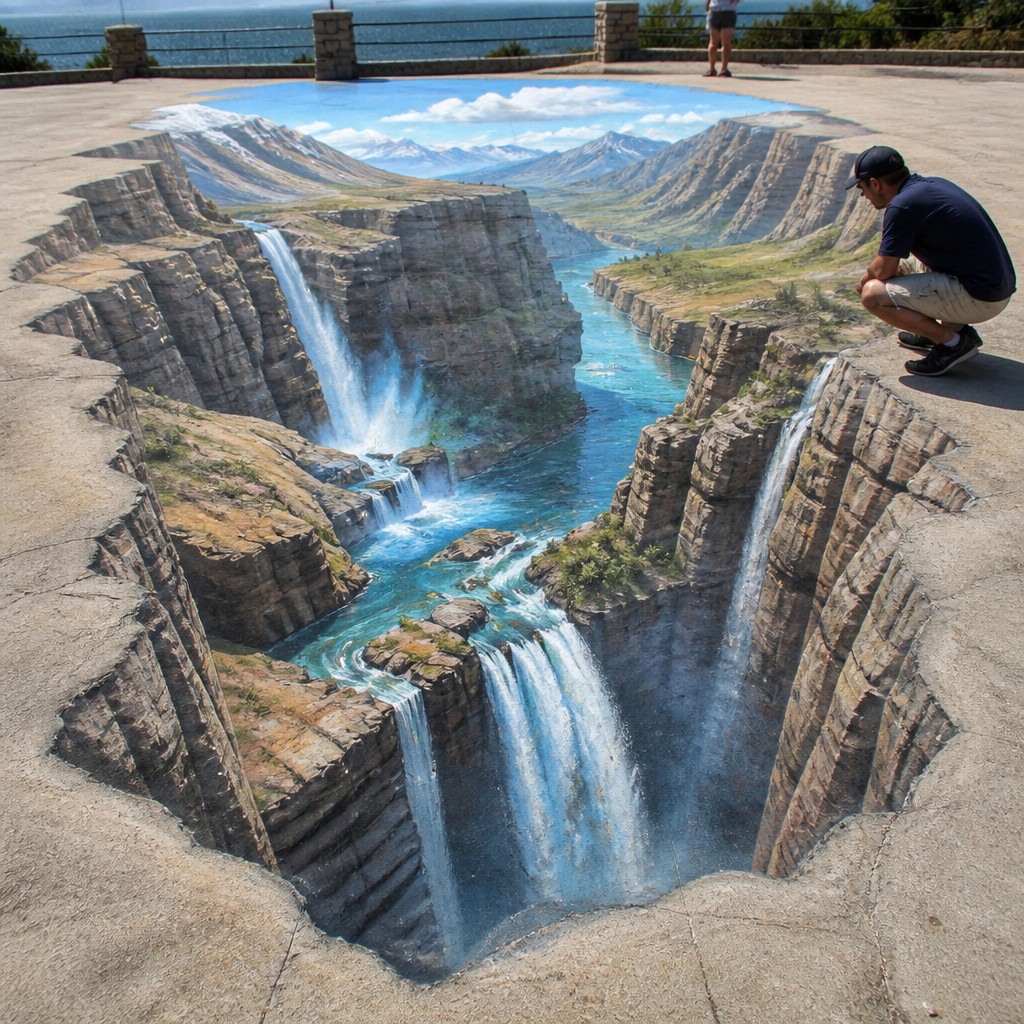
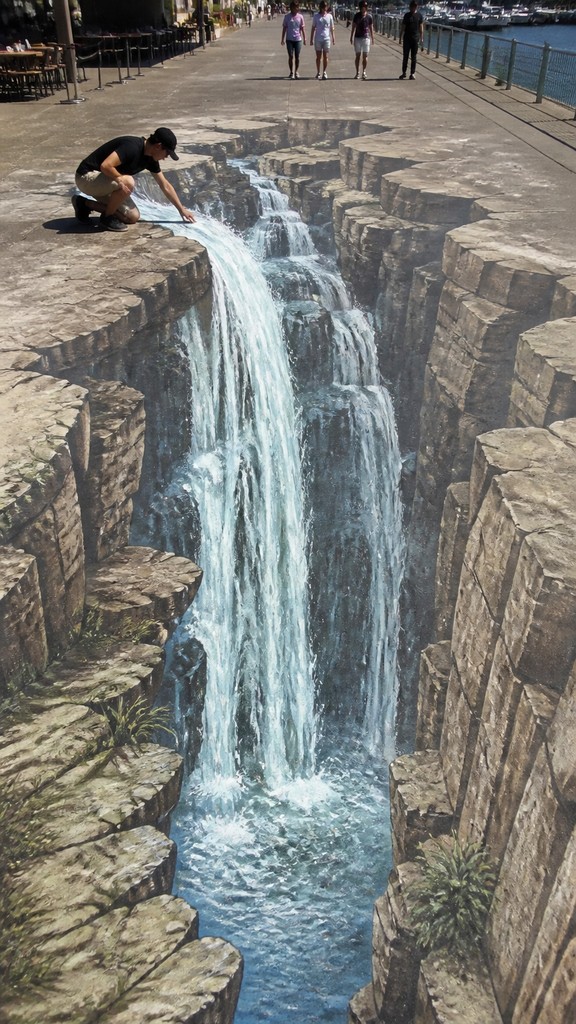
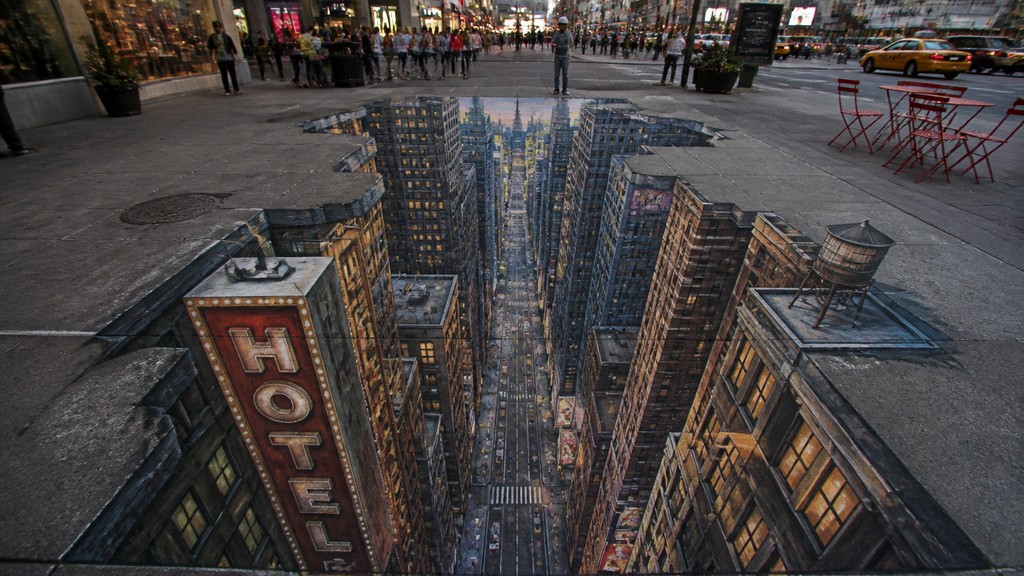
3D illusion street art is a form of anamorphic public art designed to look fully three-dimensional from a particular viewpoint, usually at ground level. On the pavement or another flat surface, artists paint distorted forms that resolve into believable depth when seen from the intended angle, creating the impression of openings, raised structures, deep holes, or objects emerging from the ground.
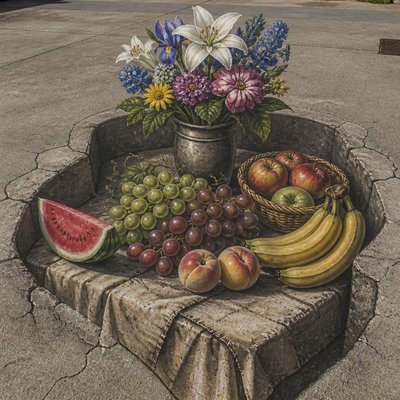
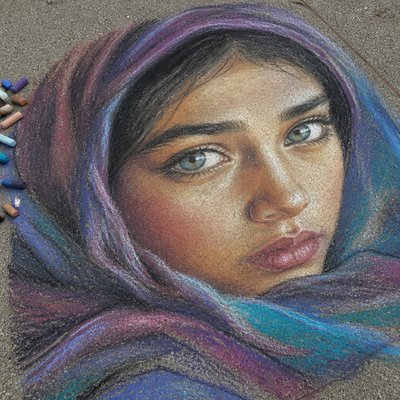
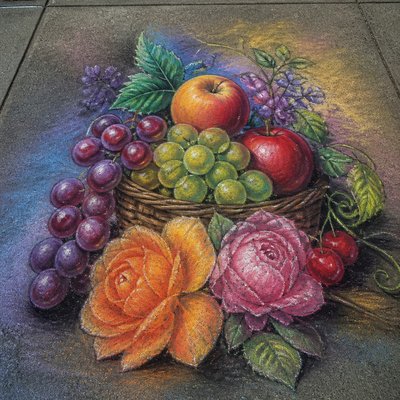
Its visual identity depends on illusionistic perspective, careful shadow placement, and realistic modeling of light and form. The effect is convincing because the image is built for a single optical position: it compresses, stretches, and warps across the surface so that the viewer's eye reconstructs it as a 3D scene. Chalk texture, painted highlights, and the roughness of concrete often remain visible, which helps anchor the illusion in the street environment while intensifying the trompe-l'oeil effect.
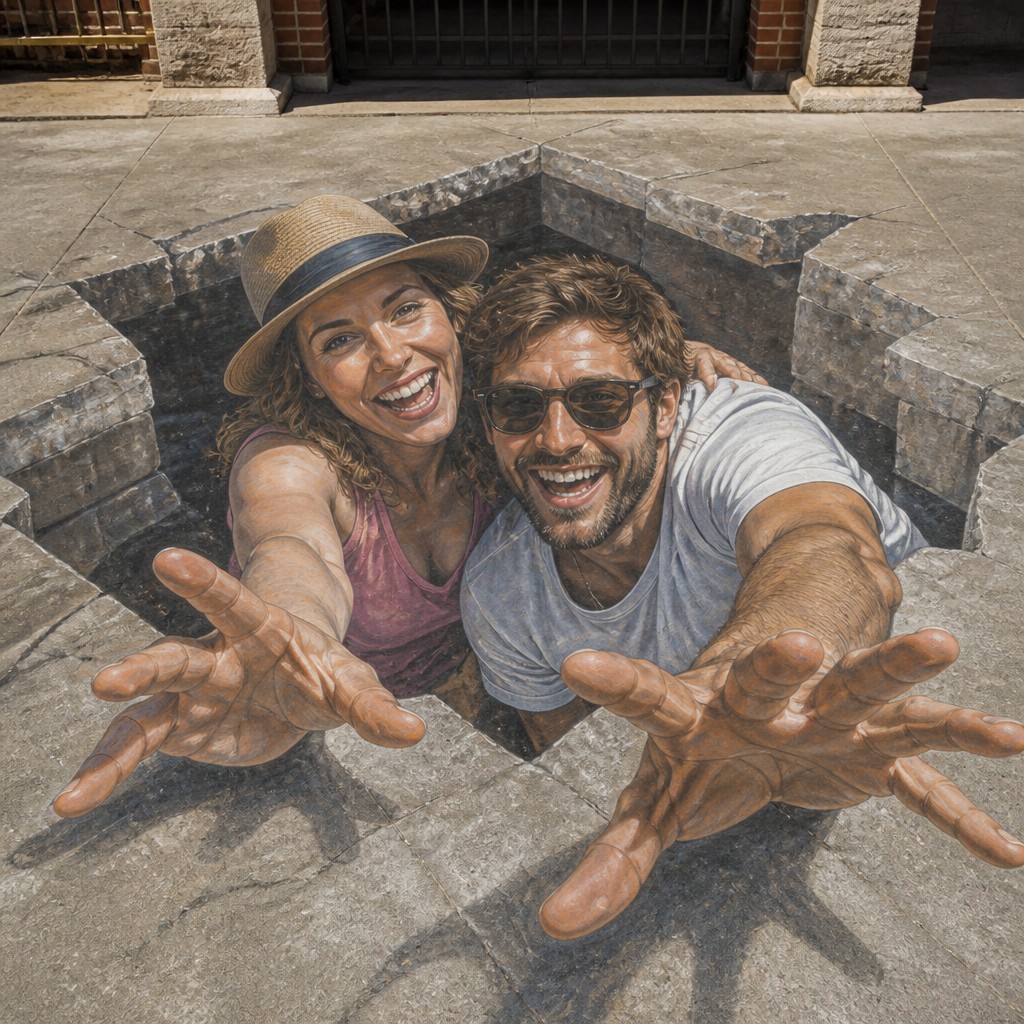
Try It On Your Photos
Upload any photo and convert it into 3D Illusion Street Art Style — drag the sliders to compare before and after.
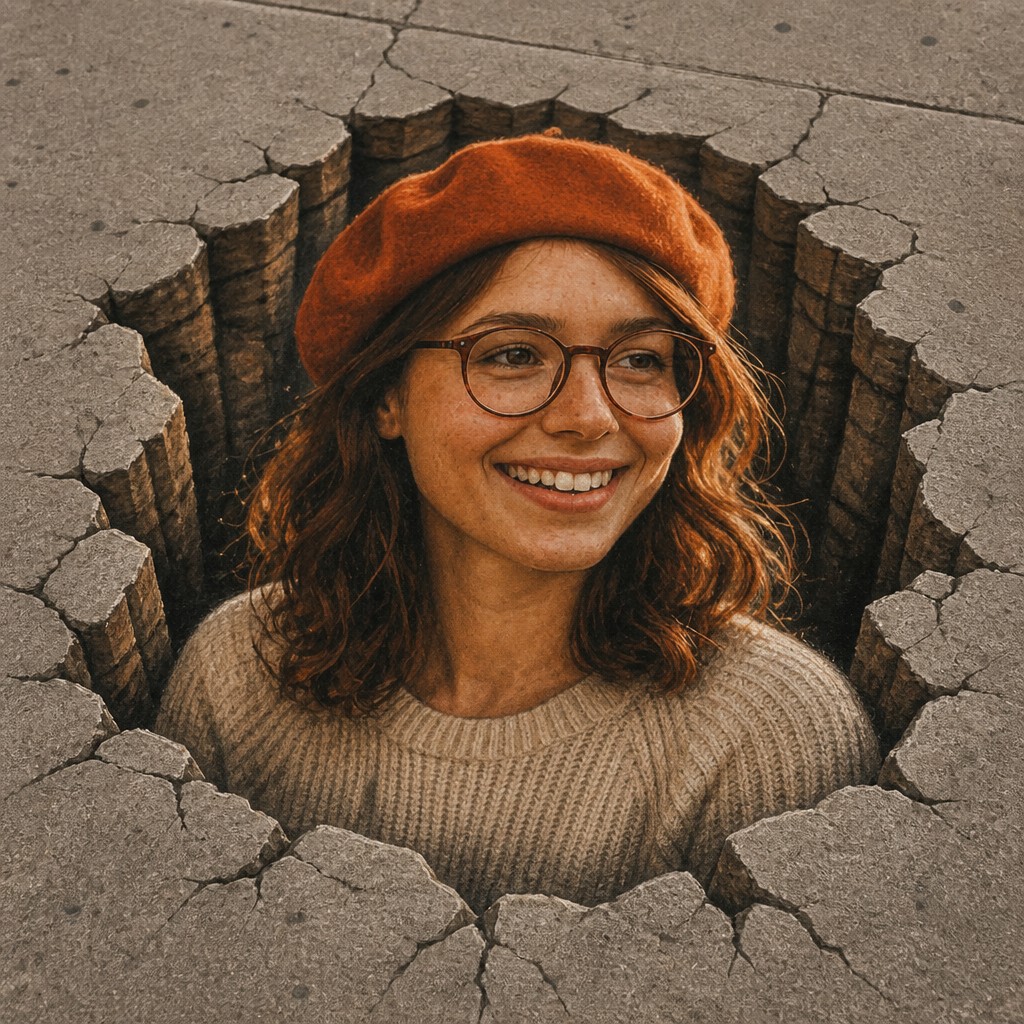

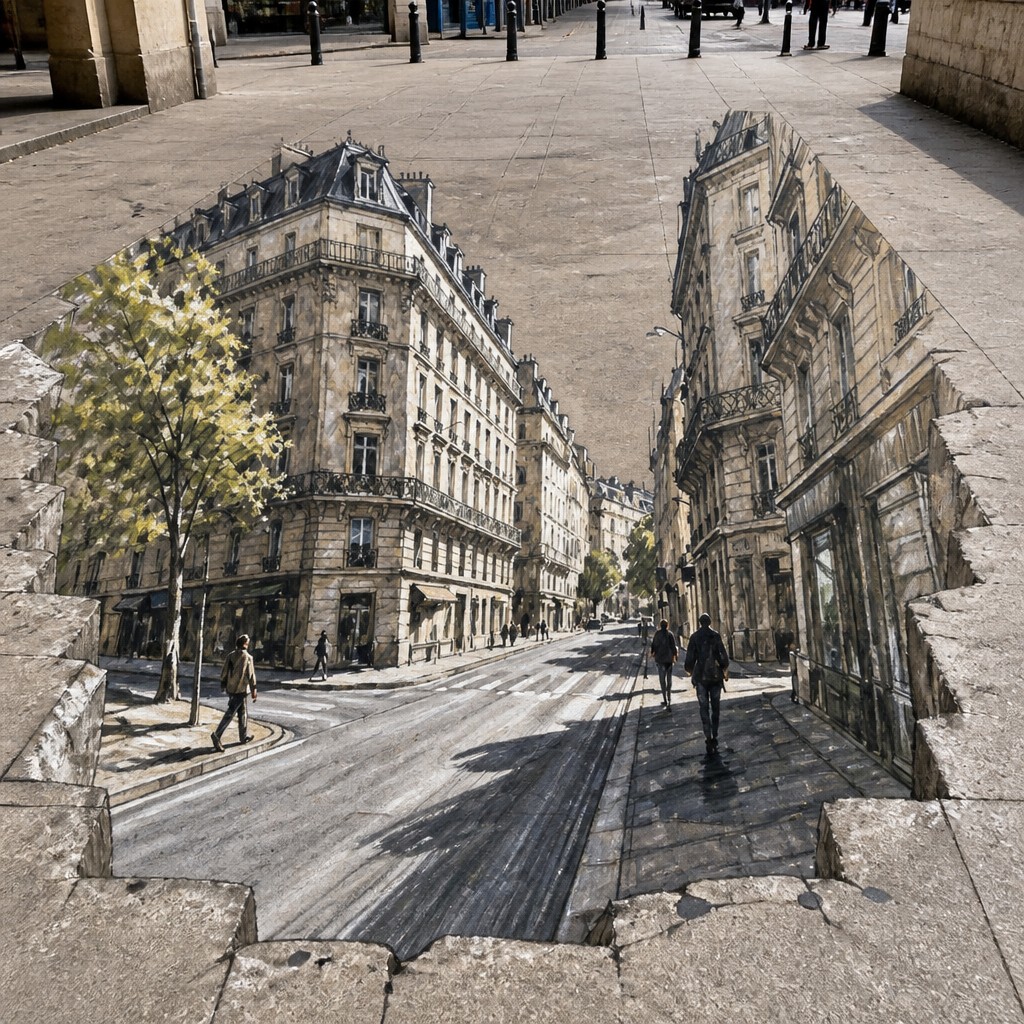

What Defines 3D Illusion Street Art Style
The signature details, up close
Anamorphic distortion
Forms are stretched and skewed across the pavement so they only read correctly from one viewpoint. Away from that angle, the image looks fractured or abstract.
Forced-perspective depth
Artists manipulate scale, compression, and foreshortening to make a surface seem to open into space. This creates the sensation of a pit, tunnel, staircase, or floating object.
Trompe-l'oeil realism
Shadows, highlights, and edge control are rendered with painterly precision to mimic real physical mass. The illusion often relies on convincing light direction and material cues.
Ground-plane composition
The work is planned for horizontal pavement rather than a vertical wall. The environment and viewer position are part of the composition, not just the subject.
Street surface texture
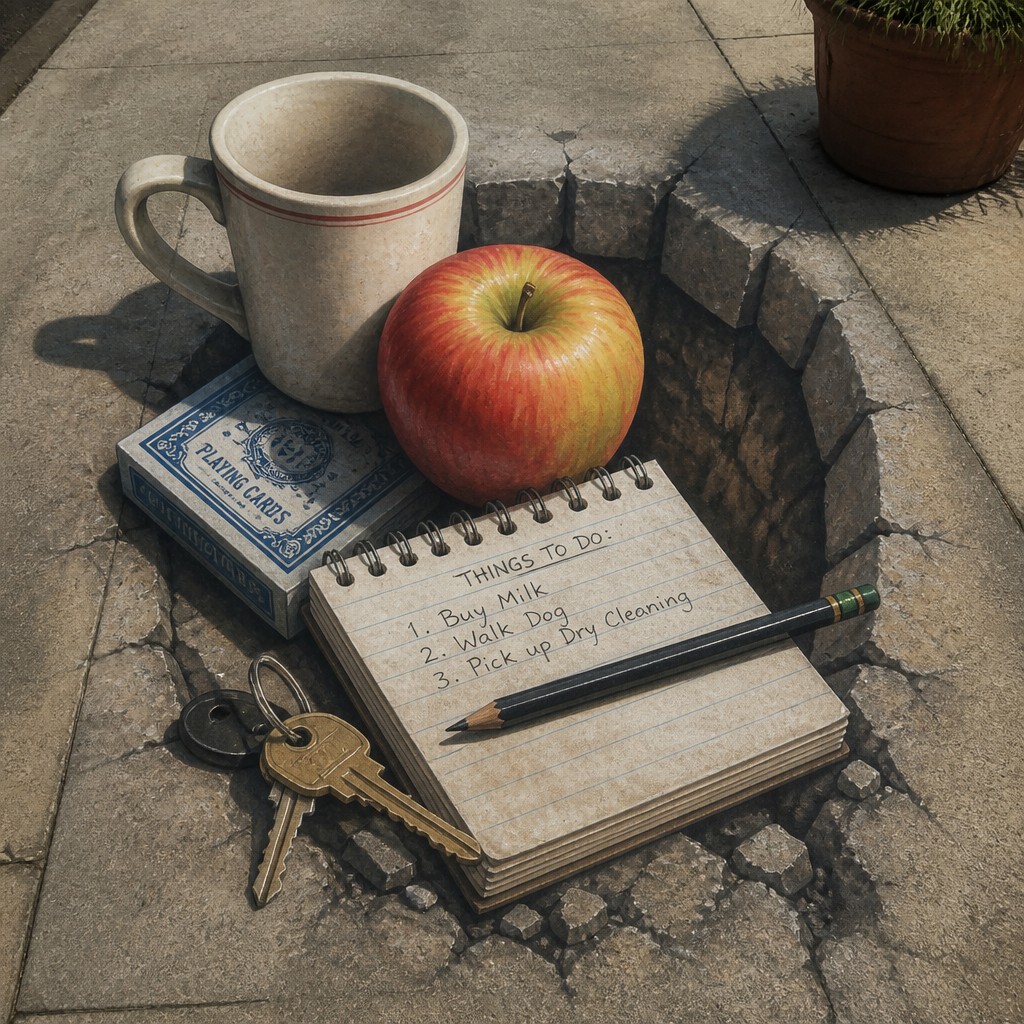
Concrete grain, chalk dust, and worn pigment are often left visible. These textures keep the piece tied to its site and can enhance the tactile believability of the scene.
Spectacle and participation
These works invite viewers to move to a specific point to complete the image. People often pose within the illusion, turning the artwork into a shared public event.
Try It
Create Videos in 3D Illusion Street Art Style
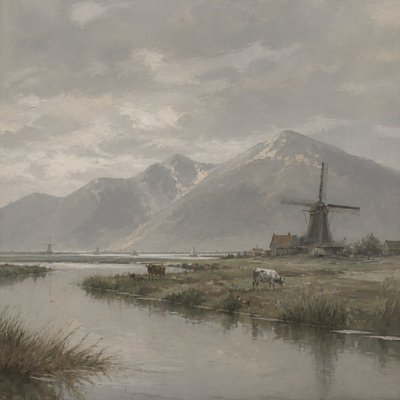
Styles aren't just for stills — describe a scene or animate an image and get a short video rendered in 3D Illusion Street. Press play to see this pond come to life.
Make a Video3D Illusion Street Prompt Ideas
Start from an idea — each one opens the generator with the style ready to go. See all 40 3D Illusion Street prompts →
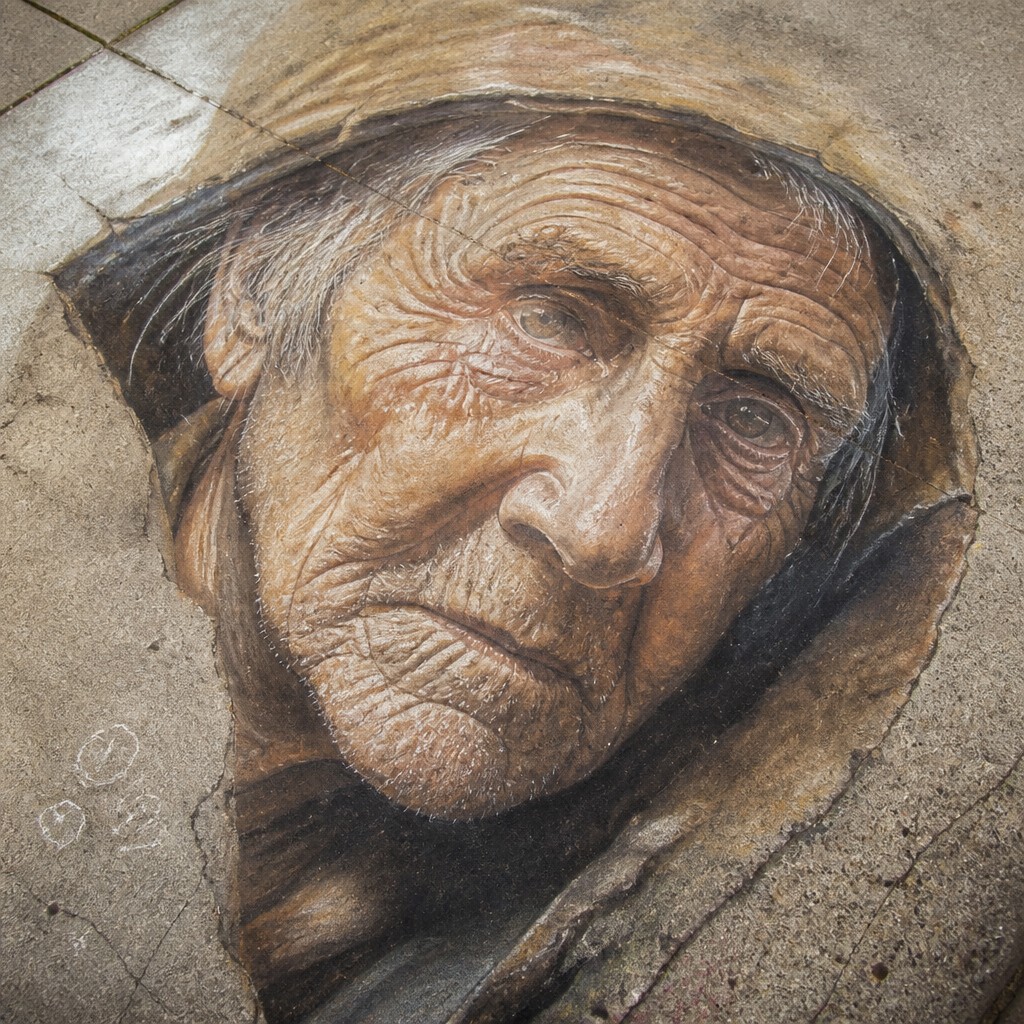
“close-up portrait of an elderly person with expressive weathered features”
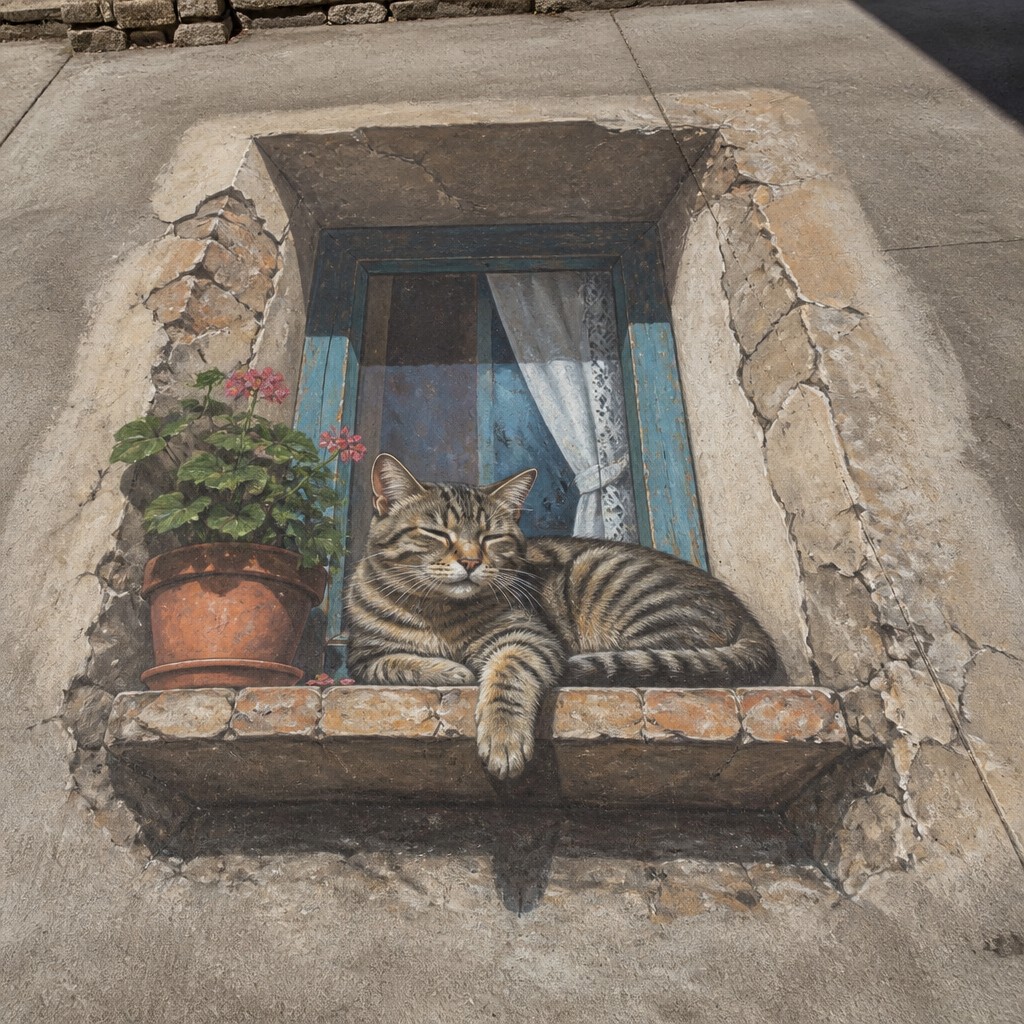
“a cat lounging in a sunlit window”
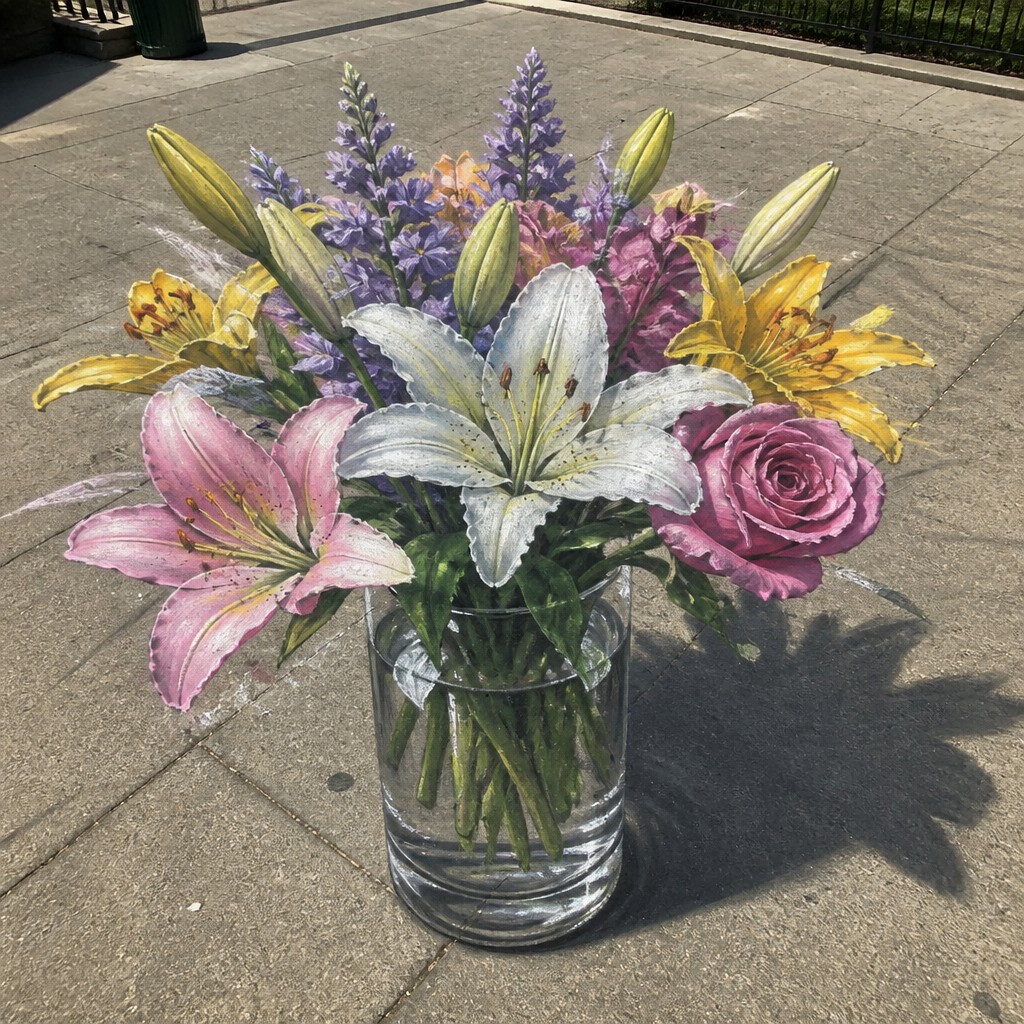
“bouquet of flowers in a glass vase”
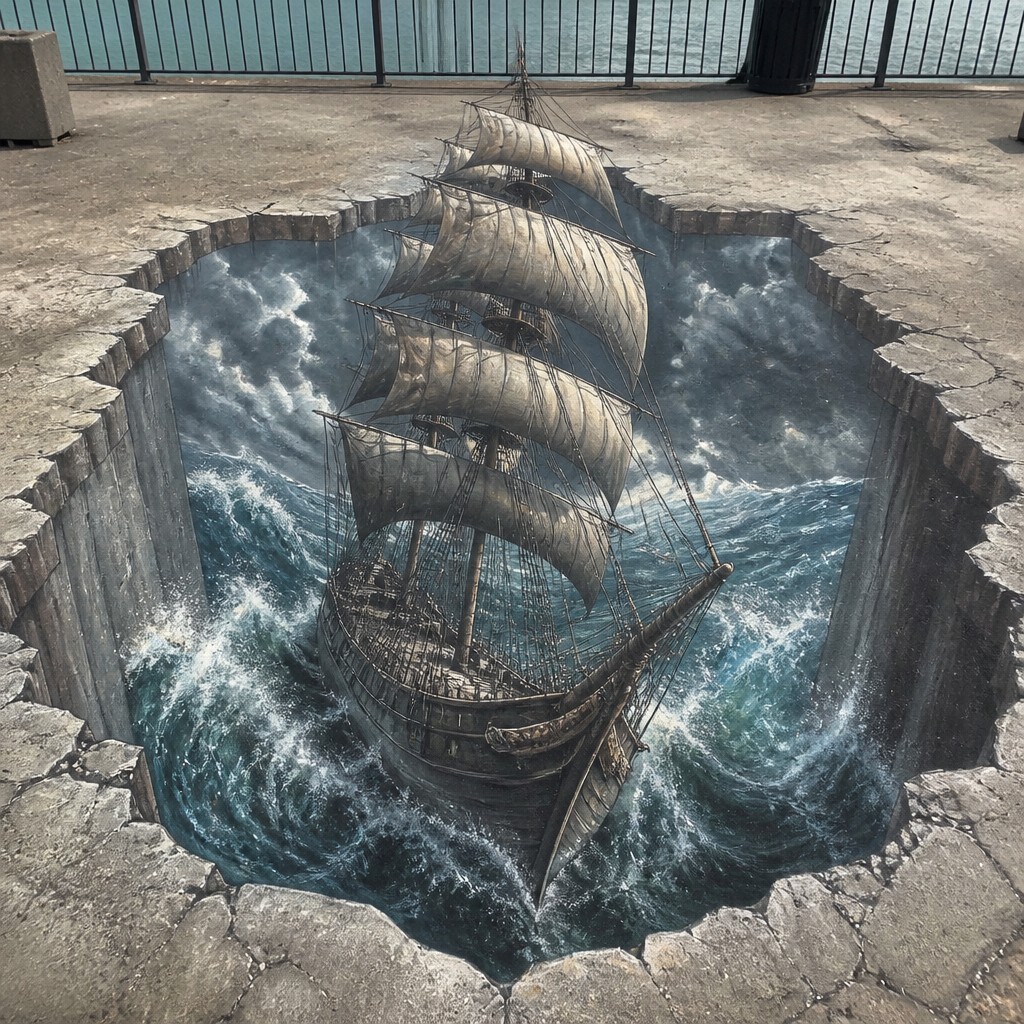
“sailing ship on a stormy sea”
How to Create 3D Illusion Street Art
Master the craft step by step — or skip straight to creating. Read the full guide →
- 1
Choose a single viewing point
Map the composition from one ground-level camera position and build the image around that optical target. The illusion depends on controlling where the viewer stands, so test the setup frequently from that exact angle.
- 2
Construct the distortion first
Sketch the subject in normal perspective, then project it onto the pavement using anamorphic scaling. Use grids, reference photos, or digital projection to stretch the forms until they resolve properly from the chosen viewpoint.
- 3
Paint the light as if it were real
Treat shadows and highlights as structural elements, not decoration. Strong directional lighting, cast shadows, and subtle tonal gradients are essential for making the scene read as volumetric.
- 4
Blend realism with surface cues
Let the concrete texture and slight irregularities of the medium remain visible, especially in chalk-based work. Those imperfections help the image feel embedded in the environment rather than pasted on top of it.
- 5
Use digital tools for planning or rendering
In digital illustration or image generation, specify anamorphic forced perspective, ground-plane viewing, photorealistic shadows, and a pavement surface with visible grain. For photo transformation, preserve the original camera angle and reinforce the illusion with depth cues that align to that viewpoint.

The Story
History & Origins of 3D Illusion Street
This style belongs to the long tradition of trompe-l'oeil and anamorphic drawing, both of which aim to deceive or redirect the eye through controlled perspective. Its street-art form developed in contemporary urban public art, especially from late 20th-century and early 21st-century pavement drawing culture, where artists used chalk and paint on plazas, sidewalks, and festival surfaces to create temporary optical illusions for passersby.
Its lineage also draws from Renaissance perspective experiments, illusionistic ceiling painting, and baroque quadratura, where artists used geometry and foreshortening to make flat surfaces appear architecturally deep. In the street-art context, these older techniques were adapted to horizontal ground planes and public-facing spectacle, often with a photographic logic: the work is composed for a precise viewing point and is frequently documented from that angle to preserve the illusion.
Influences: 3D illusion street art draws on trompe-l'oeil painting, anamorphosis, and the geometry of linear perspective associated with Renaissance artists such as leading North Italian perspective innovators, early modern scientific draughtsmen, and later illusionistic ceiling painters from the Baroque tradition. It also overlaps with contemporary pavement drawing, public muralism, and photorealistic street art, where the viewer's position and the surrounding site are treated as part of the image's meaning.
Frequently Asked Questions
What defines 3D illusion street art?
It is street art designed to appear three-dimensional from a specific viewpoint, usually using anamorphic distortion and strong perspective. The image is intentionally warped on the ground so that it resolves into a convincing spatial scene when seen from the correct angle.
How is it different from regular mural art?
A mural is generally meant to be read from multiple distances and angles, while this style depends on one chosen viewing position. The distortion is not a flaw; it is the mechanism that makes the illusion work.
Is this the same as trompe-l'oeil?
It is closely related, but not identical. Trompe-l'oeil is a broader illusionistic tradition, while 3D illusion street art usually refers to large-scale pavement or public-surface works built around anamorphic perspective.
What subjects work best in this style?
Subjects with clear depth cues work especially well, such as holes, stairs, portals, creatures emerging from the ground, and objects with strong shadows. Anything that benefits from a dramatic sense of scale can be effective.
Can this style be made digitally?
Yes. Digital artists often simulate the effect by compositing perspective distortions, realistic shading, and pavement texture, or by using AI/image tools with prompts that specify forced perspective and ground-level viewing.
Where is this style commonly used?
It appears in public squares, festival grounds, sidewalks, event spaces, and promotional installations. It is especially effective in places where viewers naturally stop, gather, and photograph the work from the intended angle.
Create your first 3D Illusion Street artwork
Describe anything — or upload a photo — and see it in 3D Illusion Street Art Style in seconds.
Make Something with 3D Illusion Street
Related Styles
Discover similar art styles