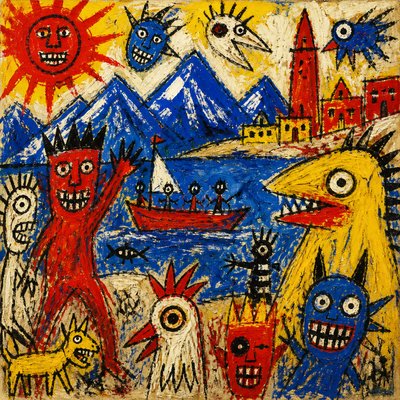
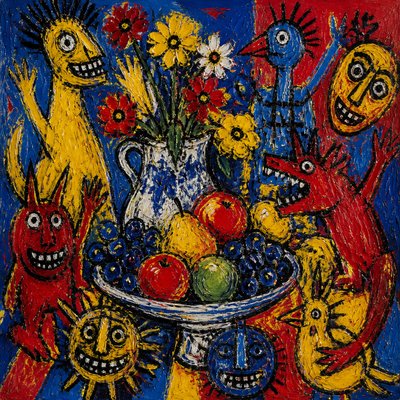
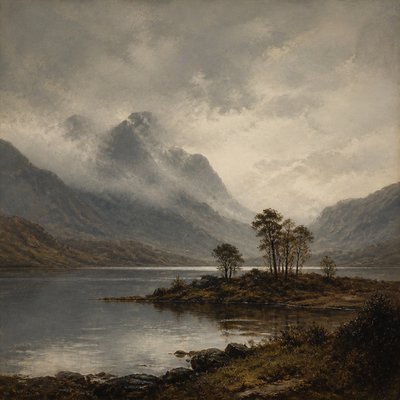
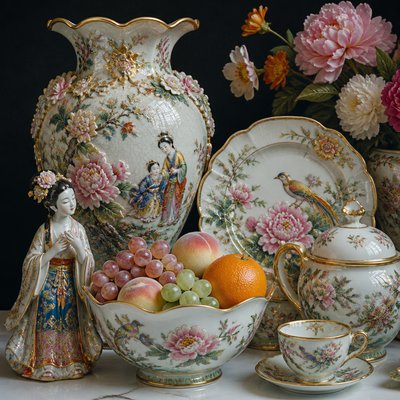
Blocky Art Style
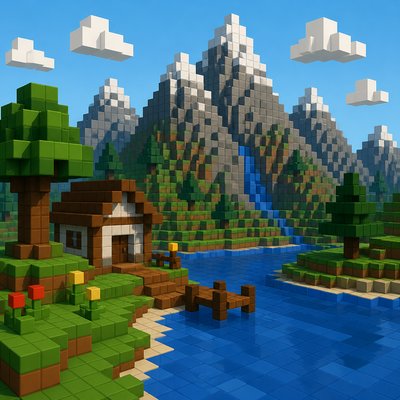
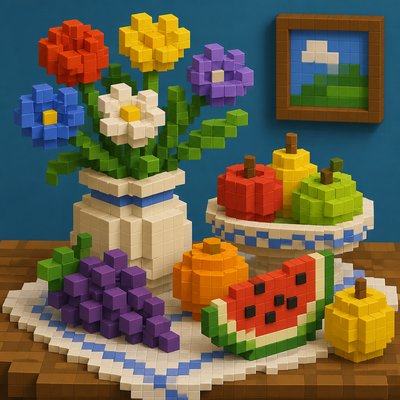
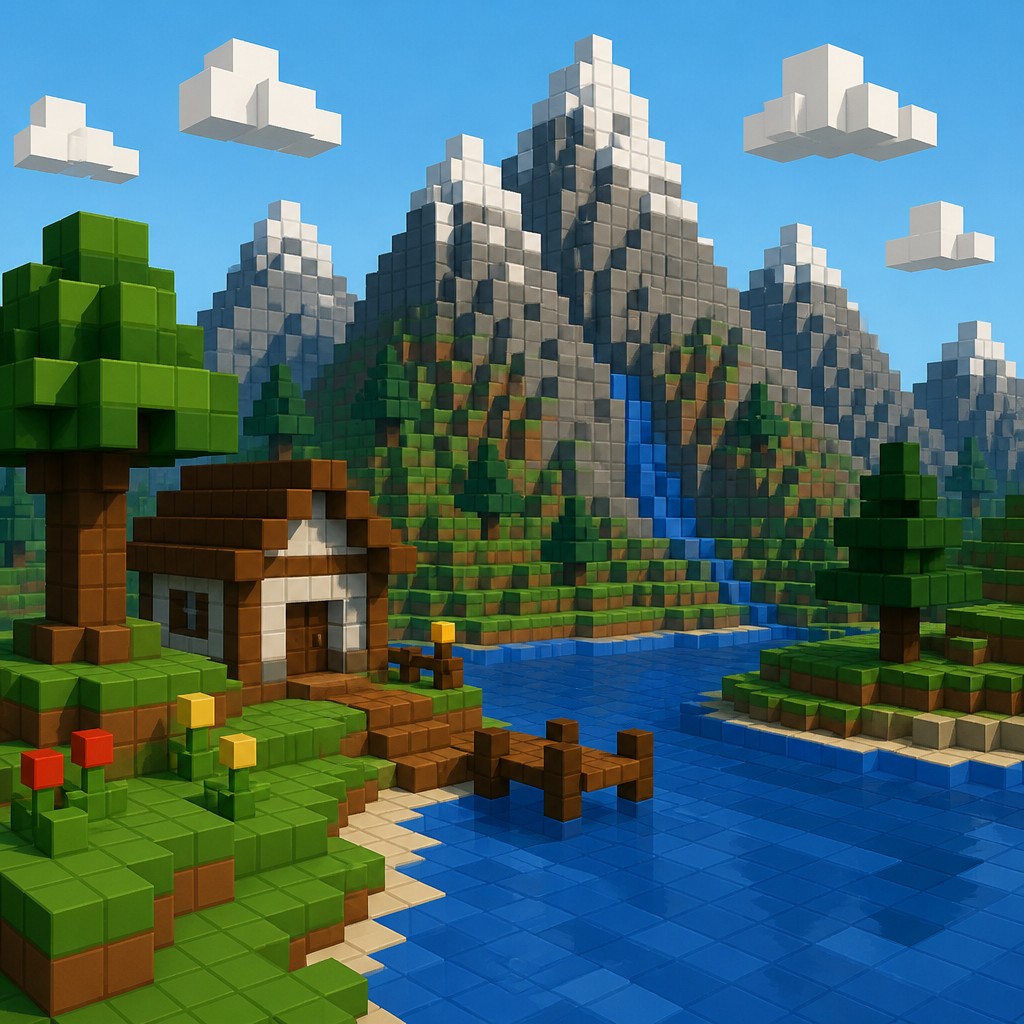
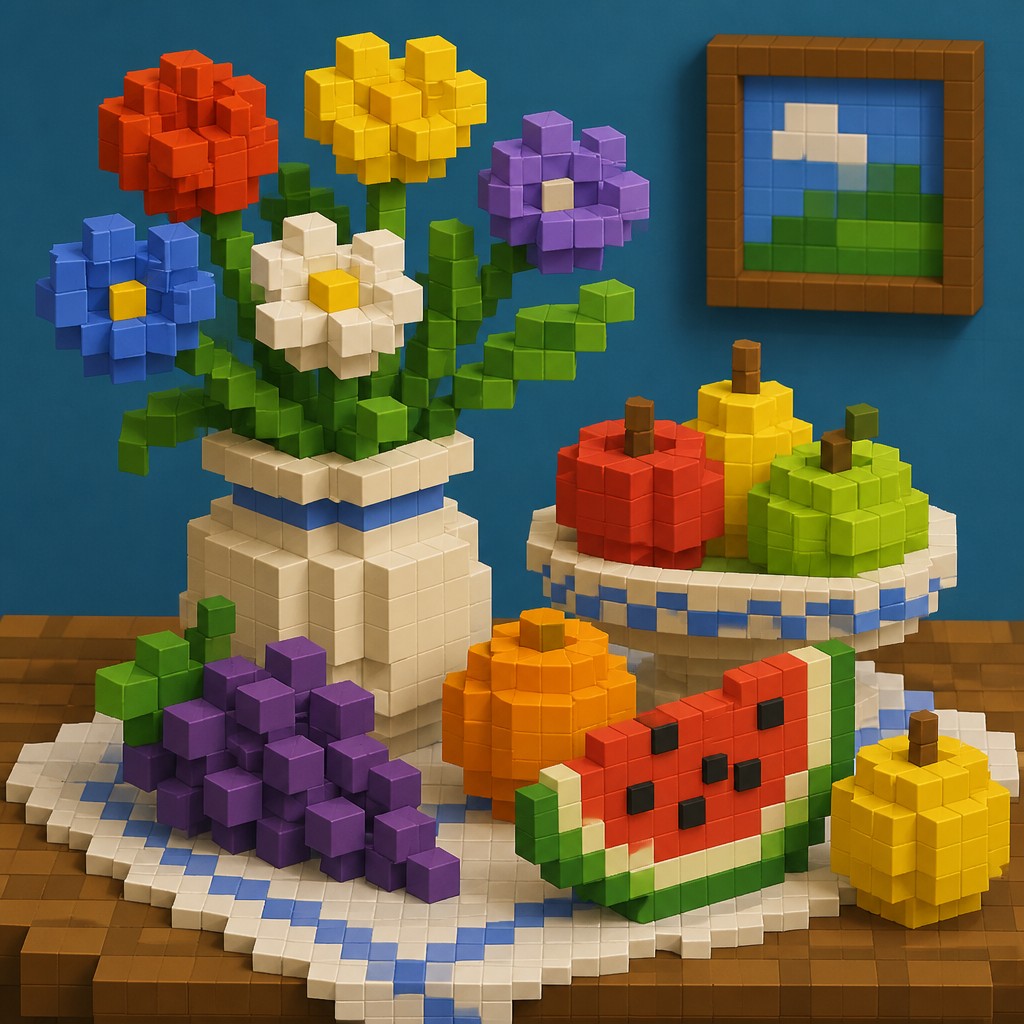
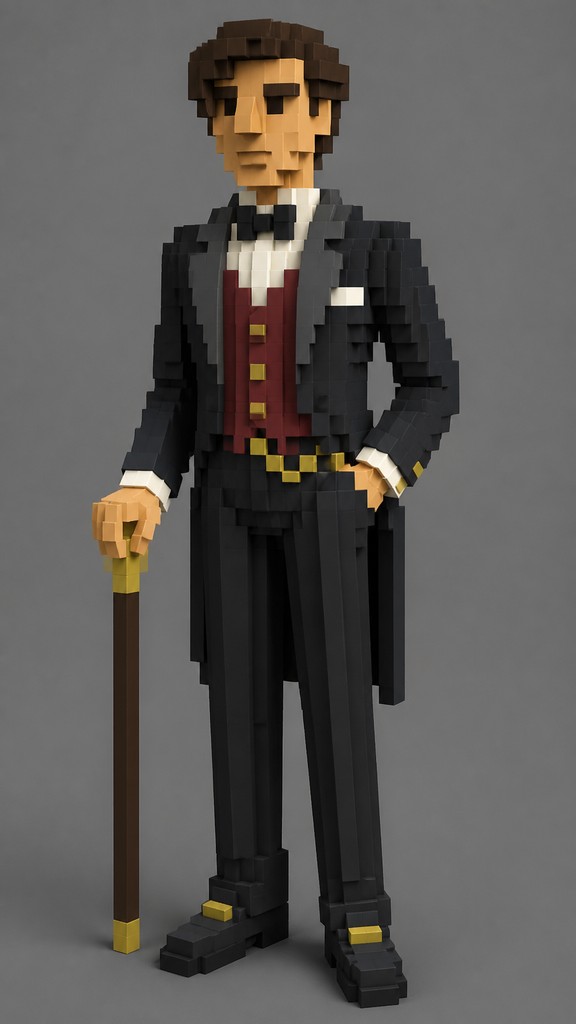
Cubic 3D aesthetic built from uniform blocks and voxels, with flat shading, sharp angles, and a retro pixelated feel.
Instantly rendered in Blocky — or transform a photo

Blocky Gallery
Tap any artwork to explore it




What is Blocky Art Style?
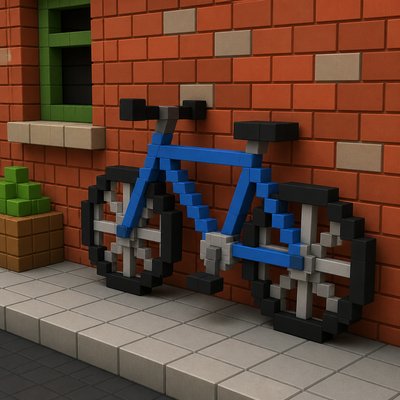
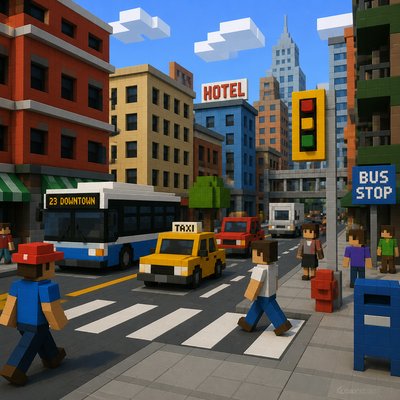
Blocky Art Style is a cubic construction aesthetic in which everything appears built from uniform blocks or voxels. Forms are reduced to modular units with sharp 90-degree angles, flat planes, and stepped contours, creating a world that looks assembled rather than sculpted. The result is a distinctly pixelated 3D language that feels both geometric and playful, with strong silhouettes and a highly legible structure.
Its visual identity comes from the logic of voxel-based modeling and low-poly rendering: curves are translated into terraces, textures are simplified into solid color blocks, and surface detail is implied through shape rather than ornament. Because each element appears snap-together and modular, the style naturally evokes construction toys, retro 3D game worlds, and digital environments where clarity, repetition, and structure are part of the appeal.

Try It On Your Photos
Upload any photo and convert it into Blocky Art Style — drag the sliders to compare before and after.



What Defines Blocky Art Style
The signature details, up close
Uniform voxel construction
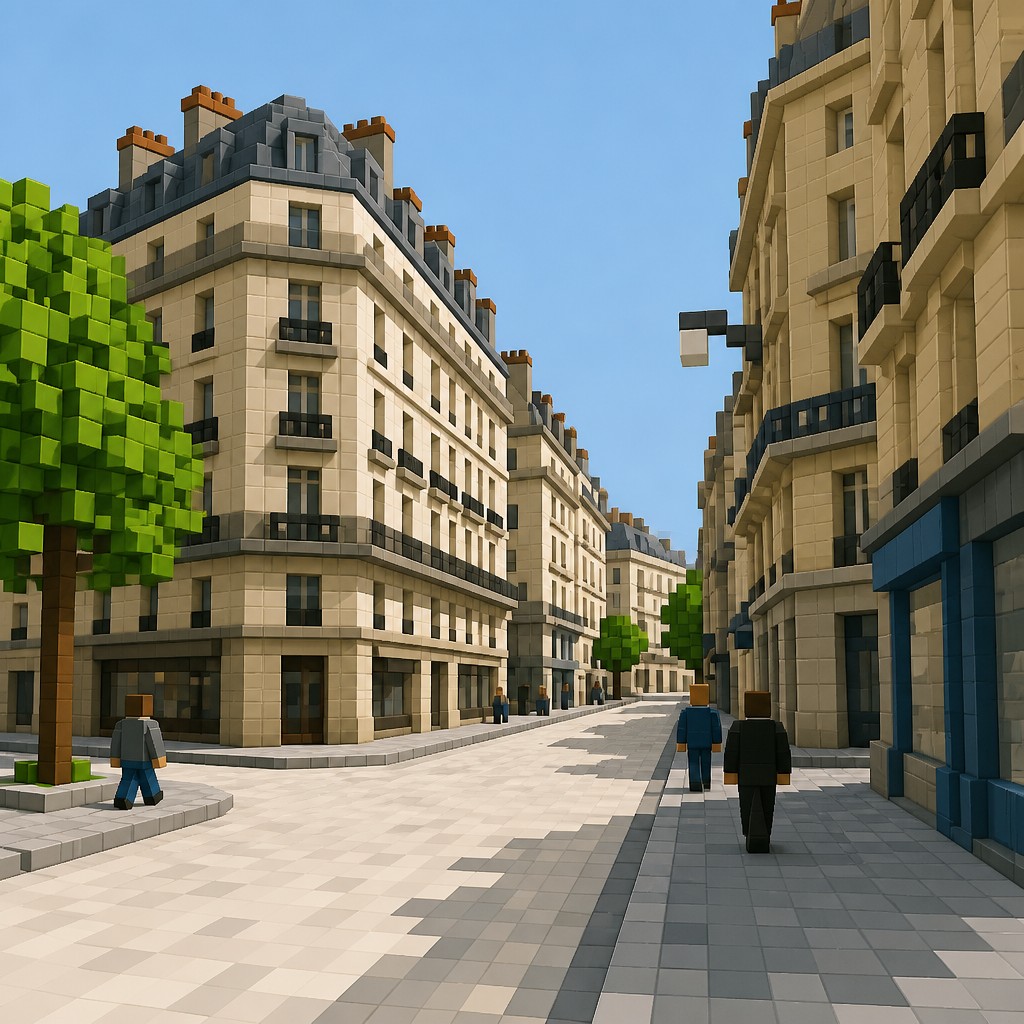
Objects, characters, and environments are composed of equal-sized cubic units or visibly blocky segments. This creates a modular look in which the whole image feels built from a single visual system.
Sharp angular geometry
Curves are replaced by steps, corners, and faceted transitions. Rounded forms become staircase-like silhouettes that preserve the impression of volume while remaining strictly geometric.
Flat-shaded color blocks
Colors are usually applied in clean, solid areas with minimal blending. Shading is subtle and typically separated by block face rather than brushed across the surface.
Clean, readable silhouettes
The style favors strong outer contours and simple masses that are easy to recognize at a glance. This makes it especially effective for characters, architecture, and landscapes that need immediate visual clarity.
Retro digital charm
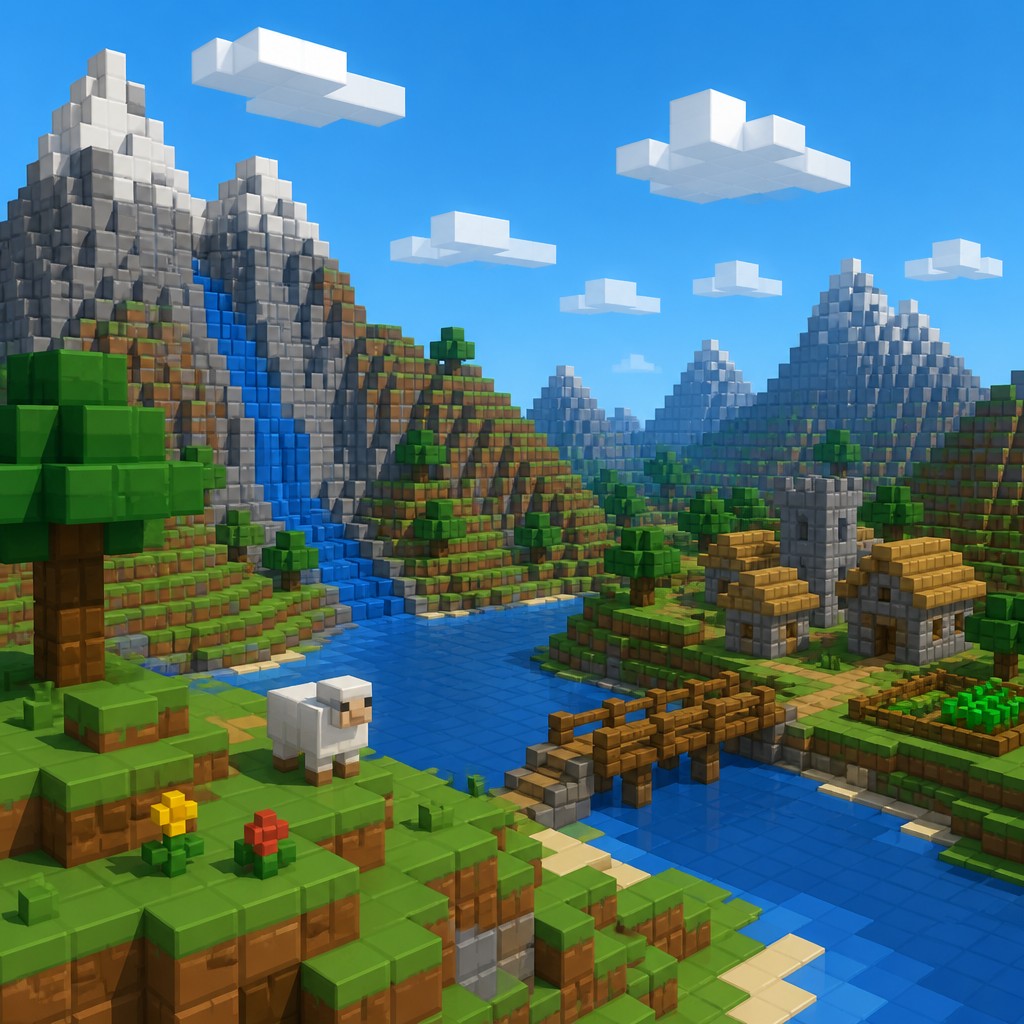
Because it resembles early voxel games and block-based worlds, the style often carries a nostalgic feel. Even when polished, it still suggests the logic of older, simpler 3D graphics.
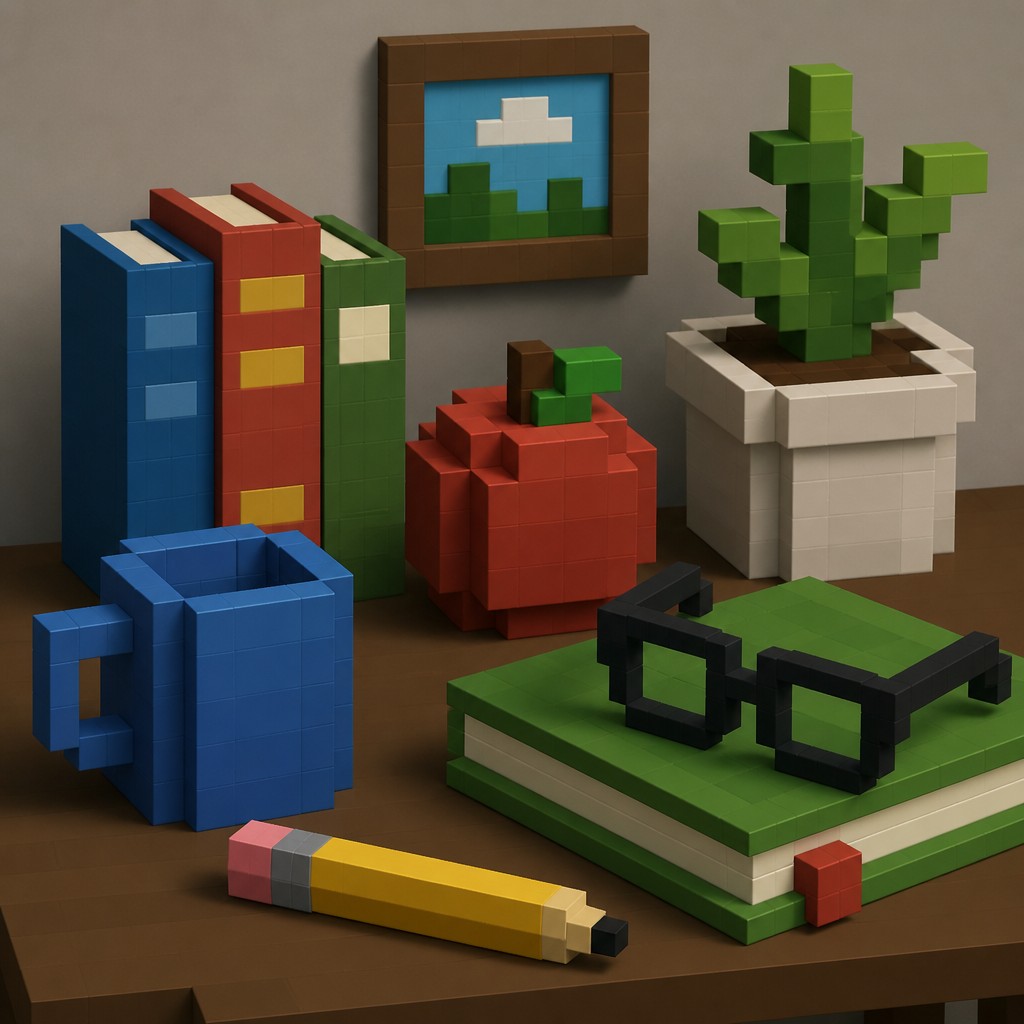
Modular snap-together appearance
Forms seem engineered from repeatable parts rather than organically grown. That construction-like quality gives the image a toy-block or digital-builder aesthetic.
Try It
Create Videos in Blocky Art Style
Styles aren't just for stills — describe a scene or animate an image and get a short video rendered in Blocky. Press play to see this pond come to life.
Make a VideoBlocky Prompt Ideas
Start from an idea — each one opens the generator with the style ready to go. See all 40 Blocky prompts →
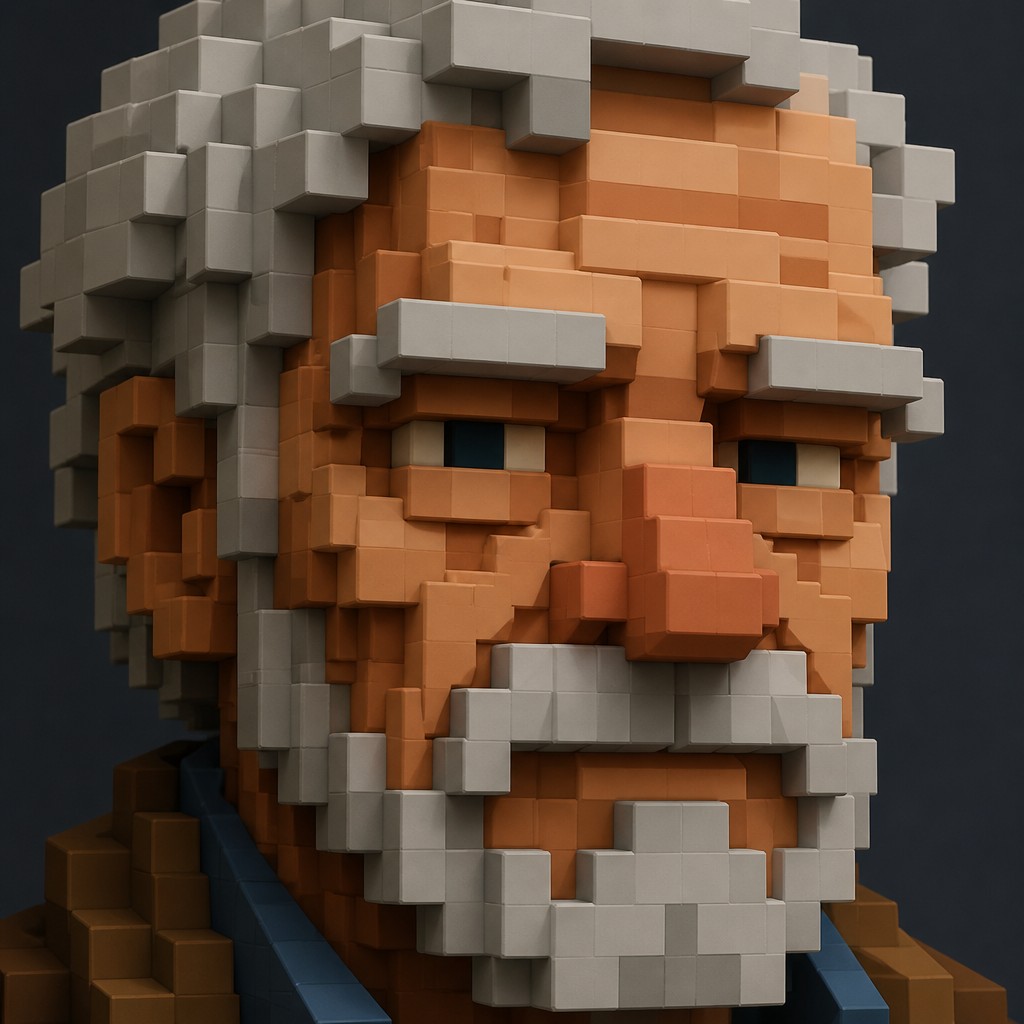
“close-up portrait of an elderly person with expressive weathered features”
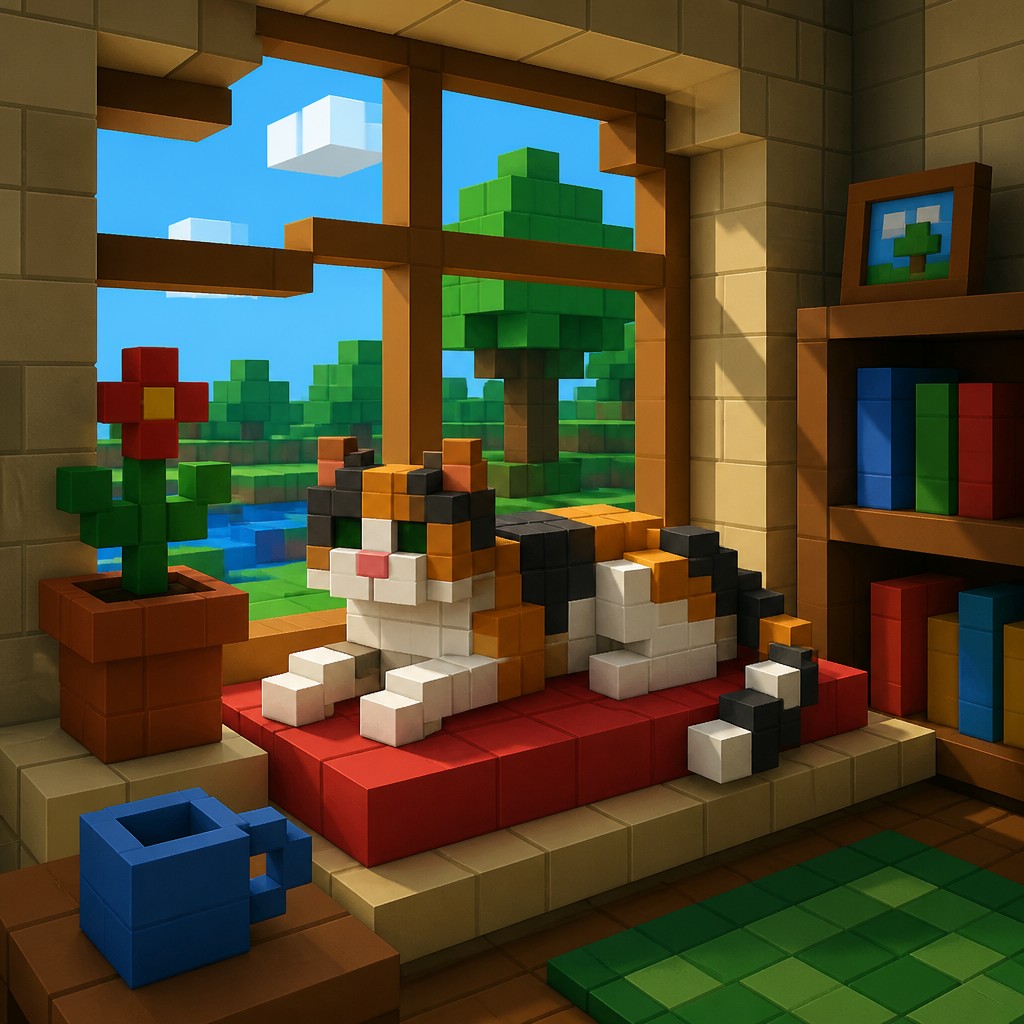
“a cat lounging in a sunlit window”
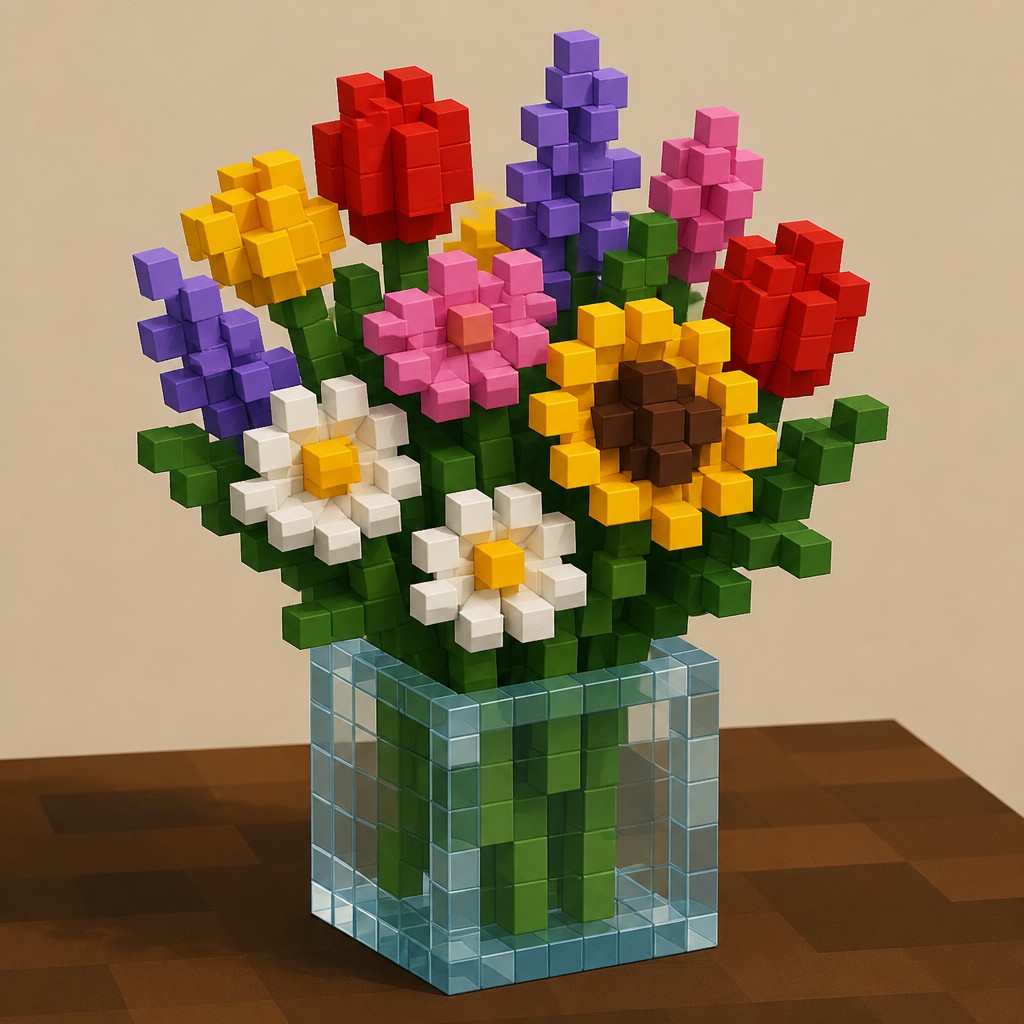
“bouquet of flowers in a glass vase”

“sailing ship on a stormy sea”
How to Create Blocky Art
Master the craft step by step — or skip straight to creating. Read the full guide →
- 1
Build from a voxel grid
Start by constructing the subject as if it were assembled from uniform cubes. In traditional methods, sketch the object as stacked blocks; in digital work, block out the volume first and refine only by removing or adding cubes.
- 2
Simplify curves into steps
Translate rounded features into tiered edges and flat sections. Keep the transitions clean so the object still reads as a single unified shape rather than a smooth model.
- 3
Use solid, separated color regions
Assign color per block or per face, avoiding gradients and painterly blending. Slight value shifts between adjacent faces are enough to describe depth without breaking the block logic.
- 4
Light with subtle ambient shading
Use soft, even lighting that defines the geometry without washing out the cubic structure. Gentle shadow between block faces helps preserve form while maintaining the style’s crispness.
- 5
Keep details structural, not decorative
Add interest through architecture, repetition, and silhouette rather than texture or ornament. Small modular elements like stairs, windows, or armor plates should still feel like they belong to the same block system.
- 6
Prompt for cubes, voxels, and low-poly rendering
When generating images, explicitly ask for uniform cubes, voxel construction, flat shading, sharp 90-degree angles, and retro voxel graphics. Clear structural language in the prompt usually matters more than listing surface details.
The Story
History & Origins of Blocky
Blocky Art Style is not a historical fine-art movement but an aesthetic lineage rooted in voxel graphics, low-poly 3D art, and early real-time video game environments. Its look developed from the technical constraints of digital modeling and rendering, where limited polygons, visible grid logic, and simplified shading produced compact, readable forms. Over time, those constraints became a deliberate visual choice in game design, animation, illustration, and speculative world-building.
The style also draws on the broader cultural memory of pixel art and toy-like modular construction, especially the visual language of building blocks and editable digital terrain. Modern artists and designers use it to suggest retro technology, handcrafted digital worlds, or playful abstraction, often combining its rigid geometry with soft lighting to make the block forms feel dimensional rather than merely schematic.
Influences: Blocky Art Style is closely related to voxel art, low-poly 3D design, and the visual language of early polygonal video games. It also overlaps with the logic of construction toys and modular design, where form is built from repeated units. Its nostalgic edge can recall the simplified 3D spaces of early game aesthetics, while its clarity and geometry connect it to minimalist digital modeling and schematic illustration.

Frequently Asked Questions
What defines Blocky Art Style?
It is defined by uniform cubic units, sharp angles, and forms that look assembled from blocks or voxels. The style avoids smooth curves and painterly transitions in favor of modular geometry and flat-shaded surfaces.
Is Blocky Art Style the same as voxel art?
They are very closely related, and in many contexts the terms overlap. Voxel art specifically refers to 3D forms built from volumetric pixels, while Blocky Art Style is a broader descriptive label for the same cubic visual language in art, design, and rendering.
How is it different from low-poly art?
Low-poly art emphasizes reduced polygon count, which can still produce angular but varied surfaces. Blocky Art Style is stricter and more modular, with a stronger emphasis on cube-based construction and stepped, voxel-like forms.
What kinds of subjects work well in this style?
Landscapes, architecture, vehicles, creatures, and game-like characters all work especially well because their forms can be simplified into clear masses. Subjects with strong silhouettes are easiest to translate into block construction.
Can this style be used in both 2D and 3D work?
Yes. In 3D it is usually modeled as voxels or blocky geometry, while in 2D it can be illustrated to imitate those forms with careful perspective, flat shading, and cubic repetition.
Where is this style commonly used?
It is widely used in games, concept art, animations, and toy-inspired design. It is especially effective for worlds that want to feel playful, retro, architectural, or easy to read at a glance.

Create your first Blocky artwork
Describe anything — or upload a photo — and see it in Blocky Art Style in seconds.
Make Something with Blocky
Compare Blocky
Related Styles
Discover similar art styles