Superflat Art Style
Japanese pop art with flat color, anime influence, commercial graphics, and a critique of consumer culture.
Instantly rendered in Superflat — or transform a photo
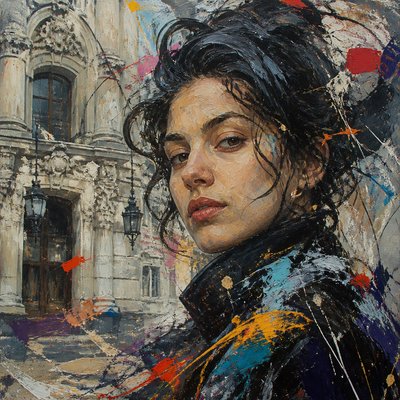
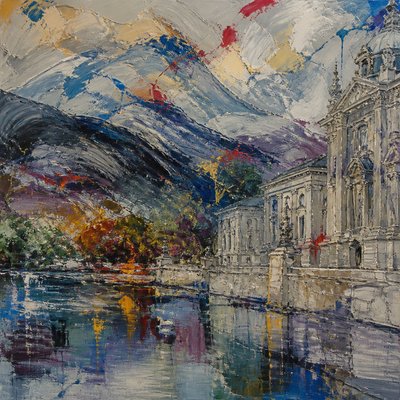
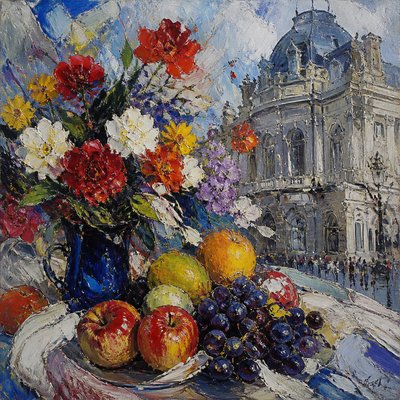
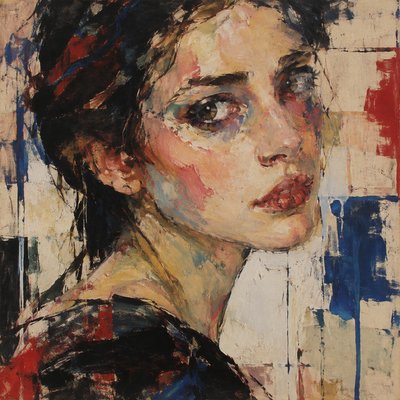
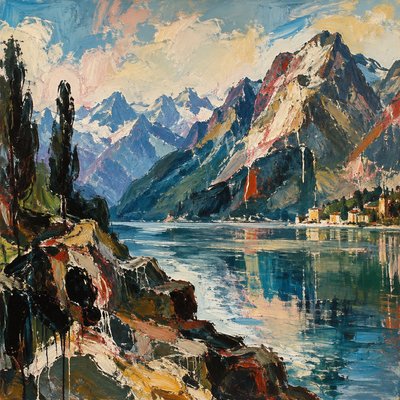
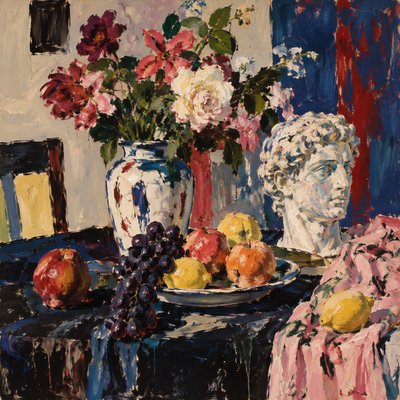
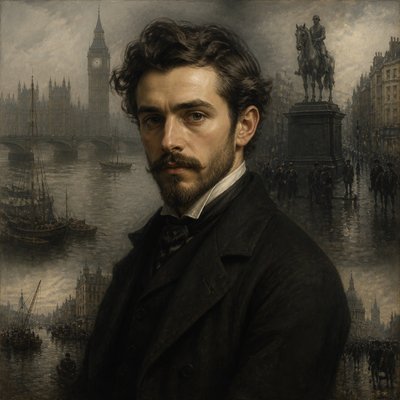
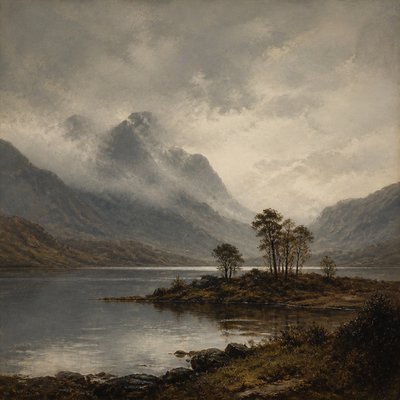
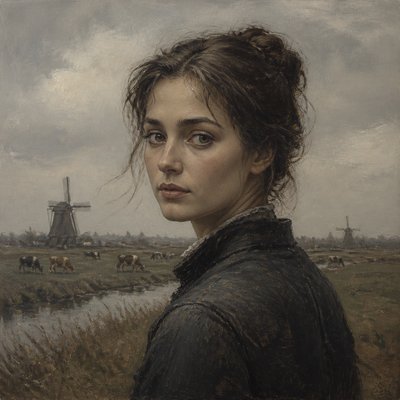
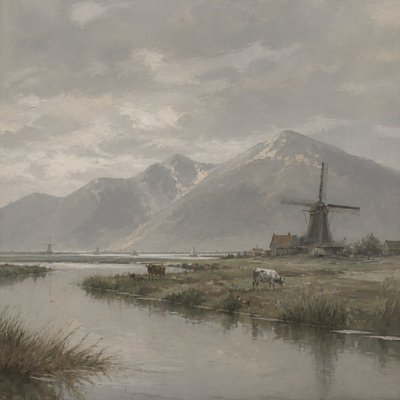
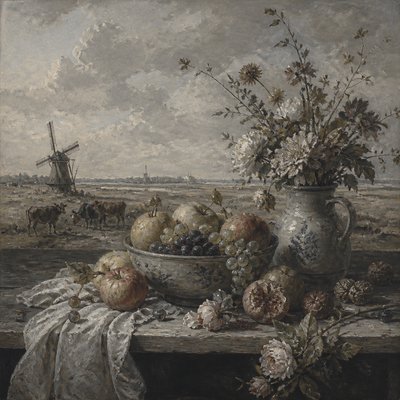
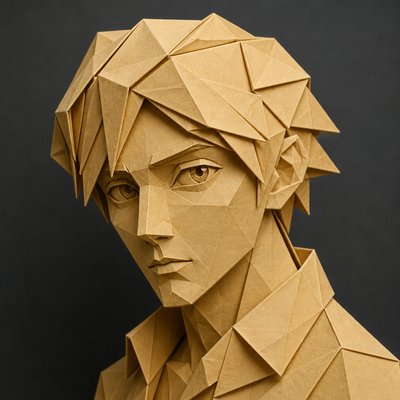
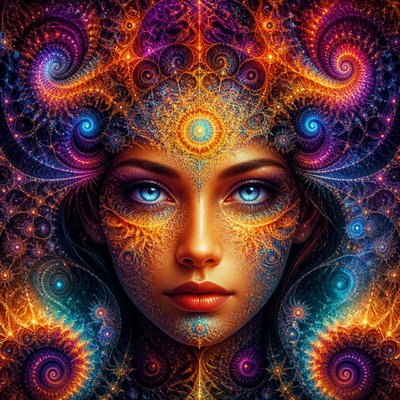
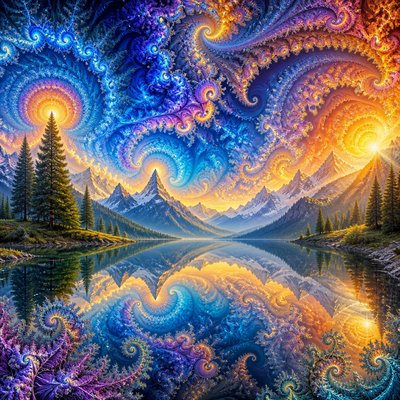
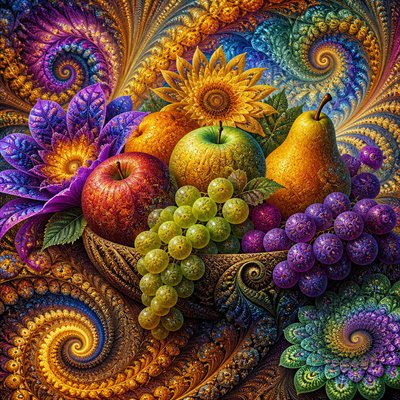
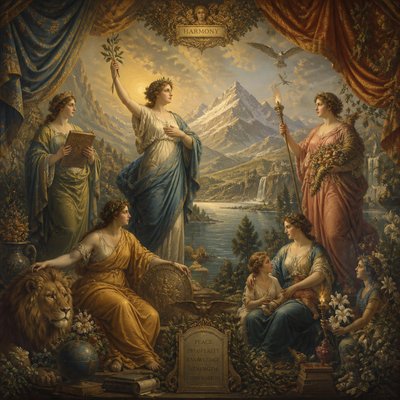
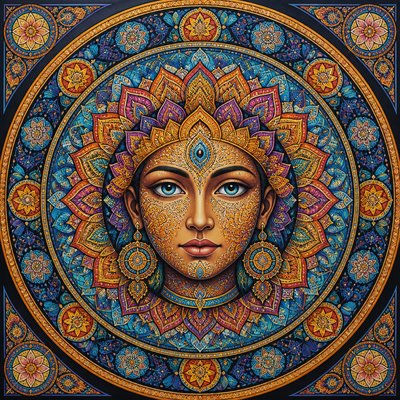
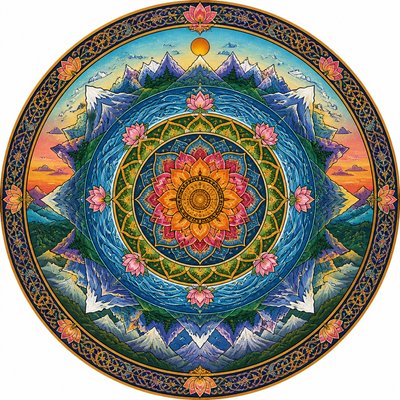
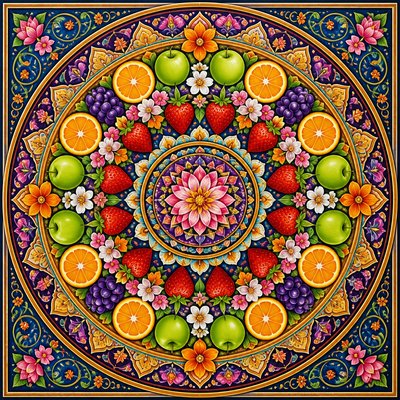
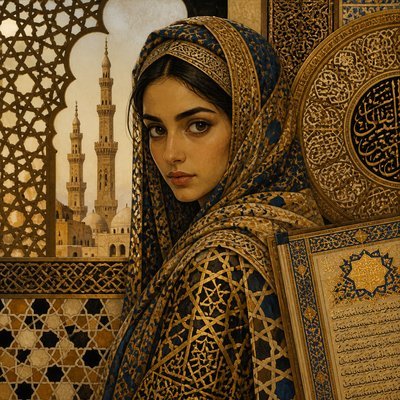
Superflat Gallery
Tap any artwork to explore it
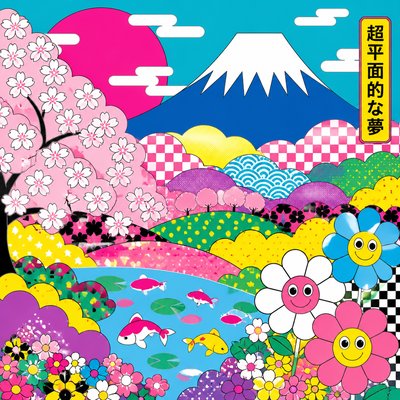
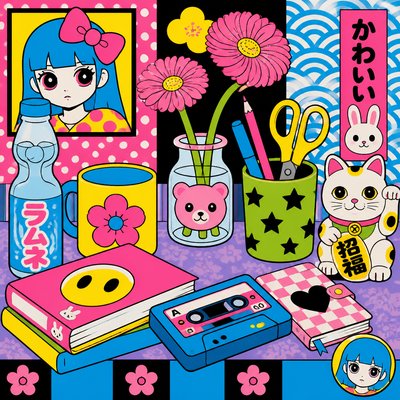
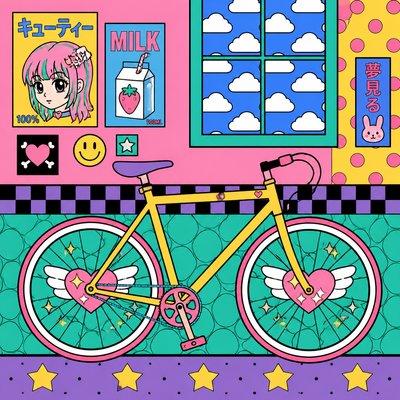
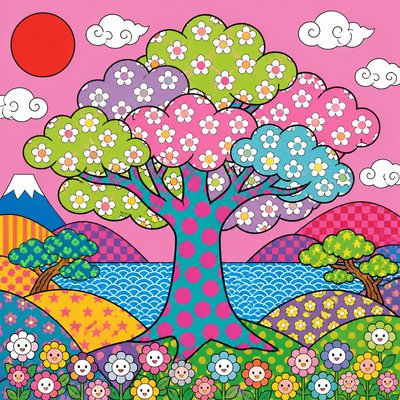
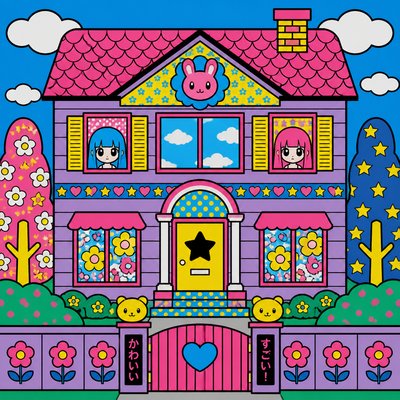
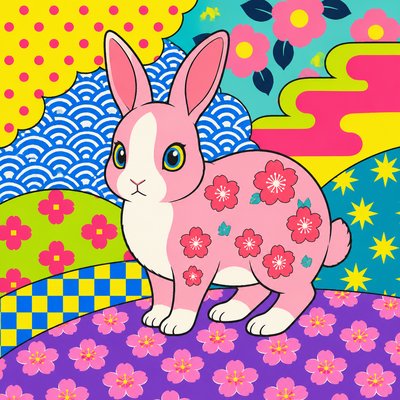
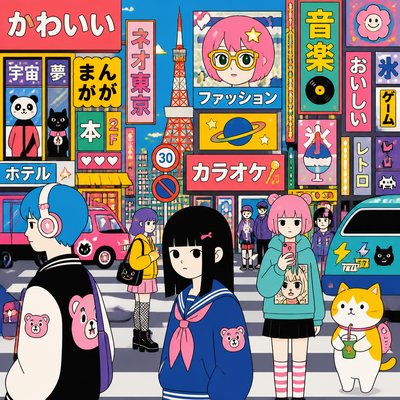
What is Superflat Art Style?
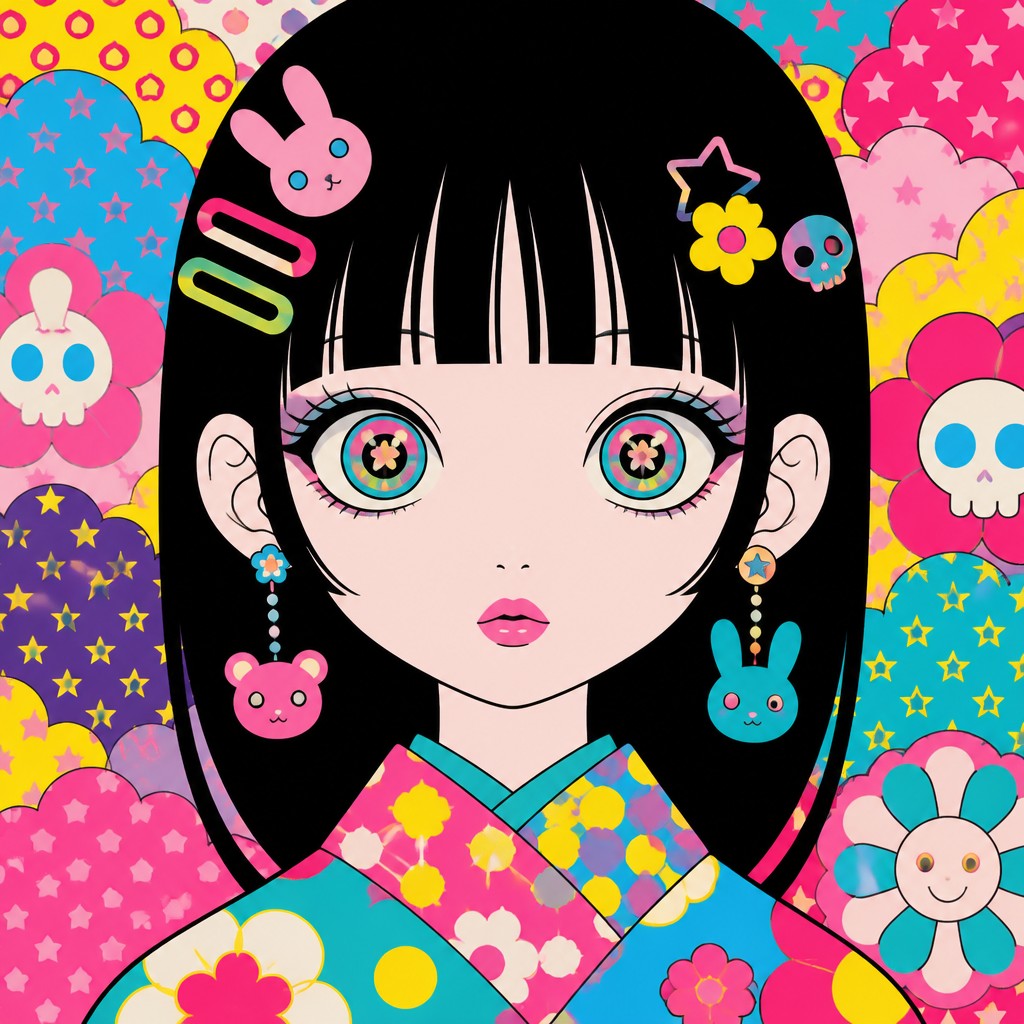
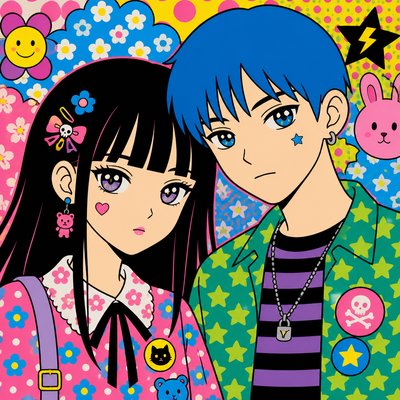
Superflat is a Japanese contemporary art movement and visual language defined by extreme two-dimensionality, vivid color, and a deliberate collapse of distinctions between “high” art and popular culture. It draws on anime, manga, advertising graphics, toy culture, and the polished surfaces of commercial printing, producing images that feel immediately accessible yet often emotionally ambiguous or unsettling.
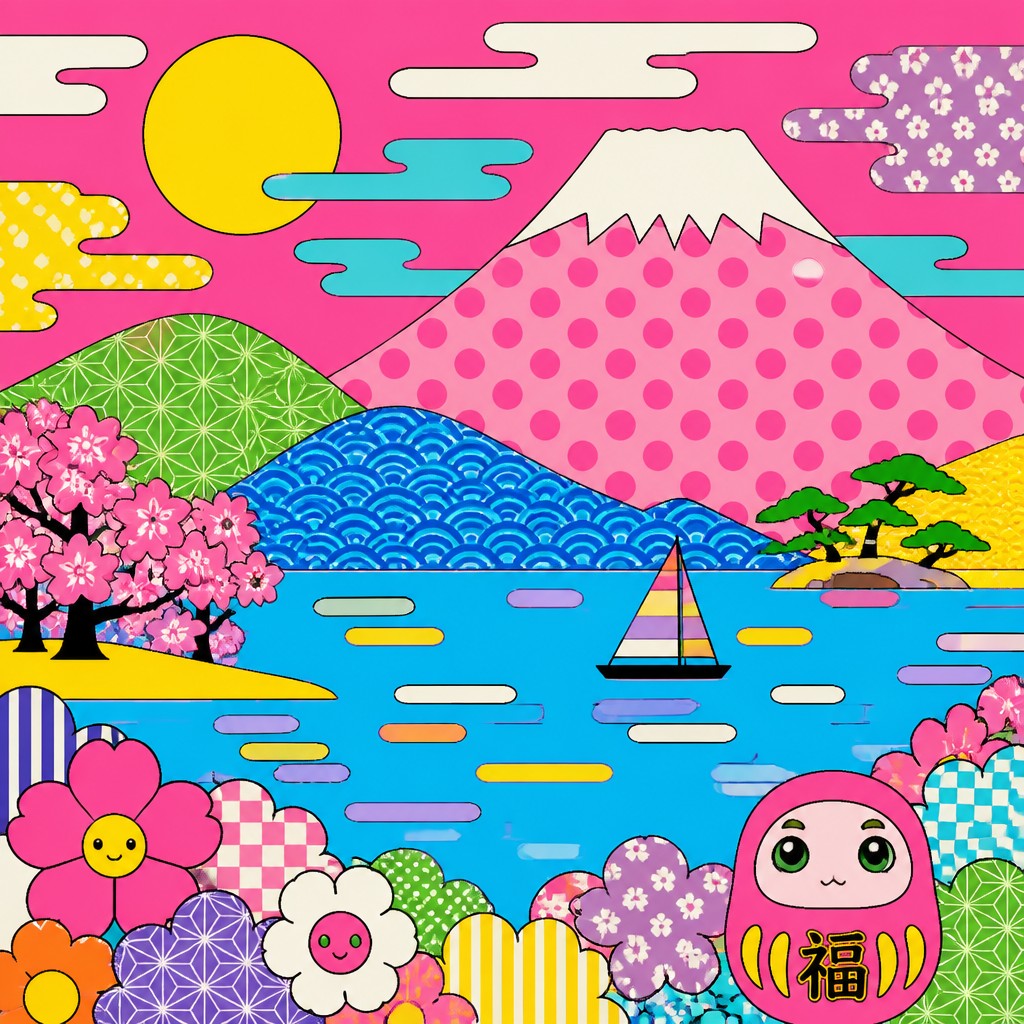
Its look is built on flattened space, crisp outlines, uniform fills, and decorative patterning rather than modeled volume or traditional perspective. The style often borrows the visual logic of mass media: cute characters, glossy surfaces, simplified forms, and repetition. That combination gives Superflat its signature tension—playful on the surface, but often reflecting on consumerism, fetishization, and the circulation of images in contemporary Japanese culture.
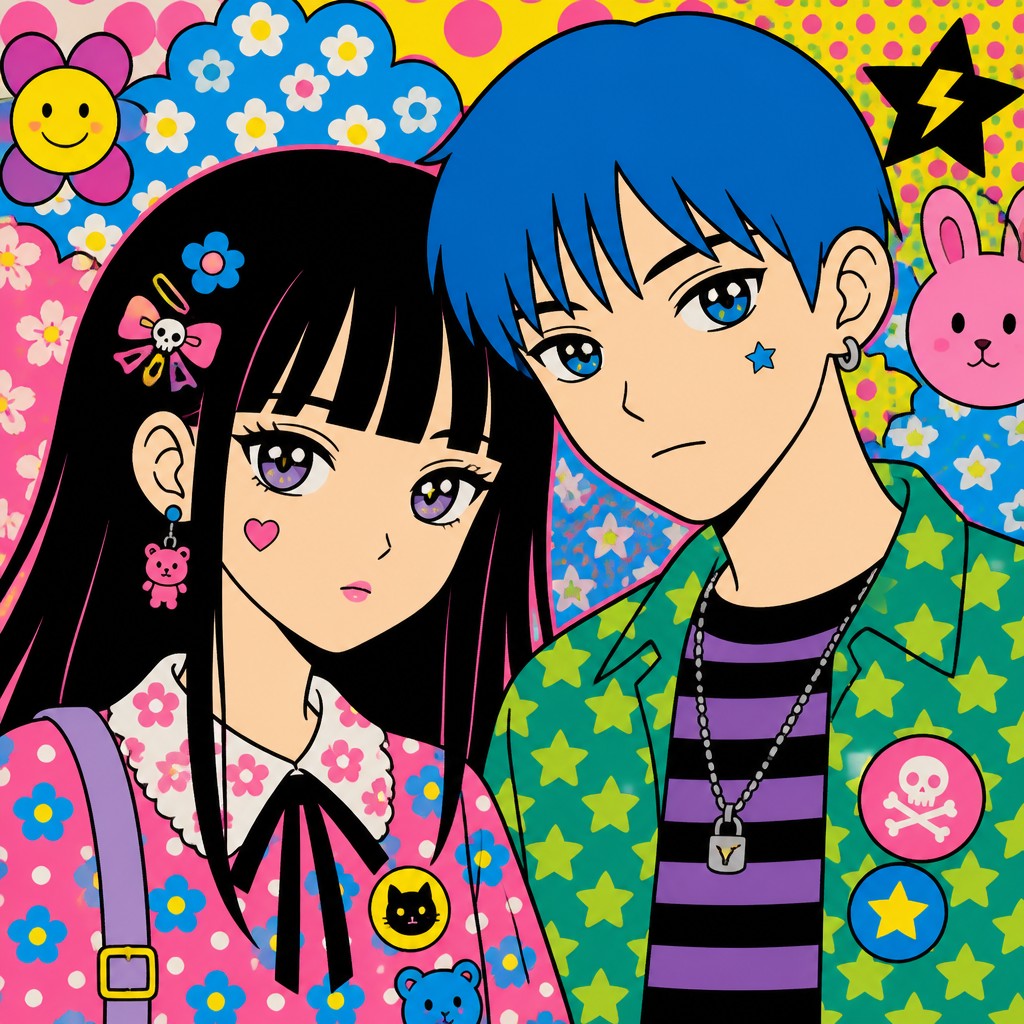
Try It On Your Photos
Upload any photo and convert it into Superflat Art Style — drag the sliders to compare before and after.
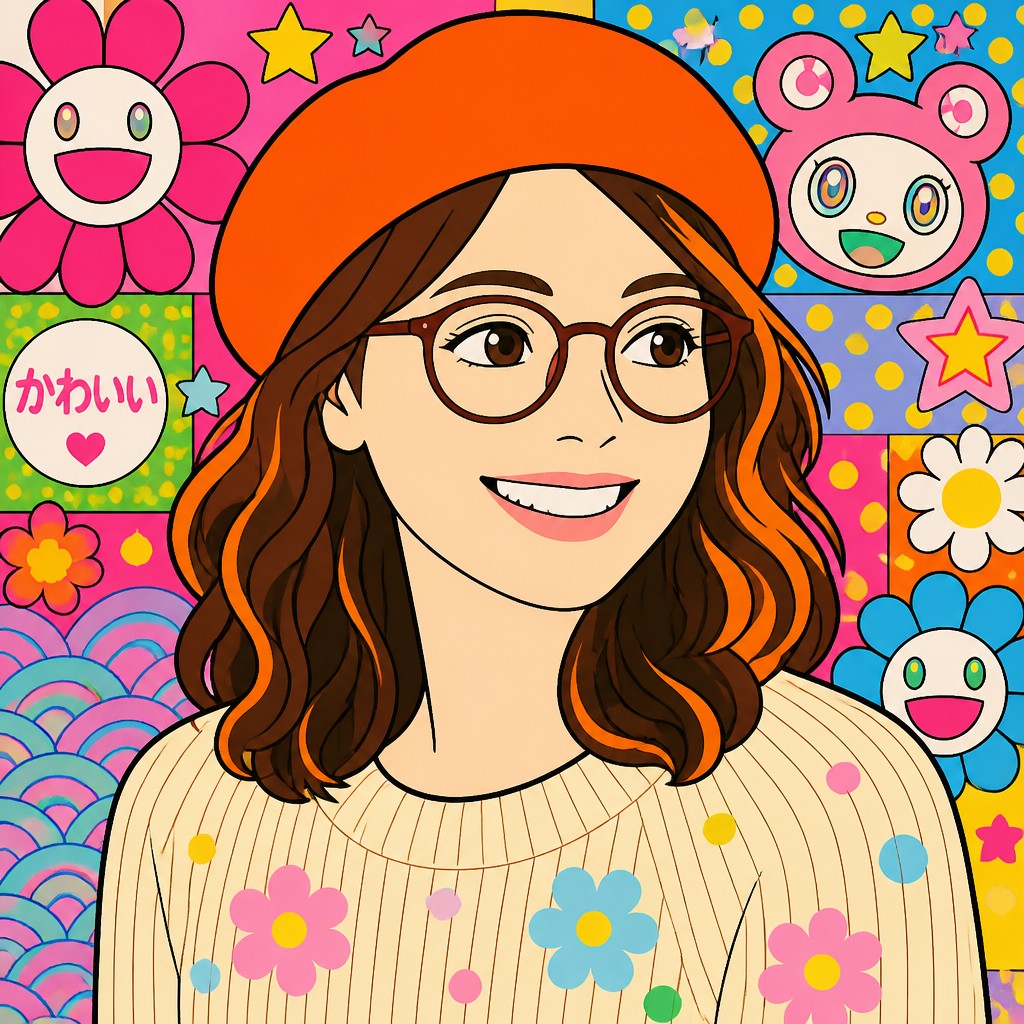

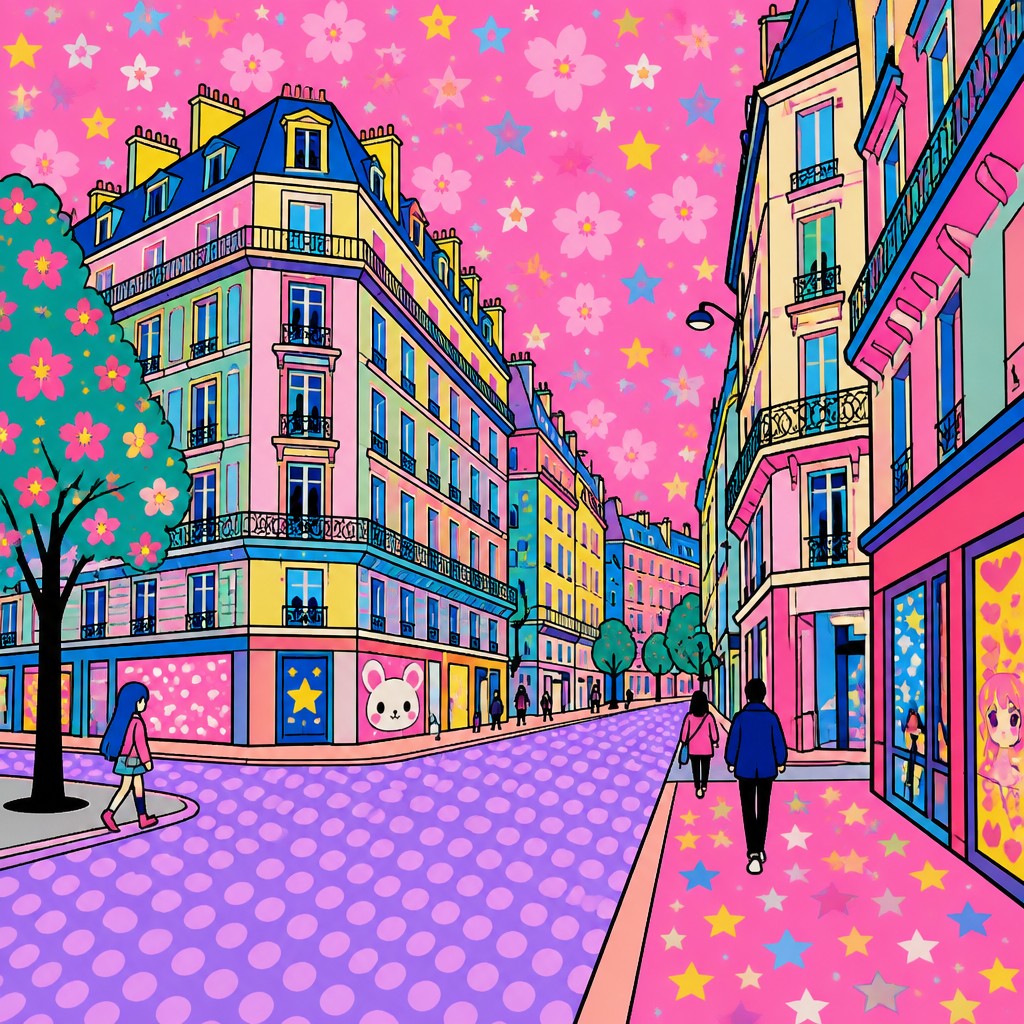

What Defines Superflat Art Style
The signature details, up close
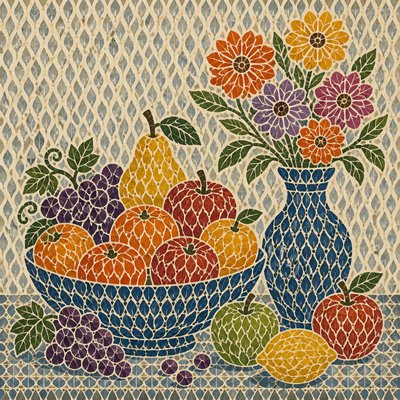
Extreme flatness
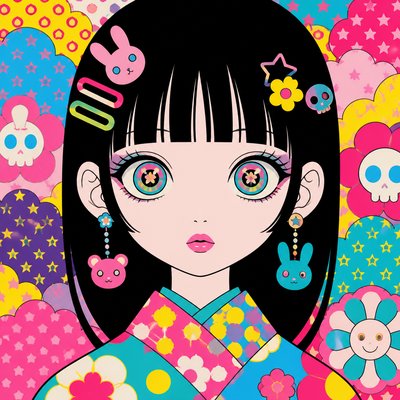
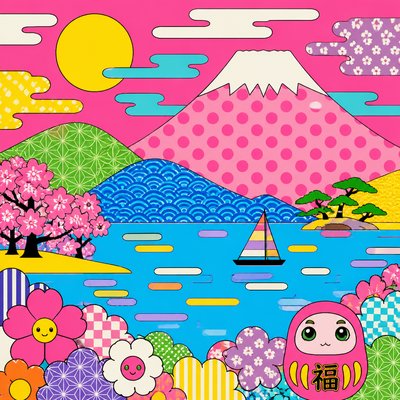
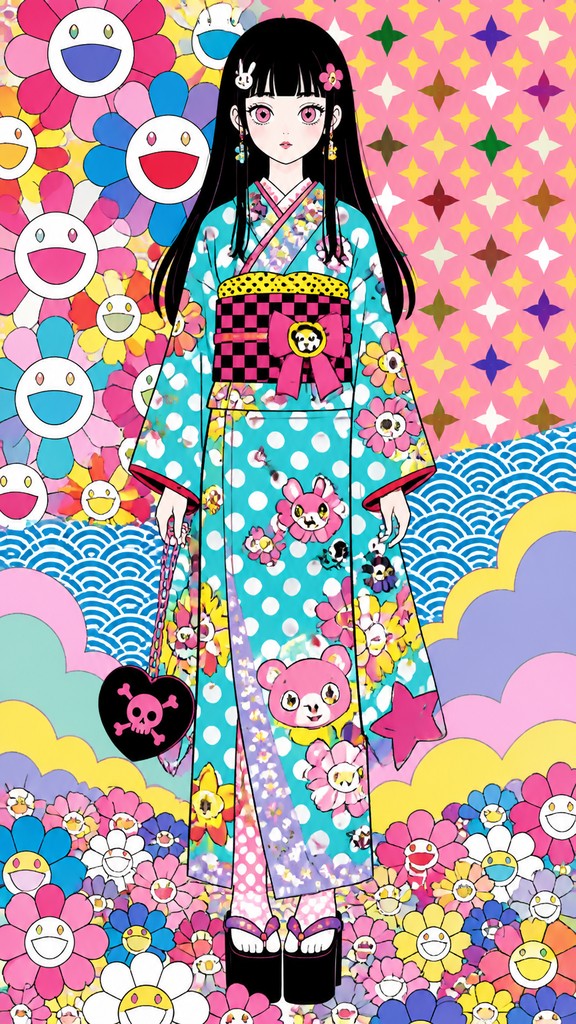
Forms are presented with little to no modeled shading or perspective depth. Surfaces read as layered planes, like cut paper or printed graphics.
Crisp contours and clean edges
Outlines are sharp, consistent, and highly legible. This gives figures and objects a poster-like clarity and a commercial finish.
Bright, saturated palette
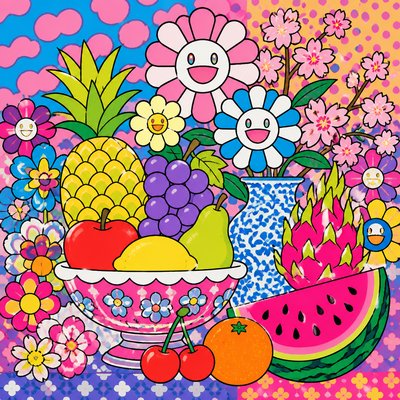
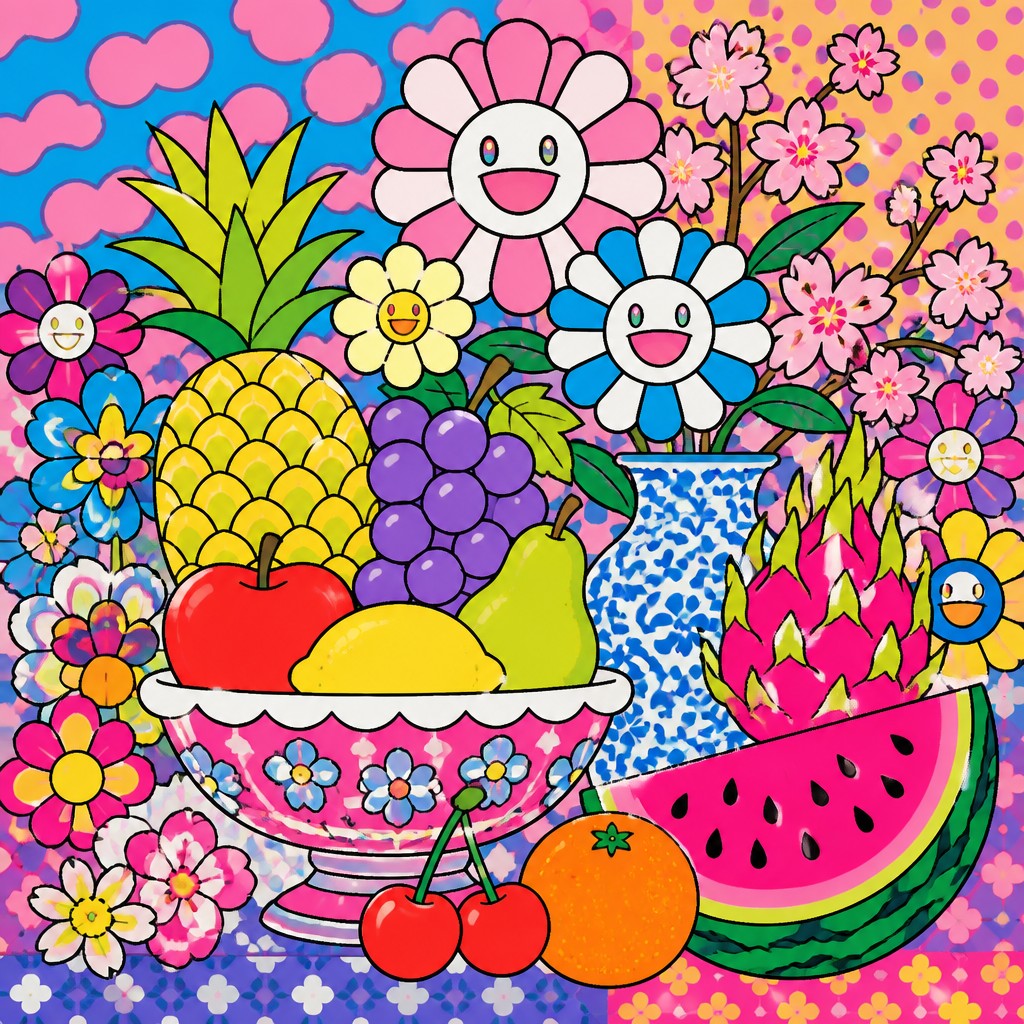
Colors often combine kawaii pastels with electric neons and candy-like hues. The palette is typically vivid and artificial rather than naturalistic.
Anime and manga influence
Characters may have simplified faces, stylized eyes, and expressive but economical forms. The visual language often echoes Japanese comics and animation.
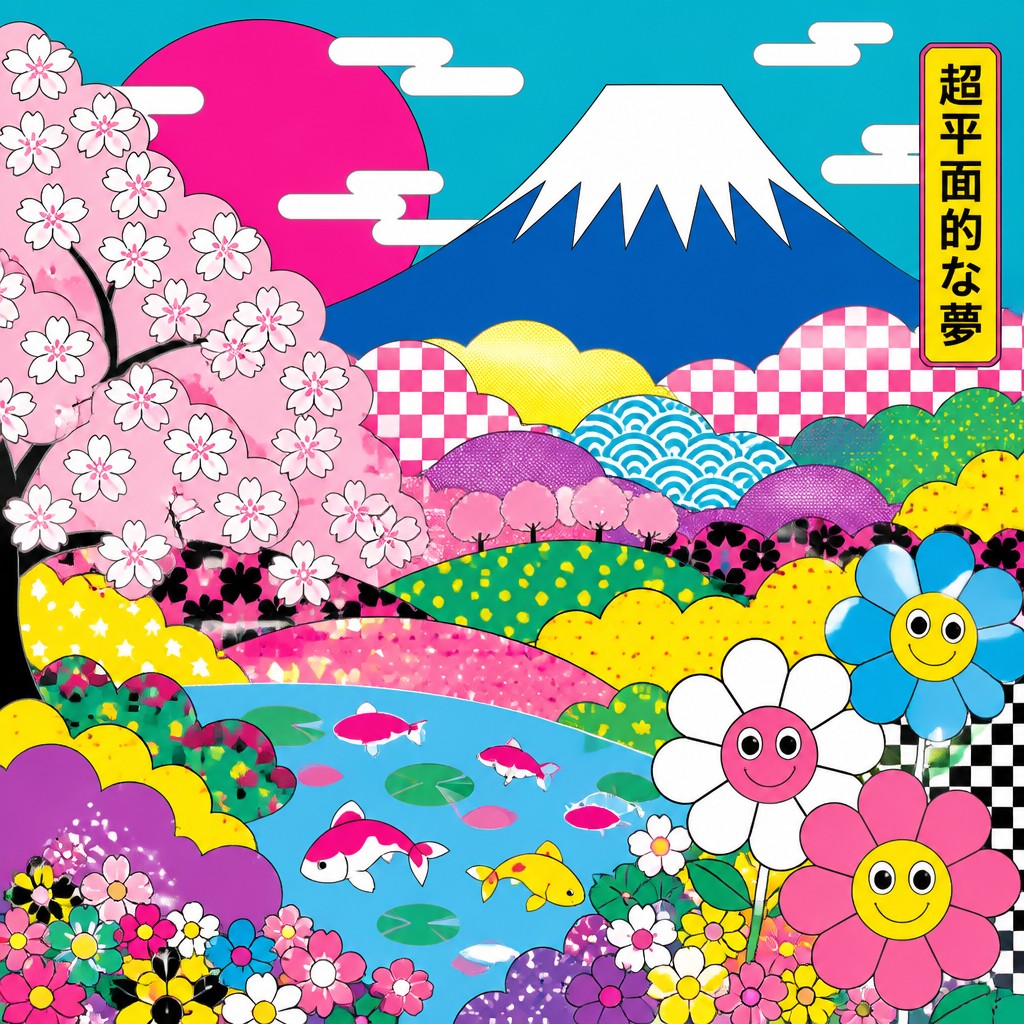
Decorative repetition
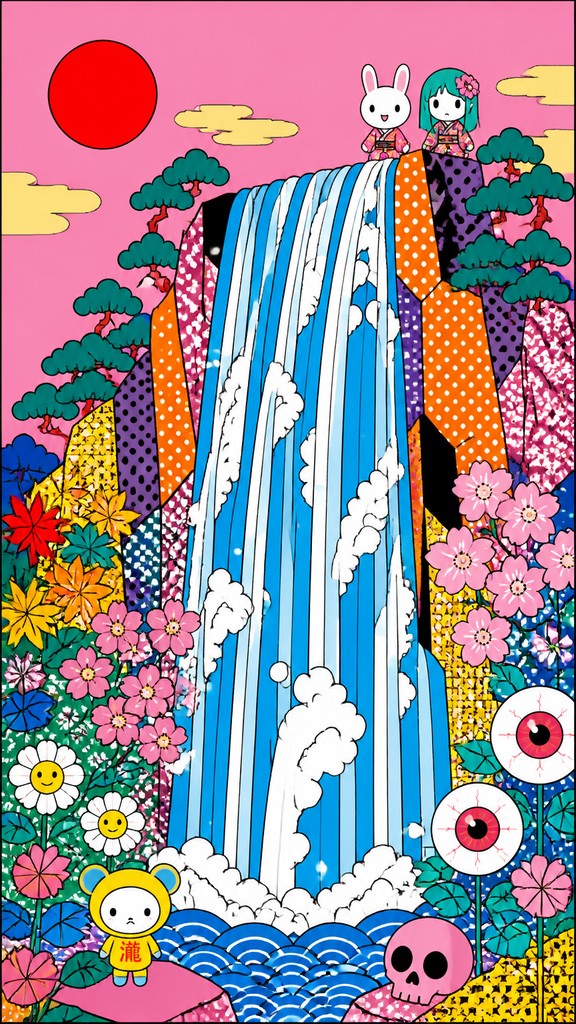
Patterns, motifs, and ornamental details may be repeated across the surface. These elements emphasize the image as a designed field rather than a window onto space.
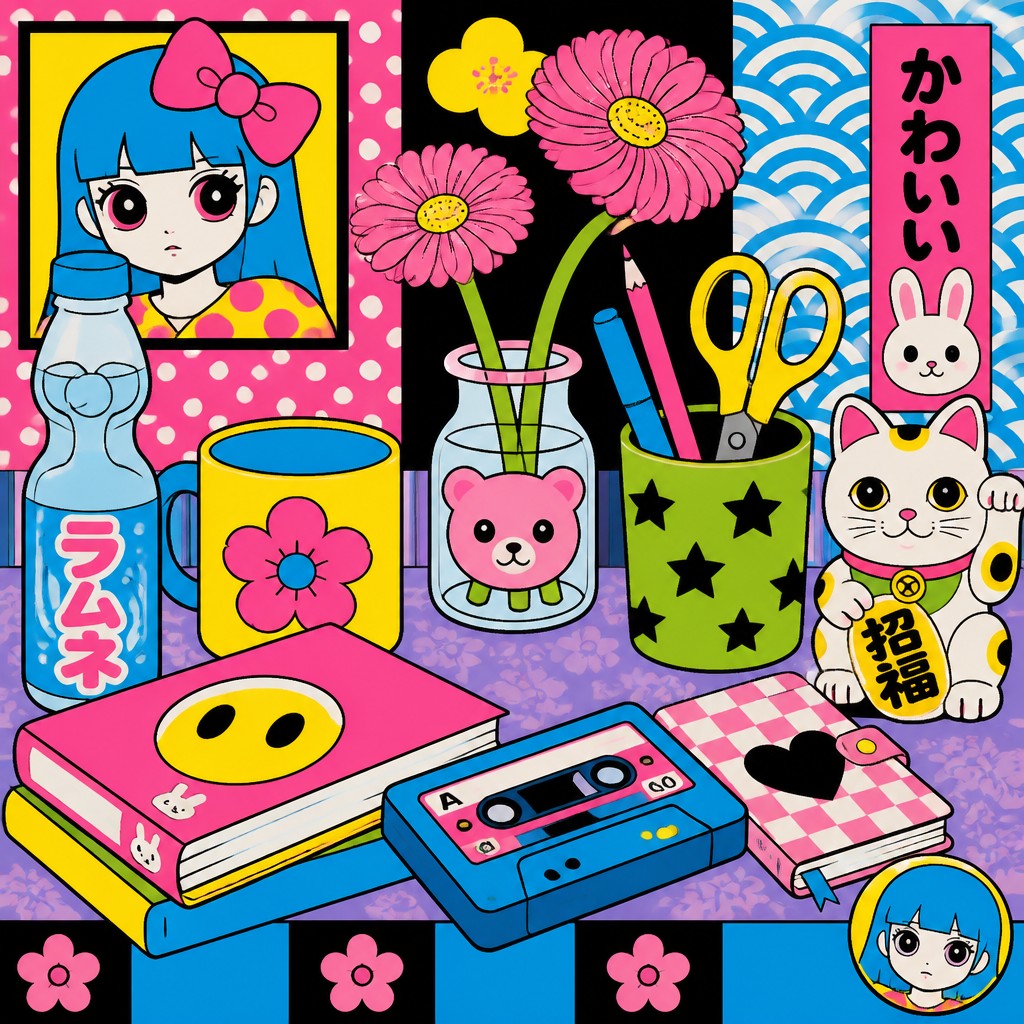
Commercial and screen-printed feel
The finish often resembles signage, packaging, or high-quality print production. Even when digitally created, it tends to imitate the clean, glossy look of mass media.
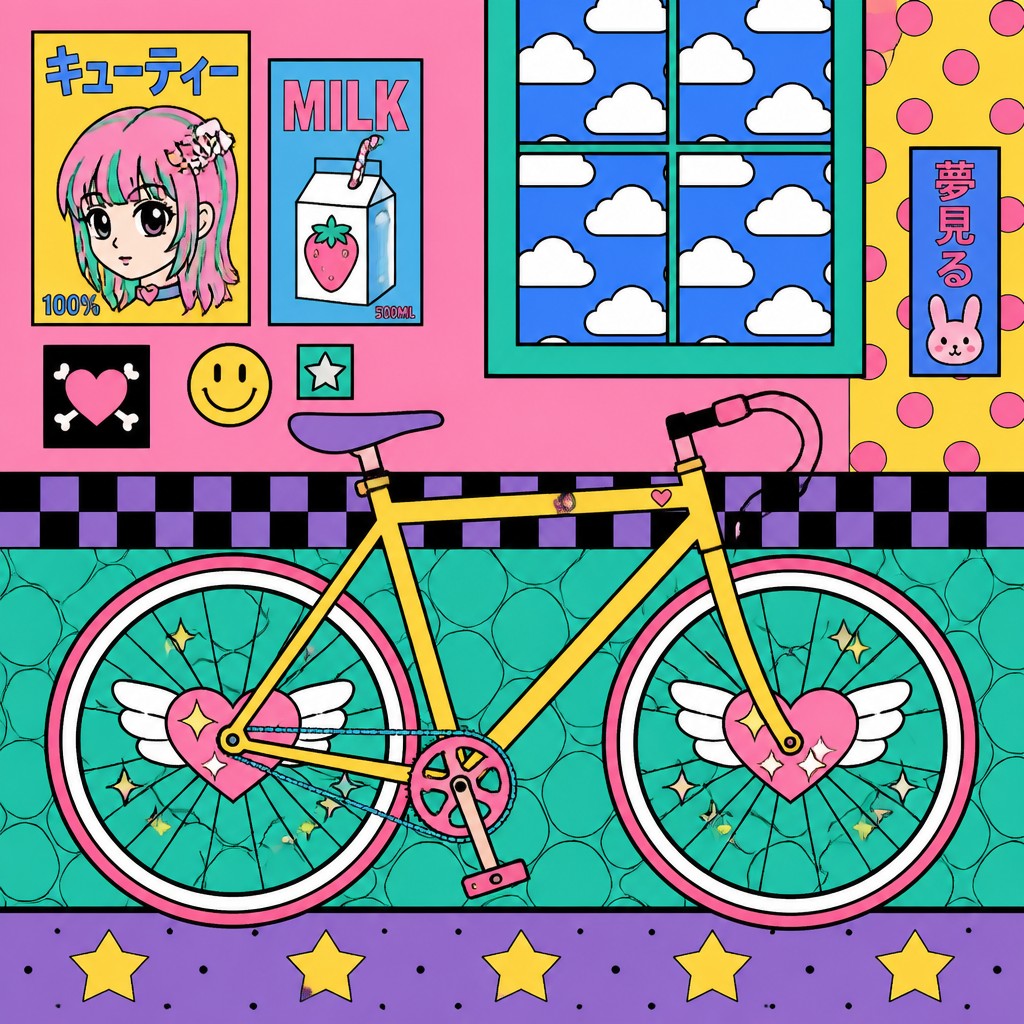
Playful unease
The style can appear cute, fun, or whimsical at first glance, but often carries an uncanny or critical undertone. That tension is part of its identity.
Try It
Create Videos in Superflat Art Style
Styles aren't just for stills — describe a scene or animate an image and get a short video rendered in Superflat. Press play to see this pond come to life.
Make a VideoSuperflat Prompt Ideas
Start from an idea — each one opens the generator with the style ready to go. See all 40 Superflat prompts →
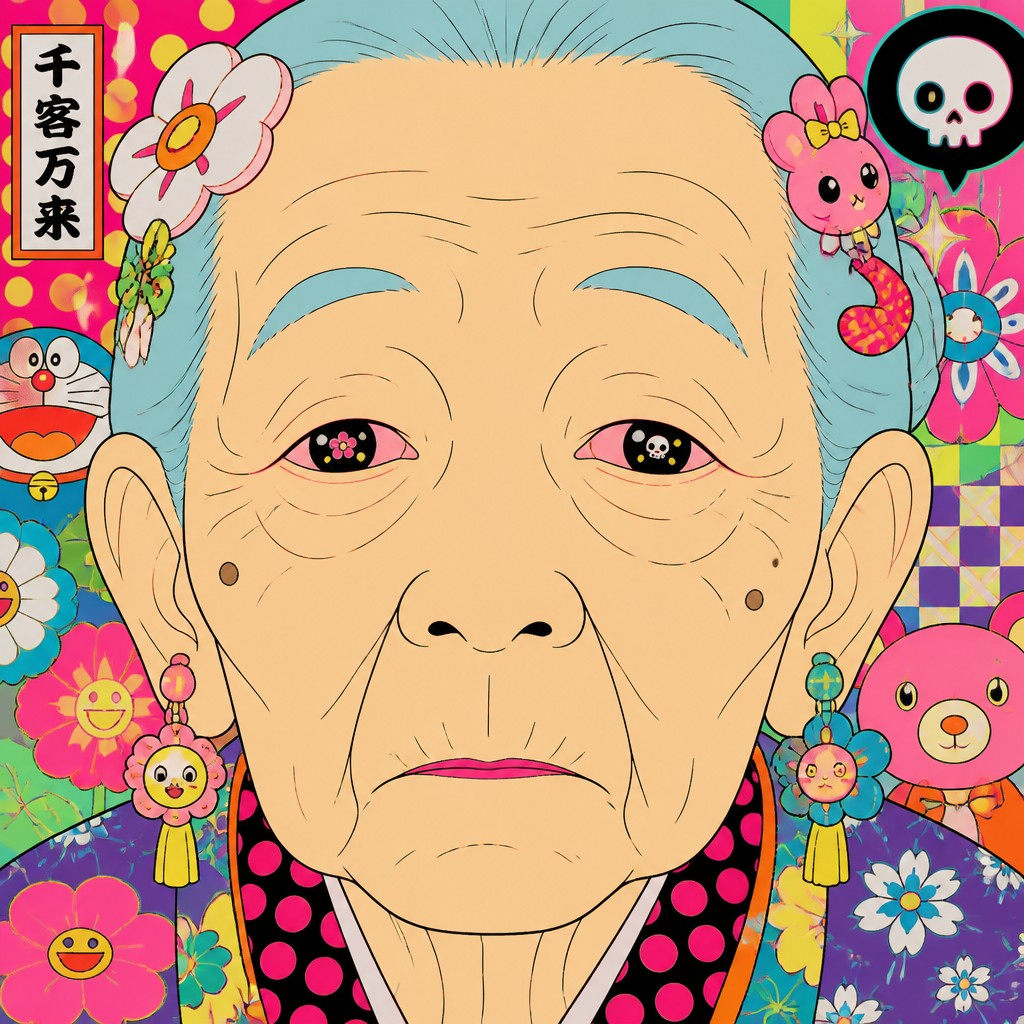
“close-up portrait of an elderly person with expressive weathered features”
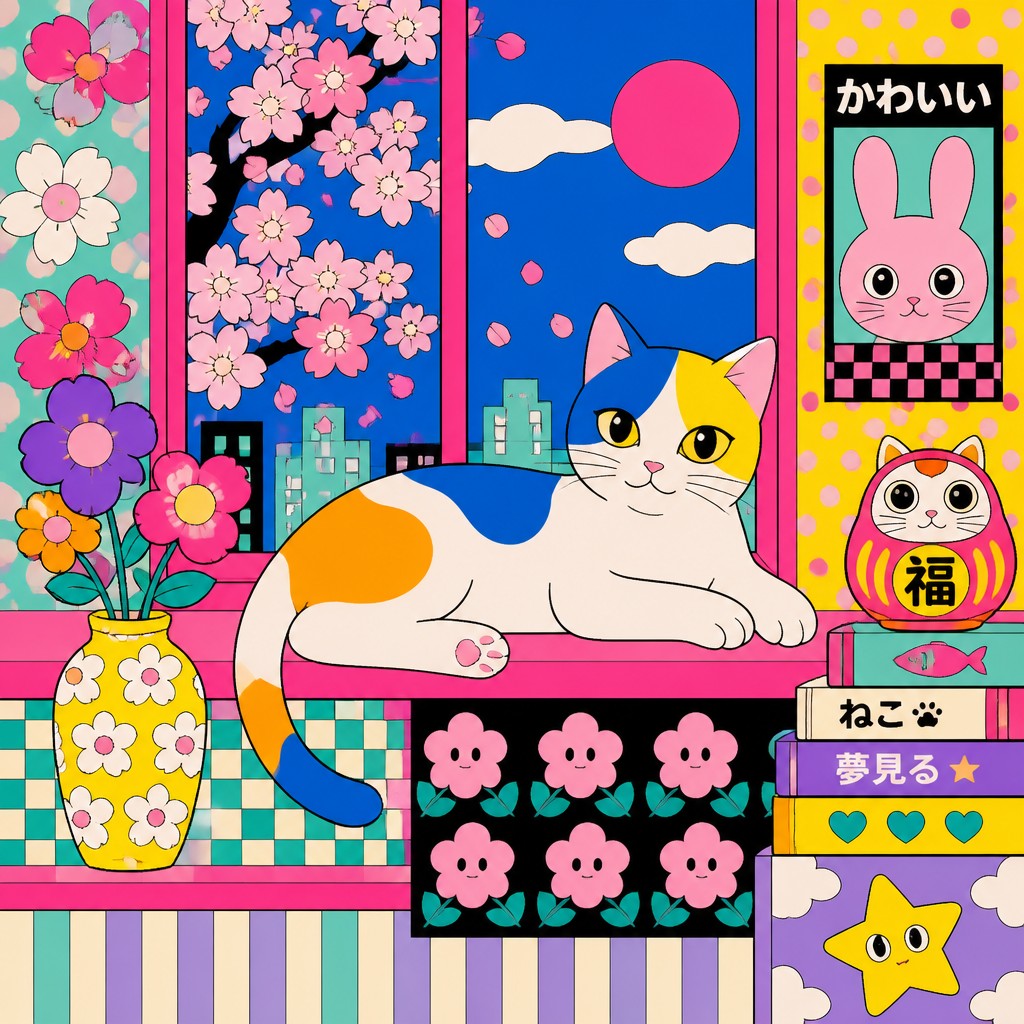
“a cat lounging in a sunlit window”
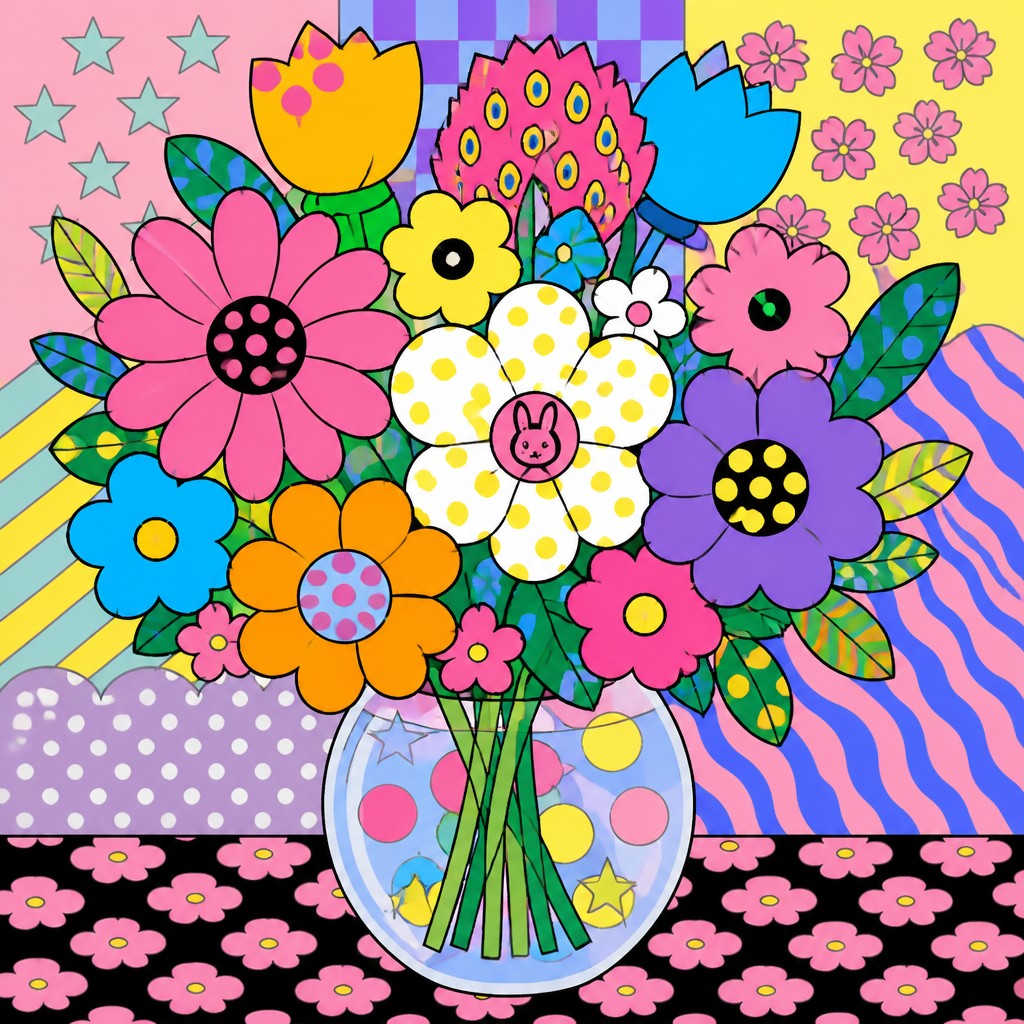
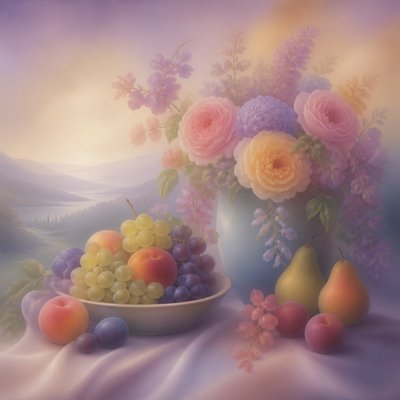
“bouquet of flowers in a glass vase”
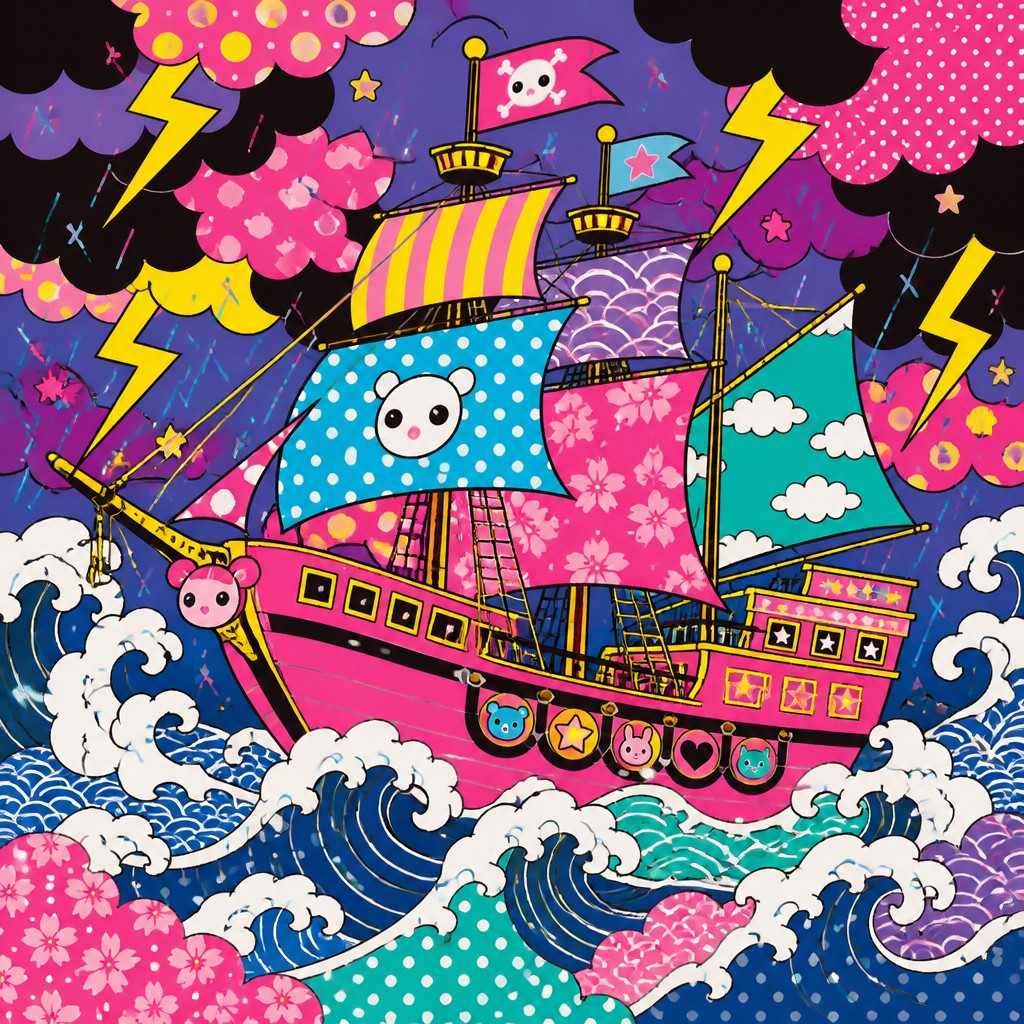
“sailing ship on a stormy sea”
How to Create Superflat Art
Master the craft step by step — or skip straight to creating. Read the full guide →
- 1
Remove depth cues
Build the image from flat shape layers rather than shaded volumes. Avoid gradients, atmospheric perspective, and soft shadowing; let objects read as separate graphic planes.
- 2
Use hard-edged color blocking
Fill shapes with uniform color and keep outlines clean and even. In traditional media, use opaque paint, markers, or screen-print-like stencils; digitally, use vector shapes, hard brushes, and restrained edge control.
- 3
Adopt a pop-anime visual grammar
Simplify forms using manga and anime conventions such as stylized eyes, compact facial features, and readable silhouettes. Exaggerate clarity and icon-like design over naturalistic anatomy.
- 4
Layer ornament and repetition
Add patterned backgrounds, repeated motifs, and decorative details to make the surface feel dense and designed. Treat the whole image as a field of interacting graphics rather than a scene with a single focal space.
- 5
Aim for polished artificiality
The final image should feel printed, packaged, or product-like. In prompt-based generation, specify flatness, bold outlines, saturated colors, anime influence, and commercial graphic polish while excluding shadows and perspective.
The Story
History & Origins of Superflat
Superflat emerged in Japan in the late 1990s and early 2000s, most strongly associated with a leading Japanese contemporary artist who coined the term to describe both a visual condition and a cultural critique. The movement was shaped by postwar Japanese visual culture, especially manga, anime, kawaii design, commercial illustration, and the legacy of print traditions that value bold contour and surface pattern over illusionistic depth.
As an art movement, Superflat developed in conversation with contemporary consumer society and the global art market, while also drawing from earlier Japanese aesthetics and postwar subcultures. The central artist and other artists around him helped frame it as a way to understand how images move between fine art, merchandising, fashion, and entertainment. Over time, the style became influential in contemporary illustration, fashion graphics, album art, and digital image-making, where its flattened, high-impact look remains highly recognizable.
Influences: Superflat is related to postwar Japanese manga and anime, kawaii design, commercial illustration, and print traditions that privilege surface and contour. It also overlaps conceptually with Pop Art—especially in its use of mass culture imagery—though its cultural context is distinct. The key canonical figure associated with the movement is a leading Japanese contemporary artist known for the term, while other major postwar pop artists are often discussed alongside it because of their simplified, pop-inflected figures and emotionally charged surfaces.
Frequently Asked Questions
What defines Superflat art?
Its defining trait is the collapse of visual depth into a flat, highly designed surface. The style combines anime-influenced forms, bright commercial color, and repetitive patterning with an aesthetic that can feel both playful and critical.
Is Superflat the same as anime art?
No. Anime is one major visual influence, but Superflat is broader and more self-conscious as an art movement. It often uses anime-like imagery in fine-art, fashion, and graphic contexts, while also commenting on consumer culture and image circulation.
How is Superflat different from Western Pop Art?
Both use popular imagery, but Superflat emerges from Japanese postwar media culture and often reflects manga, anime, kawaii aesthetics, and commercial illustration. Where Western Pop Art frequently mirrors advertising and celebrity culture, Superflat also addresses the flattening of cultural hierarchy and the afterlife of images in Japanese consumer society.
What colors and shapes work best in this style?
High-saturation colors, pastel candy tones, and neon accents are especially characteristic. Shapes should be simple, bold, and clearly separated, with sharp edges and minimal shading.
Where is Superflat used today?
It appears in contemporary art, illustration, fashion graphics, album covers, product design, and digital image culture. Its clarity and print-friendly look also make it adaptable for posters, branding, and editorial visuals.
How can I make my image feel more authentic to this style?
Focus on flatness first, then add clean outlines, glossy commercial polish, and decorative repetition. Avoid realistic lighting and perspective, and let the image feel like a designed surface rather than a rendered scene.
Create your first Superflat artwork
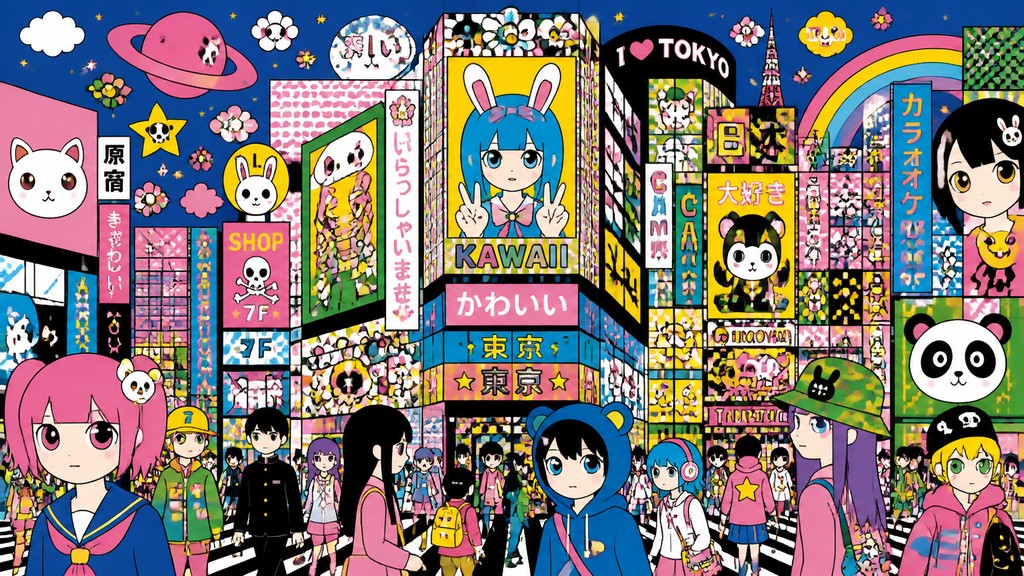
Describe anything — or upload a photo — and see it in Superflat Art Style in seconds.
Make Something with Superflat
Related Styles
Discover similar art styles