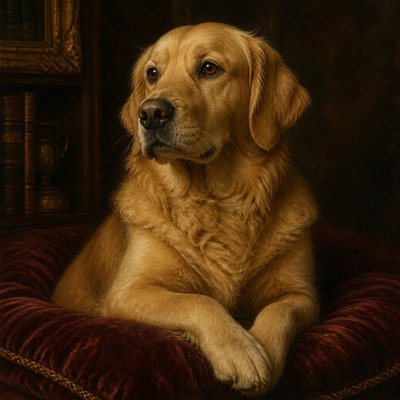
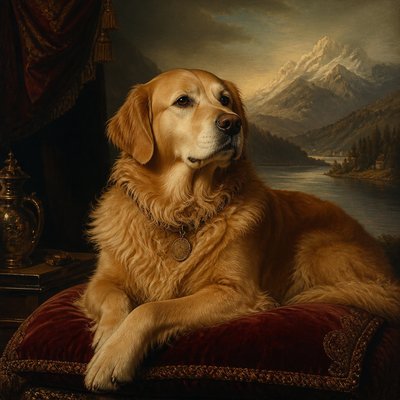
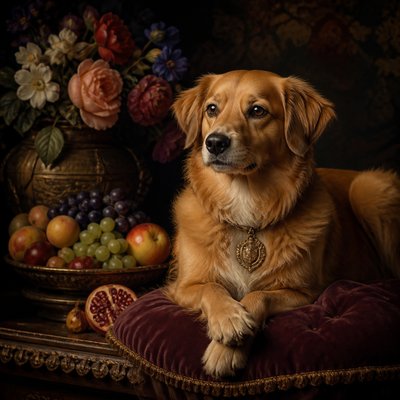
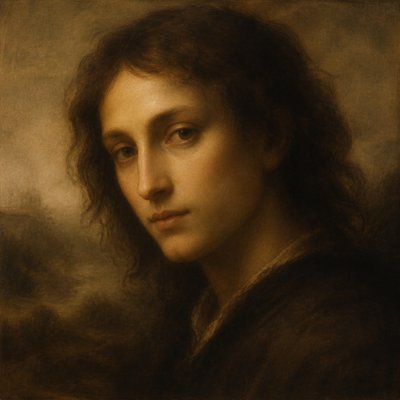
Watercolor Portrait Art Style
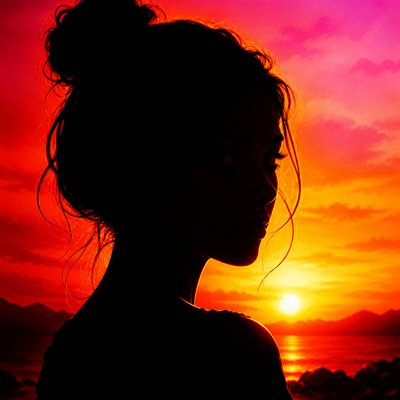
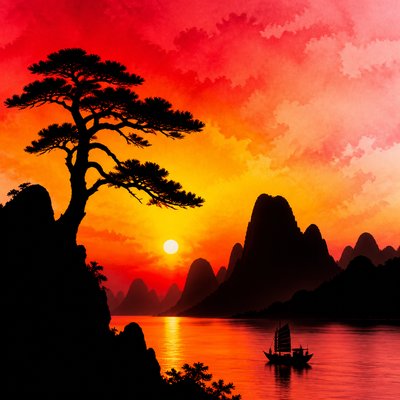
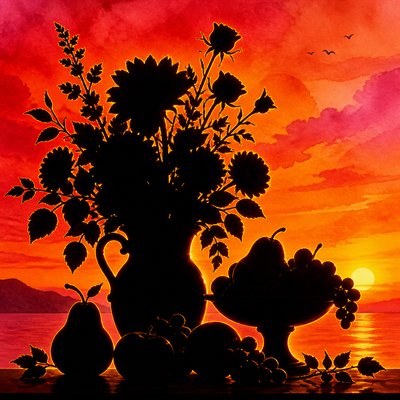
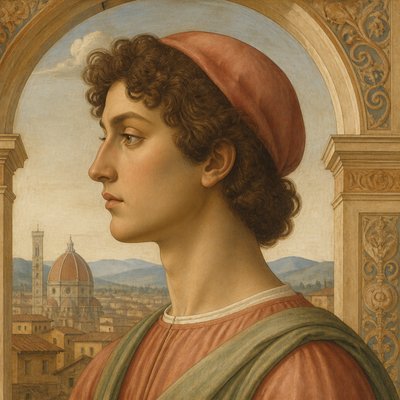
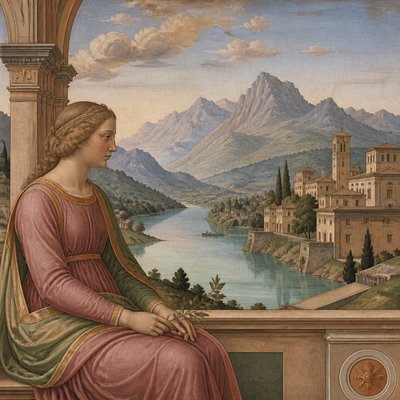
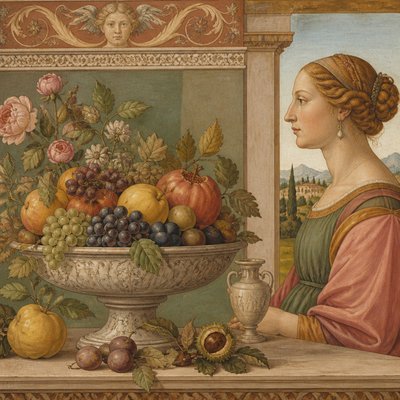
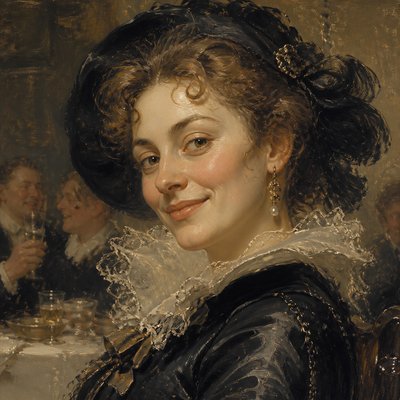
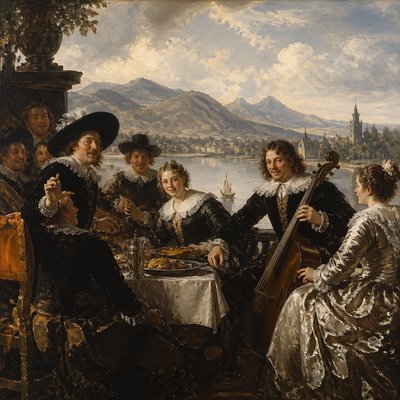
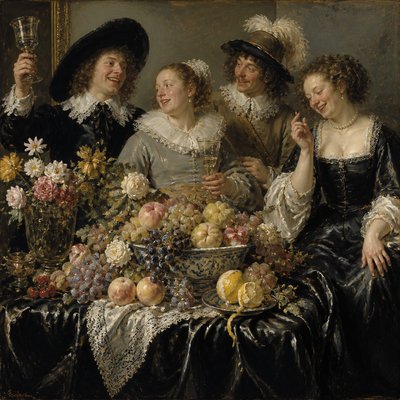
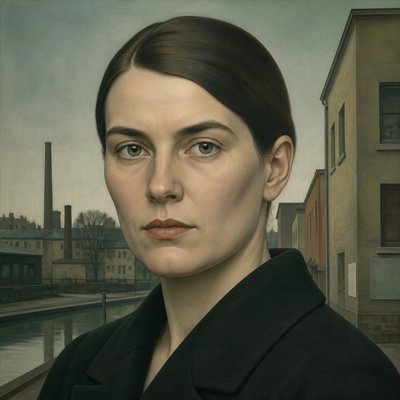
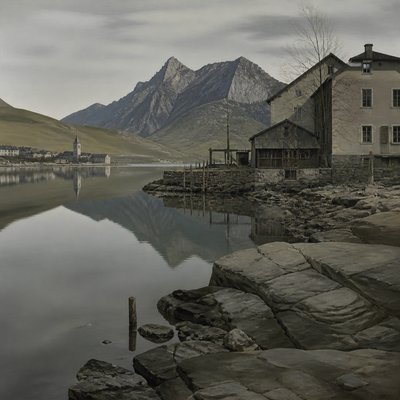
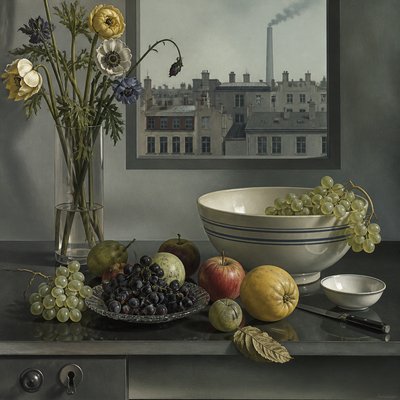
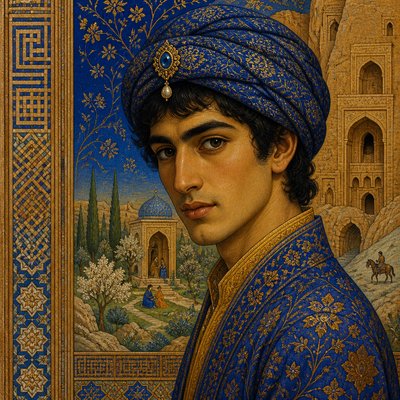
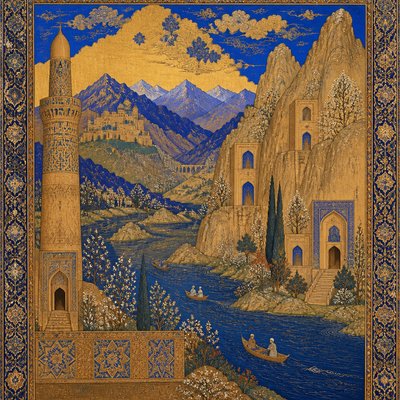
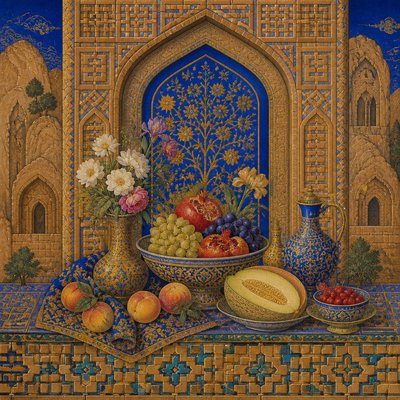
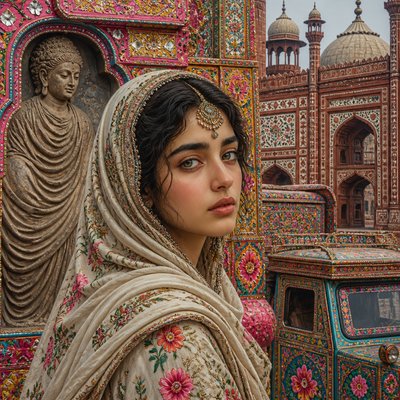
Fresh, luminous portraits with transparent washes, wet-into-wet edges, and airy white space rooted in watercolor painting.
Instantly rendered in Watercolor Portrait — or transform a photo
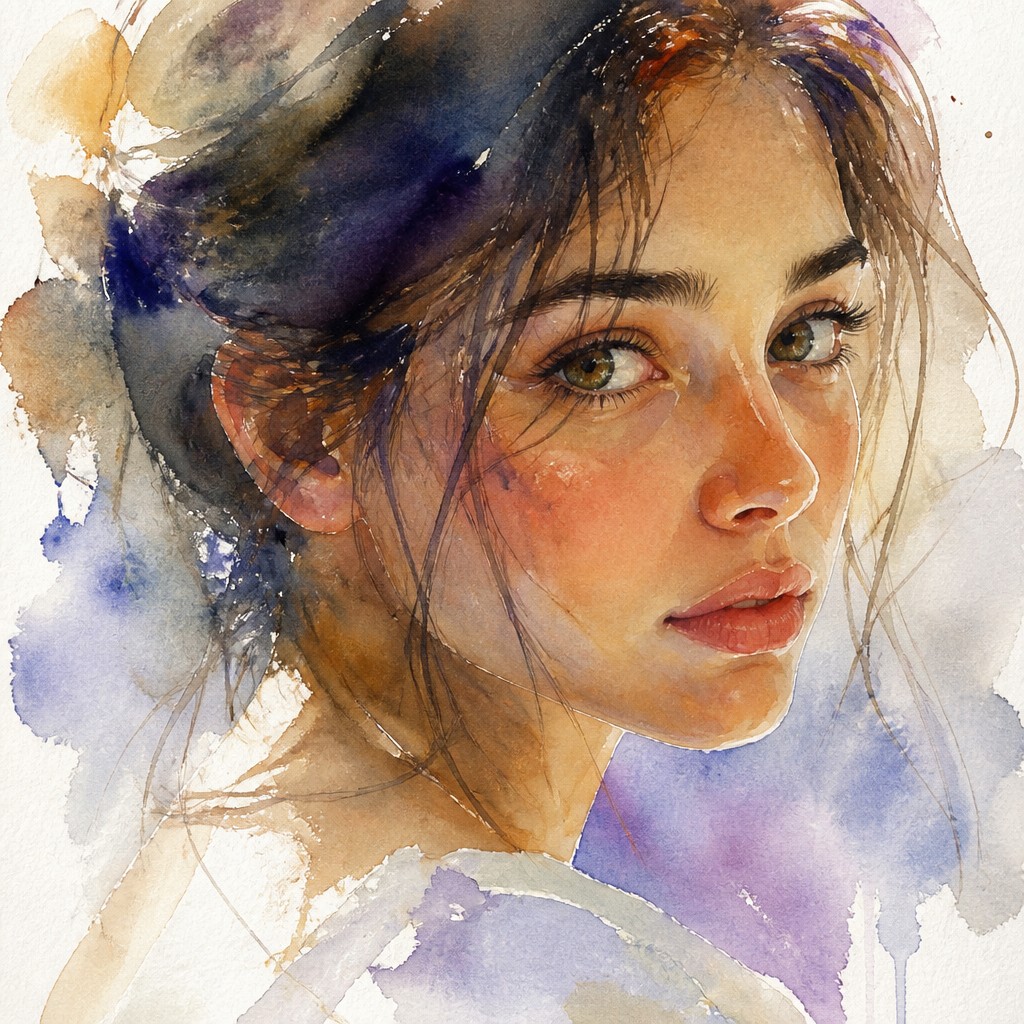
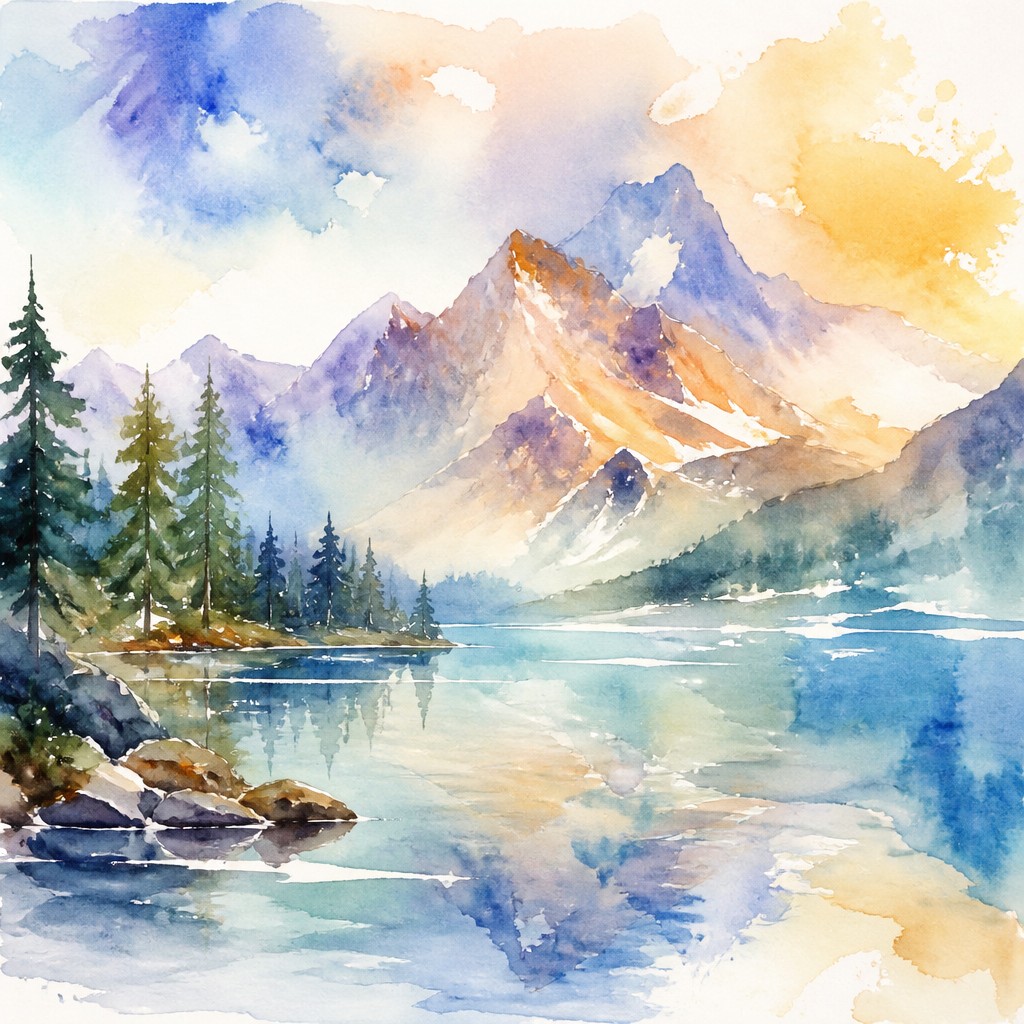
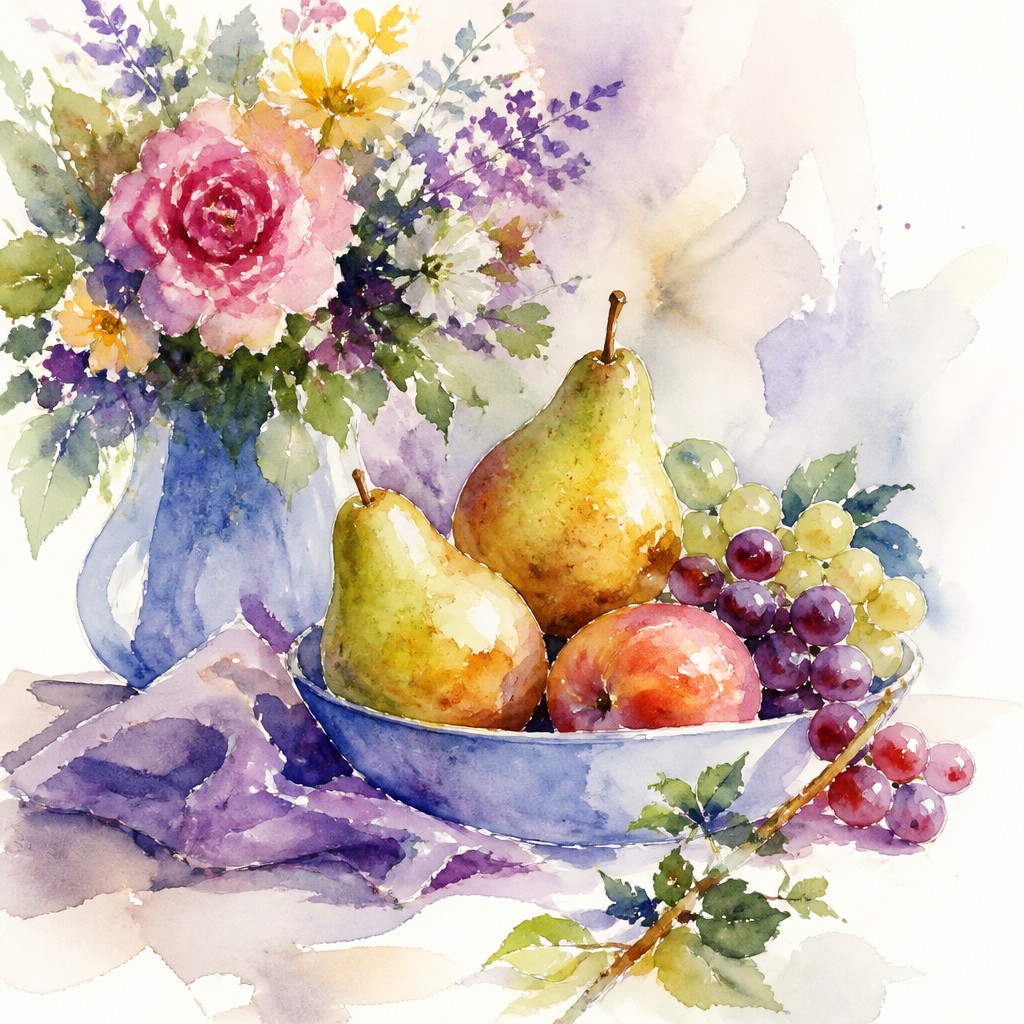
Watercolor Portrait Gallery
Tap any artwork to explore it
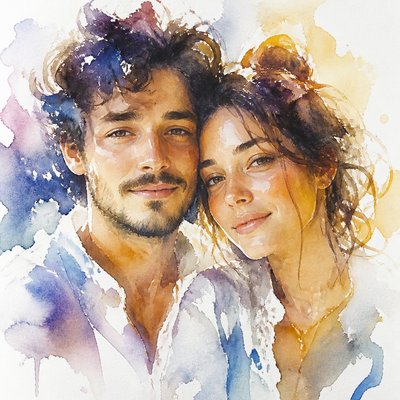
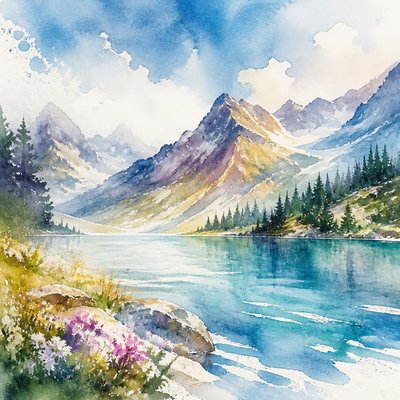
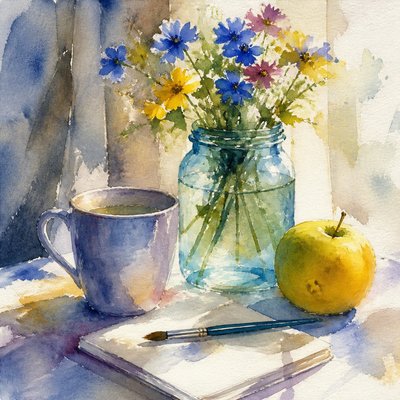
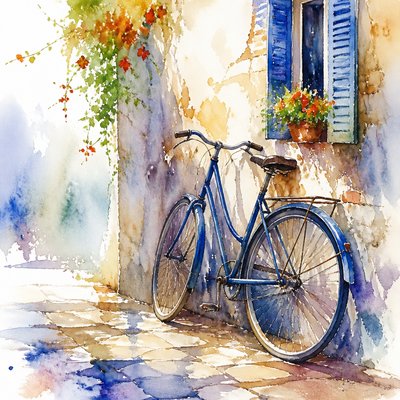
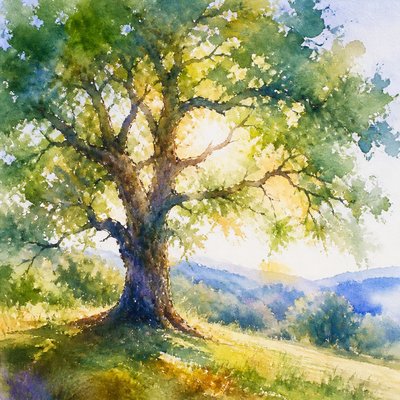
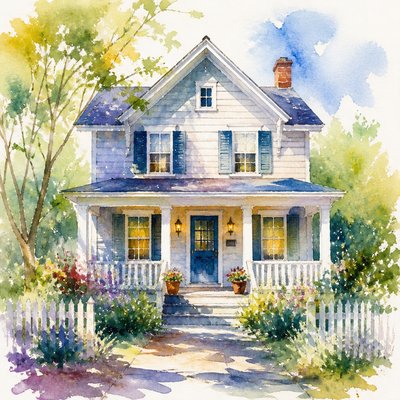
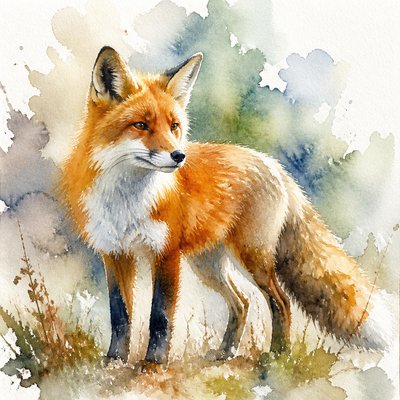
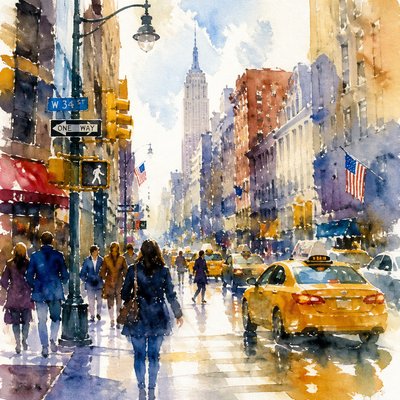
What is Watercolor Portrait Art Style?
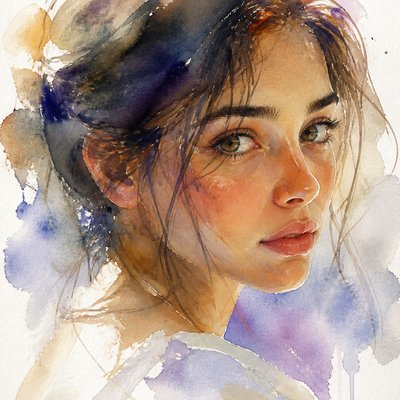
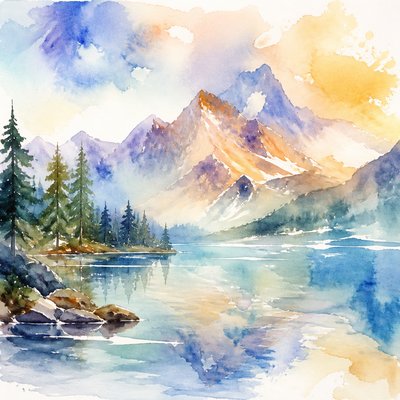
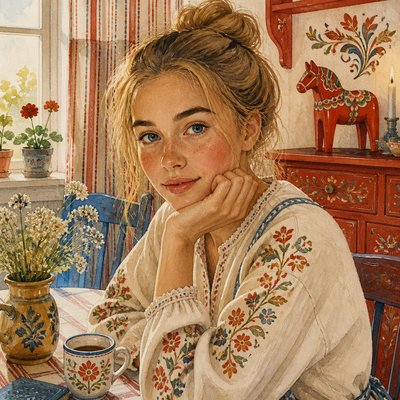
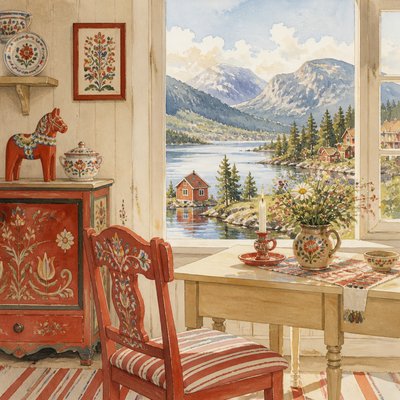
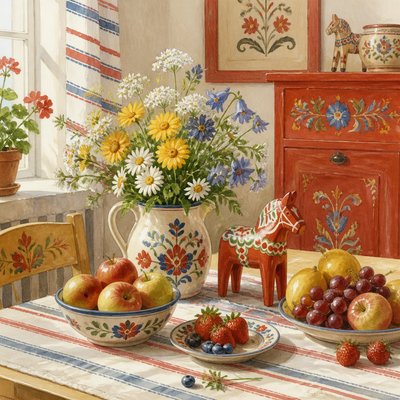
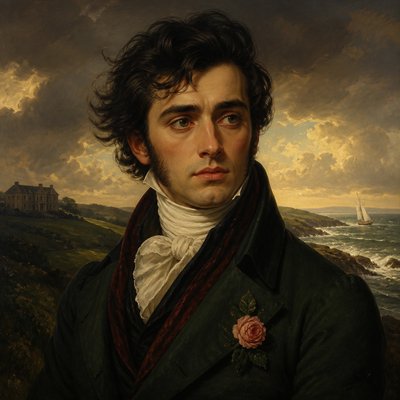
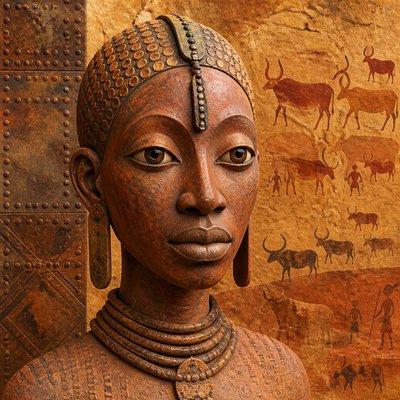
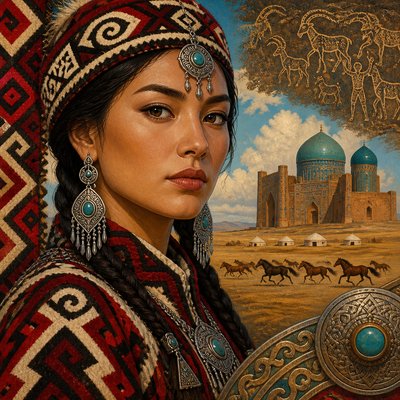
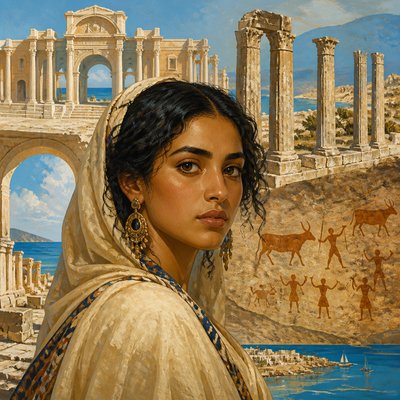
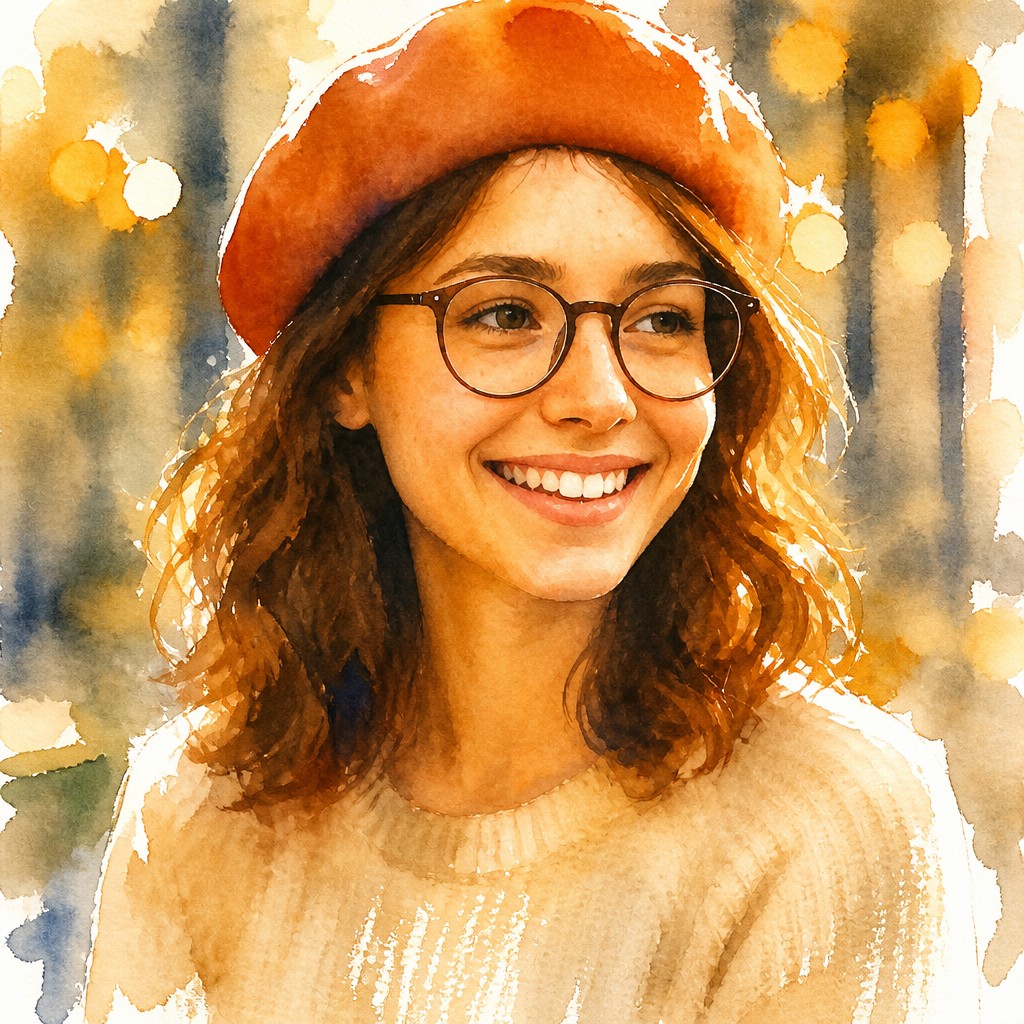
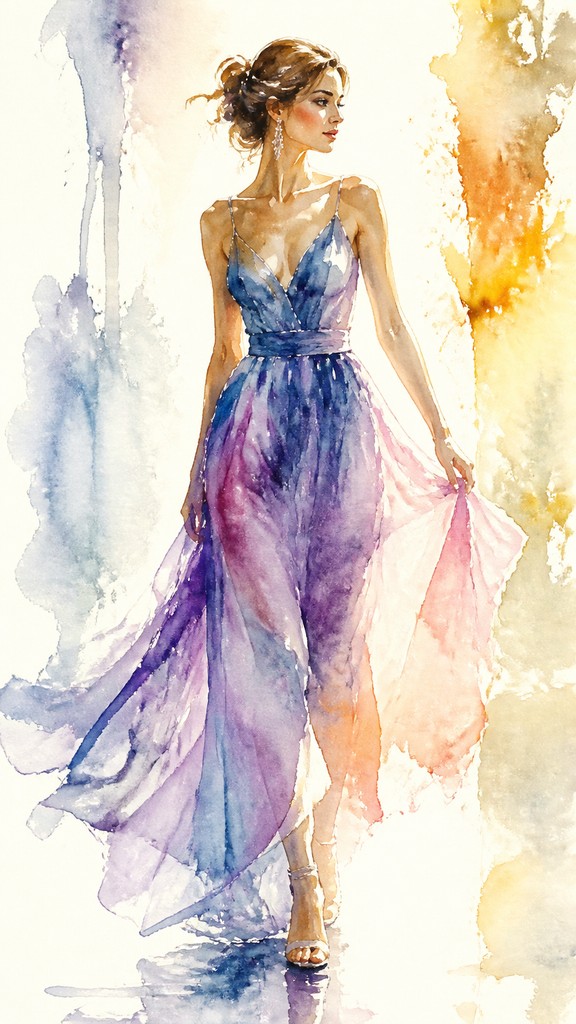
Watercolor portrait art style is a portrait approach defined by transparency, fluid paint handling, and the deliberate use of paper white as part of the image. Rather than relying on opaque layering, it builds faces and figures through translucent washes, soft edges, color bleeding, and selective detail, allowing the medium’s movement to remain visible in the finished work.
Its visual identity comes from the balance between control and spontaneity. Artists often let pigment flow wet-into-wet for skin tones, backgrounds, and atmospheric transitions, then preserve or reclaim facial structure with sharper accents, dry-brush texture, or carefully reserved highlights. The result is typically luminous and airy, with a sense that light is passing through the color rather than sitting on top of it.
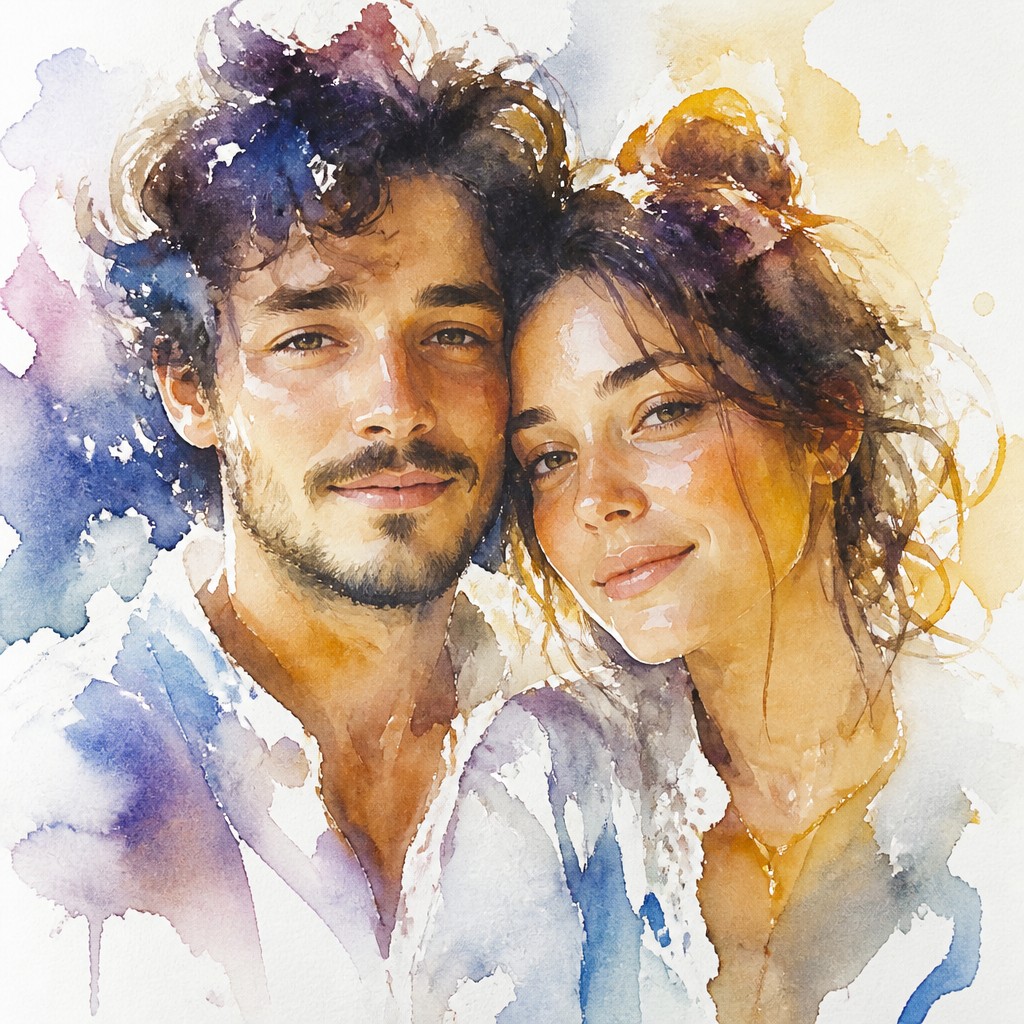
Try It On Your Photos
Upload any photo and convert it into Watercolor Portrait Art Style — drag the sliders to compare before and after.


What Defines Watercolor Portrait Art Style
The signature details, up close
Transparent washes
Color is applied in thin, translucent layers that let the paper and earlier washes show through. This creates a luminous quality and avoids the heavy opacity associated with gouache or acrylic.
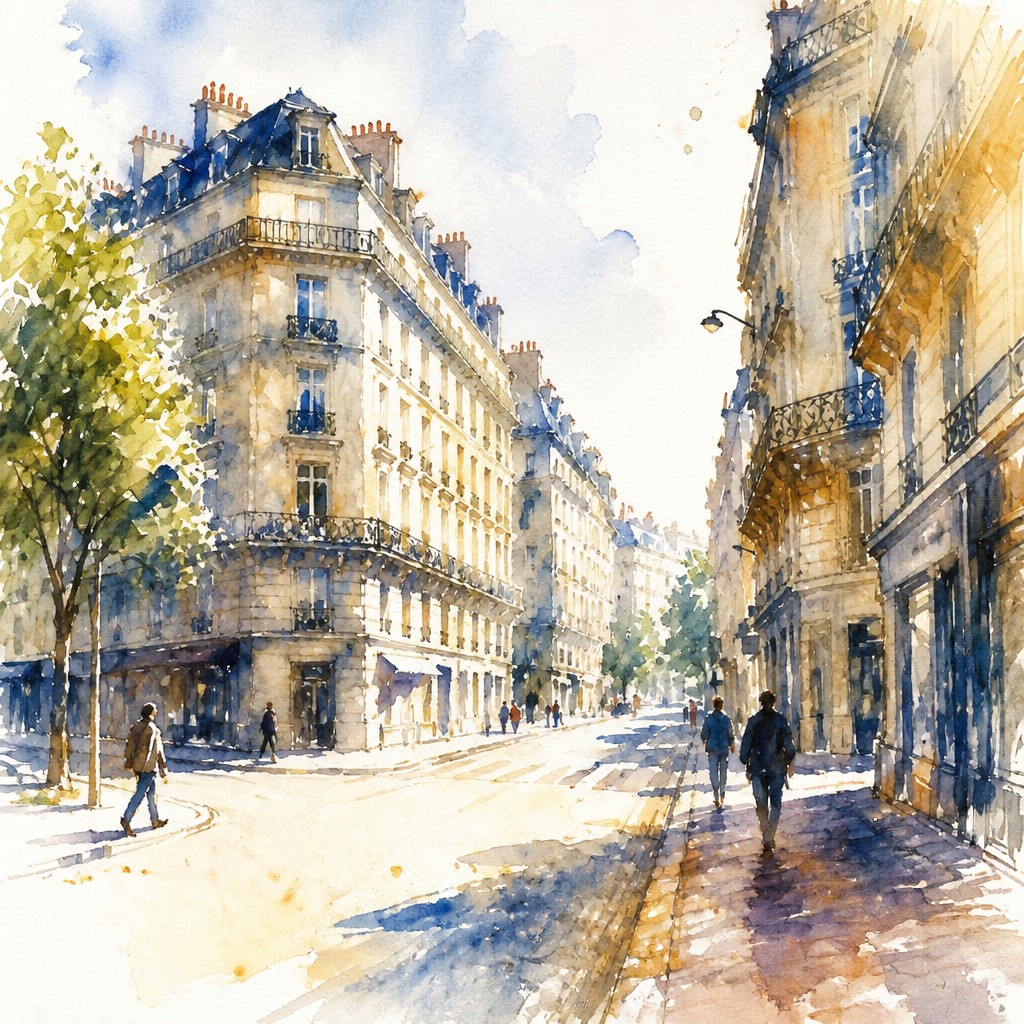
Wet-into-wet blending
Pigment is introduced into damp paper so tones merge organically. This produces soft transitions in skin, hair, and background areas, often with edges that bloom or feather naturally.
Reserved white paper
Unpainted paper is used intentionally as a highlight source for eyes, cheekbones, reflections, and ambient breathing space. These areas help the portrait feel bright and visually uncluttered.
Lost-and-found edges
Some contours are defined sharply while others dissolve into the wash. This selective edge control keeps the portrait from looking overdrawn and adds a sense of atmosphere.
Pigment granulation and blooms
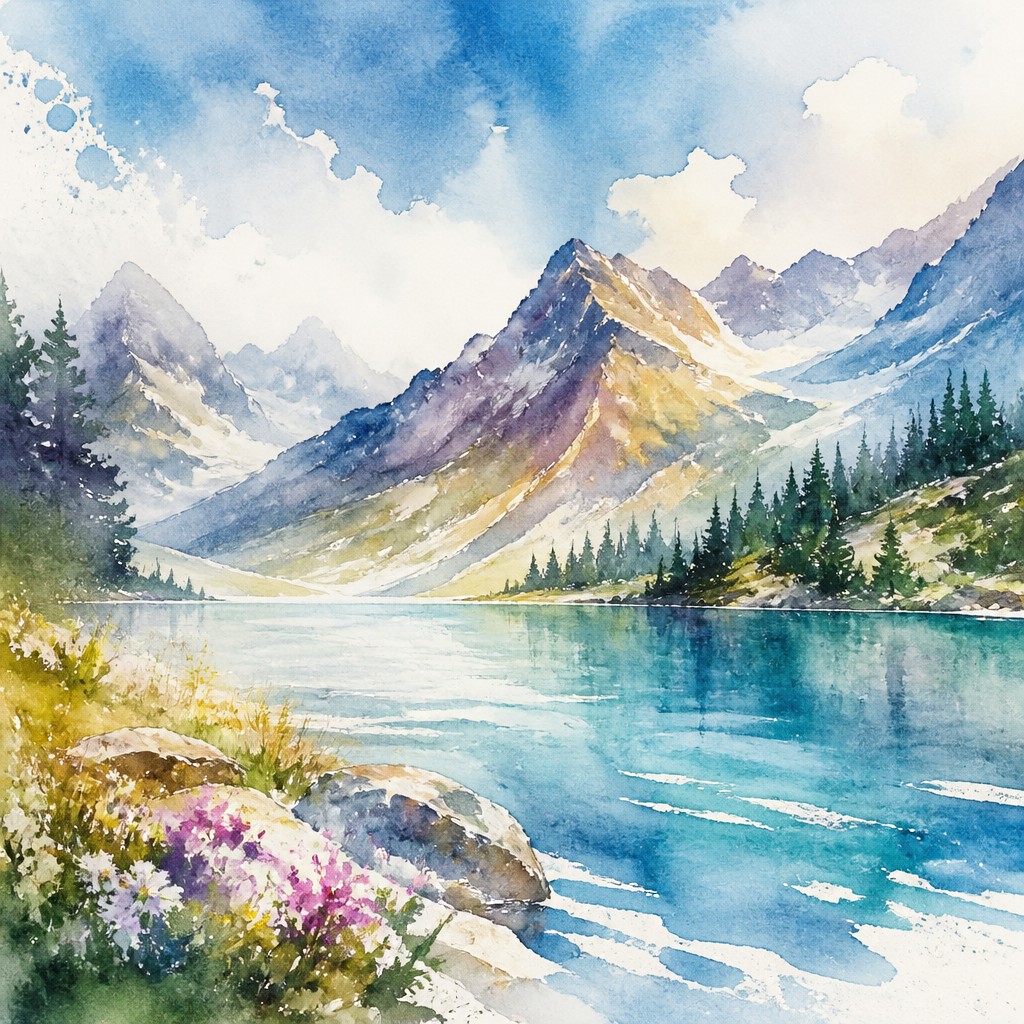
Granulating pigments and accidental backruns often become part of the aesthetic. These textural effects add natural variation and reinforce the medium’s fluid, organic character.
Dry-brush accents
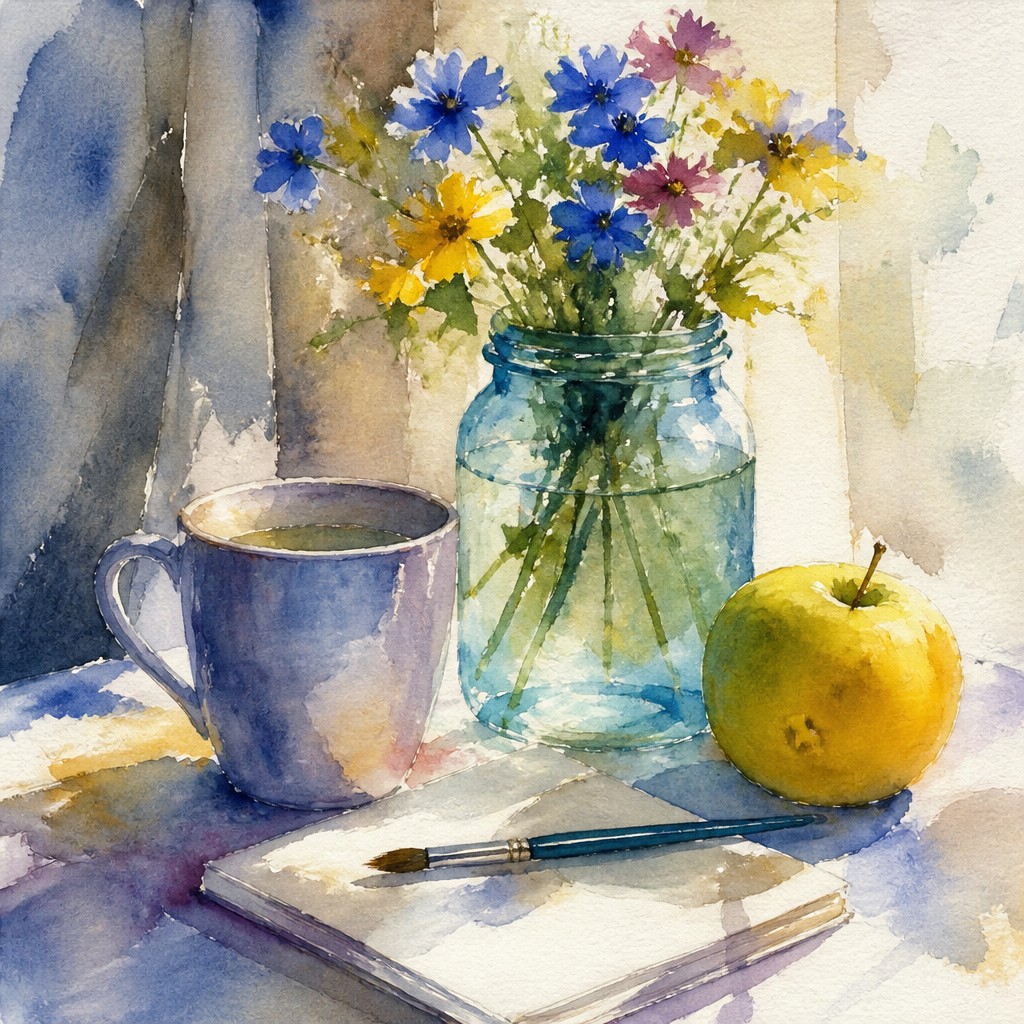
A nearly dry brush may be used over textured paper to suggest hair strands, fabric folds, or facial features. These marks provide contrast against the softer pooled passages.
Try It
Create Videos in Watercolor Portrait Art Style
Styles aren't just for stills — describe a scene or animate an image and get a short video rendered in Watercolor Portrait. Press play to see this pond come to life.
Make a VideoWatercolor Portrait Prompt Ideas
Start from an idea — each one opens the generator with the style ready to go. See all 40 Watercolor Portrait prompts →
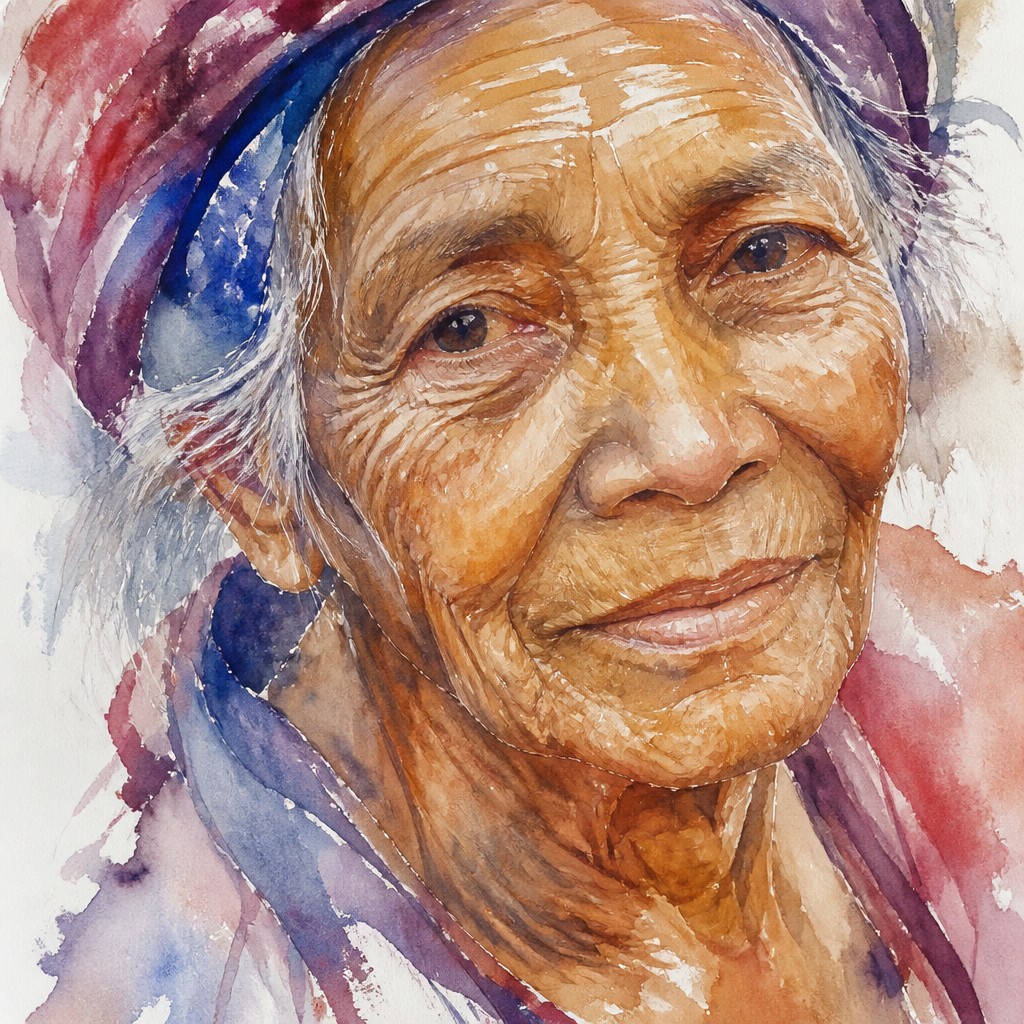
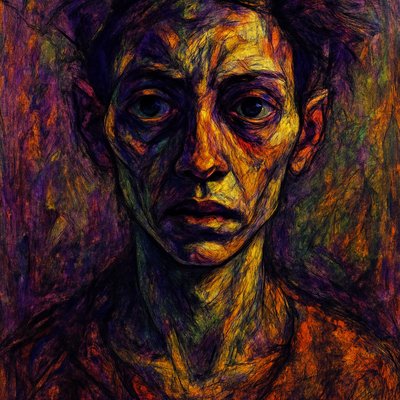
“close-up portrait of an elderly person with expressive weathered features”
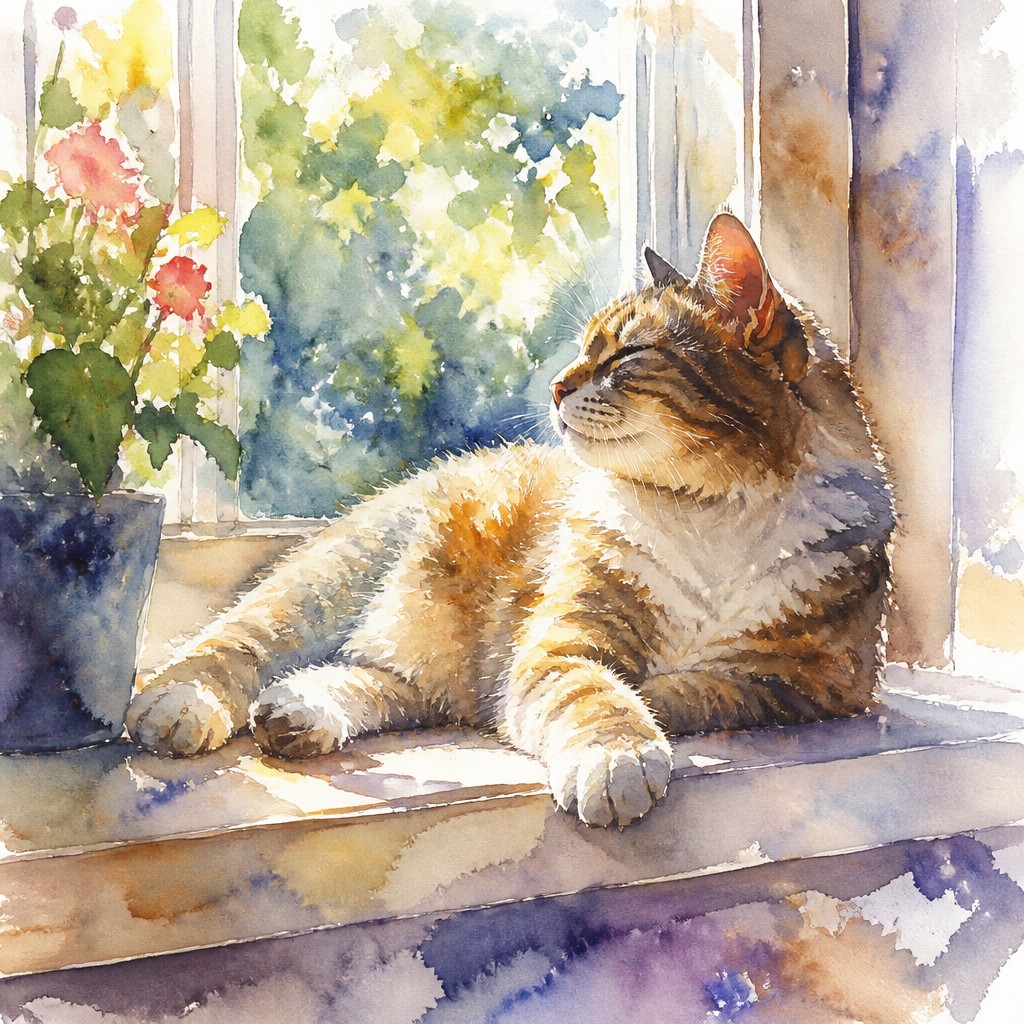
“a cat lounging in a sunlit window”
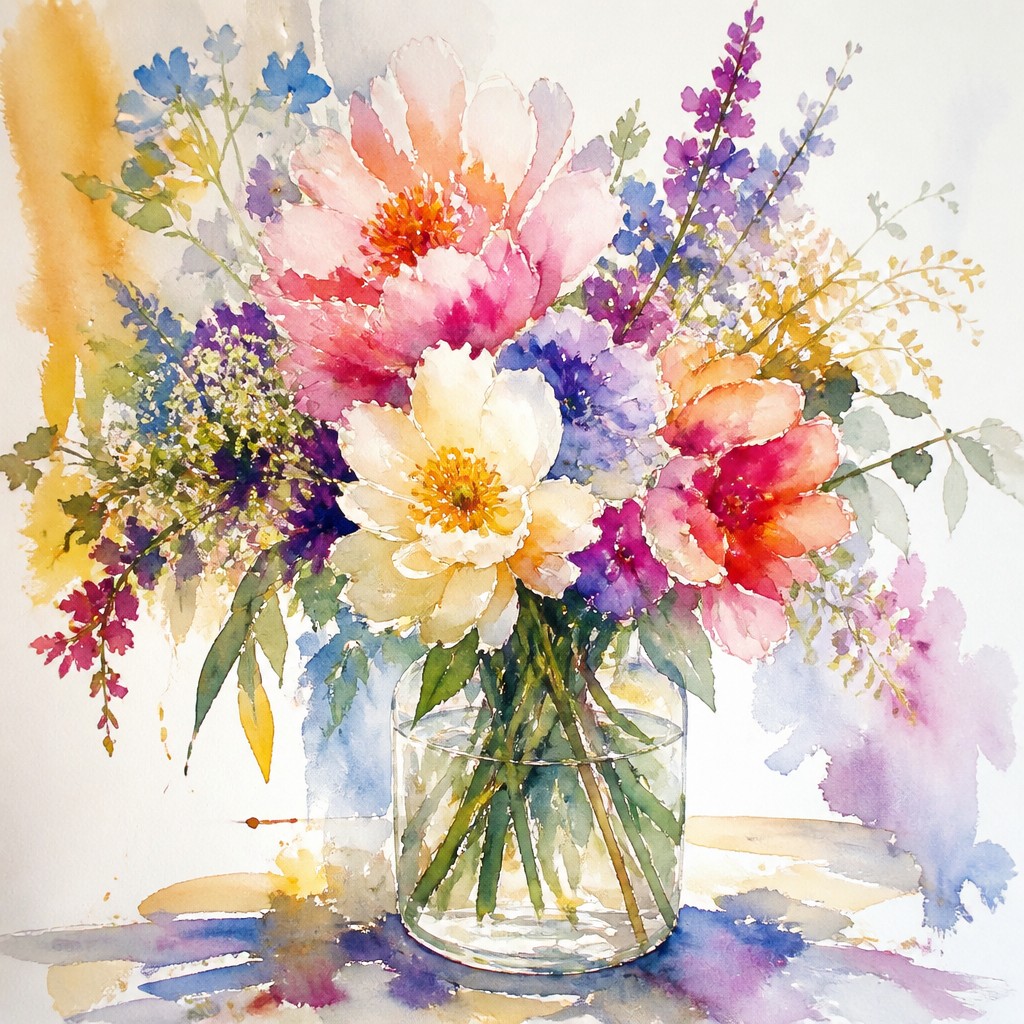
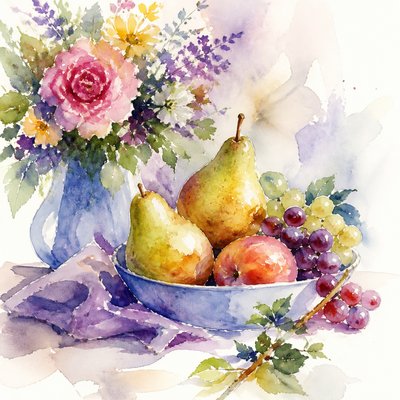
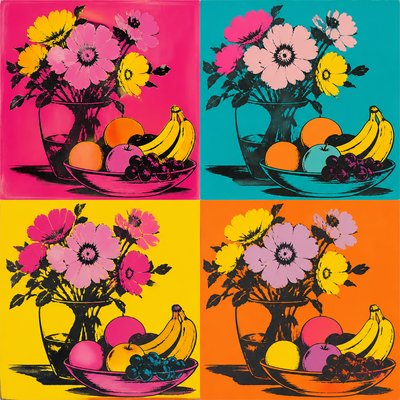
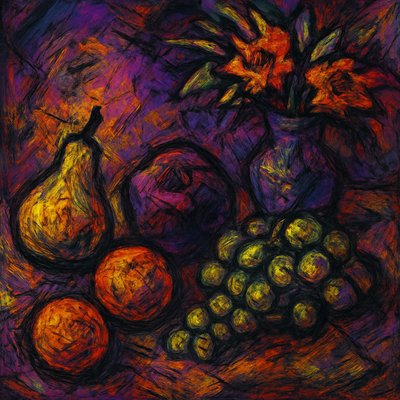
“bouquet of flowers in a glass vase”
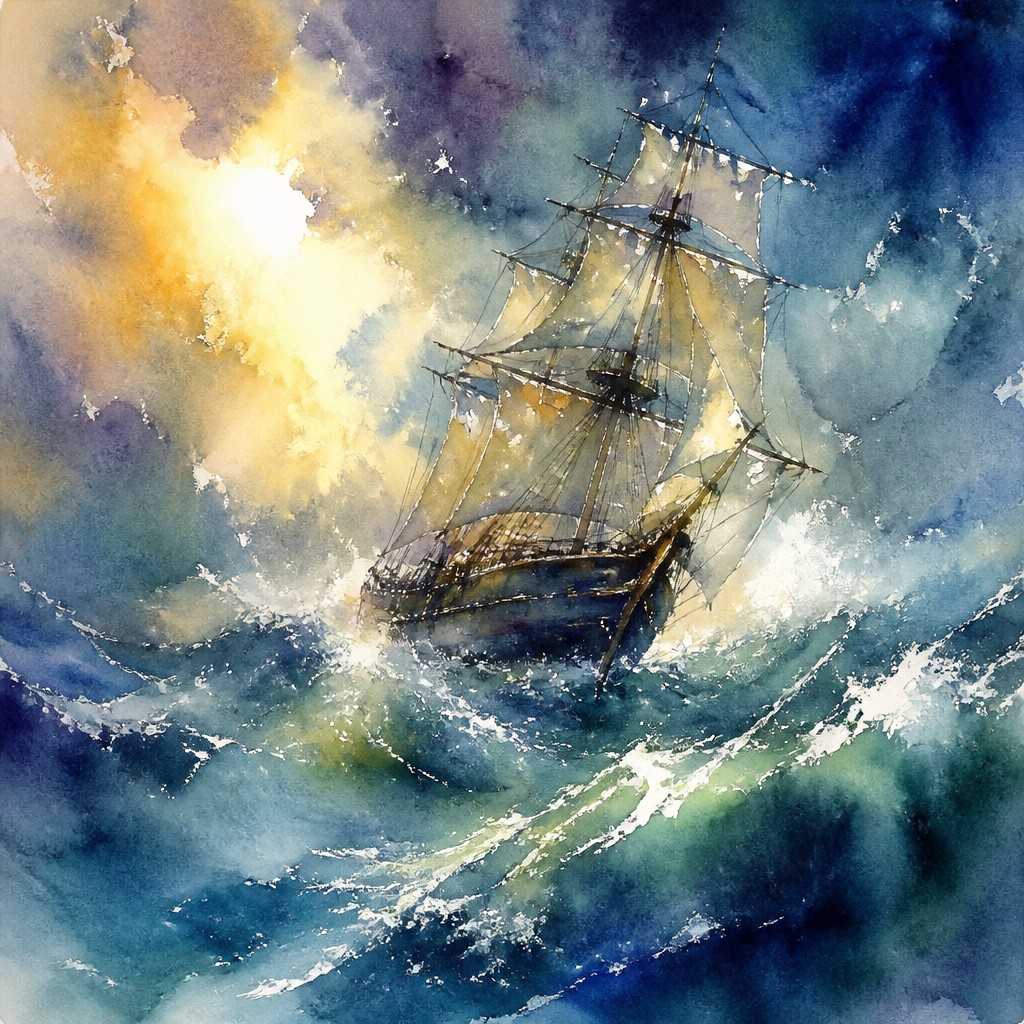
“sailing ship on a stormy sea”
How to Create Watercolor Portrait Art
Master the craft step by step — or skip straight to creating. Read the full guide →
- 1
Start with a light drawing and a value plan
Keep the underdrawing minimal so the paint can remain the main structure of the portrait. Map out where the brightest whites will stay untouched, since watercolor portraits depend on preservation more than correction.
- 2
Lay in large transparent washes first
Block in skin, hair, and background with diluted color while the paper is still clean or slightly damp. In digital painting, mimic this by lowering brush opacity and building color in broad, translucent layers with soft blending.
- 3
Use wet-into-wet selectively
Allow some areas to merge freely, especially cheeks, shadows, and background transitions, but preserve enough structure to keep facial features readable. For digital or prompt-based work, ask for soft bleeding edges, organic color fusion, and controlled diffusion.
- 4
Protect highlights and simplify details
Leave the paper white for glints in the eyes, nose bridge, and reflected light on the skin. Avoid over-rendering every strand and pore; watercolor portraiture usually looks strongest when it suggests rather than describes everything.
- 5
Finish with a few decisive accents
Add sharper marks only at the focal points, such as eyelashes, nostrils, lips, or select hair edges. In prompt-based generation, combine terms like luminous washes, soft bleeding edges, preserved white paper, and fine facial definition for a convincing result.
The Story
History & Origins of Watercolor Portrait
Watercolor portraiture belongs to the broader history of watercolor painting, a medium that became especially important in Europe from the 18th and 19th centuries in both portrait miniatures and sketch-based portrait studies. While watercolor was long used for drawings, topographical work, and preparatory studies, it also developed into a finished portrait medium in the hands of artists who valued immediacy, atmosphere, and tonal refinement.
The style draws its aesthetic lineage from British watercolor traditions, 19th-century sketchbook practice, and later modern illustration, where visible brushwork and paper reserve were treated as expressive features rather than imperfections. It also overlaps with contemporary portrait illustration and concept art, which often borrow watercolor’s translucency and soft-edged modeling to evoke intimacy, light, and emotional nuance.
Influences: This style is closely related to traditional watercolor portraiture, British watercolor painting, and the sketch-driven illustration traditions of the 19th and 20th centuries. Its emphasis on atmosphere and economy also recalls portrait drawing practices and modern illustrators who exploit paper white and soft edge control; in the broader history of watercolor, leading British watercolor painters and major late-19th-century portrait painters are often cited for their mastery of luminosity and immediacy, although their work spans many genres beyond portraiture.
Frequently Asked Questions
What defines watercolor portrait art style?
It is defined by transparent washes, visible paper white, and soft, fluid transitions rather than opaque modeling. The portrait typically feels luminous, spontaneous, and airy, with edges that may dissolve into the background.
How is it different from gouache portrait painting?
Watercolor is translucent, so the paper and lower layers remain visible and contribute to the final light effect. Gouache is opaque and usually produces flatter, denser color with less reliance on the white of the paper.
How do artists keep the face recognizable if the paint is so loose?
They plan the values carefully and reserve sharper detail for the most important features, such as the eyes, nose, and mouth. The rest can remain suggestive, as long as the light-dark structure and proportions are accurate.
Can this style be made digitally?
Yes. Digital artists often simulate watercolor with translucent brushes, soft edge blending, paper texture overlays, and occasional bloom-like effects. The key is to preserve the sense of layered transparency instead of over-polishing the image.
Why does watercolor portraiture often leave parts of the paper blank?
Those untouched areas function as highlights and visual rest points. Because watercolor cannot easily reclaim bright whites once overpainted, leaving paper unpainted is a core technique rather than a shortcut.
Where is this style commonly used?
It appears in fine art portrait studies, editorial illustration, book covers, wedding and commemorative imagery, and character-focused concept art. It is especially effective when the goal is to convey personality with softness and light rather than sharp realism.
Create your first Watercolor Portrait artwork
Describe anything — or upload a photo — and see it in Watercolor Portrait Art Style in seconds.
Make Something with Watercolor Portrait
Compare Watercolor Portrait
Related Styles
Discover similar art styles