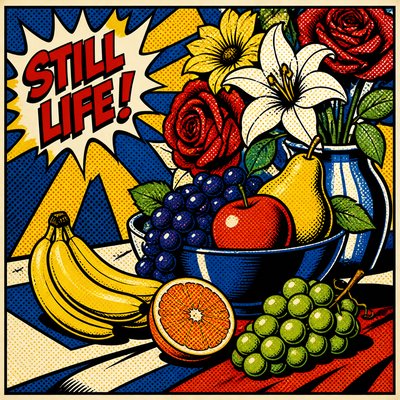
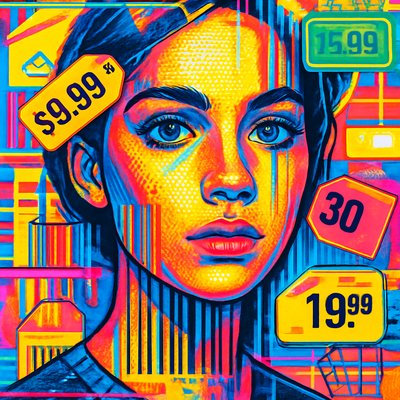
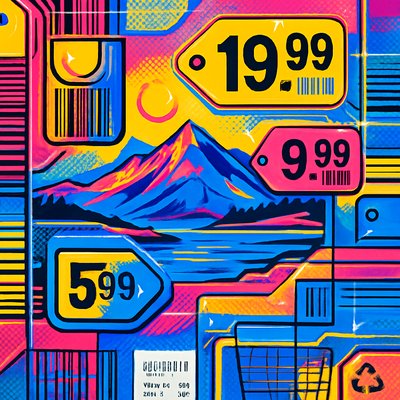
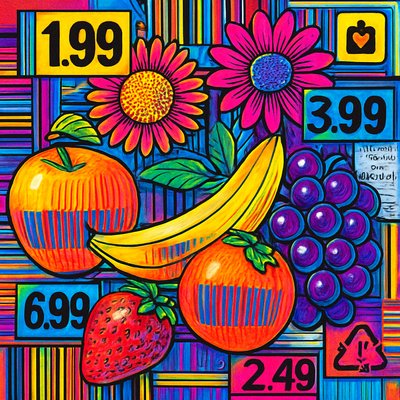
Celebrity Portrait Pop Art Style
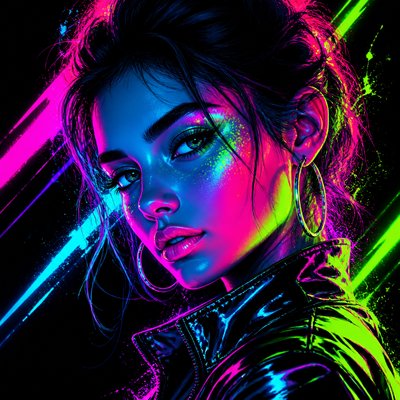
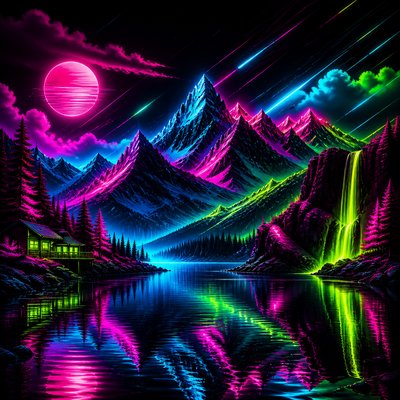
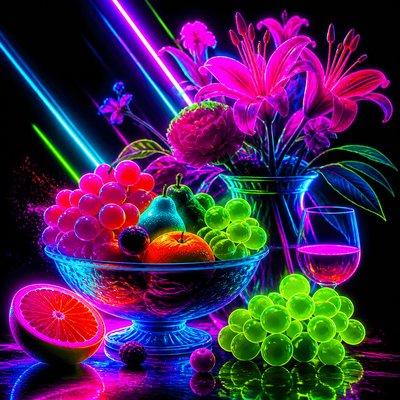
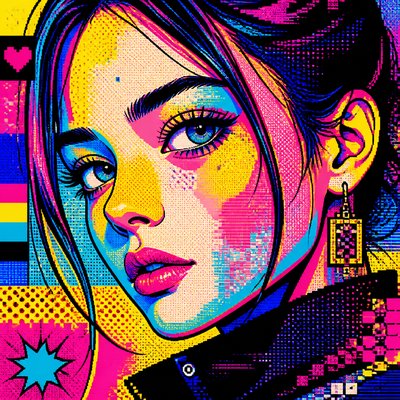
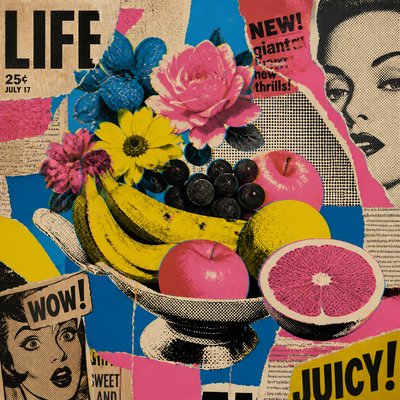
Pop Art-inspired celebrity portrait style with repeated panels, bold color shifts, silkscreen texture, and mass-media glamour.
Instantly rendered in Celebrity Portrait Pop — or transform a photo
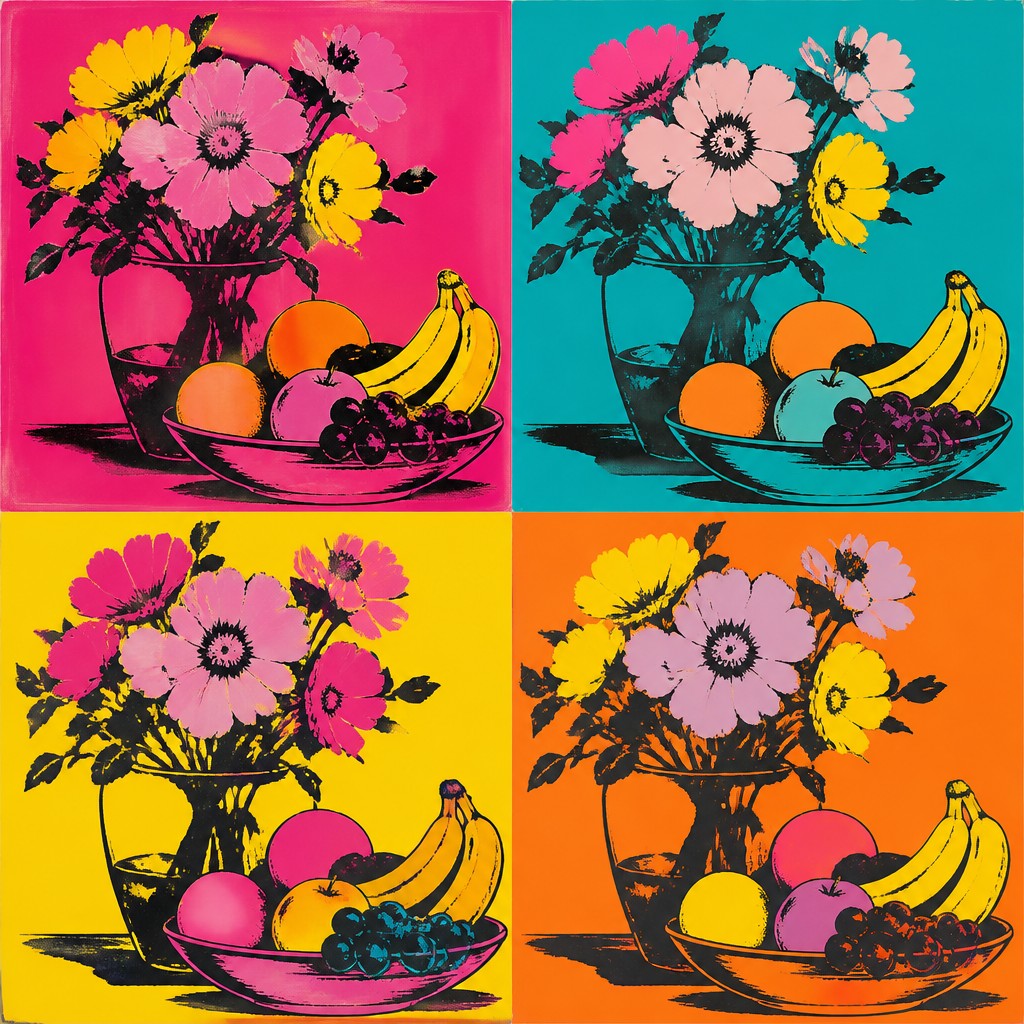
Celebrity Portrait Pop Gallery
Tap any artwork to explore it
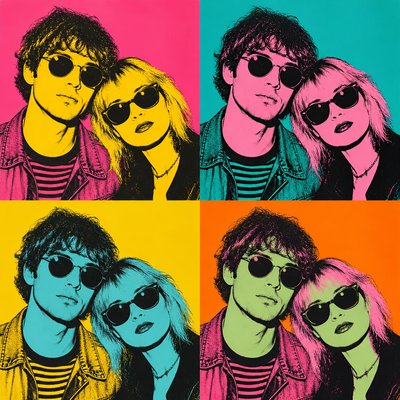
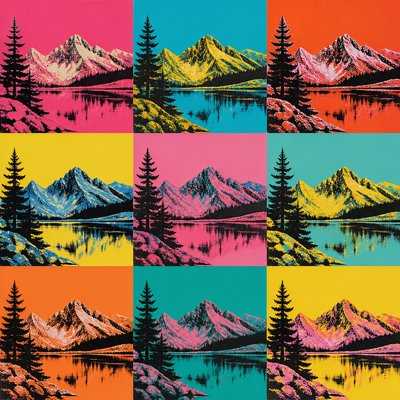
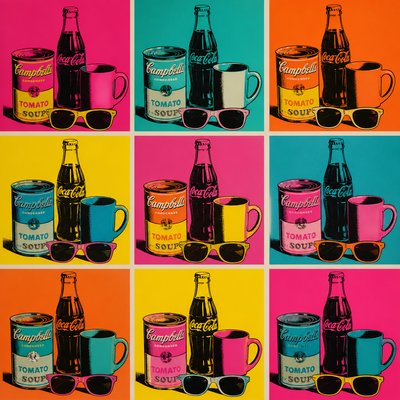
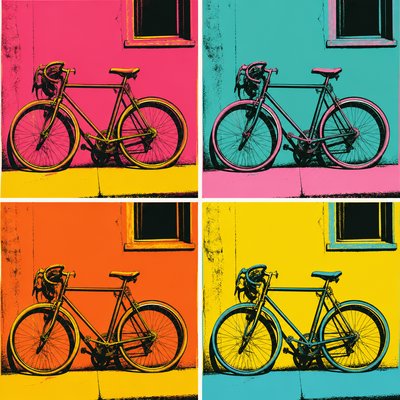
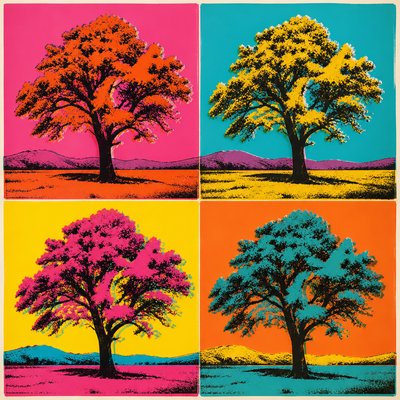
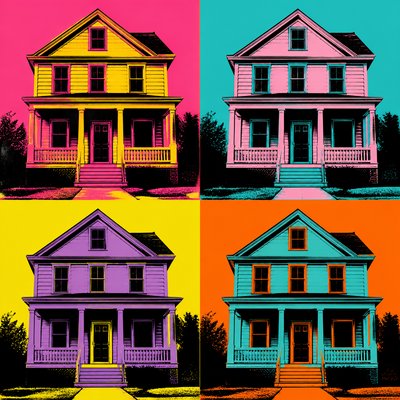
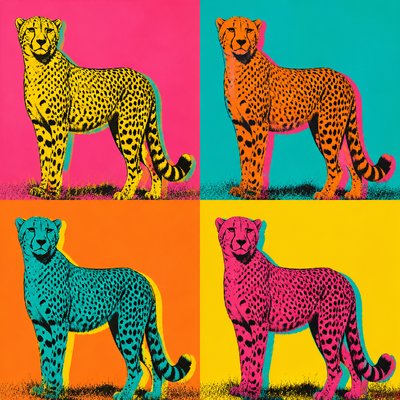
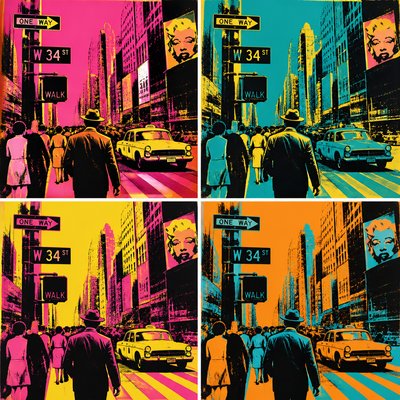
What is Celebrity Portrait Pop Art Style?
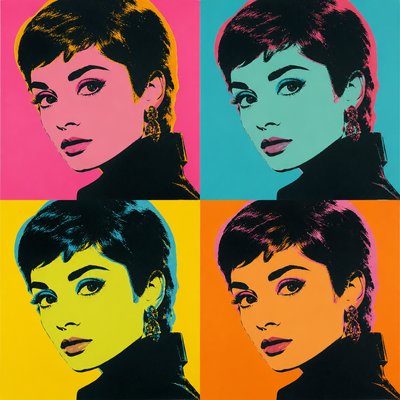
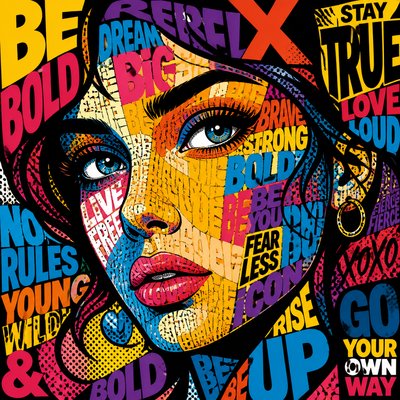
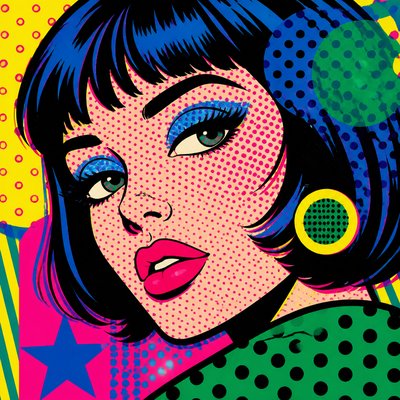
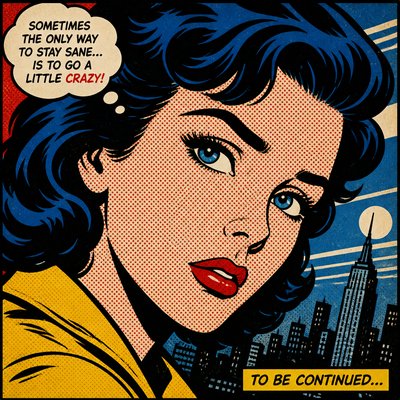
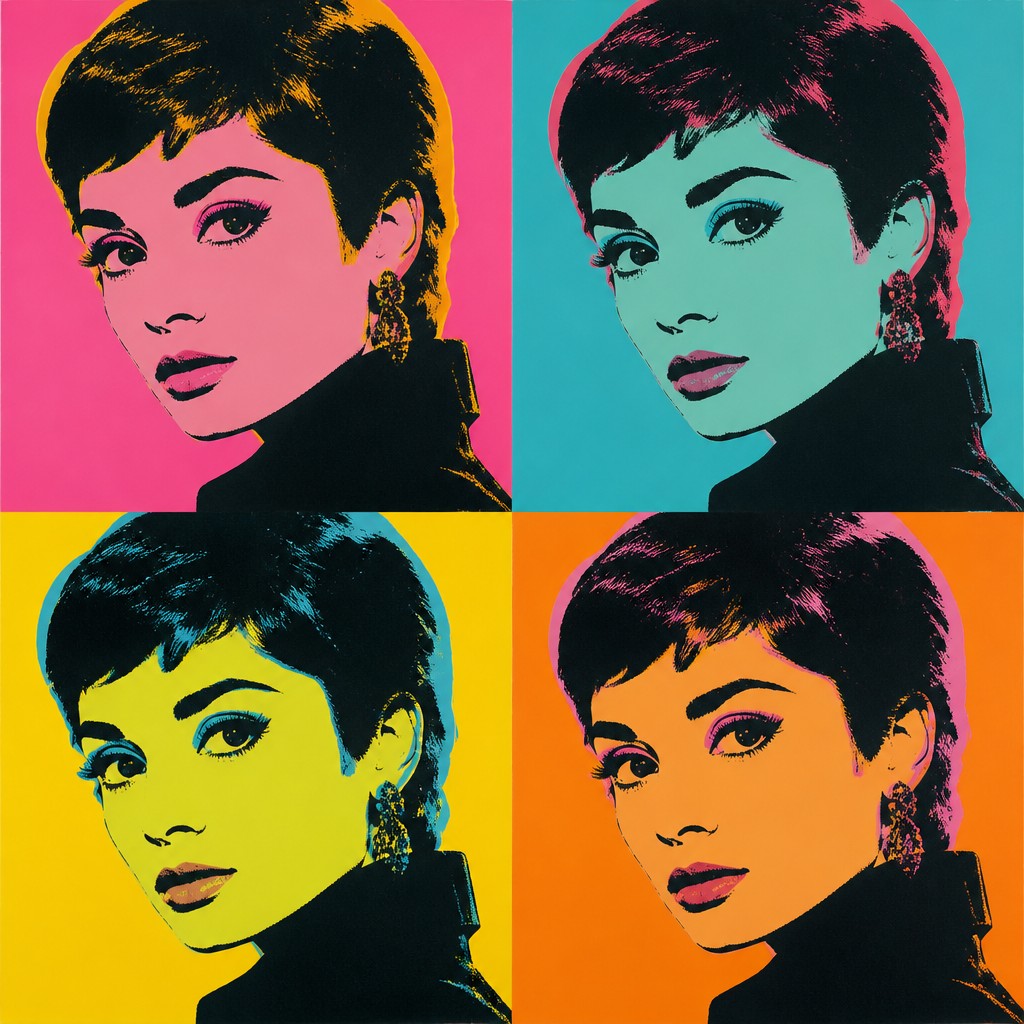
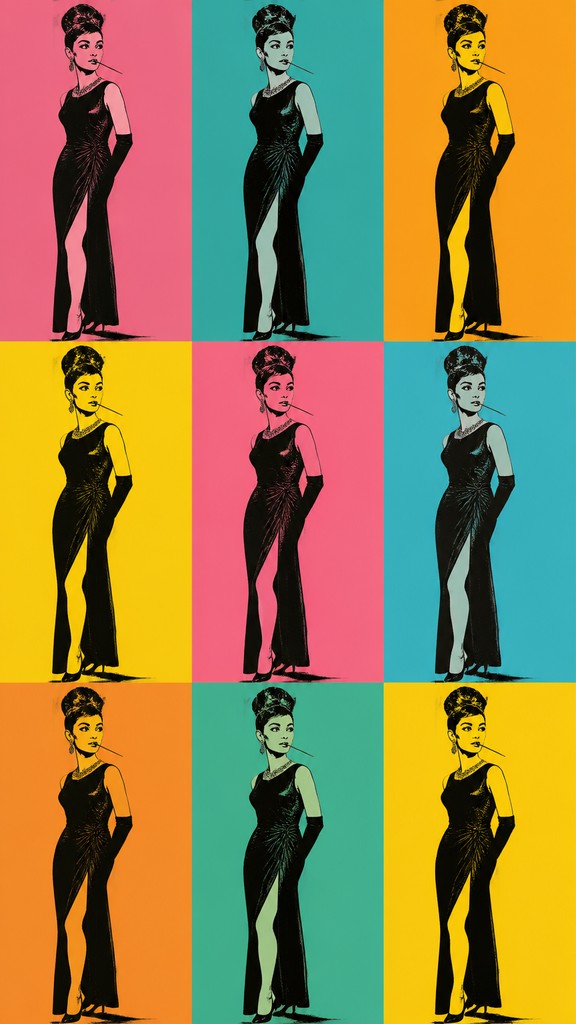
Celebrity portrait pop art is a portrait style built around repetition, color mutation, and the visual language of mass media. It typically presents a recognizable face in multiple panels, each version shifted into a different artificial palette, with flattened forms, hard edges, and a screen-print look that recalls commercial reproduction. The result is less about naturalistic likeness than about the circulation of celebrity images and the way fame becomes a repeatable product.
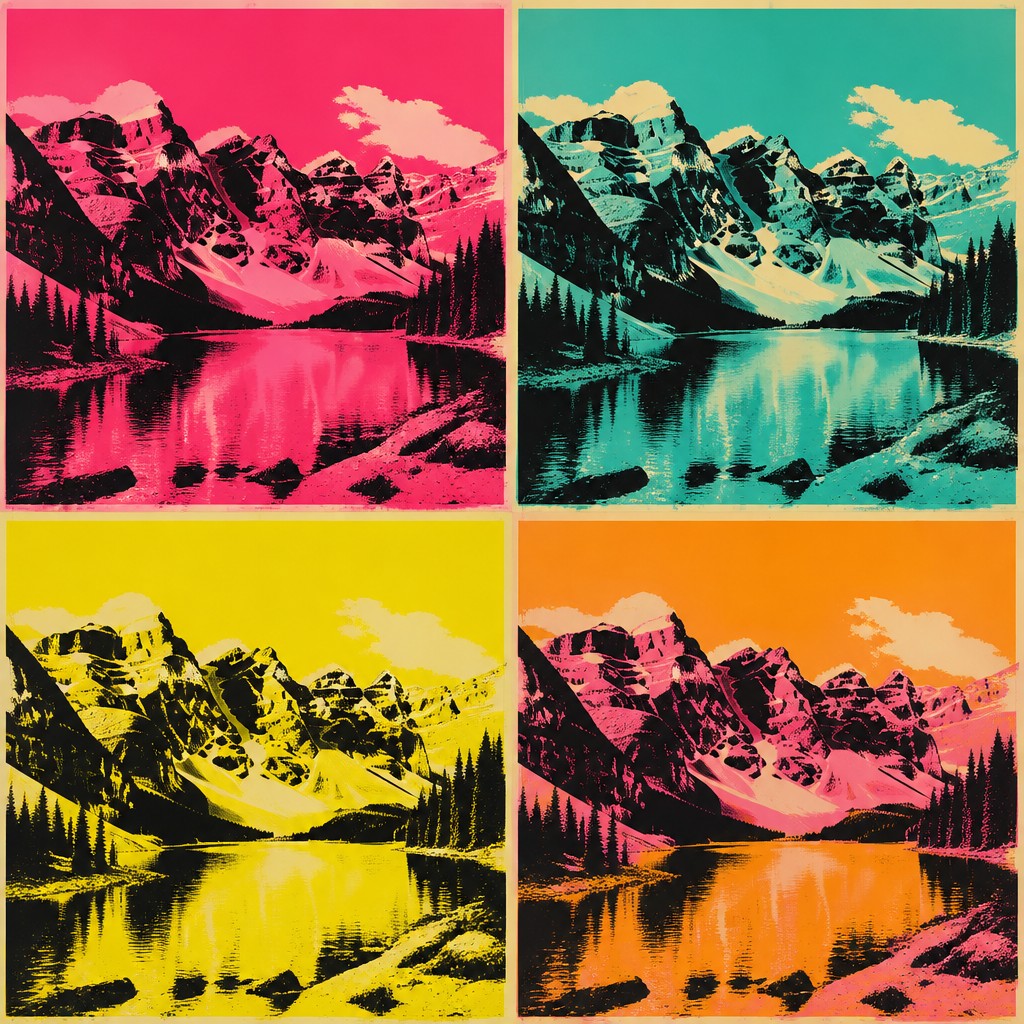
Its visual identity comes from the collision of photography and print culture: a source portrait is simplified into graphic shapes, then intensified with saturated, non-natural colors such as hot pink, turquoise, acid yellow, and orange. Misregistration, sharp contour lines, and abrupt tonal contrast make the image feel intentionally mechanical and slightly unstable. This aesthetic gives portraits a glamorous, detached, and sometimes ironic quality, turning a single face into a serial object.
The style looks the way it does because it borrows from the logic of advertising and silkscreen printing. Repetition suggests distribution and ubiquity; bold color shifts prevent the image from feeling documentary; and the flattened treatment removes painterly softness in favor of immediate visual impact. In practice, it is a commentary on fame, media saturation, and the transformation of identity into an image commodity.
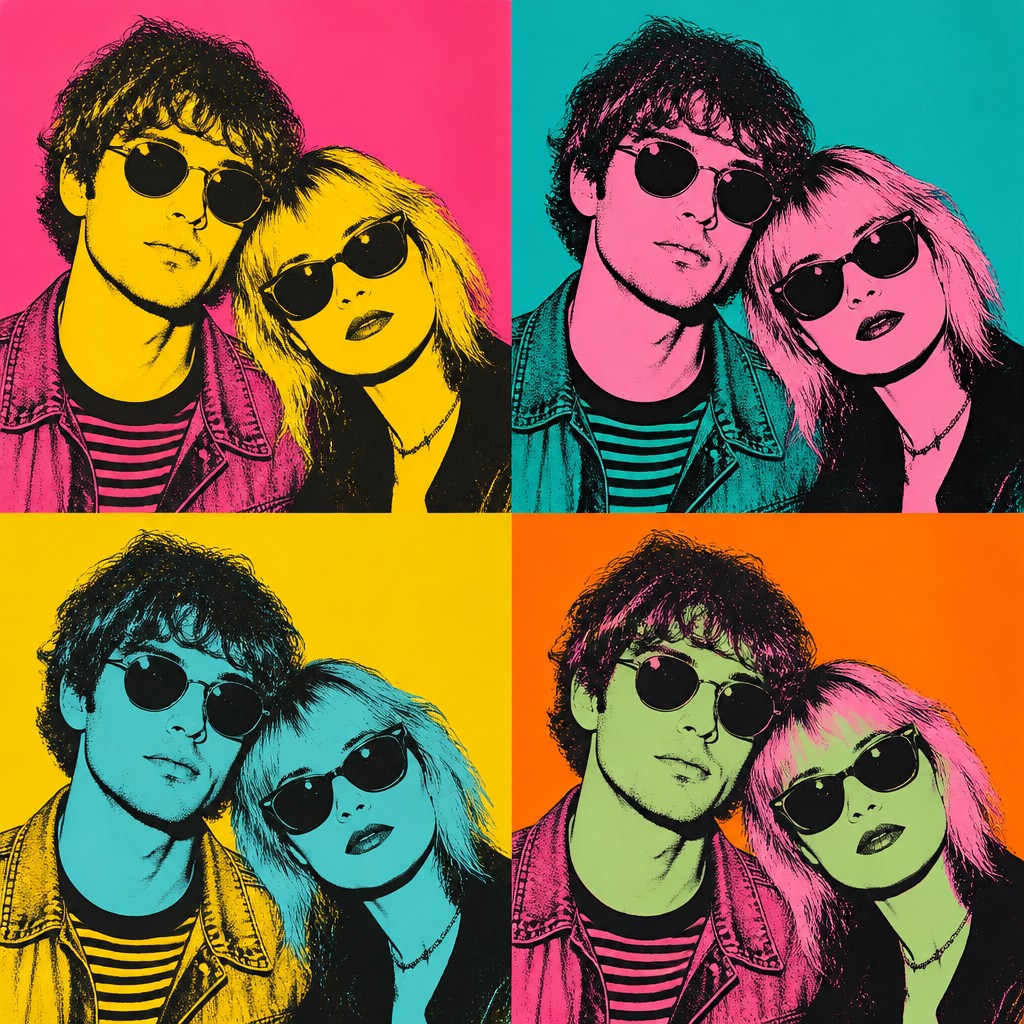
Try It On Your Photos
Upload any photo and convert it into Celebrity Portrait Pop Art Style — drag the sliders to compare before and after.
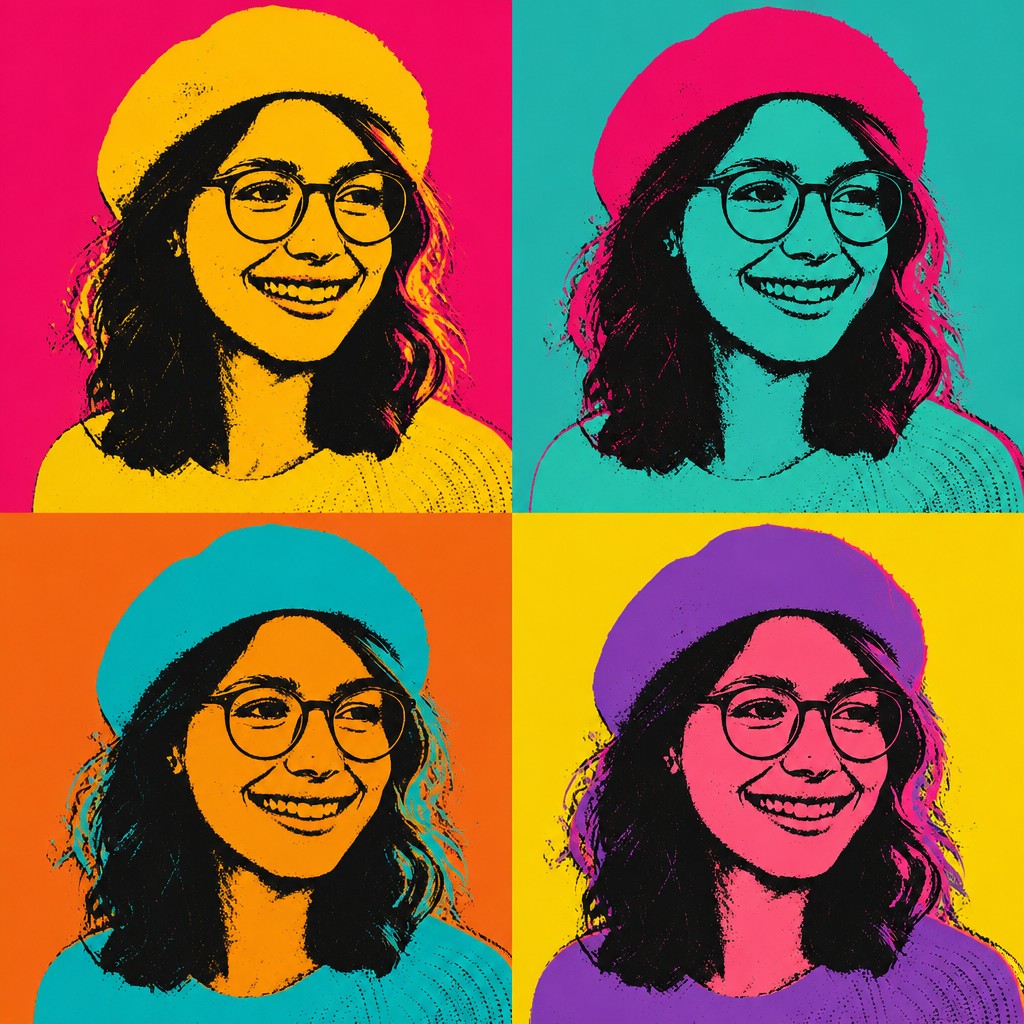

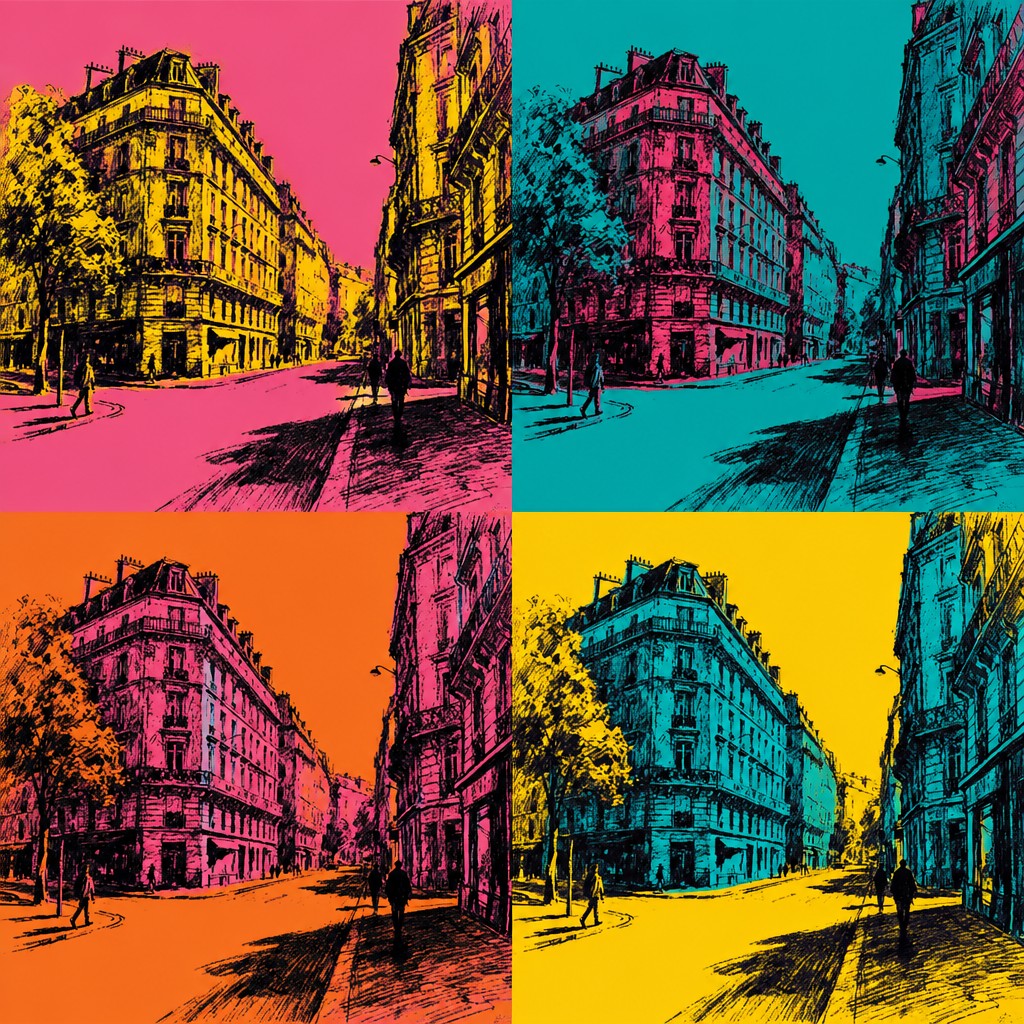

What Defines Celebrity Portrait Pop Art Style
The signature details, up close
Repeated portrait panels
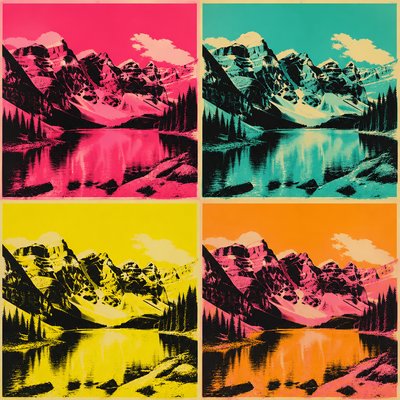
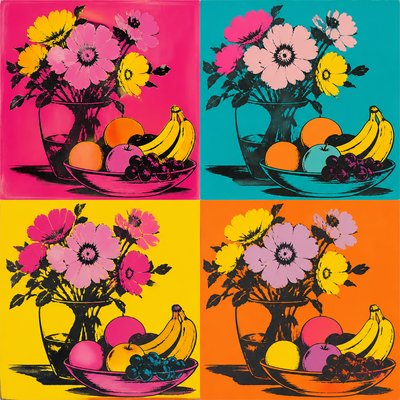
The same face appears in a grid or sequence, often with slight differences across each panel. Repetition is central to the style's meaning, emphasizing mass production over uniqueness.
Bold artificial color schemes
Colors are highly saturated and non-naturalistic, often using hot pink, turquoise, acid yellow, orange, or purple. Each panel may use a different palette to heighten contrast and visual rhythm.
Flattened graphic forms
Shading is minimized in favor of simplified color planes and sharp silhouette-like shapes. The portrait reads instantly, like a poster or print rather than a conventional painting.
Silkscreen or print texture
The image often mimics screen-printing with crisp edges, slight offsets, and a mechanically produced finish. This gives the portrait a mass-reproduced, editioned quality.
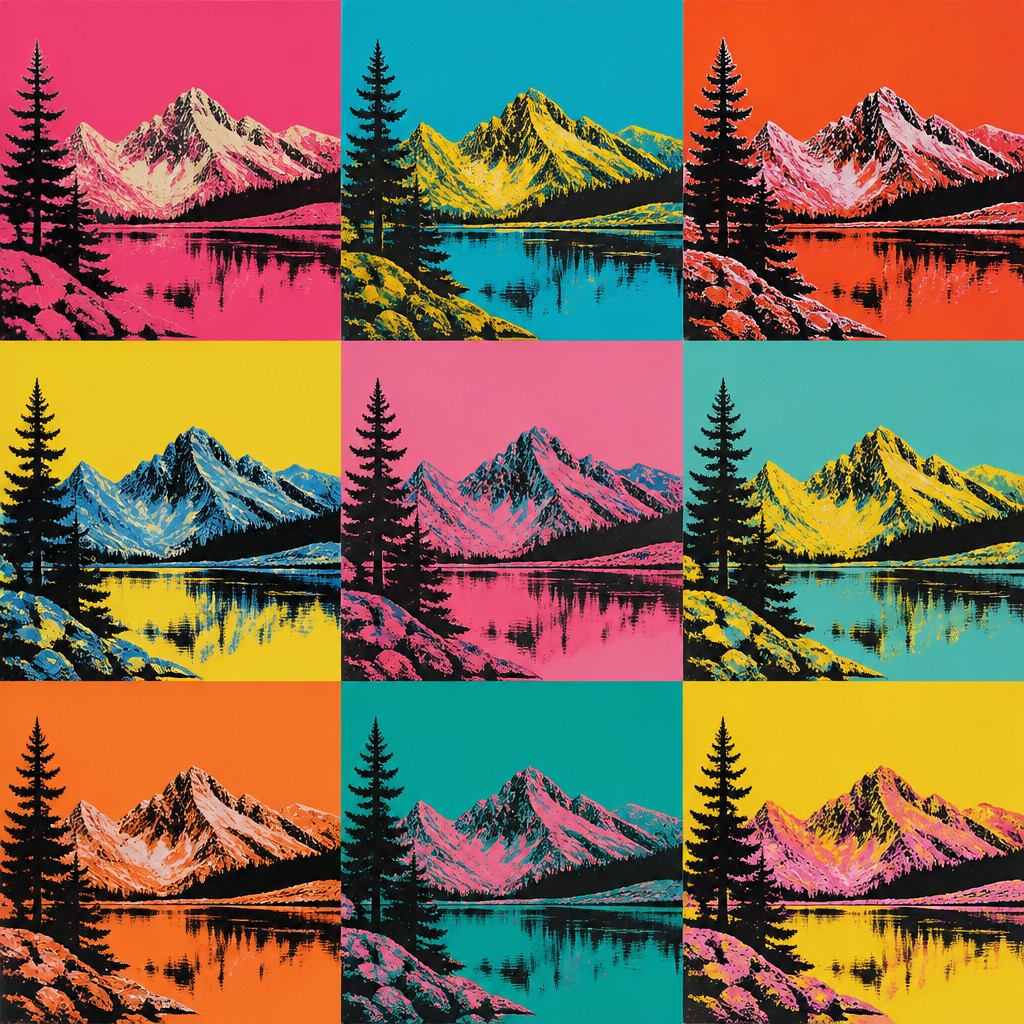
Misregistration and offset layers
Layer shifts, imperfect alignment, or overprinted contours create a deliberately unstable look. These imperfections echo the quirks of analog printing and help break the image's realism.
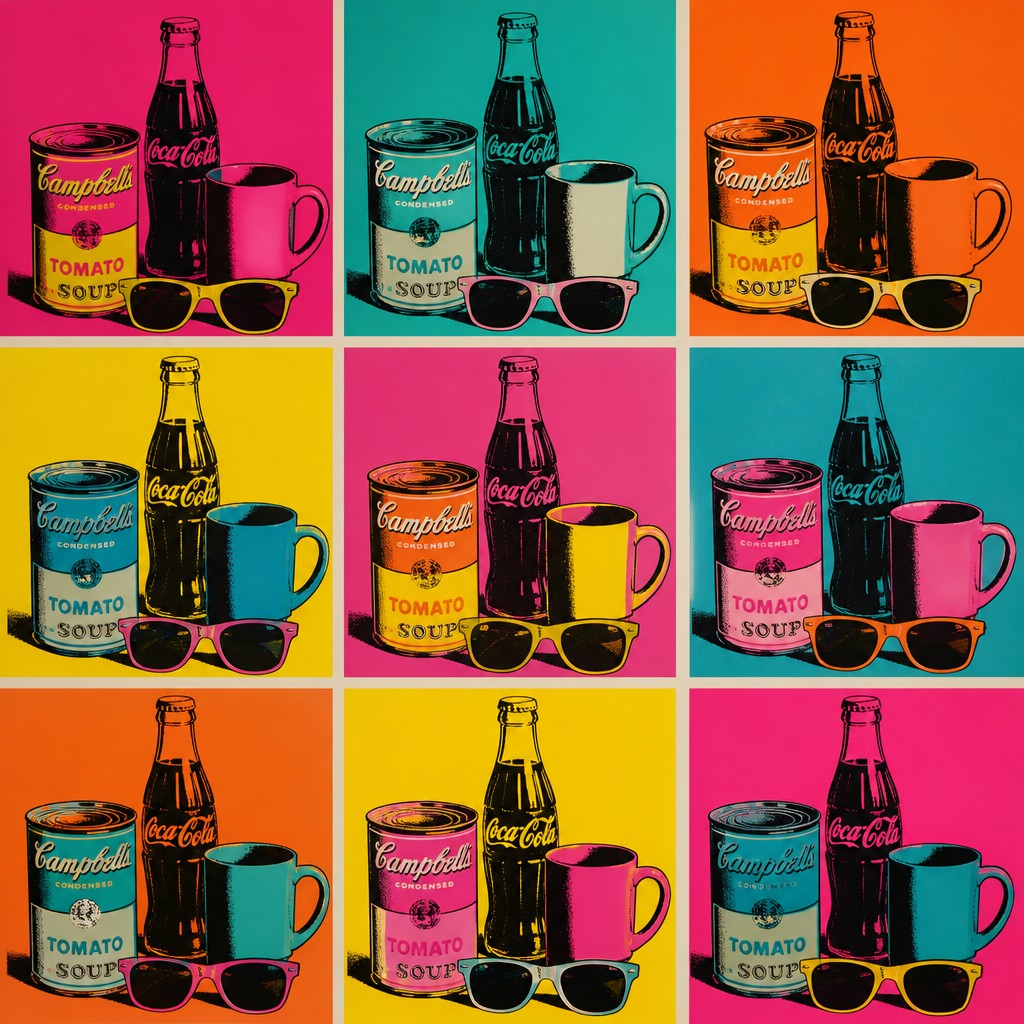
Celebrity-facing iconography
The subject is usually a well-known face or a portrait posed like publicity imagery. The style depends on instant recognizability and the cultural aura attached to fame.
Try It
Create Videos in Celebrity Portrait Pop Art Style
Styles aren't just for stills — describe a scene or animate an image and get a short video rendered in Celebrity Portrait Pop. Press play to see this pond come to life.
Make a VideoCelebrity Portrait Pop Prompt Ideas
Start from an idea — each one opens the generator with the style ready to go. See all 40 Celebrity Portrait Pop prompts →
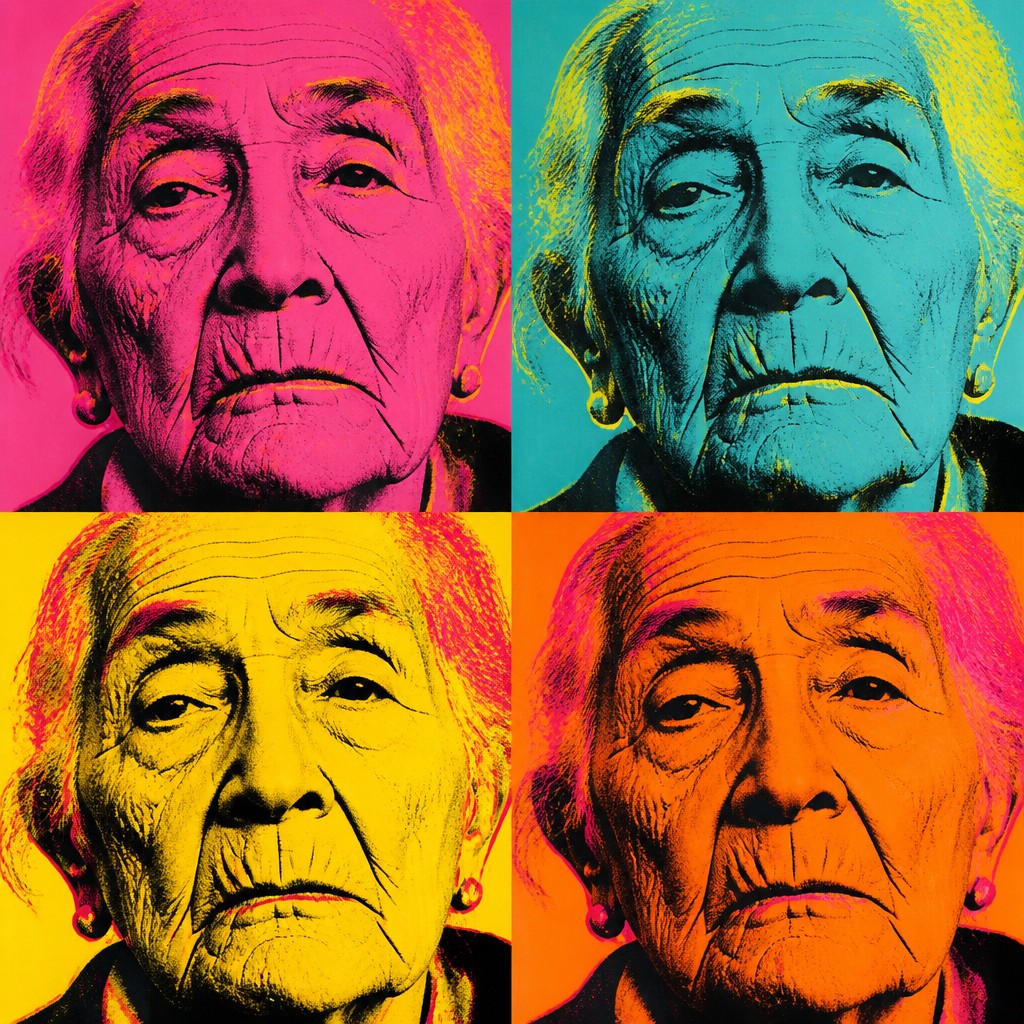
“close-up portrait of an elderly person with expressive weathered features”
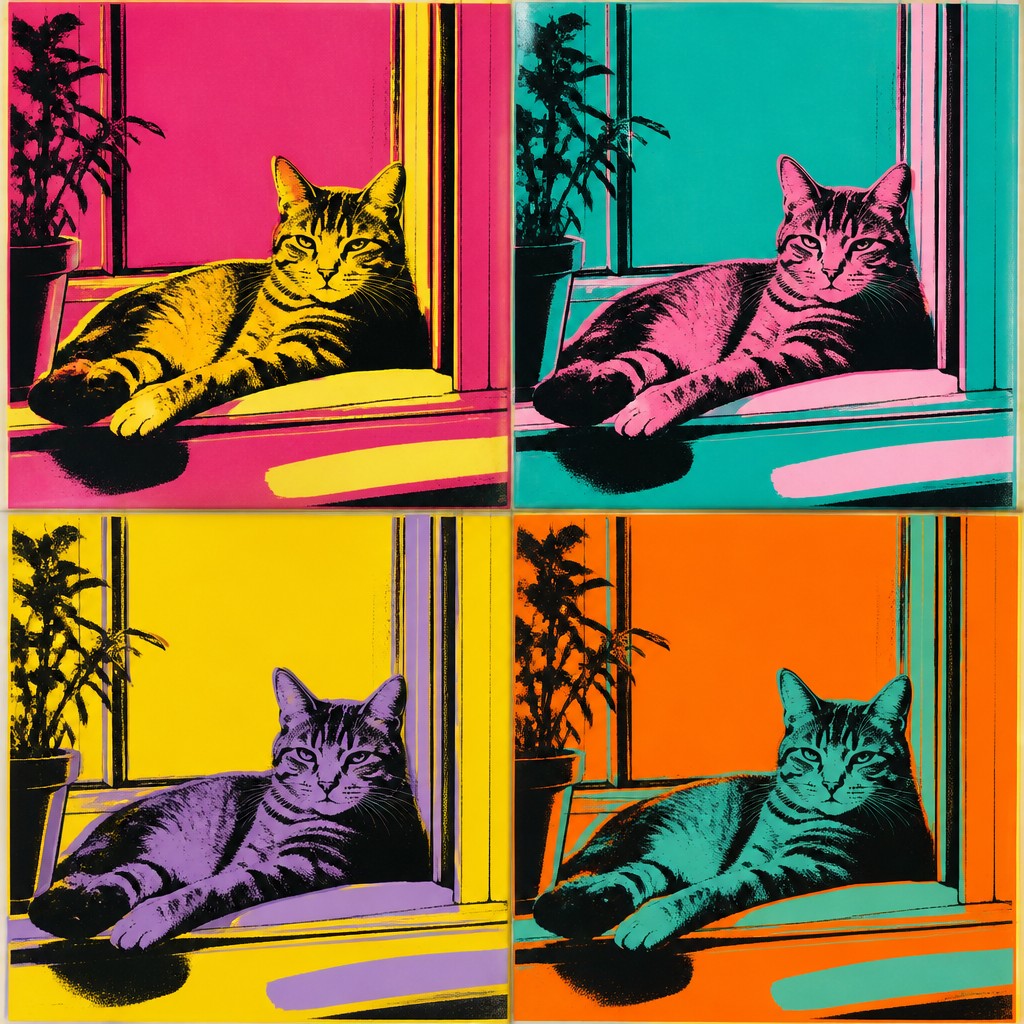
“a cat lounging in a sunlit window”
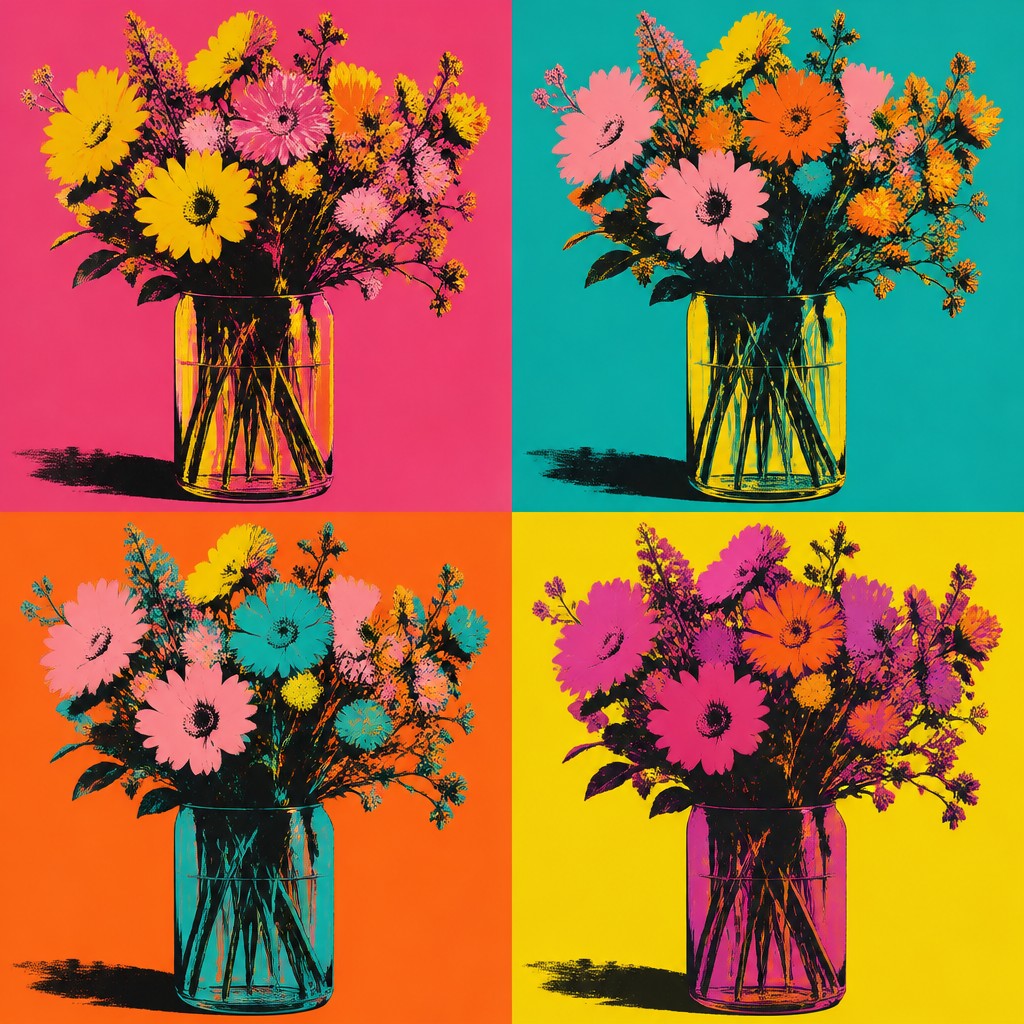
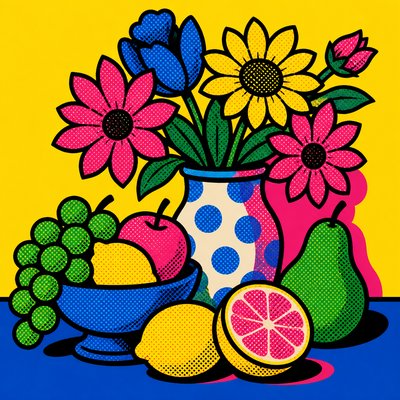
“bouquet of flowers in a glass vase”
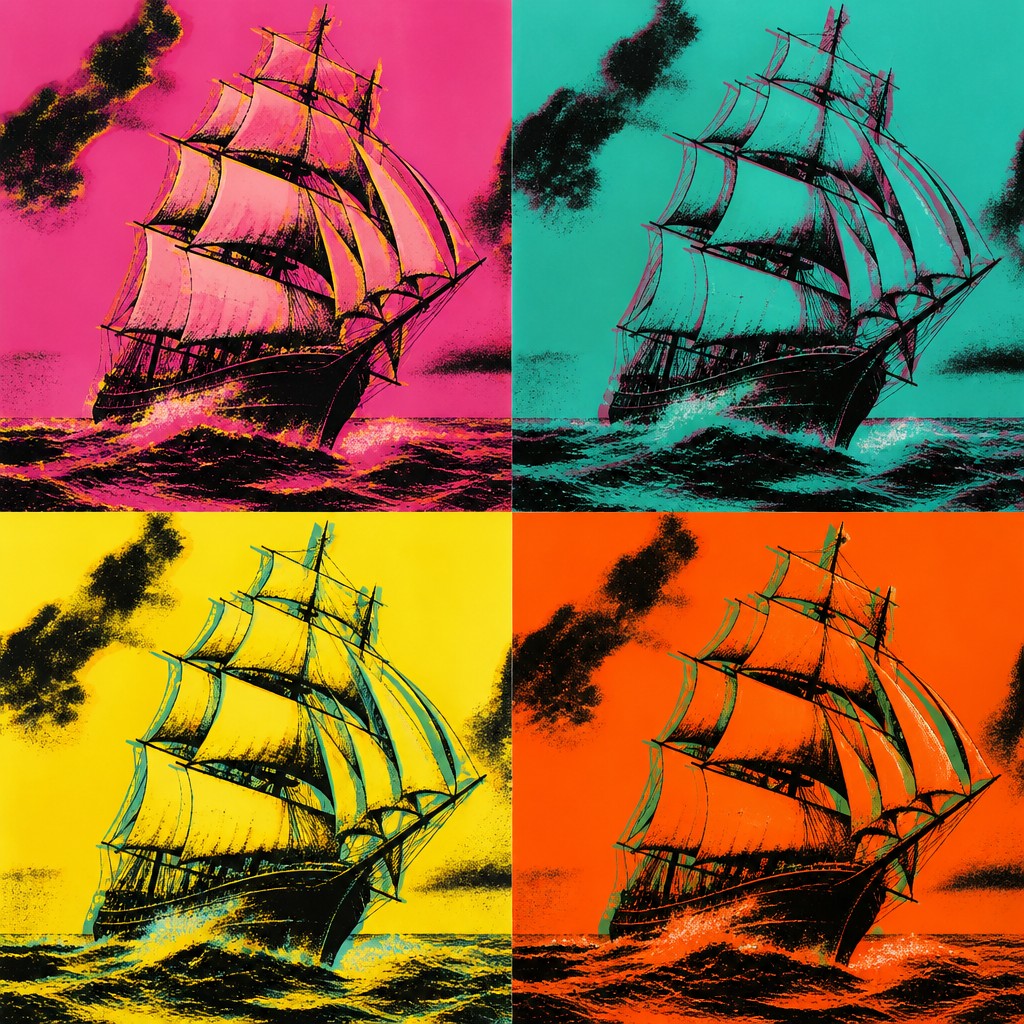
“sailing ship on a stormy sea”
How to Create Celebrity Portrait Pop Art
Master the craft step by step — or skip straight to creating. Read the full guide →
- 1
Start from a clear source portrait
Choose a frontal or three-quarter photo with strong facial landmarks and a simple background. High-contrast source material works best because it can be reduced into bold shapes without losing recognizability.
- 2
Reduce the image into flat color blocks
Simplify skin, hair, clothing, and shadows into a small number of graphic zones rather than blended tones. In traditional work, this can be done with stencils, acrylic, or screen-print separations; in digital work, use posterization and hard-edged masking.
- 3
Build a repeated panel composition
Duplicate the portrait across several panels or a grid, then vary the palette from panel to panel. Keep the pose and framing consistent so the differences in color become the main visual event.
- 4
Introduce print-like imperfections
Offset layers slightly, let outlines misalign, or add subtle registration errors and ink texture. These details help the image feel like a silkscreen edition rather than a clean illustration.
- 5
Use saturated, unnatural color pairings
Favor hues that feel graphic and commercial rather than realistic. Prompt-based generation works best when you specify repeated panels, bold pop colors, flat planes, and screen-print texture in a concise portrait subject prompt.
The Story
History & Origins of Celebrity Portrait Pop
Celebrity portrait pop art draws directly from Pop Art, especially the 1960s work of a leading postwar pop artist who used silkscreen and repeated celebrity imagery to question originality, authorship, and the culture of mass-produced images. Portraits of figures such as a major Hollywood sex symbol, a major rock-and-roll performer, and a celebrated film star established the template: sourced from publicity photographs, translated into serial panels, and reimagined through artificial color variation. The style also reflects the broader print and advertising culture of mid-20th-century America, where repetition and branding shaped how public figures were seen.
Its aesthetic lineage extends beyond that artist to the wider history of photographic reproduction, commercial graphics, and mechanized print processes. Contemporary uses often adapt these ideas digitally, but the core logic remains the same: a celebrity portrait becomes a repeated, color-shifted image-object rather than a singular hand-rendered likeness. In that sense, the style belongs to the continuing afterlife of Pop Art as a visual language for media saturation and celebrity culture.
Influences: This style is rooted in Pop Art, especially the celebrity portraits and broader use of silkscreen, repetition, and commercial imagery developed by a leading postwar pop artist. It also draws on mid-century advertising graphics, newspaper photography, poster design, and the mechanics of offset and screen printing. Related visual traditions include the comic-derived graphic simplification associated with a prominent American pop artist and the broader history of photographic reproduction in mass media.

Frequently Asked Questions
What defines celebrity portrait pop art style?
It is defined by repeated portrait imagery, bold non-natural color changes, flat graphic shapes, and a screen-printed look. The style turns a famous face into a serial image, emphasizing media circulation and artificial glamour.
Is this the same as Pop Art portrait style?
It is closely associated with the approach developed by a leading postwar pop artist, especially celebrity silkscreens, but it is broader than a single artist. The style can include any portrait treatment that uses repetition, commercial print aesthetics, and vivid color variation in a Pop Art framework.
How is this different from general pop art?
General Pop Art can include objects, advertisements, comics, and consumer goods, while celebrity portrait pop art focuses specifically on famous faces. The celebrity image is central because it lets repetition and reproduction comment directly on fame and mass media.
Can I make this style with painting or digital tools?
Yes. Traditional methods include acrylic paint, stencil work, and screen printing, while digital methods use posterization, layer duplication, and color remapping. The key is to preserve the flat, mechanical look and the repeated-panel structure.
Why do the colors look unnatural in this style?
Unnatural colors emphasize the image as a constructed media object rather than a realistic portrait. They also help separate each repeated panel so the viewer sees variation, seriality, and graphic impact at once.
Where is this style commonly used?
It is common in portrait posters, album art, editorial illustration, satirical political imagery, and contemporary wall art. It is especially effective whenever the goal is to turn a recognizable subject into an iconic, high-contrast image.
Create your first Celebrity Portrait Pop artwork
Describe anything — or upload a photo — and see it in Celebrity Portrait Pop Art Style in seconds.
Make Something with Celebrity Portrait Pop
Related Styles
Discover similar art styles