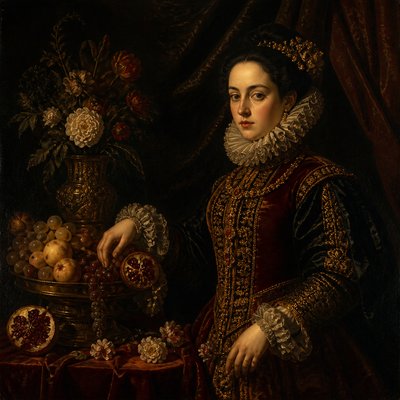
Sfumato Portrait Renaissance Art Style
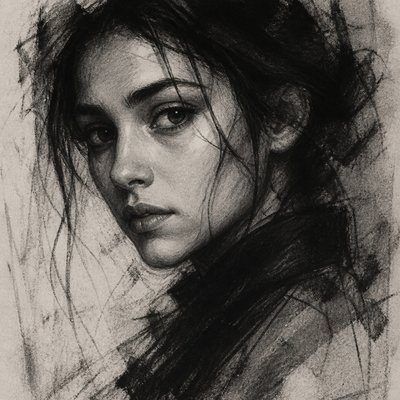
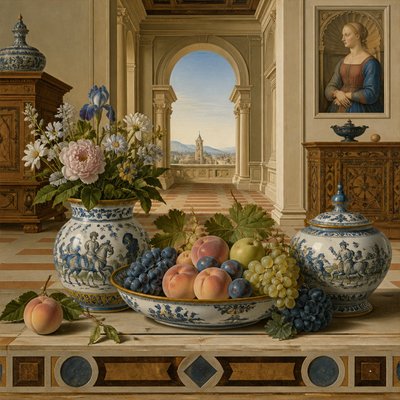
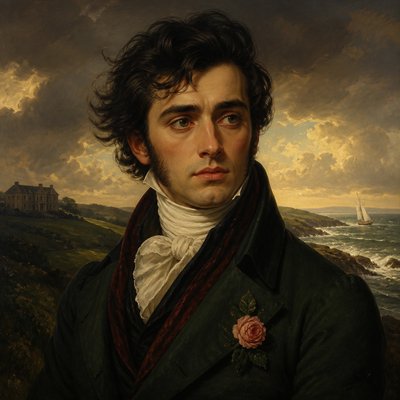
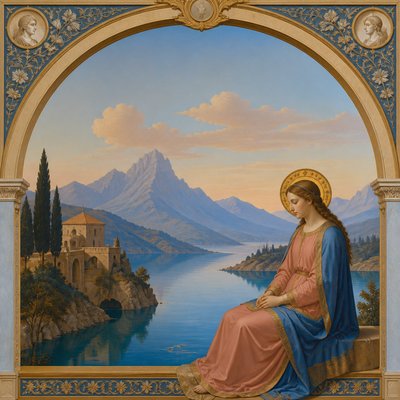
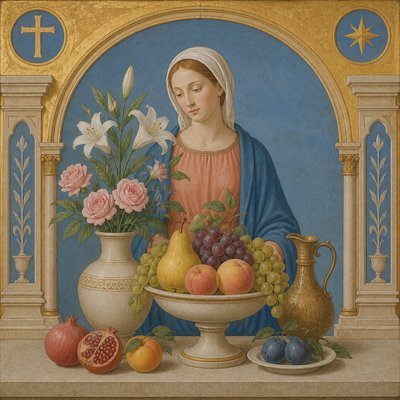
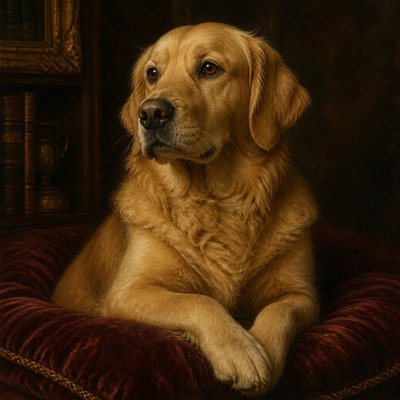
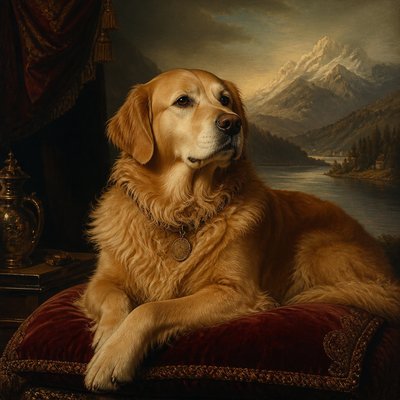
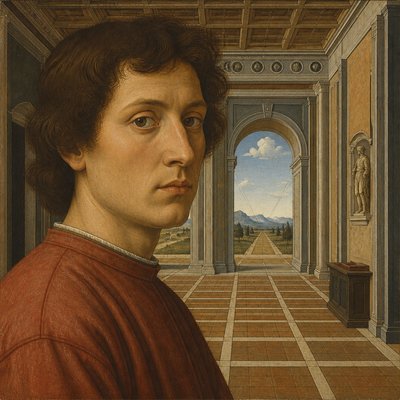
Leonardo-inspired portrait style with soft smoke-like transitions, muted earth tones, and timeless Renaissance atmosphere.
Instantly rendered in Sfumato Portrait Renaissance — or transform a photo
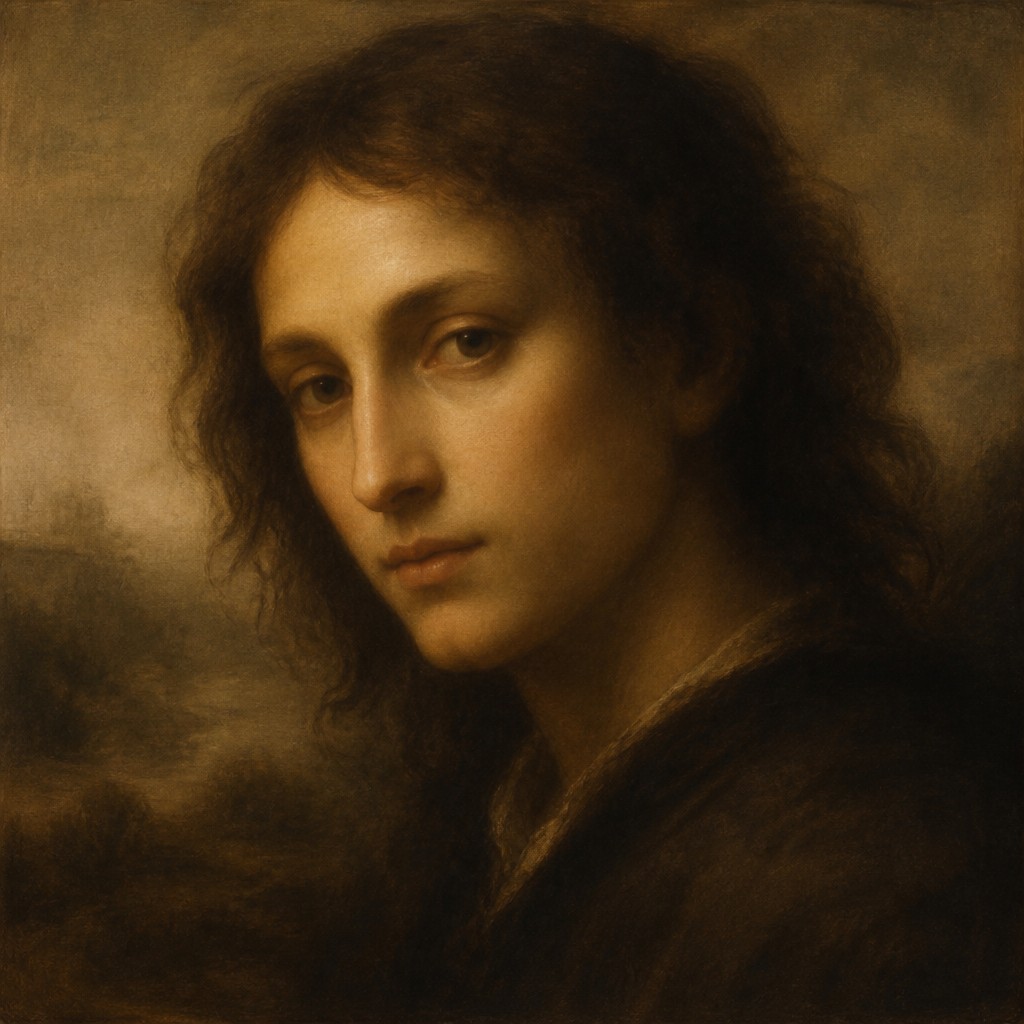
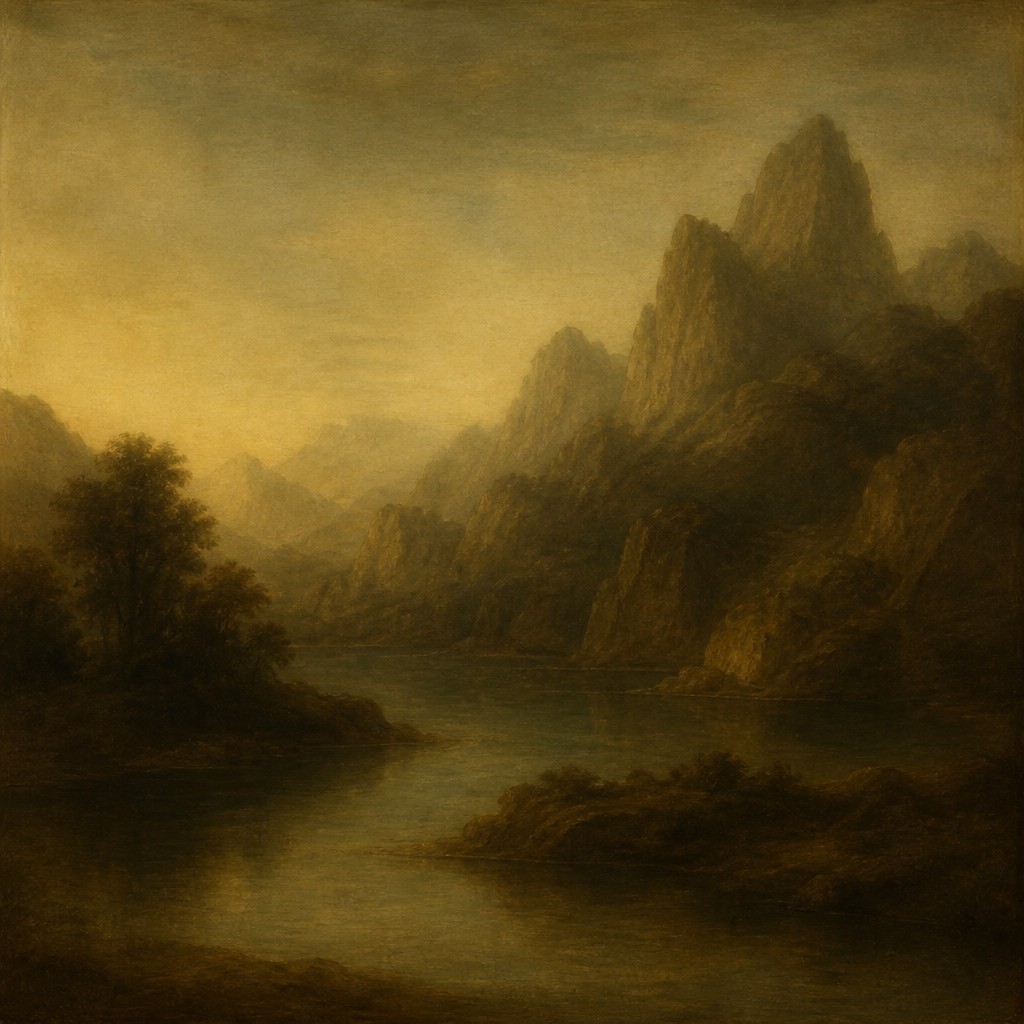
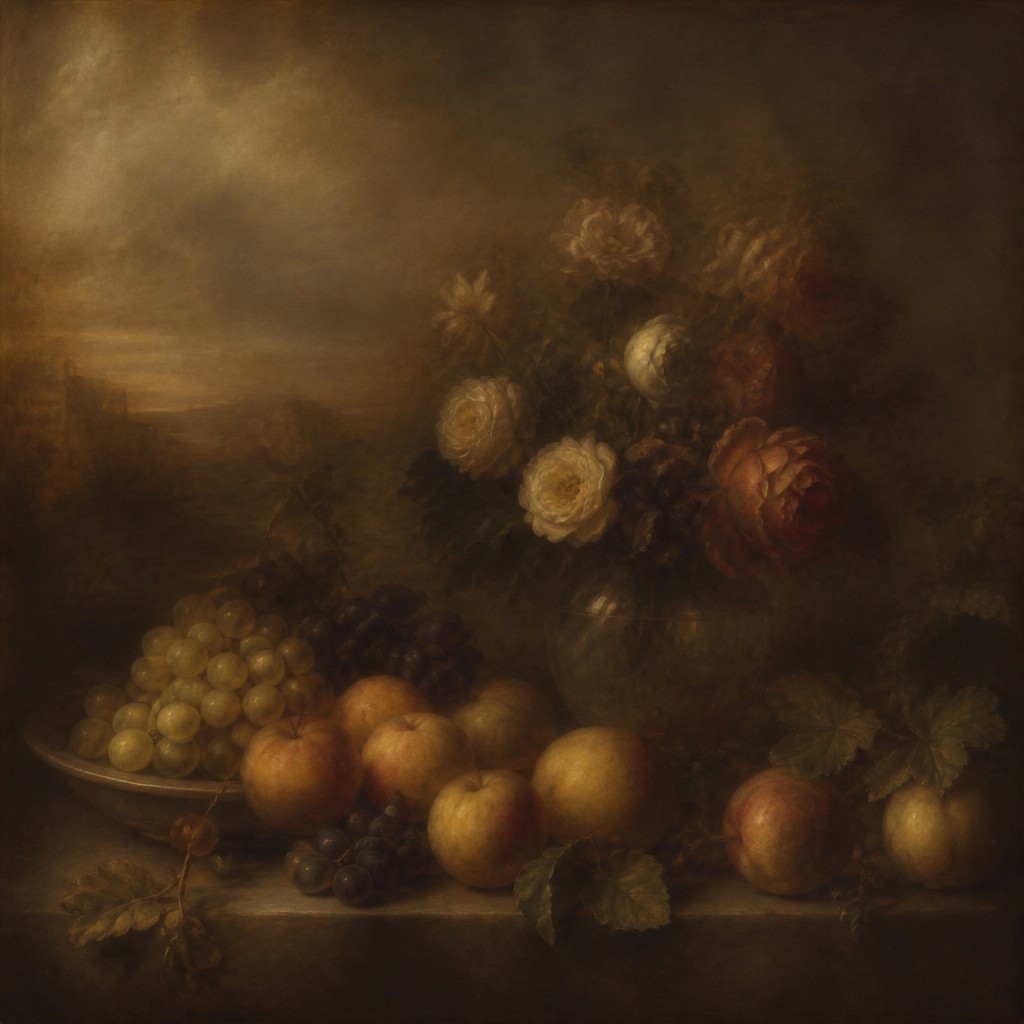
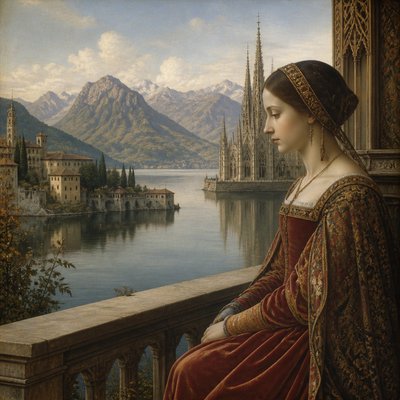
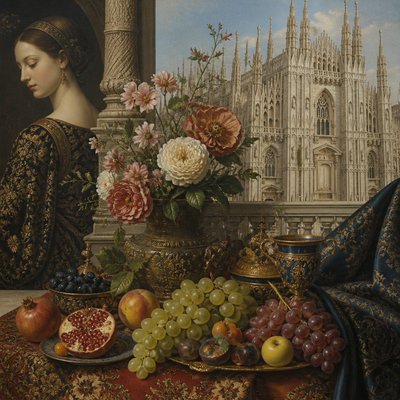
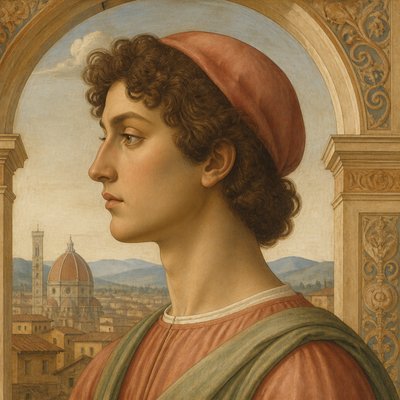
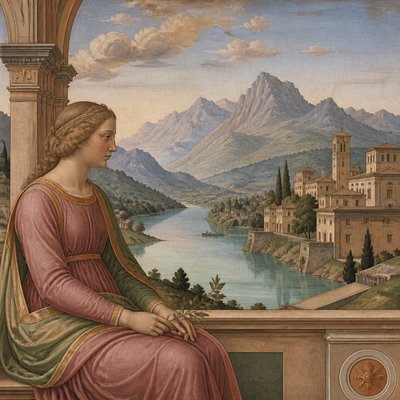
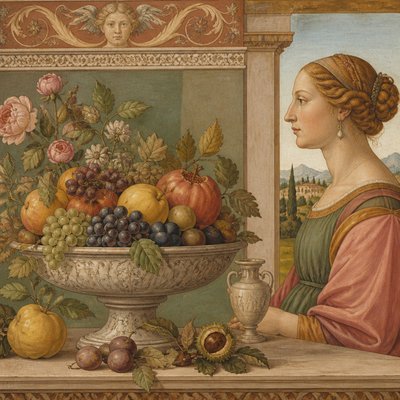
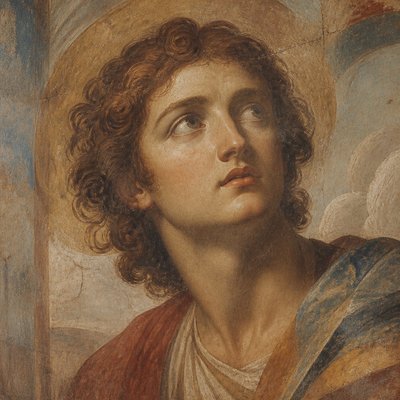
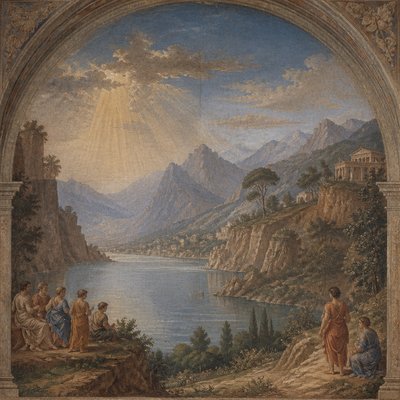
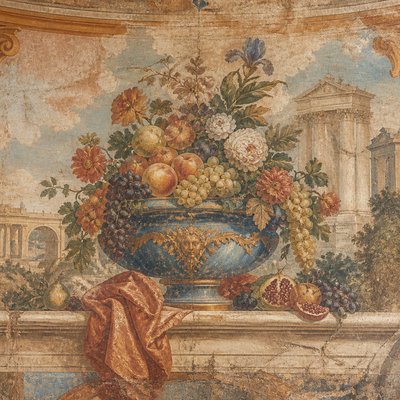
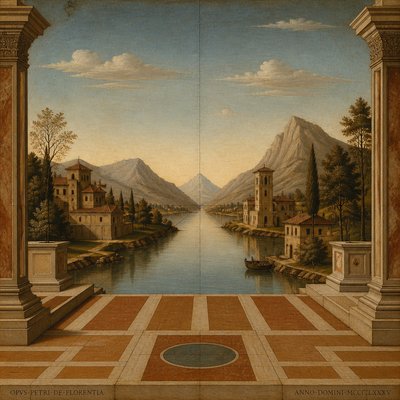
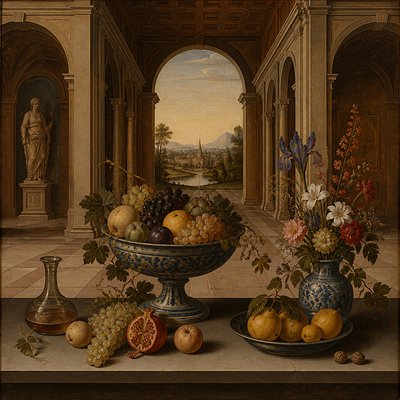
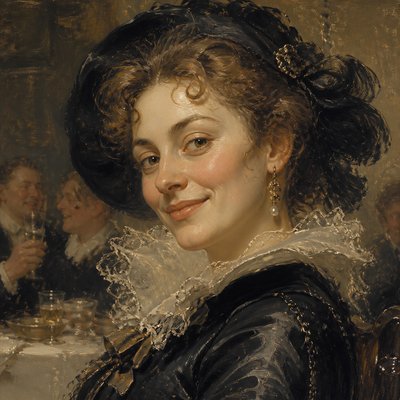
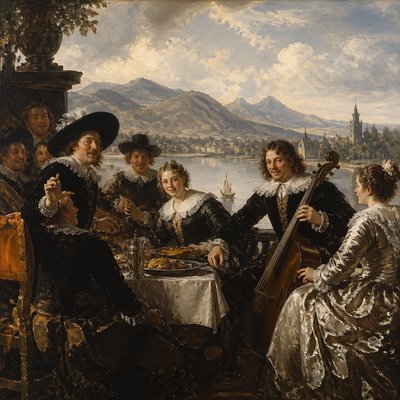
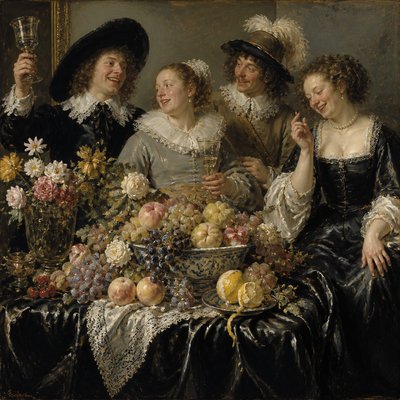
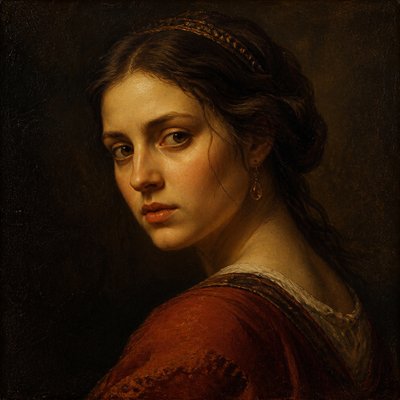
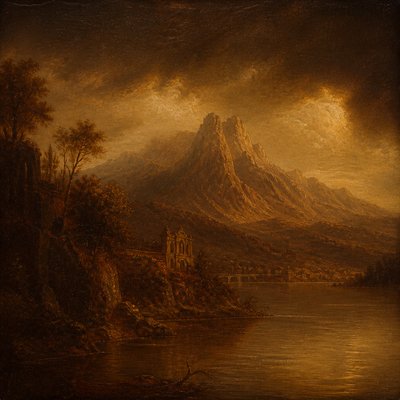
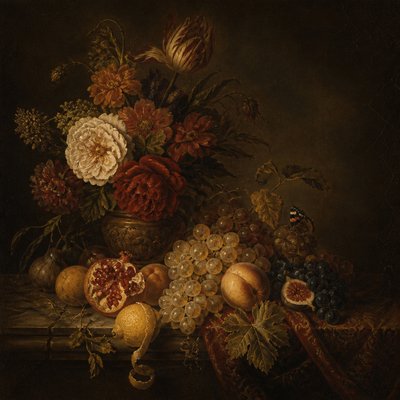
Sfumato Portrait Renaissance Gallery
Tap any artwork to explore it
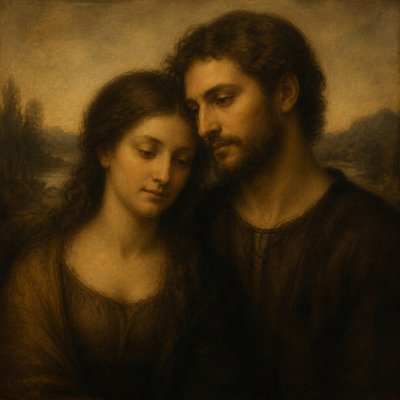
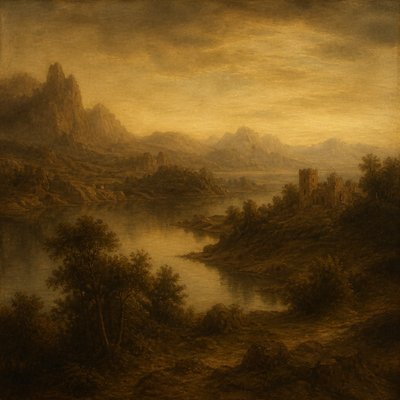
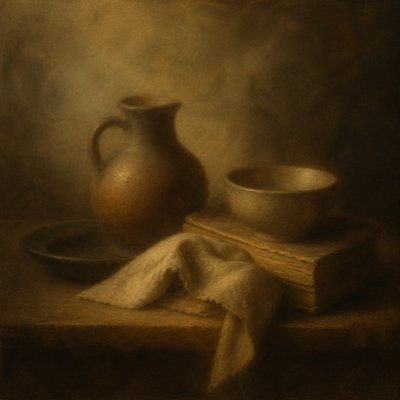
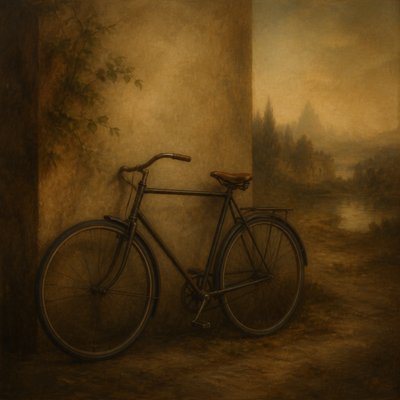
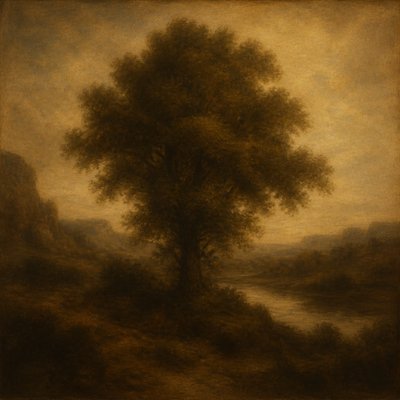
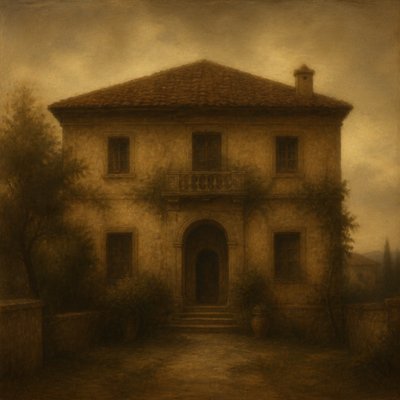
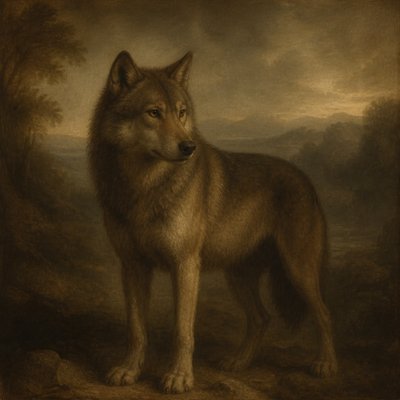
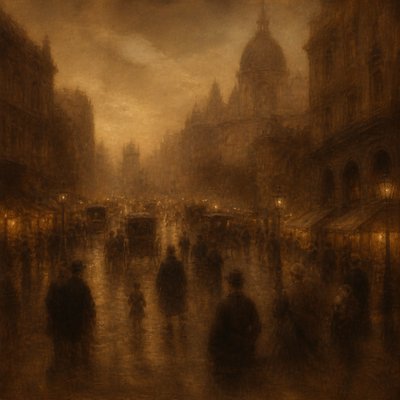
What is Sfumato Portrait Renaissance Art Style?
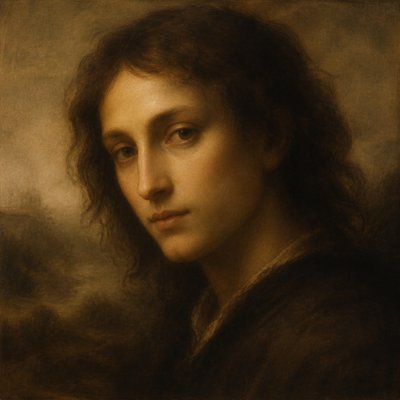
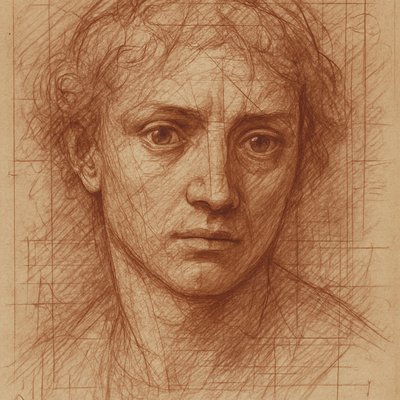
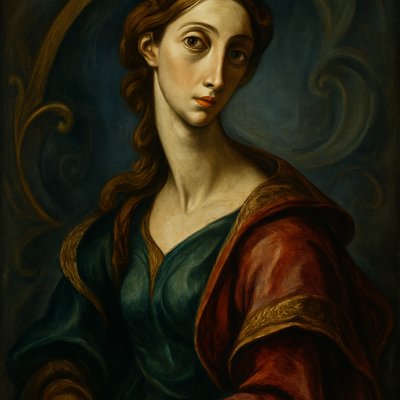
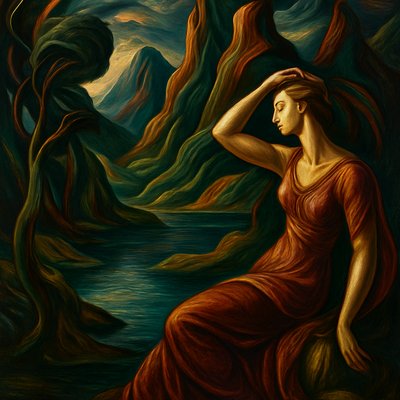
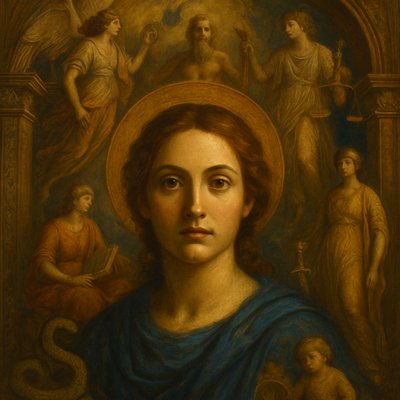
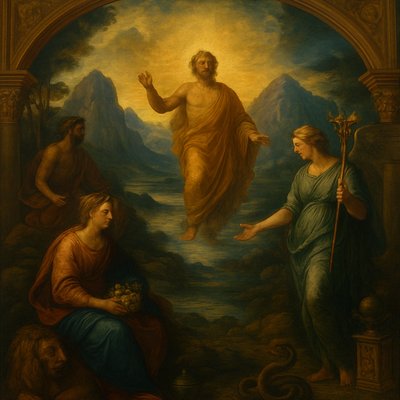
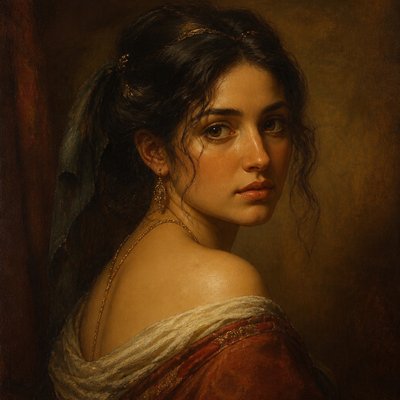
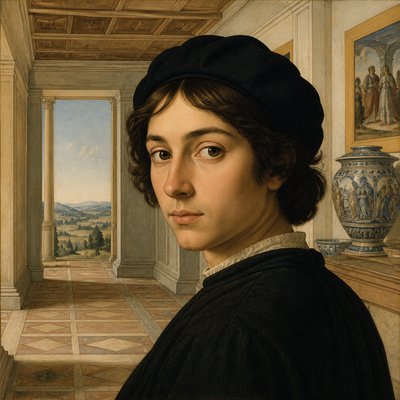
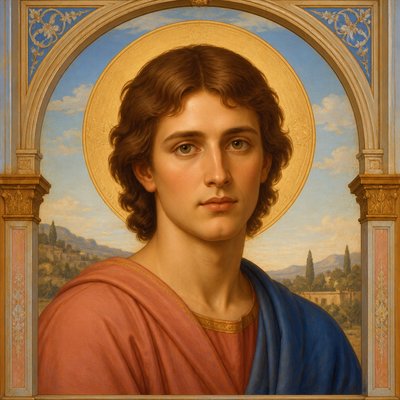
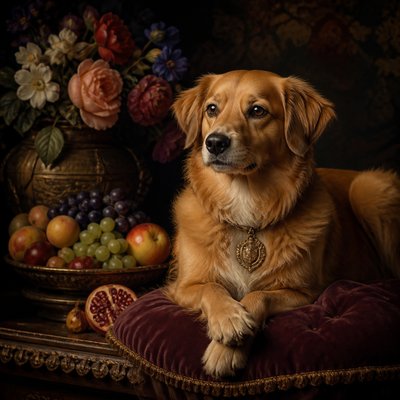
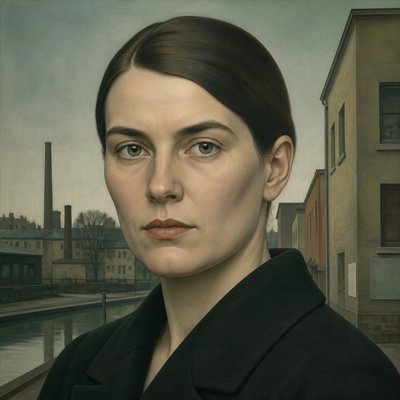
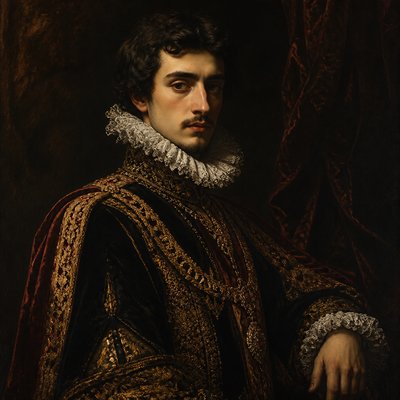
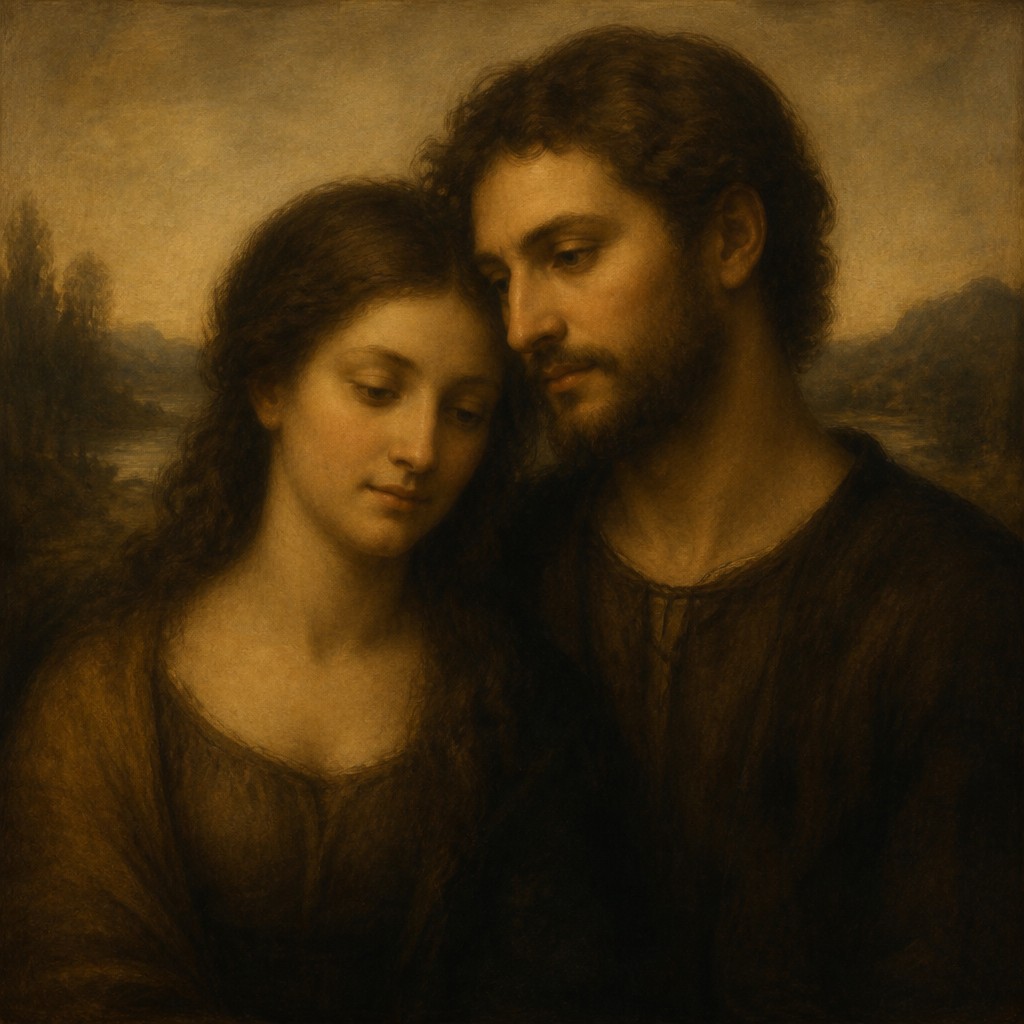
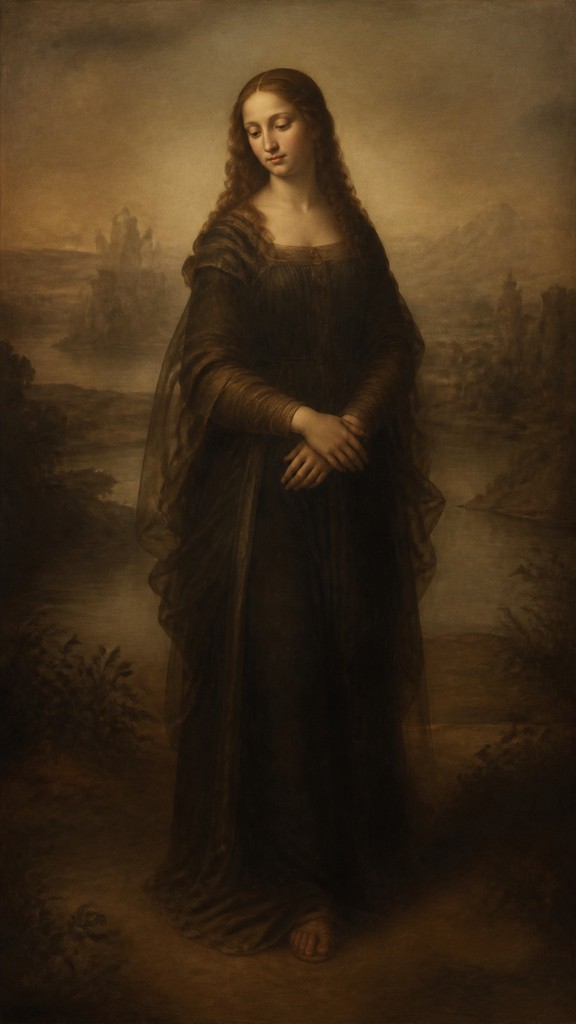
Sfumato portrait Renaissance art is a portrait style defined by the smoke-like modeling of form associated with a leading Italian Renaissance master. Instead of outlining features with visible contour lines, it builds the face and figure through extremely subtle tonal shifts, so edges seem to dissolve into one another. The result is a soft, lifelike presence that feels at once physical and elusive.
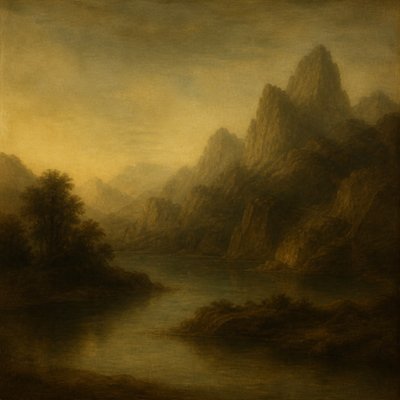
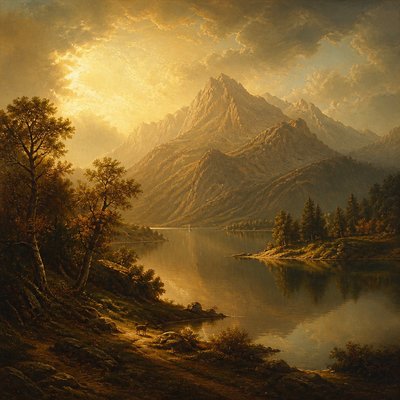
The style is closely associated with Renaissance oil painting, especially the mature work of that master, where light and shadow are fused through translucent glazes. In portraits, sfumato creates calm expressions, atmospheric depth, and an uncanny realism without sharp contrast. Because the transitions are so gradual, the image often appears quiet, contemplative, and timeless, with the sitter emerging from a haze rather than standing apart from it.
Try It On Your Photos
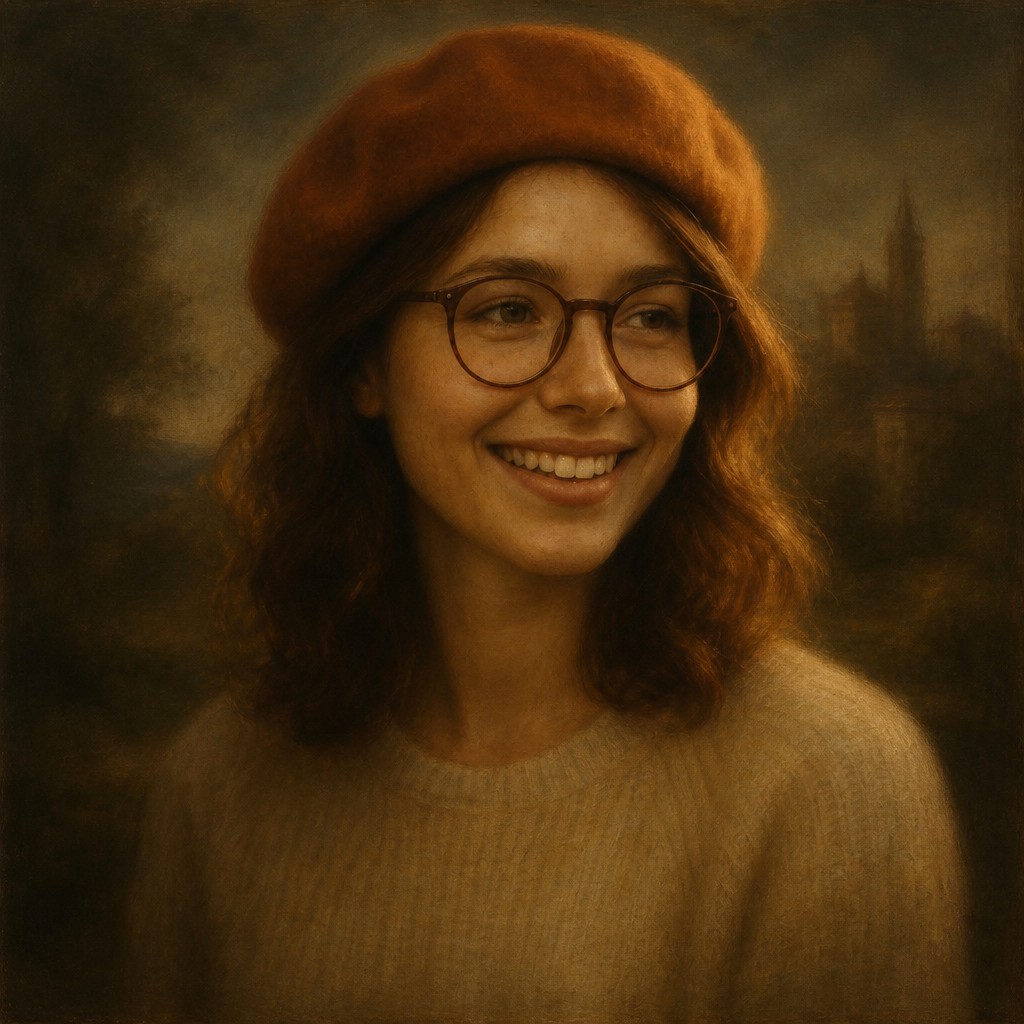
Upload any photo and convert it into Sfumato Portrait Renaissance Art Style — drag the sliders to compare before and after.


What Defines Sfumato Portrait Renaissance Art Style
The signature details, up close
No hard outlines
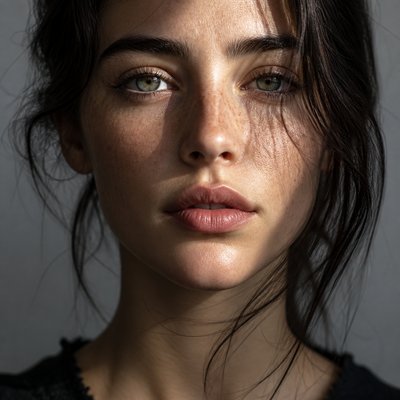
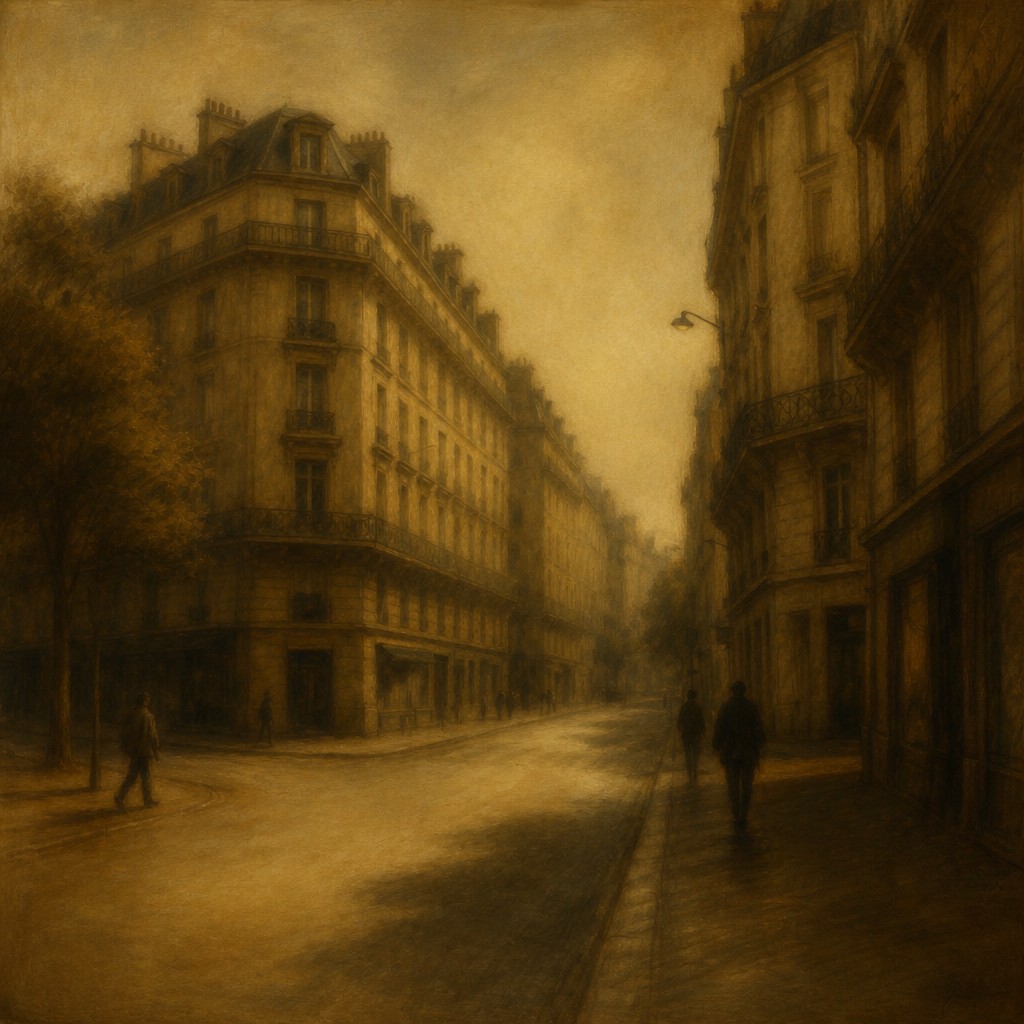
Forms are constructed without crisp contour lines. The edges of the face, hands, and clothing soften into the surrounding air, making the subject feel gently embedded in the image rather than cut out from it.
Smoke-like tonal transitions
The defining feature is the nearly imperceptible shift from light to shadow. These gradations are so gradual that the surface appears to breathe, which is why the style feels atmospheric and luminous.
Muted Renaissance palette
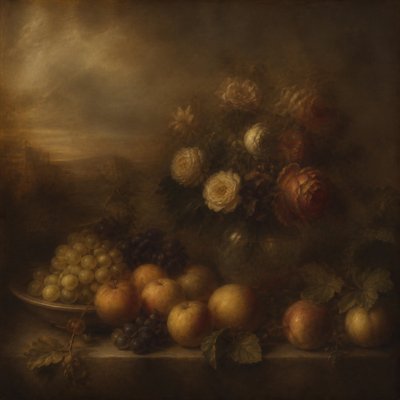
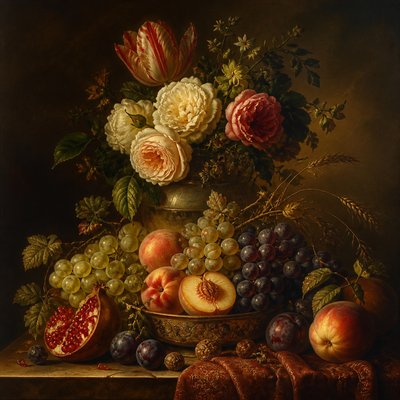
Colors are usually restrained: umber, sienna, ochre, subdued flesh tones, and deep shadowed browns. Bright hues are uncommon, and the palette supports a quiet, naturalistic mood.
Translucent oil layering
Traditional sfumato relies on thin glazes and careful buildup of value. Multiple transparent layers allow depth to accumulate slowly, producing a velvety finish with no visible brushwork.
Soft chiaroscuro
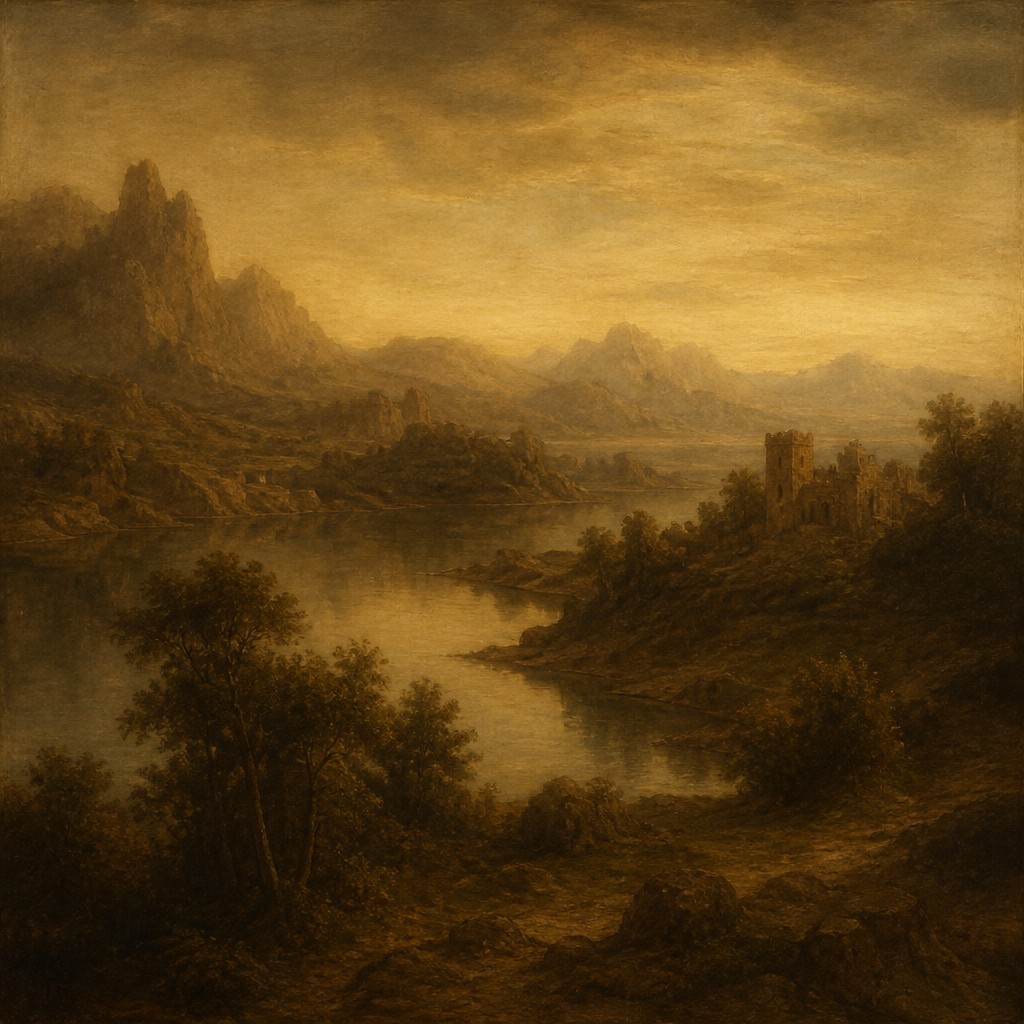
Light and dark are present, but not in dramatic contrast. Shadows gently envelop the subject, while highlights emerge gradually, creating volume without theatrical sharpness.
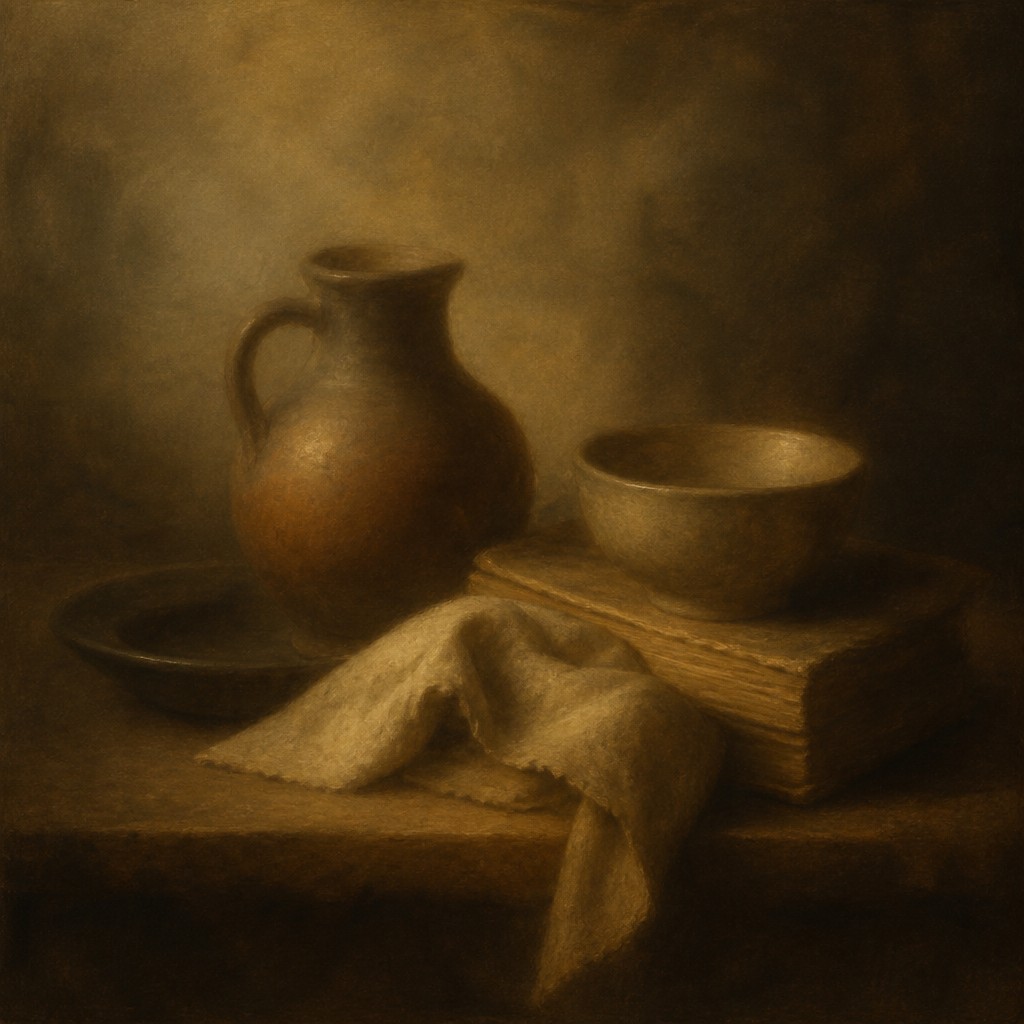
Enigmatic expression
Portraits in this mode often suggest inner life rather than overt emotion. The sitter may appear reflective, distant, or emotionally ambiguous, which adds to the work’s lasting appeal.
Try It
Create Videos in Sfumato Portrait Renaissance Art Style
Styles aren't just for stills — describe a scene or animate an image and get a short video rendered in Sfumato Portrait Renaissance. Press play to see this pond come to life.
Make a VideoSfumato Portrait Renaissance Prompt Ideas
Start from an idea — each one opens the generator with the style ready to go. See all 40 Sfumato Portrait Renaissance prompts →
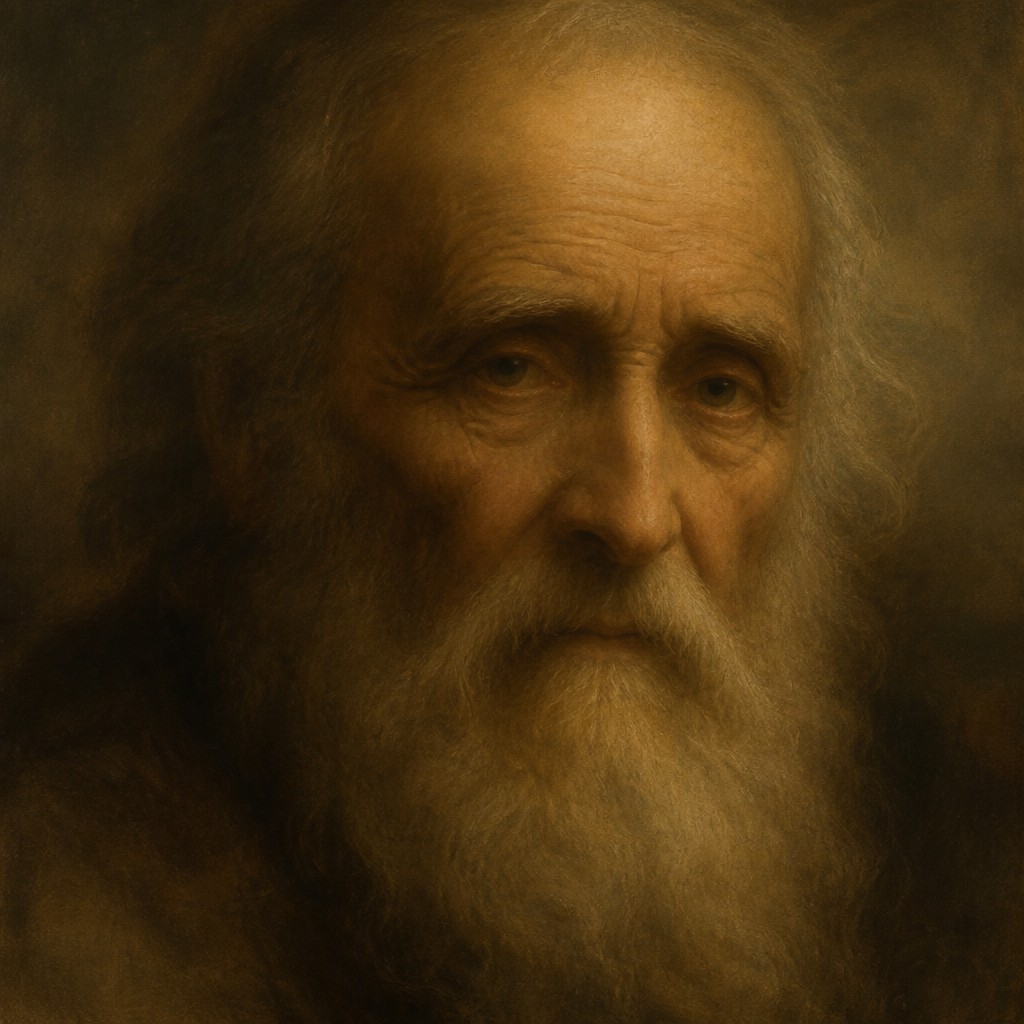
“close-up portrait of an elderly person with expressive weathered features”
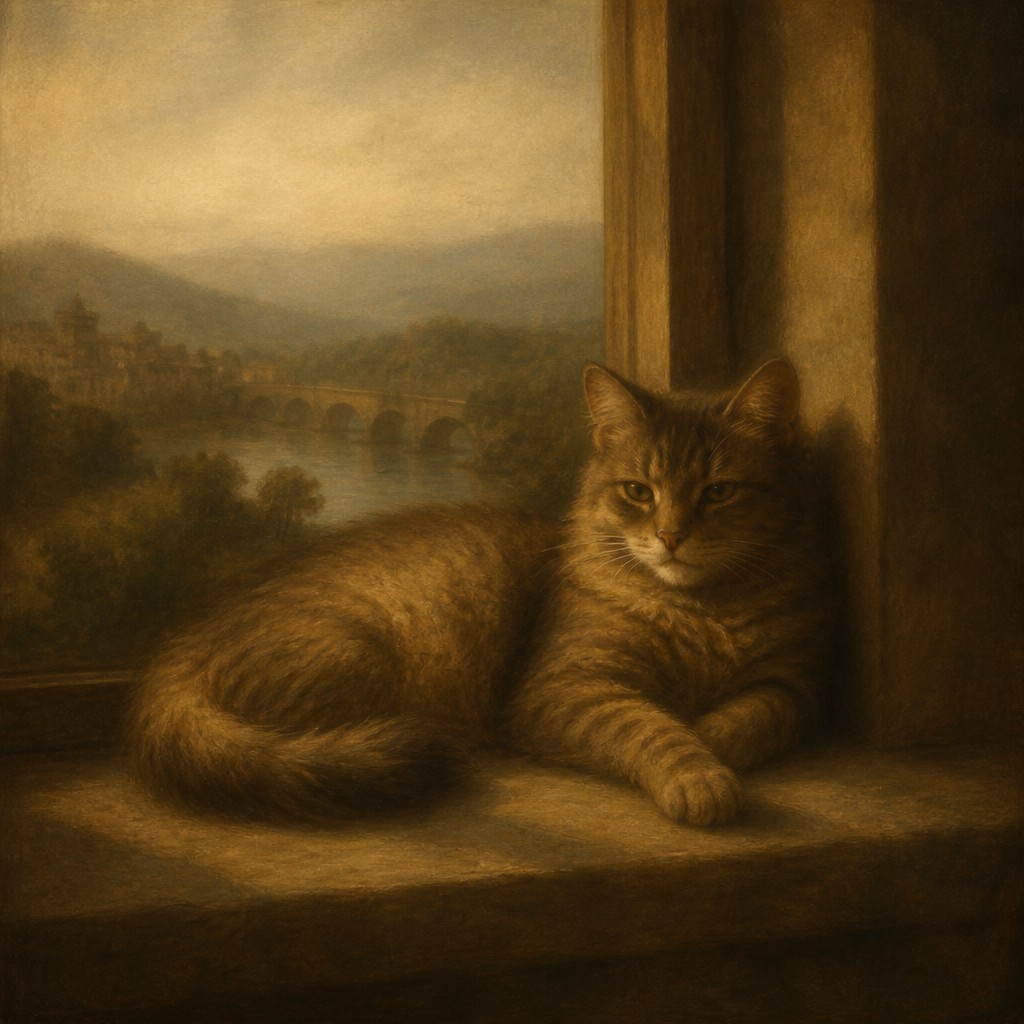
“a cat lounging in a sunlit window”
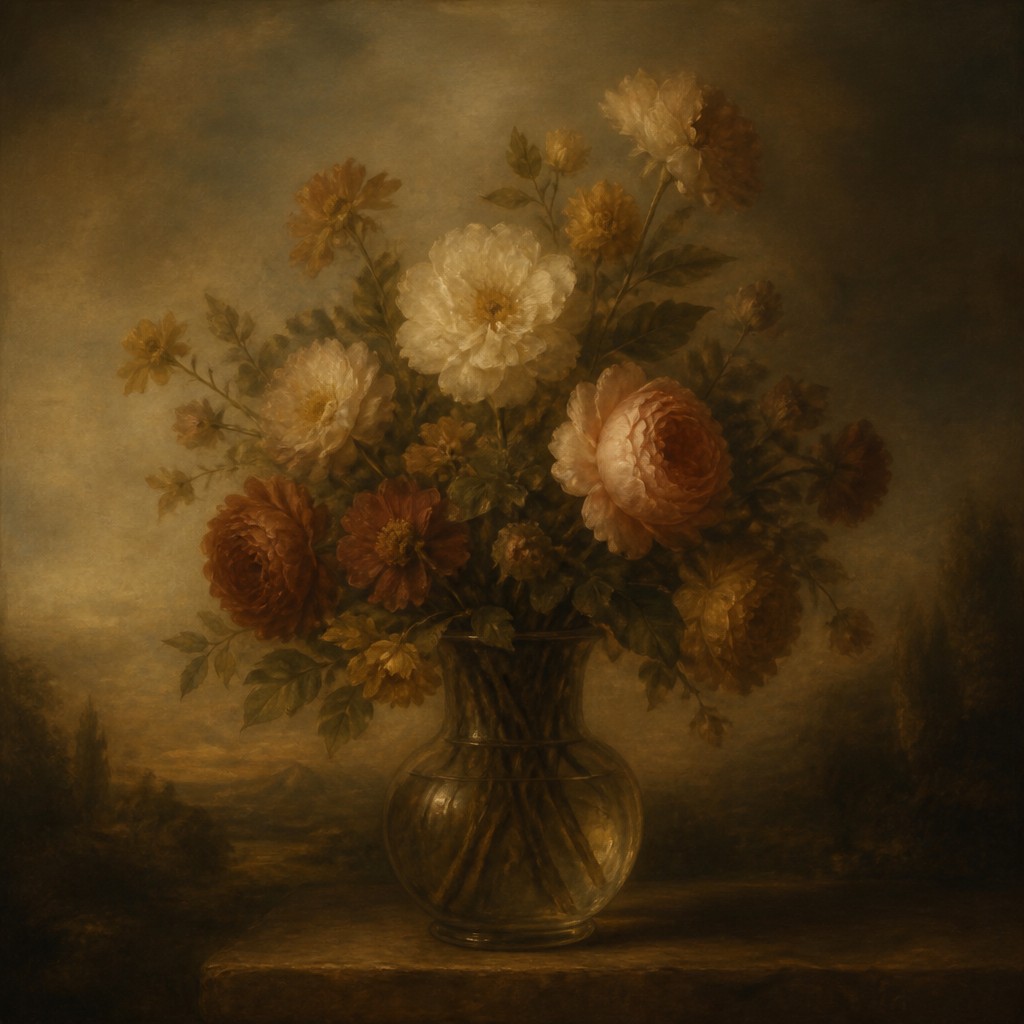
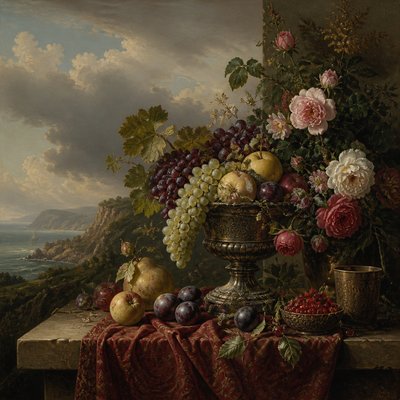
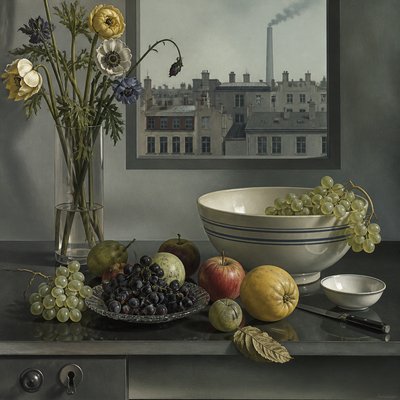
“bouquet of flowers in a glass vase”
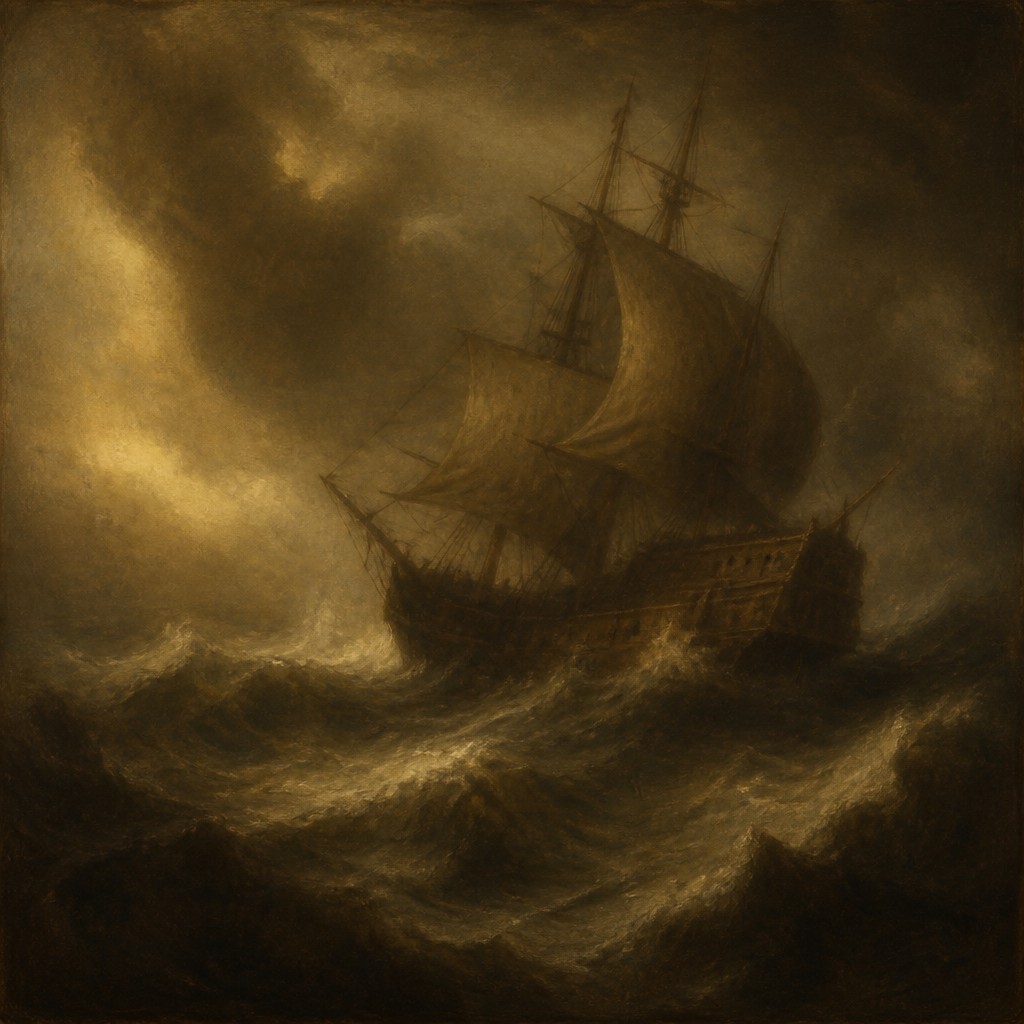
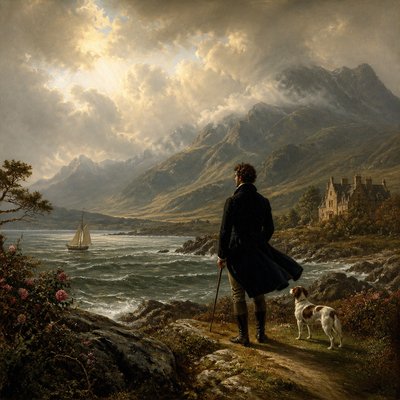
“sailing ship on a stormy sea”
How to Create Sfumato Portrait Renaissance Art
Master the craft step by step — or skip straight to creating. Read the full guide →
- 1
Model forms with value, not line
In traditional painting, block in the portrait as soft masses of light and shadow instead of drawing contour outlines. In digital work, avoid hard edges on facial features; use low-opacity brushes and gradual blending to preserve the smoke-like transition.
- 2
Use thin layers and controlled glazing
Build the skin, shadows, and background in many translucent passes rather than opaque strokes. This layered approach is essential to the deep, velvety finish associated with Renaissance oil painting.
- 3
Keep the palette restrained
Choose earth pigments and muted neutrals rather than saturated colors. Small shifts in warm and cool values matter more than strong chroma, especially in the cheeks, lips, and shadowed planes of the face.
- 4
Soften the background and edges
Let the figure merge gently into a dark or atmospheric ground. In portraits, the transition around hair, jawline, and hands should be especially subtle so the subject seems to emerge from haze.
- 5
Prompt for atmosphere and old-master finish
For text-to-image generation, specify gradual tonal modeling, translucent oil glazes, soft chiaroscuro, and invisible brushwork. Avoid words that imply sharp linework, graphic contrast, or crisp modern rendering.
- 6
Preserve anatomical realism
Even when the image is soft, the underlying structure should be carefully observed: proportions, bone planes, and facial symmetry must still read convincingly. The effect depends on realism under restraint, not on blur alone.
The Story
History & Origins of Sfumato Portrait Renaissance
Sfumato developed in the Italian Renaissance, especially in the late 15th and early 16th centuries, as painters refined oil technique and explored more naturalistic ways to represent form. The central Renaissance master associated with the method established sfumato as a hallmark of subtle modeling, soft atmosphere, and psychological ambiguity. The term itself comes from the Italian for "smoked" or "evaporated," referring to the way contours seem to disappear into shadow and light.
The technique is part of a broader Renaissance interest in observation, anatomy, optics, and the behavior of light. While that leading Renaissance master is the most famous practitioner, sfumato also influenced later artists who admired his muted transitions and atmospheric realism. In contemporary usage, the style often functions as a shorthand for Leonardo-inspired portraiture: old-master softness, restrained color, and form created through layers rather than visible line.
Influences: This style draws most directly from the portrait practice of a leading Italian Renaissance master, especially the pursuit of atmospheric realism and subtle modeling. It also relates to broader Renaissance oil painting traditions that emphasized observation, anatomical study, and the careful use of glazes, while sharing some concerns with Venetian tonal painting. In historical discussions, that Renaissance master is the key reference point; other Renaissance painters may use soft modeling, but sfumato is most strongly and specifically identified with his work.
Frequently Asked Questions
What does sfumato mean in portrait painting?
Sfumato is a technique in which transitions between light and shadow are softened so much that edges seem to vanish. In portraiture, this creates a misty, velvety effect and makes the face feel lifelike without hard outlines. The term comes from Italian and literally suggests something smoked or evaporated.
How is sfumato different from chiaroscuro?
Chiaroscuro refers to the use of light and dark to model volume and create drama. Sfumato is narrower and more specific: it is about the softness of the transition between those tones. A work can use both, but sfumato emphasizes gradual blending rather than strong contrast.
Which artist is most associated with sfumato?
The canonical Italian Renaissance master associated with sfumato is the central artist figure in this tradition. His portraits, including the Mona Lisa, are famous for their soft contours, atmospheric depth, and nearly imperceptible tonal shifts. That association is so strong that the style is often described as Leonardo-inspired.
Is sfumato the same as blur?
No. Blur simply reduces sharpness, while sfumato is a deliberate painterly method for constructing form through layered tonal gradation. The subject still remains anatomically defined and highly controlled; the softness is structured, not accidental.
What subjects work best in this style?
Portraits are the classic subject because sfumato is especially effective at modeling skin, expression, and psychological presence. It can also be used for hands, bust-length figures, and quietly lit scenes, but the effect is strongest when the image centers on a human face.
How can I make a modern image look sfumato?
Use muted earth colors, soft light, and subtle edge transitions. Reduce contrast, avoid visible linework, and let the subject emerge from a dark or atmospheric background. If you are writing a prompt, include terms like translucent glazes, soft chiaroscuro, and invisible brushwork.
Create your first Sfumato Portrait Renaissance artwork
Describe anything — or upload a photo — and see it in Sfumato Portrait Renaissance Art Style in seconds.
Make Something with Sfumato Portrait Renaissance
Compare Sfumato Portrait Renaissance
Related Styles
Discover similar art styles