Renaissance Portrait Art Style
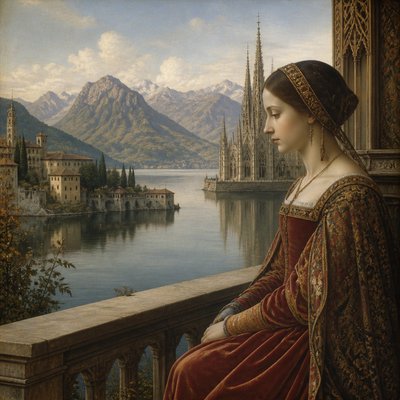
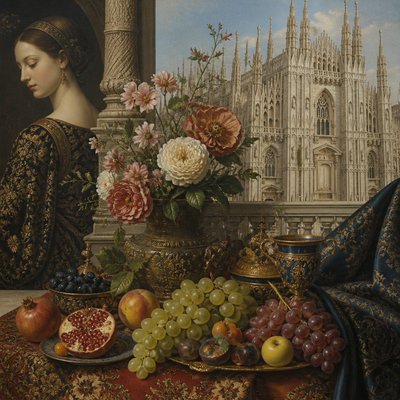
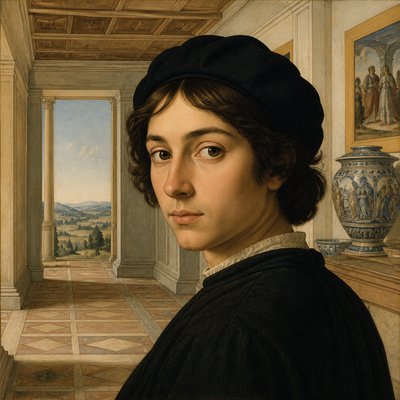
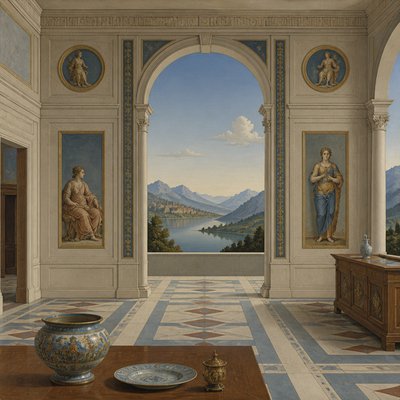
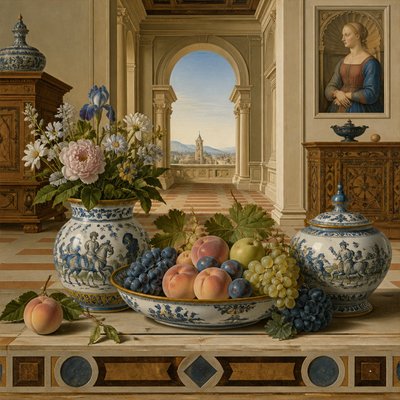
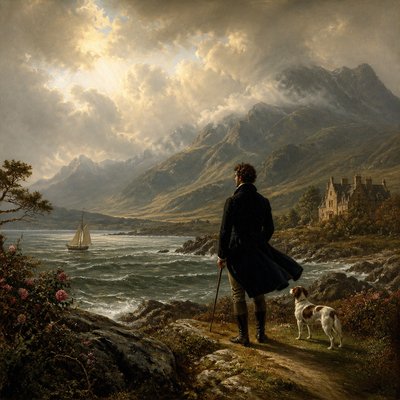
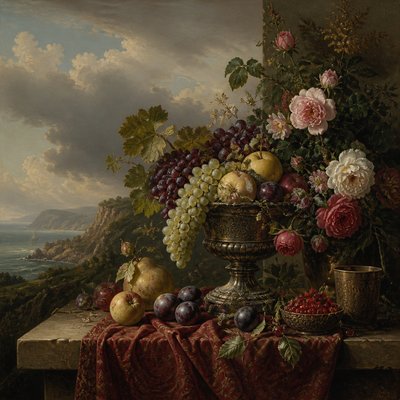
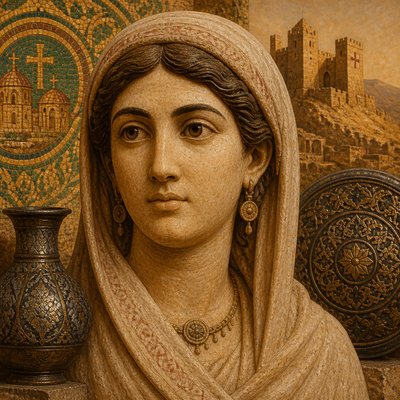
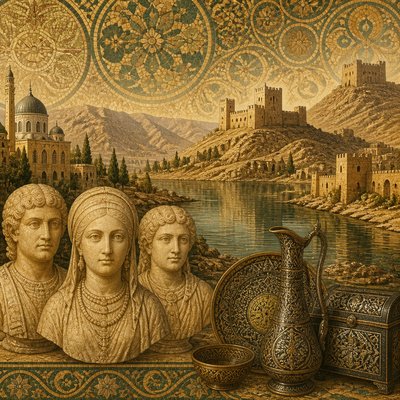
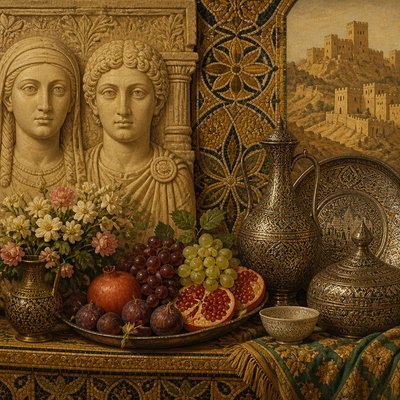
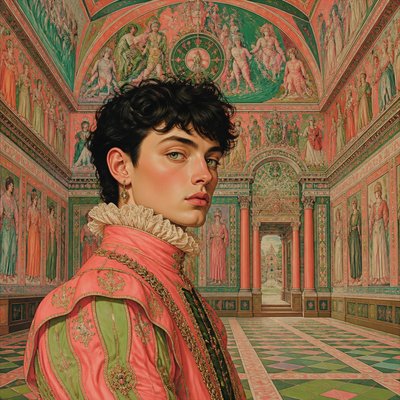
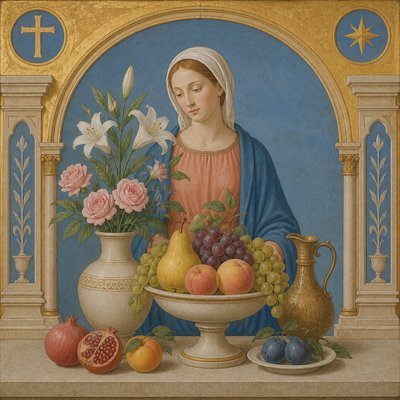
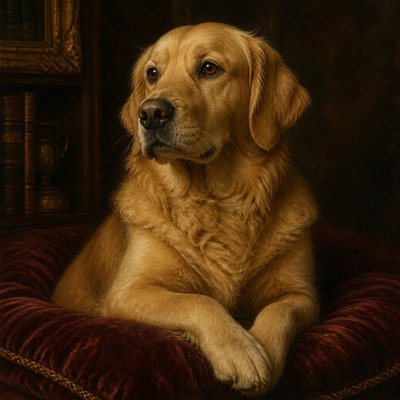
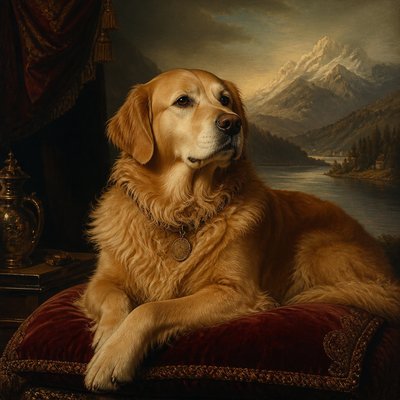
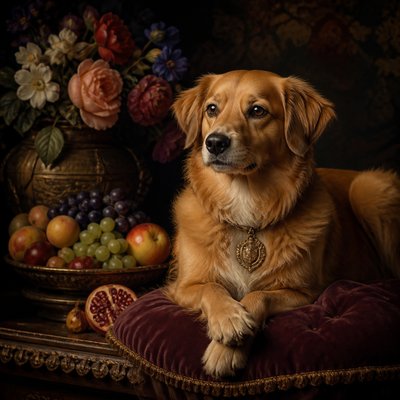
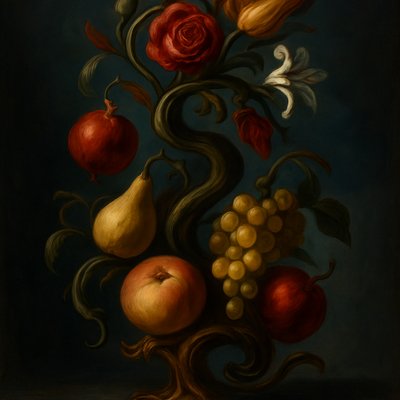
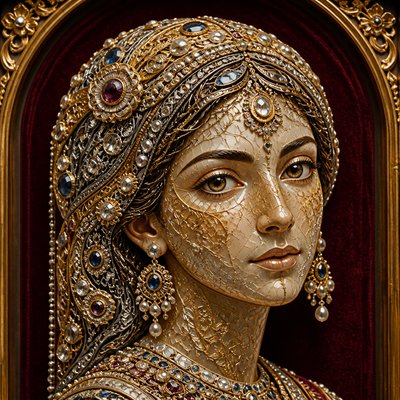
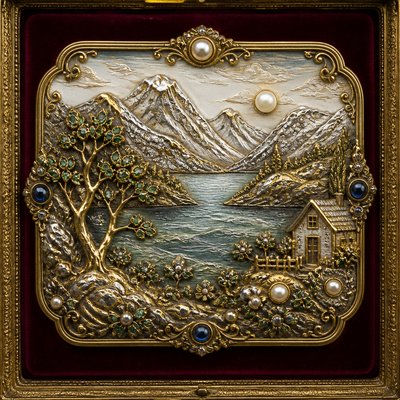
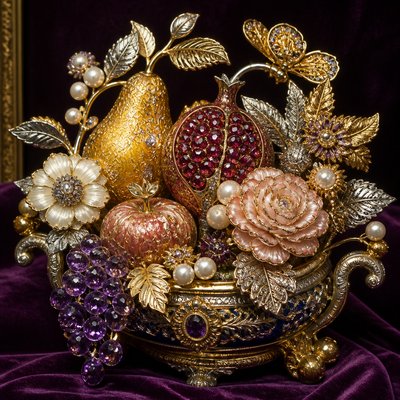
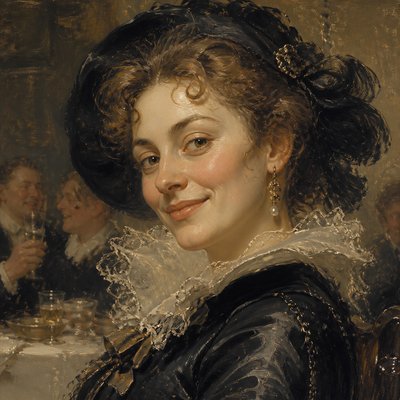
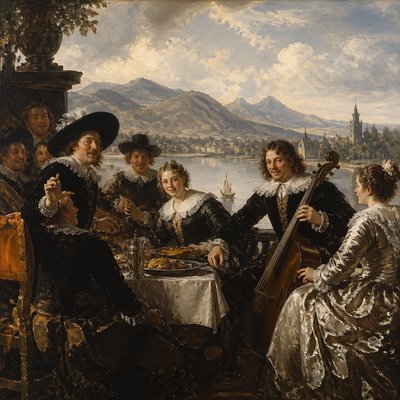
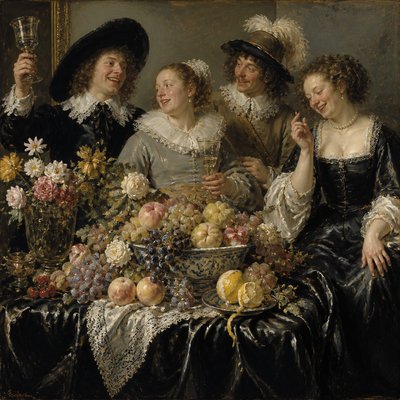
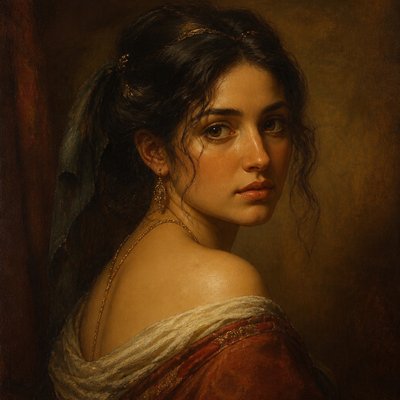
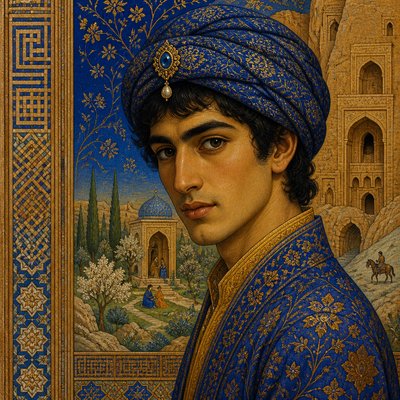
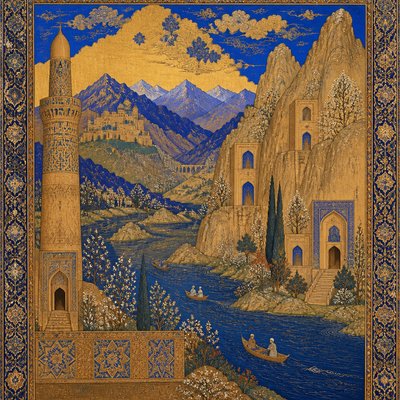
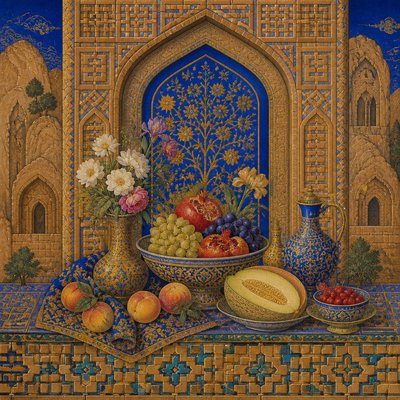
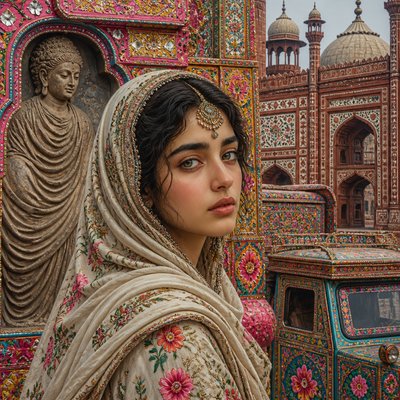
Classical oil portraits with sfumato, chiaroscuro, three-quarter poses, and symbolic detail inspired by Renaissance painting.
Instantly rendered in Renaissance Portrait — or transform a photo
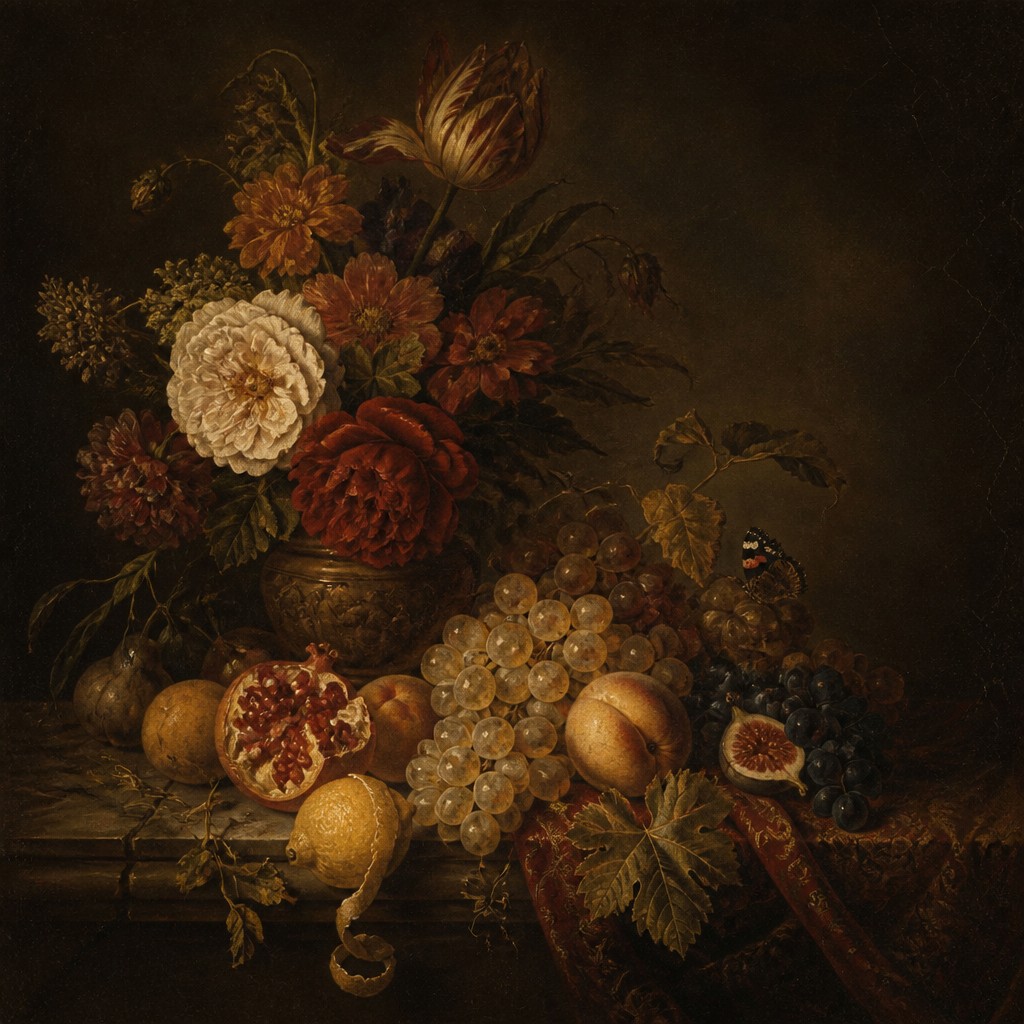
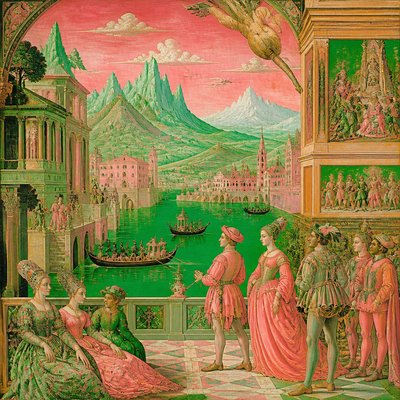
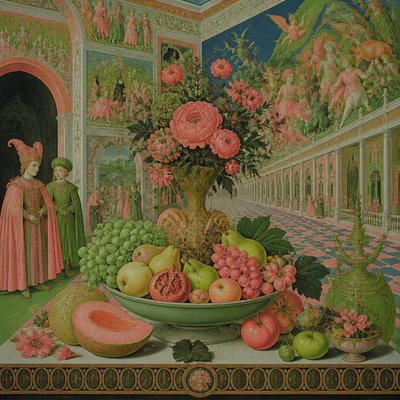
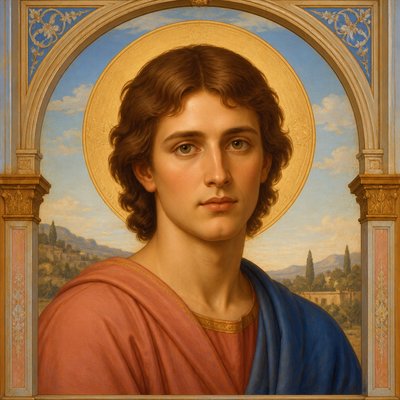
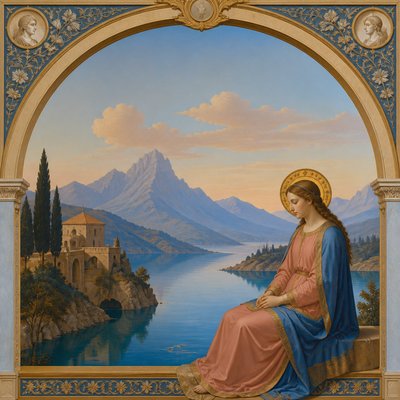
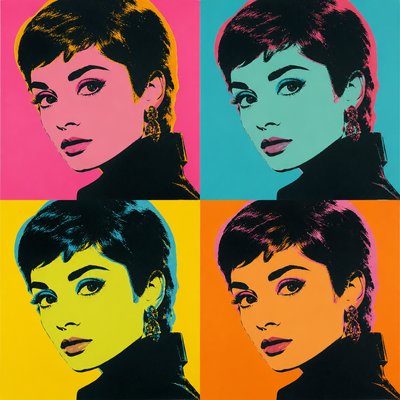
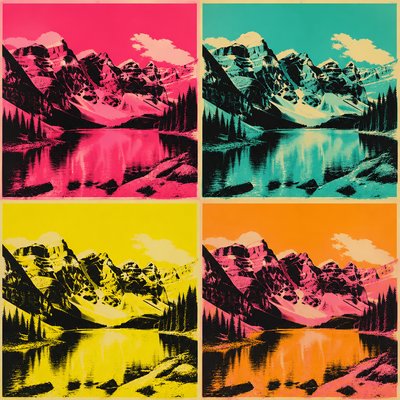
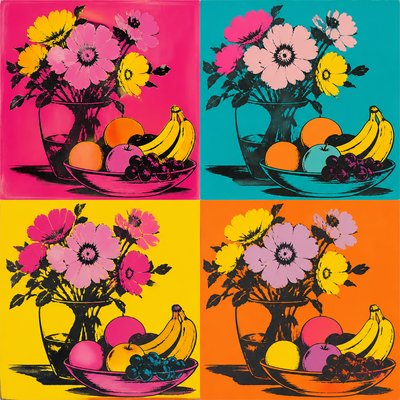
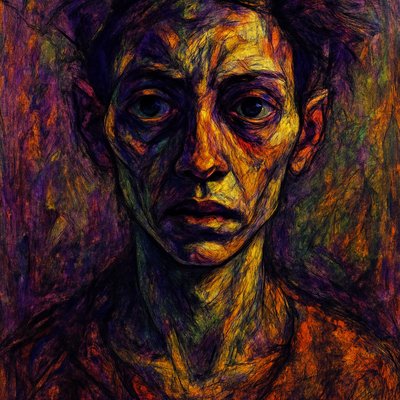
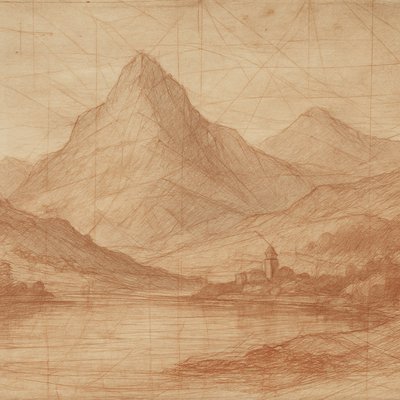
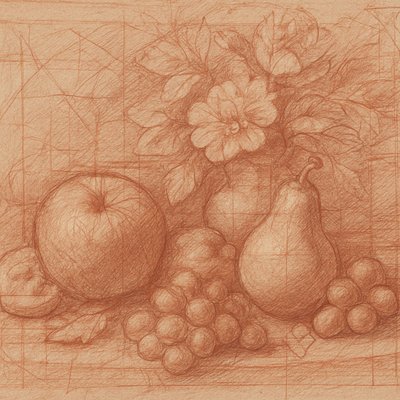
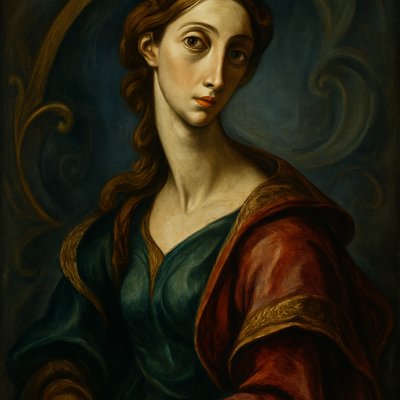
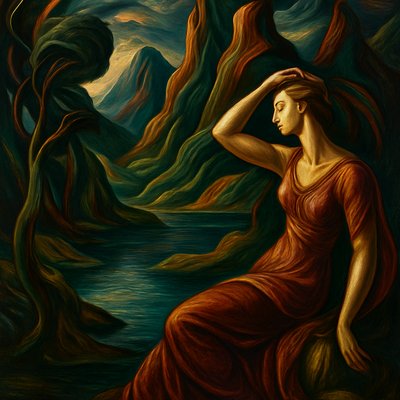
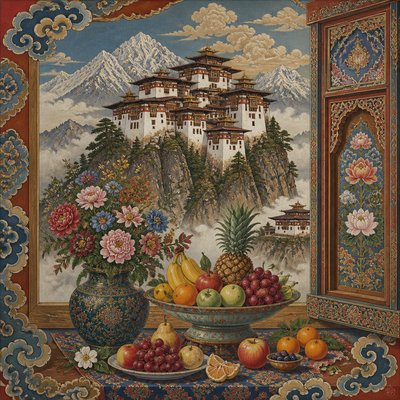
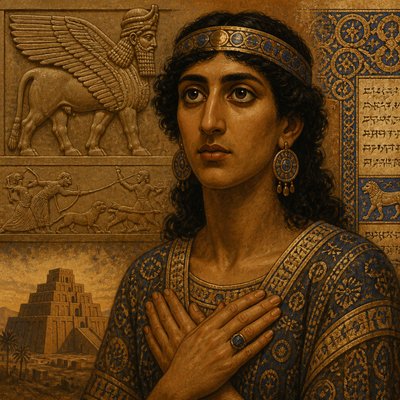
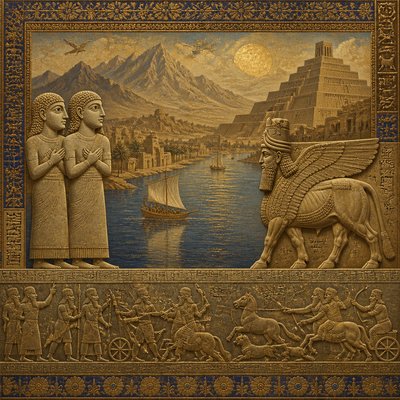
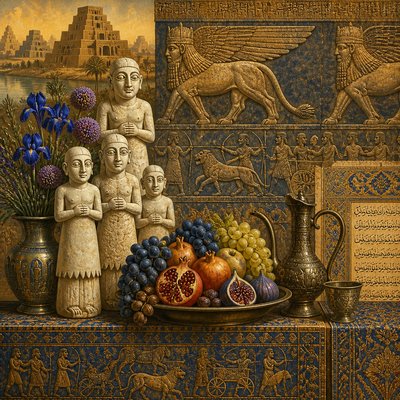
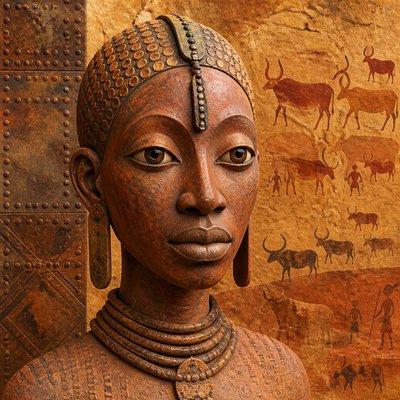
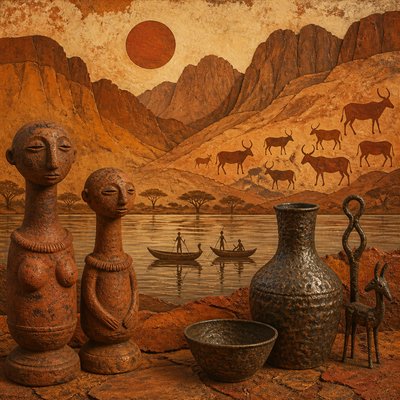
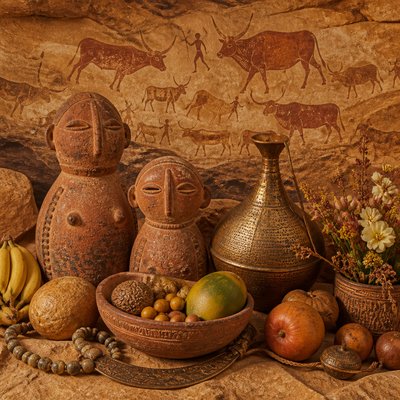
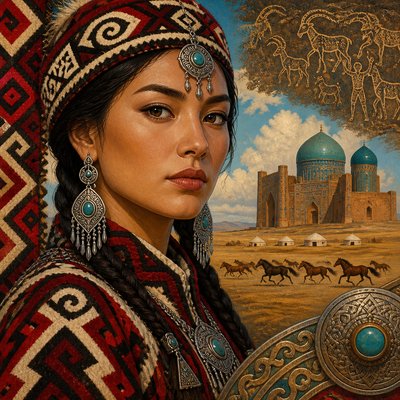
Renaissance Portrait Gallery
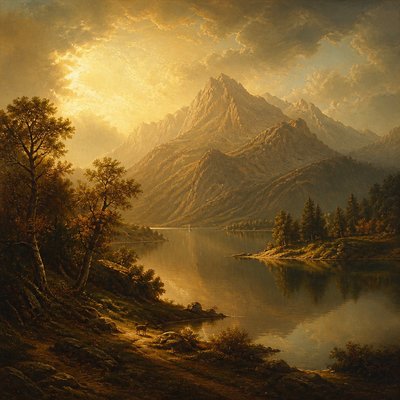
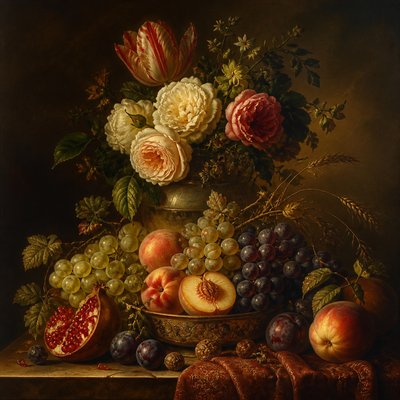
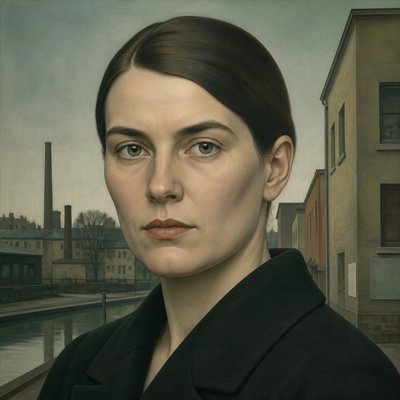
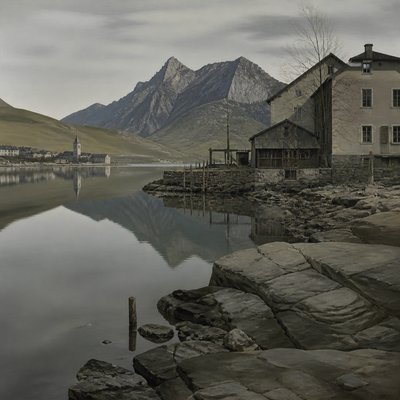
Tap any artwork to explore it
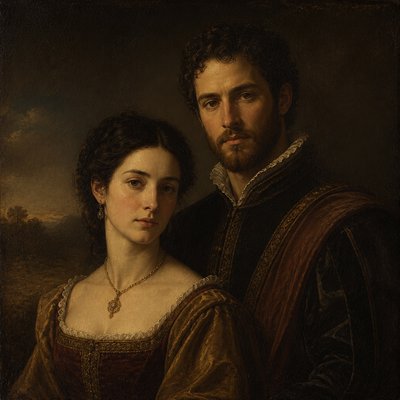
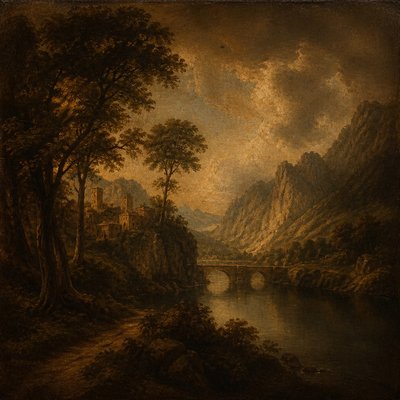
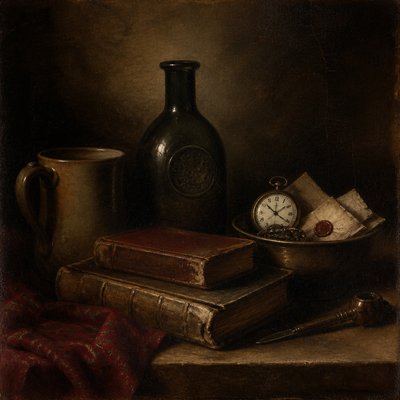
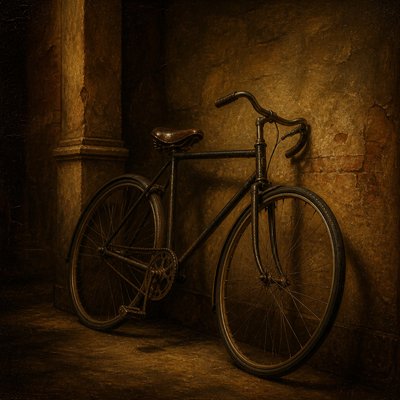
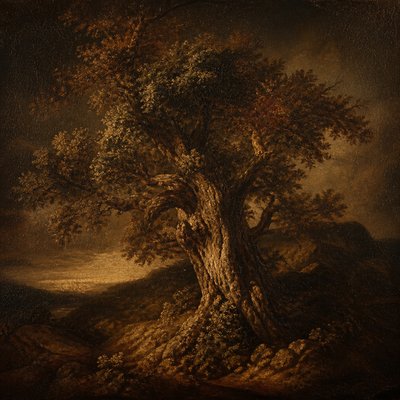
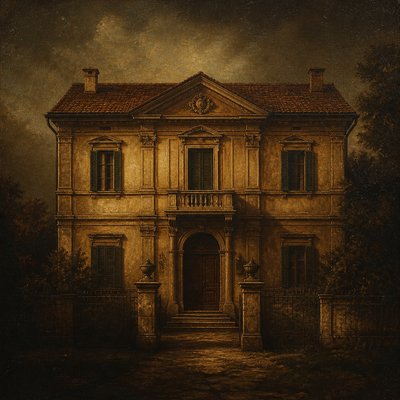
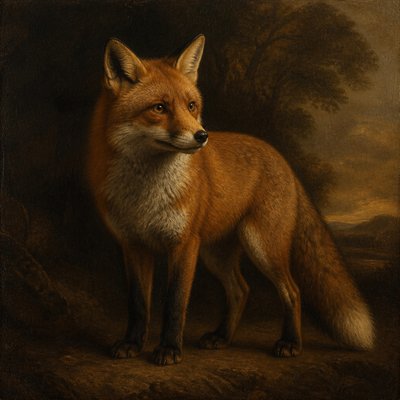
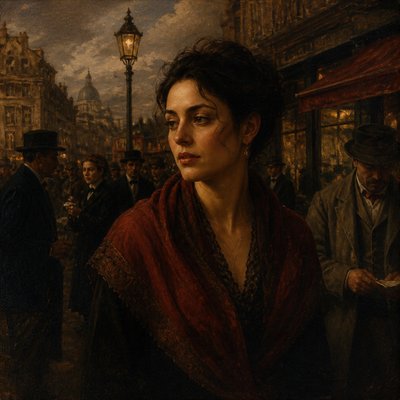
What is Renaissance Portrait Art Style?
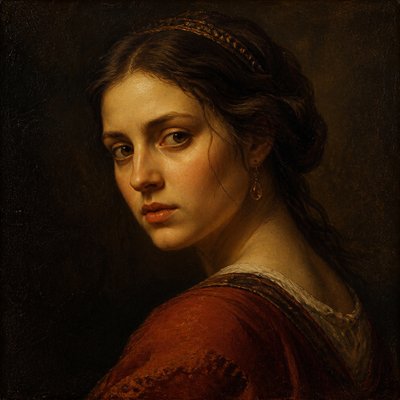
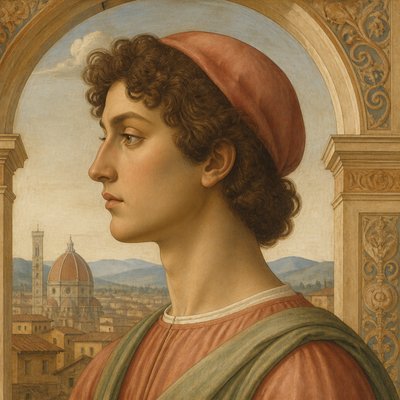
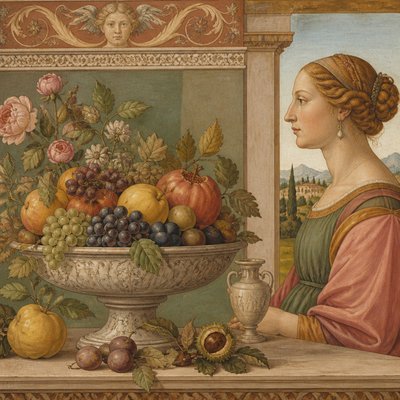
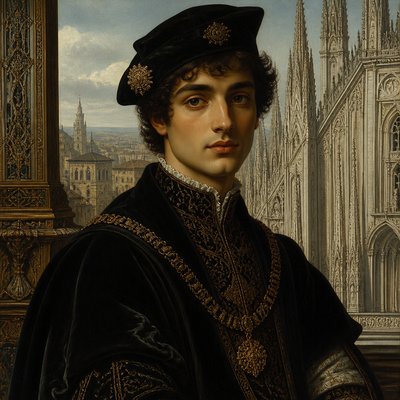
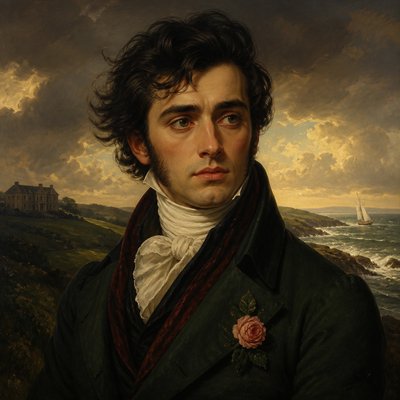
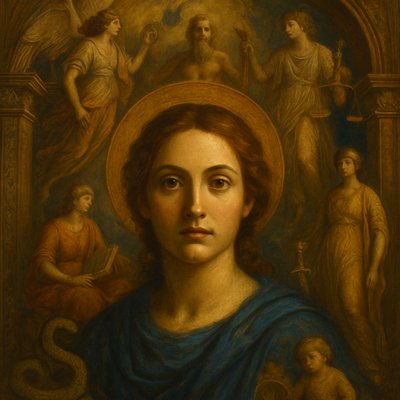
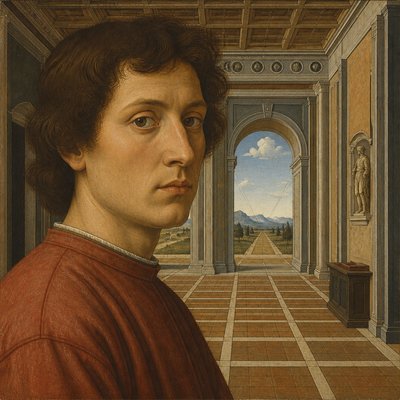
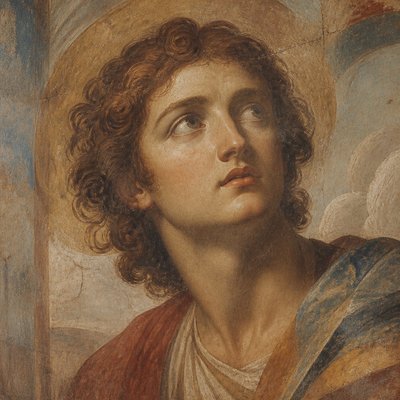
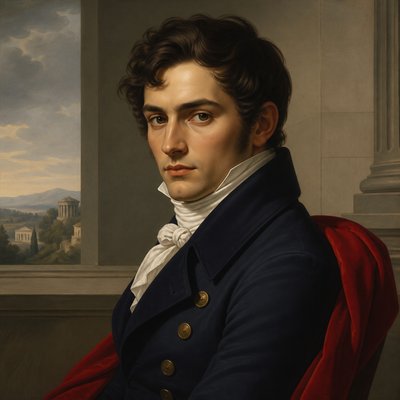
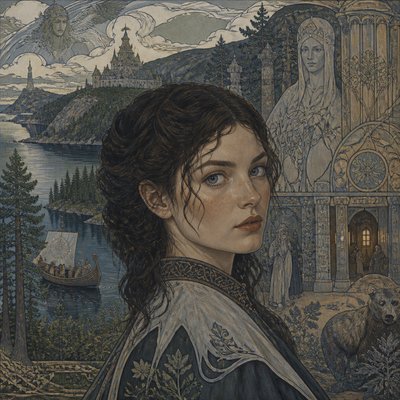
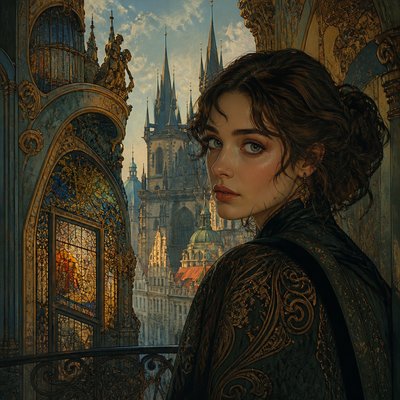
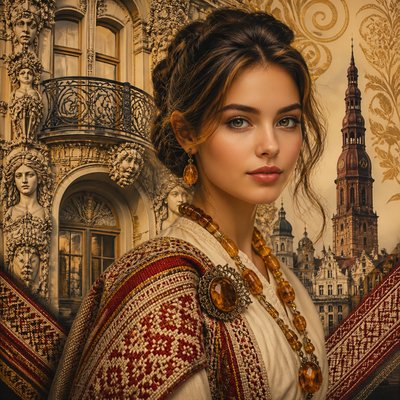
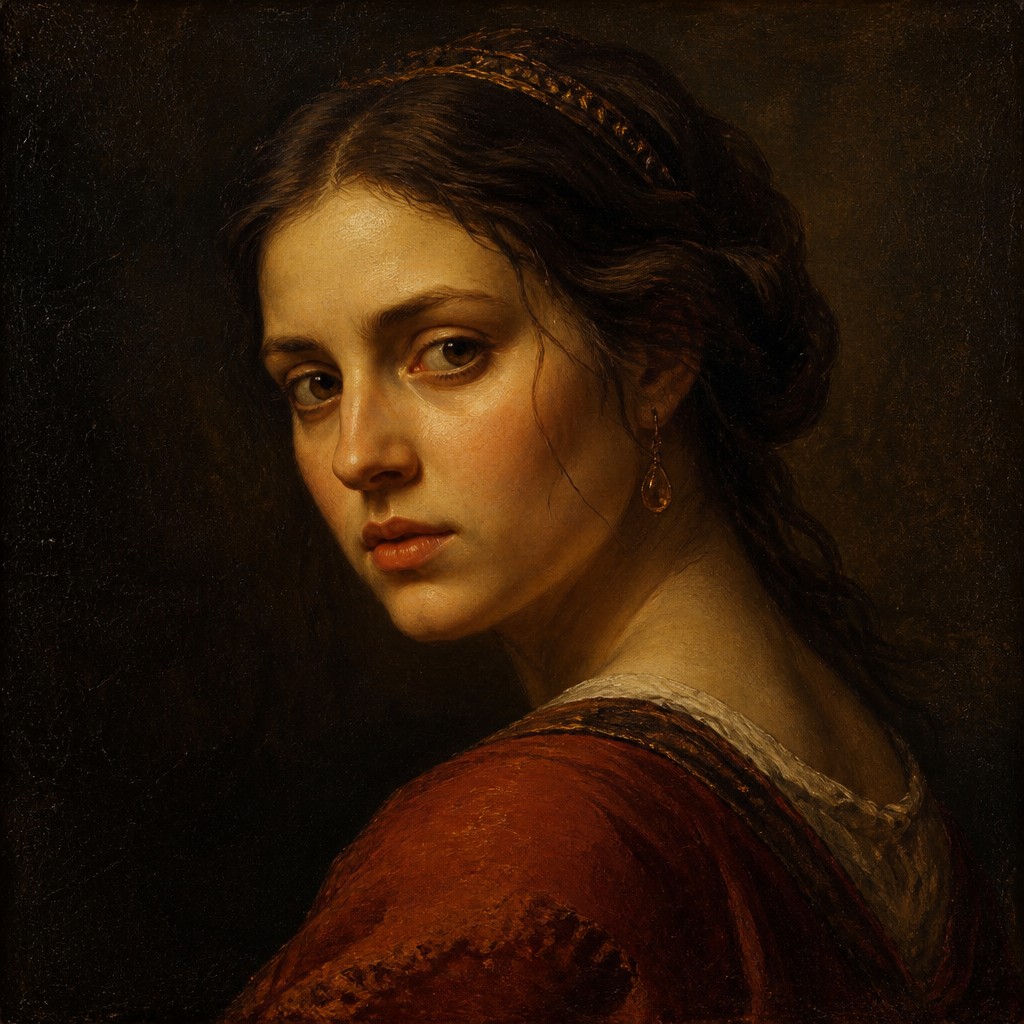
Renaissance portrait art is a classical portrait style rooted in the painted traditions of fifteenth- and sixteenth-century Europe, especially Italy. It is defined by carefully modeled faces, poised three-quarter poses, and a restrained sense of dignity. The sitter is usually presented not as a fleeting likeness but as an idealized, psychologically legible presence, rendered with technical precision and an emphasis on inner life.
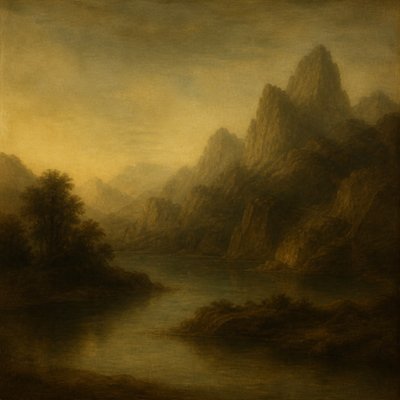
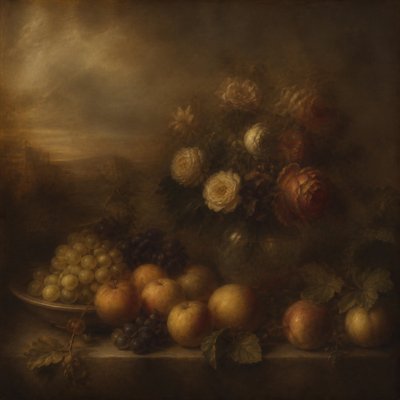
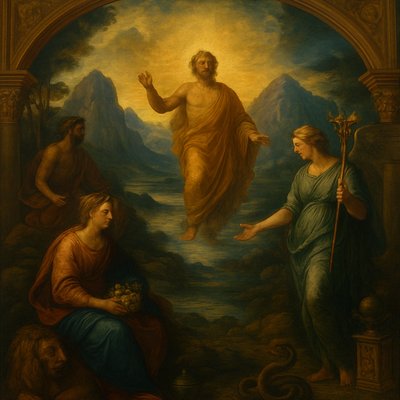
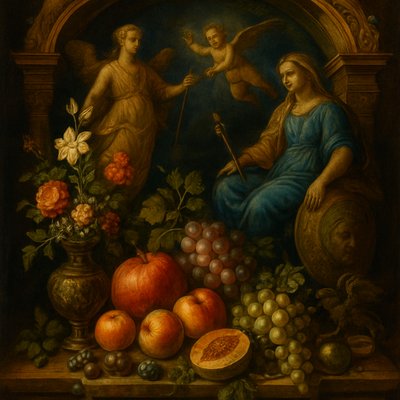
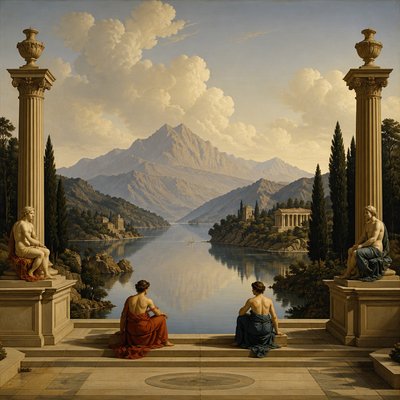
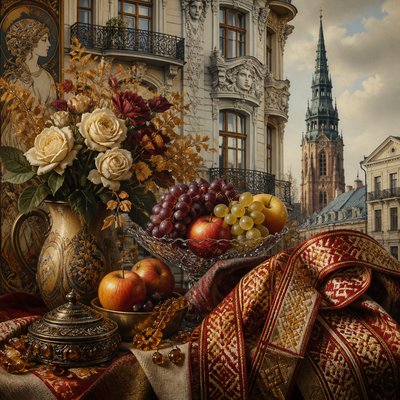
Its visual identity comes from oil painting methods developed during the Renaissance: smooth sfumato transitions, controlled chiaroscuro, layered glazing, and meticulous attention to skin, fabric, jewelry, and hands. Compositions tend to feel balanced and stable, often set against dark or subdued grounds that push the figure forward. Symbolic objects, architecture, clothing, and gestures often communicate status, learning, devotion, or lineage, giving the portrait both visual richness and narrative depth.
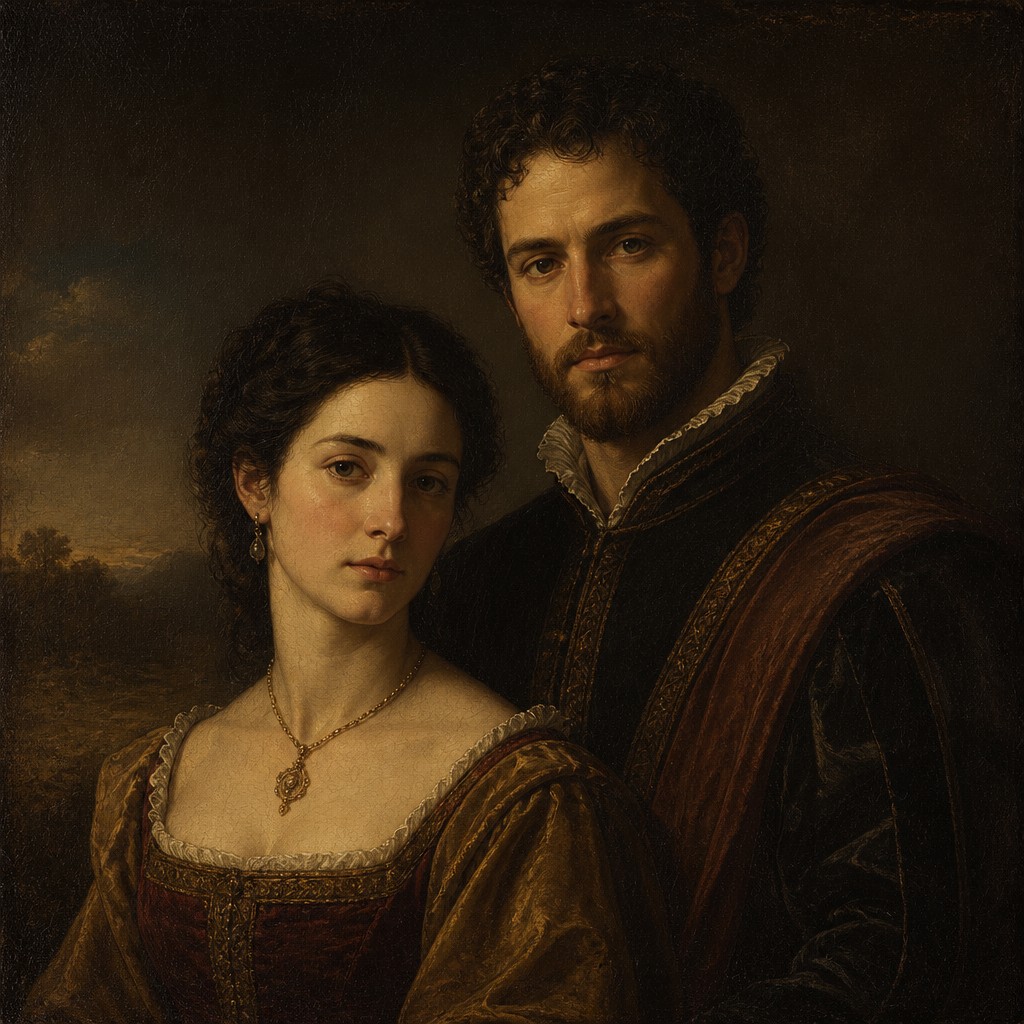
Try It On Your Photos
Upload any photo and convert it into Renaissance Portrait Art Style — drag the sliders to compare before and after.
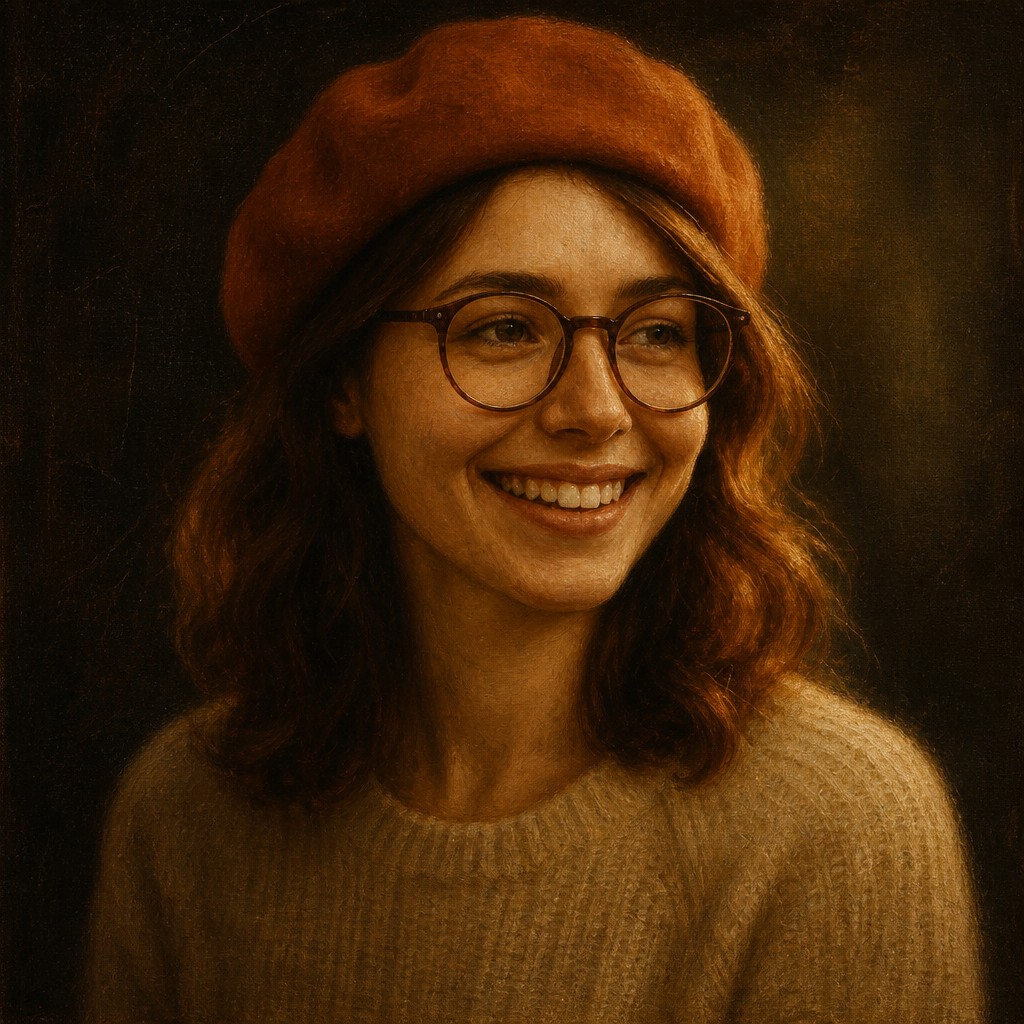

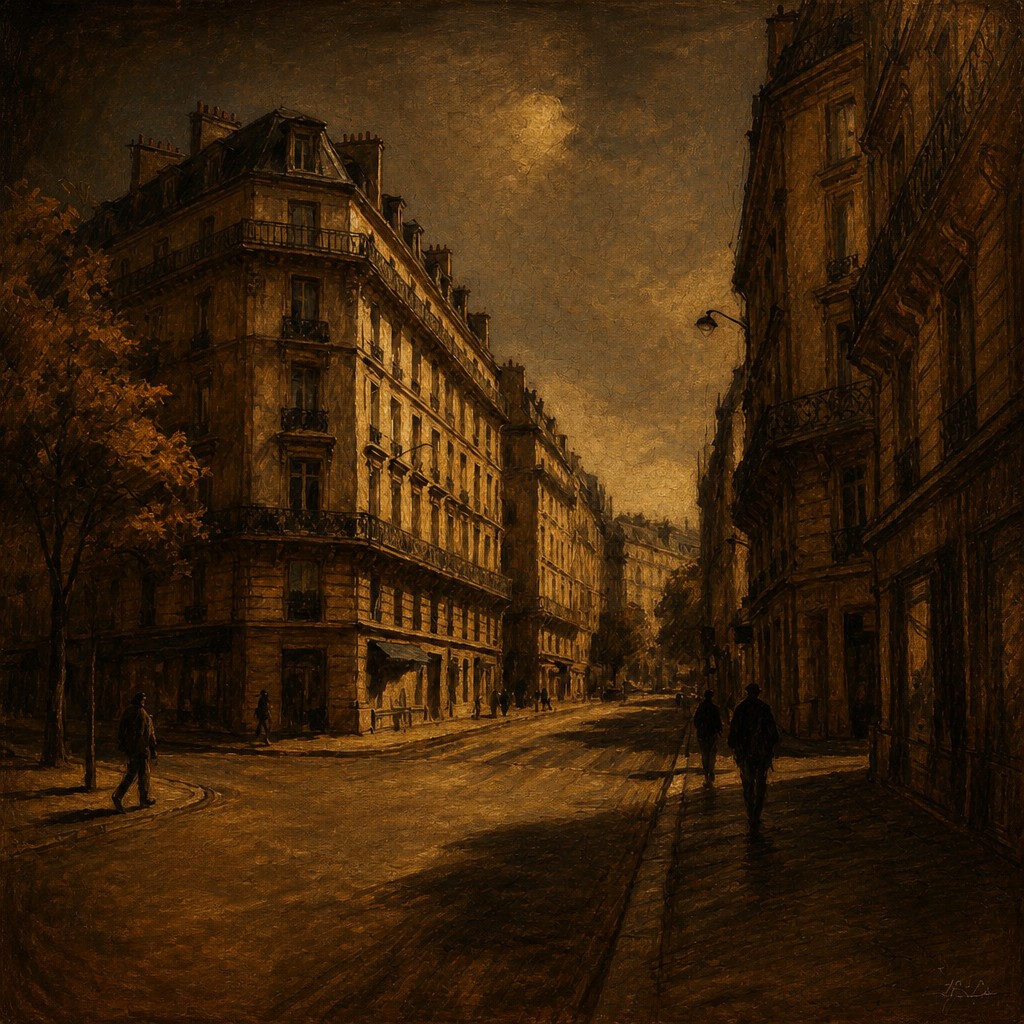

What Defines Renaissance Portrait Art Style
The signature details, up close
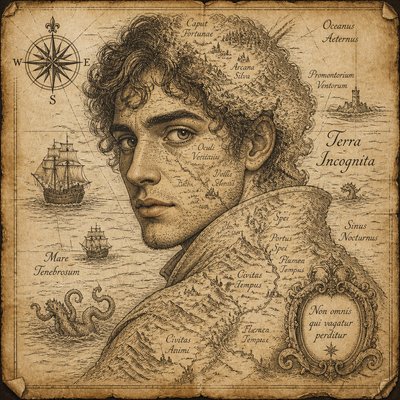
Three-quarter pose
The sitter is commonly turned slightly away from the viewer rather than shown in strict profile or full frontal view. This creates a sense of presence and allows the face, shoulders, and hands to be composed with greater psychological and spatial depth.
Sfumato modeling
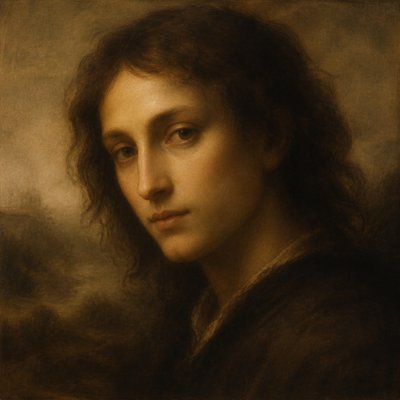
Edges and tonal transitions are softened so forms seem to emerge gradually from shadow and air. This creates the characteristic velvety transitions associated with Renaissance oil portraiture, especially in skin and facial contours.
Chiaroscuro and dark grounds
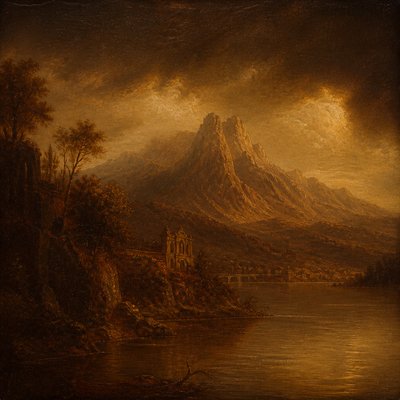
Strong value contrast is often used to separate the figure from a muted or atmospheric background. The darker setting heightens the luminosity of the face, hands, and textiles while producing a solemn, timeless mood.
Earthy oil palette
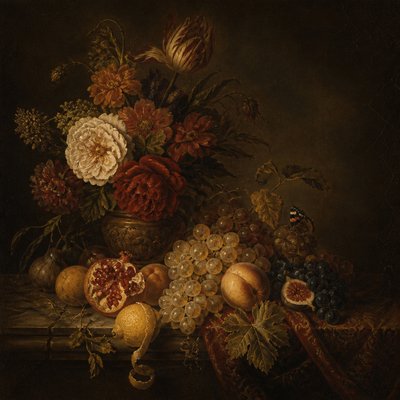
Common colors include burnt umber, raw sienna, ochre, deep crimson, and warm flesh tones. These pigments create a grounded, naturalistic range that supports both idealization and material realism.
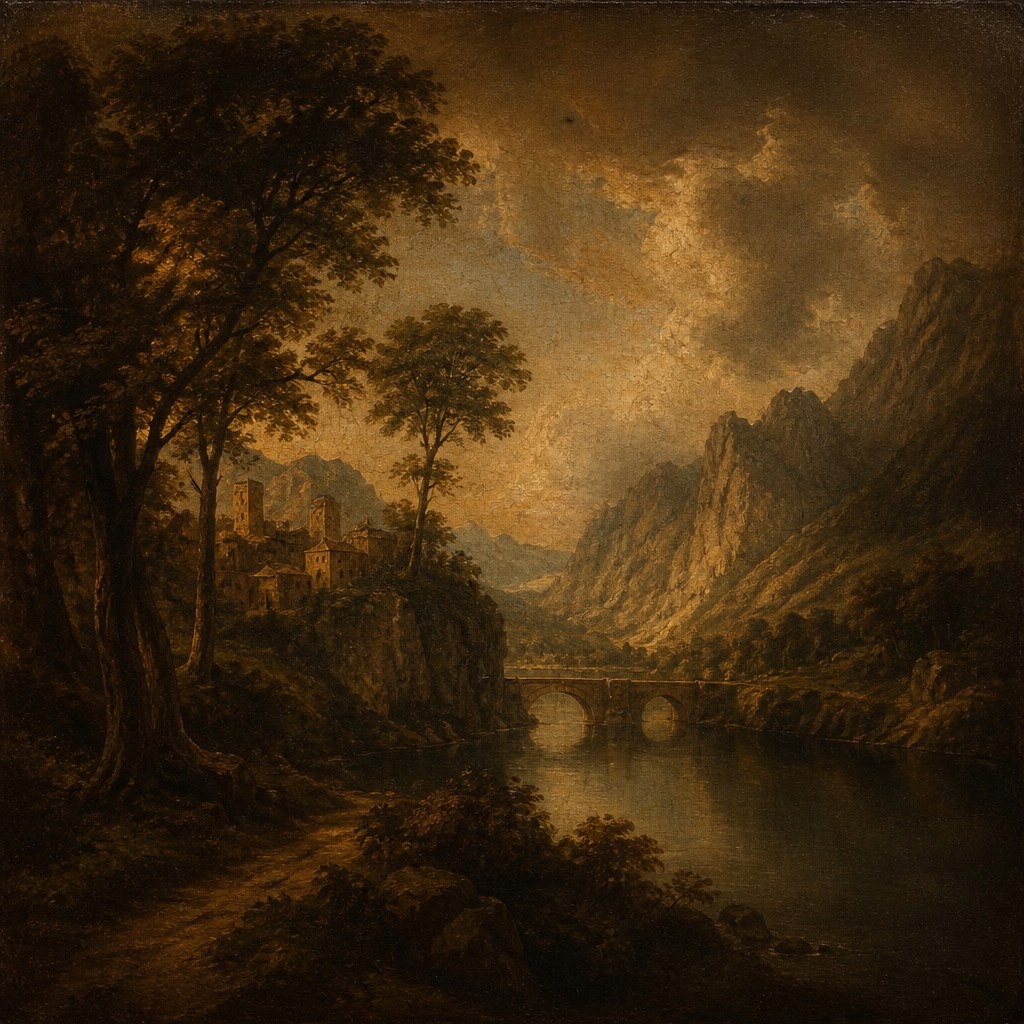
Psychological gravity
Expressions are restrained rather than overtly dramatic, but the portrait often suggests intelligence, contemplation, or social authority. The sitter appears self-contained, dignified, and inwardly complex.
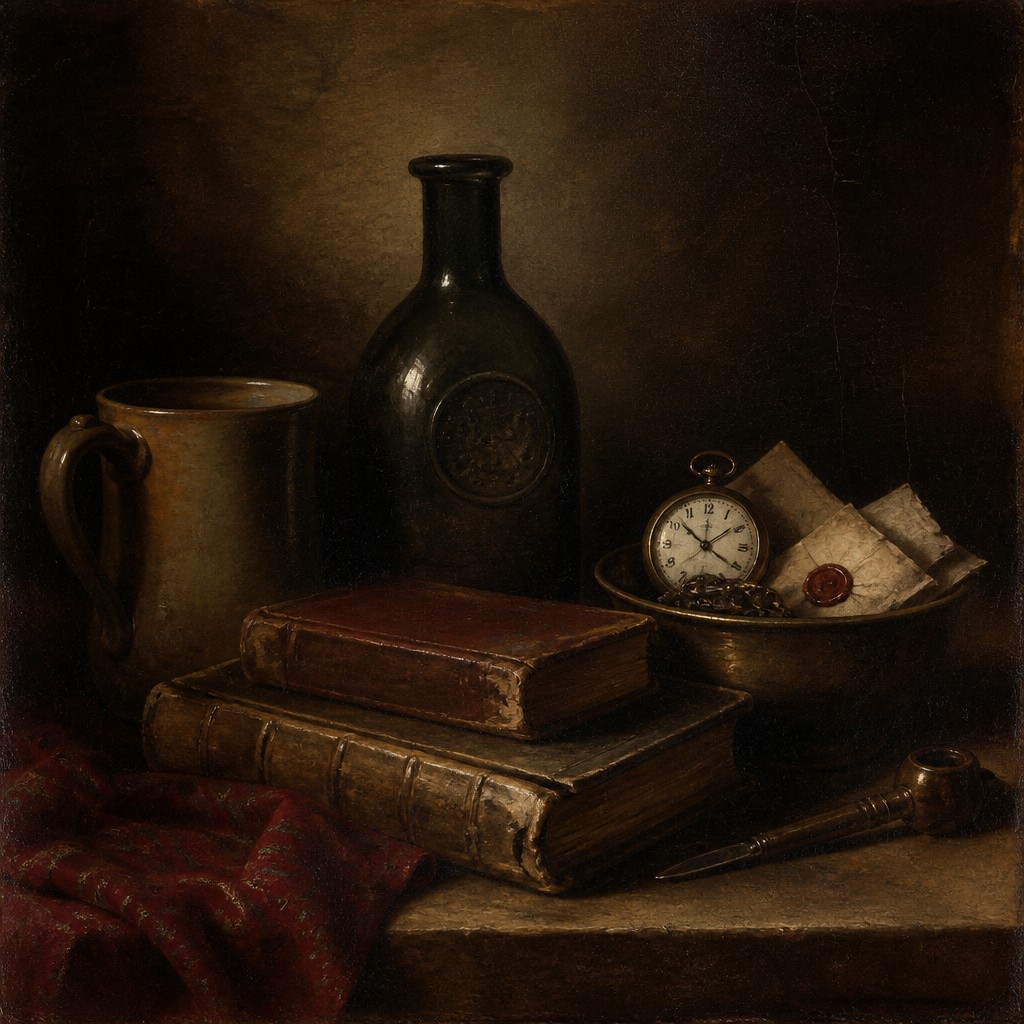
Symbolic specificity
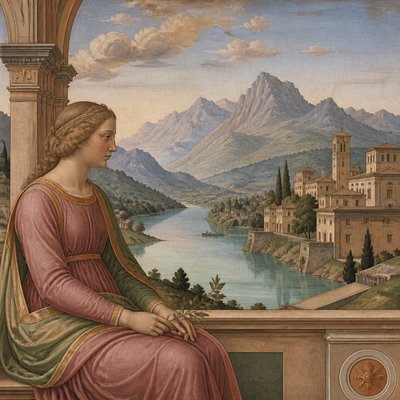
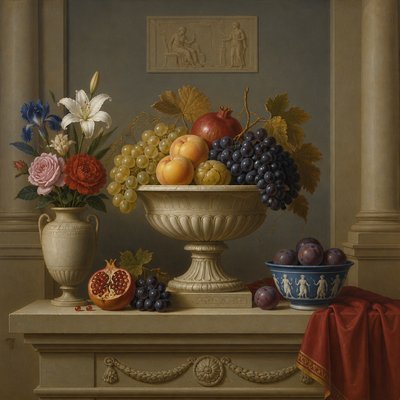
Clothing, books, gloves, jewelry, letters, flowers, or architectural settings may signal rank, learning, piety, or personal identity. These details are integrated into the composition rather than added as decoration.
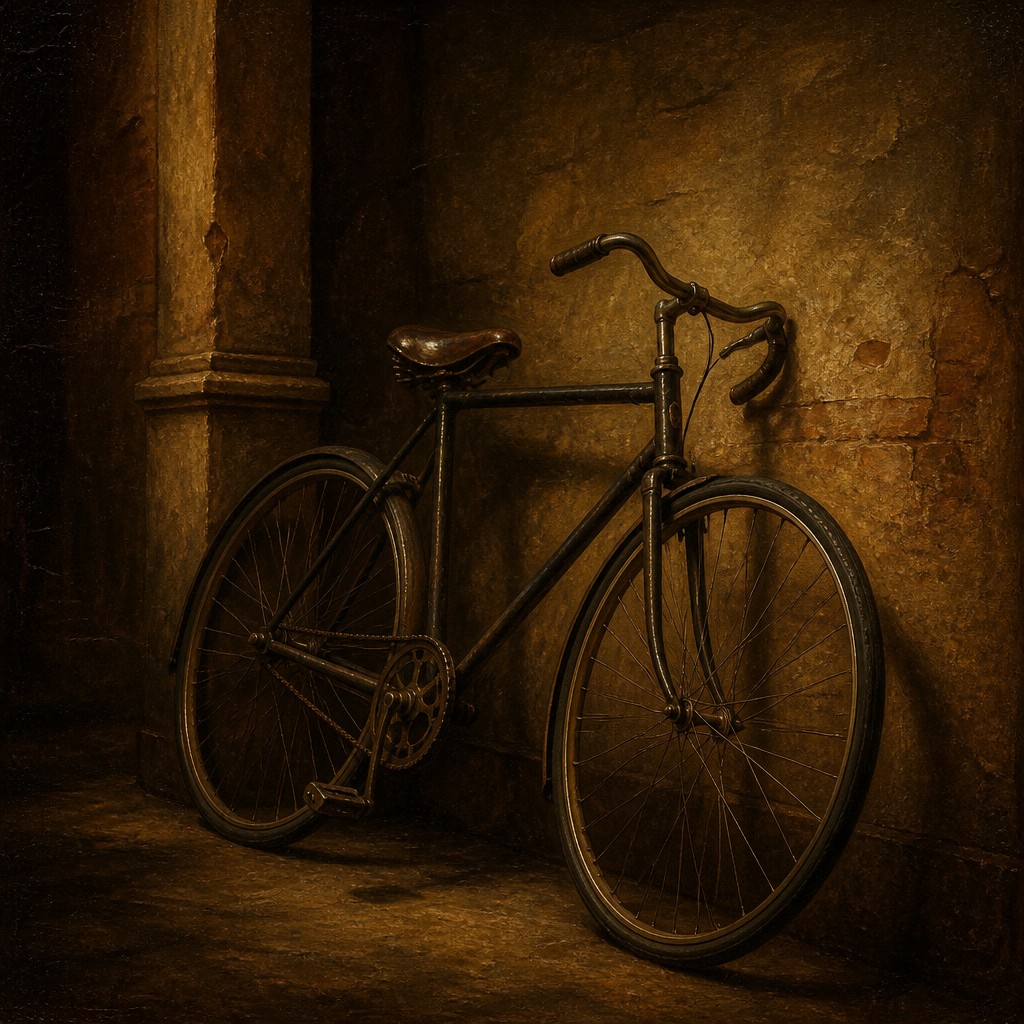
Layered surface finish
The paint handling is typically smooth in flesh passages and more descriptive in fabrics, hair, and ornament. Fine glazing and subtle texture create depth, while an aged canvas effect can add historic character.
Try It
Create Videos in Renaissance Portrait Art Style
Styles aren't just for stills — describe a scene or animate an image and get a short video rendered in Renaissance Portrait. Press play to see this pond come to life.
Make a VideoRenaissance Portrait Prompt Ideas
Start from an idea — each one opens the generator with the style ready to go. See all 40 Renaissance Portrait prompts →
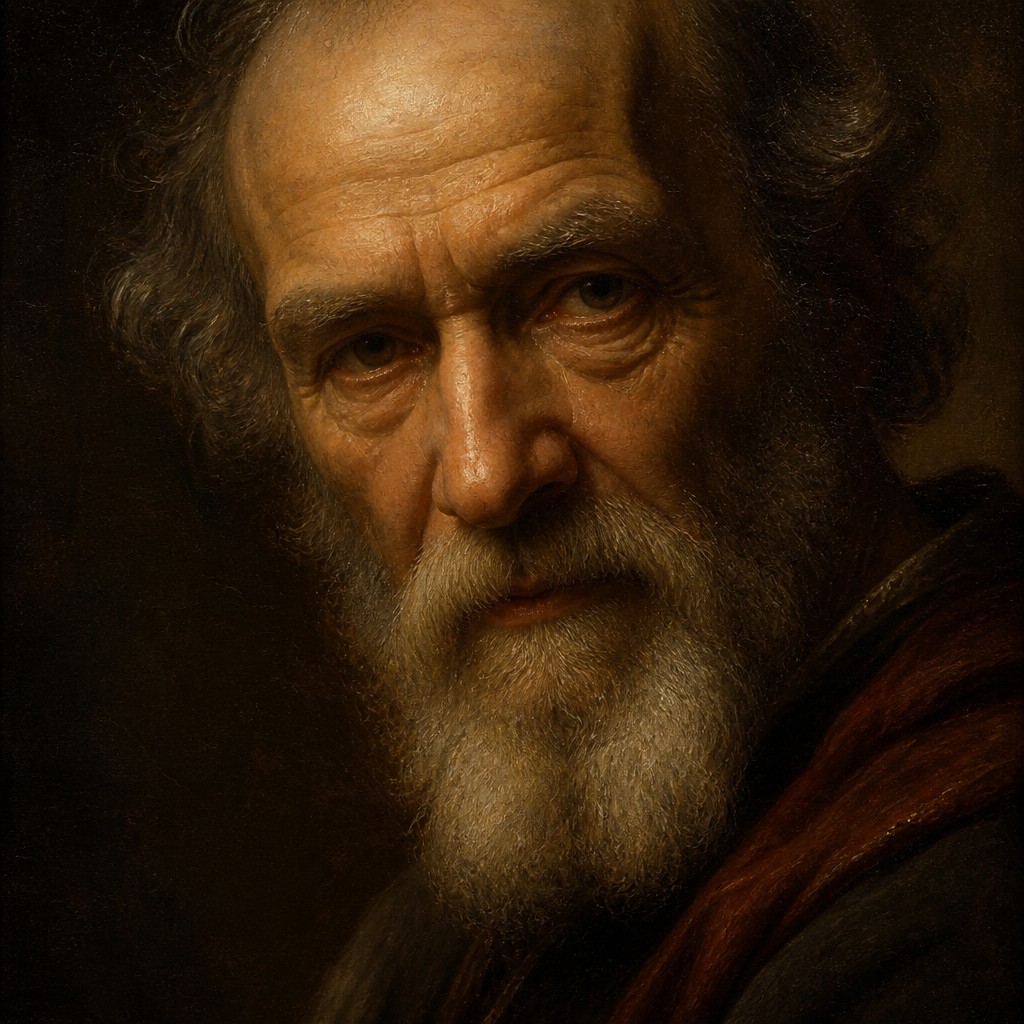
“close-up portrait of an elderly person with expressive weathered features”
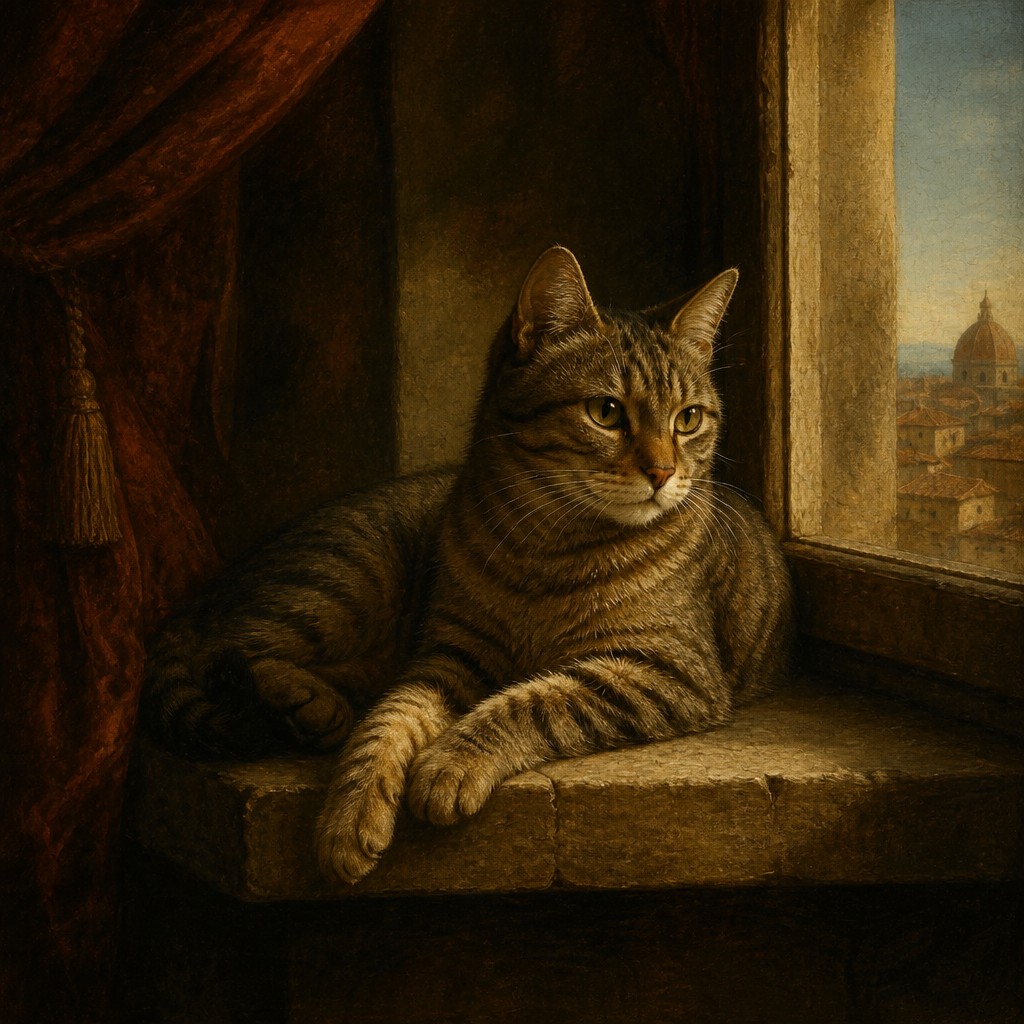
“a cat lounging in a sunlit window”
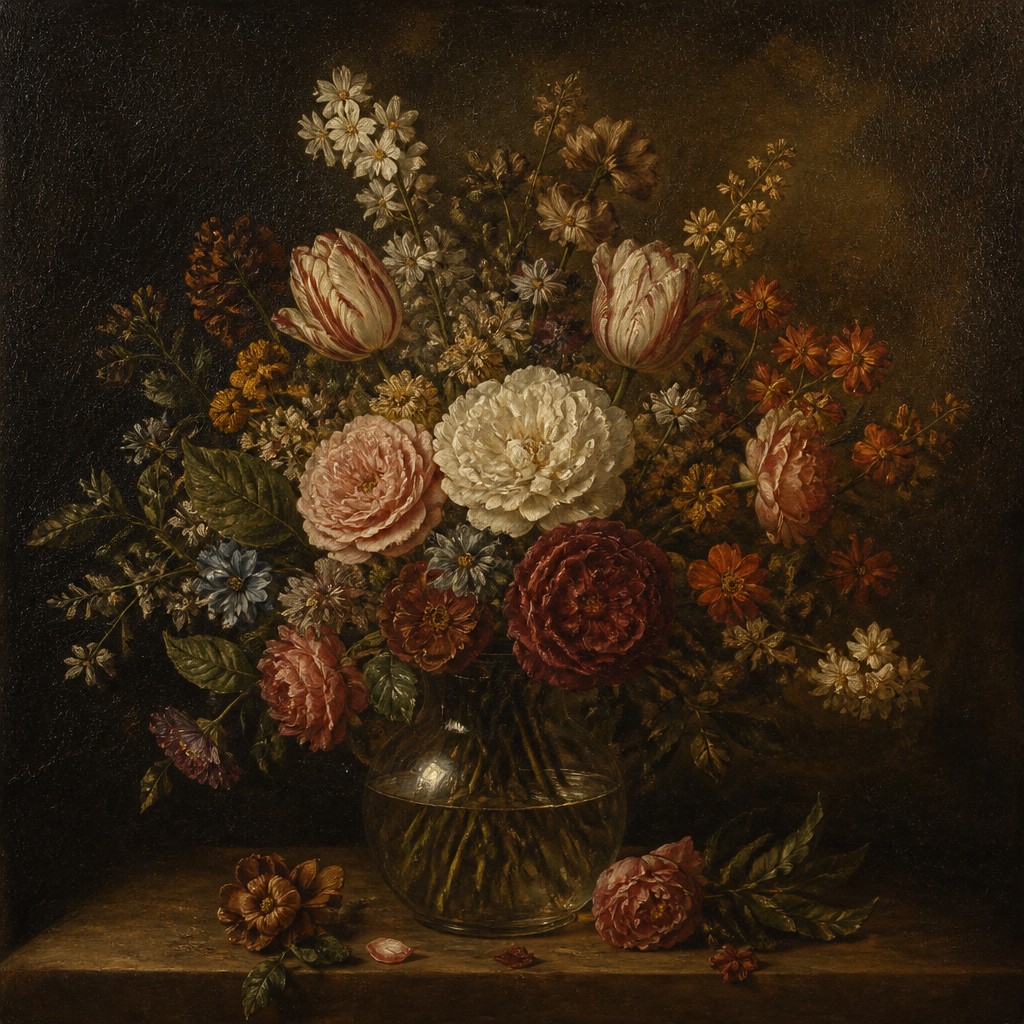
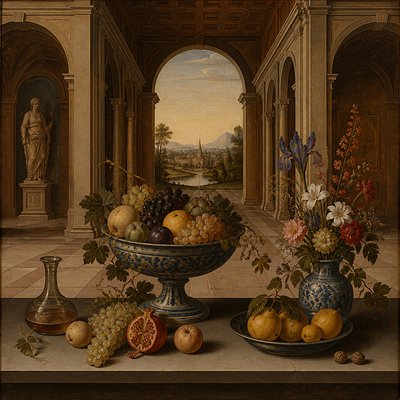
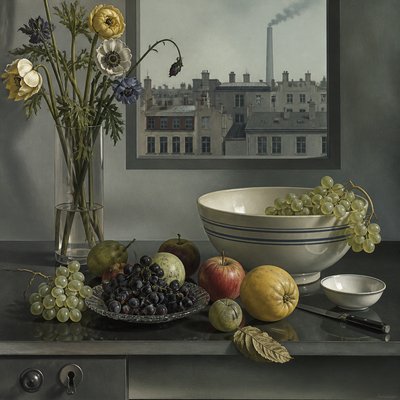
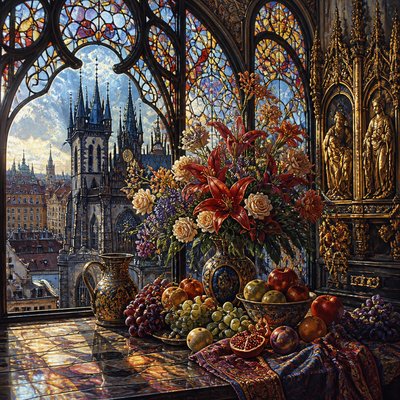
“bouquet of flowers in a glass vase”
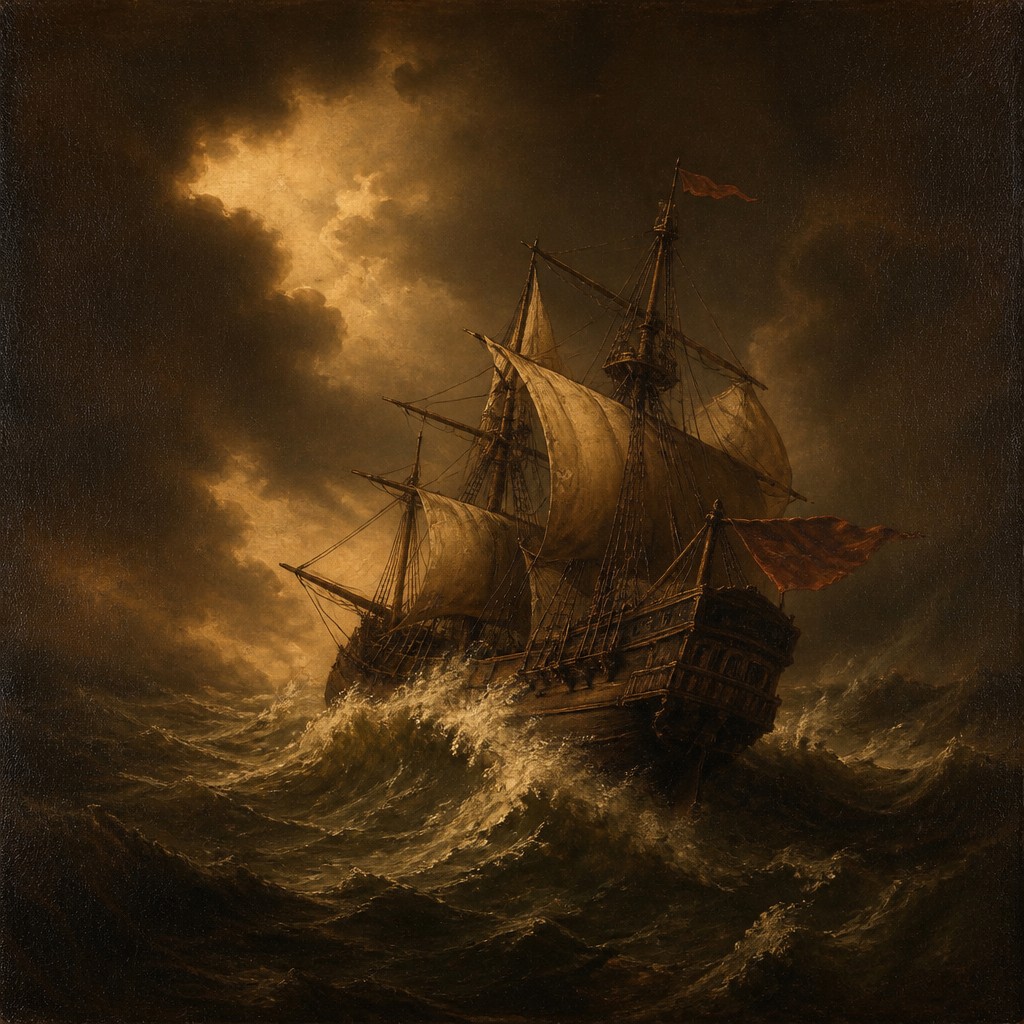
“sailing ship on a stormy sea”
How to Create Renaissance Portrait Art
Master the craft step by step — or skip straight to creating. Read the full guide →
- 1
Build the portrait from solid structure
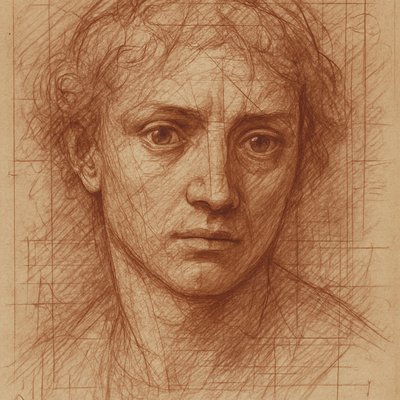
Start with a carefully proportioned head and upper torso in a three-quarter view, using clear anatomical landmarks for the eyes, nose, mouth, and hands. Keep the pose composed and stable; Renaissance portraiture depends on balance more than motion.
- 2
Model with soft tonal transitions
Use sfumato-like blending in the face and neck so shadows dissolve gradually instead of stopping abruptly. In digital painting, paint with low-opacity layers and soft edges; in traditional oil work, use thin translucent layers and careful blending.
- 3
Reserve contrast for focal areas
Place the sitter against a dark or subdued background so the face and hands carry the main illumination. Control chiaroscuro by keeping the brightest values and sharpest detail near the most important features.
- 4
Use a restrained, historic palette
Favor warm earth pigments and muted reds, then add highlights sparingly with luminous glazing. Avoid overly saturated color unless you are specifically evoking a later Renaissance or Venetian variation.
- 5
Add meaningful objects and costume detail
Include period-appropriate garments, jewelry, books, letters, or architectural motifs to imply identity and status. Keep symbolism integrated into the composition so it reads as part of the sitter’s character rather than as clutter.
- 6
Prompt with technique and mood cues
For text-to-image or image-to-image workflows, specify oil portrait, three-quarter pose, sfumato, chiaroscuro, earth palette, and dark atmospheric background. If transforming a photo, ask for classical clothing, smooth painted skin tones, and subtle aged-canvas texture while preserving facial likeness.

The Story
History & Origins of Renaissance Portrait
Renaissance portraiture emerged in late medieval and early Renaissance Europe as humanist culture elevated the individual sitter as a subject worthy of sustained attention. In Italy, portrait painting developed across the fifteenth century and reached major sophistication in the High Renaissance, where artists refined oil technique, perspective, and anatomy to create convincing yet idealized likenesses. In Northern Europe, portraiture also advanced through meticulous surface detail and optical realism, influencing the broader European tradition.
The style is associated with the visual language of leading Renaissance innovators, influential High Renaissance painters, major Venetian colorists, masterful Northern Renaissance portraitists, and early Netherlandish oil painters, though each approached portraiture differently. Sfumato and psychological subtlety, rich color and painterly depth, incisive realism, and minute detail all contributed to the portrait conventions later treated as “Renaissance.” The genre continued to influence academic portrait painting long after the Renaissance ended, especially in the use of three-quarter view, controlled lighting, and symbolic setting.
Influences: This style draws from the portrait traditions of the Italian Renaissance and the Northern Renaissance, especially the oil techniques and visual priorities associated with leading Renaissance innovators, influential High Renaissance painters, major Venetian colorists, masterful Northern Renaissance portraitists, and early Netherlandish oil painters. It also overlaps with broader classical academic portraiture, where idealized likeness, controlled lighting, and symbolic props remain central. The result is a hybrid of humanist individuality, painterly refinement, and carefully staged social meaning.

Frequently Asked Questions
What defines Renaissance portrait art style?
It is defined by a poised sitter, usually in three-quarter view, rendered with oil-painting realism, soft tonal transitions, and controlled light and shadow. The style balances likeness with idealization, aiming to convey both outer appearance and inner character.
How is it different from Baroque portraiture?
Renaissance portraiture is generally calmer, more balanced, and less theatrically dynamic than Baroque portraiture. Baroque portraits often use stronger movement, more dramatic lighting, and heightened emotion, while Renaissance portraits emphasize composure and measured presence.
What subjects work best in this style?
Formal portraits of individuals work especially well: scholars, nobles, merchants, writers, clergy, and historical figures. The style also suits bust portraits and half-length compositions where clothing, hands, and symbolic objects can reinforce identity.
Can this style be created digitally?
Yes. Digital painting can imitate it effectively by combining structured drawing, soft blending, layered color, and restrained highlights. The key is to avoid flat cell shading and instead build volume through gradual tonal shifts and careful surface detail.
What makes the face look authentically Renaissance?
A believable Renaissance face usually has subtle asymmetry, soft modeling, and calm expression rather than exaggerated emotion. The eyes, nose, mouth, and cheek planes should be built with delicate transitions so the sitter feels physically present and psychologically quiet.
Where is this style commonly used today?
It appears in fine-art portrait commissions, editorial illustration, historical fiction visuals, museum-inspired design, and character art that wants a classical or scholarly mood. It is also popular for transforming contemporary portraits into a timeless, painted look.
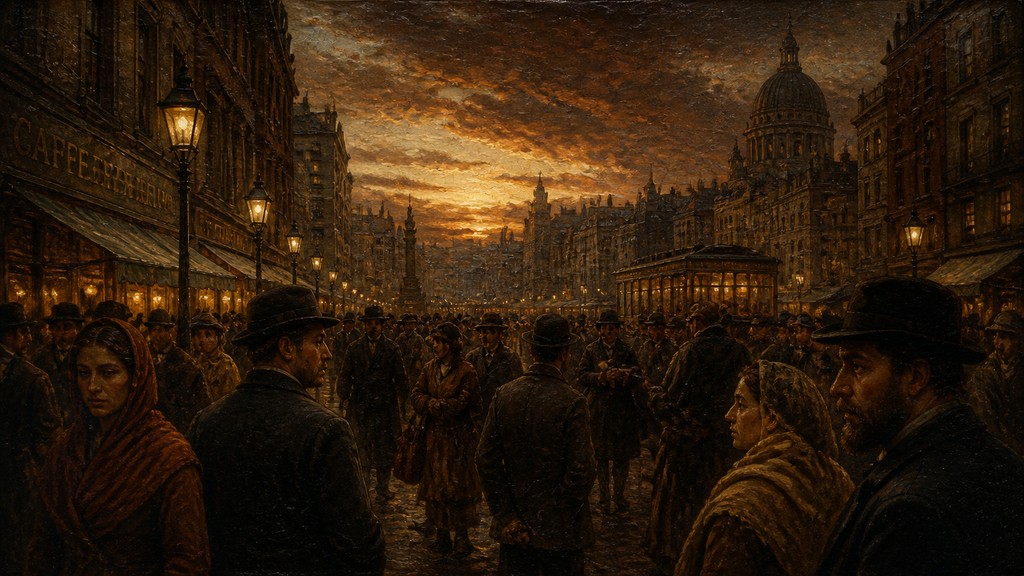
Create your first Renaissance Portrait artwork
Describe anything — or upload a photo — and see it in Renaissance Portrait Art Style in seconds.
Make Something with Renaissance Portrait
Compare Renaissance Portrait
Related Styles
Discover similar art styles