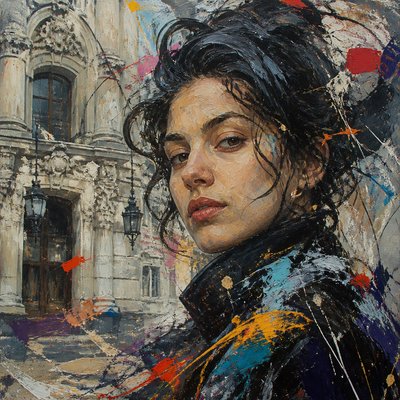
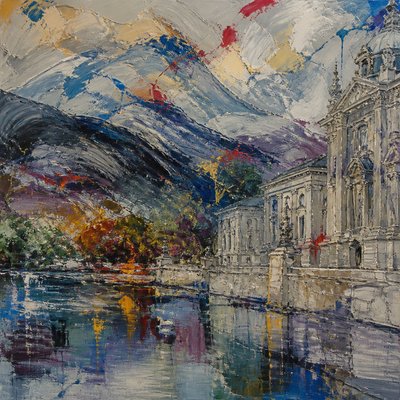
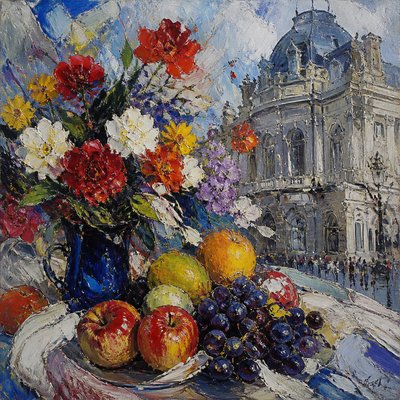
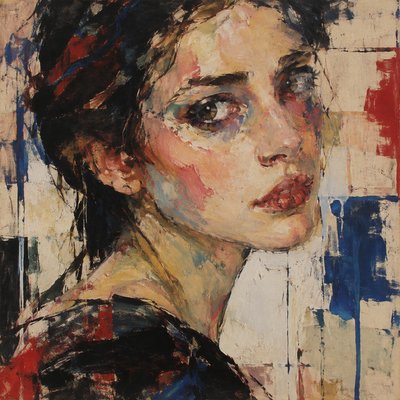
Fresco Narrative Renaissance Art Style
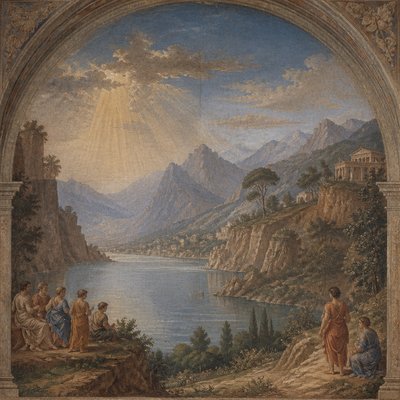
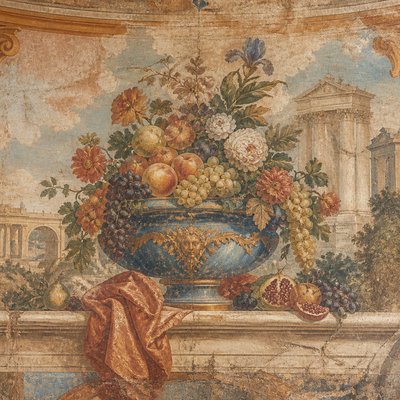
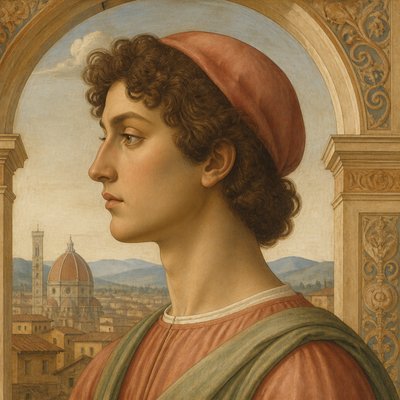
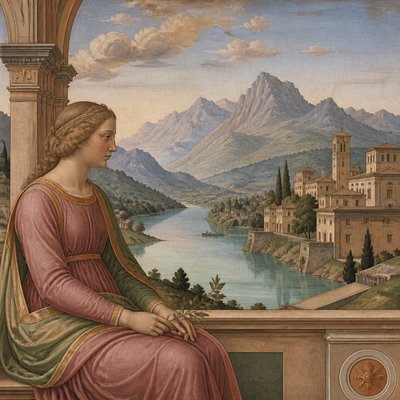
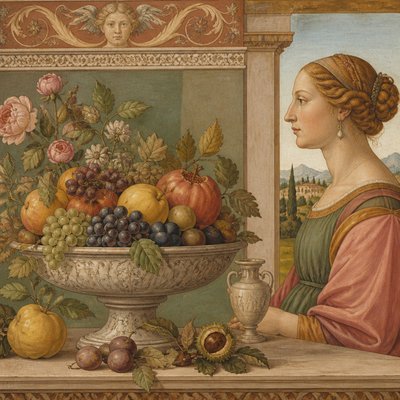
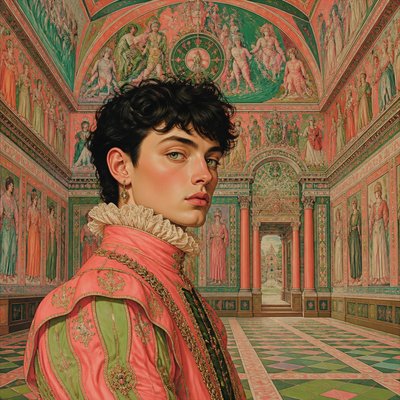
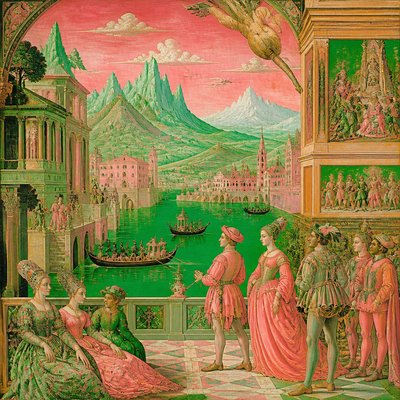
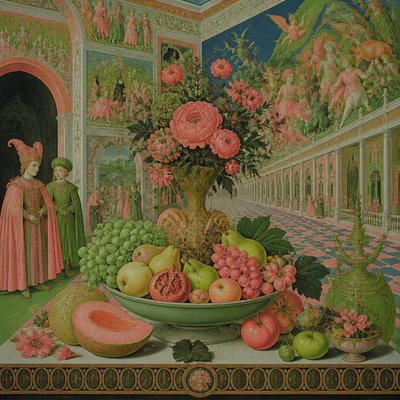
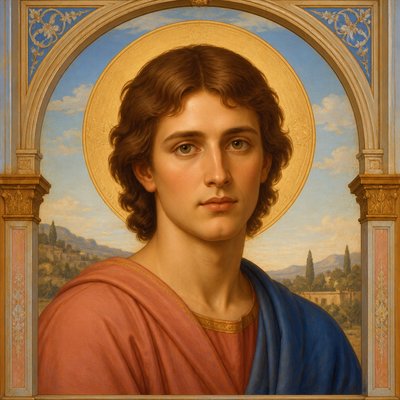
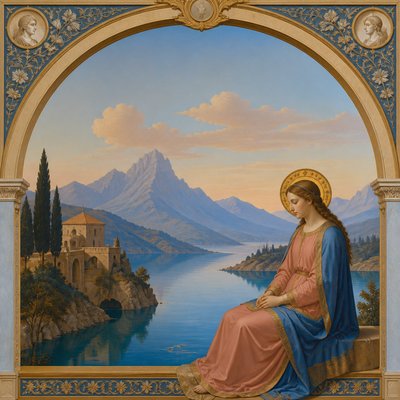
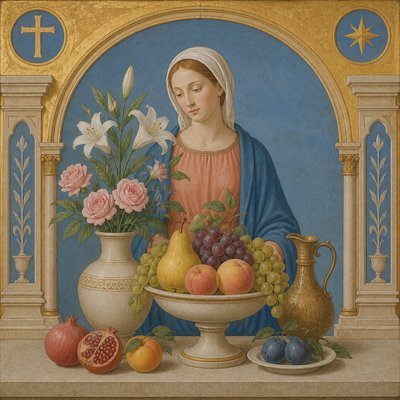
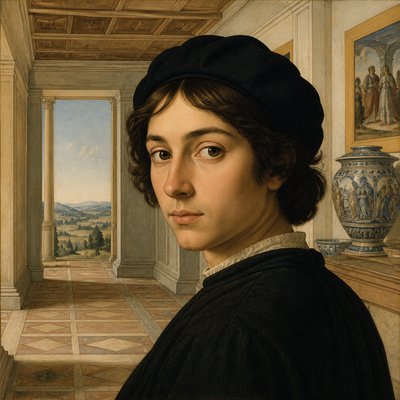
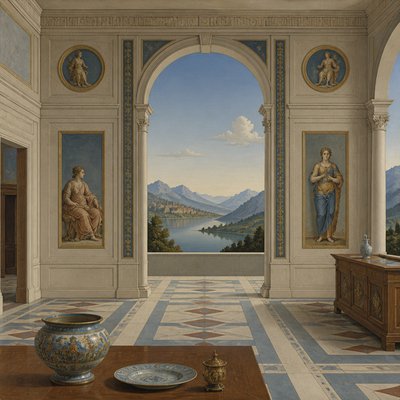
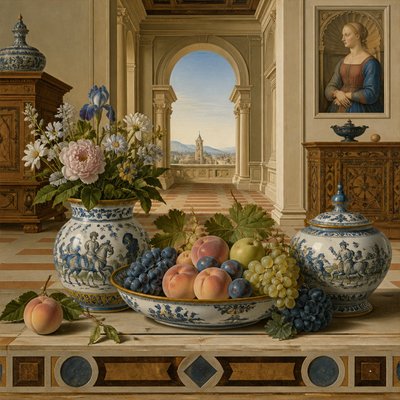
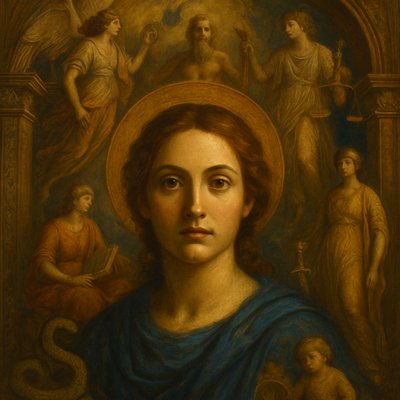
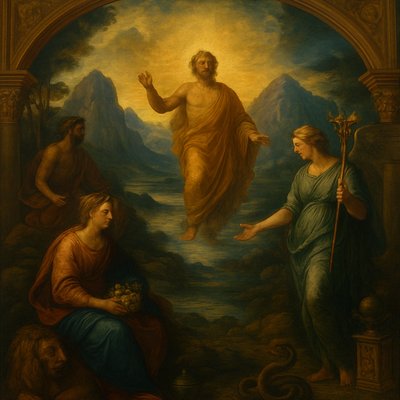
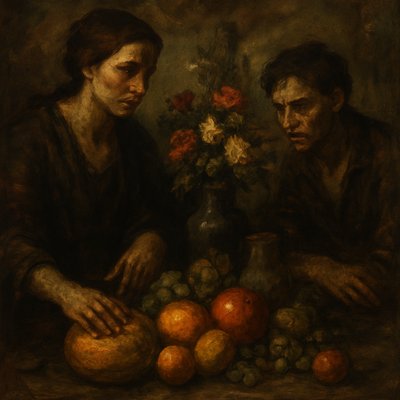
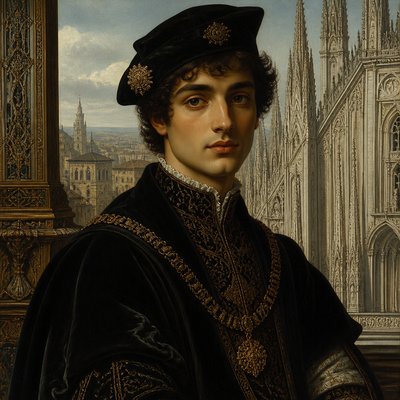
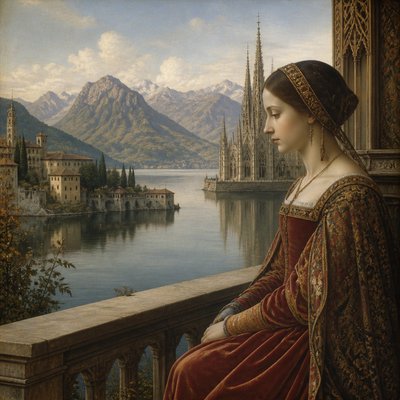
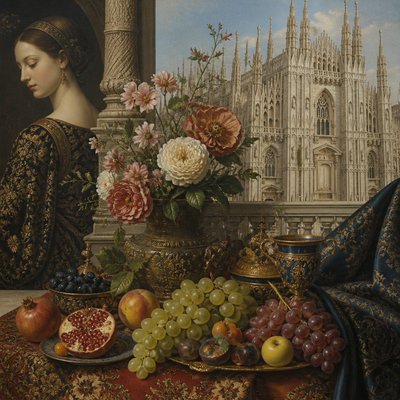
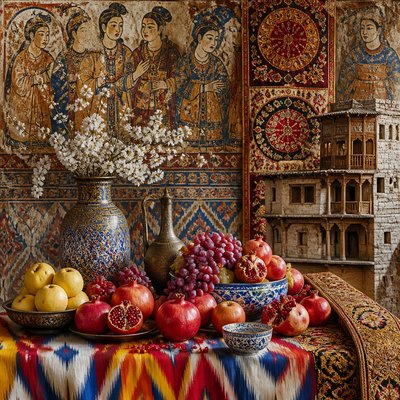
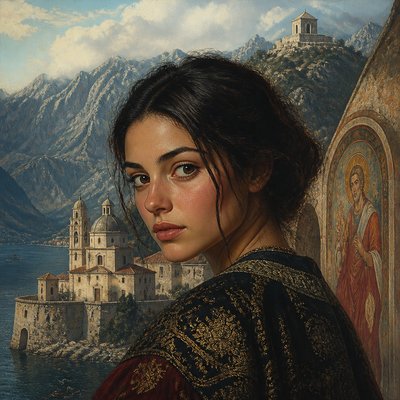
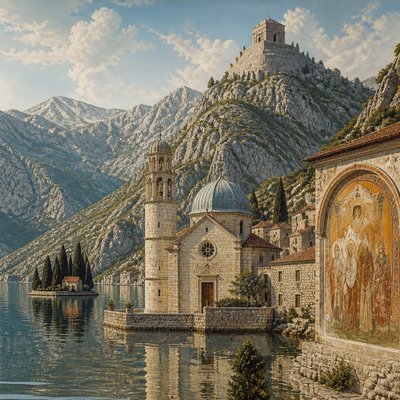
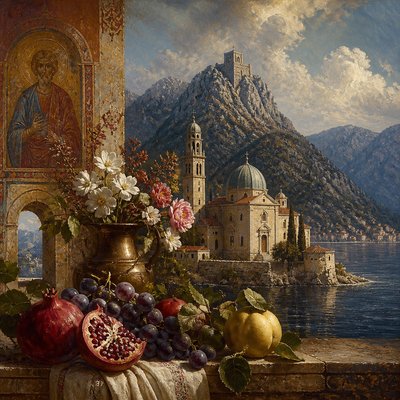
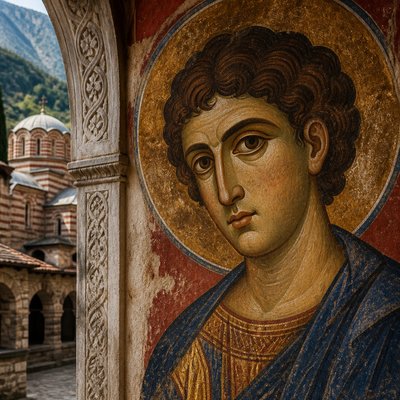
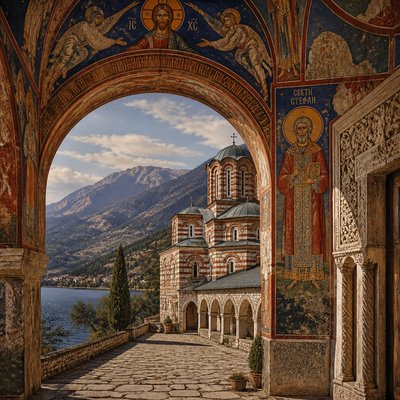
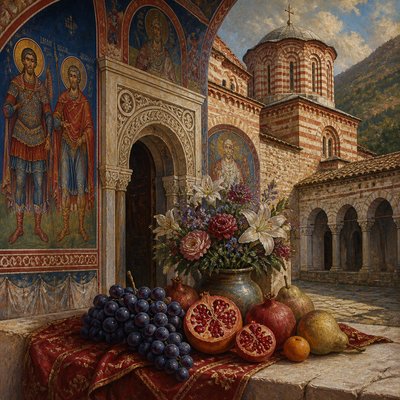
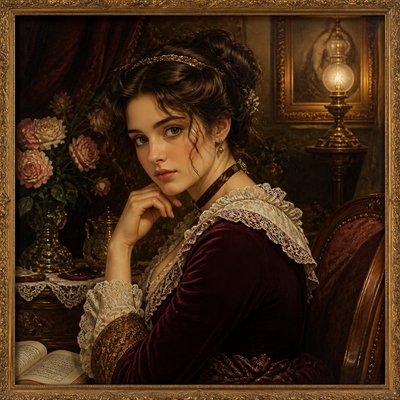
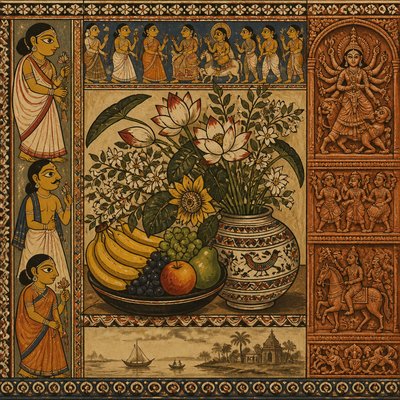
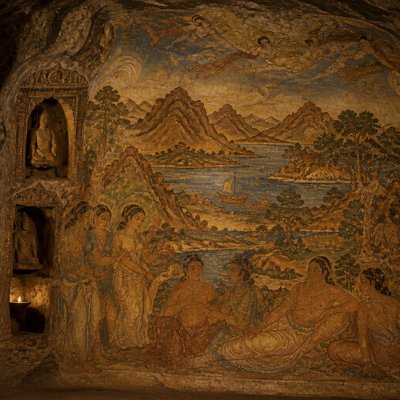
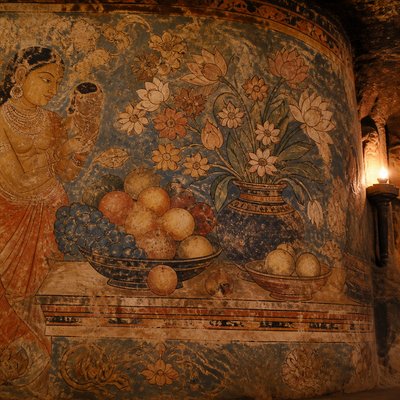
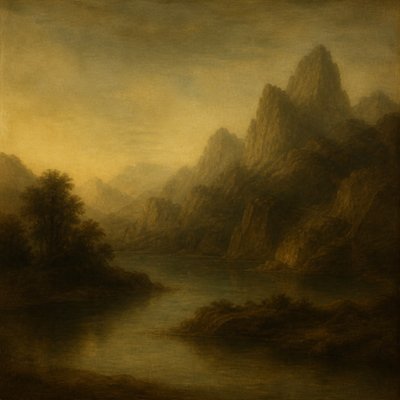
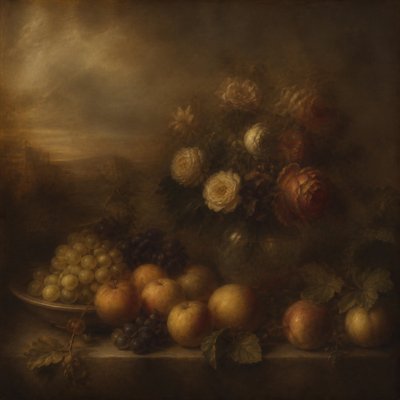
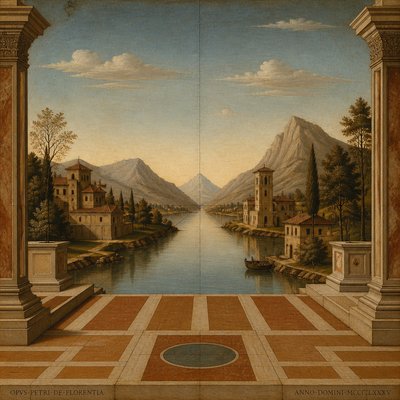
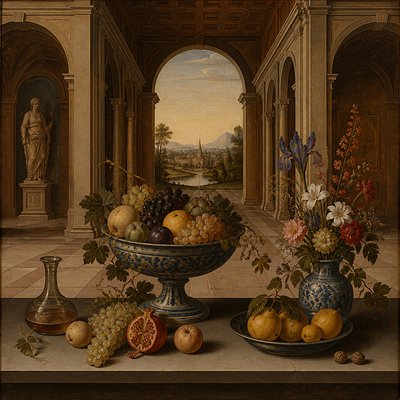
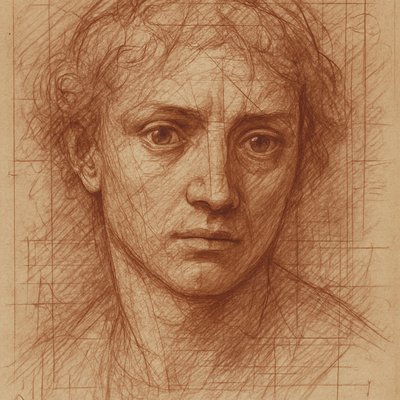
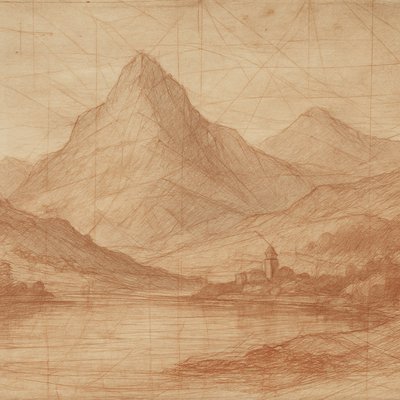
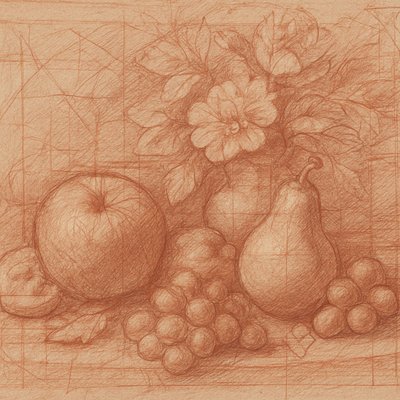
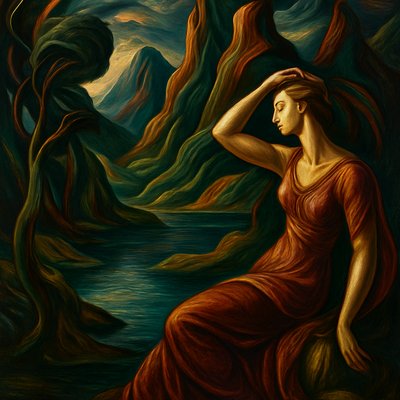
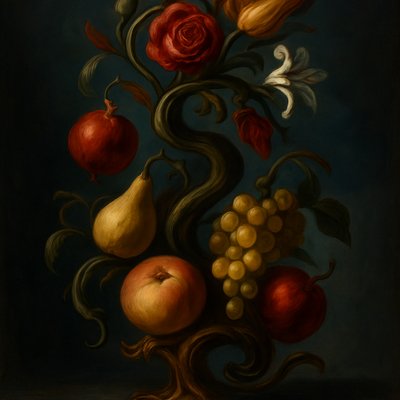
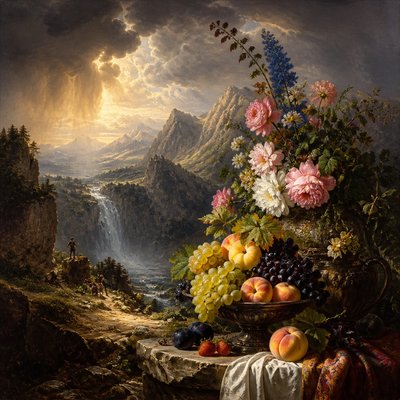
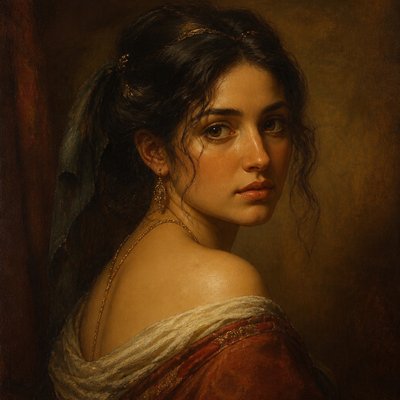
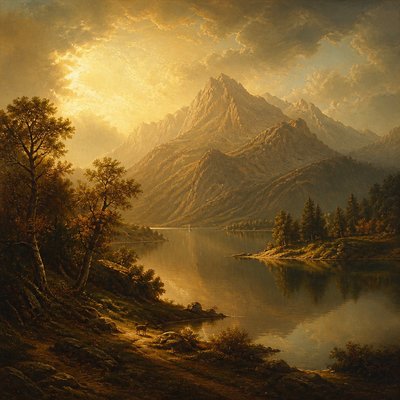
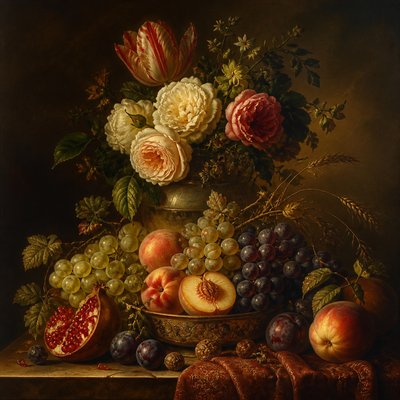
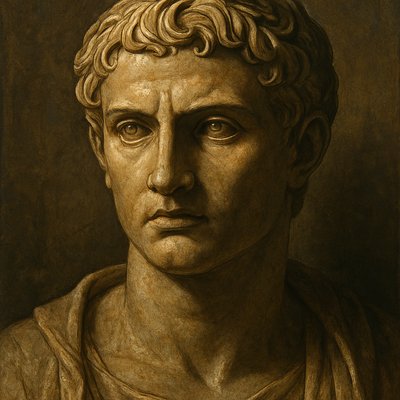
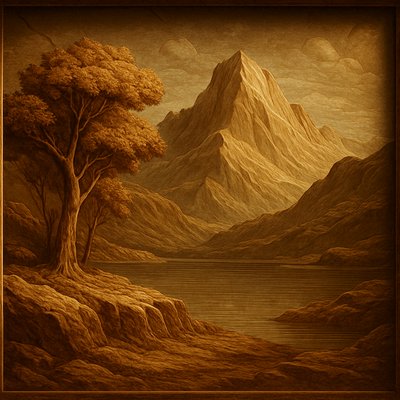
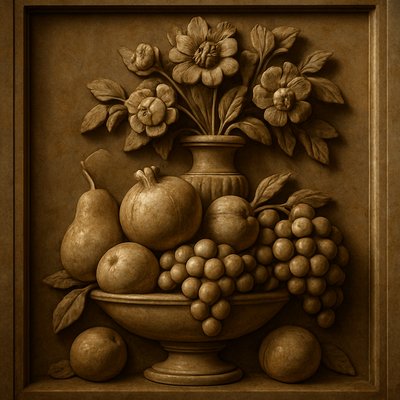
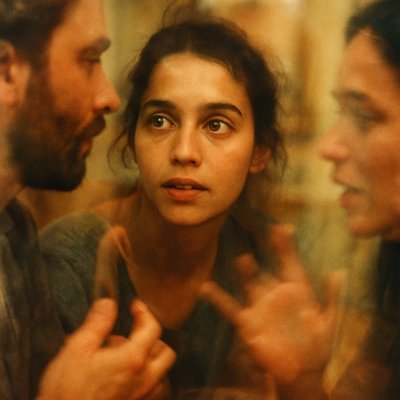
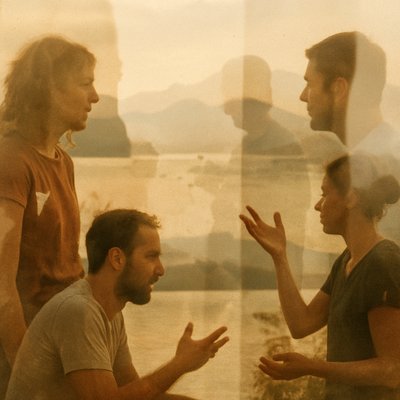
Monumental wall-painting style with fresco textures, biblical drama, classical perspective, and aged chapel-wall patina.
Instantly rendered in Fresco Narrative Renaissance — or transform a photo
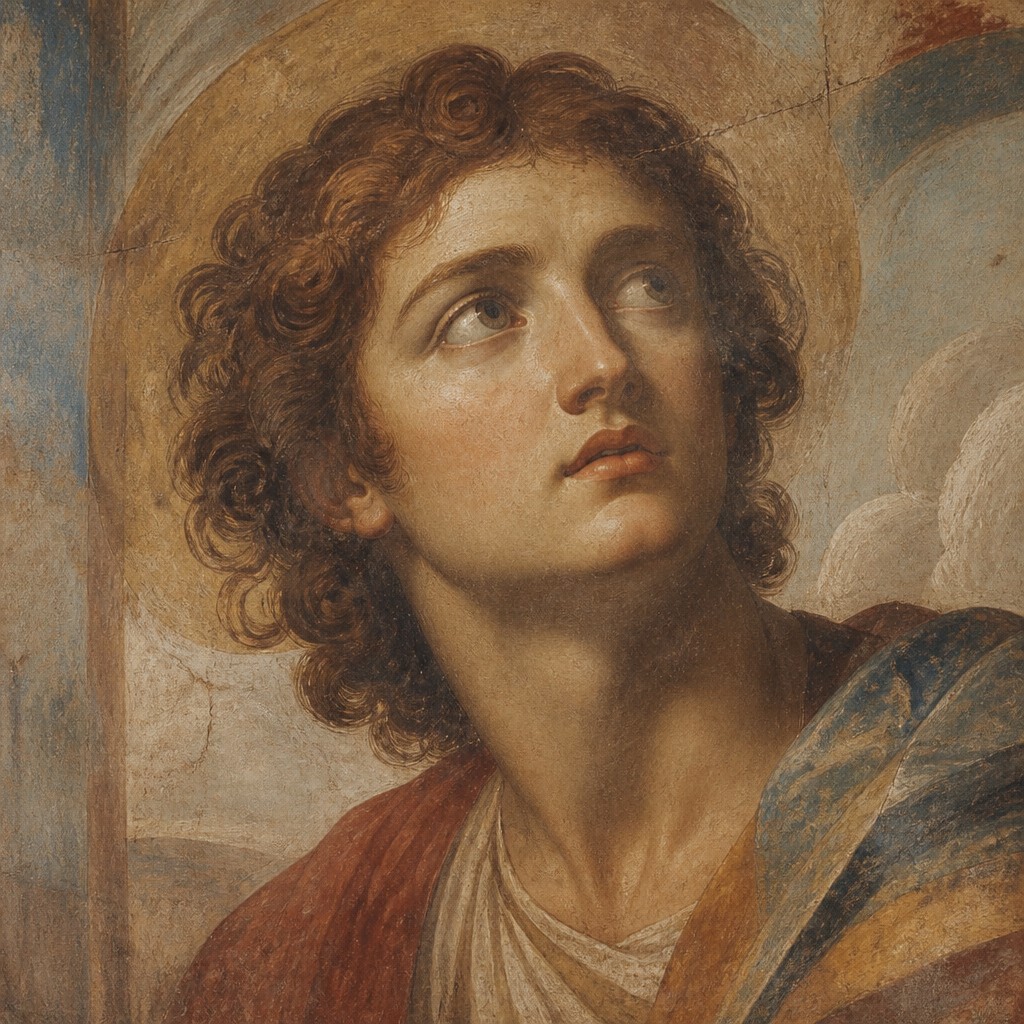
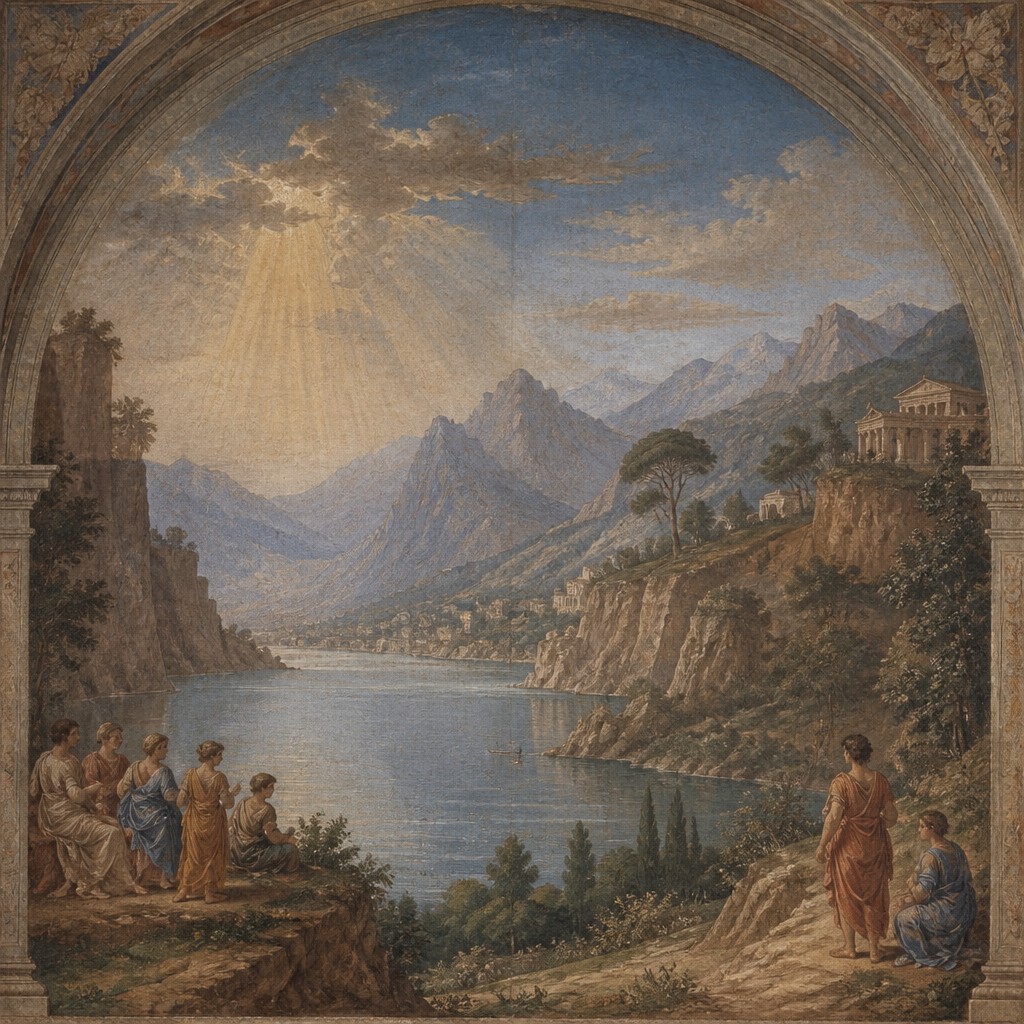
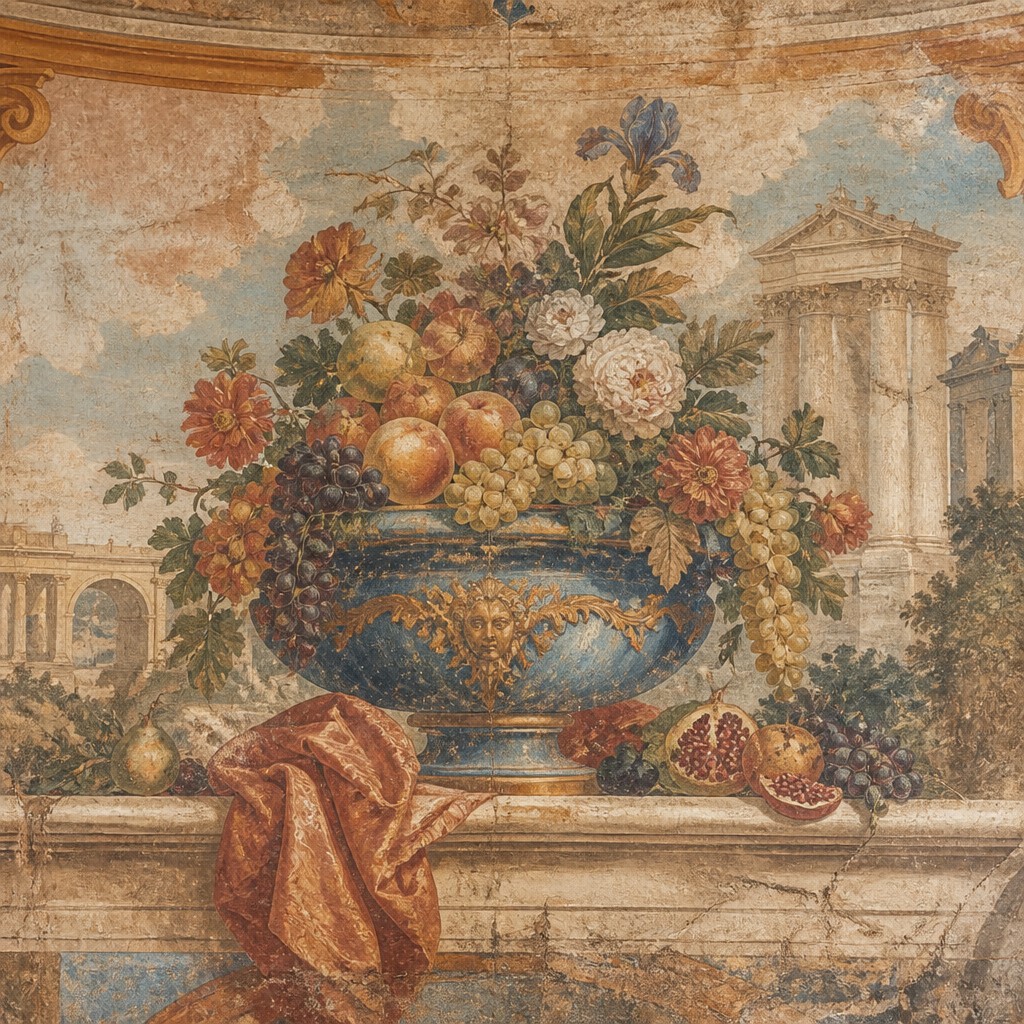
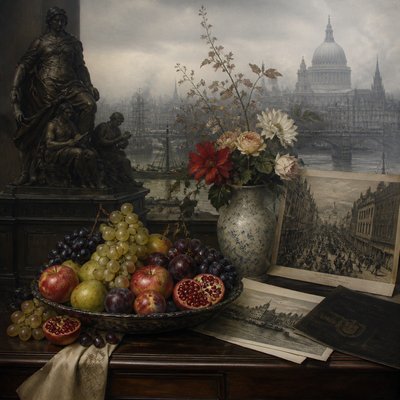
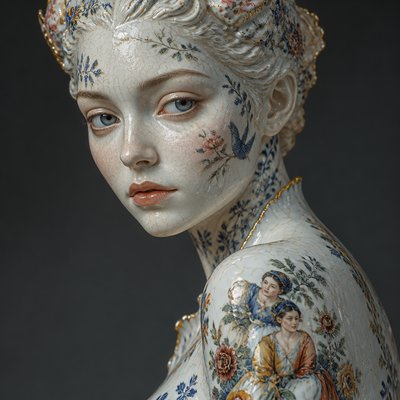
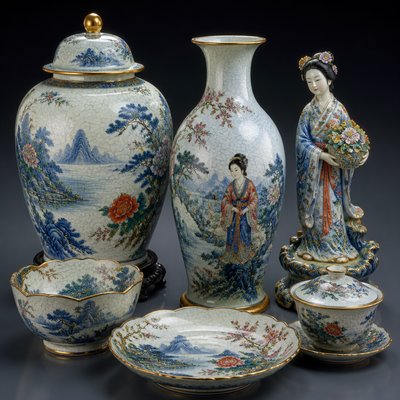
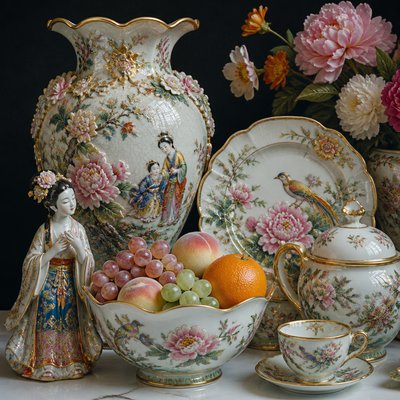
Fresco Narrative Renaissance Gallery
Tap any artwork to explore it
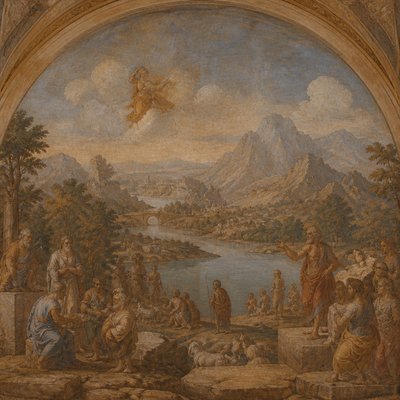
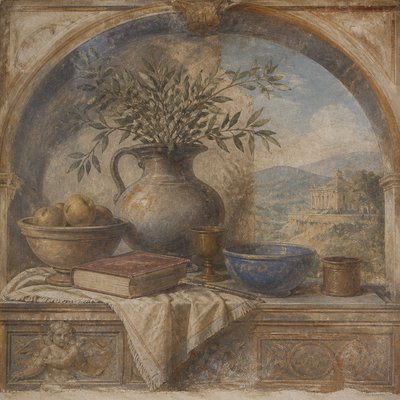
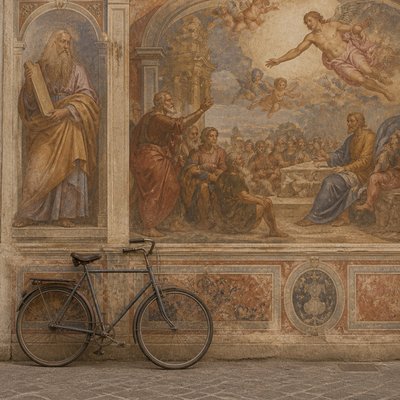
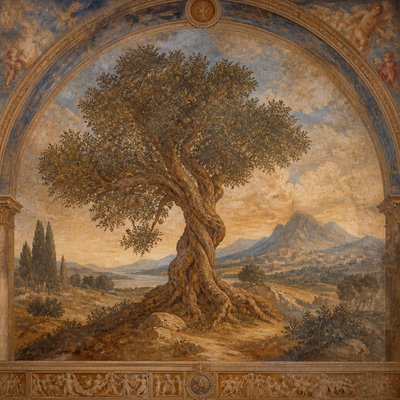
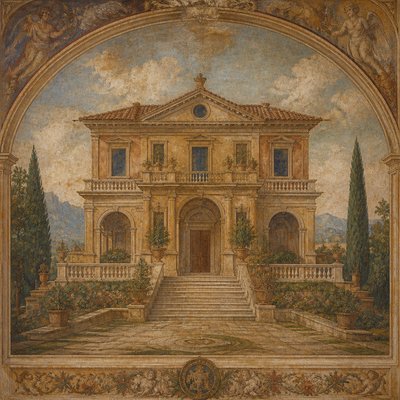

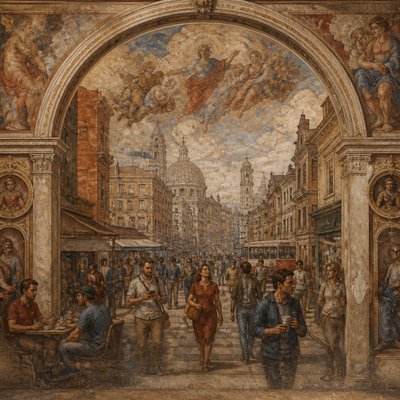
What is Fresco Narrative Renaissance Art Style?
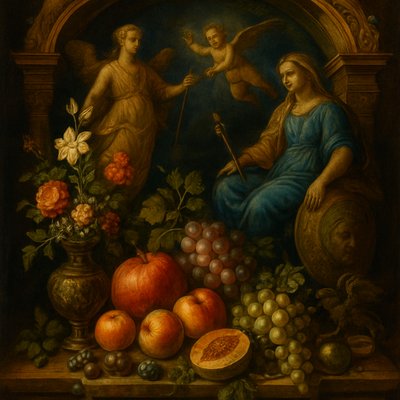
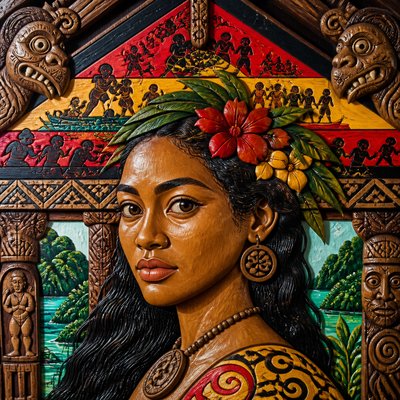
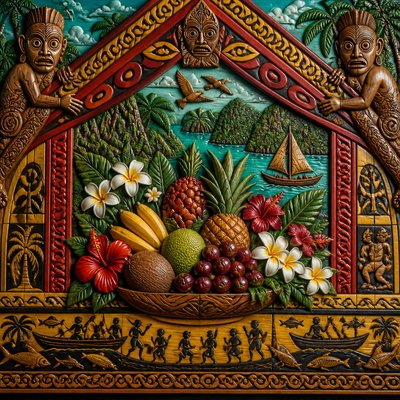
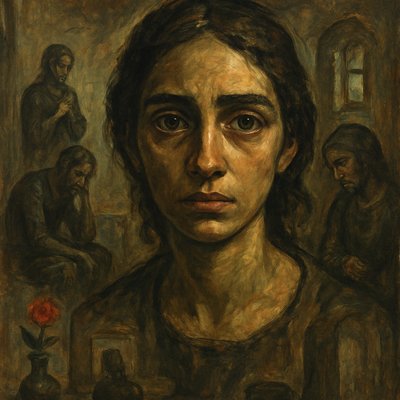
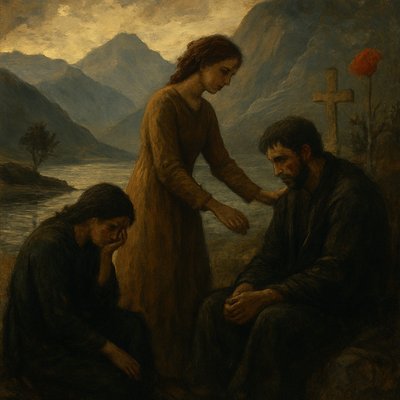
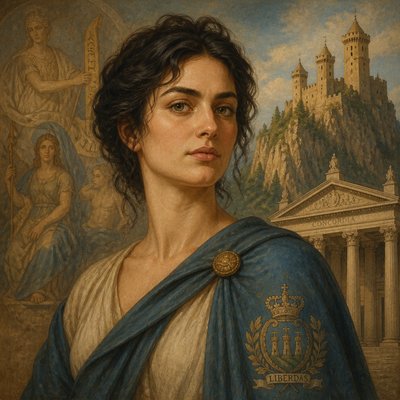
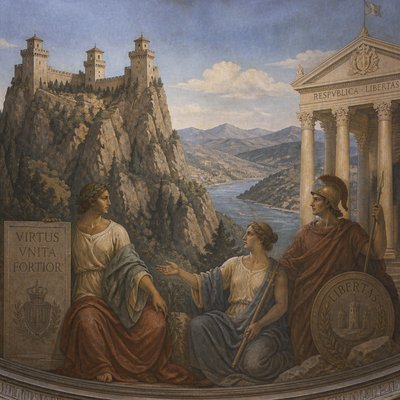
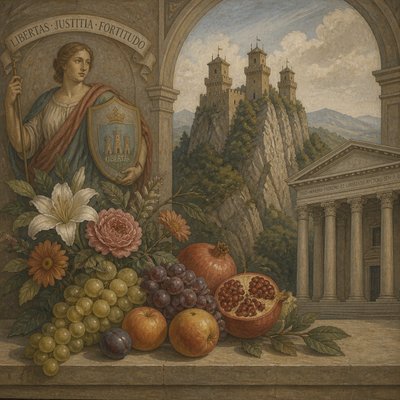
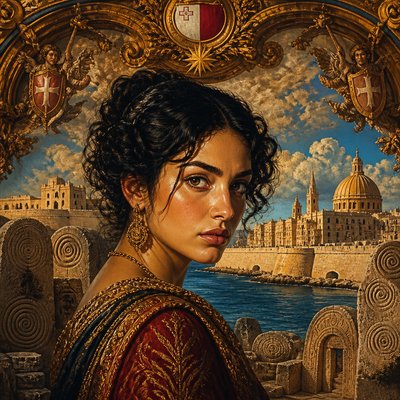
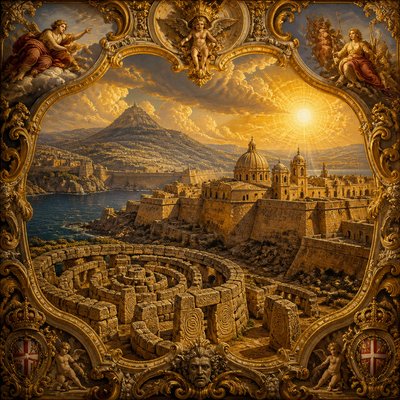
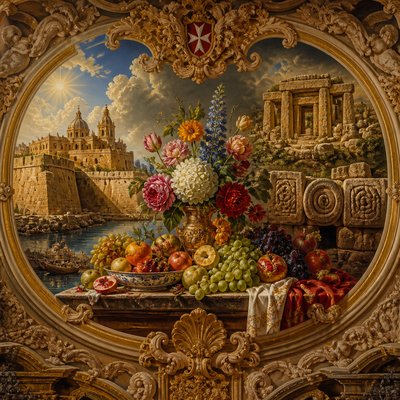
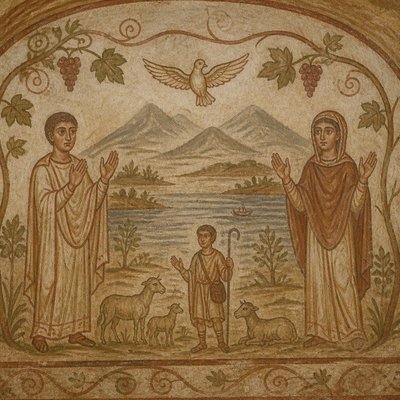
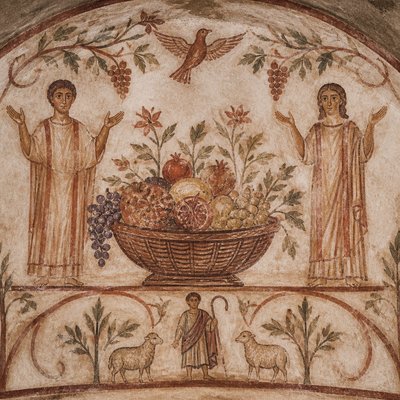
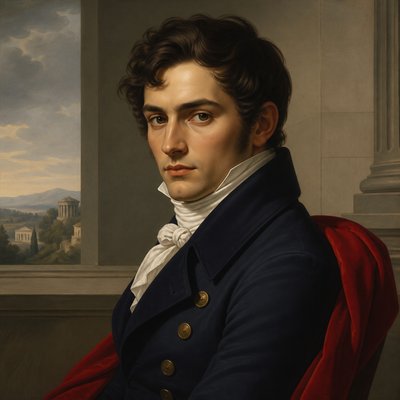
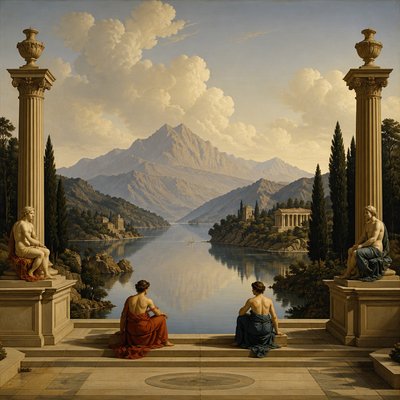
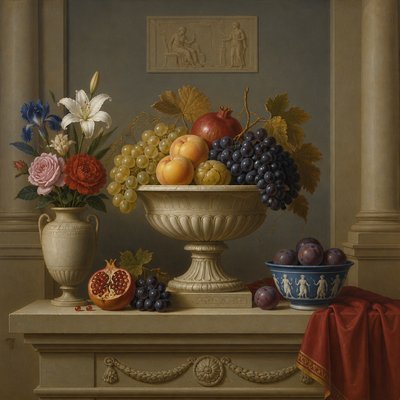
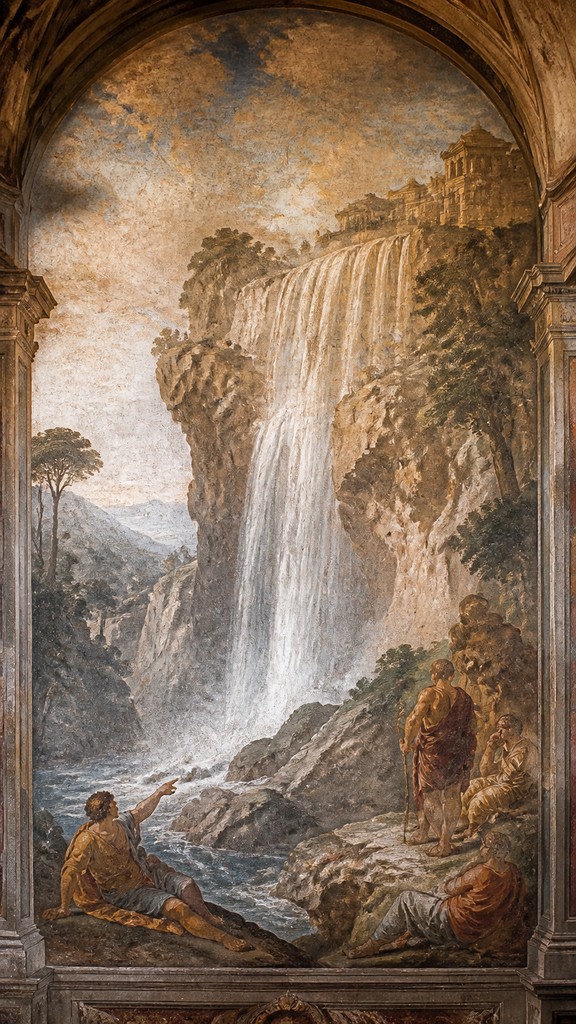
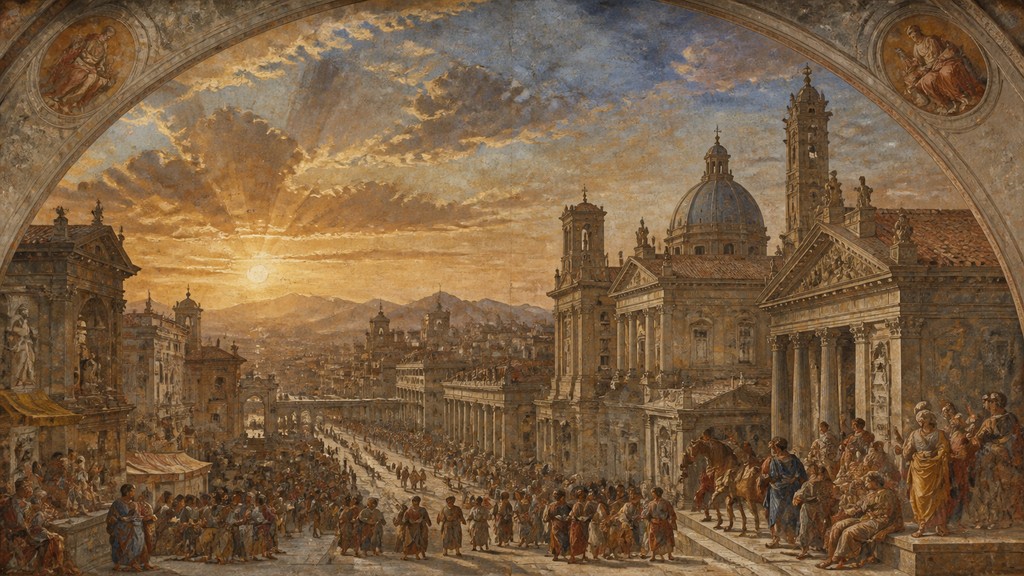
Fresco narrative Renaissance art is a monumental wall-painting style associated with large-scale storytelling, especially scenes from the Bible, classical mythology, civic history, and saints’ lives. Its visual identity comes from figures arranged in architecturally coherent spaces, with balanced composition, idealized anatomy, and a sense that the painted world extends naturally into the room or chapel around it.
The style looks the way it does because it is rooted in true fresco technique: mineral pigments brushed into wet lime plaster, creating a matte surface with softened edges, luminous earth colors, and subtle tonal depth. Renaissance artists used perspective, proportion, and chiaroscuro to give the scenes clarity and grandeur, while the physical qualities of plaster, aging, and wall integration contribute to the distinctive sense of permanence and sacred atmosphere.
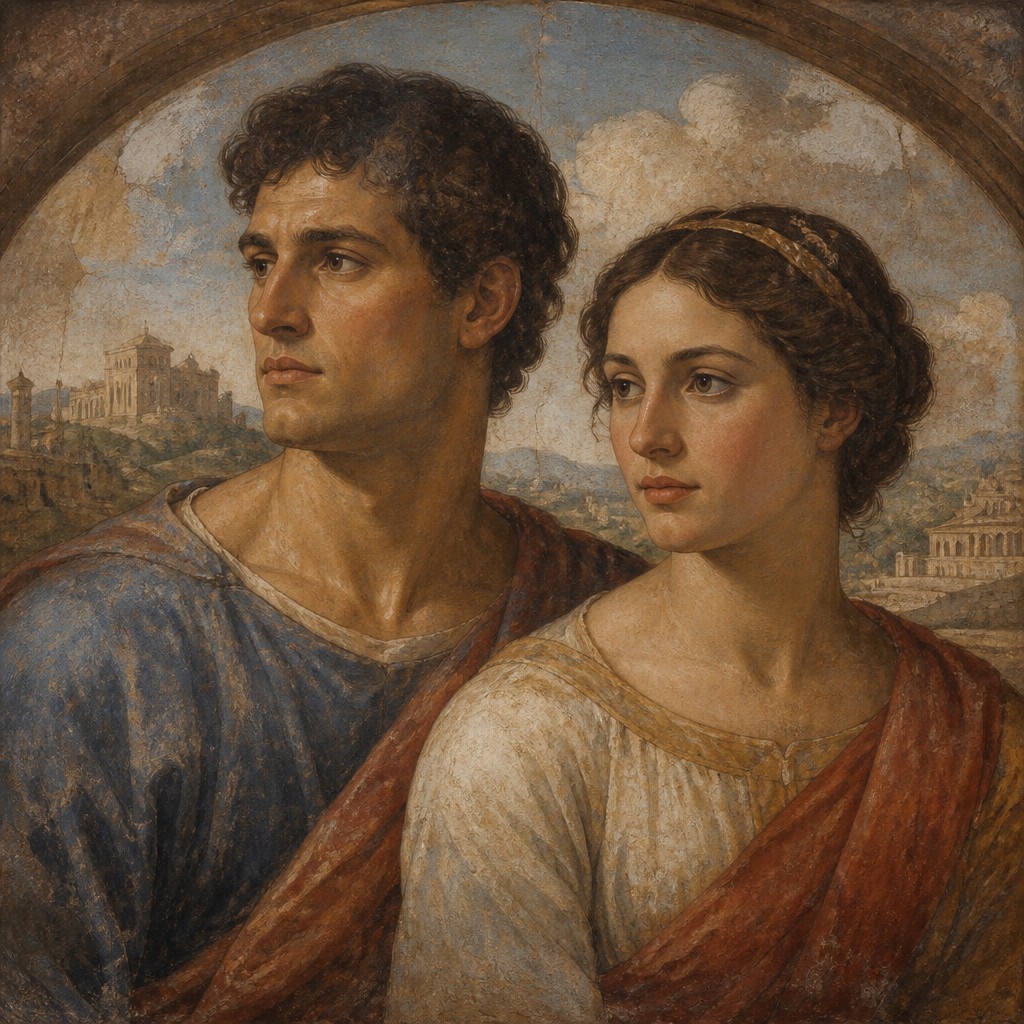
Try It On Your Photos
Upload any photo and convert it into Fresco Narrative Renaissance Art Style — drag the sliders to compare before and after.
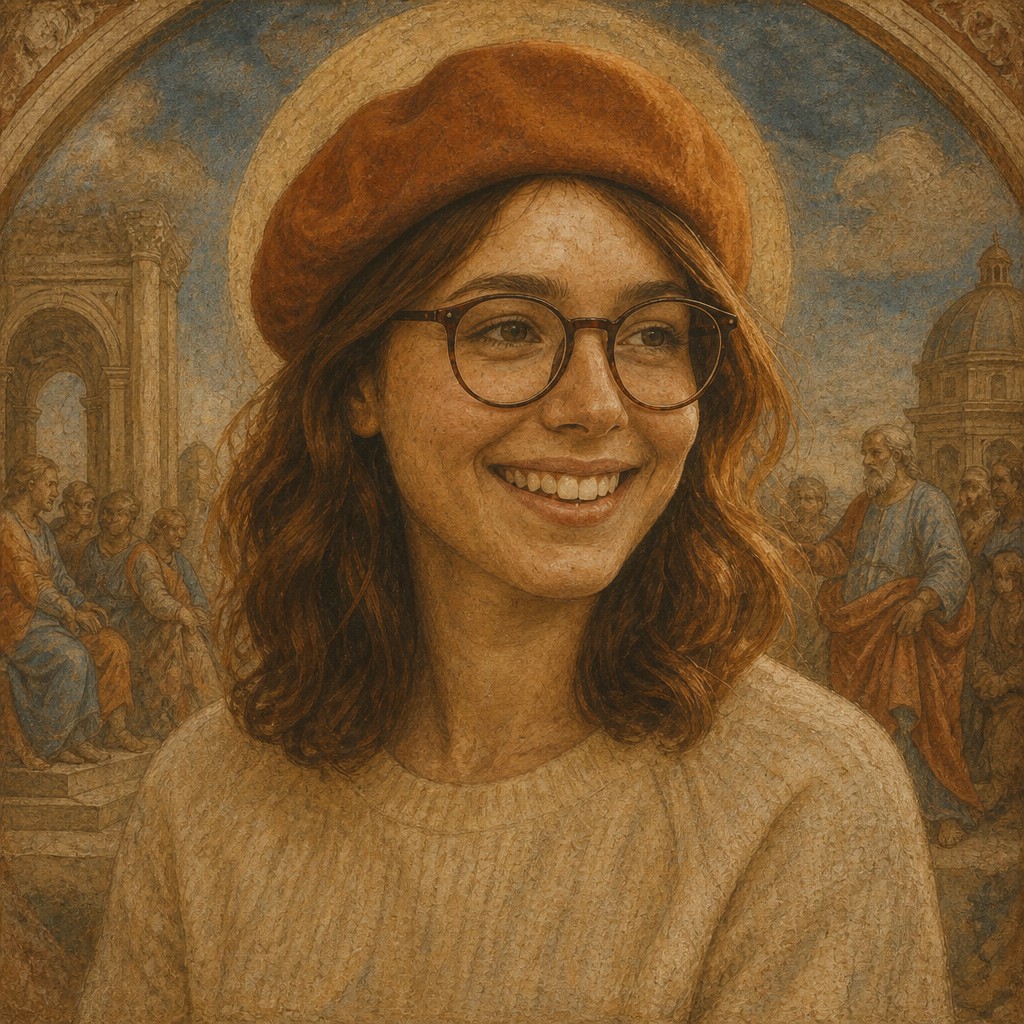

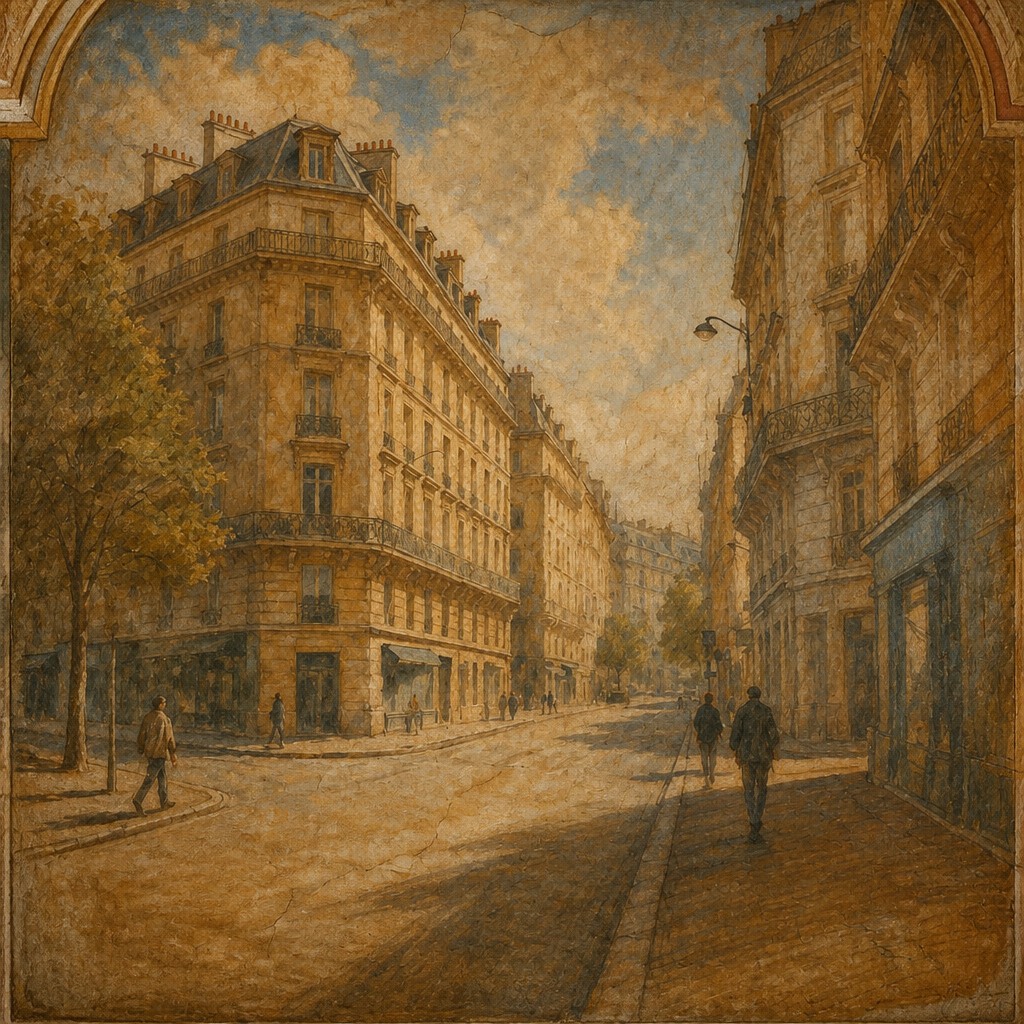

What Defines Fresco Narrative Renaissance Art Style
The signature details, up close
Wet-plaster surface
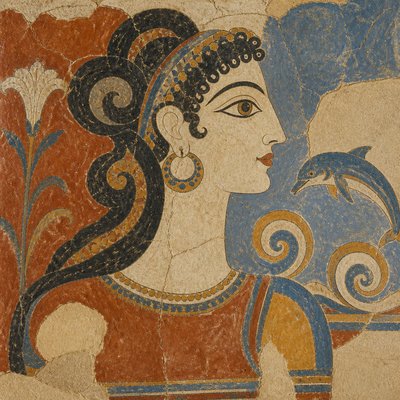
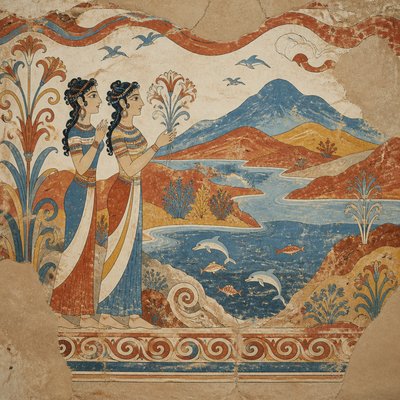
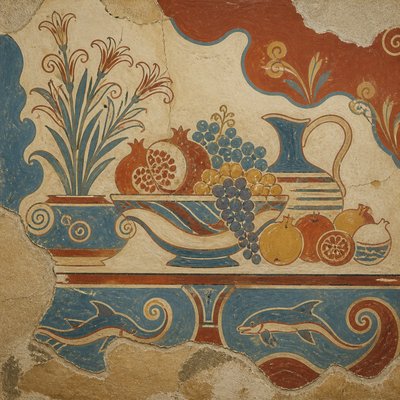
The defining material effect is matte pigment absorbed into fresh plaster, which produces a soft, skin-like surface rather than glossy paint. Fine intonaco texture, small irregularities, and slight wear reinforce the sense of an old chapel wall.
Monumental storytelling
Figures are arranged to serve a narrative program, often with multiple episodes, secondary observers, and symbolic details. The composition feels public, ceremonial, and designed to be read from a distance.
Renaissance perspective and proportion
Architectural space is organized with classical perspective, stable horizons, and balanced geometry. The composition often uses harmonious ratios and ordered symmetry to make the scene legible and authoritative.
Earth-rich palette with restrained brilliance
Ochres, siennas, umbers, muted greens, ultramarine, and vermillion dominate, usually in translucent layers. Color is expressive but controlled, giving the image warmth, gravity, and a fresco-like mineral quality.
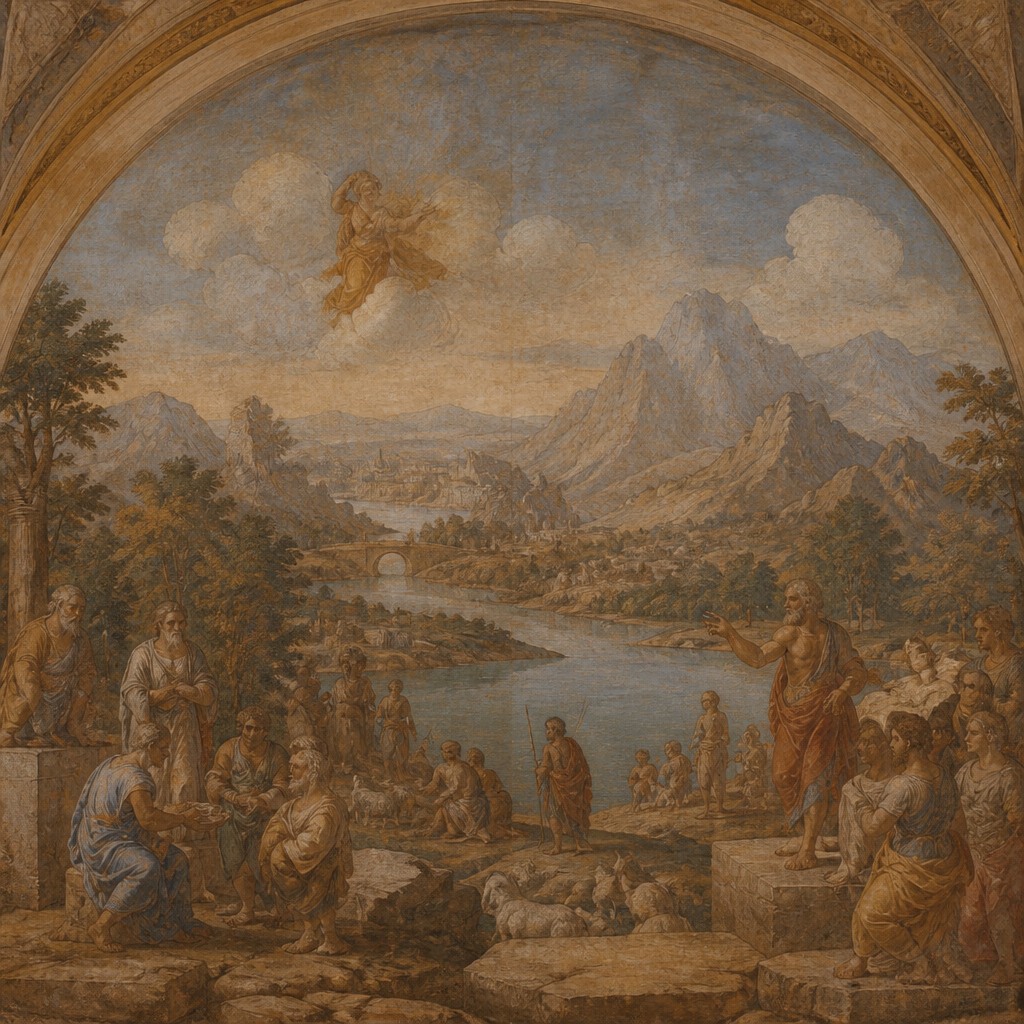
Sculptural figures and chiaroscuro
Bodies are modeled with soft volume and careful light-shadow transitions, making them feel carved rather than outlined. The light is often calm and devotional, enhancing dignity instead of theatrical contrast.
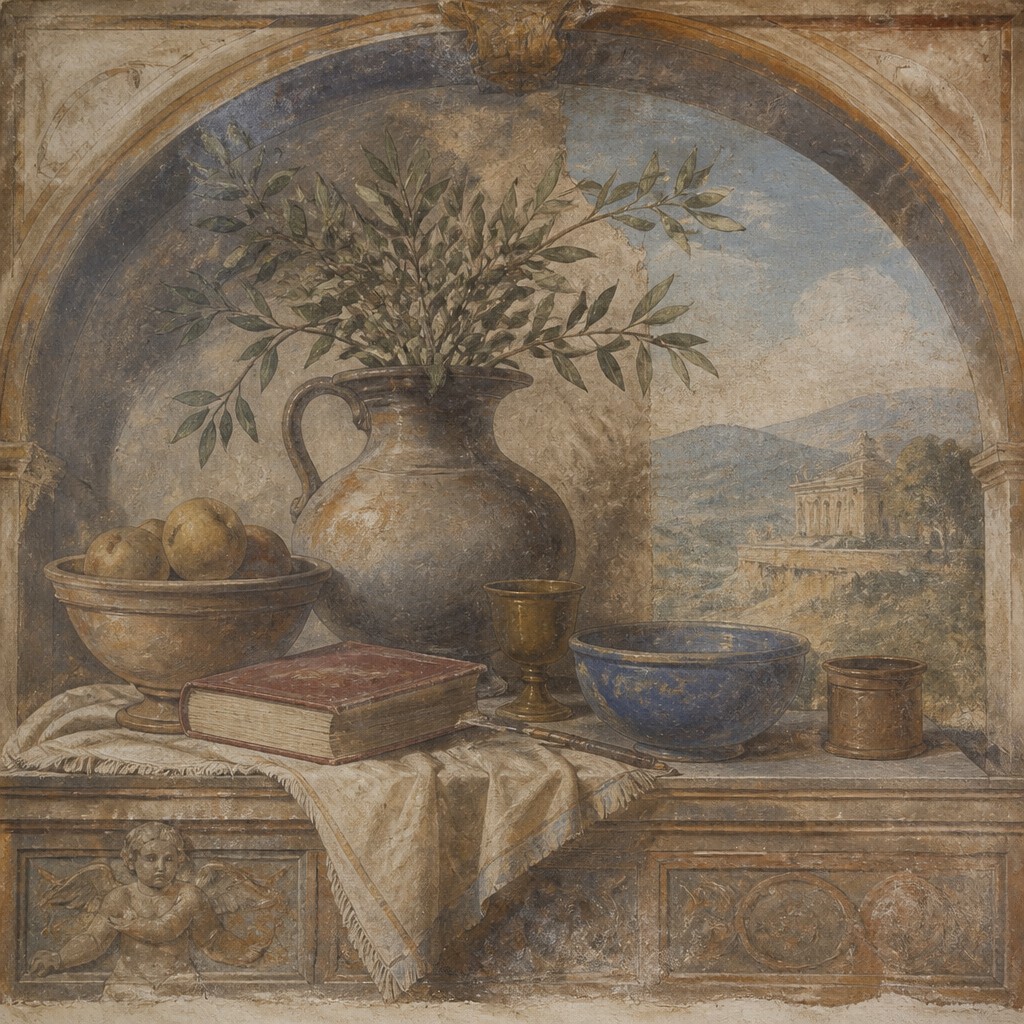
Integrated architecture
Columns, pilasters, arches, cornices, and painted frameworks are often part of the composition, not just background decoration. This creates the impression that the wall itself opens into a sacred or mythic space.
Try It
Create Videos in Fresco Narrative Renaissance Art Style
Styles aren't just for stills — describe a scene or animate an image and get a short video rendered in Fresco Narrative Renaissance. Press play to see this pond come to life.
Make a VideoFresco Narrative Renaissance Prompt Ideas
Start from an idea — each one opens the generator with the style ready to go. See all 40 Fresco Narrative Renaissance prompts →
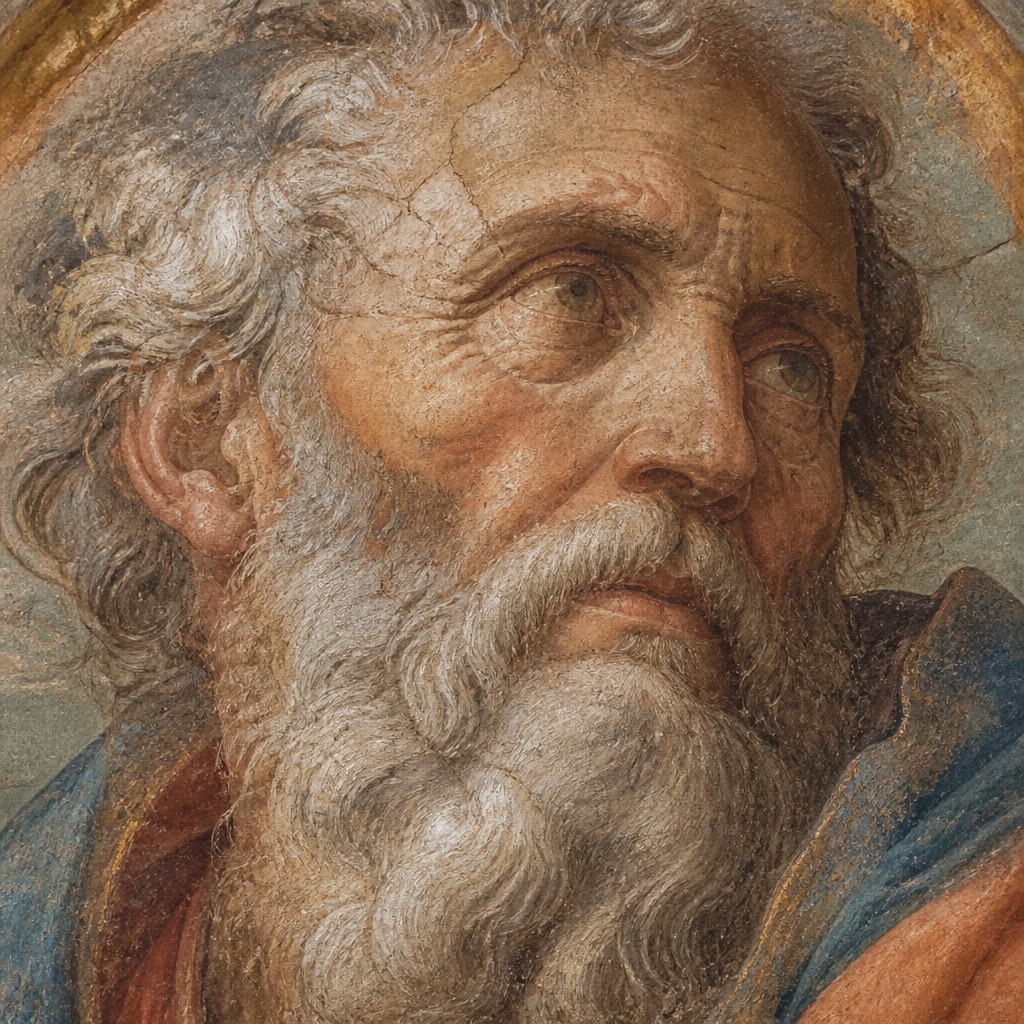
“close-up portrait of an elderly person with expressive weathered features”
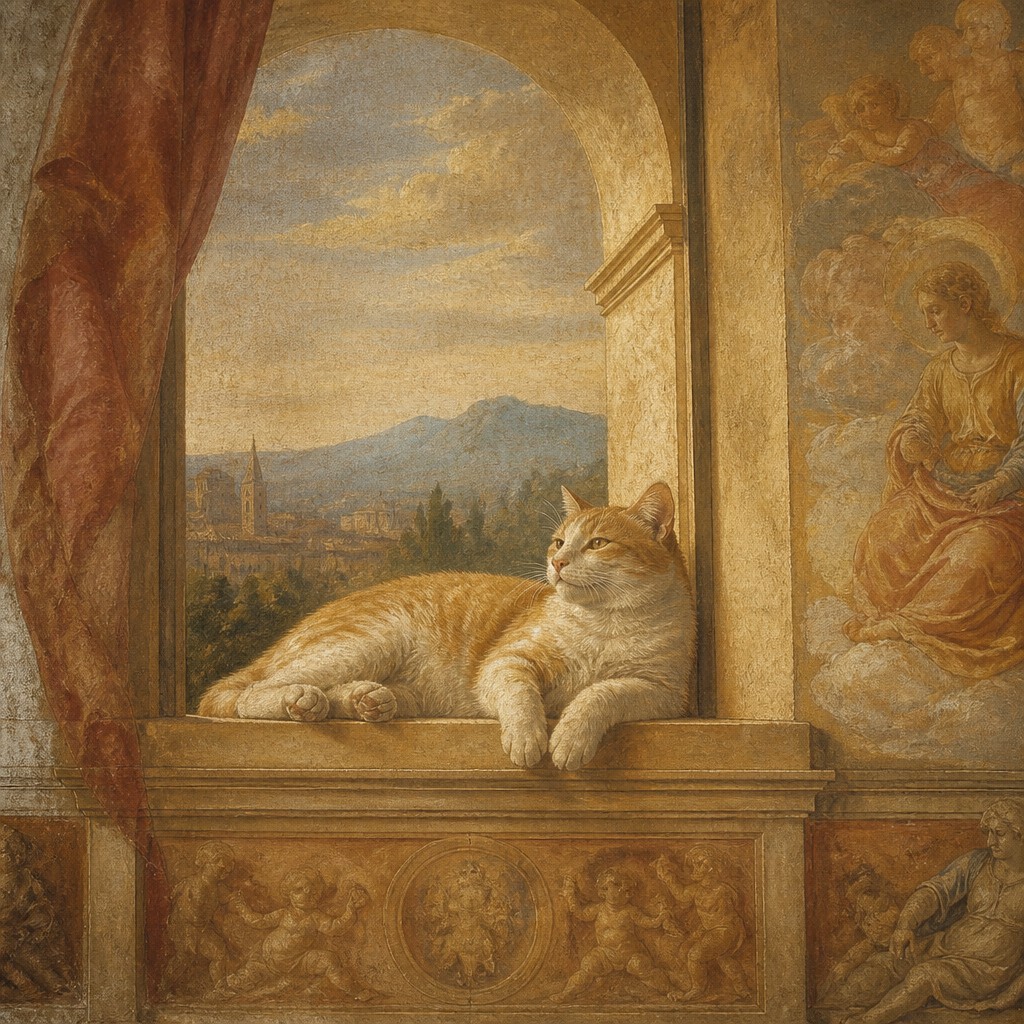
“a cat lounging in a sunlit window”
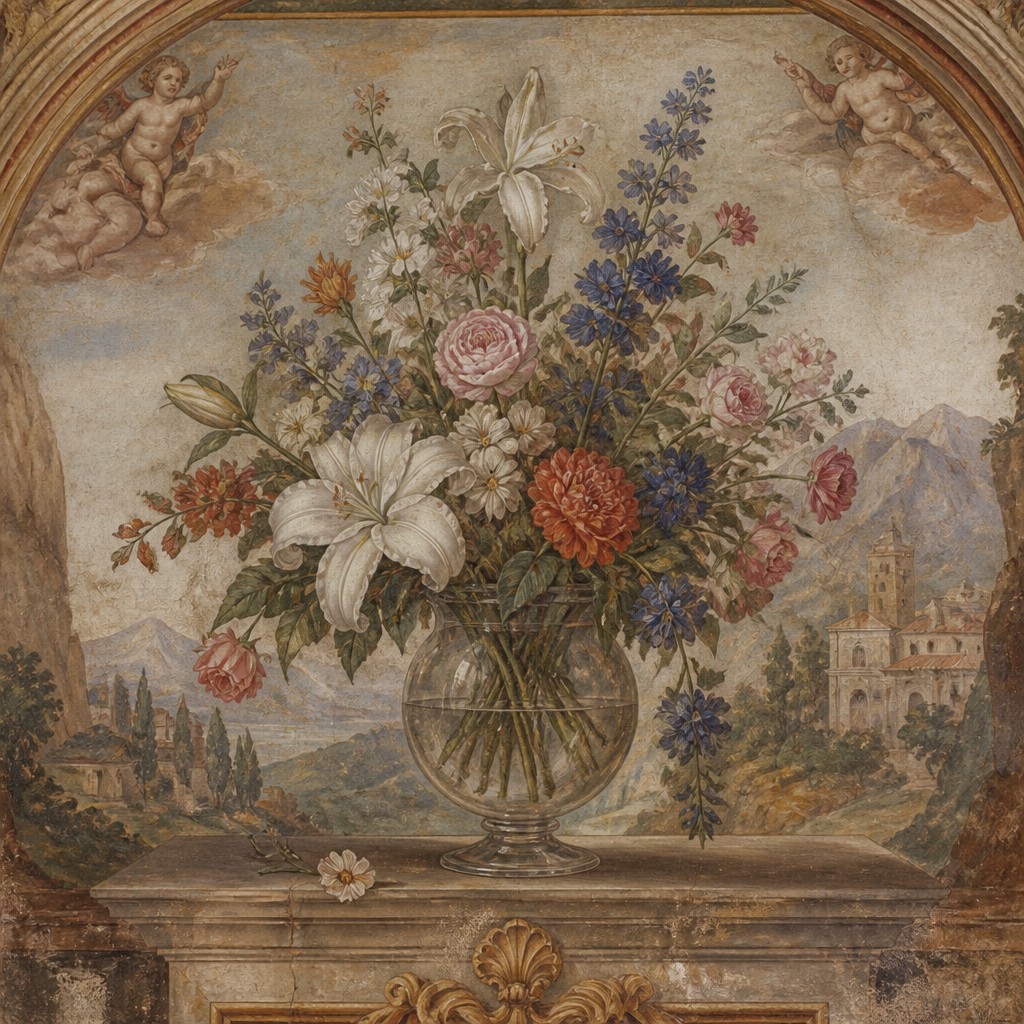
“bouquet of flowers in a glass vase”
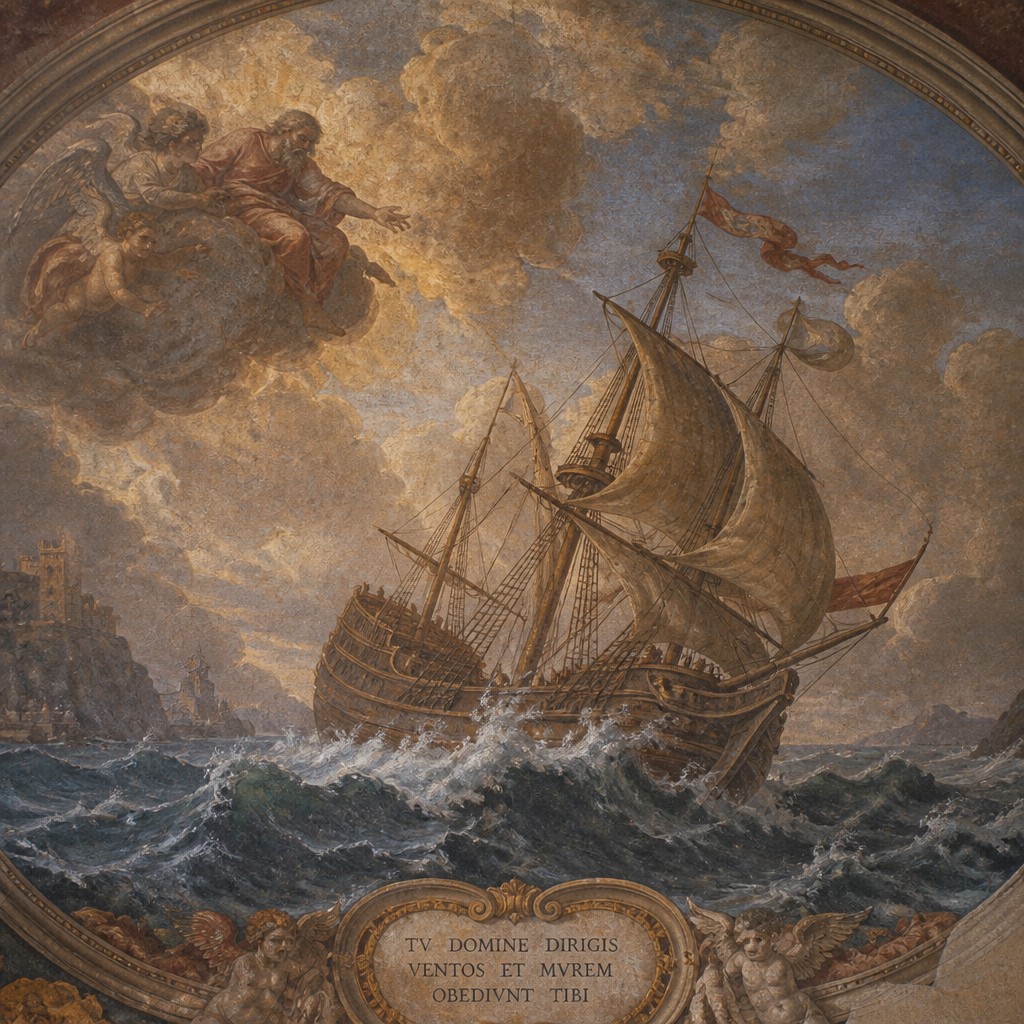
“sailing ship on a stormy sea”
How to Create Fresco Narrative Renaissance Art
Master the craft step by step — or skip straight to creating. Read the full guide →
- 1
Plan the wall as a narrative program
Start with a clear story, then design the composition in registers, arcs, or clustered episodes so the viewer can follow the action. Think like a muralist: every figure should contribute to the overall reading of the wall.
- 2
Use fresco-appropriate color and texture
Build the image with matte mineral hues, especially ochres, siennas, ultramarine accents, and vermillion highlights. In digital work, add plaster grain, minor edge softening, and uneven pigment absorption to imitate a wall surface.
- 3
Compose with Renaissance structure
Anchor the scene using perspective lines, architectural frames, and balanced massing of figures. If the composition feels too casual or centered on a single subject, it will lose the monumental narrative character.
- 4
Model forms with controlled light
Use gradual chiaroscuro and sfumato-like transitions so bodies and faces feel softly volumetric rather than sharply outlined. Keep the lighting calm and unified, as if from a devotional or skylit interior.
- 5
Add age and integration cues
Introduce subtle crackling, worn edges, pigment loss, and slight discoloration to suggest centuries on plaster. For prompt-based generation, specify chapel wall texture, aged patina, and painted architectural framing to strengthen the illusion.
- 6
For image-to-image, preserve composition first
When transforming a photo, keep the pose, architecture, or scene layout recognizable while converting surfaces into fresco textures. The best results come from simplifying modern detail into broad, mural-like forms rather than over-preserving photographic realism.
The Story
History & Origins of Fresco Narrative Renaissance
This style belongs to the broader tradition of Renaissance fresco painting in Italy, flourishing from the 14th through the 16th centuries, especially in churches, chapels, palaces, and civic buildings. Its development was tied to the technical practice of buon fresco and to the Renaissance recovery of classical principles of space, anatomy, and narrative clarity. Major historical fresco programs were produced by leading early Renaissance mural painters, major Quattrocento chapel decorators, high Renaissance masters, and later northern Italian fresco innovators.
As an art style for contemporary image-making, it draws on several linked traditions rather than a single modern school: Italian Renaissance mural painting, classical antiquity, Christian iconography, and the decorative integration of painting with architecture. Its “narrative” quality comes from the way Renaissance walls were used as sequential visual texts, where composition, gesture, and perspective guide the viewer through complex stories.
Influences: This style is closely related to Italian Renaissance fresco traditions and their classical inheritance, especially the work of leading early Renaissance mural painters, major Quattrocento chapel decorators, and high Renaissance masters. It also draws from Christian mural cycles, Roman wall painting, Byzantine icon and chapel decoration, and the broader European tradition of integrating painting with architecture.
Frequently Asked Questions
What defines fresco narrative Renaissance art?
It is defined by large-scale storytelling painted as if on wet plaster, with Renaissance composition, classical perspective, and solemn monumental figures. The style emphasizes clarity of narrative, architectural integration, and a matte wall-like surface.
Is this the same as a generic Renaissance painting style?
Not exactly. A general Renaissance painting may be a panel, canvas, or portrait, while this style specifically evokes wall frescoes designed for narrative cycles and architectural settings. The material texture and mural scale are central to its identity.
What subjects work best in this style?
Biblical scenes, mythological episodes, saintly miracles, allegories, and civic histories are especially suitable because the style was historically used for public storytelling. Subjects with multiple figures and clear emotional or symbolic actions work better than isolated close-up portraits.
How do I make it look authentically fresco-like?
Use matte pigments, warm mineral colors, softened transitions, and subtle wall texture. Add plaster irregularities, aged patina, and a composition that feels embedded in architecture rather than floating on a blank background.
How is it different from Baroque ceiling painting?
Baroque ceiling painting is typically more dramatic, dynamic, and illusionistic, with stronger motion and theatrical lighting. Fresco narrative Renaissance art is usually more balanced, harmonious, and architecturally ordered, with a calmer sense of sacred narration.
Can modern subjects be shown in this style?
Yes, modern subjects can be adapted if they are treated as monumental public narratives. The key is to translate contemporary scenes into Renaissance-like composition, formal gravity, and wall-painting texture rather than keeping a photographic look.
Create your first Fresco Narrative Renaissance artwork
Describe anything — or upload a photo — and see it in Fresco Narrative Renaissance Art Style in seconds.
Make Something with Fresco Narrative Renaissance
Compare Fresco Narrative Renaissance
Related Styles
Discover similar art styles