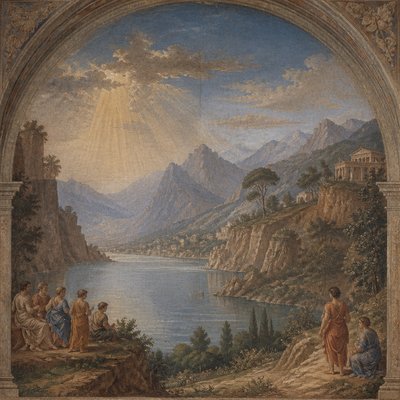
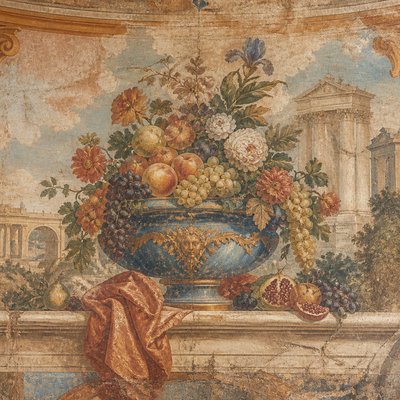
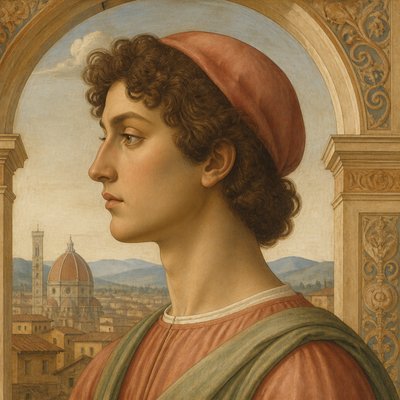
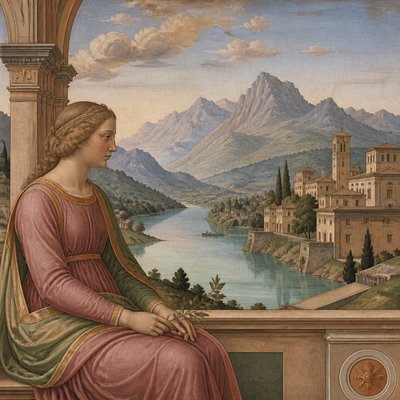
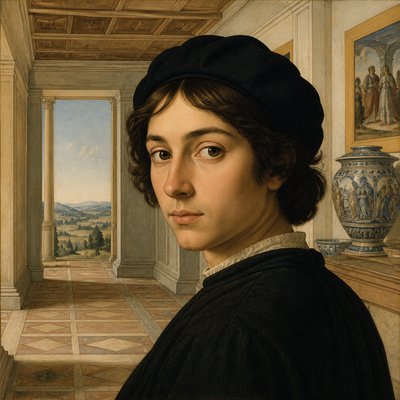
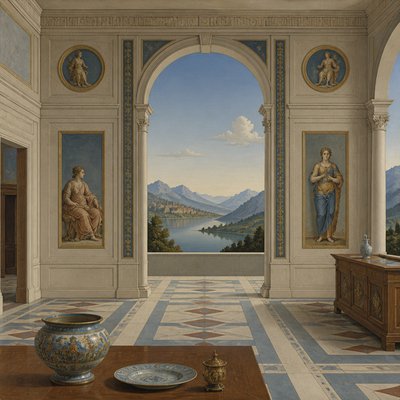
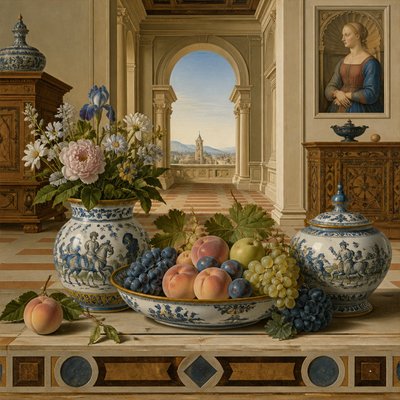
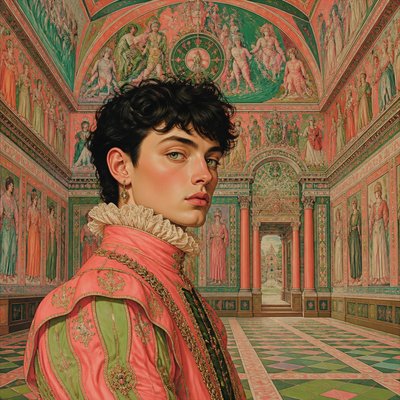
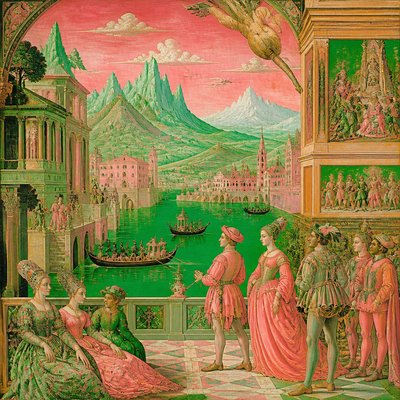
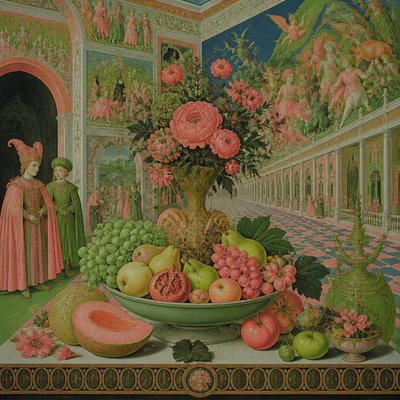
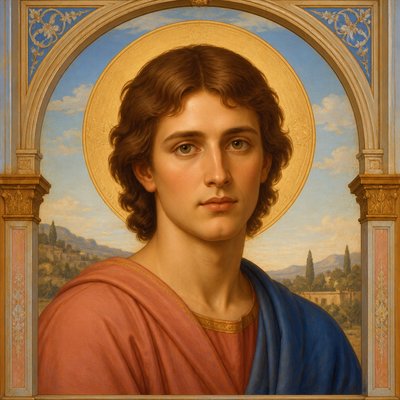
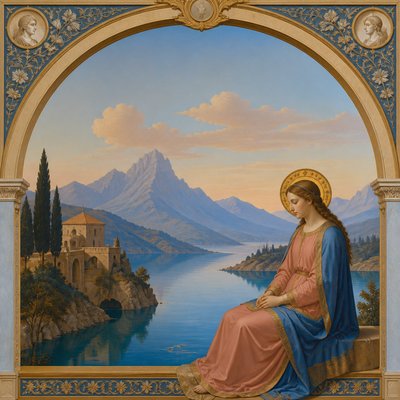
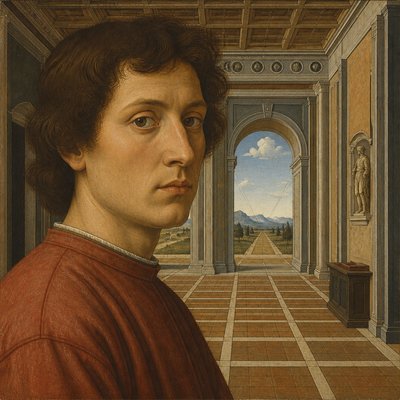
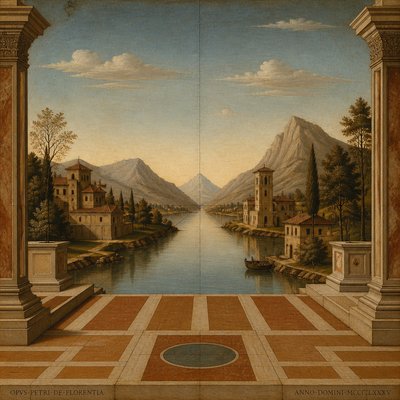
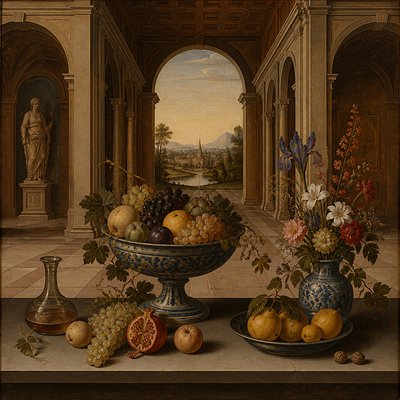
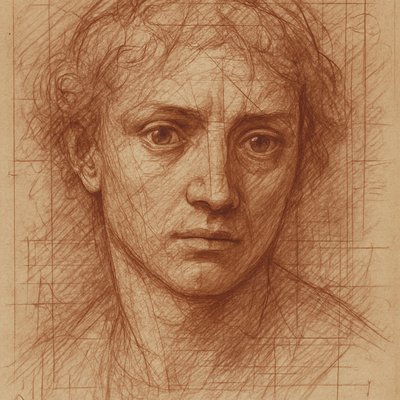
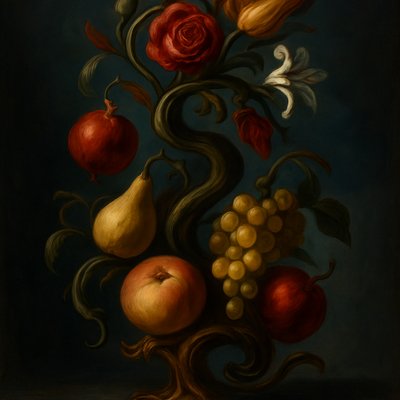
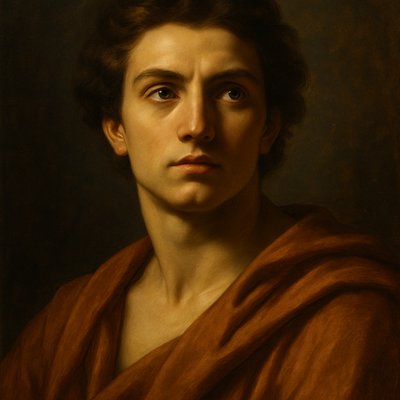
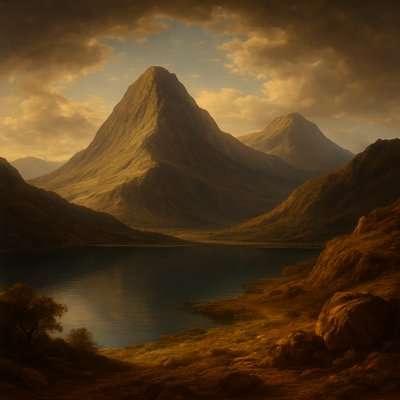
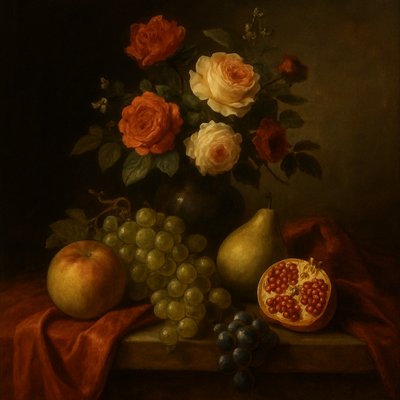
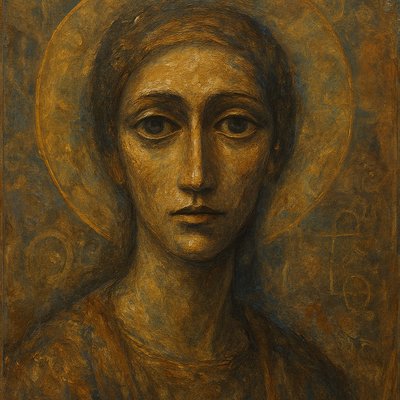
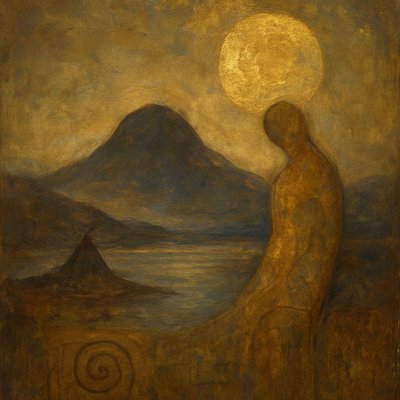
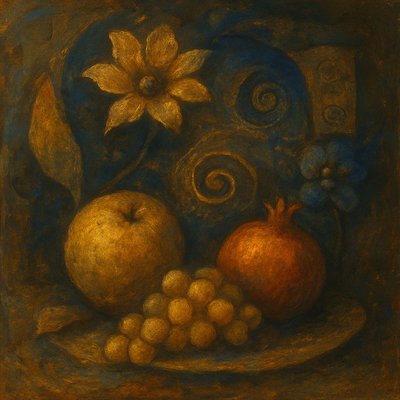
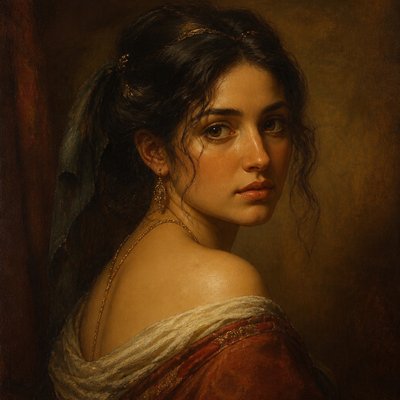
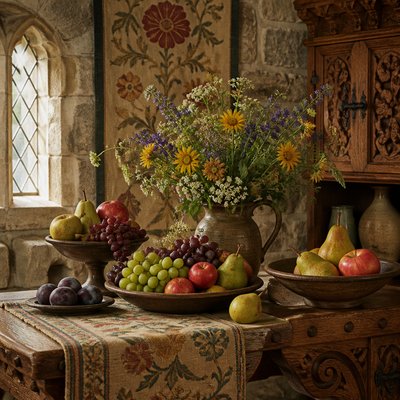
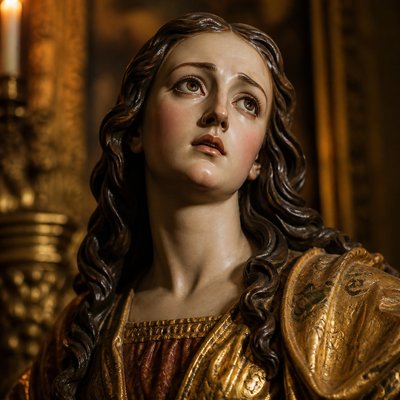
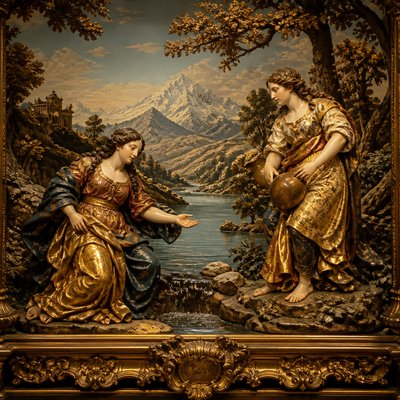
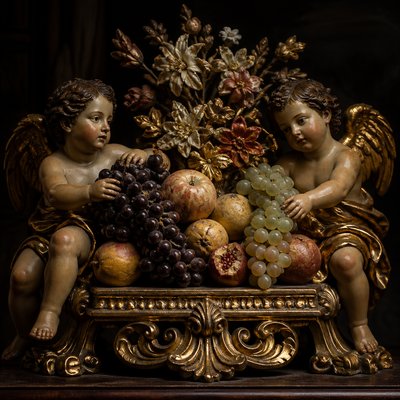
Mythological Allegory Renaissance Art Style
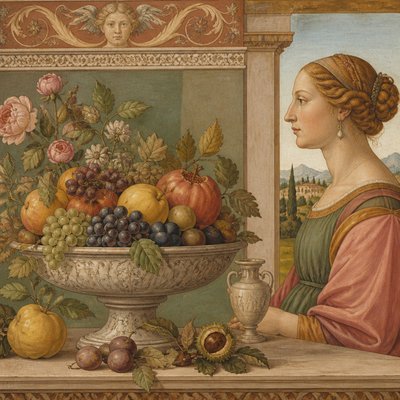
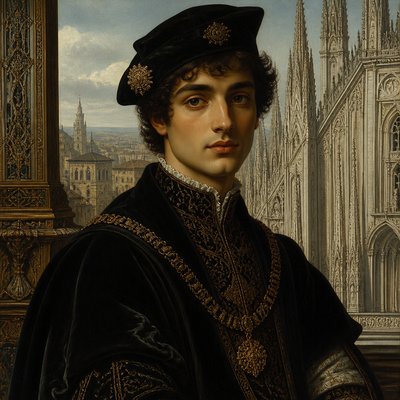
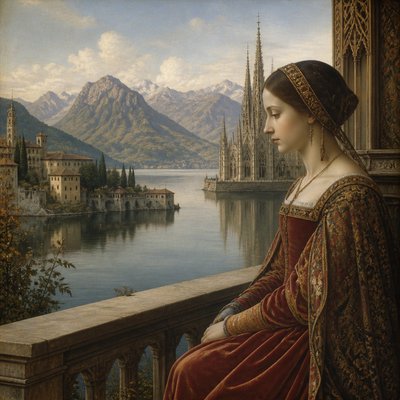
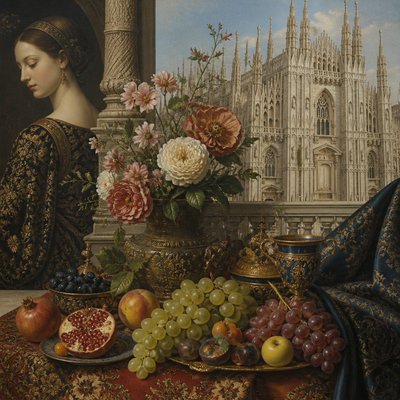
Explore Mythological Allegory Renaissance art: classical gods, symbolic narratives, luminous oil glazes, chiaroscuro, and layered philosophical meaning.
Instantly rendered in Mythological Allegory Renaissance — or transform a photo
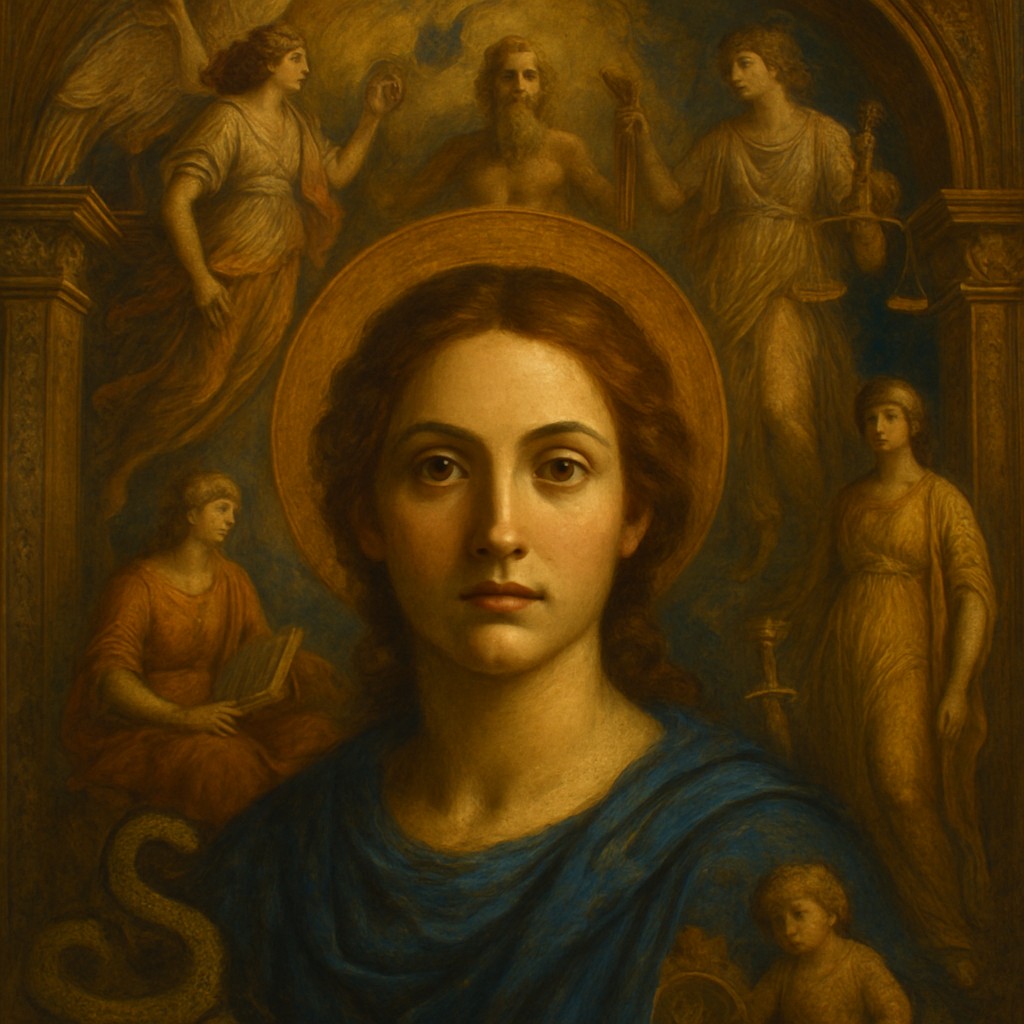
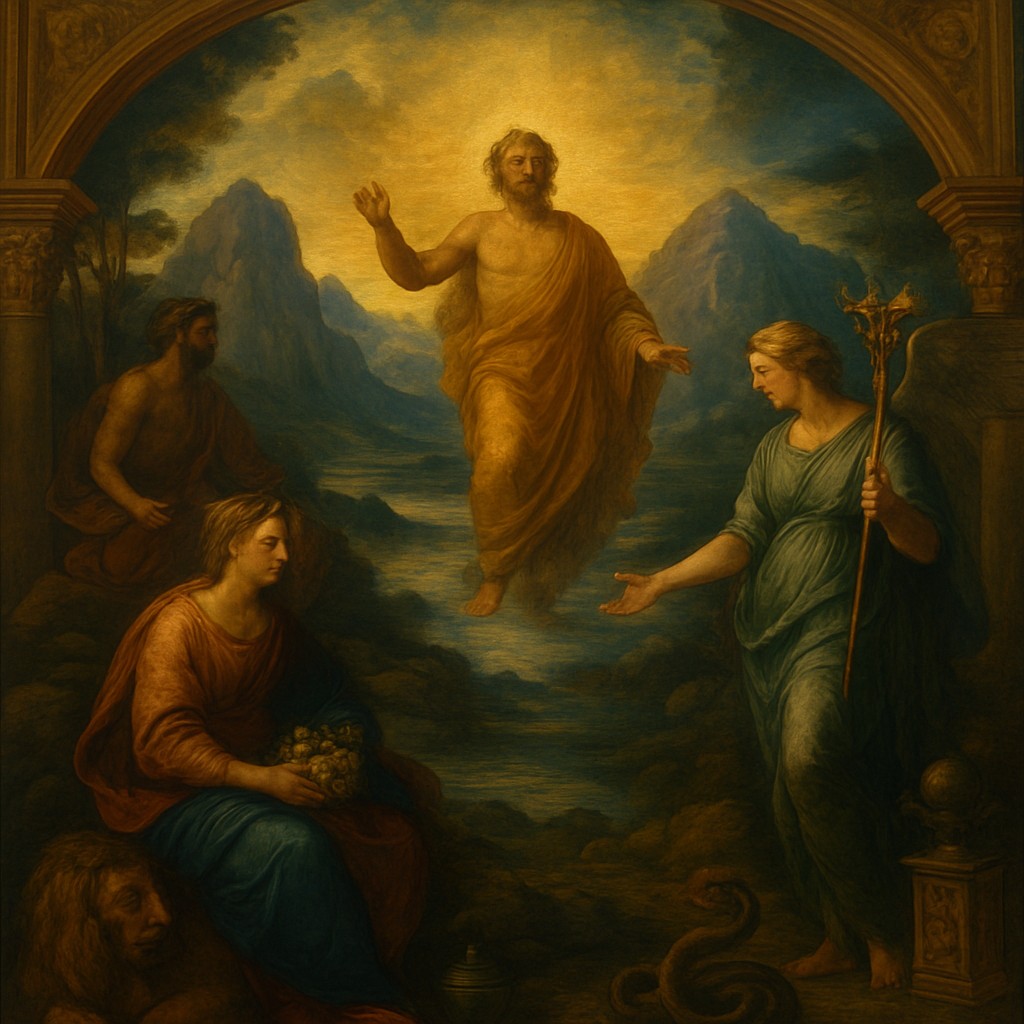
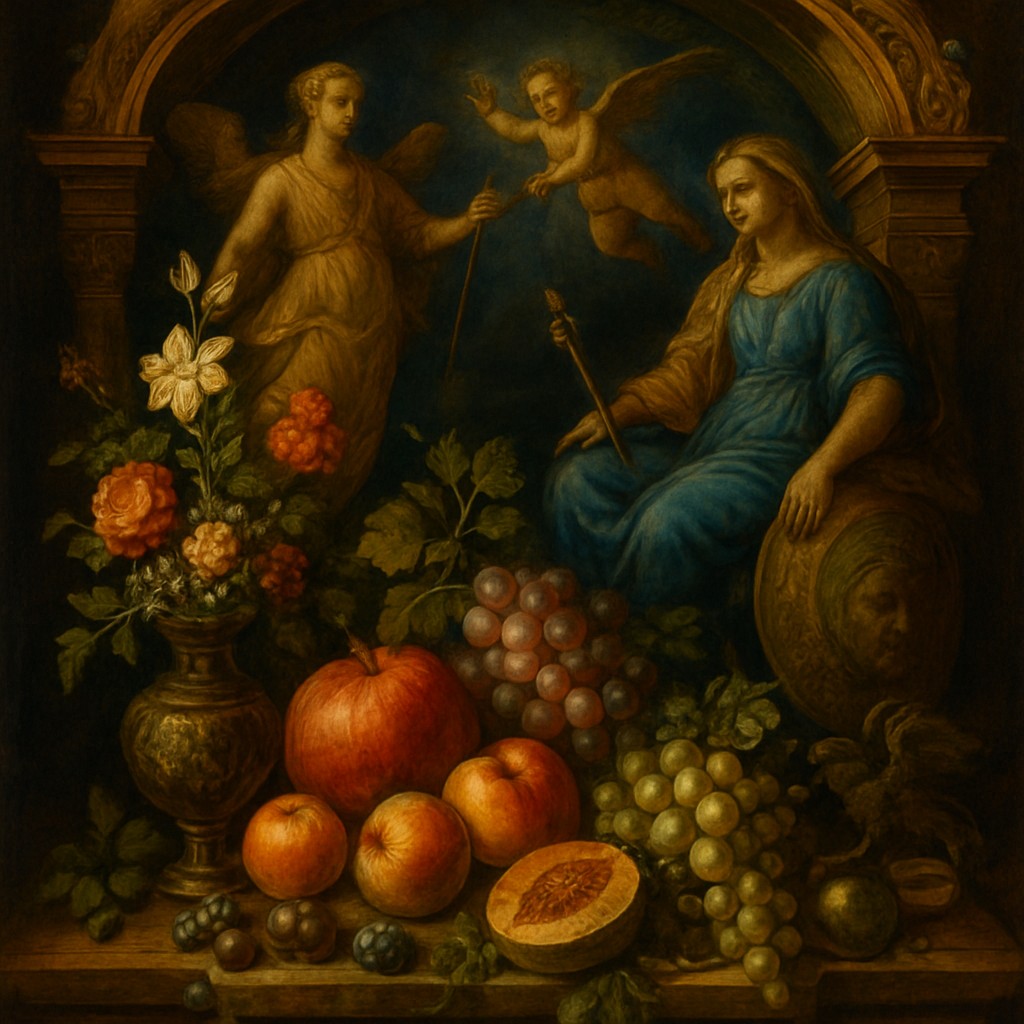
Mythological Allegory Renaissance Gallery
Tap any artwork to explore it
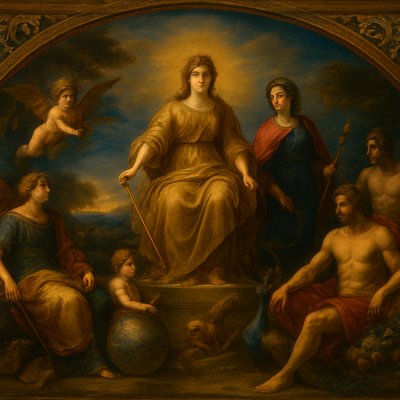
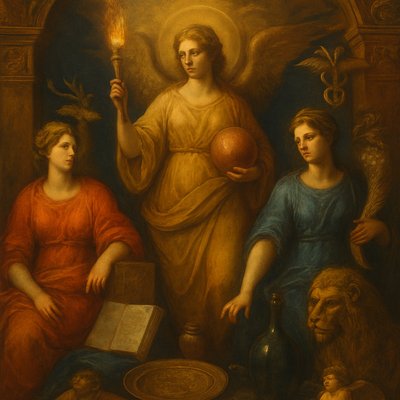
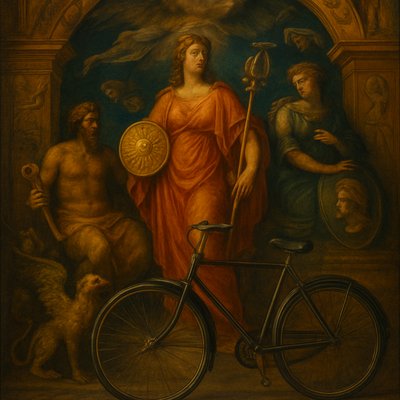
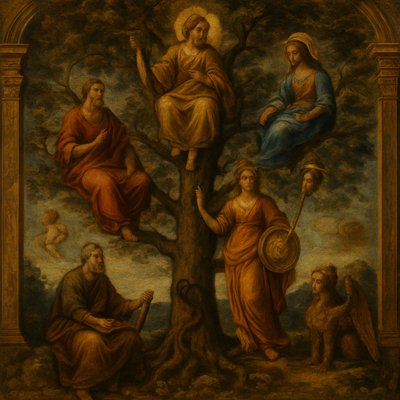
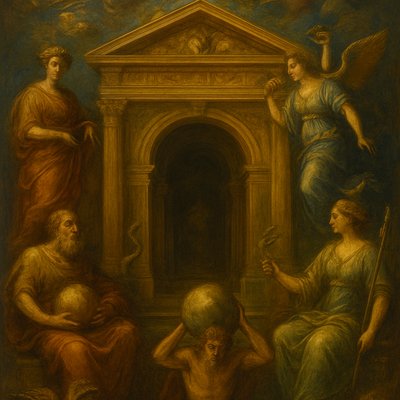
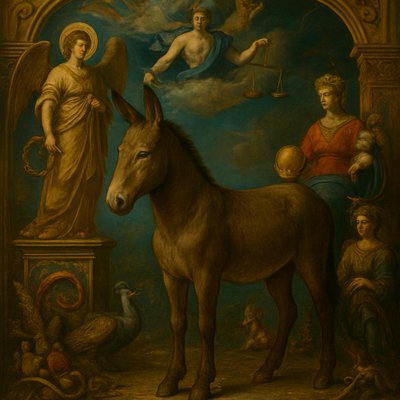
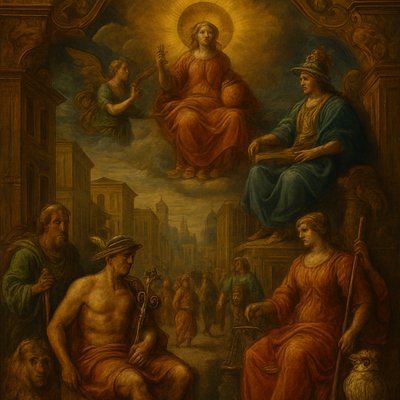
What is Mythological Allegory Renaissance Art Style?
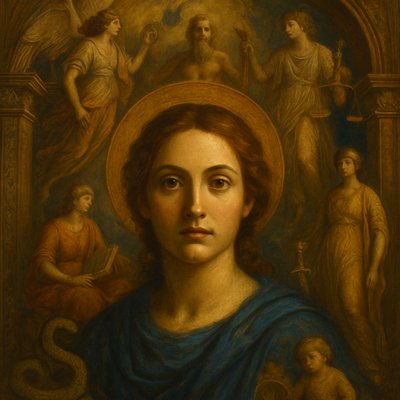
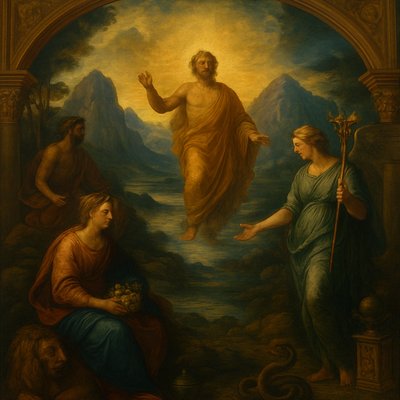
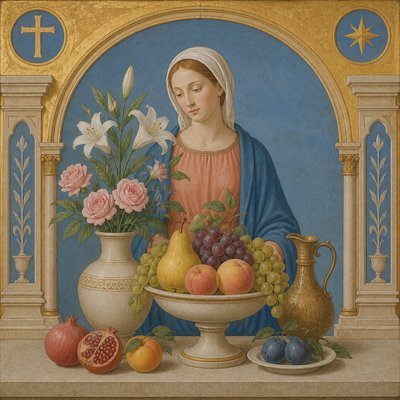
Mythological Allegory Renaissance Art Style is an invented contemporary style built from the visual language of Renaissance painting and classical mythology. It presents gods, heroes, personifications, animals, architecture, and symbolic objects as parts of an intellectually structured narrative rather than as decorative fantasy alone. Each figure may represent an abstract idea such as virtue, desire, time, knowledge, mortality, harmony, or political power.
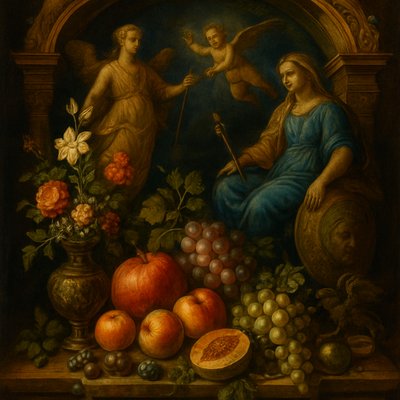
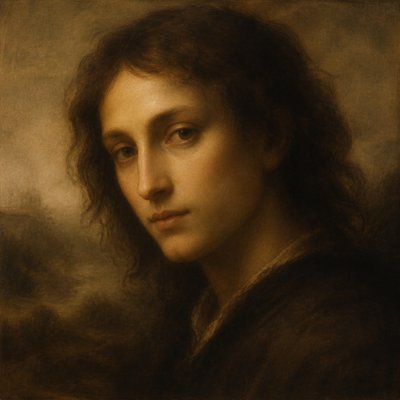
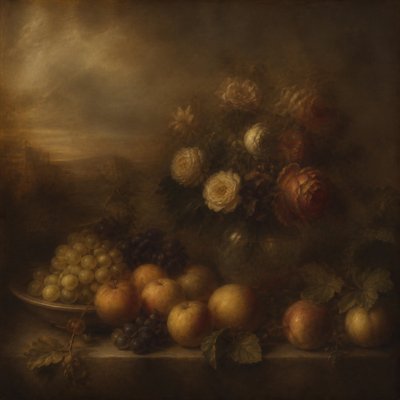
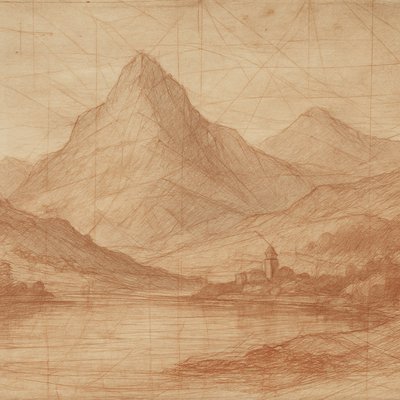
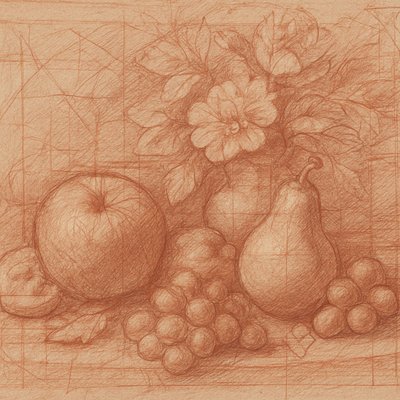
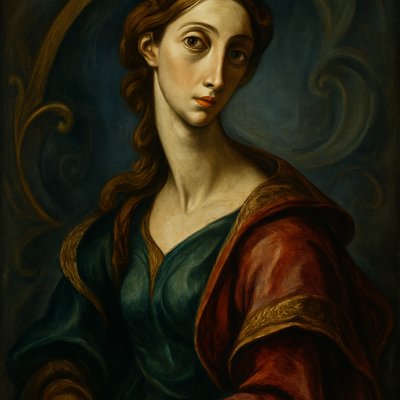
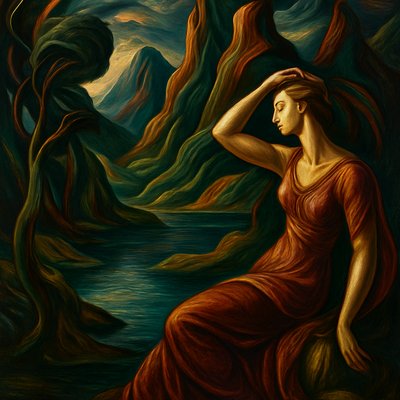
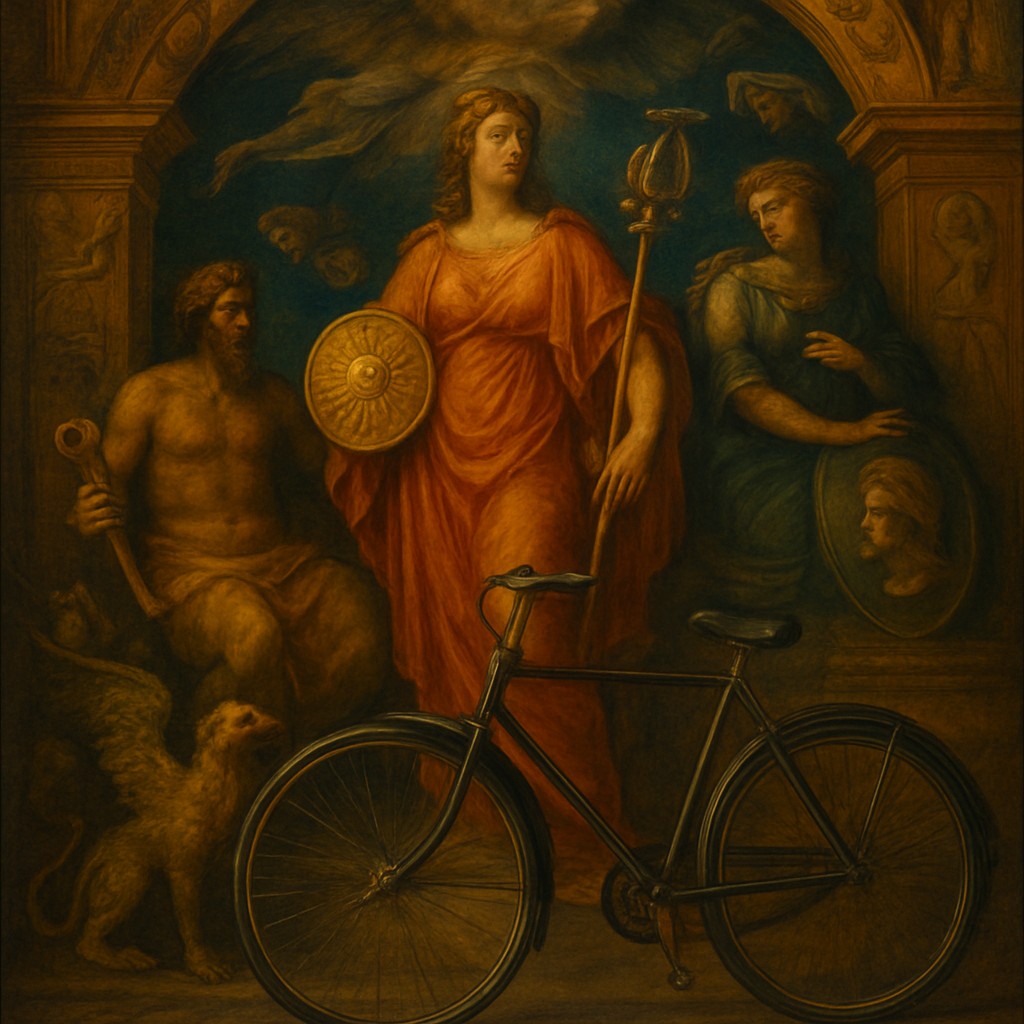
Its visual identity combines hierarchical composition, precise linear definition, dramatic chiaroscuro, and richly layered color. Warm ochres, burnt sienna, muted reds, and gold accents create an antique luminosity, while deep ultramarine shadows establish solemnity and depth. Flowing drapery, classical framing architecture, translucent glazes, sfumato transitions, and carefully positioned attributes make the image feel simultaneously earthly and celestial, inviting close study of its interconnected symbols.
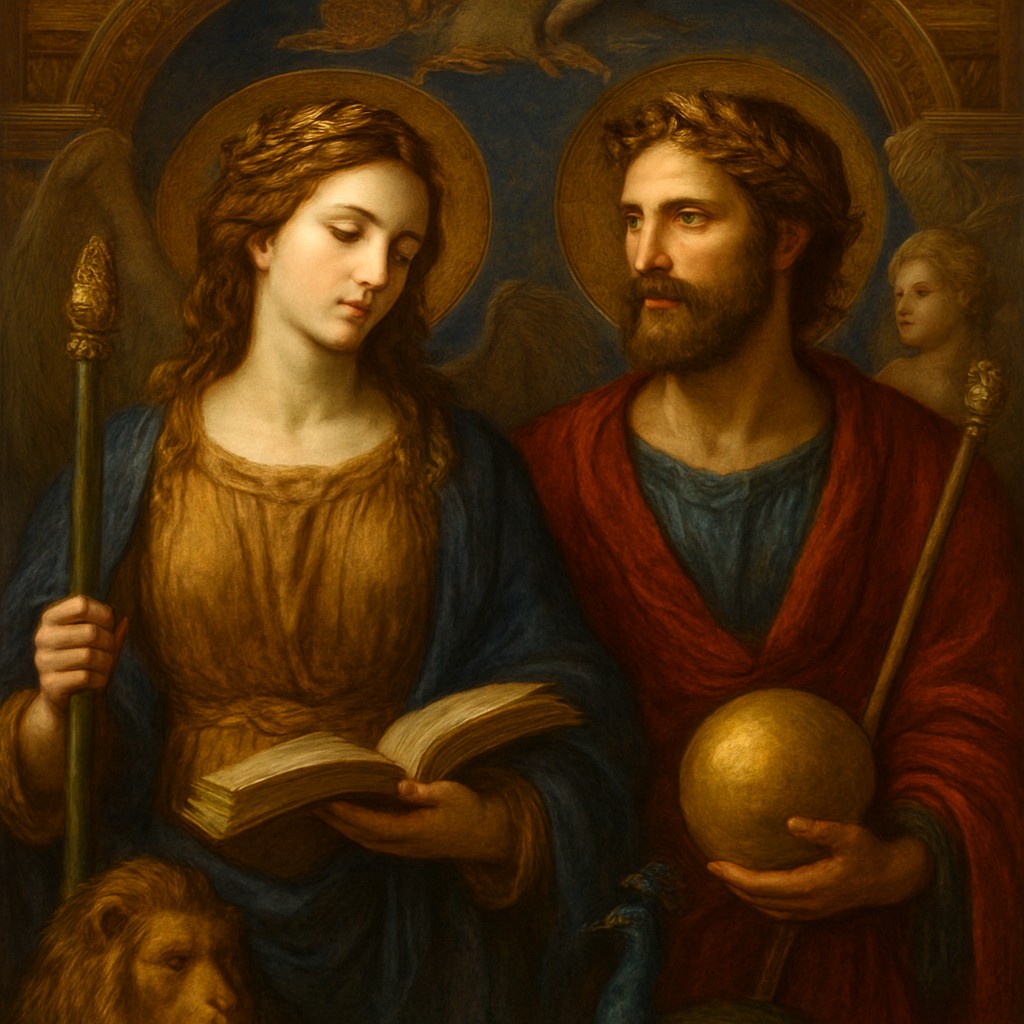
Try It On Your Photos
Upload any photo and convert it into Mythological Allegory Renaissance Art Style — drag the sliders to compare before and after.
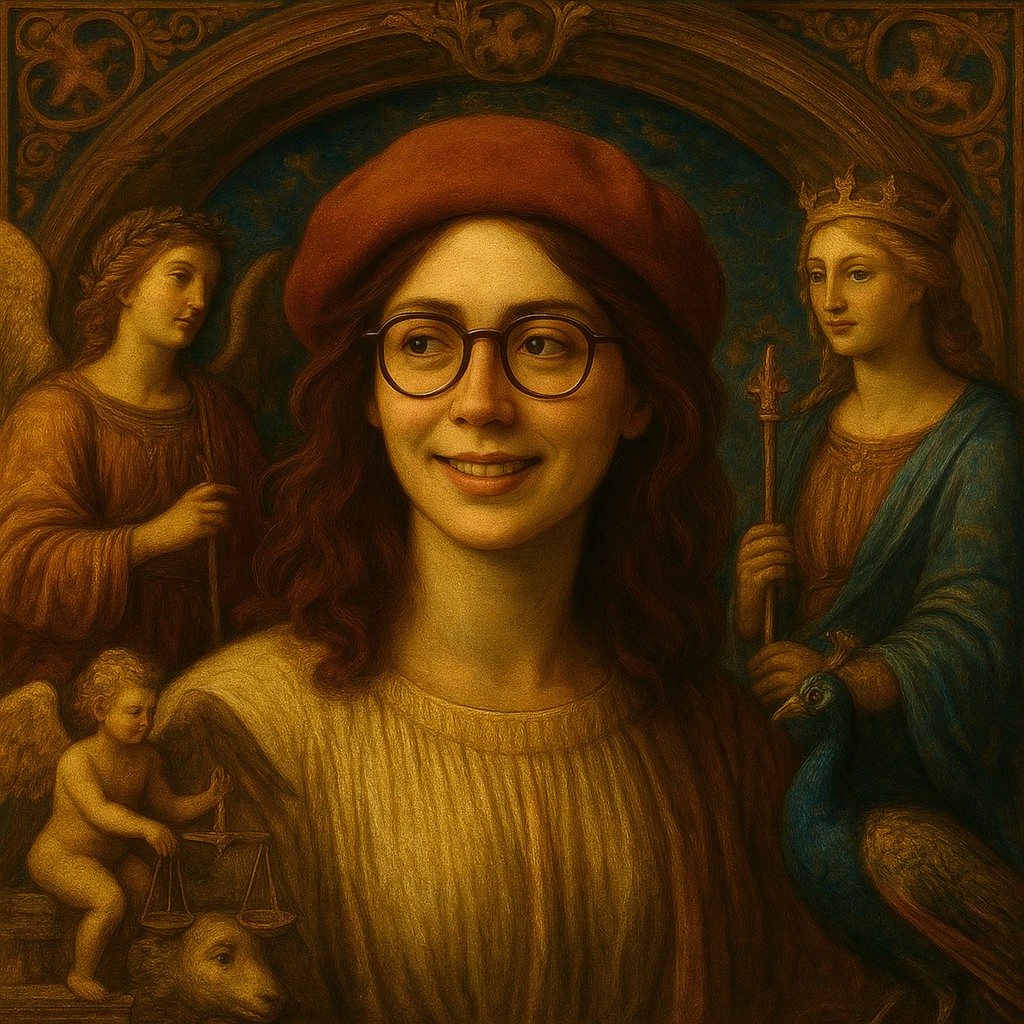


What Defines Mythological Allegory Renaissance Art Style
The signature details, up close
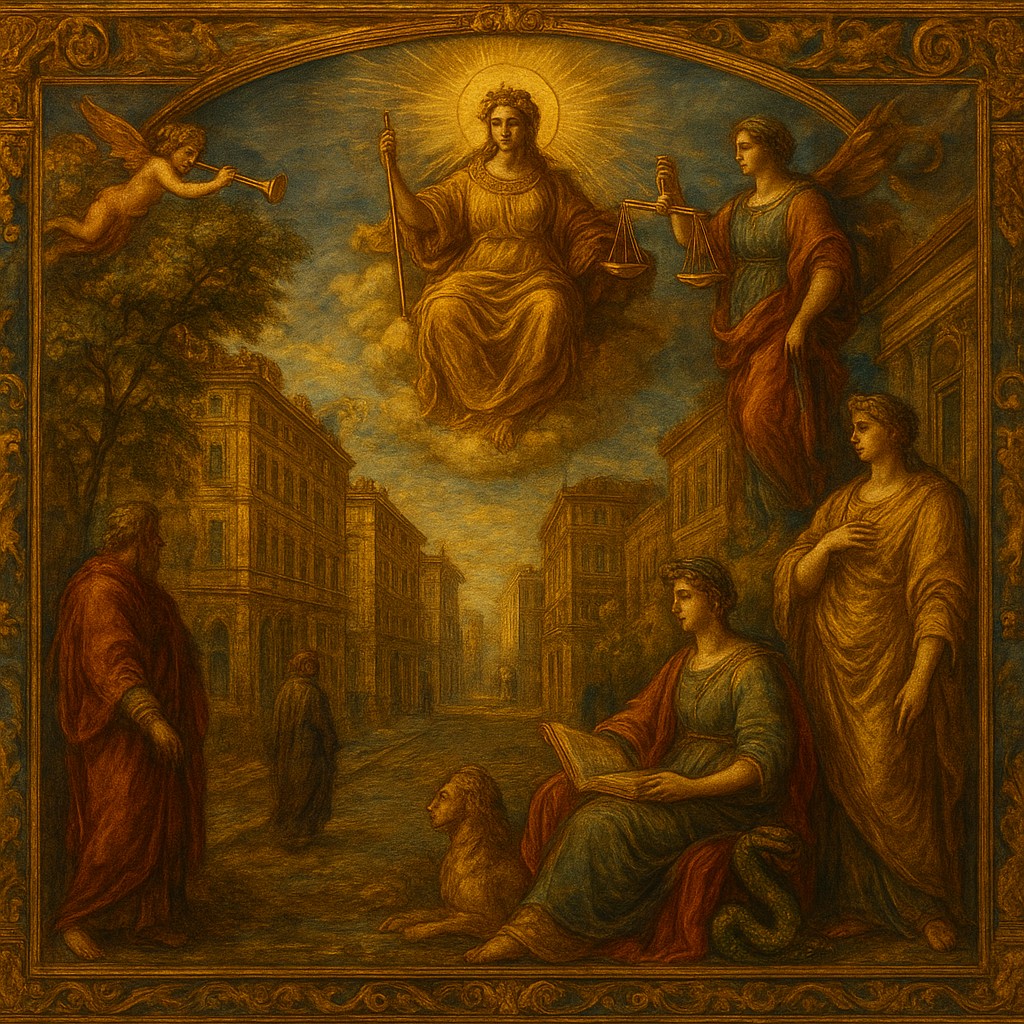
Classical divine figures
Gods, goddesses, muses, heroes, and personifications appear with recognizable attributes such as staffs, scales, crowns, mirrors, books, weapons, or celestial emblems. These objects clarify the conceptual role of each figure within the narrative.
Layered allegorical symbolism
The composition is designed to support several readings at once, linking gestures, animals, plants, architecture, colors, and objects to philosophical or moral themes. Symbolic elements are arranged in visual dialogue rather than scattered randomly.
Hierarchical composition
The primary figure or idea is elevated, centered, illuminated, or given greater scale, while secondary figures occupy supporting positions. Groups, diagonals, and architectural divisions guide the eye through a sequence of meanings.
Luminous Renaissance surface
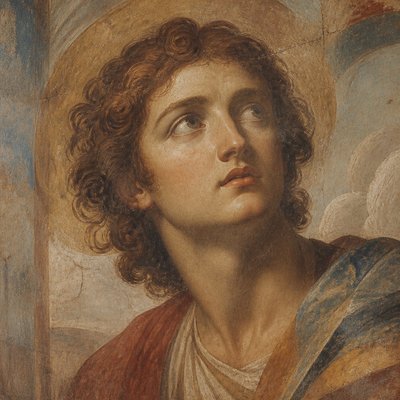
Translucent oil glazes over a tempera-like underpainting create depth in skin, fabric, metal, and atmosphere. Warm golden ochre and burnt sienna undertones contrast with deep ultramarine shadows, sometimes reinforced by restrained gold-leaf accents.
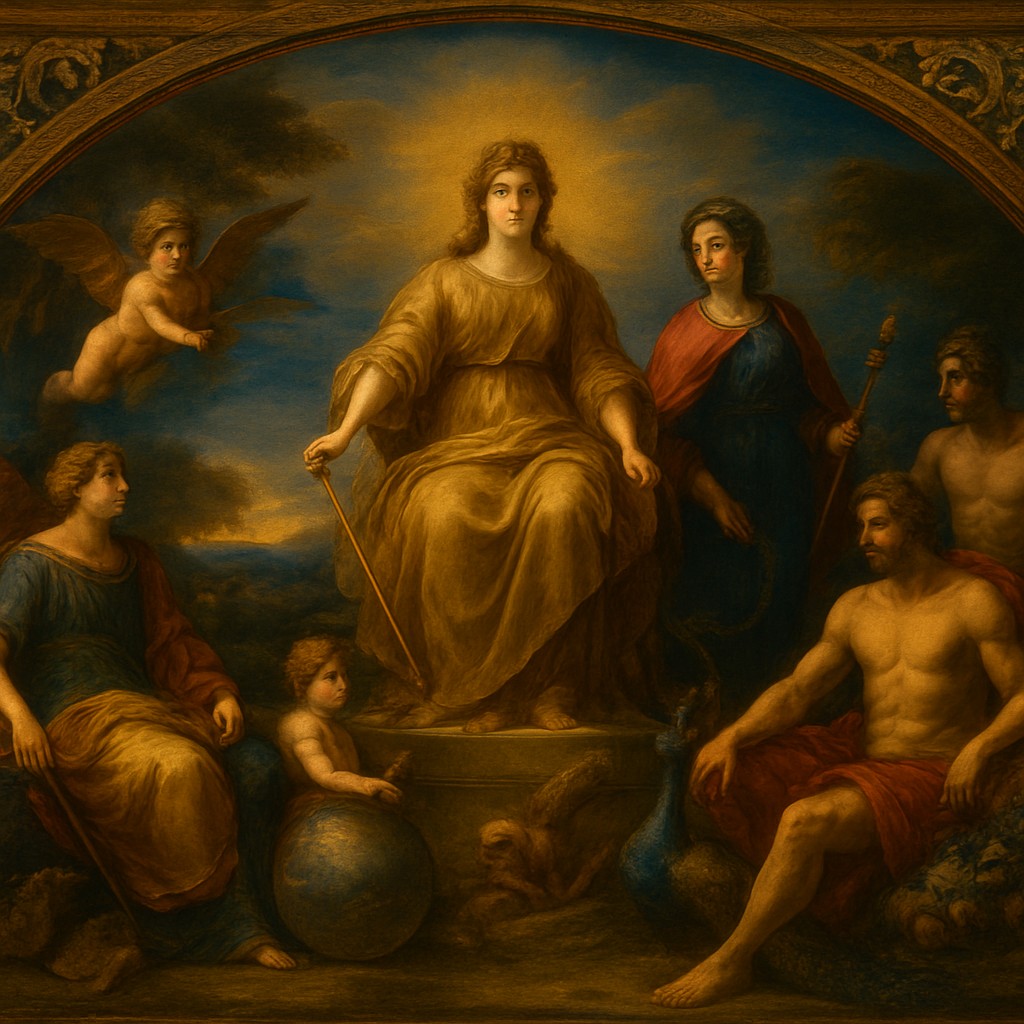
Dramatic chiaroscuro and sfumato
Directional light models bodies as sculptural forms and gives divine or conceptually important elements a radiating presence. Soft transitions around distant forms and atmospheric edges coexist with sharper linear definition in focal areas.
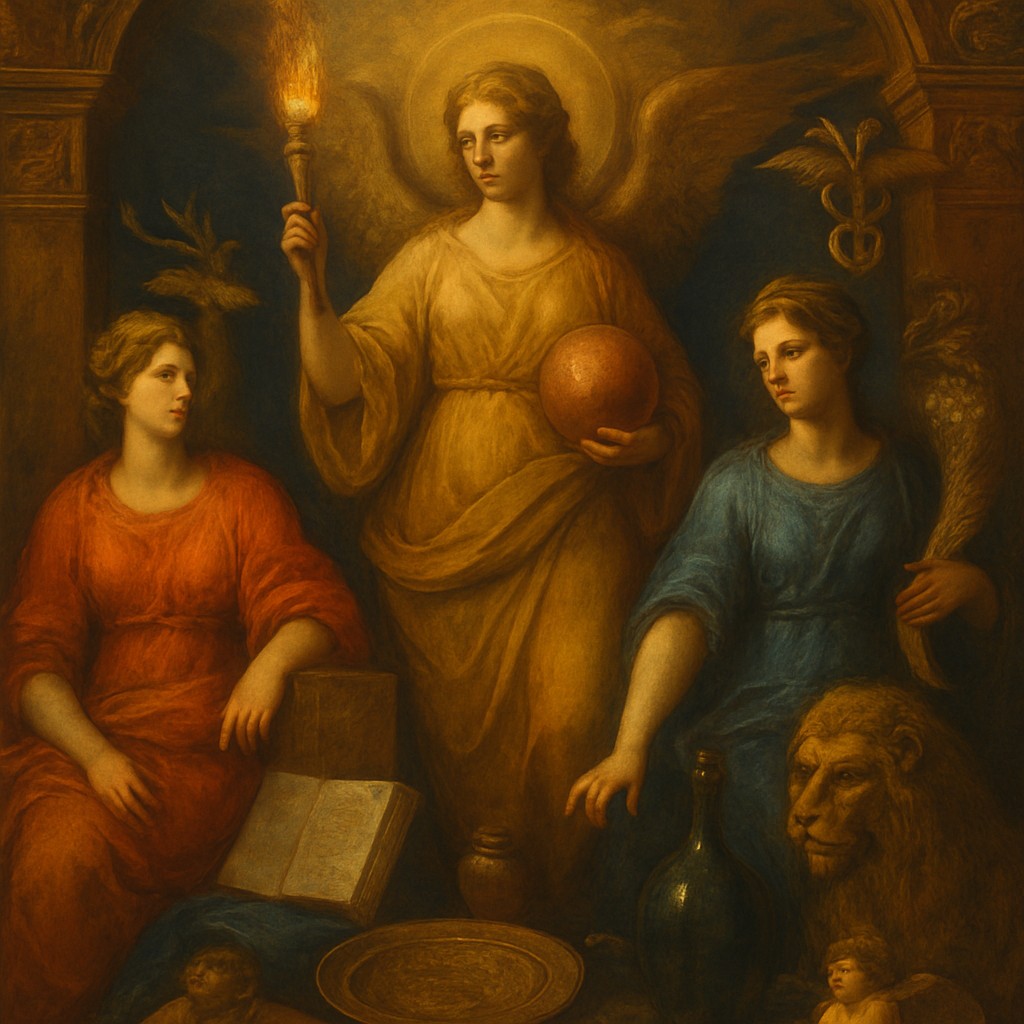
Classical architecture and ornament
Columns, arches, entablatures, pediments, niches, patterned floors, and decorative borders frame the action. Architectural geometry provides order while ornamental motifs reinforce the period-inspired character.
Materially expressive drapery
Flowing cloth is rendered with deliberate fold patterns that communicate weight, movement, status, and emotional intensity. Silk, velvet, linen, metal, stone, and skin receive distinct highlights and surface treatment.
Try It
Create Videos in Mythological Allegory Renaissance Art Style
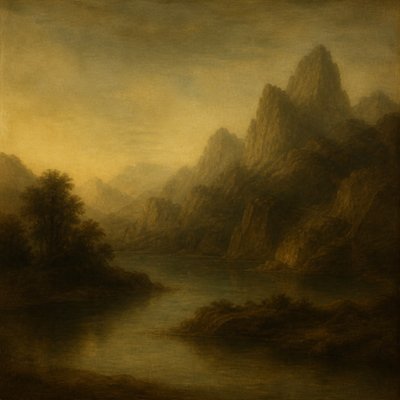
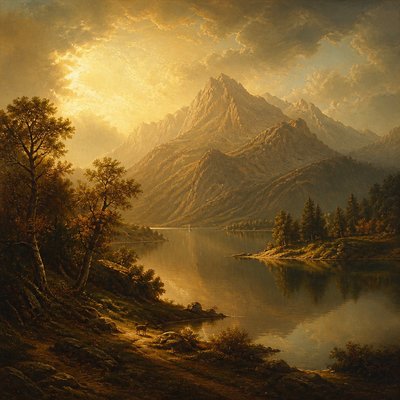
Styles aren't just for stills — describe a scene or animate an image and get a short video rendered in Mythological Allegory Renaissance. Press play to see this pond come to life.
Make a VideoMythological Allegory Renaissance Prompt Ideas
Start from an idea — each one opens the generator with the style ready to go. See all 40 Mythological Allegory Renaissance prompts →
How to Create Mythological Allegory Renaissance Art
Master the craft step by step — or skip straight to creating. Read the full guide →
- 1
Begin with an allegorical thesis
Choose one central idea, such as the conflict between reason and desire, and assign each major figure a clear symbolic function. List the attributes, colors, animals, and settings that can communicate that idea before composing the image.
- 2
Build a hierarchical composition
Place the principal figure at the highest visual or conceptual position, then arrange secondary figures along balanced diagonals, architectural axes, or receding planes. Use perspective and scale to distinguish the earthly foreground from the celestial or metaphysical background.
- 3
Use layered painting methods
For traditional work, establish a monochrome or tempera-like underpainting, add opaque color selectively, and develop luminosity through thin oil glazes. In digital painting, separate underpainting, local color, glaze, light, and texture layers to imitate the same controlled accumulation.
- 4
Control light and palette
Reserve the strongest light for the central concept or sacred attribute, and let surrounding forms recede into warm or ultramarine shadow. A limited palette of ochre, sienna, muted reds, cream, deep blue, and restrained gold will feel more coherent than unrestricted saturation.
- 5
Describe symbols precisely in a prompt
For prompt-based generation, specify the figures, their attributes, the philosophical theme, compositional hierarchy, lighting direction, materials, architectural setting, and desired painting process. Request readable hands, coherent attributes, clear focal ordering, and a measured number of symbolic objects to prevent visual clutter.
- 6
Refine the iconography after generation
Whether working traditionally or digitally, inspect every object for narrative purpose and cultural clarity. Remove contradictory symbols, correct anatomy and perspective, sharpen focal details, and soften only those edges that should recede into atmospheric space.
The Story
History & Origins of Mythological Allegory Renaissance
This is a contemporary, AI-native and concept-driven style rather than a documented historical movement. Its aesthetic lineage lies chiefly in the Italian Renaissance revival of Greco-Roman mythology, the period's interest in philosophy and humanist learning, and the use of allegory to encode moral, intellectual, civic, and cosmological ideas. It also draws on Renaissance techniques including tempera underpainting, oil glazing, linear perspective, sculptural modeling, controlled light, and ornamental architectural framing.
The style extends these sources into a deliberately dense visual system. It combines the symbolic organization of Renaissance allegory with the heightened drama of later chiaroscuro traditions, the softness of sfumato, and contemporary fantasy illustration's ability to merge multiple realms and narratives within one image. Its defining development is therefore synthetic: historical techniques and iconography are recombined to produce new philosophical scenes rather than to reconstruct a specific period artwork.
Influences: The style is related to Italian Renaissance mythological painting, humanist allegory, classical Greco-Roman sculpture and architecture, Christian and Neoplatonic symbolic traditions, and Renaissance methods of tempera, oil glazing, perspective, and chiaroscuro. It also shares visual concerns with Mannerist artificiality, Baroque theatrical lighting, academic history painting, symbolist painting, fantasy illustration, and contemporary concept art, while using these sources in a new synthetic and philosophical form.
Frequently Asked Questions
What defines Mythological Allegory Renaissance Art Style?
It is defined by classical divine or personified figures, carefully chosen symbolic attributes, hierarchical composition, and multiple layers of philosophical meaning. Its surface typically combines Renaissance perspective and anatomy with luminous glazes, dramatic chiaroscuro, ornate architecture, and richly modeled drapery.
Is this a real historical Renaissance movement?
No. The name describes an invented contemporary style, not a documented school or period. It draws on Renaissance mythological allegory and painting techniques while recombining them for newly invented narratives and image-making contexts.
How does it differ from ordinary fantasy art?
Fantasy art may prioritize world-building, spectacle, or character design, whereas this style organizes its imagery around allegorical interpretation. Gods, creatures, colors, architecture, and objects are expected to perform symbolic roles within a structured philosophical composition.
What subjects work best in this style?
Subjects involving conflicts or transformations are especially effective, including wisdom versus desire, mortality versus fame, nature versus civilization, or chaos versus harmony. Classical myths, invented pantheons, personifications of abstract ideas, and symbolic portraits can all support the style.
How can I make an image in this style digitally or with a prompt?
State the central allegory first, then describe the figures, attributes, composition, palette, lighting, architecture, and painting process. Digital artists can use separate layers for an underpainting, glazes, shadows, highlights, architectural detail, and symbolic corrections; prompt-based workflows benefit from specifying focal hierarchy and limiting unnecessary objects.
Does the style require historically accurate mythology?
No, but recognizable attributes make the symbolism easier to read. You can use established Greco-Roman motifs, adapt myths, or invent hybrid figures, provided the visual relationships remain intentional and the work does not present a modern invention as a historically authentic Renaissance artifact.
Create your first Mythological Allegory Renaissance artwork
Describe anything — or upload a photo — and see it in Mythological Allegory Renaissance Art Style in seconds.
Related Styles
Discover similar art styles