Ferrara Art Style
Explore Ferrara Art Style: crystalline Renaissance line, vivid coral and acid-green color, courtly fantasy, allegory, and ornate palace settings.
Instantly rendered in Ferrara — or transform a photo
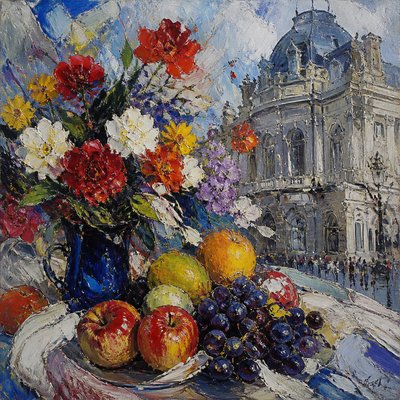
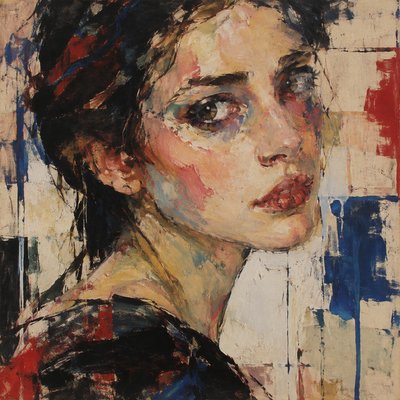
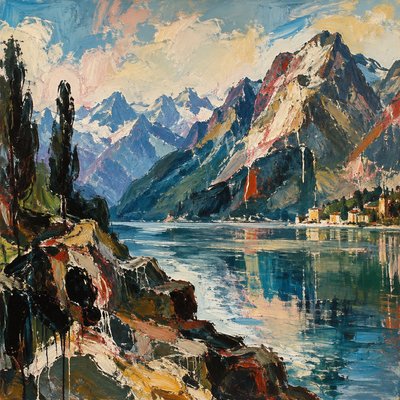
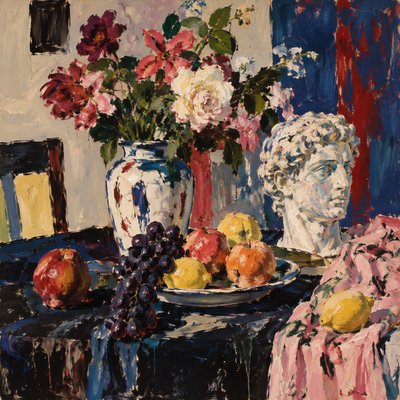
Ferrara Gallery
Tap any artwork to explore it
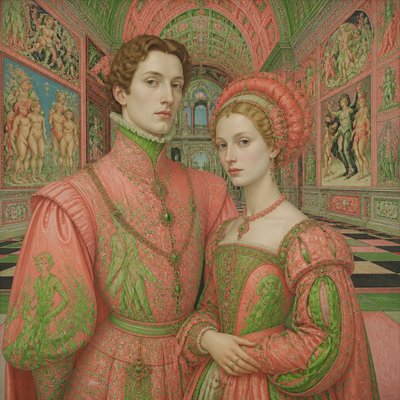
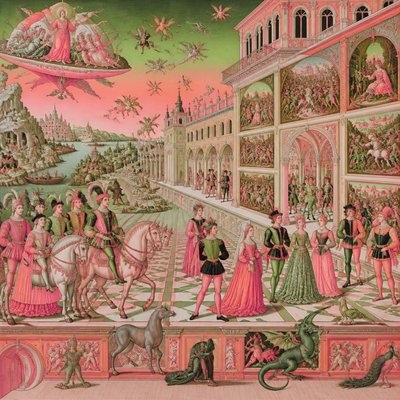
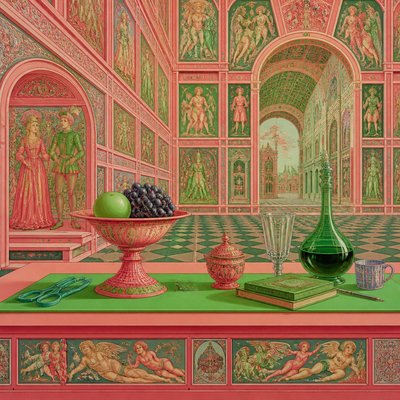
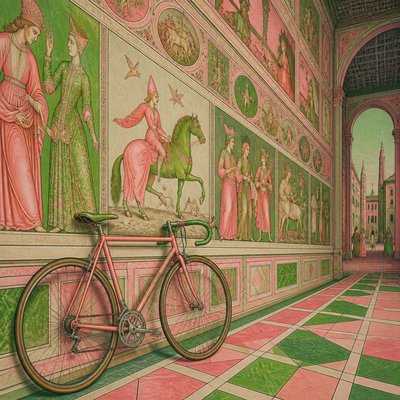
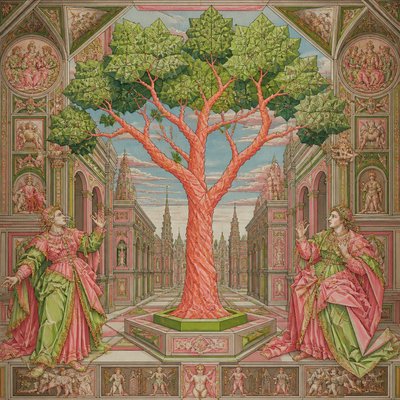
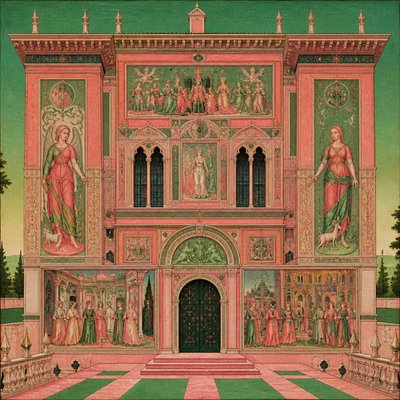
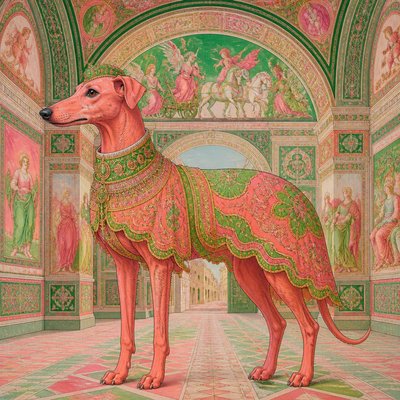
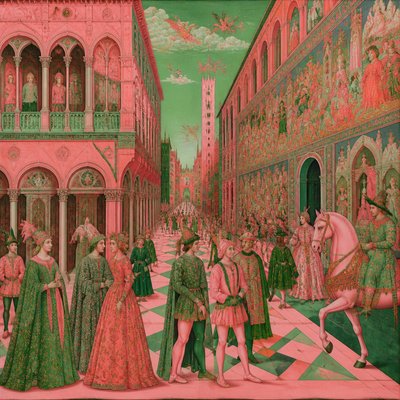
What is Ferrara Art Style?
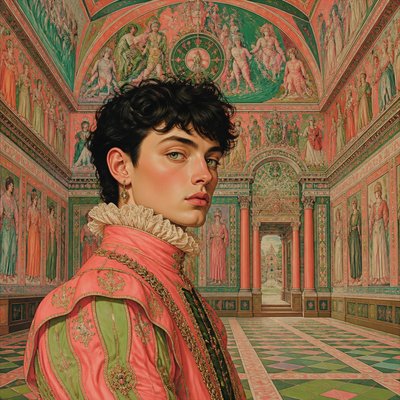
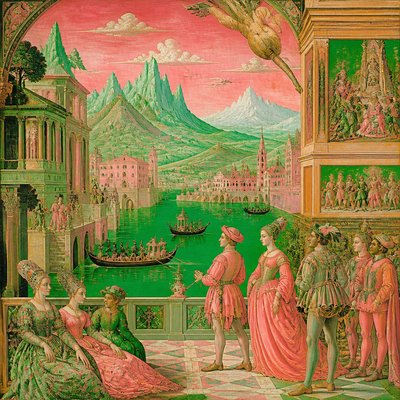
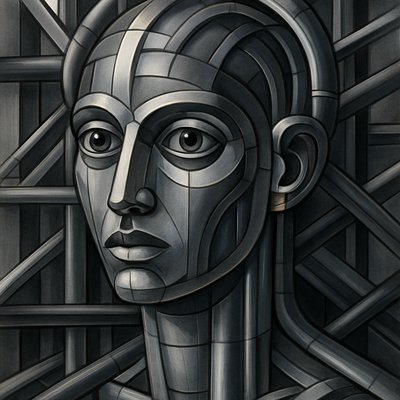
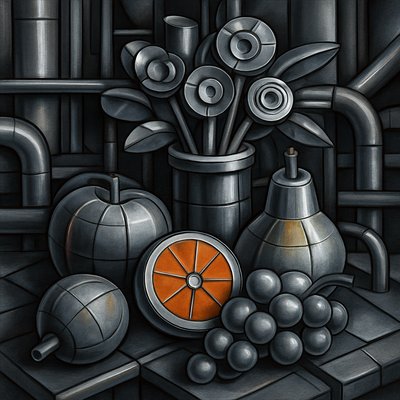
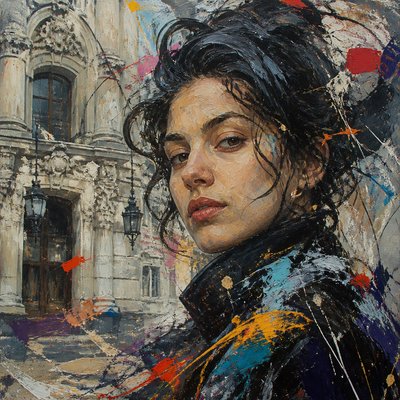
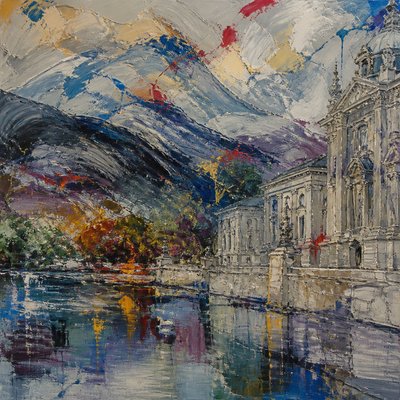
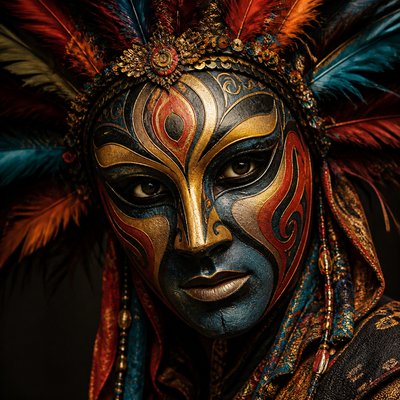
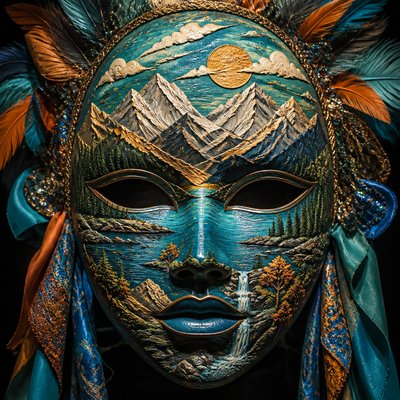
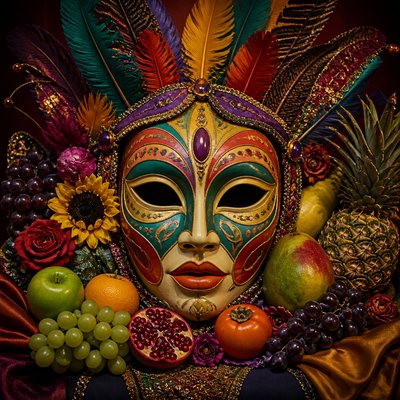
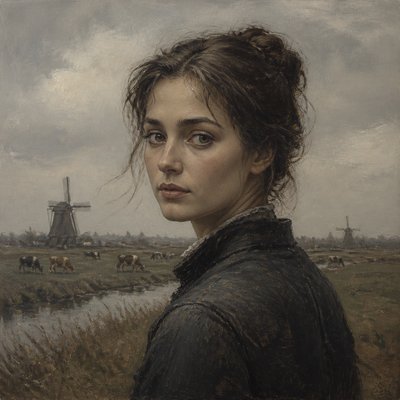
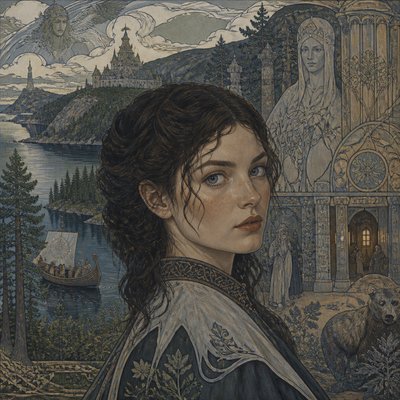
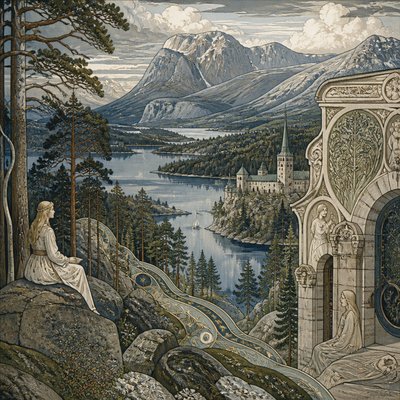
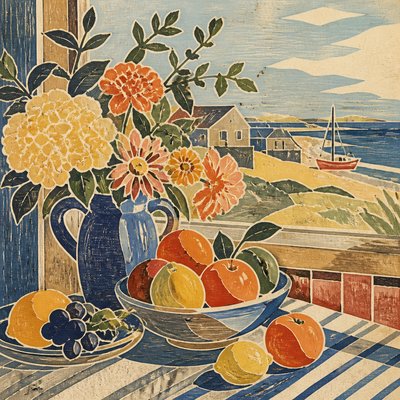
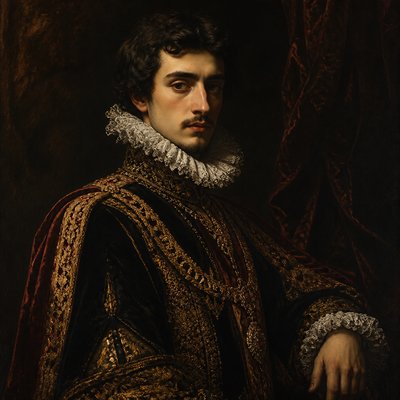
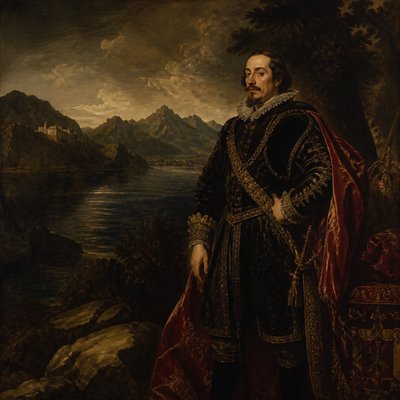
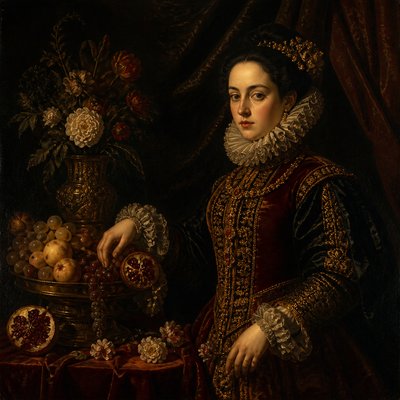
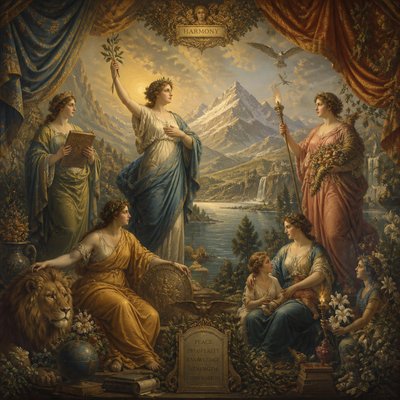
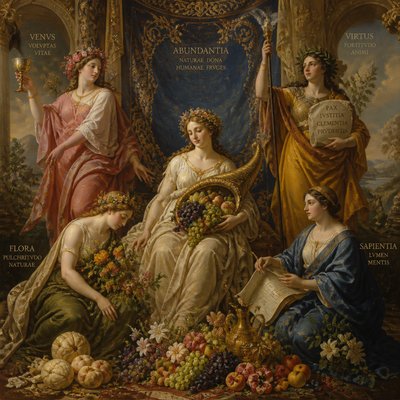
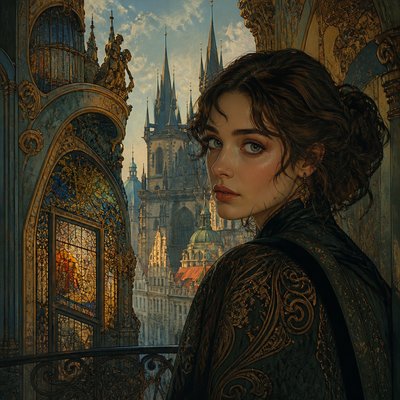
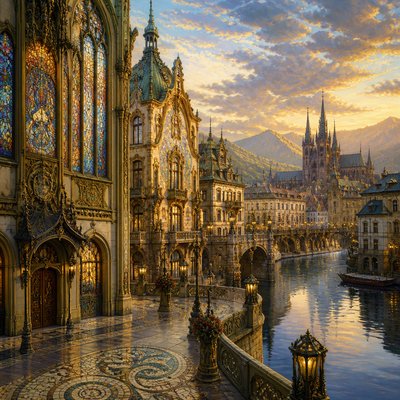
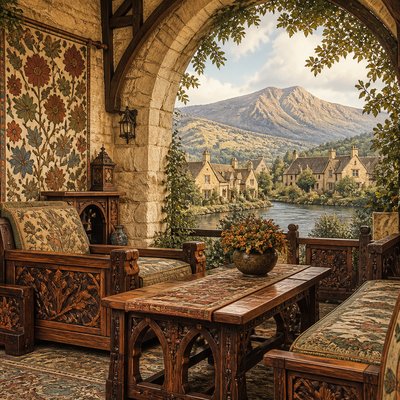
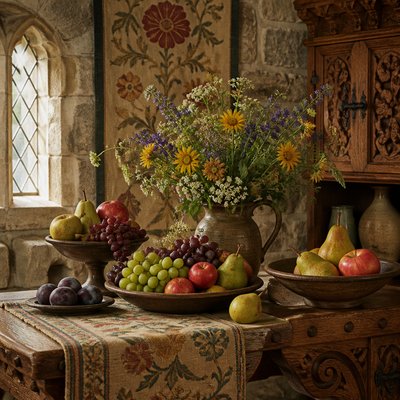
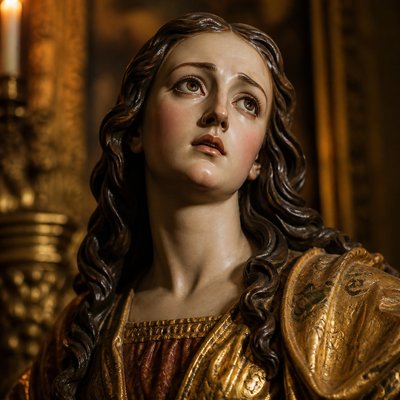
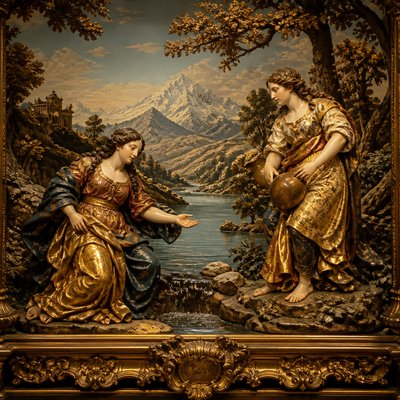
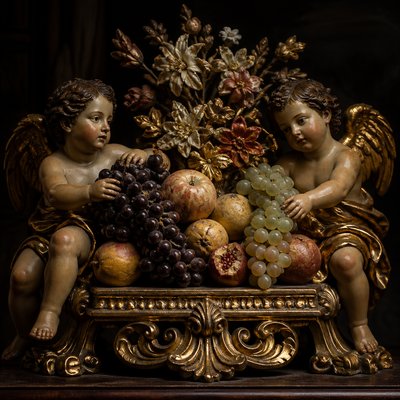
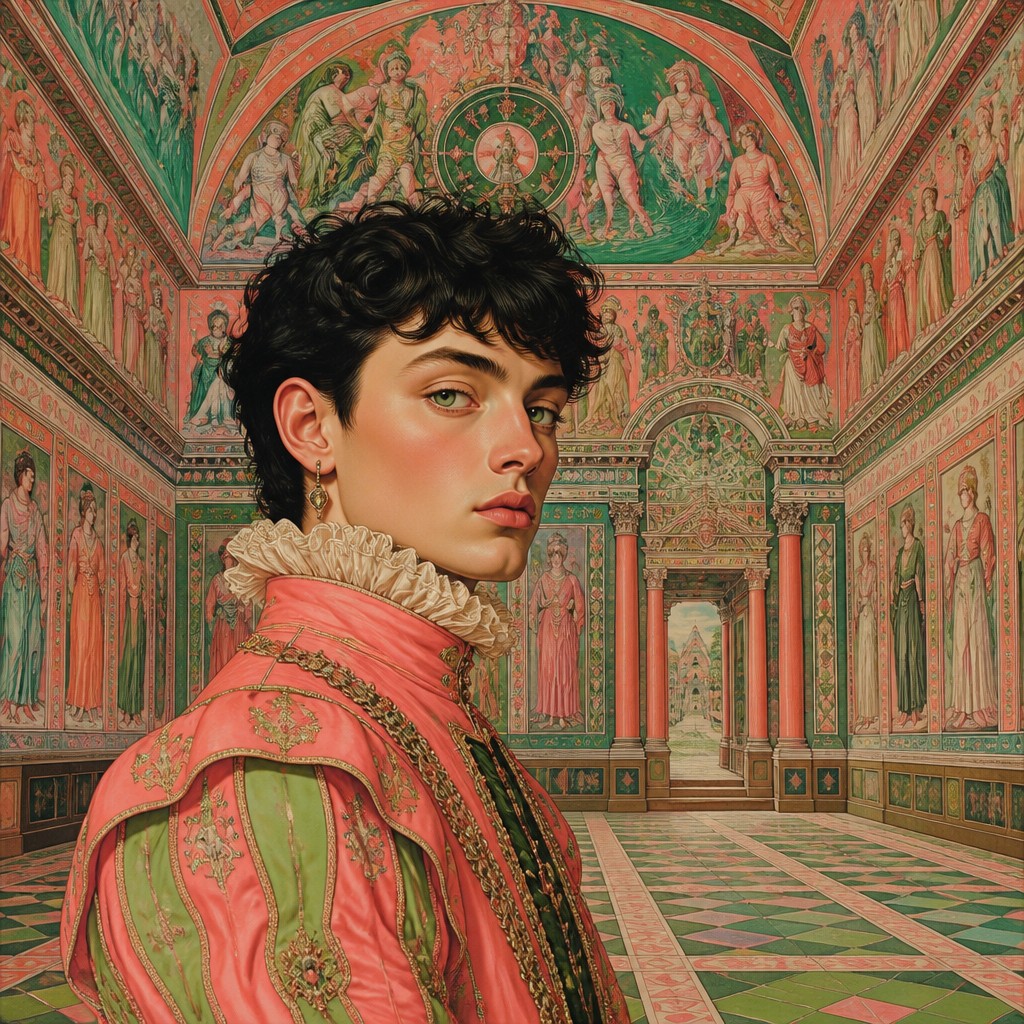
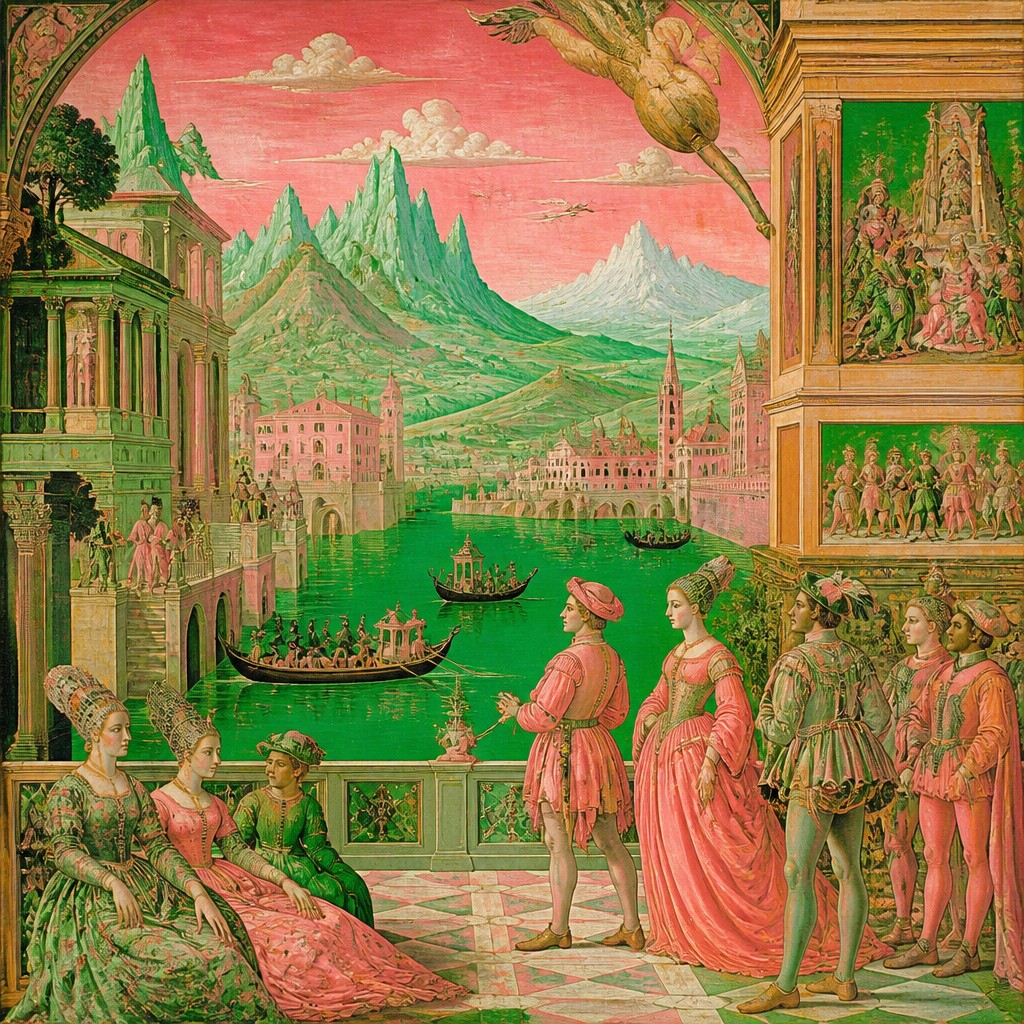
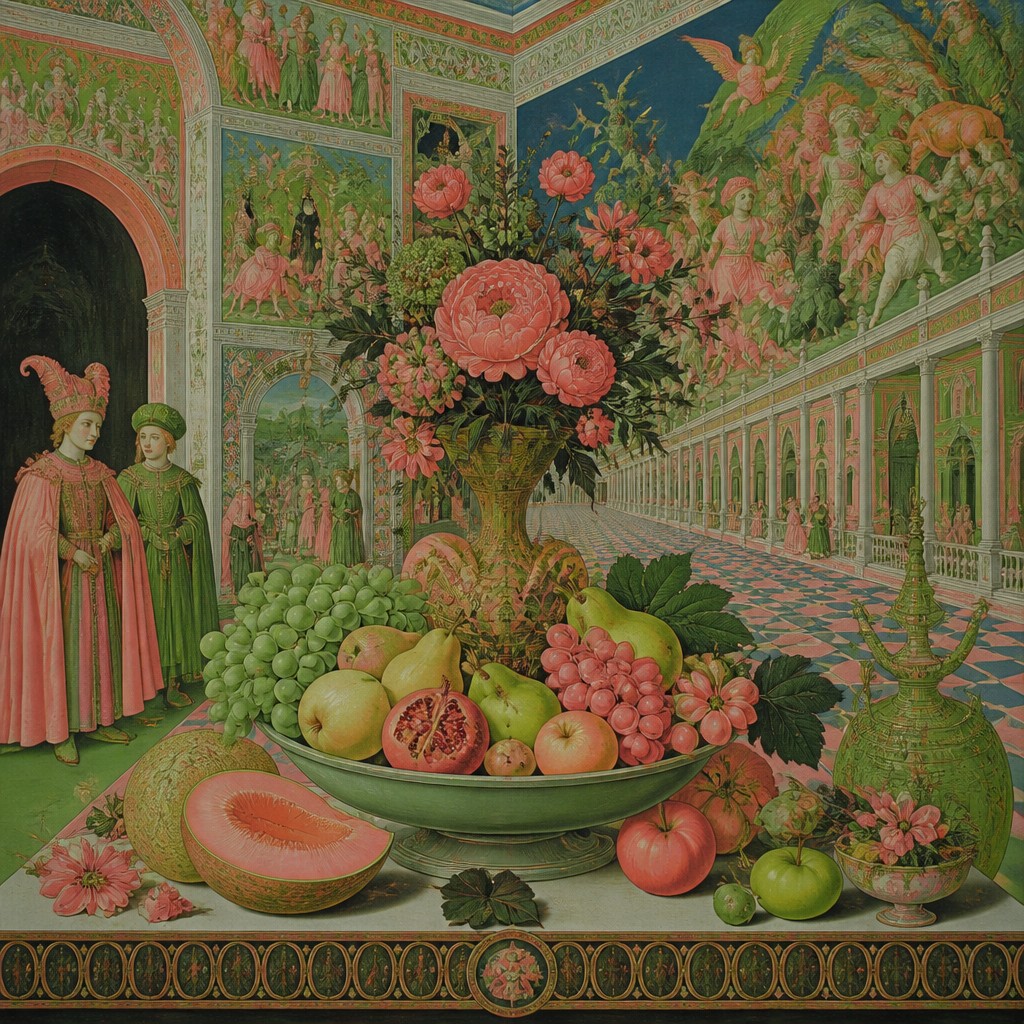
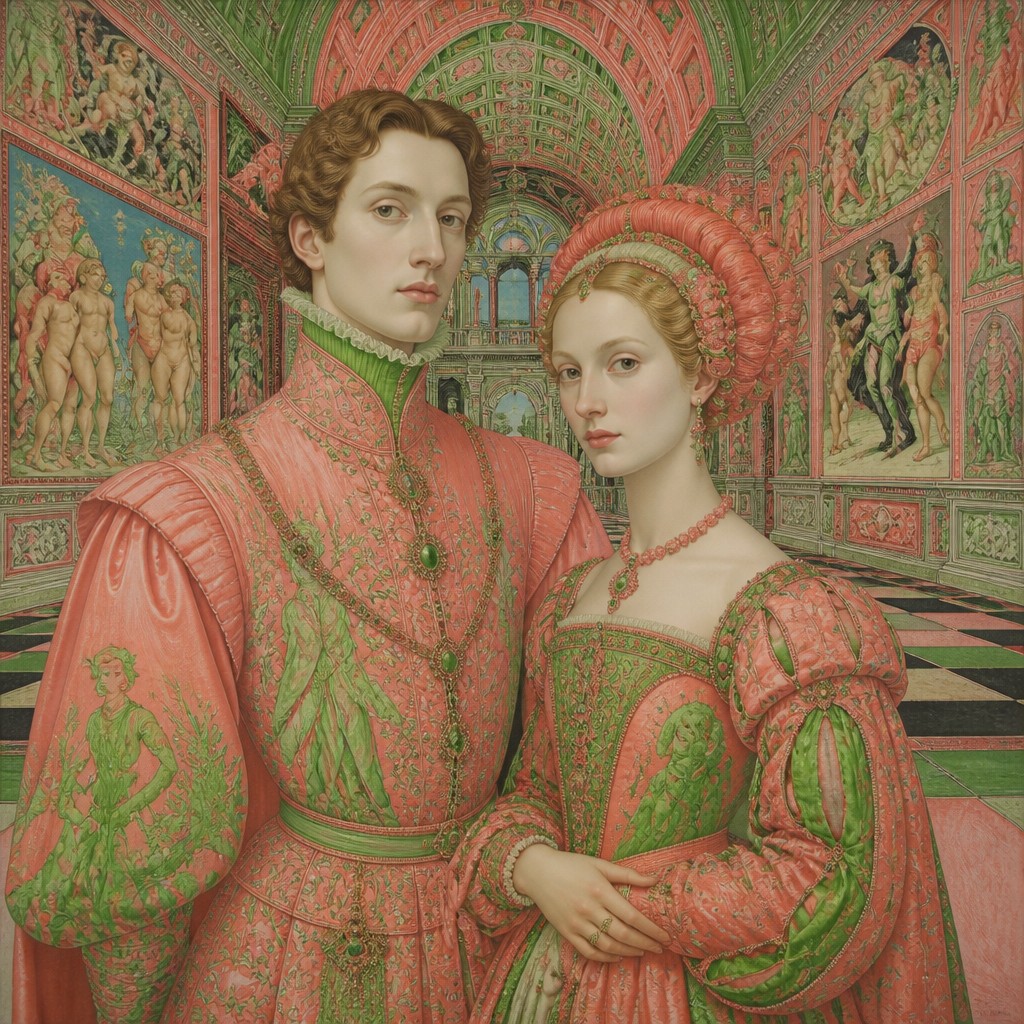
Ferrara Art Style is a contemporary descriptive label for an image aesthetic inspired by the refined, intellectually charged visual culture of Renaissance Ferrara. It combines sharply outlined figures, jewel-like color, elaborate court costume, allegorical storytelling, and palace architecture arranged in emphatic perspective. The effect is historical in vocabulary but fantastical in atmosphere, with coral pink, acid green, turquoise, gold, and other deliberately unnatural hues replacing a strictly naturalistic palette.
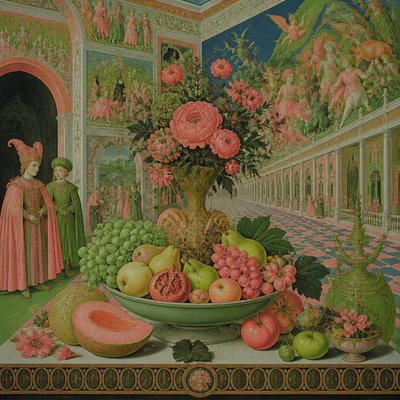
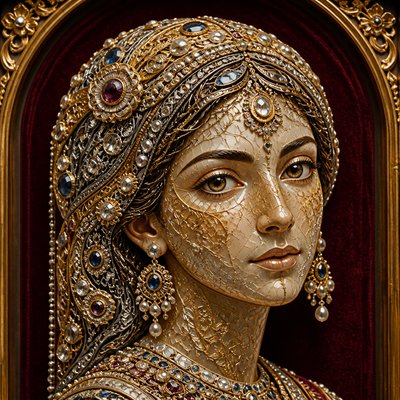
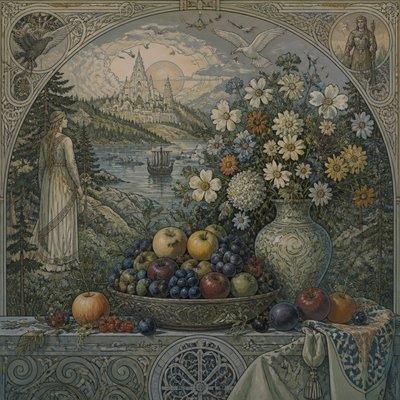
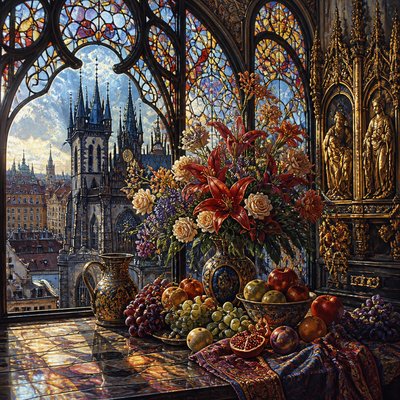
The style looks highly controlled and ornamental rather than soft or atmospheric. Every surface may carry symbolic detail: patterned textiles, sculptural jewelry, heraldic emblems, botanical motifs, architectural moldings, and crowded fresco narratives. Its visual tension comes from pairing precise Renaissance construction with strange color relationships, theatrical gestures, and imagined courtly worlds.
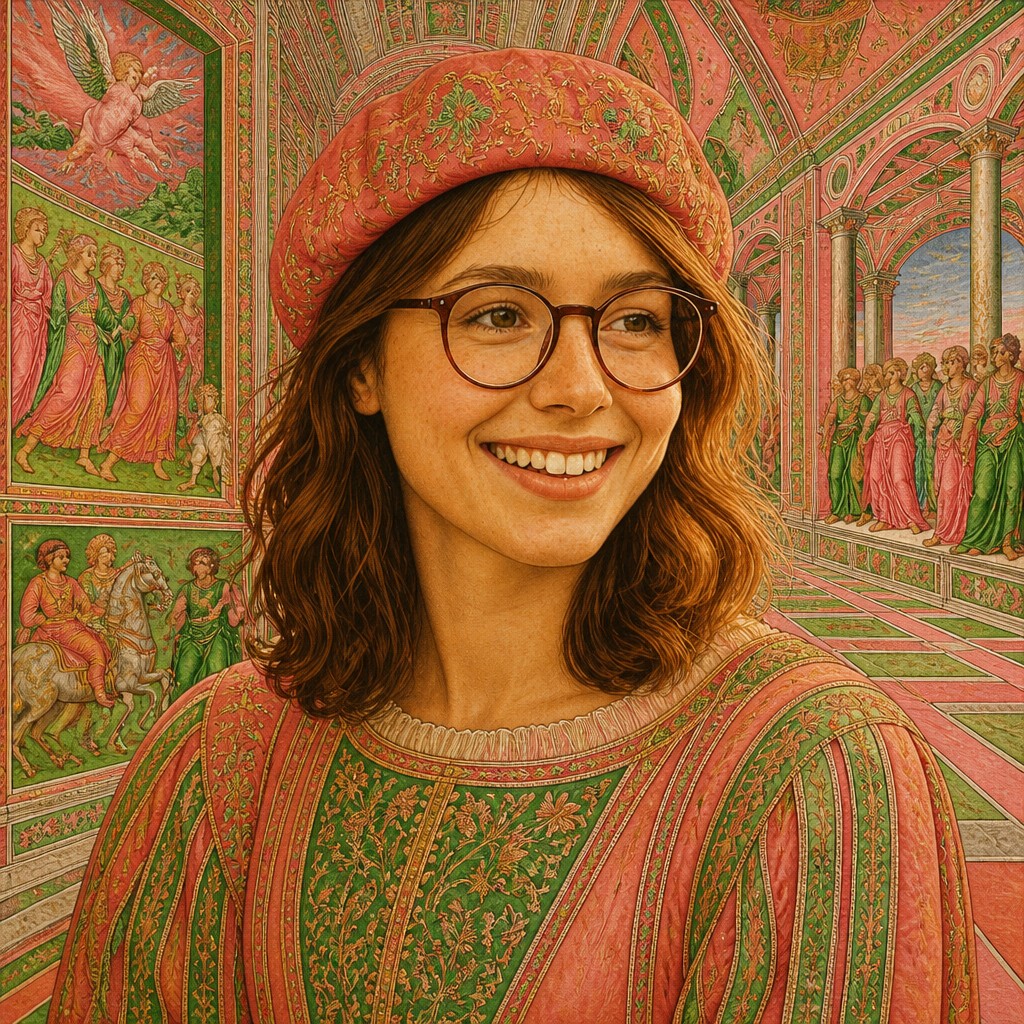
Try It On Your Photos
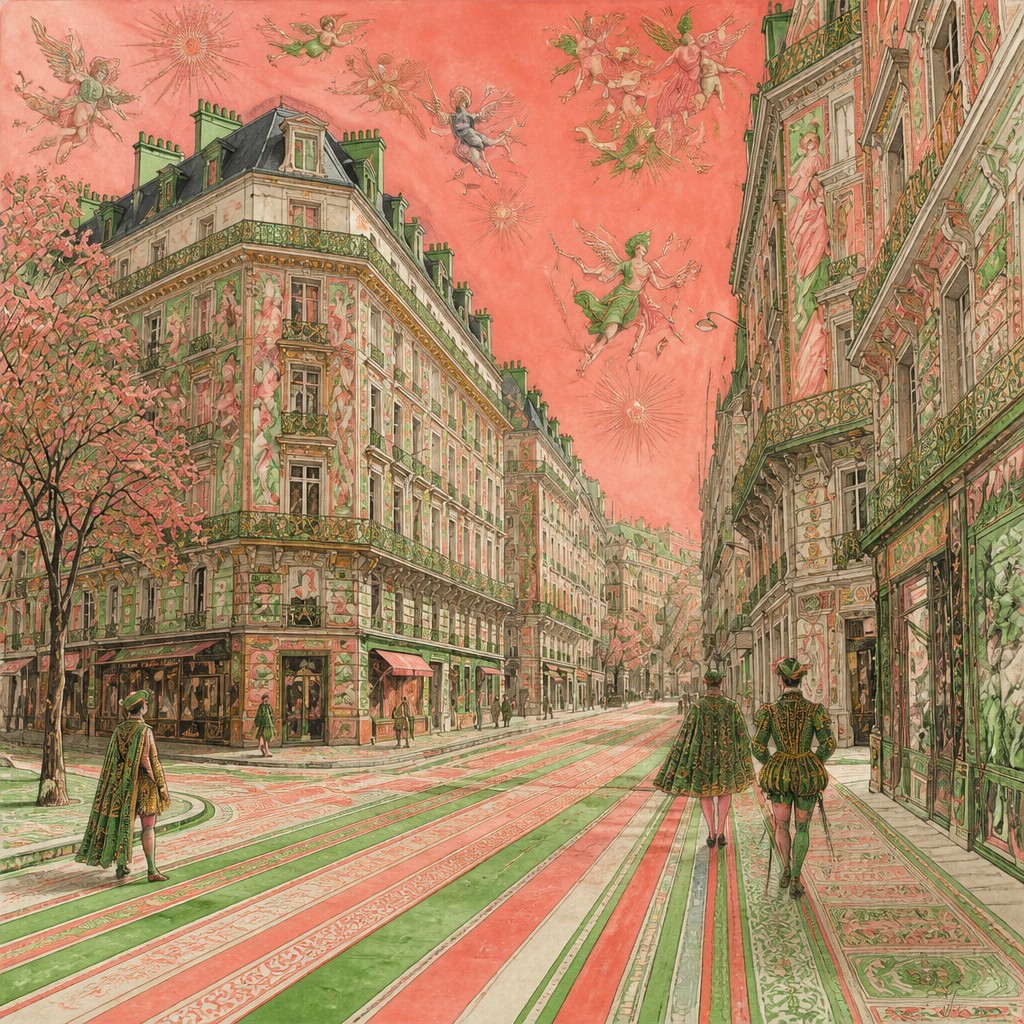
Upload any photo and convert it into Ferrara Art Style — drag the sliders to compare before and after.


What Defines Ferrara Art Style
The signature details, up close
Crystalline linear drawing
Figures, garments, architecture, and ornamental objects are defined by clean, decisive contours. Edges remain unusually sharp, giving the composition the precision of an illuminated page or carefully drafted fresco.
Unnatural jewel color
Coral pink, acid green, turquoise, vermilion, ultramarine, and metallic gold create deliberate chromatic tension. Color functions symbolically and decoratively rather than simply describing realistic light.
Courtly fantasy costume
Elaborate sleeves, brocade, jeweled collars, plumed headwear, embroidered gloves, and heraldic accessories transform historical dress into fantastical ceremonial attire. Clothing is often as narratively important as the figures wearing it.
Allegorical density
Scenes are populated with mythic figures, personifications, animals, emblems, inscriptions, and symbolic plants or objects. Multiple visual clues invite the viewer to read the image as a narrative puzzle.
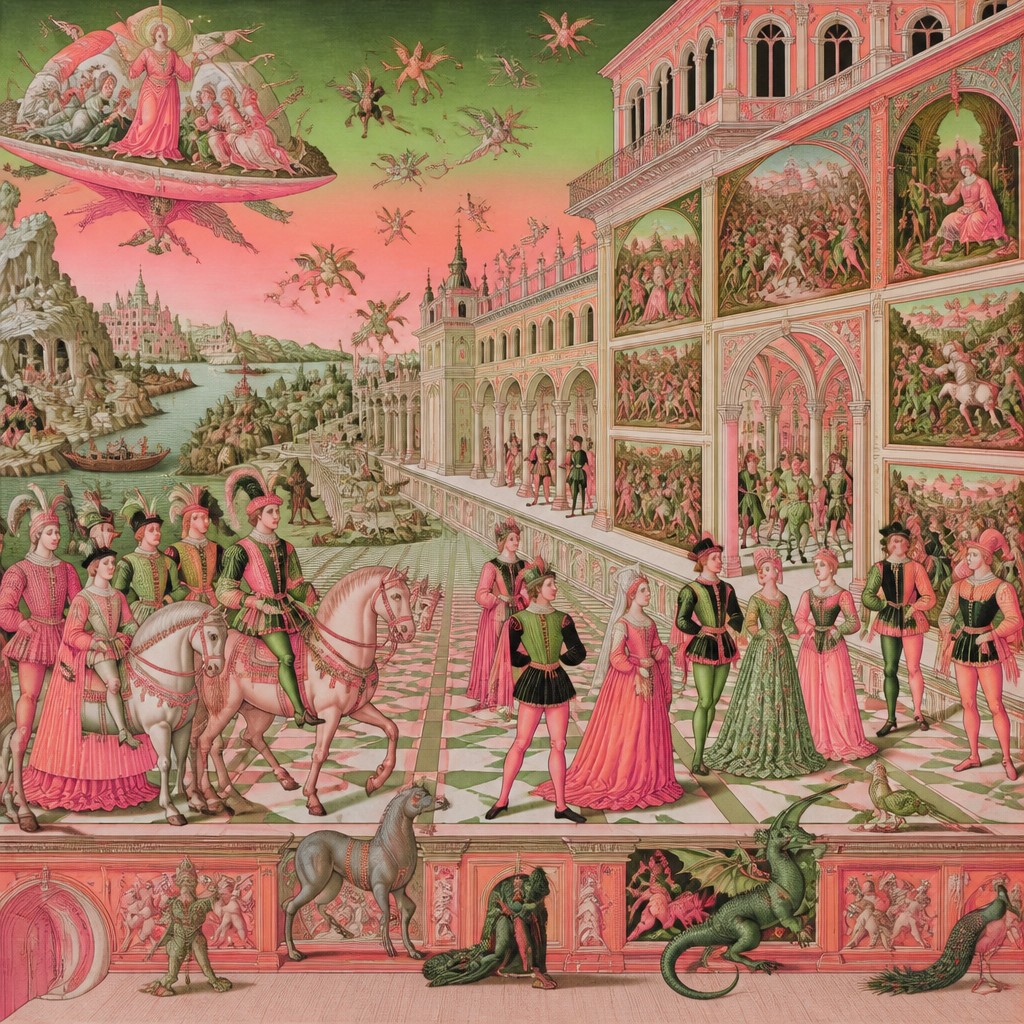
Architectural recession
Palace halls, loggias, arcades, tiled floors, and distant courtyards organize the composition through crisp, sometimes exaggerated perspective. Architecture provides both a stage for ceremony and a repeating ornamental framework.
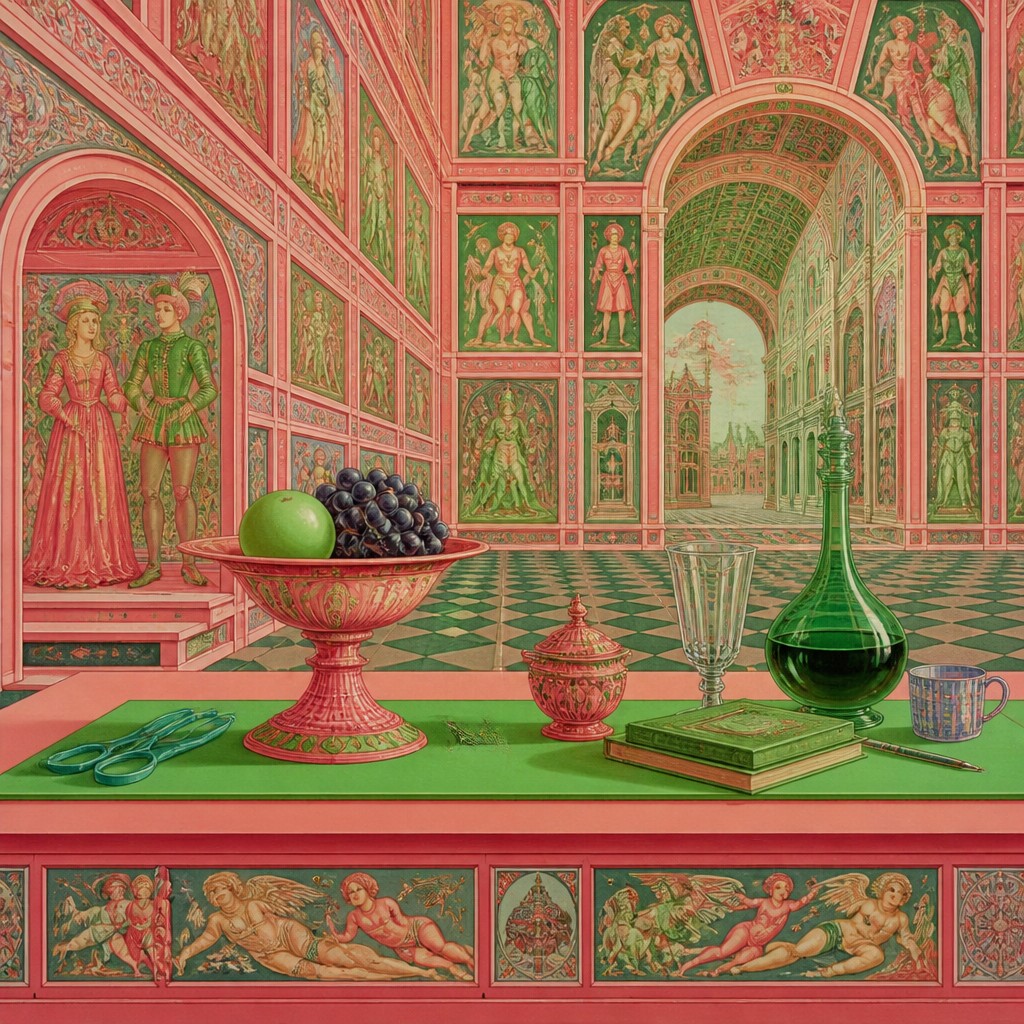
Fresco-cycle composition
The style favors expansive scenes that feel like sections of a larger decorative program. Crowded walls, friezes, medallions, borders, and repeated motifs create a continuous visual rhythm.
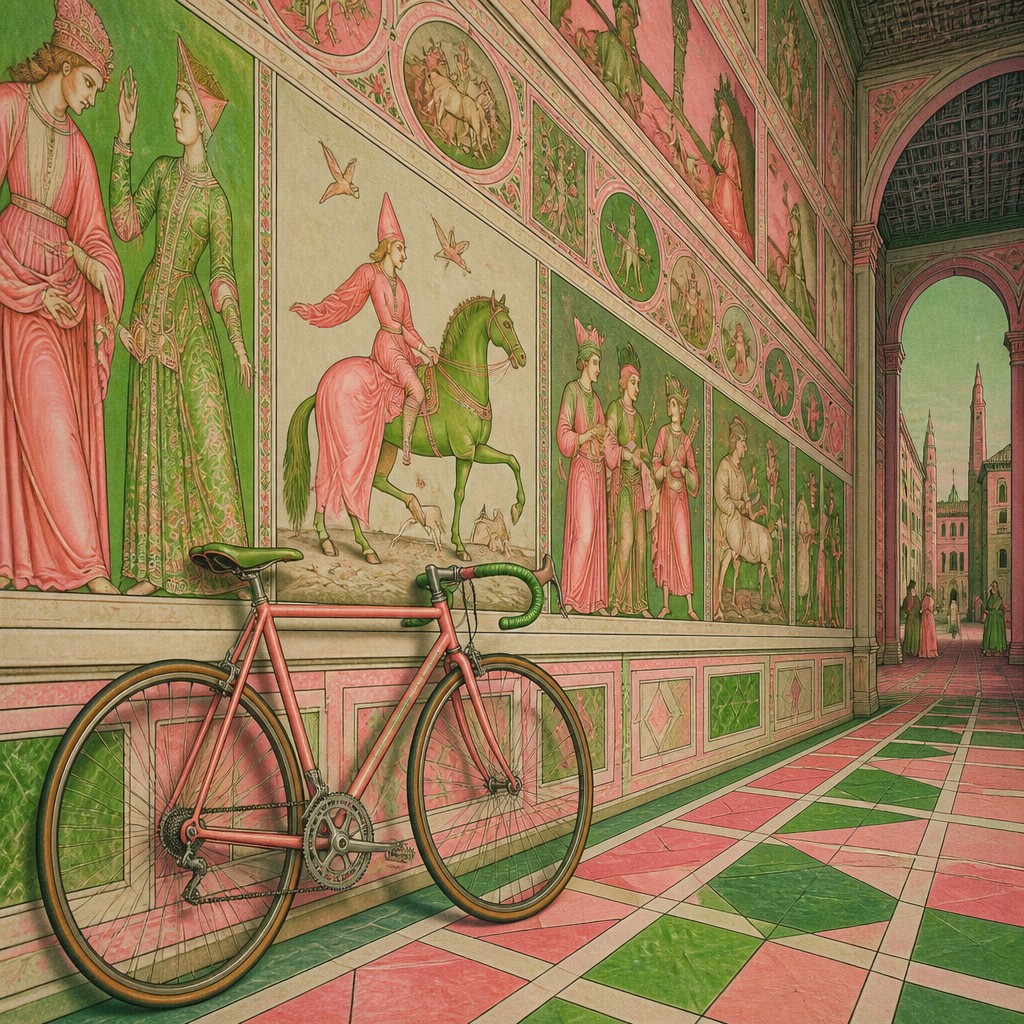
Controlled theatricality
Poses are formal, gestures are expressive, and expressions often carry an enigmatic or ceremonial quality. The result is dramatic without becoming painterly, loose, or atmospheric.
Ferrara Prompt Ideas
Start from an idea — each one opens the generator with the style ready to go. See all 40 Ferrara prompts →
How to Create Ferrara Art
Master the craft step by step — or skip straight to creating. Read the full guide →
- 1
Build a firm contour structure
Begin with a perspective sketch and establish silhouettes, costume seams, facial profiles, and architectural edges before adding surface detail. In digital work, use clean vector-like brushes or a stabilized inking layer.
- 2
Use a deliberately restricted bright palette
Anchor the image with coral pink and acid green, then add two or three jewel tones and controlled gold accents. Keep shadows relatively clear and graphic so the colors remain vivid rather than muddy.
- 3
Layer symbolic ornament
Design clothing, walls, objects, and borders as carriers of meaning: add heraldry, mythological emblems, plants, animals, celestial signs, or repeated geometric motifs. Distribute detail across the whole composition instead of concentrating it only on the face.
- 4
Stage the subject in a palace setting
Use arcades, tiled floors, frescoed walls, columns, and distant chambers to create a convincing Renaissance framework. Exaggerated one-point or multi-point perspective can make the scene feel both architectural and dreamlike.
- 5
Treat the image as part of a cycle
For traditional painting, consider a broad panel format with borders, medallions, and secondary scenes around the central event. For digital work, group related images through recurring colors, costumes, symbols, and architectural motifs.
- 6
Write prompts with visual priorities
Specify sharp linear figures, crystalline decorative precision, coral-pink and acid-green color, ornate court costume, allegorical fresco density, and an exaggerated palace perspective. Name the subject and action first, then describe the setting, palette, materials, and composition.
The Story
History & Origins of Ferrara
Ferrara Art Style is not a documented historical movement under this exact name. It is best understood as a modern or AI-native synthesis drawing on the Ferrarese court tradition of the late fifteenth and early sixteenth centuries, when Italian Renaissance painting emphasized learned allegory, elaborate decoration, mythological themes, and sophisticated palace interiors.
Its aesthetic lineage also includes Northern Renaissance attention to minute surface detail, Italian Renaissance linear perspective, courtly manuscript illumination, Mannerist artificiality, and the decorative logic of fresco cycles. Contemporary digital image-making intensifies these sources by combining their crisp contours and symbolic density with fluorescent color, impossible costumes, and expanded fantasy worldbuilding.
Influences: The style draws from late medieval and Renaissance court culture in Italy, especially Ferrarese painting and palace decoration, while also borrowing the minute observation of Northern Renaissance art, the symbolic programs of allegorical frescoes, the borders and brilliant pigments of illuminated manuscripts, and the artificial elegance of Mannerism. Its contemporary fantasy dimension connects it to historical fantasy illustration, decorative concept art, and digitally composited worldbuilding.
Frequently Asked Questions
Is Ferrara Art Style a recognized historical art movement?
Not under this exact name. It is a contemporary descriptive and generative style label based on the visual language of Renaissance Ferrara and related European court traditions. The label combines historical references with modern fantasy color and image-making.
What defines Ferrara Art Style?
Its main traits are sharp contours, crystalline detail, vivid unnatural color, ornate courtly costume, allegorical symbolism, and palace architecture in exaggerated perspective. It usually feels like a fragment of an elaborate fresco cycle rather than a simple portrait or isolated scene.
How is it different from ordinary Renaissance painting?
It preserves Renaissance interests in perspective, anatomy, architecture, mythology, and symbolic storytelling, but heightens them into a more decorative and fantastical system. Coral pink, acid green, theatrical costume, and deliberately artificial combinations make it less naturalistic than most historical Renaissance work.
How can I make an image in this style?
Start with a formal subject such as a royal ceremony, allegorical encounter, mythological event, or court portrait. Add crisp linear drawing, elaborate costume, a frescoed palace setting, symbolic objects, and a bright restricted palette led by coral pink and acid green.
Does the style work for portraits and modern subjects?
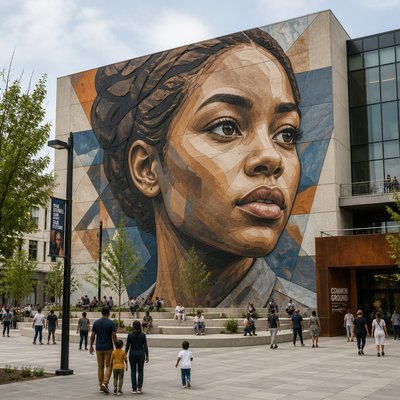
Yes, although the subject benefits from ceremonial staging and ornamental detail. A modern person can be presented in a palace interior with symbolic accessories, historicizing costume elements, or a contemporary allegory while retaining the style's precise contours and vivid palette.
Where is Ferrara Art Style most useful?
It suits fantasy portraits, historical-fantasy scenes, illustrated myths, palace interiors, narrative posters, game concept art, book covers, and decorative editorial images. It is particularly effective when the image contains a clear hierarchy of symbols and a richly designed environment.
Create your first Ferrara artwork
Describe anything — or upload a photo — and see it in Ferrara Art Style in seconds.
Related Styles
Discover similar art styles