Allegory Art Style
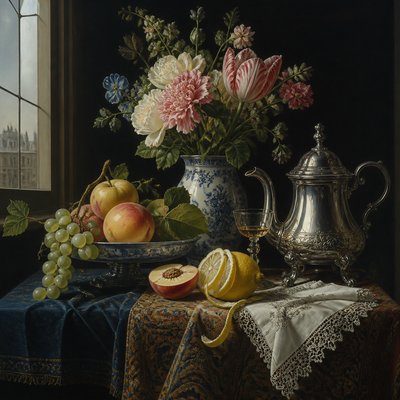
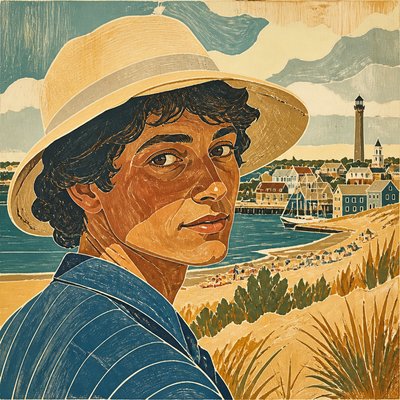
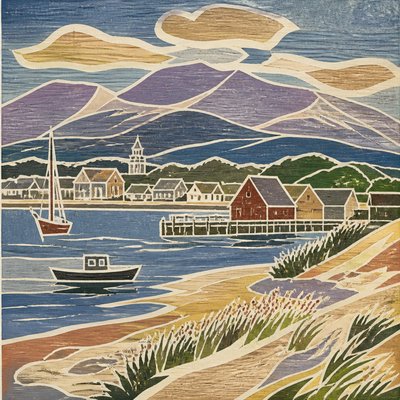
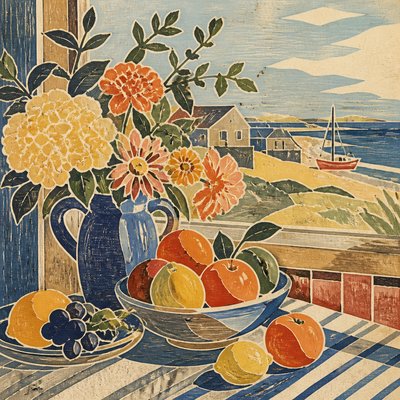
Explore Allegory Art: symbolic figures, classical robes, theatrical tableaux, and richly layered metaphors that give abstract virtues visible form.
Instantly rendered in Allegory — or transform a photo
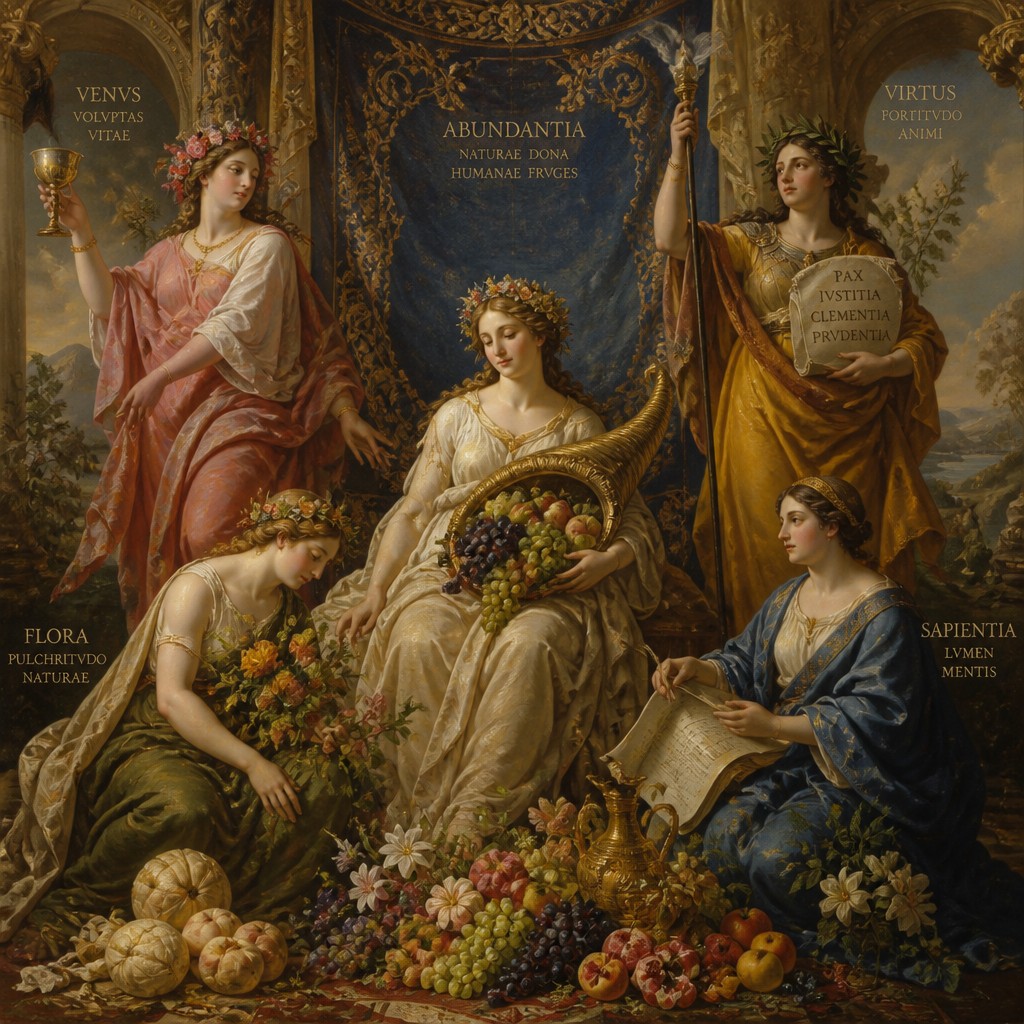
Allegory Gallery
Tap any artwork to explore it
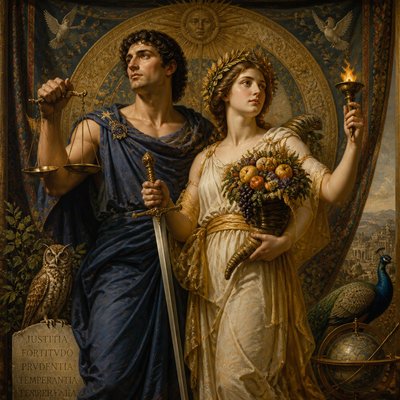
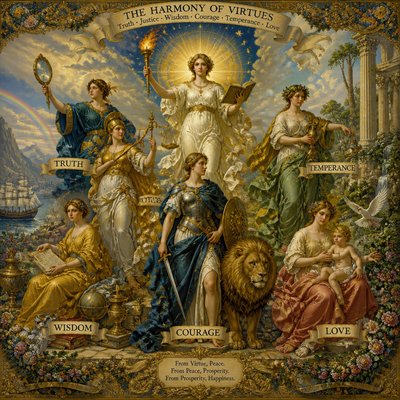
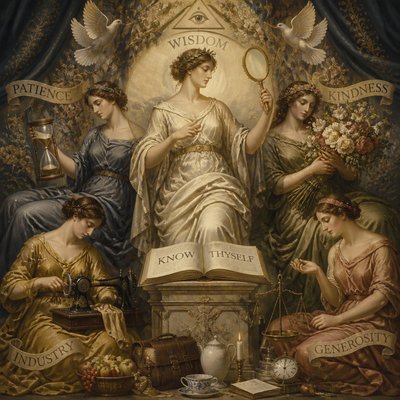
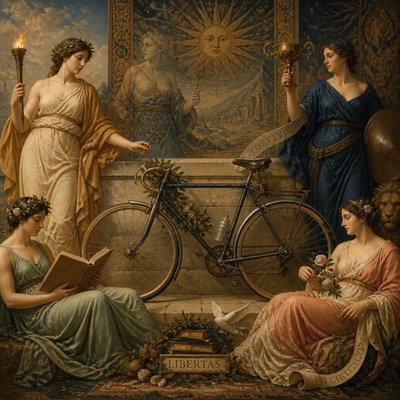
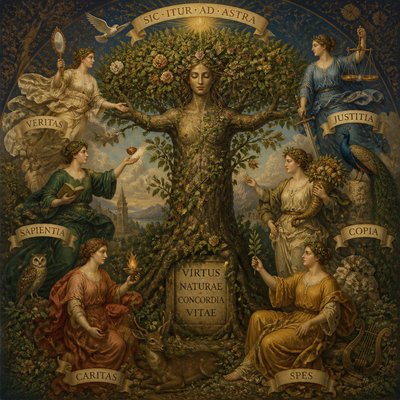
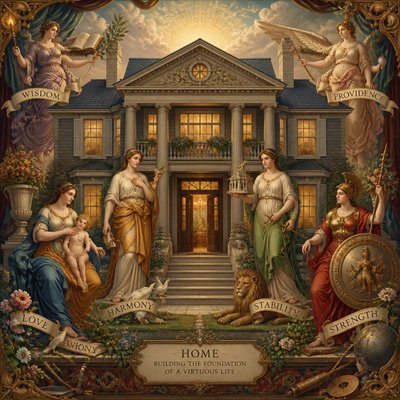
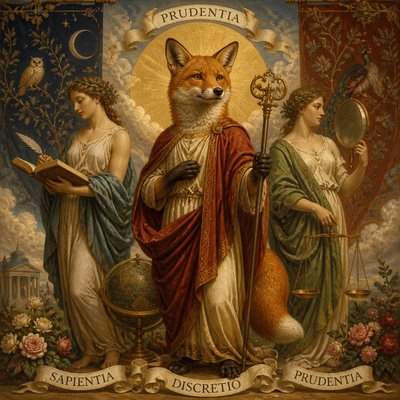
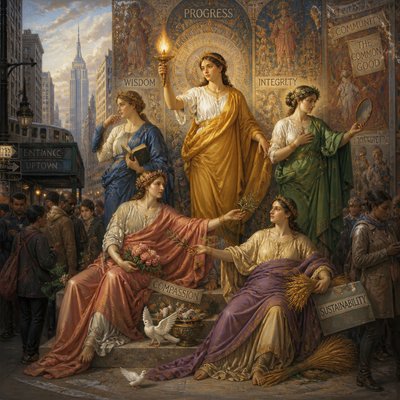
What is Allegory Art Style?
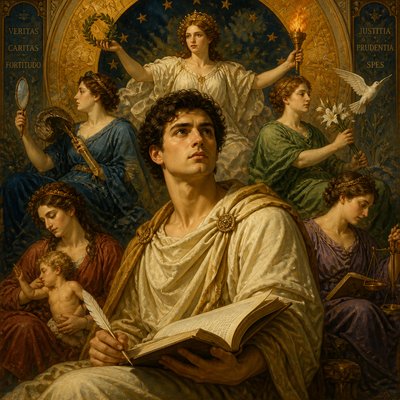
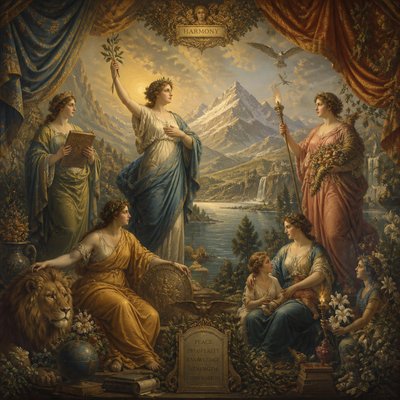
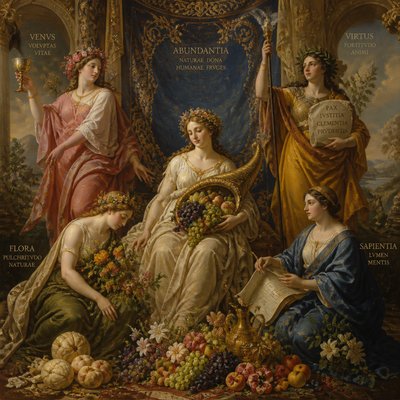
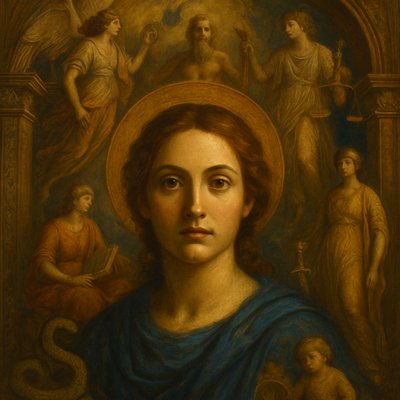
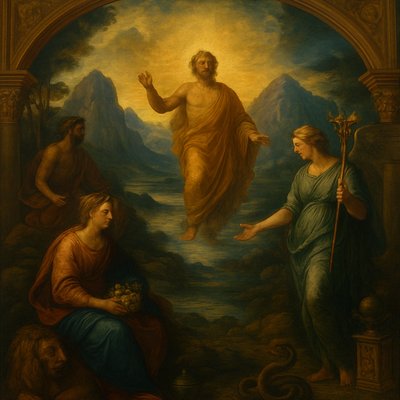
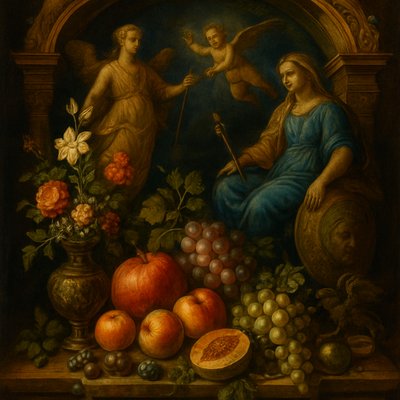
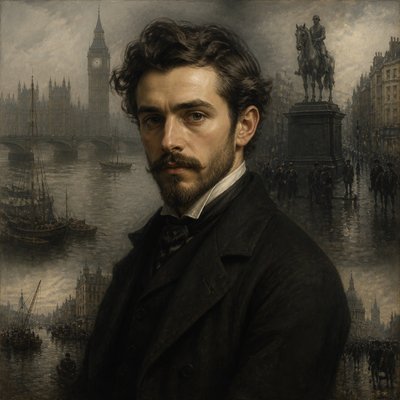
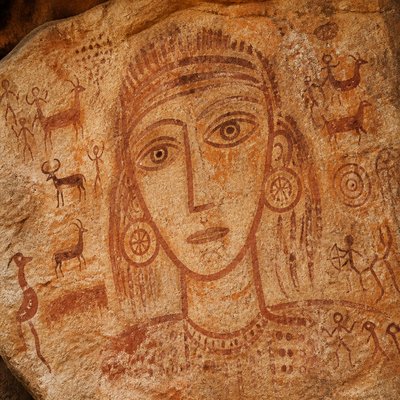
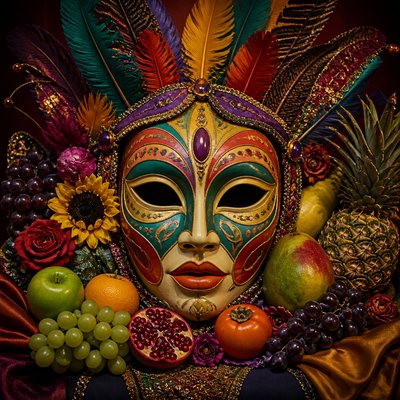
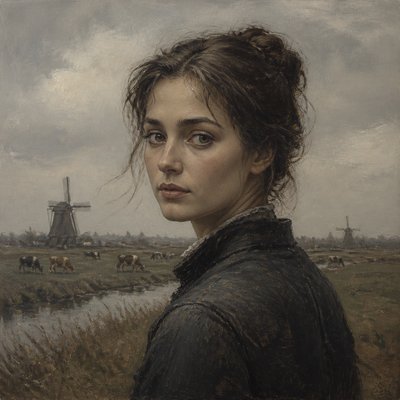
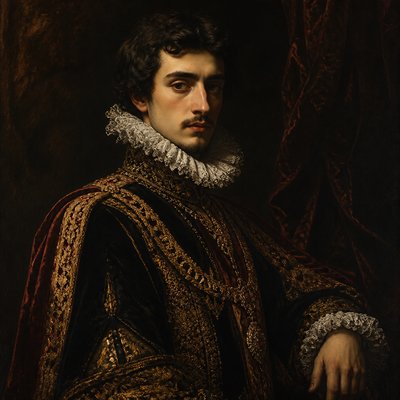
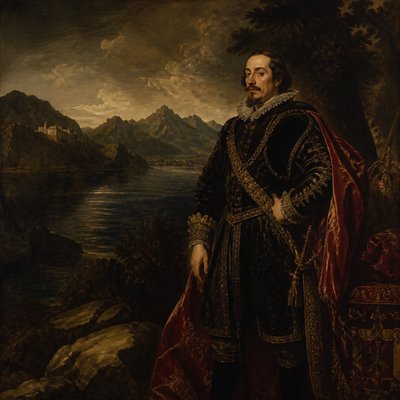
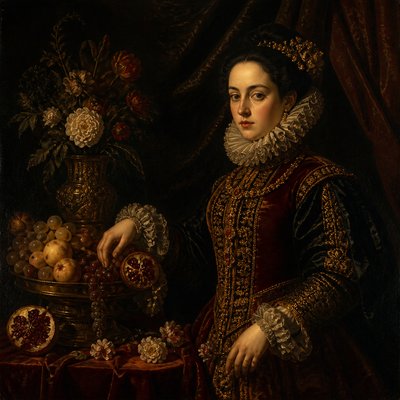
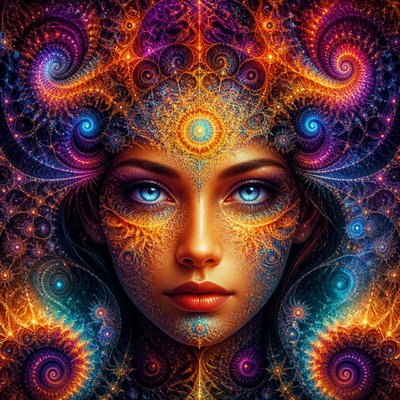
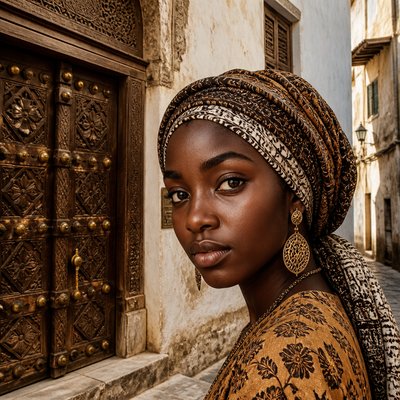
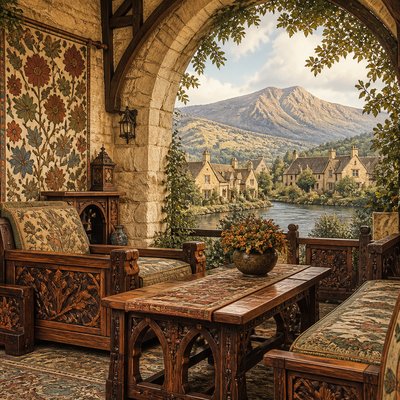
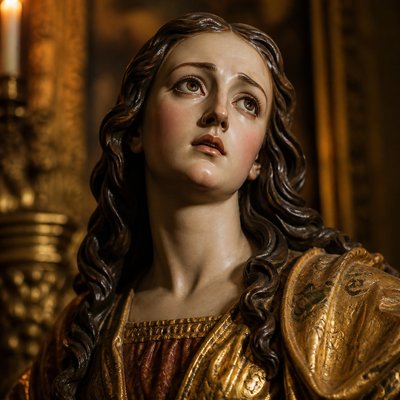
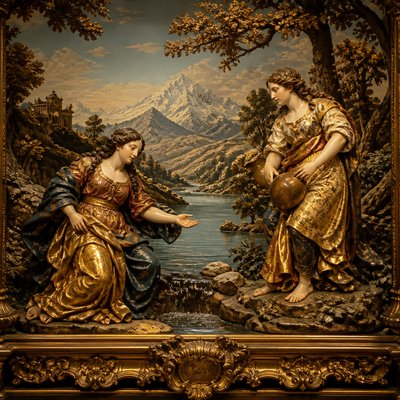
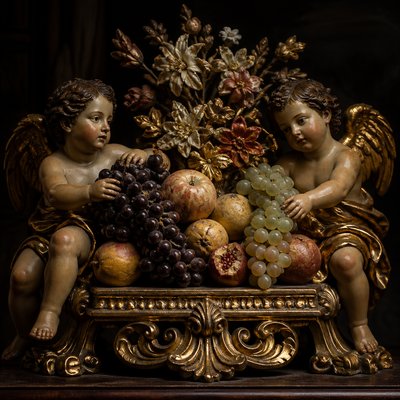
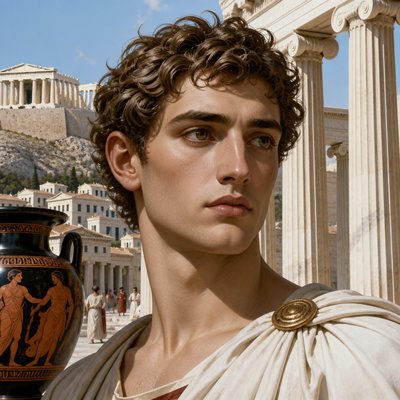
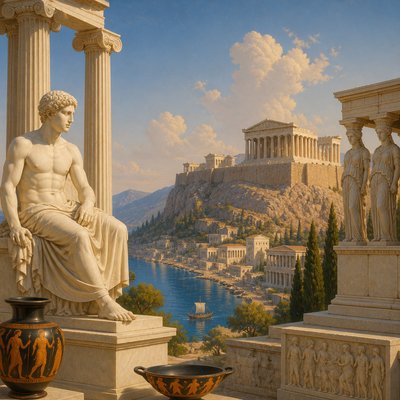
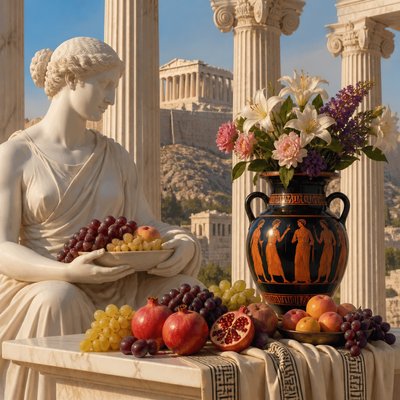
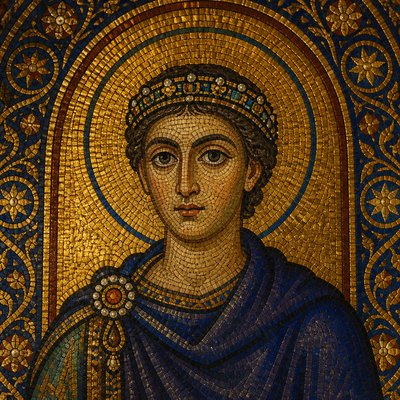
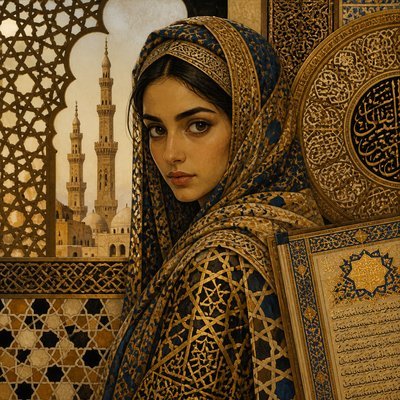
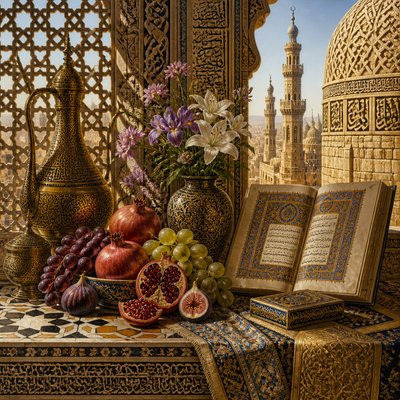
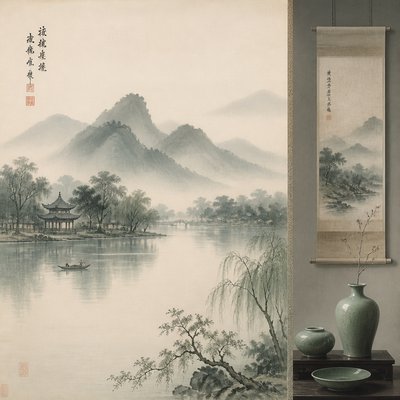
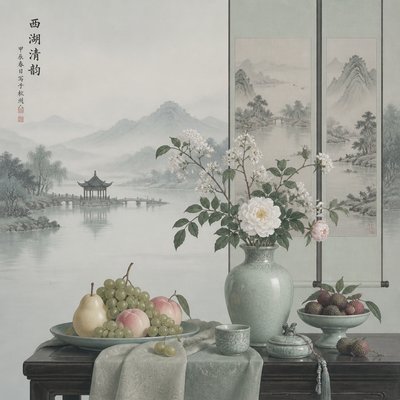
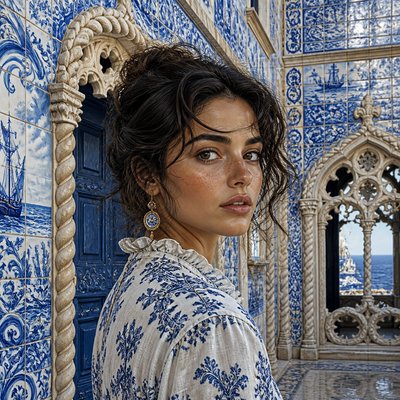
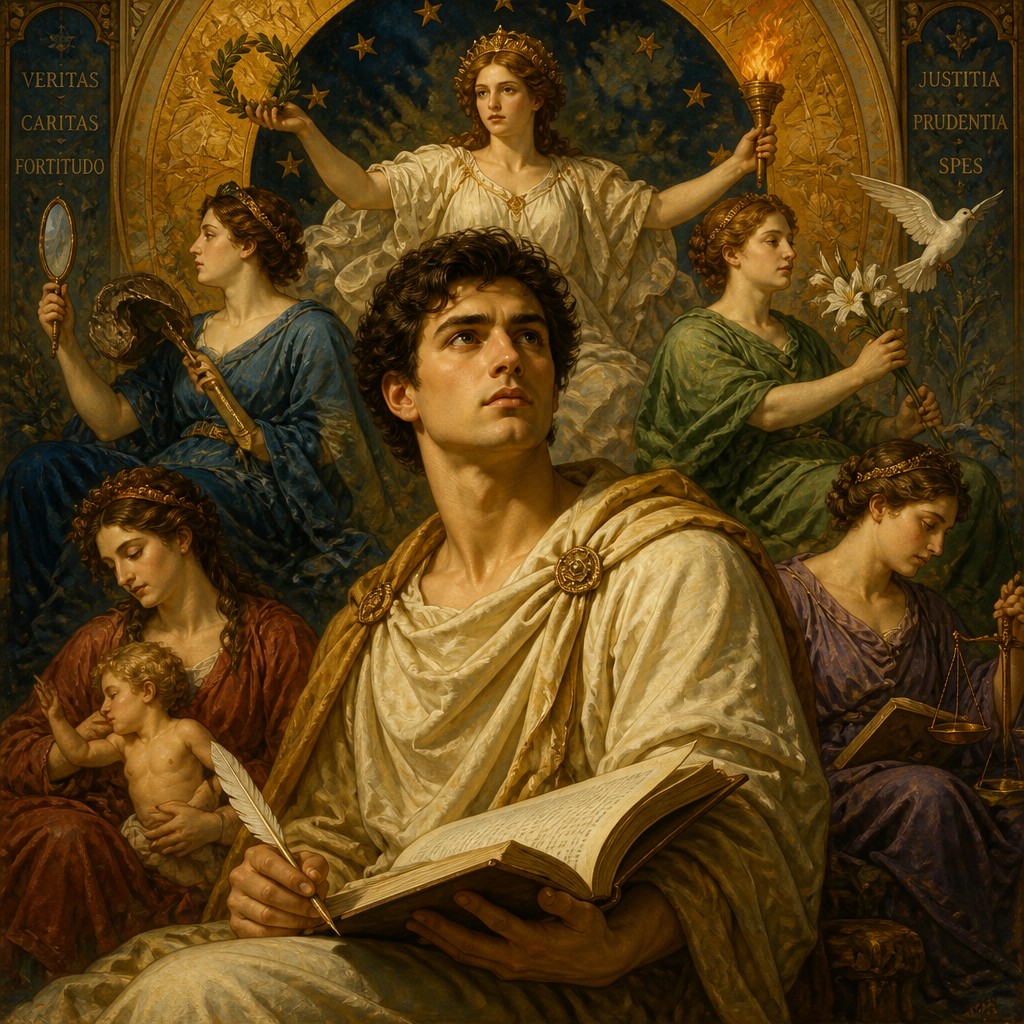
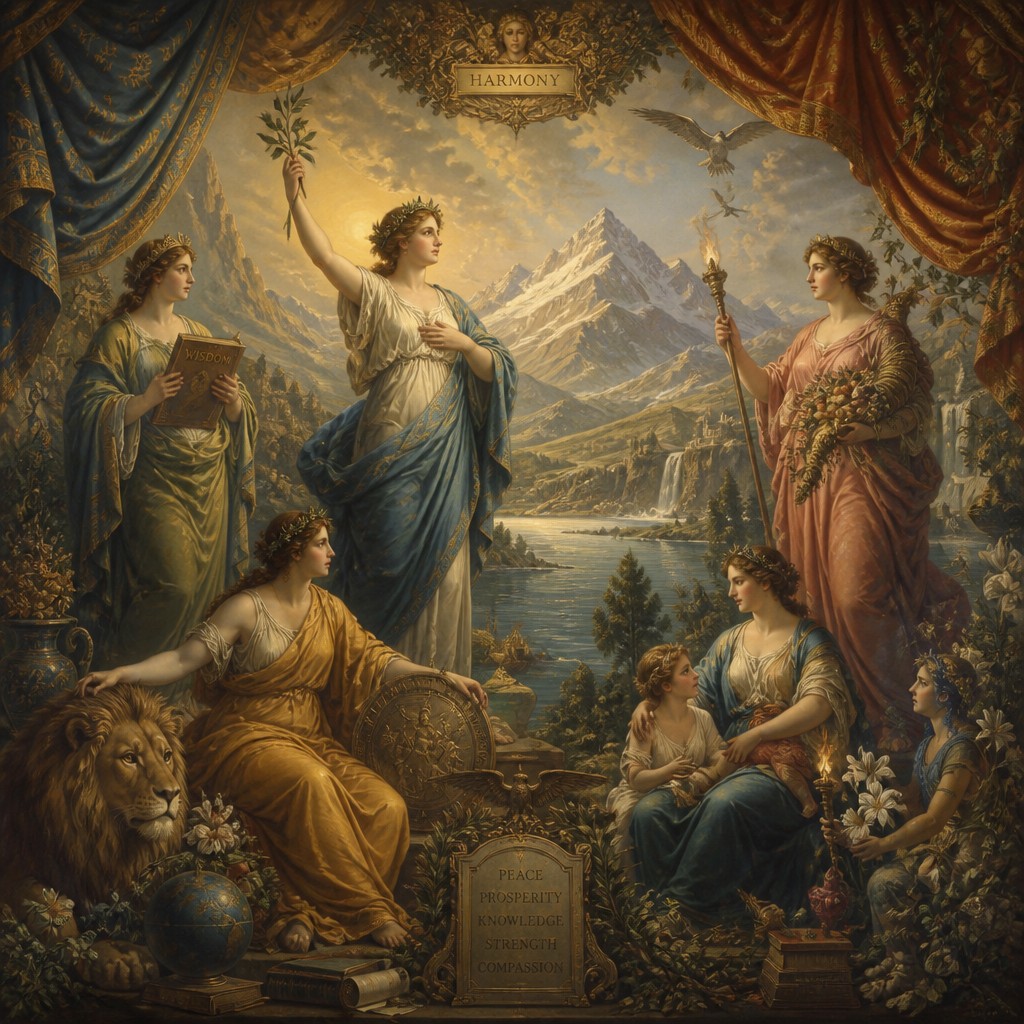
Allegory Art Style presents abstract ideas—such as justice, wisdom, hope, courage, or memory—as personified figures within a carefully arranged symbolic scene. Figures typically wear flowing classical robes, adopt expressive gestures, and hold recognizable attributes whose meanings can be read like a visual language. The result is less a depiction of an ordinary event than a staged tableau in which every pose, object, color, and architectural setting contributes to a larger moral or philosophical idea.
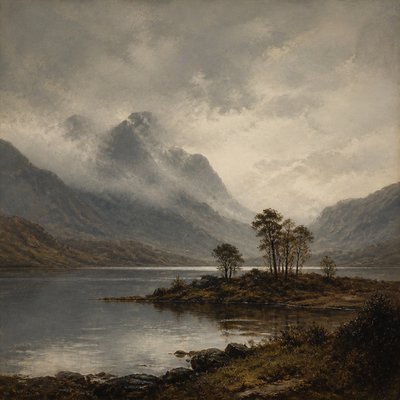
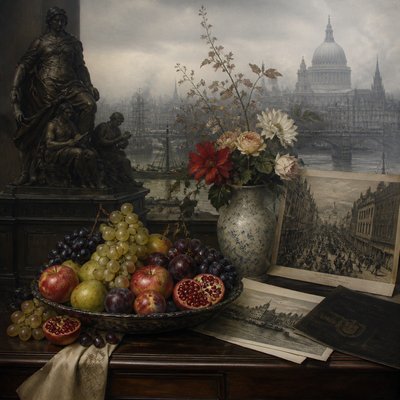
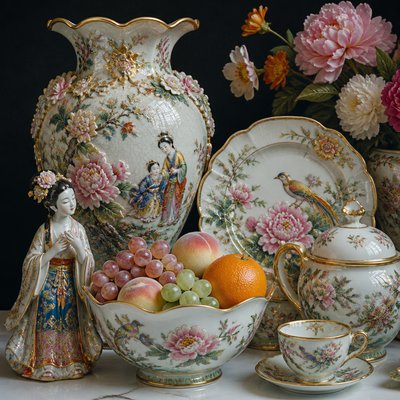
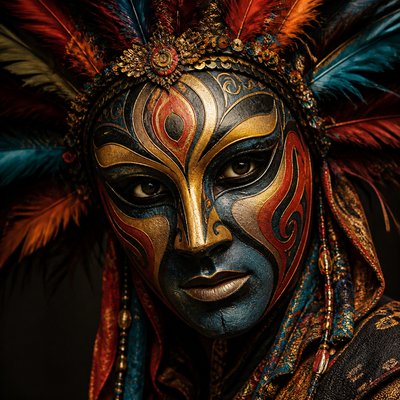
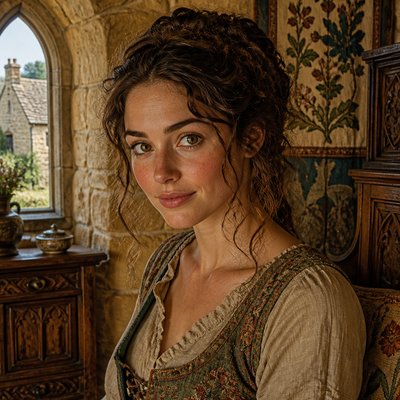
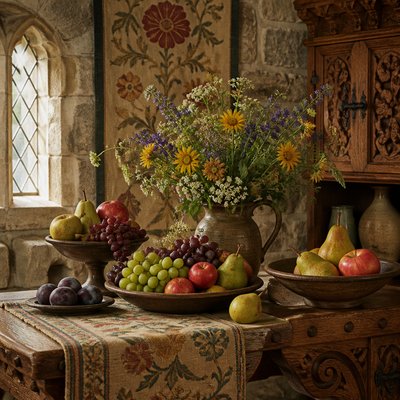
Its visual identity combines idealized human forms, soft theatrical illumination, ornamental backgrounds, and layered metaphor. Rich fabrics, tapestry-like surfaces, columns, garlands, celestial motifs, books, scales, keys, mirrors, flowers, and weapons may function as symbols rather than simple props. The style looks ceremonious and heightened because it draws on traditions of court painting, religious imagery, civic decoration, emblematic illustration, and classical theater, where clarity of meaning and grandeur of presentation were closely linked.
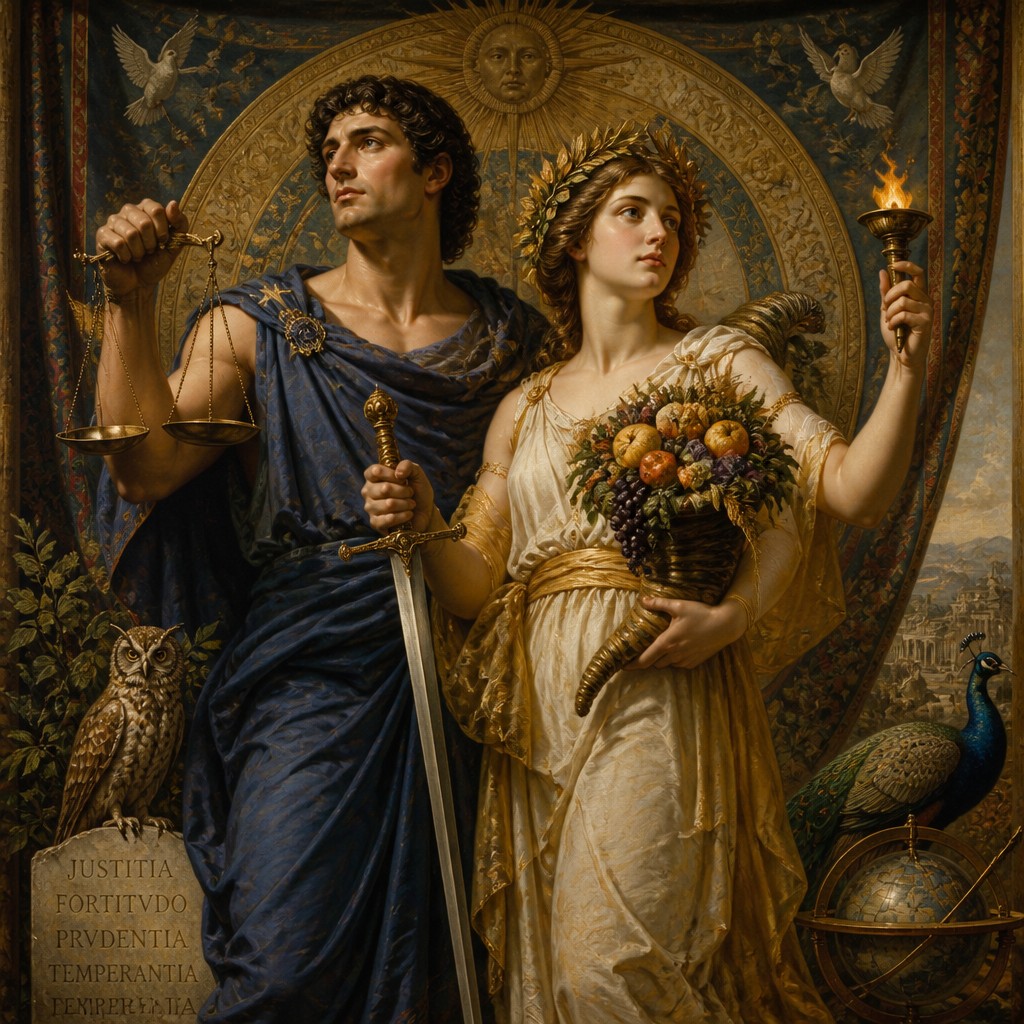
Try It On Your Photos
Upload any photo and convert it into Allegory Art Style — drag the sliders to compare before and after.
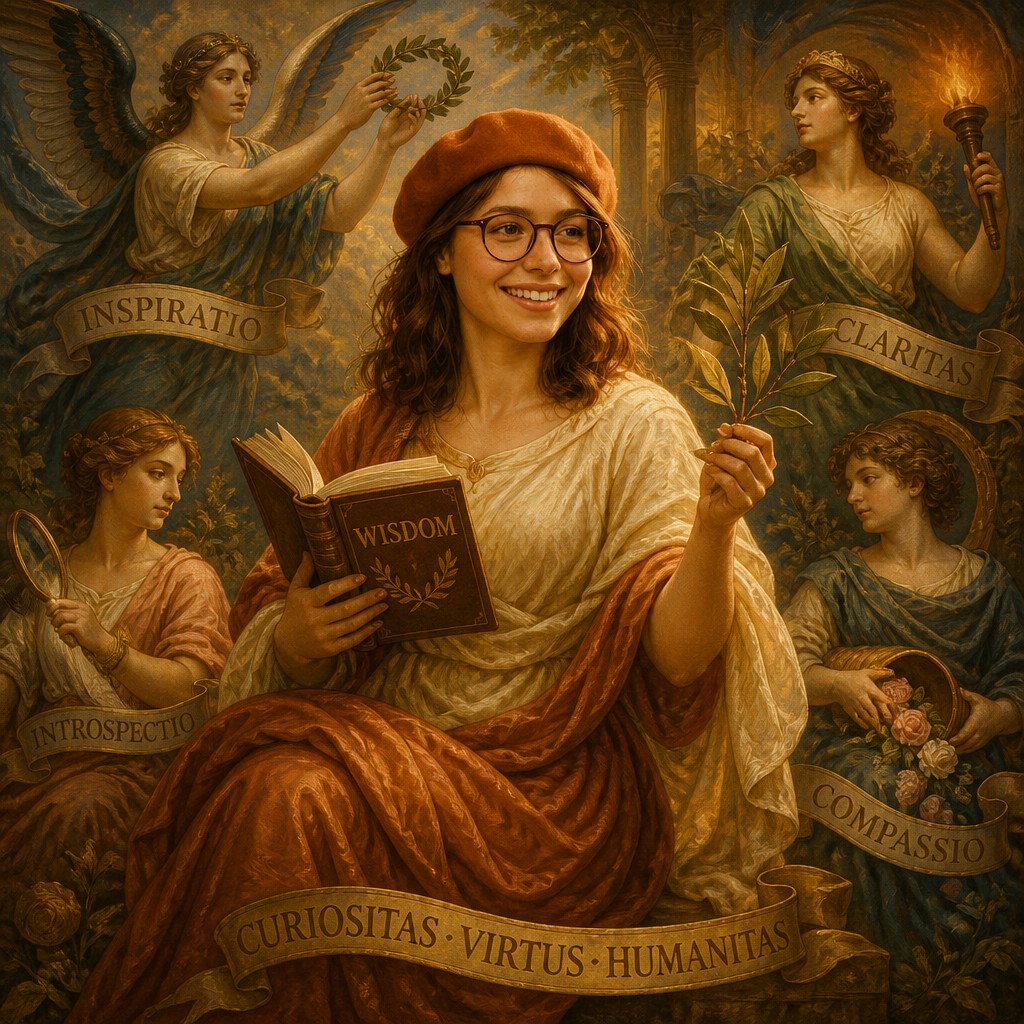

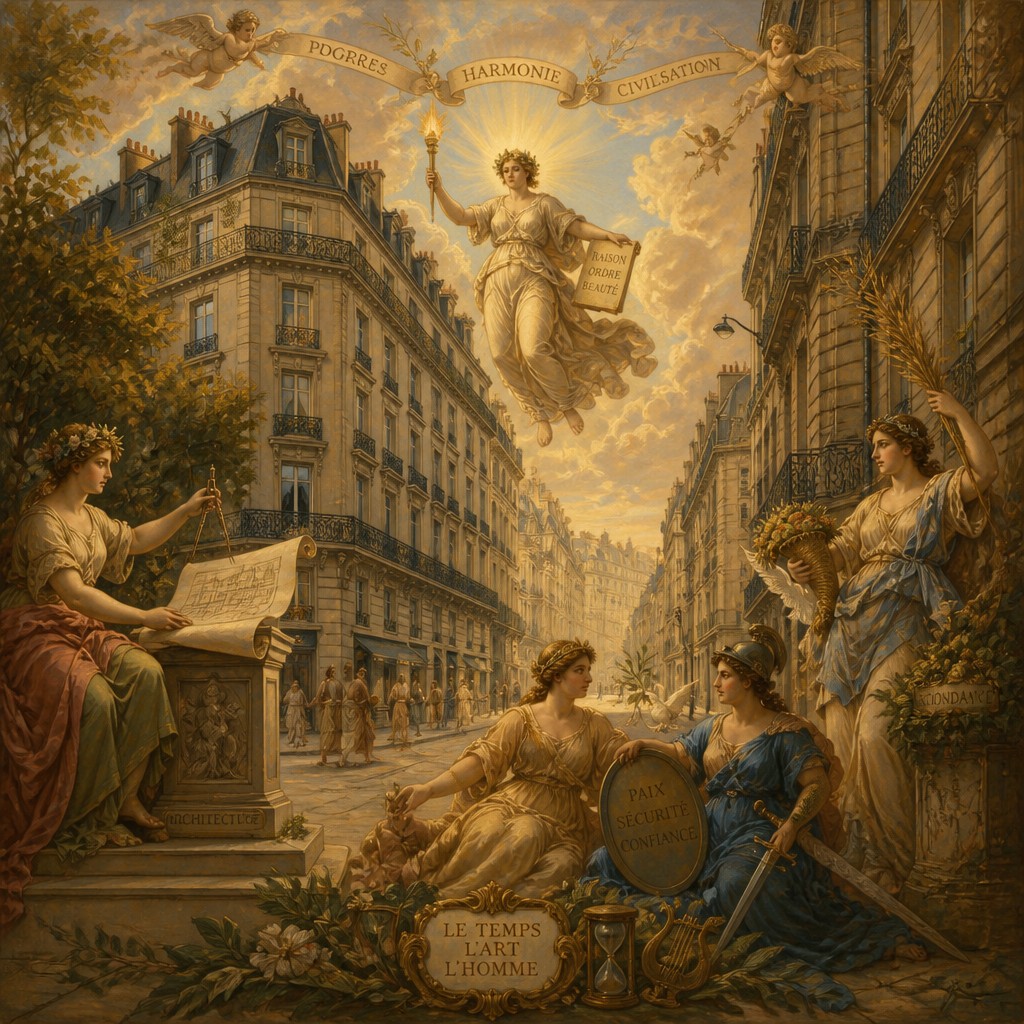

What Defines Allegory Art Style
The signature details, up close
Personified abstractions
Virtues, emotions, ideals, and social concepts appear as human or humanlike figures. Their expressions and gestures communicate meaning alongside written or visual symbols.
Symbolic attributes
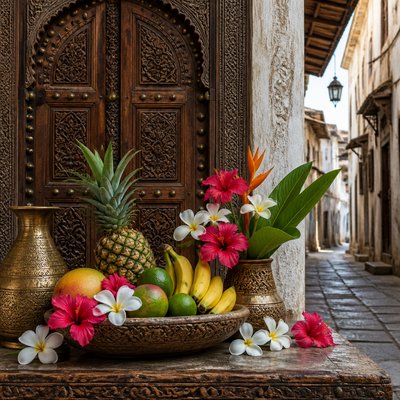
Objects such as scales, lamps, books, crowns, keys, mirrors, flowers, hourglasses, or broken chains identify the figure or complicate the scene's message. Attributes should be visually distinct enough to remain legible.
Classical drapery and idealized forms
Flowing robes, sandals, mantle-like fabrics, and simplified antique-inspired silhouettes create a ceremonial sense of timelessness. Anatomy is generally graceful and idealized rather than documentary.
Theatrical tableau
Figures are arranged as if on a stage, often in a frontal or pyramidal composition with deliberate spacing and readable gestures. The scene emphasizes symbolic relationships over spontaneous action.
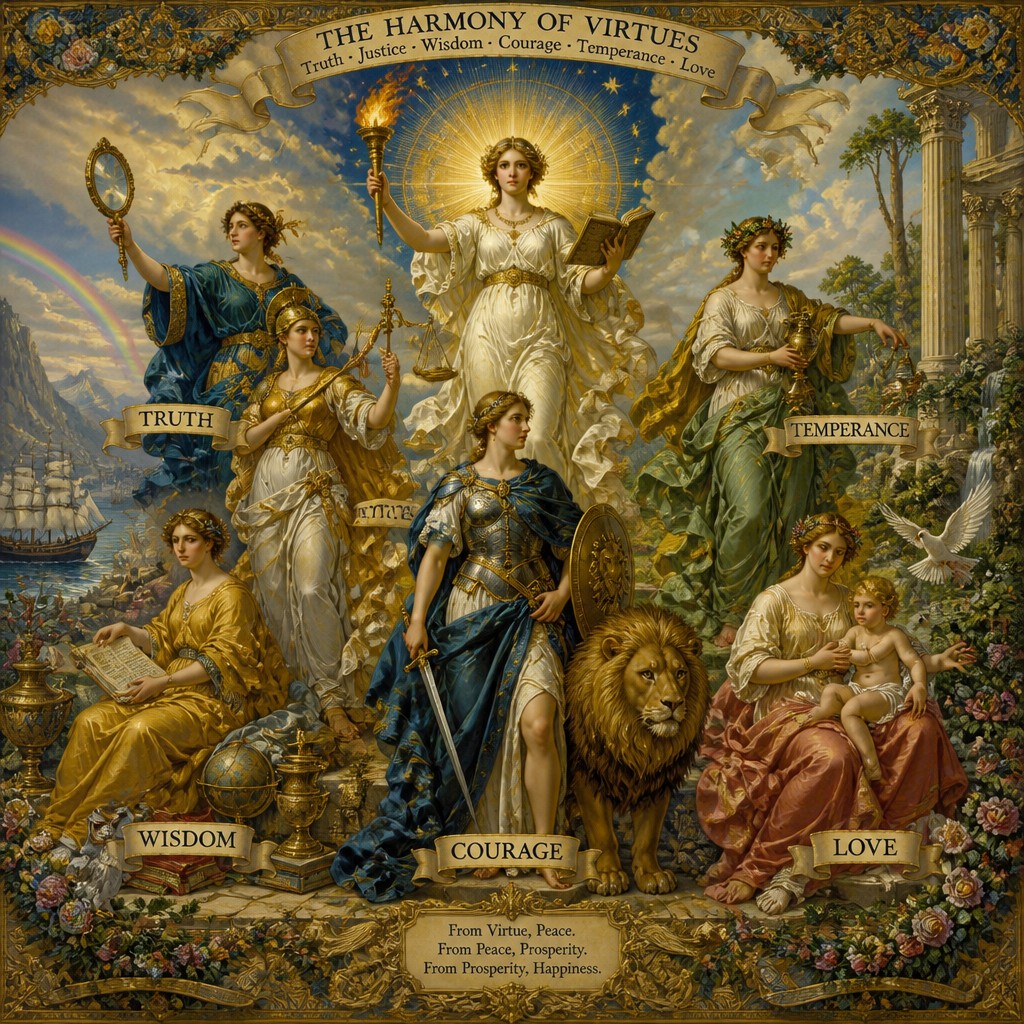
Soft idealized illumination
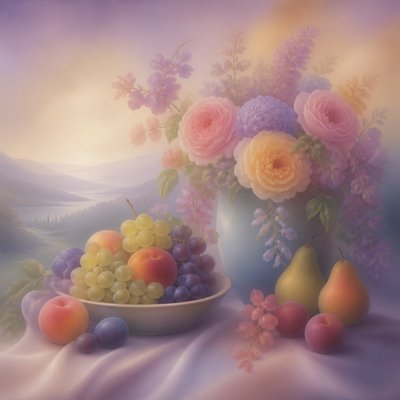
Diffuse golden, pearly, or heavenly light unifies the composition and lends moral or spiritual emphasis to important figures. Controlled highlights can guide the viewer toward the central allegory.
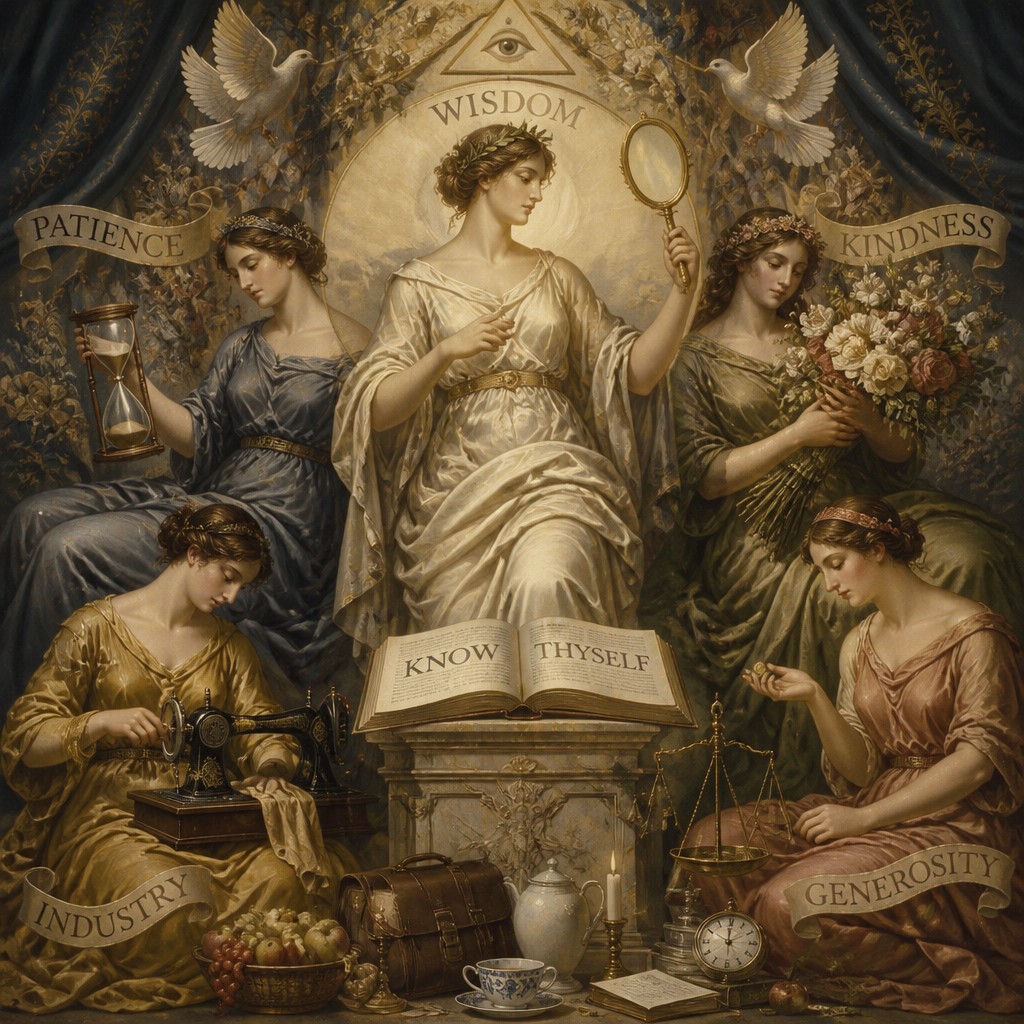
Ornamental environments
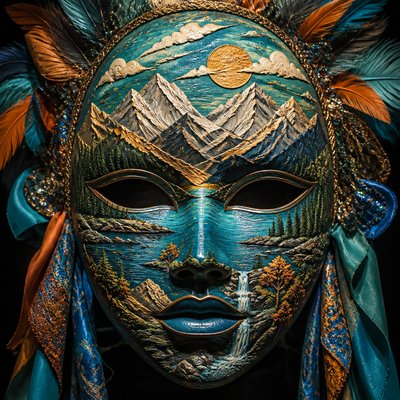
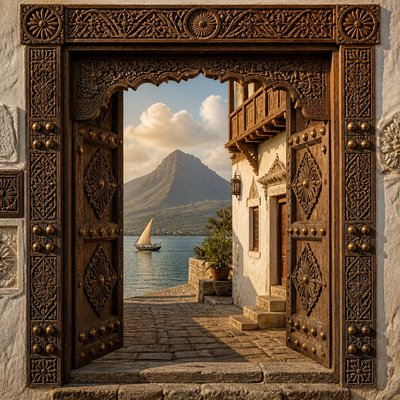
Tapestry-like backgrounds, columns, arches, clouds, garlands, patterned textiles, and architectural frames provide visual richness. Decorative detail supports the ceremonial atmosphere without replacing the central symbolic action.
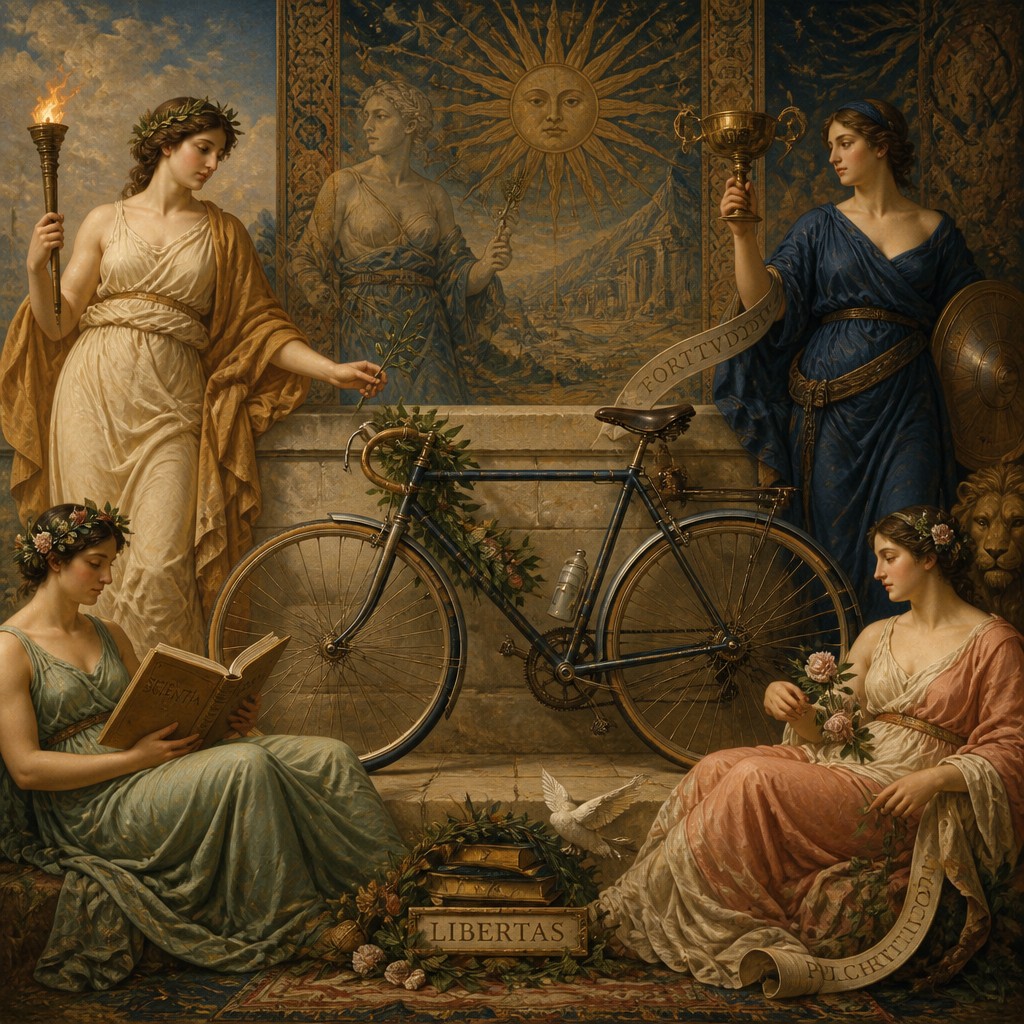
Layered visual metaphor
A single scene may combine contrasting figures, recurring colors, directional gestures, and multiple objects to express conflict or transformation. Meaning is built through relationships among symbols rather than through one literal illustration.
Allegory Prompt Ideas
Start from an idea — each one opens the generator with the style ready to go. See all 40 Allegory prompts →
How to Create Allegory Art
Master the craft step by step — or skip straight to creating. Read the full guide →
- 1
Define the central abstraction
Begin with one primary concept and decide whether the image should celebrate, question, or dramatize it. Write down two or three secondary ideas that can support or oppose the central figure.
- 2
Design a readable symbolic vocabulary
Choose attributes with established or intuitively understandable associations, then limit competing symbols. Use pose, gaze, color, and object placement to clarify which figures embody related or opposing forces.
- 3
Stage the composition
Arrange the scene like a theatrical set: place the principal figure at a visual anchor, create a stable pyramid or frieze, and use architecture or drapery to frame the action. Leave enough negative space around important gestures and attributes.
- 4
Build material and light
In traditional painting, layer thin glazes over an established drawing to achieve luminous skin, deep fabric, and soft atmospheric transitions. In digital work, separate figures, props, background ornament, and lighting into organized layers so symbolism remains adjustable.
- 5
Use controlled visual references
For prompt-based generation, specify the concept, number and roles of figures, costume, attributes, composition, lighting, and background in that order. Ask for a staged symbolic tableau and explicitly request clear hands, readable objects, balanced poses, and a restrained focal hierarchy.
- 6
Refine symbolism after rendering
Inspect whether each object is recognizable and whether the intended reading survives at thumbnail size. Remove decorative elements that compete with the allegory, then strengthen focal contrast, gesture direction, and color relationships.
The Story
History & Origins of Allegory
Allegory Art Style is not a discrete historical movement with a fixed period or founding school. It is a contemporary style formulation based on the much older practice of allegorical representation: giving human form to virtues, vices, seasons, nations, emotions, and philosophical principles. Its aesthetic lineage extends through ancient personifications, medieval religious programs, Renaissance humanism, Baroque ceiling and court imagery, Neoclassical history painting, emblem books, and symbolic illustration.
In contemporary use, the tradition is often recombined with fantasy art, conceptual painting, cinematic staging, and digital image-making. Rather than reproducing one historical period exactly, it selectively borrows classical costume, monumental composition, ornamental surface, and visual codes of symbolism to create scenes that feel timeless, ceremonial, and intellectually open to interpretation.
Influences: The style relates to Renaissance personification and humanist symbolism, Baroque theatrical composition, Neoclassical drapery and architecture, religious iconography, emblem books, civic murals, courtly pageantry, and allegorical sculpture. It also overlaps with fantasy illustration, visionary art, conceptual painting, symbolic portraiture, stage design, and cinematic worldbuilding. Its contemporary form often combines historical visual codes with surreal juxtapositions and digitally elaborated ornamental environments.
Frequently Asked Questions
What defines the Allegory Art Style?
It is defined by the personification of abstract ideas within a staged symbolic scene. Classical robes, expressive gestures, identifiable attributes, idealized lighting, and ornamental settings reinforce the sense that the image communicates a moral, philosophical, or emotional argument.
Is Allegory Art Style a historical art movement?
No. The name describes a contemporary synthesis rather than a single historical movement with a fixed date or membership. It draws from the long history of allegorical imagery while combining that tradition with fantasy, conceptual, theatrical, and digital practices.
How is it different from religious art?
Religious art may use allegory, but Allegory Art Style is not limited to a faith, scripture, or devotional purpose. Its figures can represent secular virtues, psychological states, political ideas, ecological concerns, or abstract concepts alongside religious themes.
How can I make an effective allegorical image?
Start with a clear concept, assign each major figure a role, and select a small set of meaningful attributes. Use a staged composition, directional gestures, contrasting colors, and controlled lighting to make the relationships among the symbols easy to read.
Can allegorical art be abstract or surreal?
Yes. The figures may remain recognizable while the setting, scale, and relationships become dreamlike or impossible. Surreal details are most effective when they deepen the central metaphor rather than functioning as unrelated decoration.
Where is this style commonly used?
It suits editorial illustration, book covers, posters, concept art, fantasy narratives, museum or heritage projects, ceremonial graphics, and images exploring philosophical or social themes. It is especially useful when a subject needs to be communicated through visual metaphor rather than literal reportage.
Create your first Allegory artwork
Describe anything — or upload a photo — and see it in Allegory Art Style in seconds.
Related Styles
Discover similar art styles