Abstract Art Style
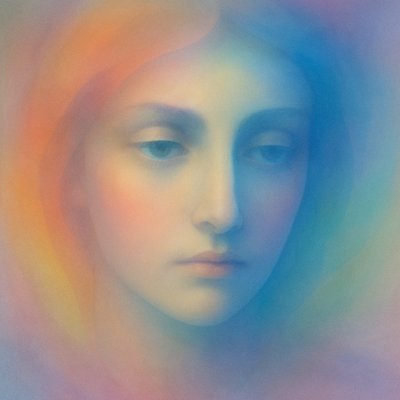
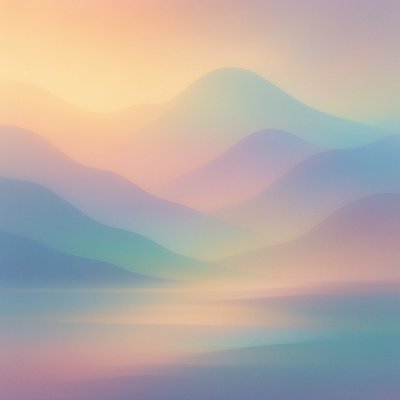
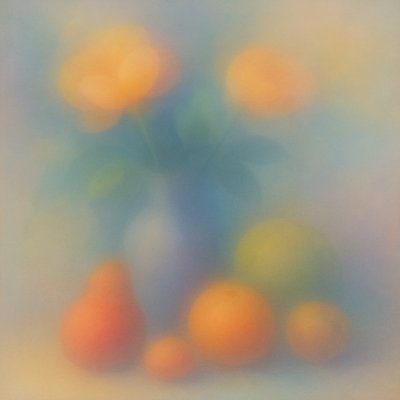
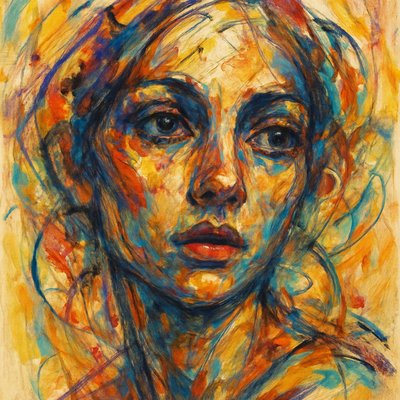
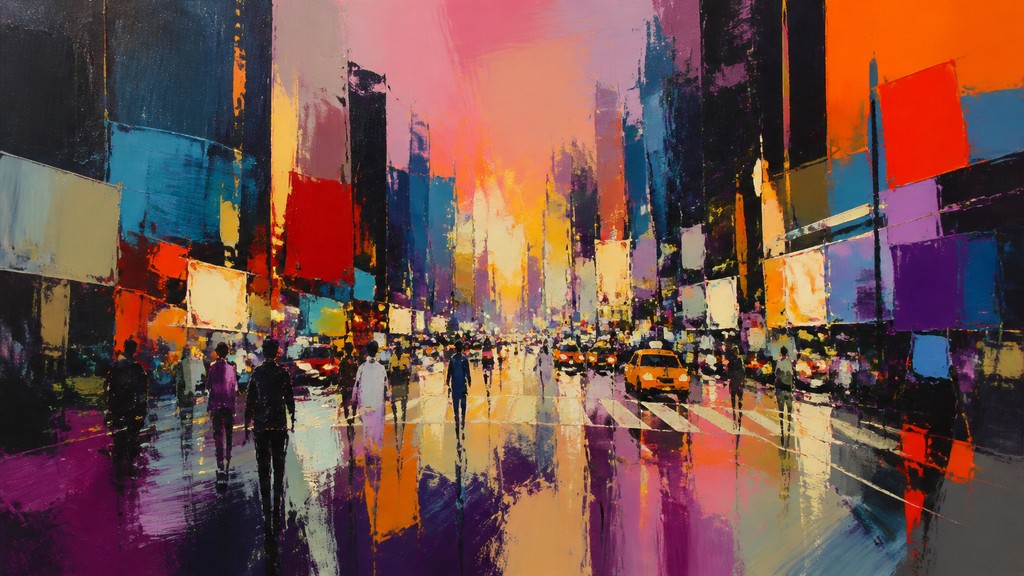
Abstract art uses color, shape, line, and gesture to create emotion and meaning without depicting recognizable reality.
Instantly rendered in Abstract — or transform a photo
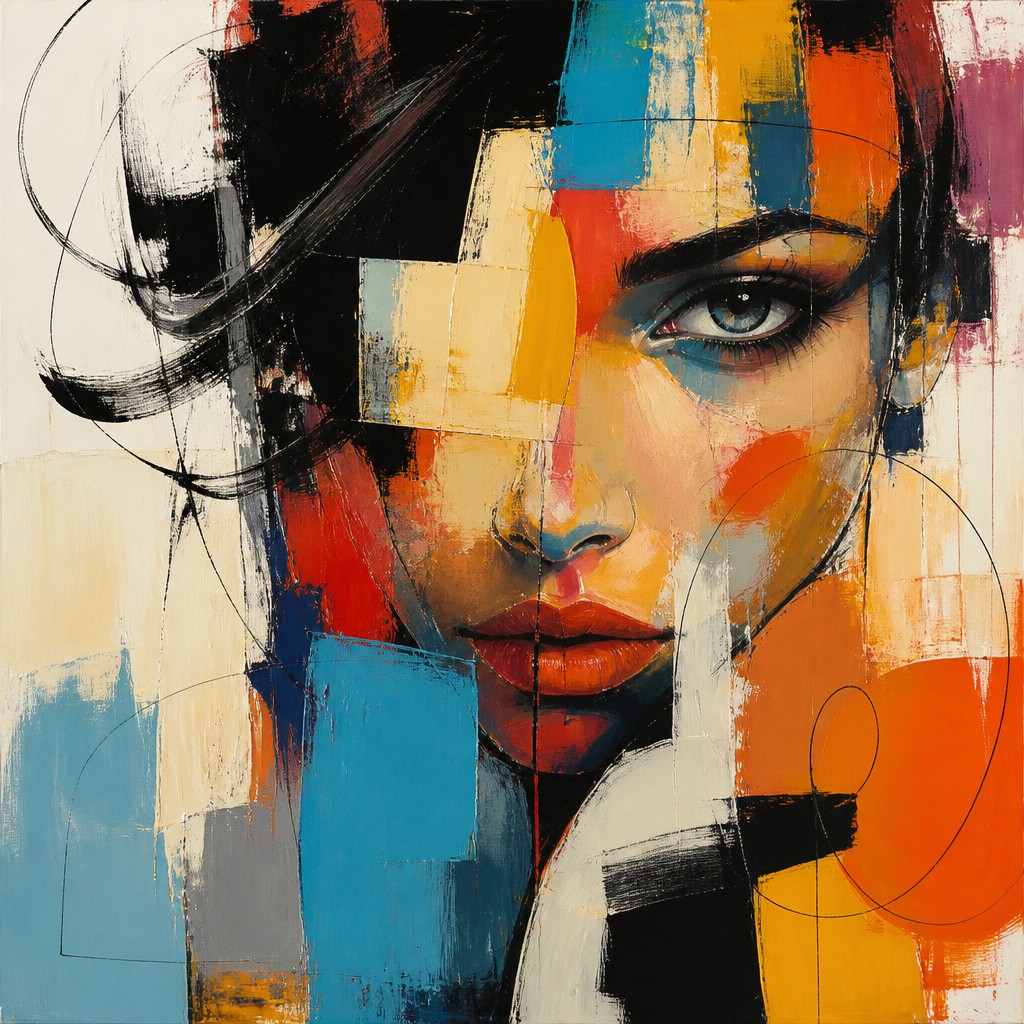
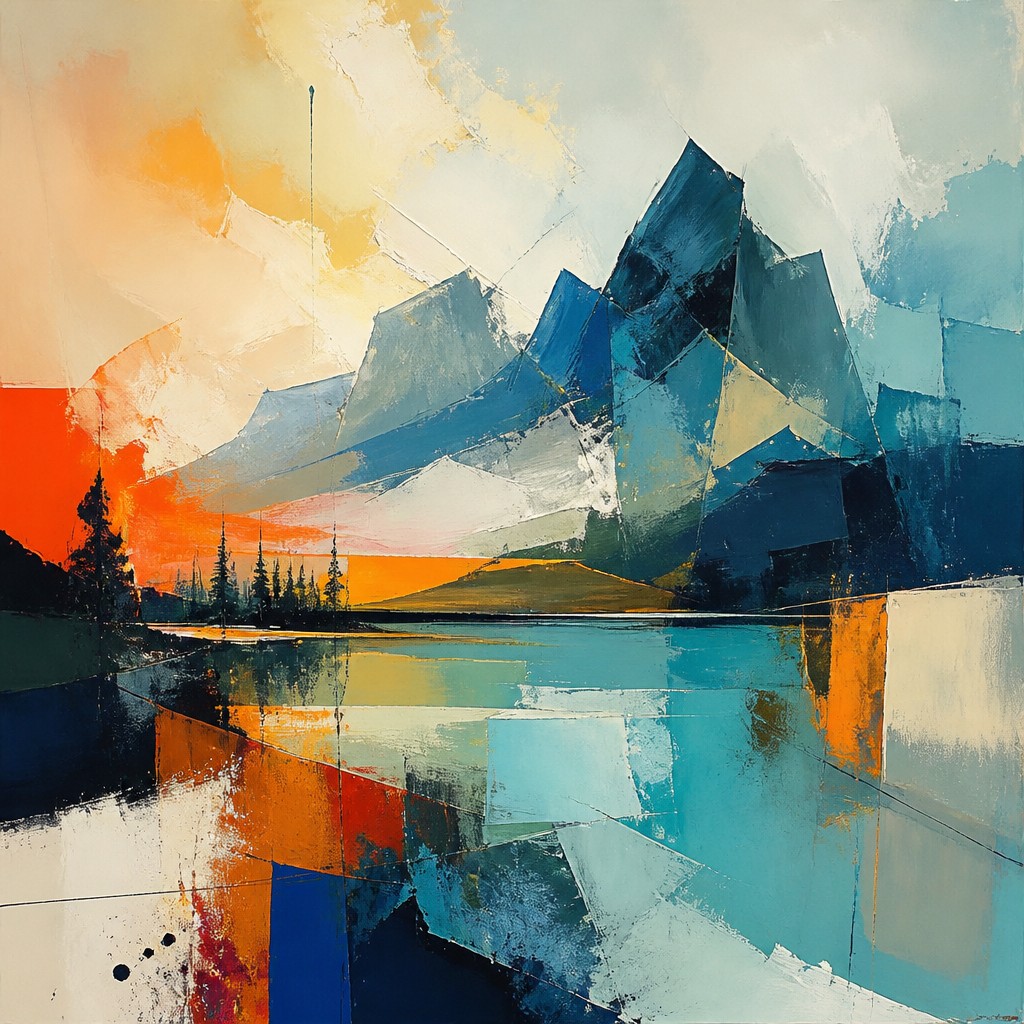
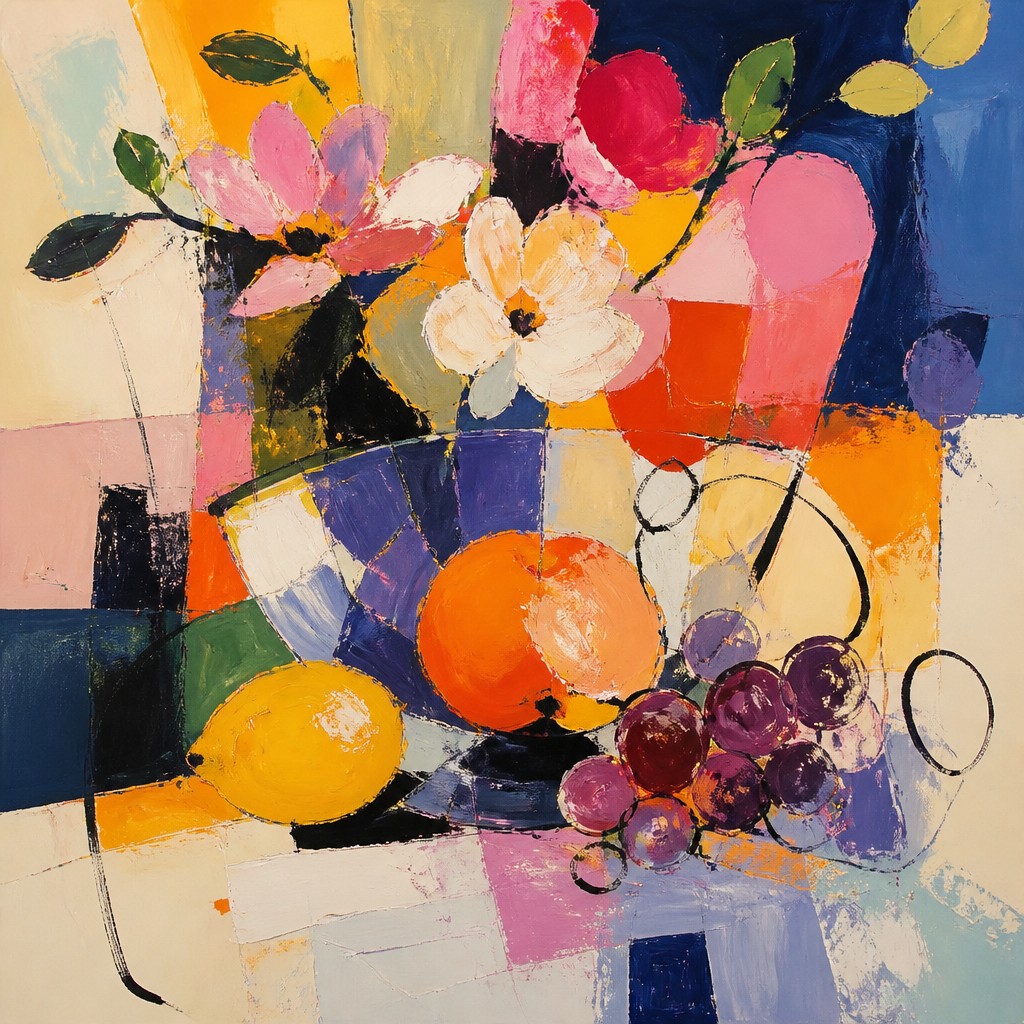
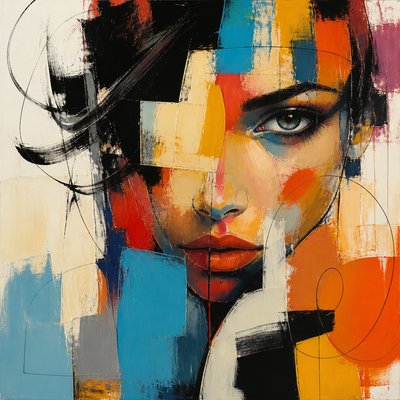
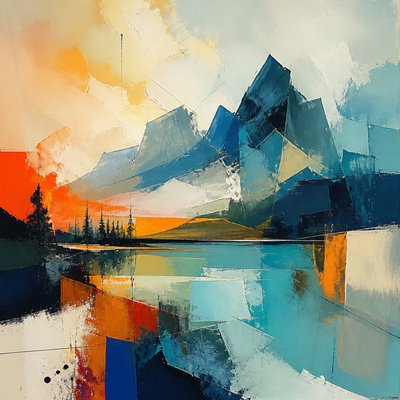
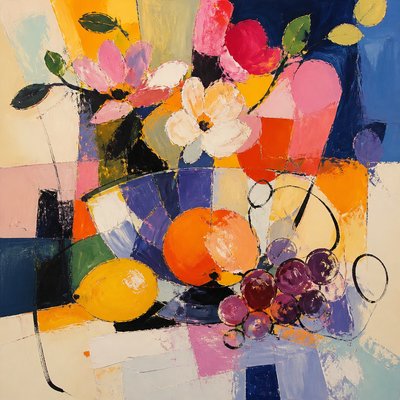
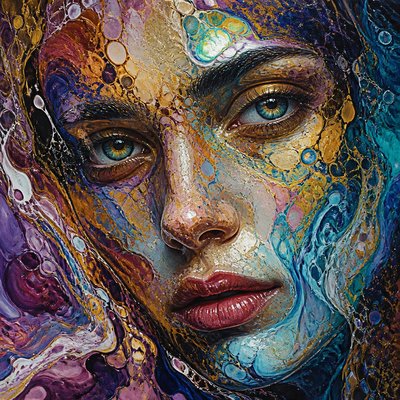
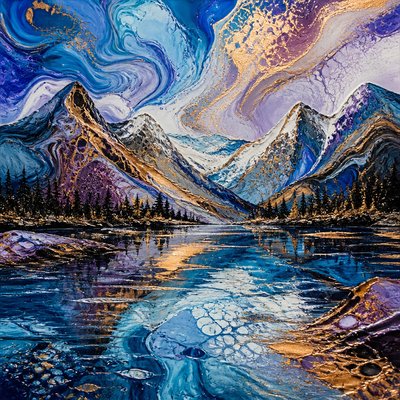
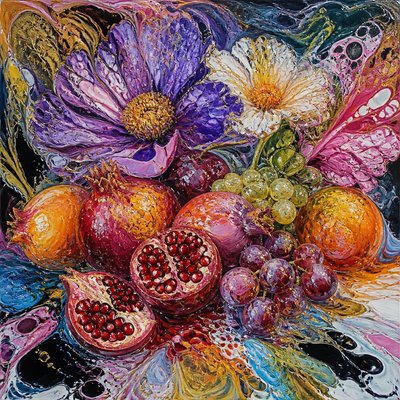
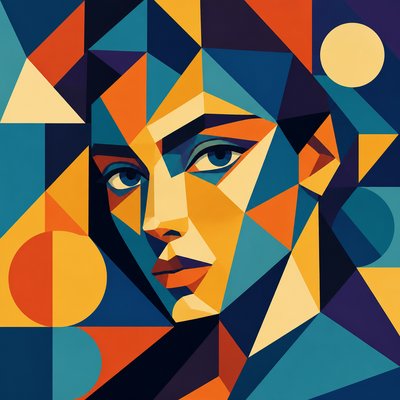
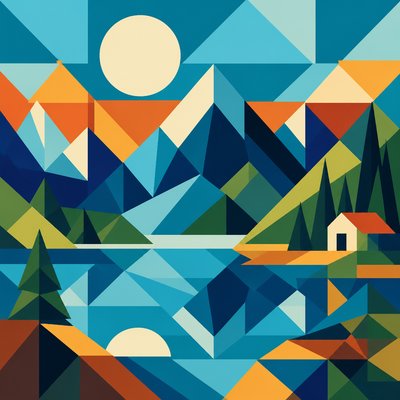
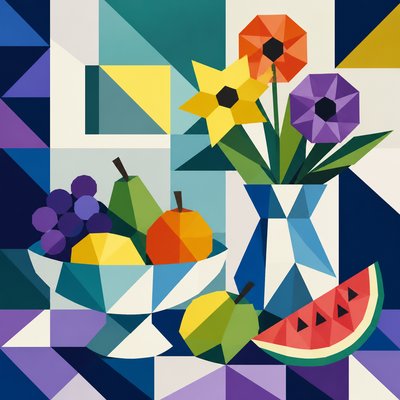
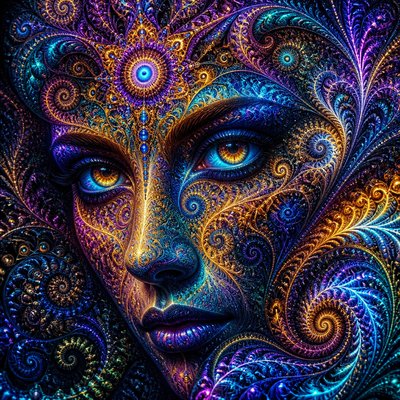
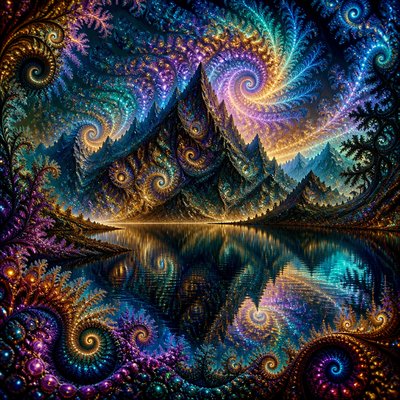
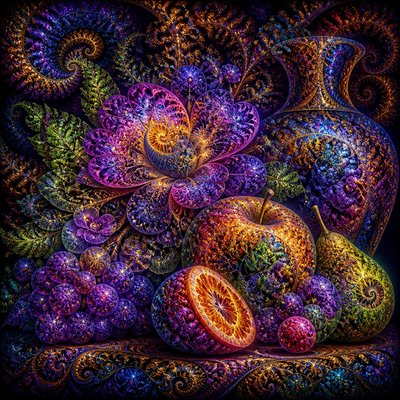
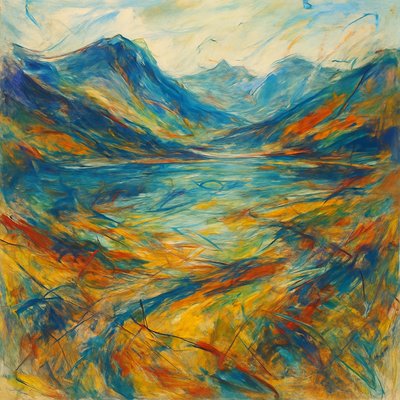
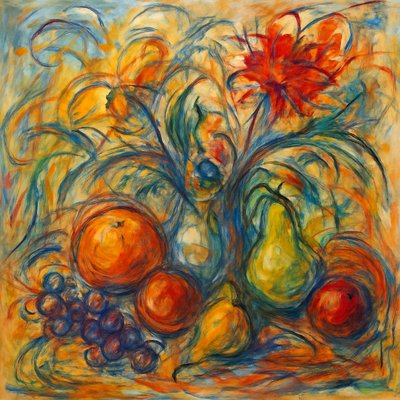
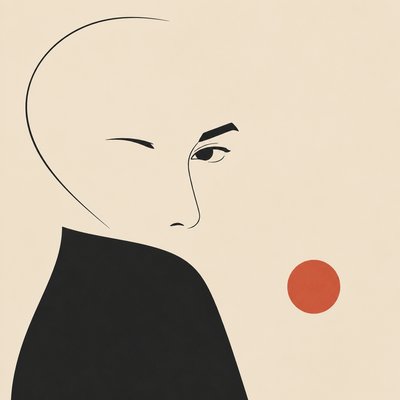
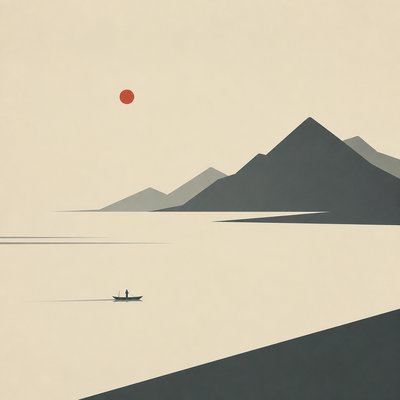
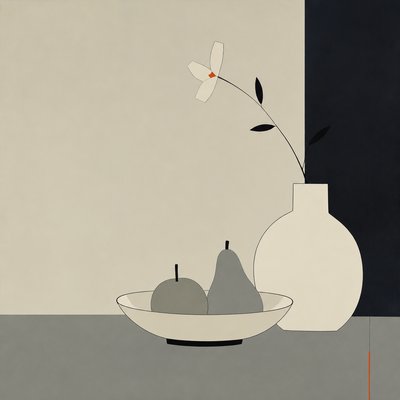
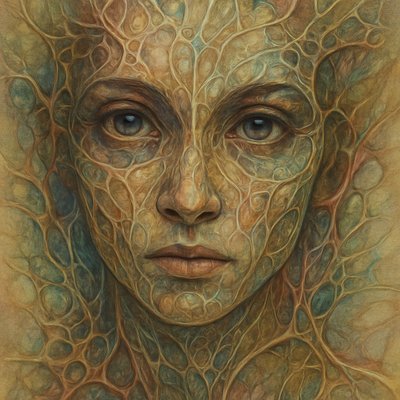
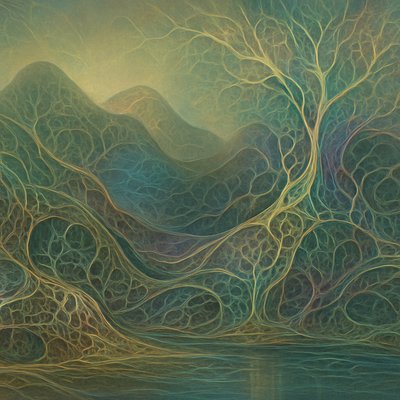
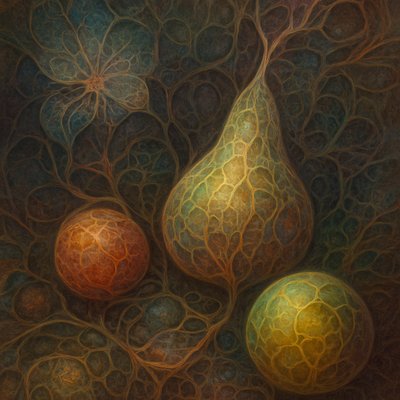
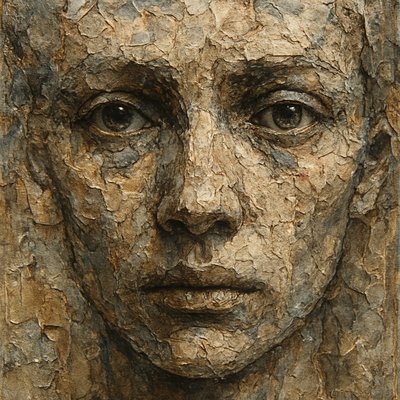
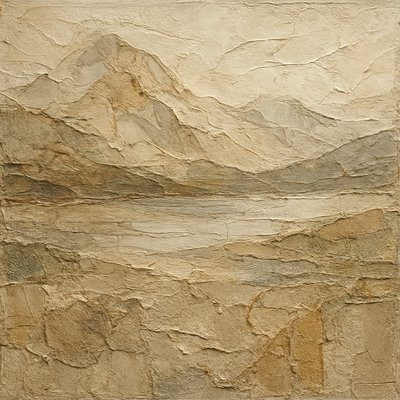
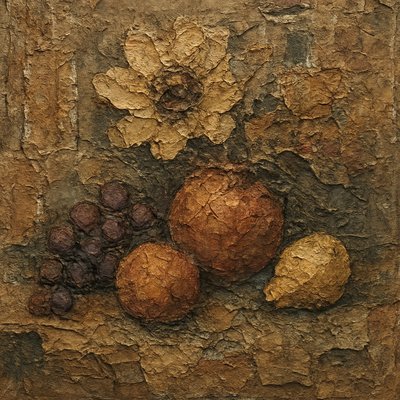
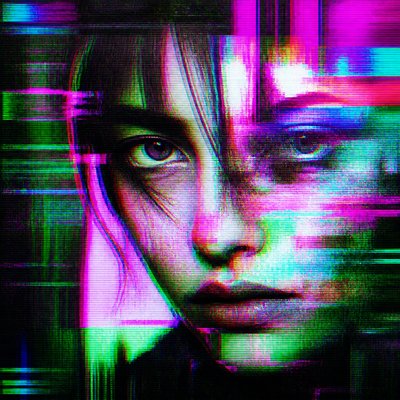
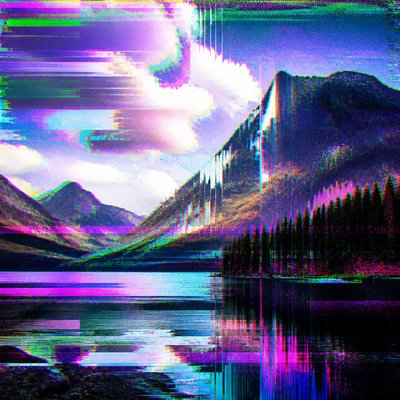
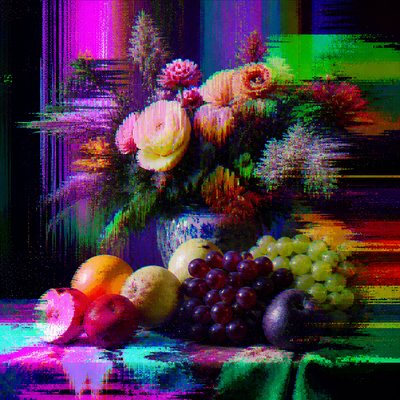
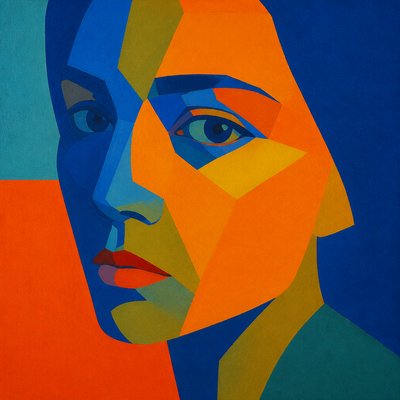
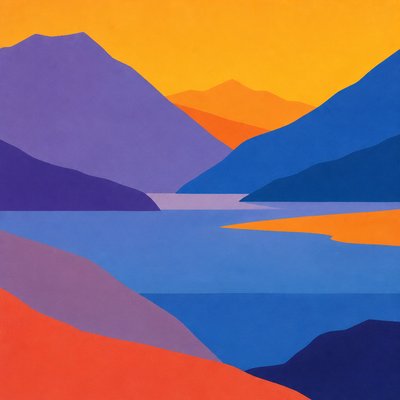
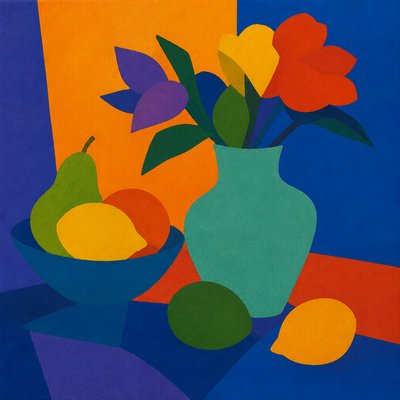
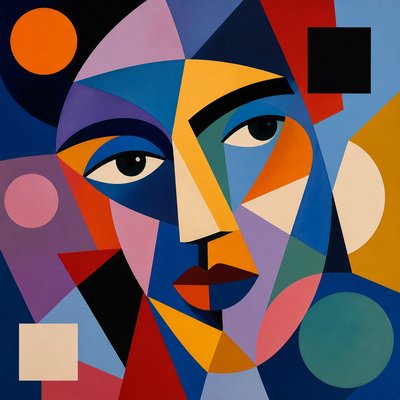
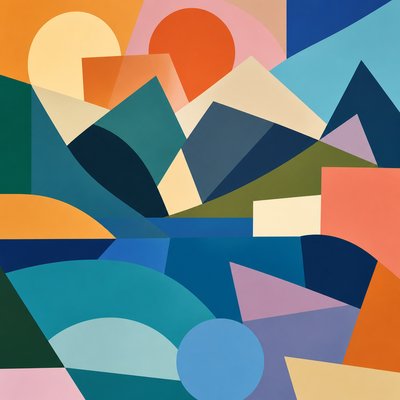
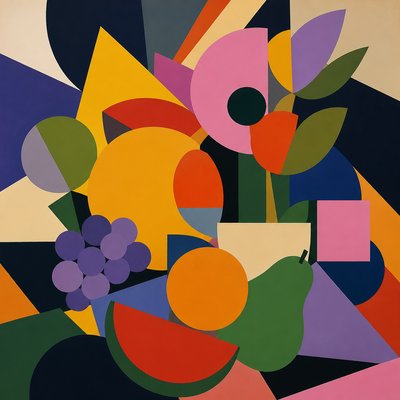
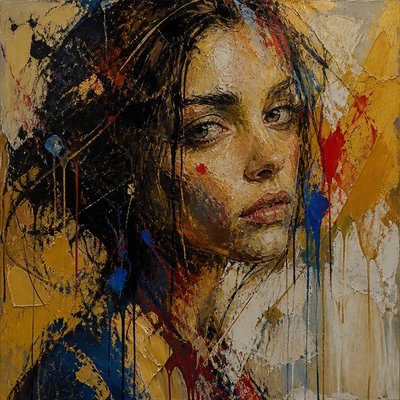
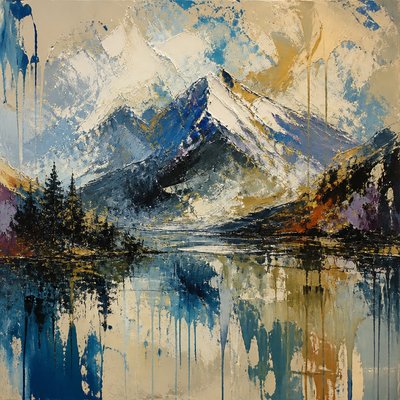
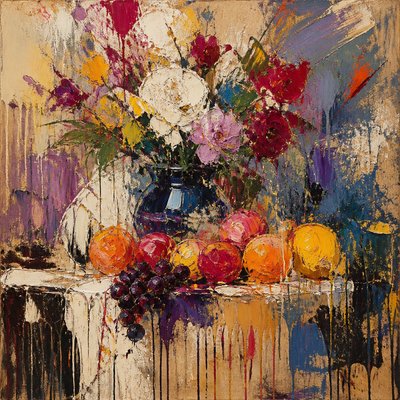
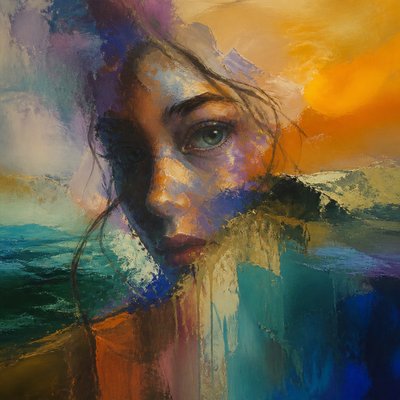
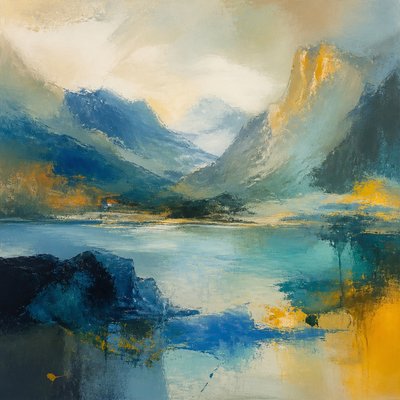
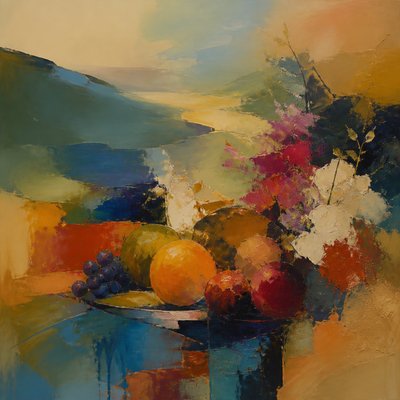
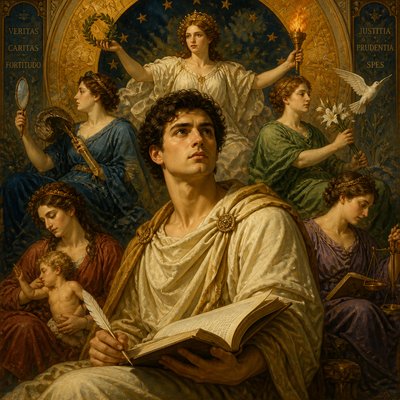
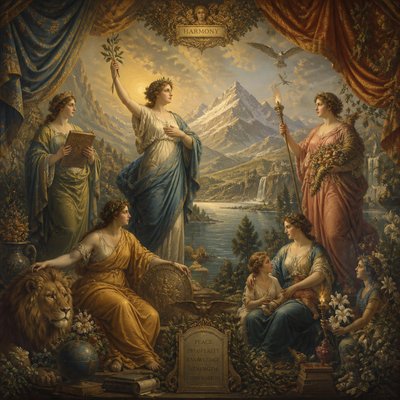
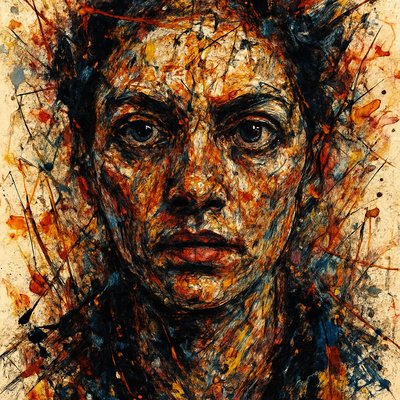
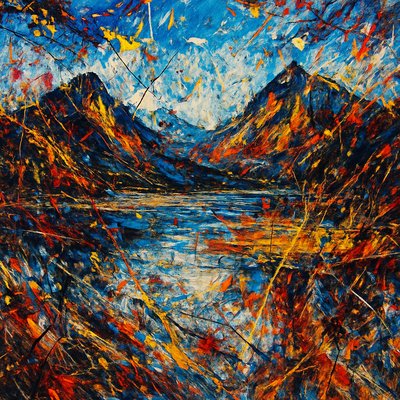
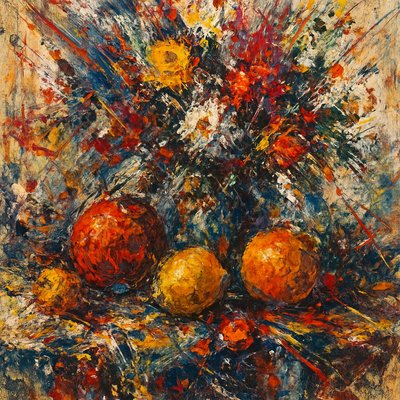
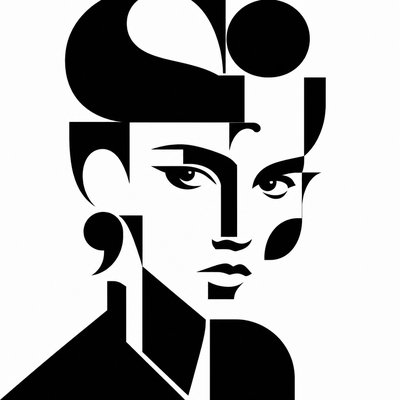
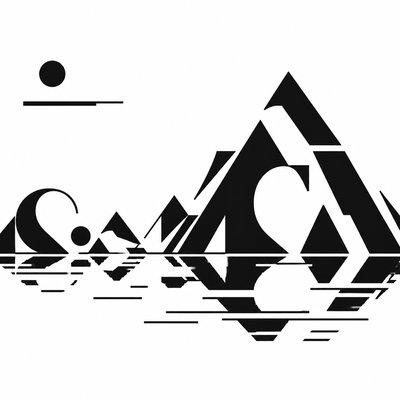
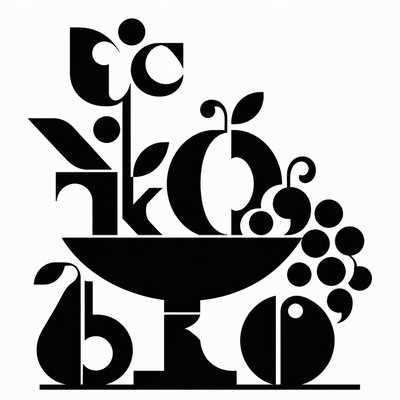
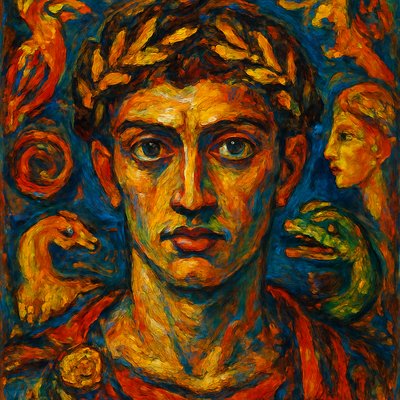
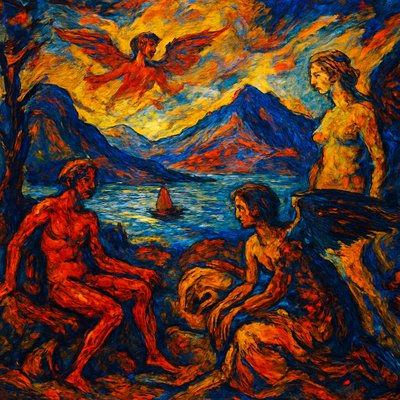
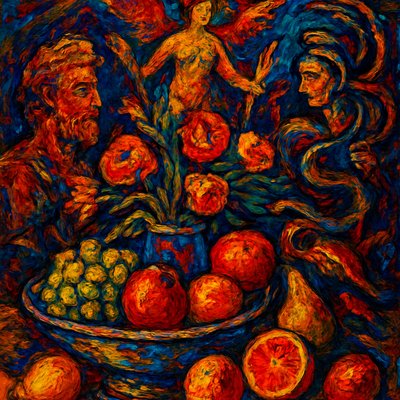
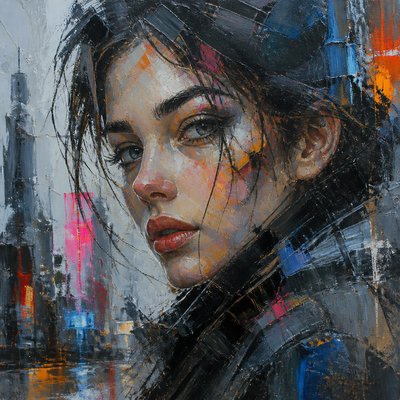
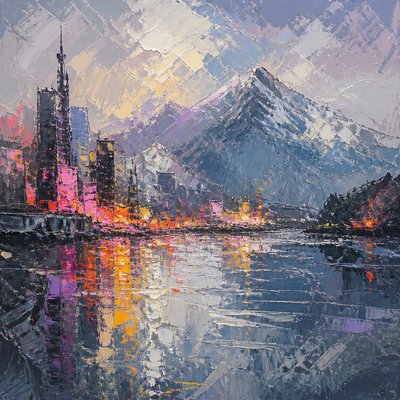
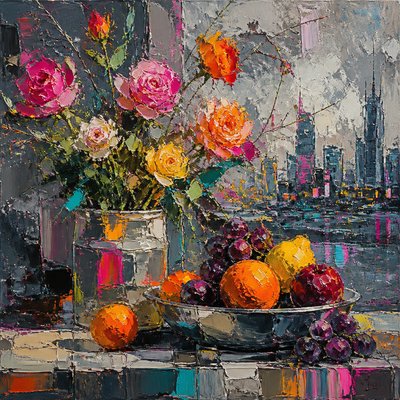
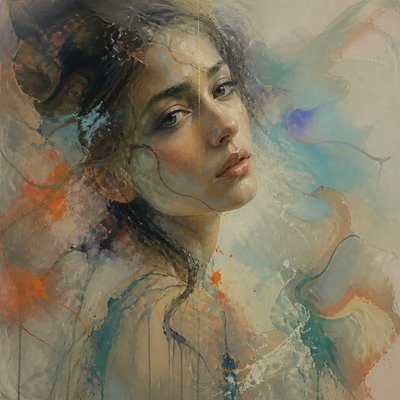
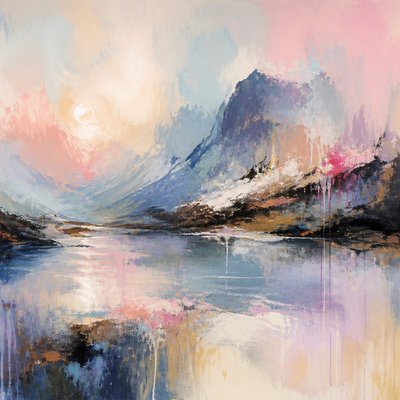
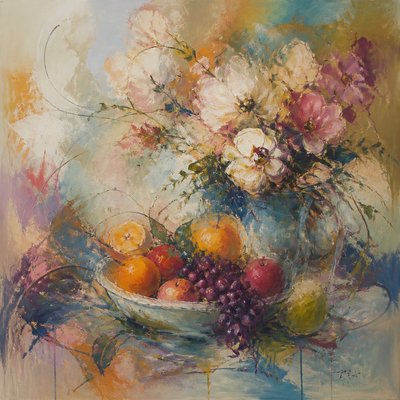
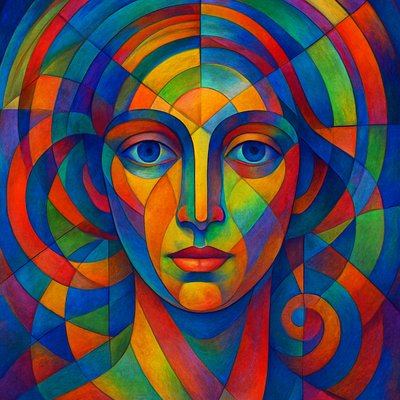
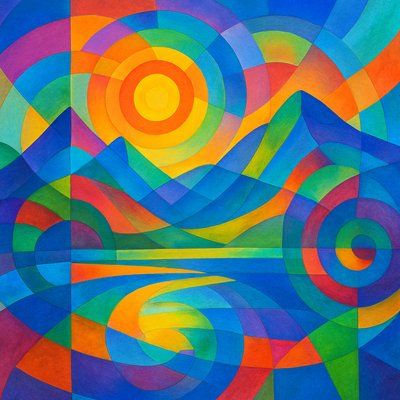
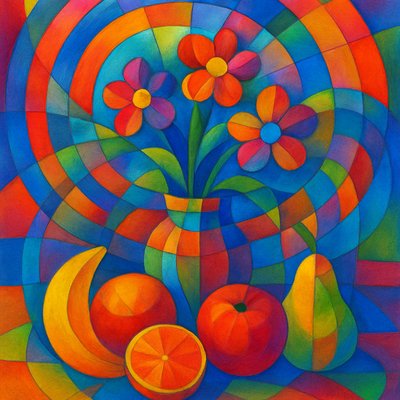
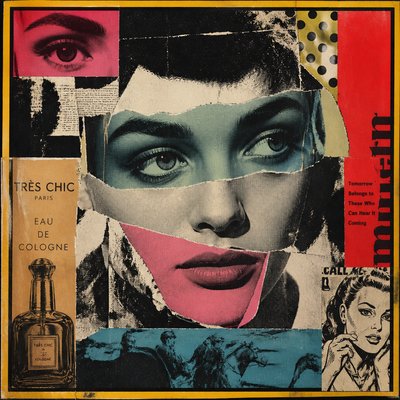
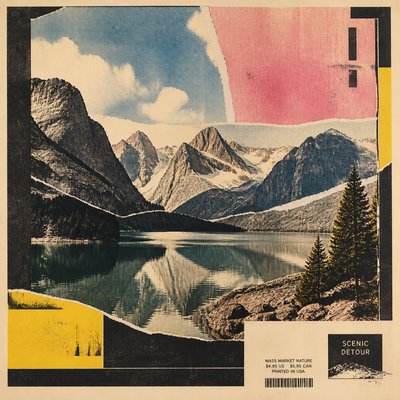
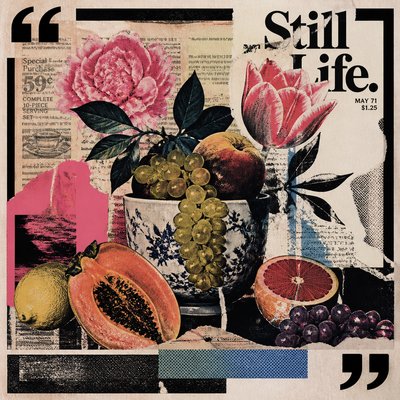
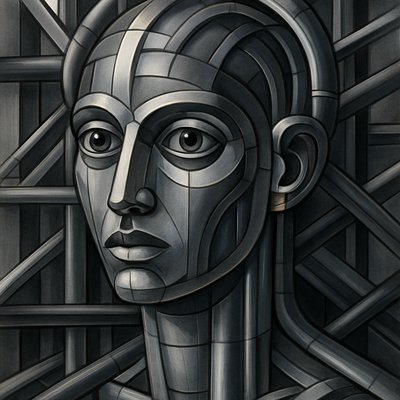
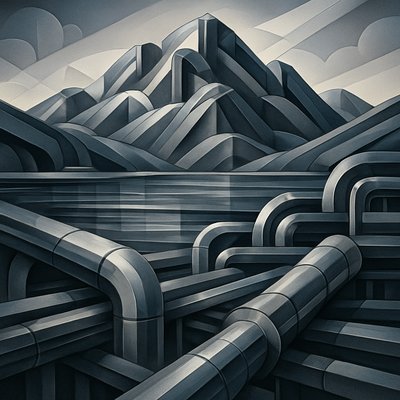
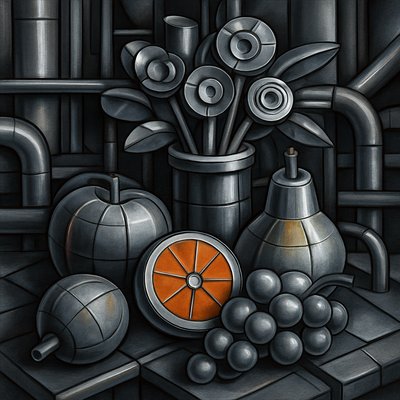
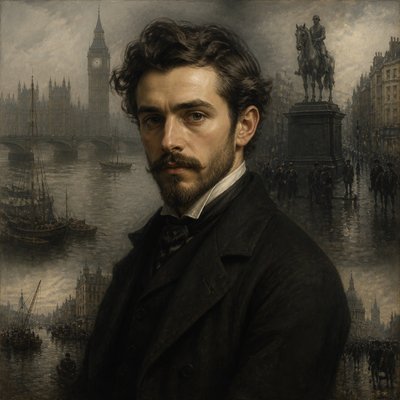
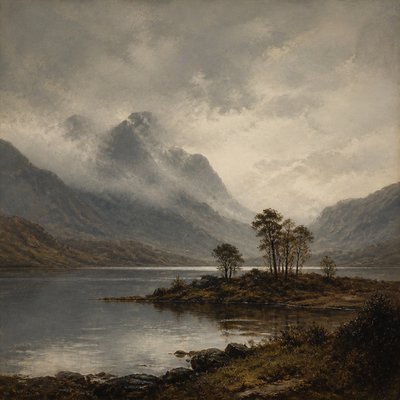
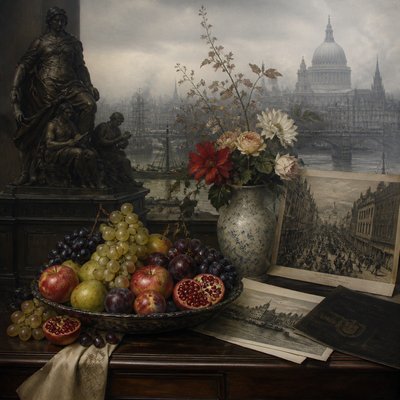
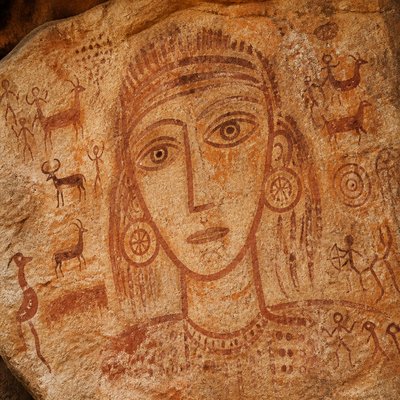
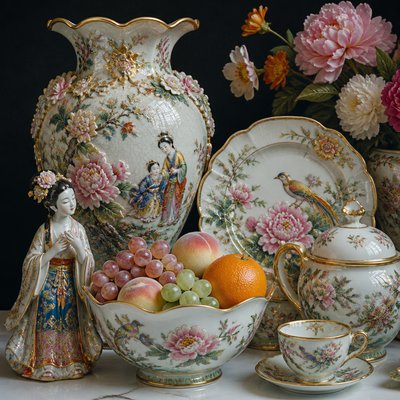
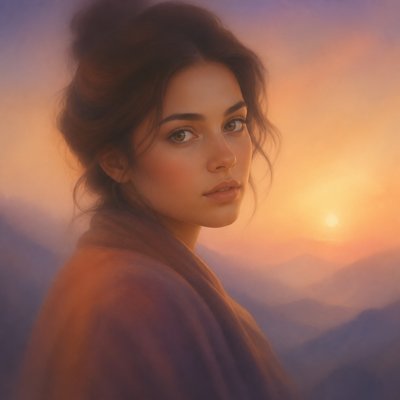
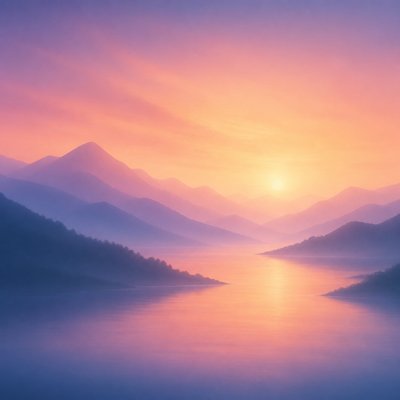
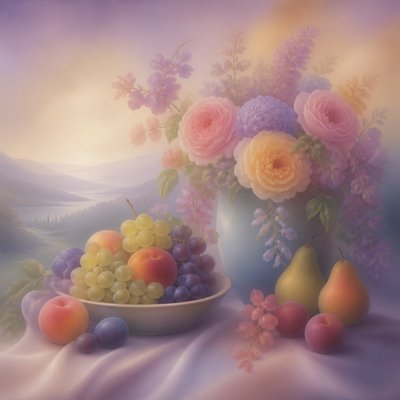
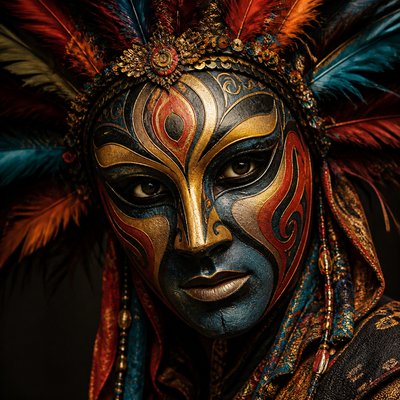
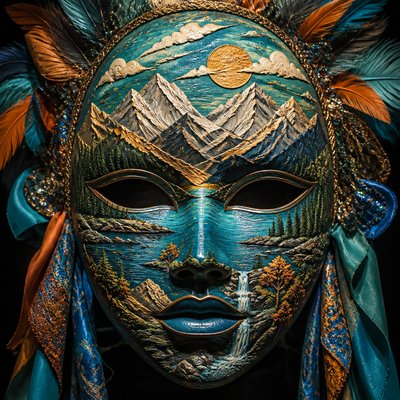
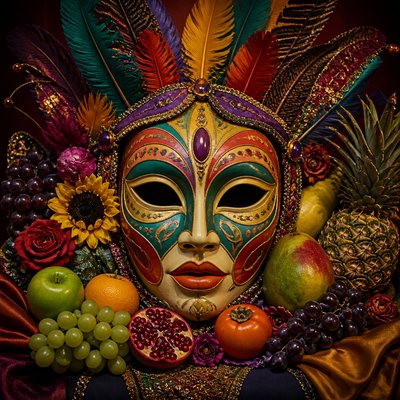
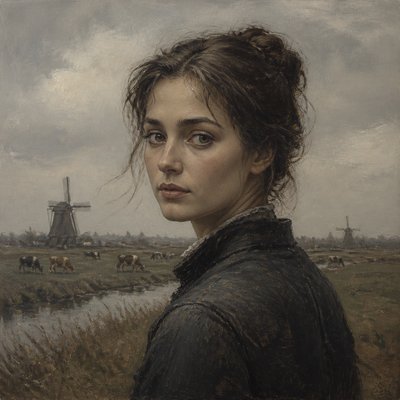
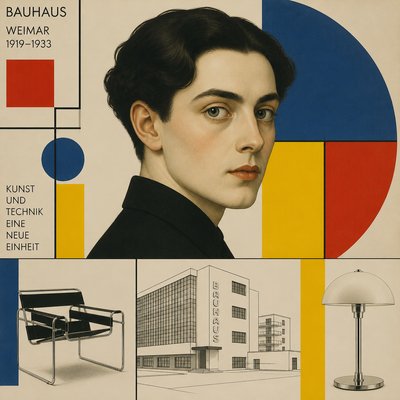
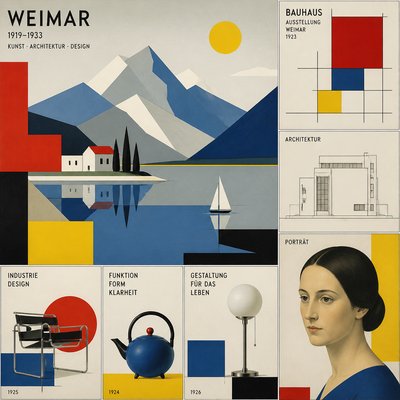
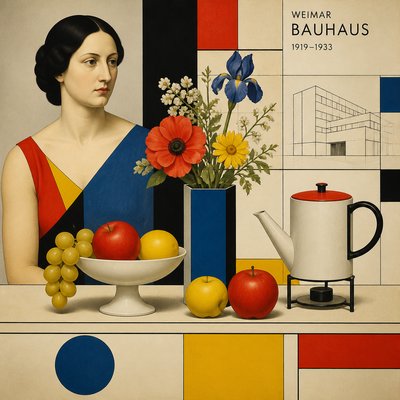
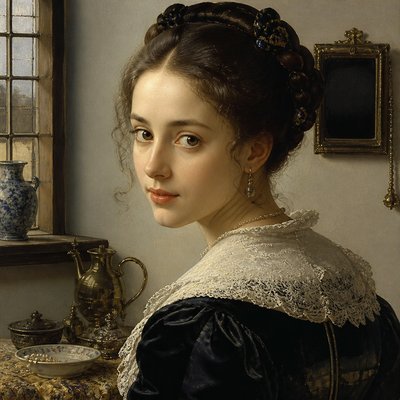
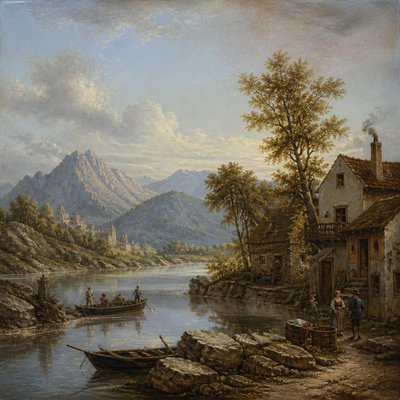
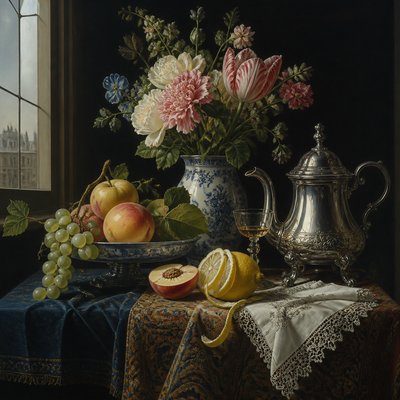
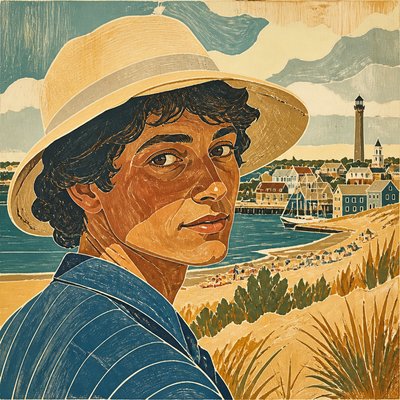
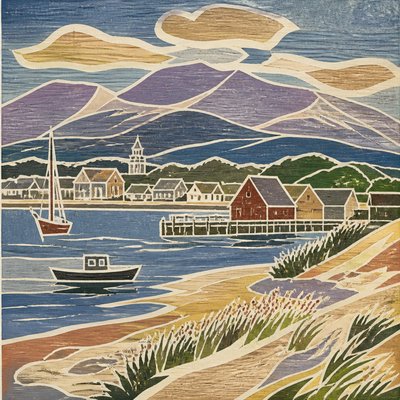
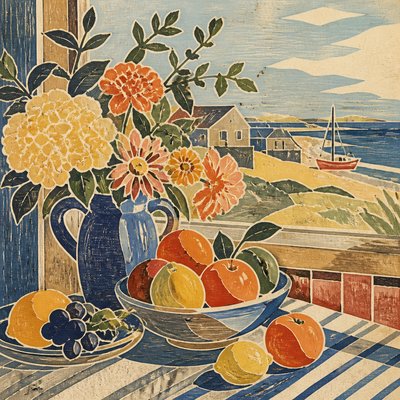
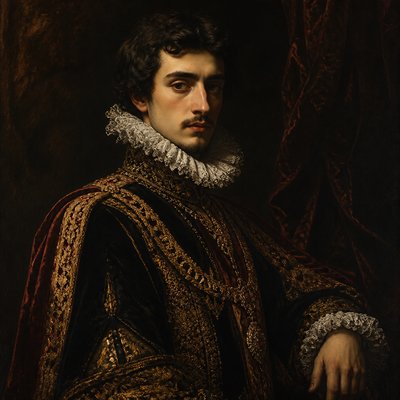
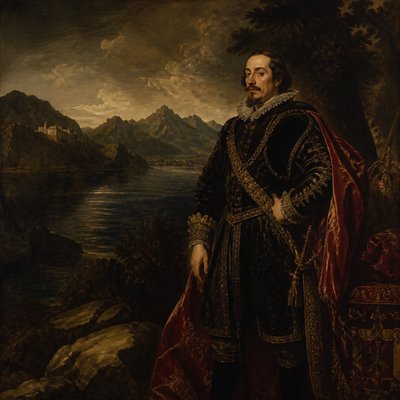
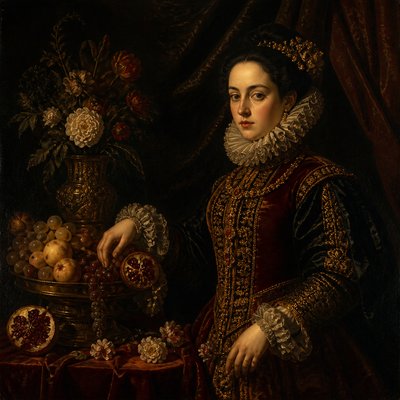
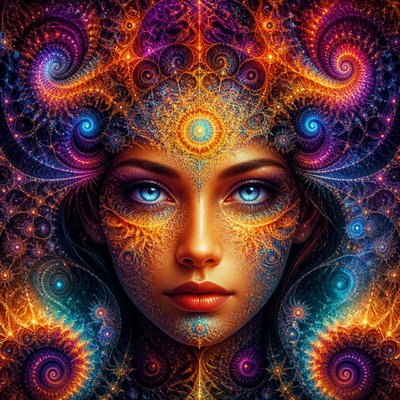
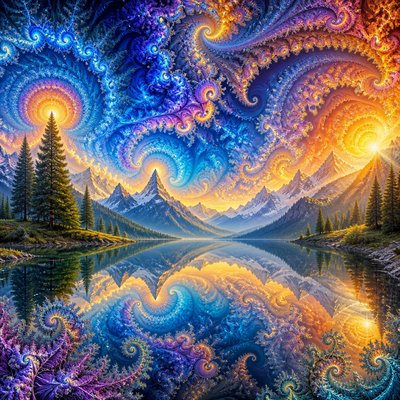
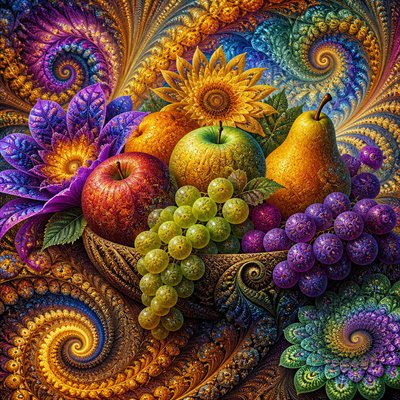
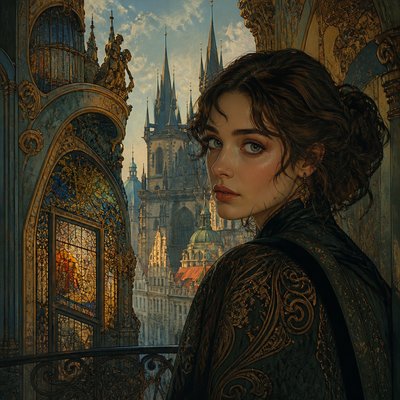
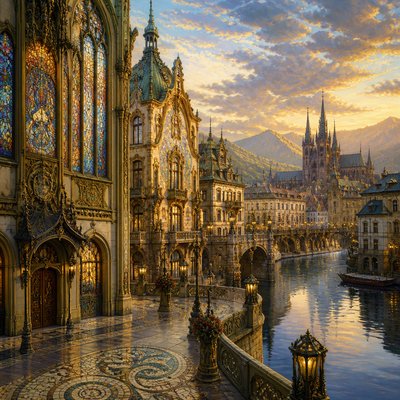
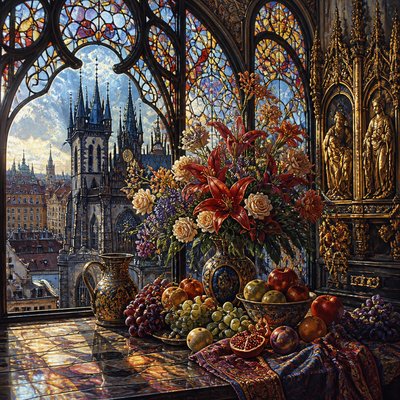
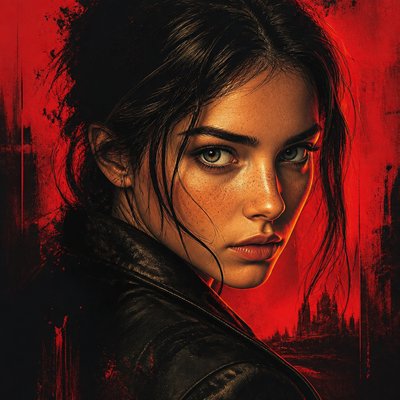
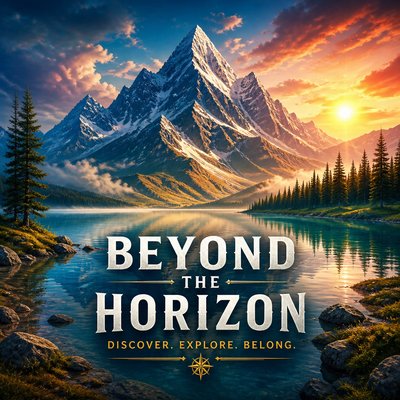
Abstract Gallery
Tap any artwork to explore it
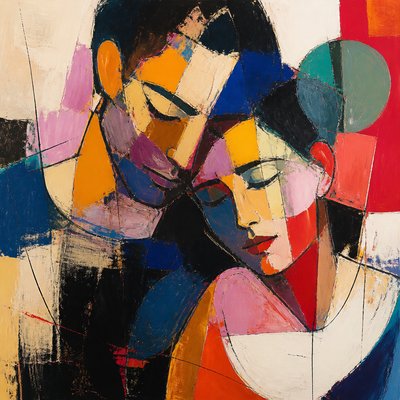
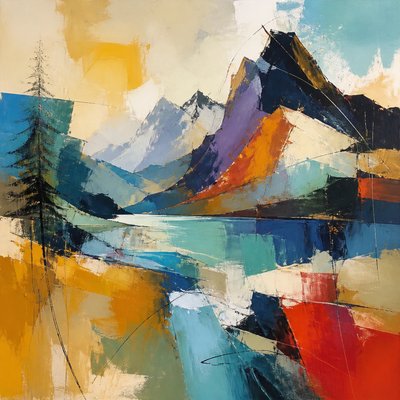
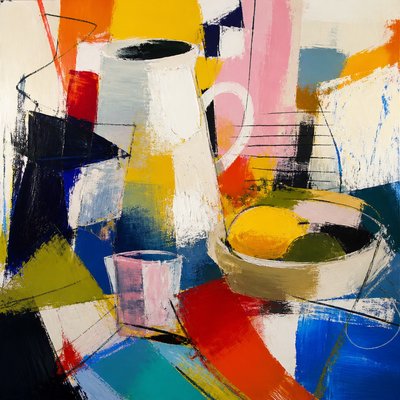
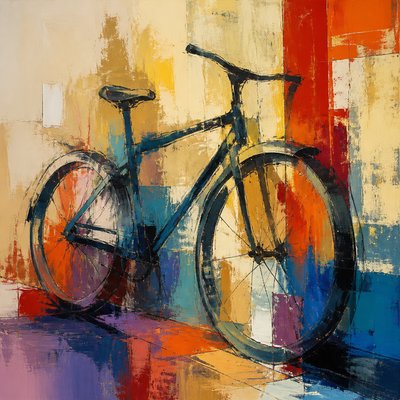
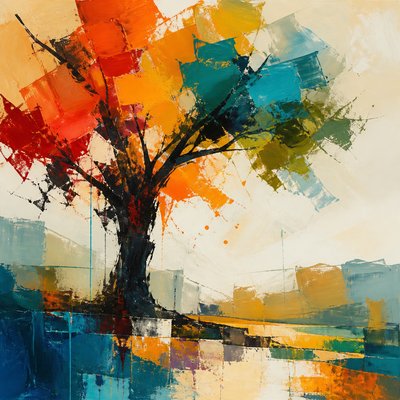
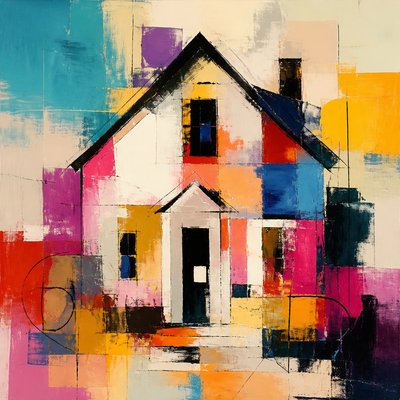
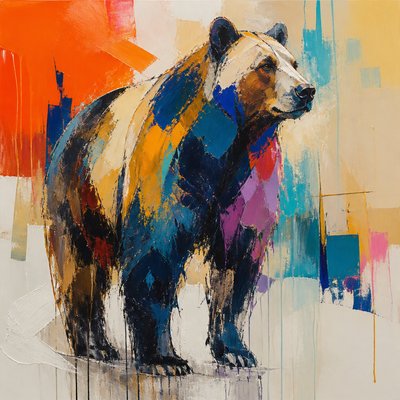
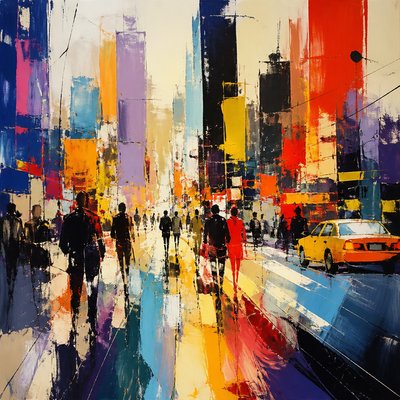
What is Abstract Art Style?
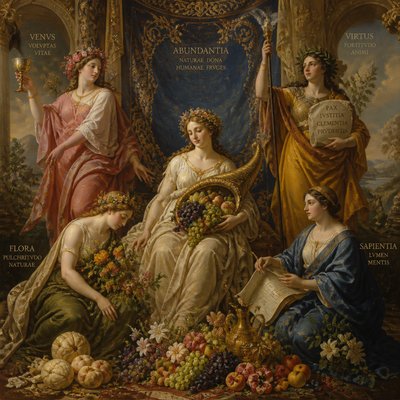
Abstract art is non-representational art built from color, form, line, texture, scale, and rhythm rather than from literal depiction. Instead of illustrating a recognizable subject, it uses visual relationships to create mood, tension, movement, harmony, or intensity. Some abstract works are entirely non-objective, while others begin with a real subject and simplify, fragment, or dissolve it until only essential visual energy remains.
Its visual identity can range from disciplined geometry to sweeping gestural improvisation. What unites the many forms of abstraction is a shift in emphasis: meaning is carried by pure visual elements rather than by narrative or likeness. The result can feel contemplative, chaotic, lyrical, austere, or explosive depending on how the artist organizes space, color, edges, and mark-making.
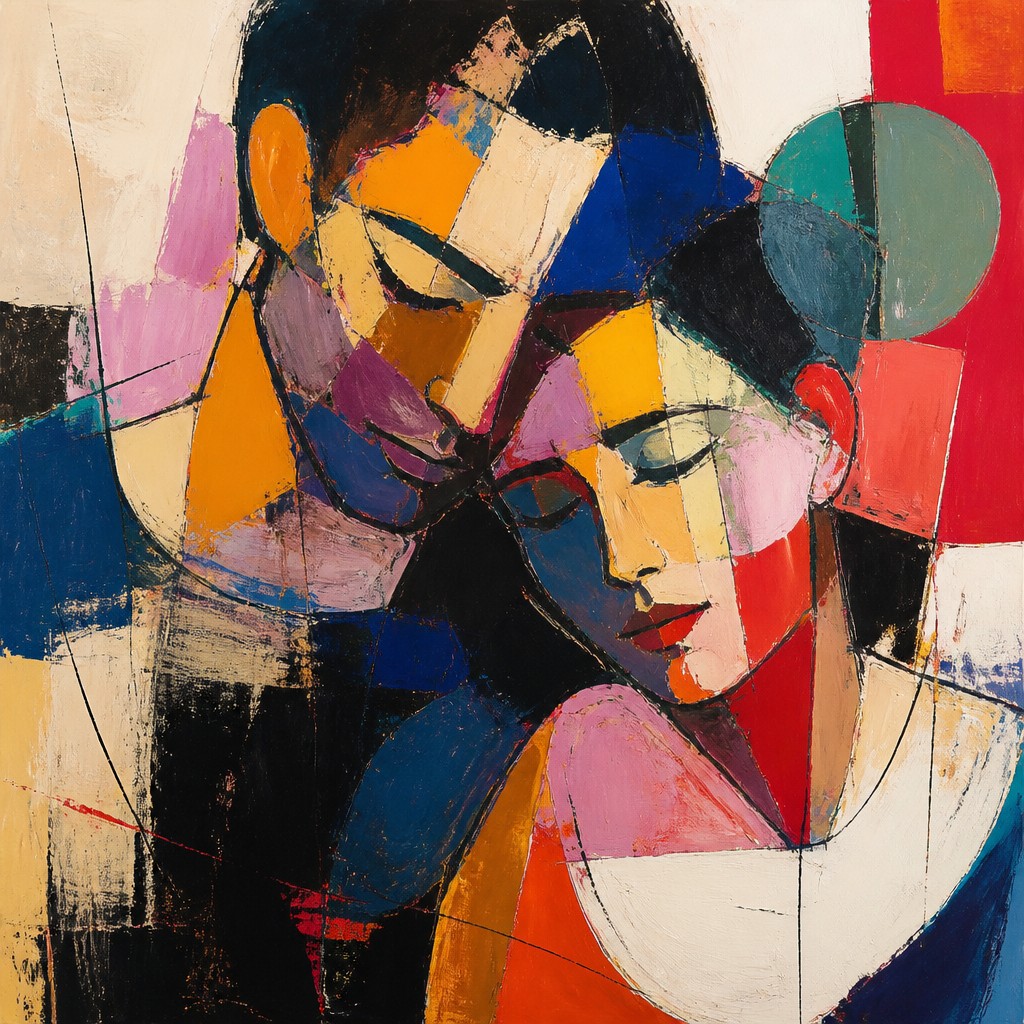
Try It On Your Photos
Upload any photo and convert it into Abstract Art Style — drag the sliders to compare before and after.
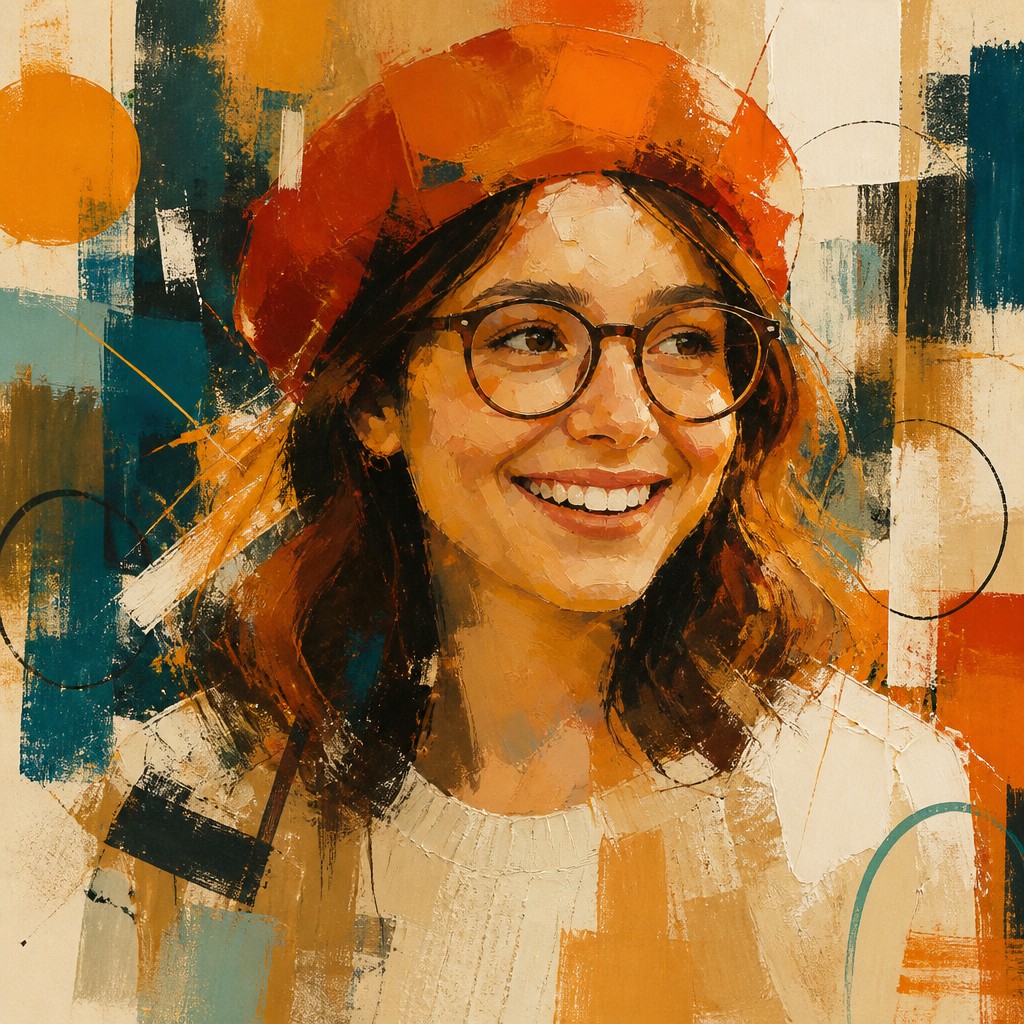

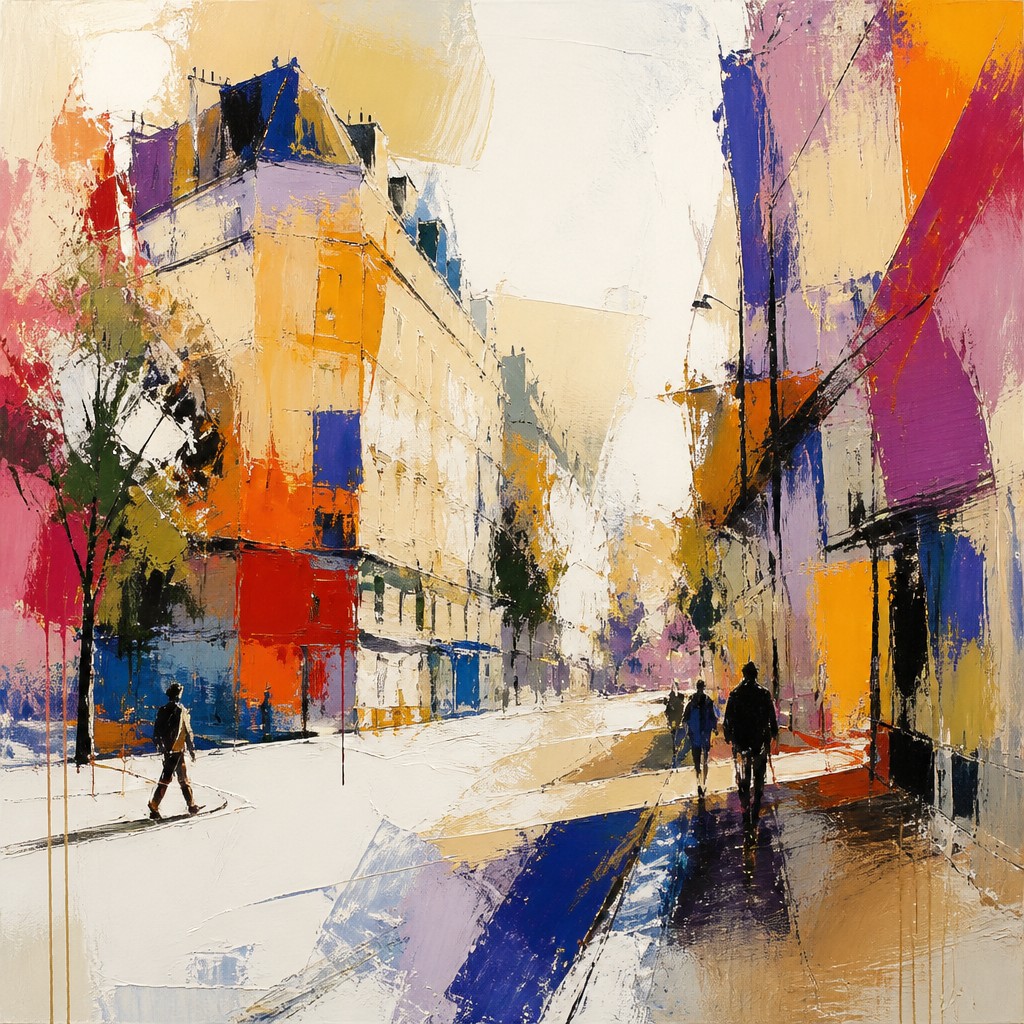

What Defines Abstract Art Style
The signature details, up close
Non-representational composition
Forms do not aim to depict a specific object, person, or place. If a subject is present, it is usually reduced to suggestion, structure, or visual rhythm.
Emphasis on color relationships
Color often carries the emotional weight of the work. Contrasts, harmonies, saturation, and transparency are used to create atmosphere and movement.
Gesture and mark-making
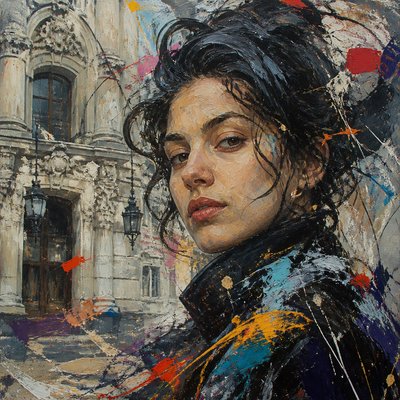
Brushstrokes, drips, scratches, smears, and layered marks are visible as part of the composition. These marks often communicate energy, spontaneity, or process.
Fragmented or simplified form
Recognizable forms may be broken apart, flattened, rotated, or reduced to essential shapes. This keeps the image from settling into straightforward realism.
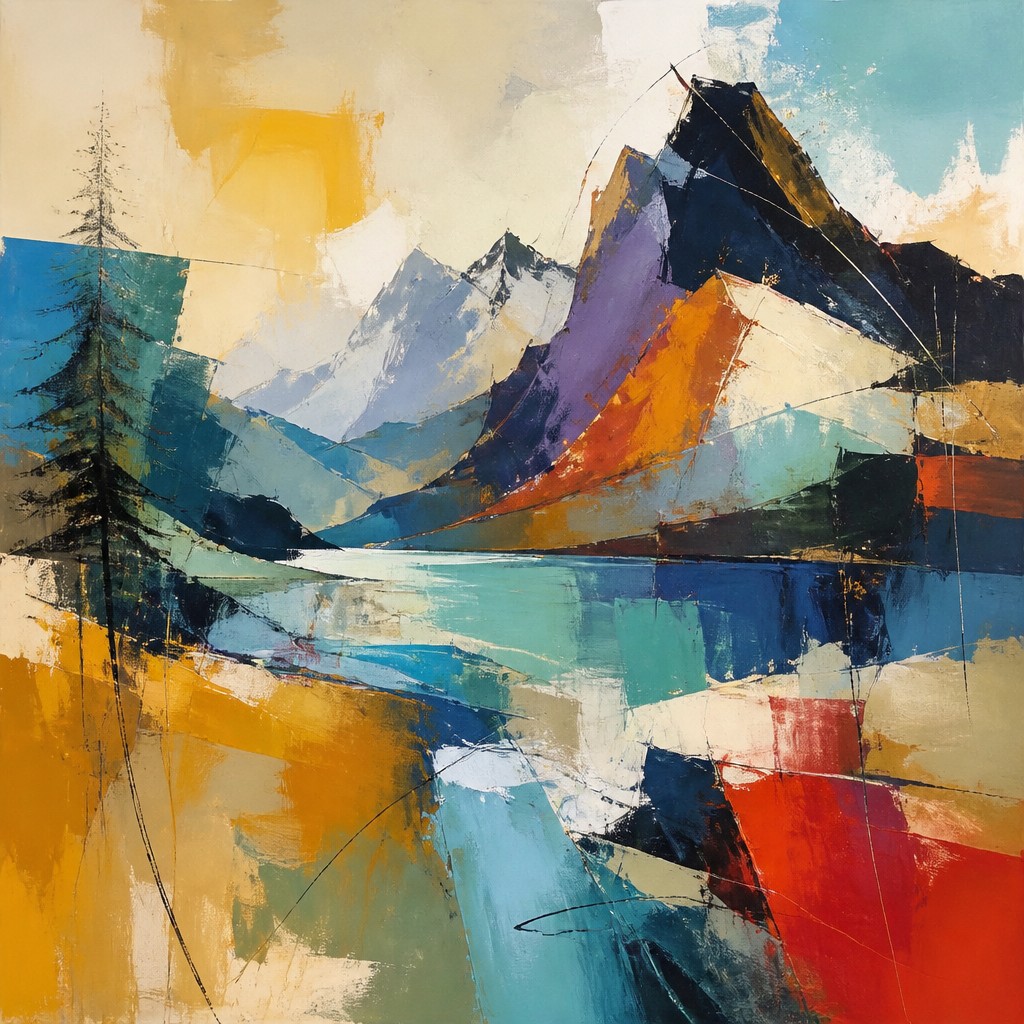
Active use of space
Negative space is treated as an important compositional element rather than empty background. The distribution of mass and emptiness shapes the overall visual tension.
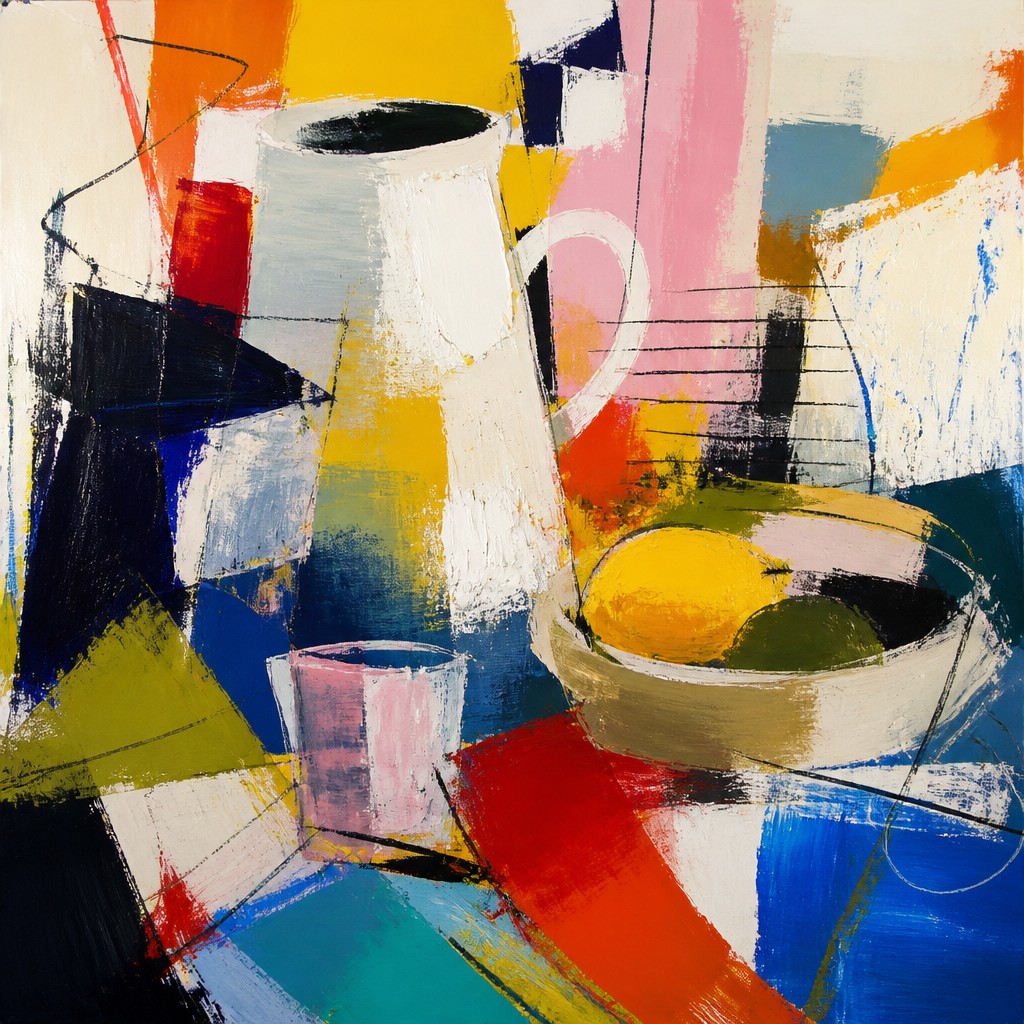
Layering and surface complexity
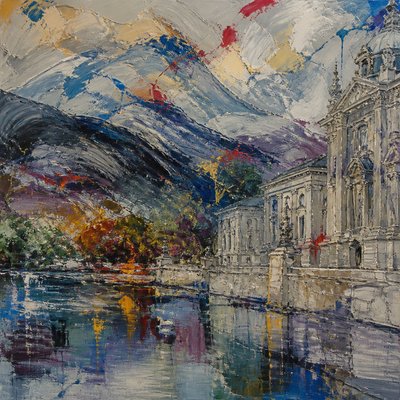
Abstract works often rely on multiple passages of paint, transparency, opacity, and texture. These layers create depth without conventional perspective.
Try It
Create Videos in Abstract Art Style
Styles aren't just for stills — describe a scene or animate an image and get a short video rendered in Abstract. Press play to see this pond come to life.
Make a VideoAbstract Prompt Ideas
Start from an idea — each one opens the generator with the style ready to go. See all 40 Abstract prompts →
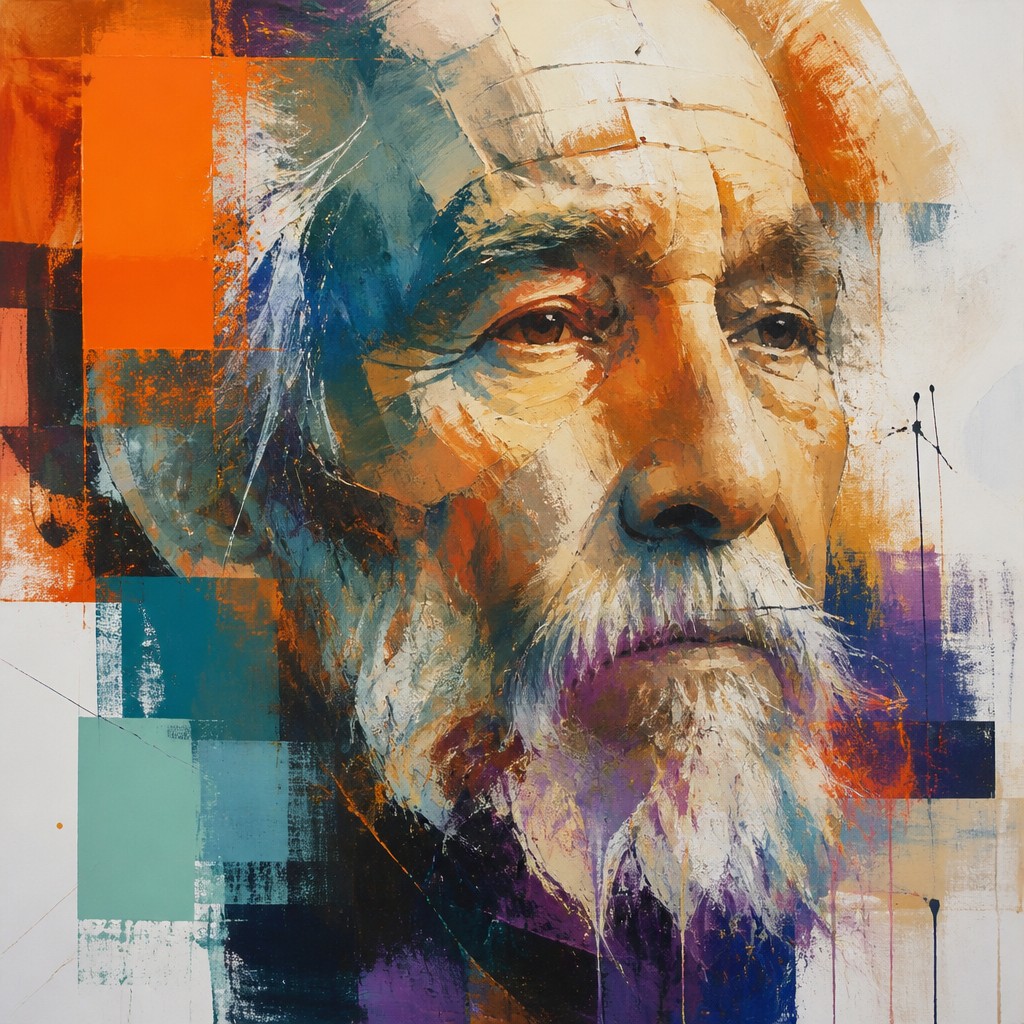
“close-up portrait of an elderly person with expressive weathered features”
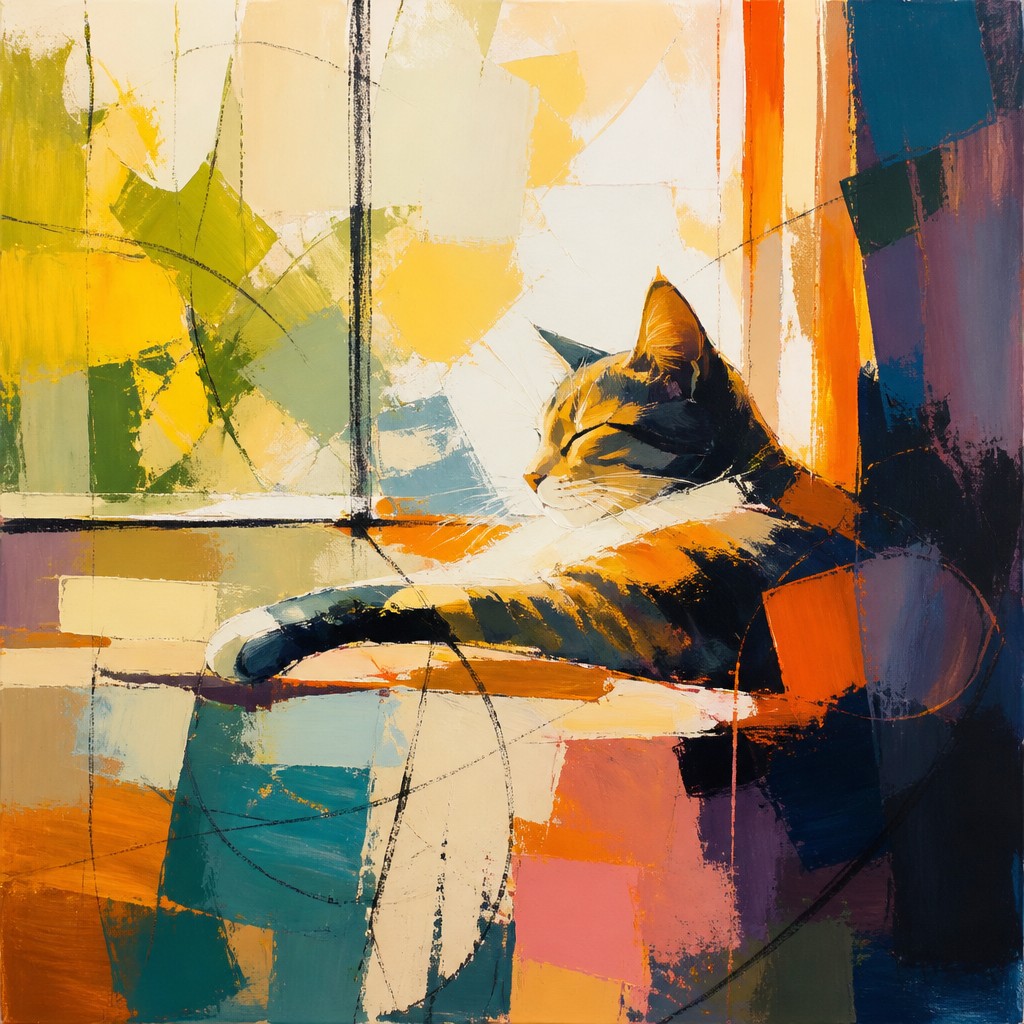
“a cat lounging in a sunlit window”
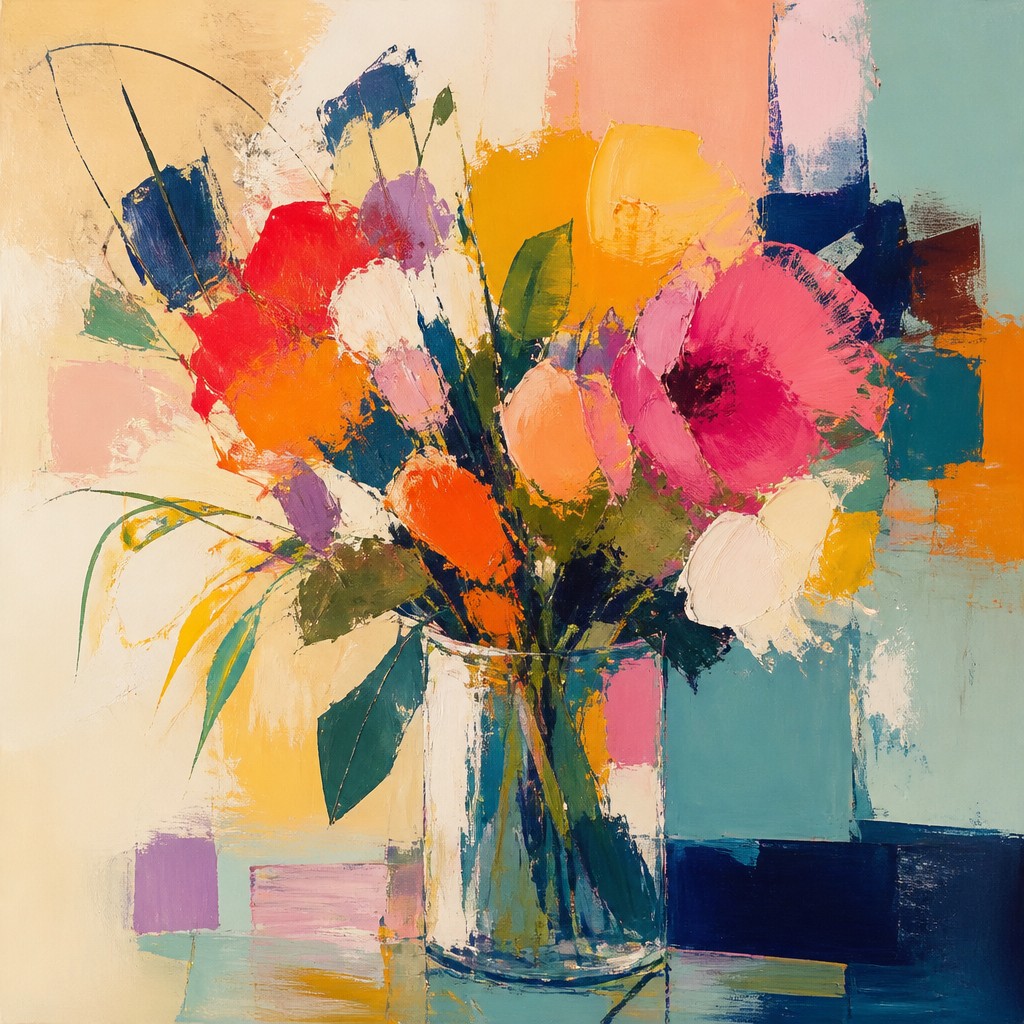
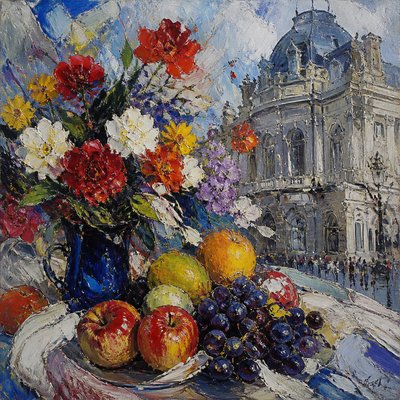
“bouquet of flowers in a glass vase”
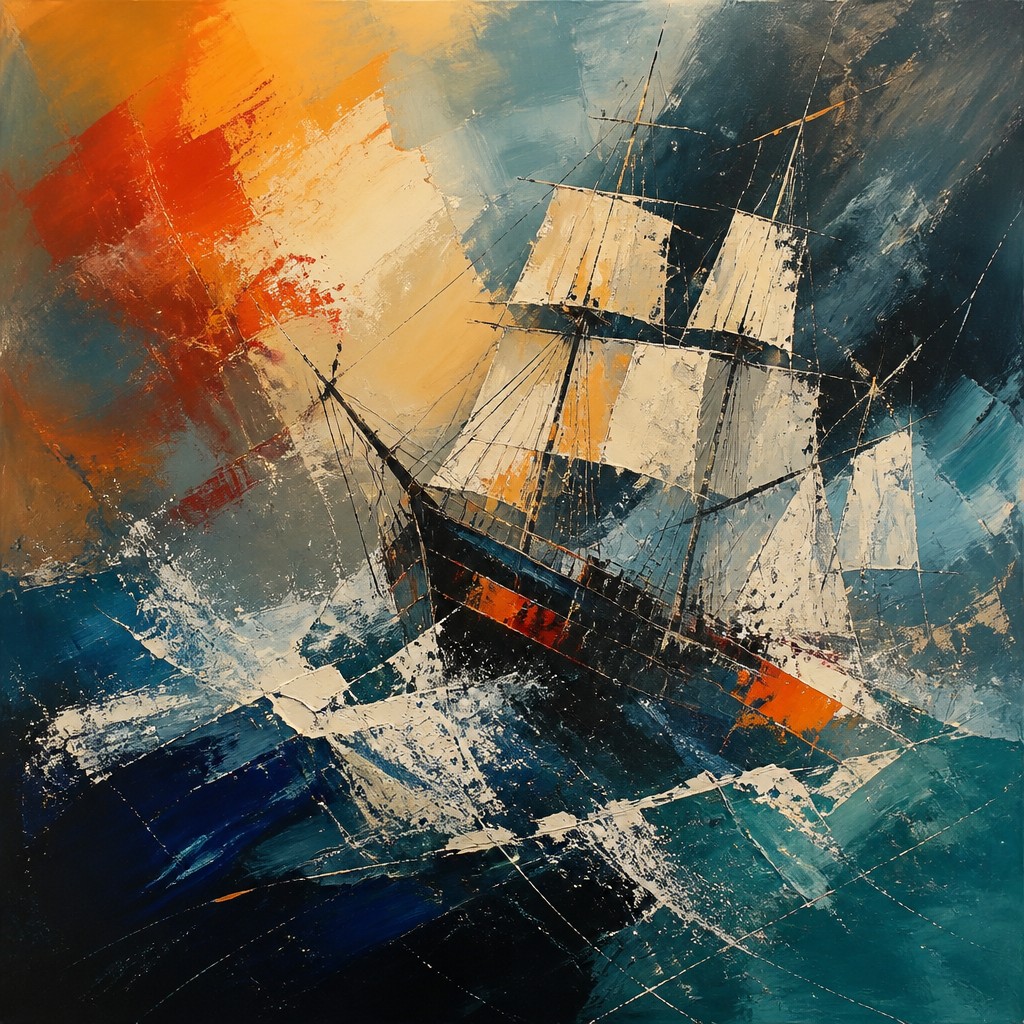
“sailing ship on a stormy sea”
How to Create Abstract Art
Master the craft step by step — or skip straight to creating. Read the full guide →
- 1
Begin with an emotional or formal intention
Choose a mood, rhythm, or structural idea before deciding on imagery. In abstraction, clarity of intent matters more than literal subject matter.
- 2
Build with shape, color, and contrast
Arrange large color fields, then introduce smaller accents, lines, and interruptions to guide the eye. Whether painting digitally or by hand, think in terms of balance, tension, and movement.
- 3
Use visible process
Allow brushwork, erasure, smudging, masking, or layering to remain evident. A convincing abstract image often feels made rather than merely designed.
- 4
Simplify the source if starting from a real subject
Reduce recognizable details to silhouettes, fragments, color blocks, or gestural traces. The goal is not to copy reality but to transform it into a composition of visual forces.
- 5
Control hierarchy and negative space
Decide where the focal energy should sit and where the eye should rest. Strong abstract work usually needs areas of density and areas of openness.
- 6
For prompt-based generation, describe the subject first, then the abstraction language
Specify the object, scene, or figure, followed by directions such as layered color fields, gestural brushstrokes, fragmented forms, translucent washes, and strong negative space. Add mood words like intense, serene, luminous, or turbulent to steer the result.

The Story
History & Origins of Abstract
Abstract art emerged in the early 20th century as artists in Europe and later the United States questioned the central role of representation in painting and sculpture. Its development is closely tied to Cubism, Fauvism, Expressionism, Futurism, and the spiritual and formal experiments of leading pioneers of geometric, nonobjective, color field, and gestural abstraction. These artists pushed art away from imitation and toward the independent power of shape, color, and gesture.
Its aesthetic lineage also reaches back to earlier traditions that valued ornament, pattern, calligraphy, and symbolic form, as well as to modern photography and industrial design, which encouraged artists to think in terms of composition rather than illusionistic depth. Over time, abstraction expanded into many branches, including geometric abstraction, lyrical abstraction, color field painting, action painting, minimalism, hard-edge painting, and contemporary digital abstraction.
Influences: Abstract art is related to Cubism’s fragmentation of form, Fauvism’s liberated color, and Expressionism’s emphasis on subjective feeling. Key figures in its history include leading pioneers of geometric, nonobjective, color field, and gestural abstraction, each of whom helped define different branches of abstraction. It also connects to calligraphic traditions, decorative pattern, modern design, and later minimalist and conceptual practices that further reduced representation.

Frequently Asked Questions
What defines abstract art?
Abstract art is defined by its departure from literal depiction. It uses color, shape, line, texture, and composition to communicate feeling or structure instead of clearly representing reality.
Is abstract art always completely non-objective?
No. Some abstract works contain hints of recognizable subjects such as landscapes, figures, or objects, but those elements are simplified or transformed. Other works are fully non-objective and avoid reference to real-world imagery altogether.
How is abstract art different from surrealism?
Abstract art does not depend on recognizable scenes or dreamlike imagery, while surrealism often presents identifiable objects in unexpected or irrational combinations. Abstract art focuses on visual elements themselves, whereas surrealism usually still references things from the real world.
What techniques are commonly used in abstract painting?
Artists often use layering, glazing, dripping, staining, dry brushing, impasto, masking, scraping, and gestural strokes. The specific technique depends on whether the work is geometric, lyrical, expressive, or minimalist.
Can abstract art be made digitally?
Yes. Digital tools make it easy to layer translucent color, manipulate shapes, build texture, and experiment with composition quickly. The same principles still apply: strong relationships between color, form, rhythm, and empty space.
Where is abstract art commonly used?
It appears in galleries and museums, but also in illustration, album covers, posters, branding, interior design, and digital media. Its flexibility makes it useful whenever mood, energy, or visual structure matters more than literal storytelling.
Create your first Abstract artwork
Describe anything — or upload a photo — and see it in Abstract Art Style in seconds.
Make Something with Abstract
Compare Abstract
Related Styles
Discover similar art styles